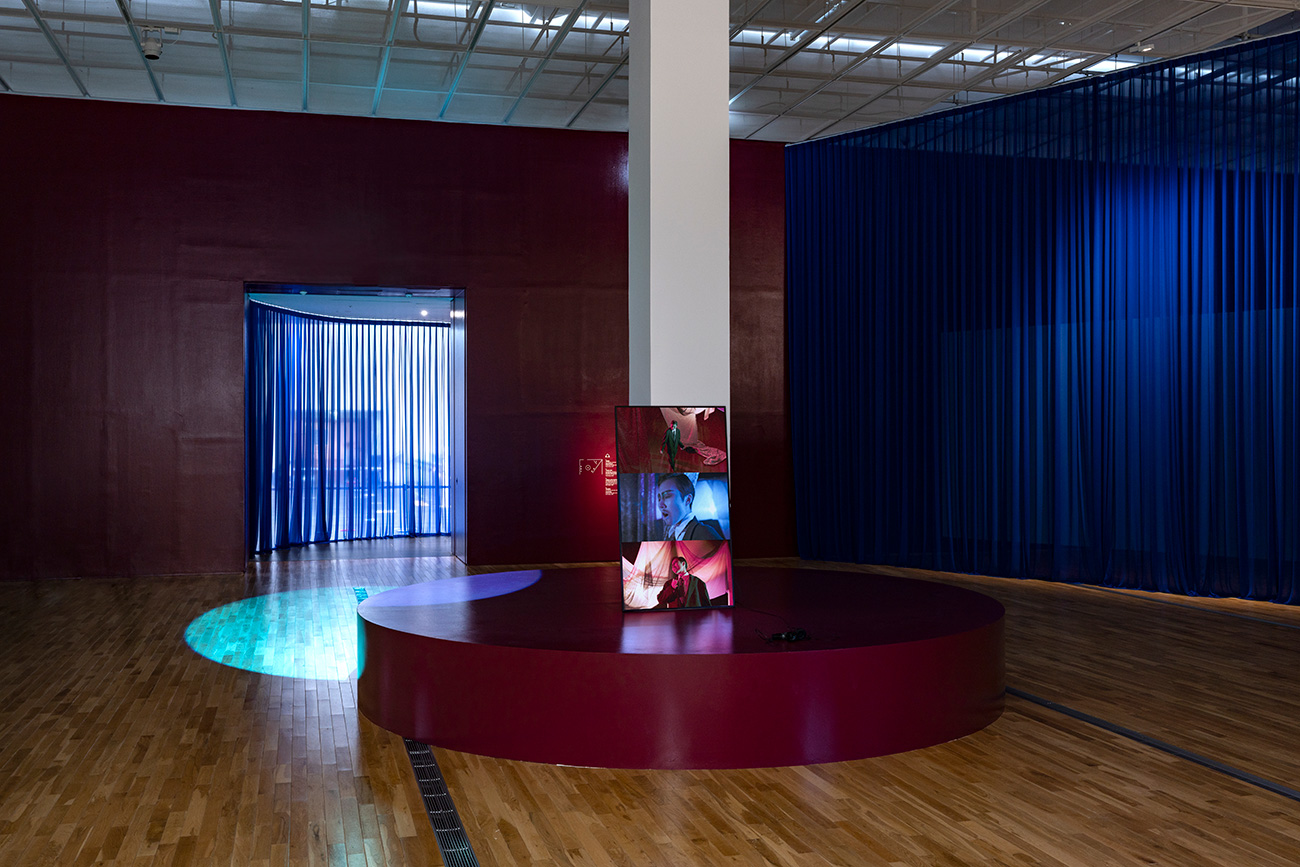
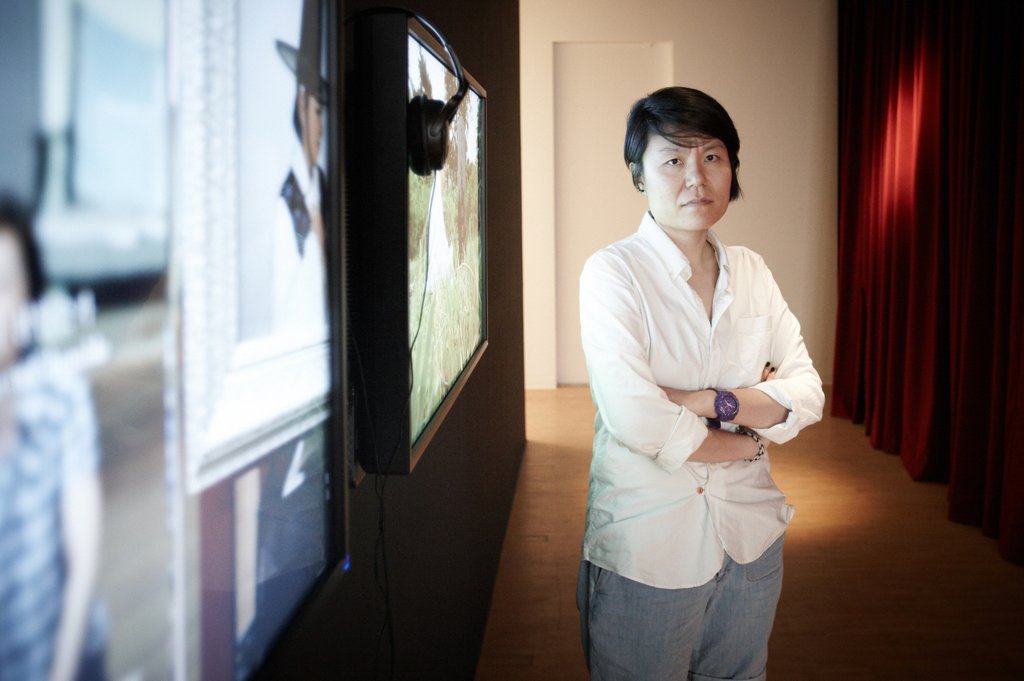
siren eun young jung has recalled to the present a rapidly
disappearing Korean traditional theater performance genre that is now nearly
forgotten, sought to pinpoint the genre’s position within the lineage of
contemporary art, and continuously refined her inquiry into the genre to draw
out diverse discussions in artistic, cultural, political, and social contexts.
Beginning in 2008 and progressing over a period of nearly ten years, the artist
initiated and carried out Yeoseong Gukgeuk Project, examining yeoseong
gukgeuk—a genre of Korean opera and musical theatre performed exclusively by
women (both male and female roles) that emerged in the late 1940s and peaked in
popularity as a performance genre in the 1950s post-Korean War period. She
proposes a queer interpretation of the genre via a gender politics that
embraces not only the “on-stage” of yeoseong gukgeuk but also the “off-stage”
of the performers’ daily lives by examining yeoseong gukgeuk’s agents, i.e.,
its performers (specifically, those who perform the male roles) and its
audiences.
As an initial matter, I recommend siren eun young jung for Korea
Artist Prize 2018 because she is an artist whose practice is sincere and yet
steadfastly practical. Swimming against the unyielding current of the present,
the artist has slowly but steadily breathed new life into the history of
yeoseong gukgeuk and conceived new artistic productions via a seamless
synthesis with contemporary art by immersing herself into the art and lives of
non-subjects that have not been recognized in official histories and by
listening to, documenting, and questioning their stories in the most intimate
of settings.
The artist treasured her memories of meeting with elderly yeoseong
gukgeuk performers—from her instant enchantment the first time they met to the
(at times) uncomfortable sentiments that she felt while sharing in their
everyday lives. Initially proceeding by documenting the performers’ voices, the
artist then attempted to go beyond her personal experience and sought to engage
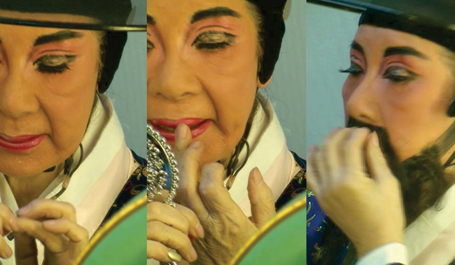
in a re-contextualization of yeoseong gukgeuk. At first, her works comprised
scenes of the performers’ makeup and rehearsal sessions and interviews with the
performers. In this manner, she created a kind of “yeoseong gukgeuk archive,”
playing the role of a documentary artist while fastidiously maintaining a
proper distance from the objects of documentation.
She then went on to create
new stages and videos for the yeoseong gukgeuk performers, in the process
experimenting with artistic intervention and aesthetic and artistic
transformation. Throughout these evolving processes and over an extended period
of time, the artist did not strategically target a specific goal, but instead
repeatedly paused to carefully and constantly question herself as to her
reasons for representing yeoseong gukgeuk. Thus, this project was never
intended to have a specific point of completion. Instead, it serves as a record
of the artist’s long journey to find answers amid its incompleteness.
Through Yeoseong Gukgeuk Project siren eun young jung approaches
gender politics from the perspective of unanchored gender. The artist
discovered that the yeoseong gukgeuk performers ultimately “alternated” their
gender and that gender is something that emerged into view at different stages
of their lives, and she recalled this process through oral statements, theory
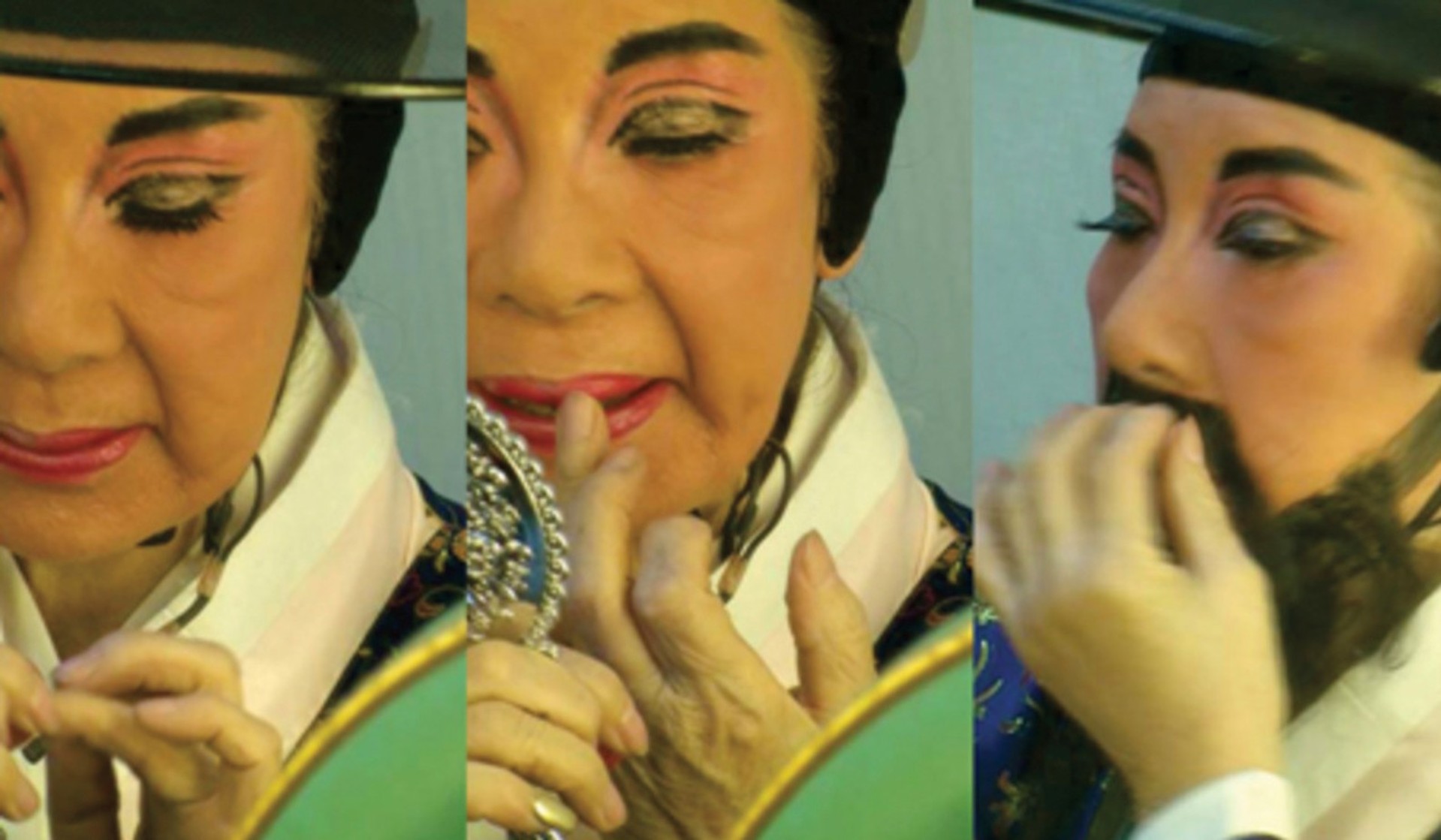
studies, photographs, video works, and performances. An elderly performer on
stage in (Off) Stage(2012) reflects on her personal
stories about how a female performer with a male role in yeoseong gukgeuk had
to be a man off stage in order to be a dashing man on stage.
They not only
practiced acting techniques in order to appear like debonair men, but also
talked, walked, and acted like men in their daily lives in order to train their
bodies and acquire the requisite attitude. Yet, as revealed
in Masterclass(2010, 2012, 2013), which depicts a
protégé’s lesson where the male role is passed down to the younger generation,
the man that yeoseong gukgeuk was trying to realize was exaggerated to such a
degree such that he was nothing like the men in reality, thus twisting the
common perception of gender.
In other words, the work presents the masculinity
that the performers were trying to “embody” both on and off stage as a type of
fantasy; nevertheless, it prompts us to reconsider the mindset itself that
acknowledged and accepted such gender characteristics in the first place.
Notably, in the works noted above, the artist prepared stages for yeoseong
gukgeuk performers upon which they could reveal their previously unspoken
stories, but in her lecture performance Gender Bender
Fencers(2014, Arko Art Center; 2017, Haus der Kulturen der Welt), the
artist shifted roles to herself became a performer who put forth discussions of
a new gender that is located outside the precepts of binary gender.
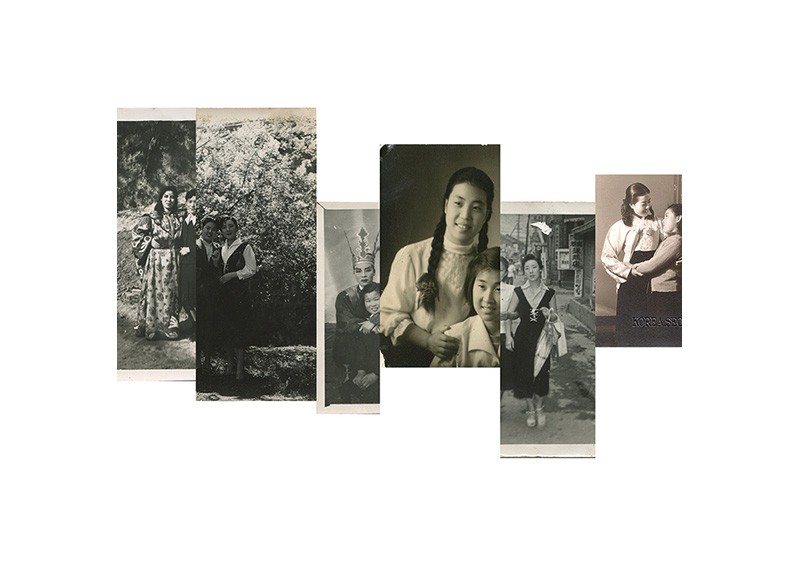
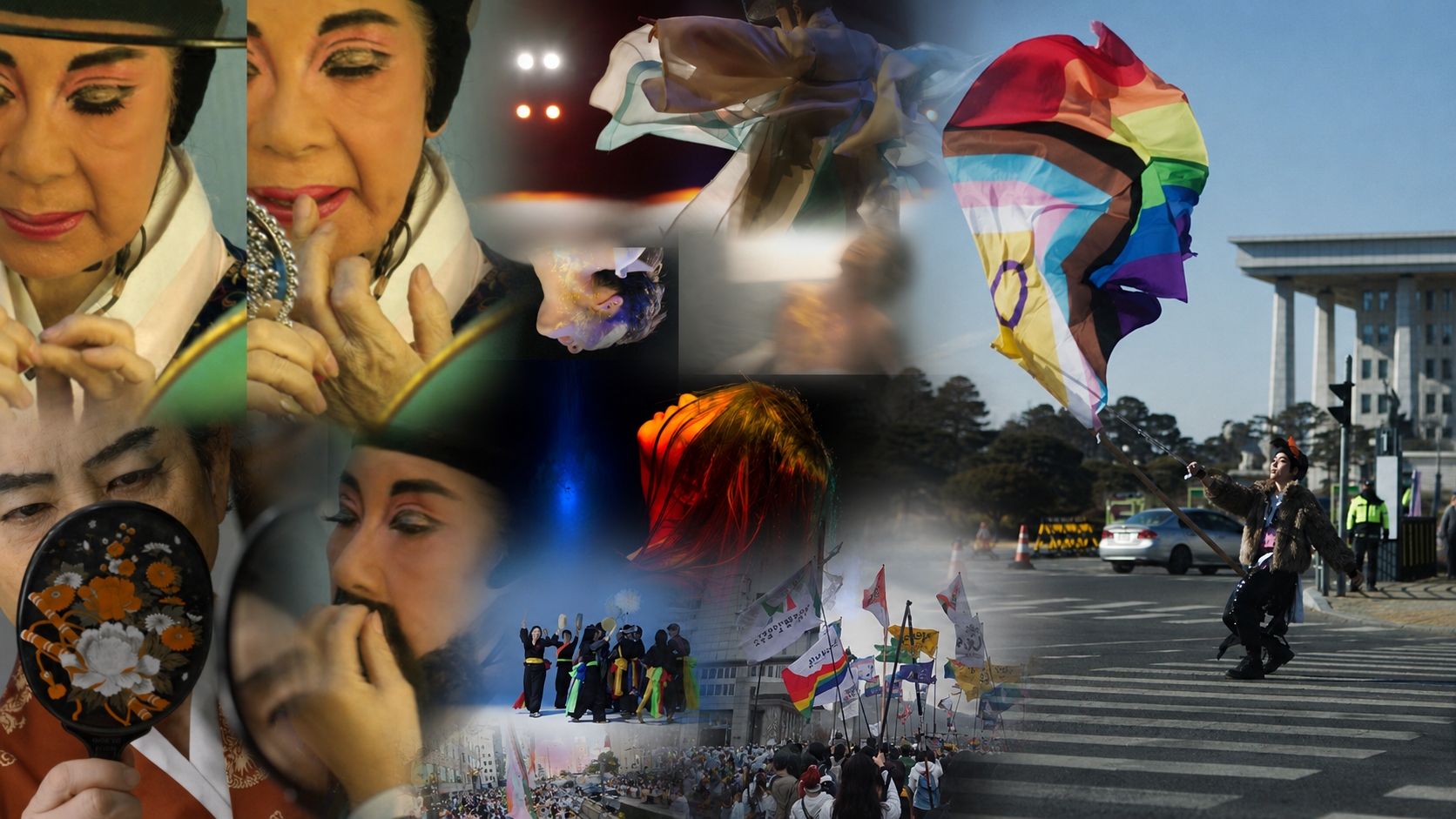
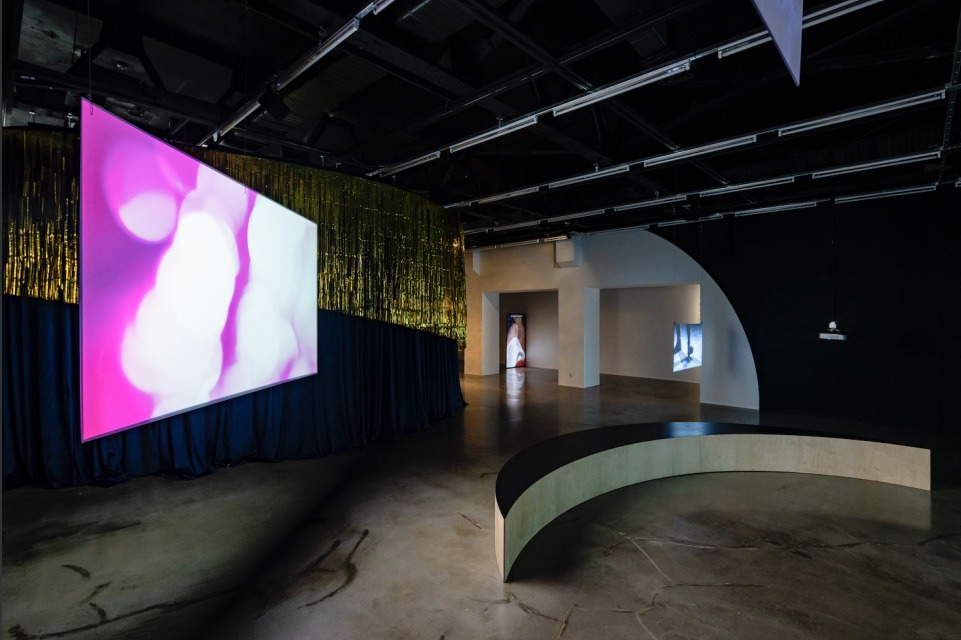
In her solo exhibition 《Trans-Theatre》(2015, Art Space Pool), the
artist took image montages extracted from the archives that she created and
organized them under the title Public yet Private
Archive(2015). Sohyun Ahn, the curator of this exhibition, explains
that in a situation where no definite center is established, the tendency of
the images that the audience reads is revealed simultaneously as being
dependent on certain social customs that are inscribed in people and also as
subverting such customs, and this tendency is a common denominator between
gender formation and archive exhibitions.
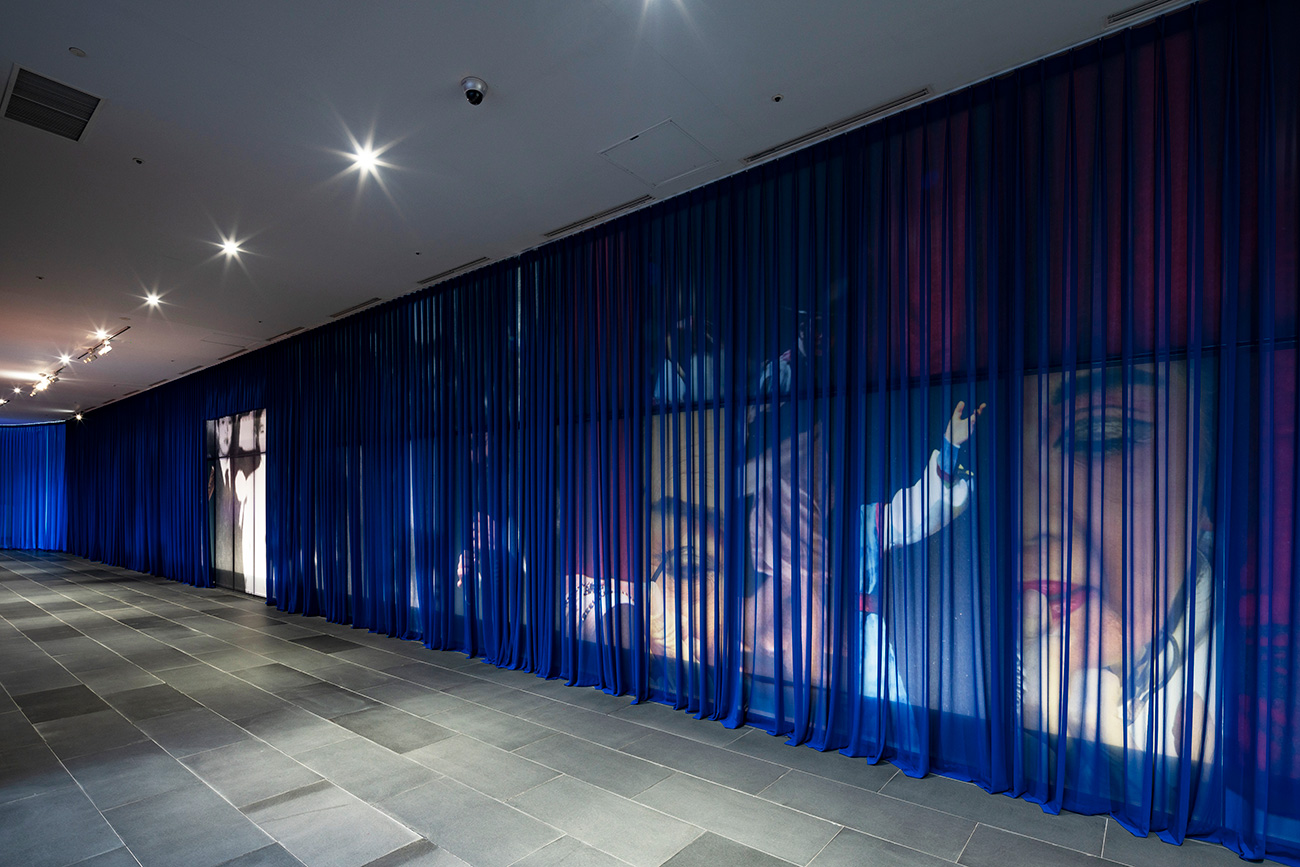
At Namsan Arts Center, siren eun young jung
showcased Anomalous Fantasy(2016), which was her first
formal theater-based work and thus signaled a new phase of Yeoseong Gukgeuk
Project. In this work, the artist retraced her initial intent to focus on the
background of yeoseong gukgeuk’s birth and its “gender play,” and pondered
“what is left behind after its decline.” Through the fate of Nam Eun Jin, a
member of the last generation of yeoseong gukgeuk male-role performers, and the
voices of G-Voice, an amateur gay chorus, she attempted to “awake the Dionysian
aesthetics that remain in the unstable lives of those who were not able to
reach a ‘proper’ position in this society.” (Artist’s
Note). Anomalous Fantasy examines the multiple
reasons for yeoseong gukgeuk’s failed history (specifically, its deliberate
exclusion from male-centric modernization, thus becoming the “other”) from a
contemporary perspective and actively confronts today’s nuanced gender
politics.
Approximately one year has passed since I initially wrote this
recommendation letter. I would now like to return to where I left off and share
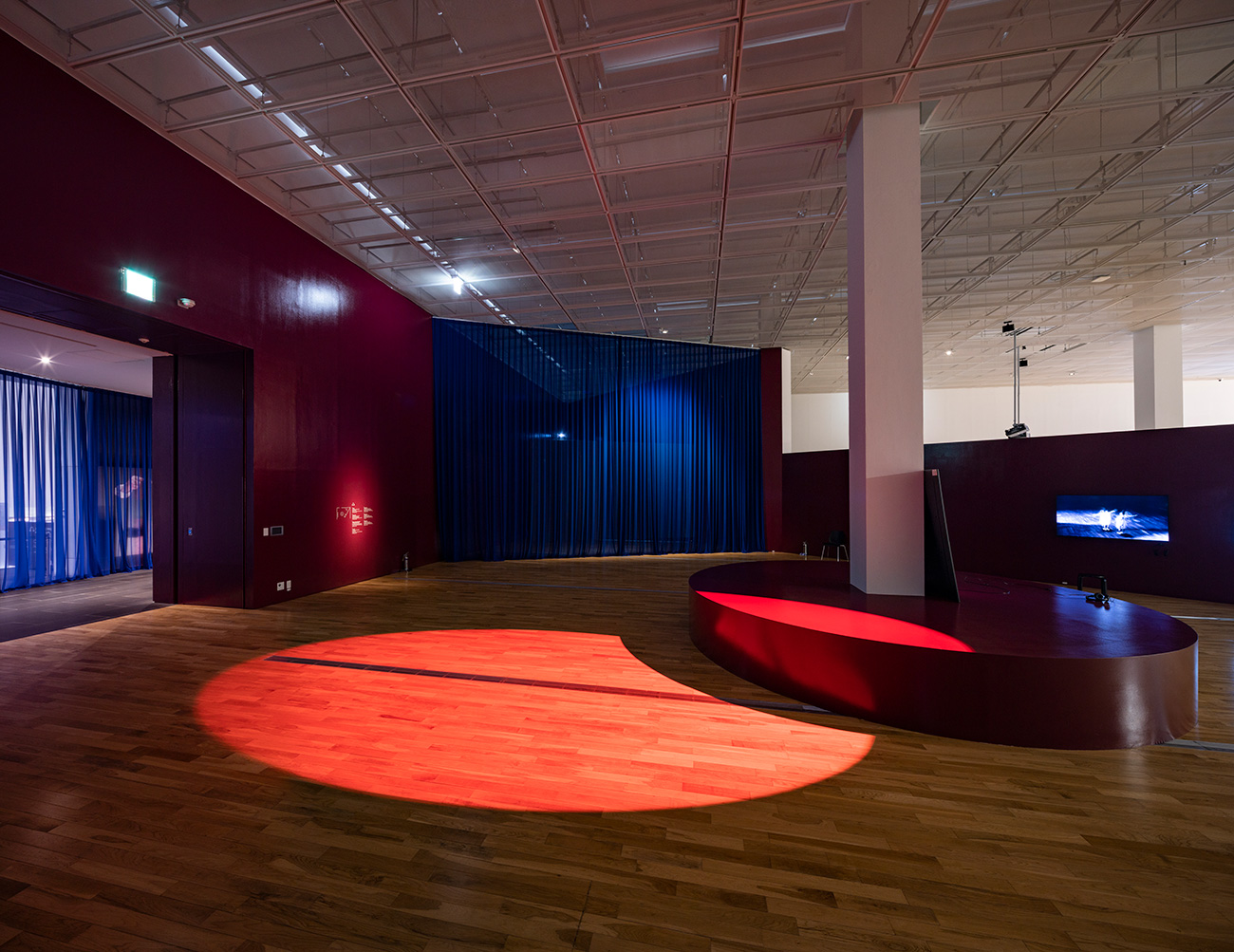
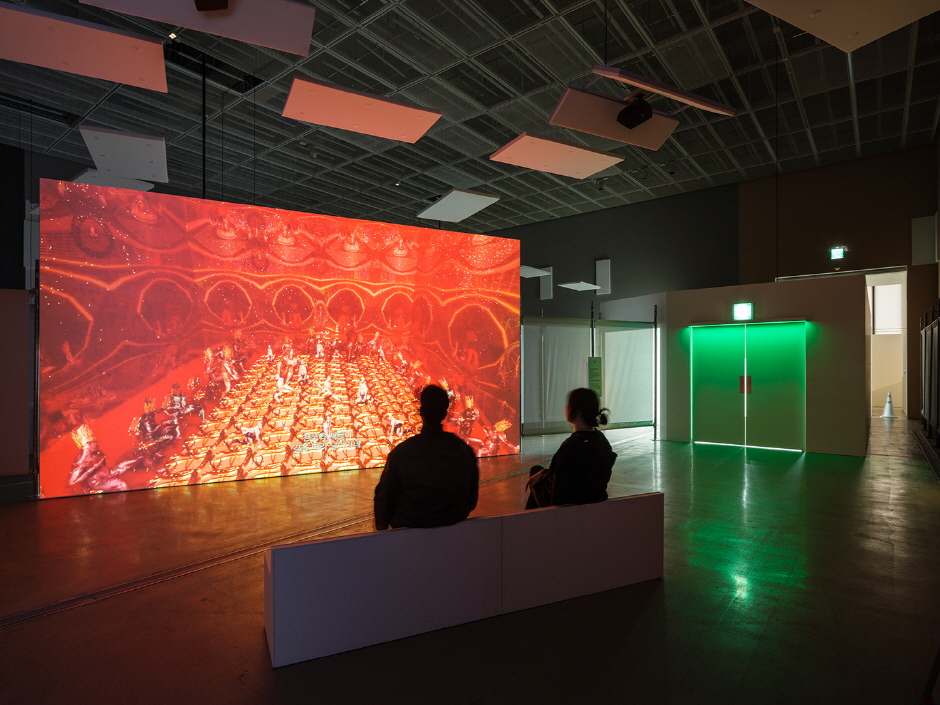
my thoughts on siren eun young jung’s work Deferred
Theatre(2018), which was presented at the 2018 Korea Art Prize
exhibition at MMCA Seoul. Along with her continuing process over more than ten
years of approaching, observing, and documenting yeoseong gukgeuk and bringing
it into the present, I understand this work’s role as one that compels the
artist to ask herself, time and time again, why she has to undertake Yeoseong
Gukgeuk Project, and specifically why she has to do so at this particular
moment in time.
Set in the background of a theatre, jung asks three
performers—a male-role performer from the last generation of yeoseong gukgeuk,
a singer of Korean opera, and a drag king—their opinions about the genres that
they work in, and then intersplices their contrasting answers in a manner that
has the effect of further raising new questions. The performers express their
passion for or captivation by their genres, but their attitudes toward these
genres are divergent and, indeed, at times almost diametrically opposed to one
another.
In particular, as the artist directs pointed questions toward a
yeoseong gukgeuk performer whom she has spent quite a long time with, she seems
to invite a critical introspection about the performer and the artist, as well
as about the exact reason they have undertaken a series of projects to
represent yeoseong gukgeuk. In response to the artist’s questions about how
yeoseong gukgeuk will be able to survive in the future and whether it is
actually worth preserving, male-role performer Nam Eun Jin answers that it may
be possible if done well with a proper flow so that audience members can
empathize with it. However, the artist responds, “I don’t think it would be
possible.”
The performer wishes that, as one of many diverse facets of Korean
traditional culture, the disappearing genre of yeoseong gukgeuk could continue
on. However, by juxtaposing this with the rather cynical attitude of gagok
changja (singer) Park Minhee, who performs traditional Korean gagok within a
new contemporary frame and states matter-of-factly that “gagok has no position
whatsoever” and “it’s really no big deal even when something that was beautiful
in one age disappears,” the artist explicitly reveals the two performers’
contrasting viewpoints on tradition.
This juxtaposition certainly recalls the disparity between one
viewpoint that identifies tradition with history and understands it as fixed,
thus considering it either as something to unconditionally deny or otherwise
defend, and another that understands tradition as a continuum that has been
arrived at through constant evolution.²
The scenes also intermix the male-role performer and drag king
Azangman. The artist carefully constructs a discussion about gender politics in
between the male-role performer, who has inherited and practiced exaggerated
gestures and a masculine voice to represent an imaginary masculinity in
traditional yeoseong gukgeuk, and the drag king, who uses her singing on the
stage as a performance platform and thus as a means to liberating her sexual
identity.
However, even though the intention of the artist is to inquire about
and discuss tradition and the present as well as gender politics, what these
performers express is not so much a macro perspective on tradition and history
than something more like a confession in which they perform the genres that are
essential for them, and they do so in order to tell stories about life and to
make and sing private and trivial songs. In fact, this overarching confession
resonates more powerfully than any of the interviewees’ individual opinions.
The work then depicts documents and video clips from the yeoseong
gukgeuk archive that the artist has collected and a clip from an interview with
Cho Young Sook, a first-generation yeoseong gukgeuk performer. Finally, the
artist reads excerpts of a historical document from the modern male-centered
gukak field that intentionally denigrated and attacked yeoseong gukgeuk. While
furiously criticizing the activities of all-female troupes, even citing the
proverb “when a hen crows, that family will be ruined,” the document concludes
with an admonition that “male and female changguek performers alike must create
and cultivate their skills, thus endeavoring to establish traditional
changgeuk.”
Subsequently, the artist removes the words “male and female” and
“tradition” from the preceding sentence and asks again, “is there any reason
[why yeoseong gukgeuk] should exist?” to which the yeoseong gukgeuk performer
answers, “I wish that what I like would survive, it is a personal wish.”
However, the next scene again displays an article that reveals the fierce
volition of the yeoseong gukgeuk performers who stood up to the male-centered
gukak field.
Deferred Theatre deconstructs issues of
tradition, the present, and gender through interviews with three performers but
only alludes to the possibilities of how to reconstruct them. As the artist
traces back the history of yeoseong gukgeuk and critically examines the
present, she seems to have located a point of synthesis somewhere in between
the passionate affect where the on-stage and daily off-stage lives fused
together among the first generation of yeoseong gukgeuk performers and the
affect embracing the vague dreams of the last generation of male-role
performers.
1. This essay was initially written in 2017 to recommend the
artist siren eun young jung for the Korea Art Prize 2018, and this revised
version incorporates my thoughts on her new work, Deferred
Theatre(2018), which was shown at the Korea Art Prize 2018 exhibition
at MMCA Seoul.
2. Young Wook Lee, Park Chan-kyong, “How to Sit: Tradition and
Art,” 《How to Sit》(Seoul:
Indipress, 2016), 24. In the essay for the exhibition 《How
to Sit》 curated by Young Wook Lee, Lee and Park begin
with the poem “Colossal Roots” (1964) written by poet Kim Soo-Young (1921–1968)
to approach the concept of tradition from multiple different perspectives by
linking examples from Korean contemporary art.