When I first heard about the
artist IM Youngzoo, I was on the subway to Incheon and reading her book Odd
Rock Force. Not knowing whether she is funny, serious, or smart, I
was astonished by her unusual intelligence making mutual exclusive frames
interfere each other along with her word game and kept bursting into a fit of
laughter paying no attention to people sitting across from me in the train. I
was identifying my reaction with the way Foucault reacted when he read Borges’s work and the way westerners reacted when they read Gargantua by
Rabelais. Since the laughter which Foucault found from Borges or those
westerners found from Rabelais is the experience I can’t
achieve due to cultural difference and a part of information/knowledge, I
thought that they would never experience laughter Odd Rock Force generated
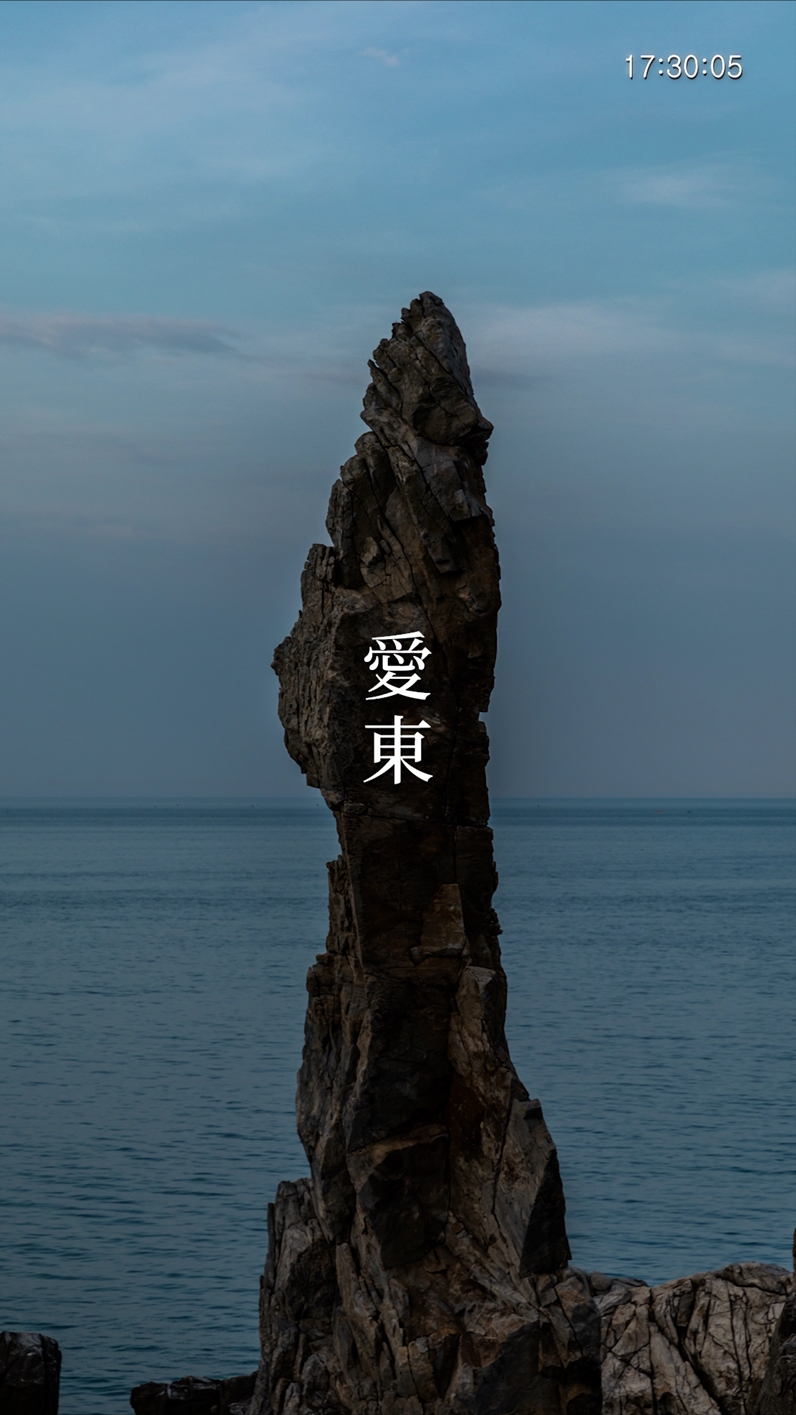
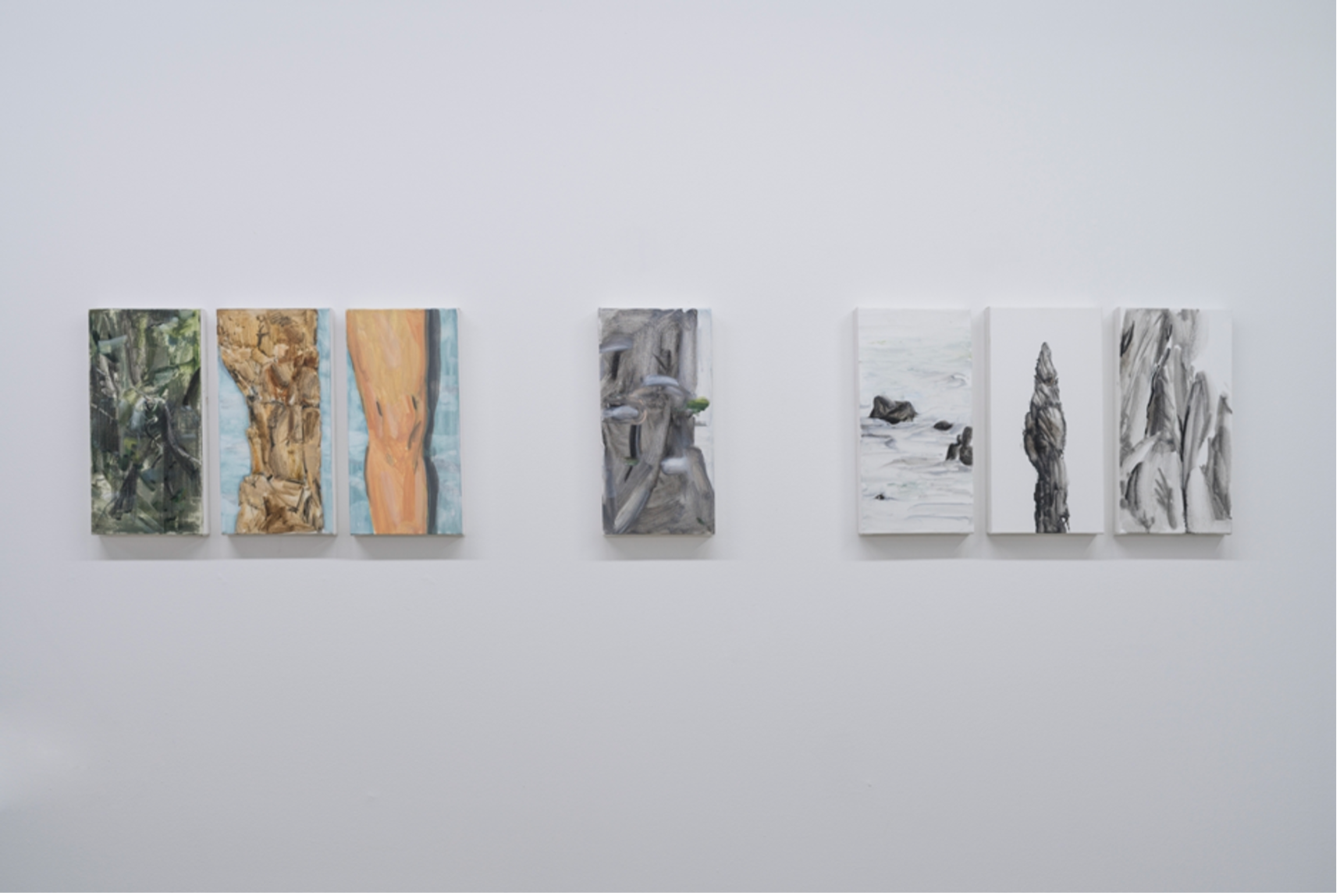
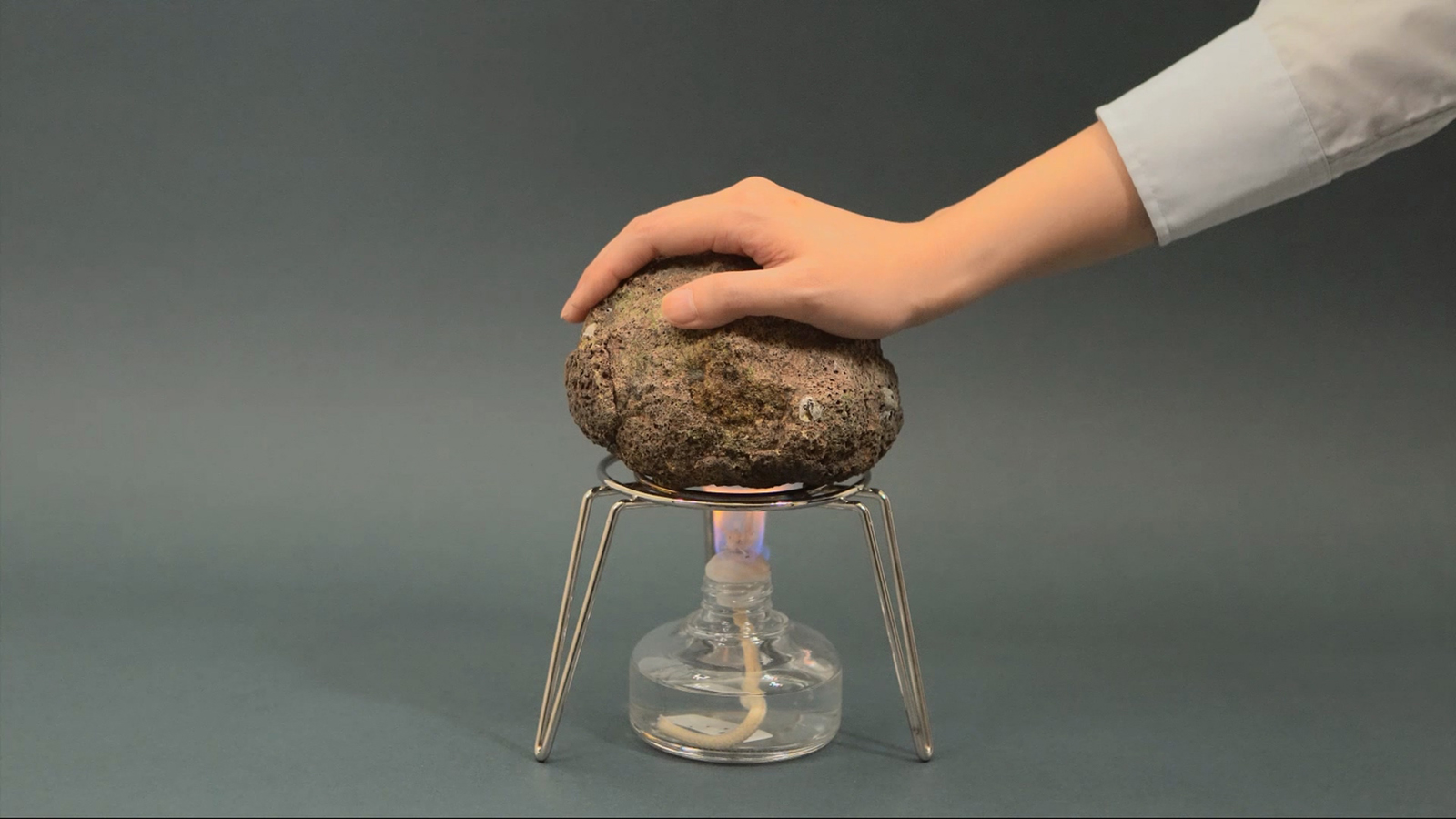
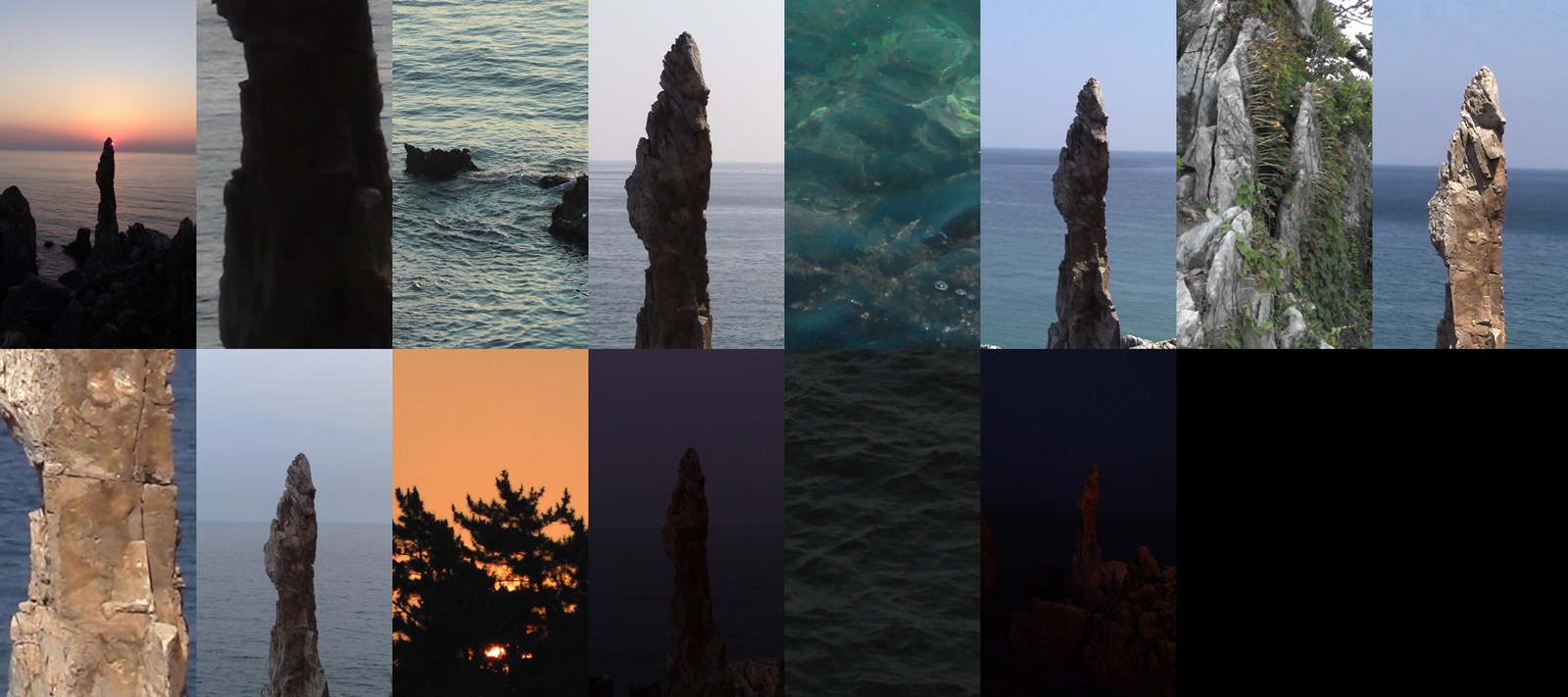
as I did. Odd Rock Force is a result of
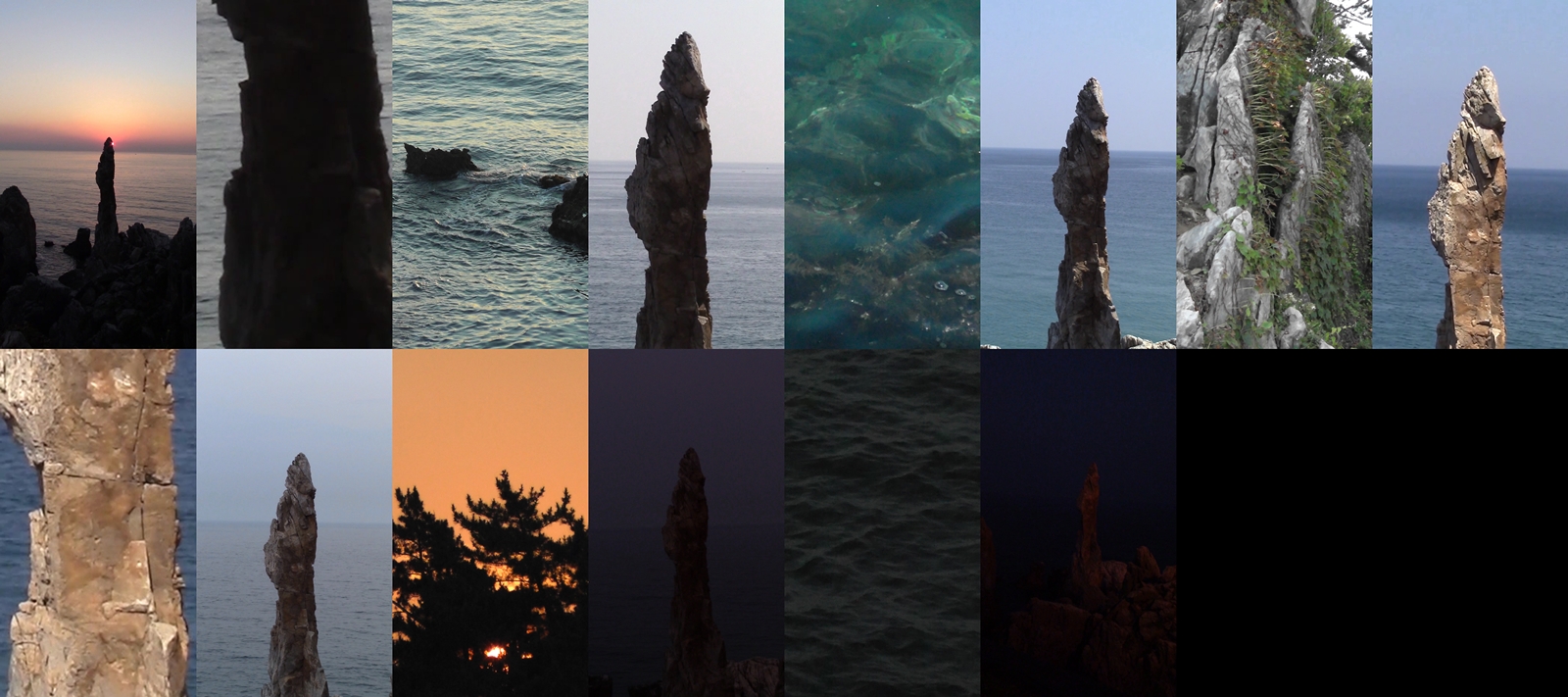
interviewing people looking for Candlestick Rock in Gangwon Province, Penis
Rock, meteors and alluvial gold while IM threw a question “Do you know about dol(rock)?” after she
accompanied people who follow various faith(system) of the world propagating
saying “Do you know about Tao?”
to the places of faith.
The book is a quasi-‘master’s thesis even at close to a doctoral dissertation, imposing
qualitative research method in order to grant ‘reasonable’ legitimacy to funny, serious, gay but bizarre faith. Including
astonishing research based on objective data, quotation and interviews based on
oral statement methodology, excessive rhetoric bouncing ordinary people’s ordinary days outward, her fluent word game and the optimism that
the artist presents with jokes, Odd Rock Force is a strange thing
collaborated with a earnest recorder, a sharp analyst and a persistent
rhetorician and at last, it’s her oeuvre. This book
doesn’t fit in any given frame nor category and resists
against any ‘definition’,
therefore it’s anti-modern. At the same time it’s post-modern since it can’t be called as
something but still it’s a book, records and some
output. In the last chapter of Odd Rock Force, IM Youngzoo quite
seriously divides faith into creed and religious belief and confesses that she
is the one who tries to subjectively say about religion.
According to the
artist, faith depends on the subject’s will but the
religious belief “sticks” to me
without even knowing the influence from outside. According to IM’s idea, Father Tertullian’s saying “I believe because it’s absurd(Credo quia
absurdum).” in the 3rd century can be considered as the
core of faith. Or something unavailable to prove or objectify, therefore,
considered as something pseudo-, fanatic or folk belief, which ousted from
modern religion to the margin, seems to take the modern title of faith. If you
are aware of post-discourse, you may already know that religion relies on
pseudo-religion and the science does on pseudo-science.
This subversive
argument that the modern system assumed to be arbitrary has its ‘origin’ in something contaminated by the
other and the outside therefore became nameless and ousted, is slightly implied
to what IM calls the ordinary, the irrational and the omnipresent of faith. Of
course, she works little differently from reinstating the others, giving their
names and words back. As IM says “Shaman comforts
people more, but artist is more selfish”, she does
something she ‘likes’, not ‘other people’ like. Her attitude toward art
is more like personal, rather than social. As an artist, she is not willing to
replace/carry other weak believers’ anxiety, pain or
desire, rather focuses on laughter, lightness and flatness appearing when given
worlds’ mutually exclusive frames mix togethe, or the
power of artist-subject itself. Laughter comes as physical action achieved by a
person who tickles in-between frames and who sees those frames, not follows
them. This laughter is also physiological action presented by a game of
indiscriminate exchanges and replacements between frameless signifiers, signs
and symbols, not by people who are ‘locked’ within the frames.
Therefore, I get to call her a
merry shaman and her operation an attempt for non-discriminating equality. In
this heavy, serious, therefore tragical world, light, fun, therefore comical
reaction is definitely one kind of comfort. This comfort is not the hope for a
better world or better structure but a victory of the artist-subject and
human-desire achieved by re-describing and re-arranging the currently working
world, so it’s special. This comfort
lifts us up from this specific, physical and realistic world and puts us into
the air or the weightless state. The artist is not the one who tells the truth
against a loyal but false story of the given world, but the one who tears off
given fragments from the context/frame, mixes them, scatters them and weaves them
again. IM proves tha the artist is a sort of surplus one(deadbeat?) who merrily
plays and idles away. Dedication of rhetoricians and imagists to empty words,
sounds and images comforts us with their vain passion. In that indiscriminate
equal world, while we get lost, wander off and take the wrong way, we are
getting closer to the space of IM Youngzoo where ‘dol(rock)’ and ‘Tao’ reveals
they sound the same/actually they are the same, therefore, visual/logical world
view becomes swaying and laughter comes out of it.
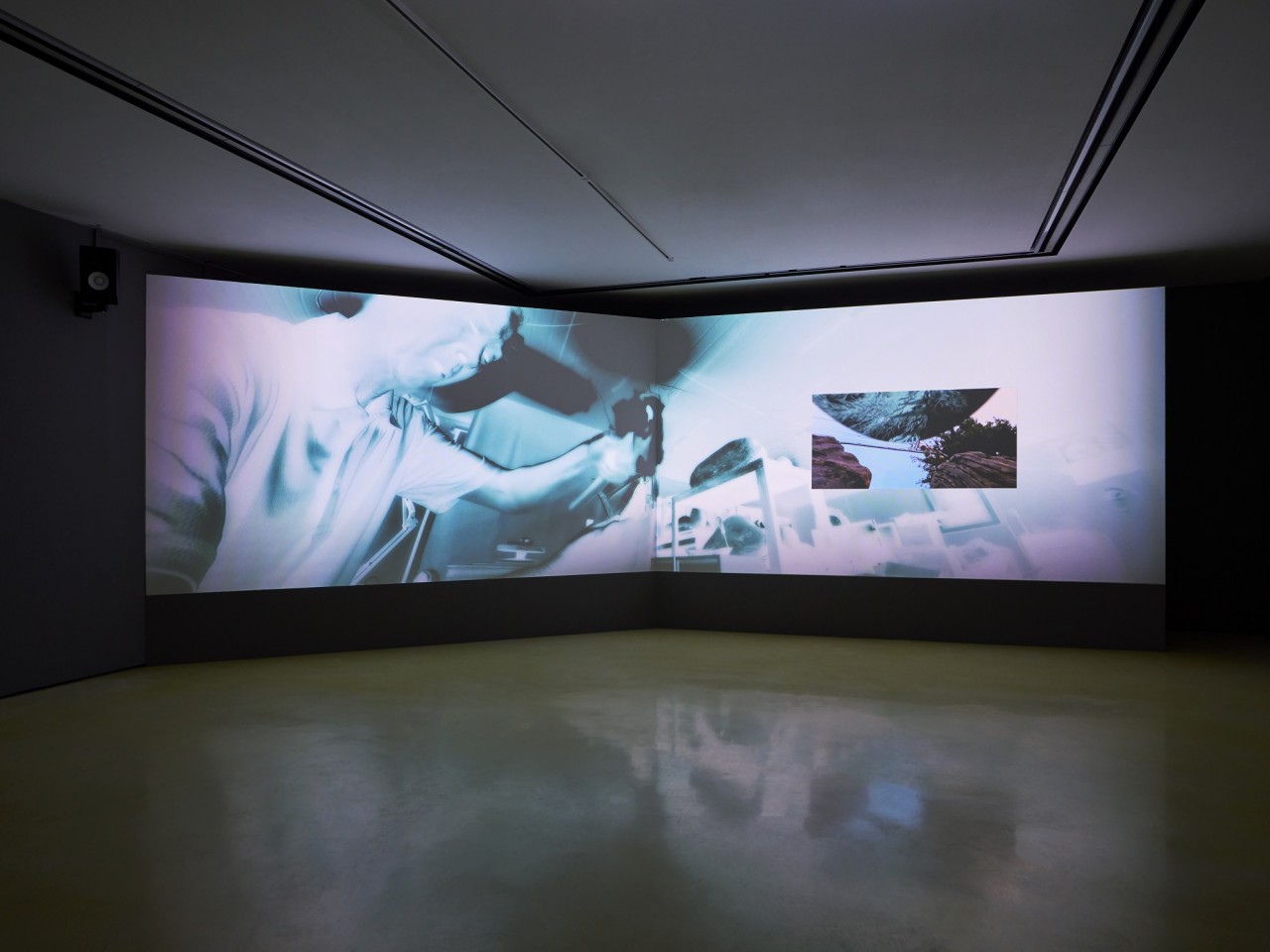
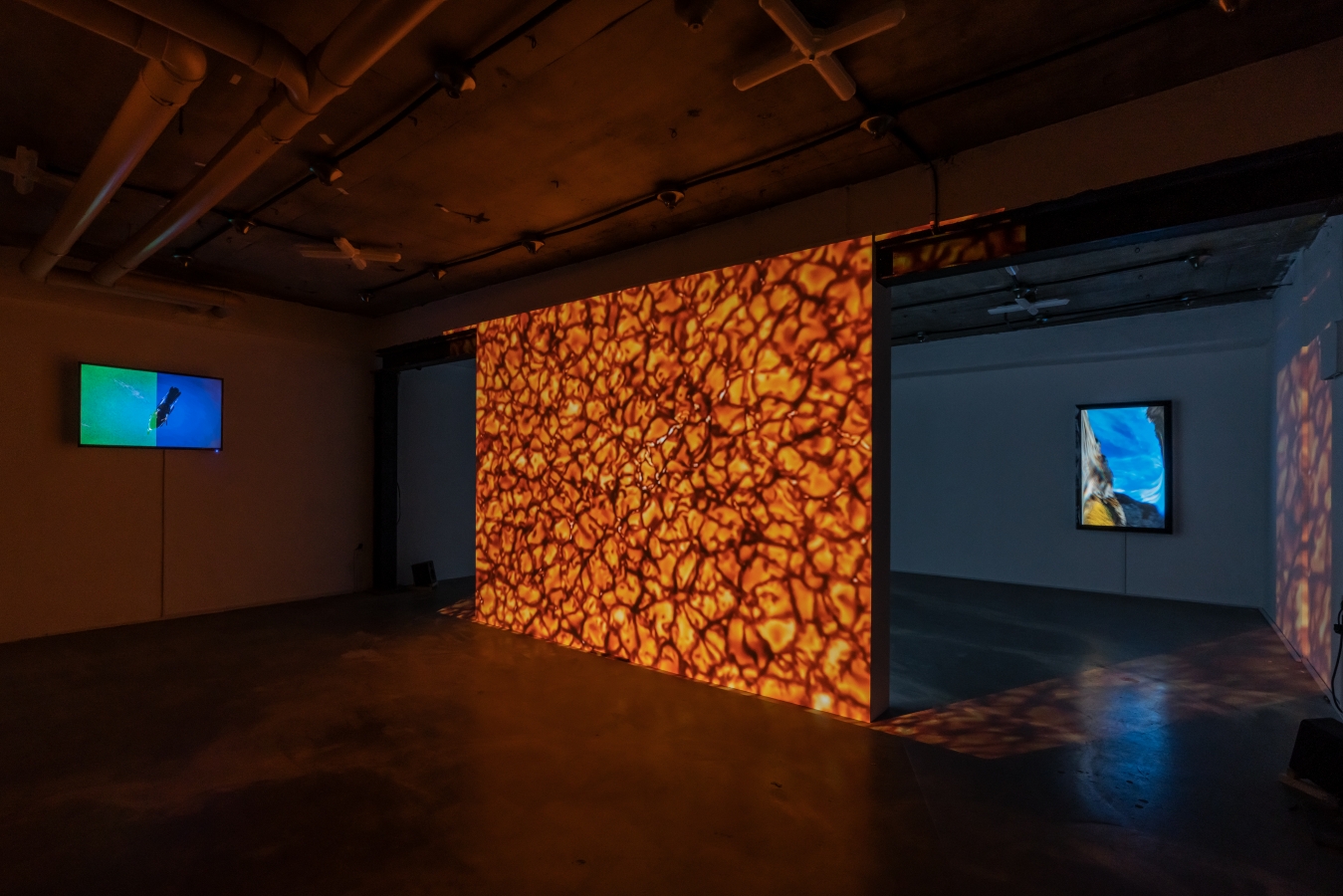
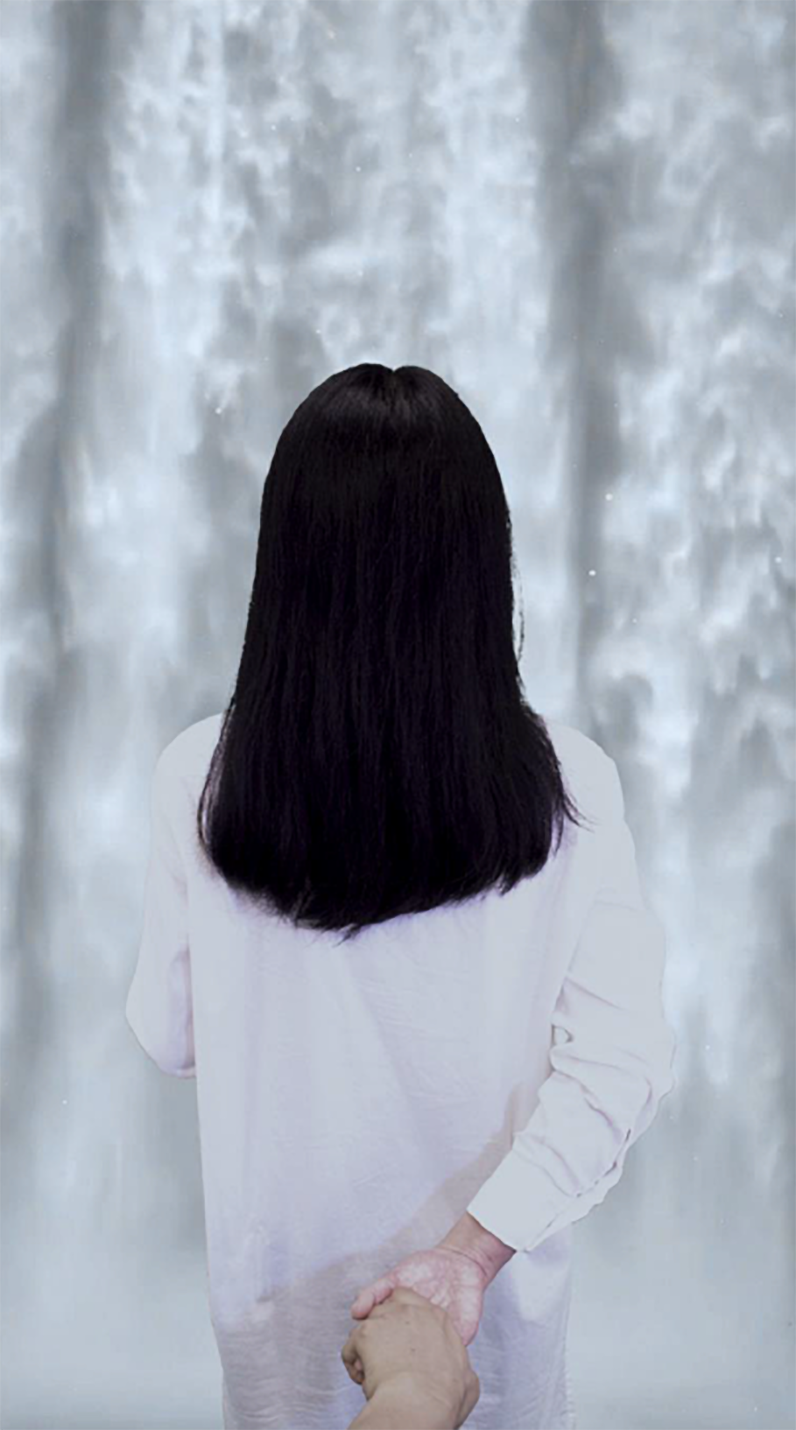
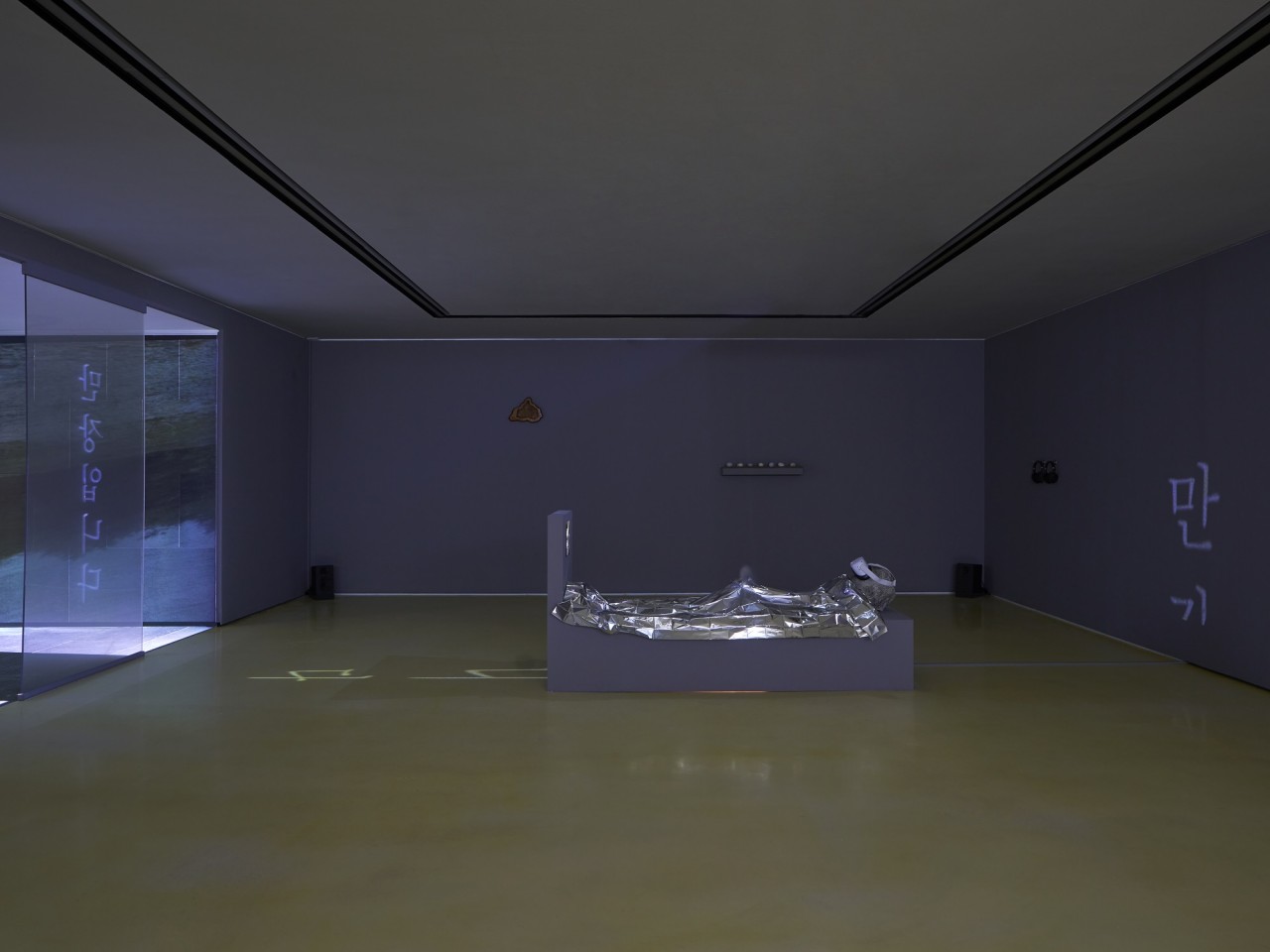
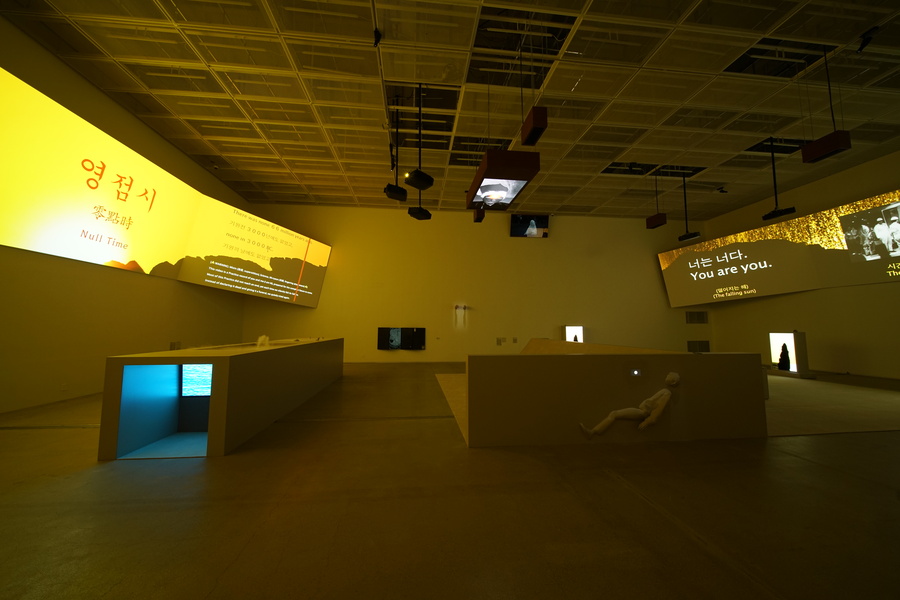
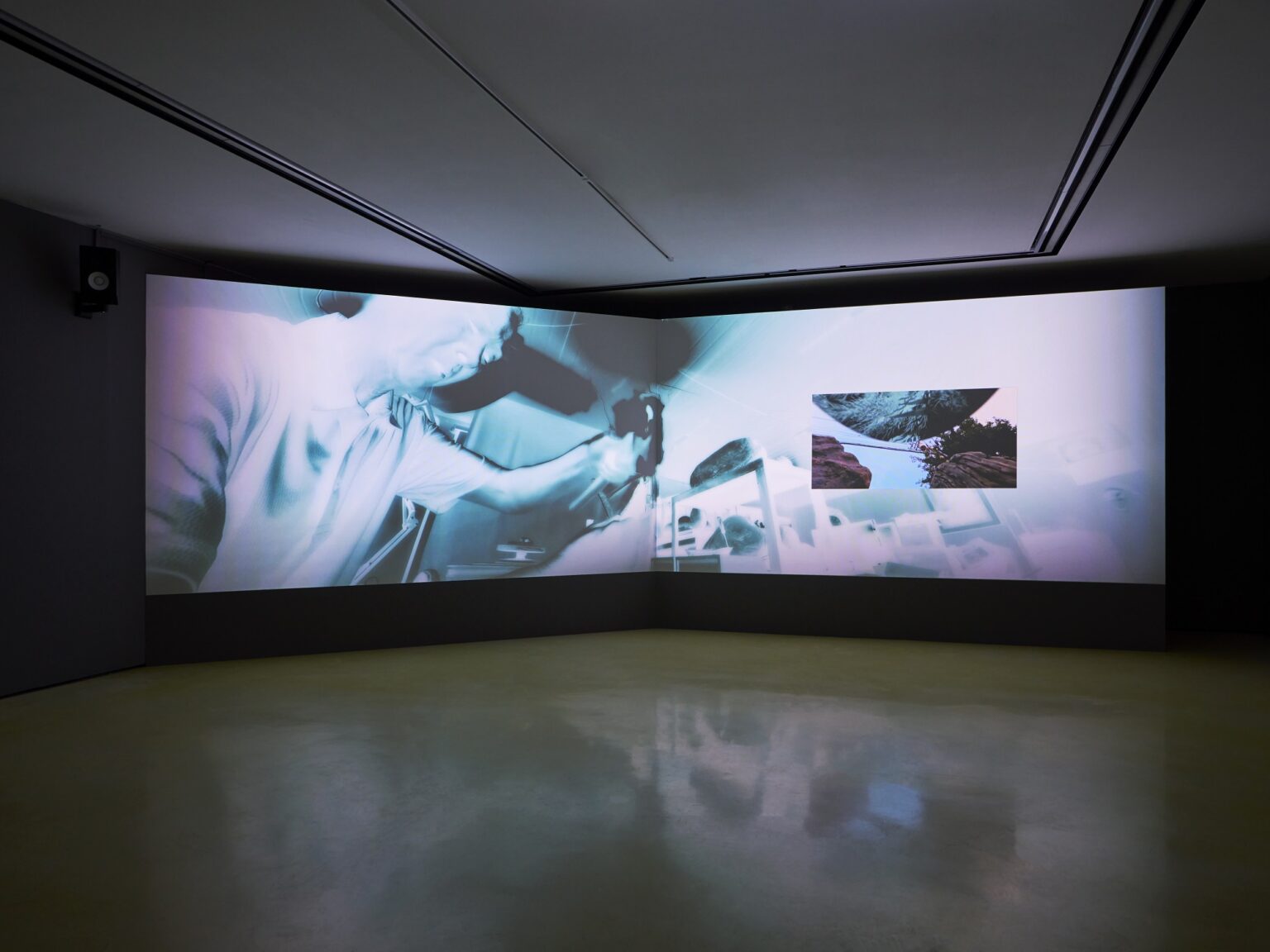
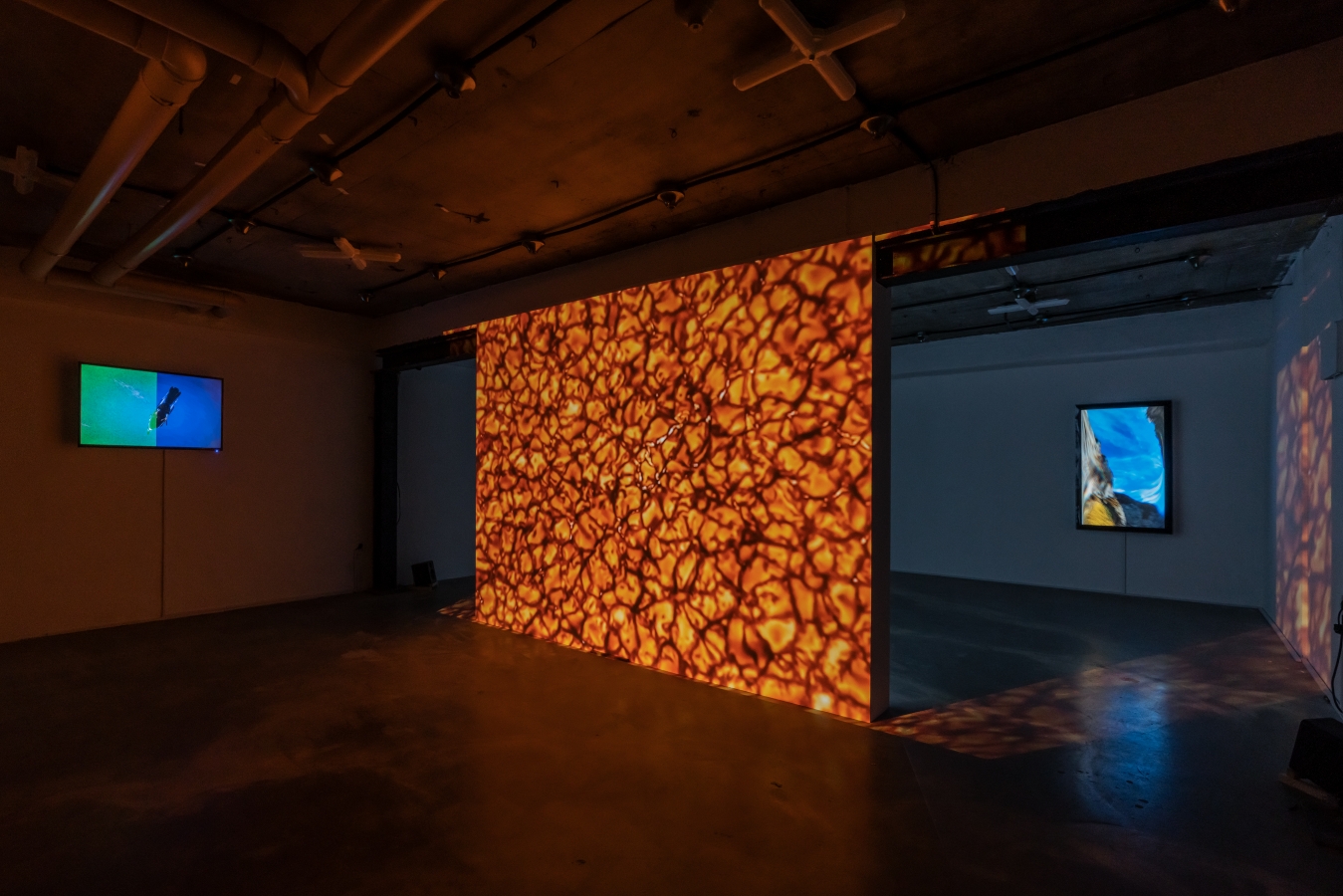
IM Youngzoo’s recent work Princess Yoseok(2018) takes a
story of nameless princess who is known for spending one night with Wonhyo from
‘Tale of Wonhyo’
in Memorabilia of the Three Kingdoms. IM tries to piece characters “with situations but without names” together,
such as Princess Yoseok of Tale of Wonhyo and ‘Hong
Kong Grandma Ghost’ from strange story especially
popular for elementary school students in the late 1980s and early 1990s, some “unidentified stories from internet” in order
to inform the omnipresent nature of strange, interesting and fearful stories,
still capturing us regardless of changes and developments of all these years.
Those videos IM directed and other memes and resources she grabbed from
elsewhere are all fused into “all nonsenses and the
strange words and situation” by her own intention.
These images brought from somewhere, resources the artist collected with
interest, the stories rooted in the ‘relationship’ between Wonhyo and Princess Yoseok but without representational
value, and situations the artist experienced in real life, are all connected “absurdly.”
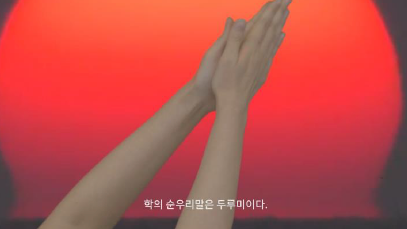
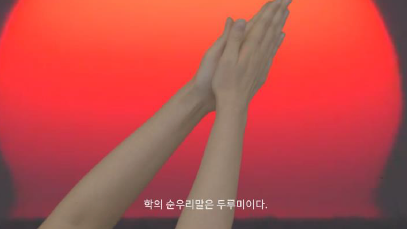
So the actor playing Wonhyo is
Wonhyo just because he wears the bald wig used in parties, the actress who
followed “Do you know about Tao?” became Yoseok just wearing upper garment, and even this shapeless
Hong Kong Grandma Ghost is played by a cheap wig. The whole is replaced by a
part and the part works like a ‘symbol’ based on each different context. Nonetheless we still recognize
what’s what and who’s who.
Signs are stabilized by contexts and narratives. But what these stories are
about and what they try to deliver are not clearly explained. It’s because signs and situations that ‘belong’ to mutually exclusive contexts are mutually interfering and
connected to each other. It’s because serious actors’ roles transform into shaky and unbelievable things, unstable signs
and sounds and captions which are supposed to supplement images clash with
images or bounce off them and scenes unfitting to the context abruptly
intervene. In the end, the audience’s desire to
understand and analyze fail. The space of the audience becomes precarious since
any reaction or interpretation becomes impossible there, except sensible
convulsions such as seeing or hearing.
The sentence “Wonhyo
violated religious precepts” is repeated three times,
but it is not clarified where the importance of those repetitions comes from.
The reason is not also delivered to us why the video of Michael Jackson’s surplus/touching performance, where he is on a crane against wind
from a big fan, standing next to his fan breaking into the stage, moves over
the screen like a grain of sand above the desert. But we know that videos and
sounds well-fitted to the context or narrative don’t
stimulate us nor attract us. Dislocated, excessive, unnecessary or dispensable
images and sounds fascinate us just because of its ambiguity or worthlessness
and even “stick” to us. IM
Youngzoo’s video creates her own “Do you Know about Tao/dol(rock)” route
based on the audience’s helplessness psychological
state of people who think there’s no reason for not
following it and this feeling derives from being seized by artist’s violence, unkindness or selfish desire.
For 1 min 59 sec, while
the artist, who roams around here and there forgetting her own house within her
reach, heats the instant rice in the microwave, a woman caught by another
strange woman(the role that artist played) at Hapjeong station arrives ‘some place’ and becomes the Princess Yoseok.
In the meantime, we realize that we’ve been caught by
the time ‘43min 10sec’ and how
absurd the structure was built in which we tried to see, hear and understand
... in the end, we have the opportunity to think how this world has deceived,
touched, stimulated and made us cry with incomprehensible and bizarre
narratives thanks to this process. I am the type of person who
enjoys Princess Yoseok with laughter and being comforted, but whether
you felt something, felt deceived, had fun or got irritated, what’s left to you I am not sure.
YANG Hyosil obtained a Ph.D.
degree in Aesthetics at Seoul National University for the thesis “Research on the Concept of Baudelaire’s
Modernity” and currently teaches at Seoul National
University and Sungkyunkwan University. She translated Judith Butler’s Precarious Life(2008), Giving an Account of Oneself: A
Critique of Ethical Violence(2013), and Parting Ways - Jewishness and
the Critique of Zionism(2016) and wrote Imagination against Power – Chronicle of Culture Movements(2017), Deformed Life,
Words of Love(2017), and Are You a Victim? or Assailant?(2017).
This manuscript was written as
part of Incheon Art Platform Artist-in-Residence program - criticism program in
2018. No reproduction, copy or transmission of this may be made without
permission of the writer and Incheon Art Platform.