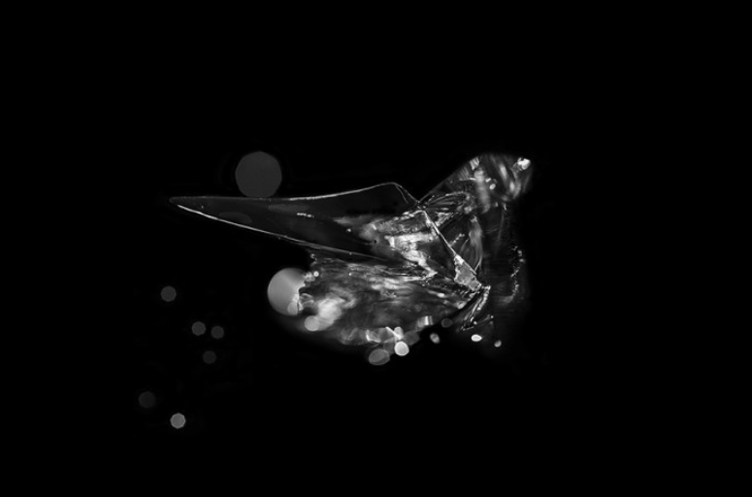
What the waves carried ashore. What the seagulls brought.
Fragments of time remaining in the cracks between rocks.
It "could not be found. Its form was nowhere to be seen."
But just because something is invisible or has lost its physical form does not mean it never existed.
There are things that "disappear yet never truly disappear."
Eventually, they become the shaman's "belief" and the "stories" passed from mouth to mouth.
— Jung Jungho, Buddha and Grandmother Mago(2021)
The Meaning of a Single Photograph
The most striking aspect of Jung Jungho's photographs is the formal composition and density of each individual image. Filled with carefully arranged forms and compositions within a rectangular frame, each photograph functions independently as a symbolic representation of the artist's vision, regardless of the series to which it belongs.
The formal completeness and density of a single image thus influence the scope and role of the meanings it encompasses. Within the physically defined surface of the rectangular frame and the conceptually separated time and space of "that moment, that place," visual elements construct the presence of their subjects and their narratives according to their own rules and aesthetic order.
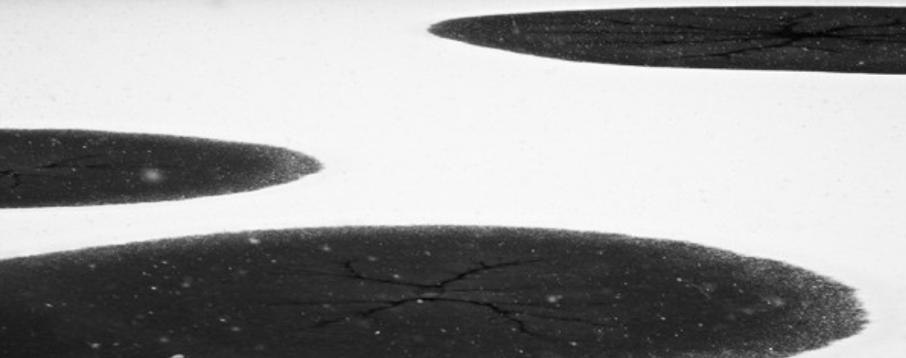
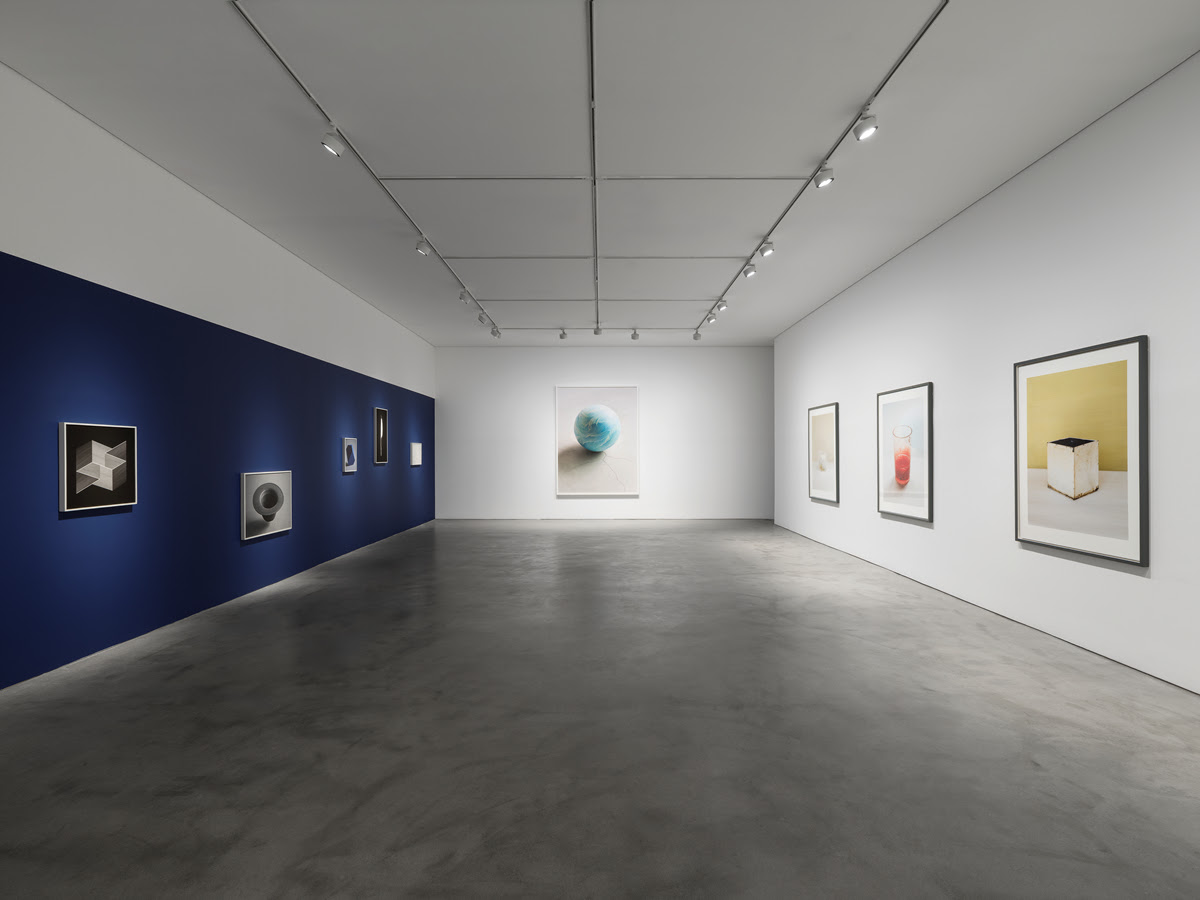
Early works such as The Utterance of White(2013), Grain(2014), Study_Particle(2015), and Junction(2015) represent aesthetic experiments with the forms of subjects through close-ups and extreme high- and low-angle photography. These works likewise emphasize the independence of individual photographs rather than the organic connections through which multiple images might form a continuous narrative. In other words, the visual elements within each photograph tend to encapsulate the overall narrative and atmosphere of the series.
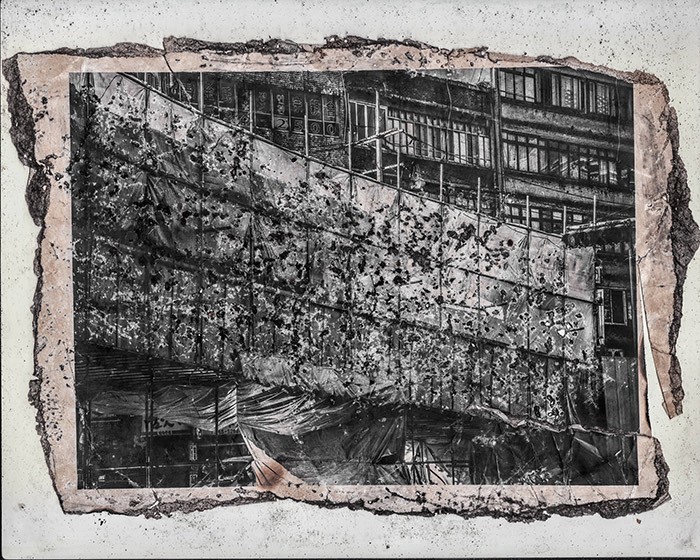
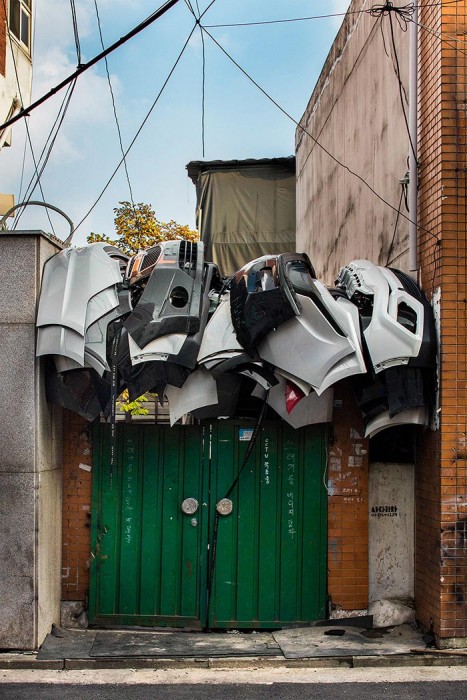
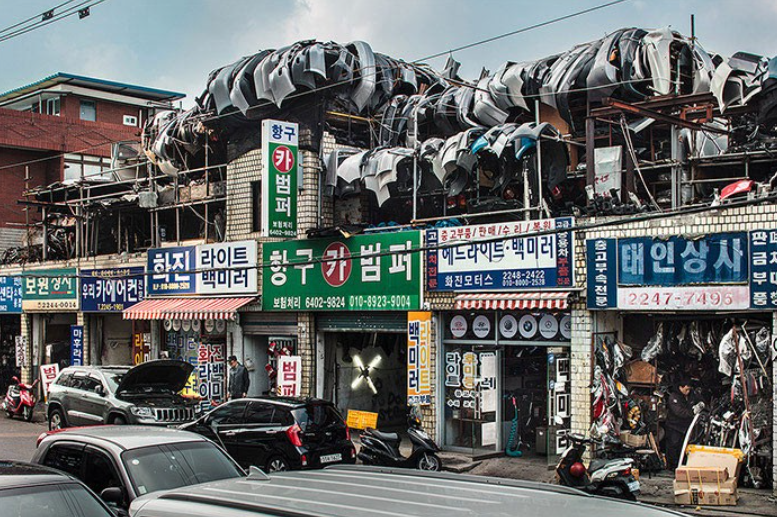
A similar approach can be observed in works that might be described as archives of regional transformation, including Archetype 7017(2016), which documents the Seoul Station Overpass; Archive: Machines, Automobiles, and the City(2019), a commissioned project for the Seoul Metropolitan Government's Urban Regeneration Division depicting the secondhand automobile parts district of Janganpyeong; and Leisure Town(2020), which photographs various locations on Daebudo during a period of transition.
Rather than constructing a narrative through changes in shooting time, location, or viewpoint, the images in these series consistently anchor subjects of similar character within rectangular frames through frontal compositions that affirm their existence. Although these fragmented images accumulate to form a larger landscape, their accumulation does not produce a continuously unfolding story.
Instead, it creates a generalized impression of a place—a kind of visual mass that constitutes an urban archetype. In Archive: Machines, Automobiles, and the City, massive, oil-stained machinery and strangely shaped, sharp-edged automobile components appear with a heavy presence in each photograph, seemingly pressing down on the surrounding space and defining the overall impression of Janganpyeong's secondhand automobile market.
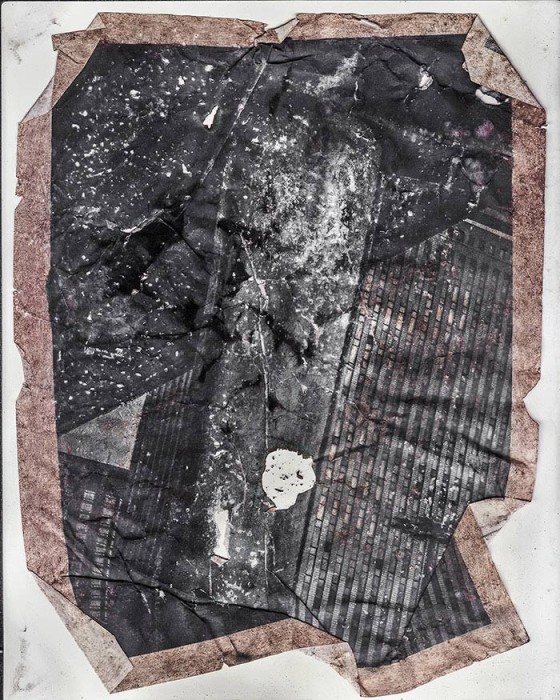
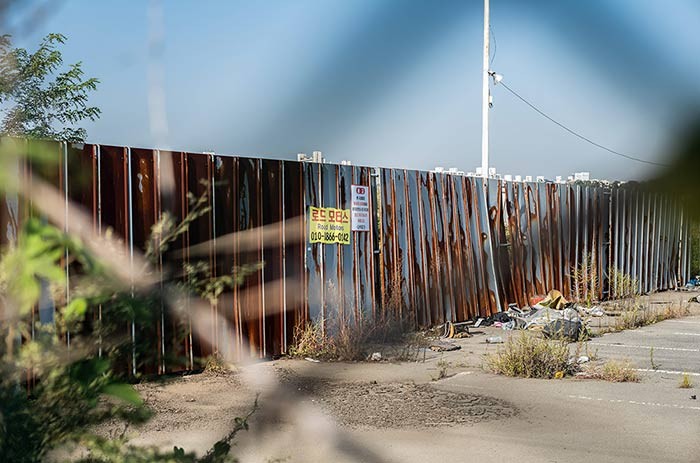
Similarly, Archetype 7017 does not sequentially document the regeneration of the Seoul Station Overpass, whose demolition had been postponed, nor does it translate the artist's reflections into a photographic narrative. Instead, the series incorporates photographs of the overpass that had been buried underground for a certain period, becoming crumpled and discolored before being scanned again.
Like fragments of concrete that once formed part of the overpass before breaking away, these images function as photographic "fossils" containing its past, present, and future. The artist sought to visualize the long cycle of consumption, regeneration, and demolition experienced by the subject as a generalized impression of the overpass.
What deserves attention here is that, while each photograph transformed into an image-fossil embodies an extended sense of time, it does not interact with elements outside the rectangular frame in ways that might alter or expand the archetype of the overpass. Each fossil, already hardened into a complete image, exemplifies the overpass's long history through a single photograph.
Rather than fitting together like puzzle pieces to form a larger narrative, the individual fossils repeat and reinforce the same story. Jung's photographs thus possess an independent and fragmented structure, placing greater emphasis on the completeness of the moment frozen within the rectangular frame and the meanings condensed into the fossilized image than on the contexts preceding or following it. By repeating and accumulating these individually complete images, he constructs his own subjective archetype of the subject.
Between Photographs: The Emergence of Narrative
A subtle shift in his practice seems to have emerged with In Search of the Labor Songs of Seongam(2020) and Buddha and Grandmother Mago(2021). More precisely, this shift began when he started investigating invisible, vanished, or ambiguously existing subjects through archival research and field interviews, reconstructing them through photography and video.
Research and the collection of materials are, of course, methods frequently employed by contemporary artists, whether to develop a deeper understanding of a subject before beginning a project or to construct visual materials afterward. The crucial issue, therefore, lies less in the methodology itself than in how organically photographs, written texts, existing illustrations, newspaper articles, and orally transmitted stories interact to approach the subject under investigation.
Equally important is how many different routes the artist provides for viewers to approach that subject, and how much room he leaves for such encounters. Within works of this nature, photography, which remains central to Jung's practice, must move beyond being anchored to specific objects or meanings.
It must become ambiguous and dynamic, capable of interacting with the other elements constituting the work. Investigating a subject requires multiple perspectives and approaches, while the visual language used to represent it must also change according to the course of the investigation, moving between questioning, inquiry, acknowledgment, and confirmation.
This opens possibilities for experimenting with different channels connected to the archive. In this respect, it is only natural that Jung's methods of producing images have begun to differ from those of his earlier works.
At the Goyang Studio, Jung is developing a new project that continues his investigation in Buddha and Grandmother Mago. Numerous materials attached to one side of the studio wall, resembling a brainstorming process, seem to anticipate the branching paths of his thoughts and the organic connections that may eventually emerge among individual images.
Since the new work has yet to be completed, we can examine the changes he is pursuing through the relationships among the videos and photographs of Buddha and Grandmother Mago. The shift from "documenting" an existing subject to "searching for" an invisible one has redirected Jung's attention away from proving a subject's existence or capturing its formal beauty and toward the meanings it suggests and the stories it quietly conveys.
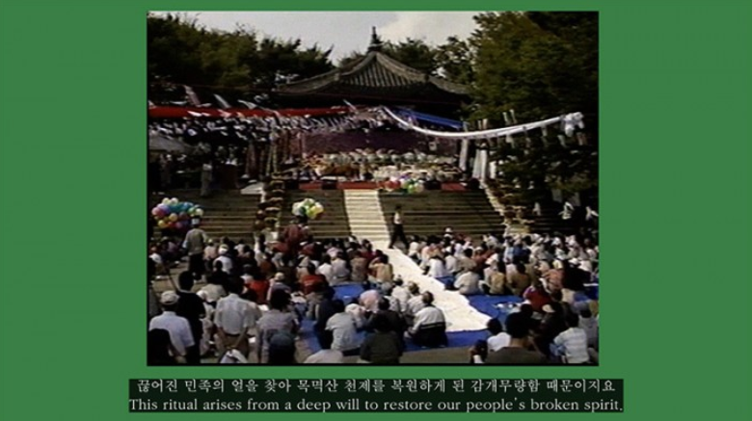
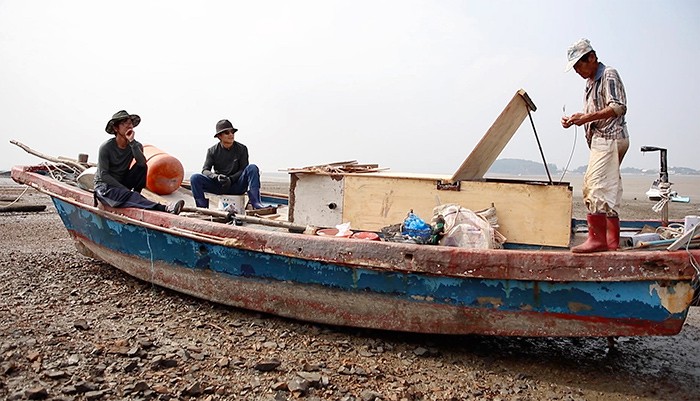
Because these stories lack a fixed physical form, they allow narratives to unfold in unexpected directions. In a video included in Buddha and Grandmother Mago, the artist reflects: "Where did the time of the Buddha, said to have existed since the Goryeo dynasty, disappear to? I could see nothing. Only stories remained." As he suggests, these invisible stories are legends and unverified beliefs whose forms and contents change freely depending on who tells them.
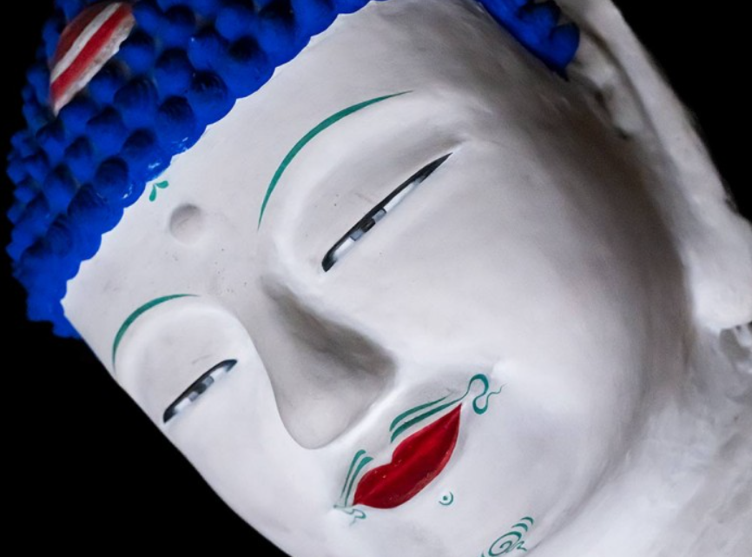
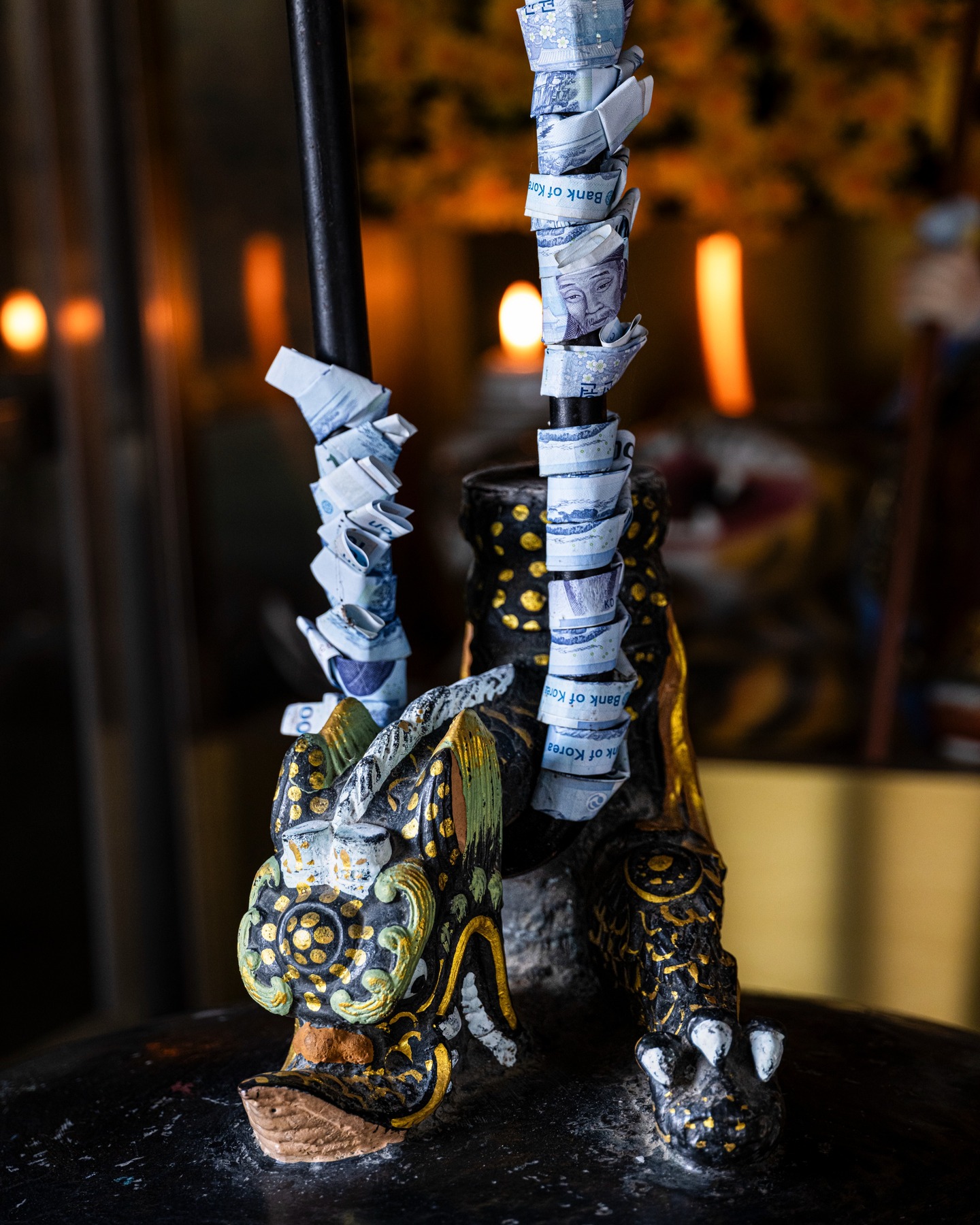
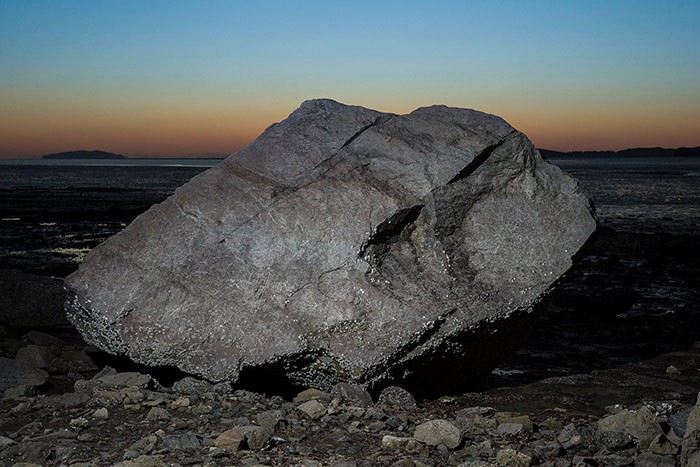
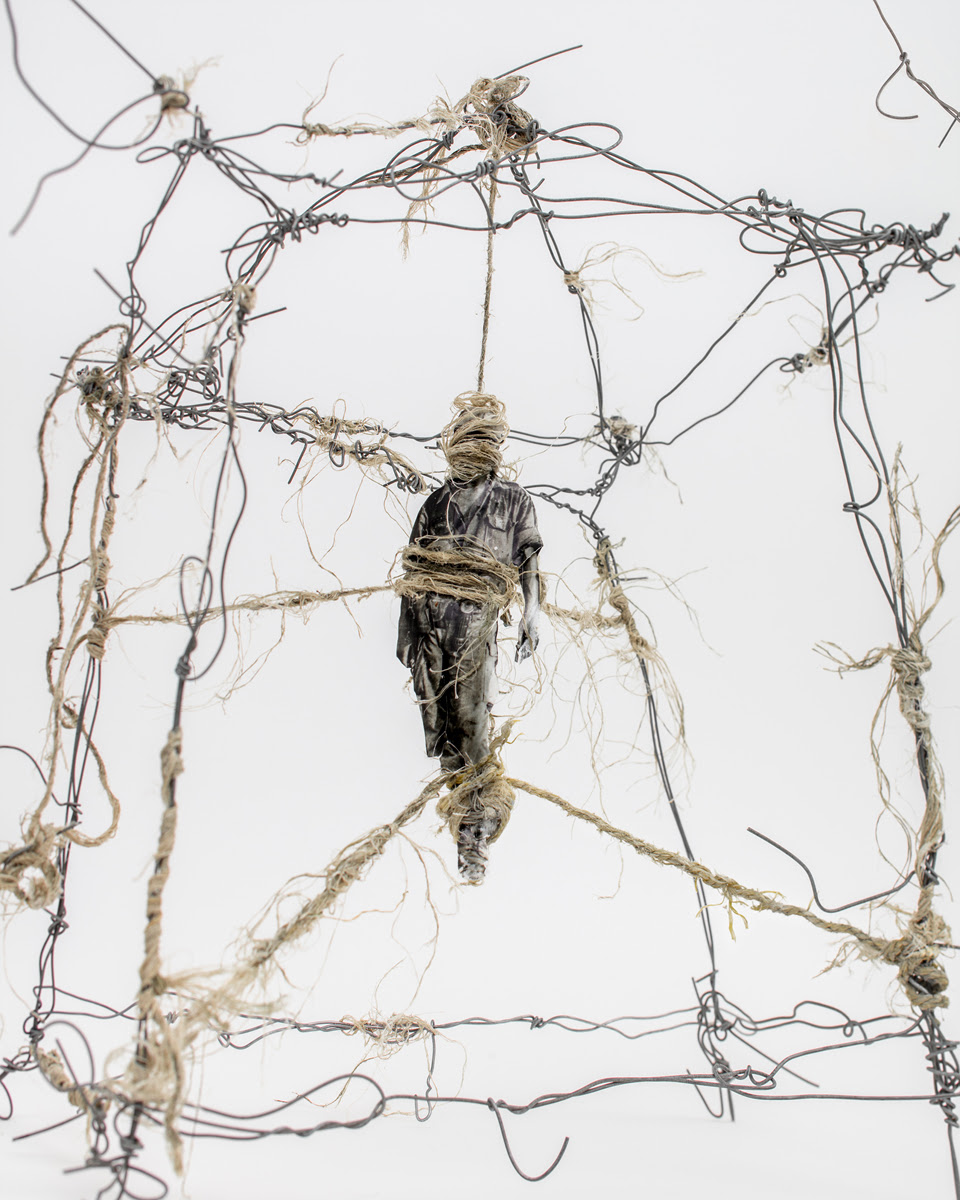
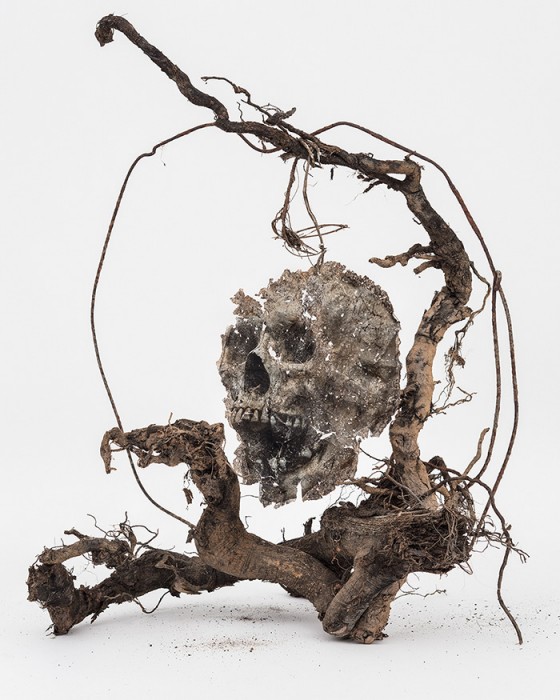
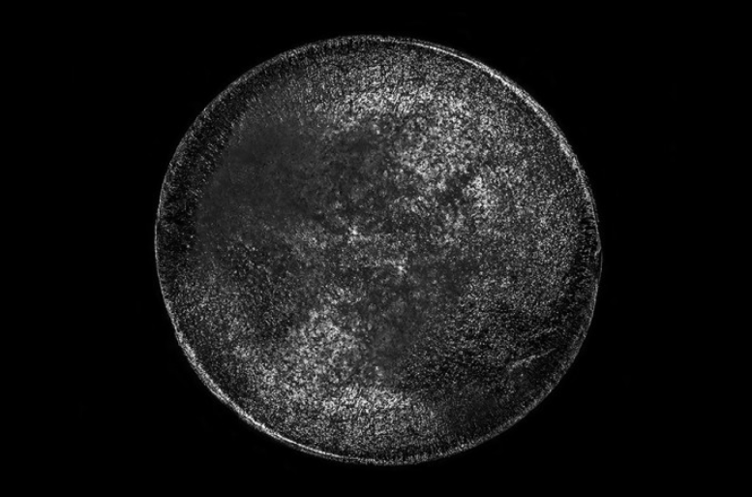
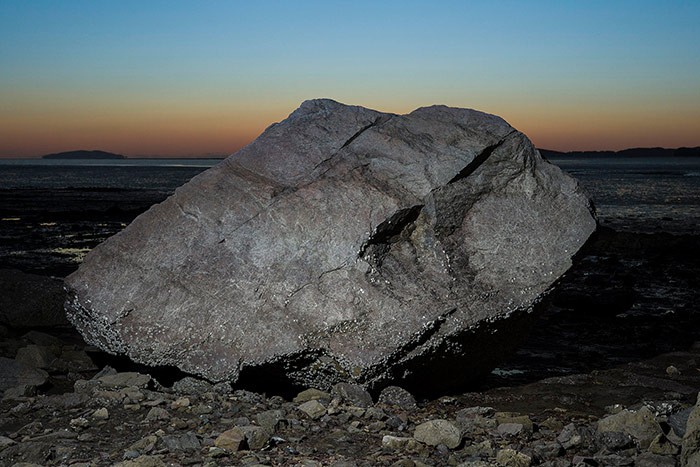
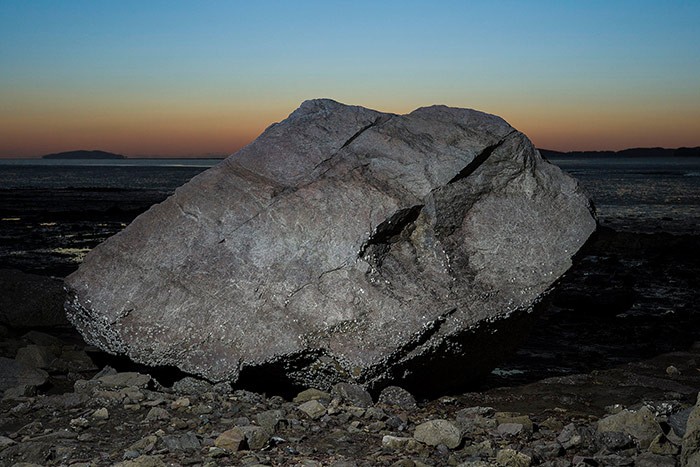
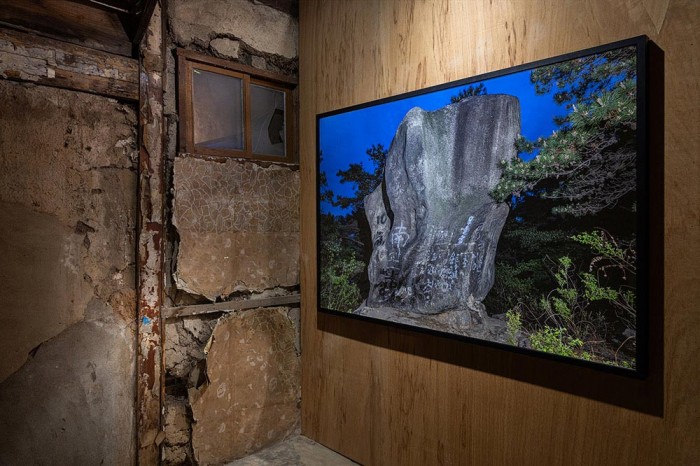
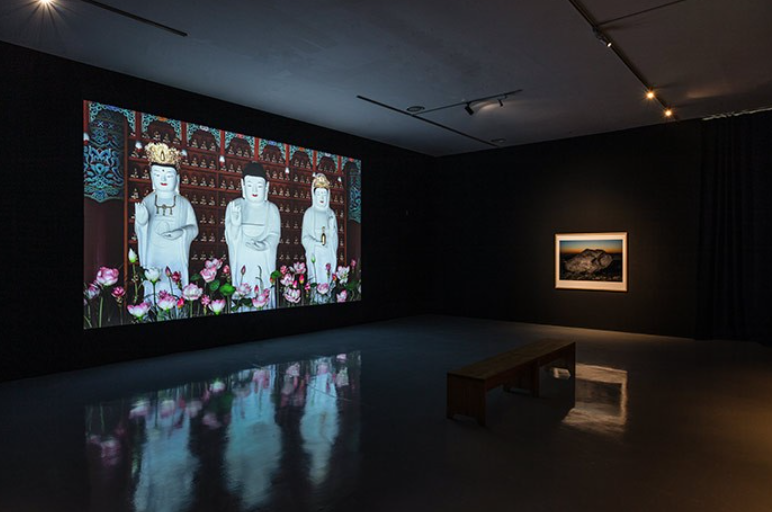
Meanwhile, Buddha and Grandmother Mago still contains numerous photographs in which the physical forms of the subjects are strongly emphasized. Yet what these images seek to convey extends beyond their shapes and formal qualities toward the spontaneous thoughts and impressions they evoke. A rock standing prominently before the camera against the horizon is illuminated by a strong flash, its form and surface texture filling the image.
However, the photograph's deeper focus lies in the passage of time and the historical narratives the rock may contain. By capturing its concrete appearance, the artist seems to invite viewers to search for traces of time that might remain on its surface. This expansion of focus can also be observed in the relationships among the photographs brought together within the series.