Kyoungtae Kim (b. 1983) has developed a photographic practice centered on the meticulous observation of everyday objects. The scale of objects filling the photographic frame and the amplified textures of their surfaces render familiar subjects unfamiliar, at times evoking a painterly quality.
 
Through photographing objects of various sizes and translating them into images, Kim explores the experience and formal conditions of seeing.


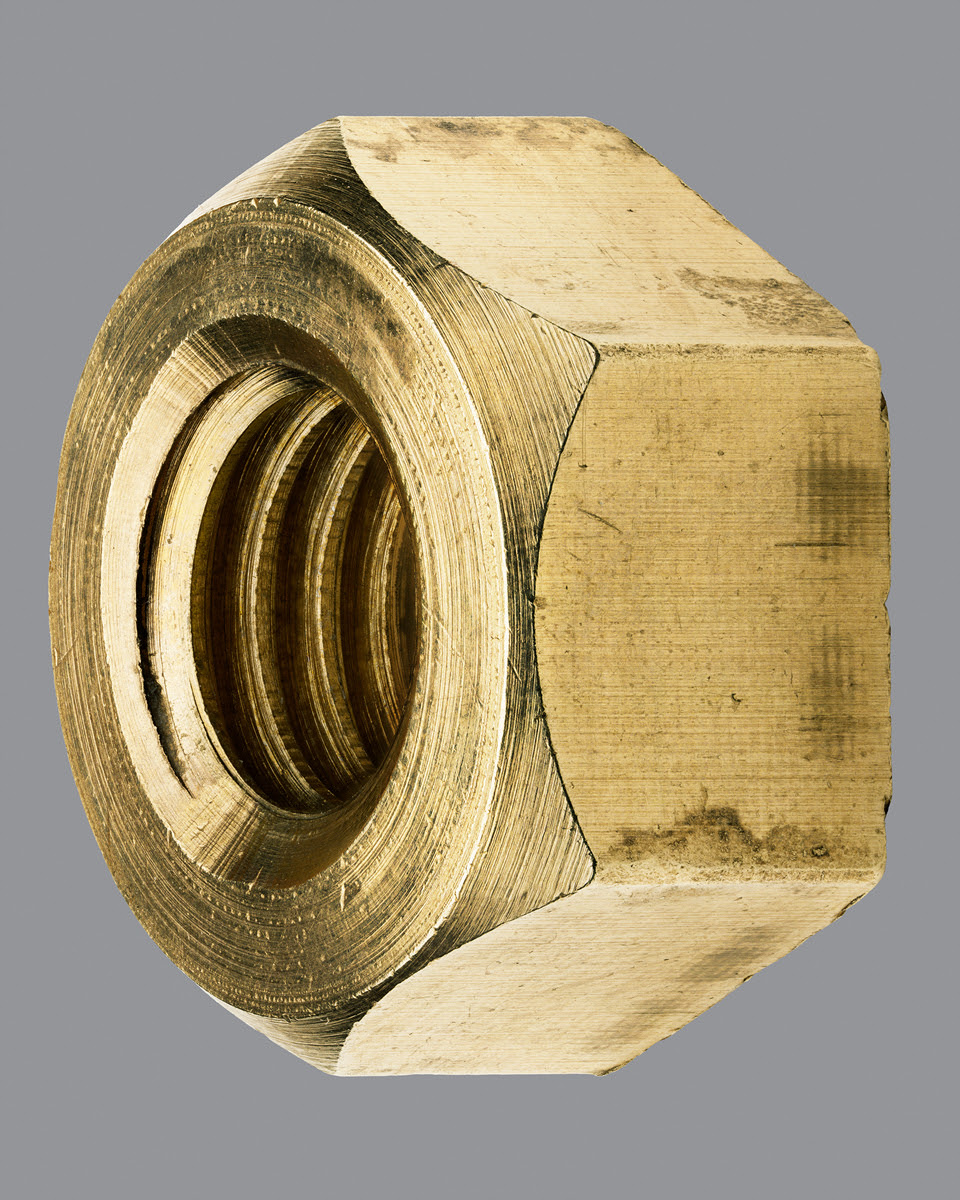
Kyoungtae Kim, Brass Hex Nut M11.IMG, 2016, Inkjet print, 125 x 100 cm © Kyoungtae Kim

Kyoungtae Kim creates images of everyday objects such as stones, screws, and books, rendering their surface textures and details with greater clarity than they appear in reality. Although these originally three-dimensional objects are flattened into digital prints through photography, the amplified sharpness of their surfaces brings out textures that are difficult to fully perceive with the naked eye, making them appear even more three-dimensional.
 
This heightened clarity results from overcoming the limitations of lens focus by compositing multiple photographs. Kim gradually moves closer to his subjects, taking hundreds of photographs before extracting the sharpest in-focus areas from each image and combining them into a single composition using a technique known as focus stacking. This process produces images in which every part of the frame is evenly in focus.


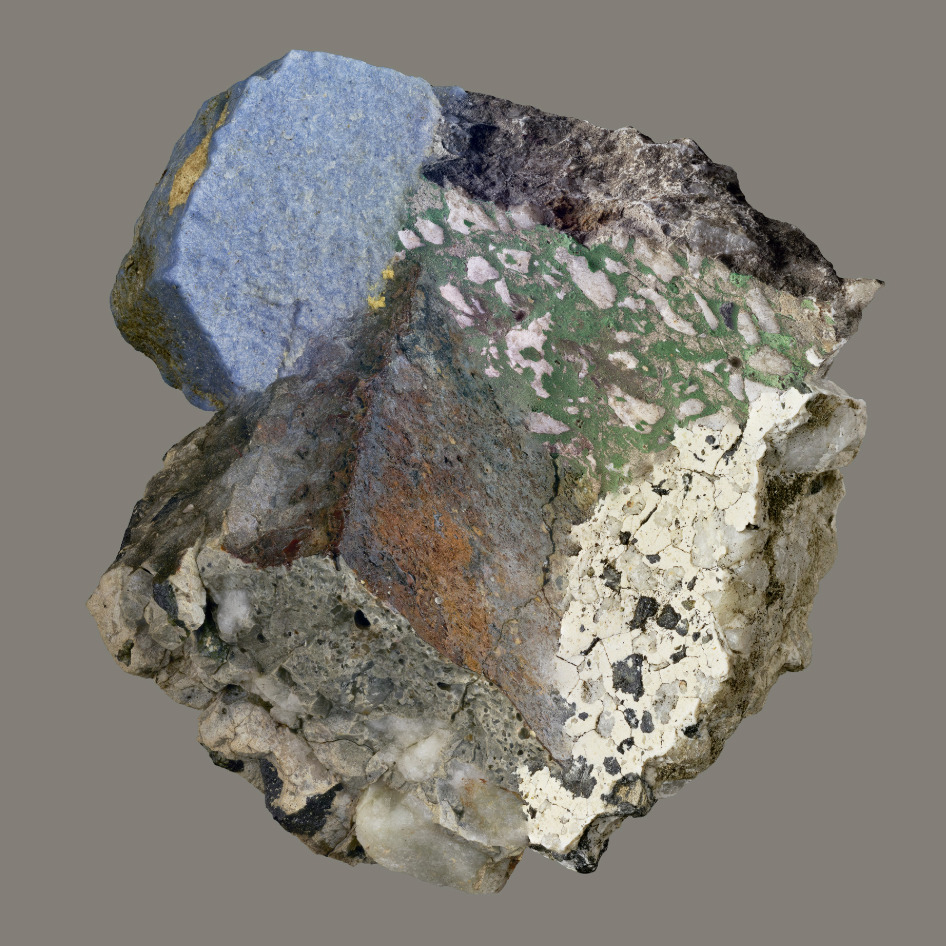
Kyoungtae Kim, Reference Points 1, 2018, Inkjet print, 80 x 80 cm © Kyoungtae Kim

Kim believes that when we look at an object, we assume our gaze remains fixed on a single point. In reality, however, we briefly focus on different parts and integrate these impressions to perceive the object as a whole. This process of perception parallels the photographic technique he employs.
 
By capturing an object’s details with remarkable precision, Kim creates images that accumulate acts of observation while rendering surface textures so vividly that they evoke an almost tactile sensation, as if the objects could be touched.


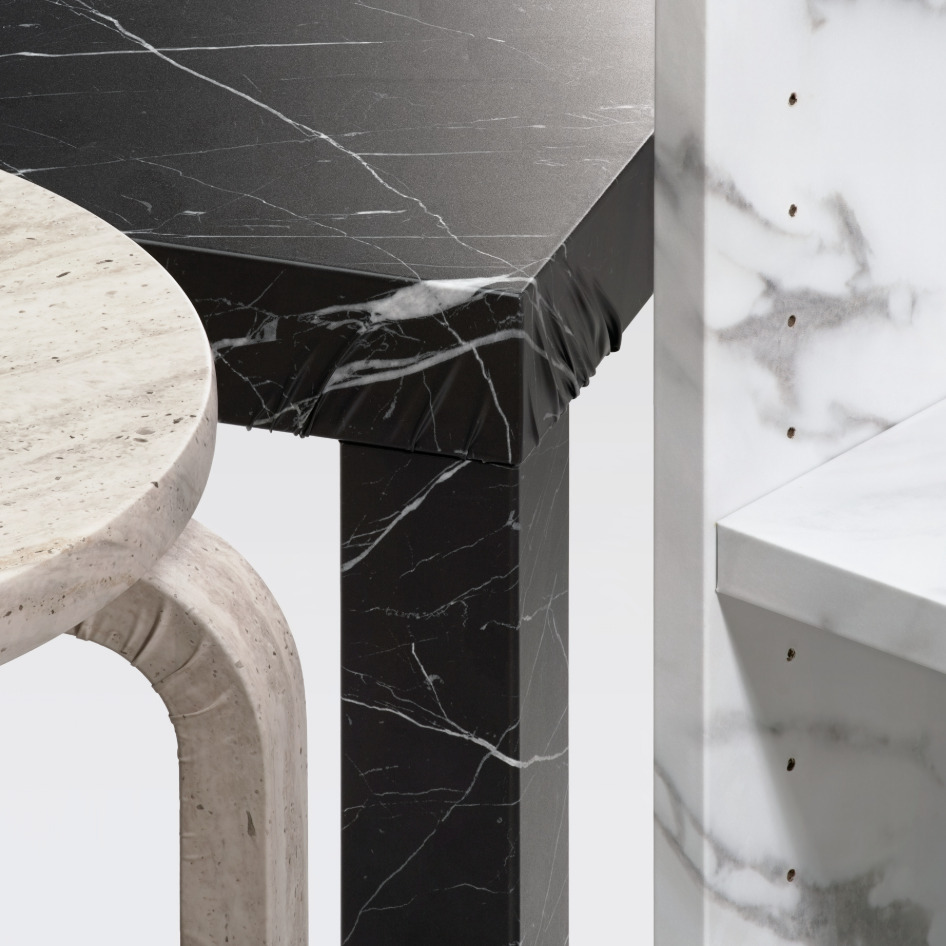
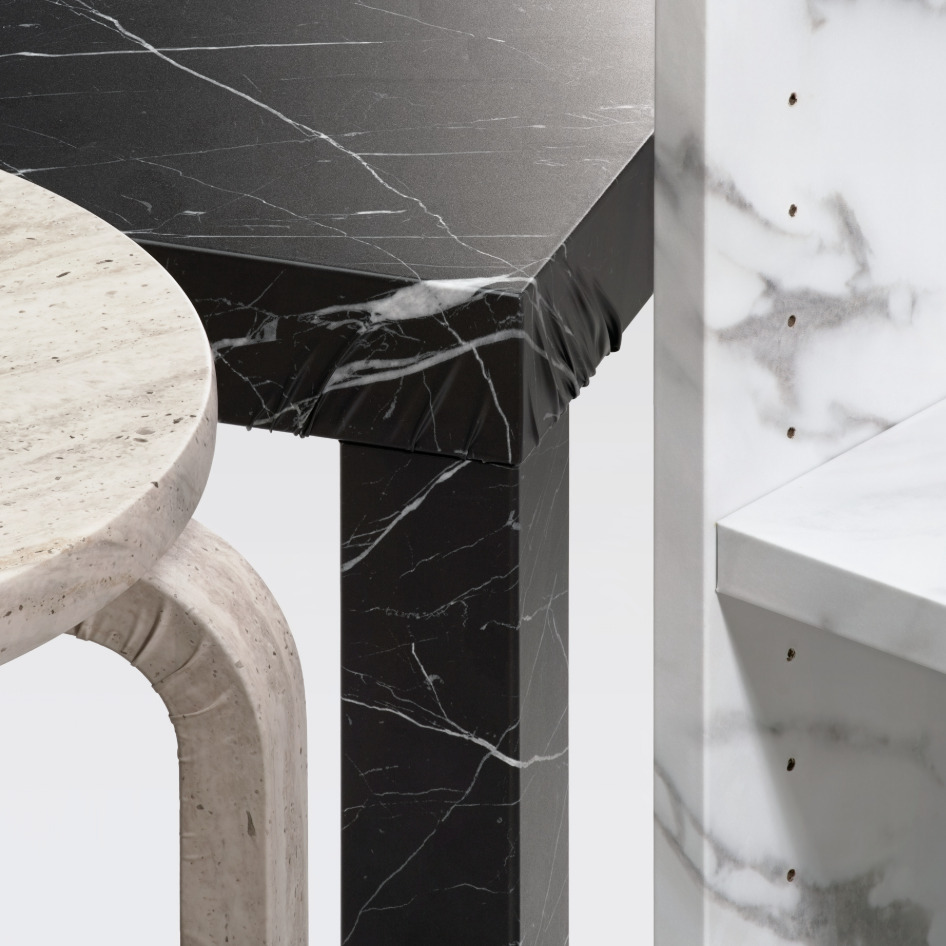
Kyoungtae Kim, Texture Mapping, 2019, Inkjet print, 178 x 178 cm © Kyoungtae Kim

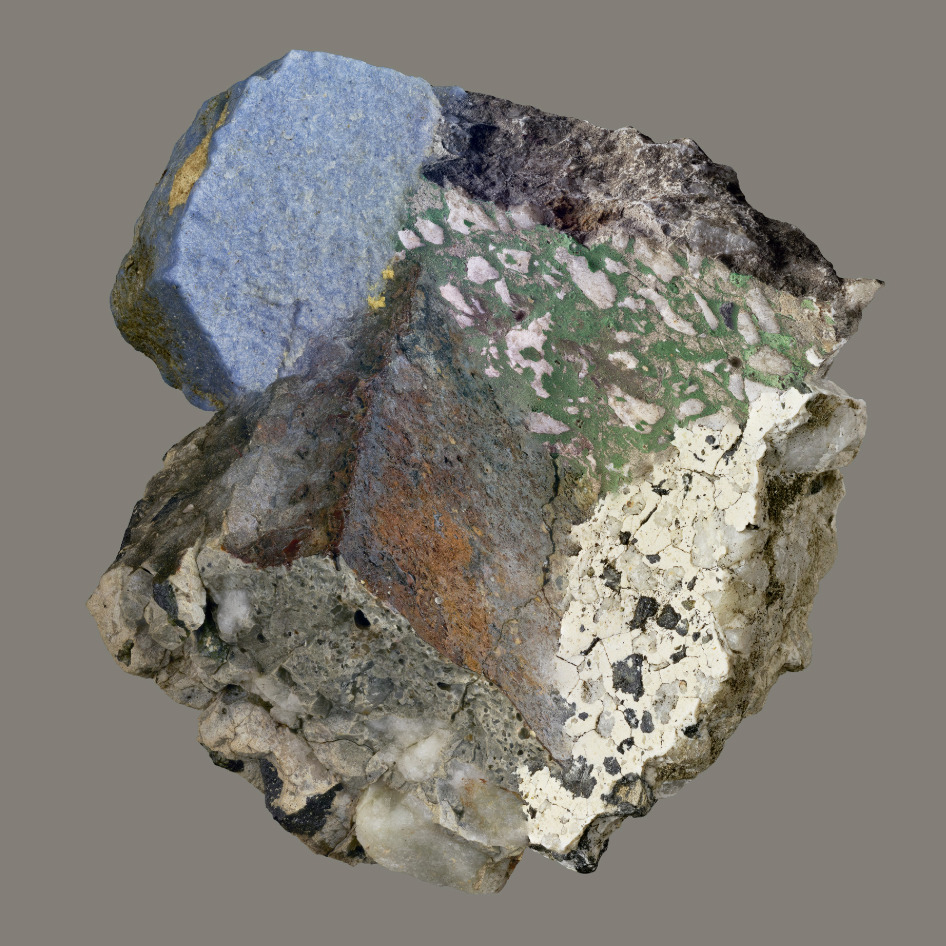
For example, in his series ‘On the Rocks’ (2013), Kim collected stones of various types, each roughly the size of a pebble, and closely examined the fine grains and forms characteristic of natural minerals. By presenting the stones at more than 20 times their actual size, he revealed surface details and structures that are difficult to discern with the naked eye.
 
In his subsequent series ‘Texture Mapping’ (2019), Kim turned his attention to how artificial materials can be perceived as genuine stone when furniture is covered with adhesive sheets printed with marble patterns, questioning how visual perception operates.


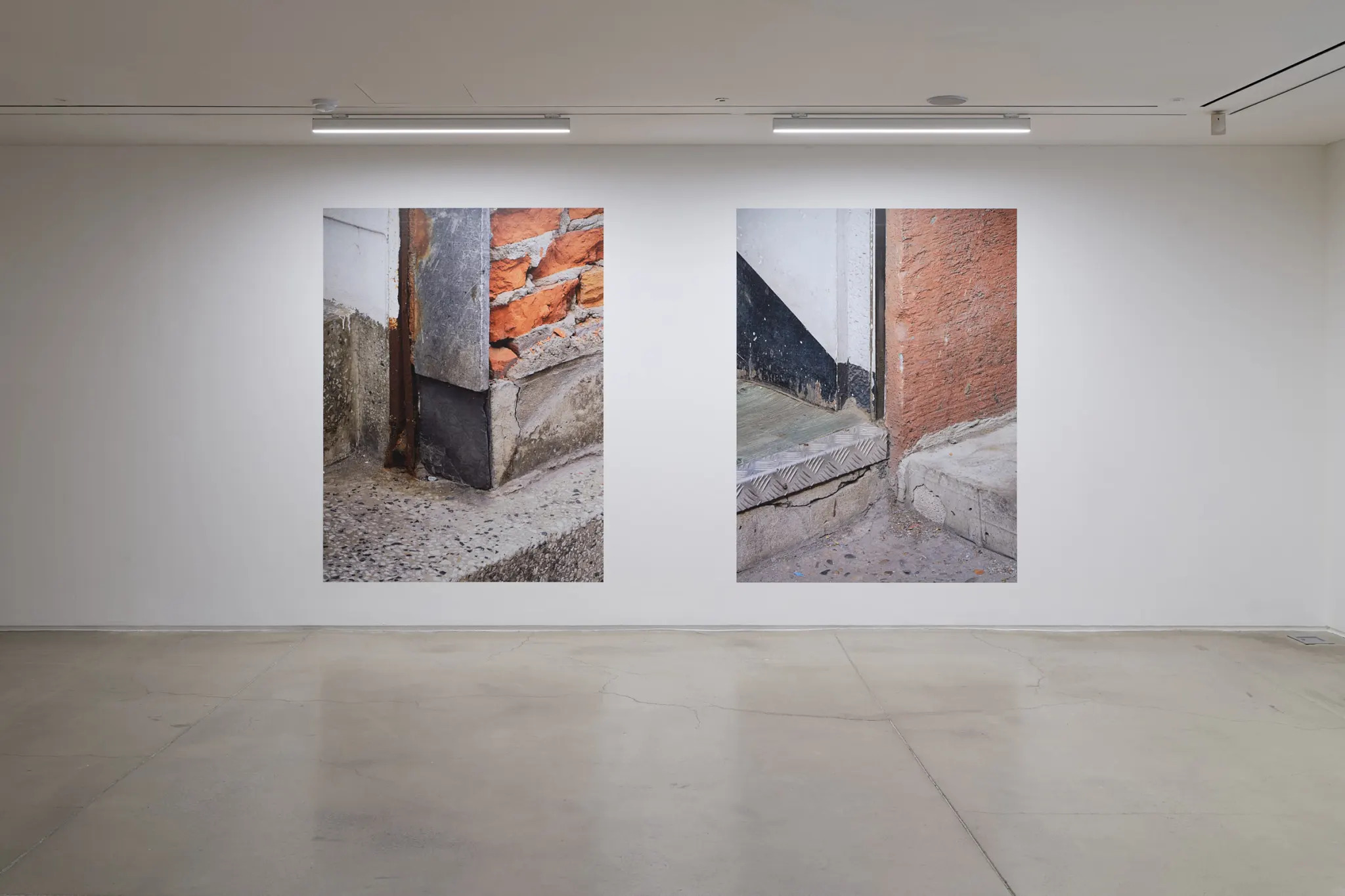
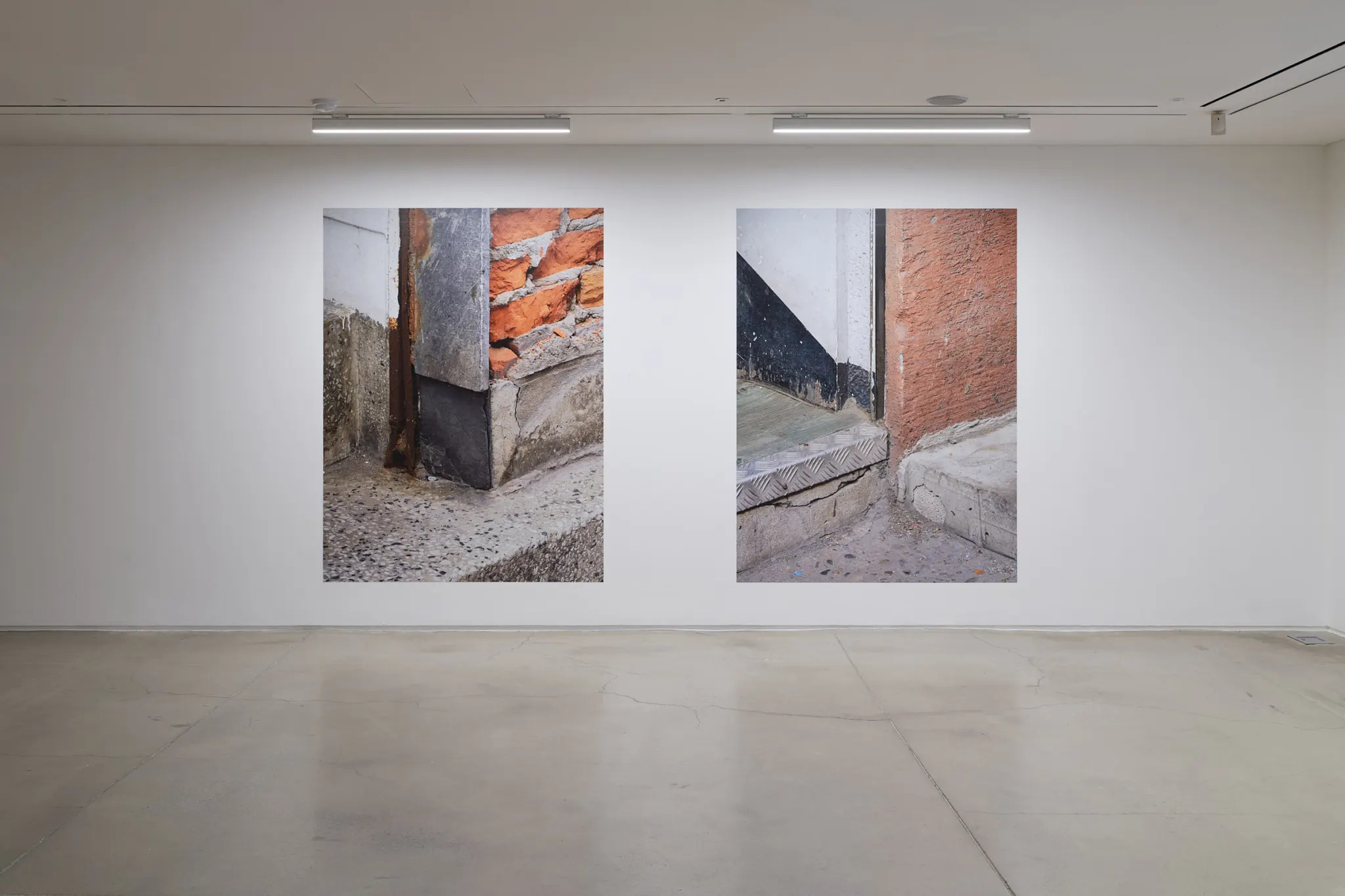
Kyoungtae Kim, ‘Euljiro Angles’ Series, 2019, UV print on PVC, each 200 x 150 cm © HITE Collection

Meanwhile, in his series ‘Euljiro Angles’ (2019), Kim focused on the corners of buildings where different materials meet.
 
Euljiro is characterized by narrow streets lined with buildings that combine architectural styles from the modern and industrialization eras. Its built environment features a wide range of materials, including stone, wood, concrete, asphalt, and metal, as well as structural elements such as columns and staircases.
 
Kim closely examined Euljiro’s buildings, focusing on the gaps between architectural drawings, the physical reality of the structures, and their finer details. Rather than documenting buildings in their entirety, he zoomed in on the corners where the X, Y, and Z axes intersect, seeking to record the “partial reality” of architecture.


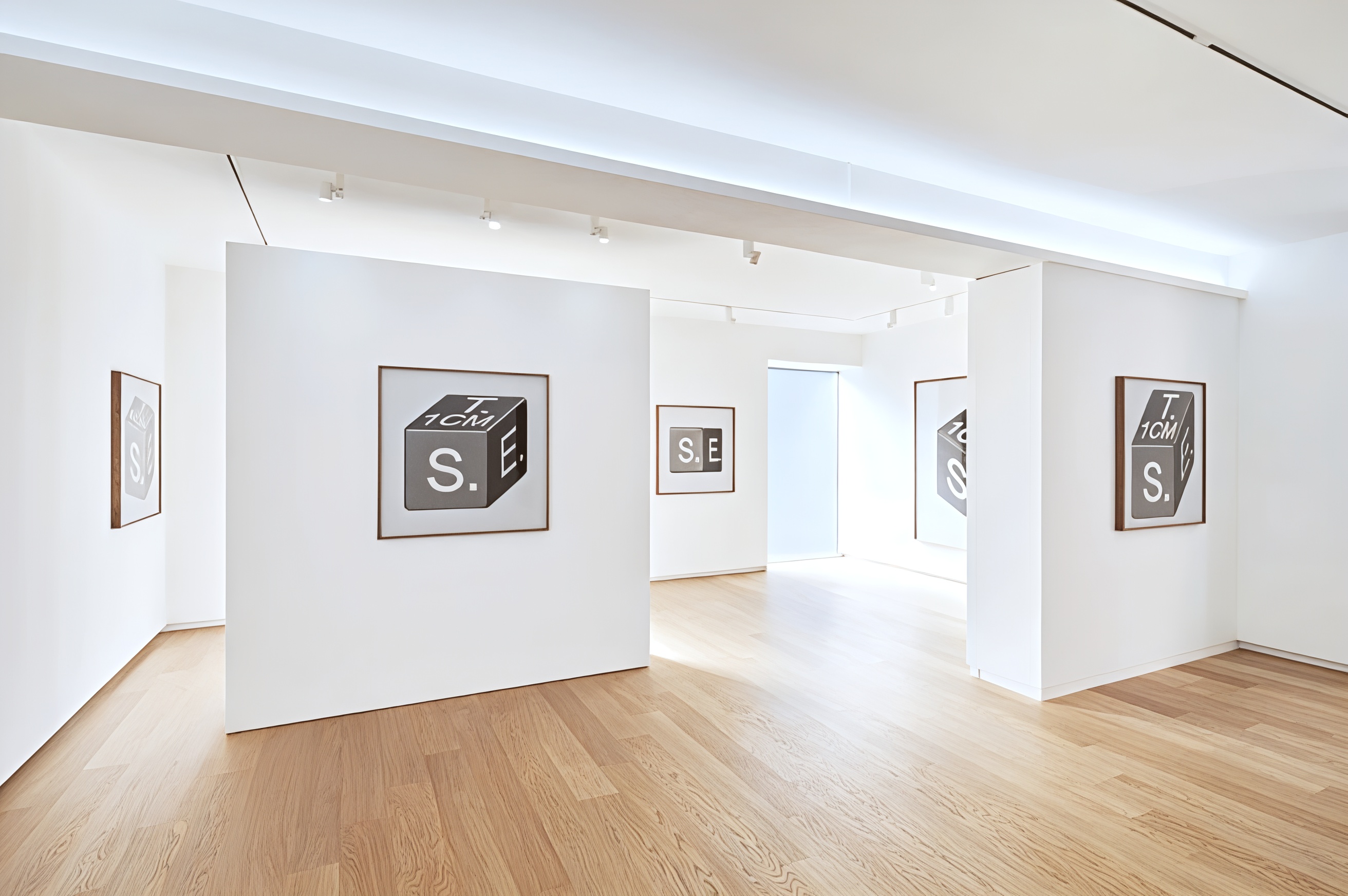
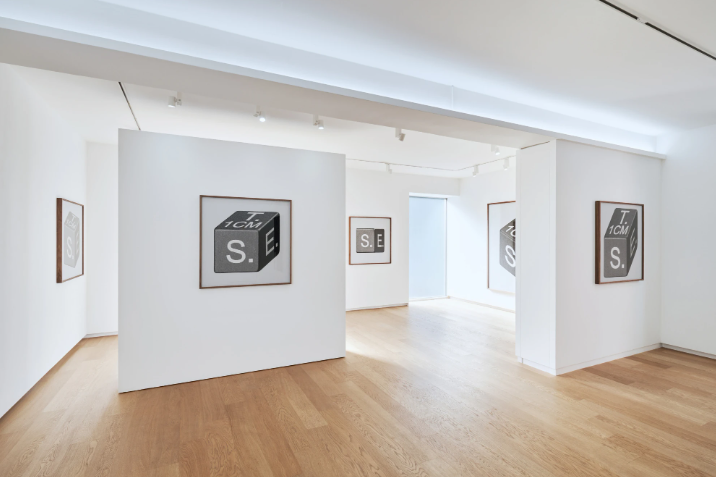
Installation view of 《Dropping to the Surface》 (Whistle, 2019) © Whistle

The artist describes the criteria for choosing subjects as "an object that show a unit of size in itself and that is heavily influenced by perspective in the final result."
 
In his first solo exhibition, 《Dropping to the Surface》 (Whistle, 2019), he documented the scale cube in a way mentioned above, creating what appears to be a classification of the Axonometric Projection1 for use in architecture or machine blueprints.


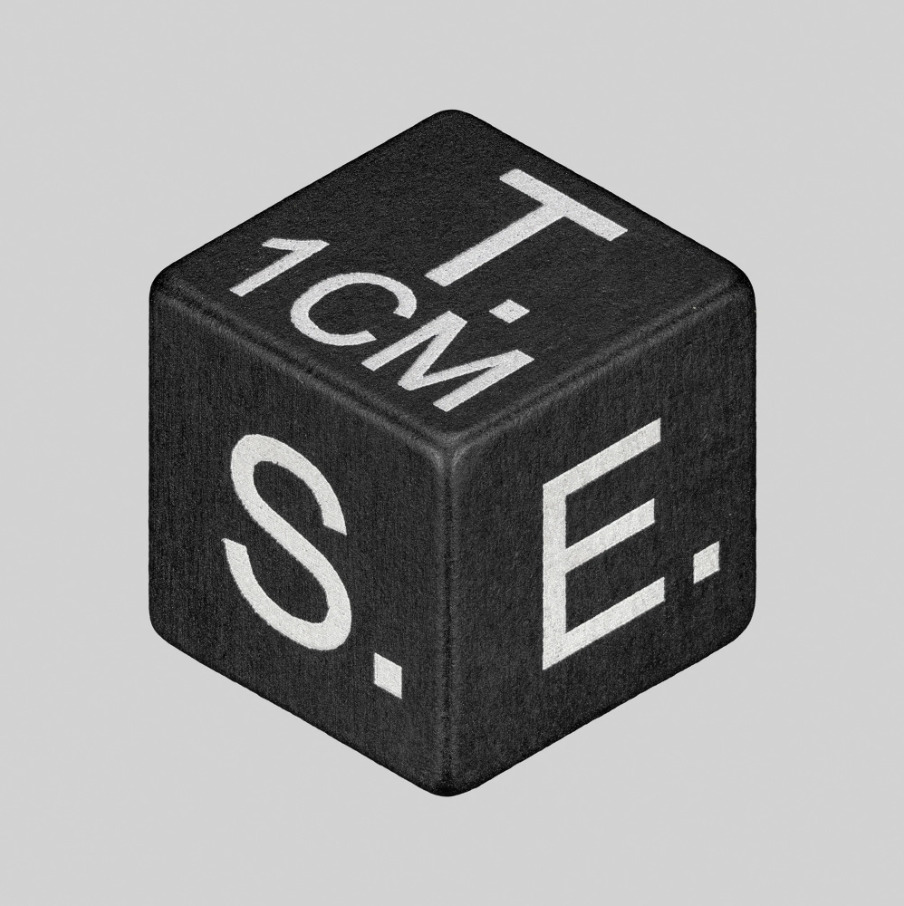
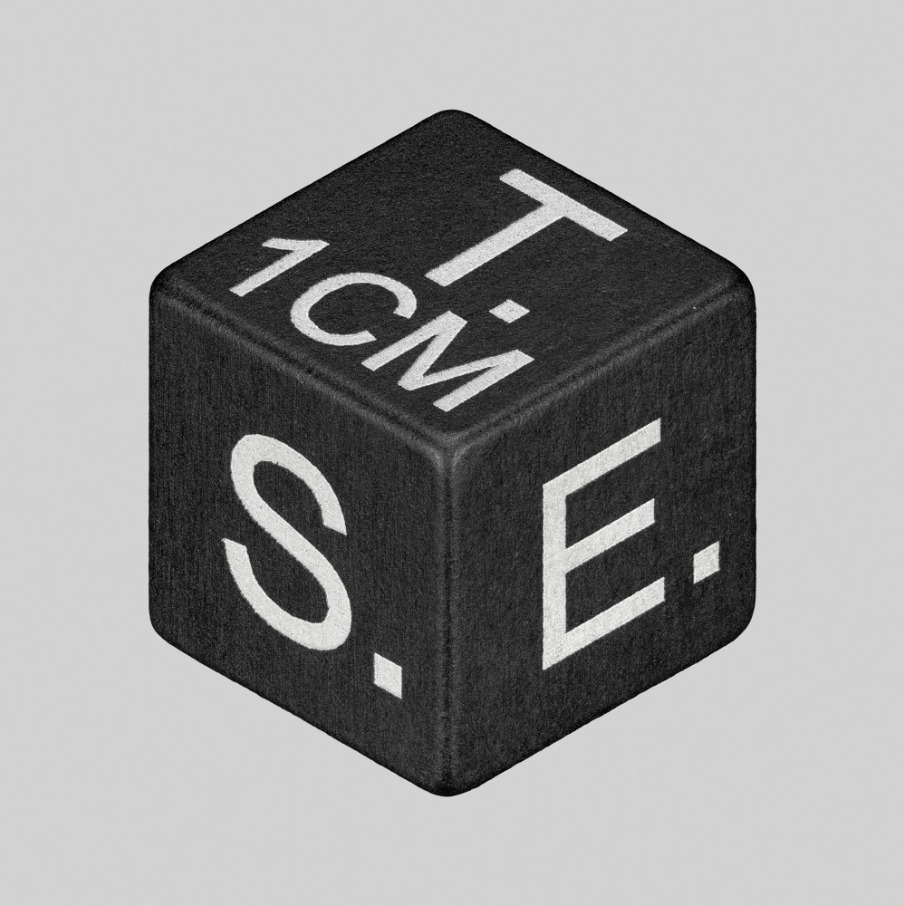
Kyoungtae Kim, Scale Cube 1F, 2019, Inkjet print, 150 x 150 cm © Kyoungtae Kim

The scale cube, which is the subject matter in the exhibition, is a cube measuring one centimeter in all directions, which is used as a scale reference point for size and direction when photographing meteorites at NASA.
 
In Kim’s work, these objects are transformed into uncanny images whose vanishing points diverge from those of their real-world counterparts, through a viewpoint that references architectural perspective. Moreover, printed at a scale more than a thousand times larger than their actual size, the objects become impossible to gauge in terms of their real dimensions.
 
For instance, Scale Cube 1F (2019), is an Isometric Projection, consisting of all three sides adjacent to the central axis of the image at the same brightness and angle. The scale cube looks odd, even more like a drawing filled with graphite or carved black cardboard, neither flat nor three-dimensional.


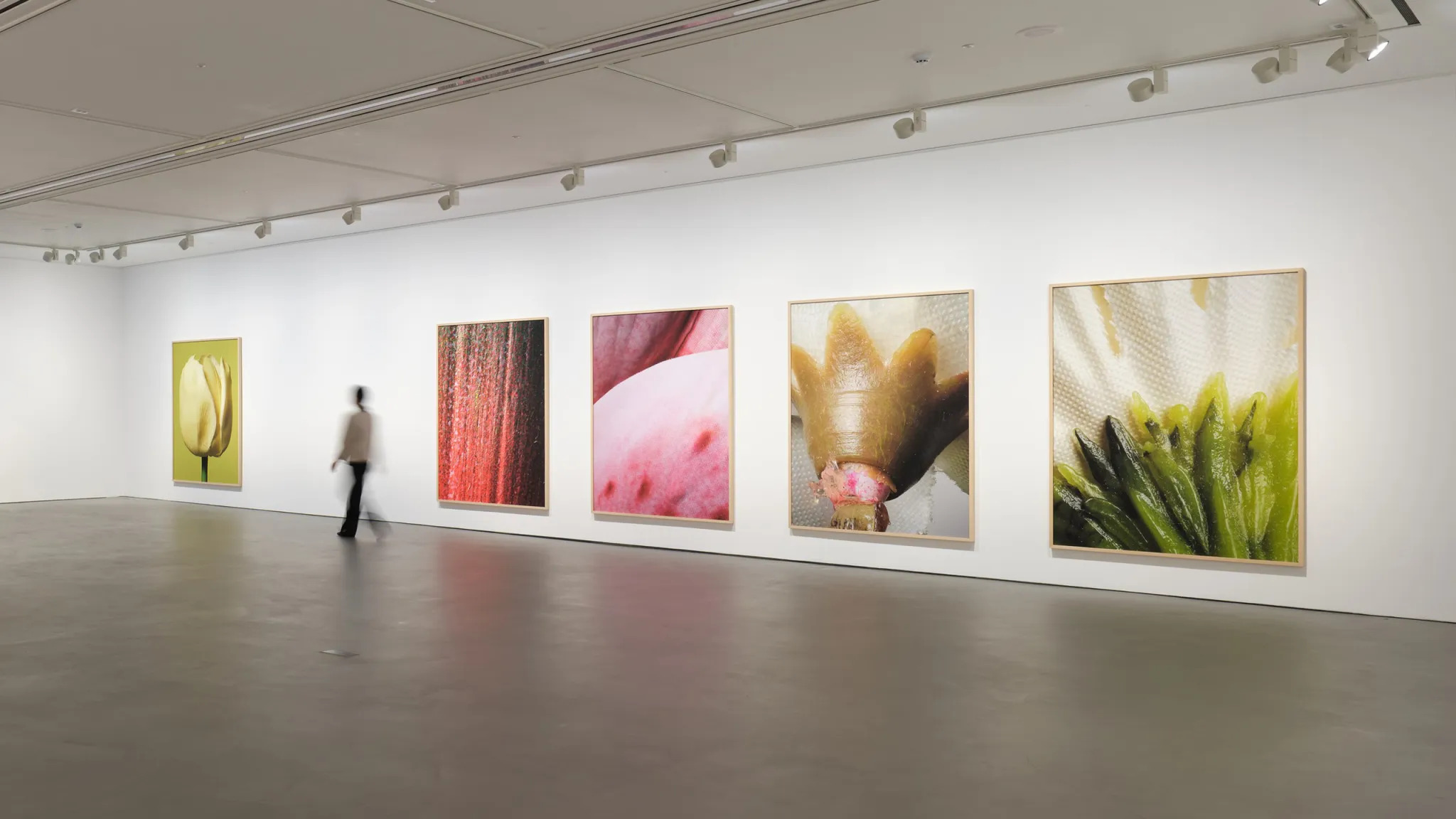
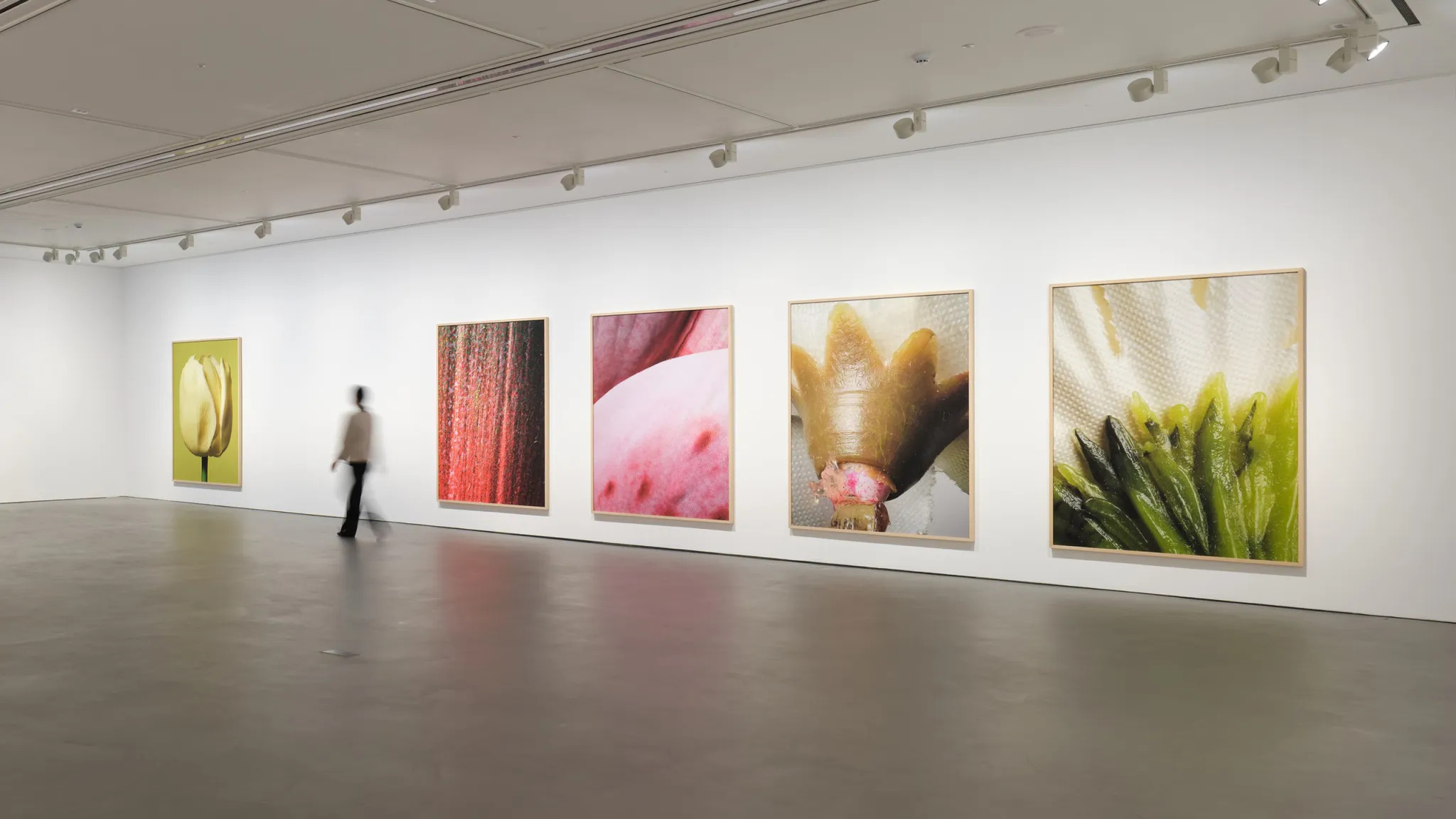
Installation view of 《Bumping Surfaces》 (DOOSAN Gallery, 2021) © DOOSAN Gallery

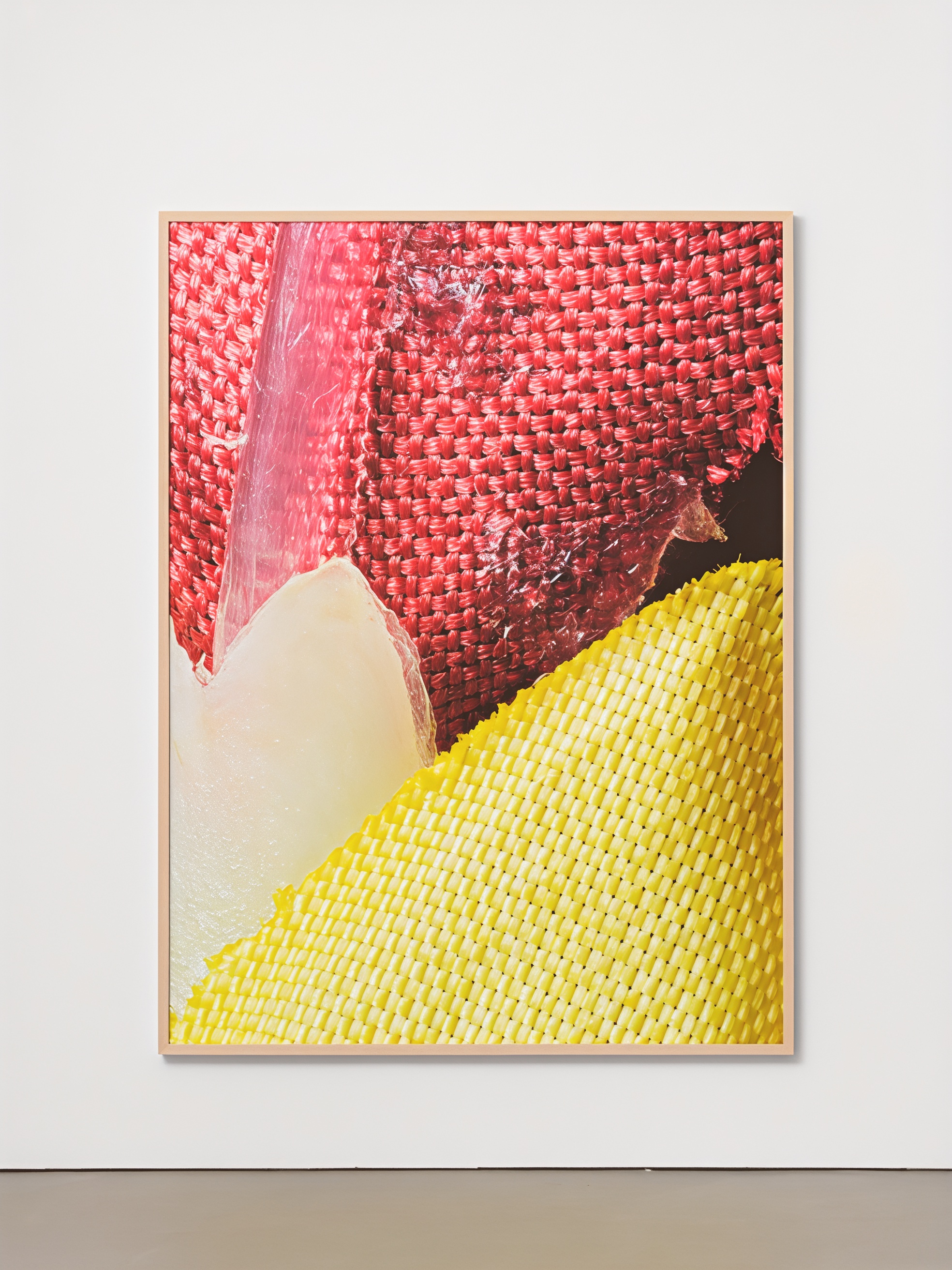
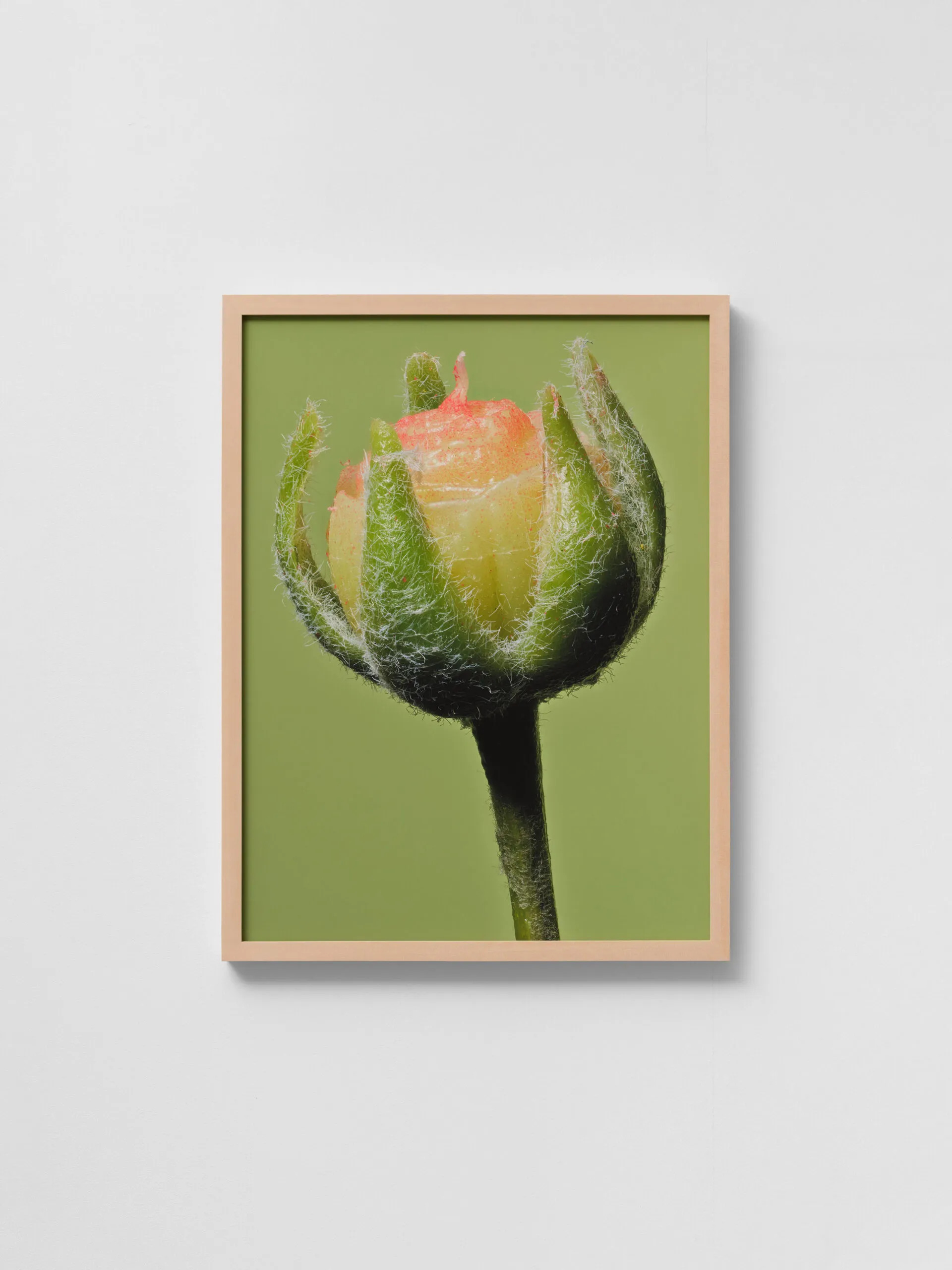
In his 2021 solo exhibition 《Bumping Surfaces》 at DOOSAN Gallery, Kim turned his attention to artificial flowers, seeking to reveal their various facets and propose new ways for viewers to observe objects.
 
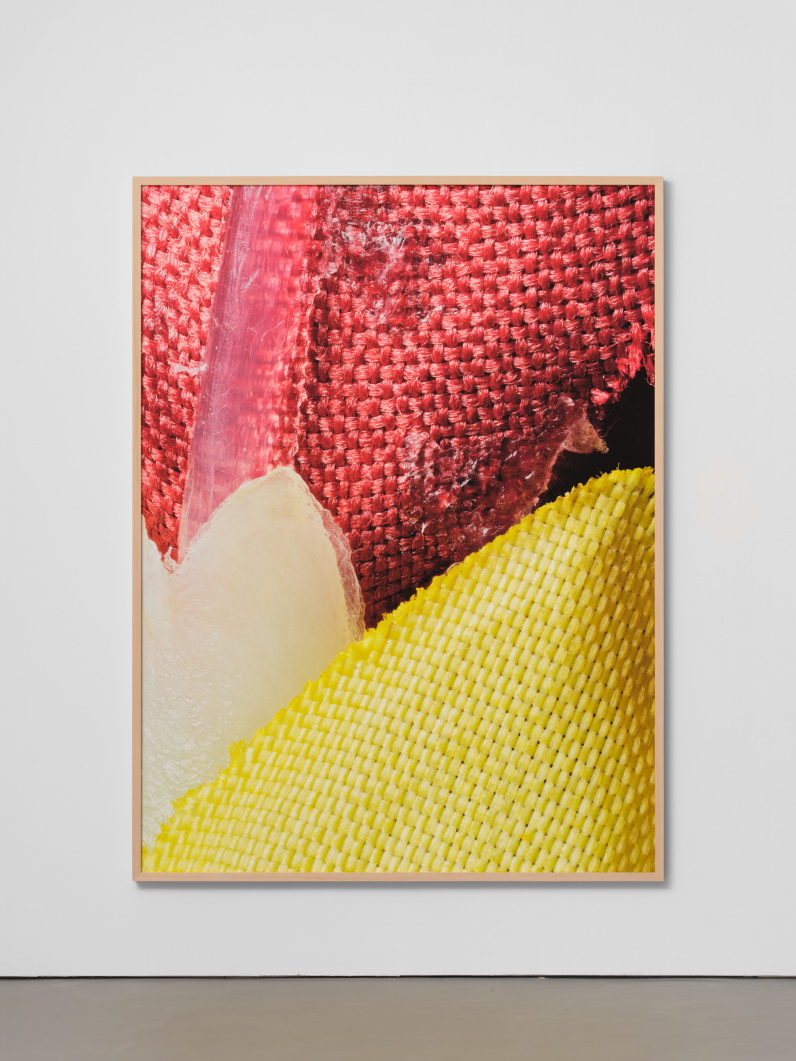
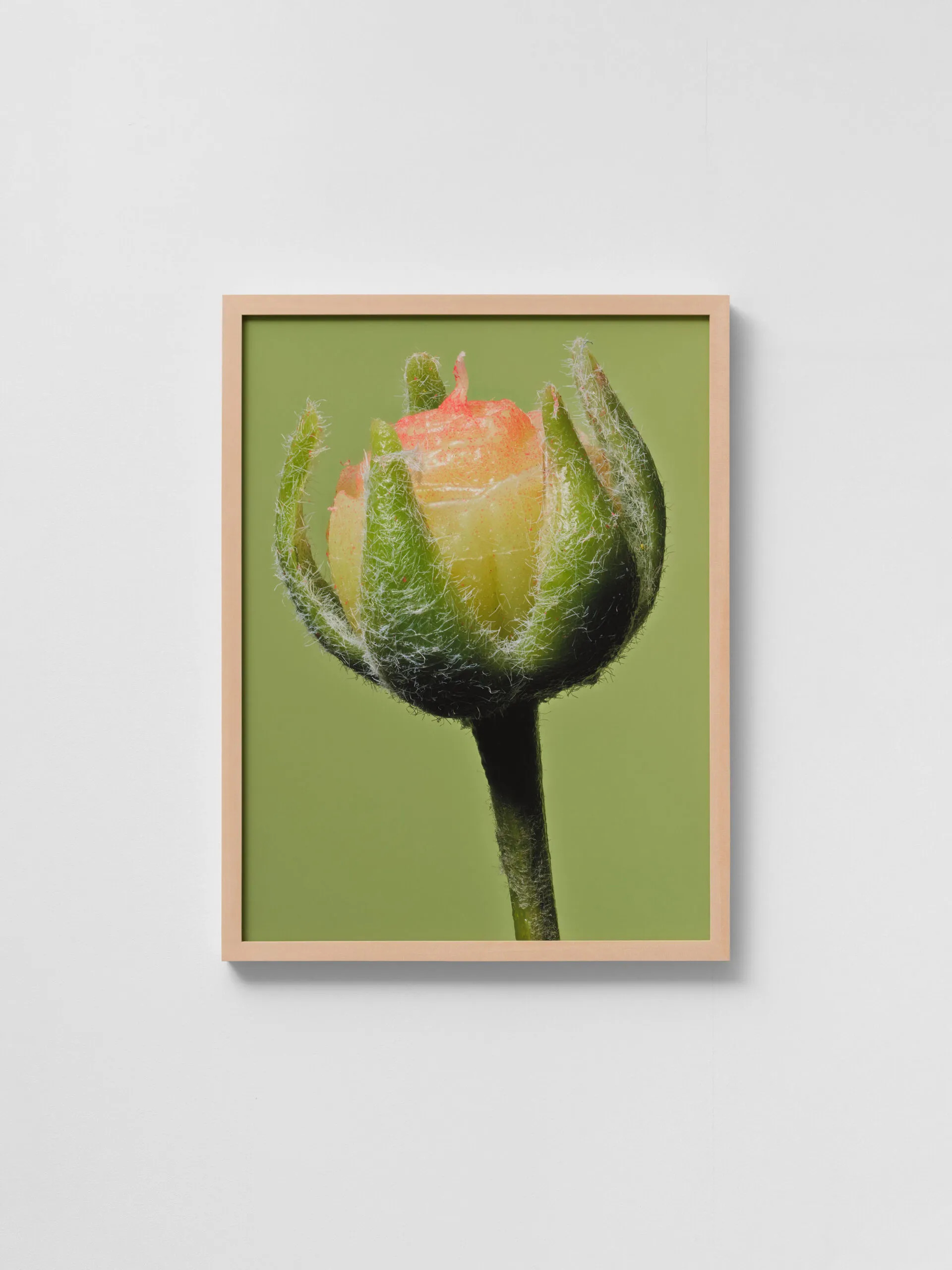
This exhibition showcased about 10 large-scale photographs of flowers. Whether it be the split edge of a petal that exposes the weave of its synthetic fabric, a patch of a petal where improper dying has left small red dots, or a lump of dried glue at the joint where a plastic stem meets a flower bud, each frame patently captures and conveys the artificiality of the subjects.


Kyoungtae Kim, Bumping Surfaces - Amaryllis C, 2021, Archival pigment print, 200 x 150 cm © Kyoungtae Kim

His lens gazes at the subjects up close, yet maintain an objective view, as if to apprehend their resolution at a level undetectable by human eyesight. By persistently tracing the surface textures of these artificial-natural objects, Kim raises questions about the habitual ways in which we perceive things.


Kyoungtae Kim, Bumping Surfaces - Ranunculus A, 2021, Archival pigment print, 80 x 60 cm © Kyoungtae Kim

《Bumping Surfaces》, also the title of this exhibition, points to the visual collision Kim has experienced in the thorough, time-intensive process of examining mid-sized objects and materializing them as photographs; at the same time, it alludes to his fascination with the “tensible potential harbored in the surface of an image,” which allows for a scene to be transferred into a camera frame and monitor screen, then output as a printed photograph.
 
Kim’s approach of seeking to understand an object by examining every aspect of its surface invites us to reconsider what we see, how we see it, and what we choose to accept.


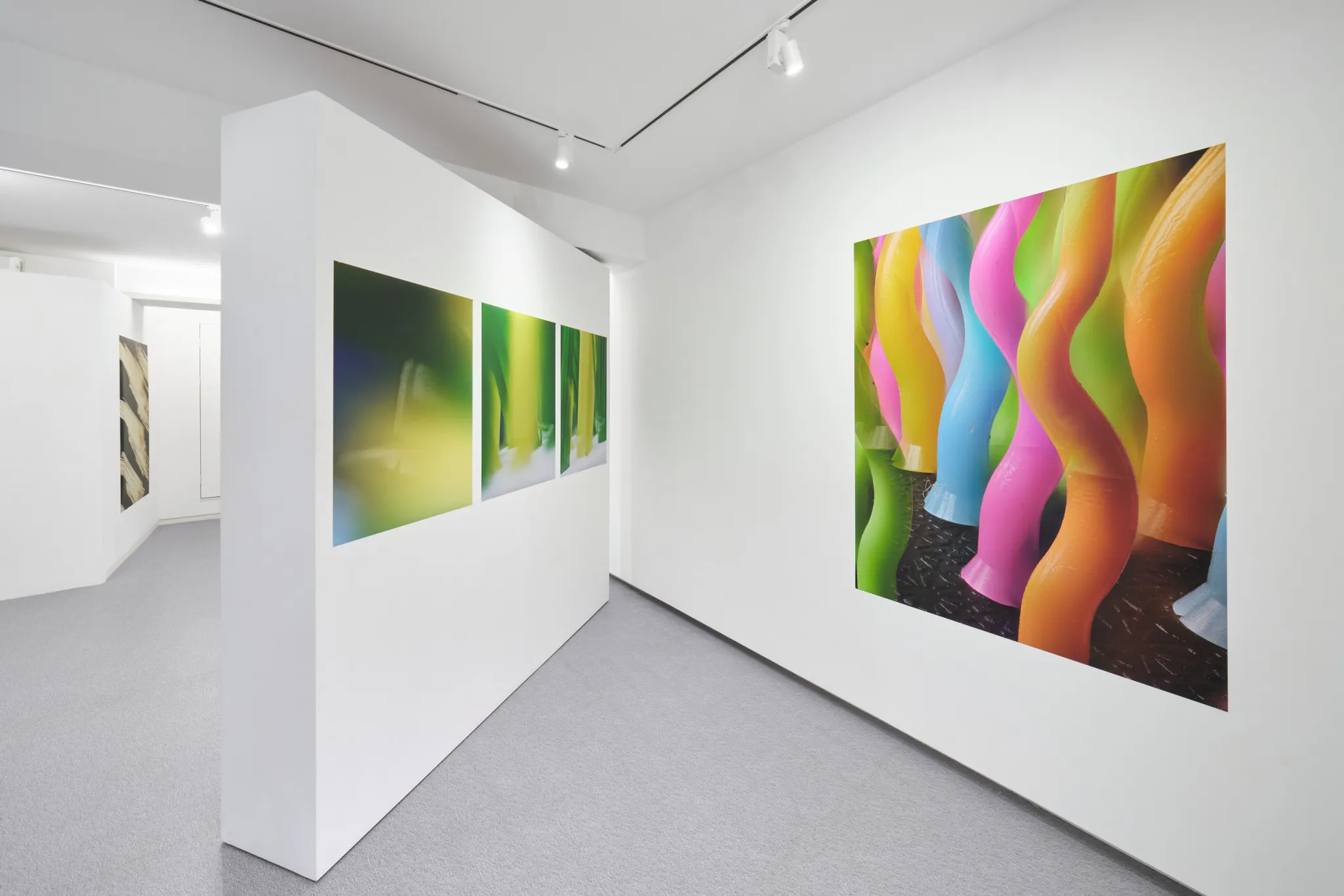
Installation view of 《Linear Scan》 (Whistle, 2022) © Whistle

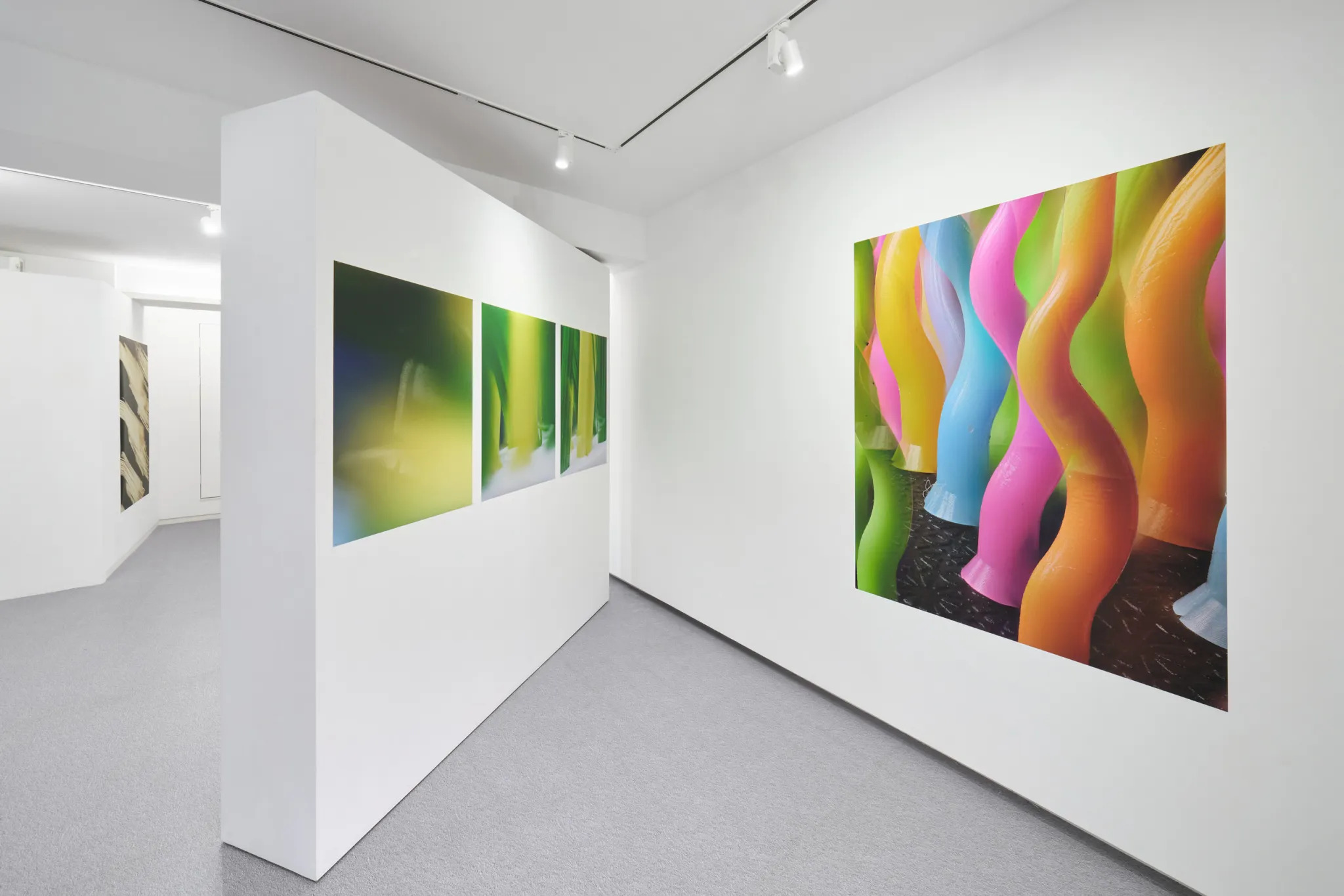
Having explored the relationship between focus and scale in the observation of objects, Kim turned to the movement of focus in his 2022 solo exhibition 《Linear Scan》.
 
In this exhibition, Kim opens a dialogue on the movement of perspective that occurs when passing through structures while approaching the subject. The artist has compared this phenomenon to walking through a dense forest; moving forward, trees that were out of the line of sight slowly come into the field of view.
 
Once merged into a single image, it is possible to observe characteristics that were obfuscated in the initial perspective.


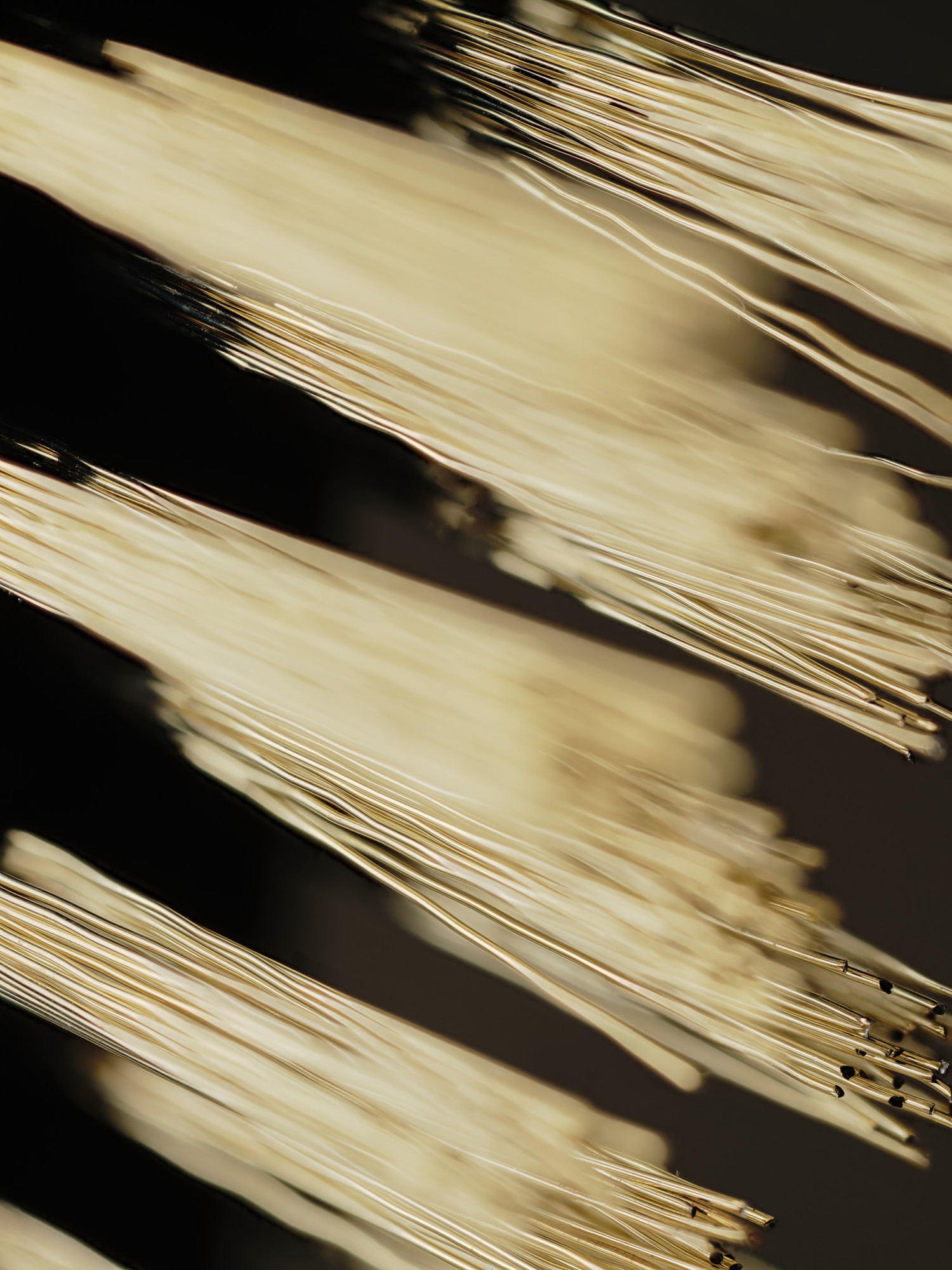
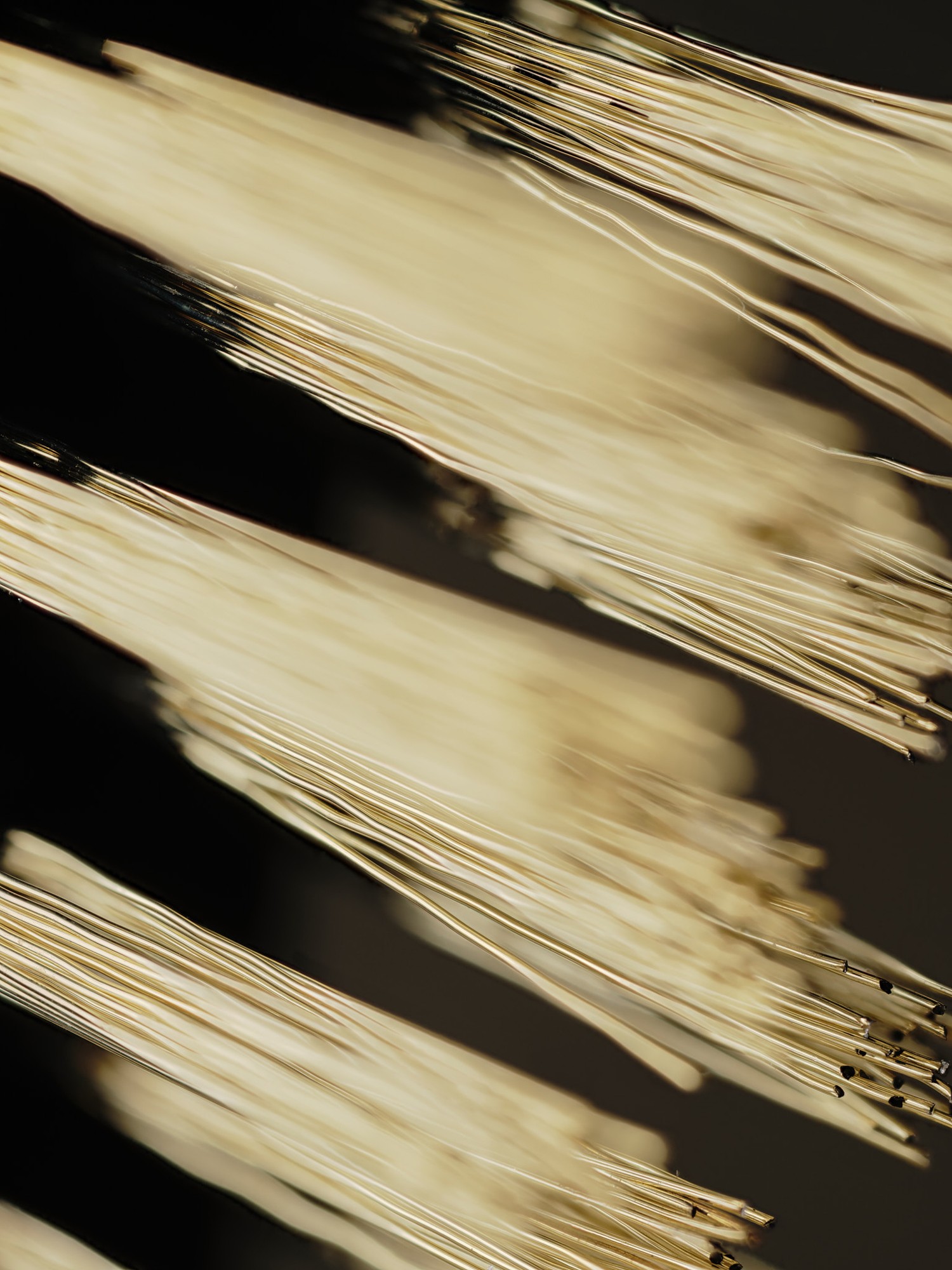
Kyoungtae Kim, Brass Wire 1B, 2022, Archival pigment print, 140 x 105 cm © Kyoungtae Kim

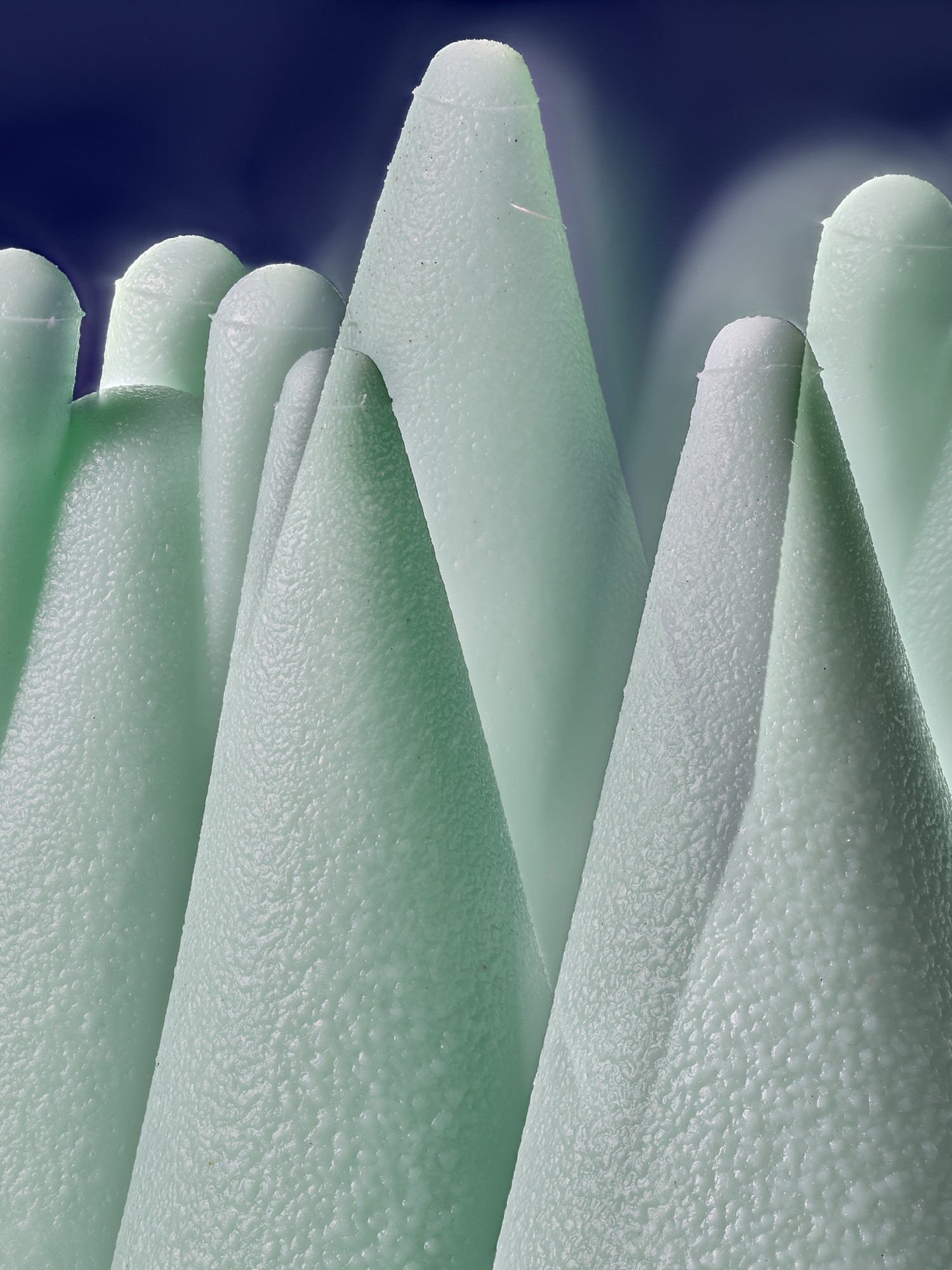
The subject matter of 《Linear Scan》 are small brushes. A brush is a uniform structure, with bristles extending vertically or diagonally. With this object, the photograph can manifest even the smallest movement of the focus.
 
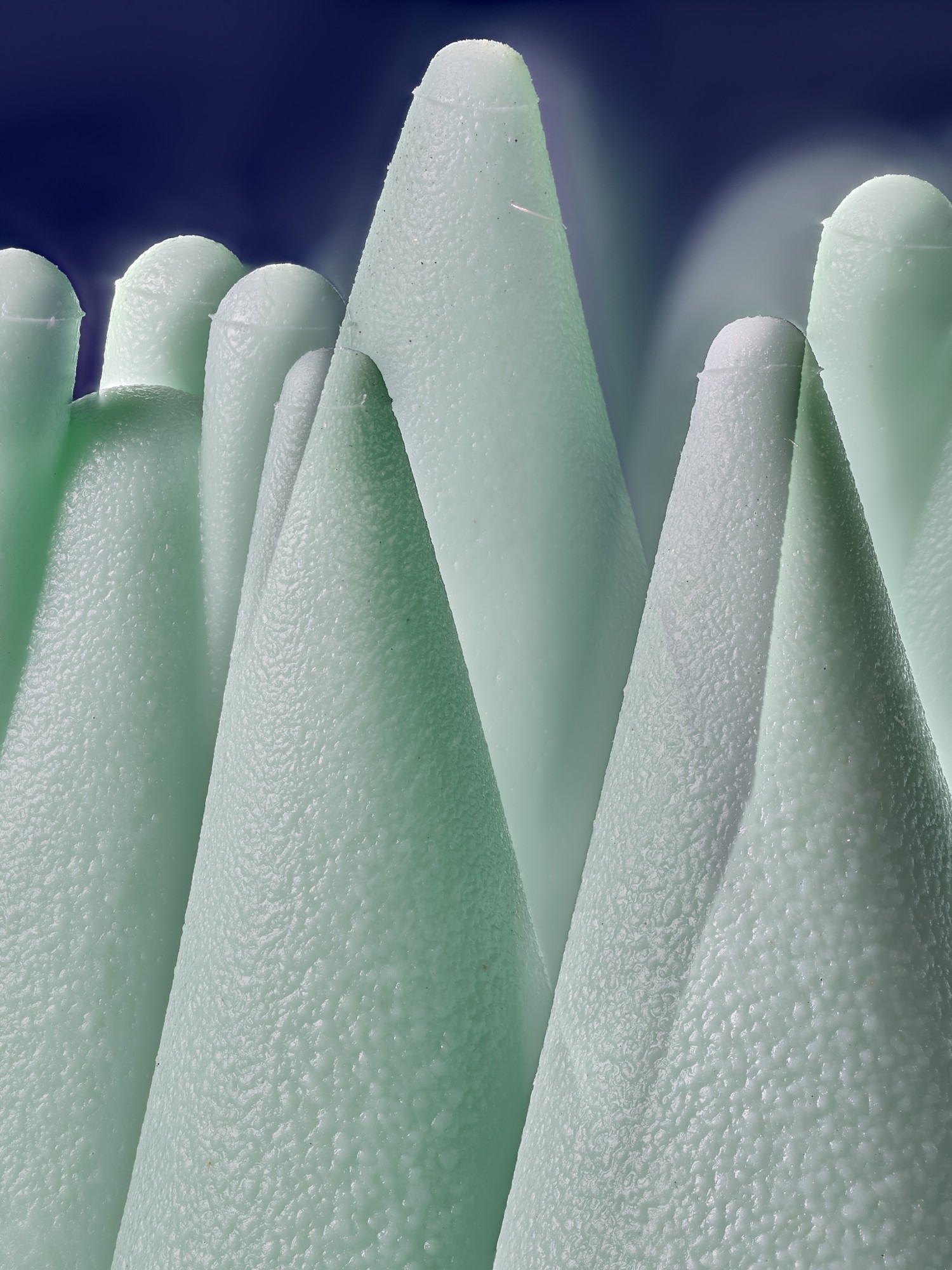
The shorter the focal length, the more blurred or translucent objects positioned in front of or behind the focal plane appear. At this point, the algorithm in the focus stacking software Kim uses, which automatically composites the sharply focused areas of multiple images, begins to break down. Images that were originally obscured behind the focal plane are revealed through the compositing process.


Kyoungtae Kim, Crossing Surfaces SB2a, 2022, Archival pigment print, 140 x 105 cm © Kyoungtae Kim

The works are displayed in a group or independently. In the diptychs, the process of the movement of the focus becomes established, while the solitary images reveal the technique itself.
 
The alluded forest seems to bleed through in Crossing Surfaces SB2a (2022), where small conical forms are overlaid with one another, and in the colorful standing waves of Crossing Surfaces RB1a (2022).
 
Through these works, Kim simultaneously reveals the possibilities and limitations of human vision, elegantly orchestrating a way of seeing that fragments seemingly unreal scenes.


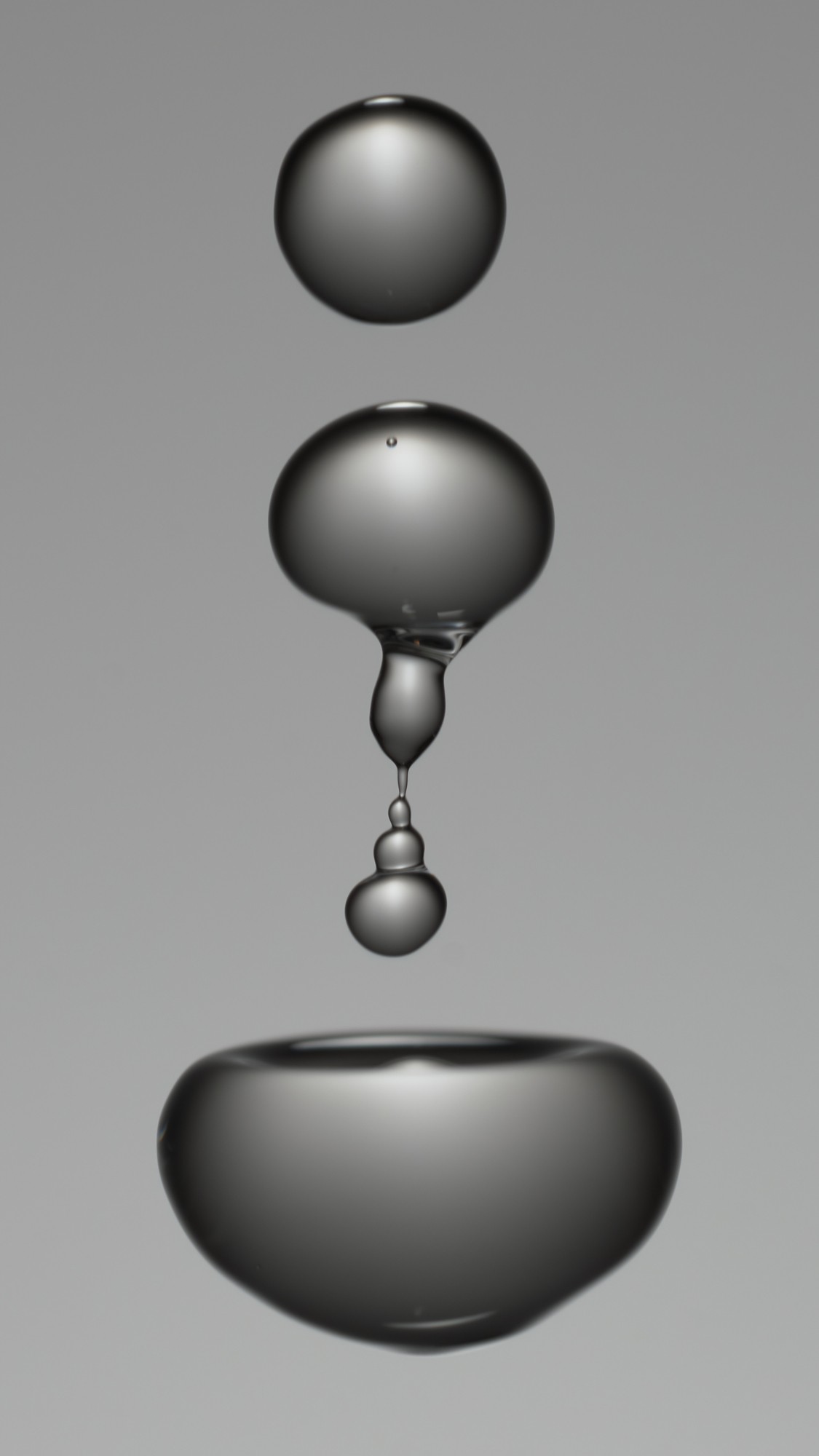
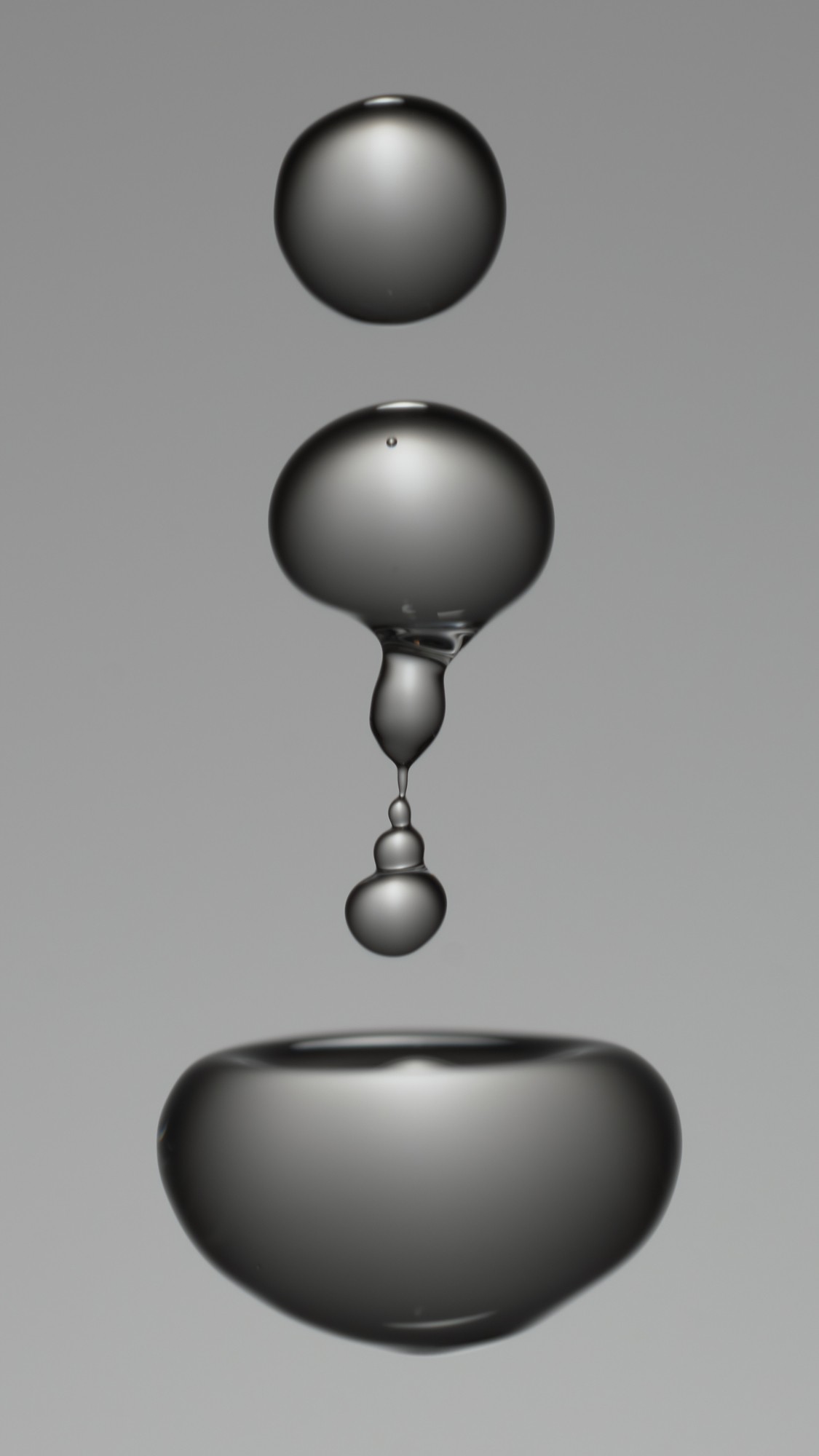
Kyoungtae Kim, Figure O 137, 2024, Archival pigment print, 192 x 108 cm © Kyoungtae Kim

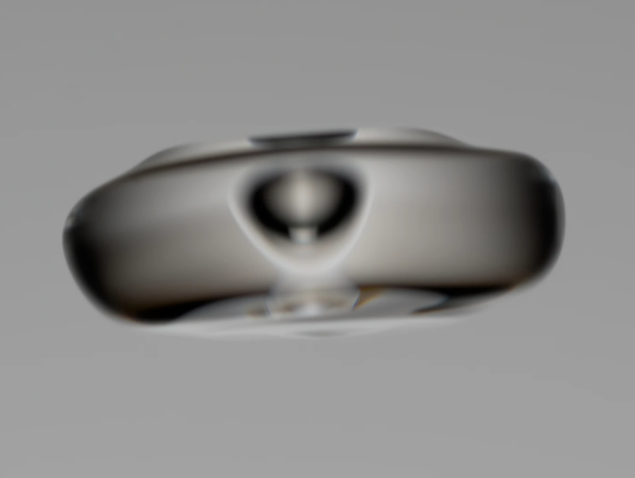
In his recent series ‘Figure O’ (2024), Kim turns his camera toward falling water droplets. The movements imperceptible to the naked eye are fixed as still images by capturing the moment of a falling droplet of water.
 
He uses tools such as a device that precisely controls the flow of falling water, along with a speed light that emits a flash lasting only a fraction of a millisecond, to visualize these otherwise invisible fragments of time.
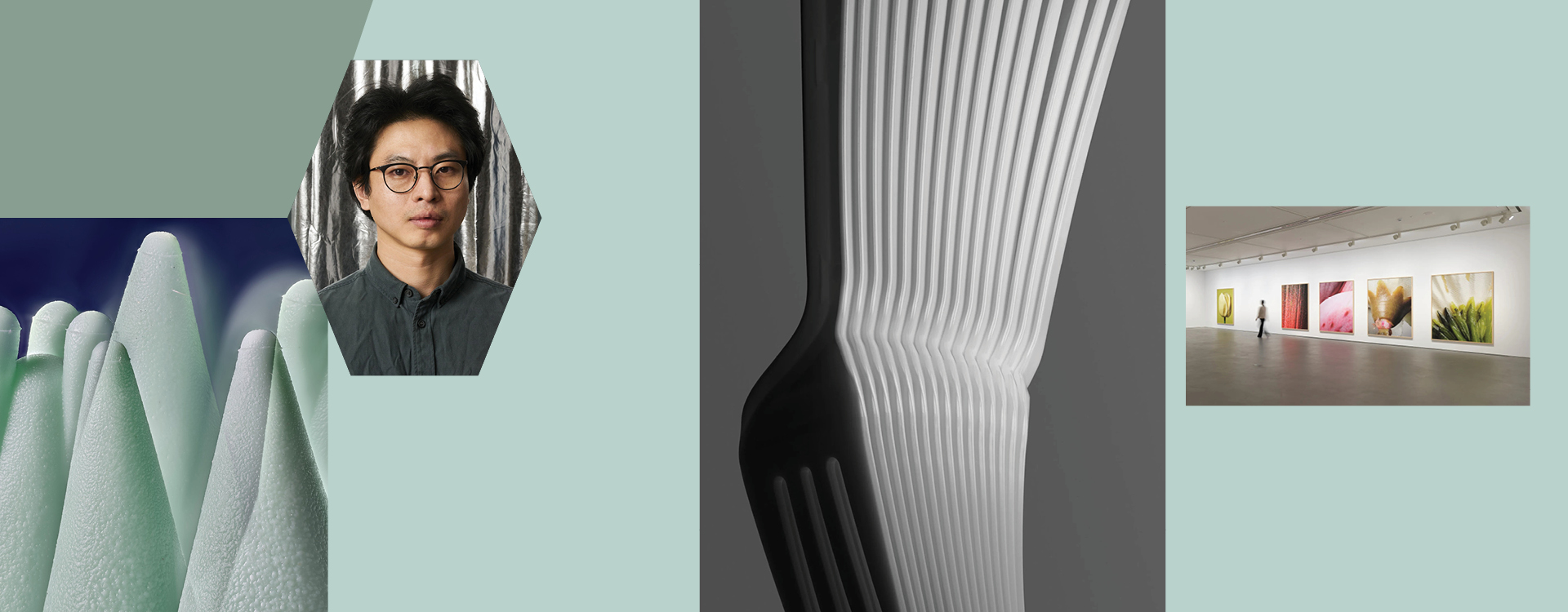
 
The photographic series is generated through such technical interventions. The droplet in each image embodies unseen physical forces such as impact and surface tension. Each image renders a hyper-condensed moment as though it were a sculptural object, bringing forth opposing concepts such as transience and permanence, fluidity and stillness in juxtaposition.


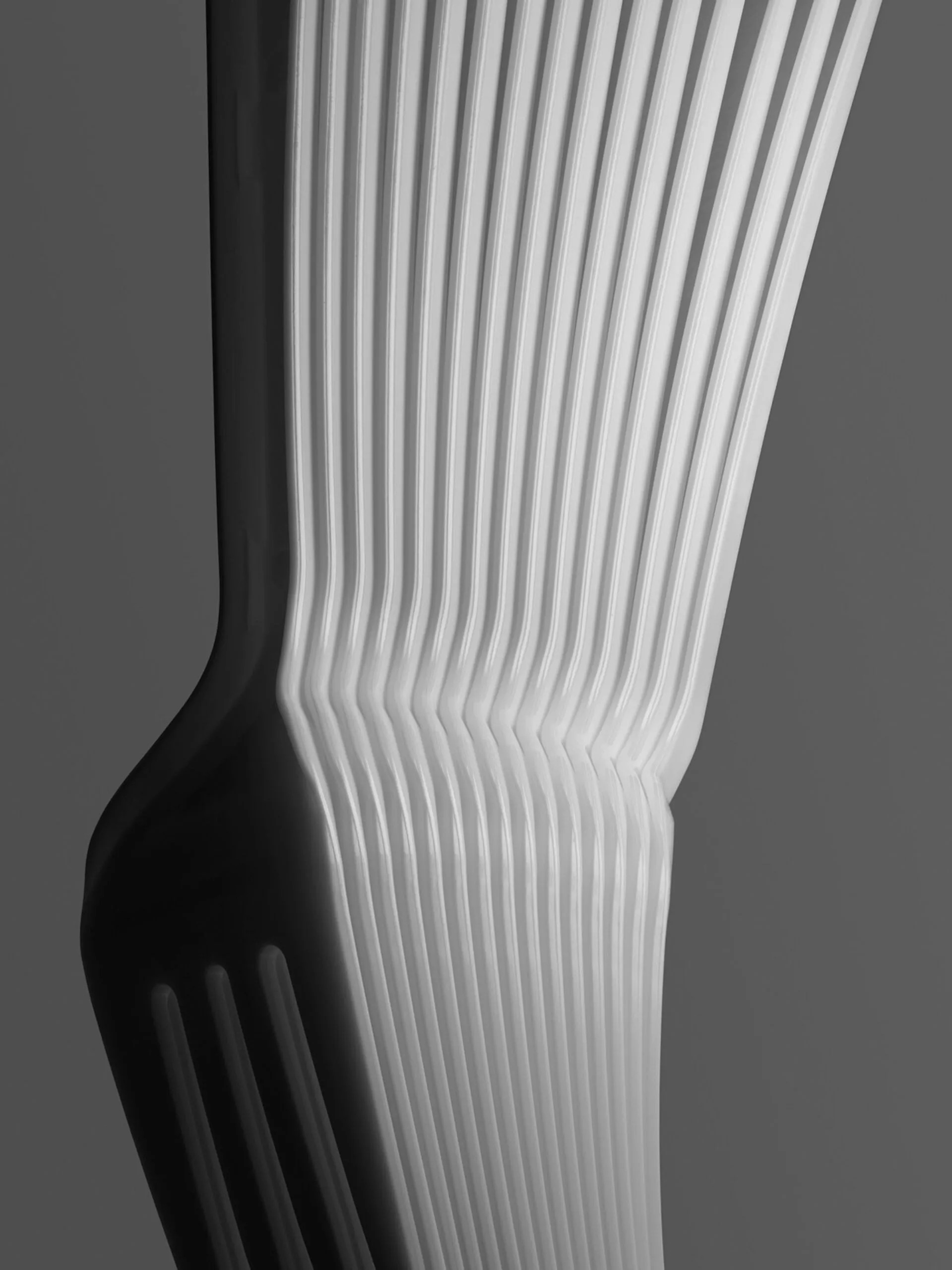
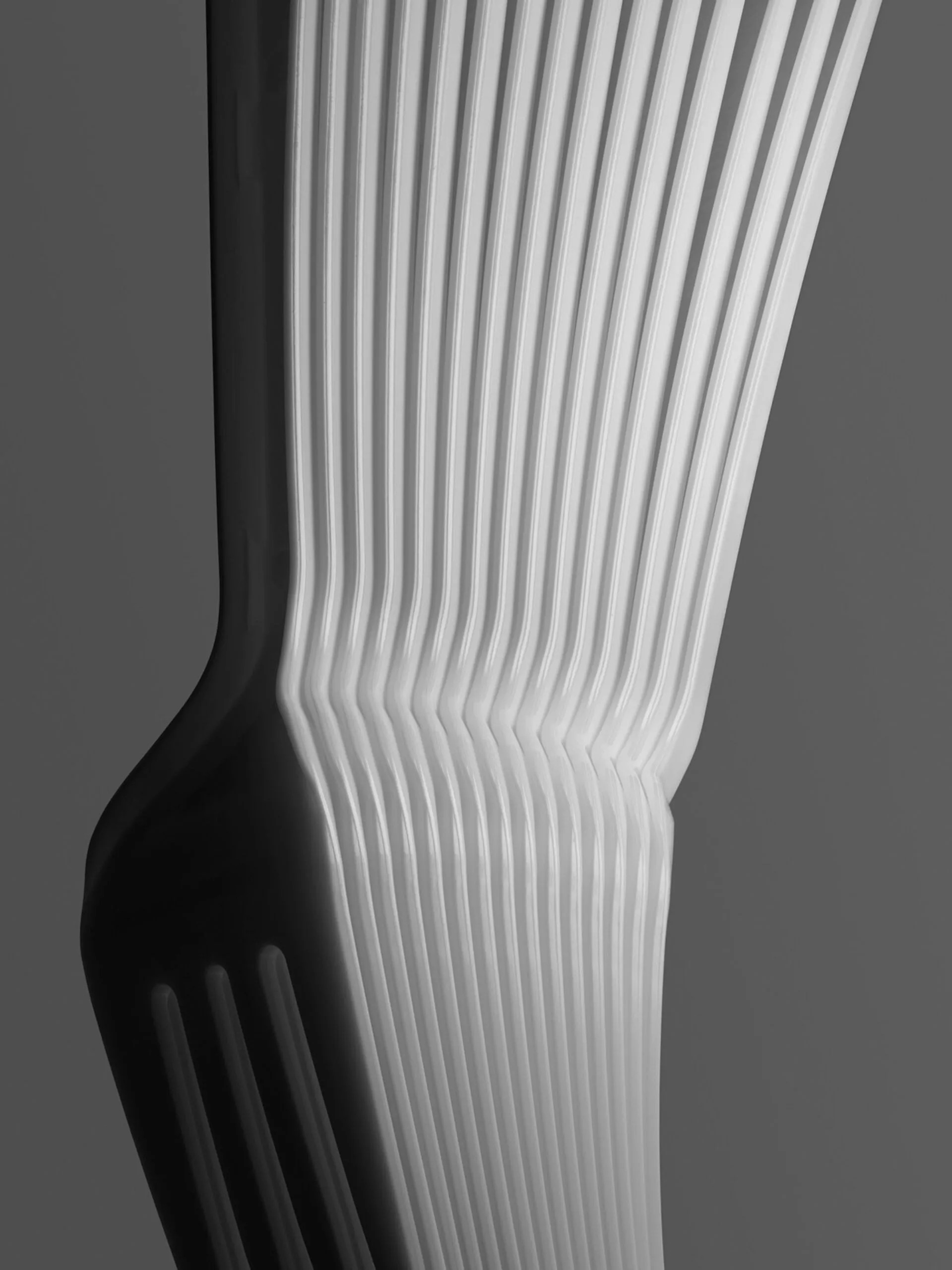
Kyoungtae Kim, Serial Compositions PF3, 2022, Archival pigment print, 200 x 150 cm © Kyoungtae Kim

Through this, Kyoungtae Kim reveals how the medium of photography, through its sensory representation, opens up new possibilities of perception. Although Kim photographs everyday objects and spaces, his images disrupt familiar optical principles of perspective and projection, as well as our conventional expectations of scale.
 
In doing so, they invite us to reconsider how the visual rules we have long taken for granted have shaped the ways we look at and perceive objects.
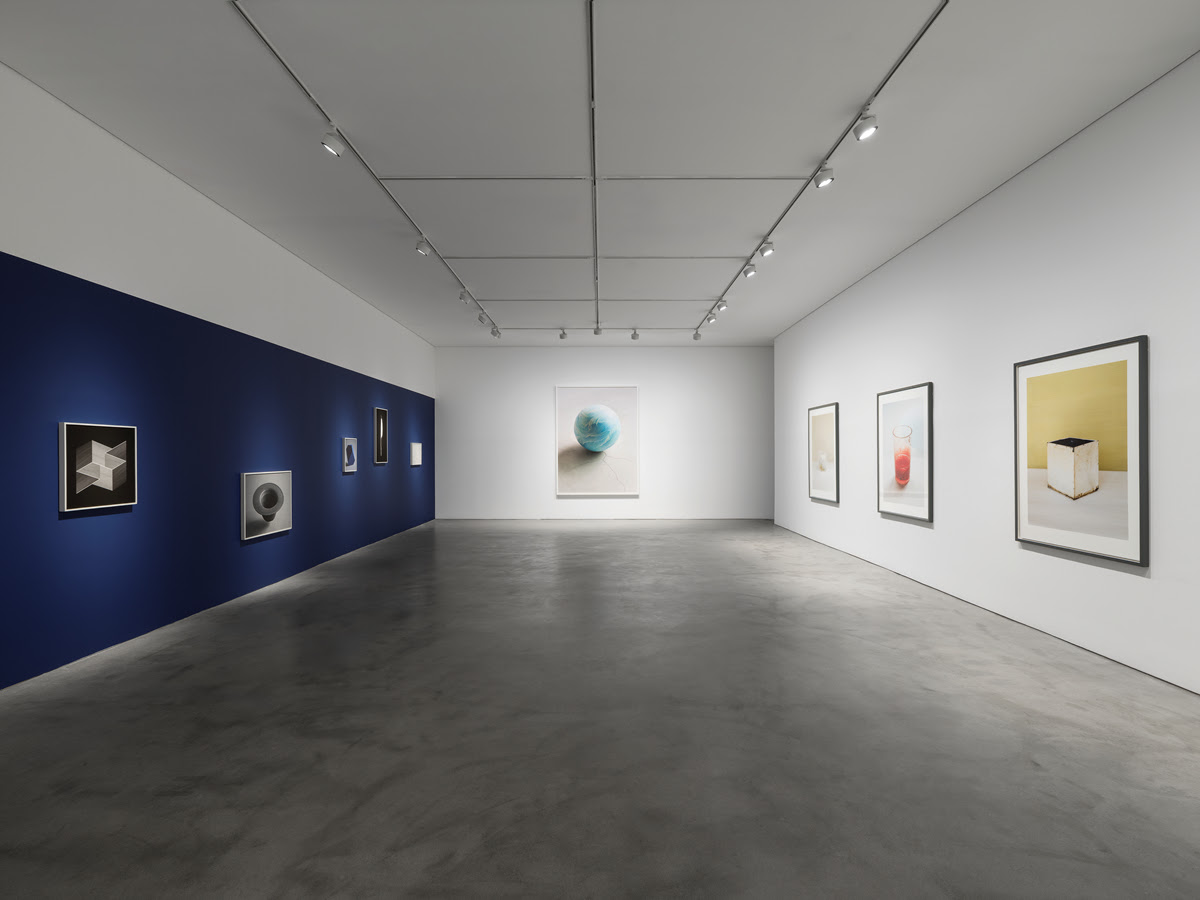
“Human eyes are constantly moving, rapidly gathering small fragments of visual information to construct an image of the whole in the mind. I focused on visualizing this process as a single image.” (Kyoungtae Kim, in an interview with BE(ATTITUDE))


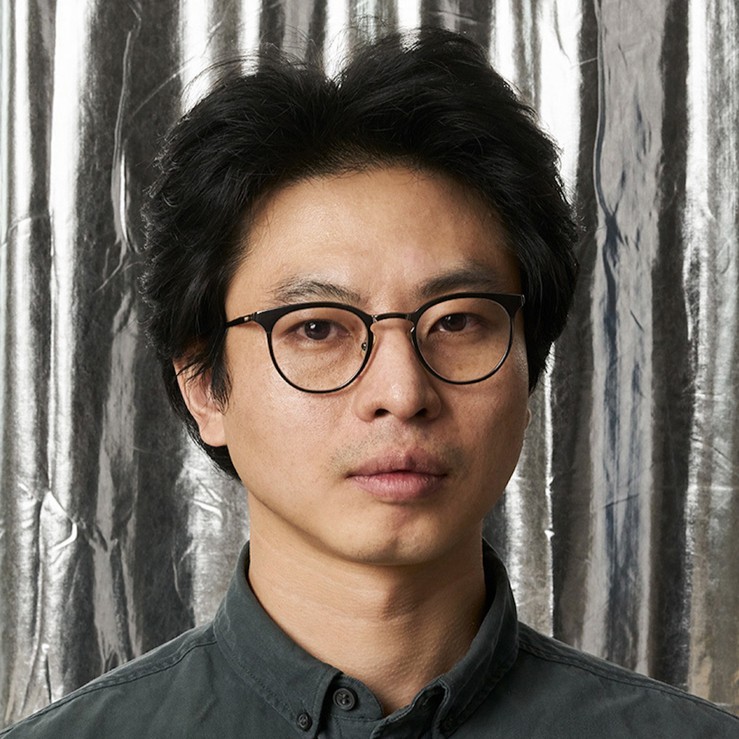
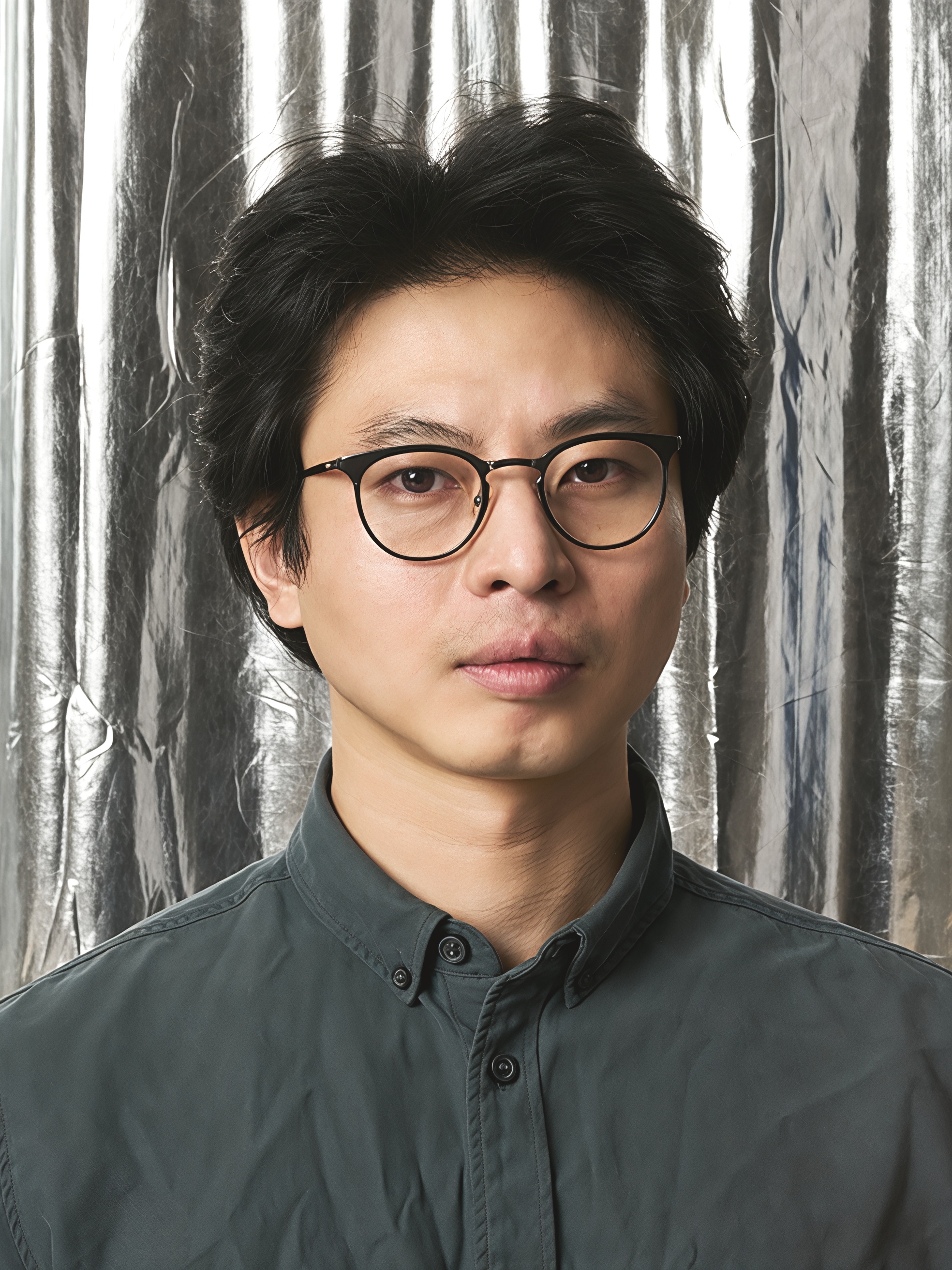
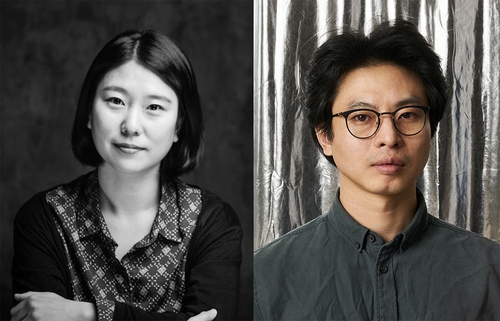
Artist Kyoungtae Kim © DOOSAN Art Center

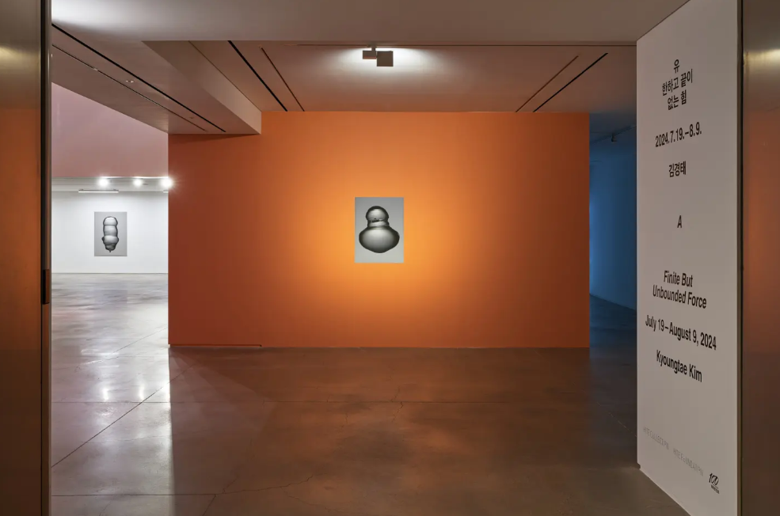
Kyoungtae Kim received his B.A. in Visual Communication Design from Chung-Ang University and M.A. in Master of Art Direction from École cantonale d'art de Lausanne(ECAL). His major solo exhibitions include 《A Finite But Unbounded Force》 (HITE Collection, Seoul, 2024), 《Linear Scan》 (Whistle, Seoul, 2022), 《Bumping Surfaces》 (DOOSAN Gallery, Seoul, 2021), and 《Dropping to the Surface》 (Whistle, Seoul, 2019).
 
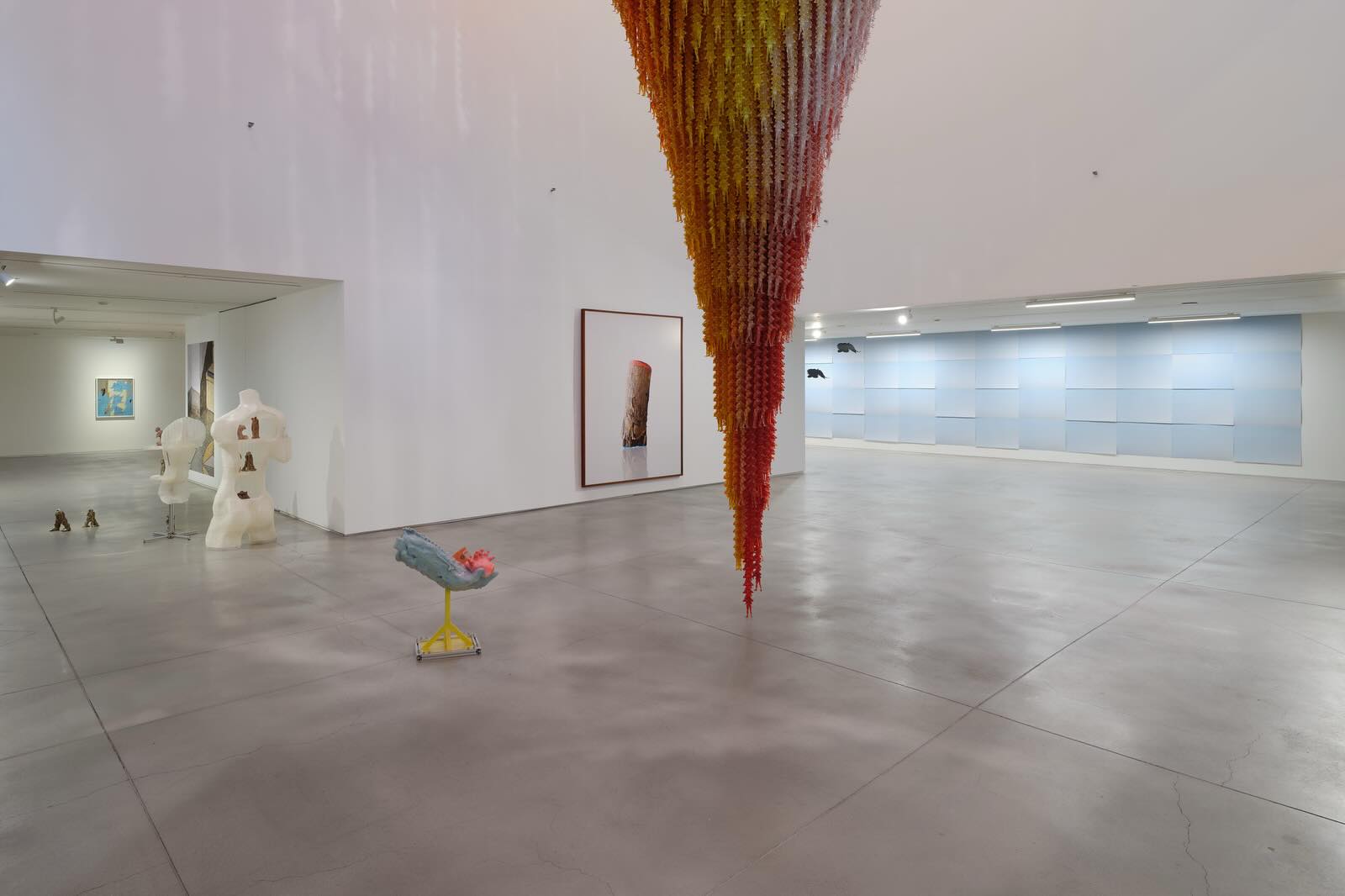
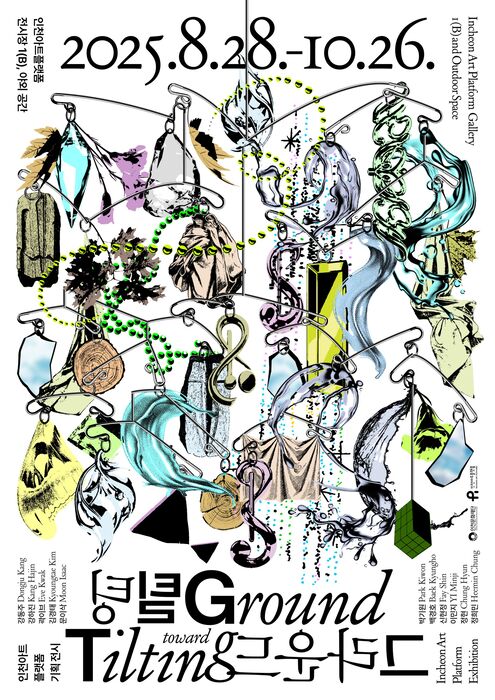
Kim has also participated in numerous group exhibitions, including 《Objects in Oscillation》 (Kukje Gallery, Seoul, 2026), 《Referential》 (HITE Collection, Seoul, 2026), 《Tilting toward Ground》 (Incheon Art Platform, Incheon, 2025), 《Open-Air Museum_Pungnap》 (Buk-Seoul Museum of Art, Seoul, 2024), 《Young Korean Artists 2023: Annotating the Museum》 (MMCA, Gwacheon, 2023), 《The 21st SONGEUN Art Award Exhibition》 (SONGEUN, Seoul, 2021), and 《Super-fine》 (Ilmin Museum of Art, Seoul, 2021).
 
Kim received the 11th DOOSAN Yonkang Arts Awards in 2020. His works are held in the collections of institutions, including the MMCA and Seoul National University Museum of Art.

References