Seulki Ki (b. 1983) works primarily with photography, developing experimental practices that explore how images are experienced in contemporary society. Through an ongoing investigation into the processes of image production and the conditions of the medium, she has expanded her inquiries into books, video, and photographic installations.


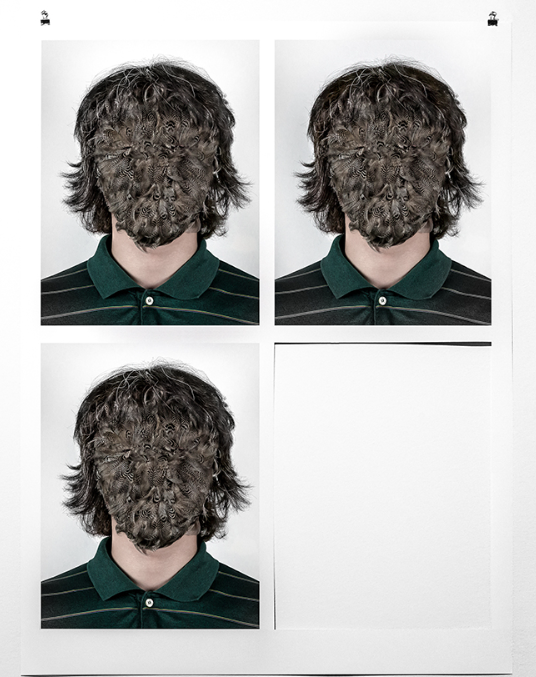
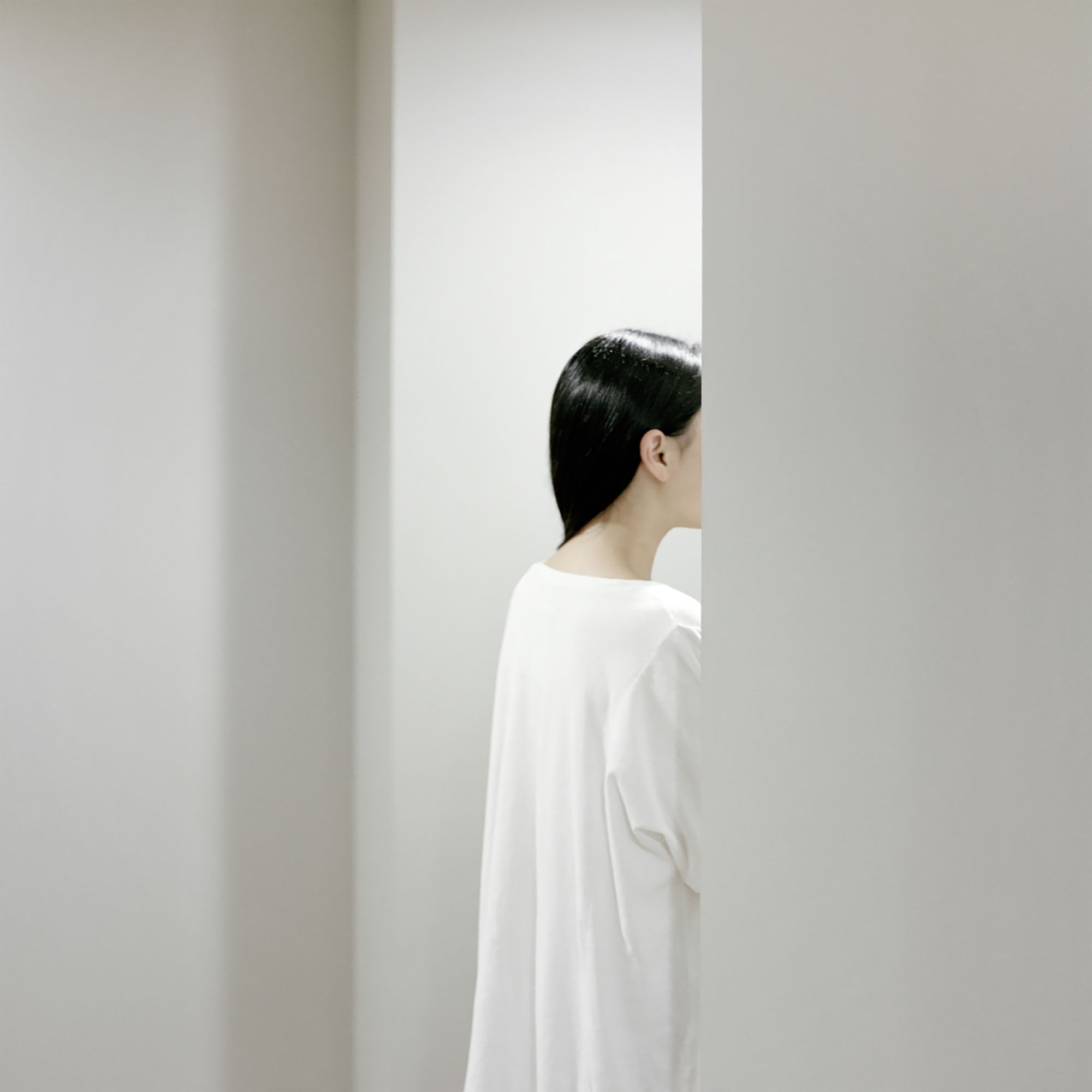
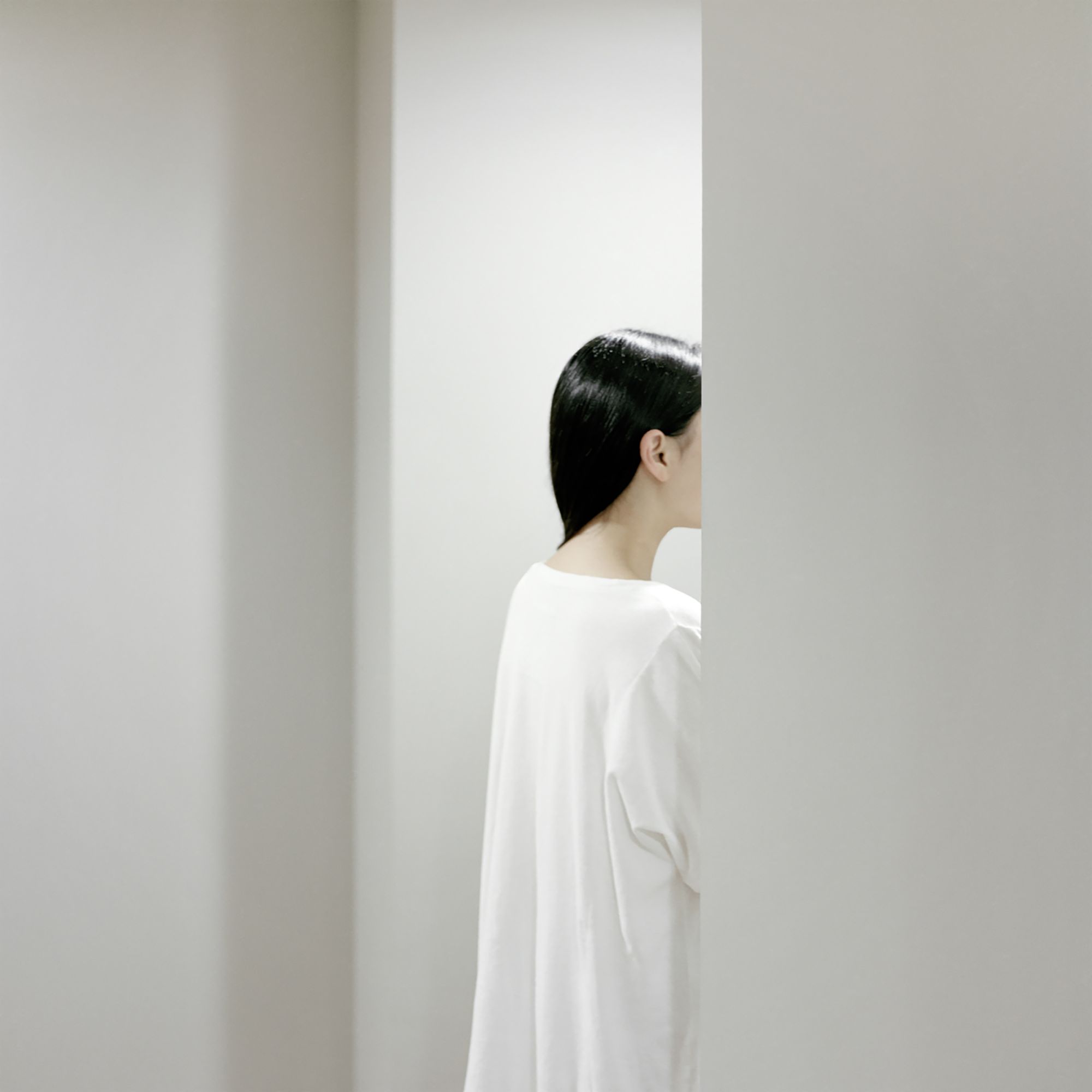
Seulki Ki, Unfamiliar Corner 01, 2012, Archival pigment print, 90 x 90 cm © Seulki Ki

In her early works, Seulki Ki incorporated personal experiences into everyday objects and spaces, prompting viewers to reexamine their sensory perceptions. Through photography, performance, installation, and other media, she revealed hidden aspects of the familiar that often go unnoticed.
 
For example, her 2012 series ‘Unfamiliar Corner’ invites viewers to question the spaces and objects concealed within the fixed frame of a photograph.
 
In this work, which evokes curiosity about unseen spaces, parts of the body are positioned along the boundary between the visible and the invisible. Partially revealed, the body draws the viewer’s gaze, points toward the space beyond the frame, and serves as a guide into it.


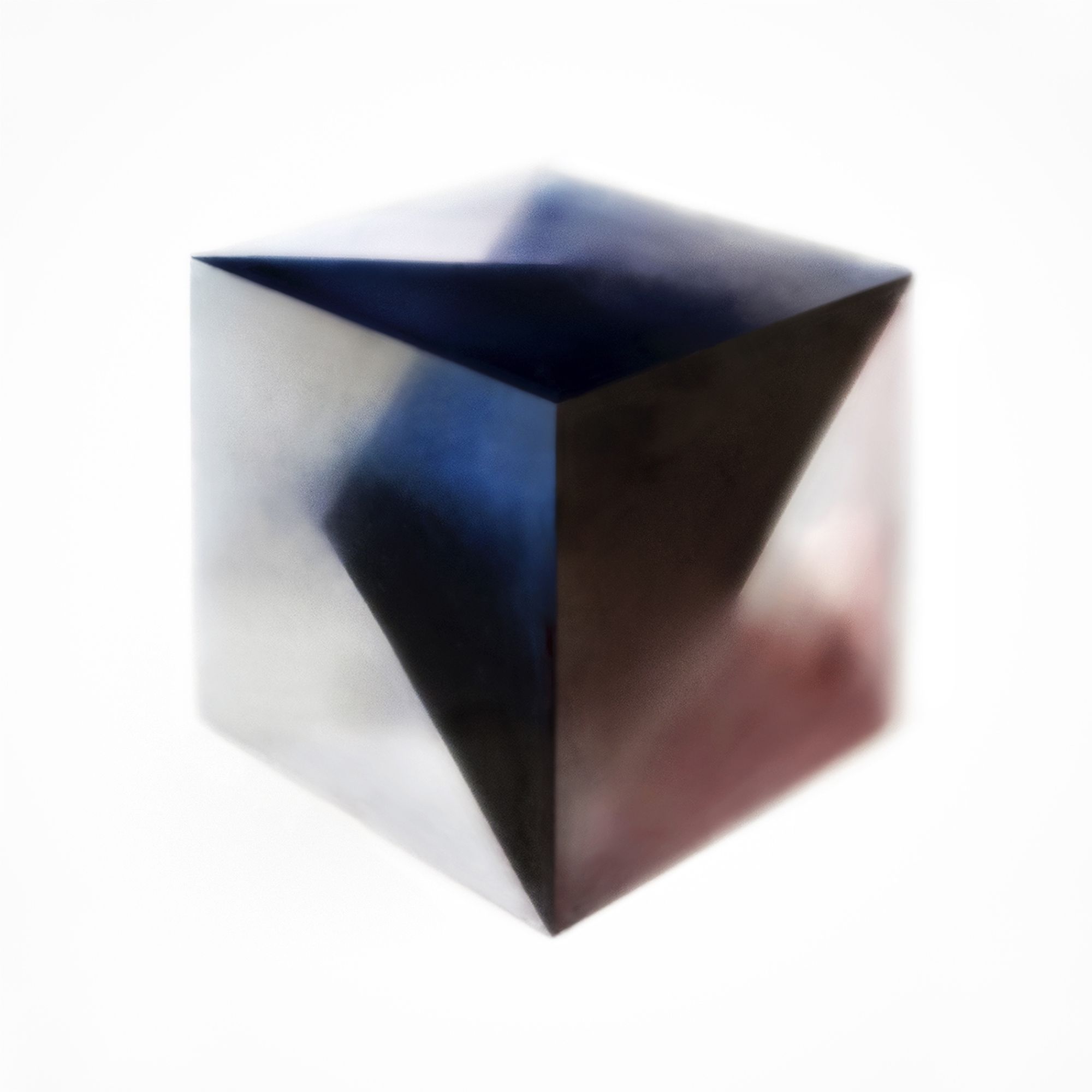
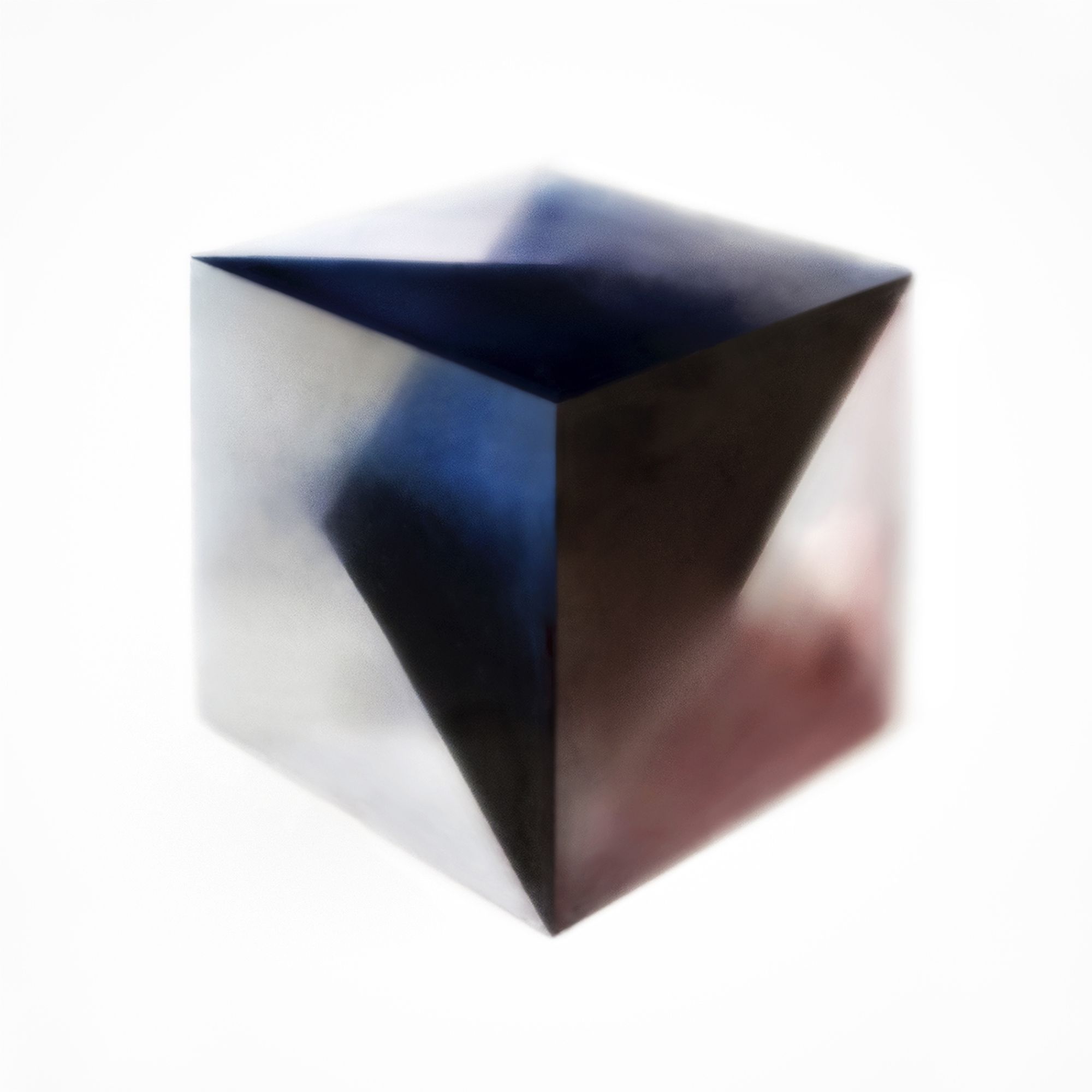
Seulki Ki, Crystal Lake 01, 2013, Archival pigment print, 90 x 90 cm © Seulki Ki

While the ‘Unfamiliar Corner’ series evokes curiosity about unfamiliar spaces, the ‘Crystal Lake’ (2013) series stimulates the viewer’s imagination through disorienting, abstract imagery. Revealing one space within another in a cube-shaped form, ‘Crystal Lake’ creates three-dimensional forms within a two-dimensional space.
 
Combinations of patterns devised by the artist appear to form three-dimensional shapes, such as cubes or streams of color floating within them. As a result, viewers must observe the images closely and spend time with them to discern their forms. Through this process of looking and reflection, viewers use their own imaginations to give shape to abstract spaces.


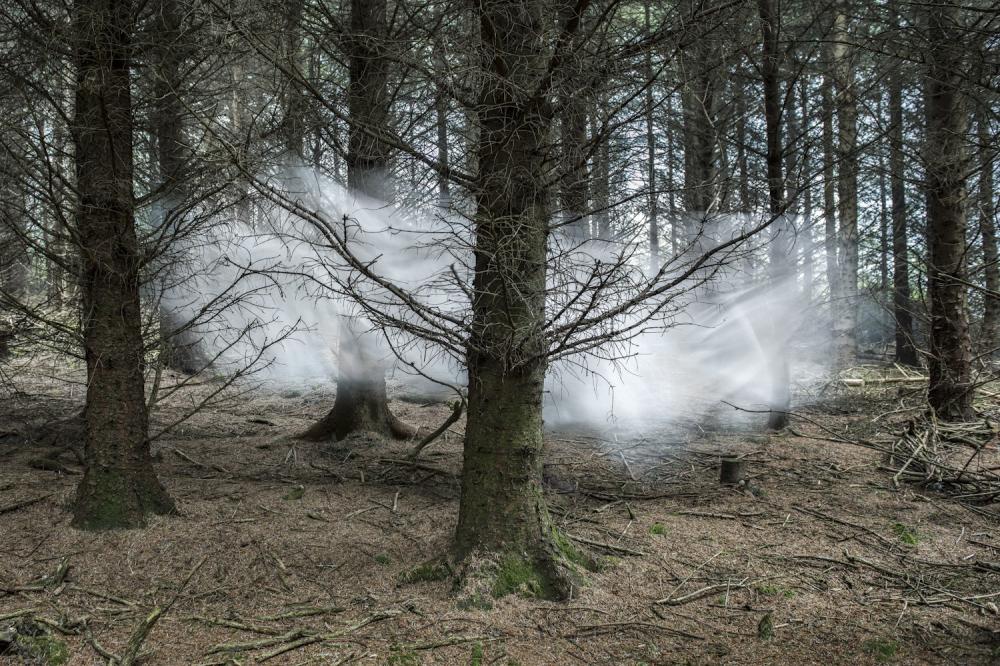
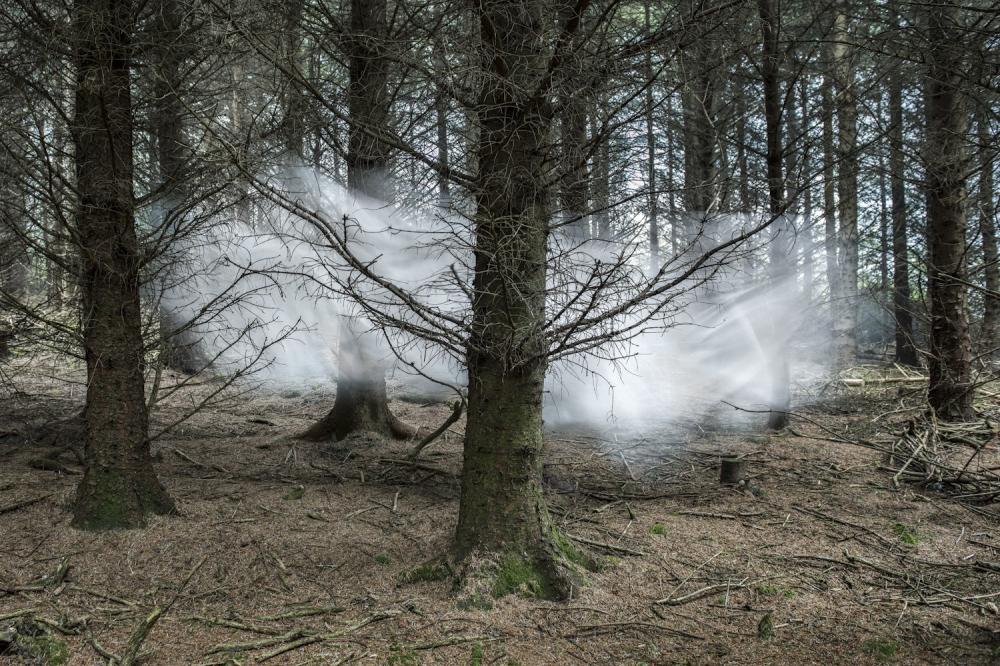
Seulki Ki, Post Tenebras Lux 04, 2014, Archival pigment print, 90 x 135 cm © Seulki Ki

Furthermore, in her 2014 photographic series ‘Post Tenebras Lux’, Ki explores the relationship between the medium of photography and the dimensions of time and space. The temporal dimension inherent in photography’s representation of space becomes visible through the interplay of light and darkness.
 
To convey this relationship, the artist concealed her body within a particular space and moved a piece of fabric suspended from a tree branch, as if occupying the space through its movement. By extending the exposure time, she captured the traces left by the fabric’s movement, recording them in the space as forms resembling mist.


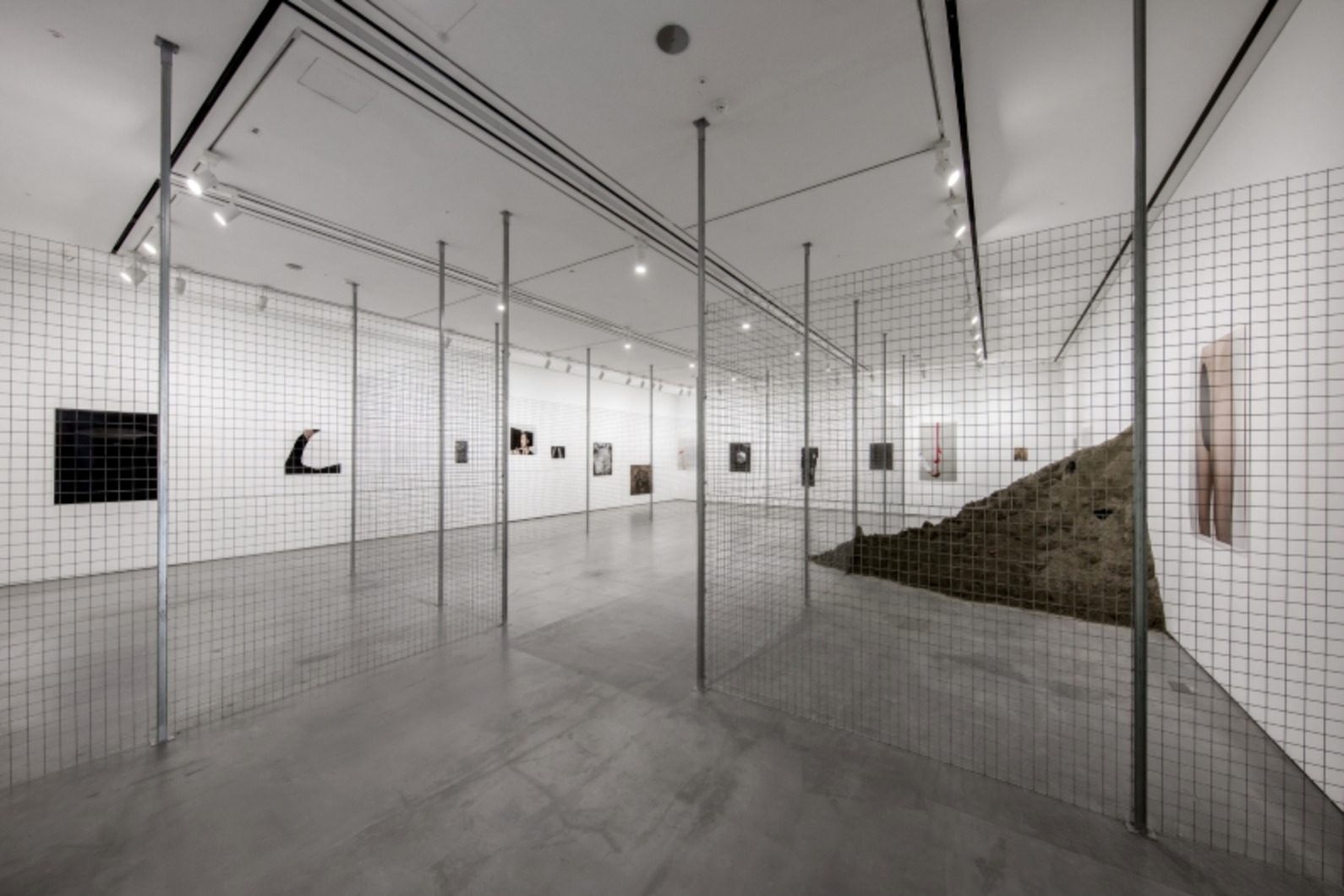
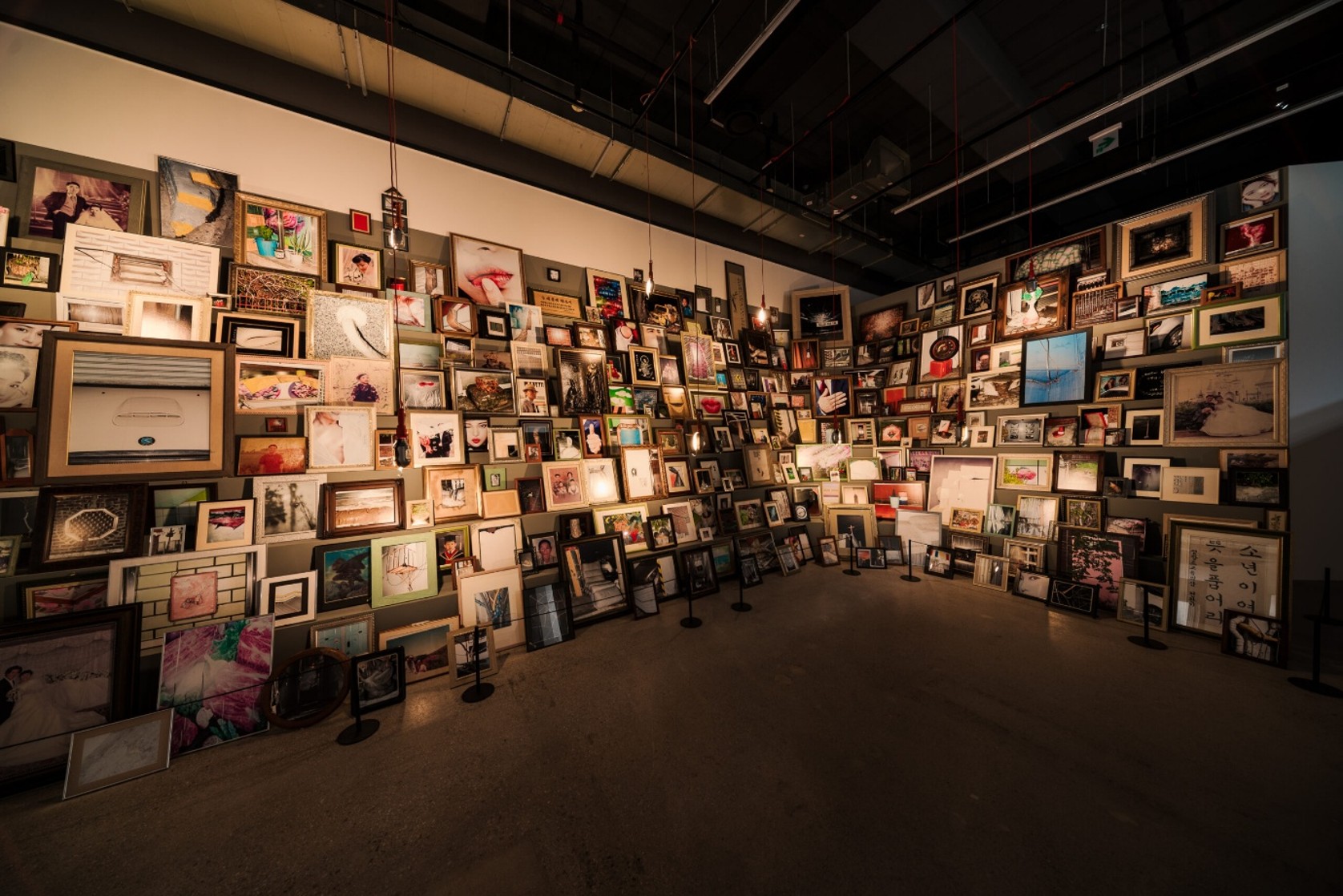
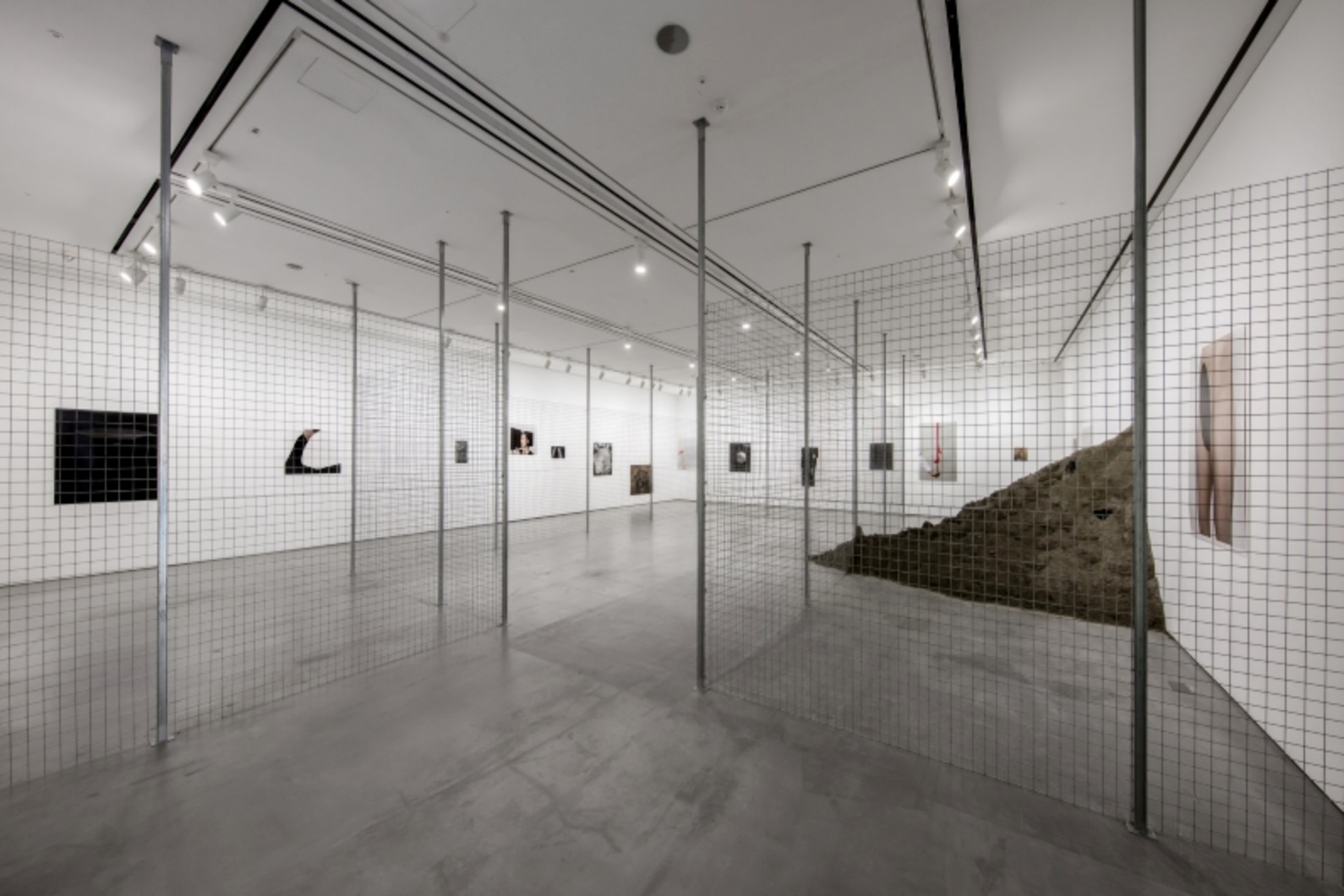
Installation view of 《Sub/Ob-Ject》 (DOOSAN Gallery, 2017) © DOOSAN Gallery

Her 2017 solo exhibition 《Sub/Ob-Ject》 at DOOSAN Gallery continued her ongoing exploration of making the invisible visible.
 
The works presented at this exhibition began during Ki's residency in Fukuoka in Japan in 2016, when the artist started to become curious about those who visit the Kushida shrine nearby the residency and express their anxiety or aspirations in reality to an invisible transcendental being.
 
Ki called for interviewers among people who visited the Kushida shrine, and reinvented their stories as well as their intense emotions conveyed through their conversations delivered to her through interpretation.
 
Ki experienced a blurring of the boundaries between the interviewers and herself, and this idea of the border collapsing became the motif for the exhibition title “Sub/Ob-Ject” which signifies the reversing of the major and the minor elements.


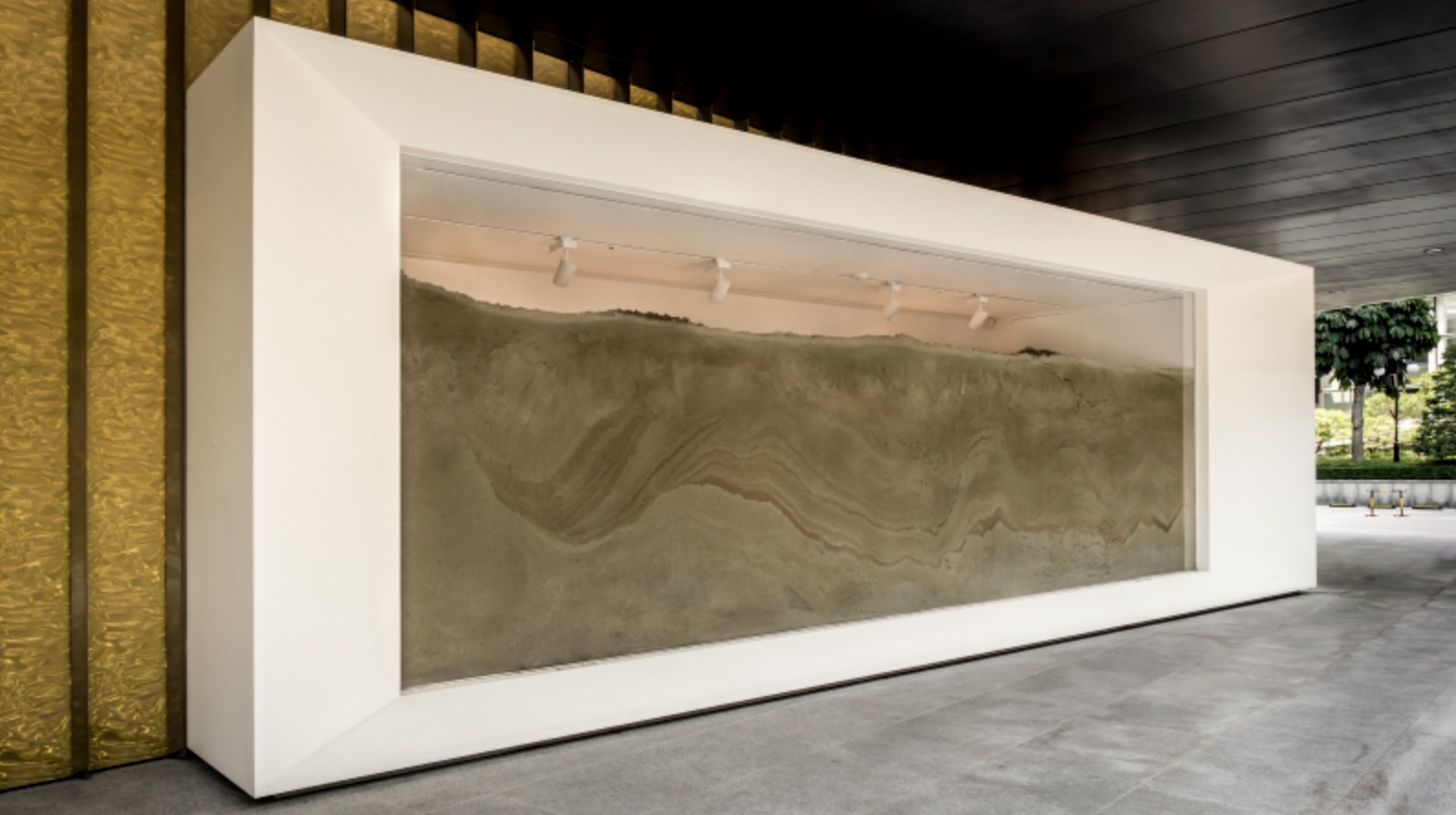
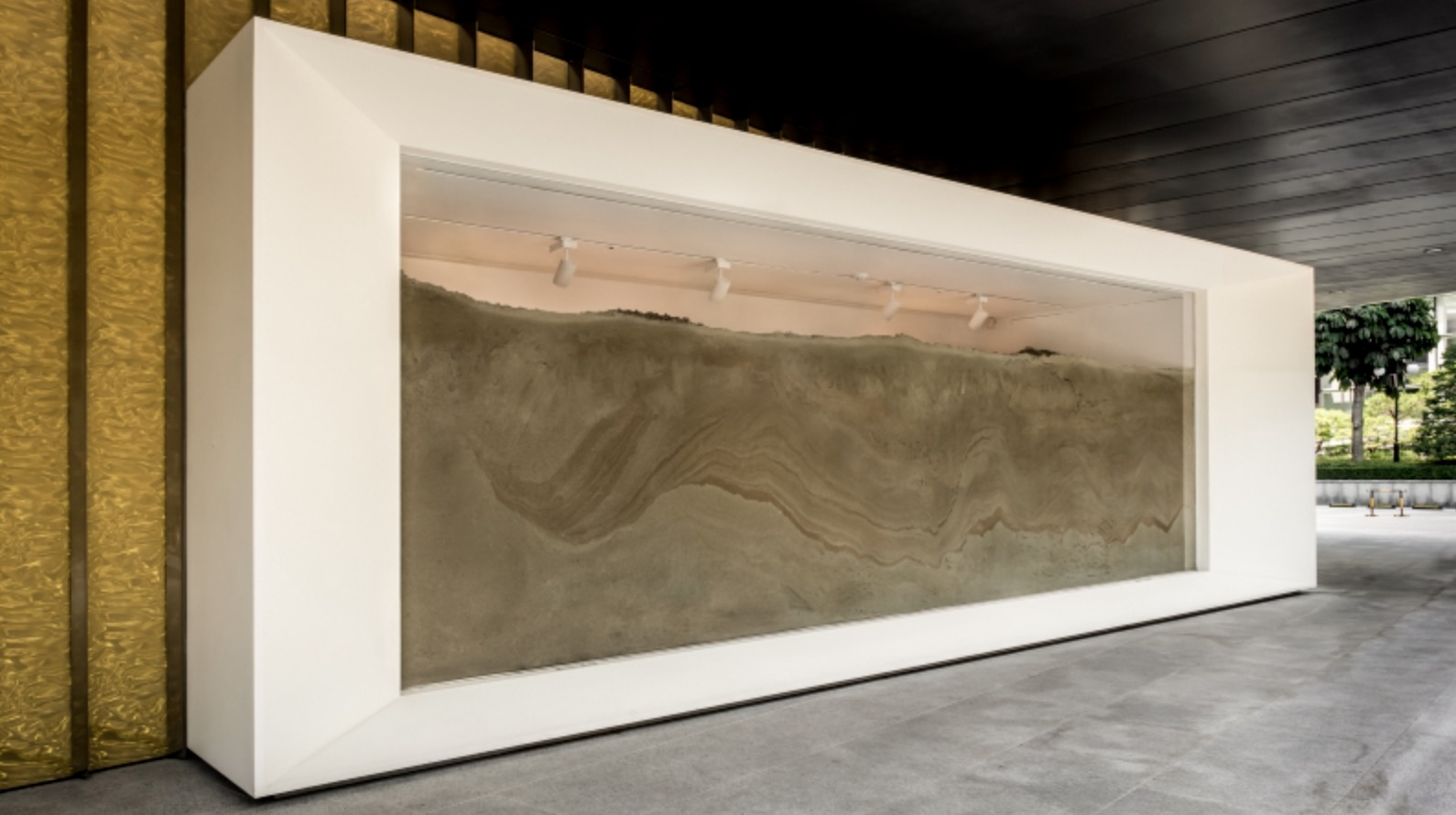
Seulki Ki, In the Sand, 2017, Mixed media, 240 x 700 x 200 cm. Installation view of 《Sub/Ob-Ject》 (DOOSAN Gallery, 2017) © DOOSAN Gallery

Ki collected the images that derive from the process of conversing with the interviewers, and became the narrator of a reconstituted story to produce the invisible sensation of the unconscious, which largely dominates reality into something visible (photographs and installations).
 
A wire fence was installed in the gallery space to keep the viewers' distance from the wall, so that there was a physical gap between the viewer and the photographic works on the wall. Also, in the window gallery was an installation work made of sand, a symbolic subject of emotions lying dormant in the unconsciousness of the artist herself.
 
The artist put emphasis on the idea of the limited viewing in the installation and the sense of the material demonstrating the unconsciousness of the individual. By doing so, Ki aroused a sense of uneasiness of division, opposition and contradiction between consciousness and unconsciousness, leading the viewer to an expansion of hidden senses.


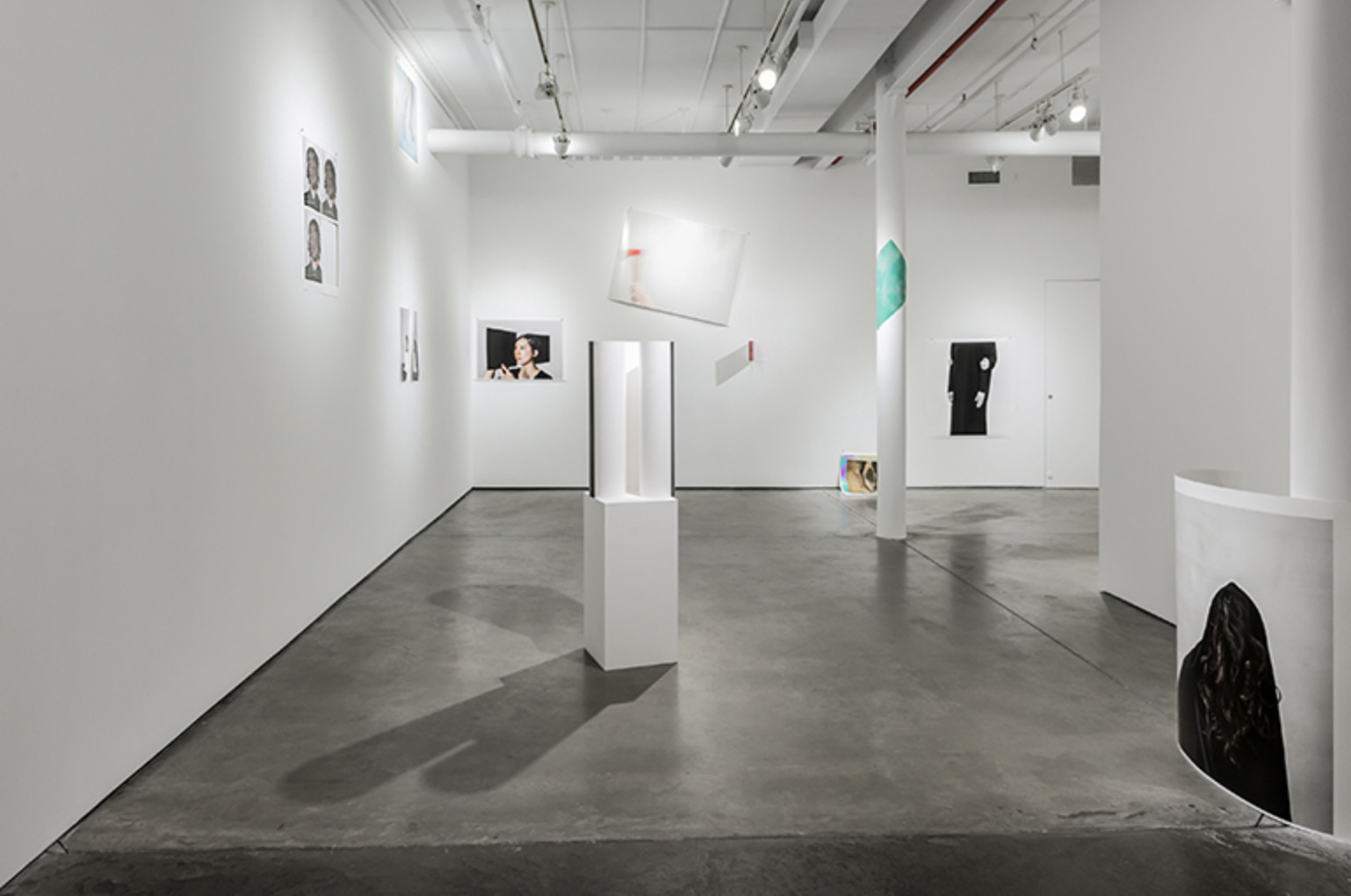
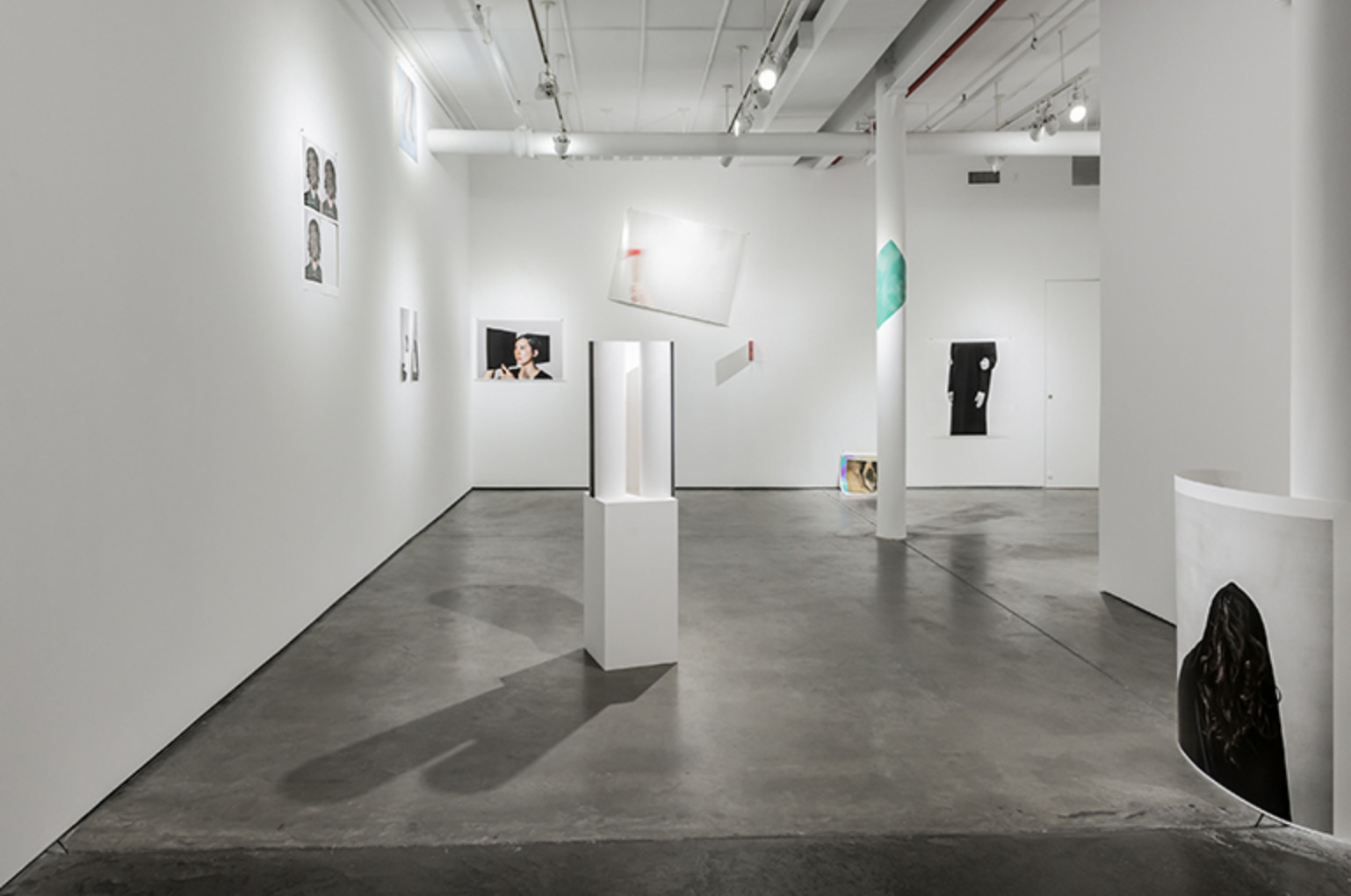
Installation view of 《Theater Near Me》 (DOOSAN Gallery New York, 2018) © DOOSAN Gallery

The following year, her solo exhibition 《Theater Near Me》 at DOOSAN Gallery New York explored the suggestive qualities of artworks and the viewers who interpret them through the elements of theater.
 
This theme, in fact, can be traced back to 2015 when she participated in a talk with playwright and producer Toshiki Okada, titled, "A Step Toward Sharing Ideas: Japan-Korea Young Cultural Dialogue Program," in celebration of the "50th anniversary of the normalization of ties between Korea and Japan." This talk inspired Ki to explore her main interest in time and space through the medium of theater.


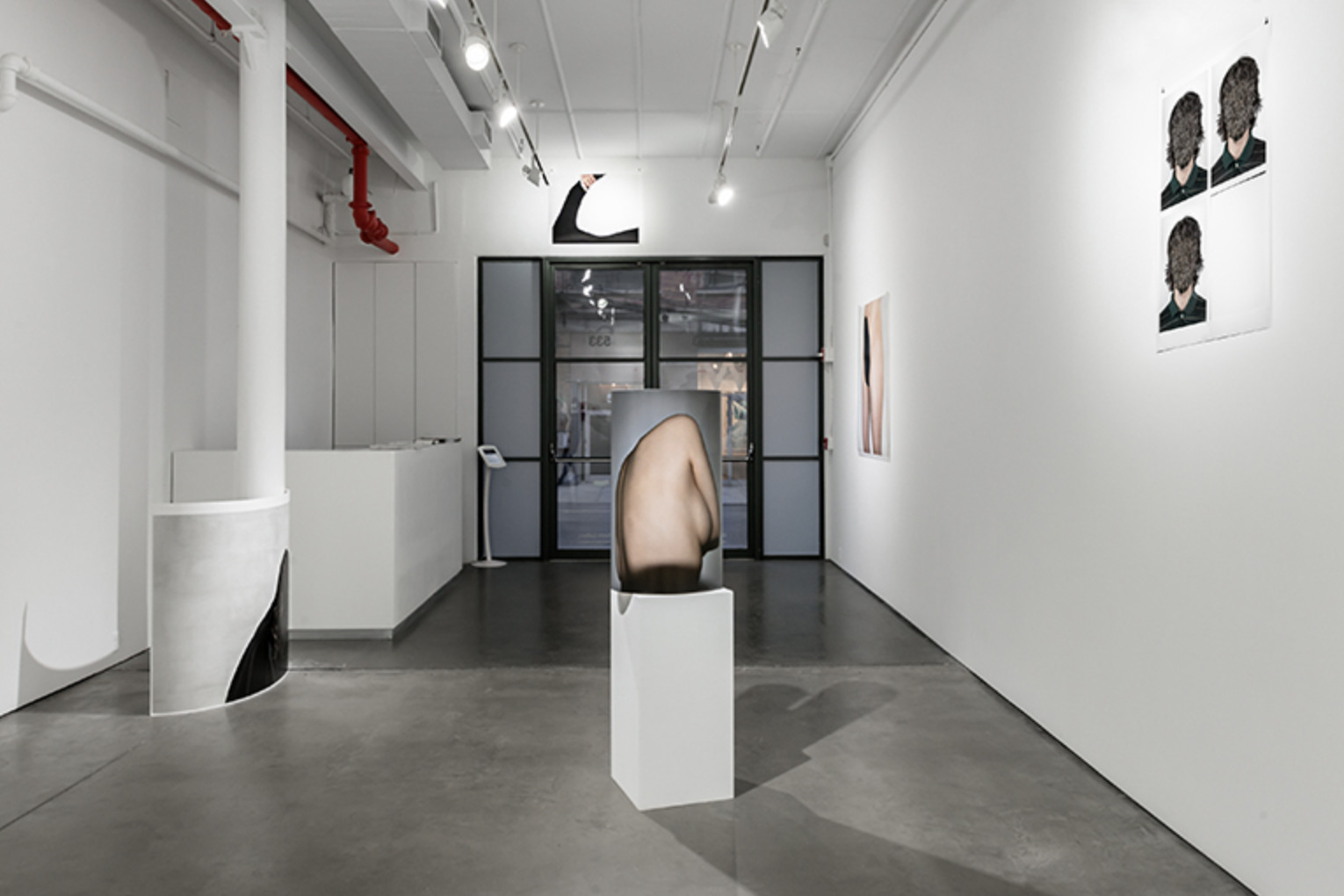
Installation view of 《Theater Near Me》 (DOOSAN Gallery New York, 2018) © DOOSAN Gallery

Based on this renewed perspective, Ki included several theatrical aspects in 《Theater Near Me》. The stage of the theater becomes the frame of the work, the actor translates to the model's gesture in the photographs, and drama becomes the artist herself.
 
Ki appropriated the method of "tableau vivant," a technique used in theater to stage a painterly effect. It is a method where the actors strike a pose and remain stationary for a short moment, so that the scene is paused without any words and actions of the actors. When this method is used in Ki's works, it shows the intensive emotions break from the temporal continuity.
 
Ki’s attempt to incorporate theatrical elements into her work allowed viewers to encounter the beginnings of enigmatic narratives through fragmented clues, while expanding their imagination and sensory perception of time and space beyond the frame.


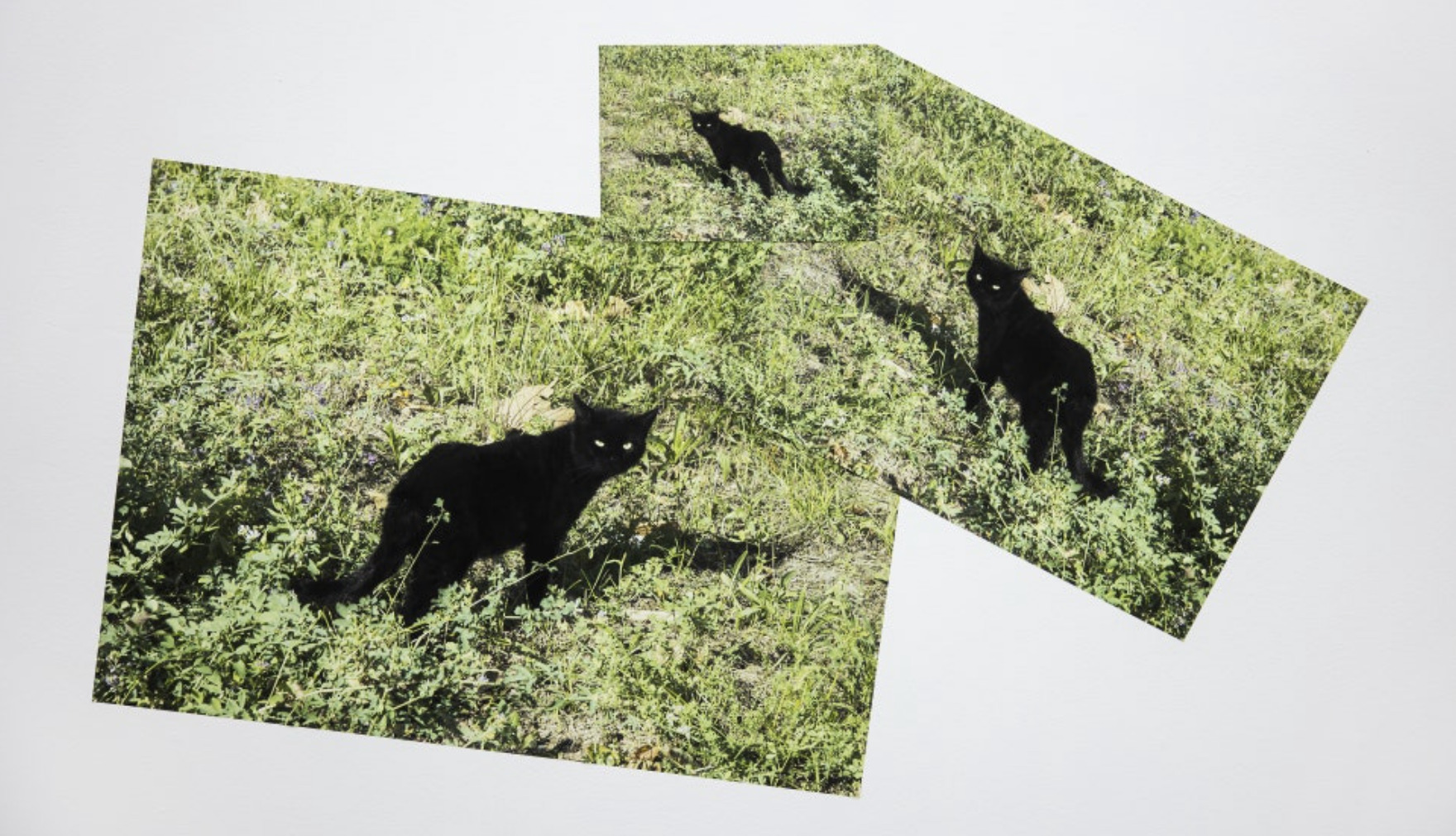
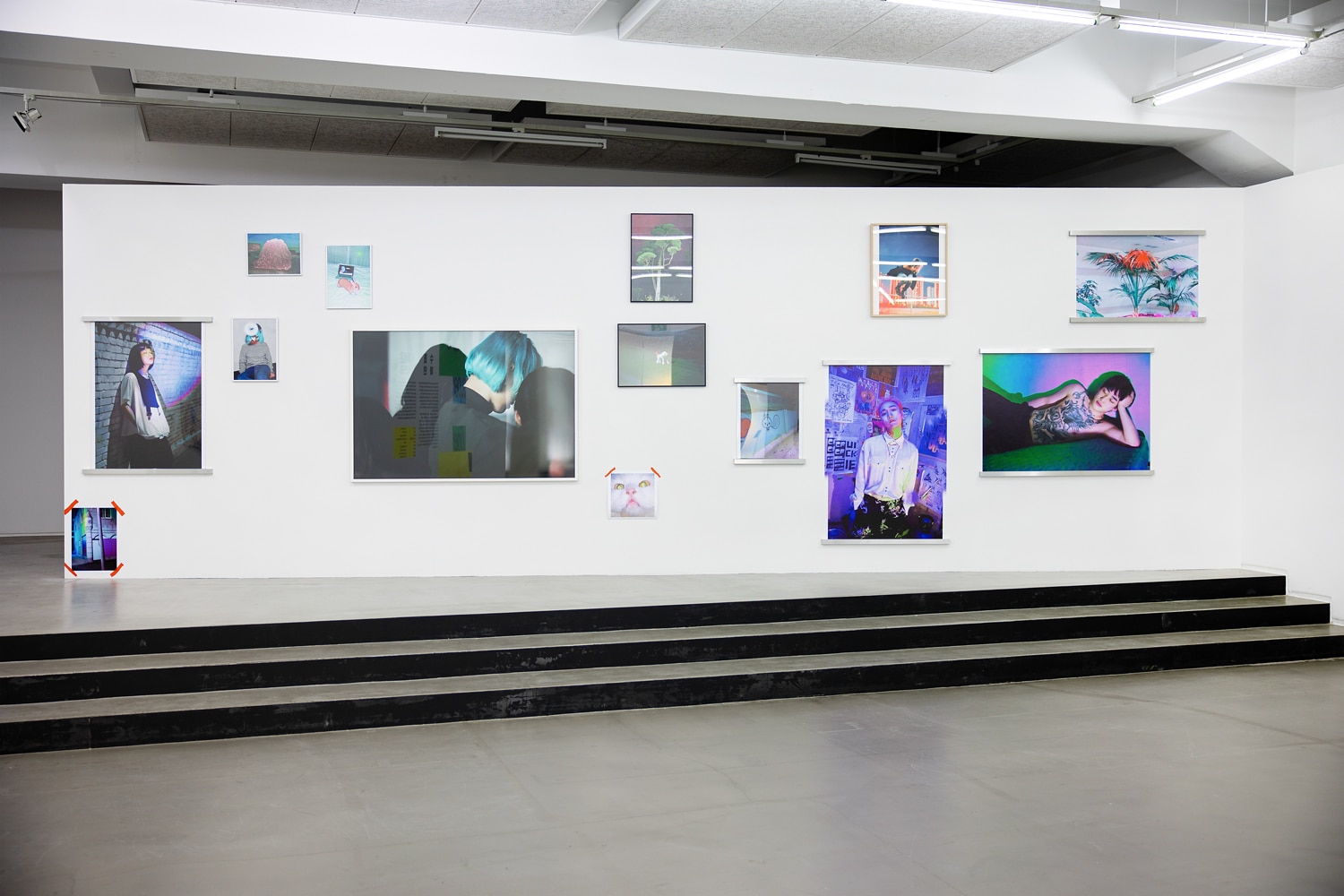
Seulki Ki, Photos, Library, All Photos, Select Items, Edit, Done, 2021, Inkjet print, Size variable © Seulki Ki

In her subsequent solo exhibition 《Private Life》, Ki questioned the inherent power of photography, experimenting with how the impact of datafied images might intersect with the characteristics of the photographic medium through acts of interpretation.

 
Extending this inquiry, her 2021 work Photos, Library, All Photos, Select Items, Edit, Done is an image collage created by selecting, arranging, and editing photographs stored chronologically on her phone.
 
In this work, Ki translated the “materiality” of digitally based images into a spatial installation, drawing parallels with ephemeral printed matter such as advertising leaflets and posters.


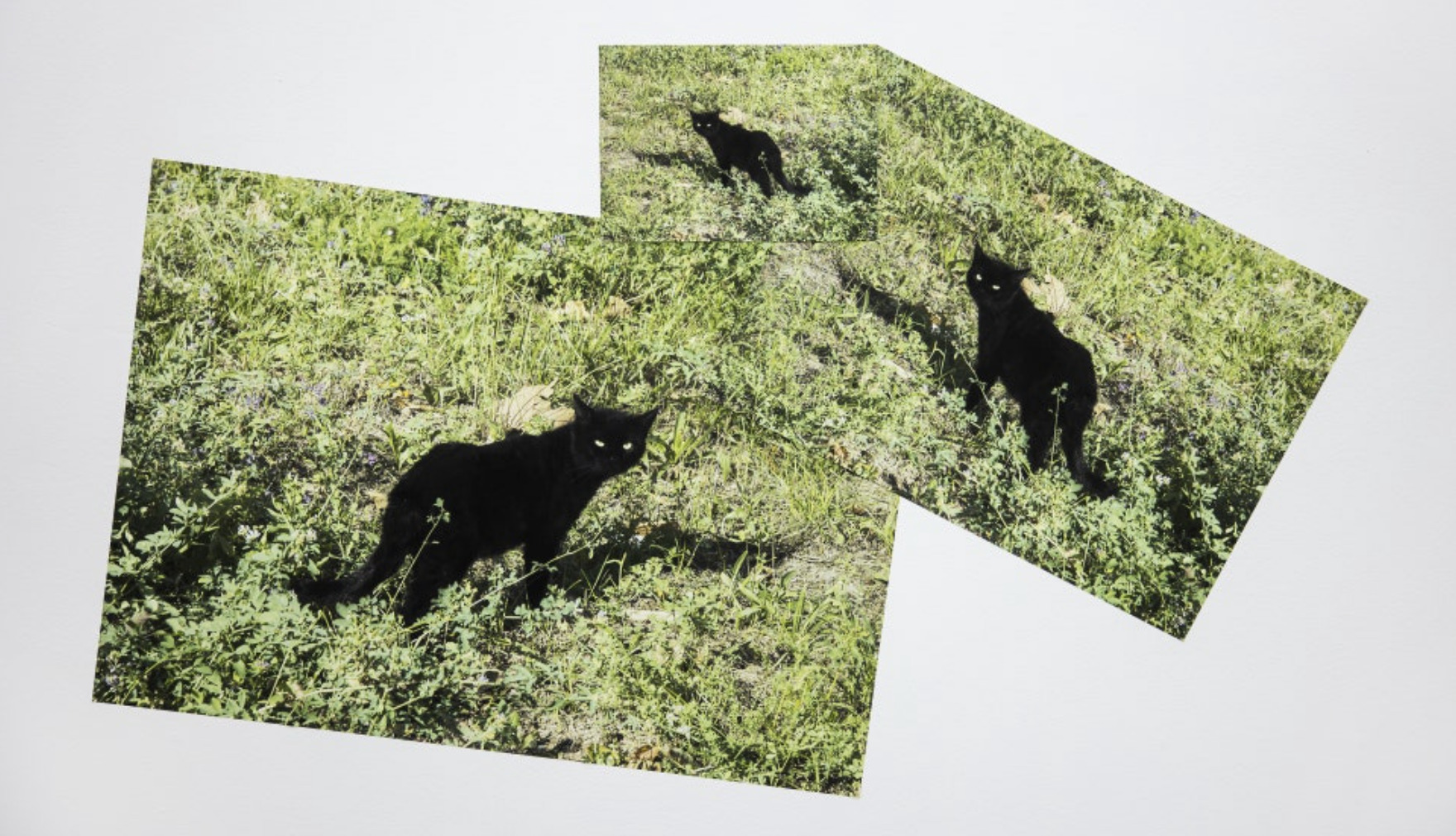
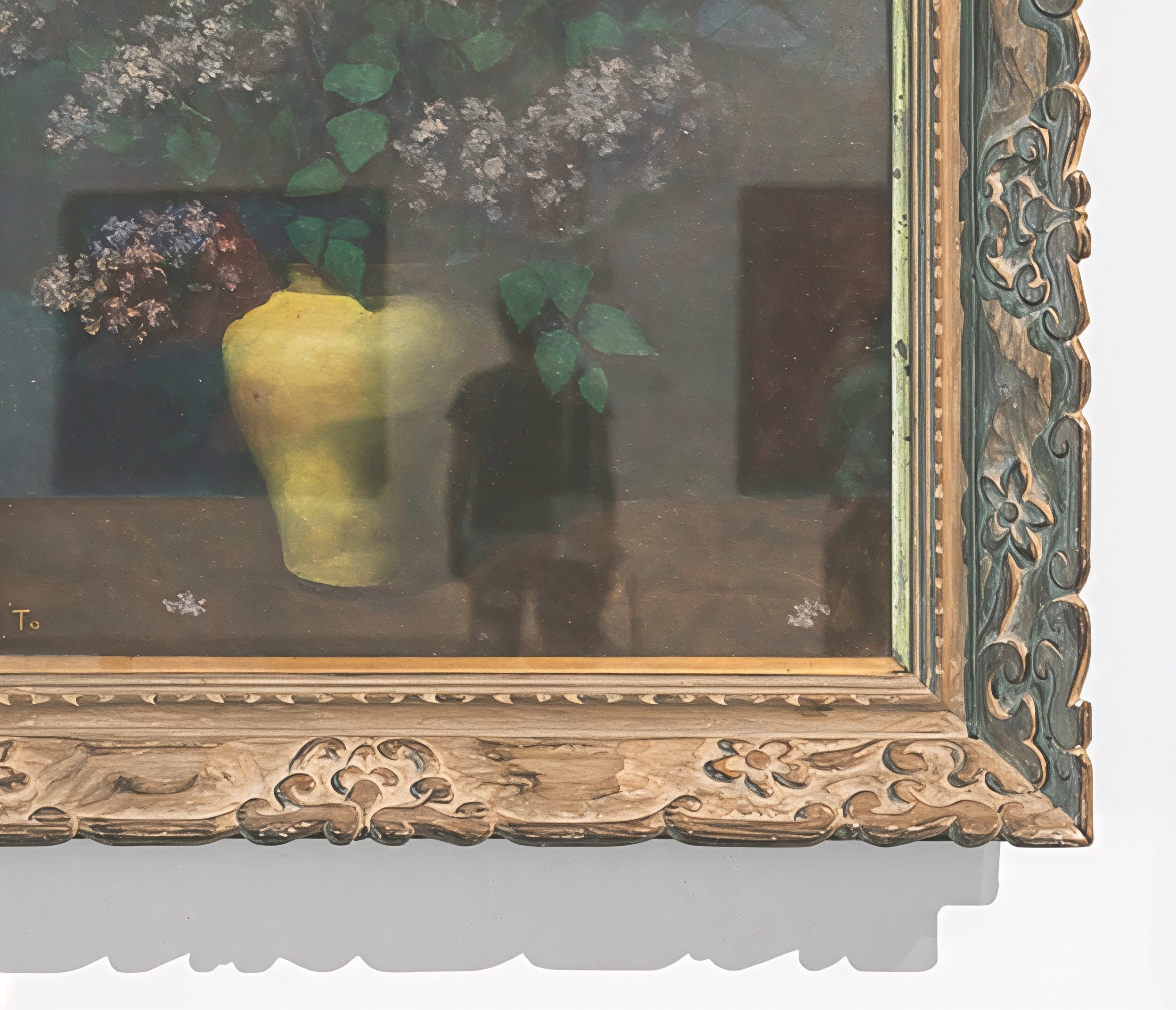
Seulki Ki, Untitled (datail), 2023, Digital inkjet print, 73.7 x 83 cm © Seulki Ki

Furthermore, in her 2023 solo exhibition 《Portrait, Still Life, Landscape》 at Ilwoo Space, Ki explored the essence of photography as a medium, focusing on the reality that photography today can encompass, the layers concealed within it, and the illusions that emerge in the process.
 
Focusing on photographs captured amid the fluidity of everyday life and images situated within the loose hierarchy of digital pixels, Ki investigated the distinctive reality that only photography can reveal. Rather than striving to produce technically polished images, she treated traces left by chance as indices, concentrating on uncovering the layers concealed beneath their surfaces.


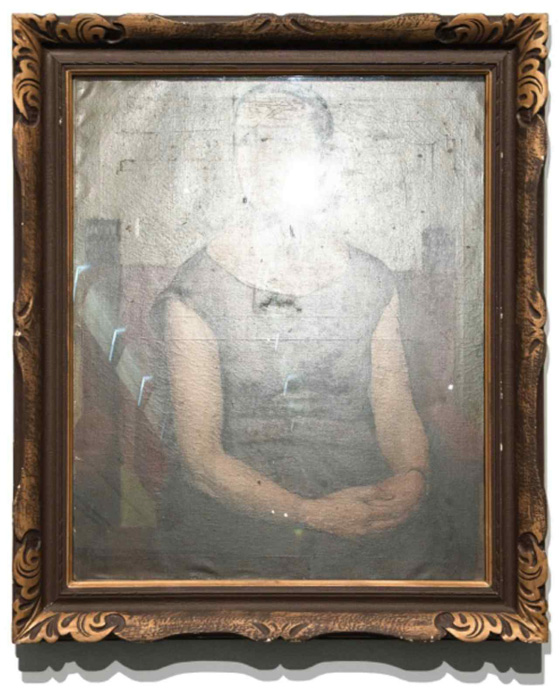
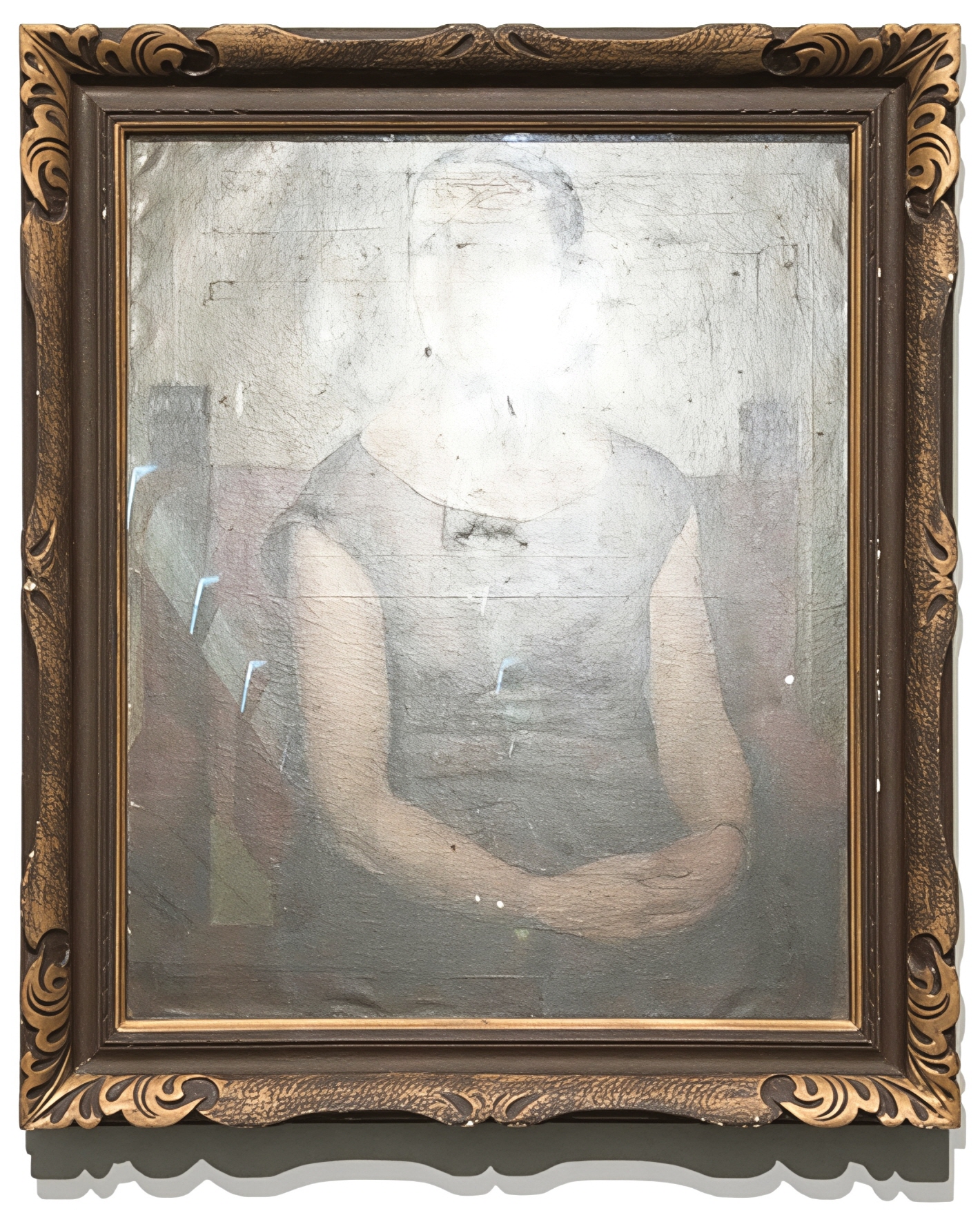
Seulki Ki, Untitled, 2023, Digital inkjet print, 81 x 100 cm © Seulki Ki

In 《Portrait, Still Life, Landscape》, Ki explores the reality of photography by incorporating secondary and external elements into photographs of modern Korean figurative paintings. Picture frames, shadows, lighting, reflections of figures, and the interiors of exhibition spaces—all elements often considered extraneous to the image—coexist in multiple layers, defying the conventions of a “well-taken photograph.”
 
This approach resonates with Ki’s assertion that “a well-taken photograph loses its reality.” The invisible thickness of an otherwise flat photograph prompts viewers to question what they are actually looking at and what they should be looking at.
 
Through these works, Ki asks how the reality already present on the image’s surface, along with the layers latent beneath it, can be revealed through photography. Rather than eliminating elements of reality regarded as secondary information, she brings them to the foreground, exploring the illusions produced by photography and the ways images operate.


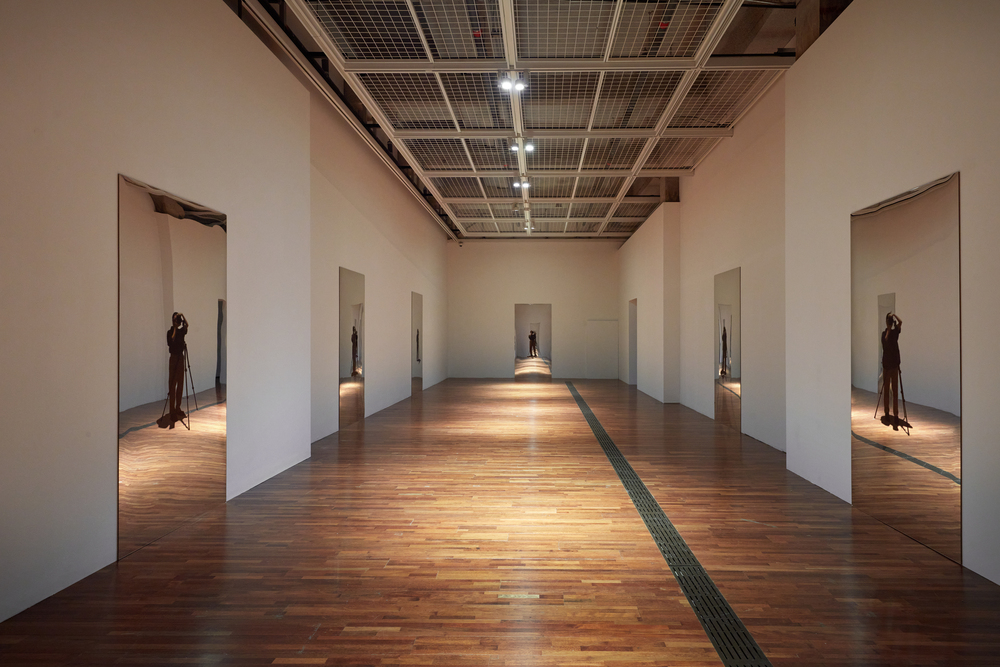
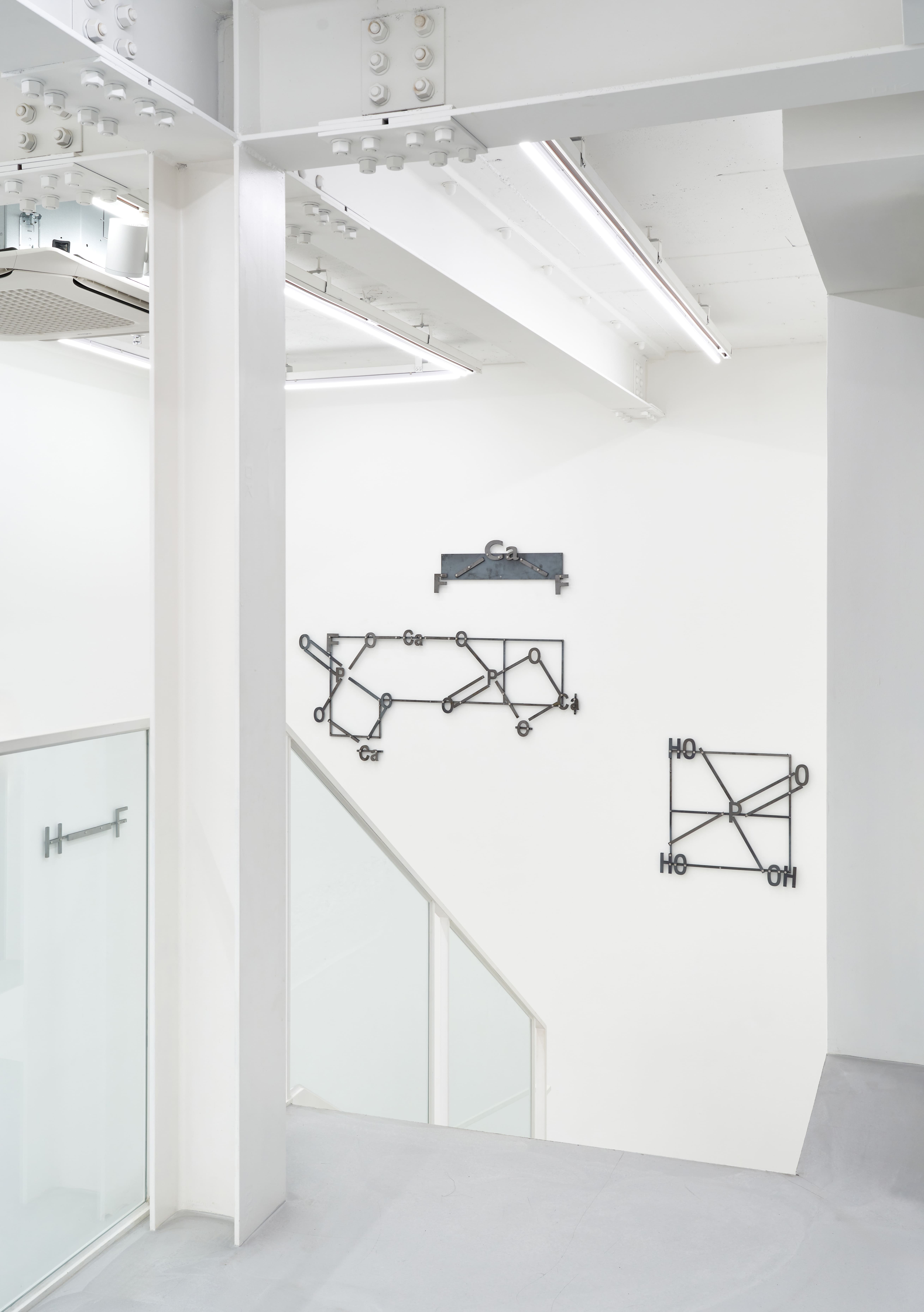
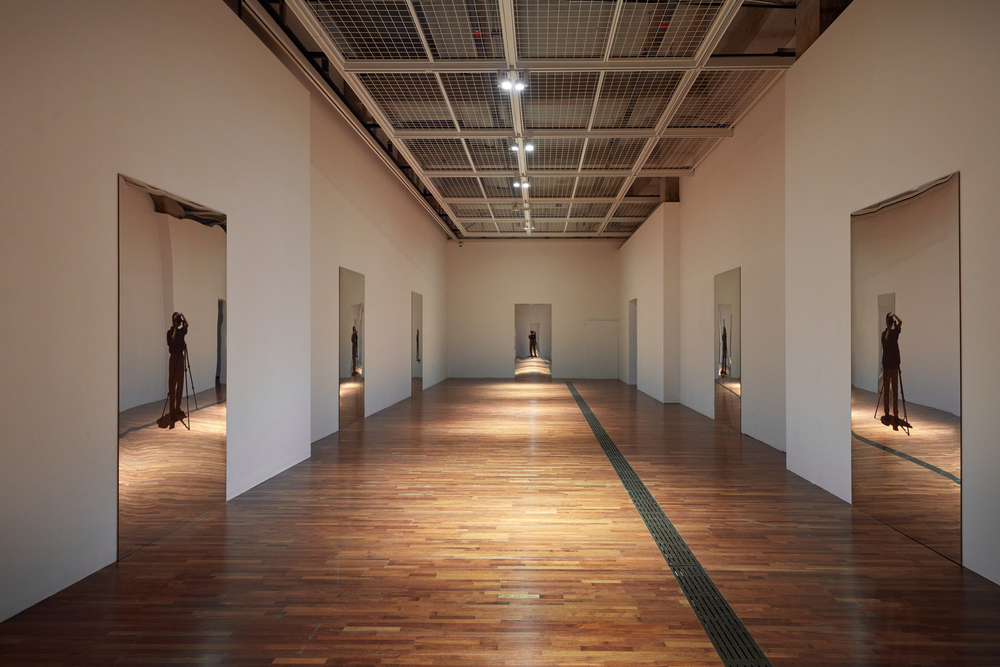
Installation view of 《Geist in the Exhibition》 (Kimheesoo Art Center, 2024) © Soorim Cultural Foundation

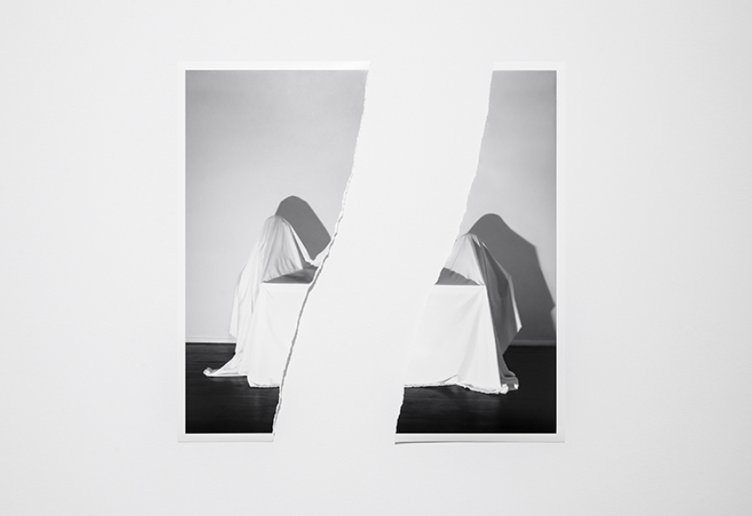
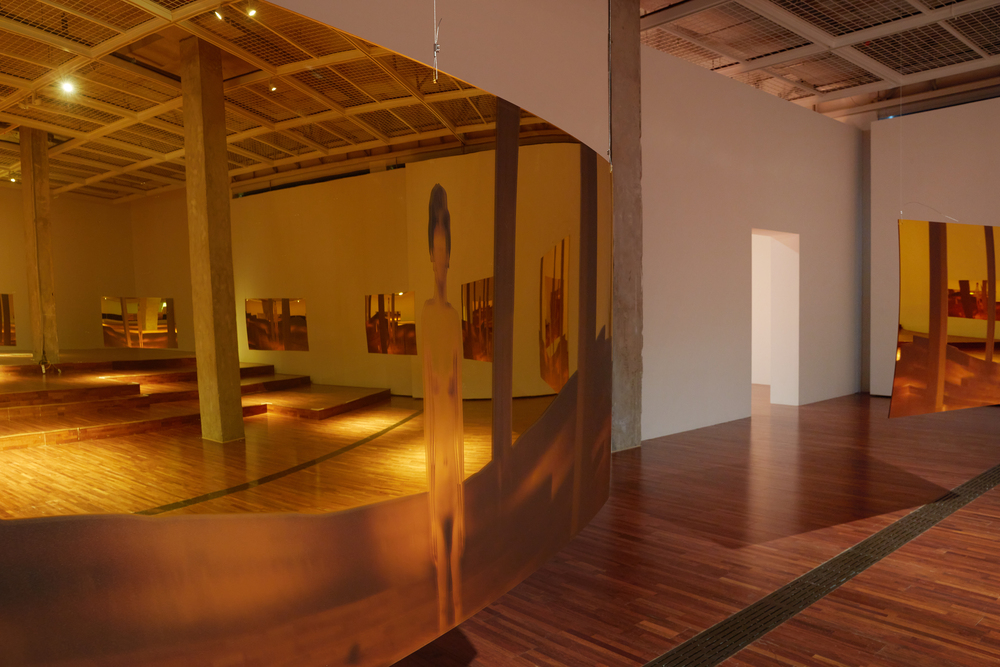
Meanwhile, in her 2024 solo exhibition 《Geist in the Exhibition》 at Kimheesoo Art Center, Ki explored the visual experience of the “gaze” from the perspective of a contemporary photographer, combining photographs and mirrors in works that responded to the site-specific qualities of the expansive exhibition space.
 
By combining photography and mirrors, these works reproduce through photography the effects of reflection and distortion produced by reflective surfaces, while foregrounding the properties of the mirror itself. In the exhibition, viewers are invited to observe the objects embedded within the mirrors, their material qualities, and the overlapping layers of space with which they are connected.


Installation view of 《Geist in the Exhibition》 (Kimheesoo Art Center, 2024) © Soorim Cultural Foundation

The exhibition title, 《Geist in the Exhibition》, uses the German word “Geist” rather than the English word “ghost.” A philosophical term, “Geist” encompasses not only spiritual beings but also the mind, intellect, and atmosphere. Ki brings the concept of the human mind and its capacities to the fore, using it as a point of departure for an expanded reflection on the visual and perceptual experiences made possible by the camera.
 
The subjects appearing in the works are limited to the artist and her models, who exist from multiple viewpoints within the reflective space of the mirrors. As viewers occupy this space, they become entangled in the works as one of their elements.
 
The “Geist” of the exhibition space thus becomes both an illusion presented by Ki’s constructed photography series and a presence that the artist’s gaze, as the one who takes the photographs, captures—either permanently or temporarily.


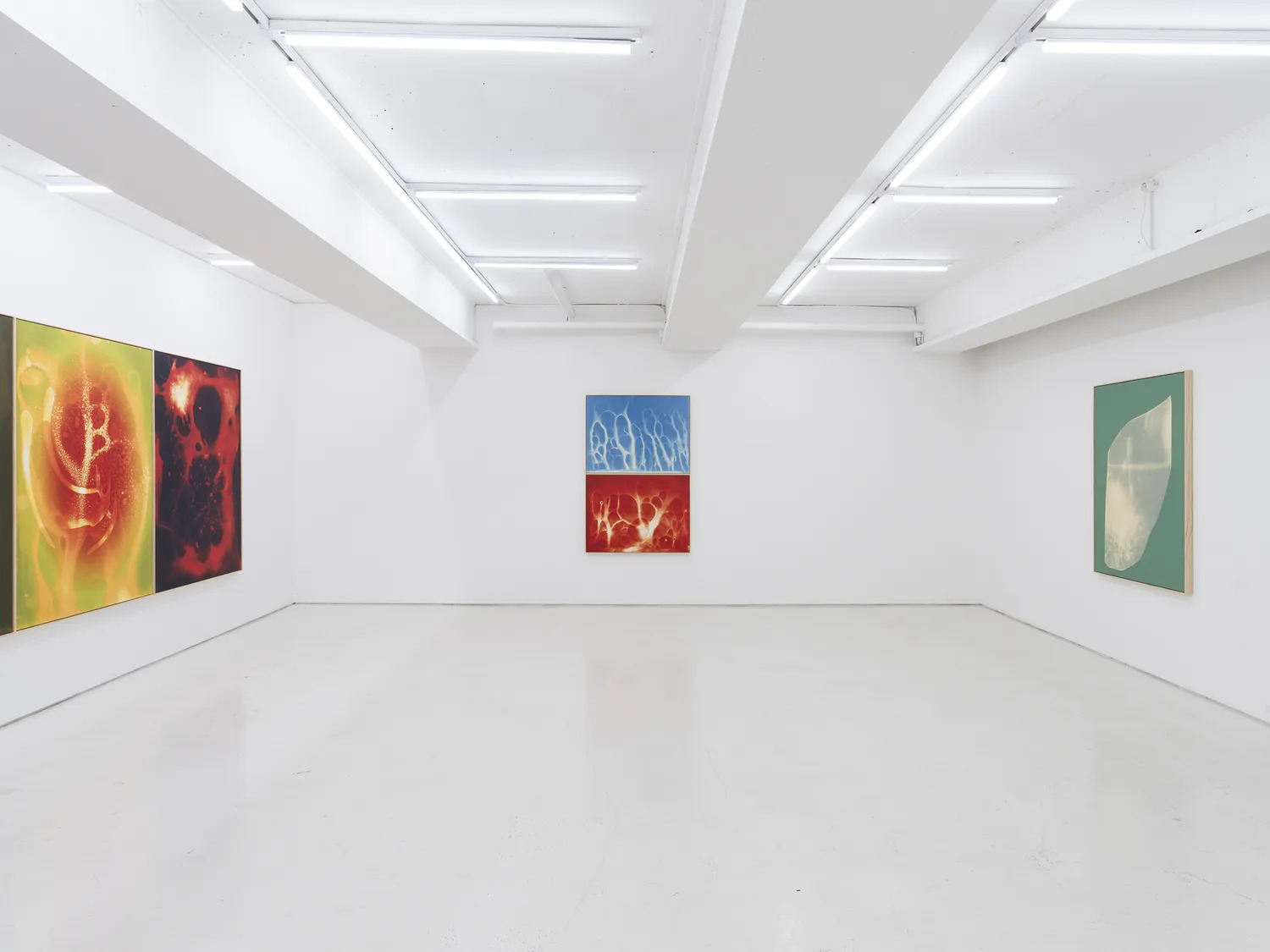
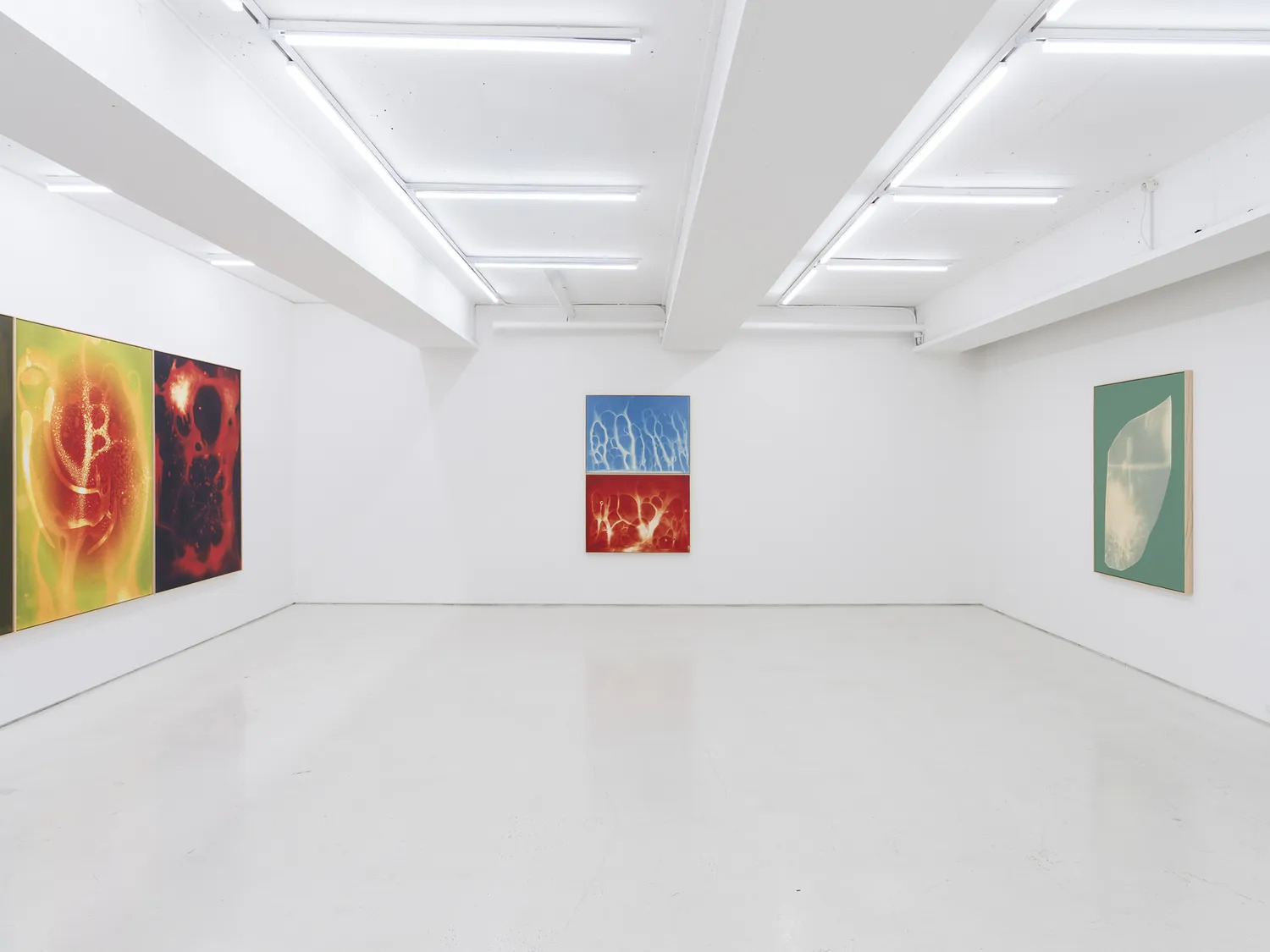
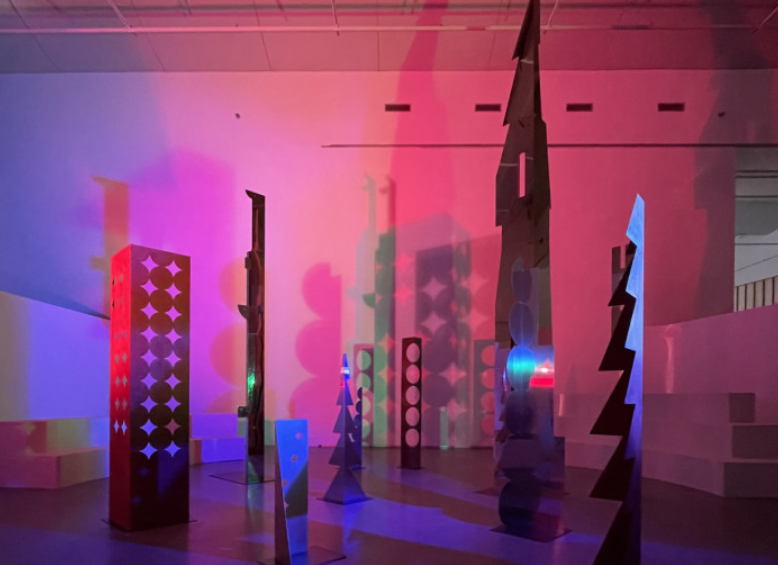
Installation view of 《Liquid Light》 (Chapter II, 2026) © Chapter II

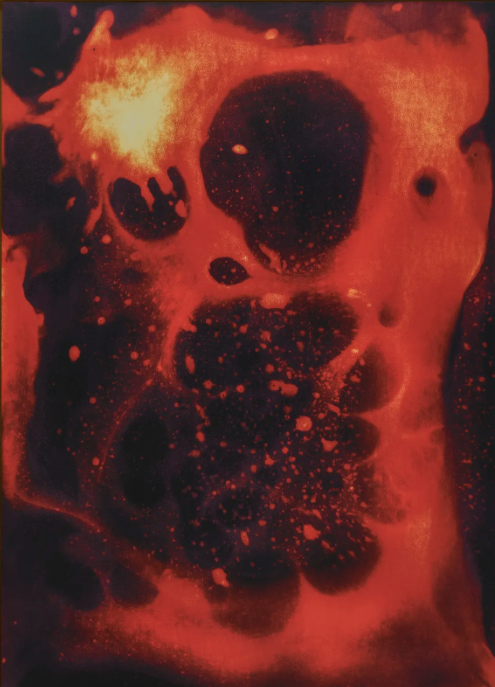
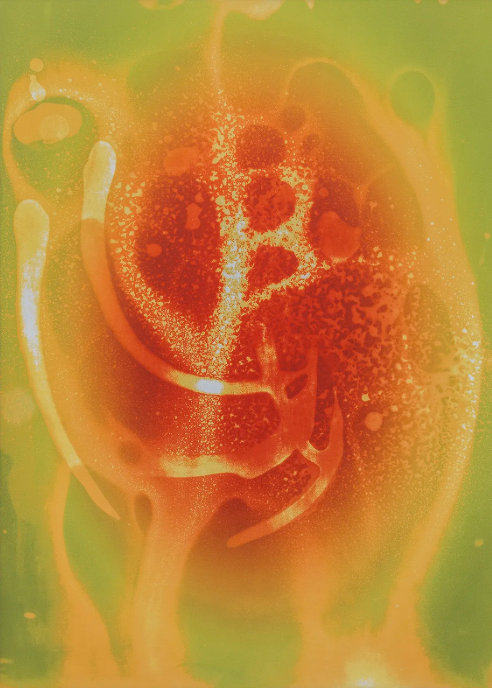
In her recent series ‘Liquid Light’ (2026), Ki experiments with approaches that challenge the conventions of traditional photographic techniques. Photography has always pointed toward something external. Images are understood as evidence of something beyond themselves, whether a subject, an event, or a place.
 
Ki’s ‘Liquid Light’ reflects on how the artist’s intervention is concealed behind the traditional illusion that photography presents reality or things “as they are,” and explores ways of exposing this very paradox.
 
The title of this work, “Liquid Light,” is a photographic term referring to liquid photographic emulsion — a mixture of gelatin and silver halide in fluid form. It also describes the method of this work.
 
In conventional photography, light strikes the emulsion and produces an image. Here, that role is taken by the artist’s gaze. Chemicals flow and react across a surface, and in doing so, they make the image. The structure remains the same; what changes is the agent that produces the image.


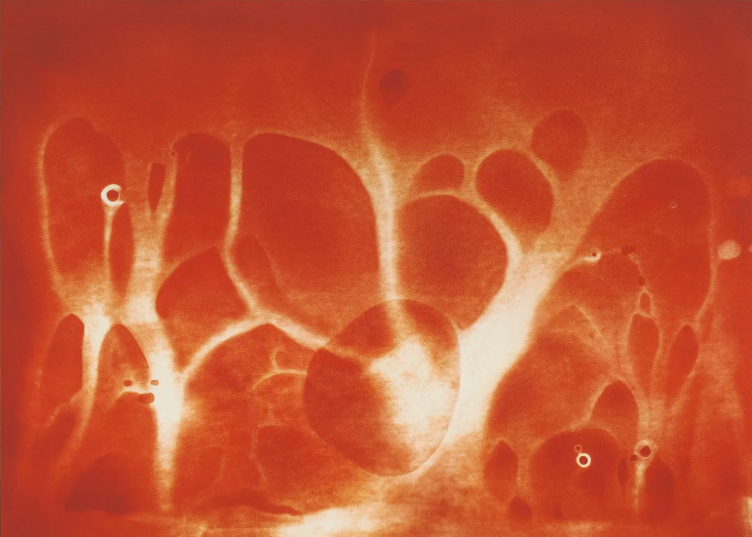
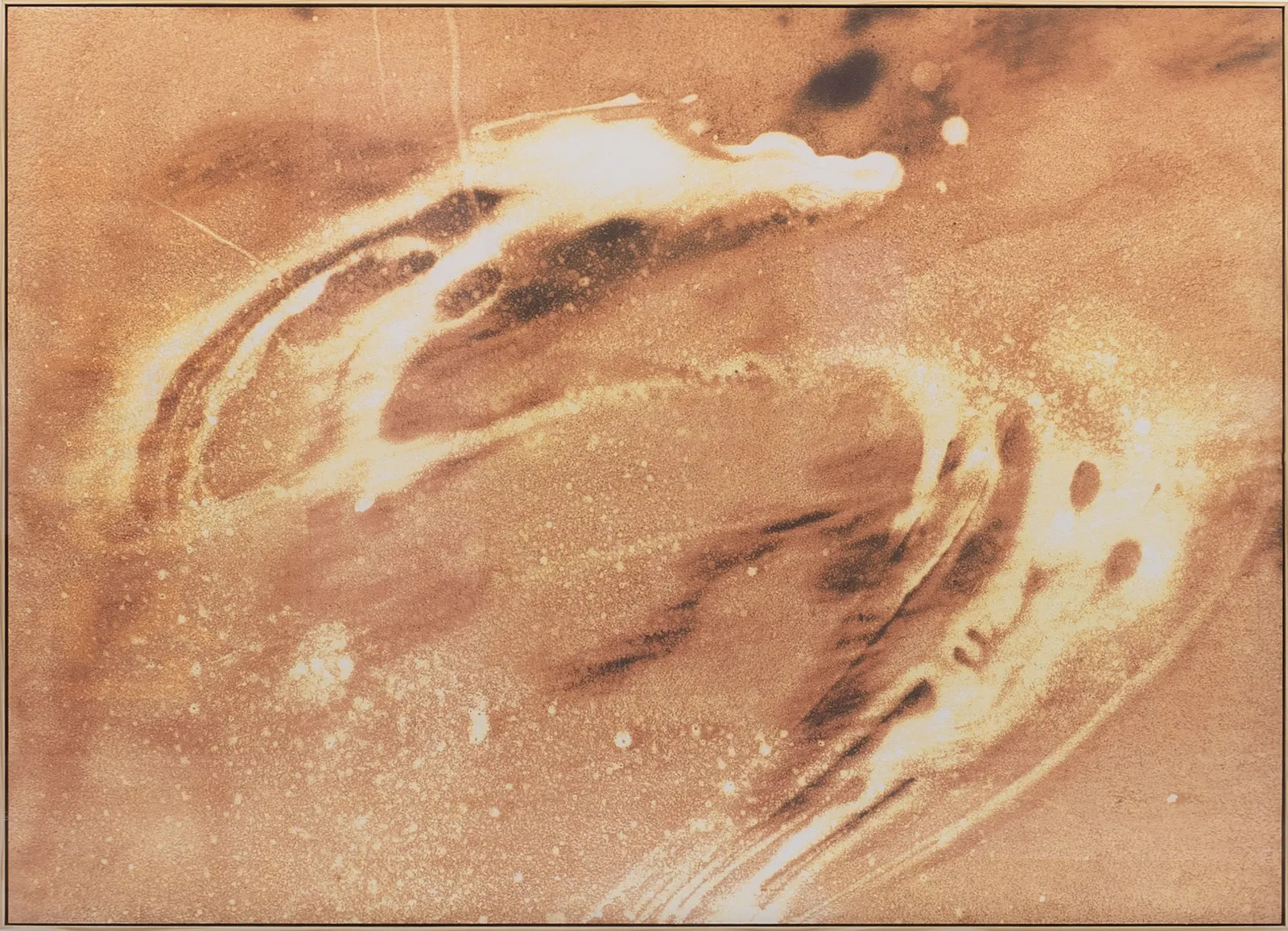
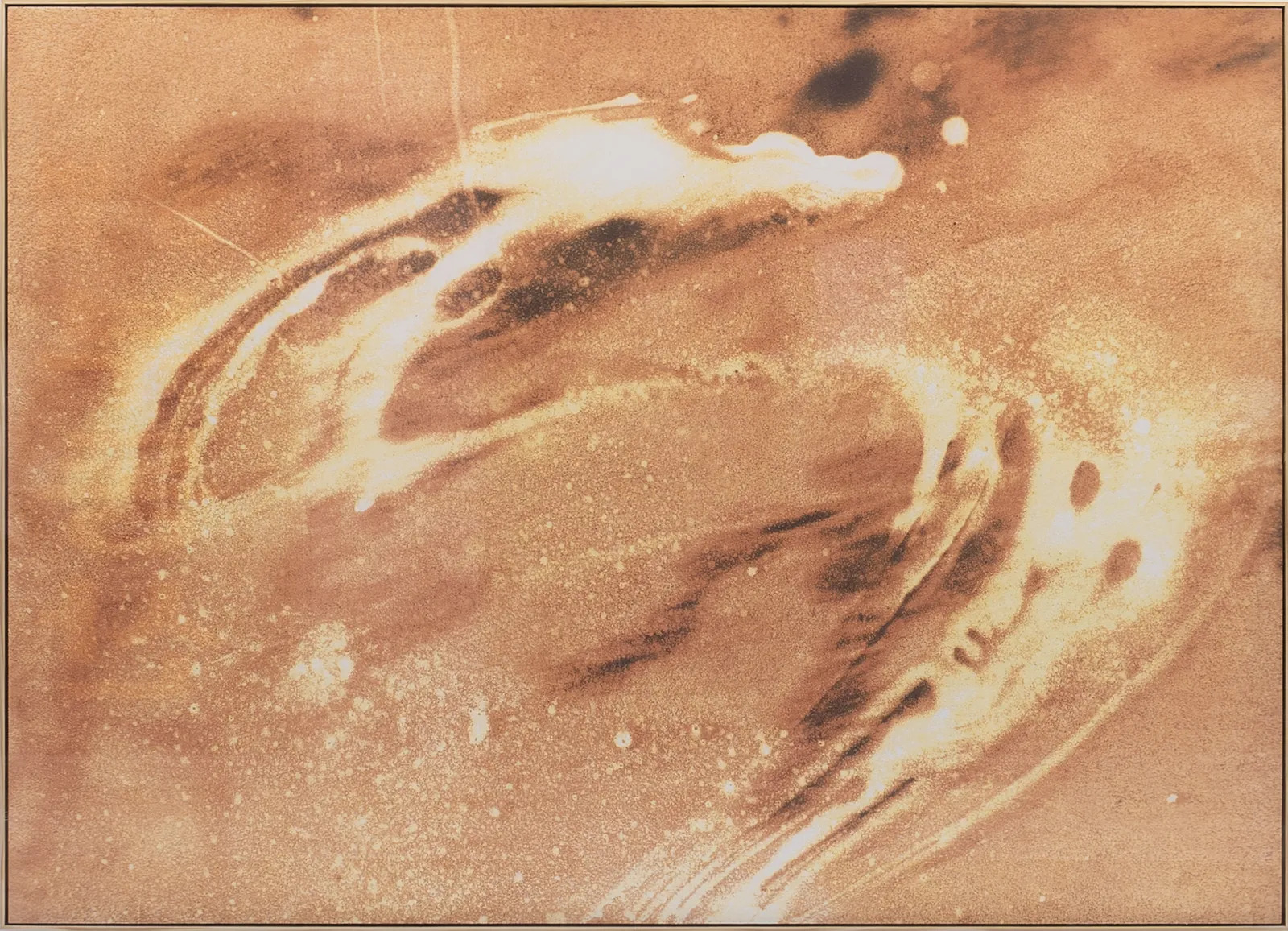
Seulki Ki, Liquid Light E.2, 2026, Digital print on wood panel, 140 x 195 cm © Chapter II

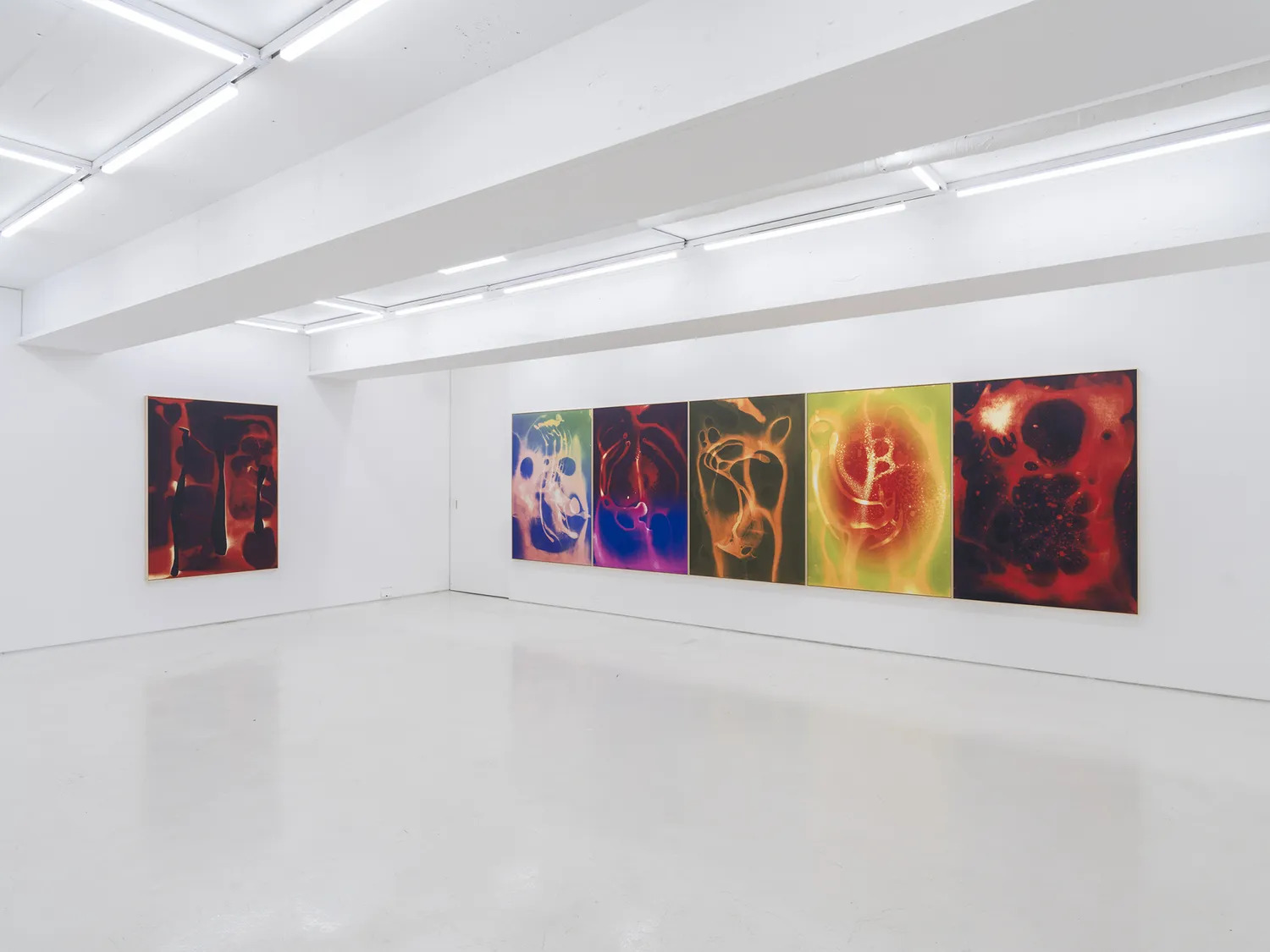
The artist uses color charts—tools designed to measure how closely a printed image matches its original source—as the primary material. Selected colors from these charts are printed onto photographic paper and then directly exposed to a mixture of bleach and ink-removing agents.
 
Through this process, the color chart, originally intended as a tool of accuracy and faithful reproduction, is dismantled, revealing that the standards of representation are fundamentally rooted in material conditions.
 
Rather than pressing the shutter, she works with chemicals; instead of choosing a subject, she designs the conditions for a reaction. The flow and interaction of chemicals across the surface determine the final form of the image.
 
Colors fade in the order of their exposure, gradually emerging and disappearing according to the temporal sequence of the reaction. The resulting surface is not a representation of the external world, but a trace of the conditions through which the image came into being.

 
Areas saturated with chemicals, boundaries where colors have dissolved, and moments where the artist’s hand paused all become the content of the work. What remains is not a subject, but the artist’s intervention itself—made visible in a way that transforms the process into a photographic image.
 
The forms that emerge evoke landscapes of things beyond direct human perception. They may suggest the depths of the ocean or the far reaches of outer space. Through the act of erasure, the image is recorded; through its collapse, it becomes all the more vivid. Ultimately, the work presents the processes of generation and disappearance themselves as photographic events.


Installation view of 《Liquid Light》 (Chapter II, 2026) © Chapter II

Grounded in fundamental questions about the medium of photography, Ki has explored the relationships between photography’s materiality, the spaces surrounding it, and the illusions that emerge from them.
 
By subverting the conventions of traditional photography and proposing new approaches to the medium suited to contemporary contexts, her work asks what photography reveals today and how the medium is being transformed in our time.

“I make work about the senses because I am interested in the errors that arise from the senses, which serve as a means of direct experience. These errors can lead us to imagine things that differ from reality or cause us to receive inaccurate information.
 
My work encourages viewers to reconsider their habitual processes of perception and, in doing so, stimulates their imagination. I hope this renewed awareness will give viewers an opportunity to become conscious of their own senses again. Furthermore, I hope my work offers them an opportunity to imagine new narratives based on information they have subjectively perceived.” (Seulki Ki, from an interview with Hello Artist)


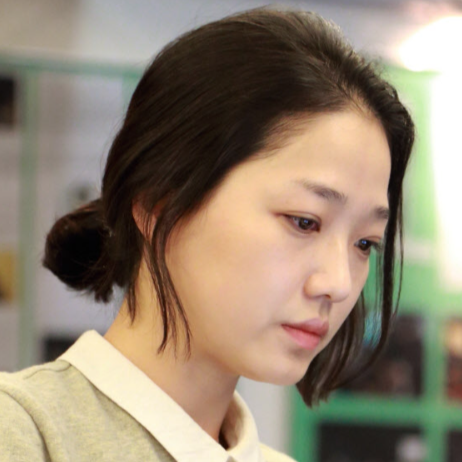
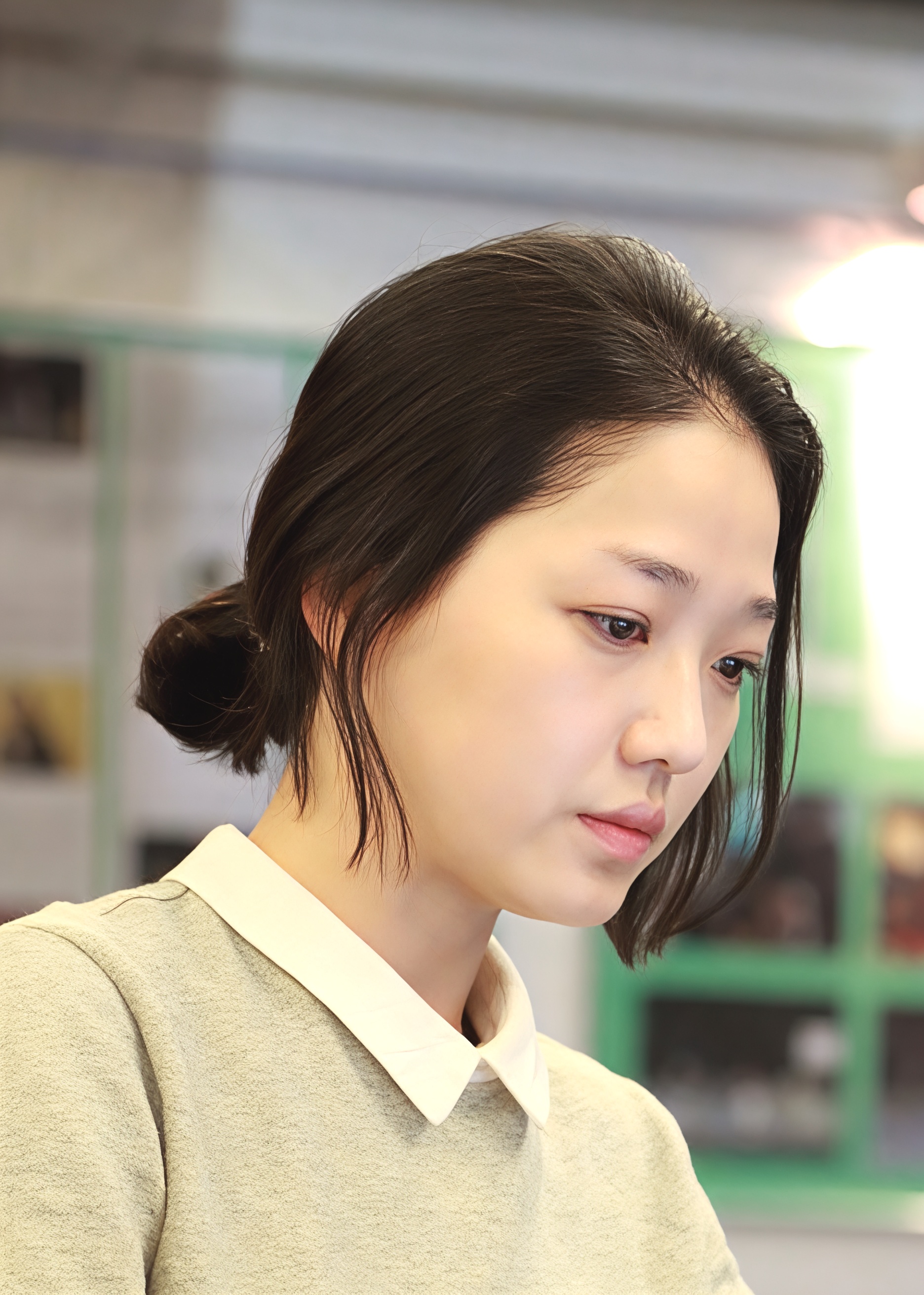
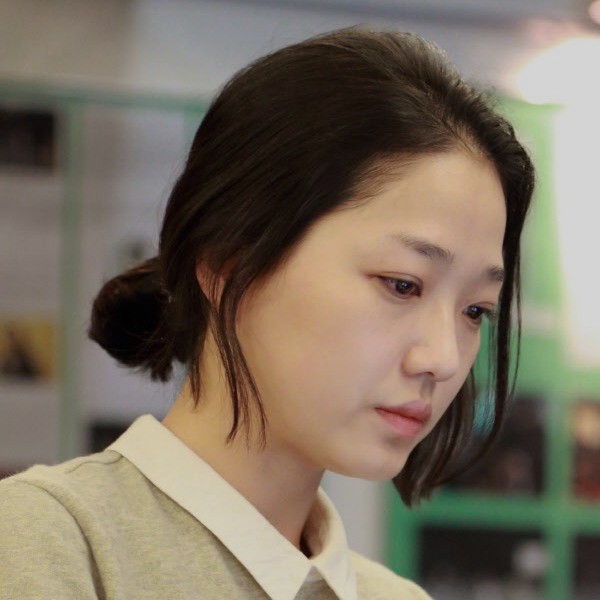
Artist Seulki Ki © Seulki Ki

Seulki Ki majored in photography in Seoul Institute of the Arts and Sangmyung University, and received her M.F.A. from Slade School of Fine Art in London, UK. Her recent solo exhibitions include 《Liquid Light》 (Chapter II, Seoul, 2026), 《Geist in the Exhibition》 (Kimheesoo Art Center, Seoul, 2024), 《Portrait, Still Life, Landscape》 (Ilwoo Space, Seoul, 2023), and 《Current Exhibition》 (Gallery Damdam, Berlin, 2021).
 
Ki has also participated in numerous group exhibitions, including the 13th Seoul Photo Festival 《Come Back Home》 (The Photography Seoul Museum of Art, Seoul, 2026), 《spam and scam》 (Gallery SP, Seoul, 2025), 《Far, Far Side of the World》 (Korean Cultural Center in Japan, Tokyo; Korean Cultural Center in Hong Kong, Hong Kong; Korean Cultural Center in Osaka, Osaka, 2024), 《Anthología: Ten Enchanting Spells》 (Buk-Seoul Museum of Art, Seoul, 2023), 《New Moon》 (Gyeonggi Museum of Modern Art, Ansan, 2022), and 《Super-fine》 (Ilmin Museum of Art, Seoul, 2021).
 
Ki received the 13th Ilwoo Photography Award in 2023 and has participated in the DOOSAN Residency New York (2018), Fukuoka Asian Art Museum Residency (2016), and MMCA Residency Goyang (2014–2015).

References