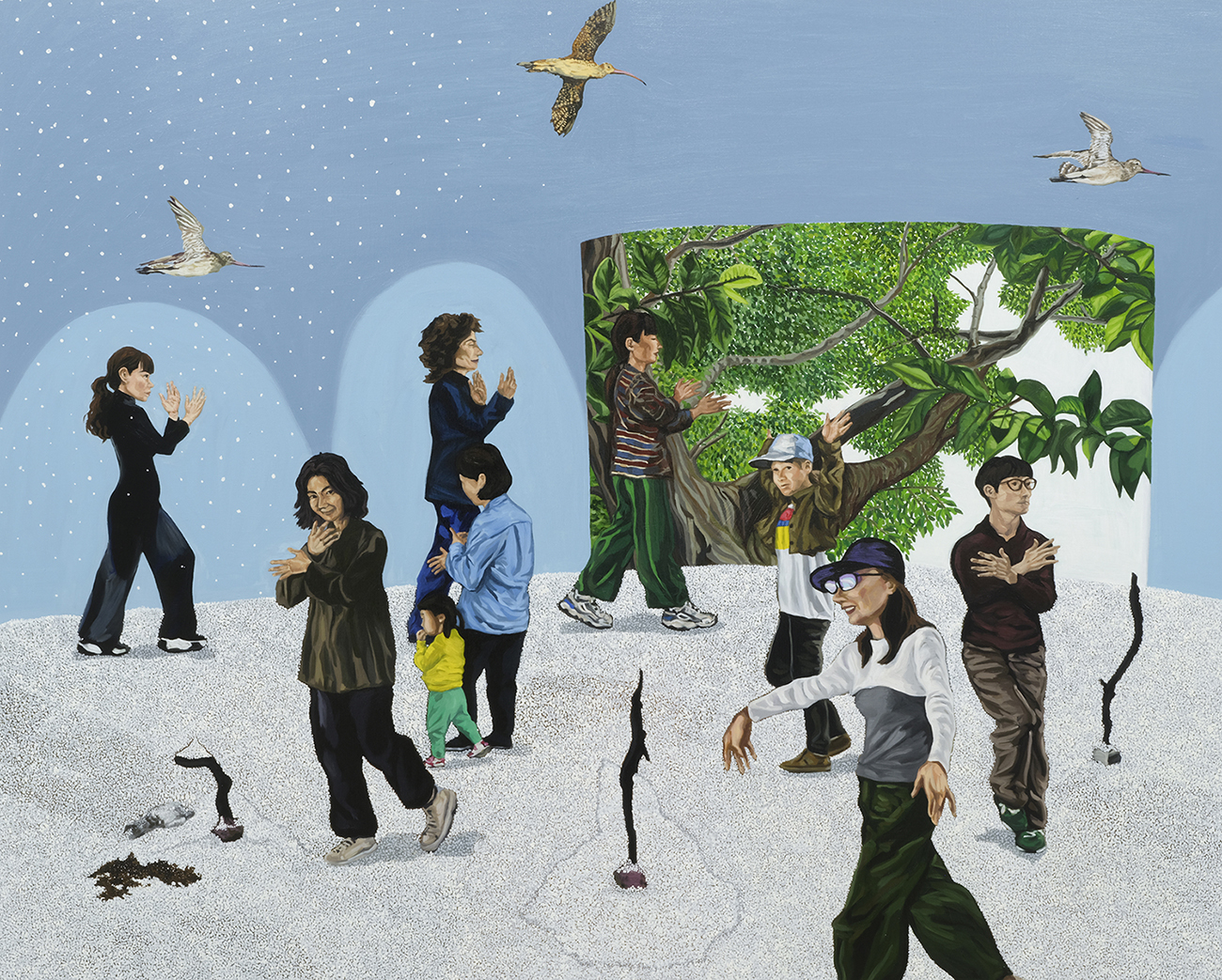
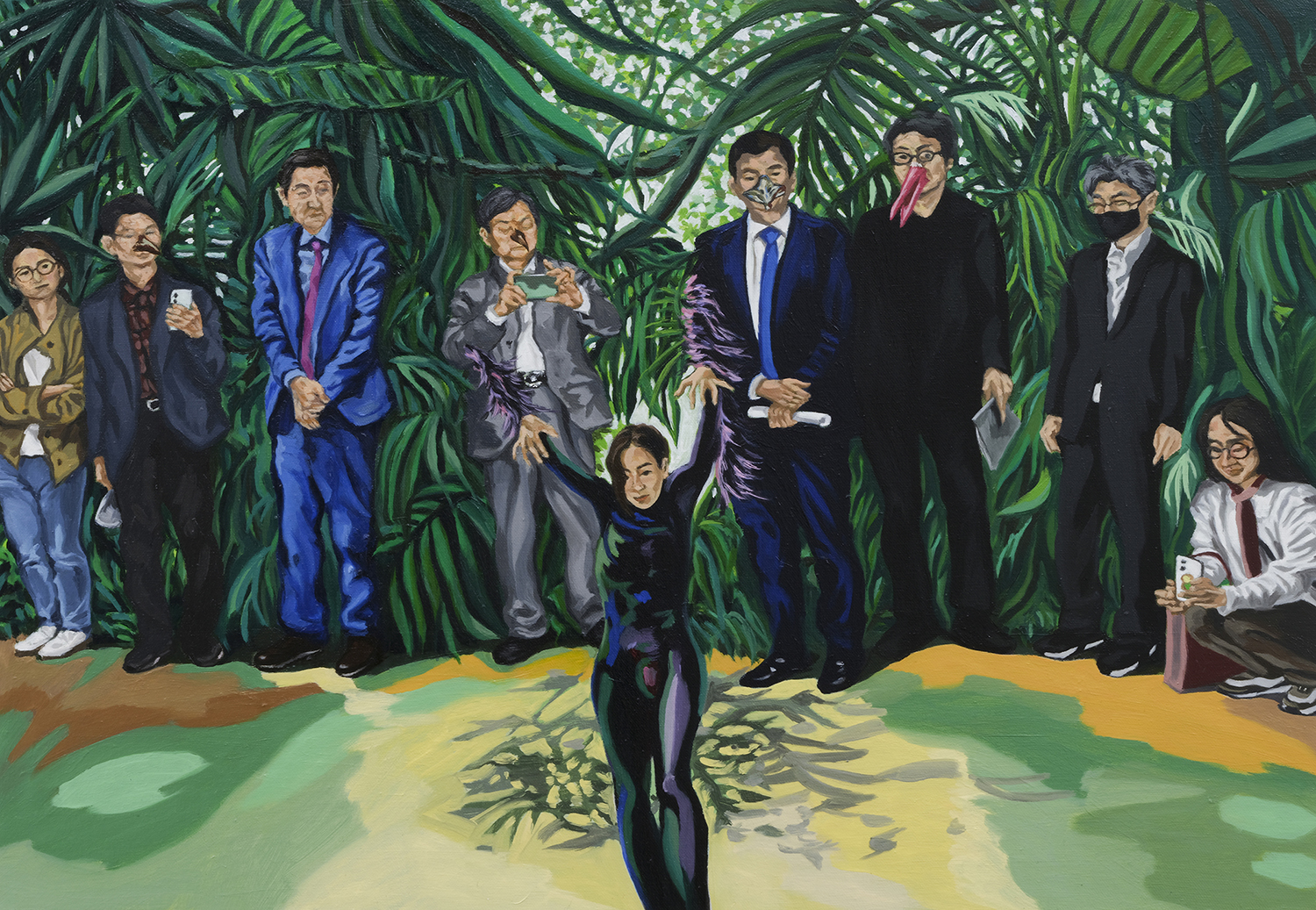
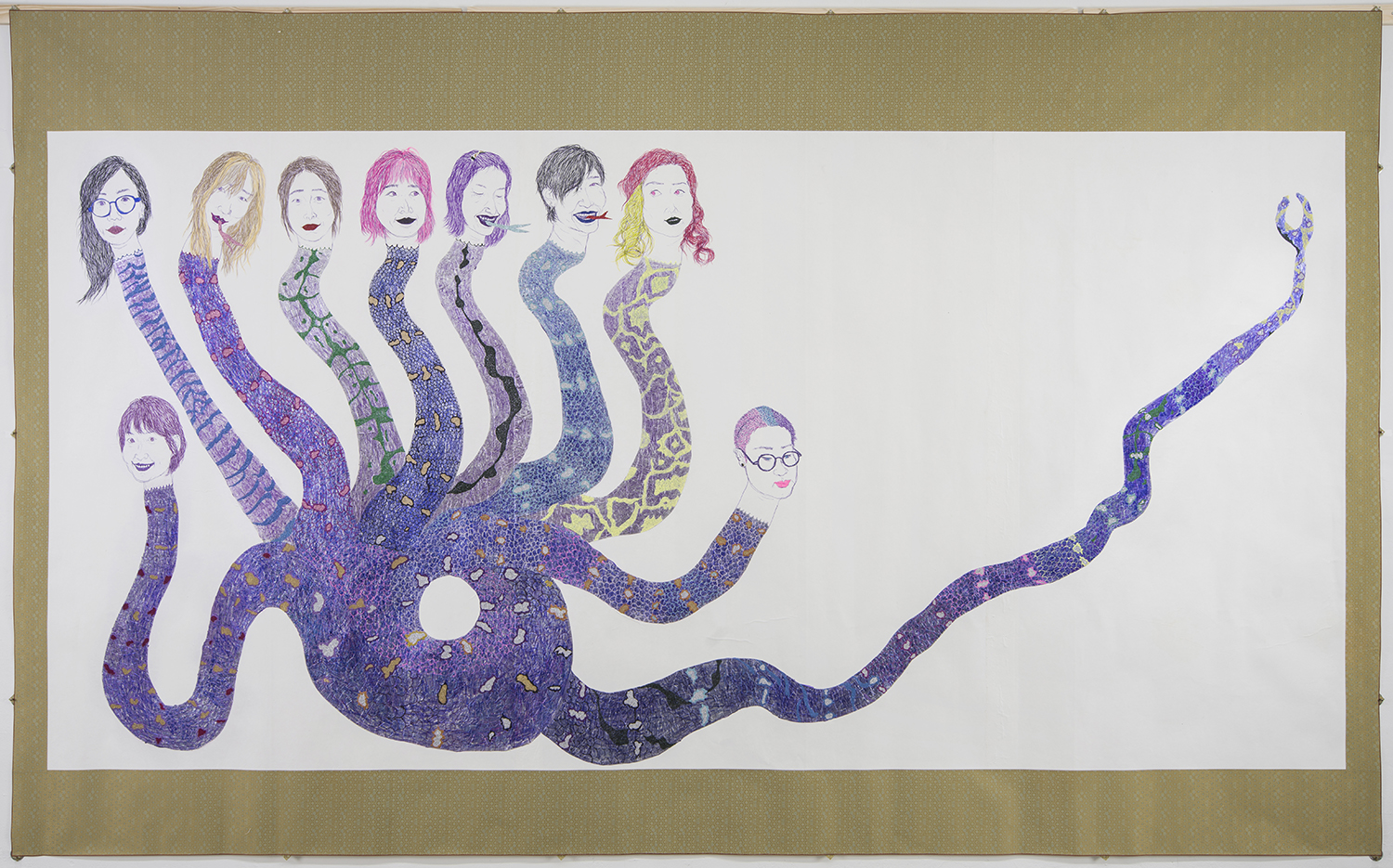
As the artist confesses, “The many others I have performed through my body were, in fact, always bodies of their own, irreducible to sameness. What I want to explore through art is the practice of accompanying one another while maintaining the distance between our bodies, and the possibility of solidarity through accepting each other's vulnerabilities” (ibid., p. 88).
Ultimately, Black Jaguar does not write a private essay about a mother who died within the category of the “homeless.” Instead, the life of the mother-as-other coexists within the artist's self-writing as an irreducible difference, one that must maintain its distance. The mother cannot simply be appropriated as “my mother” through identification or projection, but must be respected precisely because she remains an unknowable other.
Thus, although the writing concerns loneliness, isolation, and poverty, it unfolds in a way that resists pity and empathy, overflowing instead with a certain “elegance” (I cannot relinquish this word), or a vibrant vitality belonging to the dispossessed.
The artist appears like a runaway girl, the friendship among five eighteen-year-old girls is fucking “hip,” and the mother, as remembered, is selfish and rough, described as having been utterly alone at rock bottom, or somewhere outside it, lower than the bottom itself, like a member of the middle class who literally continued to fall after the IMF financial crisis. Did she cry? Was she composed?
This mother, who occasionally appeared to take money from her impoverished artist-daughter, was herself one of the socially marginalized people with whom the artist had stood in solidarity. Yet she was also the impossible mother-as-other who occupied all the gaps within the artist's practices of solidarity and collaboration.
The artist now summons the “peace” or grief brought about by her mother's death as the void at the very core of all her “politically correct” work. Neither solely about the artist's own experiences nor solely about the relationship between herself and her mother, the book nevertheless seeks to write things “as they were,” suspending even the artist's own emotions so as not to lose an “elegance” that might otherwise be consumed by self-pity.
In doing so, the book confesses and declares something about both the artist and her mother, while also revealing that the artist's previous work was not work “about” socially marginalized people, but rather work of the socially marginalized themselves.
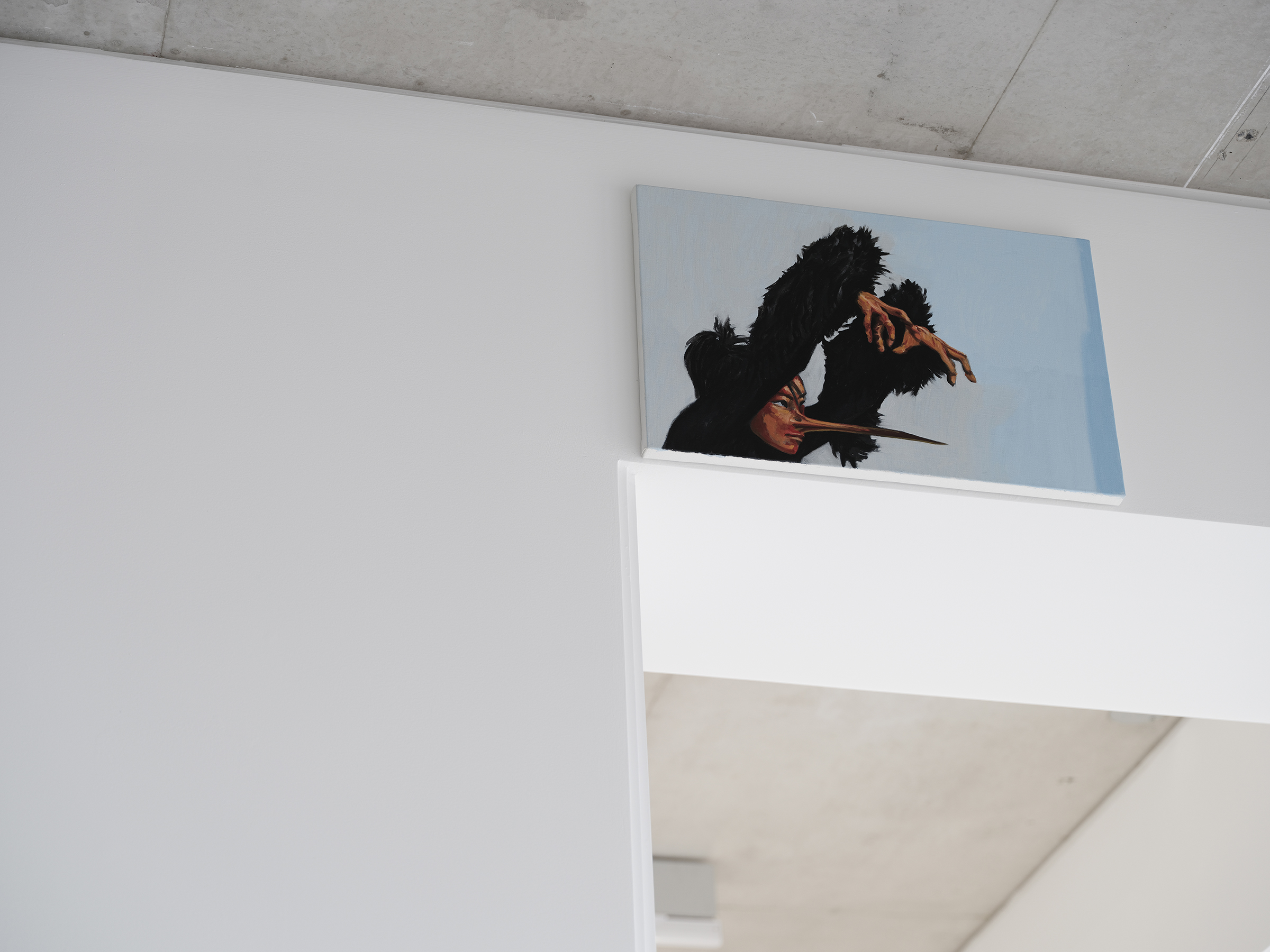
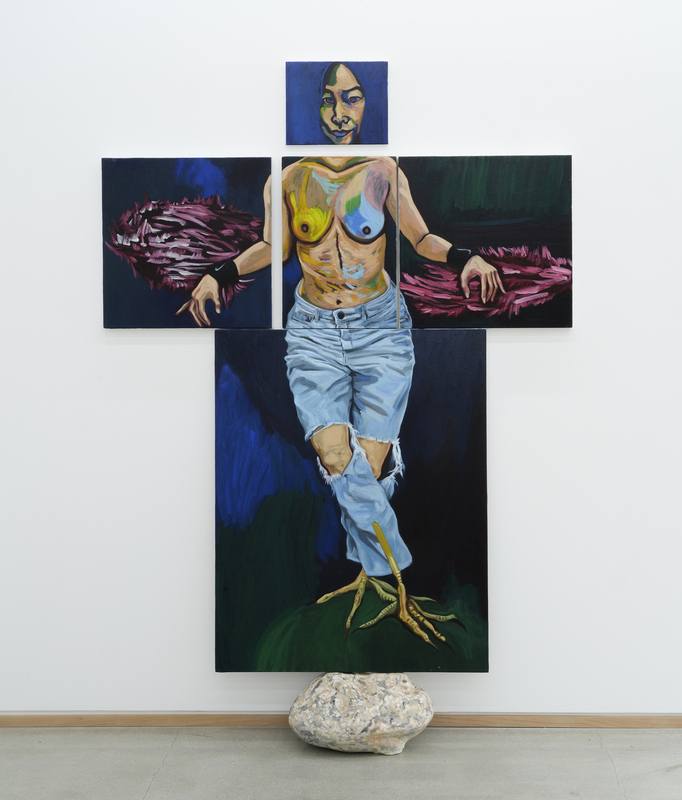
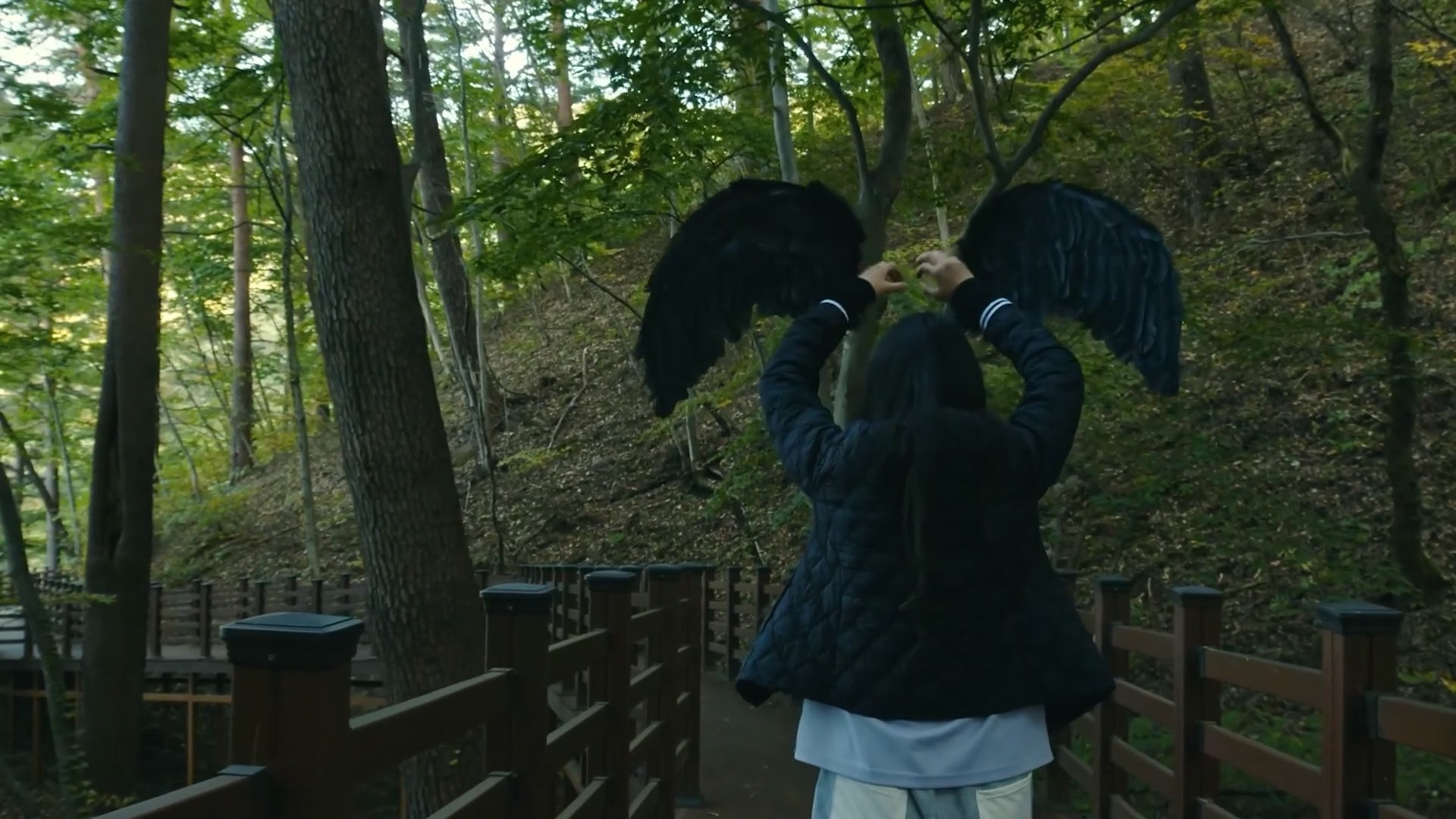
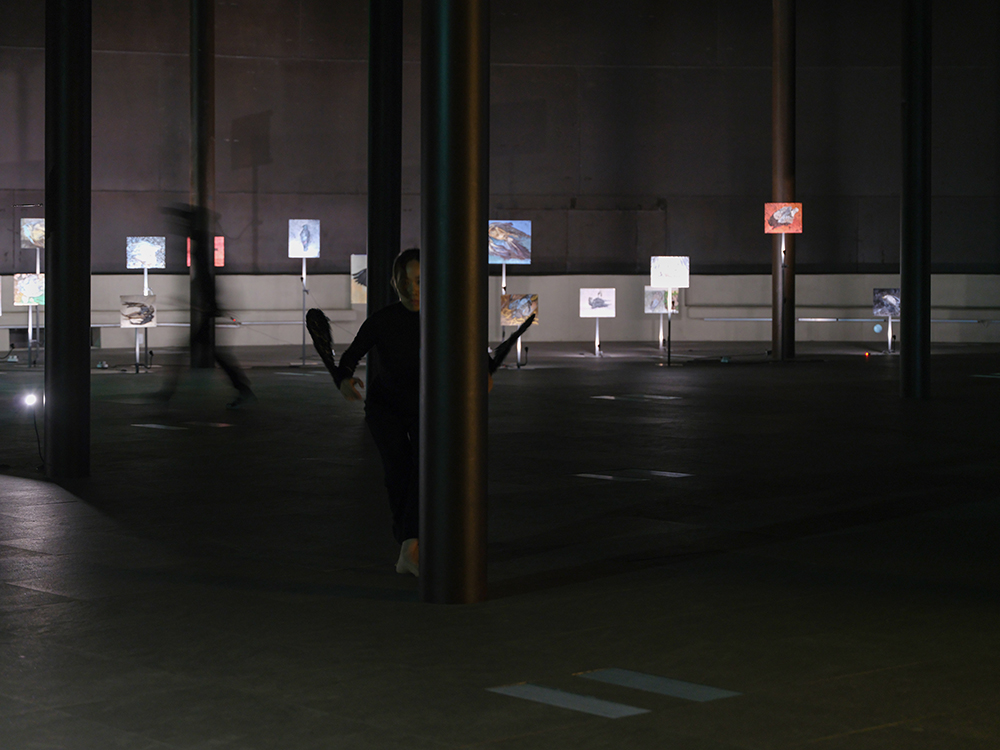
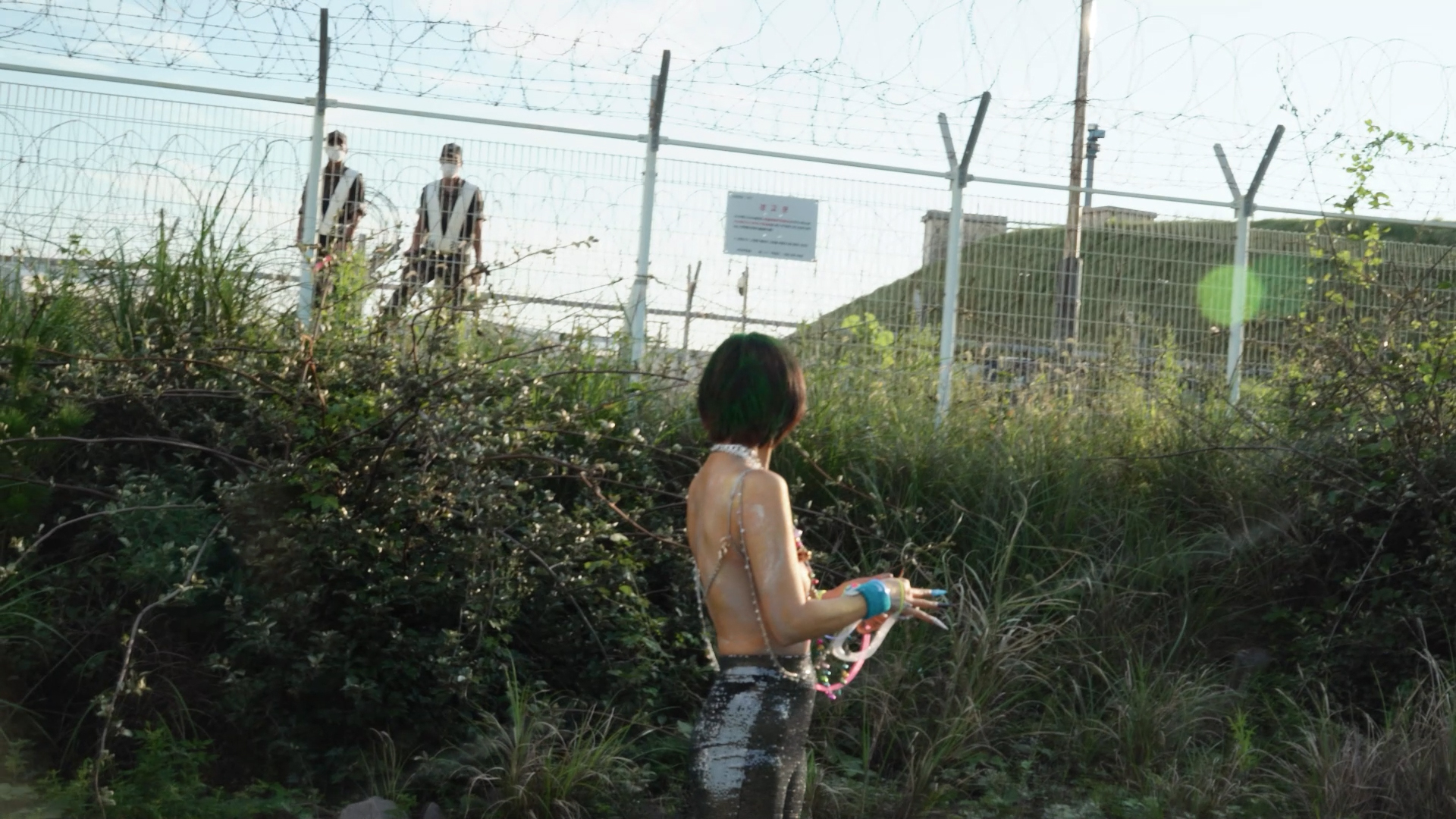
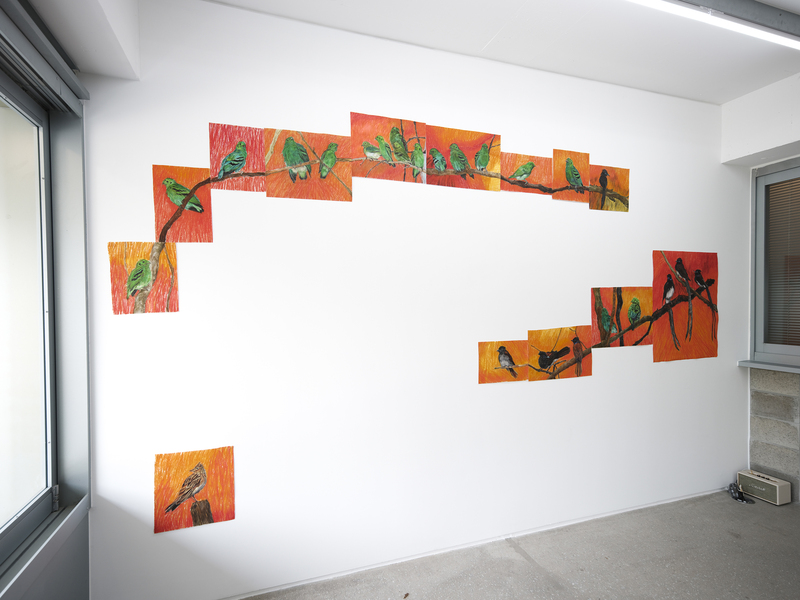
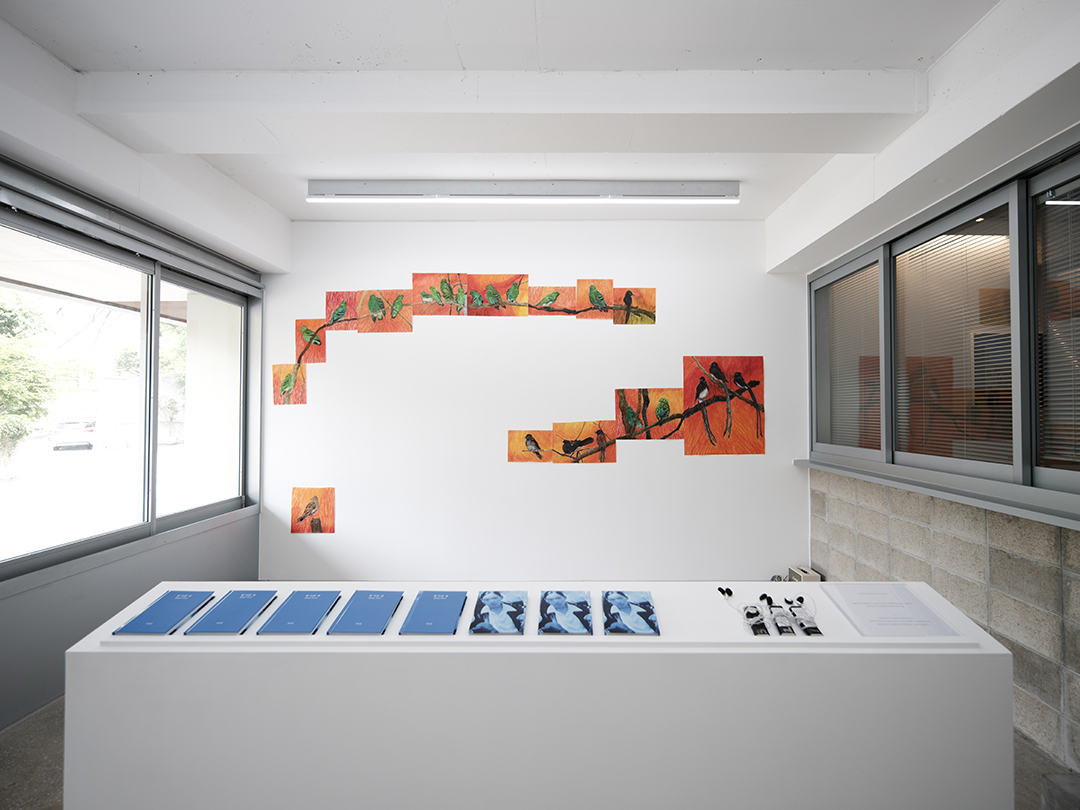
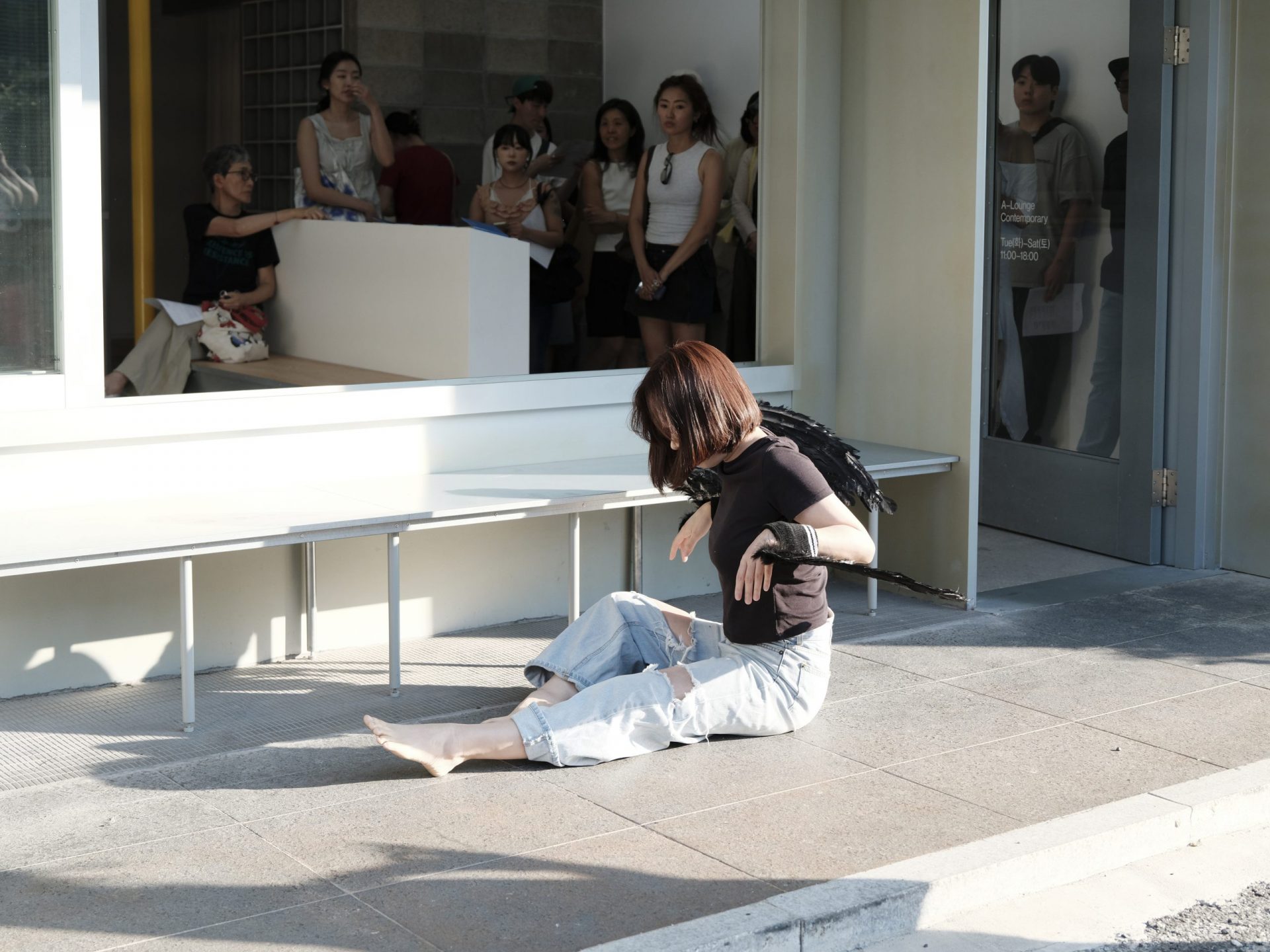
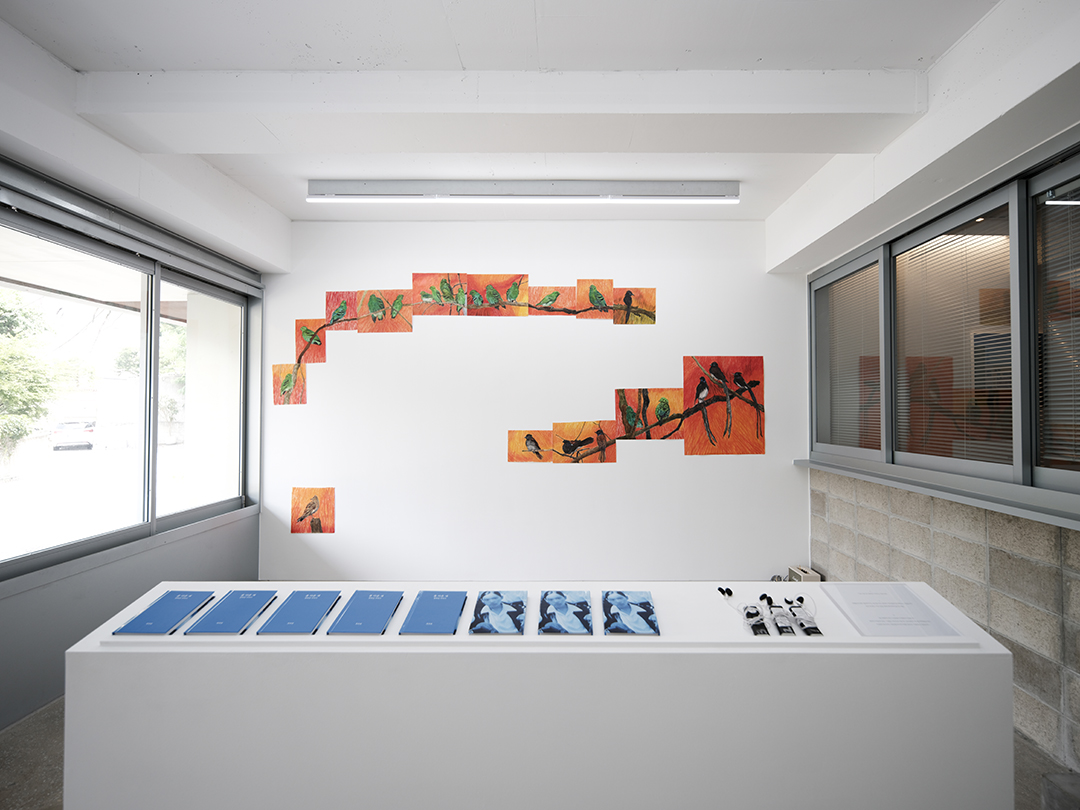
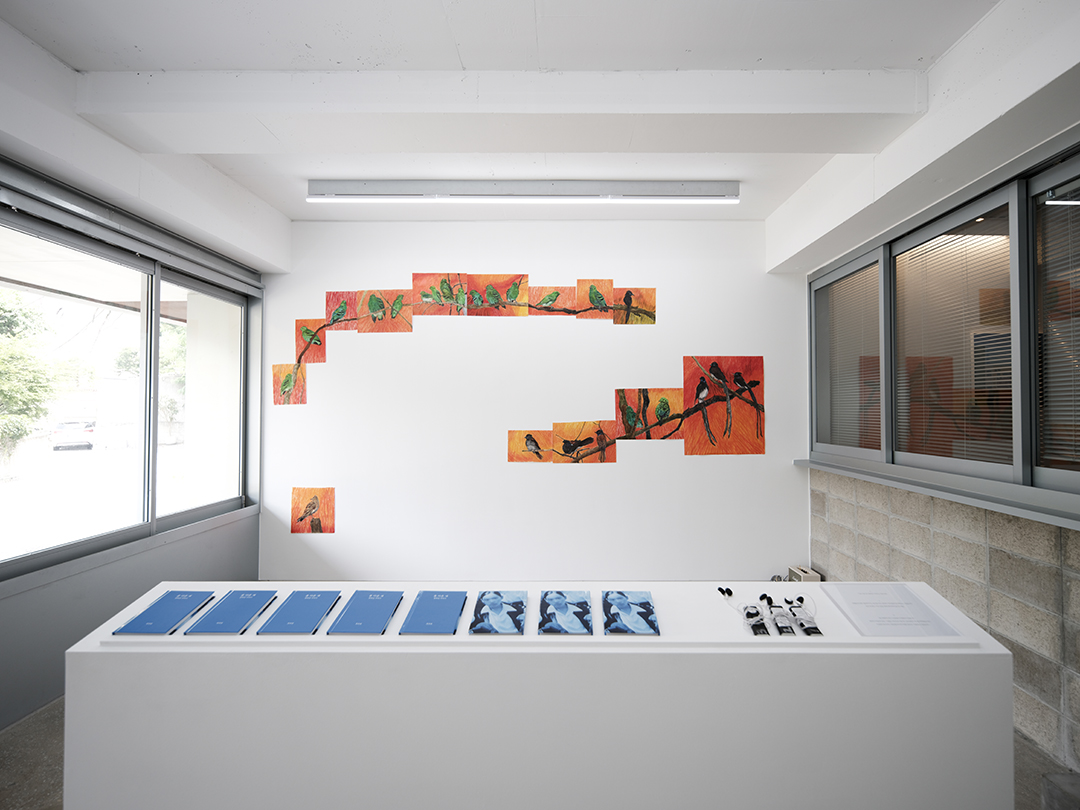
Black Jaguar's double, an alter ego in the form of a bird—a bird for which two cheap artificial wings are enough, a bird that flies more slowly than a person walking on two legs, not a person imitating a bird but a bird inhabiting Black Jaguar's body and thereby becoming slower than a human—first appeared in the artist's 2022 collaboration with Hong Lee Hyun-sook on Gapado Island.
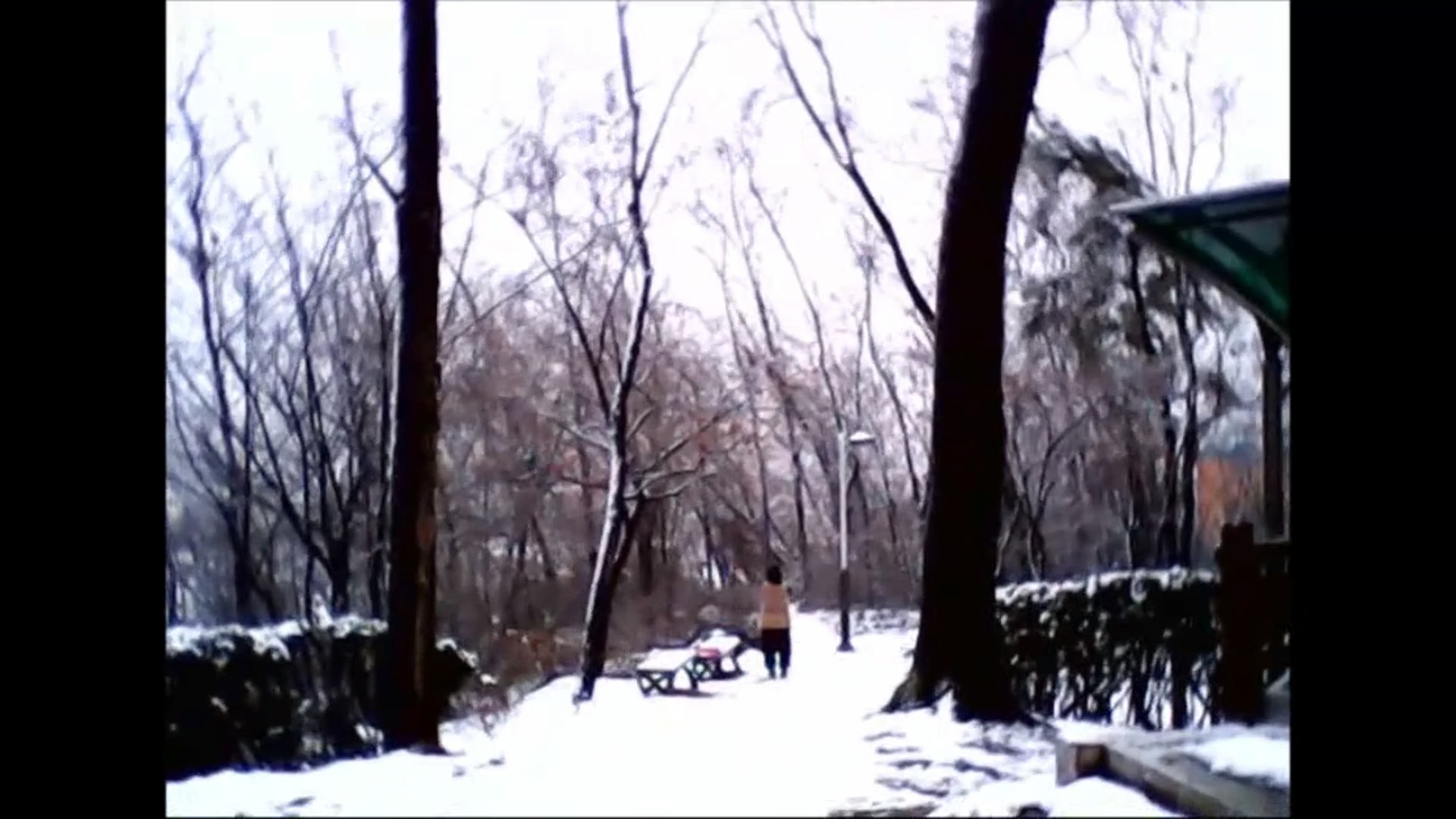
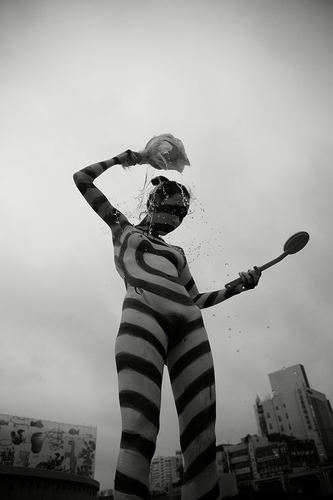
After holding a funeral for her mother, who had been “like a tsunami, a presence I could neither control nor bear,” the artist had withdrawn from the world. “When I left the house for the first time in ten days, I encountered artist Hong Lee Hyun-sook on the subway.” Hong Lee, who had attended the same girls' middle school as the artist's mother and was two years younger than her, was someone to whom Black Jaguar could speak of her mother's death. From this encounter emerged a performance video that reappropriated Seoul as the sea of a stingray and the sky of an odd bird.
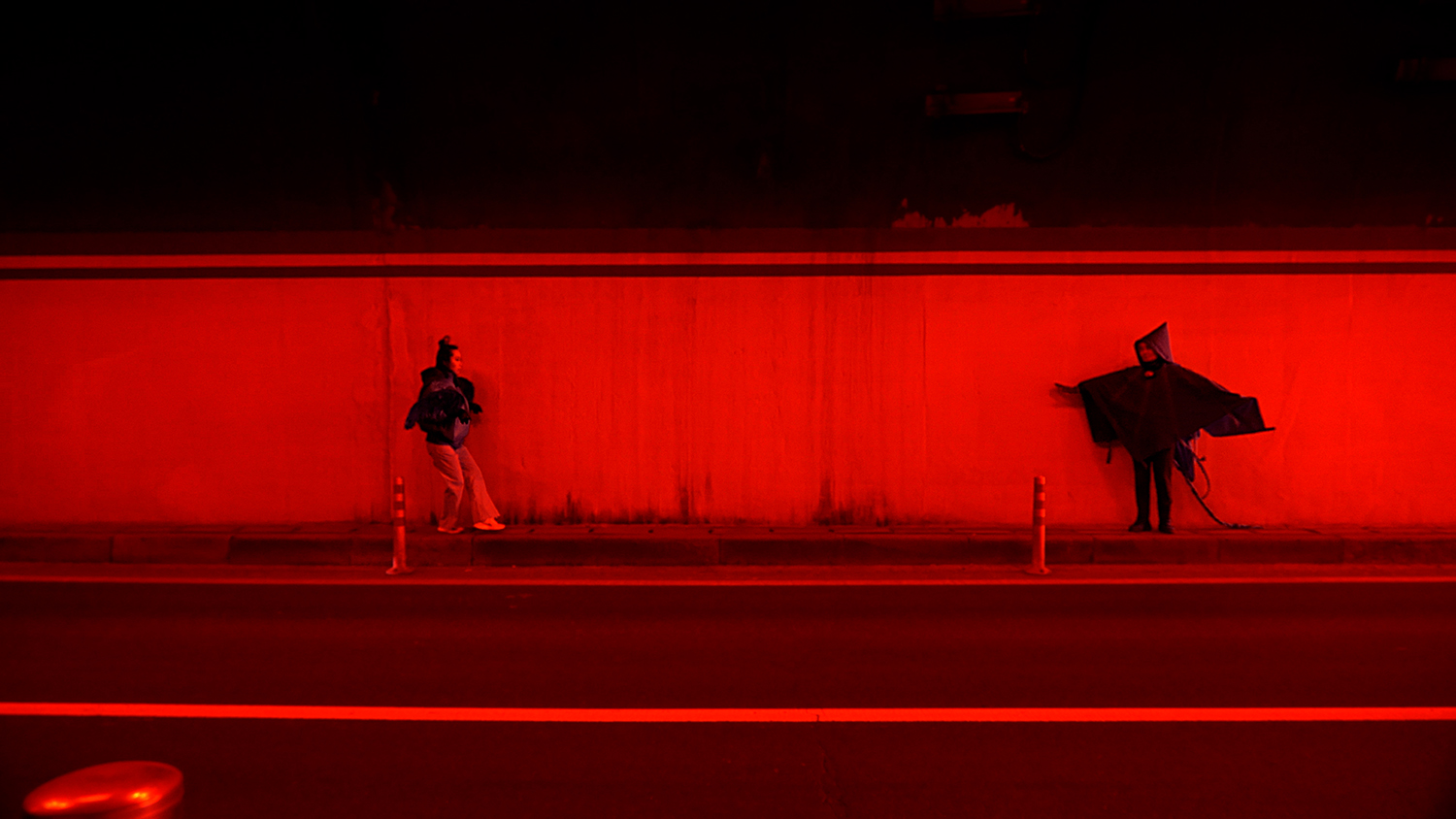
Through their collaboration as neighbors, as insiders who remembered the mother, and as artists sharing a vision of a nonhuman community, the stingray and the bird set out from distant places, meet at Gugi Tunnel, and then part ways.
In the cold winter, Black Jaguar leaves home wearing wings, walks along the streets, crosses at traffic lights, and visits bathrooms that “might have served as hiding places during the artist's runaway teenage years,” as well as “outdoor spaces such as the shoulders of tunnels,” before walking—flying—toward Gugi Tunnel.
With a gait so slow that an eagle or another predator could easily devour the bird, the artist makes her way toward an older sister, or perhaps a mother, into the dark tunnel. The stingray and the bird, who would never have the chance to meet in “reality,” briefly encounter one another in the realm of imagination, inhabiting the bodies of two women performers.
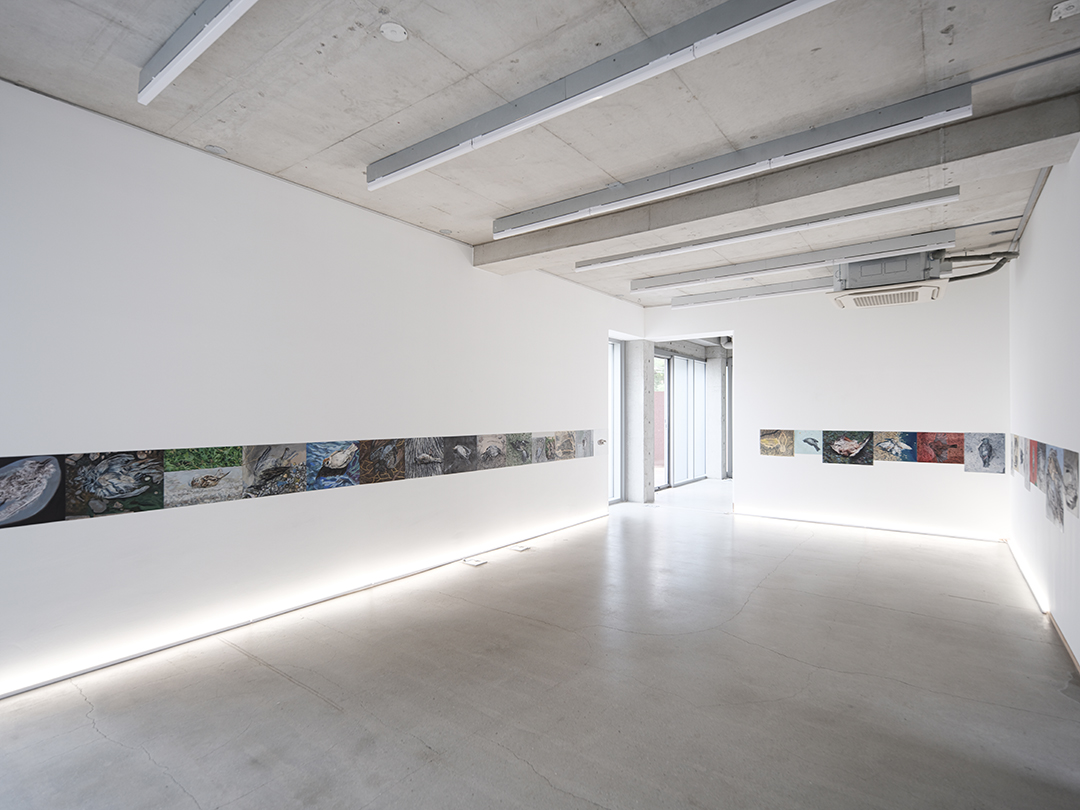
They make way for each other and then part. The difference between them is preserved through art as confrontation, as encounter, as a nod of greeting, and as a ritual for wordless grief. “The imagining of birds that have lost their habitats and face extinction, and homeless women pushed to the margins of society like my mother, becoming homes for one another, led to the performance I created with my teacher” (ibid., p. 90).