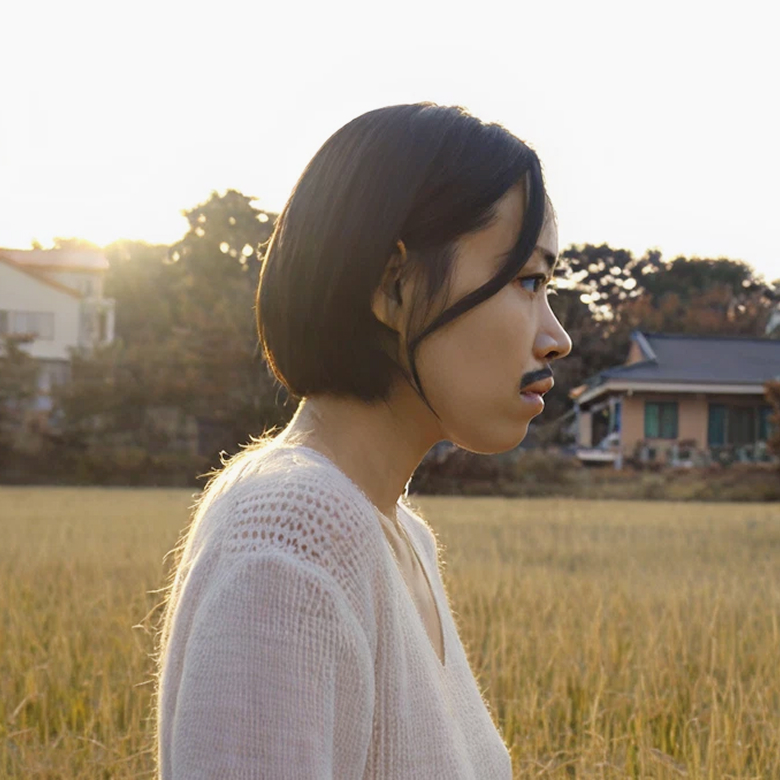
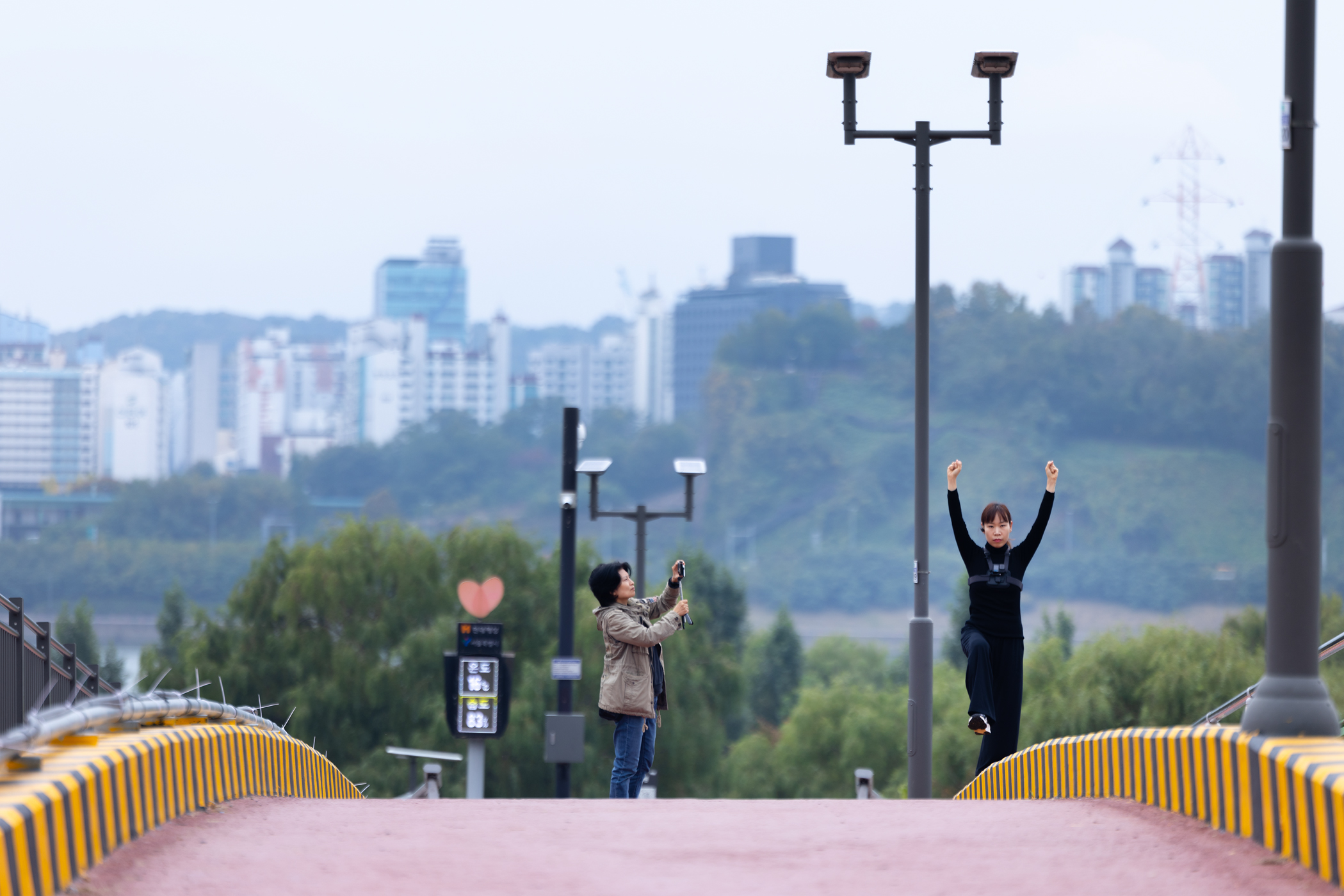
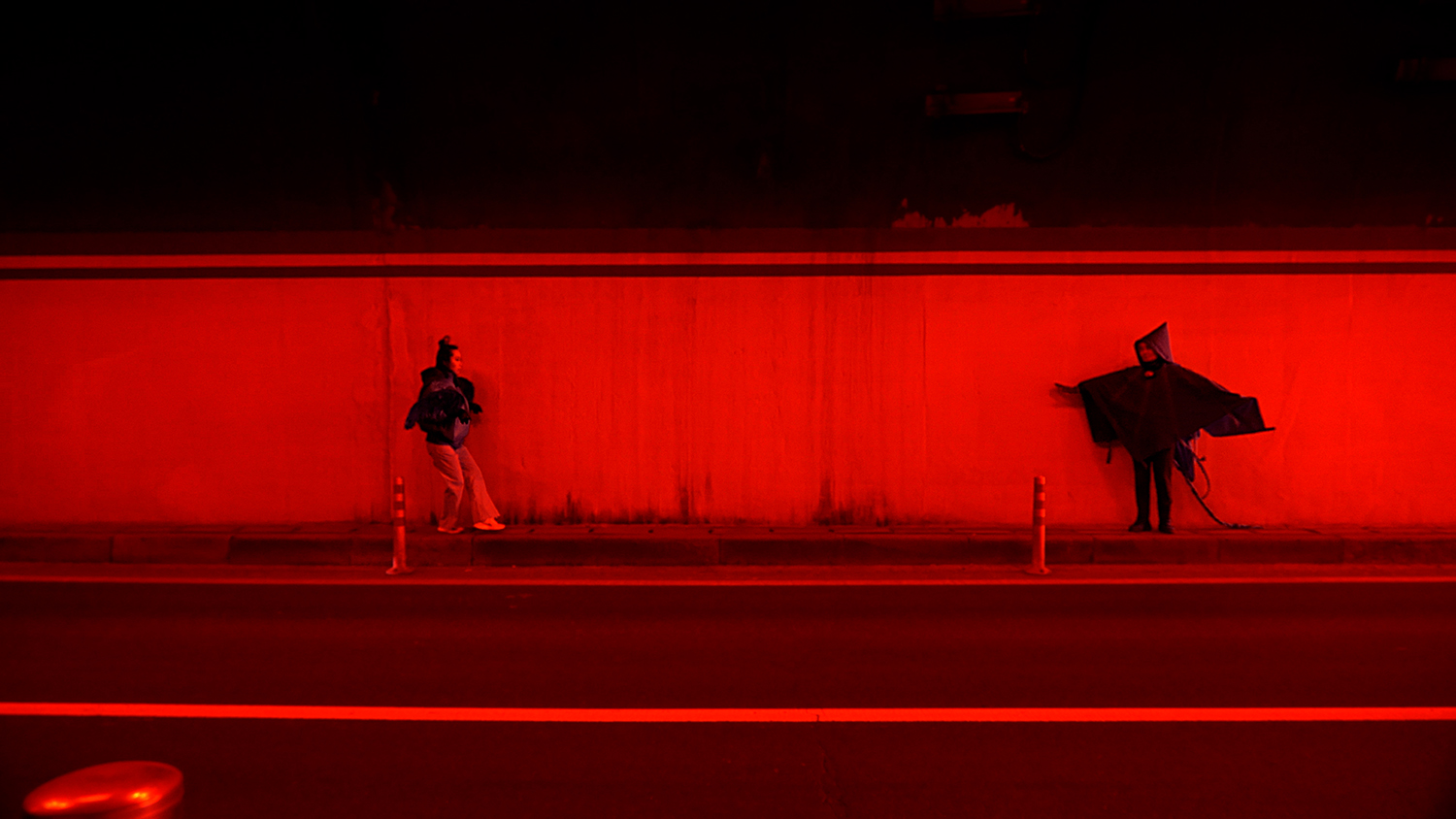
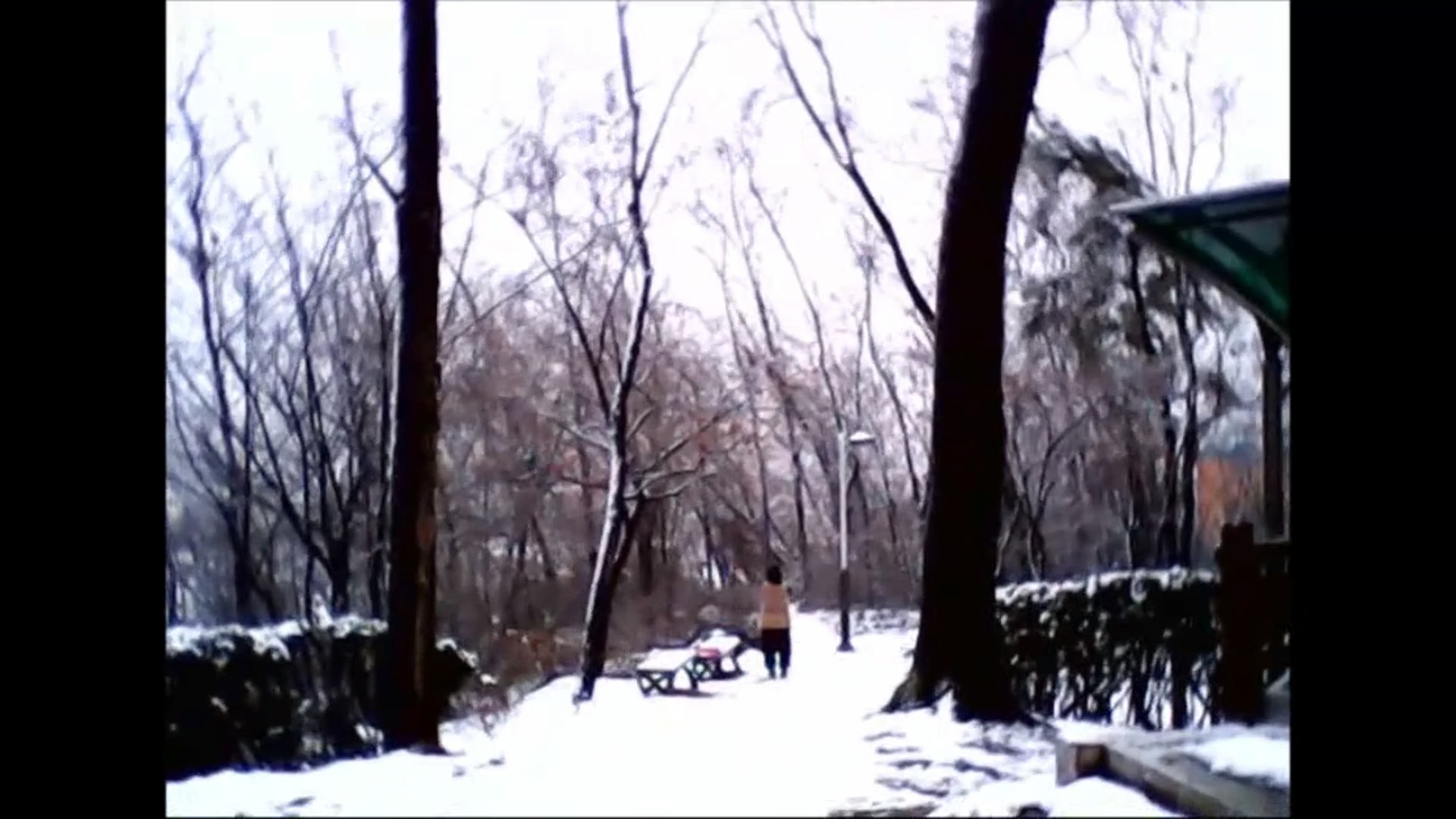
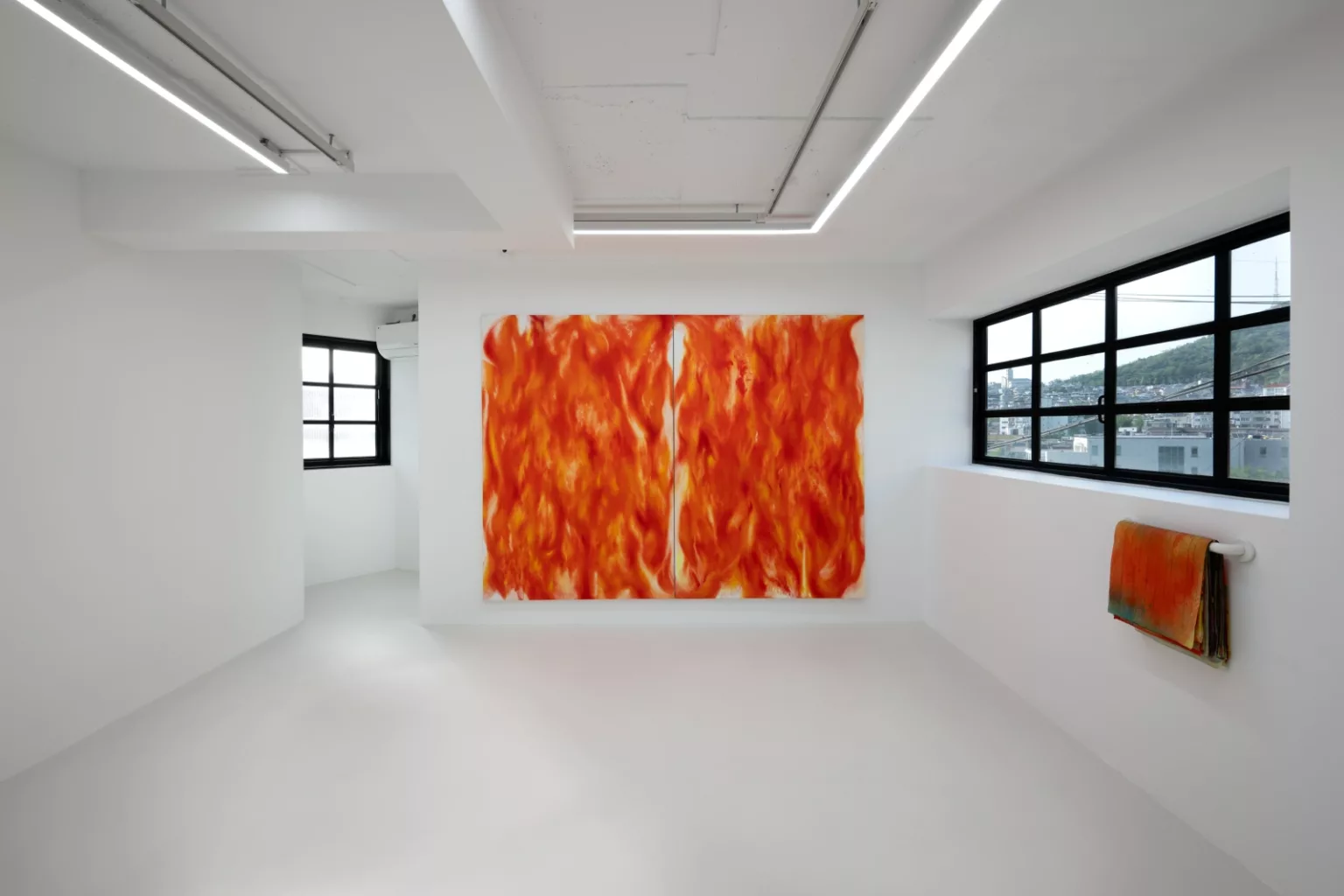
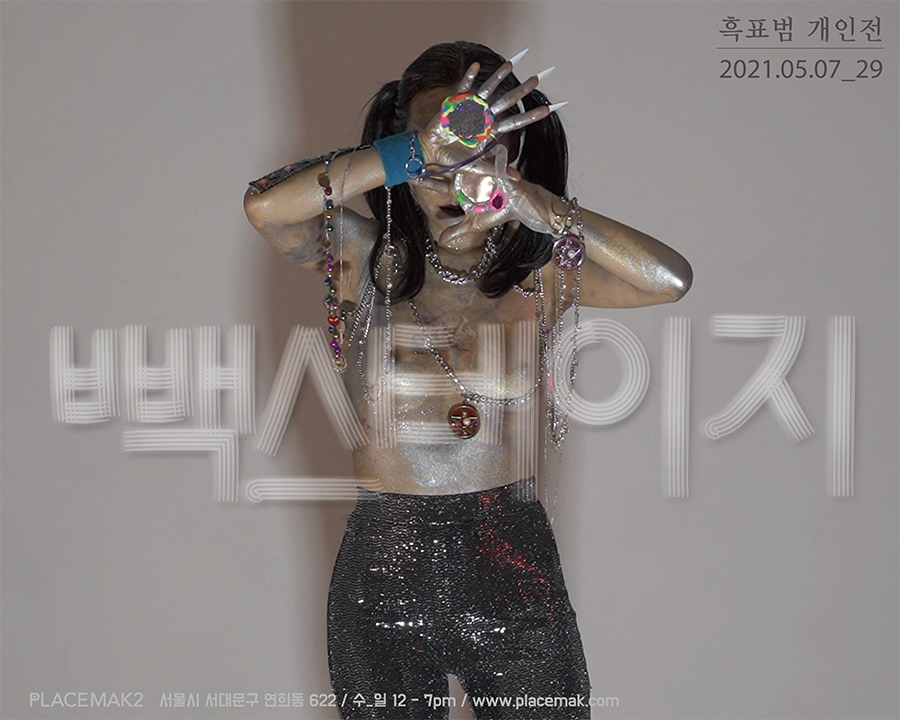
Black Jaguar has worked across a wide range of media, including performance, painting, drawing, video, installation, and publishing, exploring how bodies, images, and records interact with one another. In the artist's early practice, the body served both as a means of directly expressing social oppression and personal suffering and as a primary artistic material. Beginning in 2007, the 'Pain' series employed everyday yet unsettling substances such as paint, flour, raw fish, and food waste on the body and within performance spaces, creating visceral sensory confrontations.
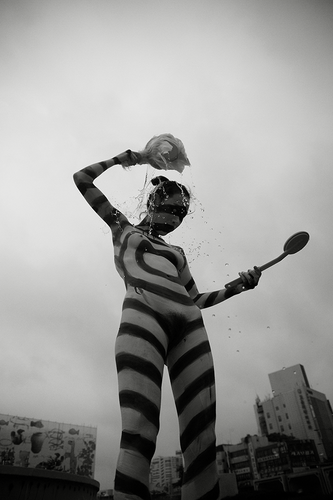
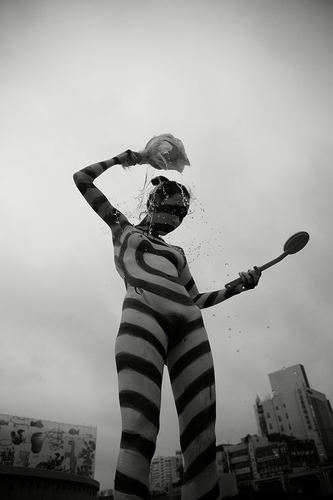
In contrast, Bath at Noon (2011) marked a shift toward a more restrained form of expression, consisting of the simple act of washing a body painted with a black target using soap and water. By connecting these bodily actions to the histories of specific sites and encouraging audiences to document and circulate performances online, Black Jaguar allowed the works to generate new meanings beyond their immediate locations.
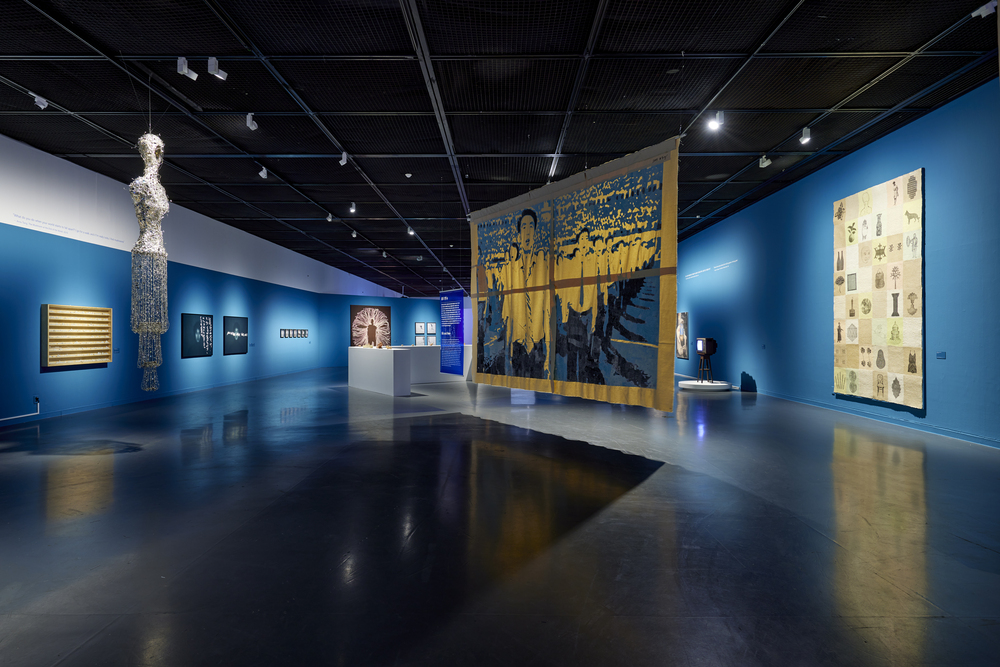
In Black Jaguar's practice, performances do not end as ephemeral actions but extend into painting, video, and installation through processes of documentation and reconstruction. Seven Clocks (2013) transforms historical records into material expressions of mourning by attaching photographs of victims of the May 18 Democratization Movement to old wall clocks and covering the damaged parts of their bodies with oil paint and gemstones.
In 《VEGA》 (2016), the artist presented interview videos and belongings associated with families bereaved by the Sewol ferry disaster, alongside objects such as hemp cloth and pebbles, incorporating the artist's own commemorative performance. By placing archival materials and everyday objects within new contexts, Black Jaguar constructs exhibitions that allow past events to be experienced anew in the present. Each medium functions as an independent artistic form while simultaneously contributing to a layered sensory experience of a shared event or memory.
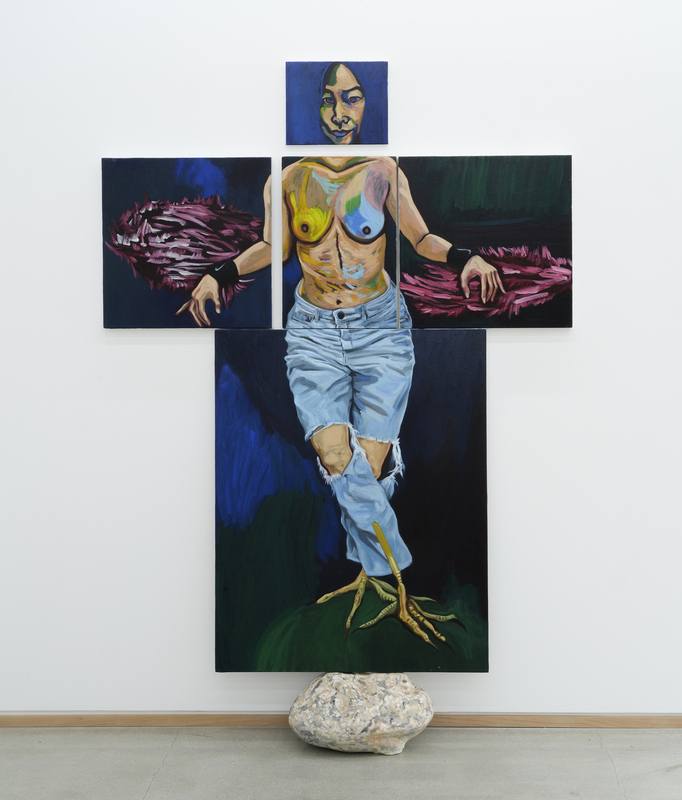
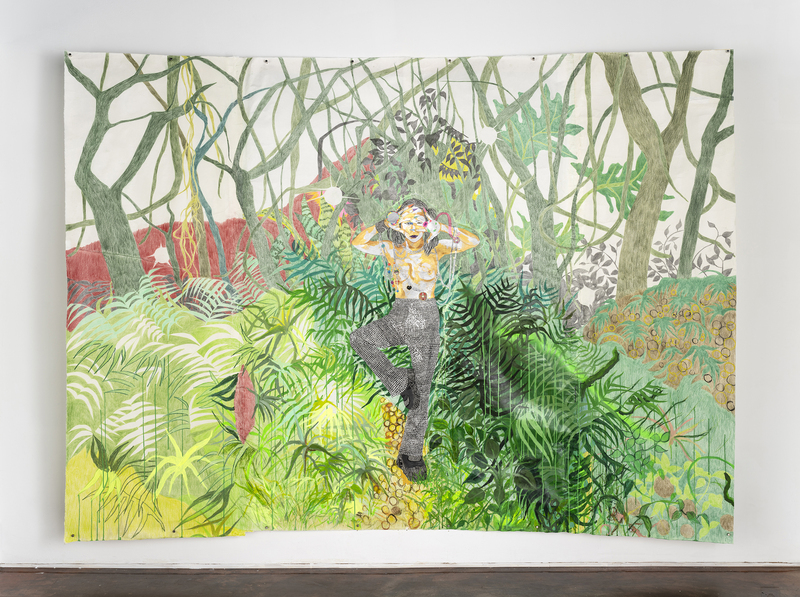
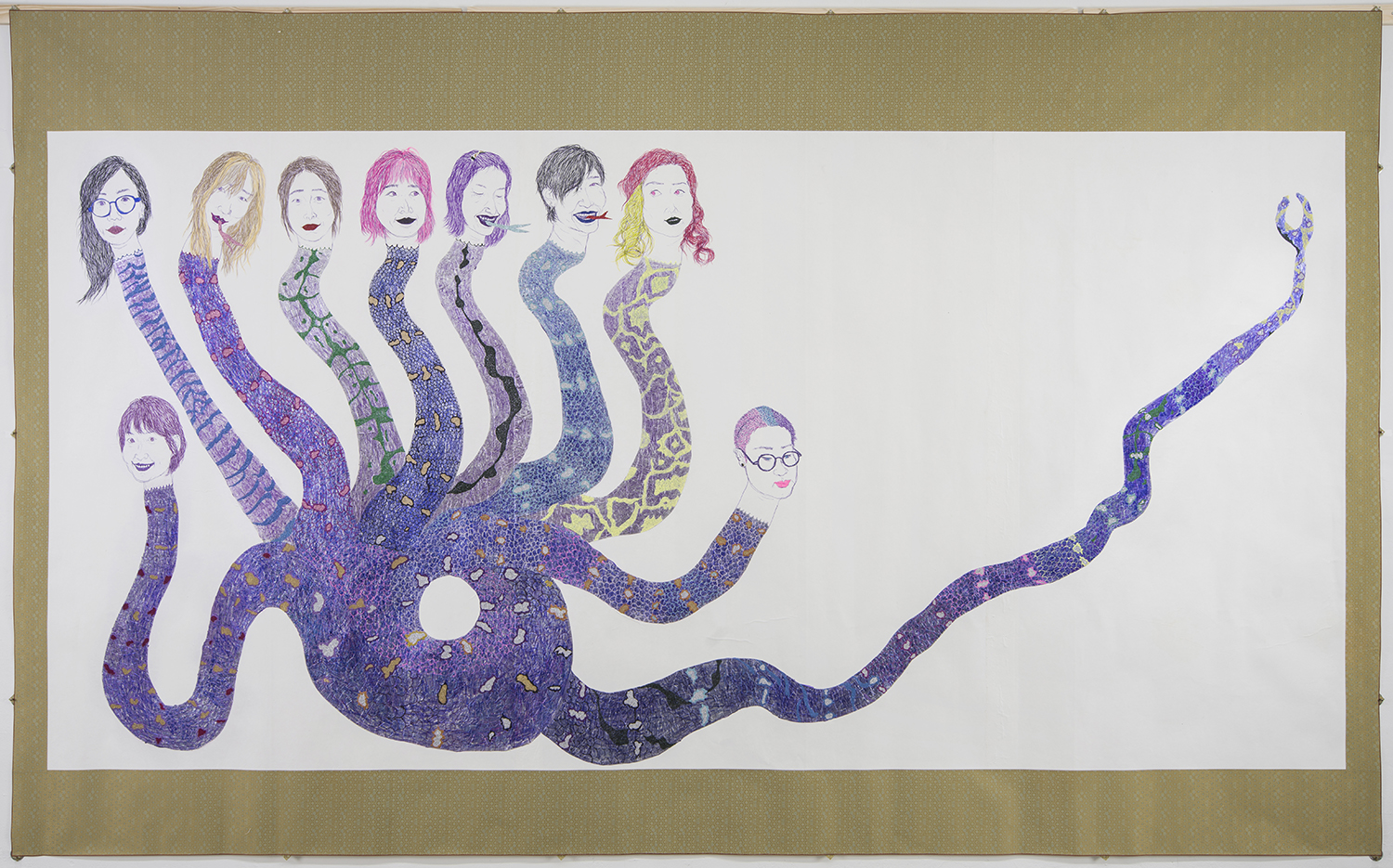
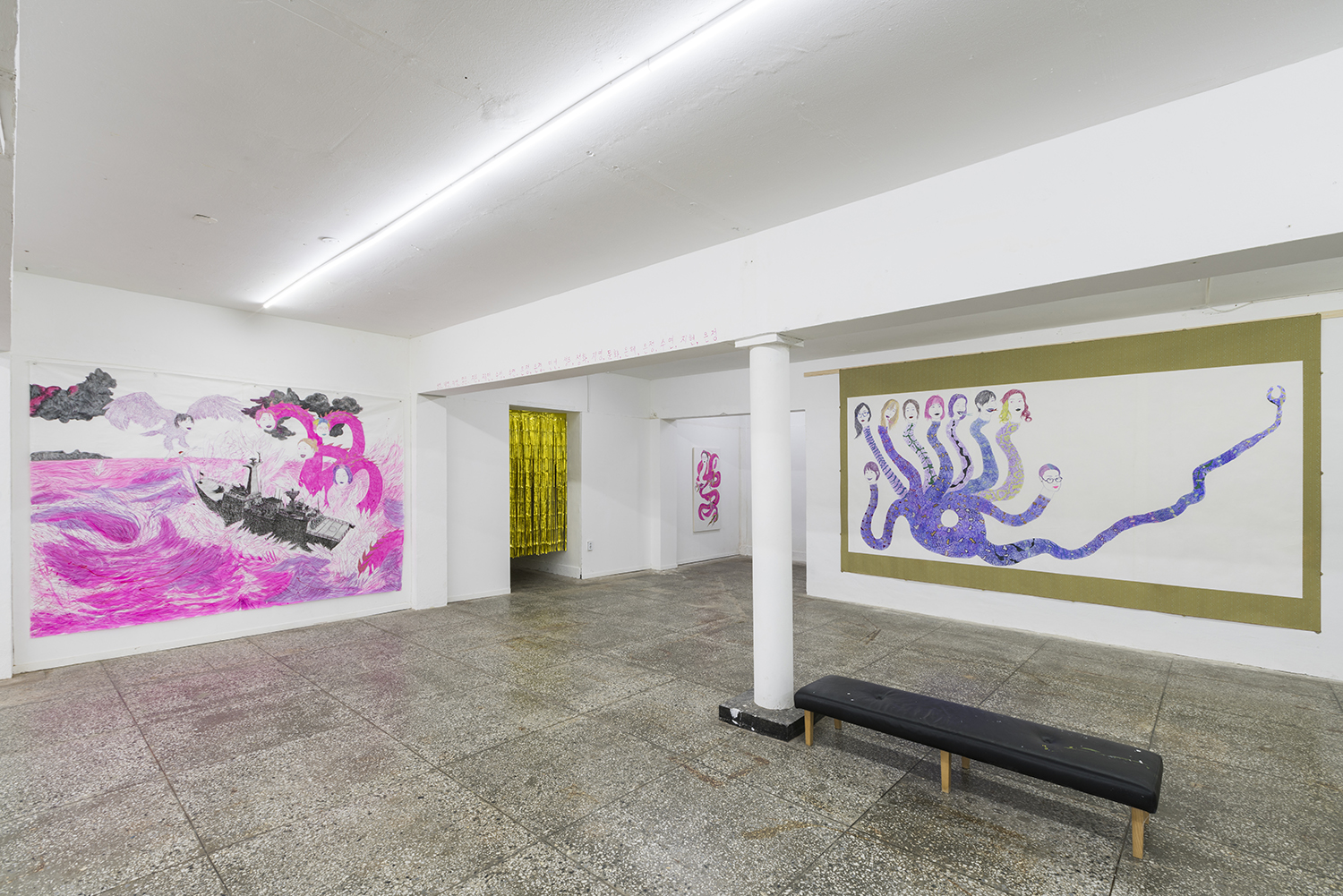
In painting and drawing, Black Jaguar has developed an approach that combines representational imagery with symbolism and narrative. In 《Sunyoung, Miyoung, Mi young》 (2017), the artist created hybrid figures on Korean paper, combining the faces of actual women with the bodies of mythological beings such as serpents, birds, and dragons. The process of listening to the women's stories and sharing their dreams informed the creation of these works, while the resulting portraits move between real individuals and imagined beings.
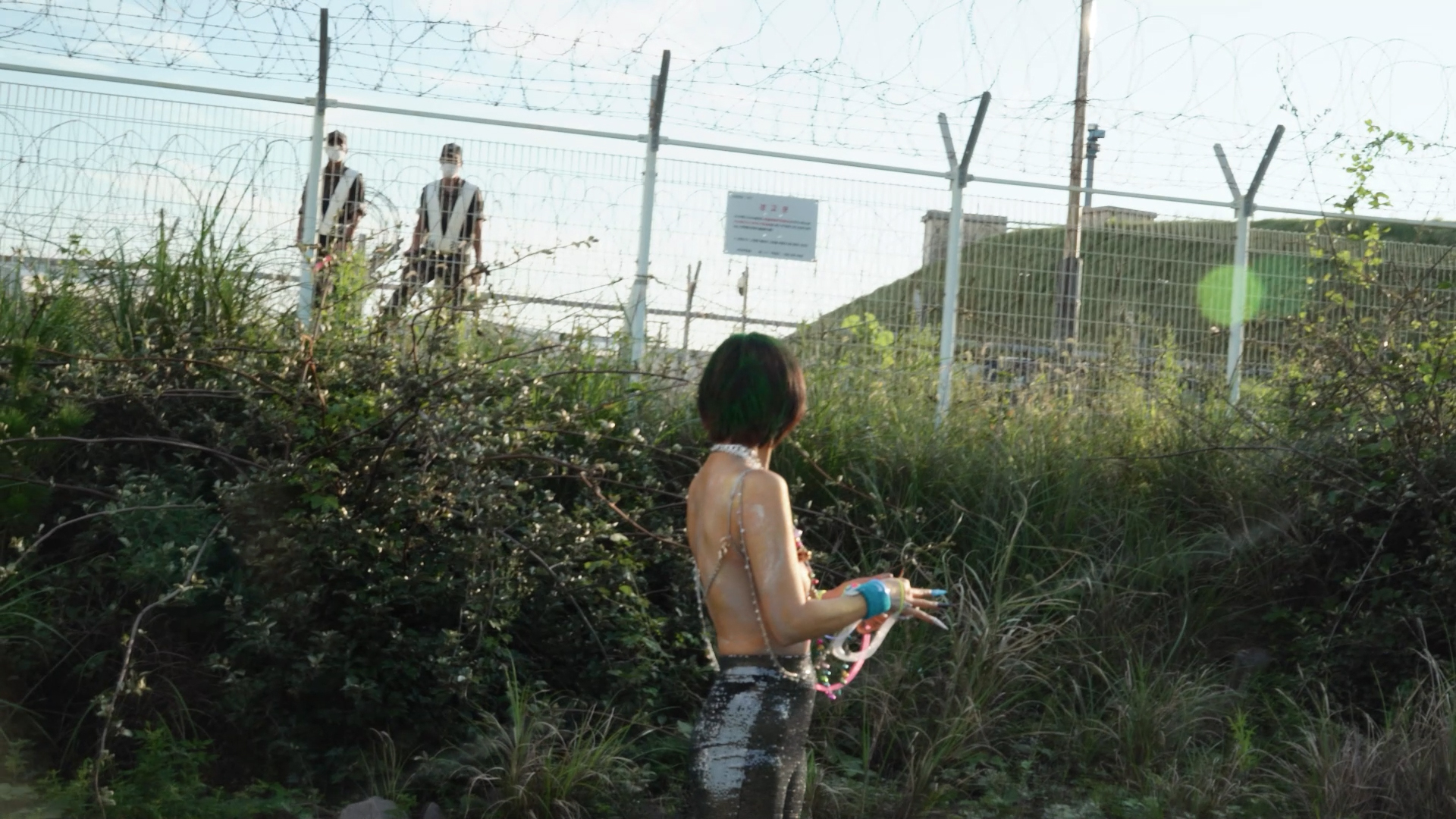
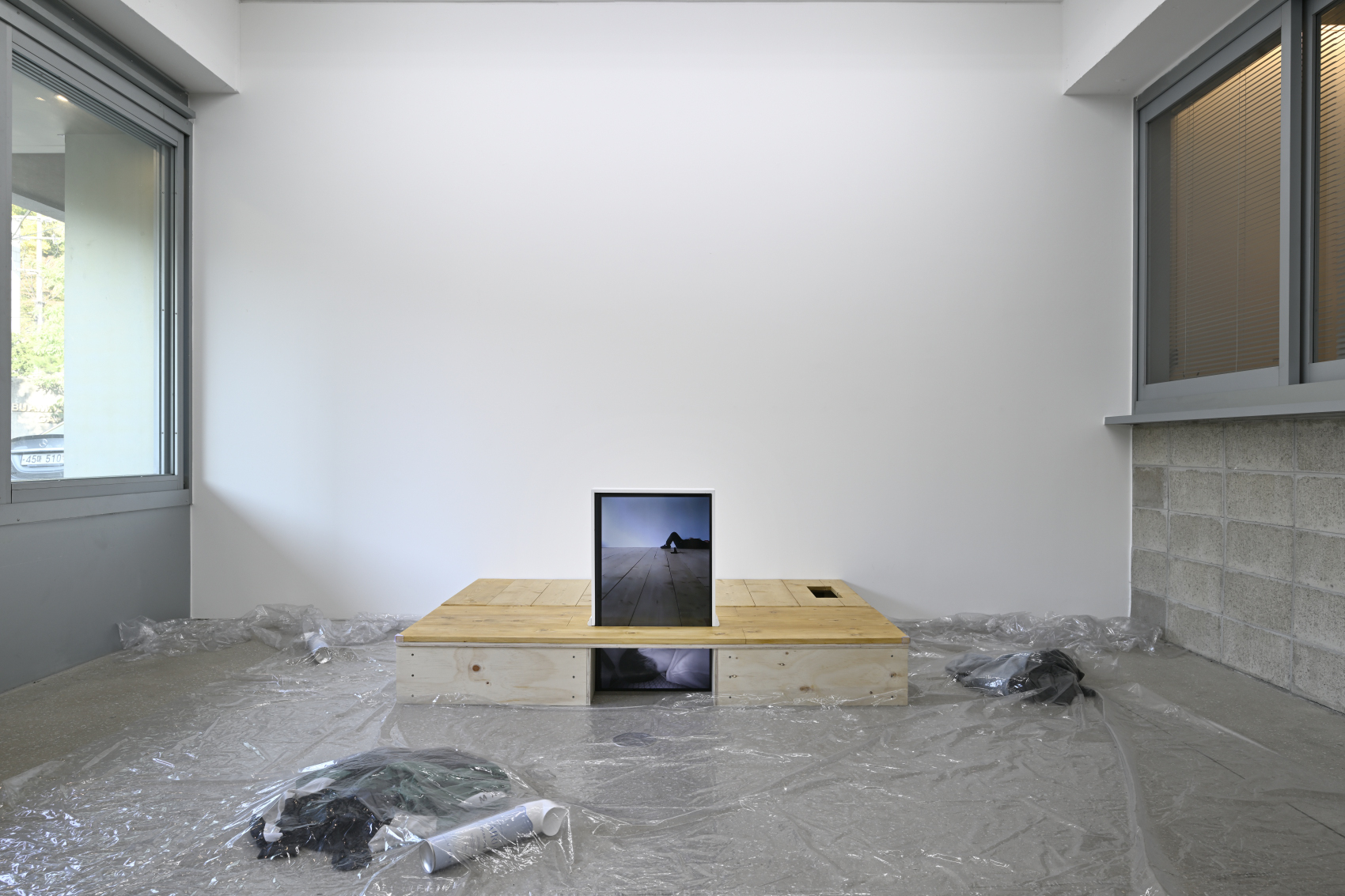
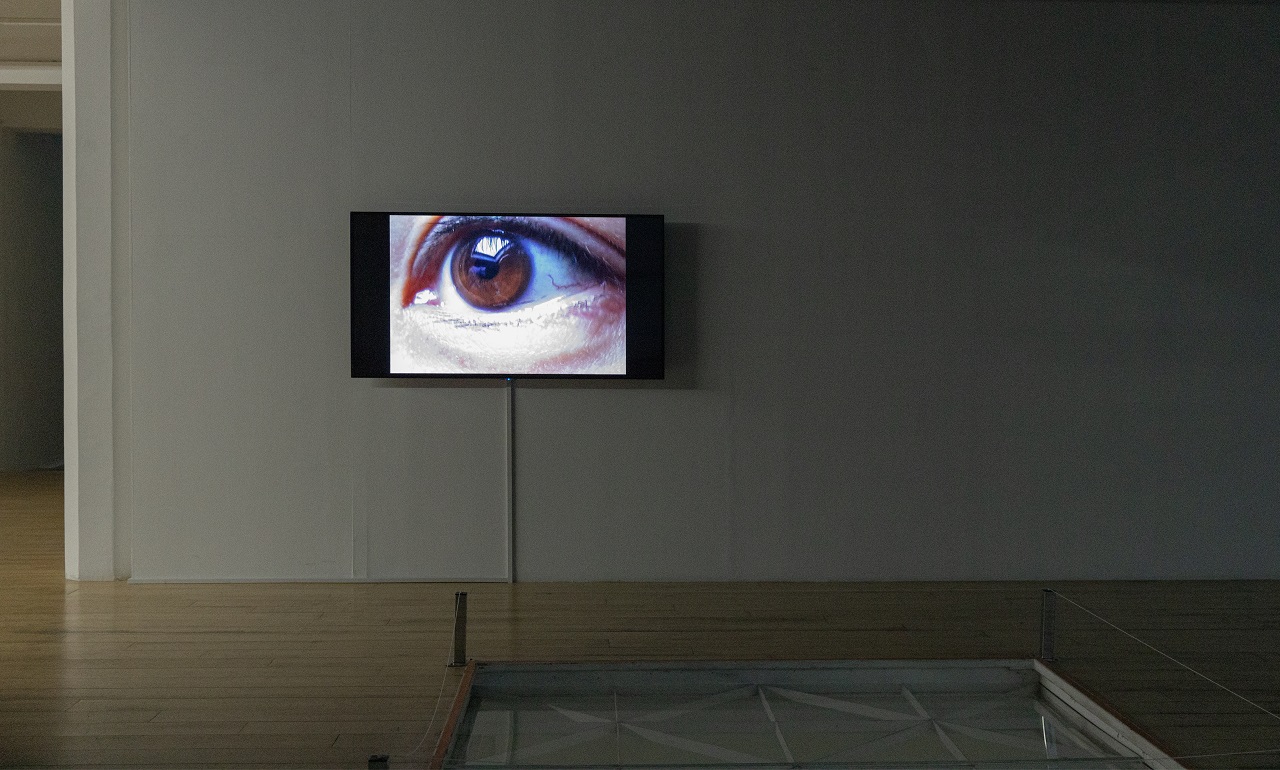
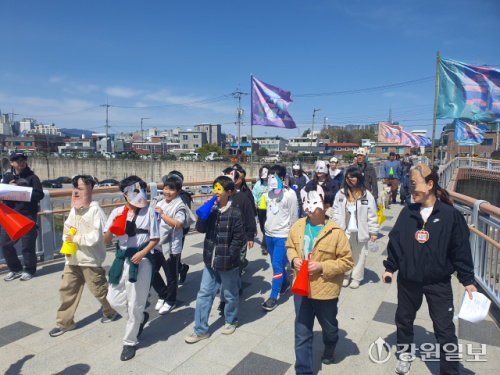
This approach has expanded to incorporate collaboration, field research, and oral documentation as integral elements of artistic production. In 《Uninvited》 (2022), Black Jaguar presented conversations with activists from Gangjeong Village, photographs of soft corals, and performance videos, making interviews and visual materials accessible through QR codes. Rather than presenting only the finished artworks, the artist incorporates the processes of relationship-building and the records accumulated through these encounters into the exhibition itself.
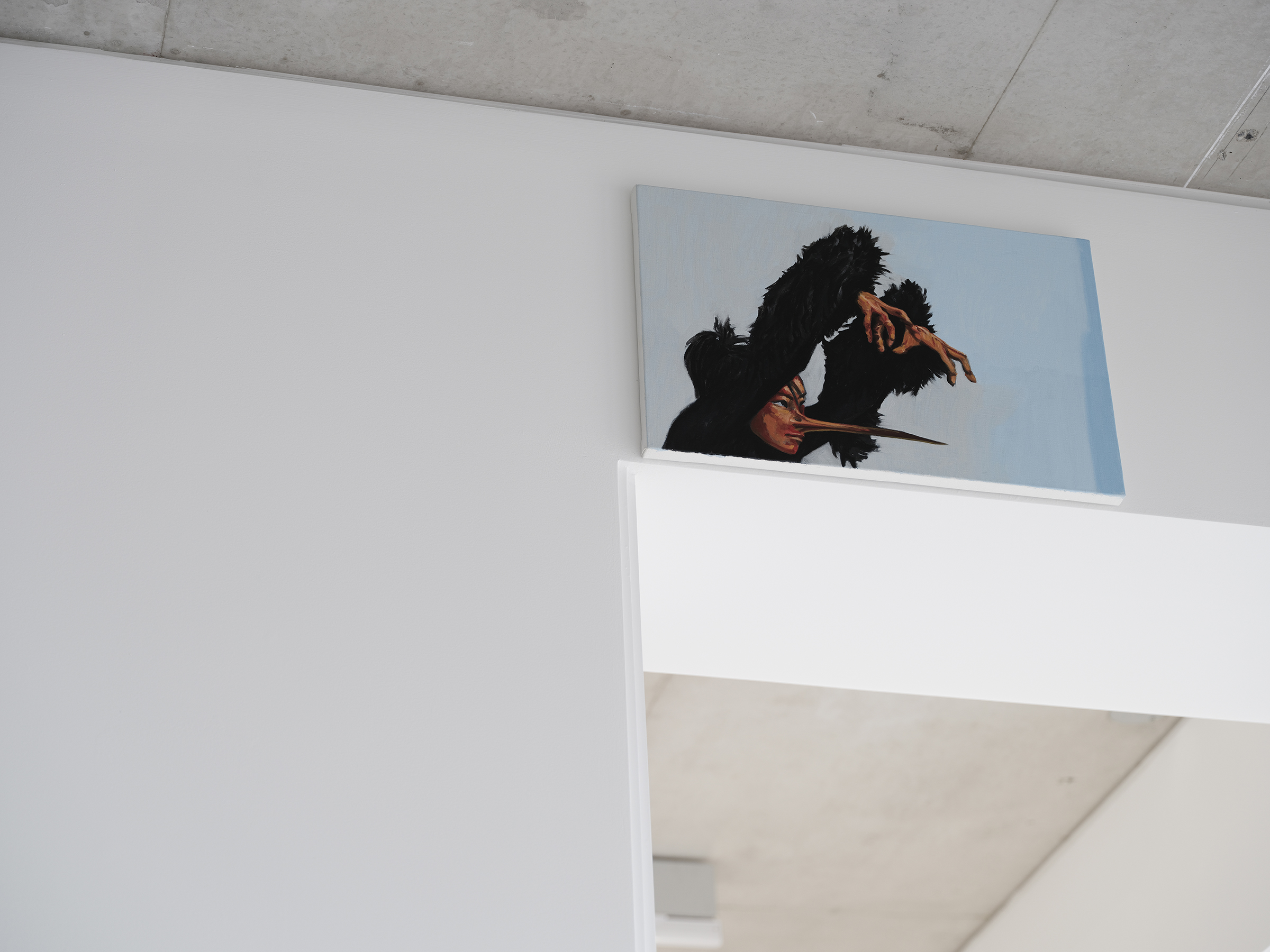
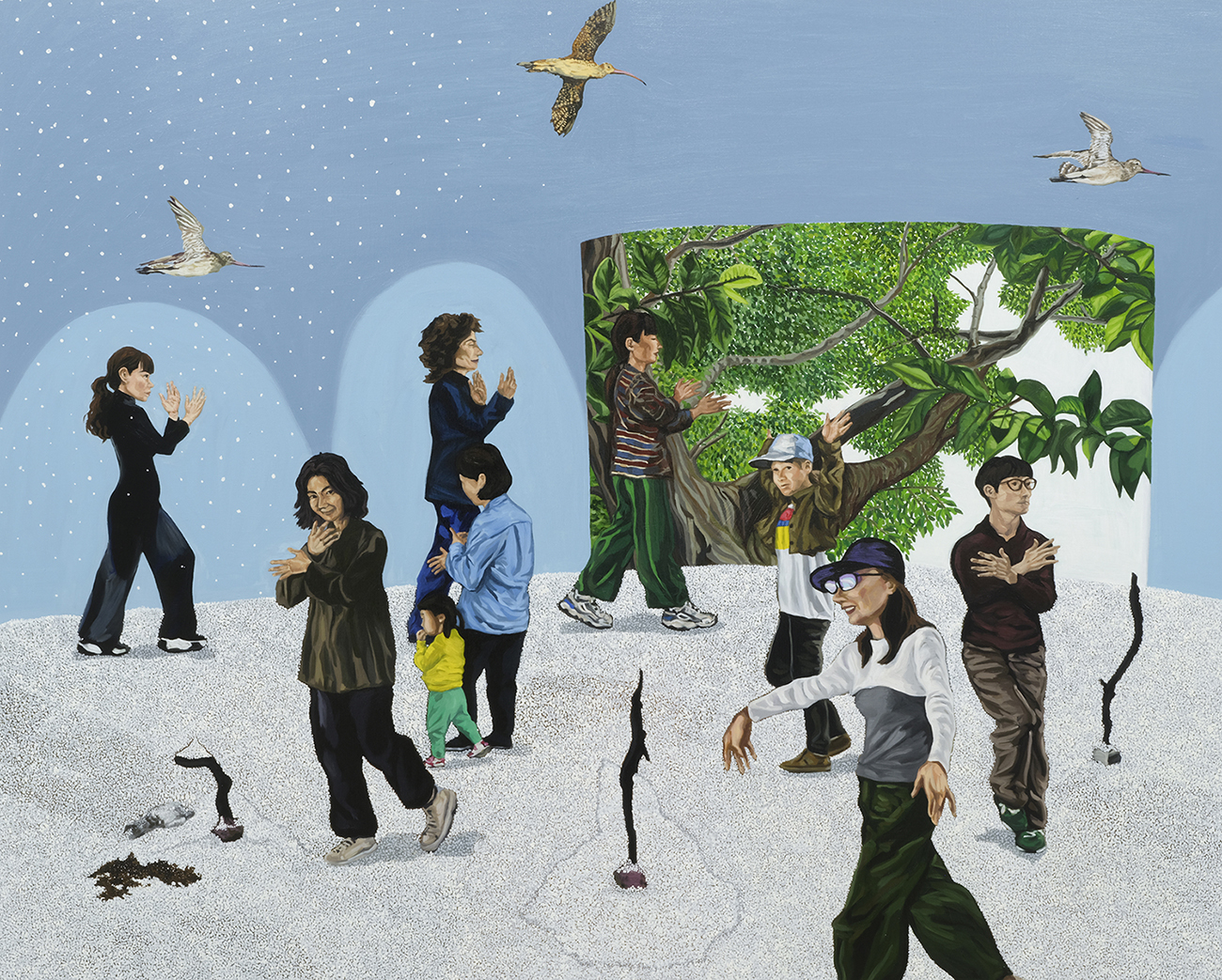
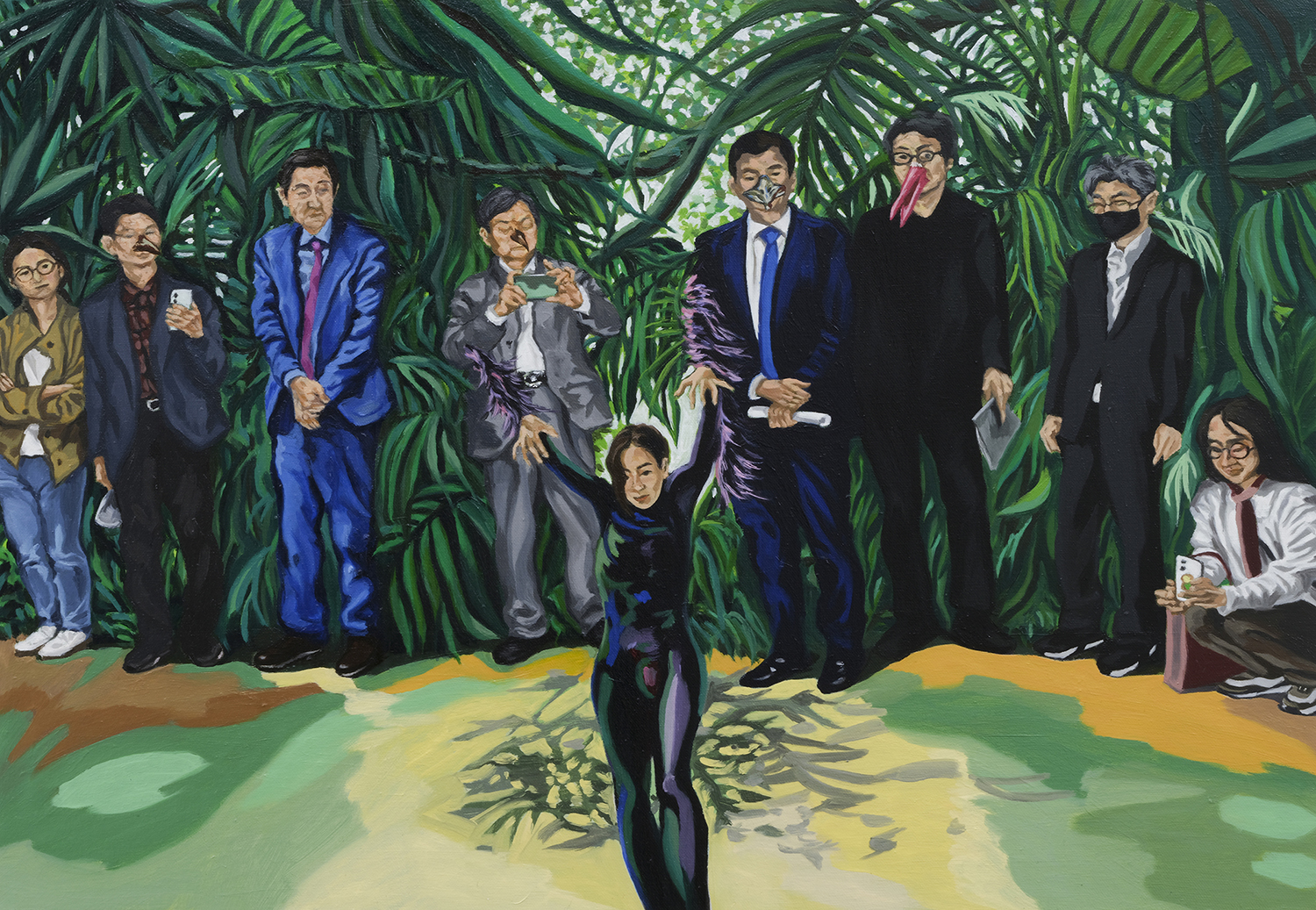
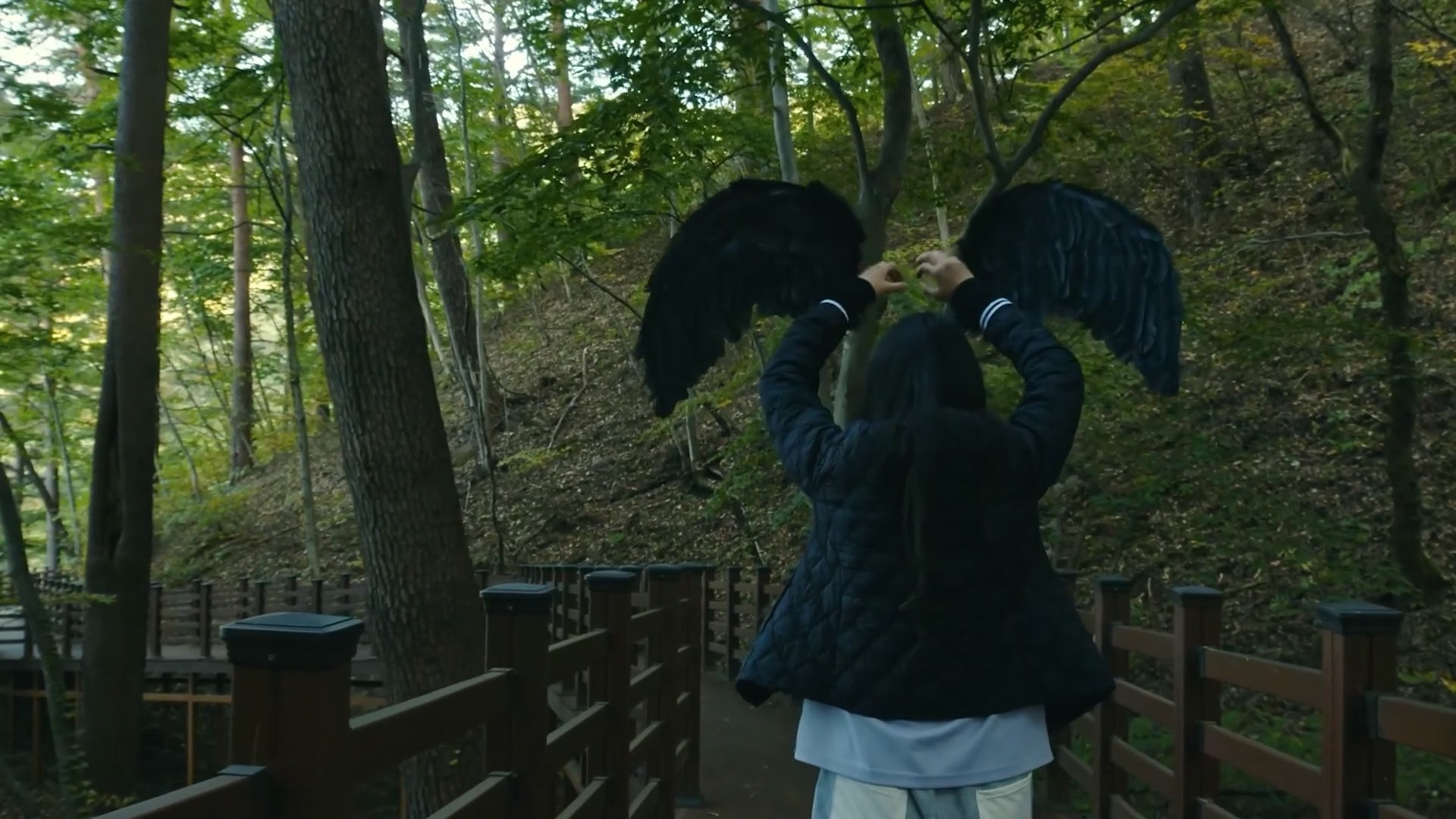
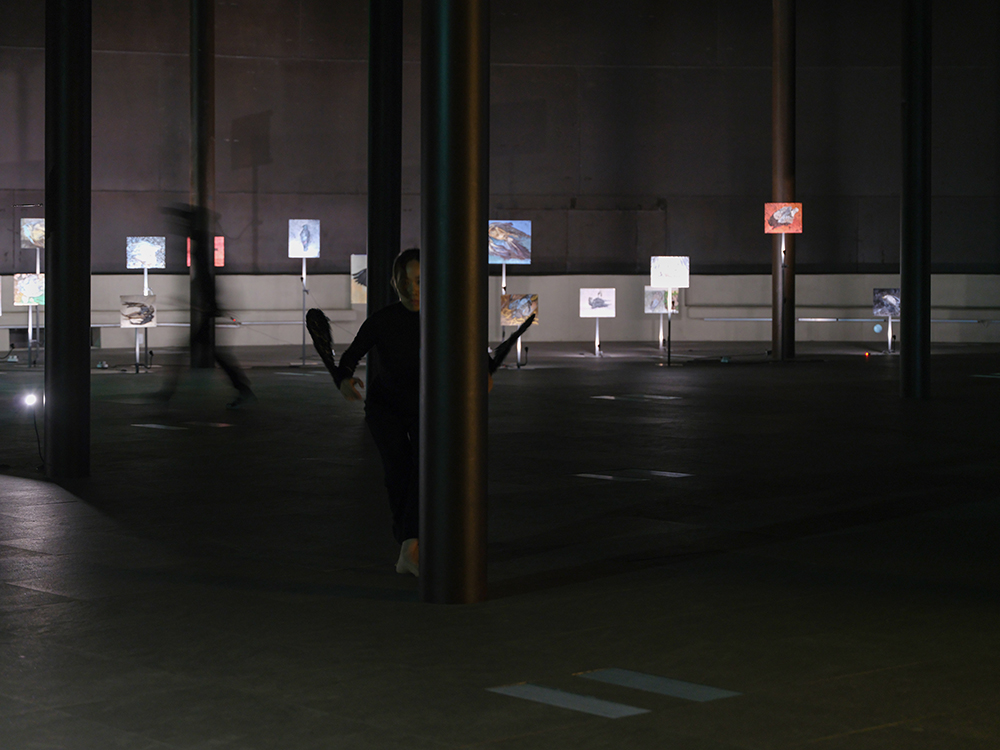
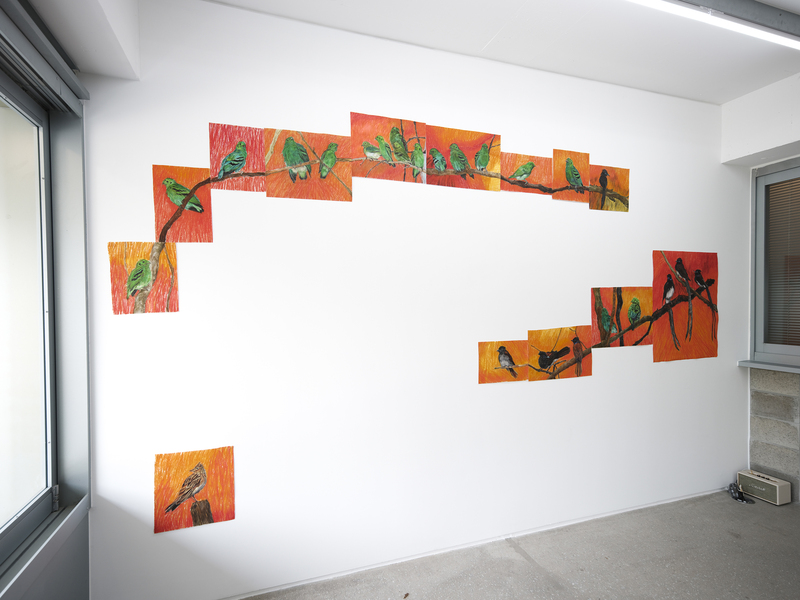
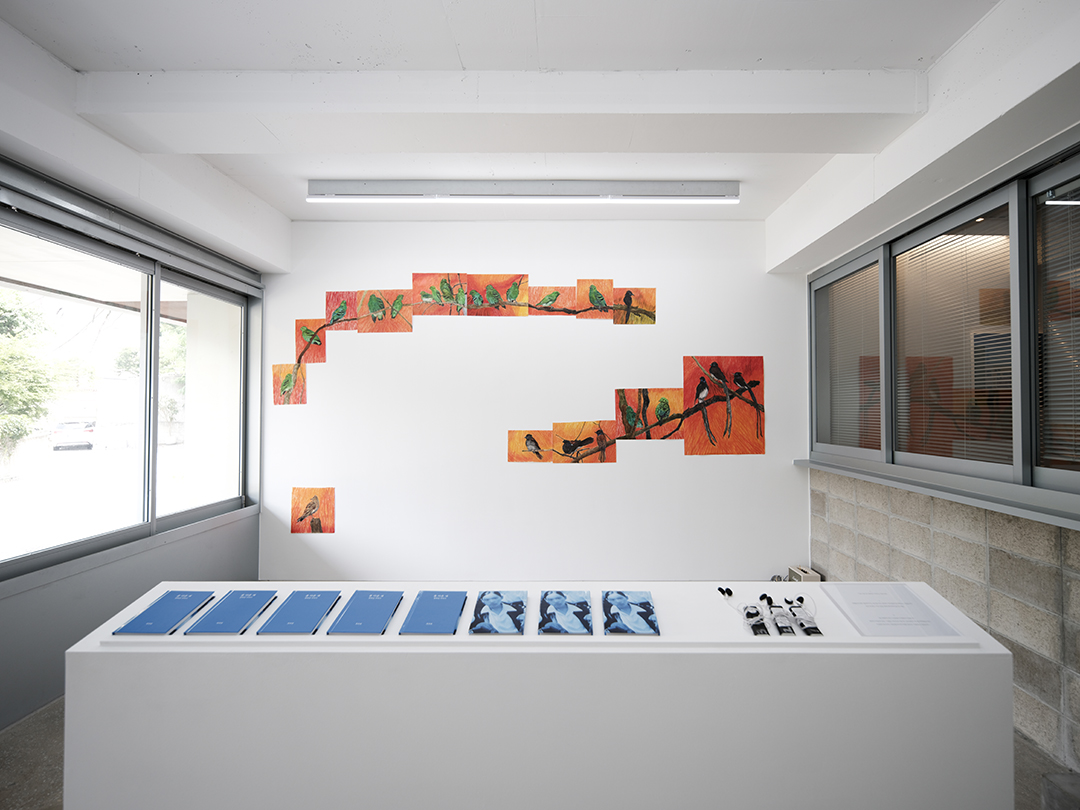
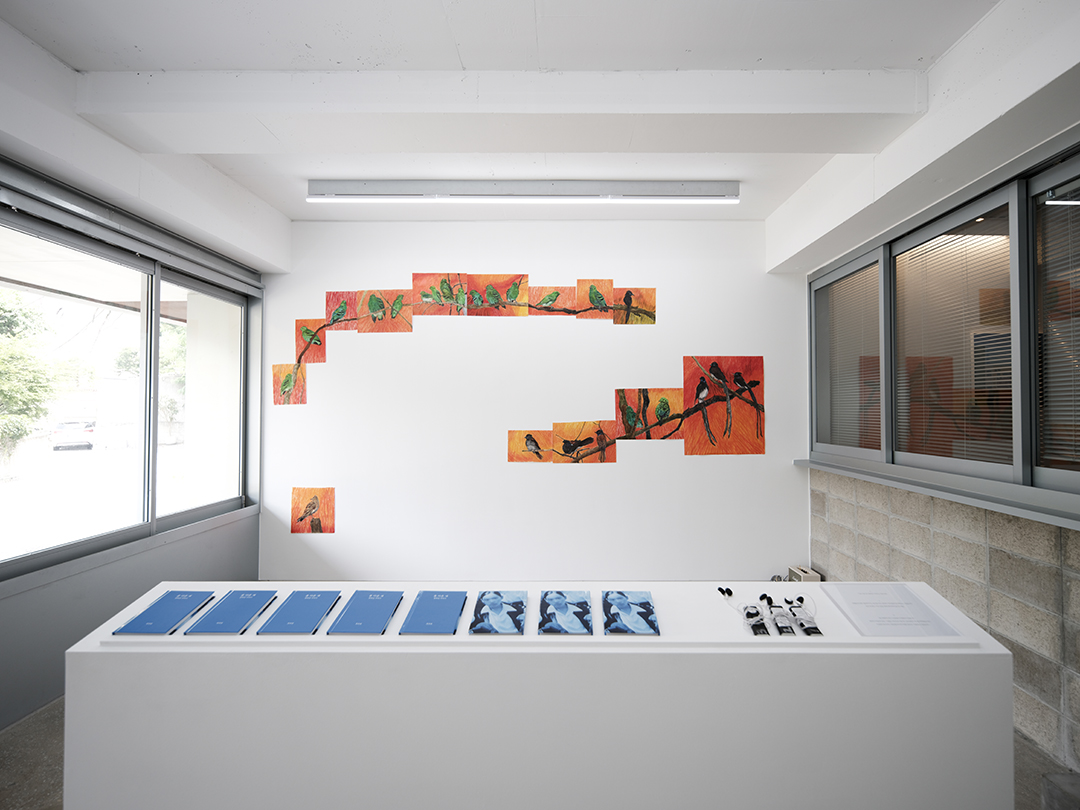
More recently, Black Jaguar has actively incorporated literary narratives and autobiographical documentation, developing complex exhibition formats that are further shaped by audience participation. In 《An Odd Bird》 (2025), the artist brought together painting, drawing, video, and audio recordings of poetry readings around the fiction-essay An Odd Bird: Hayeon's Story, constructing a multilayered account of personal memory and loss.
In particular, self-portraits incorporating bird-like forms and paintings of dead birds create bodily images that traverse the boundaries between human and nonhuman beings, while text and sound convey narratives beyond what is visible. A recording space within the exhibition invited visitors to record their own stories and share them directly with the artist.
In this way, Black Jaguar's practice has evolved from direct bodily performance to encompass the voices and records of others, as well as the actions of viewers, transforming exhibitions from collections of fixed artistic outcomes into spaces where experiences and narratives intersect.