#
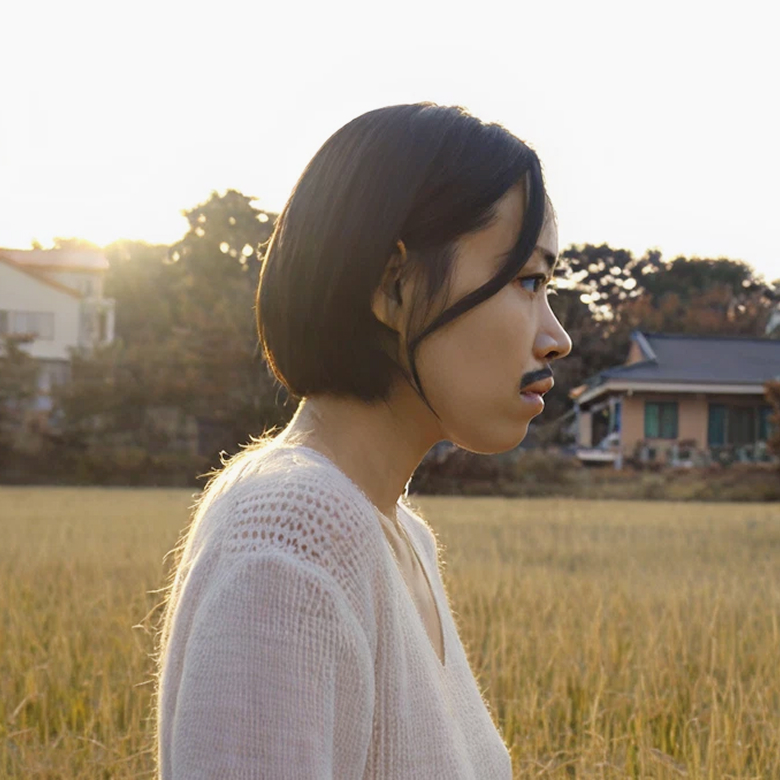
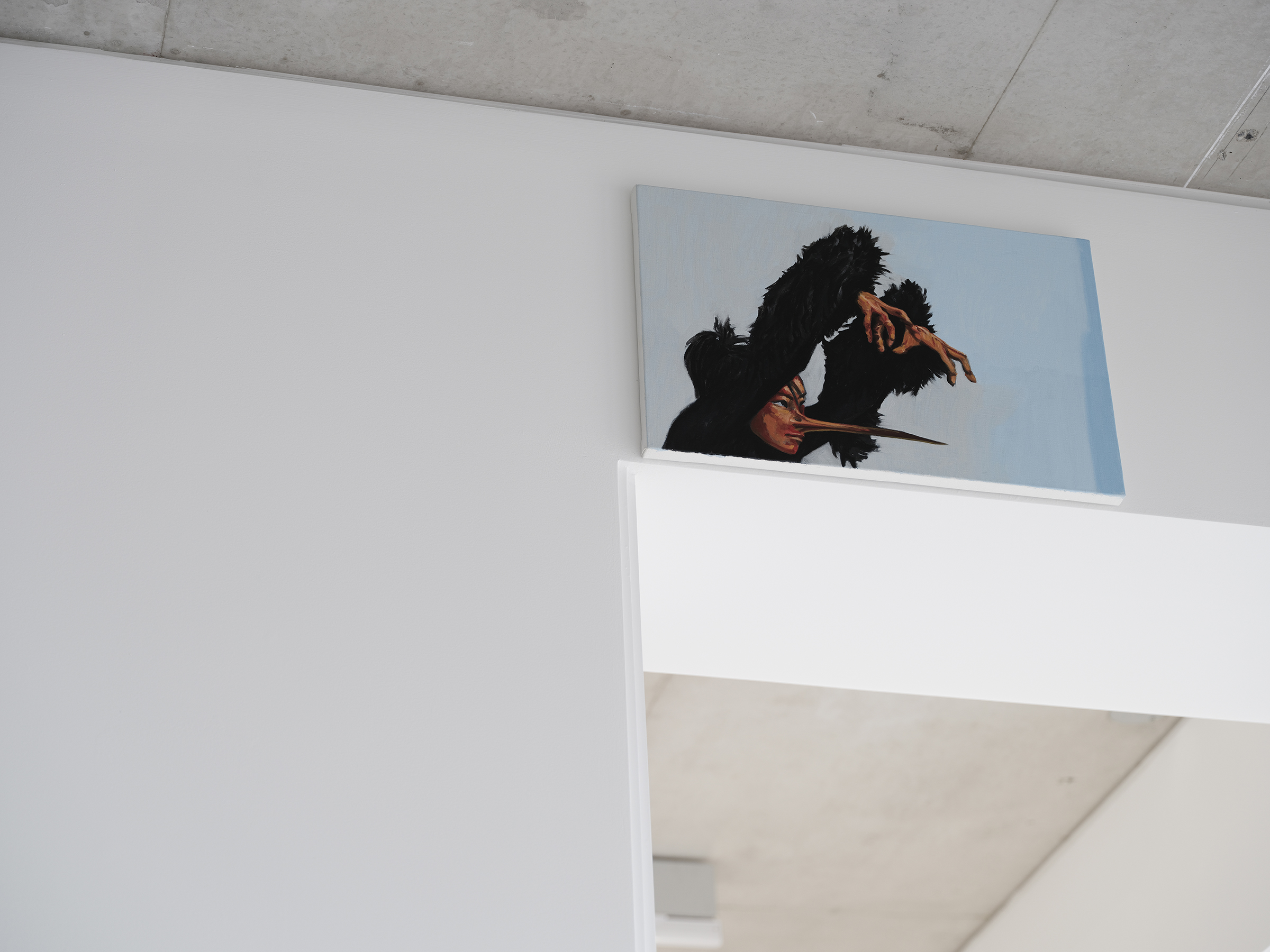
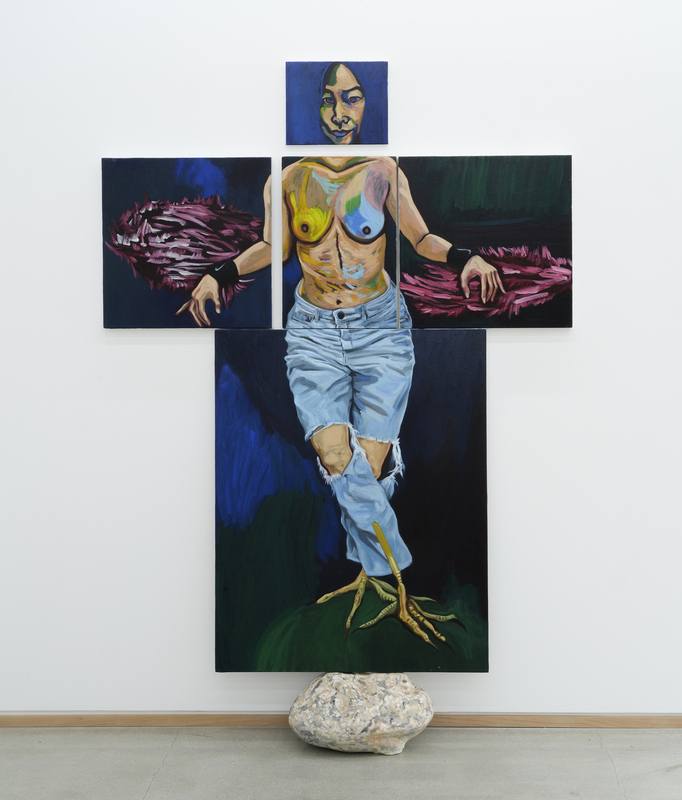
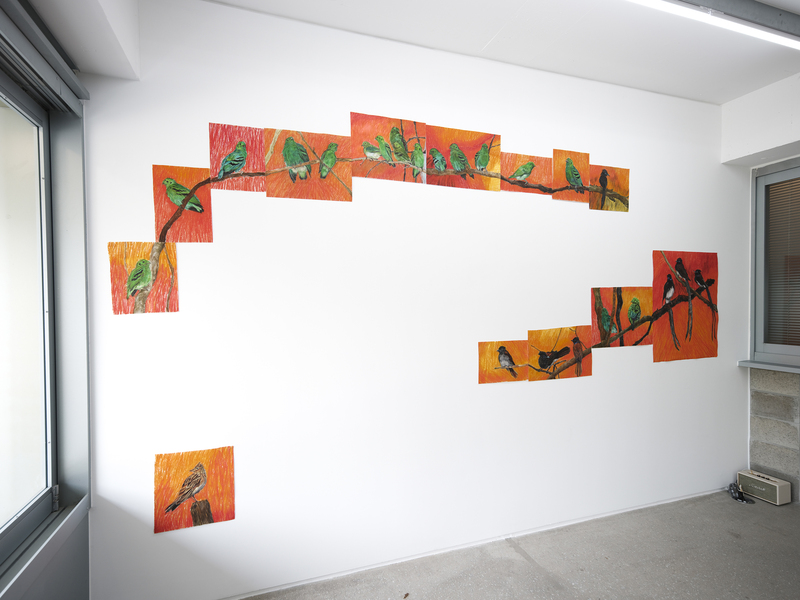
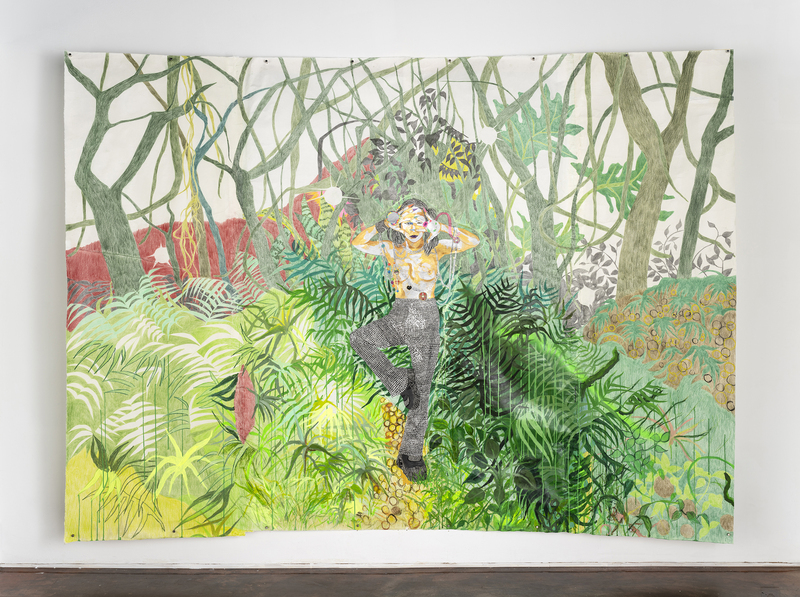
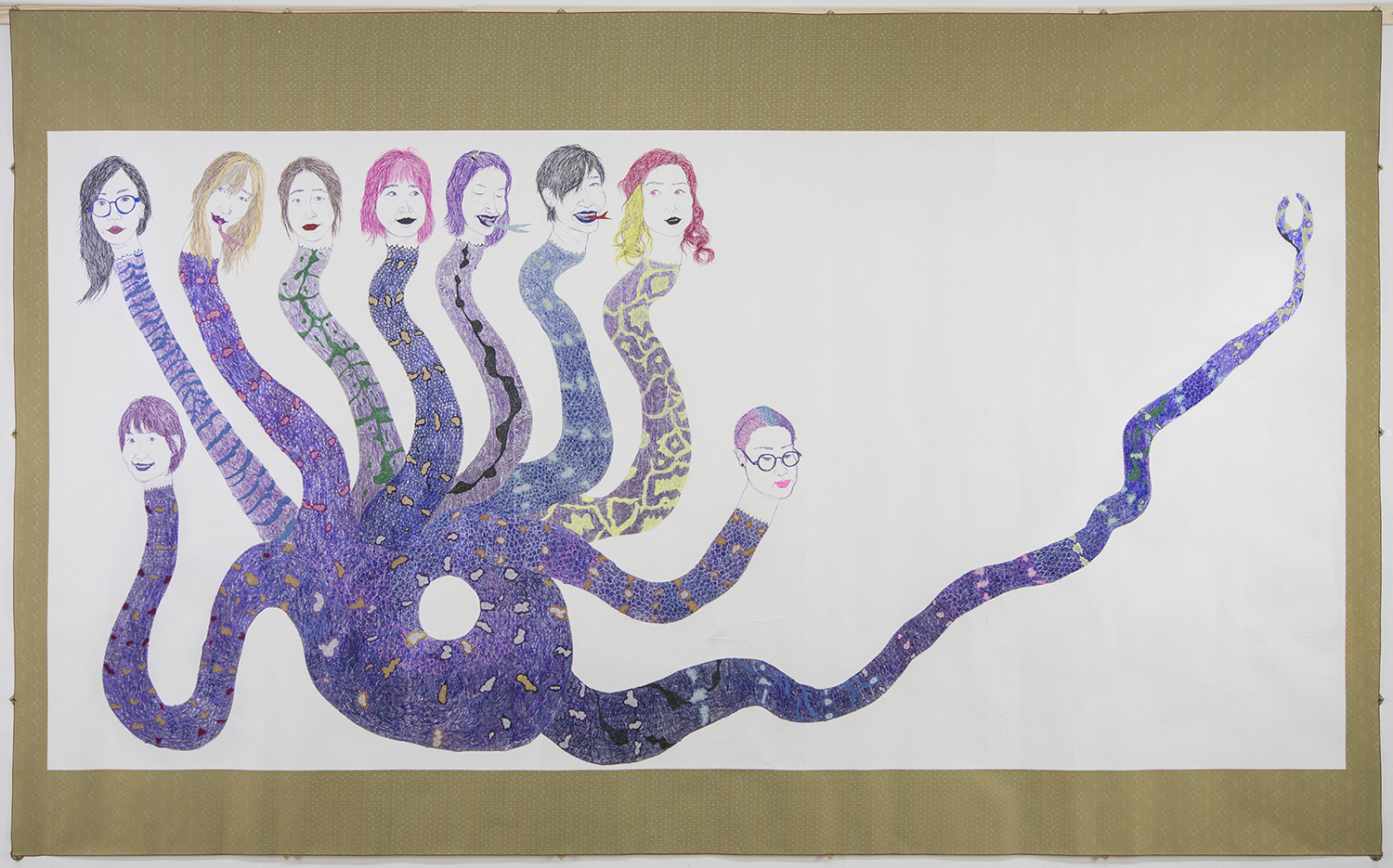
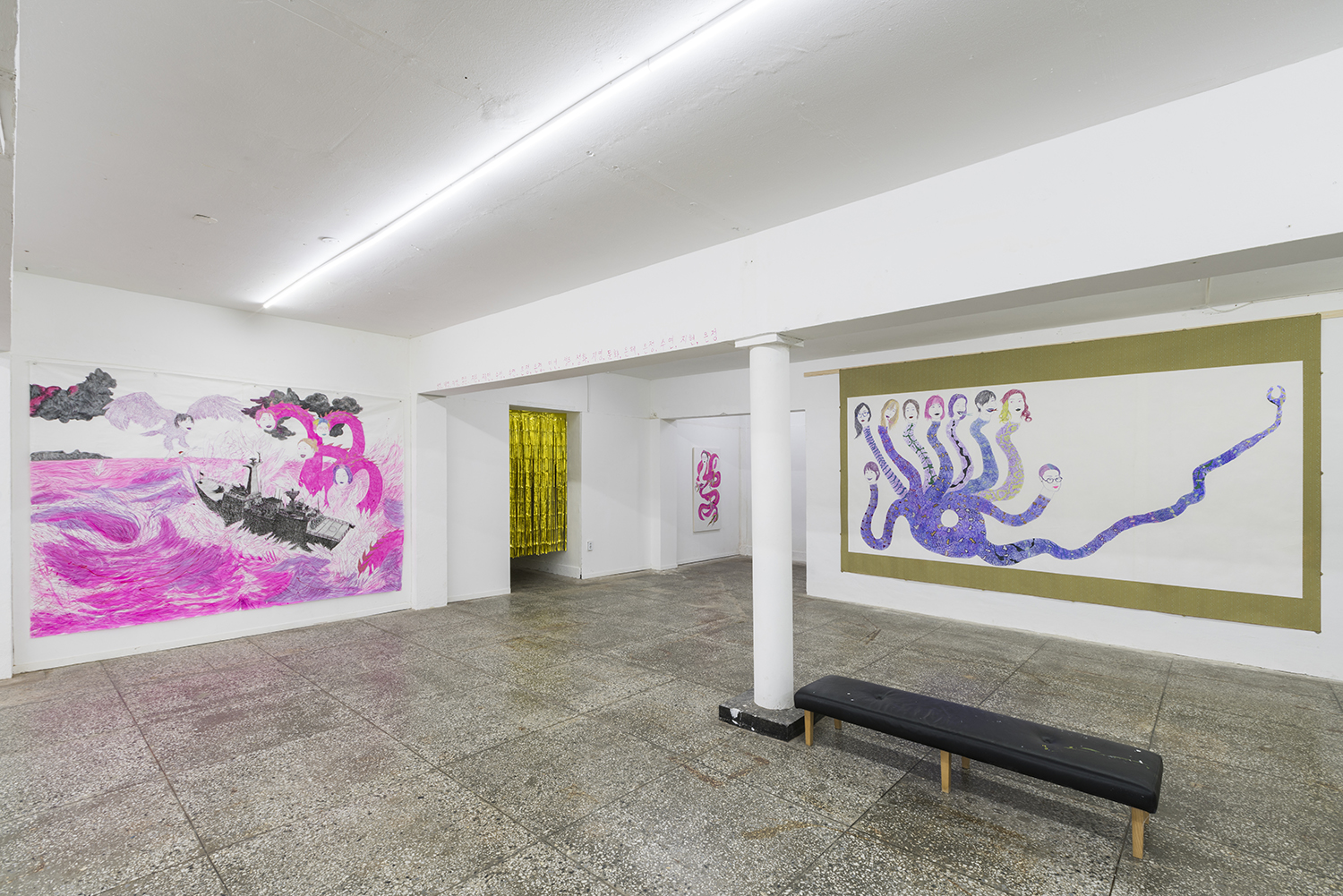
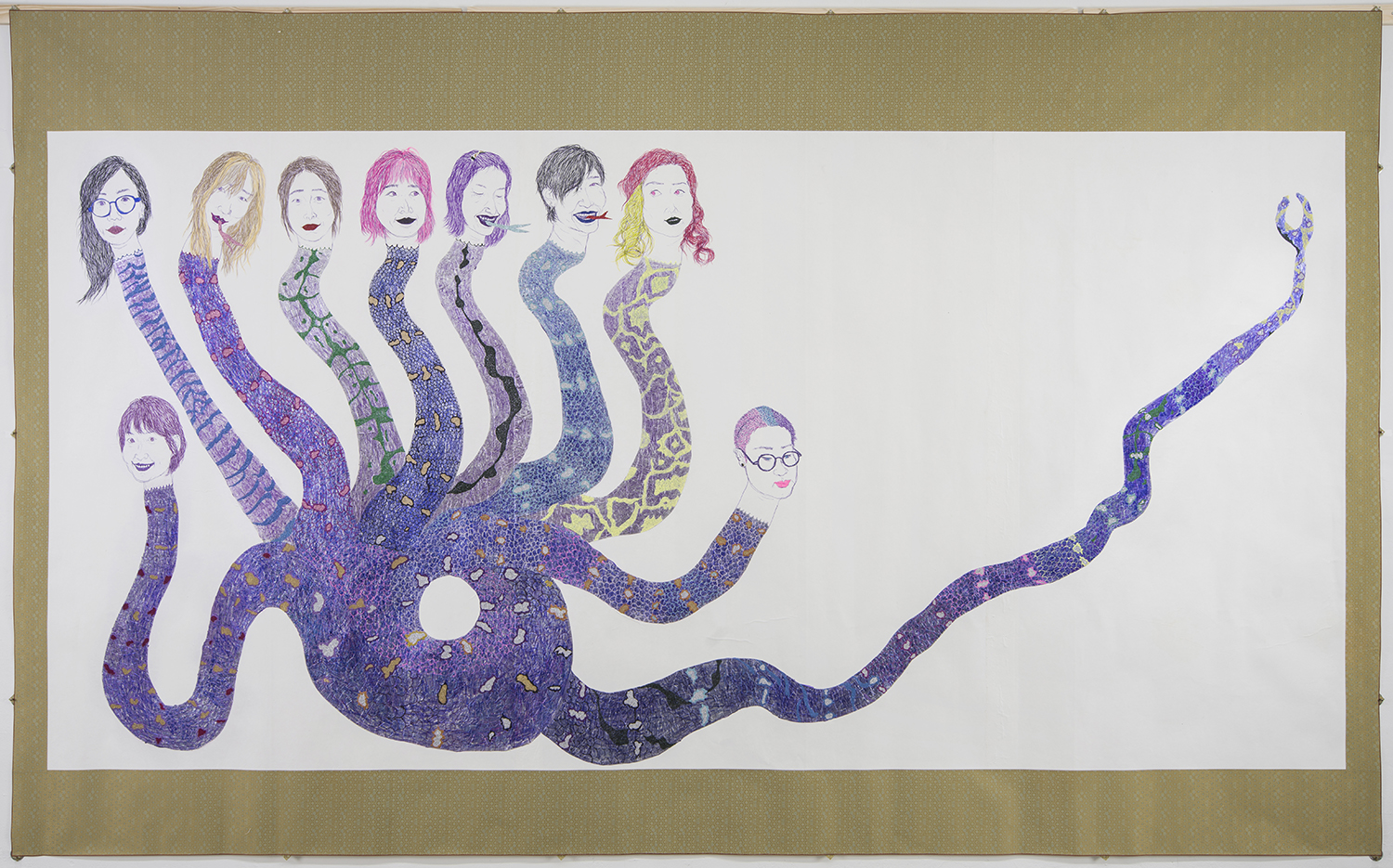
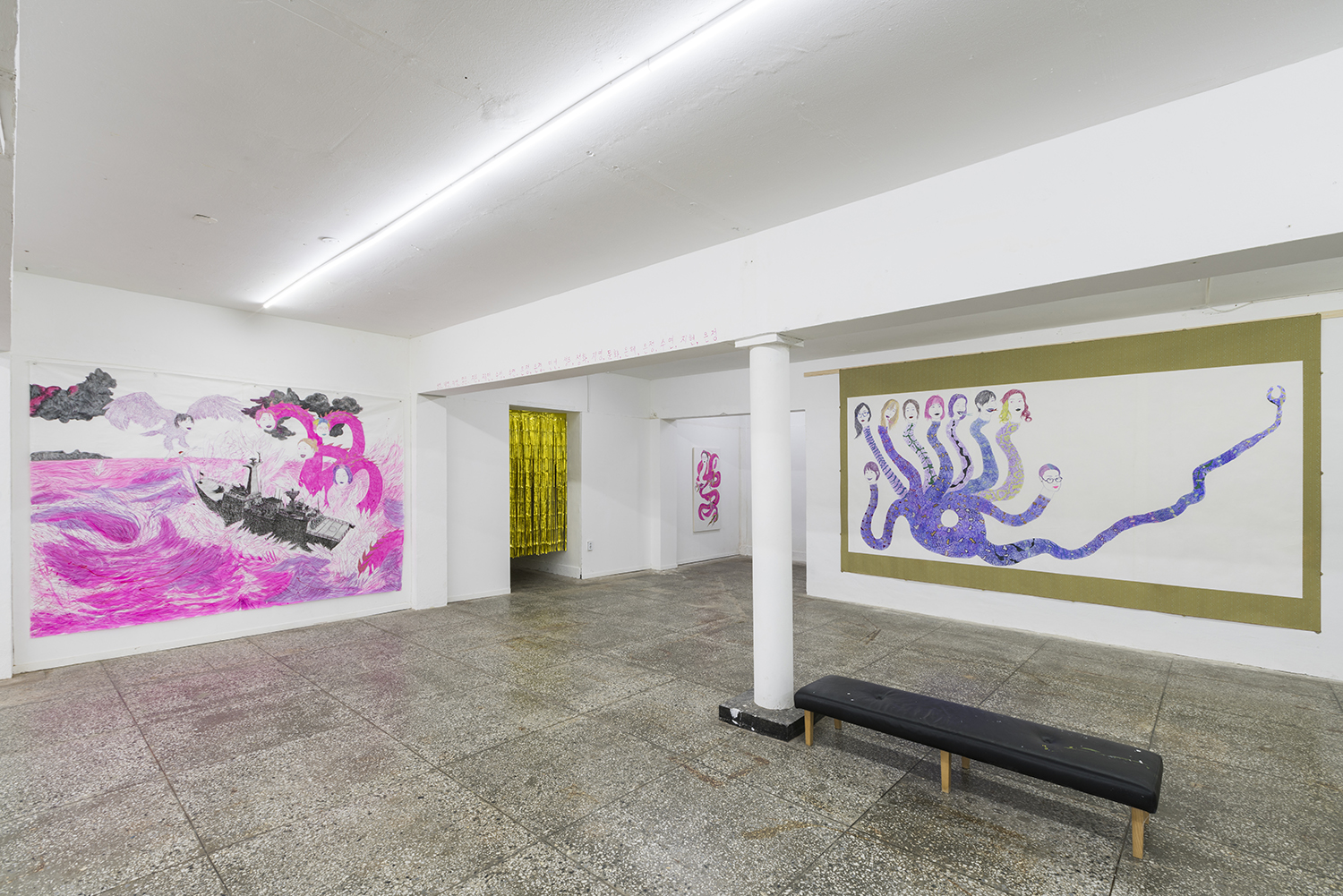
People whose faces resemble those in the paintings linger before them. Yet the resemblance ends with their faces. Below the necks of the beings depicted in the paintings are the bodies of furry, four-legged animals, or bodies covered in scales or feathers.
With human faces on animal bodies, and sometimes multiple heads and tails, these beings are called "monsters." They are beings who might once, somewhere, have been worshipped as gods, but who, at some point, were defeated in mythological battles and vanished into obscurity.
Among them must be Sunyoung, Miyoung, and Mi young. These are common names. So common that they are easily forgotten, yet so common that we inevitably encounter them again. It is said that everyone has a name and a life of their own, but perhaps this is not entirely true for these women.
Names that often prompt two people to answer at once during roll call, names shared by at least two or three friends in almost everyone's life. Perhaps having such a name means living a life that is always connected to others.
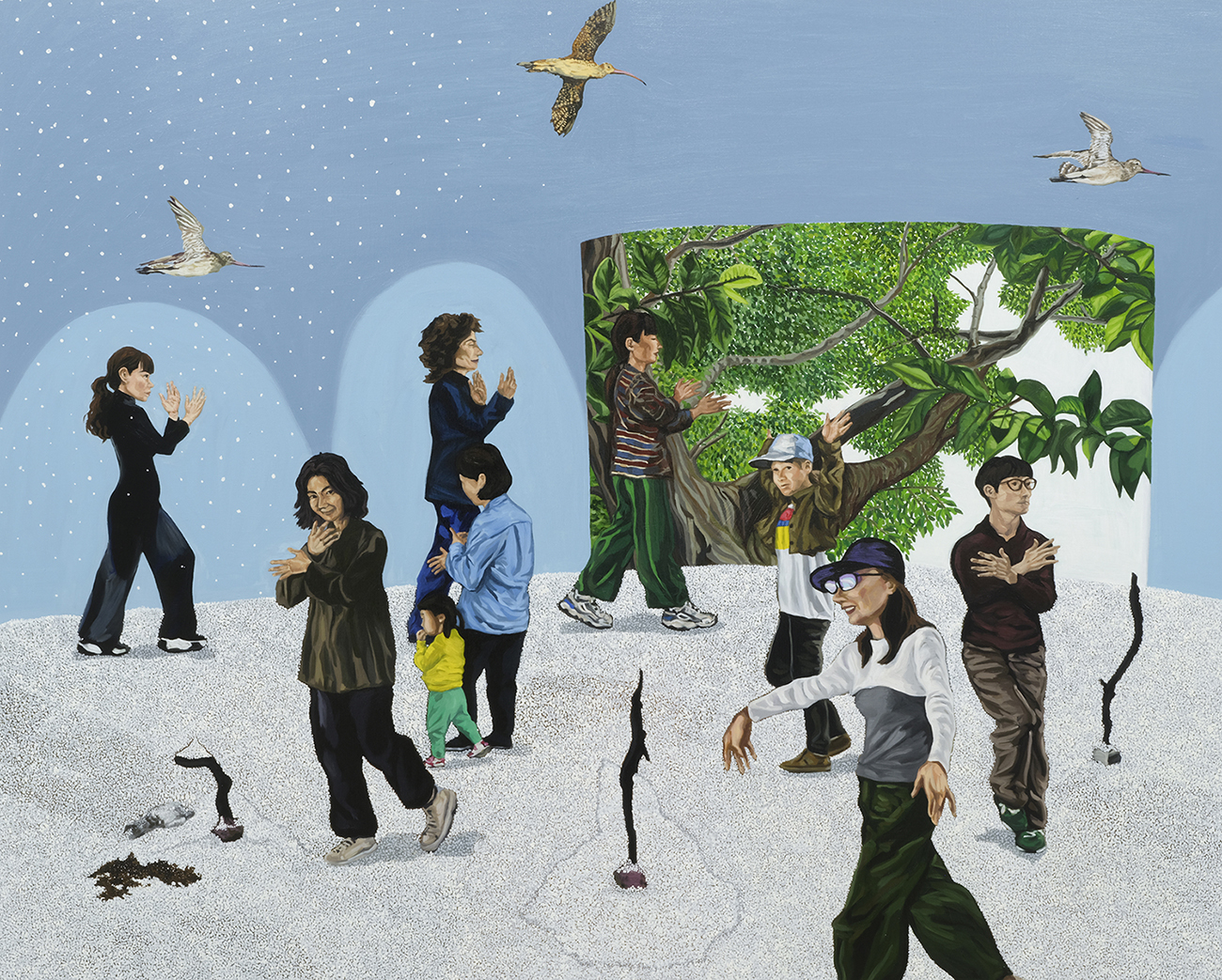
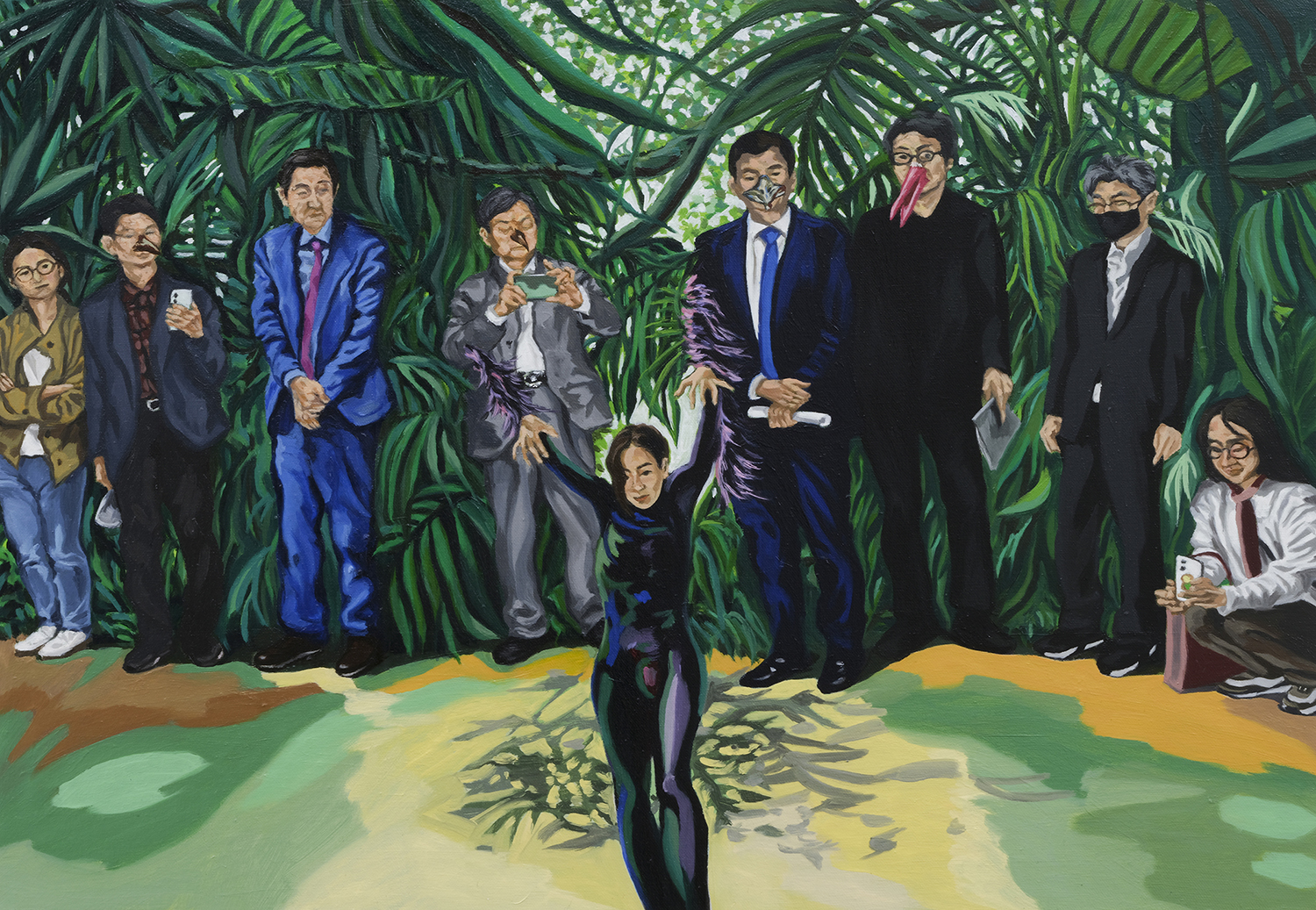
The artist remembered those who bore these names. The names that were always present whenever people of the same generation gathered. The artist brought these women together, glimpsed into their lives, and listened to their dreams. And thus these monsters were born.
The bodies of monsters given to those who had lived without much power, and human faces bestowed upon monsters that had been erased—perhaps these were small gifts exchanged between them. Here, where portraits of monsters and portraits of women come together, the two beings encounter one another and take on a new existence.
#
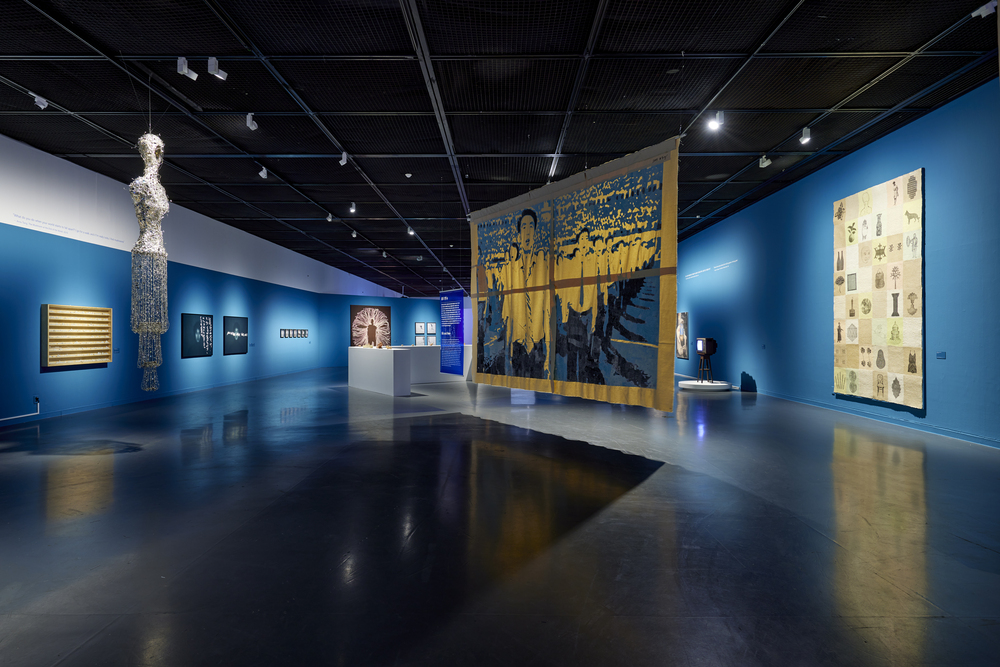
Four years ago, in 2013, the artist was painting faces onto old clocks. Faces crushed and disfigured by guns and bayonets in Gwangju in May 1980, faces rendered unrecognizable, had their wounds filled with paint and jewels. The artist said that they were missed. The artist longed for the people behind those faces, people never personally known, whose original appearances could not even be imagined.
Those who remember the immediately preceding series, 'The World of Others', may find this strange. Why bring up events from so many years ago, and specifically those of Gwangju, when discussing works rendered in the same style and likewise depicting women? I cannot help but wonder whether it all began then. Perhaps it was then that the artist began wishing to give people faces, to restore their lost lives through the act of painting.
From 《Who All Are Coming?》, which commemorated the events of May 1980 in Gwangju in various ways, through VEGA, in which the artist met the bereaved families of the Sewol ferry disaster—and later watched the resulting documentation as just another member of the audience—to 'The World of Others' and ‘Sunyoung, Miyoung, Mi young’, which offered women around the artist clothes that suited them, or even the bodies of monsters, the artist seems to be moving toward the same destination, though along slightly different paths.
But are these truly good gifts? Are sirens, hydras, and even gumiho or Cerberus not monsters that have already lost their power? What power could there be in reviving these ancient, worn-out images of monsters today? What strength could wearing the bodies of already dead monsters offer Sunyoung, Miyoung, and Mi young? Even if these monsters, long since defeated by the heroes of patriarchal societies, were to return to life today, would they not, in fact, remain powerless?
These are questions that the images themselves cannot answer. The answers may lie outside the paintings, beyond the exhibition space, in the lives of Sunyoung, Miyoung, and Mi young. In this world that has become the domain of humans—or, more precisely, of men—can these women become monsters once more, become goddesses once more, turn back the hands of time, and open up a new world?
In leaving us with such questions, perhaps these images are not really intended for the viewers. They are gifts for Sunyoung, Miyoung, and Mi young, and for the artist who met them and listened to their stories.