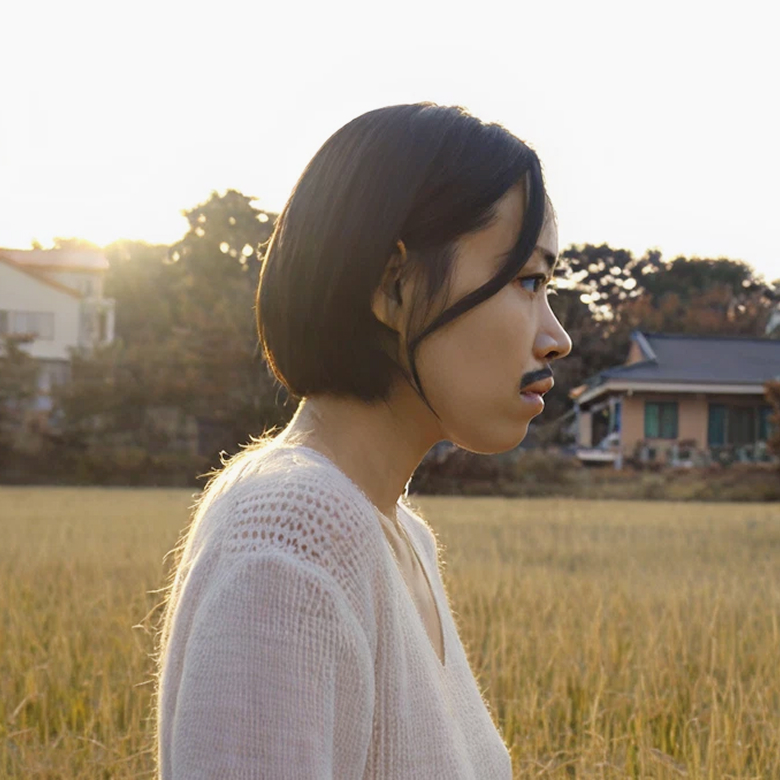
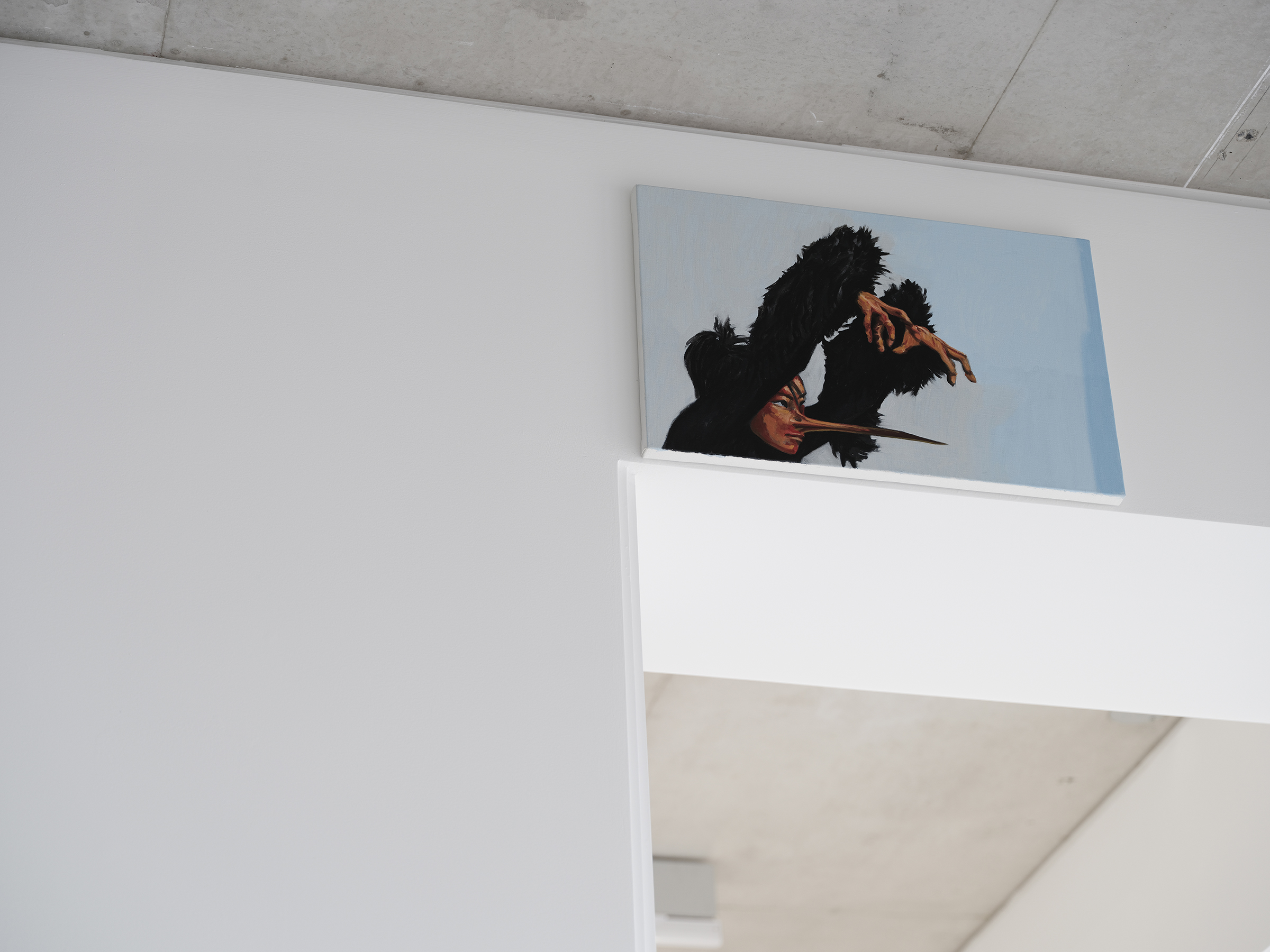
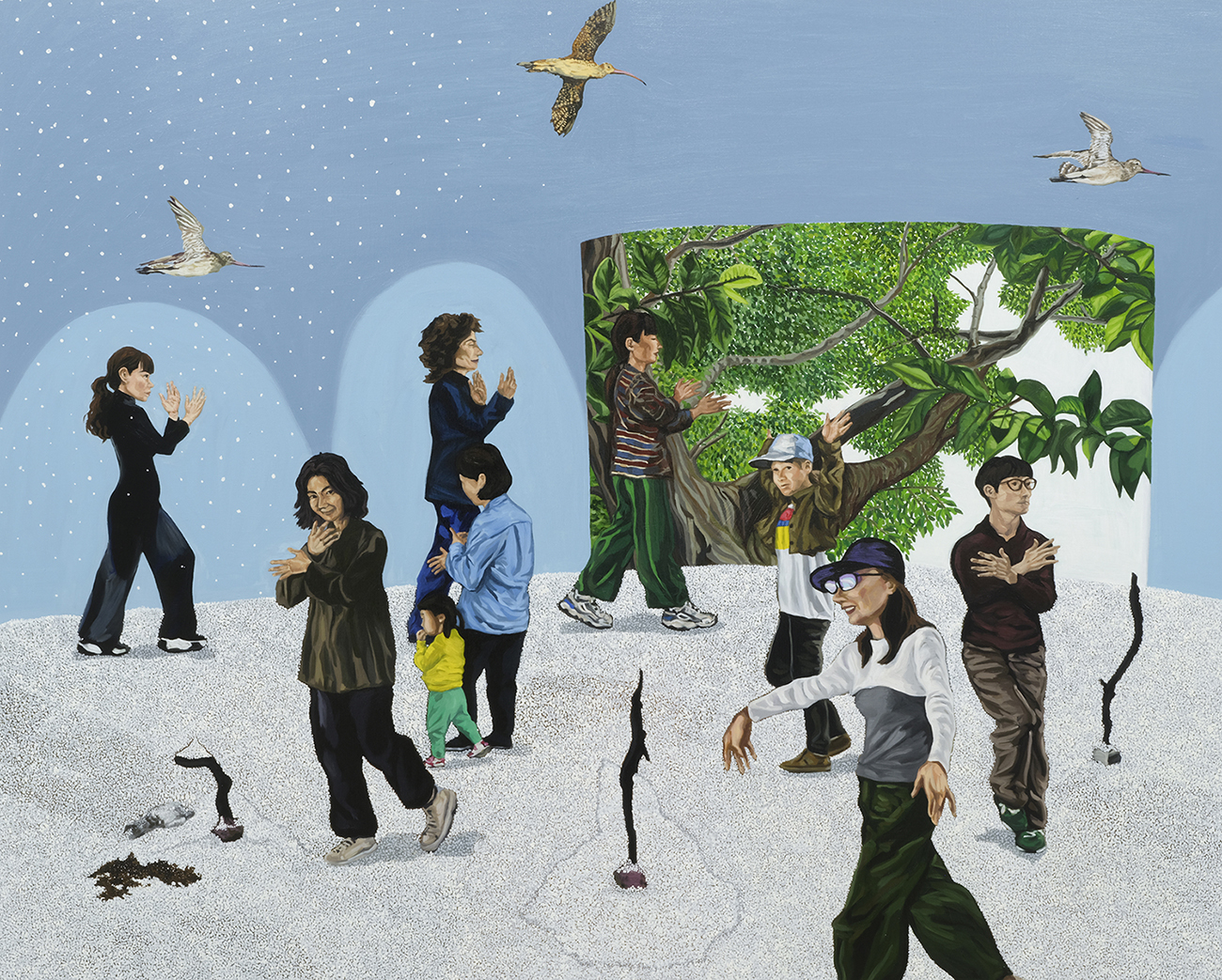
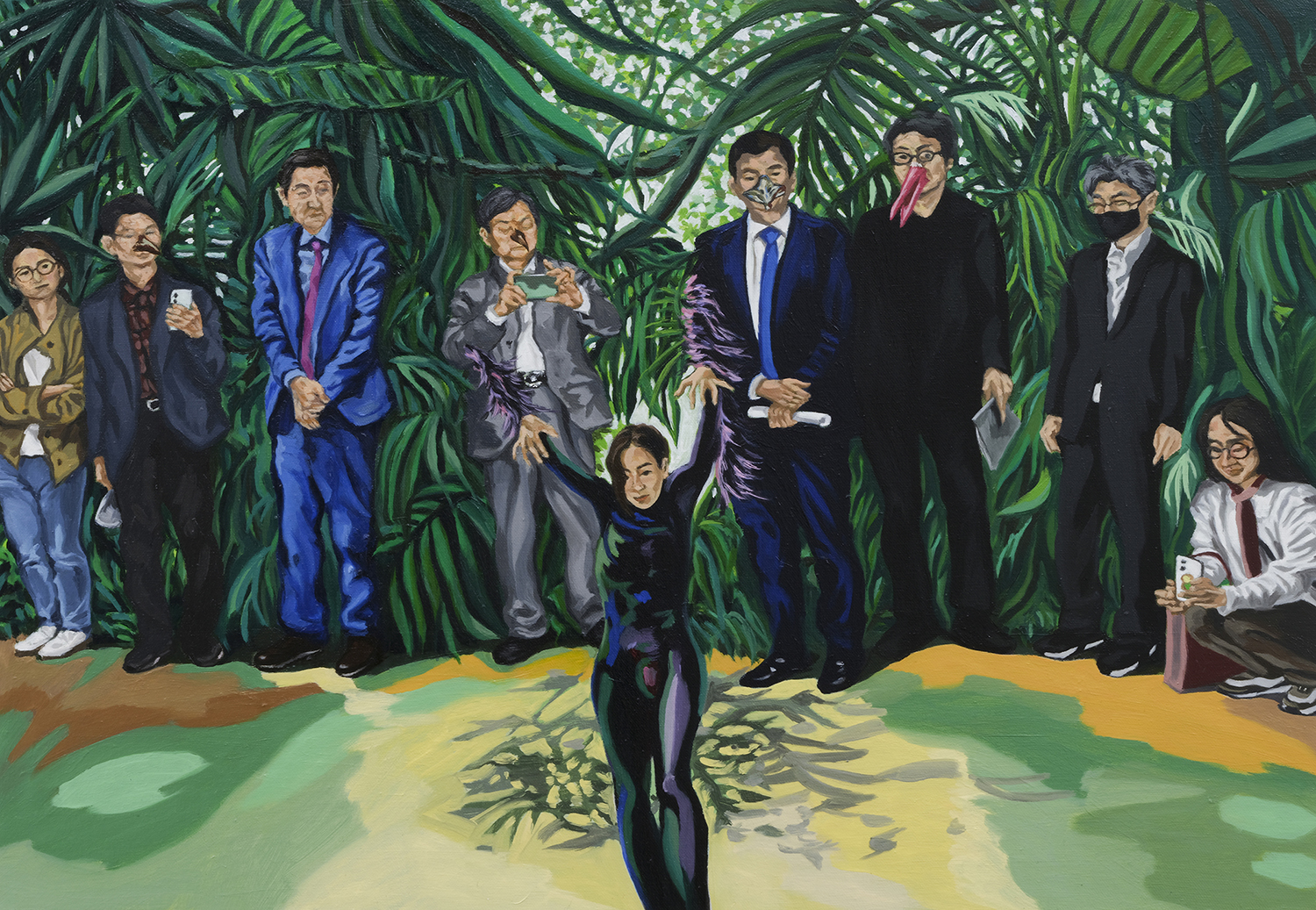
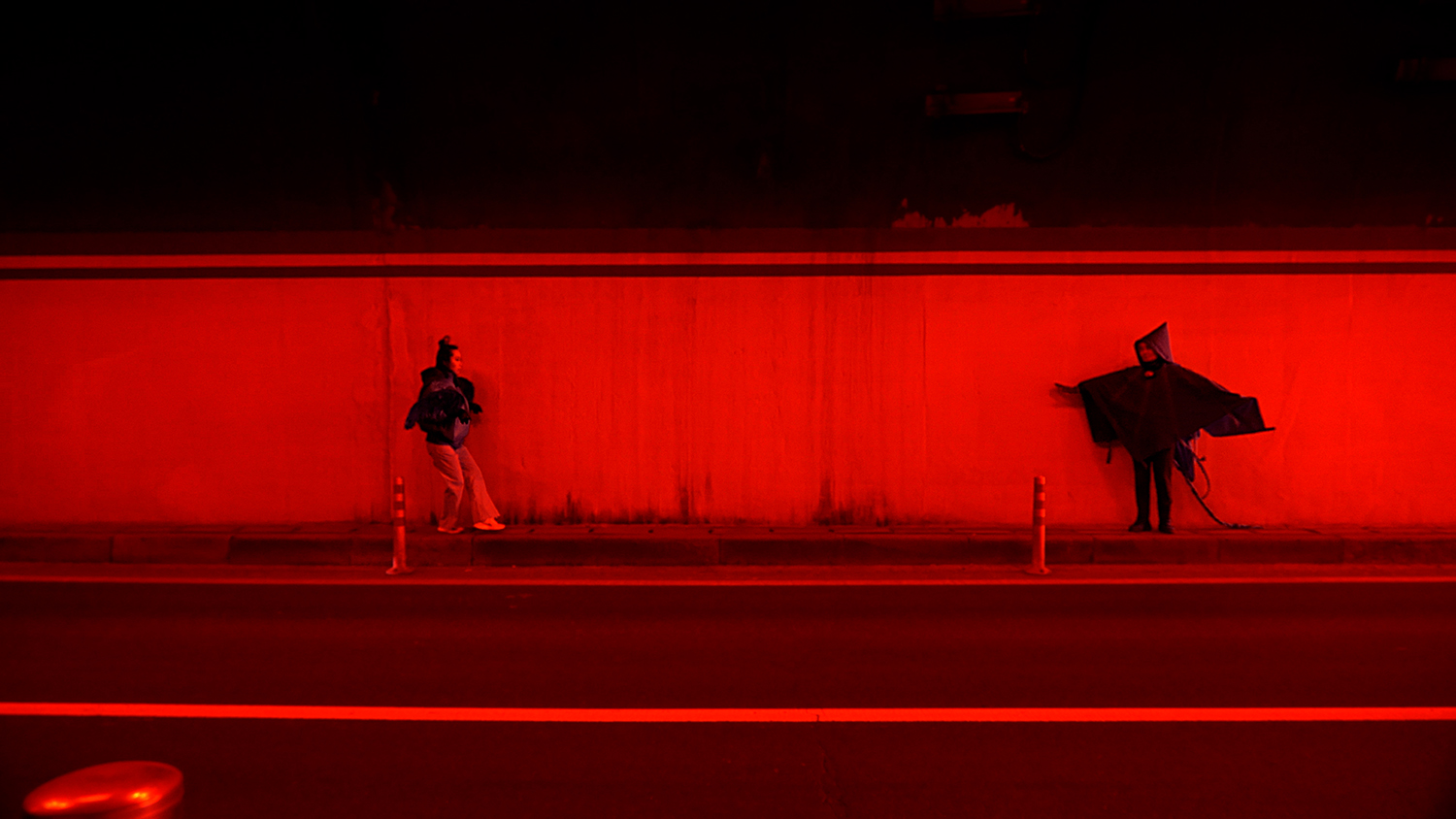
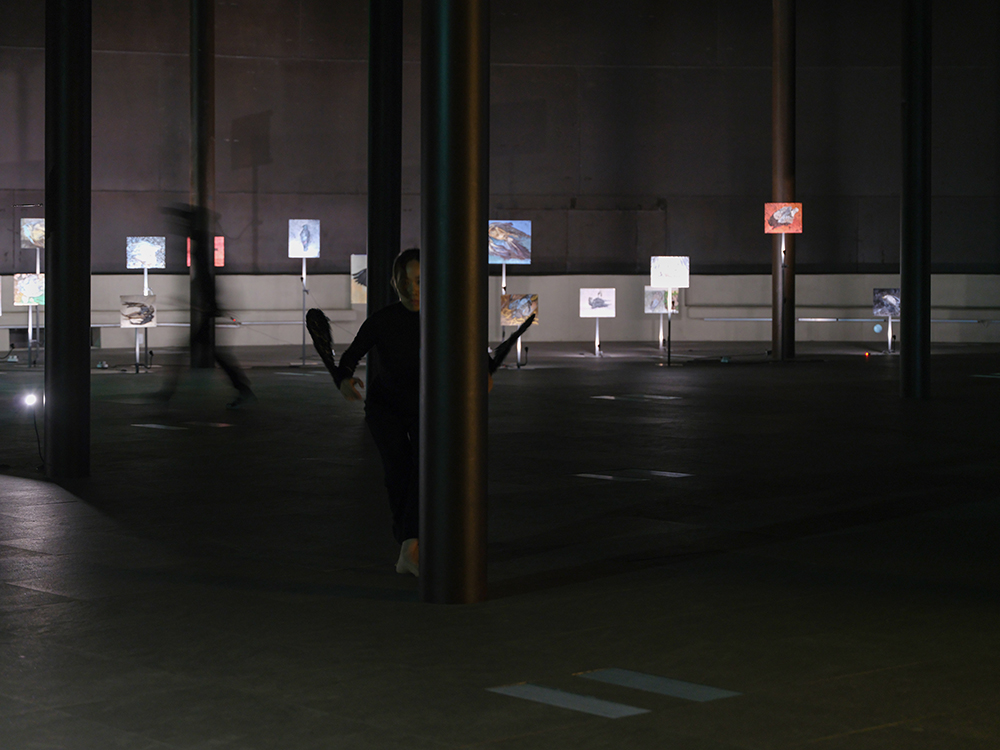
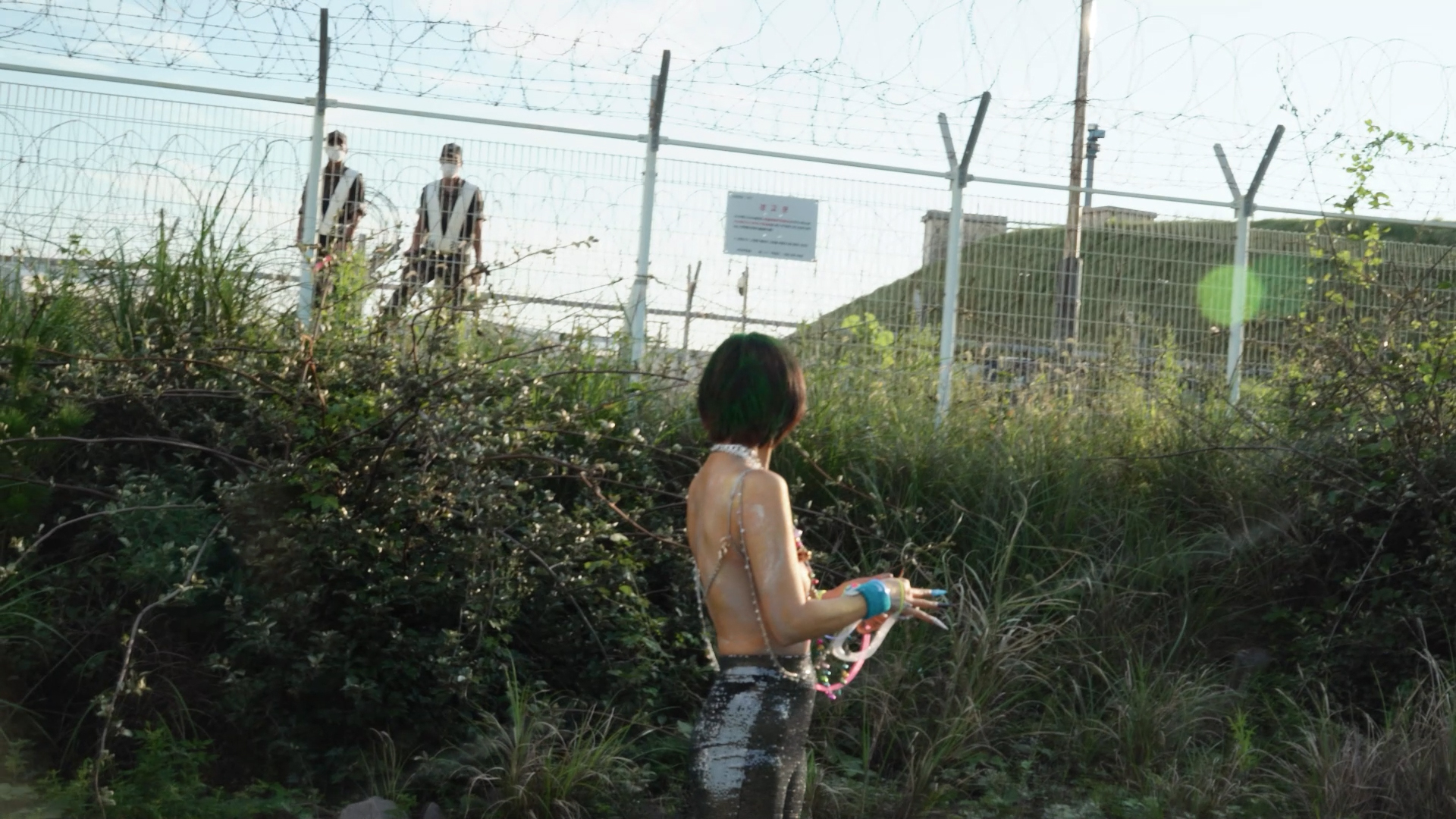
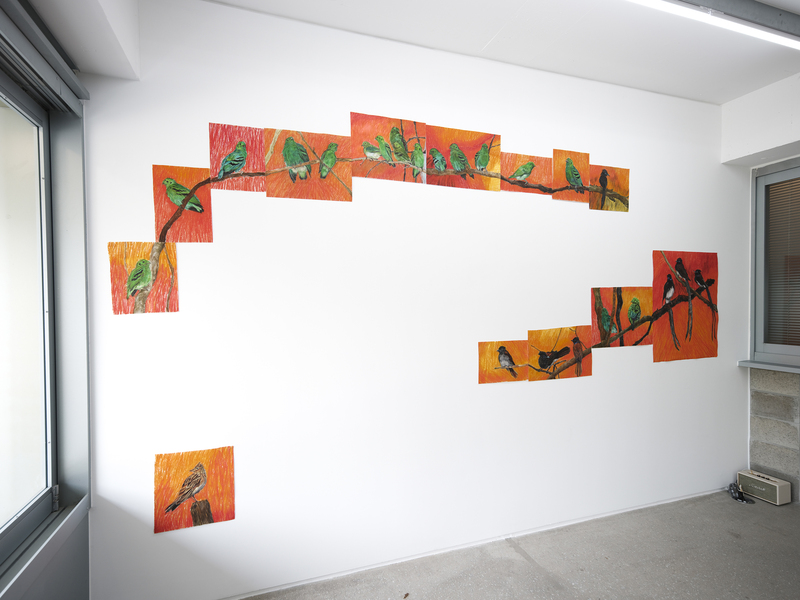
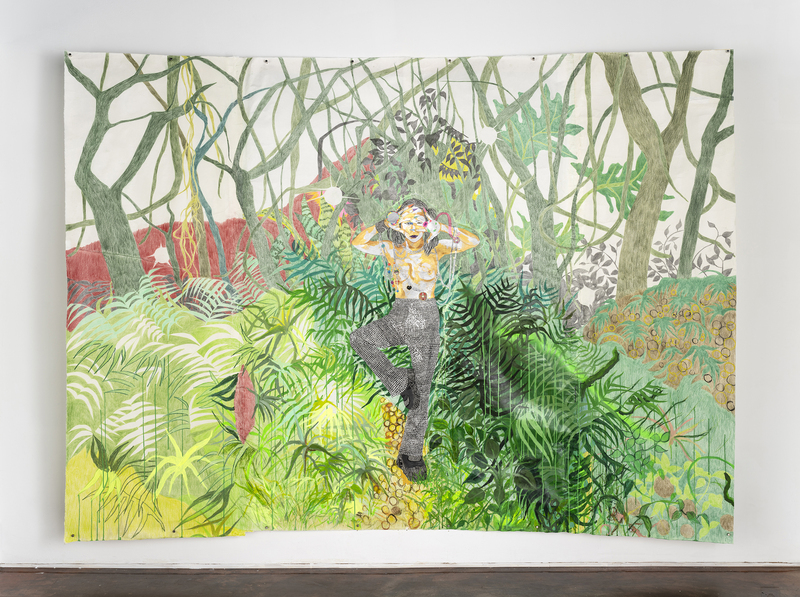
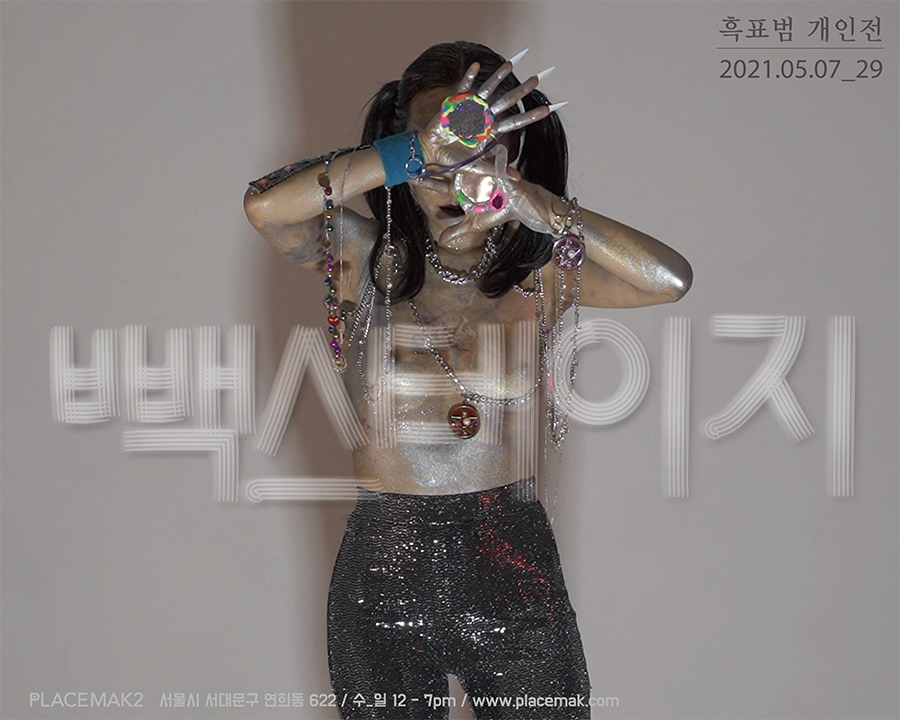
Black Jaguar is in the square at midday. She talks about the noonday square. The square is no longer a public plaza where members of society make agreements. The square today is a place that cannot ensure an individual’s identity and personality let alone human dignity or sanctity. In the square brightened by sunlight and artificial lighting day and night, elevated clerisies who converse using reason, rationality, and commonsense, are nowhere.
Many religious fanatics’ spasmodic convulsions - rallying, demonstration, rampages, festivals, consumptions, trends - are pervasive in the square where political, historical, social, and cultural ideologies entangle with regionalism and mob-psychology. The square seems to be an arena for extravagant festivals where there are no conflicts and struggles any longer.
Contests of the crowd pass without leaving room to raise issues and discuss right and wrong. In the place where communal desire and the crowd’s multiplicity intersect, individuals may become chic, cool contemporary people if they swiftly metamorphose themselves into the crowd style every moment.
As individuals have no room for minimum resistance against the forces massacring their personal time in the plaza, any present endeavor, gesture, historical vision or aspiration for deep understanding, consideration, sacrifice, tolerance, harmony, and reconciliation among members of society are of no use. The square perpetuates a lethargic, dull, and listless state. Black Jaguar’s Who all are coming? is minimum resistance to revive disappeared individuals, conveying narratives about such a square.
The narratives are inspired by the artist’s impression of an incident she underwent by chance.
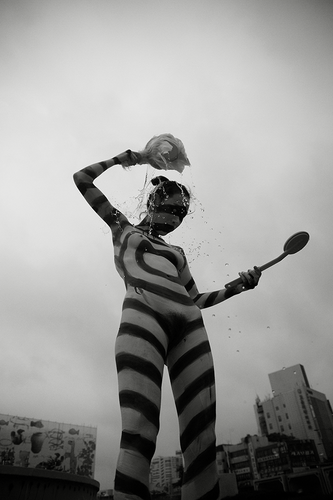
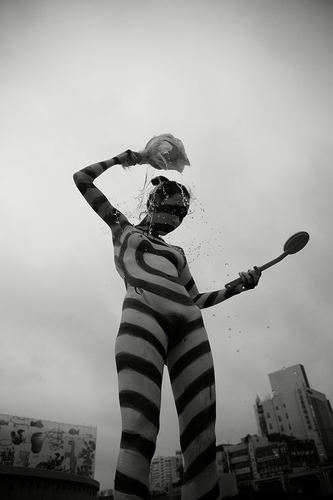
The artist took the motif of Bath at noon, a shower-performance the artist performed at the fountain in front of the old provincial government building in Gwangju on July 2011, from a strong impression of the fountain she met in her home Gwangju, the space of the fountain where time stands still, and the contrasting scene between the past and the present.
Due to unexpected incidents which occurred during the performance, internal and external happenings, such as Kunsthalle Gwangju and Presidential Committee for Hub City of Asian Culture’s coercion to performance stage, withdrawal of support, and forced removal of objects on the day of the performance by the Gwangju Dong-gu Office, the performance has been degraded and distorted into a political rebel performance.
The performance of artist Black Jaguar was the hottest talked-about issue due to the controversy over obscenity reported by some media after the performance and comments posted on Internet sites with the intention of discrediting the May 18 Gwangju Democratic Movement and to instigate regionalism.
In the center of the square where miscommunications between generations, regions, and specialist areas as well as the art world of Korean society are pervasive, Black Jaguar overlaps two situations that took place in the same space but at different times, reeling off her narratives over the square.
She reconstructs the circumstances in which the two incidents occurred. Her own performance Bath at noon, and the Gwangju Democratic Movement that occurred in the year when she was born, and other diverse happenings related to these two events are intermingled, from her perspective as an artist, addressing together the collective time named the Gwangju Democratic Movement, enormous turbulent streams formed by the mass media and insatiable crowds, and moments of silence in parts of her performance is distinguished and defined as whether it is art or obscenity (or political activity).
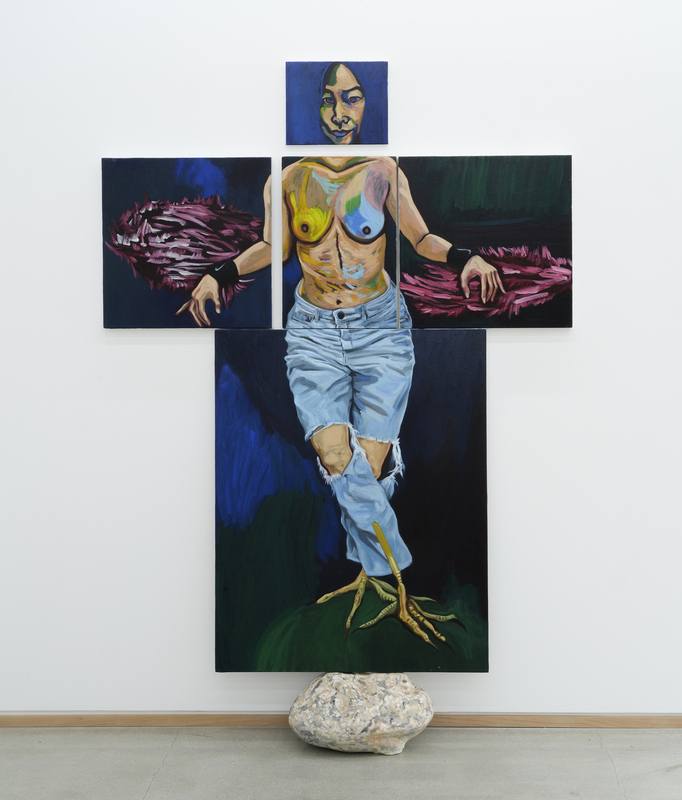
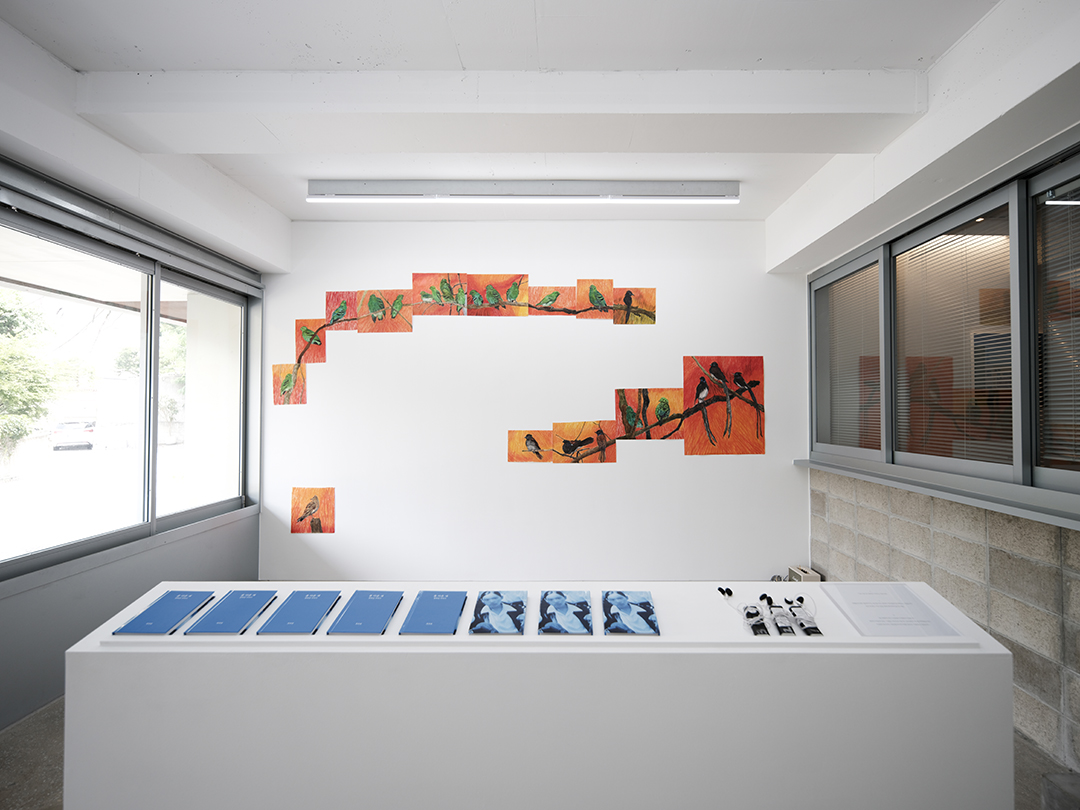
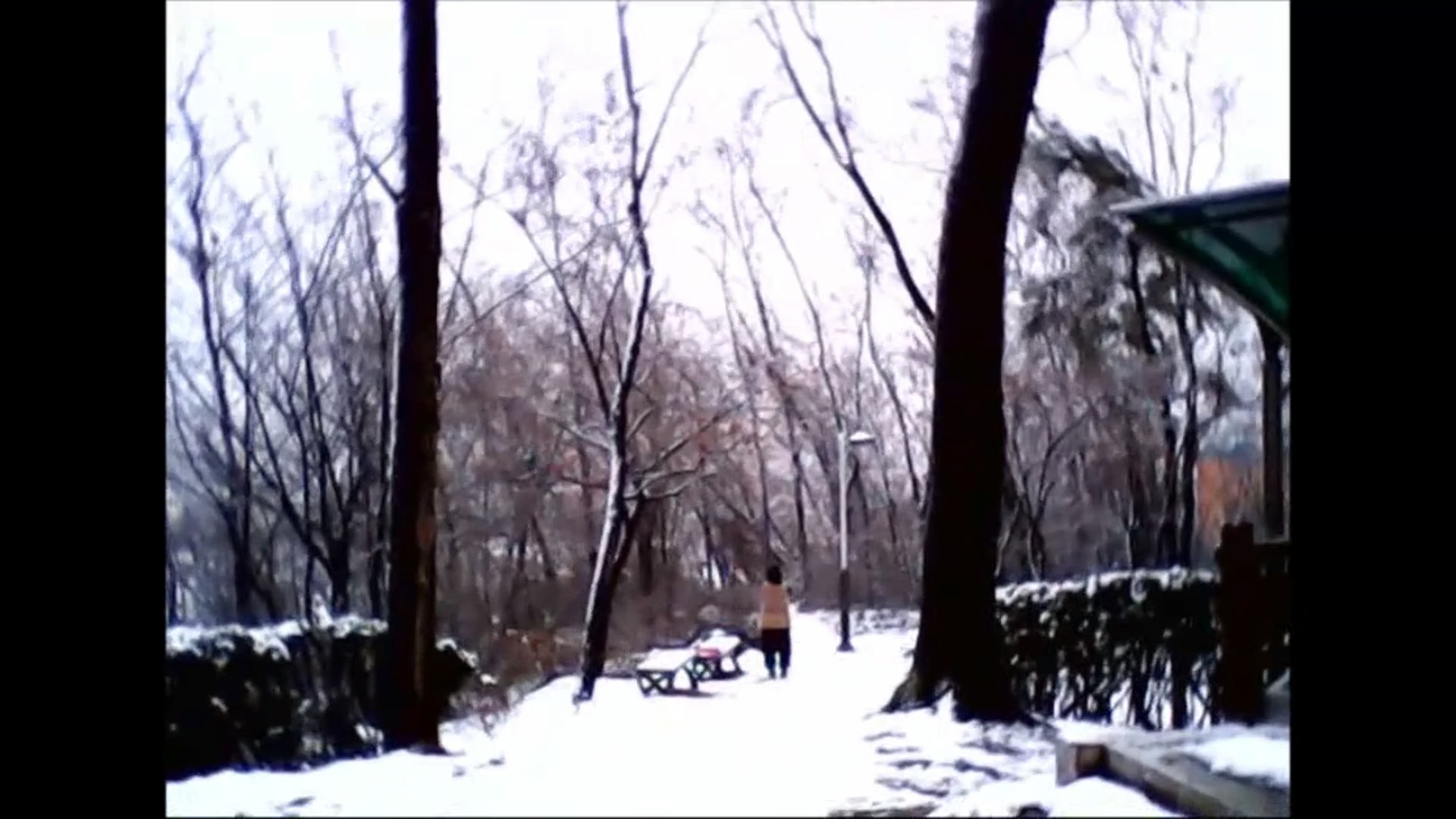
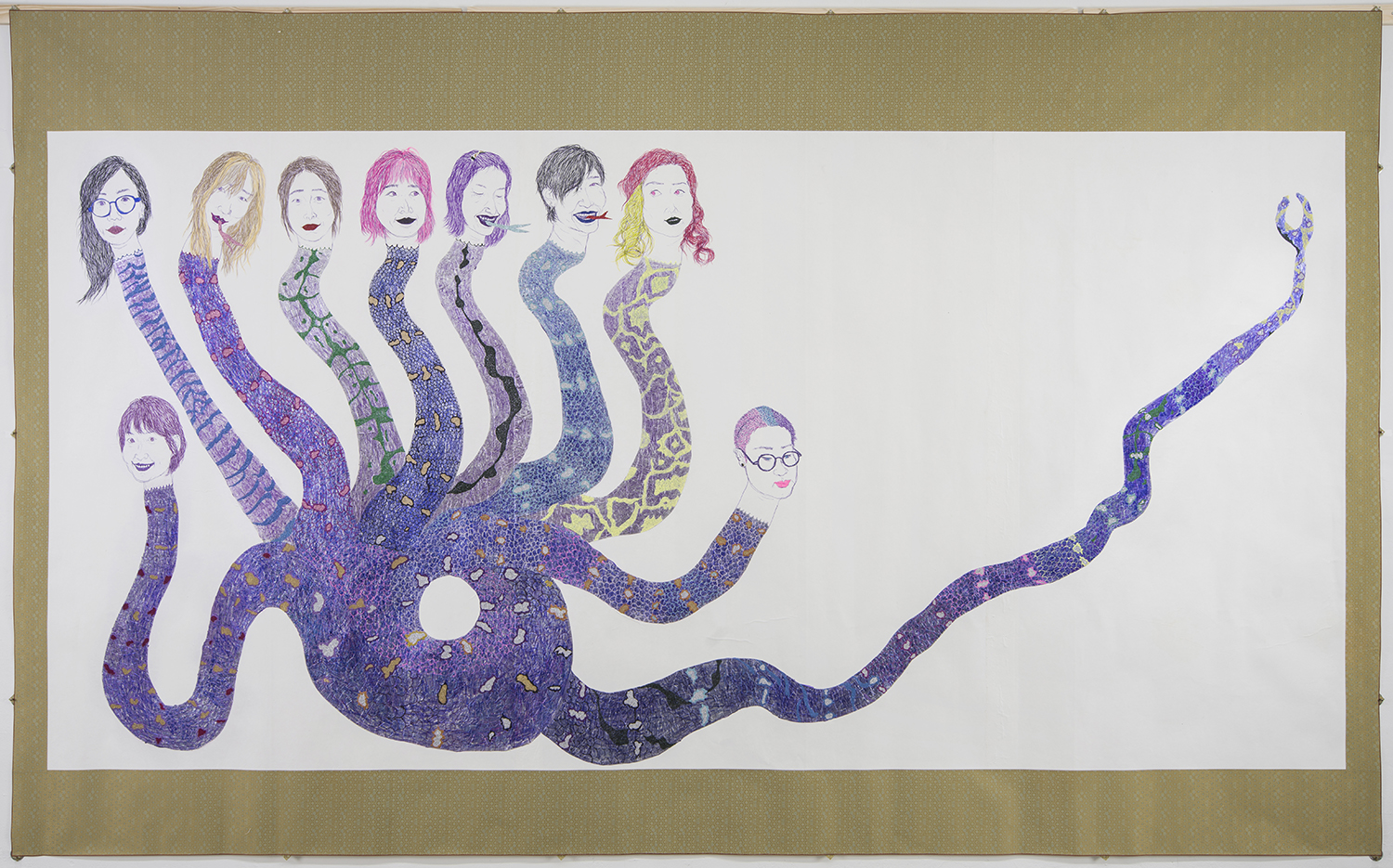
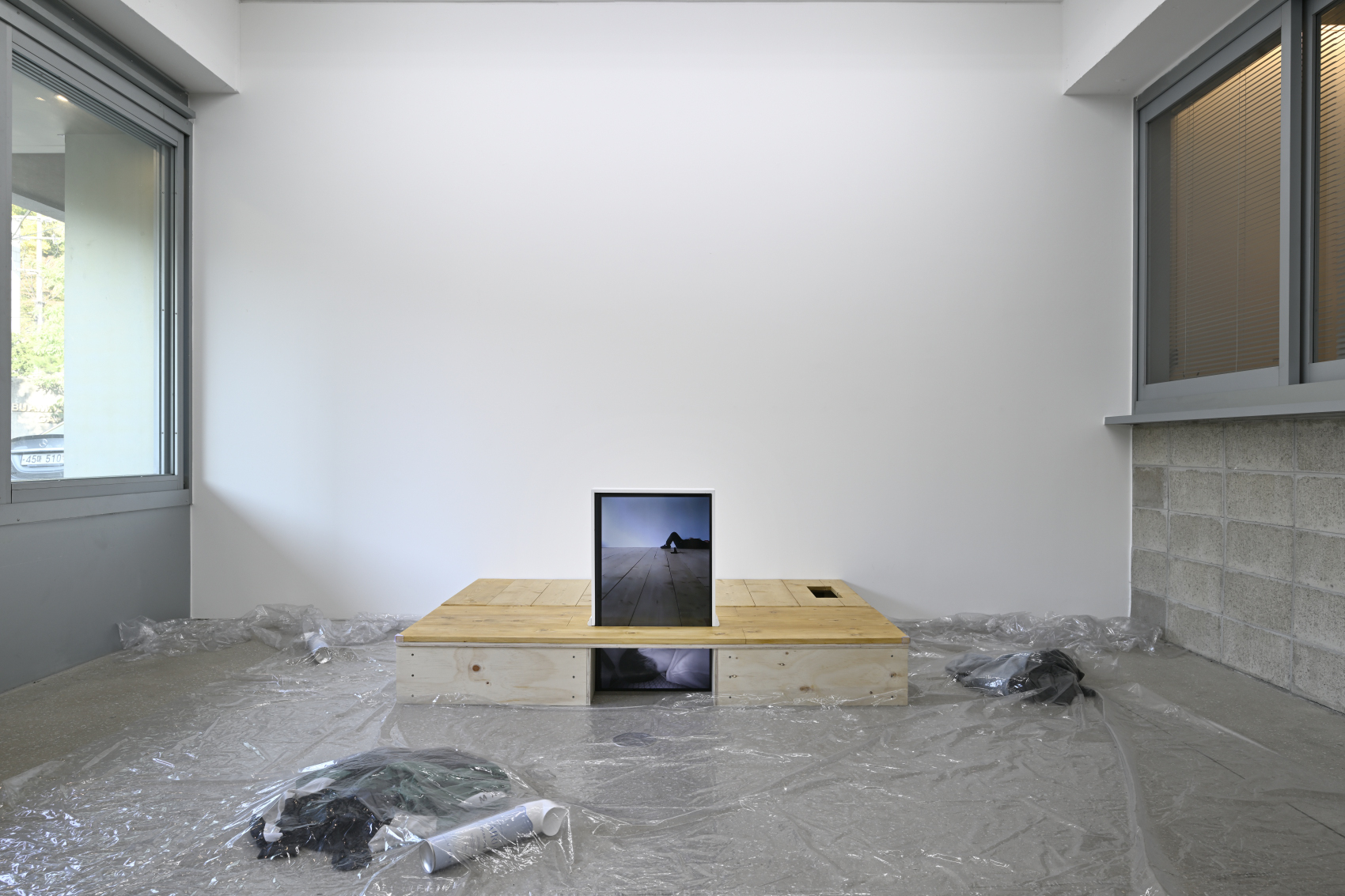
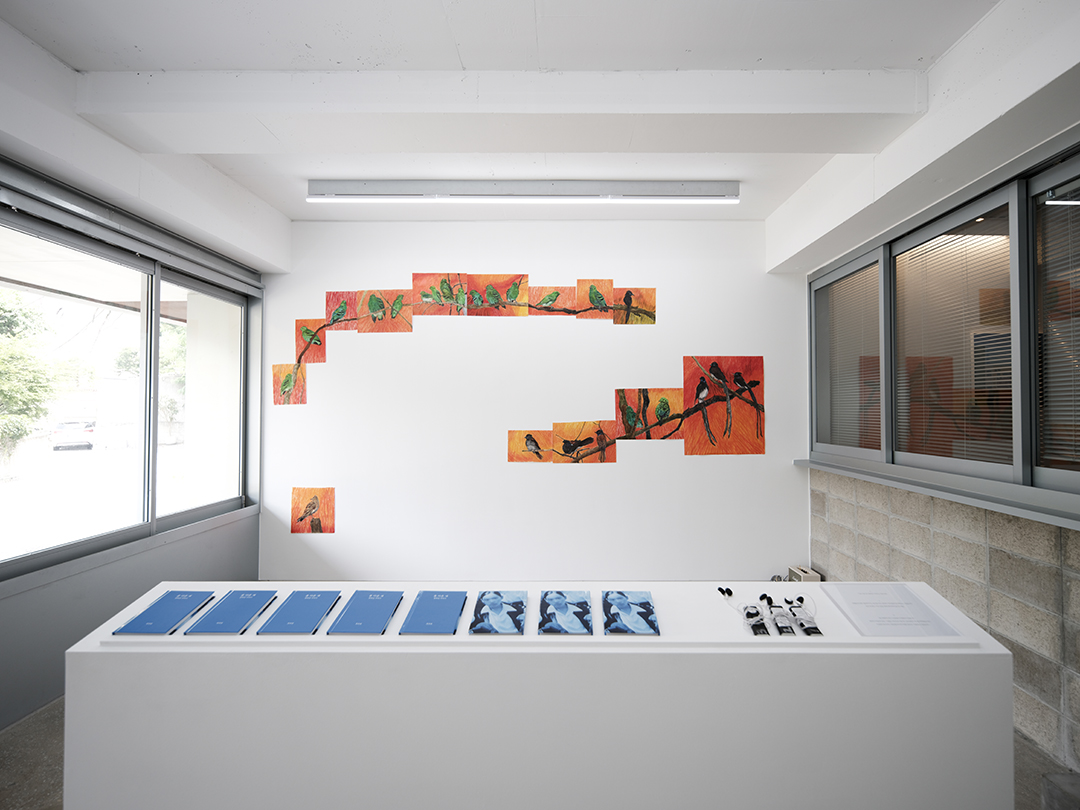
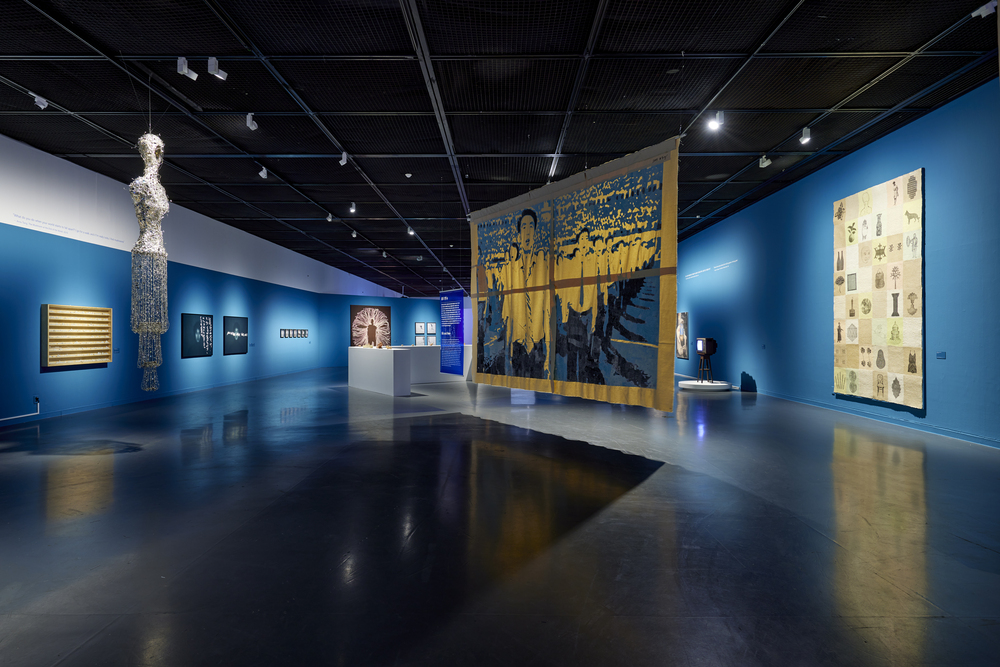
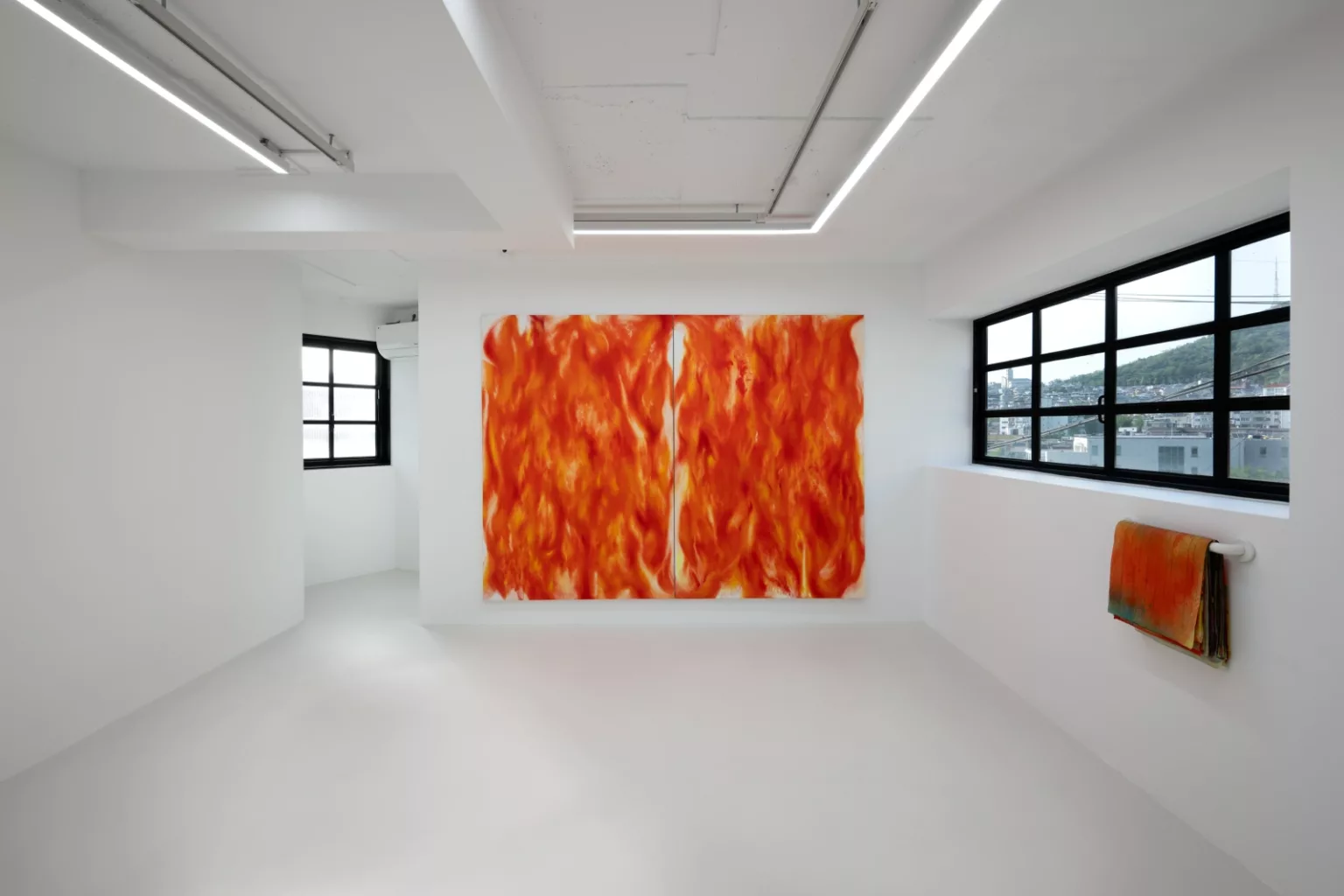
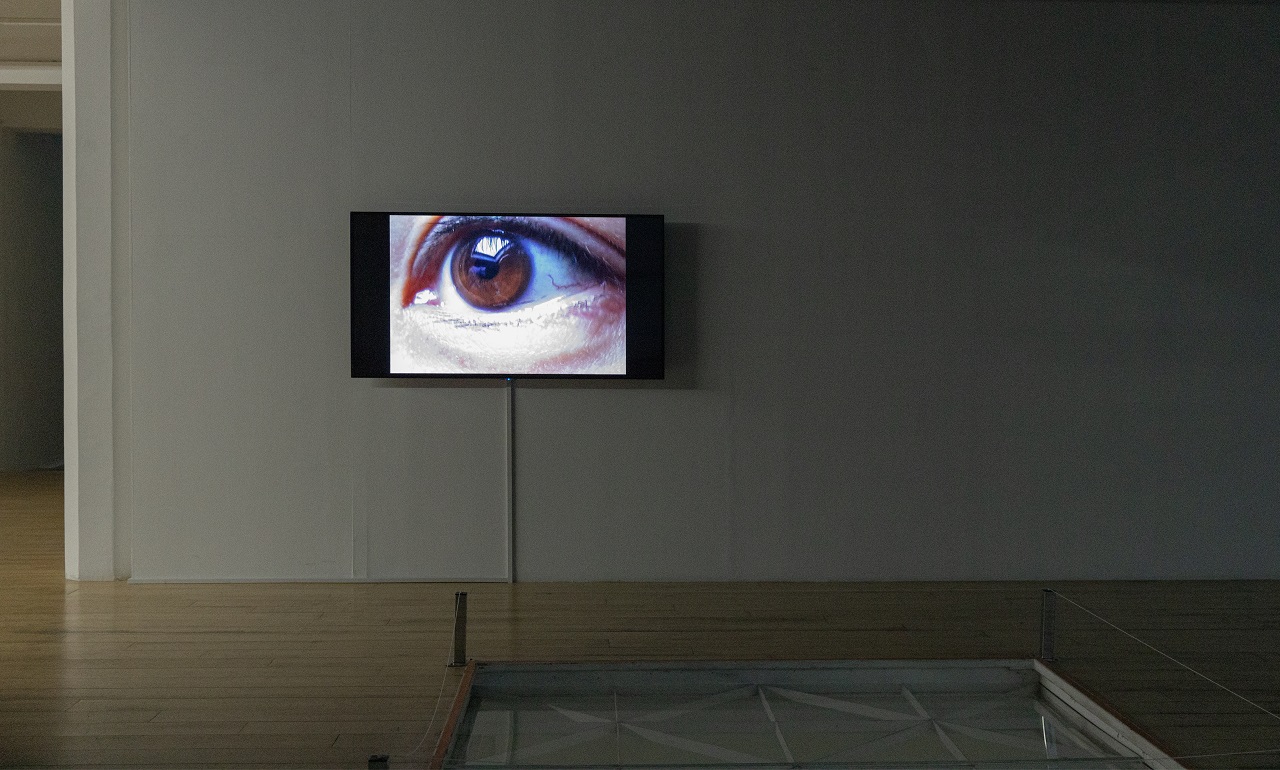
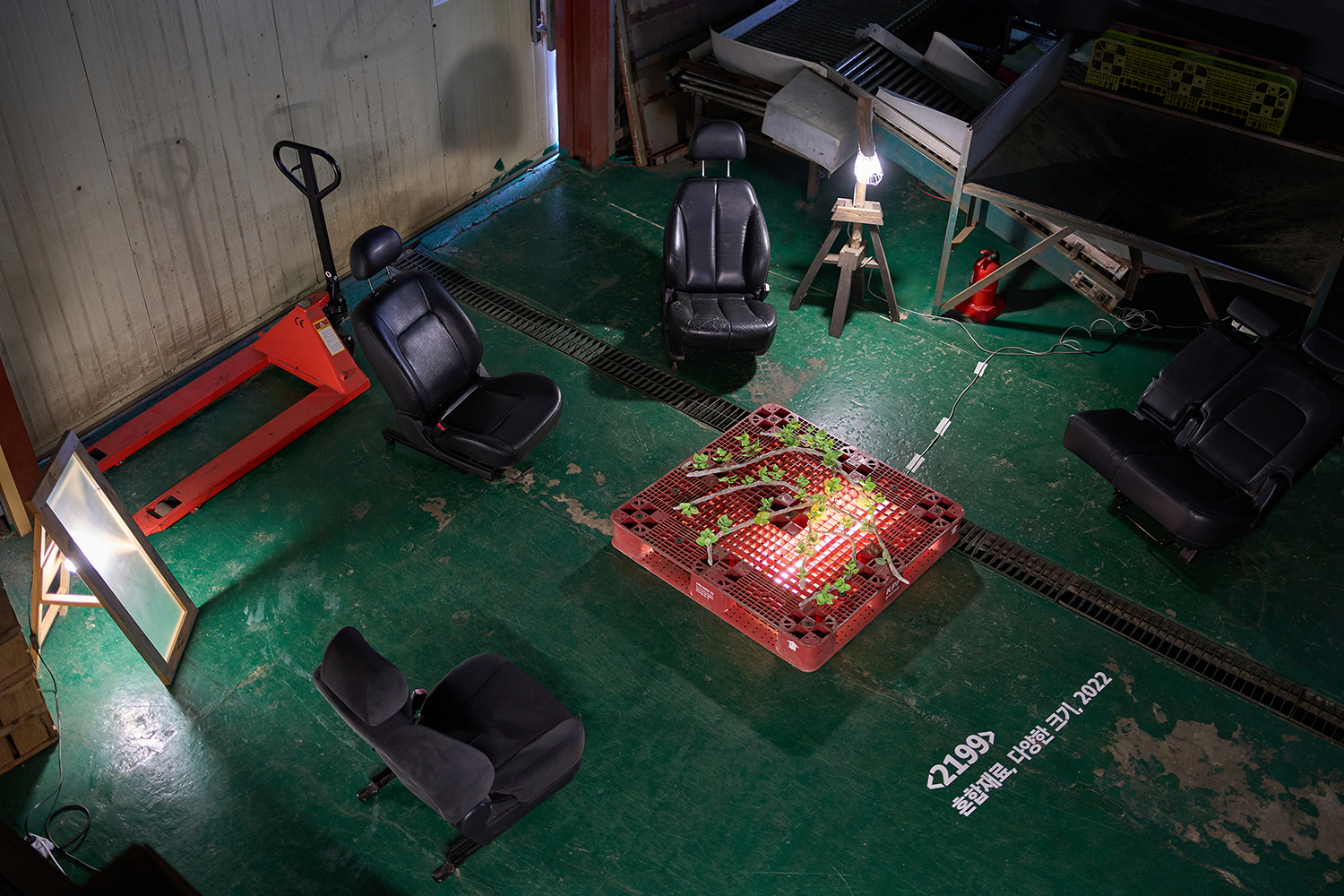
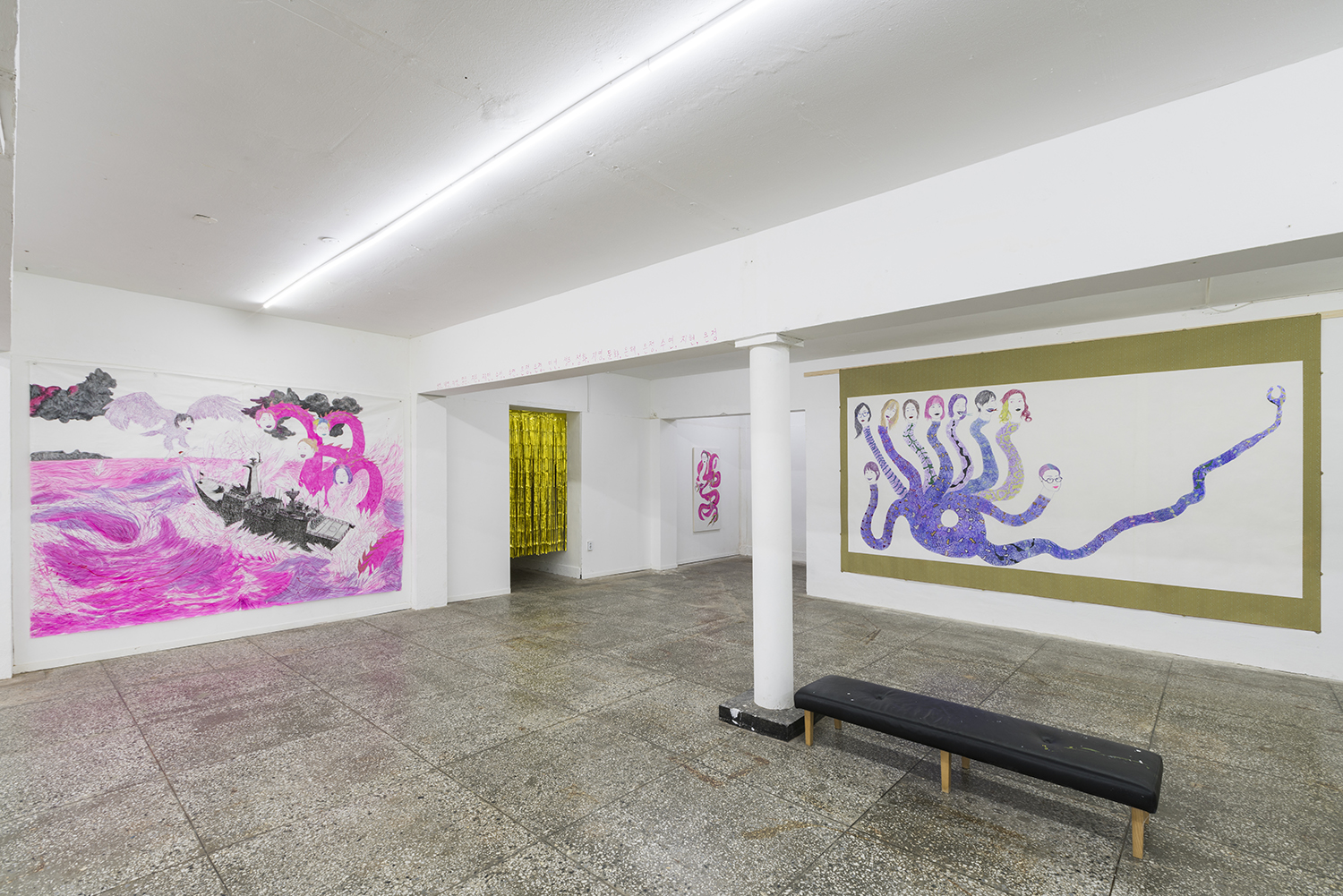
The Black Jaguar’s solo show is the third square formed through a connection and intersection of painting, video, and installation going through such interpretation and translation.
This exhibition showcases aspects quite different from those of Black Jaguar’s previous pieces, such as her artistic critical mind, critical perspective, her existence proof, aspirations for the world and the infinite and attempts, deviation and deconstruction entangled with excessive emotions, and monopolistic occupation of space through a gesture of defiance.
As her indigenous semantic forms derived from an endless tunnel, unsolved fear and stuffiness, wailing and roaring within mechanical repetitions and cycles of a watch’s second hand, and gestures of exploring her own pulsation and breath through linguistic utterances and remarks, incomplete circles, breathing marks, a watch or target’s concentric circles, and images vertically descending and ascending from the center are associated with analogical forms such as the square, watch, and round breads in this exhibition.
Her work creates a series of artistic symbols and metaphors as an artistic act of interweaving small and large squares and making them resonate with one another. Her insights into more mature relations and contexts are discovered in such elements as immersion, keeping distance, deep communion and resonance, interpretation and translation her artistic perspective and individuality, the composition of dense semantic forms and placid narrative structure. She highlights her artistic resistance, anchored to her artistic worldview.
Black Jaguar’s square is not an underground movement that may be an alternative. It is also neither a ritualistic performance nor an artistic temple standing tall on a high hill. It is also not a podium for a lonely demagogue who pleads for a return to nature and metaphysical spirituality, presenting a utopia.
As she has called herself Nurung-e, or Yellow Dog, since 2004 (A mongrel 2004 / Boy meets a dog, 2006), Black Jaguar tends a shop in the market like a yellow dog endlessly waiting for his owner. She seems to be one who remains indifferent to the rise and fall of numerous words spoken in the square or innumerable words to be documented in history. She presents something we can sympathize with alongside anonymous people who lived their own lives, transcending space-time, but were excluded (or killed) from an enormous history as an eyewitness of their exclusion.
She has passed from the space-time of the Gwangju Democratic Movement to the space-time of Bath at noon. We stand on another square transcending a specific event and time while the same space overlaps with another time in Seven clocks, The Last Dinner, Big Dinner, A blue spot, Bath at noon, Pornography, and The Giant on display at the show. An artist who constantly moves like a metronome or a balance weight with alarm sounds lays rainbow-colored stepping stones for reconciliation with the world in a rhythmical spectrum.
In 2004 wounded and shabbily clad Nurung-e prepared bread to be shared with all. (The Last Dinner, 2013) This is surely not the bread for the mouth such as we eat for survival, the mouth for appealing to mob psychology, and the mouth for mechanically reiterating idolized slogans.
It is hoped that artist Black Jaguar’s waiting (Who all are coming?) could be a summons for the others who are standing on the square, sharing sound desire and a will for life, generating artistic communal resonances. CSP 111 Art Space dreams of becoming the arena of resonance sharing the bread of art and culture, transcending just a space where fetishized artworks are merely traded.
This is our square.