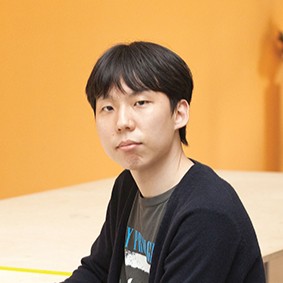
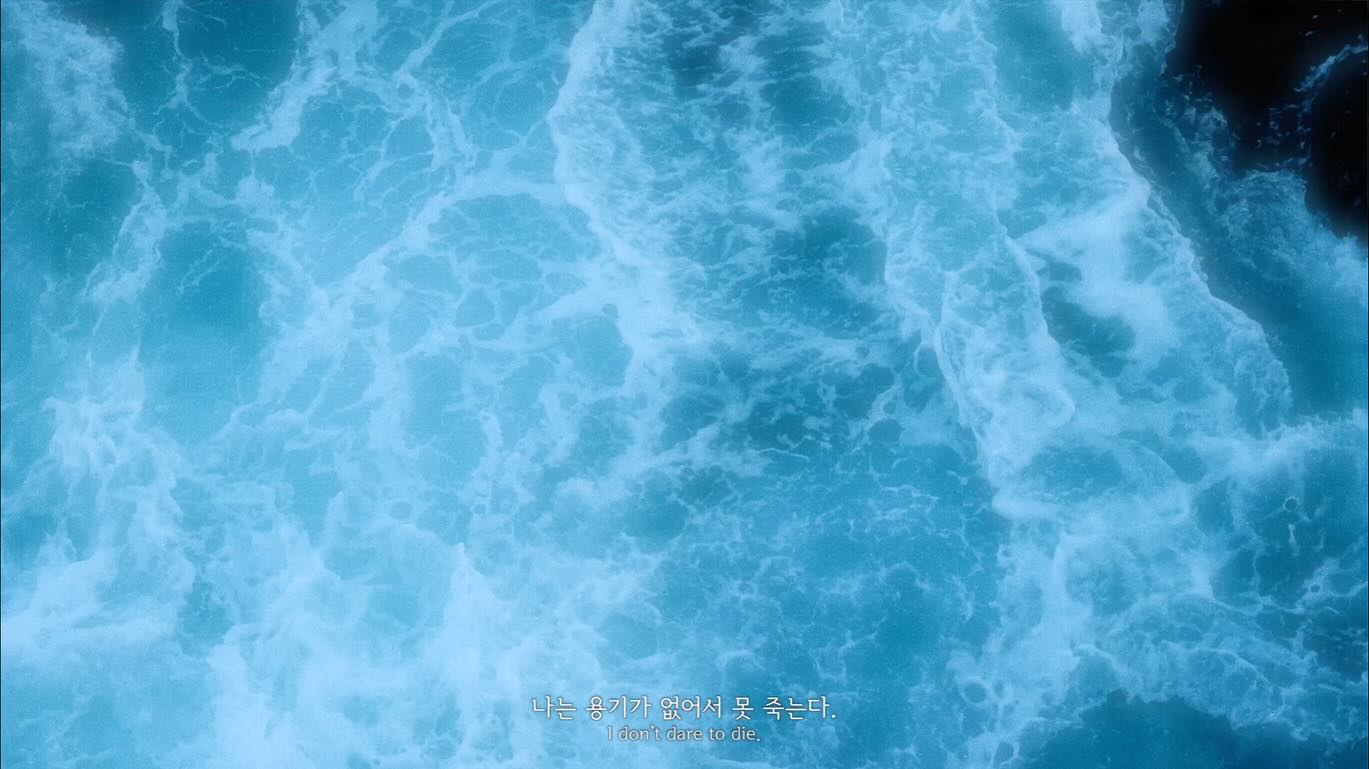
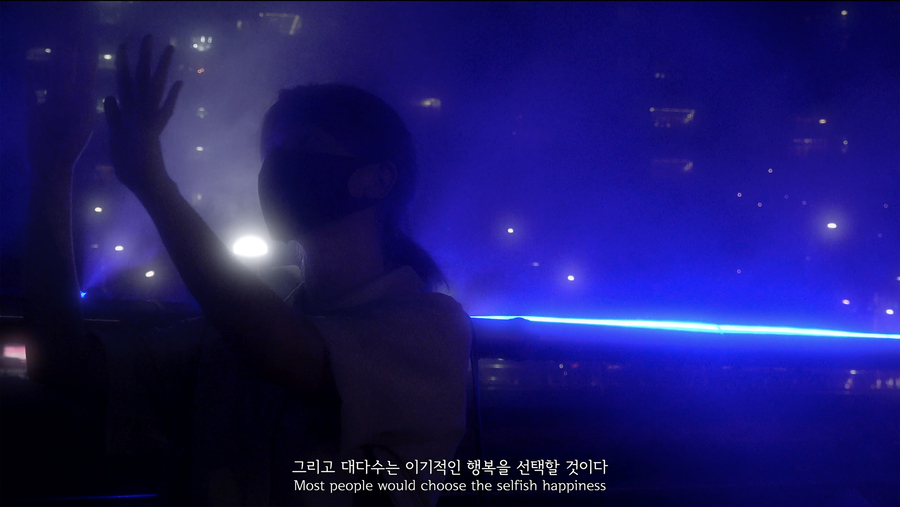
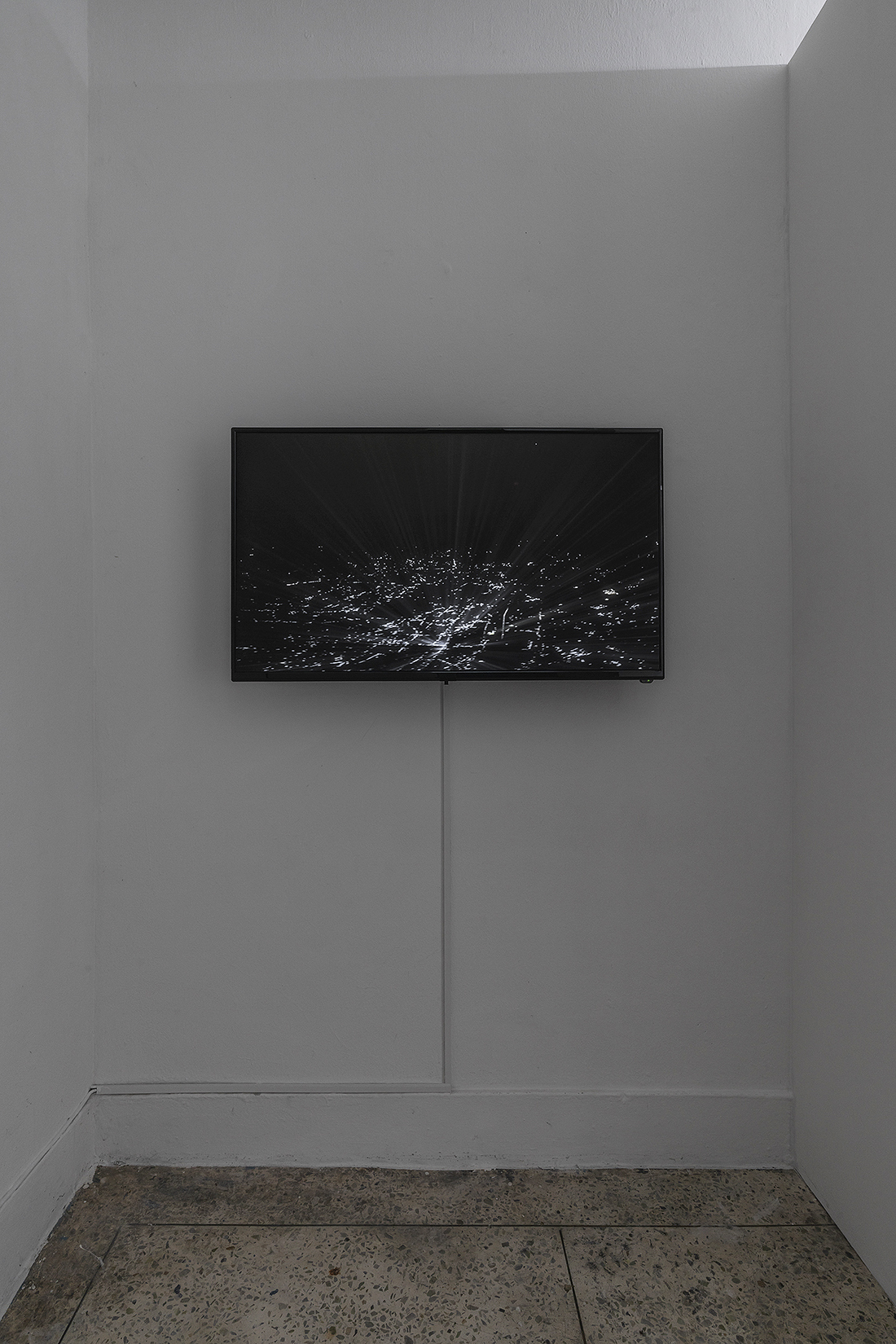
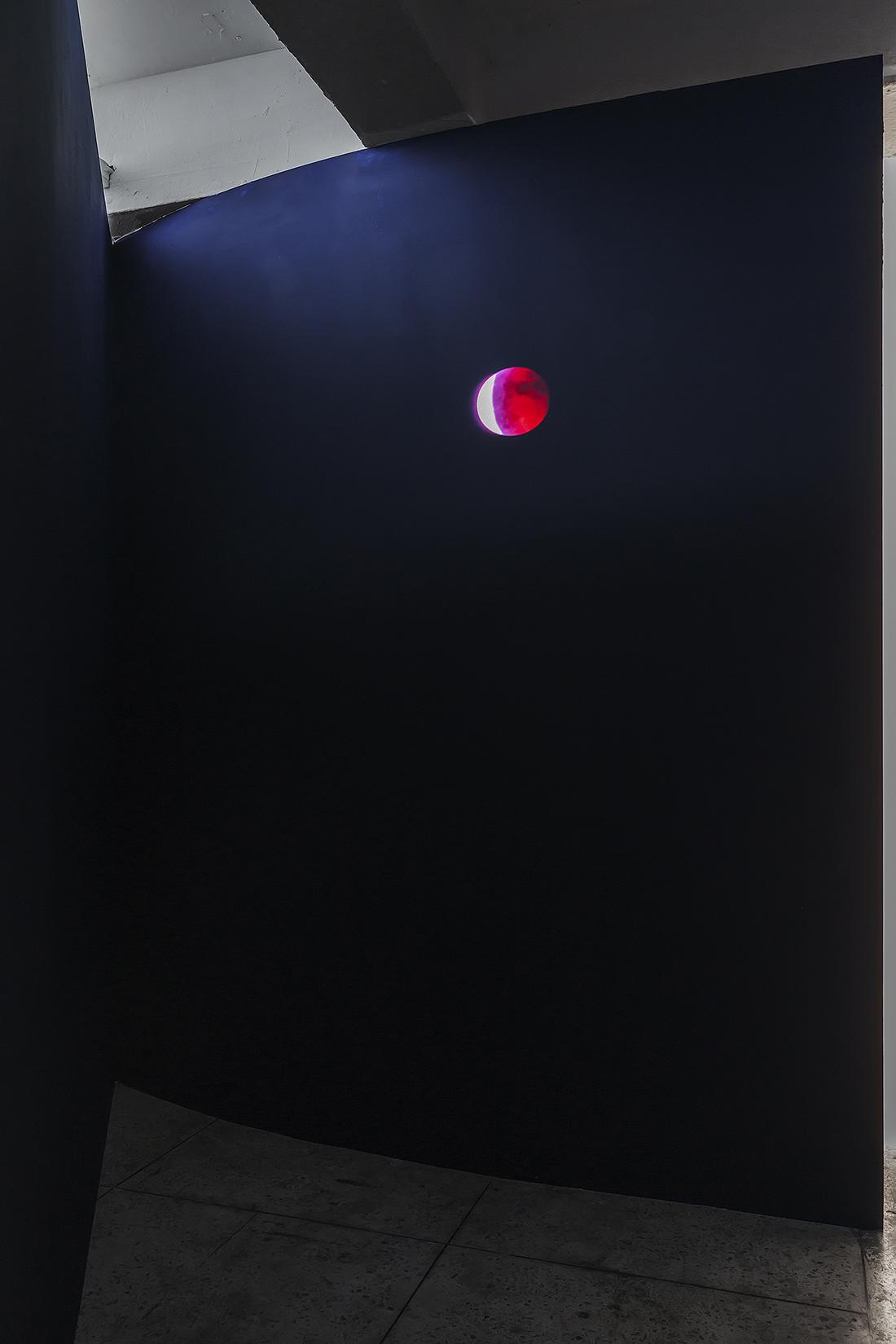
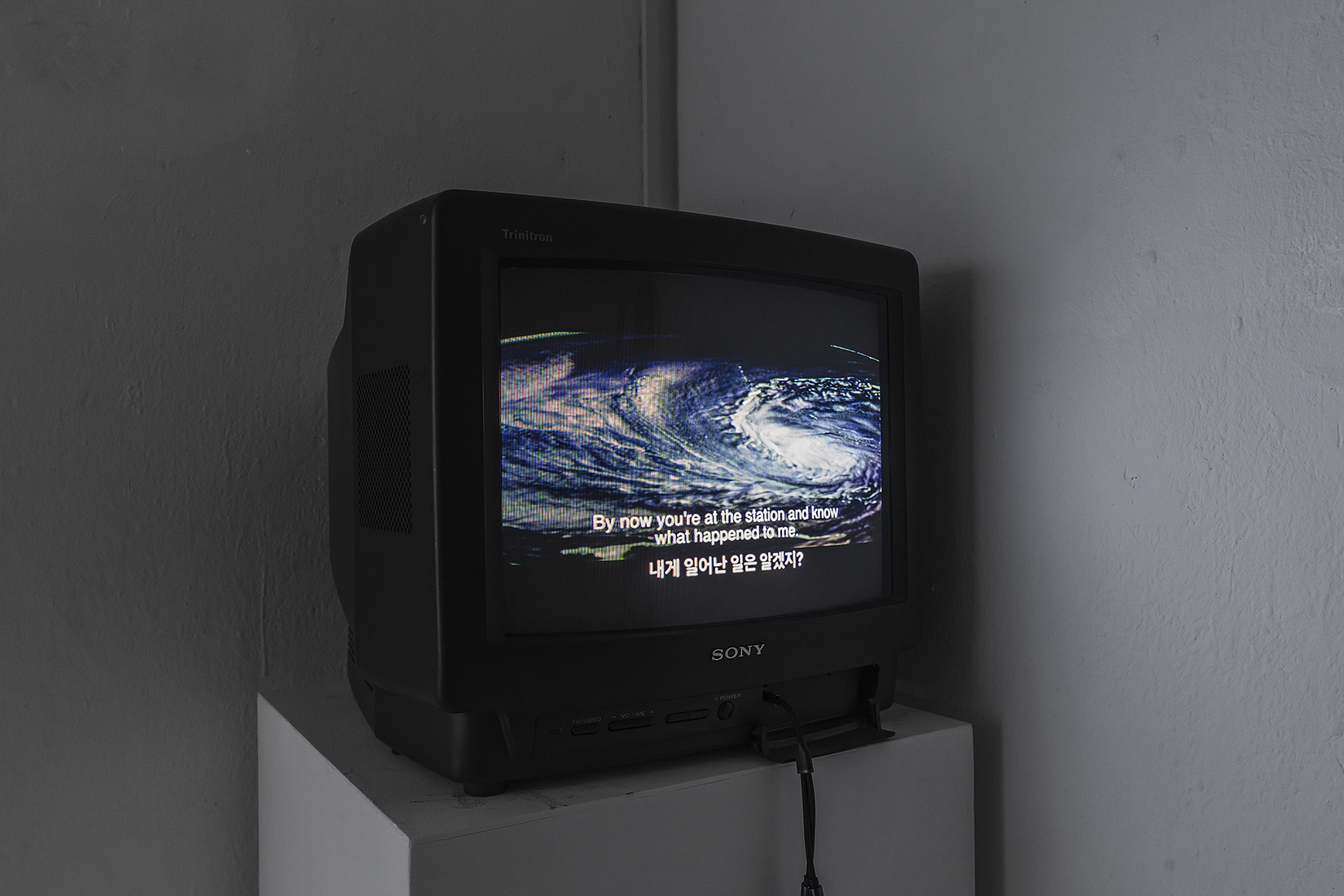
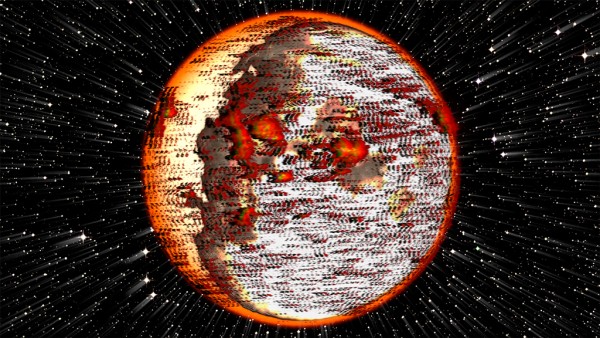
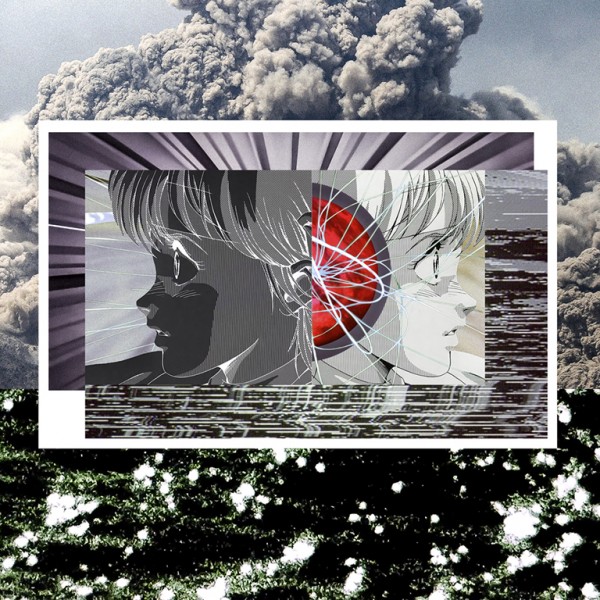
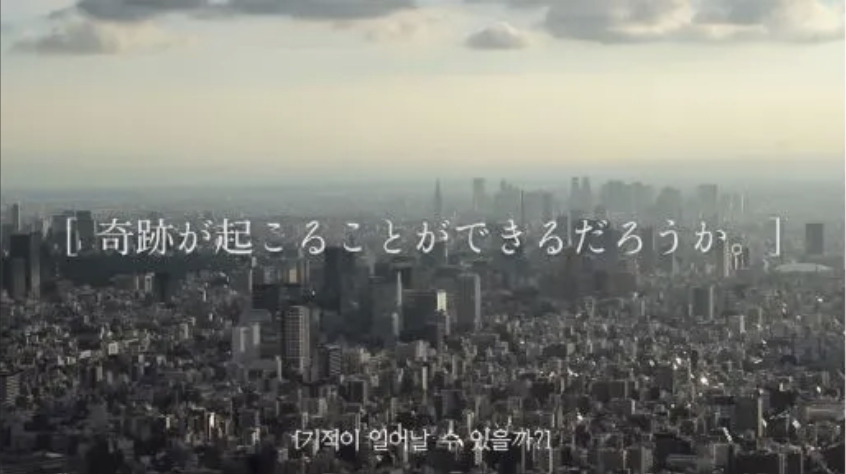
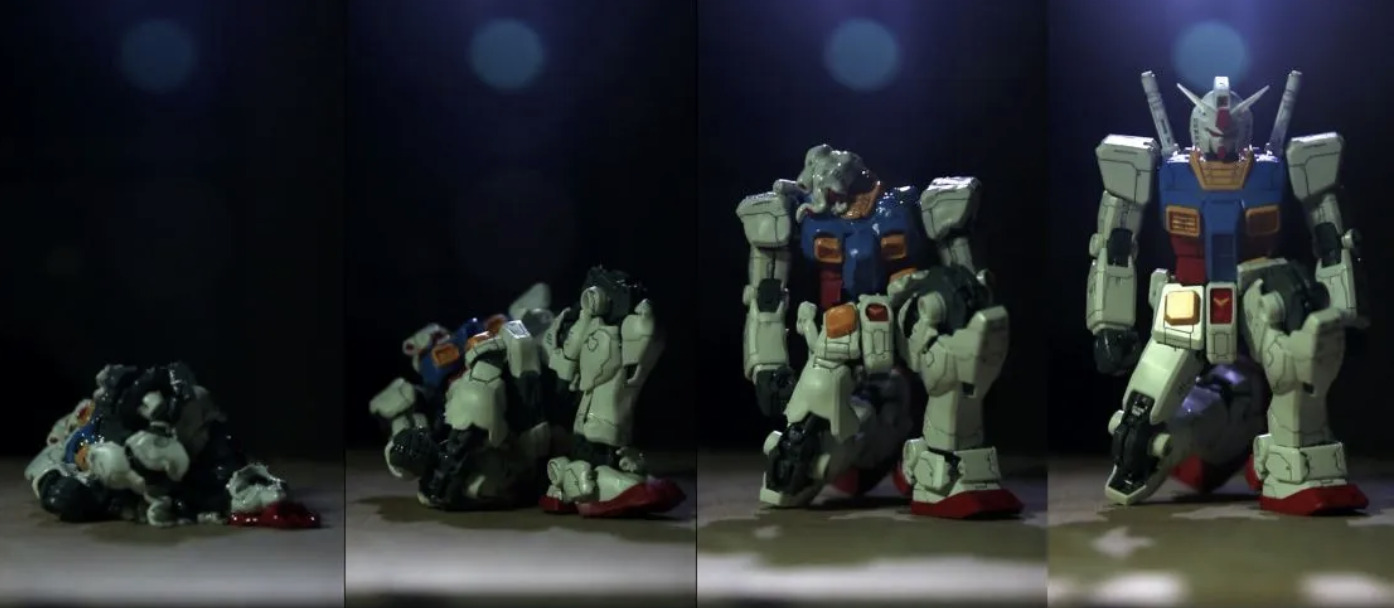
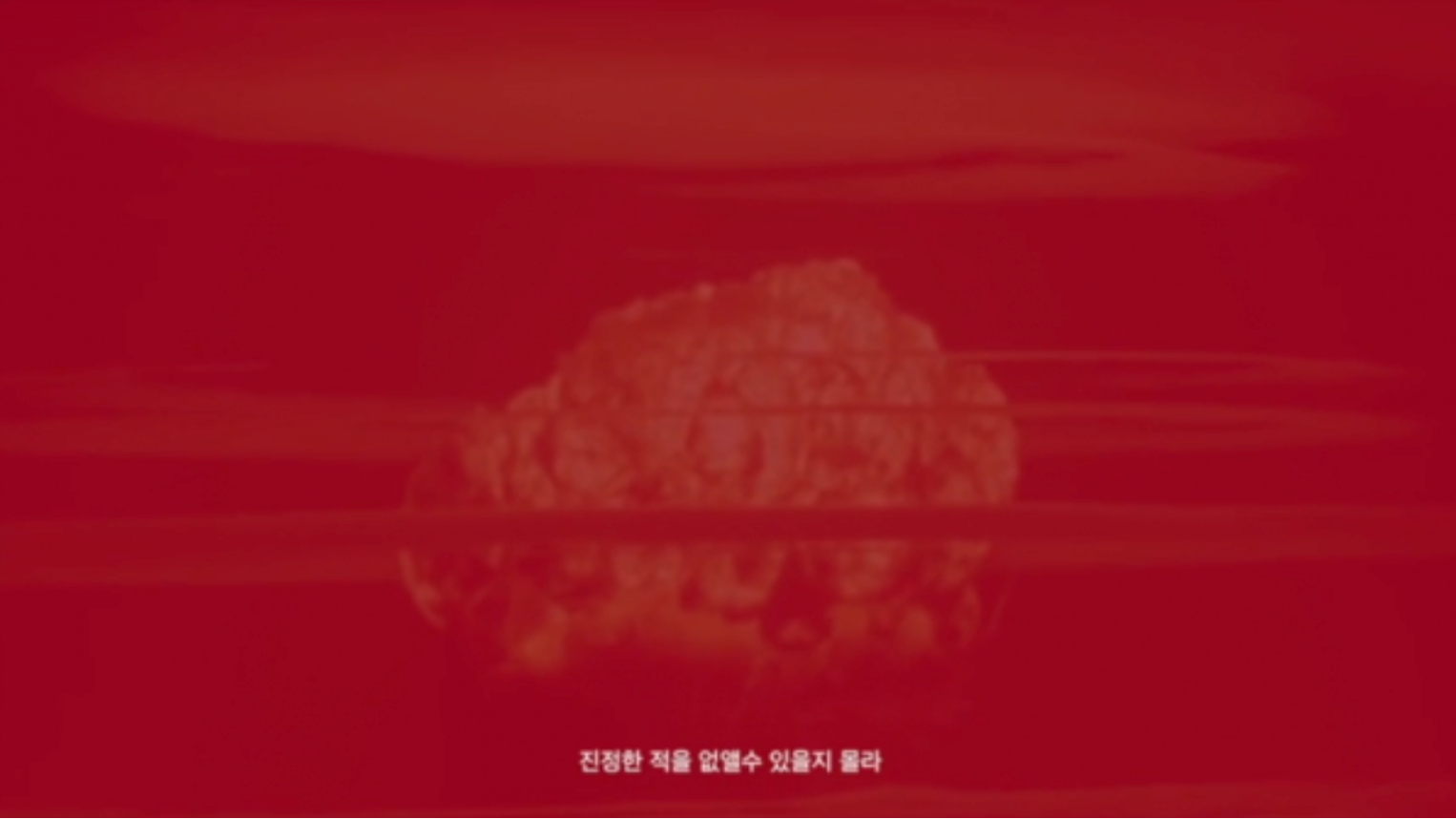
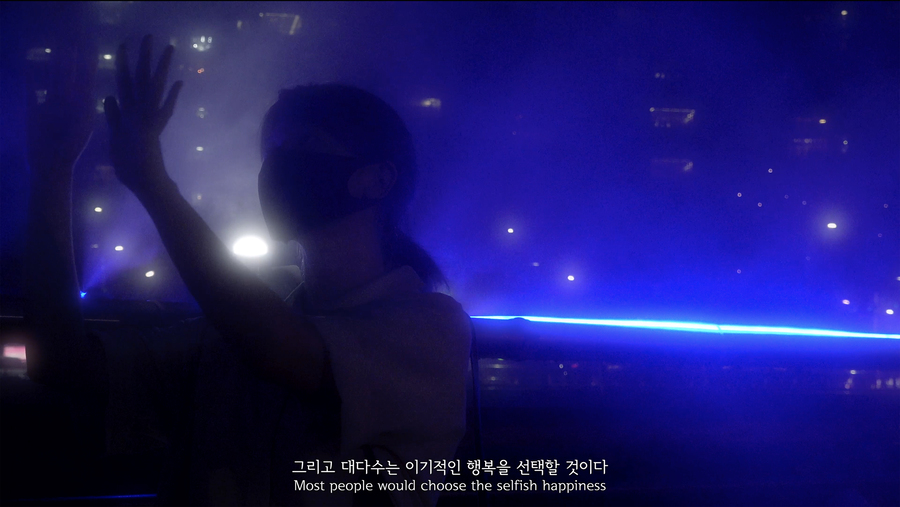
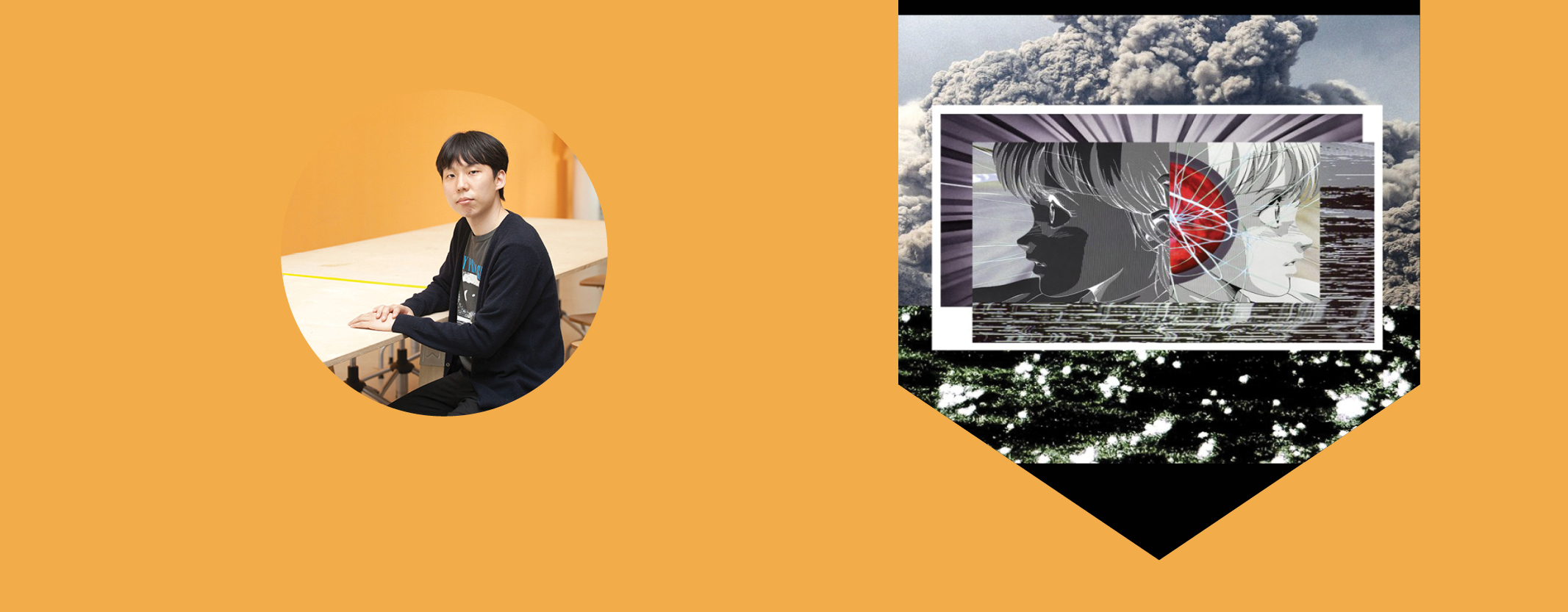
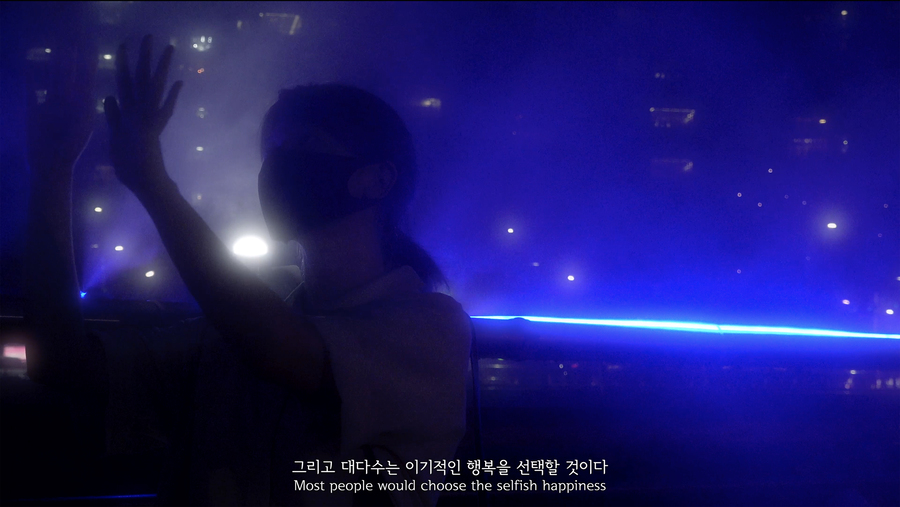
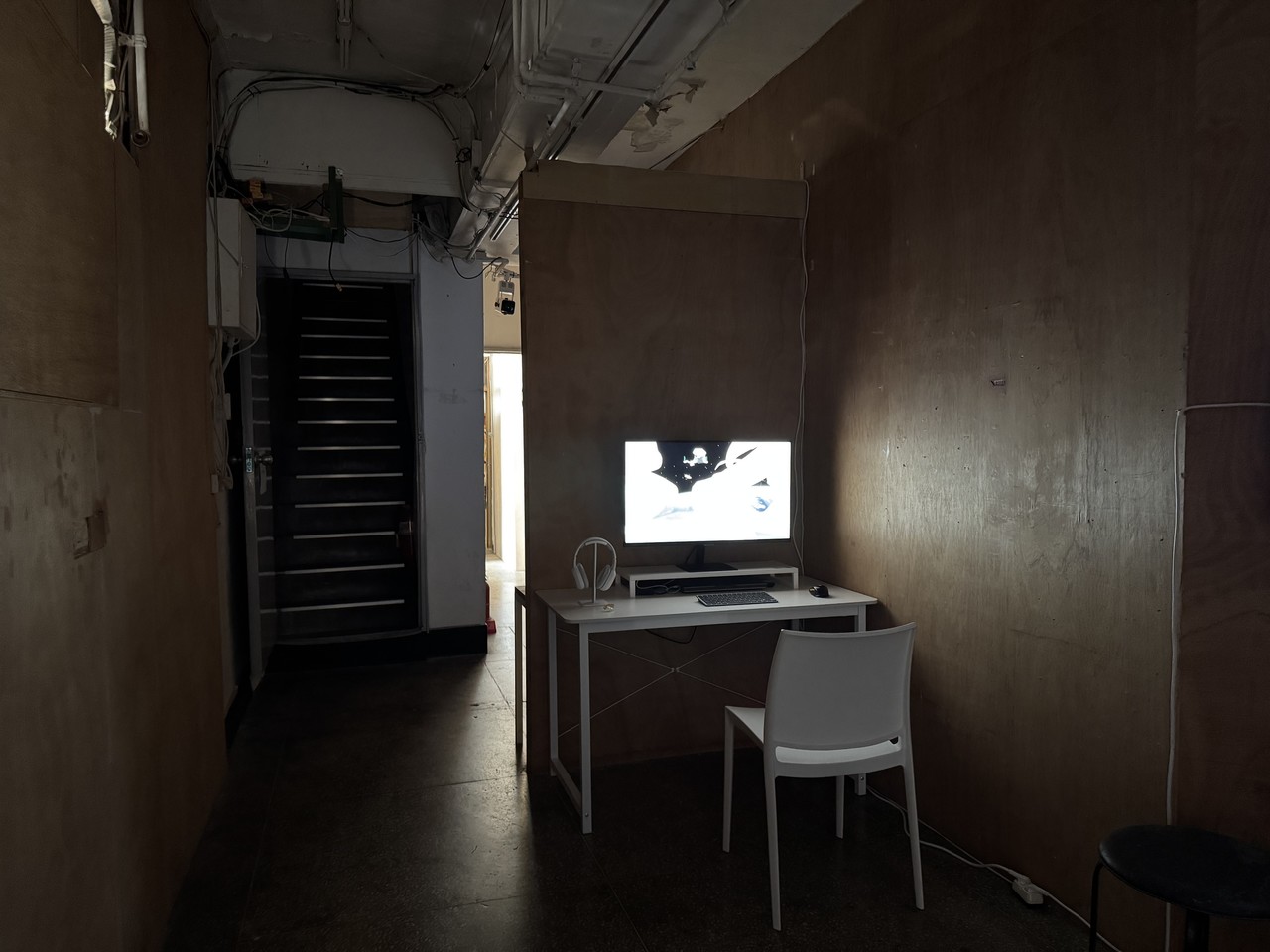
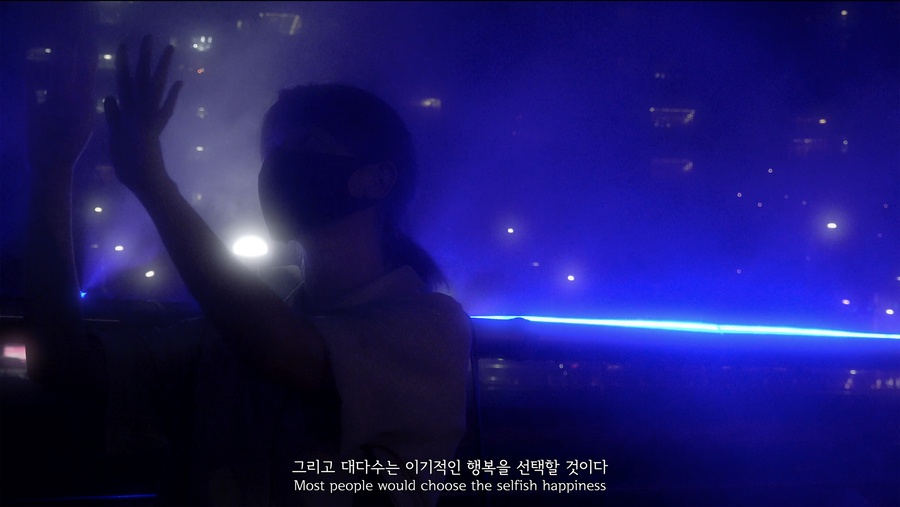
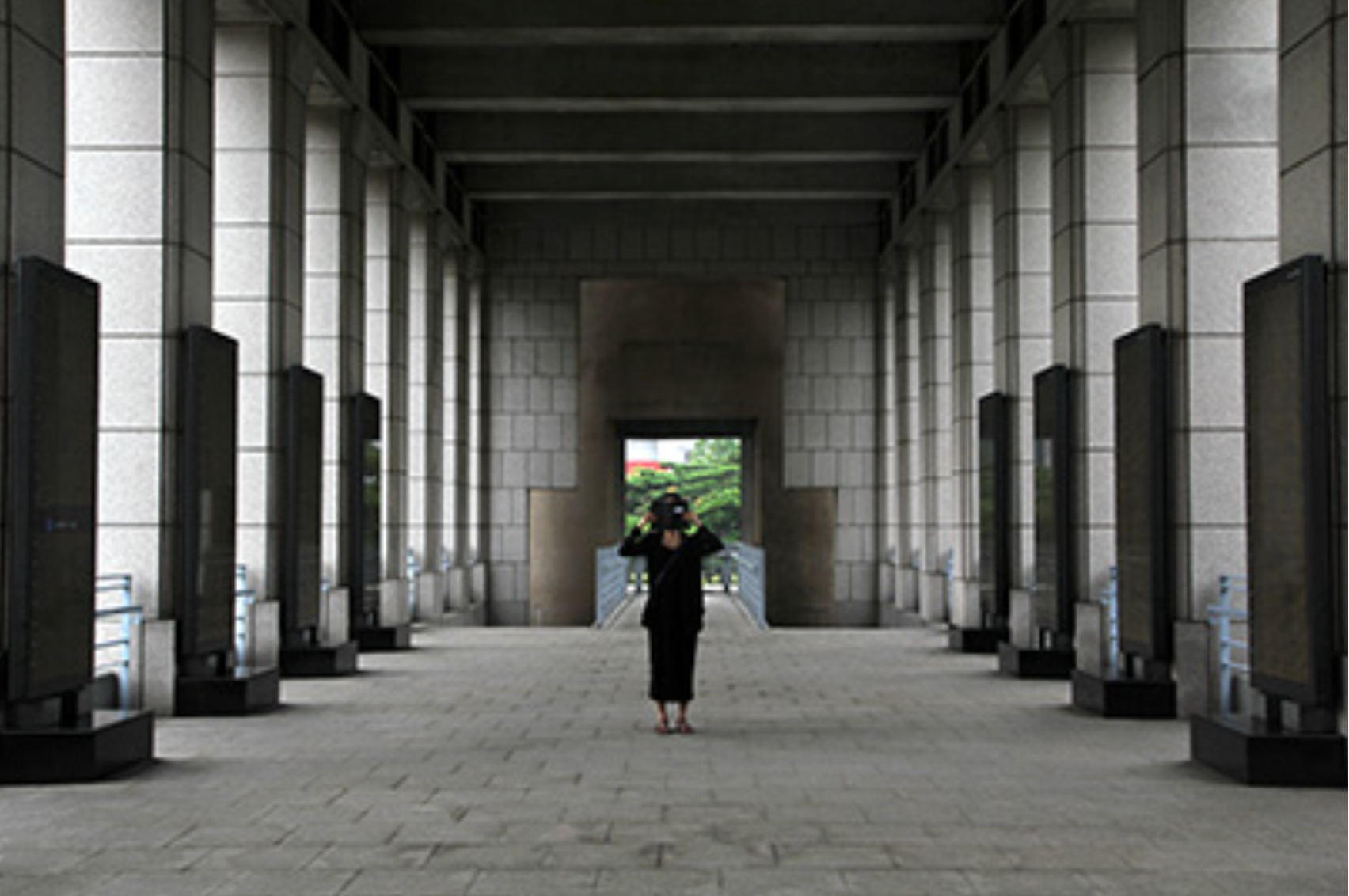
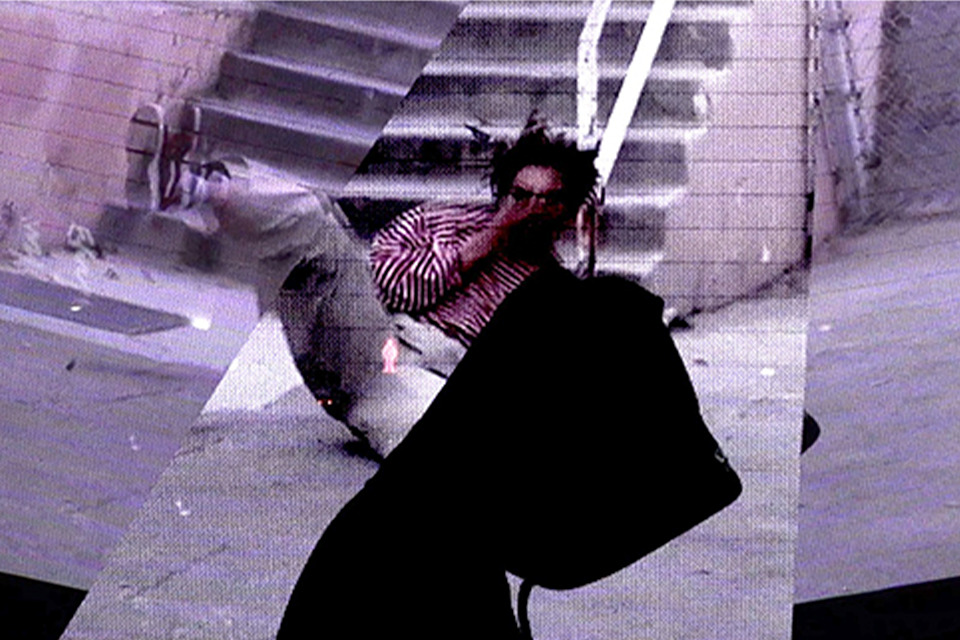
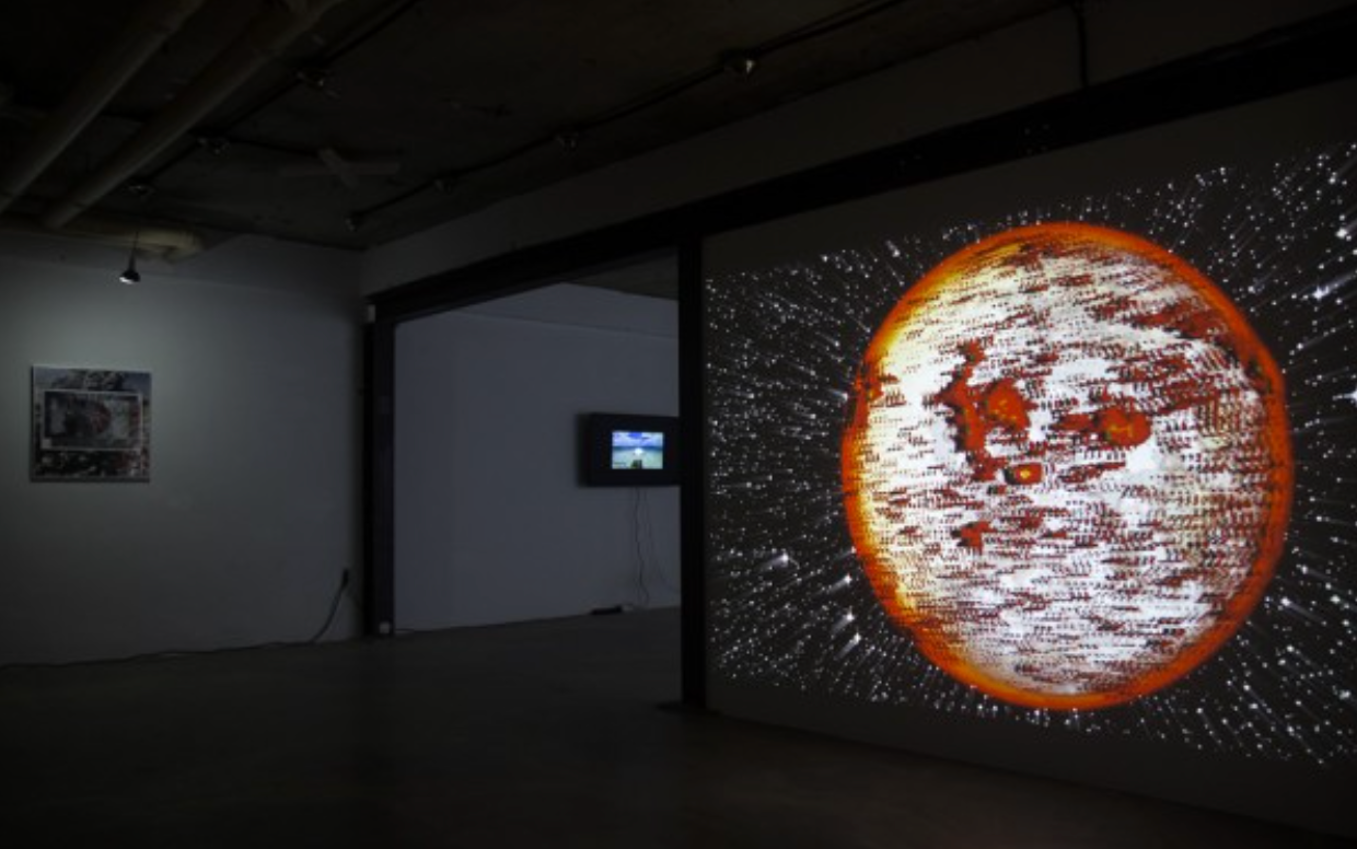
Min-Kyu Hwang's work connects his personal dystopian worldview with the unstable and dark aspects of society unfolding in the real world. It manifests in the form of a mockumentary that bridges the boundaries between the virtual and the real by combining various elements: documenting the daily lives of close people like family and friends, inserting news and media footage, and using dialogue from animations and films.
While he works across multiple media, video particularly reveals the context of the themes he deeply explores. Recently, he has recompiled his existing works—Save Me (2017), Into the Wild (2020), and Jeongwol: The New Year (2023)—into a new presentation titled After Blue (2023). In this piece, I aim to examine why he chose to weave these individual works into a single video, After Blue, and I hope to write this in a conversational tone, with the expectation of encountering some new currents of change in the process.
His videos naturally blend the grand narratives of current society, environment, and culture with intimate family stories, melting down various aspects of reality. In his work, we can detect and feel certain signs, but no clear outcomes of events emerge—only vague clues that we can imagine being presented. Does this apply only to the external environment we live in?
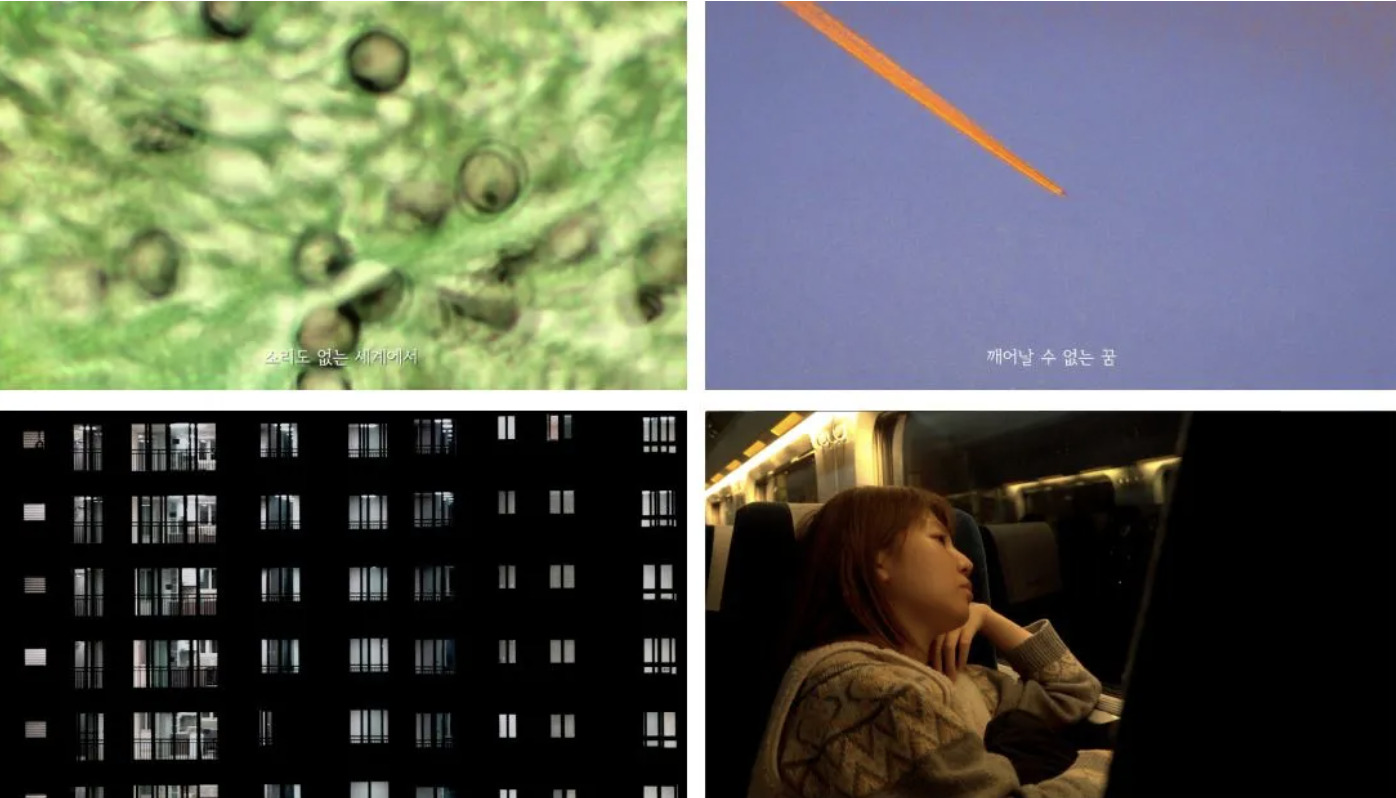
Rather, what strikes me as newly perceptible in this work is the artist’s focus and orientation toward observing and documenting people close to him for his mockumentary work. After Blue primarily focuses on his filming with his spouse as the main subject during their honeymoon trip to Japan, and capturing his mother's thoughts and actions when he visits her in Busan.
As such, his mother and spouse—with whom he has human relationships that constitute him as an individual— are subjects of paramount importance to him. Consequently, the figures in his work create a distinctive atmosphere by simultaneously pursuing both the universality and individuality of a person. These characters, who initially appeared simply to advance the narrative, take on deeper meaning and become central figures in the artist's work.
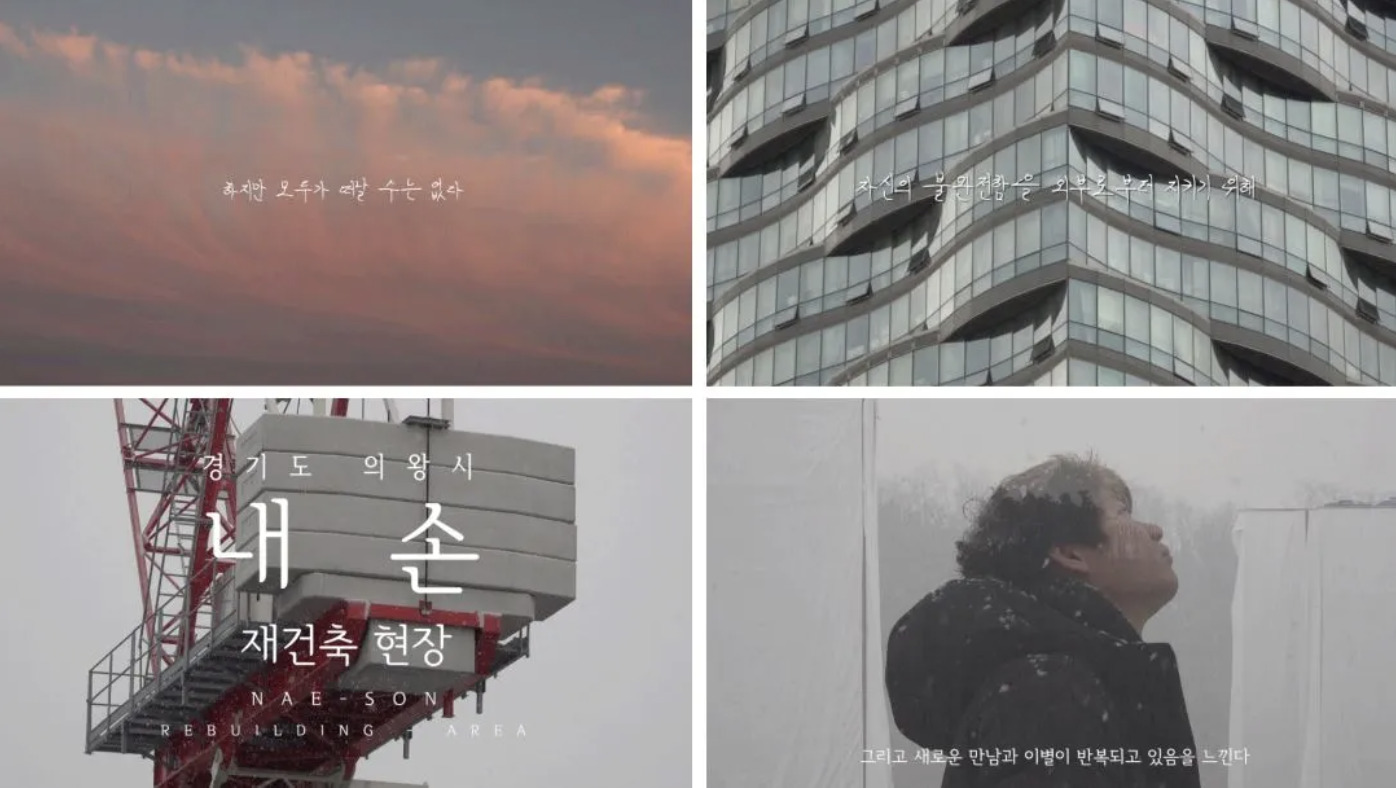
Particularly in Jeongwol: The New Year, he gradually reveals the relationship between his mother and spouse through his focus, continually addressing them and capturing their stories. In other words, the artist's new form of engagement begins. From the perspective of these figures as viewed by the artist, what might be read differently in the work?
To the artist, the world exists as a temporal and spatial dimension suffused with incomprehensible anxieties. Humans have endeavored to understand the world by analyzing various external factors—including forces and phenomena both natural and supernatural—through logic and reason. This connects to the crucial issue of linking the invisible forces that move the world with the meaning of visible individual lives actually being lived.
However, what influences us differently from society and the natural environment is human relationships. Since life is formed not in isolation but through ongoing relationships with others, it continually encounters new phases rather than remaining stably fixed. Such relationships that are unpredictably influenced are likely another cause of his persistent dystopian imaginings.
Therefore, for the artist, life becomes something that individual will and perspective cannot fully control—an unstable field of conflict where various elements collide rather than being composed purely of the self. Thus, it is natural that his mother and spouse—central figures in family relationships as his inner circle—along with companion animals, appear in his works. Natural phenomena may have long ago become objects of indifference to humans. However, recent abnormal phenomena show signs that re-imprint their existence upon us.
This appears similarly in family relationships. For the artist, his mother was a familiar presence who had always been there in that way, like how we regard nature. But through marriage, a new being entered as a family member, bringing about relationships different from before, and the artist appears to sensitively detect this and attempt to capture the substance of these new signs through his work.
Looking at his work in this way, one suddenly realizes that becoming accustomed to the individual lives of family members is different from getting to know them. To become accustomed means to live numbly according to life's inertia, unconsciously unaware of what things are, why they are so, and how they unfold.
However, he shows an active attitude of trying to understand external subjects as much as possible and draw them into himself in order to break away from familiarity and discover and understand the unfamiliar. This reveals that his work's purpose lies not in endless dark longing toward illusions, but in continuously finding concrete evidence obtained from his own life through the methods of observing family, addressing them, recording them on video, and then reviewing and editing this material.
From this perspective, his work suggests that it contains both fundamental questions about how the world operates in relation to individual life, and concerns about how to live an unclear, incomprehensible, and unstable life. Therefore, might he be calmly showing various facets of the universal yet special flow of human consciousness through the ordinary, everyday situations his family presents?
This is well demonstrated by the mother in Jeongwol: The New Year, who prays for her family's fortune in the new year, learns sewing, walks with her companion animal, drinks with her daughter-in-law, goes to the hospital, and speaks to the camera in monologue-like fashion. These scenes leave a stronger impression than the strange signs of the world shown in the news that the artist presents.
Perhaps the artist naturally encountered humanity's fateful task of how to live an uncertain life during the process of filming and editing this material. The world we live in is one where virtual and real worlds intricately invade each other. Yet what still sustains oneself as oneself is the spatiotemporal realm that continuously changes through what one being experiences: relationships with the people and objects one encounters, and the sensations one feels through the five senses.
In such a fluid and unstable world, the artist increasingly looks toward his internal environment—his family—to provide his own concrete answer that penetrates through this uncertainty. This becomes an act of trying to connect with each family member's life by fully capturing the artist's unique spatiotemporal realm in his work.
Thus his work has transformed into a journey to find that which could become an unwavering center of gravity in our lives—something not yet clearly revealed, and unknowable. Moreover, this creative process becomes the foundation that dispels the unknowable anxious darkness of life, enabling him to live life's moments more deeply, brightly, and fully.
Ultimately, Hwang continuously discovers unfamiliar people, unfamiliar spaces, and unfamiliar memories within the familiar. This demonstrates that moments of special significance— ones that lift us beyond life's ordinary conditions—are not distant at all. What has been revealed in the examination of his work thus far is the importance of the process of observing and recording close family members, retrieving and reviewing files, ruminating on unfamiliar things he failed to notice at the time, and weaving them together anew.
And while performing this work, we can see that the artist is gradually recognizing that the family members who exist alongside him, right before his eyes, are opening up a new path for discovering solid meaning to live by, escaping the anxieties that have persisted from before. Through them appearing against the backdrop of familiar cities, After Blue could be newly assembled into another story, in which sensations that squeeze up between reality and unreality become entangled.
To summarize, he seems to have entered a new stage of seeking the essence that sustains life in a world that cannot be understood merely by what appears visible, while looking at his family. This is why After Blue can be re-read as a peculiar work where— while maintaining the bittersweet melancholy that current anxious sensations provide—various emotions coexist: the happiness, loneliness, fulfillment, unfamiliarity, and familiarity experienced through family life.