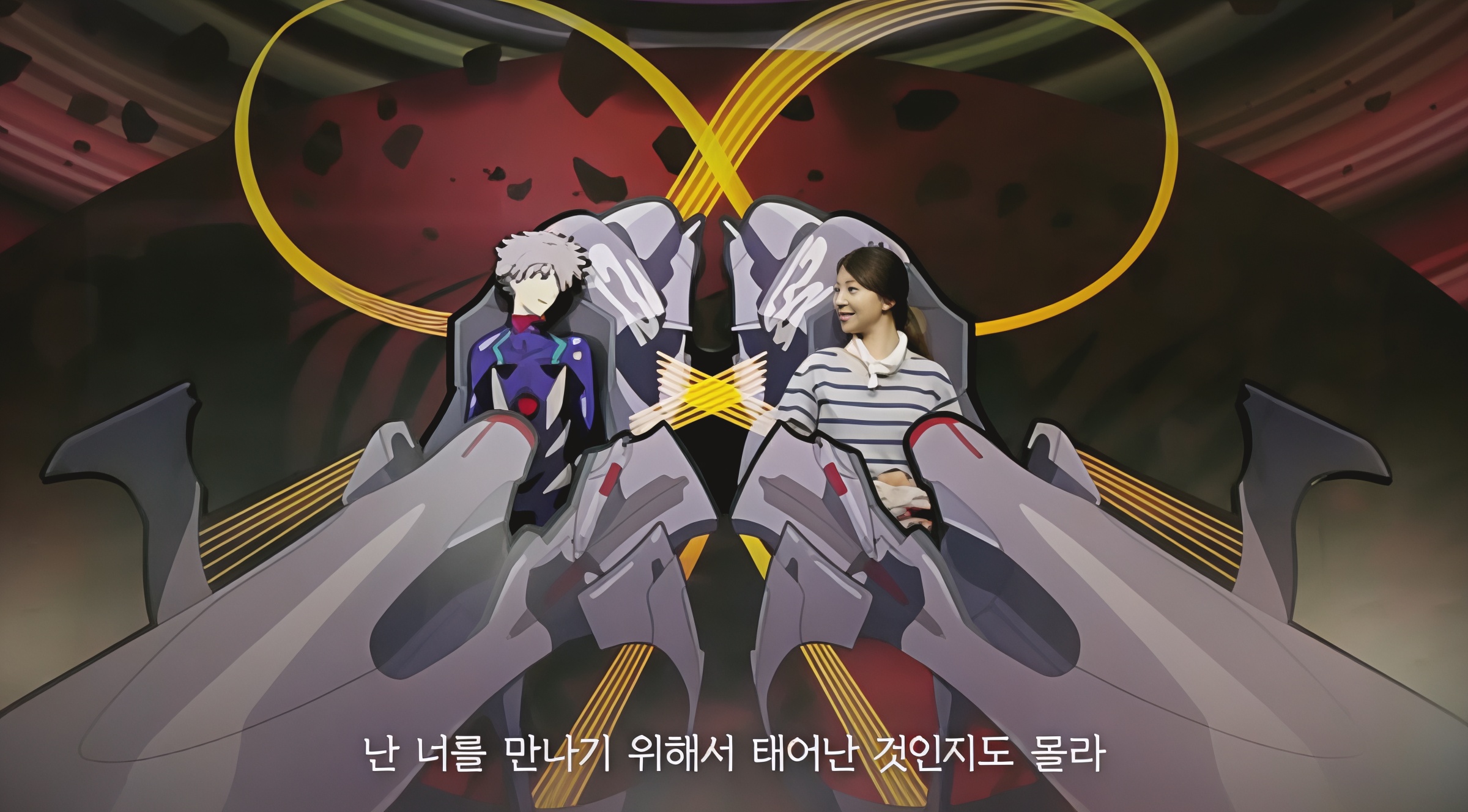
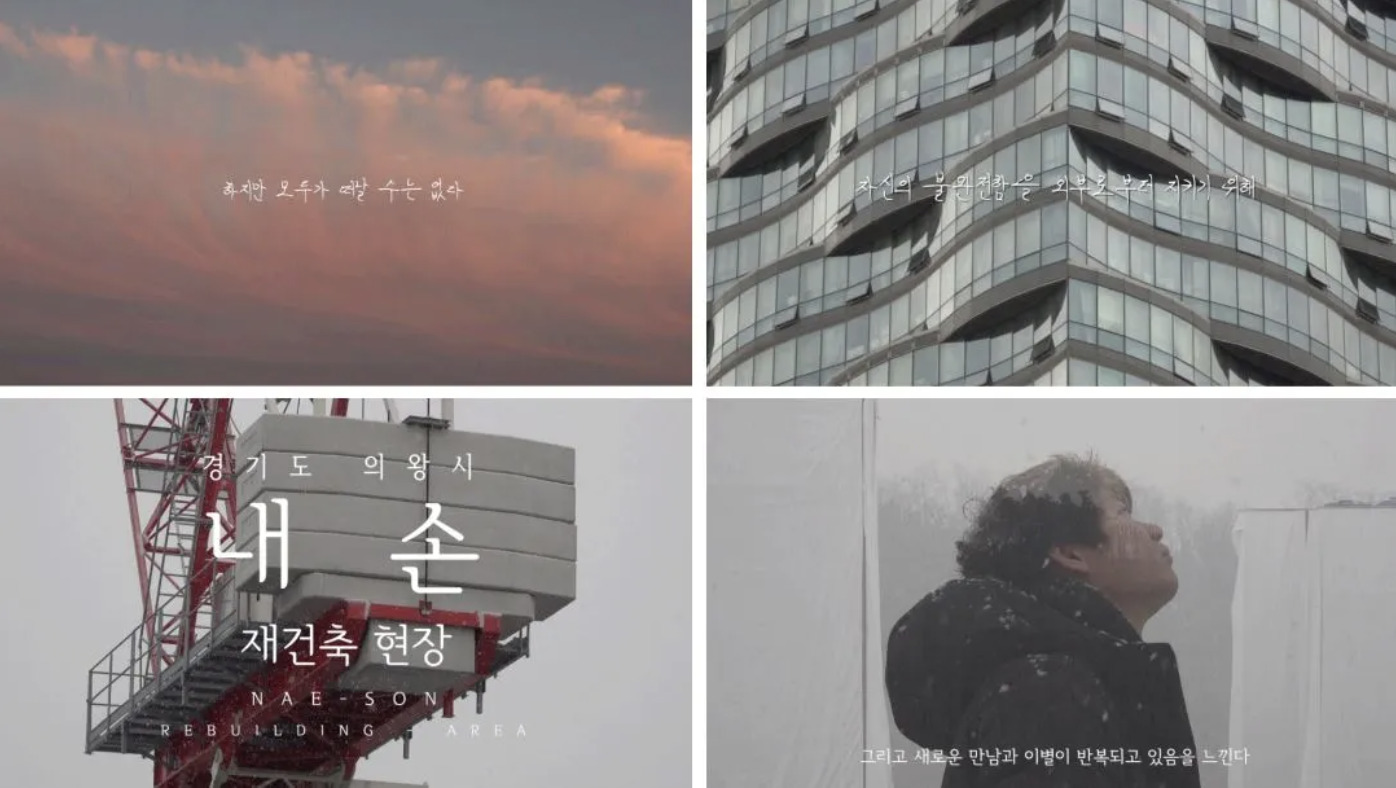
Minkyu Hwang (b. 1986) explores social imperfection and human vulnerability through animation-inspired editing techniques and formats. By appropriating and reconfiguring existing images, he reflects on contemporary events while constructing a distinctive world of his own through the mockumentary form, blurring the boundaries between reality and fiction.


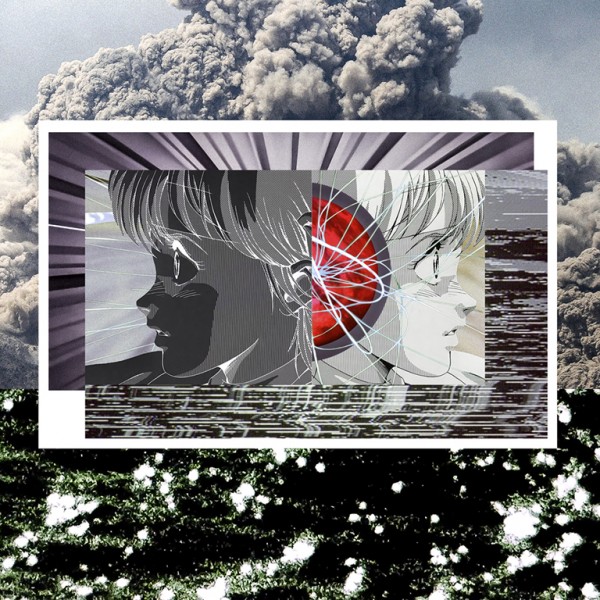
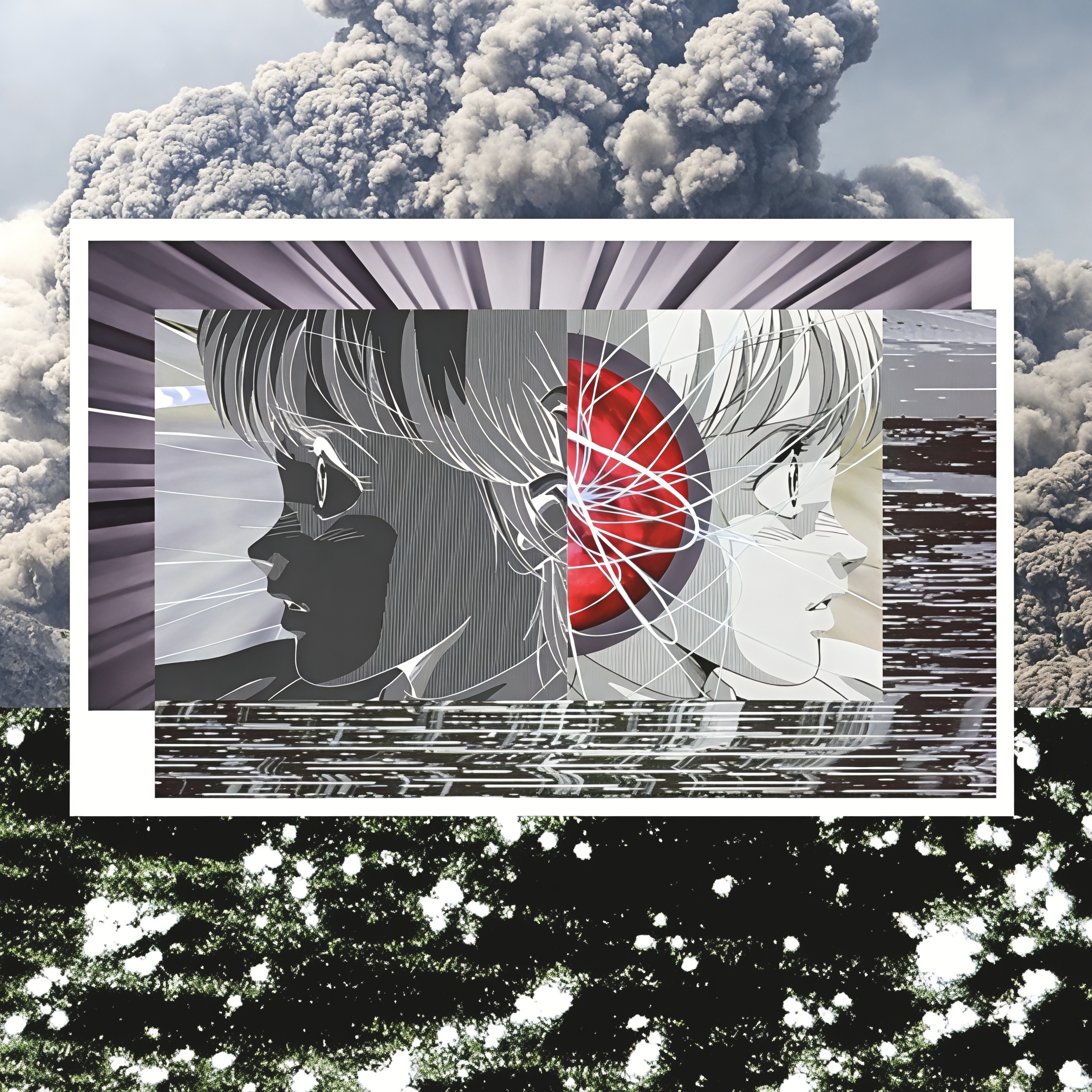
Minkyu Hwang, Time to Live, 2018, Digital print, 61.5x61.5cm © Minkyu Hwang

Minkyu Hwang focuses on social phenomena that emerge at the boundary between reality and fiction. Drawing on the subcultures of the 1980s and 1990s, he has developed a fin-de-siècle worldview through which he captures the unstable facets of contemporary society.
 
To gather material for his work, Hwang films or collects a wide range of images and footage, from vlogs by family members and close acquaintances to news and current affairs programs, as well as films and animations rooted in subculture. He reconfigures these materials into the form of mockumentaries, constructing new narratives and fictional worlds.
 
The found footage incorporating science-fiction elements and fictional scenarios may initially appear unreal, yet it soon reveals points of contact with reality, prompting viewers to confront the world as it exists in the present moment.


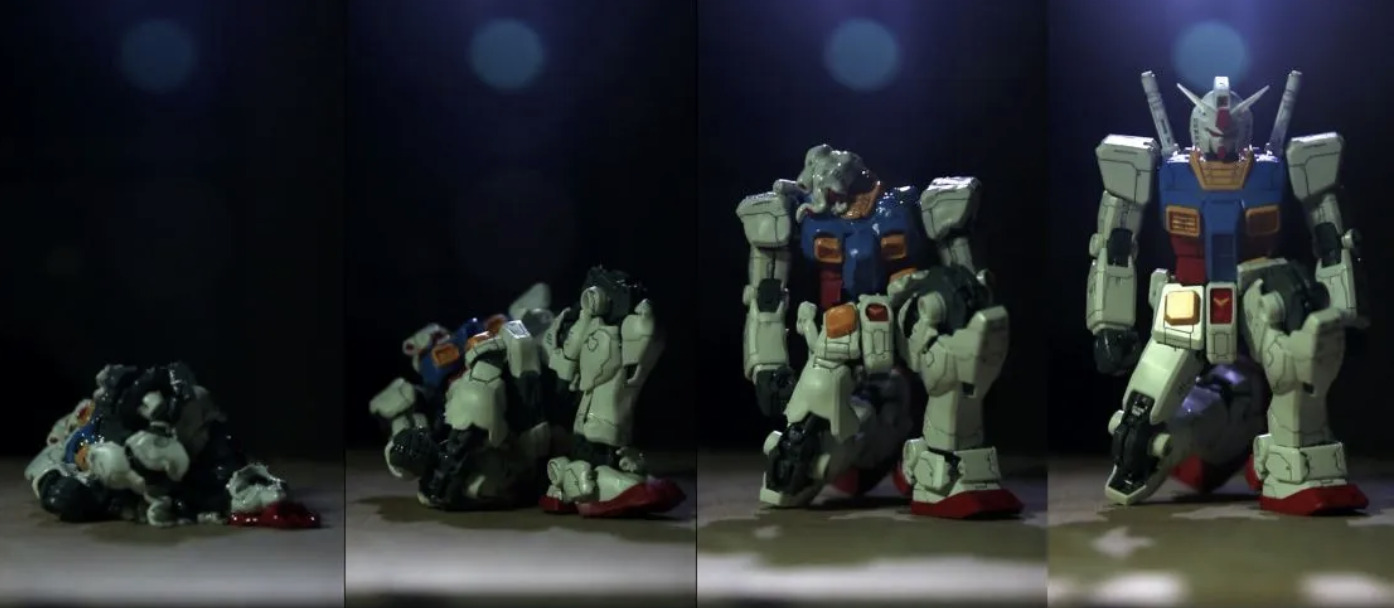
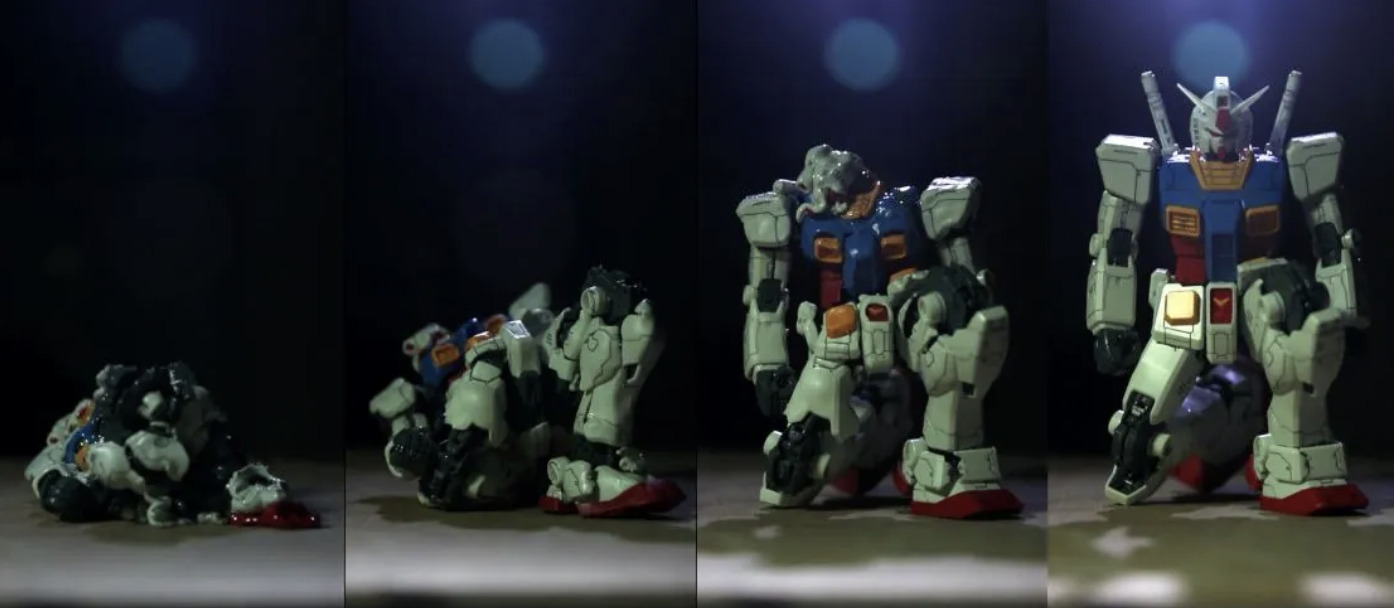
Minkyu Hwang, 2015:virtual odyssey, 2015, HD video, 3min. © Minkyu Hwang

Minkyu Hwang’s practice begins with a reconsideration of the fantasies he held about the heroes in the animated series he watched as a child. Growing up, he was fascinated by heroic figures, particularly robots, who could ultimately overcome any crisis they encountered.
 
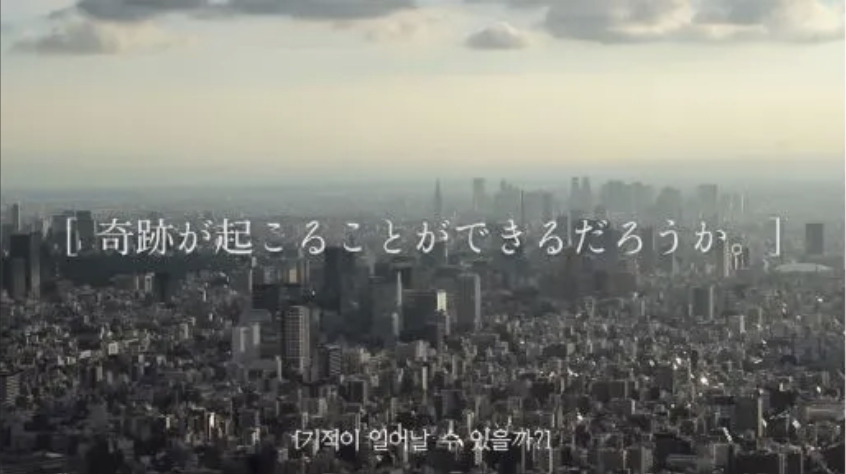
However, these fantasies began to unravel as he witnessed major disasters, such as the 2011 Great East Japan Earthquake. Hwang recalls that the plastic model kits he kept at home suddenly seemed like nothing more than lumps of plastic, as though all the meaning he had attributed to them had vanished. This experience led him to recognize the gap between fantasy and reality.
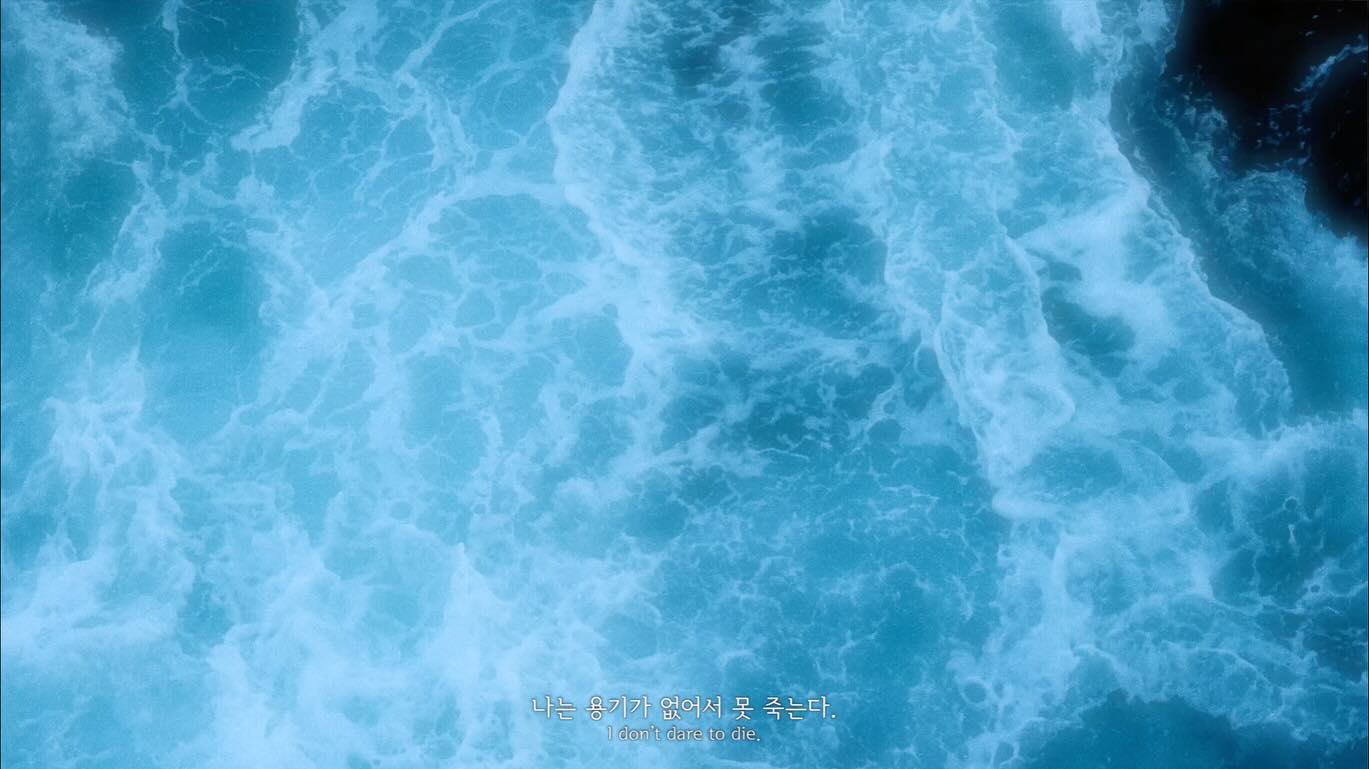
 
Reflecting on this experience, Hwang created 2015:virtual odyssey (2015), a work that returns the model kits to the virtual world from which they originated. In the work, he melts the plastic models and then brings them back to life within the video.


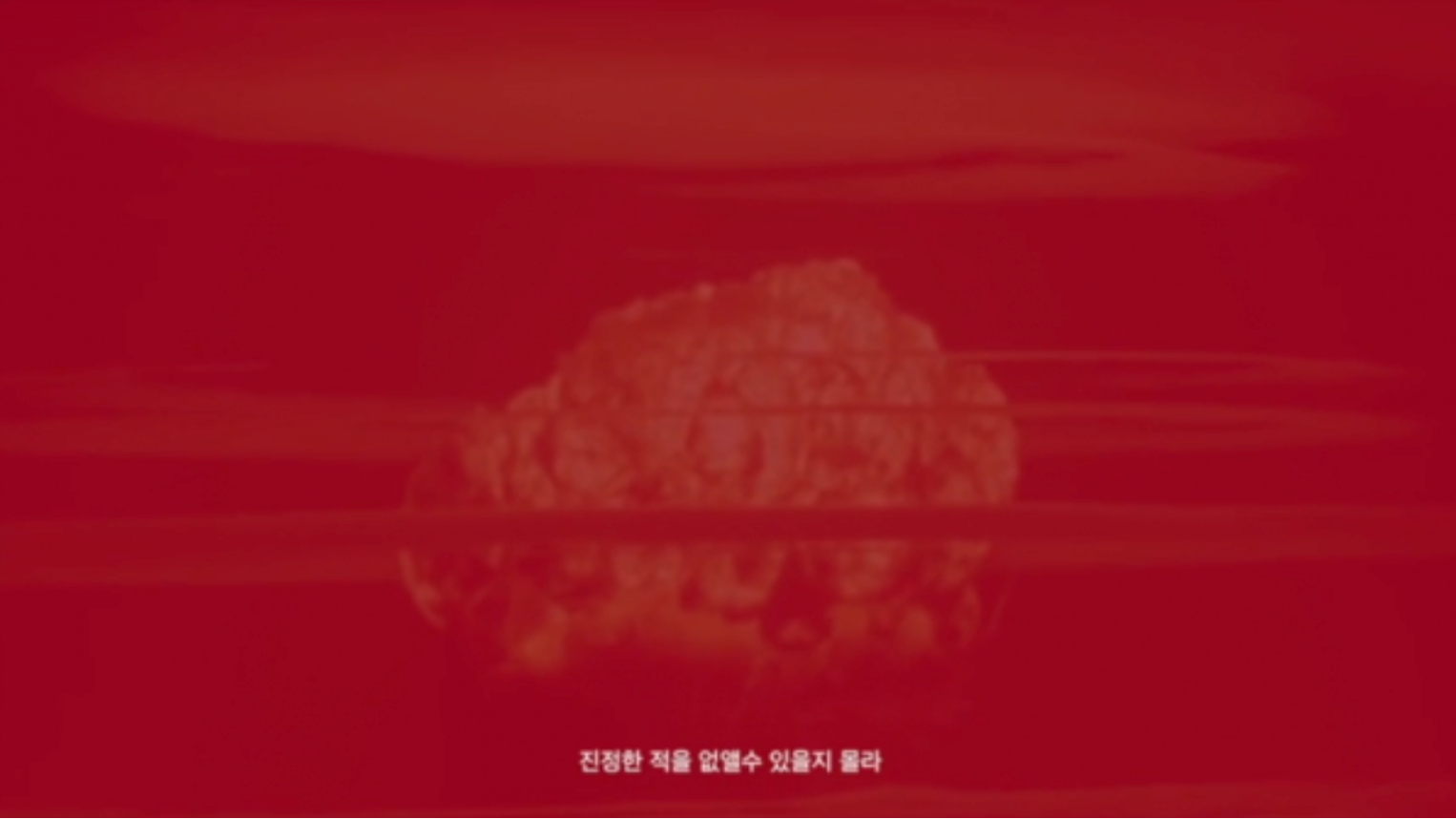
Minkyu Hwang, Protect me, 2017, HD video, 25min. © Minkyu Hwang

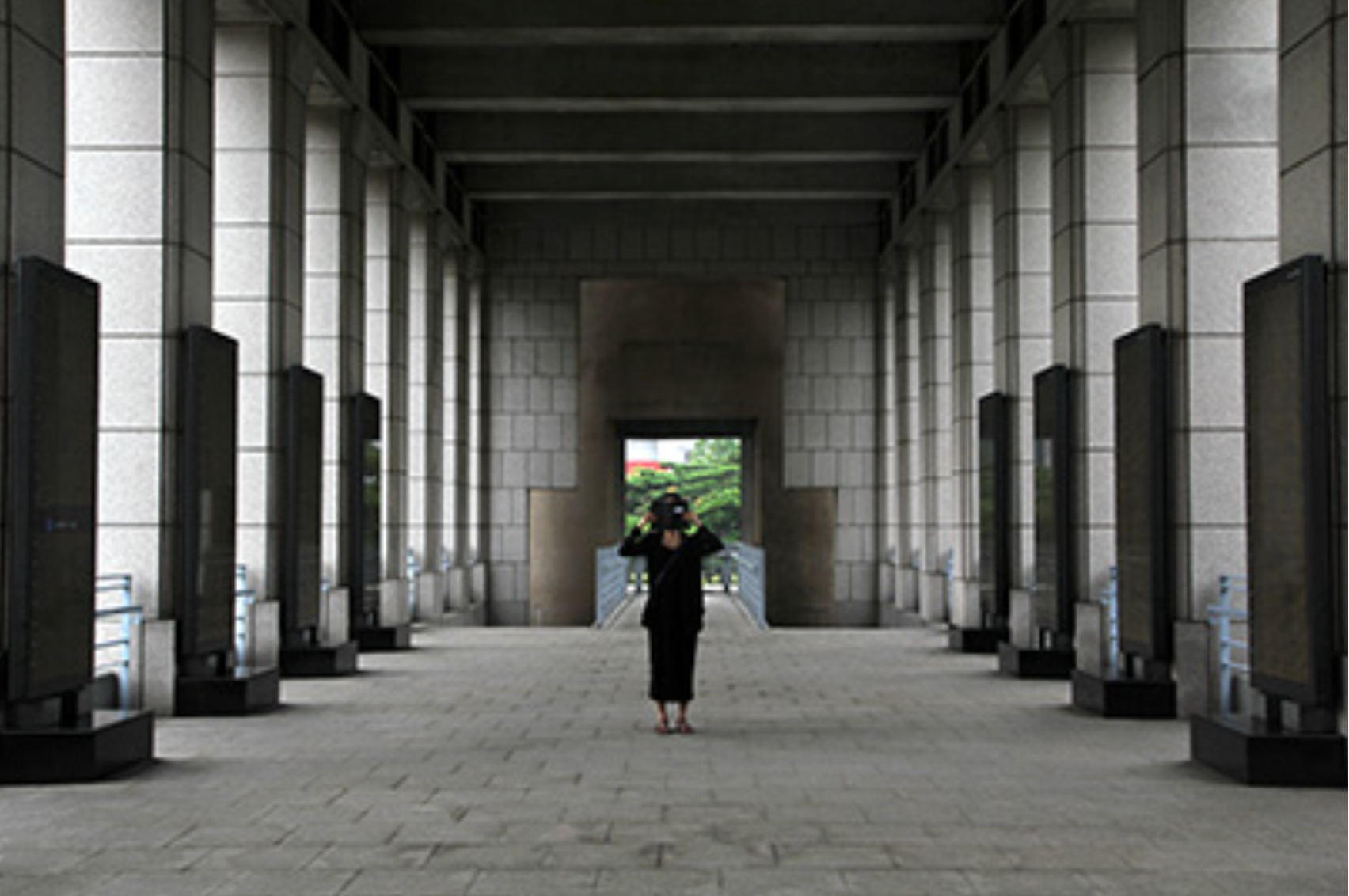
Hwang continued to explore the position of the individual at the boundary between reality and fiction. His 2017 video work Protect me is based on footage documenting a series of unexpected and shocking events he encountered in Japan, where he had traveled for both a research trip intended to expand the conceptual scope of his practice and his honeymoon.
 
Hwang recalls feeling unsettled by the way many people seemed to act as though they had forgotten reality, despite a series of major social events unfolding in Japan at the time, including a killing at a psychiatric hospital, the emperor’s abdication, and earthquakes. He recorded events that took place during his trip and combined the footage with a fictional scenario to develop the work.


Minkyu Hwang, Protect me, 2017, HD video, 25min. © Minkyu Hwang

The images and narratives in Hwang’s work drift between reality and fiction, revealing social instability and human vulnerability through animation-inspired editing techniques and formats.
 
Despite their otaku sensibility and eccentric tone, his videos unfold with a serious undertone. By appropriating and reconfiguring existing images to address contemporary events, Hwang probes the subtle points of tension where fiction and reality collide.


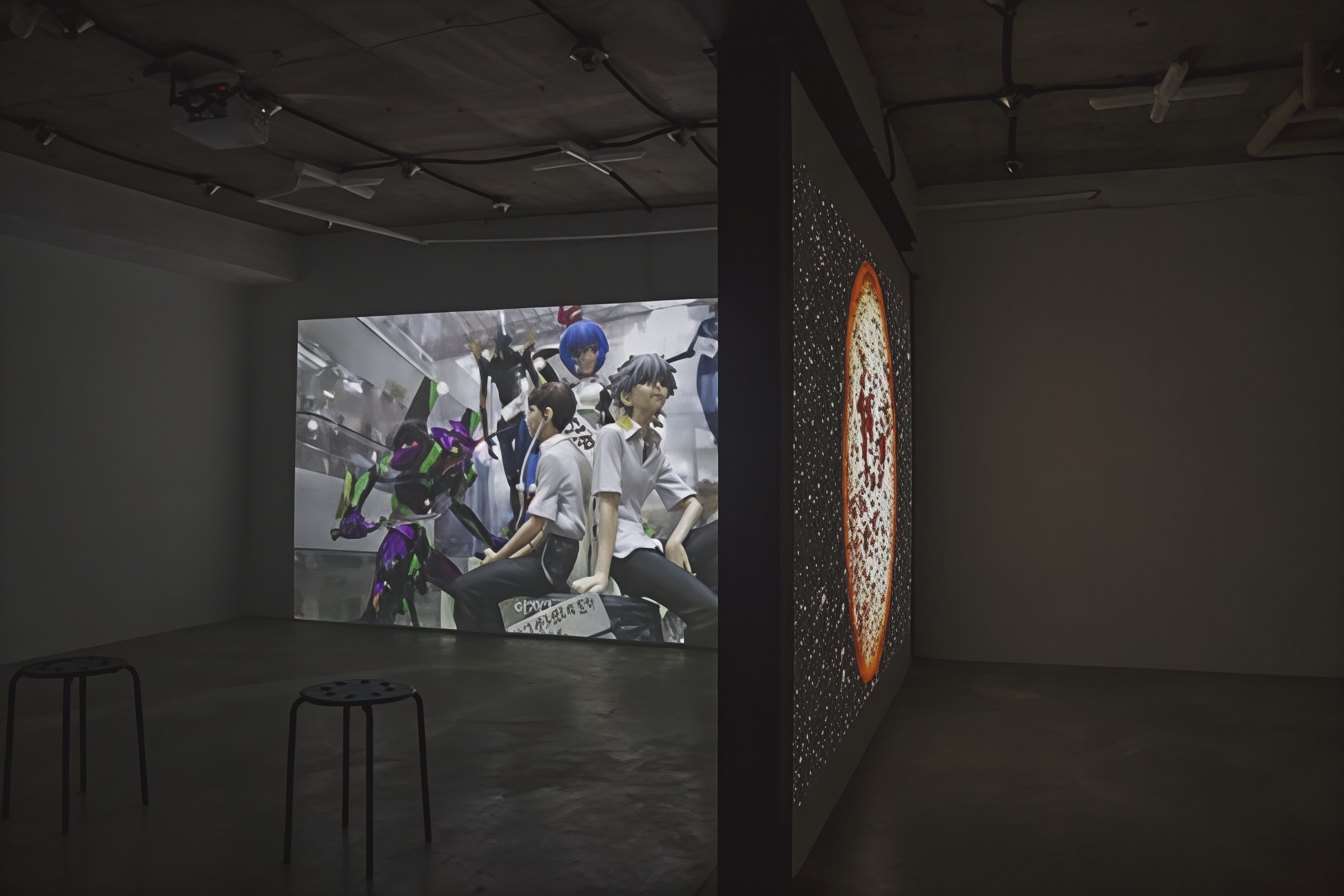
Installation view of 《これは愛ですか。 This Is Love?》 (out_sight, 2018) © out_sight

In the 2018 solo exhibition 《これは愛ですか。 This Is Love?》, Protect me enters a world on the brink of annihilation. Centered on a world facing destruction and the figures attempting to save it, the exhibition explores the anxiety and fantasies that emerge at the boundary between reality and fiction.
 
Upon entering the exhibition, viewers encounter two figures sitting back-to-back beneath a star-filled night sky, accompanied by a question that also serves as the exhibition’s title. Yet rather than tender emotions, the exhibition presents scenes foretelling the end of the world.
 
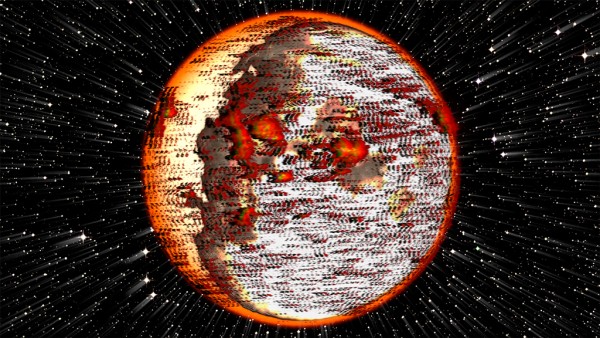
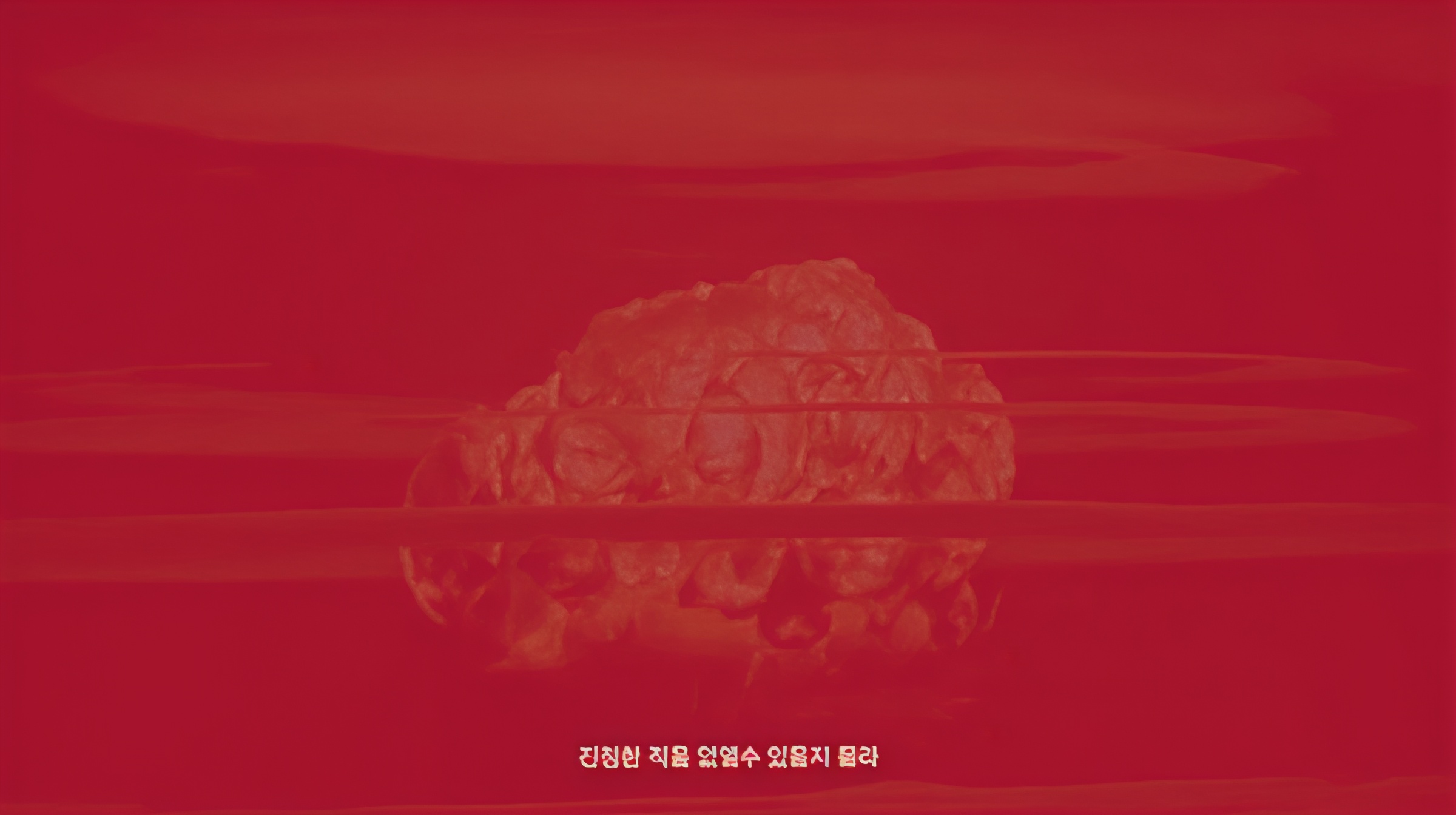
In Protect me, the heroine sets out from humanity’s last city in search of a hero who can save the world. Meanwhile, in I'll protect you (2015), a hero’s vow unfolds amid images of catastrophe. Although the two works appear to echo one another, the disasters continue unabated, and the heroine’s quest ultimately ends in failure.


Minkyu Hwang, I’ll protect you, 2015, HD video, 4min 52sec. © Minkyu Hwang

Scenes combining images taken from animation with actual photographs unfold without clear causal connections, foregrounding the polished surfaces of the images rather than sustaining a sense of crisis or tension.
 
Although Hwang borrows the conventions of heroic narratives, he ultimately undermines the expectation of a figure capable of saving the world. What remains after the hero’s vow dissipates in the video is a small, lightweight lump of plastic melted down by the artist.
 
This object reveals both the meaning invested in fantasy and its fragile material reality, prompting viewers to reconsider their tendency to turn away from an uncertain present and consume visions of a future in a world that does not exist.


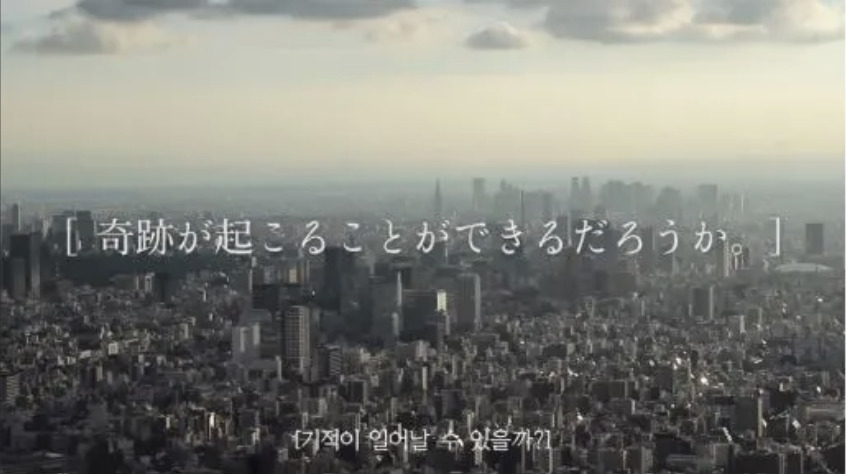
Minkyu Hwang, Into the wild, 2020, HD video, 12min. © Minkyu Hwang

Ultimately, the unfolding and entanglement of events in Protect me lead to the nihilistic conclusion that the hero is absent. In his subsequent work Into the wild (2020), Hwang declares the hero’s absence and expresses his determination to forge his own path through life. However, this resolve eventually collapses under the isolation and loneliness brought about by the COVID-19 pandemic.
 
Composed of images in which reality and fiction intersect, alongside narration, the video captures the perspective of an individual navigating a fin-de-siècle world intertwined with the anxieties of contemporary life. Although the narration appears to refer to specific real-world events and circumstances, it ultimately reflects on an inner reality that operates differently from the external world.


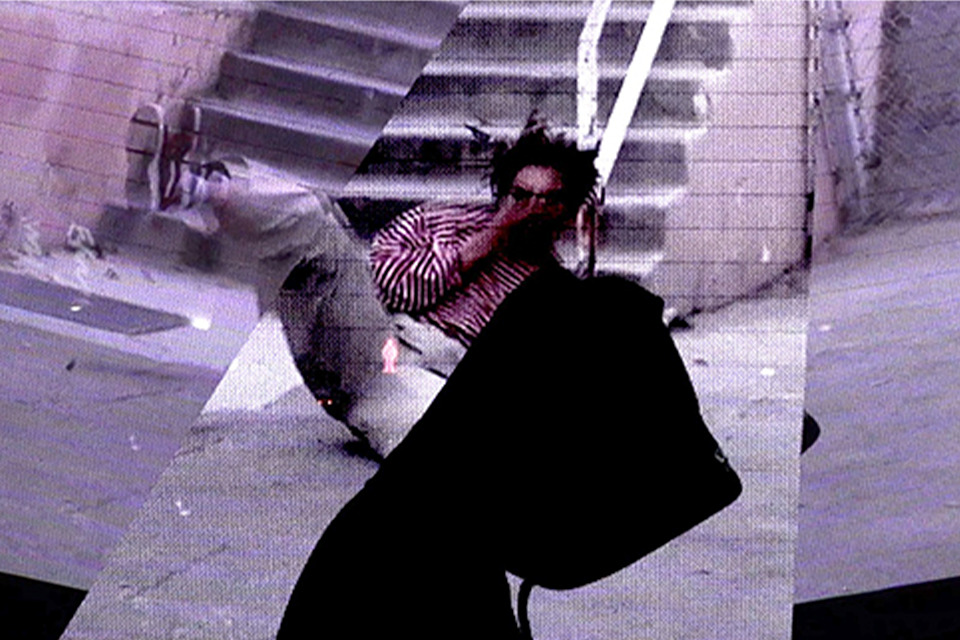
Minkyu Hwang, The end of our base, 2020, HD video, 35min. © Minkyu Hwang

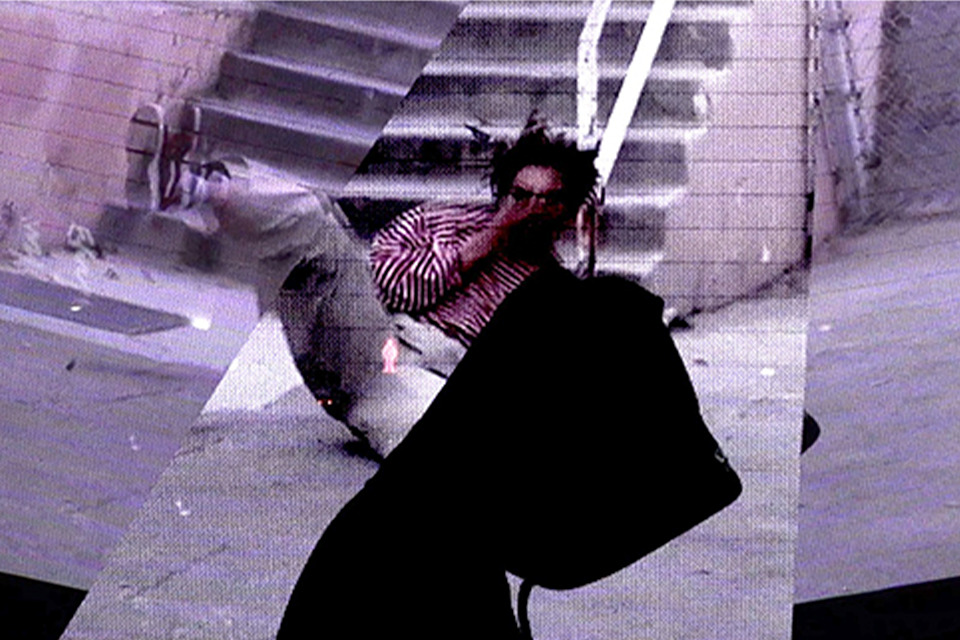
Also released in 2020, the video The end of our base features a friend of Hwang’s who once shared a studio with him. The protagonist, an aspiring artist just beginning his career, secures a home using a government-backed rental deposit loan but faces the threat of eviction due to a paperwork issue. In an attempt to overcome this crisis, he needs a large sum of money and, after exploring various options, decides to enter a hip-hop audition program.
 
Although the work unfolds around an actual incident involving the protagonist, it takes the form of a mockumentary drawing on the style and sensibilities of Japanese animation from the 1990s. Through a portrayal of urban environments where fiction and reality intermingle, the work exposes economic disparities and extreme circumstances that push the protagonist ever deeper into crisis.


Minkyu Hwang, The end of our base, 2020, HD video, 35min. © Minkyu Hwang

Except for the protagonist’s voice, the work is filled with pre-existing dialogue, reborn with a 1990s analog sensibility. Through this process of recombination, the artist summons past voices into the present to look toward the future, illustrating how the struggles of individual lives and the melancholy of the turn-of-the-century era permeate across time.
 
The protagonist’s decision to enter a hip-hop audition program in an attempt to resolve his predicament reflects the influence of popular culture consumed in South Korea. Through this premise, Hwang recreates the dramatic narratives demanded by contemporary society while exploring the tension between ideals and reality.

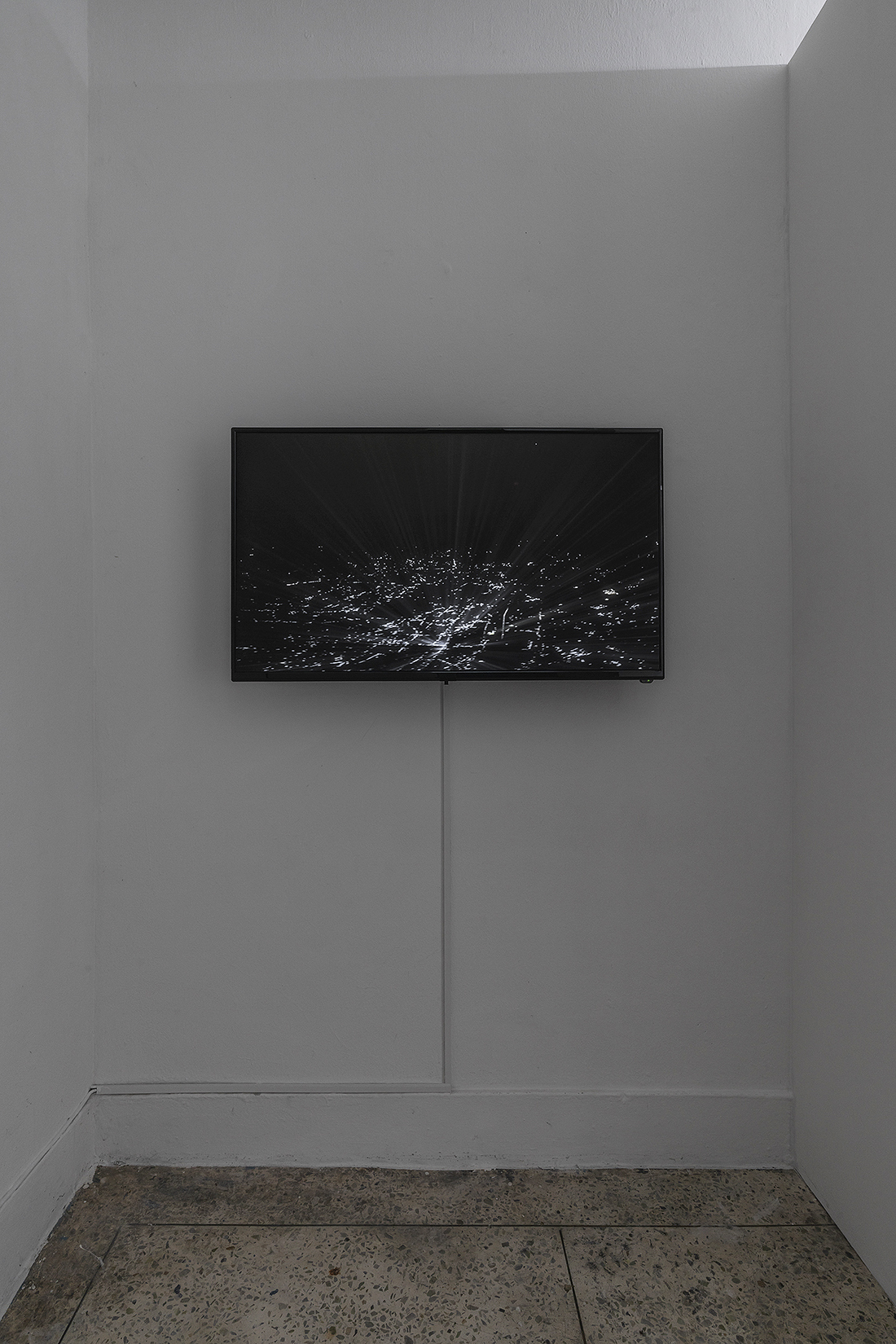
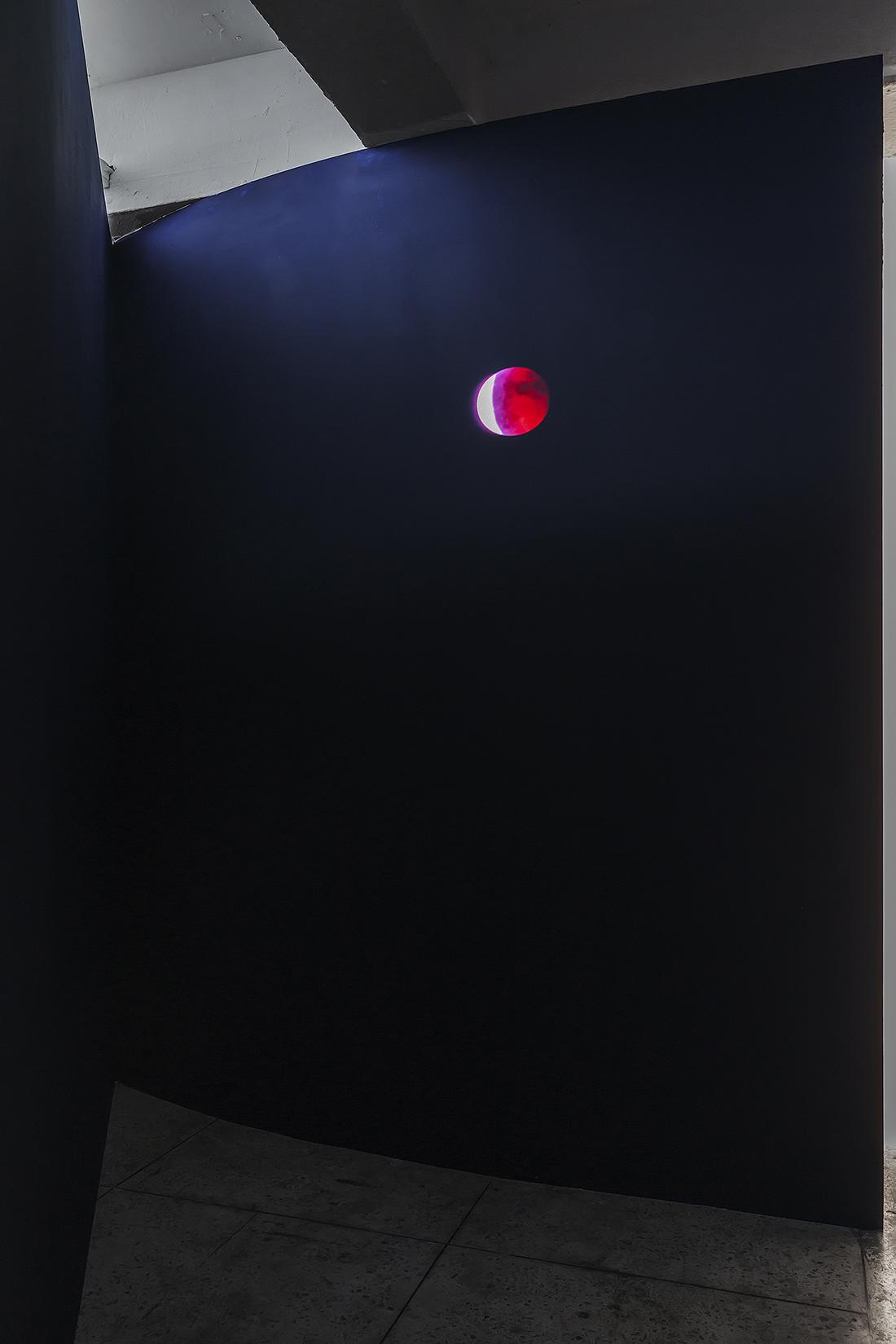
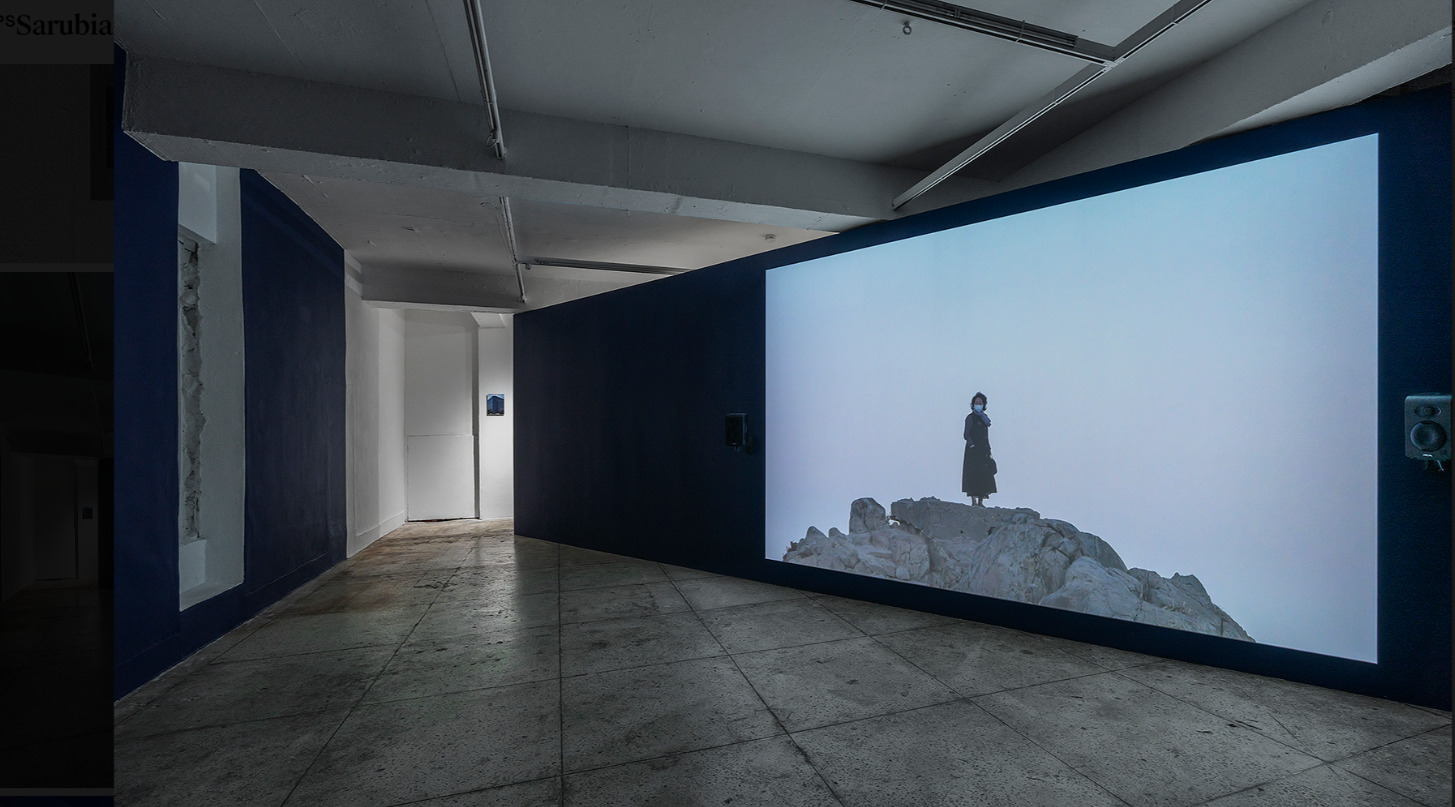
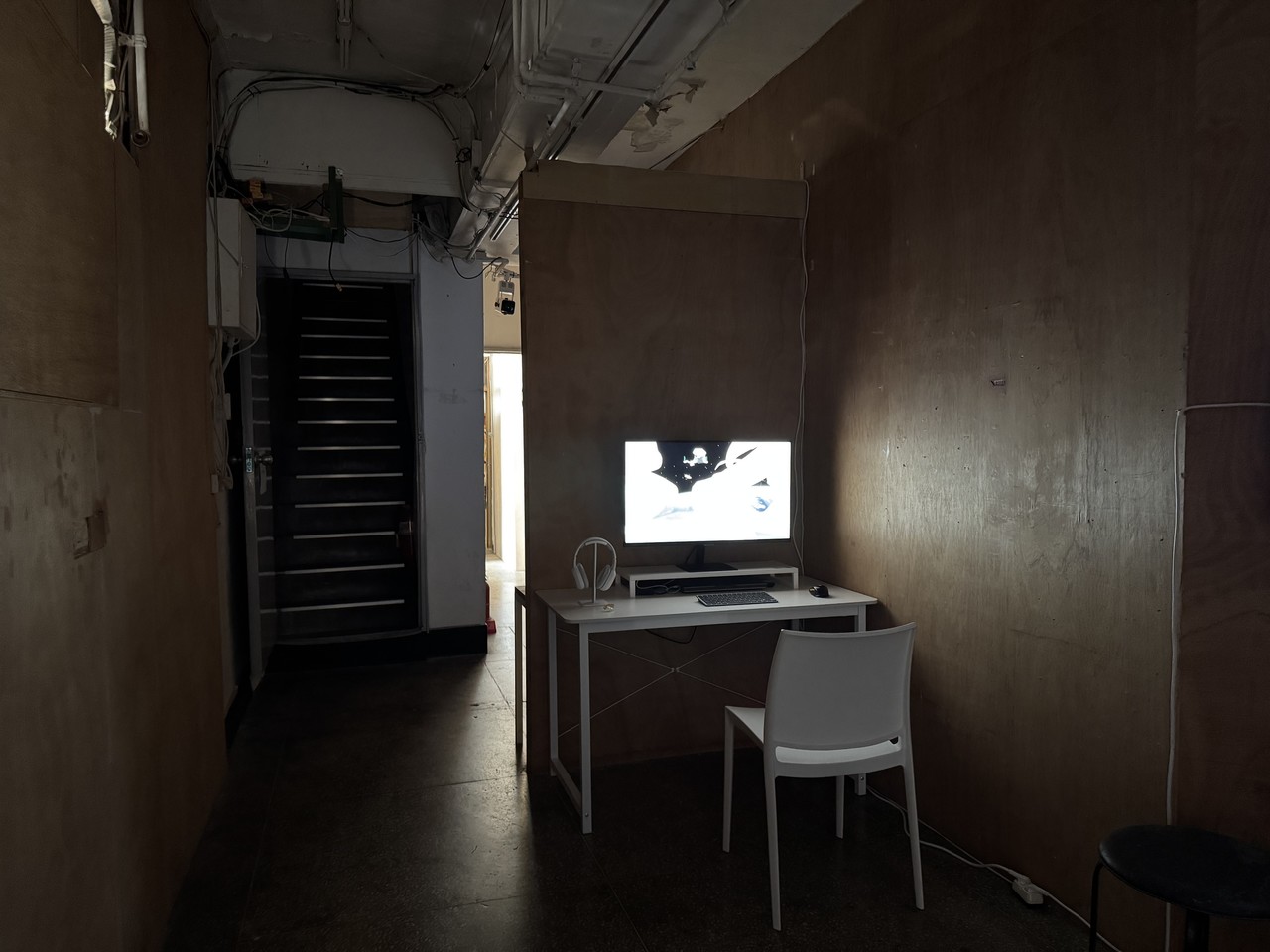
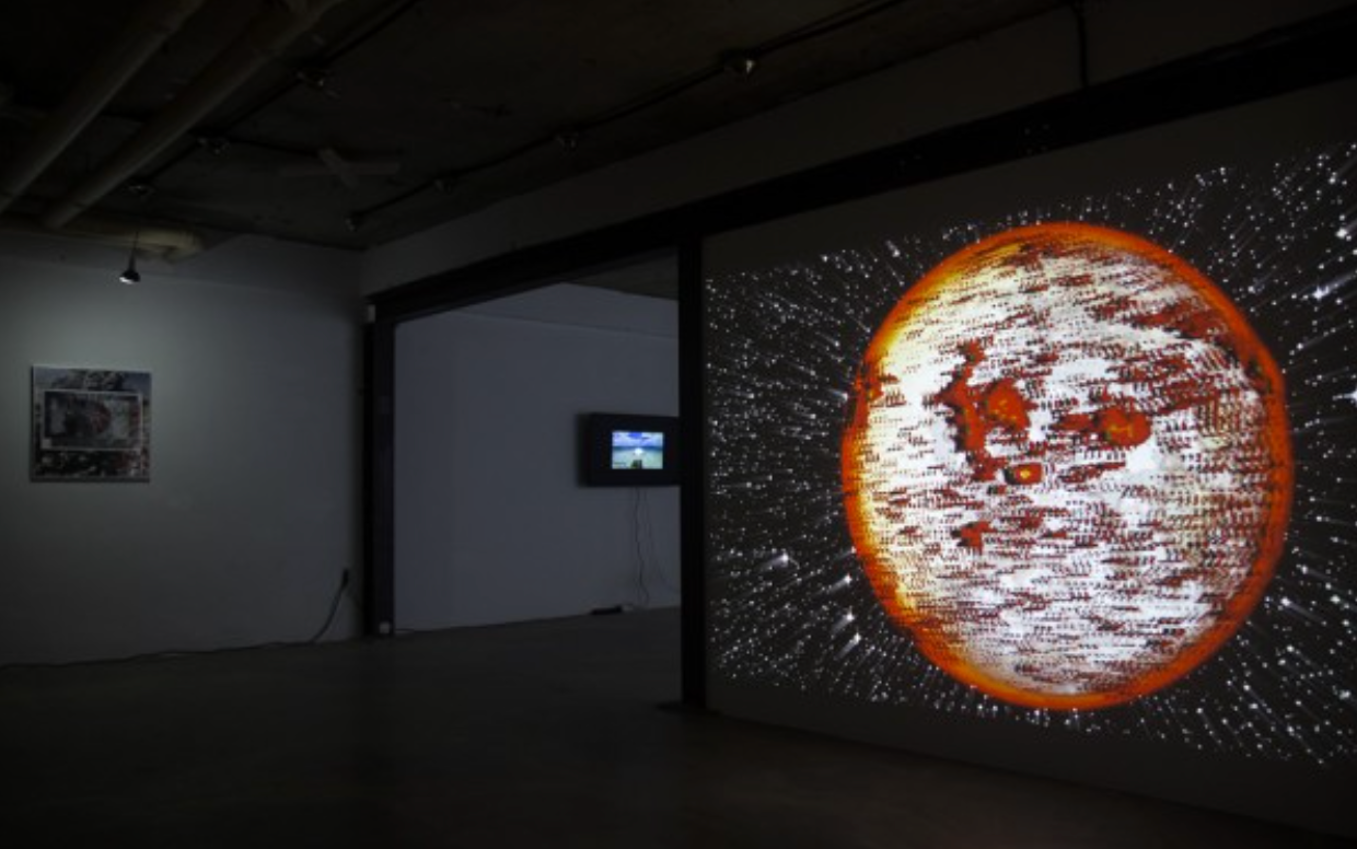
Installation view of 《Out of the Blue》 (Project Space Sarubia, 2023) © Project Space Sarubia

In his 2023 solo exhibition 《Out of the Blue》 at Project Space Sarubia, Minkyu Hwang moved away from the 1990s subcultural aesthetics that had been prominent in his earlier work, expanding his range of references to include science fiction literature and the humanities. While his choice of genres appears to shift, he continues to examine the limits of society and humanity through the disasters that cast a shadow over everyday life.
 
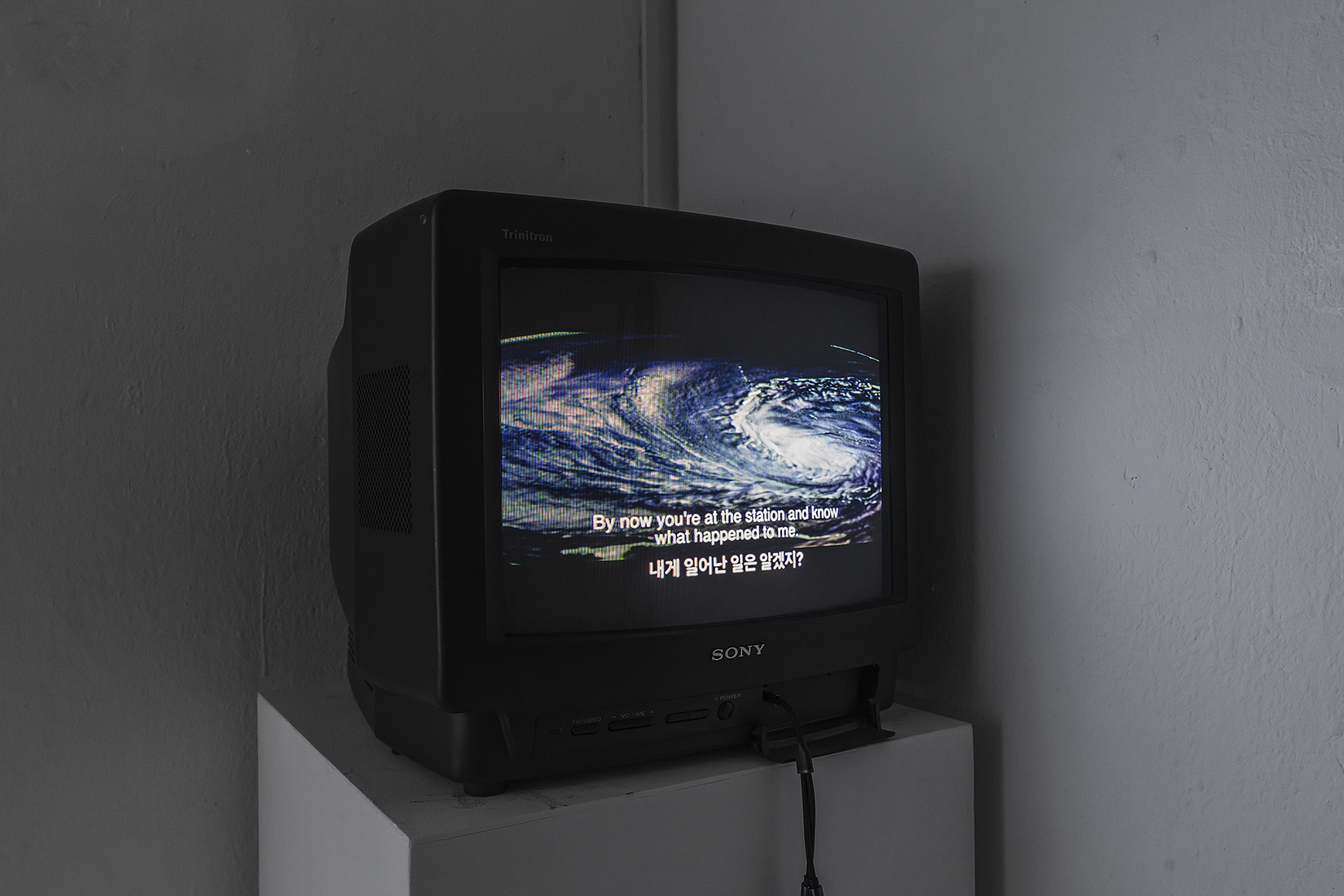
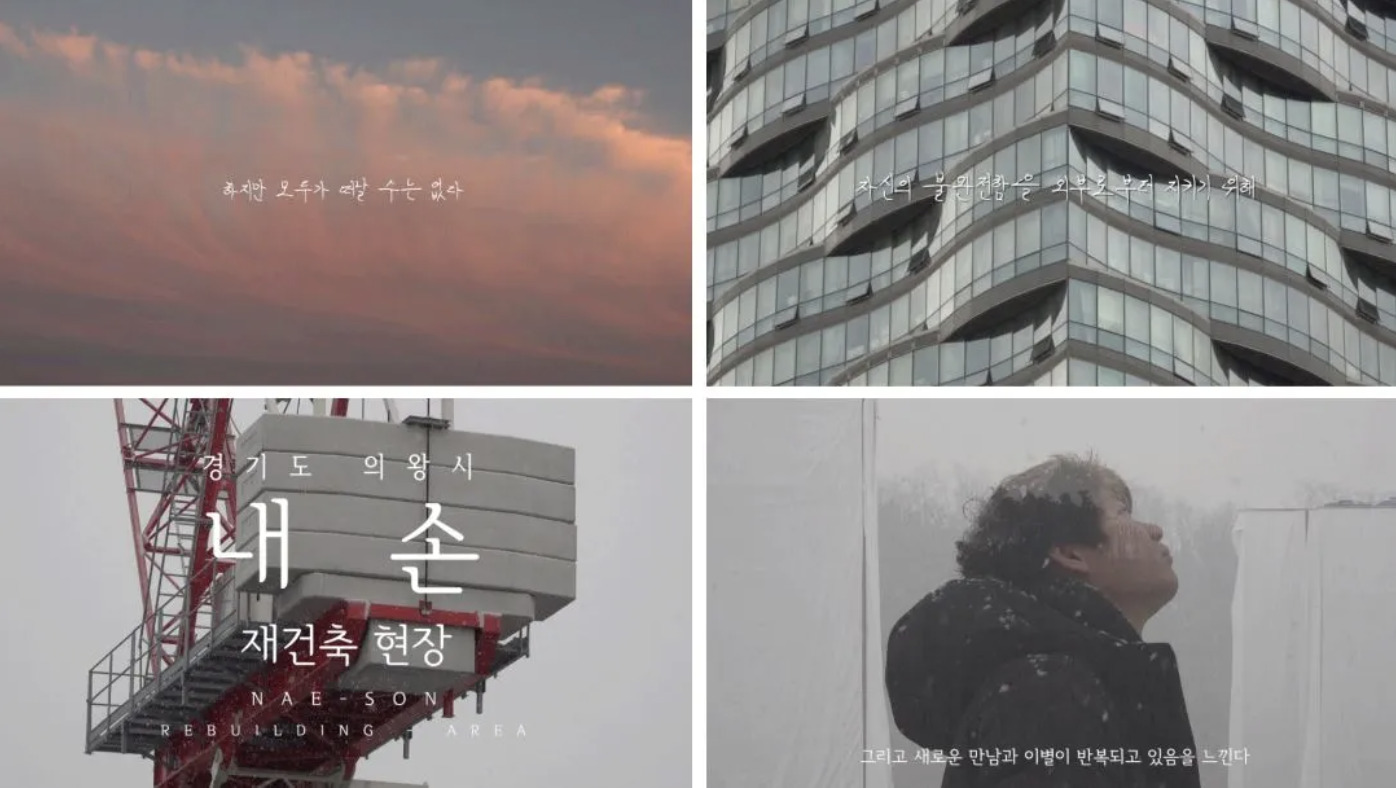
The video Jeongwol: The New Year (2023), presented in the exhibition, interweaves the stories of a wife fearful of an uncertain future and a mother who offers reassurance. Alongside a growing skepticism toward the possibility of living an independent life, the work follows a search for someone or something to rely on.


Minkyu Hwang, Jeongwol: The New Year, 2023, Single-channel video, 42min. © Minkyu Hwang

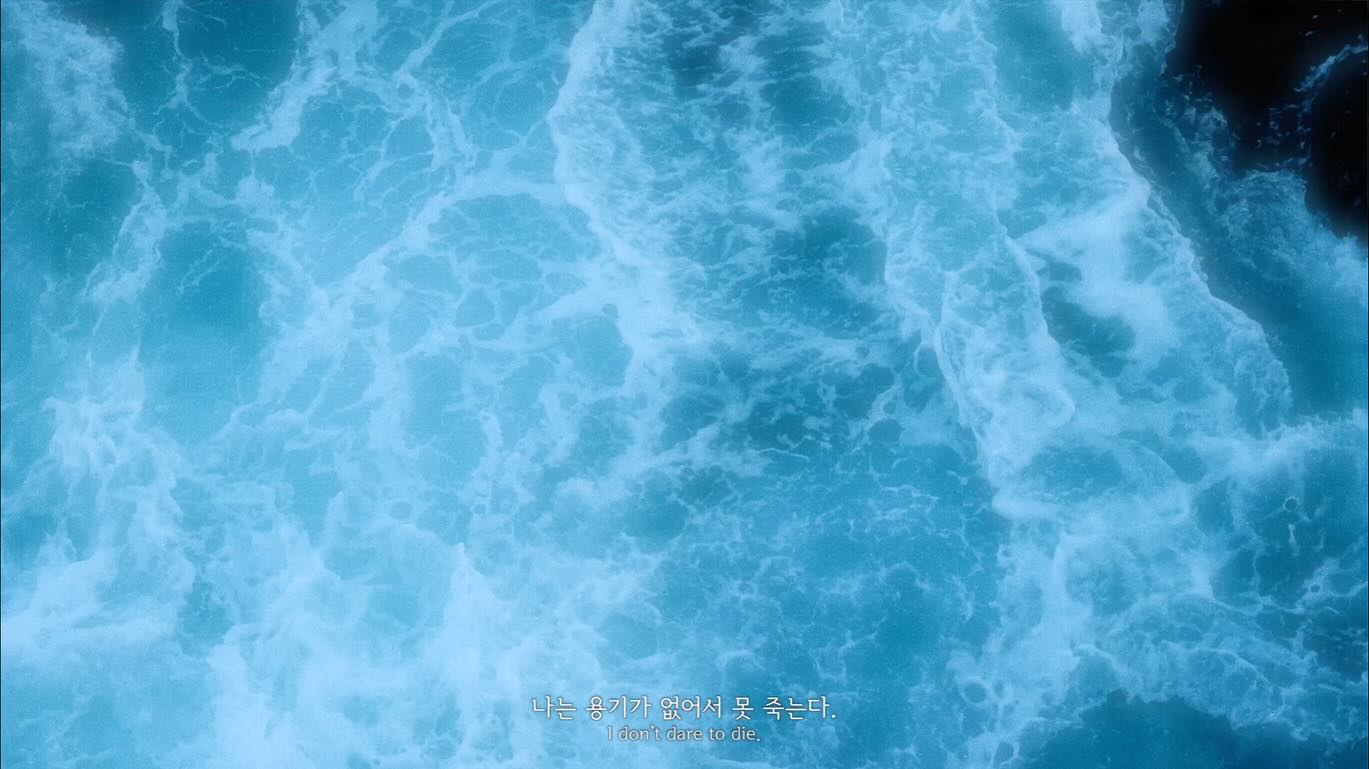
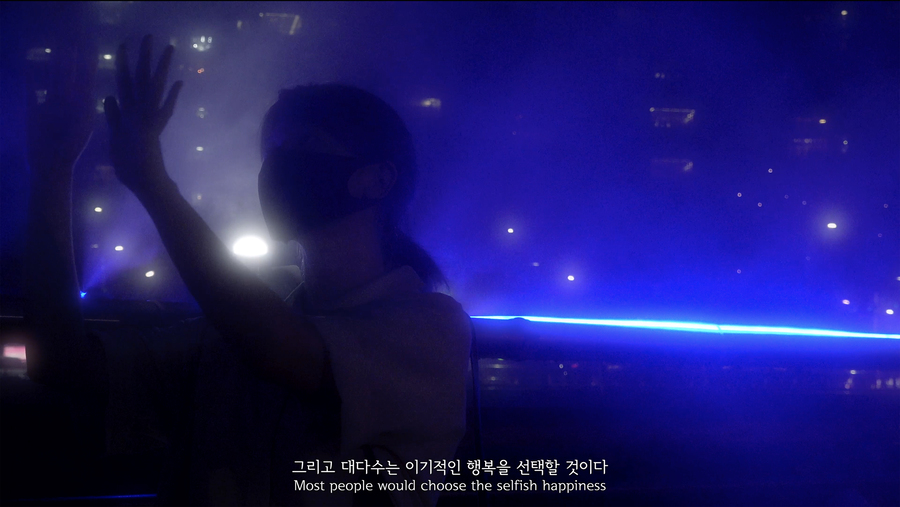
Set in Busan, Minkyu Hwang’s hometown, the video depicts family members calmly accepting an uncertain future. Unintentionally stranded there due to the COVID-19 pandemic, Hwang interweaves footage he intermittently shot of the pandemic-stricken Haeundae area with environmental disasters, including rising sea levels and the Fukushima wastewater issue.
 
At the intersection of comfort and crisis, Hwang captures an unpredictable future, the anxiety it engenders, and the vulnerability of human beings, whose sense of agency diminishes in the face of uncertainty. At the same time, he asks what we seek to protect despite these conditions, and what kind of new world we envision.


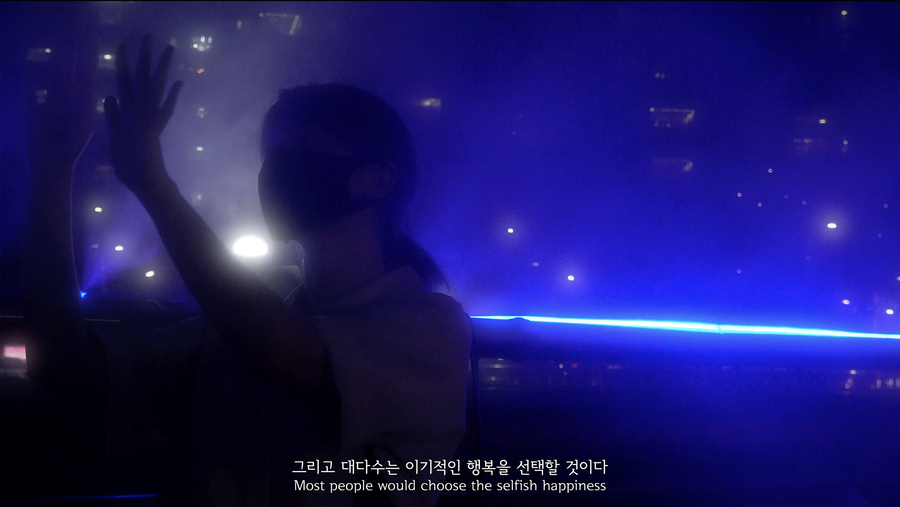
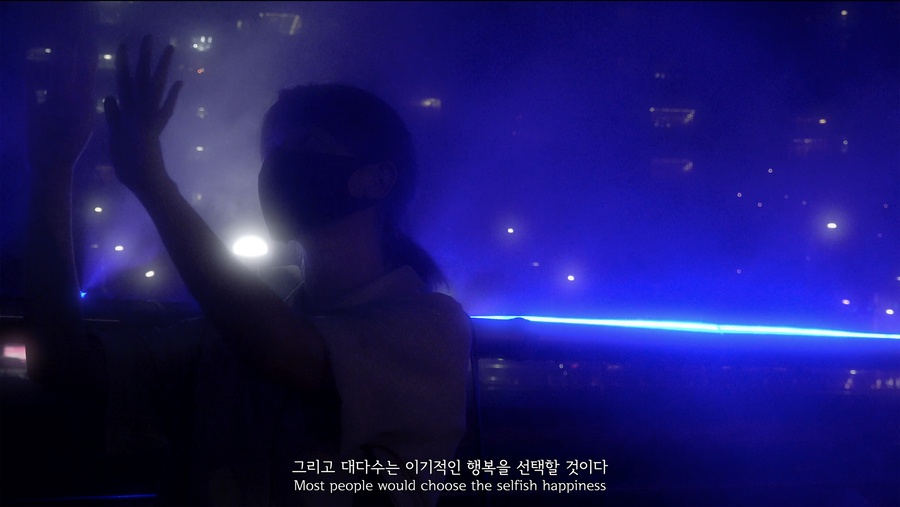
Minkyu Hwang, PULSE, 2025, Single-channel video, color, sound, 15min 51sec. © Minkyu Hwang

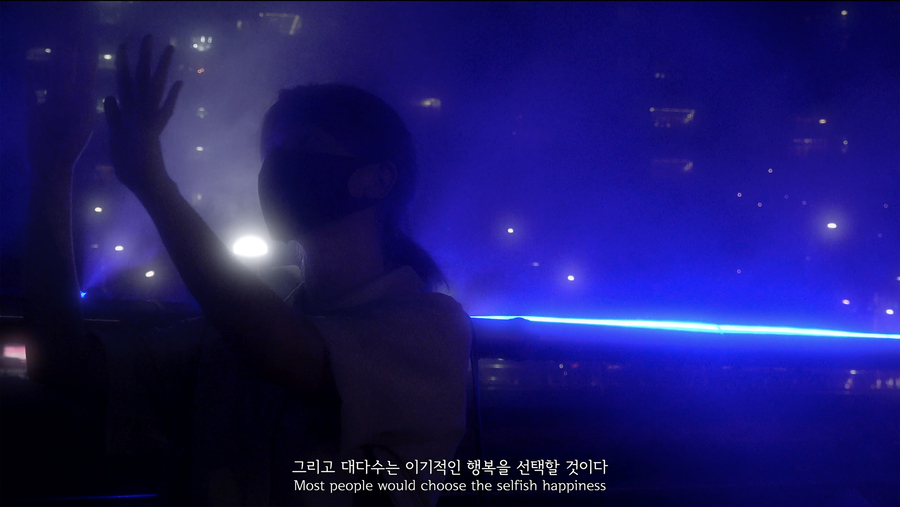
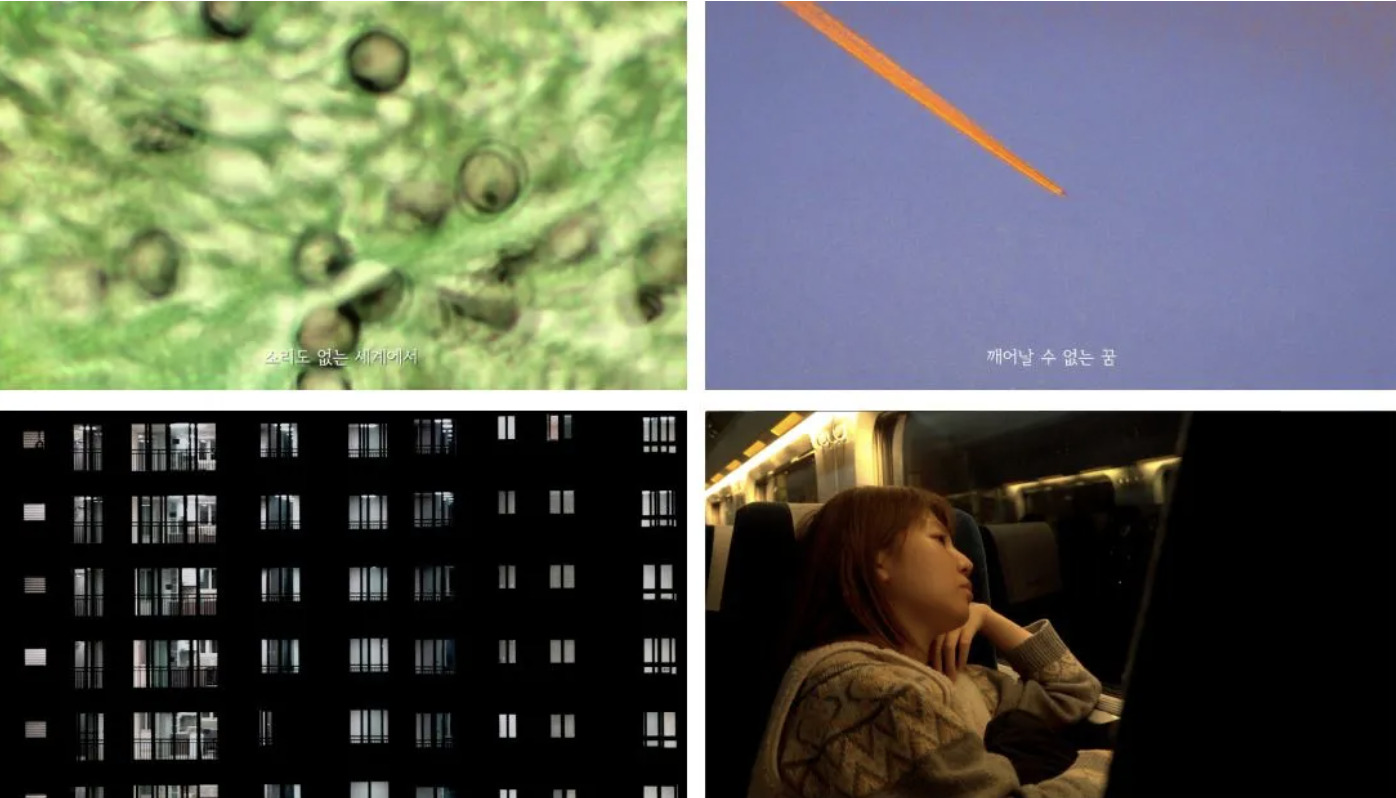
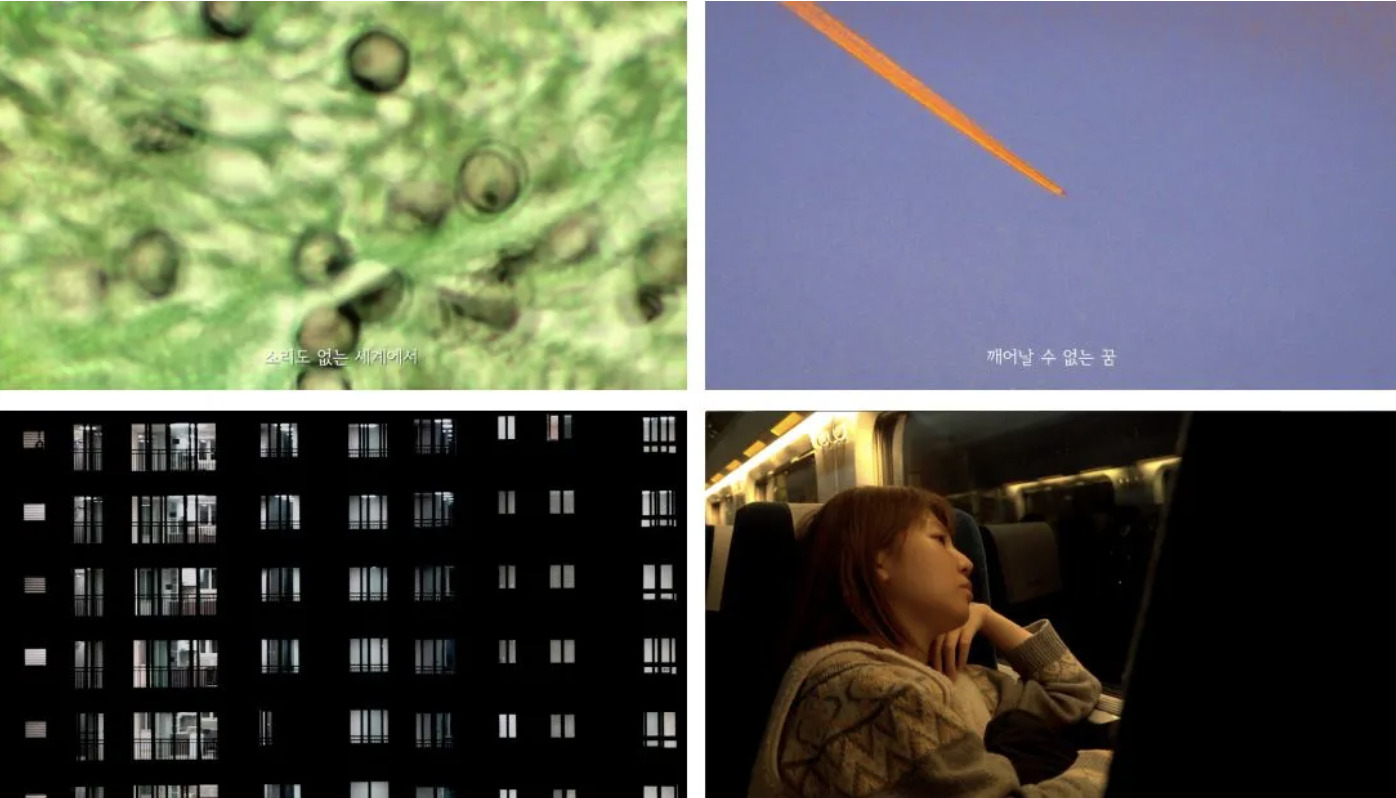
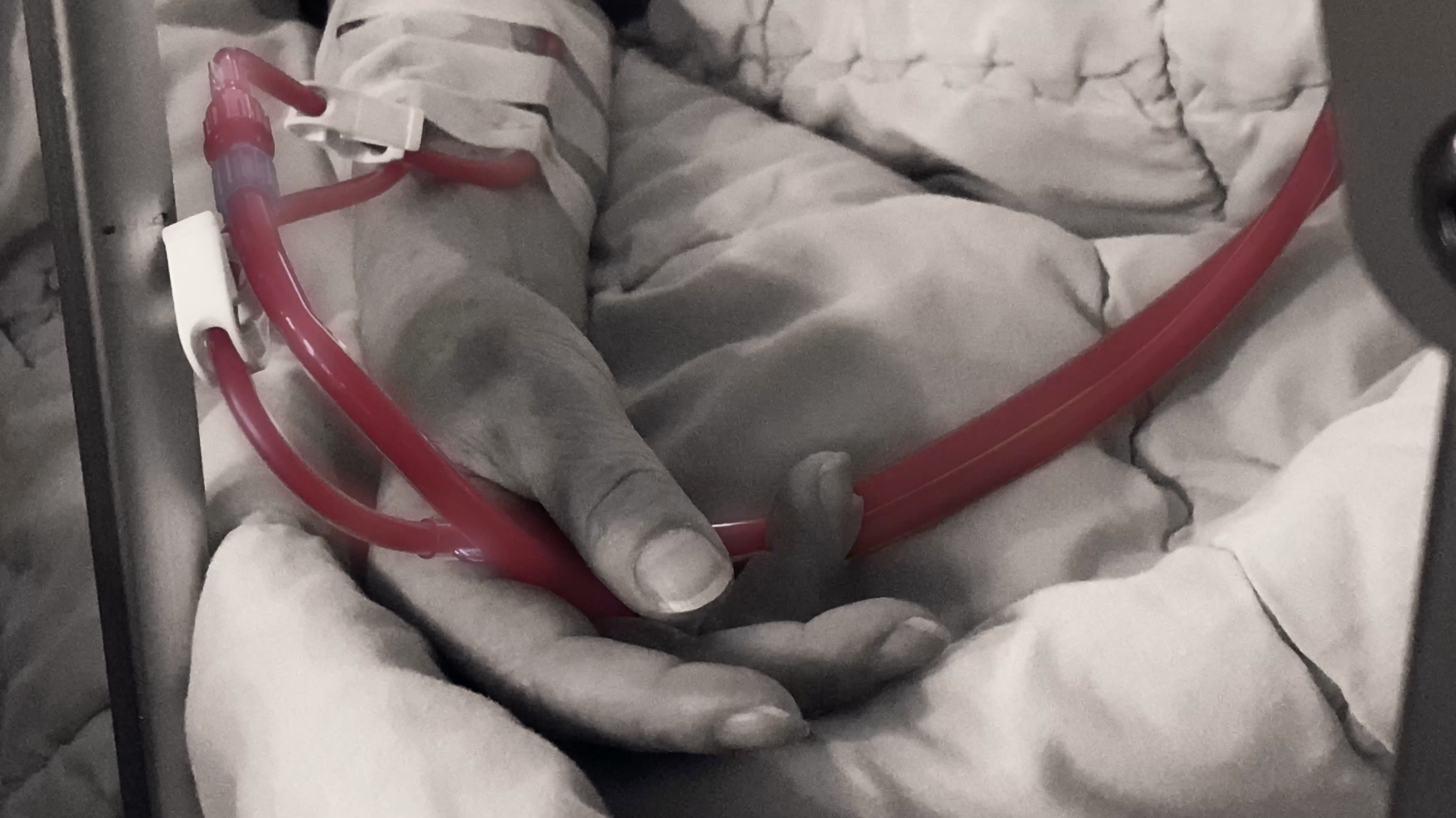
Minkyu Hwang’s 2025 video work PULSE documents his mother. Beginning with the personal story of her illness, the work explores life, death, and love. Following his mother’s gaze, PULSE asks whether grief can be more than an emotion and point toward something beyond itself.


Minkyu Hwang, PULSE, 2025, Single-channel video, color, sound, 15min 51sec. © Minkyu Hwang

Minkyu Hwang’s mockumentaries, positioned at the intersection of the ambiguous boundary between reality and the virtual, and the micro-level life stories and the dramatically vast worldviews, reveal the unstable underside of reality and seek alternative exits.
 
In his work, fictional scenarios serve as devices for exposing aspects of reality and capturing human vulnerability in the face of recurring crises. Through these works, viewers are prompted to confront the present anew and ask where they stand and where they are headed, both as individuals and as members of society.

“Although I keep incorporating fictional scenarios, when it comes to shaping the core message, I always return to reality. I believe that looking at reality is the most important thing. I think that is the message of my work.” (Minkyu Hwang, in an interview with leewith-leewith)
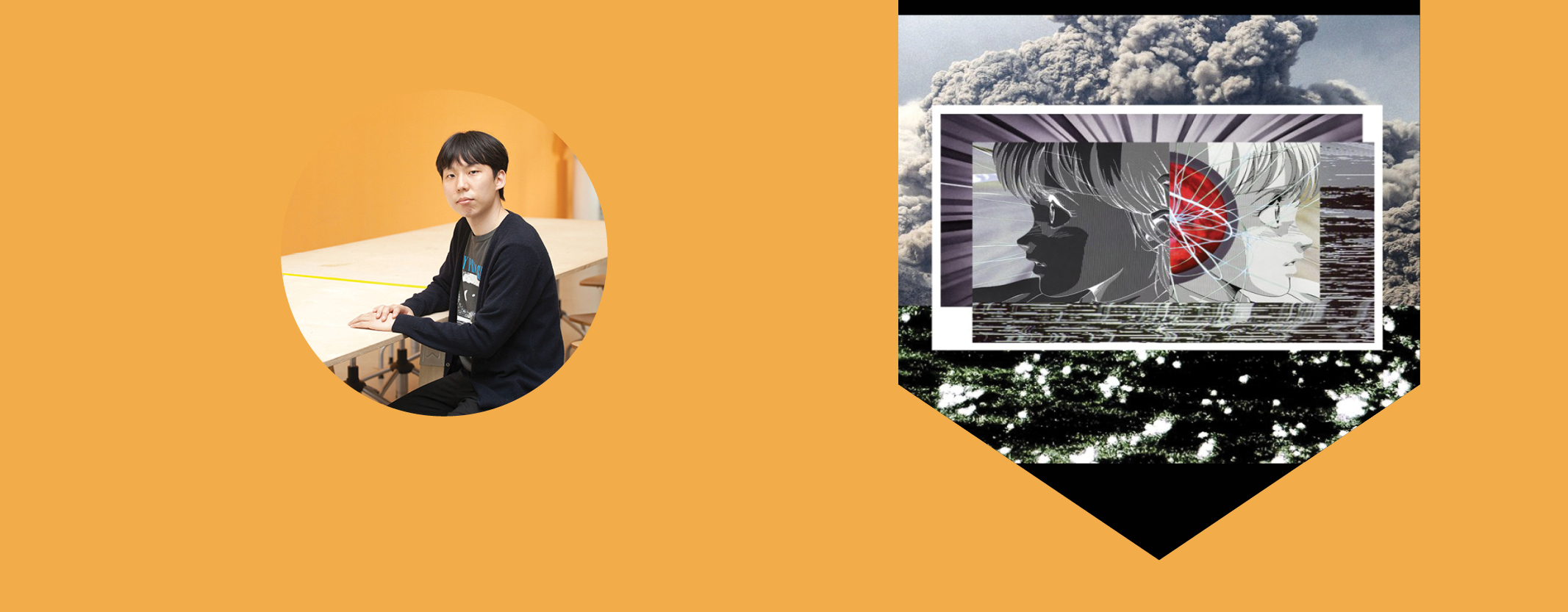

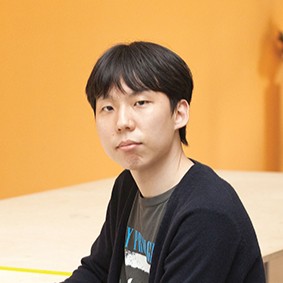
Artist Minkyu Hwang © Pulbic Art

Minkyu Hwang received his BFA and MFA in Sculpture from Chung-Ang University. His recent solo exhibitions include 《Out of the Blue》 (Project Space Sarubia, Seoul, 2023), 《After Blue》 (Goyang Artist Residency Heaum, Ilsan, 2023), and 《Sing a Miracle》 (The Reference, Seoul, 2020).
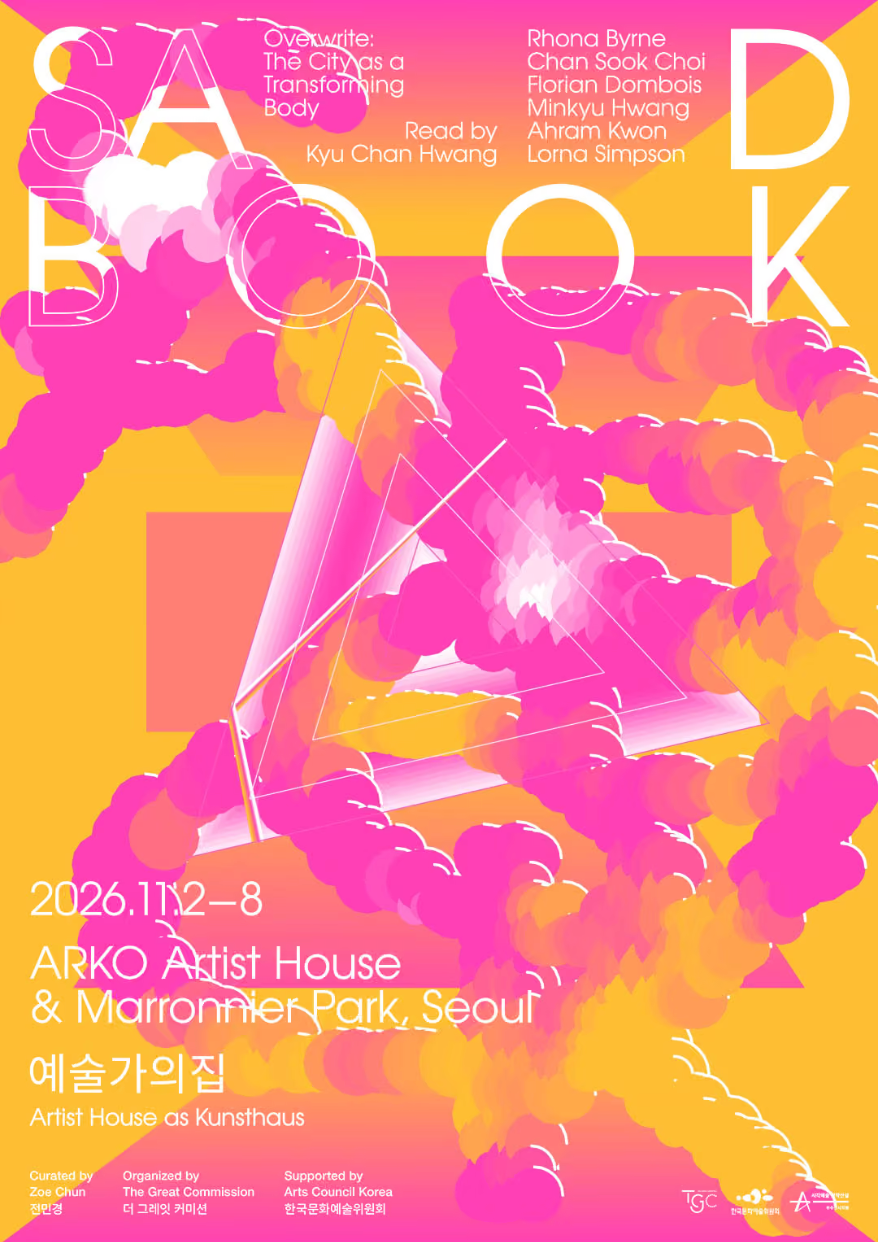
 
He has also participated in numerous group exhibitions, including 《SAD BOOK》 (ARKO Artist House, Seoul, 2026), 《An Undecomposed Night》 (Chamber, Seoul, 2026), 《Poetic Forensic》 (Sahng-up Gallery, Seoul, 2025), 《FOREVERISM: Endless Horizons》 (Ilmin Museum of Art, Seoul, 2024), 《Move》 (The Necessaries, Seoul, 2023), 《Society of Person》 (Wumin Art Center, Cheongju, 2020), and 《Image, Silhouette, and Motion》 (Gyeonggi Museum of Modern Art, Ansan, 2019).
 
Hwang has participated in residency programs at the SeMA Nanji Residency (2025–2026), Goyang Artist Residency Heaum (2022–2023), and Cheongju Art Studio (2017). In 2017, he was selected as a ‘Public Art New Hero’.

References