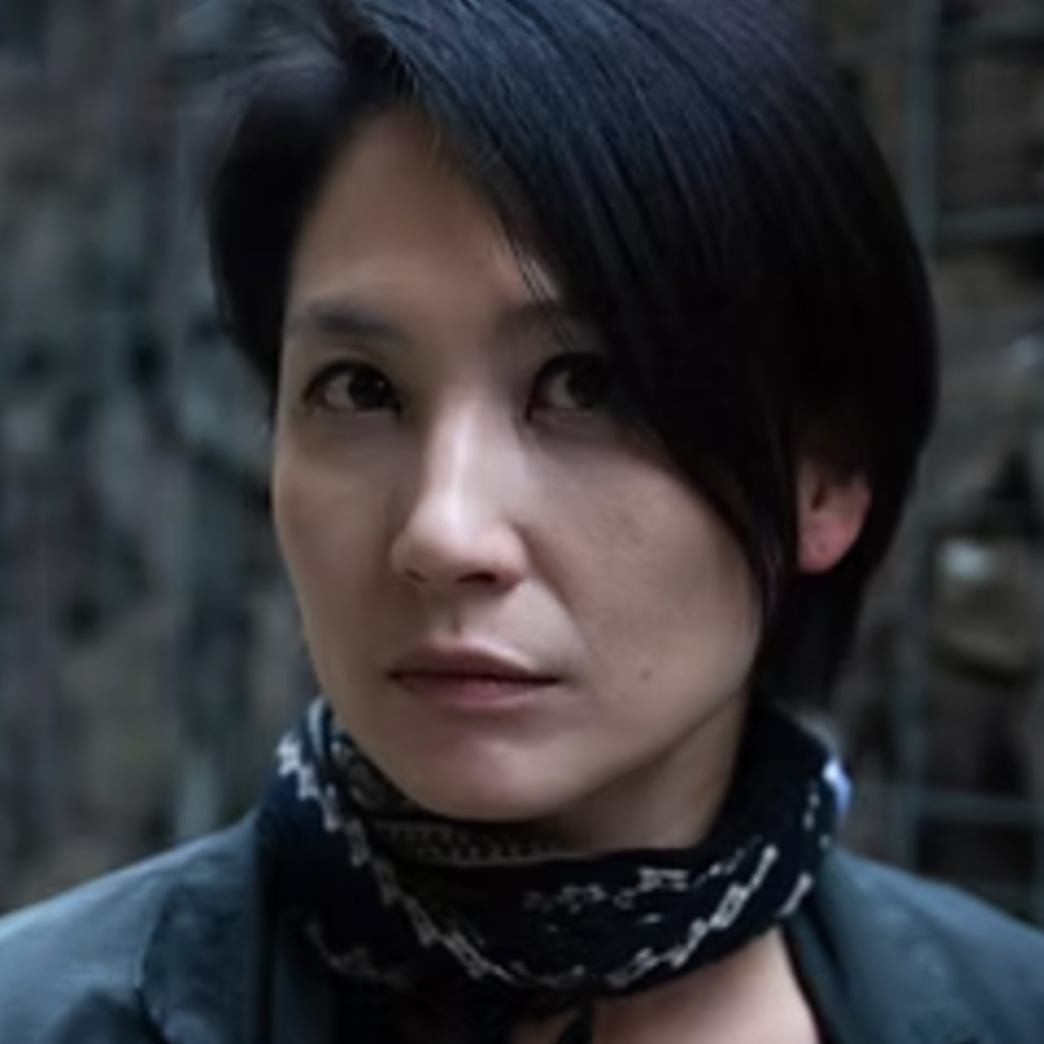
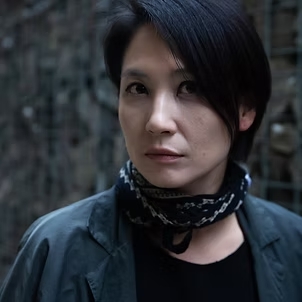
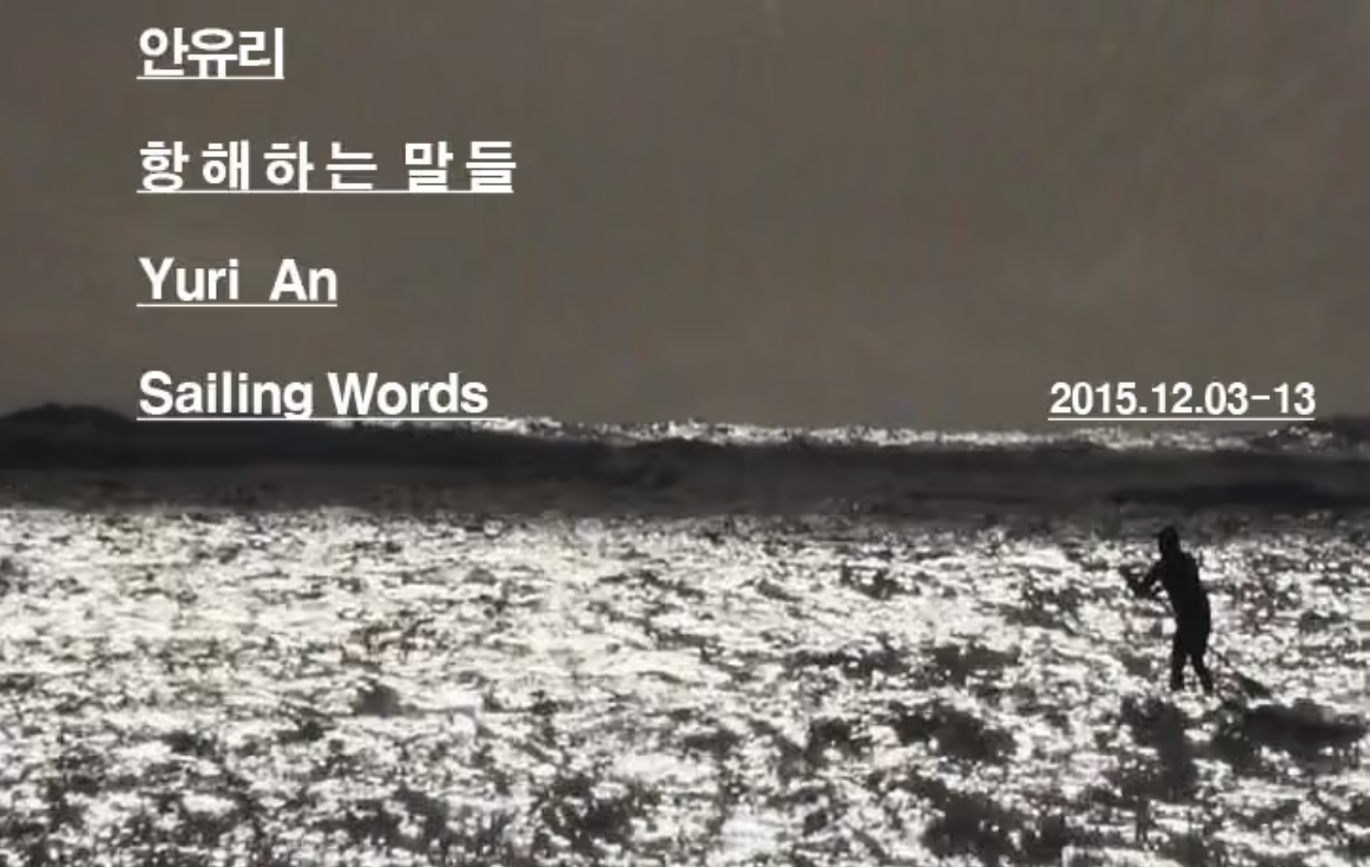
What Yuri An has agonized and noticed through her work for about 4 years as an artist is places and traces. That is places and traces that have existed and disappeared, condolences and sympathy toward those who leave them, and interests coming from empathy of projecting itself.
This is like a kind of orientation buried deep in herself rather than the artist’s contrived effort, and is an attitude that watches the places and traces of things that have disappeared, not by standing in the center but stepping back to the periphery and putting some distance. It resembles that of exteriority which is normally found among exiles.
Yuri An believes that ‘poem’ is born from things that have disappeared/their places and traces, and the role of artists is to polish, refine, and shape a poem into what it is ‘now’. So, Yuri An is still sailing to search her place as an artist while focusing on the action itself that aims to bring traces to the place of ‘poem’, or ‘artistic activity’.
Yuri An opened her first two solo exhibitions for the past year 2015,[1] and to the artist, ‘artistic activity’ in two exhibitions is mainly comprised of words and images. This writing starts with a question “What do words and images mean to her?”, and it’s a record of change to look at Yuri An’s movement perceived by lots of conversation and two exhibitions for the last year.
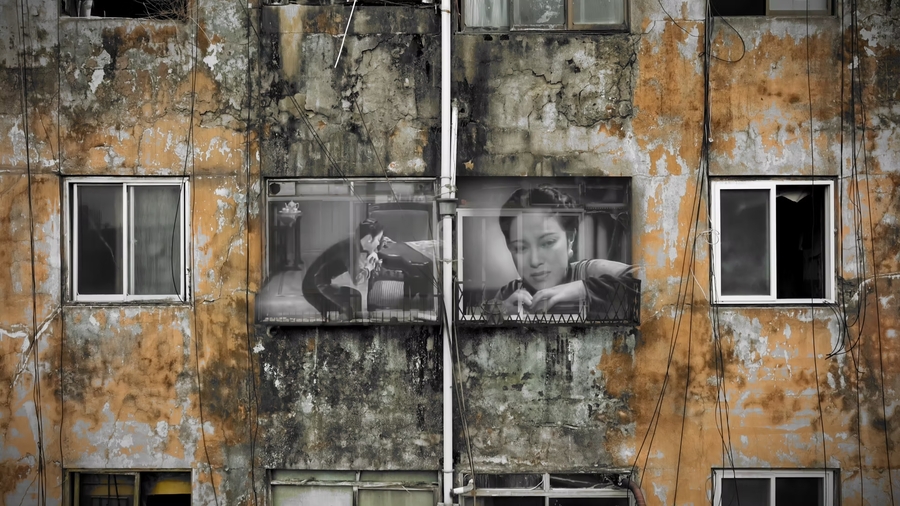
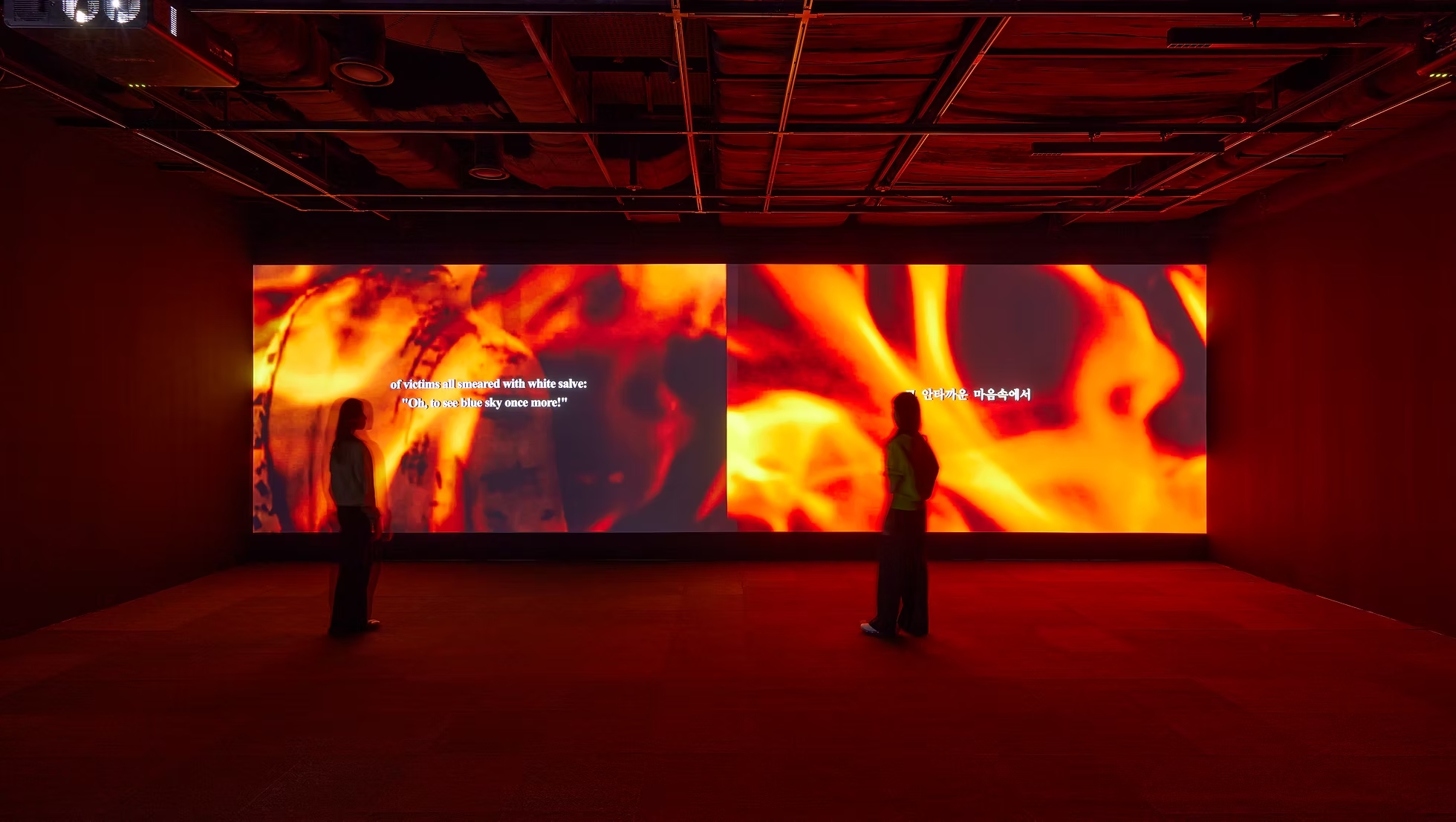
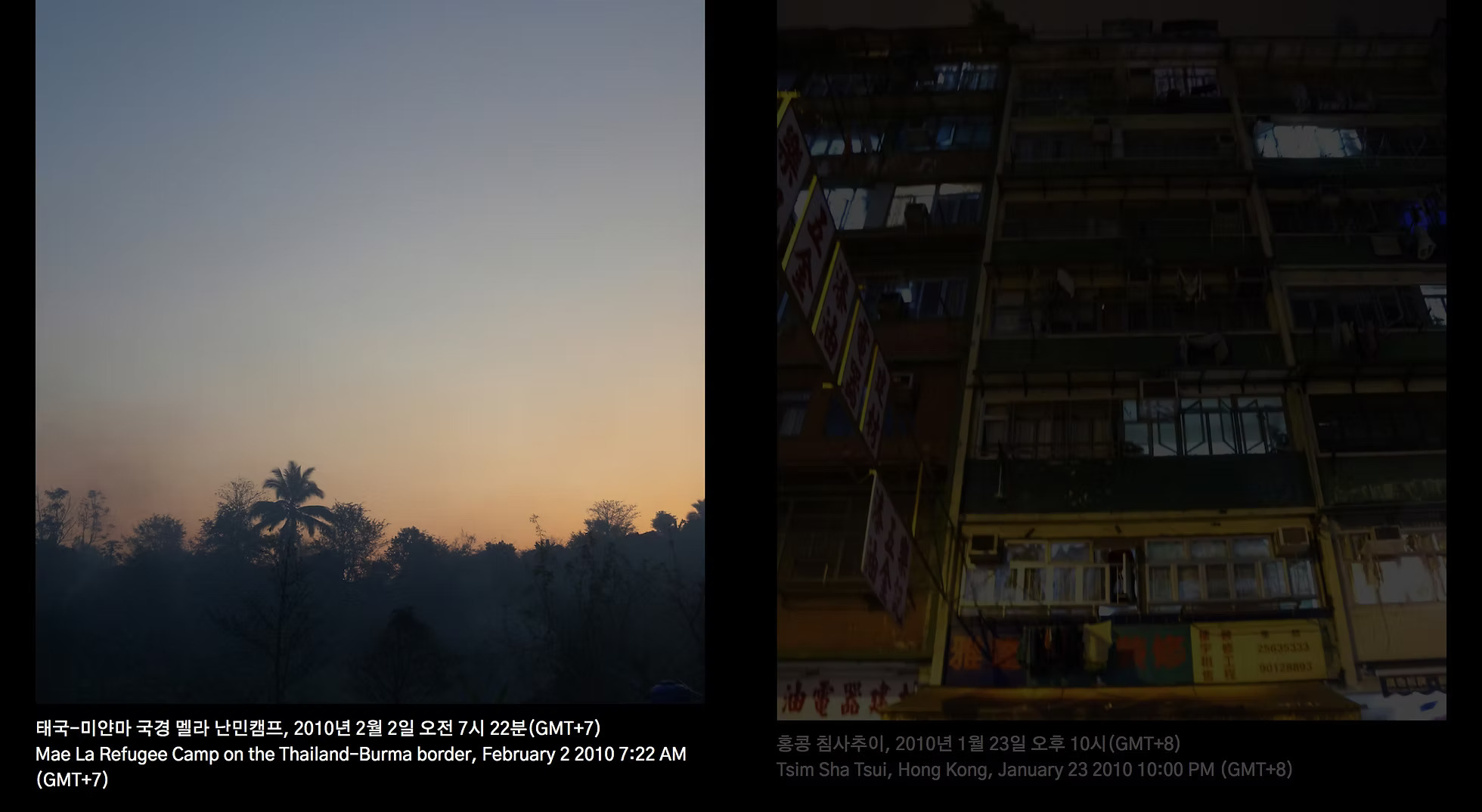
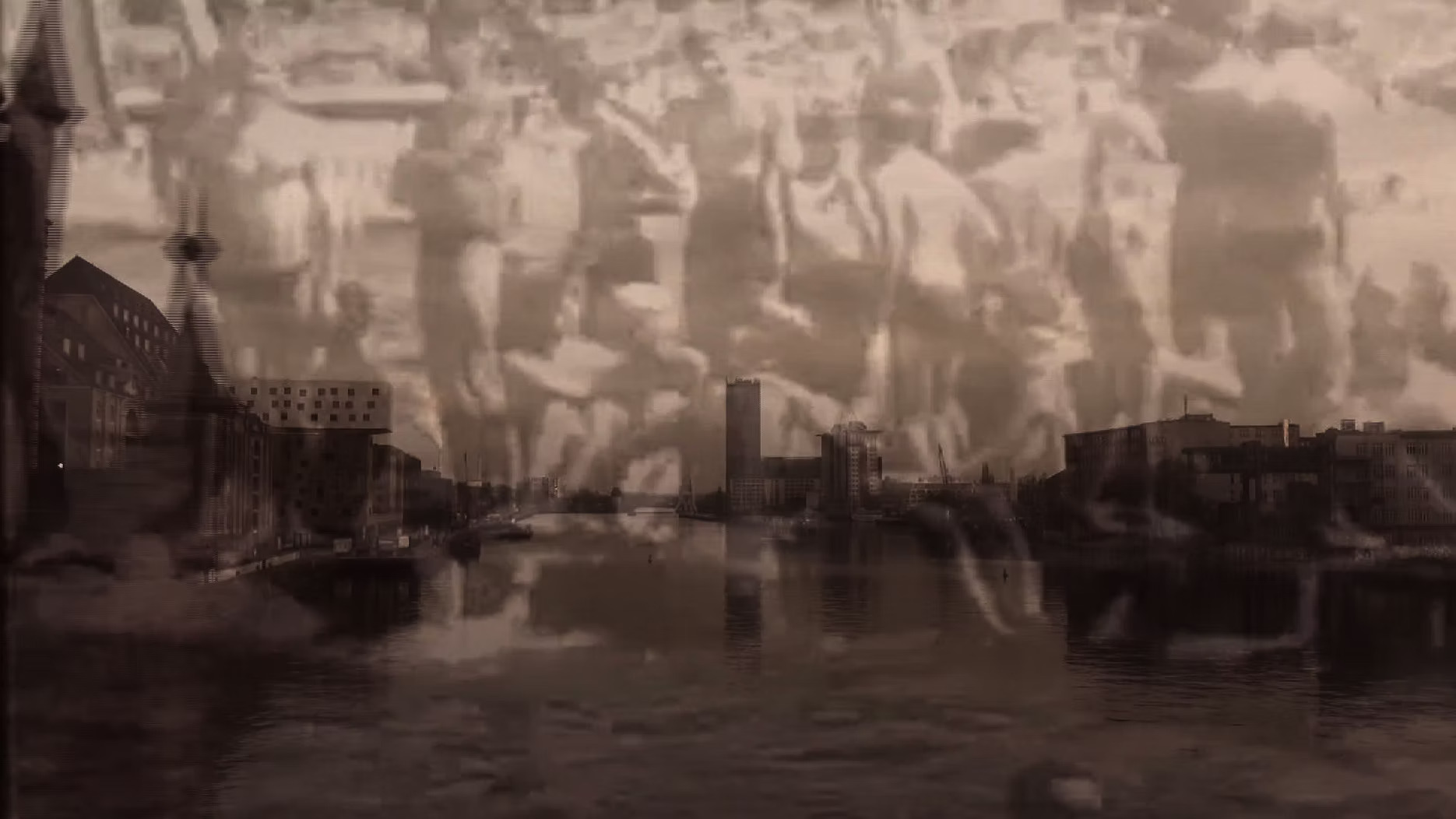
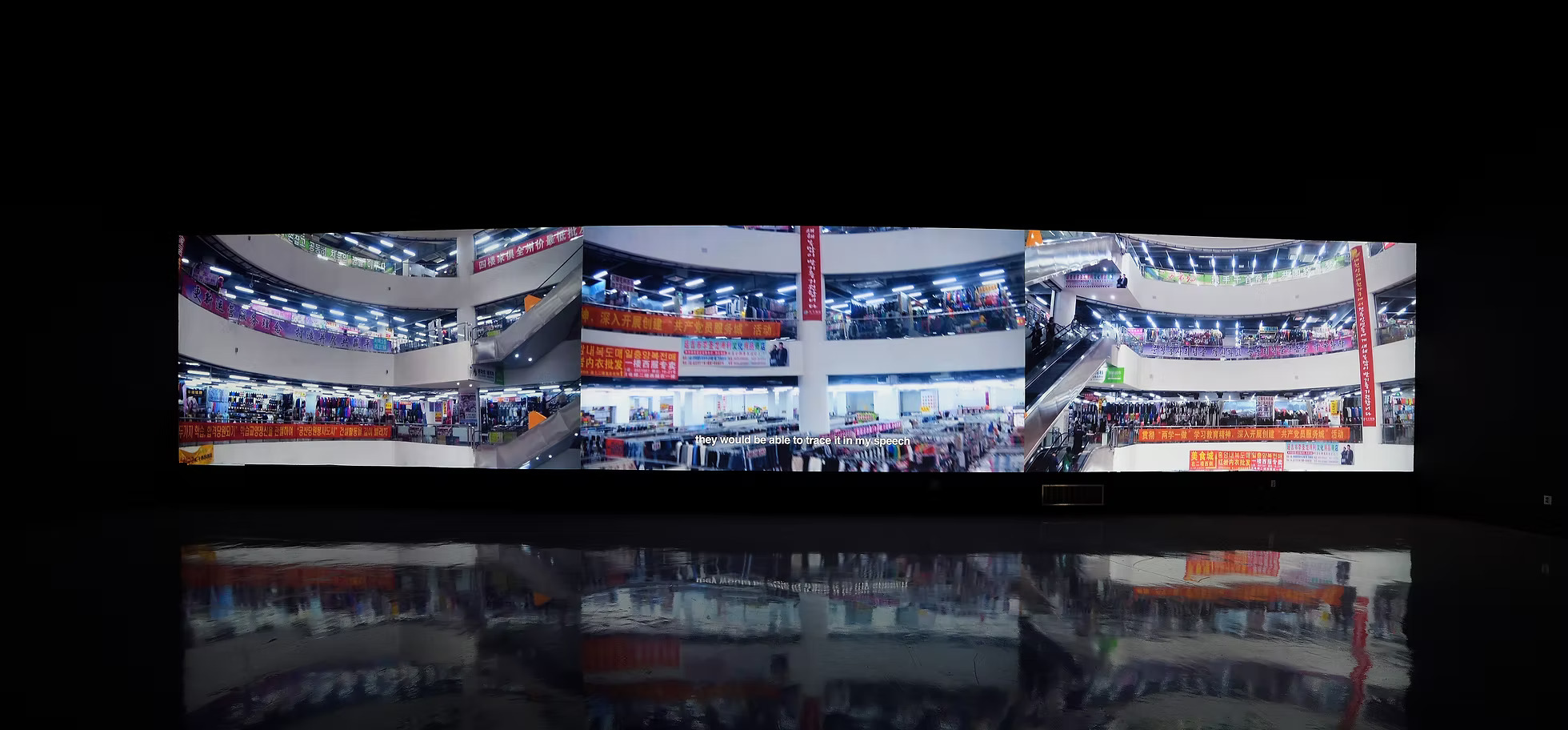
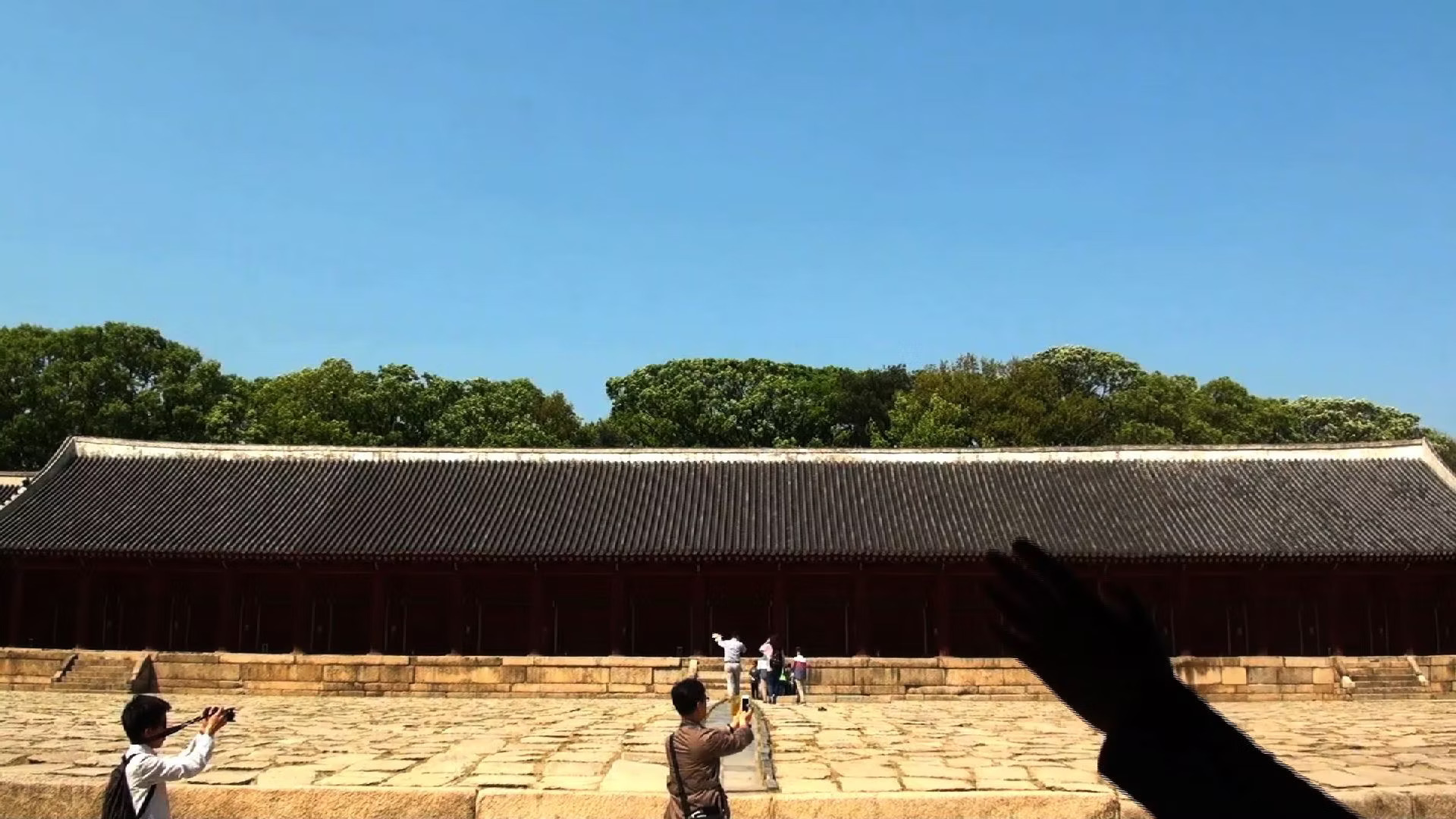
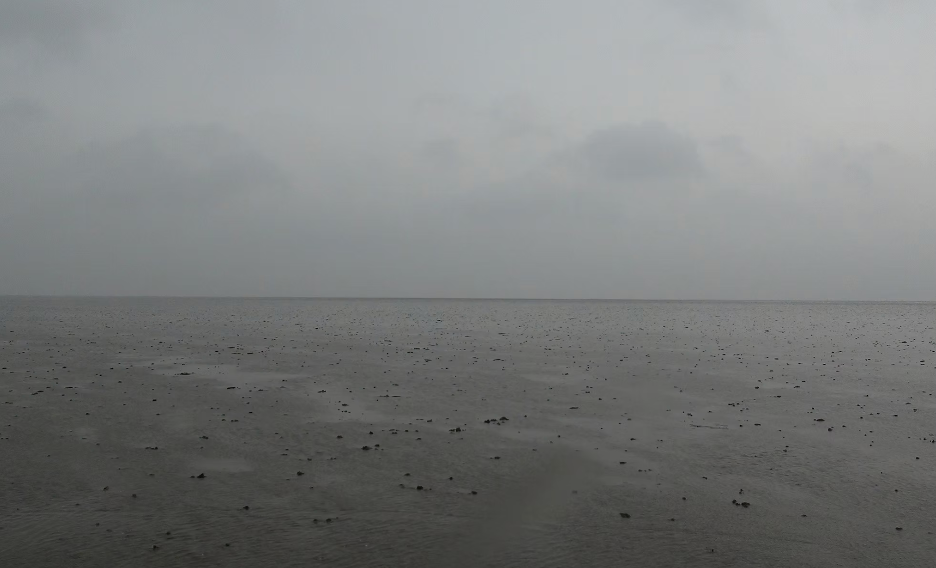
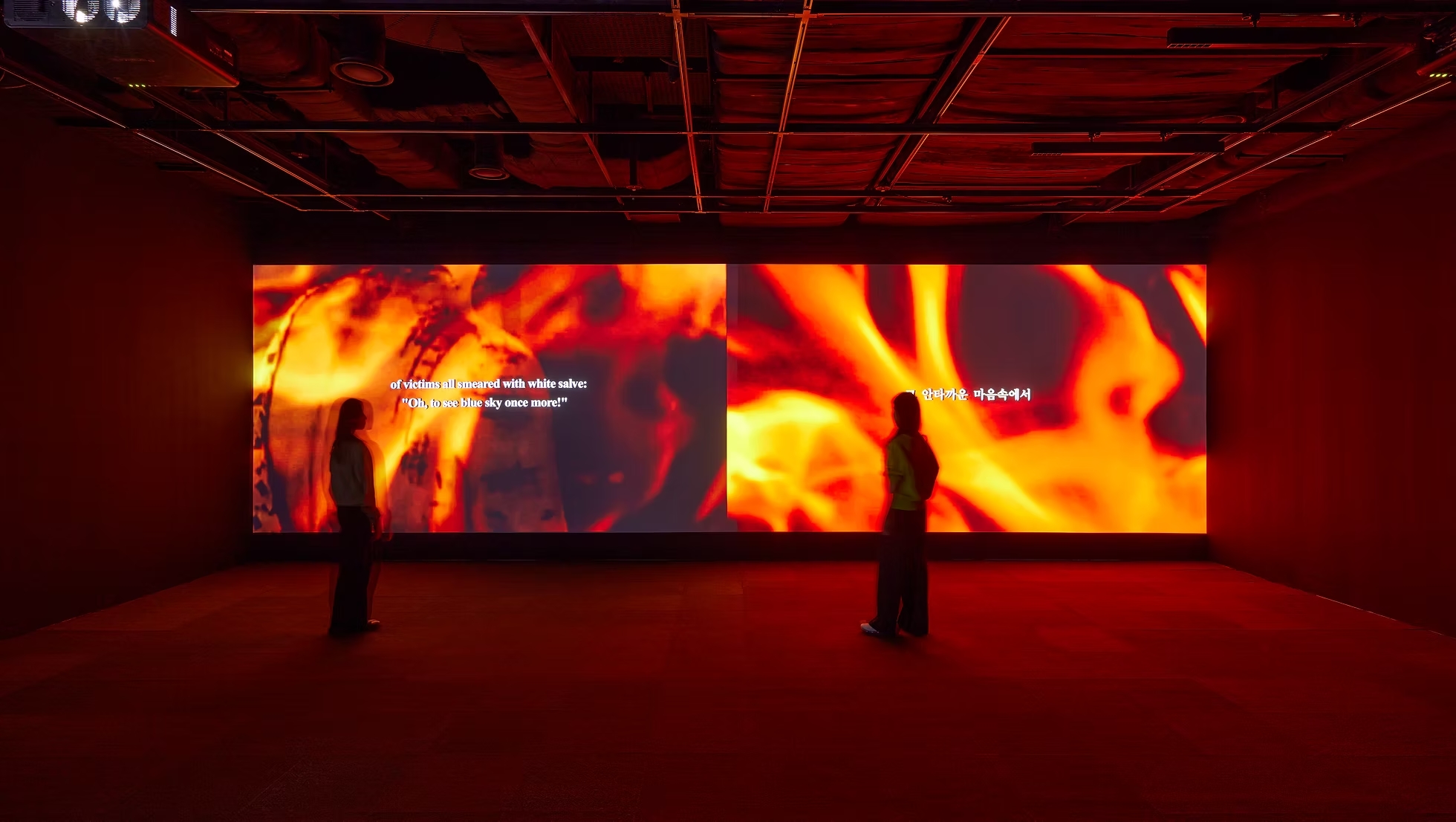
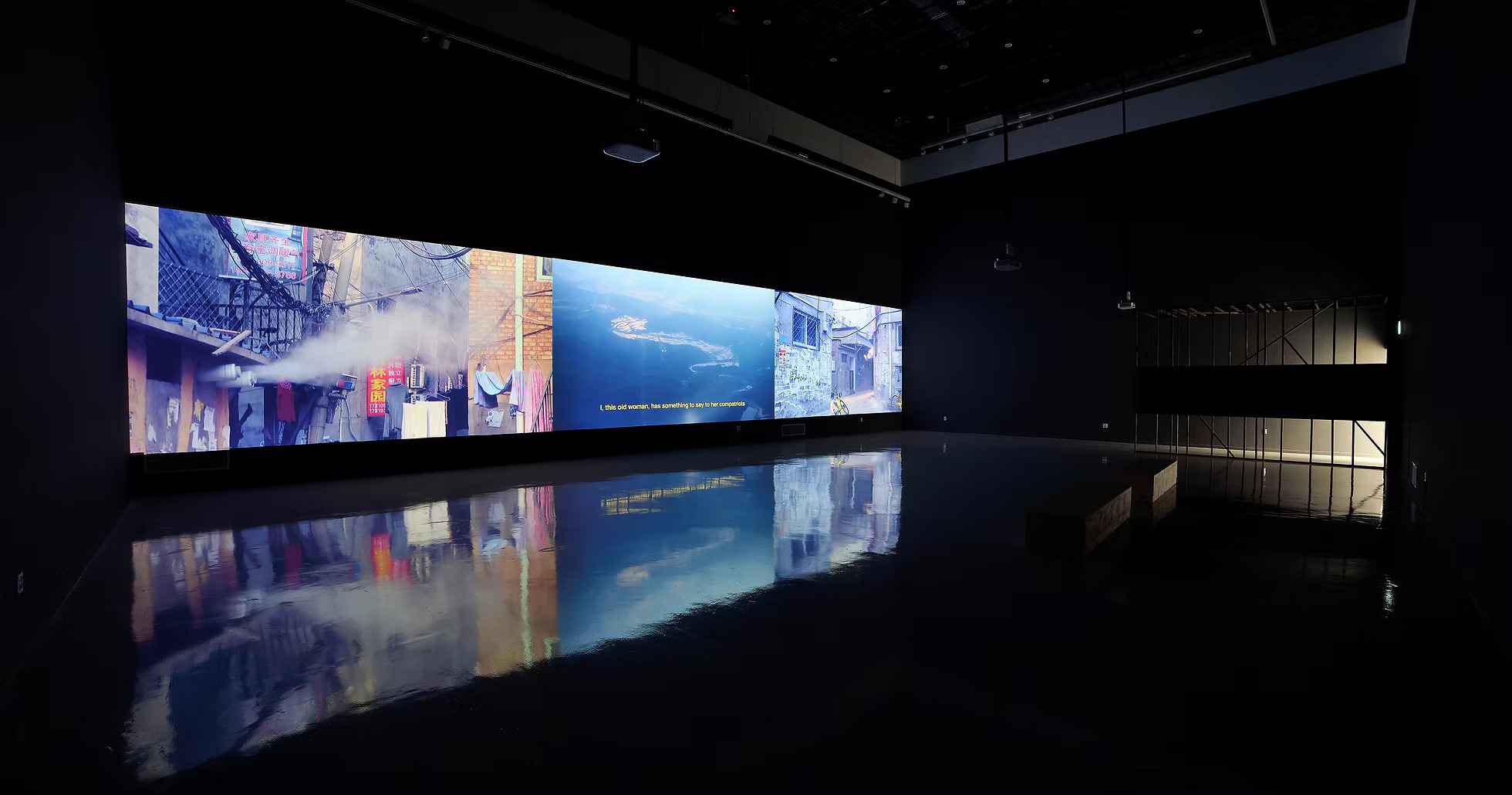
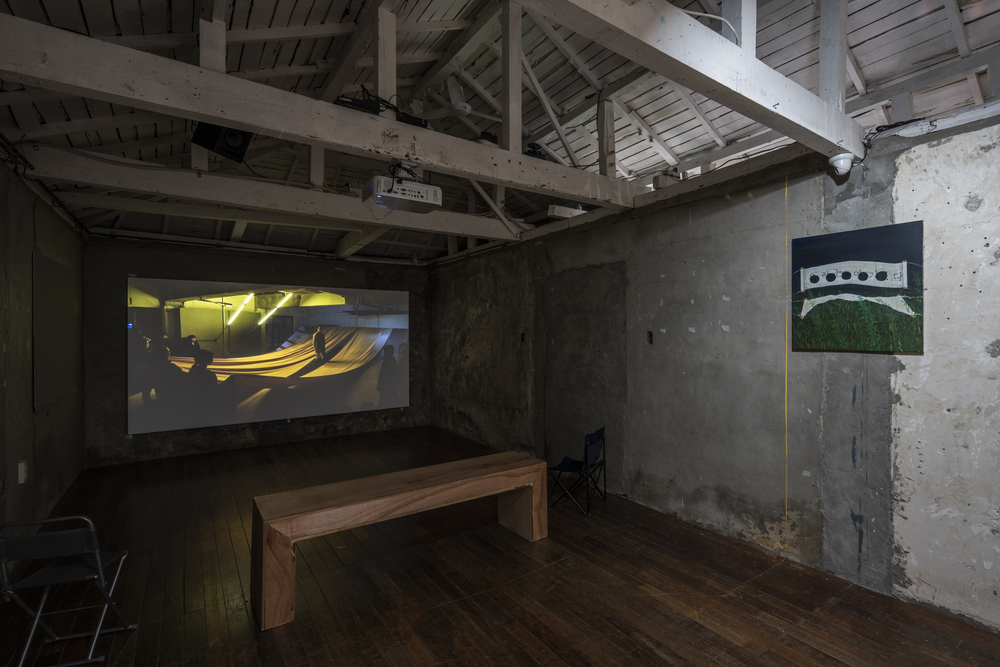
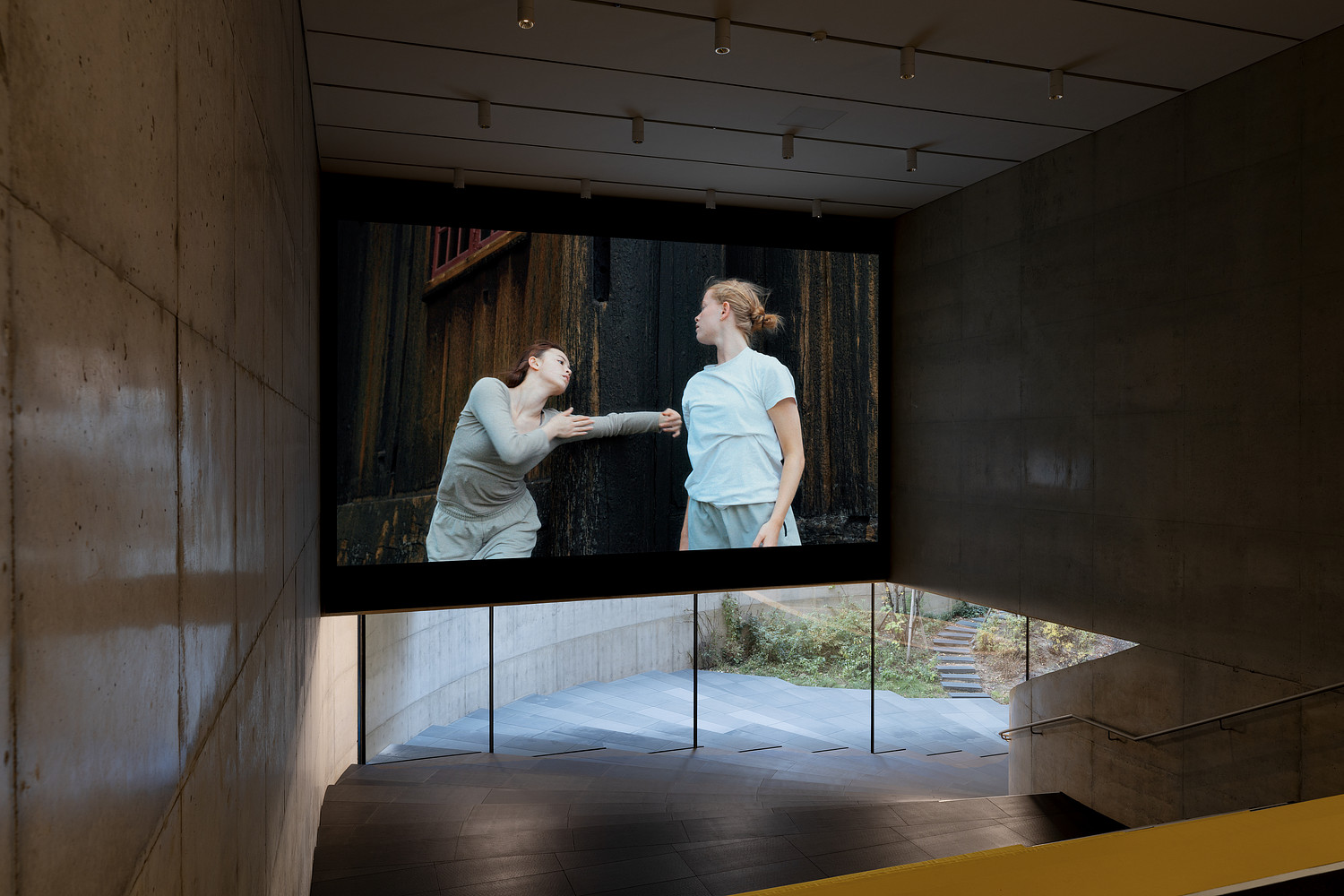
In Yuri An’s first solo exhibition 《The Unharvested Sea》, I felt she was putting more focus on creating language, more specifically poetic language consisting of monologue and dialogue filled with segmented words and metaphors. For example, the image and voice in a parallel video and the words in an installation work that reproduces conversation with a poet doesn’t complement and connect the image by segmenting and fragmenting the meaning but rather struggle by sliding and falling out.
The works in the exhibitions are based on the language of ‘poem’ and seem to be the result of the attempts to visualize it again. Therefore, the words seem to have the equal status as images at least, or gain the ascendency rather than a role in assisting images. But, Yuri An’s intention was to show a poem not as a sort of literature but a sort of ‘artistic activity’, and this is to advance into ‘the place of poem’ again.
But, her works of the first exhibition and overall composition of the exhibition were a little bit different from the artist’s intention, thereby raising the following questions. Is taking the form of poems literally same as producing metaphorically-rich poetic language in terms of ‘artistic activity’? And, how is the language Yuri An crates and takes as a language related to images? Don’t they compete? Do the two have the power to play a role of art she believes while pushing each other and driving?
Having some questions in a controlled manner, I faced Yuri An’s second solo exhibition 《Sailing Words》 in a short time.
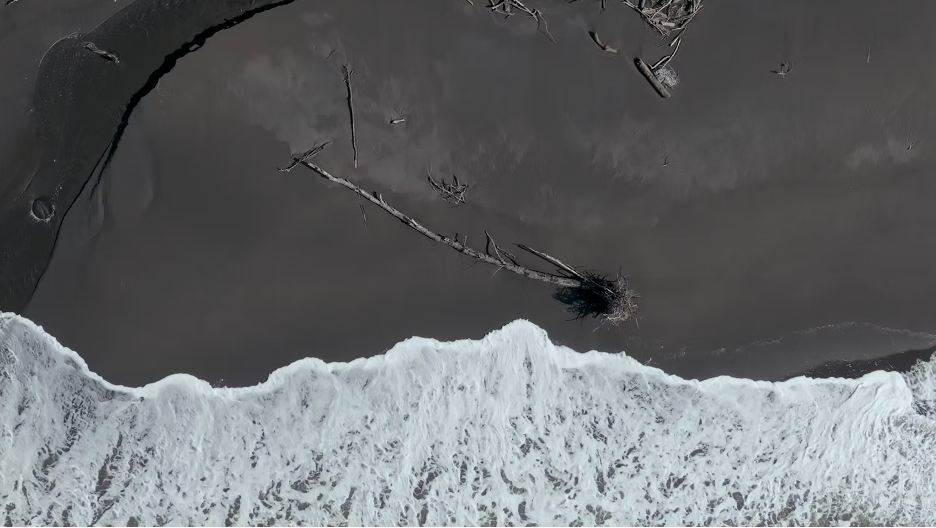
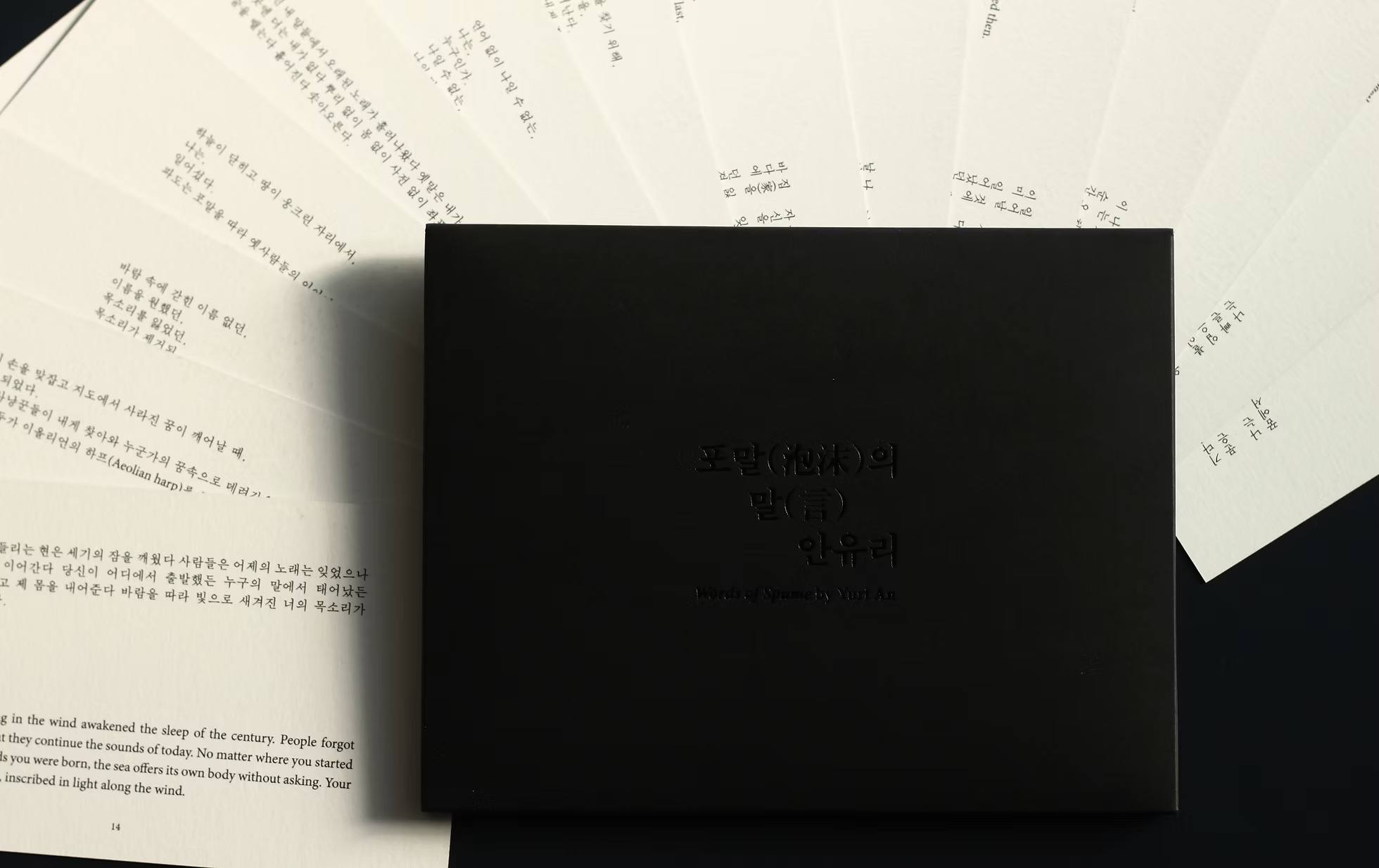
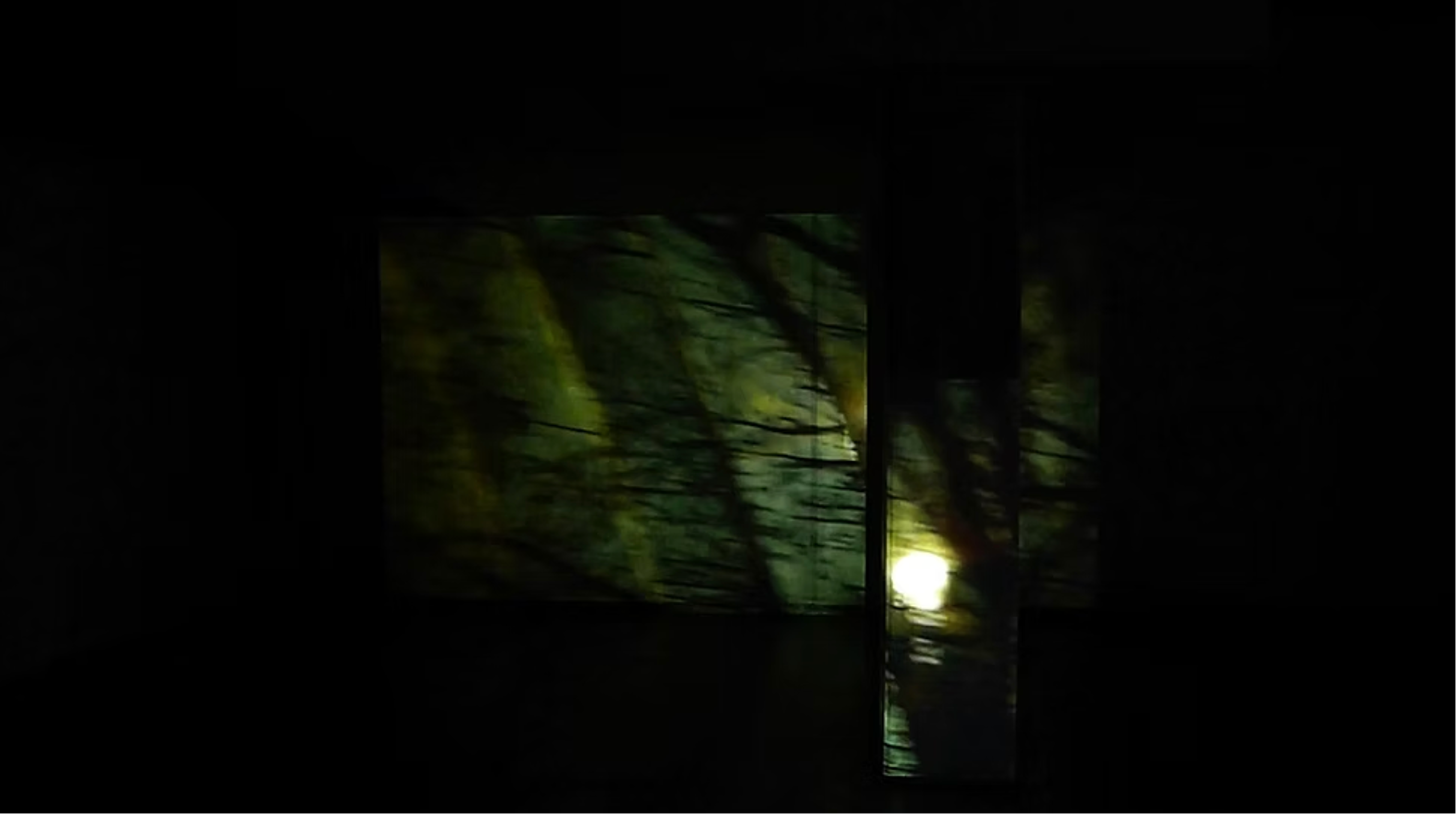
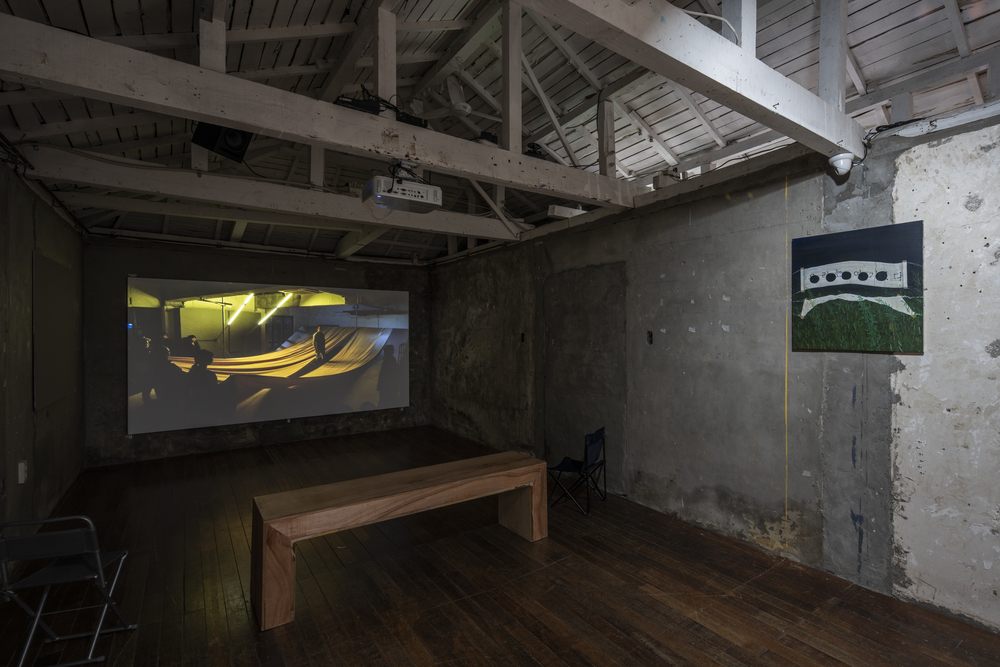
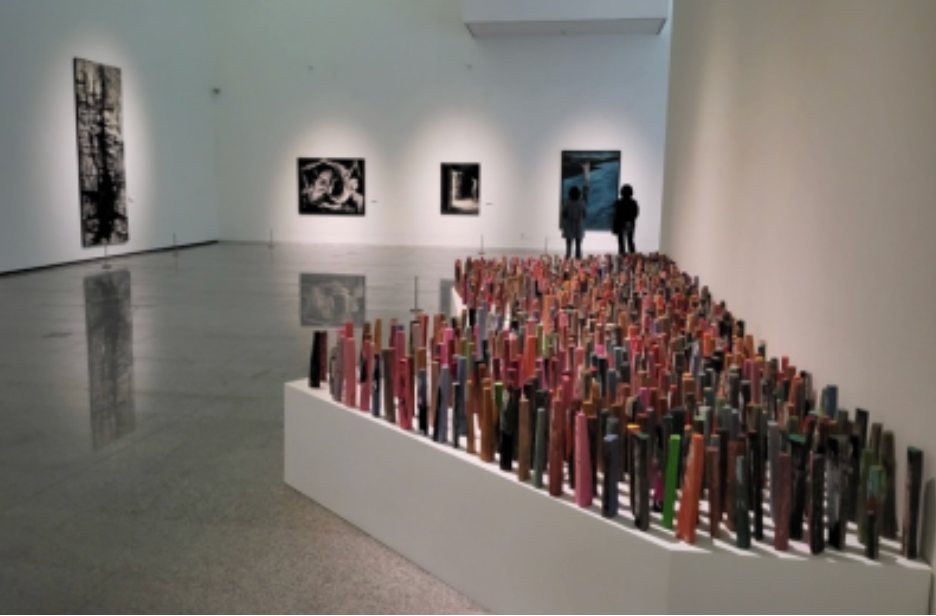
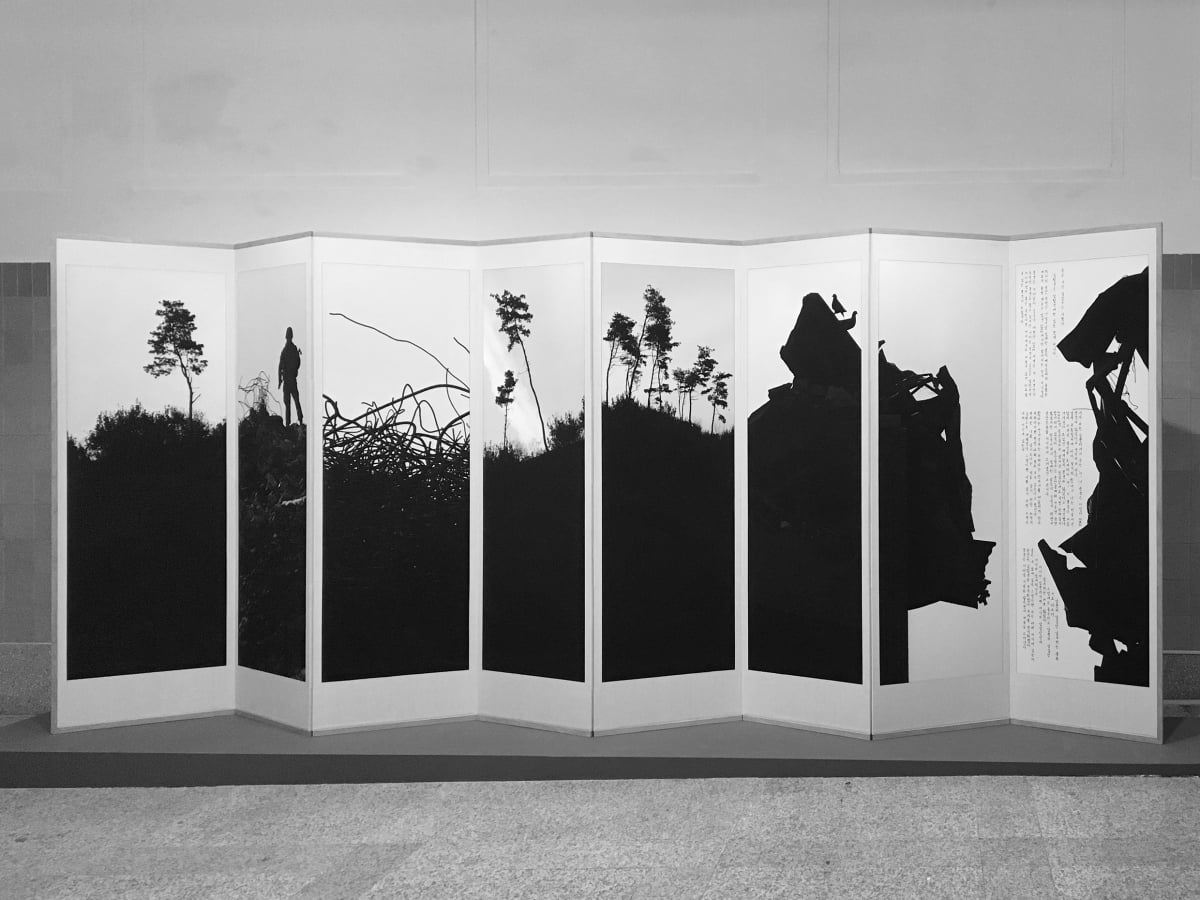
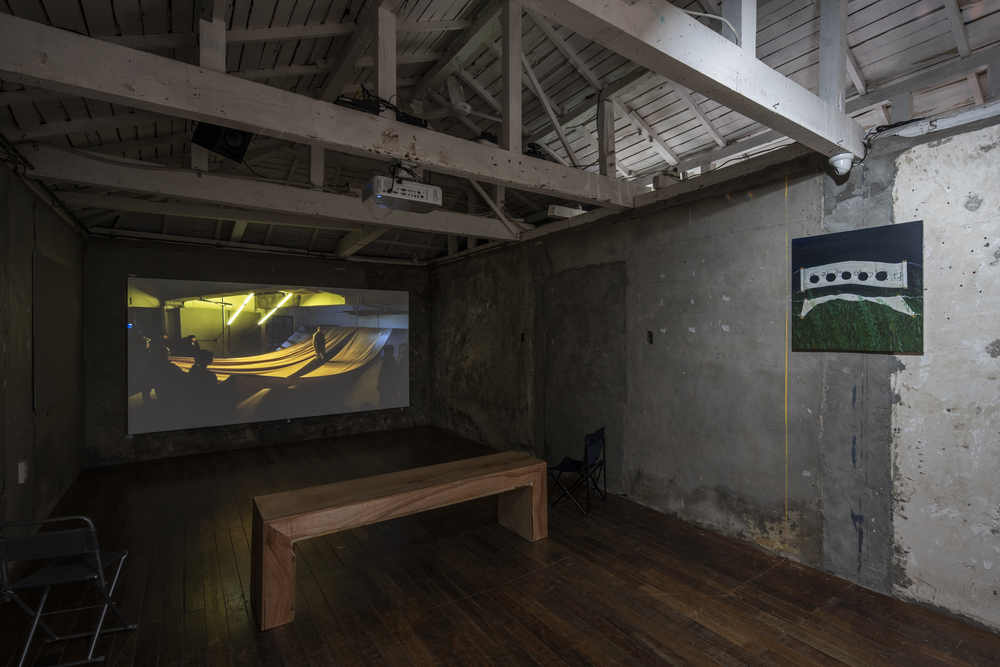
In this exhibition, especially Sailing Words(2015) that appears taking a different type in the two exhibitions, I felt the change in the artist’s attitude about dealing with a language and way to speak it. This work reorganizes a part of conversation and letters the artist has had with poet Huh Sukyung since 2011. In the former exhibition, this work was printed on the paper and installed like the forest, and in the latter, the same text was projected to calmly appear and disappear on choppy black waters like a kind of light.
What I notice from Sailing Words is not the difference of the expressed form itself but rather the change of Yuri An’s attitude about a language while drawing the different way to express. That might be very easy correspondence and simple comparison, but I read that Sailing Words of the first form is more like a poetic language, whereas the latter is like a translational language. I followed this classification from different characteristics between the poem mentioned in Walter Benjamin’s 「The Task of the Translator」and translation.
According to him, translation is basically to look at the hidden meaning behind which is making the original book echo as well as the subsequent effects. So, a poet’s language is fundamental and voluntary, whereas translation stands not at the middle but the edge of a certain point that can echo to cry with a translational language.
During this process, the original book can undergo the ceaselessly new, rich, and mature process. So, “translation is to look at the maturation process of the source language and the pain of its own birth, not drawing a parallel line between two languages.” [2]
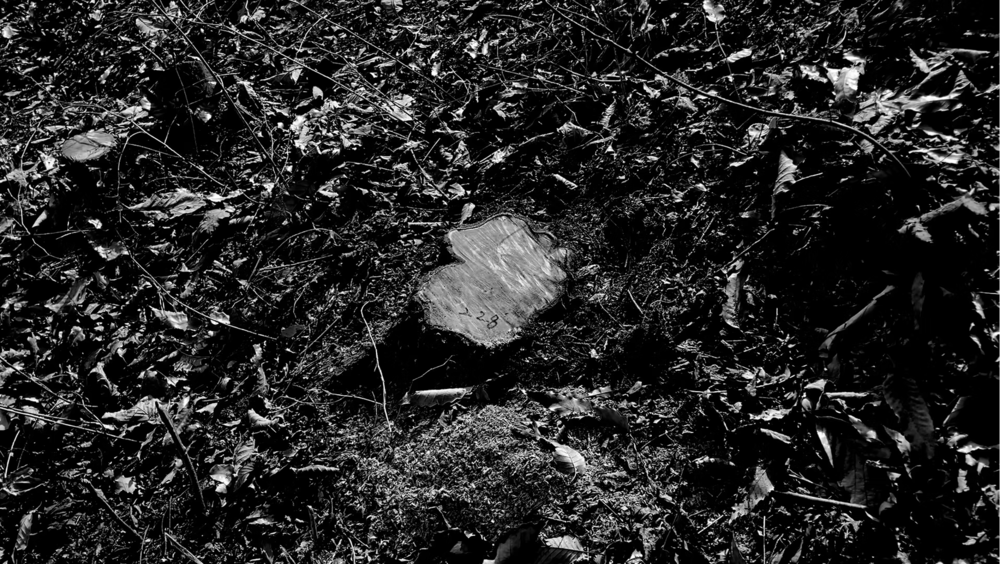
In Sailing Words forming the forest, the artist focuses on producing and speaking a poetic language in her own language. The forest of language installed in the context of the place of poems to reach and subsequent artistic activities seems to be fundamentally and voluntarily motivated to express her imagery Yuri An has long cherished to express as an author or a speaker, rather than visualizing thought. This is the point that shows her contradictory desire to take the place instead of drawing or polishing the place of poems by borrowing the format of poems.
On the other hand, the latter Sailing Words interpreted the action that aims to bring the temporary and disappearing existence, which the artist has faced and agonized repeatedly in her life, stepping back to the poet’s position, in a derivative language that revives dead things through the light, a characteristic of visual media.
During this process, Yuri An shows her will to develop a poetic language into a process of maturing a language to another dimension of image and light and expand the meaning by standing at the peripheral, instead of having an attitude to create and express a language on her own.
This shows that she fully understands the original book and advances into the use of a translational language from a poetic language during the process of forming a visual language. I read that the movement of the two axes is not a mere shift from media to media or a substitution, but it has undergone the maturation process through ceaseless translation in a cycle where the trace of language becomes image, and vice versa.
In the conversation, completing the first latter exhibition, the artist mentioned Aeolian harp in Greek mythology. This harp makes a melody following the movement of the wind, not a player or music. This resembles the artist’s attitude about continuously trying to do art in search of the place of poems.
The melody made following the wind, a translator’s language replacing the place where the original author has disappeared, and voice replacing those who disappear, and all of them are a poetic language Yuri An wants to speak and the place of art to reach. I hope that Yuri An can make her own beautiful melody by standing at this place, dropping anchor, and going with the flow of the wind.
[1] The reason why I call two exhibitions the first exhibition is due to two reasons. The biggest reason is the works of the two solo exhibitions were same, and then I felt the two exhibitions were not different but one was for the next chapter.
[2] Walter Benjamin, 『 Walter Benjamin’s Literary Art Theory 』, 1983, Translated by Seongwan Ban, Minumsa, p.352-353
January 15, 2016, Artist Workshop at Cheongju Art Studio