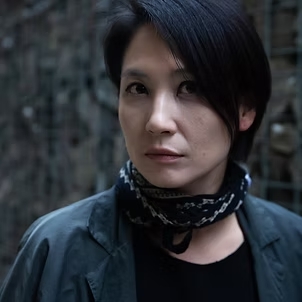
Yuri An
traces how individuals recognize and reshape their positions within the
conditions of history, politics, nation, and community. Her practice began with
her own experiences of migration and linguistic change. Created while she was
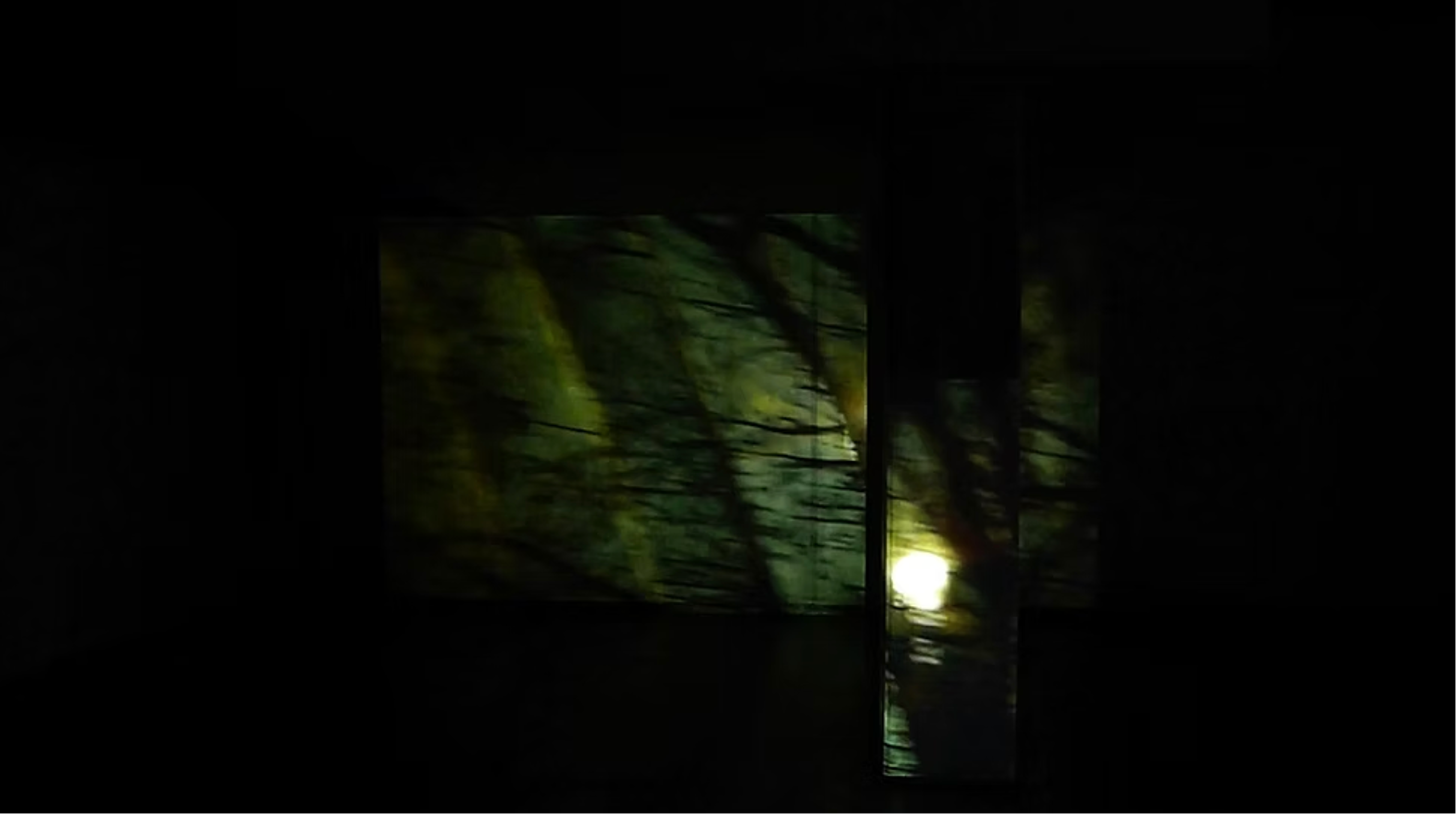
studying in the Netherlands, Floating Land Drifting Heart; From Texel
to Jeju(2014) connects Texel, where Hendrick Hamel began his voyage,
with Jeju, the place An had left behind, following a situation in which one
person’s point of departure becomes another person’s destination.
Her
experience of living as a foreigner, as her mother tongue grew distant and came
into contact with another language, became an important starting point for her
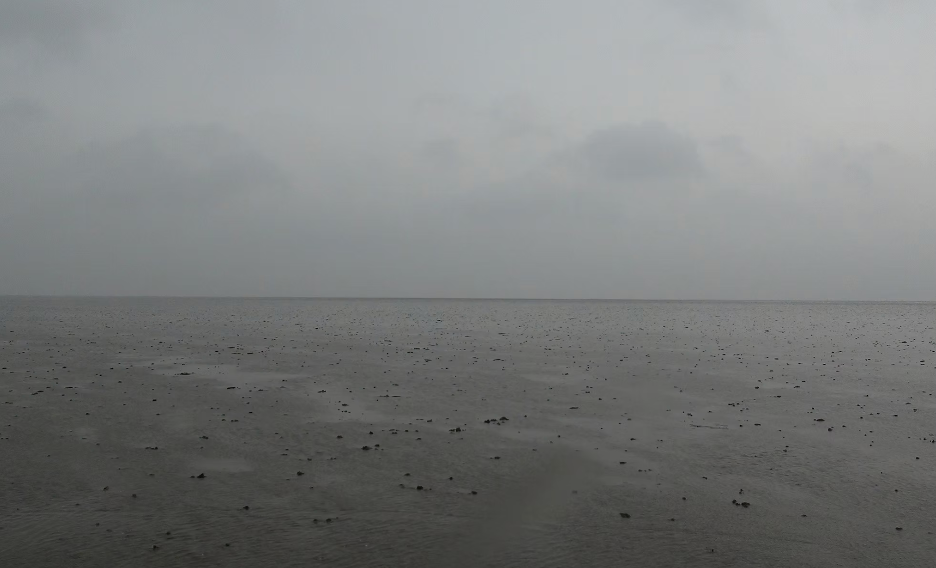
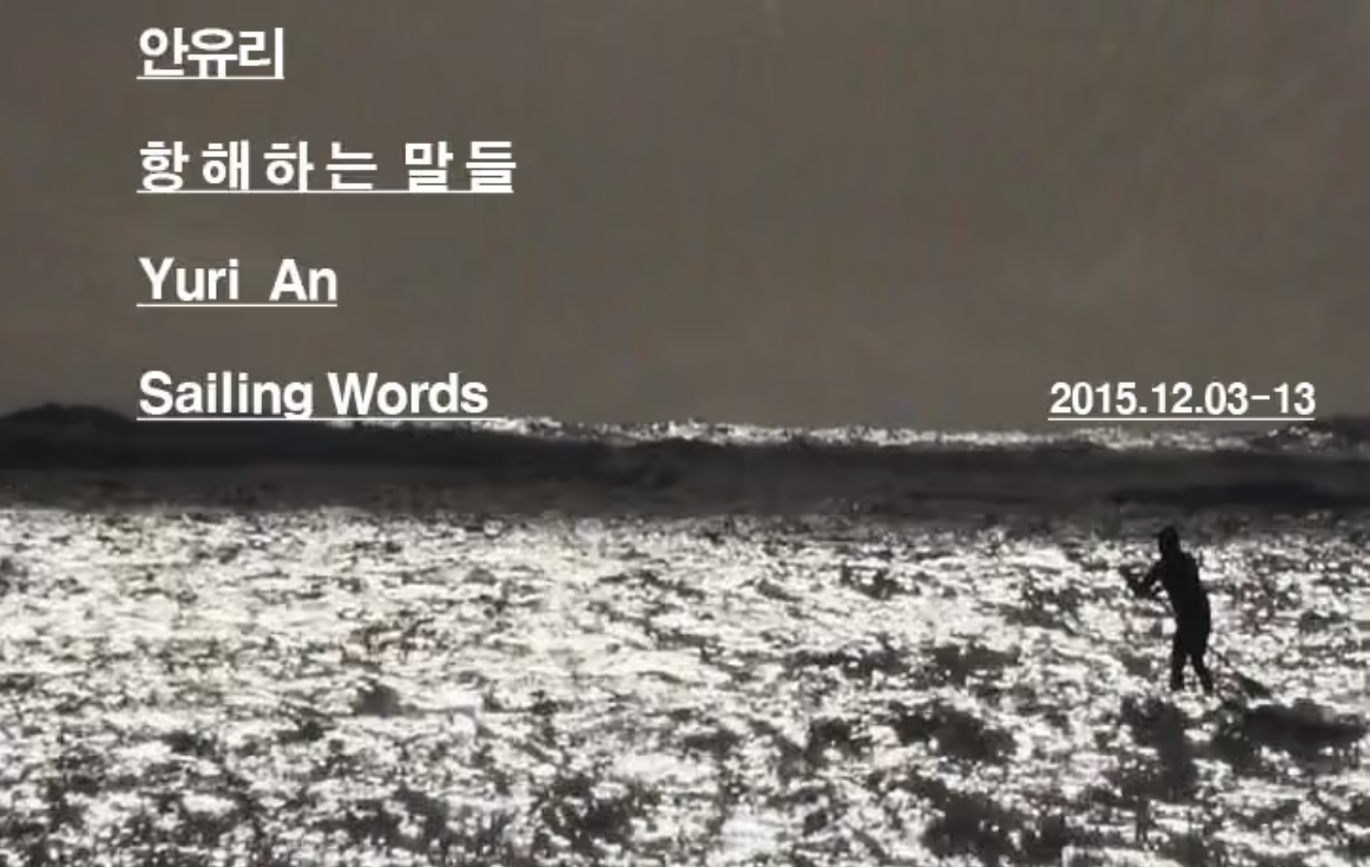
later work. In The Unharvested Sea(2015), An adds Jindo to
the route between Texel and Jeju and addresses “beings beyond return” and a
“heart that cannot cast anchor” against the backdrop of the Sewol Ferry
disaster and the downing of Malaysia Airlines Flight 17.
Figures from myth and
legend—including Odysseus, Hamel, Ppong Halmeoni, and Yeongdeung
Halmeoni—encounter contemporary events, bringing past and present together
within the same temporal field.
With the
‘Korean Diaspora’(2016–) project, An’s personal experience of migration expands
into broader historical questions surrounding the Korean Peninsula.
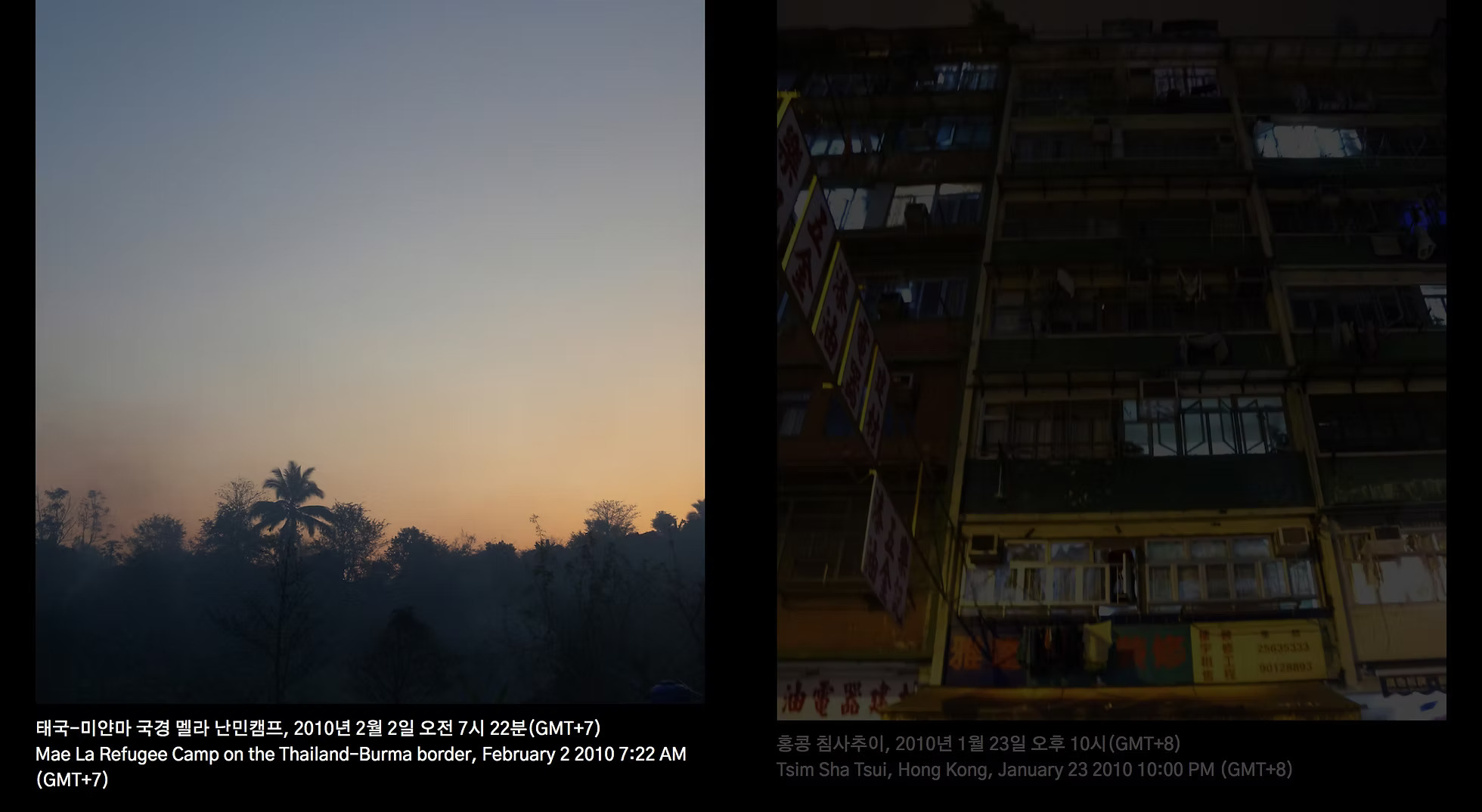
Cross a River(2016), Body,
Words, and Sound examine Joseon-jok
communities in Yanbian, China, focusing on the condition in which bodies
crossed national borders while language remained connected to the place they
had left, and on the ways voices and identities inevitably changed over time.
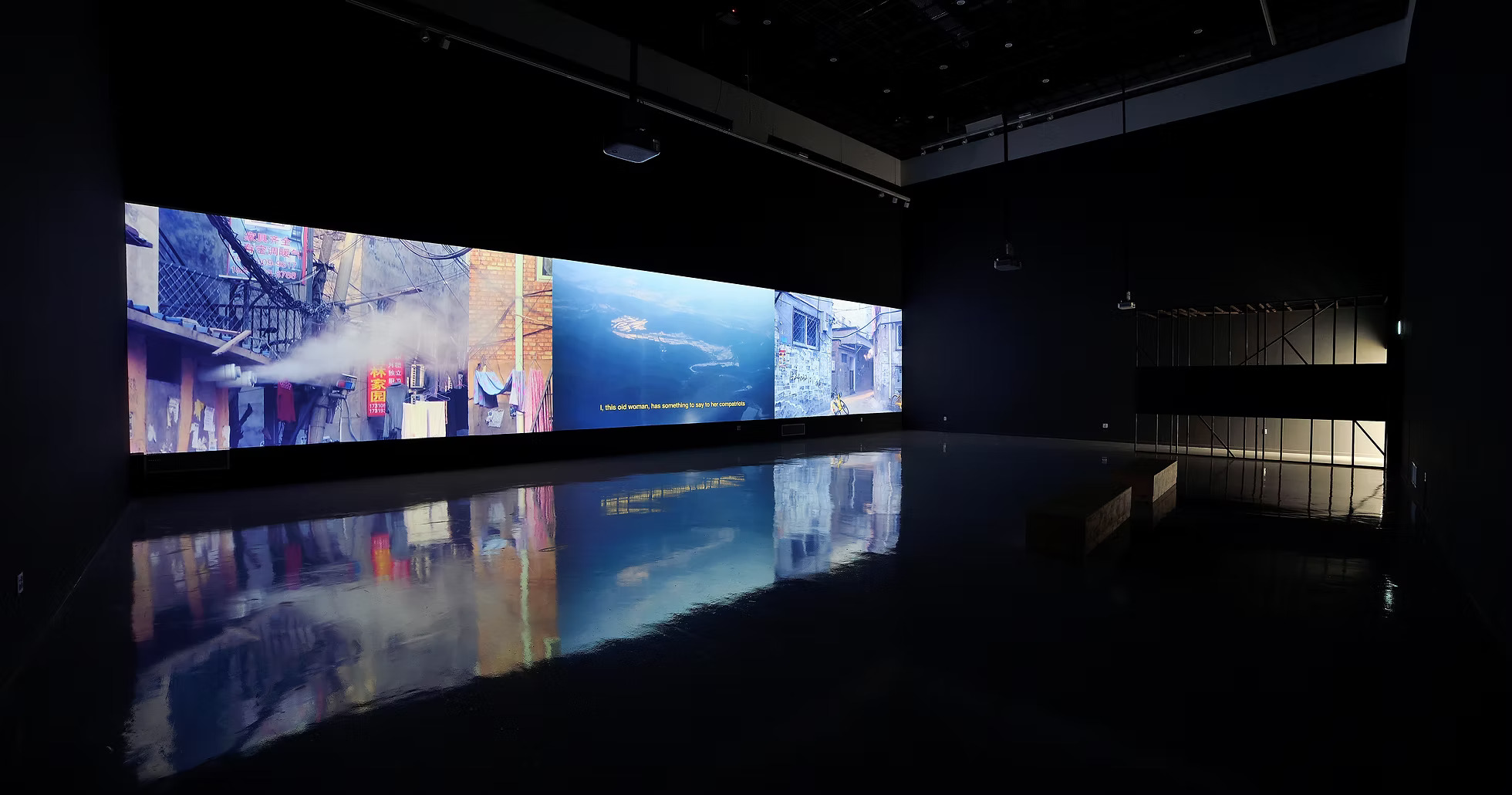
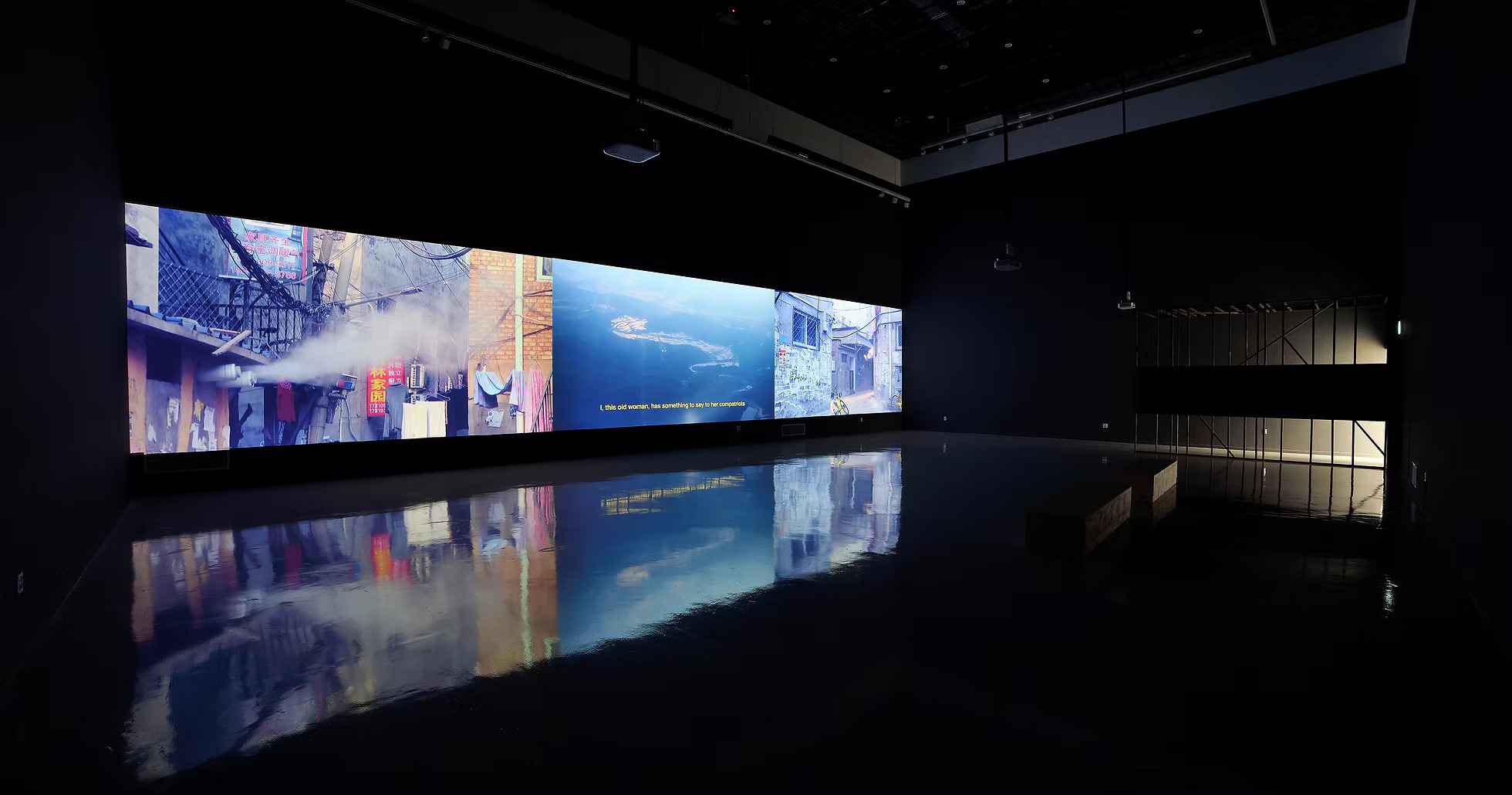
Rogue Stars(2018) subsequently brings together multiple
spatial relationships—Korea and Yanbian, Yanbian and China, and Korea and
China—to reveal complex positions between “homeland” and “motherland,” and
between “compatriot” and “foreigner.” During this period, diaspora in An’s work
becomes less a group defined by a singular identity than a condition through
which one can observe how the names of nation and ethnicity are repeatedly
imposed upon and removed from individuals.
Her
practice later expands beyond the Korean Peninsula toward Asia and the wars,
Cold War conflicts, and ideological divisions of the twentieth century. The
‘Potemkin Study’(2017–) series questions the very ways in which cities and
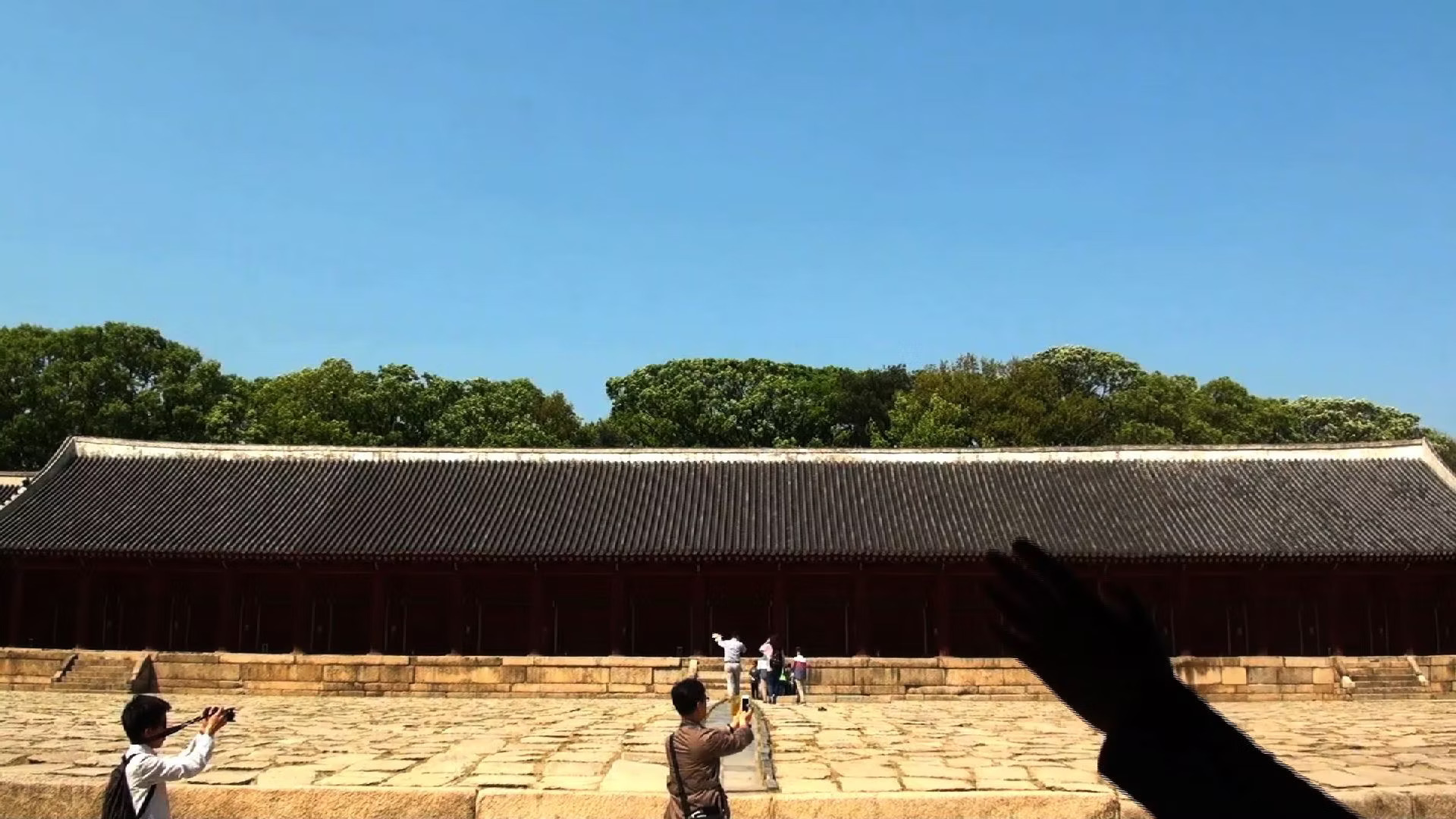
borders are read. Potemkin Study 1. Seoul: Tower of Silence, Fire
Temple(2017) juxtaposes Jongmyo, which has remained in the same place
for more than five centuries, with Daerim-dong, shaped by the constant movement
of people and goods.
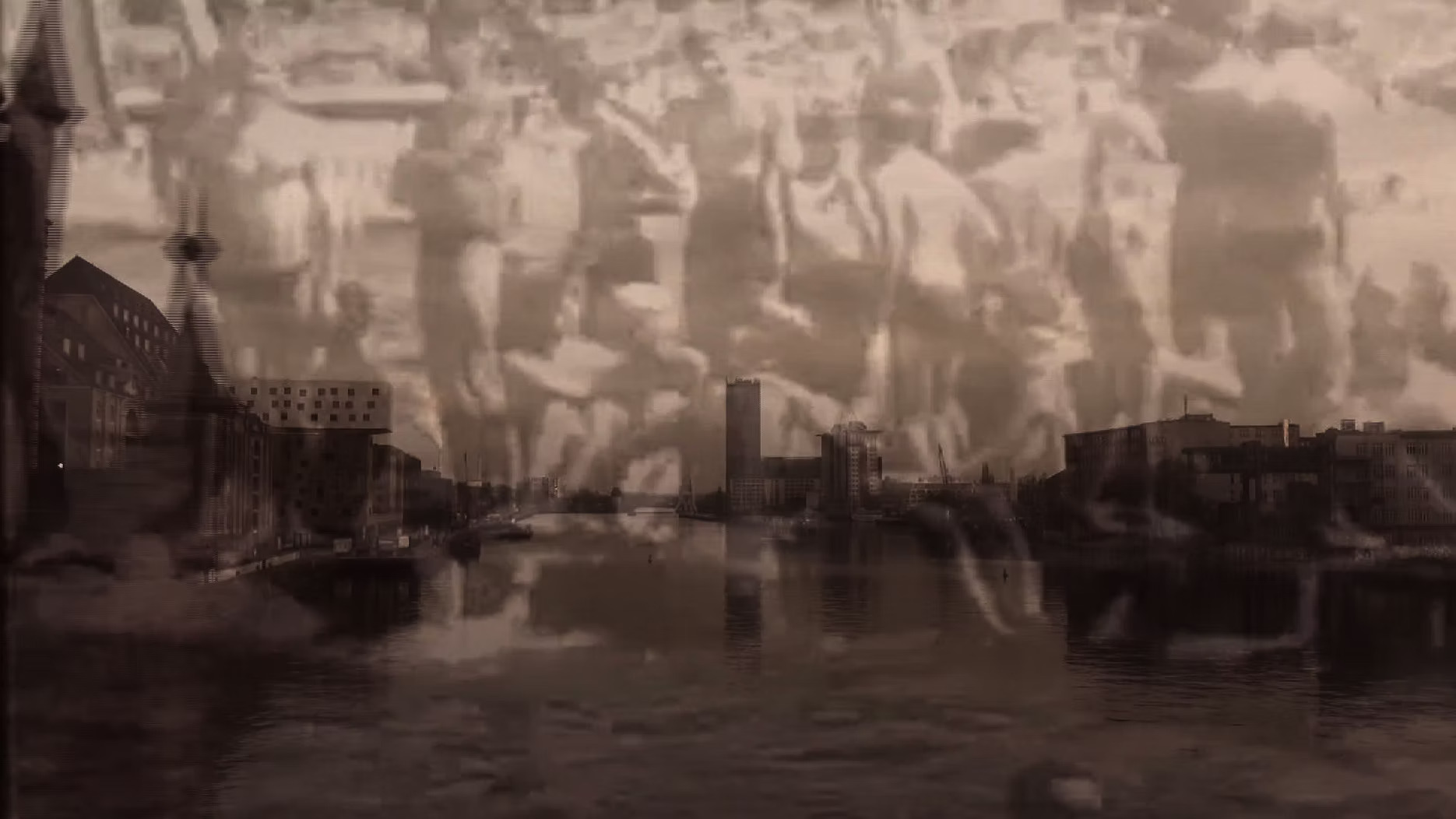
Potemkin Study 2. From Berlin to Tumen: The Way
to The Origin of a Million Rivers(2019) connects Berlin, a city that
experienced division, with Tumen, which remains situated along the border
between North Korea and China. In Parrhesia: One Body Two
Words(2020), four figures whose lives were transformed by ideological
confrontation after the Second World War offer different accounts of similar
circumstances according to their respective positions.
Through this process,
An’s focus shifts away from defining the identity of a particular group and
toward asking how states and ideologies organize individual lives, and how
different voices endure within those structures.
In her
work of the 2020s, “bringing disappeared voices back into the present” becomes
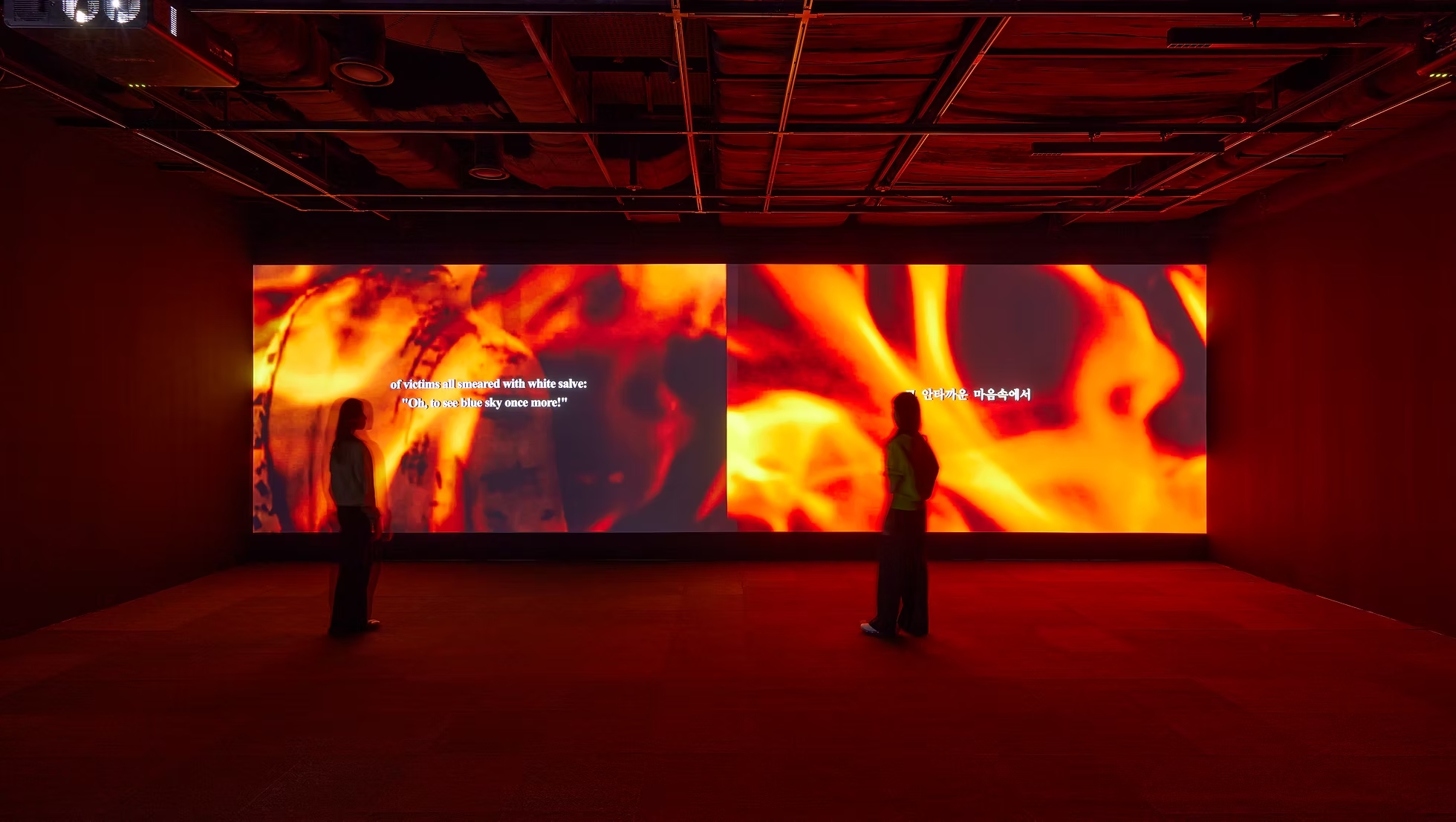
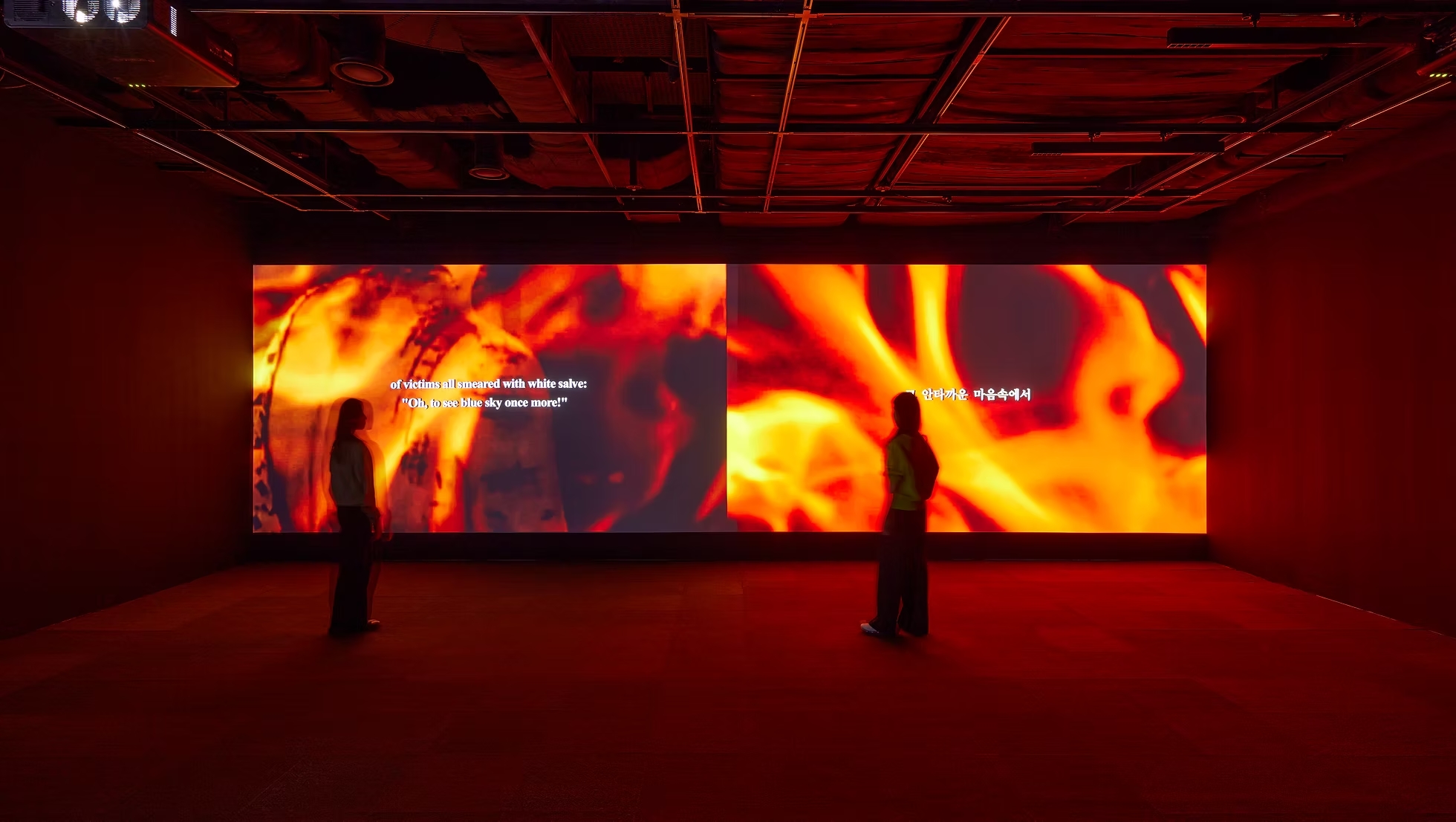
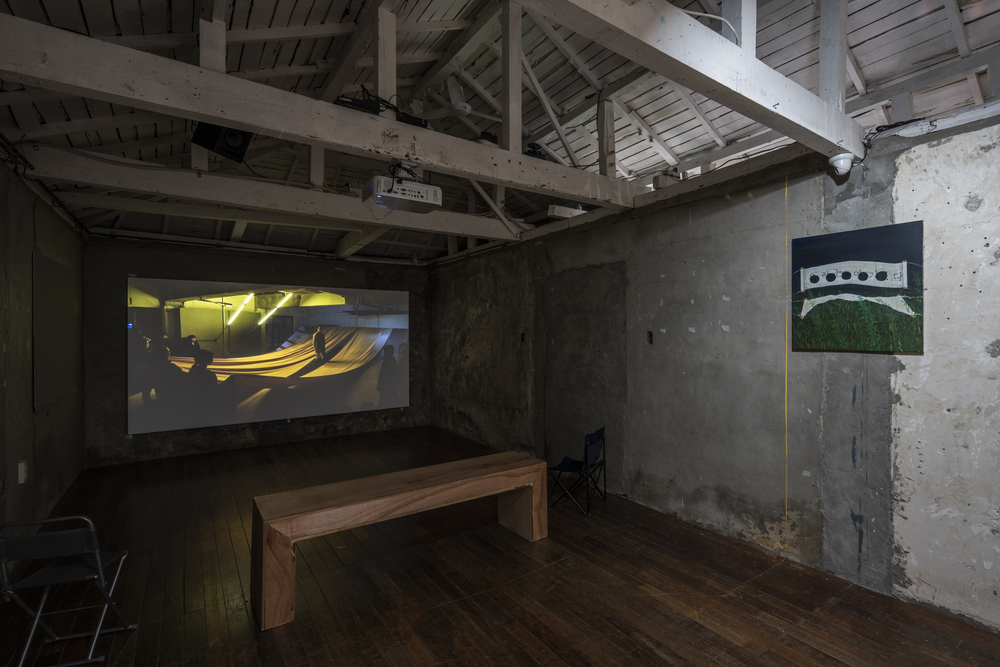
increasingly central. Styx Symphony(2022) revoices the
poetry of four women poets who lived through Hiroshima, Nazi and Soviet
oppression, the American civil rights movement, and the Gwangju Democratization
Movement through the voices of women living today, asking how the violence of
the past continues to resonate in the present.
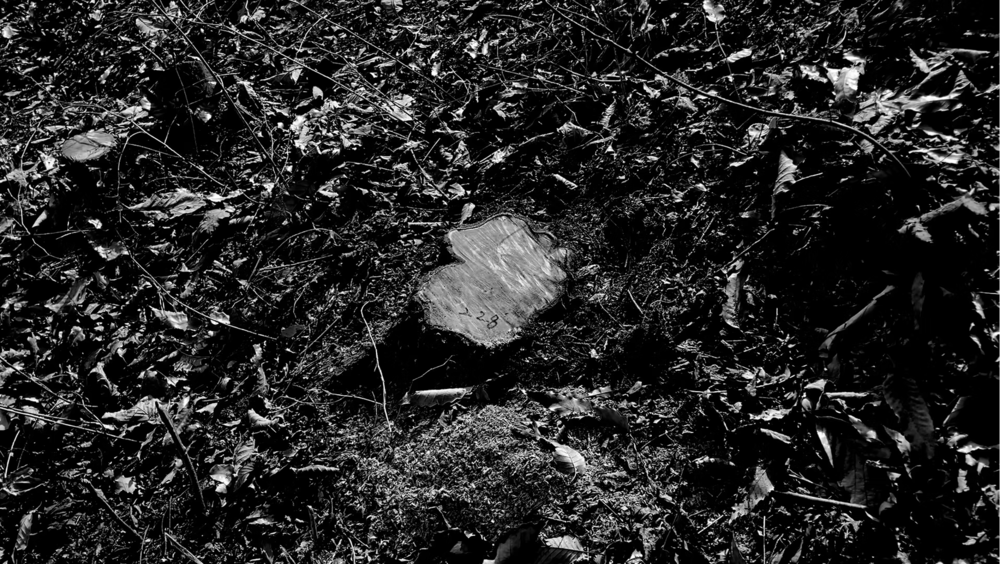
Grafted Words,
Eliminated Names(2023) examines how refugees, foreign workers, compatriots,
and other differently positioned subjects are named and excluded within Korean
society through the institutional language surrounding naturalization tests and
“becoming Korean.” Wandering Star along the Silver
Screen(2024) traces the “personas” imposed by nation and era through
the lives of Yoshiko Yamaguchi and Yoshiko Kawashima.
More recently,
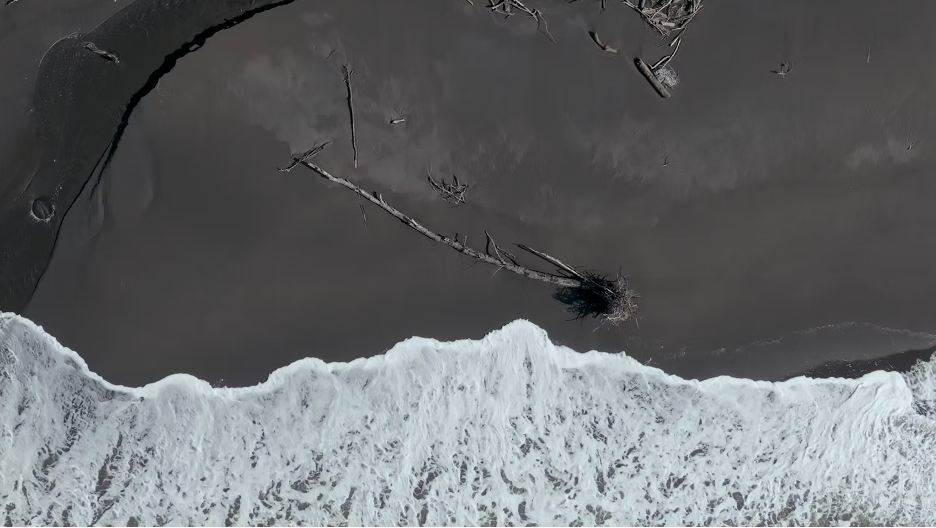
Roaring Ashes(2025) brings these historical concerns back
toward the personal experience of death and mourning. Following sea routes
linking Hokkaido and Sakhalin, and Jeju and Tsushima, the work waits for voices
that never arrived; within this lament, historical and private loss converge.