# Poetry Weaver
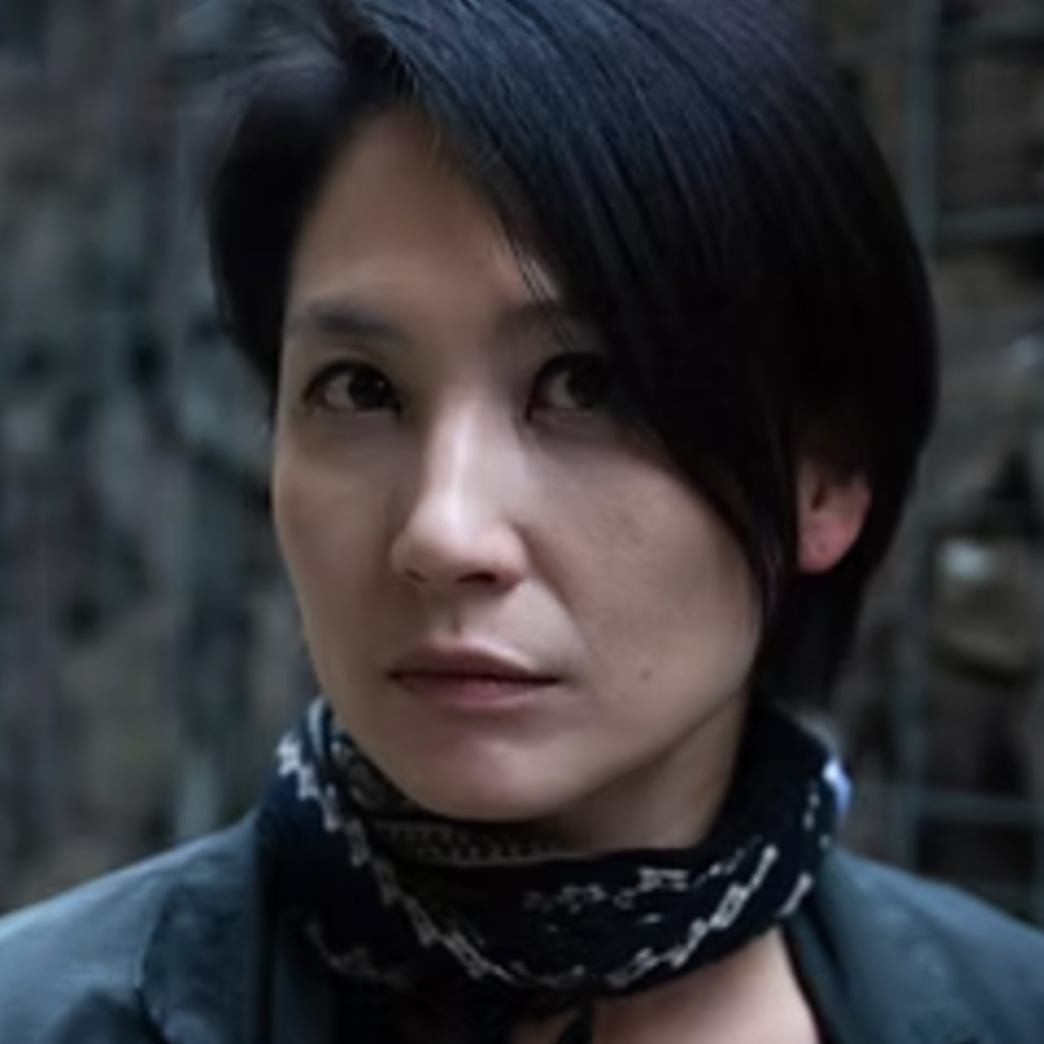
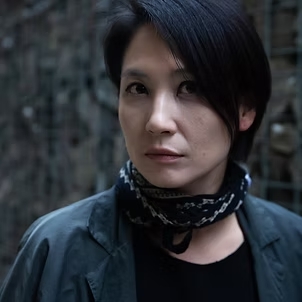
Yuri An introduces herself as a “visual artist and poetry weaver” on her website. Visual artist is a familiar designation, but “poetry weaver” is unique and intriguing. The expression that one can weave poems like a weaver who spins yarn draws curiosity. There are countless universities and institutions that “teach” art, but poetry is a domain difficult to access.
The ancient Greek thinker Plato saw painting as a technique that creates illusions of deceit, but he saw poetry as something one can give birth to when possessed by an existence outside of reason. Thus, in his view, poetry is outside individual human will or subjectivity, and is an inexplicable activity that transpires under the captivation of a muse, a supernatural being.
Art is regarded as a skill or ability that can be acquired through education and training; but poetry exists in a realm that cannot be reached through discipline, and it is a voice that comes out of those who must write, rather than want to write. Yuri An reads many poems as well as writing her own.
Sometimes the poems by preceding poets become a catalyst for her art, and sometimes she finds that her own life resonates with their poems. The “poetry weaver” is an apt description if we understand that the weft and warp the artist weaves include: poems of the past and the present, poets of the past and the present, poets from here and there, and the Yuri An of here and now.
# Previous Works
Yuri An began her career in 2011 by publishing a book titled Writing on the Edge (its Korean title is pronounced Kkak, the Jeju Island dialect meaning “end”). Since returning from the Netherlands in 2014, she has been leading an active career as an artist. She has been selected to participate in several artist residencies including Cheongju Art Studio, Seoul Art Space Geumcheon, and MMCA Goyang Residency.
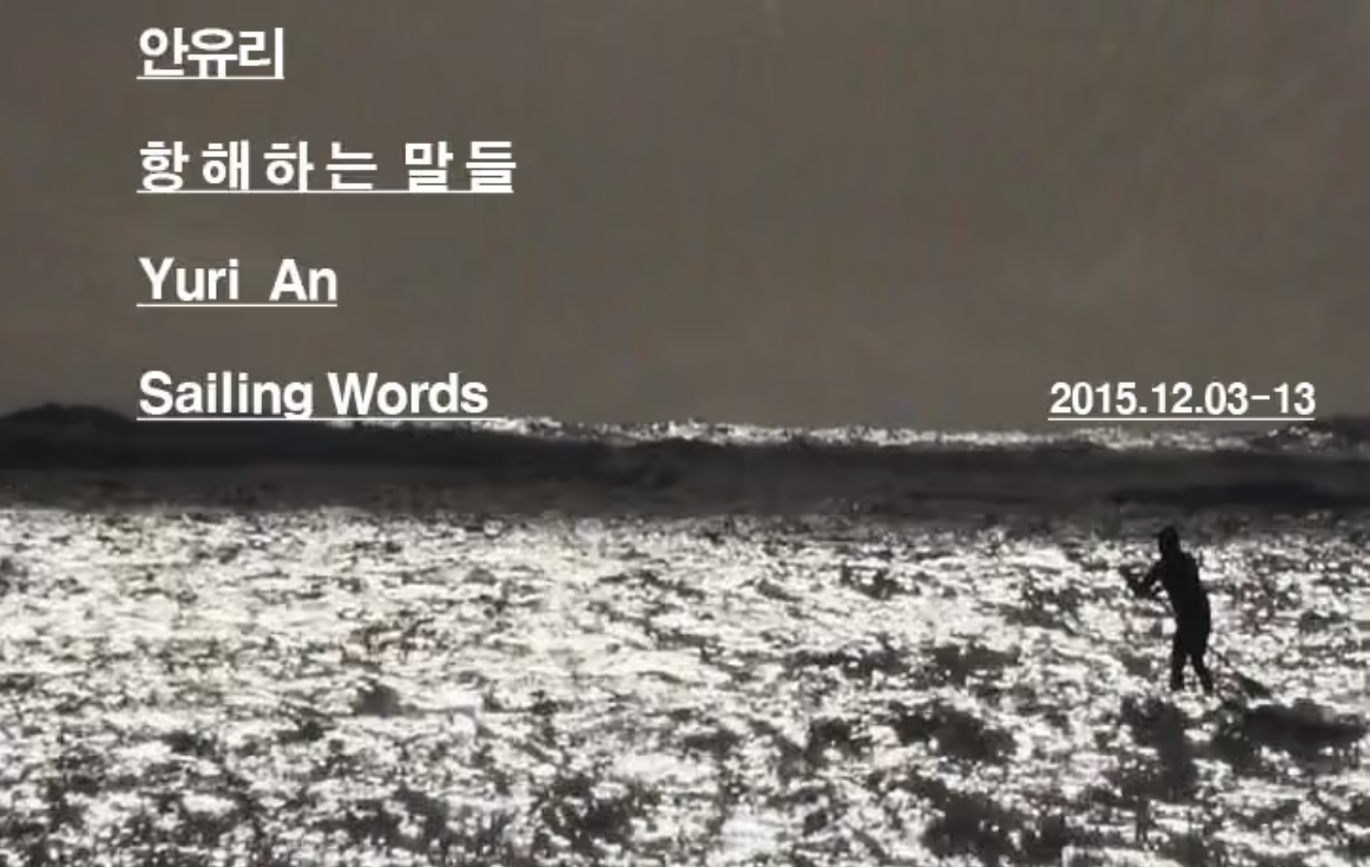
She had solo shows 《The Unharvested Sea》 at Art Space Pool (2015) and 《River of No Return》 at Seoul Art Space Seogyo(2016), and participated in group shows such as 《How Little You Know About Me》 (National Museum of Modern and Contemporary Art, Korea, 2018), 《Moving & Migration》 (Kaohsiung Museum of Fine Arts, Taiwan & Gyeonggi Museum of Modern Art, Ansan, 2019), and 《As the Practice of Learning》 (Nam-Seoul Museum of Art, 2021).
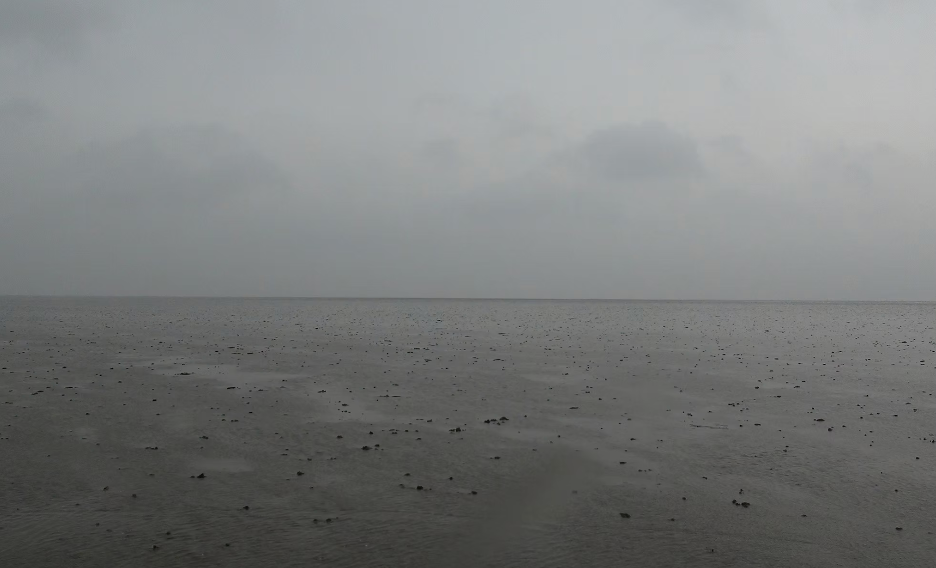
In these artworks and exhibitions, the artist explored the memories of those who have crossed the point of no return and examined the illusions and misunderstandings that people may have for one another. The Unharvested Sea refers to Hamel’s 17th-century journey from Texel of the Netherlands to Jeju Island, but also Jindo Island, the coast of which the Sewol ferry capsized in 2014.
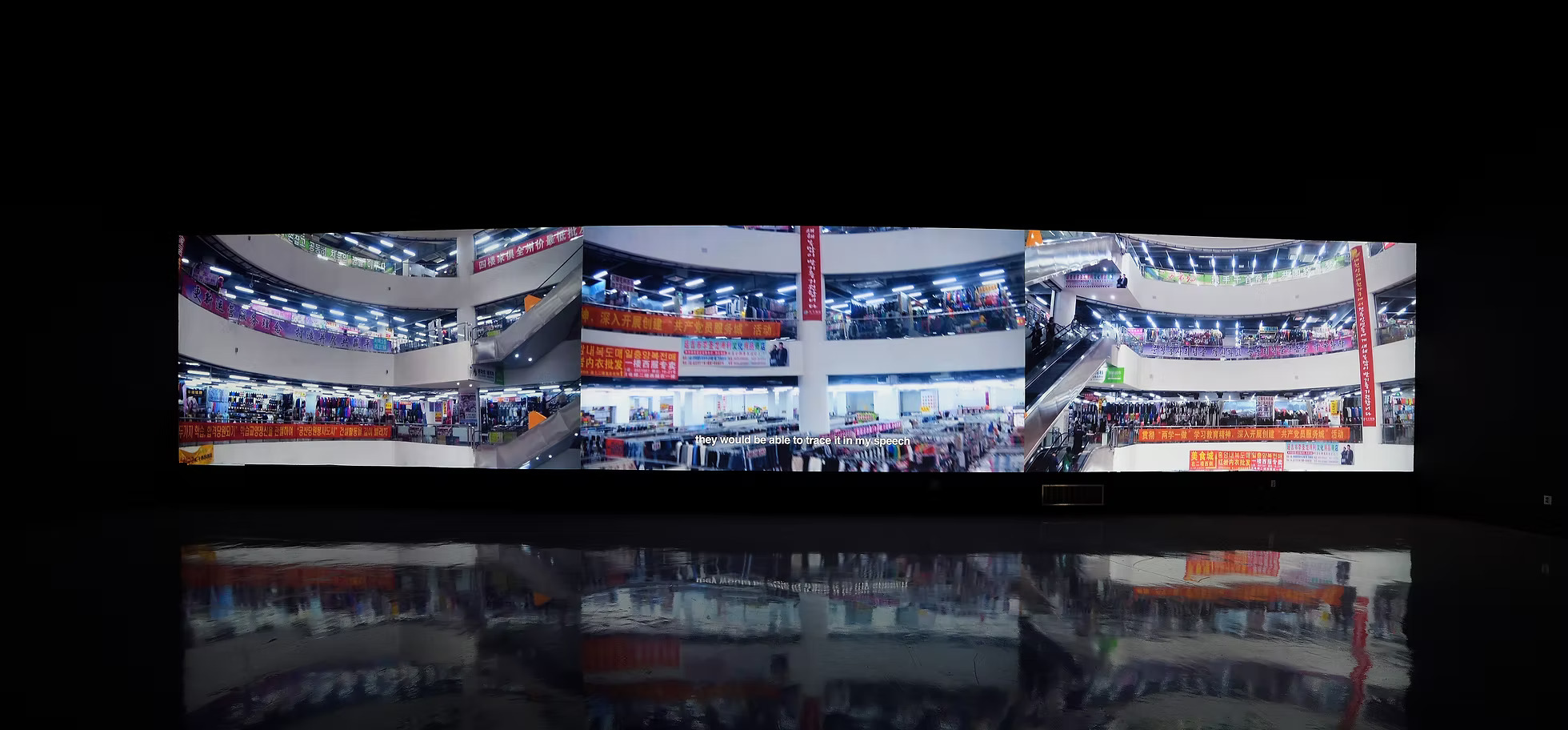
It is about the victims of the Sewol ferry disaster and the crashed Malaysian passenger flight, those who cannot return from their planned travels. The video shows a calm, peaceful ocean that seems to conceal the sufferings of those who an speak no longer. In the three-channel video Rogue Stars, the focus is on the Korean communities living in the Chinese region of Yanbian, particularly the Korean-Chinese who are categorized as “Joseonjok” in Korea.
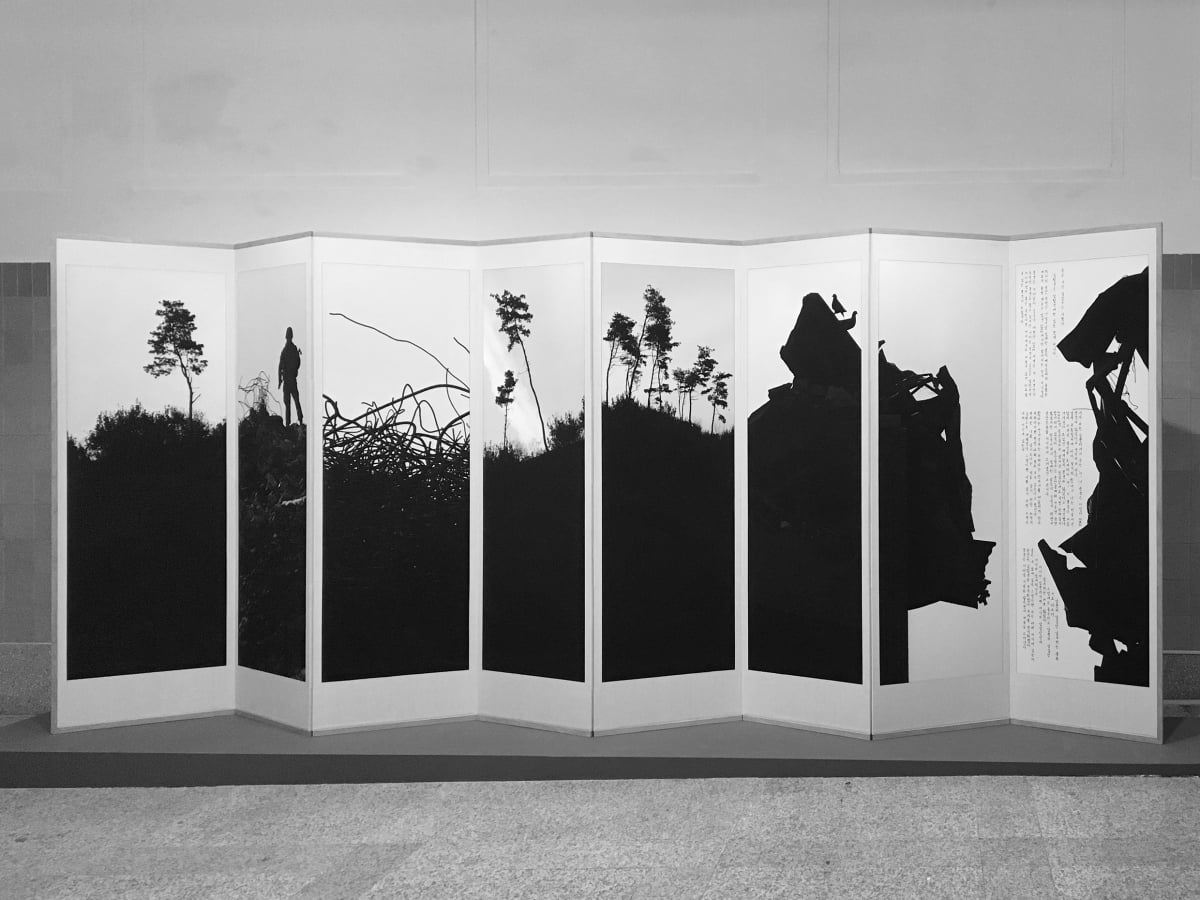
In the ‘Potemkin Study’ series as well as the above works, An characteristically juxtaposed human voices with detached sceneries. In her videos, lively, fluttering voices are used to touch upon the subtle differences and misunderstandings caused by various situations of people, and their vaguely distinct goals and ideologies. They bring to our attention the hypocrisies and misconceptions that we have indifferently overlooked or carelessly believed.
An’s videos appear calm, but provoke the emotions inside us, causing us to feel uncomfortable and oppression of black people; and the Gwangju native poet Goh Jung Hee’s Resonance From Where She Goes sang the life of the women who experienced the Gwangju Democratization Movement. These women’s poems are narrated in a calm yet determined tone with a strong voice. The moving images unfold, sometimes harmoniously and sometimes out of sync, as if orchestrating a symphony composed of four movements.
# Relation between Poetry and Video
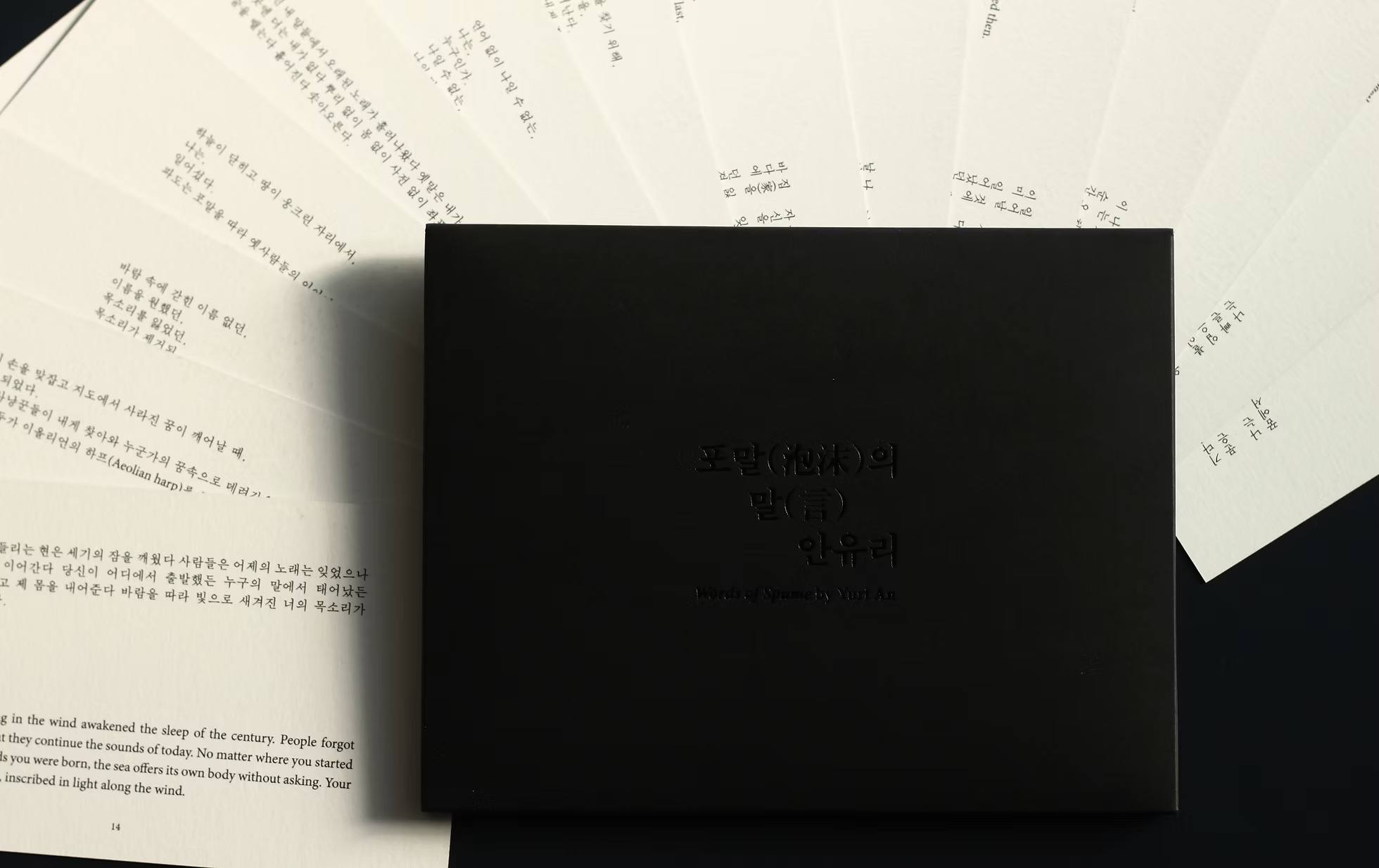
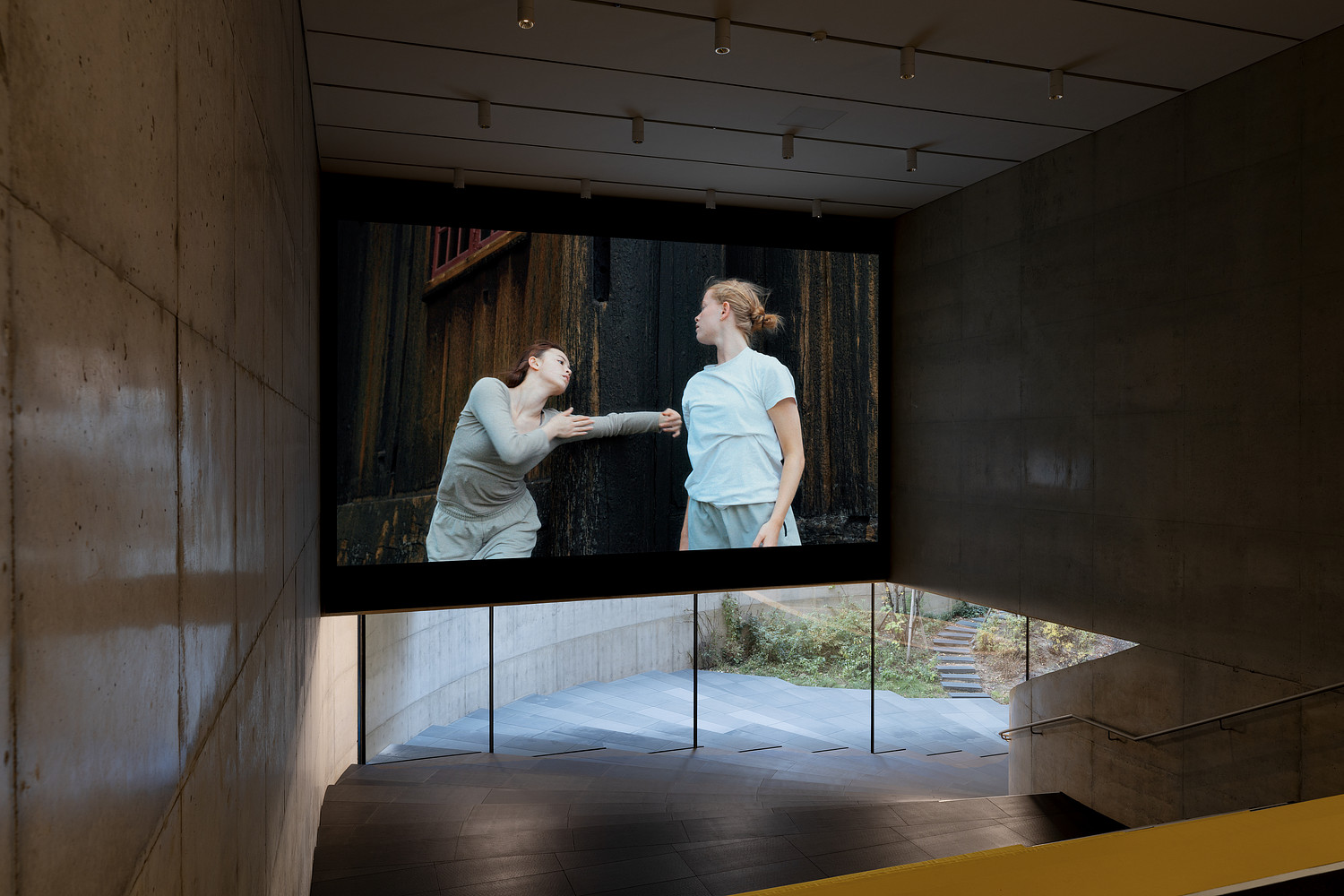
In Styx Symphony, the four poets’ works are read in their own four different languages: Japanese, Polish, English, and Korean. Because these poets have all passed away, An hired voice actors to read their poems, except for the case of Maya Angelou, whose poem is read with her own voice from her lifetime. Goh Jung Hee’s poem Resonance From Where She Goes is performed like a theatrical play.
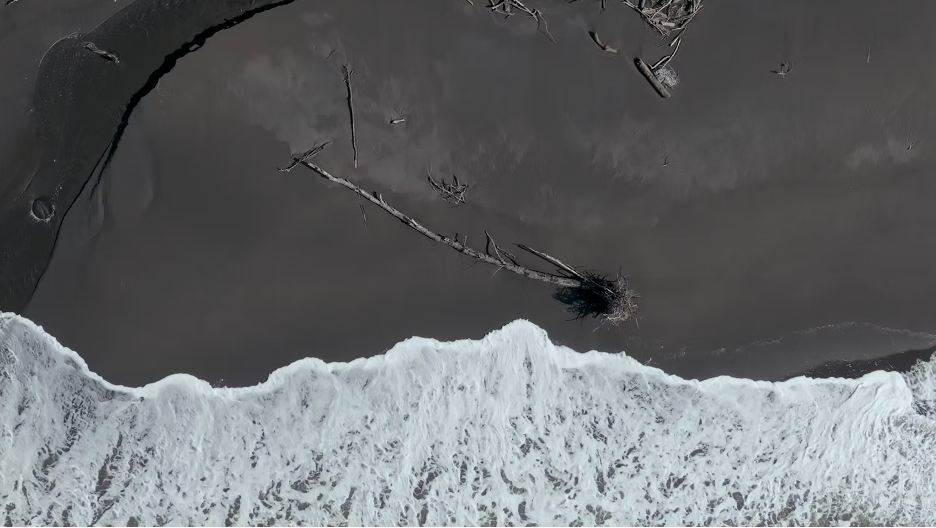
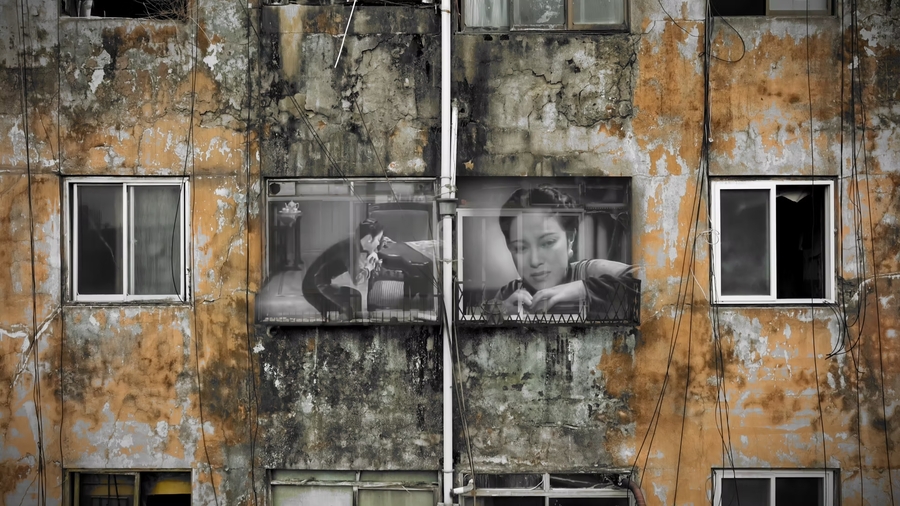
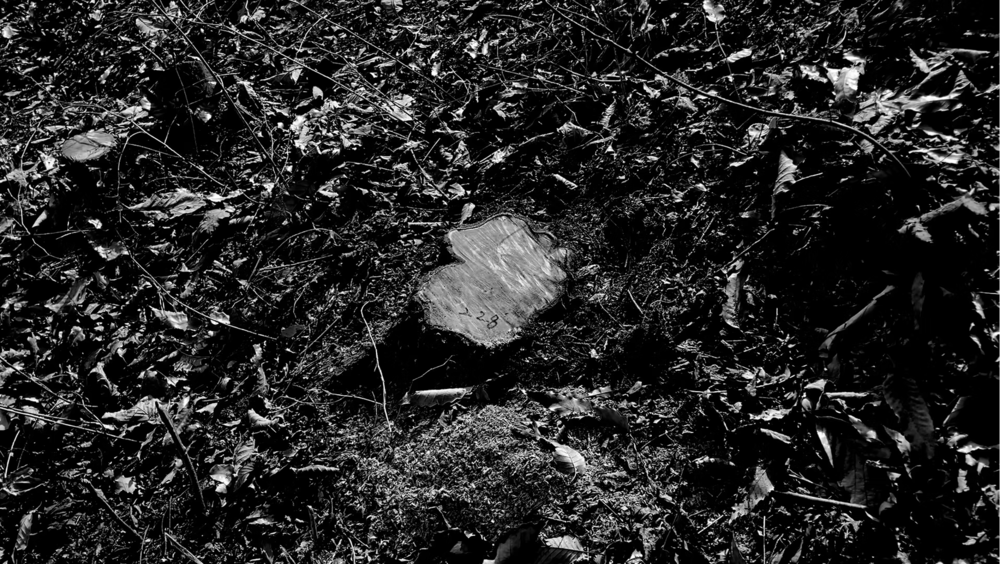
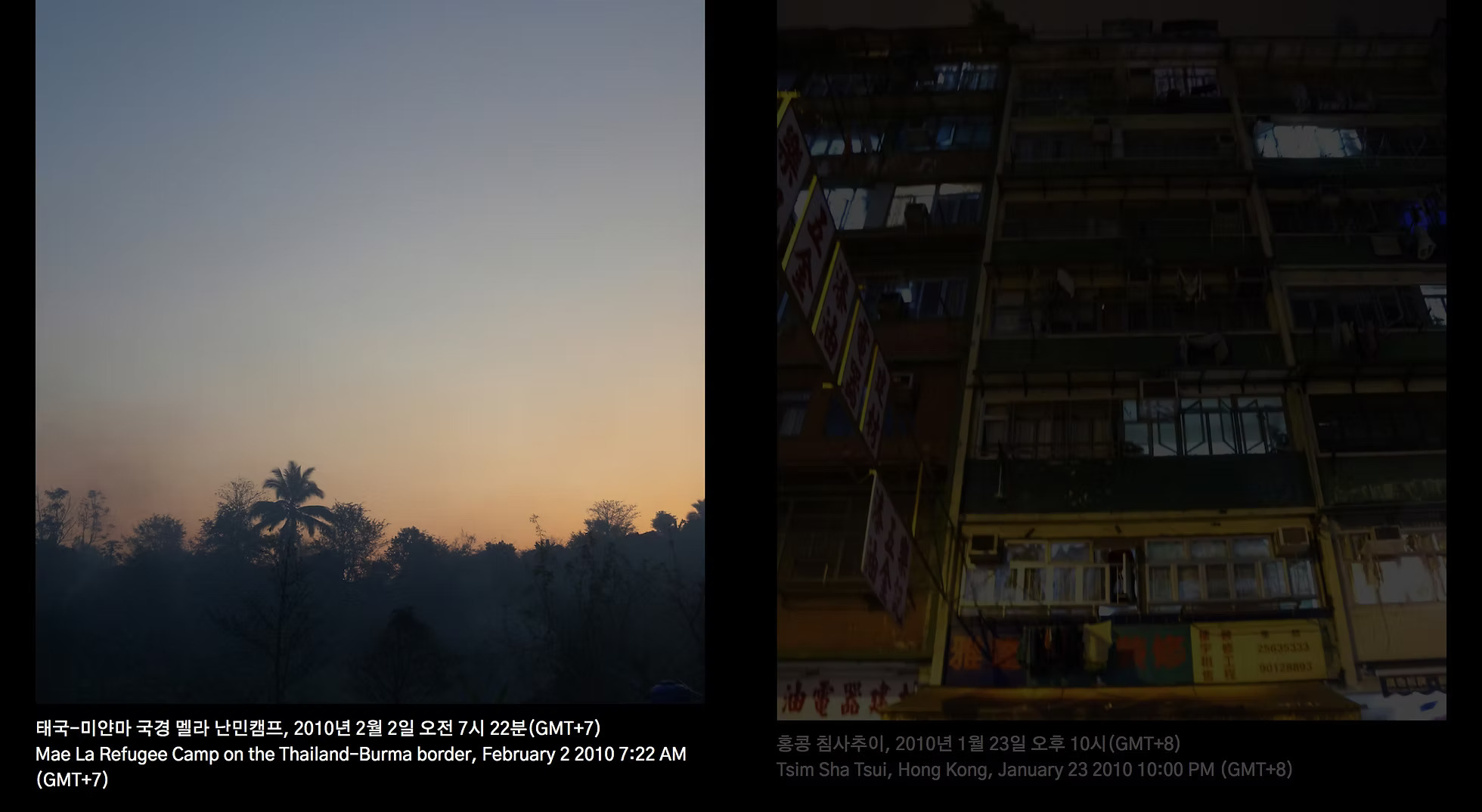
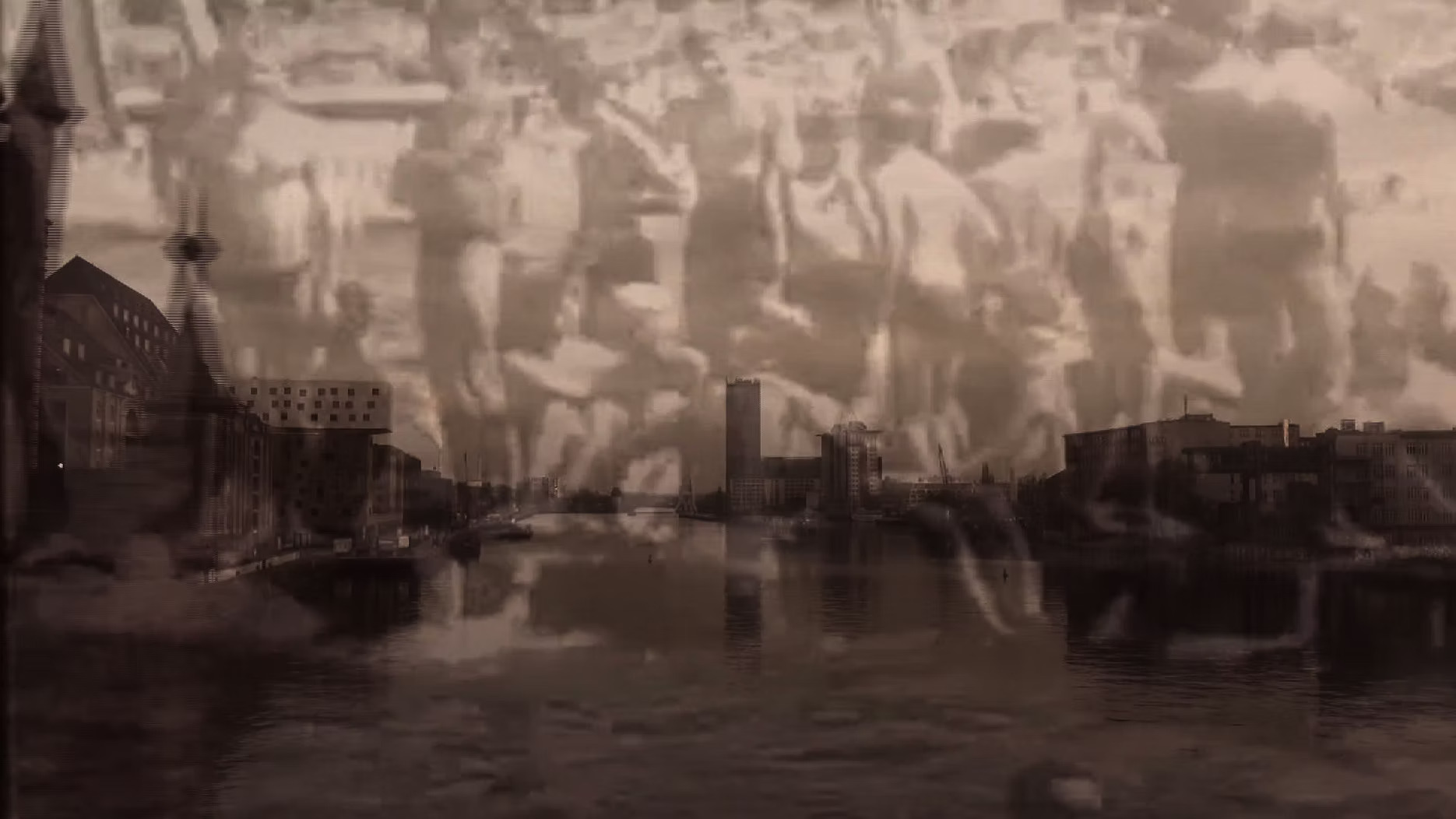
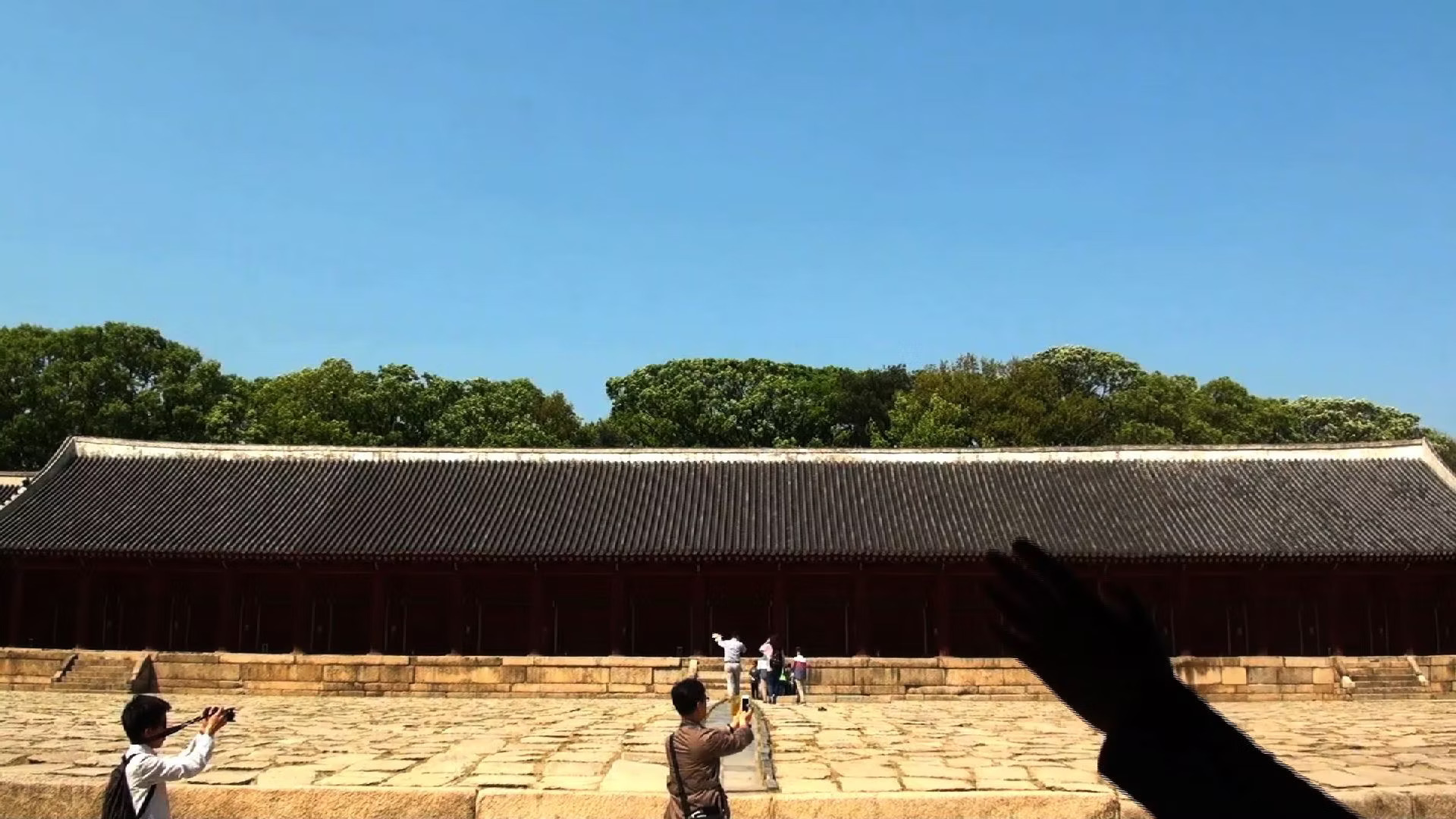
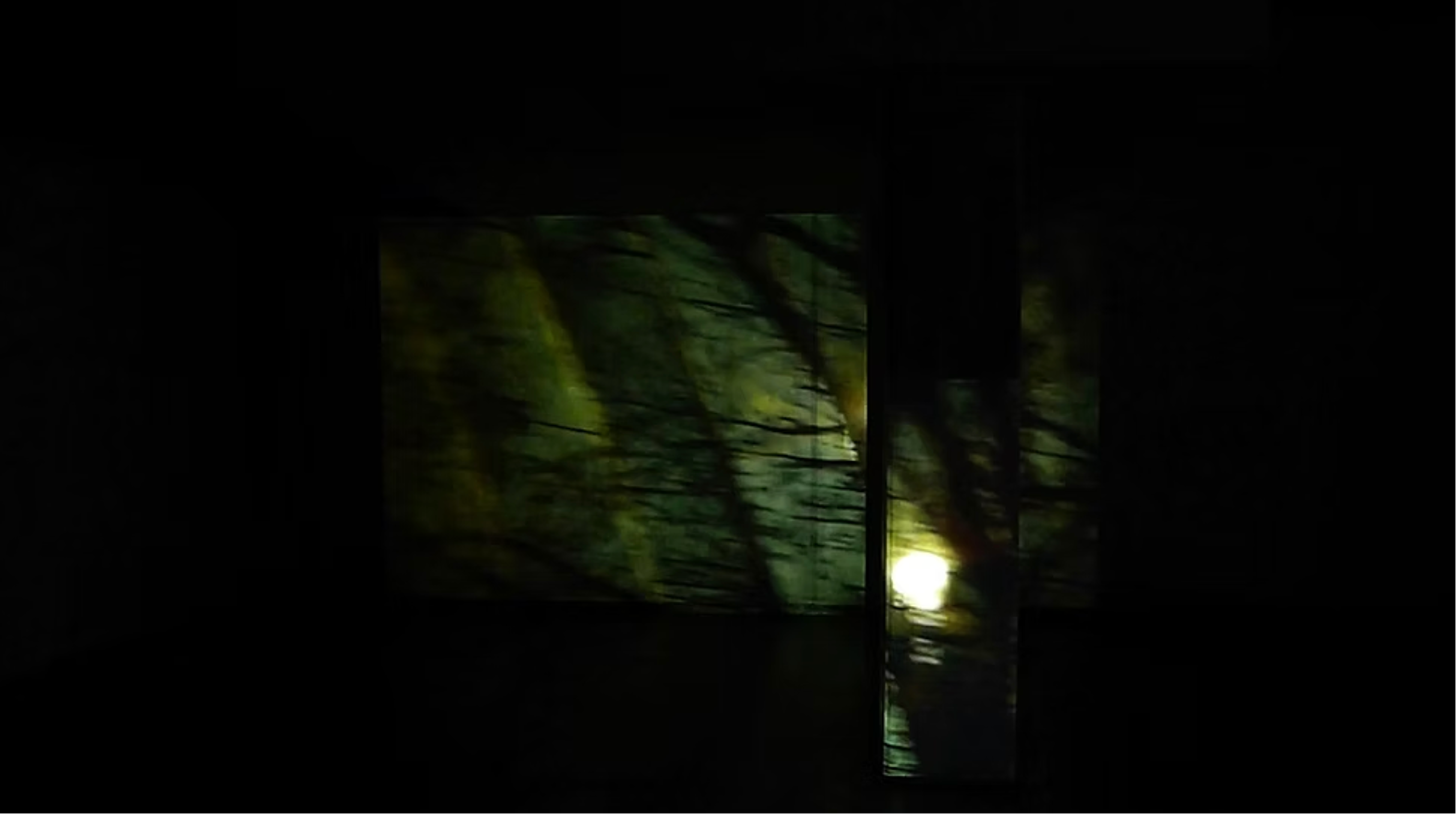
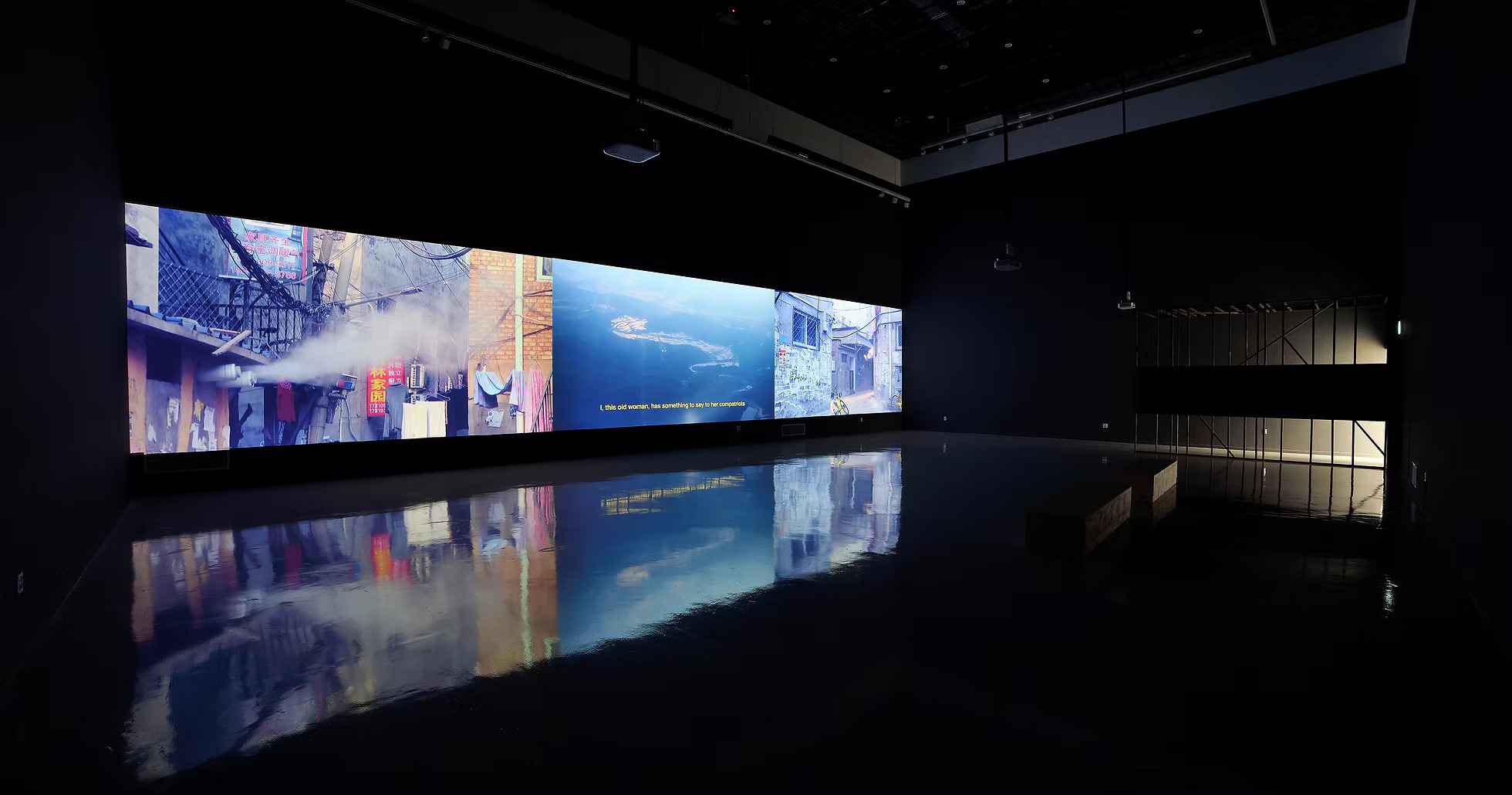
Meanwhile, the video intersects various scenes captured by the artist with found images from the Internet. It unfolds images of nondescript seas, rivers, forests and roads. The viewers may try to associate the texts with the scenes in the video, but there is no clear connection between the two. The images are not the backgrounds of the texts, and the texts do not refer to the images.
As such, this is an asynchronous symphony composed of words and images that are unrelated and the voices of the living and the dead. Resisting the conventional mode of moving image consumption, and alluding to the culture of reading poetry in conjunction with music and images, Styx Symphony presents a new type of video/art.
# Now, Again, The Women
Now let us return to the poets. A victim of the atomic bombing, Sadako Kurihara became an anti-war peace activist who emphasized Japan's position as a perpetrator. Wislawa Szymborska was a poet who drew attention to the importance and meaning of ordinary existence and everyday life, as a critique of the post-WWII communist culture that was indifferent to individual suffering. In the face of various discriminations, Maya Angelou spoke up for the rights of women and black people through a truthful introspection of life.
Goh Jung Hee expressed her solidarity and sympathy for the wounded people of Gwangju. They are now all deceased, but in Styx Symphony, they are summoned into our present through their voices reading their important works. The scars and traumas they spoke of remain today; they are a past that is an ongoing, unfinished present, and a past that is summoned to our present. The voices of the four women are grounded in the present through An’s work.
# Styx Symphony
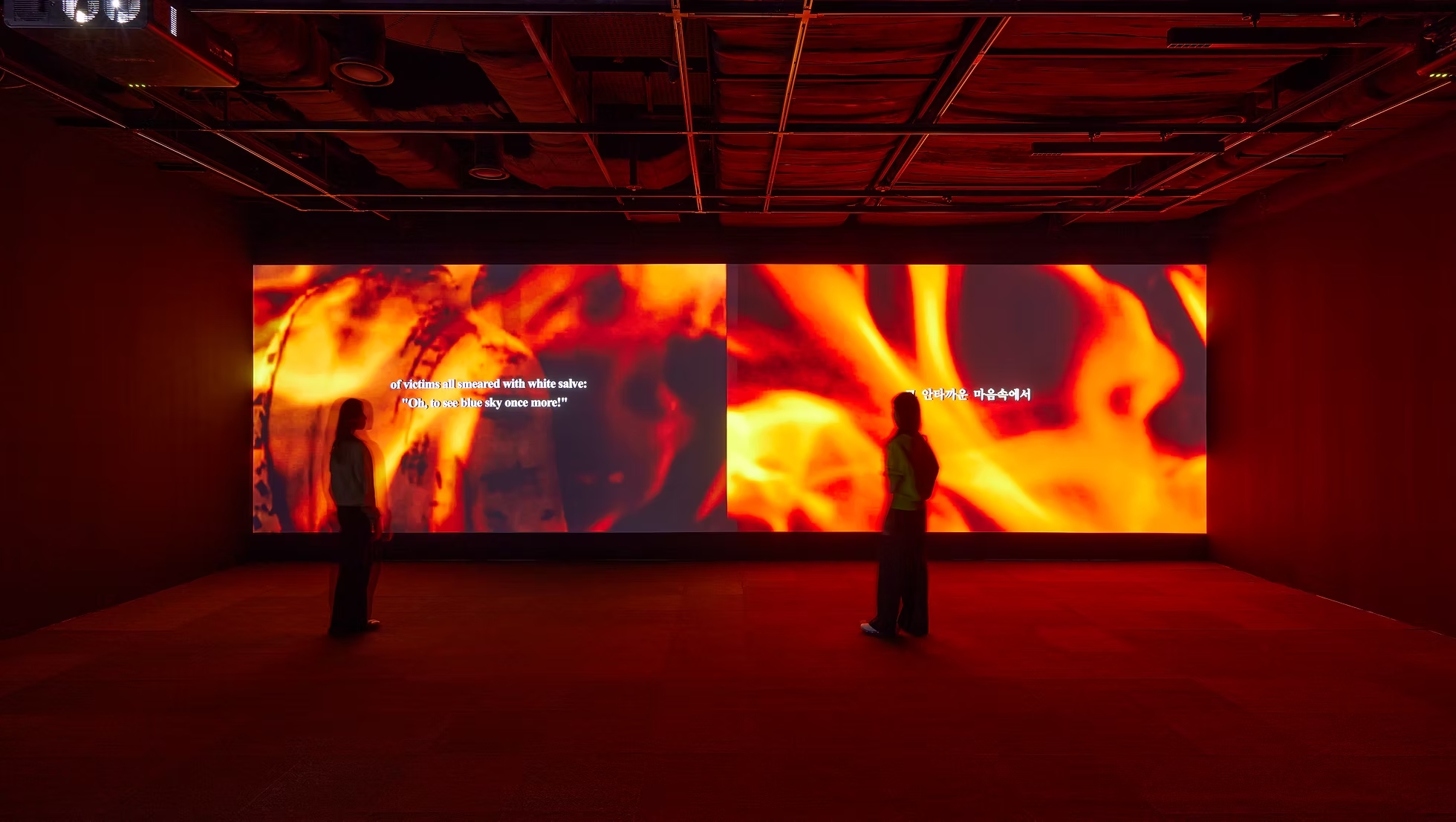
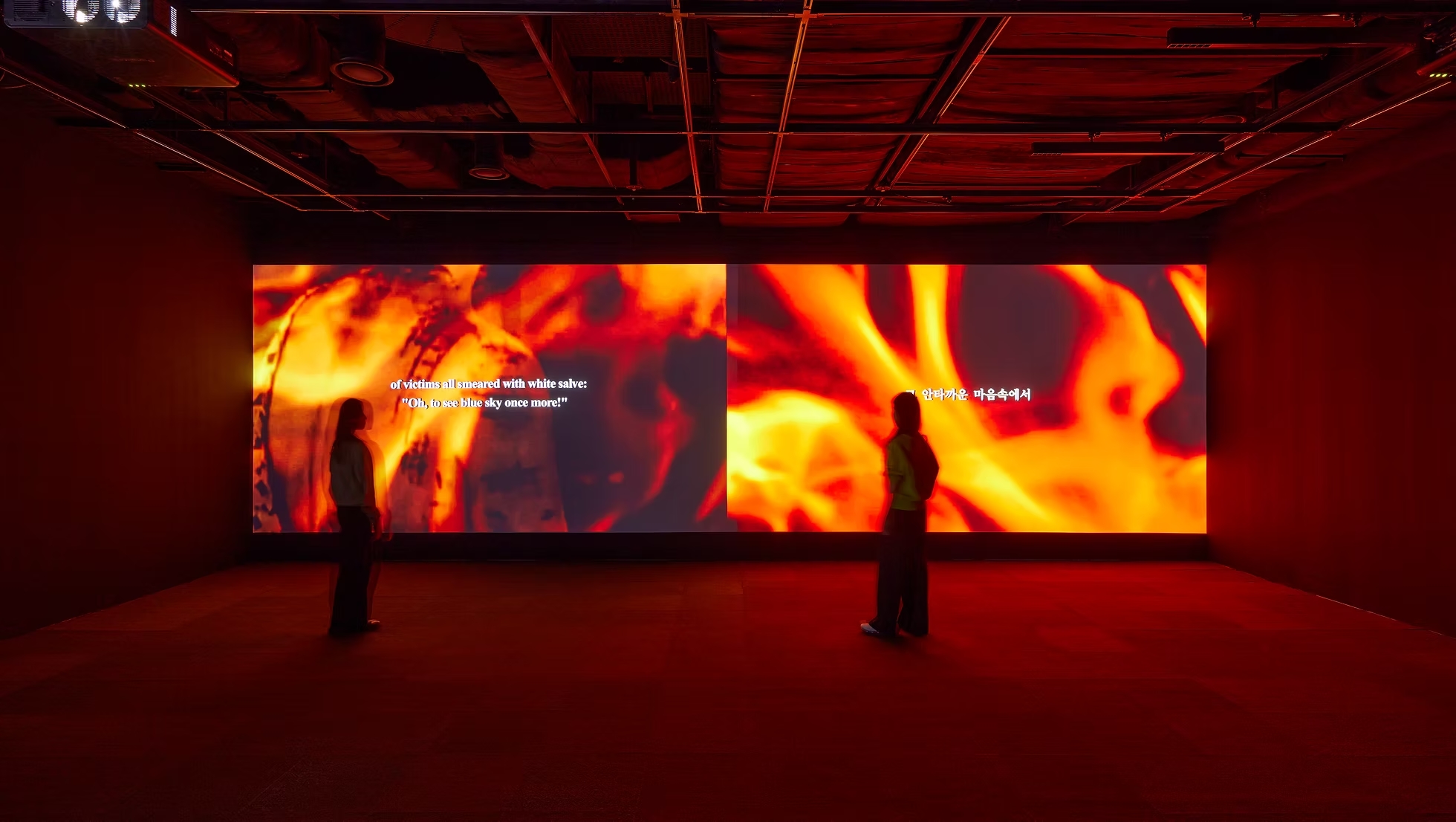
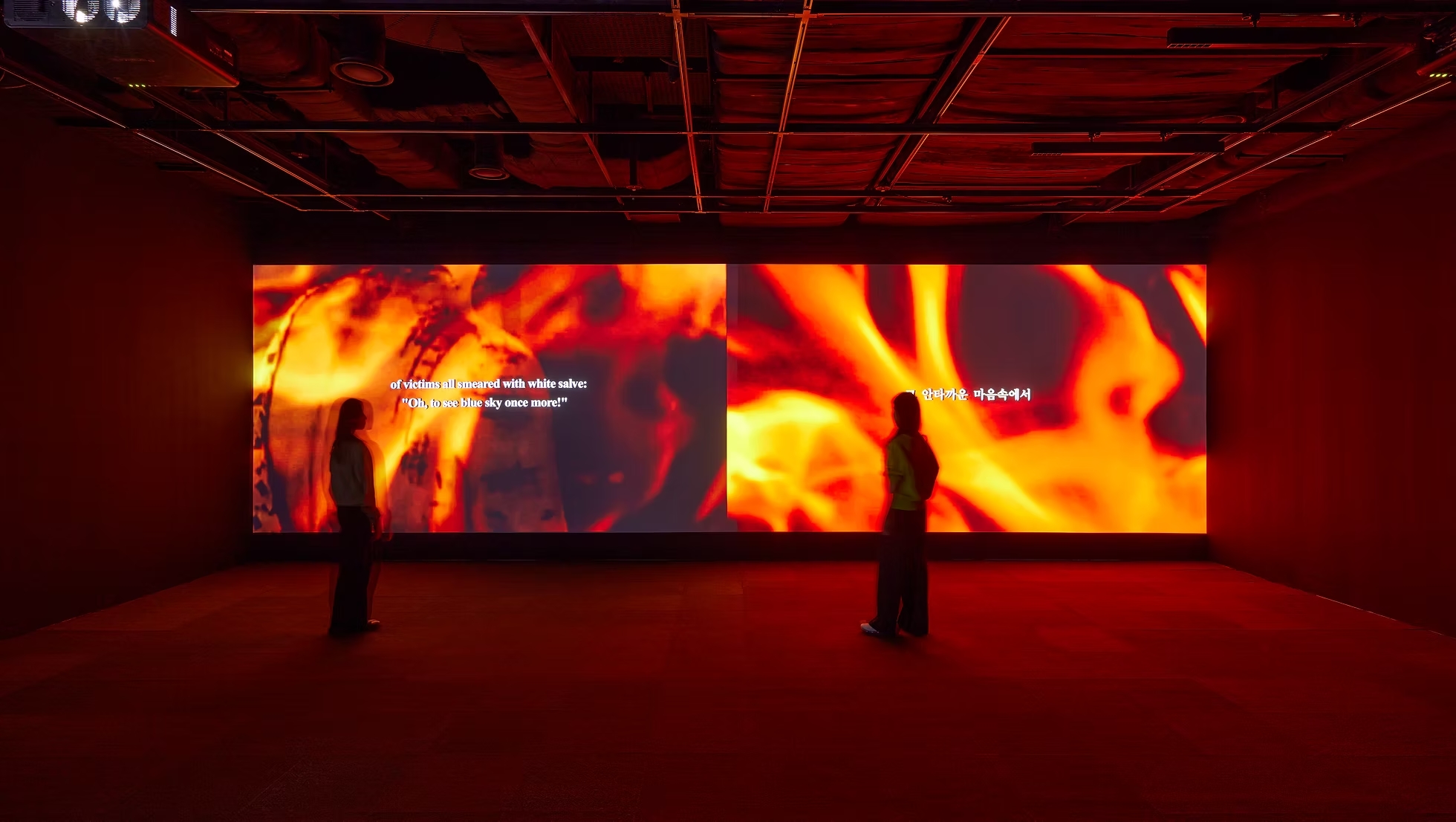
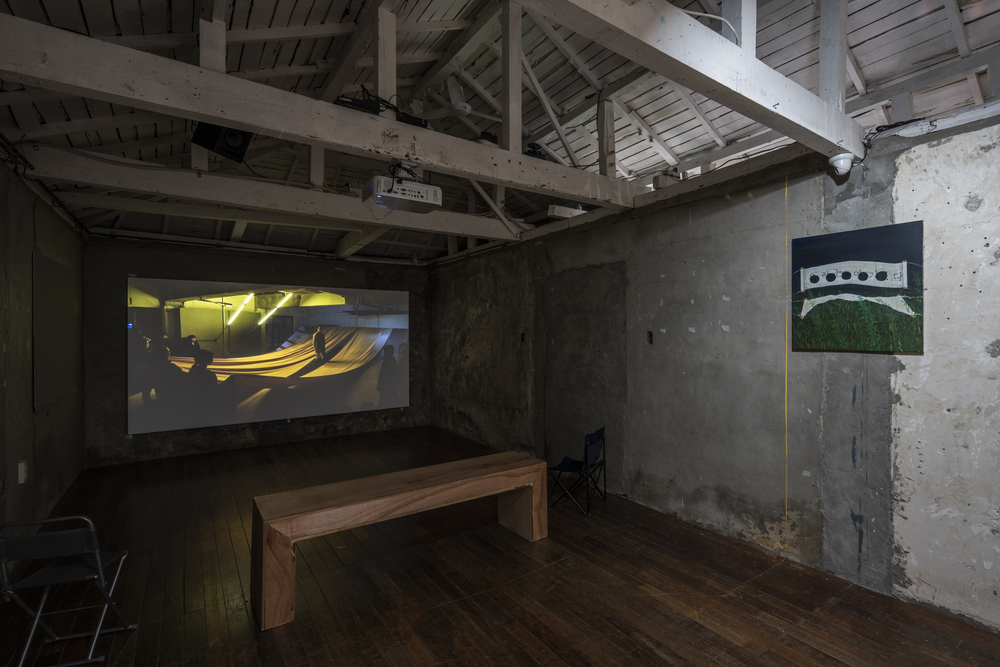
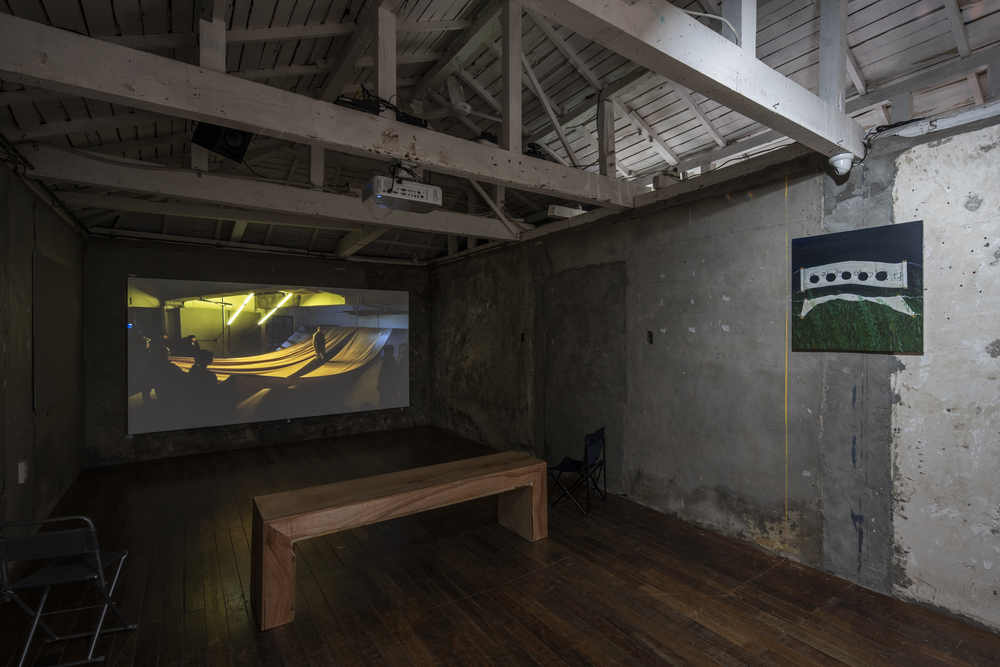
An’s new work to be presented at Leeum’s Artspectrum is a 15-minute-long two-channel video titled Styx Symphony. The video first introduces Styx, who in Greek mythology is said to be both a goddess guarding the rivers of the Underworld, and a river that forms the boundary between Earth and the Underworld.
It then narrates poems by four female poets from Japan, Poland, the United States, and South Korea: Sadako Kurihara was a victim of the atomic bombing of Hiroshima in 1945 who also worked as an anti-war activist; Wislawa Szymborska wrote while witnessing the Prague Spring reforms; Maya Angelou’s And Still I Rise stood up against the discrimination and oppression of black people; and the Gwangju native poet Goh Jung Hee’s Resonance From Where She Goes sang the life of the women who experienced the Gwangju Democratization Movement.
These women’s poems are narrated in a calm yet determined tone with a strong voice. The moving images unfold, sometimes harmoniously and sometimes out of sync, as if orchestrating a symphony composed of four movements.
# Expanding Empathy
In 2022, Artspectrum has resumed presenting the most promising Korean artists of the time. Here, Yuri An’s work might appear “classical” in that it employs poetry, a medium with a long history. Her video does not use sophisticated technology or eye-catching celebrities, and it is difficult to find anything “young” or “new” in it but that is what makes it appear so distinct. Her method of weaving poetry with video is unique.
What’s also distinguishing about her work is that it is not specific to a certain region, culture, period, or generation. It speaks many languages and empathizes with people across time and space. That has little to do with her experience of having lived in a foreign country for several years. Long before and after that, she has always assumed herself as a being who keeps going out and around, who keeps coming and going.
Like a nomadic poet, she went round and round to Jeju, Namdo, Texel, Yanbian, and elsewhere. Even when she cannot physically travel or meet in person, she connects through poetry and writing, with those who lived lives of empathy and solidarity.
Exhibition catalog, 『ARTSPECTRUM2022』, Leeum Museum of Art, 2022