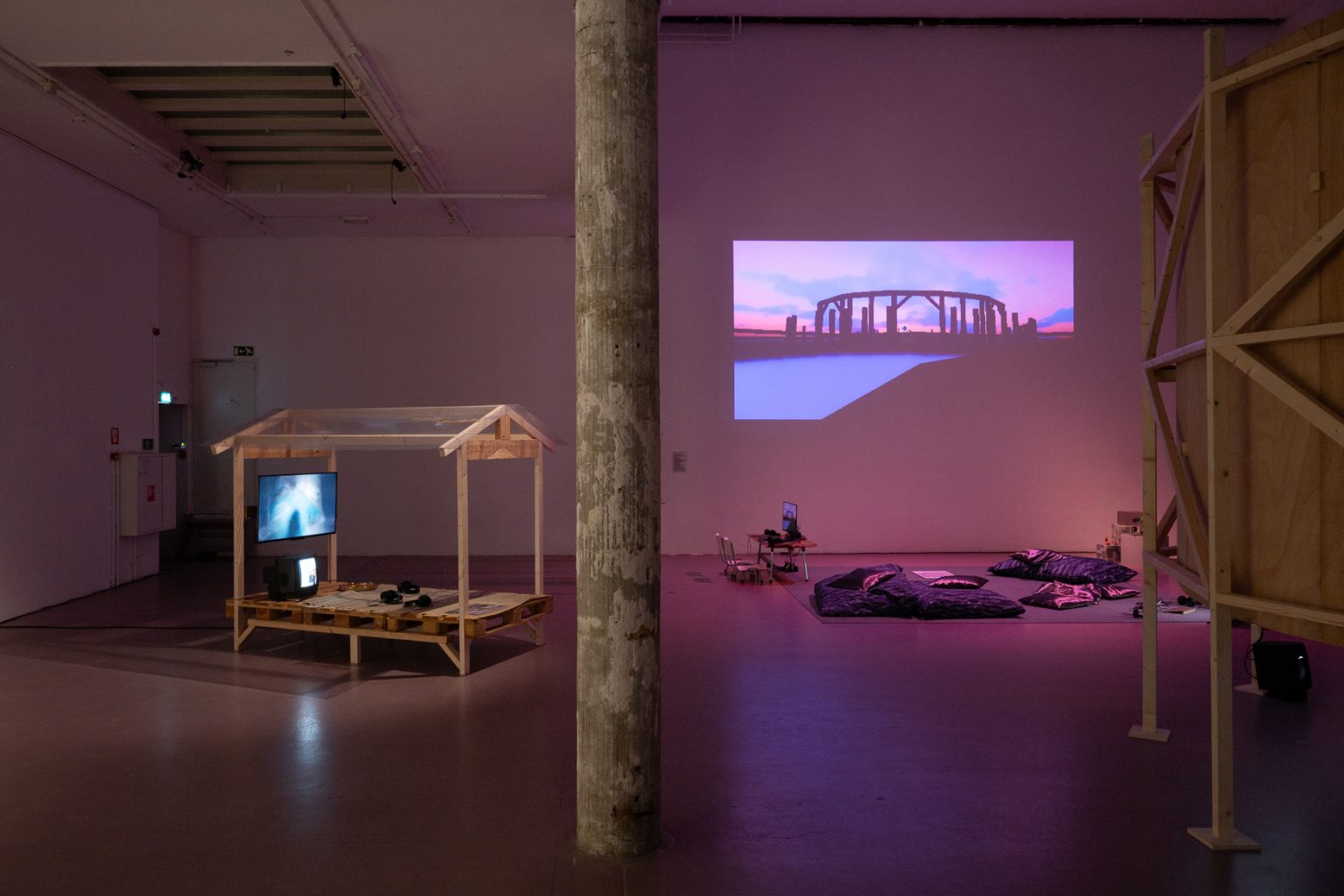
Aram Lee
works across moving image, installation, performance, live radio, and archival
research. What matters in her practice is not simply presenting materials, but
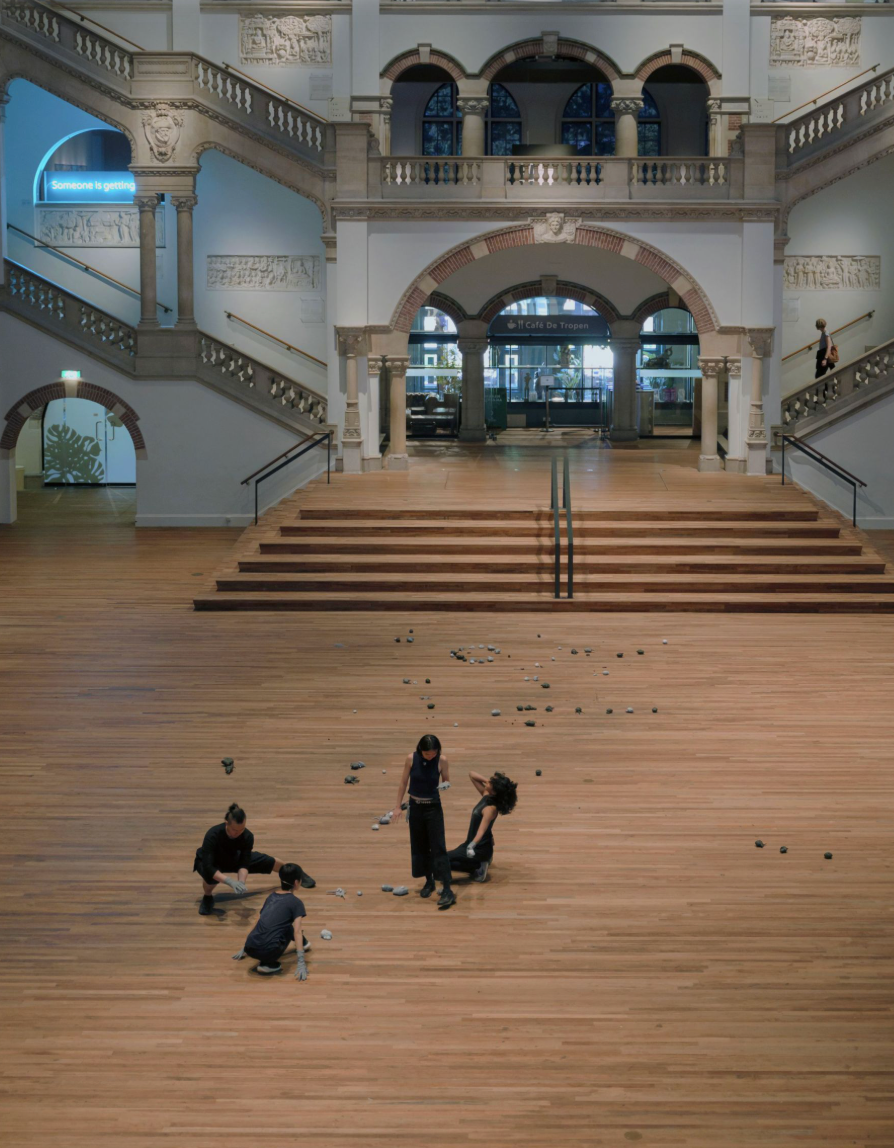
physically moving them and setting them into motion again. In Inside
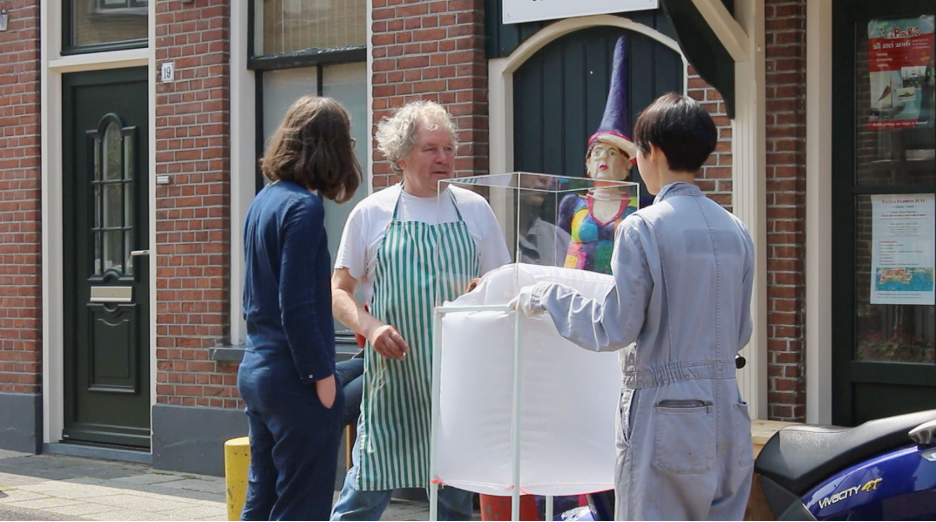
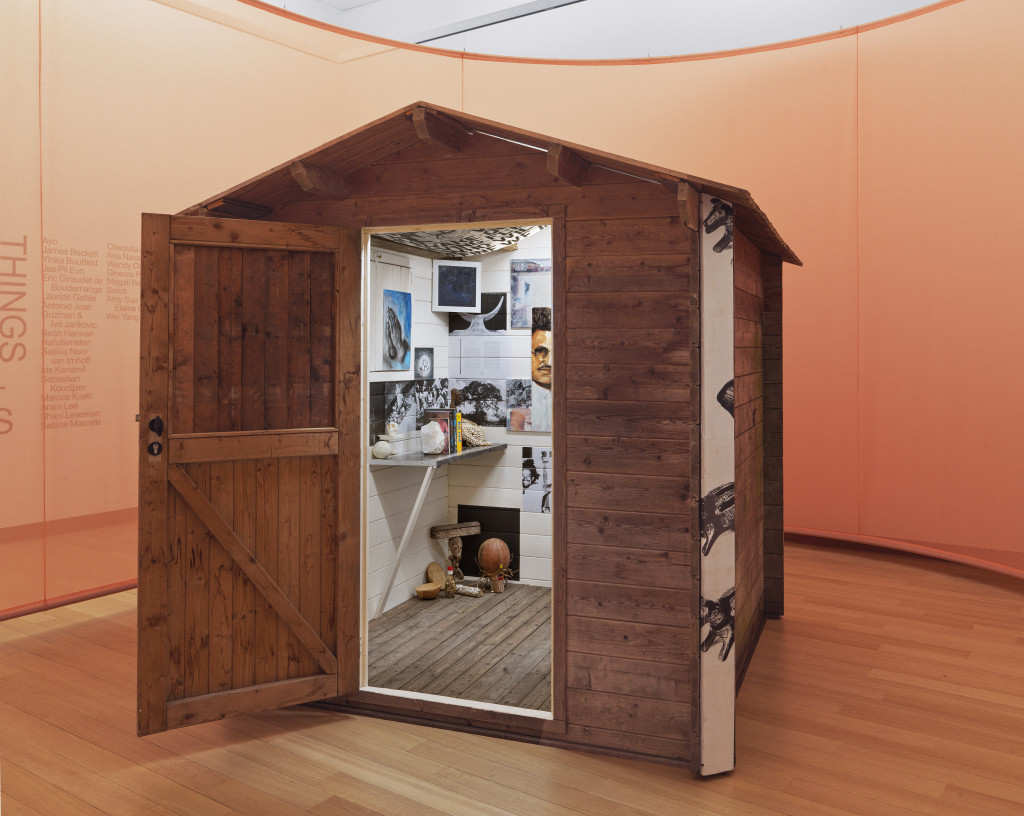
Out, ZZM, Lee created performances that took artifacts out of museum
storage and back to their original regions, producing mobile display cases and
a new calendar for each object.
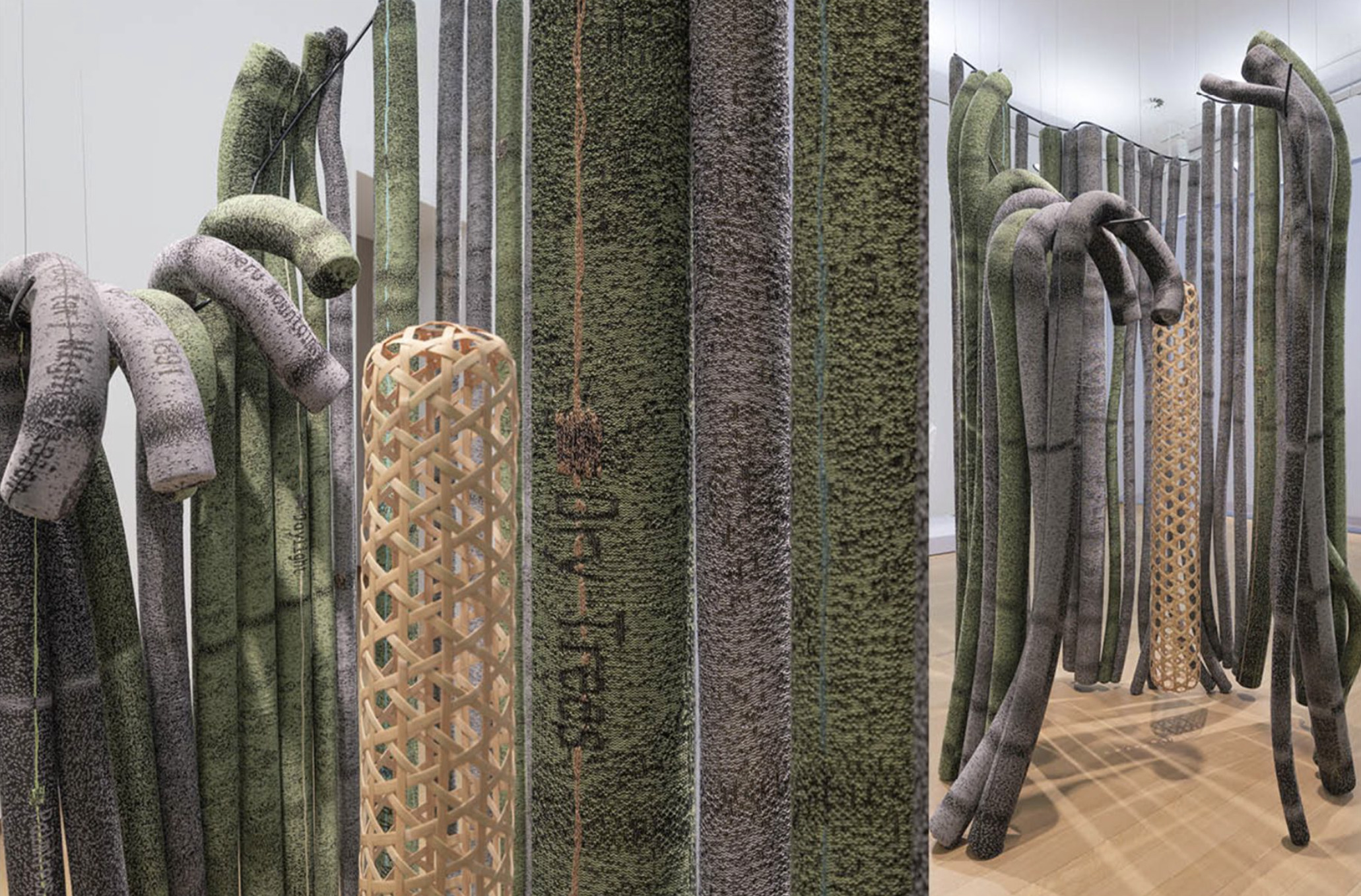
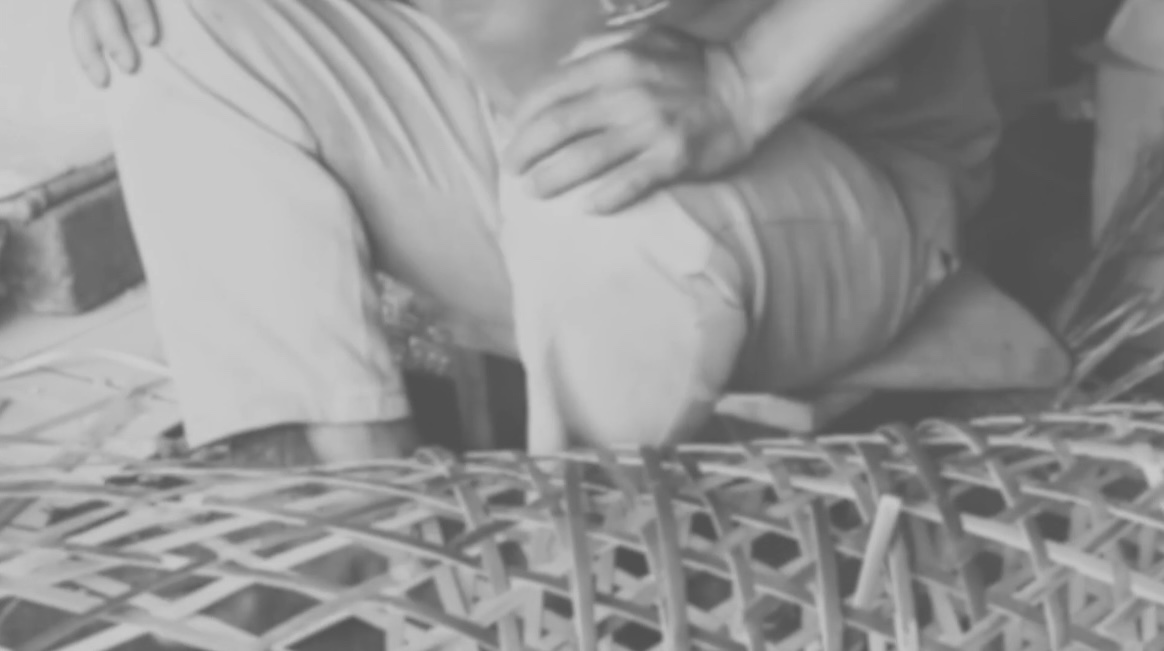
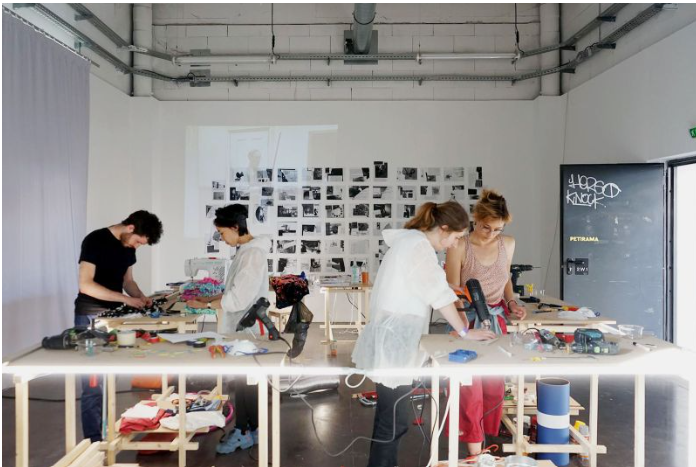
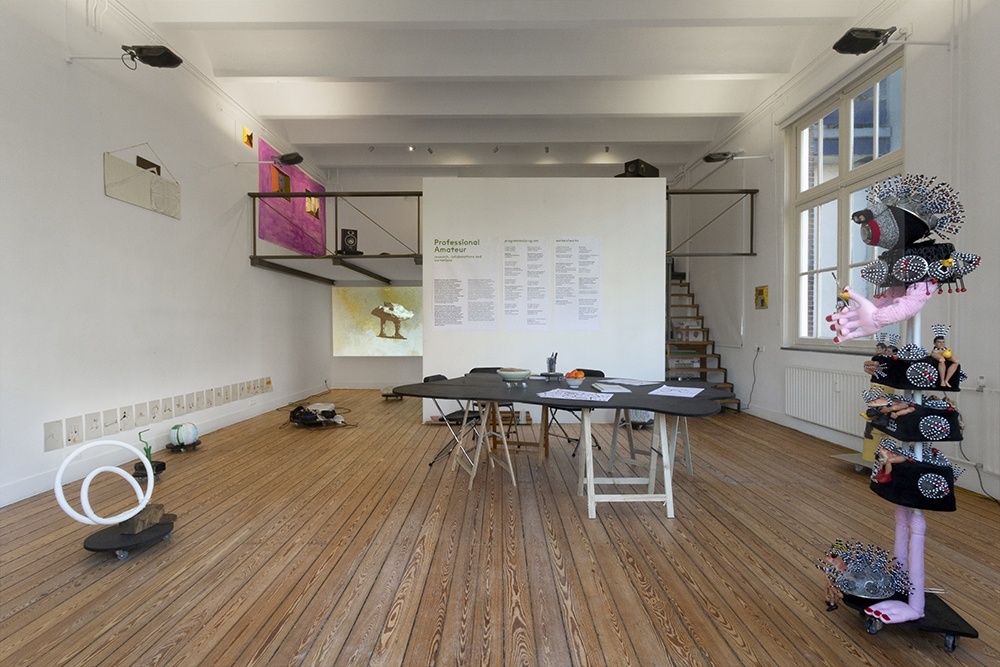
In the ‘Dutch Wife’ series, she collaborated
with local craftspeople in Indonesia to remake the guling, combining it with
knitted structures and woven maps. Research, in this sense, is not merely
preparation preceding the artwork, but becomes the form of the work itself,
reorganizing relationships between objects, people, and places.
Lee
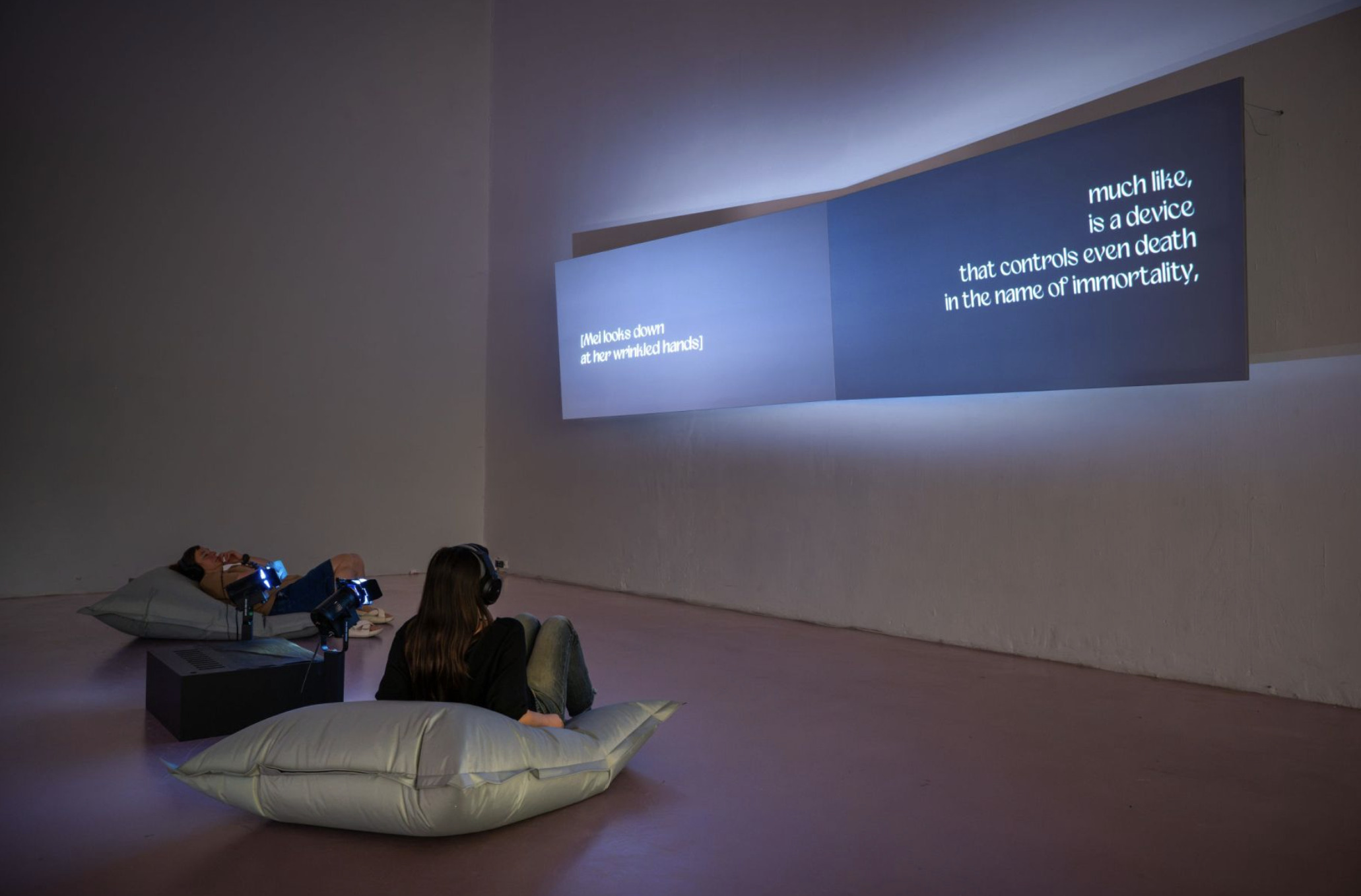
likewise does not simply reuse existing materials in her moving-image works. In
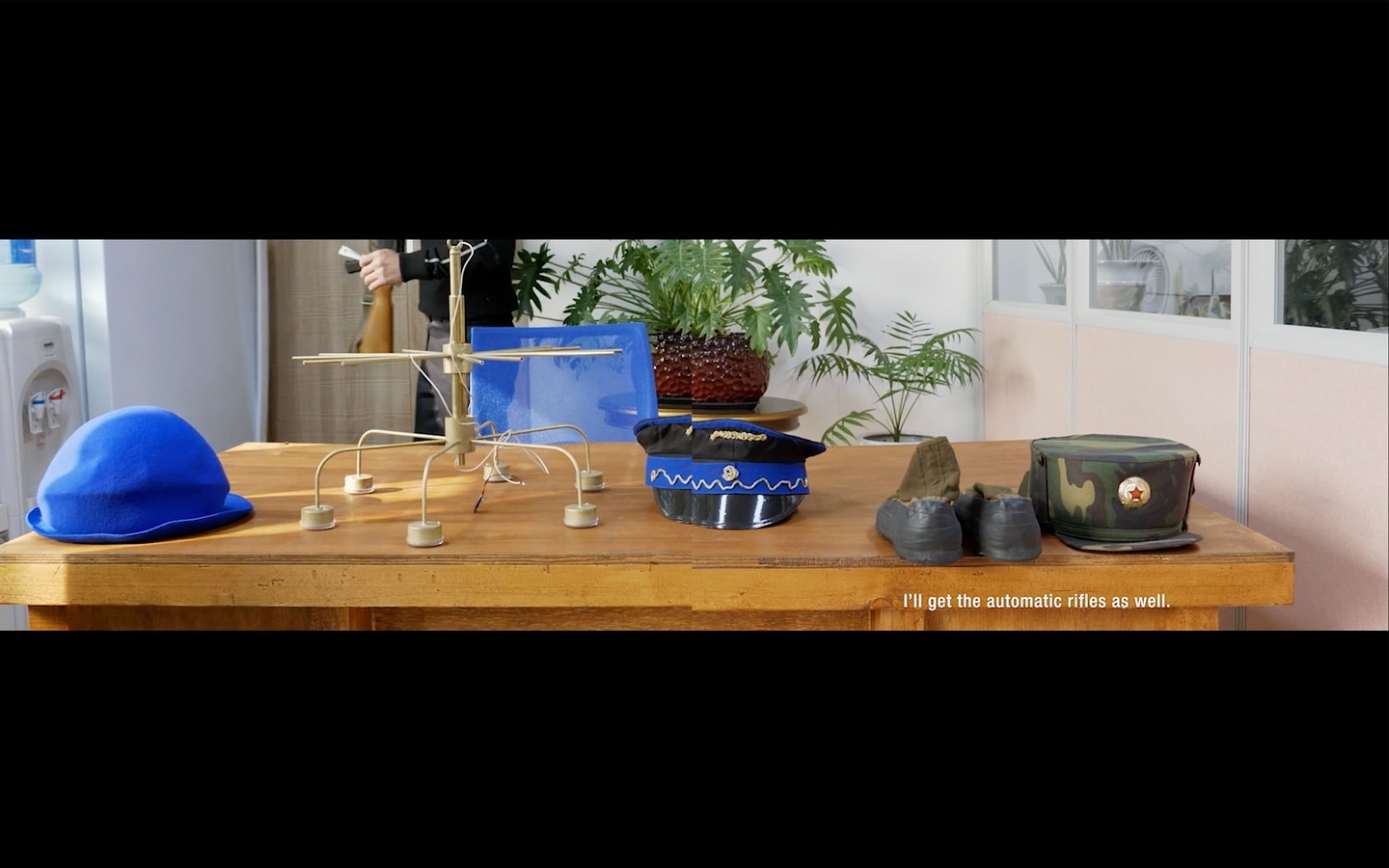
From Pyongyang to Pluto and Back, virtual objects from a
digital archive are physically reconstructed and brought into friction with the
experiences of a North Korean defector, while in A Dissonance of
Landscapes, paintings kept in museum storage are moved into the dark
landscapes of the city and its canals.
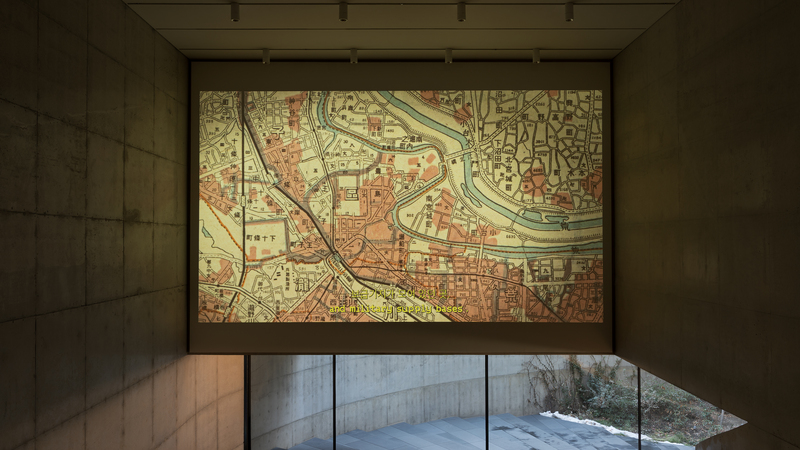
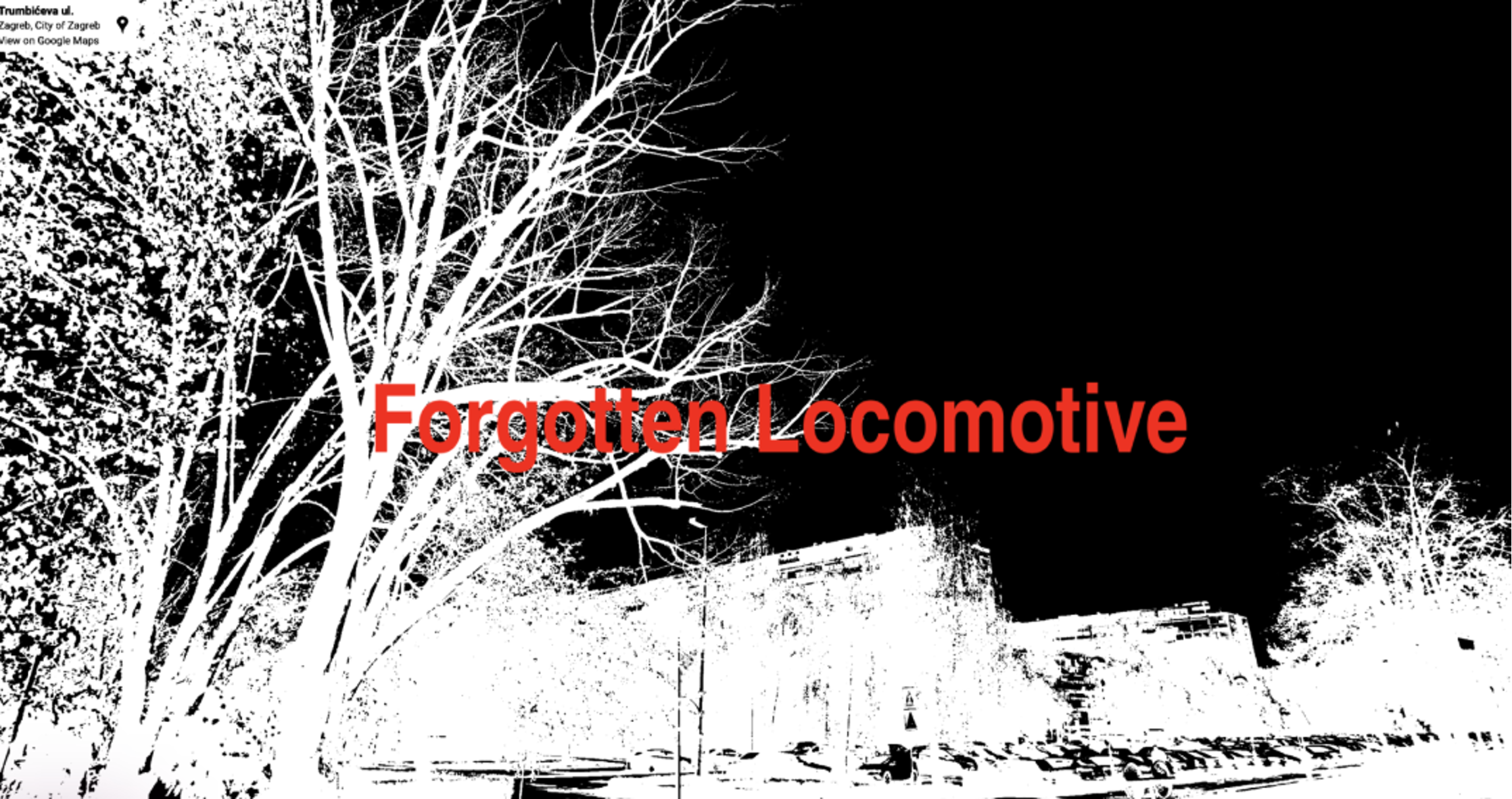
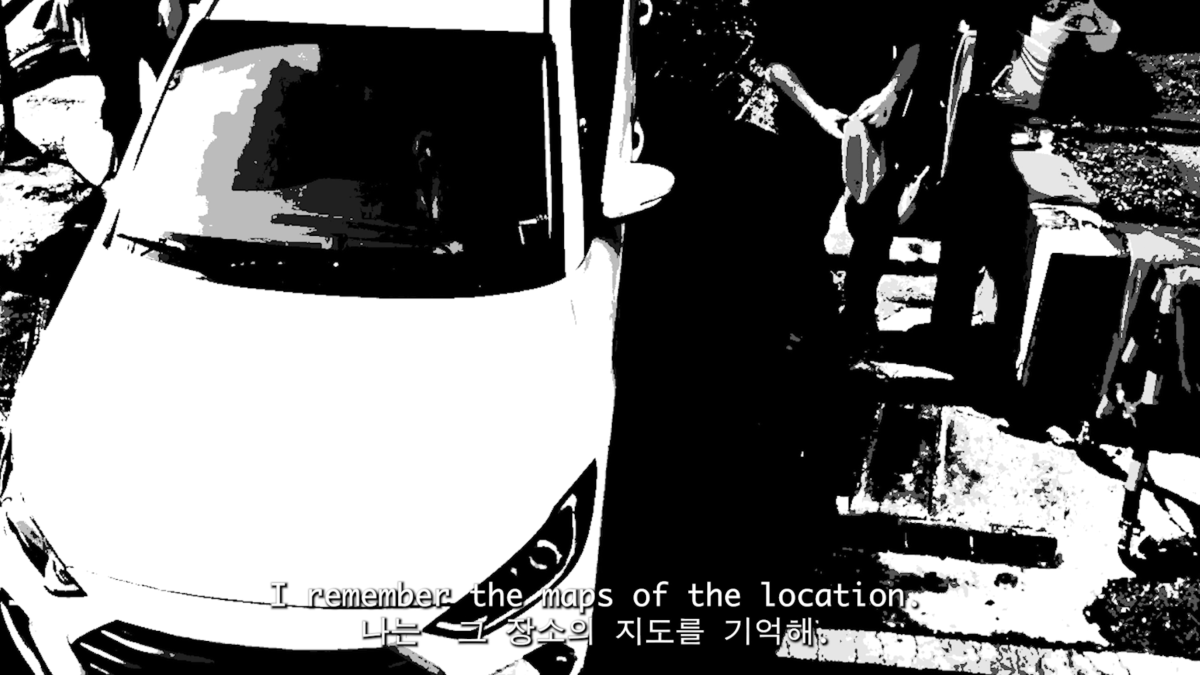
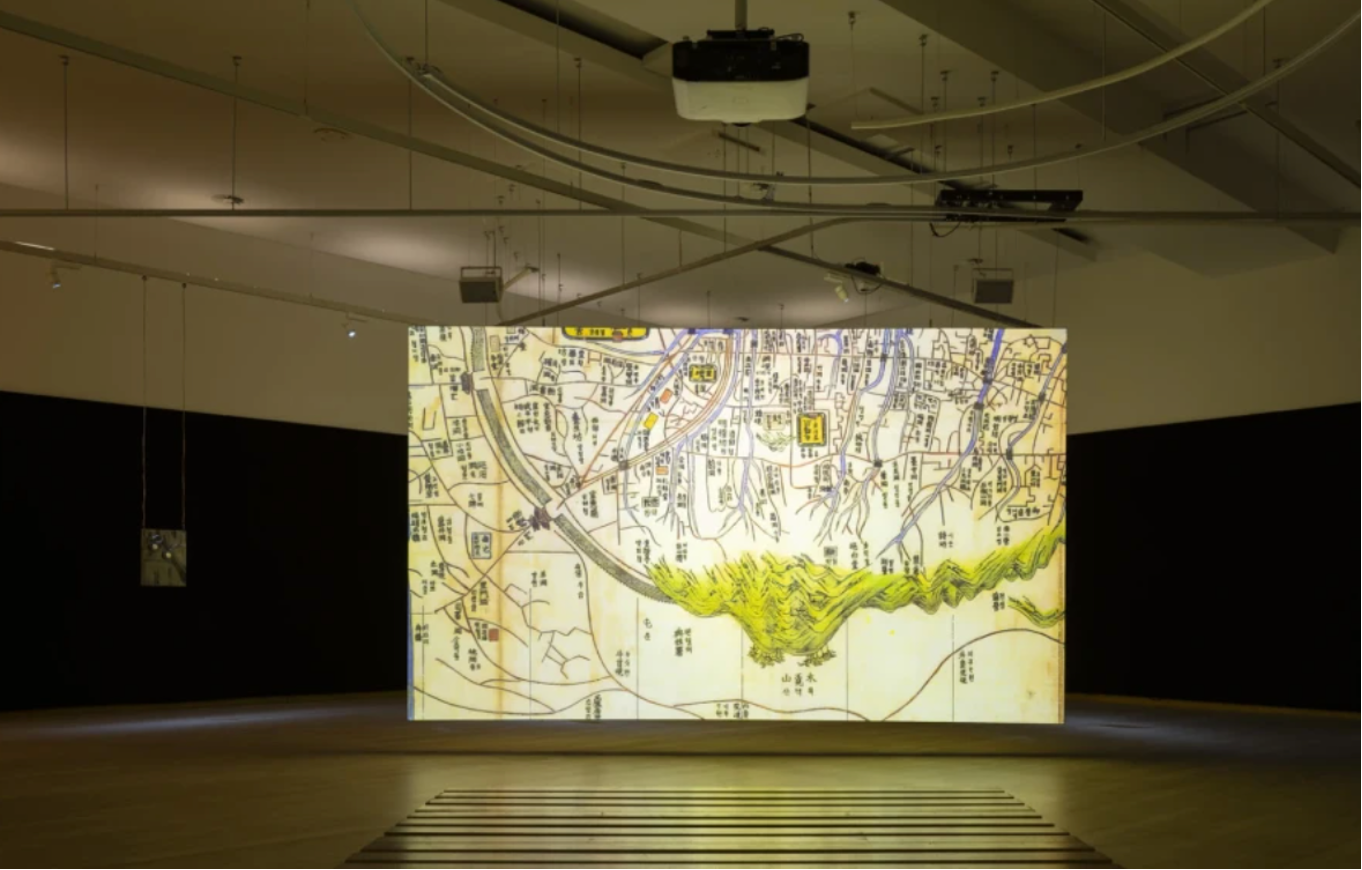
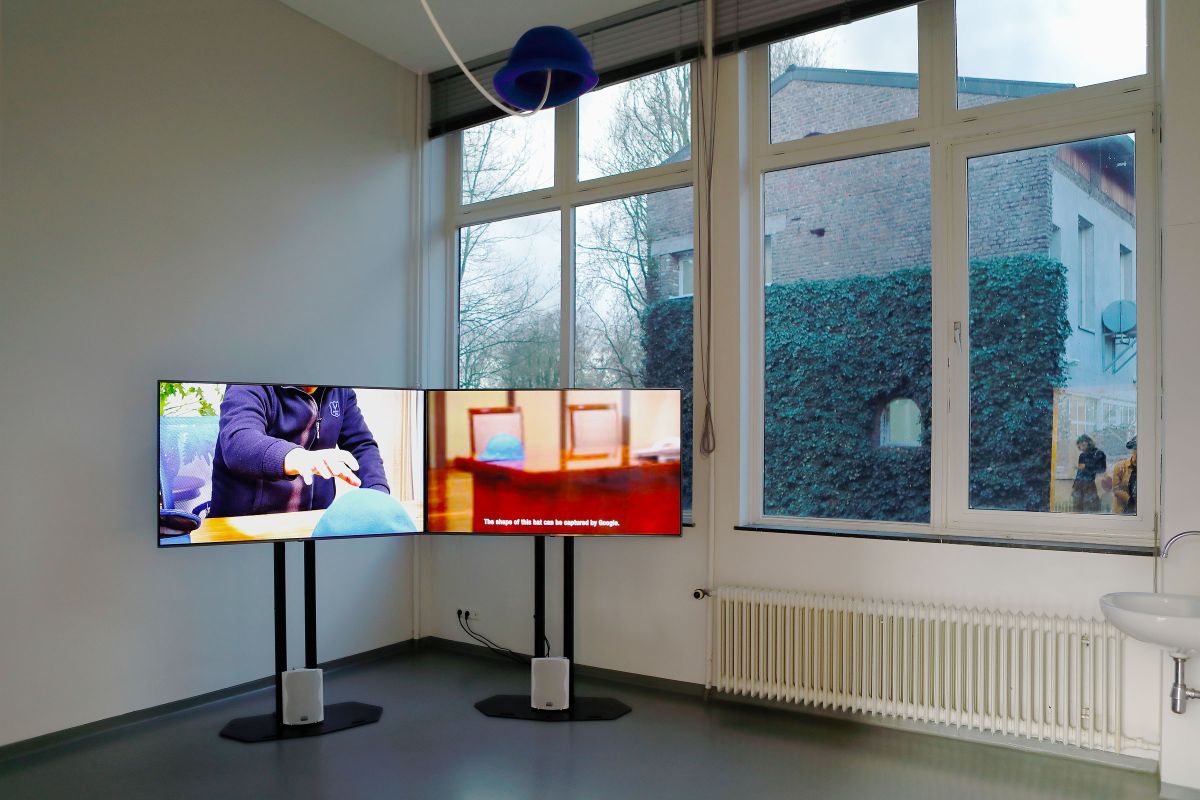
In the ‘Synchronic Cinema’ project,
including Synchronic Cinema: Shadow Zones in Maps(2023),
Google Maps and continuously updated Street View become both filming locations
and editing devices.
By introducing voice-over, time, and movement into the
static spatial system of the map, Lee destabilizes the idea that borders and
identities are fixed. A defining feature of her moving-image practice is the
way systems that appear to provide objective information—maps, satellite
images, and museum archives—are instead revealed as incomplete and politically
structured mechanisms of image production.
From 2023
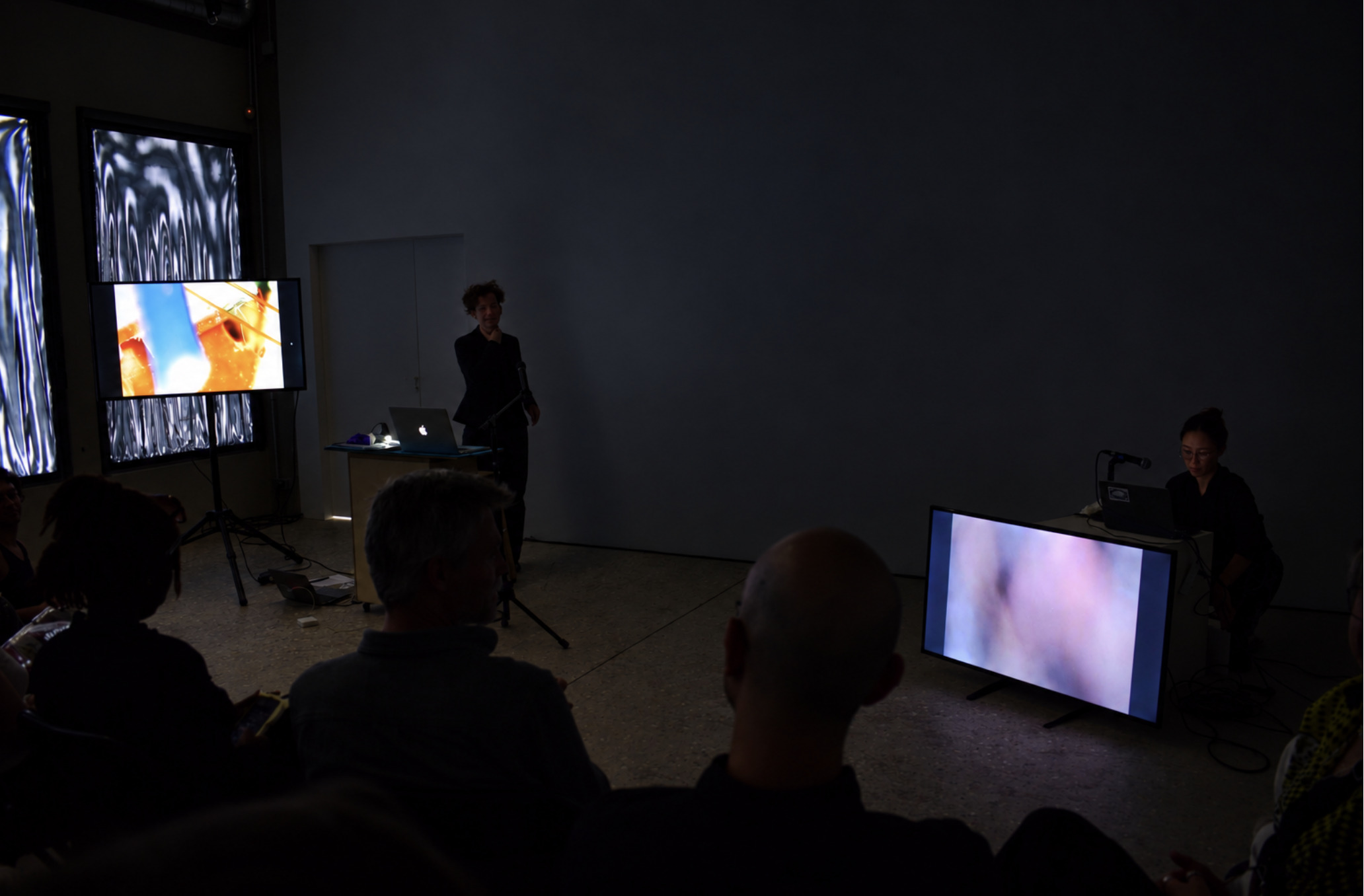
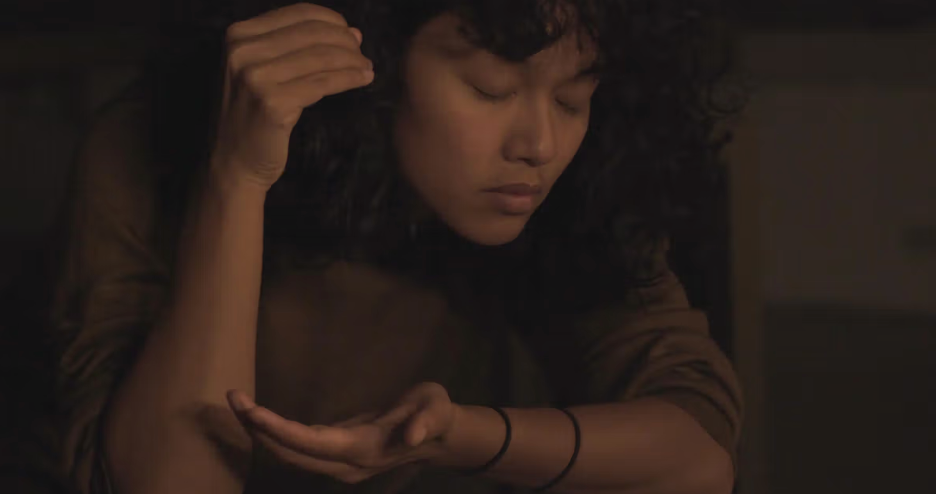
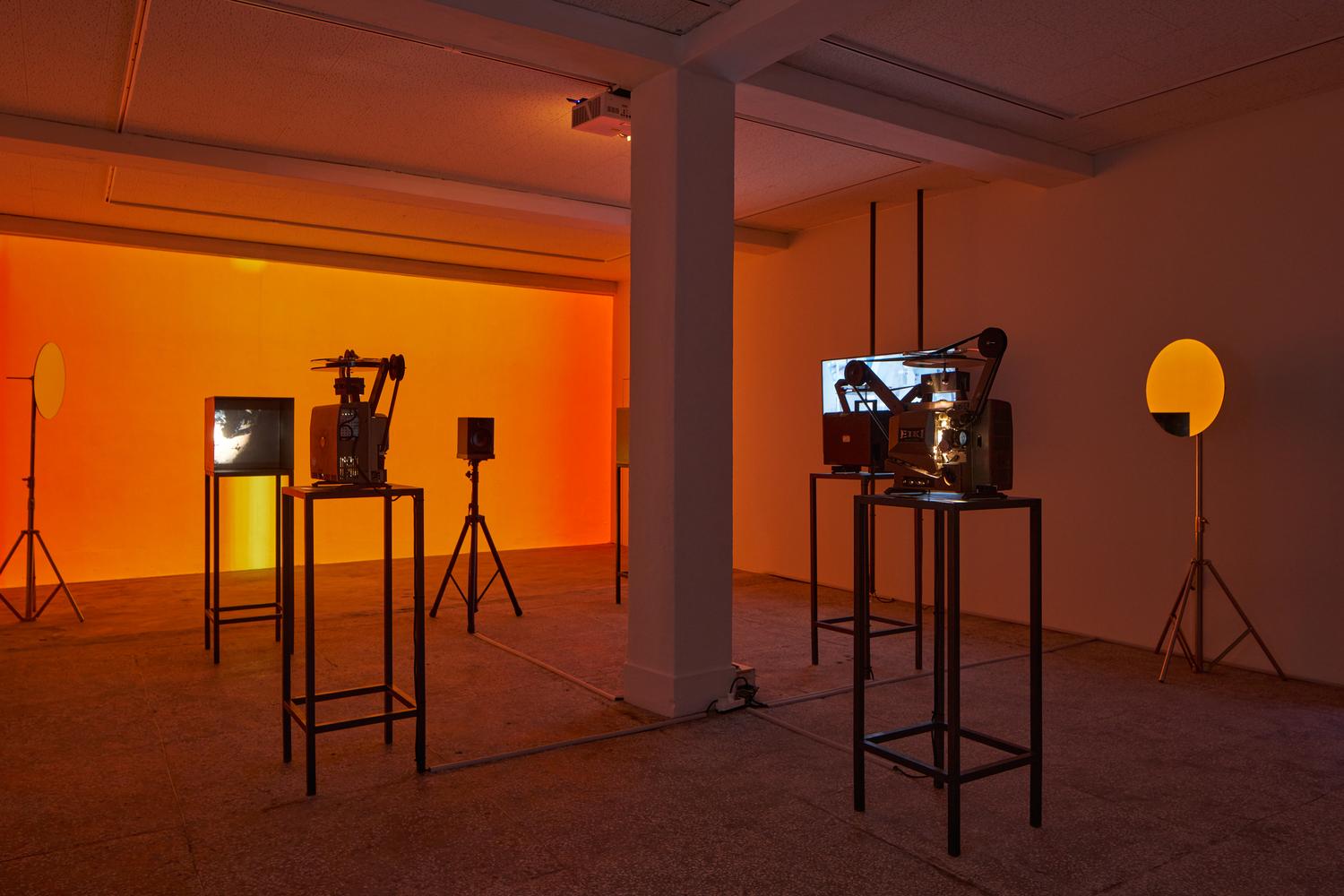
onward, this methodology takes on a more directly sensory form. In
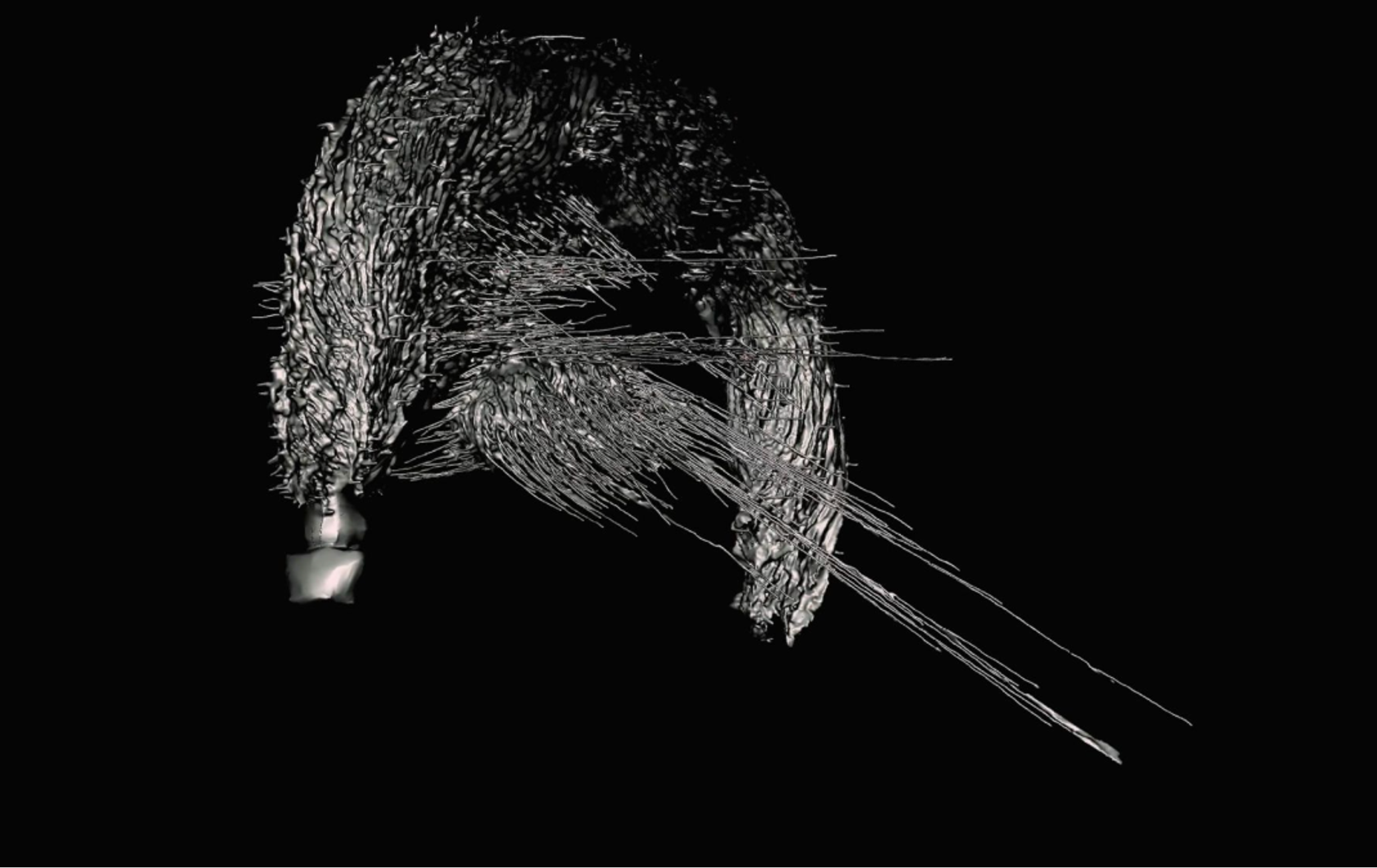
Holding Poison, 95 species of microorganisms discovered in
water from a museum basement are enlarged into 3D models, fitted with
mechanical devices, and allowed to move through the exhibition space. In
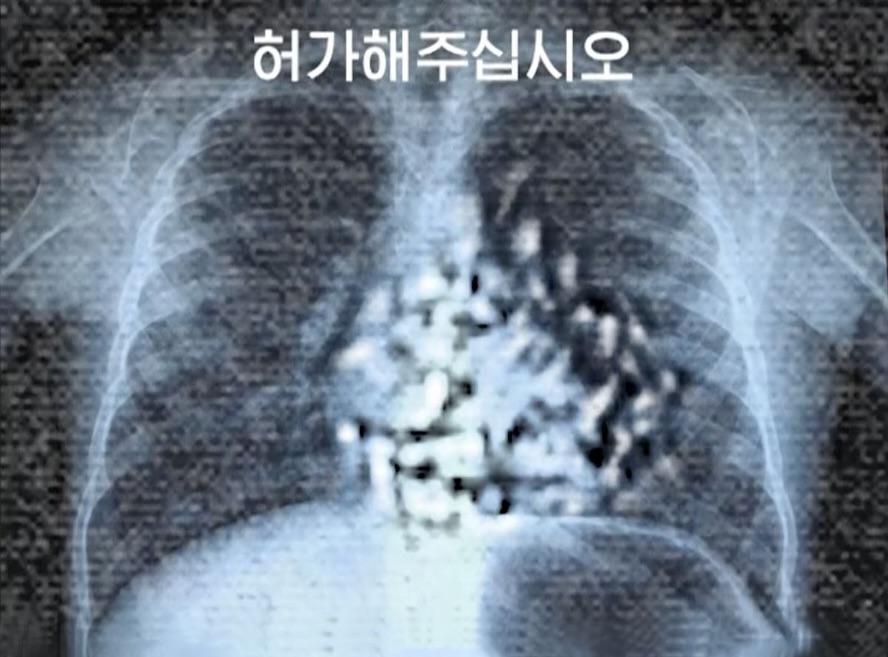
X-hale, microorganisms circulate within the X-ray image of
the artist’s body, visually dissolving the boundary between the human body and
non-human life.
In 350,000 Leaks, sounds from otherwise
invisible museum infrastructures—including freezers, air-conditioning rooms,
and water pipes—are transmitted through live radio. Here, the museum shifts
from a building that displays objects into an ecological machine through which
water, air, temperature, toxic substances, and microorganisms circulate.
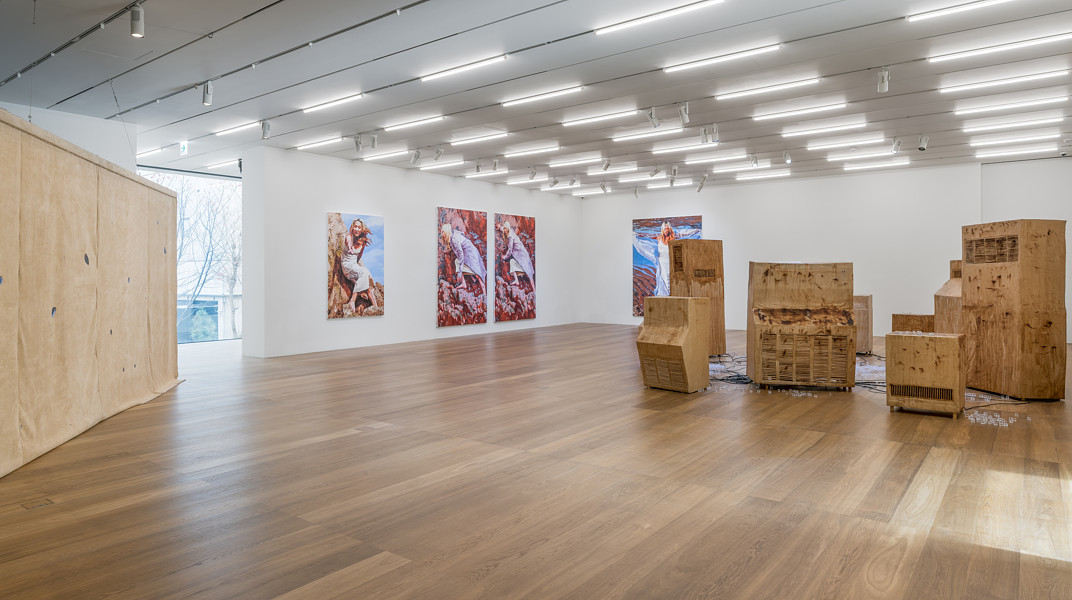
In
Every Worm Trampled Is a Star, this composite methodology
expands to address an entire site. The video connects geographically distant
locations—including Yongsan Garrison, the area near the Nevada nuclear test
site, a former Imperial Japanese Army site in Itabashi, a landscape architecture
studio, and a microbiology laboratory—within a single narrative.
Soil from
Yongsan is physically collected and subjected to microbial analysis, while
narration by a third-generation Zainichi Korean, gayageum performance,
recordings from within the soil, and the glass installation Stars and
Worms are brought together.
Rather than relying on a single type of
material or medium to explain a place, Lee juxtaposes voices, scientific
analysis, maps, architecture, landscapes, and sound. Instead of presenting
historical fact as a complete narrative, this approach makes perceptible how
different times and forms of existence simultaneously constitute a place.