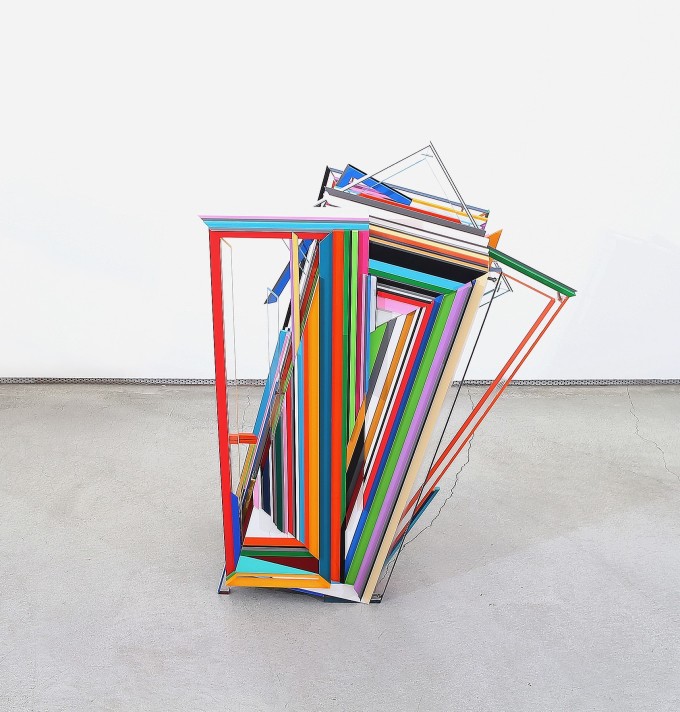
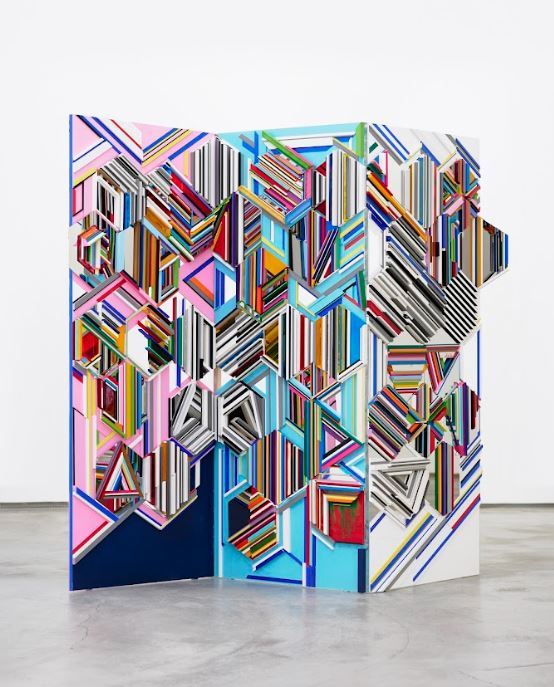
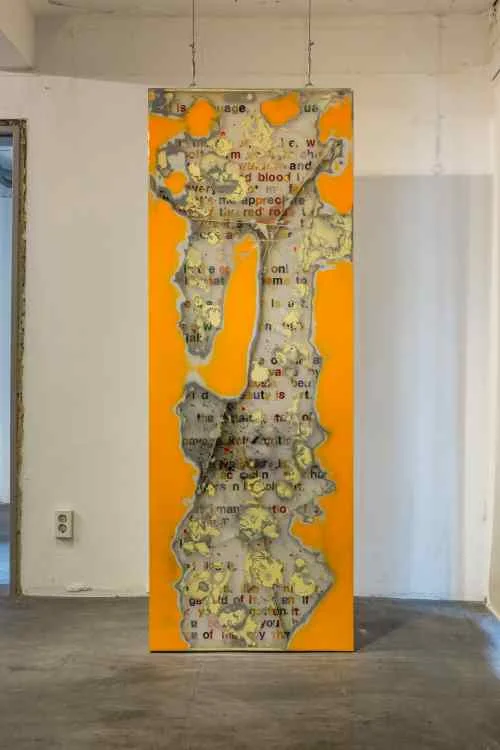
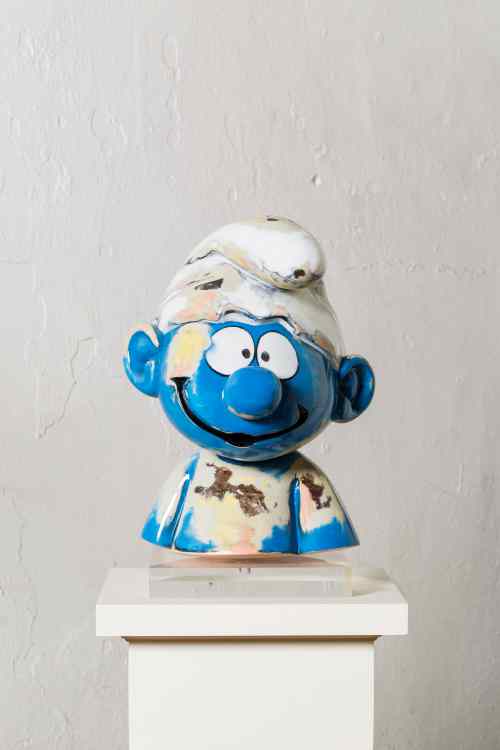
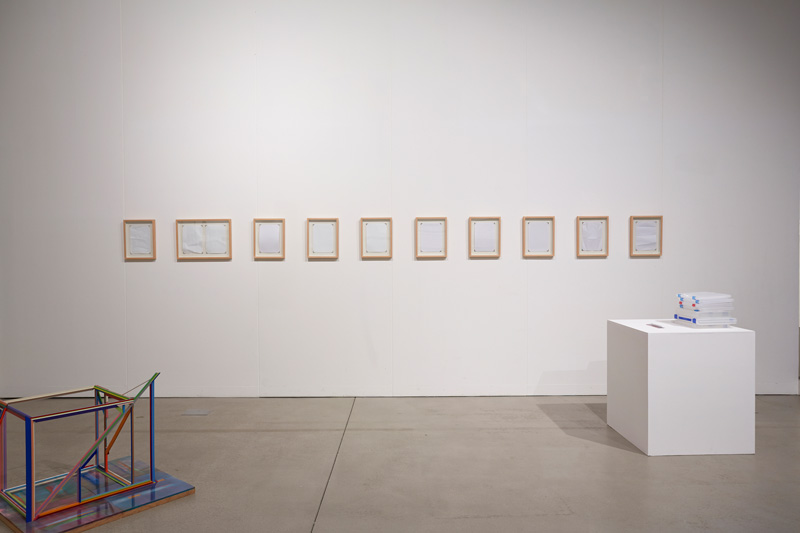
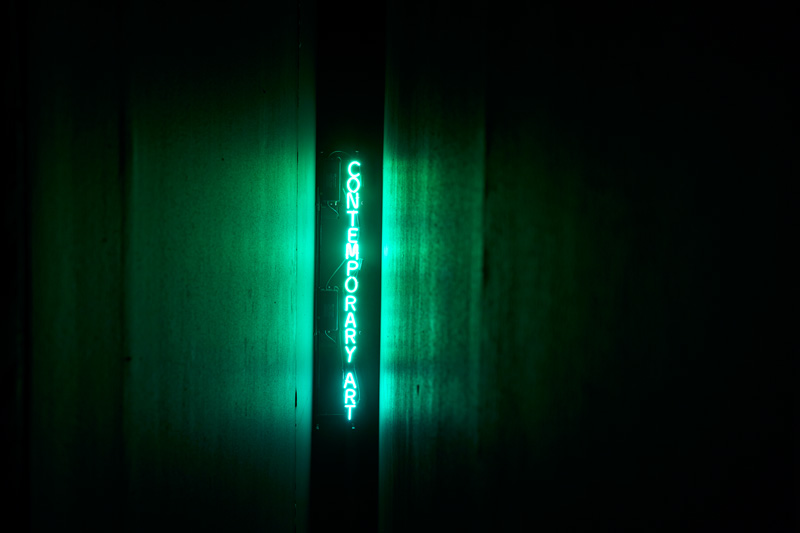
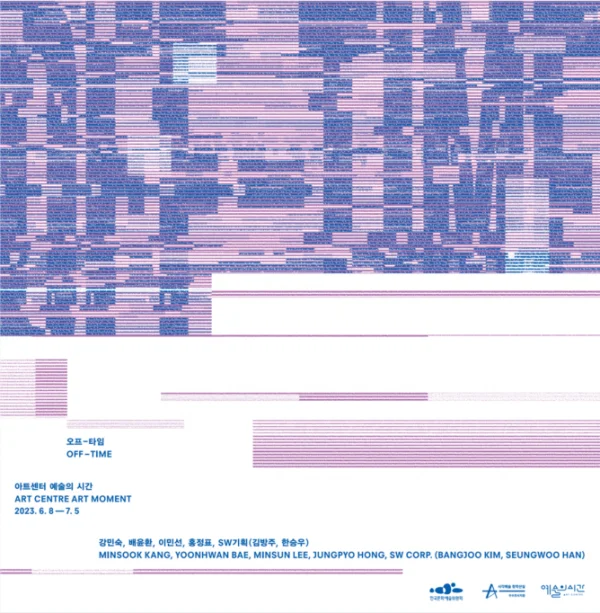
Poster image of 《OFF-TIME》 © Art Centre Art Moment

1.

Growth, progress, and innovation are convenient slogans for countries that have adopted capitalism. These ideals are primarily expressed through economic indicators. The economic growth forecasts published annually by the International Monetary Fund (IMF) have consistently projected positive growth, except during periods of global crisis.

Every nation proclaims that economic growth and technological innovation can bring about comfortable lives and prosperous futures. Against this backdrop, a new belief has emerged. Neoliberalism, which rose to prominence through Thatcherism and Reaganomics in the 1970s, justifies competition by emphasizing market autonomy and efficiency, as though neoliberalism were a necessary condition for capitalism to function properly.

Its influence has been internalized not only in social, political, and economic structures but also within individuals themselves. Pierre Dardot and Christian Laval define this phenomenon as a “new global rationality.” Neoliberalism is new in that it emerged relatively recently, and global in that its influence extends comprehensively across the world. Moreover, because it shapes and organizes our behavior, it is a form of rationality before it is an ideology or an economic policy.

Today, nations, societies, and individuals subscribe to a narrative of progress in which the unskilled, immature, and inadequate are expected to become skilled, mature, and complete. Driven by this belief, they pursue continuous development and self-improvement without a moment to spare. Not even a single mistake is tolerated. Time is always in short supply, and busyness has become a habit.

Our lives seem to have been meticulously designed by an invisible hand. From the moment we begin to walk until the day we die, our individual lives appear to have already been planned by governments, educational institutions, and corporations. In his book Kids These Days: Human Capital and the Making of Millennials, Malcolm Harris argues that society has demanded a new type of worker based on increased productivity and the pursuit of efficiency.

As “engines of productivity growth,” millennials have internalized competition, enduring extensive education, accumulating overwhelming debt, and willingly refining their abilities. Yet job security has deteriorated, wages have declined further, and individuals continue to push themselves into endless competition.

Meanwhile, individuals believe they must get ahead of others as quickly as possible and lead lives worthy of envy. Every event in their lives is shared on social media in real time. People become absorbed in one another's tastes, while items once considered indulgences gradually turn into necessities, encouraging further consumption. Standards of living continue to rise, and things one does not possess come to be perceived as things one cannot afford.

When abundance becomes culturally normalized, “modernized poverty” emerges. Even when we are not materially poor, the growing number of products we are expected to purchase makes our lives increasingly impoverished. The concept of an “adult” as a “complete individual” is continually deferred with each successive generation. The average ages of marriage, employment, and childbirth continue to rise, while the expansion of knowledge advances at a pace that exceeds human limitations and becomes increasingly impossible to keep up with.

The desire for an ideal life ultimately leads to notions of superiority and hierarchical thinking, creating grounds for distinctions between normal and abnormal, adults, children, and the elderly, disabled and non-disabled, and human and nonhuman, thereby legitimizing discrimination. The anxiety of individuals who fail to reach already elevated standards of perfection grows in proportion to those expectations.

Socially prescribed standards, such as middle-class wealth, a healthy body, an attractive appearance, qualifications superior to those of others, and impeccable cleanliness, diminish satisfaction with life and keep individuals in a perpetual state of incompleteness.

In their efforts to meet expectations that remain unfulfilled, individuals exhaust their time and bodies. Every decision is framed as a choice for the future, and people are pressured to make choices that will allow them to prevail in competition. No one has ever explicitly forced us to make these choices, yet we have never been offered any alternatives.



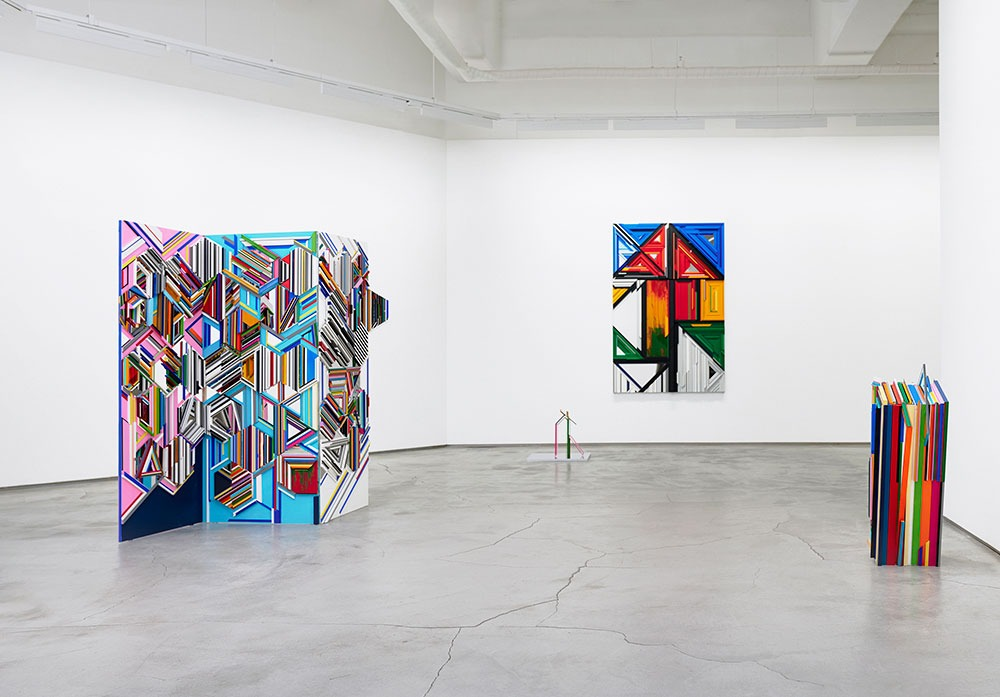
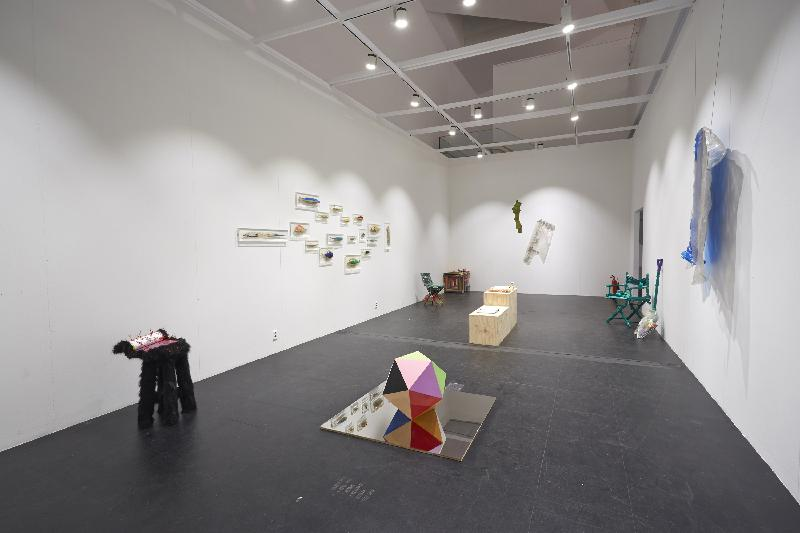
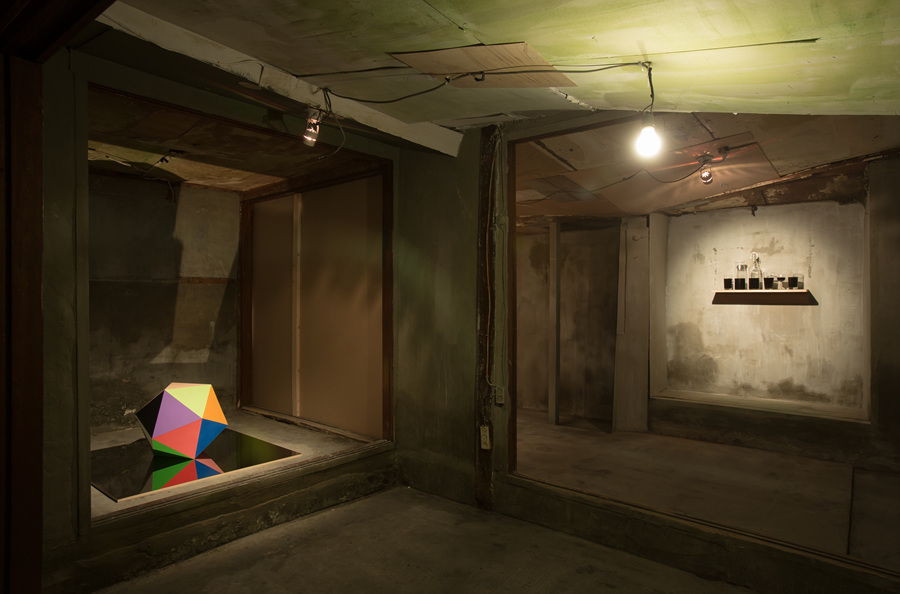
Installation view of 《OFF-TIME》 © Art Centre Art Moment 

2.

Herman Melville’s Bartleby, the Scrivener is a short story about Bartleby, an unusual character who works in a lawyer’s office on Wall Street. He performs his assigned copying duties more perfectly than anyone else in the office. At a certain point, however, he begins responding to requests from his employer, the lawyer, with the peculiar expression of refusal, “I would prefer not to…”

From minor errands such as going to the post office to the copying work that constitutes his primary responsibility, Bartleby consistently gives the same response. Eventually, he is dismissed, yet he silently remains at his desk. Finally, the lawyer resorts to the drastic measure of relocating his office, leaving Bartleby behind. Even after the lawyer departs, Bartleby continues to occupy the office until he is imprisoned, where he refuses even food and ultimately dies.
Copying is a repetitive task grounded in accuracy and diligence. This simple work requires not the slightest degree of critical thinking. Each of the scriveners in the office has some form of deficiency. One, nicknamed “Turkey,” suffers from neurosis, while another, called “Nippers,” suffers from indigestion. Bartleby is more diligent than anyone else, but eventually refuses to perform any task.

The scriveners can be understood as representations of modern individuals who have internalized neoliberalism. The first two characters conform to the existing system and consequently suffer from psychological and physical ailments, yet they never question it. Bartleby, however, raises a more fundamental question, challenging the very premise imposed upon him.

Must a command necessarily be carried out? By declaring, “I would prefer not to…,” he suggests the possibility that potentiality need not be actualized, resisting the very act of choosing between the potential to act and the potential not to act.

If our potential could only be realized in the narrow ways prescribed for subjects who have internalized neoliberalism, how uniform and meaningless would our lives become? In How to Do Nothing: Resisting the Attention Economy, Jenny Odell advocates ‘resistance in place,’ which involves recognizing the capitalist system of values and rejecting its standards in a world dominated by the attention economy.

Rather than withdrawing into isolation to resist the world's dominant systems, she calls for a refusal of the conditions under which our attention is converted into monetary value, encouraging us instead to direct our attention toward things marginalized by capitalist standards. Within a life accelerated by capitalism, such an approach appears worthless, amounting to ‘doing nothing.’ Bartleby demonstrates the possibility of not acting.
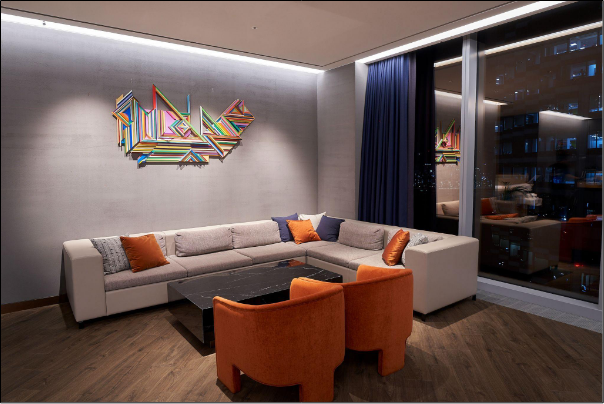


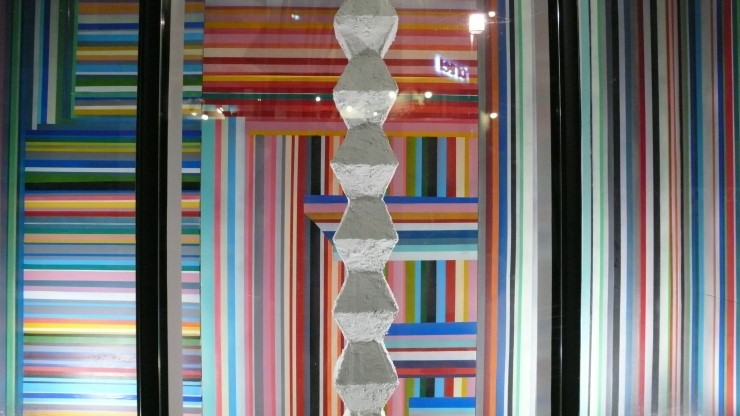
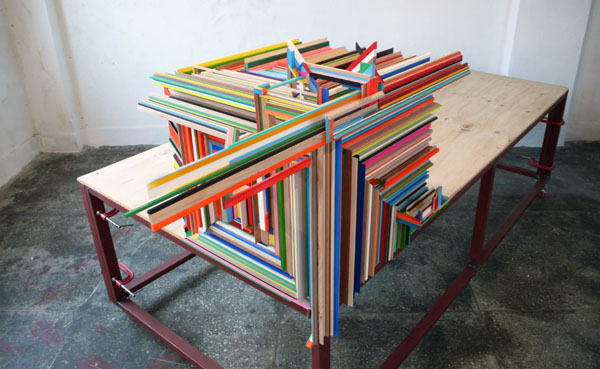
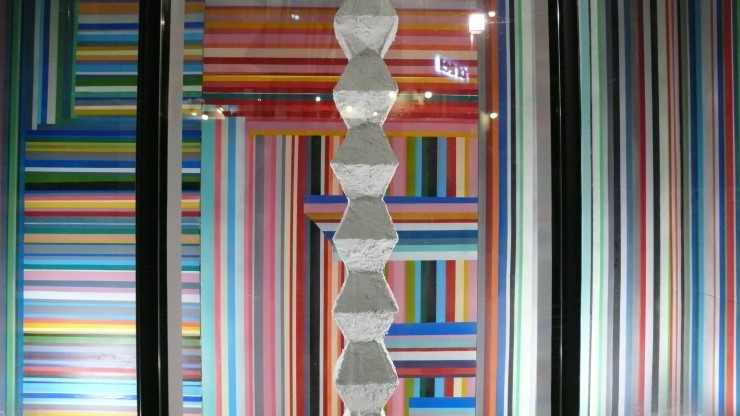
Installation view of 《OFF-TIME》 © Art Centre Art Moment 

3.

The exhibition 《OFF-TIME》 invites us to reflect on the lives of individuals who have become machines of efficiency in an era marked by the widespread internalization of neoliberalism. The term ‘off-time’ refers to periods when a machine is not operating.

Within the capitalist system of production, such periods are regarded as inefficient, and the shorter they become, the greater the profits for those who operate the machines (entrepreneurs). The exhibition embraces what capitalism dismisses as inefficient and unproductive, seeking to activate periods of non-operation by delaying, repeating, and interrupting operating time.

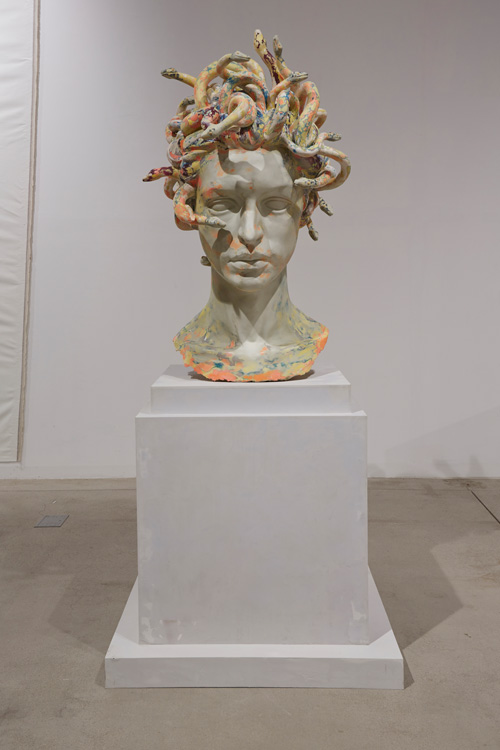
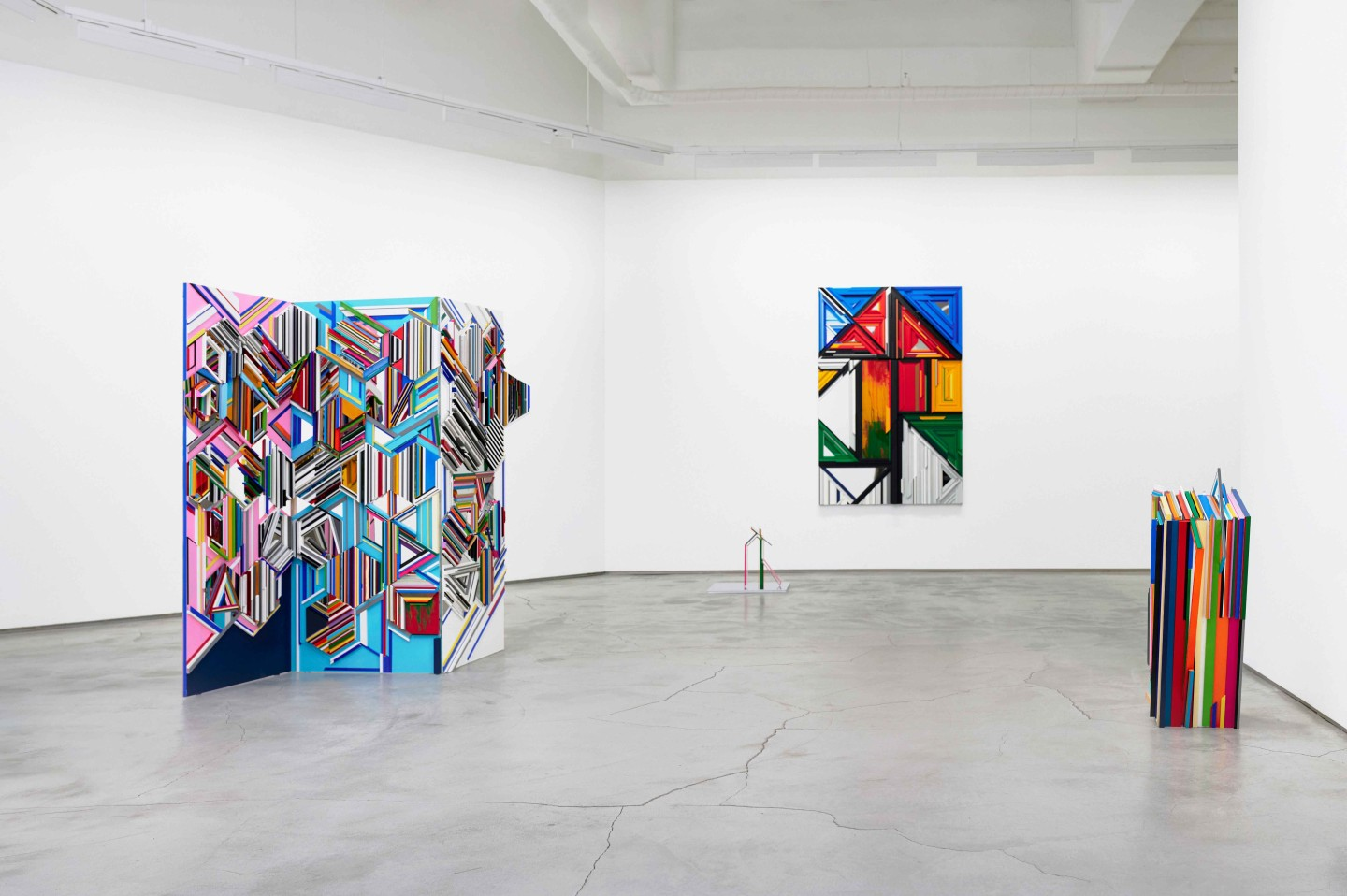
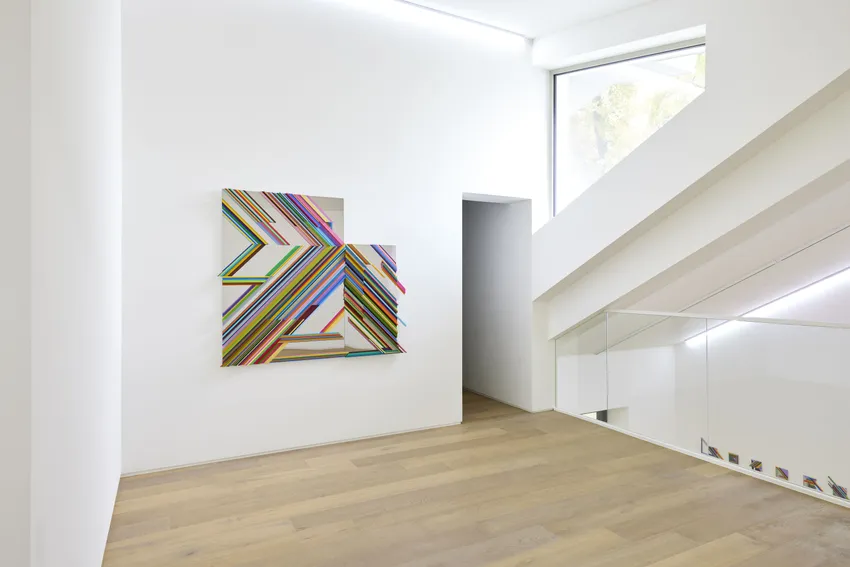
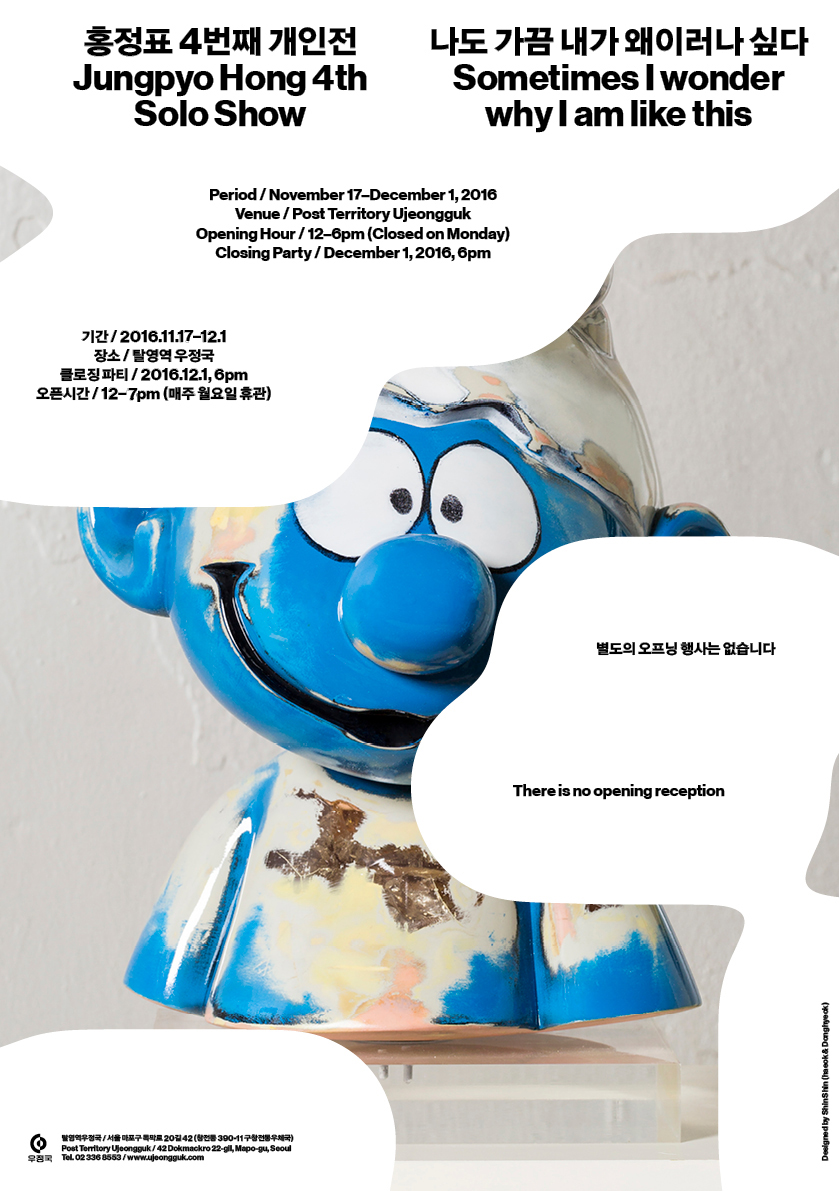
Bae Yoonhwan presents Giggling Glaciers and Sunday New Arrivals, works based on fables that allude to the lives of humans and animals sacrificed in a growth-oriented world, while Hong Jungpyo presents Loading Nine Times, which finds playfulness in the process through which the pursuit of perfection repeatedly falters.

While Bae Yoonhwan and Hong Jungpyo explore the internalization of neoliberalism and attitudes toward overcoming it, Lee Minseon and Kang Minsook turn their attention to activities considered meaningless and unproductive in contemporary society, such as care work and the observation of everyday life, seeking to reconsider established value systems through art.

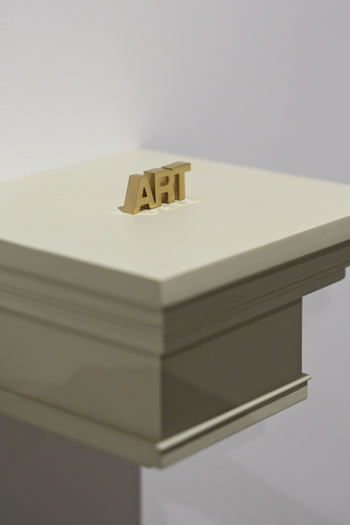
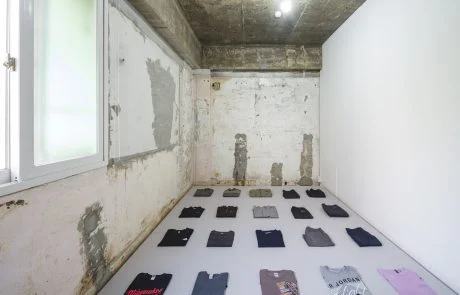
Through Knowingly or Unknowingly and The Client, Lee Minseon questions the binary distinctions between meaning and meaninglessness, labor and non-labor, and productivity and unproductivity. Kang Minsook reexamines care work and artistic labor, both undervalued in capitalist society, through Blanket Resistance and Art Labor Life.

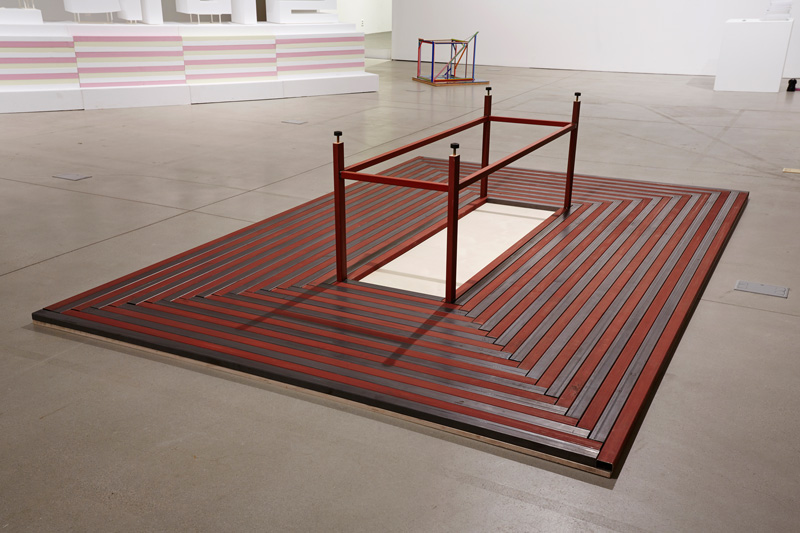
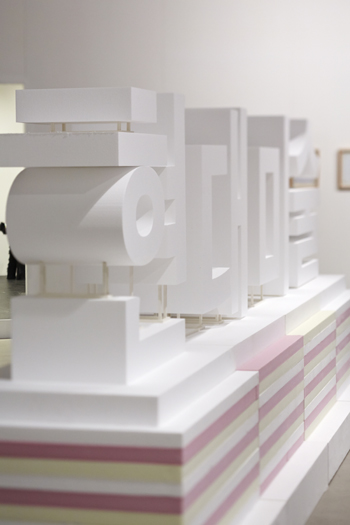
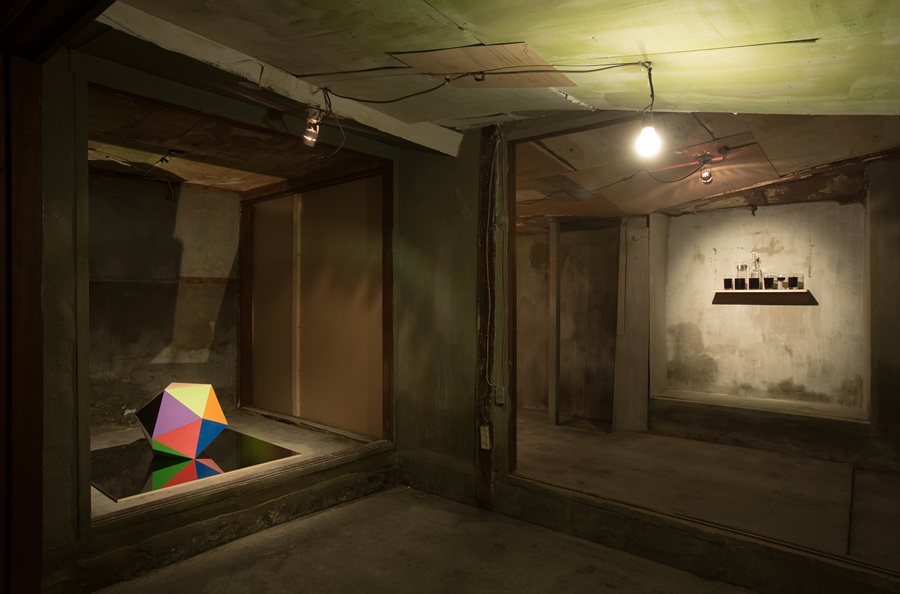
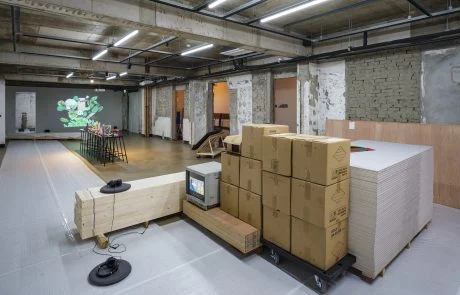
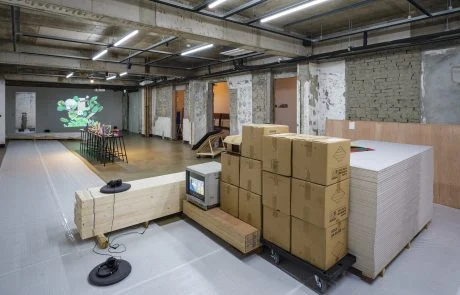
SW Planning (Kim Bangju and Han Seungwoo) presents Thank You for Your Hard Work. You've Done Well. You May Go Home., an installation that intervenes in the entire exhibition space. By creating the appearance of a construction site where work has been suspended, the collective reveals latent energy and produces an incidental, open-ended exhibition environment that challenges modern and efficient spatial organization.

《OFF-TIME》 proposes deviating from externally imposed goals, restructuring existing value systems, and consciously bringing our accelerated lives to a halt. It seeks to demonstrate that, amid the high entropy generated by the incompleteness of a state of suspension, the possible paths of potentiality may instead become infinite. Through the exhibition, we hope to glimpse new possibilities for a politics of life in artistic practices that resist the inertia of society.

References