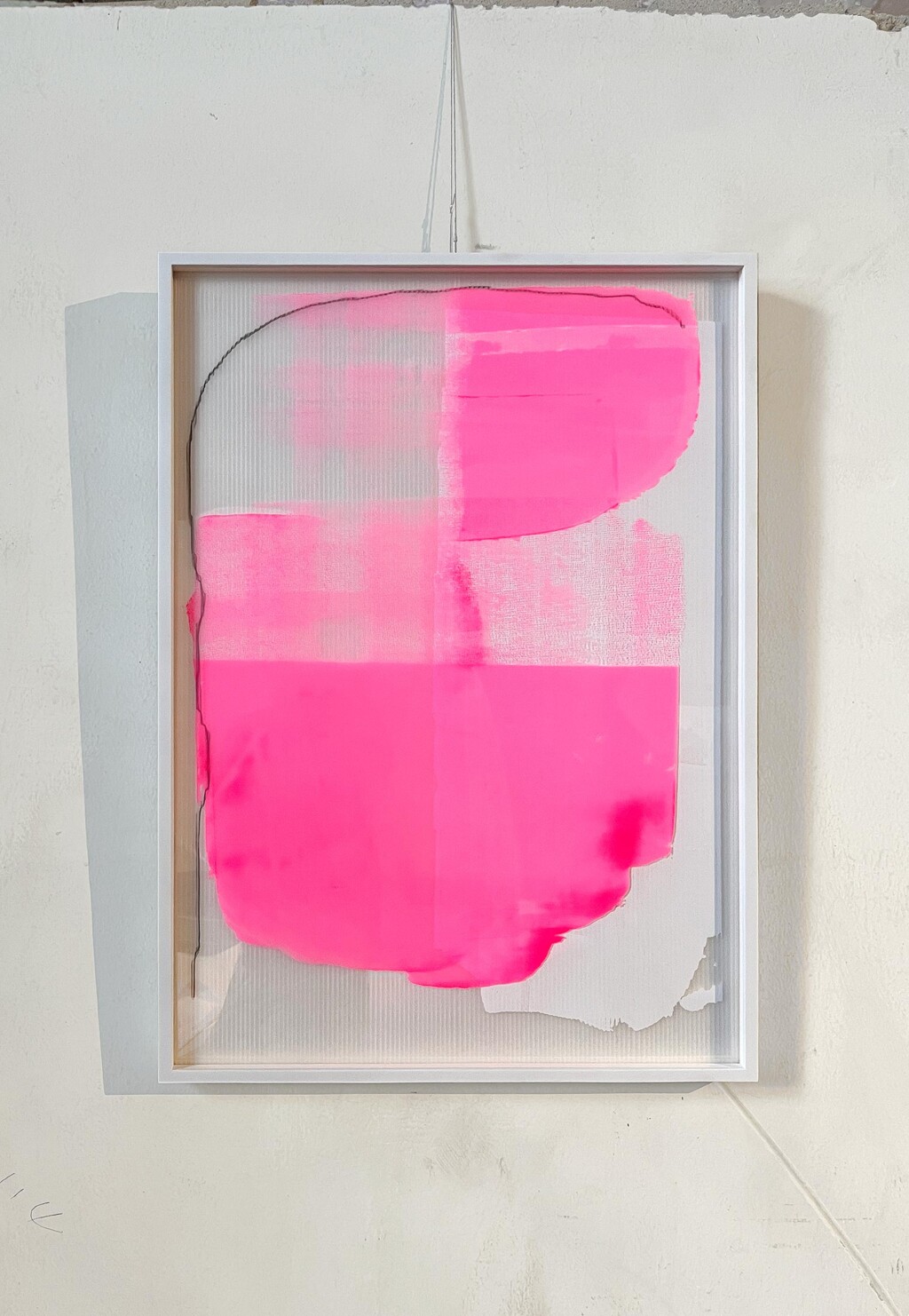
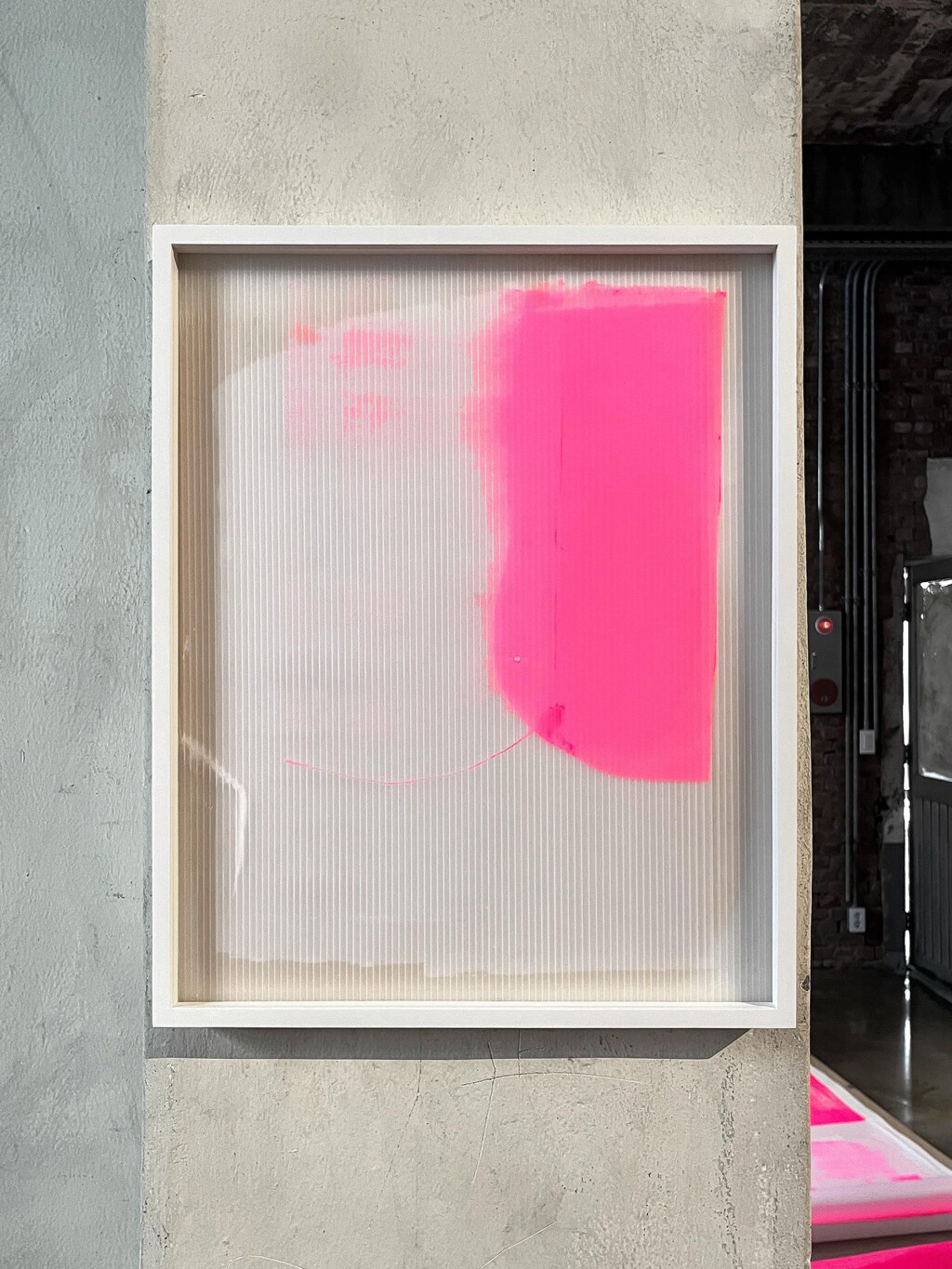
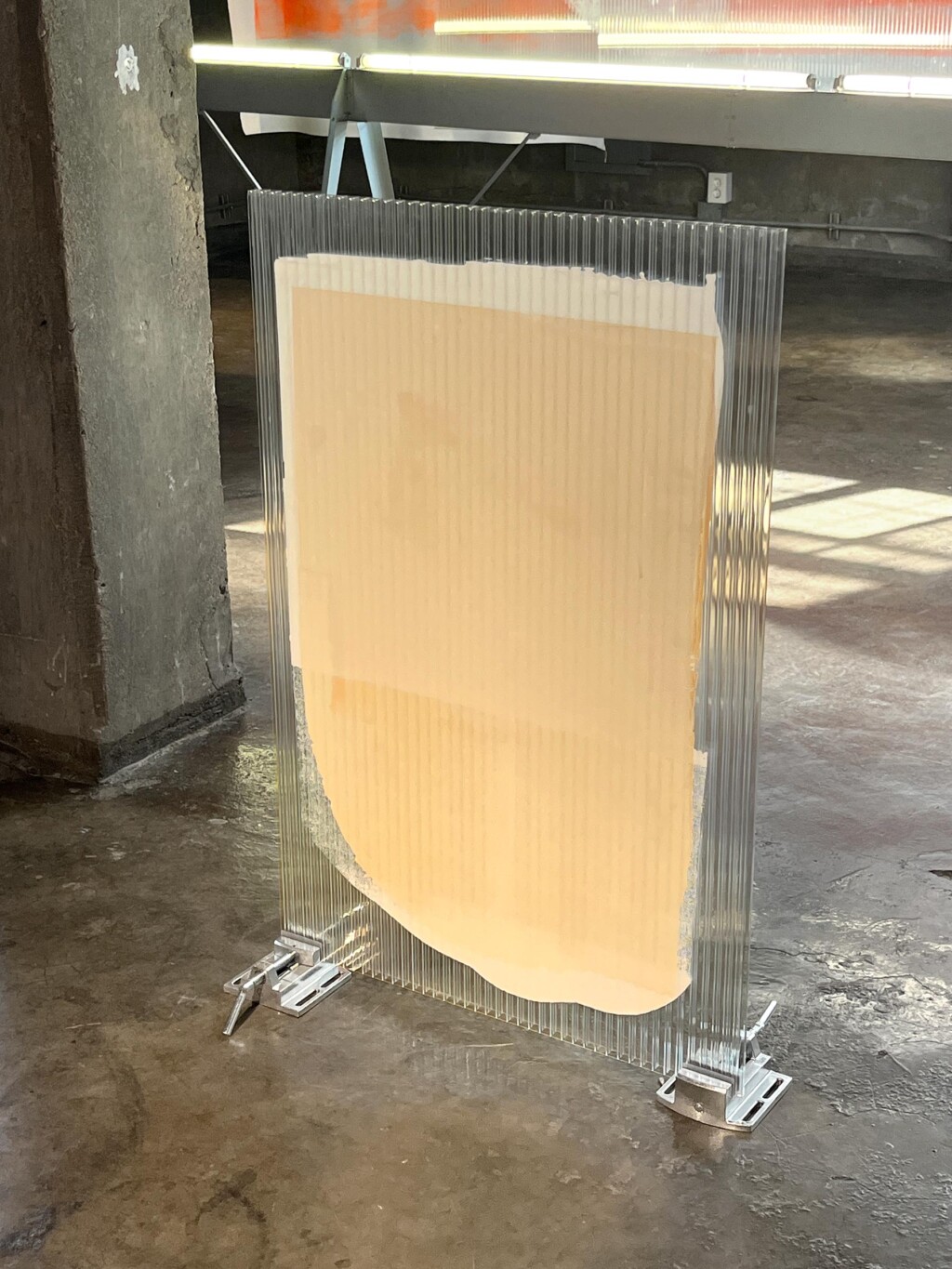
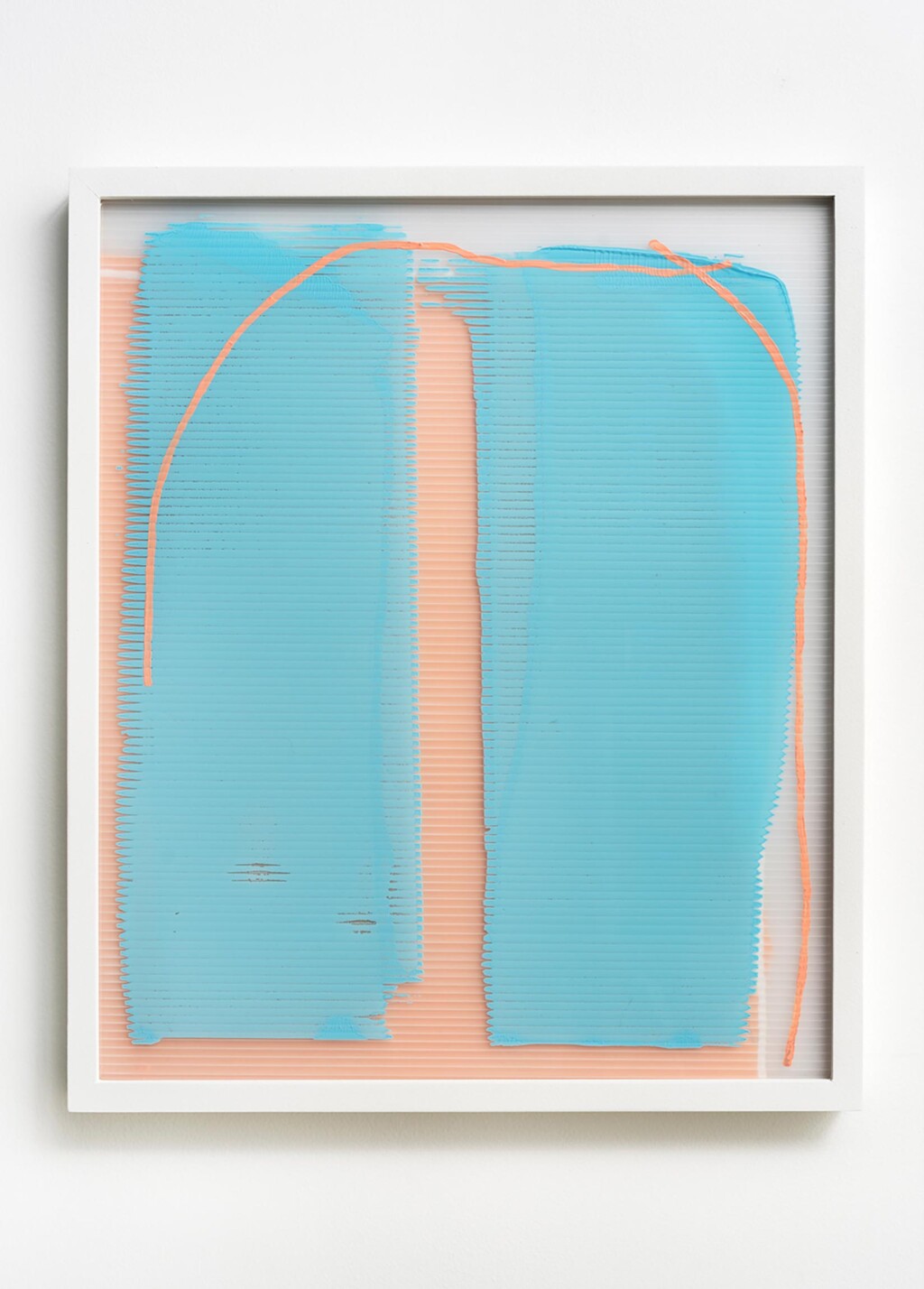
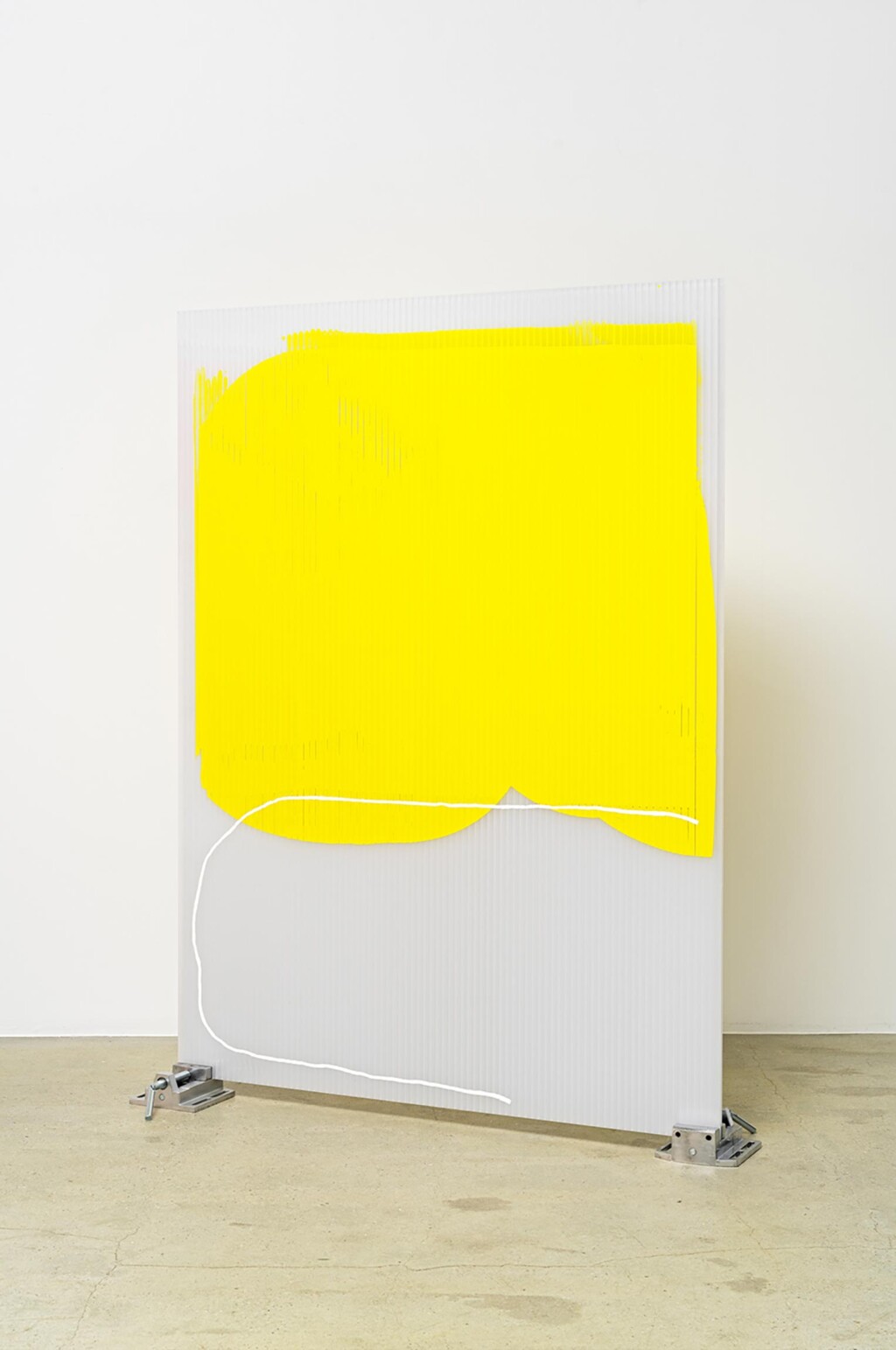
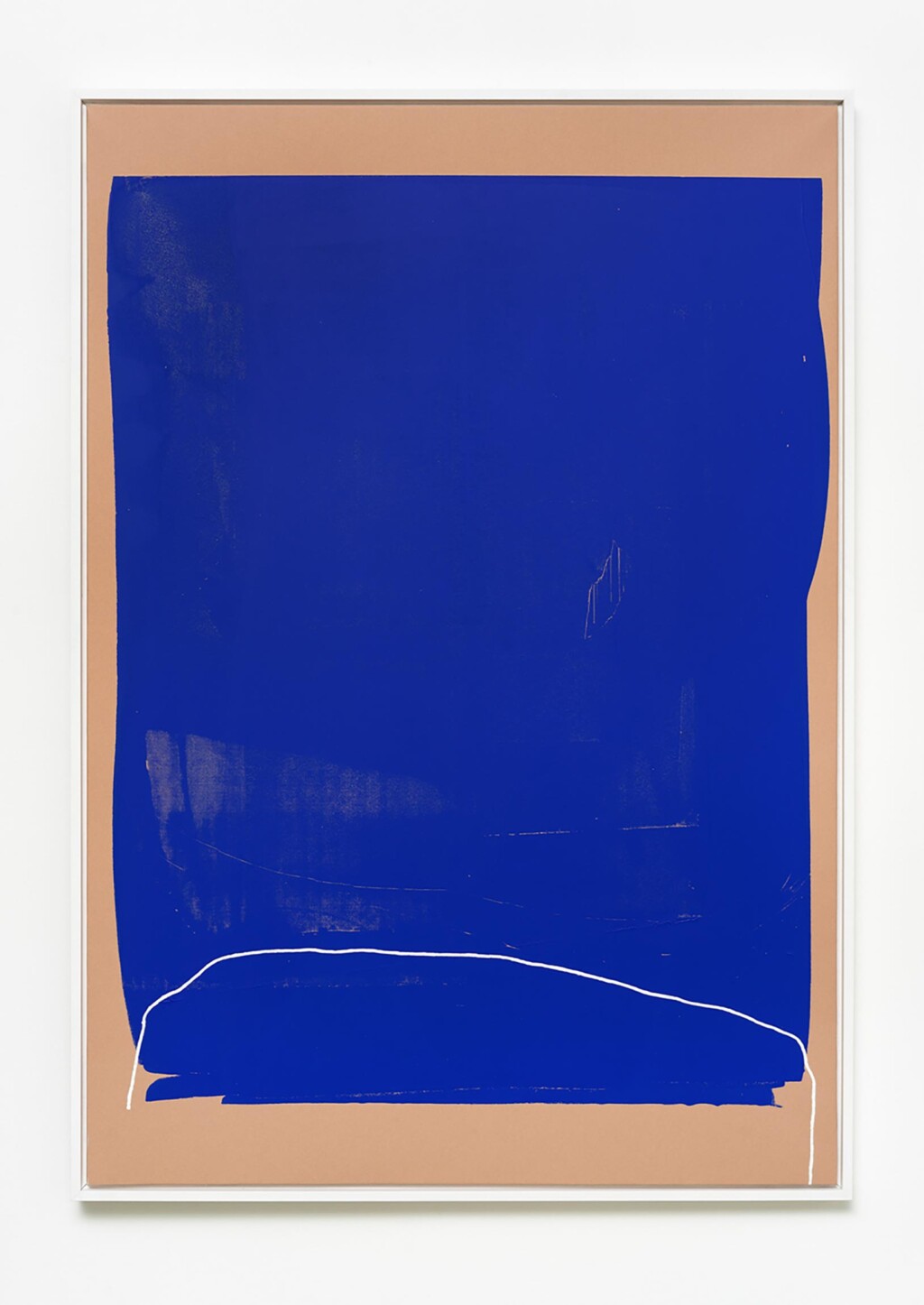
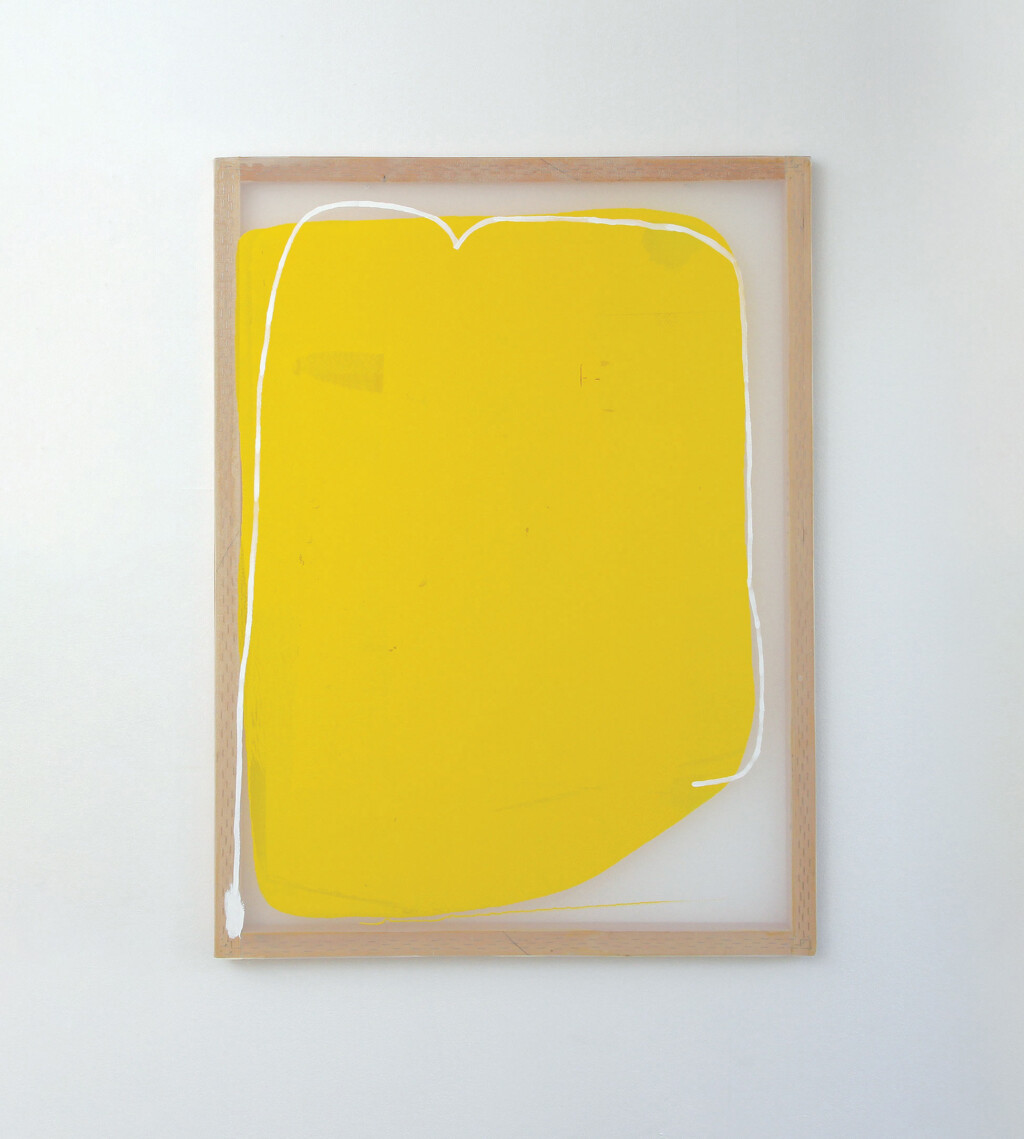
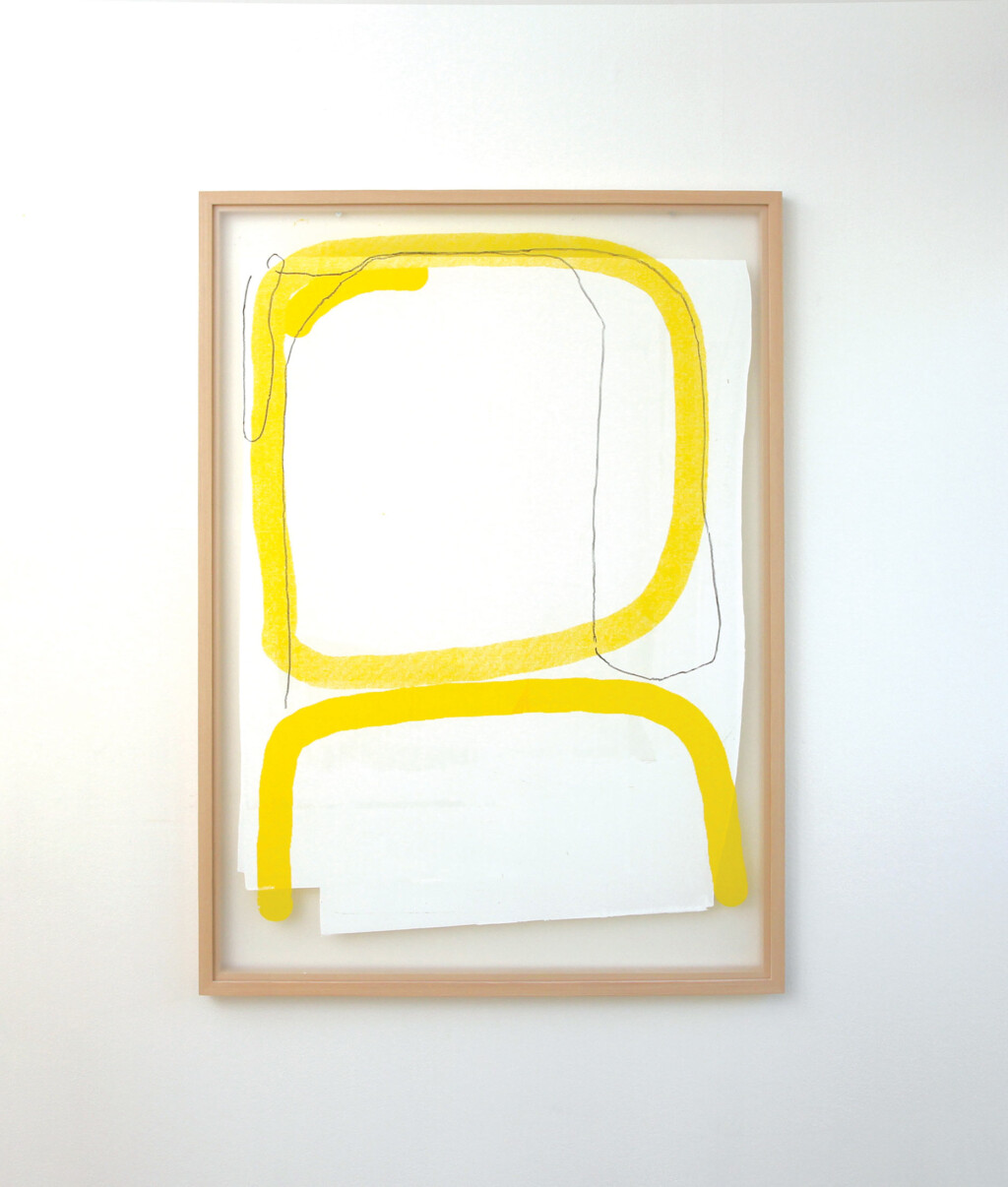
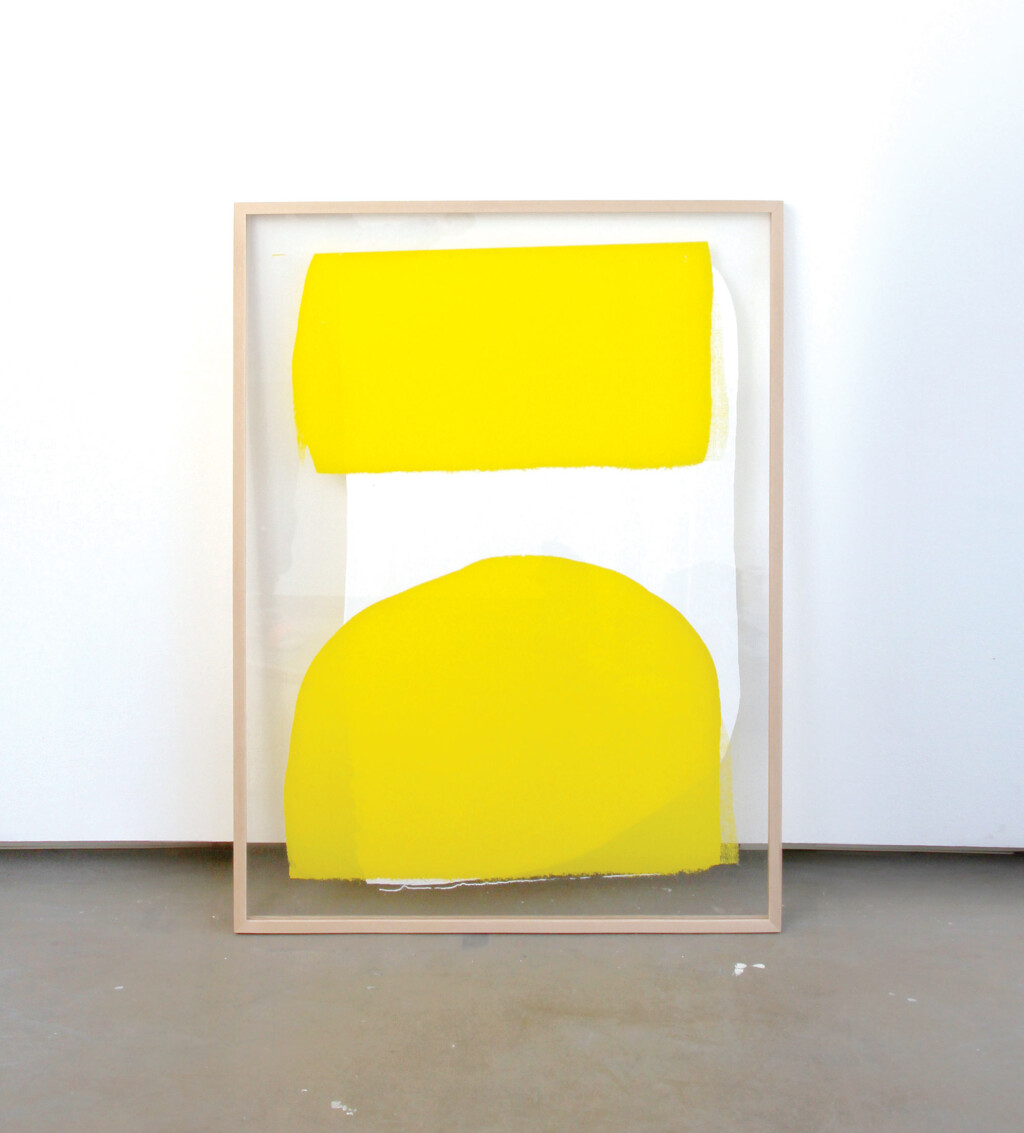
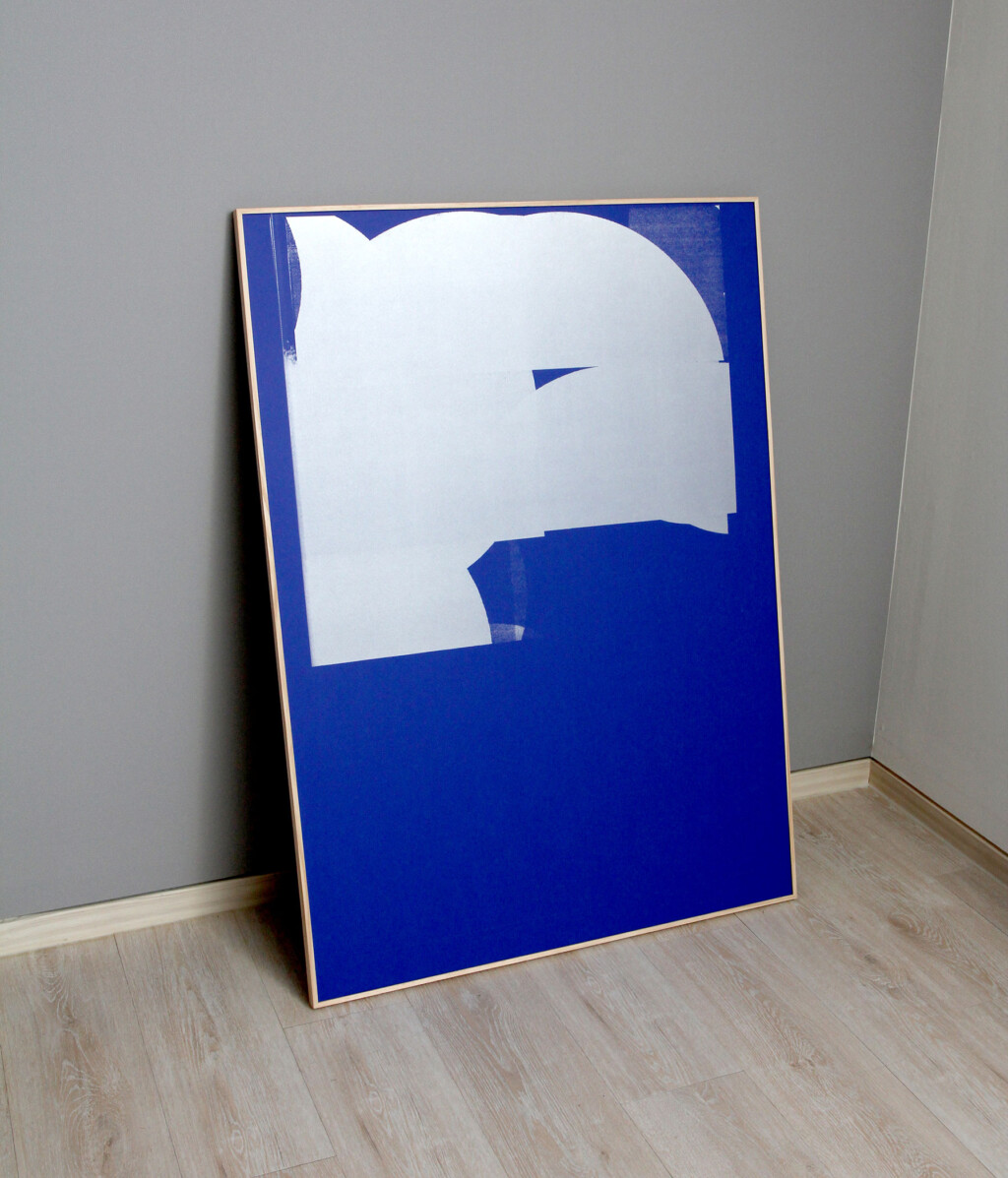
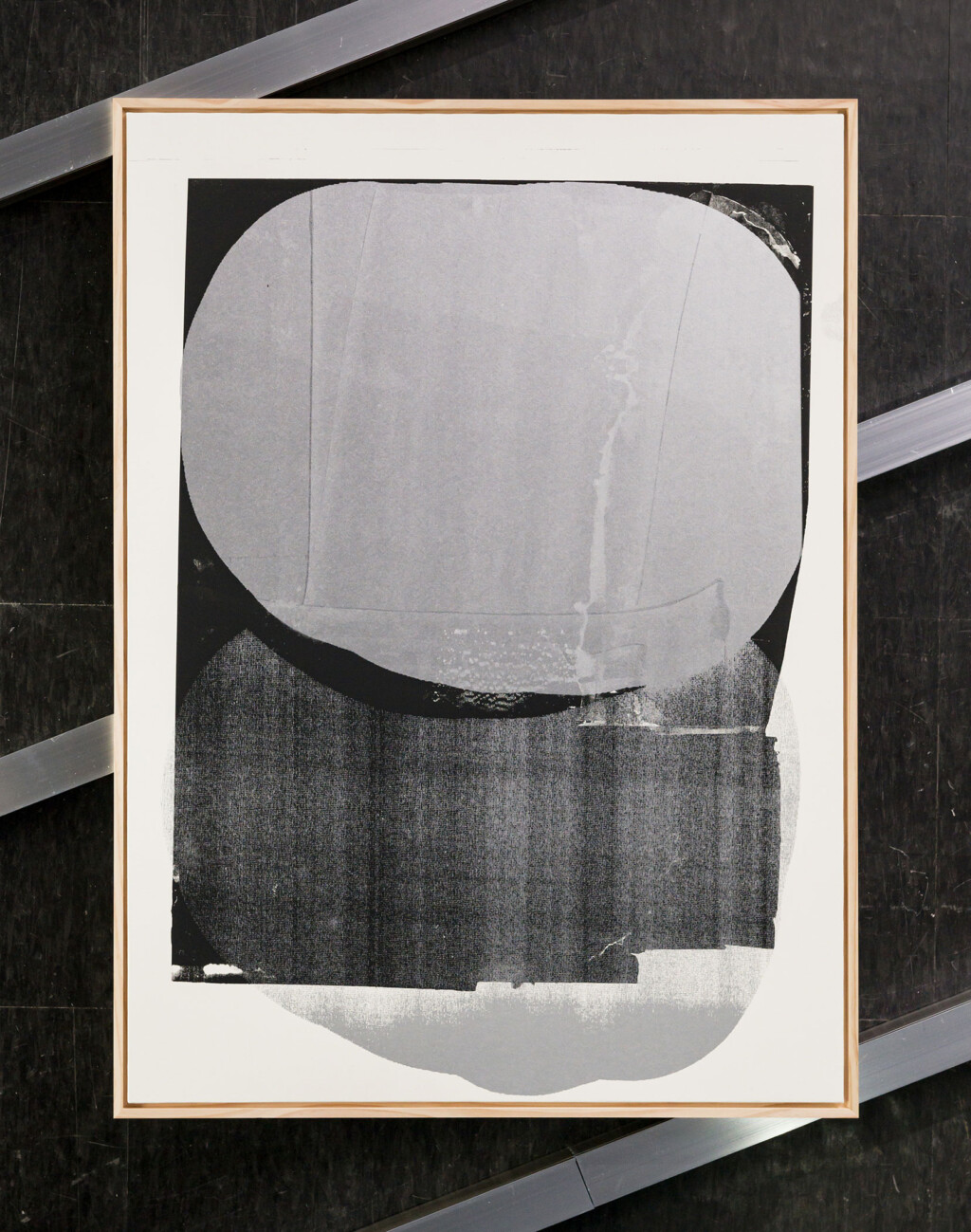
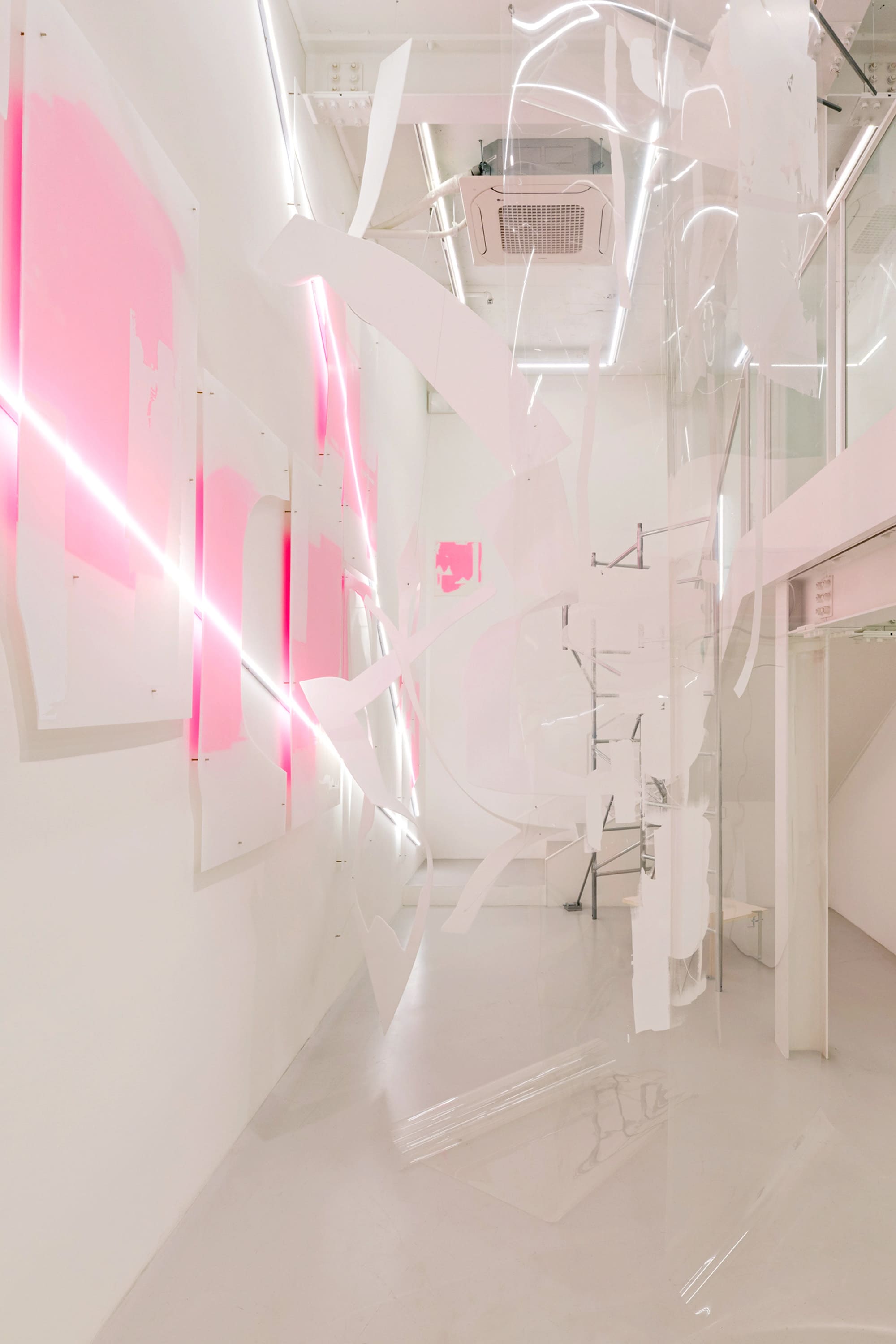
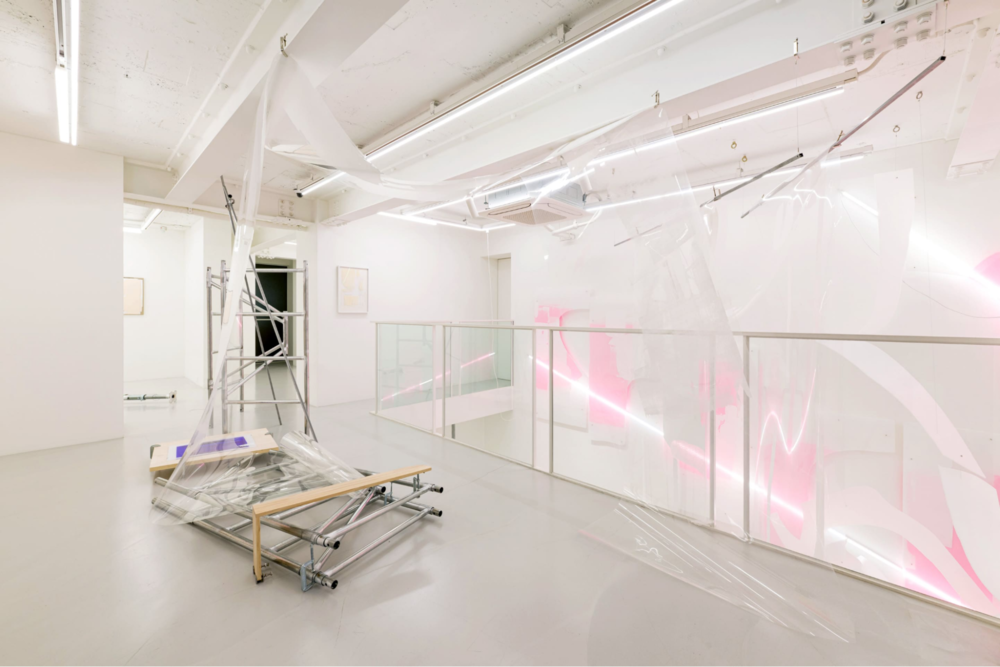
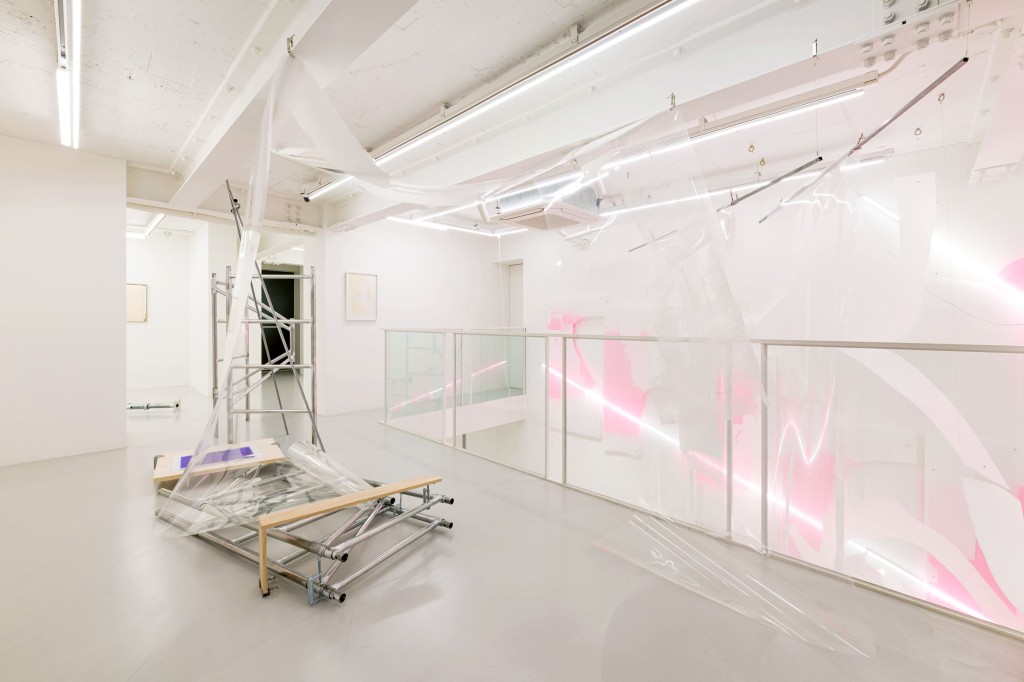
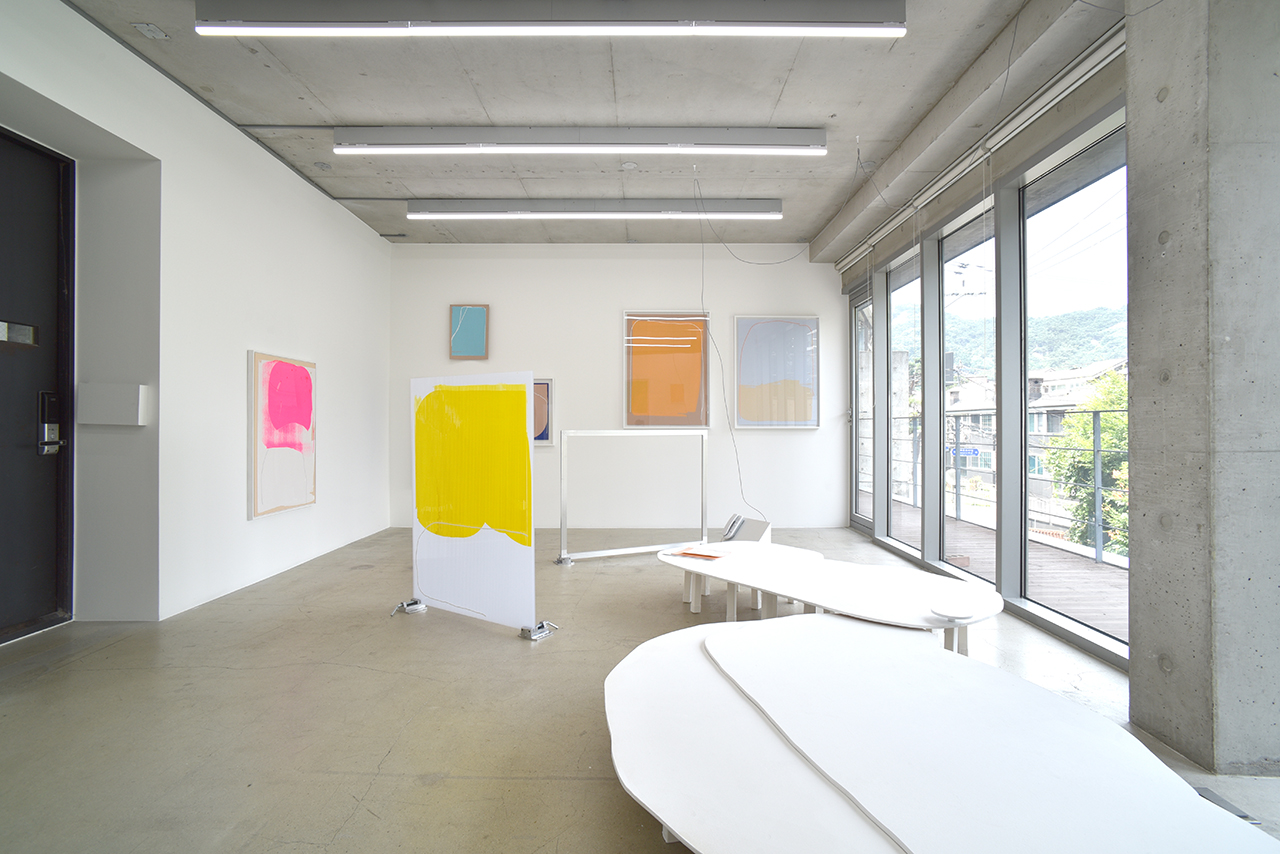
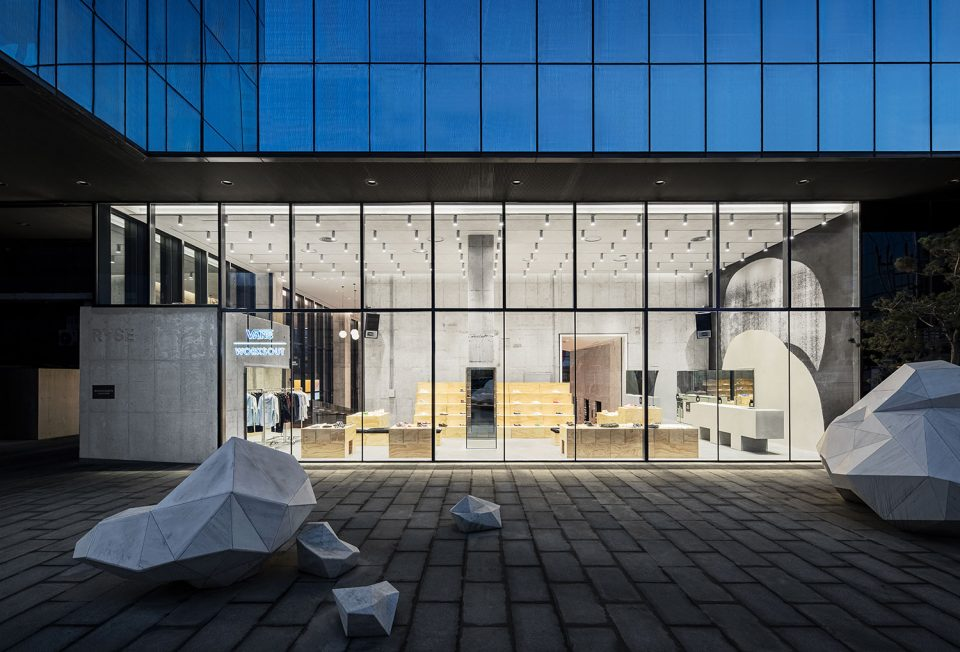
Installation view of 《Once Upon Now》 © Gallery SP

The space constructed by Chris Ro is imbued with gestures of preservation and a sense of loss. He has walked through and lingered in “there,” a place outside himself, interpreting the vibrations he sensed in currents of air, temperature, and touch as though they were voices. These subtle resonances reminded him of the anonymous times embedded in those places; spreading into the innermost reaches of his body, they would summon images that had remained somewhere at the edge of consciousness.

The atmosphere of a place and the sensations imprinted upon his body drew him into intimate contact with there. Yet the more he attempted to define these experiences through data, the further the layered temporalities and spatialities he had felt seemed to recede. Rather than proving what was true or false, Ro connects the previously invisible currents of there to his own time and space. The places his body has passed through—and those that have passed through his body—remain as elusive impressions and sensations, gradually swelling into form wherever he goes.

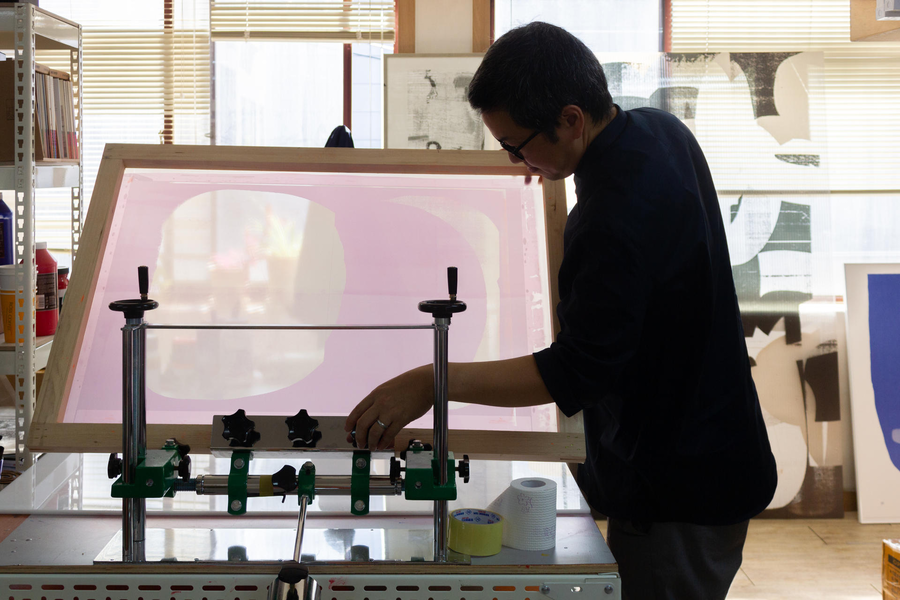
Within the time of a city governed by demands for efficiency, Ro could not learn every discipline. Faced with limited time, he chose architecture, studying buildings and urban environments, while his work in graphic design led him to acquire skills in design tools and printing techniques. Though it was impossible to accumulate boundless knowledge or master every kind of technique, his collaborations in design and architecture allowed him to approach the everyday lives of his neighbors and confront the blanks within the environments that surrounded them.

There are narratives history failed to contain, gestures pushed to the margins of politics, and places belonging to you and me that were once full in lived reality yet relegated to nonexistence. Ro seeks to unfold the circumstances left blank in there once again through movements in the present. Using the techniques he has refined over the years, he translates there into prose and graphics, detaching graphics from their utilitarian function in design and reorganizing them instead as rhythms through which he responds and connects to space.


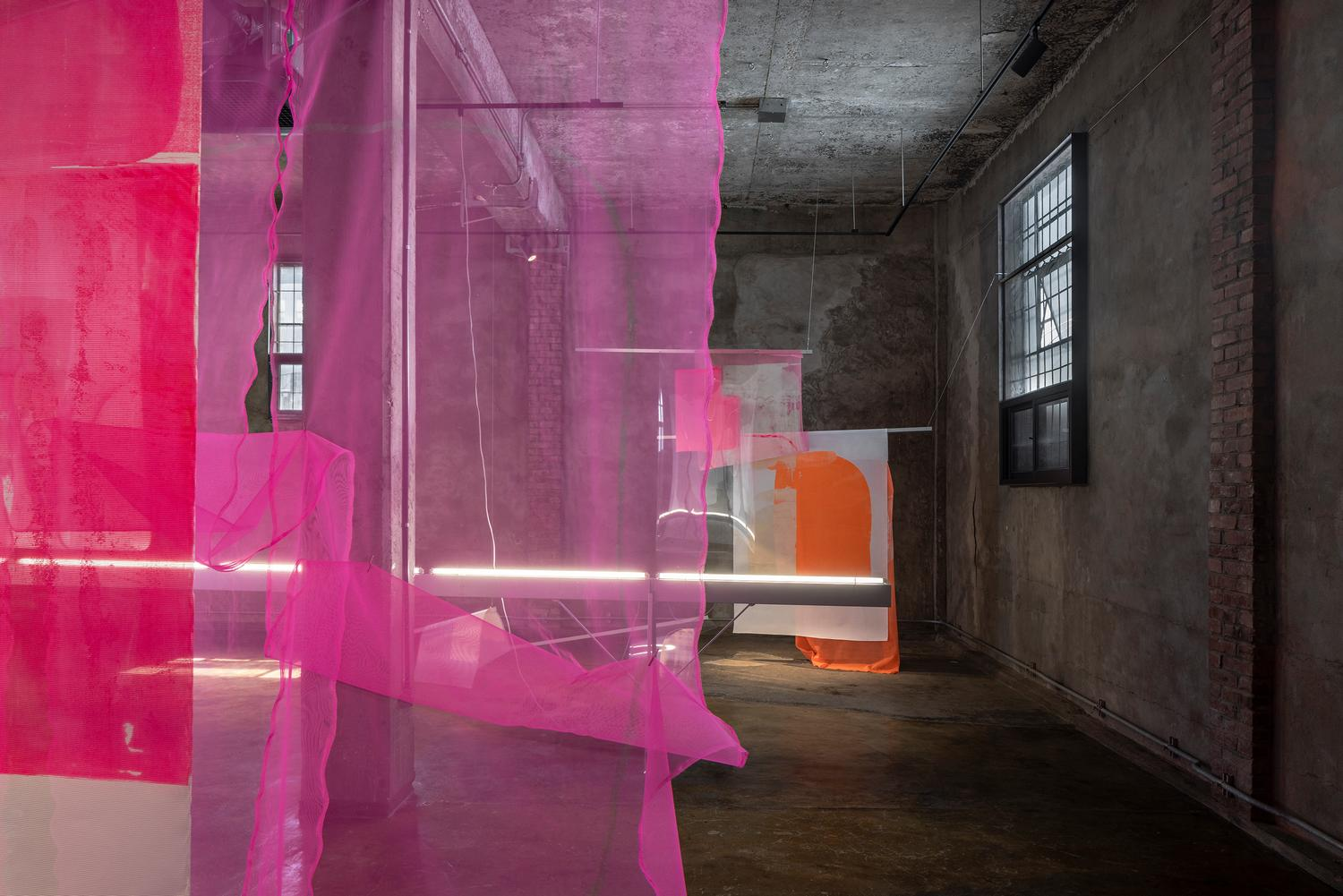
Installation view of 《Once Upon Now》 © Gallery SP

Through graphic works ranging from animation and posters to book design, Ro has repeatedly encountered the inevitable slippage between digital drawing and printing. By flattening the mass of an existence and partitioning space according to frames and layouts, graphic practice inevitably anticipates a gap between medium and reality.

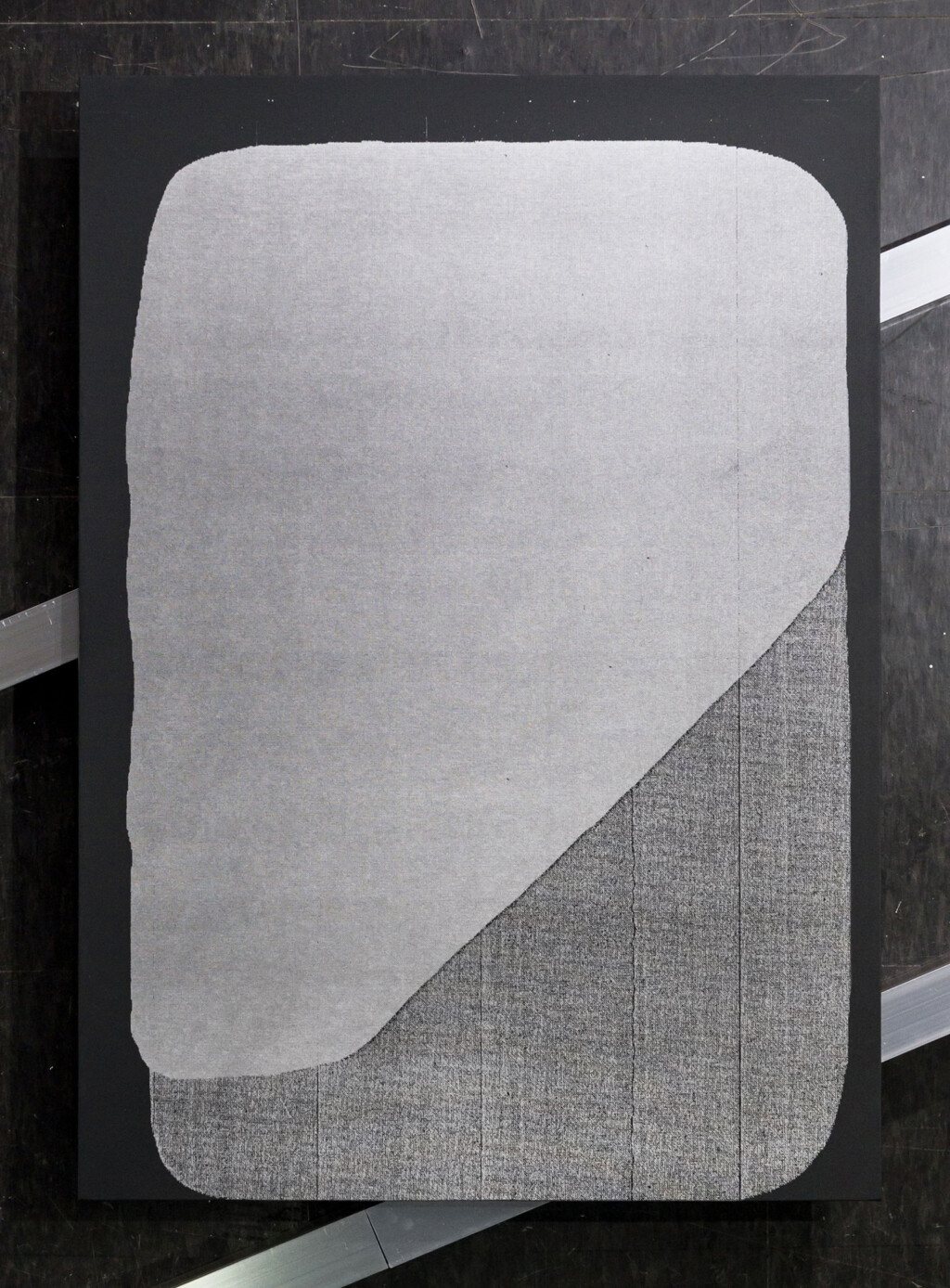
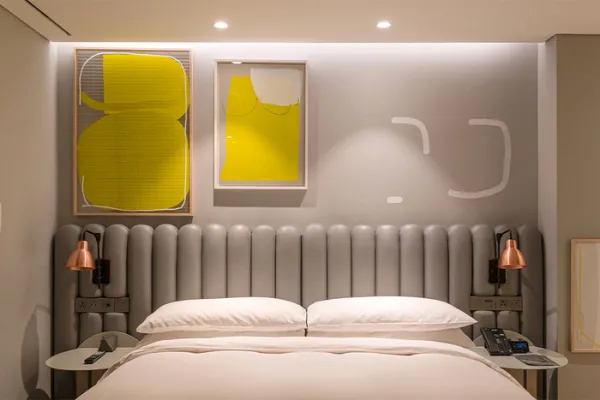
An existence made lighter through omission, years severed into isolated moments, a surface emptied of much of what once gave it depth—these resemble there, the places left as blanks. Ro employs this flatness of graphics as a visual language through which there can be projected. Layered through analog drawing and silkscreen printing, there emerges not as information but as an afterimage charged with subtle vibration and movement.

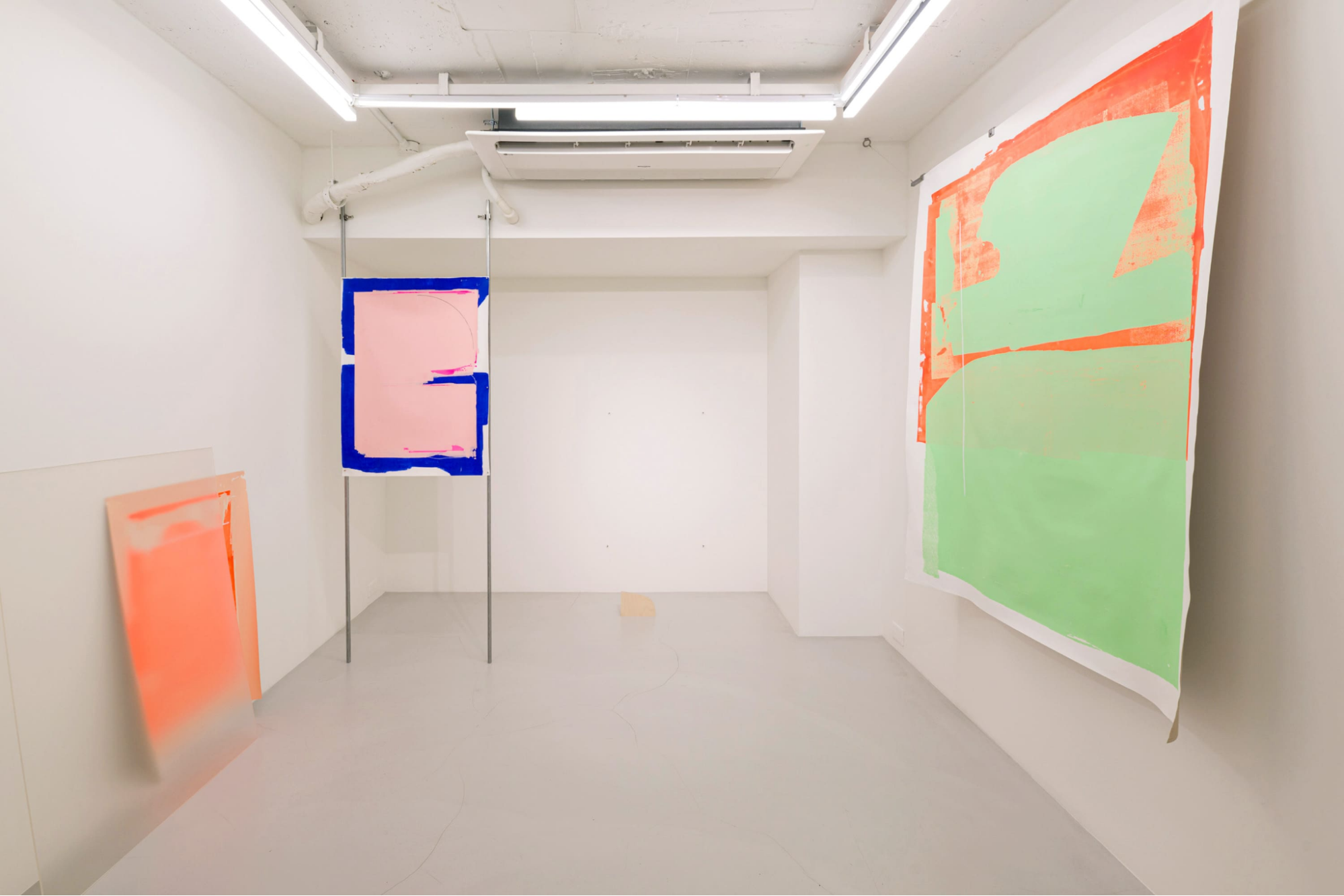
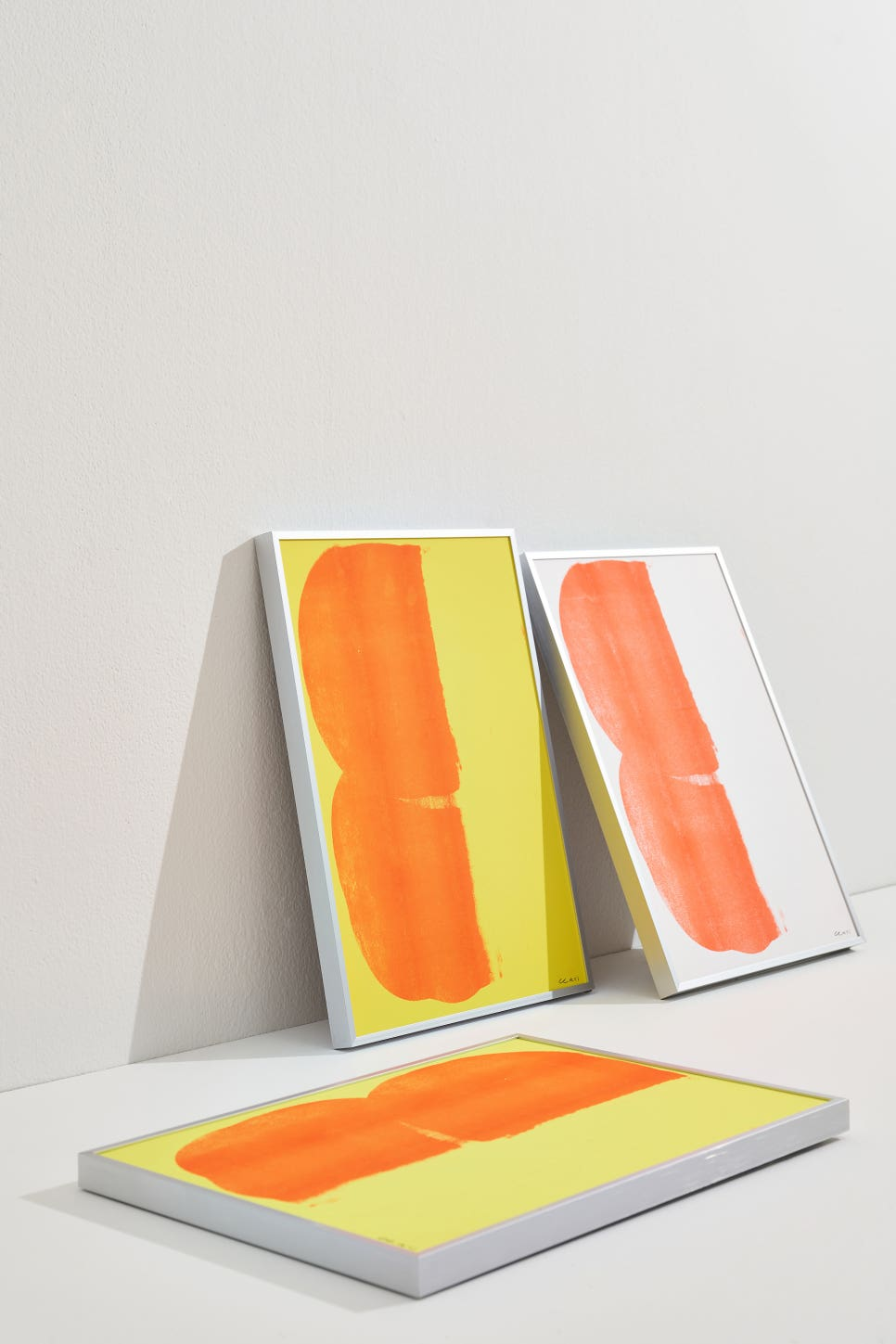
To compensate for the incompleteness of the image, Ro repeatedly prints and draws, developing a form through which there can be summoned again and again. As space passes successively through the silkscreen mesh, the resulting graphics proliferate not as identical copies but as autonomous afterimages that shift, misalign, and vary.
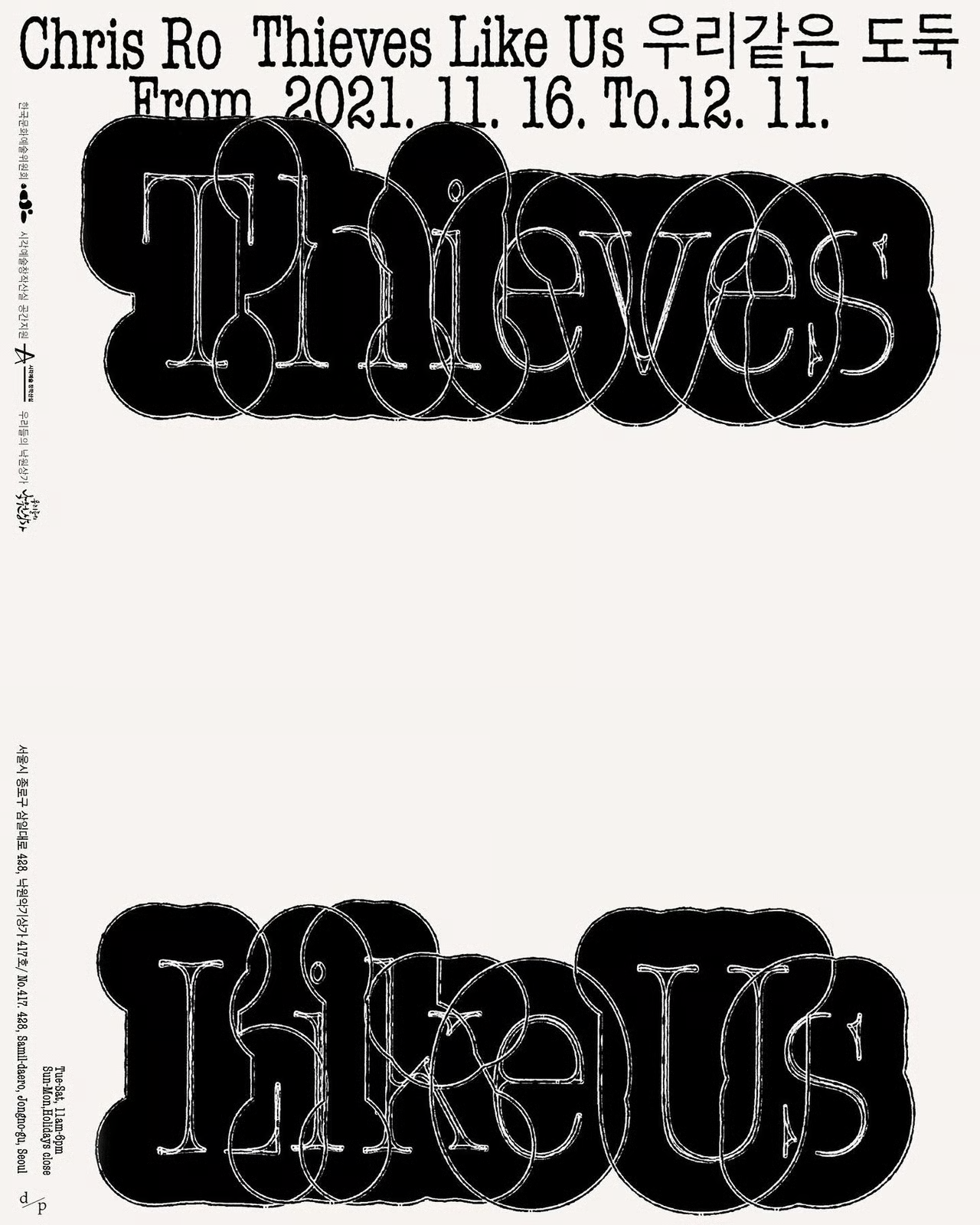
Rendered as planes, these places sustain and reflect one another, while at the same time splitting into singular spatiotemporalities that resist being assigned an edition. Ro’s graphics therefore emerge less as concrete data than as painterly surfaces, fluidly mediating there. Even when there is suggested through images intertwined like a network, it twists and proliferates, unfolding into still other places.


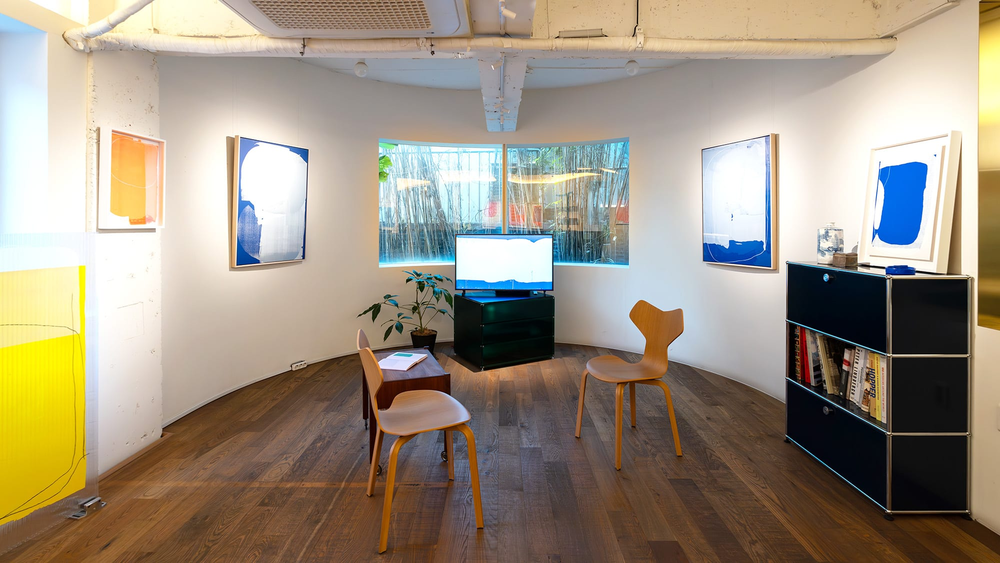
Installation view of 《Once Upon Now》 © Gallery SP

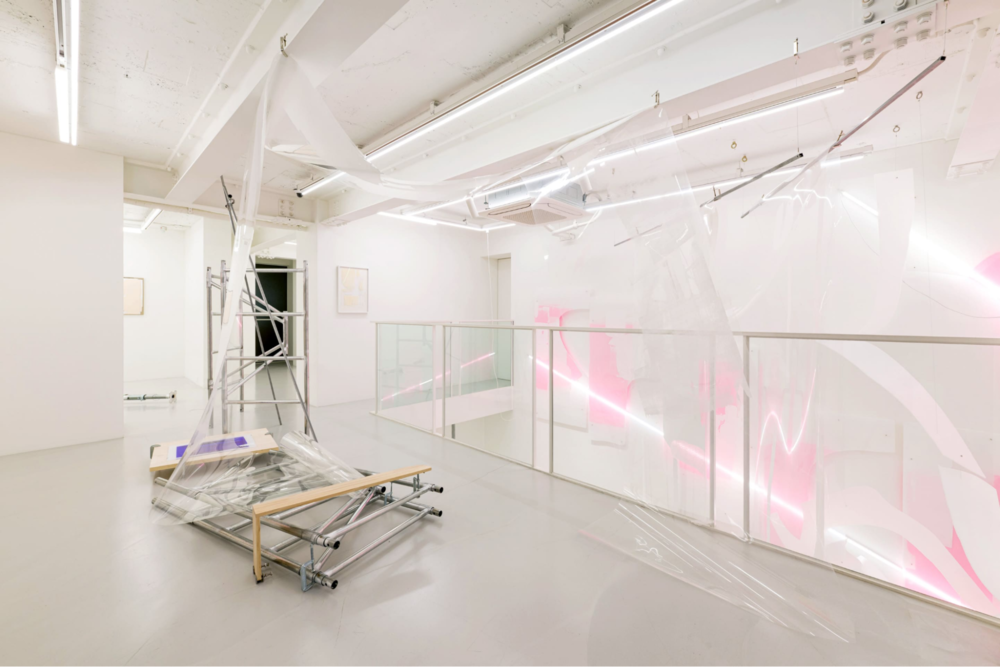
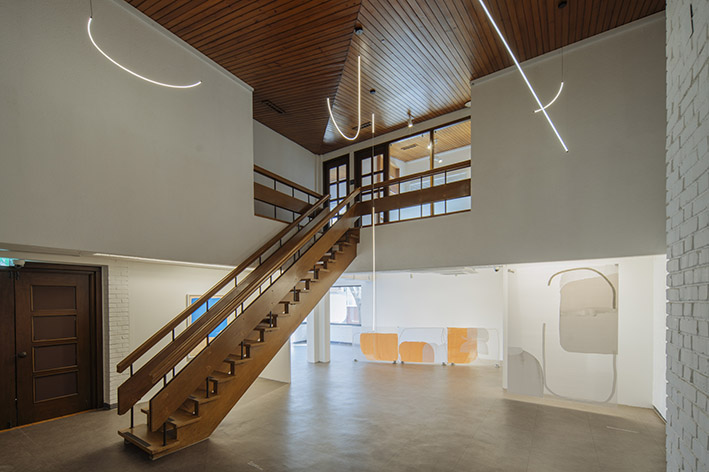
Because records alone are insufficient to make there present, Ro borrows here, the space beyond the picture plane. Completed in 1997, here once served as someone’s home and later as someone’s office; now transformed into an exhibition space, it functions as a medium through which there is temporarily made visible.

Here was previously divided between illuminated and unilluminated spaces, spaces of active function and spaces where function receded, spaces where time accelerated and spaces where it moved slowly. According to its original design, here was a place with a clear distinction between center and periphery.

Yet through the infiltration of there, it has been disrupted and reorganized, allowing it to deviate from its existing hierarchical structure. Paths of movement have formed through areas that once received little foot traffic, while isolated spaces have been opened. There has given rhythm to here, expanding the surfaces of contact between space and space, and between space and people.

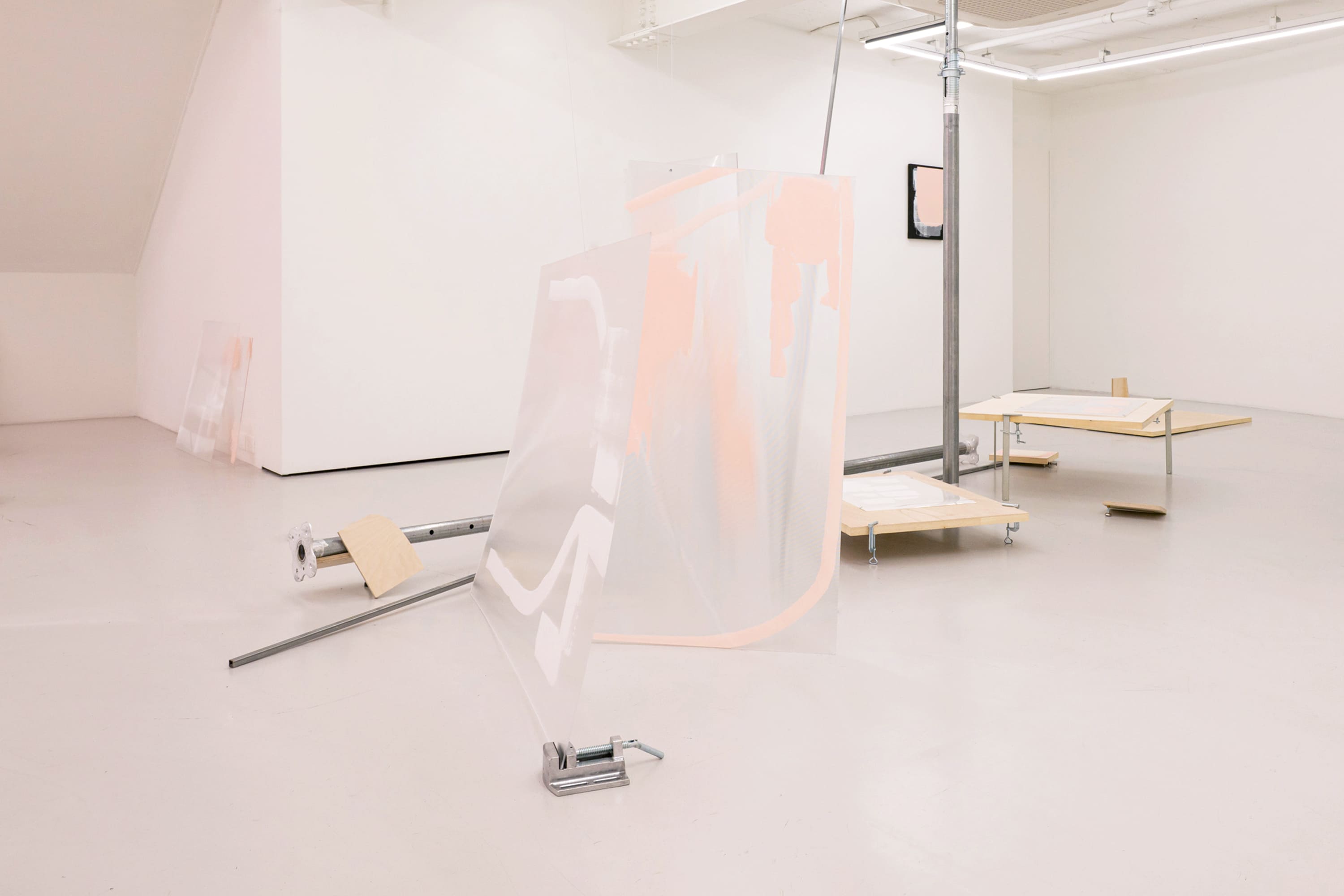
Conversely, there—which had remained confined to two-dimensional media and memory—has become part of here and acquired a physical presence. Through here, there erects fragments resembling its own form and equips its thin body with solid structures, allowing itself to be hung, stood upright, and suspended. There and here remain different, yet by corresponding with one another, each attests to the other. But can we truly say that there is here? After all, the there brought forth within here remains scattered in fragments, never fully restored.


Installation view of 《Once Upon Now》 © Gallery SP

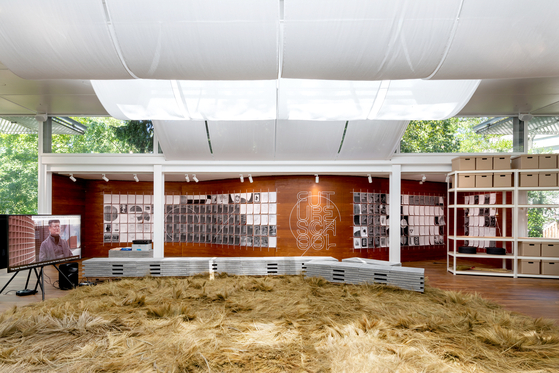
Here, too, retains its own blanks. To summon the places that once belonged to here but have since been pushed into there—and to encounter there through here—Ro researched oral histories related to the site, urban development documents from the 1990s, and records of residential spaces. Yet because no complete archive remains, he chose to connect the temporal blanks that fragmented materials alone could not fill.

Written through this process, 207-2 speaks in confession as the artist becomes here-there itself: embracing someone, caring for and being cared for by them, and eventually letting them go. The moments that brought 207-2 into being remain, but the names of the places here that made it possible have disappeared.

The nameless there is not bound to any particular moment or set of coordinates. Moving from place to place, Ro has recalled and drawn the sounds, stories, minute movements—in short, the air—that he encountered and gathered through his exchanges with each there. These are circumstances that may have constituted unmissable events for someone, yet, lacking form, became records destined for forgetting and omission.

They were never absent, however. Across the many heres distributed before him, Ro recognizes and reawakens traces that resemble there. Nor is this something that occurs only today. In other places and other times, he has likewise sensed the theres that once were, connecting the heres and theres scattered across different times and places.

There, then, is not rooted in a single origin. It is at once multiple places and a single place: there carried into here, here summoned as there, where time and place circulate, overlap, and cross —Once Upon Now.

References