What the Portals Found in Everyday Life Point To


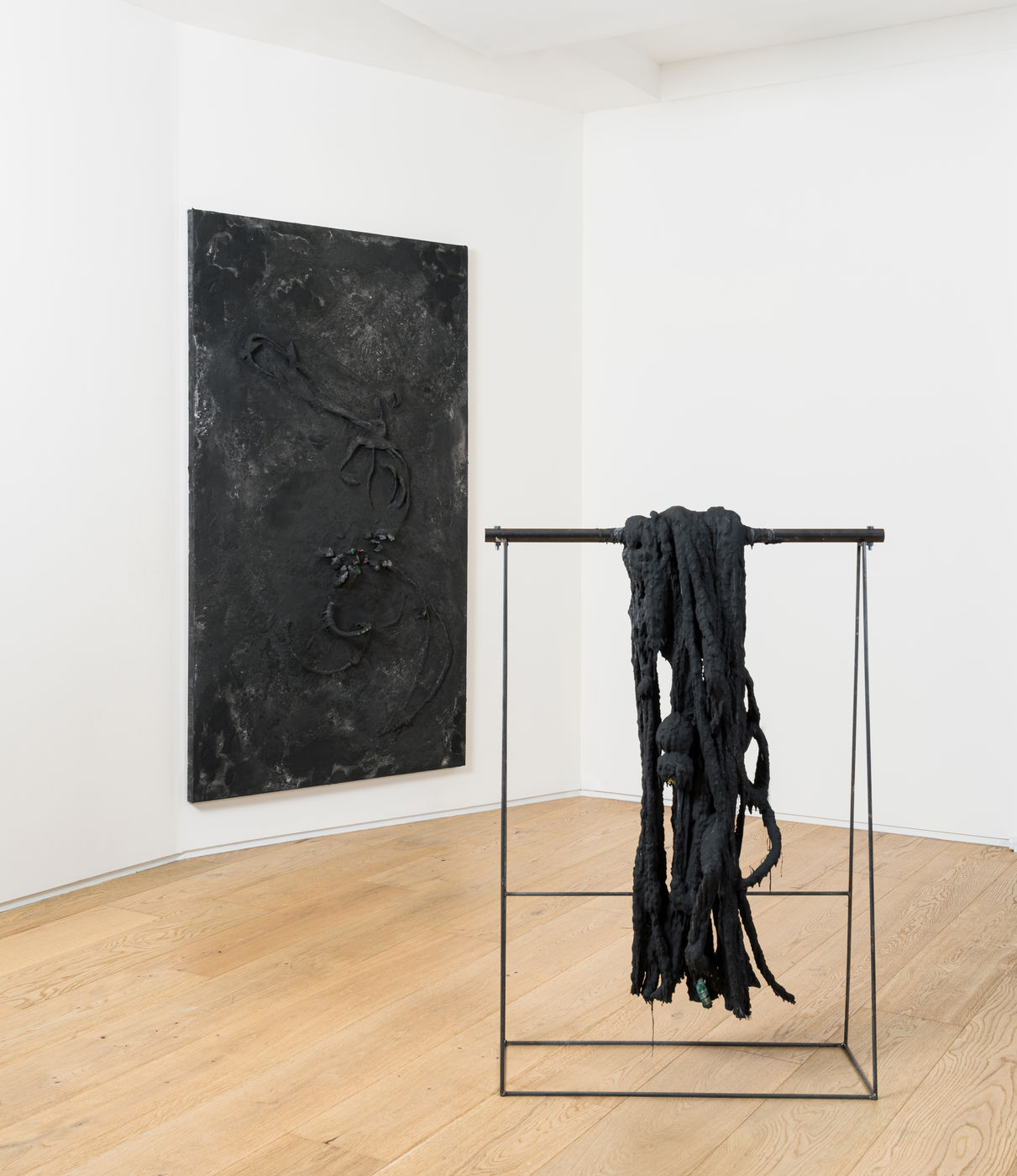
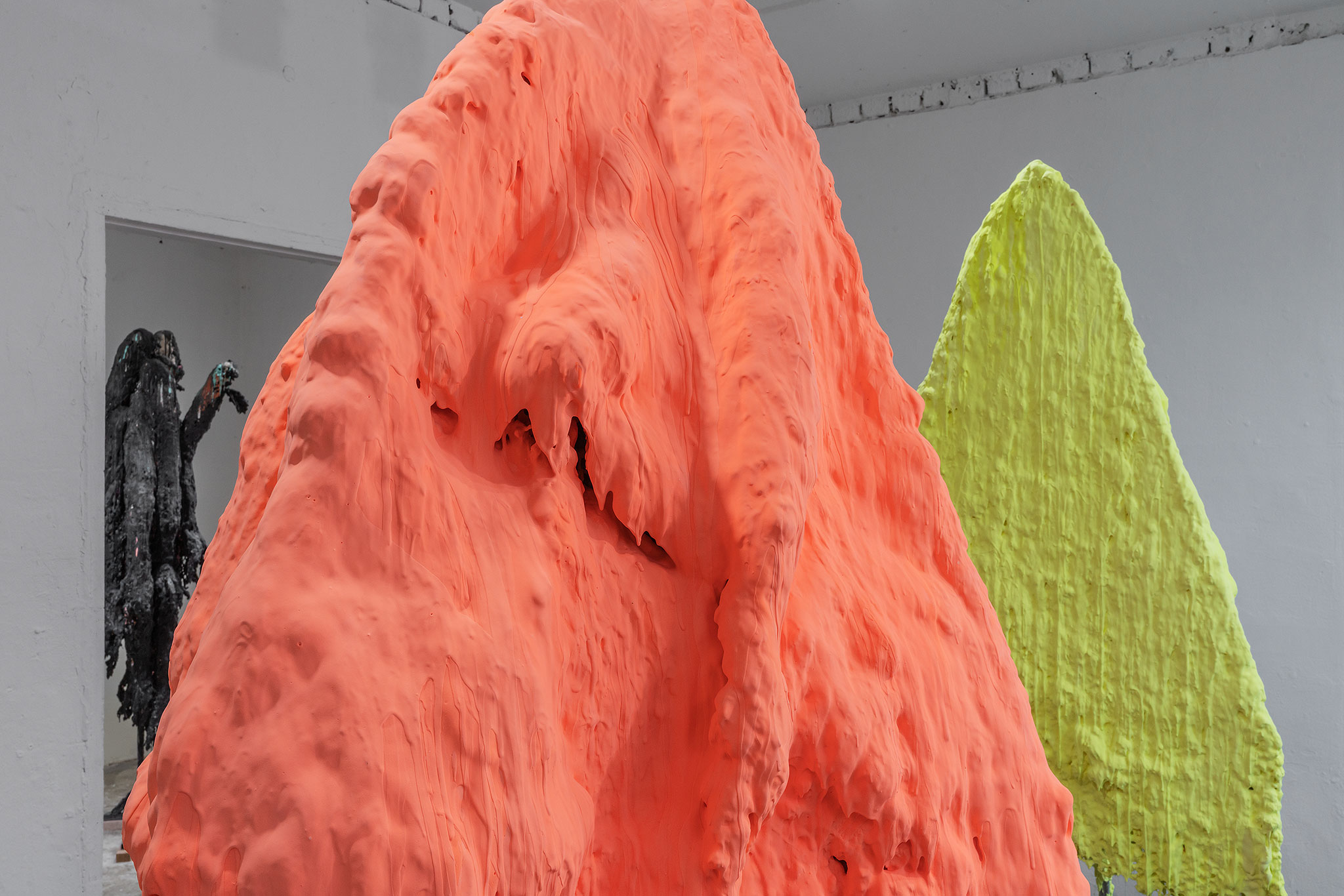
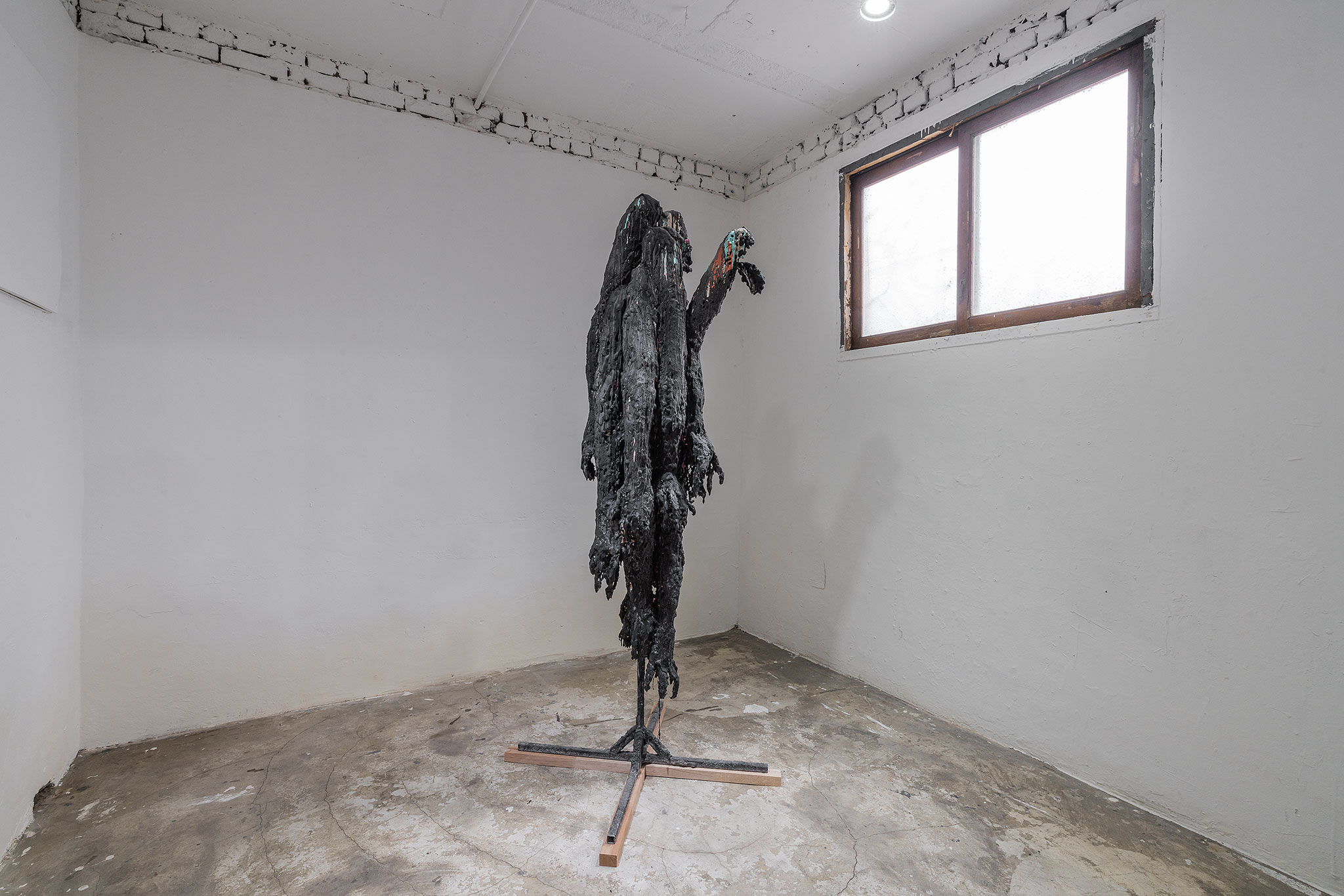
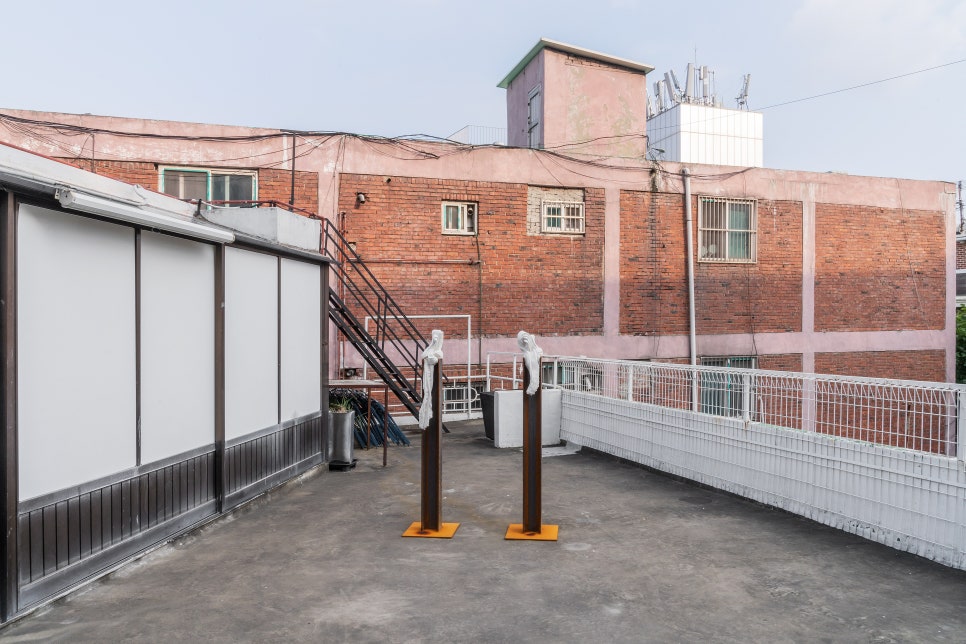
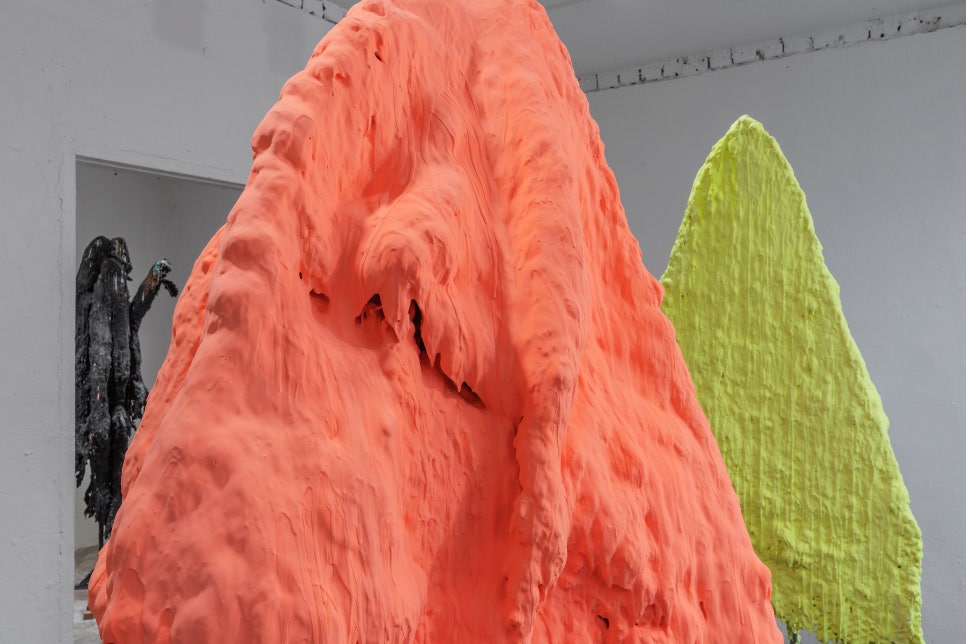
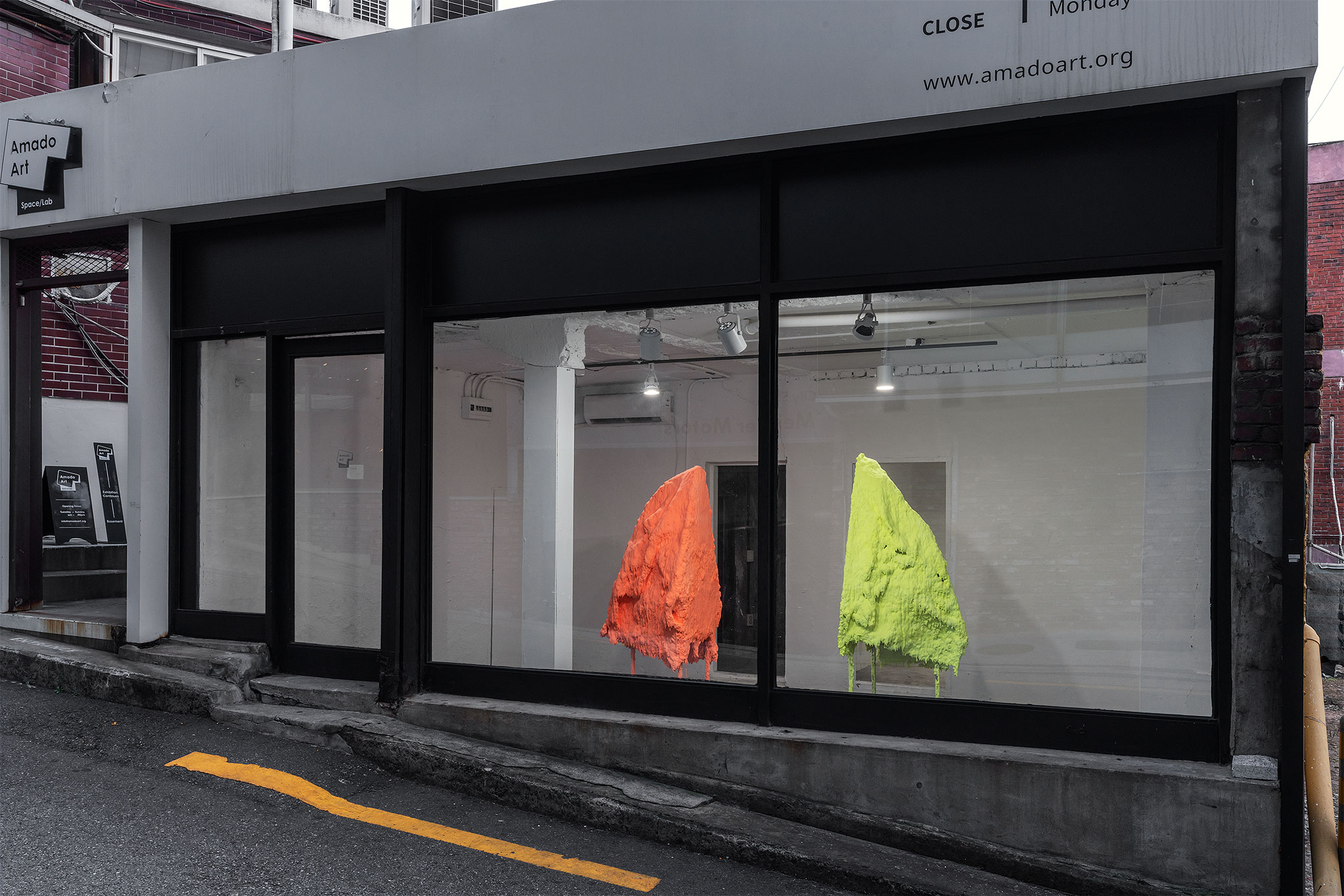
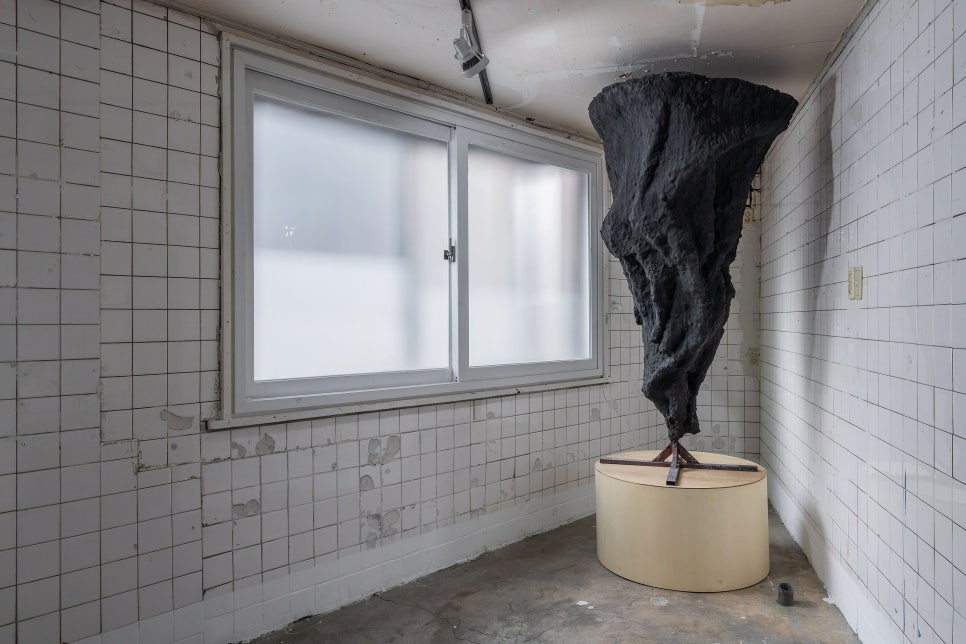
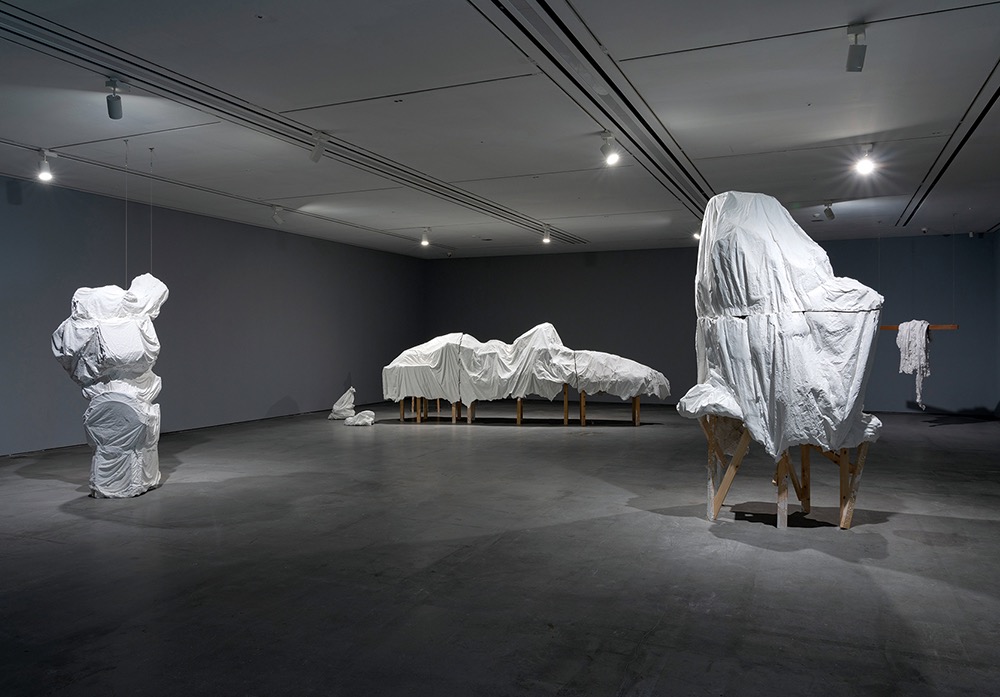
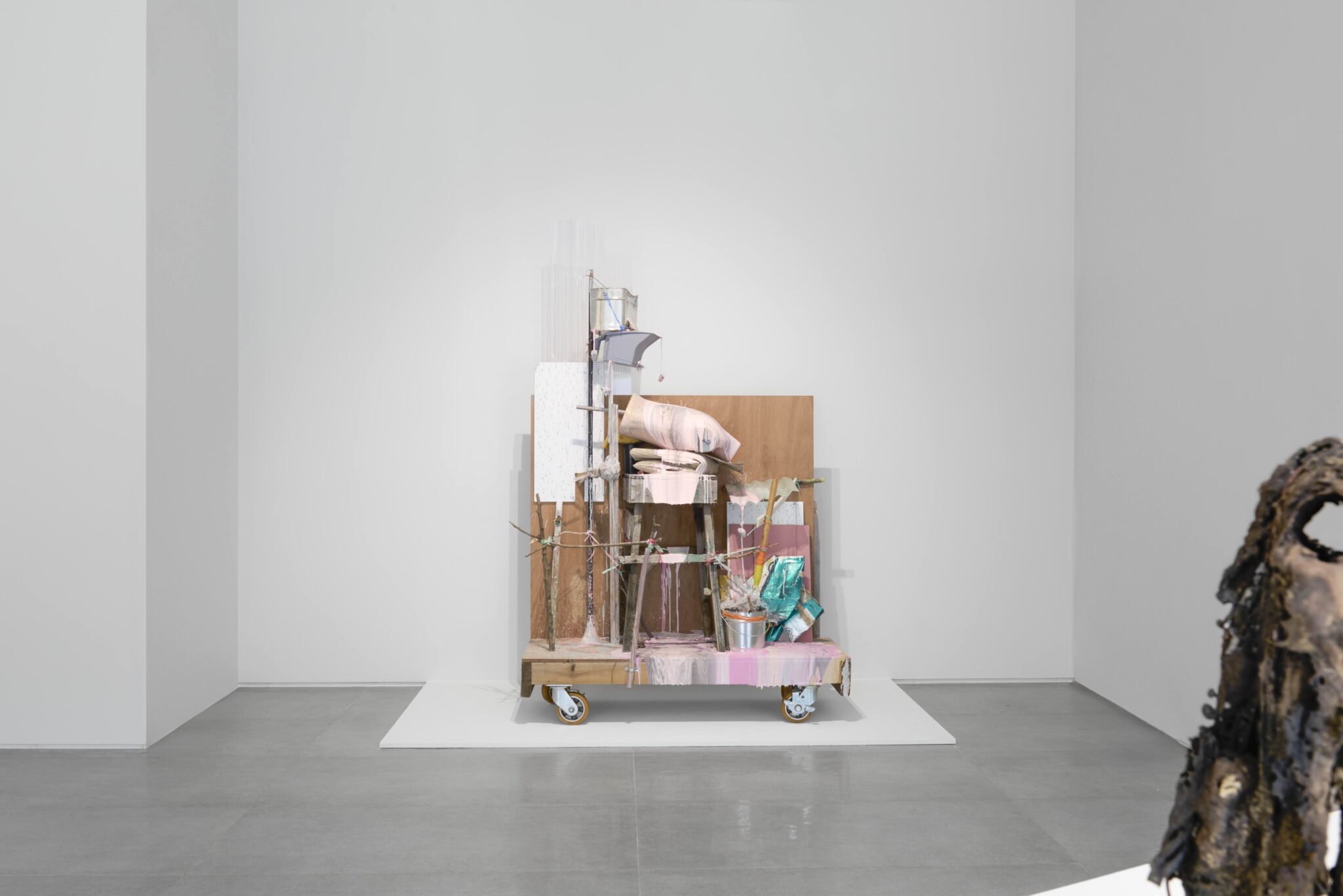
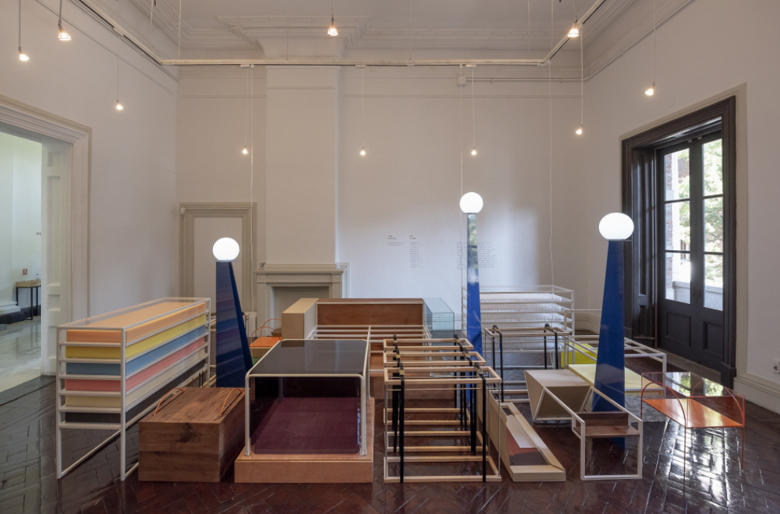
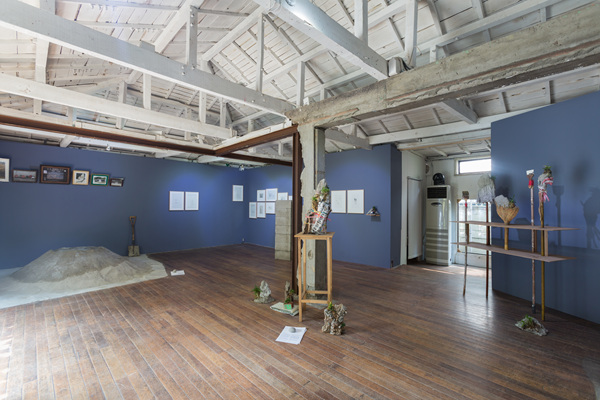
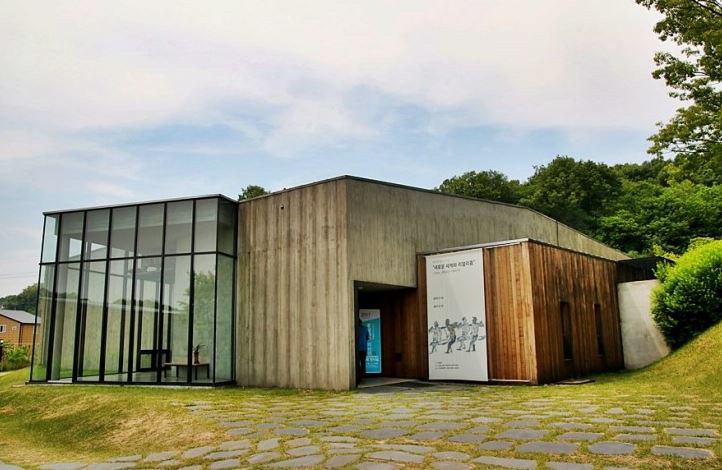
Installation view of 《Portal》 © Amado Art Space

For those of us living in the digital age, the term “portal” functions primarily as a concept associated with virtual space. For Kwon Yongju (born 1977), however, a portal is rooted in reality and everyday life, functioning as “the possibility of opening a door to another reality through art.”

“I like the gaming industry, and I also enjoy those moments in games when you are transported to another dimension. But the theme of this exhibition, ‘Portal,’ is grounded in reality. There are so many forms of art that move back and forth between virtual reality and reality. My works deal not with virtual reality, but with scenes from everyday life in the real world. They are ordinary scenes, but if you look at them closely for a while, there are moments when you cross into another dimension within the everyday. That is the portal.”


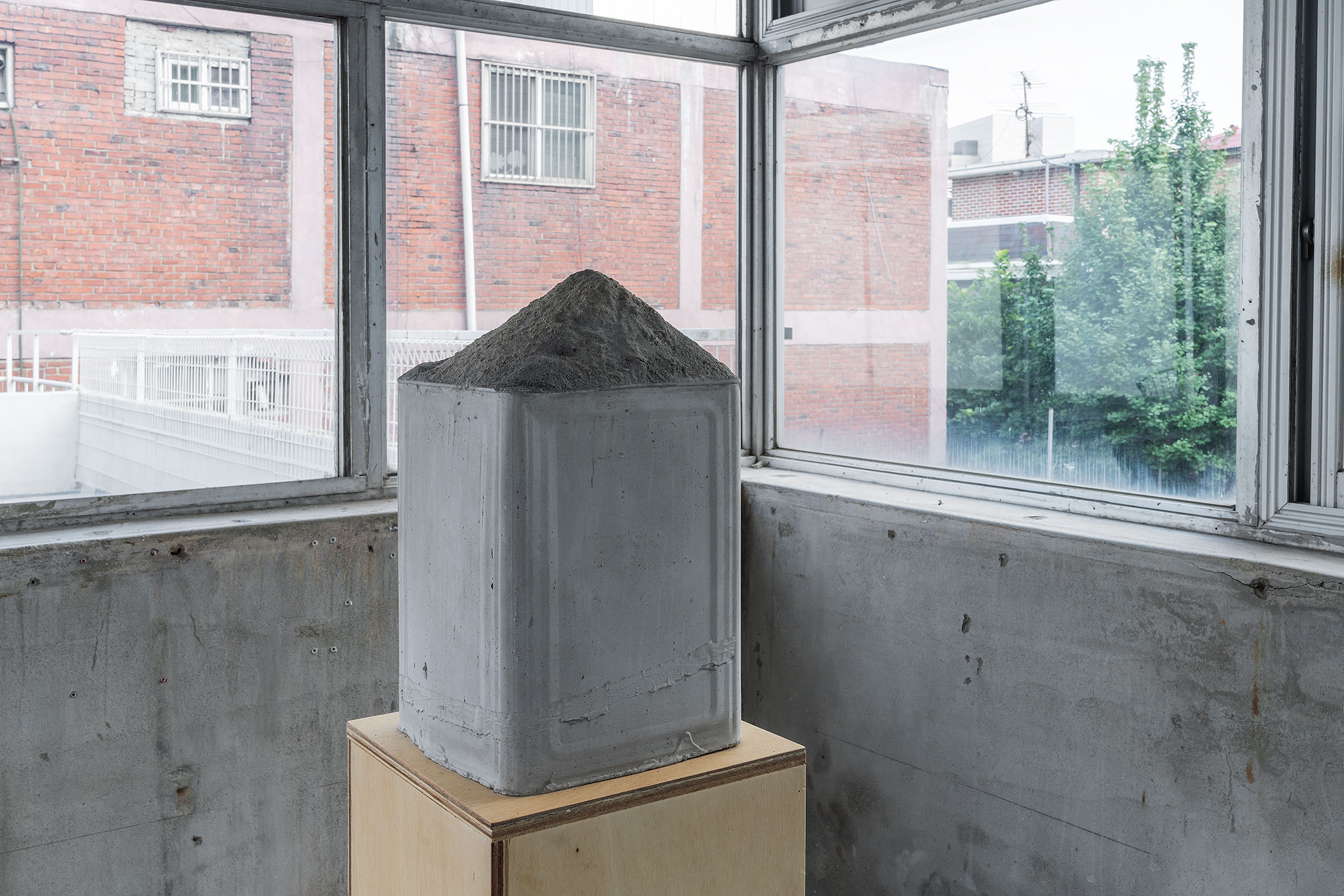
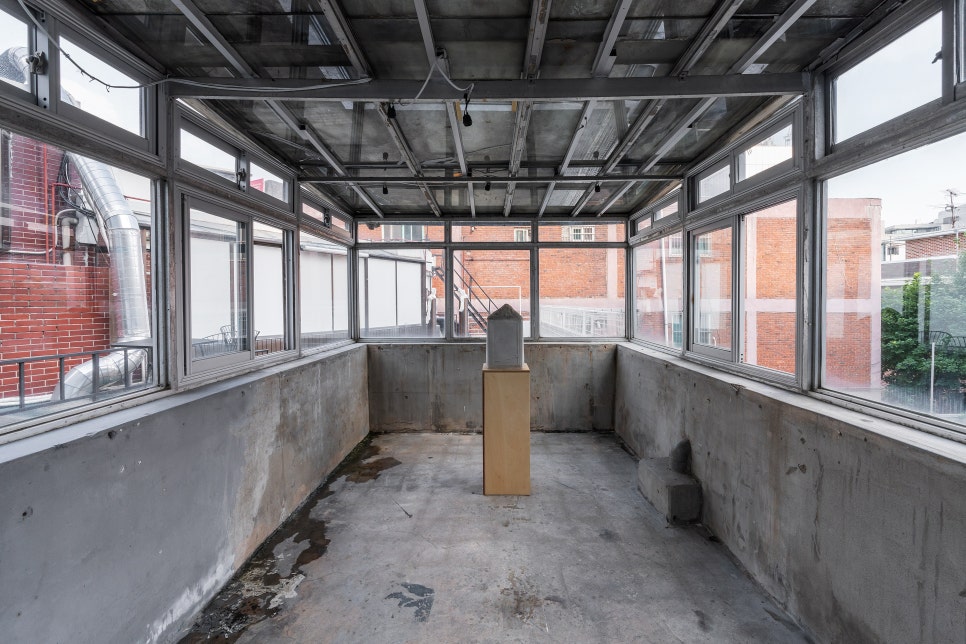
Kwon Yongju, Portal, 2022, Cement, 24 x 24 x 43 cm © Kwon Yongju

What kinds of scenes function as portals for the artist?

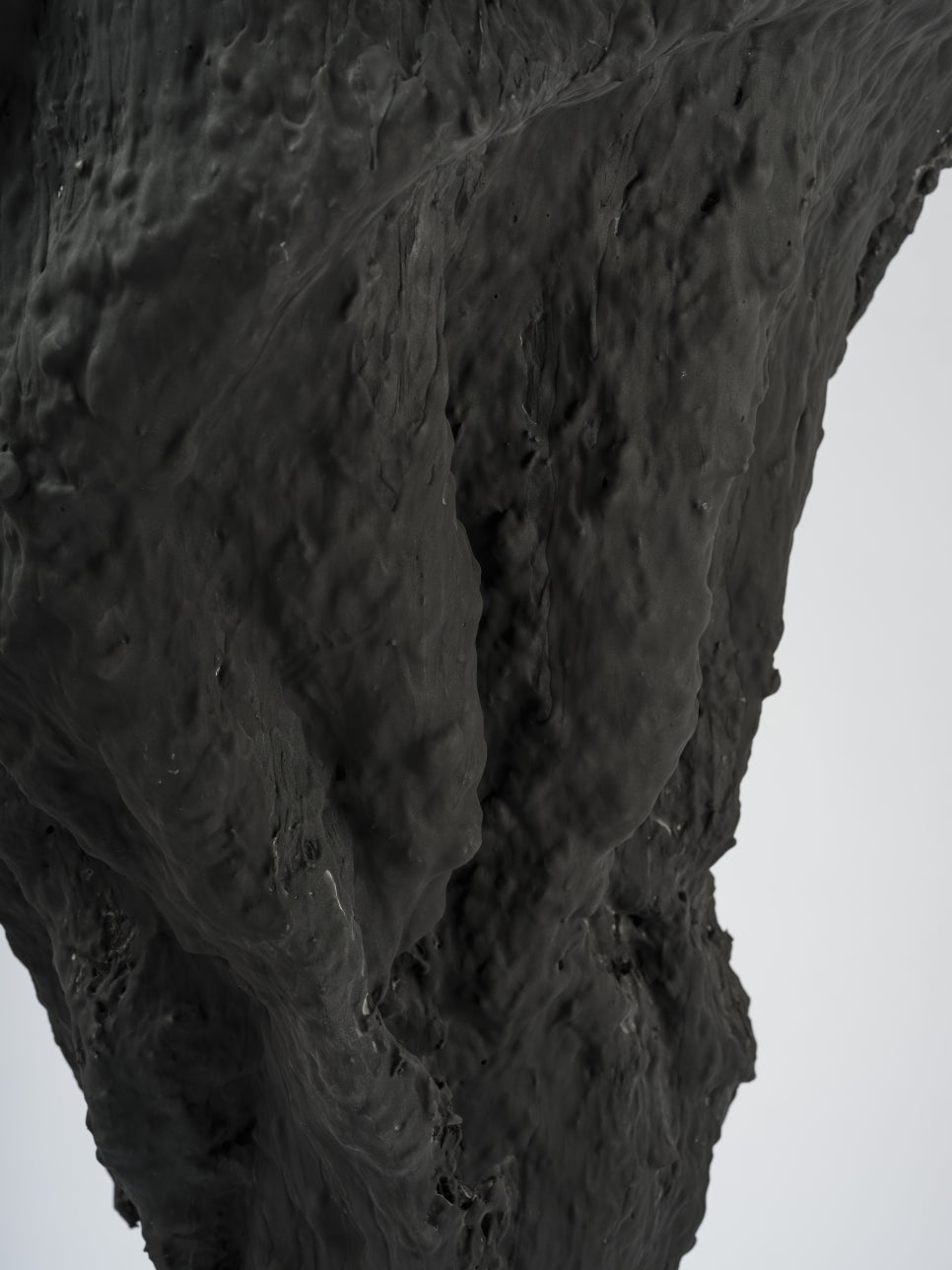
“It is difficult to define them precisely, but they appear when a scene triggers certain associations. Sometimes they are things that repeatedly catch my eye. A lump of cement, for instance, might suddenly look like a mountain or a landscape. Forms operate in an instant. I also seem to notice situations in which an object appears to contain a story, or when I sense that it might possess a life of its own.”


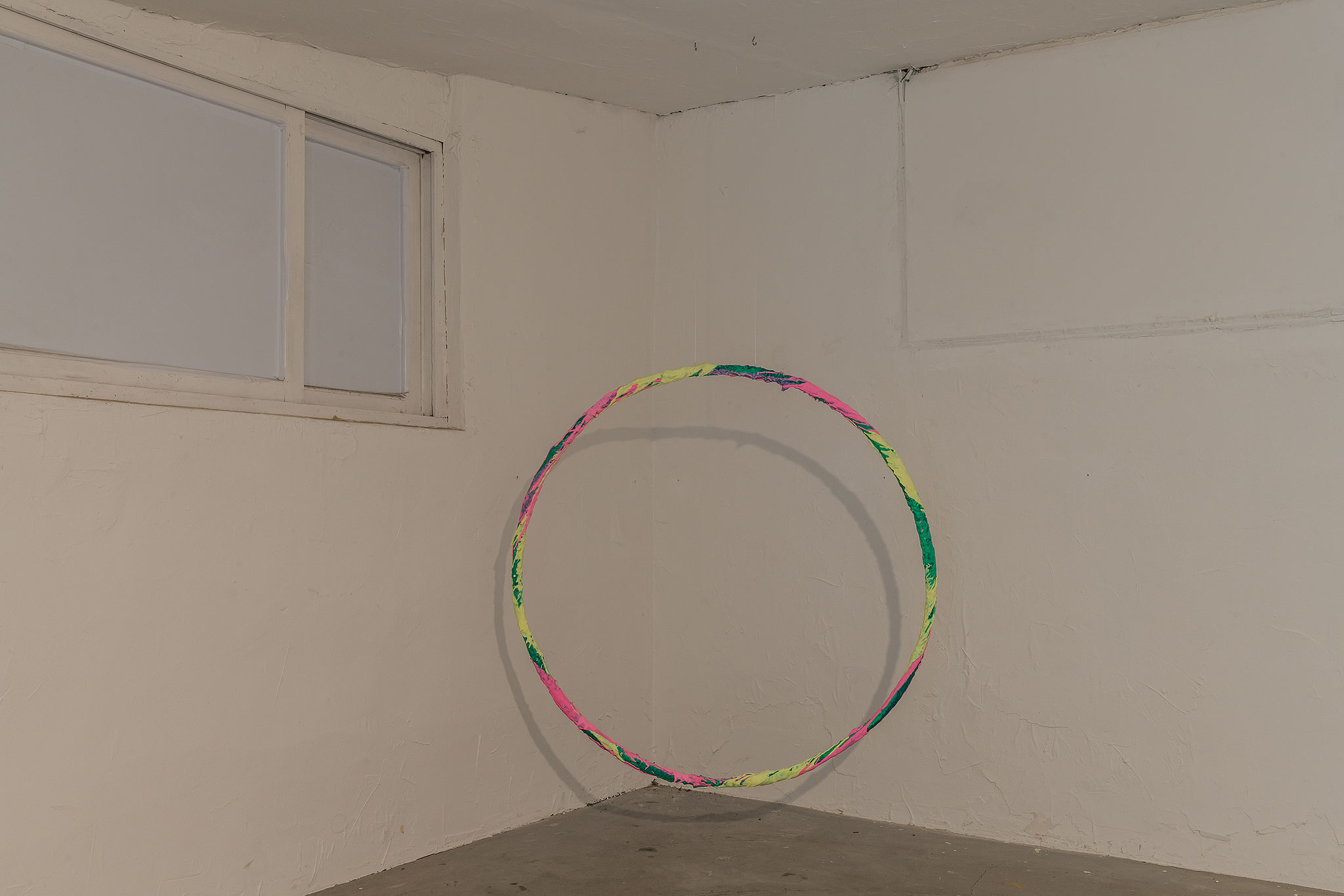
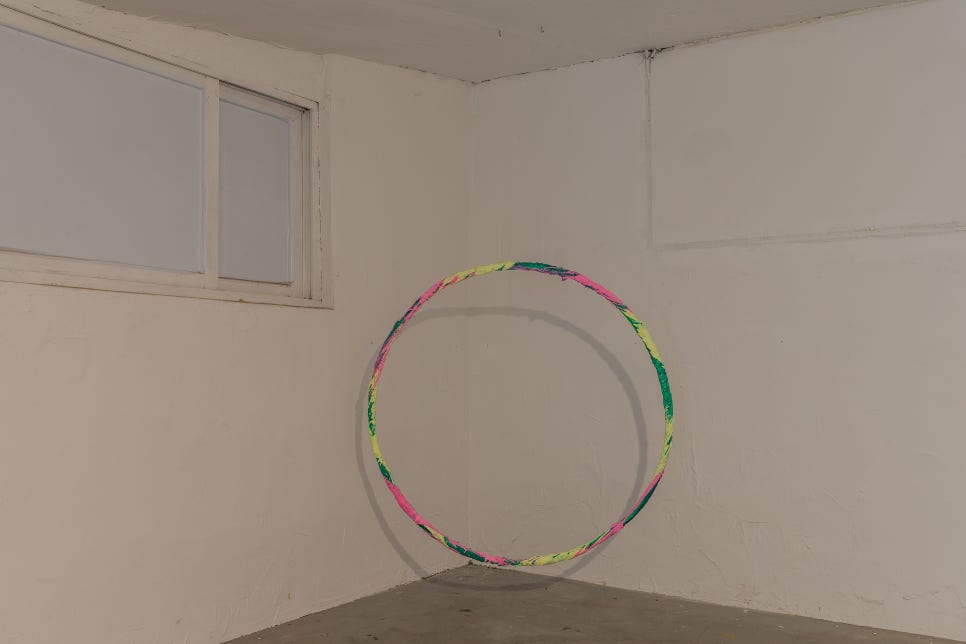
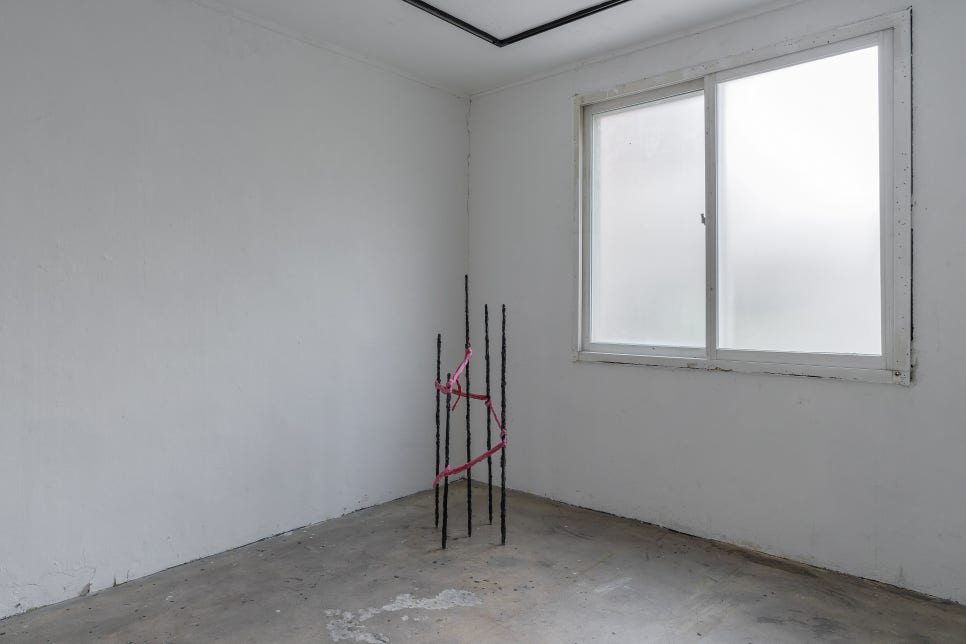
Kwon Yongju, Portal, 2022, Steel rod, plaster, pigment, 98 x 4 x 98 cm © Kwon Yongju

One work that embodies this experience of the portal involves a hula hoop. “There are always hula hoops hanging from trees in a park near my home. Interestingly, they are not used by just one person; people in the neighborhood share them. If you think about their existence, it means that someone’s waist is being shared. I thought of people’s waists as something like portals. Formally, the hoop also looks like a doorway into another dimension.”

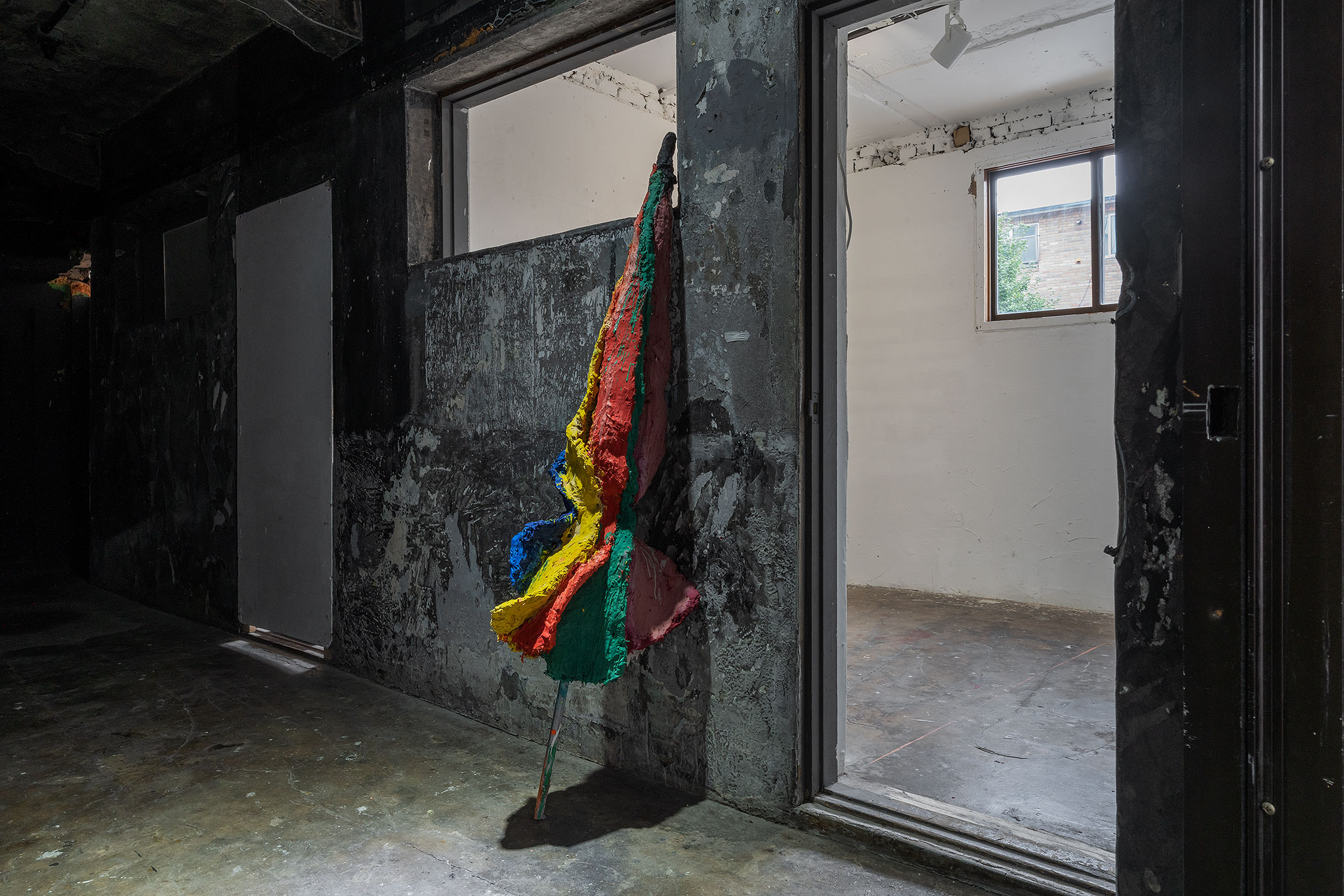
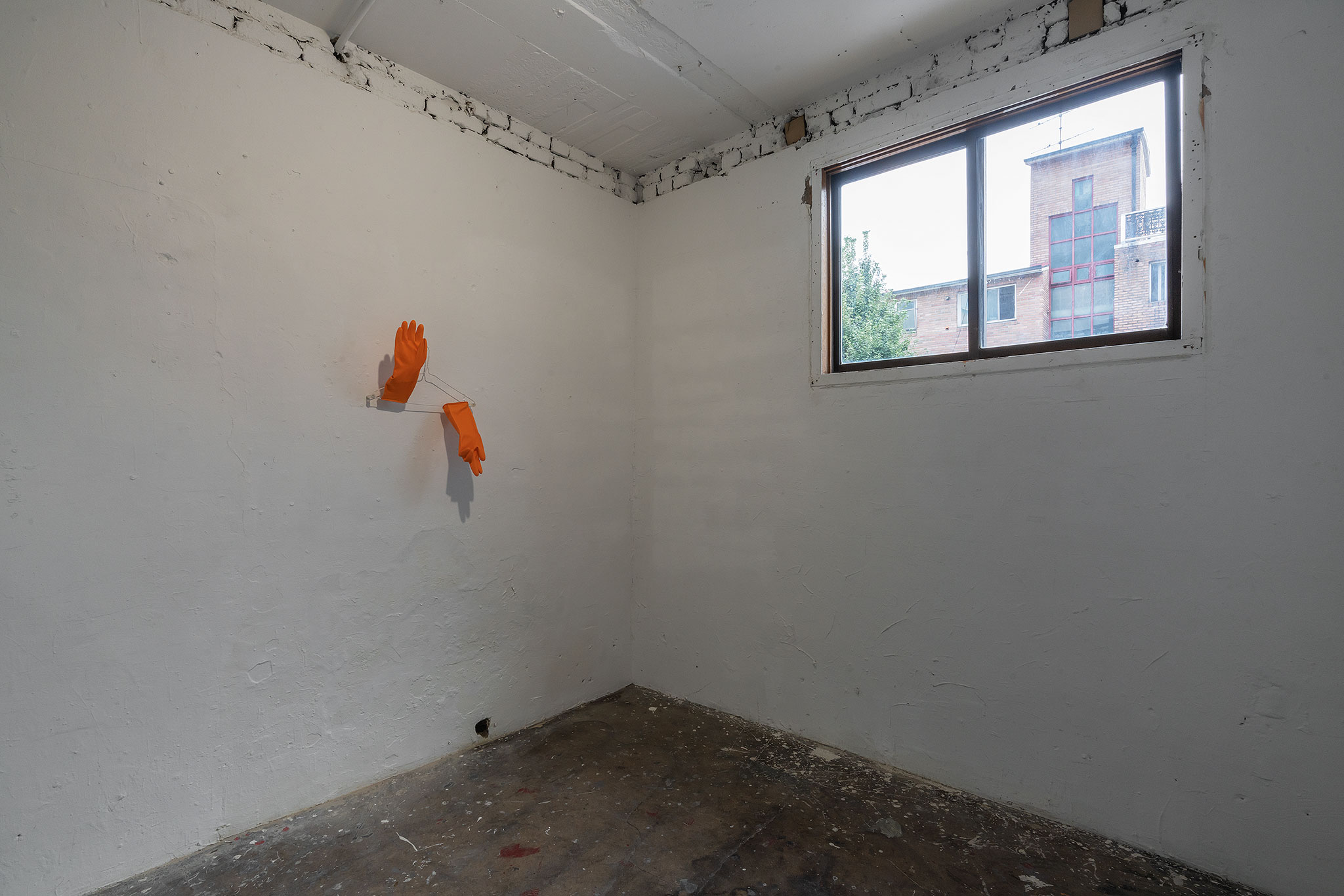
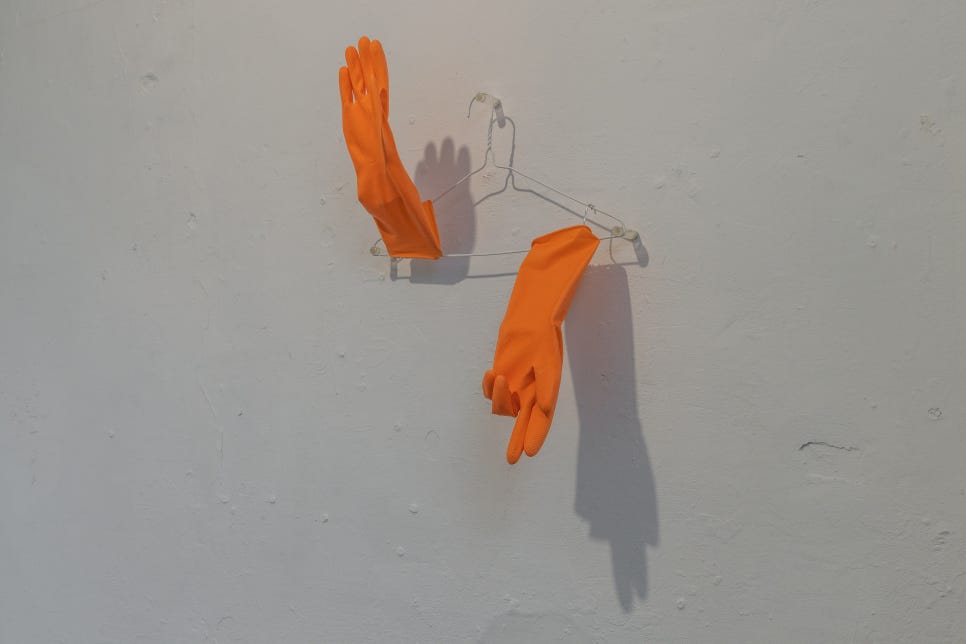
Other works likewise originate from portals the artist has encountered: fishing rods erected to support plants in a vegetable garden, cement that has naturally hardened over a can, a parasol carelessly rolled up, and rubber gloves hanging from a clothes hanger in a cleaning-supply cabinet.


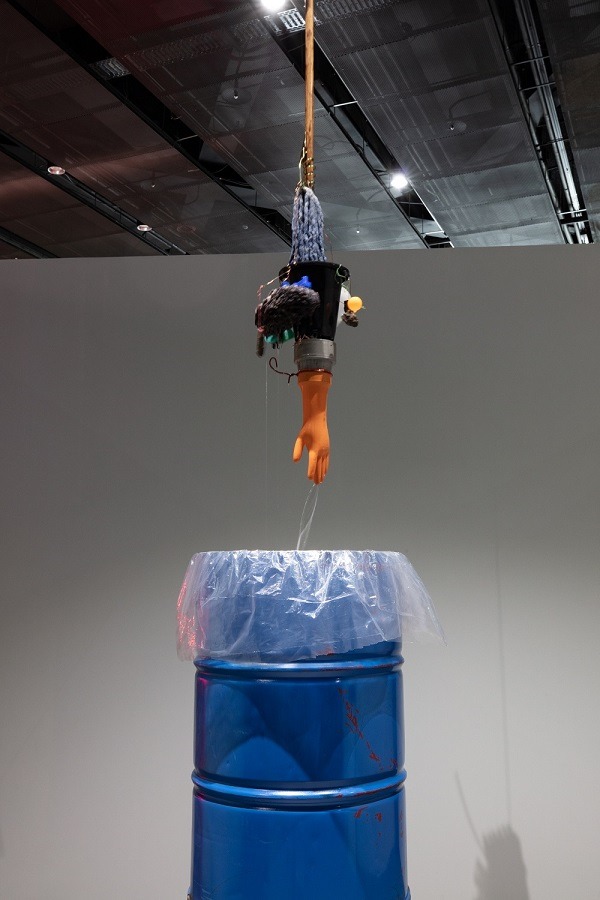
Kwon Yongju, The Hand Seal, 2022, Clothes hanger, rubber gloves, wire, 40 x 10 x 57 cm © Kwon Yongju

Why, then, does he emphasize physical reality rather than the virtual reality so actively explored by many others? The reason only begins to emerge, however faintly, when one considers the trajectory of his practice. Kwon Yongju has mediated various forms of the virtual encountered within reality itself, and these virtualities have arisen from the relationship between industrial materials found in sites of labor and the social messages entangled with them.


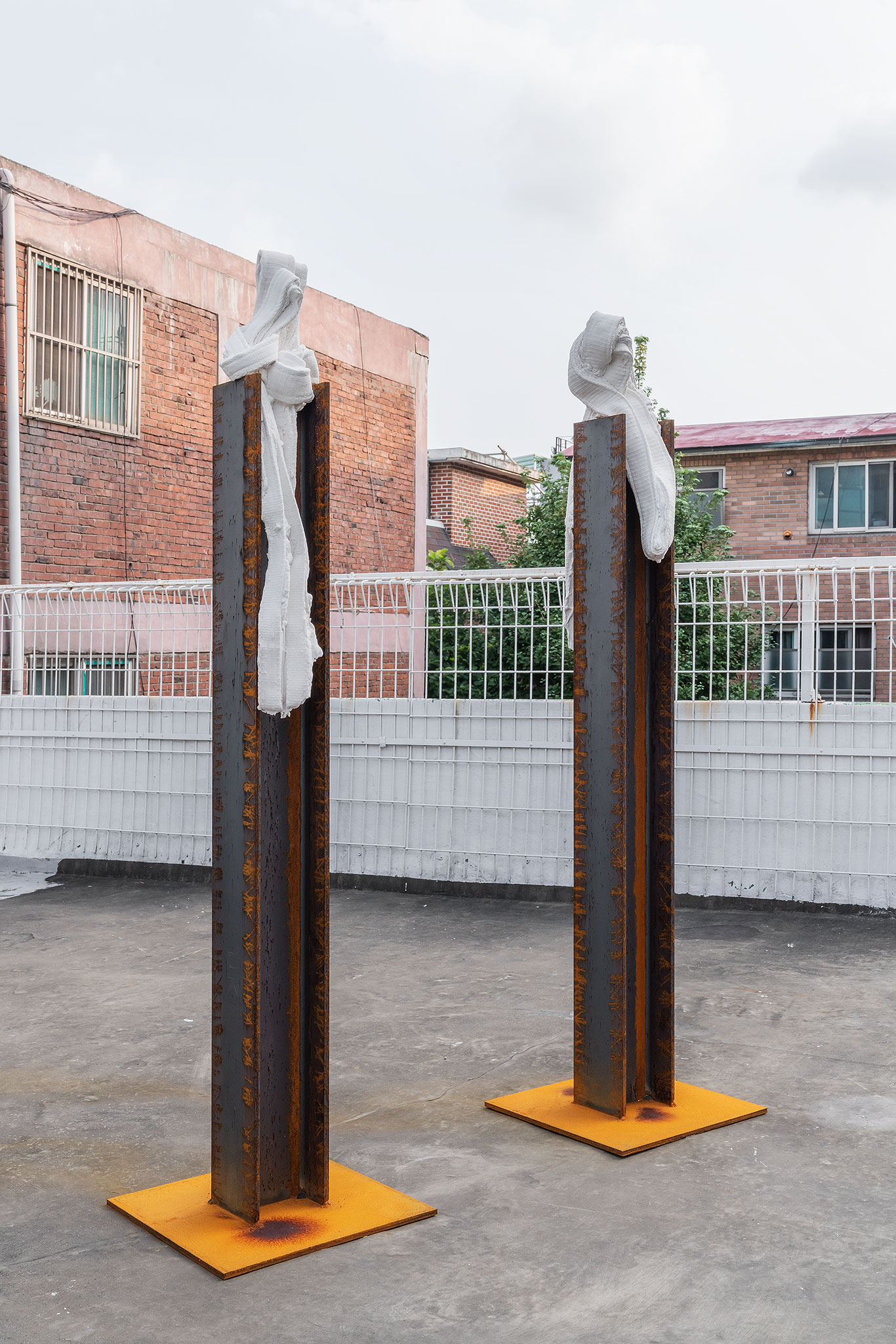
Kwon Yongju, Sling Belt 1-3, 2-4, 2022, H-beam, Jesmonite, 35 x 35 x 145 cm © Kwon Yongju

A Portal That Opens Possibilities

He has taken on side jobs to sustain his livelihood, working in exhibition space design and fabrication. When installing and staging exhibitions, he works in an assisting role. Yet this supporting work has provided him with insights for his artistic practice. Even within the industrial environments he frequently encountered, certain things particularly caught his eye.

“Objects people had discarded, or leftover materials found in factories and sets, piled up haphazardly without any particular order. You could say those forms possess a kind of expansiveness. When an object appears random and without rules, it becomes easier for people to find whatever form they want in it. I liked that expansiveness—the fact that even without a specific intention, viewers could interpret it however they wanted, seeing what they wanted to see.”

This expansiveness effectively leaves the realm of interpretation entirely to the viewer. Is an artist not someone who creates work with their own intentions and narratives? Where, then, are viewers meant to locate the artist’s intention and narrative? Kwon Yongju says that although there are many things he wants to communicate through his work, he does not mind if viewers deviate slightly from his own intentions and stories.

“We live in an age flooded with images. People tend to see images the way they want to see them. I don’t think there is any need for me to impose a strong intention if doing so would undermine that sense of expansiveness.”


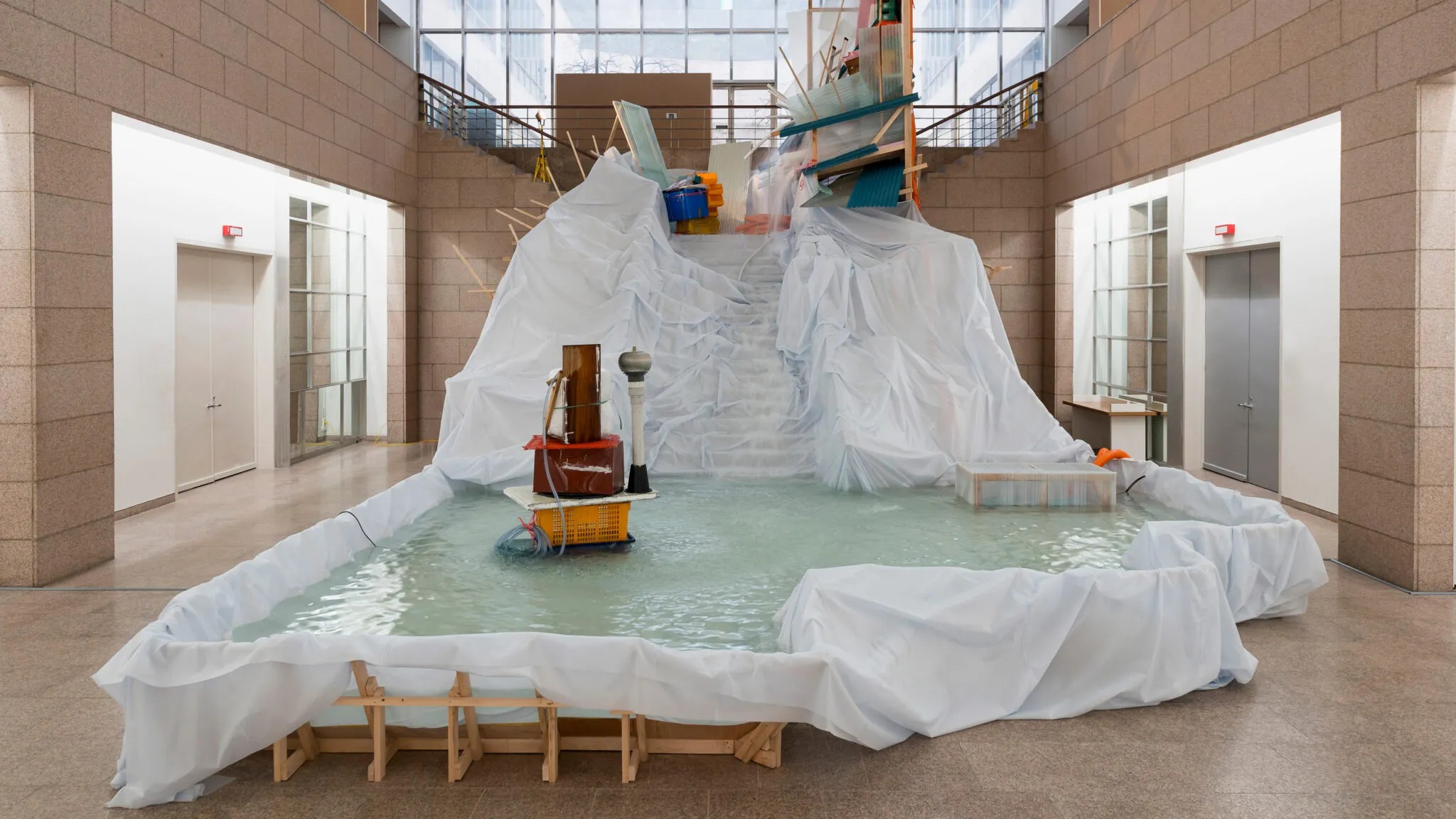
Installation view of 《Portal》 © Amado Art Space

Mediating Through Portals

Although the artist is generous toward the expansiveness of his work, his finger points toward another reality that is not easily visible. One subject he has found particularly compelling to research is the pigment industry.

“I visited an old pigment shop, and the owner’s stories were fascinating. He told me that an artist had wanted a product called ‘Rubine,’ within the ruby-color spectrum, and had kept contacting different suppliers trying to find it. From the perspective of someone working in art, when you hear ‘Rubine,’ you assume it refers to a standardized color, like ultramarine.
But it turned out to be nothing more than a product name. It was a specific color developed according to a particular chemical formula. A pigment shop that said it had a Rubine color sent over a sample, but it was a completely different color. I became interested in the pigment industry itself, as a field in which pigments are developed within the chemical industry, and that led me to begin researching pigments.”

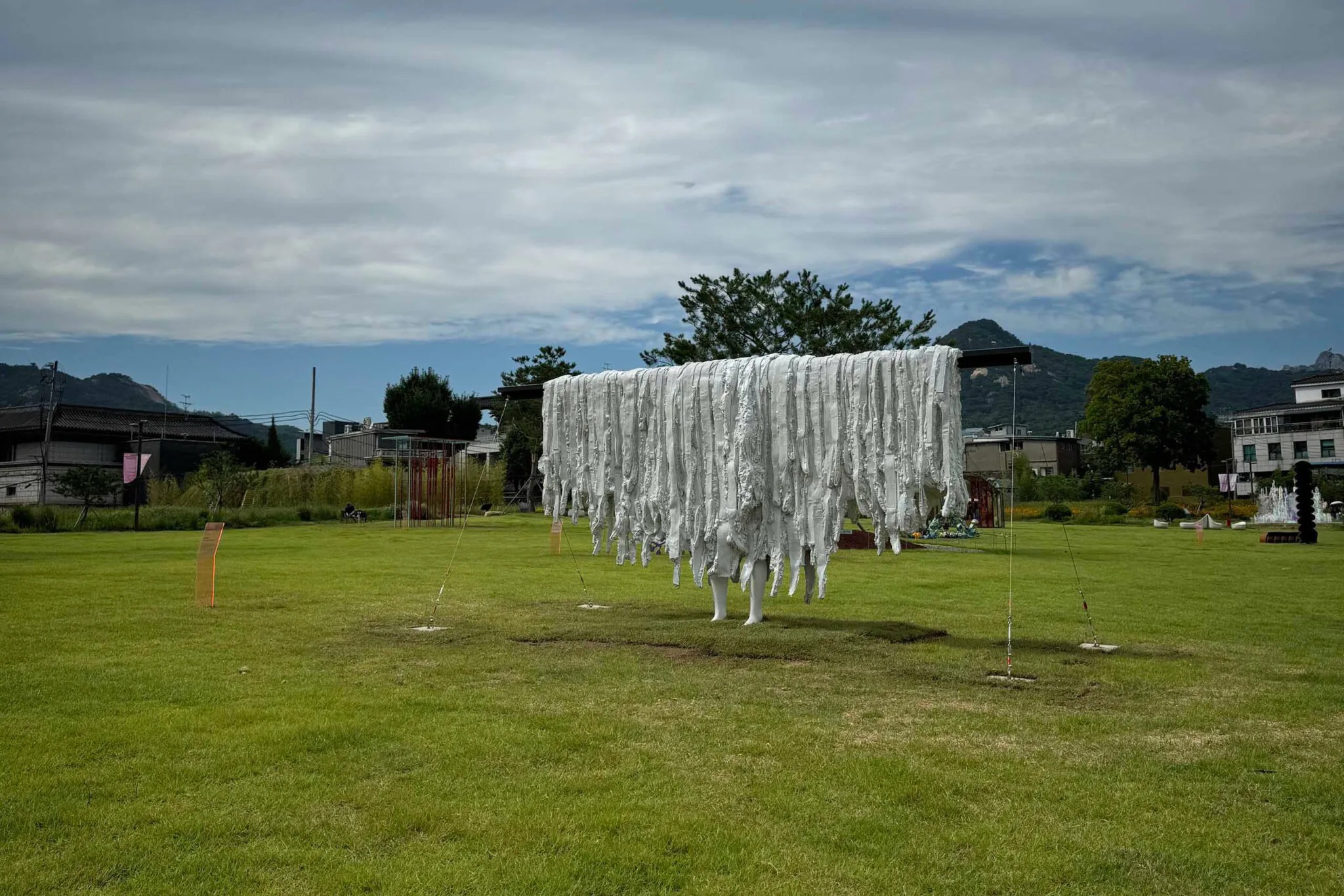
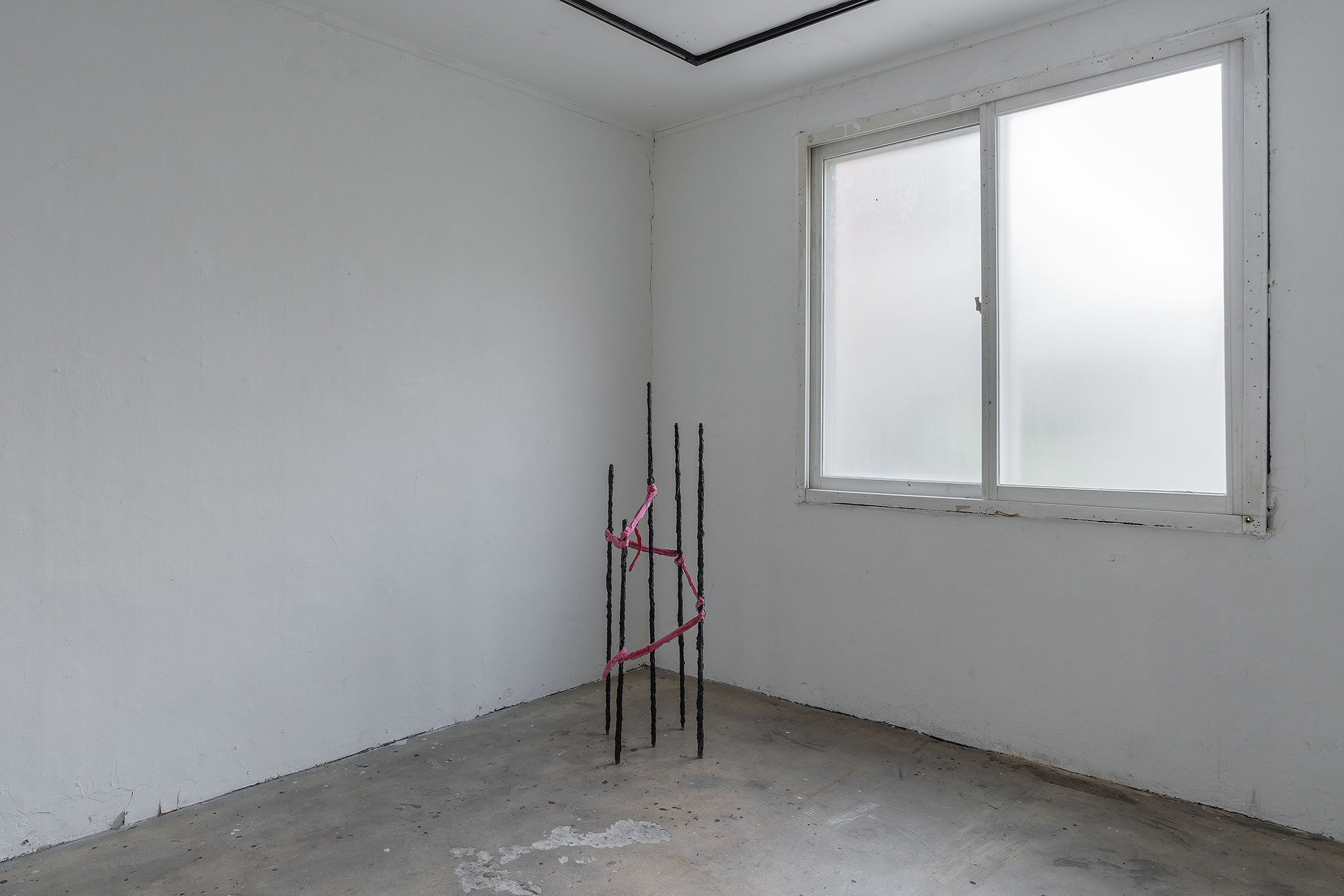
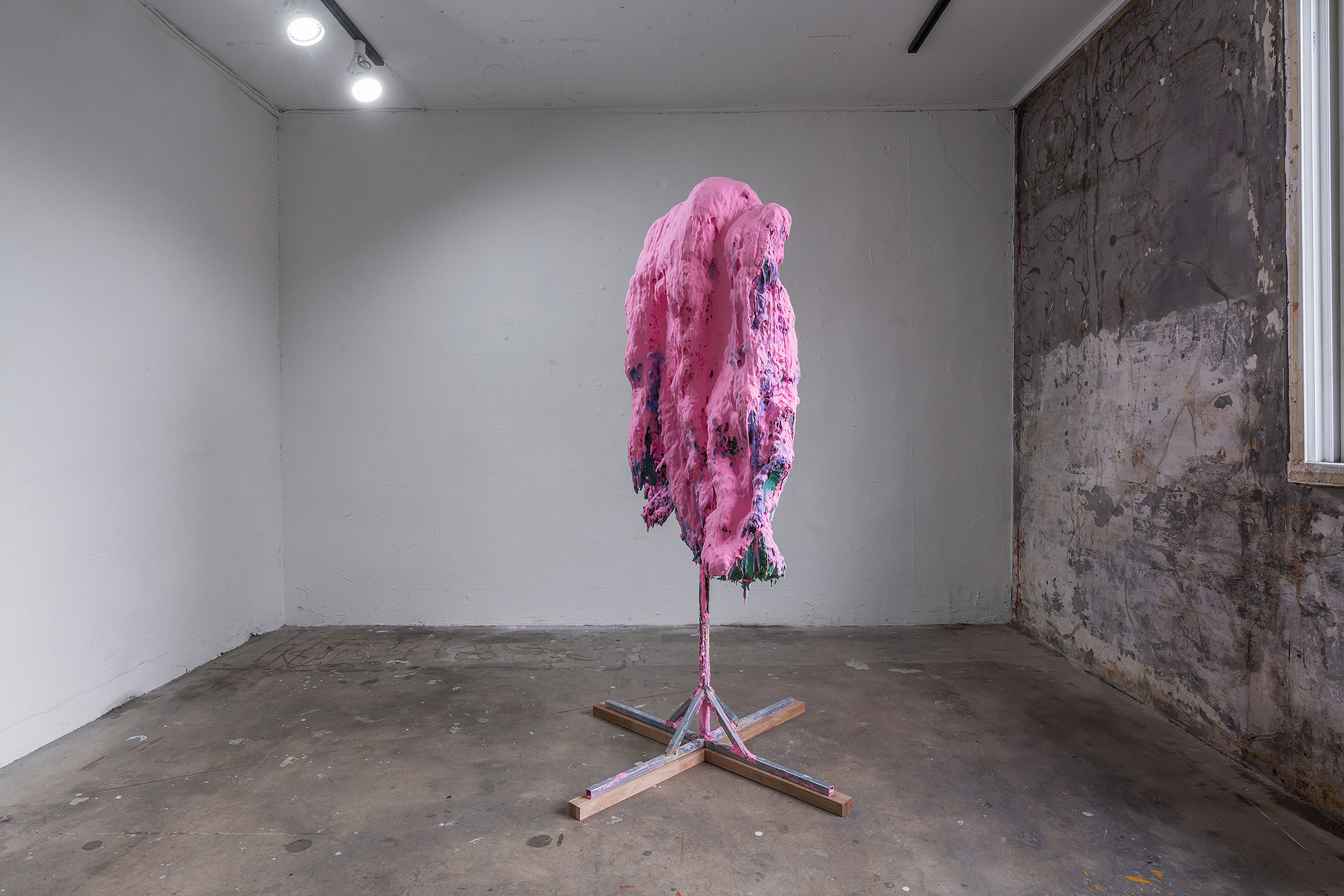
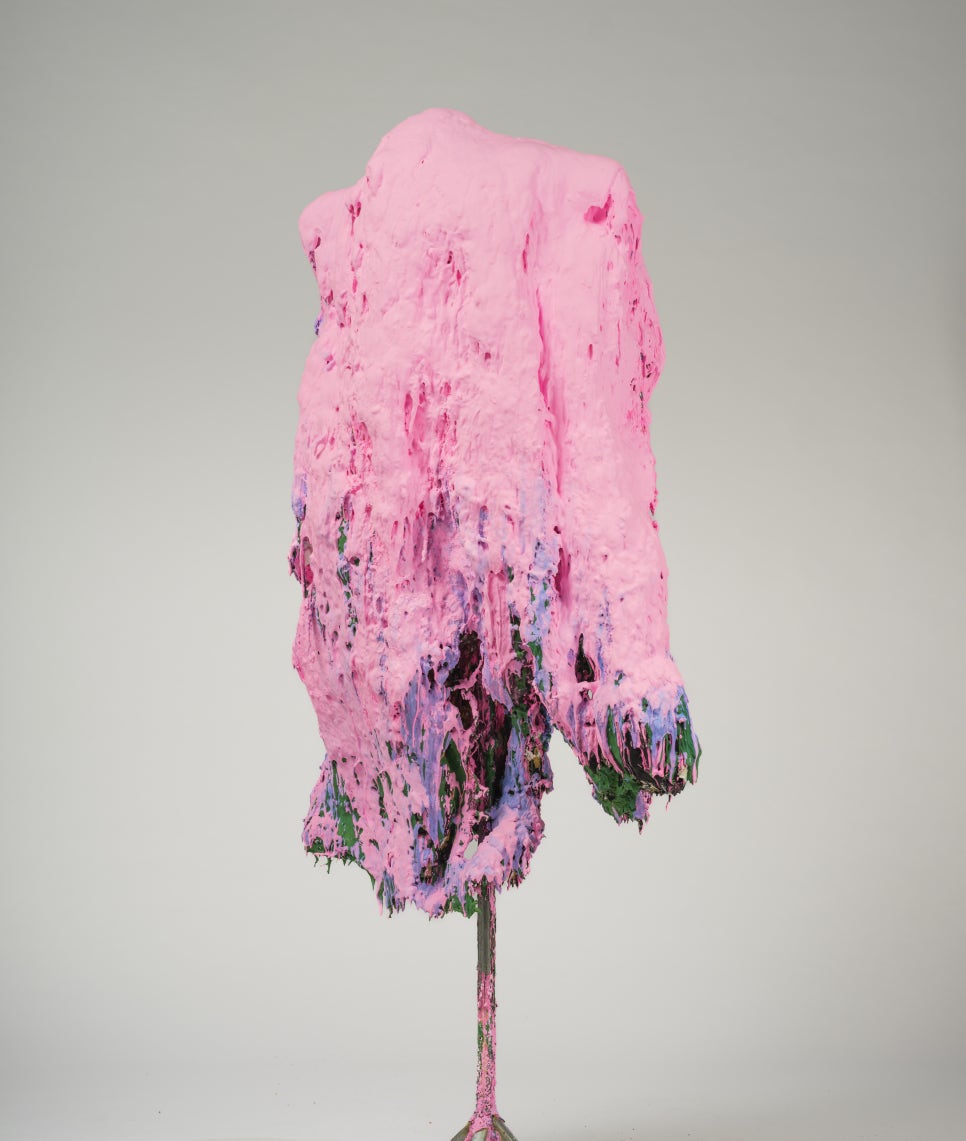
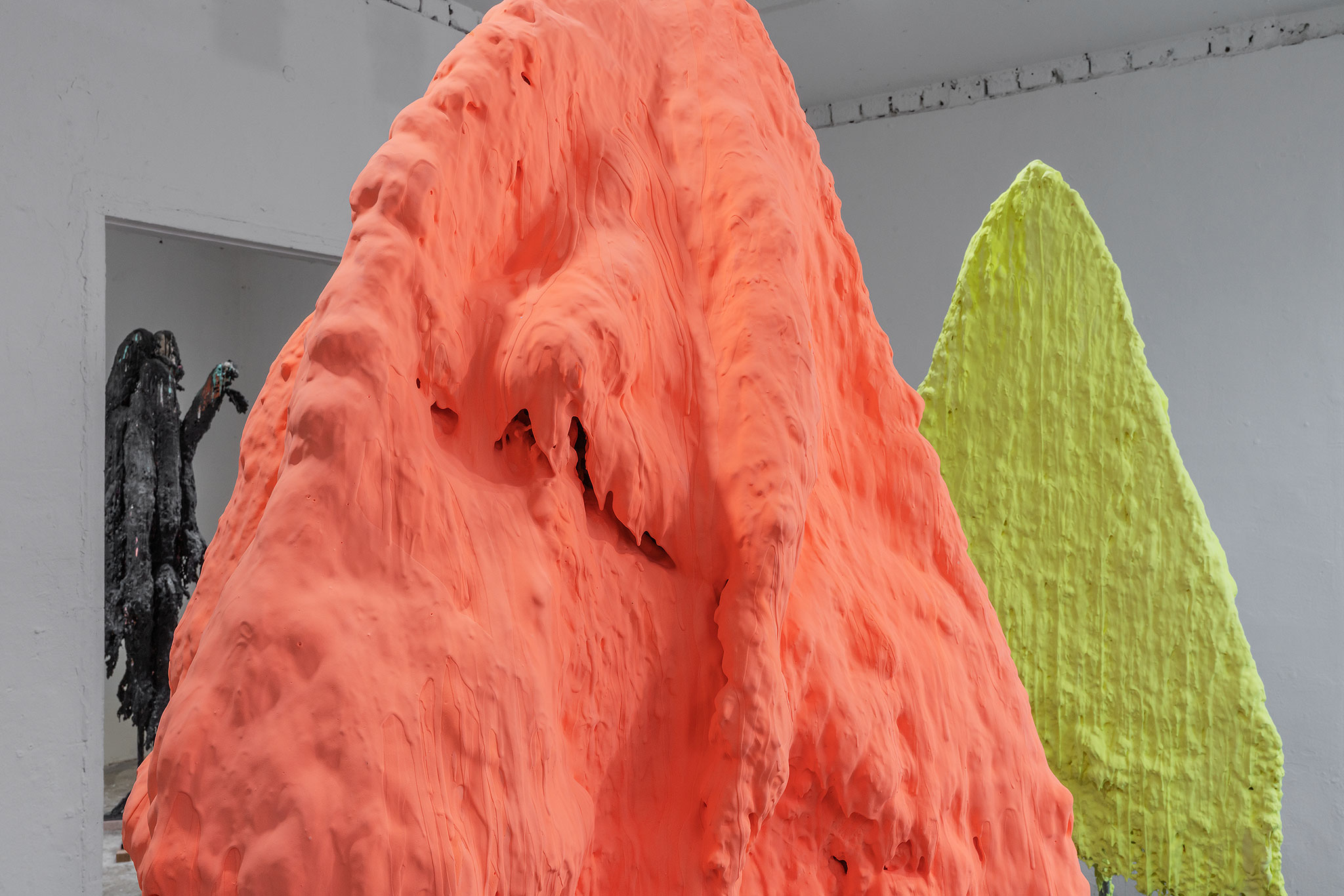
Kwon Yongju, Pink, 2022, Steel pipe, plaster, pigment, 82 x 82 x 160 cm © Kwon Yongju

While researching pigments, he discovered a connection between the pigment industry and imperialism.

“One or two hundred years ago, in the age of chemistry, if you developed a chemical formula and invented a new pigment, you could make a fortune. The history of pigments is not a romantic story. I found that the pigment industry has now been reorganized largely around China and India.

In the age of chemistry, licensed chemical formulas were far more important, so only countries such as Germany, the United Kingdom, and Japan—most of which operated empires or possessed colonies—had the industrial systems necessary for production. Today, most of those licenses have passed to China and India. China and India have now become the red ocean of the pigment industry, and Europe has begun reclaiming those licenses.”

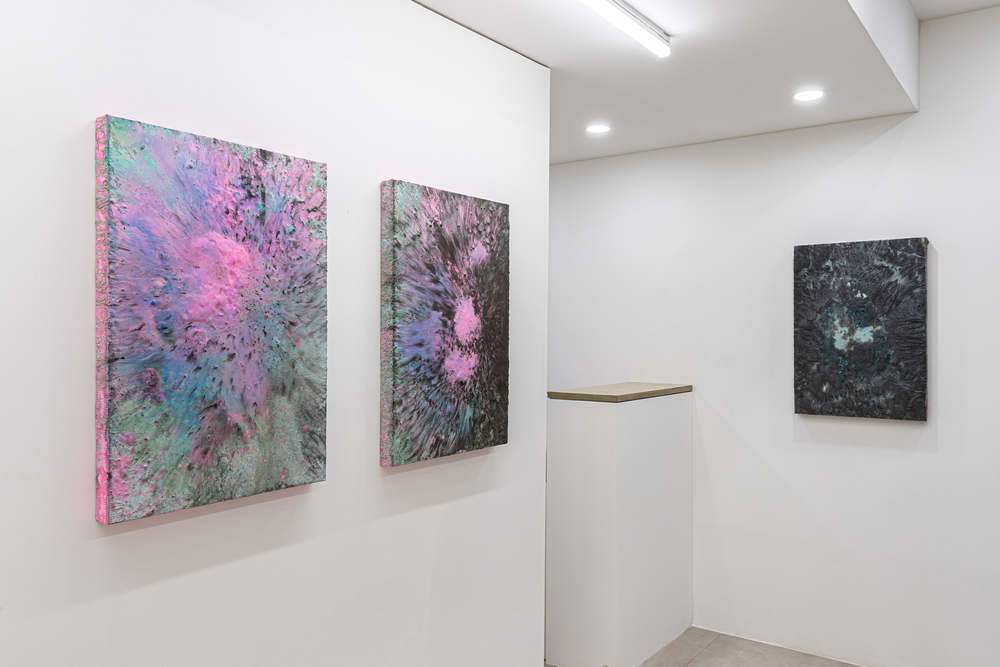
For the artist, pigment is an extremely familiar material. After confronting the vast history embedded in pigments and the shadow of imperialism that accompanies it, he sought to unfold the subject of the pigment industry through his own work. “I went to China to research workers in the pigment industry, investigating their concepts and thoughts about color and trying to translate them into sculptural forms.”

In 2020, he planned to visit factories in Hangzhou and Zhejiang Province, China, to investigate the pigment industry, whose products are used as industrial materials, in plastic production, and as art materials. When overseas fieldwork became impossible due to COVID-19, he instead interviewed material suppliers in Korea and incorporated pigment itself into his sculpture as a material.


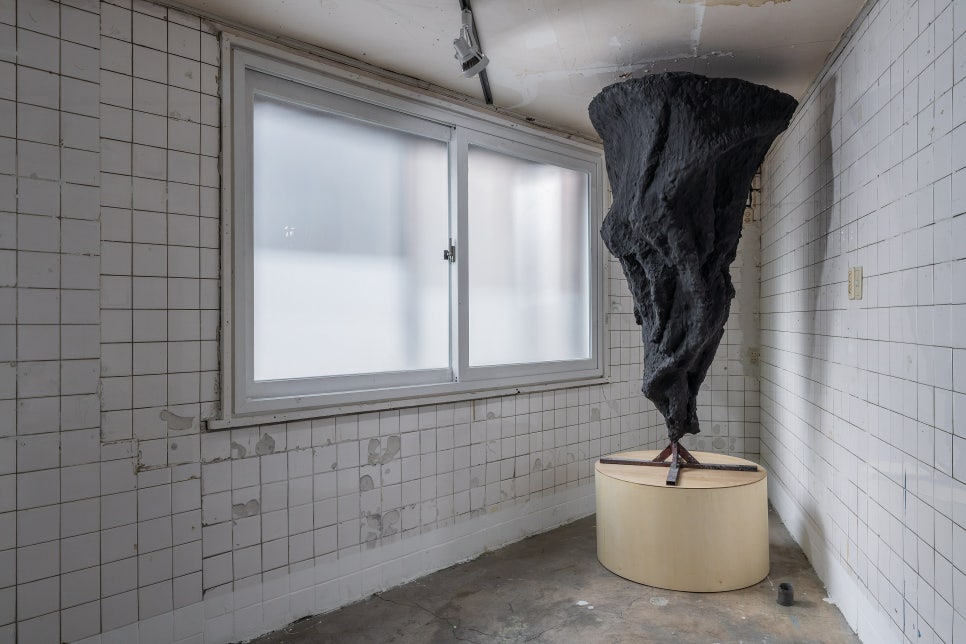
Kwon Yongju, Shade, 2022, Steel pipe, plaster, pigment, 85 x 98 x 175 cm © Kwon Yongju

I asked why, among the many possible subjects within the pigment industry, he chose to focus on workers.

“I think it was a place that produced red pigment. The eyes of a mine worker inspecting mineral pigments were the only white parts of his body; everything else was completely red. Mineral pigments, after all, come from digging up stone. The stone itself may possess a certain color, but when it is extracted from a dark mine shaft, it does not yet have a distinct color. The color emerges through the processes of extraction, crushing, and refining. I was curious about what workers feel when they dig out those stones. I was also curious about how the spectrum of colors they perceive might differ.”


Kwon Yongju, Rope, 2022, Steel rod, plaster, pigment, 30 x 33 x 125 cm © Kwon Yongju

Kwon Yongju is currently holding a solo exhibition at Amado Art Space. Through the exhibition, the artist sought to visualize the portal and realize the results of his pigment experiments in sculptural form. Alongside a reconsideration of his earlier works, he presents “works in process” imbued with his desire to recreate scenes he experienced at moments of the portal and with traces of his repeated experiments with chemical pigments.

His thoughts arising from social, economic, and political realities are clearly manifested in his installations and videos, yet they have also led him to seek different attitudes and methods within the sculptural process. These accumulated processes are layered and condensed within the works. When asked about his future plans, he replied, “I want to draw in even the unresolved remnants and connect them together. I want to make highly resolved abstract sculptures. By ‘resolved,’ I do not mean smooth or polished, but rather something made more complete within its context.”

He says that sculpture, unlike painting, is a medium in which it is difficult to focus solely on a single work. Materials require time to dry, and works often need to be observed over extended periods. His working method also intersects with the way he continually trains his vision to discover portals within reality and mediate them.

“If I keep holding on to just one work, my eyes become too accustomed to it, and I can no longer judge it properly.” The countless landscapes, scenes, and phenomena embedded in his works—and the portals he has captured: how will his persistent research be visualized in the future? The exhibition continues through the 25th.

References