Bosul Kim (b. 1981) has developed a multidisciplinary practice that explores the interconnectedness of humans and nature from an Eastern perspective, moving across the boundaries between reality and virtuality, media and performance.
 
Grounded in the holistic worldview inherent in Eastern philosophy, her work visually reveals how humans, nature, and living beings exist within a single, interconnected organic flow rather than as separate entities.
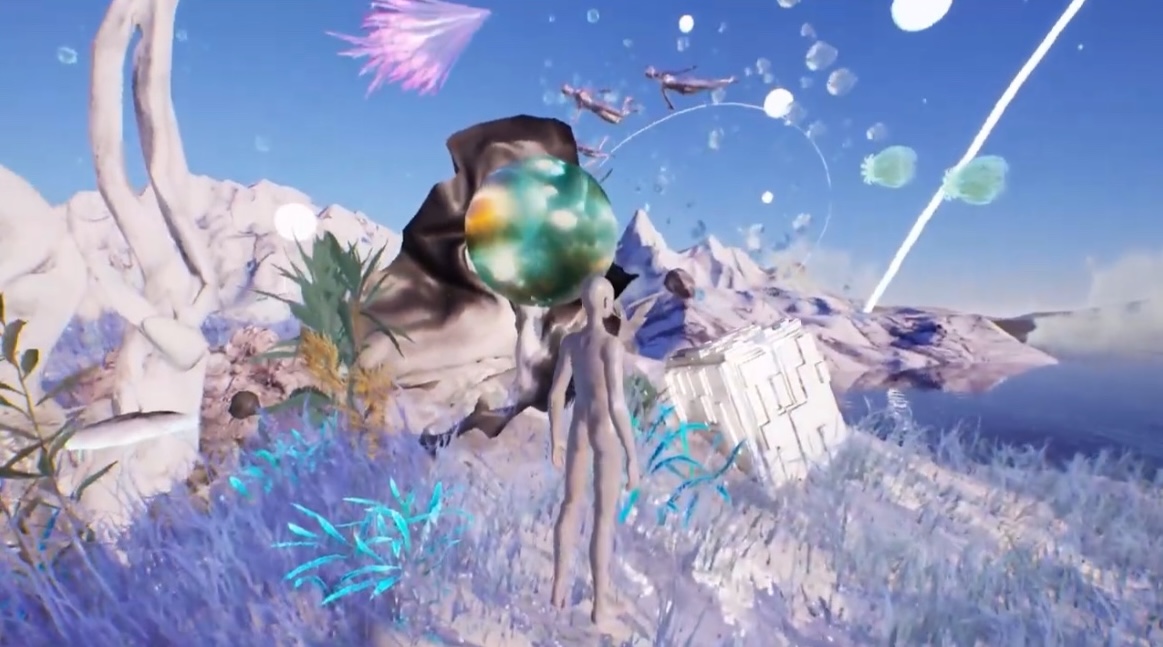

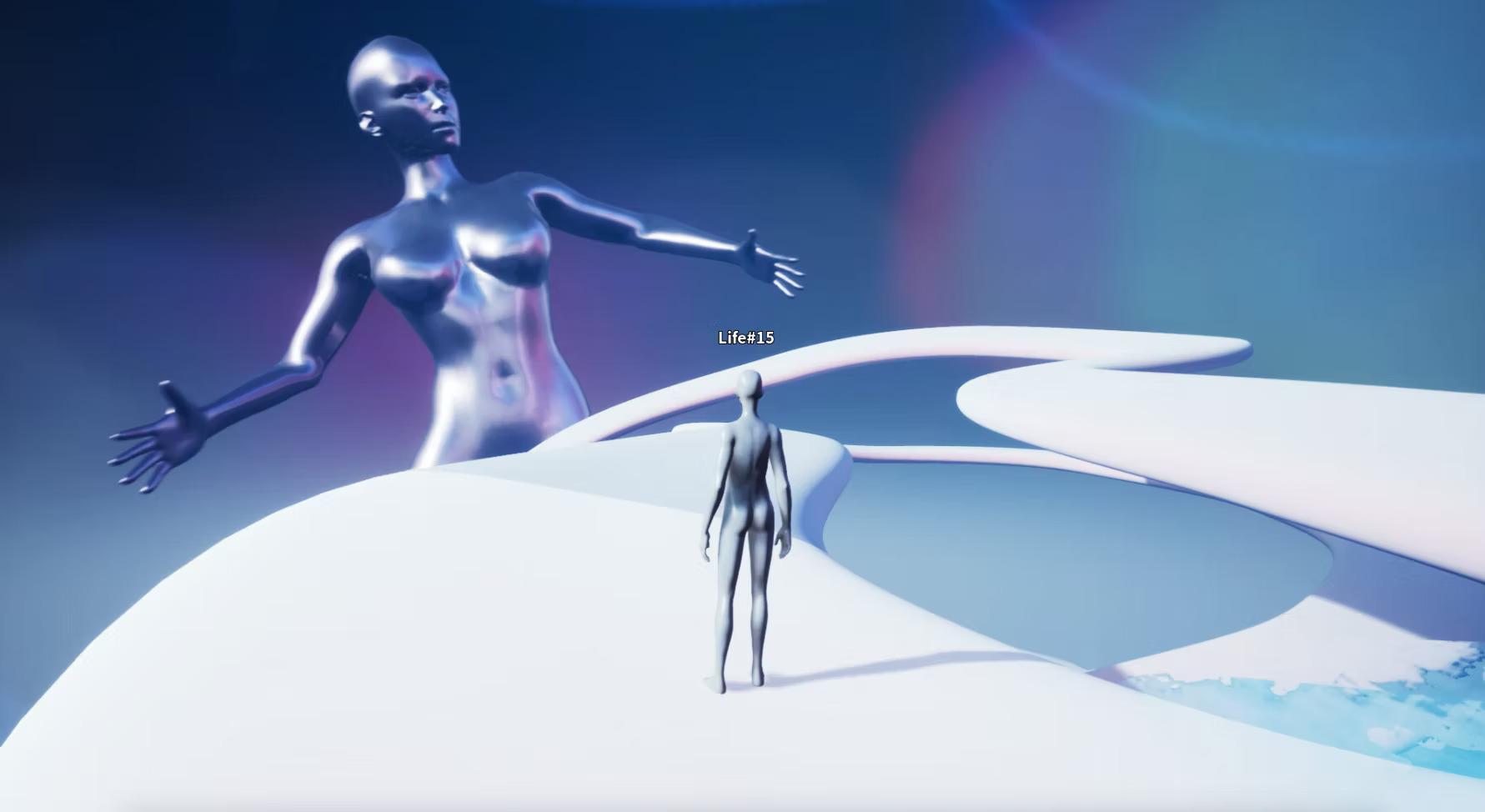
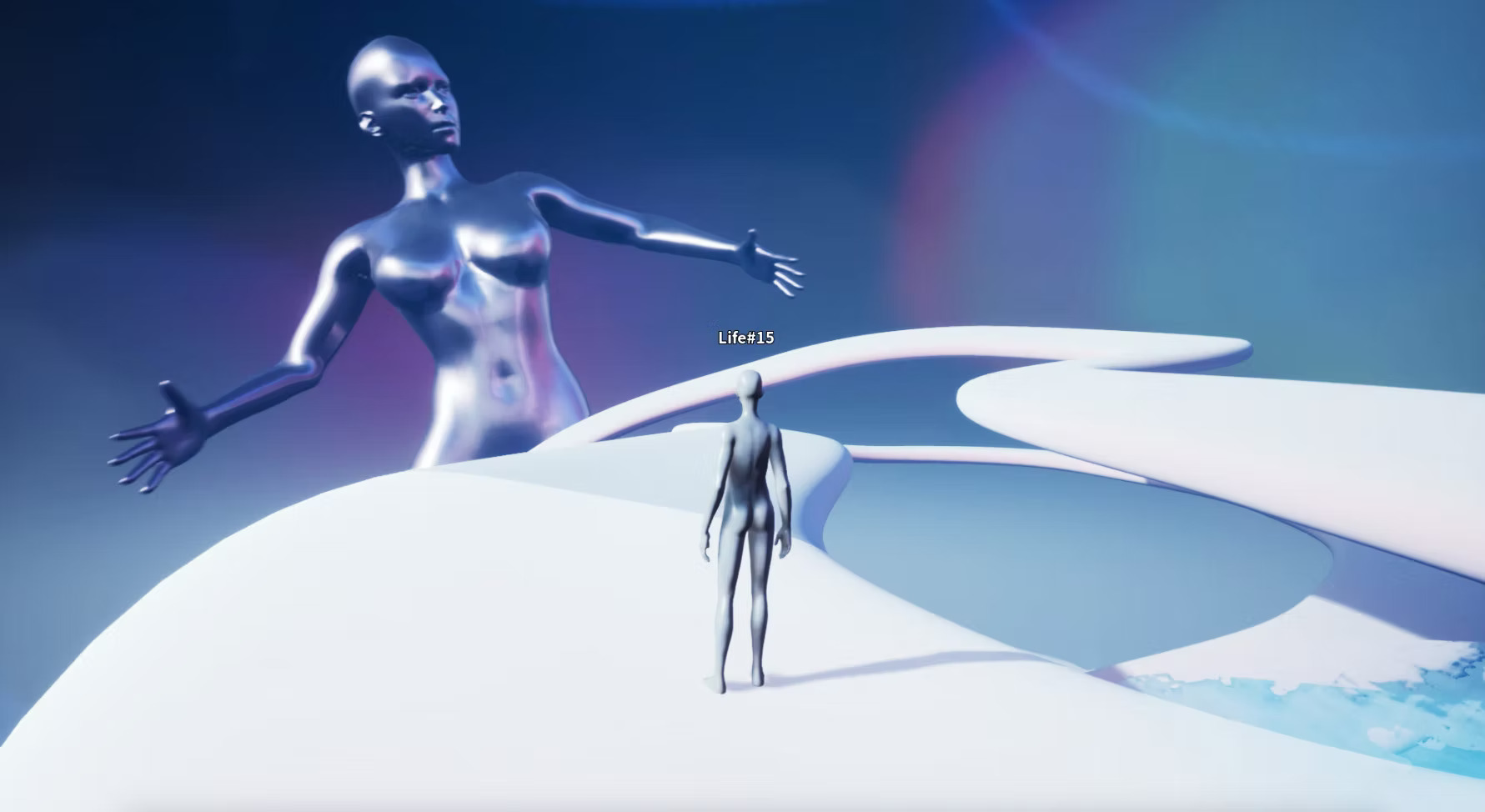
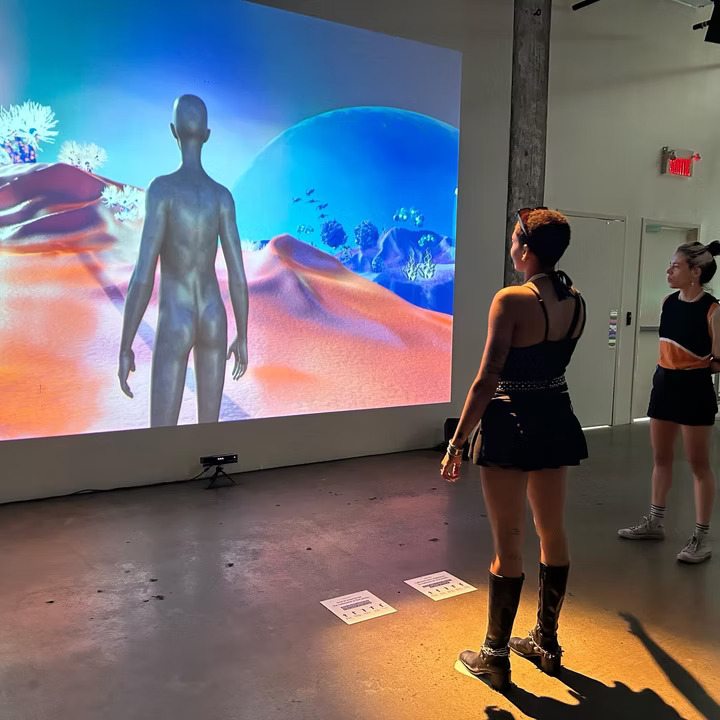
Bosul Kim, Hyper Connection: Embrace, 2024, Virtual Reality(VR) © Bosul Kim

Bosul Kim has created new sensory spaces and temporalities by reinterpreting Eastern archetypes and philosophies through a contemporary lens and actively incorporating cutting-edge technologies and media.
 
In particular, she expands on motifs drawn from Eastern philosophy, mythology, and folklore to propose ways of thinking about future ecosystems and modes of existence amid the environmental crises facing contemporary society, including climate change and rising sea levels.

 
The artist combines a range of technology-based media, including animation, AI and XR, motion capture, telematic performance, and the metaverse, to create immersive and multilayered sensory experiences. Through these practices, she dissolves the boundaries between reality and virtuality and explores new forms of existence at the intersection of the physical body and digital entities.
 
These experiments emerge at the intersection of art, science, and philosophy, extending beyond mere visual spectacle to expand our understanding of future life and the environment through an expanded perception and sensory experience.


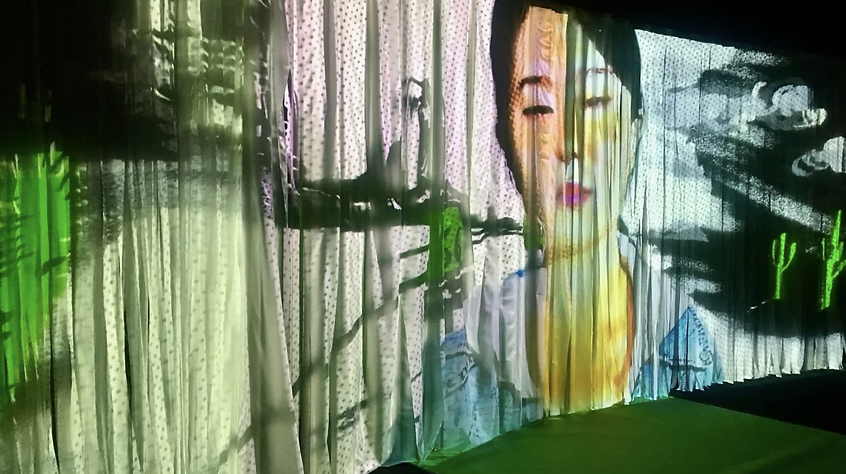
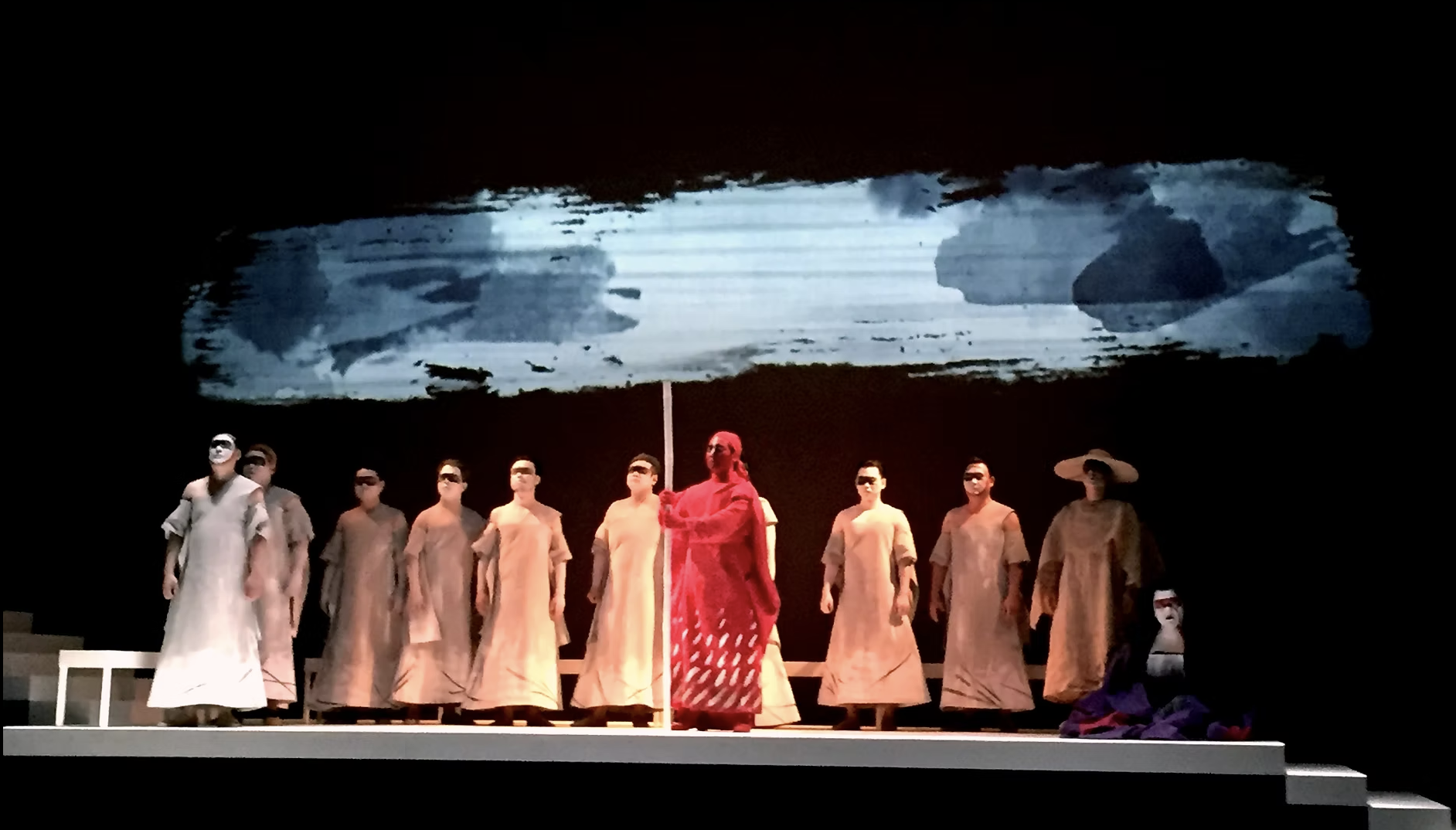
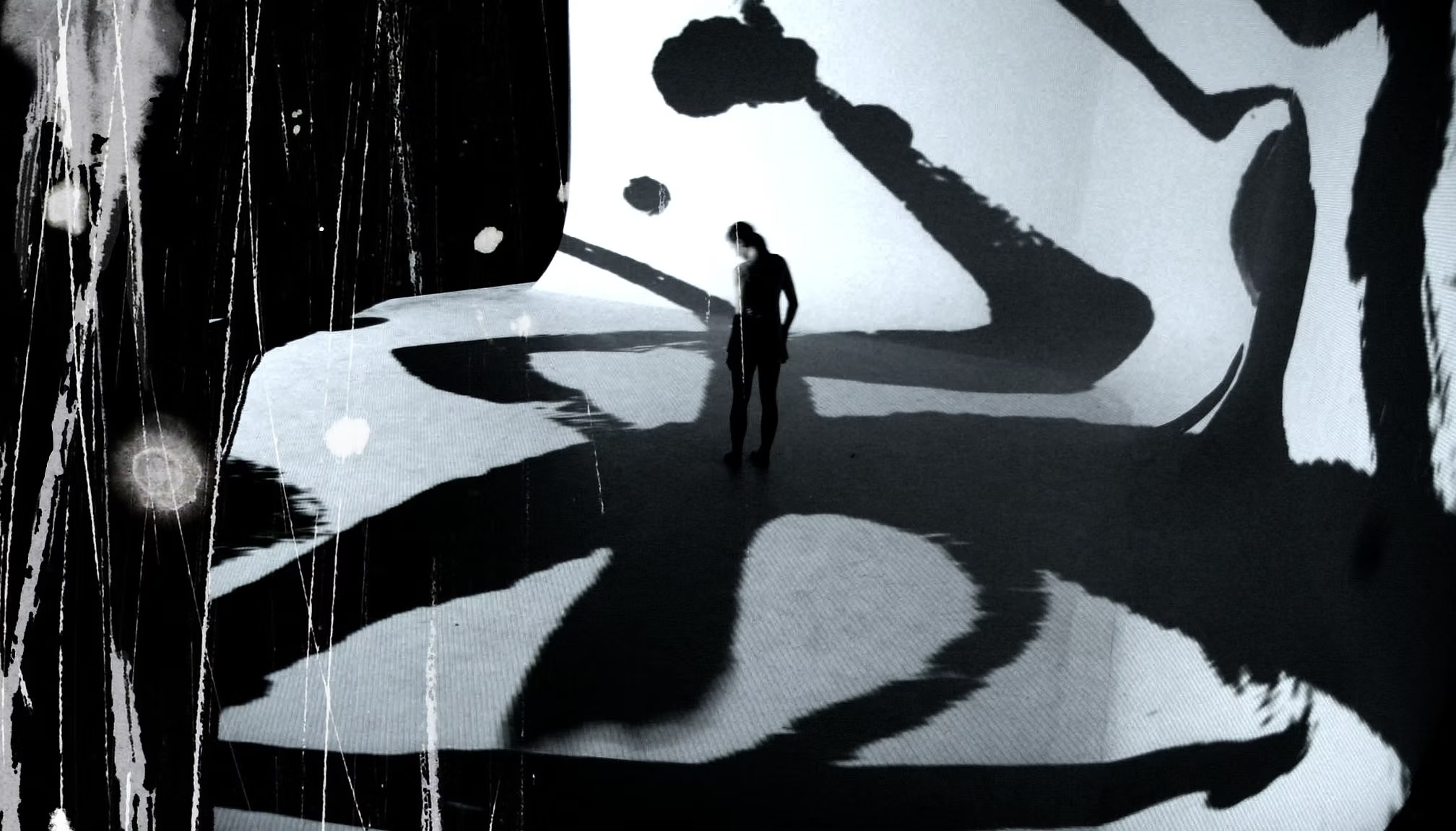
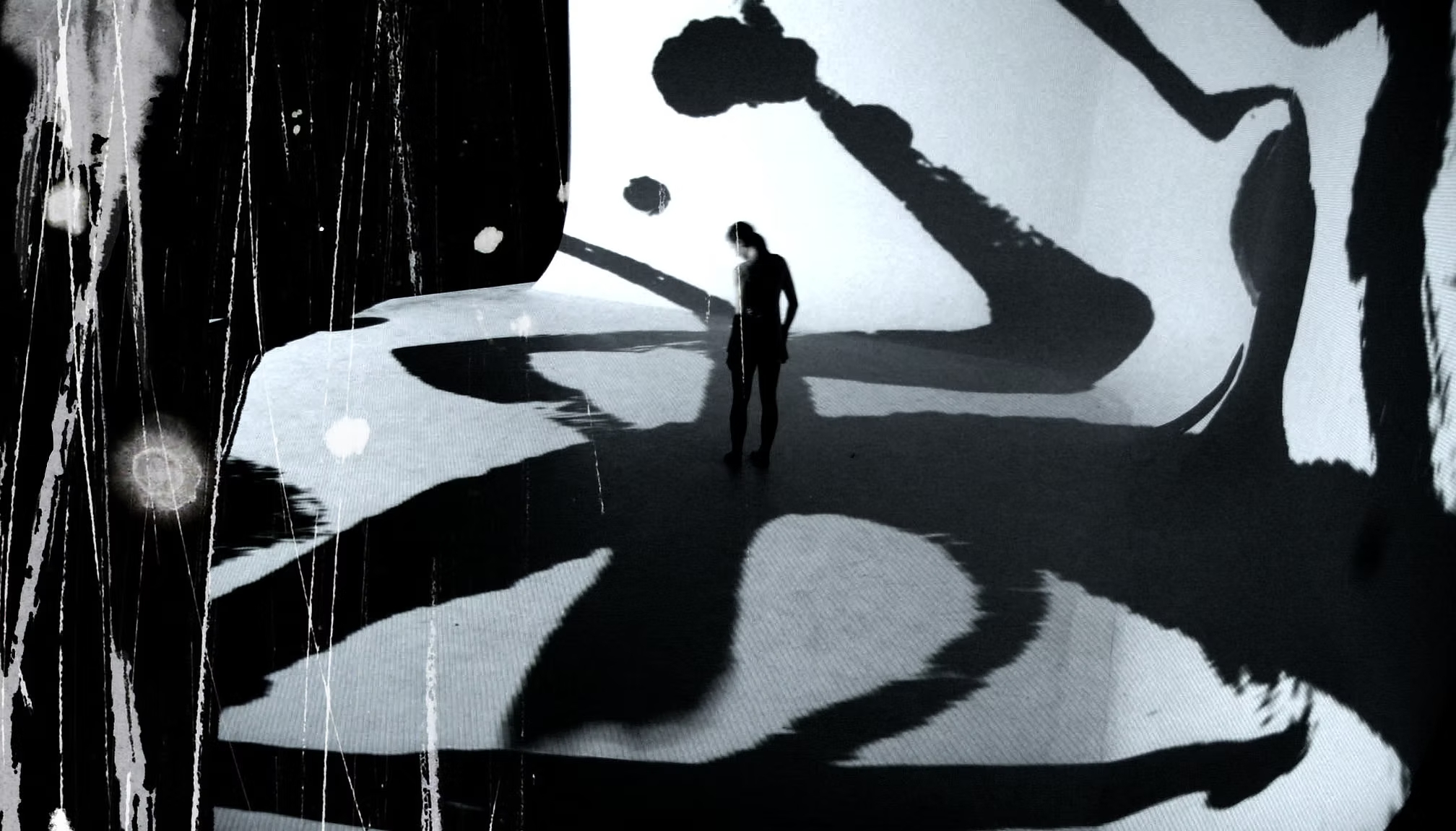
Bosul Kim, Shadow, My Shadow, 2009, Multimedia performance © Bosul Kim

One of Bosul Kim’s early works, Shadow, My Shadow (2009), is a multimedia performance that depicts a journey of confronting the self and one’s inner world through a combination of video, choreography, and animation. In this work, the artist sought to move beyond the confines of traditional ink painting and create a new spatial experience by combining its aesthetics with digital media.
 
Within the space created by brushstrokes on traditional Korean paper, dots emerge and come alive, while the protagonist enters a deep inner world. Encountering the self and its shadow, as well as imagined animals and other living beings, the protagonist ultimately returns to the dot at the end of the journey.
 
This return signifies an ongoing cycle of growth, discovery, and continuity, expressing the idea that within the circle, beginning and end are one.


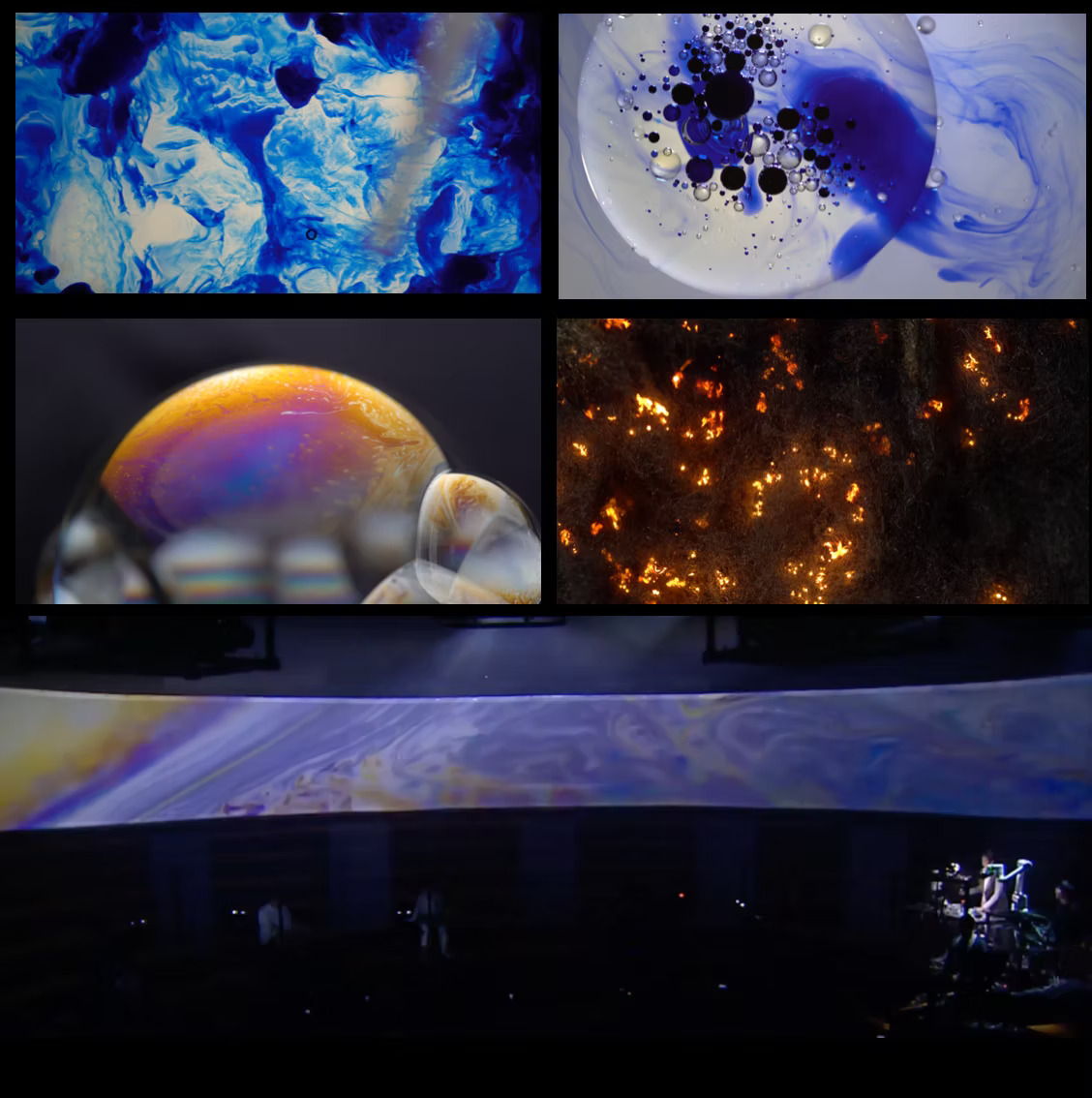
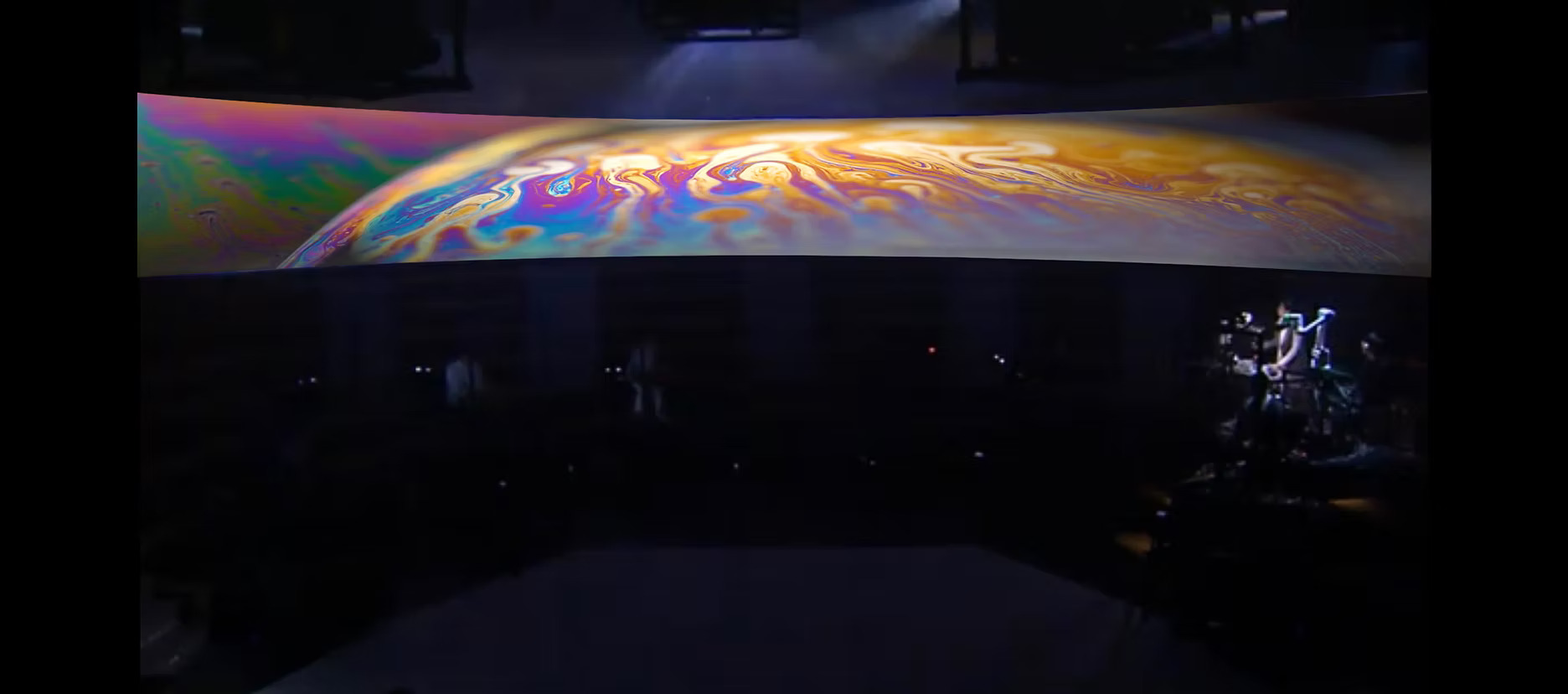
Bosul Kim, Changing Tides, 2016-2020, Broadband Telematic Concert © Bosul Kim

Meanwhile, in Changing Tides, a work initiated in 2016, Bosul Kim created an innovative telematic performance that enabled musicians and visual artists based in the United States and Korea to collaborate in real time.
 
In this work, the artist employed holographic technology, live painting, and data visualization to address environmental issues from a transnational perspective through the languages of music and moving image.
 
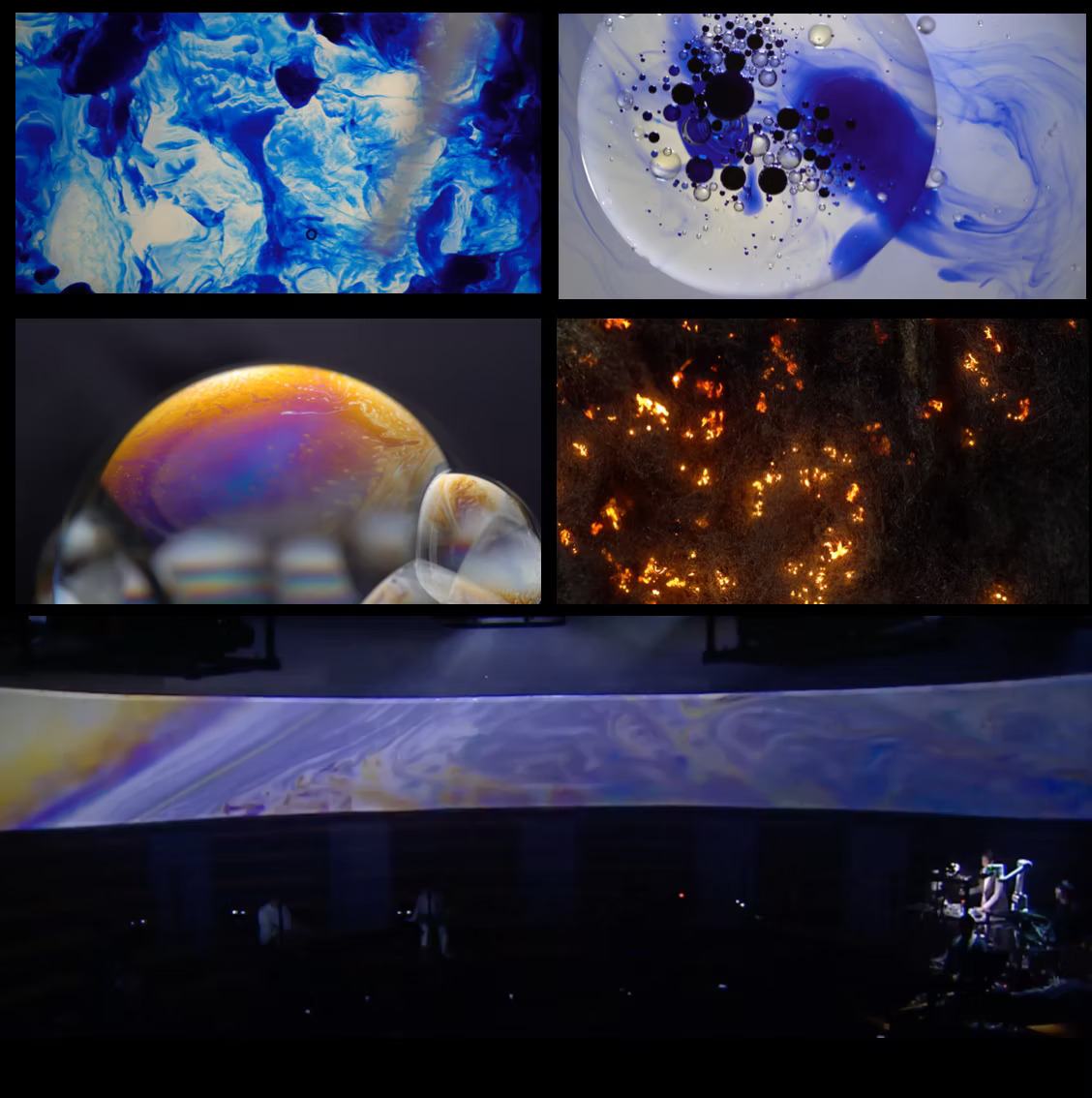
Under the concept of a “Requiem for the Earth,” Kim drew on the Five Elements of Eastern philosophy to explore the principles of circulation and unity, combining microscopic perspectives and imagery of living organisms with a live painting system, video art, and kinetic robotic art.


Bosul Kim, Changing Tides, 2016-2020, Broadband Telematic Concert © Bosul Kim

In this way, Bosul Kim has explored microscopic worlds as though viewed through a microscope, discovering the vastness of the universe within the smallest of things and drawing parallels between the origins of life and the Five Elements of Eastern philosophy to reflect on the world, humanity, and life.
 
In contrast to the traditional Western worldview, which has positioned humans as controllers of nature and treated the microscopic world as an object of use and study, Kim’s practice, grounded in Eastern philosophical thought, places humans and nature on equal footing.
 
In her work, the microscopic world is not subordinate to the vast universe but is instead portrayed as an entity that encompasses something even greater.


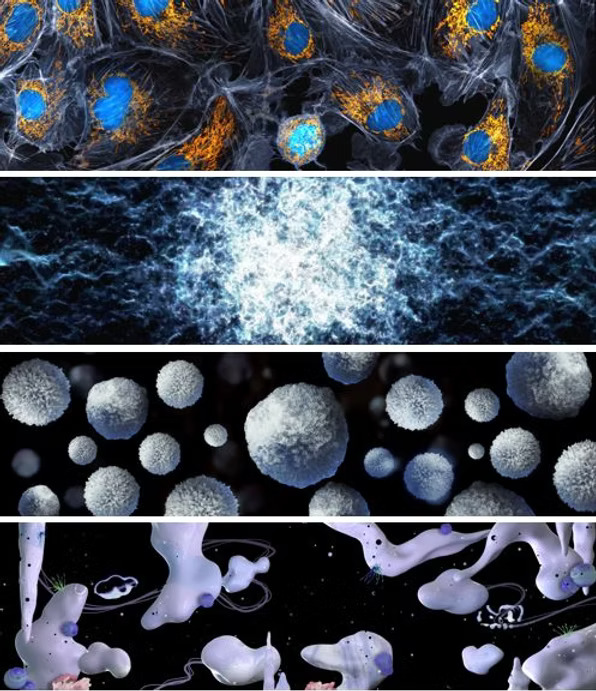
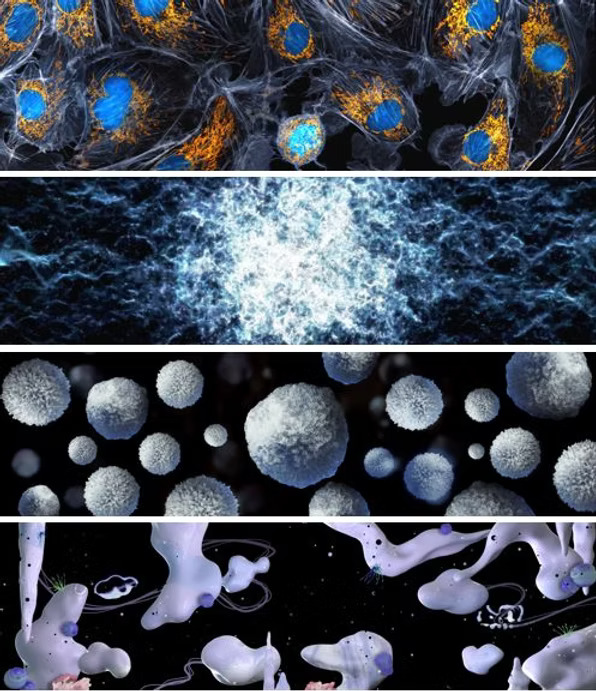
Bosul Kim, MICRO Cosmos, 2020, Microscopic image, data visualization © Bosul Kim

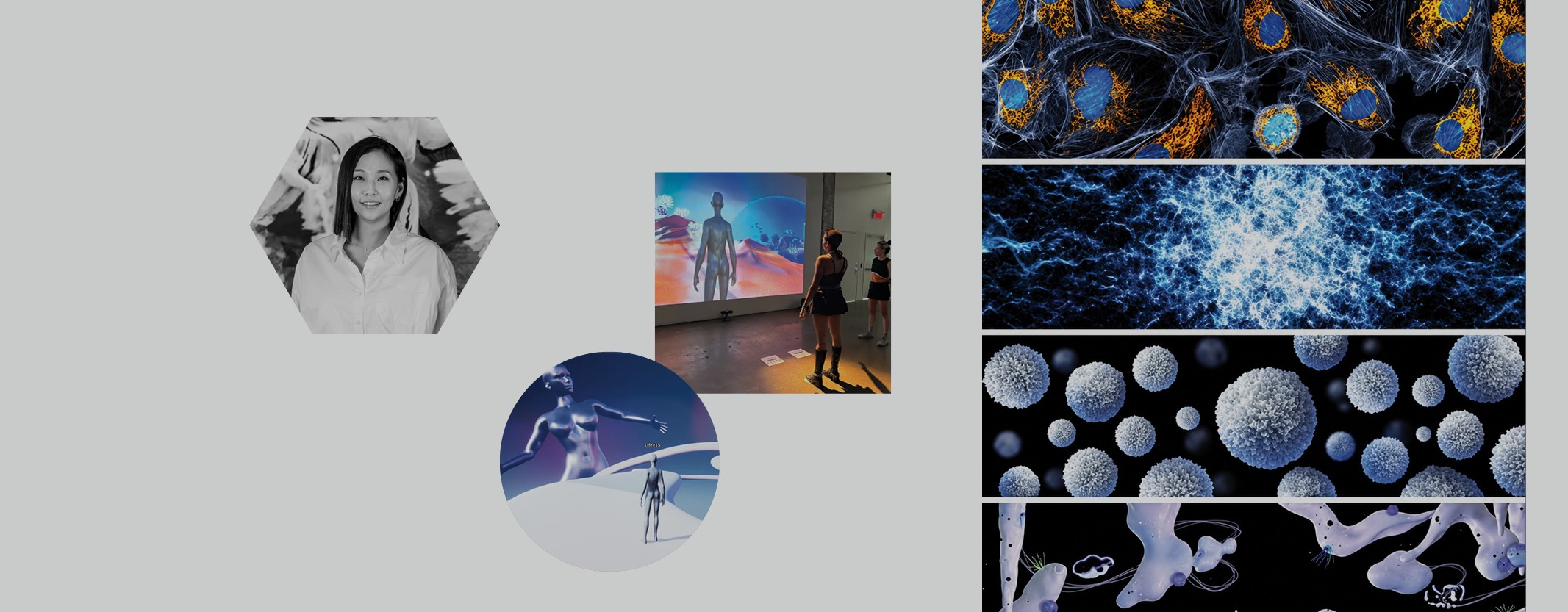
The artist’s perspective on the microscopic world is particularly evident in MICRO Cosmos (2020). Part of the telematic performance series ‘Vital Signs’, the work combines real-time data visualizations of the brainwaves and pulse rates of artists located in Korea and New York with microscopic images generated through microscopy.
 
The resulting landscapes of the microscopic world unfold across the screen, evoking the sensation of looking through a microscope at an immense universe or at cells within the human body, magnified to an enormous scale.


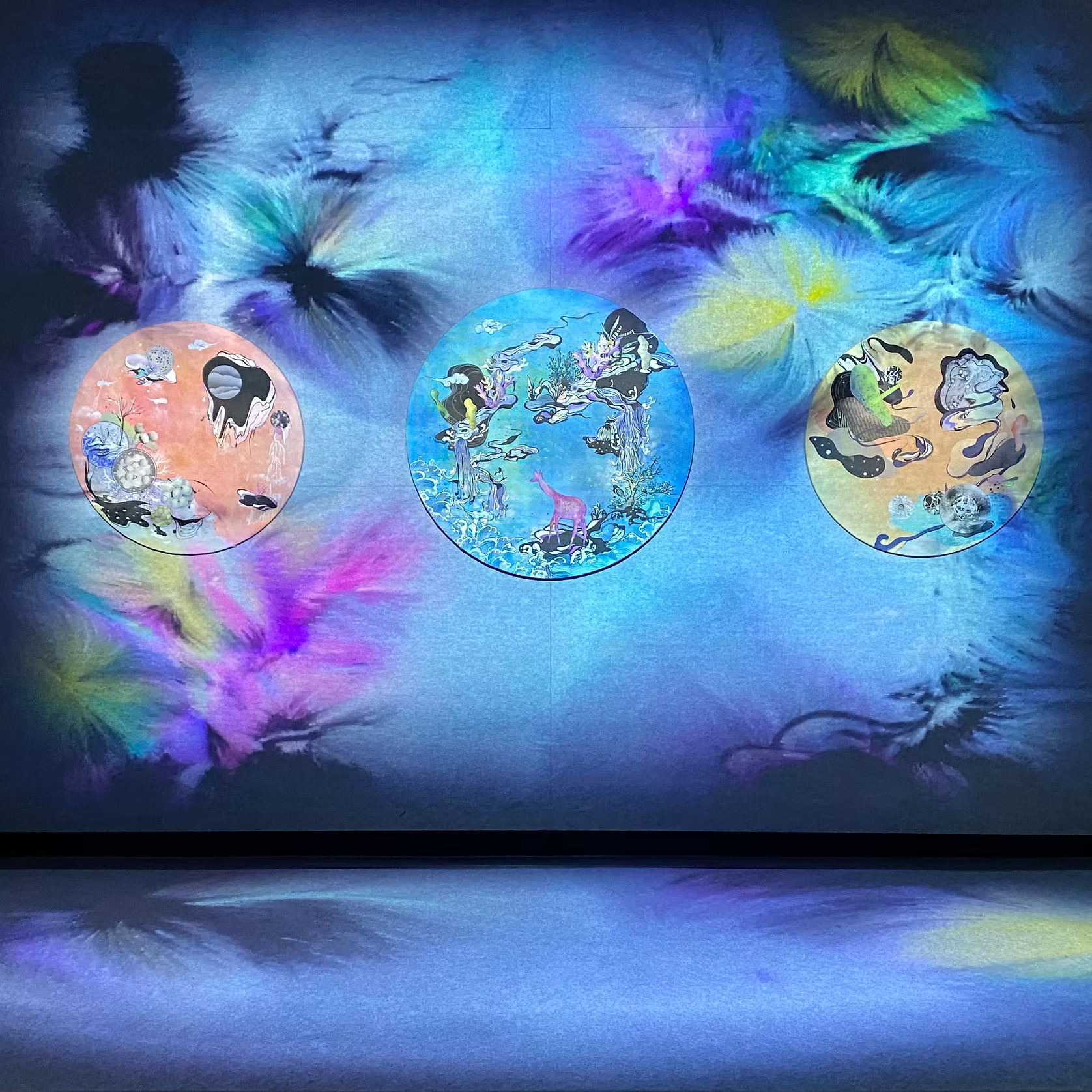
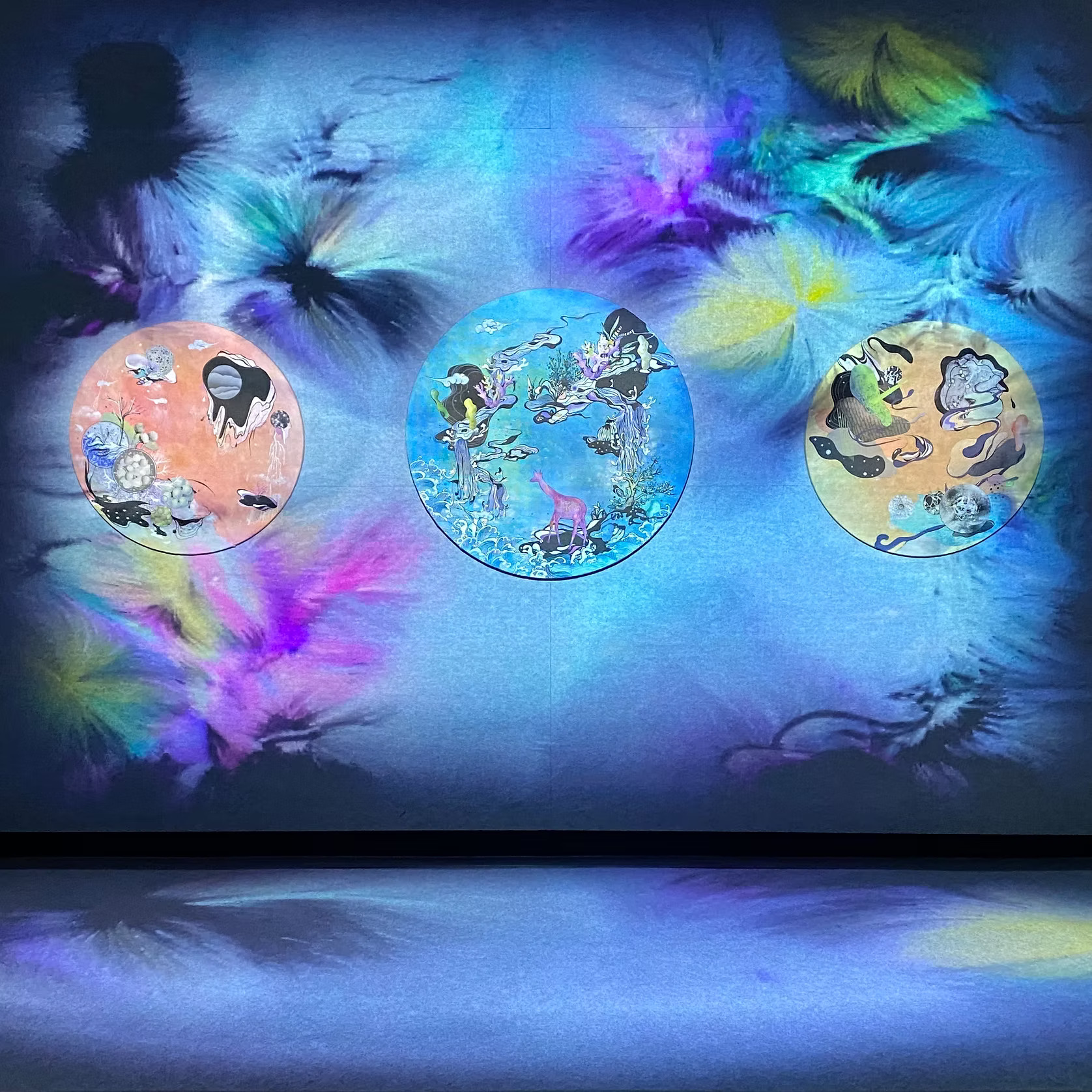
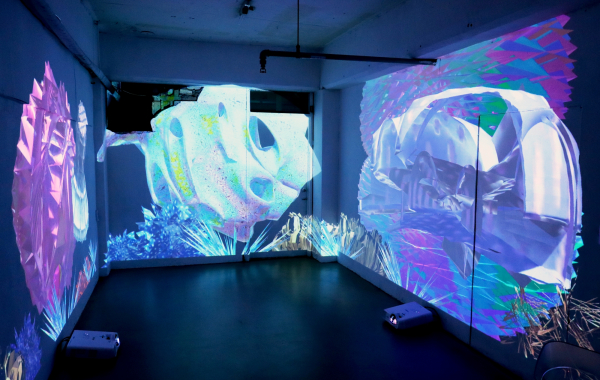
Bosul Kim, Micro Macro Loop, 2021 © Bosul Kim

In Micro Macro Loop (2021), Bosul Kim draws on the ancient Eastern understanding of the universe, in which all things are composed of yin and yang and interpreted through the changing and circulating energies of the Five Elements.
 
Focusing on the Five Elements—Wood, Fire, Earth, Metal, and Water—as a foundation of Eastern philosophy and a principle underlying the myriad forms of existence, she uses them as motifs to create a series of interconnected images.
 
Combining this Eastern perspective with her own imagination, Kim depicts a microscopic world that, when viewed through a microscope, resembles the vastness of the universe—a boundless world of life that exists even beyond what is visible.
 
By integrating projection mapping, augmented reality (AR), and music with physical works rooted in traditional East Asian painting, the work invites a more synesthetic reflection on the relationship between humans and nonhuman beings.


Bosul Kim, Hybrid Nature, 2022, Metaverse play © Bosul Kim

Furthermore, in her 2022 work Hybrid Nature, Bosul Kim addresses the climate crisis and environmental concerns facing humanity through the lens of traditional Eastern philosophies and archetypes, proposing a virtual world in which humans and nature are interconnected through metaverse technology.
 
The artist discovers the beauty of the microscopic world inherent in life and expands the infinite worlds contained within it into virtual space.


Bosul Kim, Hybrid Nature, 2022, Metaverse play © Bosul Kim

In this metaverse world, viewers become avatars and explore a realm where Eastern and Western mythology, history, and culture coexist, navigating a virtual world inspired by the Five Elements, the five substances believed to constitute all things.
 
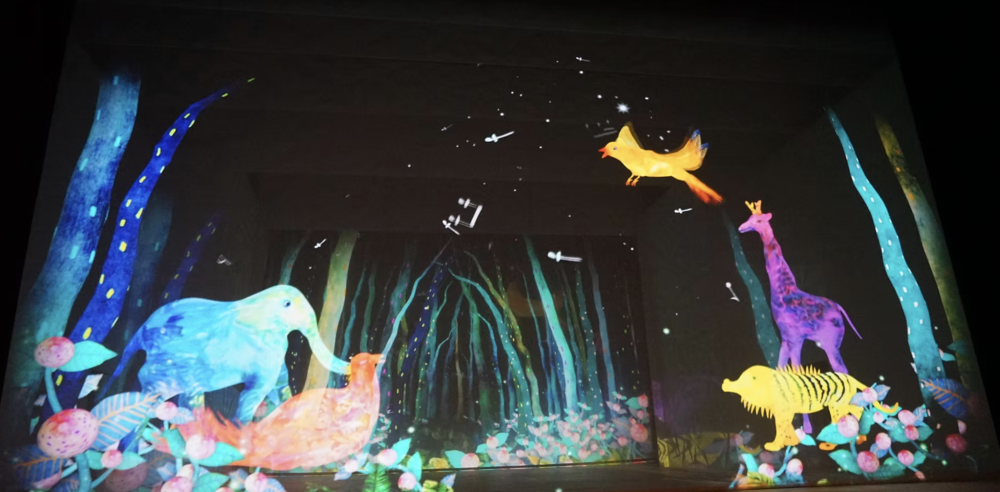
They encounter a surreal environment populated by flora and fauna shaped by extreme climate change, genetic mutations, and chimeric imagination through a synesthetic combination of sculpture, music, and NFT art.
 
Through this experience, Kim enables viewers to discover the fundamental value of life and to experience the organic relationship between humans and nature, as well as the meanings of the emergence, disappearance, and cyclical nature of life.


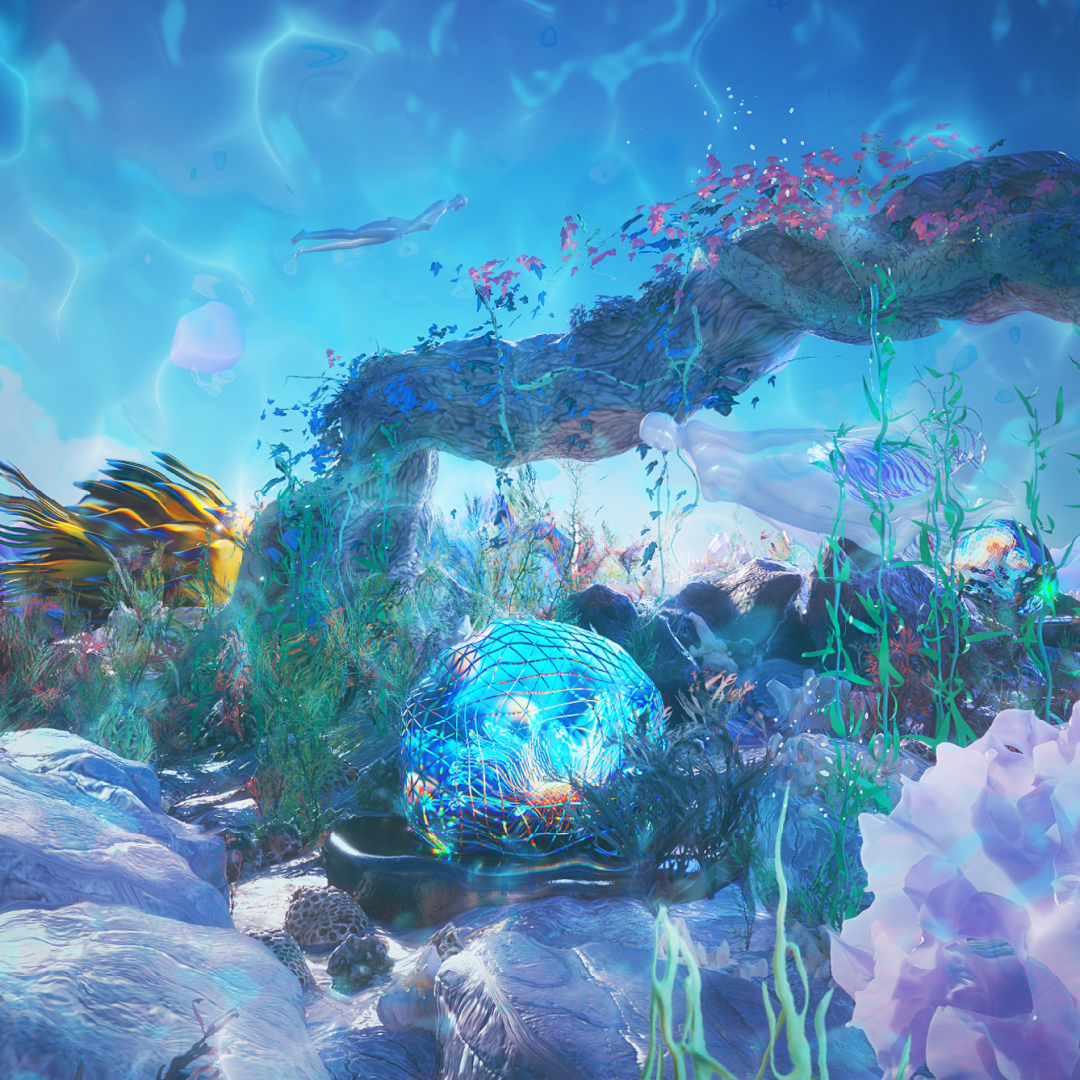
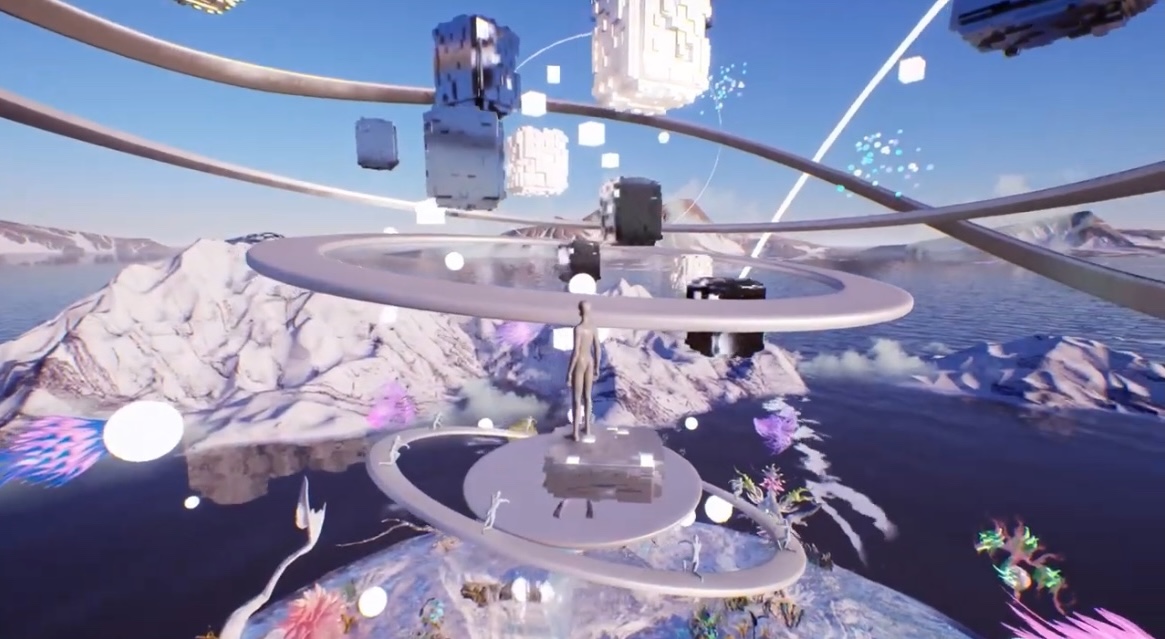
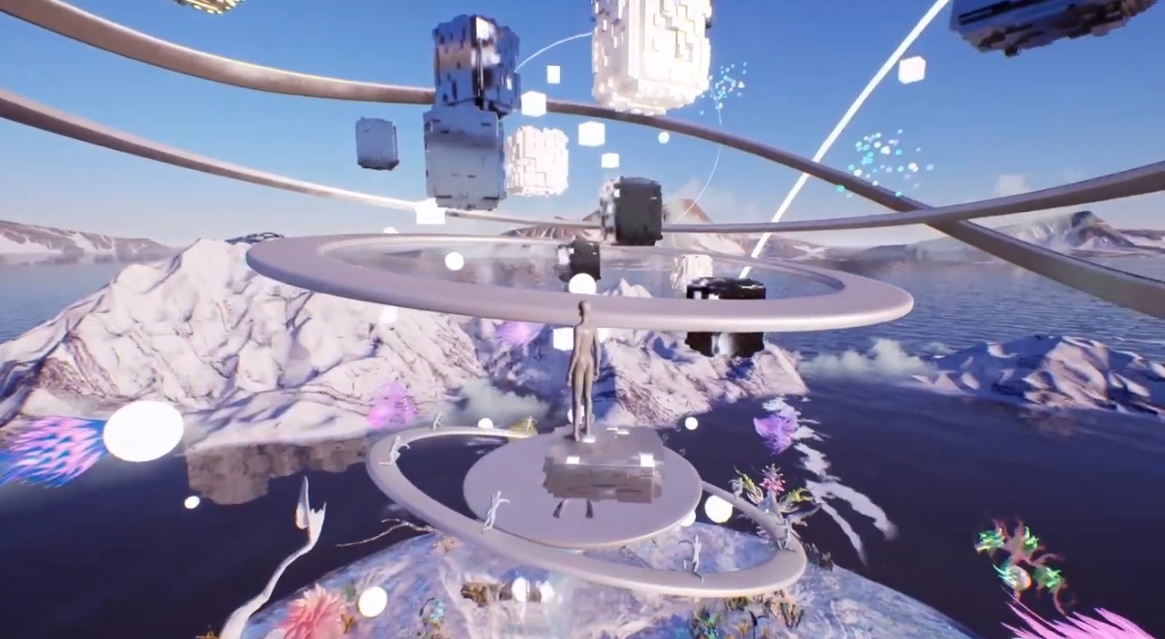
Bosul Kim, Hyper Connection, 2023, Metaverse play © Bosul Kim

The journey in Hybrid Nature, which concludes in a space of water, begins again with water in Hyper Connection (2023–2024).
 
Hyper Connection explores the qualities and meanings of water, one of the archetypes of Eastern thought, as a medium through which the cycles of life, creation, and extinction intersect, within a virtual environment created through the metaverse and immersive VR.
 
For Bosul Kim, water signifies life, healing, and purification. Based on this perspective, the work invites viewers into a near-future world created by combining mythological imagination with scientific evidence, with water as its central motif.


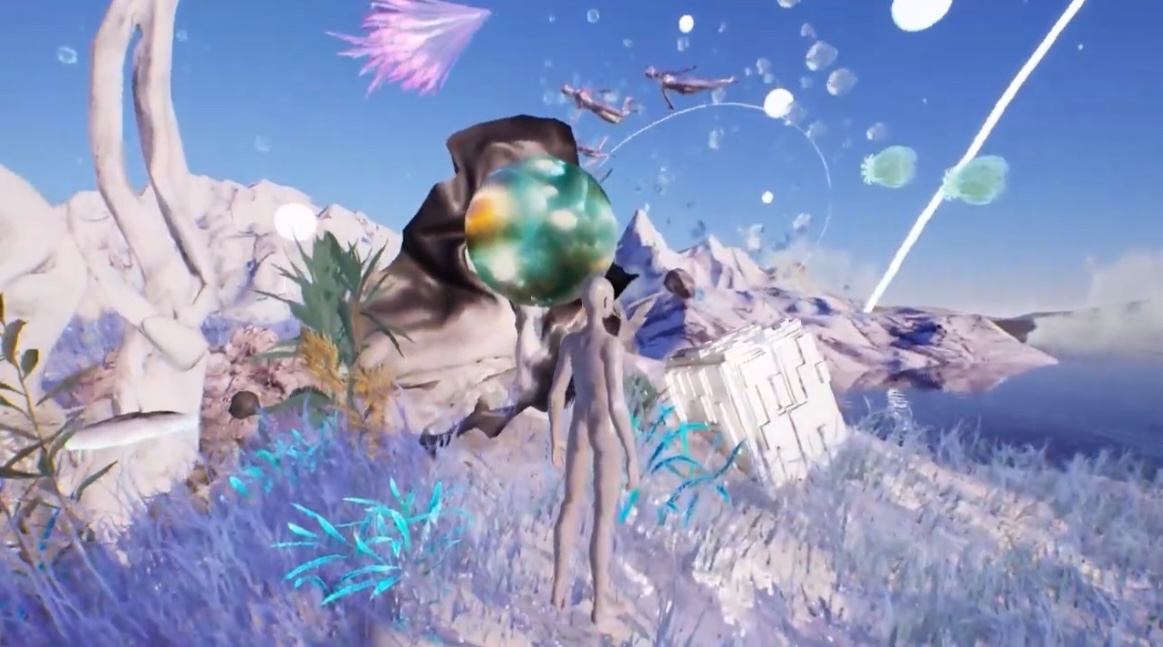
Bosul Kim, Hyper Connection, 2023, Metaverse play © Bosul Kim

This world is a surreal environment in which the past and future, humans and nonhuman beings, nature and life are interconnected as one. Created through collaboration with ChatGPT and generative AI, the living beings that inhabit this world are hybrid forms of life shaped by extreme climate change and successive genetic mutations.
 
As viewers observe these beings within the work and search for clues to the distant future, they construct their own narratives. Through the process of exploring this virtual space, the work expands multidimensional sensory perception and invites viewers to reflect on the future of life and the environment.


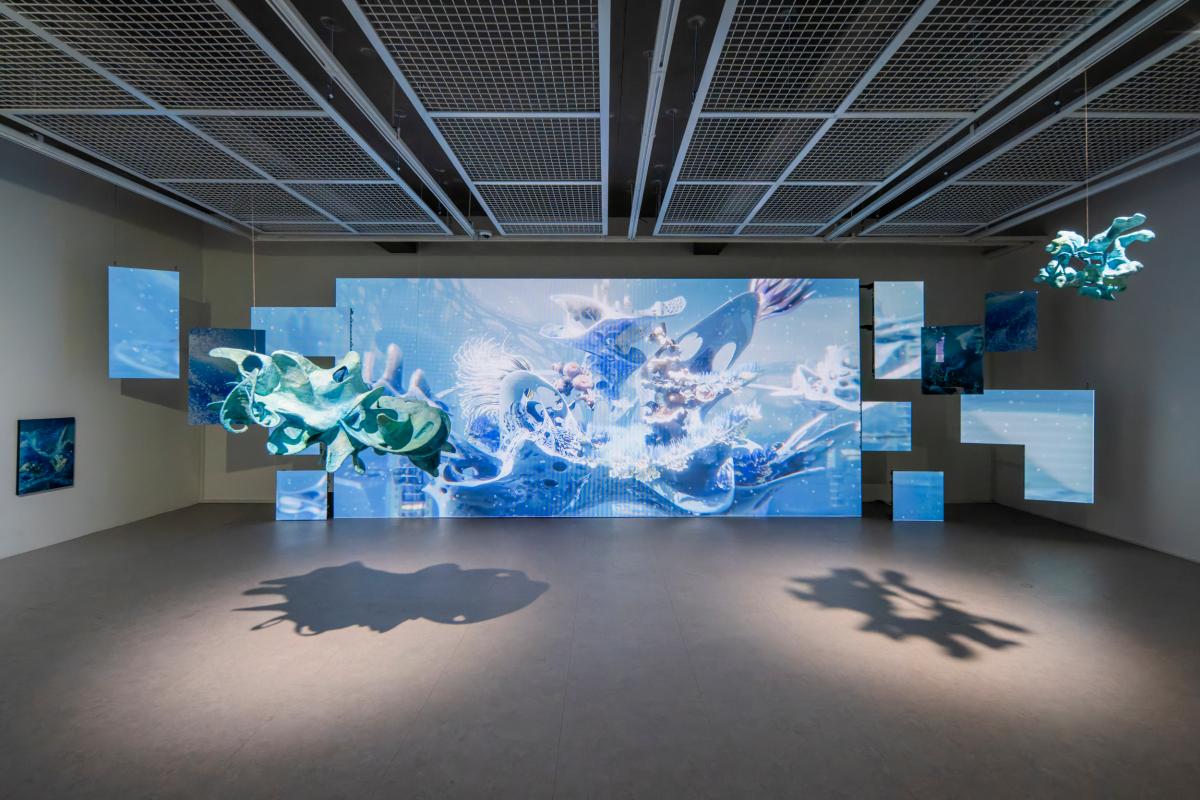
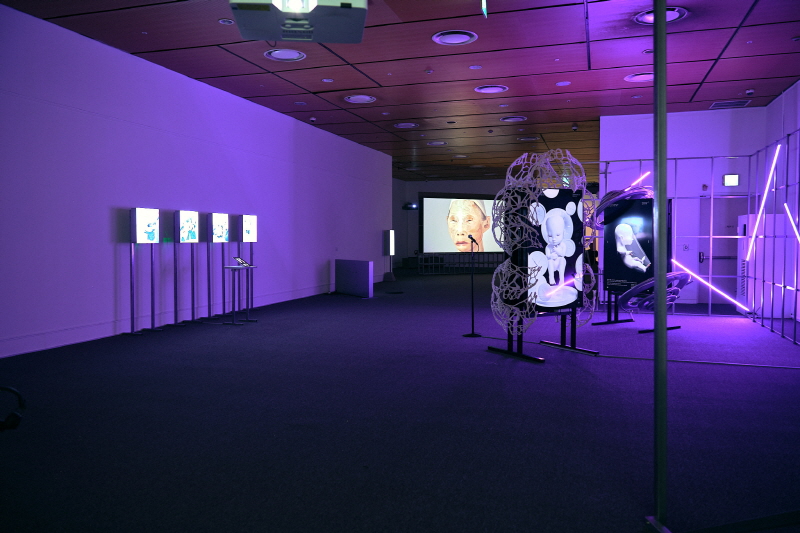
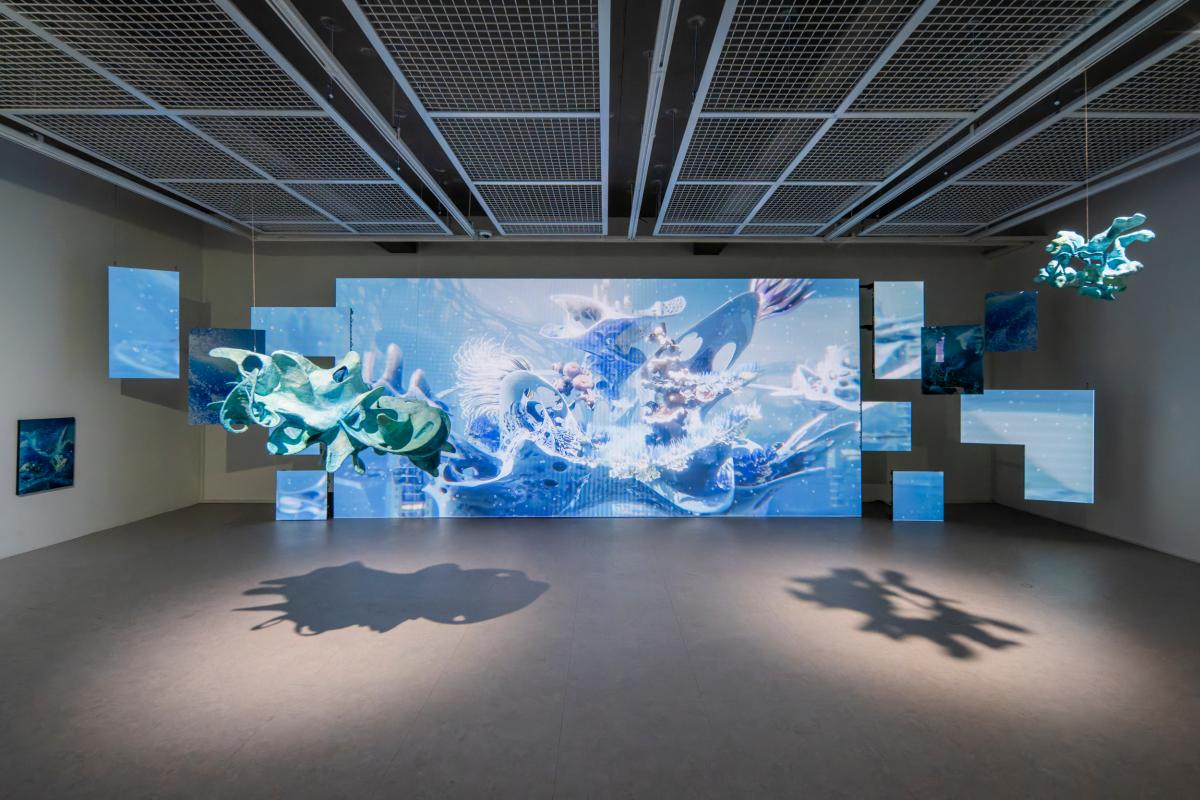
Installation view of 《Altered Nature》 (Soorim Cube, 2025) © Bosul Kim

Furthermore, the 2025 solo exhibition 《Altered Nature》 at Surim Cube presented a more extensive exploration of the worldview surrounding “water” that the artist had developed throughout her practice.
 
The exhibition centered on a large-scale XR media art project depicting a virtual underwater ecosystem of the future, based on scientific evidence concerning climate change and rising sea levels.
 
Within an AR environment built around LED screens and installations, viewers were invited to explore the deep-sea world of “HAERA,” where human urban civilization had sunk beneath the water.


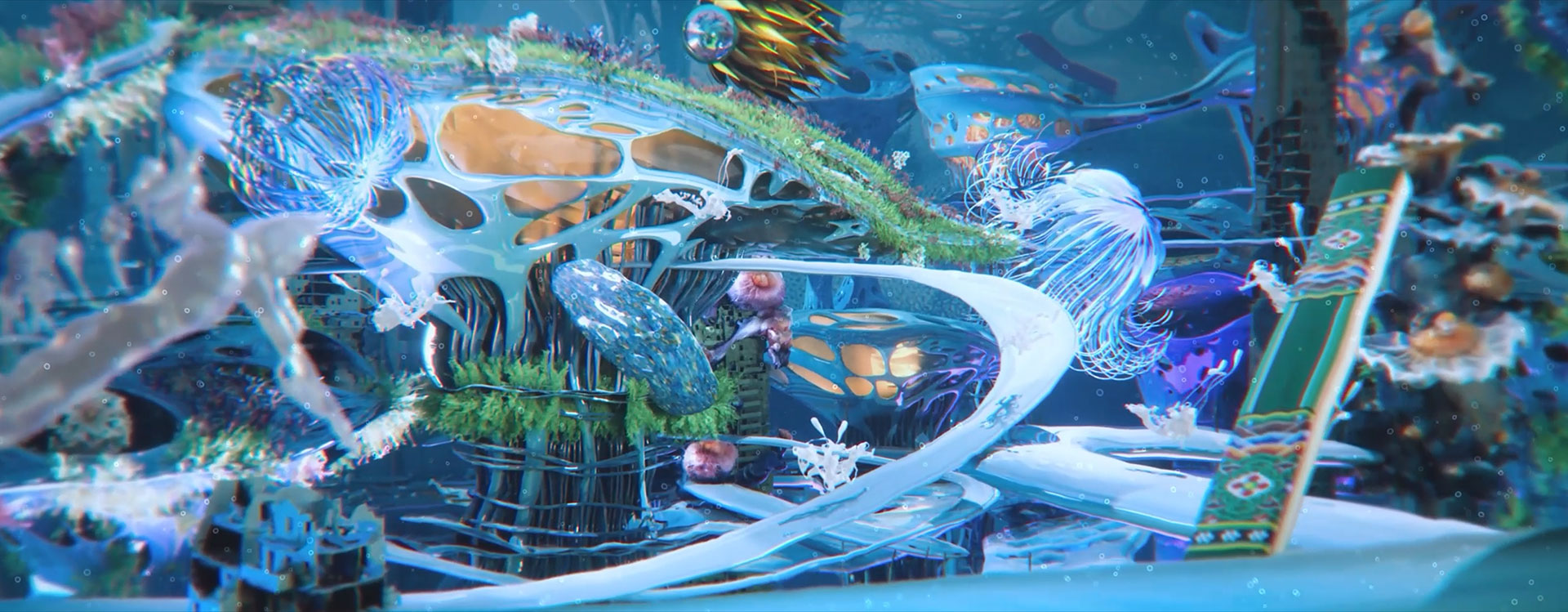
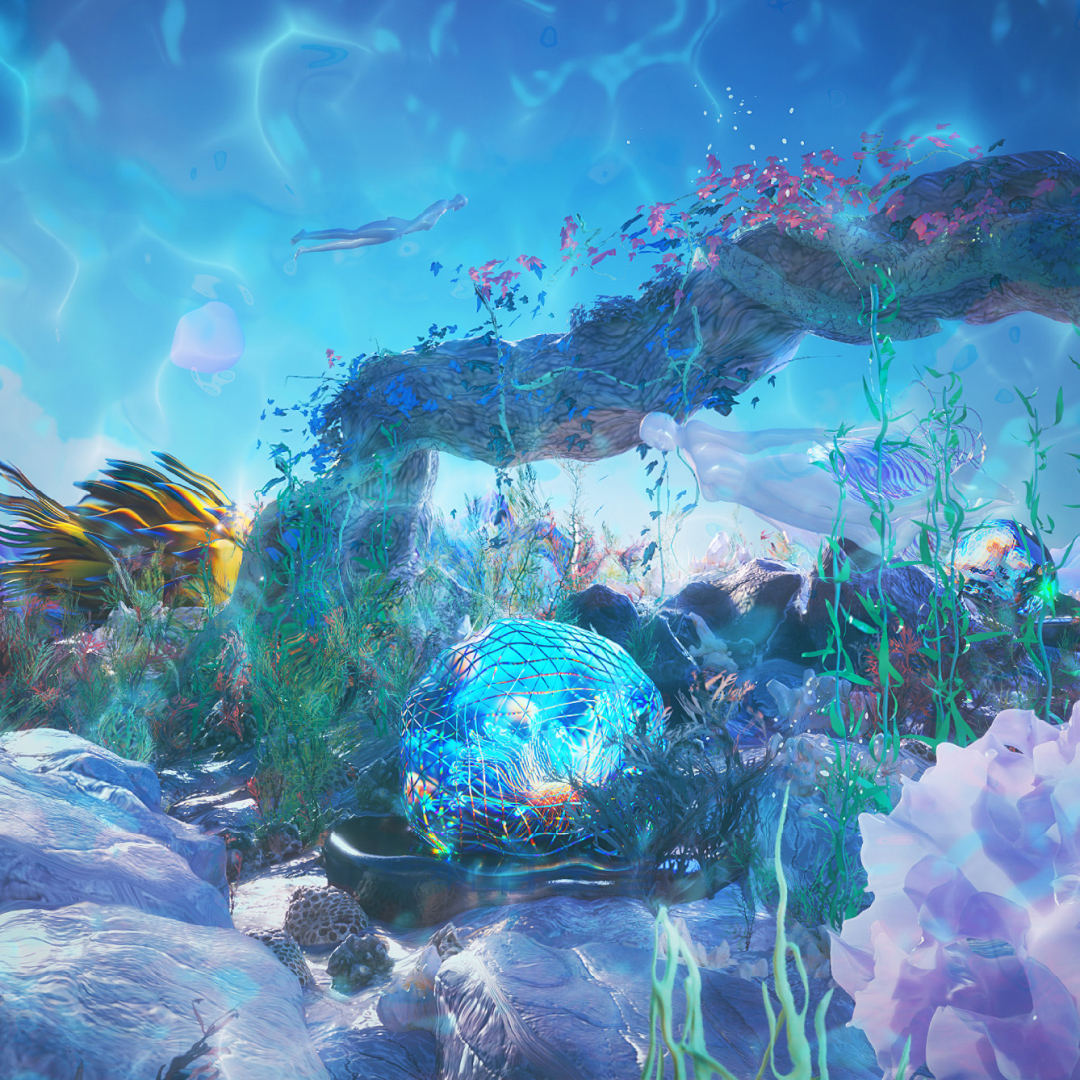
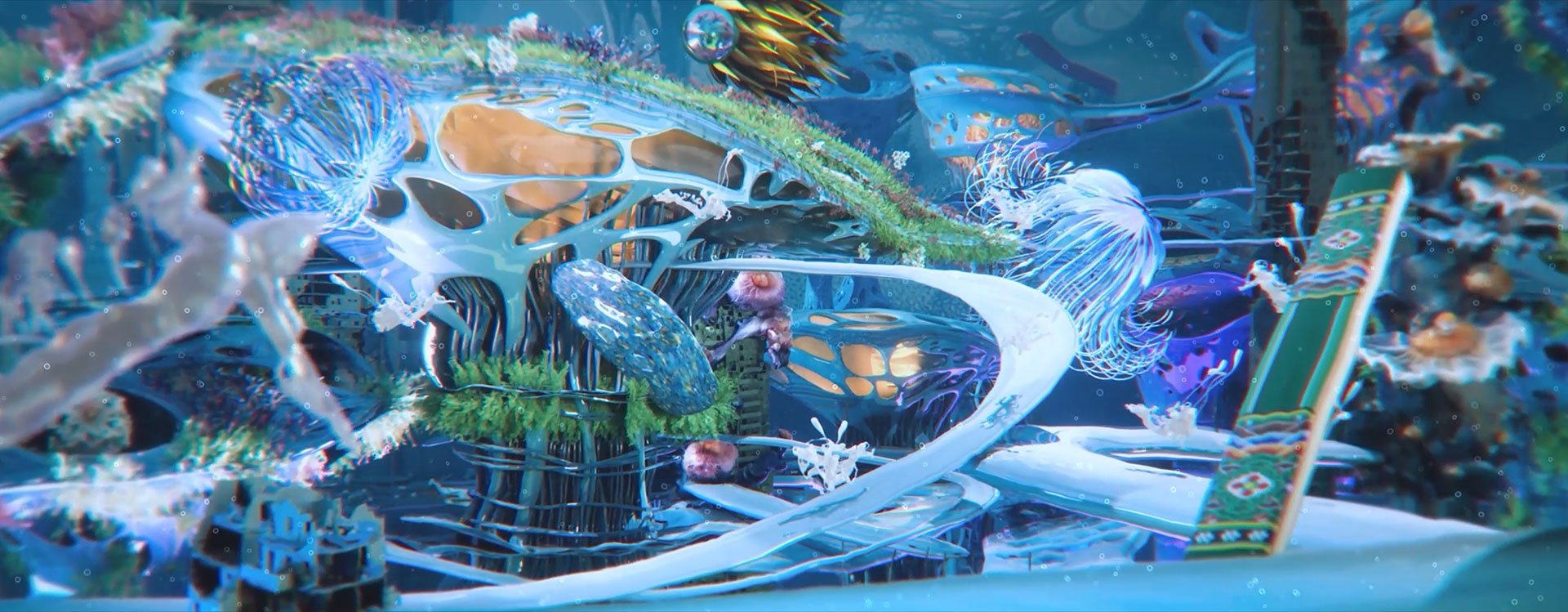
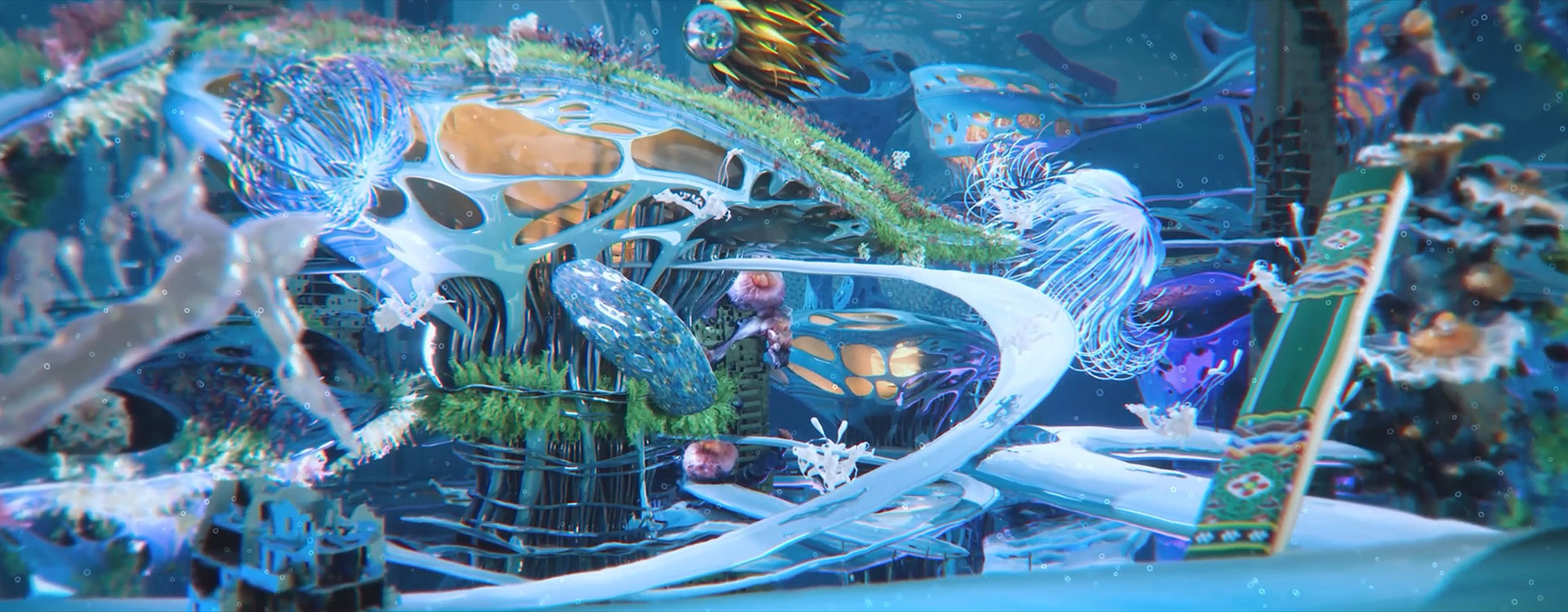
Bosul Kim, HAERA – Ocean Reborn, 2025, Digital animation, 7min. © Bosul Kim

"HAERA" is a virtual world combining the concepts of the sea (海) and circulation (來), sunlight (海), and existence (ERA). It is an “alternative habitat” inhabited by hybrid life forms that merge fish and humans, organic architecture composed of coral and mycelium, and beings that collect memories.
 
Within this space, viewers interact with luminous marine organisms and navigate underwater terrain reminiscent of landscapes from ancient East Asian painting, confronting the question of how humanity might coexist with nonhuman beings in the aftermath of climate change.
 
Beyond mere visual spectacle, the work guides viewers on a journey of deep contemplation and reflection on some of the most pressing ecological questions of our time.


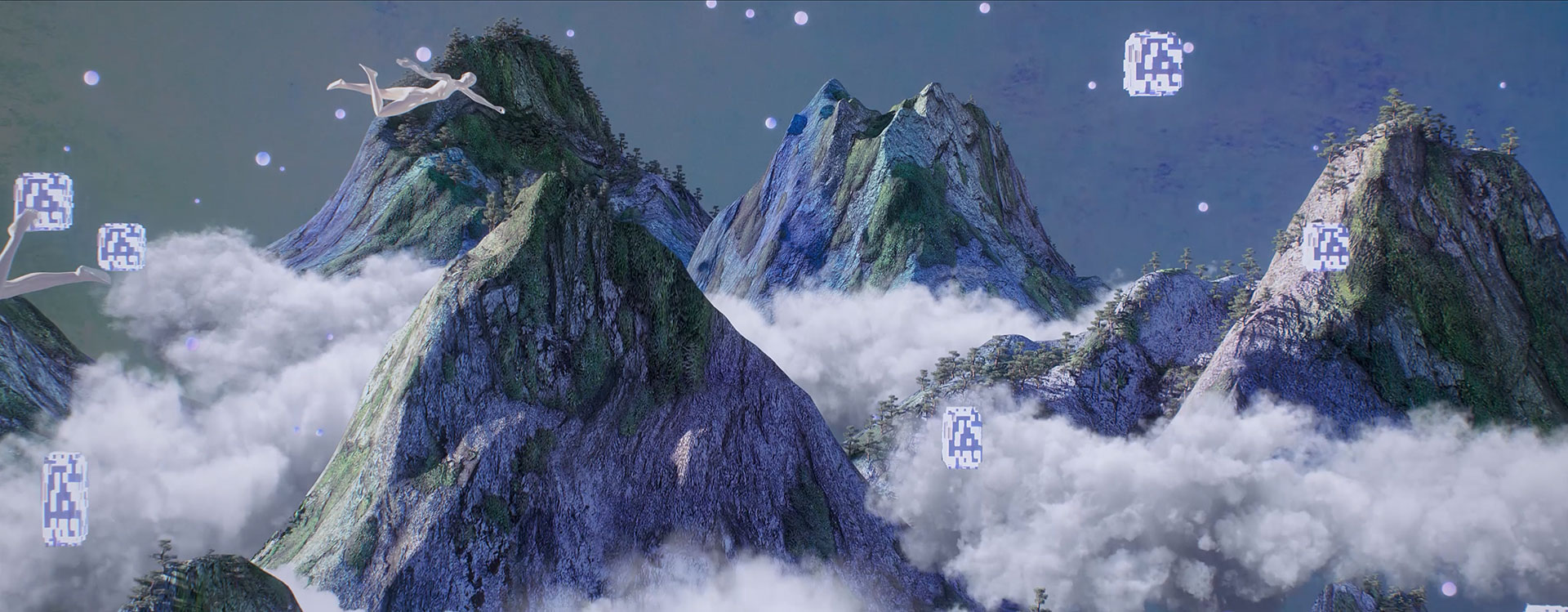
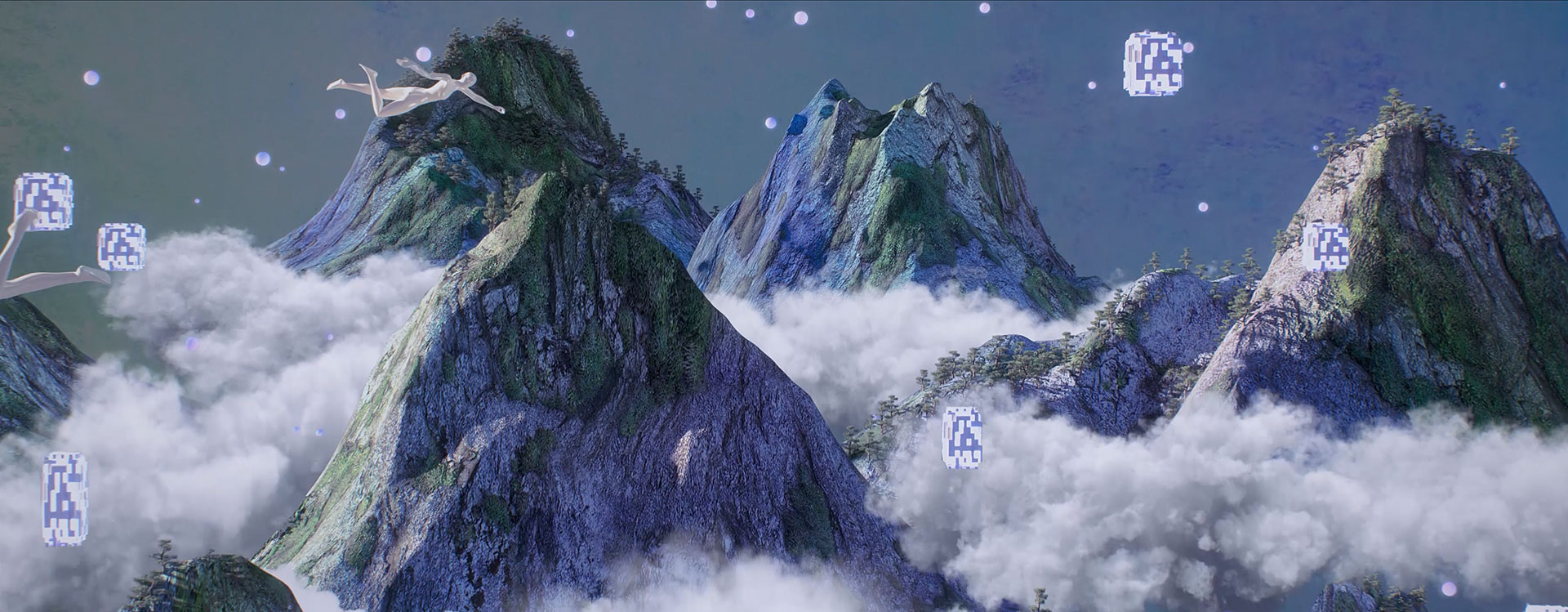
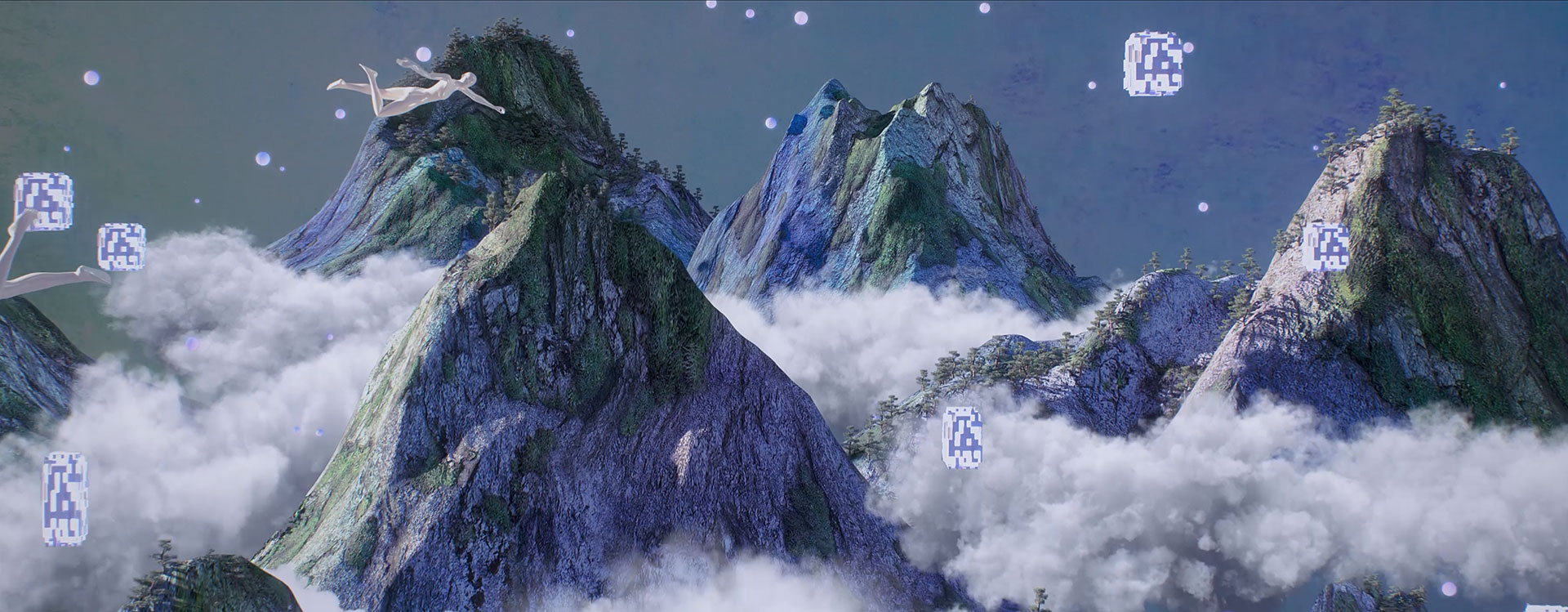
Bosul Kim, HAERA – Echoes of Memory, 2026, Digital animation, 3min 15sec. © Bosul Kim

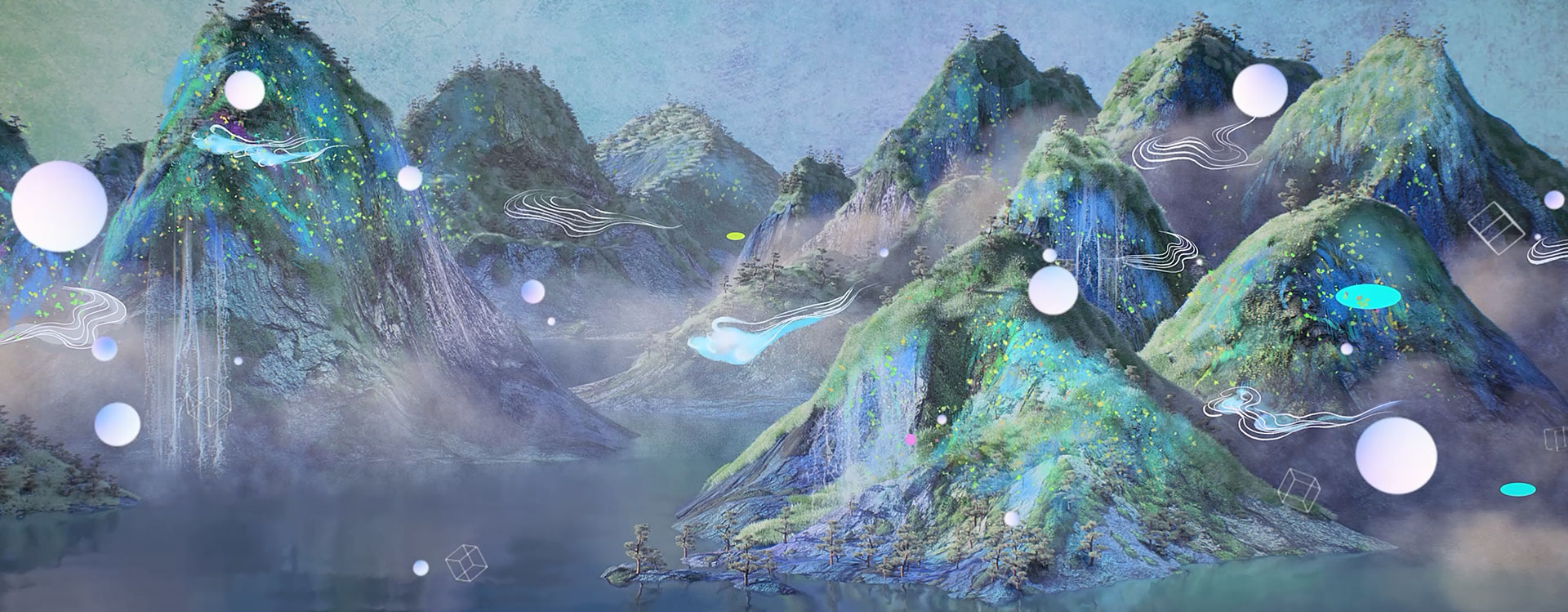
As an extension of this body of work, HAERA – Echoes of Memory (2026) begins in an idealized landscape reminiscent of traditional blue and green mountain painting and gradually descends into the deep sea, exploring future marine ecosystems. Throughout this downward journey, familiar landscapes disintegrate, and new hybrid beings emerge from a convergence of natural remnants, traces of civilization, and fragmented memories.
 
Crossing the boundaries between nature and the artificial, human and nonhuman, these entities symbolize the persistence of life after destruction and present a glimpse of ecosystems newly organized under altered environmental conditions.


Bosul Kim, HAERA – Echoes of Memory, 2026, Digital animation, 3min 15sec. © Bosul Kim

This narrative reframes the ocean as both the result of destruction and a space that holds the potential for recovery. Blue carbon ecosystems such as seaweed forests, seagrass meadows, and tidal flats function as invisible reservoirs that have absorbed vast amounts of carbon emitted by humanity, offering important clues for imagining responses to the climate crisis.
 
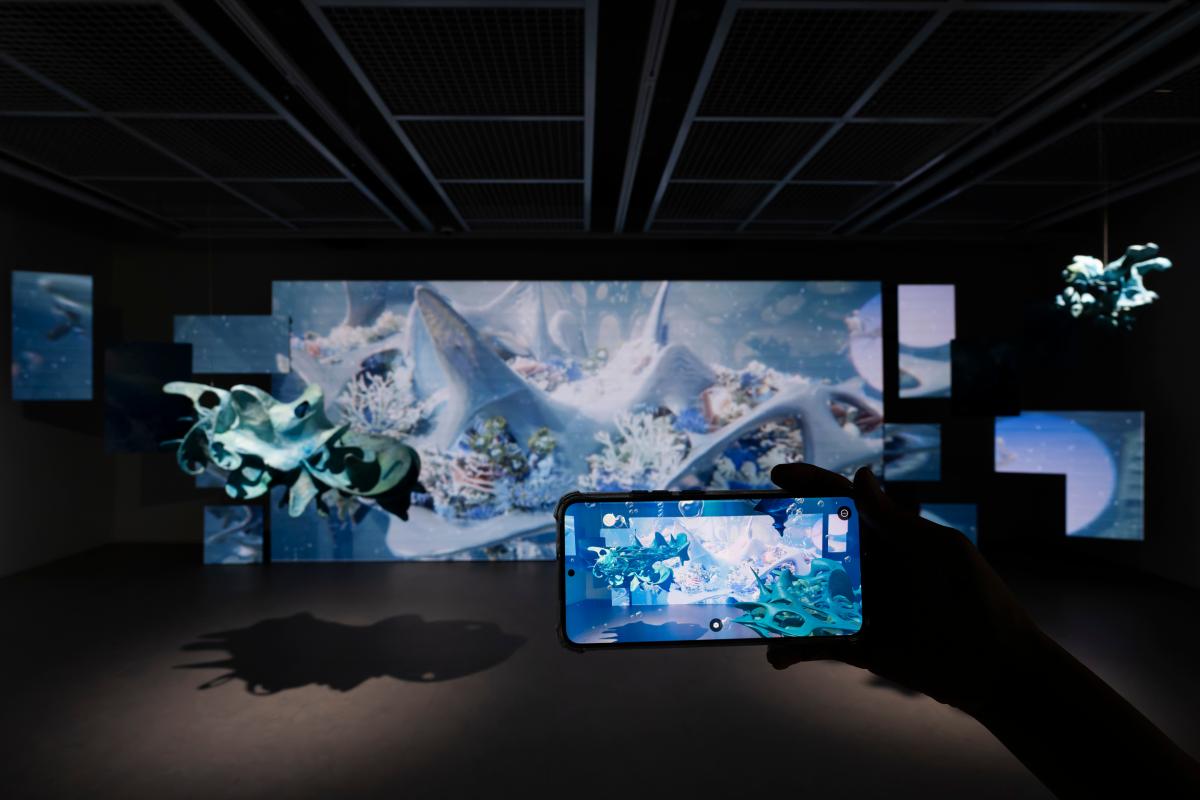
The visitors encounter scenes of the deep sea and a submerged city unfolding across a media wall, while augmented reality in front of the screen overlays and reveals the world of ‘HAERA’. Acting as a device that summons memories submerged in the abyss into the present space, augmented reality enables visitors to follow fragmented traces and experience a self-constructed narrative rather than a linear storyline.


Installation view of 《Altered Nature》 (Soorim Cube, 2025) © Bosul Kim

In this way, Bosul Kim does not fix the world after the climate crisis as an image of apocalypse. Instead, she asks what kinds of habitats might be possible under changed conditions and how humans and nonhuman beings might form new relationships with one another.
 
Furthermore, based on the view that all beings—from the most microscopic forms of life to the vast universe—are connected through cycles of circulation, she explores the possibility of coexistence with nonhuman beings beyond an anthropocentric worldview. Through this practice, she invites us to reflect once again on the interdependent relationship between humans and nature.

”I always strive to integrate Eastern philosophy with contemporary technological media, thereby highlighting the holistic relationship between humans and nature and infusing my work with Eastern emotional undertones. I hope to provide audiences with the opportunity to understand and experience a diverse perspective through an immersive experience.” (Bosul Kim, from an Interview at Kiaf SEOUL)


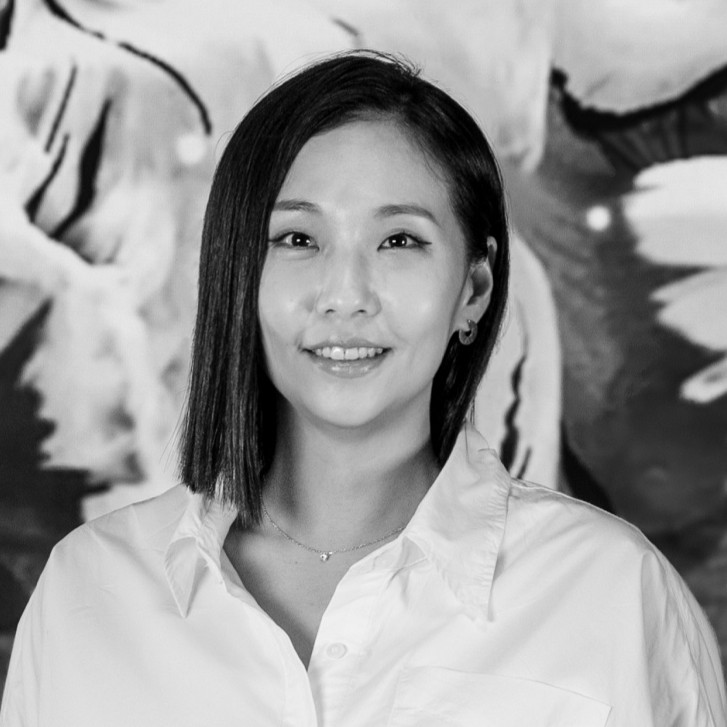
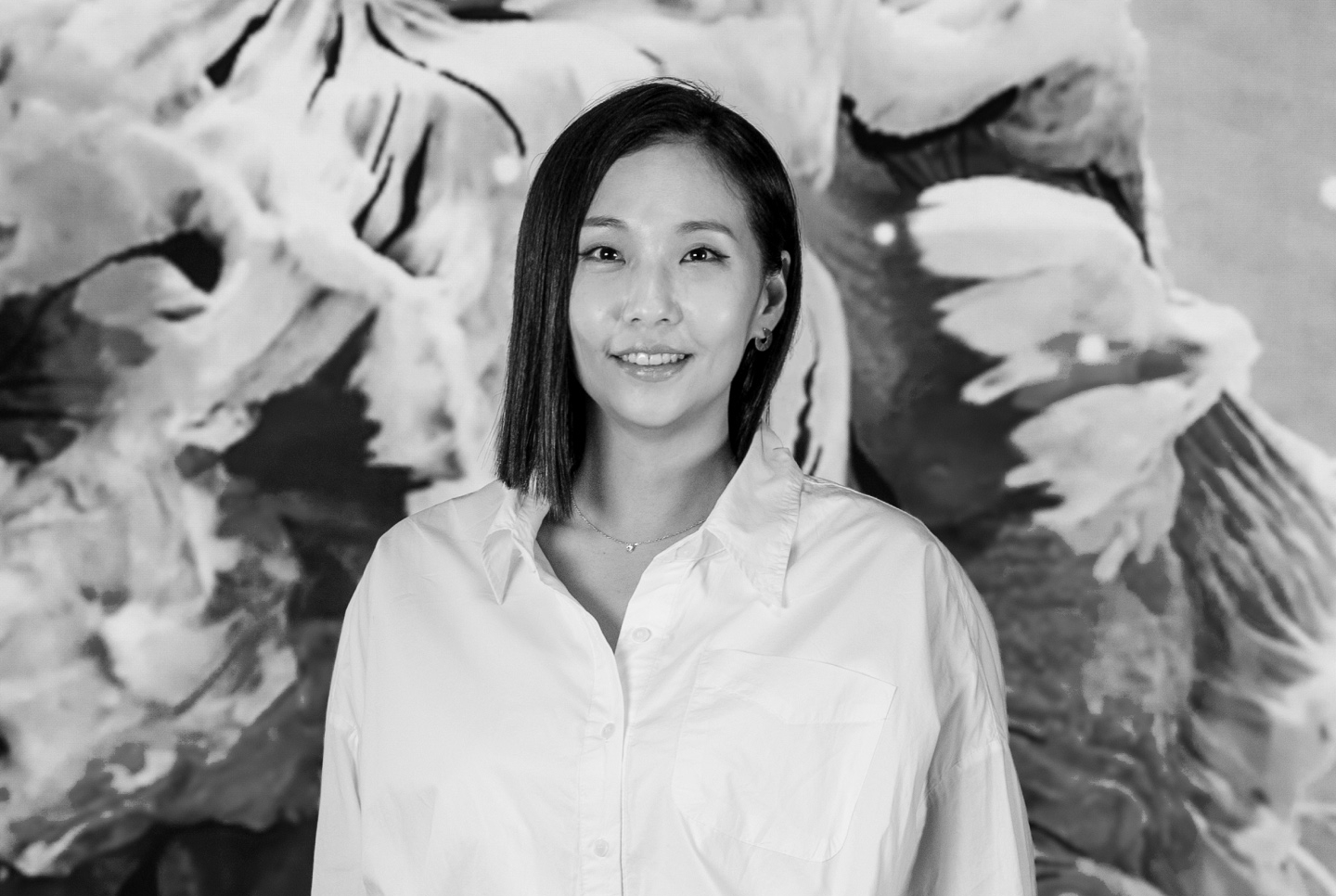
Artist Bosul Kim © Kiaf SEOUL

Bosul Kim graduated from Hongik University with degrees in Oriental Painting and Industrial Design and earned an MFA in Experimental Animation and Integrated Media from the California Institute of the Arts. Her solo exhibitions include 《Remembering the Deep》 (Seoul City Hall, Seoul, 2026) and 《Altered Nature》 (Soorim Cube, Seoul, 2025), among others.
 
Kim has also participated in numerous group exhibitions, including 《Meta Platform: Generative Connection》 (KF Gallery, Seoul, 2026); 《Where the Fire Burns》 (Gwangju Media Art Platform, Gwangju; Busan Cinema Center, Busan, 2026); 《Paradise Art Festival》 (Paradise City, Seoul, 2024); 《Generations that Generates》 (Art Center Nabi, Seoul, 2023); and 《Semi Art Community Project: Boo Gie Woo Gie Art Museum》 (Ulsan Art Museum, Ulsan, 2023).
 
Kim is currently an Associate Professor in the Department of Digital Art at Seoul Institute of the Arts, where she continues her research and artistic practice. She previously served as the Korea Director of CultureHub, a global platform dedicated to the convergence of art and technology, leading a wide range of international collaborative projects.

References