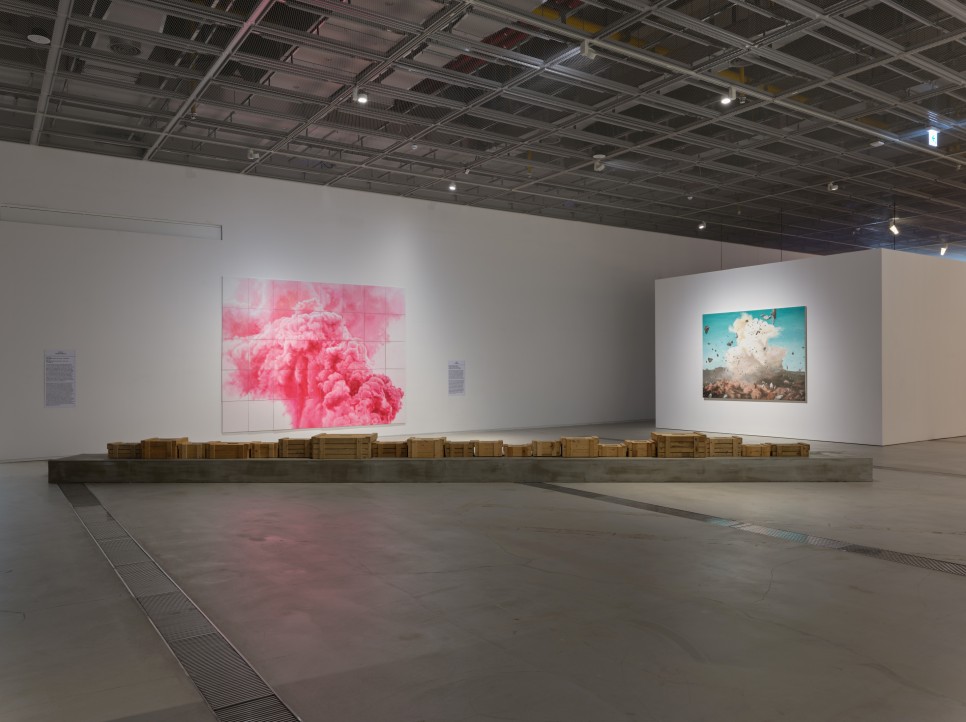
Jaehun
Park’s practice begins with reading the structures and desires of human society
through the objects that humans have created. For Park, objects are not simply
functional tools, but signs and forms of language in which an era, a
civilization, and human desire are condensed. This perspective already appears
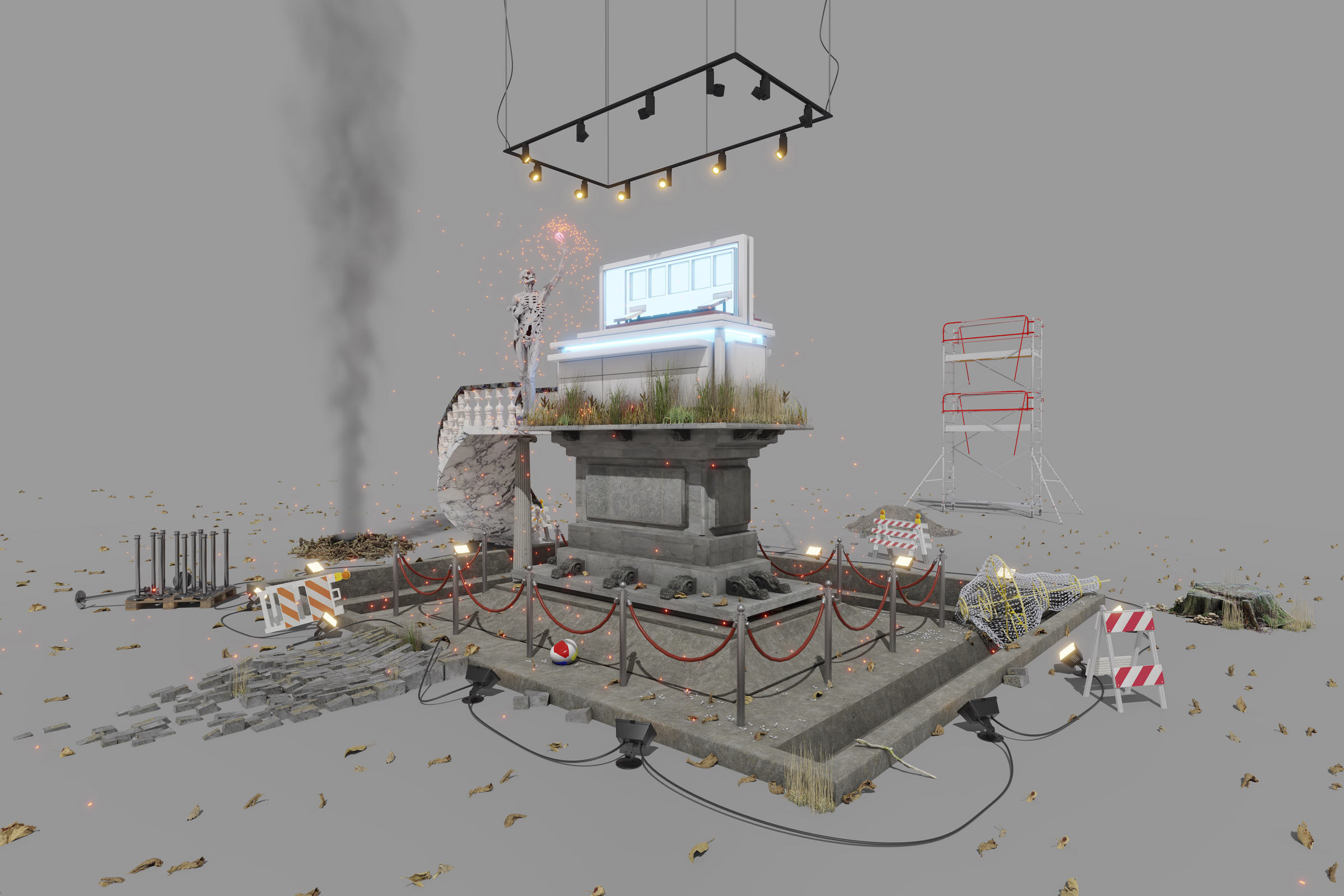
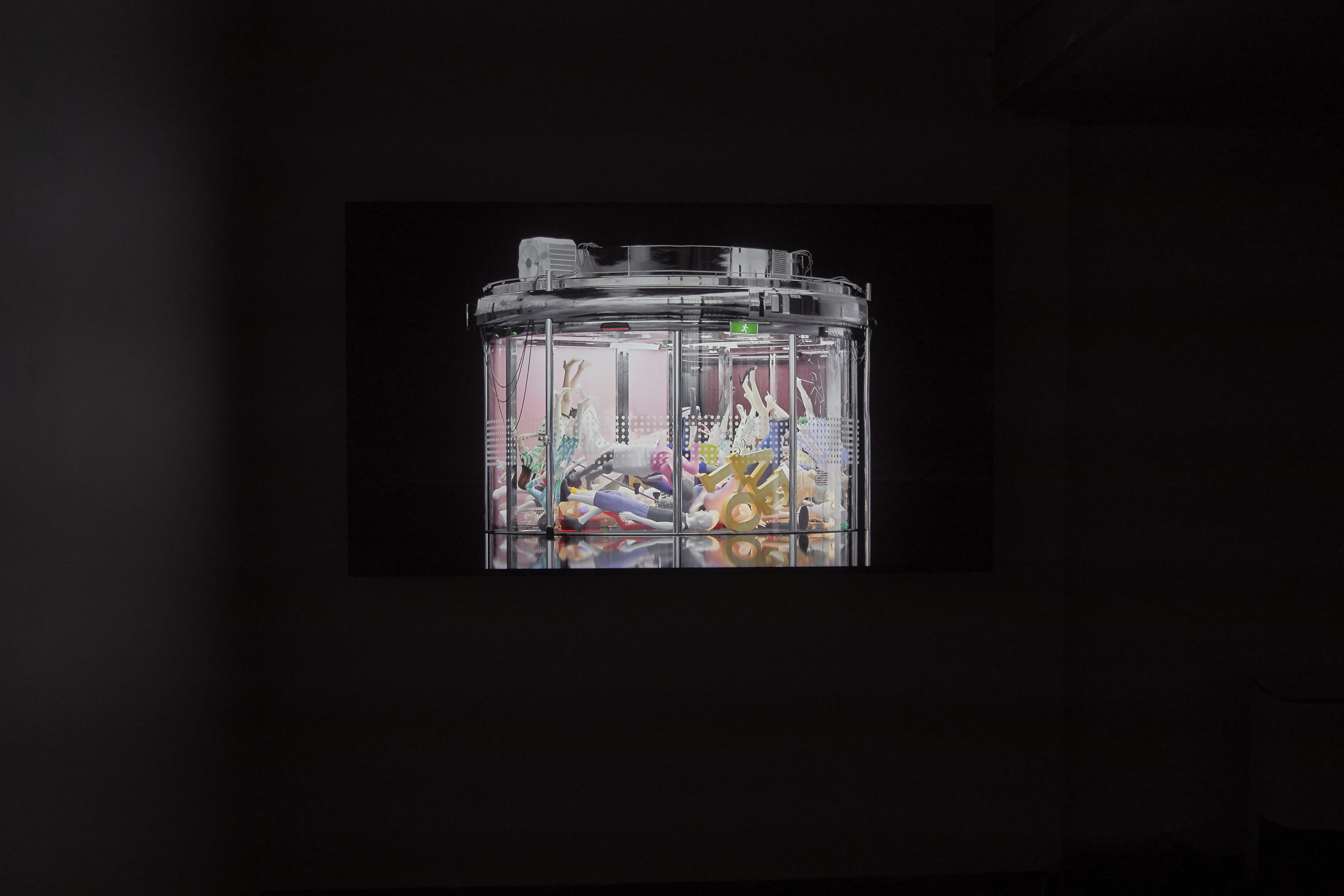
clearly in Revolving Door(2019) and High
Altar(2020).
He precisely 3D-models devices closely tied to everyday
consumption, such as a department store revolving door and cosmetics display
counter, and combines them with mannequins, religious altars, and symbols of
death, presenting consumption as a kind of ritual.
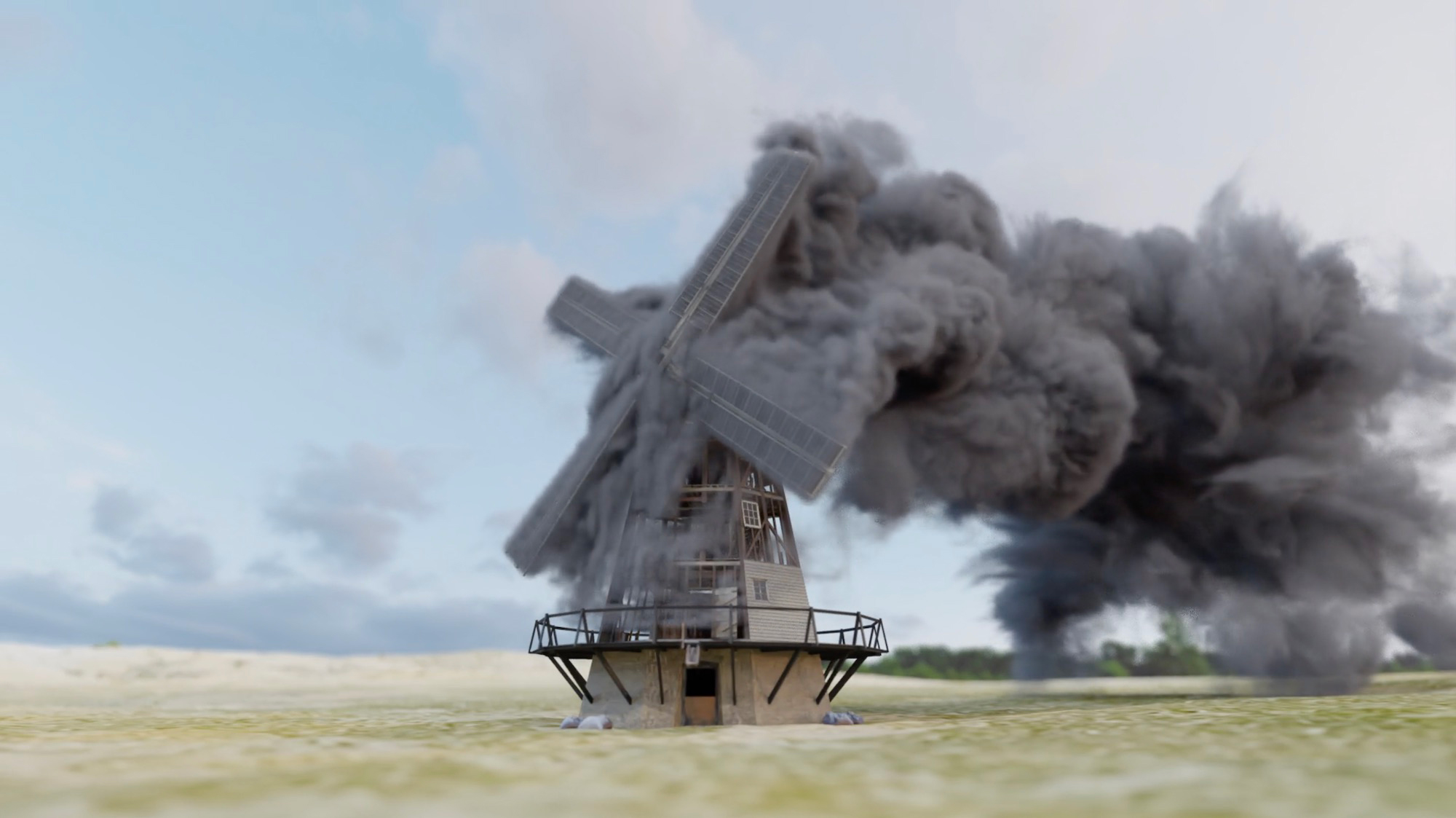
During the same period,
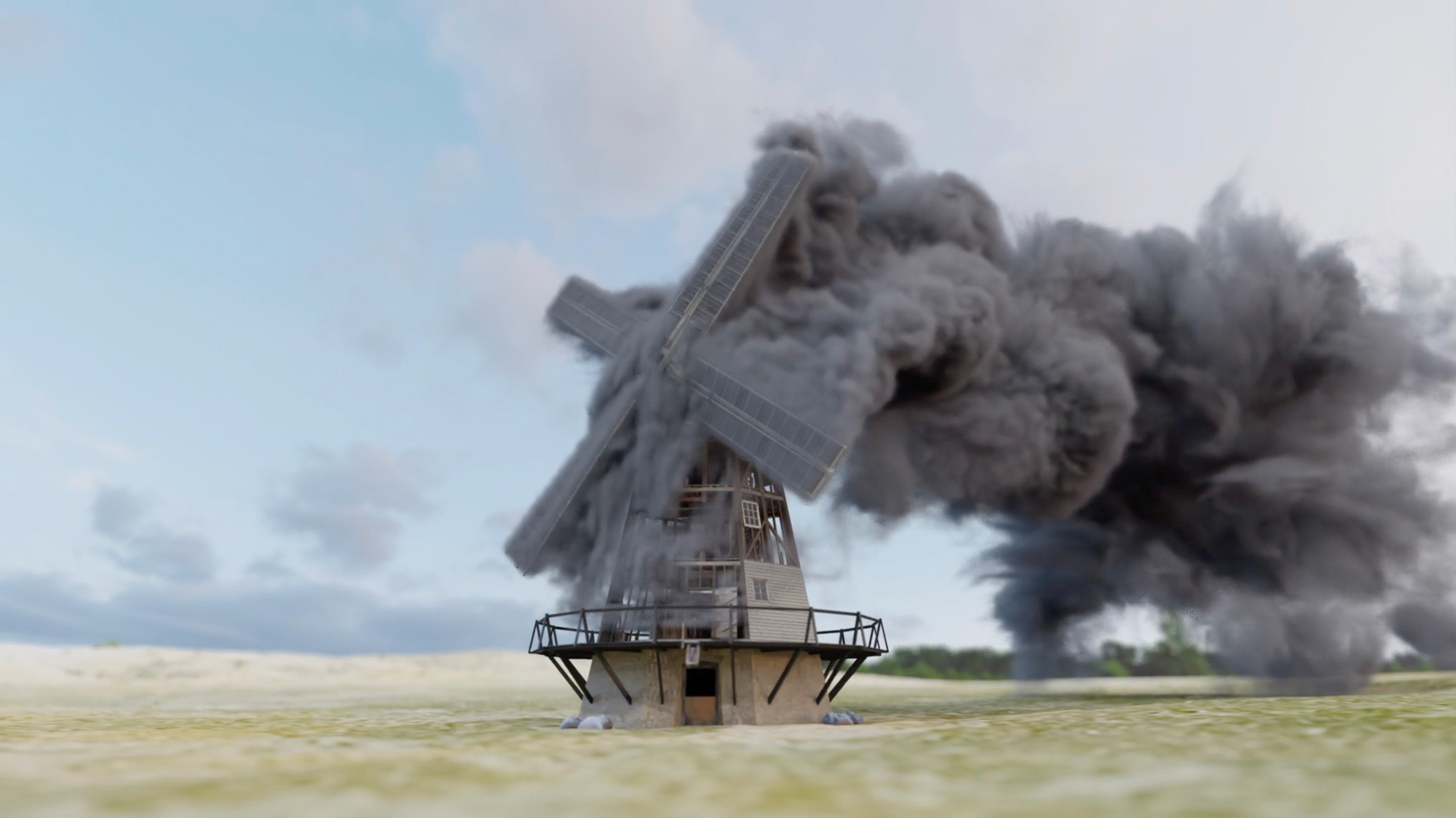
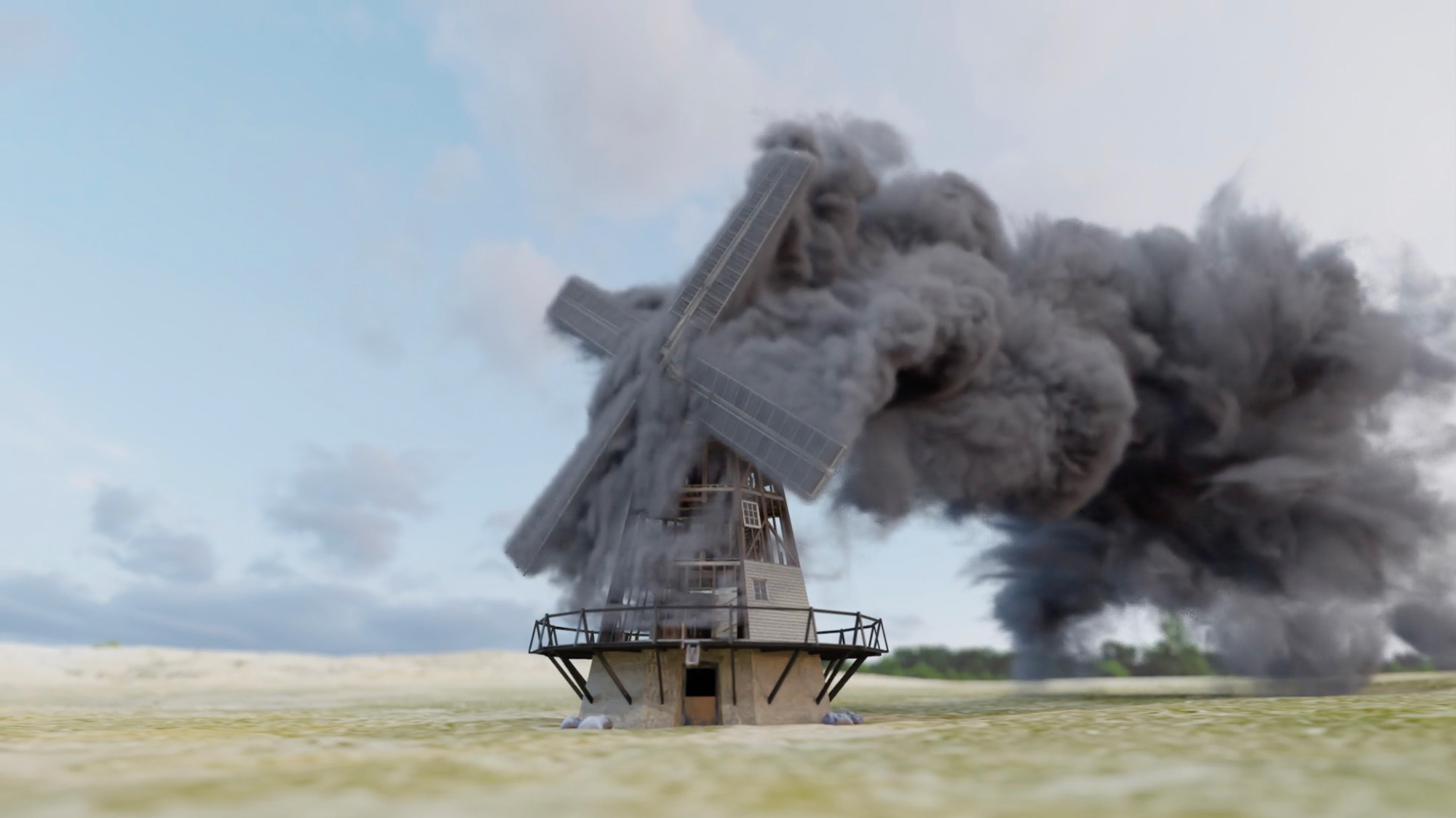
Overheated Windmill(2020) overlays the Dutch windmill with
histories of colonialism and capitalism, presenting the endlessly burning and
rotating structure as an emblem of an overheated modern civilization. For Park,
tracing the history of an object ultimately becomes a way of retracing the
desires and systems of the humans who produced it.
This
concern expanded into a broader worldview in 《Real-time Limbo》(Alternative Space LOOP,
Seoul, 2021). Park describes a reality in which war, pandemics, poverty, and
disaster occur at the same time as consumption and the accumulation of capital
continue unabated as a “real-time limbo,” examining how capitalism operates as
a system of belief and desire resembling religion.
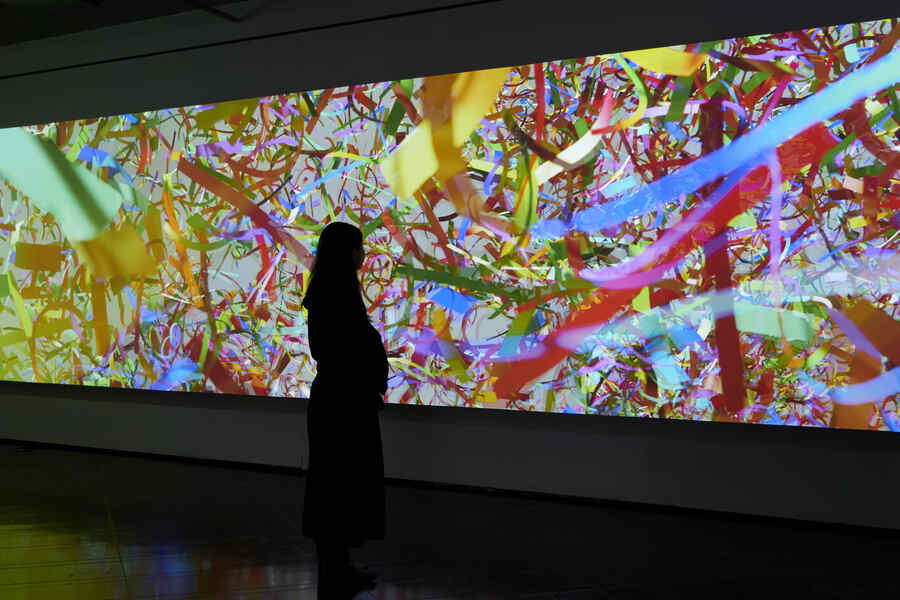
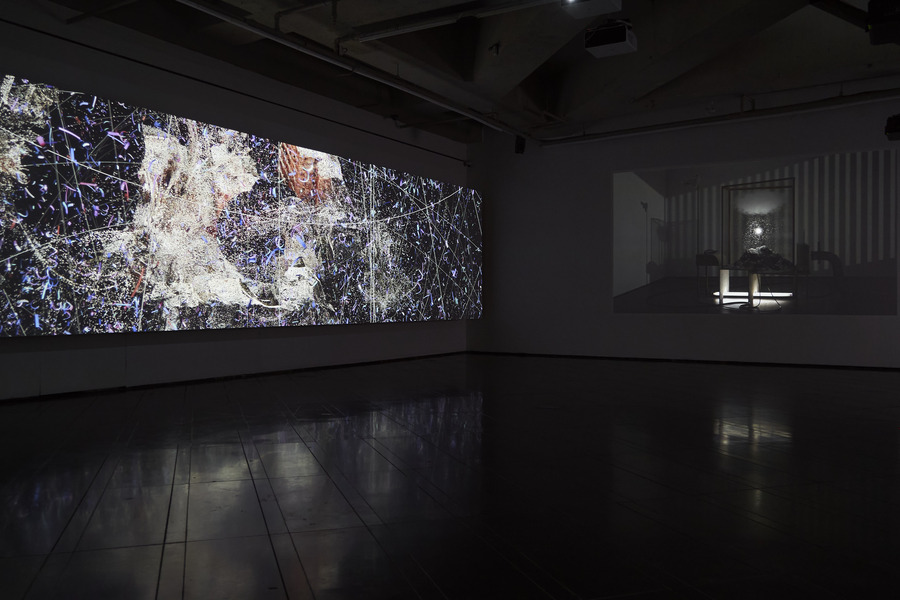
Event
Horizon(2021) brings together the ruins of war in Syria and
Palestine, the Fukushima nuclear power plant, CERN’s Large Hadron Collider,
primordial stones, and celebratory confetti within a single moving image. In
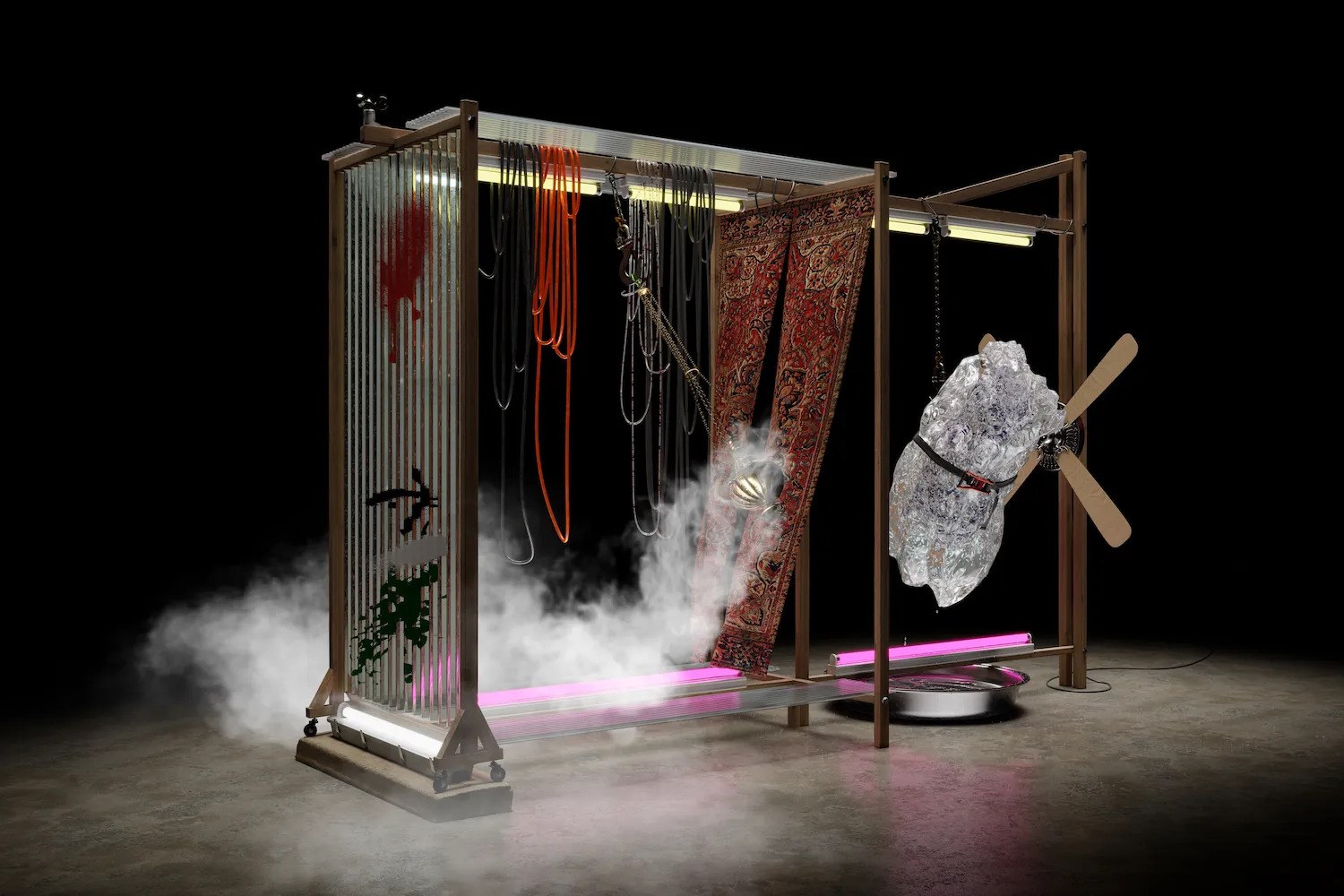
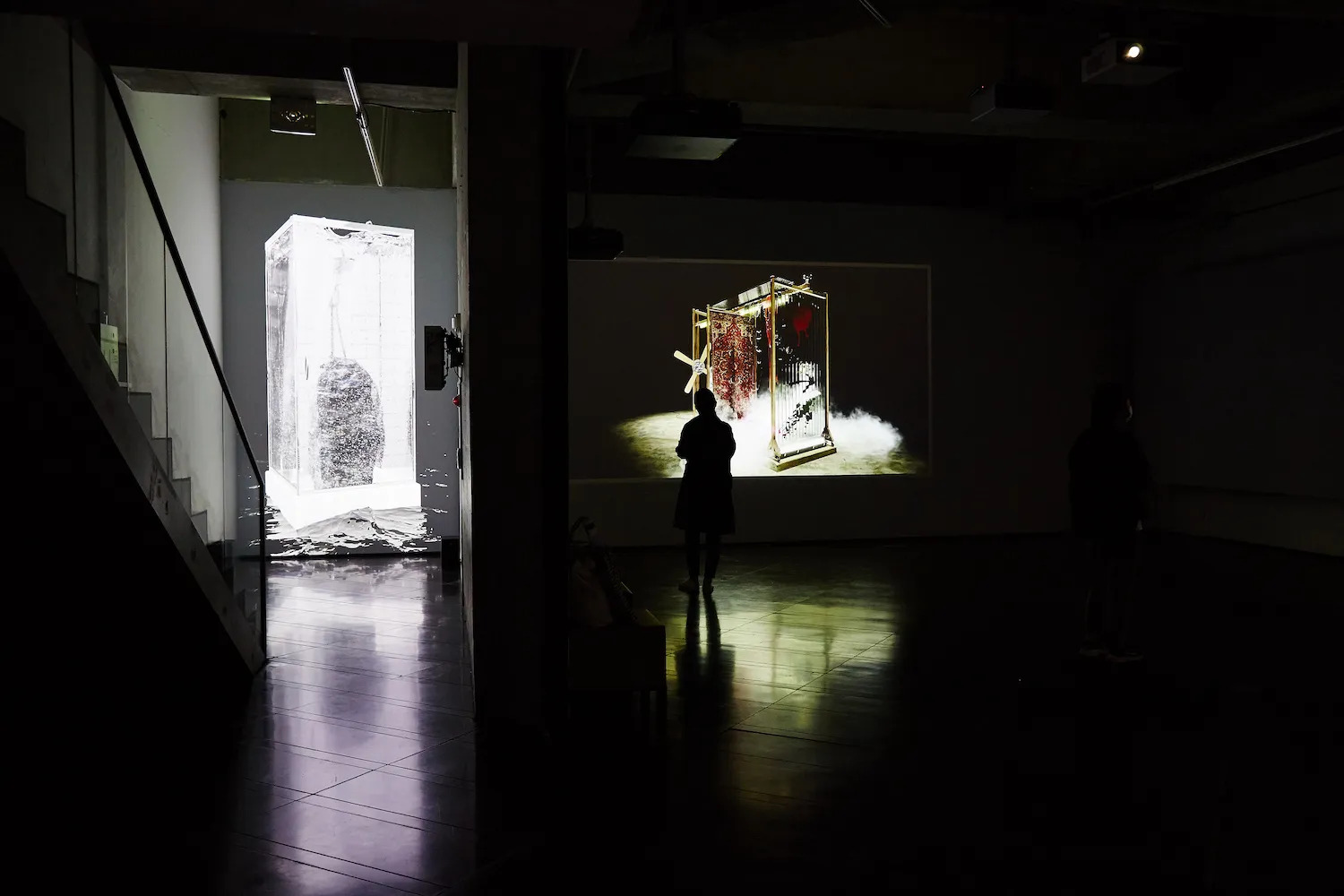
Ritual for the Night(2021), a religious censer, Middle
Eastern carpets, medical hoses, broadcast cables, and footage of war become
entangled.
Events and objects originally separated by geography and time appear
simultaneously within virtual space, revealing capital, technology, war, and
consumption not as isolated incidents but as interconnected parts of a single
civilizational structure.
Park’s
interests subsequently broaden from the structures of capitalism toward the
ways humans have possessed and transformed nature and the world.
Ritual for the Iceberg(2022) digitally preserves a glacier
that is physically melting away by migrating it into virtual space through 3D
scanning, addressing the paradox of humans using technology to preserve the
nature they themselves have damaged.
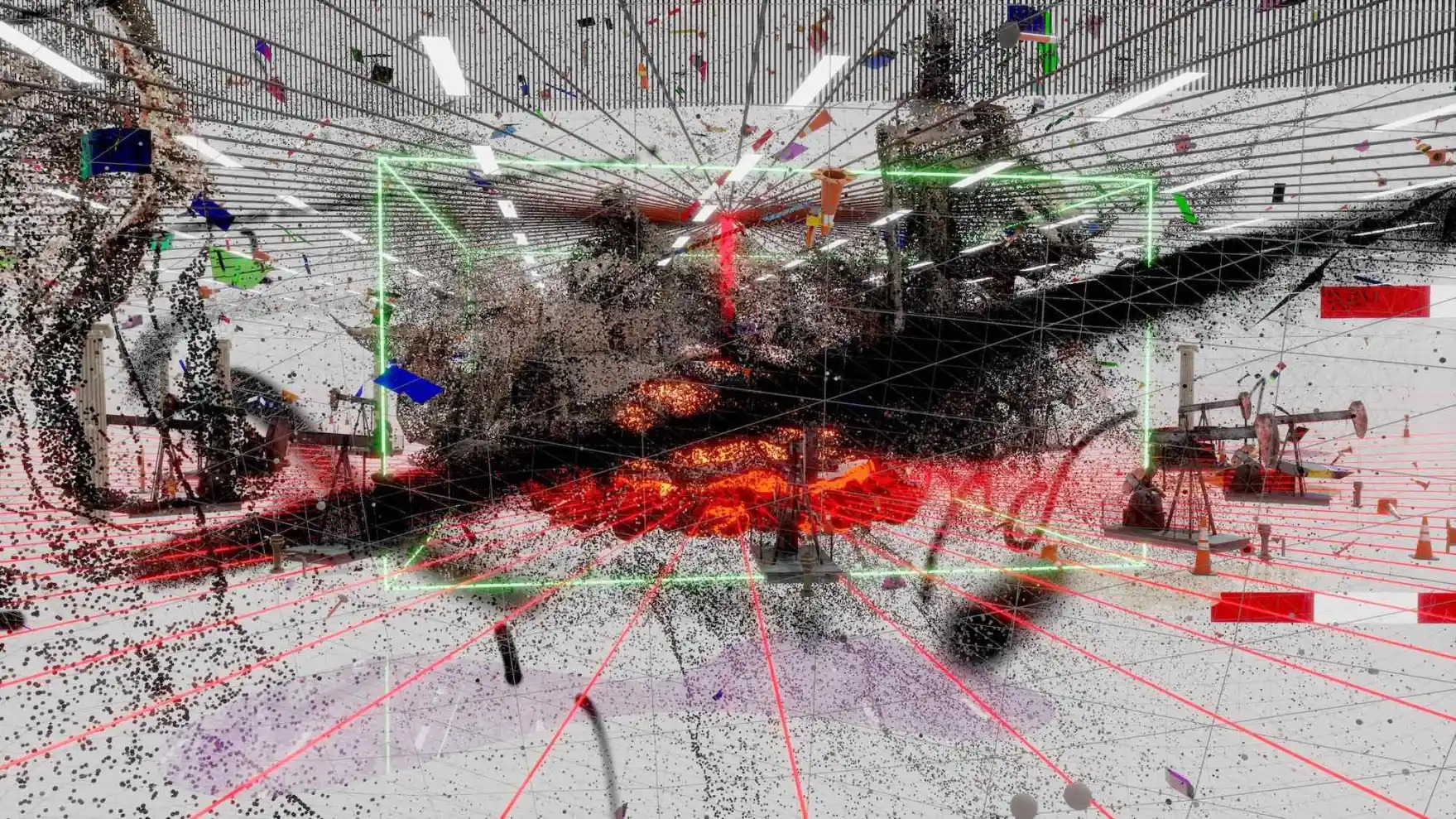
Highway Epigram(2022)
combines the ruins of the war in Ukraine, the Nord Stream gas pipeline, oil-related
machinery, and police equipment with the image of a highway, portraying a
desire for growth and speed that appears to lead toward catastrophe. In
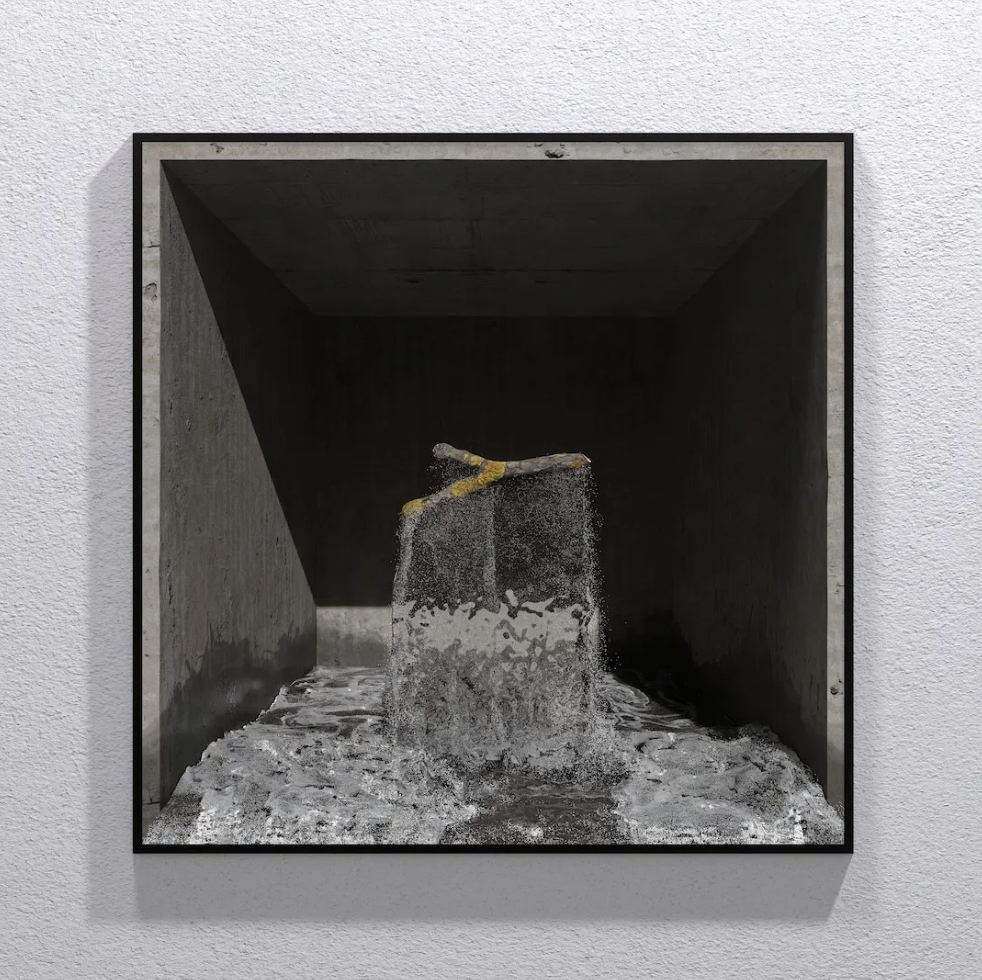
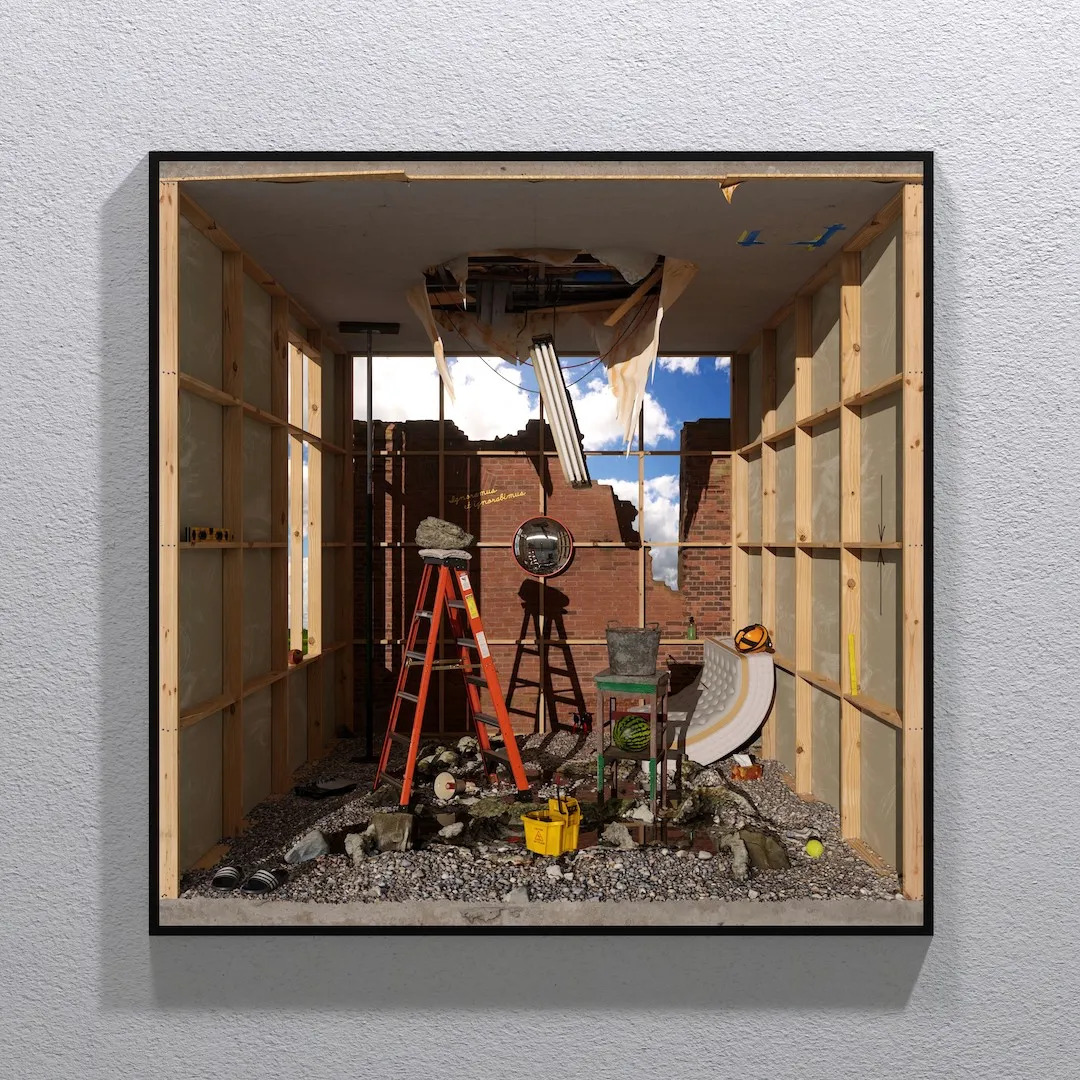
Twig Room(2023), a branch produces an impossible waterfall
inside a gray concrete chamber, presenting the coexistence of industrial
civilization and nature through a more compressed scene.
From this period
onward, Park’s work gradually moves beyond offering capitalism as a direct
target of criticism and instead observes the contradictions of human
civilization through scenes in which objects, nature, and technology become entangled.
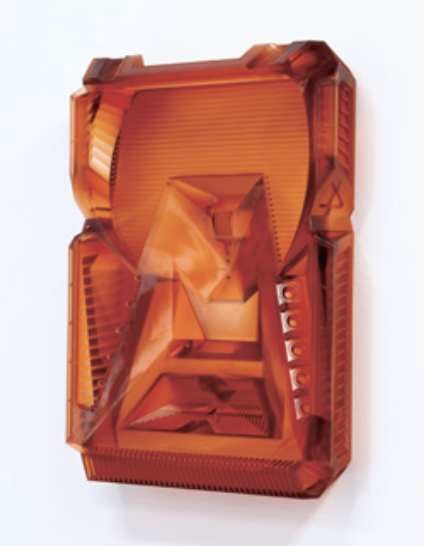
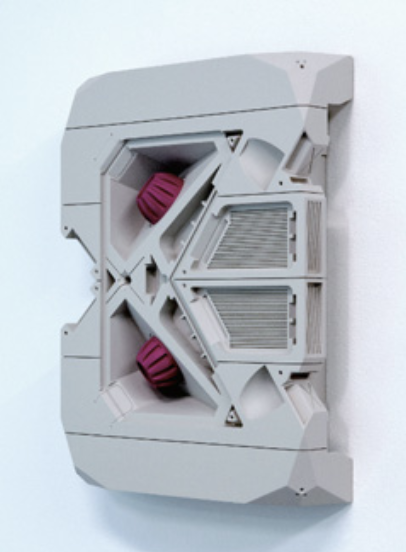
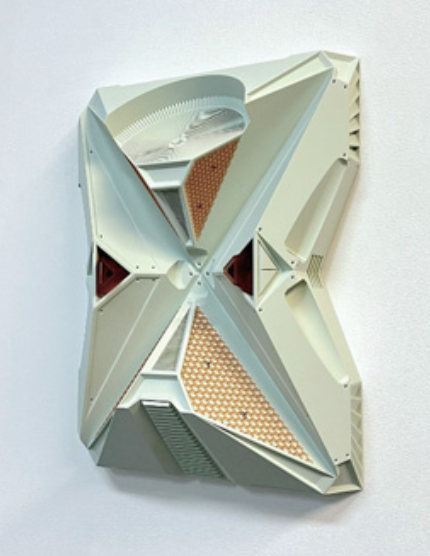
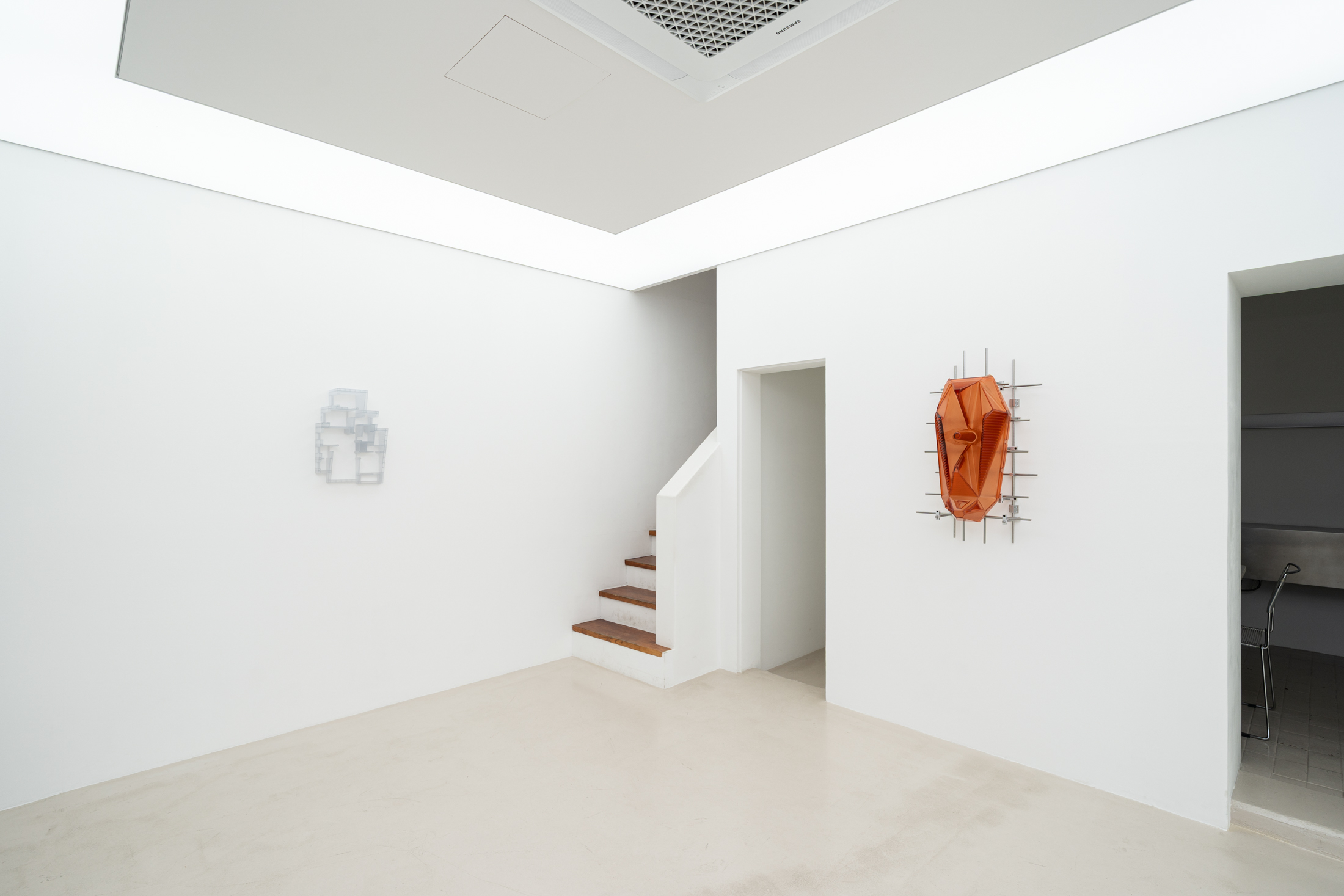
The recent
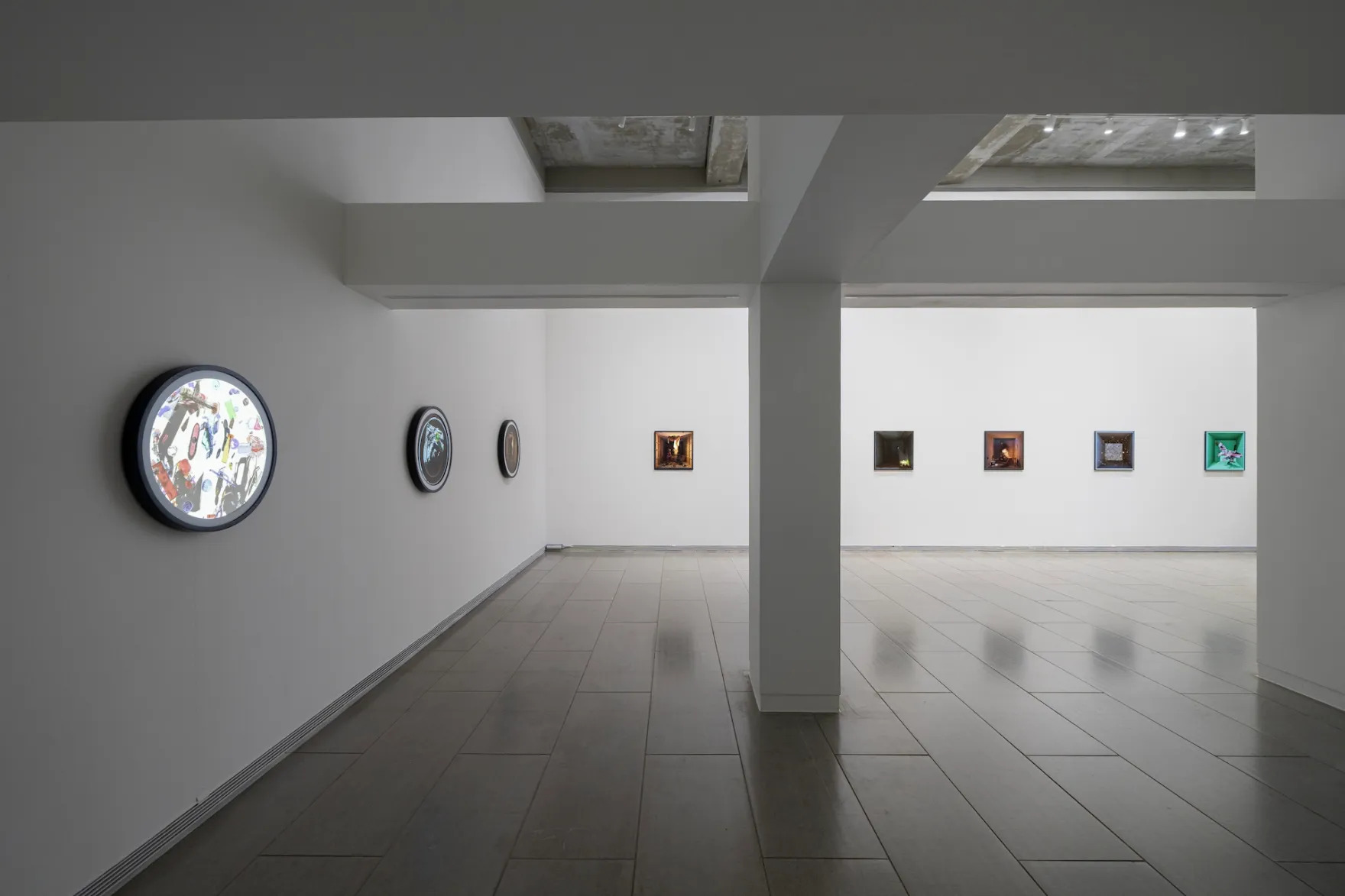
exhibition 《POLYGON PILGRIMS》(WWNN, Seoul, 2026) shifts these questions toward the conditions of
existence within virtual space itself. In a world composed of point clouds,
polygons, pixels and voxels, vectors and coordinates, humans no longer occupy
the center but appear as “pilgrims” continually moving toward the unreachable
origin of an absolute coordinate system.
Whereas objects once stood in for
human desire in Park’s earlier works, the structures of the virtual world
itself—coordinates, interfaces, movement, and deferral—now become metaphors for
human life.
Movement toward a destination that can never be reached unsettles
the modern understanding of time built around growth and progress,
repositioning the human not as the subject at the center of the world but as
one point among countless coordinates. His early interest in capital and
consumption has thus developed into a broader inquiry into how humans lose
their sense of direction and center within the very systems they have created.