Her early
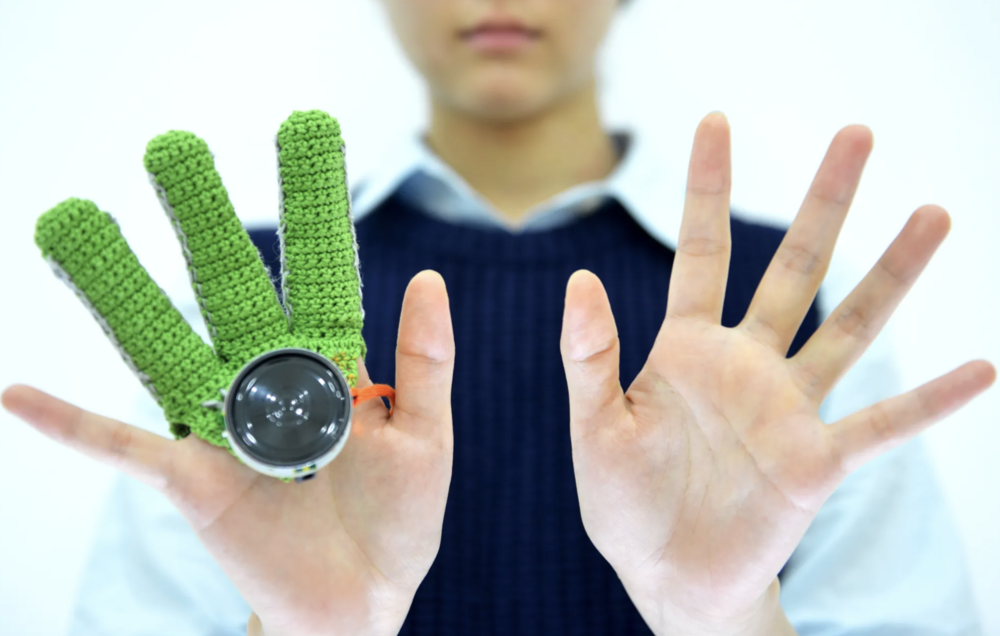
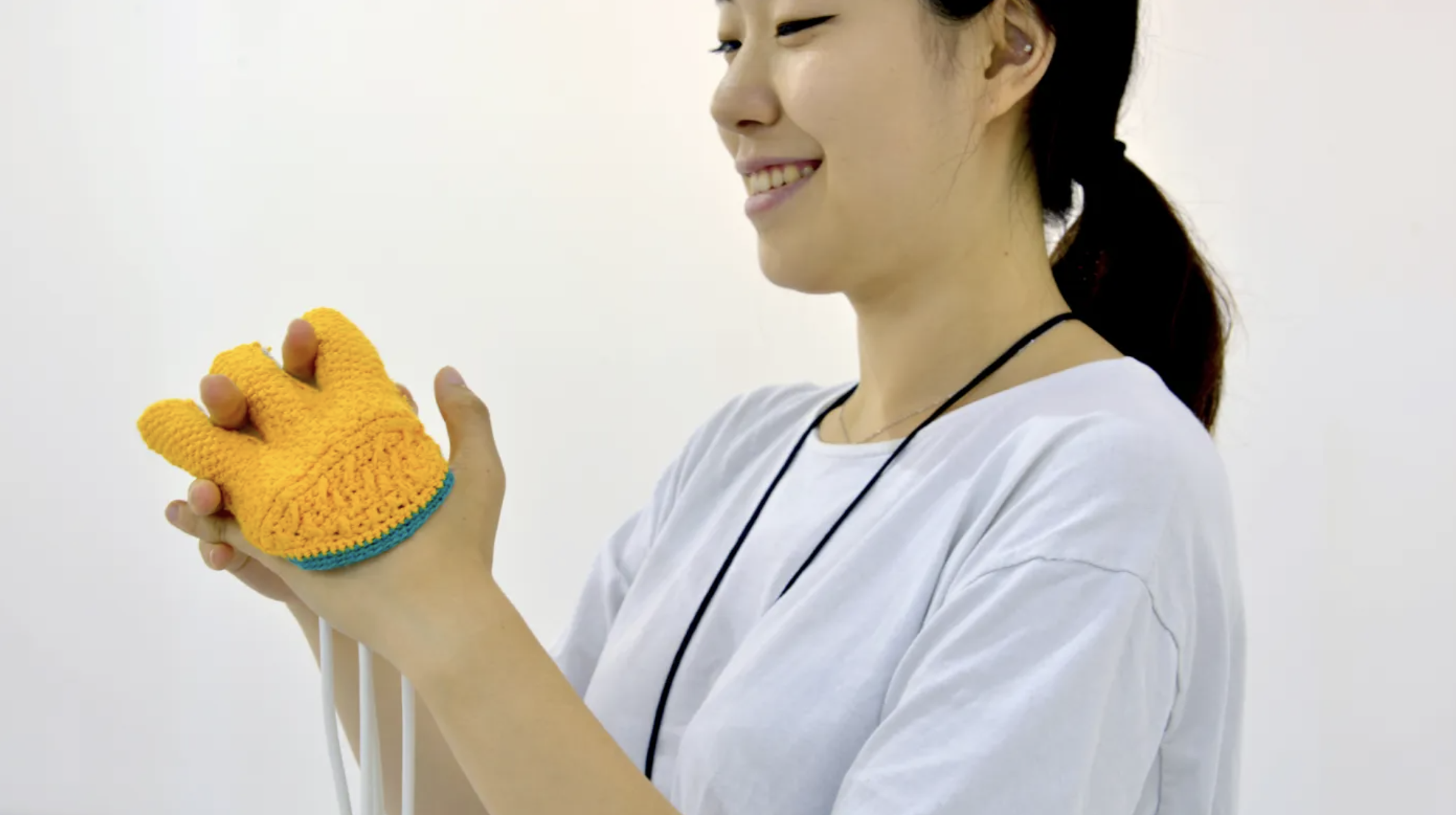
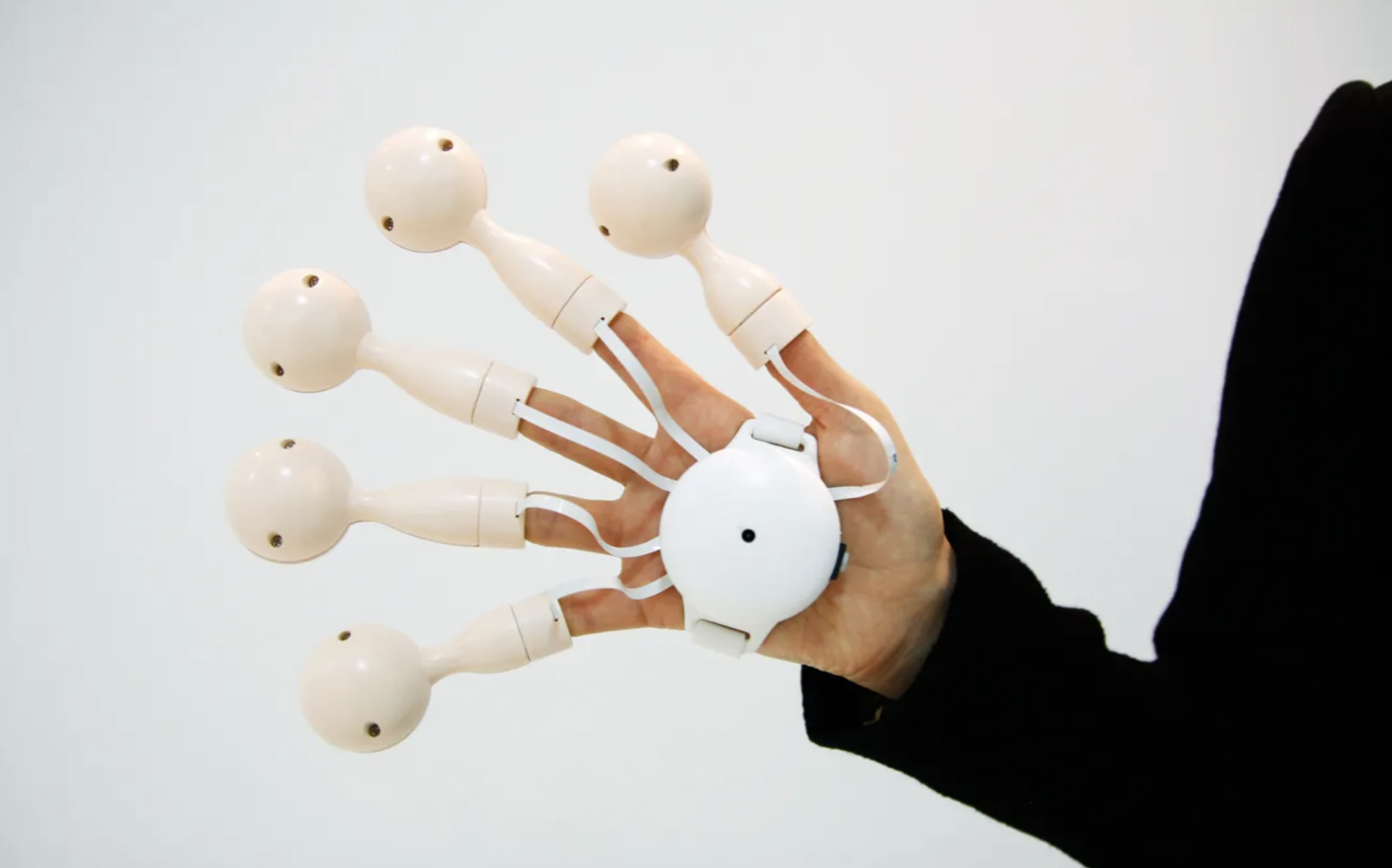
works centered on sensors and electronic circuits attached directly to the
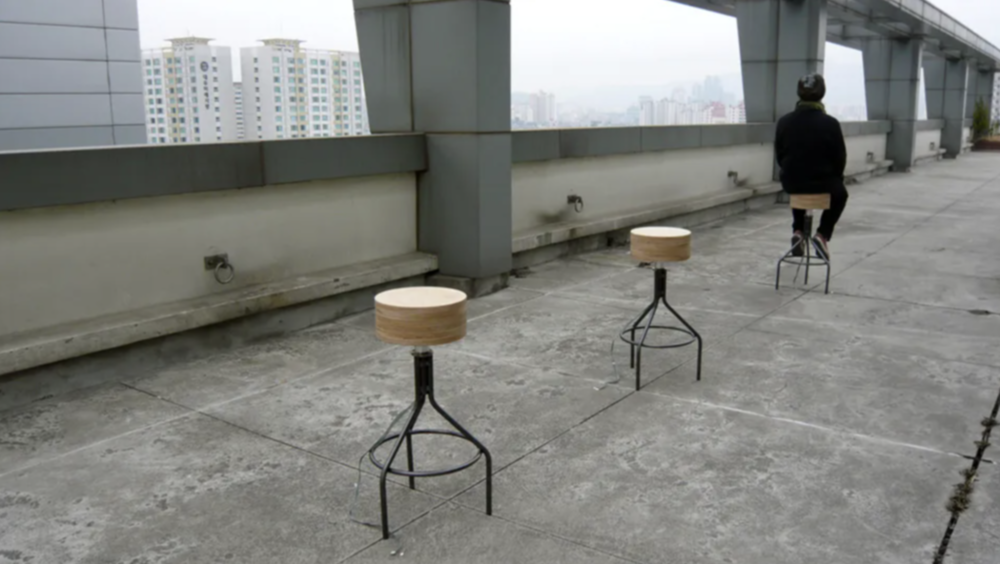
body, as well as devices that generate sound. In Frog
Xylophone and Kkagji, Ttwali, movements of the
fingers and head activate the work, and the viewer temporarily becomes a hybrid
body composed of human and machine at the moment of wearing the device.
This
wearable format develops beyond the framework of a simple interactive device,
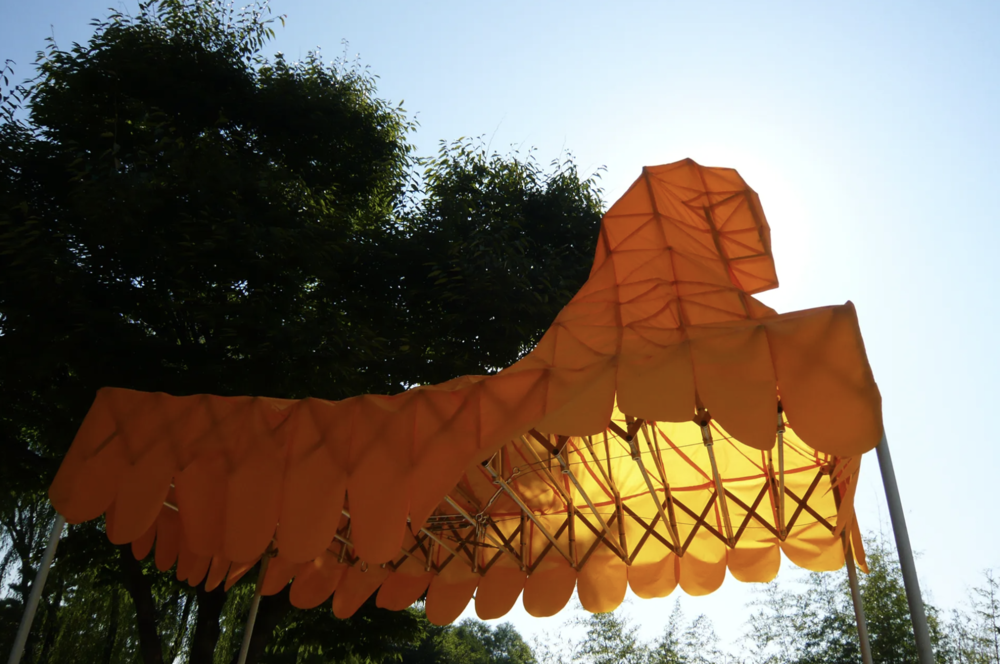
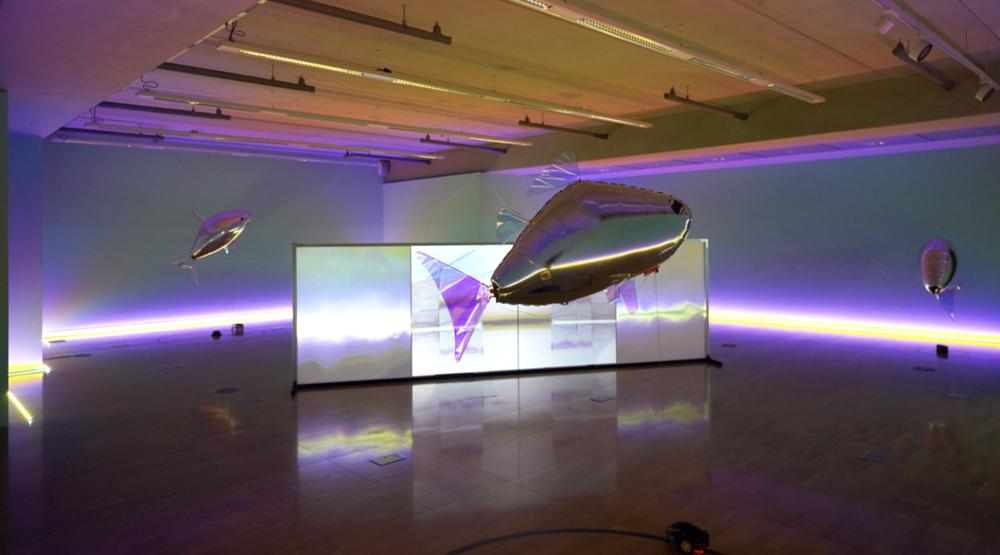
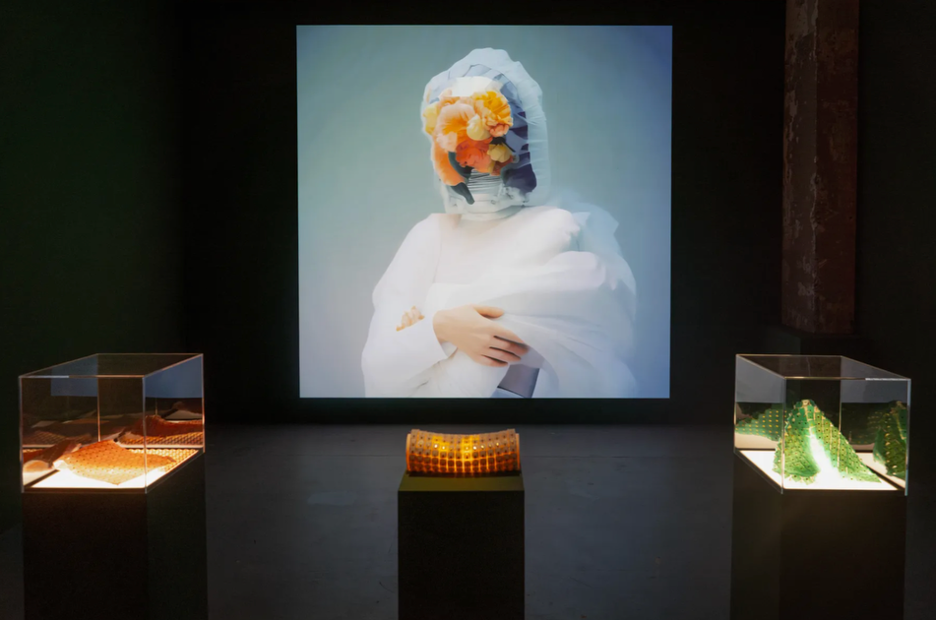
continuing into Wearable things for the future(2022) and
Exotic Species in the Robot Ecosystem, where it evolves into
questions about what can be called a human body and what kinds of forms might
survive within a technological ecosystem.
Around
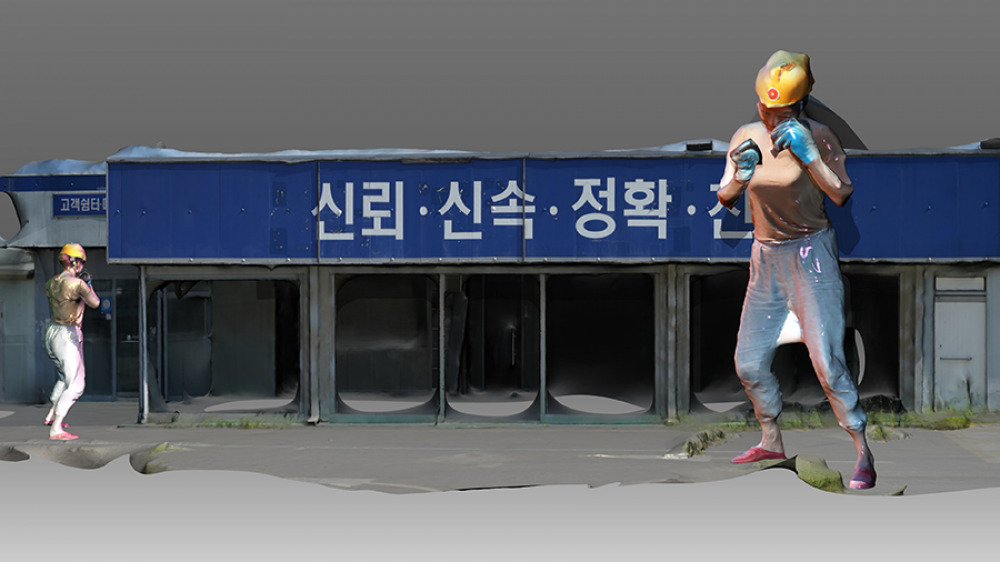
2018, VR, LiDAR, photogrammetry, 3D modeling, and 3D printing began to enter
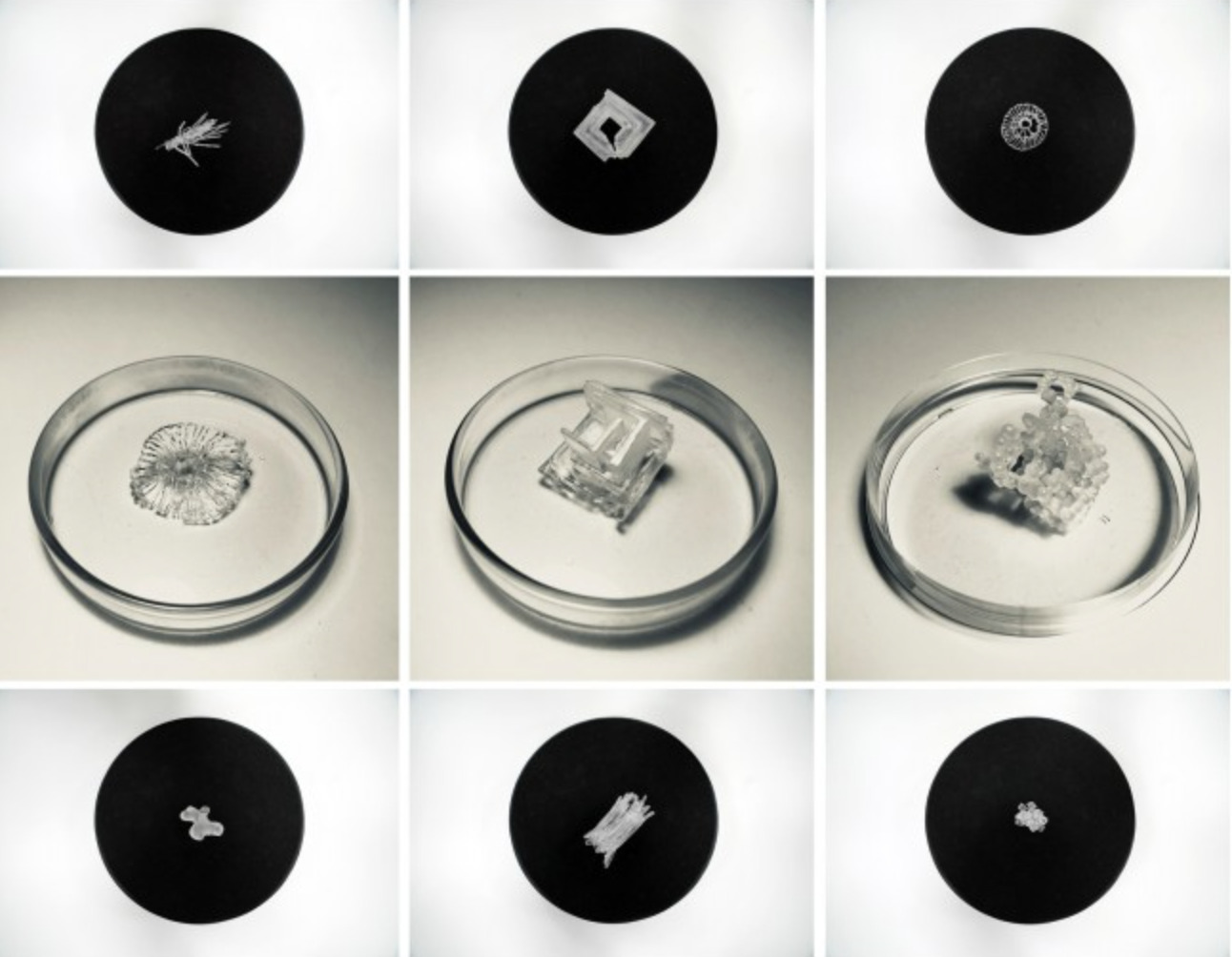
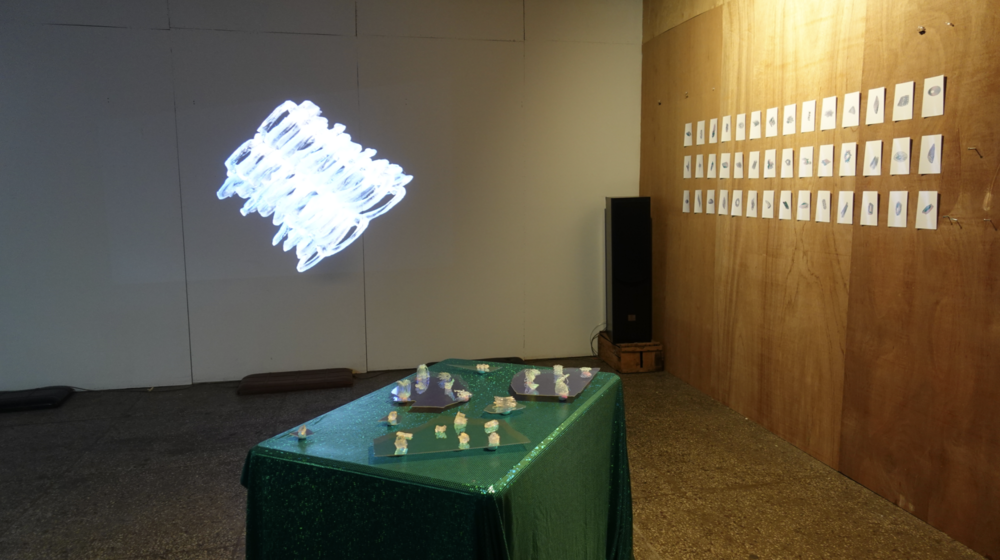
more fully into the structure of Yang’s work. Presented in 《Material, Sensory, Simulation》(Seetangraum,
Jeju, 2018), Sensory, Crystallized transfers sculptural data
created in a VR environment—where gravity and material properties operate
differently—into physical matter. Here, 3D printing does not function simply as
a means of faithfully reproducing virtual forms in reality, but as a device
that reveals the collision between the conditions of different dimensions.
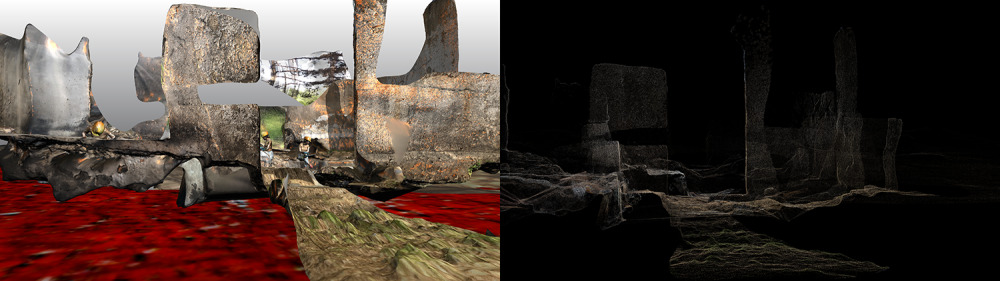
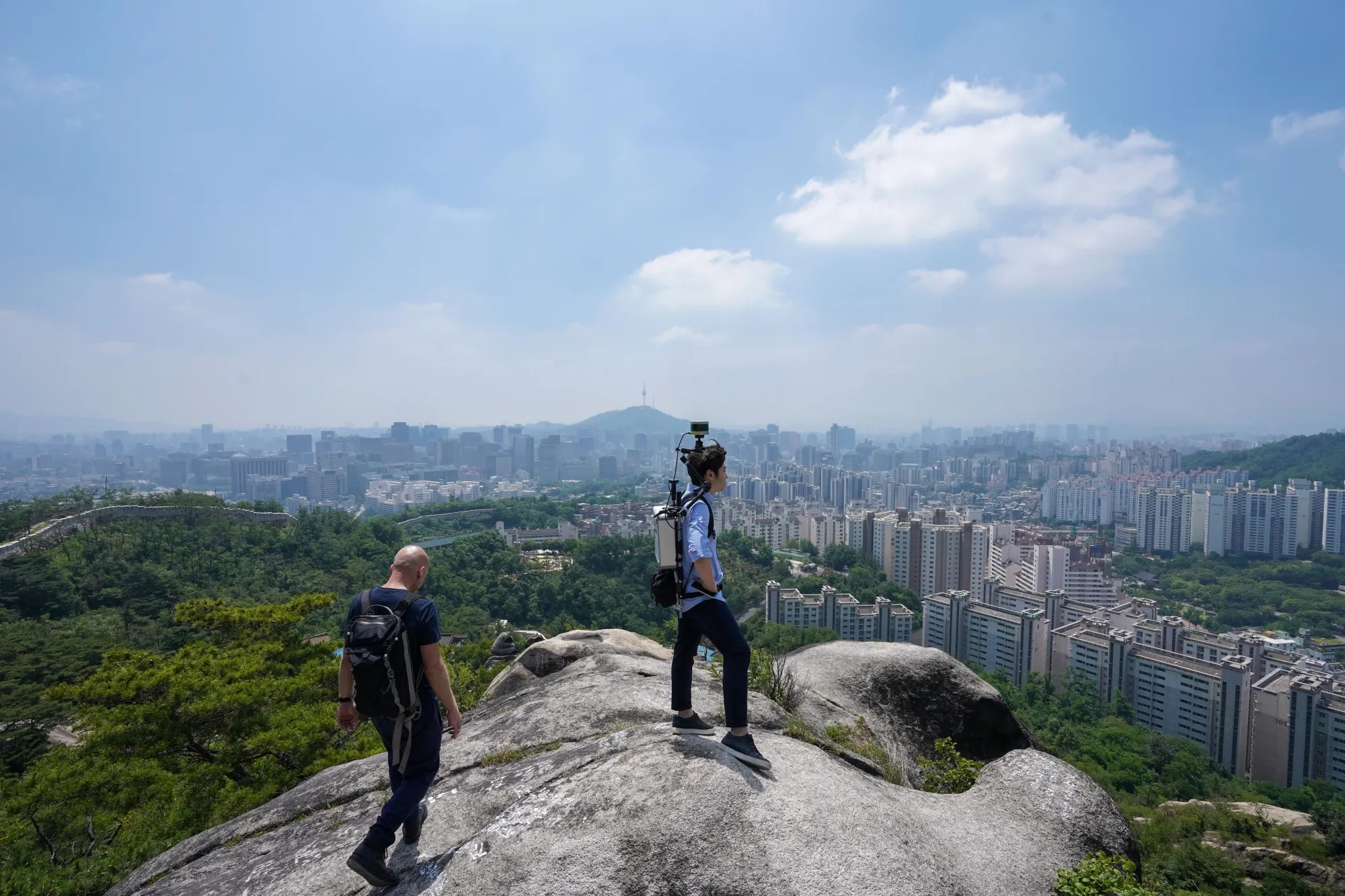
Volumetric Data Collector likewise transforms an efficient
measuring technology into a deliberately inefficient sensory device by
attaching a LiDAR system, originally structured around automotive use, directly
to the human body. For Yang, the function of technology becomes most visible
not when it is used exactly as intended, but when it is displaced from the
conditions in which it normally operates.
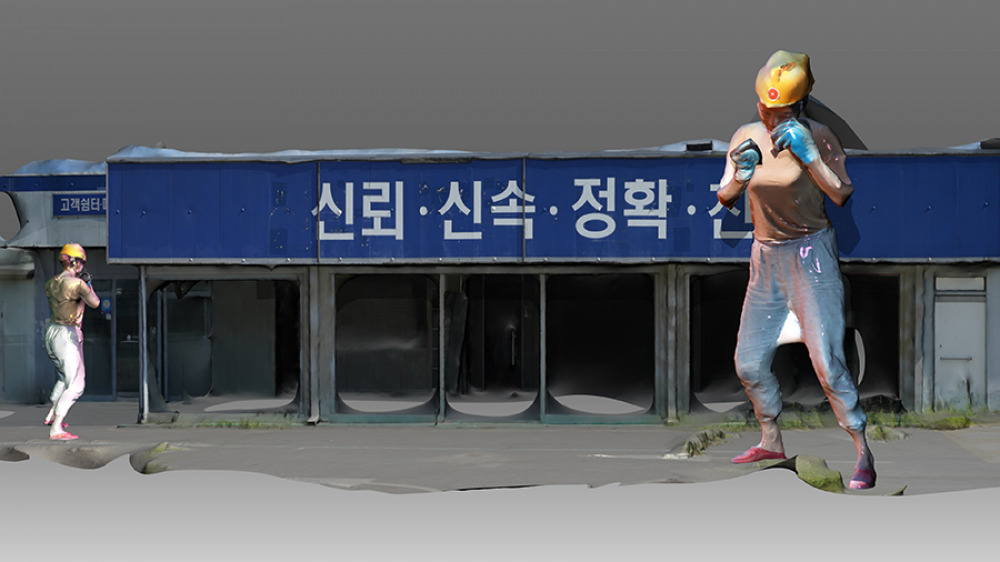
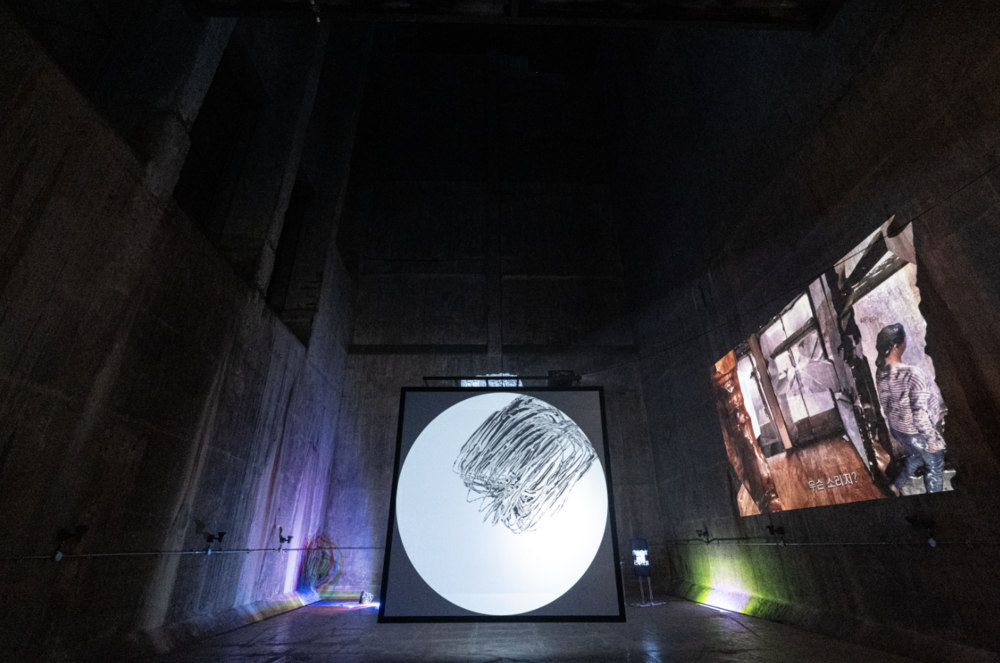
After
Data, we can meet and From the OOX,
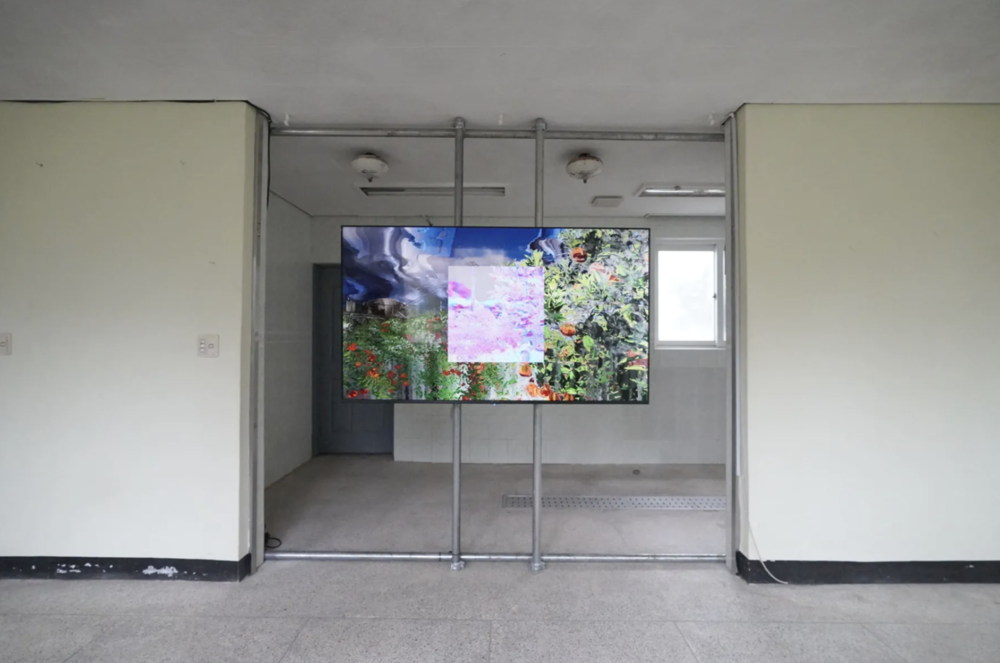
screen-based images and simulations take on a greater role, yet the focus
remains elsewhere than on polished digital imagery itself. Stitching errors,
data degradation, buffering, abnormal rigging, and asynchronous
movements—phenomena that industrial software generally conceals or
removes—become central elements of the image.
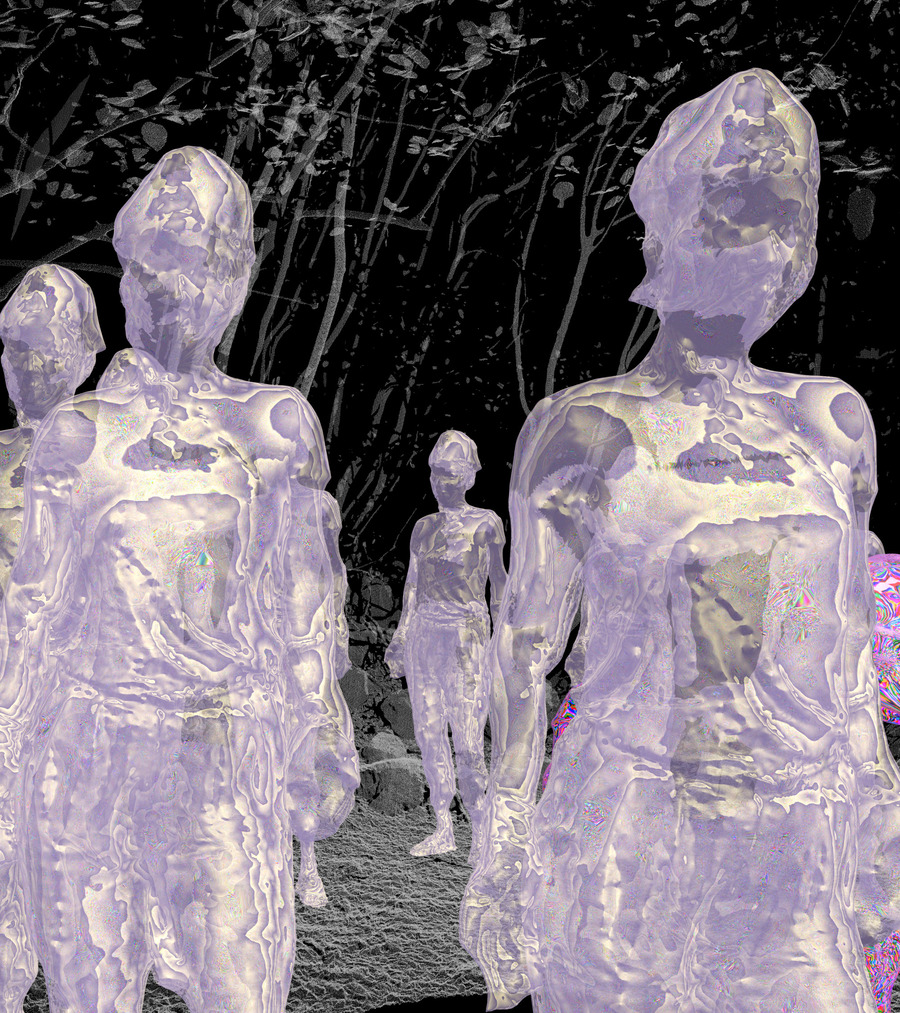
In In the Forest of
Speculation, this instability expands into audio-reactive video, in
which sound frequencies, particles, and three-dimensional data continually
affect one another and produce changing states.
Meta-Matter-Real(2023), Vegetation, Migration(2023),
Landing in the Critical Zone(2023), and
Seongsan-Wimi-Daepo(2023) can likewise be understood as
experiments that connect moving images, data, and environmental sensation while
testing the relationship between physical locations and digital models from different
directions.
More
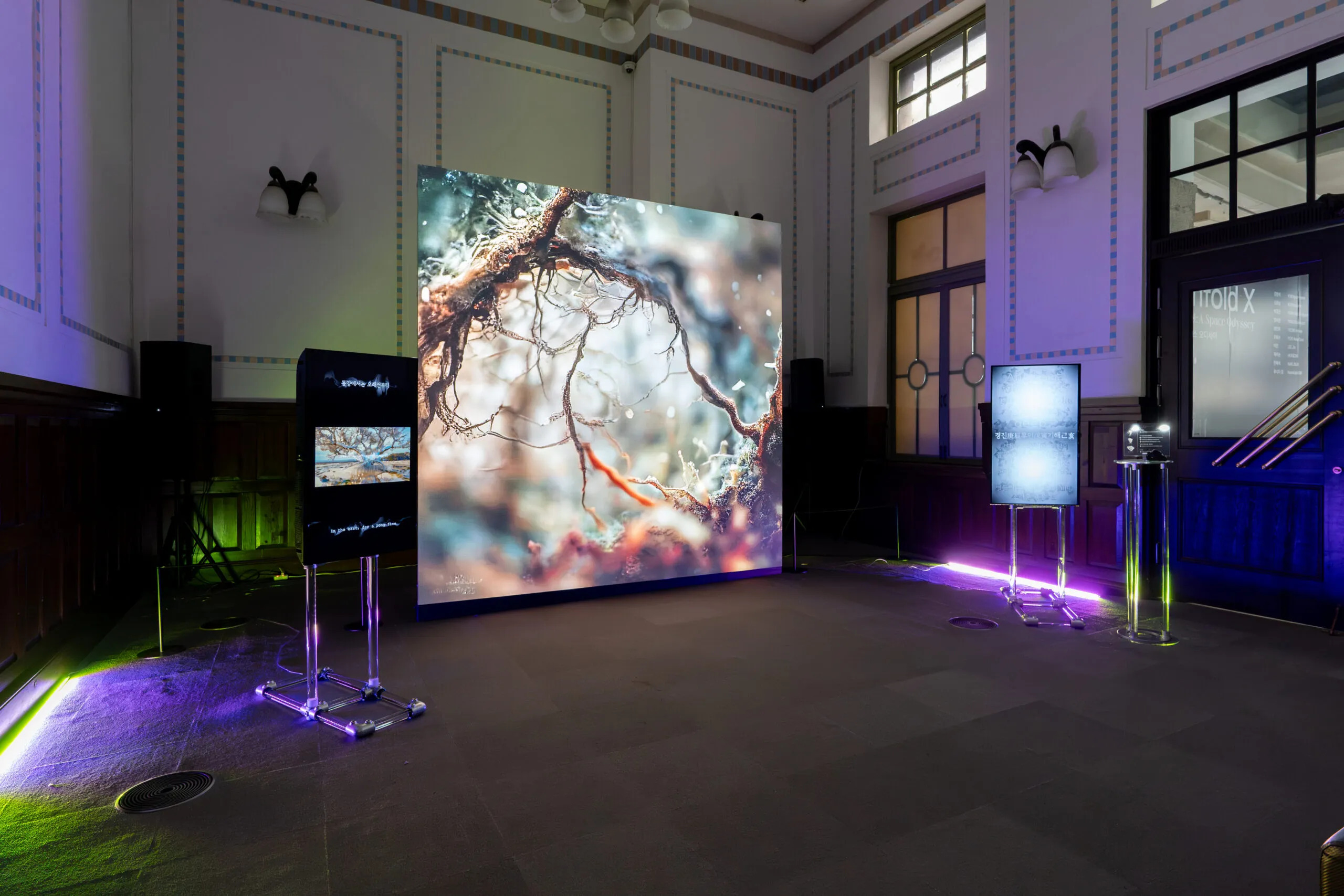
recently, generative AI and real-time data have become another major axis of
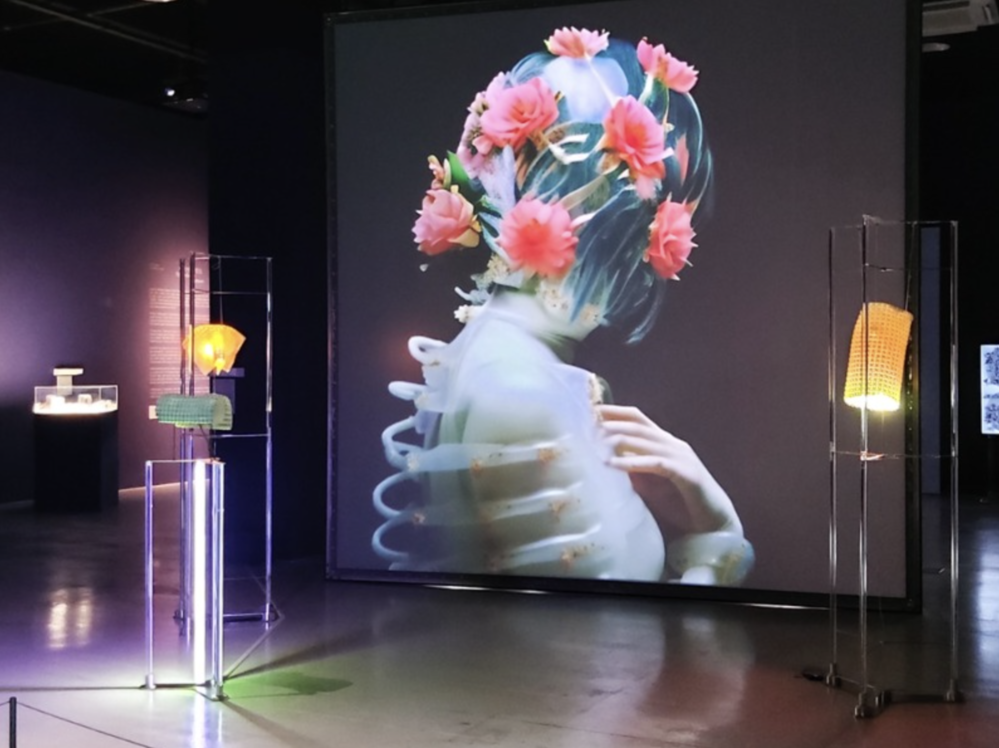
Yang’s formal practice. The Human Materialism and Synthetic
Ontography(2023) began with textual research referencing Eastern
cosmology and the traditional system of Myungri, addressing forms of
information that Western-oriented data systems fail to record or inevitably
omit.
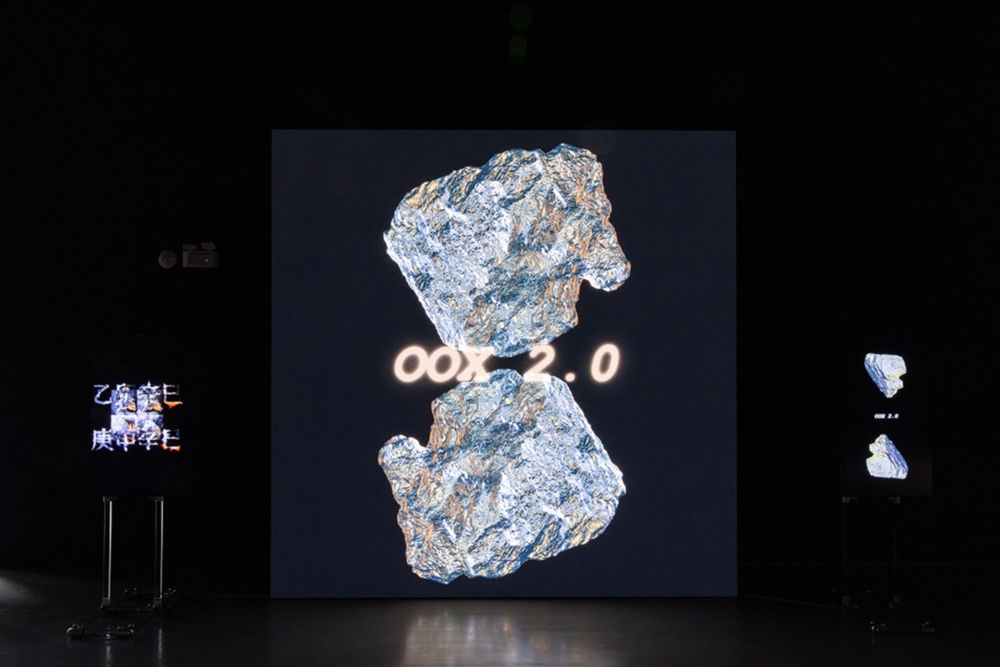
Developed from this project, OOX 2.0 – Application for Earthly
Matter Human Ontography allows viewers to enter their date of birth,
after which AI generates in real time a poem and image that interpret those
numbers in terms of material meaning.
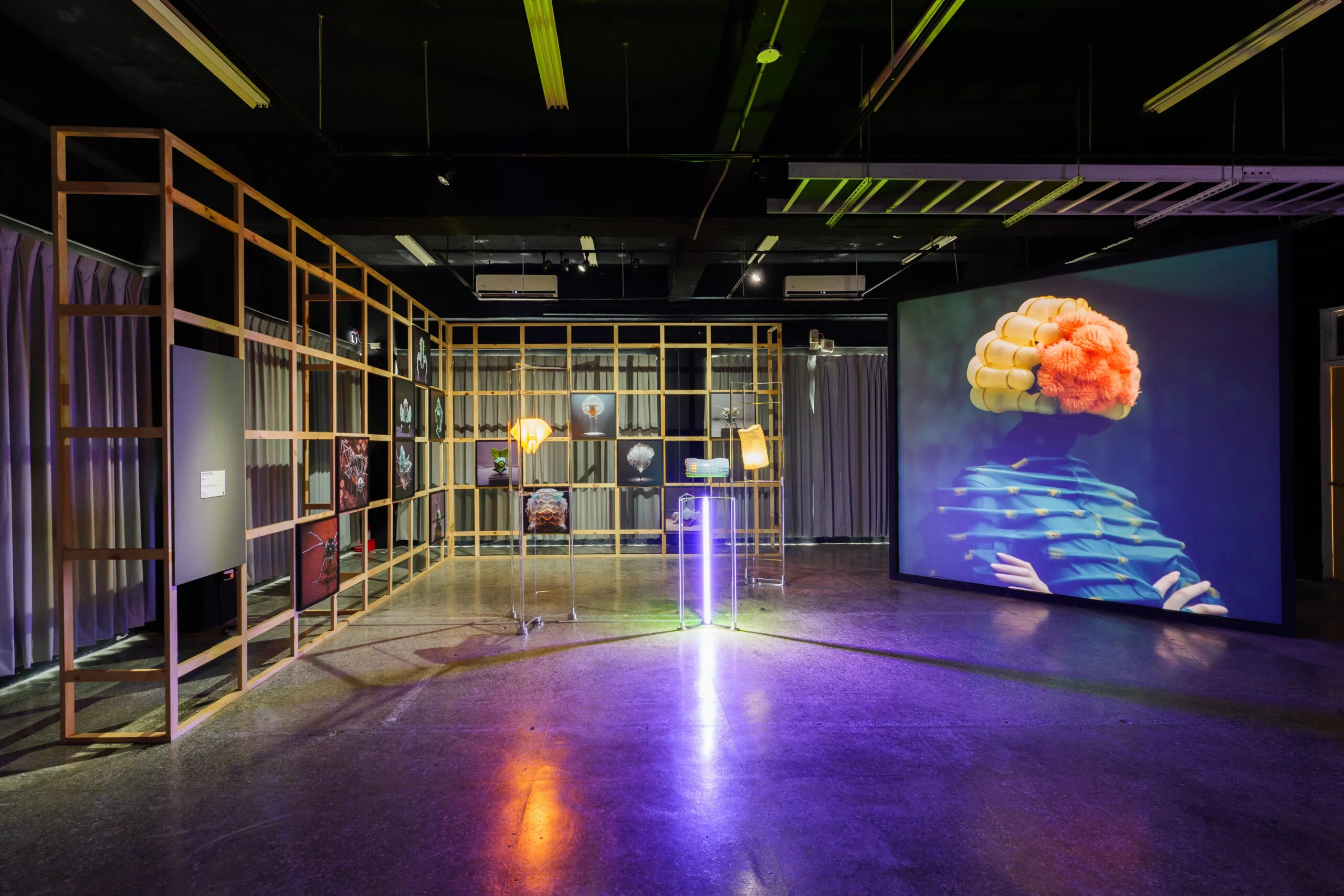
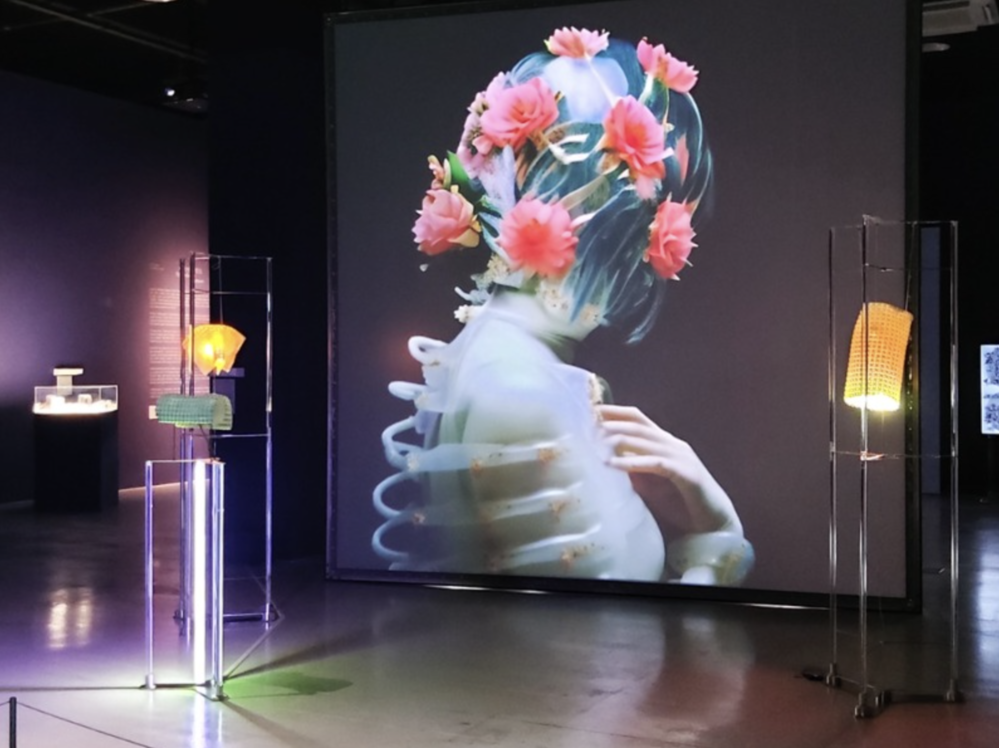
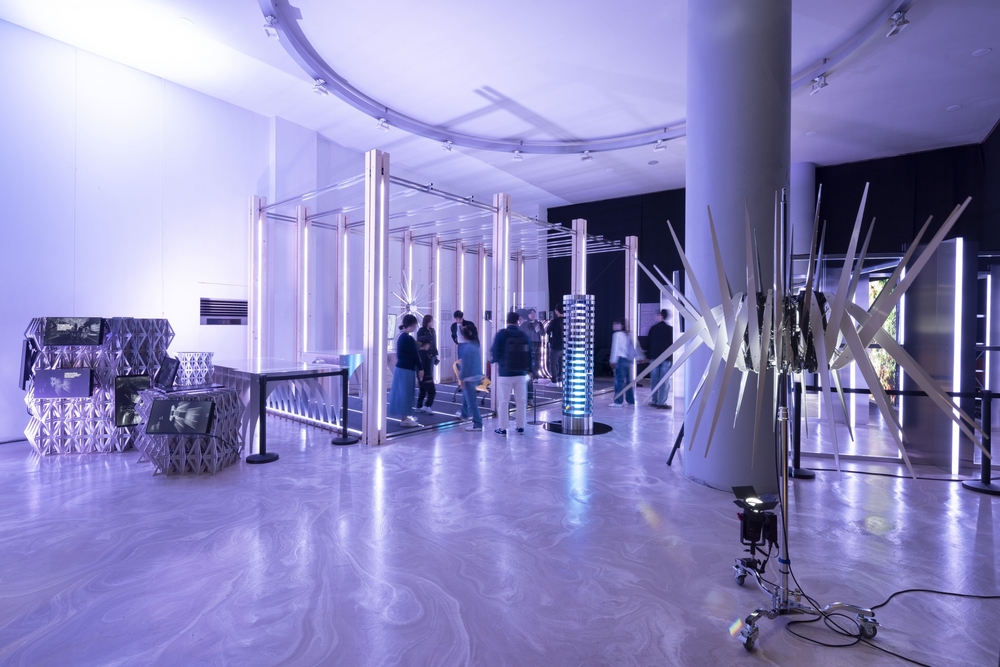
In 《Speculative Matters》(G.MAP, Gwangju, 2025),
these works were brought together within a broader trajectory combining 3D
scanning, VR modeling, and generative AI, later extending into works such as
Different Things with the Same Meaning(2025), which examines
differences and repetitions within generated images themselves. As technology
develops, Yang’s media continue to change, but these shifts are less about
rapidly adopting new technologies than about observing what technology sees,
what it leaves out, and what kinds of forms it produces in the process.