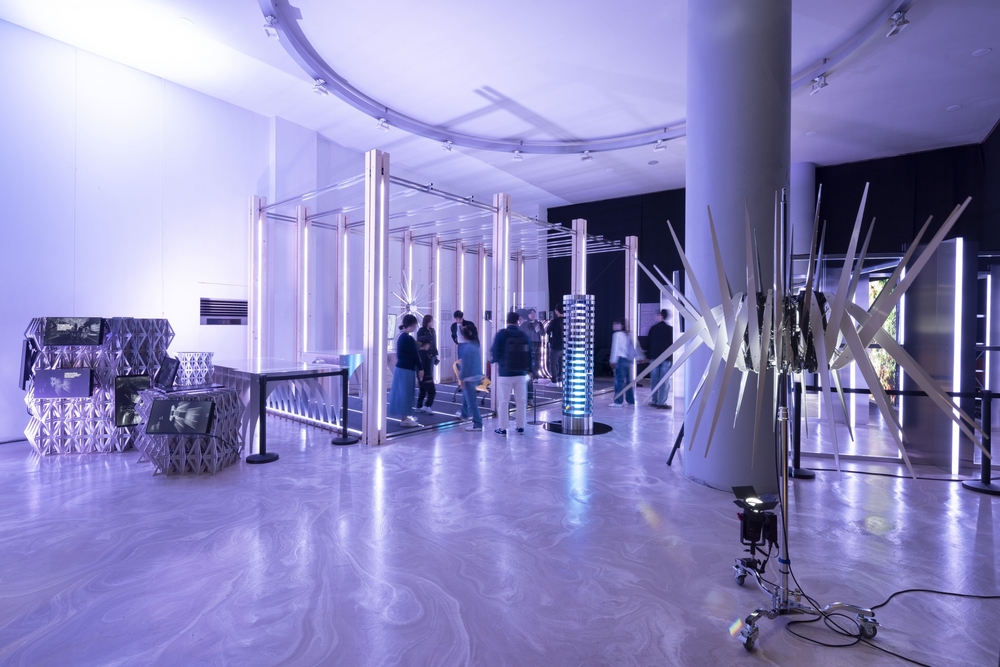
Sookyun Yang (b. 1982) defines contemporary technological media as “matter” and is interested in connecting and manipulating the physical and data realms. Based on this approach, she explores experiences with entities produced and generated by contemporary technological environments and systems through a range of media and methods.


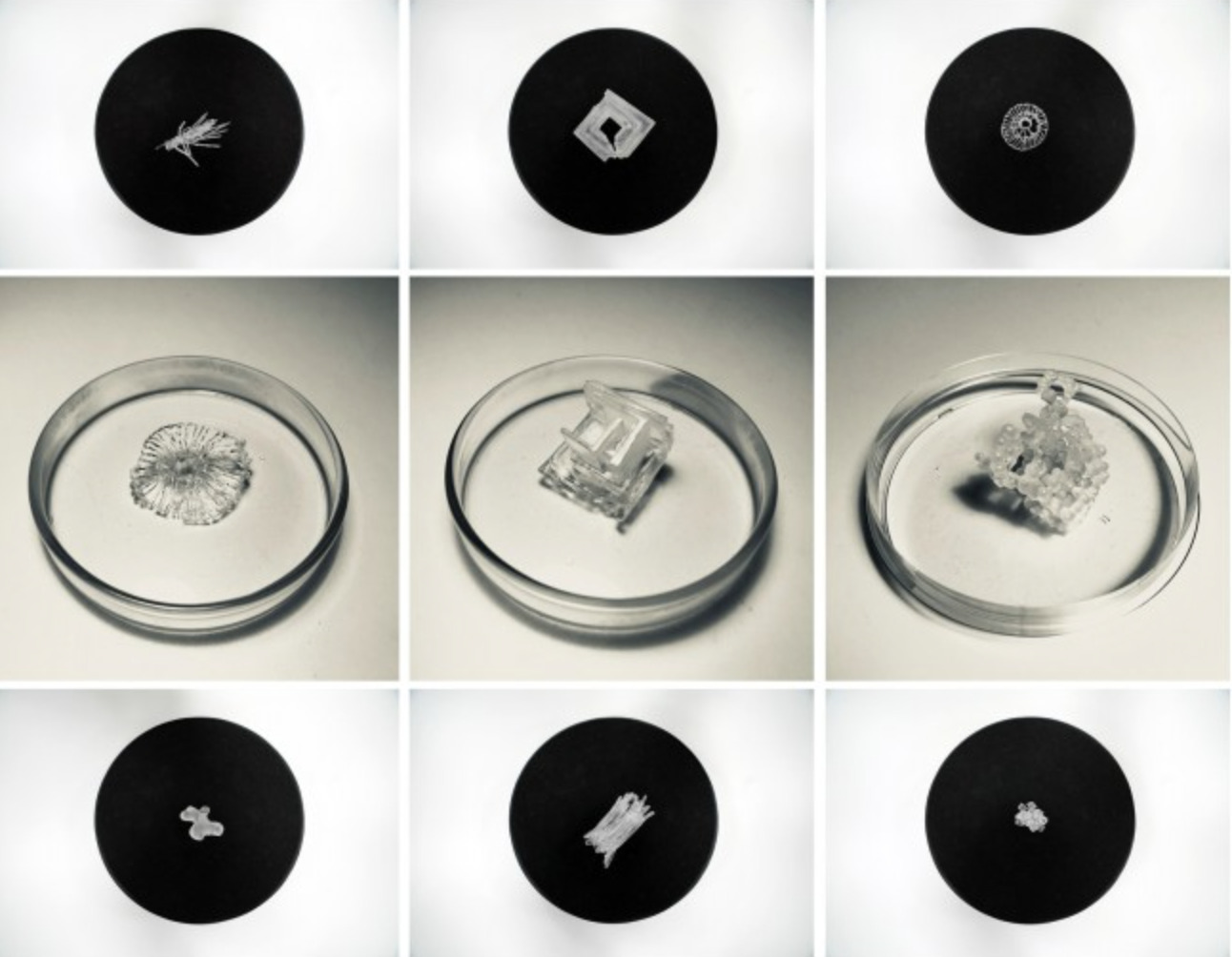
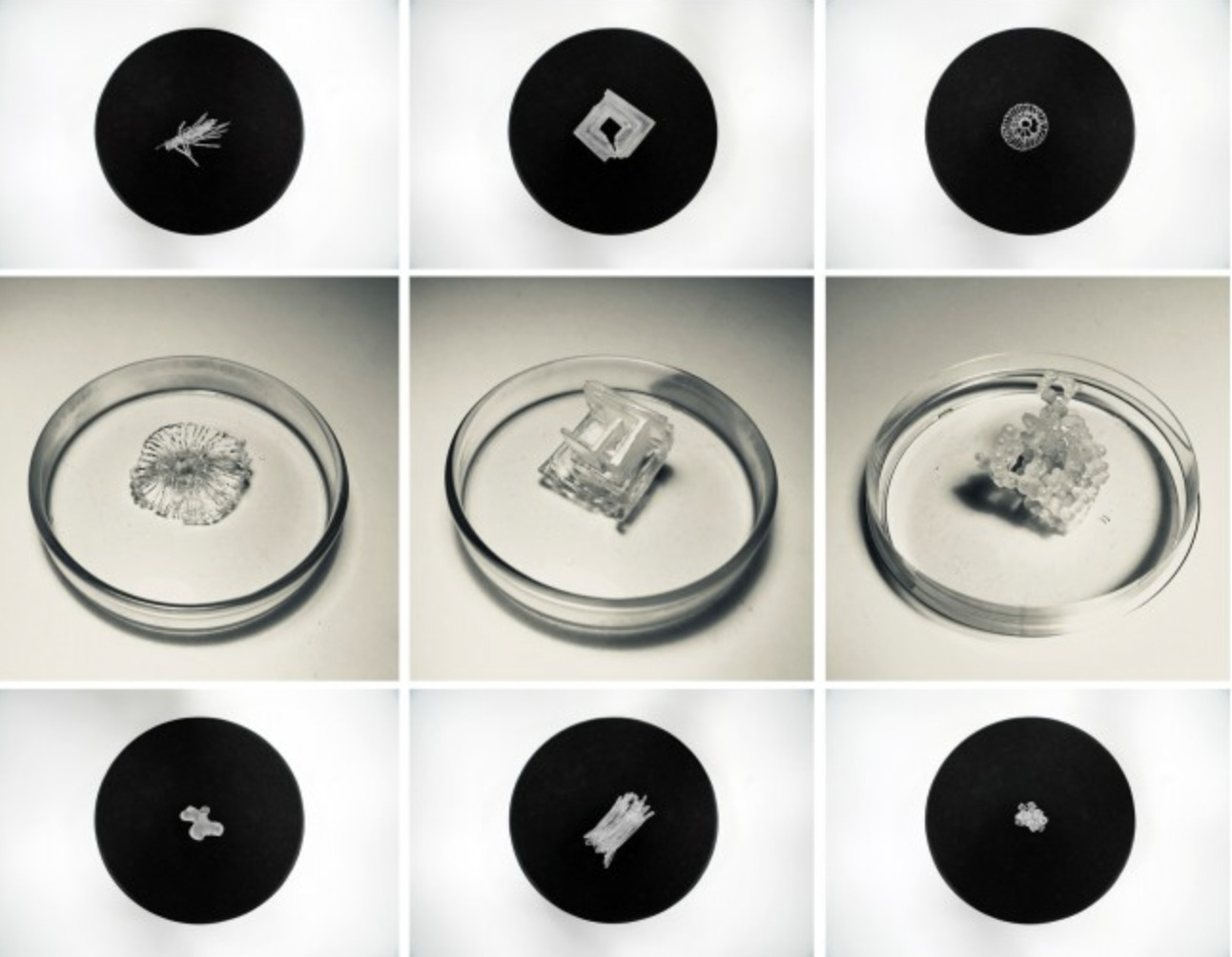
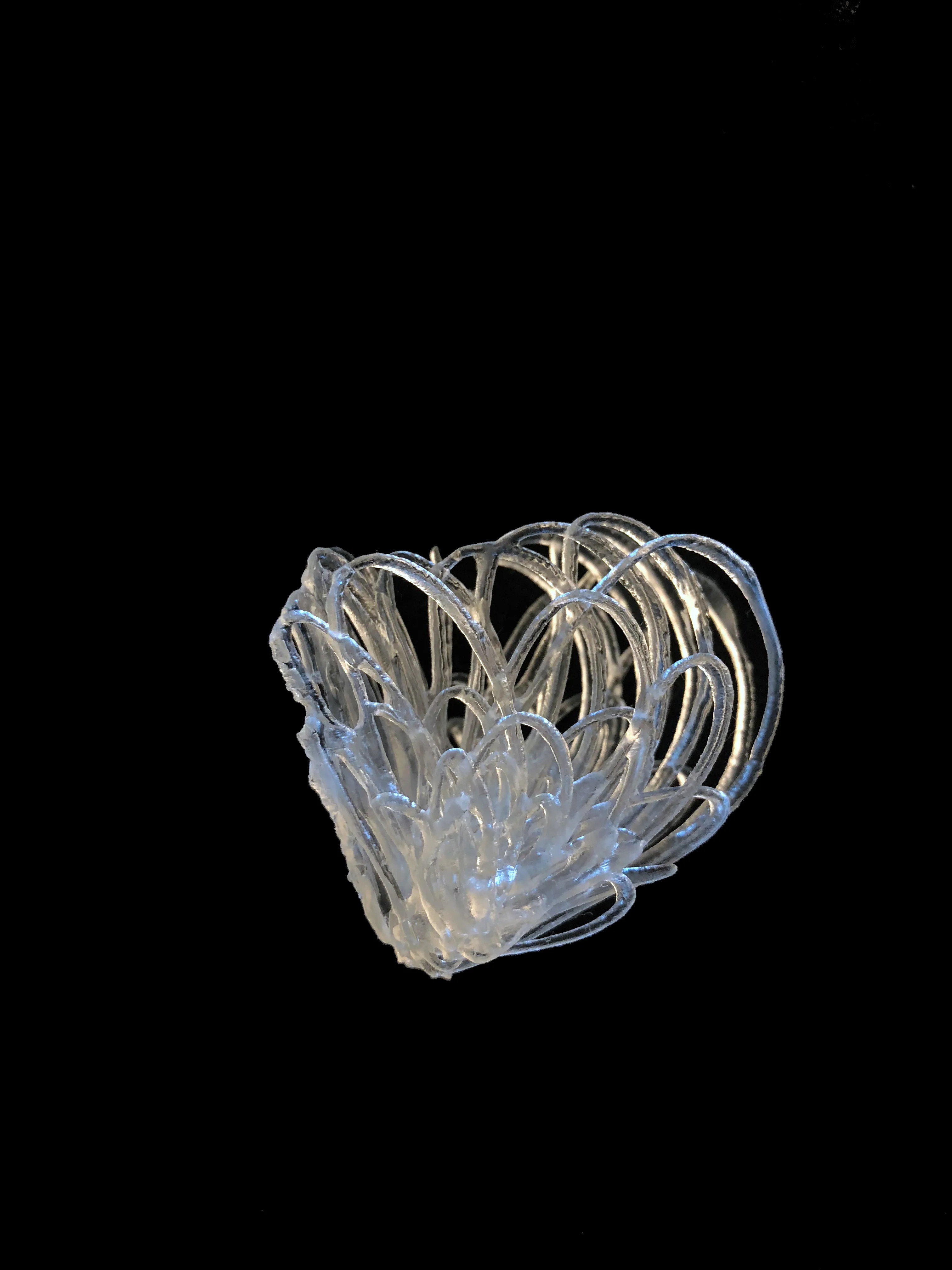
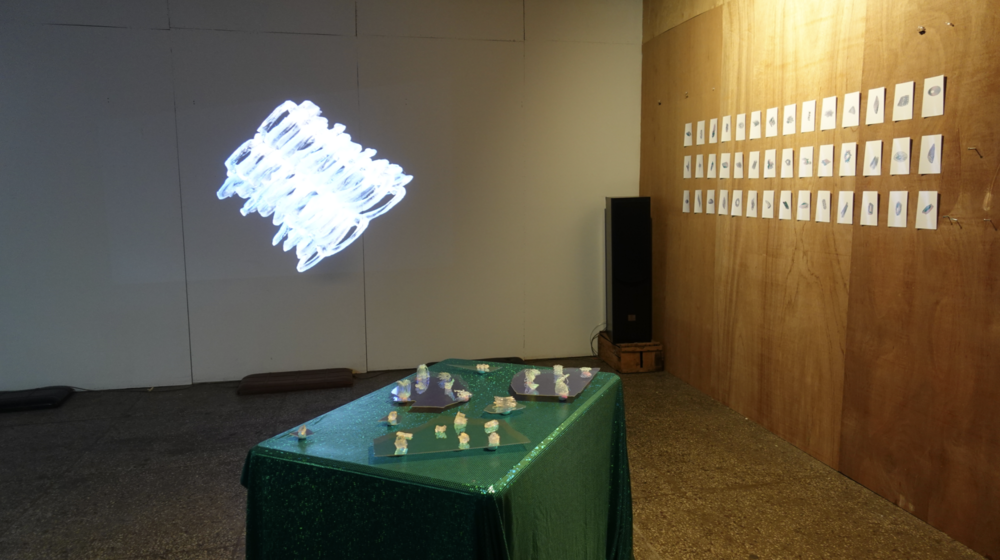
Sookyun Yang, Sensory, Crystallized, 2018, 3D printed sculpture, VR modeling © Coreana Museum of Art

Sookyun Yang has explored a range of subjects situated at the boundaries between matter and immateriality, reality and virtuality—including embodied perception, the blurring of boundaries through transformations of physical space, and glitches generated by technological algorithms—while continuously questioning an era in which technology has become an environment in itself.
 
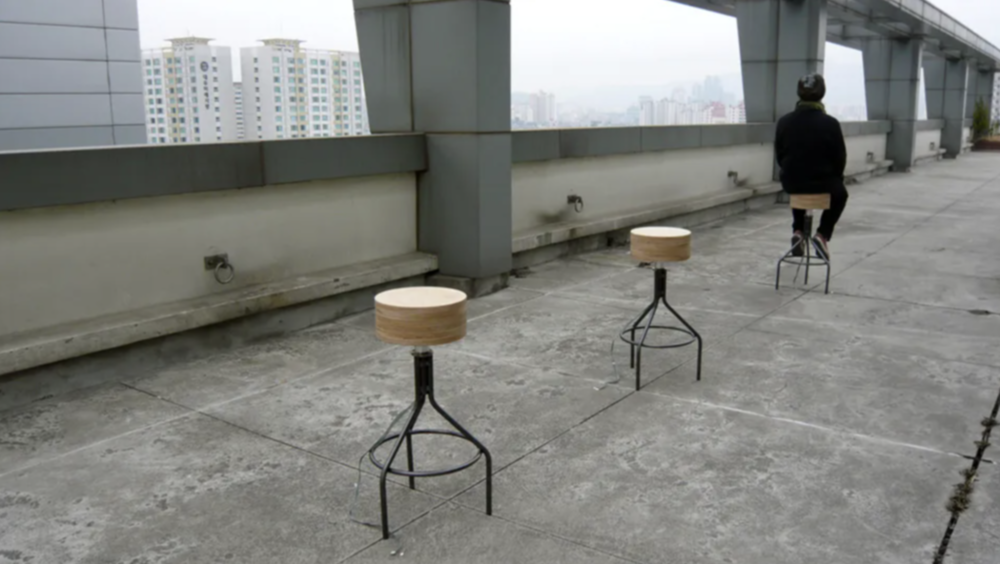
In her early practice, Yang focused on the human body as it senses and experiences the world in new ways within technological environments, conducting a range of experiments. For example, her 2018 work Sensory, Crystallized explored the sensations of the physical body as a medium connecting technological and physical spaces.


Sookyun Yang, Sensory, Crystallized, 2018, 3D printed sculpture, VR modeling © Sookyun Yang

Virtual space has traditionally been regarded as a space that reproduces images of reality. Yang, however, moves beyond this perspective and focuses on the fact that virtual and physical spaces possess fundamentally different forms of productivity.
 
To reveal the different modes of production shaped by the distinct physical environments and structures of these two spaces, as well as the ruptures that emerge in the process, Yang sought a common medium capable of intervening in both. She chose the “body” as that medium.
 
The gap between virtual and physical spaces, which cannot be fully translated from one into the other, is recorded through bodily movements using VR devices, and the sensations captured through these movements are subsequently transformed into data.
 
The modeling data created by the artist within the VR space is then transferred into the physical world through 3D printing technology. In doing so, the work demonstrates the possibilities of the human “body” as a free agent that moves across the boundaries between virtual and physical spaces while acquiring and experiencing sensations.


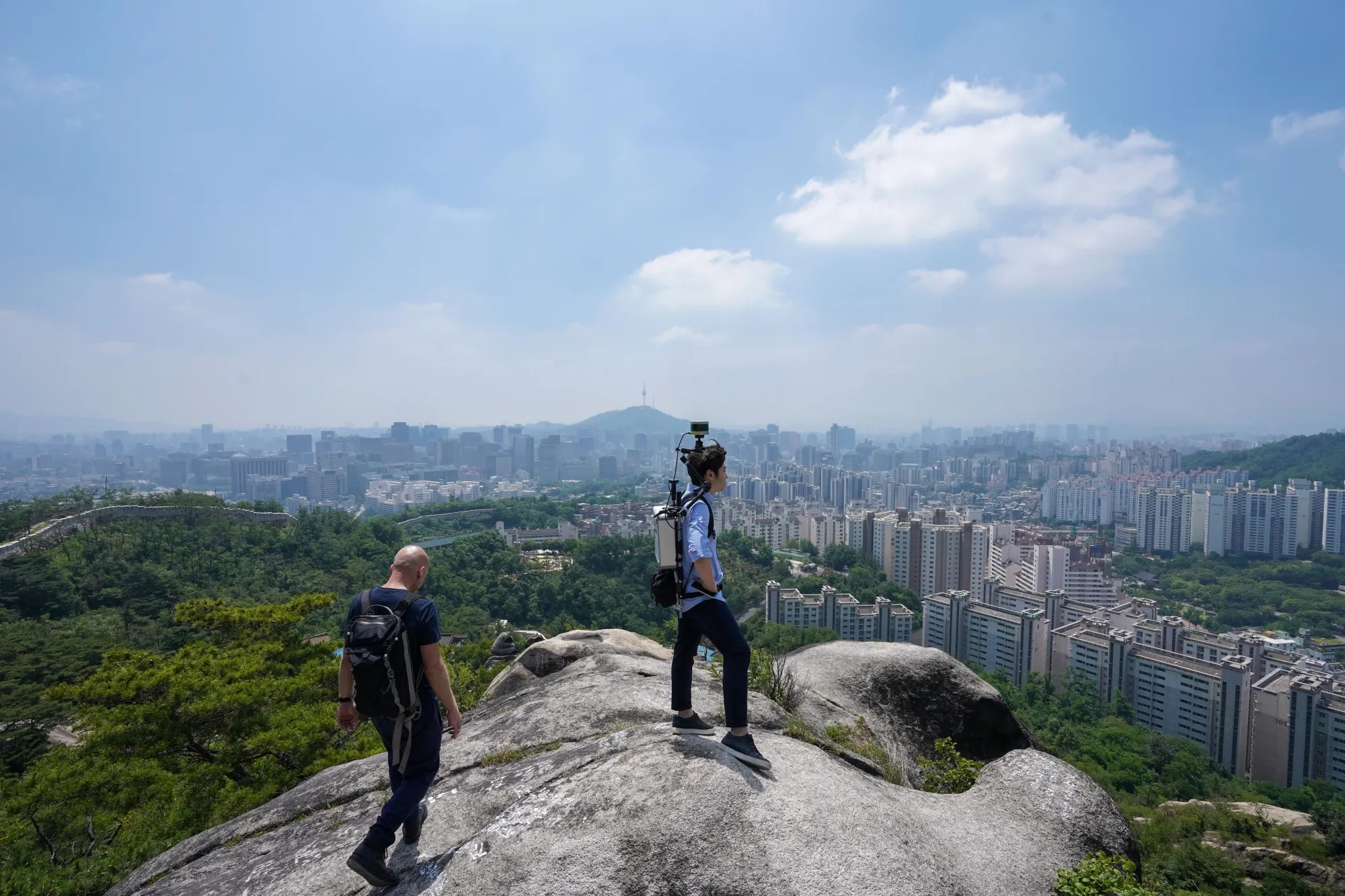
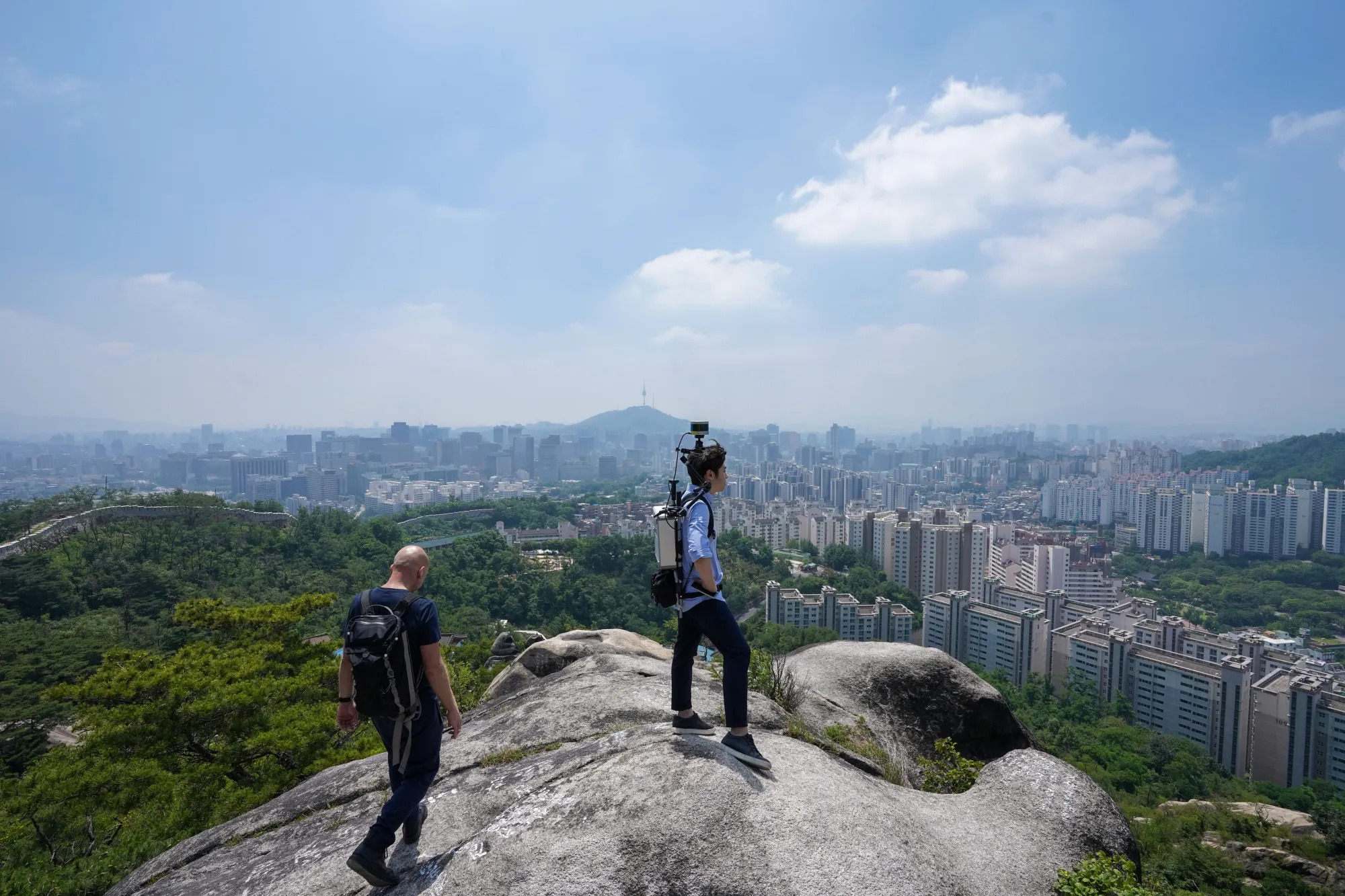
Sookyun Yang, Volumetric Data Collector, 2018, Media performance, Collaboration with Jinoon Choi, Hyun Parke (Seoul LiDARs) © Sookyun Yang

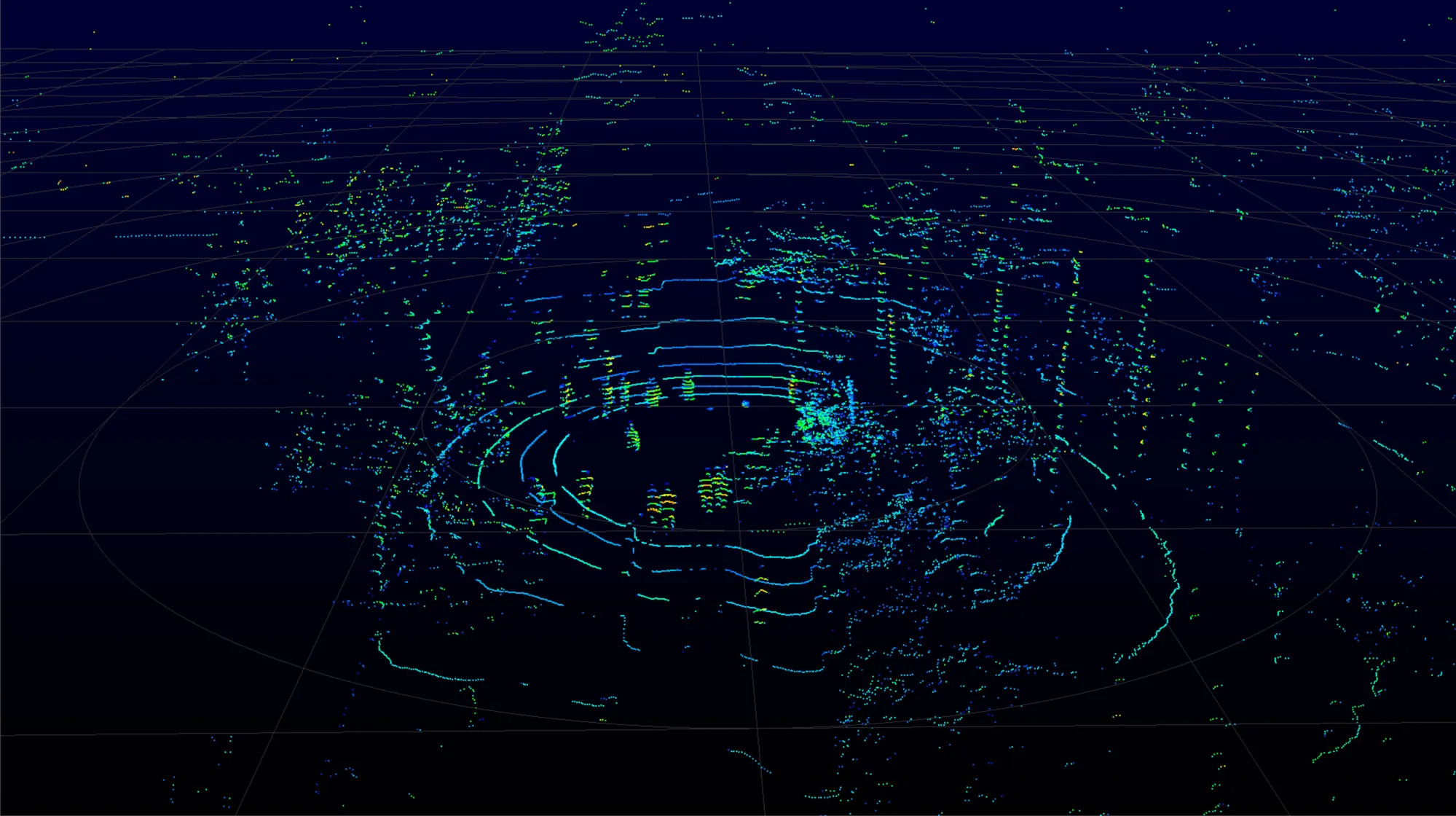
That same year, Yang collaborated with artists Jinoon Choi and Hyun Parke on Volumetric Data Collector, a work that tested the interchangeability between LiDAR sensing technology, which reads objects and spaces as point clouds, and human perception.
 
The three artists designed a LiDAR sensor in a form that could be carried by a person and carried it to various locations in Seoul inaccessible to cars. Combined with human mobility, this inefficient sensing device accompanied the artists as they explored the city for three days, performing the simple task of collecting data on their routes of movement.


Sookyun Yang, Volumetric Data Collector, 2018, Media performance, Collaboration with Jinoon Choi, Hyun Parke (Seoul LiDARs) © Sookyun Yang

The sensing device, which appears almost parasitic on the human body, immediately visualizes three-dimensional spatial information through a display mounted on its back.
 
Through this work, the artist sought to question how sensory information generated outside the human body shapes physical space when introduced into our environment, and how it affects human perceptual abilities.


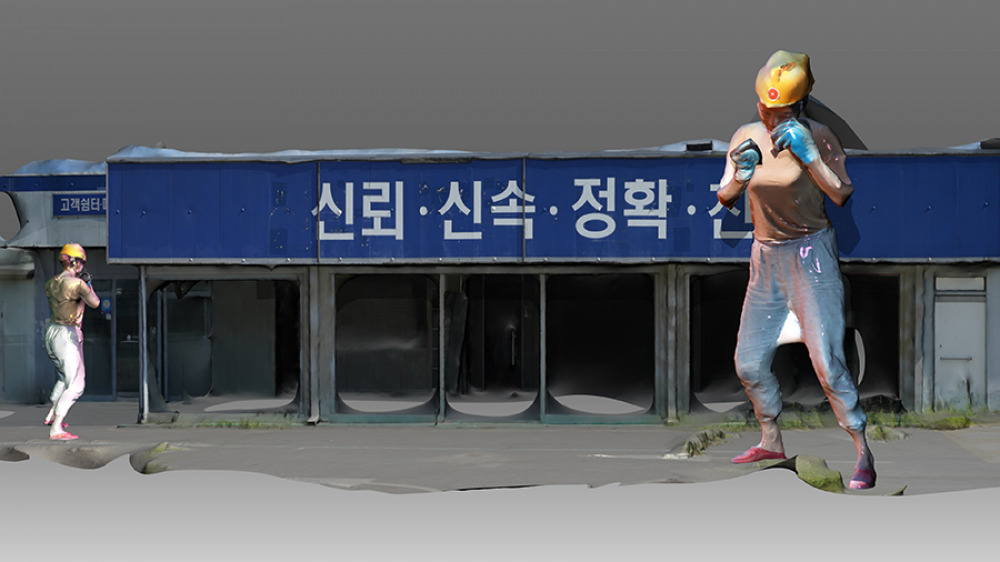
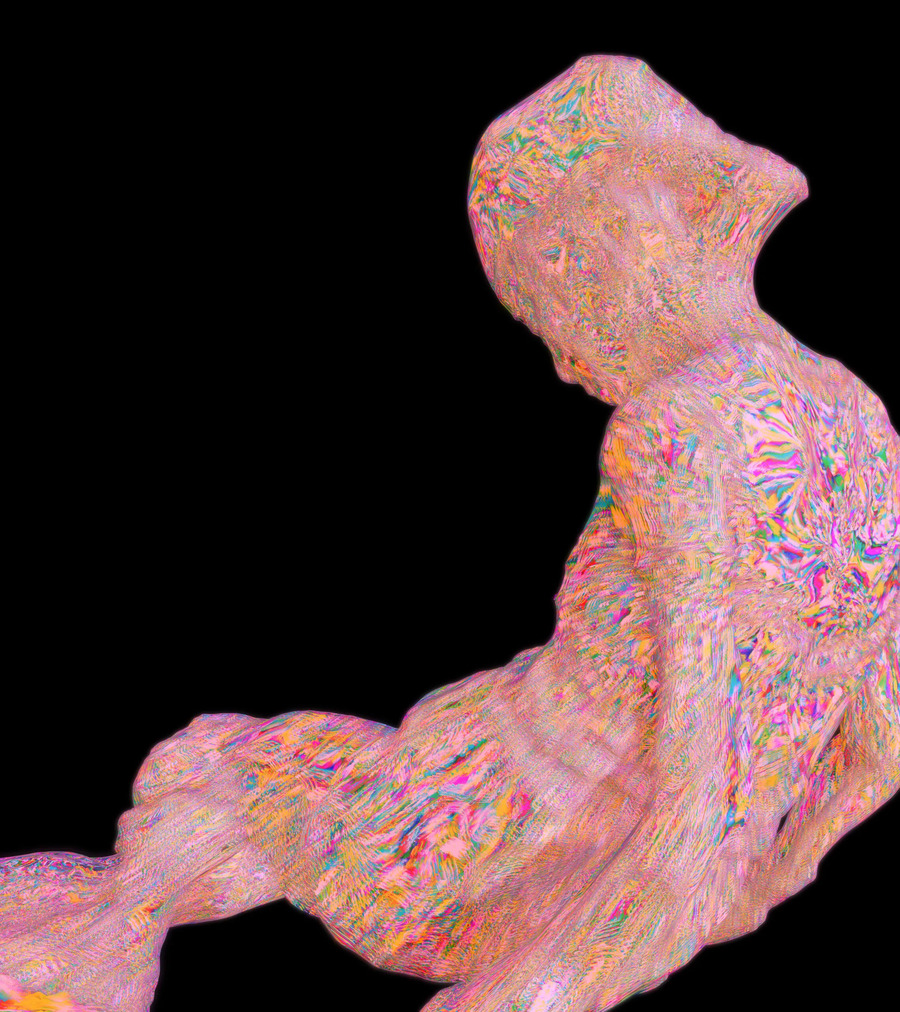
Sookyun Yang, Data, we can meet, 2019, 3D computer simulation, Dimensions variable © Sookyun Yang

While the works discussed above explore sensations between the virtual and the physical through the human body as a medium, Yang’s 2019 work Data, We Can Meet begins with questions surrounding big data and personally owned data in the age of artificial intelligence.
 
The second work in her ongoing project ‘How to See Technology’, which she began in 2017, Data, We Can Meet is based on the question, “Among the various images owned by an individual, what data can actually be translated into productivity?” To explore this question, Yang uses open-source programs to create data that she can personally manipulate.


Sookyun Yang, Data, we can meet, 2019, 3D computer simulation, 4min 16sec. © Sookyun Yang

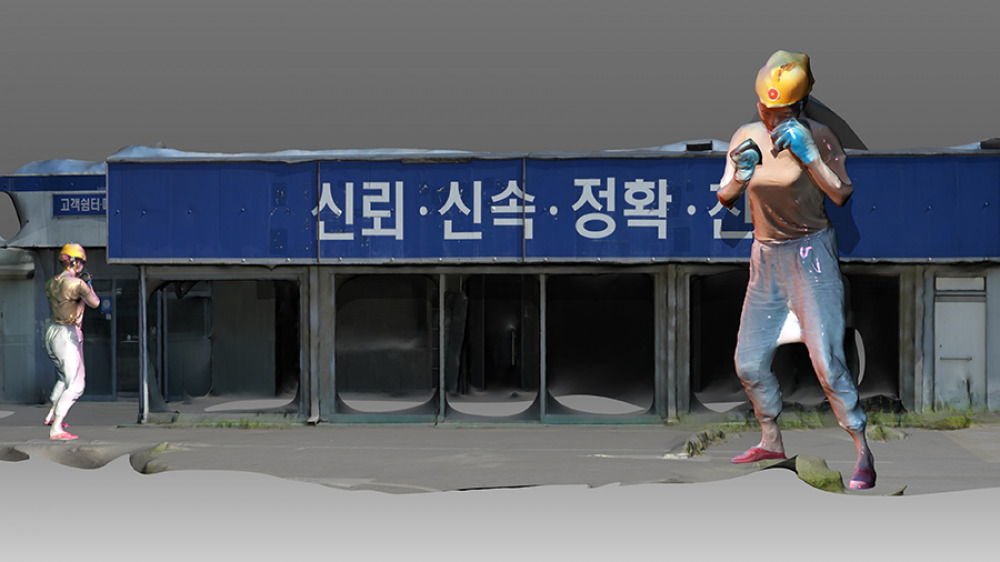
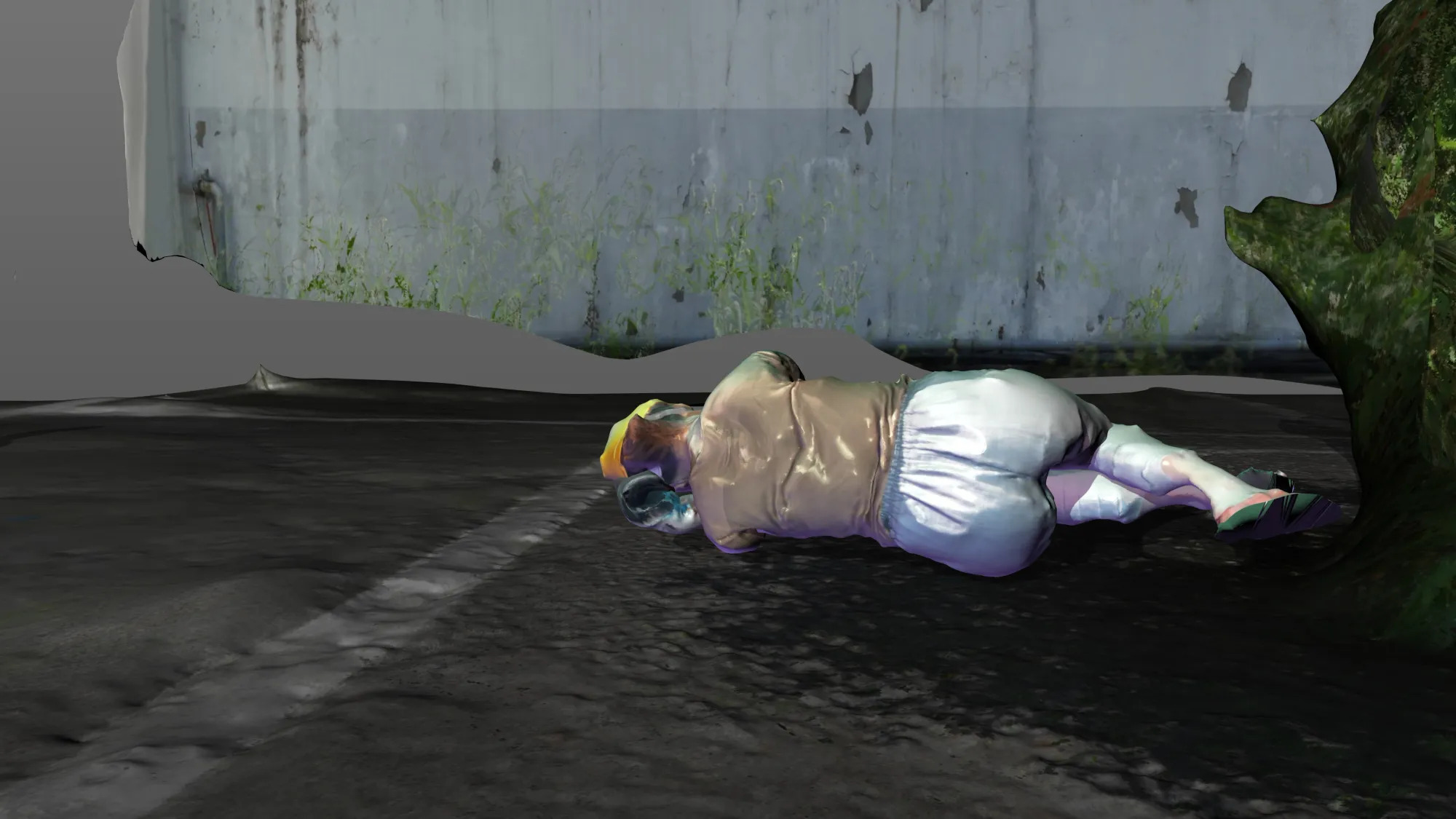
The 2D image of the artist herself is reproduced as 3D data through a photogrammetry program, and this data is then given movement through an auto-rigging algorithm.
 
The virtual world created by a general-purpose application used in industry, which computes metadata extracted from reality, generates errors through a stitching algorithm. The uncanny forms produced by these glitches can become another language—and another dimension—generated by technology.
 
Through this process, Yang visualizes the particularities of models generated when intentionally produced data created by an individual passes through an expanded technological environment and gives rise to unintended forms.


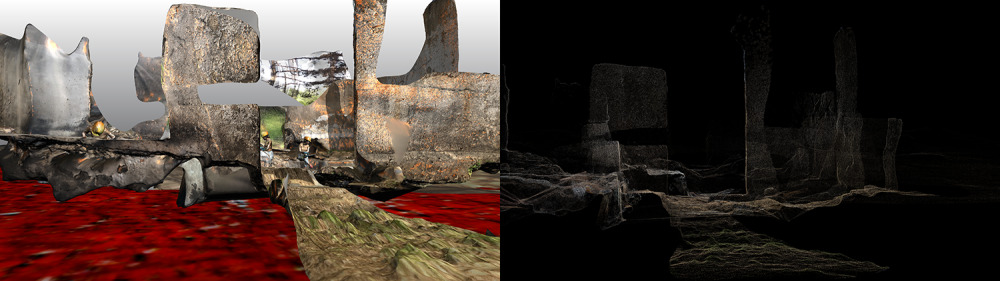
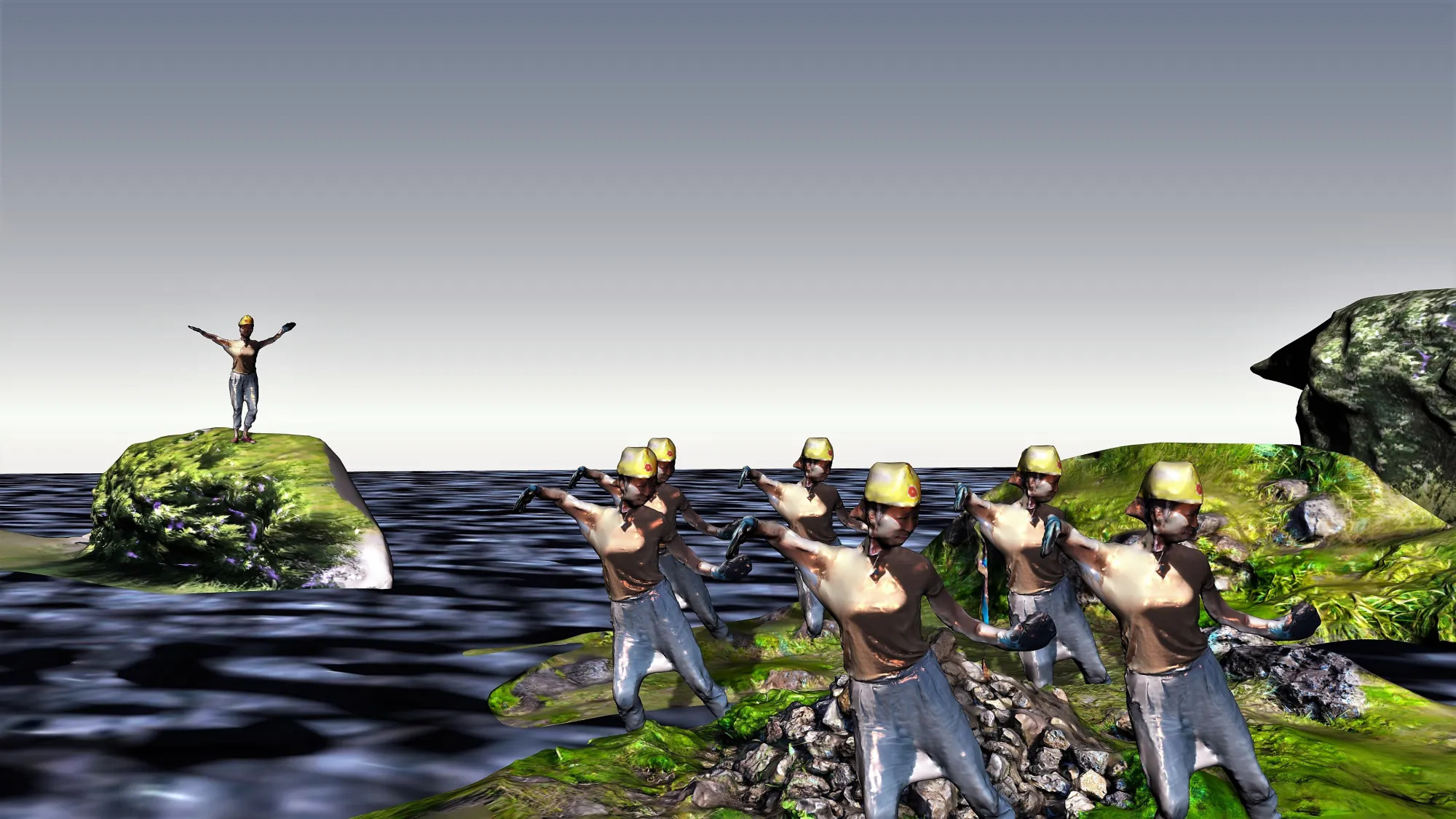
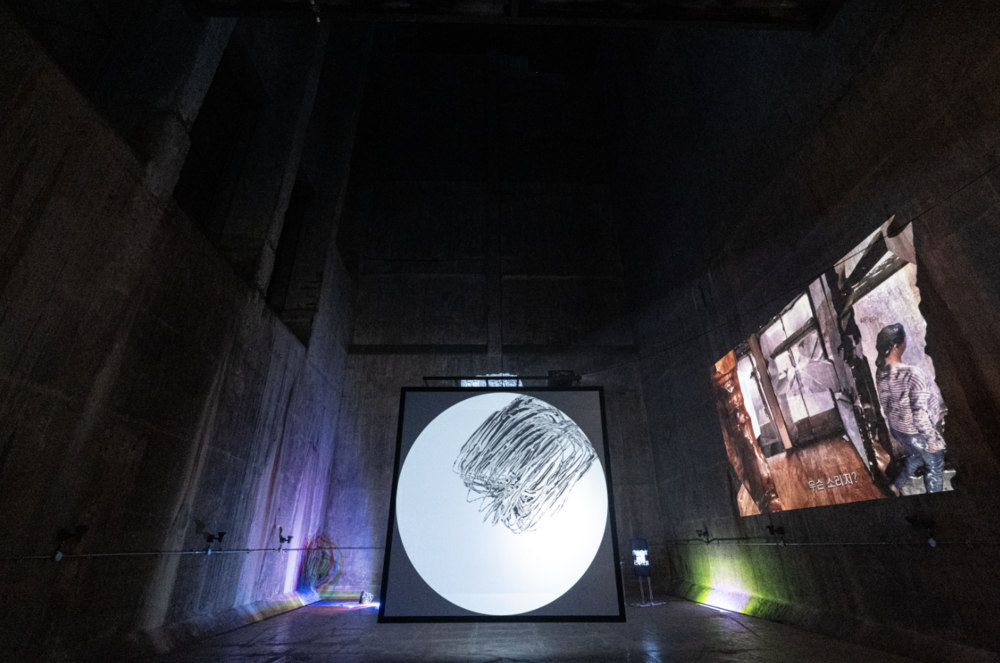
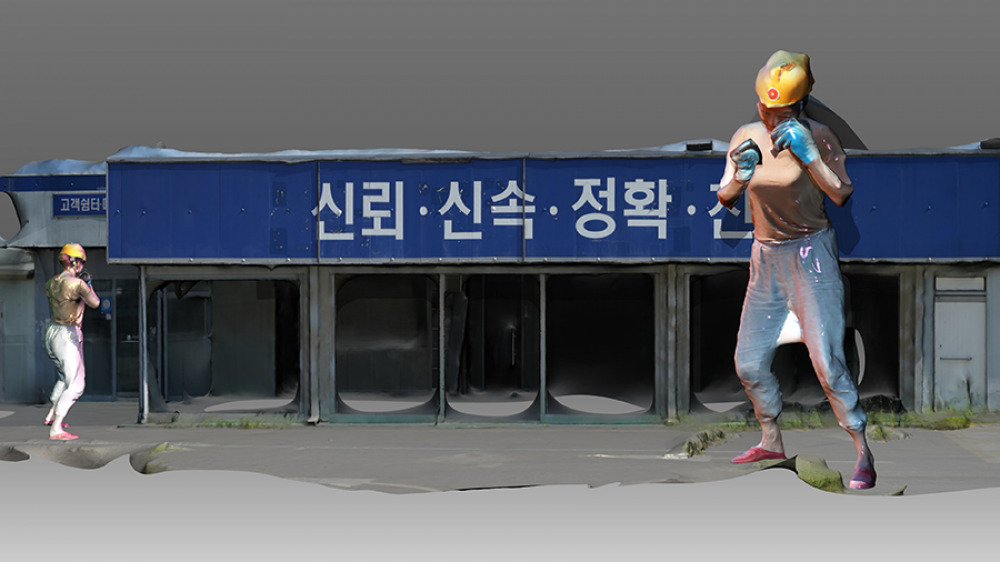
Sookyun Yang, From the OOX, 2020, 2-channel video, 3D graphics, 6min 35sec. © Sookyun Yang

Furthermore, through her 2020 work From the OOX, Yang questions the existence of images generated by the non-causal information and errors produced by contemporary technologies in an accelerated era that cannot be defined by technology, as well as the visual biases of humans who encounter and interpret them.
 
The “OOX (Object Oriented X)” defined by the artist is a world of various Xs—Unknown, Error, and not named—created by borrowing from Bruno Latour’s “OOO (Object-Oriented Ontology).”
 
OOX is defined as an arbitrary dimension constructed by placing images of the Earth’s terrain obtained from satellites, photogrammetry models, and 3D assets readily available for purchase online. Within the world of OOX are nonhuman beings whose movements are based on auto-rigging data frequently used in motion functions and the game and animation industries.


Sookyun Yang, From the OOX, 2020, 2-channel video, 3D graphics, 6min 35sec. © Sookyun Yang

From the OOX consists of five screens depicting chance data-beings constructed through software algorithms developed for industrial purposes, operating without causality or plausibility. The species of OOX repeat ancient human actions such as sowing seeds, fighting, bowing, and dancing.
 
Viewers attempt to find causality and plausibility in the two-channel video that plays without sound, but the world of OOX is merely a space generated asynchronously by data produced through technology.
 
The uncanny forms of the species inhabiting the world of OOX may appear unsettling to viewers accustomed to the perfection of technology. Yet these visual glitches are natural and intriguing phenomena within the technological world, arising in the process of data transformation.


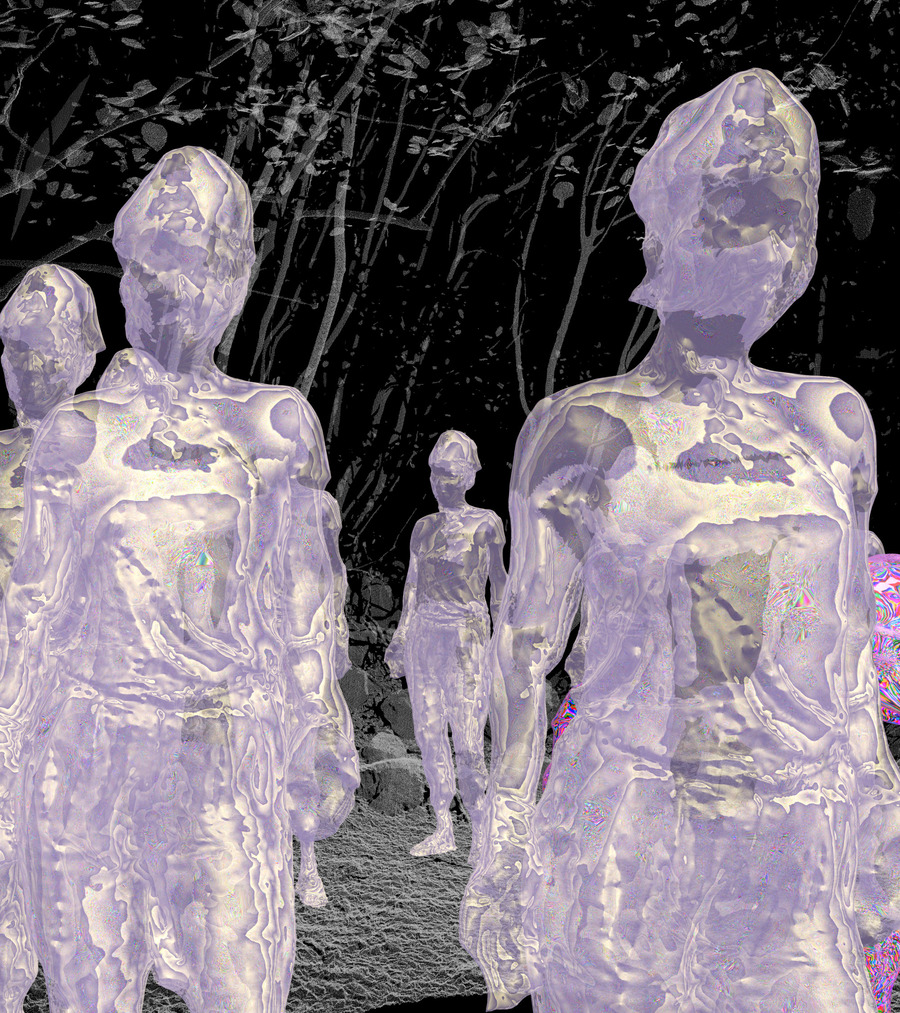
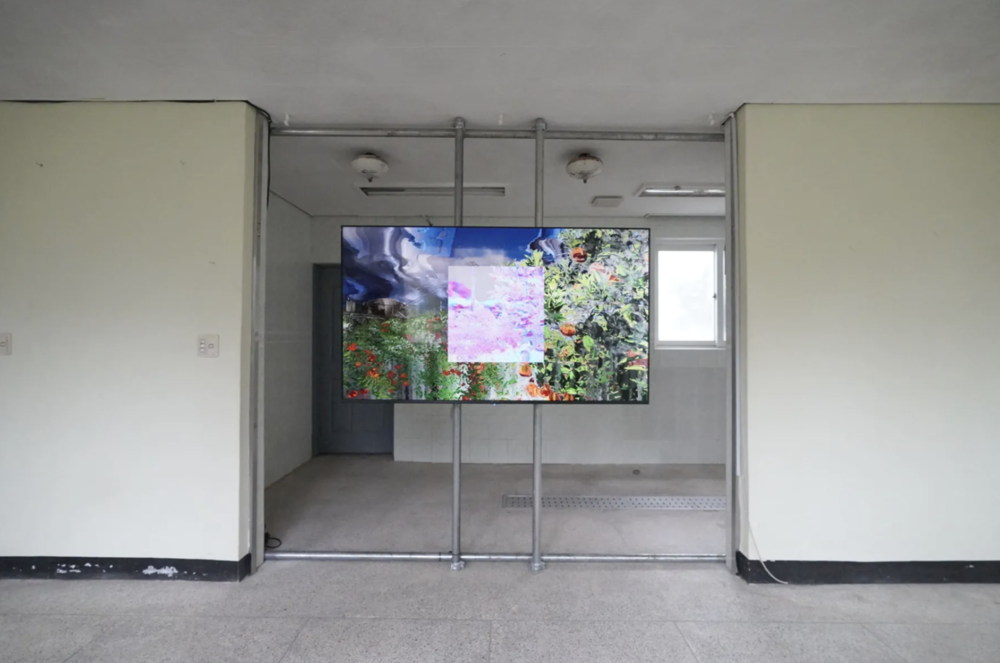
Sookyun Yang, In the Forest of Speculation, 2022, Audio reactive video installation, 2-channel with sound, 5min 46sec. © Sookyun Yang

Sookyun Yang reflects on how we perceive the world we inhabit, imagining the world as one among many simulations produced by matter, rather than as a world governed by the causal plausibility through which we perceive it.
 
Based on this idea, she constructs a series of worlds using virtual matter captured and recorded from the physical world through digital devices that may, in some respects, offer the most objective means of recording it.
 
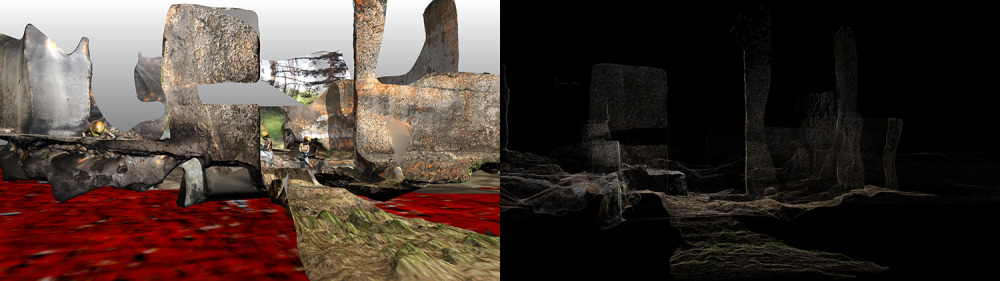
Her 2022 video work In the Forest of Speculation demonstrates the dissolution of dimensions by bringing metadata extracted from physical spaces into resonance with sound.
 
At the same time as exploring the multiple dimensions of metadata contained in three-dimensional data, rather than two-dimensional pixels, the work questions causal plausibility through a five-dimensional simulation in which particles from physical space intersect with virtual models.


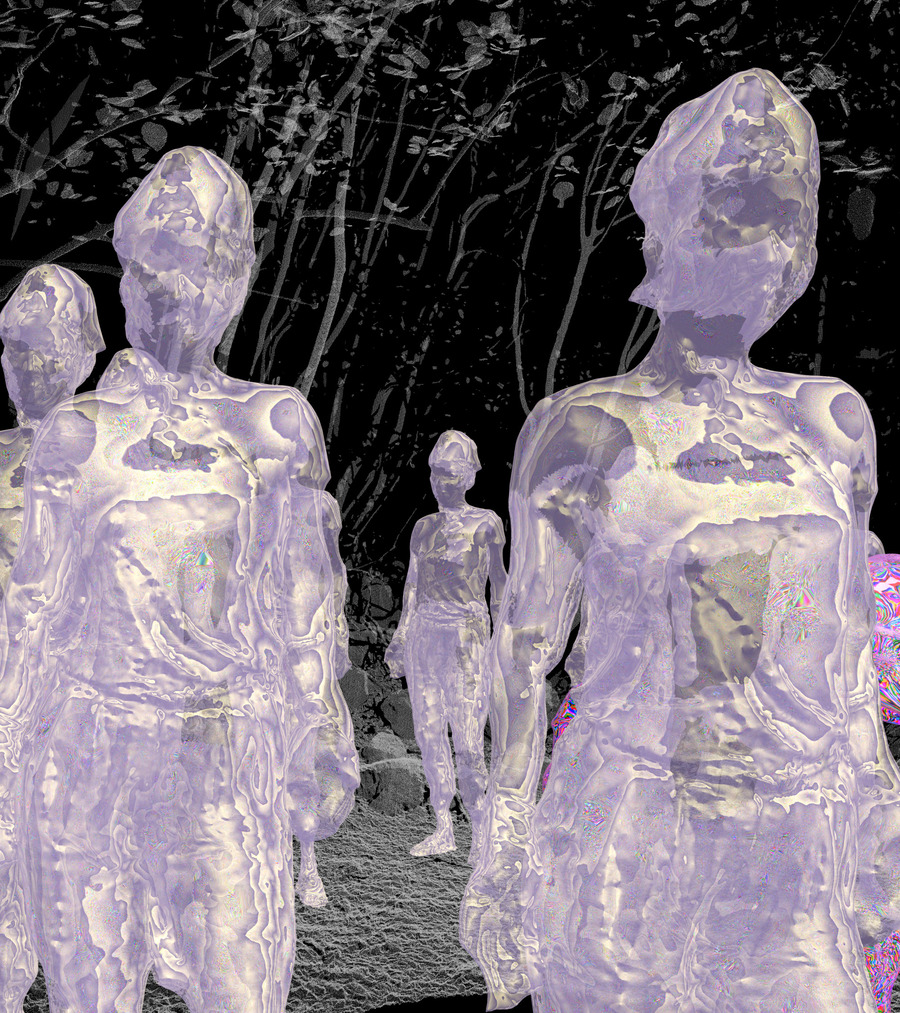
Sookyun Yang, In the Forest of Speculation, 2022, Audio reactive video installation, 2-channel with sound, 5min 46sec. © Sookyun Yang

The forest space and the artist’s own form generated from a 3D scanner and 2D images depart from conventional standards of representation, yet constitute forms of matter containing uncanny images and information extracted from physical space.
 
Incomplete data-matter constructed through technological devices and algorithms is placed within virtual space, while the movement generated by sound frequencies, random functions, and noise data gives rise to a simulation.
 
Within the visualized space, these speculative forms of matter, which change according to the numerical environment applied to the virtual realm, prompt us to continue searching for a logic of perception that does not yet exist.


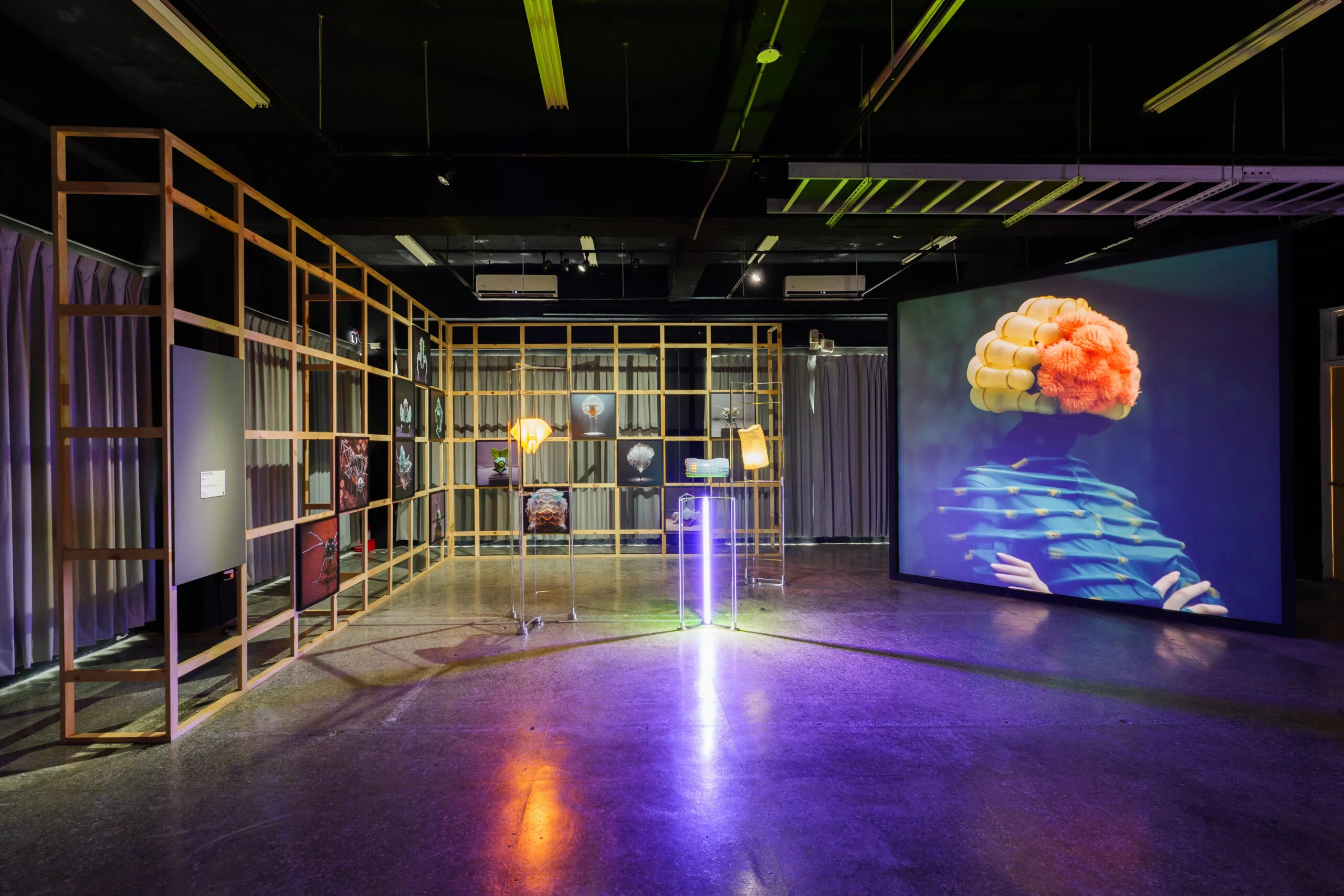
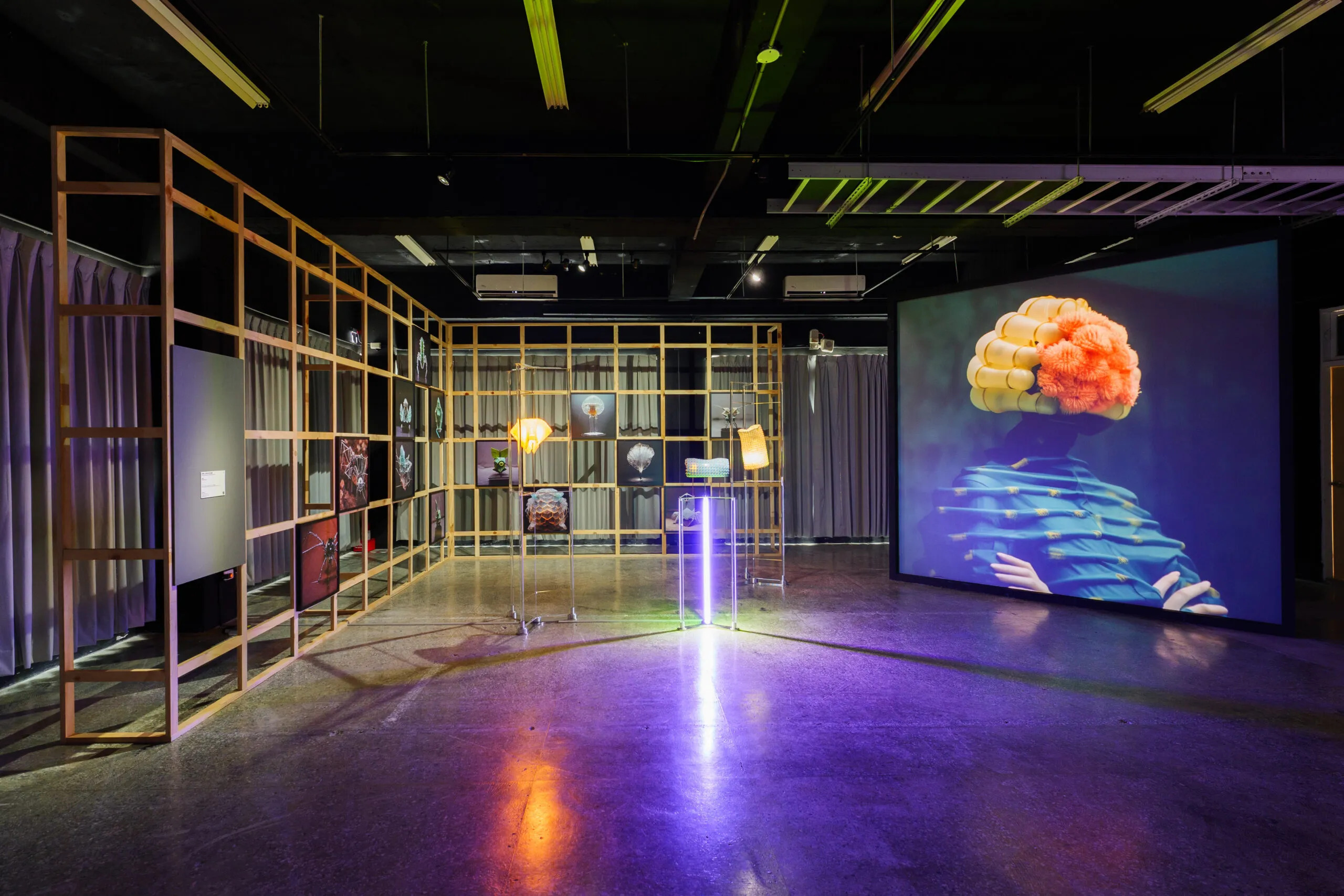
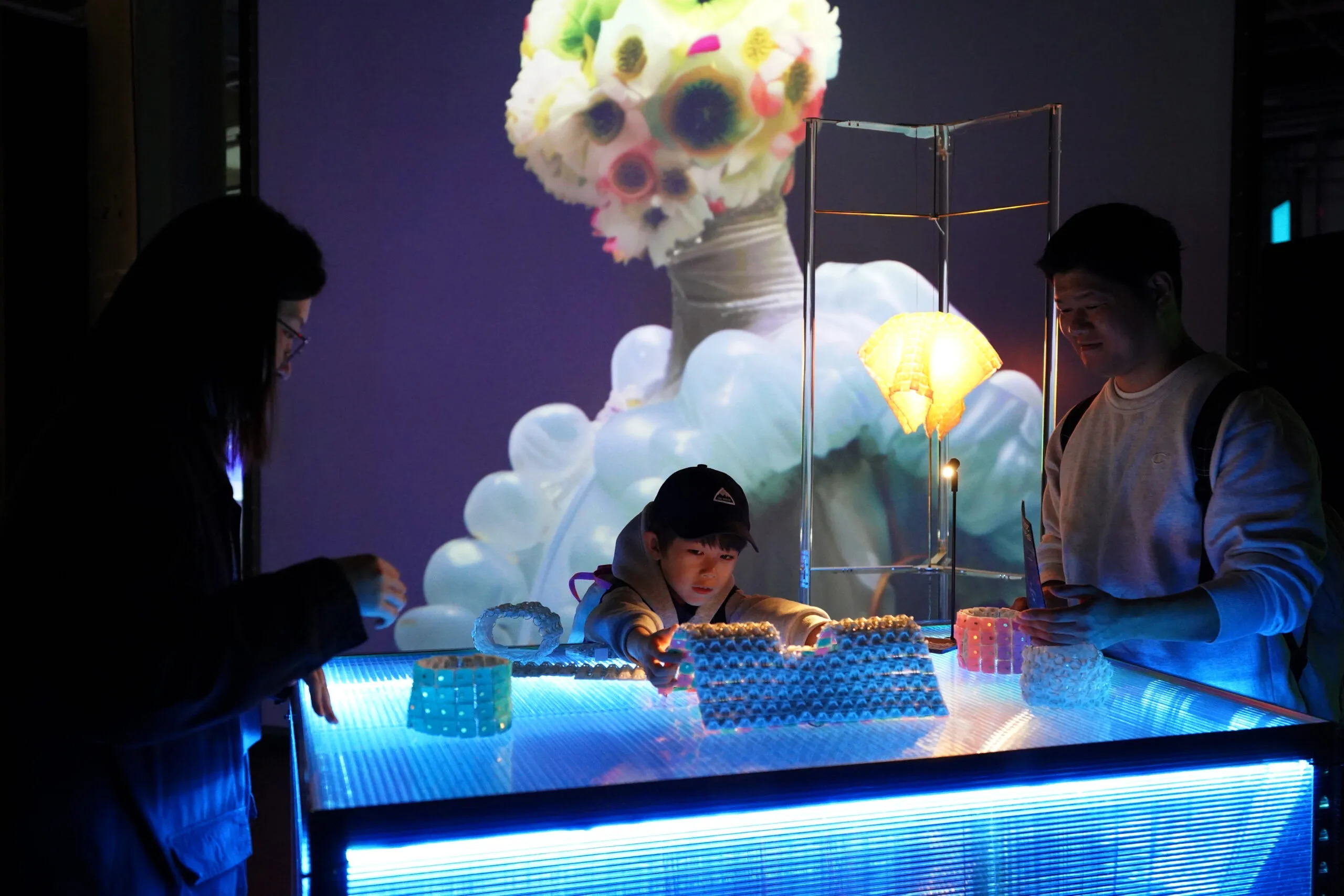
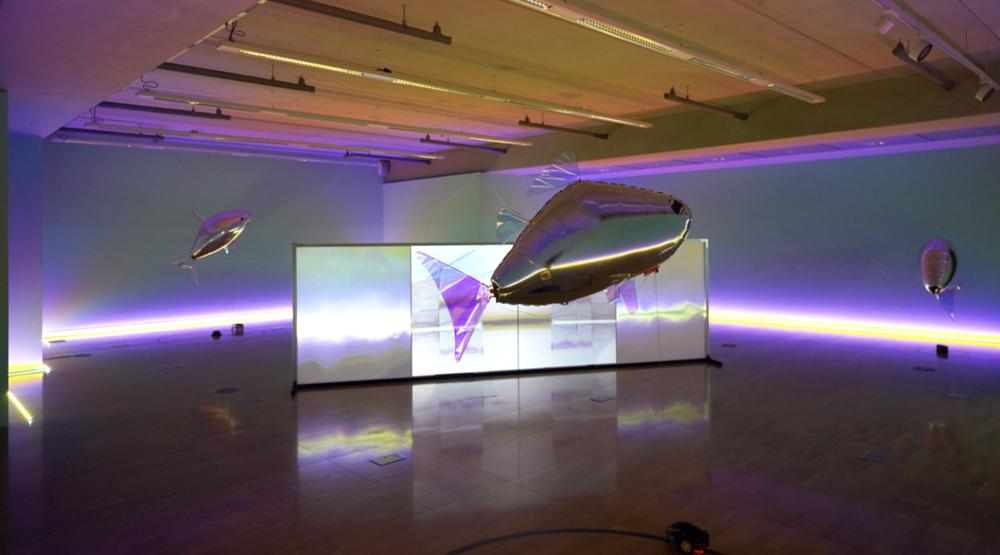
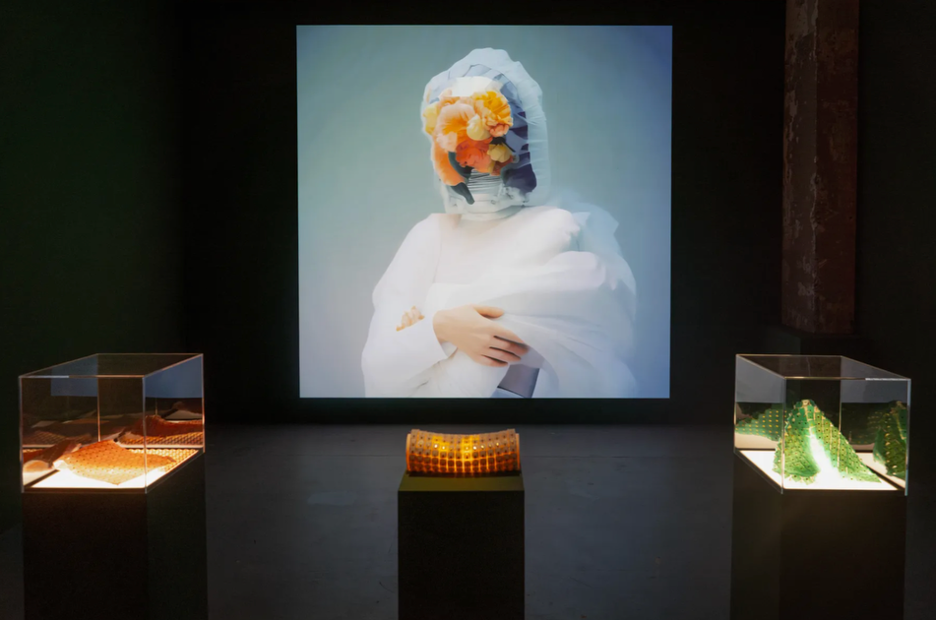
Sookyun Yang, Exotic Species in the Robot Ecosystem, 2023, 3D printing, electronic circuits, generated AI video, 2min 30sec. Installation view of 《Future media FEST – Singularity》 (C-LAB Taipei, 2024) © C-LAB

Furthermore, in her 2023 work Exotic Species in the Robot Ecosystem, Sookyun Yang addresses nonhuman entities that have emerged alongside the acceleration of technological environments, inviting us to imagine coexistence with new forms of beings in the near future.
 
Beginning with the question, “Can diversity among nonhuman species be secured within a technological ecosystem?” the work moves beyond conventional anthropomorphic forms of robots, presenting diverse forms of robotic beings imagined by artificial intelligence itself and defining them as new exotic species.


Sookyun Yang, Exotic Species in the Robot Ecosystem, 2023, 3D printing, electronic circuits, generated AI video, 2min 30sec. Installation view of 《01 Habitat》 (S-Factory, 2023) © Sookyun Yang

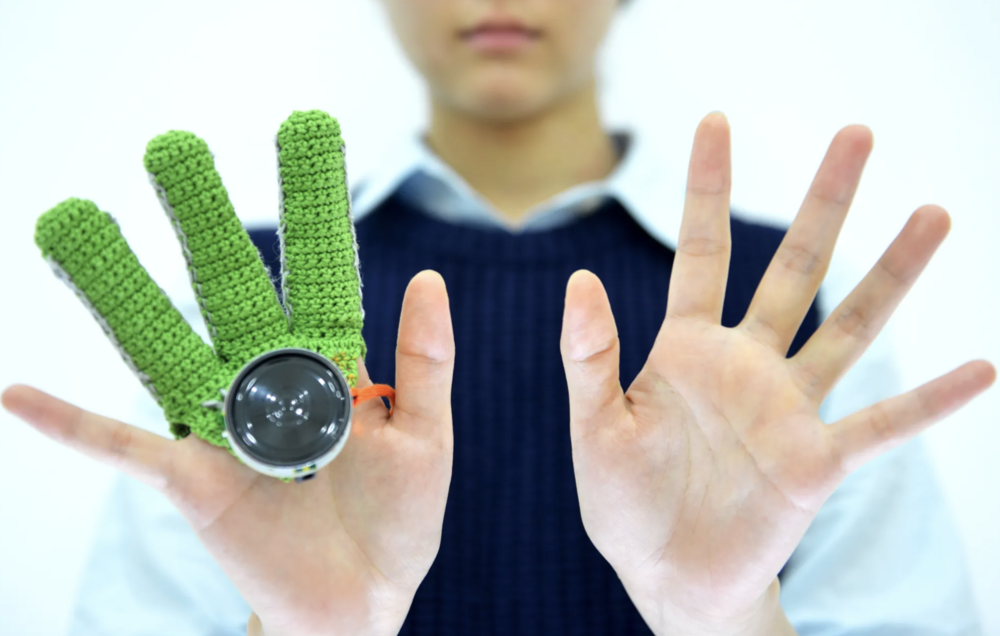
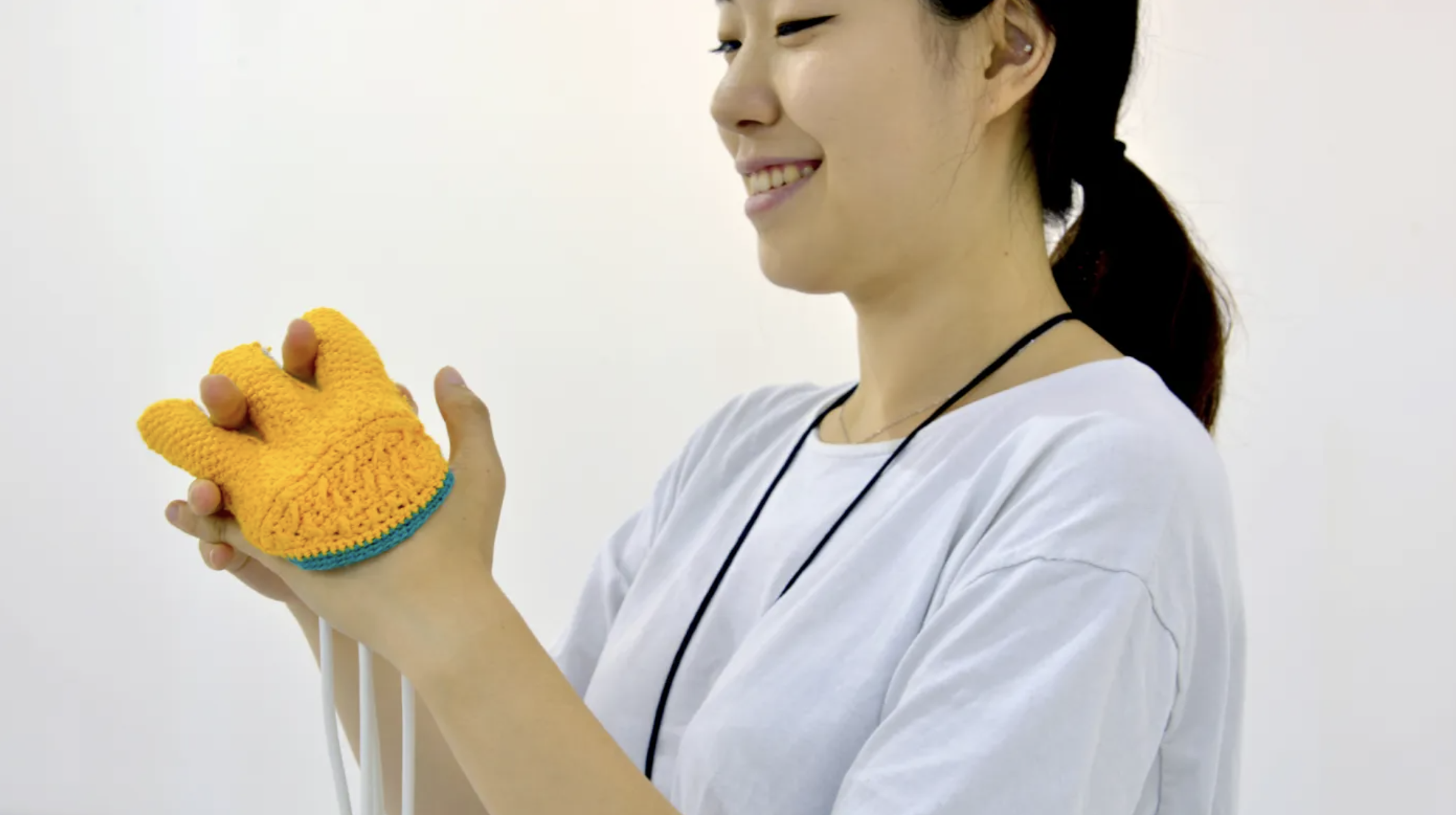
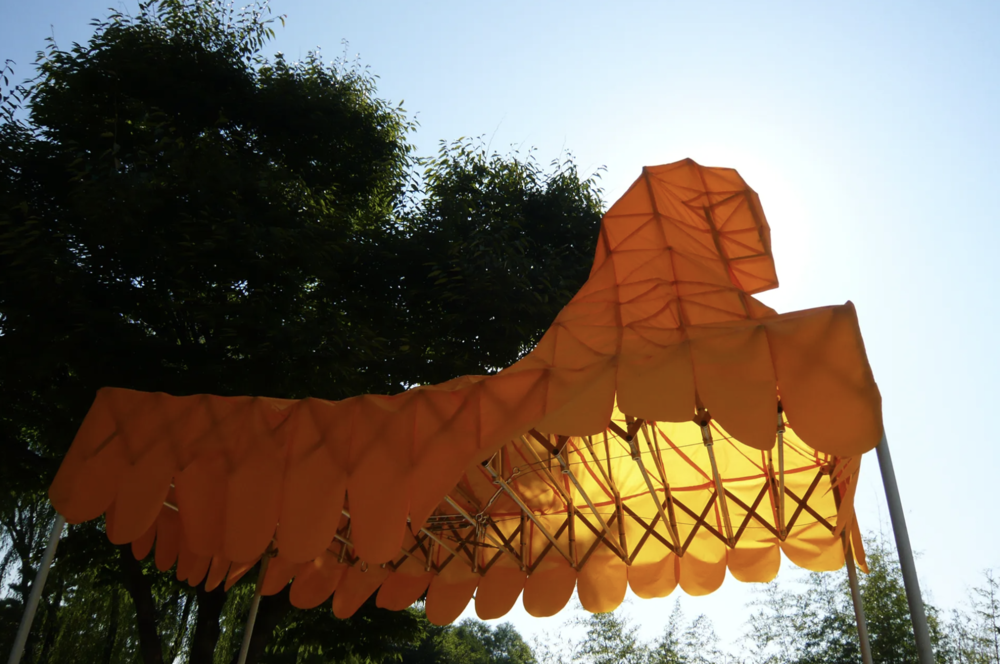
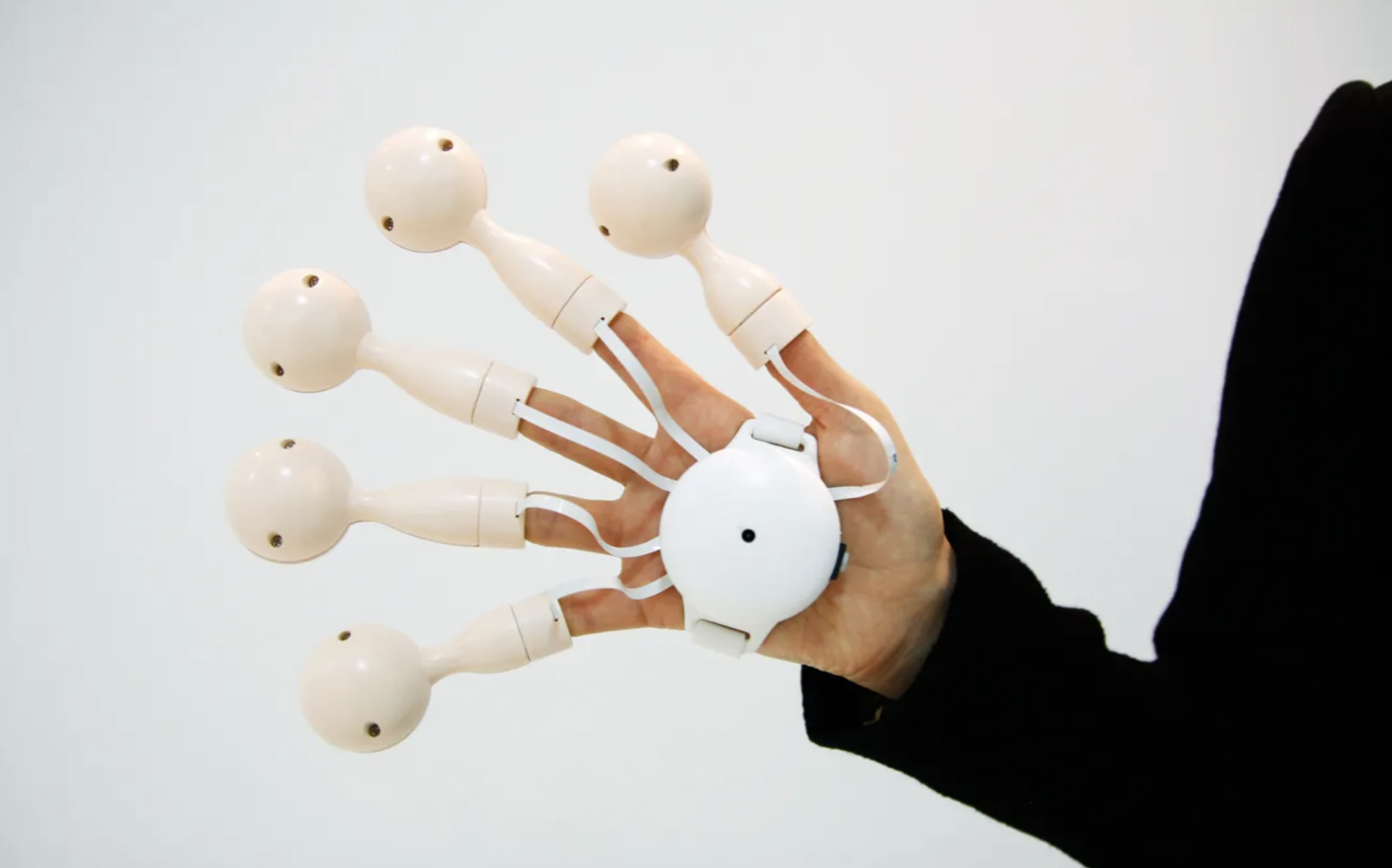
The artist presents the diversity of an AI-synthesized robot ecosystem through video, while also proposing wearable modules that expand this imagination toward the possibility of sharing the human body.
 
The video projected onto the rear screen is divided into three sequences: videos of exotic species that could plausibly exist in the near future based on human corporeality; exotic species imagined through generative AI; and robots conceived as capable of simultaneously possessing an outer and inner shell by relying on human corporeality, with their prototypes presented as three installations.
 
Through the sensory act of perceiving the exotic species generated by technological ecosystems, Yang reveals that humans are situated among nonhuman agents such as technology, machines, and the environment.


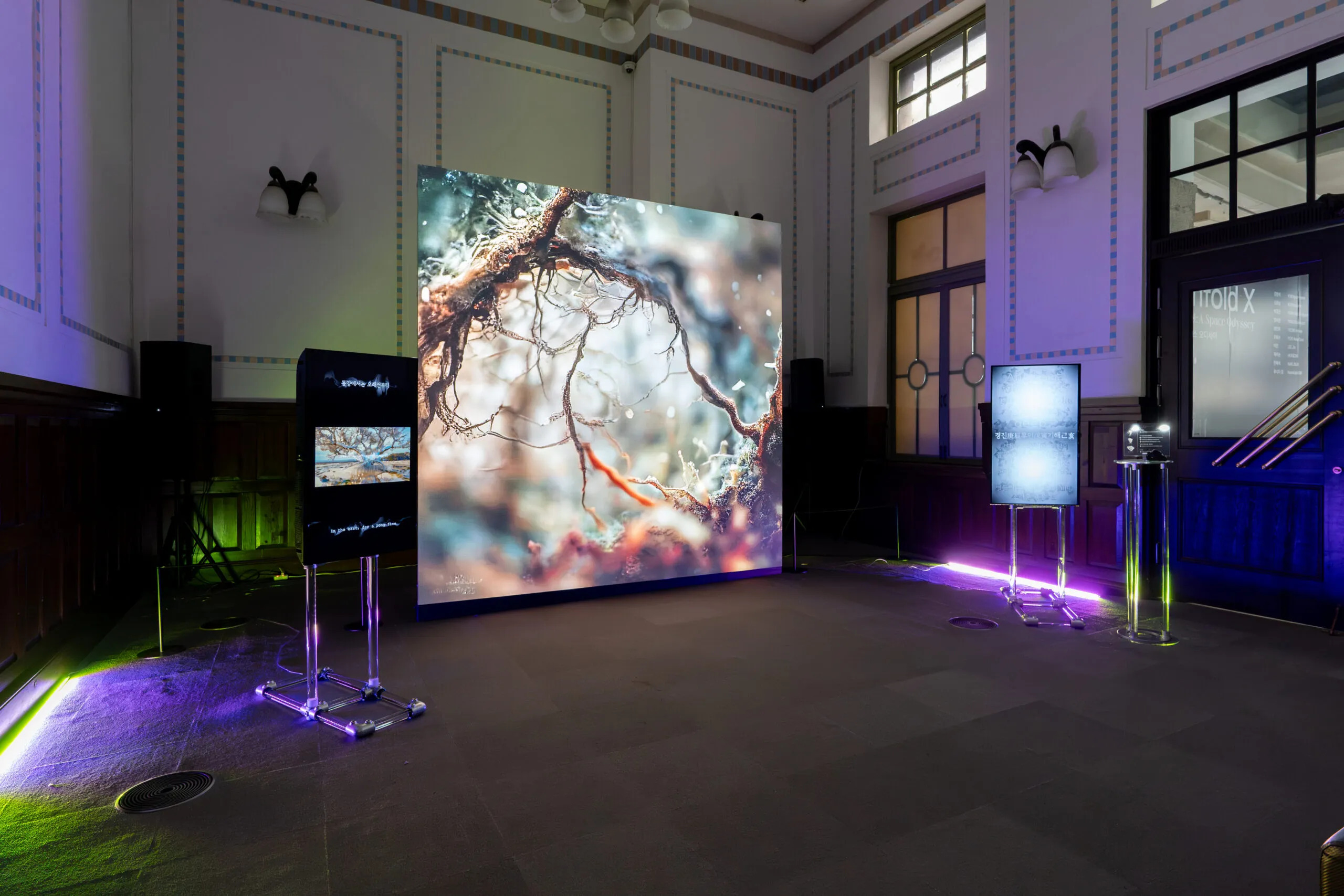
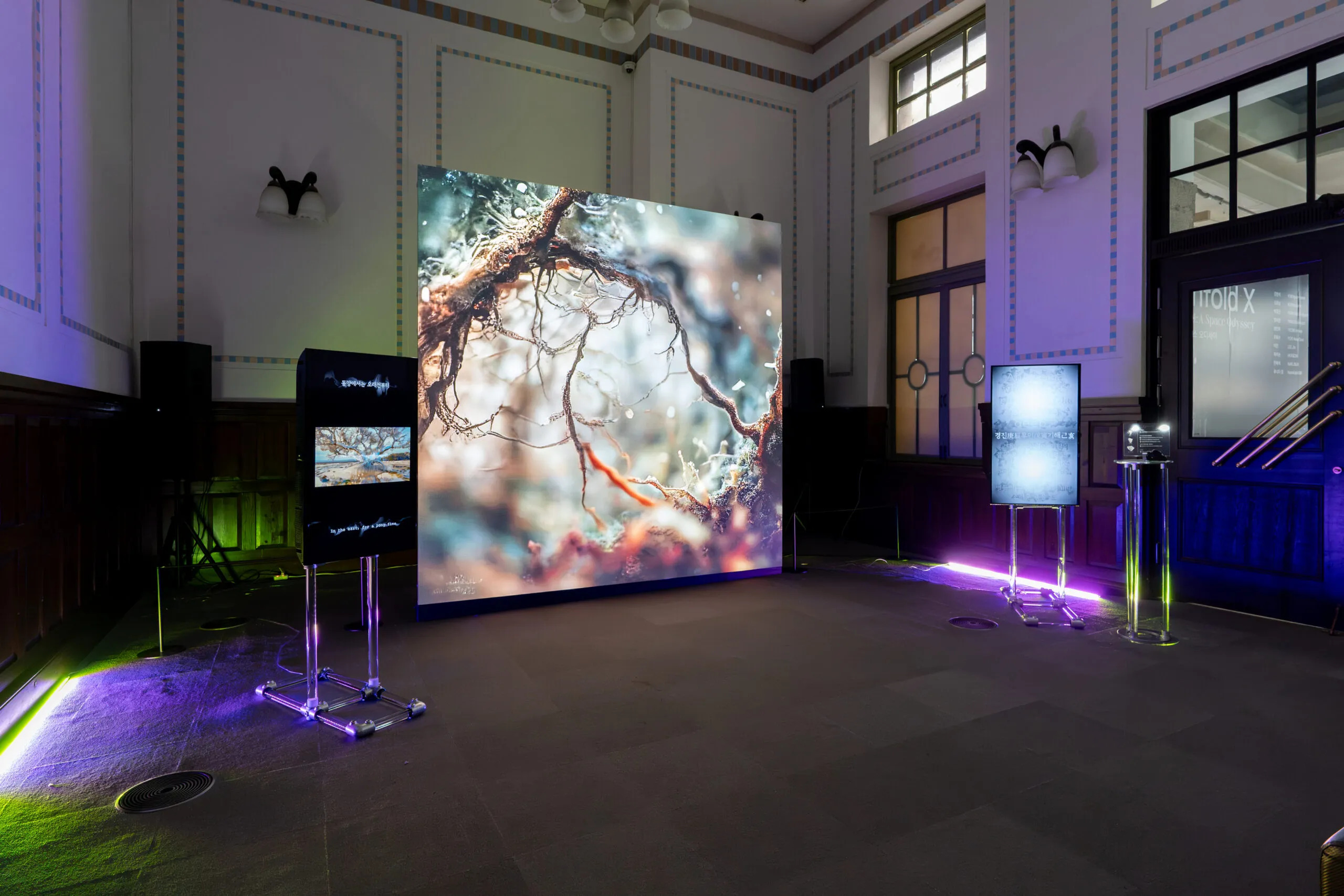
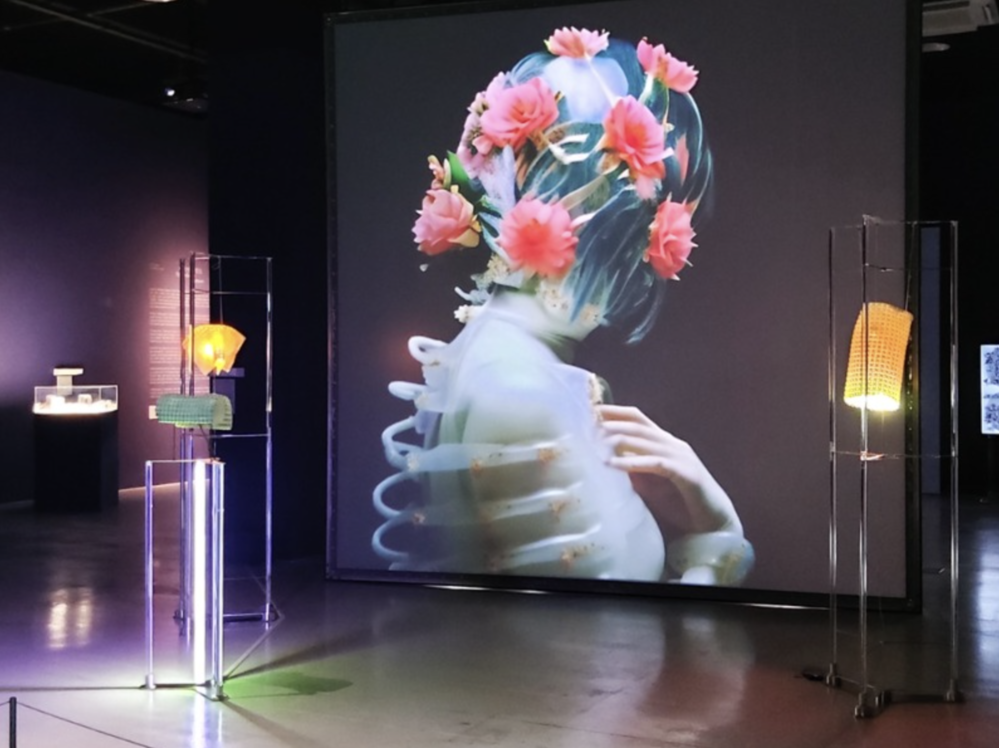
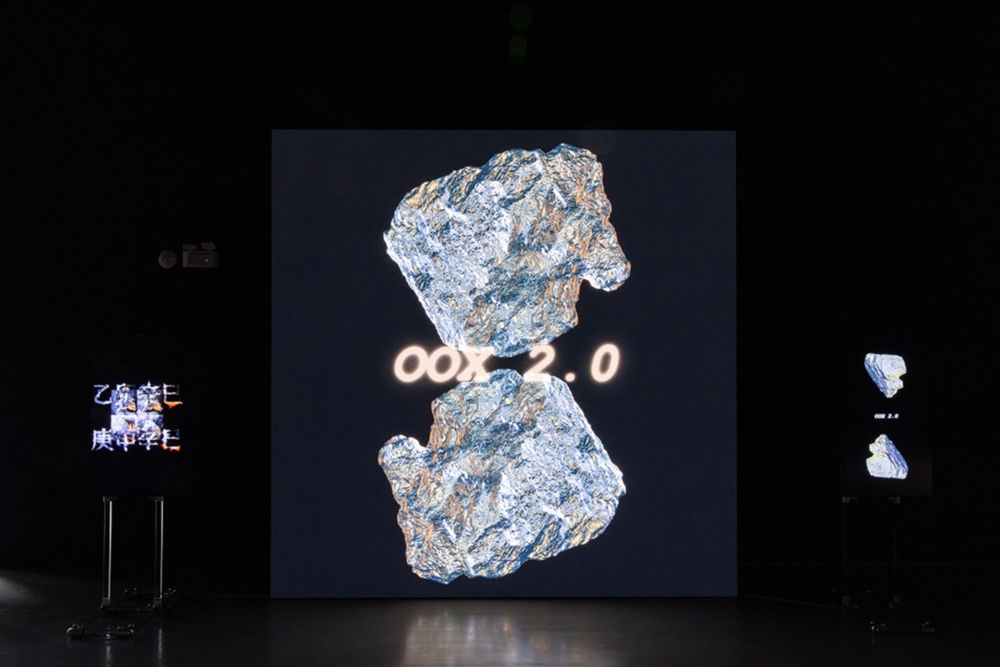
Sookyun Yang, OOX 2.0 – Application for Earthly Matter Human Ontography, 2024, Real-time generative AI, interaction device, GPT, API, 6min 5sec. Installation view of Unfold 2024 《2084: A Space Odyssey》 (Culture Station Seoul 284, 2024) © Sookyun Yang

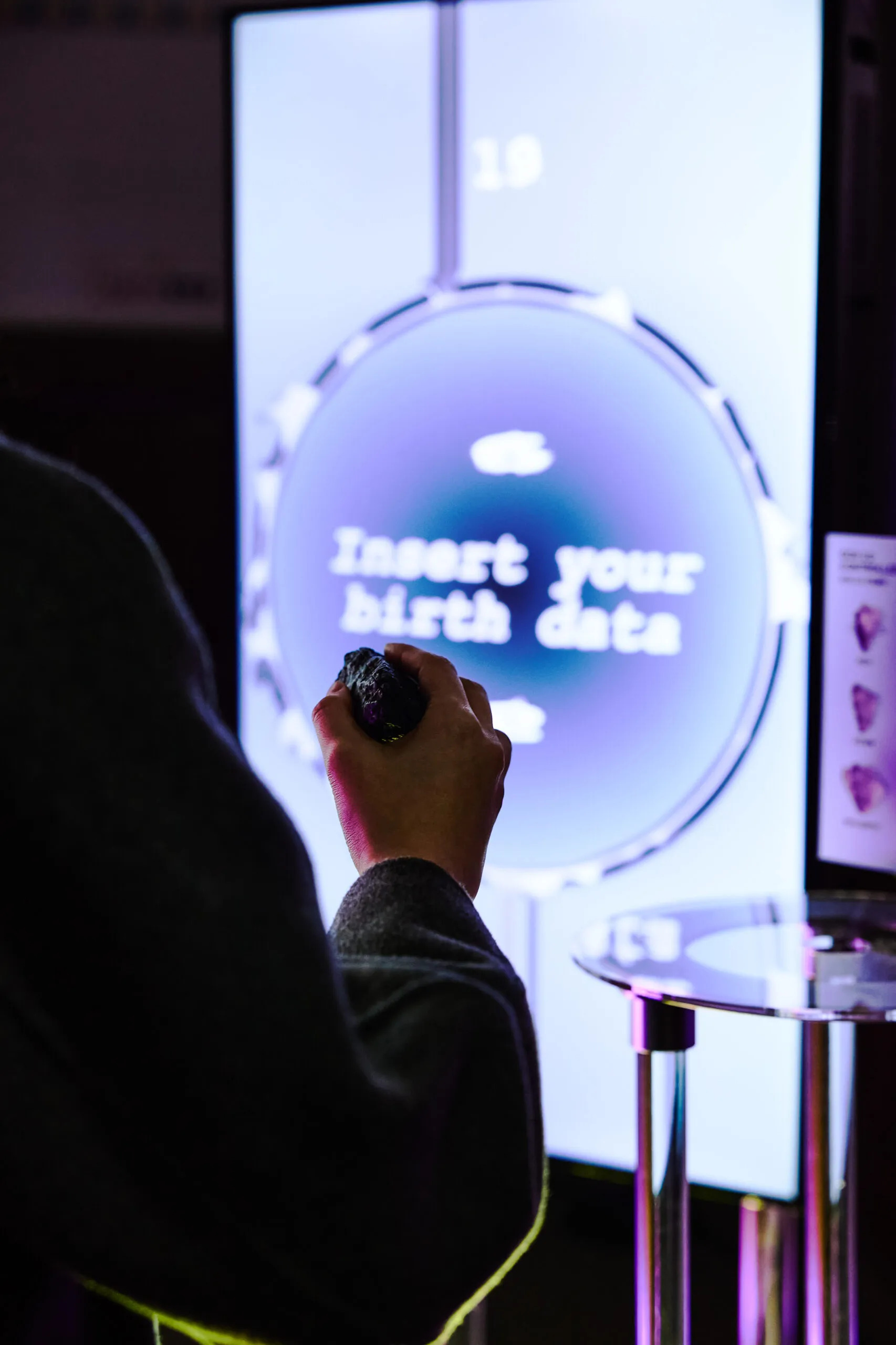
This experiment with artificial intelligence as the subject continues in the 2024 work OOX 2.0 – Application for Earthly Matter Human Ontography. Inspired by an Eastern worldview, the work reinterprets humans as material beings, positioning AI as a persona and using audience data through the perspective of AI in an interactive installation.
 
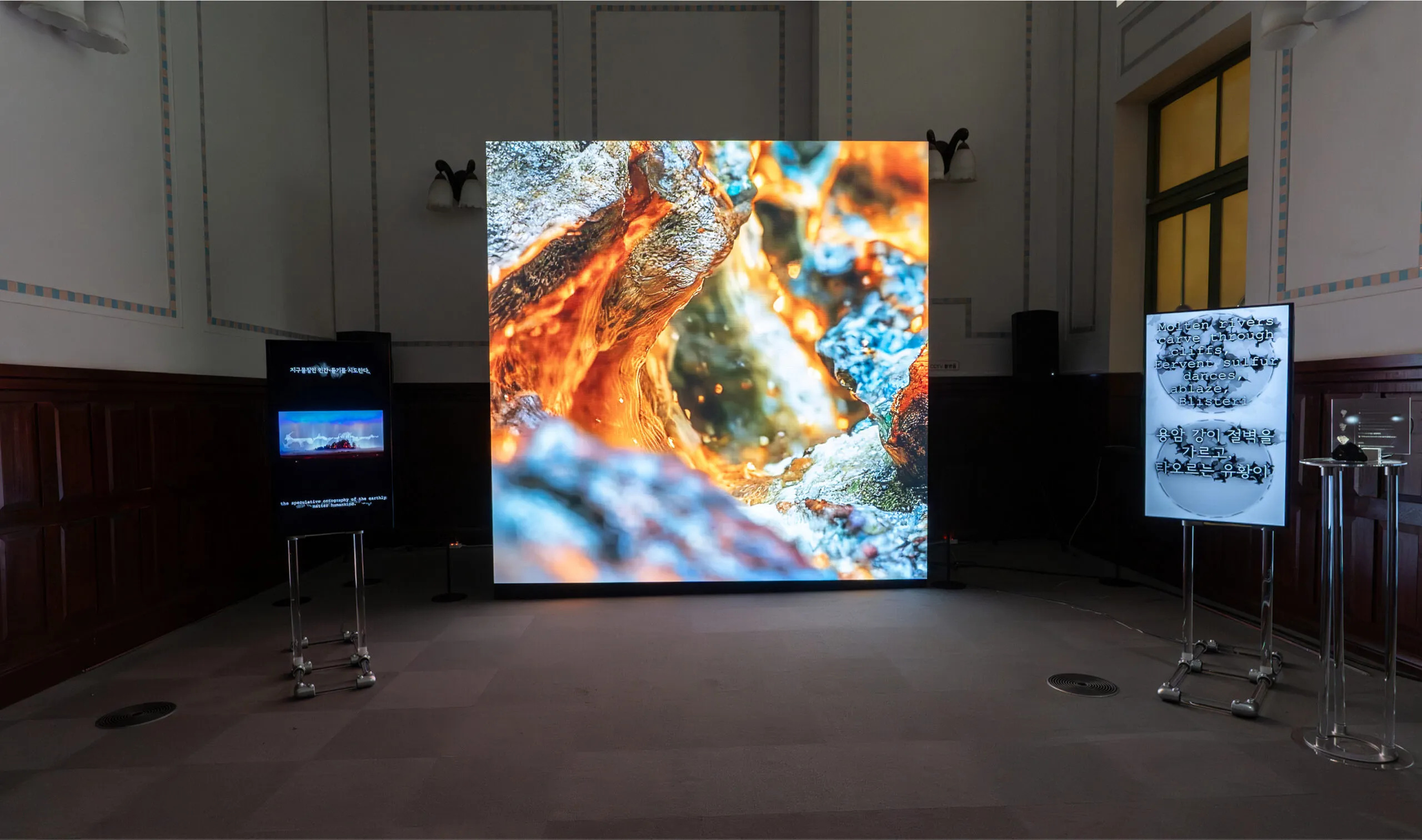
When visitors enter the numbers corresponding to their year, month, and day of birth, the AI creates a poem describing the relationships between the material meanings of a single day concealed within these numbers, while the screen displays, in real time, images of matter generated based on the poem.


Sookyun Yang, OOX 2.0 – Application for Earthly Matter Human Ontography, 2024, Real-time generative AI, interaction device, GPT, API, 6min 5sec. Installation view of Unfold 2024 《2084: A Space Odyssey》 (Culture Station Seoul 284, 2024) © Sookyun Yang

Beginning with questions about the Eastern worldview and the absence of its sensibility, which have been obscured by the influence of Western analytical disciplines and mechanistic perspectives, Yang imagines the cyclical calendar systems of Eastern philosophy and the inevitable relationship between human existence and materiality.
 
In her earlier work The Human Materialism and Synthetic Ontography (2023), she proposed the speculative hypothesis of “human materialism” and explored the data that large language models (LLMs) are inevitably bound to omit, as well as the imagination of the nonhuman.
 
In OOX 2.0 – Application for Earthly Matter Human Ontography, Yang once again brings the obscured Eastern worldview into focus, metaphorically imagining humans as matter generated in the universe and existing on Earth.
 
Defining the images and synthetic sensibilities generated by AI through learning from datasets exceeding human computational capacity as “speculative matter,” Yang proposes ways of seeing humans through new perspectives on the nonhuman and human, matter and data, and the world, as well as through the speculative gaze of artificial intelligence.


Sookyun Yang, OOX 2.0 – Application for Earthly Matter Human Ontography, 2024, Real-time generative AI, interaction device, GPT, API, 6min 5sec. Installation view of Unfold 2024 《2084: A Space Odyssey》 (Culture Station Seoul 284, 2024) © Sookyun Yang

In this way, Sookyun Yang’s practice moves beyond human-centered and Western-centric perspectives to reconsider the meaning of human existence. In particular, she focuses on what is inevitably omitted or left unrecorded within rapidly expanding and increasingly complex technological environments, reconsidering the relationships between humans and nonhuman entities while exploring the diverse possibilities of technological ecosystems.
 
From the perspective that humans are themselves part of an ecosystem and material beings, Yang takes a speculative view of entities beyond the human, including nonhuman beings and artificial intelligence. Through this approach, she expands the notion of matter from a fixed entity into a dynamic form of existence that continuously changes and comes into being through contingency and the possibility of transformation.
 
Her practice enables us to experience, through multiple senses, the layered realities and material possibilities produced by technology, inviting us to view the world we inhabit from different perspectives and to imagine its future possibilities from multiple angles.

”In a situation where AI trained on data rushes toward a generalized model of humanity, I believe that human beings placed on that same trajectory are themselves in the midst of a process of rapidly transforming.
 
I want to go beyond abstract contemplation of the immateriality of digital technology and pose questions about technology as the “material” that generates our contemporary environment—and about us, as we look out at the data and technological environment within it.” (Sookyun Yang, Interview for the ACC’s 《Memory Bearers: The Machines We Call Media》)


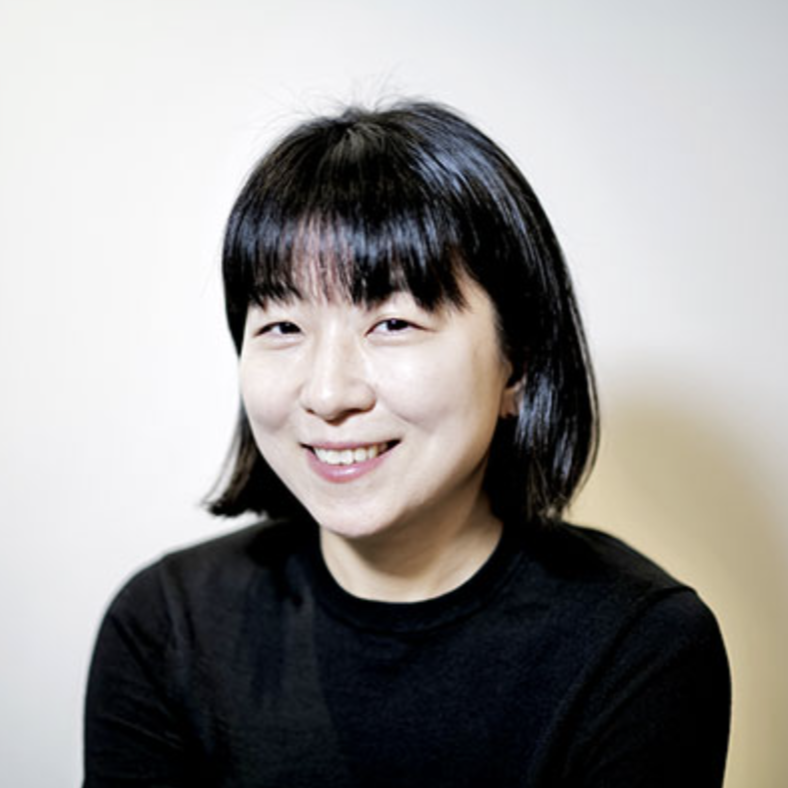
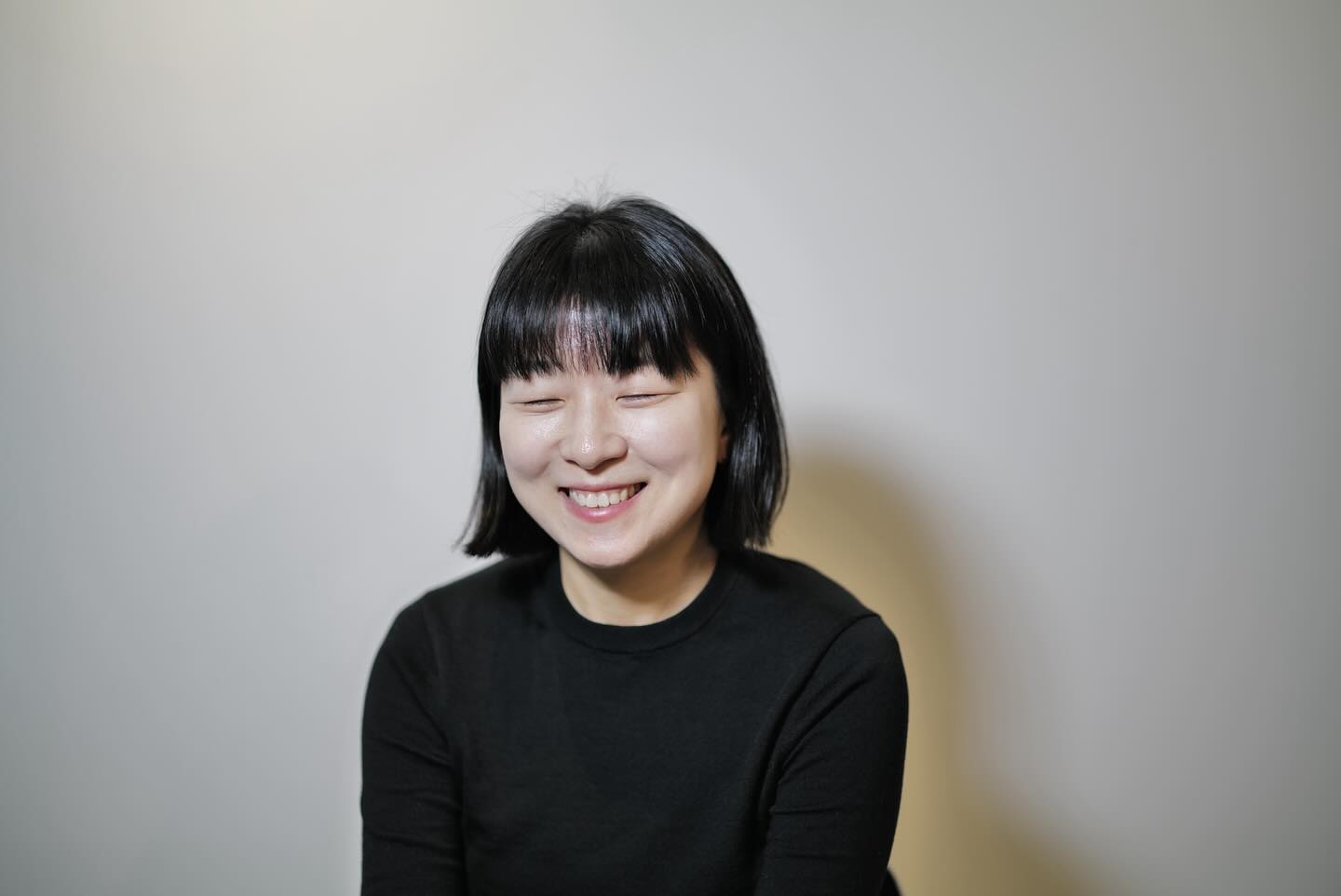
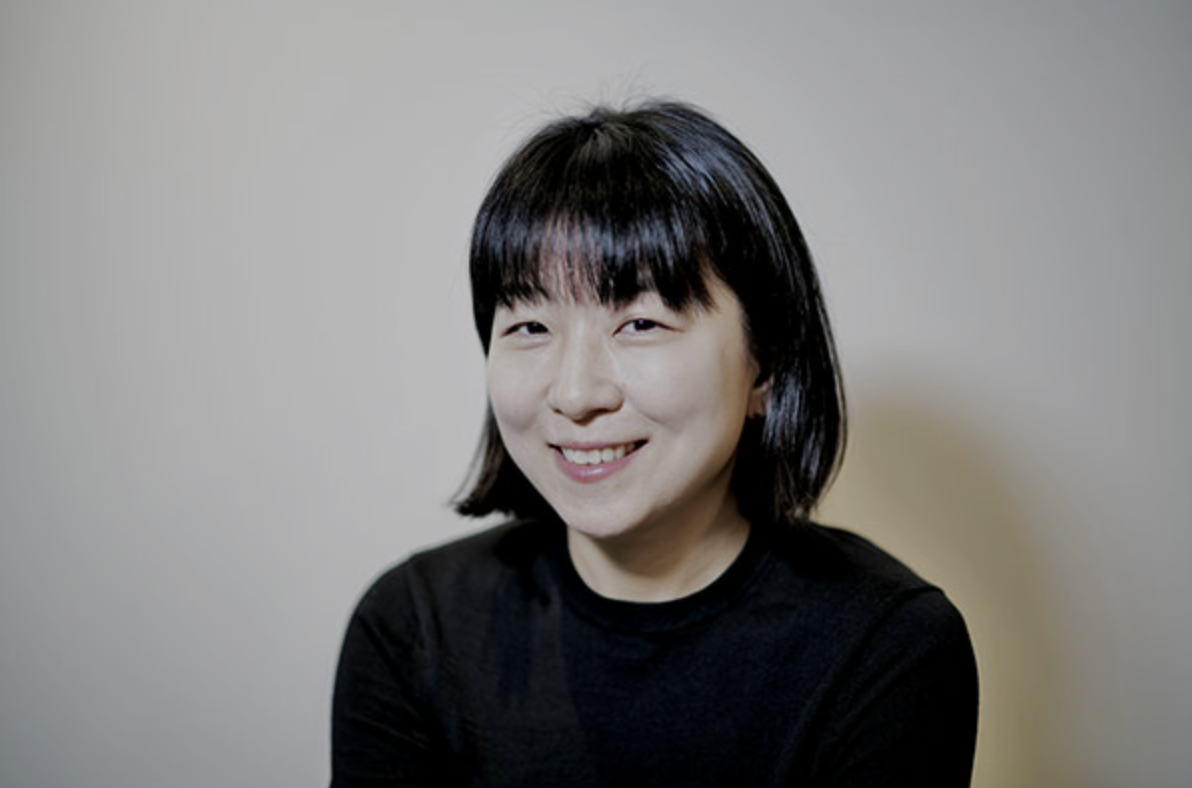
Artist Sookyun Yang © Sookyun Yang

Sookyun Yang majored in painting at Hongik University, where she also earned a master's degree in interaction design and completed a Ph.D. course in video studies. Her recent solo exhibitions include 《Chamber of the Unburned: Floating Matters》 (Bucheon Art Bunker B39, Bucheon, 2025), 《Speculative Matters》 (Gwangju Media Art Platform, Gwangju, 2025), and 《Speculative Matter》 (Hongik University Museum of Contemporary Art, Seoul, 2024).
 
She has also participated in numerous group exhibitions, including 《Future Museology》 (Busan Museum of Art, Busan, 2026), 《Memory Bearers: The Machines We Call Media》 (National Asian Culture Center, Gwangju, 2026), 《Other Intelligences》 (MEET Digital Culture Center, Milan, 2025), Unfold X 2024 《2084: A Space Odyssey》 (Culture Station Seoul 284, Seoul, 2024), ZER01NE Day 《01 Habitat》 (S-Factory, Seoul, 2023), and the 2022 Changwon Sculpture Biennale 《Channel: Wave-Particle Duality》 (Changwon City, 2022).
 
Yang has participated in residency programs at Seoul Art Space Geumcheon (2011), Asia Culture Center Creators in LAB (2015-16), and the Changdong Project Team at the National Museum of Modern and Contemporary Art (2017). She has also received artist support from the Seoul Foundation for Arts and Culture, the Korea Foundation for Science and Creativity, and Hyundai Motor Group’s ZER01NE.

References