Mussorgsky’s Pictures at an Exhibition
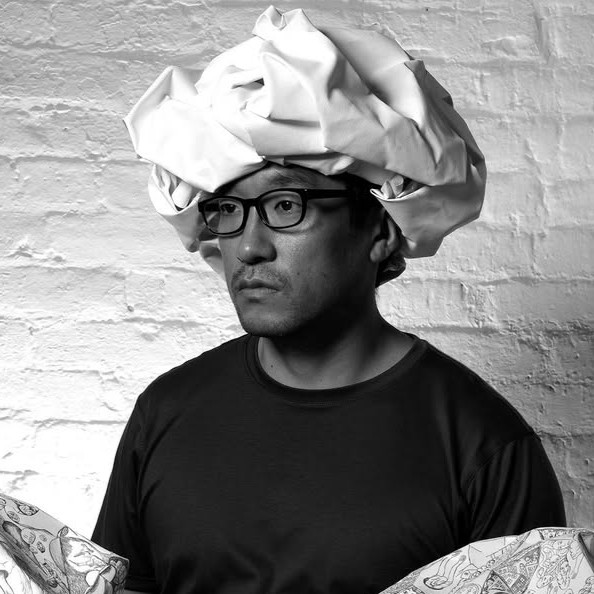
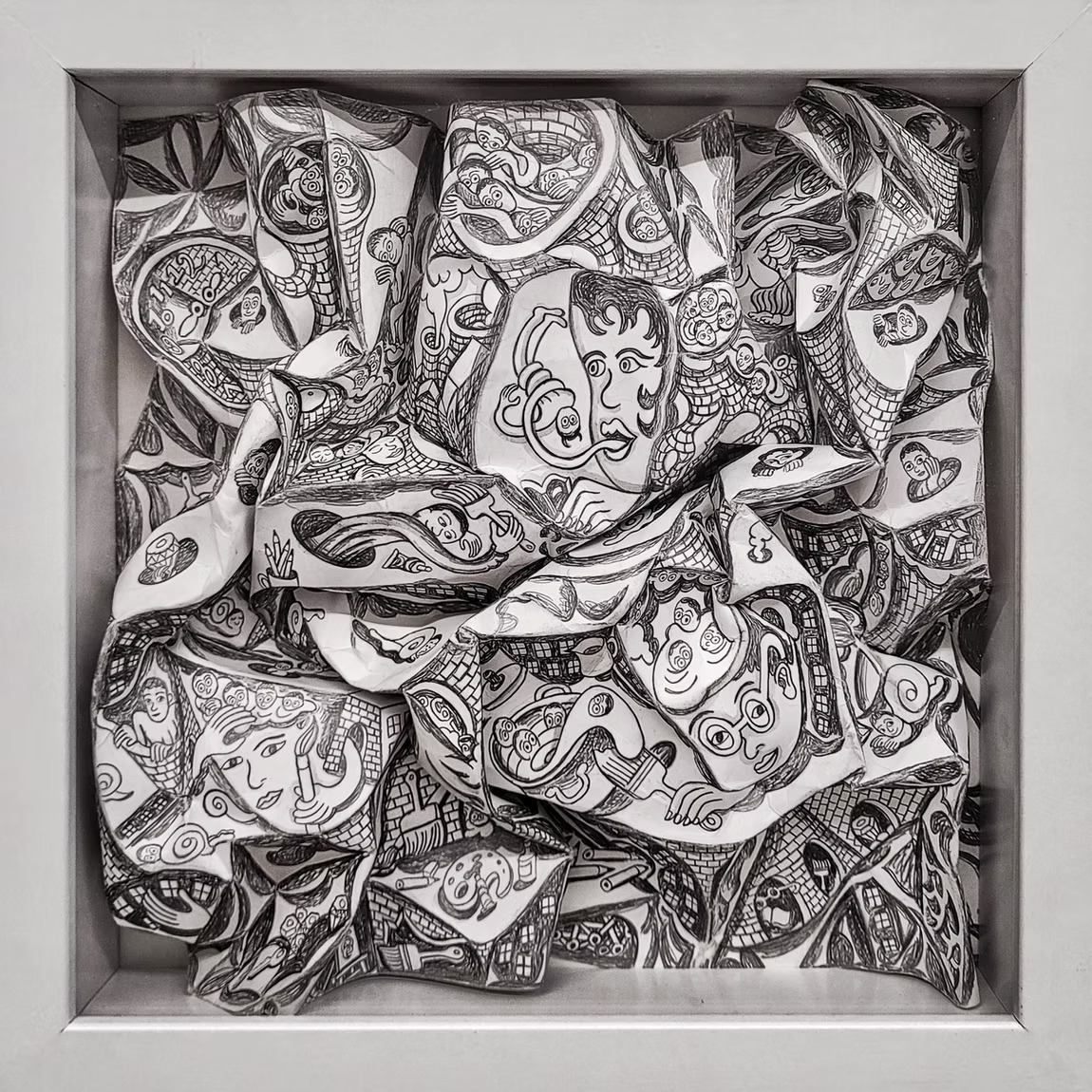
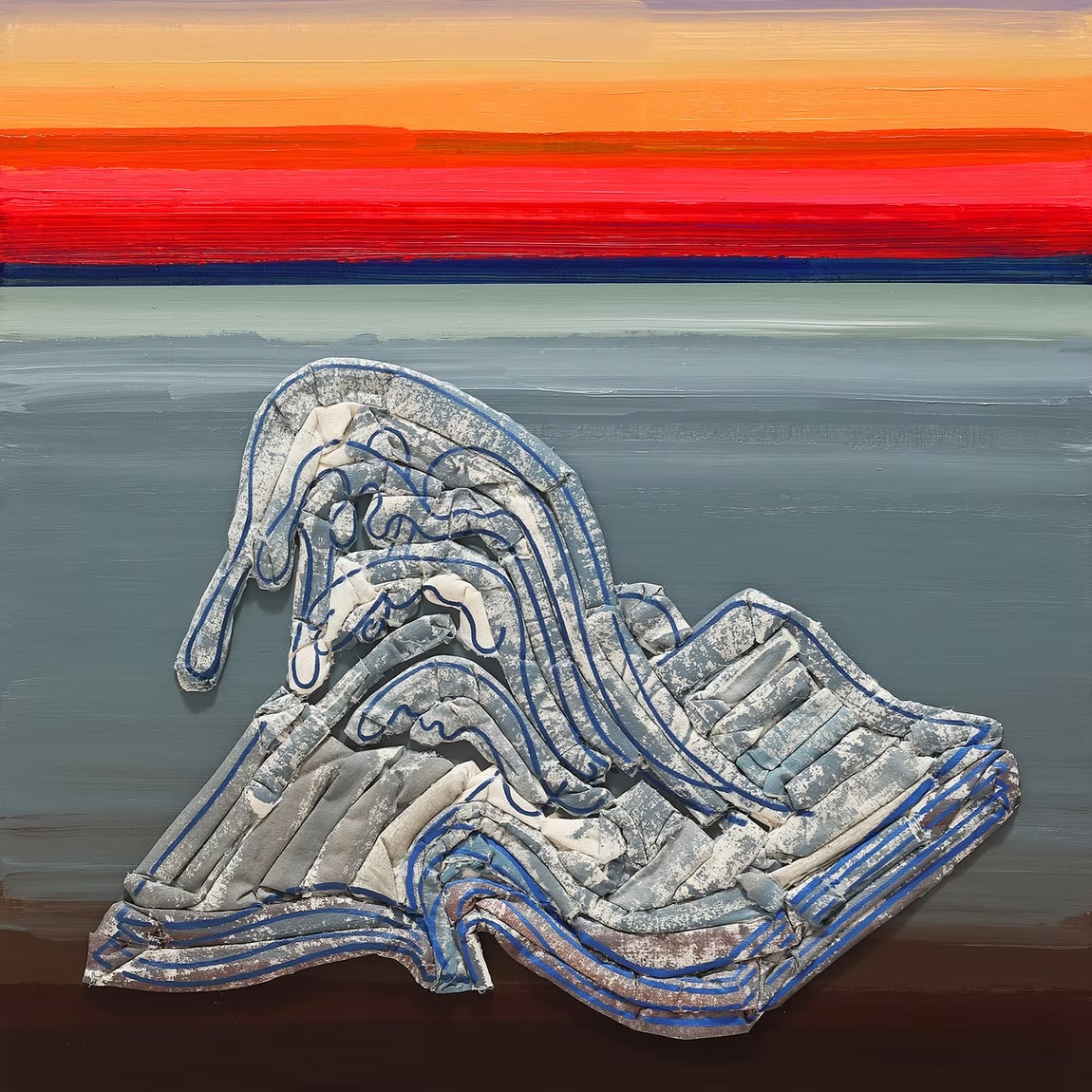
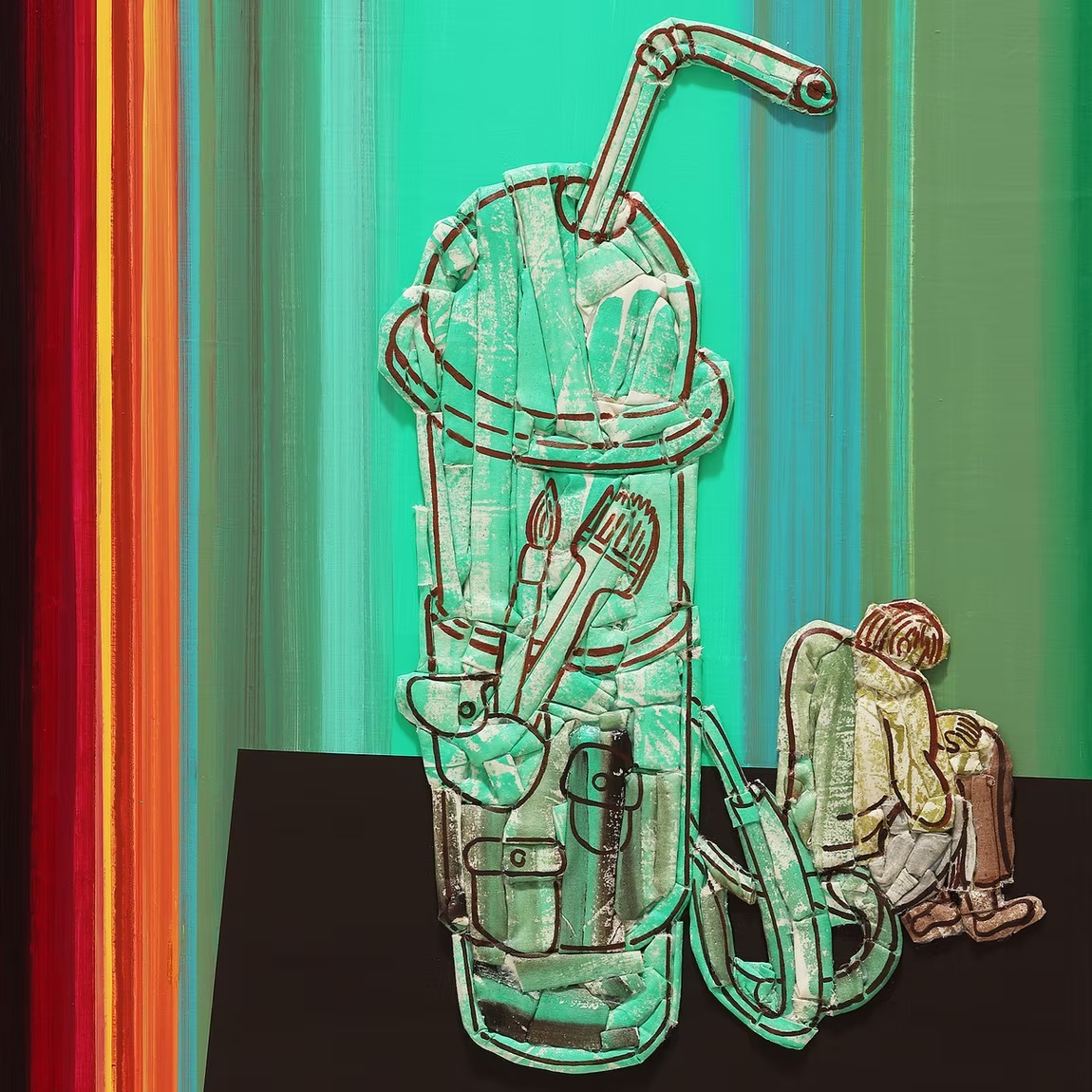
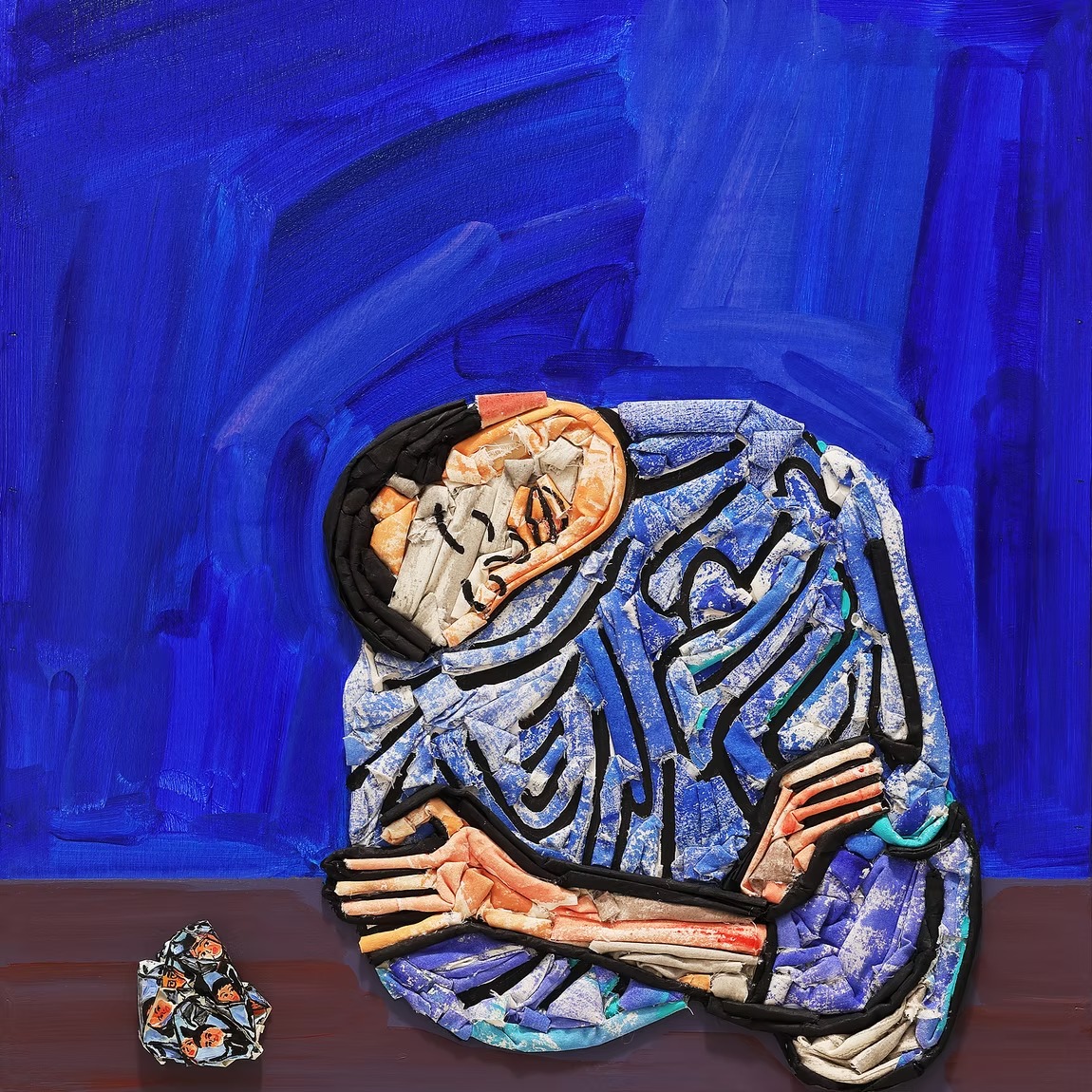
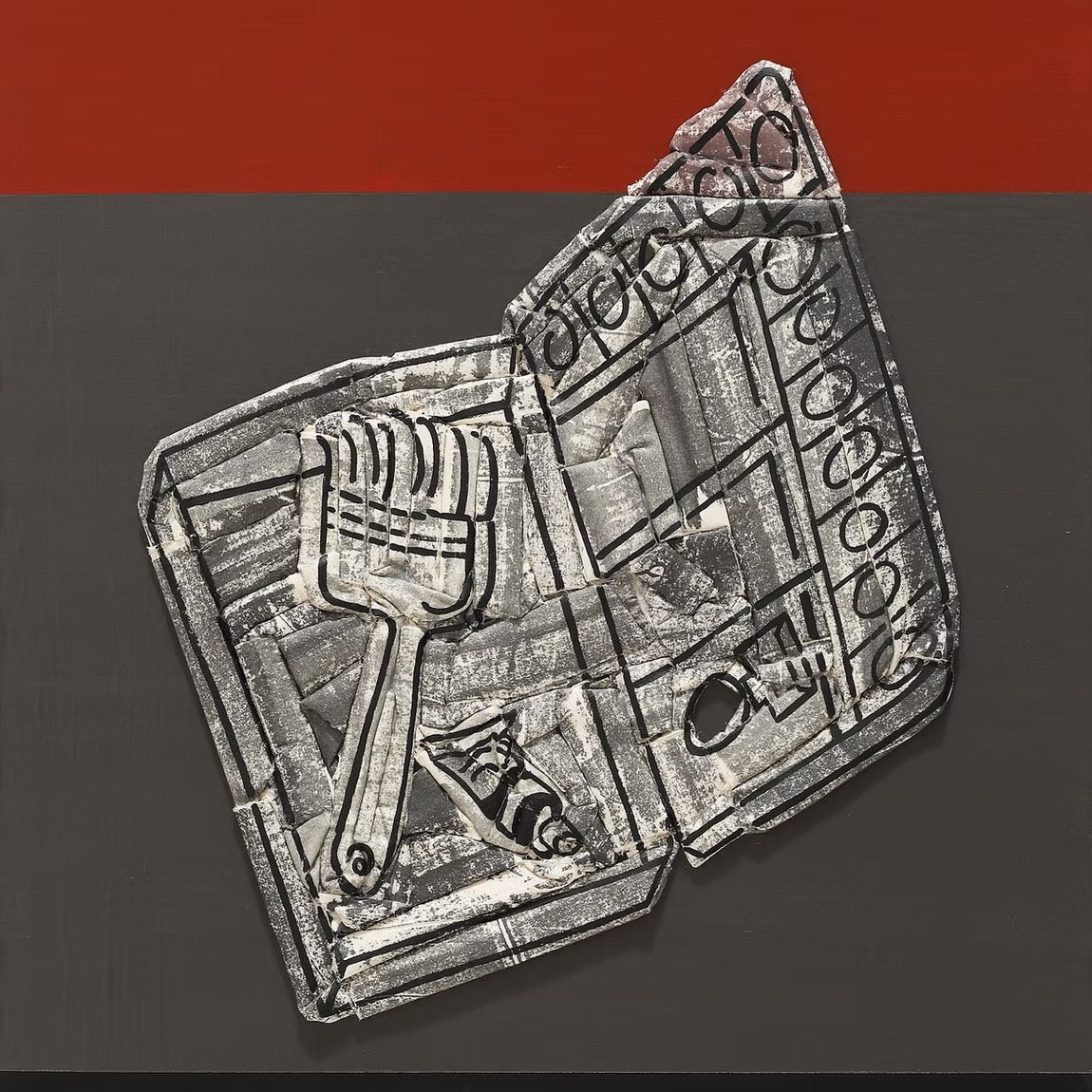
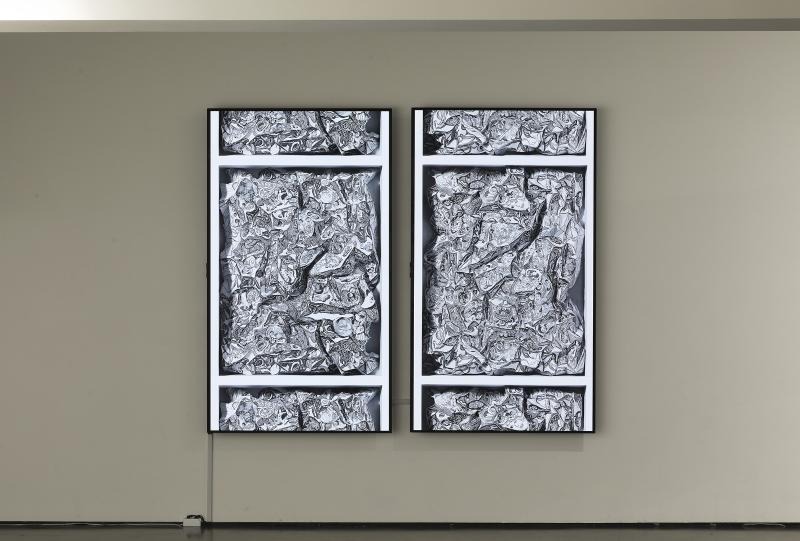
For his exhibition at OCI Museum of Art, Eunhyung Kim creates works inspired by Pictures at an Exhibition, a musical composition by the Russian composer Modest Mussorgsky. Mussorgsky composed the work based on ten drawings by his friend, the artist Viktor Hartmann. Eunhyung Kim, in turn, translates this music back into visual images.
Hartmann’s ten drawings each contain a different story and have no narrative connection to one another. Mussorgsky connected these disparate images through music from the methodological perspective of a viewer walking through an exhibition, transforming them into a single, complete composition. He introduced the concept of the “Promenade” into the music, using it in the form of preludes and interludes that serve as a unifying link between the ten musical episodes, each based on a different story.
Like Rimsky-Korsakov’s Flight of the Bumblebee, a representative work of musical realism, Mussorgsky vividly depicts the various images presented in the exhibition—a gnome, an old castle, chicks, a witch, and catacombs—allowing listeners to envision them through music.
The composer translated into music what he had consciously perceived, remembered, and emotionally responded to. In contrast to these distinct episodes, however, the Promenade sections are highly subjective and unrelated to any particular narrative, rather than being realism-based melodies intended to represent a story.
Nor were they composed merely to serve the formal function of linking the other episodes. In this sense, if the pieces depicting the different narrative images emerged from the realm of consciousness, the Promenade sections can be understood as expressions of images generated from Mussorgsky’s relationship with Hartmann, submerged within his unconscious.
In other words, the Promenade is not merely a connective device that accompanies the viewer from one picture to another while walking through the gallery; it possesses an independent creative value arising from Mussorgsky’s relationship with his friend Hartmann. In this way, Mussorgsky did not simply translate pictorial images into music.
Rather, through fragments of works presented in Hartmann’s posthumous exhibition, he sought to express Hartmann himself. For Mussorgsky, Pictures at an Exhibition may have been a means of recognizing what Hartmann meant to him and healing himself from the grief of losing his friend, while revisiting his memories of him.
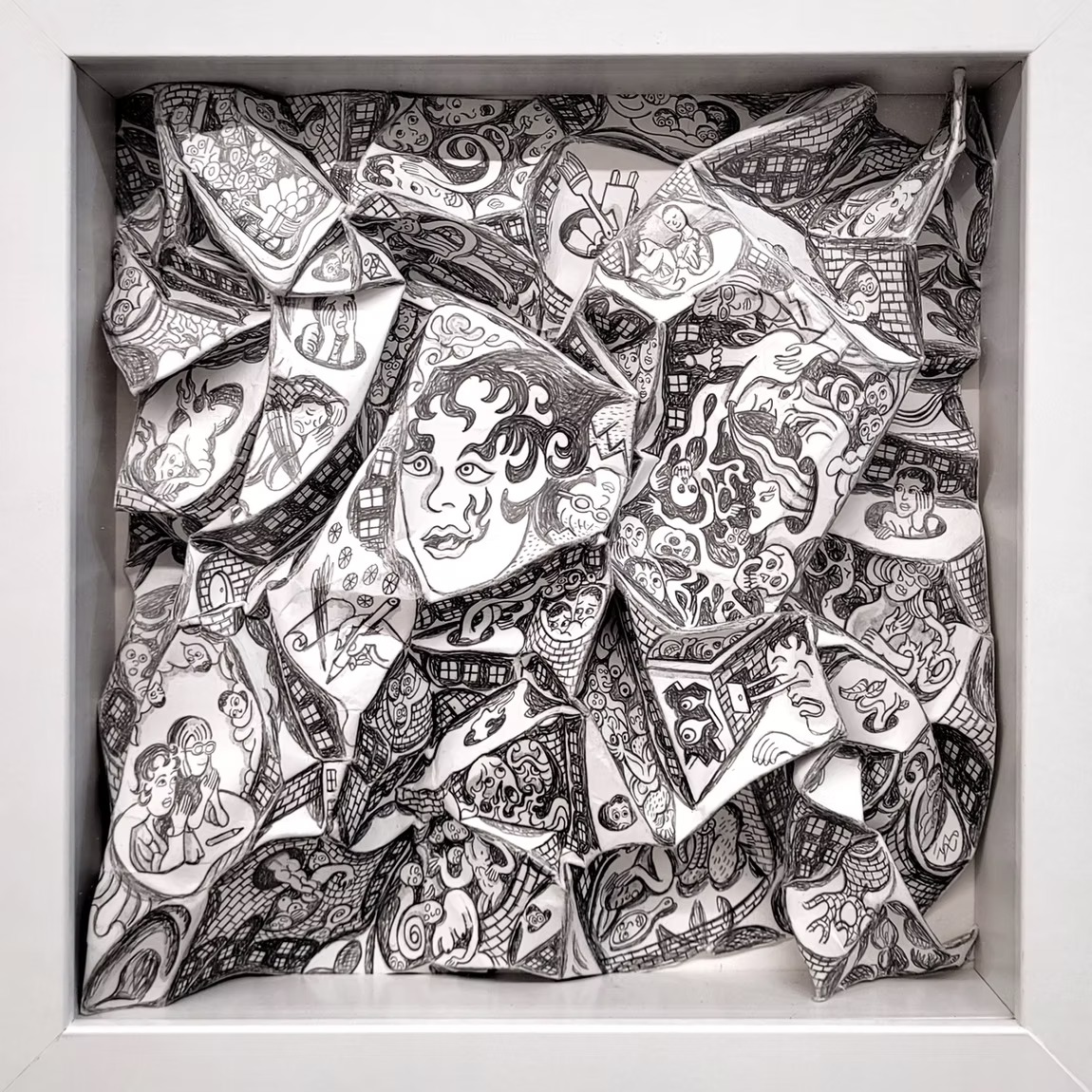
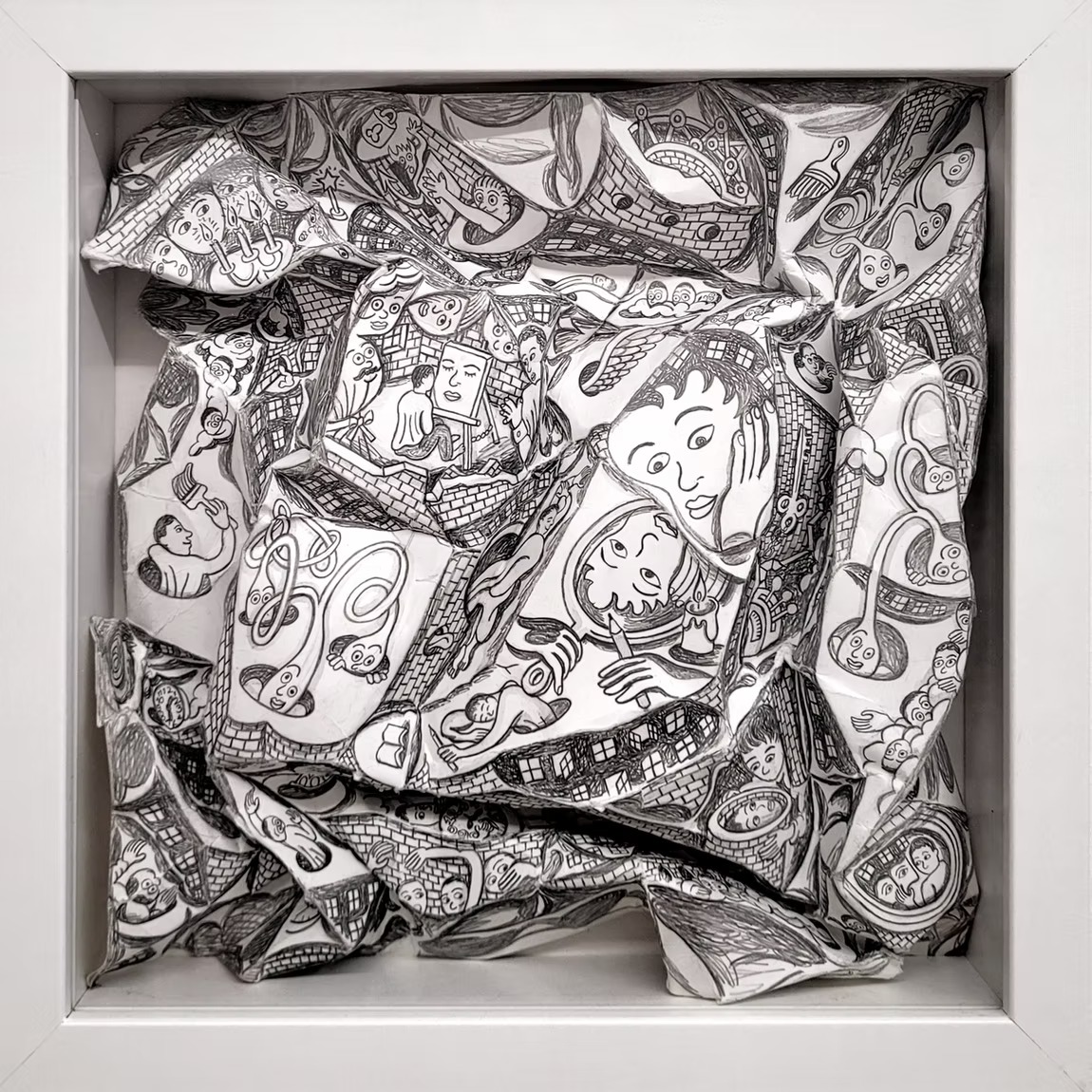
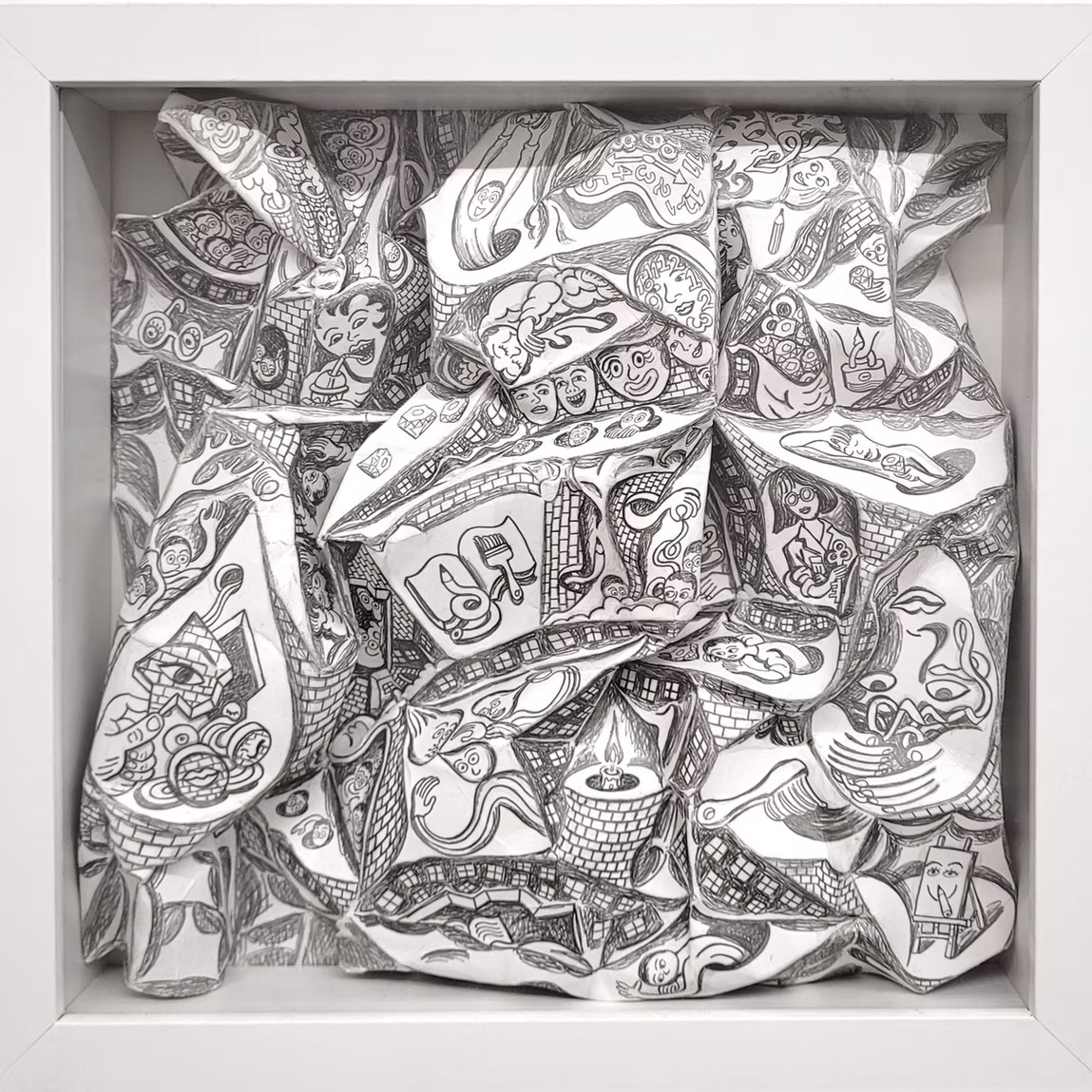
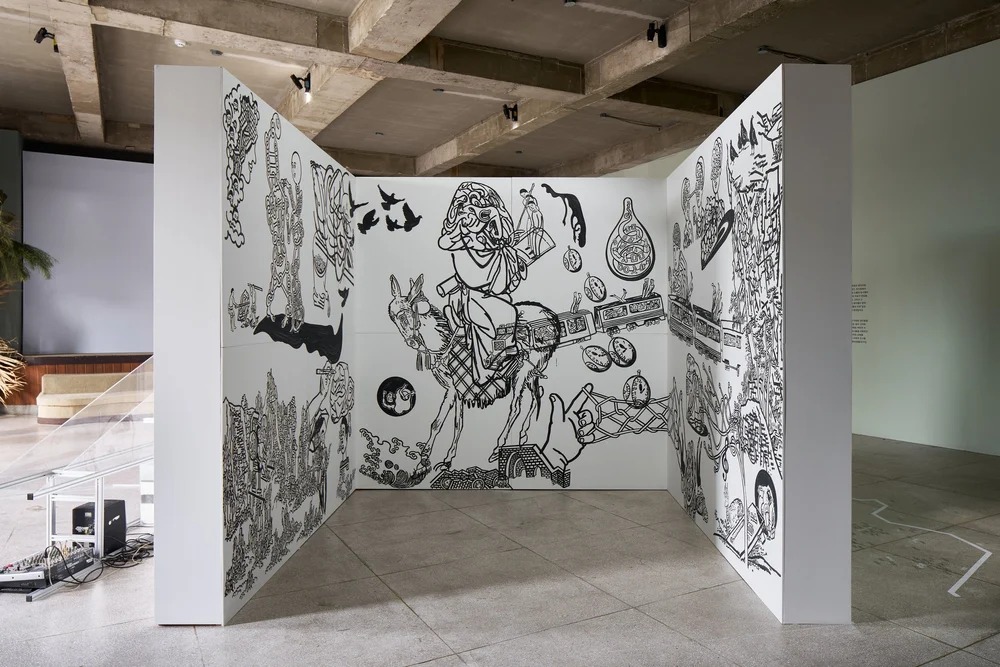
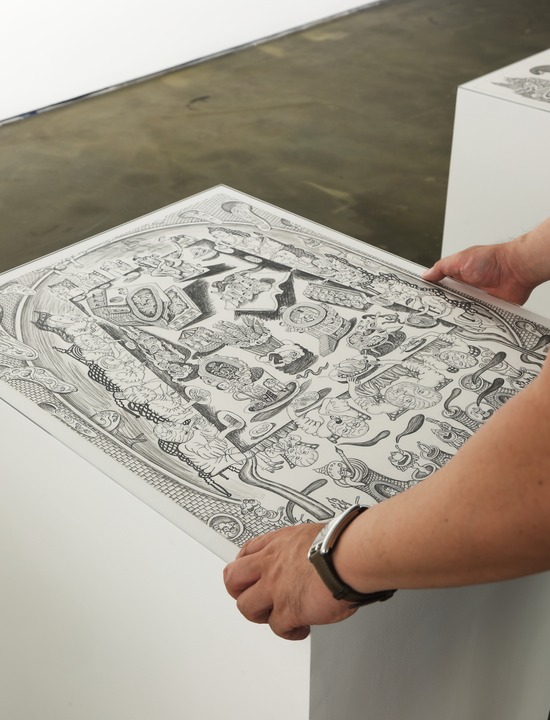
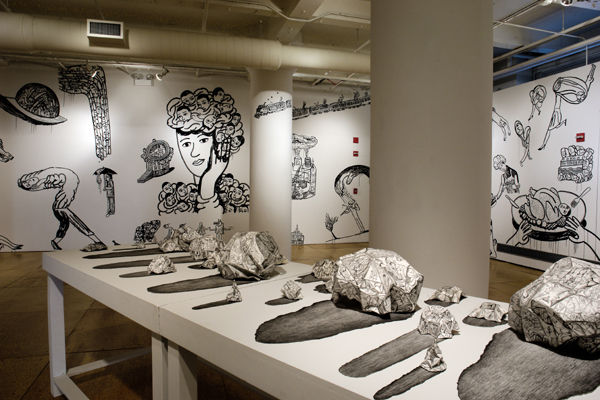
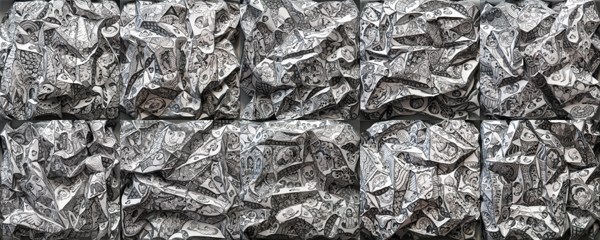
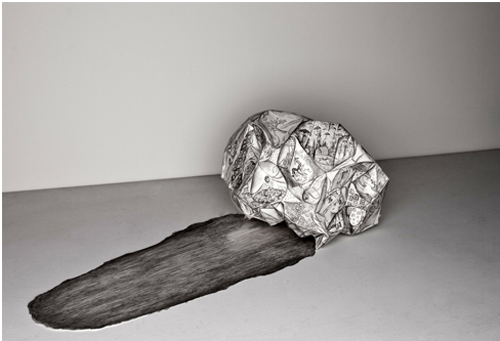
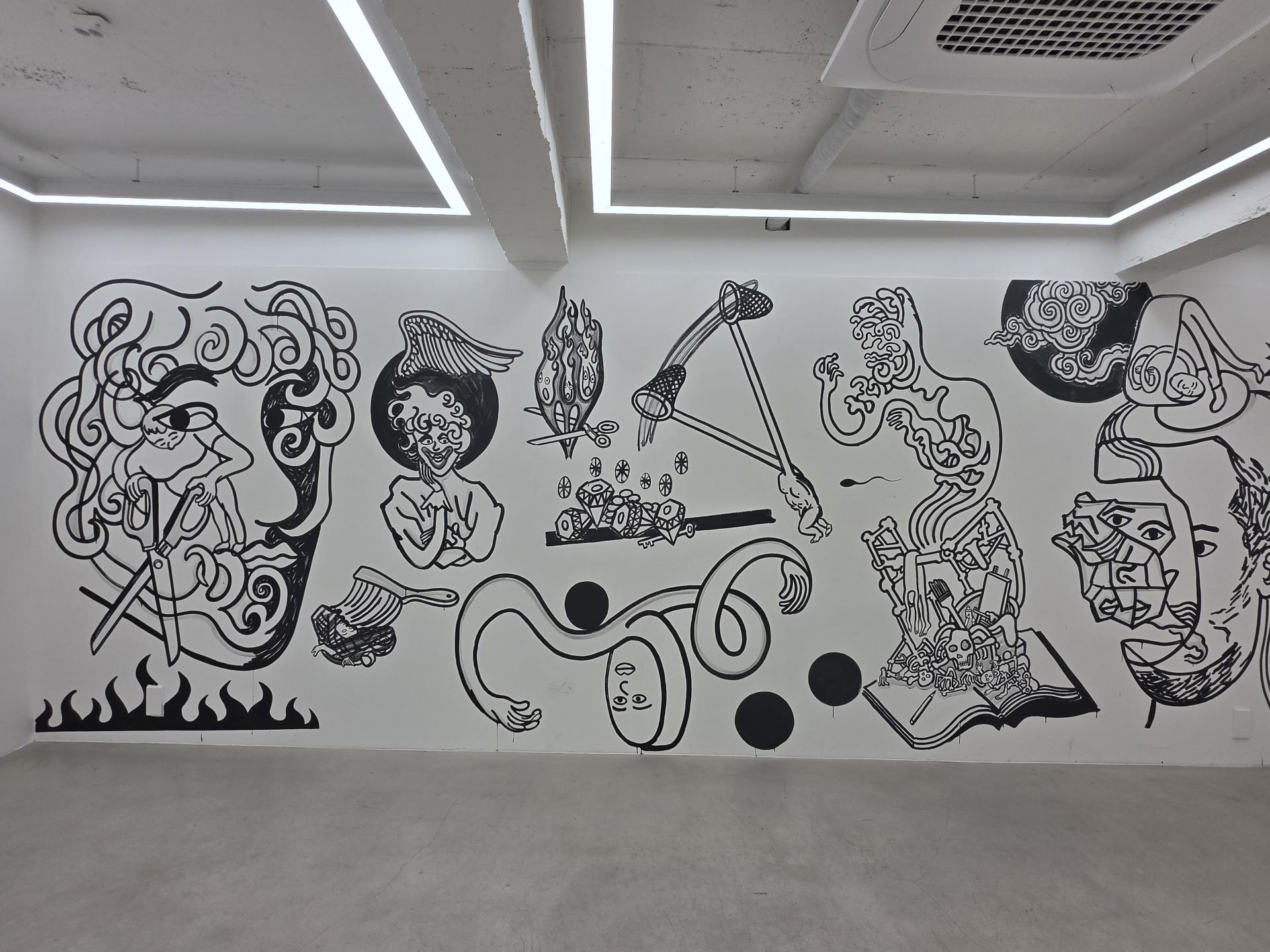
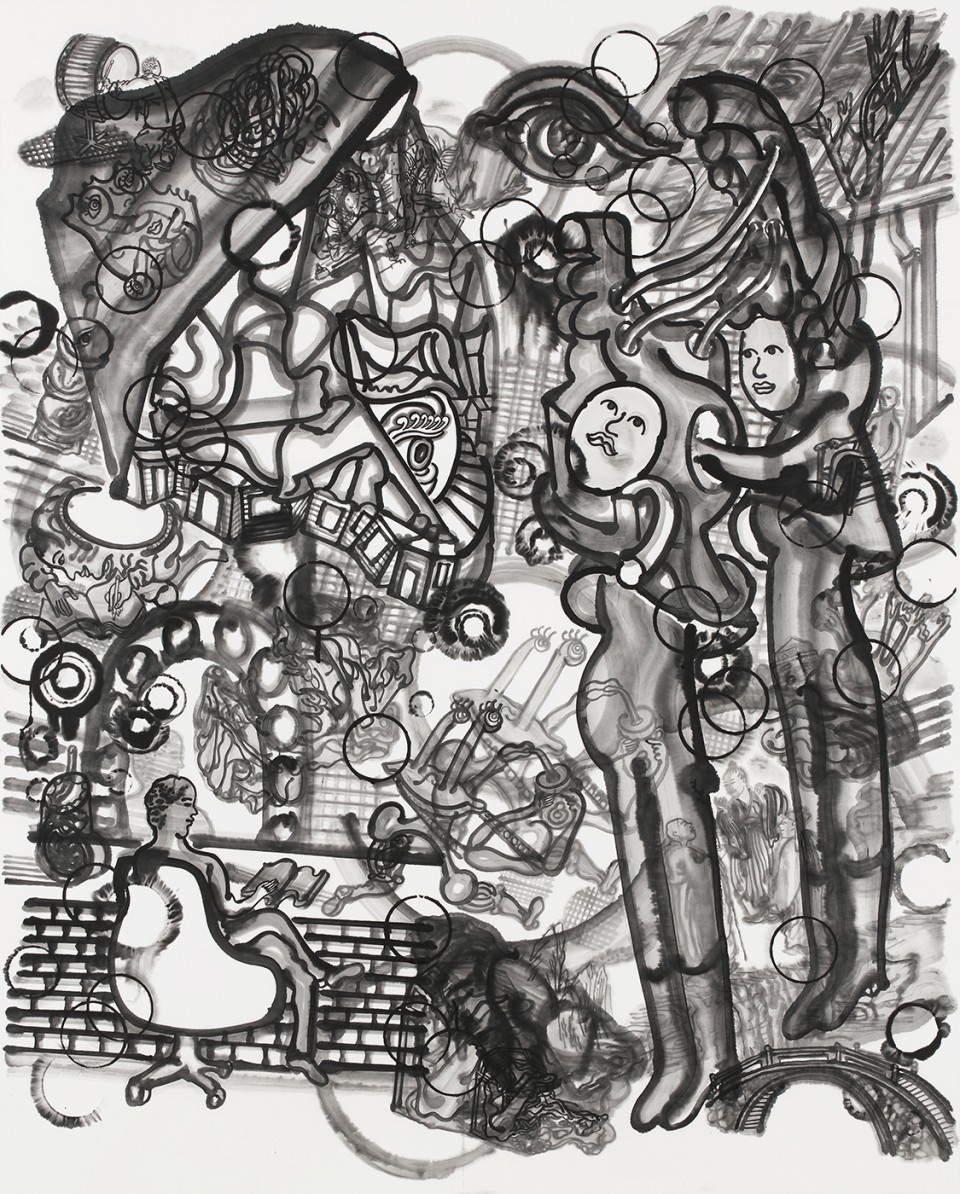
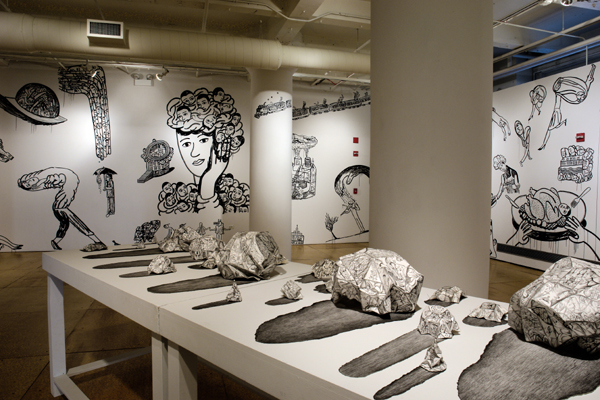
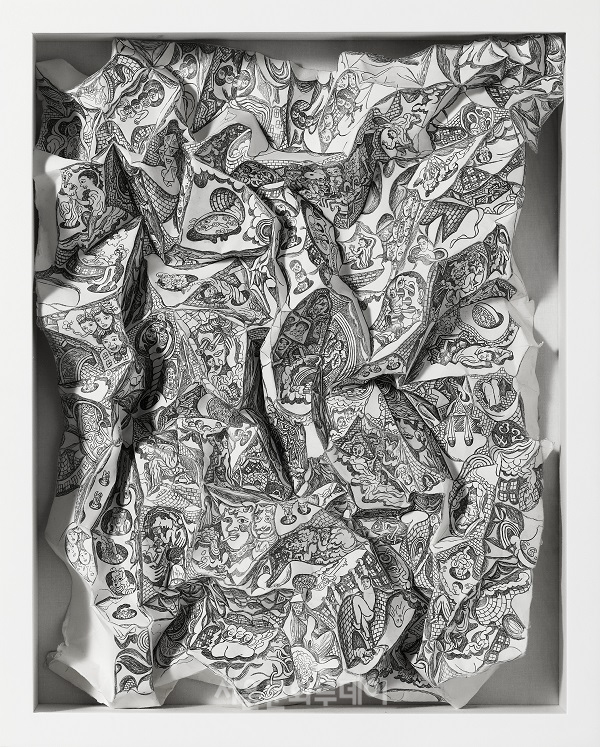
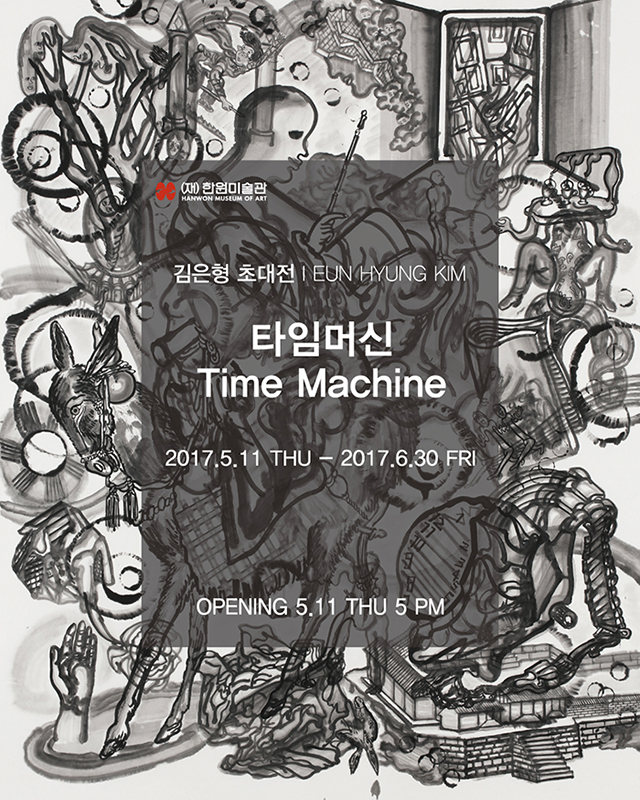
In this body of work, Eunhyung Kim depicts the ten musical episodes composed by Mussorgsky through concrete and representational paintings. Rather than describing objects through sight, he listens to the music, receives and responds to it through hearing, and then translates that response back into visual form.
The process of transforming one sense into another creates a gap within the brain’s stages of perception, allowing the subjective, primordial self residing in the unconscious to intervene and create interference. The artist attempts to evoke bodily and emotional responses through synesthetic perception rather than through the brain’s response to a single sense.
To express an internal, unconscious, and primordial subjectivity rather than a conscious and logical description, Kim translates Mussorgsky’s music through spontaneous and immediate brushstrokes. Like musical melodies, he uses highly free-flowing lines that are neither planned nor schematic, creating black-and-white images.
Hartmann, who created the original drawings; Mussorgsky, who transformed those drawings into music; and Eunhyung Kim, who recreates that music as visual art, are three creators who existed in different periods and worked through different expressive media. Music exists within the relationship between Hartmann and Mussorgsky. Painting exists between Eunhyung Kim and Mussorgsky.
Eunhyung Kim uses his art to establish an ontological identity within the relationships between the individual and the other, and between himself and society. His practice thus extends beyond the aesthetics of relationships or formal experiments in the transformation and convergence of music and painting.