Lee Jungwoo (b. 1981) focuses on the conditions that produce particular outcomes within systems. Viewing results that appear to be malfunctions as inevitable products of the conditions in which they arise, he explores issues emerging from the functioning and malfunctioning of social systems, including technological bias, distortion, and censorship.


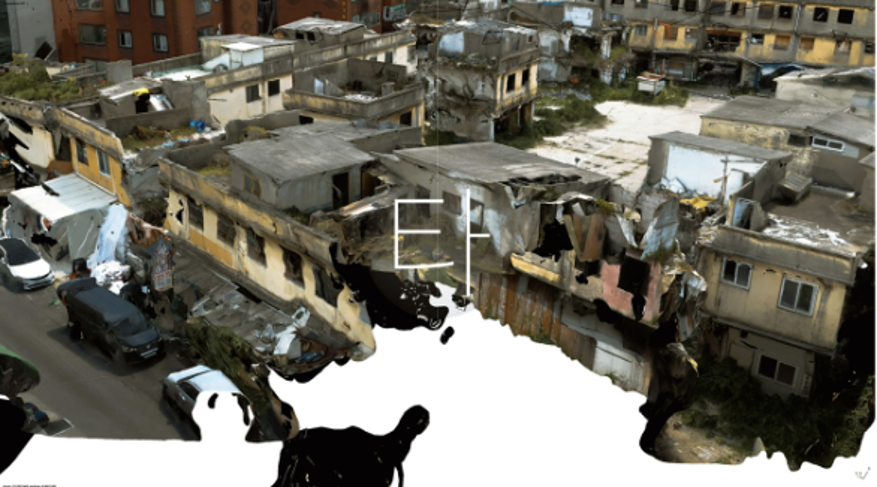
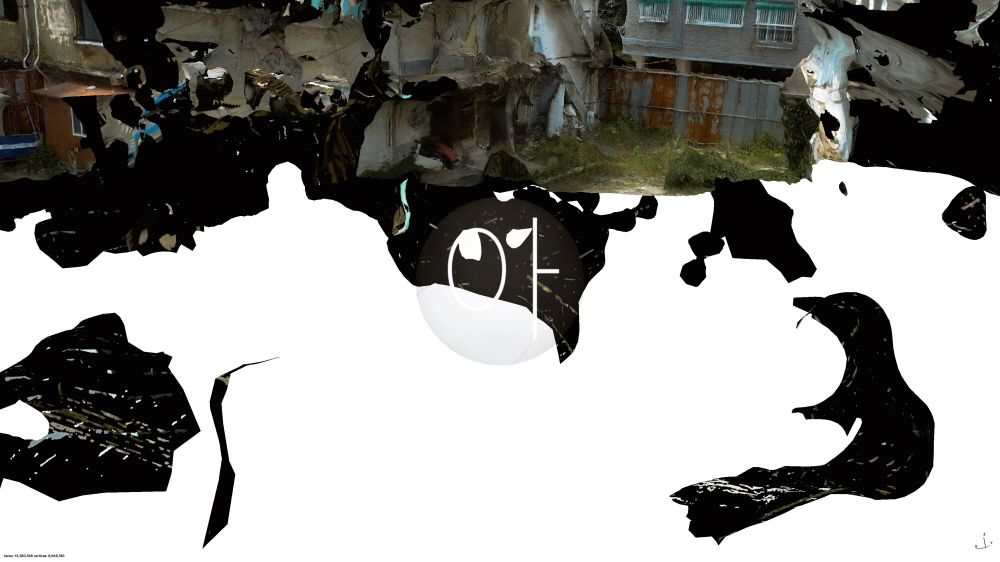
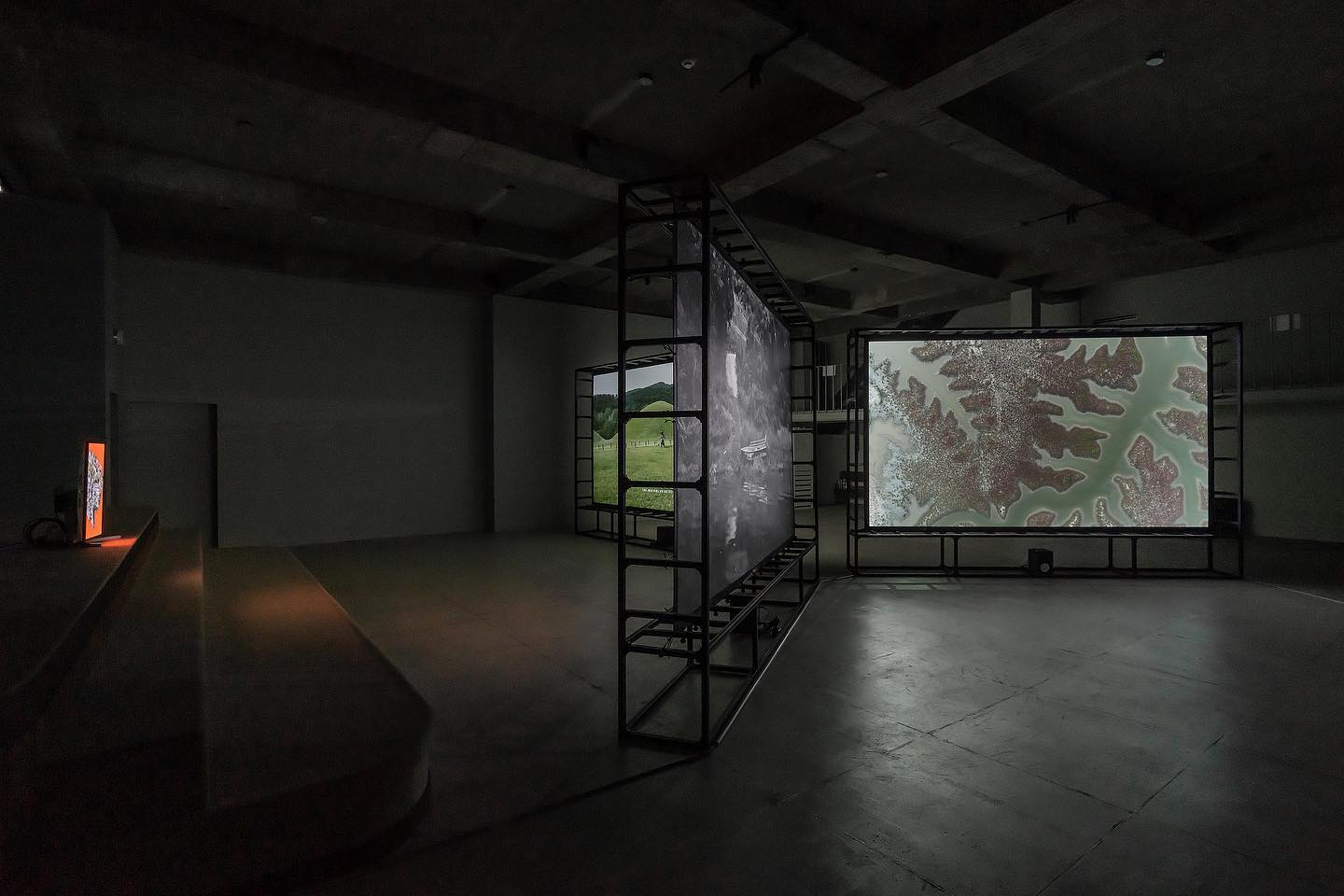
Lee Jungwoo, A-Su-Ra-Bal-Bal-Ta, 2021, Single-channel video, sound, color, 10min 8sec. 3D spatial scanning and rendering using drone photogrammetry data, 4K © Lee Jungwoo

Lee Jungwoo has developed a critical formal language through drawing, video, installation, and other media, working across technologies ranging from drones to generative artificial intelligence. His practice makes visible how the images and narratives produced through these technologies are directed and positioned within the ambiguous conditions of contemporary society.
 
In his early practice, Lee focused on the ways in which popular culture and media, particularly film, shape and mediate the formation and reception of fictional images and perceptions.
 
For Lee, fictional perception refers to intangible images that are transformed, distorted, and exaggerated through social media and news media within national, historical, cultural, and political contexts, eventually becoming landscapes that come to dominate our perception of reality.


Installation view of 《Shot Blank》 (Art Sonje Center, 2017-2018) © Art Sonje Center

Lee has deconstructed and recombined the elements of film to reveal the structures through which such images are formed and the fiction embedded within them. In doing so, he creates room for new interpretations within the gaps between images and perceptions that have become familiar and fixed.
 
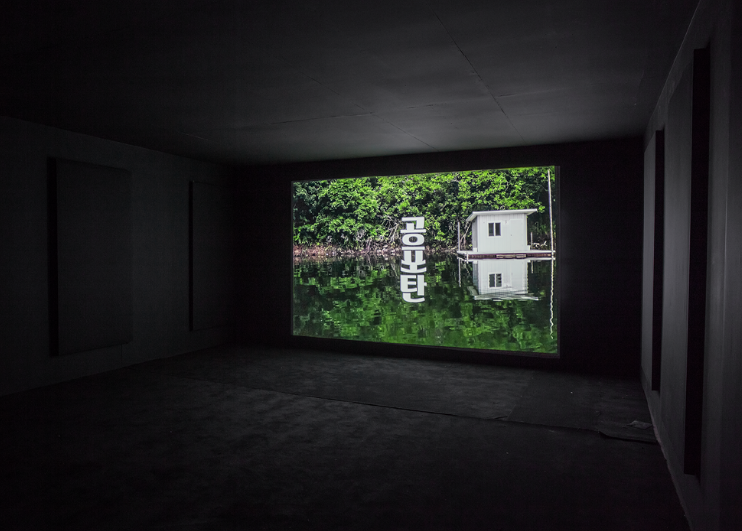
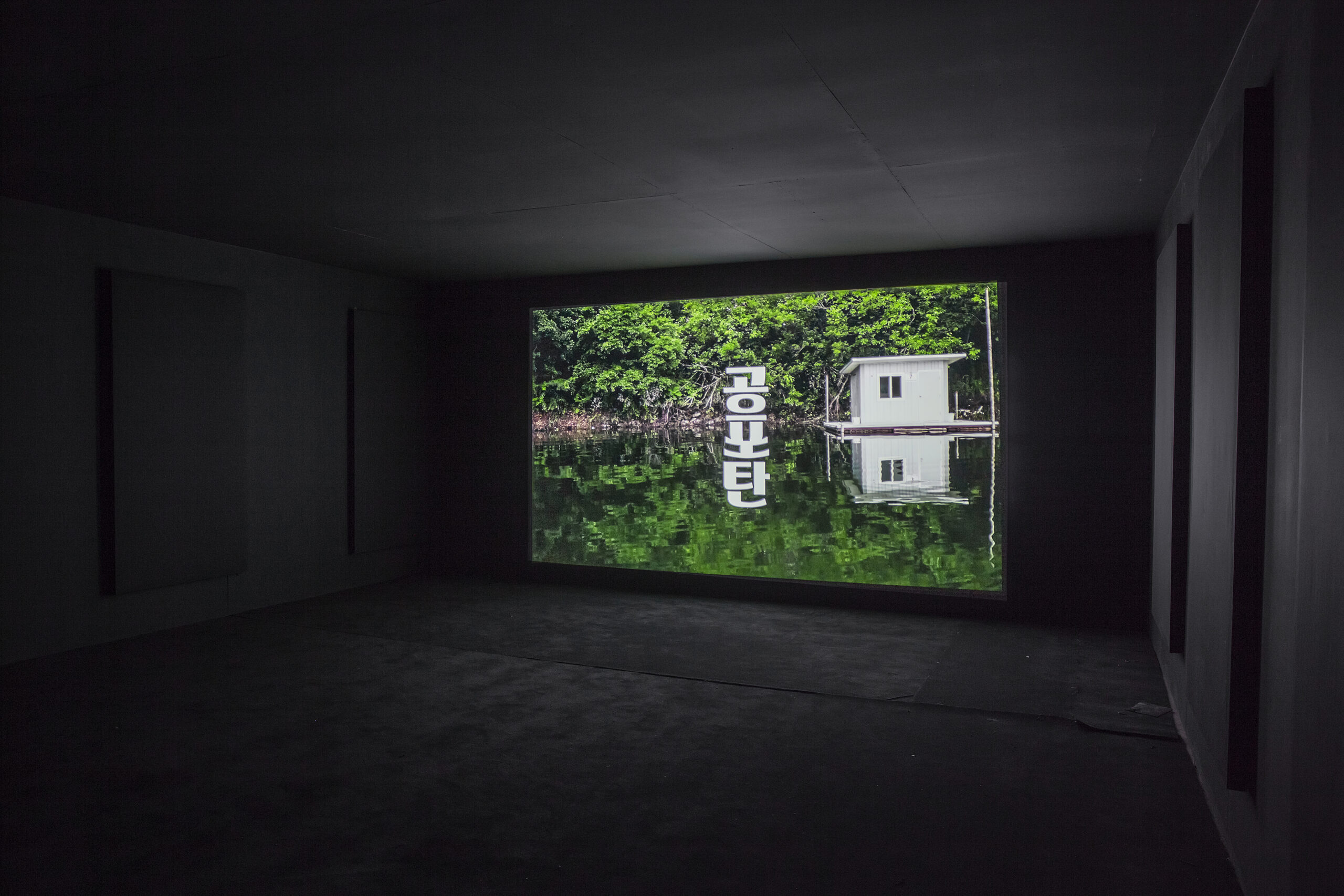
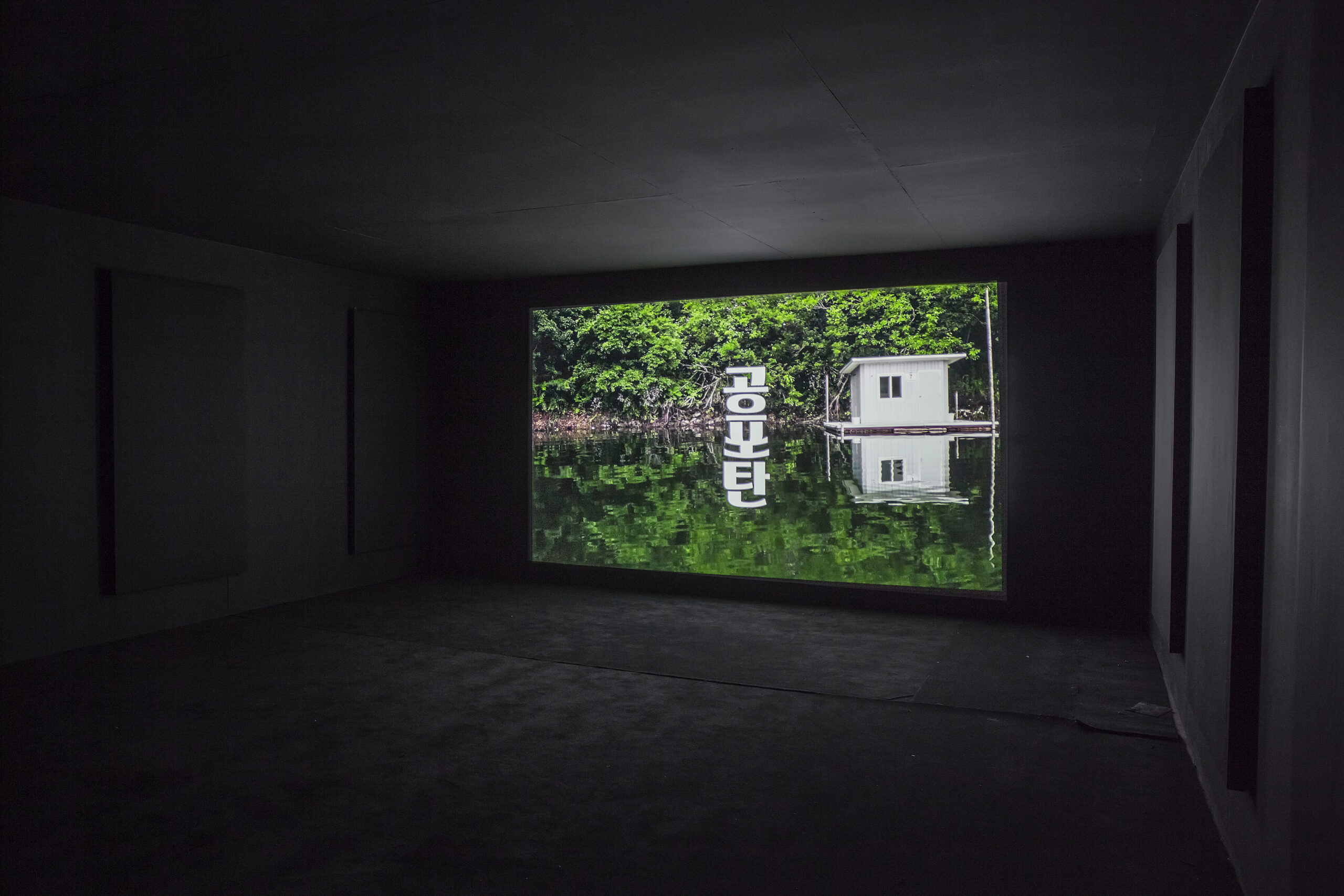
For example, in his first solo exhibition, 《Shot Blank》 (Art Sonje Center, 2017), he deconstructed the conventional grammar of Korean horror films and presented a video composed of images stripped of their original narrative, further developing this approach.
 
The locations featured in the video were drawn from a location-scouting archive for horror film production. Although stripped of the conventional narratives provided by film, these images evoke the familiar illusion of fear associated with the horror genre.
 
This connects to the exhibition’s homonymous title, “Shot Blank”, which evokes the Korean term “gongpo-tan” (空砲彈), referring to a blank cartridge that causes no physical harm but nonetheless evokes “gongpo” (恐怖), or fear.


Installation view of 《Shot Blank》 (Art Sonje Center, 2017-2018) © Art Sonje Center

The works presented in the exhibition traversed the axis of “reality and fiction,” questioning the principles and structures through which media devices acquire and exercise power. Yet the series of works, built through fragmentation and combination and the restructuring of fragments and wholes, did not offer a single conclusion in response to these questions.
 
Instead, Lee sought to approach the social, cultural, and political contexts underlying the operation of images that shape reality. By modulating the distance between fiction and reality, he aimed to create a space in which reality could be sensed through fiction.


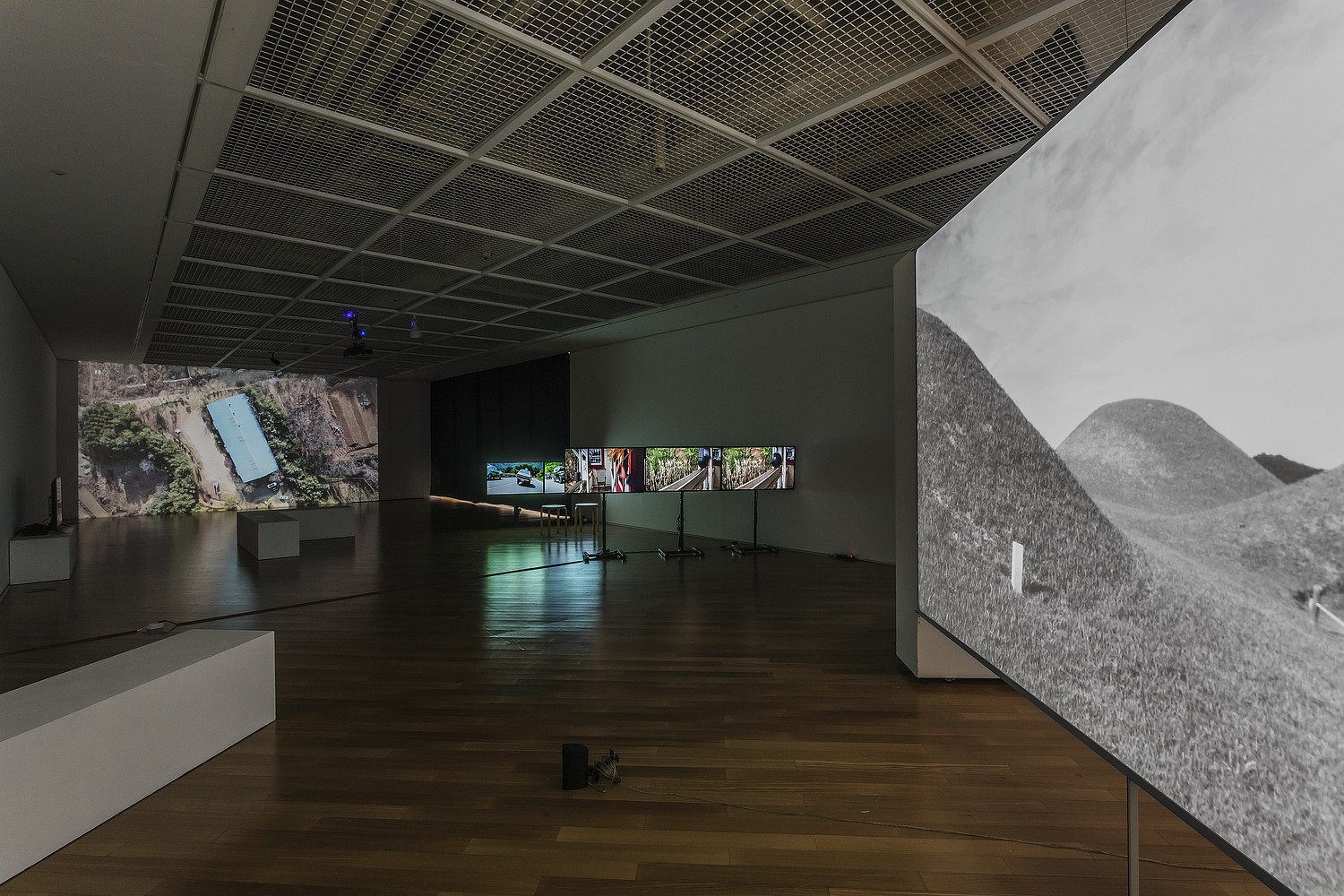
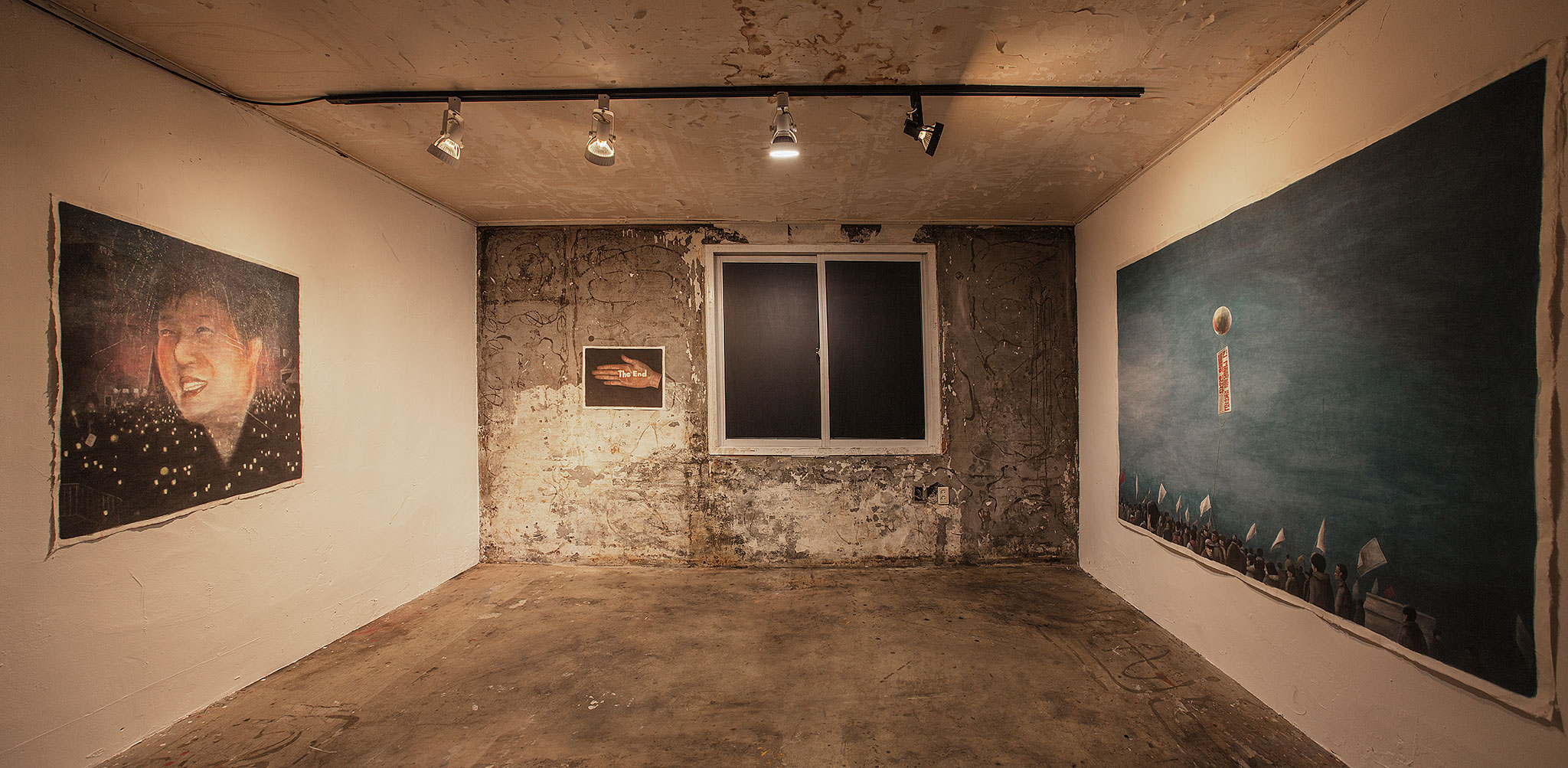
Installation view of 《Olwookeok–geoggurogeogguro》 (SONGEUN Art Cube, 2019) © SONGEUN

Meanwhile, in his 2019 solo exhibition 《Olwookeok–geoggurogeogguro》 at SONgEUN Art Cube, Lee turned his attention to how past events and historical images are recorded and reconstructed from the perspective of the present.
 
Through media including video, drones, news, and film, he deconstructed and rearranged historical remnants and fragmented narratives, disrupting the meanings embedded in familiar images and narratives.
 
In particular, by reconfiguring film scenes and historical records through forward and reverse sequences, repetition, and intermingling, he obscured their original temporal and narrative contexts while opening up possibilities for new meanings.


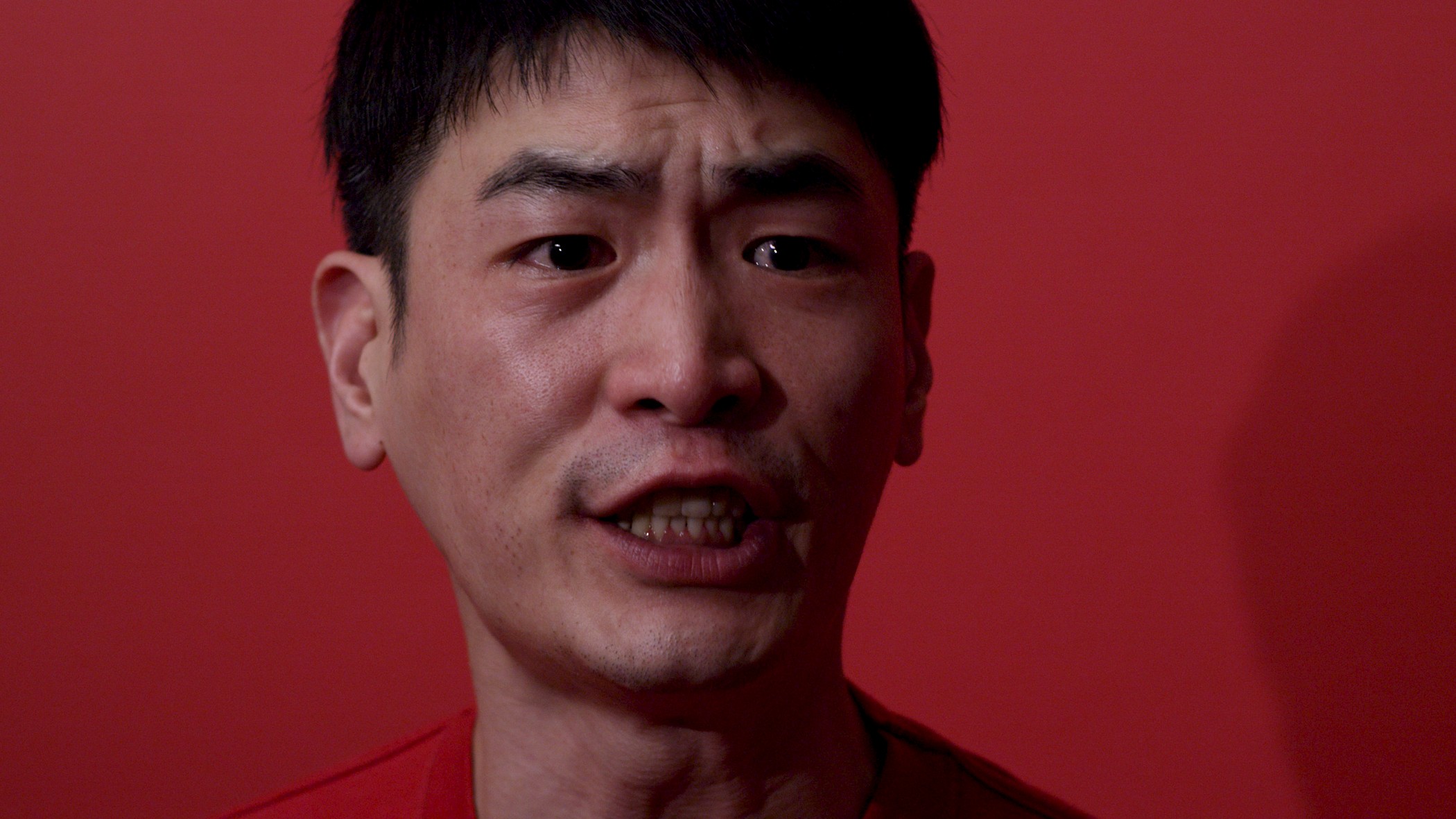
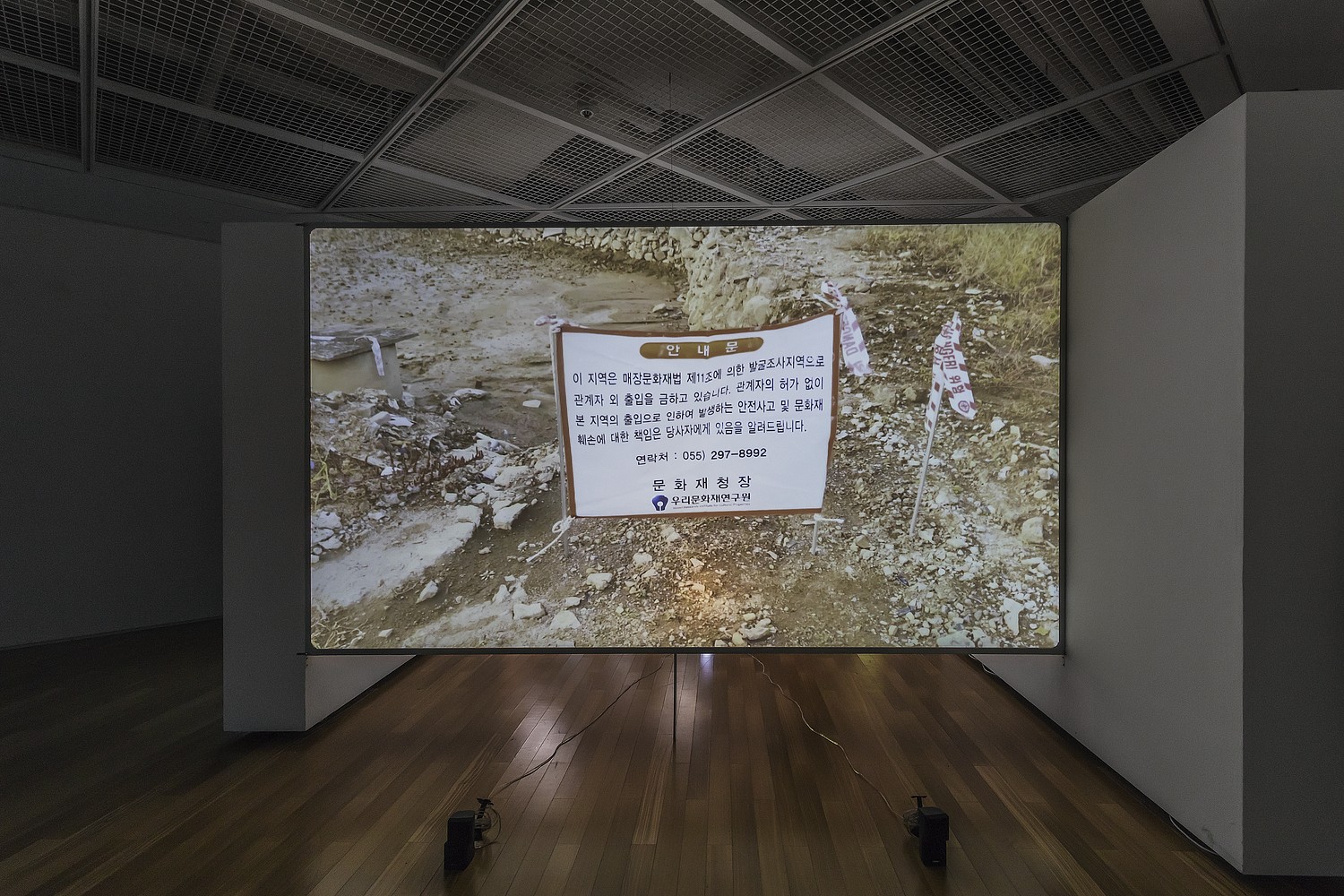
이정우, 〈대난굴시대 - Chapter 2. 두 배우(Two Actors)〉, 2019, 단채널 영상, 사운드, 컬러, 4K HD 변환, 16분 3초. © 송은

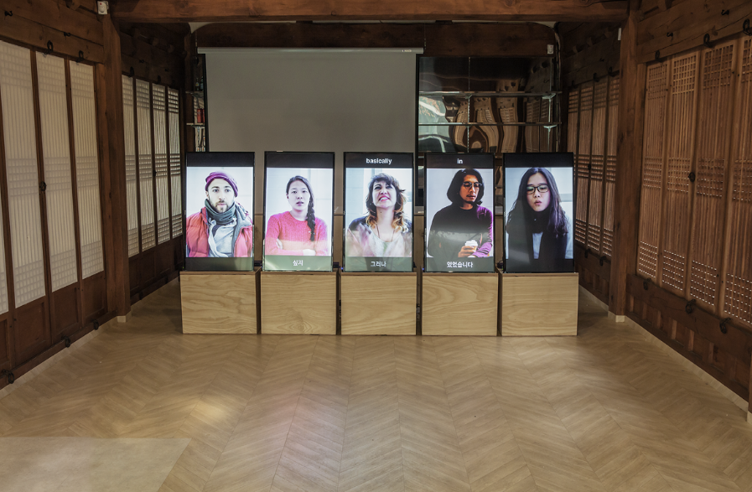
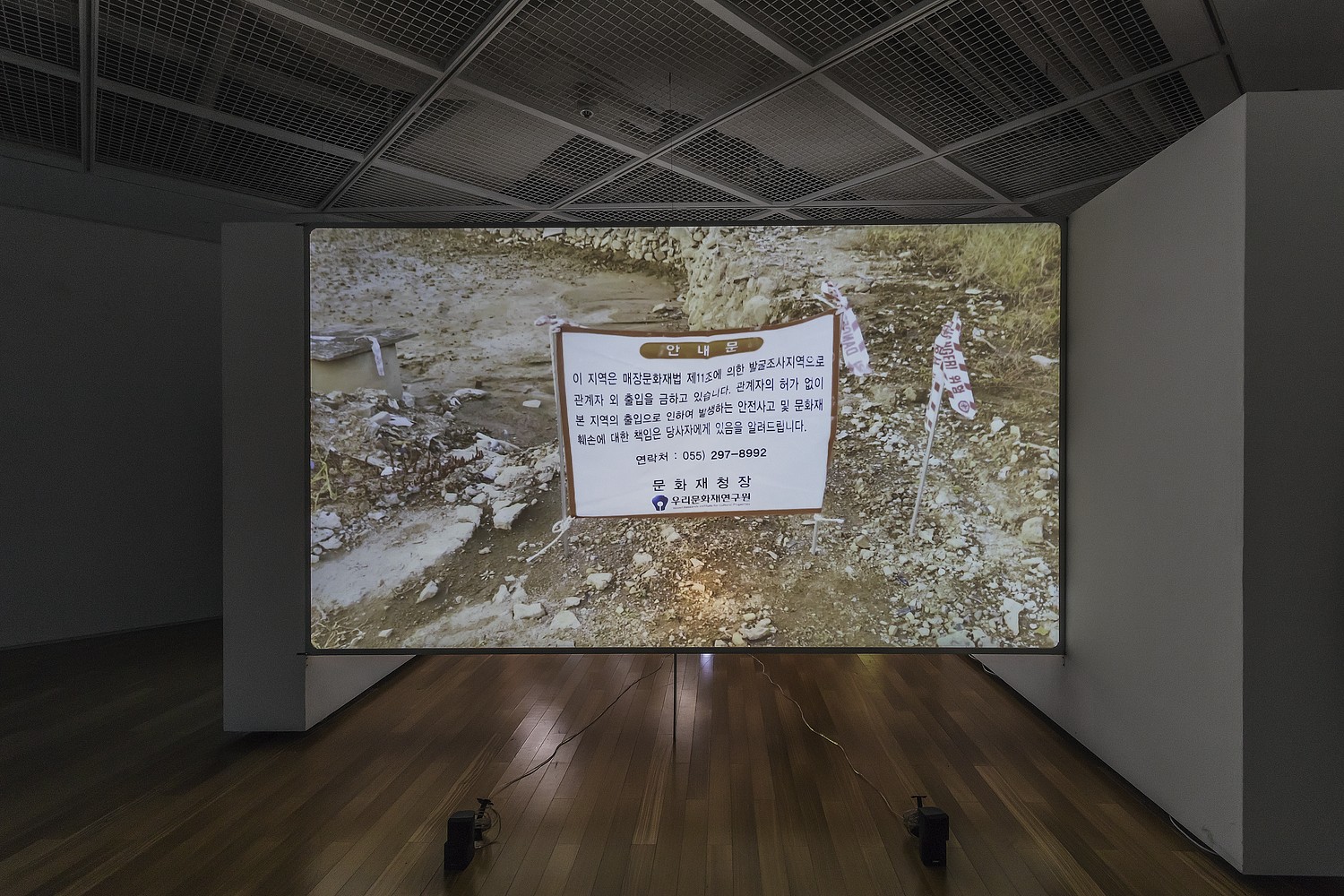
For example, ‘The Golden Age of Grave Robbing’ (2019), a three-part work, examines how historical images and narratives are reconstructed in the present. In Chapter 1. King and His Tomb, Lee focuses on sites that were once centers of political power but now remain only as traces of their historical existence. Interspersed throughout the video are news reports concerning a particular politician, along with the politician’s voice played in reverse.
 
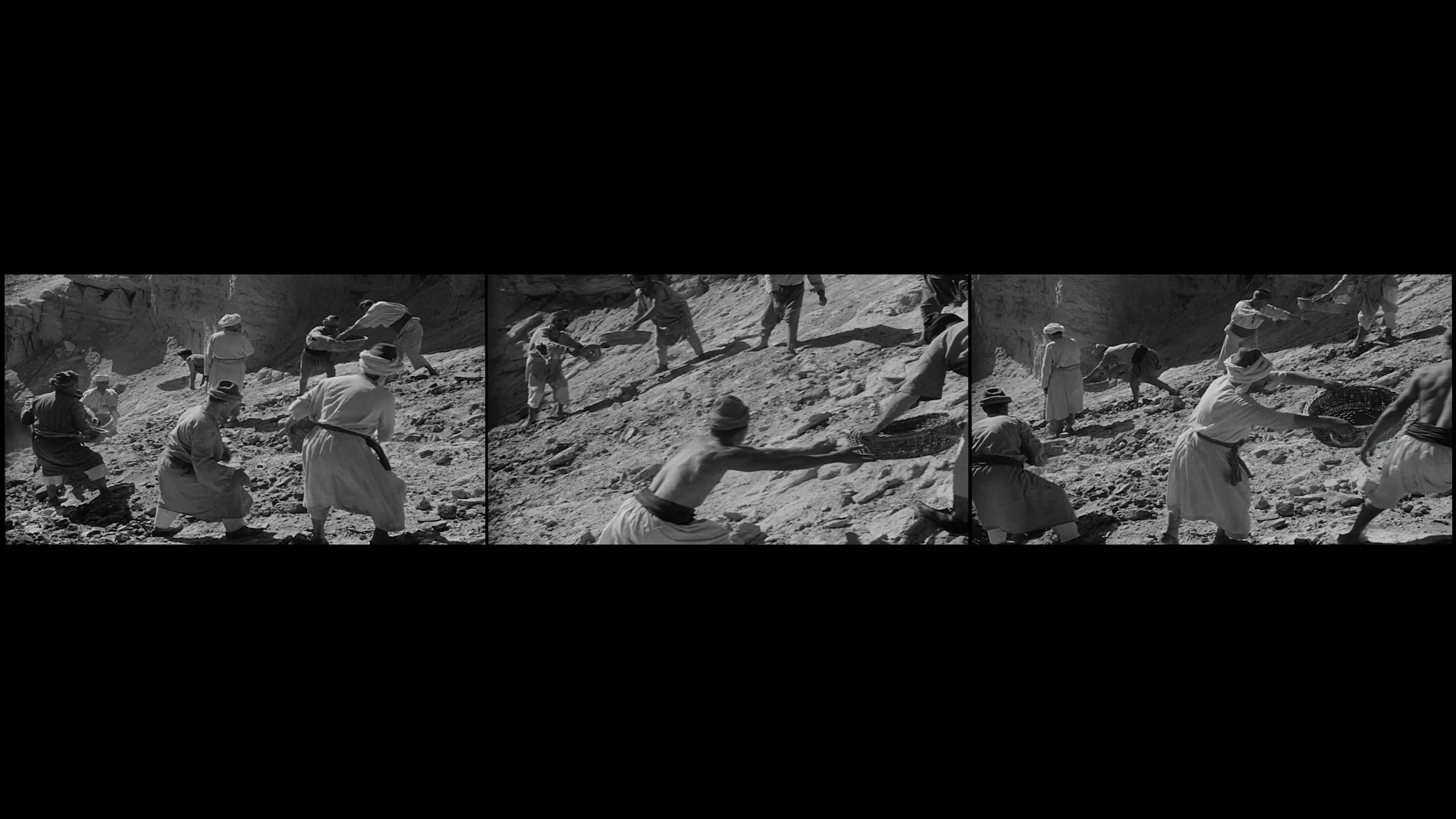
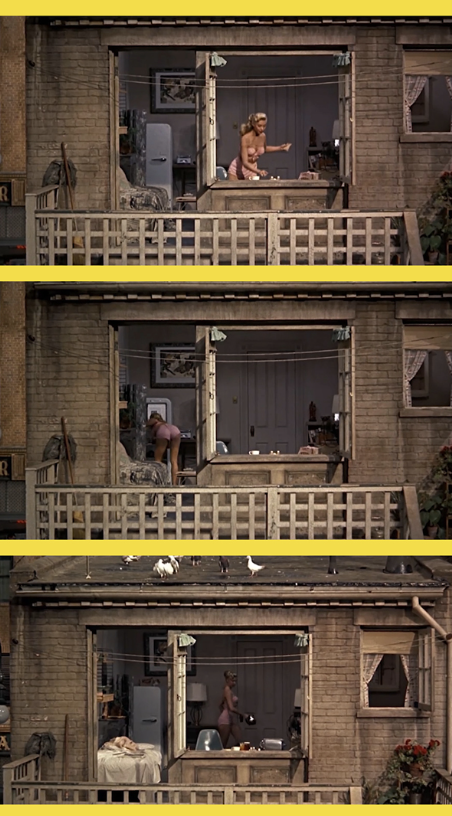
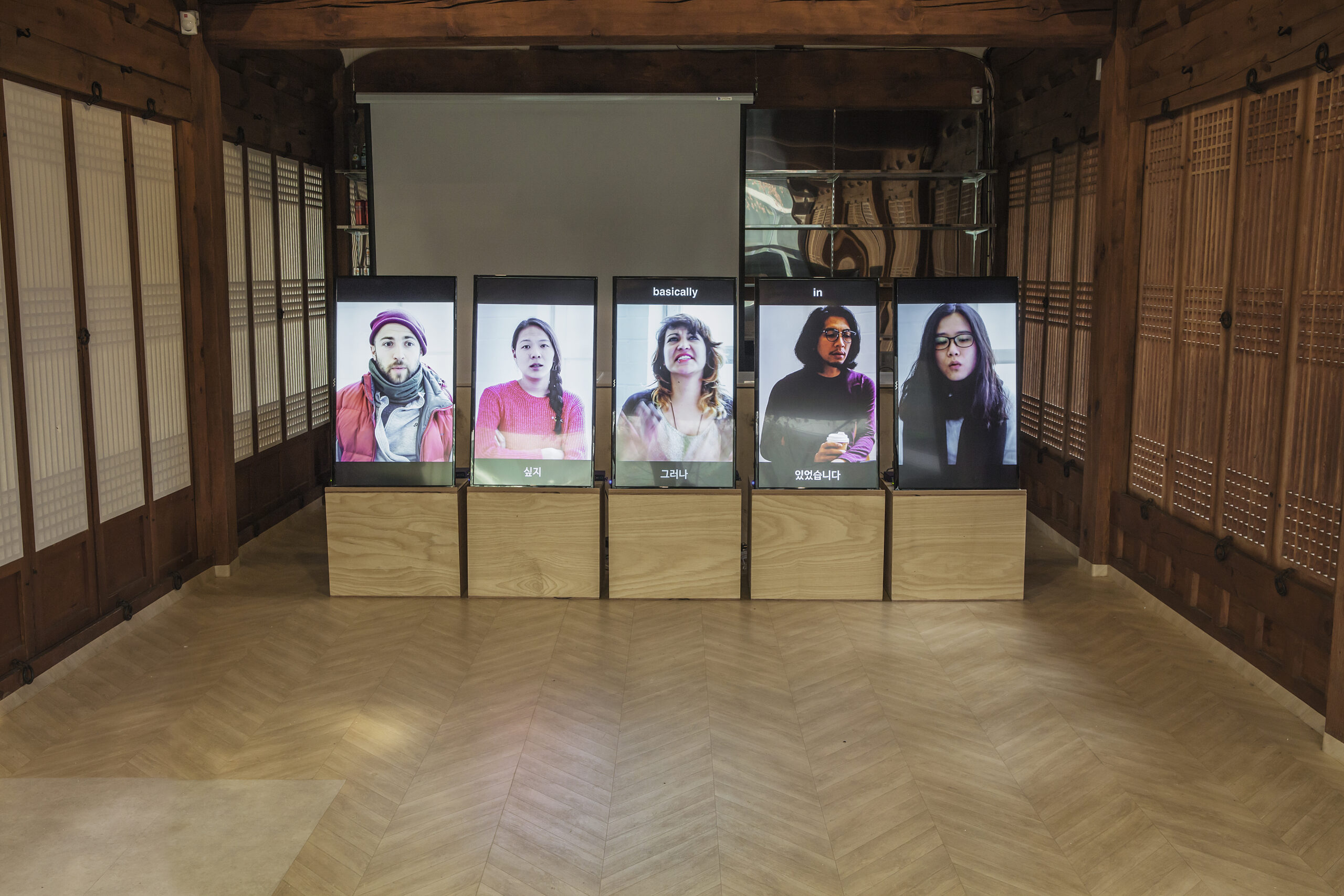
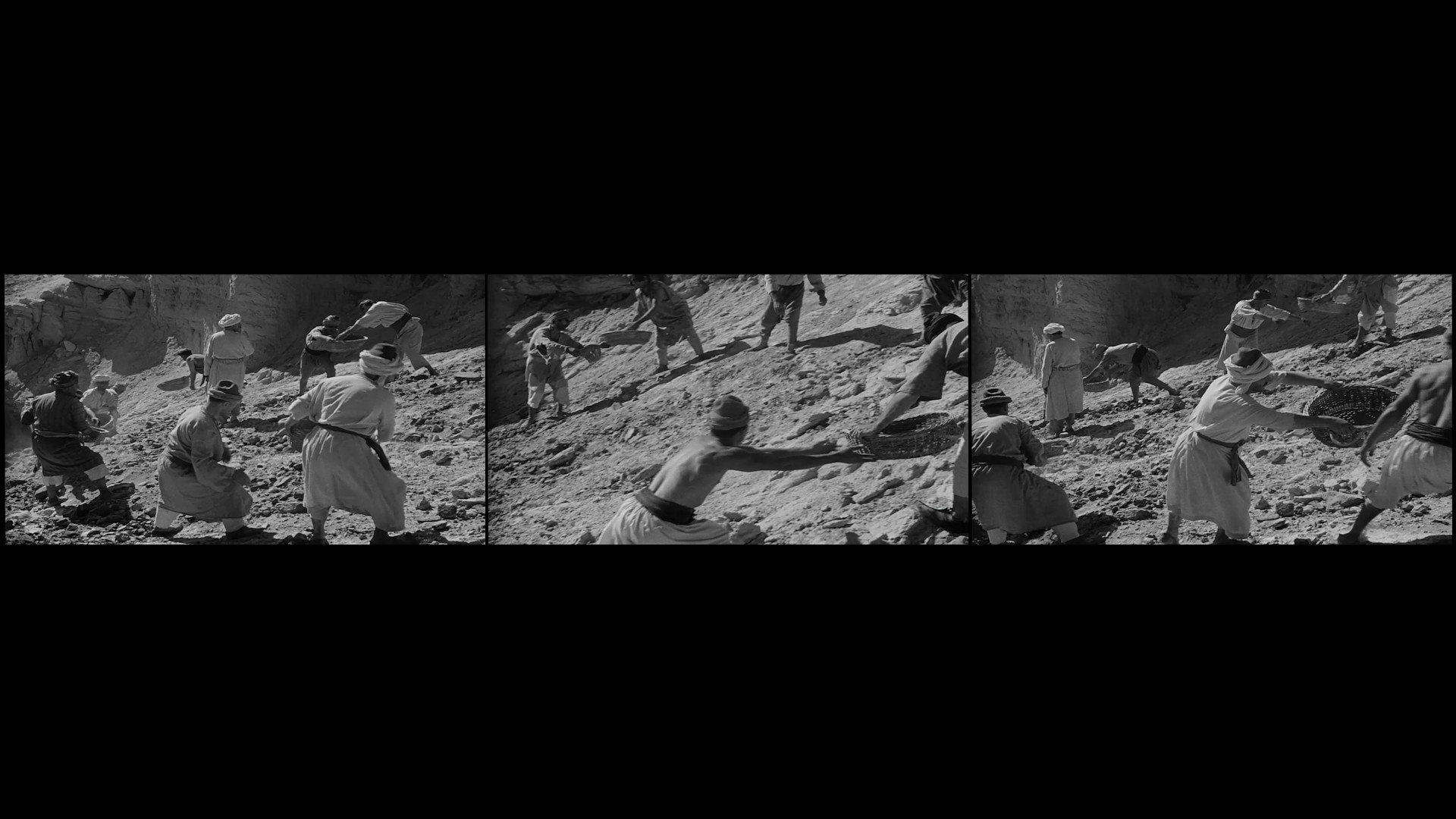
Chapter 2. Two Actors features actors who have portrayed historical figures discussing their approaches to reenacting those figures, alongside footage of them performing these roles. Chapter 3. Olwookeok deconstructs scenes from films and recombines and rearranges them in different ways.


Lee Jungwoo, The Golden Age of Grave Robbing - Chapter 3. Olwookeok, 2019, 3-channel video installation (synchronized), color, sound, HD, 4min 44sec. (loop) © SONGEUN

As viewers watch the video, it becomes difficult to distinguish which scenes move forward along the narrative timeline and which move backward. Elements that enable visual reading, such as images, sound, and subtitles, are reversed and interwoven.
 
As forward- and backward-moving scenes are stitched together, the original narratives of the films are disrupted and may instead be read as unexpected new narratives. This process resembles the way we perceive events from a reconfigured past timeline.


Installation view of 《Olwookeok–geoggurogeogguro》 (SONGEUN Art Cube, 2019) © SONGEUN

Through this series of works, Lee disrupts our perception of the past, historical reality, and the ways in which the past is represented and recorded.
 
In doing so, he reveals that past events we believe to have existed, along with the images and records through which they are conveyed, are never fixed in an objective form. He thereby questions how media-mediated images shape social memory and historical narratives.


Installation view of 《Not on board》 (TINC, 2021). Photo: Junyoung Cho. © Lee Jungwoo

In his 2021 solo exhibition 《Not on board》 at TINC, Lee sought to visualize the future—the time yet to come—by adopting the pre-production process used to create a kind of blueprint or production plan for a film that has not yet been made.
 
To this end, he conceived the main setting of the video as an informal settlement at an imagined point in the future and presented the process of designing this space through various methods, including stream ripping, found footage, reference images, FPV drone footage, and 3D spatial scanning and rendering.
 
The three-channel video Not on board (2021), which shares its title with the exhibition, interweaves images that evoke an ascent toward a new future—such as the moon, spaceships, and skyscrapers—with images of areas slated for redevelopment, accident sites, and shipwrecks found in classical paintings.
 
Set against an informal settlement where dilapidated landscapes overlap with high-rise buildings, the work depicts recurring scenes of disaster, like an oral tale that never grows old.


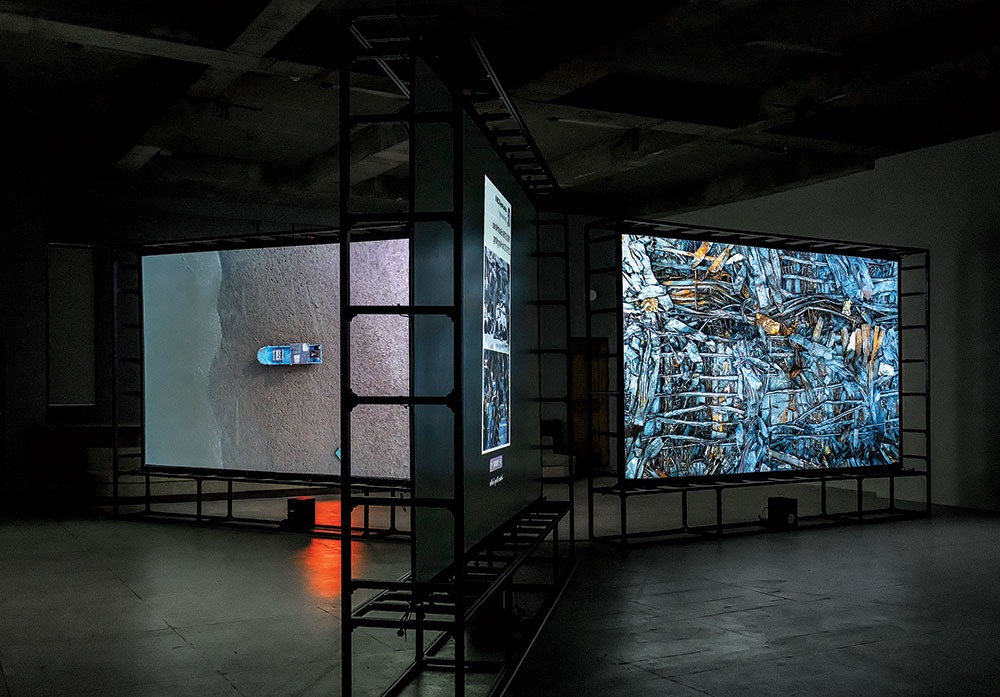
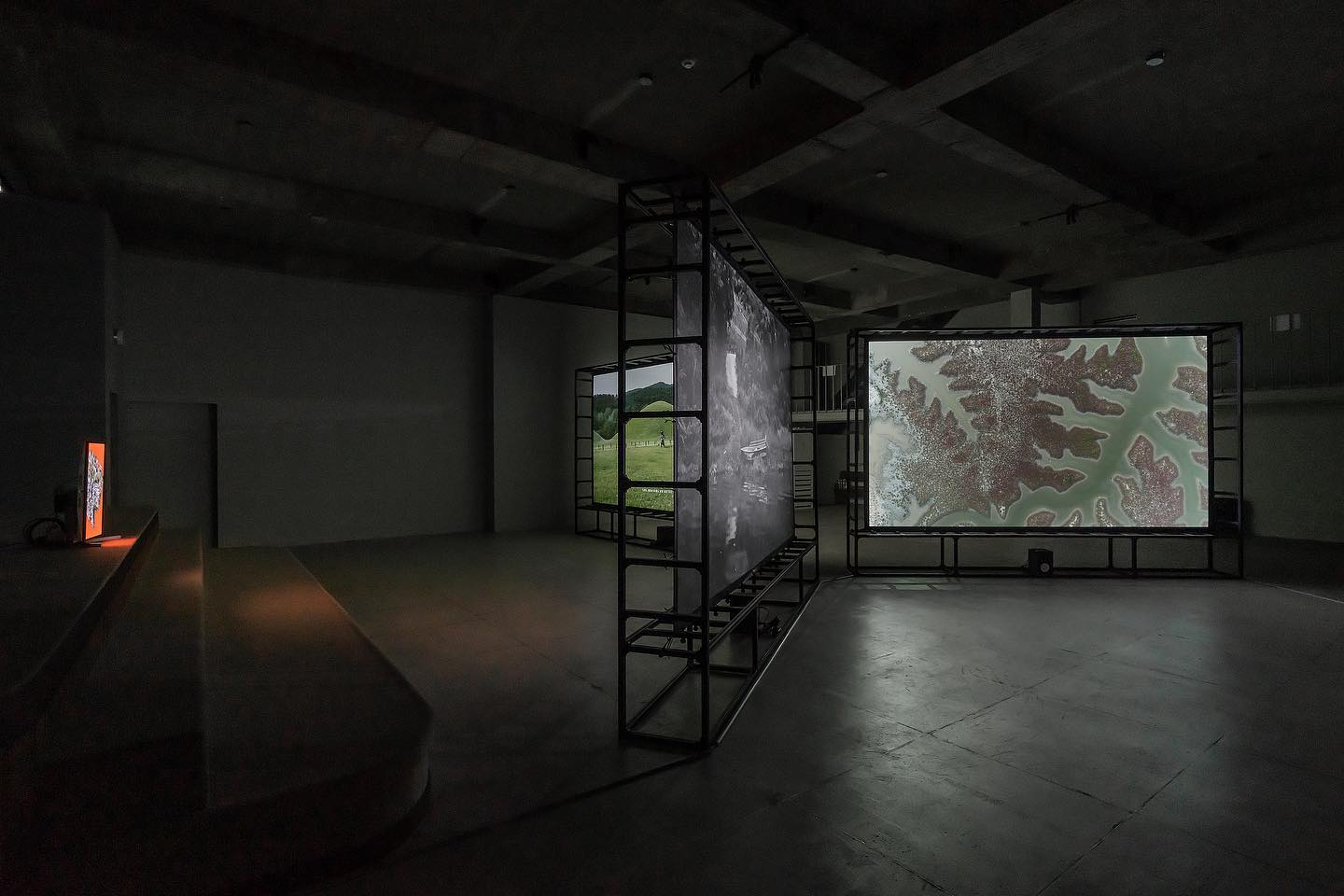
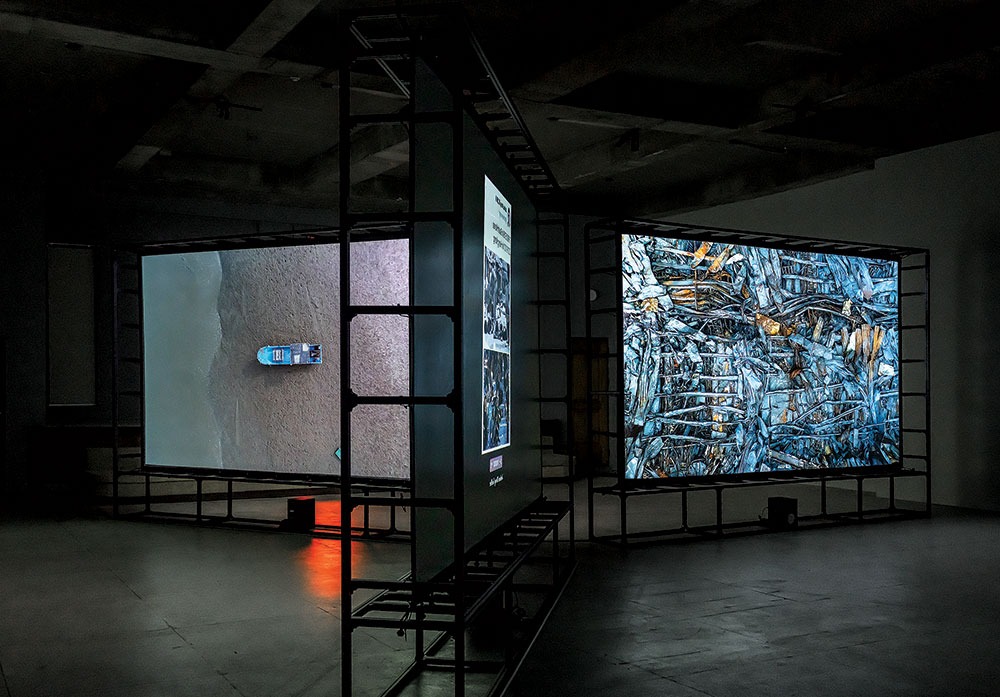
Lee Jungwoo, Not on board, 2021, 3-channel video (synchronized), sound, 31min 10sec. 4K transferred to FHD. Photo: Junyoung Cho. © Lee Jungwoo

Upon entering the exhibition space, viewers encountered three screens positioned to face different directions, making it impossible to view more than one screen at a time. While watching one video, they could not directly see what was unfolding on the screen opposite them, and could only infer it indirectly through sound.
 
By intentionally limiting the viewer’s field of vision while leaving sound open as a means of communication between the screens, Lee creates another layer of narrative between the visual and the auditory.


Lee Jungwoo, Not on board, 2021, 3-channel video (synchronized), sound, 31min 10sec. 4K transferred to FHD. © Lee Jungwoo

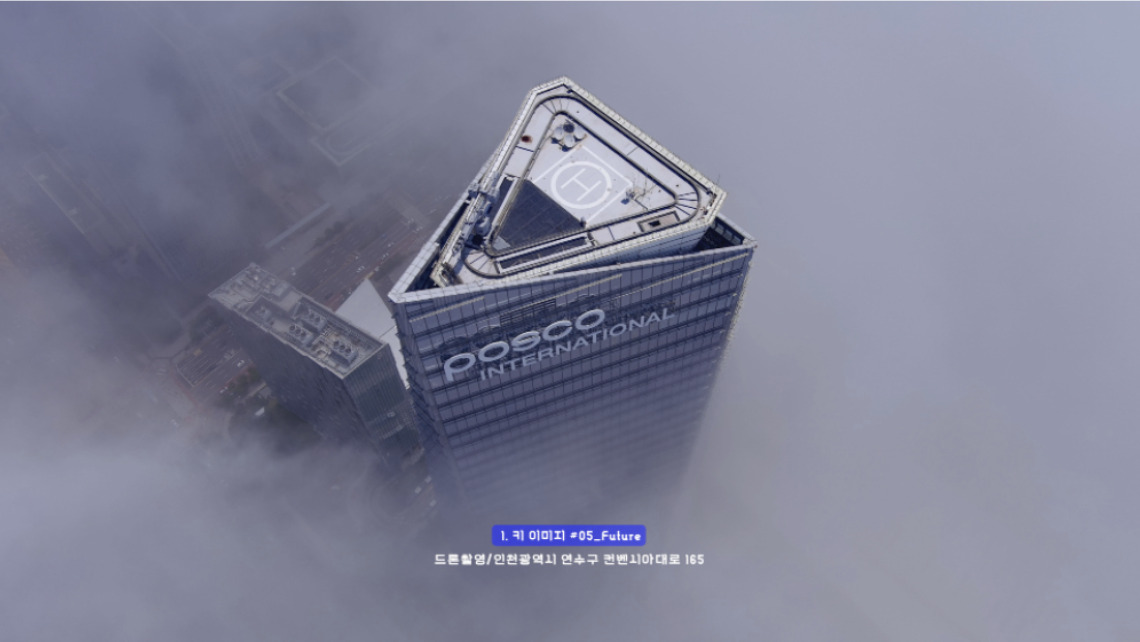
In this process, images classified according to keywords function as visual references, detached from their original contexts and combined with other, disparate images. In particular, the drone’s perspective, which recurs throughout the work, further clarifies the relationships between these images.
 
The drone scans its subjects in the same manner whether looking at Gangnam’s iconic skyscrapers or the site of a fire, unable to capture anything beyond the field of vision assigned to it. Gliding up and down across the screen as if scrolling through a webpage, its perspective flattens its subjects into an aerial view.
 
Through this perspective, Lee constructs preliminary images for a film that has yet to be made, bringing together the future as a possibility and the future as an uncertainty. Within this space, viewers are invited to discover what has sunk into a vast black hole where hope and anxiety are intertwined, while simultaneously asking what might need to be brought back to the surface.


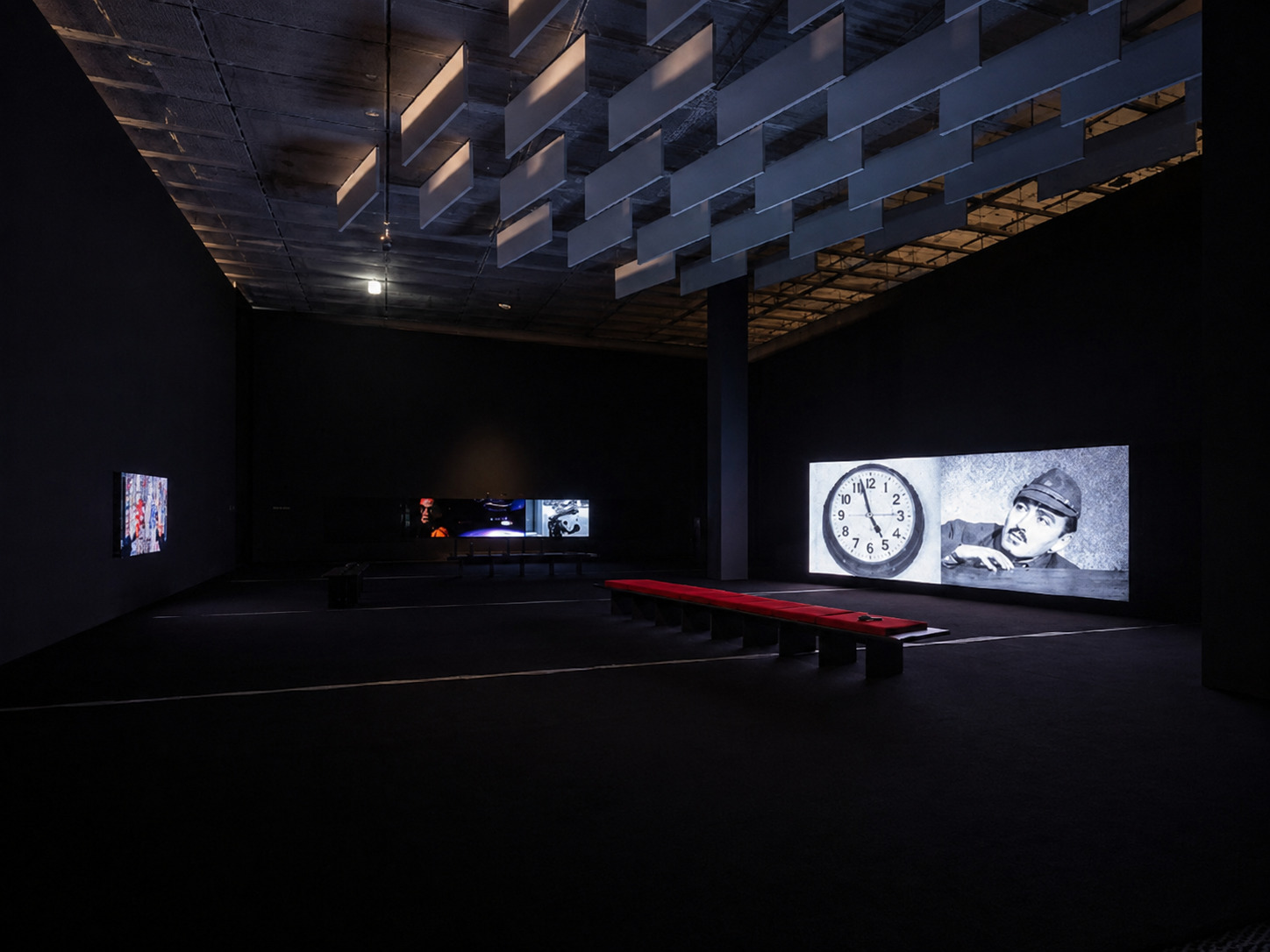
Installation view of 《Korea Artist Prize 2026》 (MMCA, 2026). Photo: Hong Cheol-ki. © MMCA

In his recent practice, Lee Jungwoo has turned his attention to moments when generative artificial intelligence, a technology rapidly expanding today, produces errors or operates in unexpected ways. Through these errors, he traces the data, rules, and invisible biases that have shaped the resulting outputs.
 
At the MMCA’s 《Korea Artist Prize 2026》, Lee presents works that use scenes appearing as temporary errors to reveal how systems operate and the conditions accumulated within them, while portraying various facets of the present day.
 
In If One Climbs Up and Up (2020/2026), drones encounter various impediments, such as flight limits and altitude restrictions, which ultimately cause them to drift or crash. Through such events, the action of gravity in the physical world shifts to the world of data, revealing another dimension.


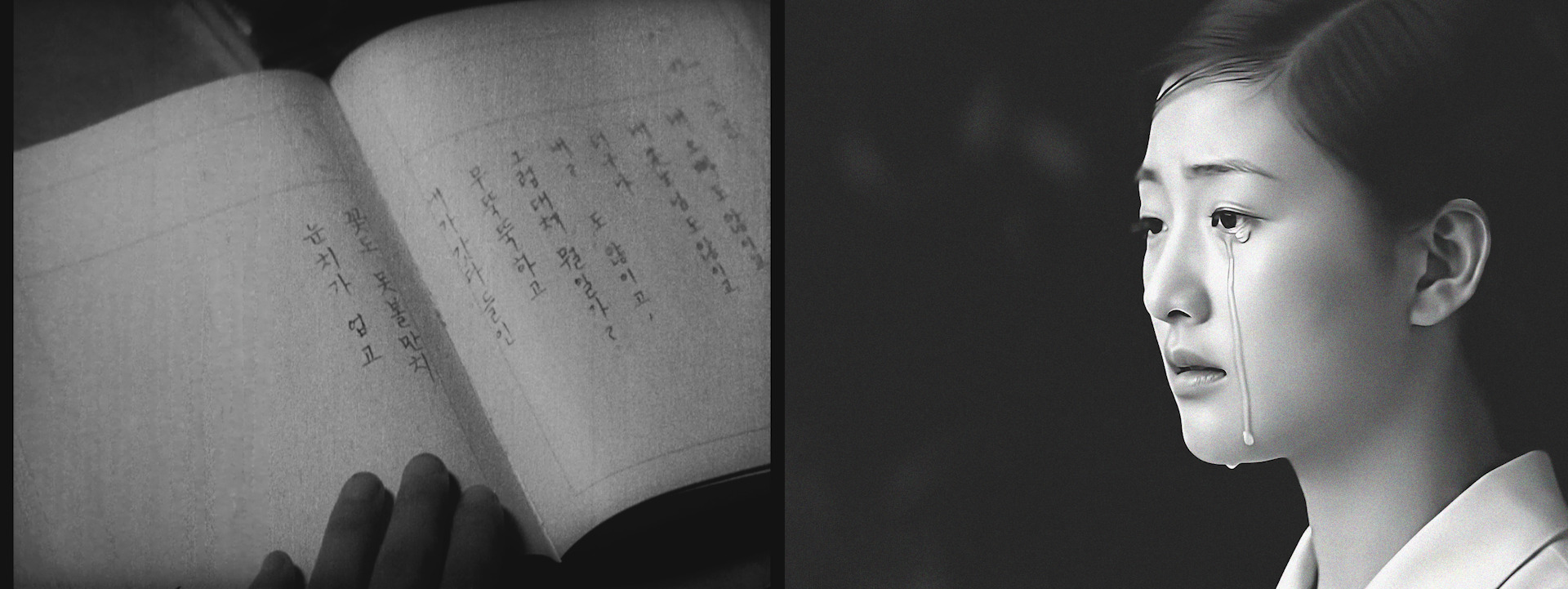
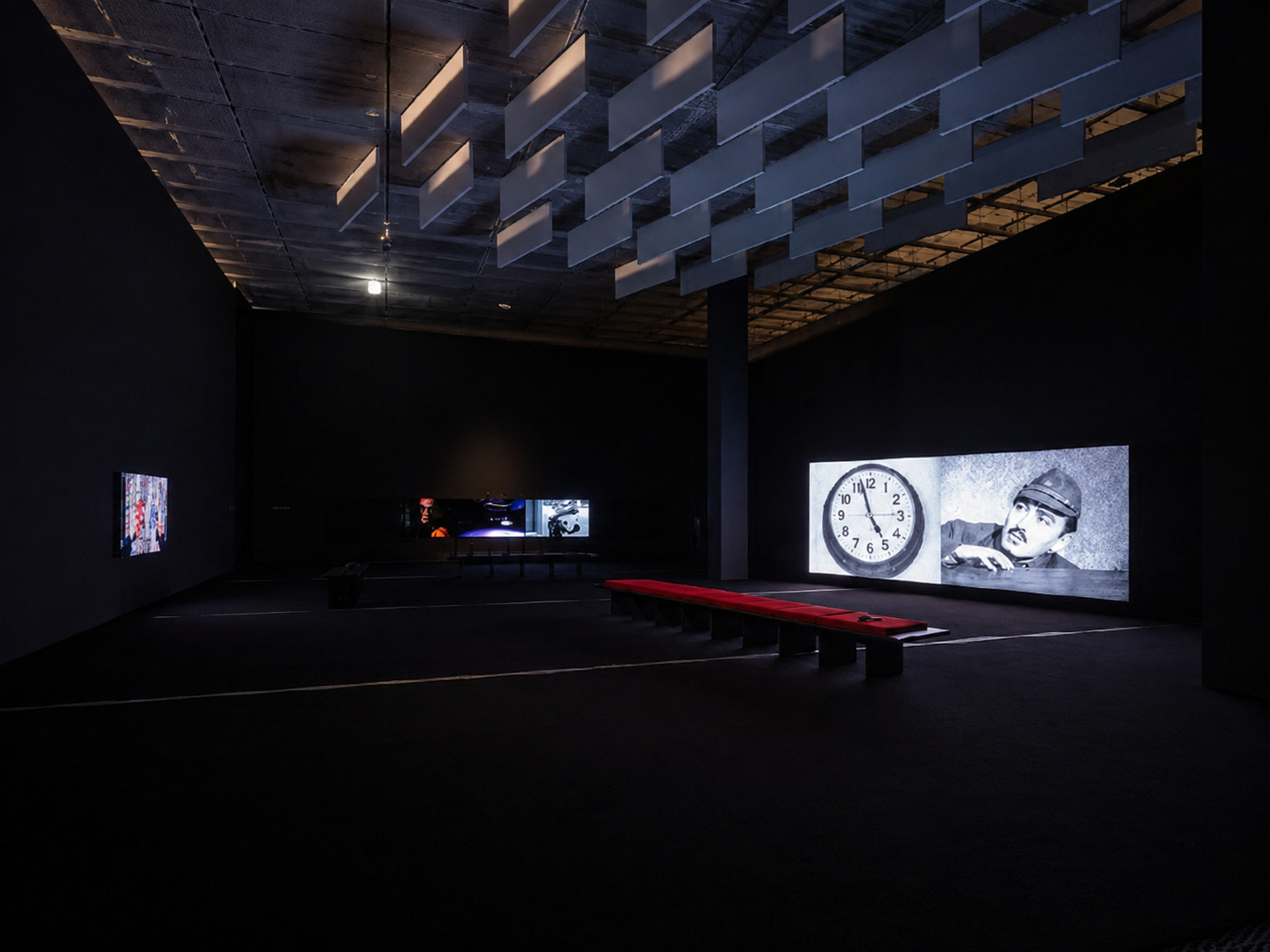
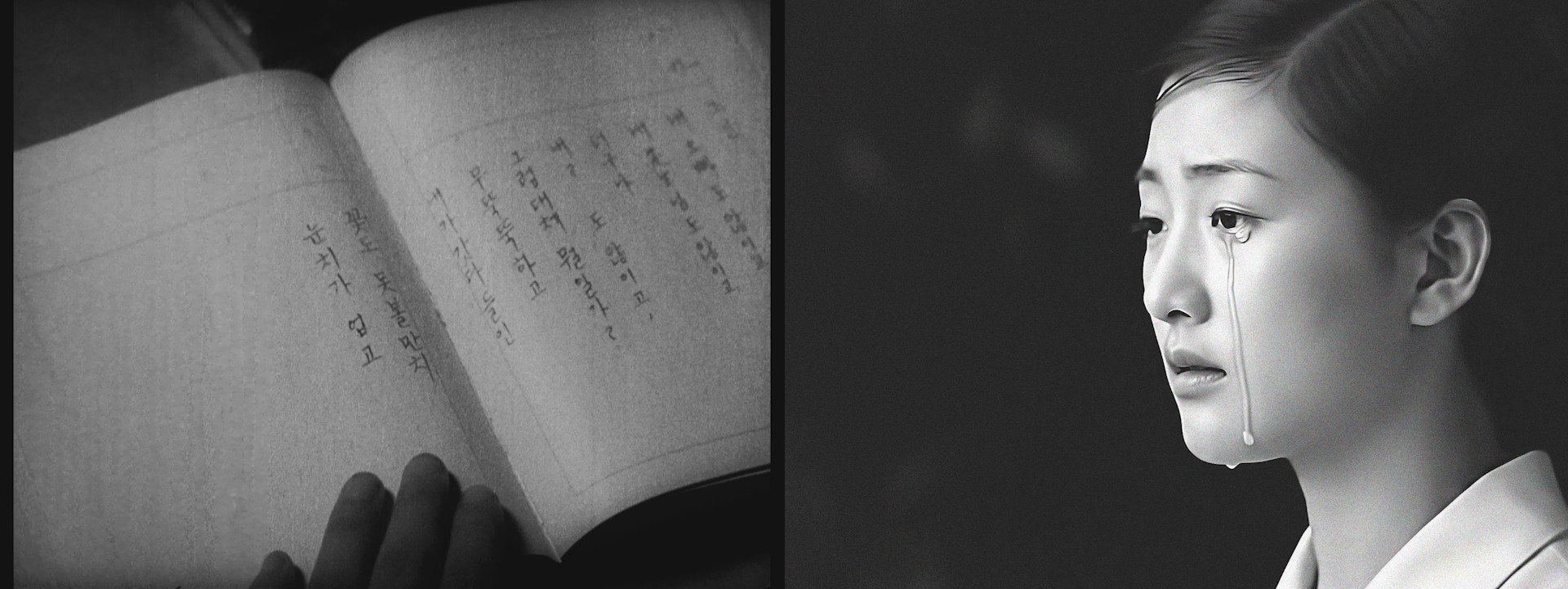
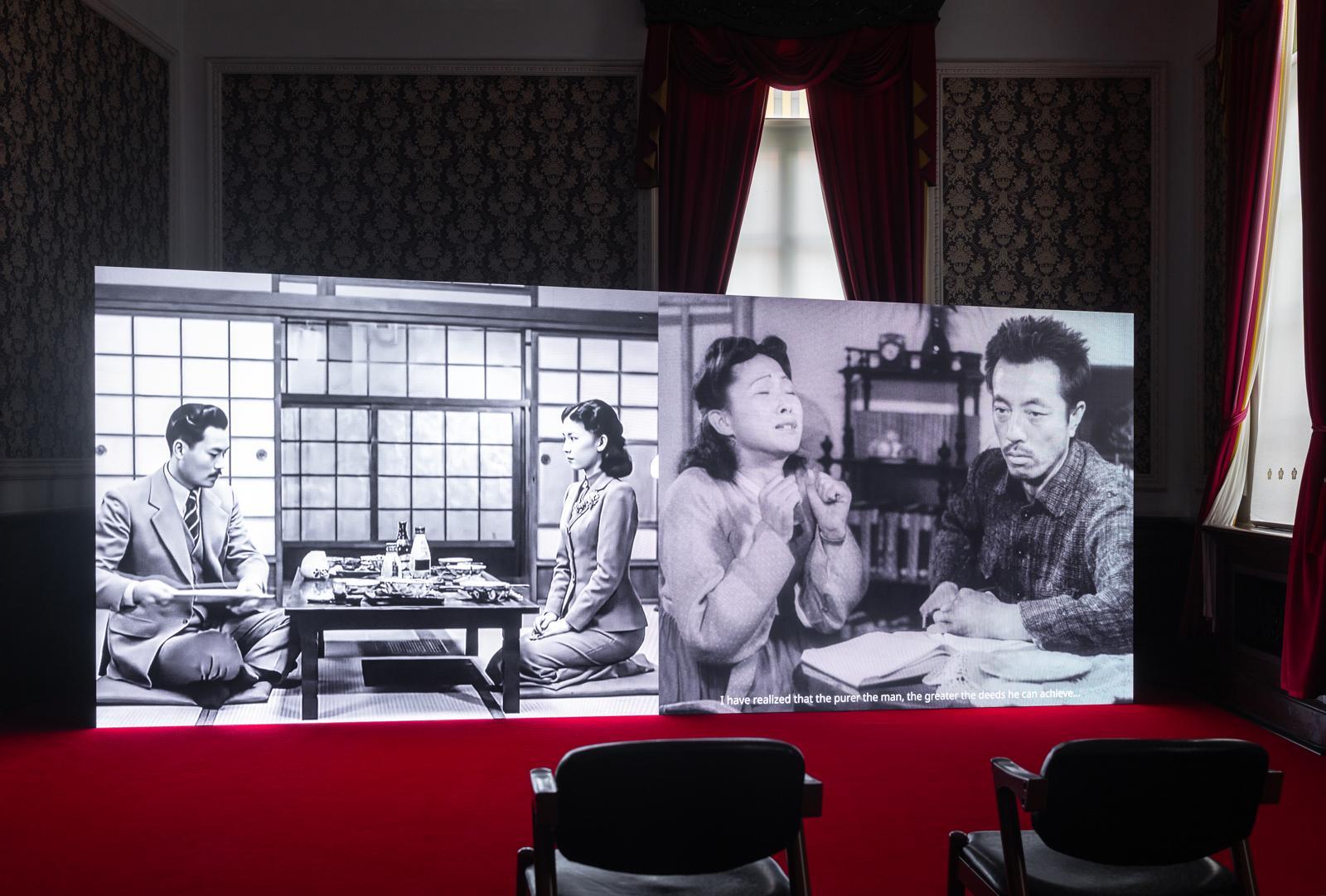
Lee Jungwoo, In Writing “Hurrah for Freedom”: Cinema and History, 2025-2026, Two-channel video installation (synchronized); AI-generated audiovisual images; found footage: Hurrah for Freedom (1946, courtesy of the Korean Film Archive); variable dimensions © Unfold X 2025

In Writing “Hurrah for Freedom”: Cinema and History (2025–2026), which reconstructs through generative AI scenes deleted through censorship from Hurrah for Freedom (1964), Korea’s first independent narrative film produced shortly after liberation, Lee brings this shift into sharper focus.
 
Although the work takes the form of restoring deleted scenes, what is actually generated is not an accurate reconstruction of the vanished past, but a “plausible” time and space shaped by the density and direction of the training data.
 
While this AI-based reconstruction, driven by big data and algorithms, resembles the contextual reasoning involved in deciphering ancient scripts from surviving clues, it also reveals the distortion and bias of historical narratives that can arise in the process of reconstruction, as well as the possibility of a new form of technological censorship.
 
Through two screens, Lee juxtaposes ideological censorship carried out by humans with algorithmically biased generation, making visible the ruptures that emerge as technology intervenes in historical memory. In doing so, he asks how our perception of history and reality is changing in an era when technology can reconstruct and reconfigure the past.


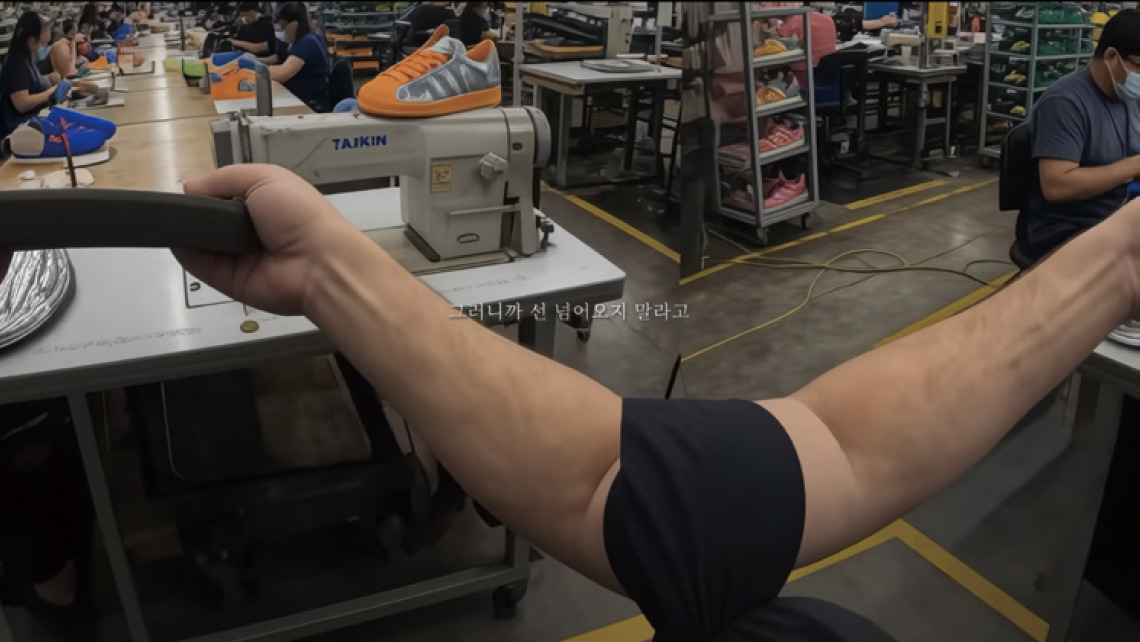
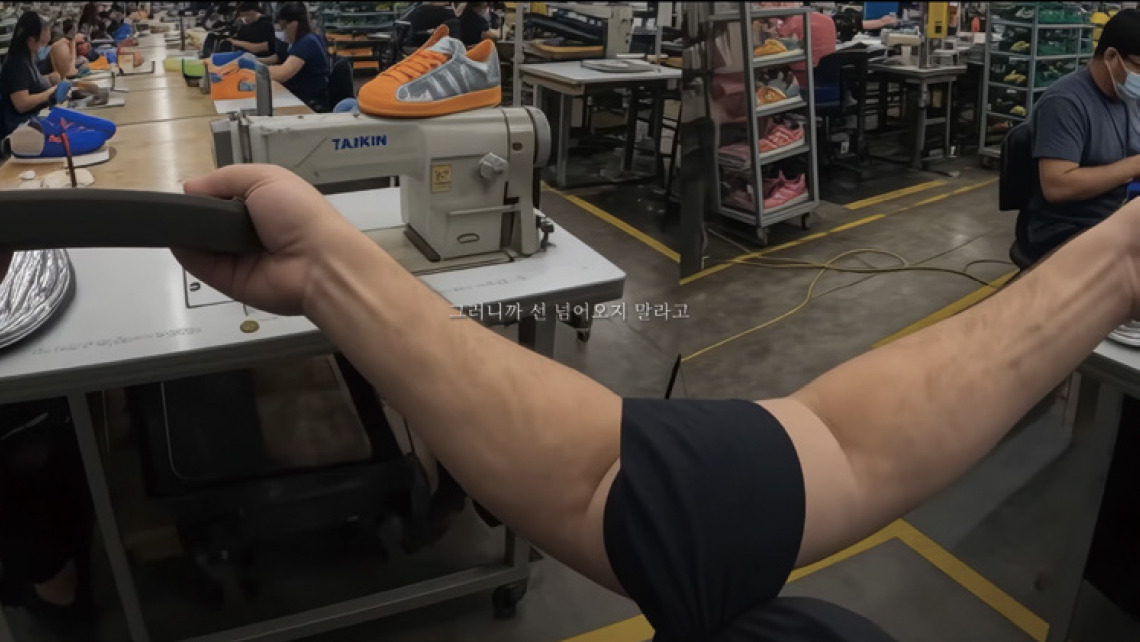
Lee Jungwoo, Floating Clouds, 2026, Single-channel video, color, sound, 4K, 31min 25sec. Made with world models (Genie 3 and Omni Flash by Google, Happy Oyster by Alibaba), and Ray-Ban Meta smart glasses. © MMCA

This line of inquiry further expands into the realm of world models, through which artificial intelligence learns and predicts how the world operates. Statistical simulations based on data accumulated from platforms such as YouTube and video games produce environments that resemble the physical order of the real world, while generating subtle deviations within them.
 
His new work Floating Clouds (2026) demonstrates, through the generated world’s convergence toward certain patterns, that such spaces are likewise the result of condensed data biases.
 
Ultimately, what emerges along this trajectory is not the technology itself, but the structural environment it produces and the ways in which it shapes our perception and construction of reality.


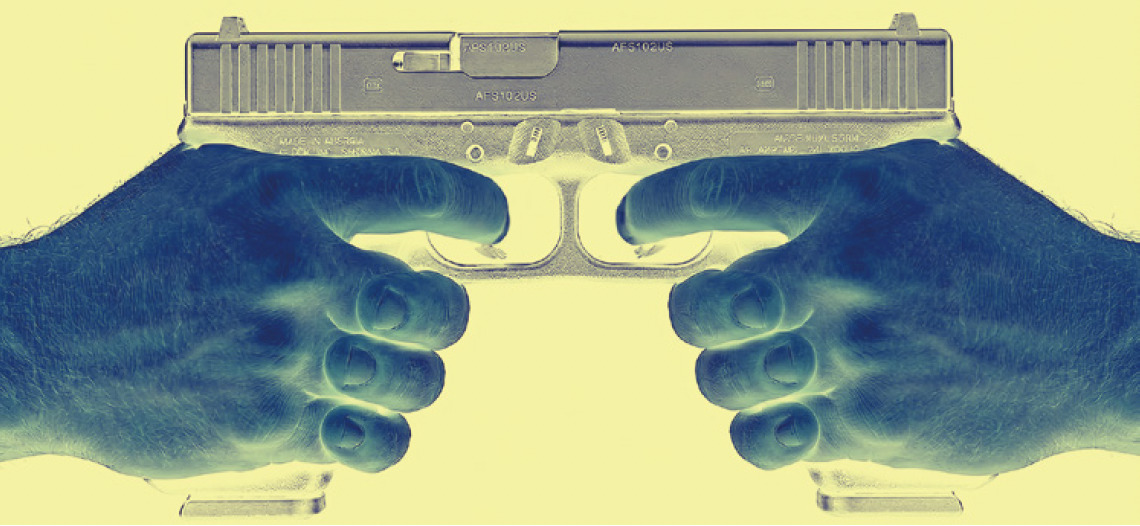
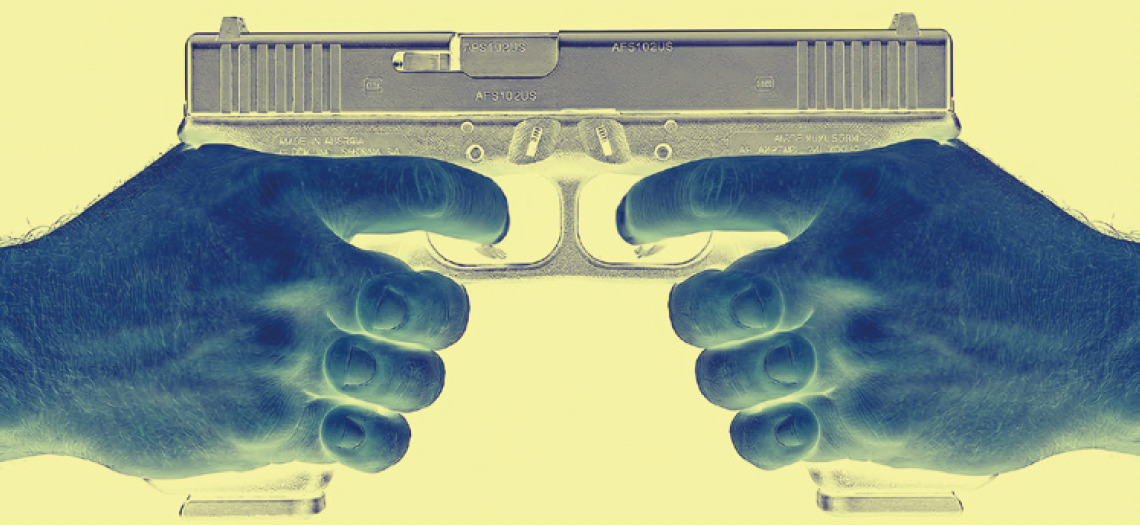
Lee Jungwoo, The Left Handed Gun, 2026, 6-channel video, AI-generated audiovisual images, smartphone, ring light, loop. © MMCA

Lee Jungwoo’s practice depicts the present as a set of coordinates drawn toward particular points by underlying data, platform policies, and other forces. He refers to the forces within systems that steer outcomes in a particular statistical direction as “gravity,” or “system gravity.”
 
Now that data-driven learning and automated execution have begun to shape our world, his work asks what this “gravity,” unpredictable from the perspective of our own ways of seeing and criteria, might produce in the future.

”My new works are not concerned with the results of momentary malfunctions. What may appear to be mere errors are in fact produced by a form of “gravity” inherent to each system. In this exhibition, I attempt to trace how similar malfunctions accumulate with a certain directionality and, furthermore, what types of data a system repeatedly selects and omits. (Lee Jungwoo, interview for 《Korea Artist Prize 2026》)


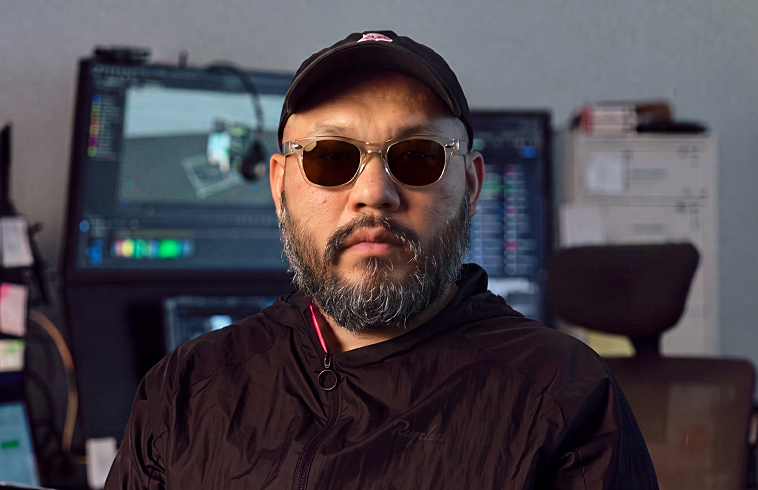
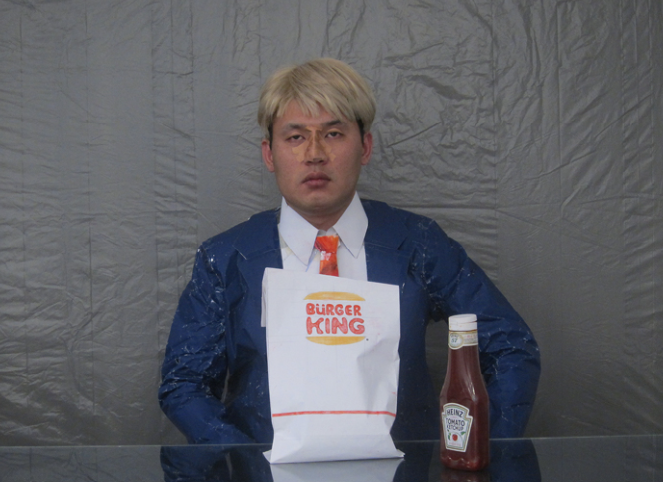
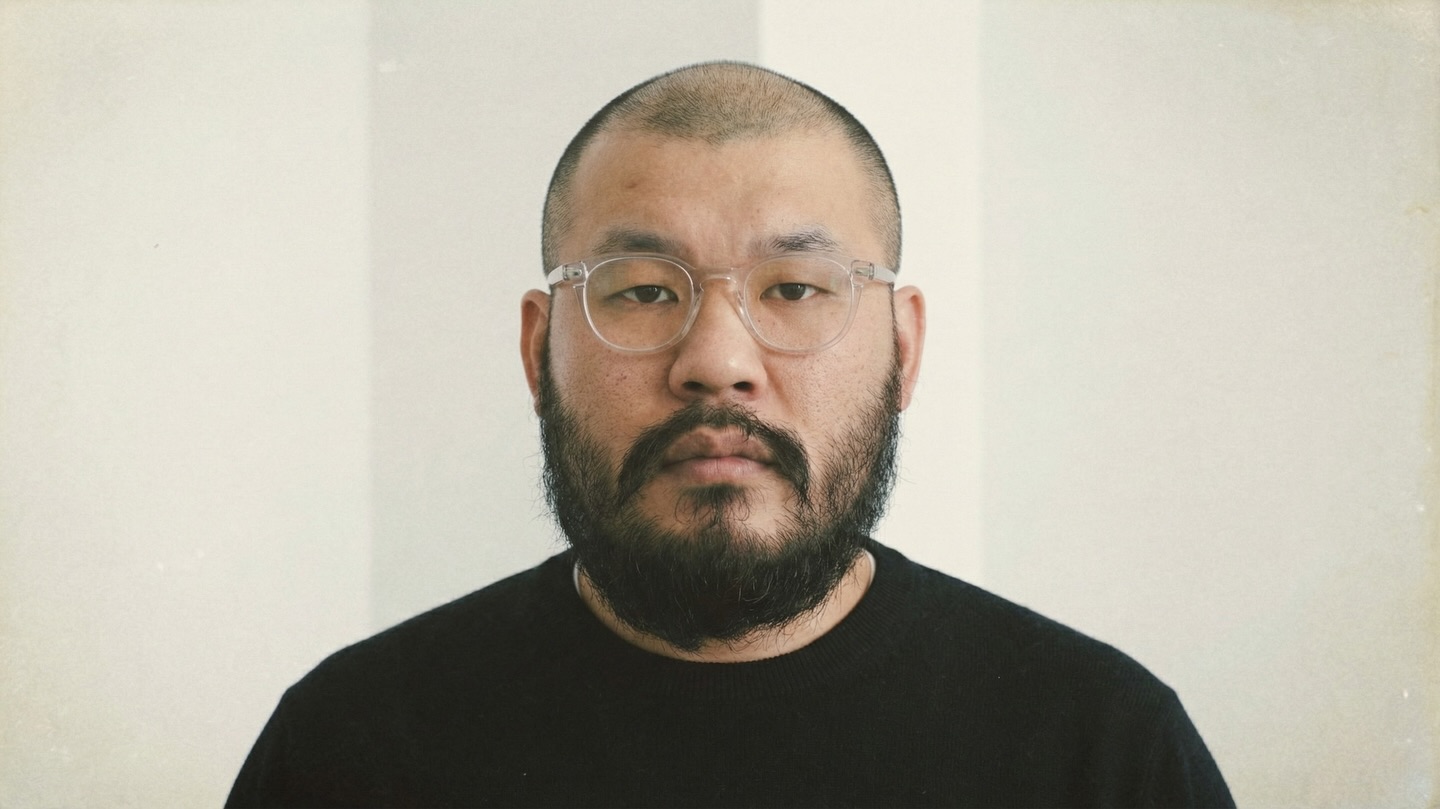
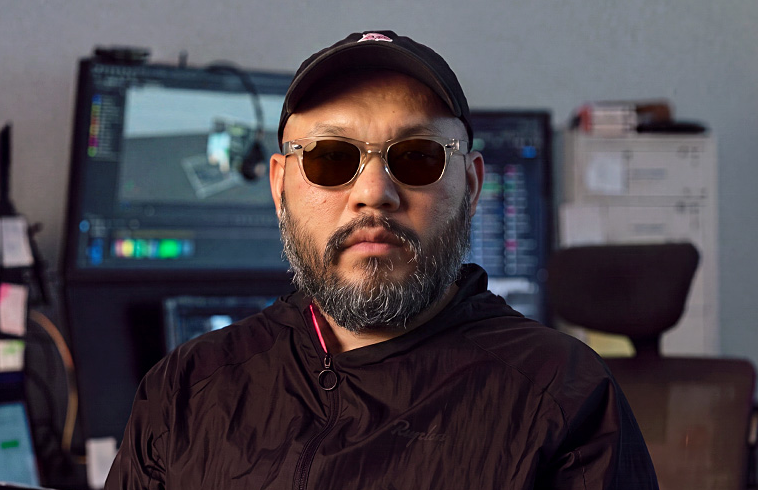
Artist Lee Jungwoo © MMCA

Lee Jungwoo graduated from the Department of Stage Design at Sangmyung University and received a Diploma in Video Art as well as a Meisterschüler degree from the Hochschule für Bildende Künste Braunschweig (HBK), Germany. His recent solo exhibitions include 《Loops of Algorithmic Karma》 (Künstlerhaus Bethanien, Berlin, 2024), 《Dumb Dummy Dumb-dom》 (MMCA Residency Changdong, Seoul, 2023), and 《Not on board》 (TINC, Seoul, 2021).
 
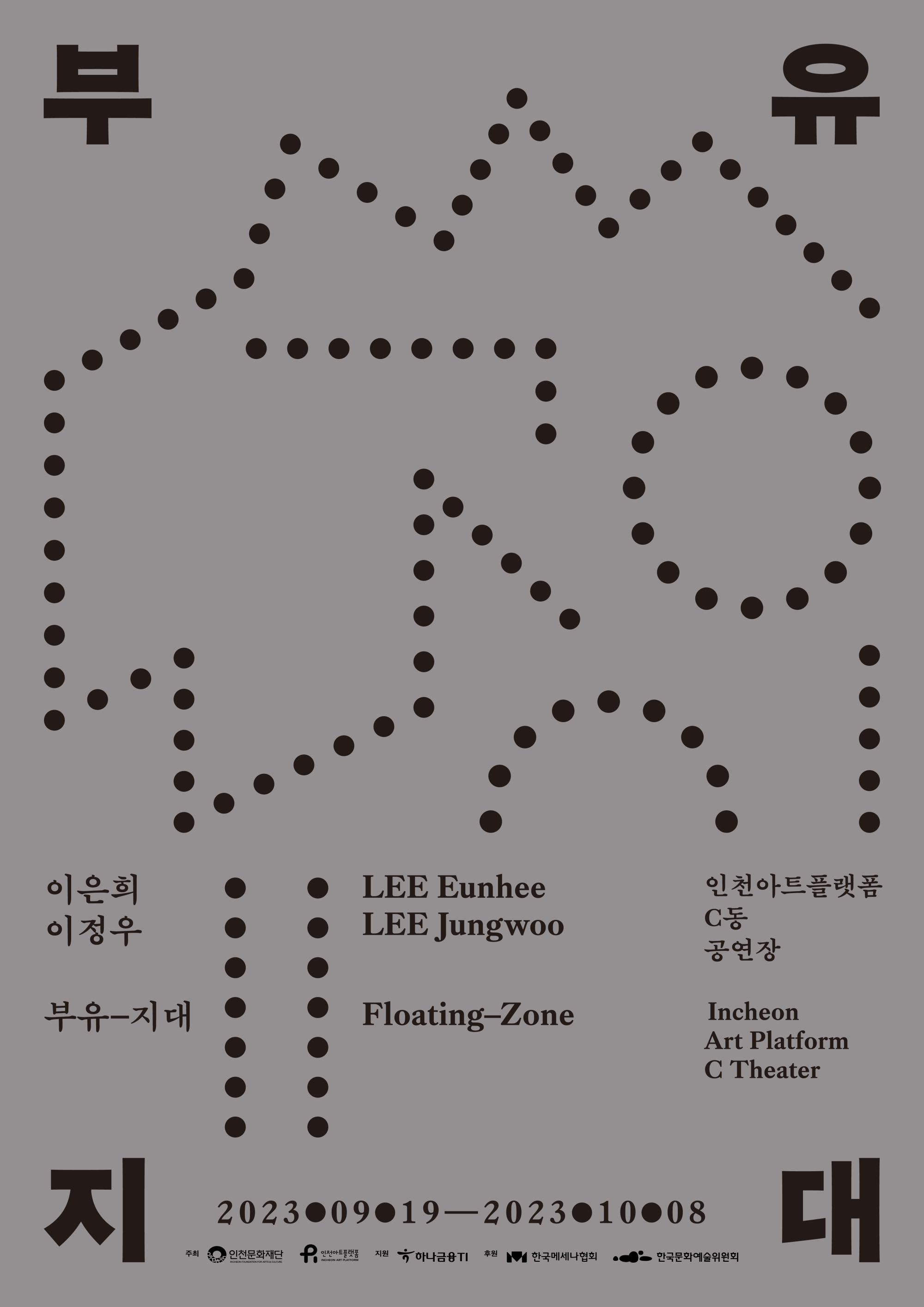
He has also participated in numerous group exhibitions, including 《Korea Artist Prize 2026》 (MMCA, Seoul, 2026), The 14th Seoul Mediacity Pre-Biennale 《Inheriting the Future》 (Nam-Seoul Museum of Art, Seoul, 2026), Unfold X 2025 《Let Things Go – Relations of Relations》 (Culture Station Seoul 284, Seoul, 2025), and 《Floating-Zone》 (Incheon Art Platform, Incheon, 2023).
 
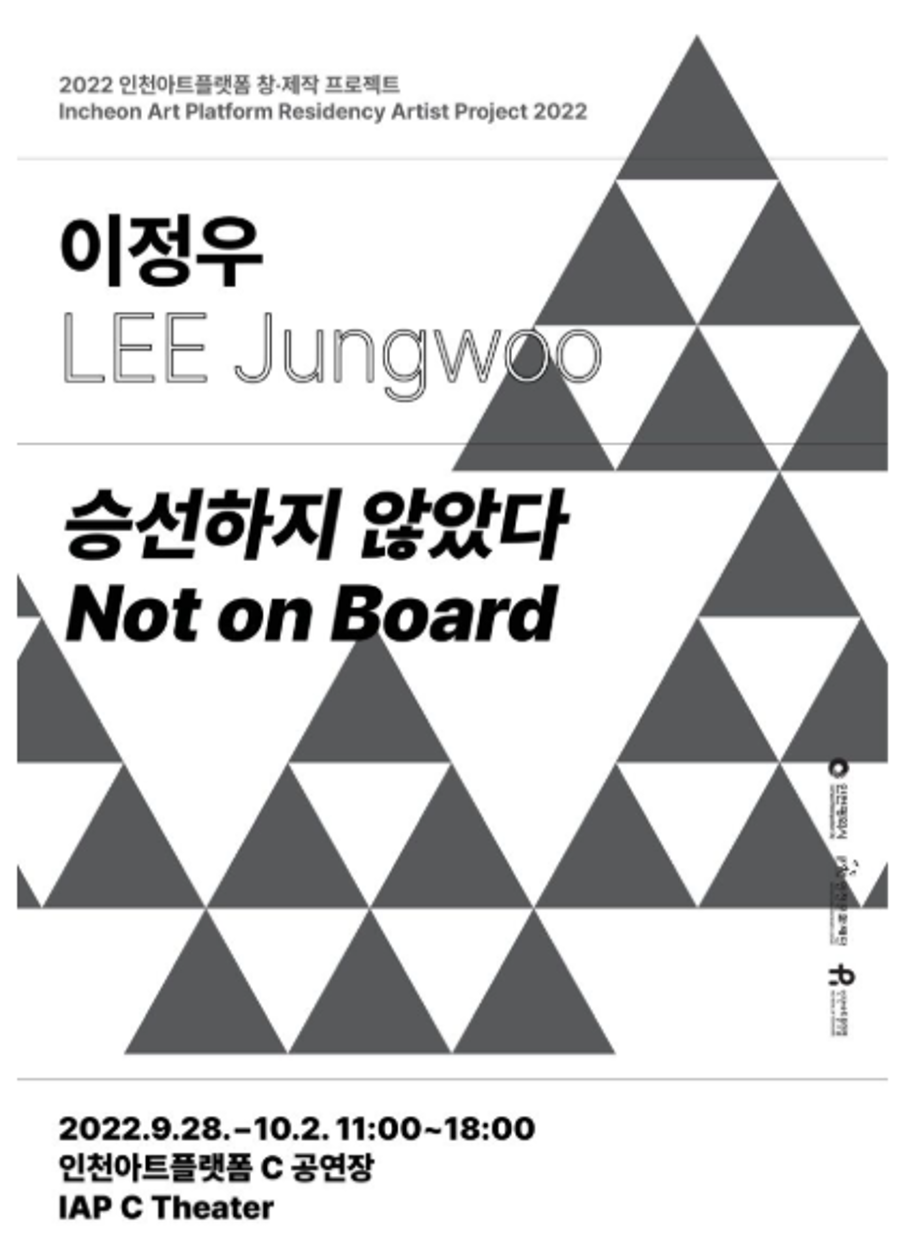
Lee has taken part in residency programs at Künstlerhaus Bethanien, Berlin (2024), Incheon Art Platform (2022), and SeMA Nanji Residency (2021). In 2026, he received an Honorary Mention in the New Animation Art category at Prix Ars Electronica.

References