Youngkak Cho (b. 1986) explores complex systems in which nature, technology, virtuality, and physical environments intersect, translating the various techno-social and cultural issues that emerge from these systems into the language of art.
 
In particular, he focuses on interfaces where technology, society, and culture converge, actively reinterpreting them through diverse media and advanced technologies.


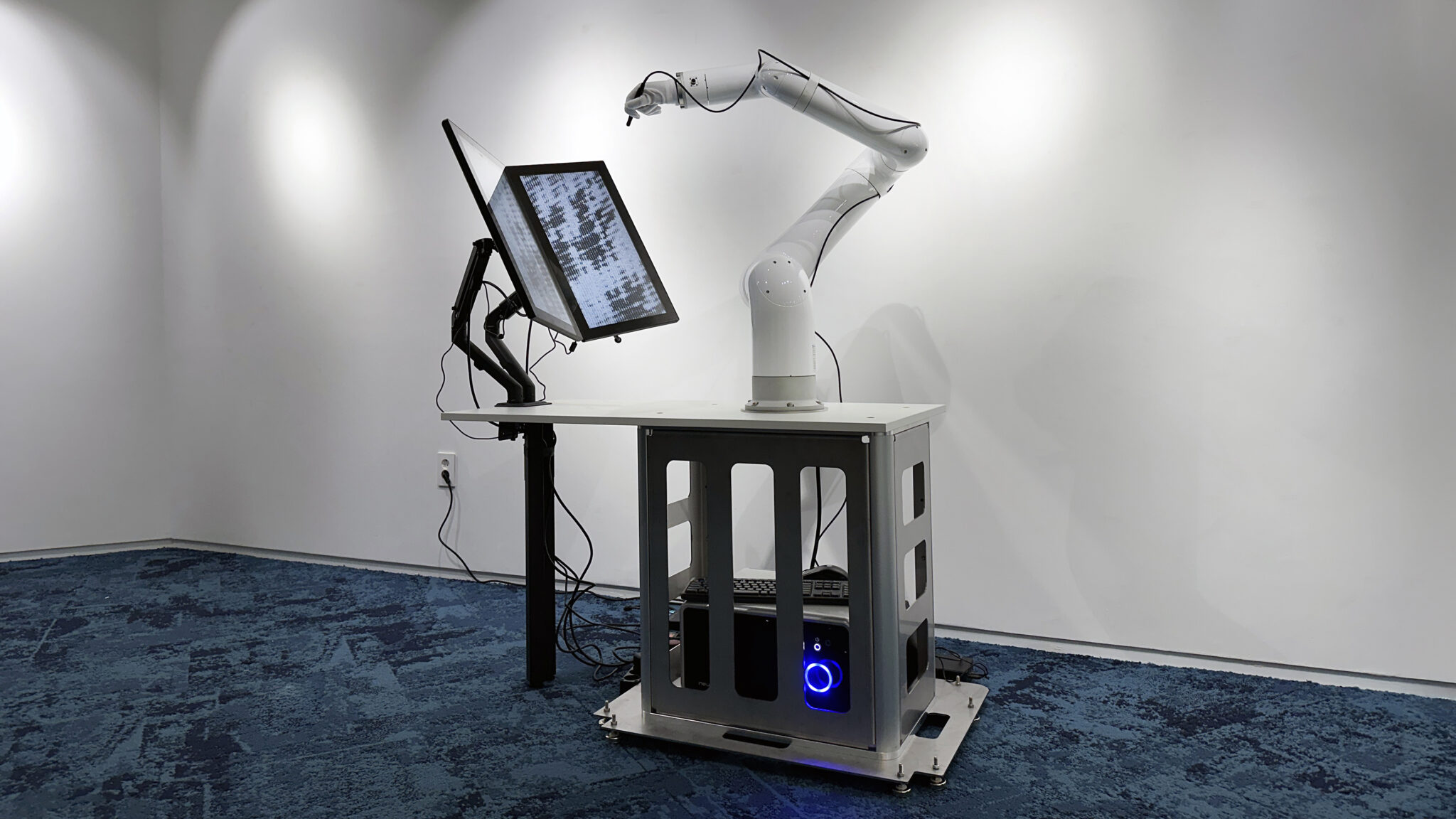
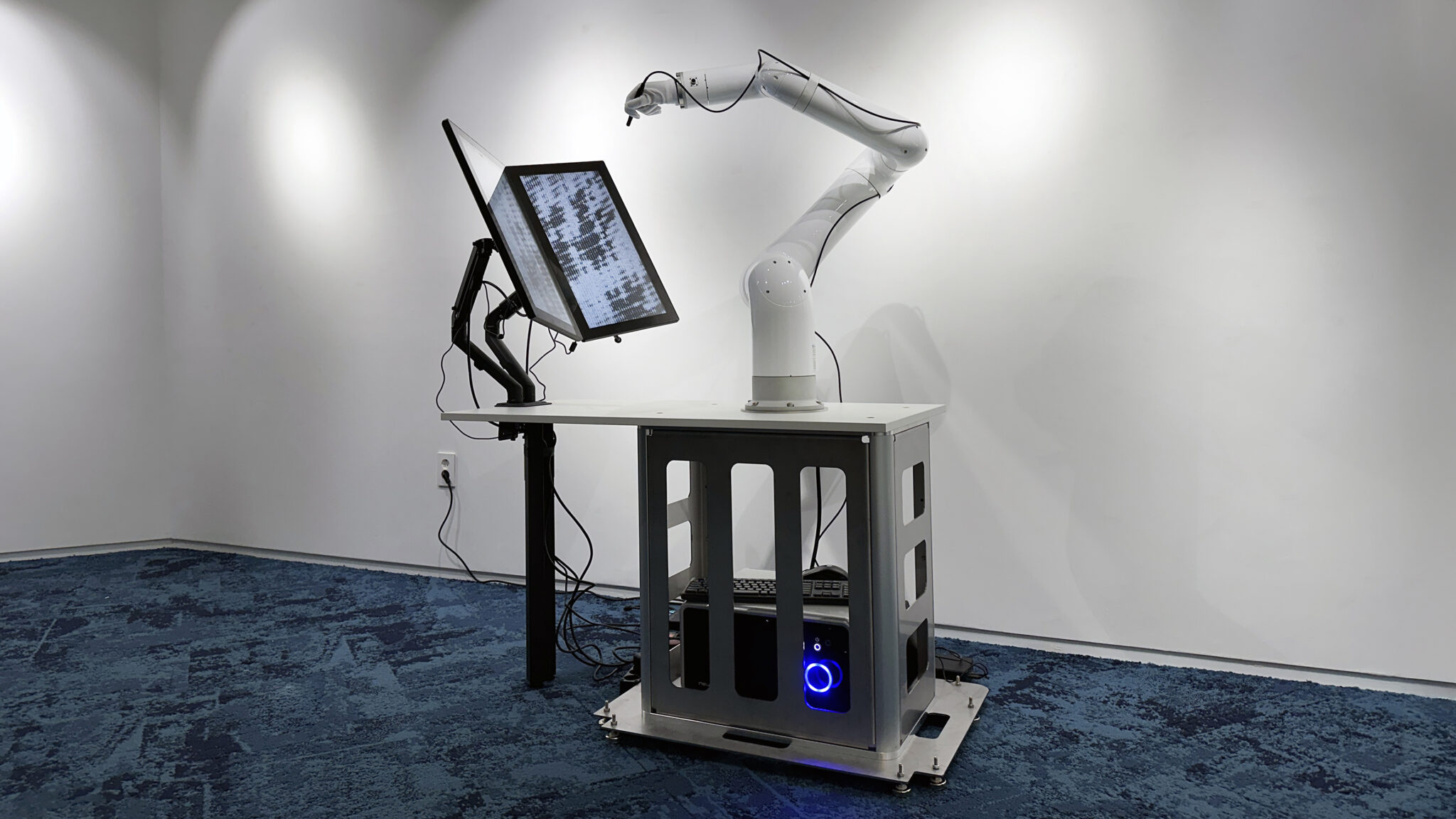
Youngkak Cho, Q&A : Read the room, 2024, Robot arm, pc, endoscopic camera, pen, monitor, wooden hand, Deep learning frameworks(Custom LLM), text DB, frame, 100x60x180cm, 5min loop, FHD(real time) © Youngkak Cho

Cho projects the present onto uncertain scenarios of the future through the use of artificial intelligence, data science, and robotics. In doing so, he constructs situations that reflect the complex systems of contemporary society, offering viewers new possibilities and perspectives.
 
His practice seeks to reconsider our existence amid the rapid changes in technology and society while exploring the possibilities and challenges of future society. At the intersection of imagination and reality, and the virtual and the real, Cho invites viewers to experience the multilayered structures of contemporary society while creating opportunities to discover new meanings and values within them.


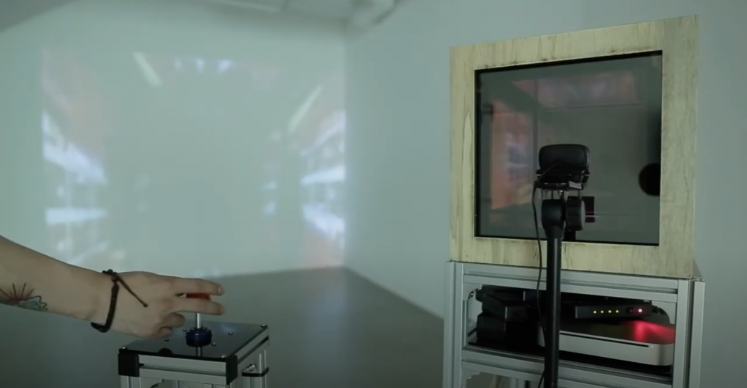
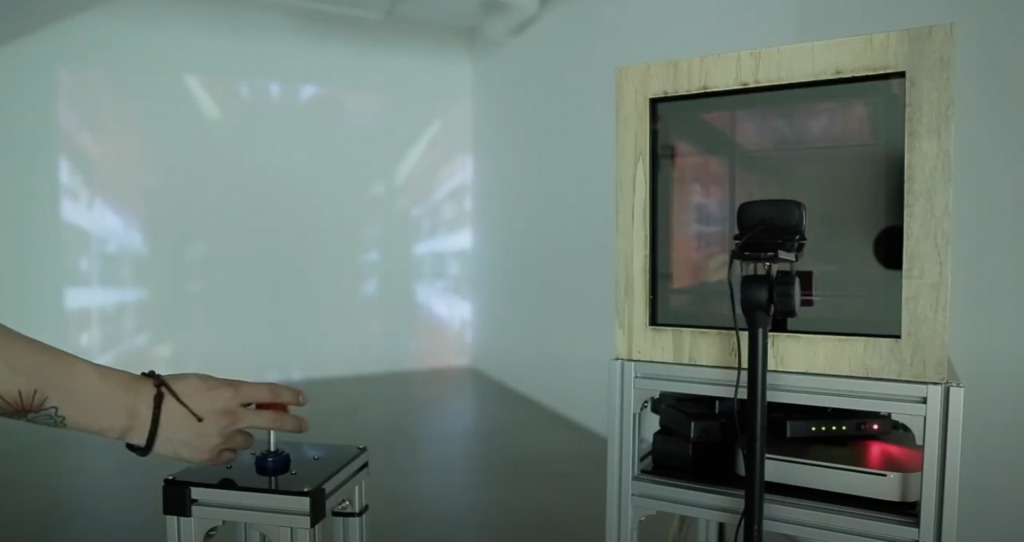
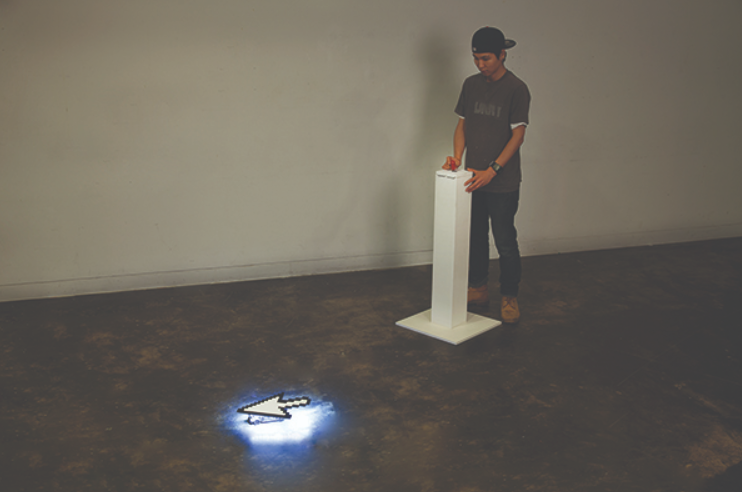
Youngkak Cho, Cosmos Travelers’ Tales, 2017, PC, monitor, projector, webcam, artistic neural style video, joystick, oneway-mirror, wood, steel frame, Dimensions variable © Youngkak Cho

In his early practice, Youngkak Cho focused on the fissures and gaps within structures of communication, exploring ways to disrupt the hierarchical structures embedded within systems. Rather than simply exposing these fissures and gaps, he approached them from the perspective of play and amusement, using digital media and electronic signals—then emerging as new means of communication—as his artistic materials.
 
In particular, Cho adopted the electronic signal system as a key mechanism for interaction and employed transitivity as a means of encouraging participation. By introducing new forms of fluid space and flexible scenarios into systems that produce relationships, he sought ways to infiltrate existing structures by subtly permeating them from within.


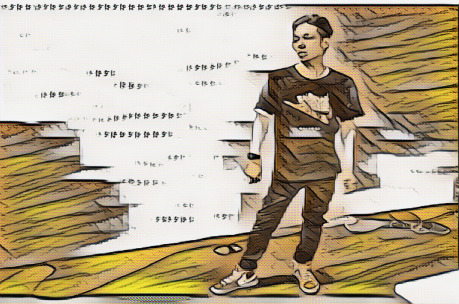
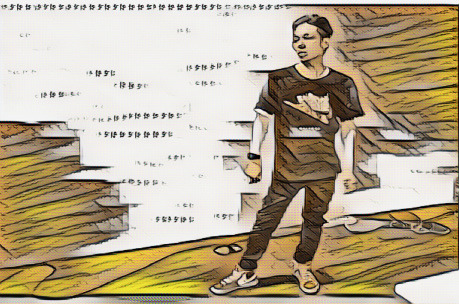
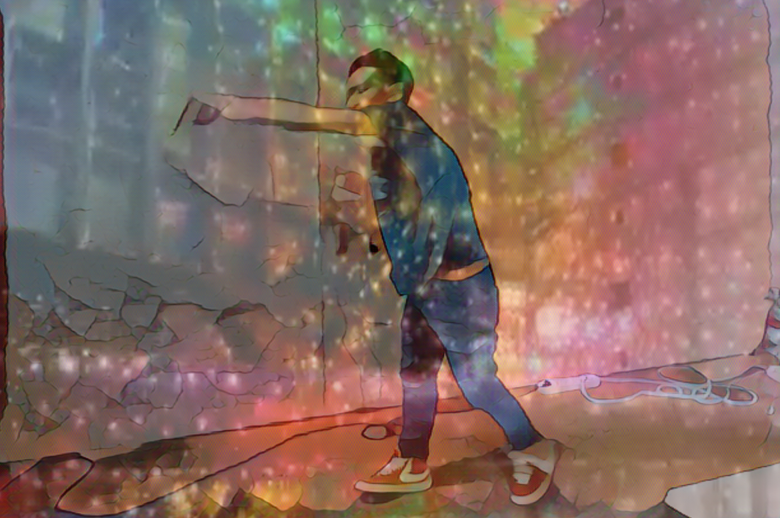
Youngkak Cho, Meme’s Counterattack, 2017, PC, projector, web crawling image, chainer fast neural style models, Dimensions variable © Youngkak Cho

For example, Youngkak Cho’s 2017 work Meme’s Counterattack demonstrates a process in which artificial intelligence learns from memes, which have become a new form of communication on the web, and uses what it has learned to communicate with viewers.
 
Cho uses memes—images containing content widely circulated on the web—as components of an interactive environment, selecting comic images available in the public domain for style-transfer training. The resulting model recognizes viewers through a webcam and responds to them in real time by displaying reconstructed images on the screen.


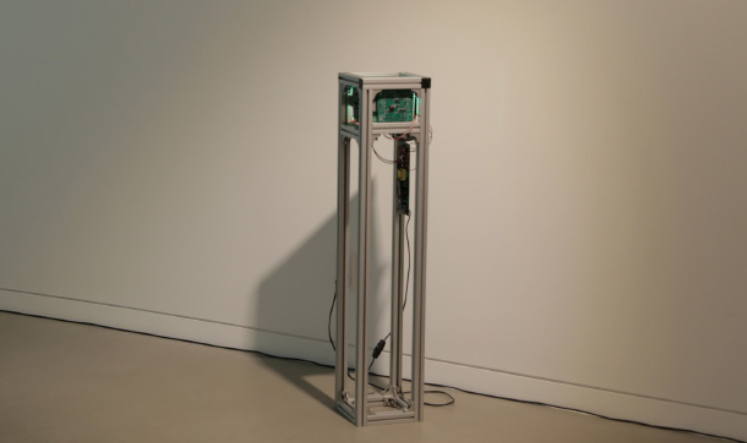
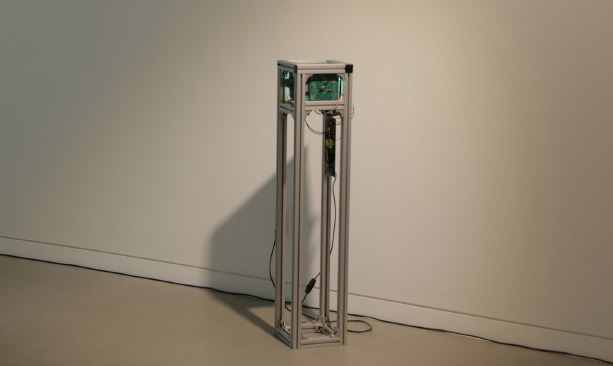
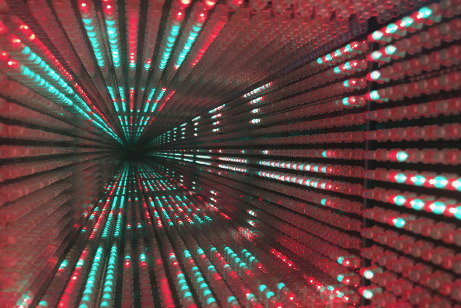
Youngkak Cho, Saying to you, 2017, LED panel, single-board computer, oneway-mirror, wood, steel frame, 25x25x80cm © Youngkak Cho

Meanwhile, in Saying to You (2017), which conveys specific messages through the control of LED modules, Cho reflects on the contemporary environment in which we are overwhelmed by an endless flow of information. The endlessly repeating and moving text creates an optical illusion, causing the message to appear as if it is being reproduced countless times.
 
These messages prompt us to consider, along a linear structure of time, the attitudes and environments that society unconsciously imposes on those of us living in the present, while encouraging us to reconsider their underlying intentions.


Youngkak Cho, Saying to you, 2017, LED panel, single-board computer, oneway-mirror, wood, steel frame, 25x25x80cm © Youngkak Cho

Through these works, Cho has sought not to expose and collapse the errors within systems, but to approach their gaps and precariously navigate the tensions that emerge within them.
 
Building on this approach, he has gone on to reconfigure contemporary technological systems, presenting distorted structures in the form of open-ended systems.


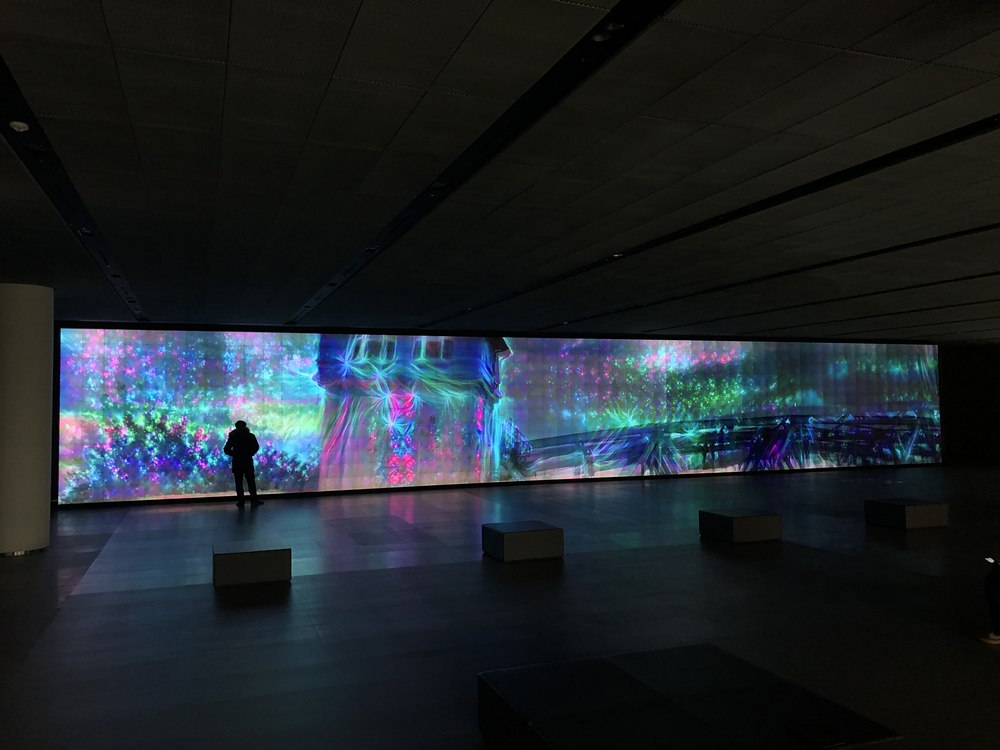
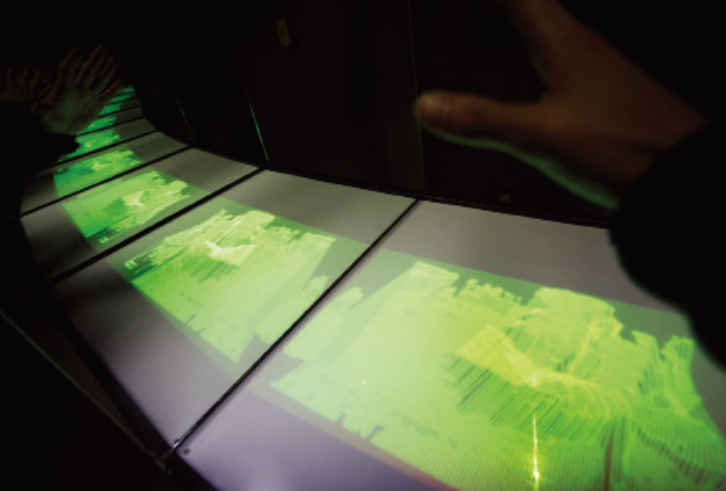
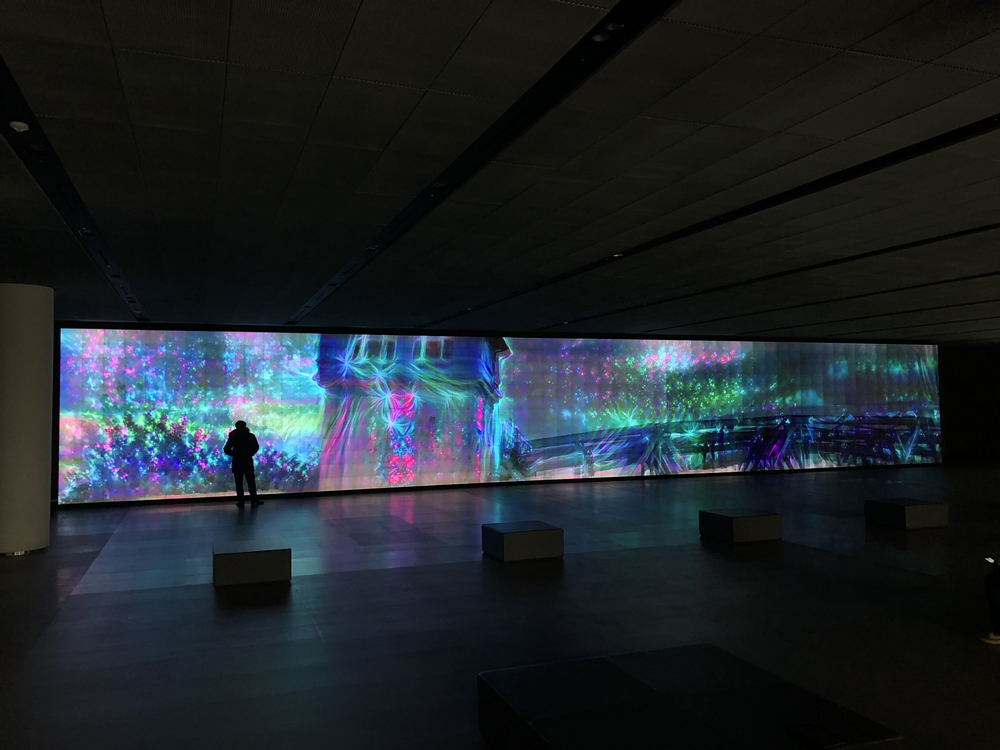
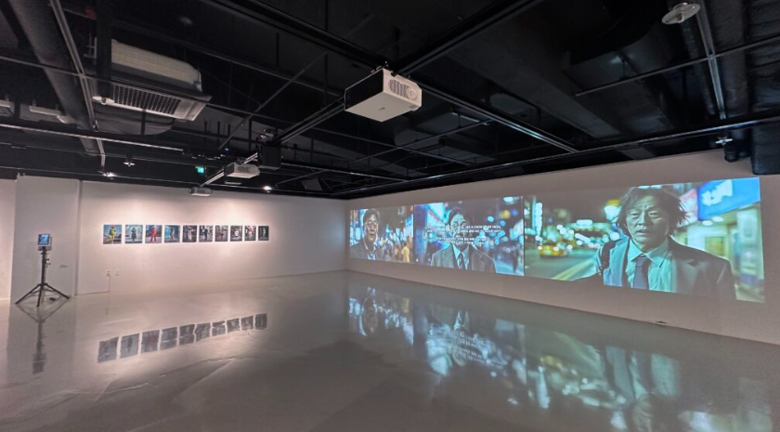
Youngkak Cho, Highway like a shooting star, 2019, Deep Learning Libraries (style transfer), News Text DB Set, Recorded Video DB Set, Dimensions variable, 9min. © Youngkak Cho

For example, in his 2019 work Highway like a shooting star, Cho collected and documented roads from around the world in various forms, viewing them as records of the progress of civilization and as structures most closely aligned with human systems.
 
He then programmed an artificial intelligence system to learn from this collected material, allowing the work to be completed through the intervention of an external agent rather than a human subject.
 
In this way, the work presents the process and outcome of a machine or system becoming its central agent as a glimpse into the future. Through this work, Cho invites us to consider how the role and meaning of human beings might change in the near-future environments we are yet to encounter.


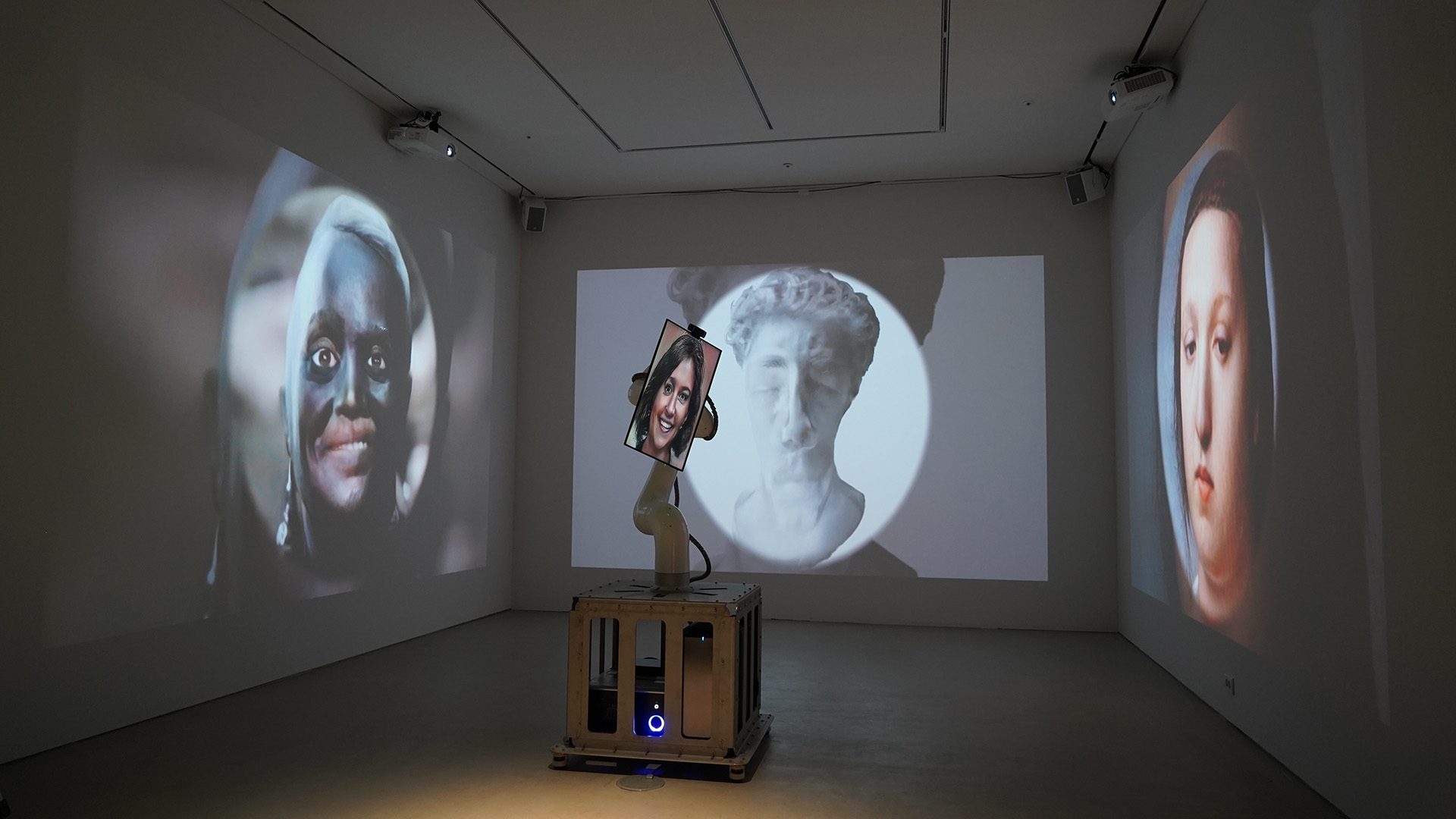
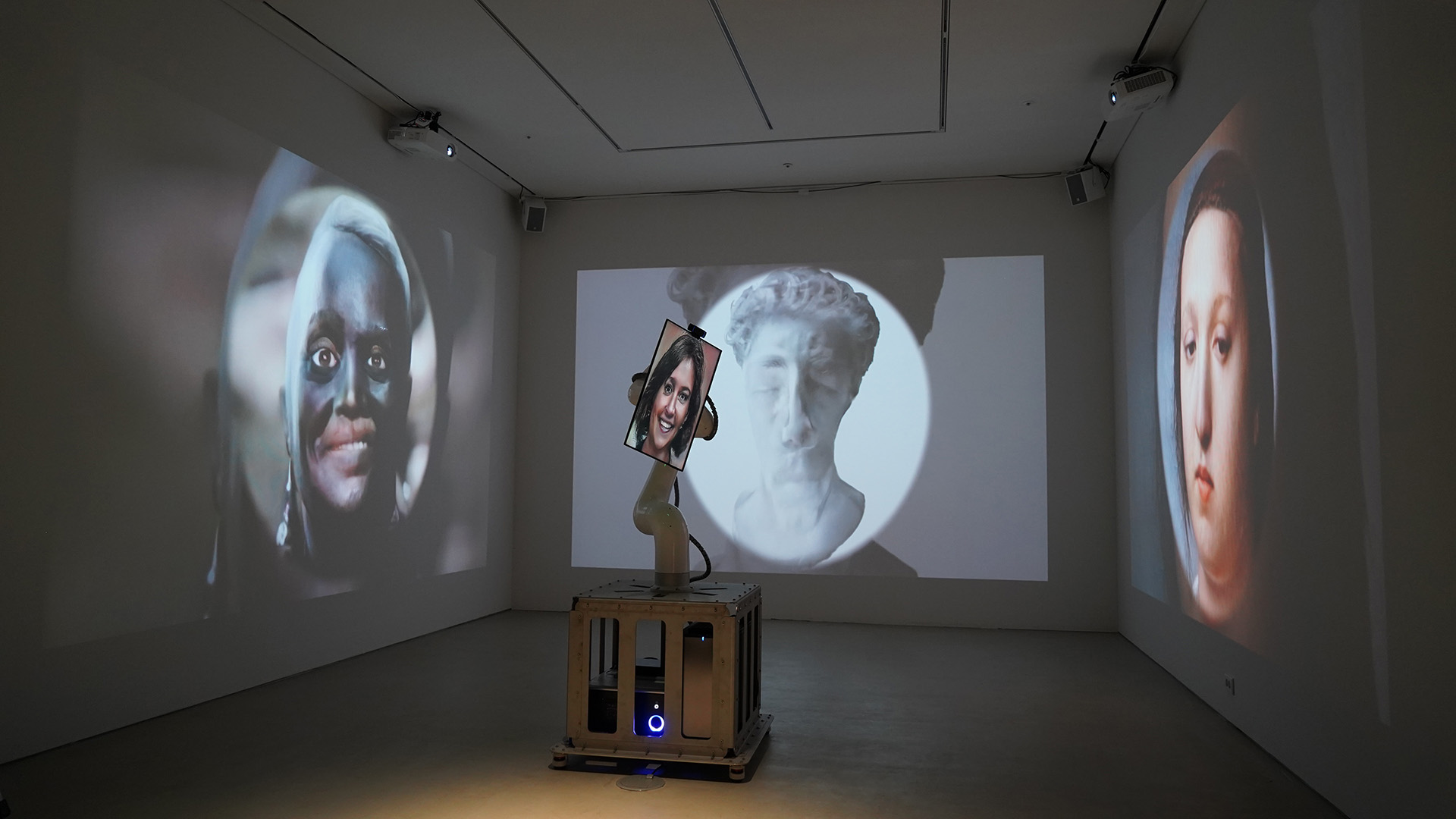
Youngkak Cho, A Hot talks about Something, Someday, Someone, 2020, PC, Robot arm(Neuromeka indy7), projector, monitor, webcam, divx player, Deep Learning Libraries (stylegan,artbreeder), Meme DB Set dimension variable, 3ch Video – Each 16’00”, FHD © Youngkak Cho

While Meme’s Counterattack, discussed above, reconstructed “memes”—a new means of communication that functions as a form of language within network systems such as the internet—through artificial intelligence and presented screens that changed in response to viewer interaction, his 2020 work A Hot talks about Something, Someday, Someone further expands this approach.
 
In this work, Cho interacts with individual models trained by artificial intelligence algorithms based on data collected through a camera, transforming the memories reconstructed through this process into audiovisual sources through displays and robotics (collaborative robots).
 
The project focuses on generating interactions based on artificial outcomes that do not exist in reality. Rather than being perceived by humans simply as memes in their everyday sense, the resulting AI models offer a more emotionally engaging experience by serving as an alternative to human conversation.


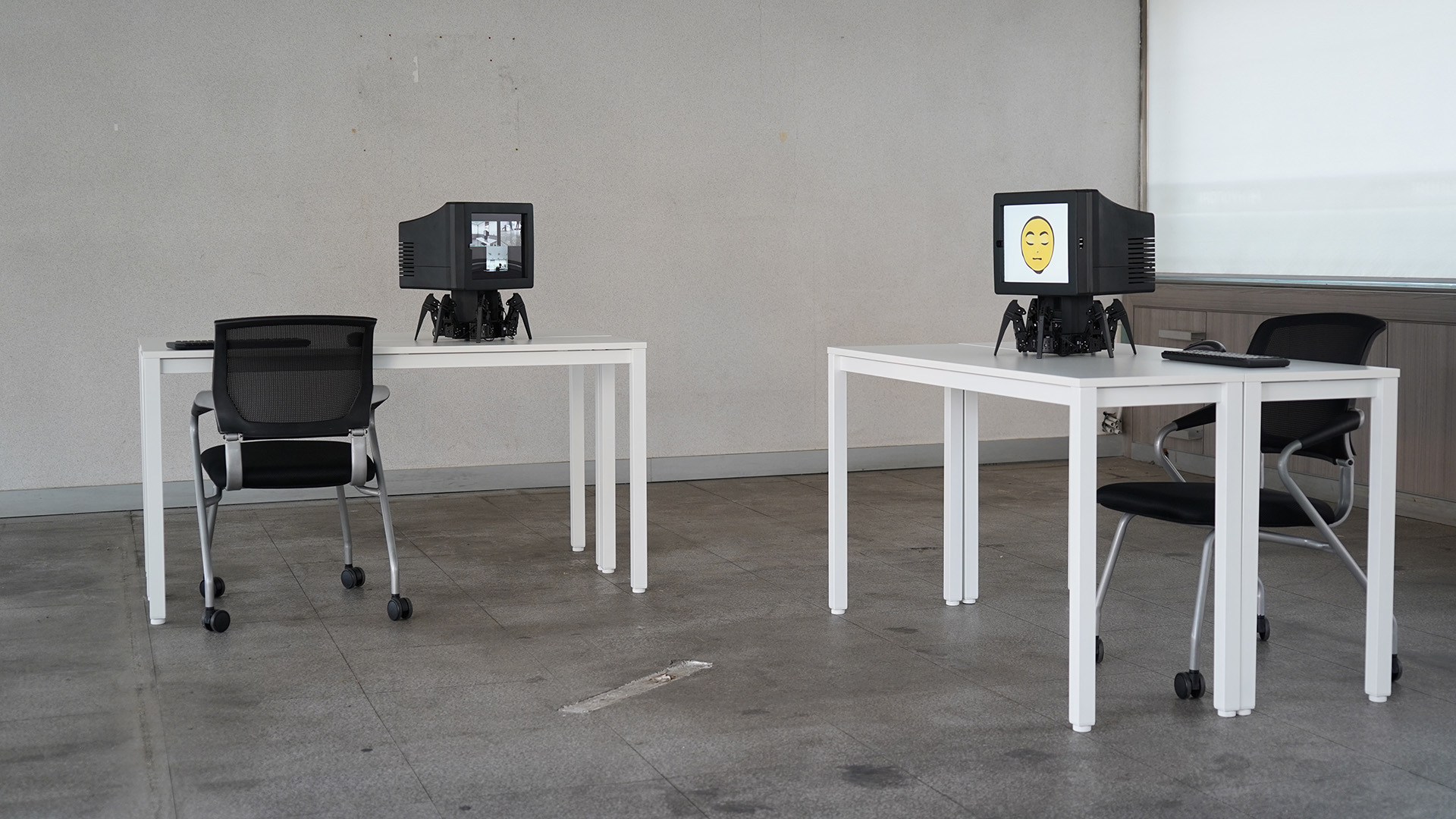
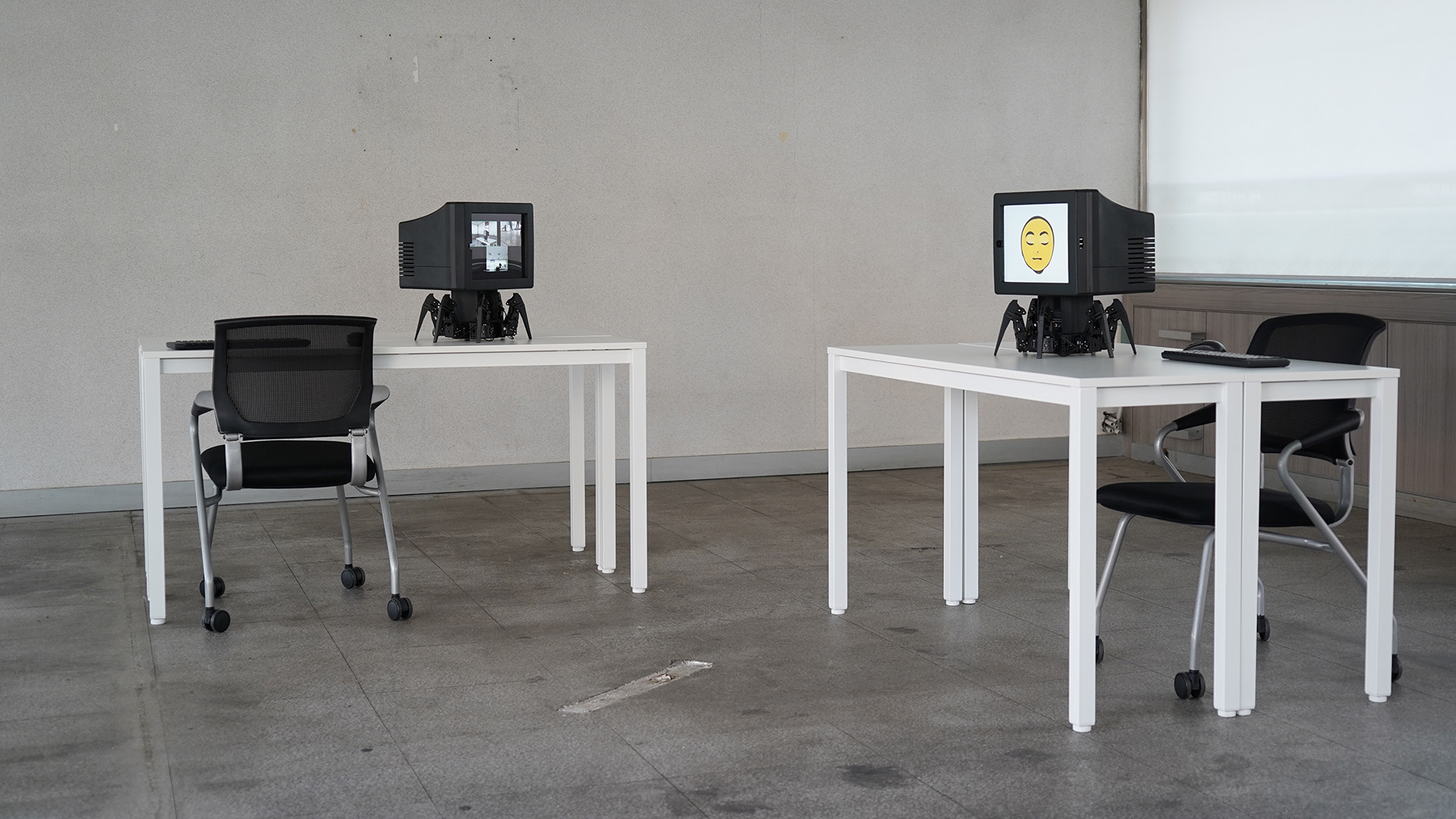
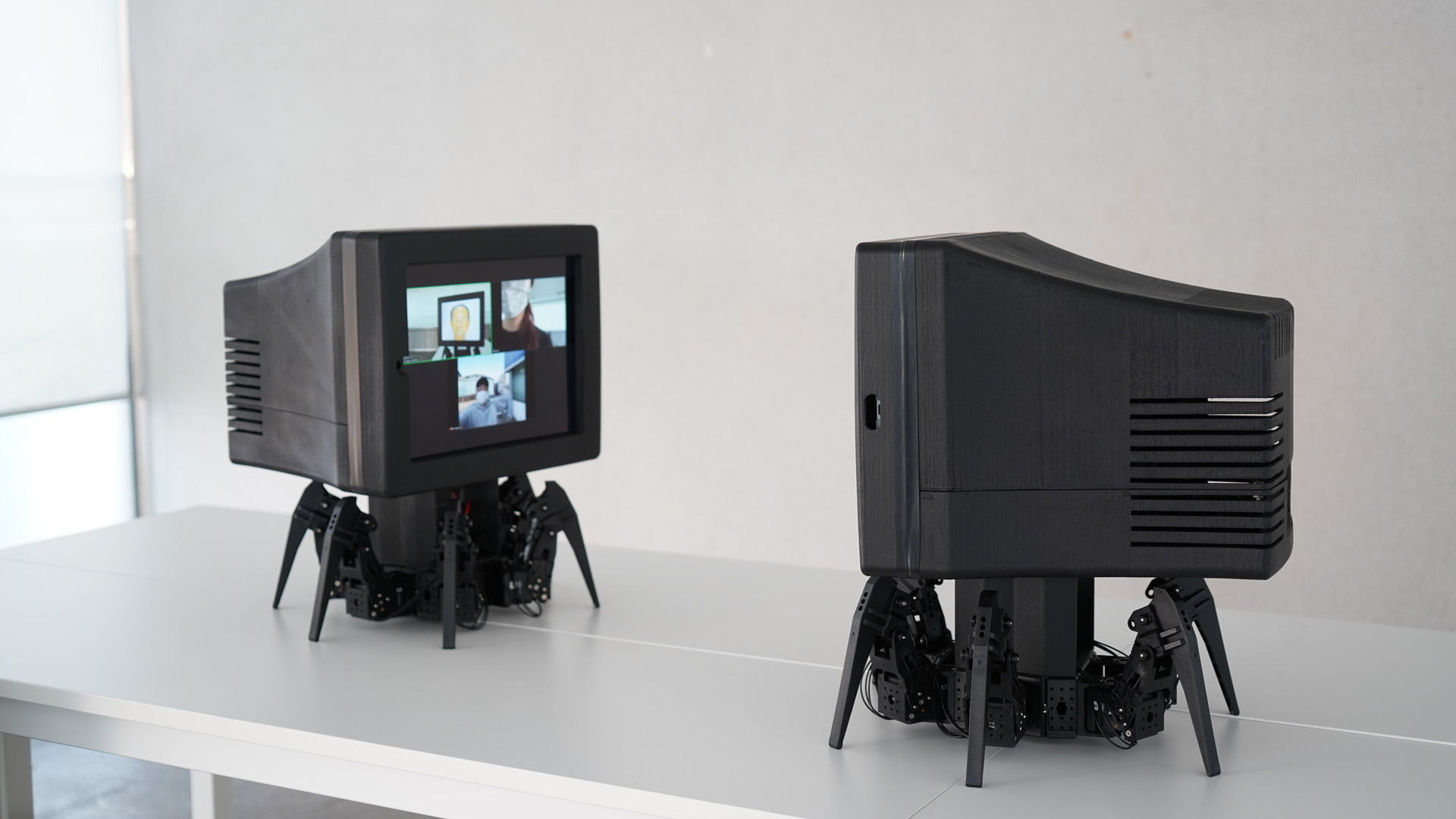
Youngkak Cho, Office Walker, 2021, Servo motor, mcu controller, tablet pc, PLA, emoji DB, stylegan & biggan Libraries, Video conference app, desk, chair Dimension variable, robot 2ea : 45 x 42 x 42 cm, 1ch Video_18’40”, FHD © Youngkak Cho

Meanwhile, in another robotics-based work, Office Walker (2021), Cho playfully explores the situation faced by people living in the age of “untact” interaction. Amid everyday life and environments in which restricted patterns of behavior became repetitive throughout the pandemic, he sought to view these circumstances through a new lens by introducing subtle changes.
 
He also responded to the changing modes of connection and communication brought about by the COVID-19 pandemic, seeking to create a situation that moves beyond interaction toward mutual reaction.


Youngkak Cho, Office Walker, 2021, Servo motor, mcu controller, tablet pc, PLA, emoji DB, stylegan & biggan Libraries, Video conference app, desk, chair Dimension variable, robot 2ea : 45 x 42 x 42 cm, 1ch Video_18’40”, FHD © Youngkak Cho

The resulting work consists of CRT-style displays mounted on quadrupedal robots, with the screen output synchronized with the robots’ movements. Installed within an office-like environment furnished with desks and chairs, the work is remotely operated via a smartphone application based on two-way communication.
 
Of the two robotic displays, one presents a virtual figure generated by artificial intelligence from emoji data, while the other enables simultaneous connection with the outside world through real-time video conferencing and streaming.
 
Through Office Walker, Cho playfully stages a situation in which the virtual and the real intersect and respond to one another in the age of untact interaction. In doing so, he examines how everyday life has changed since the pandemic while questioning how human modes of connection and the values we pursue might evolve within new environments.


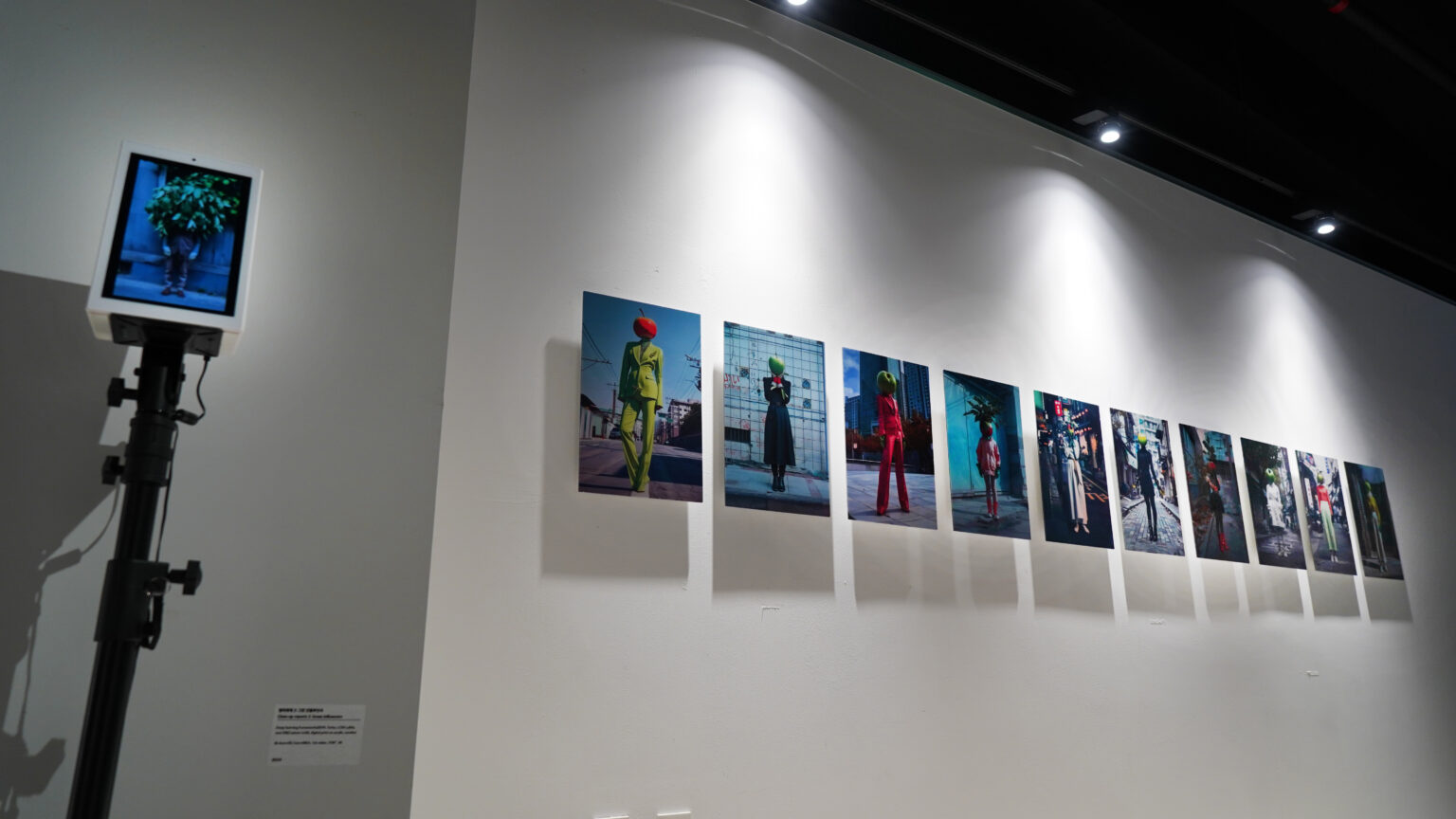
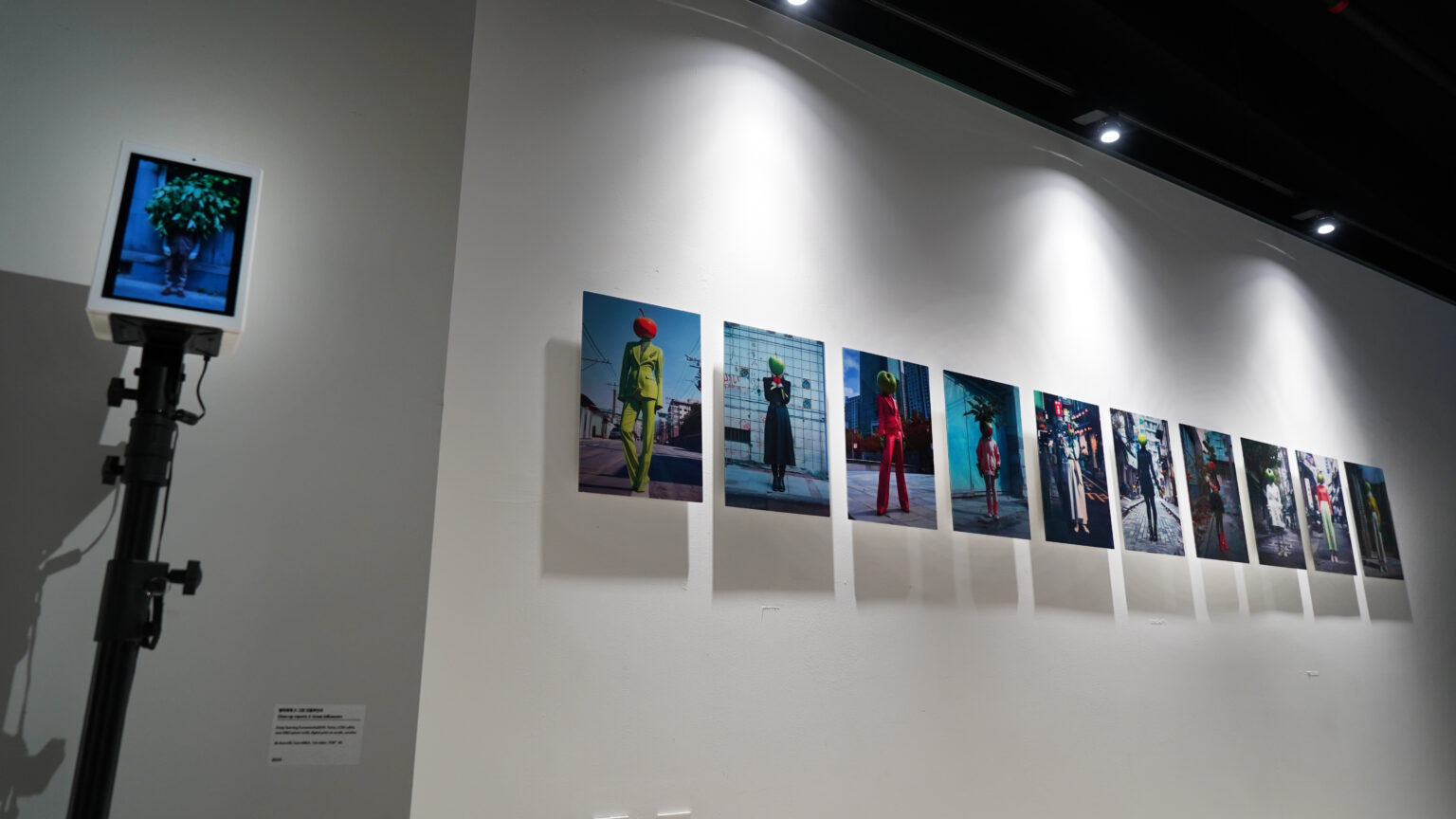
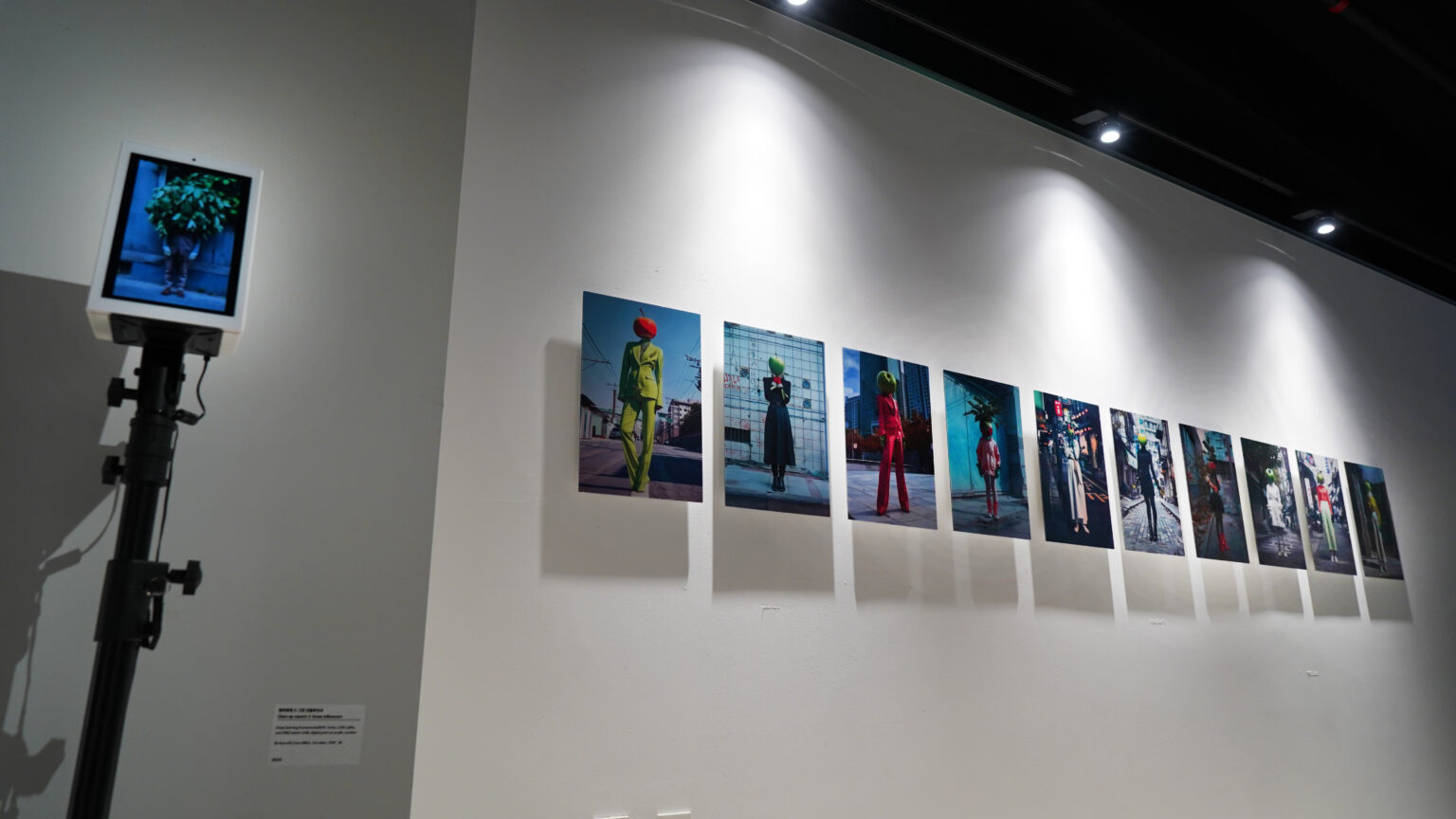
Youngkak Cho, Close-up reports 2: Green influencers, 2024, Deep learning frameworks(SDXL Turbo, LCM LoRA), text DB(Custom LLM), digital print on acrylic, 30.4x45.7cm (40ea), 1ch video, 3’00”, 4K © Youngkak Cho

Furthermore, in his recent practice, Cho has turned his attention to complex phenomena surrounding the relationship between humans and nature, environmental issues, and consumer culture. In the ‘Close-up Reports’ series, which began in 2023, he reflects on the relationship between humans, nature, and technology through “plant humans”—hybrid beings that combine human and plant forms.
 
In his 2024 work Close-up Reports 2: Green Influencers, plant-human hybrids appear in trendy neighborhoods of Seoul, satirizing the ways in which human desire and consumer culture objectify and commodify nature.
 
Through this work, Cho calls for reflection on the role and responsibility of humans in an era of environmental crisis, while paradoxically revealing how contemporary life is becoming increasingly detached from nature.


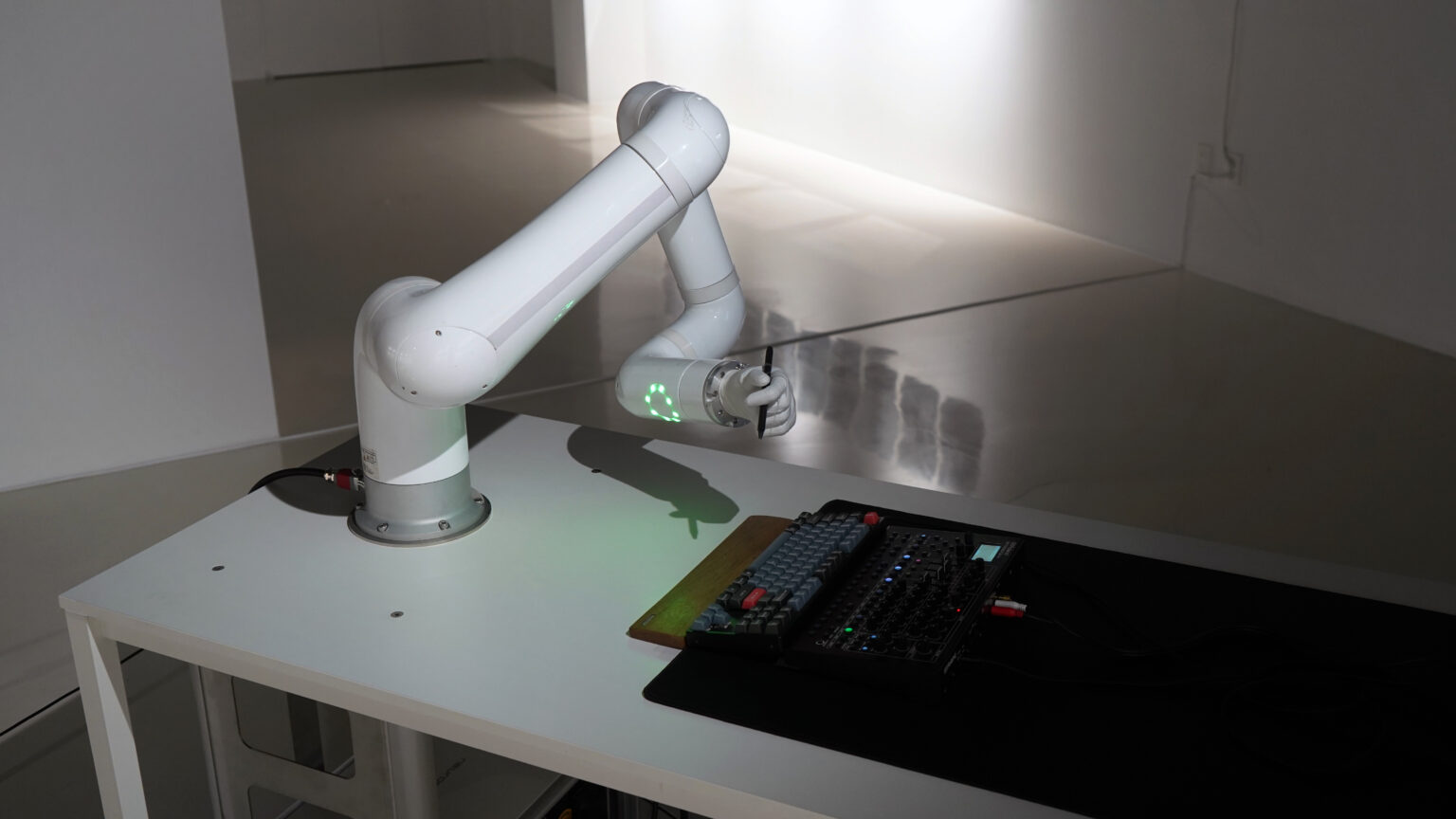
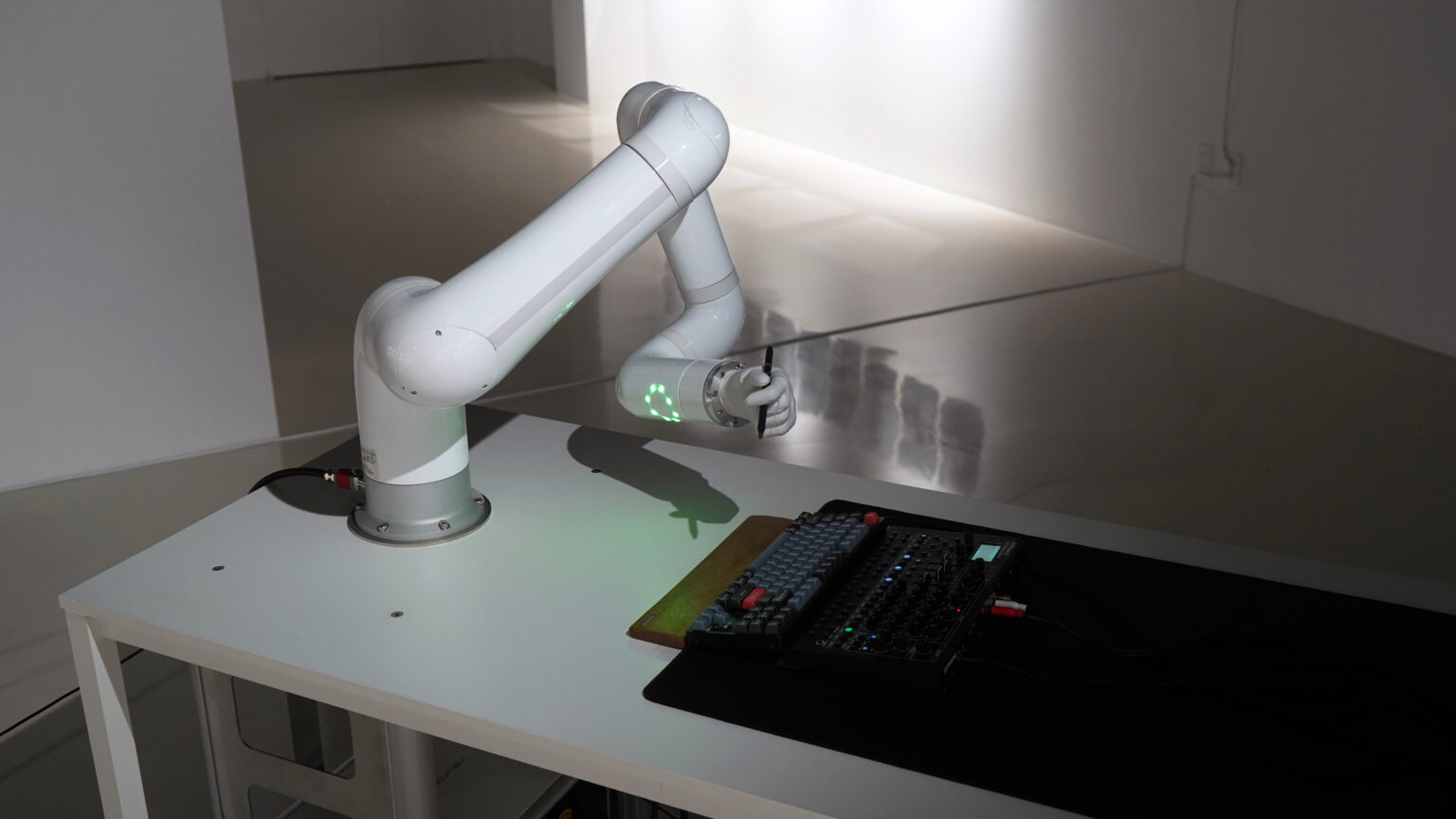
Youngkak Cho, Full-time employee, 2024, Deep learning frameworks(SDXL), text DB(Custom LLM), Robot arm, keyboard, wood, monitor, speaker, etc, Dimension variable, multi-channel sound © Youngkak Cho

Alongside this, Cho examines the relationship between humans and technology in the context of labor. In Full-time Employee (2024), presented in the same year, he raises questions about the changes in the labor environment brought about by technological development and the role of humans within it.
 
In this work, the robotic arm functions as the “employee,” while the artist takes on the role of the “employer” or “manager,” and viewers assume the role of “consumers.” When viewers enter text prompts as “work instructions,” the robotic arm interacts with artificial intelligence to carry them out.
 
The results generated through this process differ each time, symbolizing the uncertainty and unpredictability that persist despite technological advances. At the same time, they suggest the creative possibilities that may emerge through collaboration between humans and technology.


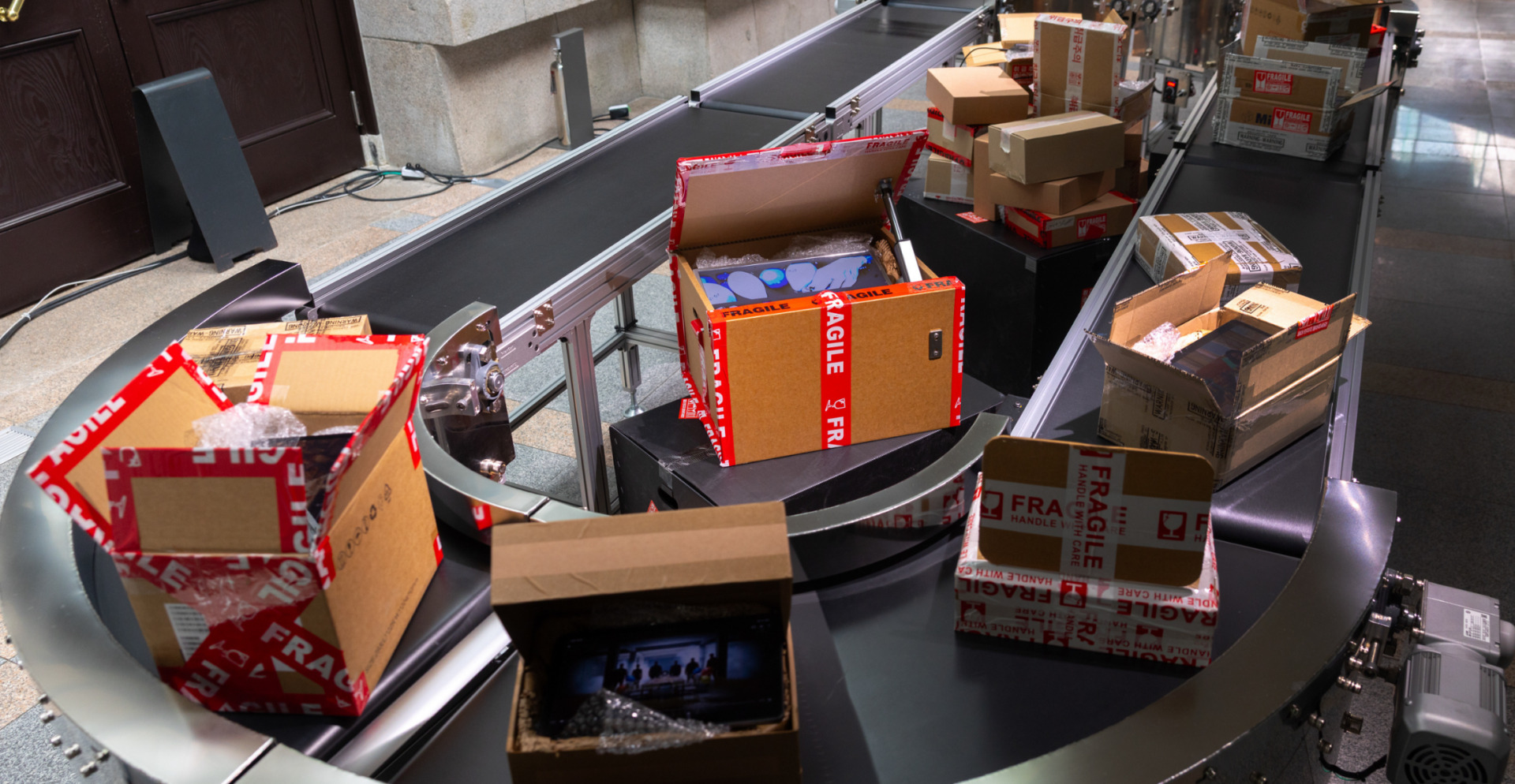
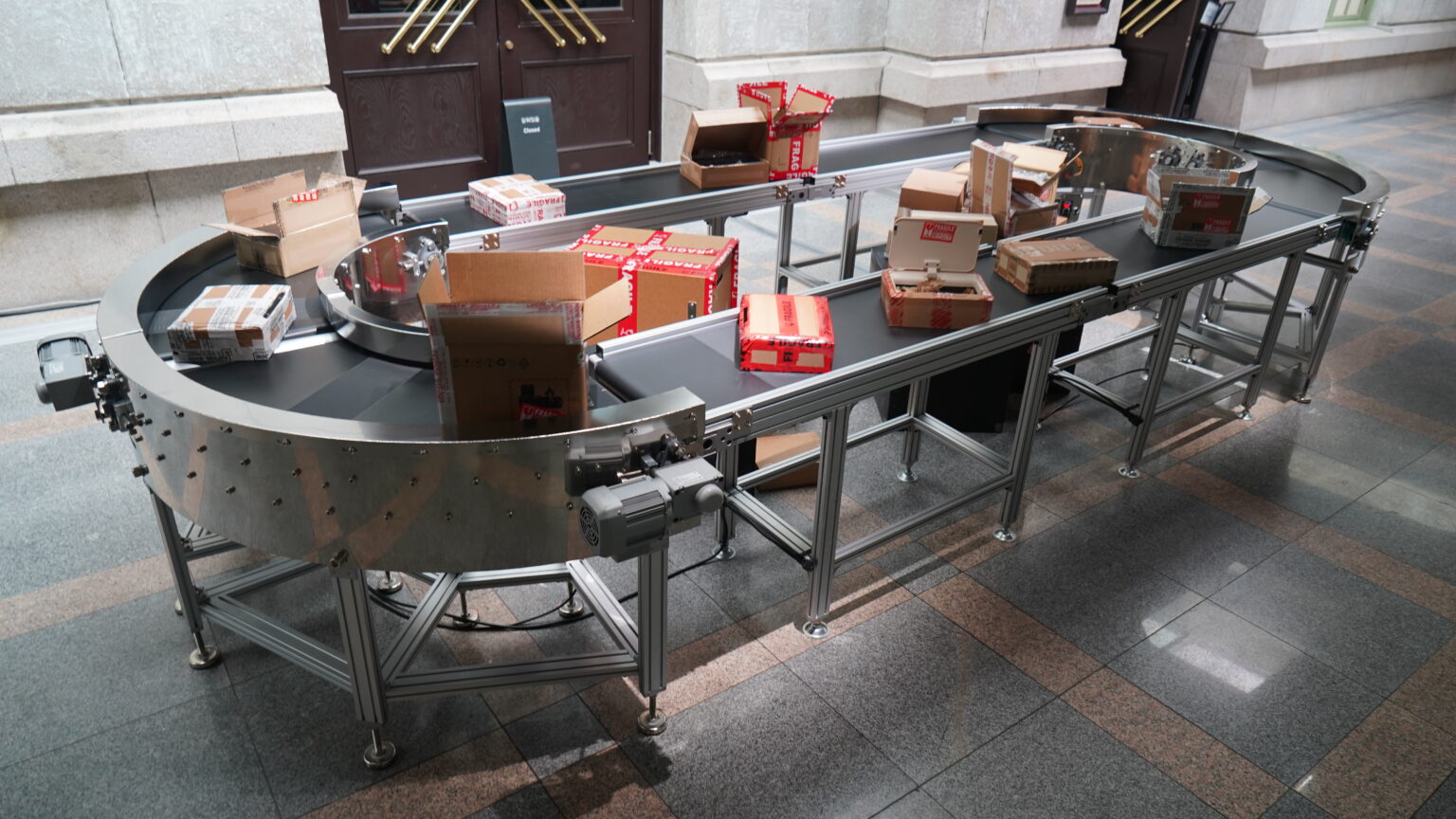
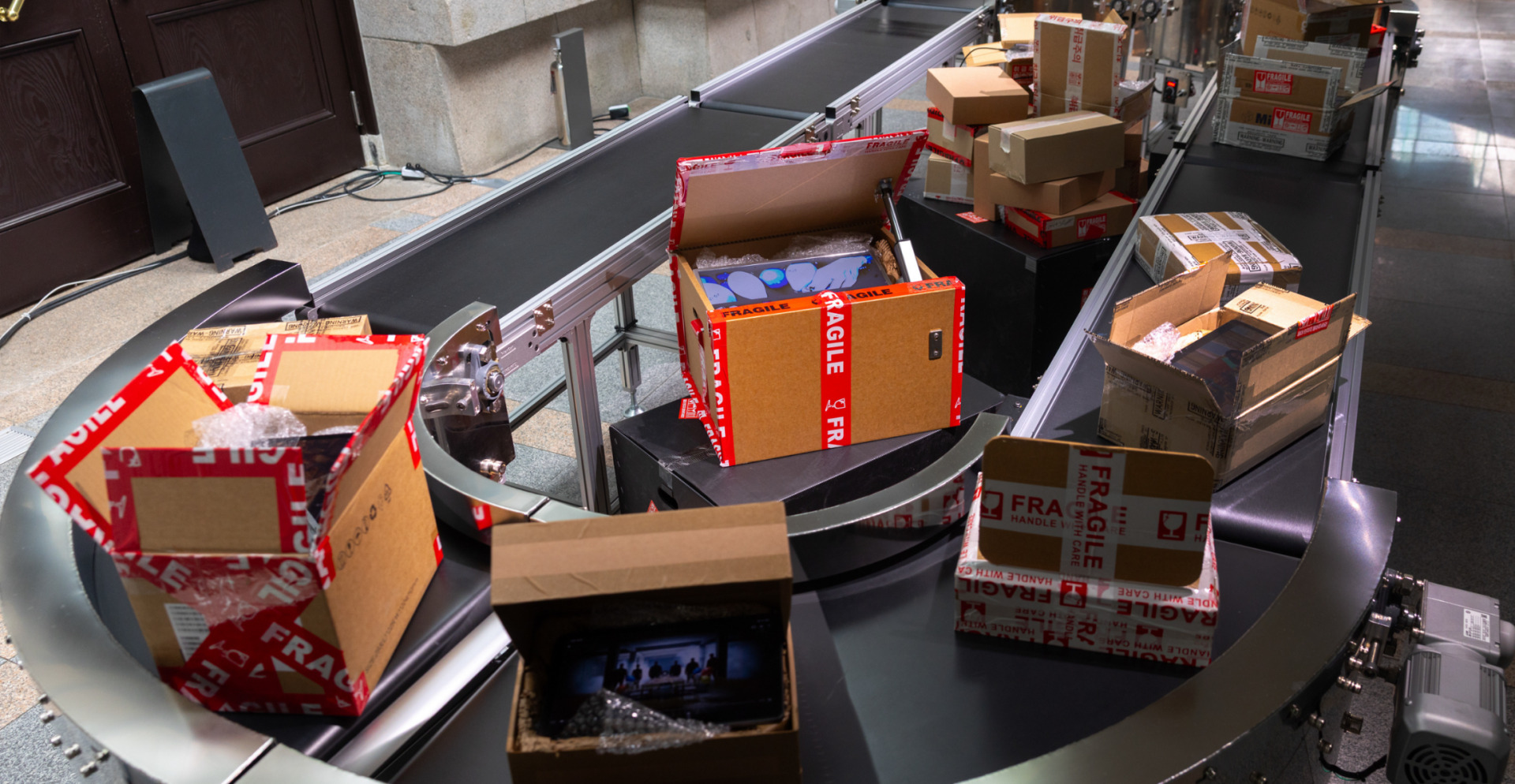
Youngkak Cho, Unnamed Company: Sweet Talk, 2025, Conveyer, box, tape, display, Deep learning frameworks(custom sLM, video & sound model), Dimensions variable (3x3x1.5m), multi-ch video & sound, avg 1min, 30fps, 4k © Youngkak Cho

Cho’s interest in the impact of technological developments such as automation on the role and value of human beings is further developed in Unnamed Company: Sweet Talk (2025).
 
In Unnamed Company: Sweet Talk, when a paper box continuously moving along a conveyor system in a logistics center is opened, content based on various systems of cultural belief collected by generative artificial intelligence is played back in forms derived from popular media, including music videos, advertisements, and news.


Youngkak Cho, Unnamed Company: Sweet Talk, 2025, Conveyer, box, tape, display, Deep learning frameworks(custom sLM, video & sound model), Dimensions variable (3x3x1.5m), multi-ch video & sound, avg 1min, 30fps, 4k © Youngkak Cho

The concept of ‘movement’ operates on multiple levels throughout the work, as the mechanical motion of the boxes symbolizes the flow of information, while presenting how belief travels across cultures and media—being altered and recontextualized.
 
The installation indicates that technological development and automation have failed to resolve fundamental human anxieties and instead created new forms of media dependence. The idea of an ‘unmanned company’ embodies an irony: a media system that functions without people yet continues to reproduce human desires and fears.
 
It implies that the irrational dimensions of humanity do not disappear in an automated future but rather persist-reemerging through technological forms.


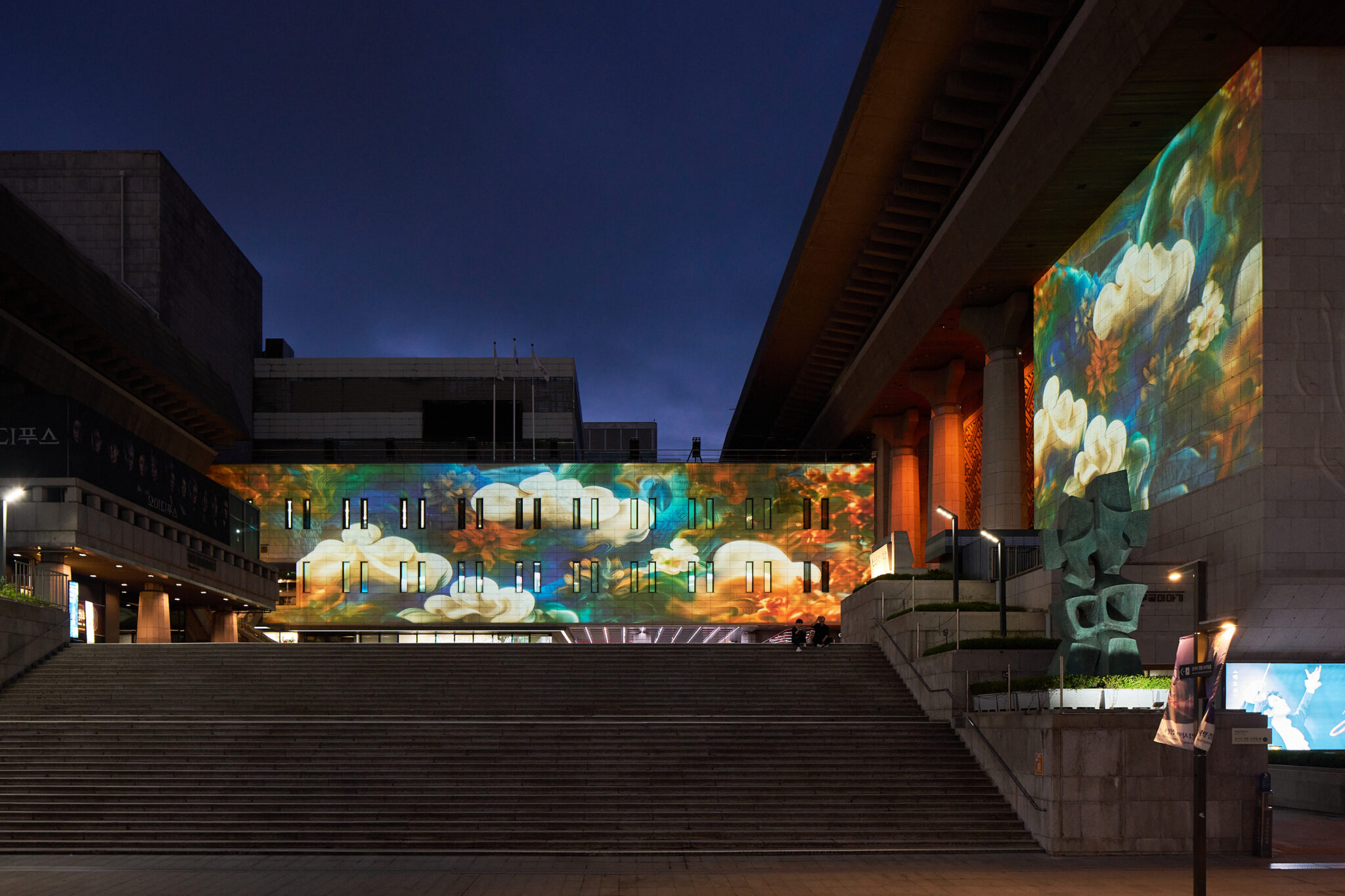
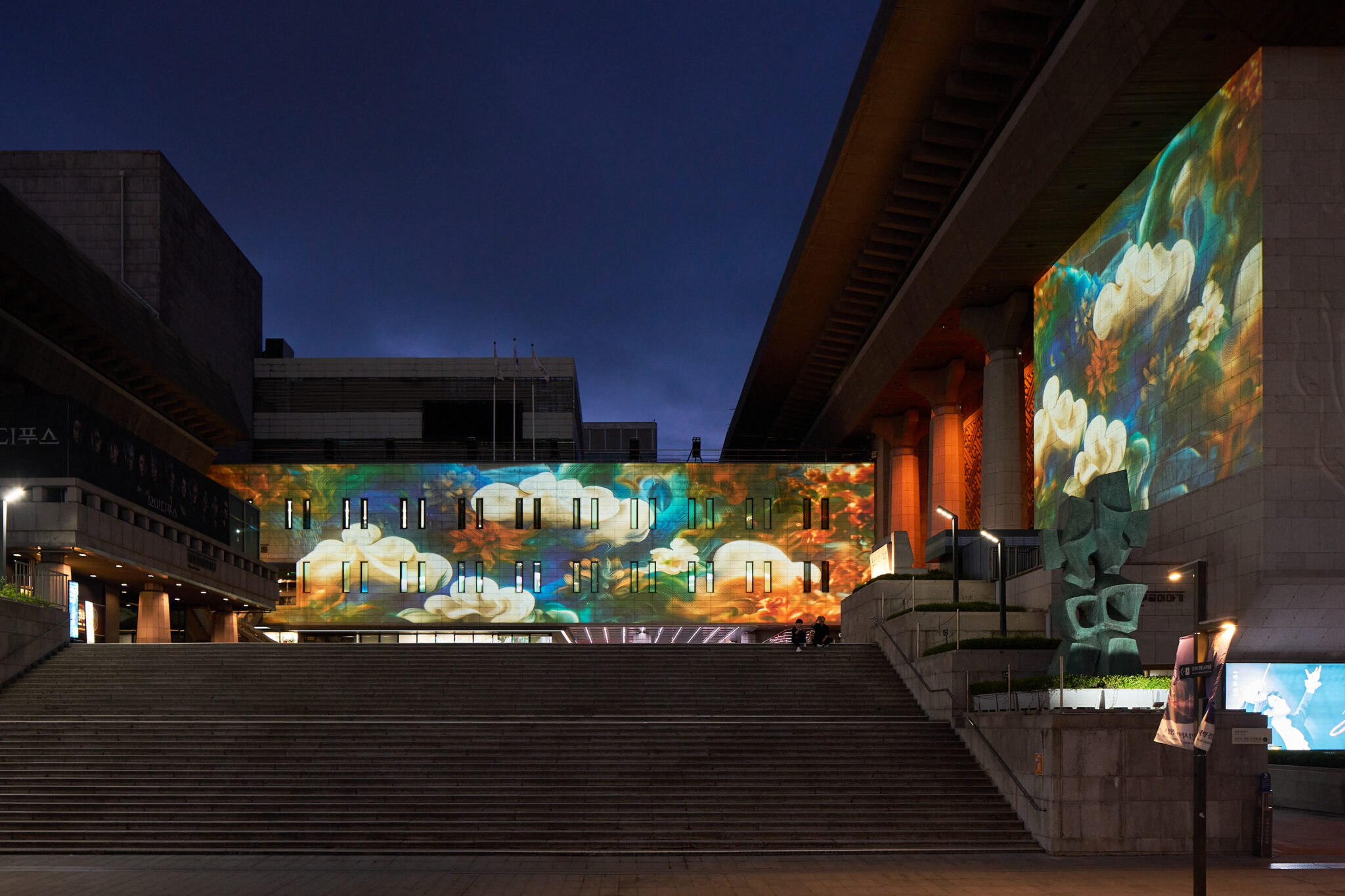
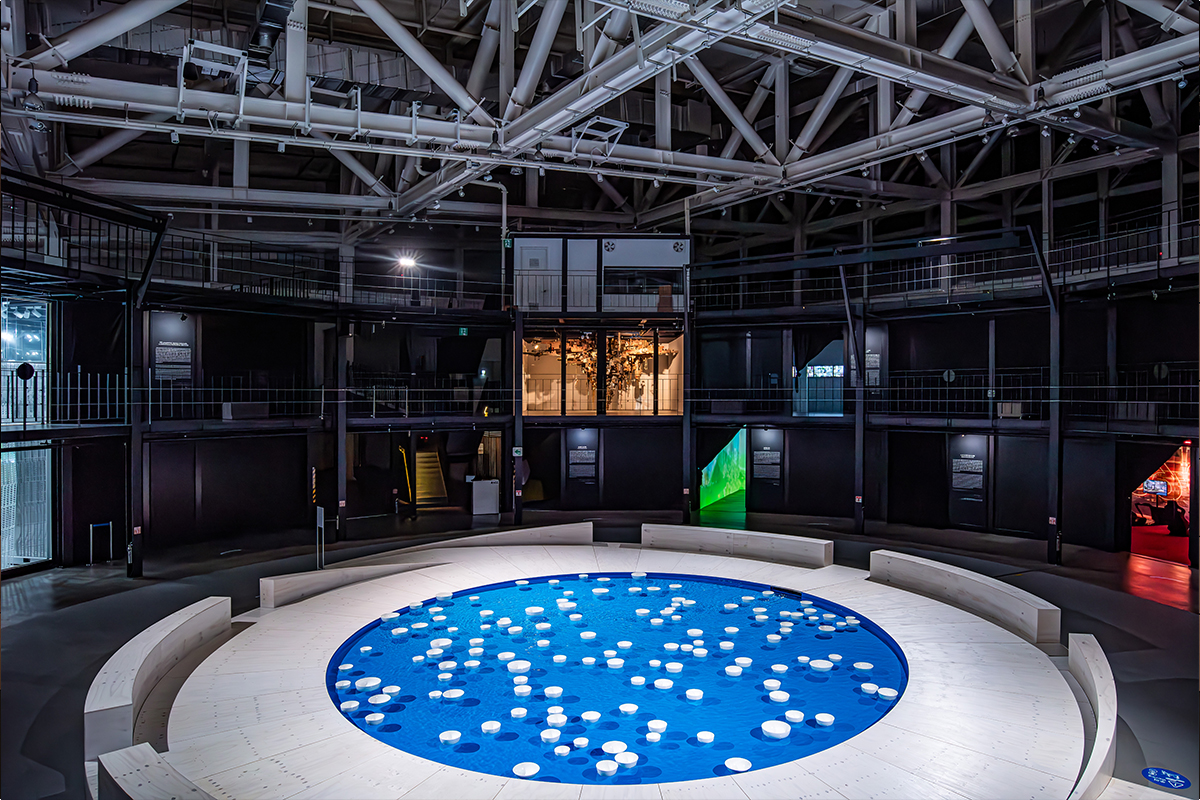
Youngkak Cho, The Weather Dancheong, 2026, Deep Learning frameworks (Custom LLM, VIDEO MODEL), Korea Meteorological Administration National Climate Data Center DB, 4min 30sec. © Youngkak Cho

In this way, Cho incorporates diverse advanced technologies into his practice through an artistic sensibility, interpreting the various phenomena of contemporary society that we encounter and transforming them into new forms.
 
His work moves between the boundaries of imagination and reality, offering new perspectives and insights through which to consider the complex and interconnected issues of contemporary society.

“I do not wish for the collapse of systems. Rather, I want to show that attempts at reflection and introspection are necessary. I simply approach the gaps within them and precariously walk the tightrope between tensions. In this process of approaching them, flexible thinking and emotion are essential.” (Youngkak Cho, Artist’s Note)


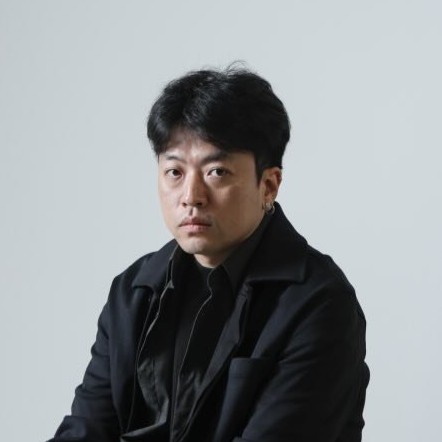
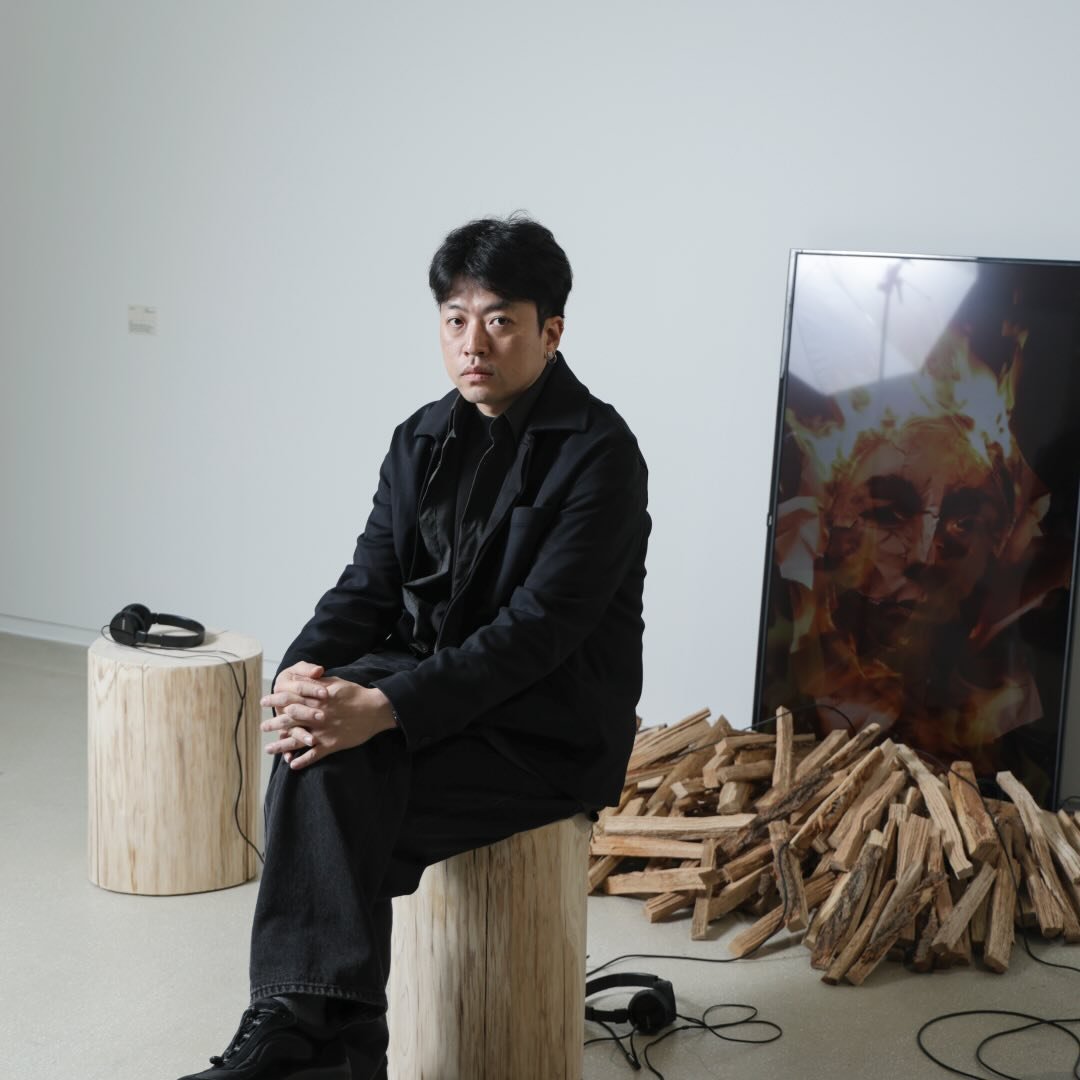
Artist Youngkak Cho © Youngkak Cho

Youngkak Cho majored in Painting at Chugye University of the Arts, studied media art at Yonsei University Graduate School of Communication, and graduated from Seoul Media Institute of Technology, Department of Convergence Media, majoring in convergence art and design. His solo exhibitions include 《Decoding the Phenomenon》 (Gwanak Art Hall Exhibition Hall, Seoul, 2024), 《The unexpected syntax: Request and Response》 (Gallery SAFE, Seoul, 2022), and 《The Frequency of Problem》 (GalleryMEME, Seoul, 2017).
 
Cho has also participated in numerous group exhibitions, including 2026 Art & Technology City《Doing Anthropology: Are Humans We?》 (Jongdo Building, Seoul, 2026); Unfold X 2025 《Let Things Go – Relations of Relations》 (Culture Station Seoul 284, Seoul, 2025); 《Good Morning Mr. Orwell Ver.2》 (Seoul National University Museum of Art, Seoul, 2025); 《2024 Busan MoCA Platform_I’m Sorry, Dave I'm Afraid I Can't Do That》 (Museum of Contemporary Art Busan, Busan, 2024); and 《Urbanscape: Connectivity and Coexistence》  (National Asian Culture Center, Gwangju, 2023).
 
Cho has participated in numerous residency programs in Korea and abroad, including the CAN Foundation Myeongnyun-dong Studio (2022) and the Ars Electronica Residency (2018). His works are held in the collections of the National Hangeul Museum and the MMCA Government Art Bank.

References