The
central question running through PAIK Jongkwan’s practice is: ‘How do images
exist, and how do we come to see them?’ Beginning with experimental 16mm film,
he has moved across essay film, documentary, found footage, collaborations with
performance and dance, photography, and installation, yet his attention to the
origins and disappearance of images, the relationship between the observer and
the observed, and the gaps between memory and forgetting has remained
consistent.
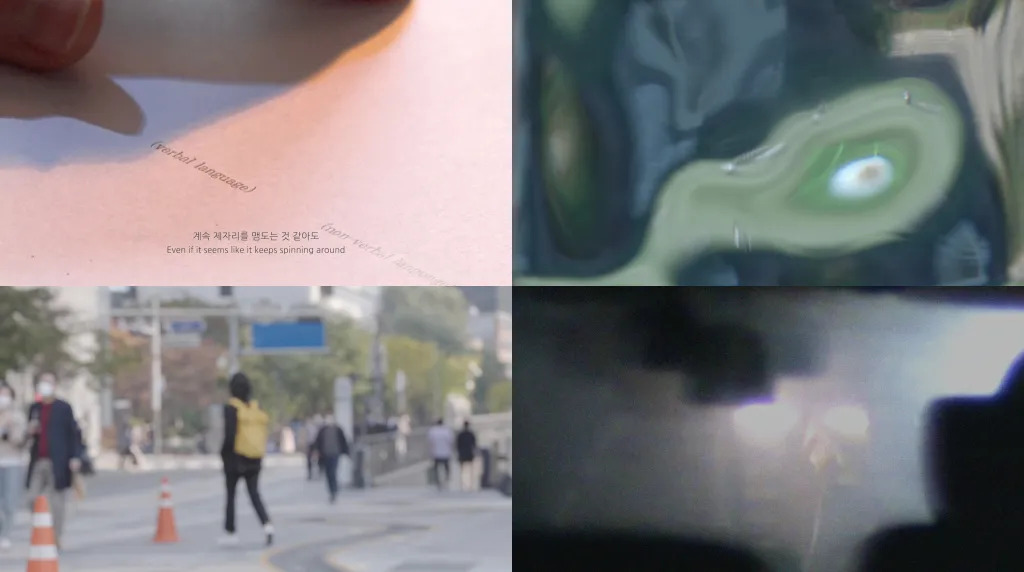
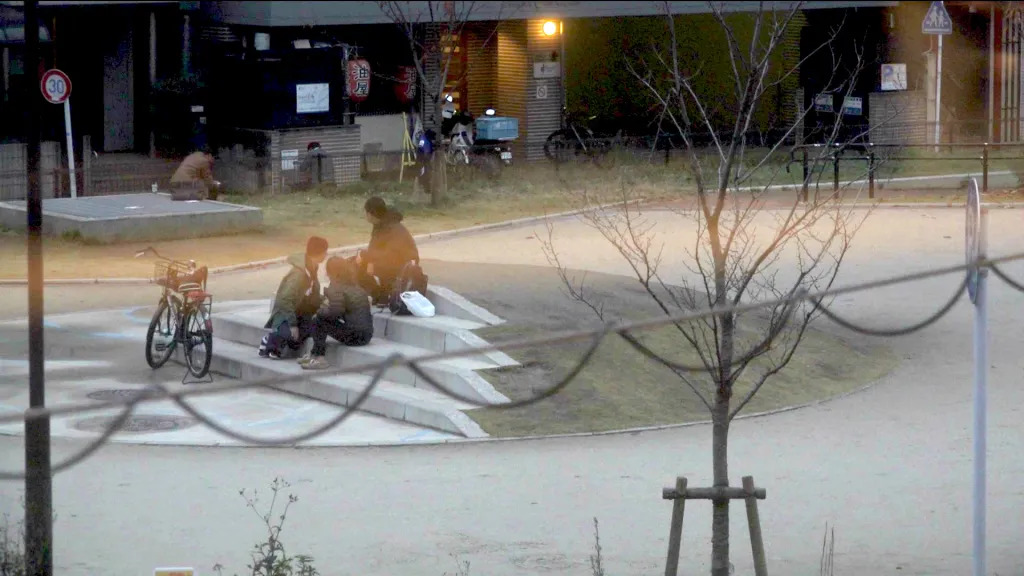
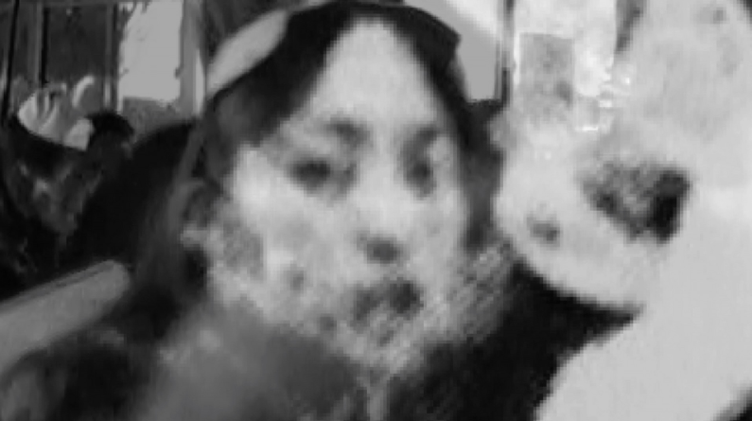
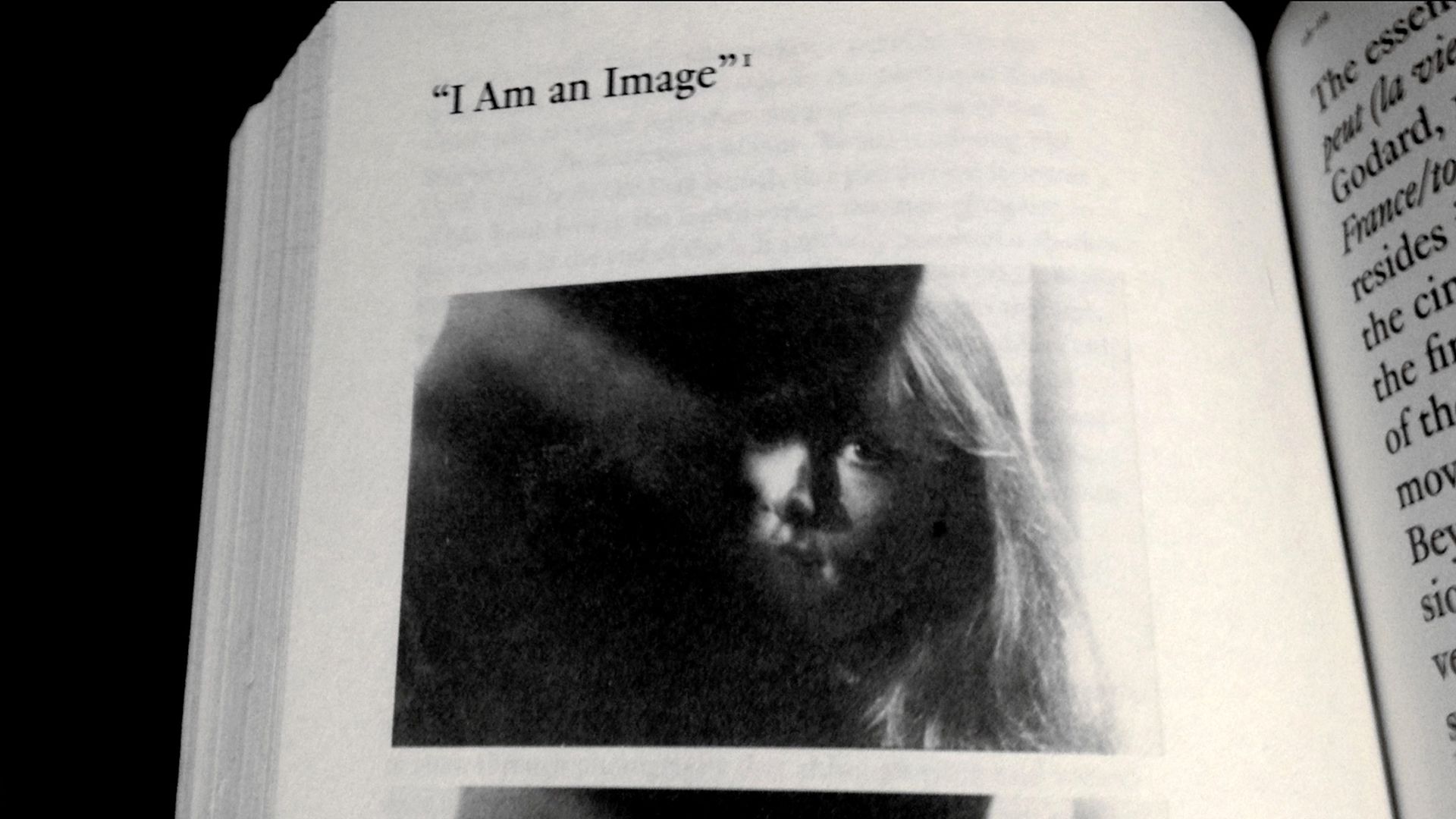
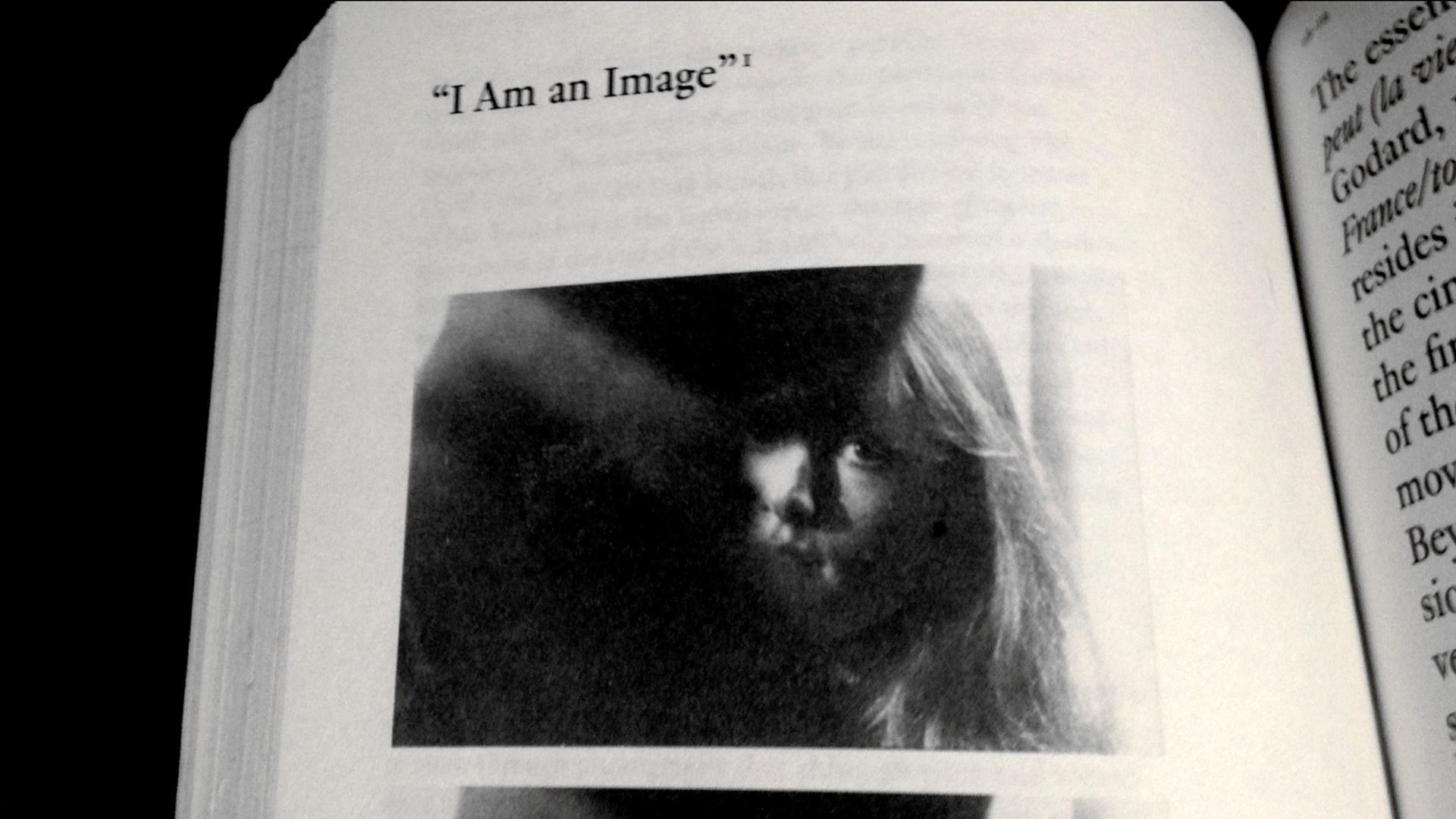
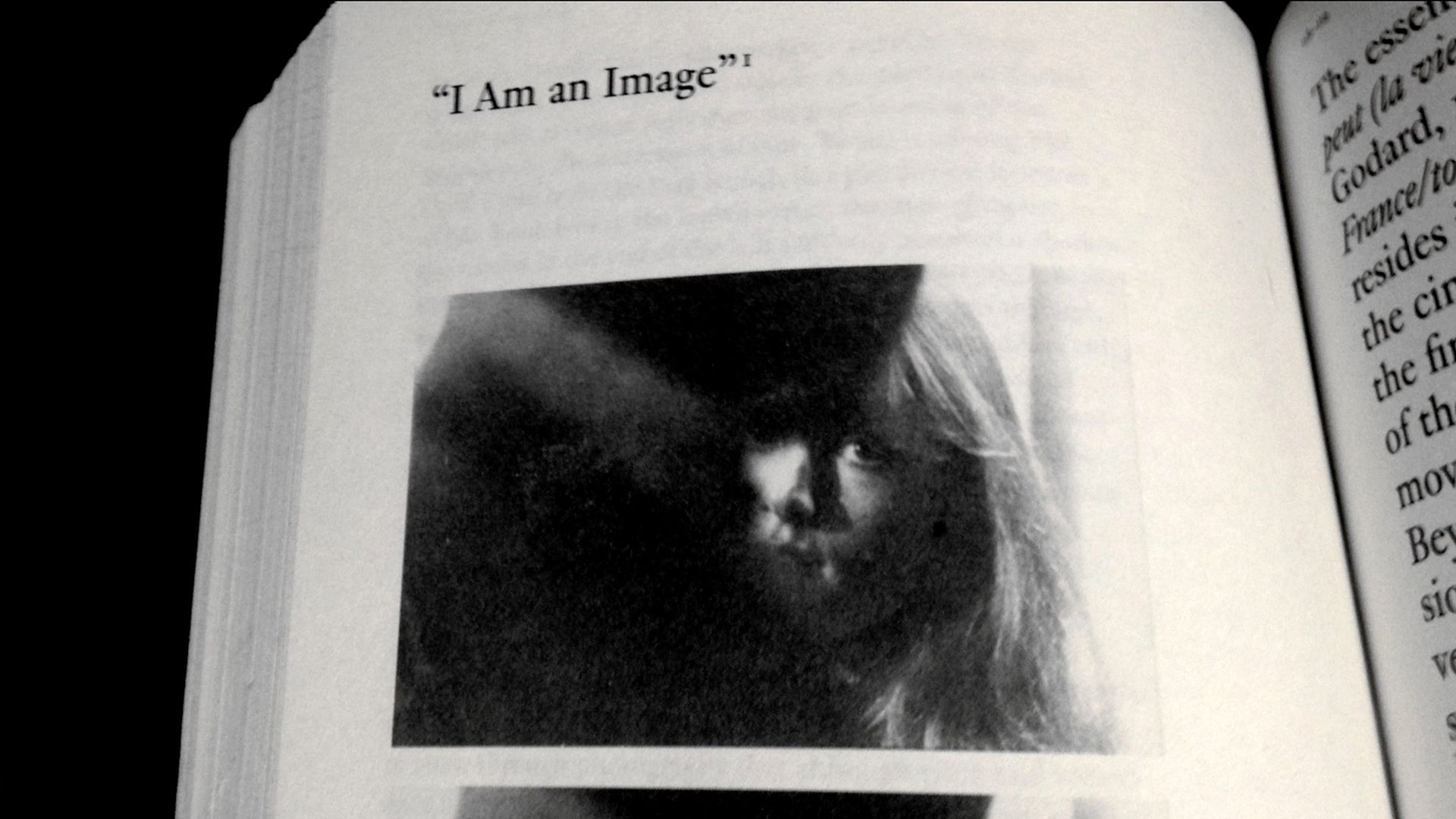
i – image examines how images construct personal
memory; Cyclical Night brings together the gazes of figures
in historical photographs and present-day viewers; and
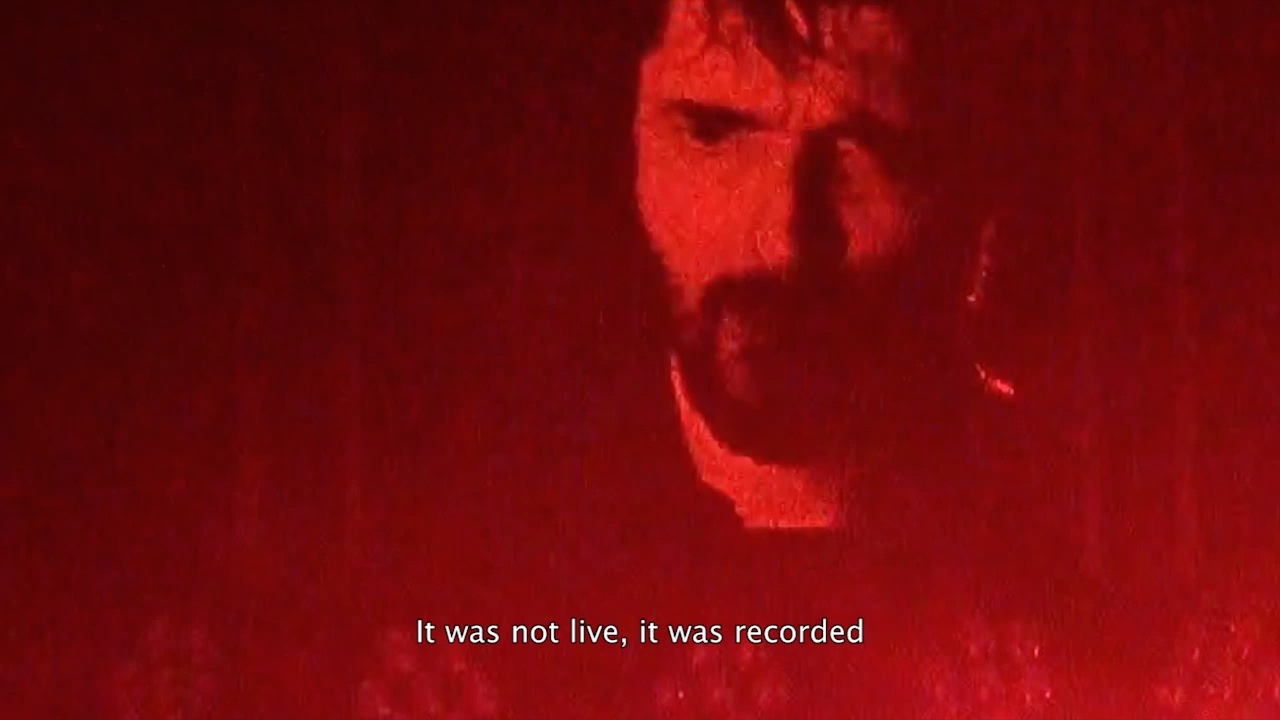
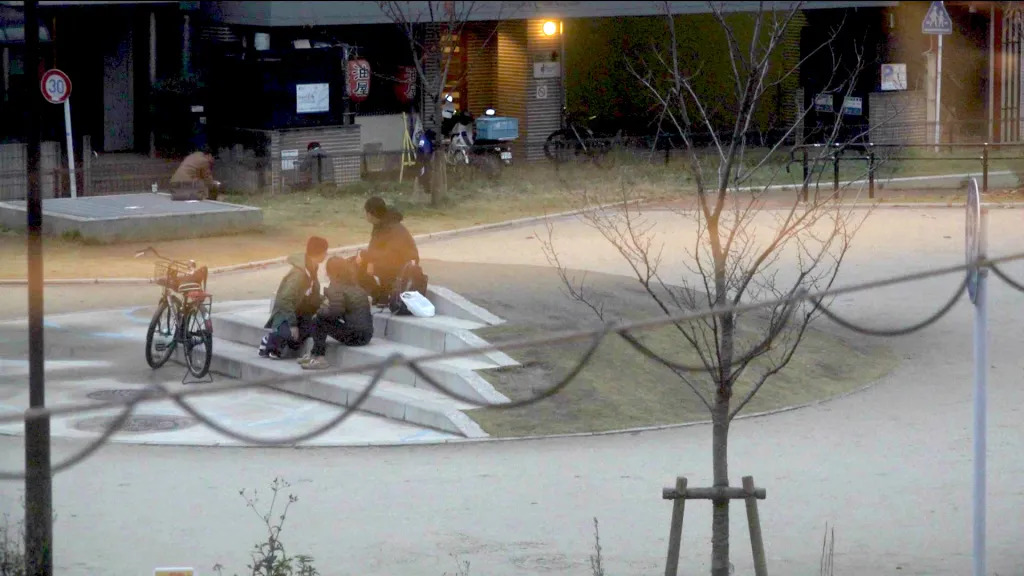
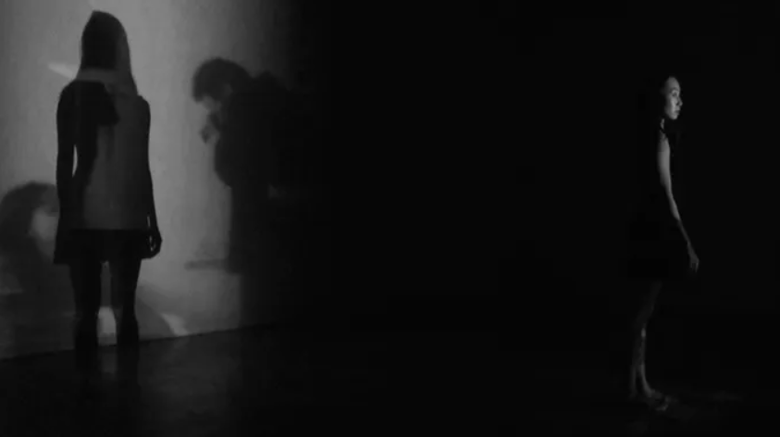
Deportees explores perception as it changes with the
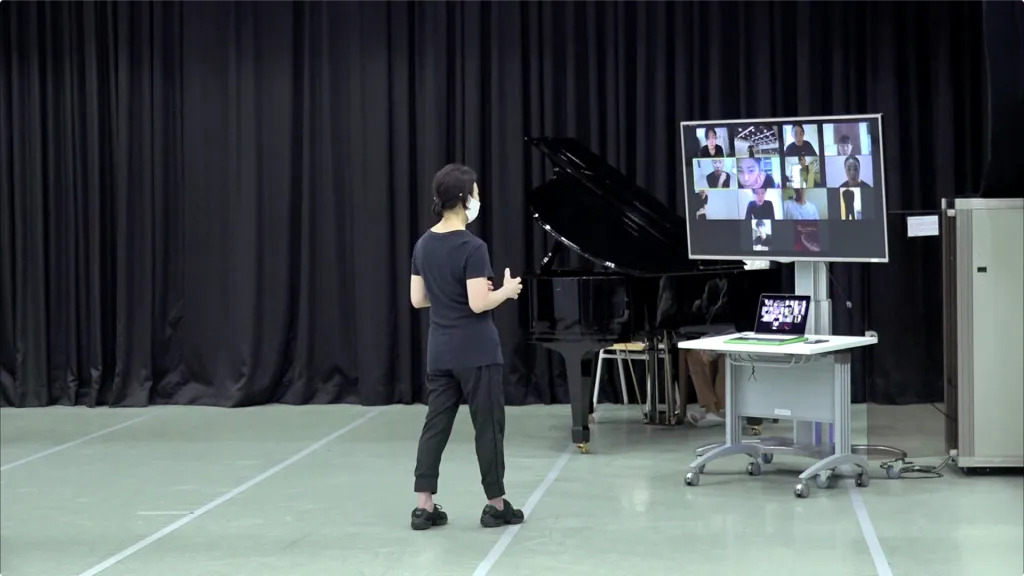
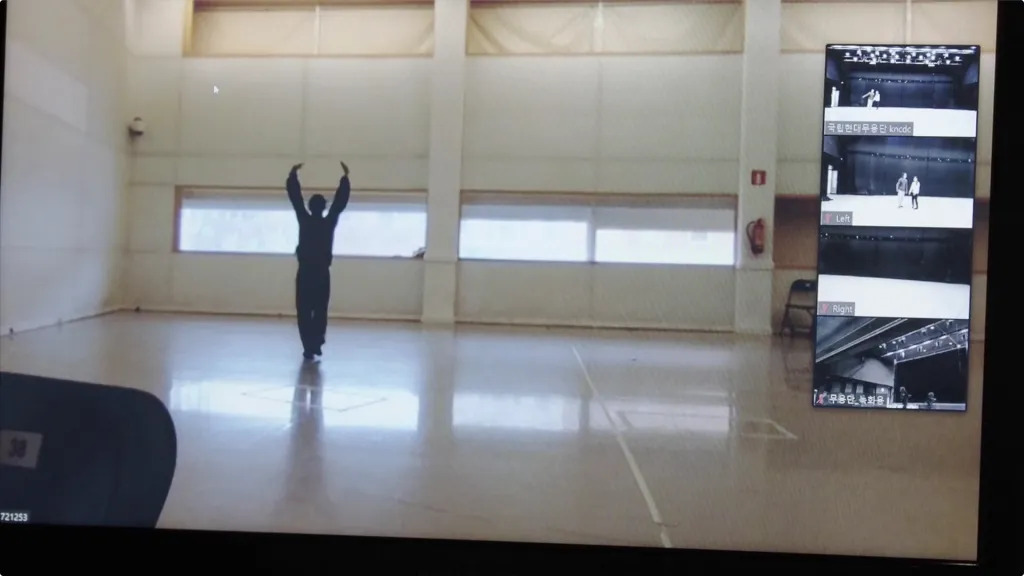
disappearance of light. Later, in They Answer Our Own Gaze,
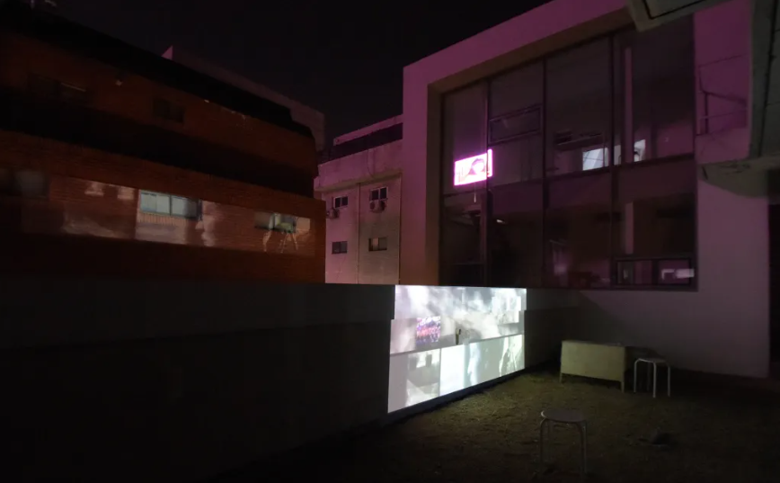
the screen mediates physical distance between bodies, while in
Blende, the viewer’s own body moves through multiple frames.
PAIK’s recent expression of searching for the ‘invisible frame’ succinctly
describes this long trajectory.
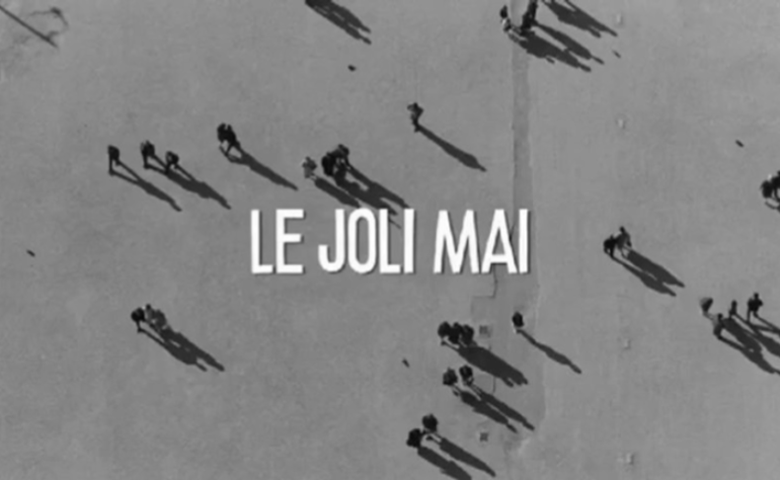
Chris
Marker’s influence provides an important starting point for understanding
PAIK’s practice, but his work does not remain within the genealogy of essay
film or found footage alone. While Marker addressed the temporality of images
across memory and history, photography and cinema, PAIK extends these concerns
into digital environments, concrete experiences of Korean society, exhibition
space, and the body.
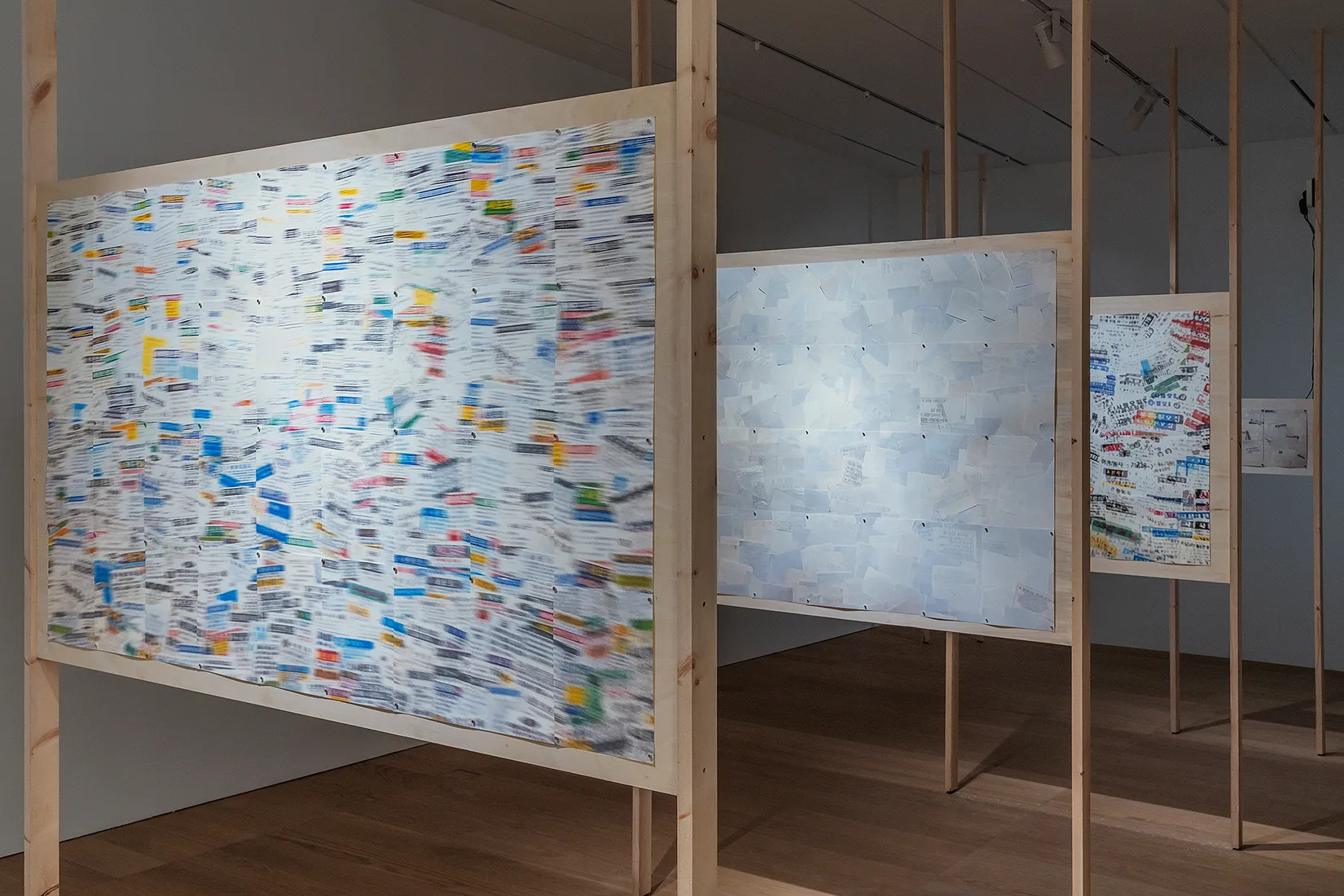
Radio broadcasts recorded over several years, employment
advertisements collected on subway trains, video-conferencing screens during
the pandemic, and historical correspondence from museums—materials that may
initially appear ordinary or purely functional—become significant images within
his work.
Another distinctive characteristic is that he does not simply use
such materials as historical evidence, but leaves open the possibility that
they may collide, fail, or become incorrectly connected. The archive therefore
operates less as a repository presenting an already organized past than as
mutable material that contemporary viewers can read again and question anew.
More
recently, this archival approach has expanded beyond the artist’s personal
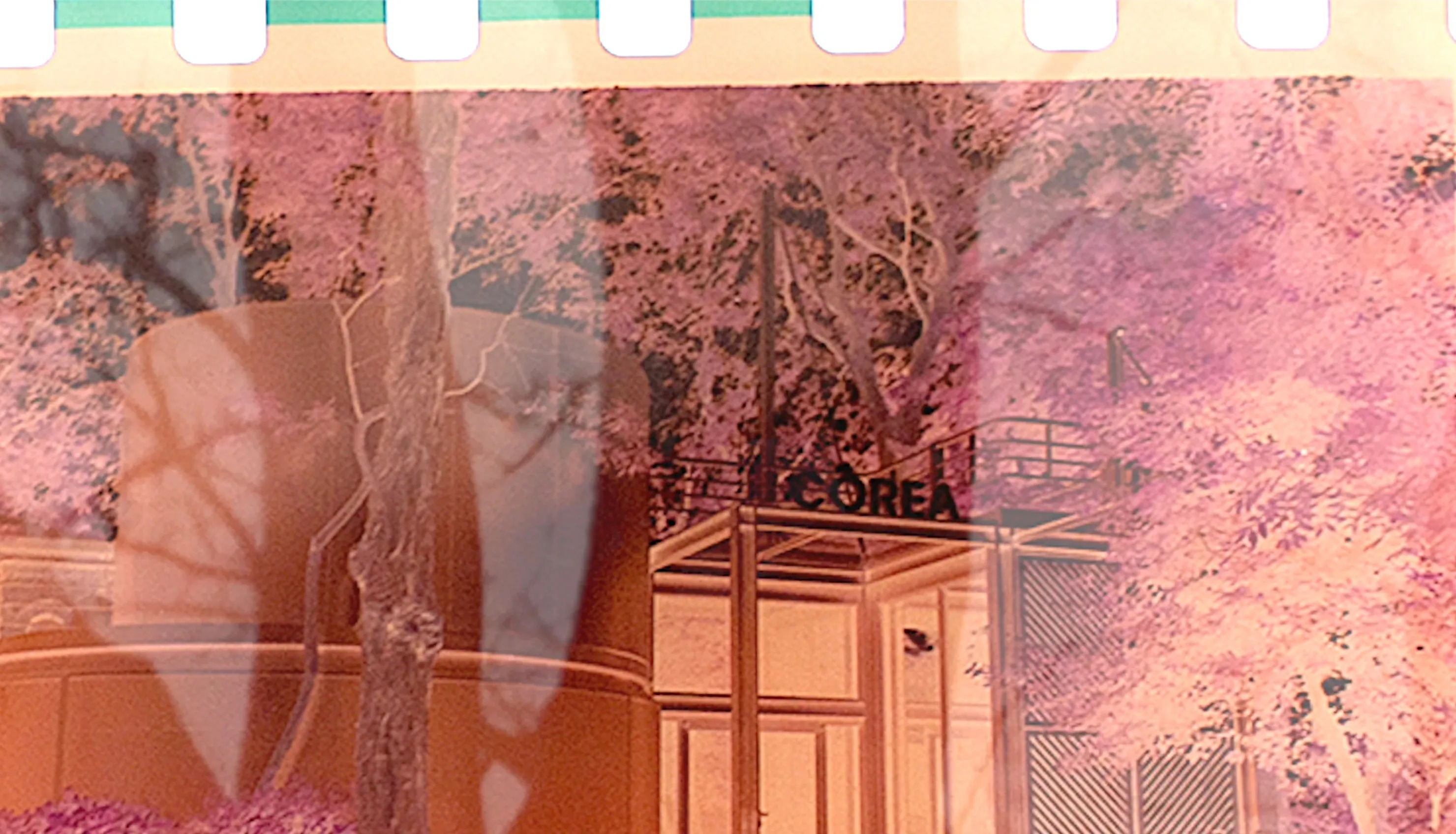
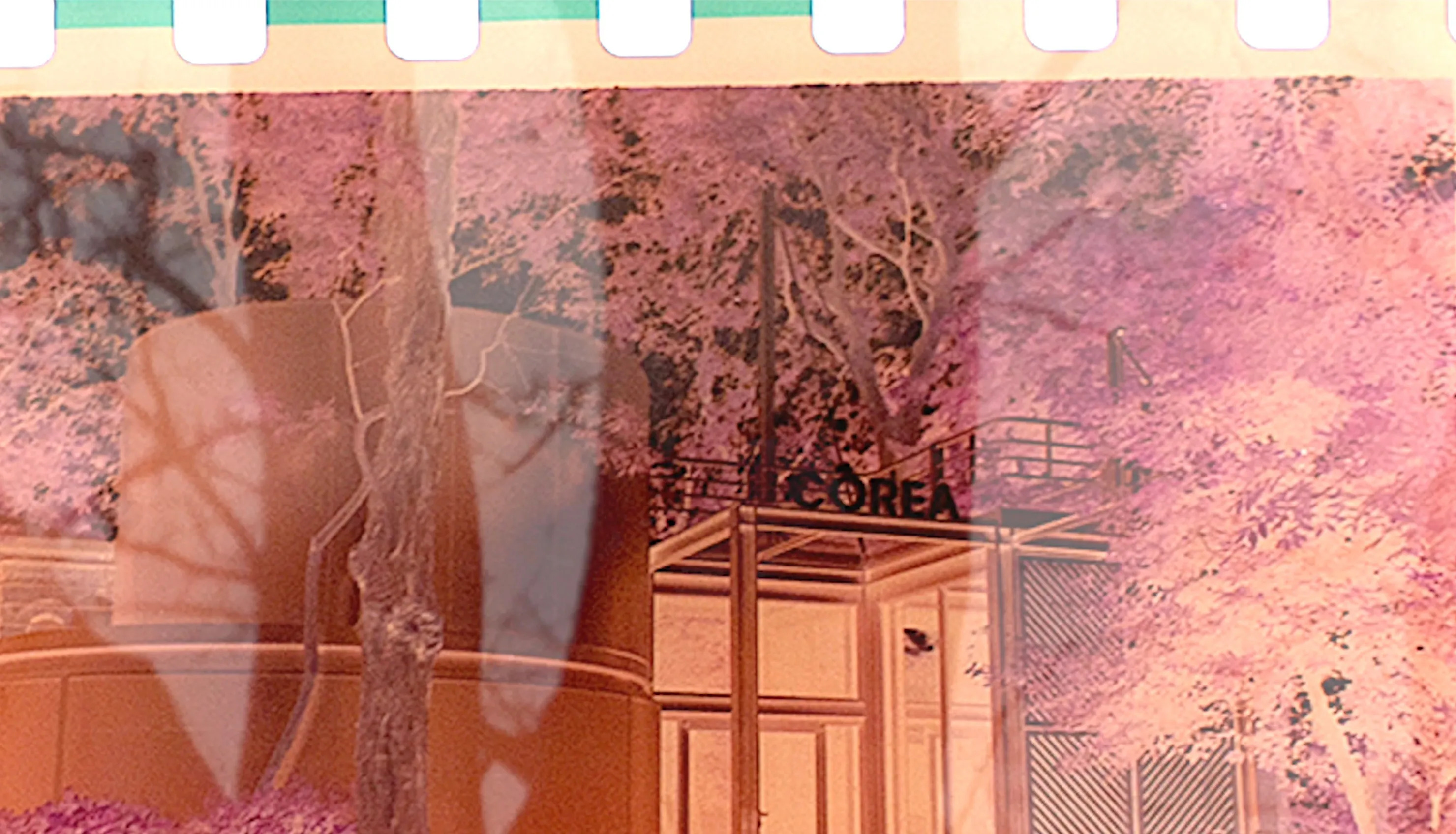
collections toward institutional and collective memory. Waiting and
Breathing(2024), presented in the special exhibition 《Every Island Is a Mountain》(Palazzo Malta,
Venice, 2024), commemorating the 30th anniversary of the Korean Pavilion at the
Venice Biennale, was produced as a video reconsidering the Pavilion’s
three-decade archive and collective memory.
Alongside his participation in
exhibitions that reconsider the boundary between cinema and contemporary art,
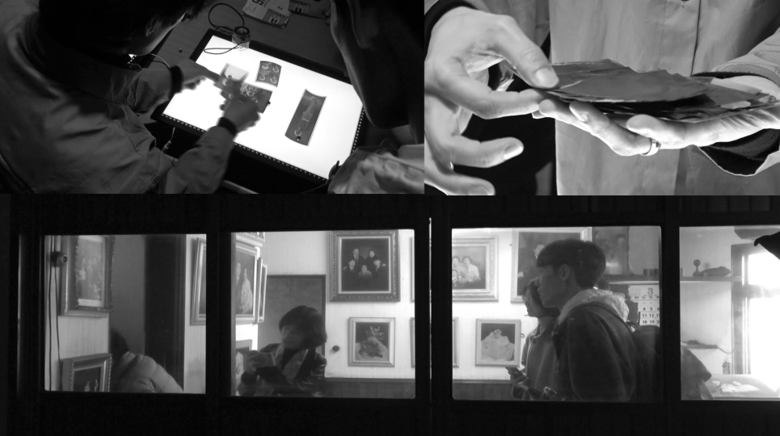
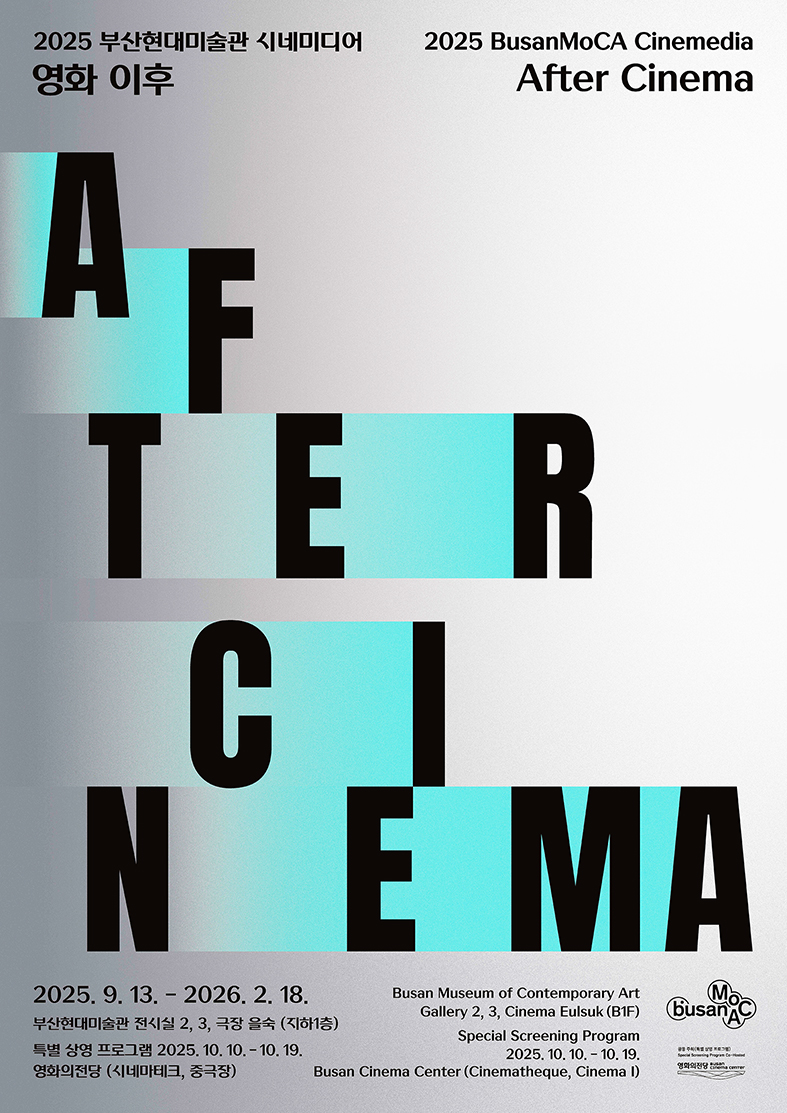
such as 《2025 BusanMoCA Cinemedia_ After Cinema》(Busan Museum of Contemporary Art, 2025), projects including 《Negative, Shadow, Curtain》(Artspace
Donquixote, 2025), which researches approximately 15,000 photographic negatives
produced by Jeil Photo Studio between 1970 and 1992, extend his attention
toward discarded images and traces of institutions amid technological change.
Archiving that began with personally collected footage has thus broadened
toward examining the lives of images accumulated within film history, museums,
photographic studios, and exhibition systems.
This
movement also helps explain why PAIK’s practice cannot be situated exclusively
within either the cinema or the museum. From the beginning, his work has moved
between film and art, theory and production, body and technology, continually
tracing what remains as an image and what disappears under different
conditions.
In an environment where technologies and formats are rapidly
replaced, his practice of collecting over long periods, waiting, and looking
again retains the potential to operate anew across different regions and
historical archives. For PAIK, an image is less a record that preserves an
answer than a question that can be reopened after time has passed. The
continuing development of his work may therefore lie in how, at what distance,
and with what new viewers those questions are exchanged.