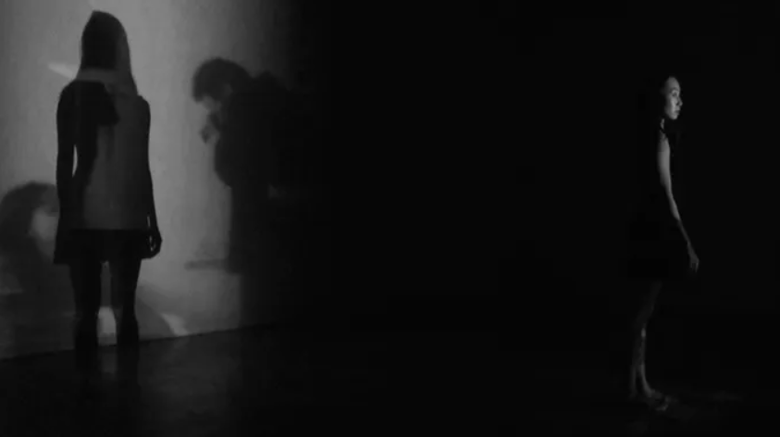
Since directing the 16mm film Hammering Film in 2008, Paik Jongkwan has spent the last 14 years creating a diverse body of video work incorporating experimental film, art, performance, dance, and architecture.
Examples of his broad spectrum of styles include the associations with structural film in Hammering Film; his observational documentary approach in Well, I have already lost patience (2008); the autobiographical essay style of Frequency Resonance (2012) and i-image (2015); and the genre-blending experiments with body movement and spatial issues in Unfold the Theater (2014), Unholy Three (2017) and #cloud (2018).
In this sense, it is difficult to sum up Paik’s body of work in terms of any consistent theme or direction. As I was contemplating how to approach his work for this short text, I recalled a certain conversation with the artist. When asked which of his works to date he thought best represented himself, Paik named Deportees (2018), Cyclical Night (2016), and i-image (2015).1)
At the time, I found this response interesting merely in the sense that it conformed to my expectations. However, I realize later that there are unexpectedly little discussions as to why those works were meaningful to the artist. Accordingly, I’d like to offer my own brief analysis of why the three works are important in the context of Paik’s artistic topography.
i-image is an autobiographical essay work that makes use of all the techniques that exemplify Paik’s early period. It forms a kind of assemblage of Park’s frequent methods in the periods both before and since i-image: found footage, montage, wordplay, text inserts, and mixtures of images from different sources. Thematically, i-image is a historical documentary about the culture of the late 1990s.
In terms of form, it received a positive response for its use of found footage, an approach that drew some attention in the Korean video works during the 2010s. More important than these external aspects, however, is the way in which i-image incorporates Paik’s fundamental introspection and his existential contemplation of the essence of the image as a creator who observes and perceives images.
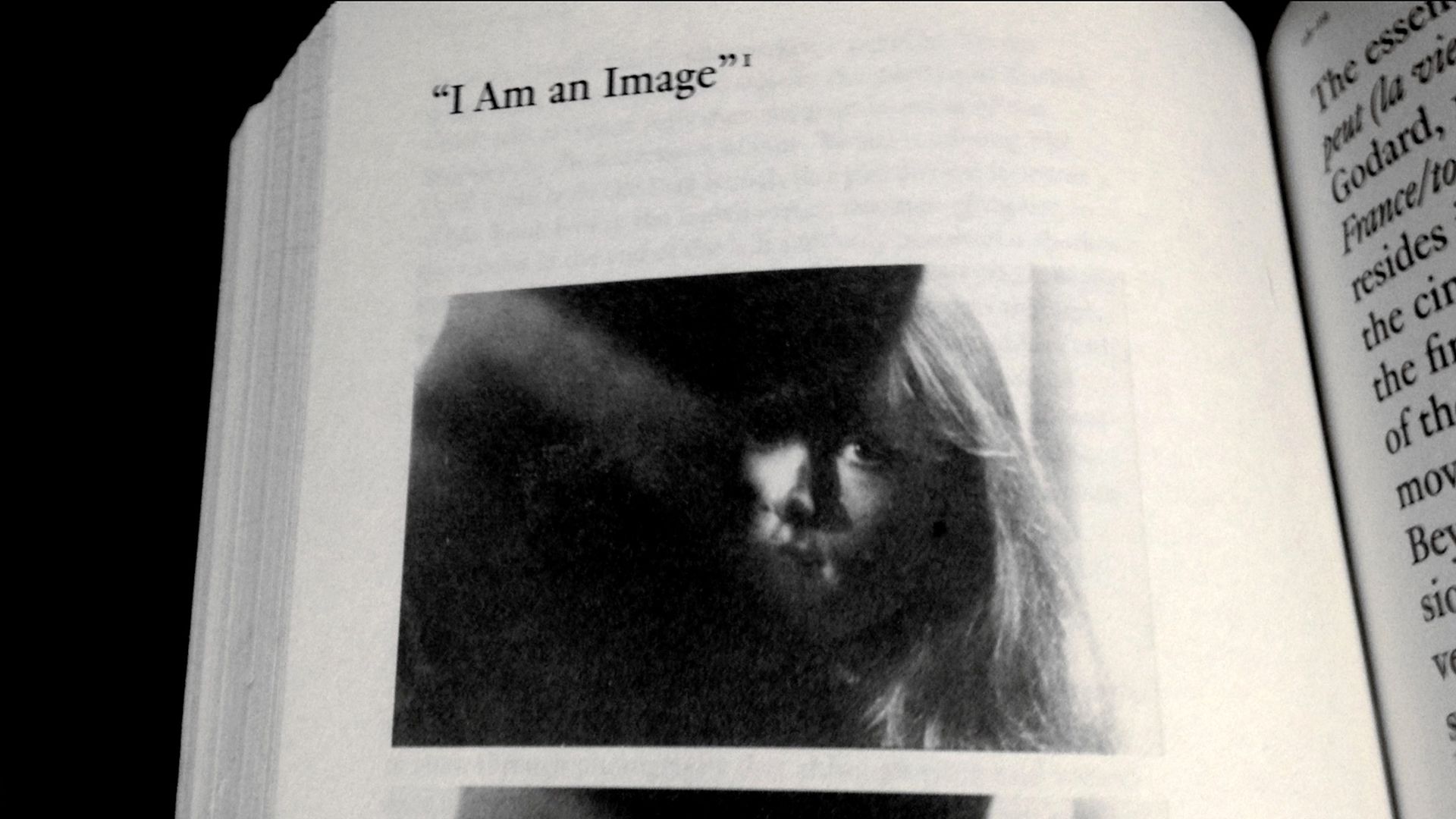
The work’s original Korean title Waisang stems from Youngsang, the name of a friend who appears in the work, and it is allusive in several respects: it could be interpreted as “Y-Sang,” an English rendering of the name, or as “Y-san,” adding the Japanese honorific suffix to the friend’s initial. The English title i-image is similarly ambiguous. It may be seen as stating, “I am the image,” which can be interpreted in multiple ways depending on who “I” is taken to be.
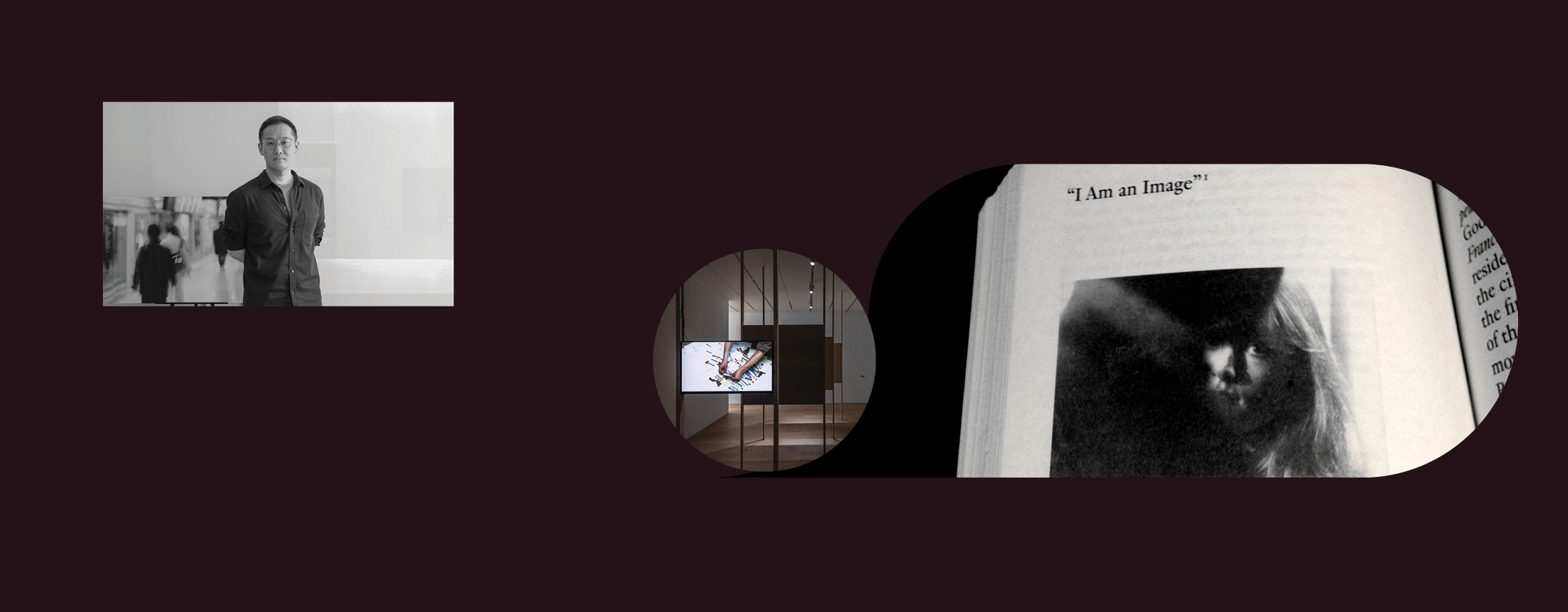
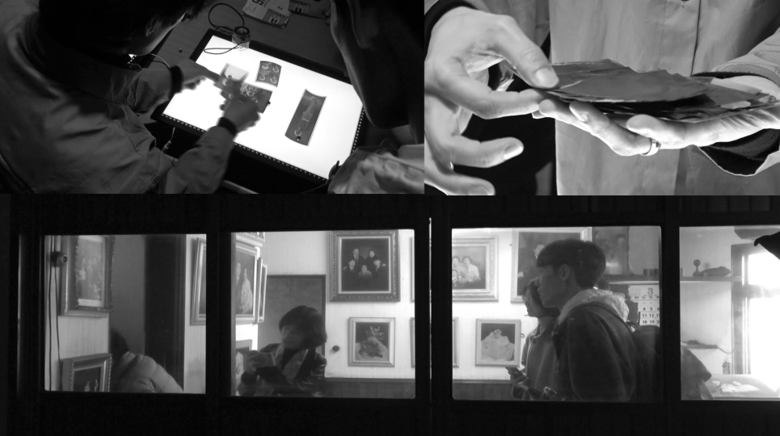
At a surface level, it represents words that Kim Youngsang, a friend of the artist who works in Radiology (Medical Imaging), uses to refer to himself. And at a deeper level, we can also see a self-reflective admission by the artist in which he declares his own identity to be that of the “image.” Here, i-image indicates that the image is what has shaped the artist’s cultural sensibility, and that it is his mission to work with images as he views the world through images.2)
The approach of i-image, with its reflection on the self through memory and its contemplation of the origin of images, has echoes in the self-reflectiveness of Chris Marker. Indeed, Paik has spoken numerous times of Marker as a major influence. Various elements characteristic of Marker’s work—memory, death, history, self-reflectiveness, and an interest in media—can be found imbuing Paik’s body of work in direct and indirect ways.
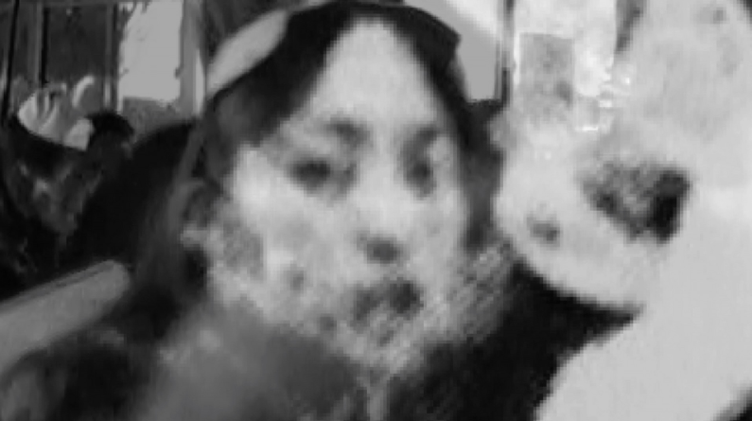
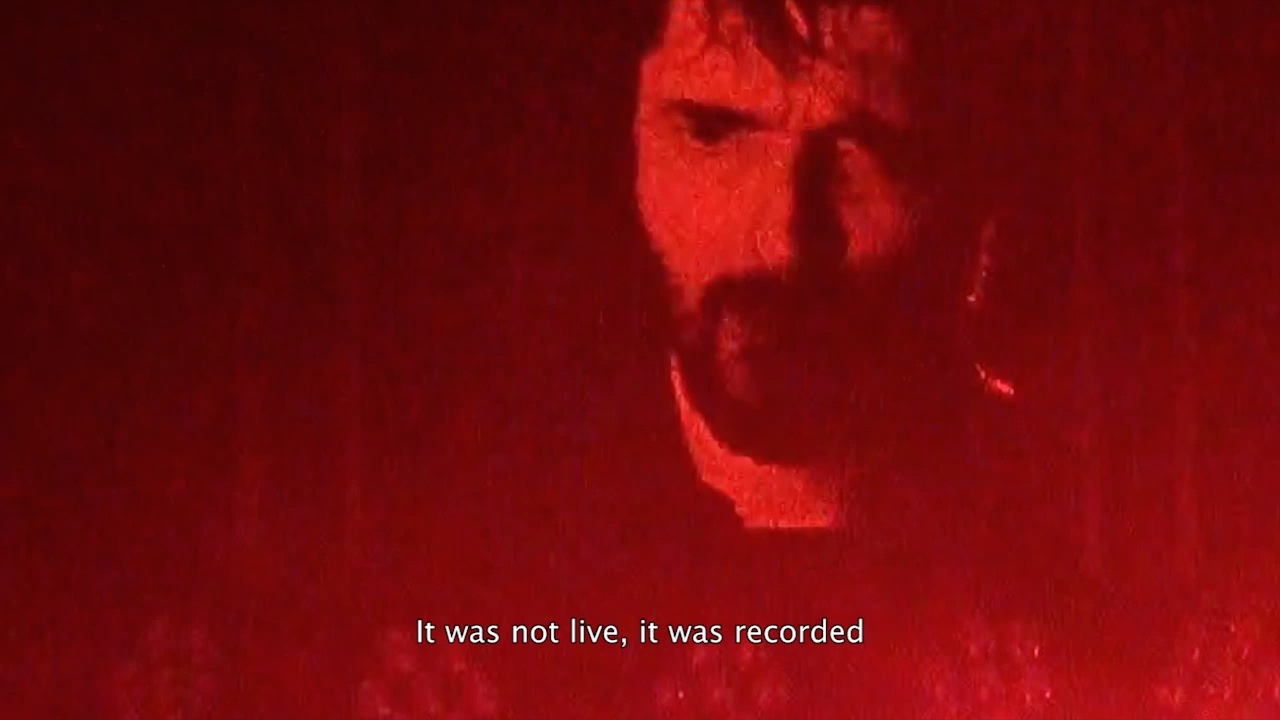
In i-image, the artist uses X-rays to reflect on the photograph as the origin and death of the moving image, but it is with Cyclical Night that he truly tackles issues of photography, memory, and history. Looking at photographs of street demonstrations in Korea between the 1960s and 2010s, Paik sensed a peculiar resonance in the images of faces that happened to be staring directly at the camera.
He proceeded to pick out such images and edit them together. Cyclical Night is an homage to Marker in various ways. In terms of technology, it reinterprets Marker’s Staring Back (2007) in both forward and backward directions. In Staring Back, Marker took still images from his previous video footage and digitally transformed them into static images; Cyclical Night carries on this approach in two ways, succeeding to Marker’s work on the one hand and tweaking it on the other.
In terms of the portions that involved actual filming, Paik adopts Marker’s method of extracting and processing still images from video footage, but he also applies digital changes to existing static photographs. Both of these approaches have the effect of turning static images into a continuous video work, while Paik also inverts Marker’s methodology of fixing continuous images into static ones.
The discrete gaps between photographs and the digitally transformed blur of images prompt us to consider what we are seeing. The spaces between frames point out that while the video may appear real, it is an artificial illusion, a stitched-together sequence of static images. Meanwhile, the reality of the object is upended by digital manipulation, which thus weakens the indexicality of the optical photograph.
All of these properties converge in the end upon a phantasmal logic: the artist is fascinated by a kind of impossibility in which things exist yet do not exist and we can see yet are blind. A major thesis that Paik carries on from Marker is the duality of the image andhistory—the inability to know whether something that “existed” is the truth, or the fact that though one is observing something, one cannot be certain that the viewing subject is one’s self.
Here, it is the gaze that sets in motion the inseparability of truth and fiction. Where i-image actually created cyclical time by using images to juxtapose past and present time frames, Cyclical Night has the director/camera/viewer returning the gaze of unknown figures, resulting in an “exchange” of time between them.
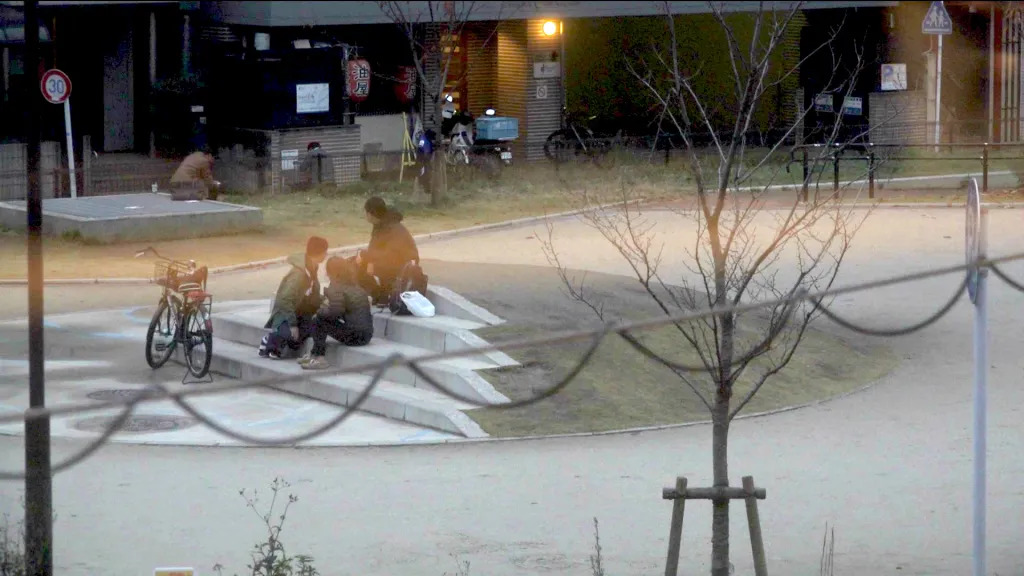
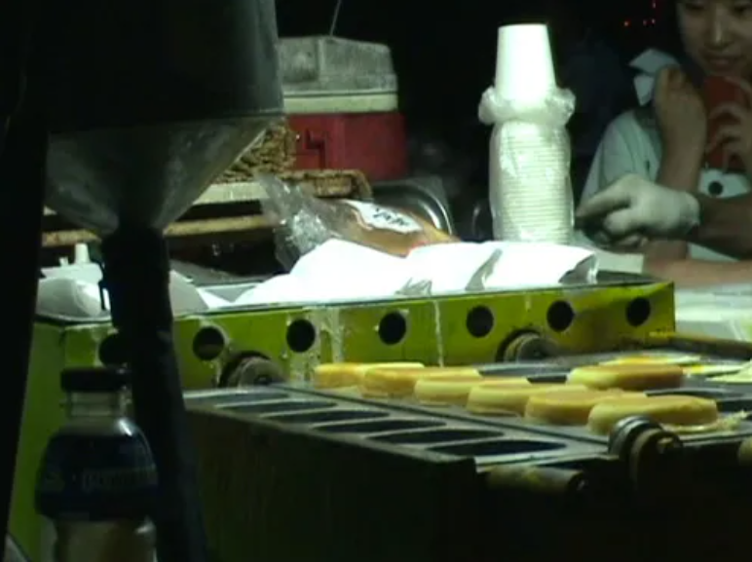
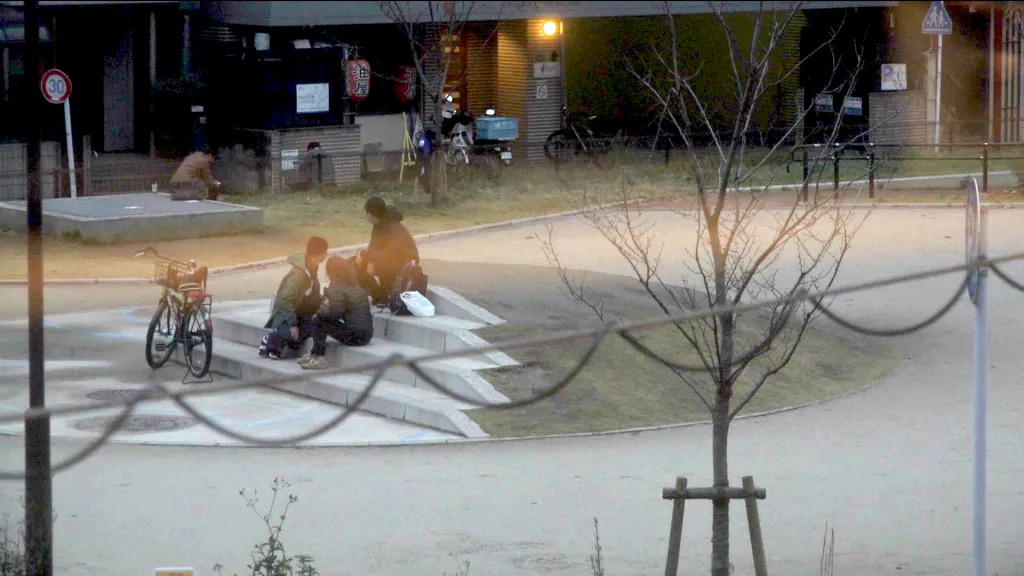
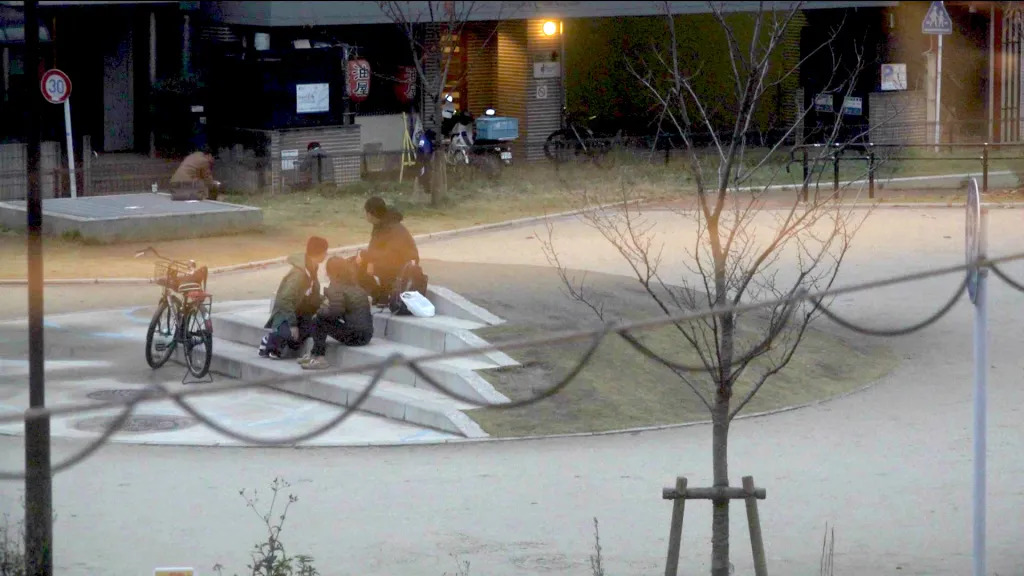
Another variation on this dialectic of viewing can be found in Deportees. Showing a 27-minute long take of a park in Fukuoka at sunset, this work evokes the origins of cinema through a different approach from the still photograph-based i-image and Cyclical Night. Much like Employees Leaving the Lumière Factory, a 1895 work by the Lumière brothers in which a fixed camera shows departing workers in a single take, Deportees uses no staging, camera movements, or editing.
The only things present are the camera’s open shutter, light and the objects that happen to be in the frame. The gaze here appears one-sided: the observing subject is the camera, which corresponds to the viewer’s gaze. Yet the power relation is turned on its head the moment that the object of the gaze—a figure—notices the camera and approaches it. At this point, the truth emerges: we think we are watching, but we are also being seen.
The discrepancy between the image (outside the café) and the sound (inside the café) reveals that the camera is by no means a transparent window onto the world. The same is true for the act of seeing. Due to the absence of editing, we may surmise that the figure is still present in the film’s setting, but as darkness falls and the light disappears, the object can no longer be seen.
The incompleteness of perception, where reality and image do not coincide, explains Deportees subtitle “a history of perception.” This setting of hybridity—blurring the boundaries between inside and outside the screen, observer and observed, reality and fiction—underscores how truthful representation is impossible and perception, history, and memory are all constantly being reconstructed.
Although they each use different forms, i-image, Cyclical Night, and Deportees all incorporate reflection on the origins of the image and the essence of seeing: “As we bring the camera closer to the faces of the world, we get the sense that we are taking part in the life and death of those faces as realities. But that is a falsehood. If we are taking part in anything, it has only to do with the life and death of them as images.”3)
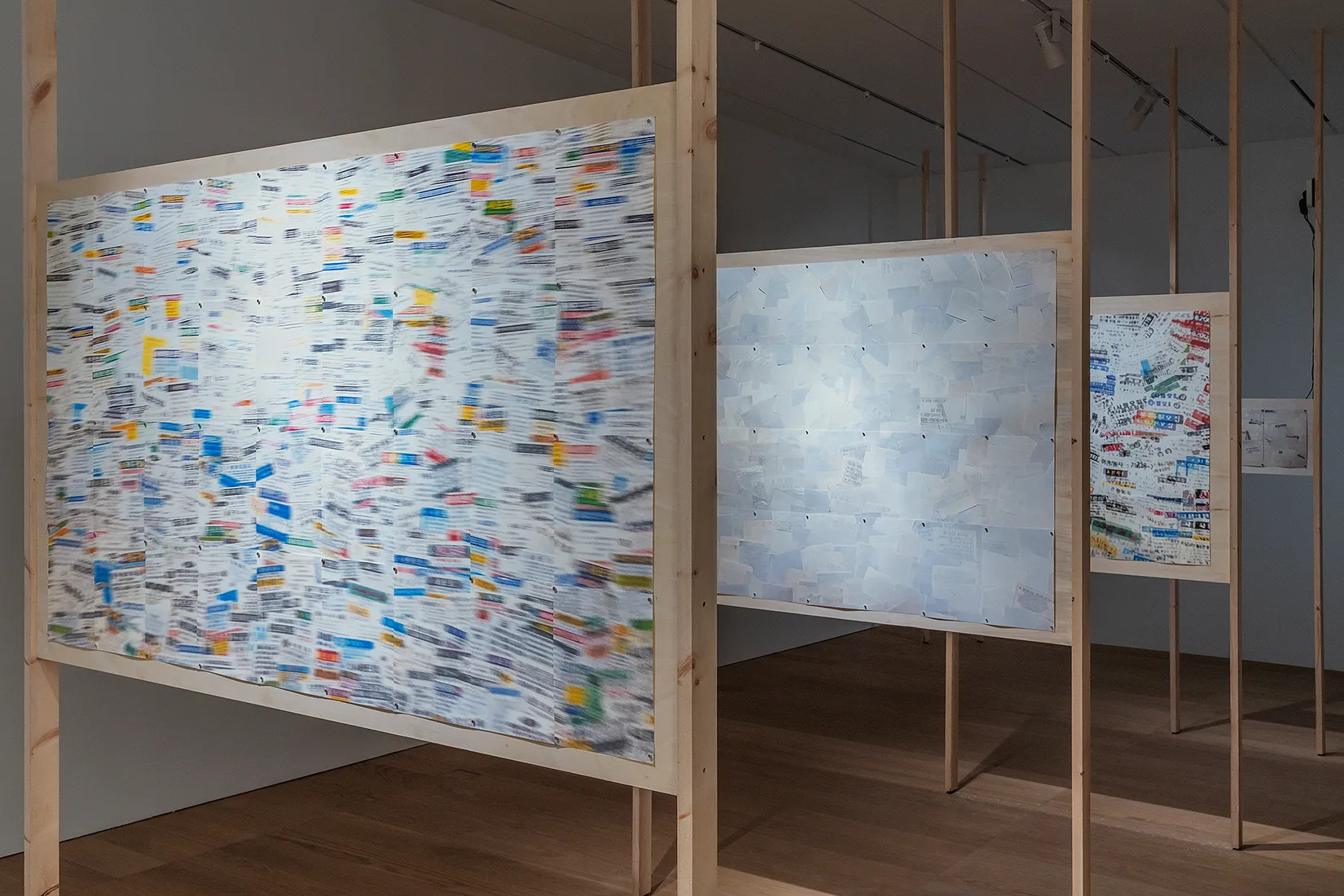
The matters of the materiality of the scene, the layering of screens, and the two-dimensionality of representation with which Paik experimented in his solo exhibition 《Fly on the Eye》 (2019) are another exploration of the necessarily fictitious nature of the image. In this respect, the assertion that Paik’s explorations are based in film yet not bound to it begins to make sense entirely.
What the artist is ultimately looking at is not a matter of cinema, but the long journey of the image, representation, and seeing. What does the fly see, where, and how? All of Paik’s works converge upon and radiate out of this question. How will he answer it going forward? We can only look forward to seeing.
1) Paik Jongkwan, interview by Hye Jin Mun, August 5, 2021, 15:00–18:00.
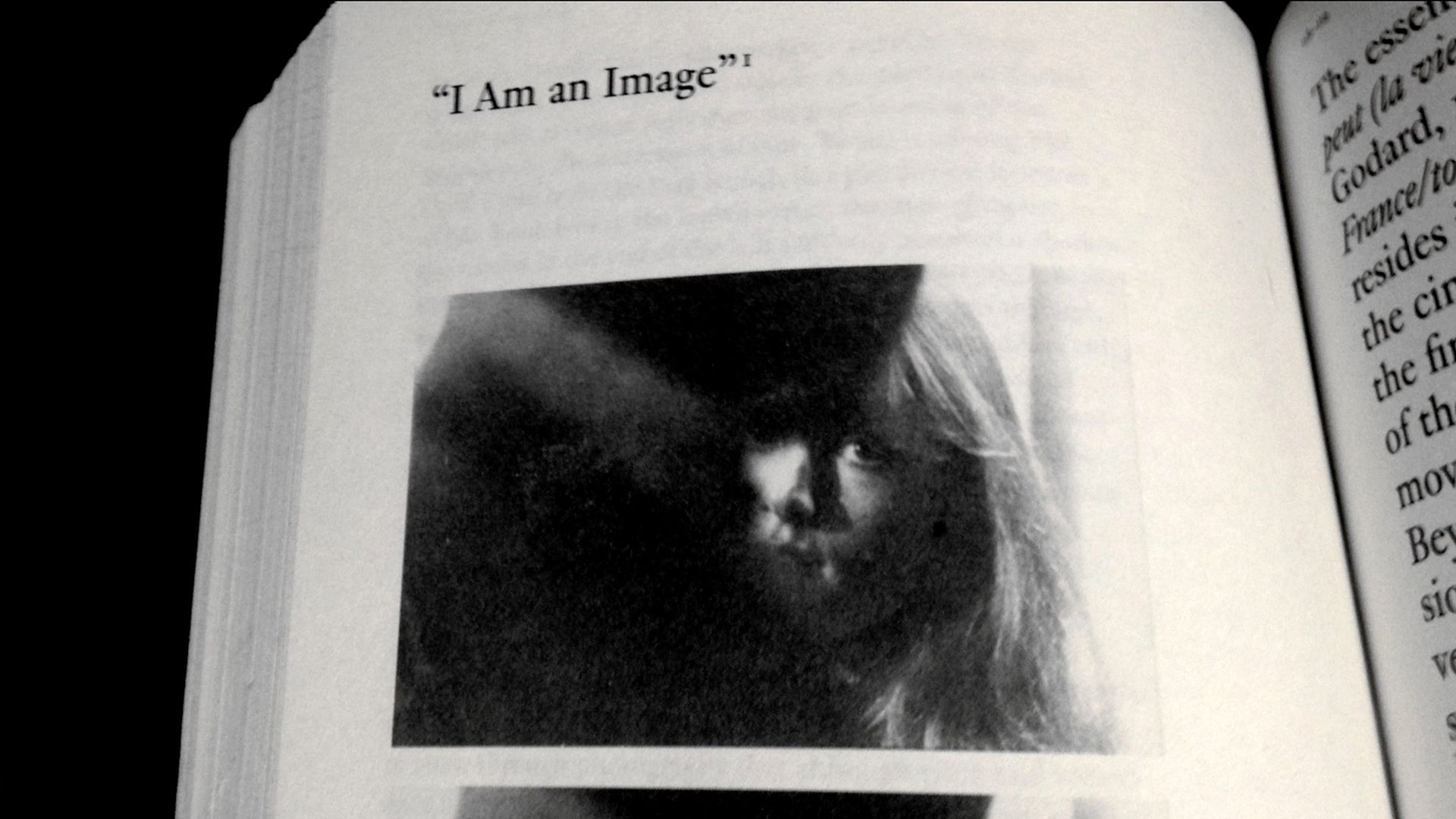
2) A similar phrase can be found in Raymond Bellour’s book L’Entre-images (1990), where he writes, “I Am an Image.”
3) This quote is taken from the narration in Chris Marker’s Si j’avais quatre dromadaires (If I Had Four Camels). Paik Jongkwan, “The Image as Reflection on Memory and History: A Study of Chris Marker’s Digital Photography,” master’s thesis, Yonsei University Graduate School of Communication & Arts, 2016, 21.