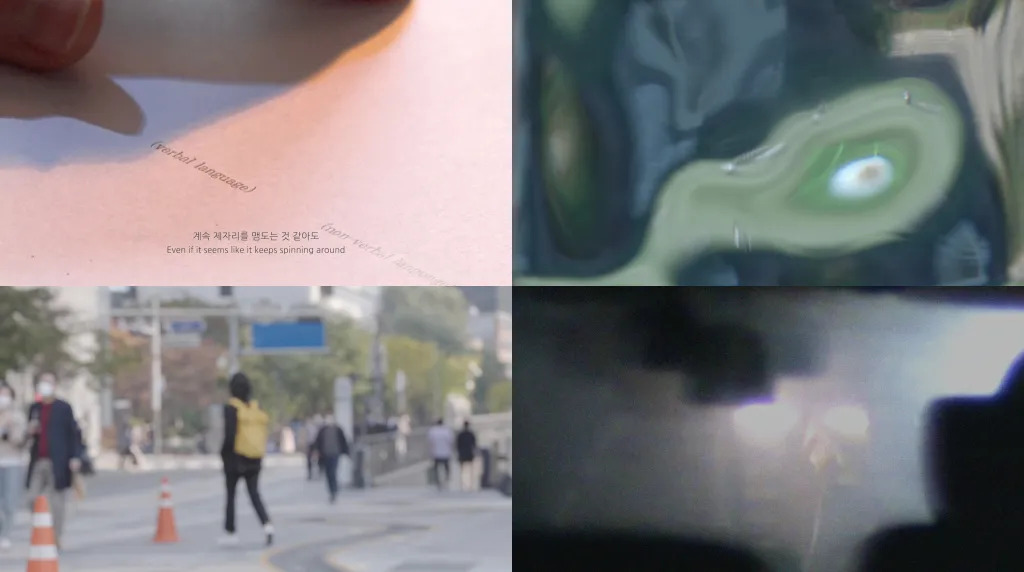
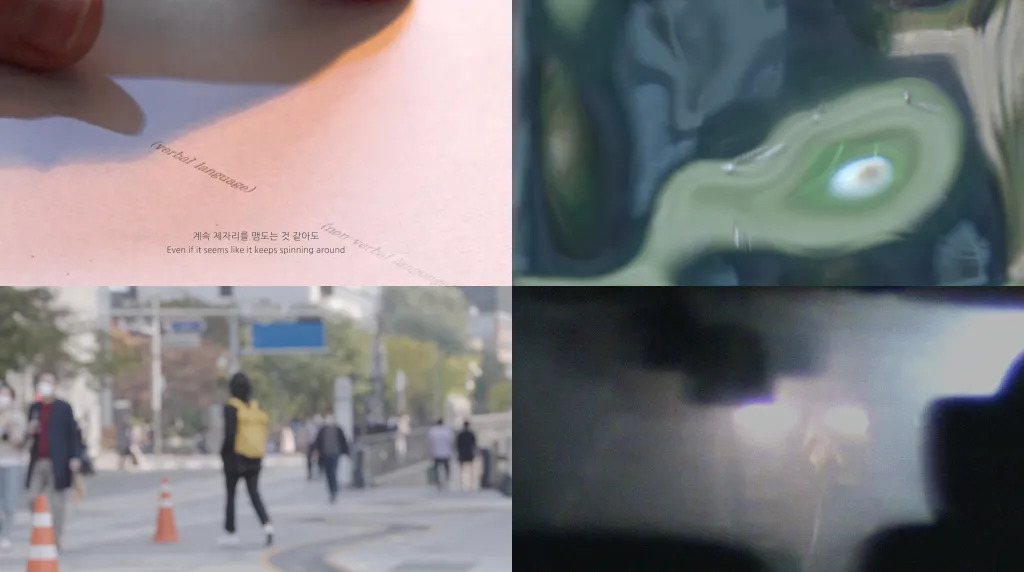
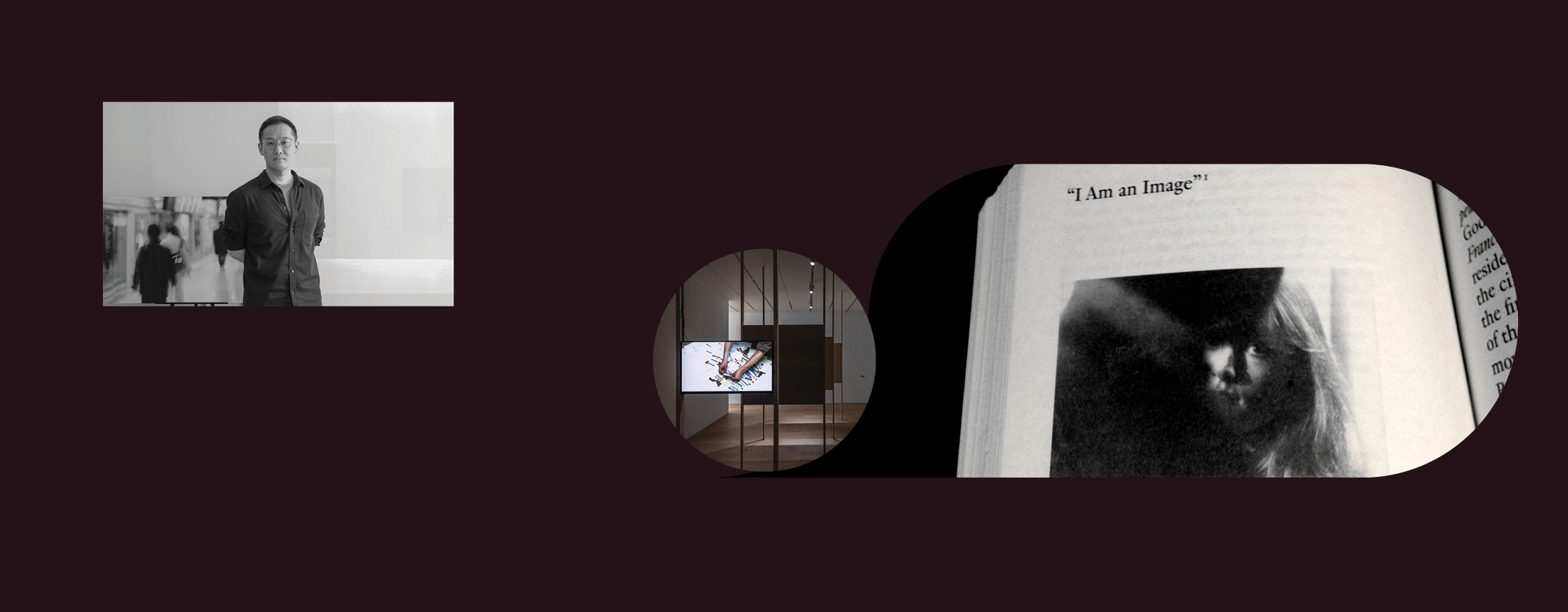
PAIK Jongkwan (b. 1982) has explored whether variations of his archival practices can appropriate specific social contexts by approaching everyday events from an unconventional perspective and collecting images and sounds.
 
Primarily working with found footage, he develops works that reflect on the history and fate of audiovisual media and devices themselves, while also questioning aesthetic and political boundaries.


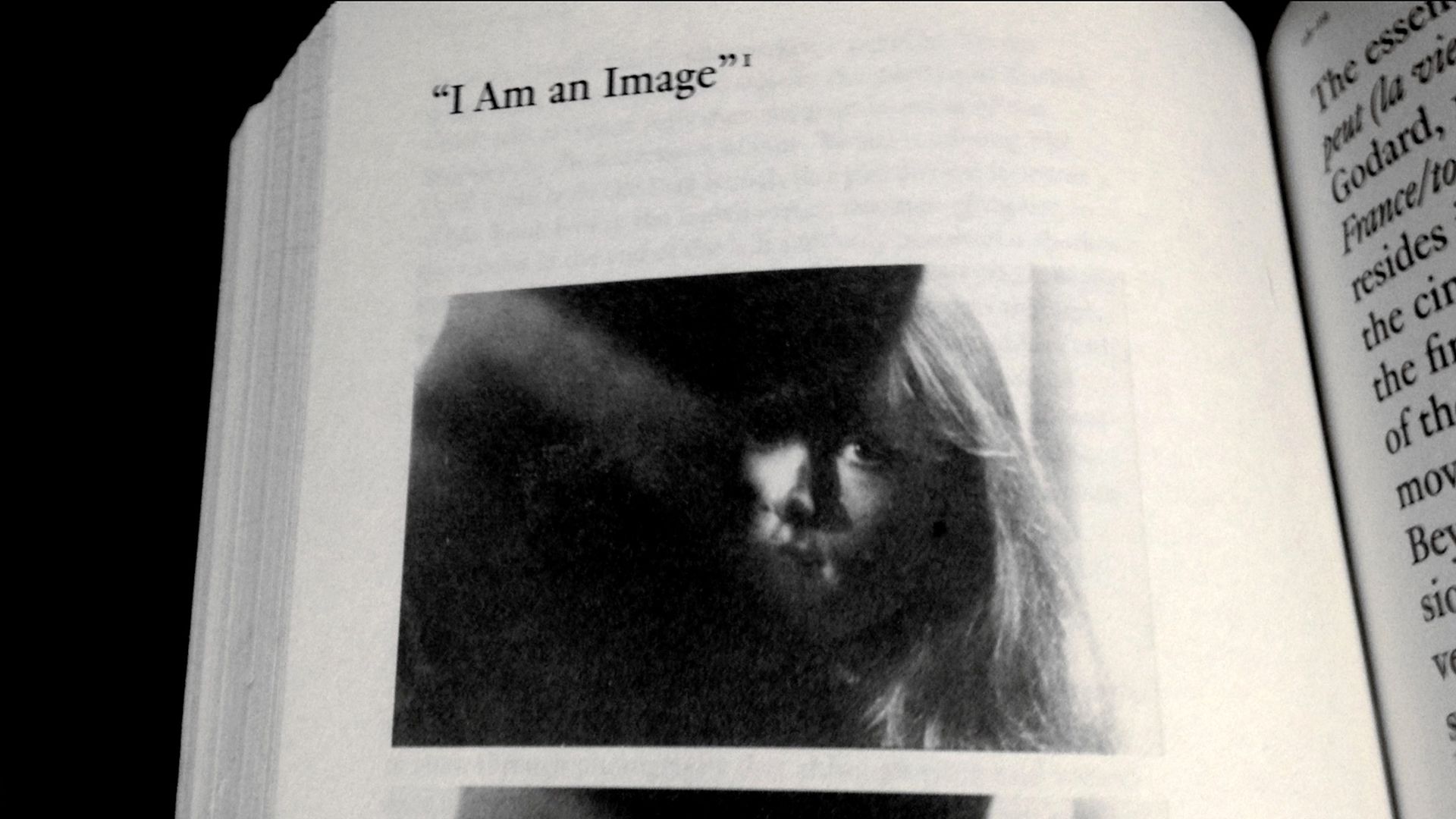
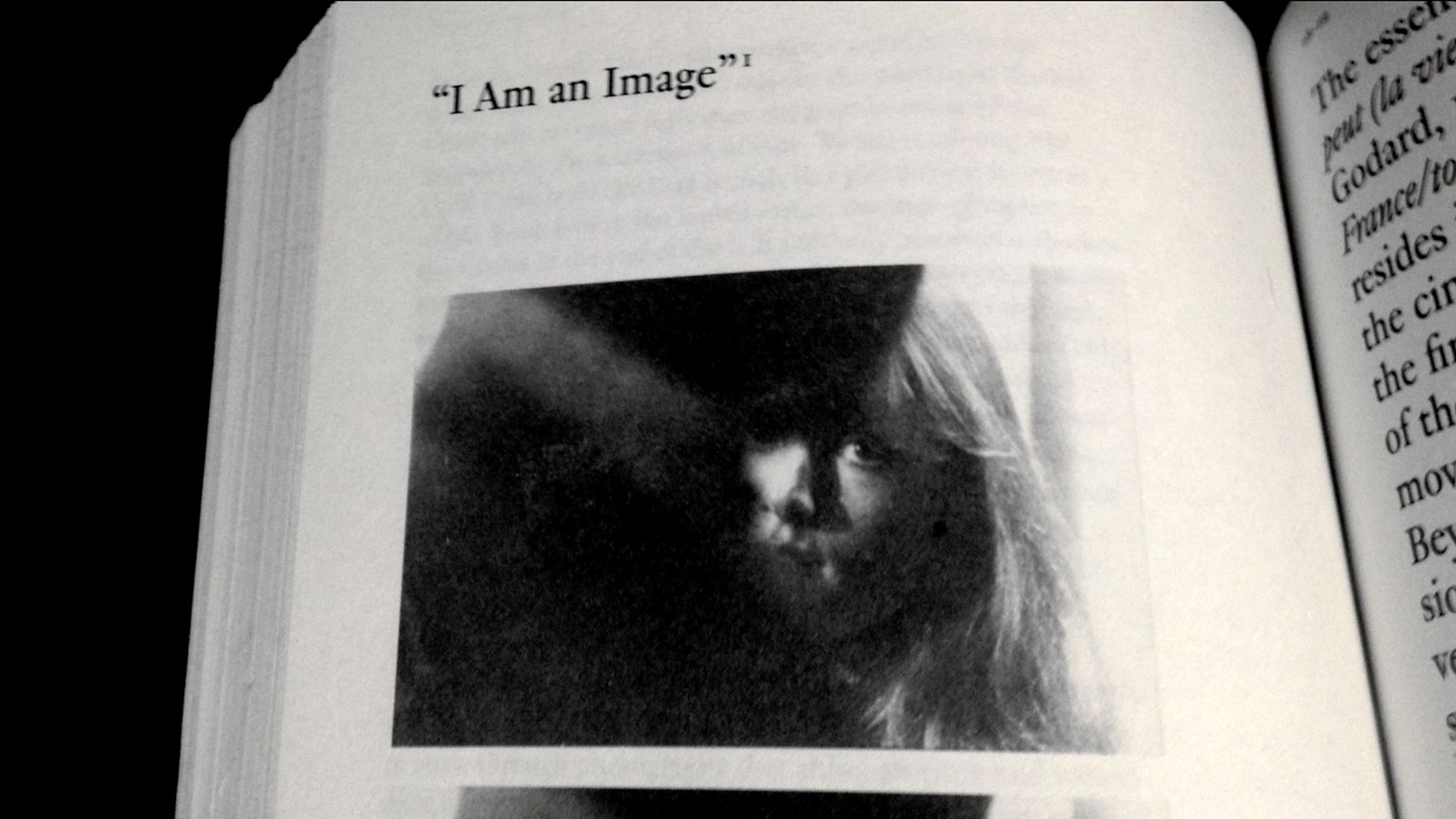
PAIK Jongkwan, i – image, 2015, Single-channel projection installation, 14min. © PAIK Jongkwan

PAIK Jongkwan began making films with 16mm film and camcorders. By repeatedly collecting images and sounds encountered across different aspects of everyday life and recontextualizing these records and memories, he has developed a practice that reflects on the structures that govern our lives while simultaneously examining the visual medium itself.
 
For example, his first solo exhibition, 《Superliminal》 (Post Territory Ujeongguk, 2016), reflects on how images are accumulated, stored, and treated as information to be analyzed today. The exhibition takes the concept of “Superliminal” as a point of departure, capturing and transforming fleeting “moments” that have already passed.
 
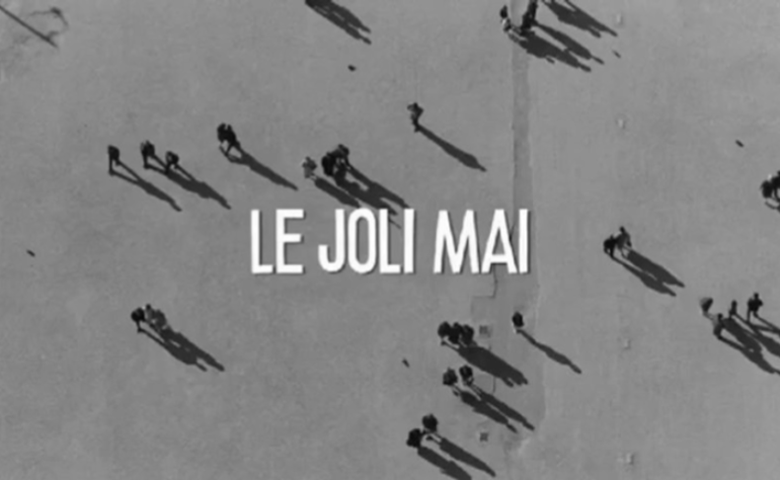
The concept of “Superliminal” was proposed as a means of resisting forgetting and retrieving frames that had been missed by turning back the flow of images. Chris Marker, who captured individual frames from films he had previously completed and transformed them into “photographs,” referred to these photographs as “Superliminal” images.


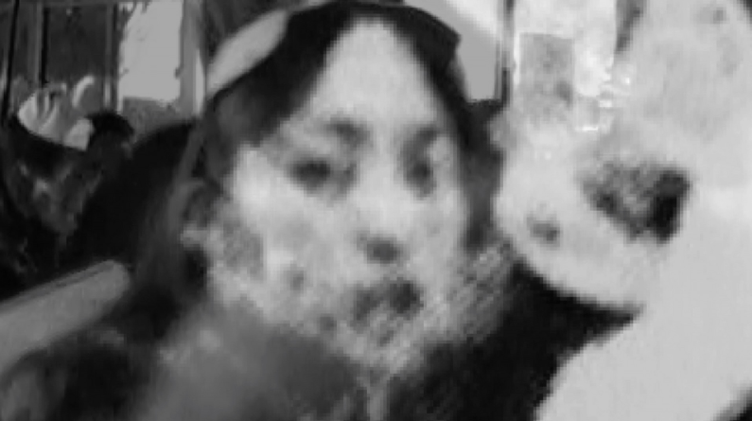
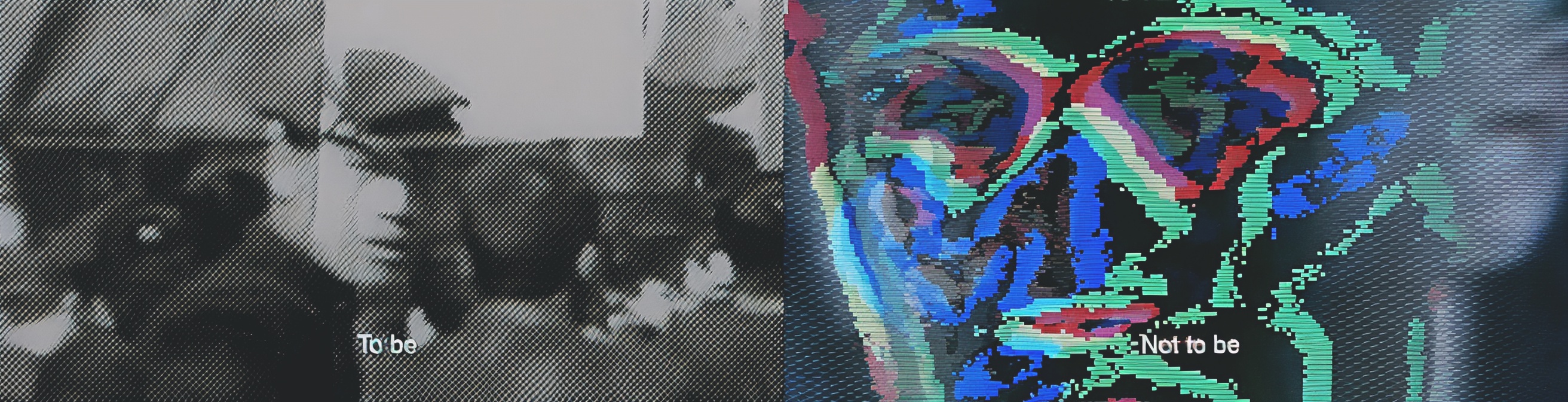
PAIK Jongkwan, Anticipation of the Night, 2016, 2-channel projection installation, 17min. © PAIK Jongkwan

The figures in the works presented in 《Superliminal》 return from the past to the present and gaze back at the viewer. At the same time, the “device” that has brought them back to appear “again, now” gradually reveals its identity in faint outlines.
 
For example, Anticipation of the Night (2016) confronts the gazes of the subjects within the image through close-ups, while drawing attention to the grain of film and the scanning lines of video, ultimately directing our attention toward what remains unseen.
 
This extends into an effort to remember and summon moments and beings that existed, were recorded, forgotten, flickered, and disappeared between channels, frames, and different moments in time.
 
Just as found footage is used to capture the present image, the moving image continually summons, like ghosts, Dante, Sebald, Derrida, Stiegler, and Marker, whose works have engaged with distorted relations between time and light.


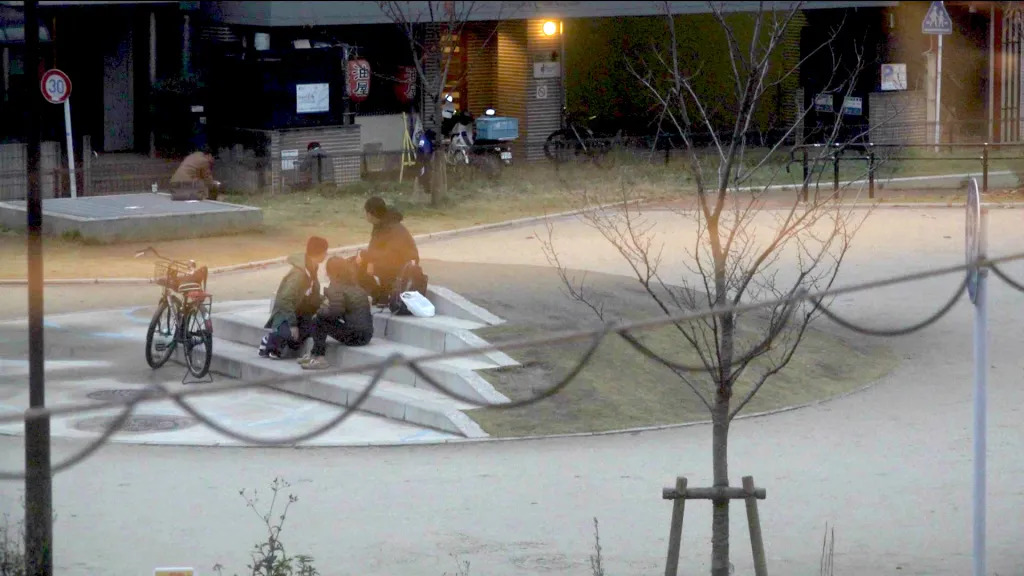
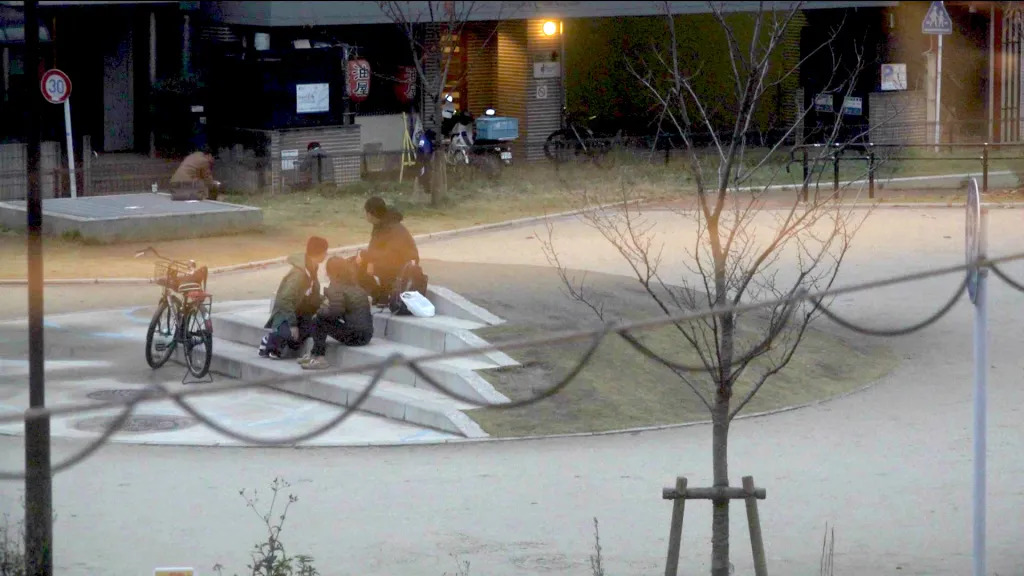
PAIK Jongkwan, Deportees, 2018, Single-channel projection installation, 27min. © PAIK Jongkwan

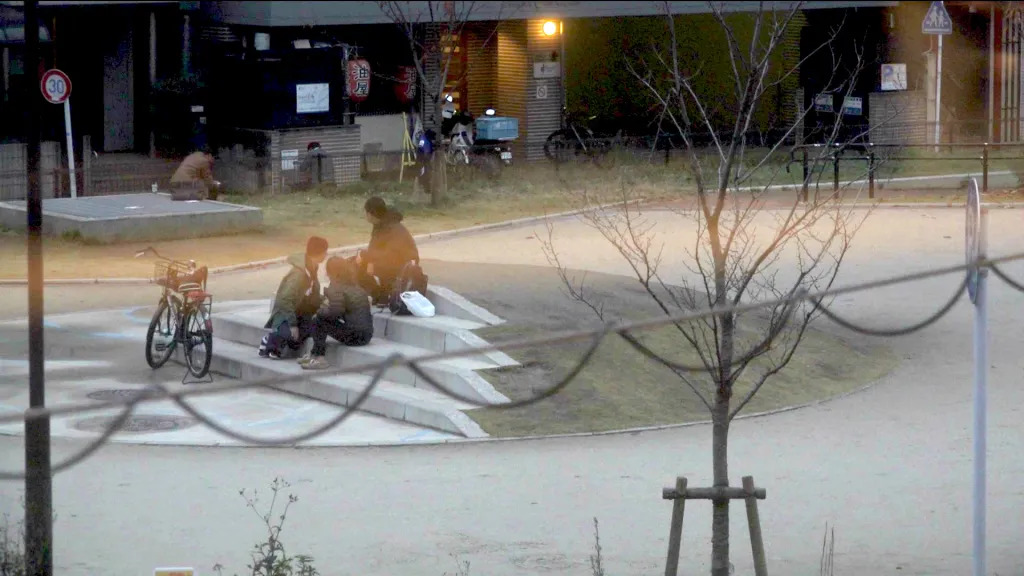
Meanwhile, the video Deportees (2018) stems from an intriguing experience of “time” that the artist happened to encounter while staying in Fukuoka, Japan, in 2017. By chance, he entered a book café and witnessed the small park visible through the window being suddenly engulfed in darkness.
 
He recalls that everything he saw appeared radically different depending on whether it was bright or dark outside the window. The sensation of this transformation taking place “in an instant” made the moment feel all the more unfamiliar and compelling.


PAIK Jongkwan, Deportees, 2018, Single-channel projection installation, 27min. © PAIK Jongkwan

The artist subsequently returned to the same window seat at the book café on five occasions over the course of ten days, filming at sunset while testing various angles. Within a single fixed frame, he captured a situation in which the passage of time alone triggers multiple layers of narrative.
 
The resulting video, Deportees, is a 27-minute, single-scene, single-take work. As the sun sets and the view outside the window gradually falls into darkness, the work captures the things that are “deported” from view as well as those that emerge as newly perceptible, raising questions about the act of seeing, its position and subject, and the perspectives through which perception takes place.


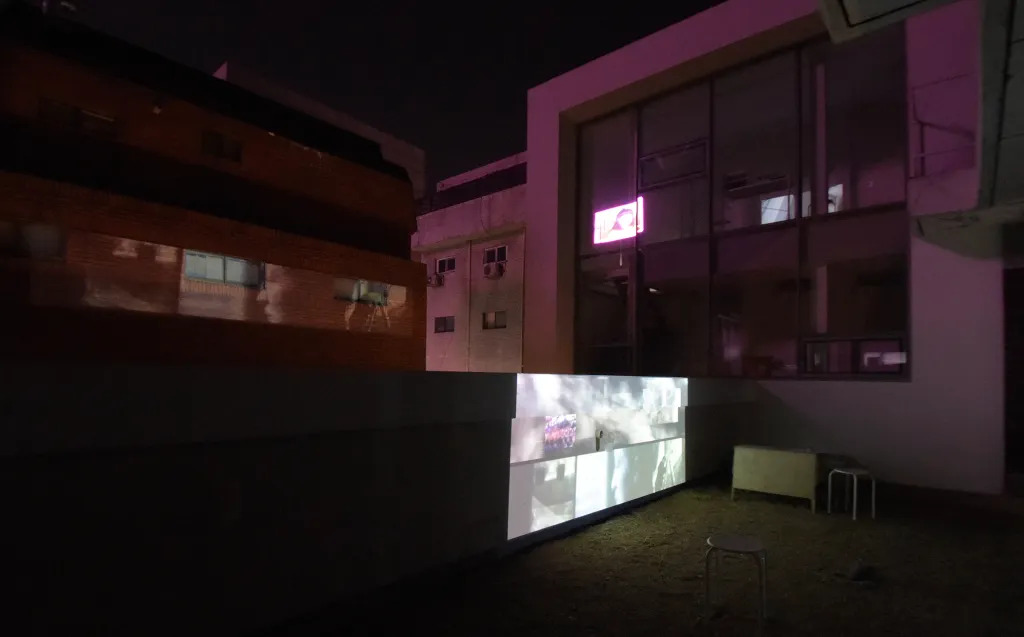
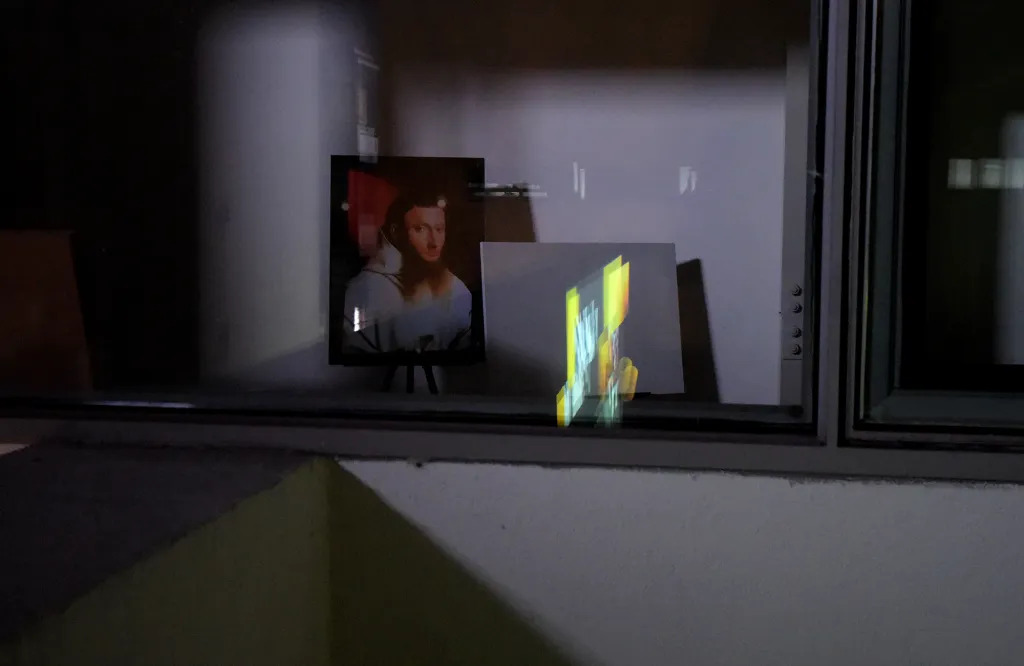
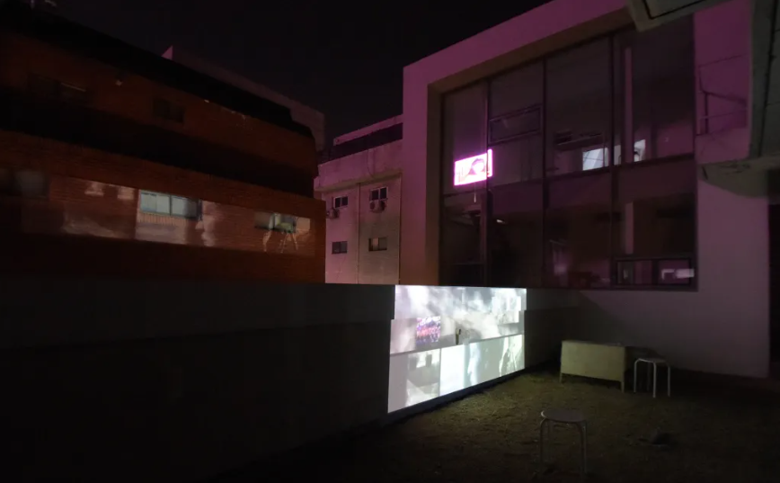
Installation view of 《Fly on the Eye》 (Onsu Gong-gan, 2019) © PAIK Jongkwan

Furthermore, in his 2019 solo exhibition 《Fly on the Eye》 at Onsu Gong-gan, PAIK Jongkwan takes the “fly”—a key subject that inspired the concept of Unique Biological Optical Systems—as a point of departure for a more experimental exploration of images, representation, and the act of seeing.
 
As in the anecdote of Cimabue mistaking a fly painted by the young Giotto for a real insect, the fly in medieval European painting served as “a symbol of a new control over mimetic means of representation.” Within this art-historical context, the fly becomes a subject through which to consider the boundary between image and reality, as well as a clue to the development of representational techniques.
 
Meanwhile, cameras and screens now surround us in everyday life, and we live in constant circulation with images, producing and viewing them incessantly. While this environment appears to show us reality as it is, it simultaneously requires us to continually select and determine what to see and how to see it.


Installation view of 《Fly on the Eye》 (Onsu Gong-gan, 2019) © PAIK Jongkwan

Through this visual environment, reminiscent of the compound-eye structure of a fly, the artist examines the new possibilities and anxieties generated by the proliferation of screens and interfaces.
 
In 《Fly on the Eye》, the fly appears both as a small image placed on the screen and as a material presence that intervenes in the physical space. Just as the fly in earlier paintings revealed the artificiality of the image and evoked the boundary between reality and representation, the fly in the work prompts us to reconsider the relationships between image and reality, and between the viewer and the screen.
 
The fly also evokes a sense of death and disappearance as a symbol of *memento mori*. This emerges through the experience of encountering both the image of a fly on the screen and a real fly flying around the projector.
 
At the same time, in the expression “FLY-ON-THE-WALL DOCUMENTARY,” which refers to an observational documentary mode, the fly is presented both as an object of observation and as a being that observes. Through this dual position, the work asks who is looking at what, and from what position we observe the world around us.


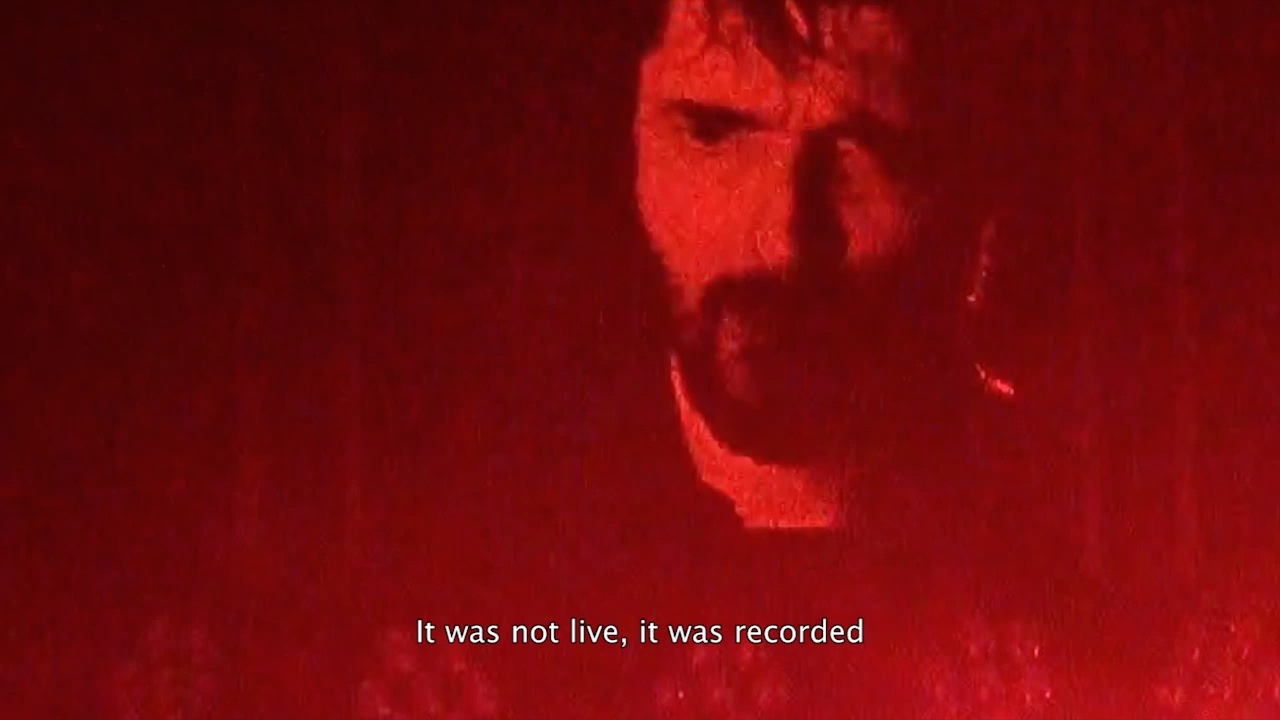
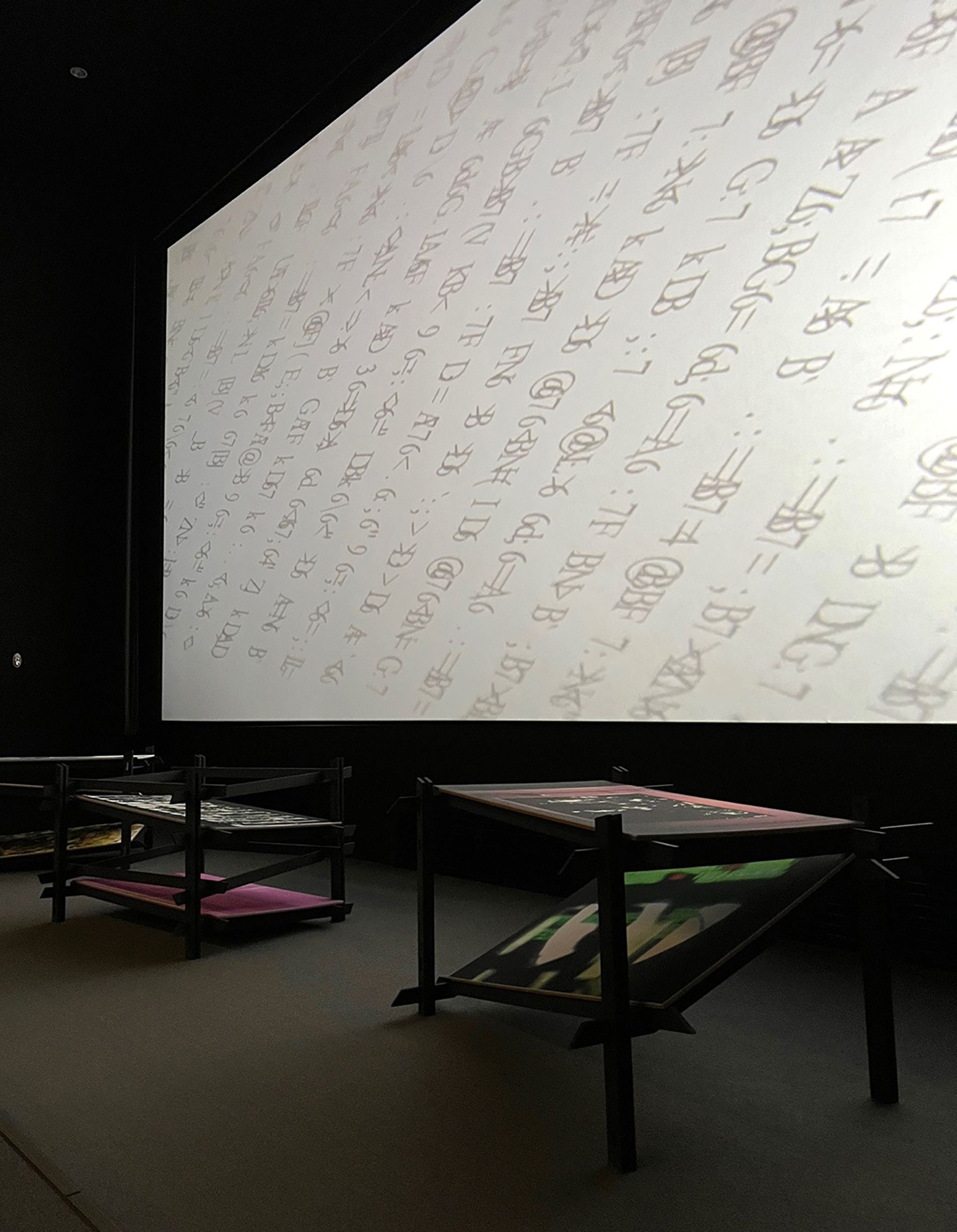
PAIK Jongkwan, Before a Sepulcher Laughs, 2021, Single-channel projection, image-panel installation, 60min. © MMCA

PAIK Jongkwan’s reflections on the relationship between images, representation, and the act of seeing extend in Before a Sepulcher Laughs (2021) into an examination of the various relationships formed within the space of the theater.
 
Multiple relationships are formed simultaneously in a theater: between the audience and the screen, and between the audience and the black box, among others. Even when watching the same film, each viewer may experience and receive it differently.
 
A viewer may keep their gaze fixed on the screen, but at times may direct their attention toward other parts of the theater or recall scenes that have already passed and memories of their own instead of focusing on what is currently displayed on the screen.


PAIK Jongkwan, Before a Sepulcher Laughs, 2021, Single-channel projection, image-panel installation, 60min. © PAIK Jongkwan

Focusing on these varied gazes and conditions of viewing, PAIK Jongkwan invites viewers through Before a Sepulcher Laughs to sense how a single film can be dismantled and reconfigured in different ways depending on the viewer.
 
In this sense, Before a Sepulcher Laughs suggests that a film does not exist as a singular, completed work, but can continually change according to the viewer’s gaze, the environment of the theater, and the conditions of viewing.
 
Here, the theater is not simply a place where films are screened. It expands into a site where films are made and shot, a darkroom where images take shape, the interior of a camera, and at times, a space resembling an observation box used by an experimental scientist.
 
Through this expansion, the artist layers different spatial dimensions in which films and images are produced and experienced.


PAIK Jongkwan, HOMO QUASI NOVUS, 2021, Documentary, 62min. © PAIK Jongkwan

Meanwhile, during the COVID-19 pandemic, PAIK Jongkwan began conceiving a project that revisits the temporalities that had been shed away, connecting memories of the past, the categorization of the present, and reflections on the future.
 
Moving between worlds based on entirely different scales, with varying distances and speeds, the artist examines the tools and technological environments through which each world is constituted and reflects on the relationships between humans and nonhuman beings. This process also involves constructing an entirely different temporality.


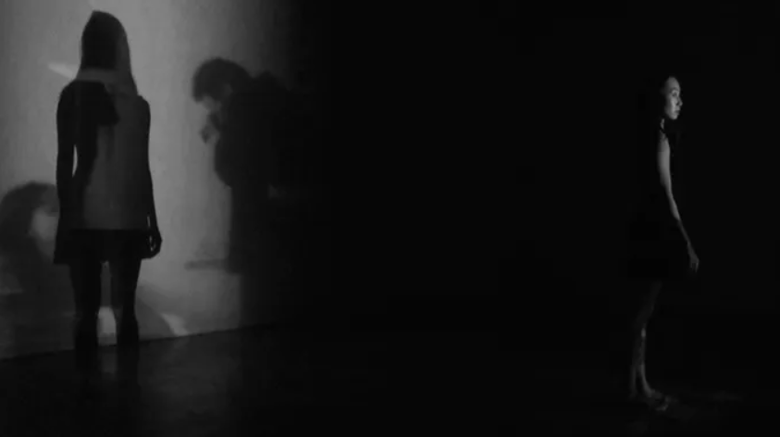
PAIK Jongkwan, They answer our own gaze, 2021, Documentary, 18min 30sec. © PAIK Jongkwan

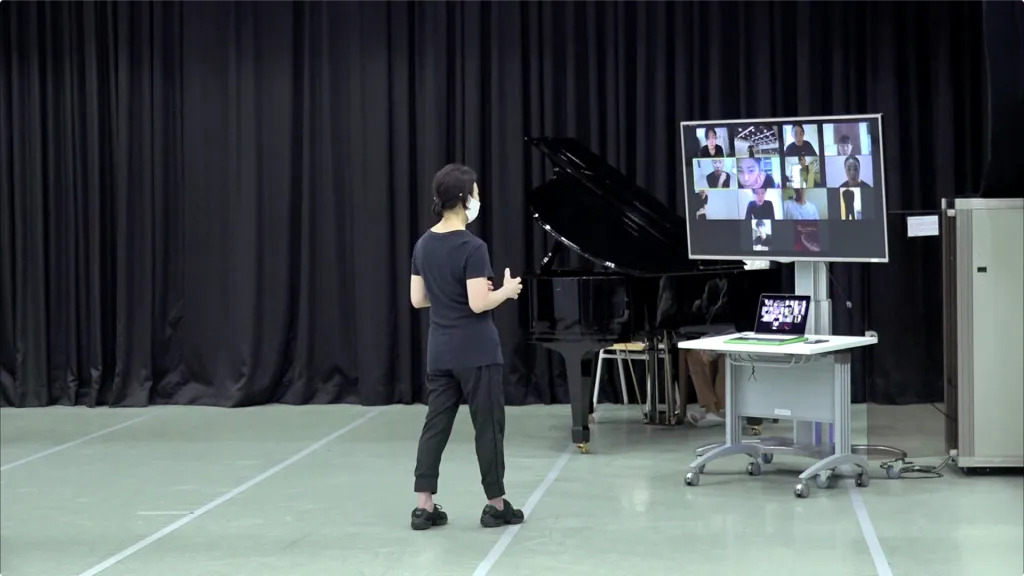
For example, They Answer Our Own Gaze (2021) reflects on forms of communication and connection made possible through online networks amid the restrictions on physical movement during the pandemic.
 
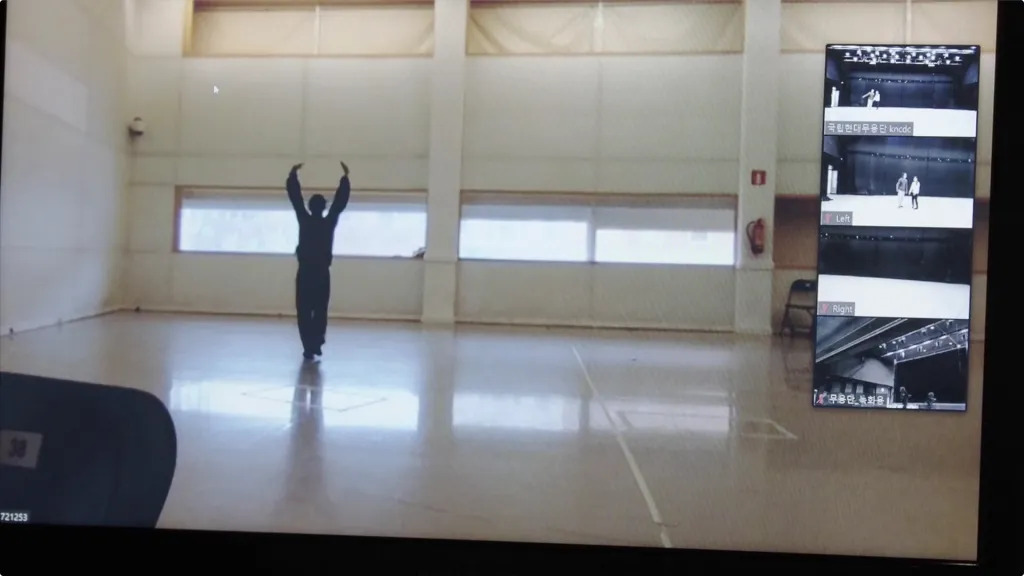
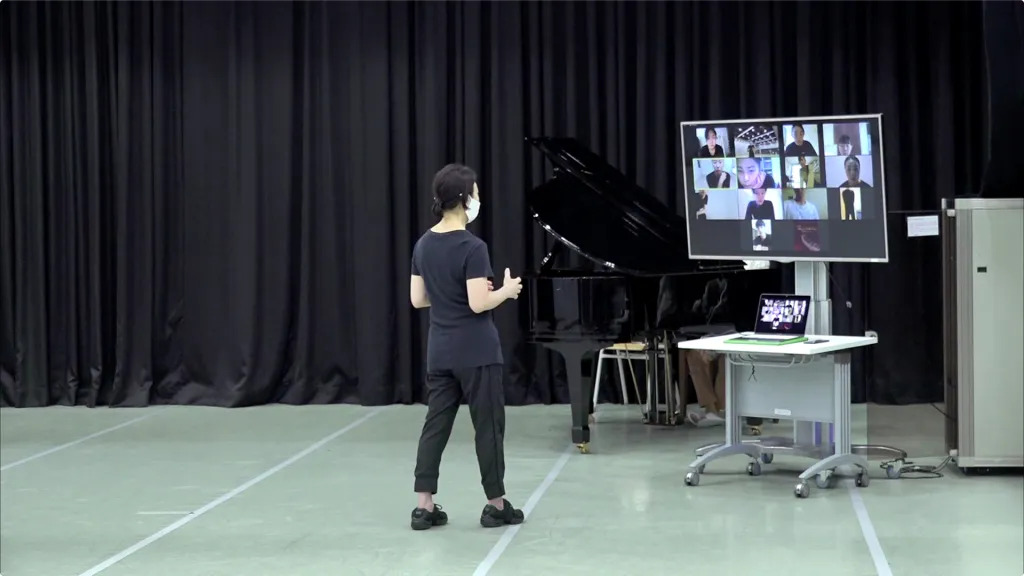
The work begins with the circumstances in which Spanish choreographer Lali Ayguadé was unable to enter Korea due to COVID-19 and could not stage the performance that had been planned. Unable to meet the dancers in person, Ayguadé worked with the dancers in Korea through online video meetings, developing the movements one by one.
 
Today, when communication can take place almost in real time, the physical distance of approximately 9,600 kilometers between Seoul and Barcelona is easily rendered imperceptible. They Answer Our Own Gaze considers this sense of “distance” in relation to the physical and embodied nature of dance.


PAIK Jongkwan, They answer our own gaze, 2021, Documentary, 18min 30sec. © PAIK Jongkwan

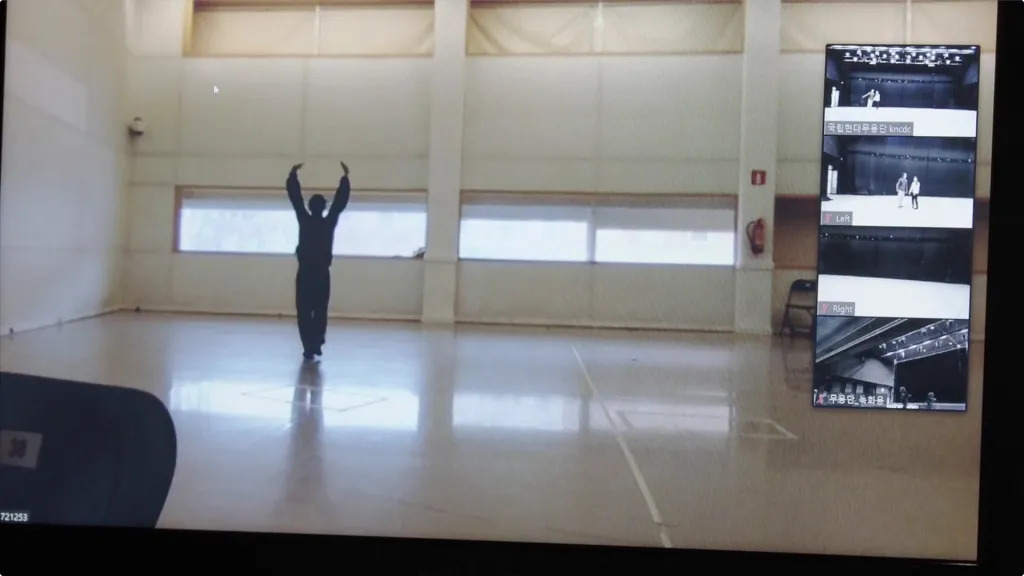
During the workshop, choreographer Lali was in Barcelona, while the dancers remained in Seoul. Although they were able to communicate and develop movements through technology, the physical distance presented clear limitations given the nature of dance, in which choreographers and dancers rely on direct physical interaction and communication to coordinate movement.
 
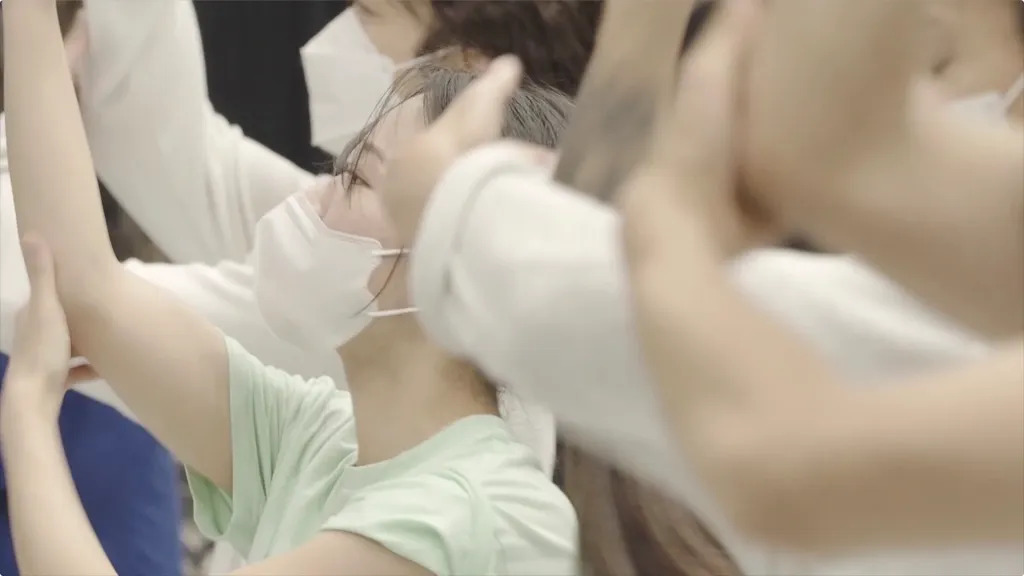
The work documents the process through which physically distant bodies gradually attune their movements to one another and form a relationship, while exploring the shifting senses of distance and intimacy that emerge in the process.
 
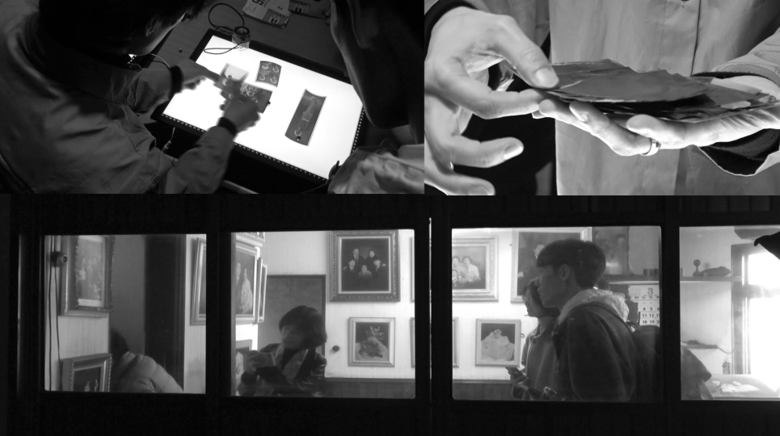
The work moves between three spaces: the rehearsal studio in Seoul, the space in Spain where Lali was based, and the online platform connecting them. While adopting a fundamentally documentary approach, PAIK Jongkwan used cameras with different resolutions and a range of lenses to capture moments of connection between the choreographer and dancers, moments of disjuncture that arose in the process, and instances in which different senses of distance emerged.
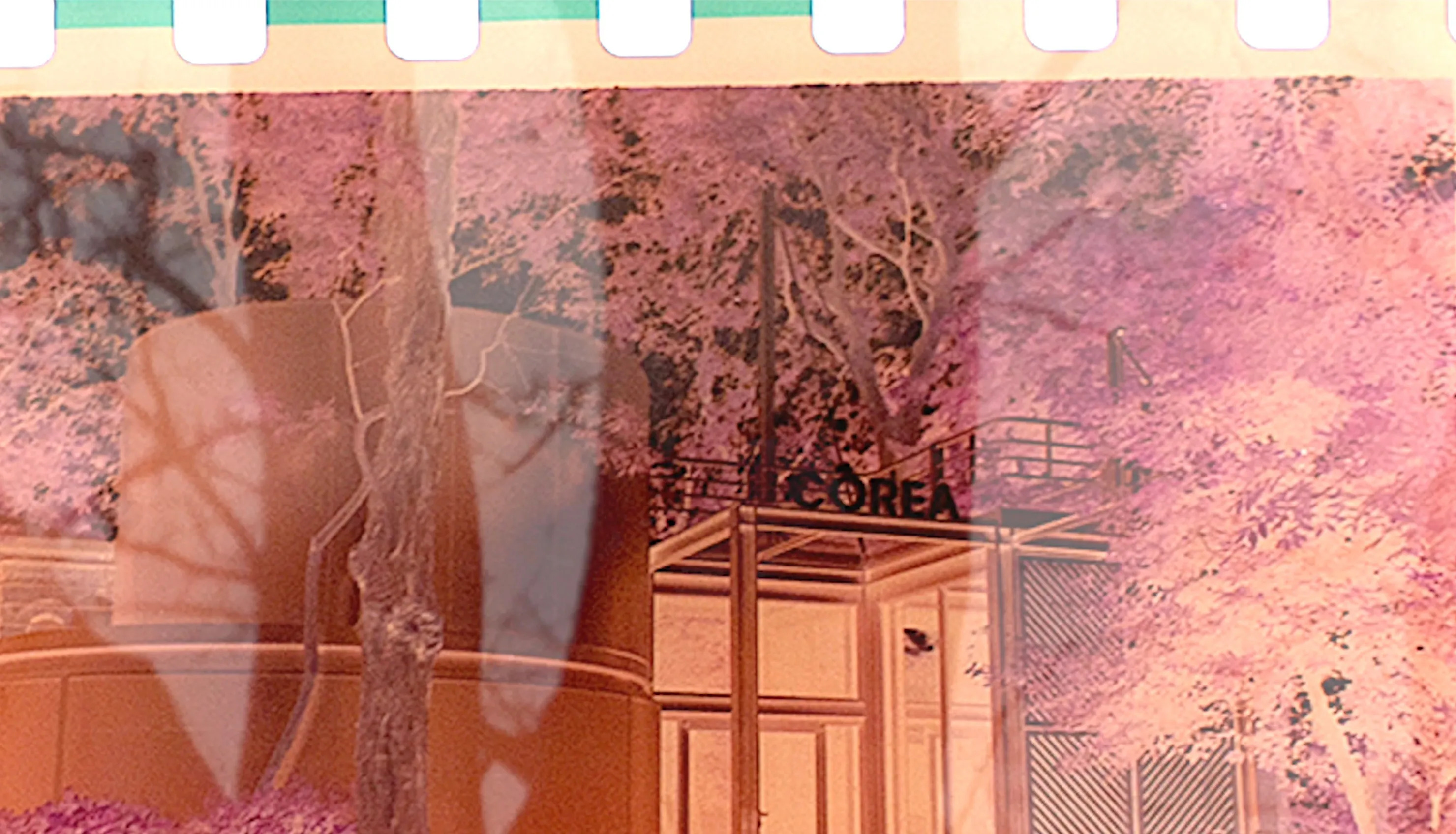

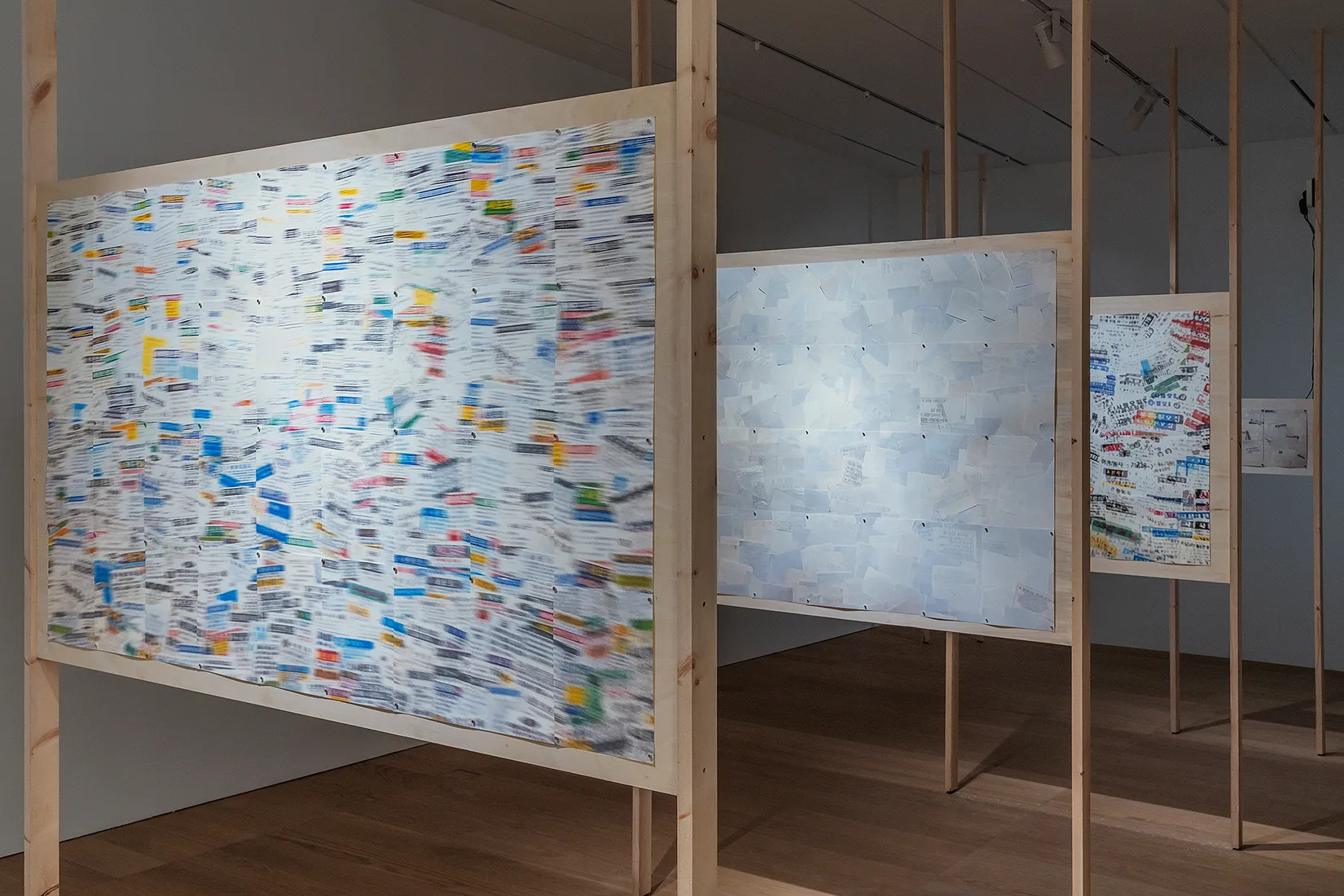
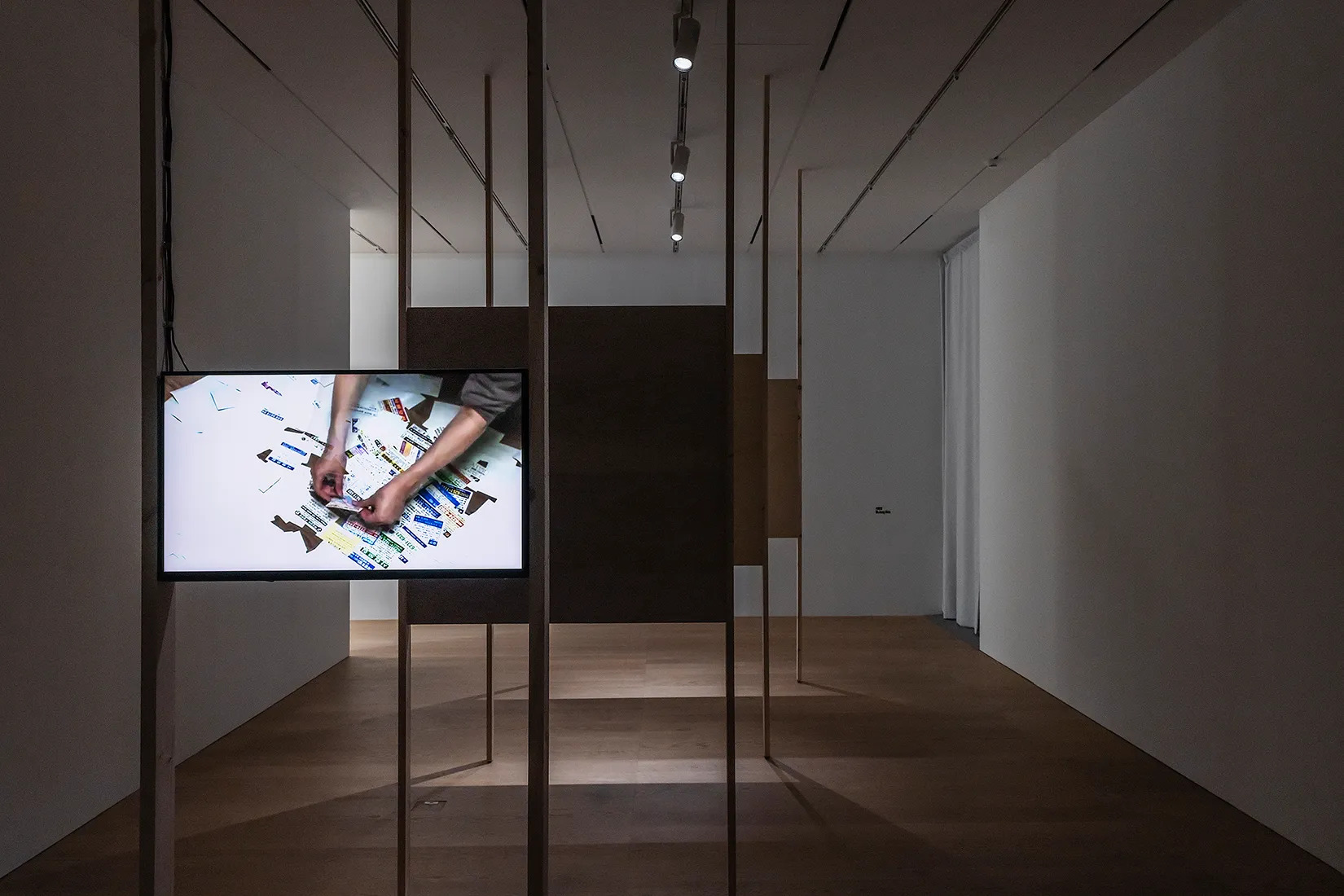
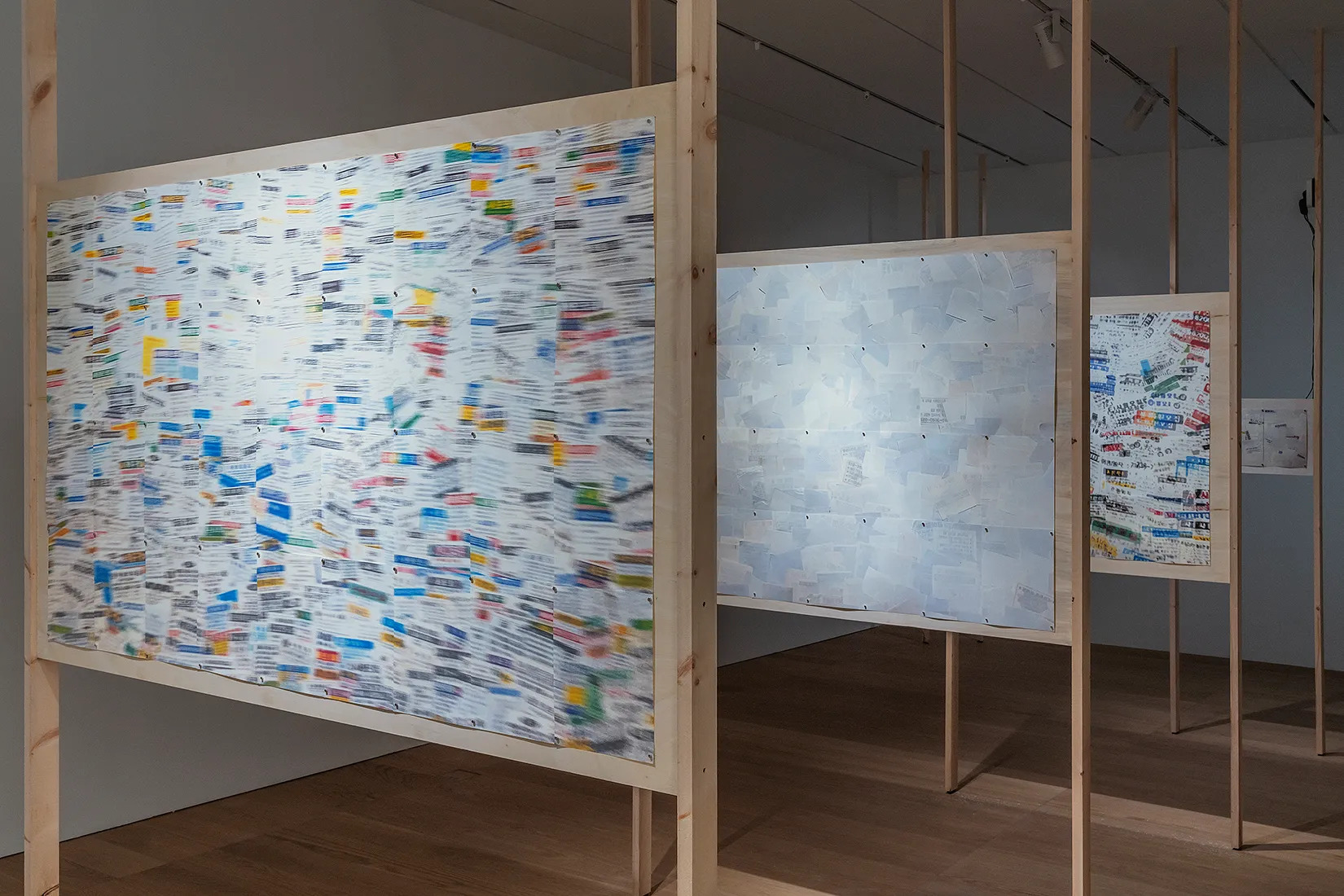
PAIK Jongkwan, The Very Metaverse, 2023, Digital pigment print collage (170x100cm, 130x100cm, 100x100cm), single-channel video, color (11min.) © PAIK Jongkwan

Meanwhile, in his 2023 work The Very Metaverse, PAIK Jongkwan identifies the exaggerated and hollow phrases found in job advertisement notes attached inside subway cars over several years as symptoms of a broader sociocultural phenomenon, organizing and transforming this collected data into the form of a work.
 
The Very Metaverse is layered through multiple still images and a single moving image, assigning them an equal hierarchy while simultaneously creating a tension between them. The moving image at the innermost layer points to and references the existence of the printed images, while also disrupting and ultimately undermining them.


PAIK Jongkwan, The Very Metaverse, 2023, Digital pigment print collage (170x100cm, 130x100cm, 100x100cm), single-channel video, color (11min.) © PAIK Jongkwan

The images are presented three-dimensionally within the space through a sequence of planes, transforming viewers into both geologists studying the strata of advertising notes that deceive those in vulnerable positions and historians reconsidering the analog medium of the note within today’s distortion-filled mobile environment.
 
Through this work, the artist seeks to ask how such virtual words and images continue to exist as platforms change, and whether similar forms might also exist among the things we have come to take for granted.

PAIK Jongkwan, Waiting and Breathing, 2024, Single-channel video, color, sound, 8min. © PAIK Jongkwan
In this way, PAIK Jongkwan has continued to explore the very structure of the moving image and reflect on the history of visual representation through works that make use of footage he has collected himself, while also creating new temporalities by generating unfamiliar sensations from everyday events.
 
In particular, his practice has explored the “invisible frame” and its ruptures at the intersection of image, language, space, and the body. Rather than offering definitive interpretations, his works draw attention to the conditions in which collisions, responses, and failures occur, prompting us to consider how technological orders and institutional environments organize perception and meaning.

“I use slightly different methods and tools for each work, but one of the most important processes for me is collecting something over a long period of time and transforming it to generate a complex ‘question.’” (PAIK Jongkwan, Artist’s Note)


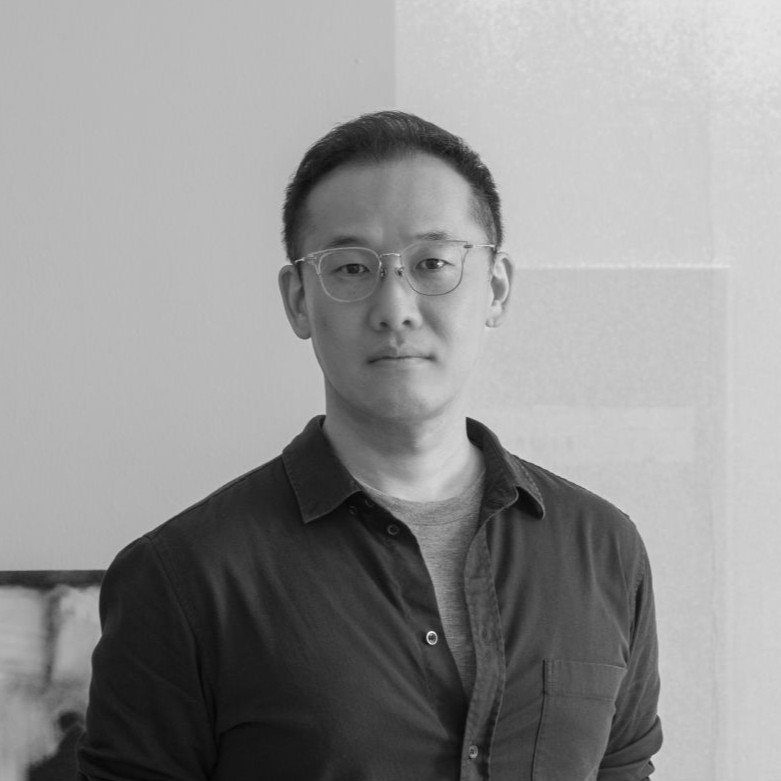
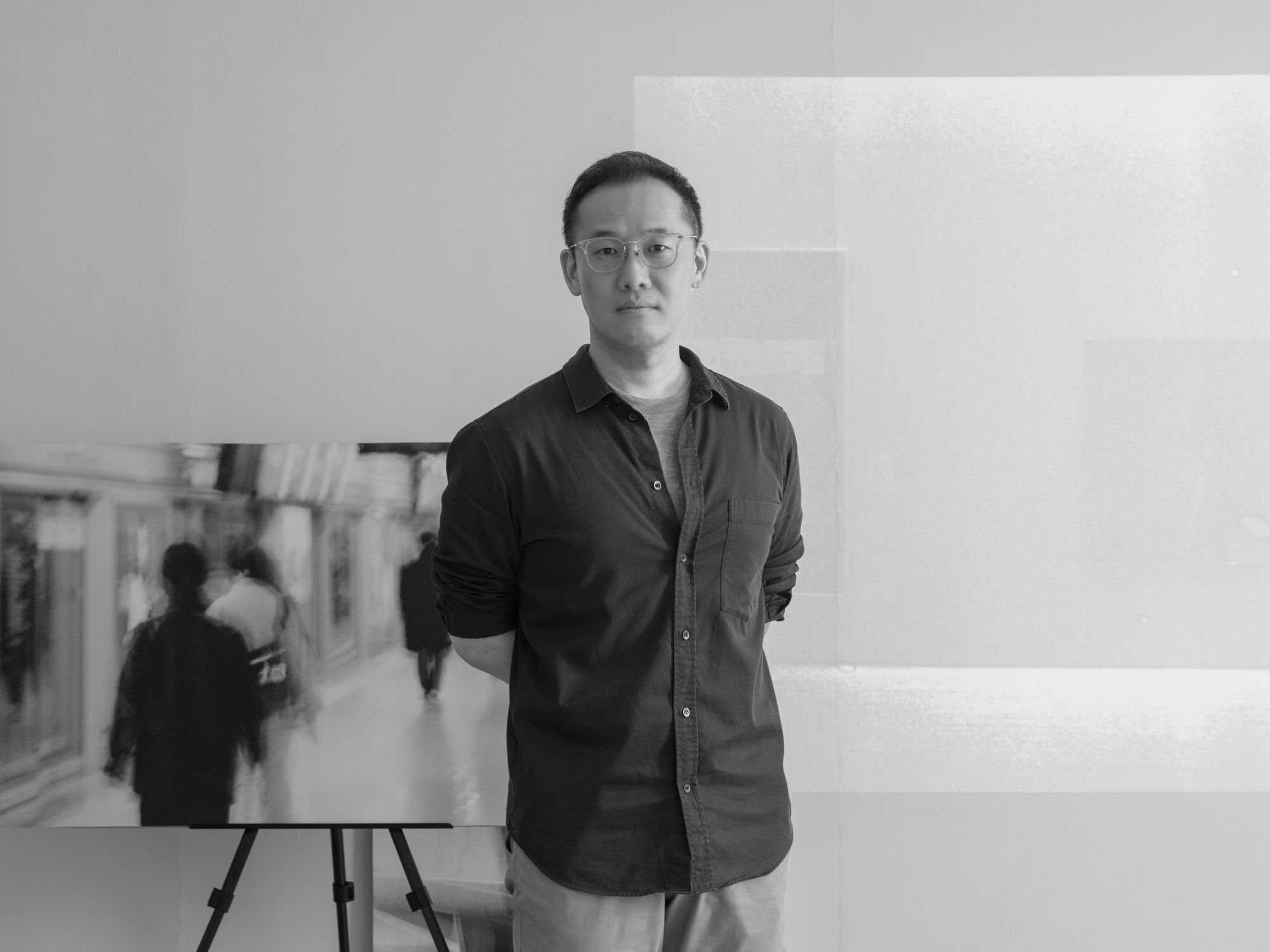
Artist PAIK Jongkwan © Incheon Art Platform

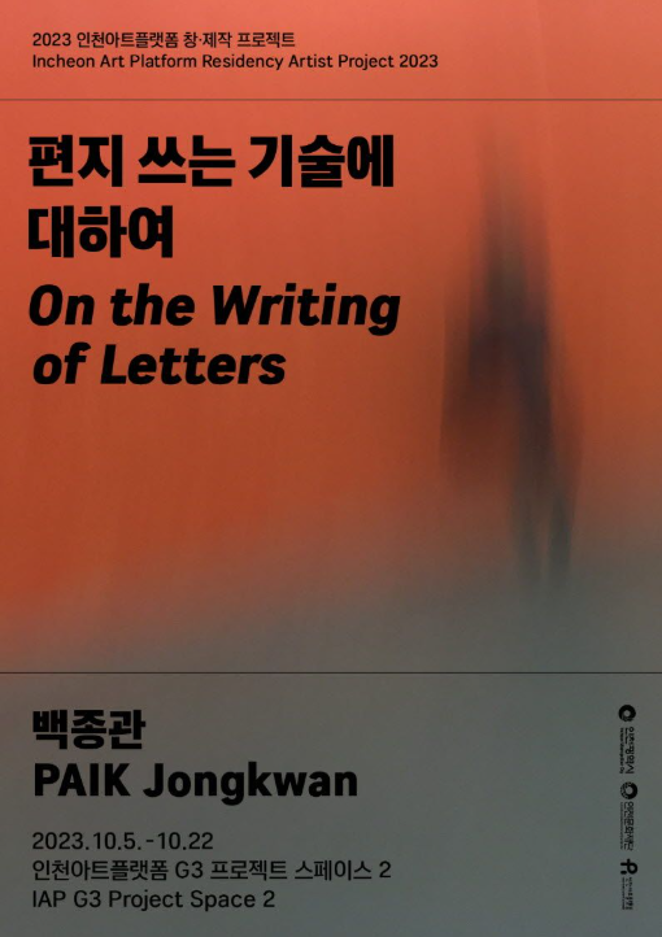
PAIK Jongkwan studied Psychology and Electronics at Chung-Ang University and earned an MFA in Film from the Graduate School of Communication and Arts at Yonsei University. His solo exhibitions include 《On the Writing of Letters》 (Incheon Art Platform, Incheon, 2023), 《Fly on the Eye》 (Onsu Gong-gan, Seoul, 2019), and 《DownTime》 (Konya Gallery, Fukuoka, 2018).
 
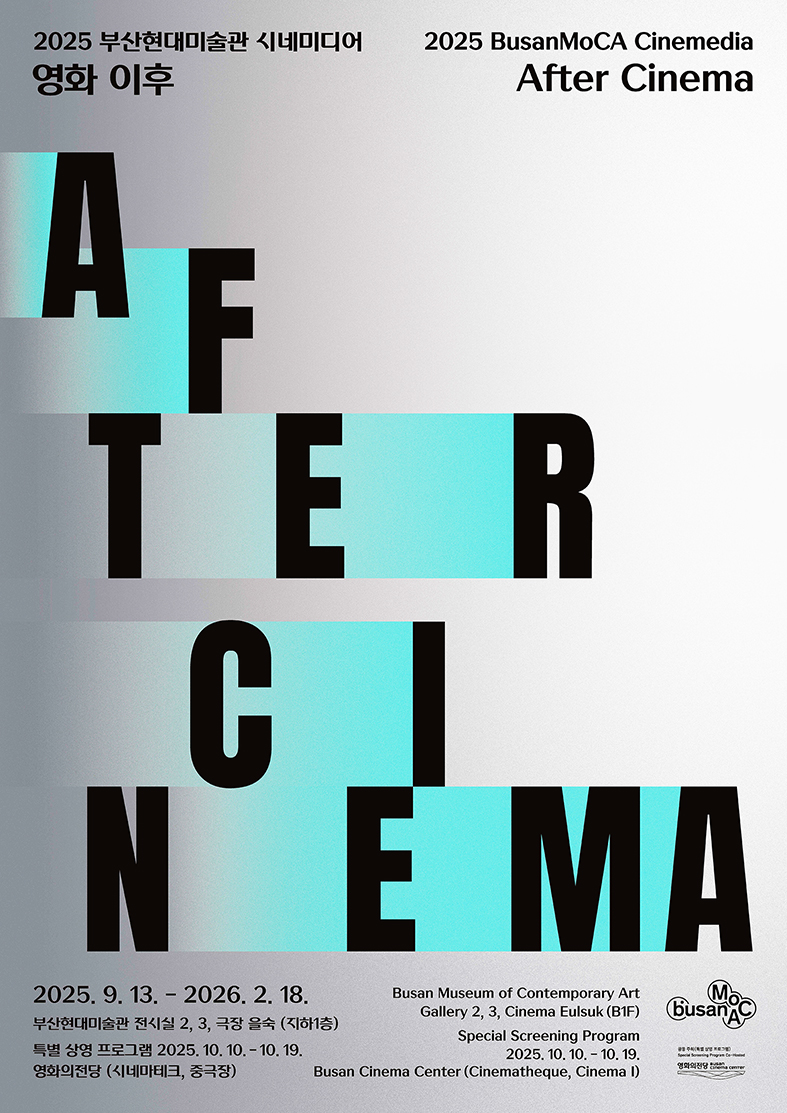
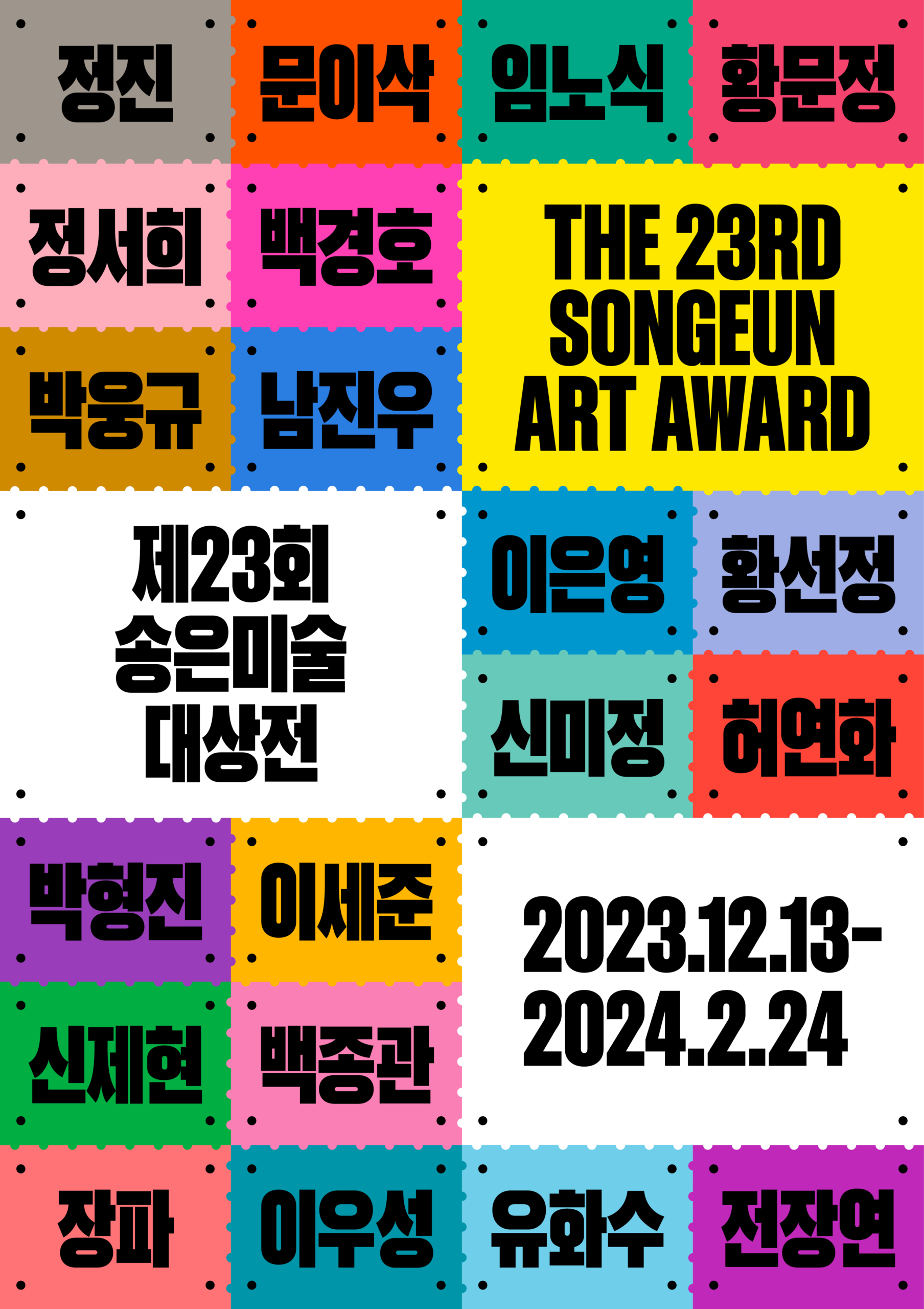
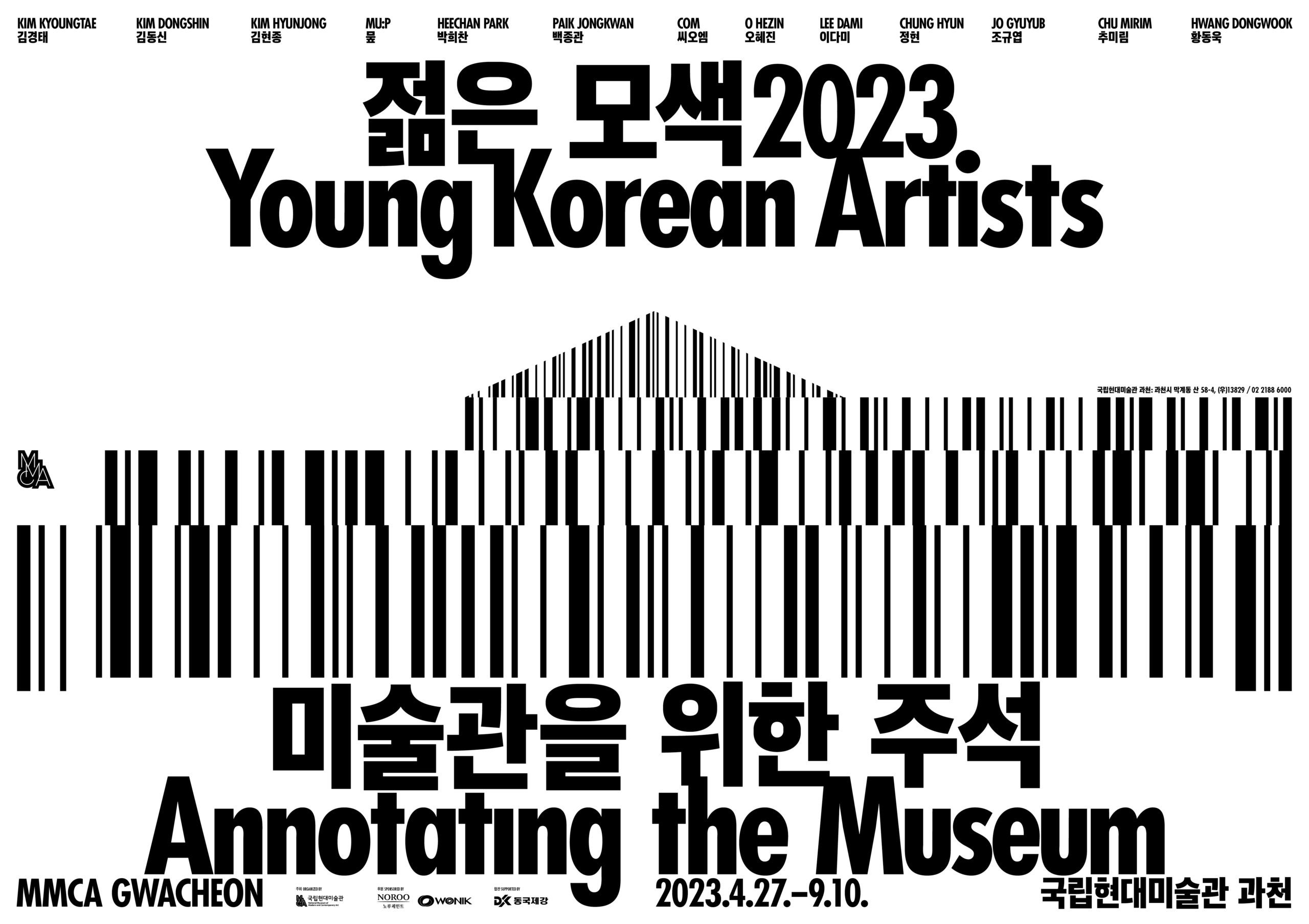
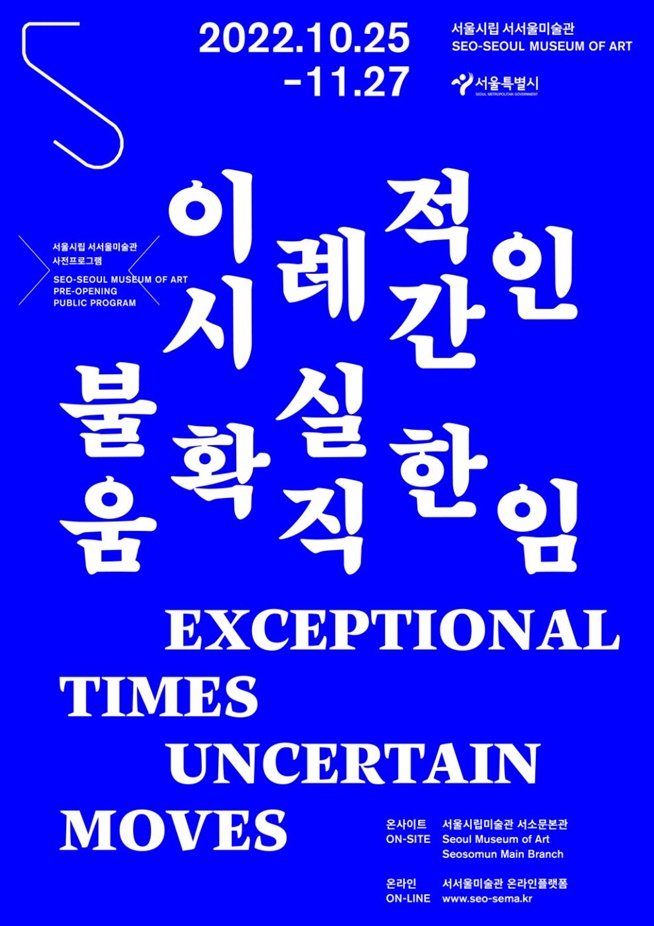
He has also participated in numerous group exhibitions, including 《The Undecomposed Night》 (Chamber, Seoul, 2026), 《After Cinema》 (Busan Museum of Contemporary Art, Busan, 2025), 《Every Island Is a Mountain》 (Palazzo Malta, Venice, 2024), 《The 23rd SONGEUN Art Award Exhibition》 (SONGEUN, Seoul, 2023), 《Young Korean Artists 2023: Annotating the Museum》 (MMCA, Gwacheon, 2023), and 《Exceptional Times, Uncertain Moves》 (Seoul Museum of Art, Seoul, 2022).
 
PAIK Jongkwan has participated in various residency programs, including the SeMA Nanji Residency (2025–2026), Cité Internationale des Arts residency in Paris (2024), Incheon Art Platform (2023), and MMCA Residency Goyang (2021). His works are held in the collections of the Seoul Museum of Art, the MMCA, and the Korean Film Archive.

References