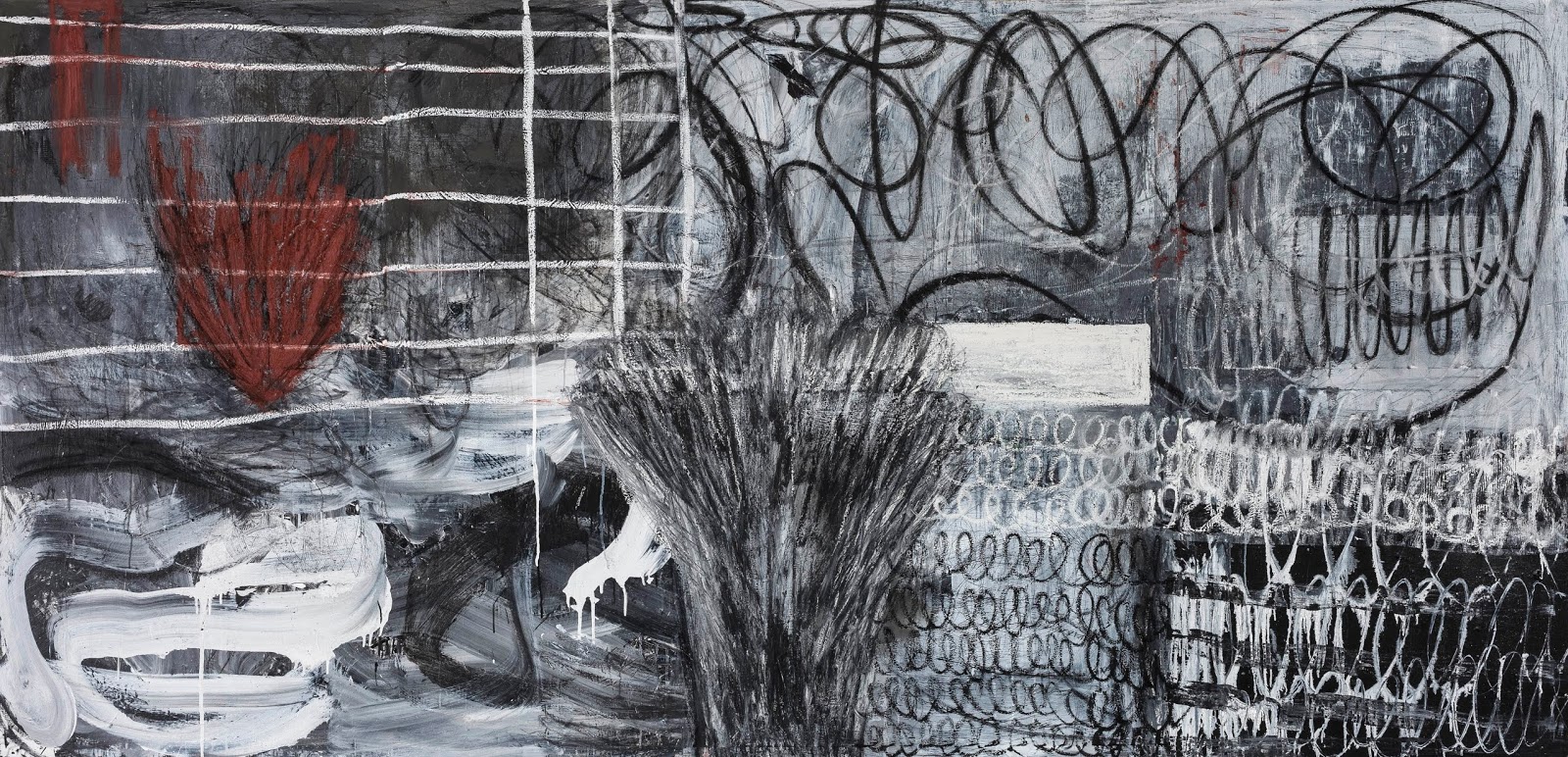
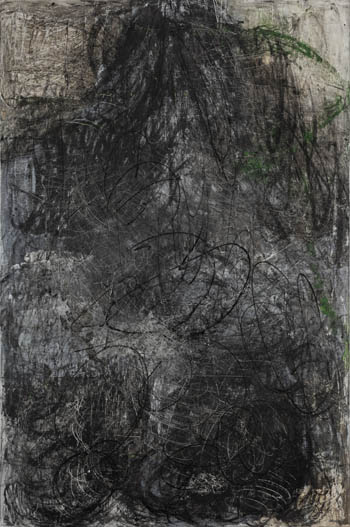
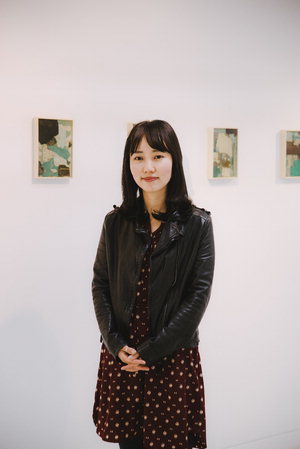
In Jazoo Yang’s practice, painting is not confined to brushwork and pigment. She constructs surfaces through actions such as mural painting, graffiti, stamping, rubbing, scraping, solidifying, attaching, and binding, actively incorporating the movements of the hand and body into the making process.
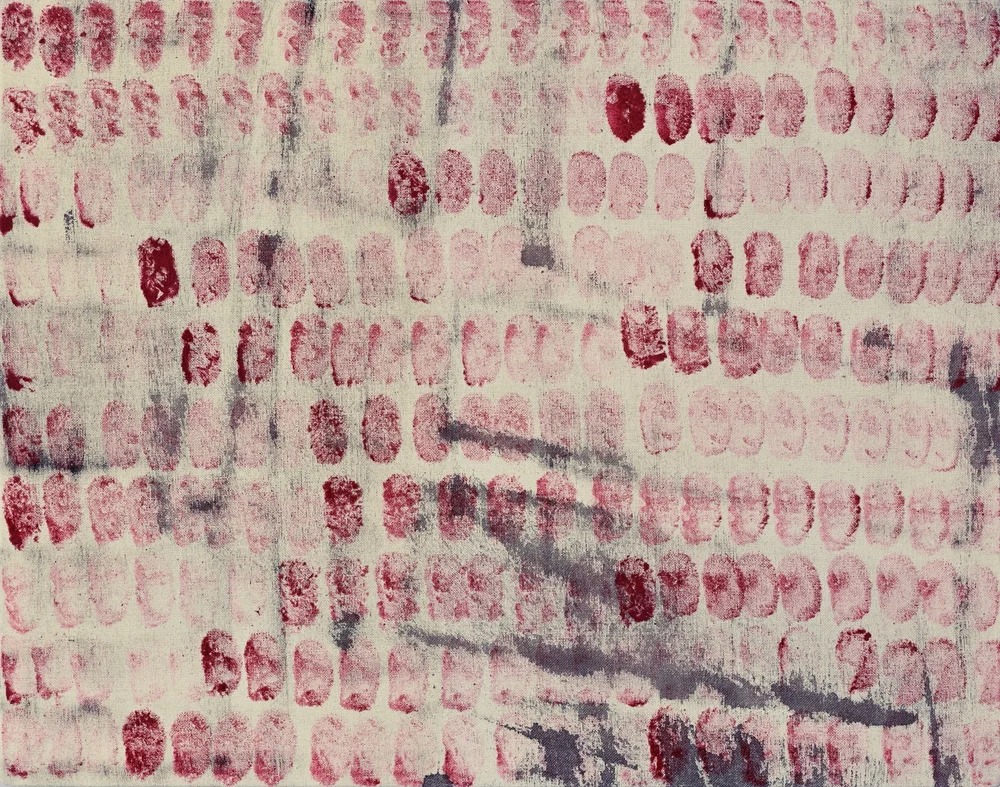
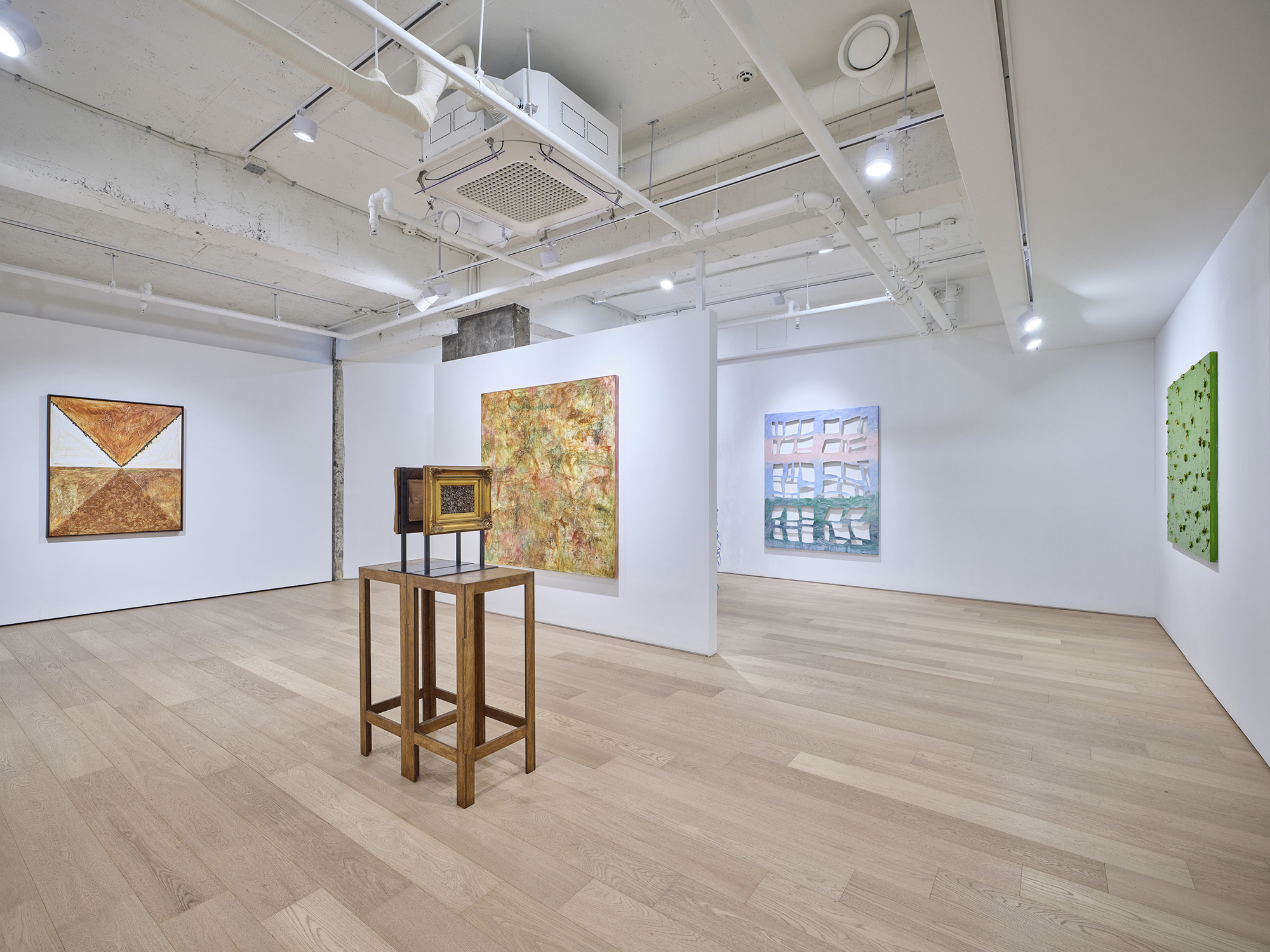
In her early street works and the 'Dots' project, repeated fingerprinting on walls and building façades became a central method, while in later canvas works, gestures such as gathering, applying, inserting, and tying materials determine the structure of the surface. These processes expand painting beyond a two-dimensional image into an accumulation of bodily movement, material resistance, and repetitive labor. This physical basis also explains why Yang repeatedly emphasizes touch and voice as central concepts in her practice.
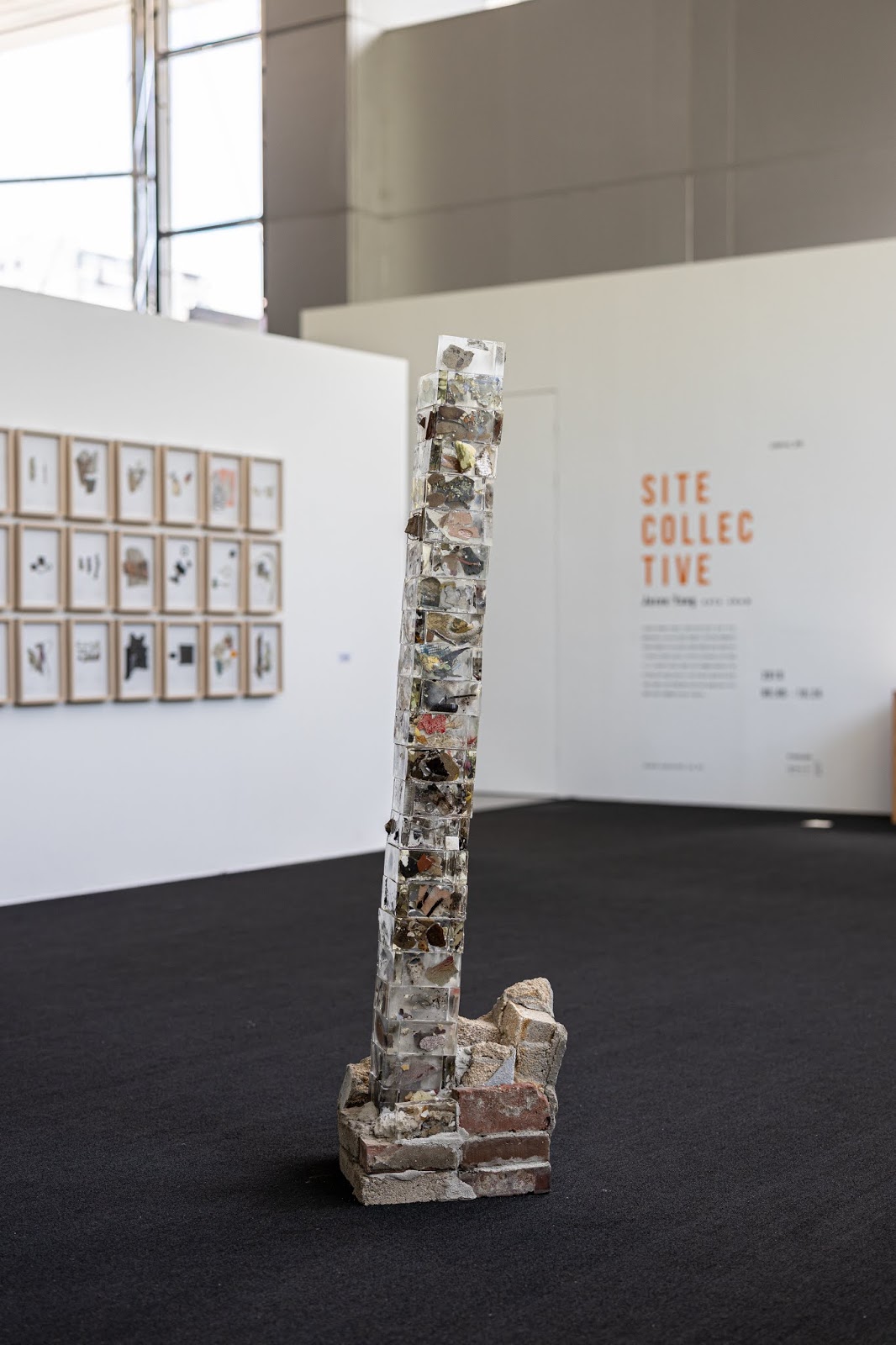
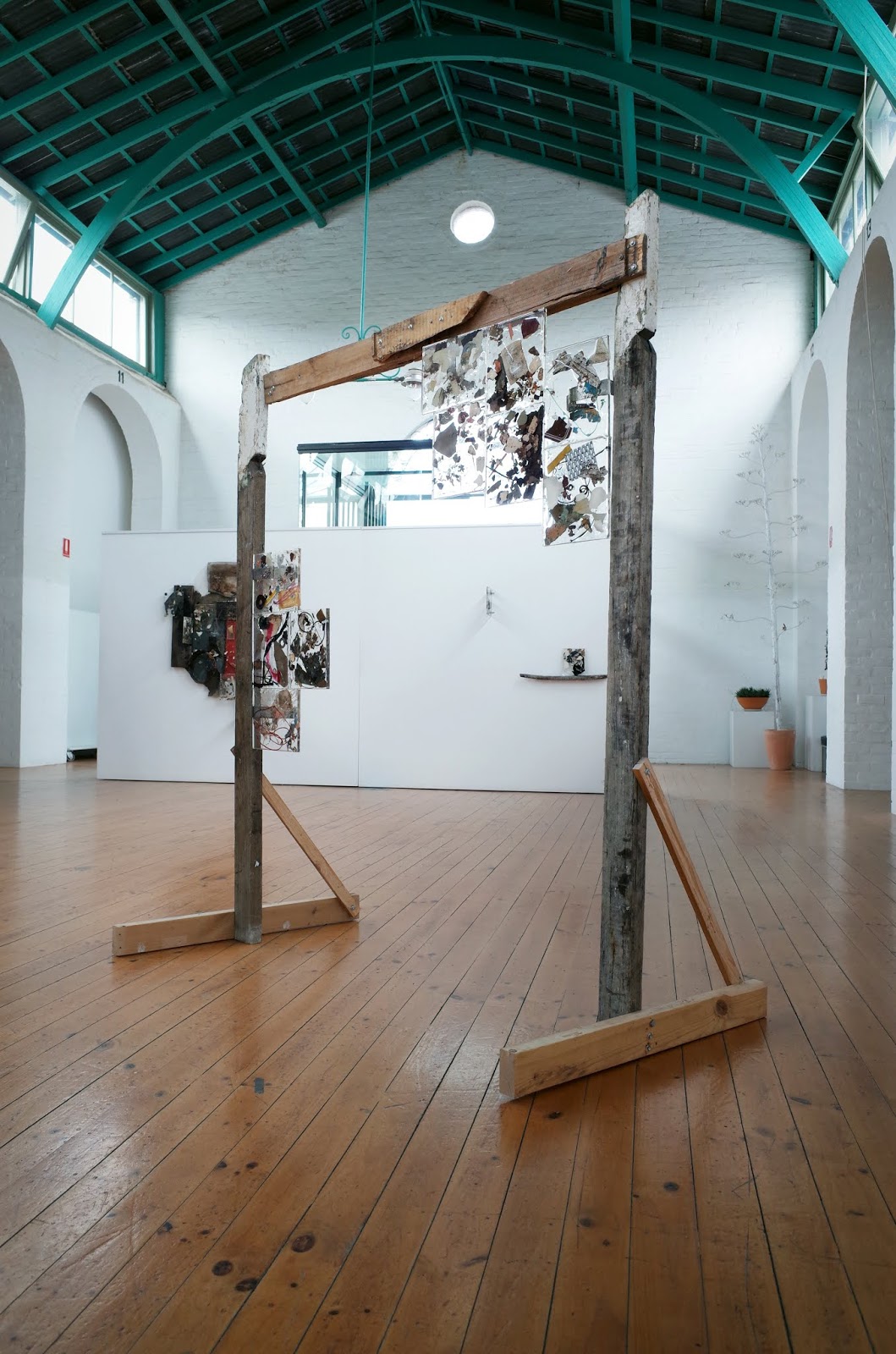
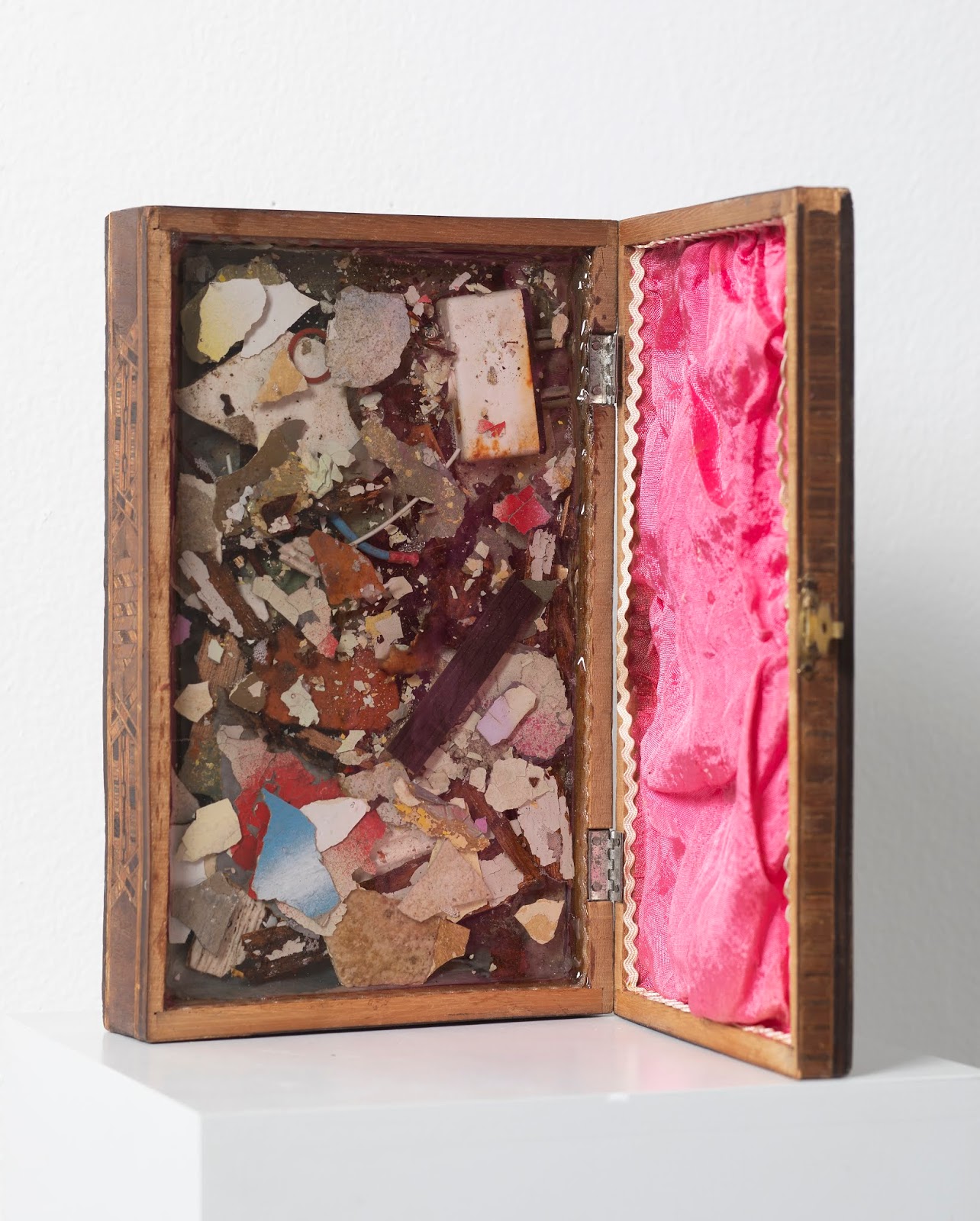
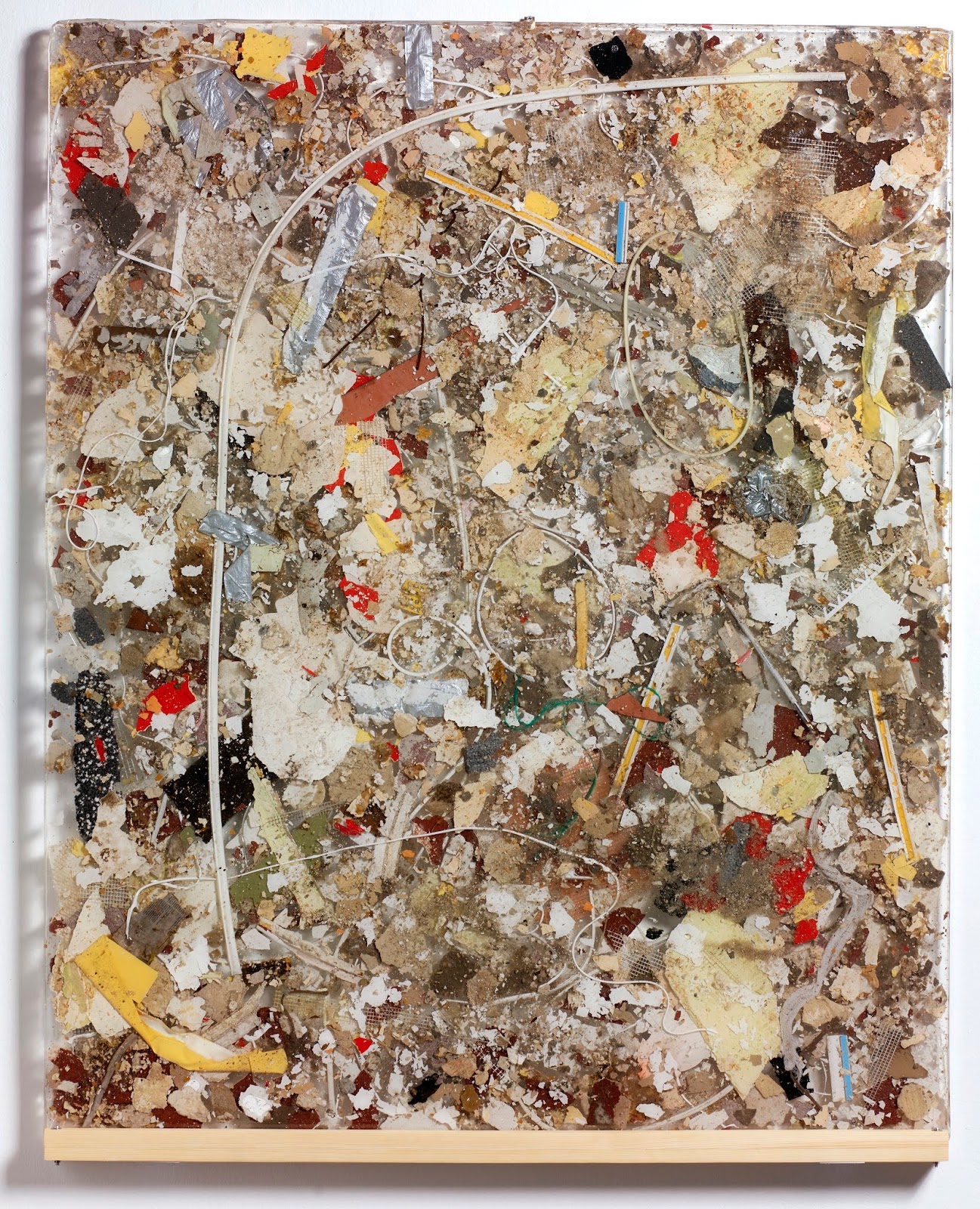
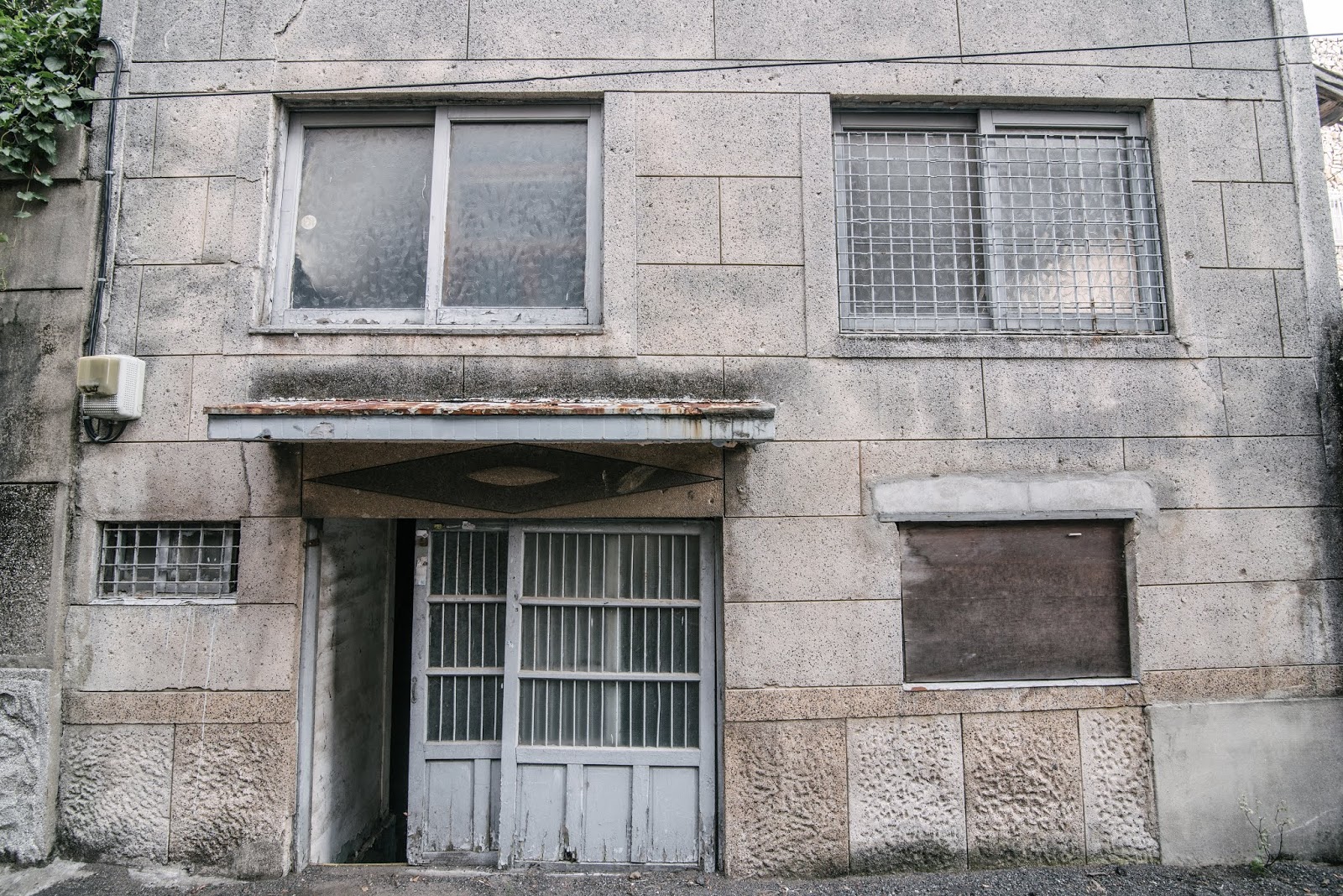
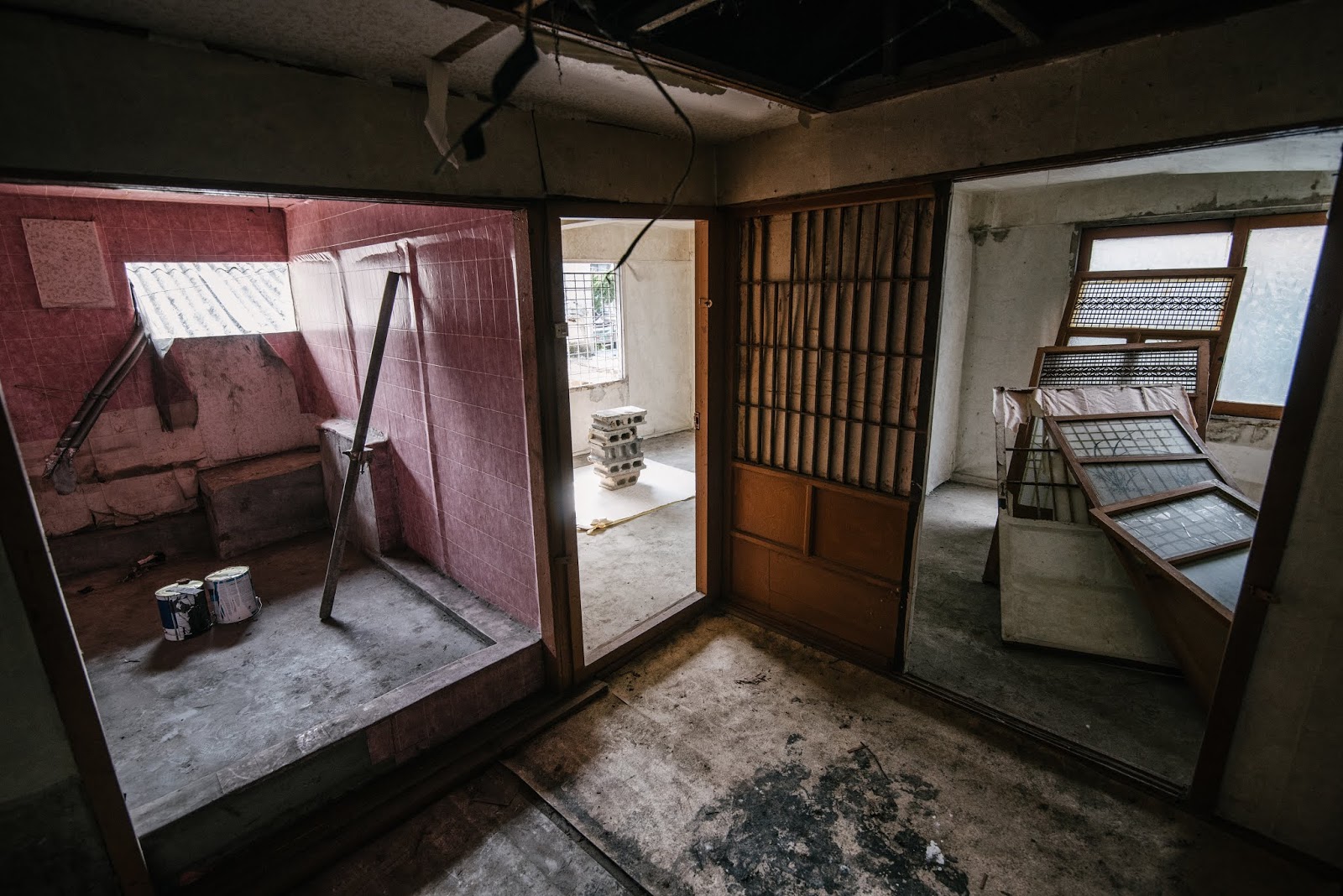
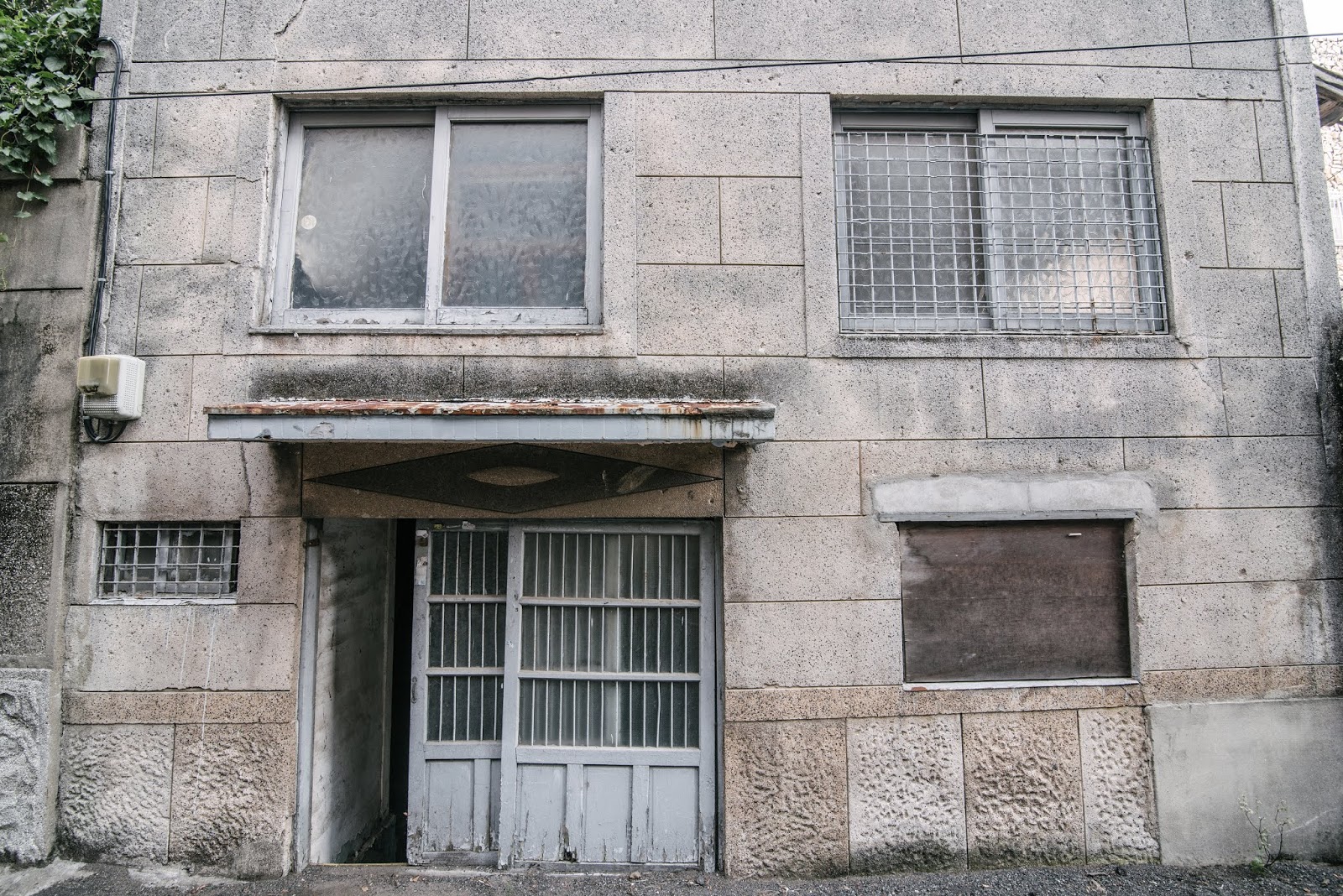
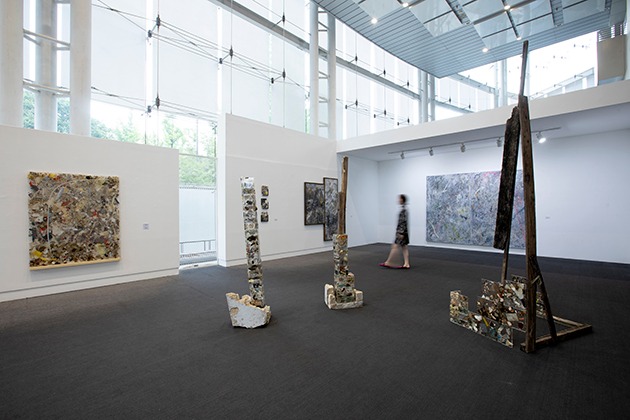
Her choice of materials is equally inseparable from content. Yang has worked with wallpaper, timber, paint fragments, and architectural debris collected from redevelopment areas and aging buildings, as well as soil, thorns, pearl-headed pins, rope, fabric, and resin.
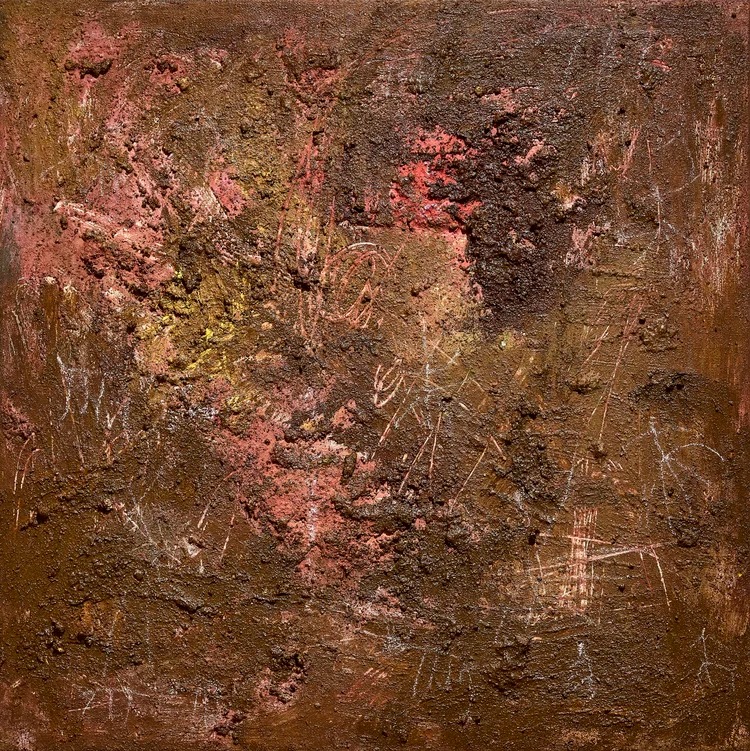
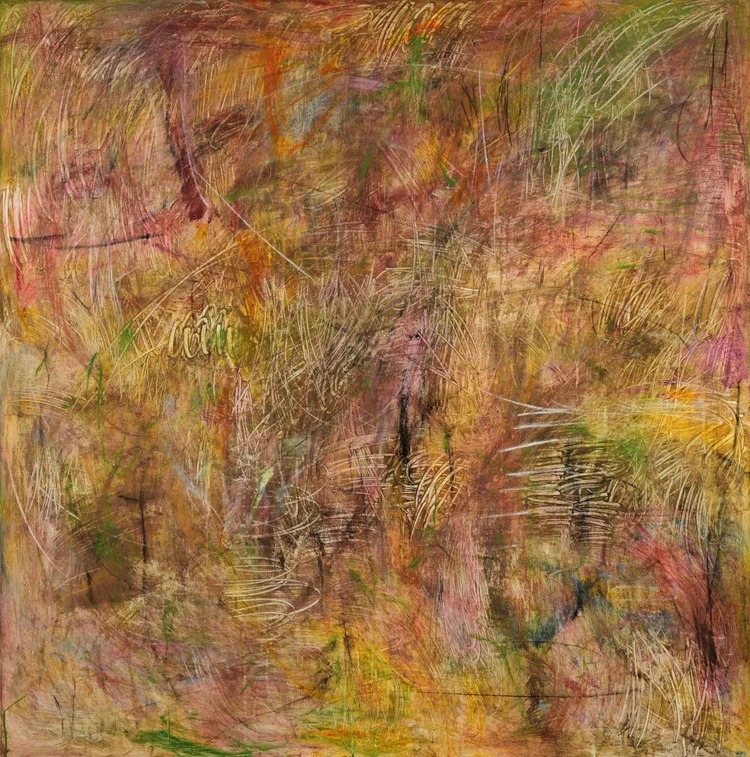
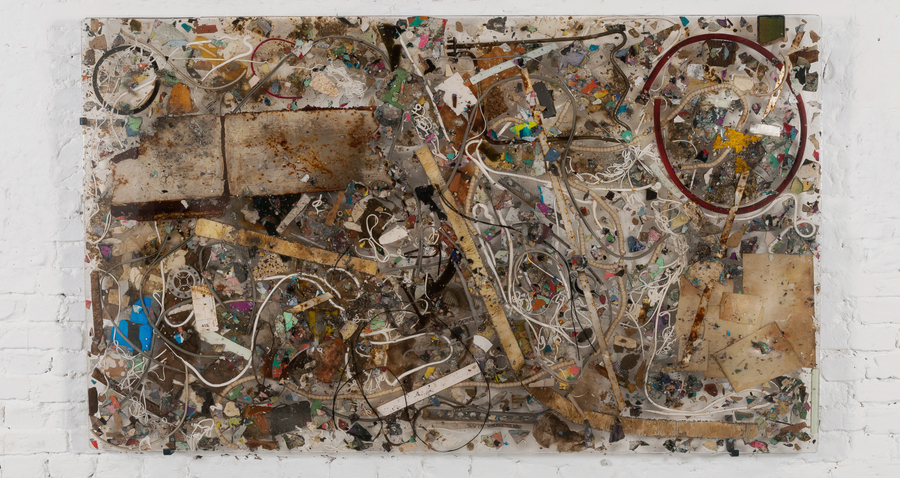
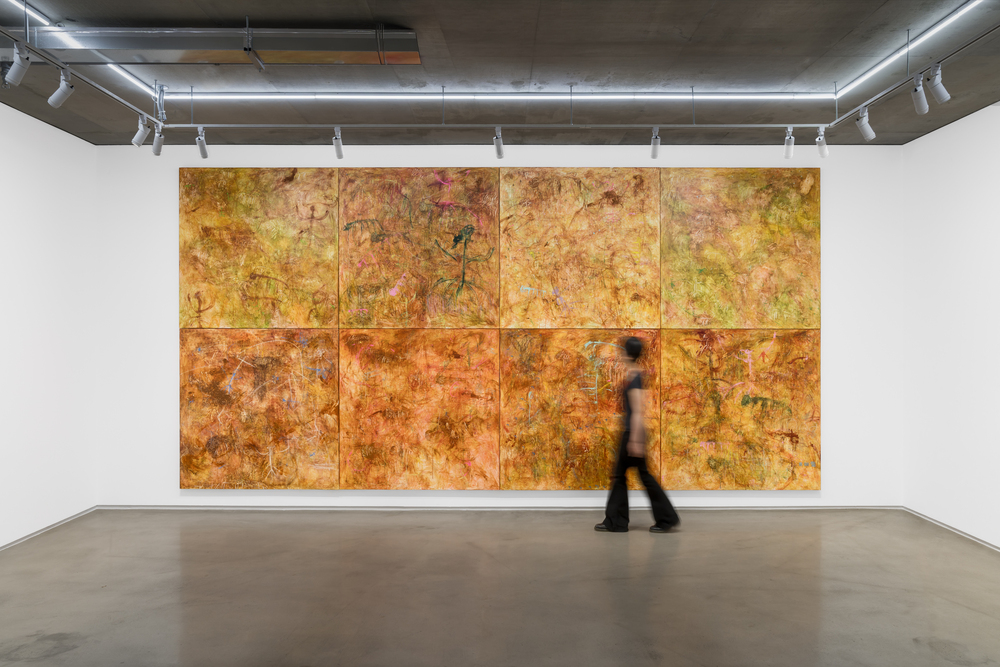
In the 'Materials, Busan+Berlin' and 'Immanence' series, fragments gathered from cities are fixed within transparent resin, preserving traces of place and time, while in 'Skin of Everything', soil collected from locations such as Yeongdeok and Gwanaksan is mixed with powdered pigment and animal glue and repeatedly absorbed into the canvas.
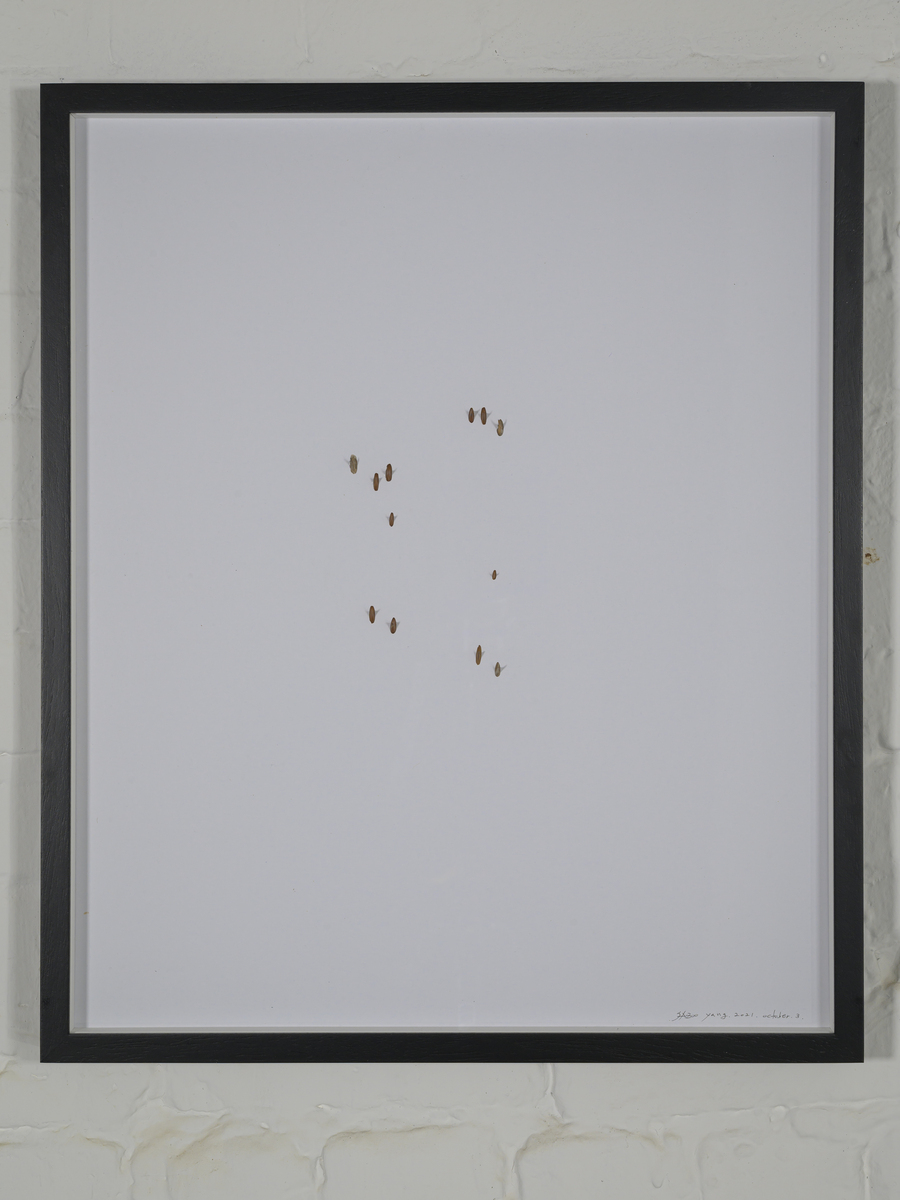
Materials therefore carry the conditions of the sites from which they originate rather than functioning solely as sources of color or texture. Rough protrusions, indentations, detached fragments, and thorns give physical form to the sensations of memory, disappearance, and survival that recur throughout Yang’s work.
Repetition and rhythm provide a major formal principle through which these actions and materials are organized. Yang has explained that fingerprints, handprints, and simple recurring motifs emerge through bodily rhythm rather than as fixed representations of specific images. In Canvas Instruments (2013), created in collaboration with sound artist Haku Sungho, steel springs and plastic cups attached to a large canvas transformed vibrations generated during painting into sound.
The work connected visual traces, bodily movement, and sound through a shared rhythm, establishing an approach that continues throughout her later practice. In recent works, scraping, tapping, friction, and vibration produced by repetitive hand movements further intensify the tactile character of the surface while activating both vision and hearing.
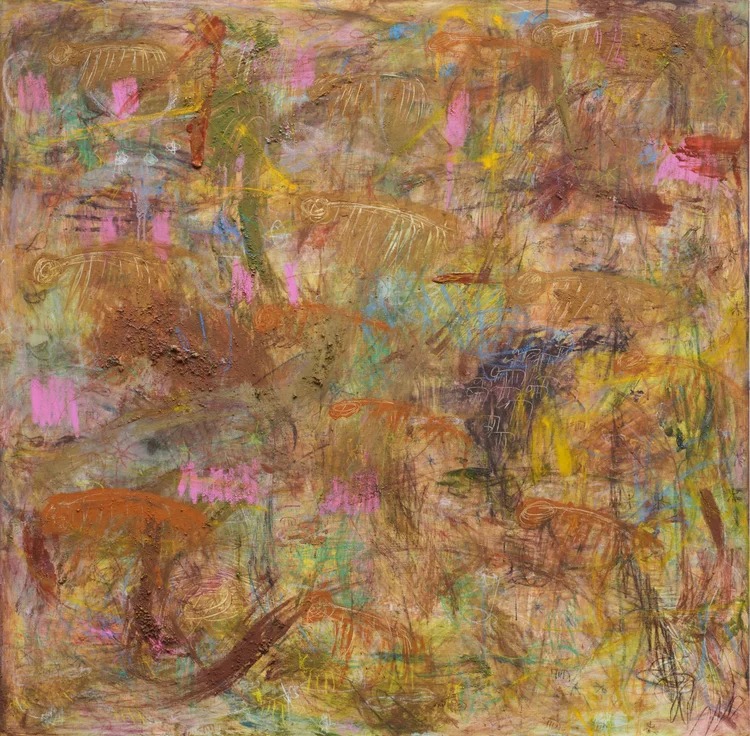
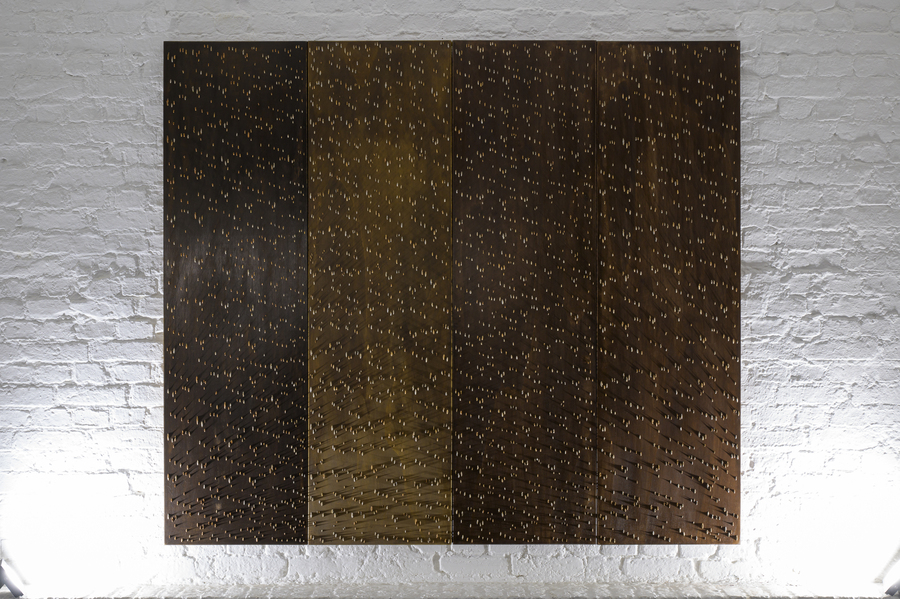
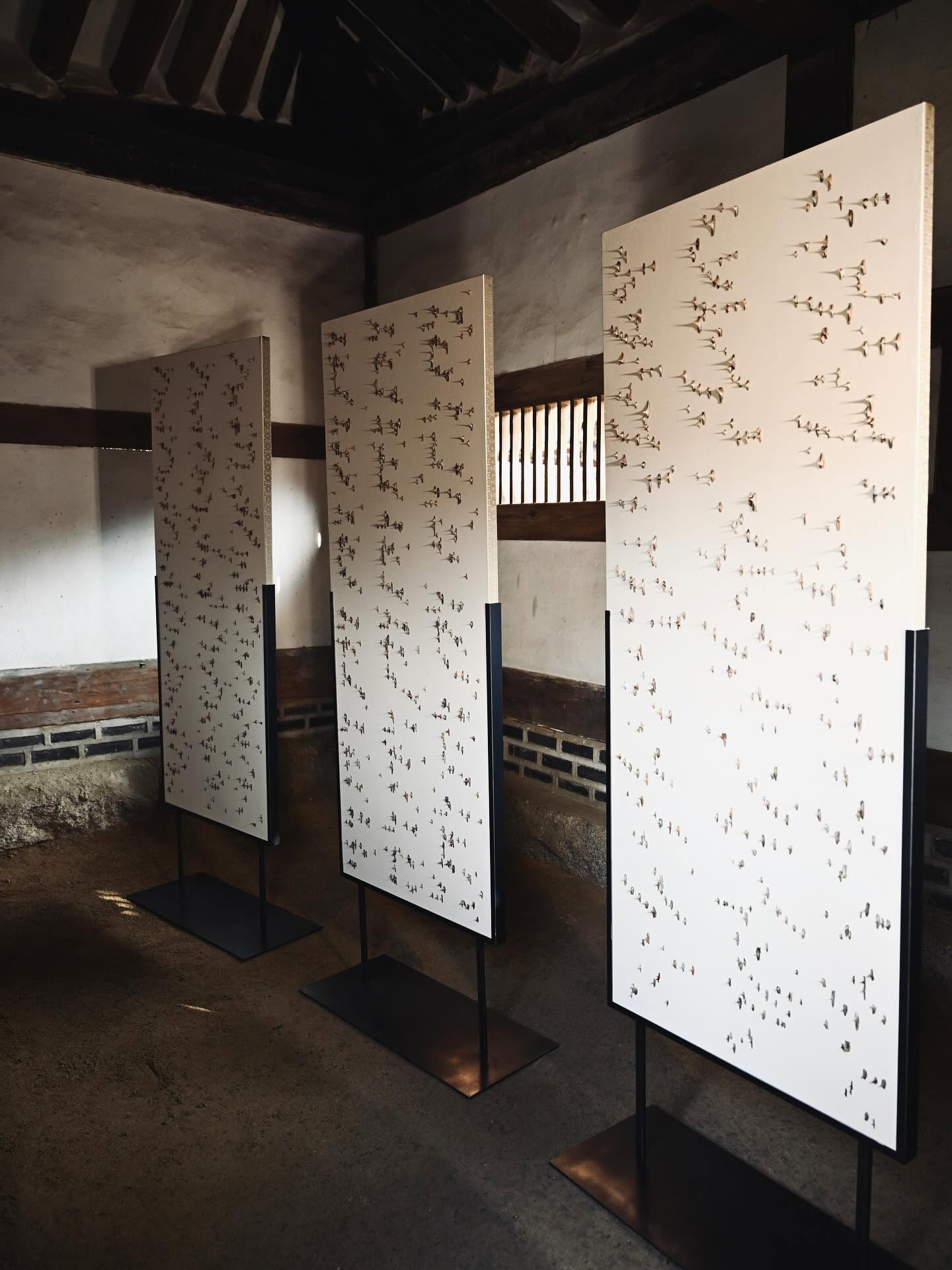
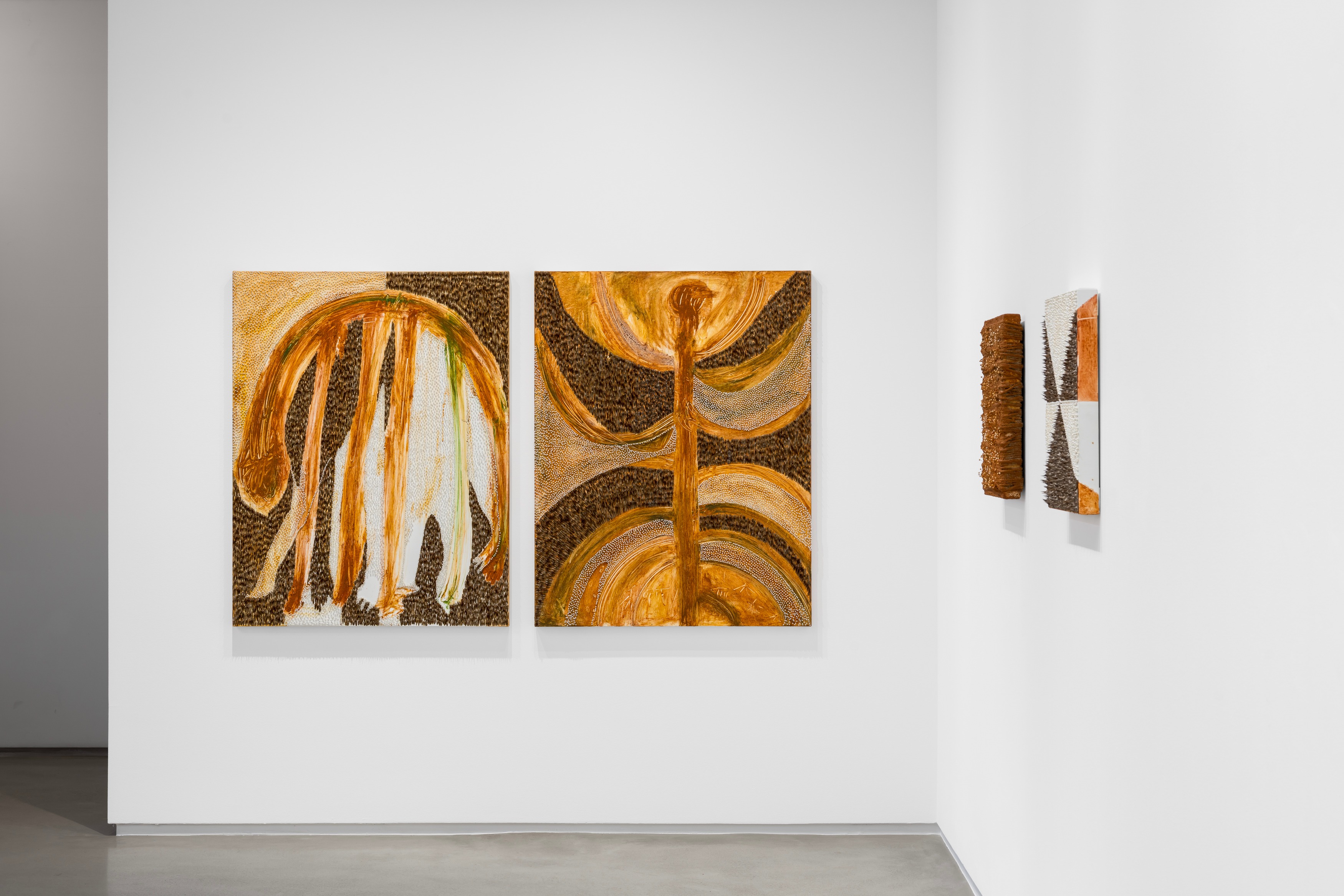
These formal concerns become increasingly concentrated in the recent 'Skin of Everything', 'Thorns', and 'Bulgasari' series. Pearl-headed pins and fabric are inserted into surfaces composed of soil and pigment, while Kalopanax thorns and rope traverse the works, allowing the qualities of painting and object to coexist. In 'Skin of Everything', repeated lines, handprints, and forms suggestive of animals or signs loosen the distinction between figuration and abstraction.
In 'Bulgasari', strong diagonals, all-over compositions, and densely arranged thorns and pearl-headed pins generate tension across the entire surface. Form in Yang’s practice develops through the interaction of material, action, and the memory of place. Each mark functions simultaneously as a visual element and as a record of time and sensation registered through the artist’s body.