





Solo Exhibitions (Brief)
Since 2008, Ayoung
Kim has held approximately 19 solo exhibitions across various countries,
including Korea, the UK, Germany, France, Australia, and Brazil. Notable solo
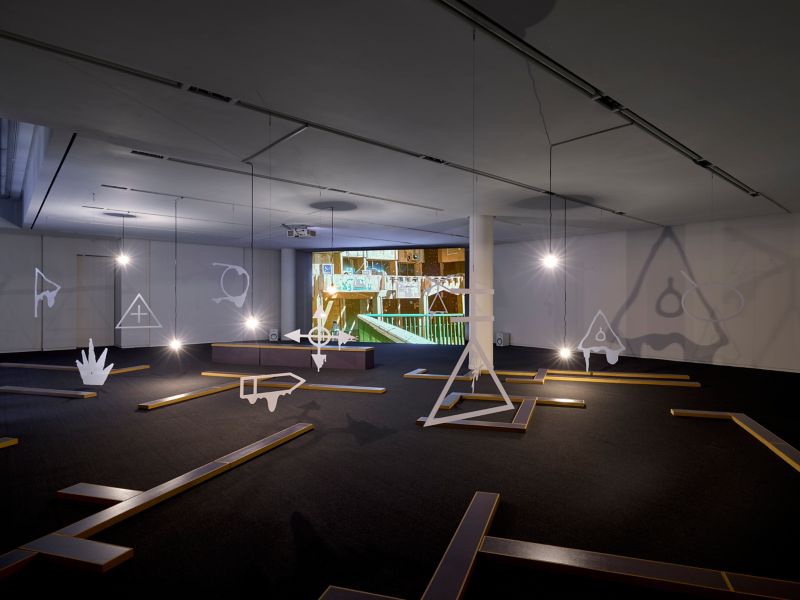
exhibitions include 《Ephemeral Ephemera》(2008, Space VAVA, Seoul), 《Ephemera》(2009, I-Myu Projects, London), 《PH Express》(2012, Künstlerhaus Bethanien, Berlin), 《In This
Vessel We Shall Be Kept》(2016, Palais de Tokyo, Paris),
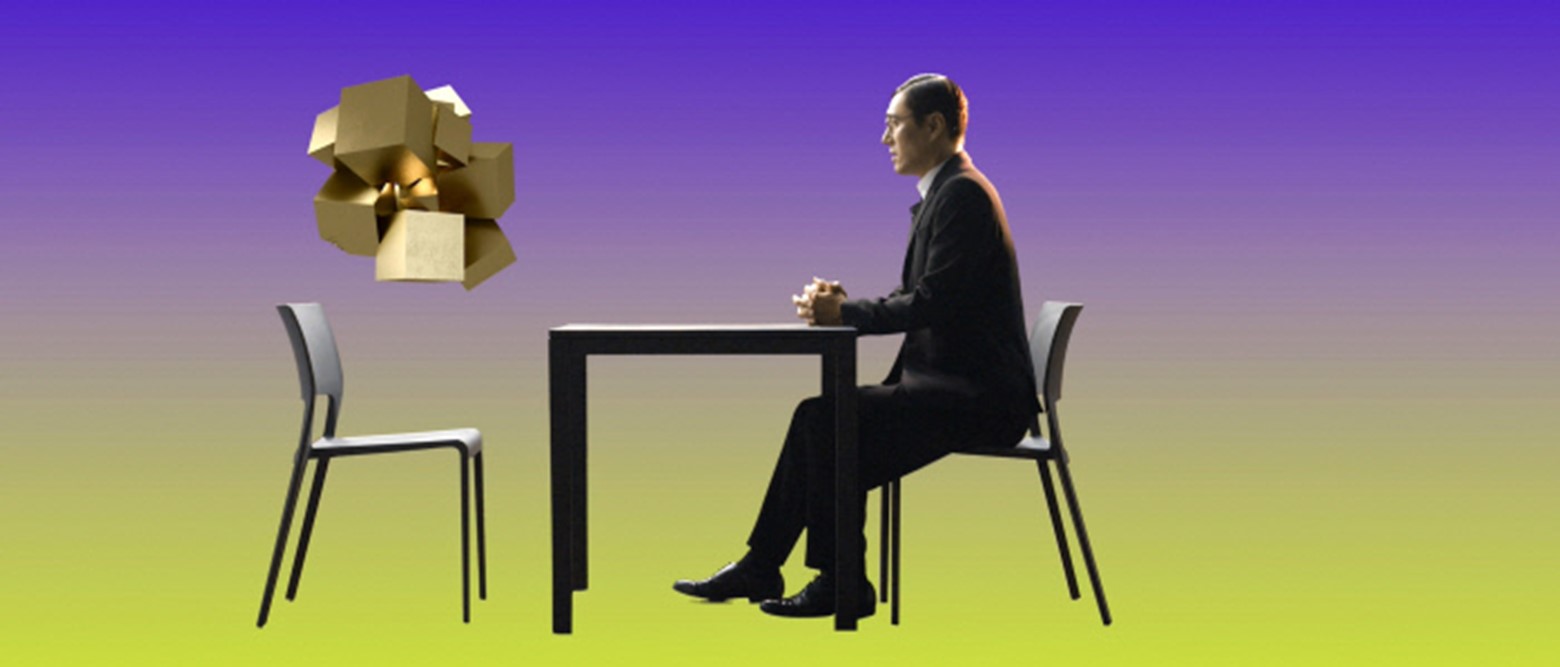
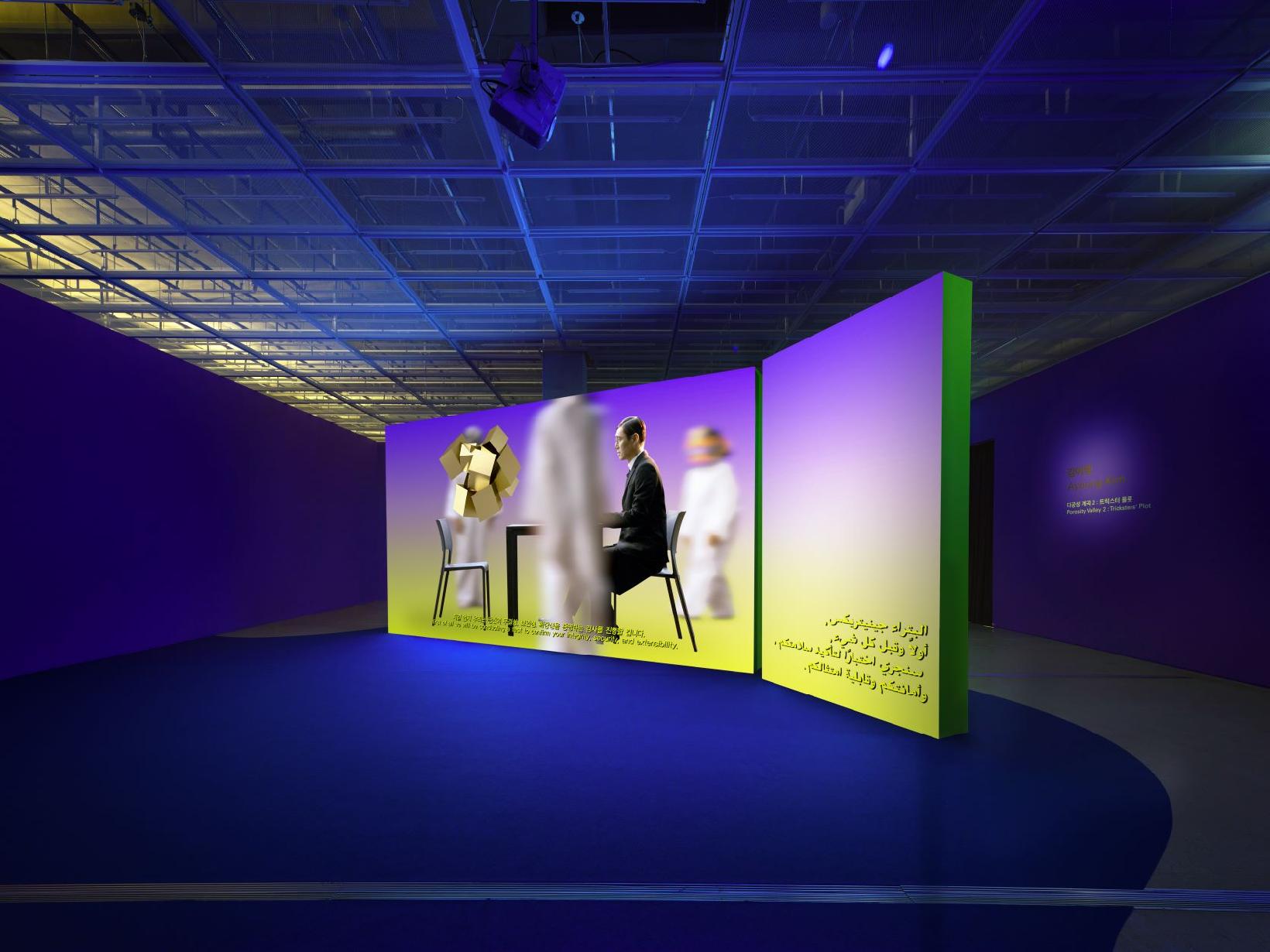
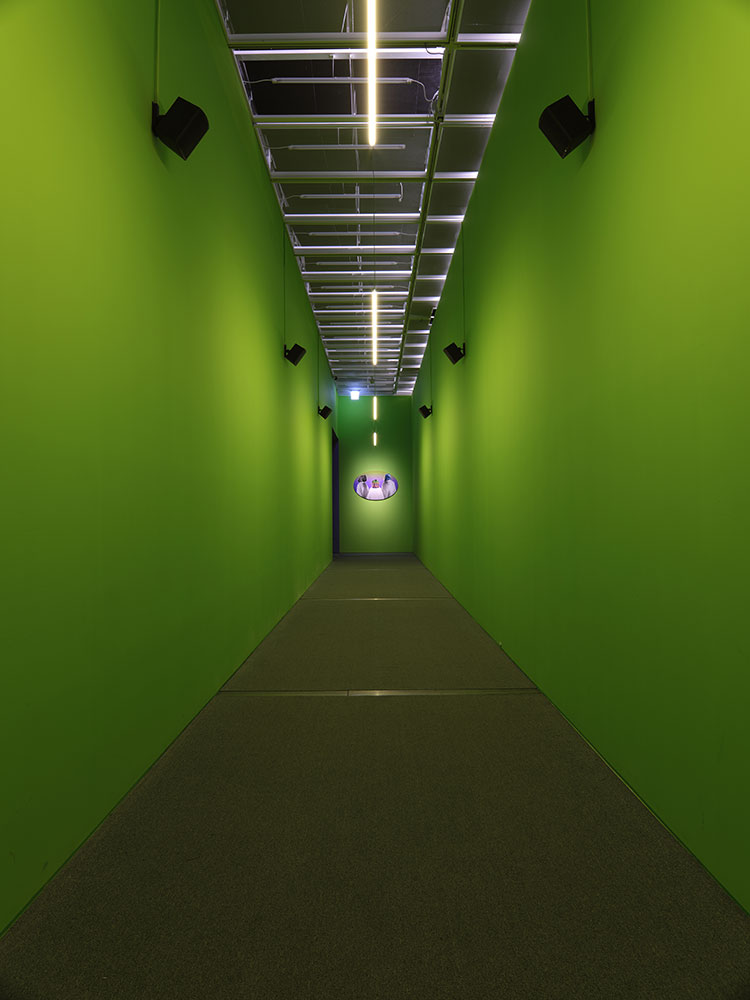
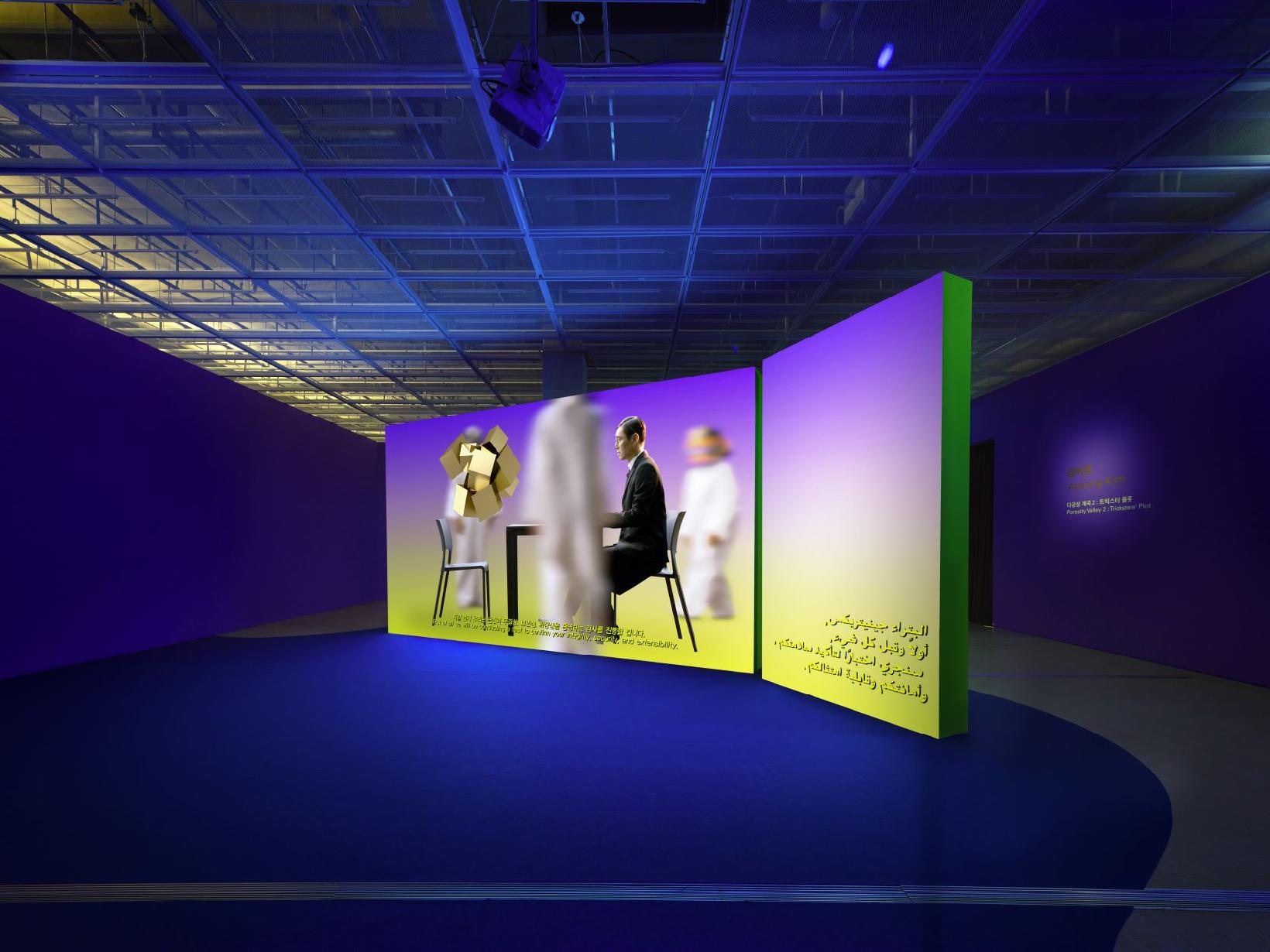
《Porosity Valley》(2018, Ilmin
Museum of Art, Seoul), 《Crystal Turbulence 晶體湍流,》(2022, Kuandu Museum of Fine Arts, Taipei),
《Syntax and Sorcery》(2022, Gallery
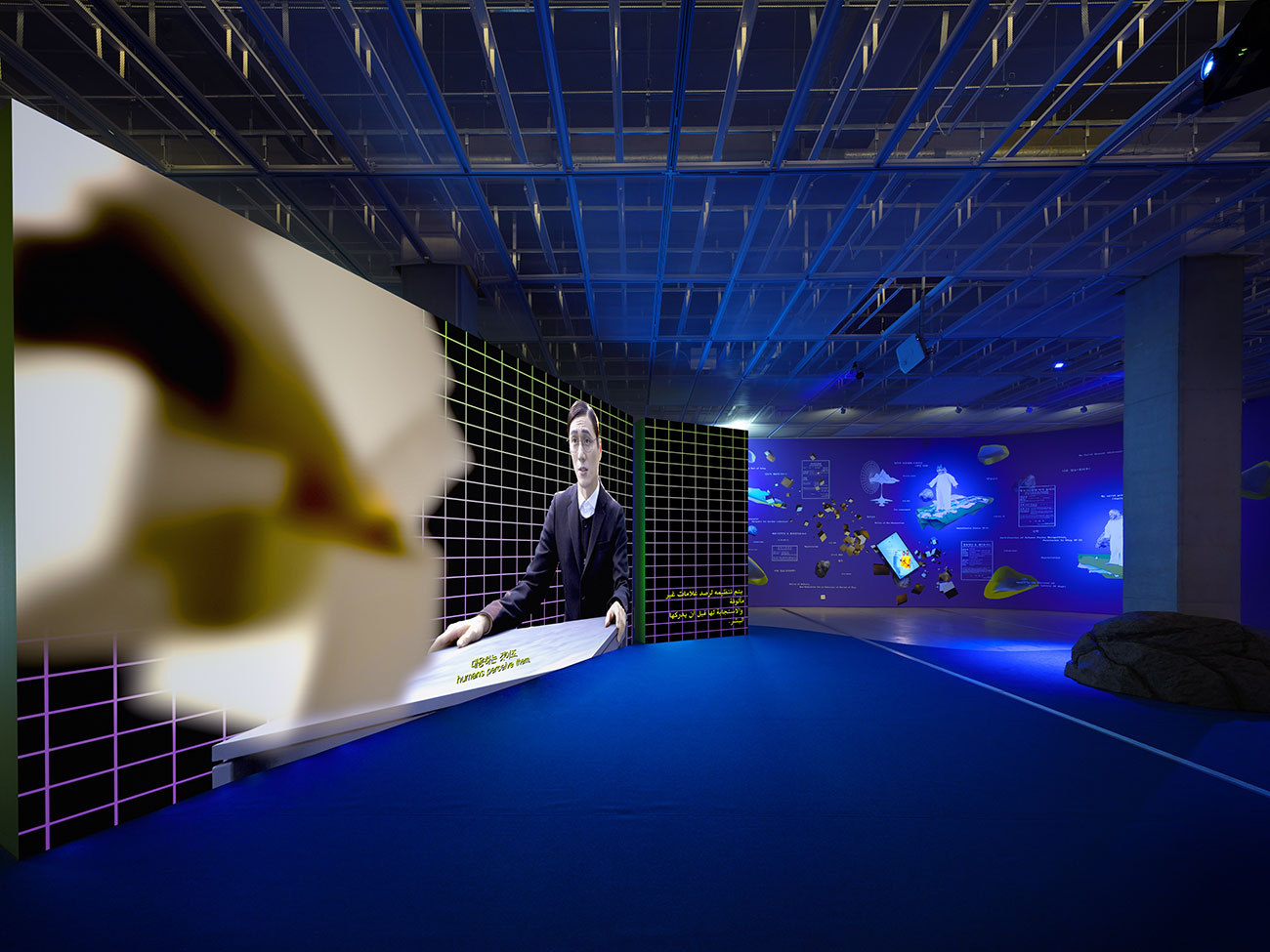
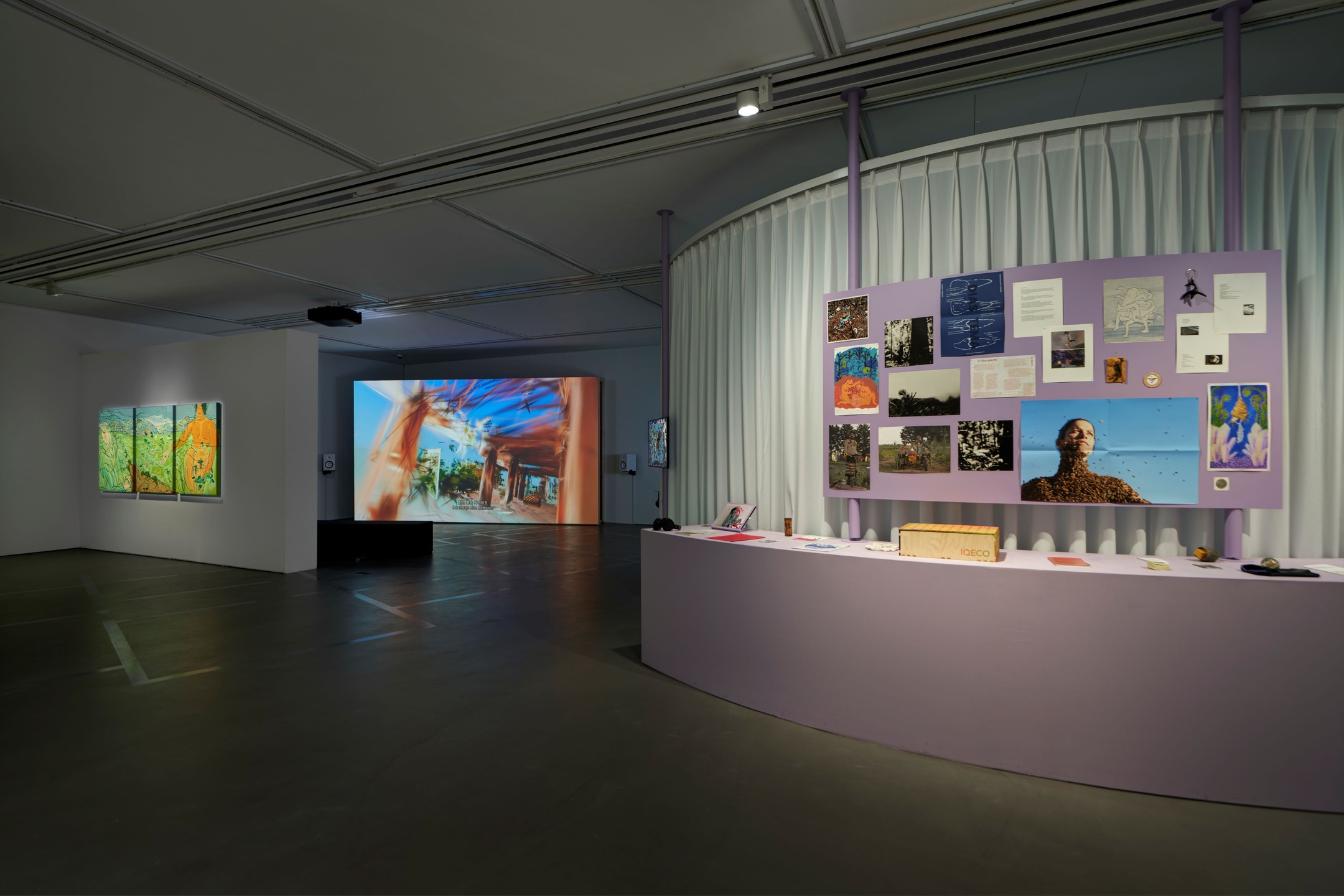
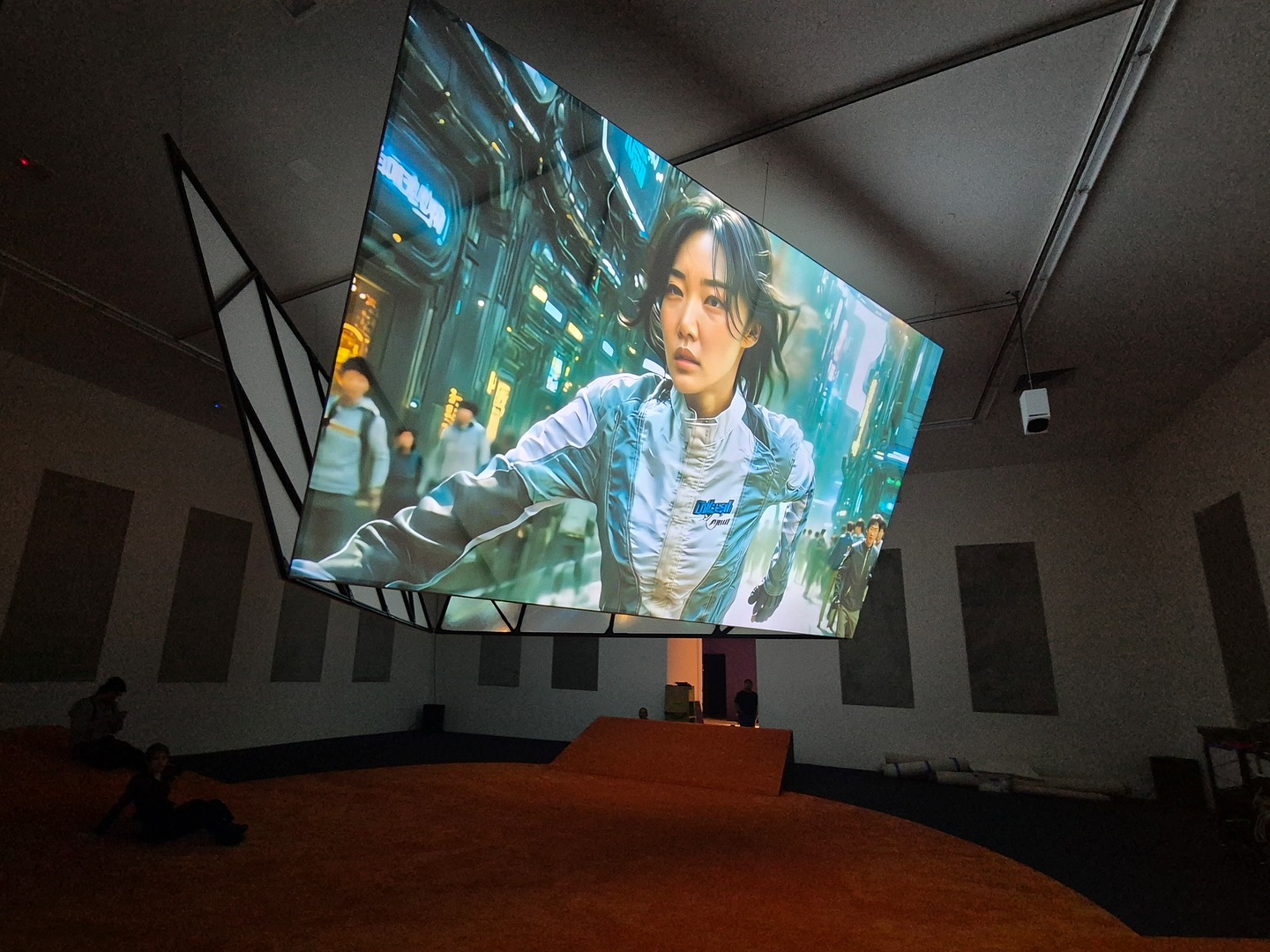
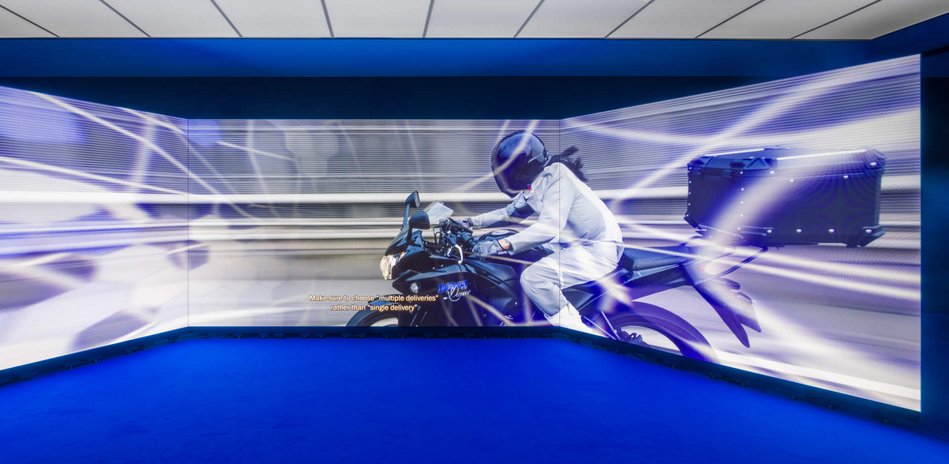
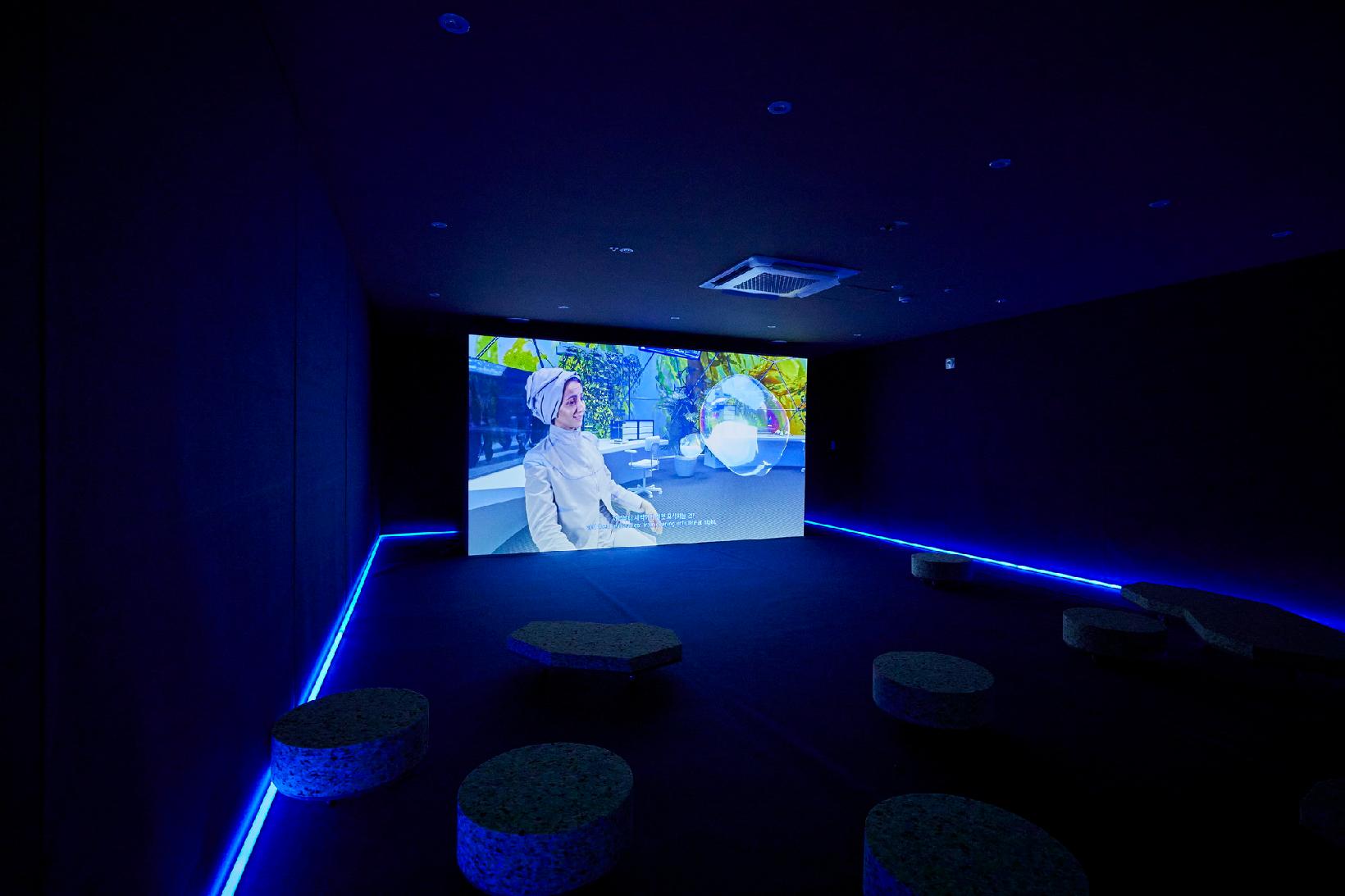
Hyundai, Seoul), 《Delivery Dancer’s Arc: 0° Receiver》(2024, ACMI Australian Centre for the Moving Image, Melbourne), 《ACC Future Prize: Ayoung Kim—Delivery Dancer’s Arc: Inverse》(2024, National Asian Culture Center, Gwangju), among others.
New solo exhibition,
《ACC Future Prize Ayoung Kim—Line of Delivery Dancer:
Inverse》, will be held at Hamburger
Bahnhof—Nationalgalerie der Gegenwart, Germany's leading national museum of
contemporary art, starting in February 2025. Additionally, a solo exhibition is
scheduled at MoMA PS1 in November 2025.
Group Exhibitions (Brief)
Ayoung Kim has participated in numerous prestigious group exhibitions internationally and domestically, including 《The 30th Joong-Ang Fine Arts Prize》(2008, Hangaram Art Museum, Seoul Arts Center, Seoul, Korea), 《Korean Eye 2009: Moon Generation》(2009, Saatchi Gallery, London, UK), 《Maiden Pictures 13》(2013, Arario Gallery, Seoul, Korea), 《All the World’s Futures, 56th Venice Biennale》(2015, Venice, Italy), 《Gridded Currents》(2017, Kukje Gallery, Seoul, Korea), 《Korea Artist Prize 2019》(2019, National Museum of Modern and Contemporary Art, Seoul, Korea), 《Transversing Worlds of Matter – ARKO Festival》(2021, ARKO Art Center, Seoul, Korea), 《Human, Seven Questions》(2021, Leeum Museum of Art, Seoul, Korea), 《Frequencies of Tradition》(2021, Incheon Art Platform, Incheon, Korea), 《Watch and Chill 2.0: Streaming Senses》(2022, National Museum of Modern and Contemporary Art, Seoul, Korea), 《Sharjah Biennial 15: Thinking Historically in the Present》(2023, Sharjah, UAE), 《A Dweller on Two Planets》(2023, Microscope Gallery, New York, US), 《Back to the Future: An Exploration of Contemporaneity in Korean Contemporary Art》(2023, National Museum of Modern and Contemporary Art, Seoul, Korea), 《Ars Electronica Festival》(2023, Ars Electronica, Linz, Austria), 《What an Artificial World》(2024, MMCA Cheongju, Cheongju, Korea), 《Me, Also Me》(2024, Art Gallery of Western Australia, Perth, Australia), 《SeMA Omnibus: At the End of the World Split Endlessly》(2024, Seoul Museum of Art, Seoul, Korea), and 《MACHINE LOVE: Video Game, AI and Contemporary Art》(2025, Mori Art Museum, Tokyo, Japan).
Awards (Selected)
Ayoung Kim has received several prestigious
awards, including the 2nd Prize, 30th Joong-Ang Fine Arts Prize (2008,
Korea), Young Artist of the Year Award, Ministry of Culture, Sports and
Tourism (2015, Korea), Best Film Award, 7th Chuncheon SF Film Festival
(2020, Korea), Golden Nica Award, Prix Ars Electronica (2021, Linz,
Austria, New Animation Art Category), and the ACC Future Prize, National
Asian Culture Center (2024, Gwangju, Korea).
She was also selected as a Finalist for
the Korea Artist Prize (2019, MMCA, Korea) and as a Finalist for Best
Experimental Film at the Berlin Sci-fi Filmfest (2021, Germany).
Collections (Selected)
Ayoung Kim’s works are housed in the collections of major institutions, including Tate Collection, UK, The Rosenkranz Foundation, US, Sharjah Art Foundation, Sharjah, UAE, Kadist Foundation, San Francisco, US, Museum of Contemporary Art Busan, Korea, MMCA (National Museum of Modern and Contemporary Art), Korea, Platform L, Seoul, Korea, Seoul Museum of Art, Korea, Leeum, Samsung Museum of Art, Korea.