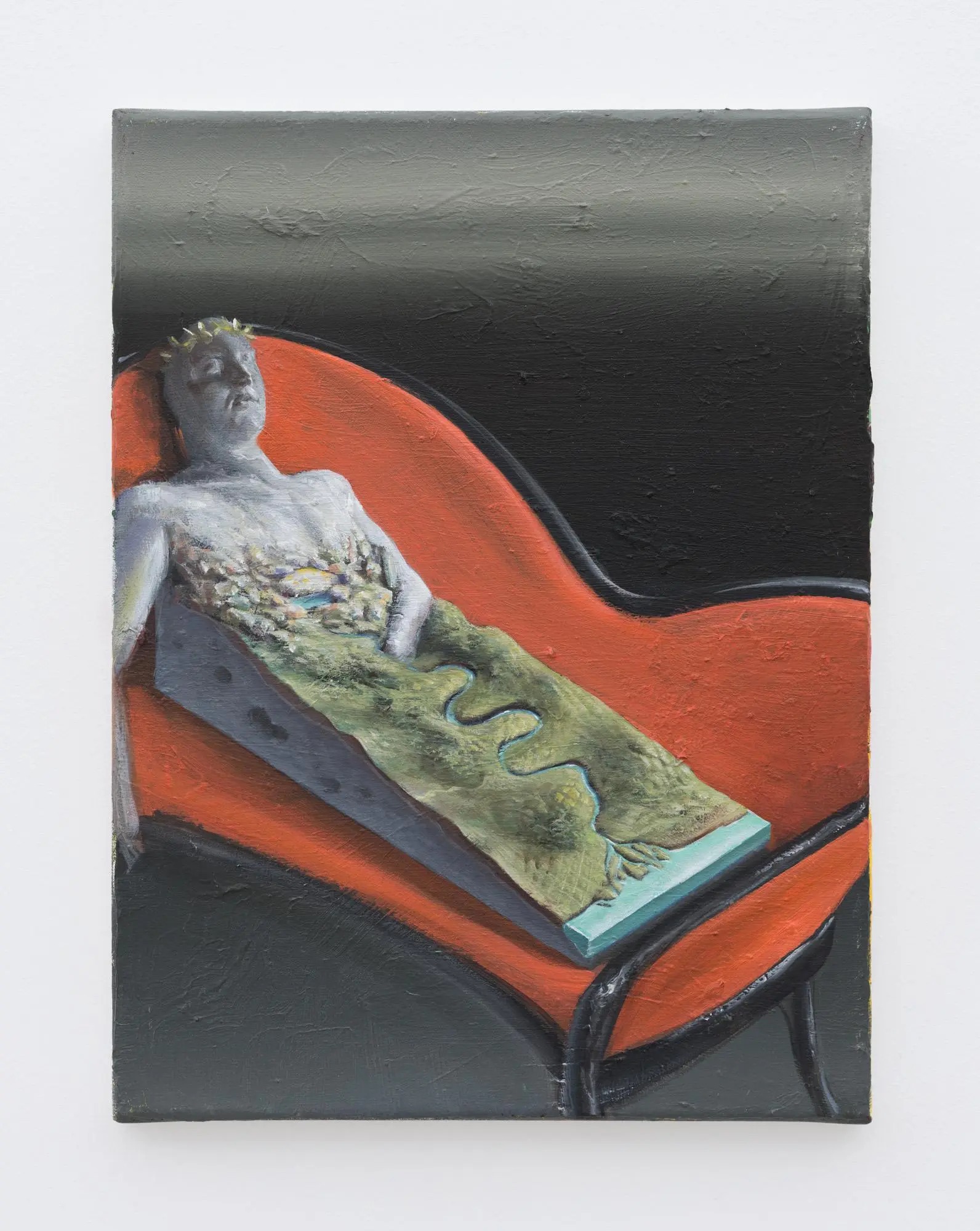
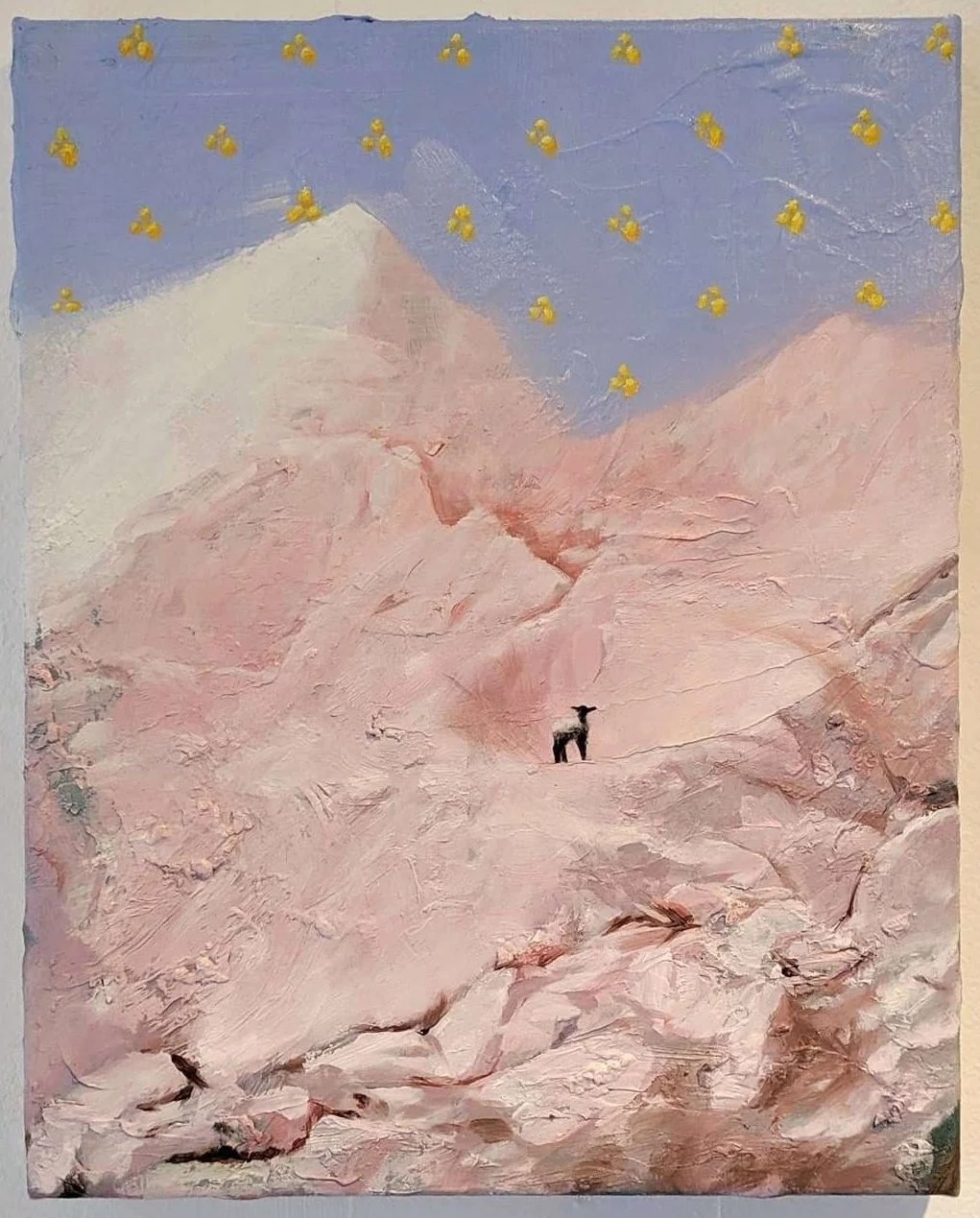
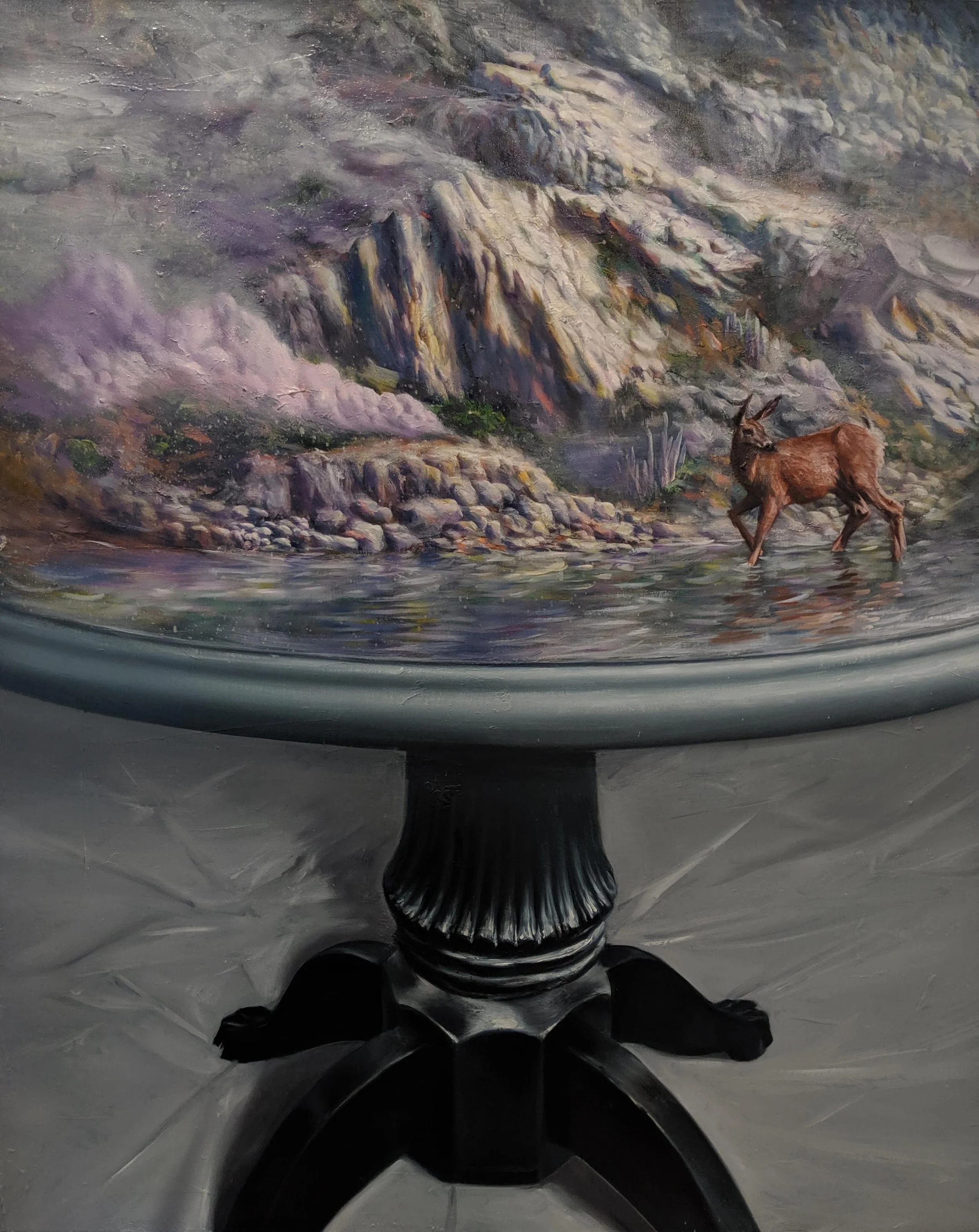
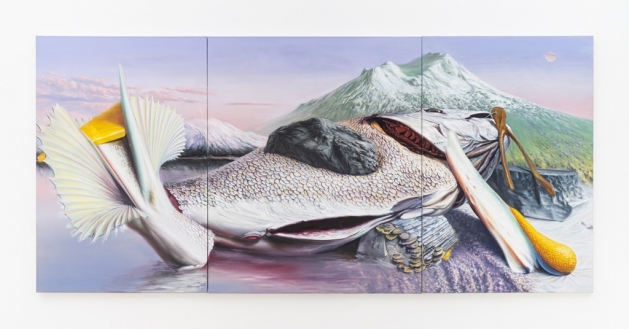
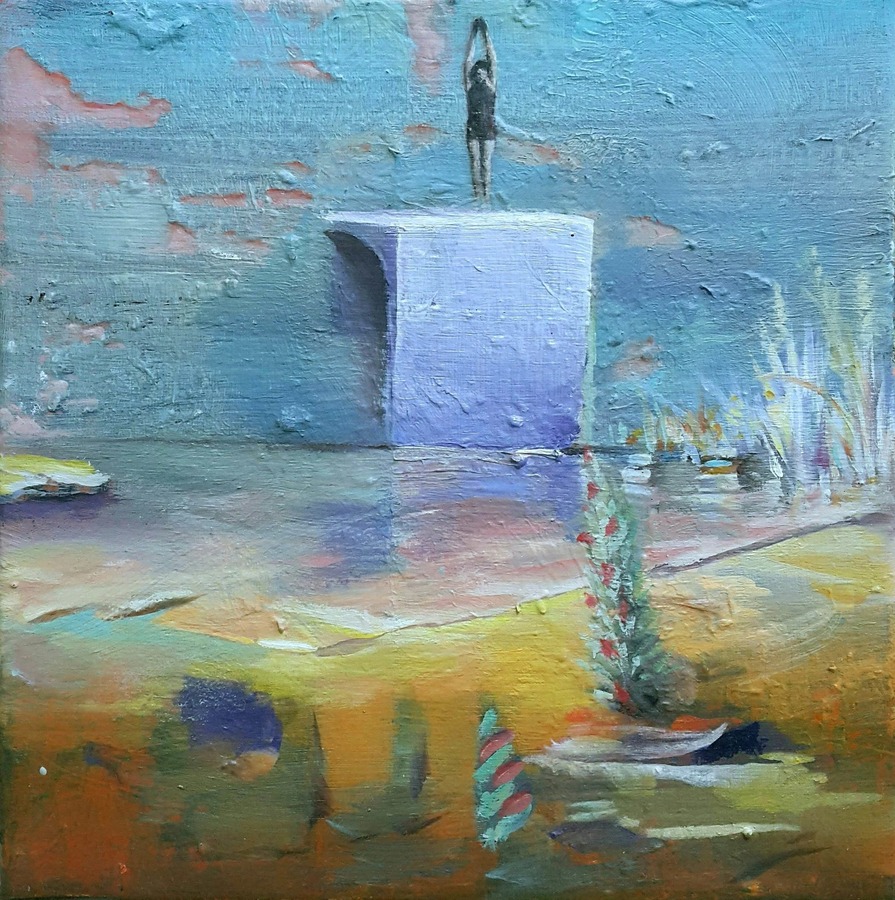
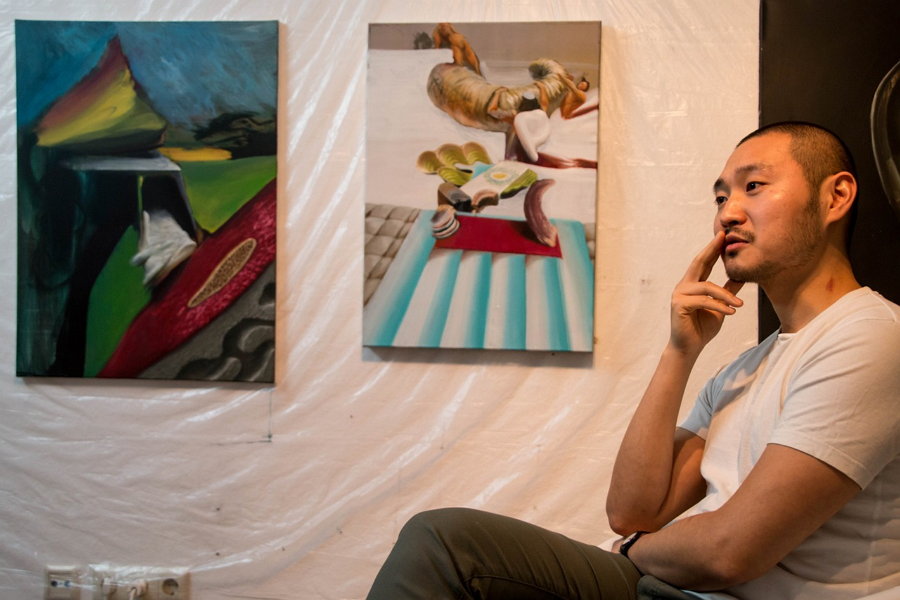
Jaehong Ahn’s practice can be traced through a sustained engagement with figurative painting that began in the early 2000s. During his time in Florence, he painted interiors that seemed to retain the presence of figures who had just departed, describing these works as a kind of “portraiture without the physical presence of the figure.”
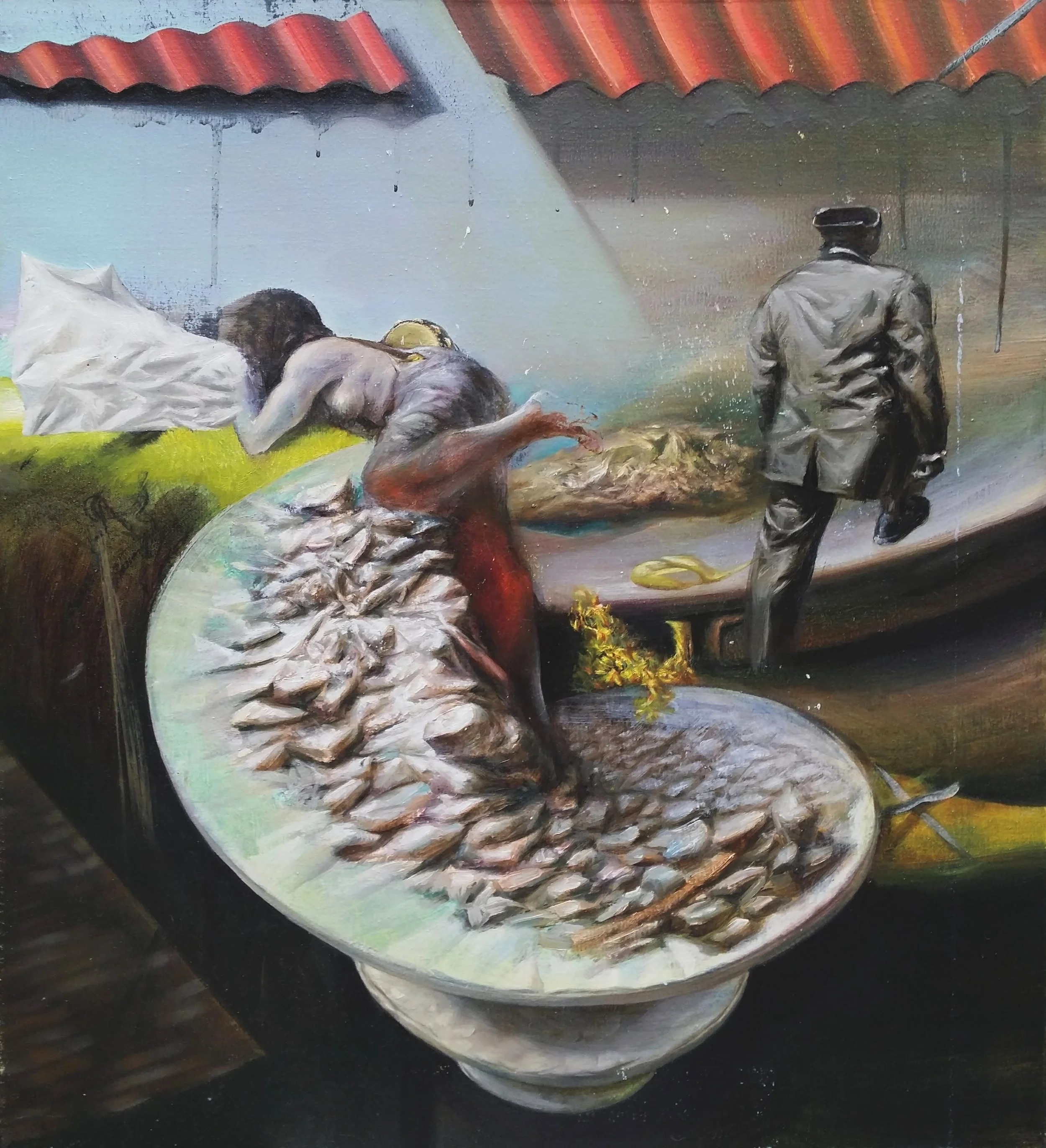
His concerns subsequently expanded toward relationships between figures and objects, isolated beings, and opposing forces. Around 2010, while reviewing his earlier works, Ahn recognized separation and isolation as recurring themes that had persisted throughout his practice. His commitment to oil painting has likewise remained consistent, and works from the early 2010s through 2025 continue to stage tensions among figures, creatures, and unfamiliar spaces.
His stay in Leipzig in 2012 introduced an important shift within this continuity. Having worked in figurative painting for more than a decade, Ahn had been considering how figuration could remain relevant within contemporary art. He has described Leipzig as the place where he first became convinced that figurative elements could coexist with contemporary artistic currents without needing to be deliberately rejected.
After relocating to Berlin, he became increasingly attentive to an environment in which diverse artistic positions coexist without being dominated by a single movement. The painterly conviction he developed in Leipzig and the cultural diversity he encountered in Berlin allowed him to sustain oil painting while continually transforming its internal structures and imaginative vocabulary.
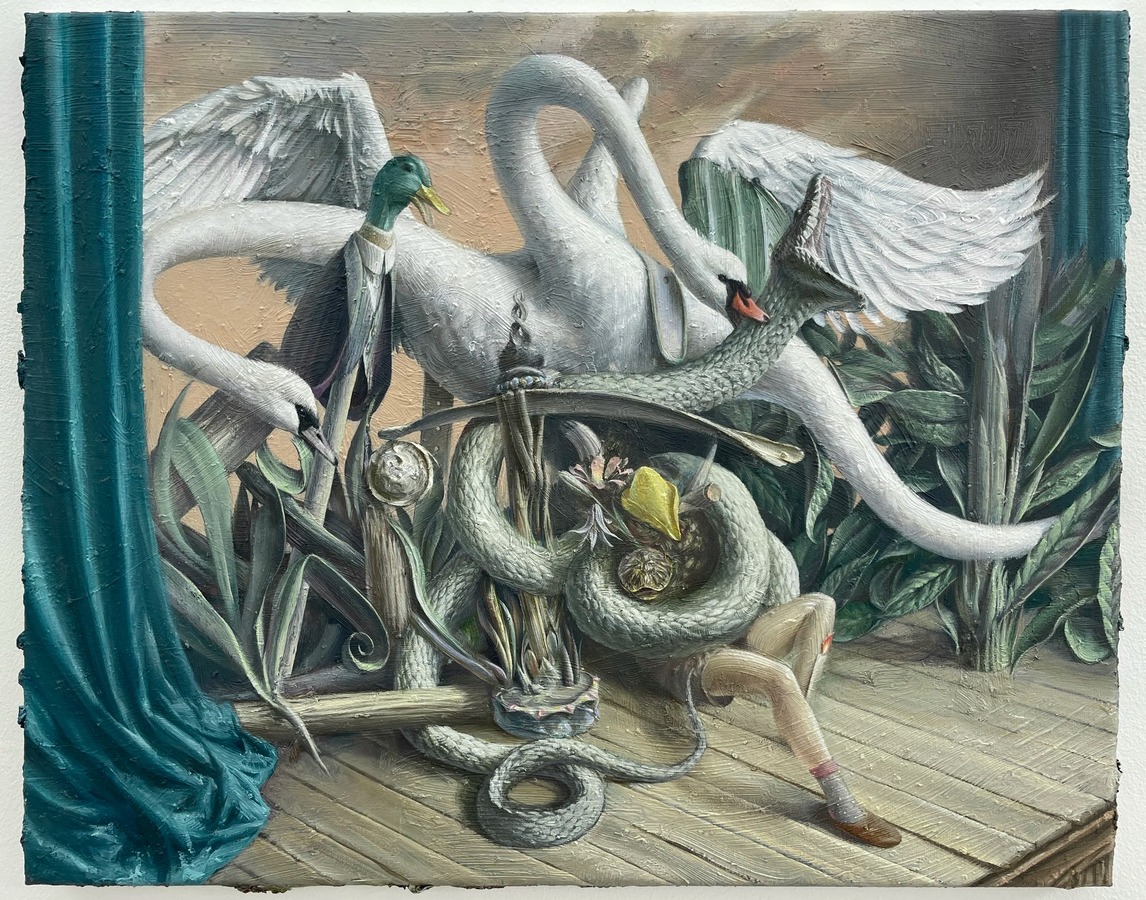
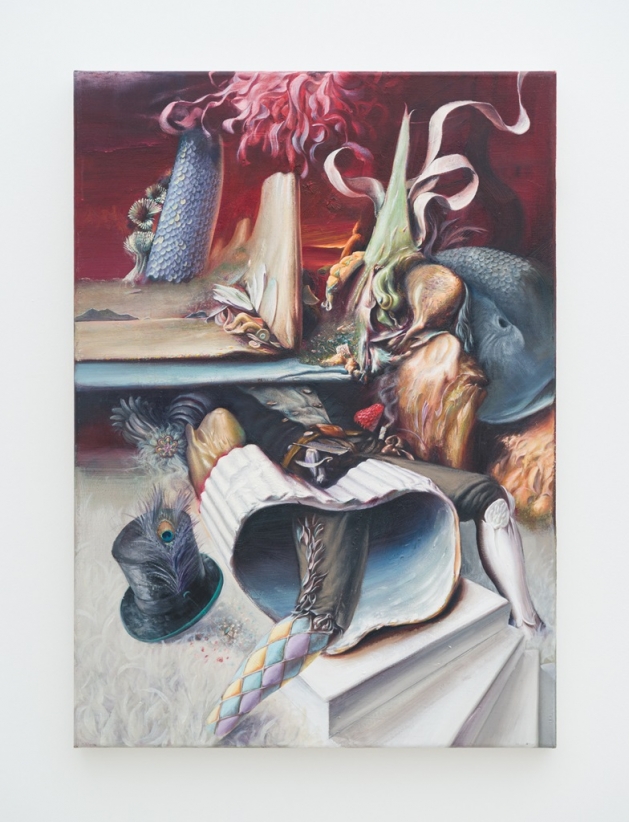
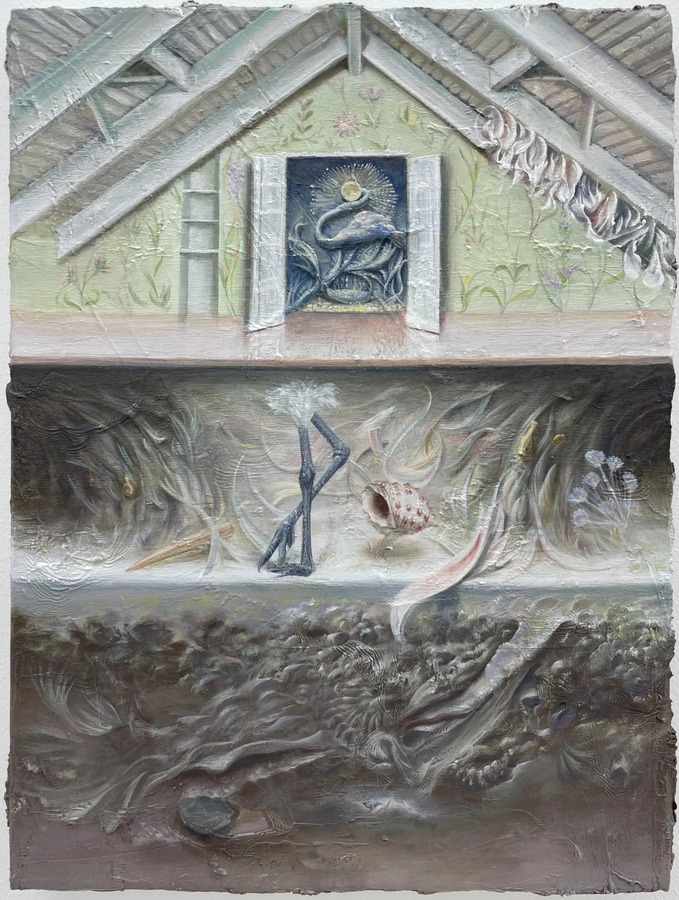
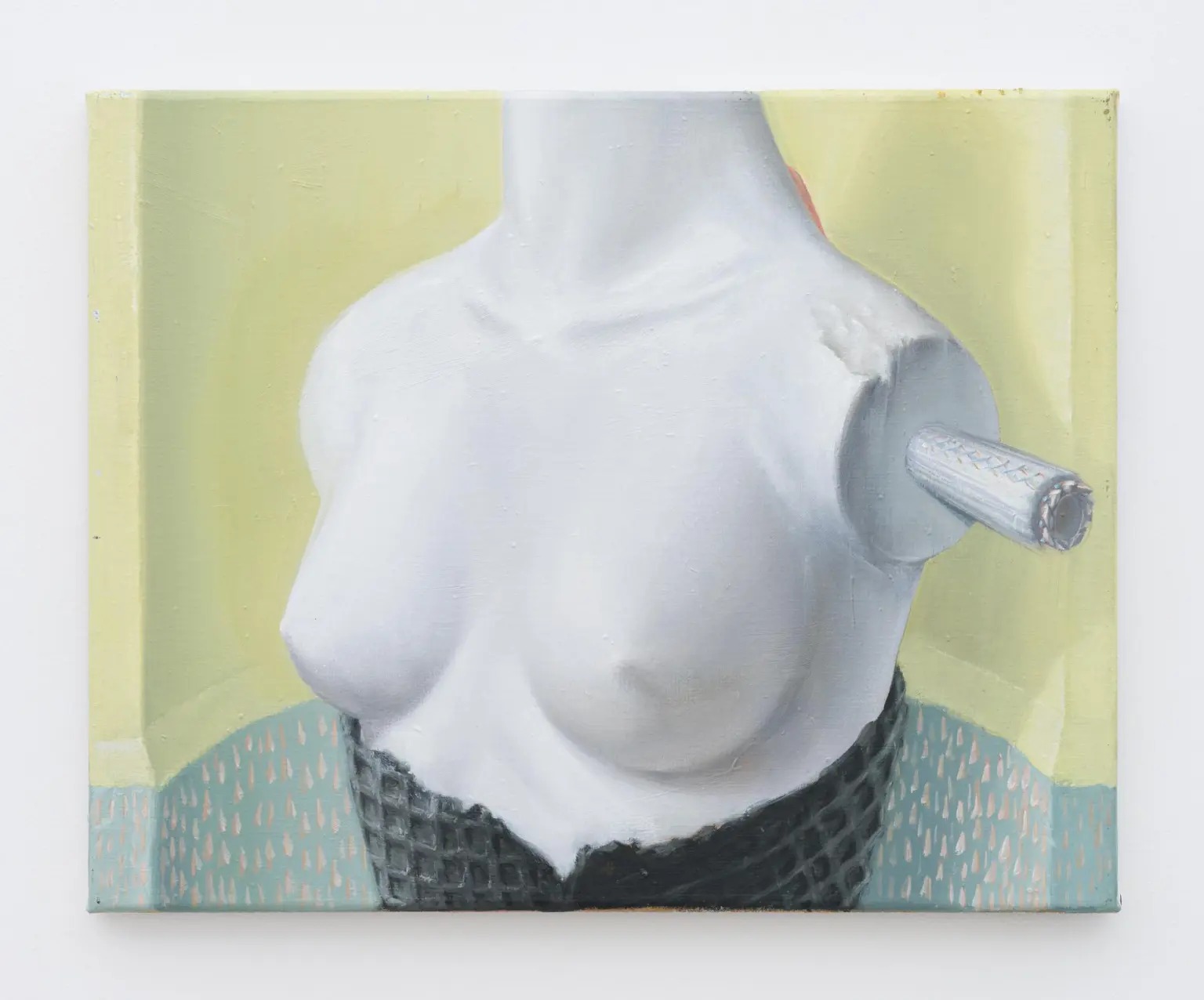
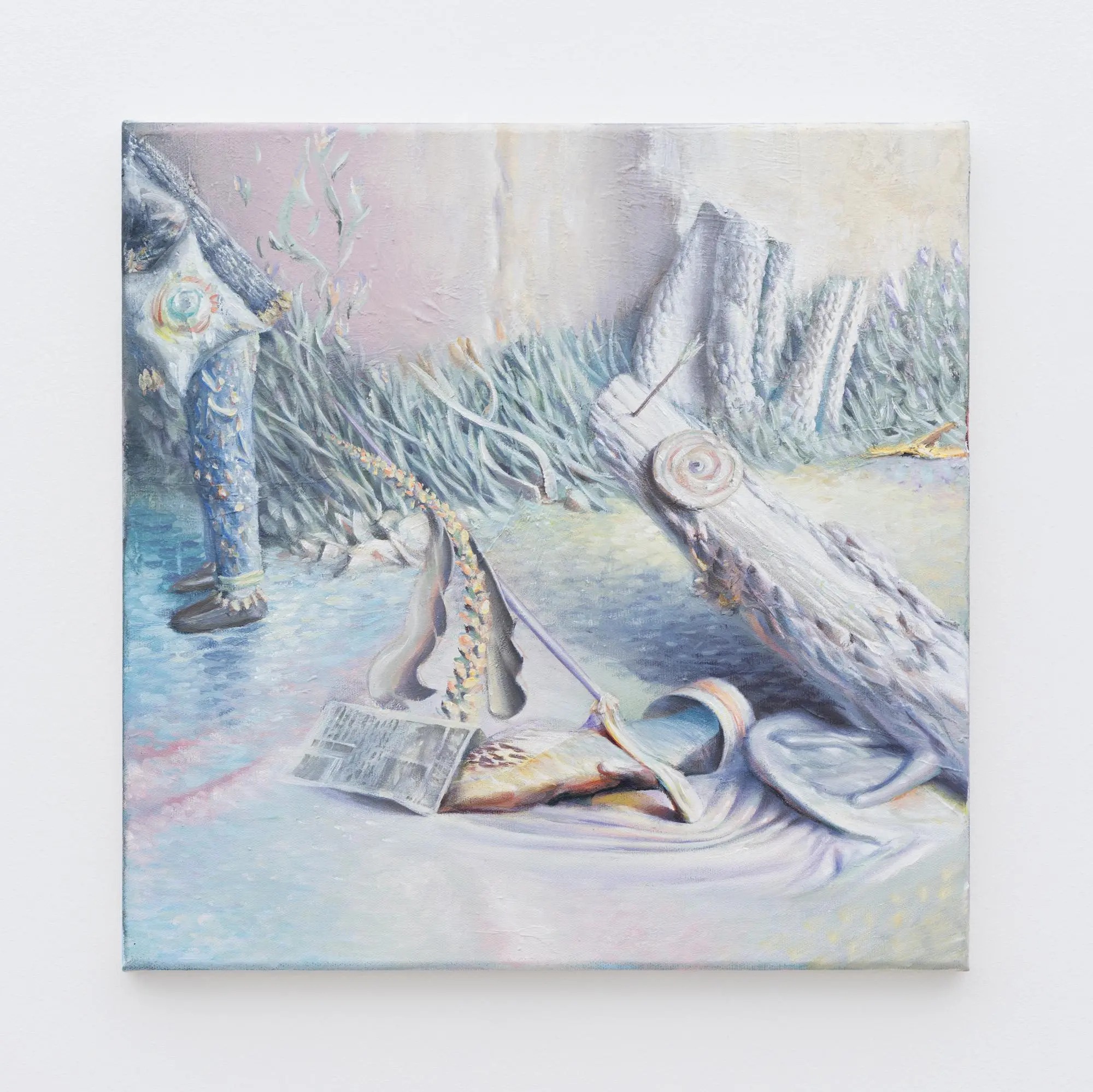
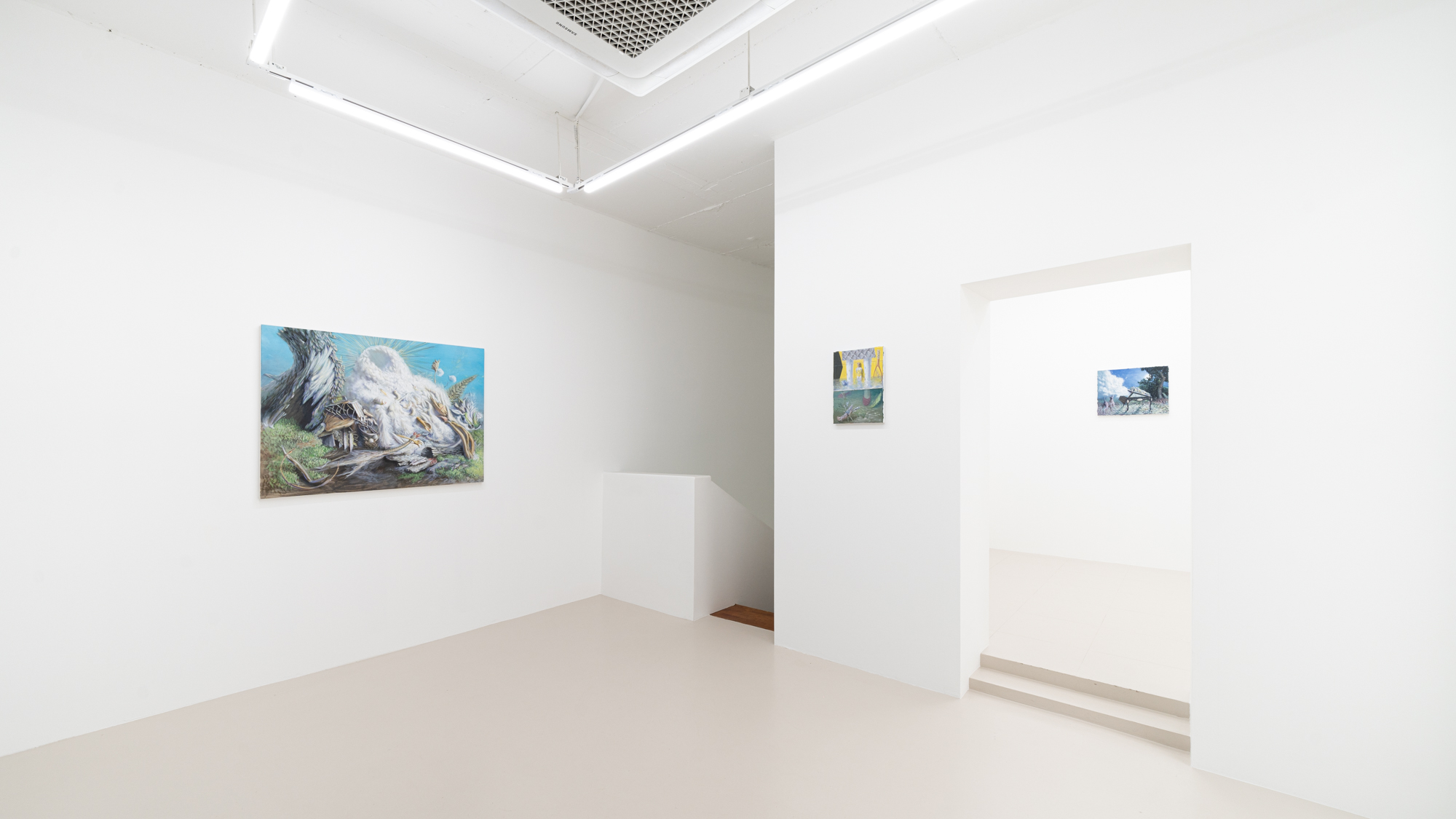
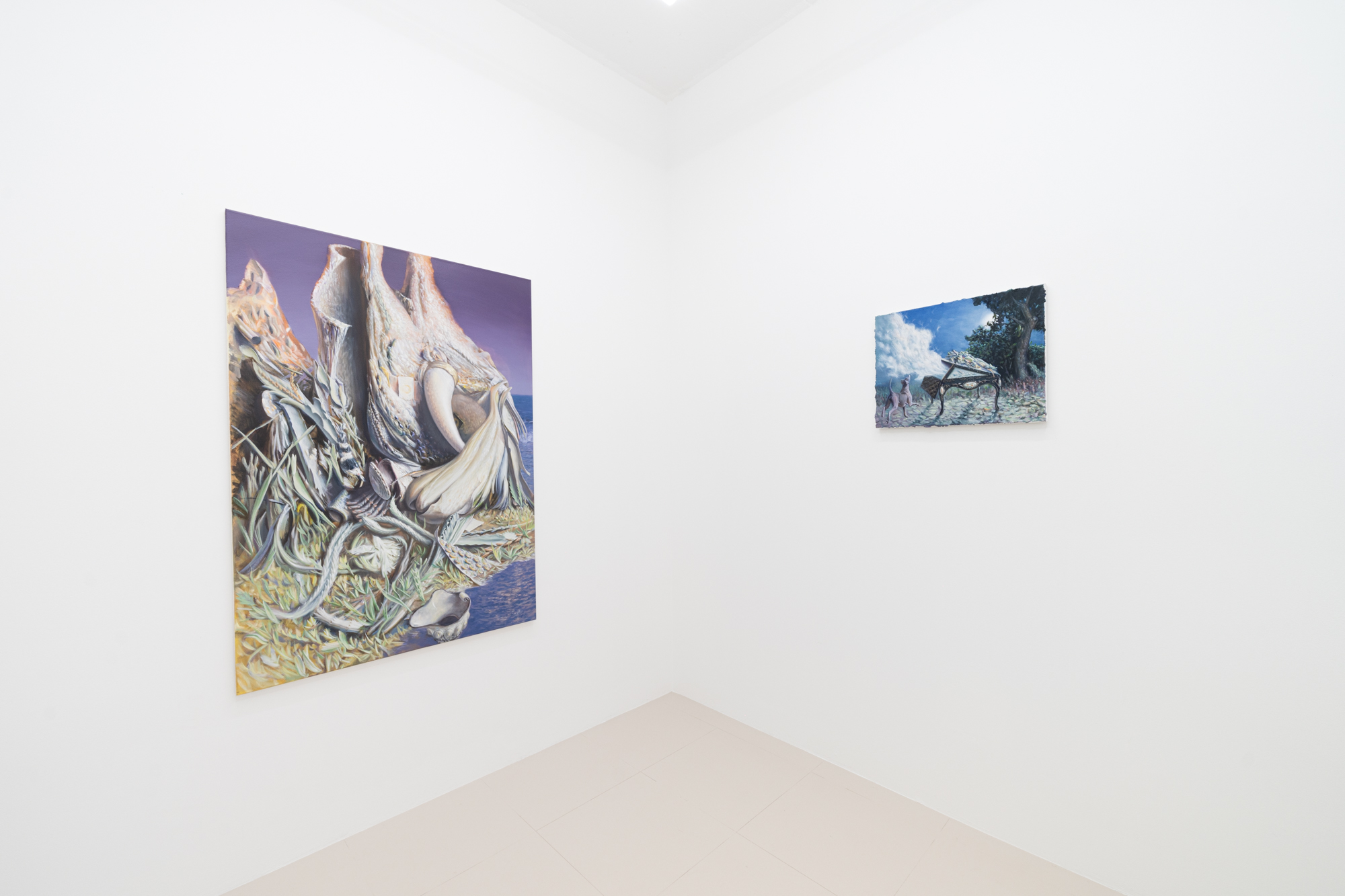
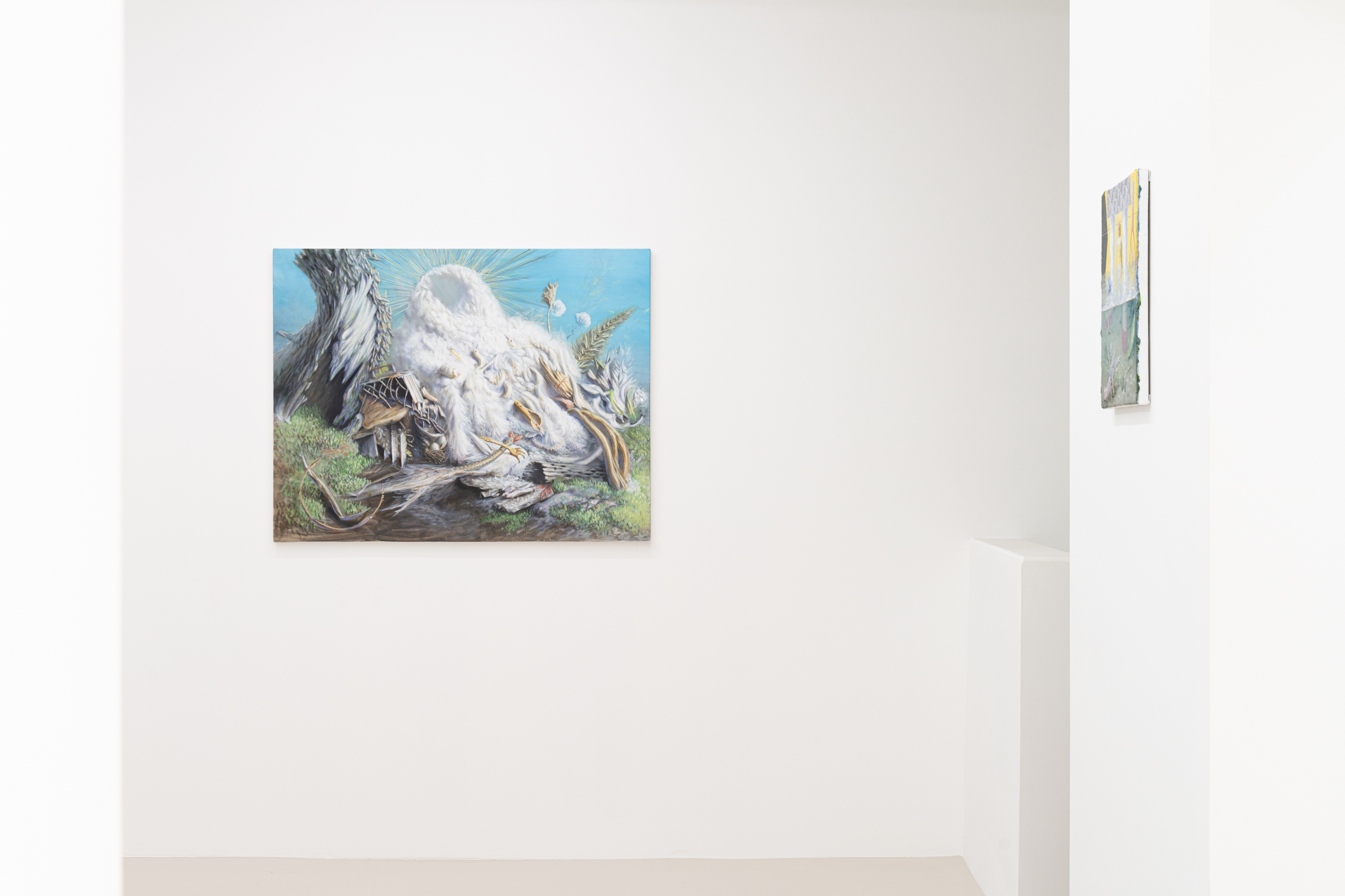
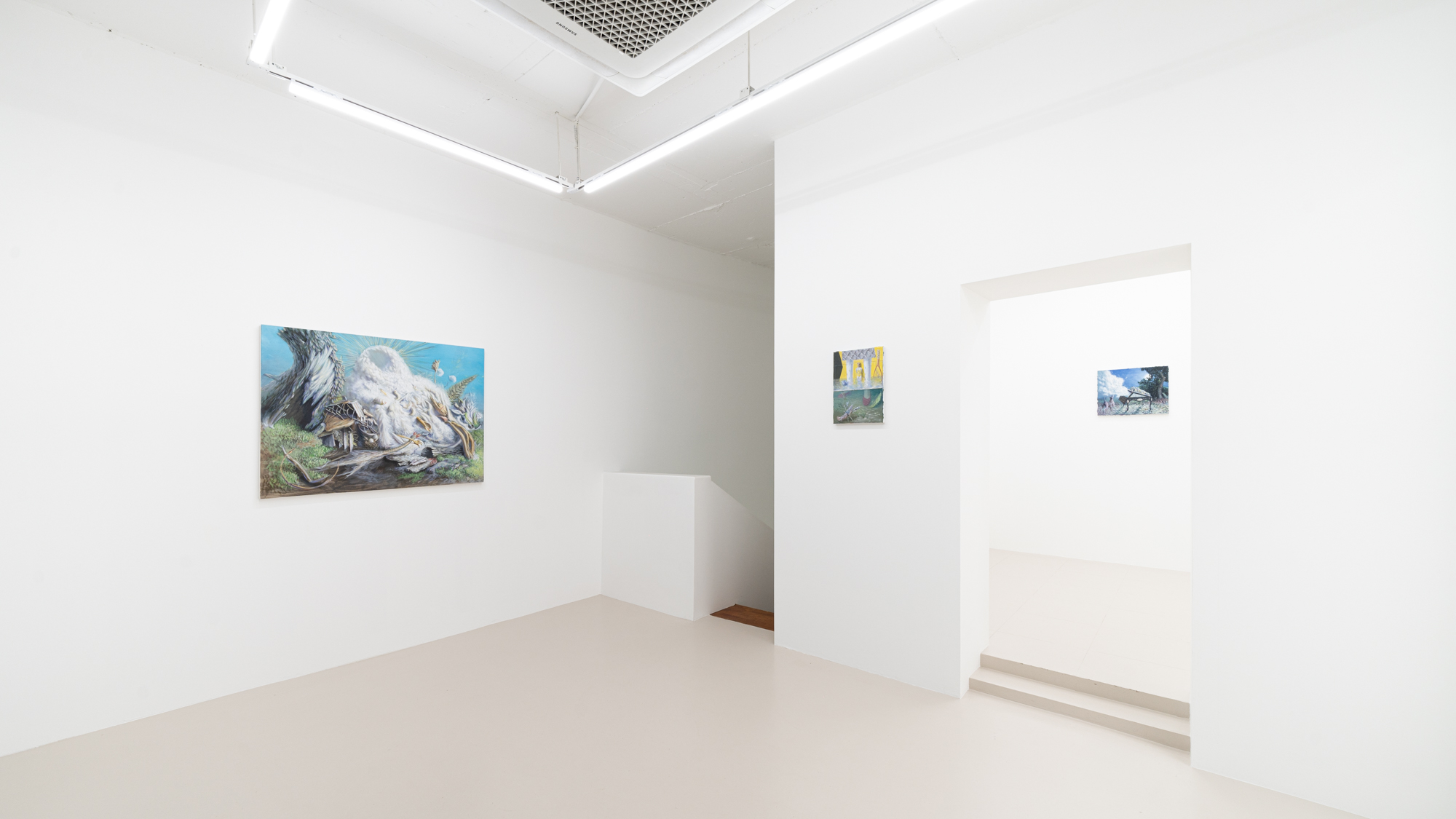
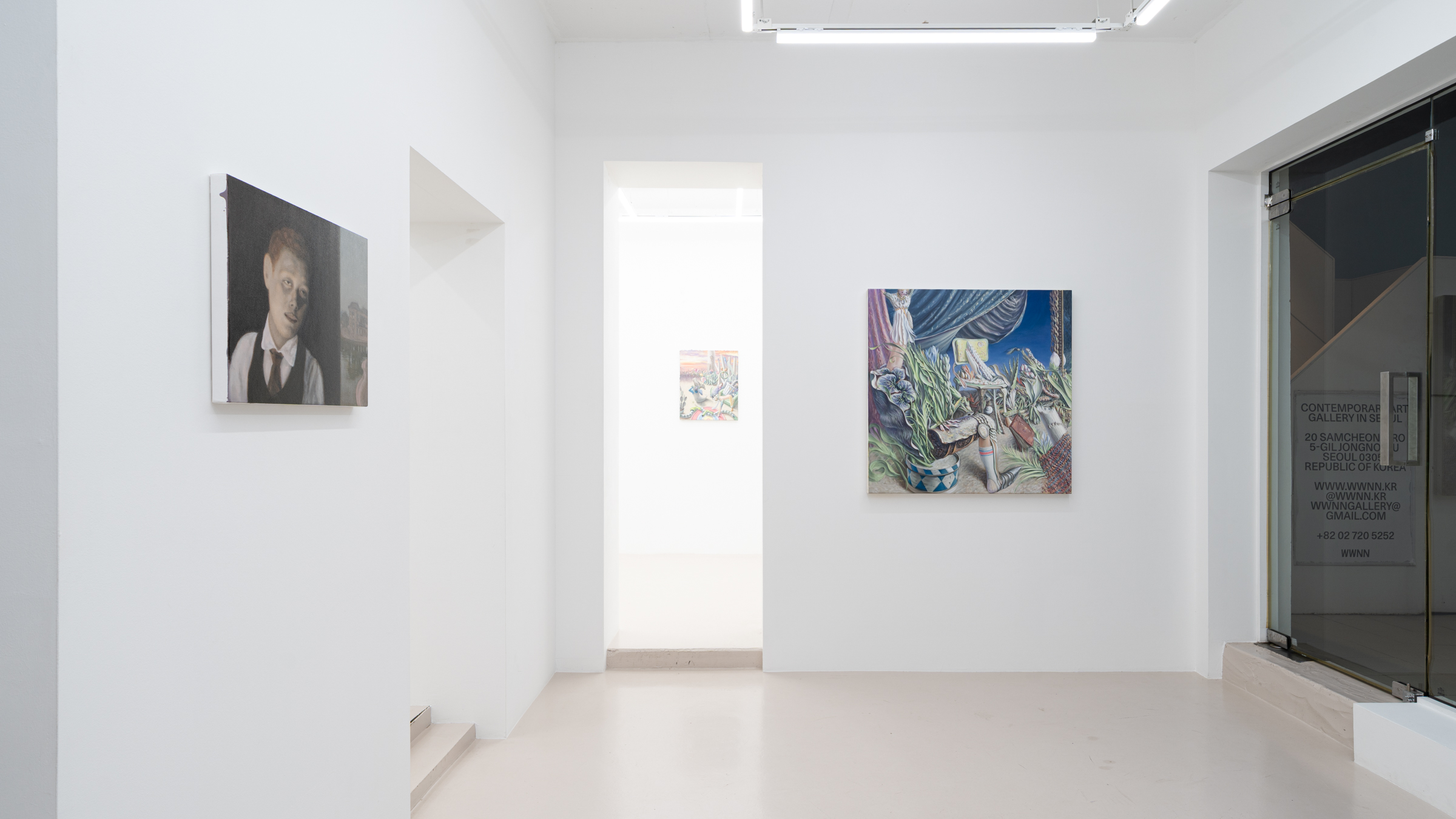
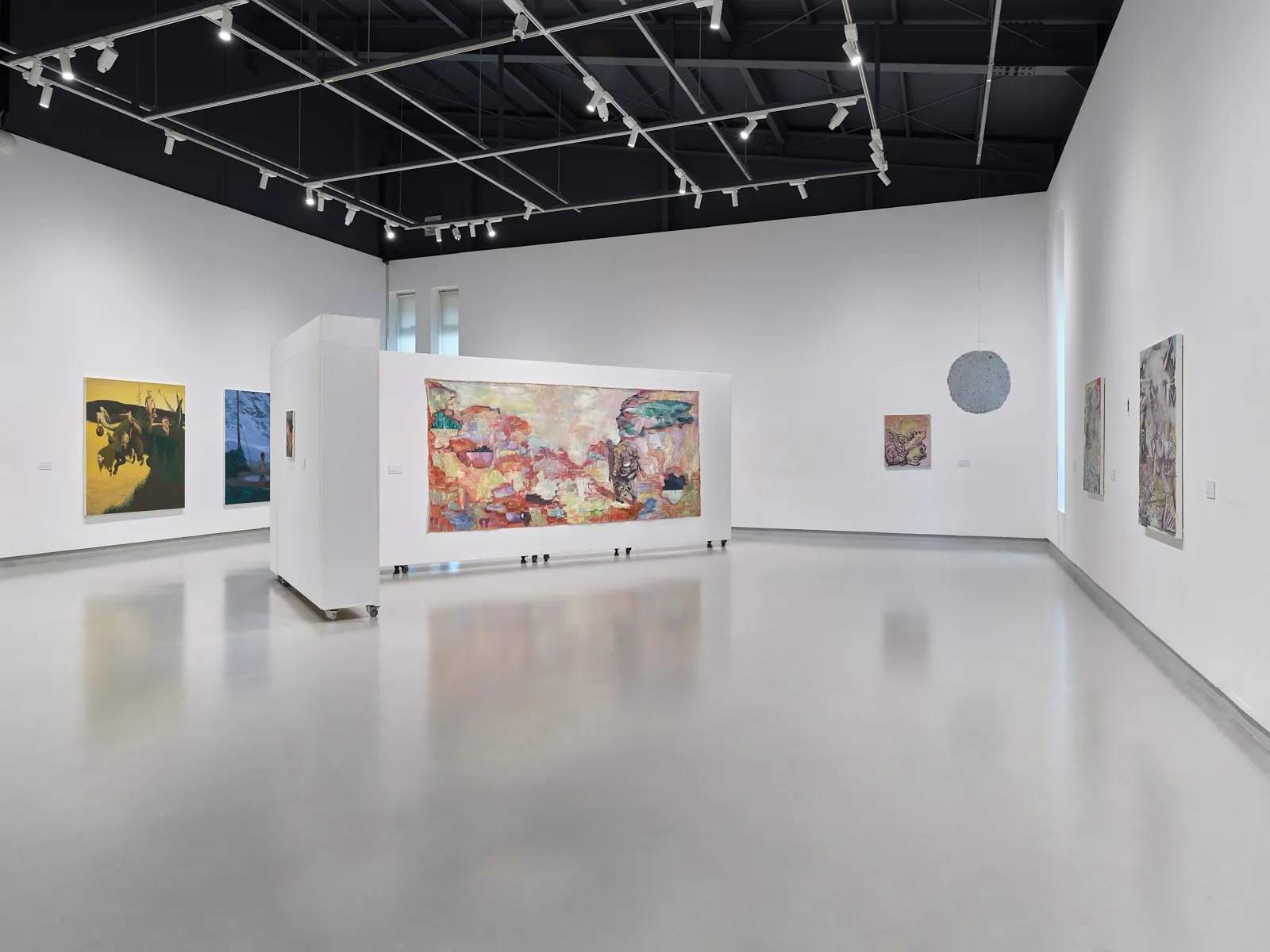
His commitment to figuration has never resulted in a fixed mode of representation. Ahn’s process gradually evolved into a method that begins with automatic brushwork and abstraction, discovers forms within those initial gestures, and repeatedly constructs and dismantles visual order. As a result, compositions once centered primarily on human figures have expanded into fictional environments inhabited by creatures, landscapes, theatrical structures, and ambiguous objects.
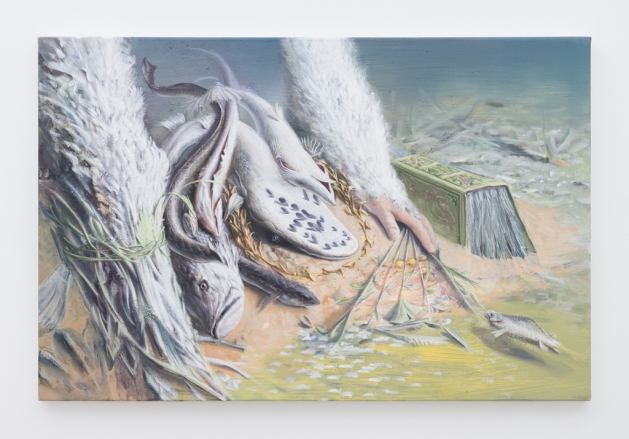
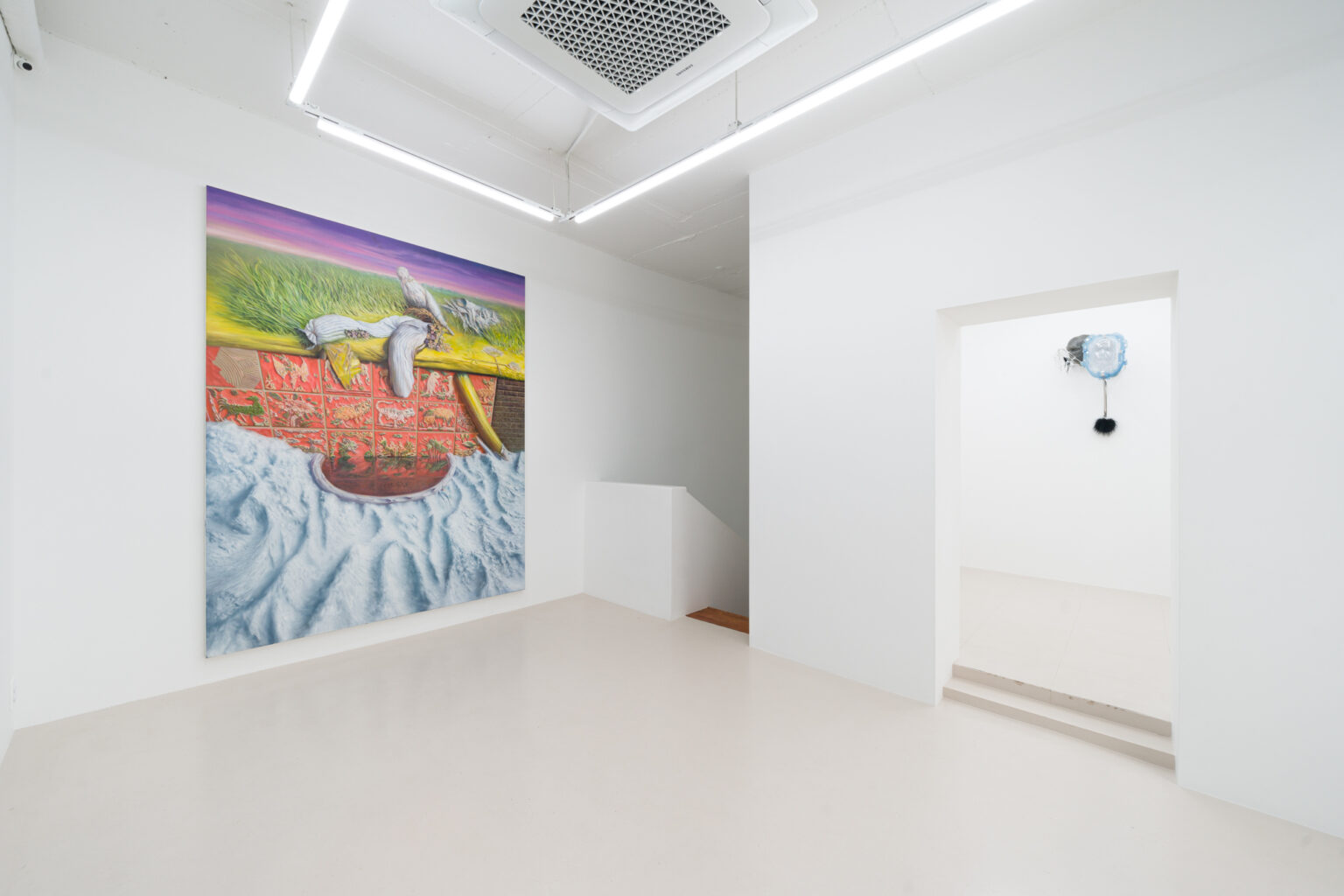
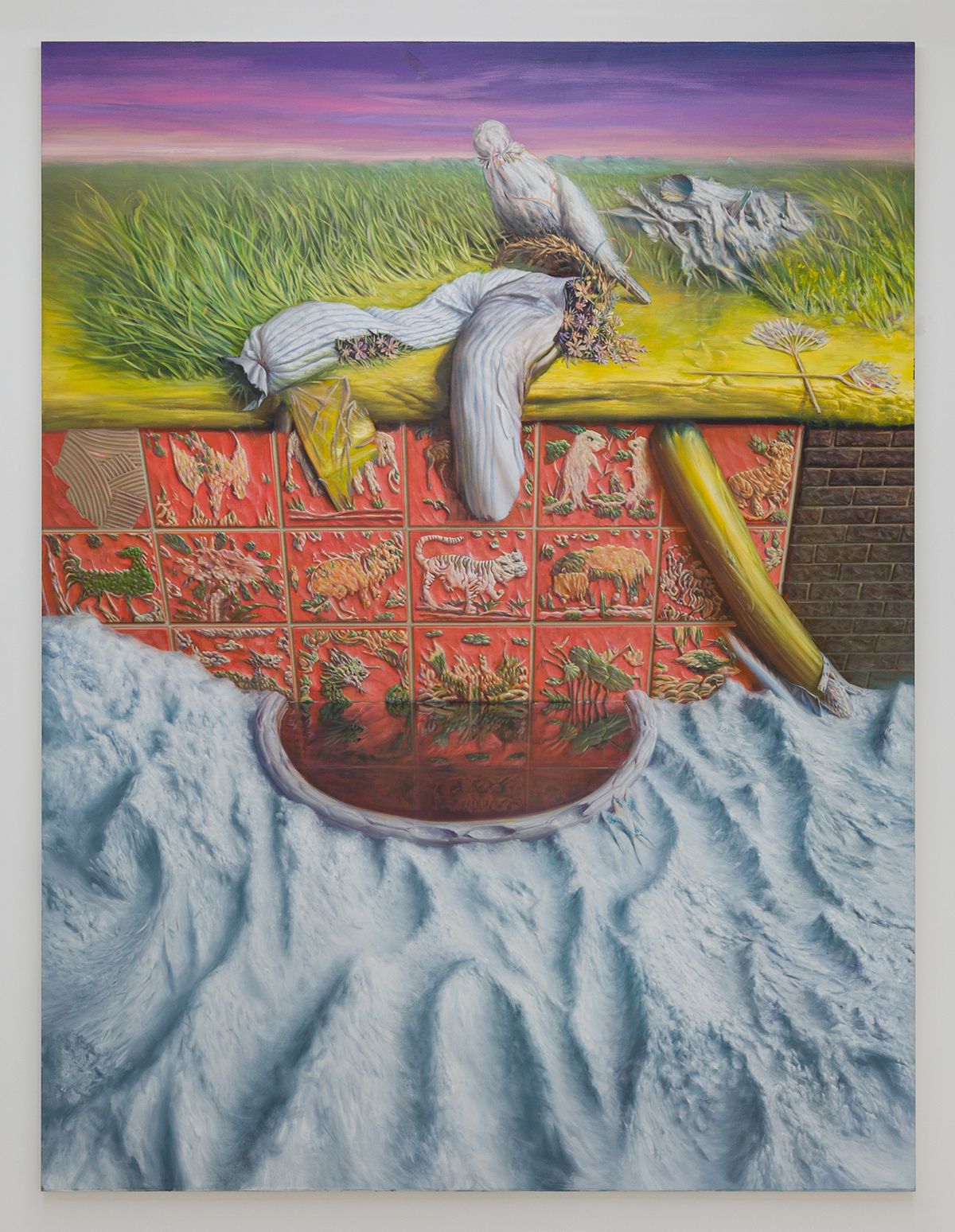
The separated figures, diagonal compositions, and dramatic contrasts visible in his works of the 2010s persist in altered forms in the 2020s, when metamorphic beings, mythological motifs, water, ice, and invented terrains become increasingly prominent. Across these changes, the tension and balance maintained among separated entities remain a consistent structural principle.
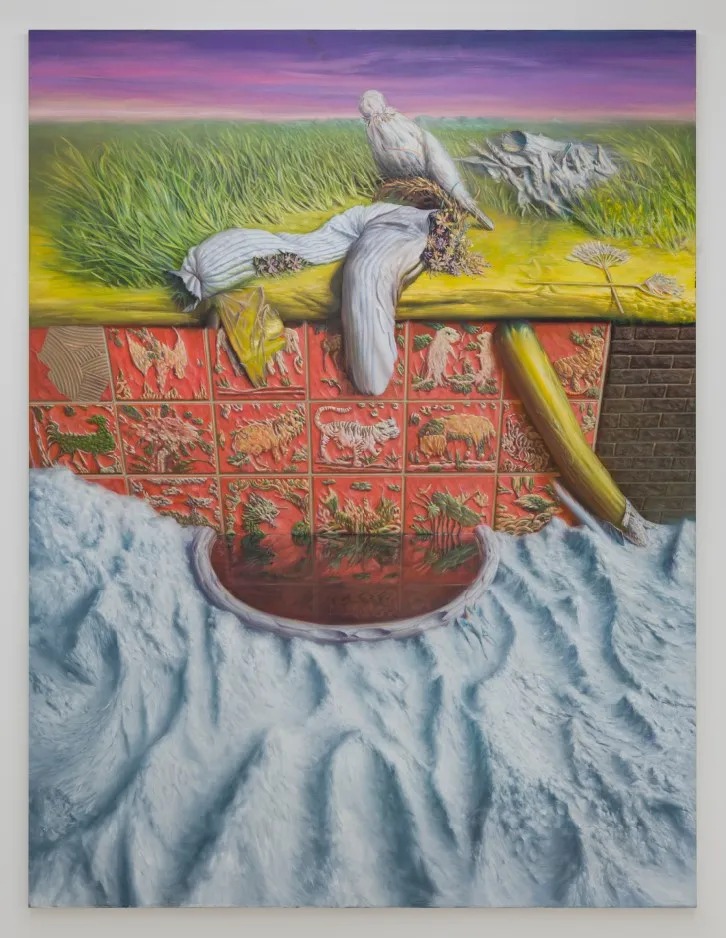
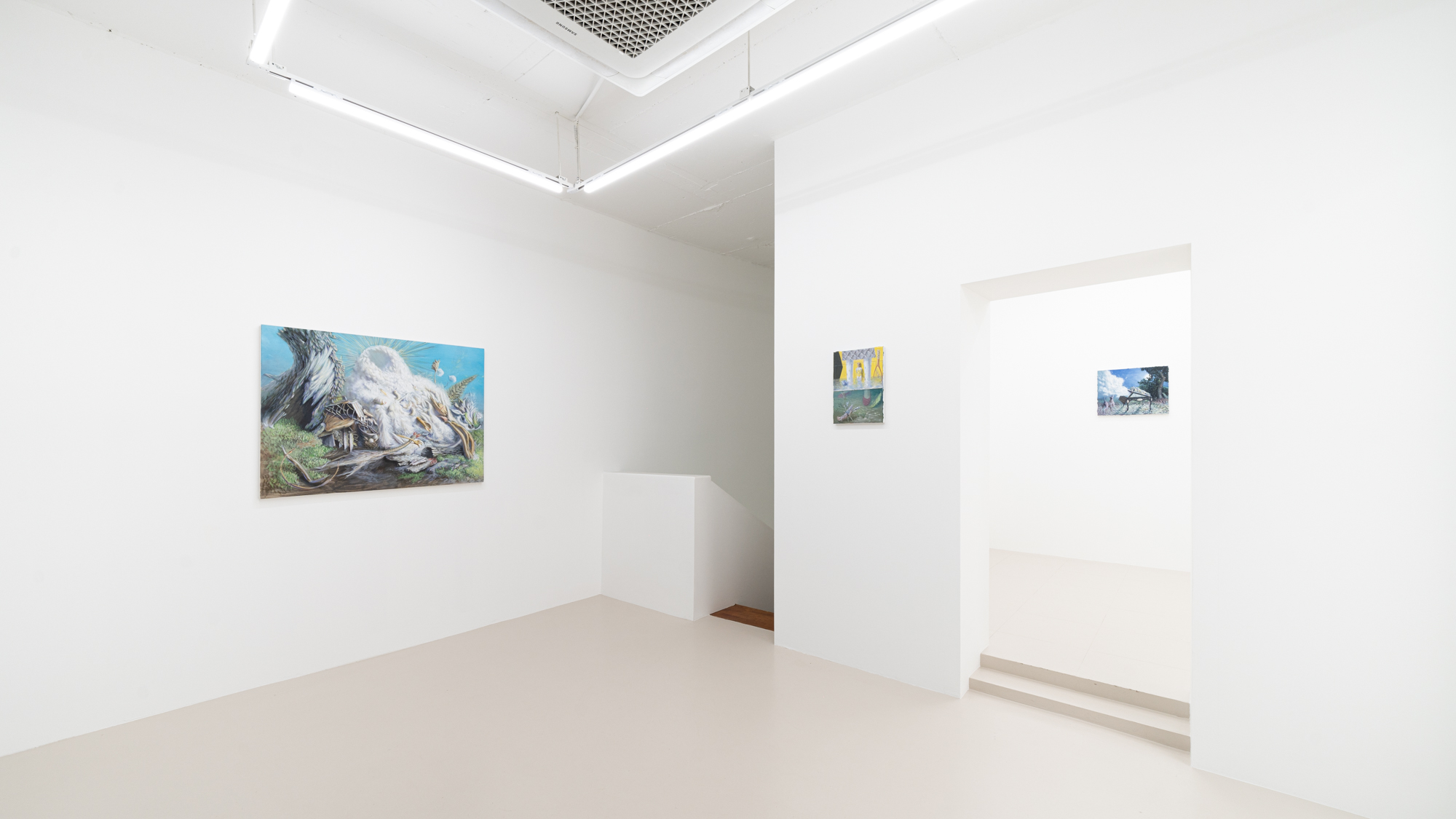
Ahn’s recent works reconnect many of the concerns that have developed throughout his career. Paintings such as San Shin, Minotaur, and Reconciliation of the Three Tyrants bring Korean folk mythology, Western mythological references, and invented beings into shared pictorial environments, while also intersecting with his exploration of psychological structures.
In Reconciliation of the Three Tyrants, imagery associated with Korean indigenous mythology, fictional mythological creatures, and the realms of water and ice is used to consider psychic boundaries that overlap, intrude upon one another, and reconnect. Seen in this trajectory, Ahn’s continuity lies not in repeating the same imagery, but in repeatedly renewing a long-standing inquiry into separation, confrontation, and coexistence through changing pictorial systems and forms.