Donghwan Kam (b. 1985) has developed his practice around questions concerning the “boundaries” that distinguish objects and domains from one another. His work traces the mutable forms and scope of boundaries shaped through relationships, exploring the ambiguity and fluidity inherent in them.


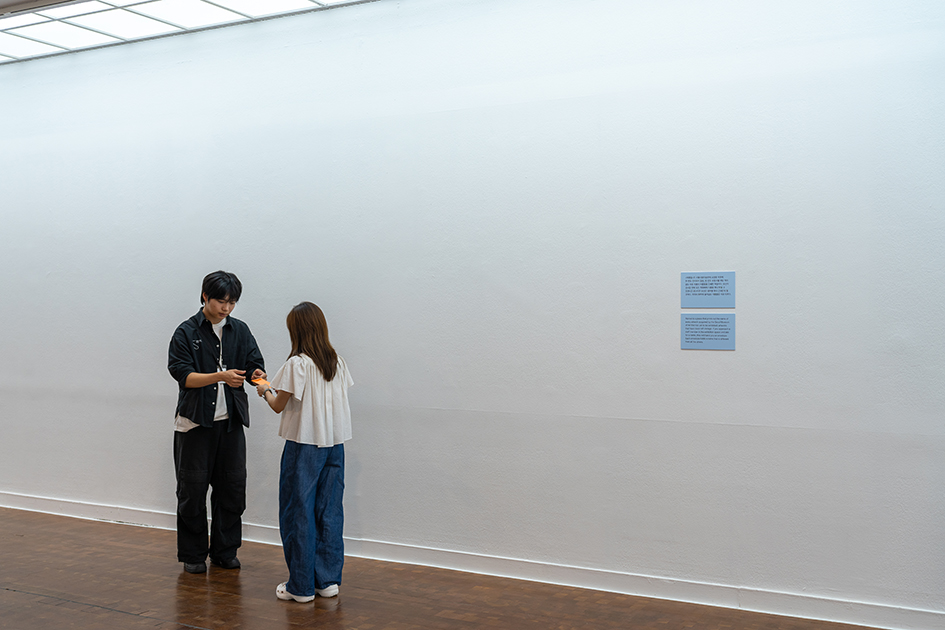
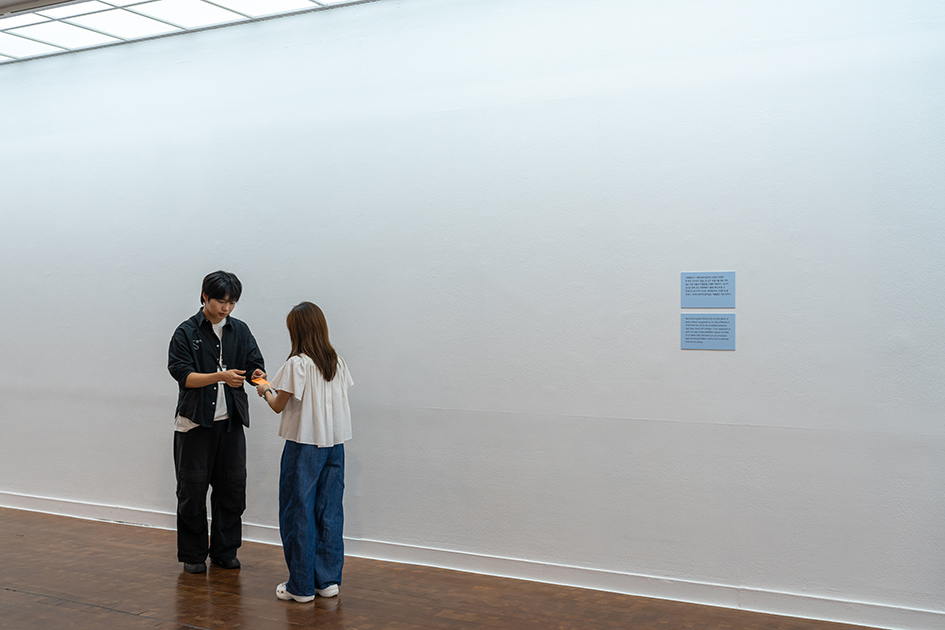
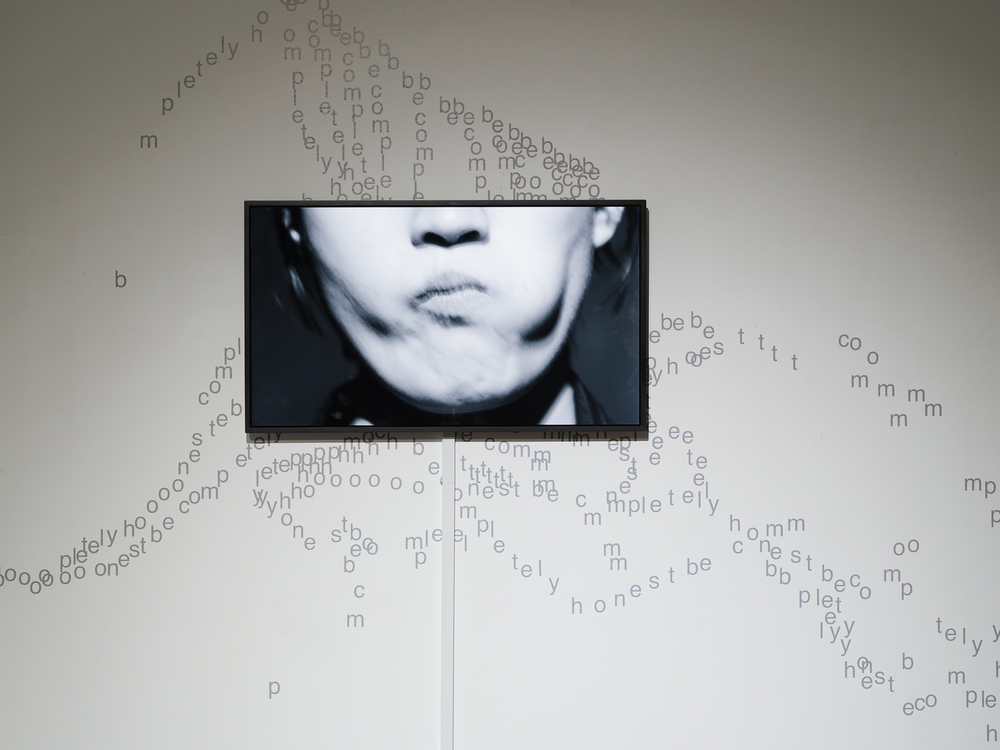
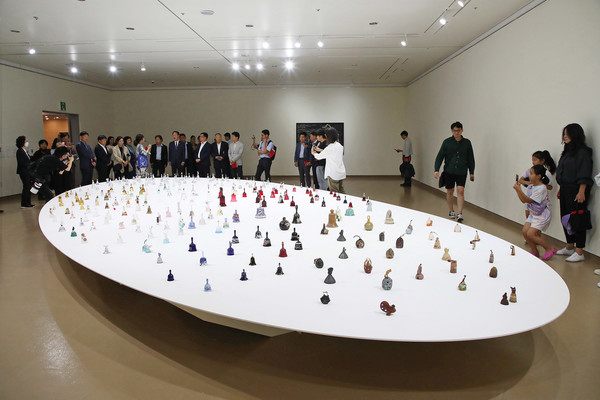
Donghwan Kam, Names, 2025, UV print on painted steel plate, letter paper, envelope made of laid paper, 297×450mm. Installation view of 《Talking Heads》 (Seoul Museum of Art, 2025) © Donghwan Kam

Donghwan Kam has focused on boundaries formed through relationships and the correlations between the two or more entities that constitute them. He explores the scale and scope of boundaries, their changing forms over time, and the specific sites in which they manifest.
 
Through this process, Kam examines the ambiguity and mutability of boundaries, while questioning the contradictions and limitations inherent in binary boundaries that seek to distinguish one thing from another.


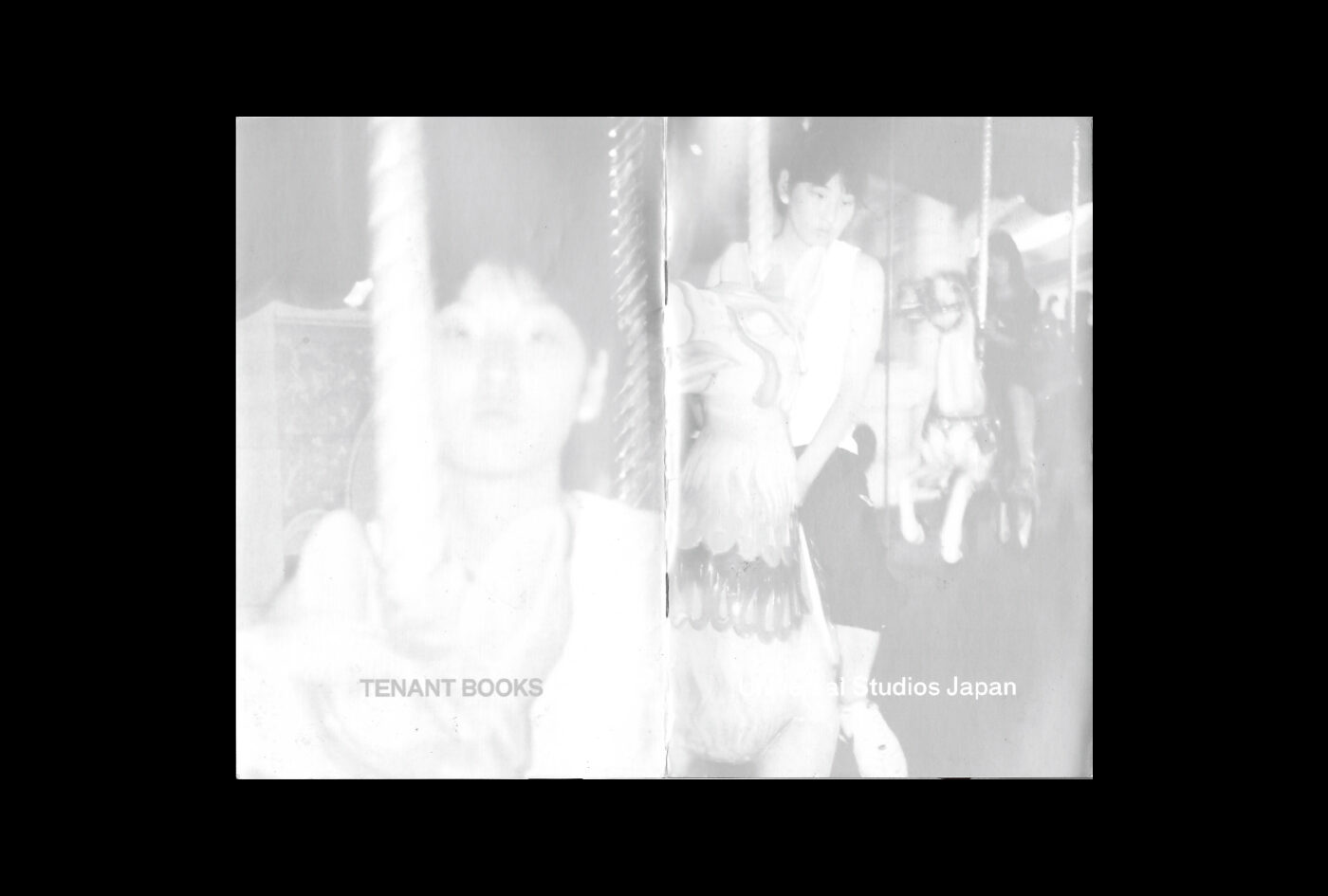
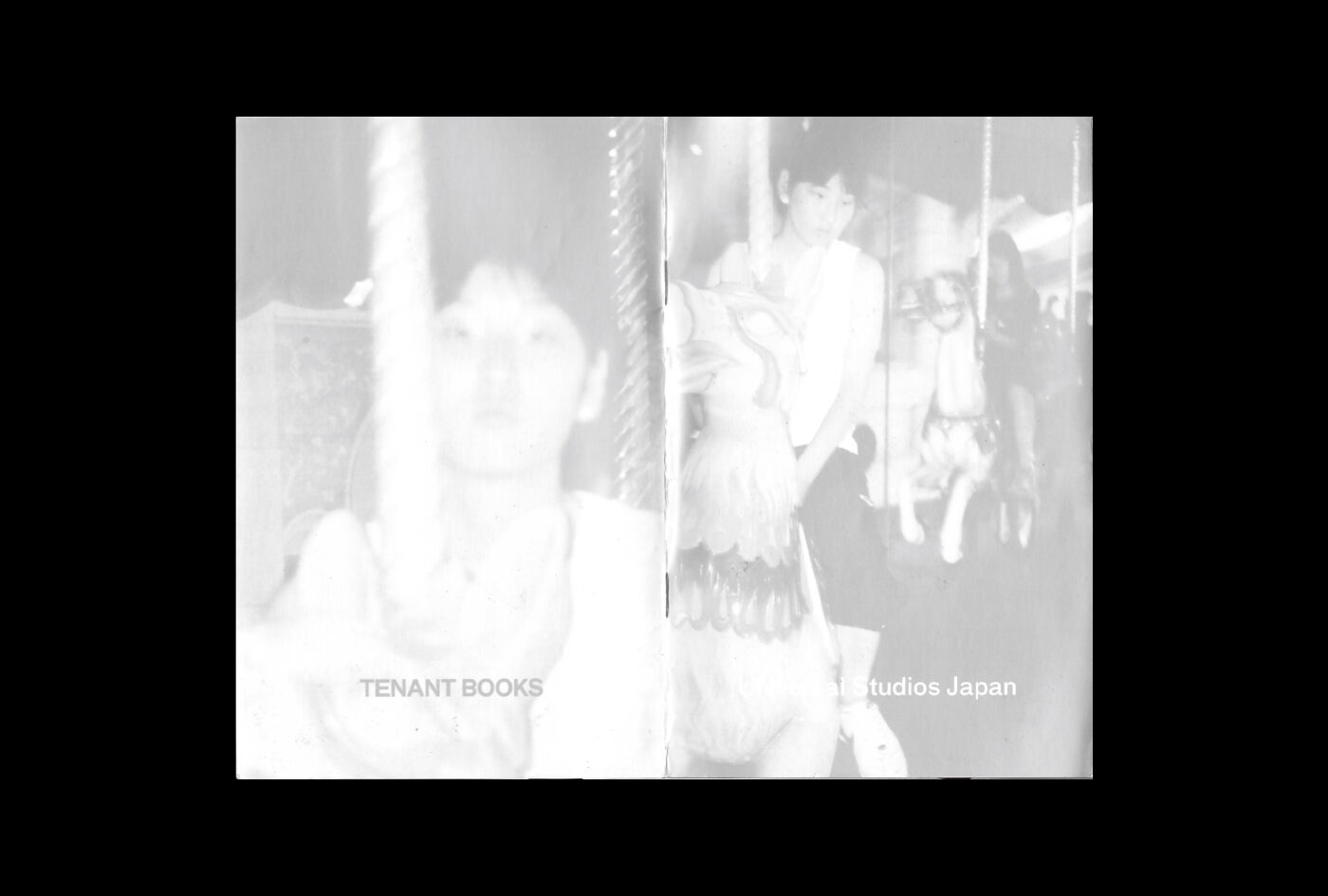
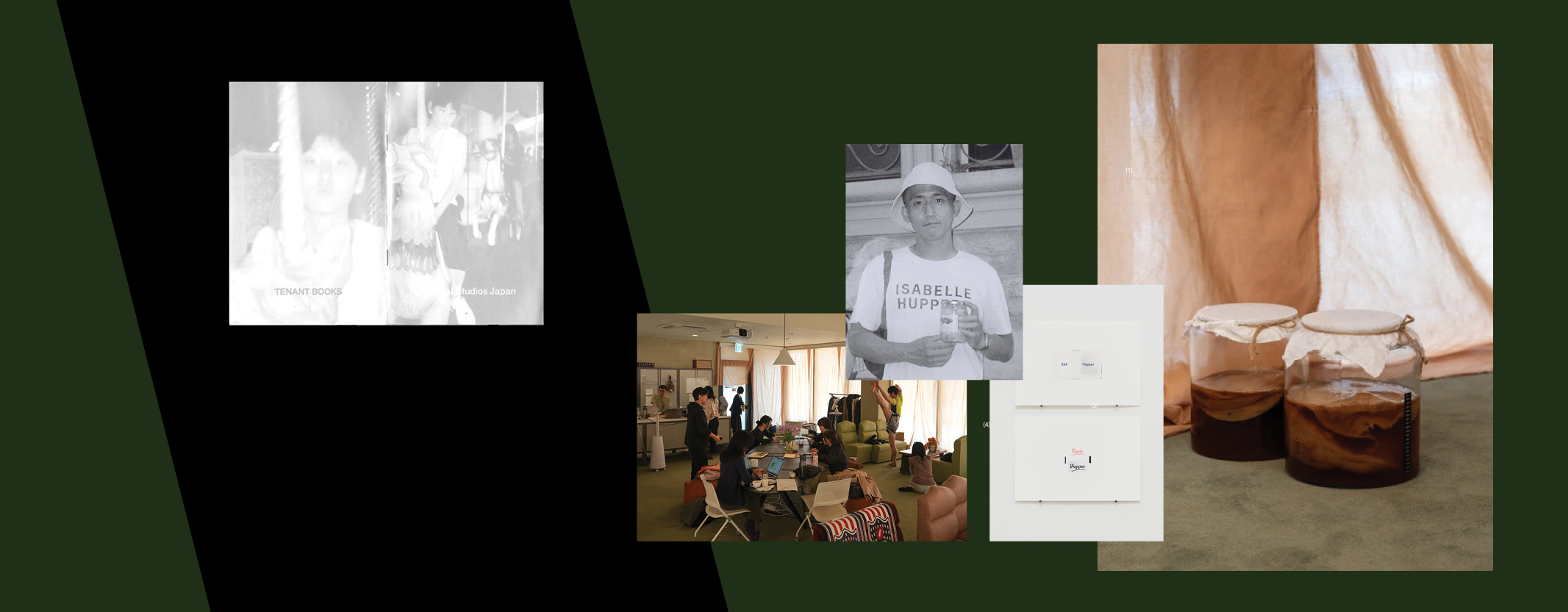
Teant Books, Universal Studios Japan, 2014, Silver monochrome offset print, 120×180mm (36p) © Teant Books

In his early practice, Kam recontextualized collected objects, presenting them as sculptures or photographs. In the early 2010s, for example, he and fellow artists developed all the film contained in approximately 1,500 cameras found at secondhand and recycling shops in Dongmyo, Seoul, and published the resulting images in book form.
 
In the process of developing and compiling photographs taken by others into a book, the artists considered issues surrounding portrait rights and chose a silver monochrome printing method that made the images appear or disappear depending on the angle of light.
 
The resulting book, Film Inside, introduces ambiguity and uncertainty as new subjects of the work: neither the people who took the photographs nor the identities of those depicted are known, leaving the images suspended in a state of obscurity and indeterminacy.


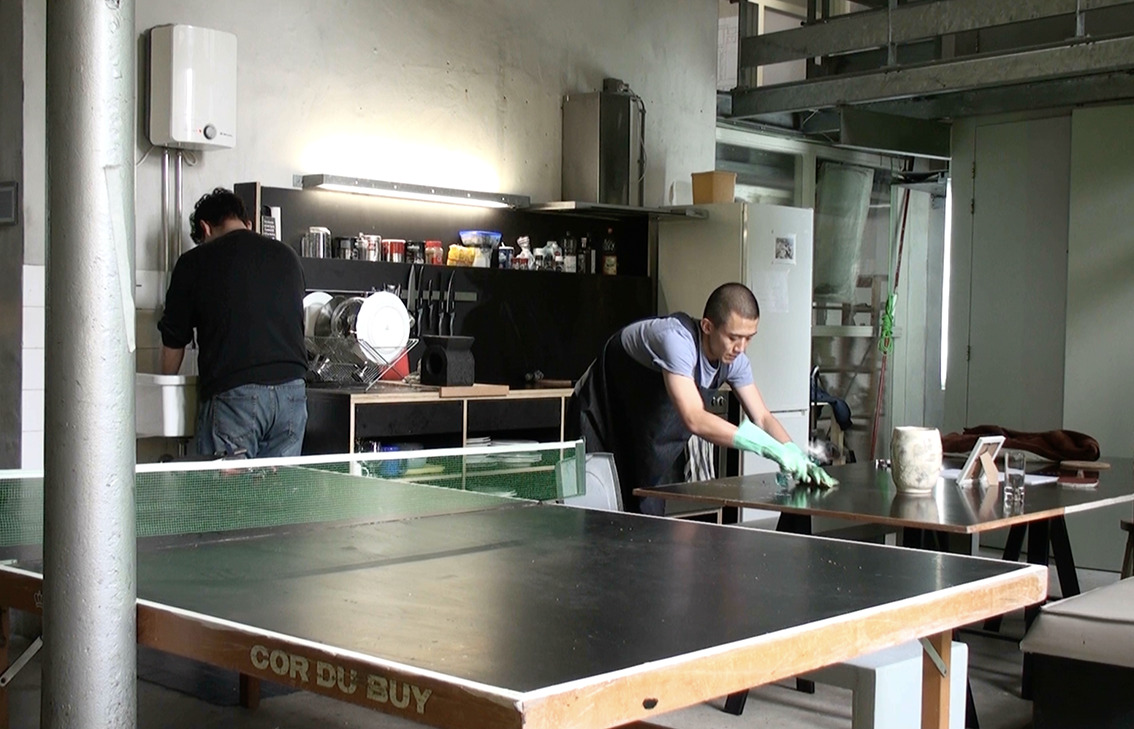
Donghwan Kam, Kitchen, 2019-2021, Wood, steel, wheel, oven, induction cooktop, Dimensions variable © Donghwan Kam

Thereafter, Donghwan Kam continued to develop a diverse body of work through performative and participatory approaches while based in Germany and the Netherlands. From 2019 to 2021, he was an artist-in-residence at the Rijksakademie in Amsterdam, where he explored relationships between people and between people and their surroundings.
 
For example, in 2019, Kam built a mobile communal kitchen in the West Hall of the Rijksakademie to explore how the concept of “us” might emerge, and in what forms, among resident artists from different social and cultural backgrounds.


Documentation photo of Kitchen (2019–2021) © Donghwan Kam

In this experiment, Kam positioned himself as the caretaker responsible for maintaining and cleaning the kitchen. After leaving for summer vacation, he documented the kitchen as he found it upon his return, left unattended and unmaintained.
 
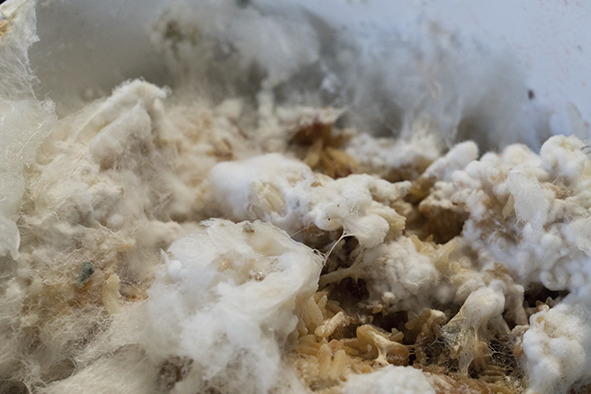
The photographs captured a kitchen sink clogged with rotten food, as well as white mold, pale as snow, spreading over rice that was decomposing in a pot.
 
Kam printed the photographs on very thin paper and attached them to the wall using wheat paste he cooked himself in the kitchen. He then repeatedly scraped and destroyed the surfaces of the photographs with a knife, which had begun to feel uncomfortable and shameful to him once displayed on the wall.
 
Another image was layered over each destroyed image. Through this process, the images gradually transformed into wounds and scars.

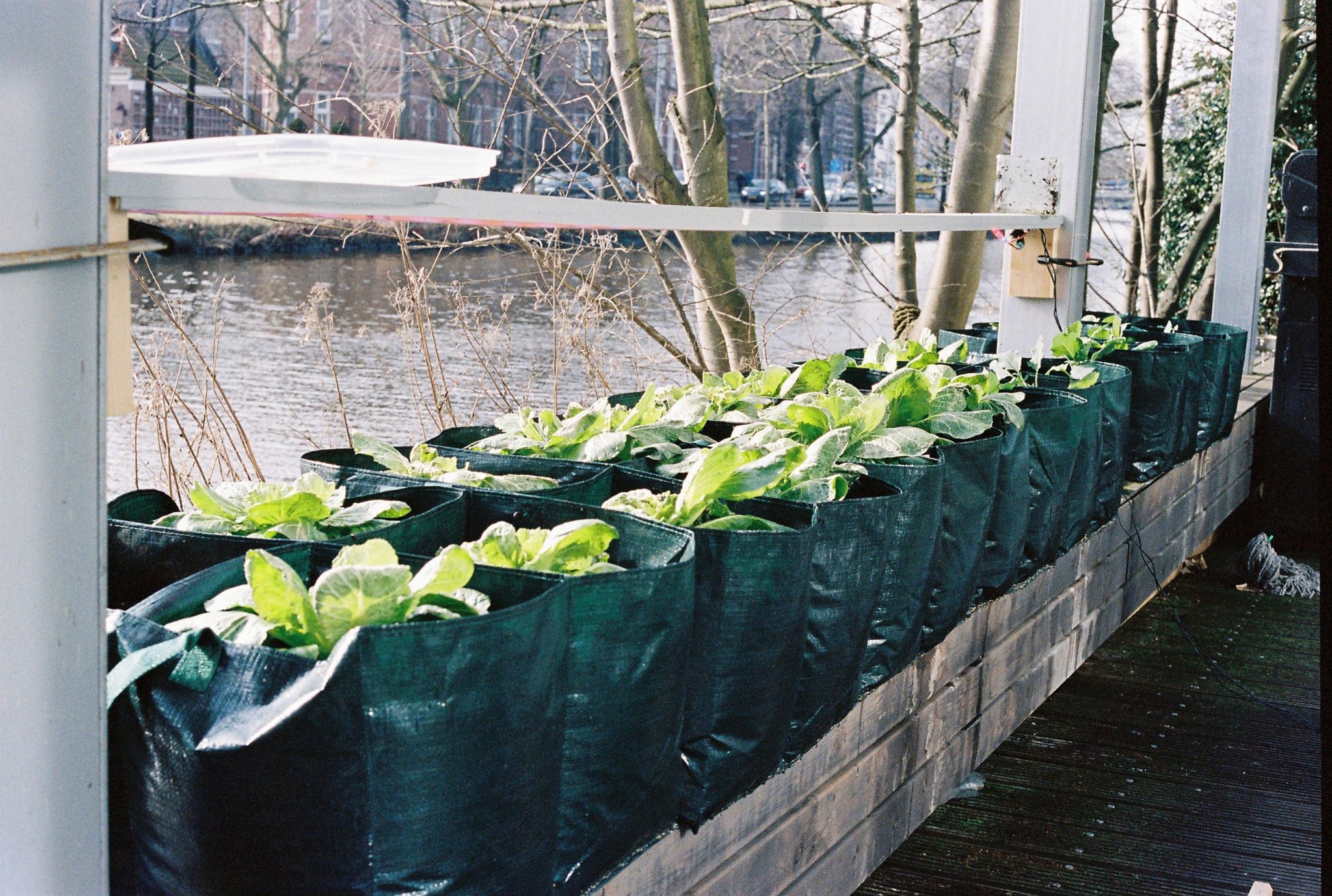
Documentation photo of Fermentation Garden (2020-2021) © Donghwan Kam

In his later practice, Donghwan Kam began working with microorganisms and spores, fermenting his works through biological processes and, in some cases, sharing the resulting products with fellow artists or audiences.
 
For example, Fermentation Garden (2020–2021) documents the process of making and fermenting kimchi using cabbages grown in the garden of the Rijksakademie.

 
The project took approximately five months, from growing the cabbages to completing the fermentation process. At the end of the process, Kam used the fermented kimchi to make kimchi pancakes, which he shared and ate with fellow artists.


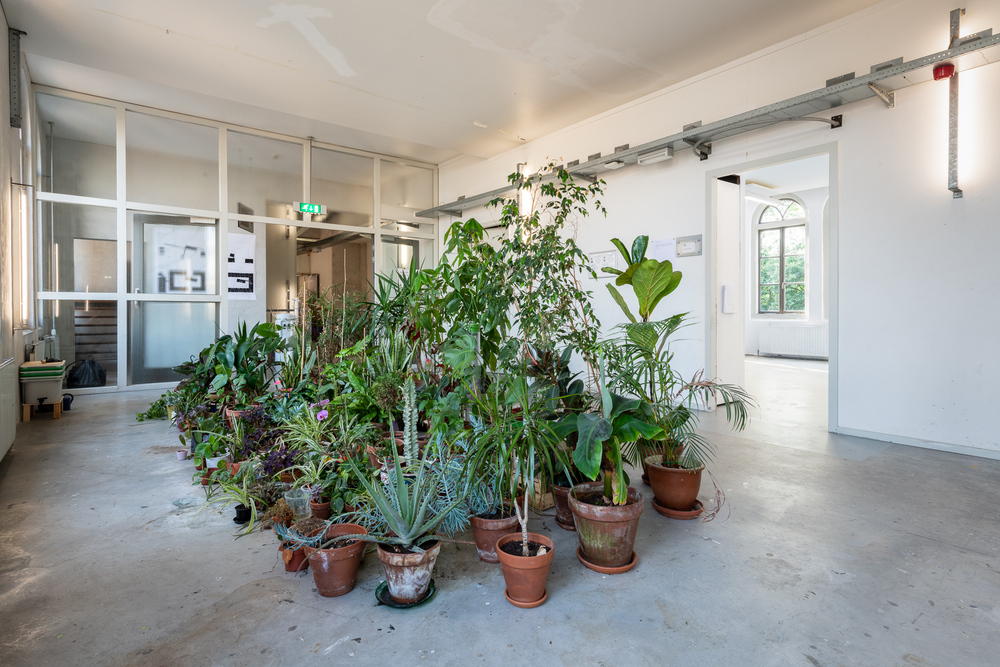
Donghwan Kam, Plants, 2021, Plants, Dimensions variable. Photo: Sander van Wettum. © Donghwan Kam

As such, time and process are important elements in Donghwan Kam’s practice. His 2021 work Plants also unfolded over an extended period of approximately two years.
 
The work began in 2019 with the collection of plants that had been abandoned and were no longer being cared for. Kam moved the collected plants to the sunniest space available and made the process of caring for them itself the substance of the work.


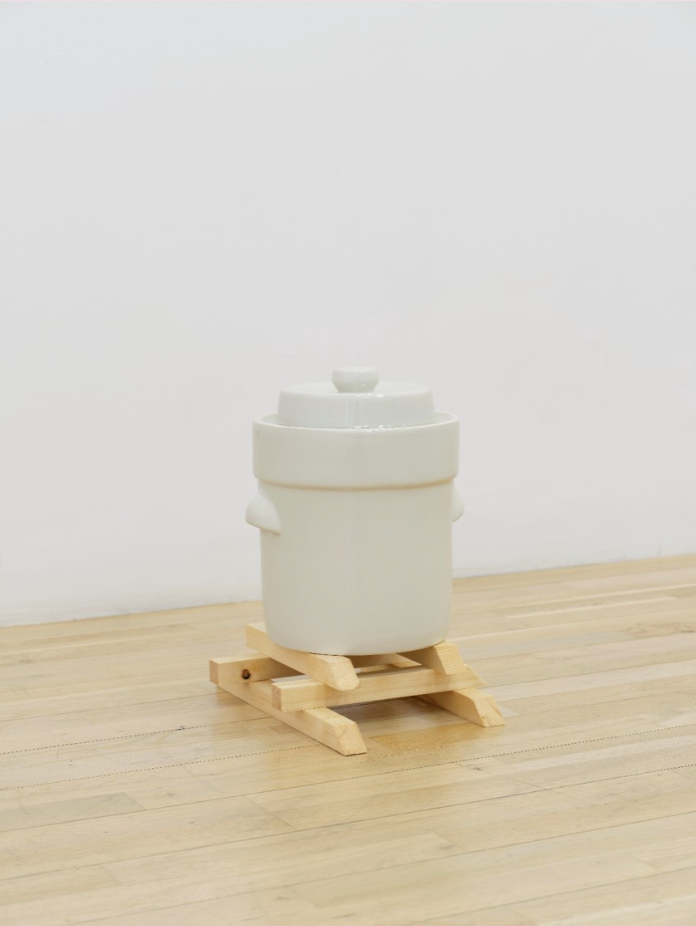
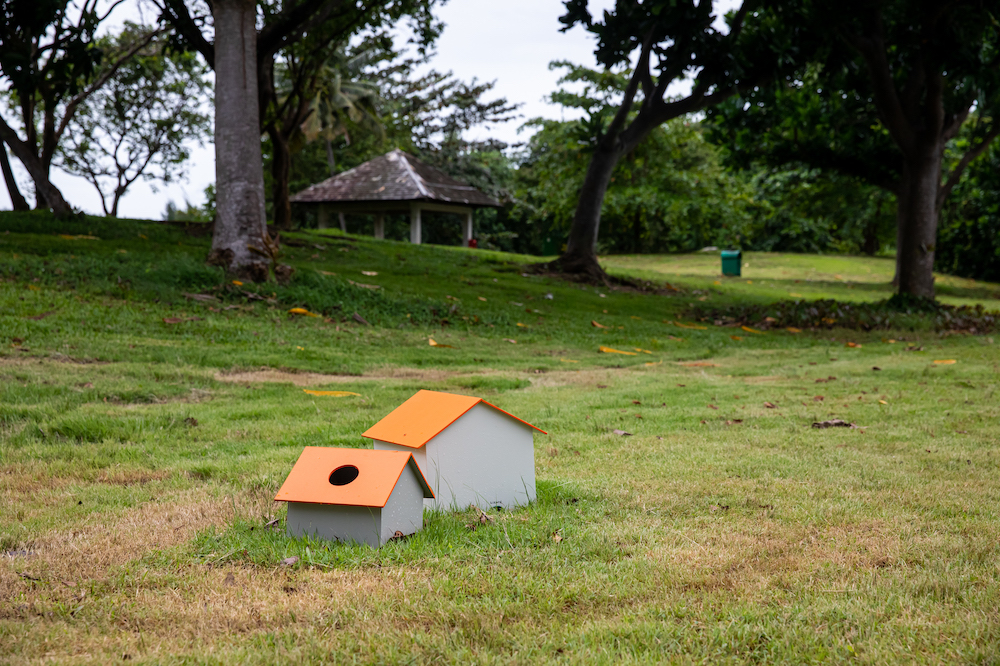
Donghwan Kam, Fermentation House, 2022, Wwood, jar, meju (fermented soybean block), sea salt, water, dried red pepper, charcoal © Donghwan Kam

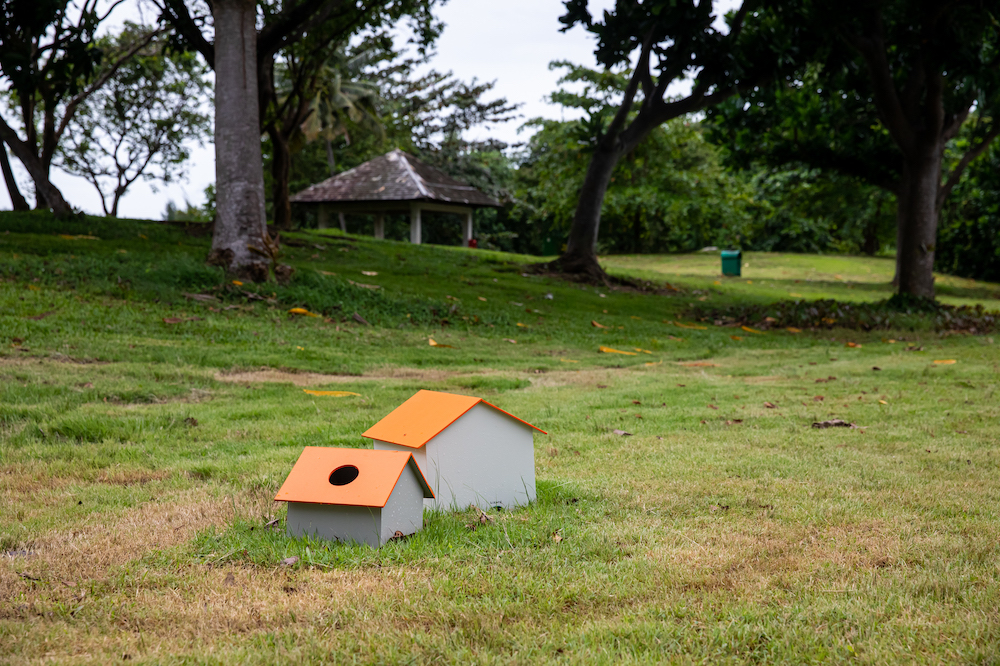
In 2023, at the Singapore Biennale, Donghwan Kam presented ‘Fermentation House’, a series of miniature house models installed throughout the exhibition venues.
 
The work grew out of Kam’s interest in the inherent relationship between domestic activities such as cooking, distilling, and fermenting and the passage of time.


Donghwan Kam, Fermentation House, 2022, Wwood, jar, meju (fermented soybean block), sea salt, water, dried red pepper, charcoal © Donghwan Kam

Over the approximately six-month exhibition period, soy sauce was fermented inside these miniature houses. Toward the end of the Biennale, the fermented soy sauce was served to visitors with dumplings.
 
Ultimately, the time and process of fermentation that constitute the work culminated in the act of sharing and eating together. In this sense, Kam’s practice is shaped through collaboration with time, space, and microorganisms, and is completed through the participation of the audience.


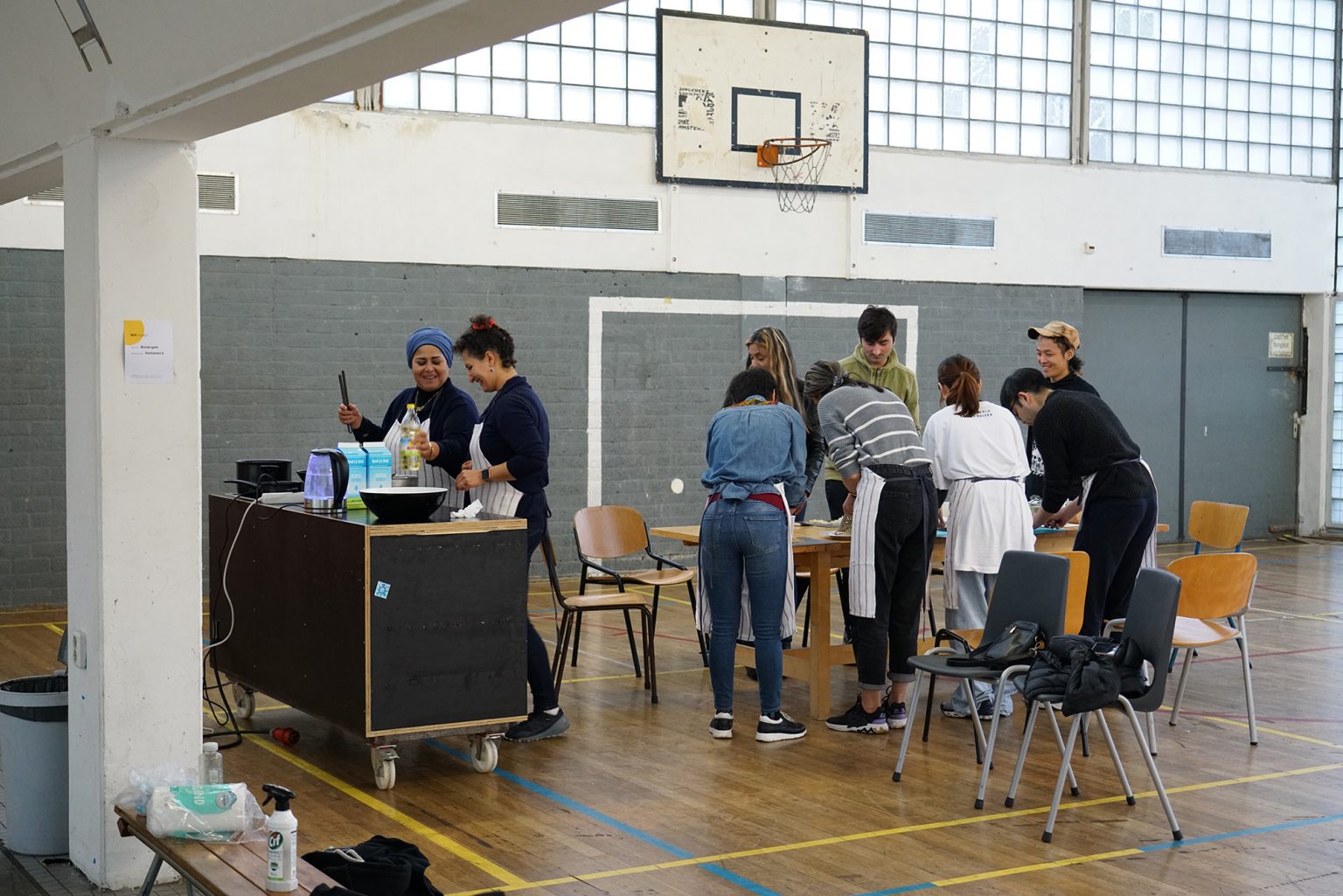
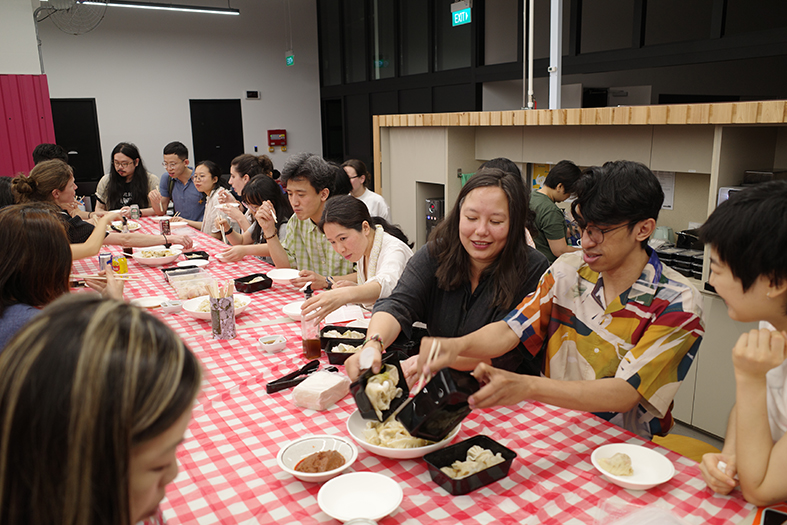
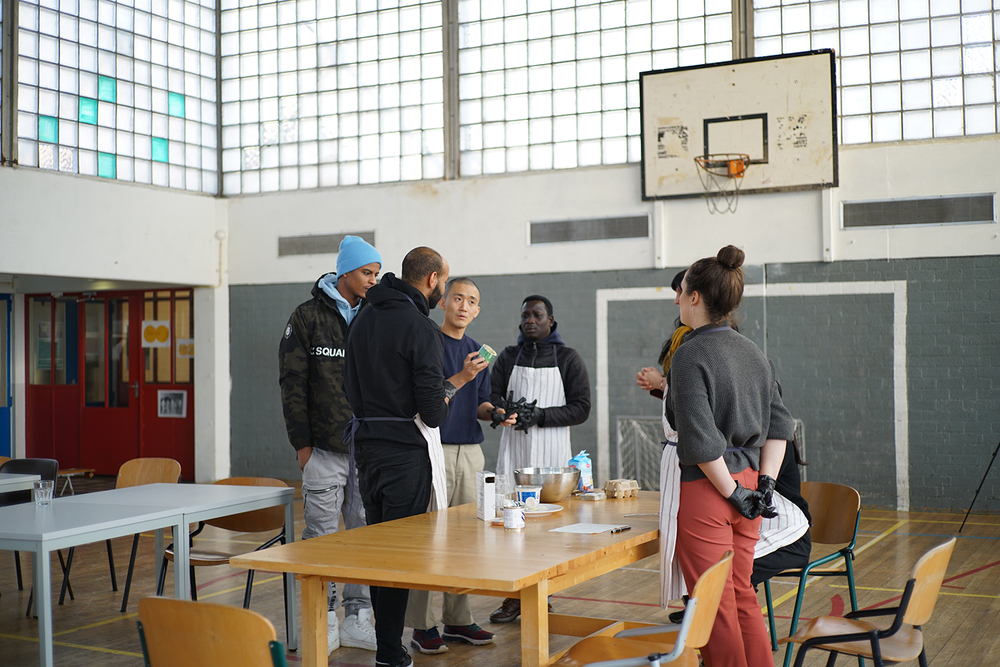
Donghwan Kam, cook or hoop, 2021-2023, bi-monthly cooking class program © Donghwan Kam

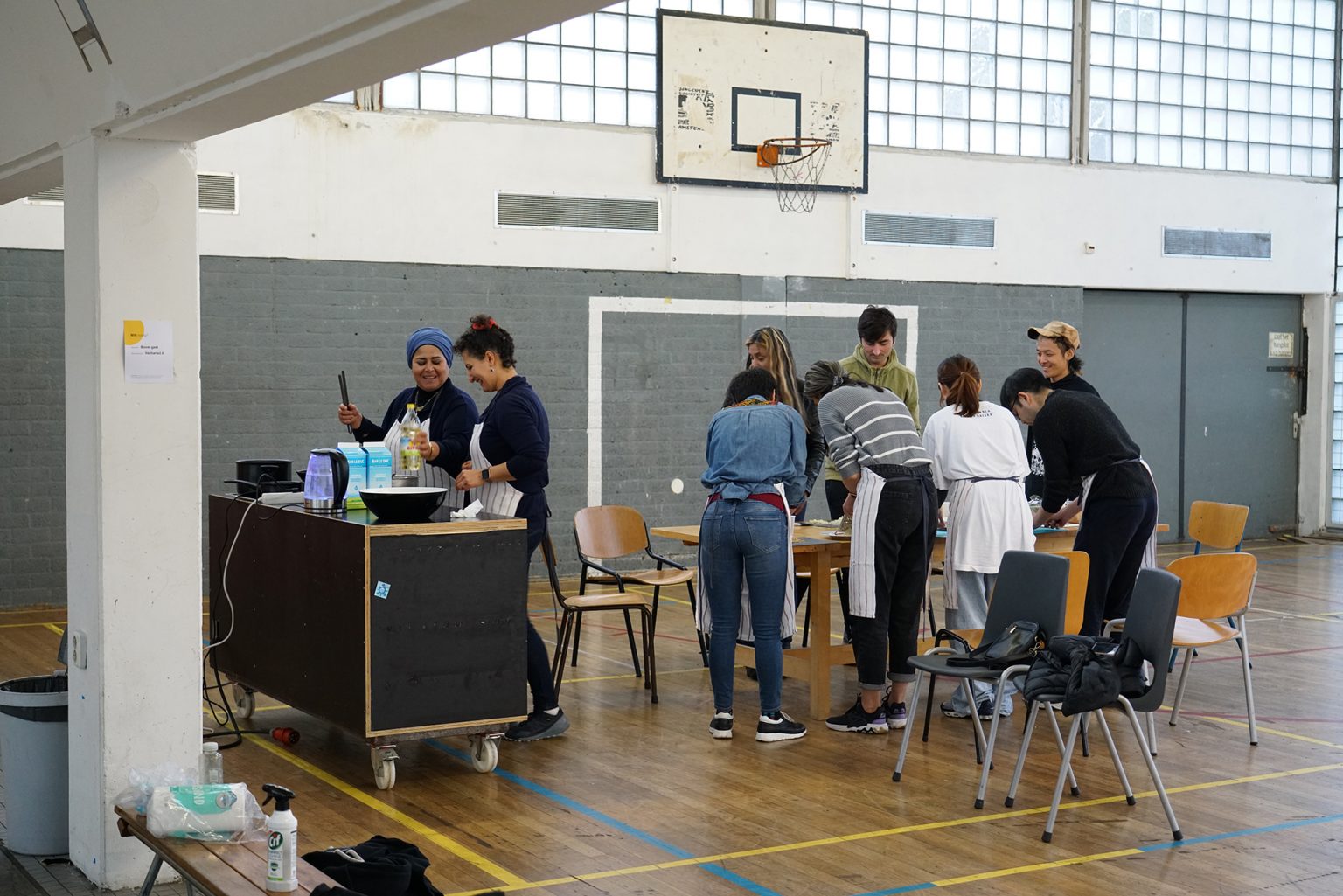
At the same time, Kam relocated the communal kitchen he had installed at the Rijksakademie to a new space called BOOST, where he developed cook or hoop (2021–2023), a participatory project structured around cooking classes.
 
Operated by the BOOST Foundation for Refugees, BOOST is a unique community space in Amsterdam where newcomers and local residents come together to interact and collaborate. It offers a range of opportunities for social exchange, including language and computer classes, cycling lessons, and sewing workshops.


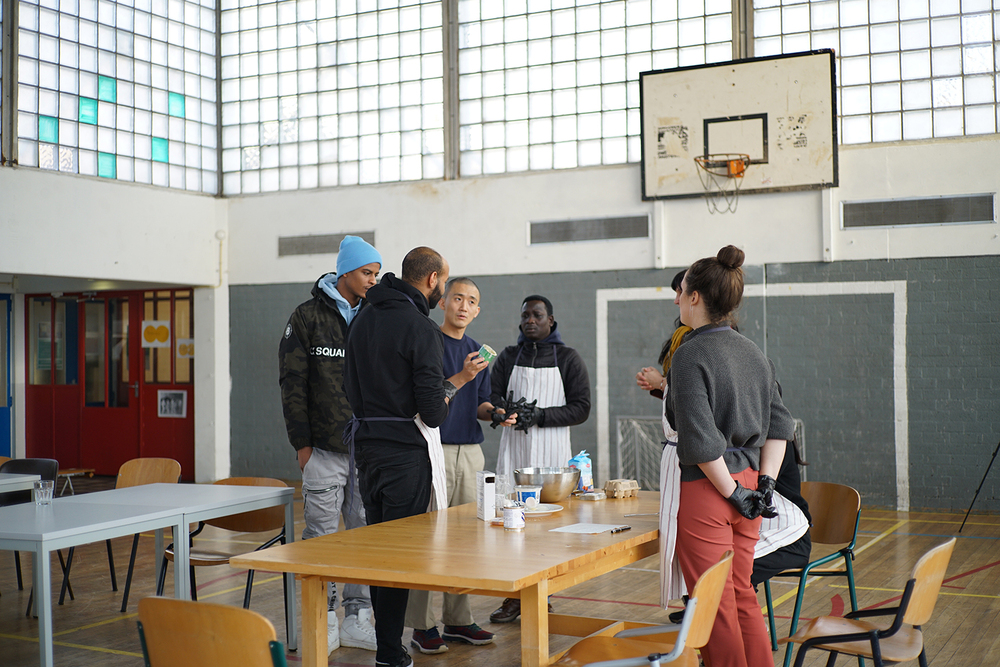
Donghwan Kam, cook or hoop, 2021-2023, bi-monthly cooking class program © Donghwan Kam

Kam’s communal kitchen found a new home in this space, where it was transformed into a setting for cooking classes. He decided to reverse the usual roles by inviting BOOST participants to be our cooking instructors, while BOOST employees, volunteers, and Rijksakademie artists took on the role of students in the class.
 
Kam later compiled the recipes and stories gathered from the cooking classes at BOOST into a cookbook titled cook or hoop.


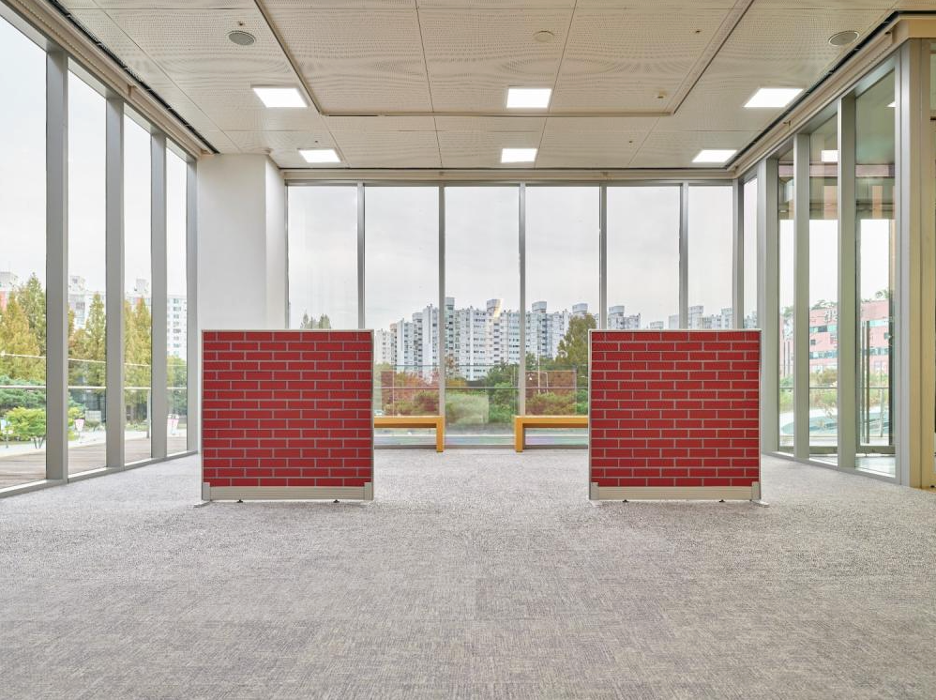
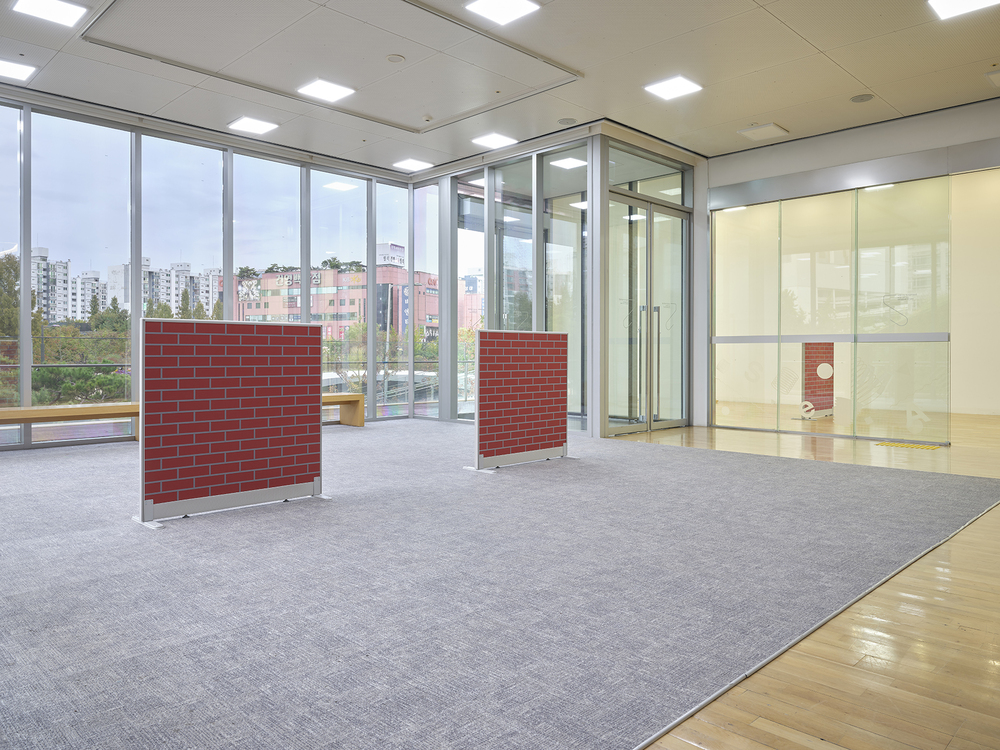
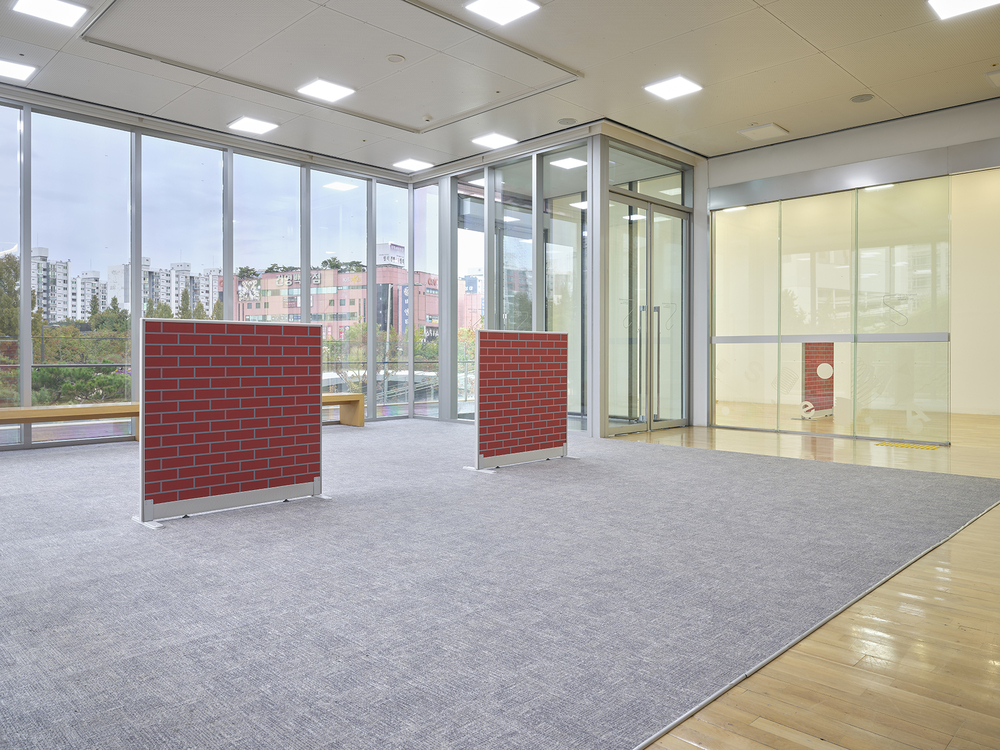
Installation view of 《To the beaver’s house》 (Buk-Seoul Museum of Art, 2024) © Donghwan Kam

In 2024, 《To the beaver’s house》, Kam’s first solo exhibition in Korea, held at Buk-Seoul Museum of Art, began with a novel of the same title written by the artist and posed questions about the ‘boundaries’ that distinguish one object or realm from another.
 
The ‘beaver’ in the exhibition title is a rodent with webbed hind feet, giving it an amphibious, versatile bodily structure that allows it to live on land while also swimming underwater.


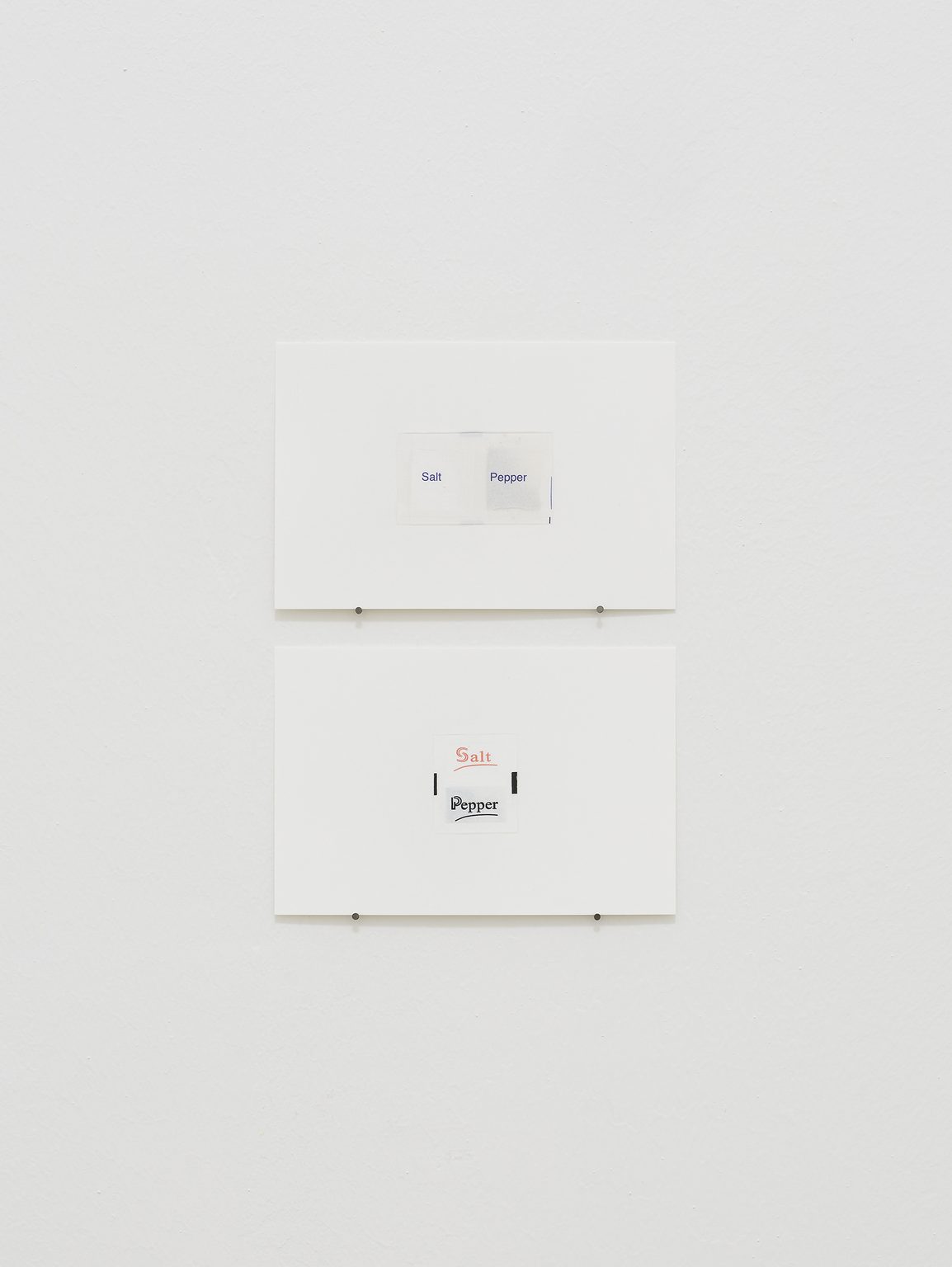
Donghwan Kam, Salt-and-pepper, 2024, Postcard, offset print, 15x10cm © Donghwan Kam

Drawing on these characteristics of the beaver, Kam sought to reveal the contradictions inherent in a binary worldview and the boundaries it produces through objects and entities that, while divided into two within his works, cannot be separated into distinct individuals or entities.
 
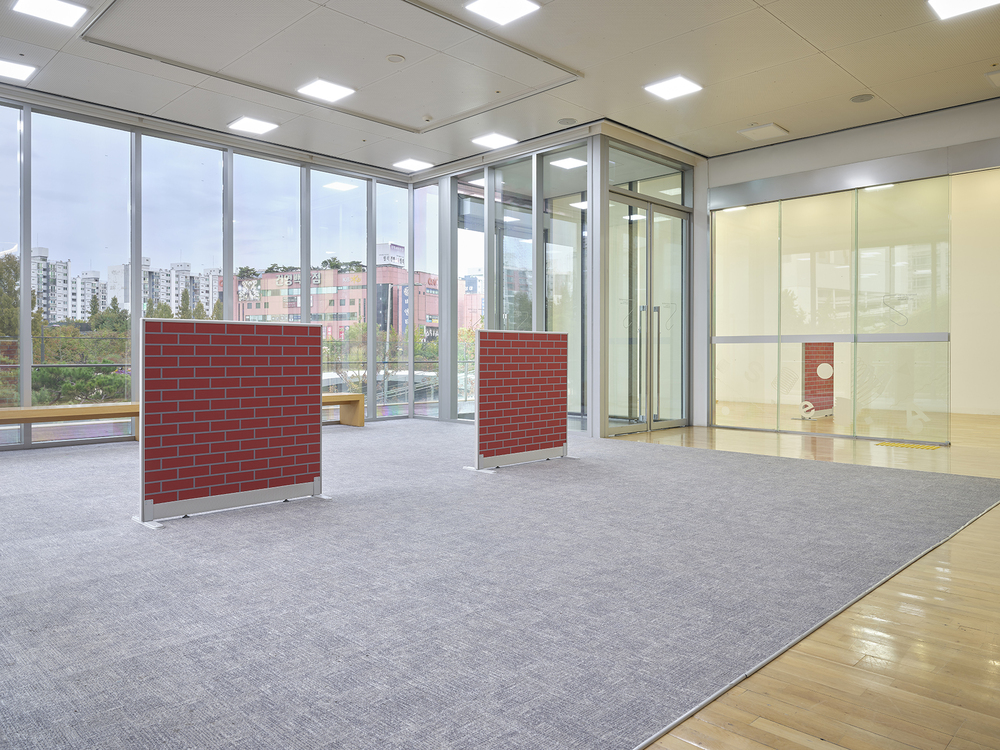
The exhibition consisted of installation works and an artist’s book, with titles drawn from words and phrases appearing in the novel. Elements from the story were expanded into the forms of everyday objects, such as matchsticks and bricks, existing as individual works while also being organically connected and interrelated through the novel at the center of the exhibition.


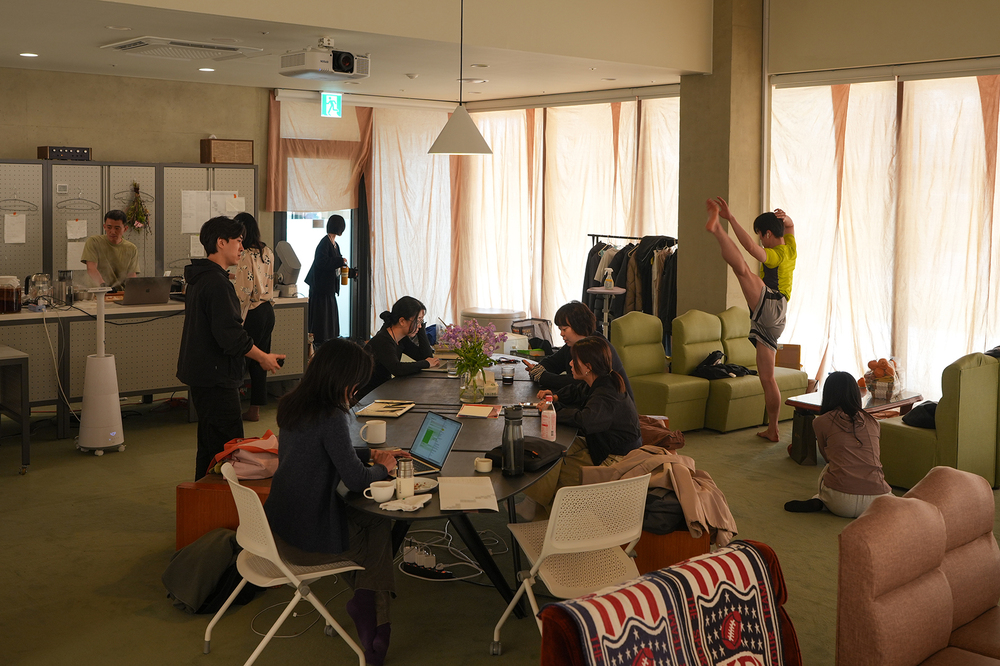
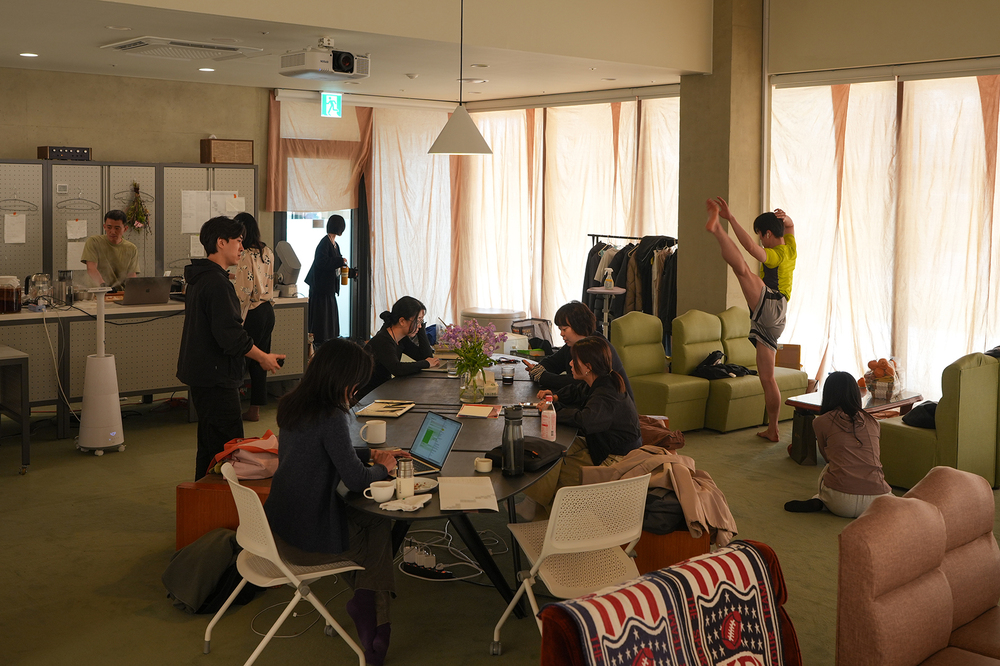
Dongwhan Kam, Green Room, 2026, resting space for all participants of SeMA Performance 《Breathing》, fermented food and beverages made in the Green Room, curtains dyed with fermented persimmon dye, furniture and lighting installation. In collaboration with Soyoung Kwon © Seoul Museum of Art

Meanwhile, Green Room (2026), a new work developed as an extension of Kam’s previous fermentation-based practice, brings the entire exhibition together as a single movement connected through humans and microorganisms.
 
Presented as part of 《Breathing》, the inaugural SeMA Performance at the Seo-Seoul Museum of Art, the work unfolds over 35 days, or 840 hours, as a shared process. Kam began the work on March 9, 2026, before the museum officially opened, for those involved in operating the museum and preparing the exhibition.
 
While everyone rested in the space and with the work he had prepared, Kam continued to search for suitable recipes, bake bread, make beverages, and tend to the microorganisms and fermentation starters each day.
 
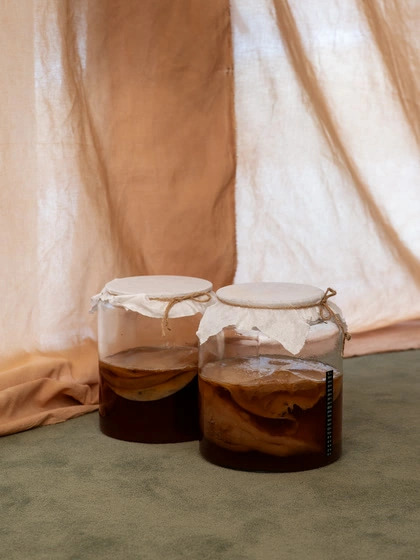
Green Room is a space where yeast and microorganisms grow and fermentation takes place, imagining an invisible ecosystem that connects the bodies of everyone participating in 《Breathing》.
 
Most of the food consumed by participants during the performance has been broken down and fermented by yeast and other microorganisms, drawing attention to the human body itself as an ecosystem that coexists with microorganisms.


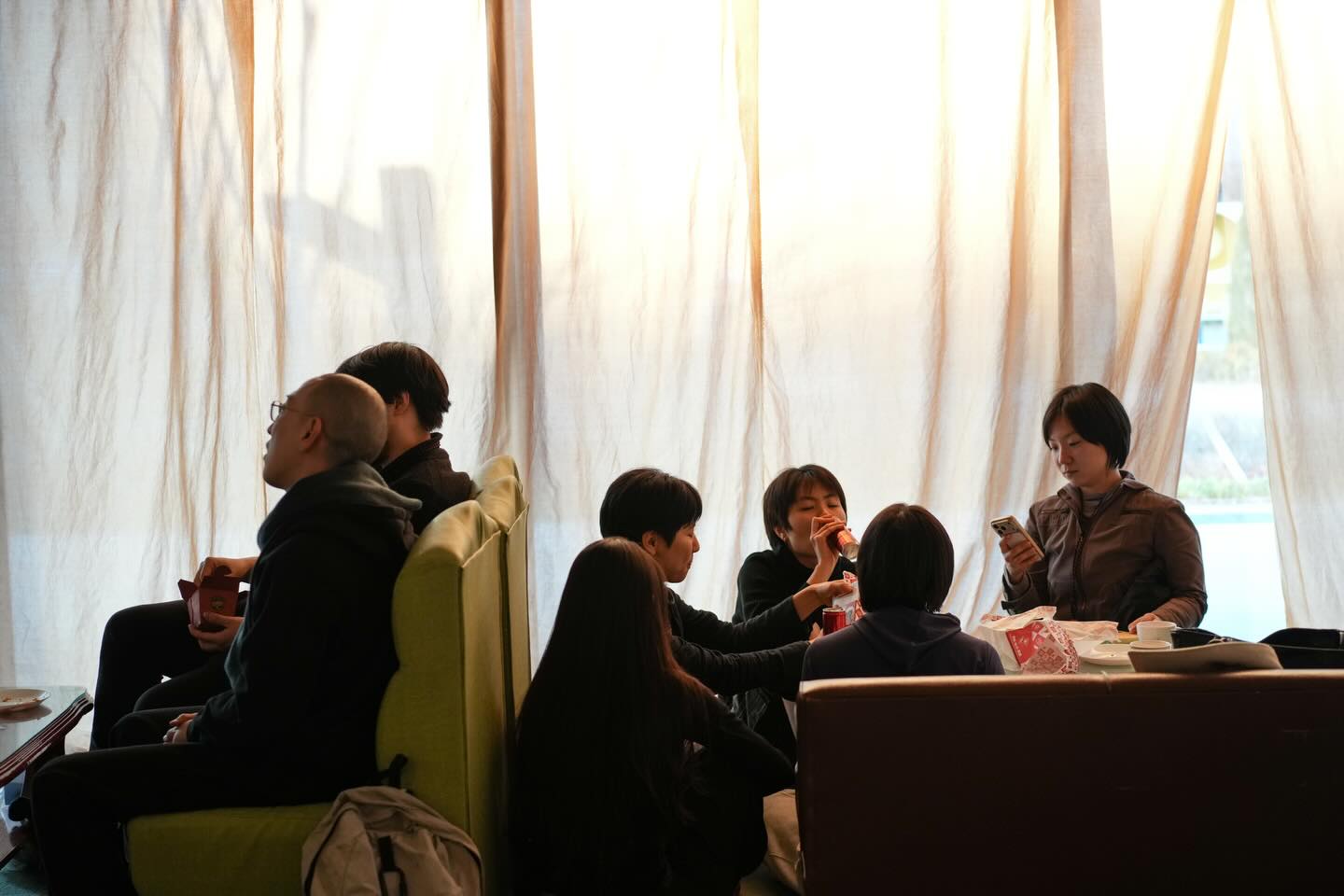
Dongwhan Kam, Green Room, 2026, resting space for all participants of SeMA Performance 《Breathing》, fermented food and beverages made in the Green Room, curtains dyed with fermented persimmon dye, furniture and lighting installation. In collaboration with Soyoung Kwon © Seoul Museum of Art

The work is not open to the public, and fabric dyed with fermented persimmon dye forms the space’s only boundary. Resembling skin, the fabric functions as the ‘skin’ of Green Room while also serving as a boundary that separates the inside from the outside.
 
Within this space, microorganisms and fungi grow as the performers, artist, choreographer, and exhibition and operational staff involved in 《Breathing》 rest and recover.
 
The microorganisms cultivated in Green Room extend invisibly into people’s bodies, connecting different individuals as part of a single ecosystem. Inaccessible to the audience, this space serves as a backstage area for the performance, while also functioning as another kind of backstage—a space in which humans and microorganisms move and live together.
 
Through these invisible connections, the work invites us to view 《Breathing》 as a single organic movement collectively created by humans and microorganisms.


Dongwhan Kam, Green Room, 2026, resting space for all participants of SeMA Performance 《Breathing》, fermented food and beverages made in the Green Room, curtains dyed with fermented persimmon dye, furniture and lighting installation. In collaboration with Soyoung Kwon © Seoul Museum of Art

In this way, Kam’s practice moves beyond a binary worldview, seeking to discover and actively incorporate third agents—including inanimate matter and microorganisms—into his work.
 
This approach moves beyond artist-centered and anthropocentric perspectives, blurring the boundaries between the artwork, artist, and audience, as well as between human and nonhuman entities.
 
It further generates new spatiotemporal contexts through the ways in which heterogeneous beings become organically entangled and enter into relationships with one another.

“But you know, now that I think about it, isn’t it a little strange? It’s so natural that I never really noticed it before. Salt is always next to pepper. Or pepper is always next to salt. Salt comes from the sea and pepper comes from the land. And salt is white, while pepper is black.
 
“How did this come to be fixed as a relationship? And why are these things always two parts of a single whole? I mean, it’s so obvious that it feels strange to call it obvious.” (Donghwan Kam, excerpt from To the Beaver’s House)


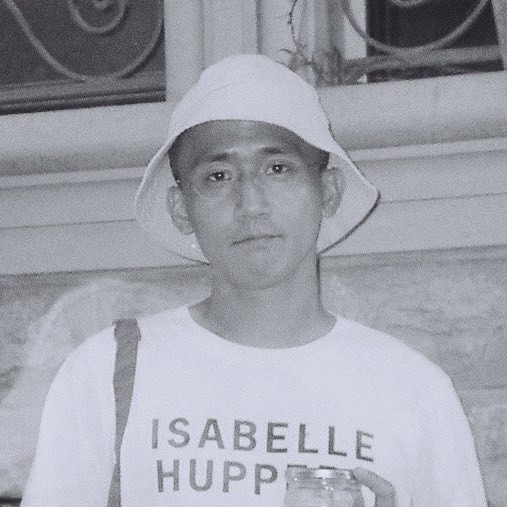
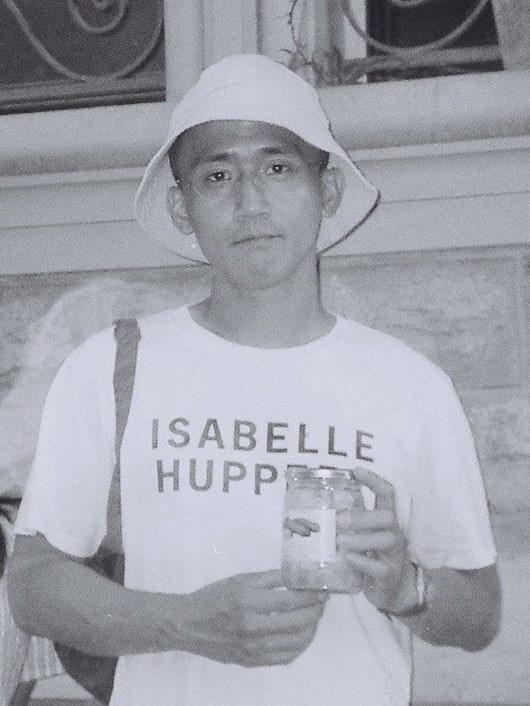
Artist Donghwan Kam © Buro Stedelijk

Donghwan Kam graduated from the School of Film, TV & Multimedia at Korea National University of Arts and received an MFA in Fine Arts from the same university. He subsequently completed the Vordiplom program at the Hochschule für Gestaltung Offenbach and earned an MFA from Design Academy Eindhoven.
 
His solo exhibitions include 《To the beaver’s house》 (Buk-Seoul Museum of Art, Seoul, 2024), 《cook or hoop》 (BOOST, Amsterdam, 2023), and 《Kitchen has escaped, kimchi’s earthing is done, I feel like making pancakes》 (Project space south RABK, Amsterdam, 2021), among others.
 
Kam has also participated in numerous group exhibitions, including 《Breathing》 (Seo-Seoul Museum of Art, Seoul, 2026), 《Talking Heads》 (Seoul Museum of Art, Seoul, 2025), the 7th Changwon Sculpture Biennale, 《silent apple》 (Seongsan Art Hall, Changwon, 2024), 《Buro Stedelijk Manifestation》 (Stedelijk Museum Amsterdam, Amsterdam, 2023), and the 7th Singapore Biennale, 《NATASHA》 (Singapore Art Museum, Singapore, 2022).
 
Kam has undertaken residencies at MMCA Residency Goyang (2024), U-Jazdowski Castle Centre for Contemporary Art Residency (2022), Rijksakademie van beeldende kunsten (2019–2021), and the National Asian Culture Center Residency (2018).

References