







Solo Exhibitions (Brief)
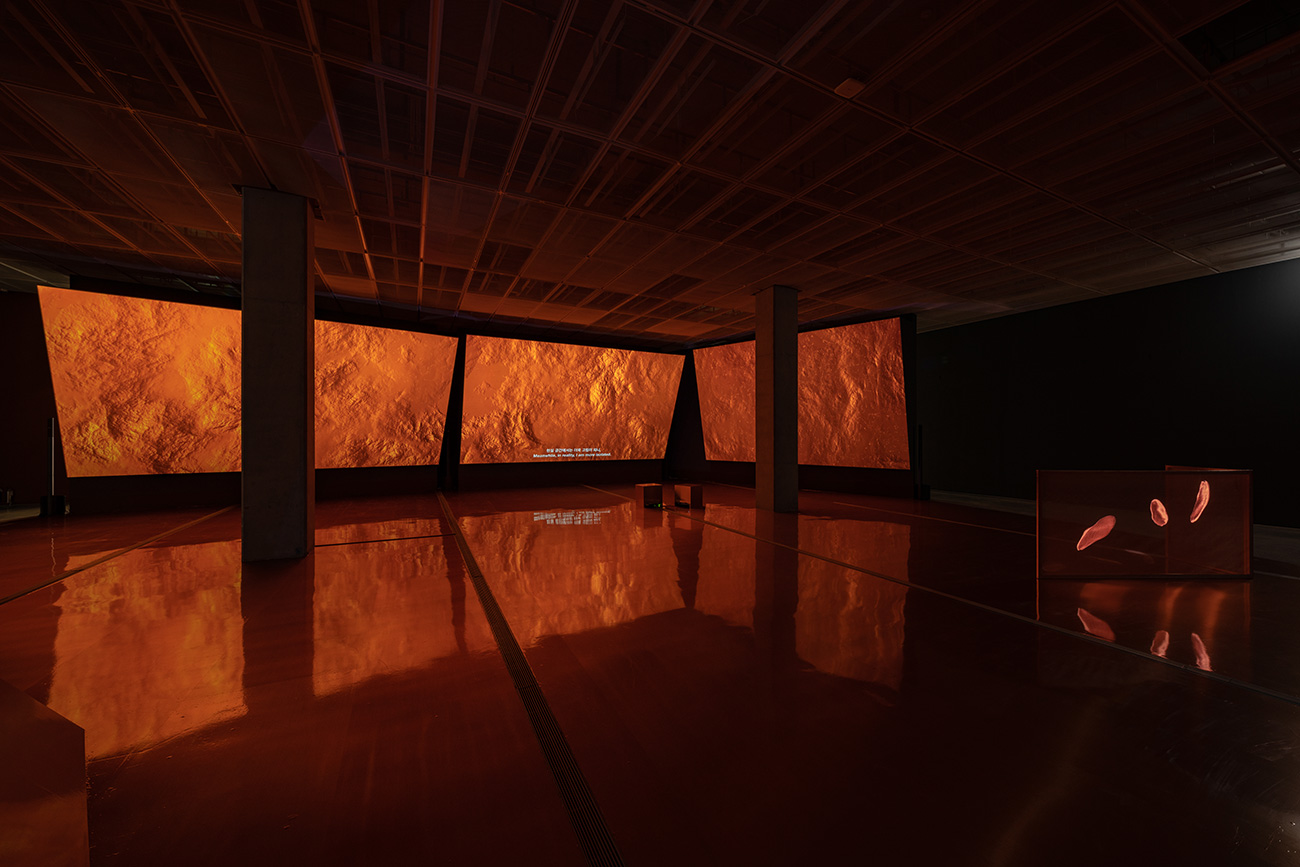
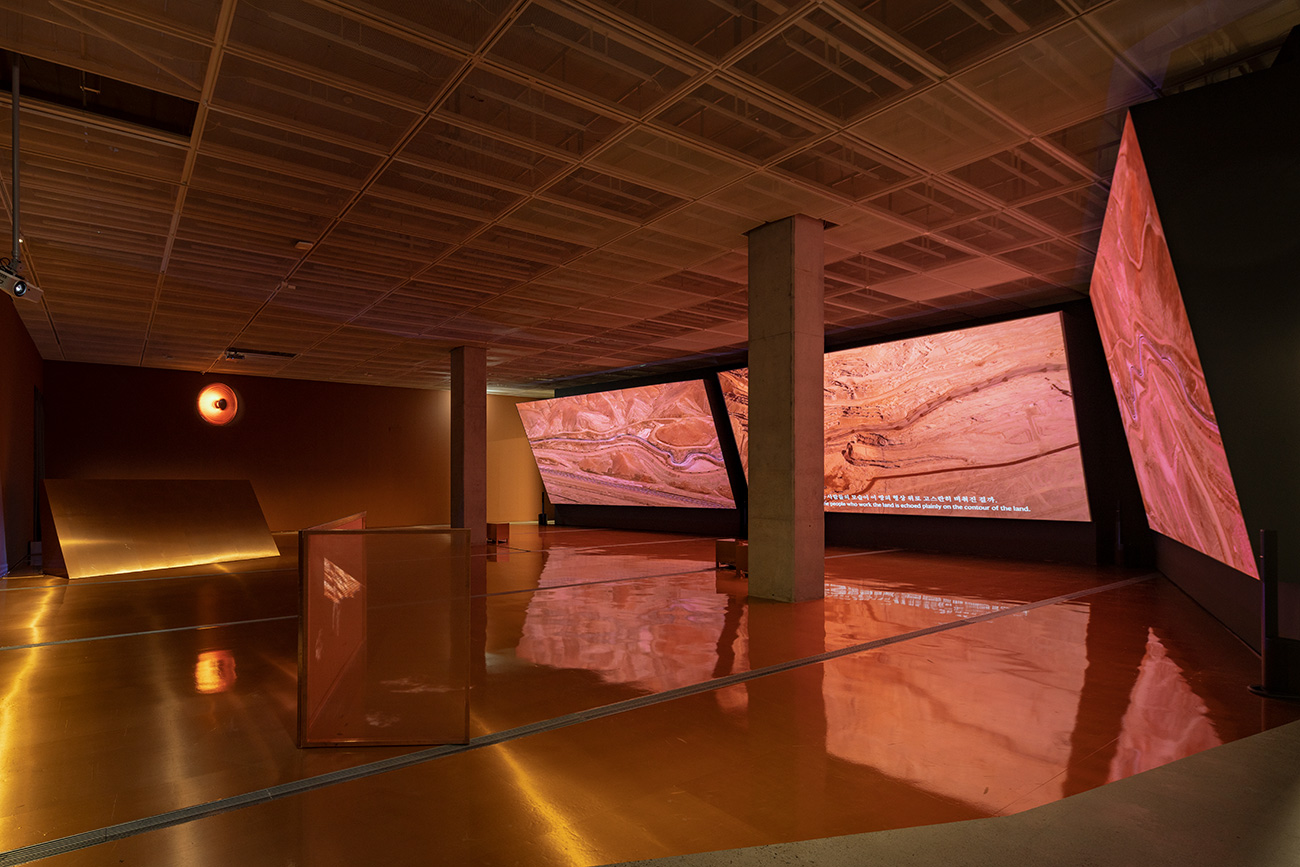
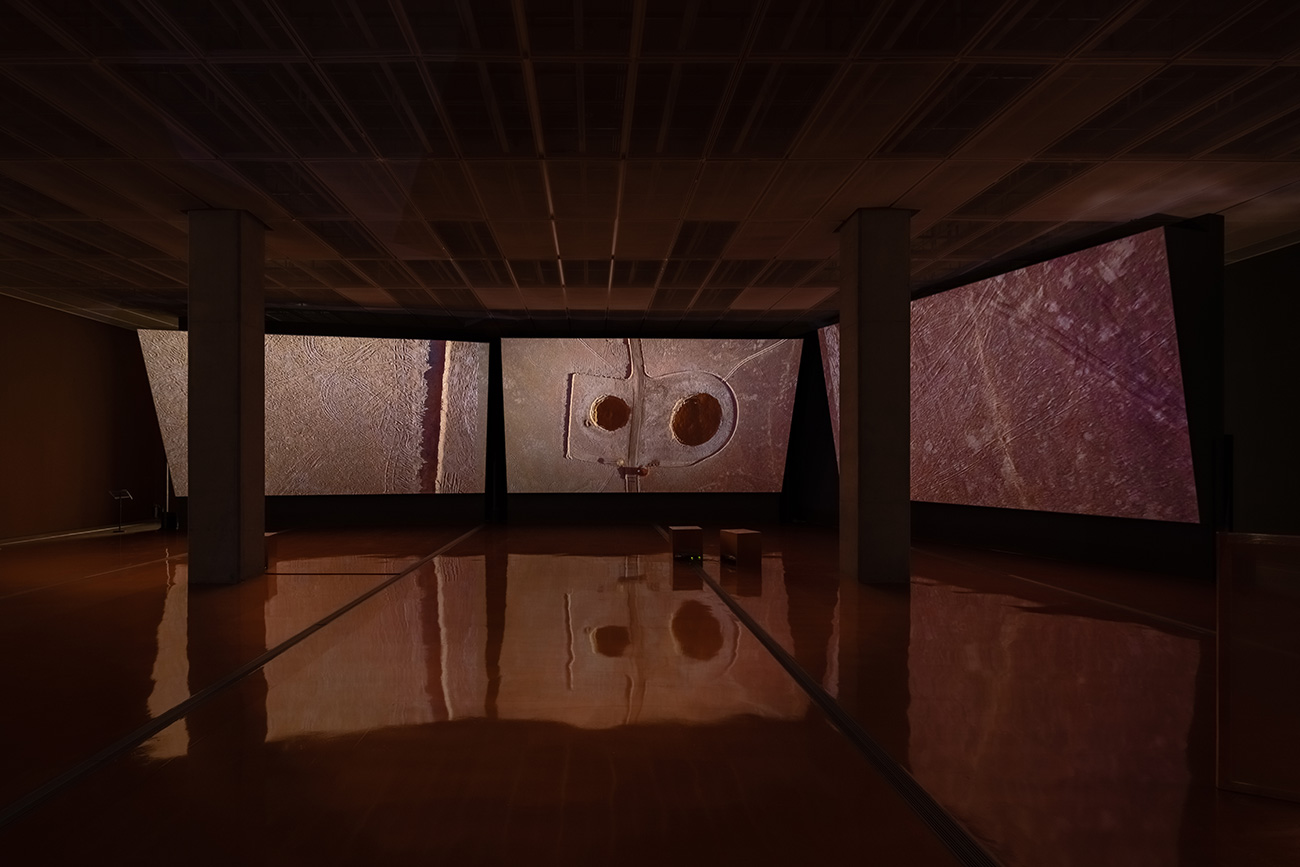
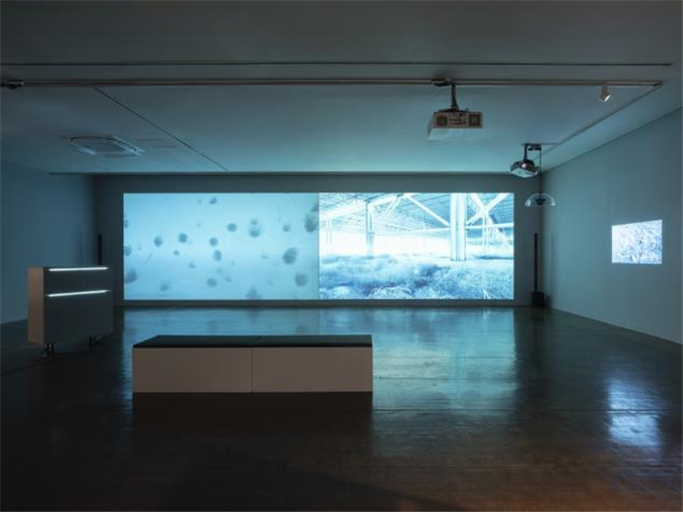
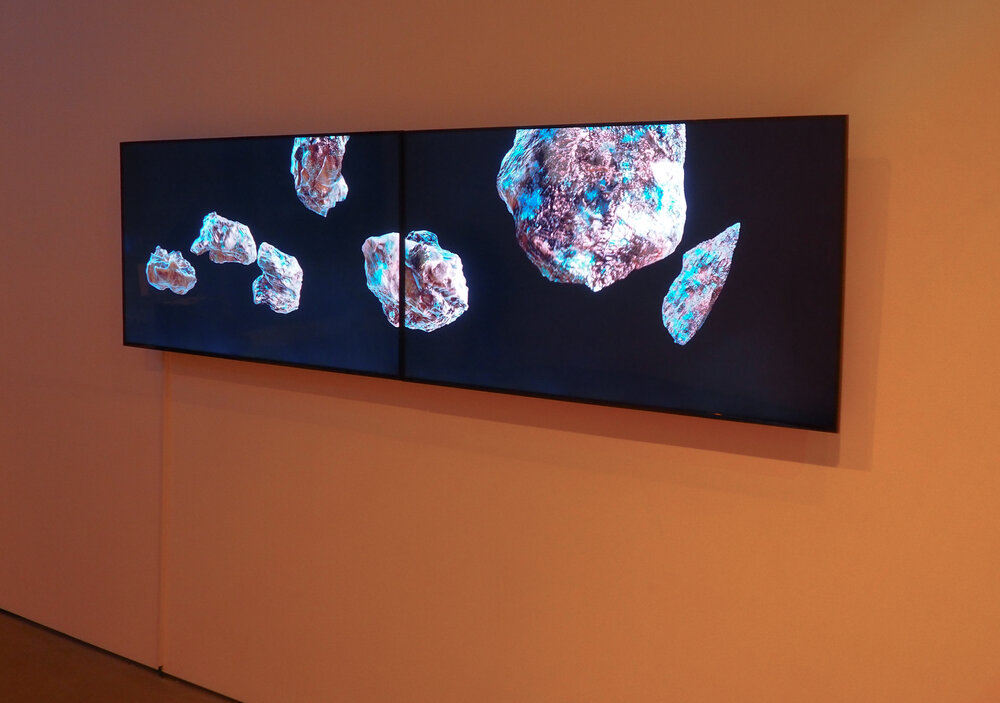
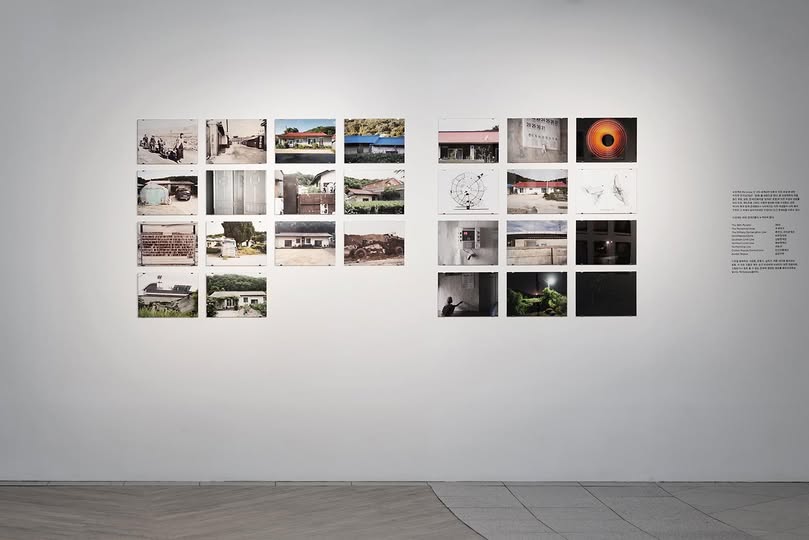
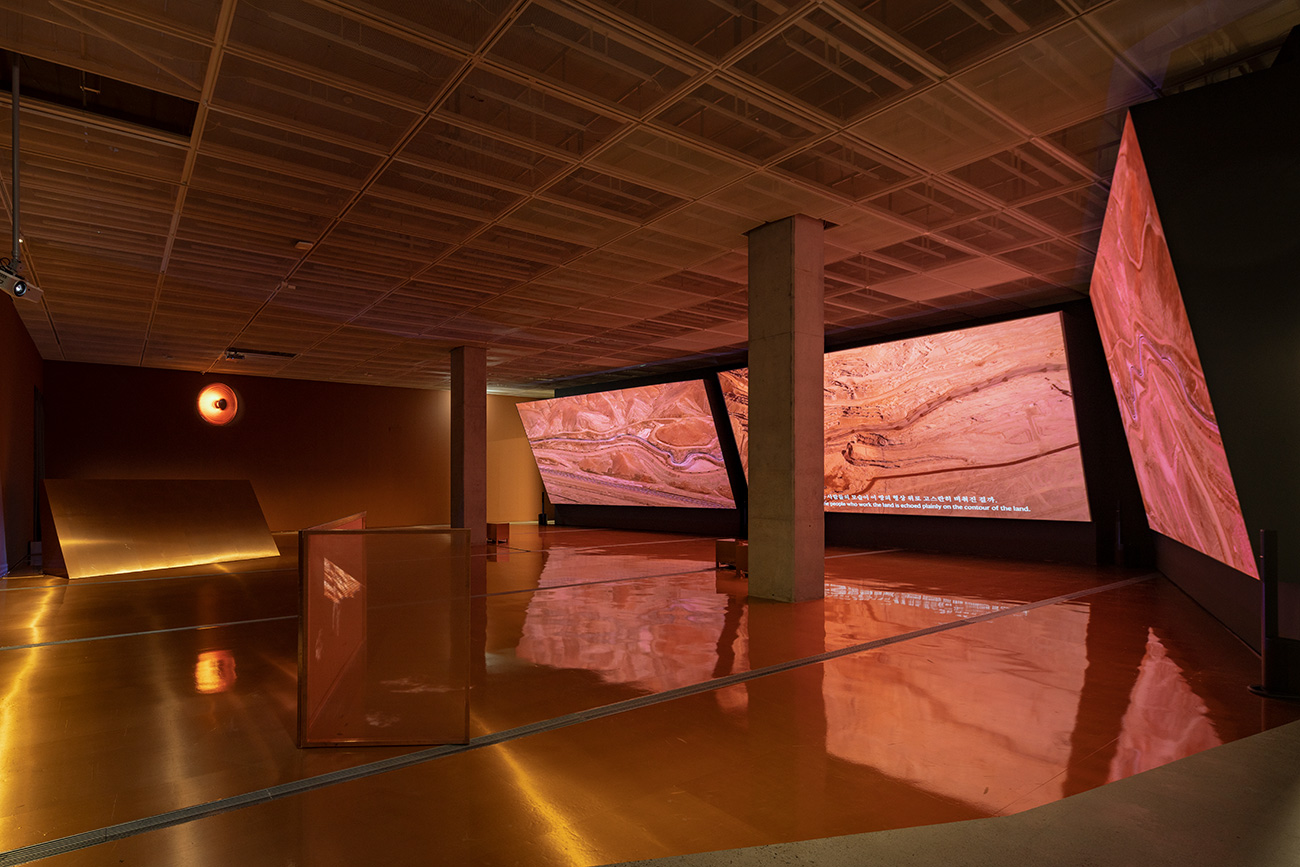
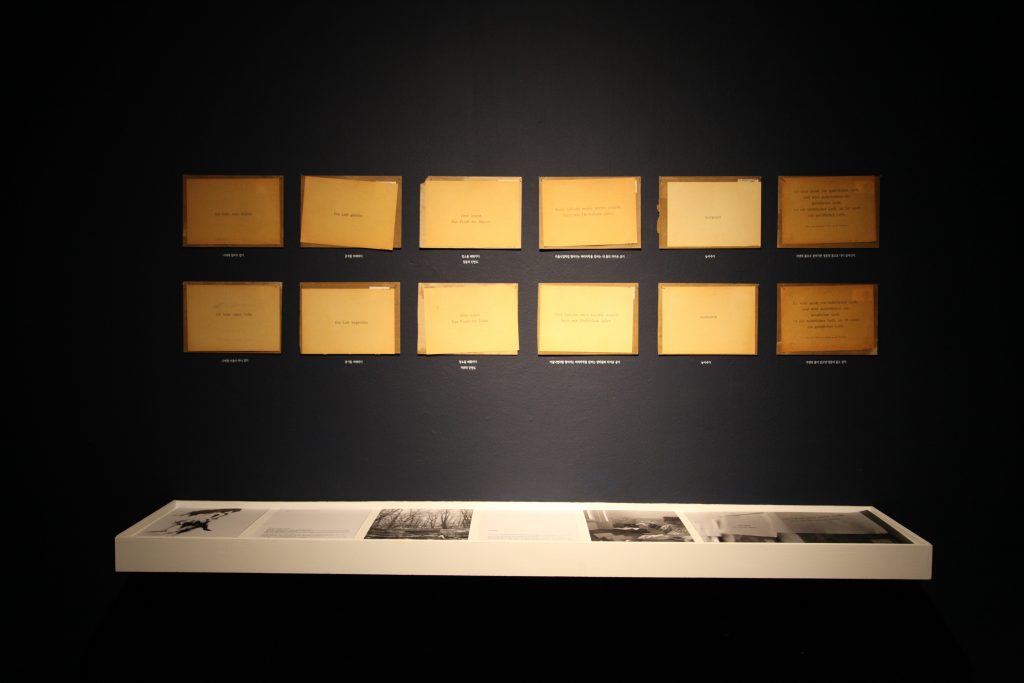
Chan Sook Choi has held approximately 10 solo exhibitions in Korea, Germany, and Taiwan. Notable solo exhibitions include 《Metamorphose》(2010, KunstDoc Gallery, Seoul), 《The Nine Billion Names of God》(2013, Sungkok Art Museum, Seoul), 《The Promised Land》(2015, Alternative Space LOOP, Seoul), 《Re move》(2016, Grimmuseum, Berlin), 《2017 Art Sonje Project #5: Chan Sook Choi – Re-move》(2017, Art Sonje Center Project Space, Seoul), 《It leaks, the light in their ground》(2020, Seoullo Media Canvas, Seoul), and 《qbit to adam I, adam》(2021, Kang Contemporary, Berlin).
Group Exhibitions (Brief)
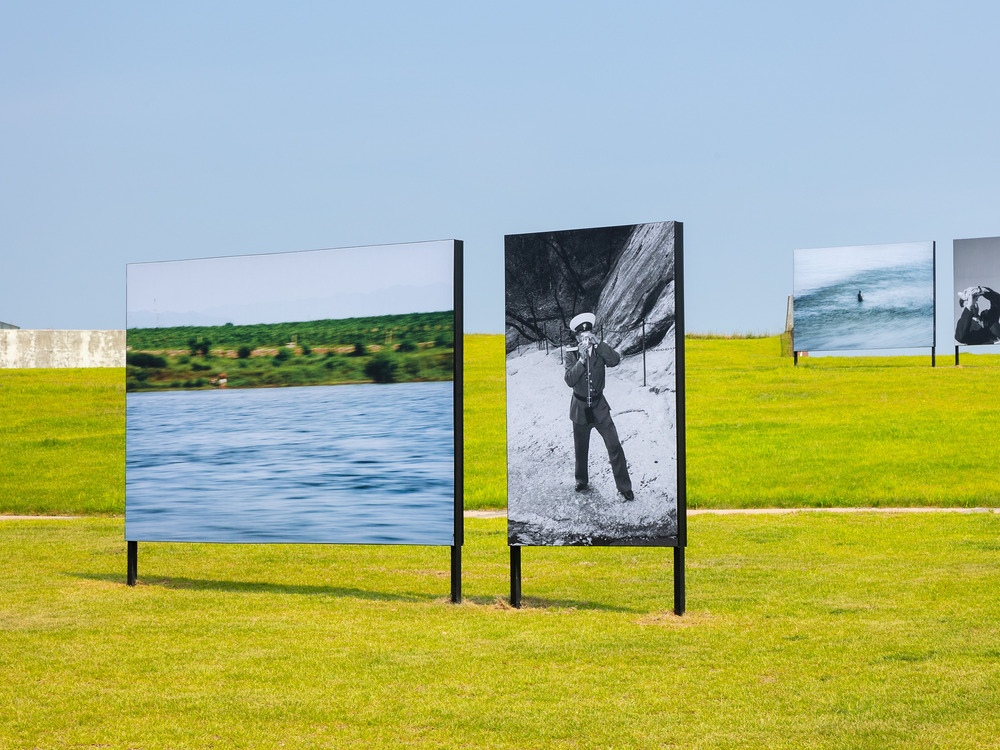
Chan Sook Choi has participated in group exhibitions in Korea, Germany, the United States, Taiwan, Austria, Denmark, Brazil, China, the Czech Republic, and Canada. Notable group exhibitions include 《What happened to God?》(2011, Halle 14, Leipzig, Germany), 《Reality》(2013, Gyungnam Art Museum, Changwon, Korea), 《Links-Locality and Nomadism》(2015, Galaxy Contemporary Art Museum, Chongqing, China), 《No Limite》(2017, Museum of UFPA, Belem, Brazil), 《Real DMZ Aarhus Edition》(2017, Aarhus Kunsthal Museum, Aarhus, Denmark), 《Multi-Access 4913》(2019, Seoul Museum of Art, Seoul), 《Ars Electronica Festival 2019》(2019, Linz, Austria), 《Time Reality: Disconnection, Traces, Oblivion》(2019, Coreana Museum of Art, Seoul), 《2021 Artist of the Year》(2021, National Museum of Modern and Contemporary Art, Seoul), 《Gwangju Media Art Festival 2023》(2023, Gwangju), 《Where Should We Go?》(2023, Pohang Museum of Art, Pohang), 《12th Seoul Mediacity Biennale: THIS TOO, IS A MAP》(2023, Seoul Museum of Art, Seoul), 《Negotiating Borders》(2024, SAW Center, Ottawa, Canada), and 《vanishing structures. Politics of Disappearance》(2024, Kunsthalle Exnergasse WUK, Vienna, Austria).
Awards (Selected)
Chan Sook Choi has earned selection to the Seoul Museum of Art’s emerging artist support program (2017), and a visual art support prize from Germany’s Stiftung Kunstfond (2021). In 2021, she received the Korea Artist Prize, awarded by the MMCA and the SBS Culture Foundation.
Collections (Selected)
Chand Sook Choi’s works are housed in the collections of major institutions, including National Museum of Modern and Contemporary Art, Korea, Museum of Contemporary Art Busan, Seoul Museum of Art and Sungkok Art Museum.