Daum Kim (b. 1983) has consistently explored the concept of the “interface” to make visible the boundaries between physical space and virtual environments, as well as between private experience and social context.
 
In particular, he has been interested in the various traces and sensations that emerge from the people and places he encounters throughout his life, translating them through media such as video, sound, and installation.


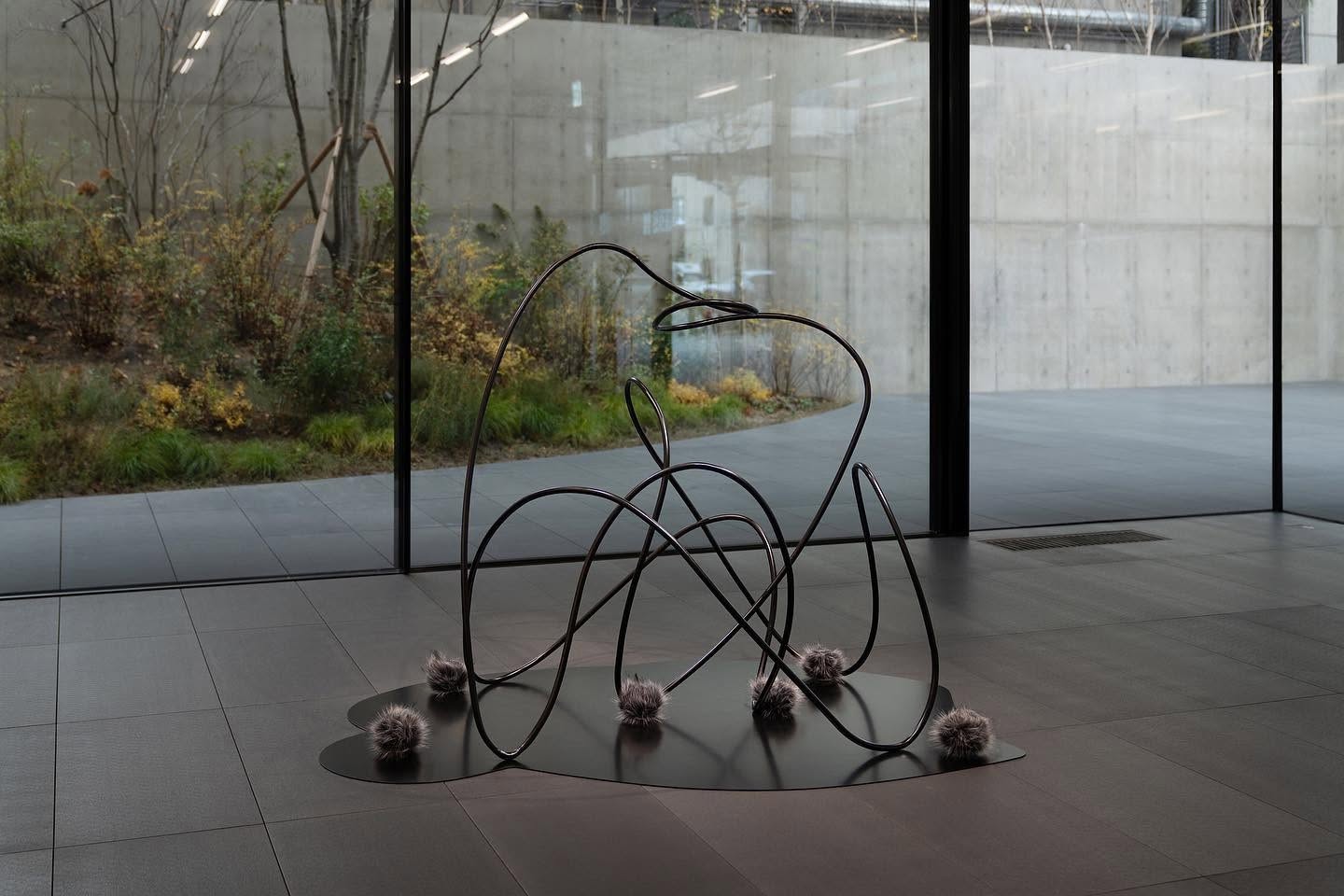
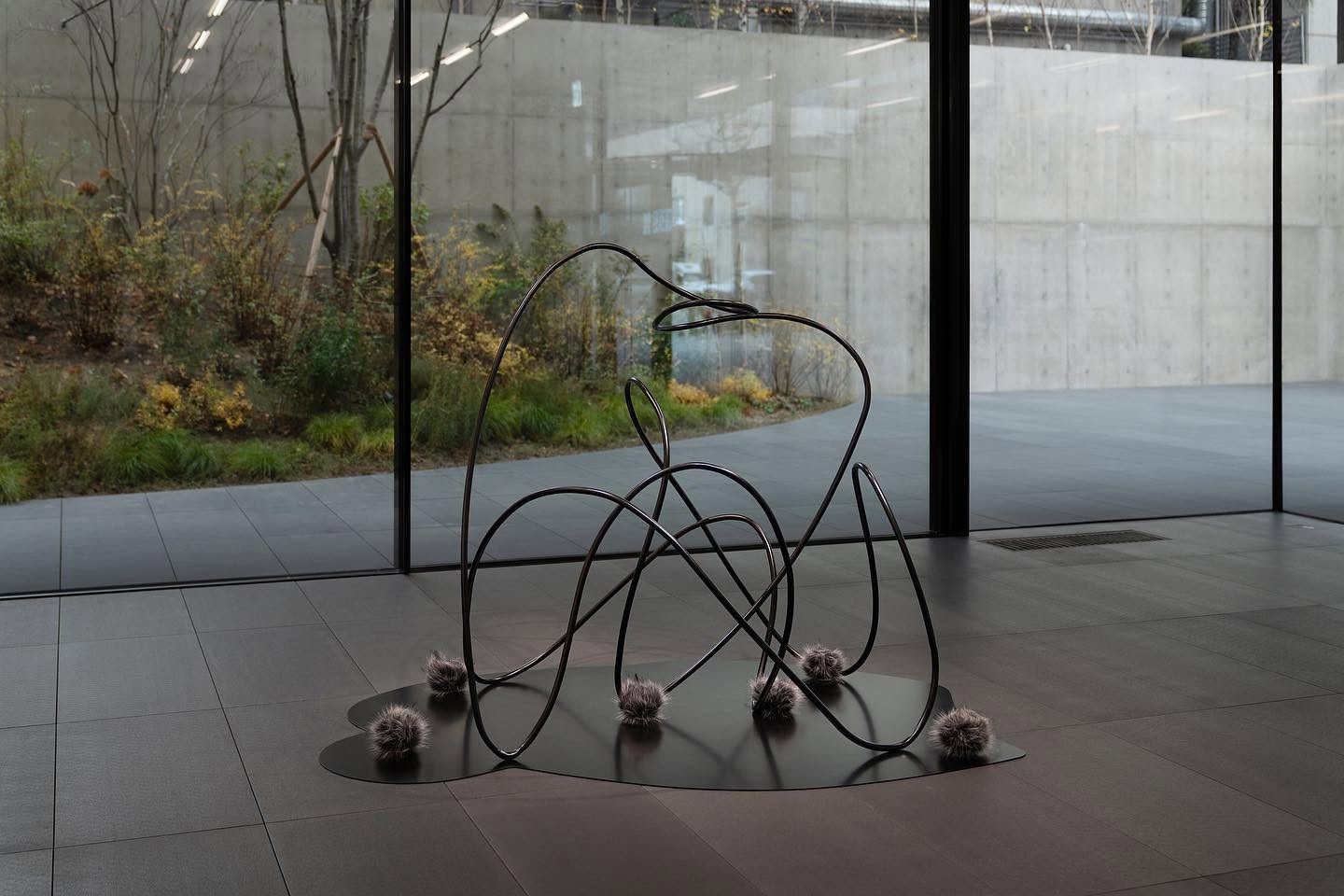
Daum Kim, Walking Lullaby, 2021, Powder coat on bent steel, 5 channel speakers, artificial fur, 130x200x140cm © SONGEUN Art and Cultural Foundation and the Artist. All rights reserved.

Daum Kim has explored the various networks of relationships that contemporary individuals become entangled in throughout their lives, translating them into sensory forms through a range of media. These networks may be invisible, as in virtual environments, or take on a physical form, as in exhibition spaces.
 
The artist observes, collects, and classifies the structures of these interconnected networks, reconstructing them in different ways for each exhibition.


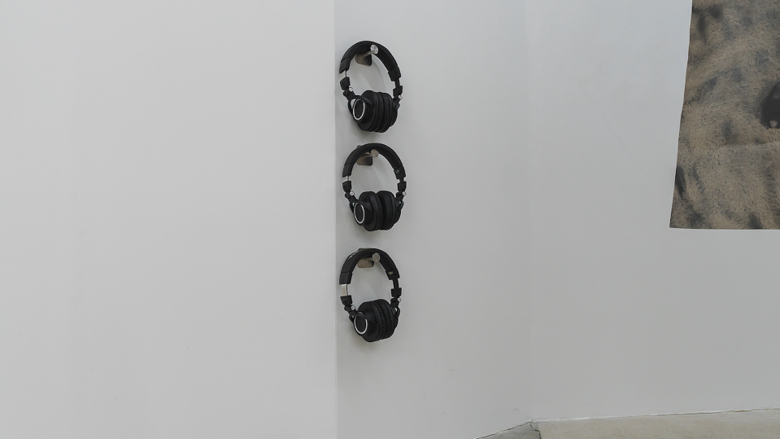
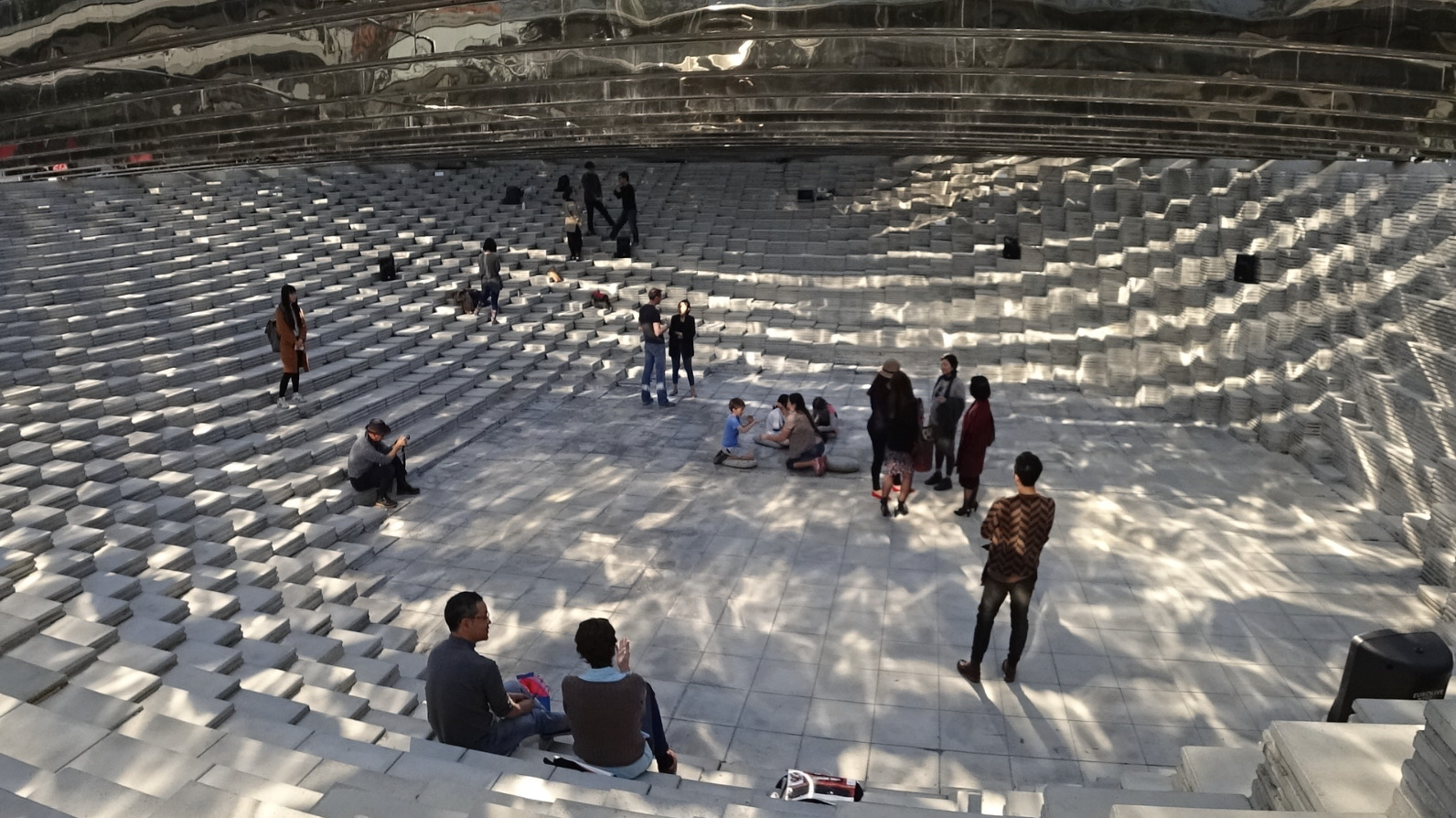
Daum Kim, Human alchemy, 2017, 8-channel sound installation (8 speakers, media player, audio interface), 8 min. 4sec. Variable Size © Daum Kim

The “realm” that Daum Kim focuses on is, in particular, a site where the private and the public intersect. It is both a reality naturally formed through relationships among living organisms and a space materialized through various substances and sensory experiences. The fragments and traces that emerge within it originate from deeply personal and intimate experiences and stories.
 
Within Kim’s “realm,” where images, data, and sound coexist, various signs and forms of information connect and circulate, at times functioning as guides that point toward new directions. Through different forms of contact, these elements interact with and influence one another, giving rise to new events and relationships while simultaneously undergoing continual processes of change and disappearance.


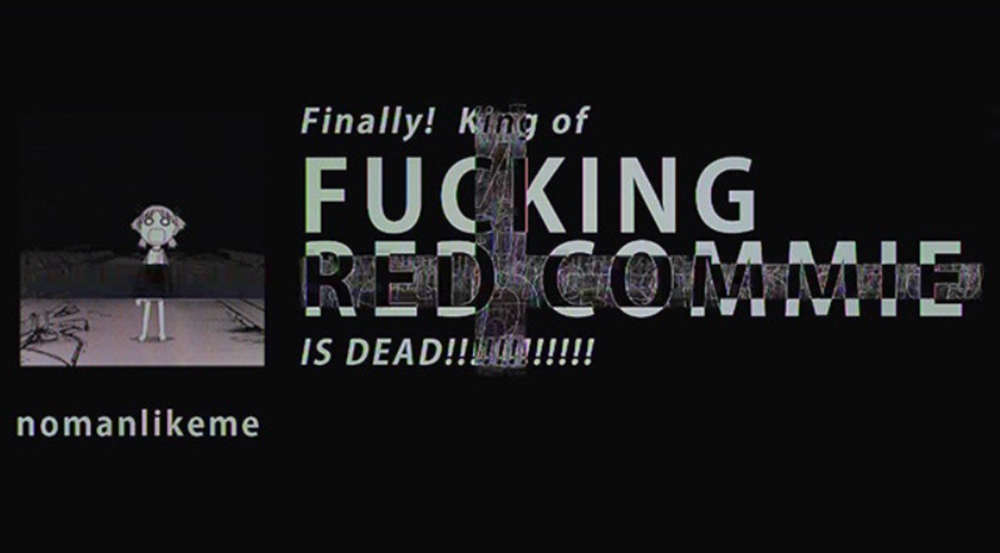
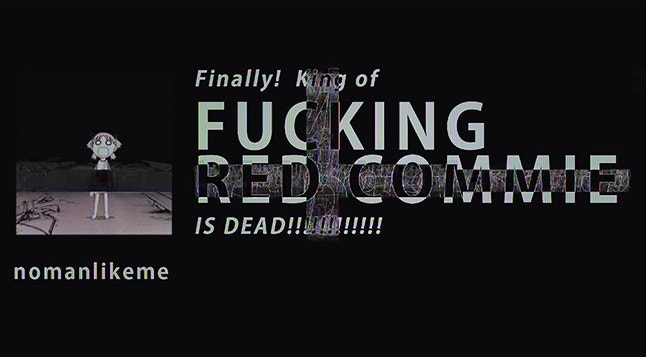
Daum Kim, Jong-Il, 2012, Video, 16min 50sec. © Daum Kim

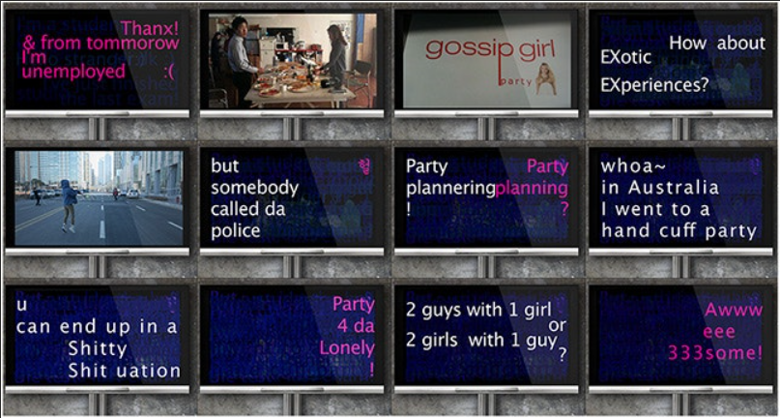
In his early works, Daum Kim conducted long-term research into traces of relationships formed through internet chat and social media platforms such as Twitter and Facebook, developing these materials into artworks through processes of collection and classification.
 
In works such as Rika (2009–2010) and Jong-Il (2012), he organized conversations conducted through social media and the materials gathered from them, reconfiguring them as video works.
 
At the core of these works is internet chat, which consists entirely of texts exchanged across the space between oneself and an unseen other. Kim explored the possibilities of this “disembodied” form of indirect communication, in which facial expressions, gestures, and voices are absent.
 
Because it does not require physical encounters, such communication can lessen the pressure to present or embellish oneself, allowing individuals to reveal their inner thoughts and feelings more easily and quickly.
 
For Kim, this mode of “indirect” encounter—meeting another while maintaining a certain distance or “in-between”—opens up the possibility of new forms of relationships between unembellished selves.


Installation view of 《RSVP》 (Art Sonje Center, 2014) © Art Sonje Center

In his later works, Kim turned his attention to the “exhibition space”—a place where he repeatedly establishes relationships as an artist and where viewers, artists, and artworks encounter one another. In these works, he experiments with ways of remaining “in between” people and objects while keeping his own presence largely concealed.
 
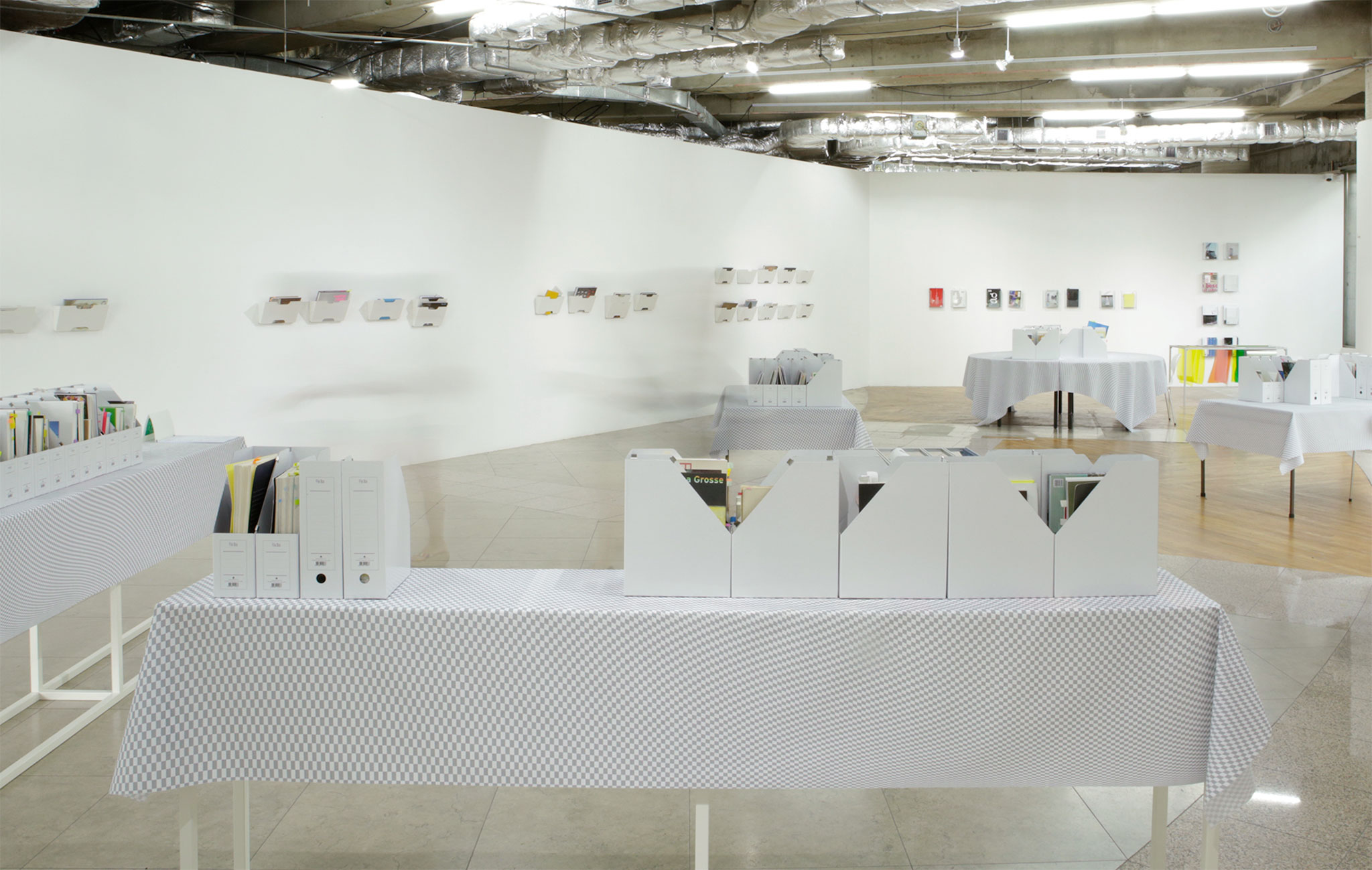
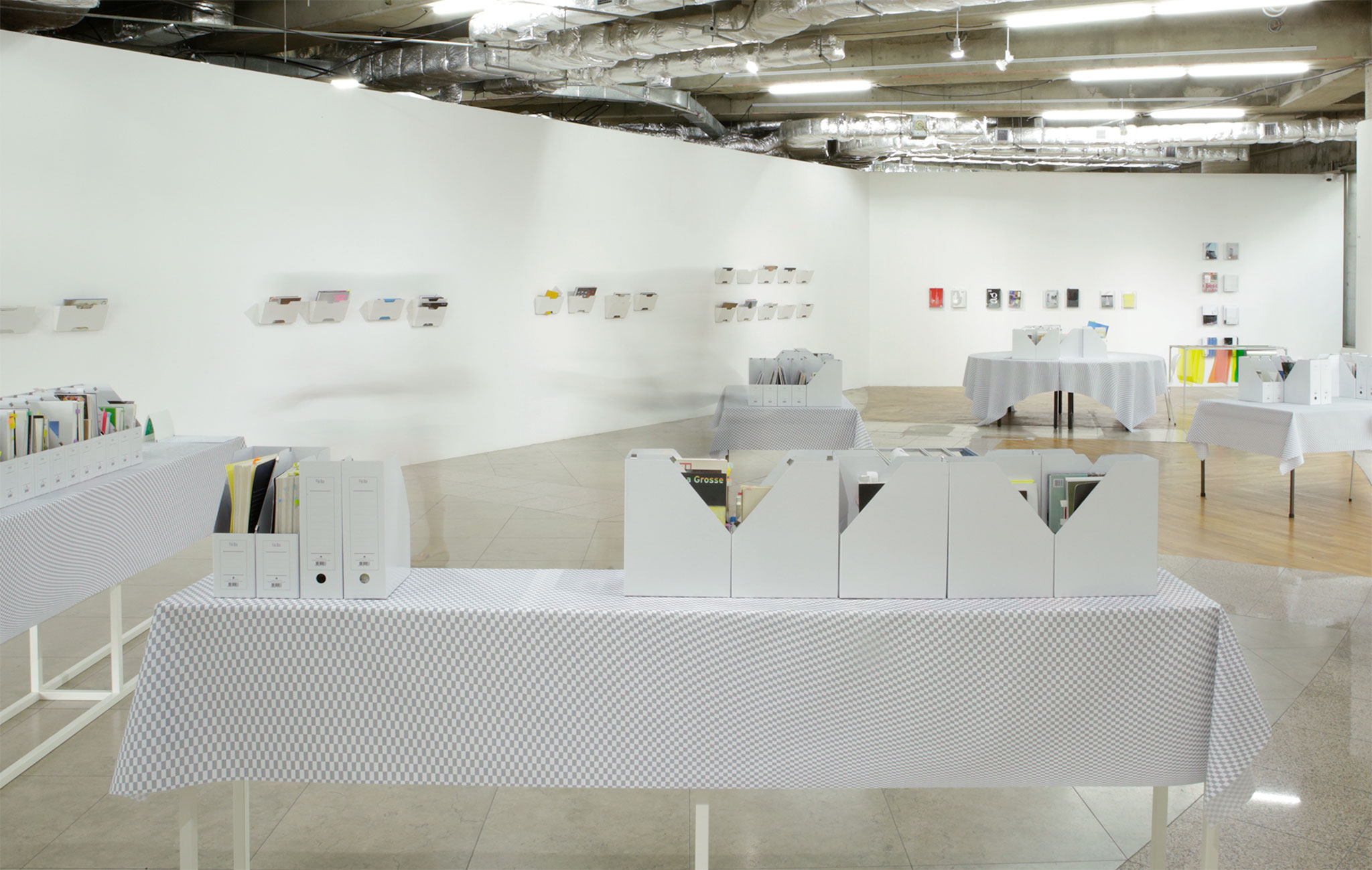
For example, his 2014 solo exhibition 《RSVP》 at Art Sonje Center proposed the exhibition space itself as an “interface” through which to explore the role, conditions, and diverse values of hospitality. Through the exhibition, Kim examined how hospitality operates in contemporary life, where individuals are expected to navigate multiple roles, and questioned its possibilities and limitations.


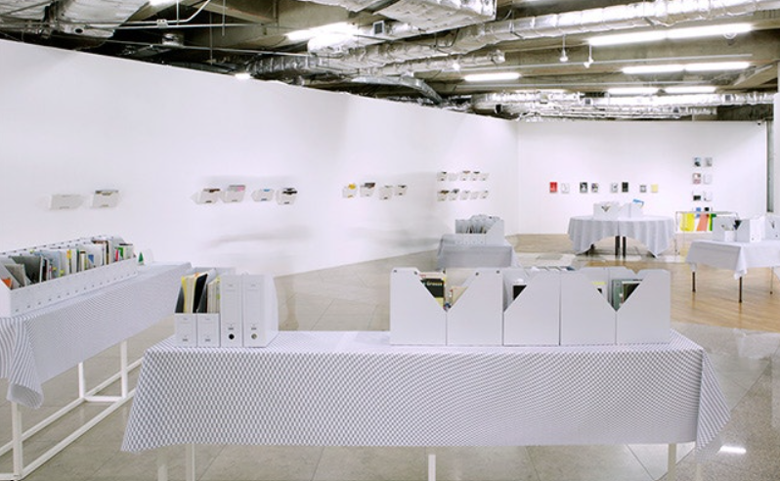
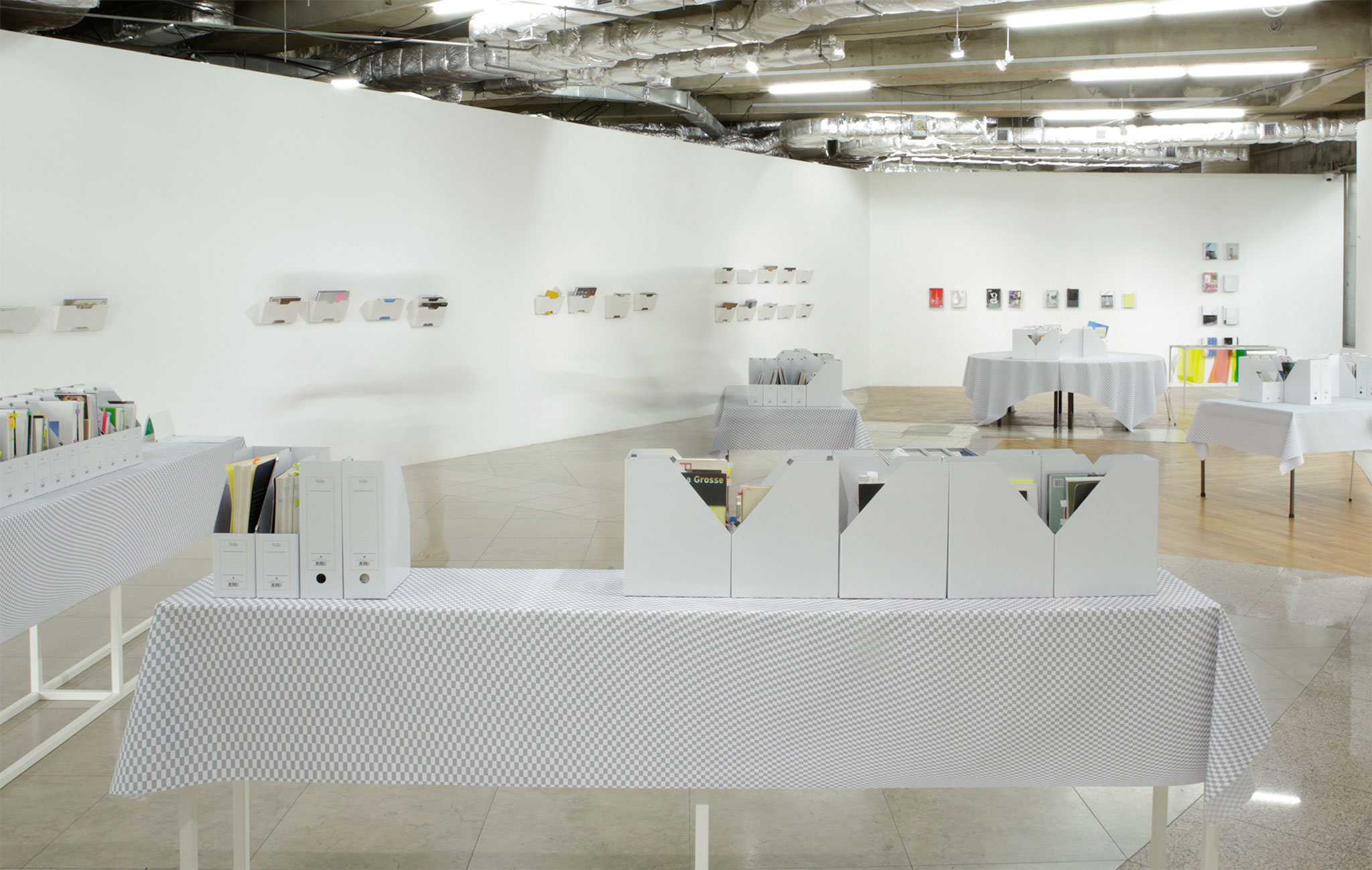
Installation view of 《RSVP》 (Art Sonje Center, 2014) © Art Sonje Center

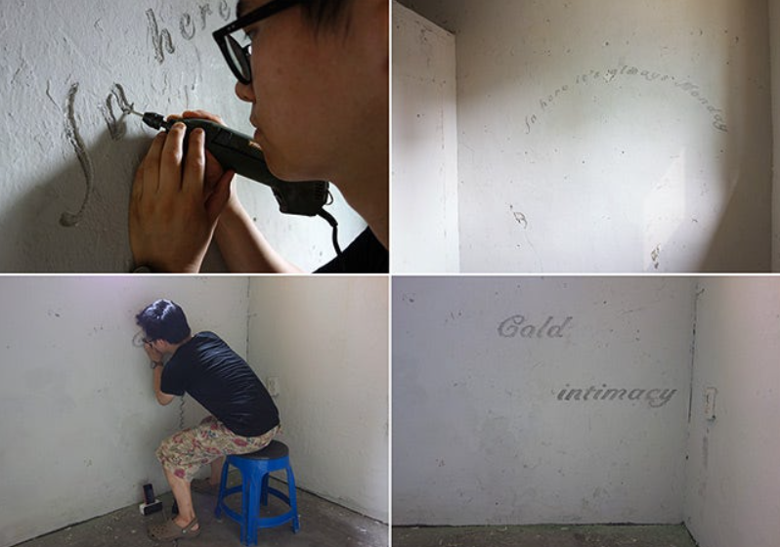
Daum Kim used books and materials naturally accumulated through various exhibitions and exchanges to transform the exhibition space into a reading room. He arranged the books and materials according to both linear and nonlinear systems of classification, while concealing works such as cards and videos among them.
 
Through this approach, Kim turns the exhibition space itself into a place of “indirect” encounter, where different elements meet in the space “in between.” His presence emerges only faintly through the materials he has organized, the Post-it notes placed among them, and the notes and cards tucked between the pages of books.
 
In other words, the artist mediates his relationship with the viewer indirectly through the order of things. By adopting this mode of indirect communication, Kim explores the meaning and possibilities of hospitality in contemporary life.


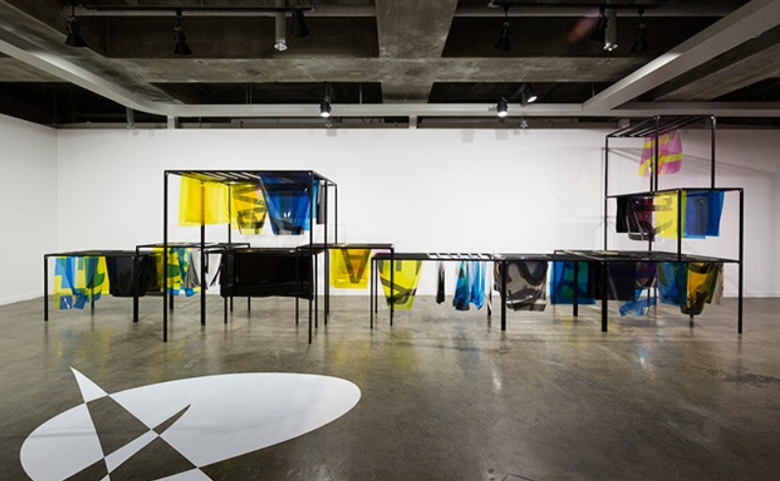
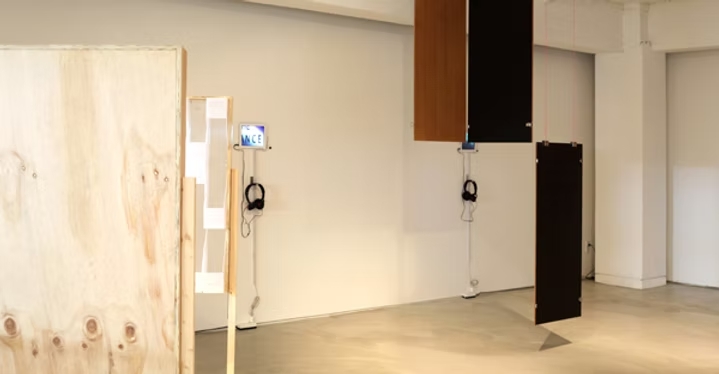
Installation view of 《By the Bamboo Forest》 (Space Willing N Dealing, 2015) © Space Willing N Dealing

Meanwhile, his 2015 solo exhibition 《By the Bamboo Forest》 at Space Willing N Dealing drew on materials collected through the Twitter account “Bamboo Forest” to explore how contemporary individuals adapt and conform to the imperfect conditions of everyday life.
 
Kim created his works using various stories and objects collected from users of “Bamboo Forests Next to” accounts, such as “Bamboo Forest Next to a Design Company” and “Bamboo Forest Next to a Publishing House.” By sharing a single account, users were able to remain anonymous while voicing their frustrations and concerns arising from their working lives.
 
Having observed since 2012 how these “Bamboo Forests Next to” accounts emerged and disappeared across different professions, Kim came to understand them as spaces that served a function beyond that of a mere refuge from reality. He regarded these platforms as interfaces through which individuals could anonymously articulate and share their personal experiences.
 
Kim transformed the texts that flowed through this interface—where countless anonymous users expressed their individual stories—into “sound” as an auditory basis, and visualized them through physical devices designed specifically for this purpose.


Installation view of 《By the Bamboo Forest》 (Space Willing N Dealing, 2015) © Space Willing N Dealing

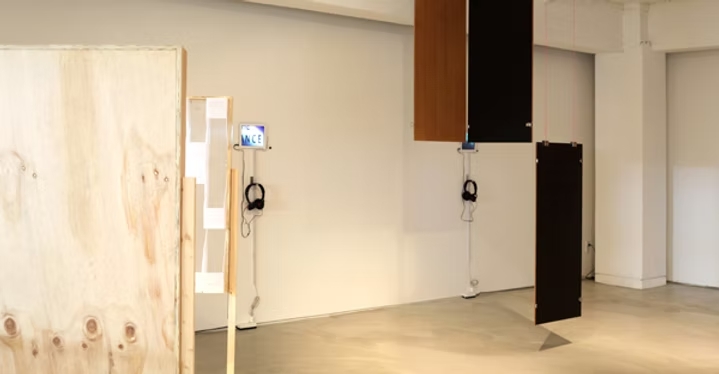
Kim saw the “Bamboo Forest Next to” interface as resembling the various acoustic devices used in recording environments to block, absorb, or diffuse specific sounds, noise, and reverberations generated both outside and within the recording space, including those produced by the performers themselves. Based on this analogy, he developed installation works using various acoustic diffusers as their primary material.
 
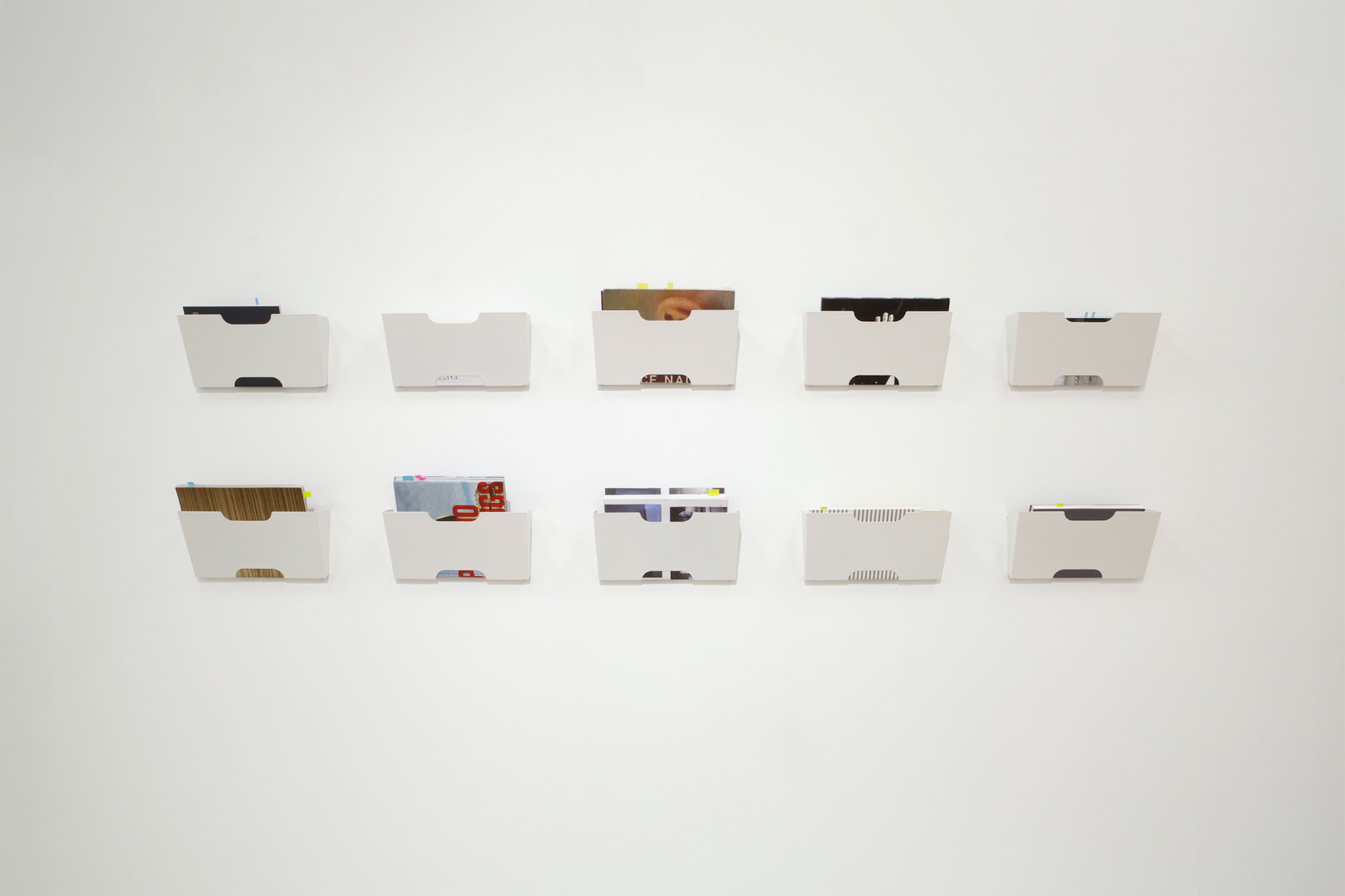
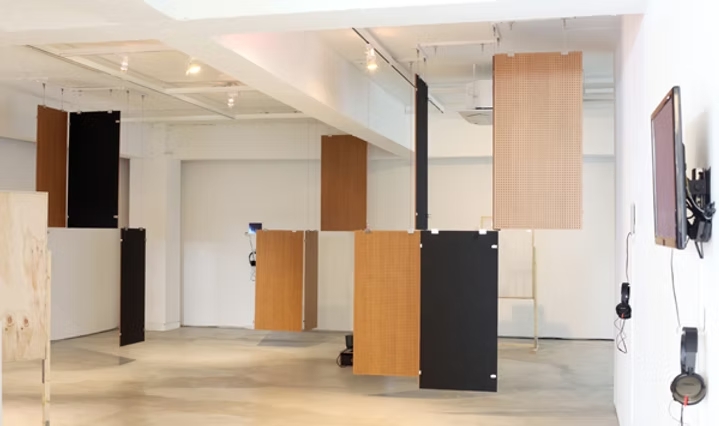
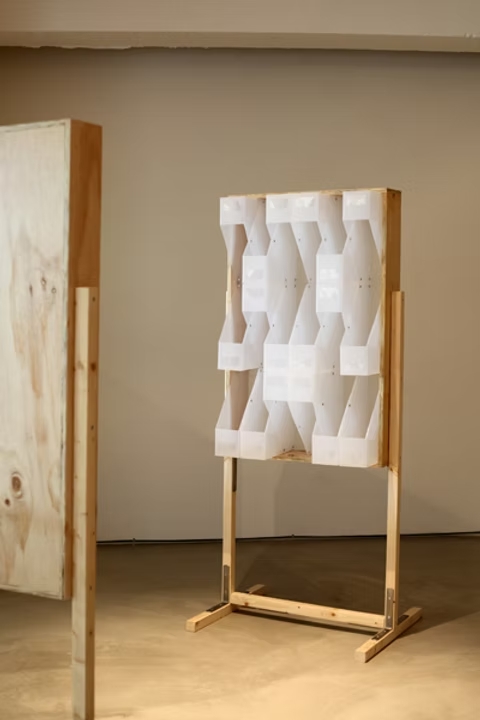
Works such as Acoustic Diffuser (2015) and Anechoic Chamber (2015) embody a duality shared by both the “Bamboo Forest Next to” and acoustic devices: they can either block the sounds produced by users or make those sounds more audible. In this sense, they function both as media and as visual metaphors for the dynamics of concealment and amplification.
 
Installed throughout the exhibition space, Anechoic Chamber created a landscape defined by the distances between separated and dispersed fragments—the sound-absorbing panels. These physical forms existed simultaneously as one and many, as a whole and as parts.
 
Repeatedly shifting between dispersion and aggregation, the work could not be apprehended all at once; instead, viewers had to connect the scattered elements with their eyes and minds, gradually perceiving them as a single structure.


Installation view of 《By the Bamboo Forest》 (Space Willing N Dealing, 2015) © Space Willing N Dealing

Acoustic Diffuser is constructed through minimalist arrangements of books and file organizers commonly found in office environments. By arranging these familiar objects to visually resemble acoustic diffusion devices, the work metaphorically evokes the transmission of emotions and information through invisible gaps and spaces.
 
While Acoustic Diffuser represents the “Bamboo Forest” as an anonymous public sphere that facilitates a sense of social solidarity, Marie (2015) and Mikyo (2015) explore the Bamboo Forest as a space of a deeply personal nature.
 
Both works take the form of videos based on the stories of individuals who changed their names due to extraordinary personal circumstances. Through their narratives, Kim explores how individuals confront the imperfect conditions of their lives and resist the social continuities imposed upon them, while seeking new forms of relationships and alternative possibilities for living.


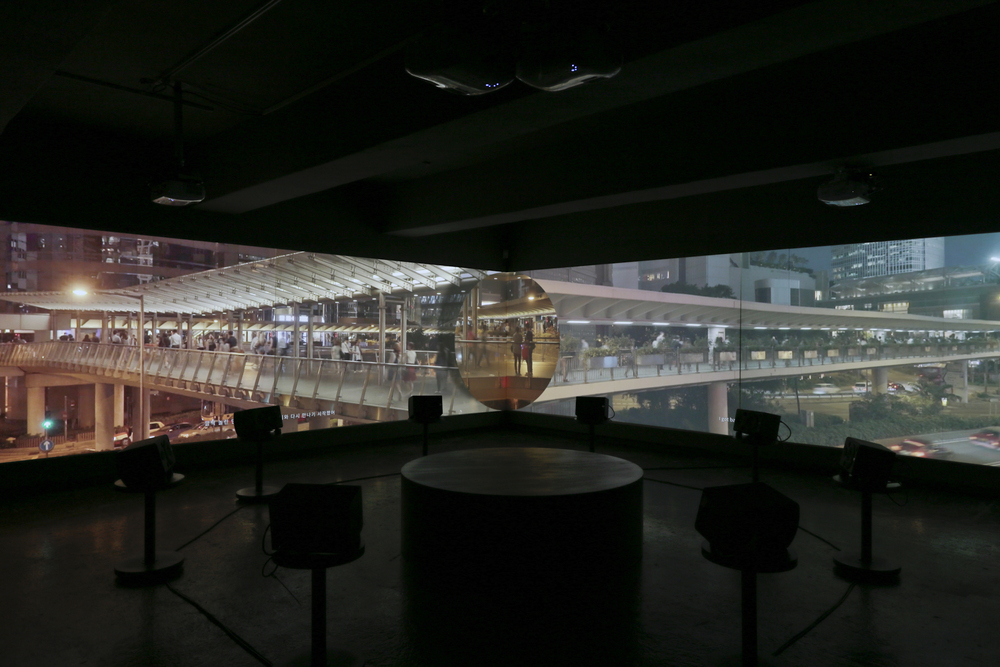
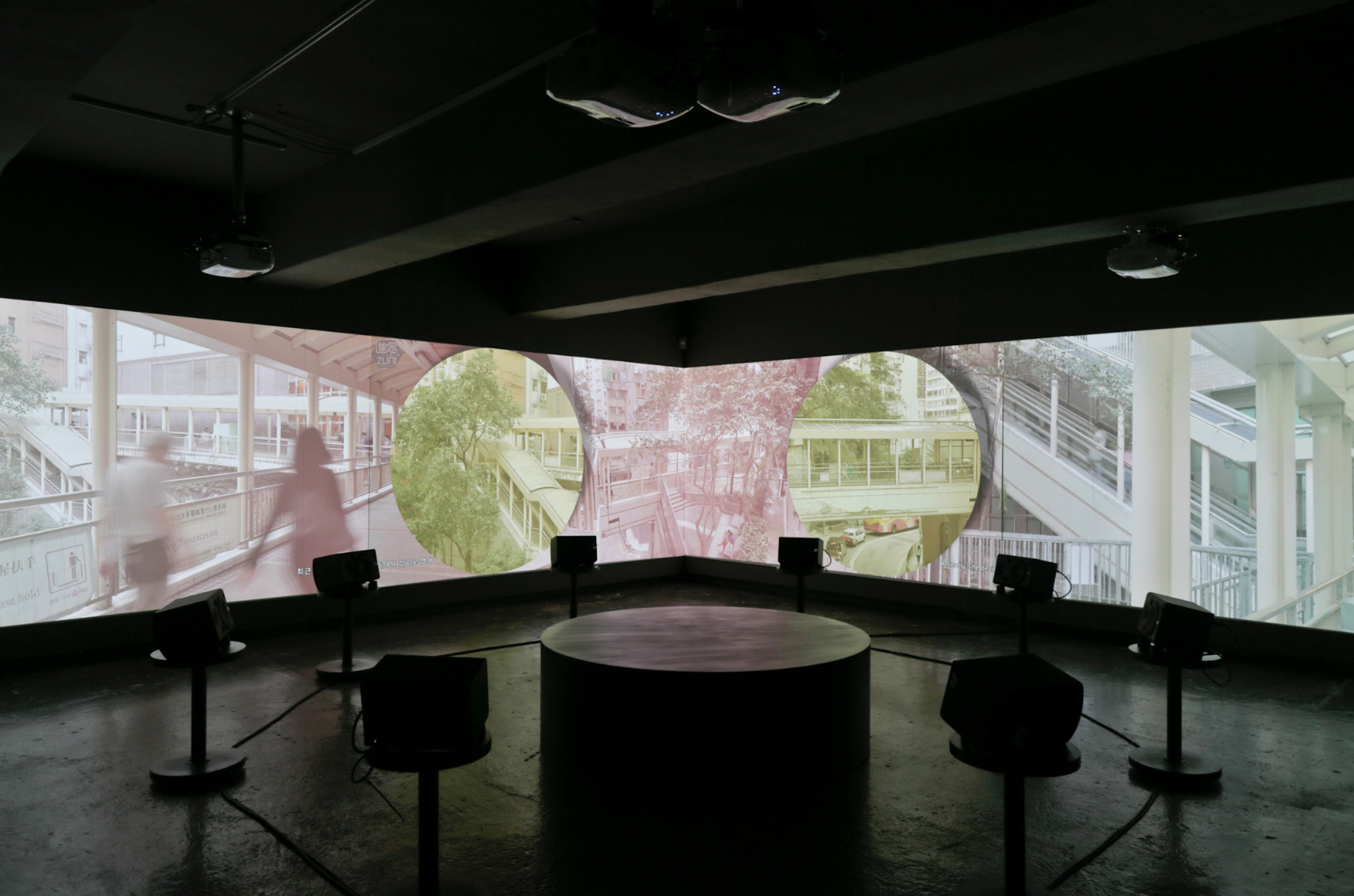
Daum Kim, Blind Land, 2016, 4-channel video, 8-channel sound, 9min 9sec. © Daum Kim

Furthermore, in his video work Blind Land (2016), Kim Daum uses the concept of “Mengzi (blind land)”—a parcel of land with no direct access to a road—as a metaphor for the condition and psychology of individuals surrounded by various social environments and circumstances. Because such land has no independent access route, reaching or leaving it requires passing through property owned by others.
 
Kim approaches blind land not merely as a real-estate concept, but as a kind of interface through which diverse social and cultural relationships can be understood. He has therefore continued to explore the various forms of “blind land” that surround individuals and society, as well as the experiences and stories entangled within them.


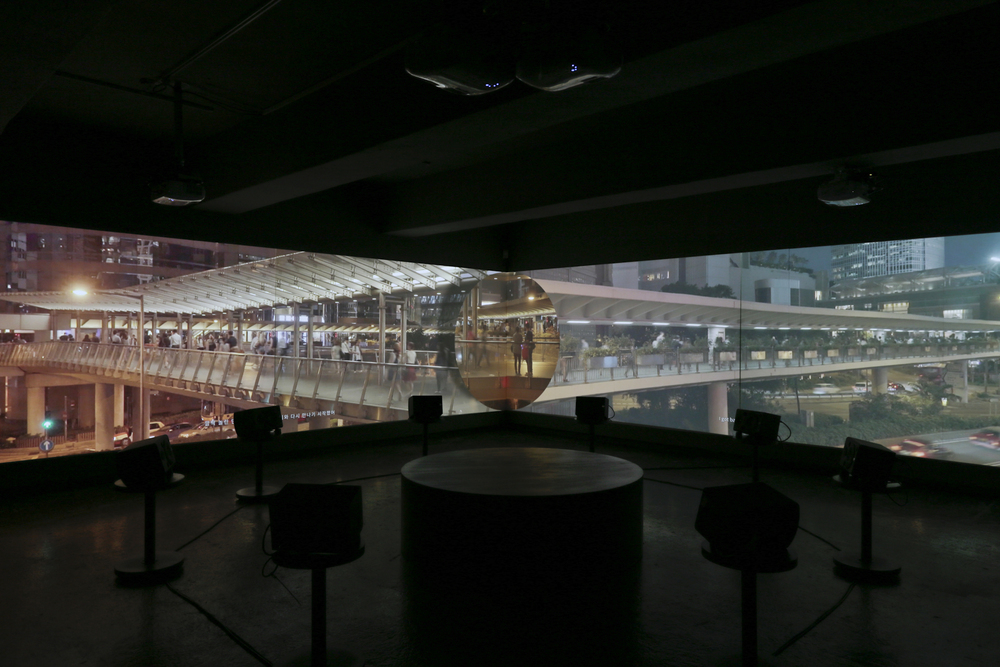
Daum Kim, Blind Land, 2016, 4-channel video, 8-channel sound, 9min 9sec. © Daum Kim

In Blind Land, the artist presents three narrators living in Seoul, Hong Kong and Taiwan, places with linked but independent histories. They let others into their own spaces, leave certain spaces, or encounter spaces left behind.
 
The narrators express their emotions about the spaces they experience and evoke their psychological and emotional density. Their narration touches on themes of memory, occupation and possession of places where conflicts arise.


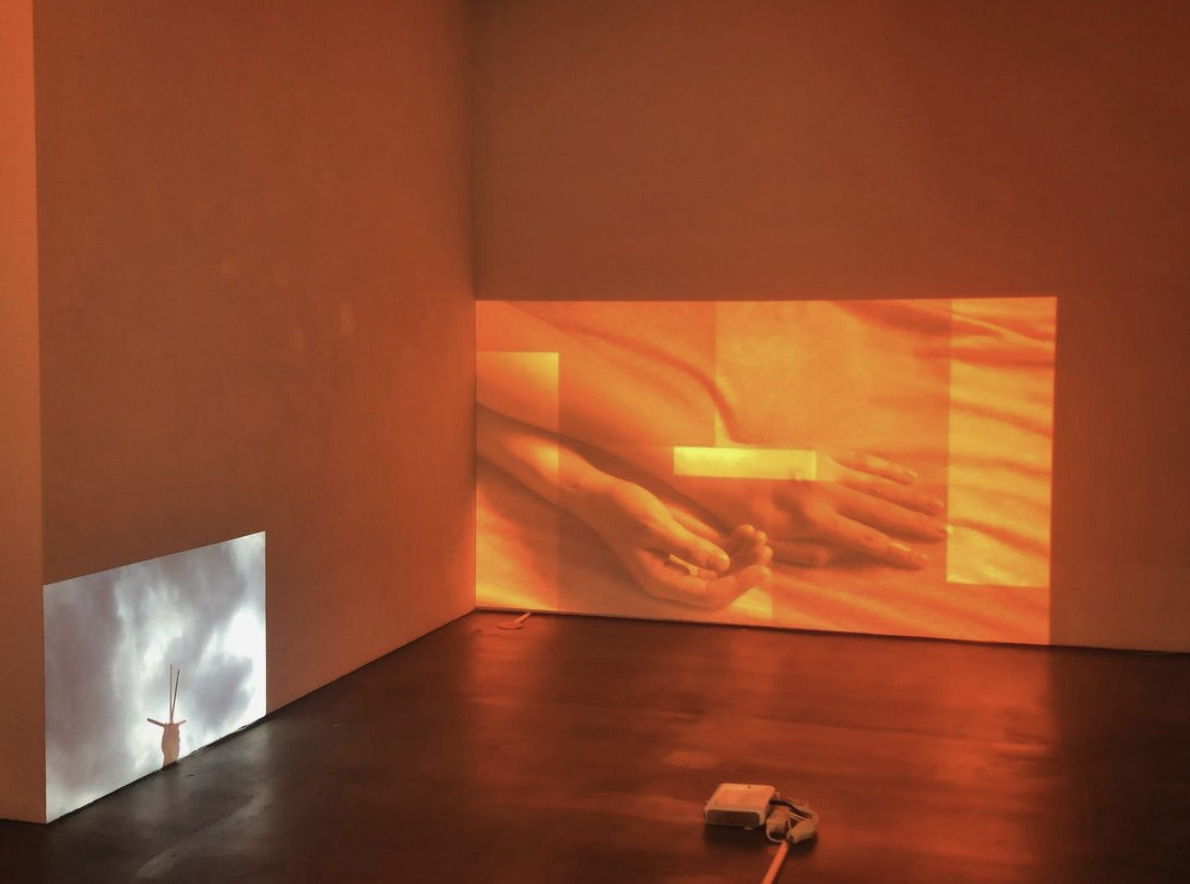
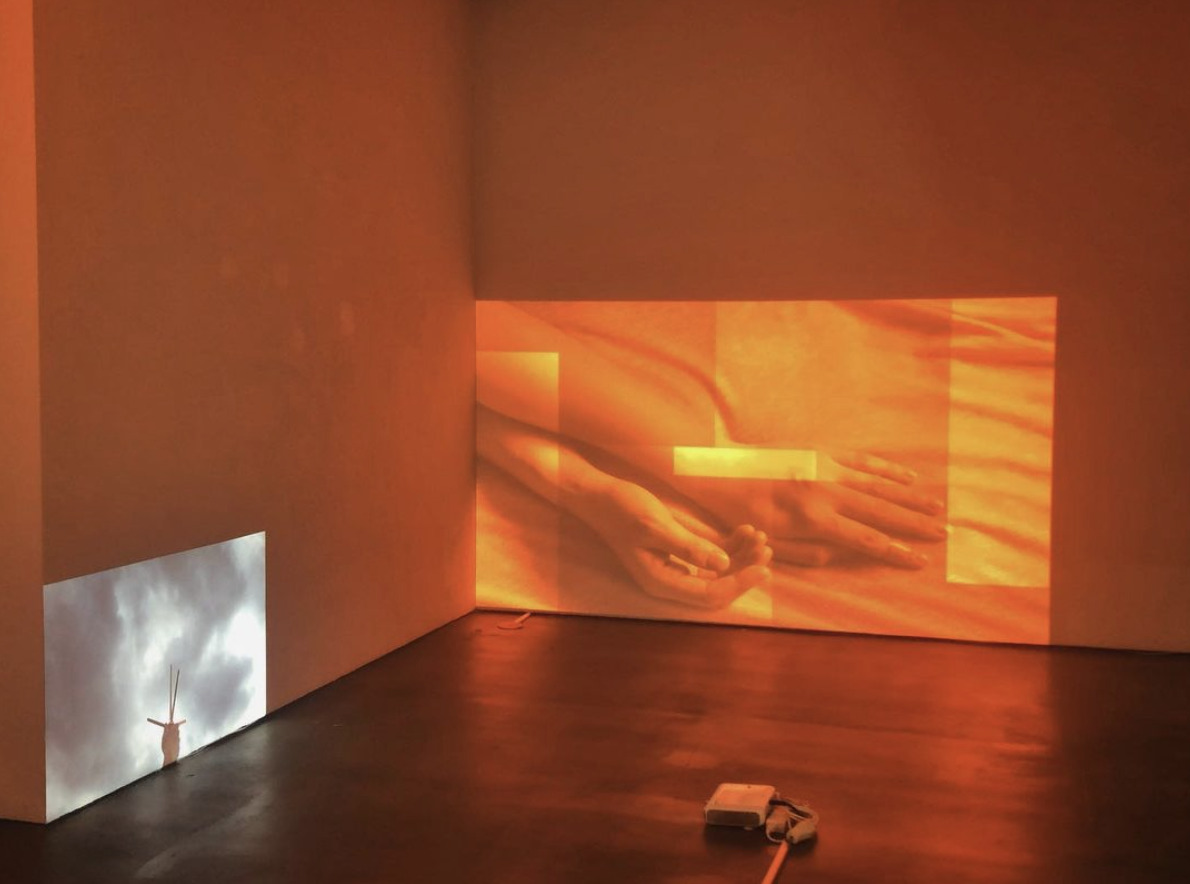
Installation view of  《Blind Road》 (Factory2, 2019) © Factory2

In his 2019 solo exhibition 《Blind Road》 at Factory2, Kim began with his own experience of losing his way without knowing his destination, reflecting on the emotions he experienced at the time. From this starting point, he turned his attention to the paths that connect blind land to other spaces or objects.
 
In the videos, Kim positioned himself as either a definite destination or a piece of blind land, exploring the process through which something or someone finds its way toward him and the emotions that arise along the way.
 
Four videos poetically captured the artist’s acts of luring these subjects toward him, while a sound work connected the individual pieces and filled the exhibition space.


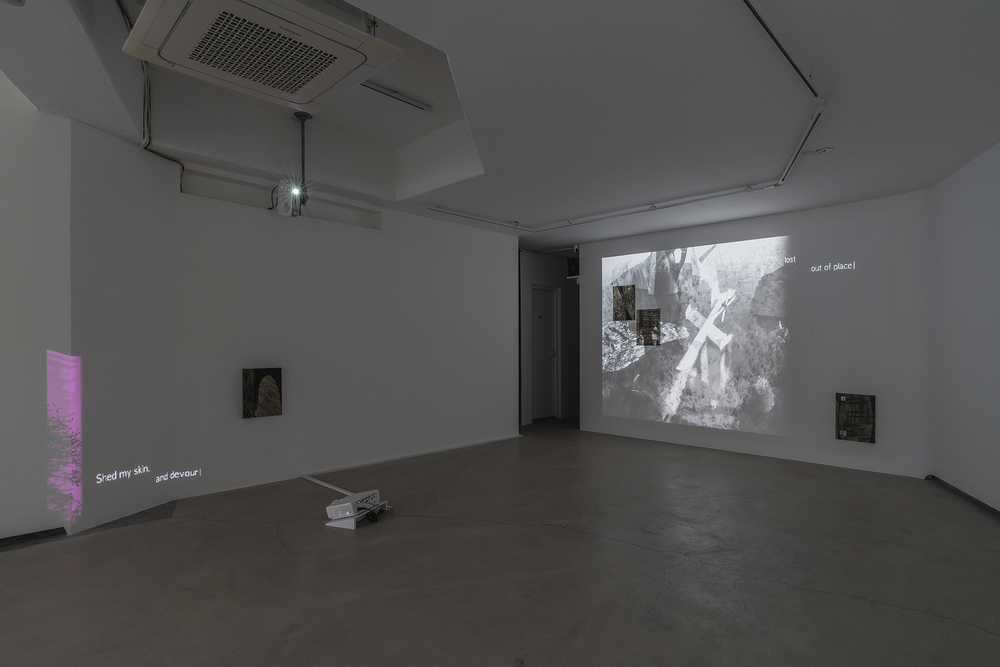
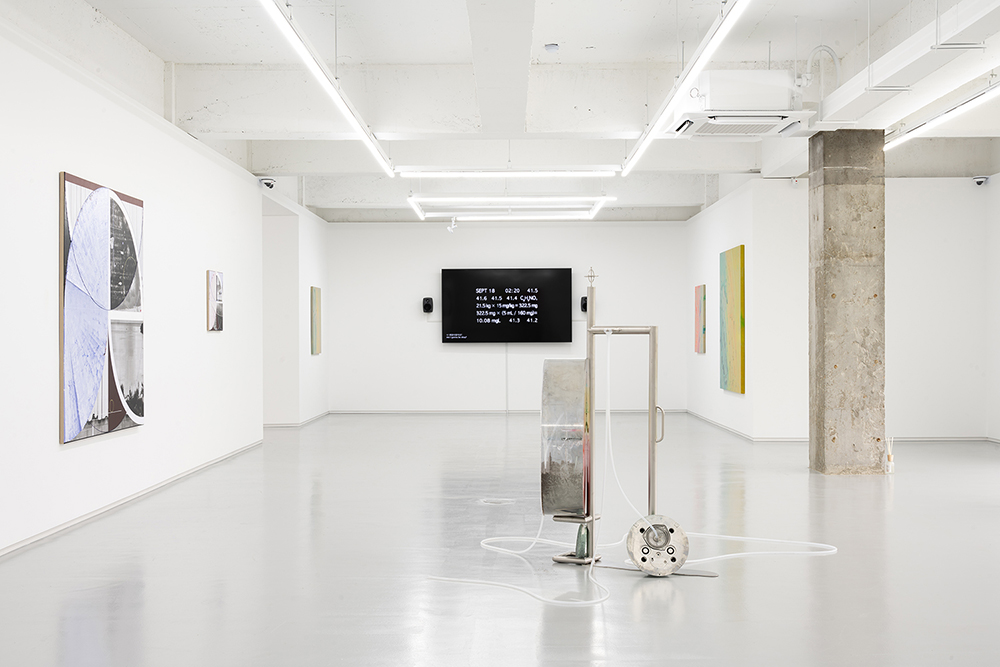
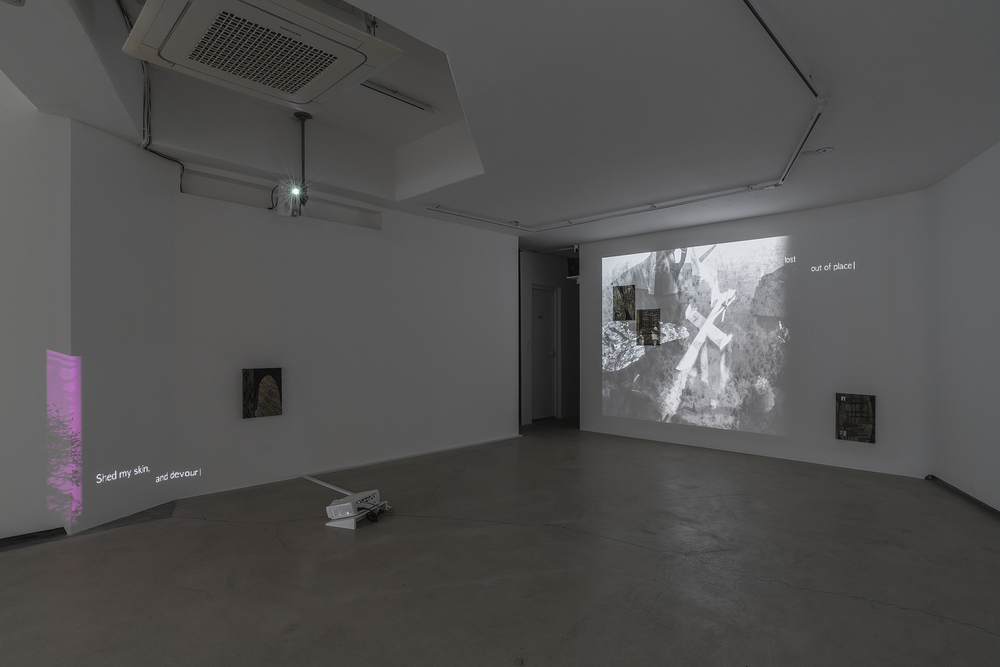
Installation view of 《dazzled & muddled》 (Primary Practice, 2023) © Primary Practice

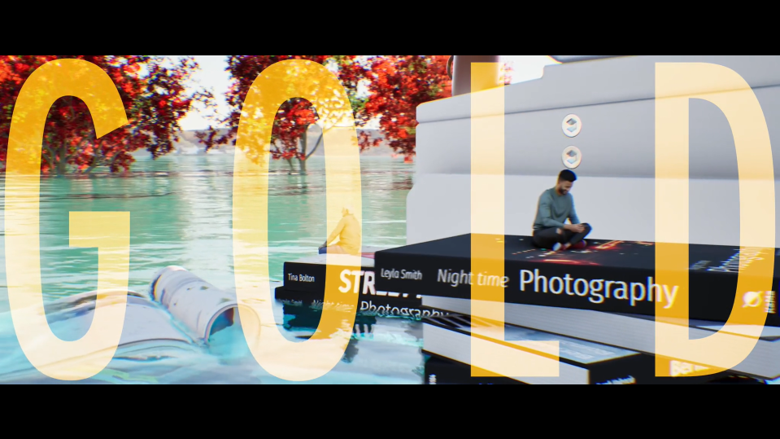
Kim’s sustained interest in the sensations and emotions that emerge at the boundaries between different spaces and temporalities continued in his 2023 solo exhibition 《dazzled & muddled》.
 
Here, he brought together a range of emotional and sensory fragments—such as depression, exhilaration, anger, hope, and frustration—that exist between the two poles of reality and the ideal, unfolding them across the spatiotemporal framework of the exhibition.


Installation view of 《dazzled & muddled》 (Primary Practice, 2023) © Primary Practice

Fragments of elusive emotions arising from everyday life are recorded in the form of song lyrics, then broken down and reconfigured into lines and images, which are subsequently linked to video clips of uncertain origin. Through this chain-like structure, the works acquire new meanings that they do not possess individually, forming an interconnected network of relationships.
 
In this process, narratives compressed onto the two-dimensional surface are transformed and amplified through video and sound, oscillating between different media and genres.
 
In a space that seeks to depart from reality yet cannot quite enter the realm of the ideal, leaving one disoriented and without a clear sense of direction, the dissonance produced by sound and images becomes a tremor within stillness, awakening the everyday as it begins anew.


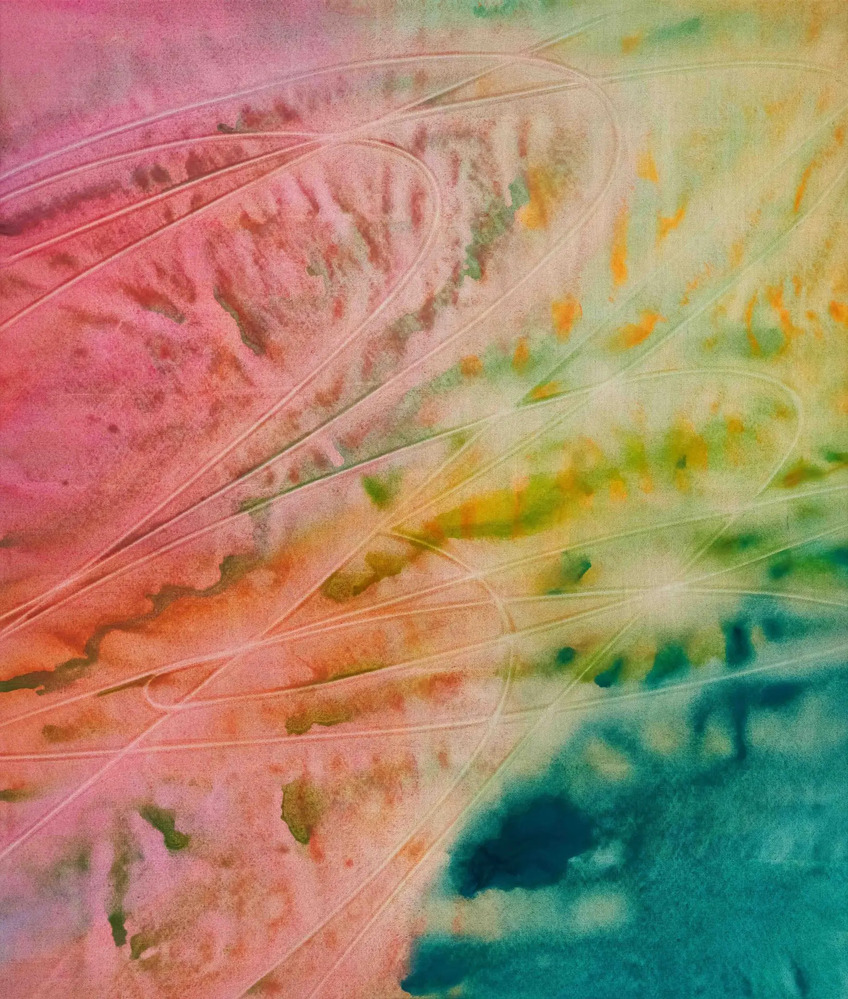
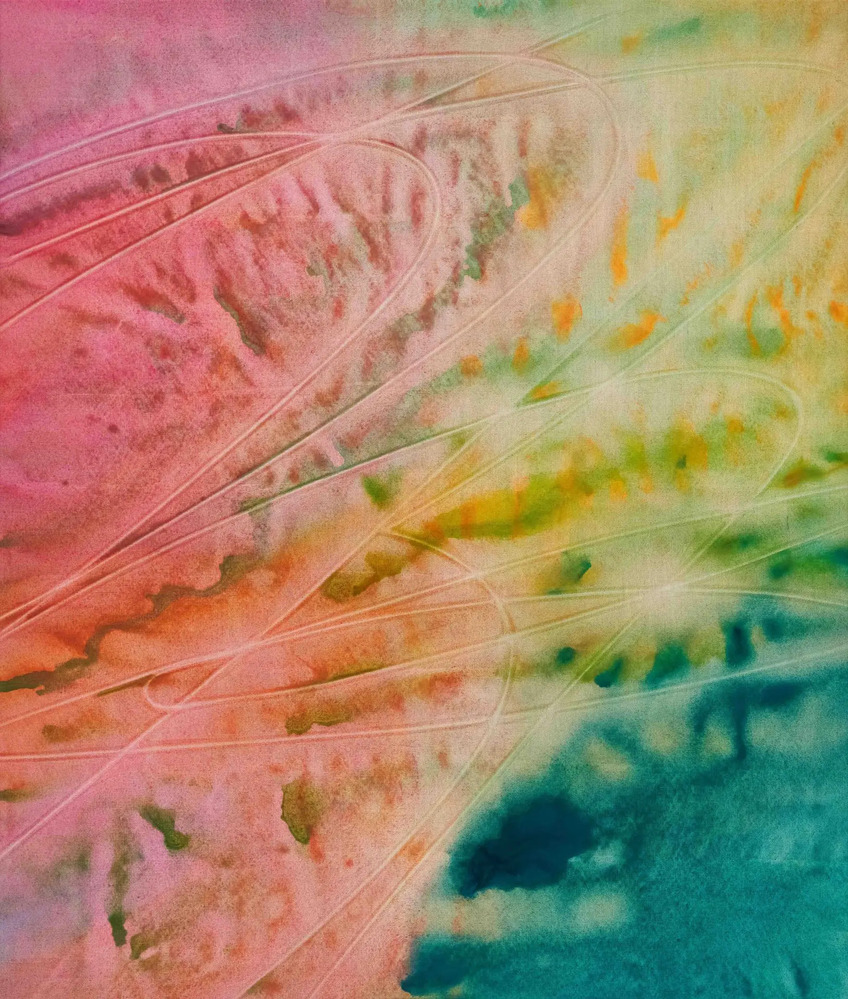
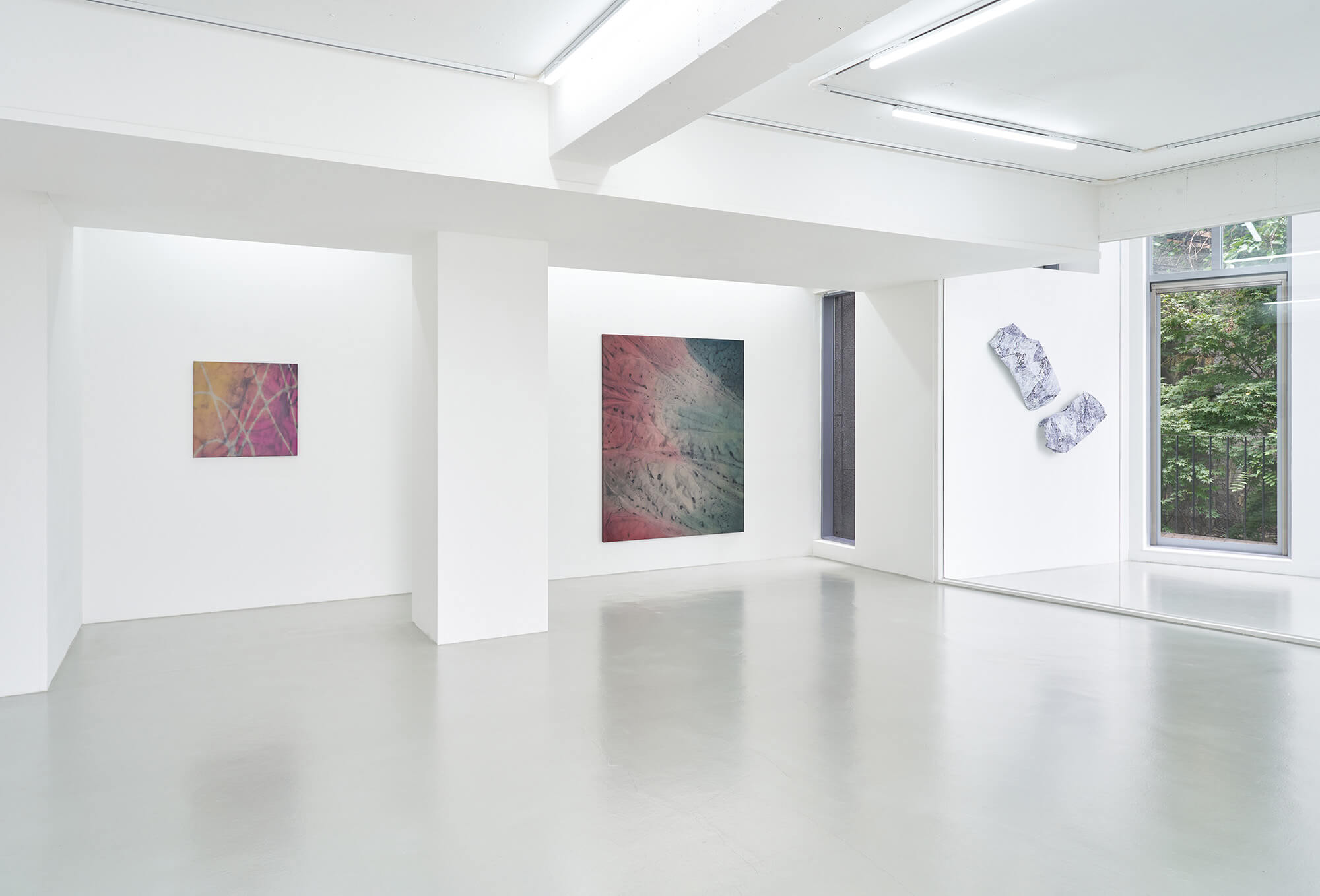
Daum Kim, Measure, 2024, Acrylic on canvas, 165x140cm © Pipe Gallery

Daum Kim’s recent ‘Measure’ (2024–) series extends his ongoing exploration of the gap between reality and the ideal as experienced in everyday life, and the emotions that arise within that gap.
 
The series begins with an attempt to “measure” the inner sounds and emotions the artist has experienced, visualizing personal and social disjunctions through visual textures, abstract lines, and variations in the density of color.
 
For Kim, “measurement” serves as a metaphor for capturing inner sensations. Lines, colors, and textures unfold across the canvas like waves of emotion. Despite being rendered through the medium of painting, his works appear less as fixed images than as fields in which sound, vibration, and traces of memory remain in motion.
 
The surfaces feature areas where paint pools and holds light like shallow puddles, interspersed with raised and more tactile textures. These subtle variations in elevation reveal a moment in which the artistic language Kim has developed through video, sound, public art, and installation is translated into expansive waves within the pictorial space.


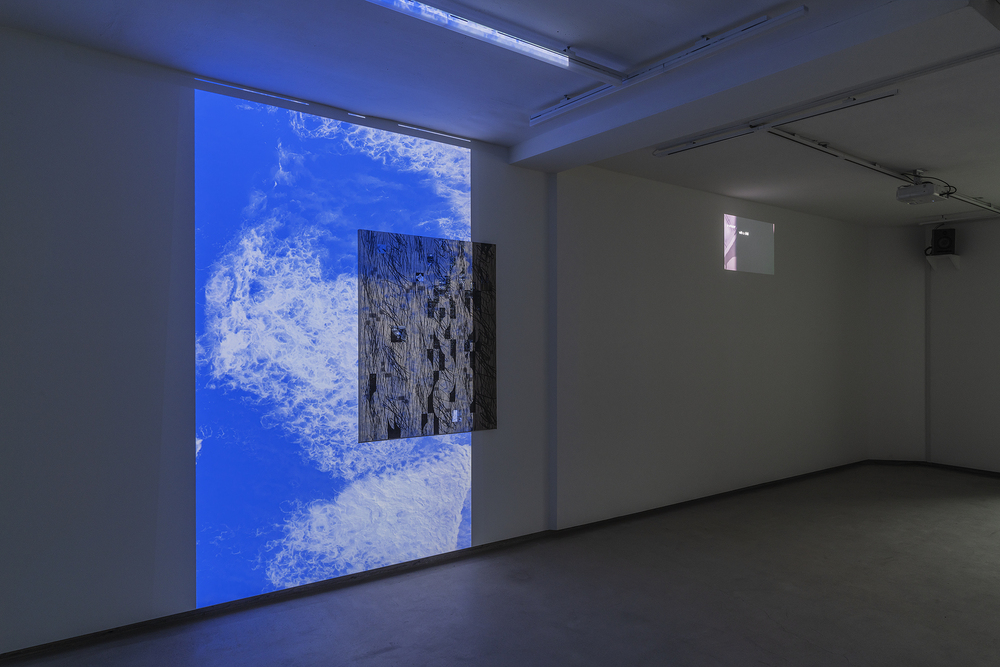
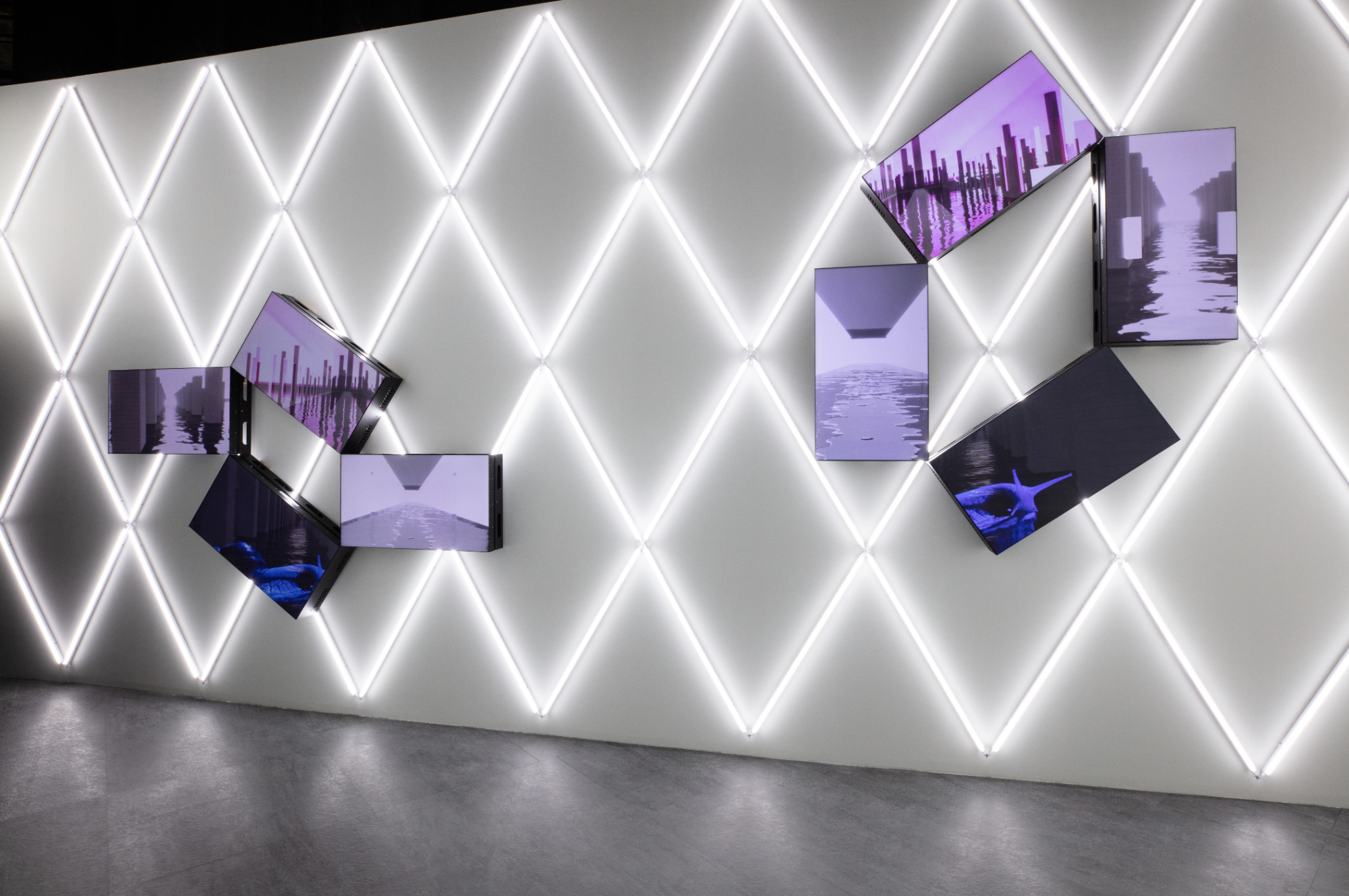
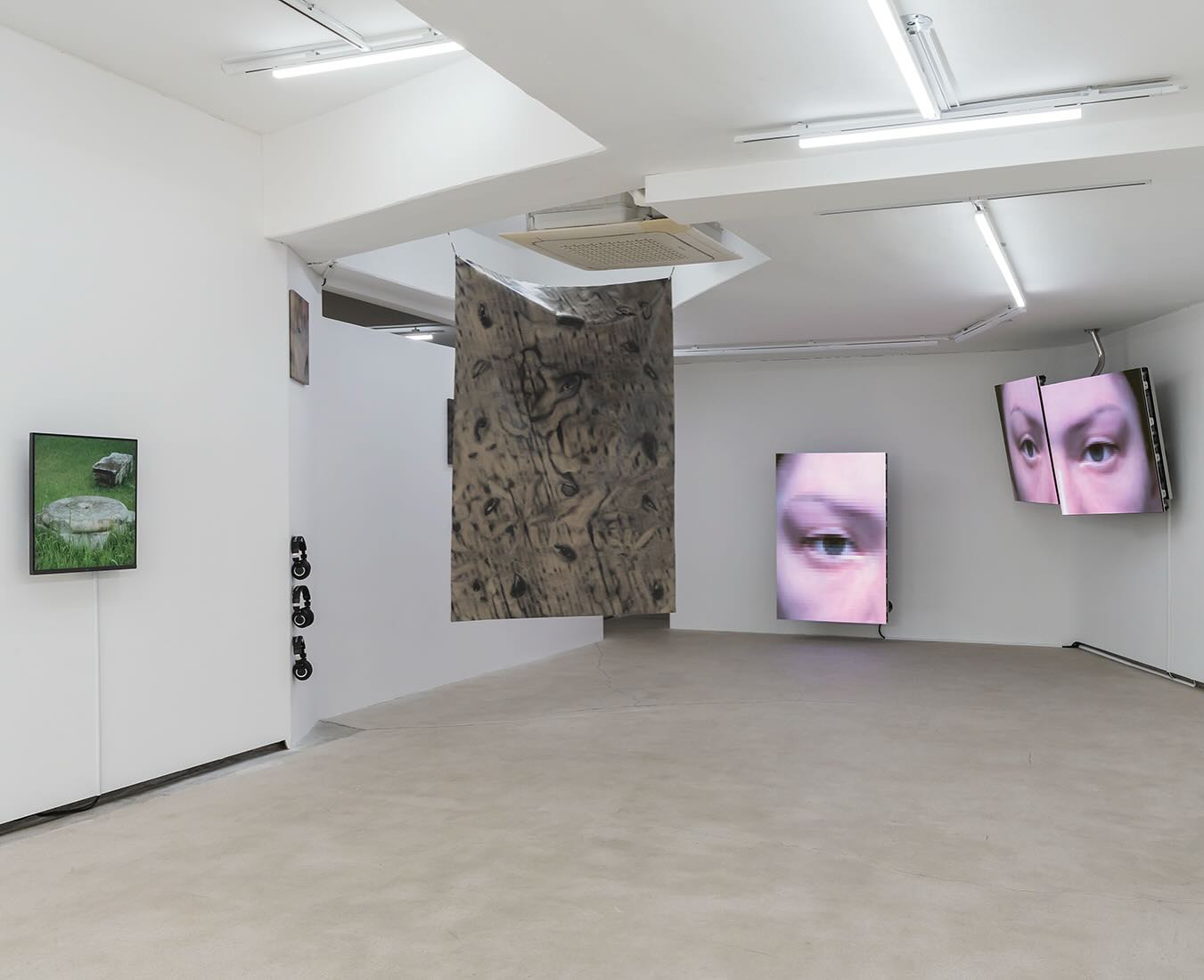
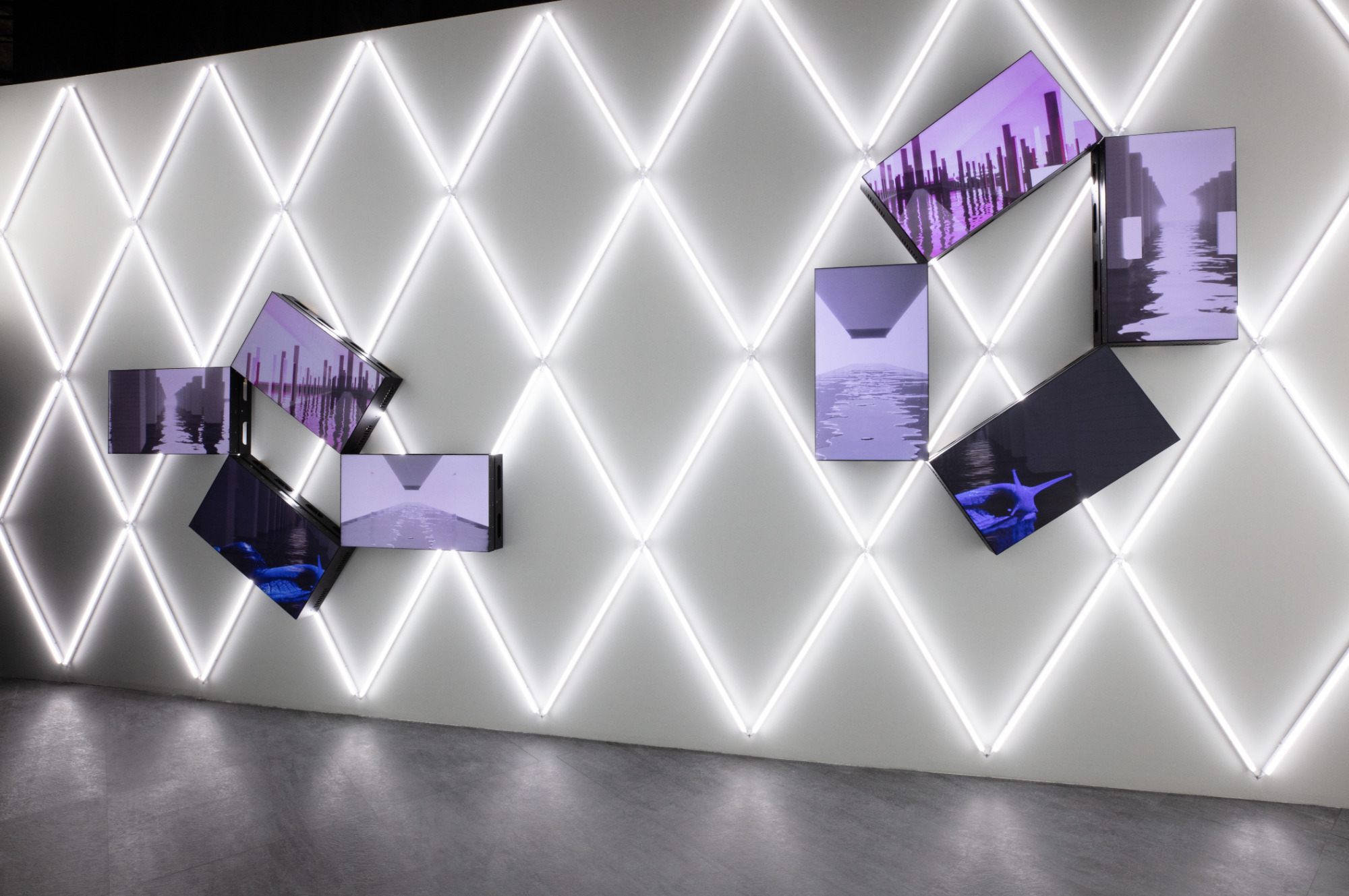
Daum Kim, Liminal, 2022, Multi-channel video and sound installation (monitor, media player, fluorescent light, speakers, woofer), video duration: 14min. 51sec. Variable Size © Daum Kim

In this way, Daum Kim has translated the traces and memories, emotions and experiences that emerge from the diverse networks of relationships surrounding us into sensory forms of art. Moving across private and public realms, his practice extends beyond the microcosm of individual memories and experiences to address stories that can be shared on a broader, collective level.
 
The stories Kim seeks to convey through his practice take on a more “synesthetic” form through the organic interplay of various media, exhibition spaces, and the bodies, gazes, and movements of viewers.
 
By creating a structure in which disparate elements enter into relationships and exchange sensations, he invites audiences to reconsider the networks of relationships that shape everyday life.
“Through the process of making art, I seek to understand how my neighbors, including myself, form relationships with society and how we navigate life under imperfect conditions.” (Daum Kim, Artist’s Note)


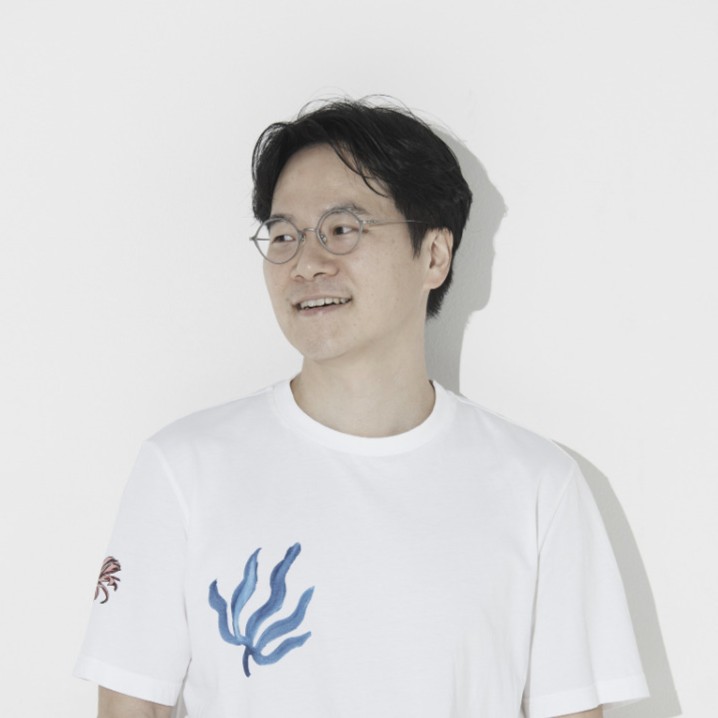
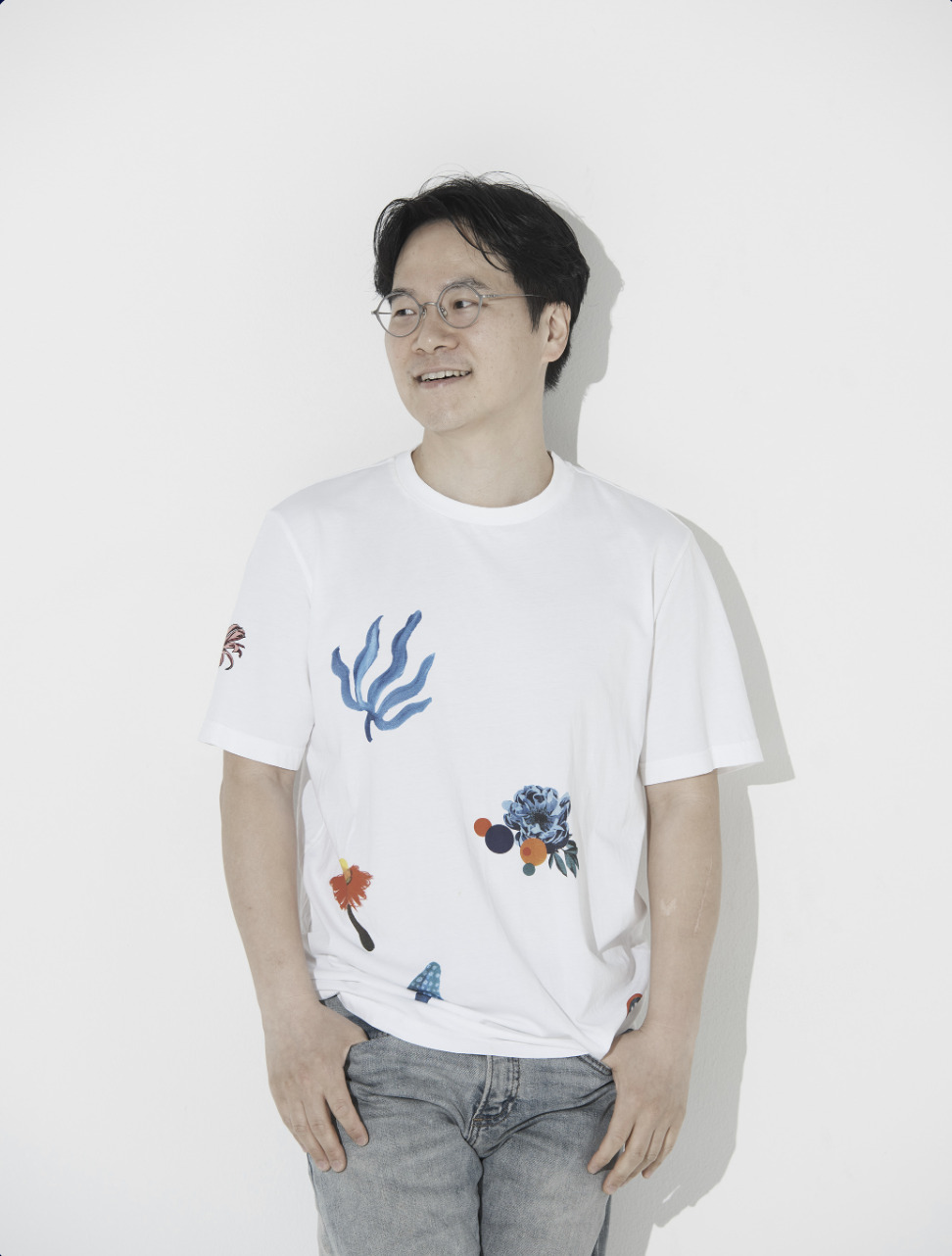
Artist Daum Kim © Korea Arts Management Service

Daum Kim graduated from the Department of Sculpture at Kookmin University. His solo exhibitions include 《dazzled & muddled》 (Primary Practice, Seoul, 2023), 《Blind Road》 (Factory2, Seoul, 2019), 《By the Bamboo Forest》 (Space Willing N Dealing, Seoul, 2015), and 《RSVP》 (Art Sonje Center, Seoul, 2014).
 
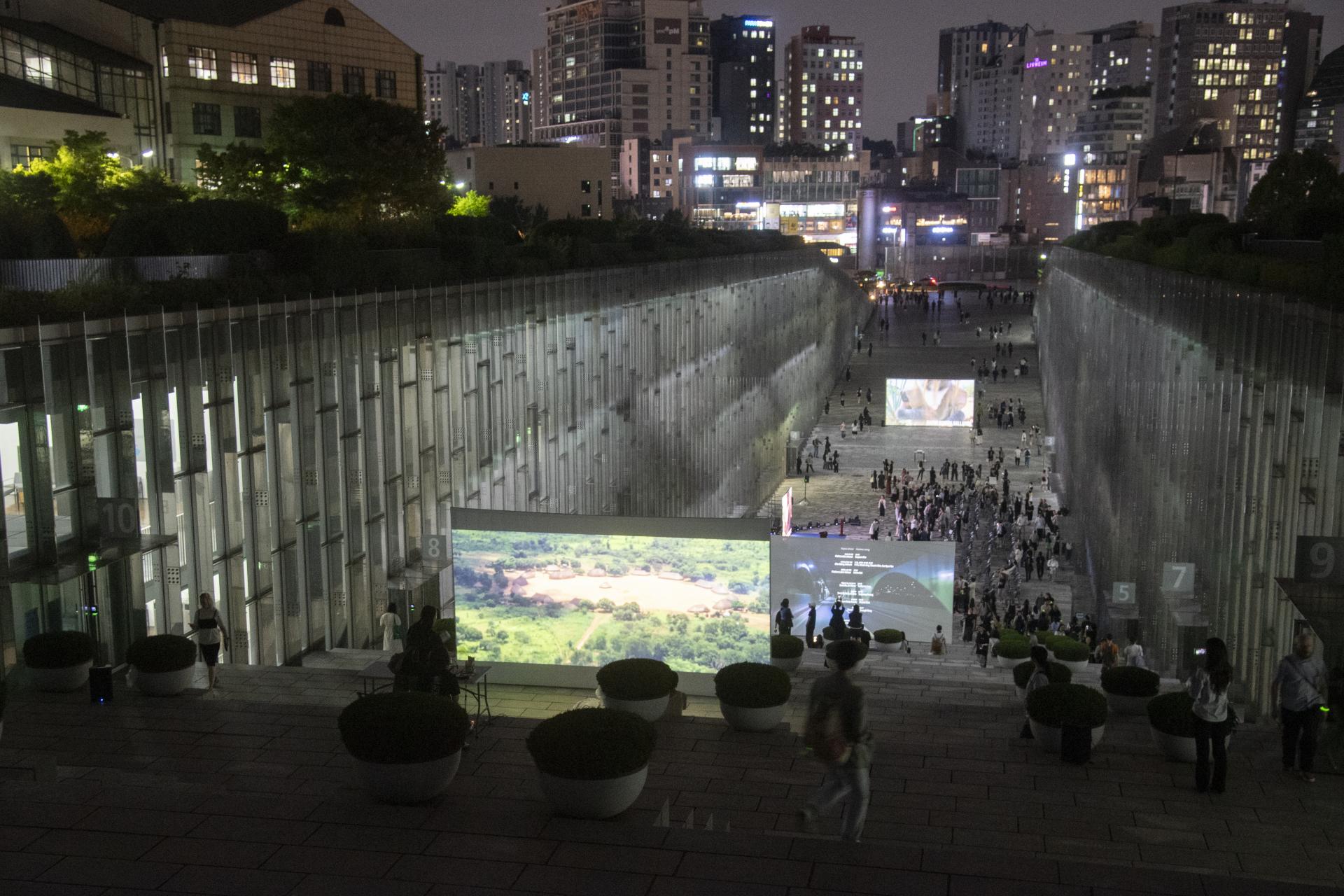
He has also participated in numerous group exhibitions, including EMAP 2026 《A Million Silver Bamboo: The Rain We Share》 (Ewha Womans University, Seoul, 2026), 《Melancholia》 (Primary Practice, Seoul, 2025), 《Between the Lines.》 (MO BY CAN, Seoul, 2024), 《Frieze Film 2023》 (Artspace Boan 1, Seoul, 2023), 《Archived Memories》 (SeMA Bunker, Seoul, 2022), 《The Last Consummate Second Symphony No. 2》 (Nam June Paik Art Center, Yongin, 2022), and 《The 22nd SONGEUN Art Award Exhibition》 (SONGEUN, Seoul, 2022).
 
Kim has participated in residency programs including CAN Foundation Myeongnyun-dong Studio (2025), the MMCA Residency Goyang (2023), and Seoul Art Space Geumcheon (2022). His works are held in the collections of institutions including the Seoul Museum of Art.

References