Don
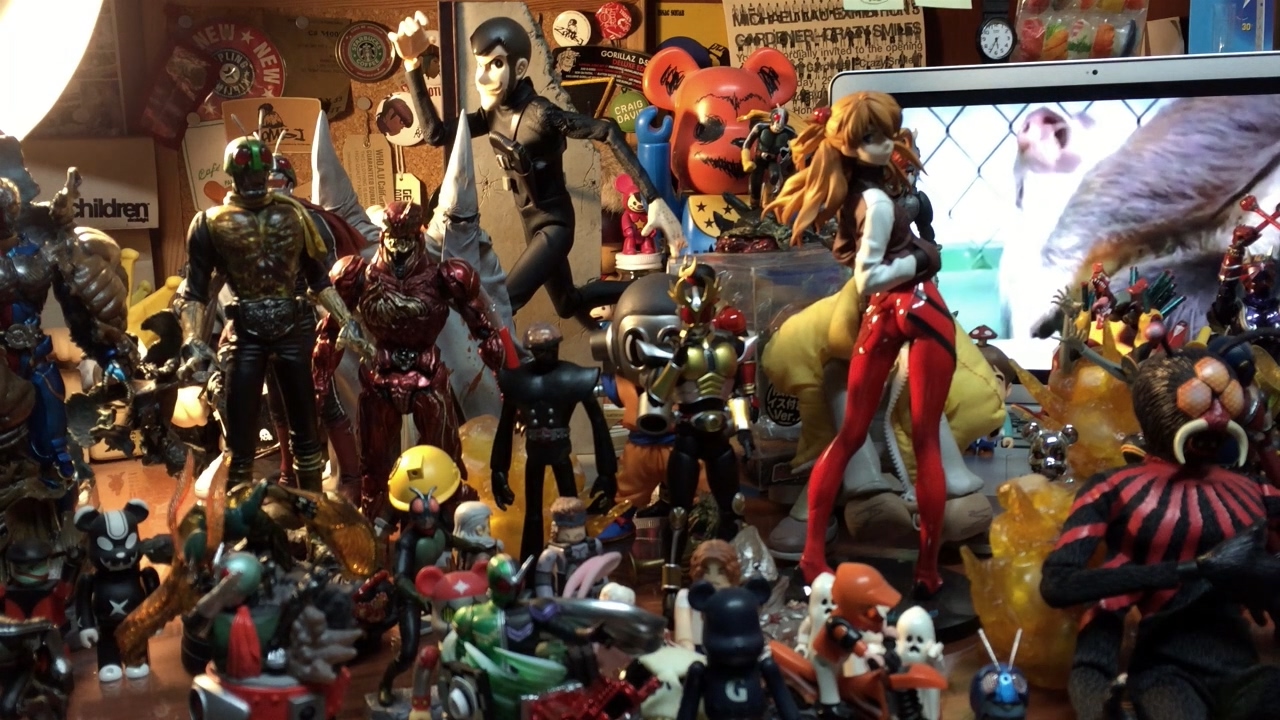
Sunpil’s practice begins with an interest in “materialization,” the process of
giving concrete form to intangible things such as emotions, thoughts, images,
and fictional settings. The figure, which he has examined for many years,
provides one of the clearest examples of this process.
When a two-dimensional
character from animation or games is transformed into a three-dimensional
object through the labor and technical expertise of numerous people, the
information contained in the original is never reproduced exactly. Certain
elements are omitted, while others are exaggerated or newly added. Don Sunpil does
not regard these differences simply as errors or failures, but rather as part
of the process through which an image passes through different media and the
conditions of reality to become a new entity.
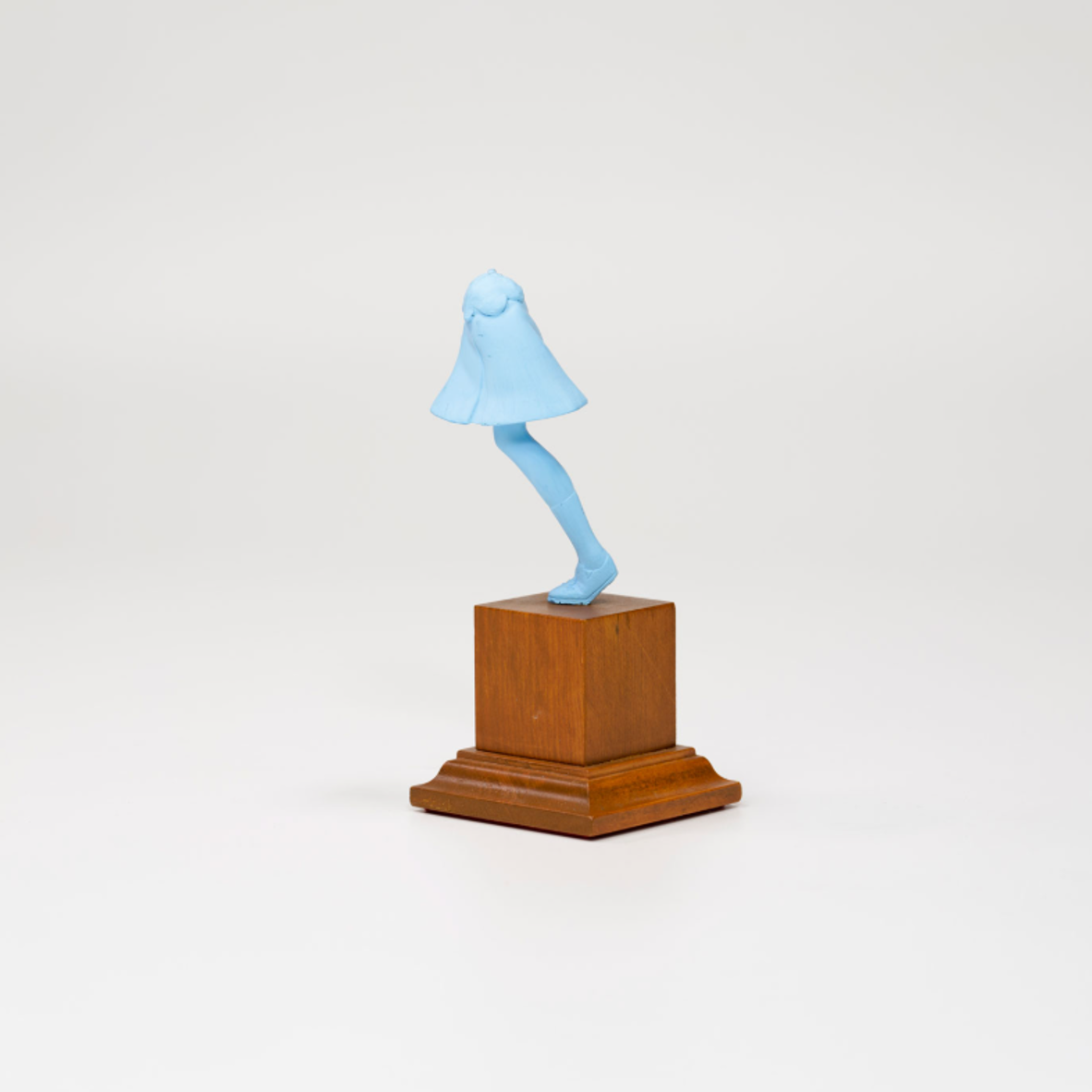
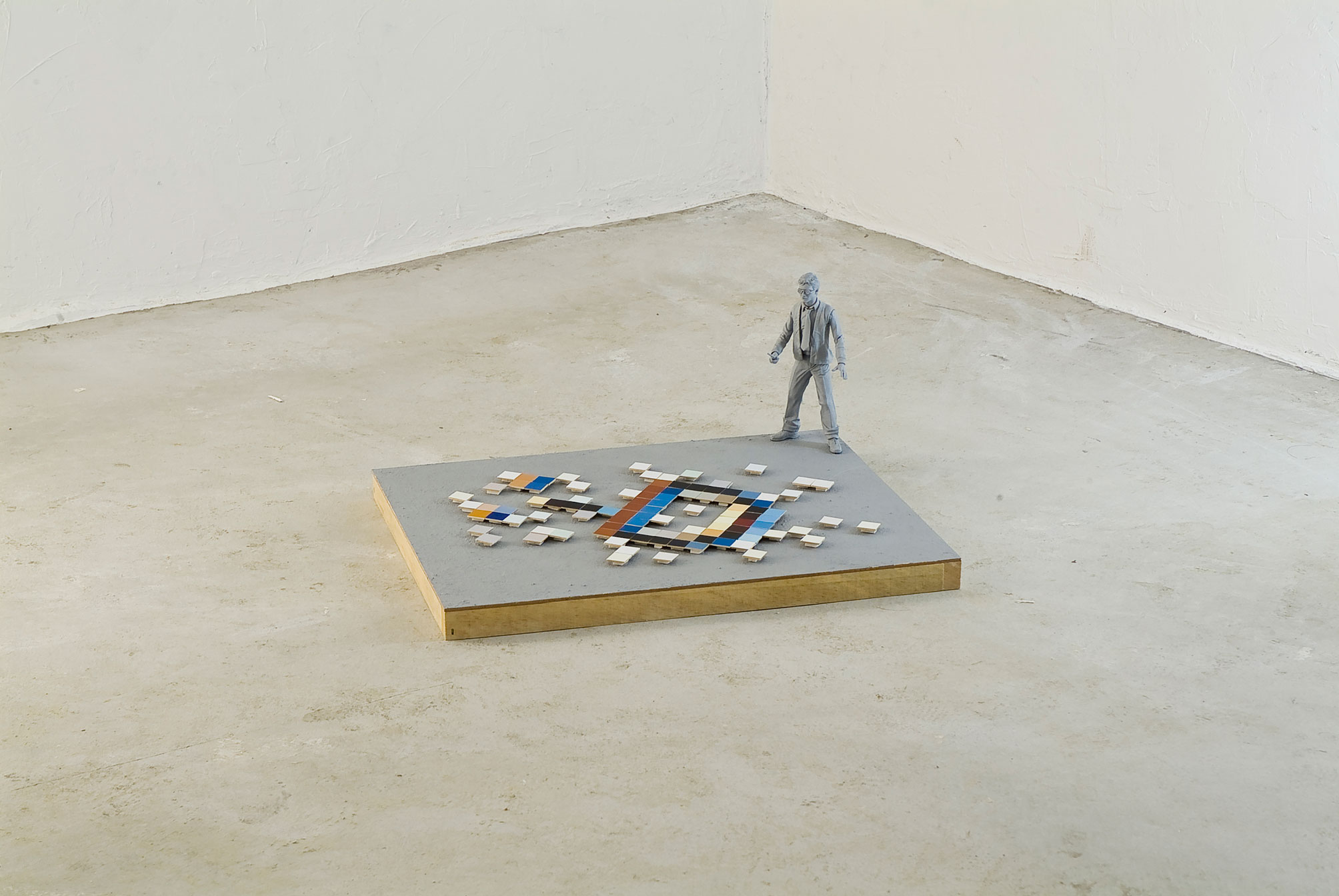
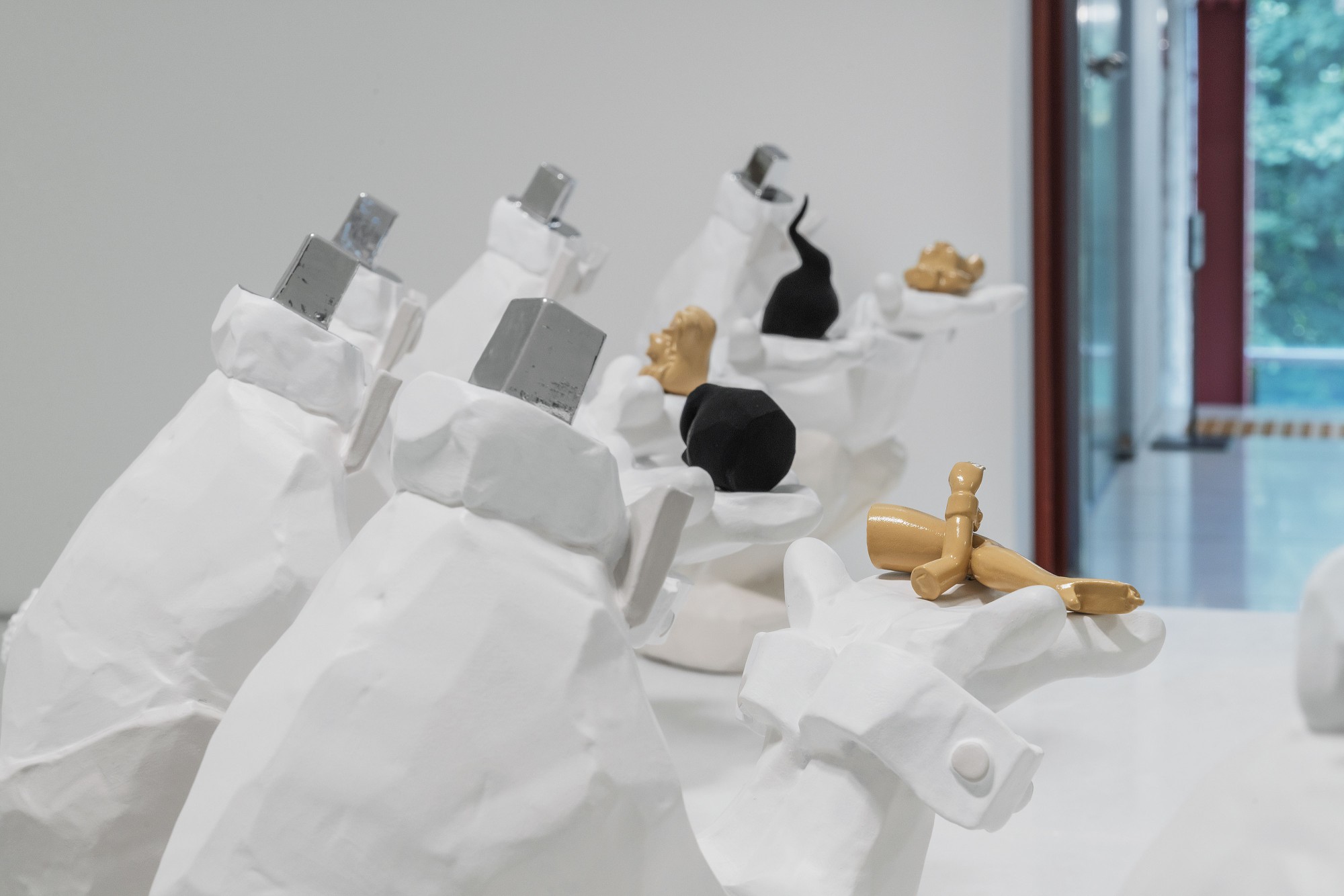
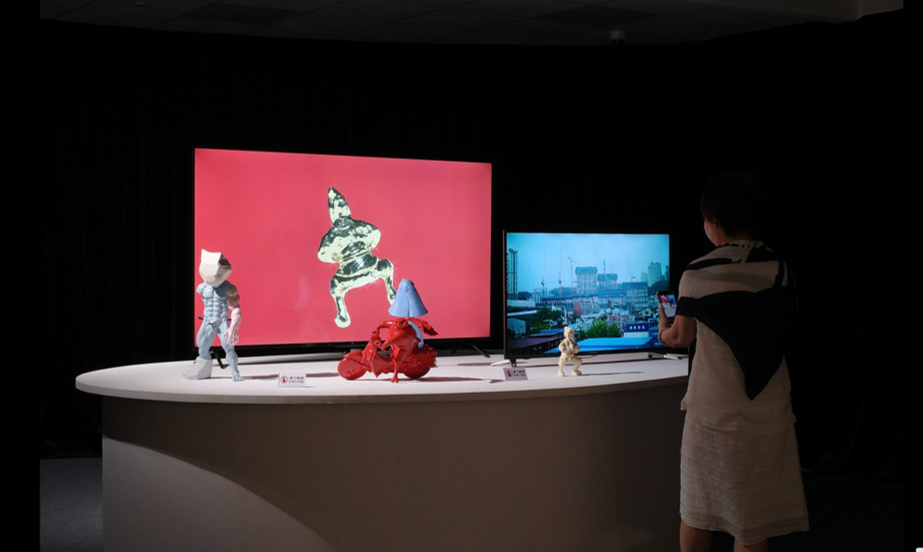
In 《Minmay Attack: Re-Re-Cast》(Audio Visual
Pavilion, 2016), rather than treating poorly finished figures as defective
products, he focused on the minimal signs that still allow a particular
character to be recognized and on the transformed forms that result, developing
the idea of “degraded replication” as a way of examining the relationship
between original and copy.
The figure
subsequently expands beyond the specific context of collecting culture to
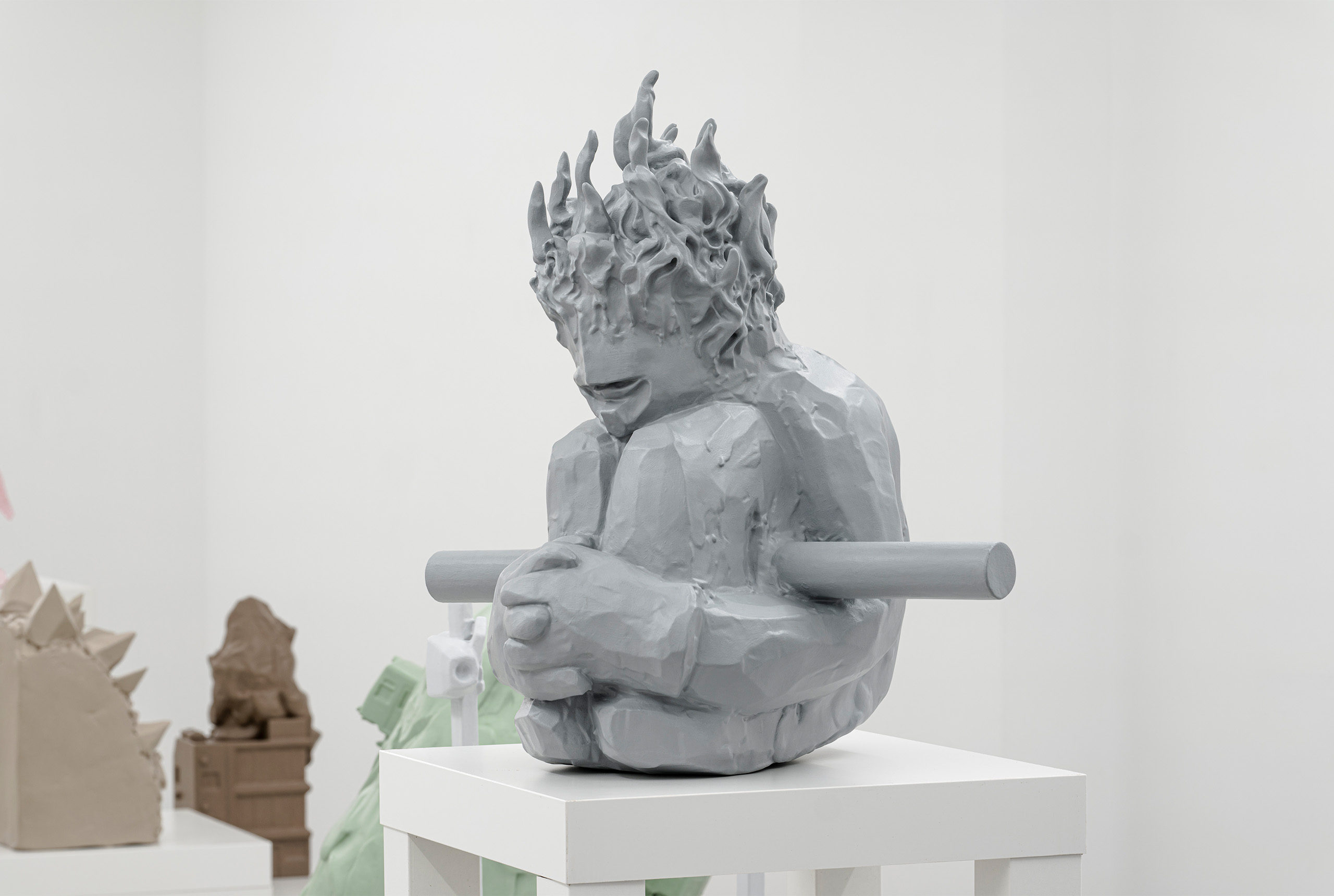
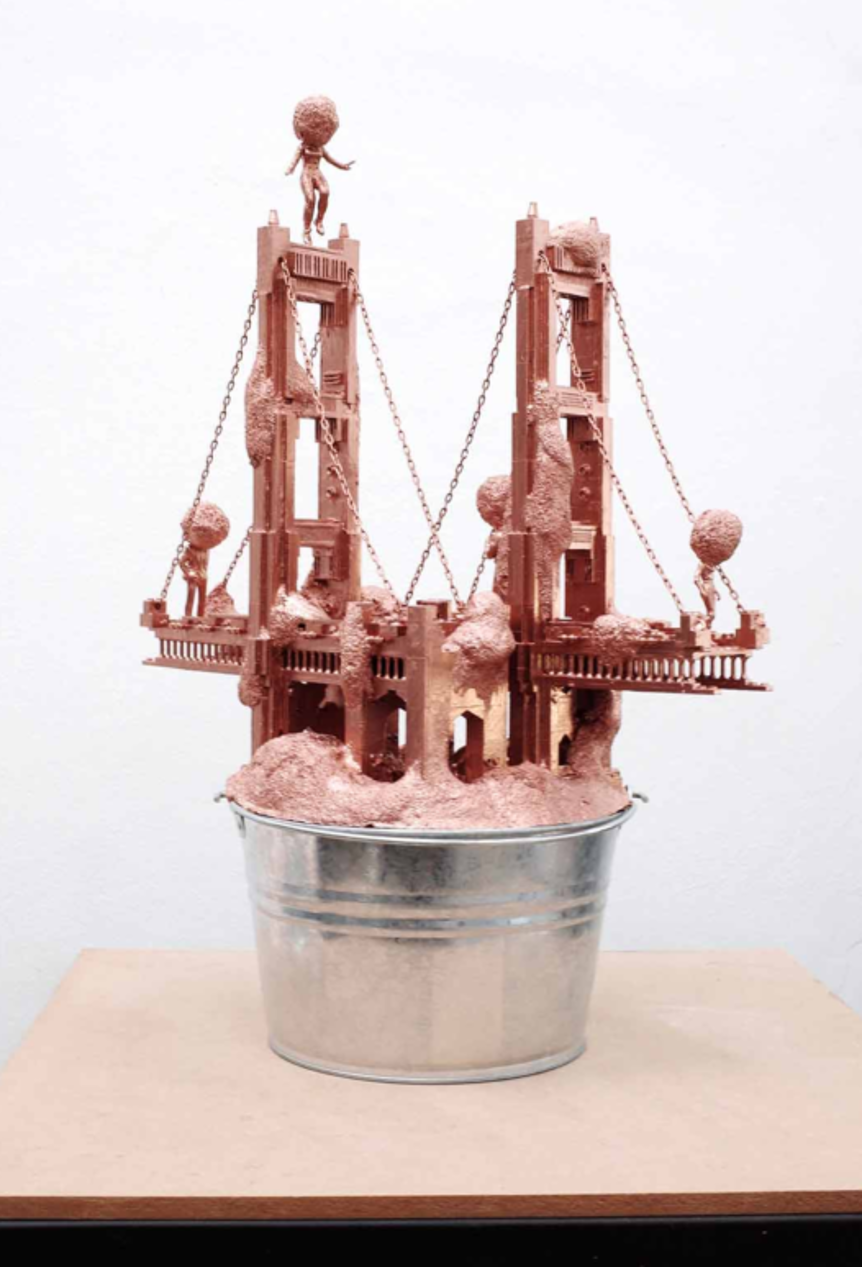
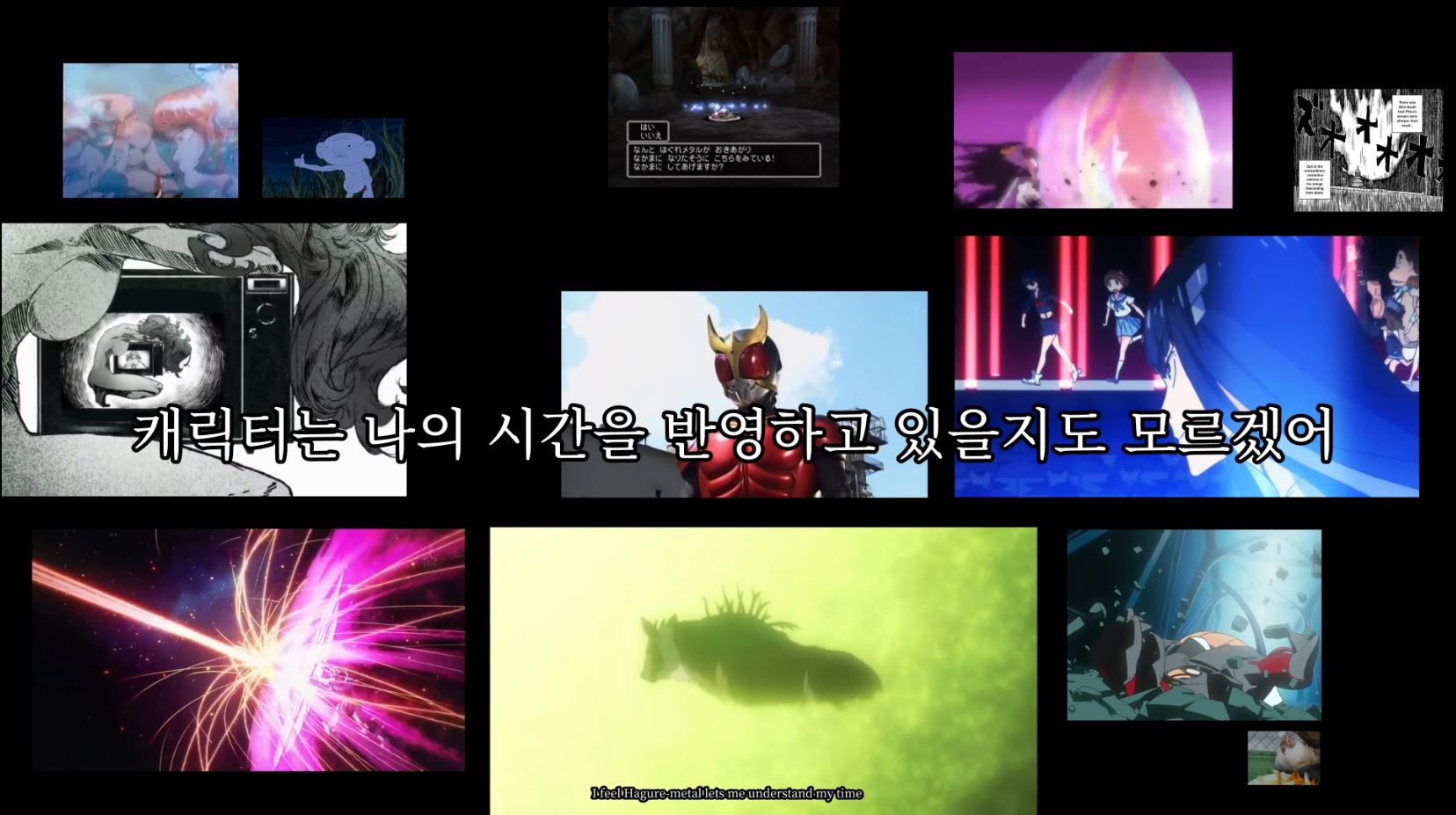
become a way of understanding time, memory, and socially shared conventions. 《METAL EXP: Loner’s Moving Time》(Taste House,
2018) interprets “Hagure Metal,” a monster from the RPG Dragon Quest, as a form
in which the time required for leveling up is condensed, giving tangible shape
to otherwise formless ideas of time and chance.
In 《Kitsutaiten
喫態店》(Arario Museum, 2019), this perspective expands to
encompass the exhibition itself. Figures, figure-like sculptures, display
cases, and the structure of a shop are intermingled so that the entire
exhibition space functions like an enlarged “figure,” while individual objects
embody the memories and ways of life of particular periods. From this point
onward, the figure in Don Sunpil’s practice comes to signify less a miniature
replica than a material state in which collectively shared images, tastes, and
memories have taken concrete form.
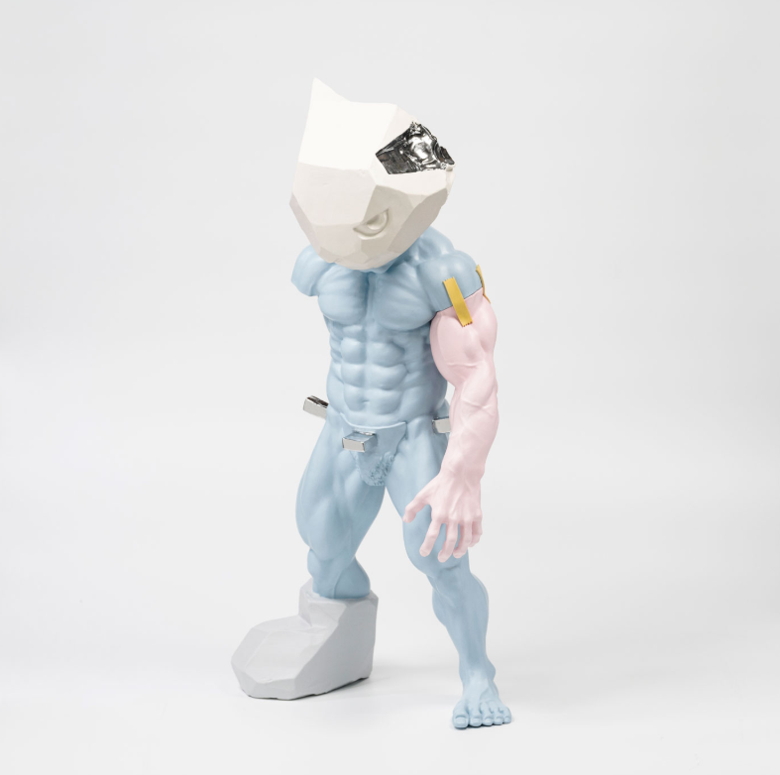
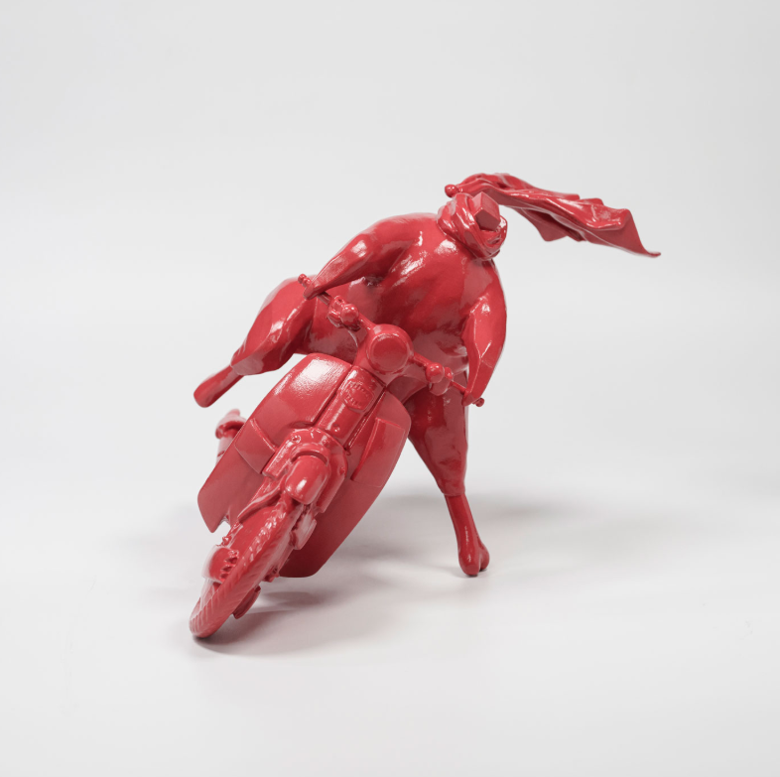
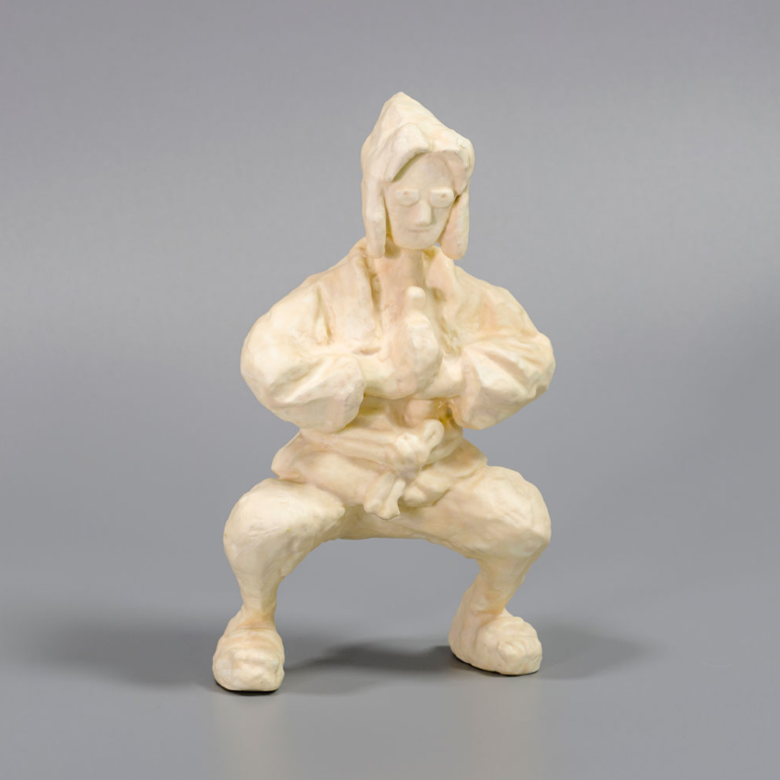
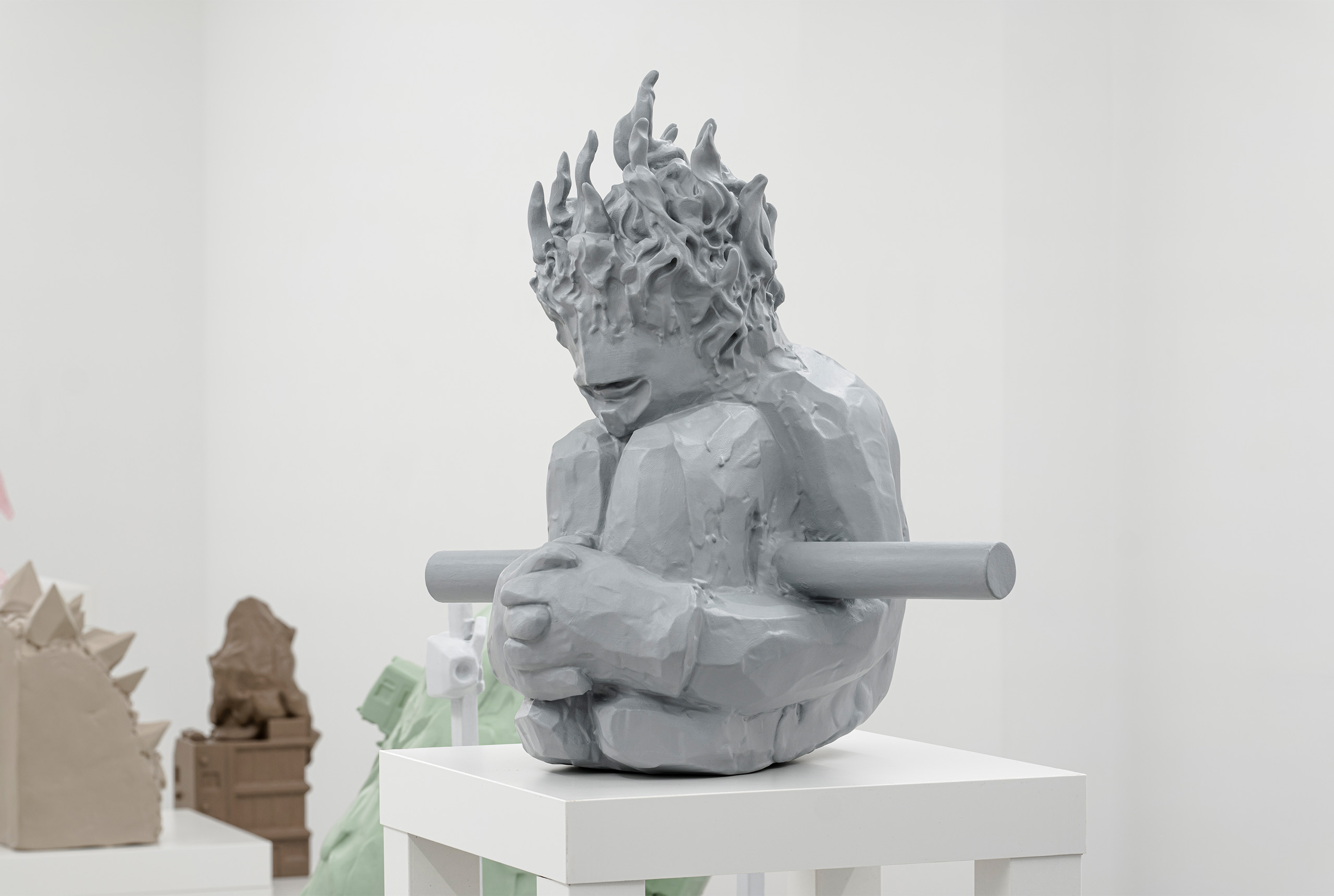
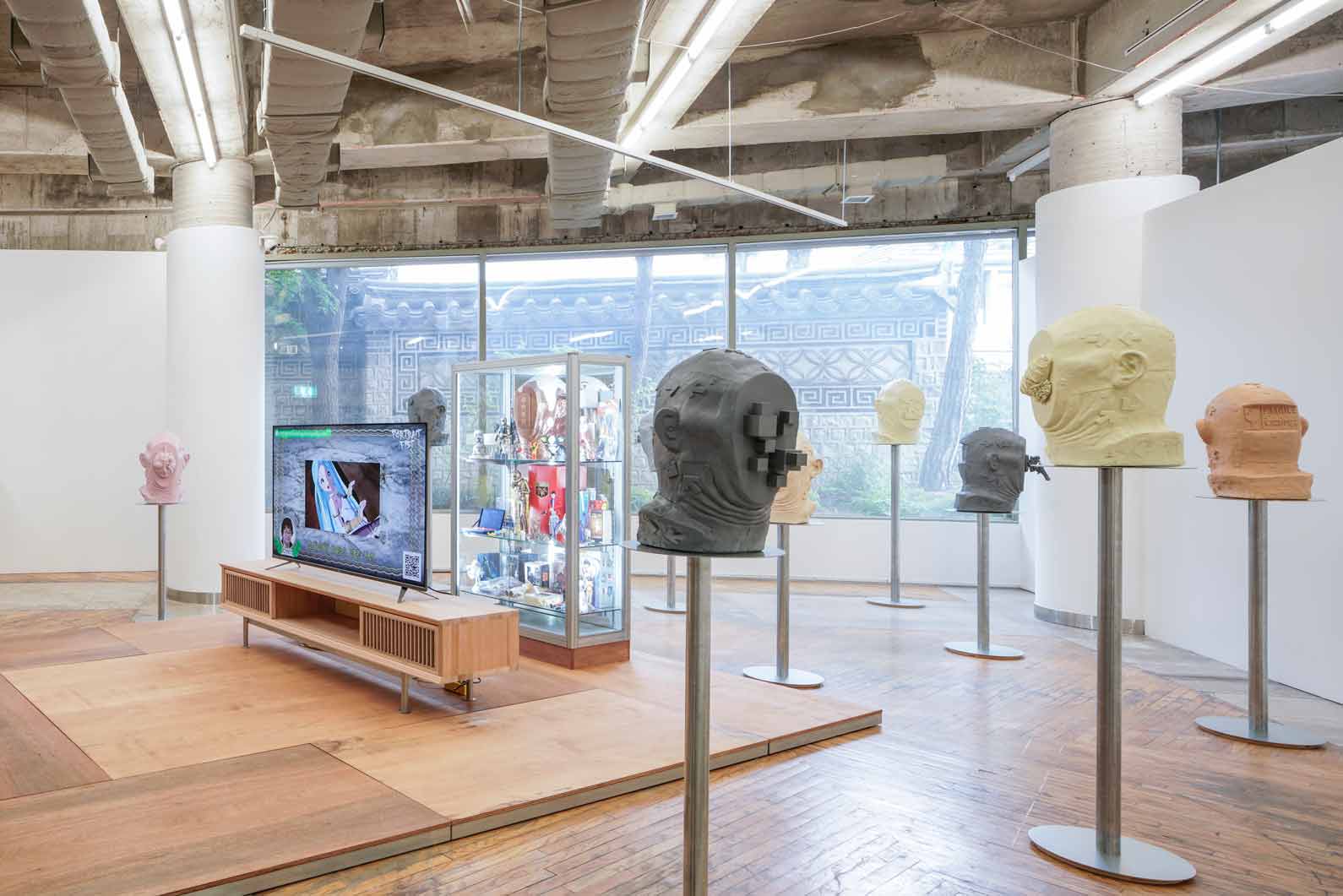
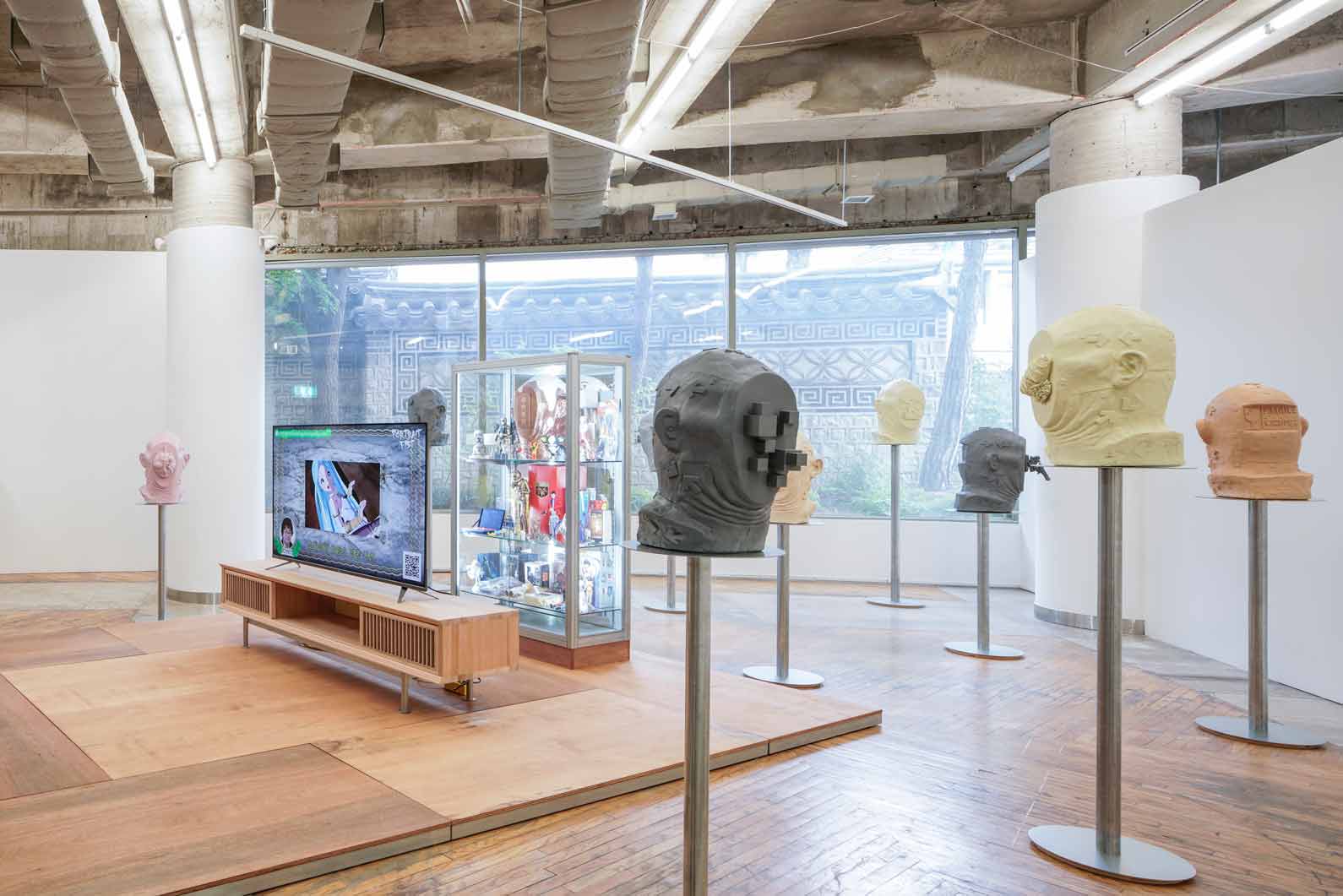
《Portrait Fist》(Art Sonje Center, 2020)
shifts this interest toward the more universal image of the “face.” Unlike the
portrait of an actual person, the face of an animated “kyara” is recognized as
a face even through highly simplified features, while the character’s identity
is often dispersed across elements outside the face, such as hairstyle, color,
and costume.
Through this, Don Sunpil asks what allows something to be perceived
as a face, and what kinds of meaning and power an image acquires as it comes to
stand in for a person or character. This line of inquiry continues through
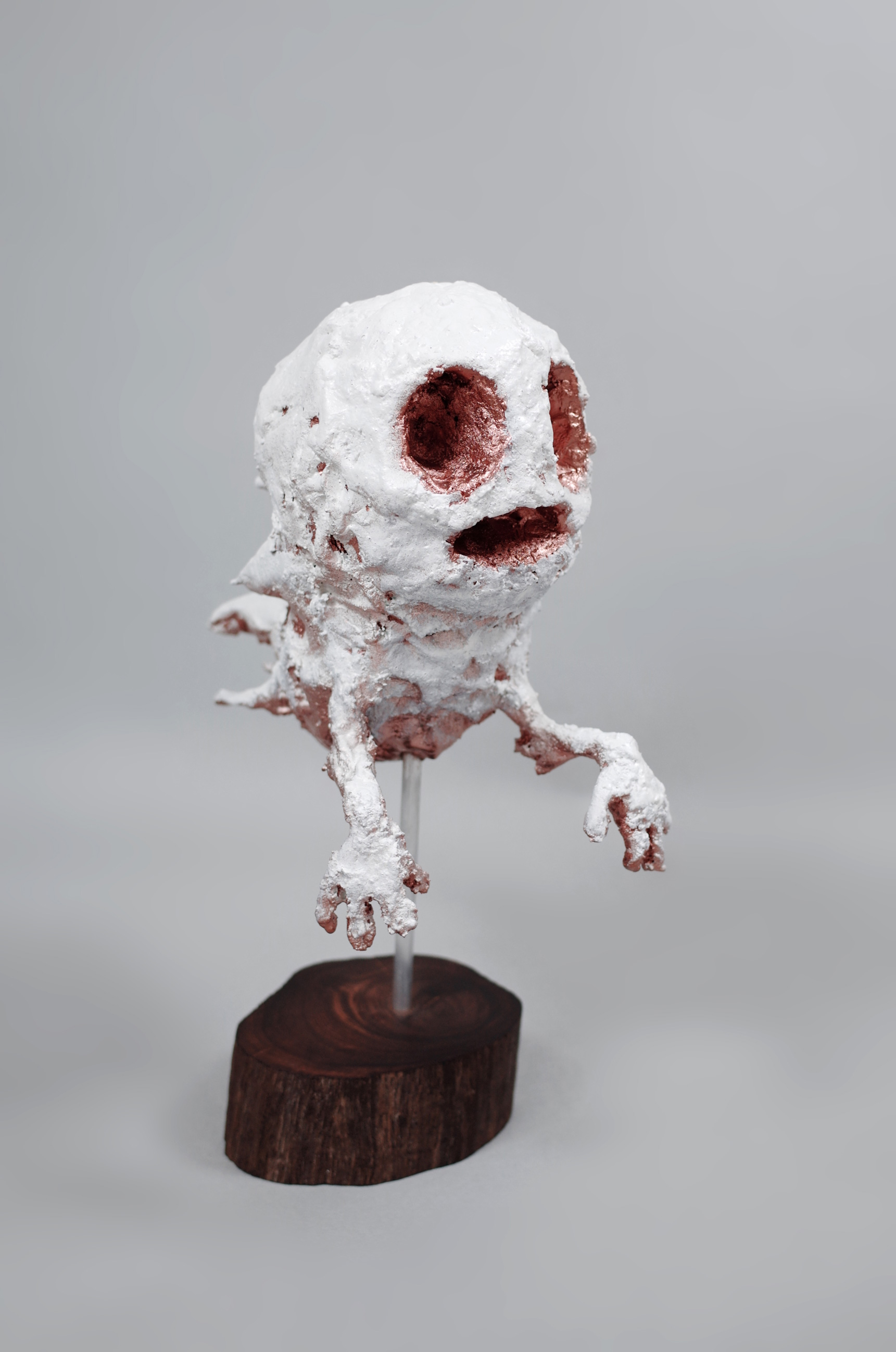
Specimen of Affect Phenomenon (SAP): Error+Conservation(2022)
and 《Kai • Ju • People》(YPC
Space, 2022), extending toward the relationship between abstract states,
emotions, and reality.
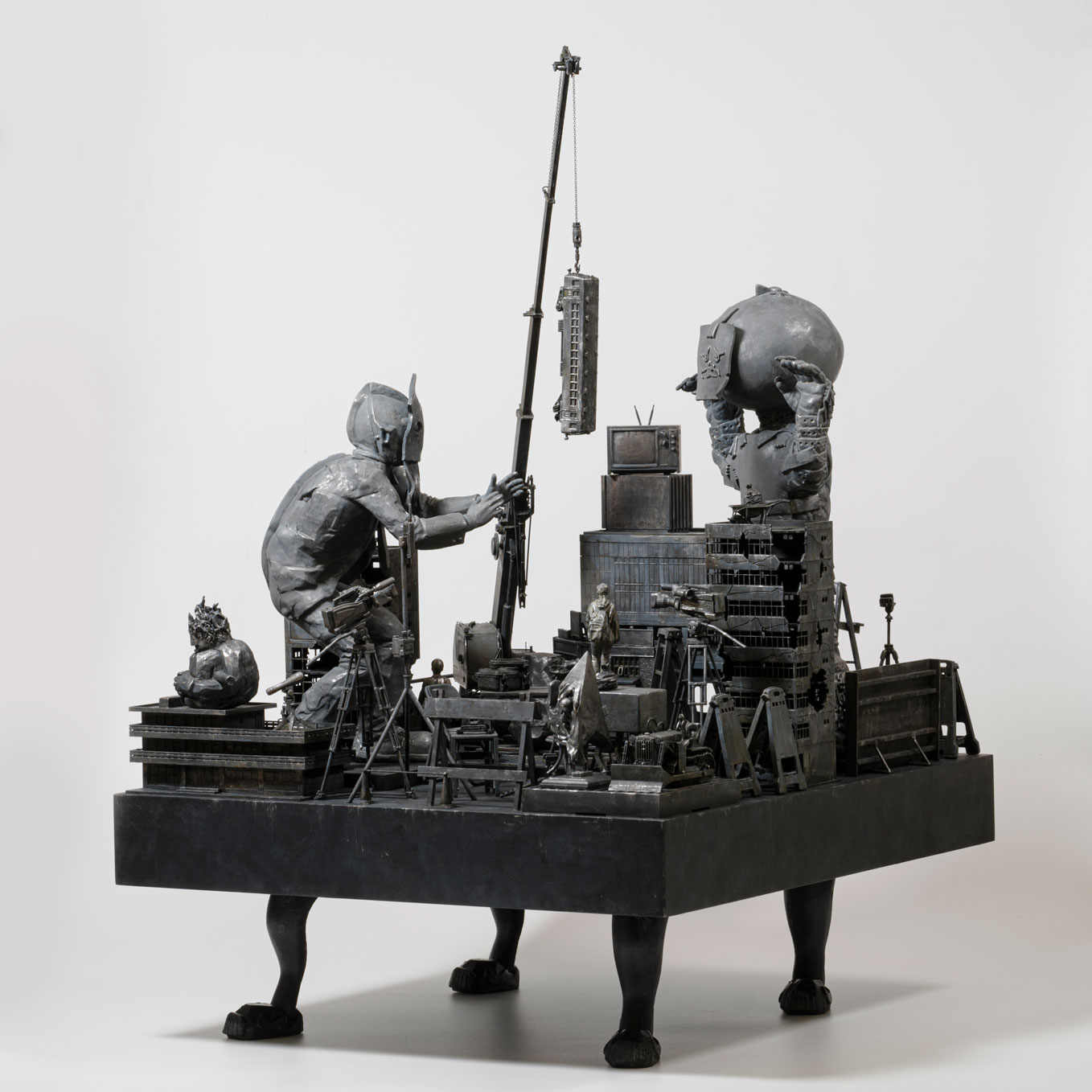
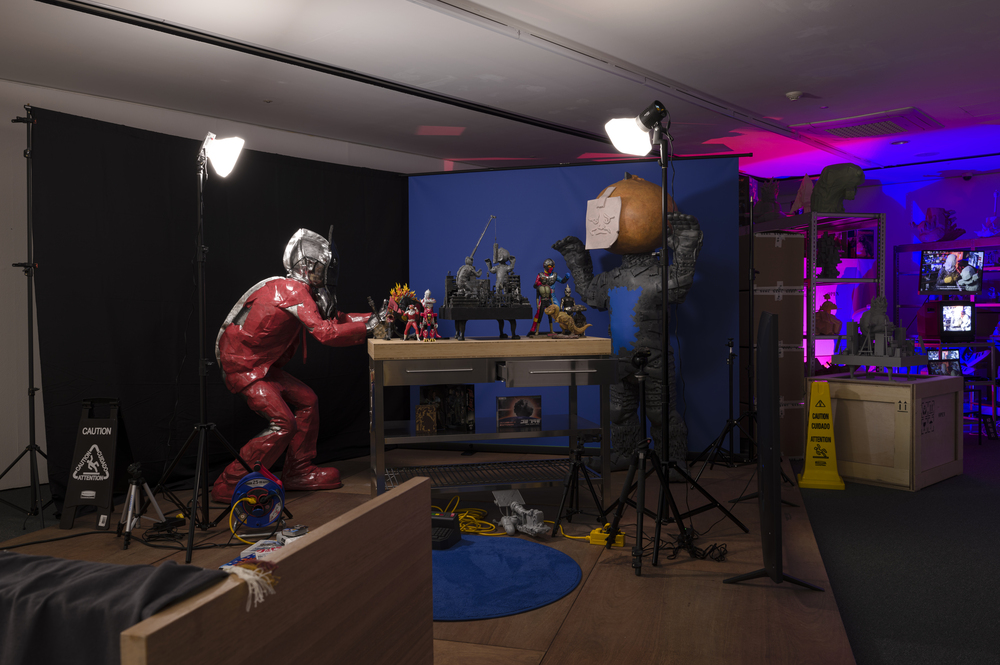
In particular, 《Kai • Ju •
People》 turns to the methodology of tokusatsu, which
works through physical limitations and practical constraints rather than
eliminating them, and explores whether reality can be preserved precisely by
accepting such imperfections rather than overcoming them through flawless CG
imagery.
This
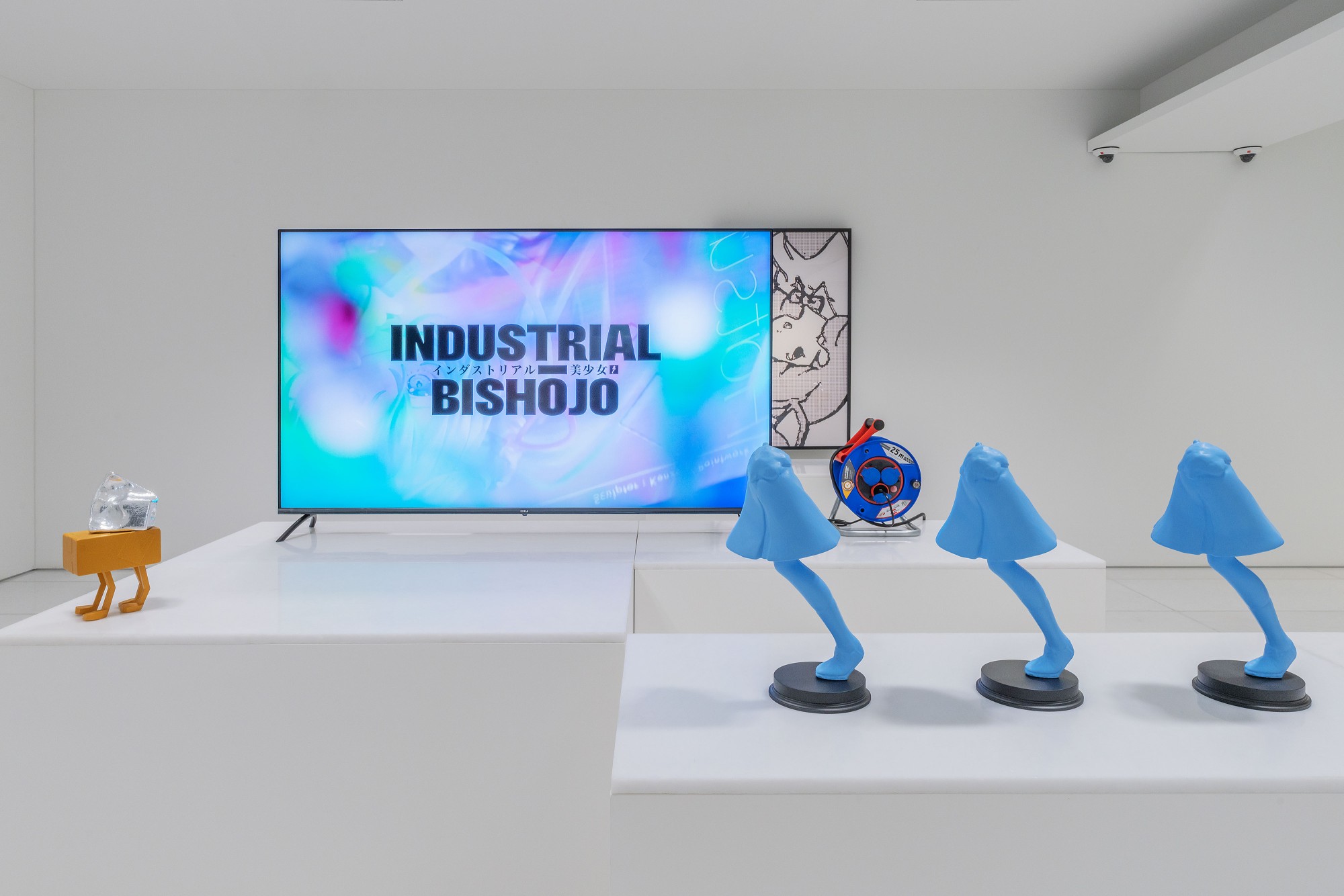
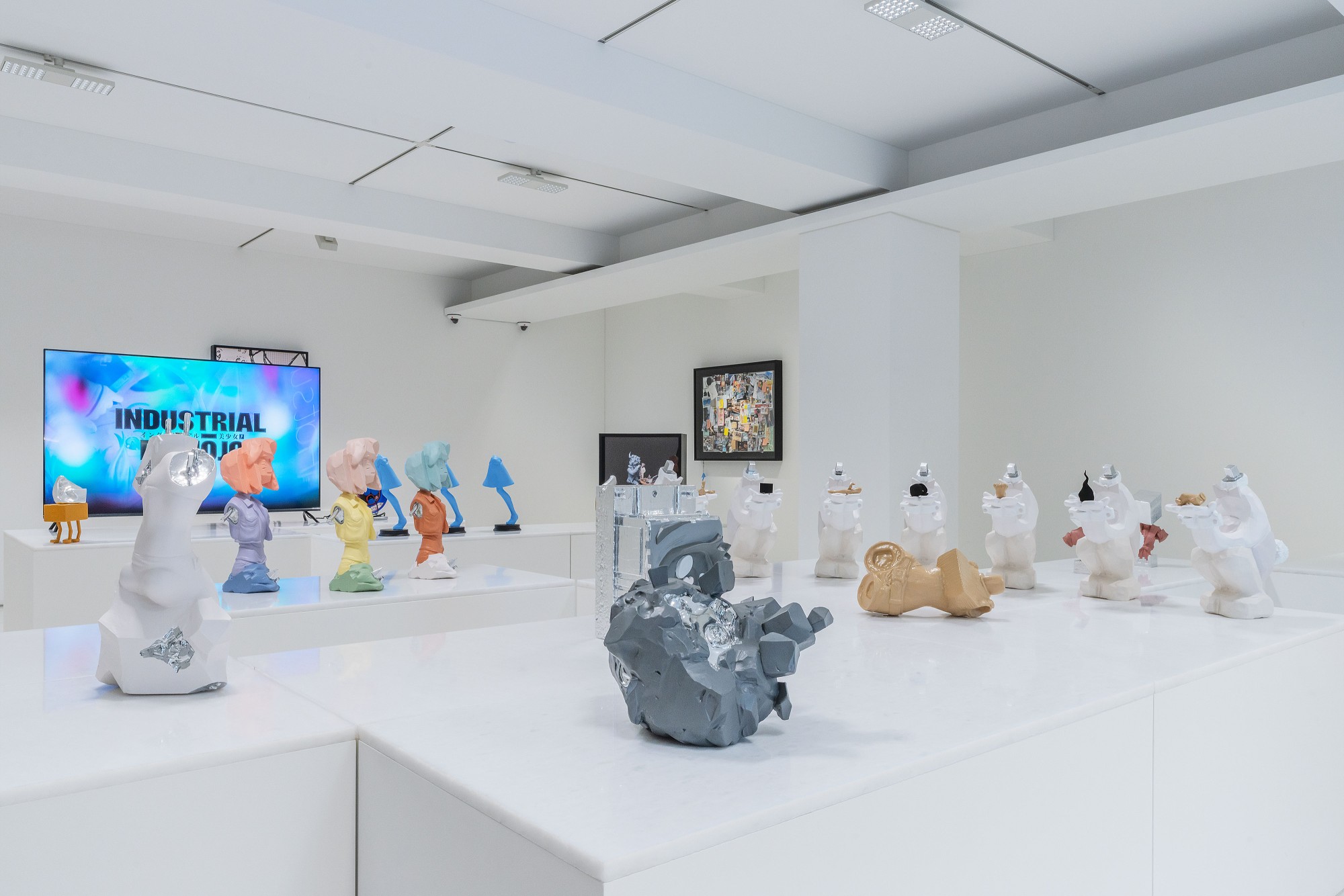
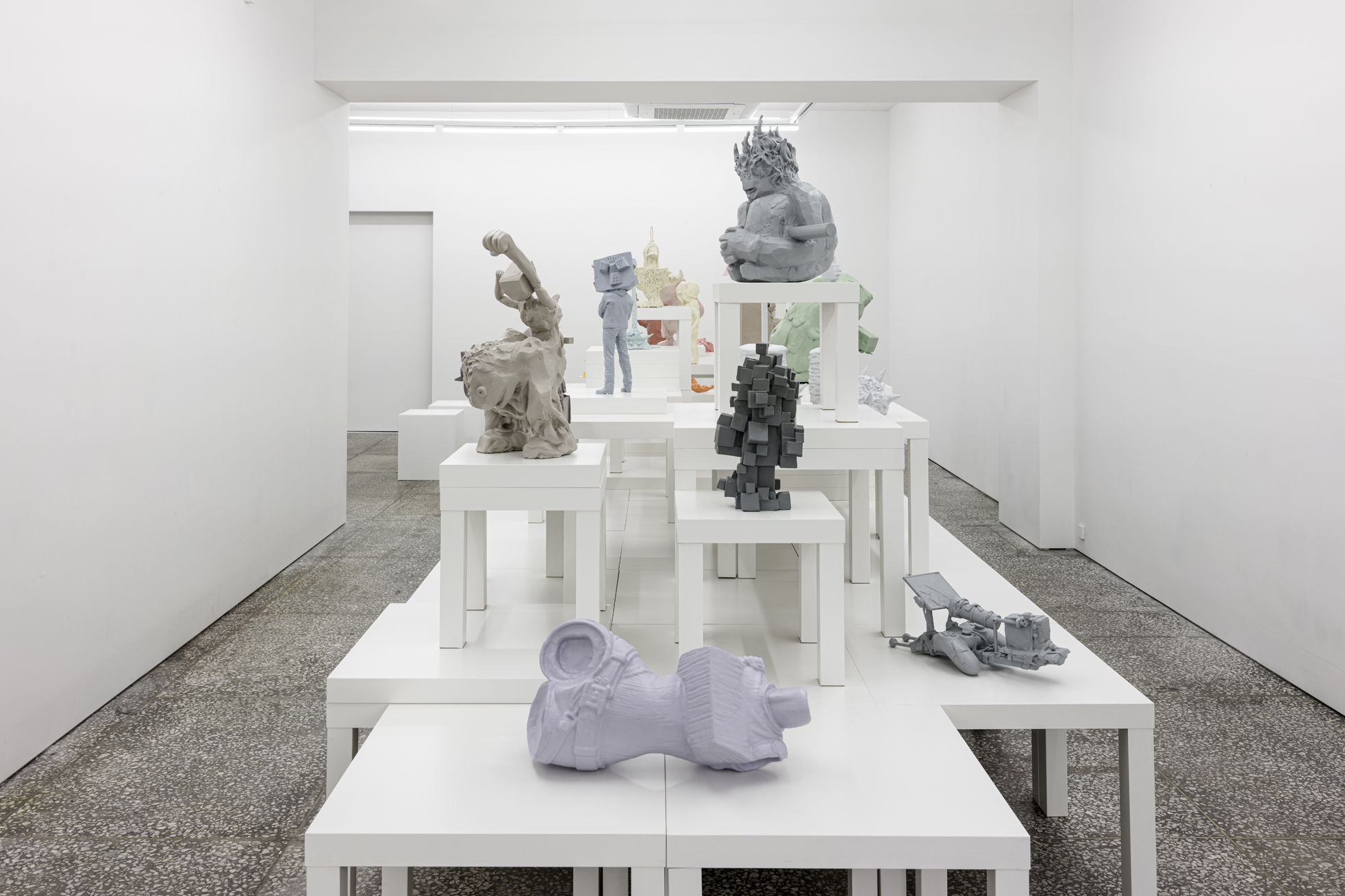
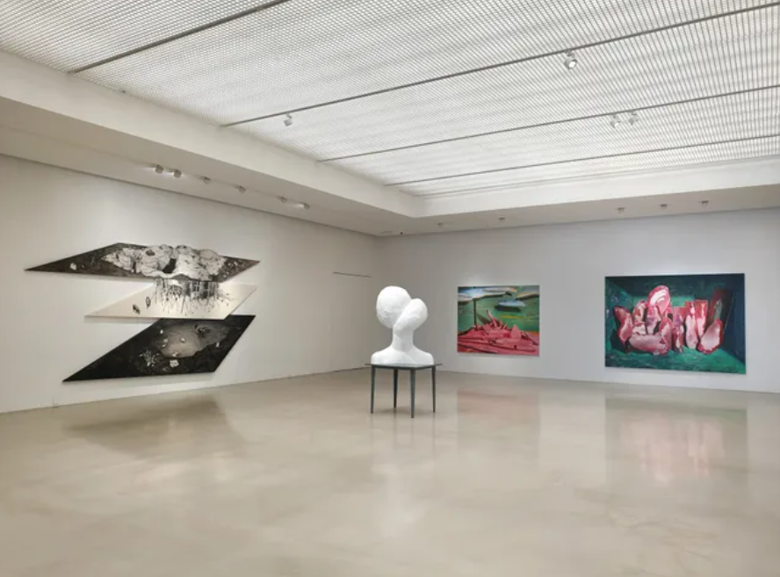
trajectory develops into a more structural inquiry in 《Industrial Bishōjo》(Arario Gallery, 2023) and 《Dreary Tangerine》(Perigee Gallery, 2025). The former steps back from the position of
the consumer viewing a completed figure and turns instead toward producers,
model sculptors, molds, painting processes, and repetitive industrial
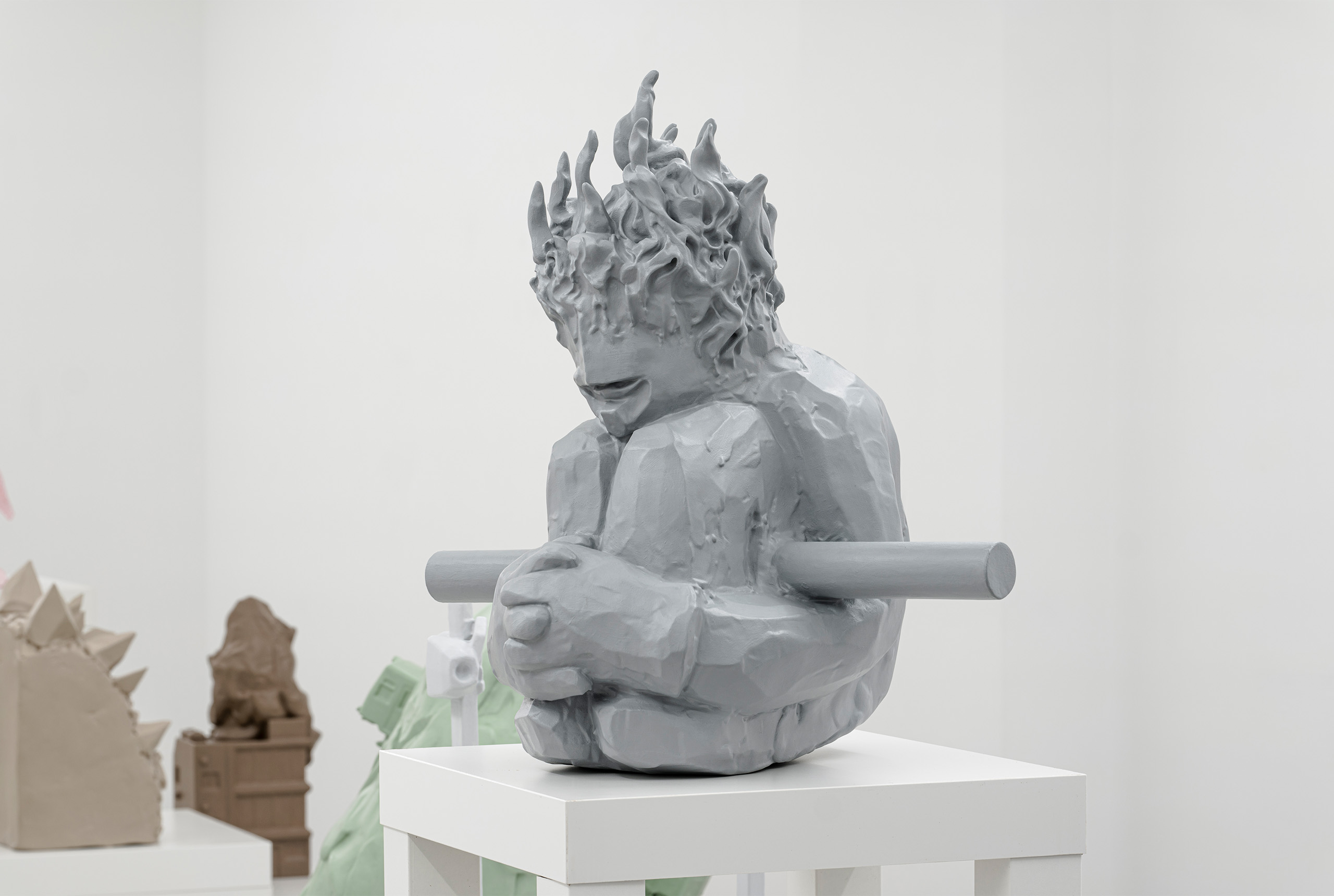
conventions. The latter extends beyond the figure to consider tokusatsu itself
as a broader system of materialization.
Masks, suits, monster bodies, and
miniature sets are produced to represent fictional worlds, yet they remain
behind as physical objects even after filming ends. For Don Sunpil, what
matters is this incomplete separation between the virtual and the real, and the
mismatches and residues produced in the process of translating one into the
other.
If his earlier notion of “degraded replication” concentrated on the
difference between an original and its copy, his more recent work increasingly
turns toward the technical, economic, and physical conditions that produce
those differences in the first place.