Both painting and photography leave traces upon a surface through the body’s mediation via tools. The brush functions as an extension of the hand, its tip responding directly to the rhythm, breath, and pressure of the body. In photography, the act is also a sum of behaviors emerging through coordination with the machine; however, it more closely resembles a state where the body is subsumed into the inherent logic of the tool.
The wrist subtly rotating the lens ring for focus, the thumb gently rolling the wheel to adjust exposure, and the delayed movement of a finger moving the cursor along the drift of a histogram—these actions are performed like rituals bound to mechanical procedures. The body and the machine exchange subtle vibrations as they traverse each other’s operational ranges.
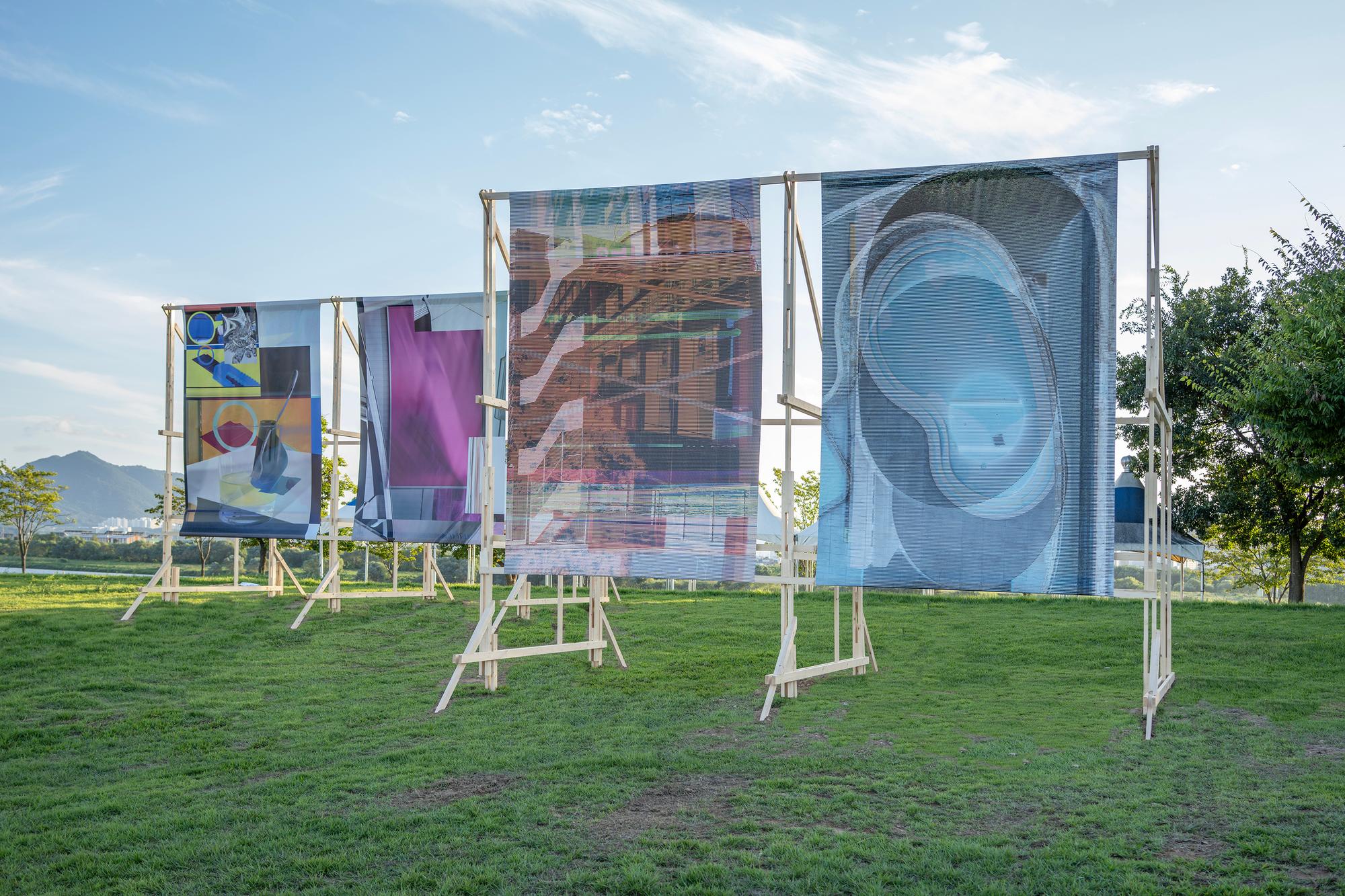
These vibrations, once filtered through mechanical procedures, transition into images. This process does not push against the surface, nor does it leave the slightest trace of friction. On the surface of the resulting print, there are no pressed marks akin to brushstrokes; instead, the aftermath of actions that have lost their pressure is converted and sprayed as microscopic ink particles.
The image, which does not fully adhere to the paper but hangs like a thin film floating just above the surface, possesses a haunting, liminal presence. It holds the memory of reality without replicating it, consolidating minor procedural variances into a single surface, yet there remains a chilled hesitancy that prevents it from ever being fully settled.
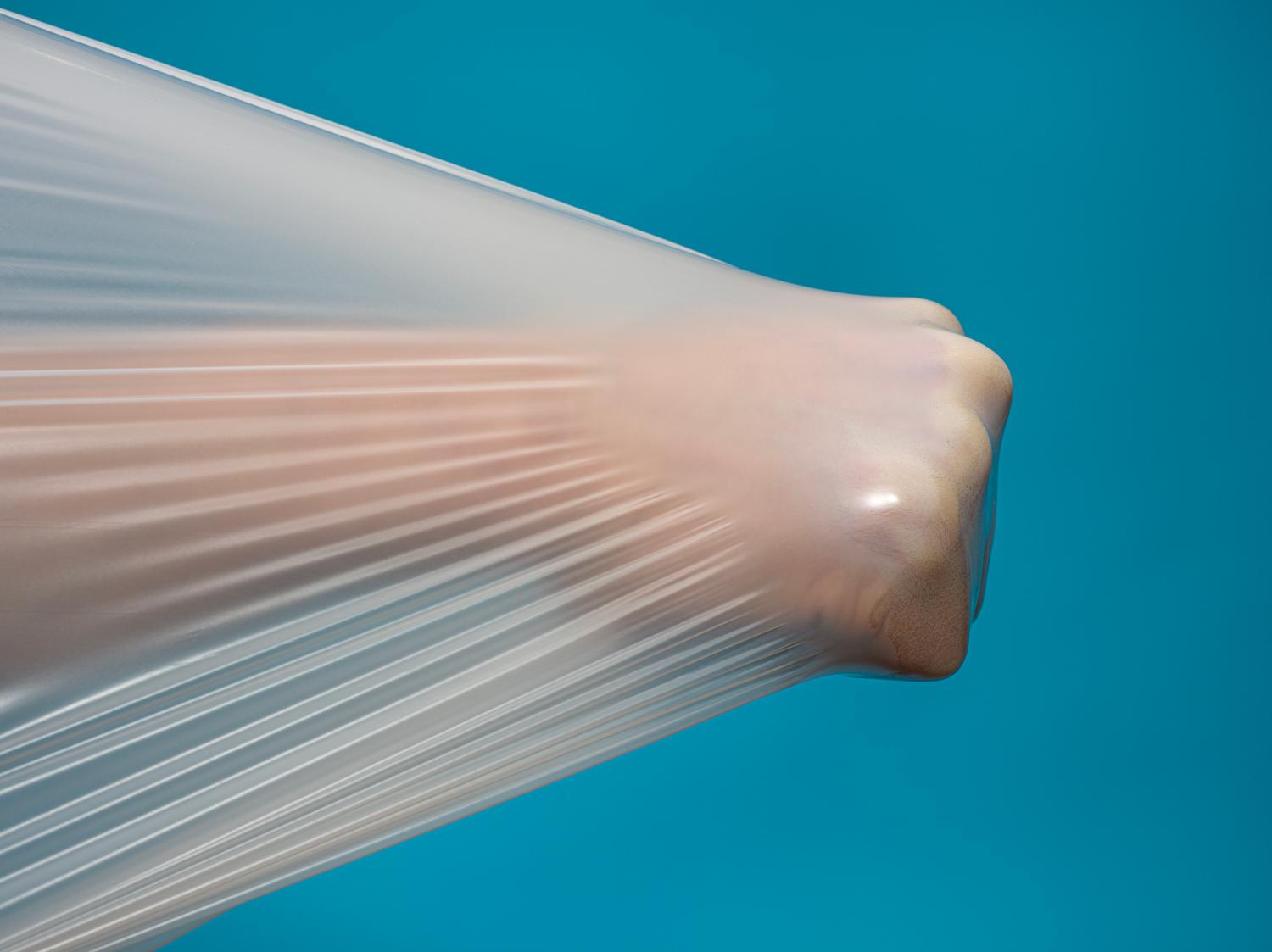
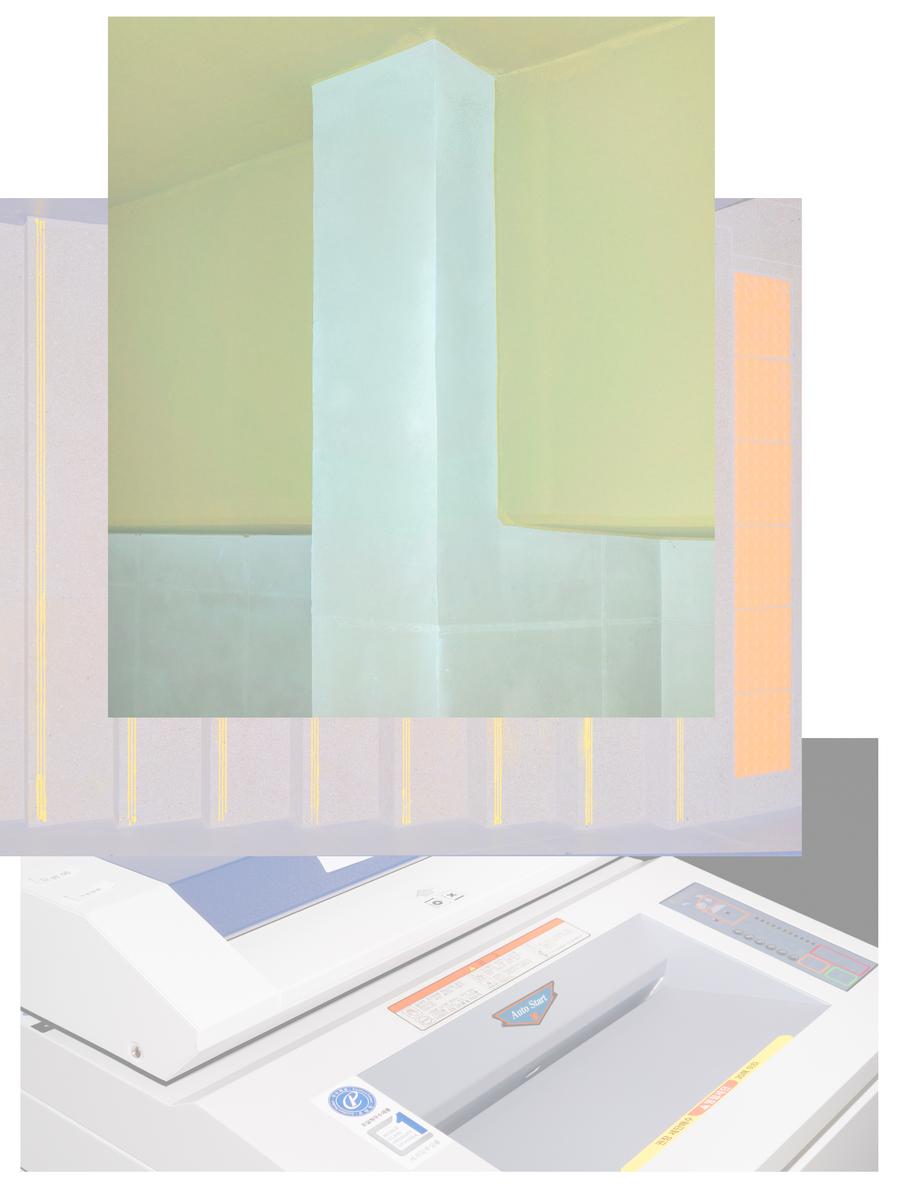
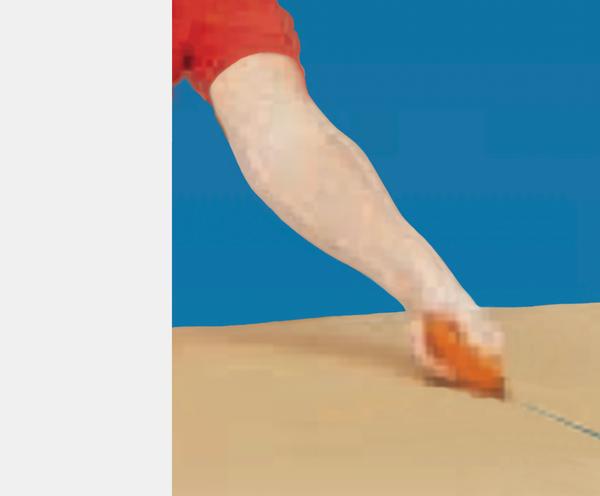
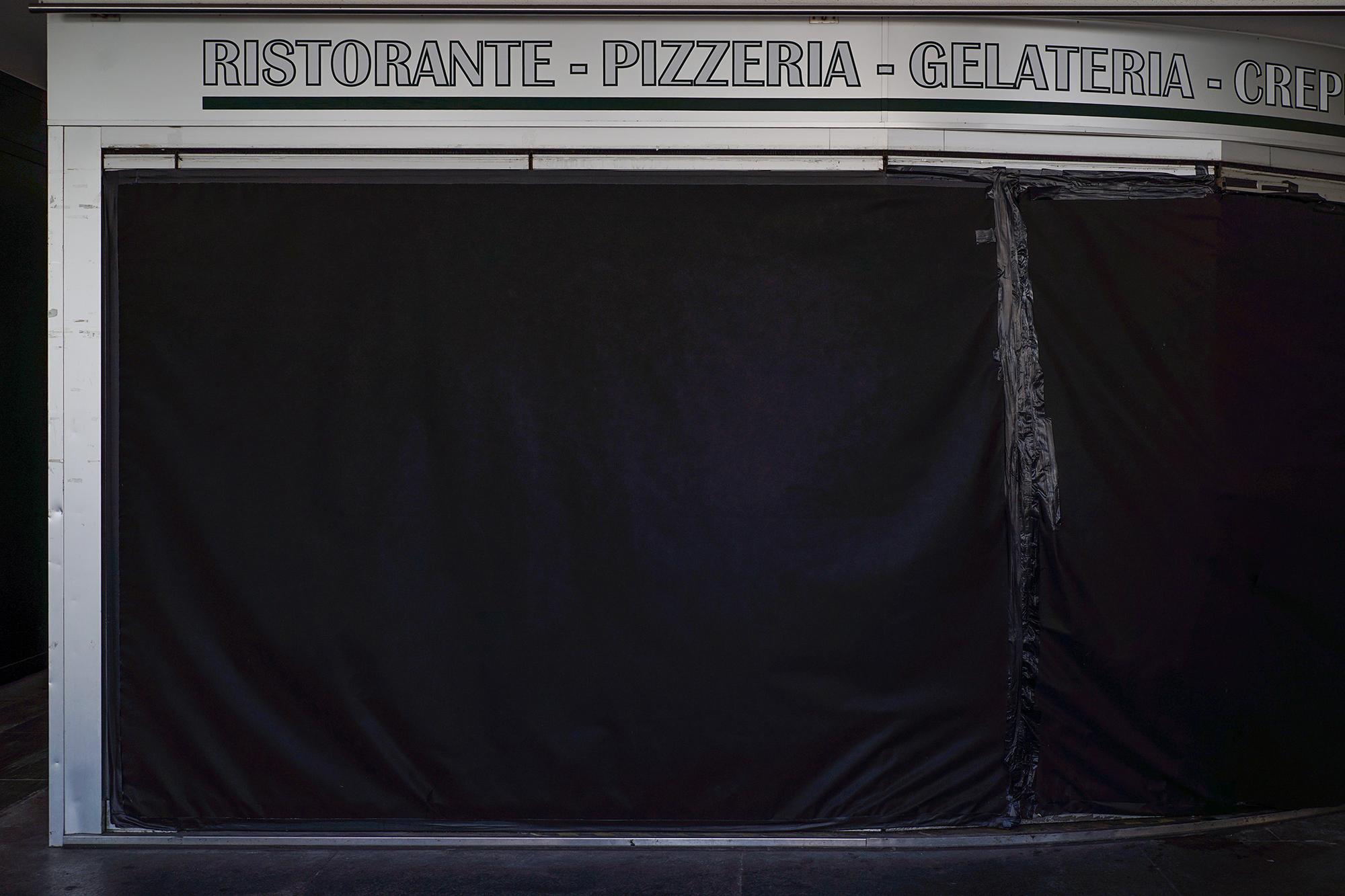
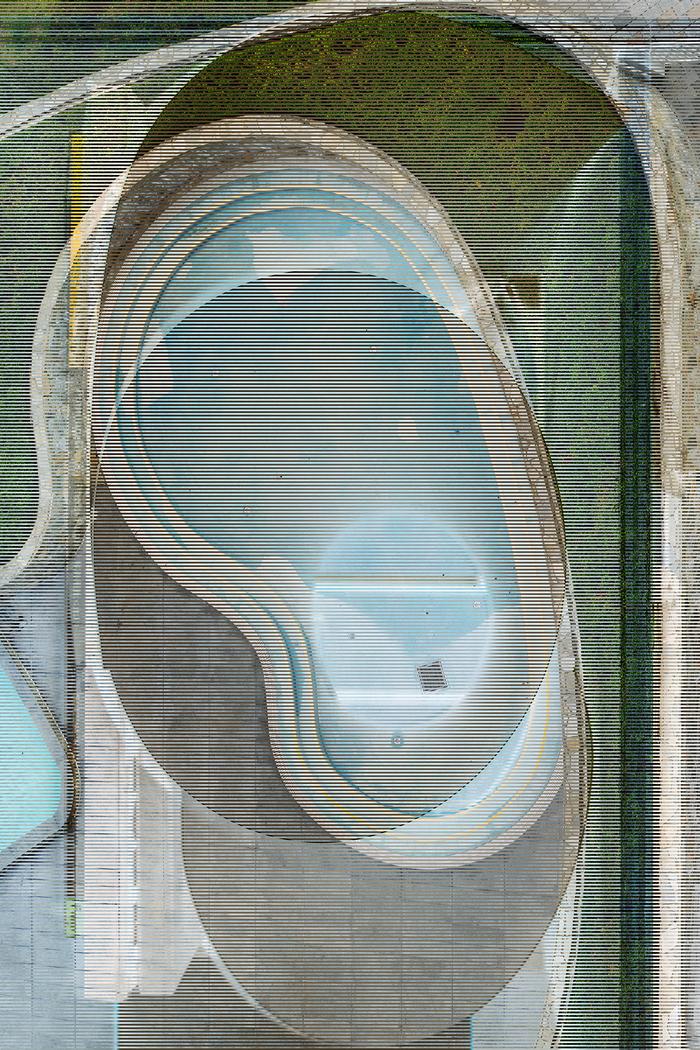
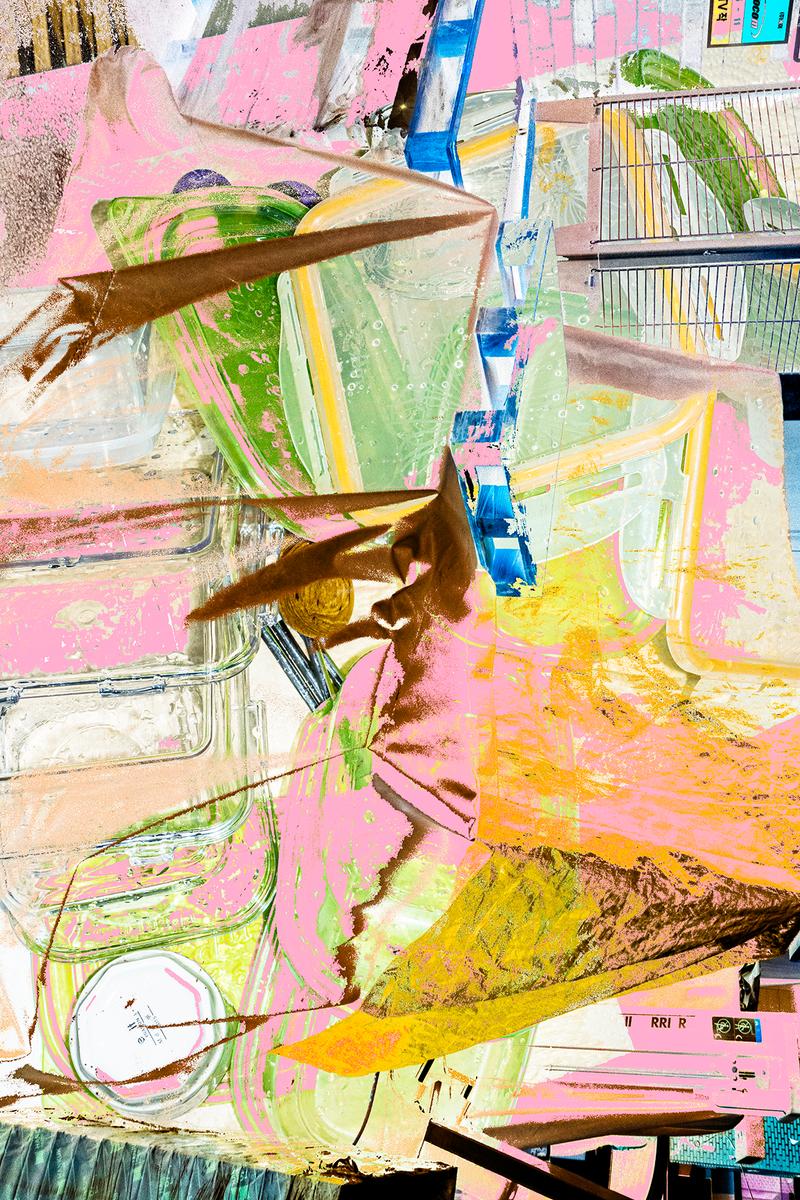
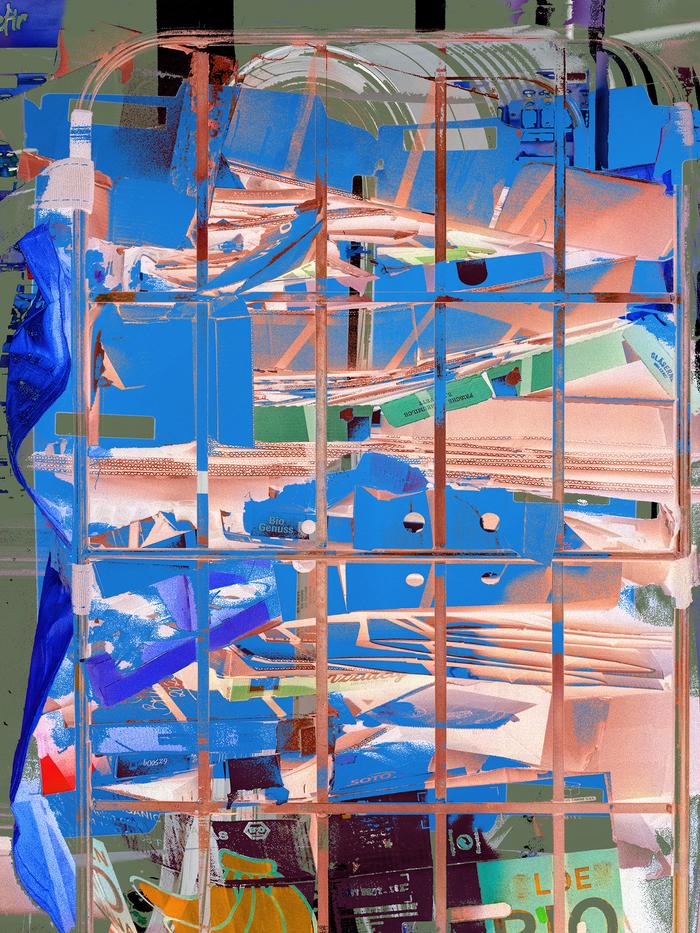
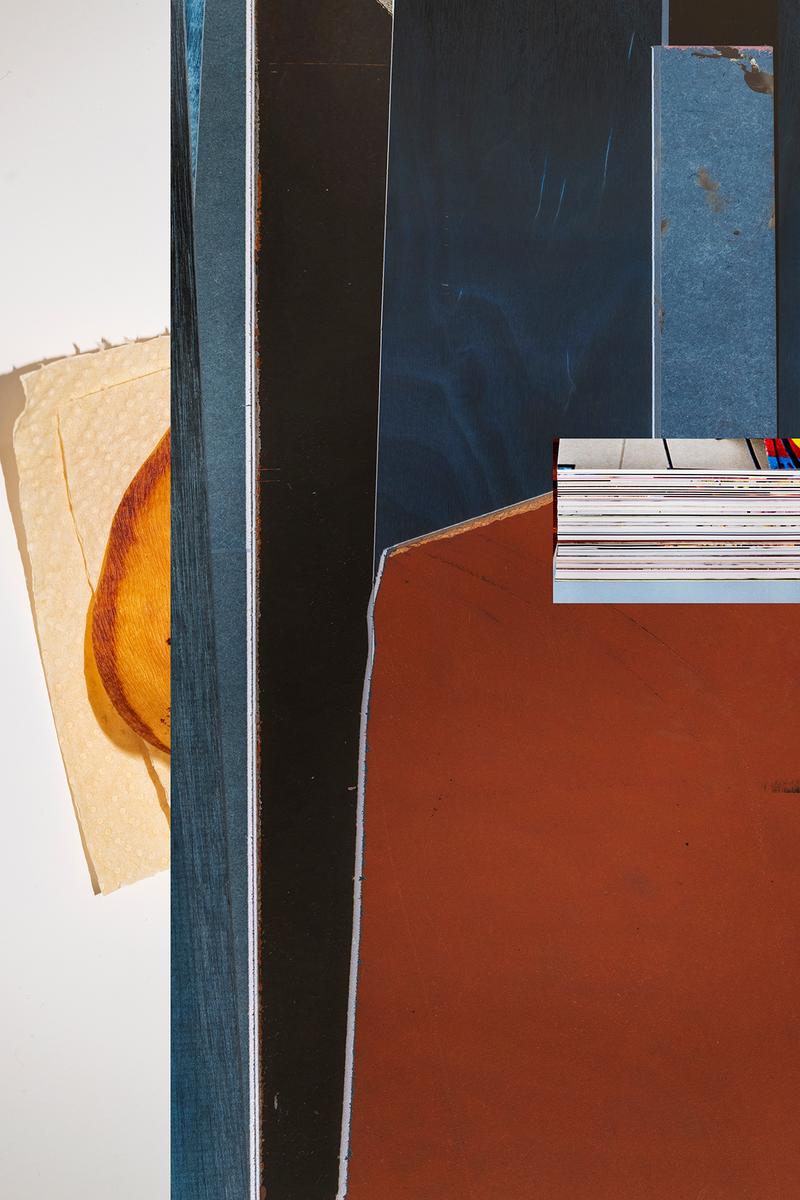
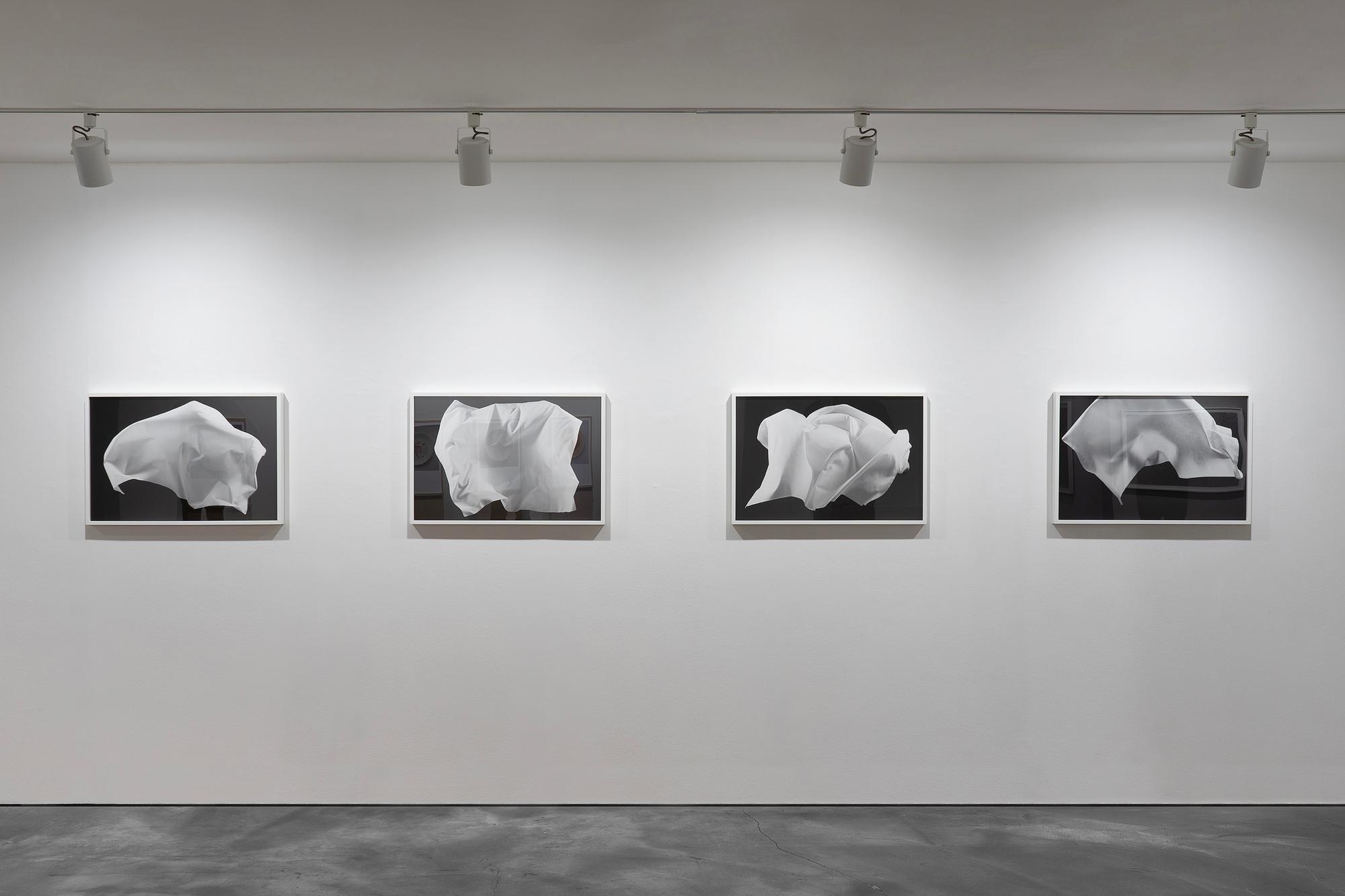
The subjects appearing in the ‘Entropy’ series by Dongsin Seo—stacked construction materials, cross-sections of fruit, vinyl gloves condensed with moisture from a fresh breath, construction site screens, and degraded screen images—are all objects that harbor the sedimentation of daily life and the weight of matter. Yet, once transposed into photographs, these subjects become extremely thin.
The strata of the world are reduced to a thin film of microscopic ink particles; in the place where the object once stood, only a memory of weight and a flat depth that refuses to collapse remain. In his photography, the vanishing thickness refers to more than just physical volume. The layers of meaning inherent in objects, the depth through which language once grasped and constructed the subject, and the multiple tiers of sensation that experience once laid upon the surface—all are flattened into a single, tenuous membrane.
This thin surface represents both the collapse of physical thickness and the loss of linguistic depth—a space where layers of meaning no longer organize the world. What remains after the collapse of order is a temporary state of equilibrium formed by scattered particles, leading the viewer to perceive this thinness, paradoxically, as a form of thickness.
This reversal, which causes one to mistake thickness for thinness and vice-versa, evokes an “anxiety within a strange tranquility.” Thinness is not a mere physical deficiency but the outermost layer left behind as the substance is pushed toward the surface. Perched between existence and non-existence without ever fully touching anything, this marginal surface acts like a ghostly skin—both the residue of reality and the point of departure for the image.
Dongsin Seo treats the surface of the photographic paper not as a simple site of representation, but as a field of particles remaining after the evaporation of meaning. The memories of thickness spread thinly across the surface and the images captured by particles in a state of equilibrium are selected, dissected, and juxtaposed.
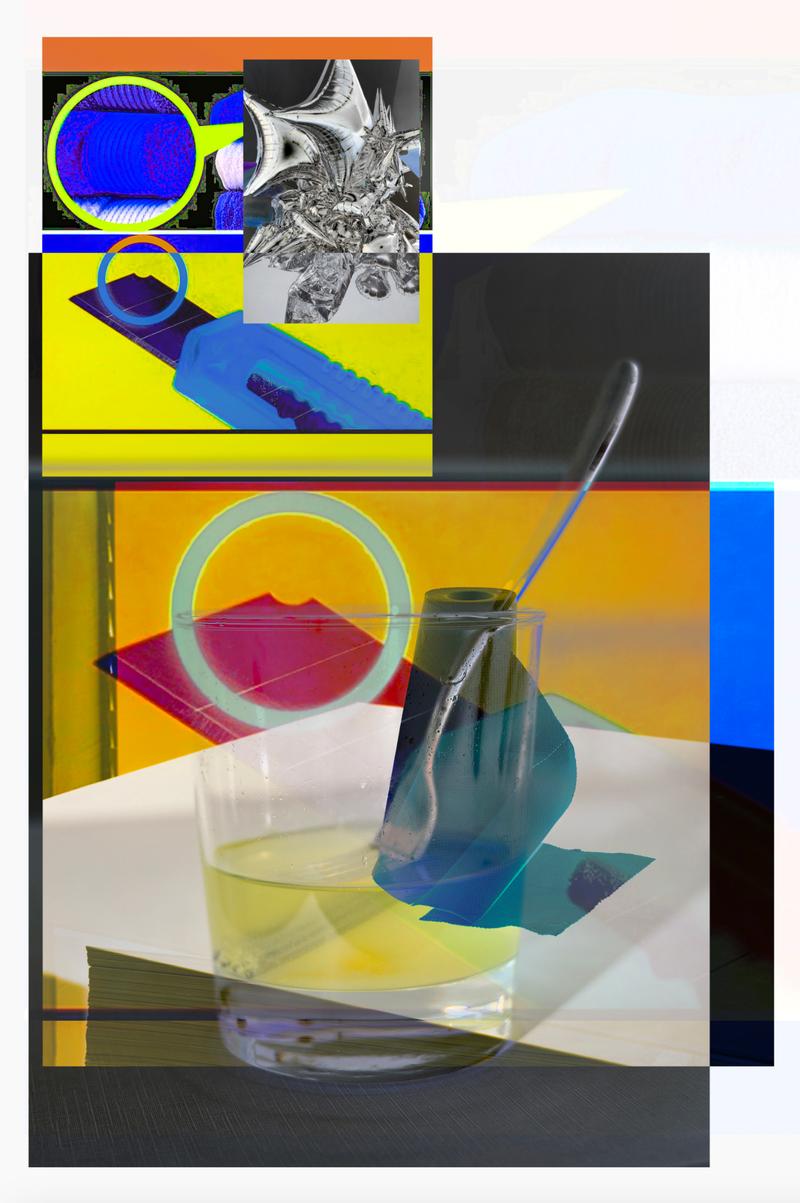
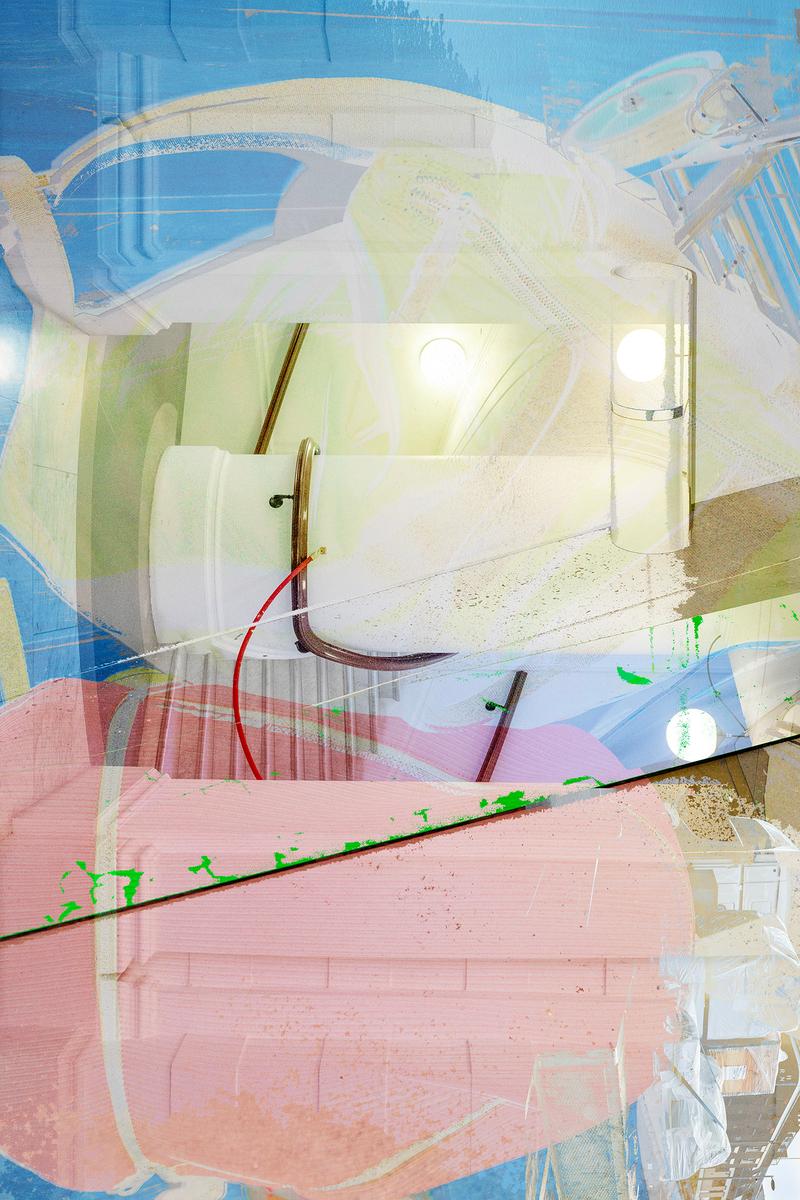
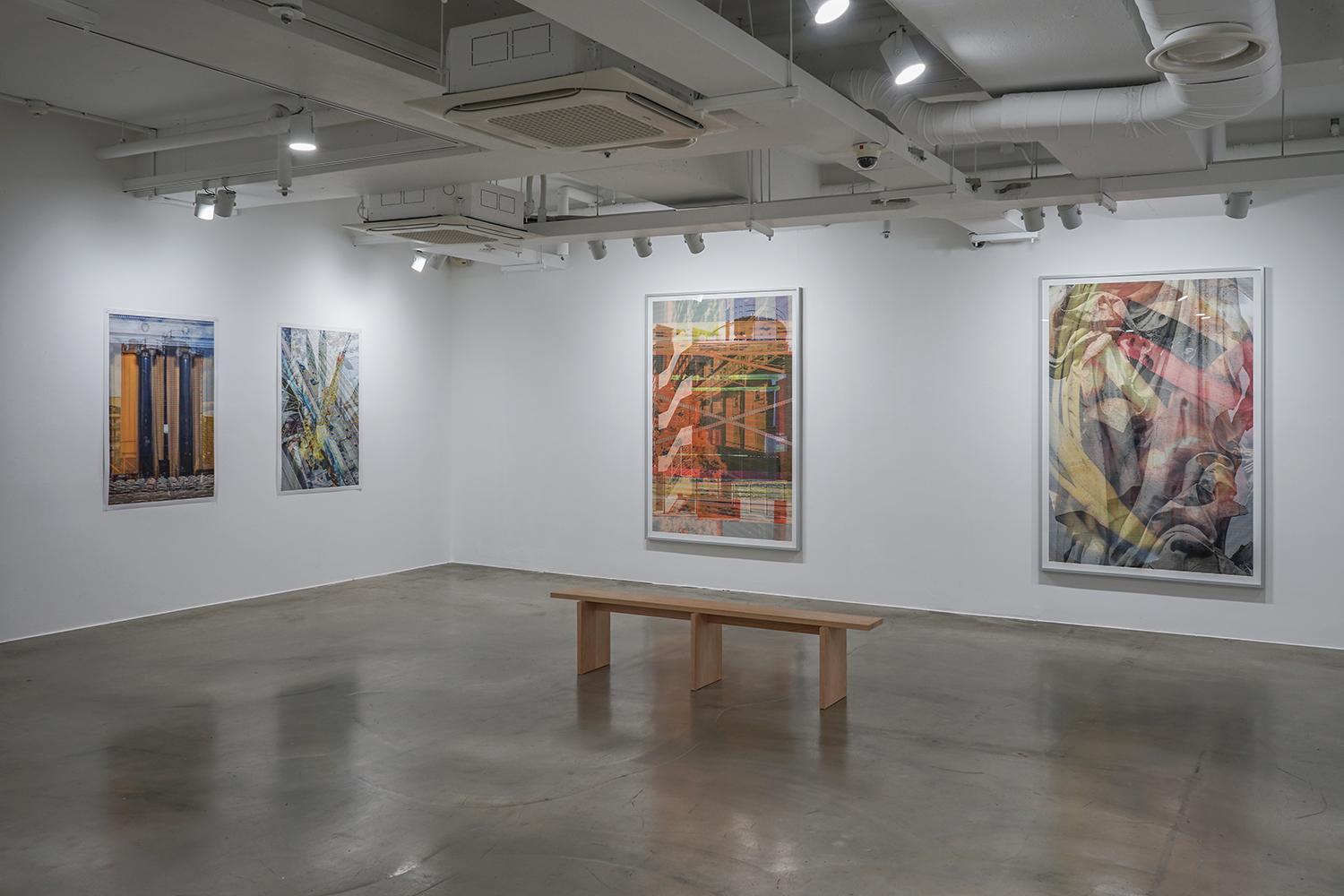
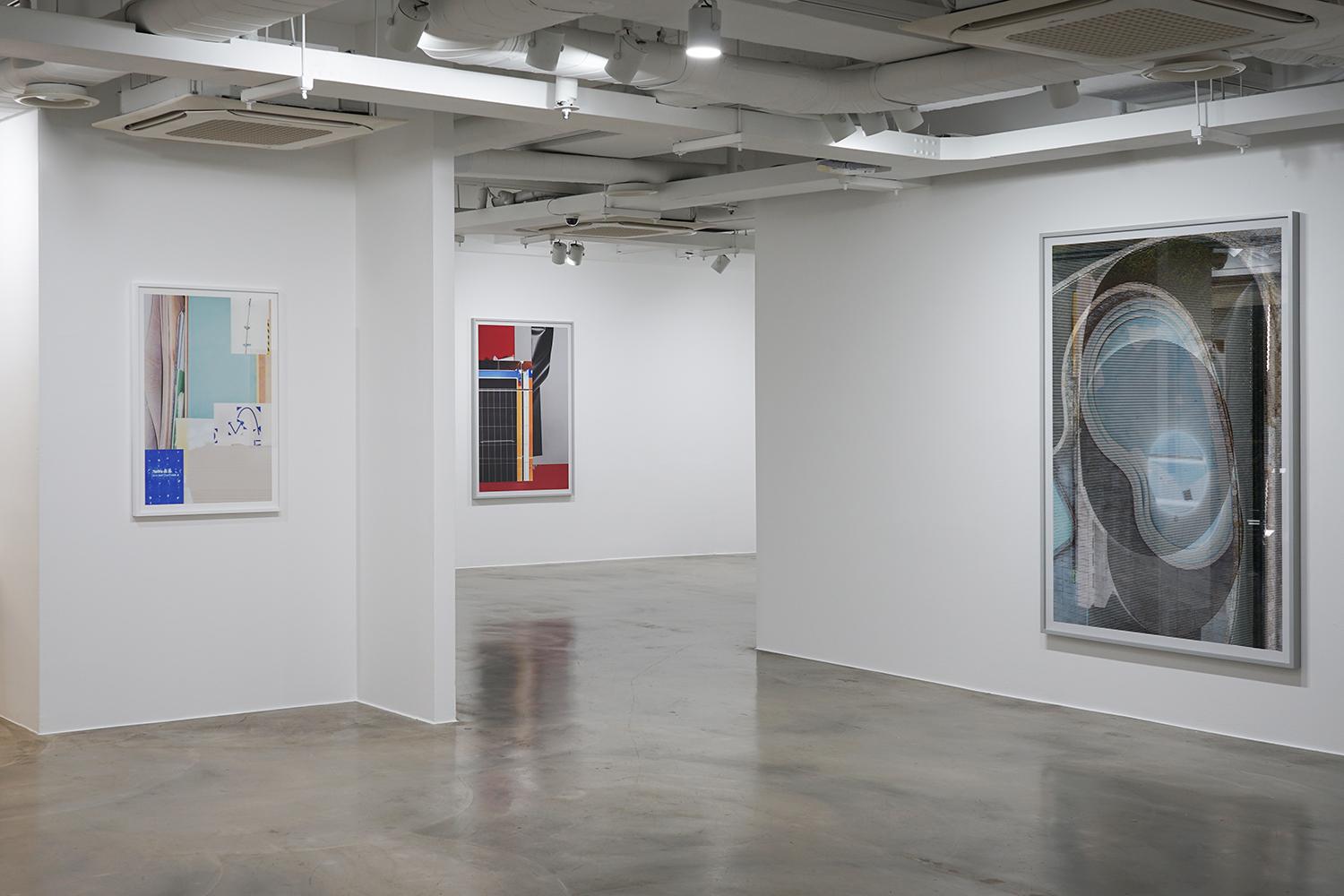
The ‘Equation’ series attains a new state of equilibrium that traverses the gap between order and disorder upon the debris of entropy. Here, the particles are no longer mere surface noise; they become sensory formulas reconfigured into a structure that precedes language.
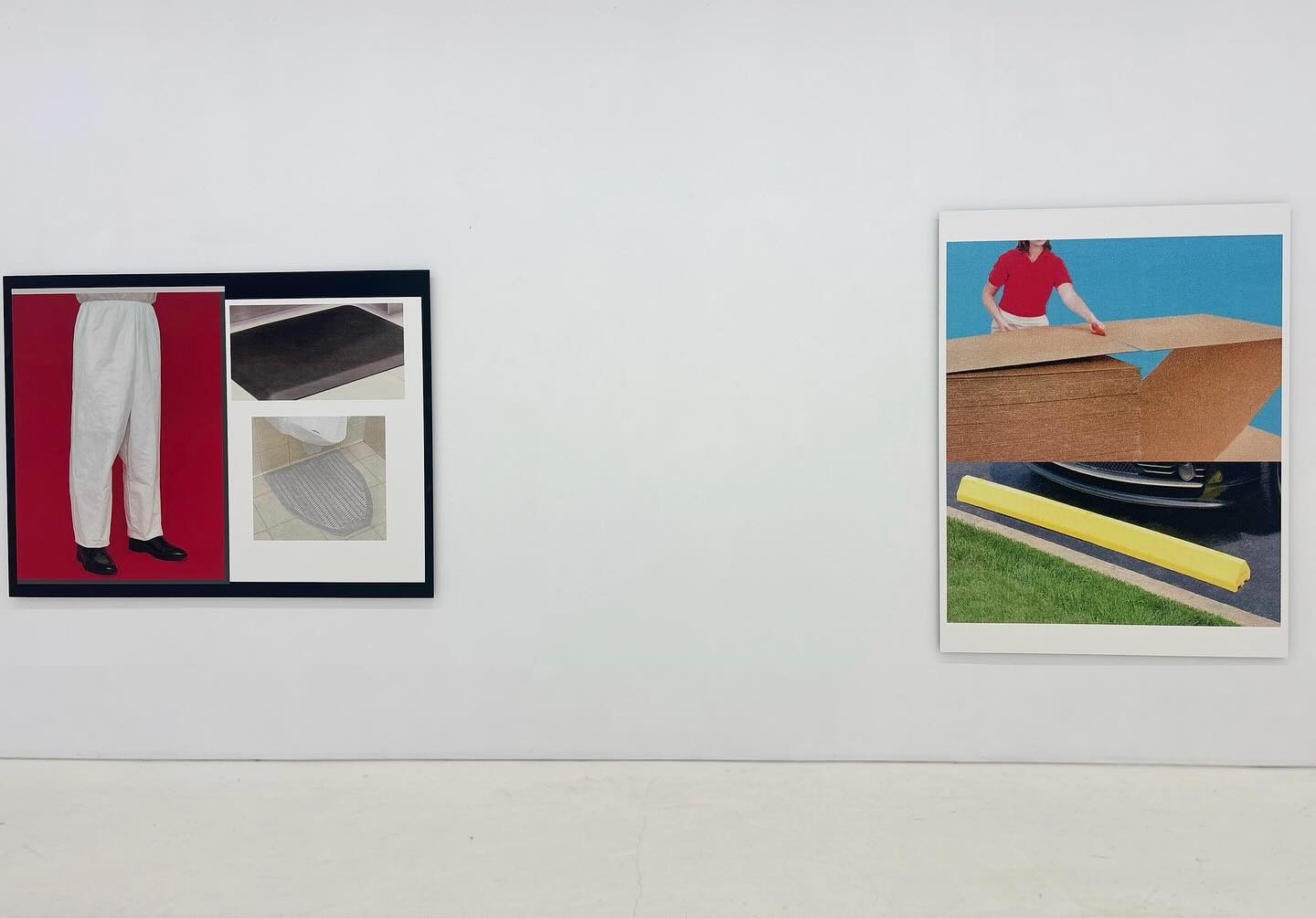
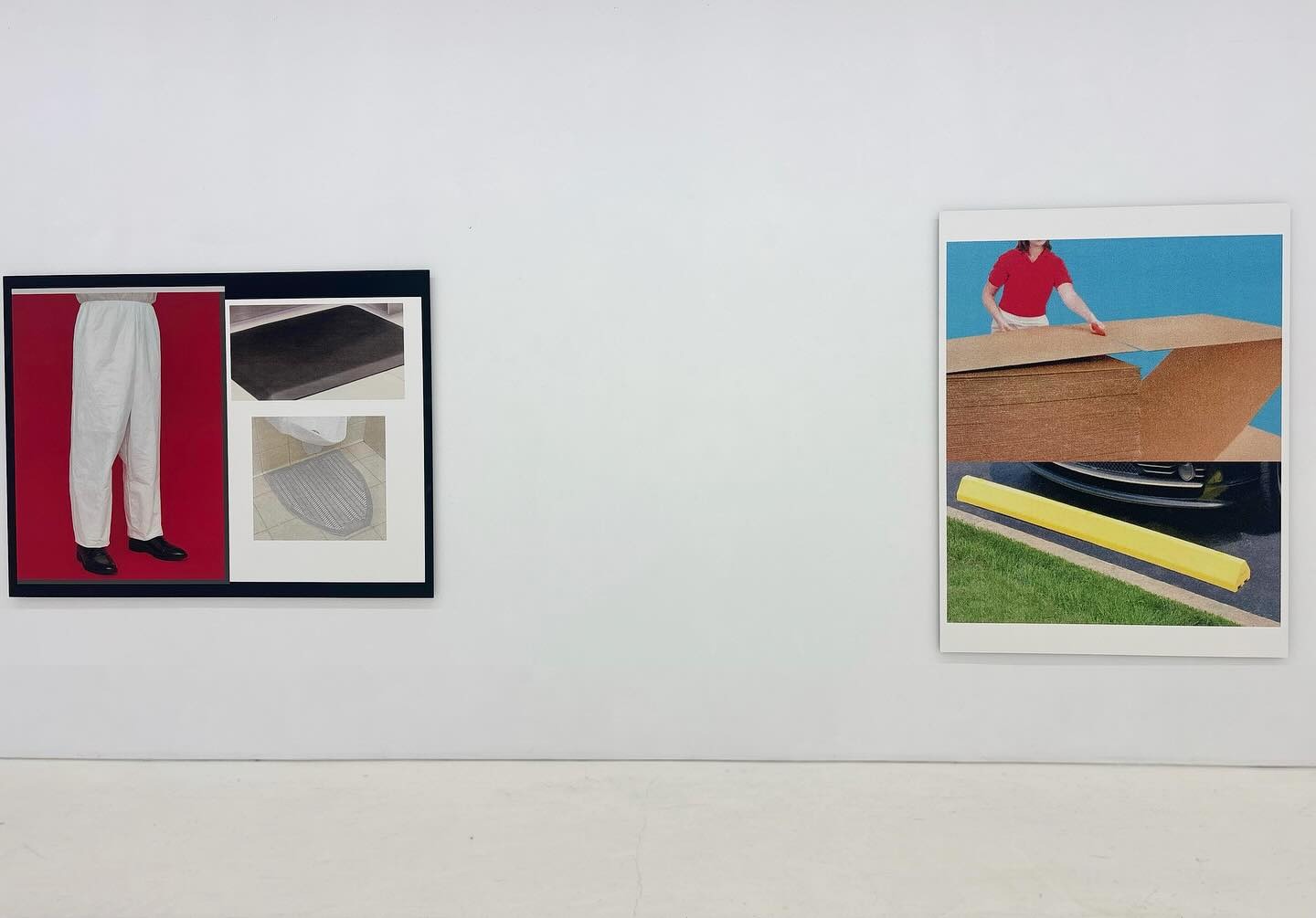
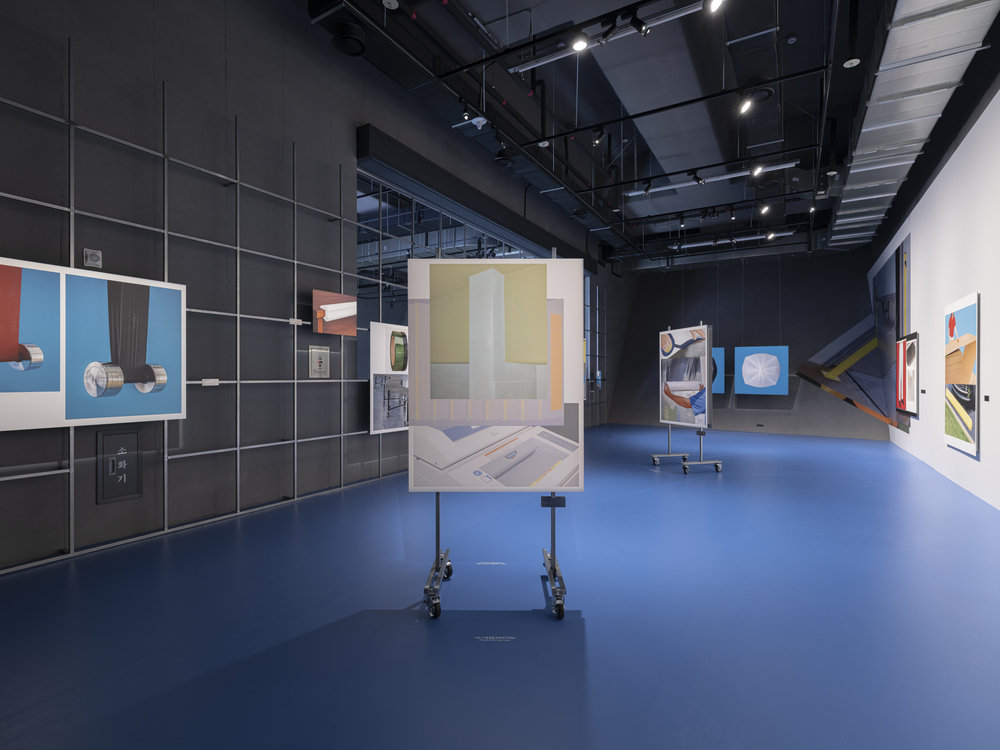
In the ‘Malfunction of Functional Function’ (MFF) series, he directly invokes the language of the functional world. The grammar of product imagery—which must be precise, clear, and purposeful—seeks to reduce every element on the surface to efficiency and explanation. However, when function is reproduced too faithfully, it becomes strangely distorted.
Explanations become excessively accurate and clarity becomes overly manifest, failing to overwhelm the internal logic of the image and instead creating cracks. Faced with images that have passed through the thin membrane of ‘Entropy’ and the particle structure of ‘Equation’, the teleological plasticity of product photography overextends its own language and ultimately renders itself powerless.
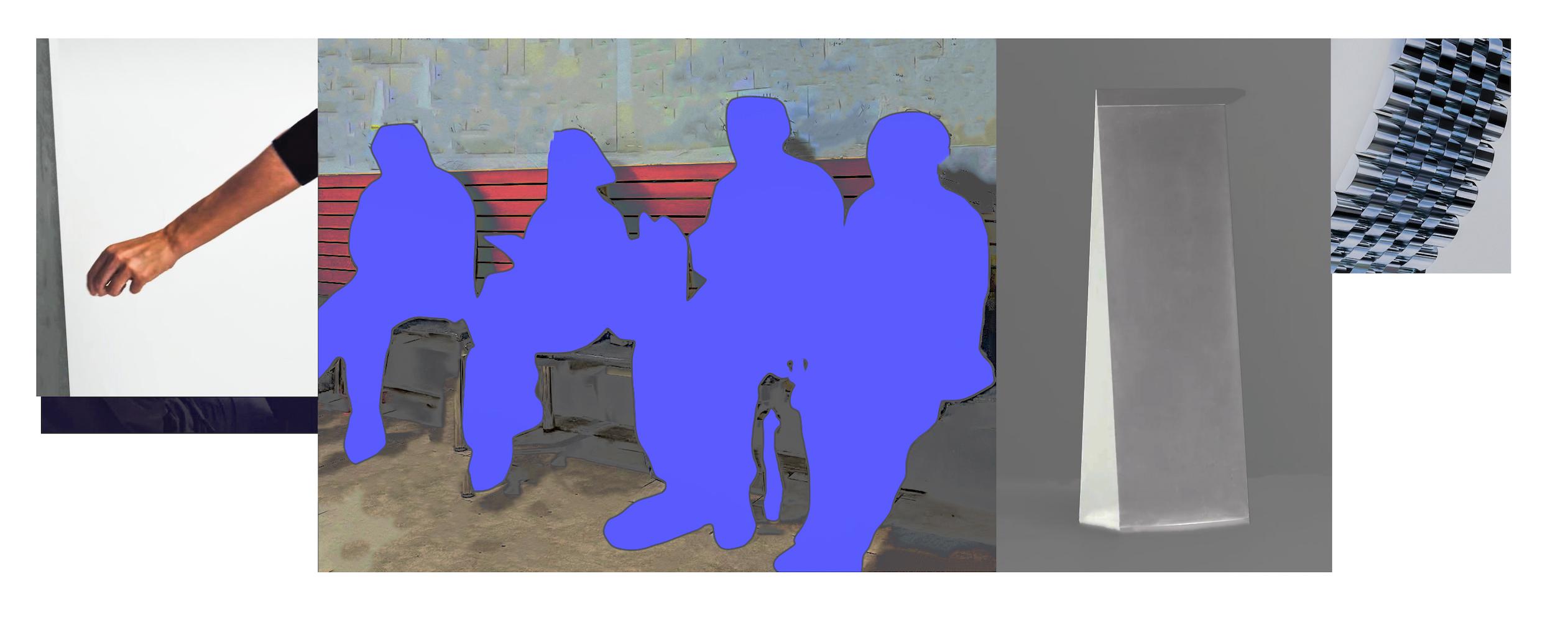
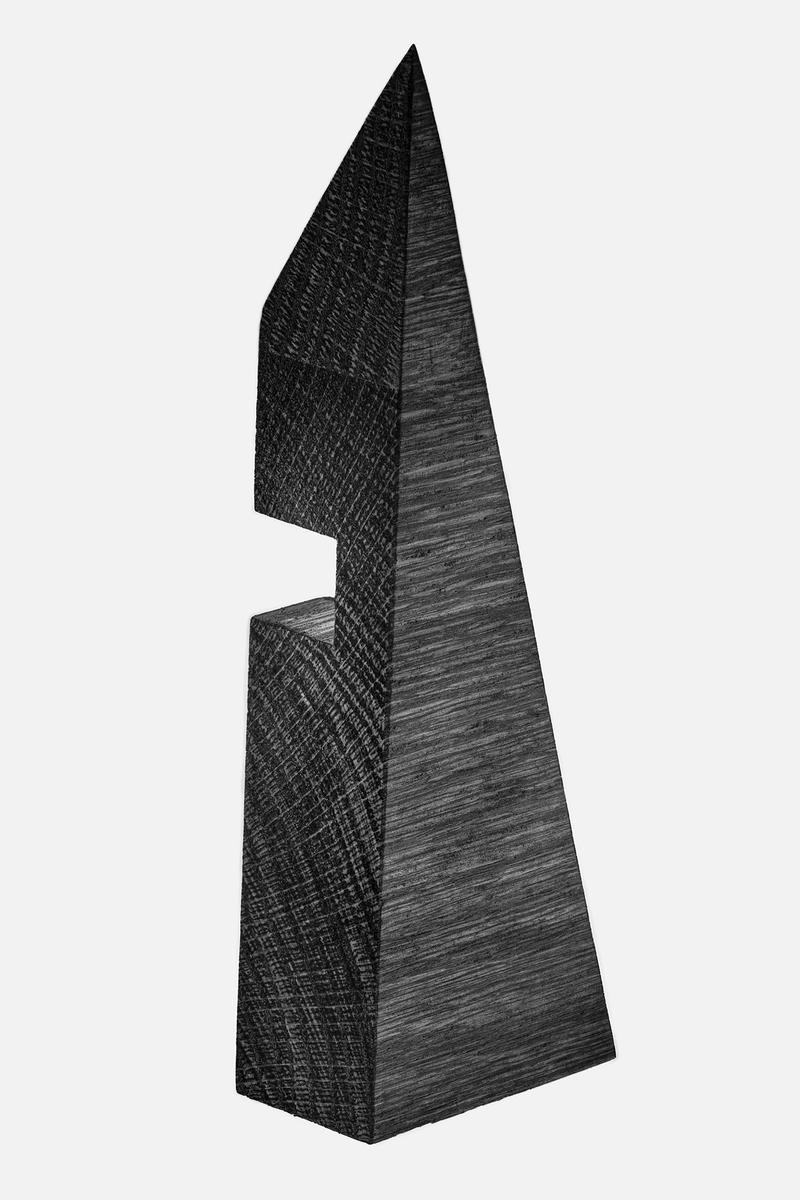
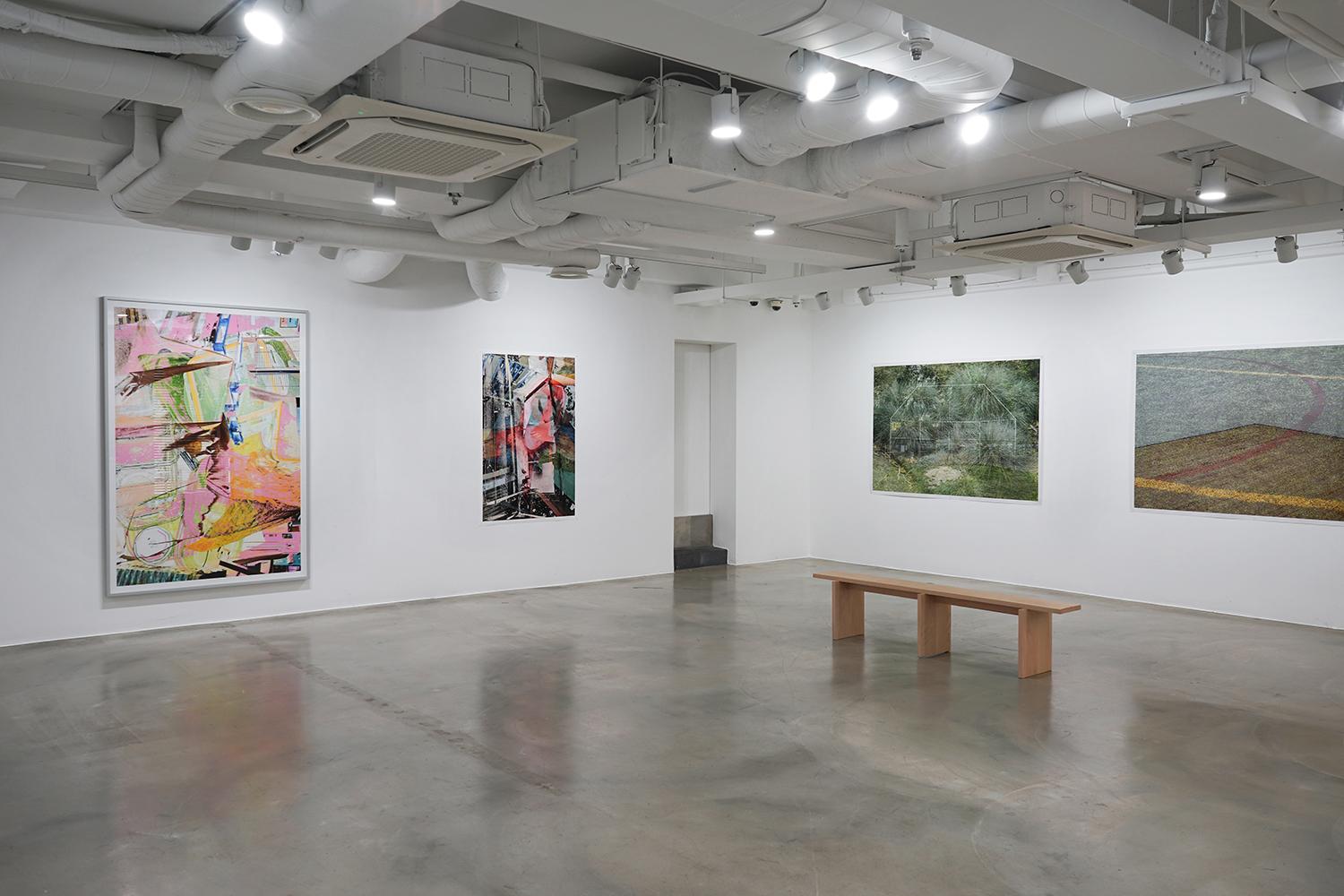
The sensory and structural residuals generated through the preceding three bodies of work are now positioned at a point of transition toward yet another scene. The thin film of ‘Entropy’, the particulate structure of ‘Equation’, and the failure of ‘MFF’’s functional language each create their own distinct grains; as a result, the images do not converge toward a single direction but scatter into multiple branches of possibility.
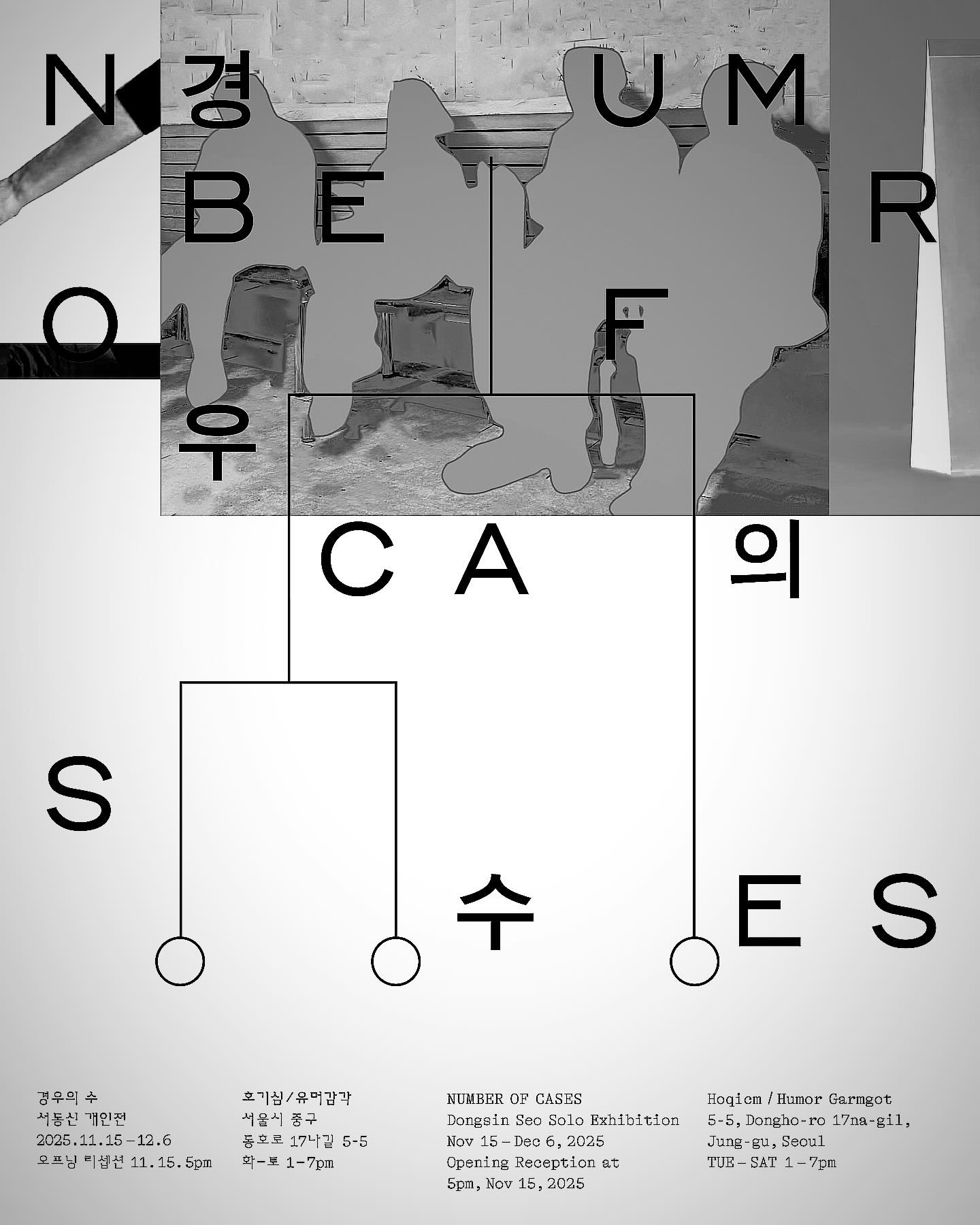
Here, “Number of Cases” refers not so much to a list of fixed answers, but rather to the paths through which an image self-selects, slips, and diverges—an arrangement of sensations potentially open upon the surface.
At this juncture, his photography reveals the topography of “that which could have been” rather than a single definitive result. The moments in which all possible directions an image might take appear and vanish briefly upon the thin membrane—a strata of possibilities that cannot be fixed by language—expand under the name “Number of Cases”.