Rather
than constructing sculpture as a single solid mass, Nara Park actively uses the
discrepancy between visible appearance and actual materiality. In her early
work, she used lightweight and disposable materials such as paper, Styrofoam,
plastic, vinyl, artificial plants, and synthetic panels to reproduce stone,
brick, wood, waterfalls, and architectural structures.
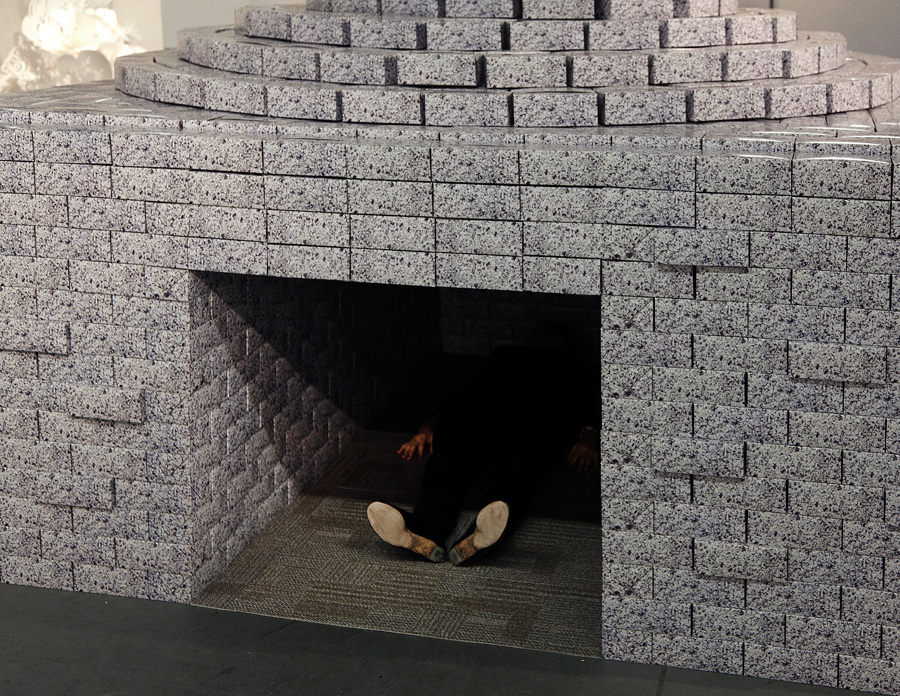
It Was Written
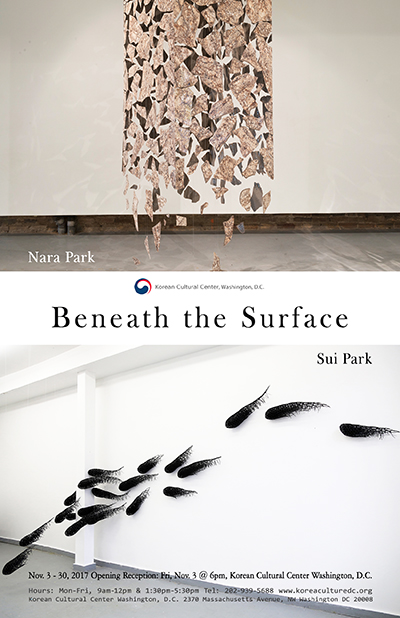
On the Wall makes paper resemble stone, while
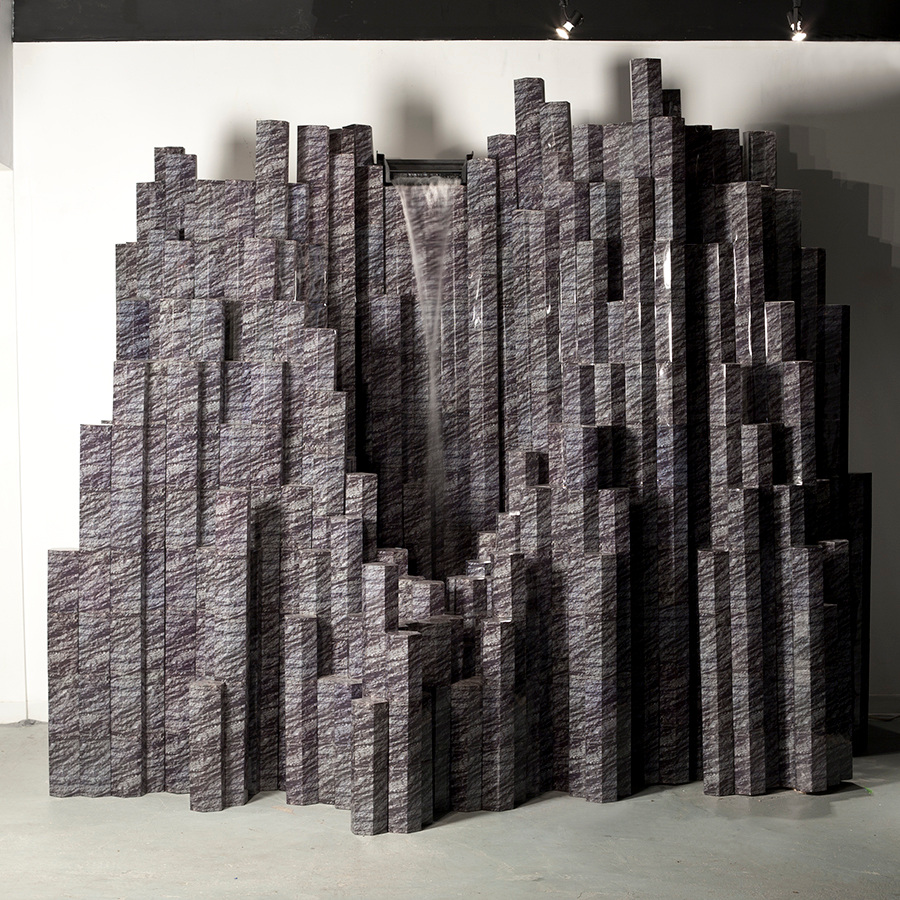
Waterfall constructs a natural landscape from plastic
packaging boxes. This strategy of creating forms that appear visually heavy and
permanent while remaining physically light and hollow became one of the central
formal languages of her practice: “hollowness within bulkiness” and “physical
lightness within visual heaviness.”
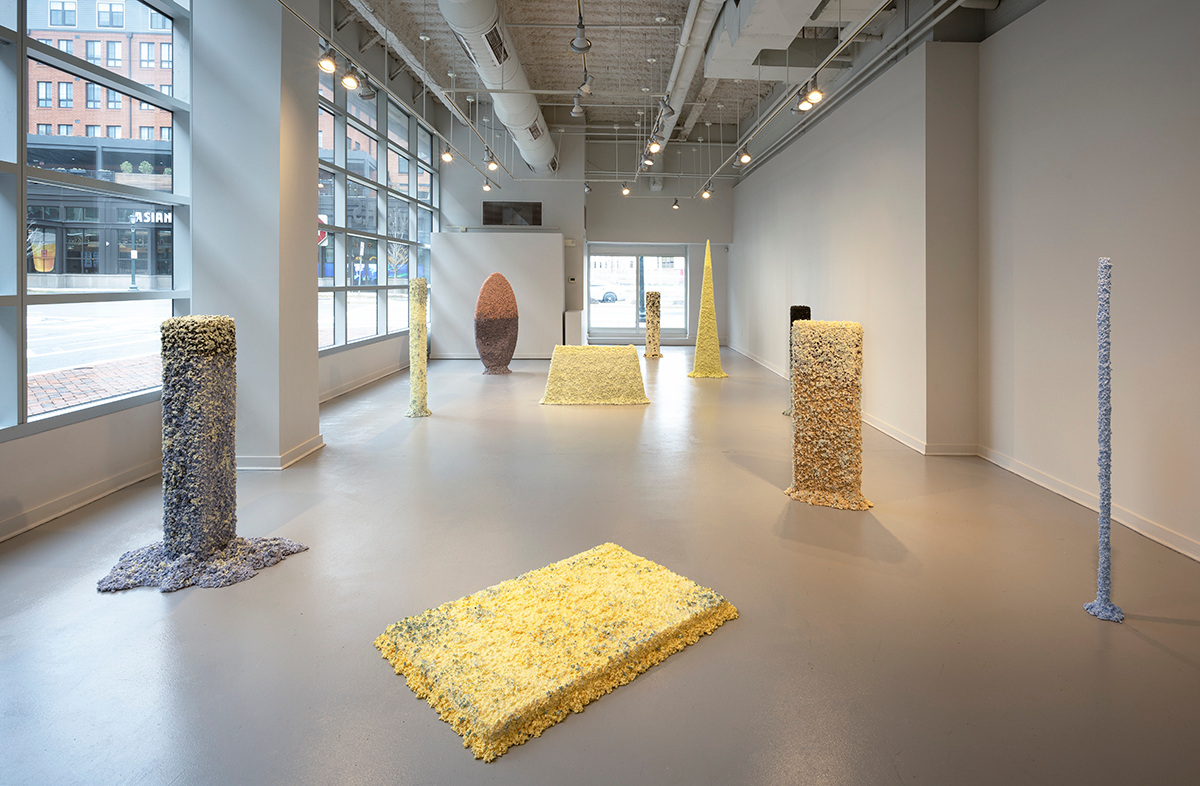
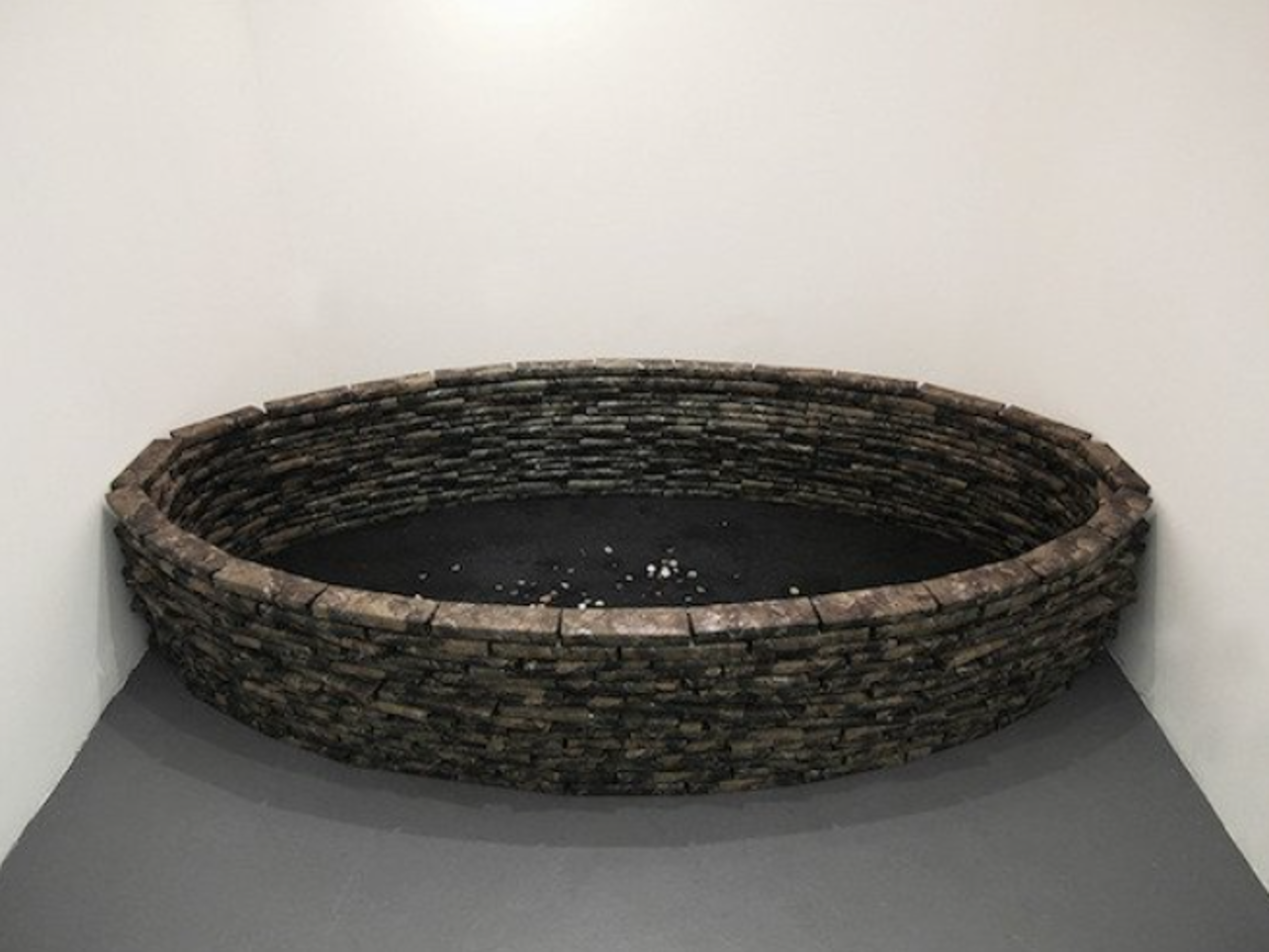
Stone has
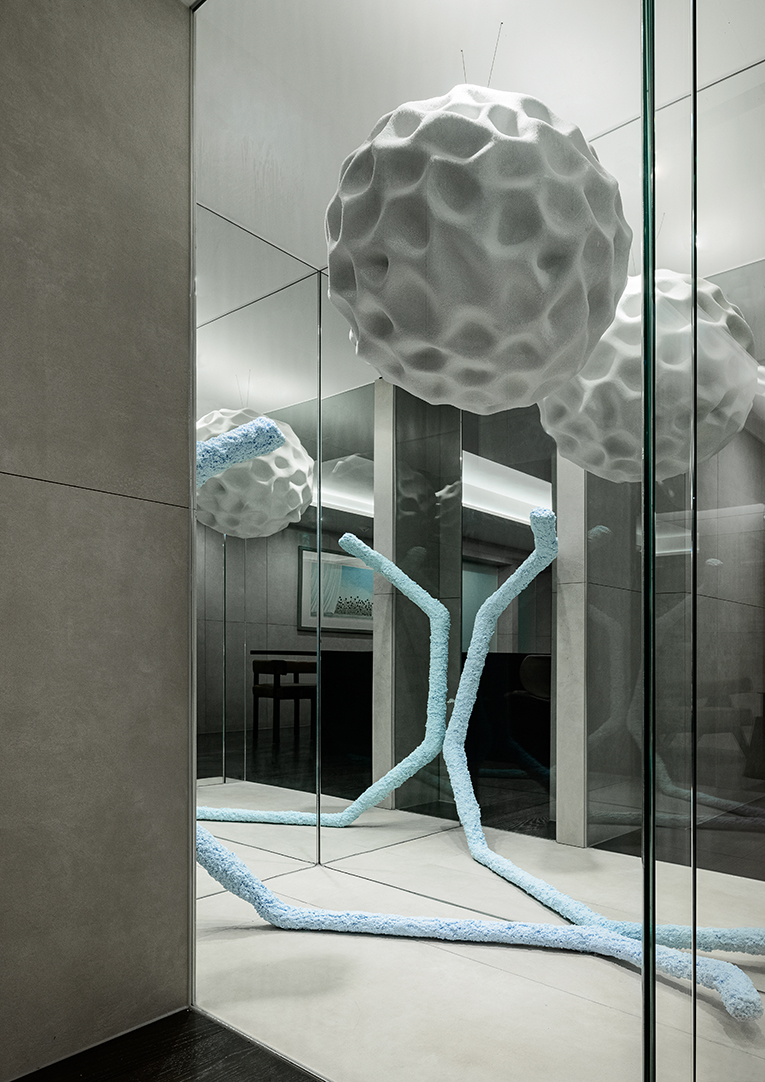
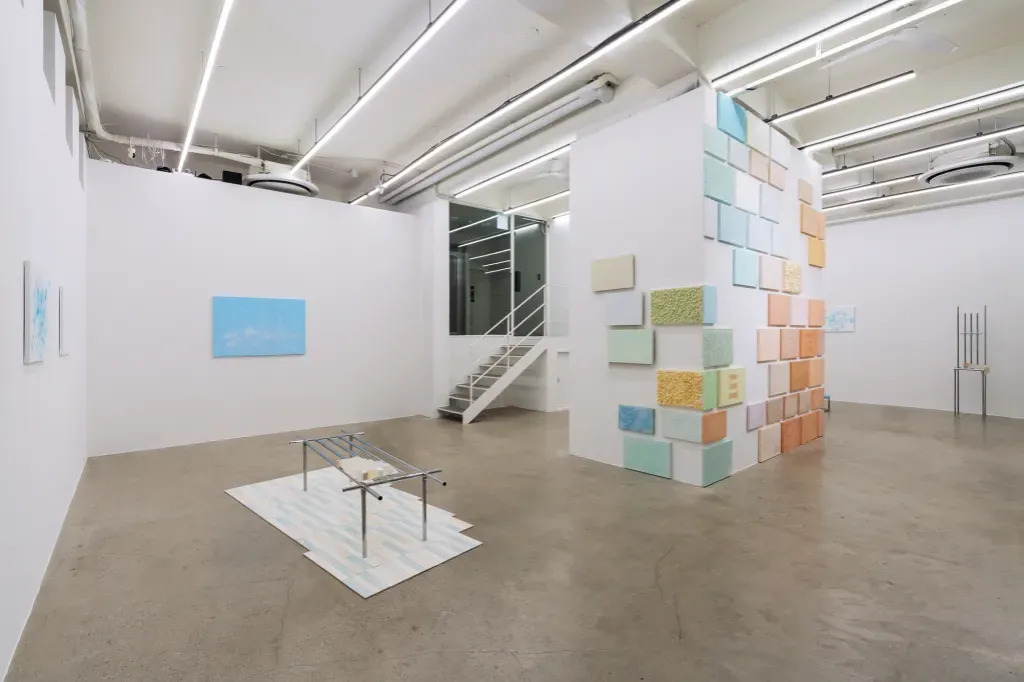
remained a key motif throughout these formal experiments. The ‘Presence’(2019)
series uses Styrofoam beads and polystyrene panels to create forms reminiscent
of gravestones or monuments, while surfaces painted in pale yellow, sky blue,
and other artificial colors prevent the imitation of natural stone from
becoming completely convincing.
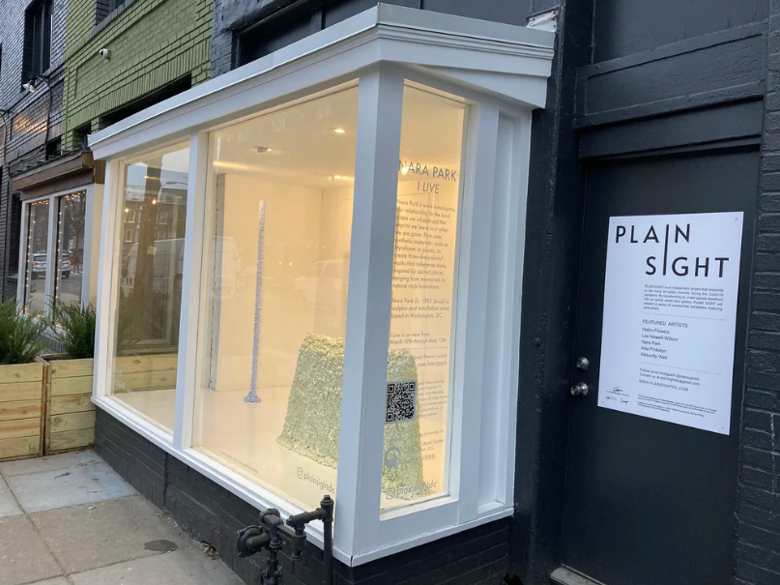
In 《I Live》(Plain Sight, Washington D.C., 2021),
Presence V, works from the ‘Promises’ series, and an audio
recording of the artist reading her poetry are presented together, extending
sculpture beyond the image of the monument into an environment involving sound
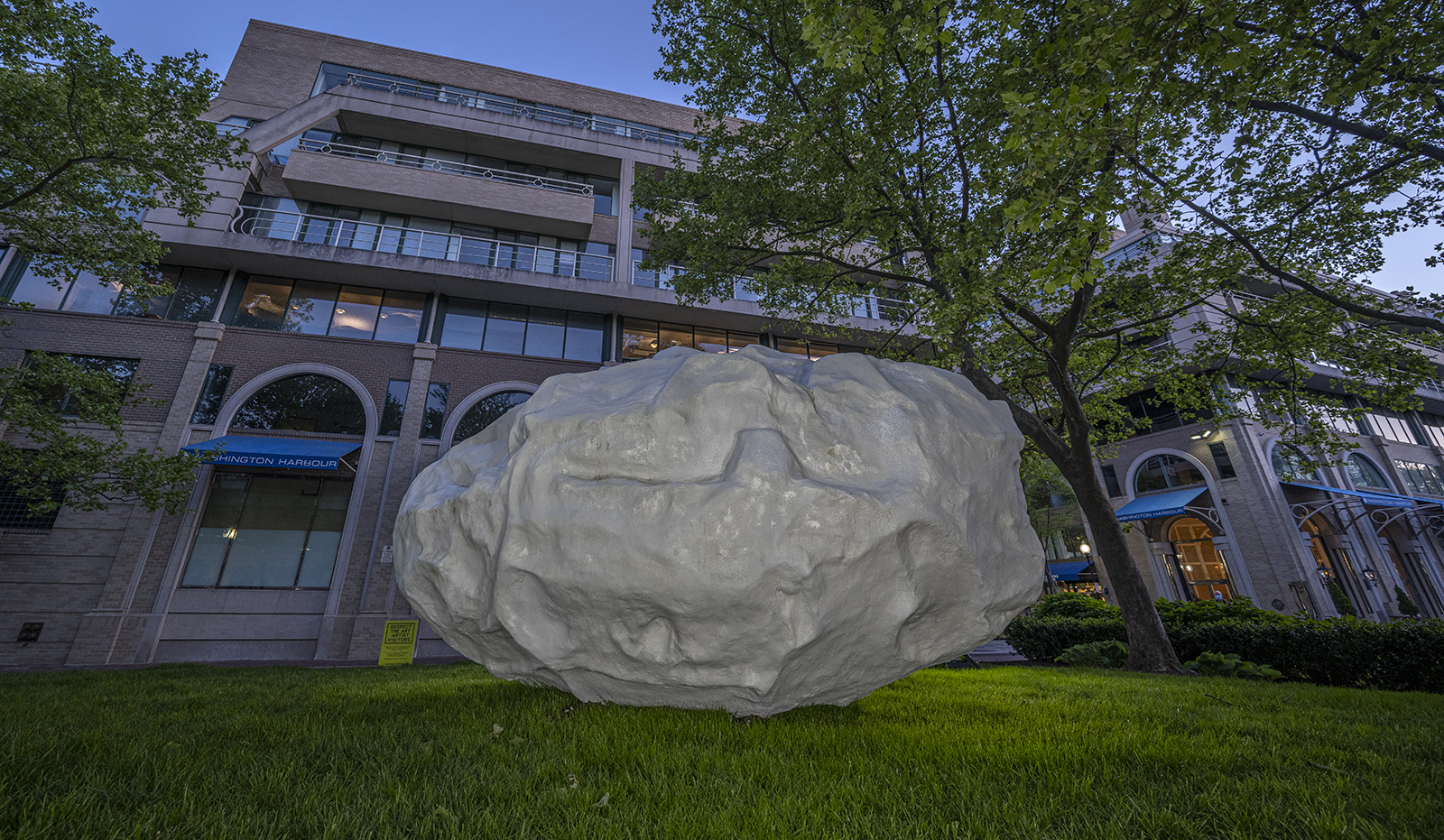
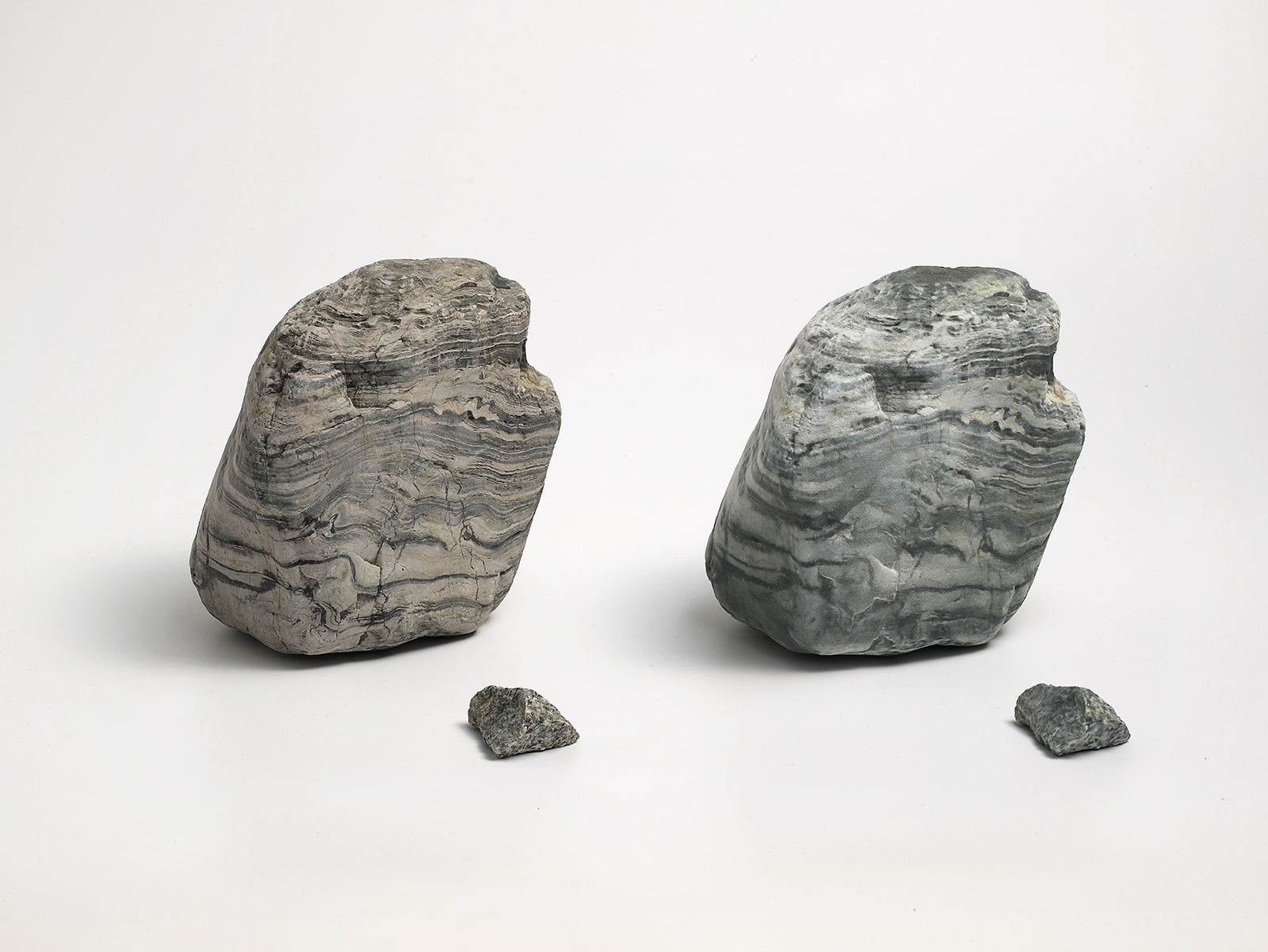
and memory. In The Beginning of Everything(2021) and
Parallels IV(2021), meteorites are reconstructed using 3D
printing, PVC, and reflective glass beads, bringing the history of natural
matter into contact with advanced fabrication technologies.
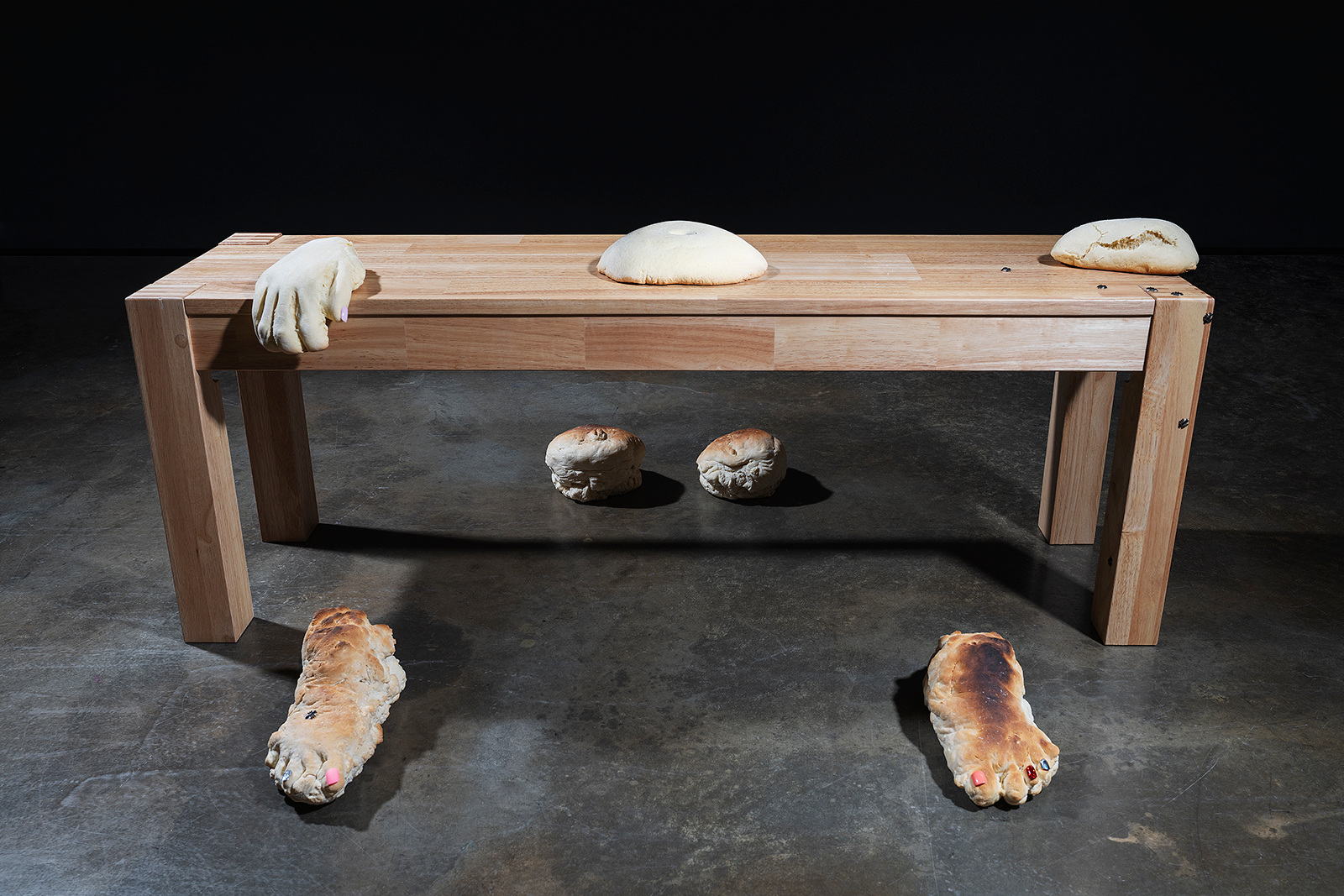
From 2023
onward, the physical transformation of materials itself becomes an important
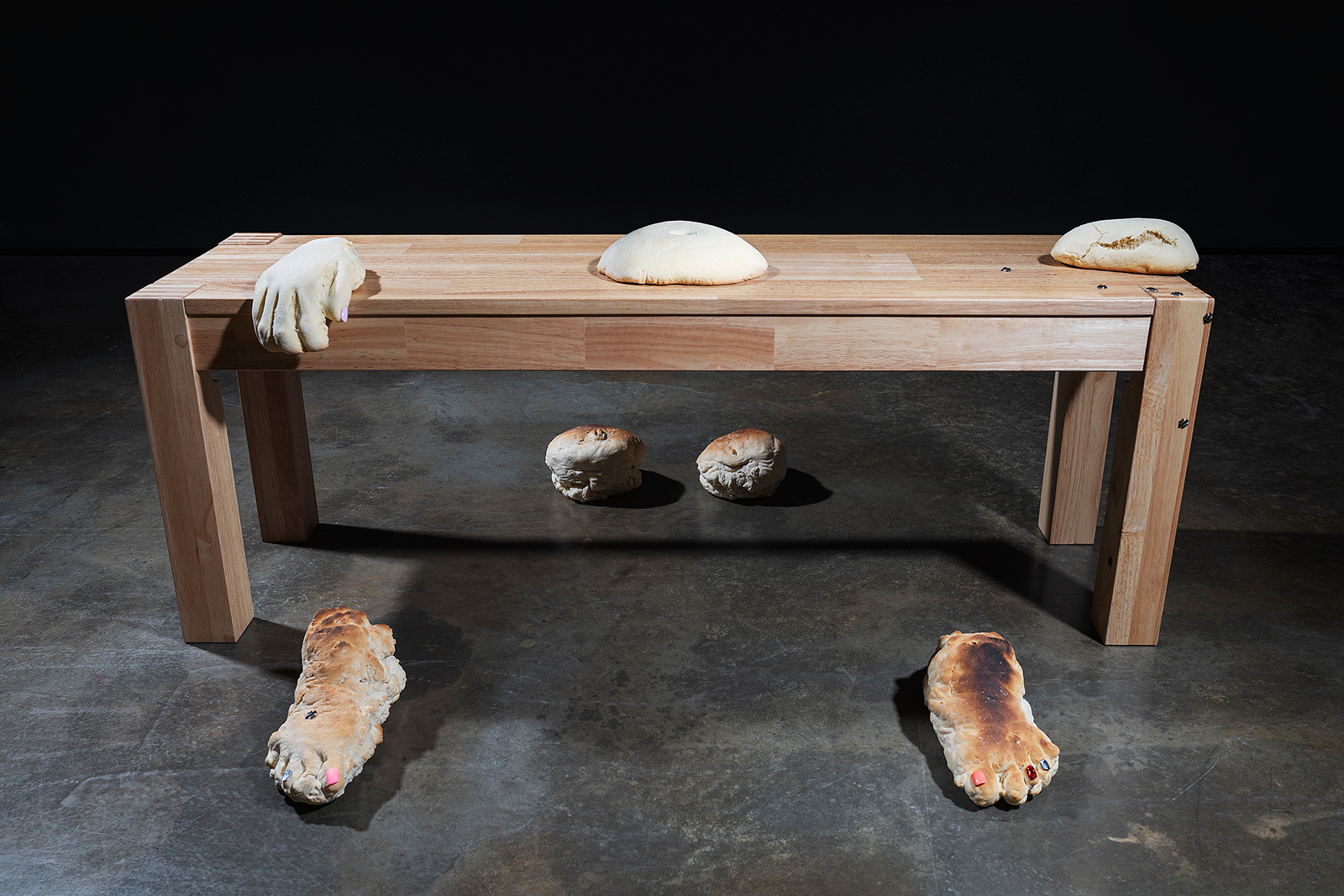
part of the work. Kneaded Reflections uses flour, yeast,
sugar, eggs, and other food ingredients that actually ferment and emit odors,
changing according to the air and duration of each exhibition site. In
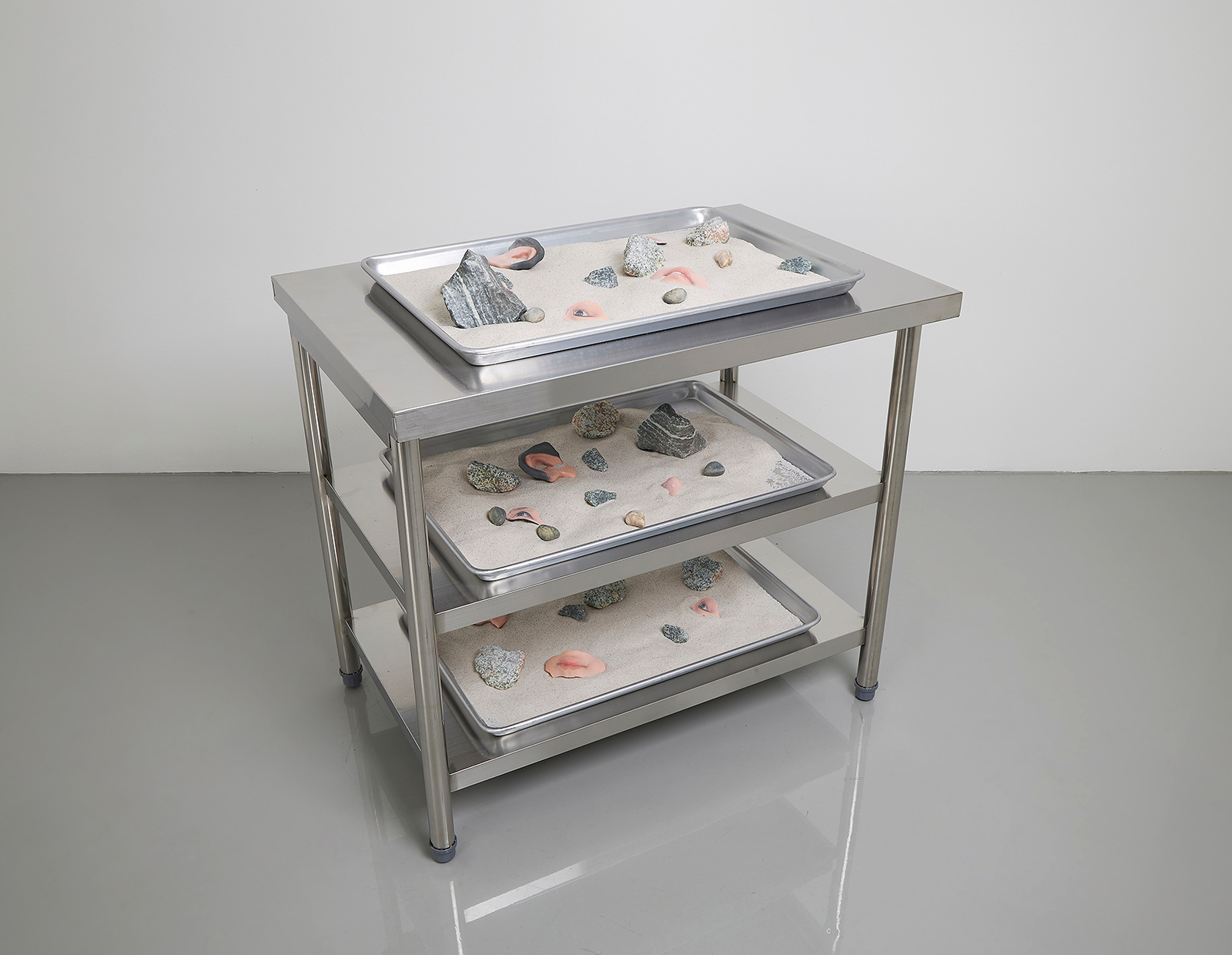
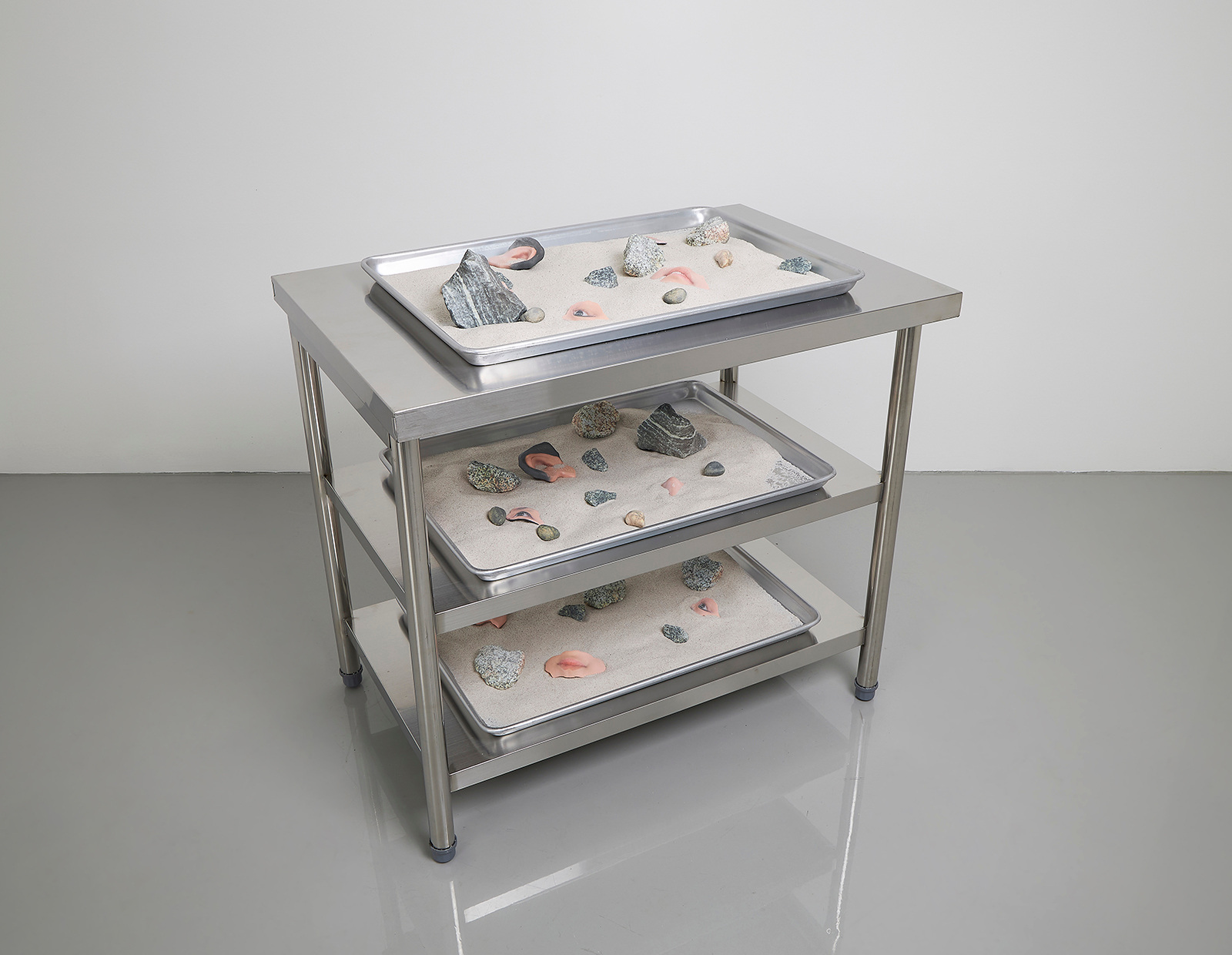
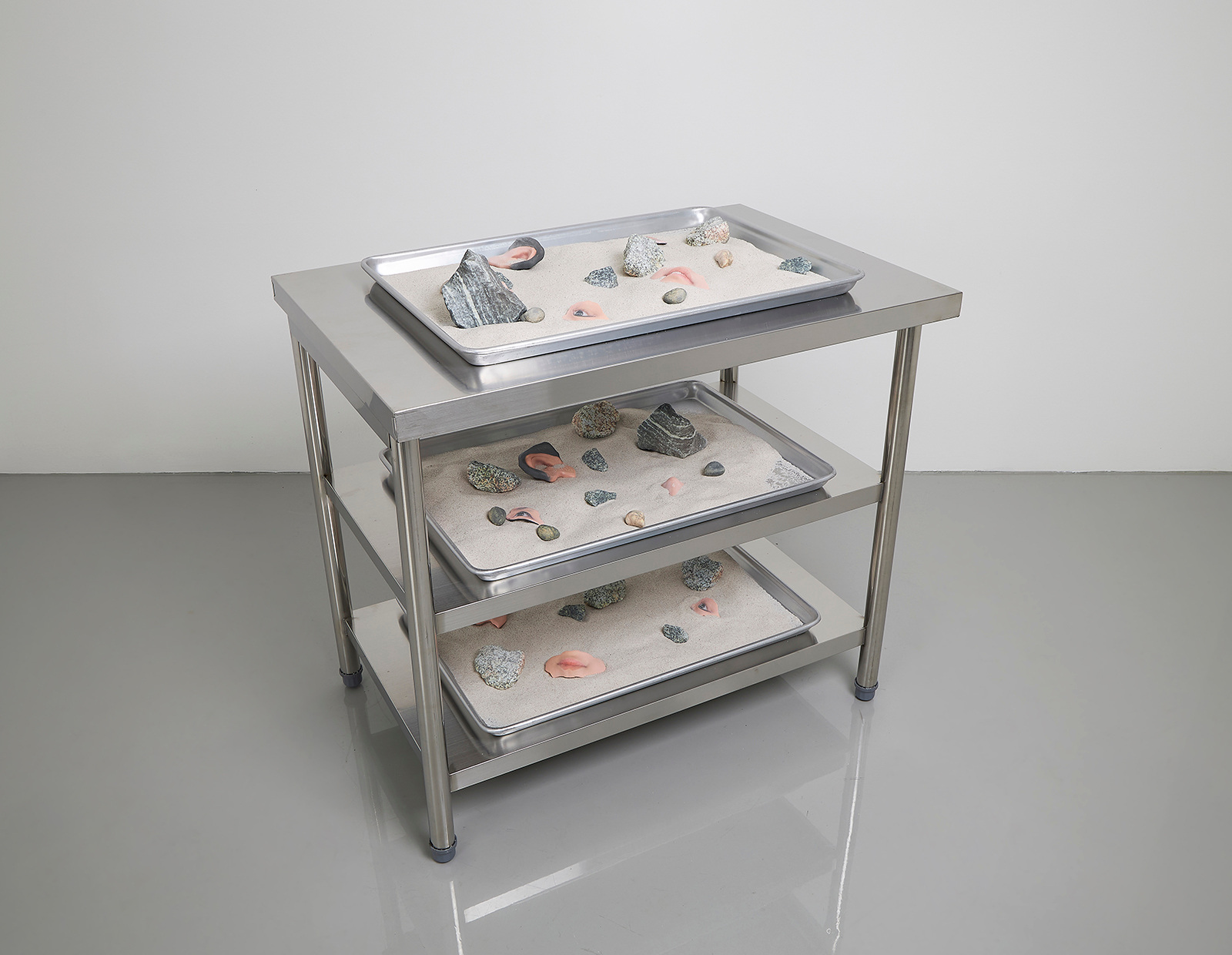
Mediation IV, 3D-printed nylon sensory organs and stones are
arranged horizontally with sand and stainless-steel trays.
At the 7th Changwon
Sculpture Biennale 《silent apple》(Seongsan Art Hall, Changwon, 2024), these works were installed low
to the ground, allowing viewers to look down on them and move around them as if
entering an environment. Sculpture here shifts away from erecting a
self-contained form and toward constructing situations in which fragmented
bodies and objects are placed, transformed, and encountered.
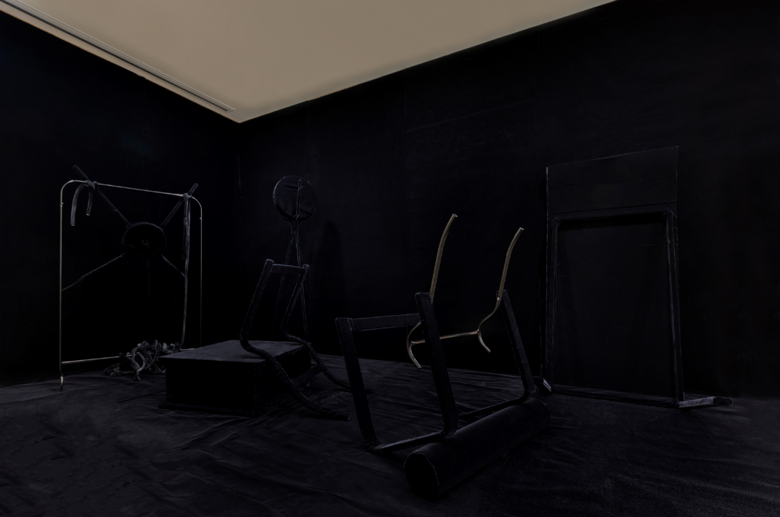
Following 《Gestures》, ready-made furniture, motors, and
everyday products become increasingly central. Park removes the seat of a chair
to expose a structure resembling a spine and rib cage, and mechanically
vibrates a severed mattress that can no longer function, giving objects an
awkward sense of vitality.
By placing beauty and surgical tools alongside tools
used on objects, or grouping body-care products and cleaning supplies through
shared color systems, she reveals similarities in the ways bodies and objects
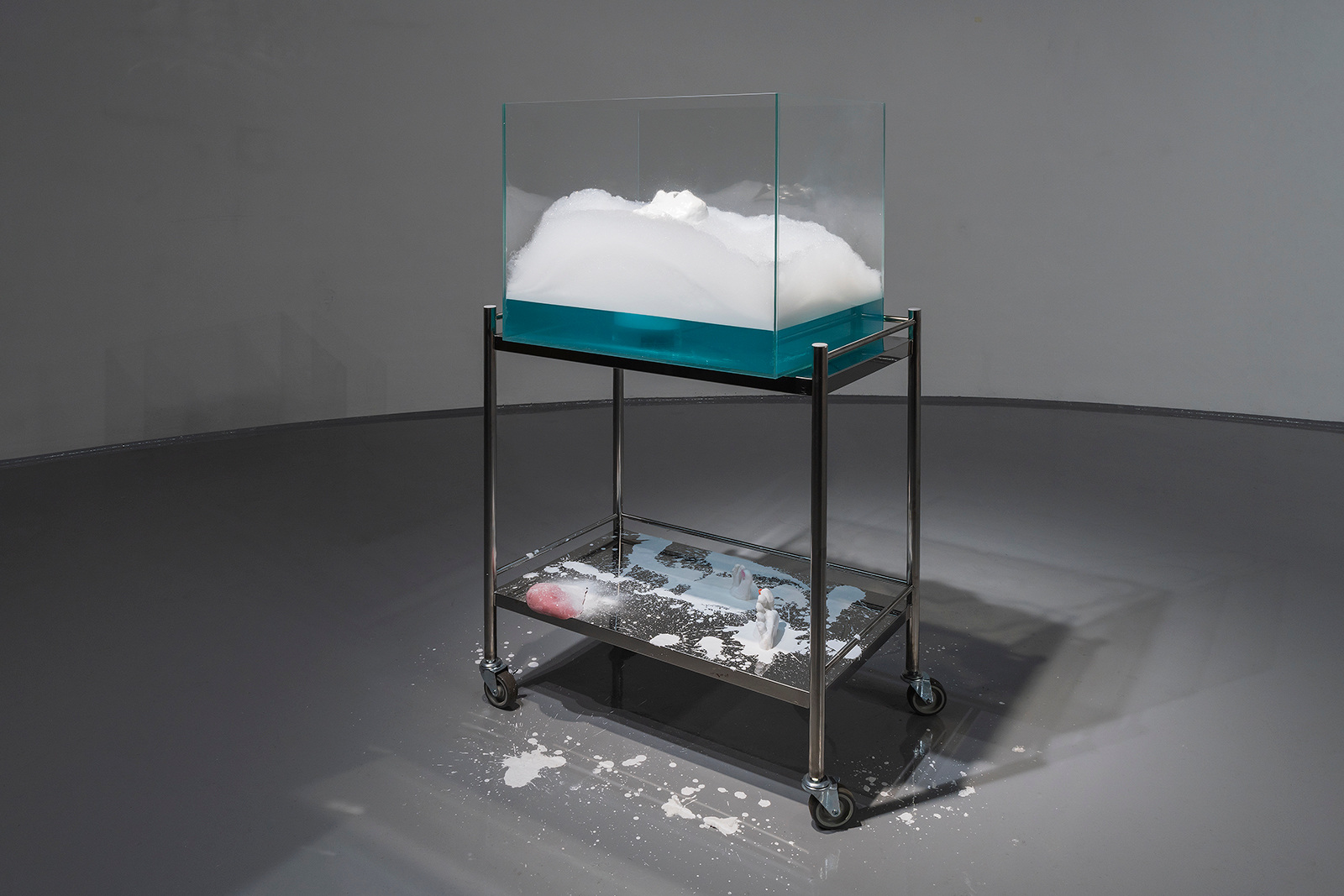
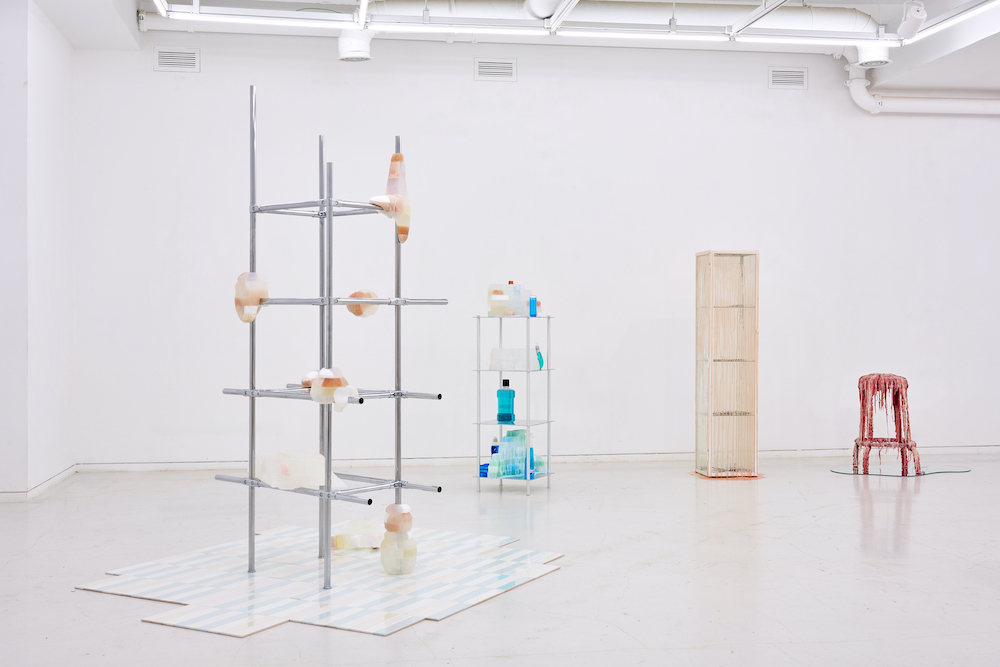
are maintained. Sterilization of Fate(2024) incorporates
mouthwash, a medical cart, pumps, wax, deodorant, and other materials,
introducing scent, circulation, and disinfection into sculpture.
By the time of
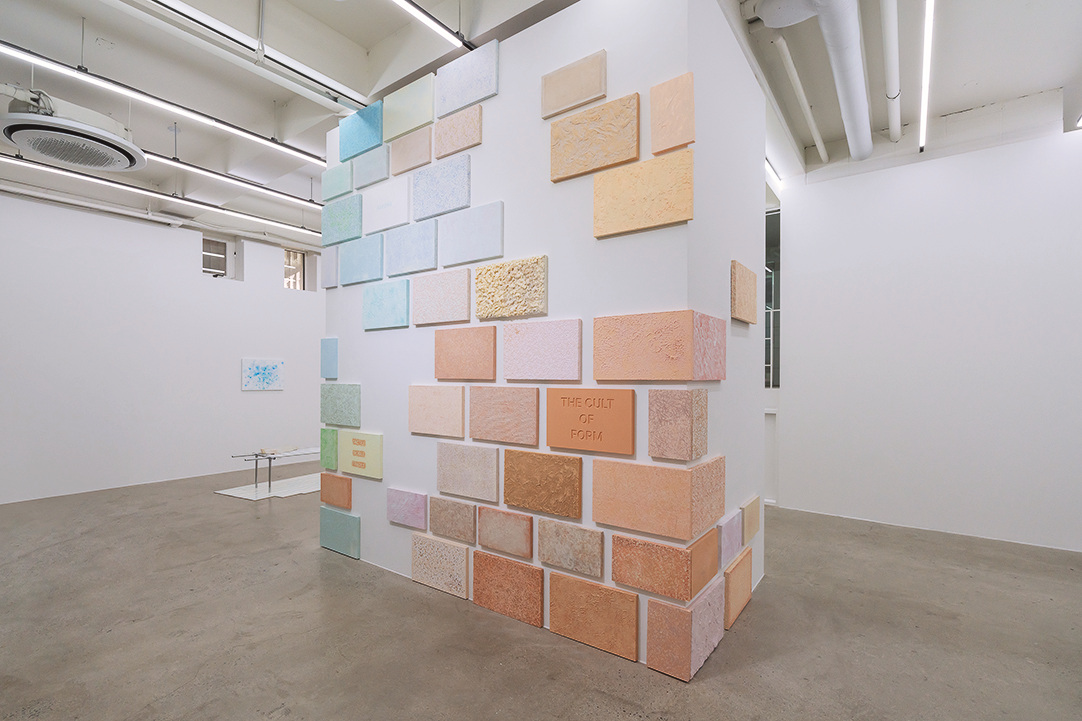
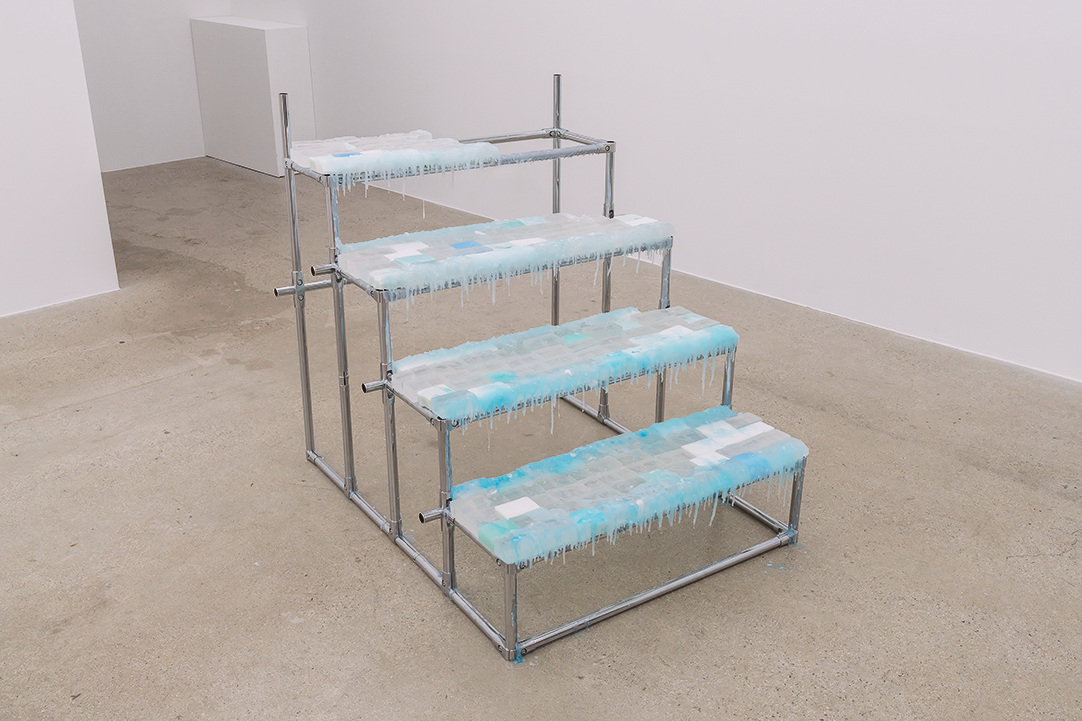
The Cult of the Surface(2026) and Walking with a
Altered Body(2026), cosmetics, soap, and chrome pipes function as
social devices that regulate and standardize the body’s surface. Sculpture thus
moves beyond representing the body itself and begins to construct the
industrial and consumer environments that surround and manage it.