Nara Park (b. 1985) explores our relationship with the physical world we inhabit and the traces we leave behind. Through sculpture, she has examined the boundaries between the body and objects, humans and nonhumans, and life and death.
 
Her practice also moves between the boundaries of nature and artifice, reality and imitation, questioning our perceptions of reality and the meaning of authenticity that lies beyond it.


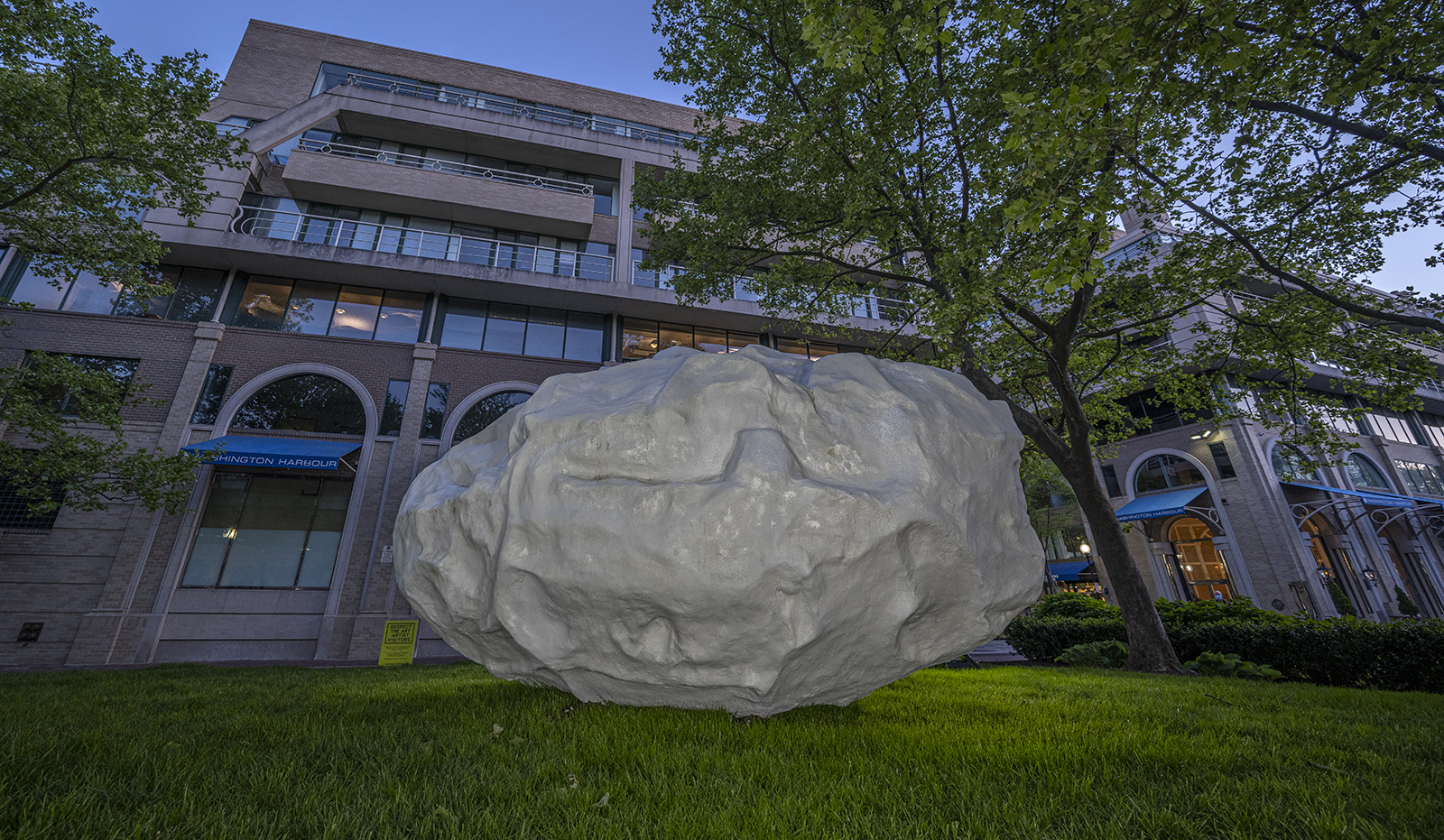
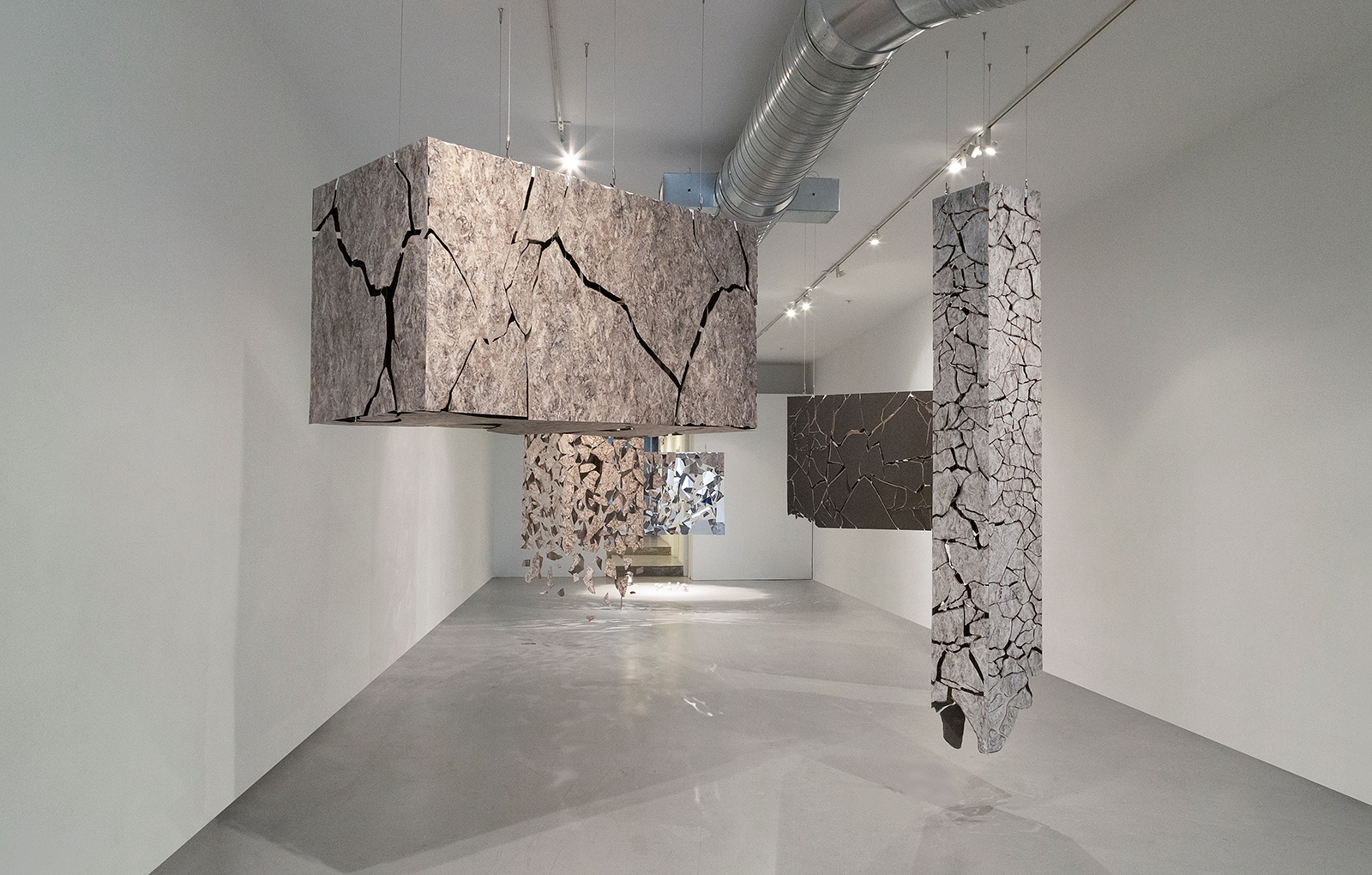
Nara Park, Disillusioned I - V, 2017, Plastic laminate, monofilament © Nara Park

The artist’s interest in these boundaries began with the ontological questions she encountered through her personal experiences of death in the family and childbirth. She describes having experienced mysterious moments in which existence and nonexistence seemed to intersect, prompting her to question the meaning and essence of physical existence.
 
In her early work, Nara Park used materials that directly imitated nature, seeking to evoke a sense of vitality from artificial forms. For example, she engraved wood grain patterns onto plastic panels and used them to create a kinetic sculpture that reproduced the creaking sounds and lifelike movements of an old wooden floor.


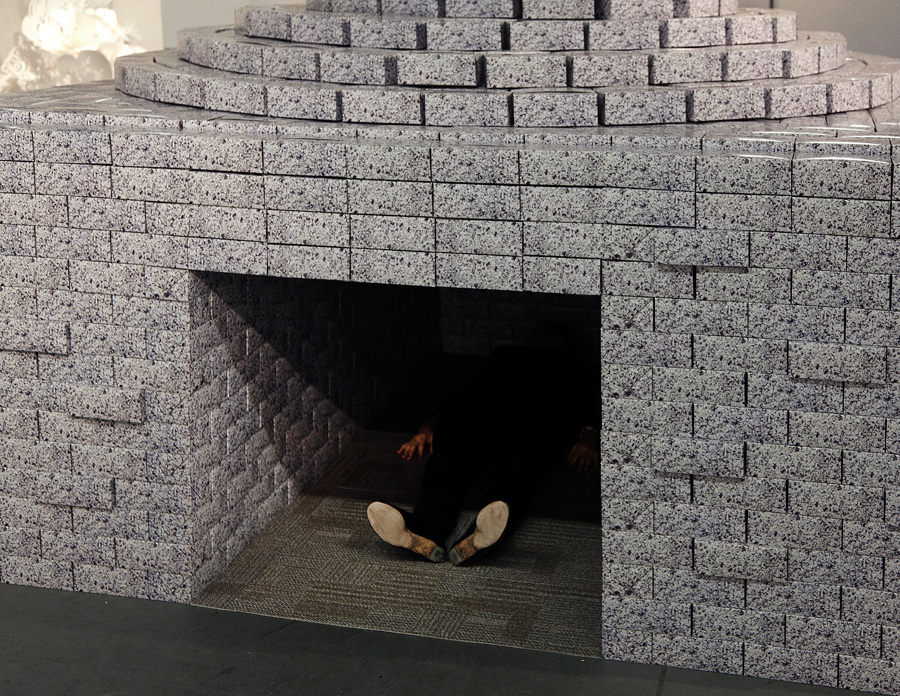
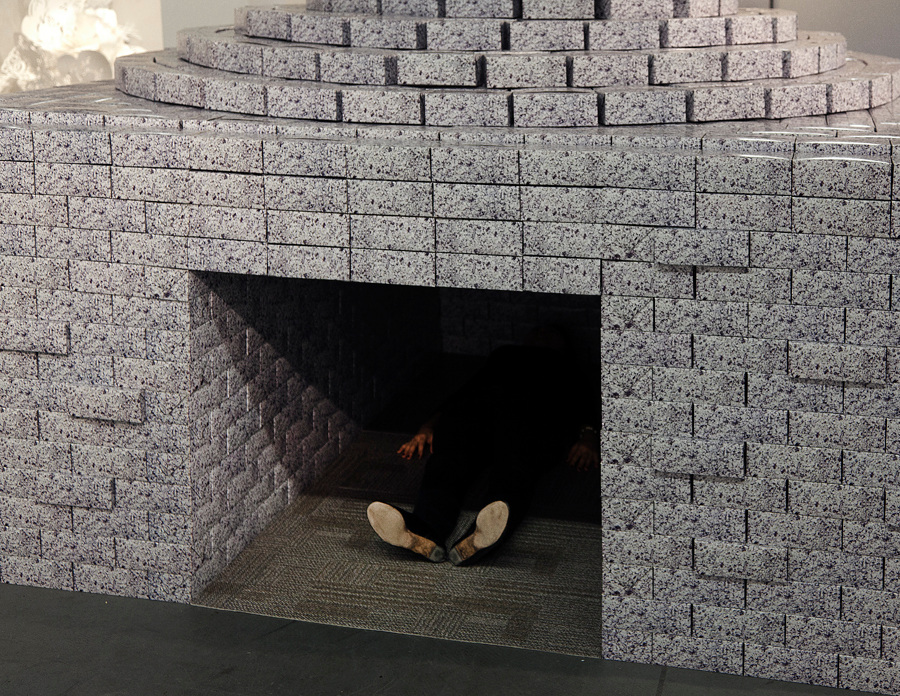
Nara Park, It Was Written On the Wall, 2012, Paper boxes, vinyl flooring, plastic plants, vent, humidifier, 2.9x2.75x1.8m © Nara Park

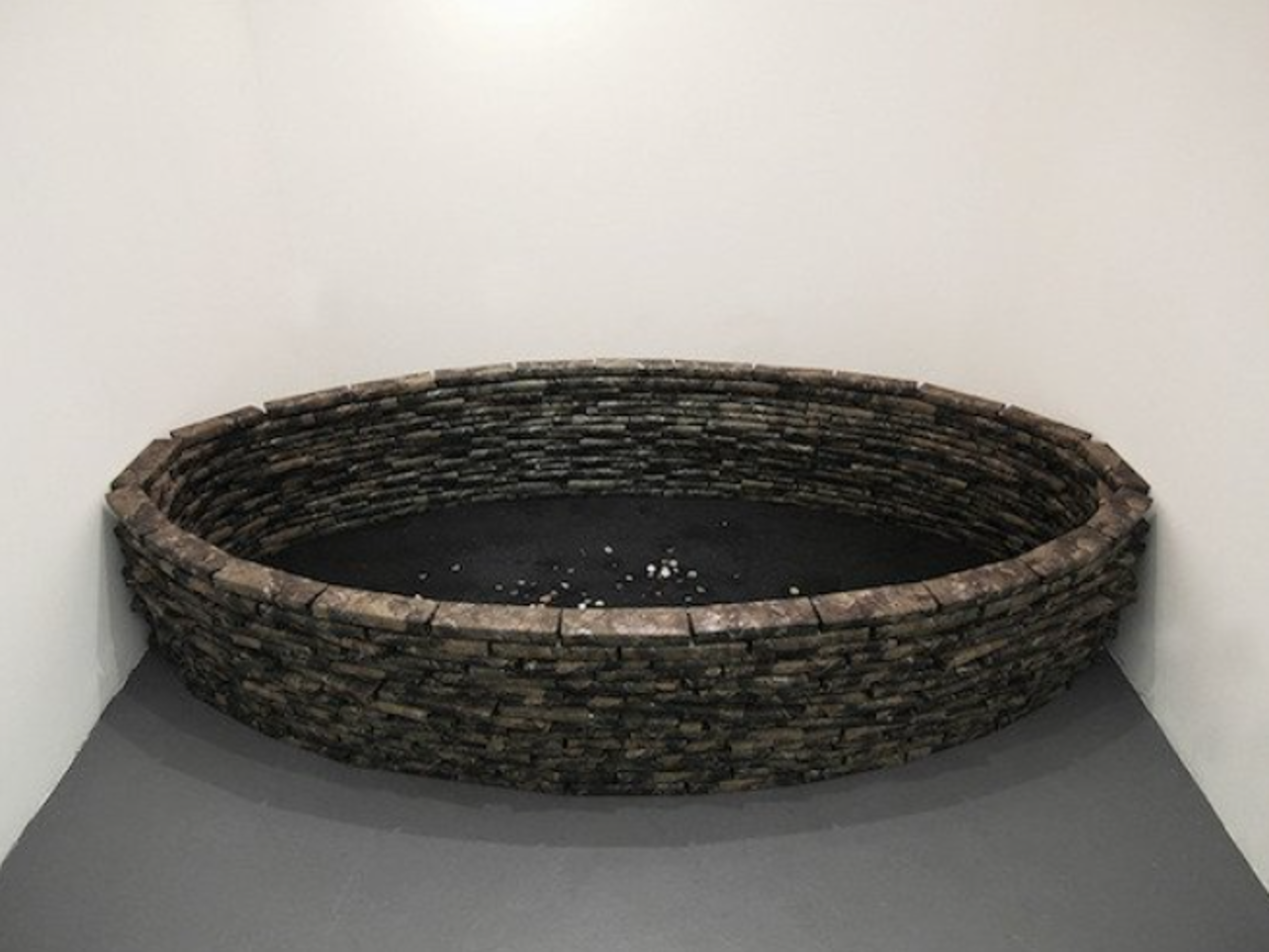
In another work, It Was Written On the Wall (2012), Park created a monumental tomb resembling a royal burial mound, using paper boxes printed with images of stone surfaces as bricks. Although it appears from the outside to be a stone tomb built from solid, durable bricks, its actual construction from lightweight and fragile paper creates a rupture in perception.
 
The artist also installed a humidifier inside the work, allowing the paper boxes to absorb moisture and gradually deteriorate. Through this process, she sensorially reveals the reality that lies beneath the surface of what is seen.


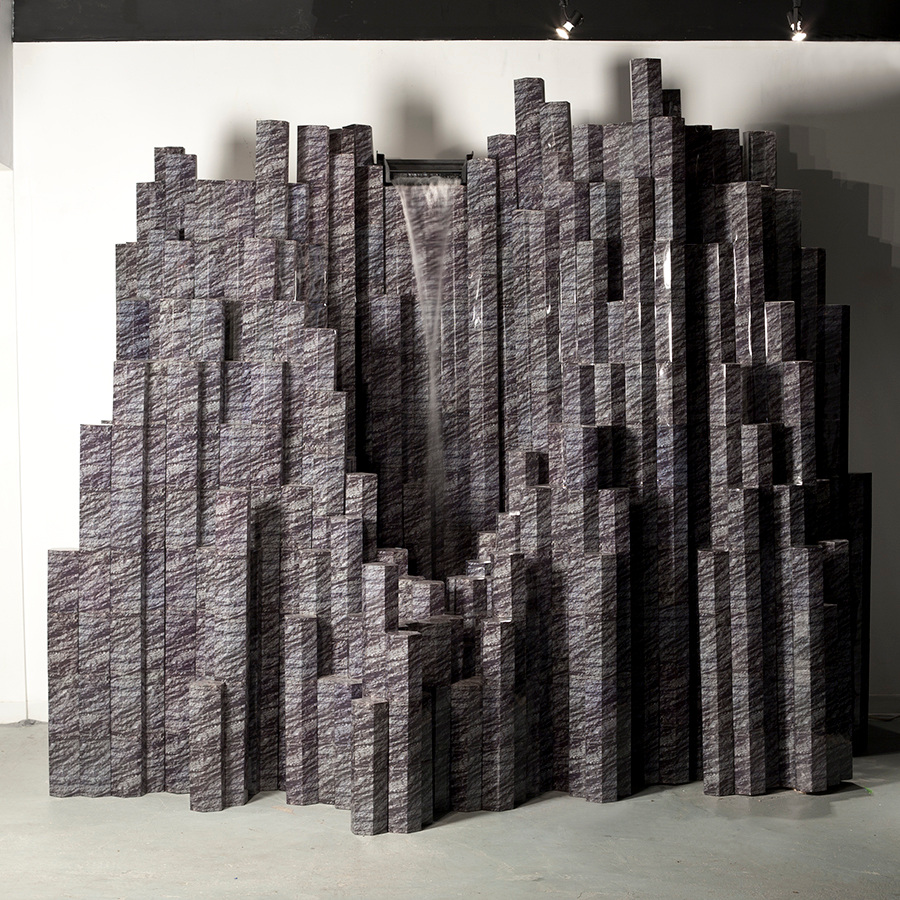
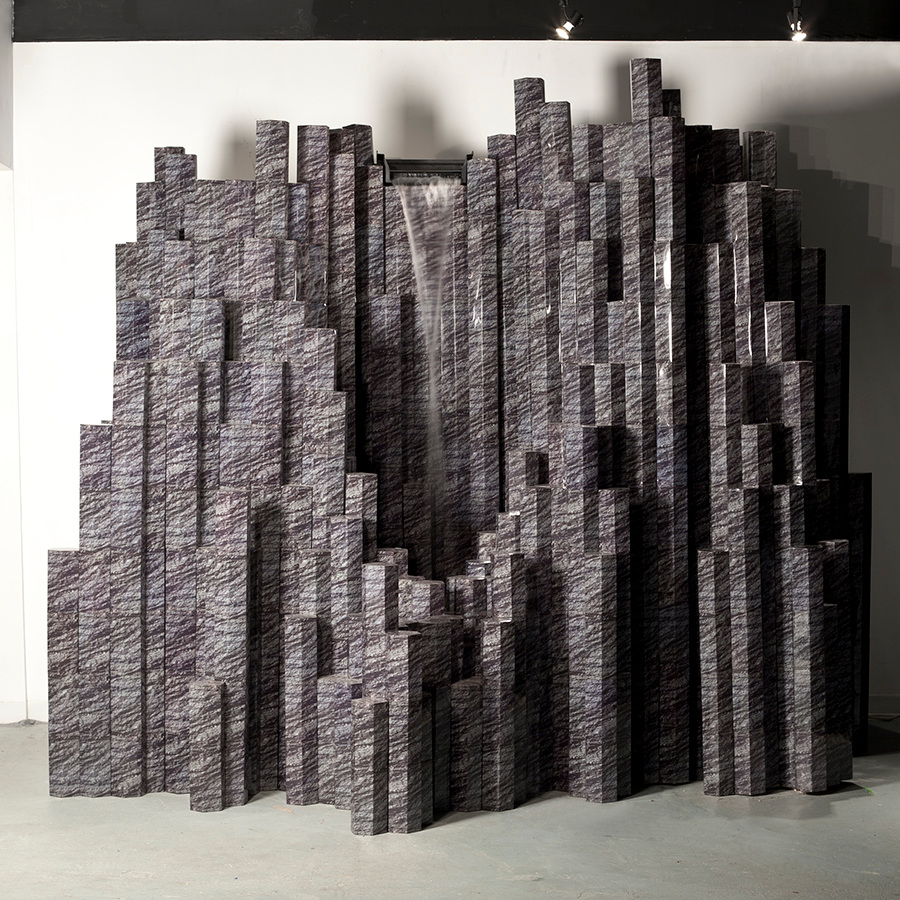
Nara Park, Waterfall, 2013, Plastic packaging boxes, water, water pump, 3.8x2x3m © Nara Park

Her works, which use artificial materials to imitate natural forms, evoke the transience of life while also bringing to mind the disposable and superficial nature of contemporary culture. Through sensory effects, she explores the ambiguous boundary between perception and reality, questioning how we perceive materials and their representations.
 
Through this use of trompe-l’œil, Park does not seek to deceive the viewer by making the artificial appear real. Rather, by breathing life into the artificial, she calls into question the contemporary human desire for surface appearances and external forms.


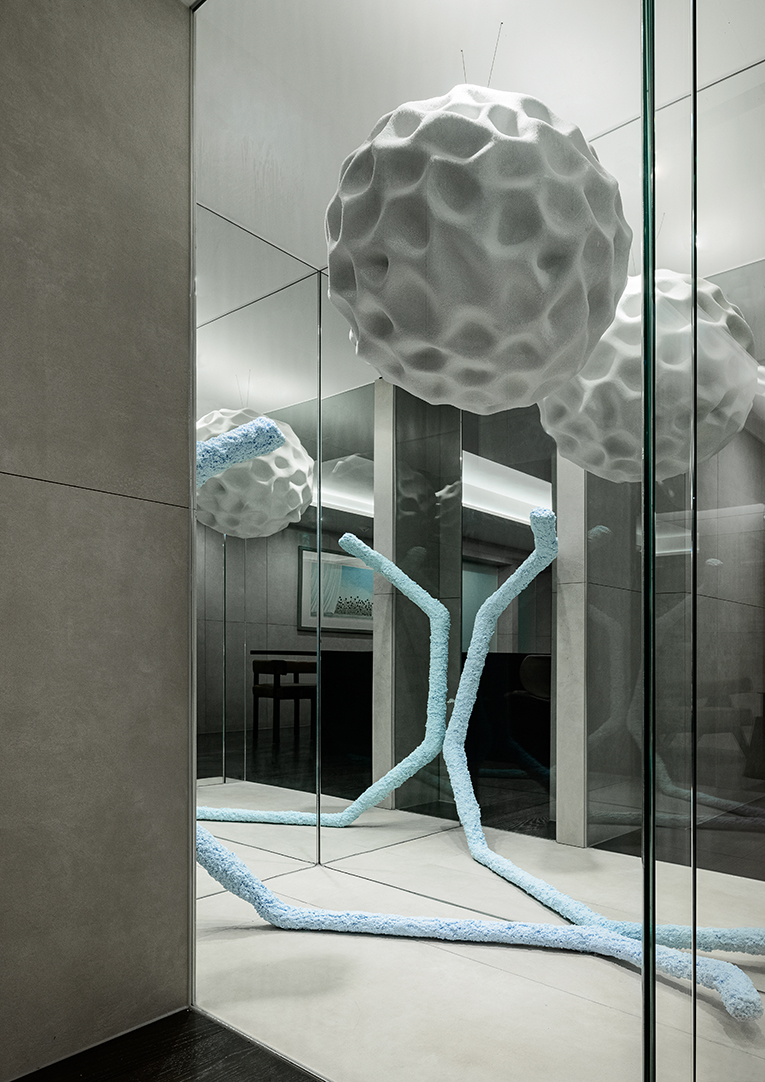
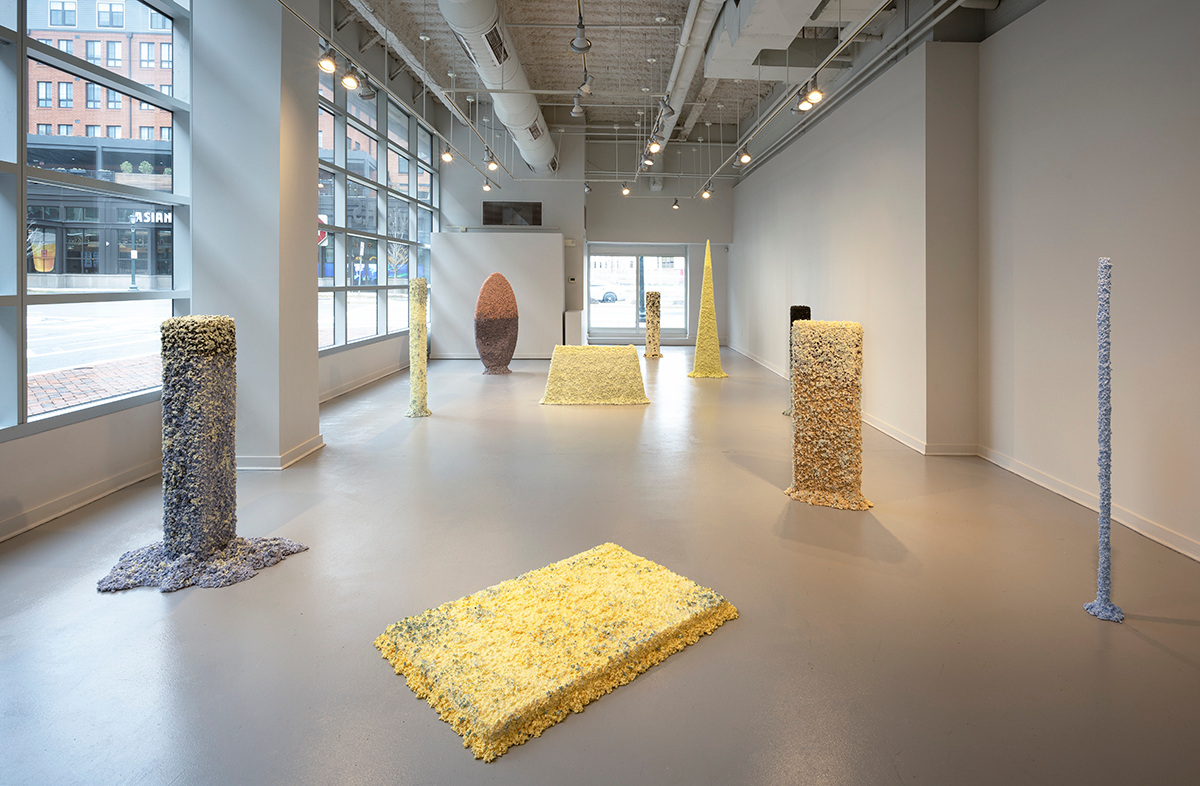
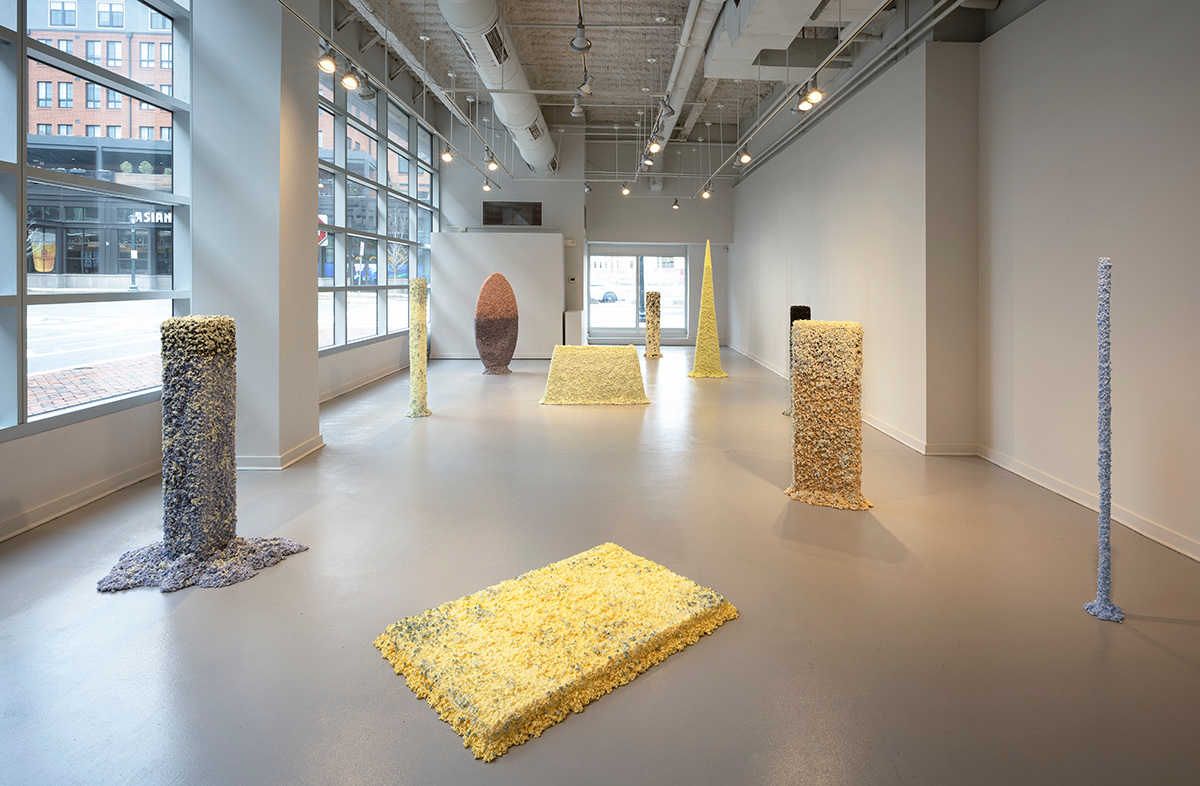
Nara Park, Presence I - X, 2019, Styrofoam beads, polystyrene panels, acrylic paint © Nara Park

The “stone” that has consistently served as a model for imitation in Nara Park’s practice is an object used across many cultures to commemorate the dead, symbolizing strength, stability, and permanence. By reproducing the appearance of stone through artificial materials, the artist has evoked the human desire for commemoration and immortality.
 
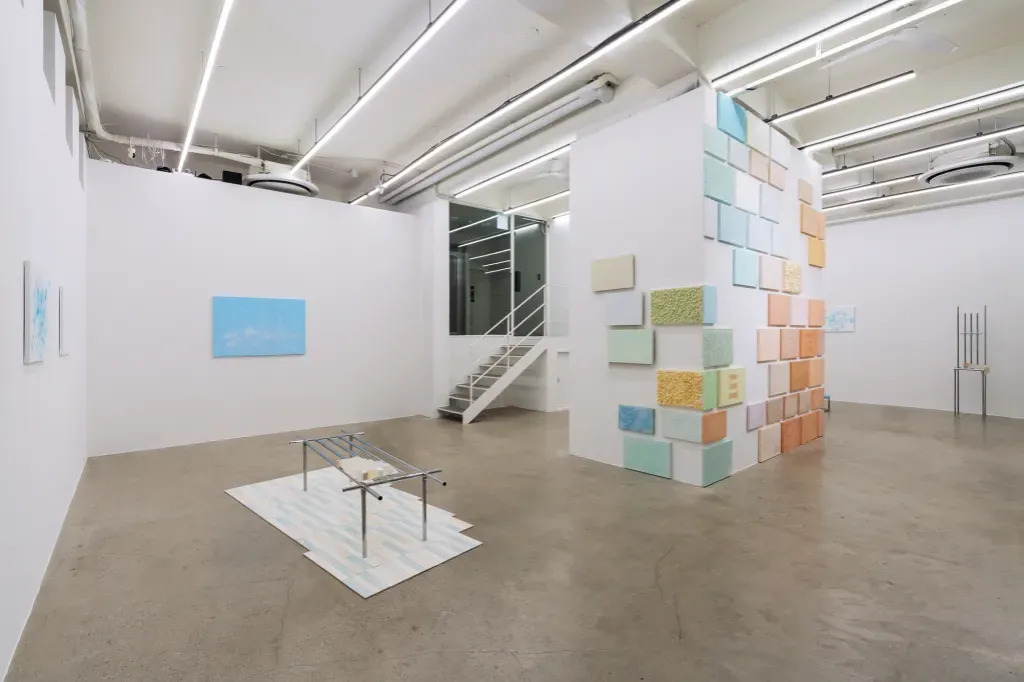
While It Was Written On the Wall, discussed above, imitates stone using paper, the ‘Presence’ (2019) series employs Styrofoam as its primary material to create forms reminiscent of monuments carved from stone.
 
The series consists of sculptures standing on the floor, their forms evoking gravestones or monuments. Surfaces made from Styrofoam beads recall the rough, uneven texture of stone weathered over time.
 
Rather than seeking to reproduce stone perfectly, however, the artist coats the surfaces in acrylic paint in pale yellow, sky blue, and other colors, making the artificial nature of these objects even more explicit.


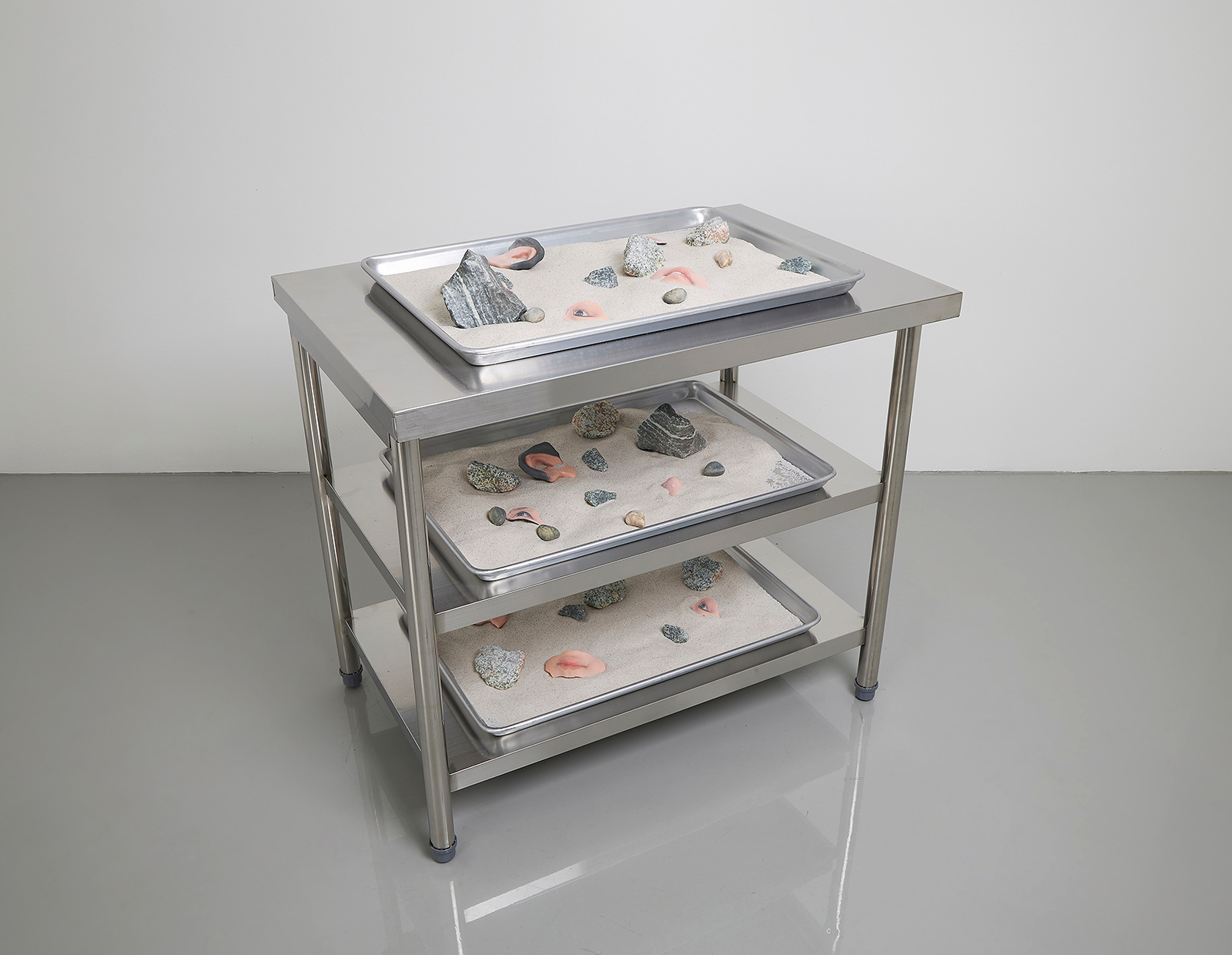
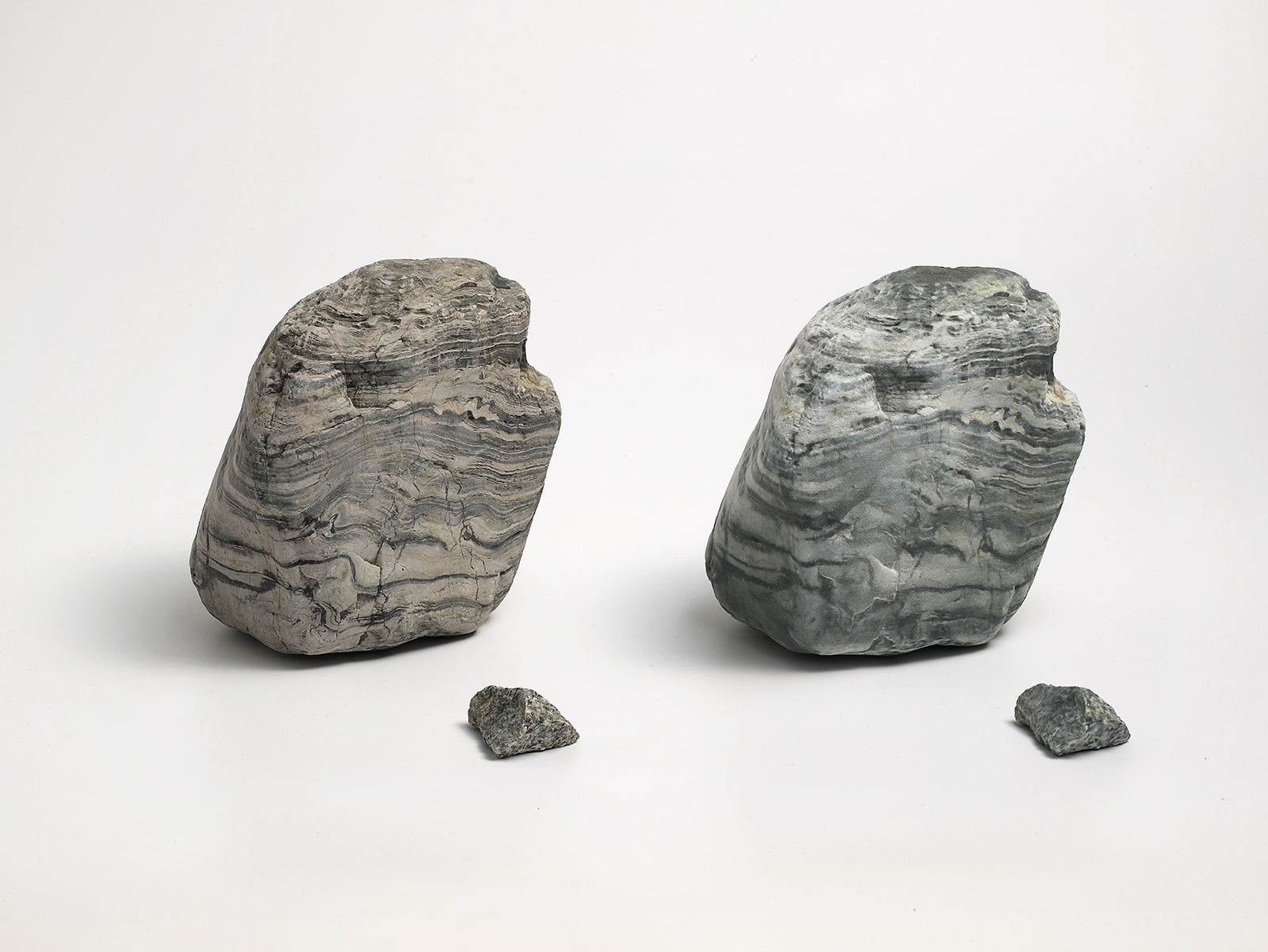
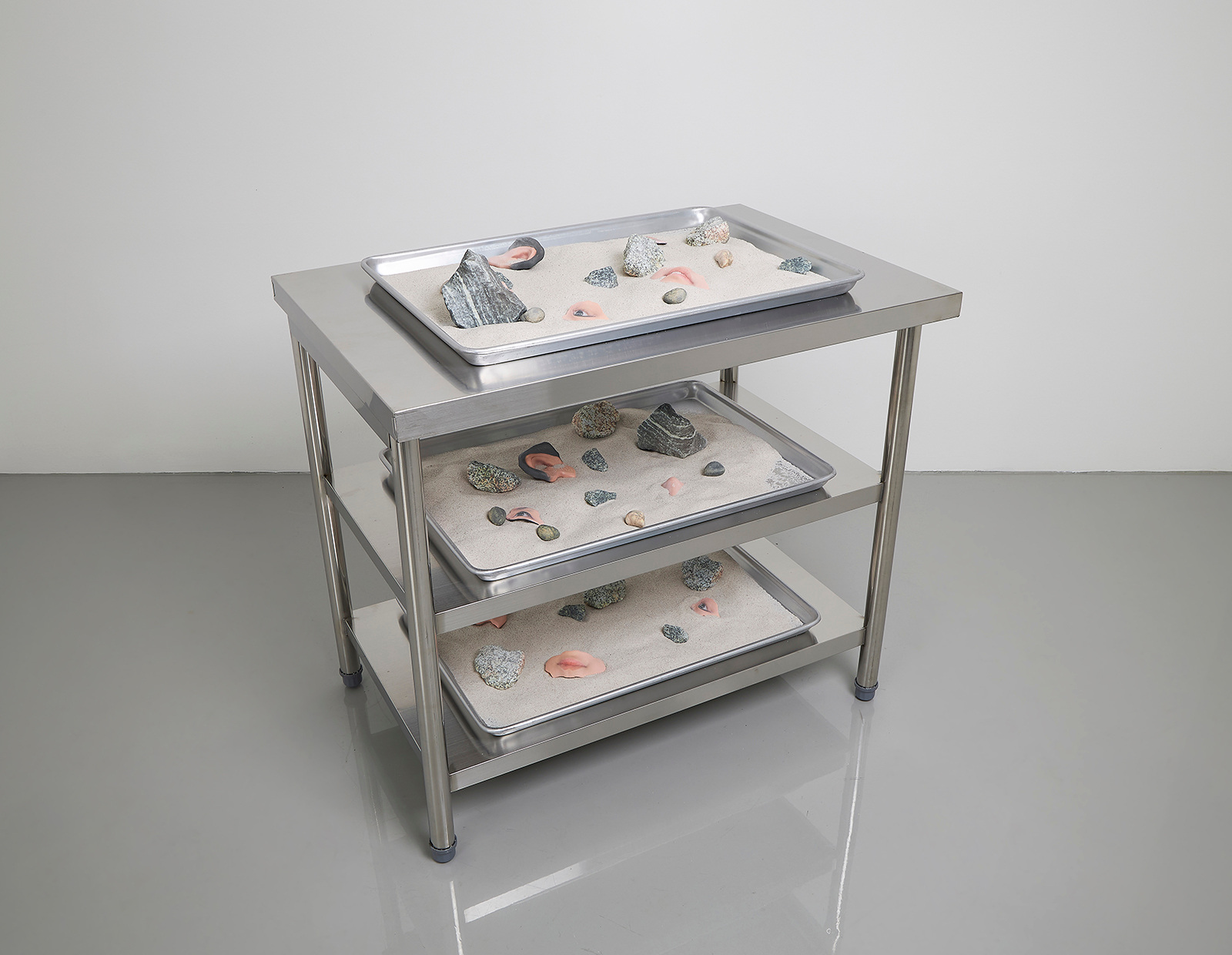
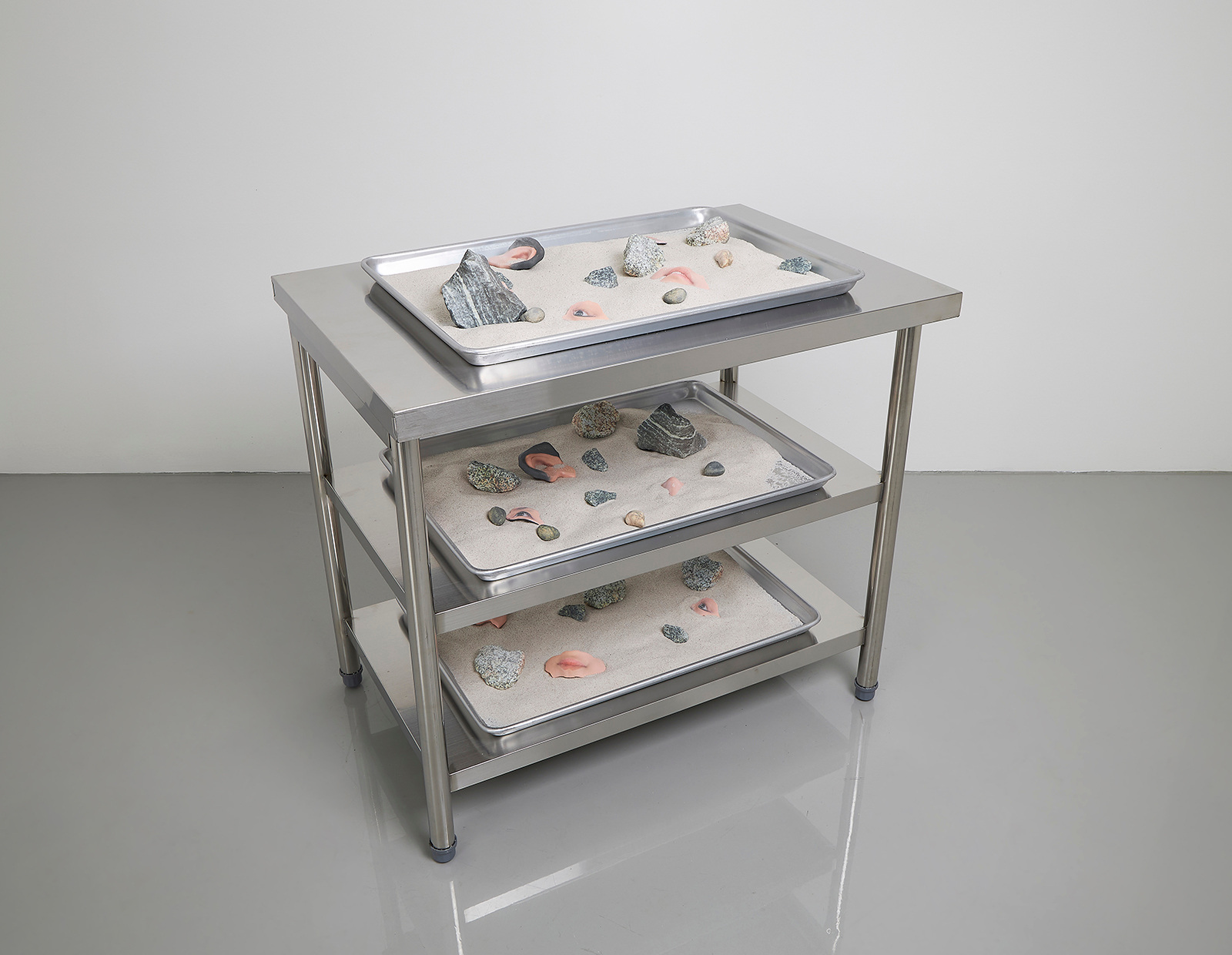
Nara Park, Mediation IV, 2023, 3D printed nylon, sand, stainless steel shelving table, aluminum trays, 90x60x90cm © Nara Park

Meanwhile, the ‘Mediation’ series, which Park has developed since 2020, consists of sculptures made through 3D printing her sensory organs—the eyes, nose, and mouth—along with stones collected from the mountains.
 
In these works, she portrays the sensory organs, which function as tools and mediators through which we perceive the world, as the final remnants of the human body that remain after death.
 
In Mediation IV (2023), part of this series, sculptures modeled after actual natural stones and the human body are partially buried in sand, creating the impression that traces left behind after death have been unearthed.


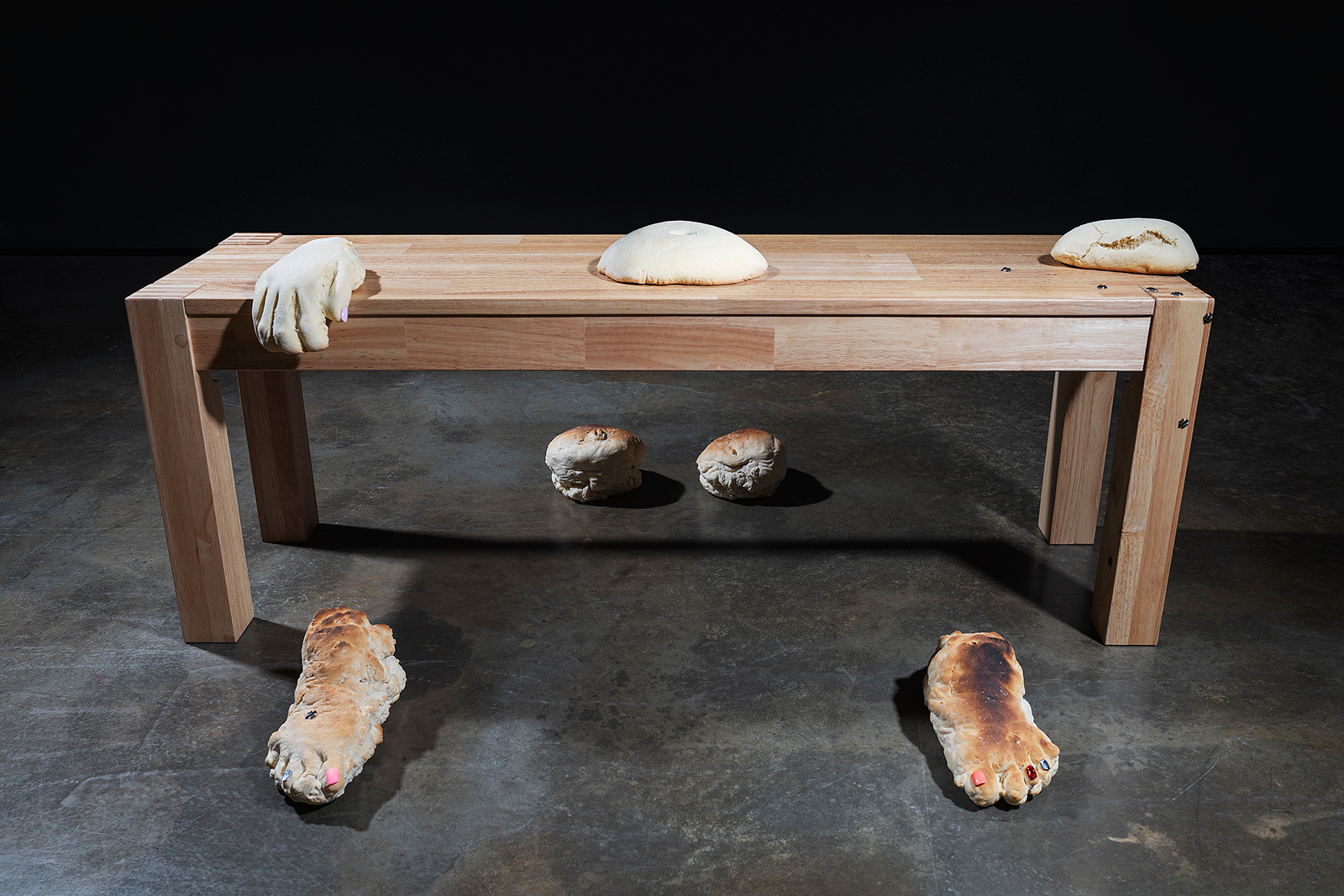
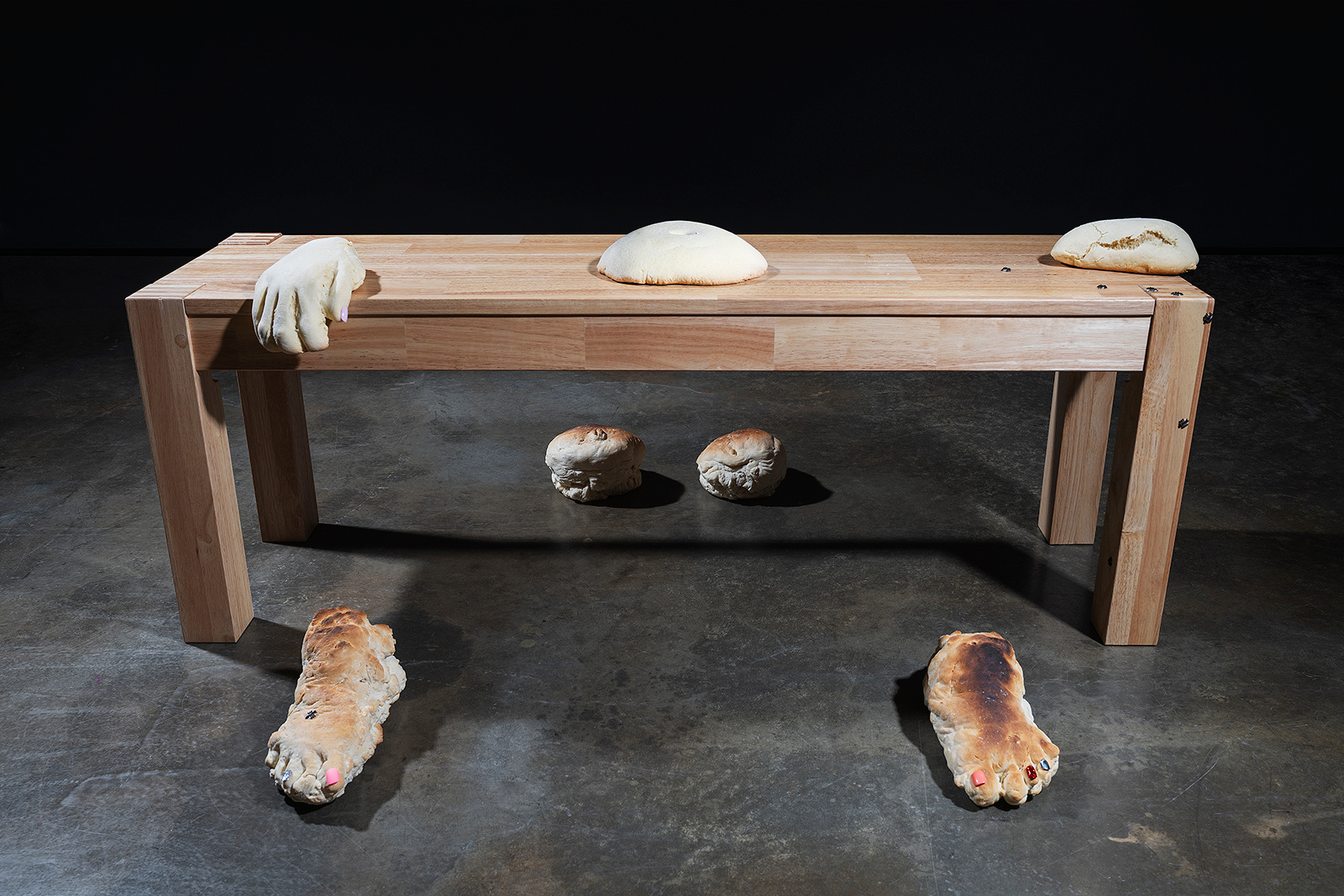
Nara Park, Kneaded Reflections, 2023, bench, flour, yeast, baking powder, butter, sugar, salt, eggs, water, vanilla extract, water, olive oil, preservative, false nails, plastic ants, Dimensions variable © Nara Park

Meanwhile, Kneaded Reflections (2023) differs from Park’s earlier works, which primarily employed synthetic and artificial materials such as plastic, Styrofoam, and nylon, by using food ingredients—including flour, yeast, sugar, and eggs—as its main materials.
 
As the artist kneads the flour-based dough into form, the sculpture gradually swells and rises as a result of the yeast. Although the work cannot be touched, its bread-like, inflated form simultaneously stimulates the viewer’s senses of smell and touch.


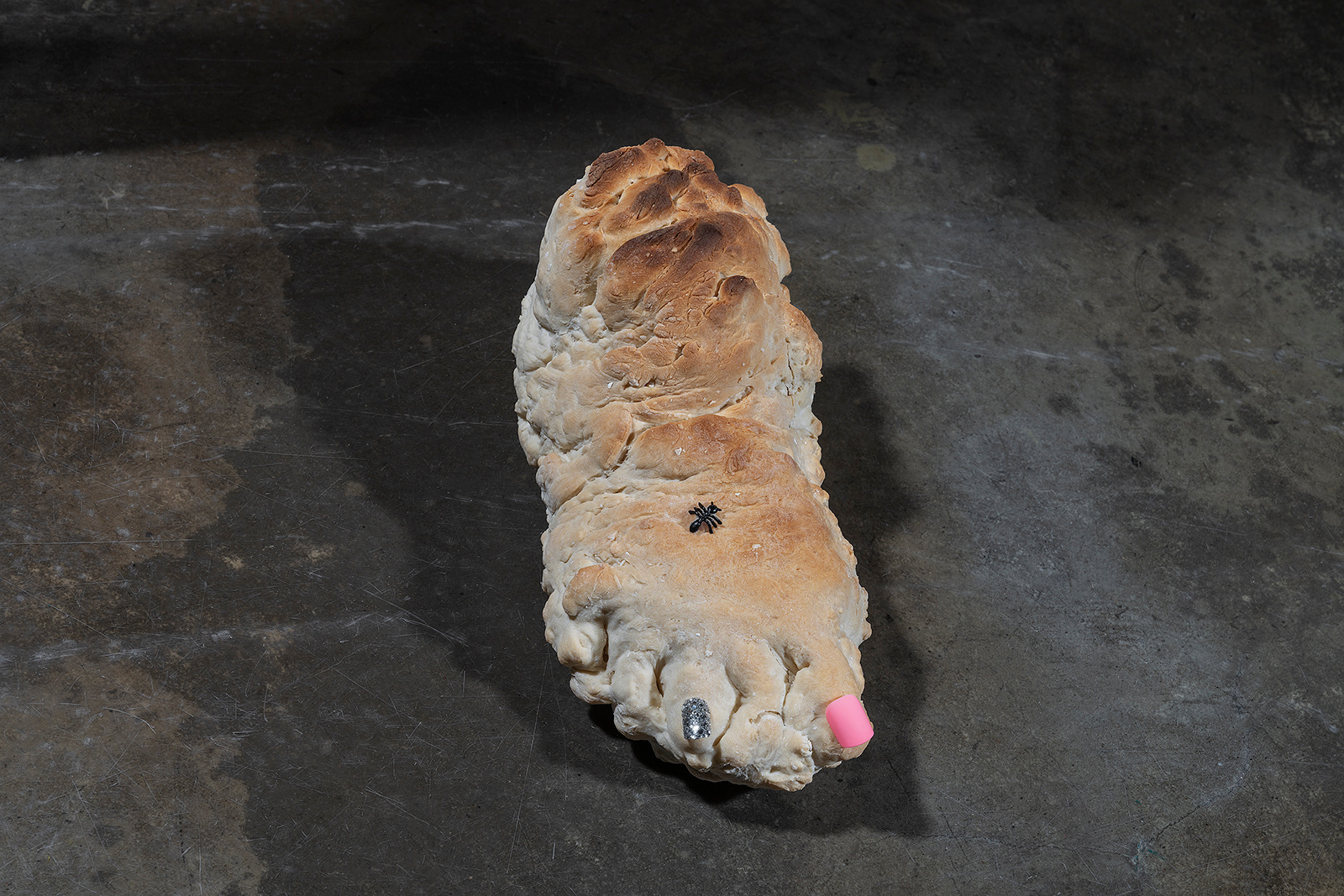
Nara Park, Kneaded Reflections, 2023, bench, flour, yeast, baking powder, butter, sugar, salt, eggs, water, vanilla extract, water, olive oil, preservative, false nails, plastic ants, Dimensions variable © Nara Park

Kneaded Reflections is closely connected to the artist’s own life. The work emerged from the various physical changes she experienced during pregnancy and breastfeeding, as her body swelled, expanded, and became more slack.
 
During breastfeeding, she became acutely aware of the helplessness of a body that could barely move. Imagining her body lying still even as ants passed over it, she cast her transformed body and used the resulting forms to create molds for the work.
 
As the artist’s “bread-body” sculptures gradually ferment and swell, they metaphorically reveal the changes and transformations experienced by the female body.


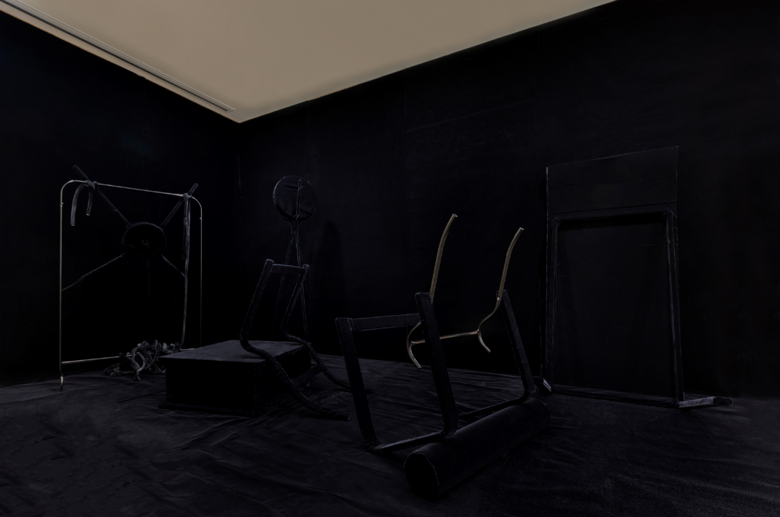
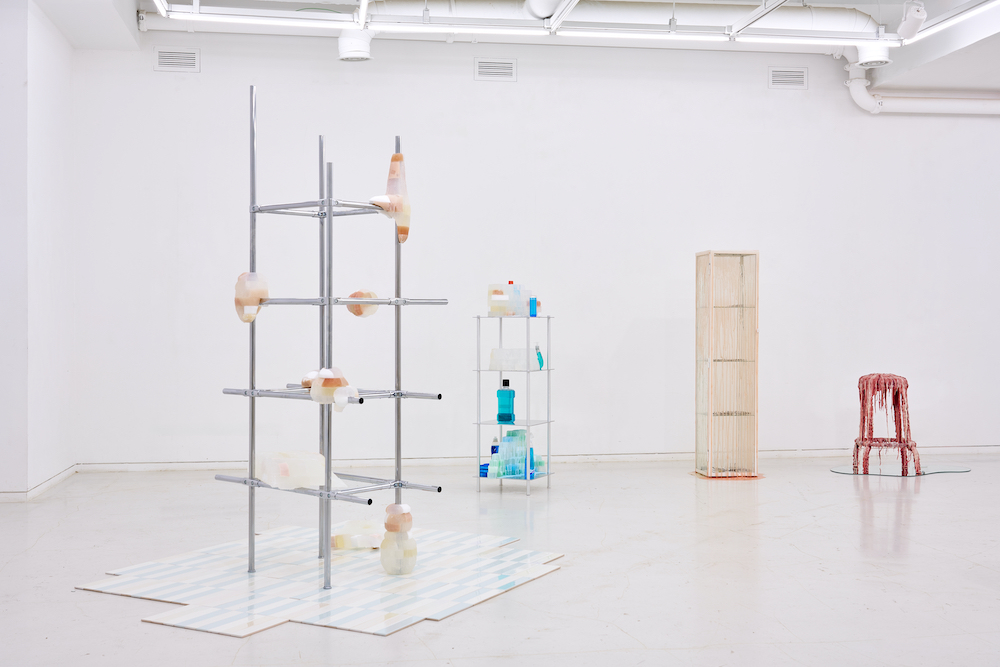
Installation view of 《Gestures》 (Artspace Boan 2, 2025) © Artspace Boan

In 2025, Nara Park’s first solo exhibition in Korea, 《Gestures》, further expanded her sculptural explorations and offered a new perspective on the relationship between the body and objects. While her earlier works primarily addressed the object-like qualities of the human body, this exhibition extended the inquiry toward the corporeality and vitality inherent in objects.
 
Throughout the exhibition space, defunct objects were presented with gestures suggestive of human actions. Through these gestures, the artist imbued objects with a sense of vitality, allowing them to appear as entities that, like bodies, can sense and respond to their surroundings.
 
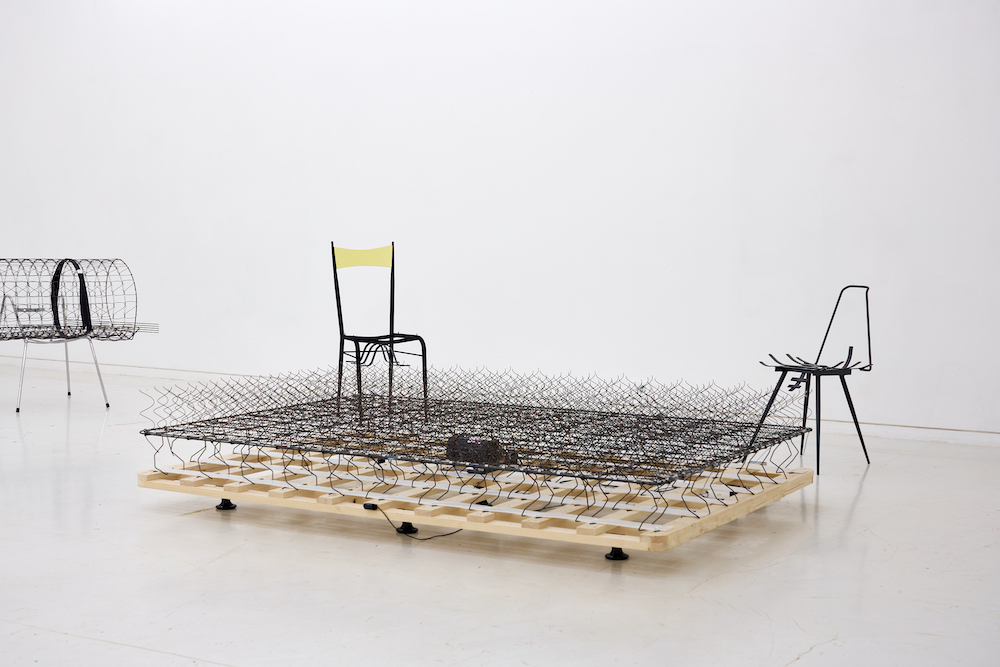
Readymade objects such as chairs, beds, and dining tables were altered and arranged outside their conventional functions. In one example, the seat covering of a chair, originally intended to provide comfort, had been removed to expose its bare underlying framework.
 
Stripped of its function and reduced to a skeletal structure resembling a spine and rib cage, the chair evokes the human body while also revealing a sense of emptiness, conjuring the trace of the body that once occupied its “place.”


Installation view of 《Gestures》 (Artspace Boan 2, 2025) © Artspace Boan

The bed, too, was left exposed with its outer covering stripped away, revealing its interior. Lying in a vulnerable state, as though its tightly enclosed interior had been laid bare, the sculpture reveals the human qualities embedded in the bed as an object.
 
Furthermore, the artist imbued a stripped and severed mattress, no longer capable of serving its original function, with movement by making it vibrate. The repetitive motion generated by a mechanical motor does not so much resemble the movement of a living organism as it does a poignant gesture, as though desperately attempting to make an otherwise immobile object move.


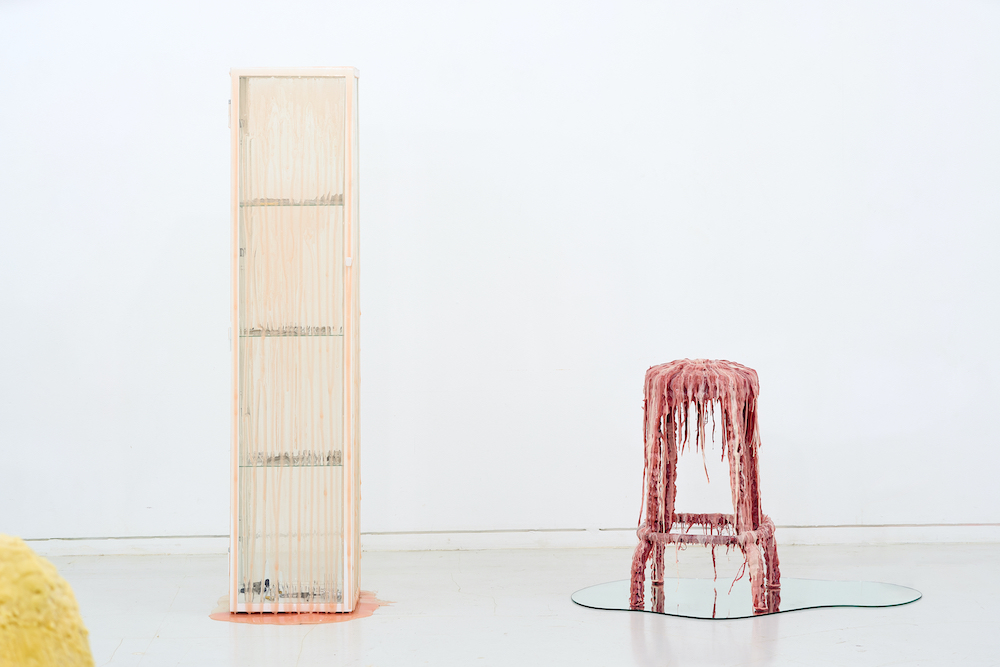
Installation view of 《Gestures》 (Artspace Boan 2, 2025) © Artspace Boan

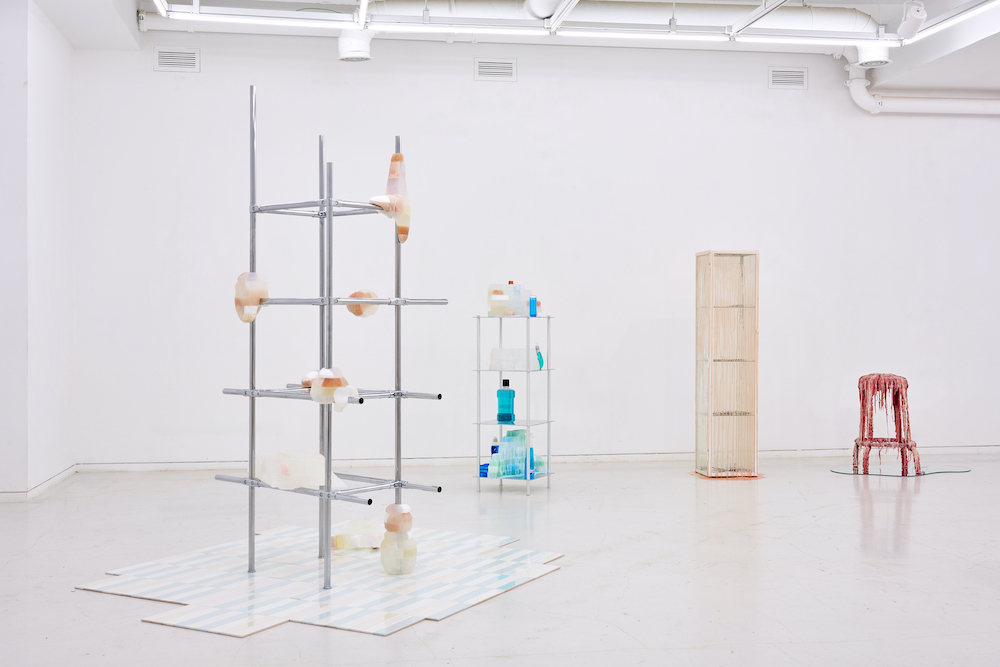
The artist also explores the similarities between the body and objects by examining the ways in which we treat and care for them. For example, she covered a cabinet, roughly the height of a human body, with a skin-like membrane and displayed various tools inside it.
 
Among the similarly shaped tools were beauty and surgical instruments intended for the human body, as well as tools used for objects. Although similar in form and function, these tools are used respectively on the body and on objects, revealing parallels in the ways we handle and care for each.
 
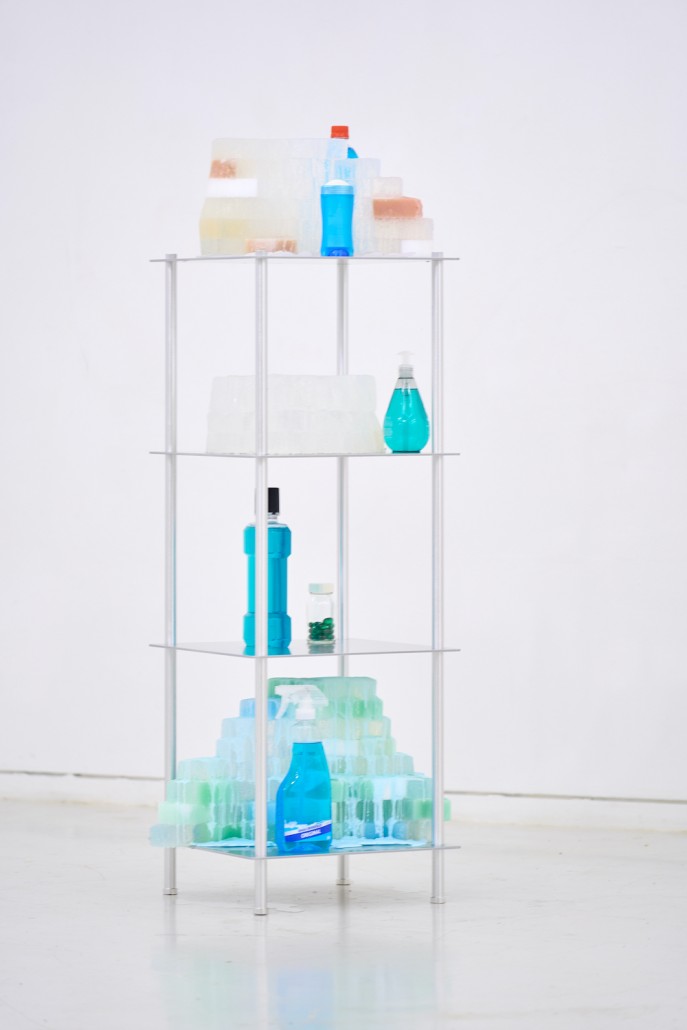
Another shelf displayed blue body-care products, sports drinks, and cleaning supplies. By drawing attention to the fact that products intended for bodily hygiene and those used to clean and maintain objects share the color blue, the artist highlights the similarities between the ways we treat the human body and inanimate objects.
 
The title, drawn from the names of various products, reveals the ironic desire to make artificially produced scents and colors appear natural.


Installation view of 《Gestures》 (Artspace Boan 2, 2025) © Artspace Boan

These sculptures, conceived as nonhuman entities, emanate a sense of vitality distinct from that of traditional figurative sculpture, as they do not model themselves directly on the human body but instead derive corporeal qualities from within their own forms.
 
Without pedestals, the works were placed directly on the same floor as the viewers, allowing them to walk among the sculptures and meet the gaze of works that were comparable to them in scale. In doing so, the hierarchy between viewer and artwork is dissolved, enabling viewers to form new relationships with the works as nonhuman entities.


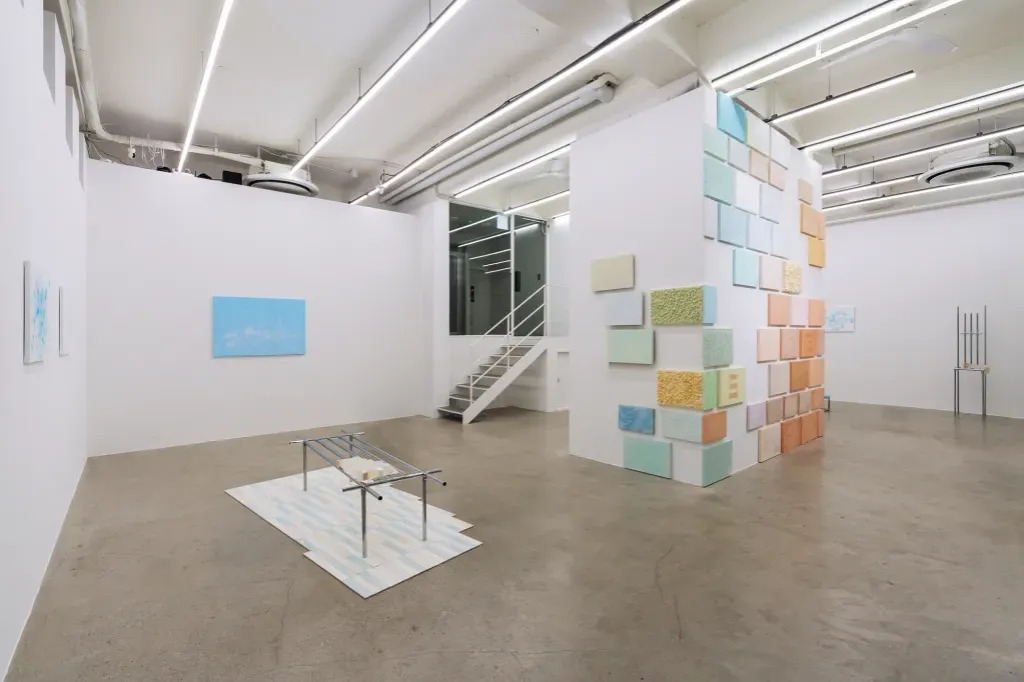
Installation view of 《Completely You》 (THEO, 2026) © THEO

Furthermore, in her recent solo exhibition 《Completely You》 (2026), Nara Park turns her attention to the “compulsory performance” through which people are expected to manage and maintain their surfaces.
 
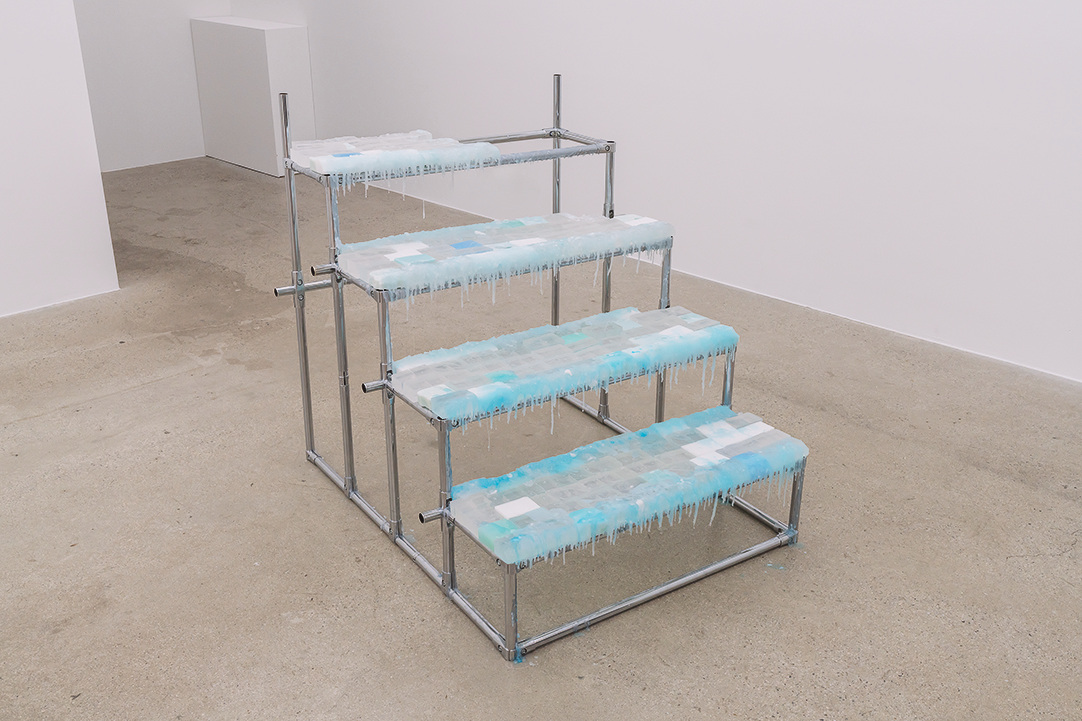
To become cleaner, healthier, and better, we use soap daily, apply cosmetics, and perform hygiene and beauty rituals. While these acts are framed as language of care and self-protection, they simultaneously represent the pressure of ‘self-optimization’ imposed by modern society.


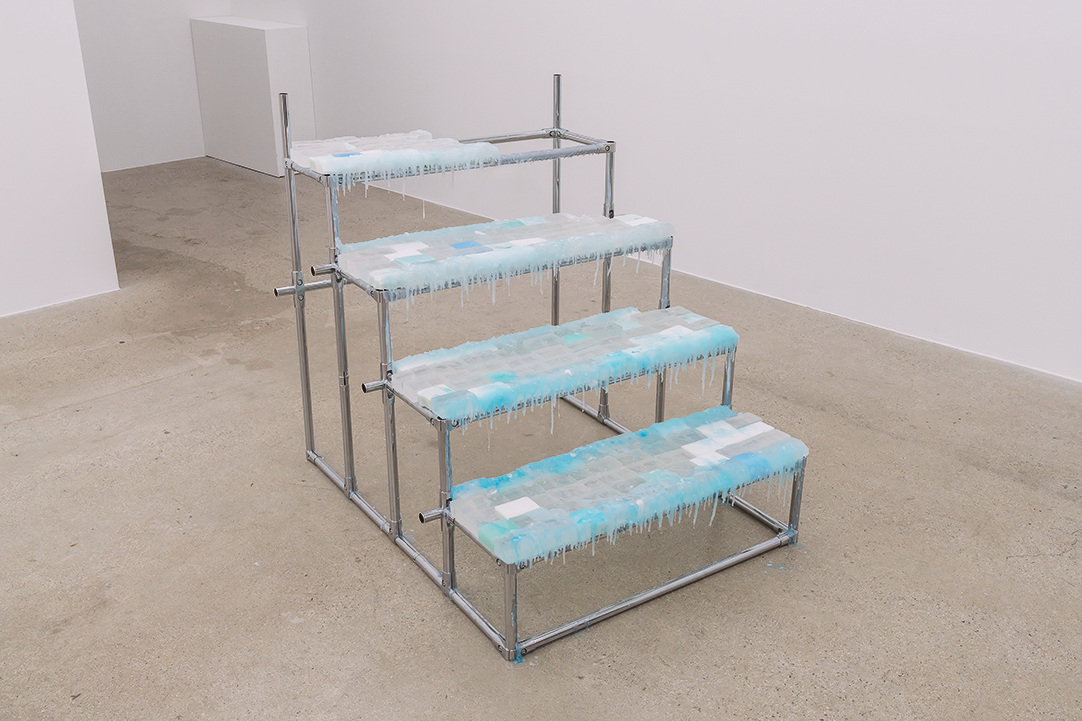
Nara Park, Walking with a Altered Body, 2026, Chrome pipes, metal joints, soap, 100x114x108cm © Nara Park

Nara Park's work addresses this point in a quieter, more material way. Soap, cosmetics, and hygiene and beauty products function in her work not merely as consumer goods, but as the language through which modern society manages and regulates the body.
 
Words like ‘clean,’ 'natural,‘ 'healthy,’ and ‘pure’ are repeated through industrial marketing, making individual desires appear like natural choices. What the artist focuses on is precisely how desire is designed and circulated at this very point.
 
Nara Park evokes corporeality indirectly through the objects and materials that surround, manage, and protect the body, rather than directly representing it. Notably, in previous works, the artist has covered or replaced the human body with cosmetic products, soap, and hygiene items, revealing that the body is no longer a fixed entity but an object to be managed and processed.

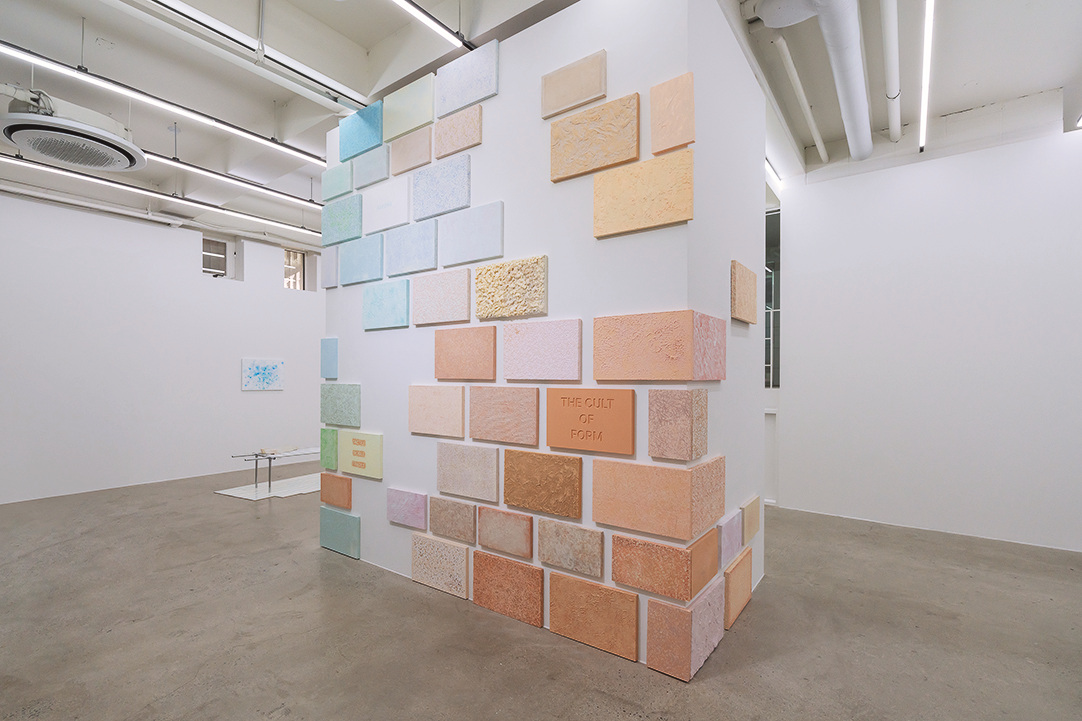
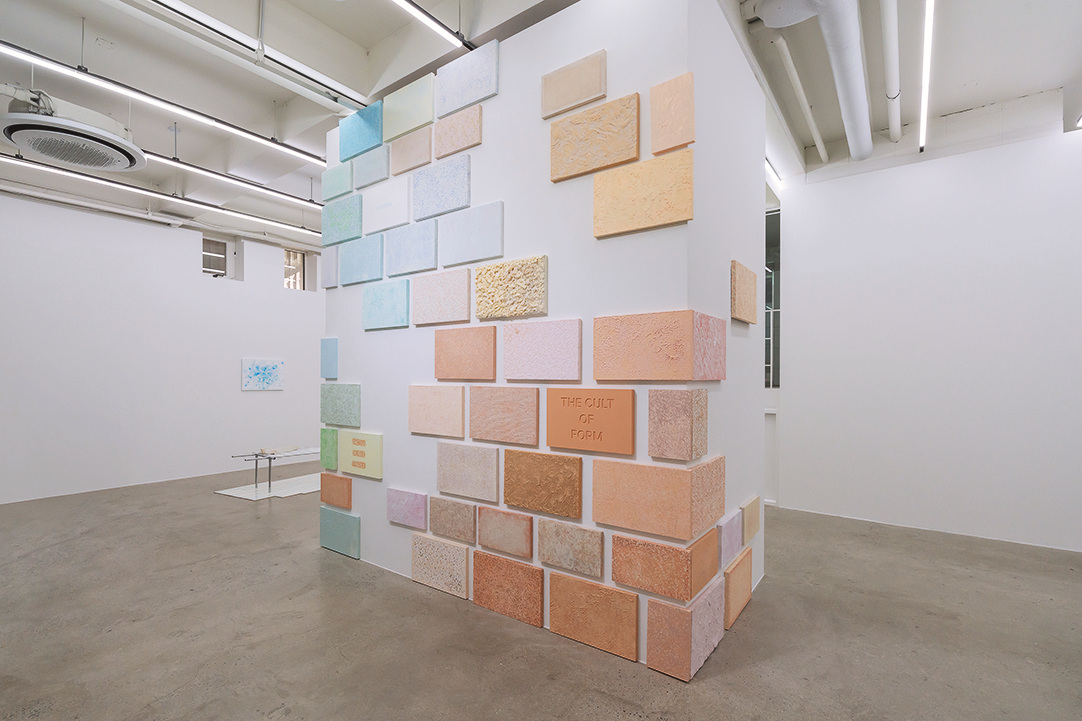
Nara Park, The Cult of the Surface, 2026, Cosmetics, body care products, acrylic paint, acrylic medium on wood panel, 313x163x356cm © Nara Park

In this exhibition, the painterly plane functions as both a skin and an advertising billboard. The colors and images arranged on the surface are composed of cosmetic and hygiene products like tinted cosmetic powders, soap, and toothpaste, evoking a cross-section of the artificial body humans create through self-management, as well as a wall.
 
While the surface appears smooth and refined, beneath it lies an accumulation of the anxiety and deficiency of existence that must be constantly renewed.
 
Her work poses these questions: ‘Does this surface we endlessly polish, apply, and maintain truly protect us, or does it render us more easily consumed and replaceable?’ ‘How much of our desire for beauty and health stems from personal choice, and how much from a psychology engineered by society and industry?’


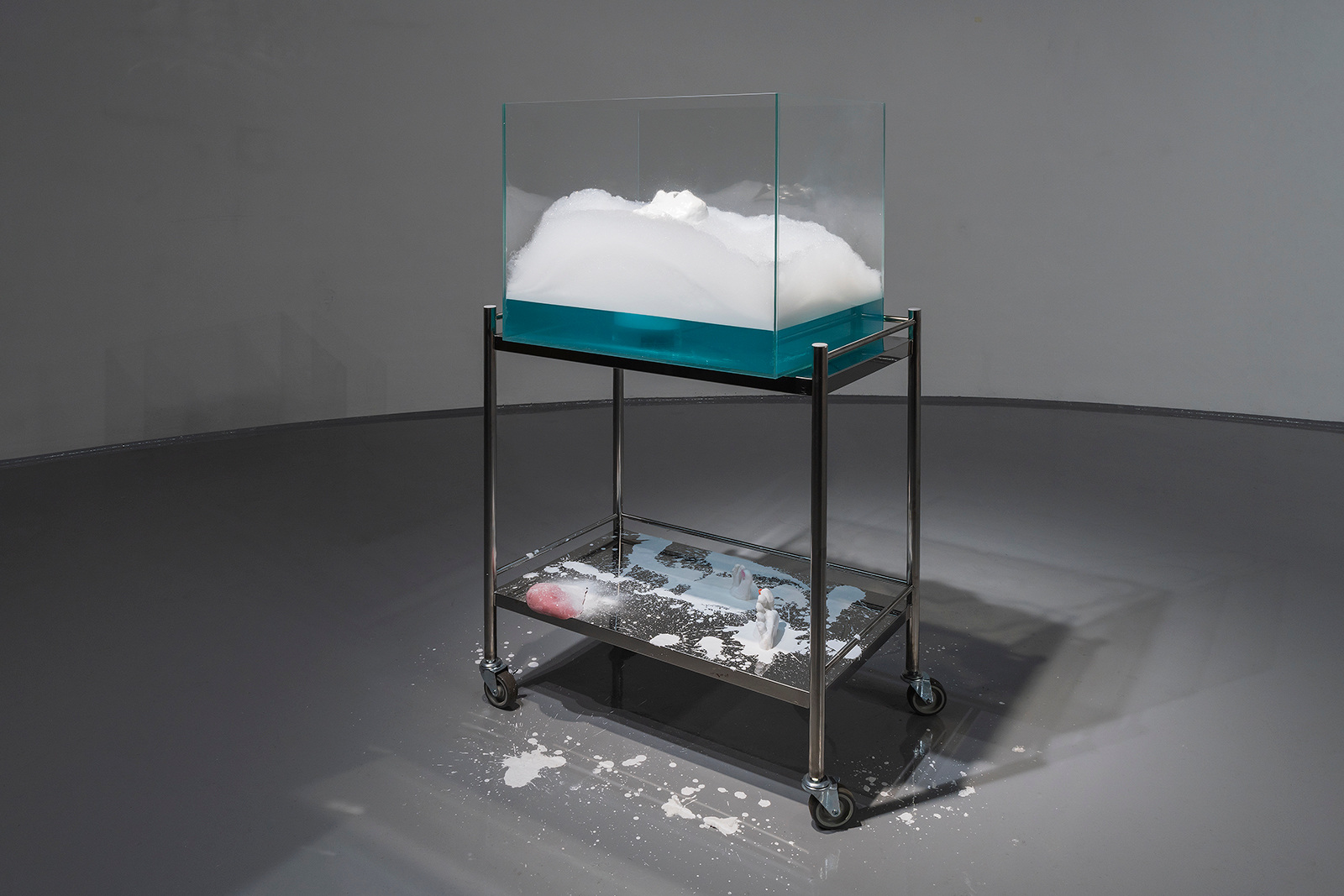
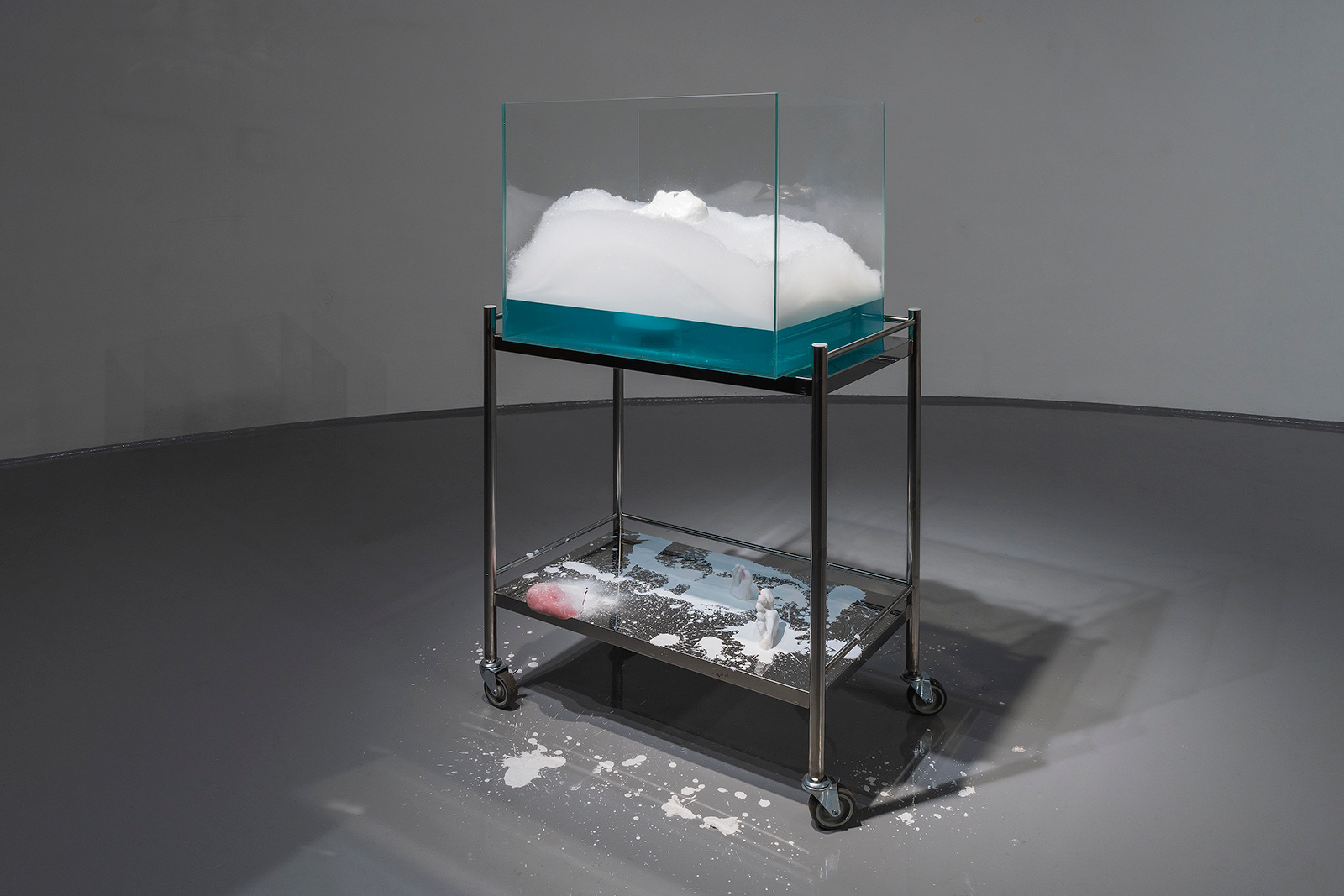
Nara Park, Sterilization of Fate, 2024, Listerine, water tank, pump, medical cart, plaster, deodorant, plastic nails, wax, ceramics © Nara Park

In this way, Nara Park has continuously explored the boundaries between the body and objects, humans and nonhumans, and life and death through sculpture.
 
By employing artificial materials that imitate nature, anthropomorphized furniture, and moving objects, she reveals the ambiguous boundaries between life and matter, reality and illusion, and nature and artifice, prompting us to reconsider the conditions of existence that we have taken for granted.
 
Ultimately, her practice can be understood as a sculptural inquiry that moves beyond forms revealed on the physical surface to explore the inner essence that lies beneath.

”Ultimately, I aim to connect the superficial and artificial aspects of our lives with the visual arts. An artwork is like a virtual world, where an image begins as an imitation of reality but ultimately possesses its own distinct reality beyond a mere reflection of life.
 
As I continue my journey through my work, I aim to delve into the authenticity that lies beyond superficial perceptions of life and visual art.” (Nara Park, Artist’s Note)


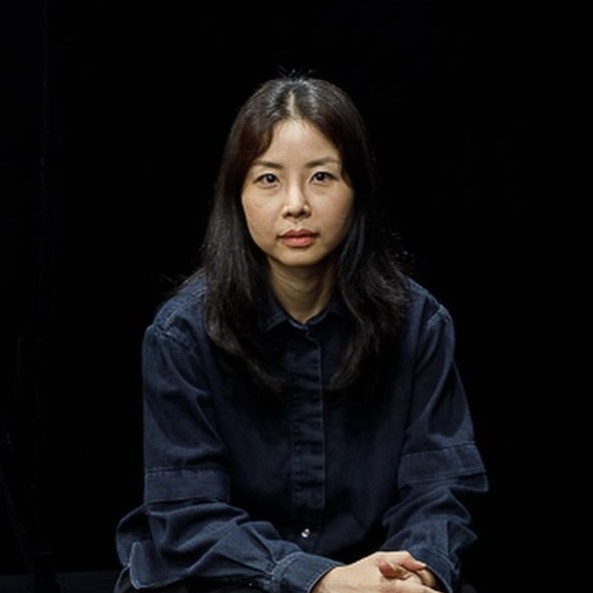
Artist Nara Park © Nara Park

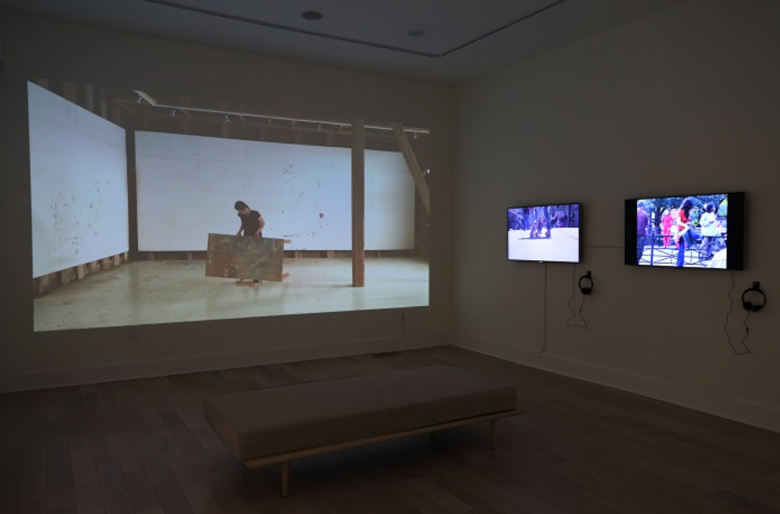
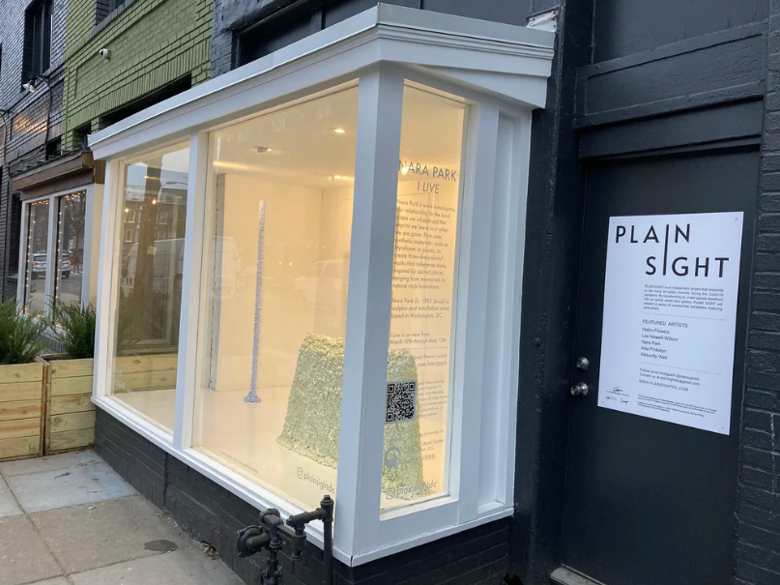
Nara Park studied fine art at the Maryland Institute College of Art (MICA) and earned an MFA in Sculpture from the same institution. Her recent solo exhibitions include 《Completely You》 (THEO, Seoul, 2026), 《Gestures》 (Artspace Boan 2, Seoul, 2025), 《I Live》 (Plain Sight, Washington, D.C., 2021), and 《Presence》 (VisArts, Rockville, Maryland, 2020).
 
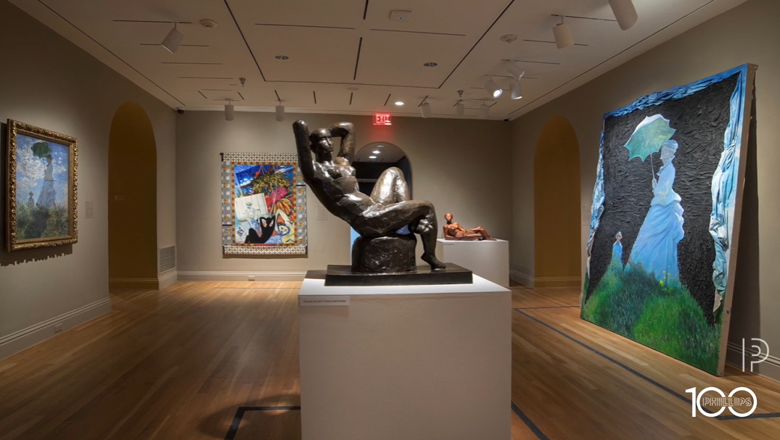
She has also participated in numerous group exhibitions, including the 7th Changwon Sculpture Biennale 《silent apple》 (Seongsan Art Hall, Changwon, 2024), 《Highlights From The Permanent Collection》 (The Phillips Collection, Washington, D.C., 2022–2023), 《There, There》 (IA&A at Hillyer, Washington, D.C., 2021), and 《Mapping the Future World》 (Transformer Gallery, Washington, D.C., 2020).
 
Park was selected as an artist-in-residence at the SeMA Nanji Residency in 2024. Her works are held in the collections of The Phillips Collection and the DC Commission on the Arts and Humanities (DCCAH).

References