“The person who experiences has no part in the world.
For experience is ‘in him’ and not between him and the world.
— Martin Buber, I and Thou, p. 9
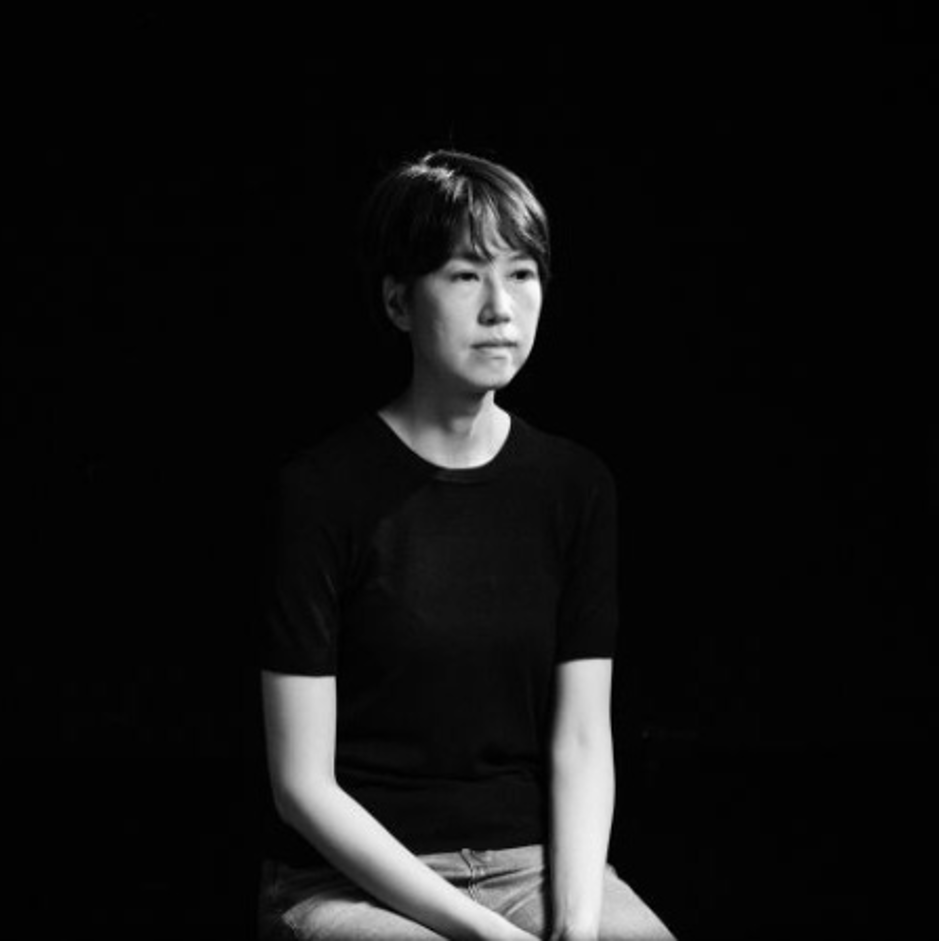
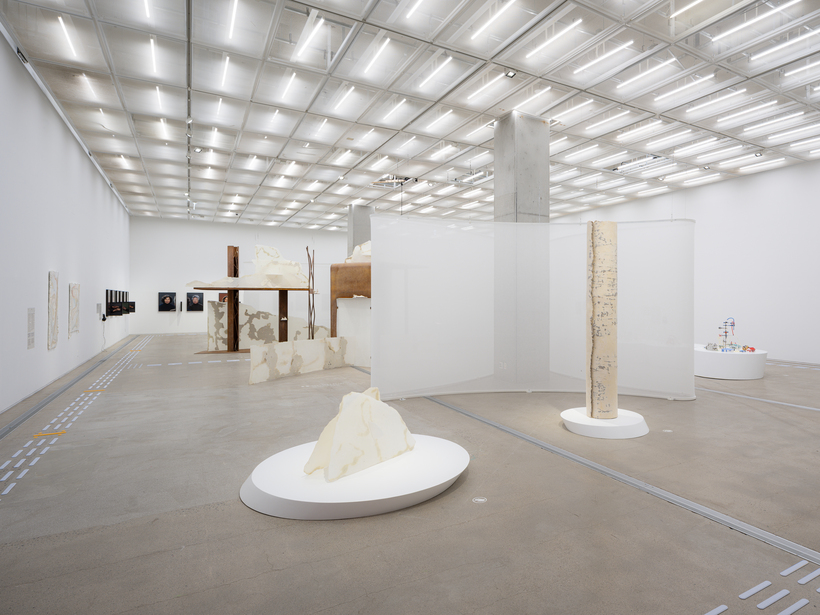
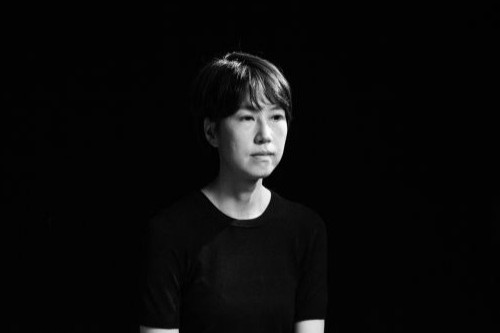
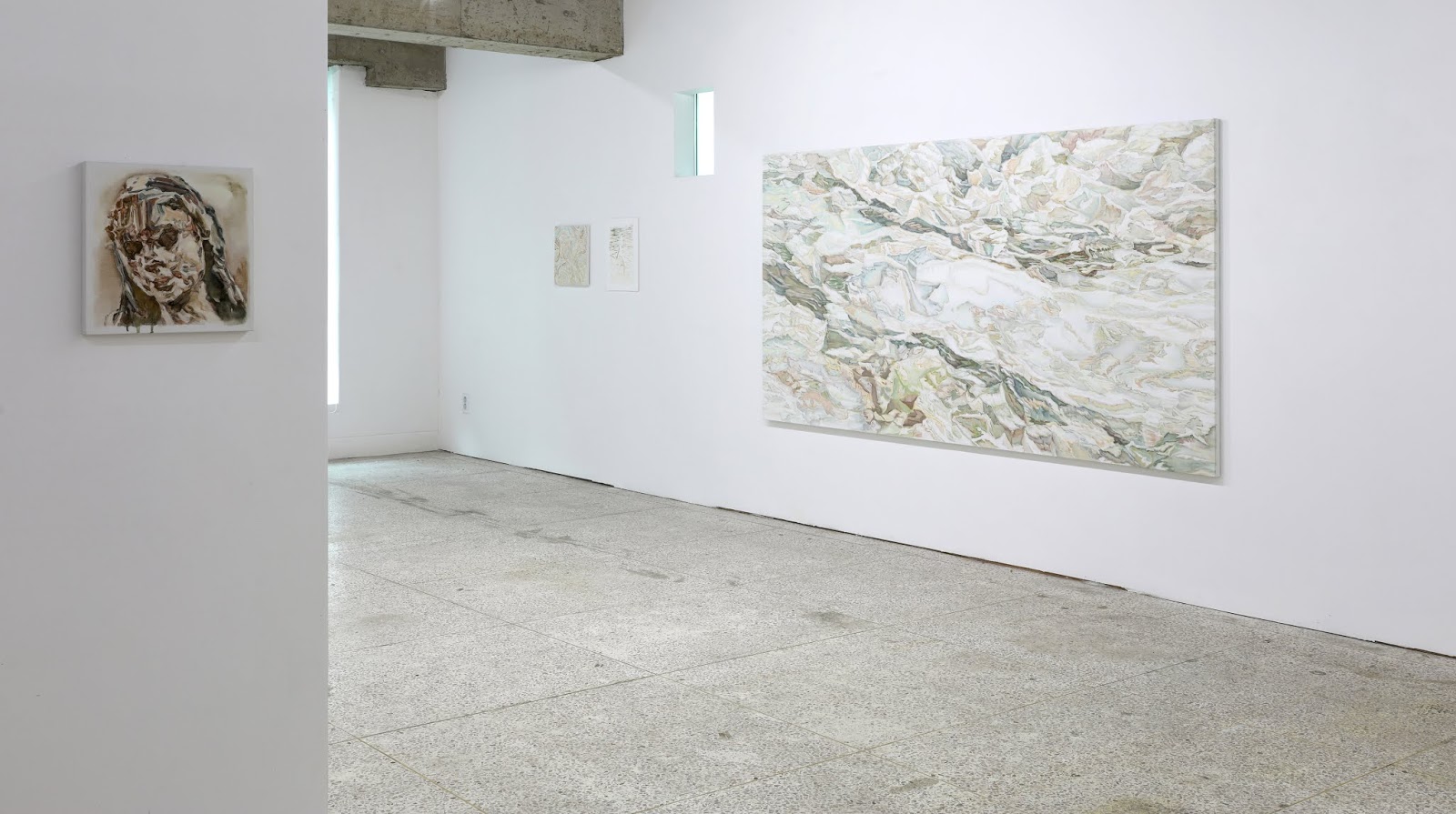
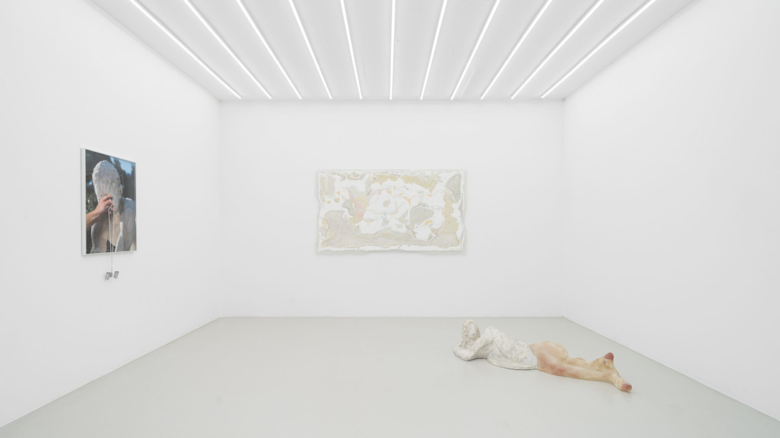
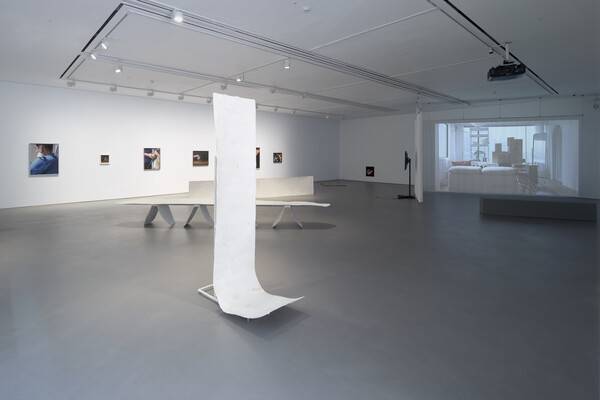
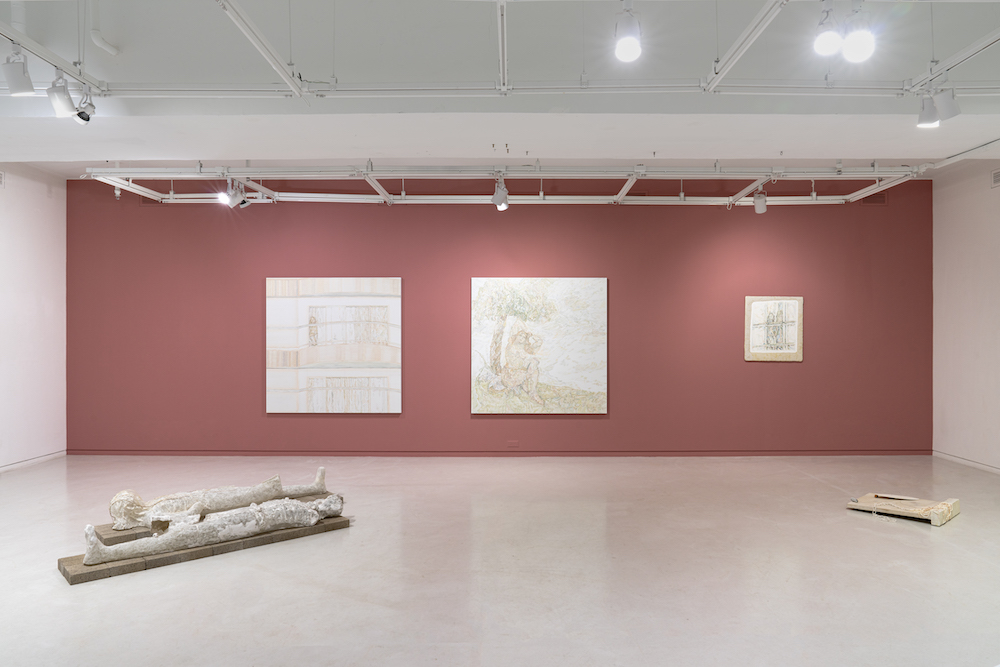
GuNa is an artist of few words. She hesitates to explain her work. It is not because she lacks conviction. She hesitates because she doubts herself when she becomes convinced. Her work is closer to silence. Even the clues offered about her exhibitions are extremely limited. 《Table of contents from Twins》 gives the feeling of following certain veiled figure—or figures.
The viewer can only feel their way among the works with the most minimal hints. I think the verb “read” suits GuNa’s work better than “see.” Someone might point out that contemporary art is, of course, something to be interpreted. Here, however, “reading” means that GuNa’s work draws out literary sentiments through a sculptural vocabulary.
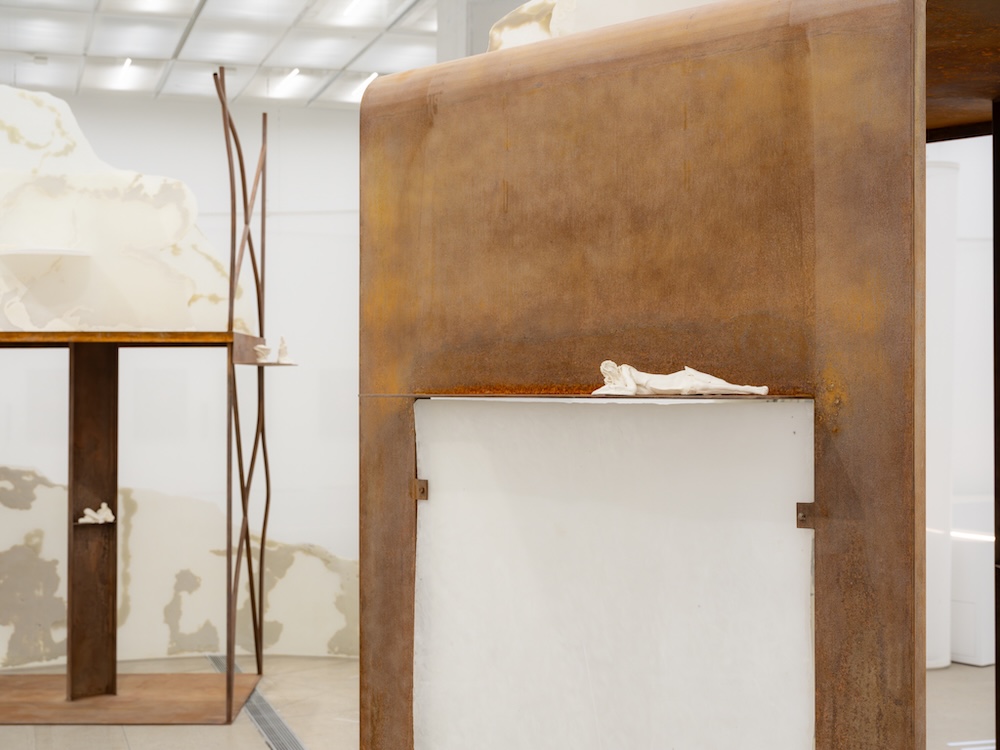
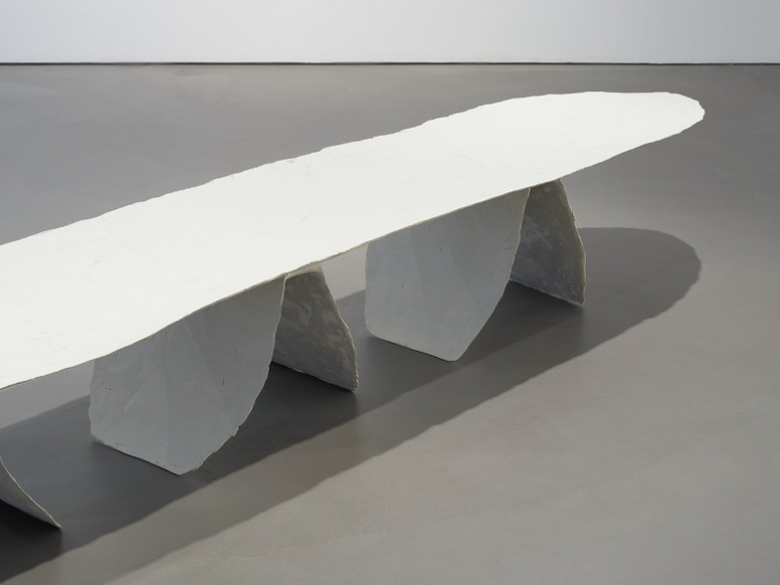
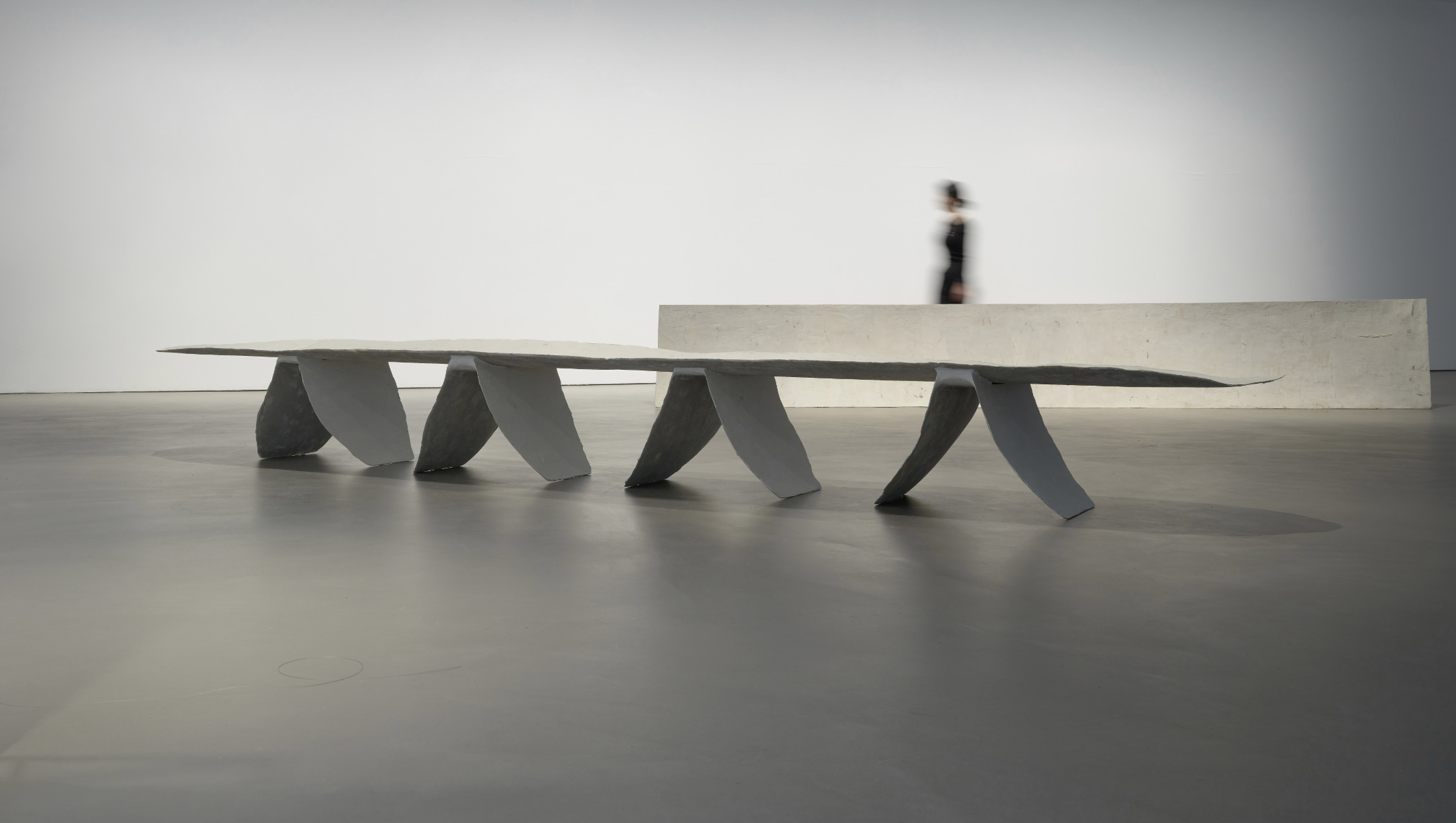
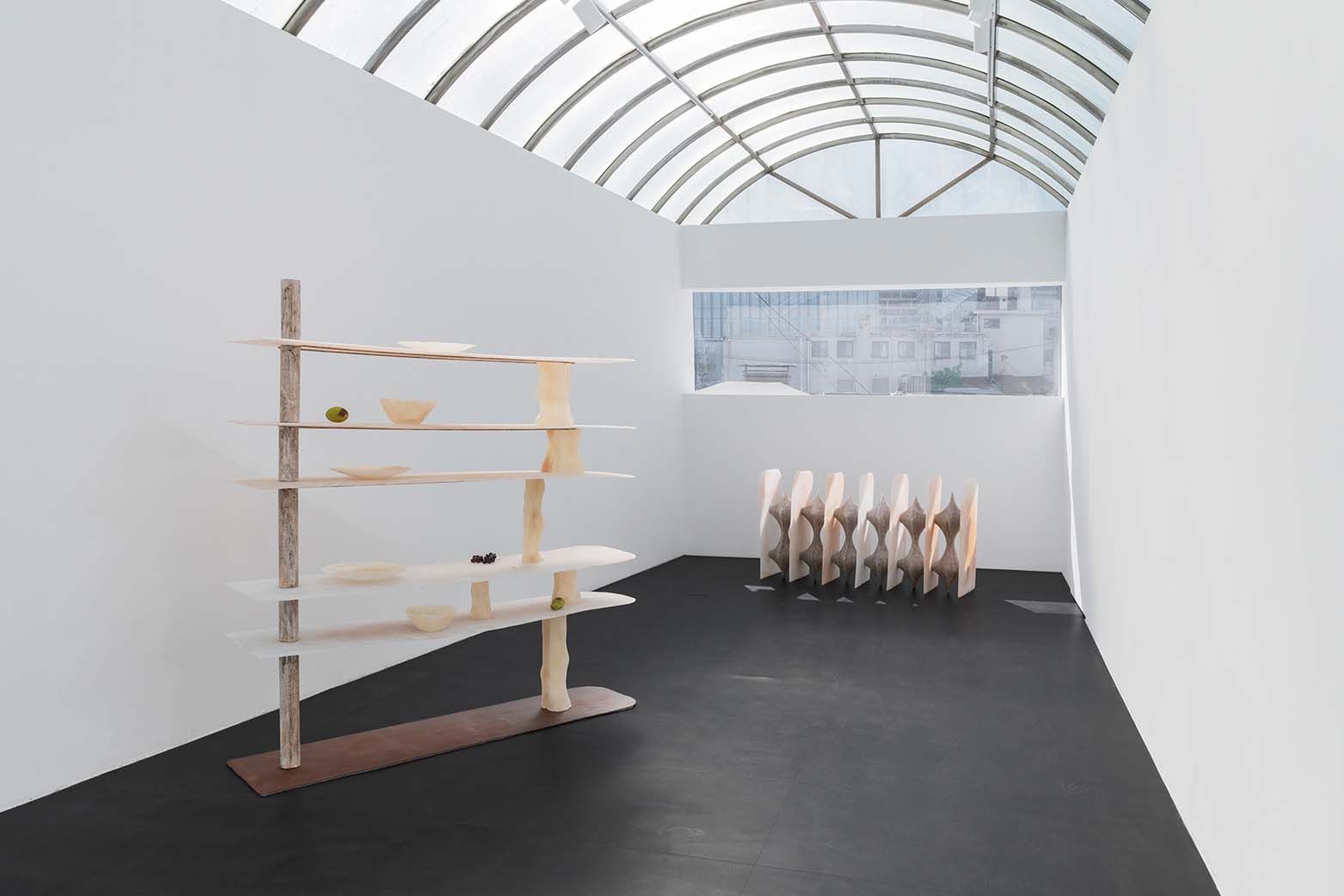
The titles of her works—more specifically, the words and sentences—therefore influence the act of looking. One might even call them inspiration. Thus, despite the sparseness of the clues, the titles carry a weight comparable to that of the works themselves. Table, Sentimental Login(2020) is a work about absence and memory.
What exactly that memory is remains for each person encountering the work to discover. Can anyone not touch an old table and recall a past that is no longer present? If one has no such experience, then try connecting to GuNa’s table: a skeletal table from which function has disappeared, leaving behind only signifiers and language.
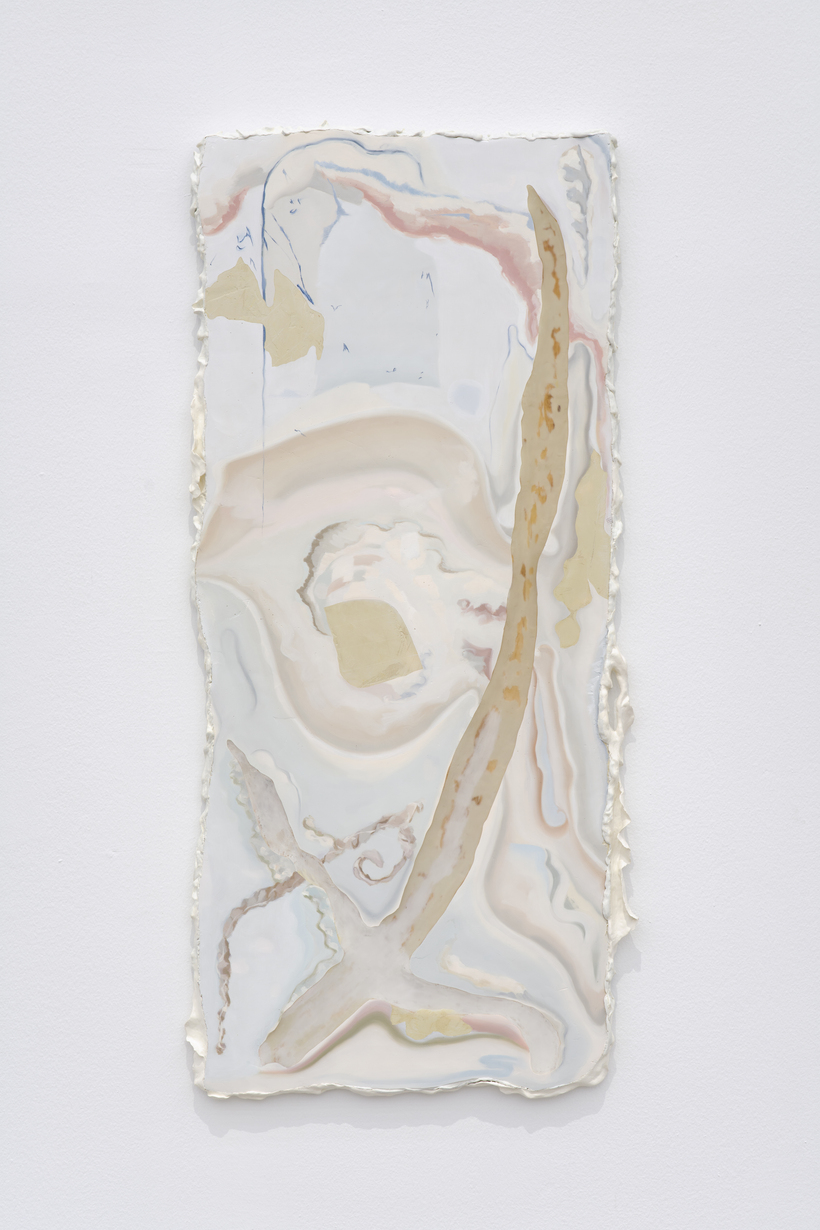
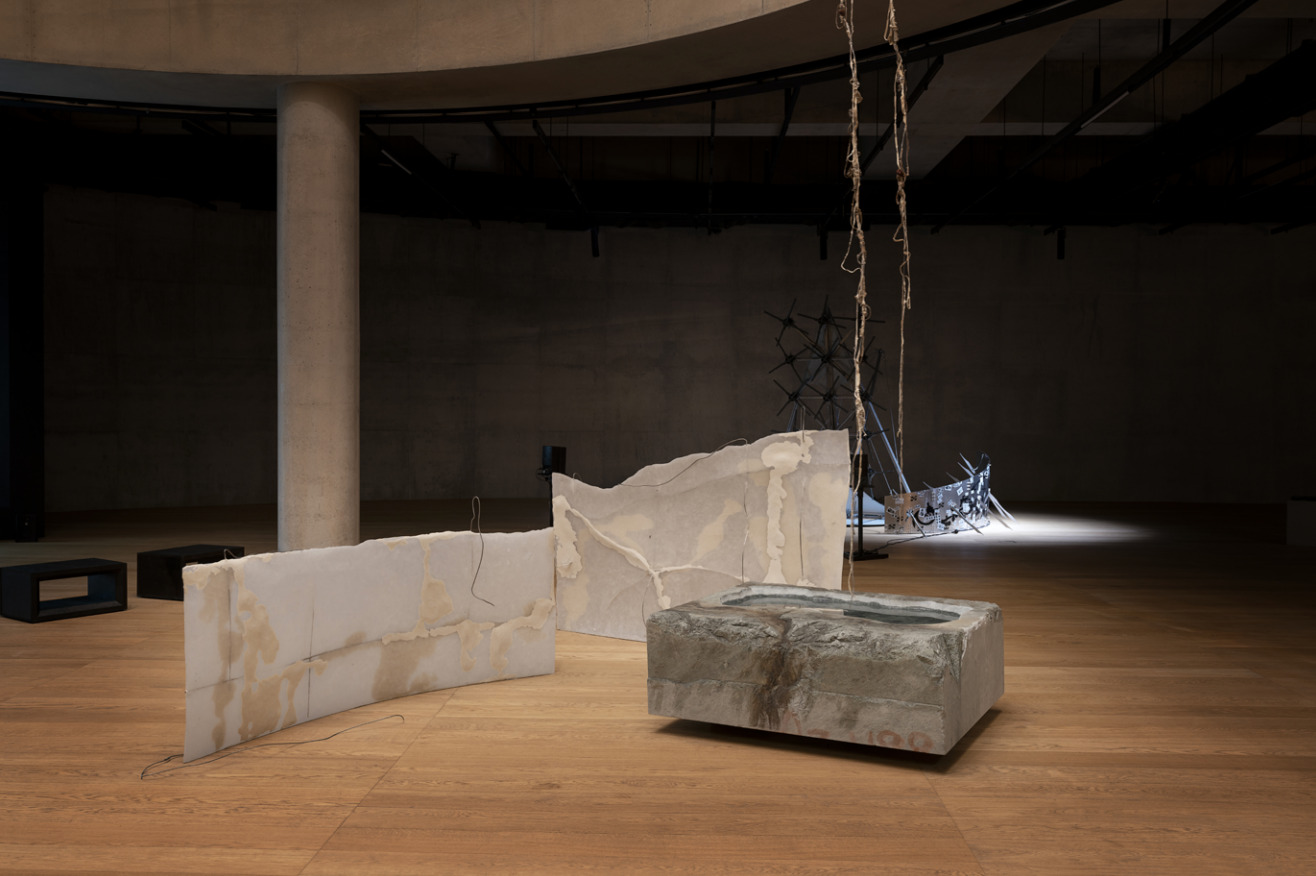
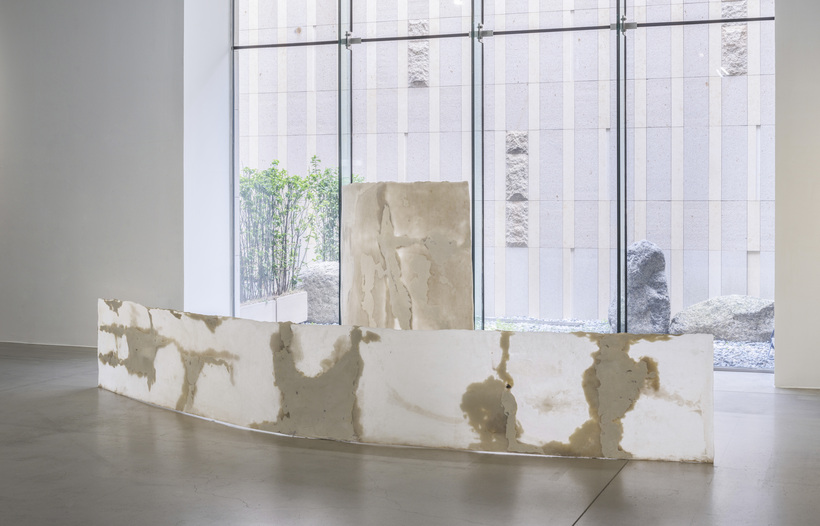
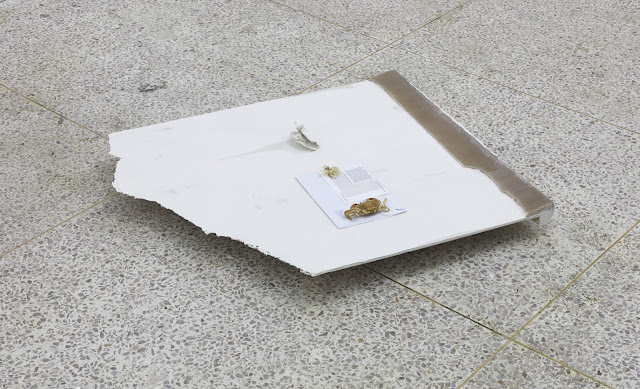
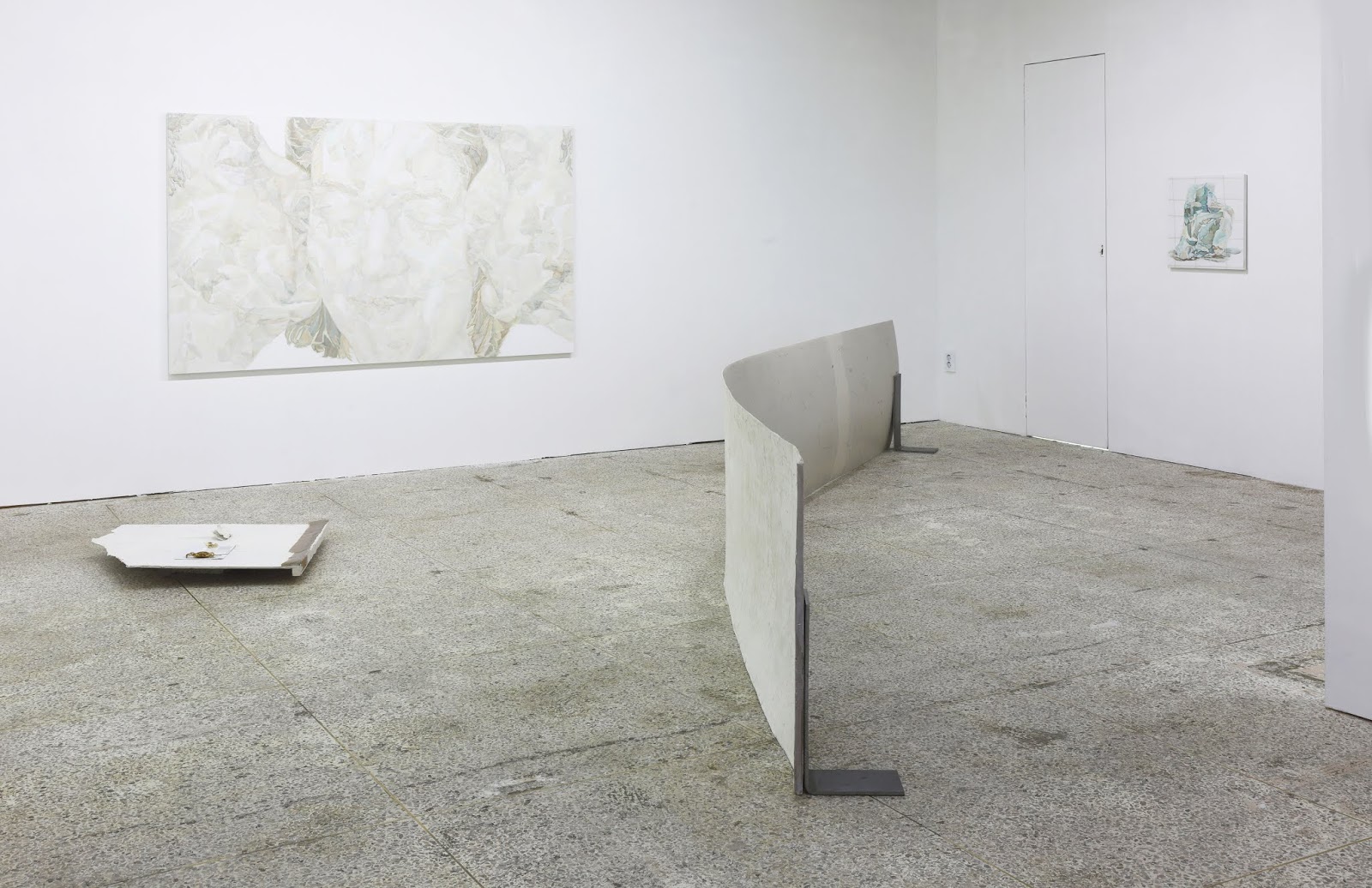
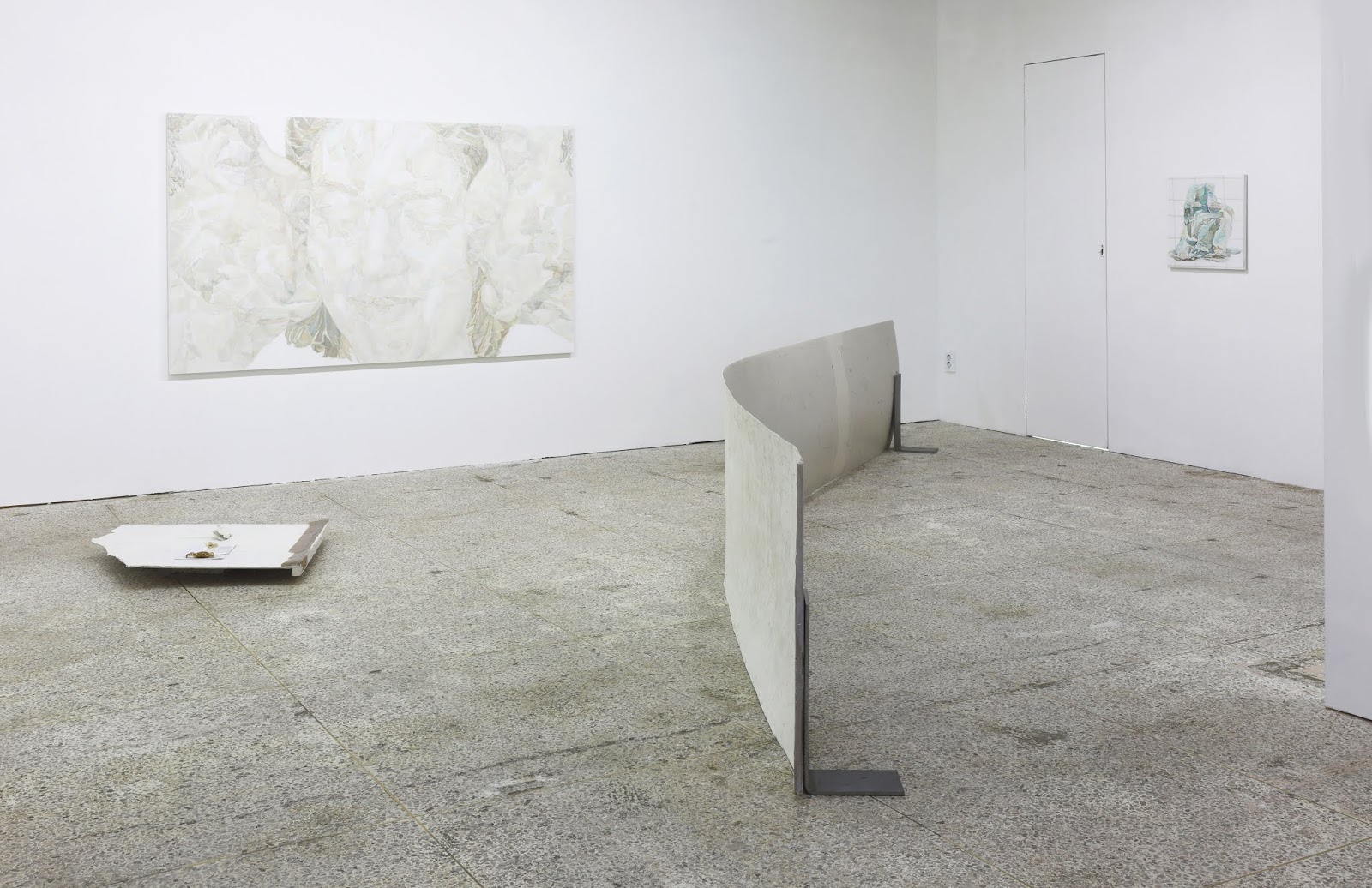
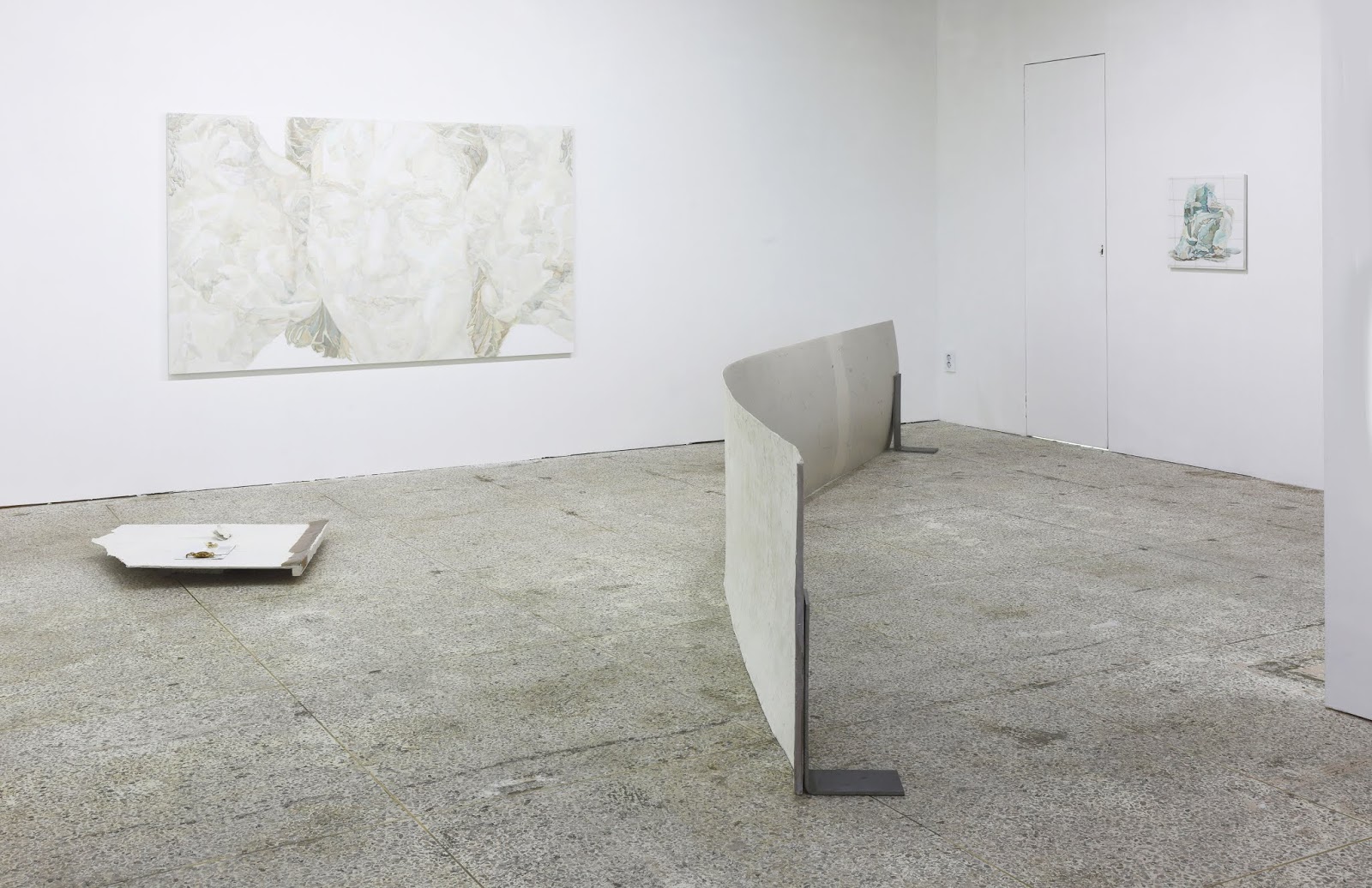
On the day one happens to connect with memory, an unexpected person, smell, landscape, or sound suddenly comes rushing in. It may be only after realizing that, despite every effort, we cannot help but long for memory. Unlike the exceedingly taciturn artist, her work allows the viewer to wander. Here is a work in which two flat, irregular panels lean against one another, while a panel resembling a nose suddenly protrudes between them.
It is titled My Face Slipped Deep into Your Back, using a sentence excerpted from a poem by Kim Hyun (Kim Hyun, “Vaporization,” When You Open Your Lips, Changbi, 2018). Kim Hyun’s poem “Vaporization” quietly speaks of how invisible warmth caresses the soul. When this work, which had remained no more than an abstract form, meets its title, it suddenly calls forth the memory of another person’s sincerity shaking my soul and making my heart drop. As the sentence touches the image of flat worlds entangled with one another, a vaguely sensual image flashes by.
Perhaps life is a lifelong process of reducing the margin of error between one’s thoughts and one’s actions—the gaps between speech and writing, thought and action, the invisible and the visible. Civilized humanity permitted the disciplining of generations yet to be born, and the more civilization intensified, the more the intensity of discipline increased along with it.
This was why Foucault looked back into the past in order to understand the present, and why Derrida asked whether an individual could be measured and cut according to a long history and customs with which that person had nothing to do. GuNa’s work problematizes seeing, but beneath it lies a suspicion of uncertain and even non-autonomous human perception.
The exhibition 《Table of contents from Twins》 contains this existential concern. For identical twins in particular, existence means living a life in which one is simultaneously two and two are one. Siblings naturally tend to share similar experiences, but in the case of twins who look identical, sameness or deviation in appearance, voice, speech, gait, and personality becomes a criterion for judging existence that precedes the individual’s inner self.
Twins, who may appear outwardly indistinguishable yet are clearly different beings, exist through mutual reference: one is compared with the other, and the two are received as though they were one. For example, the Marilyn Monroes printed by Warhol were reproduced by referring to the same original. Simulacra derived from an original can be reproduced infinitely. The original therefore becomes the standard for judging the copies.
Twins, however, resemble one another greatly while remaining fundamentally different beings. Each is an original, yet each simultaneously becomes an object of comparison. Throughout their lives, they reveal their existence while being compared in terms of similarities and differences. But what if we were not to take such external criteria—the similarities of appearance and voice—as standards by which to judge existence?
《Table of contents from Twins》 moves beyond the cultural framework that deliberately intertwines fateful bonds, like the relationship between words and things. This is the question GuNa’s work has posed from the beginning. In this exhibition, GuNa is not speaking about resemblance. The representation of twins has been excessively consumed as spectacle and myth.
Resemblance becomes possible only when it presupposes that the beings themselves are already different. GuNa therefore seeks to focus not on resemblance but on the relationships they form with one another. 《Table of contents from Twins》 does not repeat the familiar archetype of twins. Here, the twins are soulmates, spiritual companions, I and Thou, or the Other.
The exhibition may be understood as a journey in search of flexible yet sensuous relationships formed without following the standards of an already-made world. Such relationships encompass two beings, lovers, friendship, and siblings. The exhibition is therefore connected to the previous year’s solo exhibition 《you And i And you And i》(KICHE, 2019).
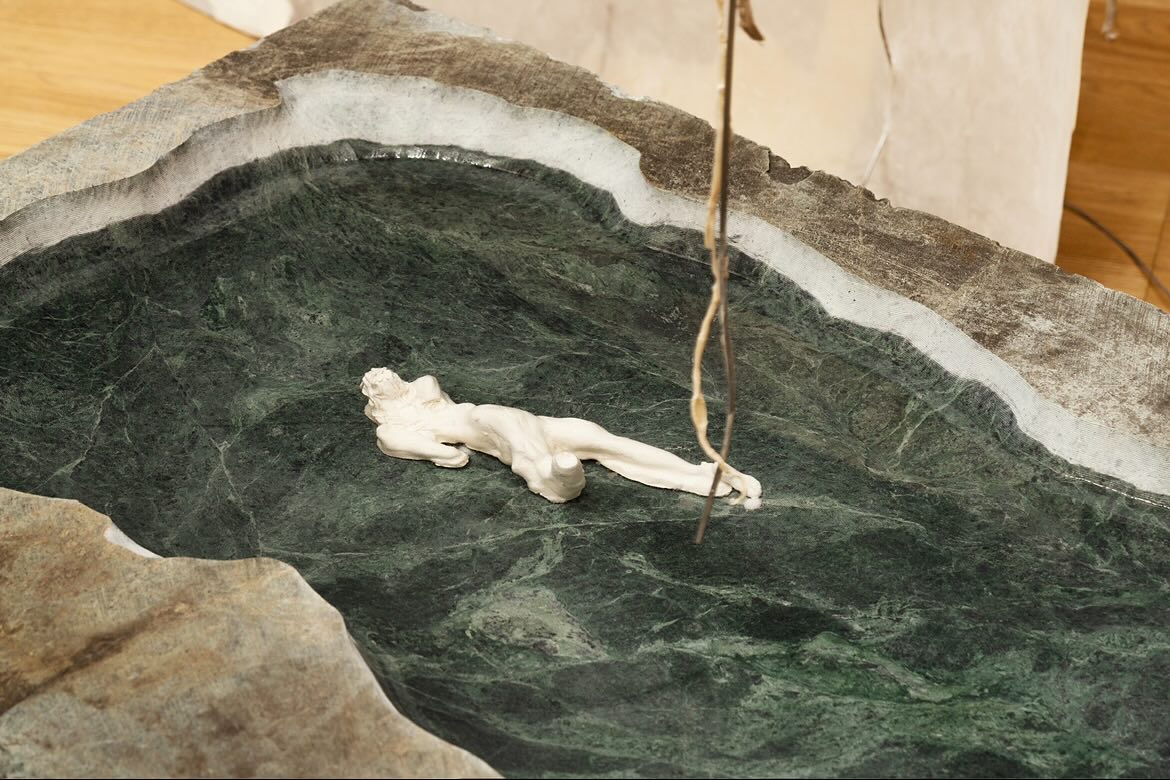
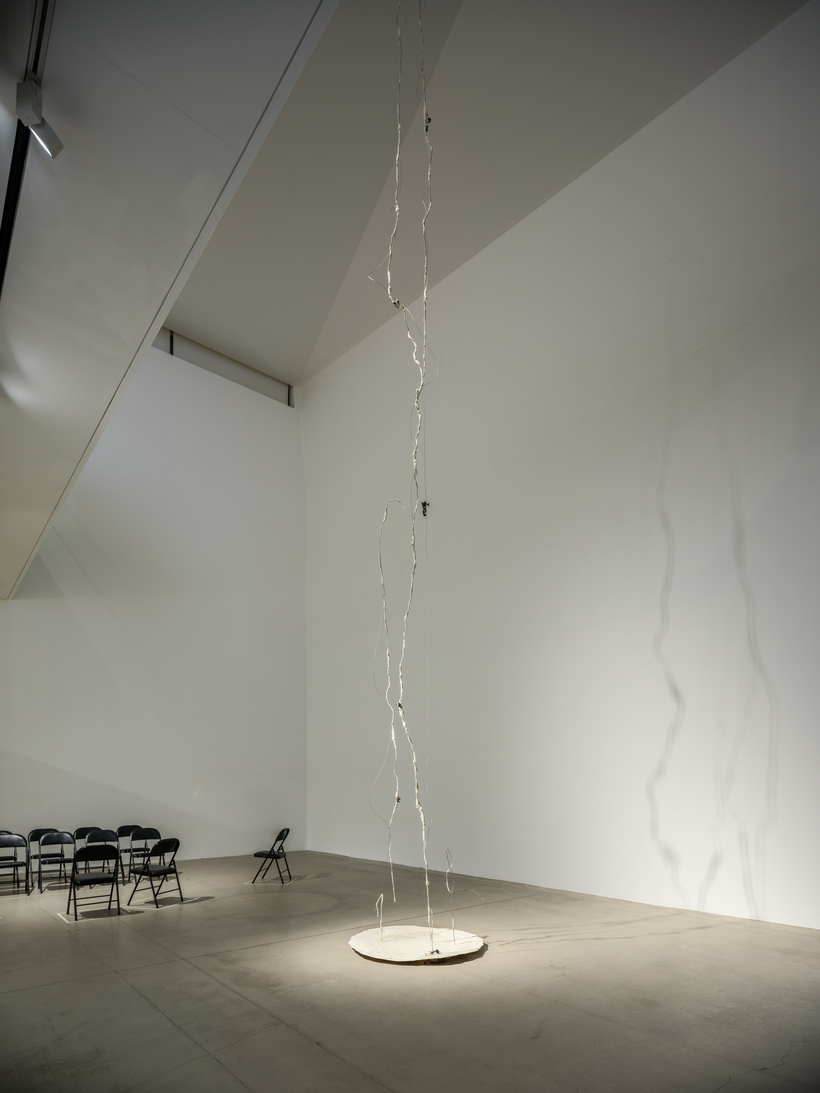
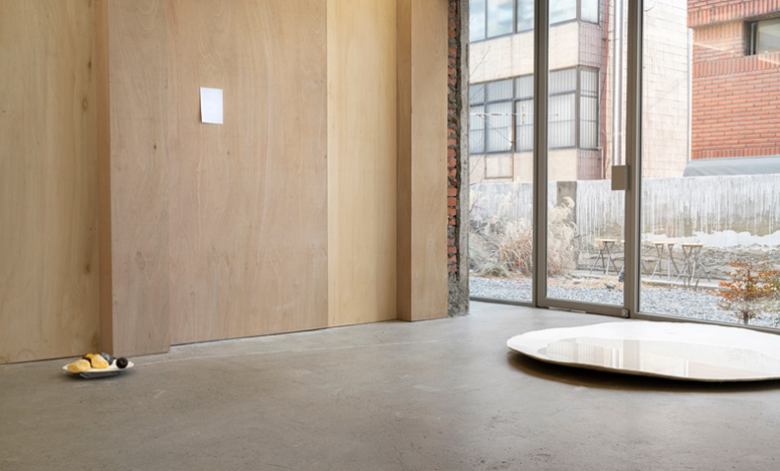
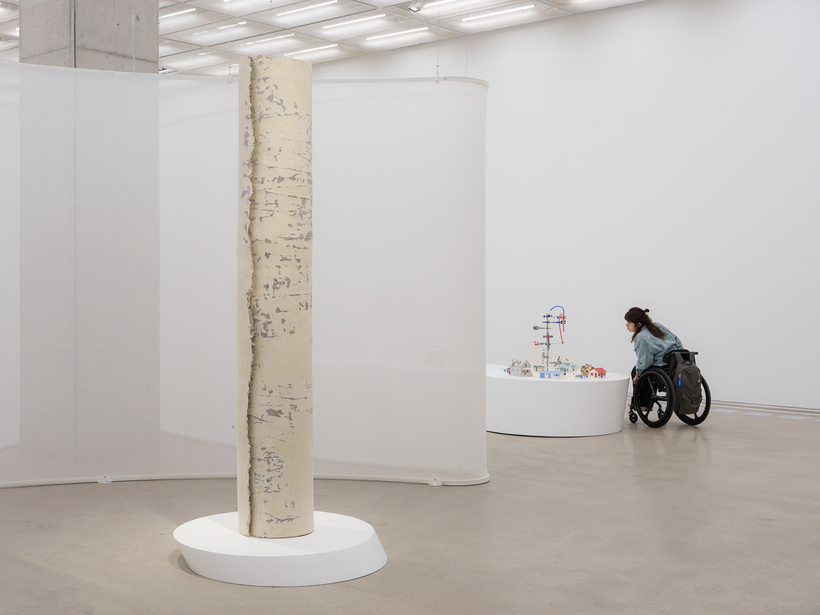
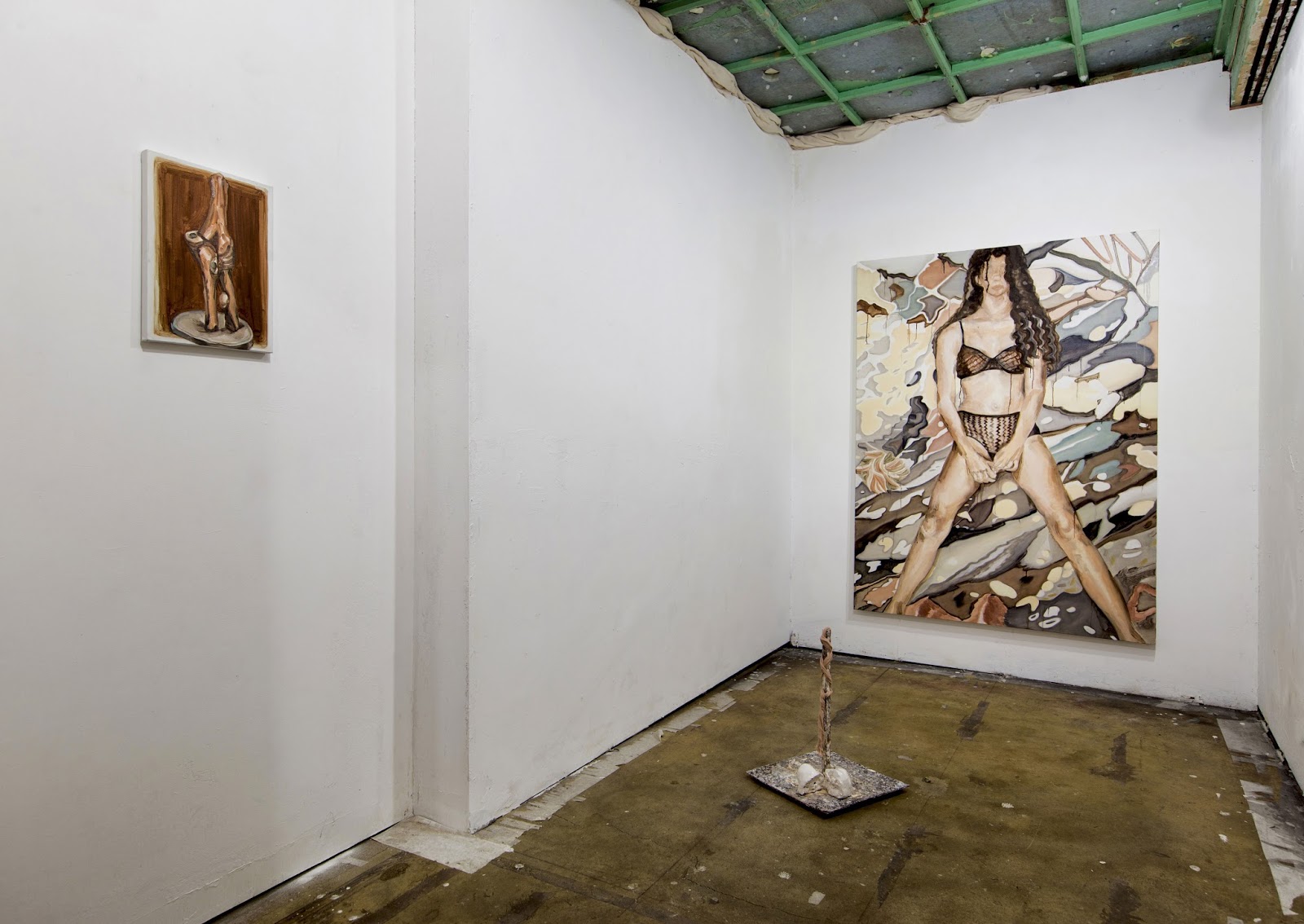
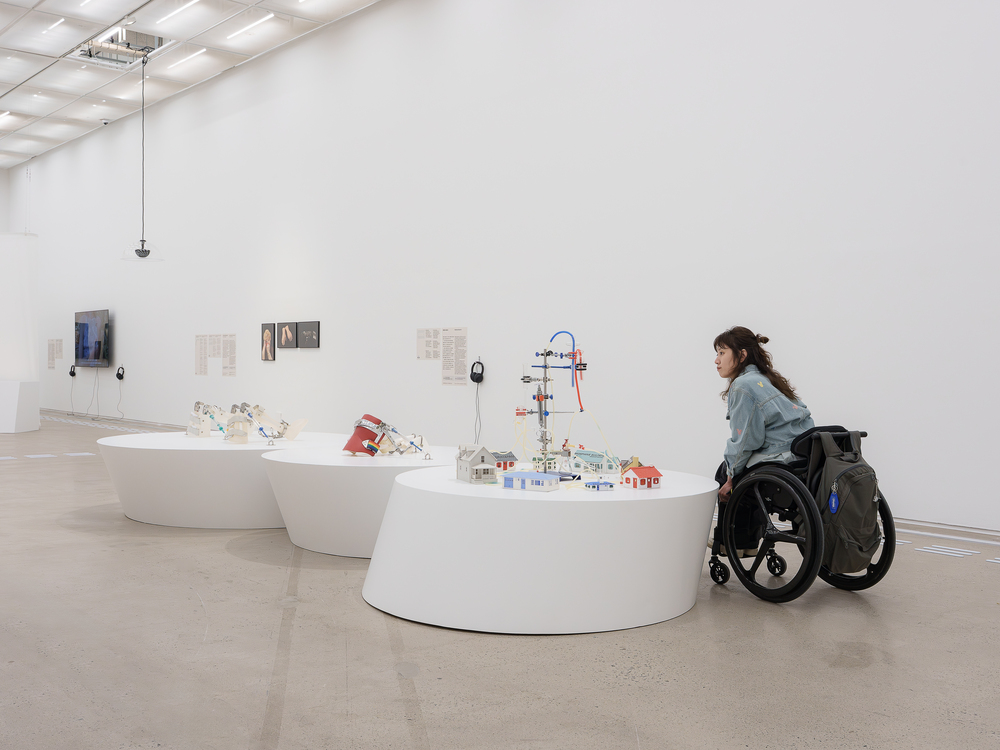
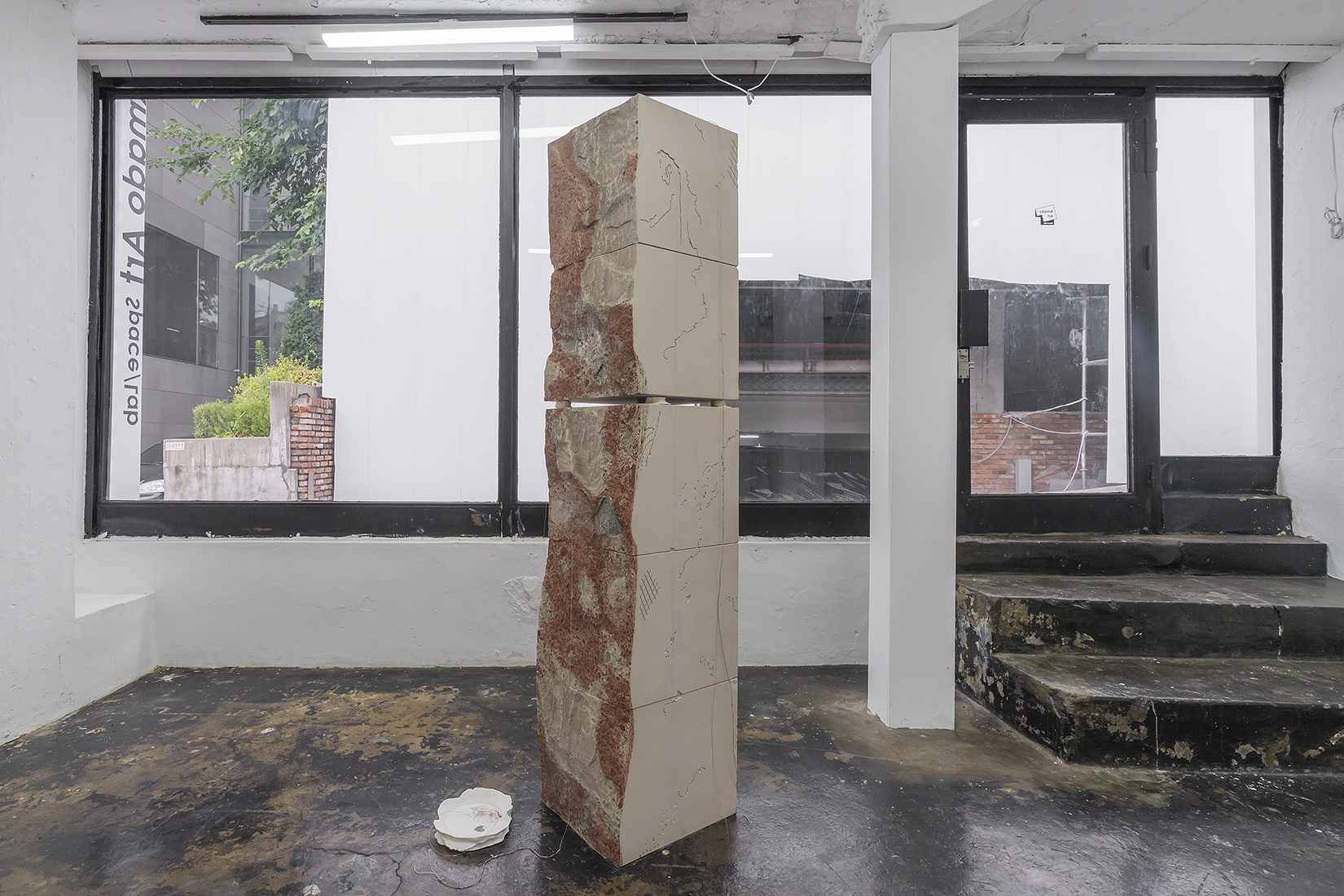
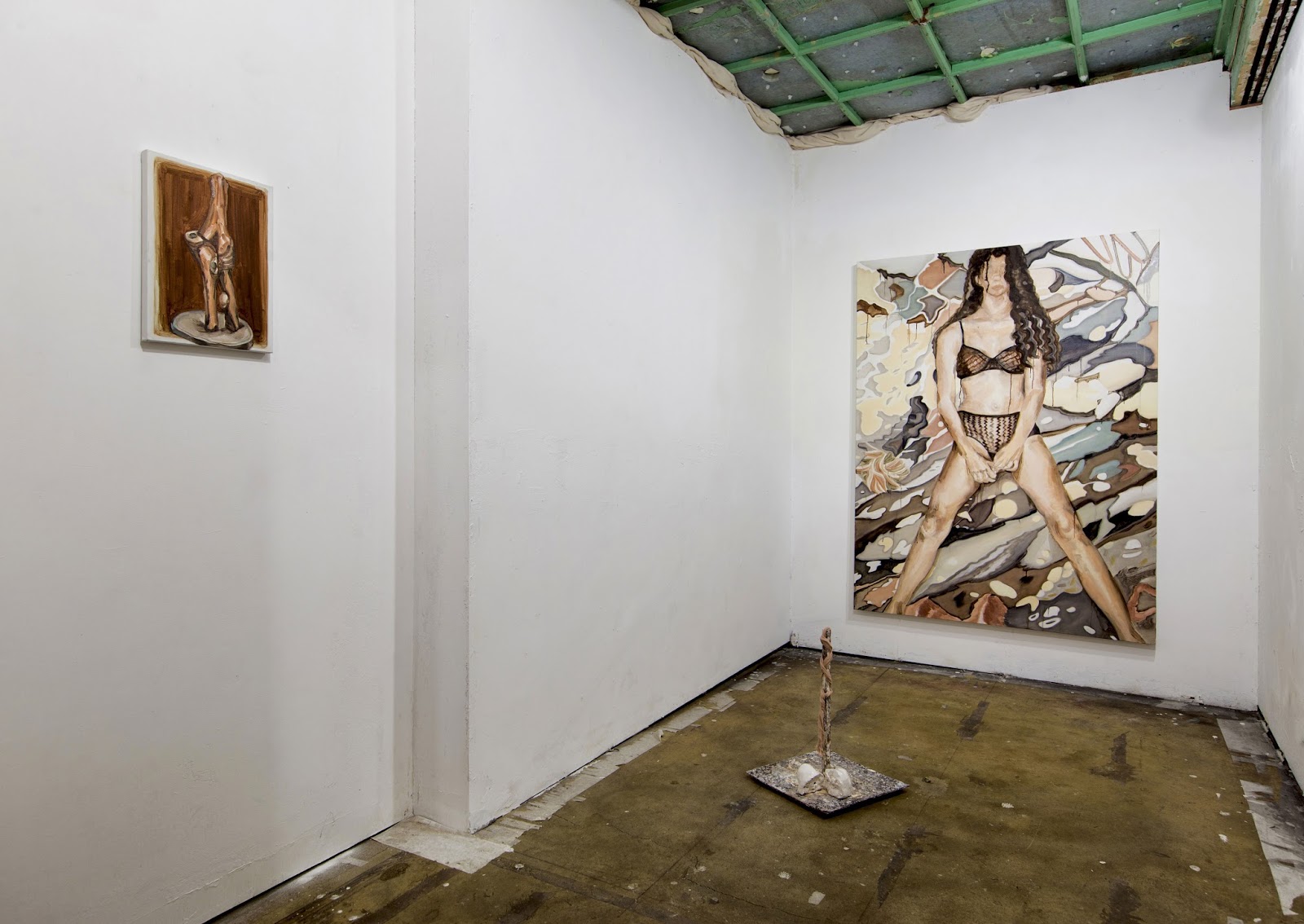
Objects or fragments without language, standing or hanging precariously in space and on pedestals, evoke the bodies of lovers who wish to become one but are inevitably destined to fail. GuNa does not reproduce the exterior appearance of the body. Instead, she dissects the body and attempts to materialize poetic language.
The emotions evoked by her literary work titles reveal their sensuous qualities more strongly than logic or concepts. Following the history of Western art, one encounters a turning point from Classicism to Modernism, a period in which art shifted from being a sign representing its age toward searching for—or inventing—the essence of art itself.
During this period, when the desire to cut off art’s functions and social roles and exist purely for itself erupted, the connections between language and image were deliberately erased or misaligned. Art of this era sought to explore truths of existence beyond the visual.
GuNa’s work not only sits askew from standardized art-historical narratives of Minimalism and post-medium practice, but also distances itself from the phenomenon in which variations and translations of impoverished images drifting through virtual worlds are treated as though they constituted the aesthetic driving the contemporary moment.
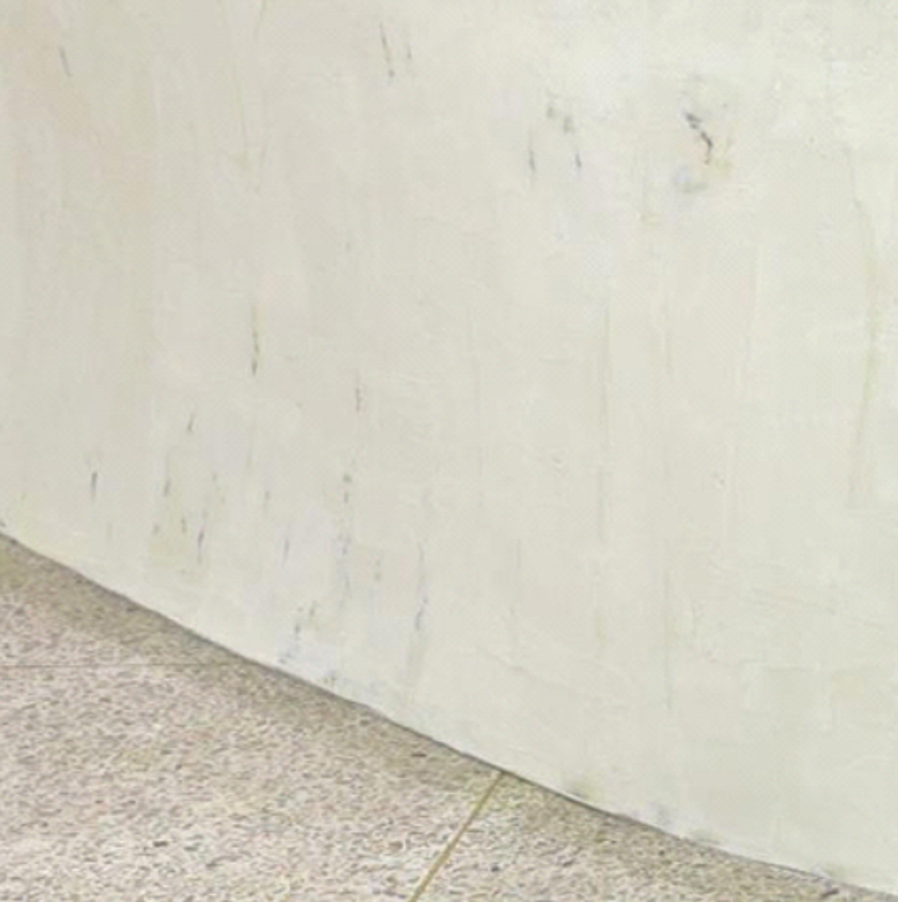
Nevertheless, GuNa’s arrangements of things that cannot be named draw poetic scenes from the most basic acts—flattening materials, rolling them into circles or making circular or rectangular forms, puncturing or cutting holes into them and binding them together, and leaning them against one another. “For example, there is the praise of the reality of the work, the praise in poetry of the rhythm of language, in music of sound, in painting of light, and in the house of space made into stone.” (Maurice Blanchot, The Space of Literature, pp. 323–324)
《Table of contents from Twins》 continuously generates resonance. The correspondences between title and work, matter and space, you and me/me and you produce a montage effect like the interweaving of cinematic sequences. There is no particular need to add the qualifier “cinematic.” Her work is never explicit; it remains vague, impersonal, and adjectival, always in relation to something else.
This means placing emphasis on certain states, qualities, and textures that remain unfixed and continually interact. 《Table of contents from Twins》 is undoubtedly the exhibition that most clearly reveals this attitude of the artist.