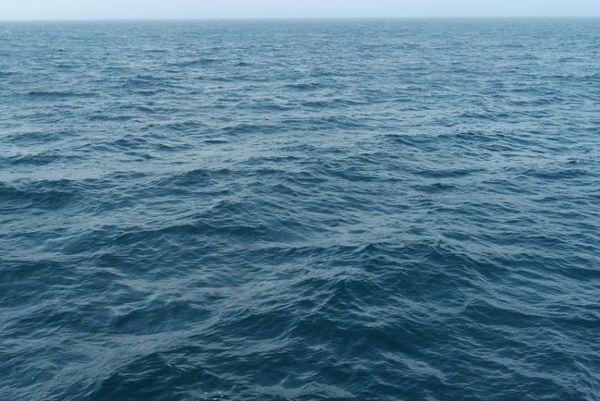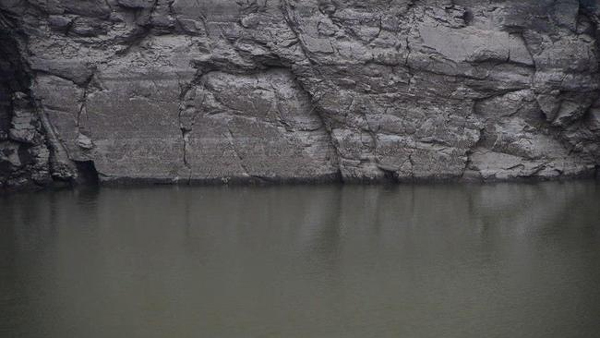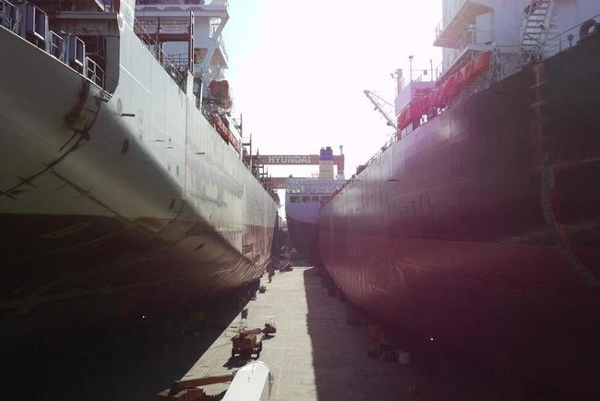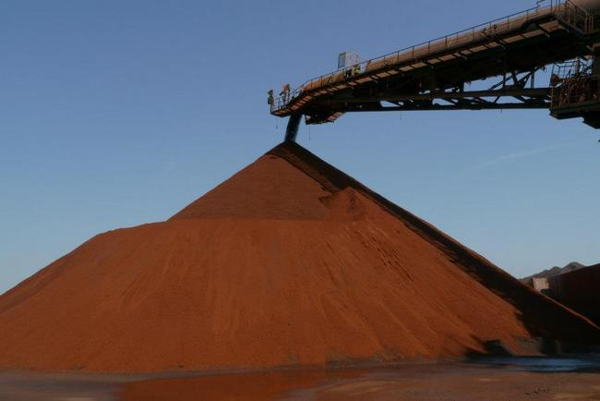


Kelvin Kyungkun Park, A Dream of Iron, 2013 © Kelvin Kyungkun Park

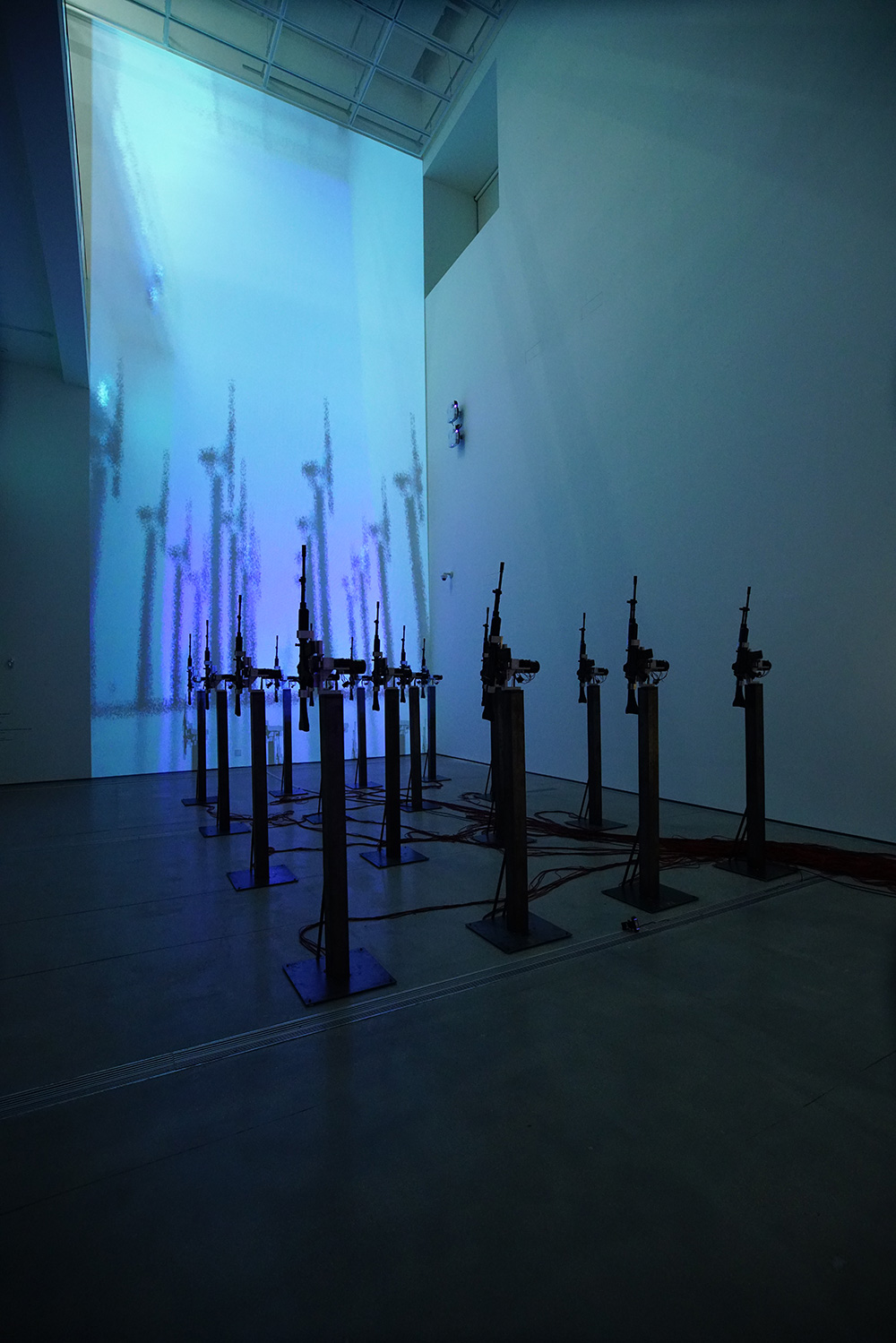
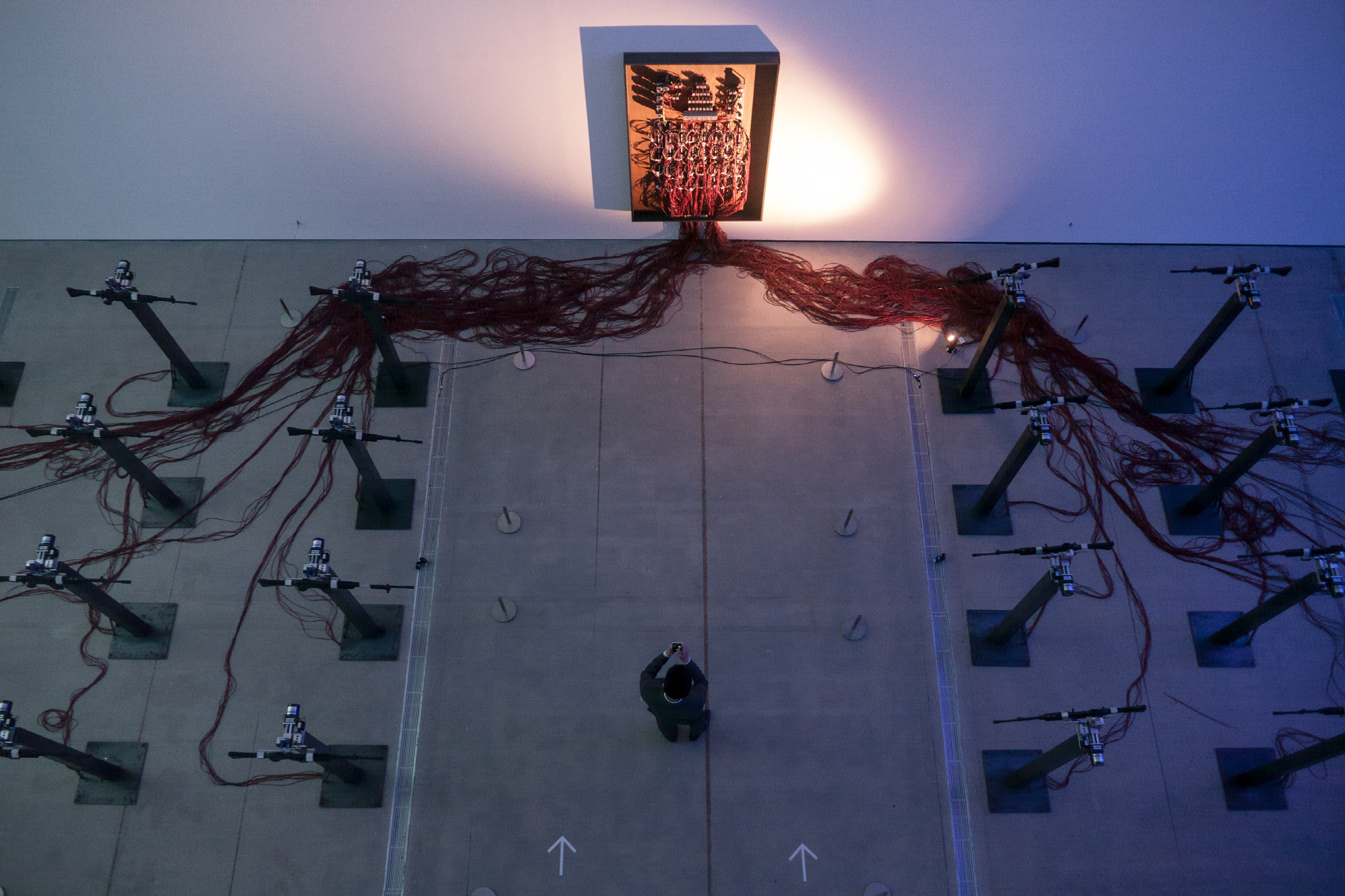
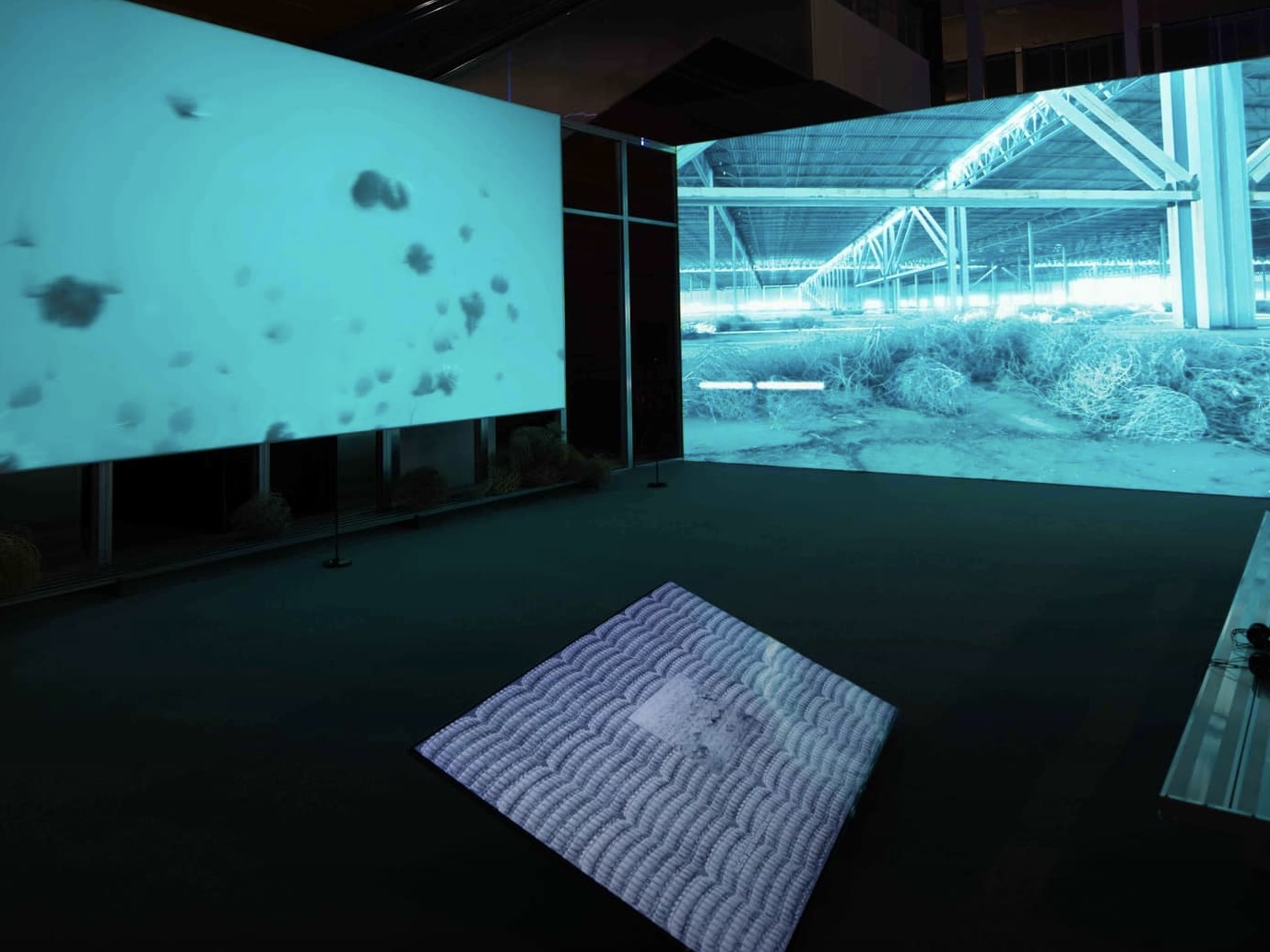
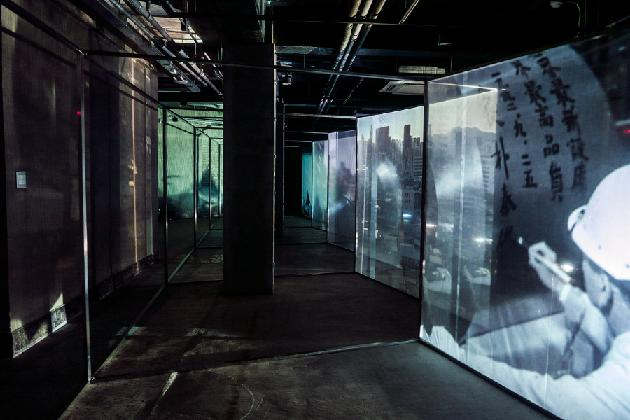
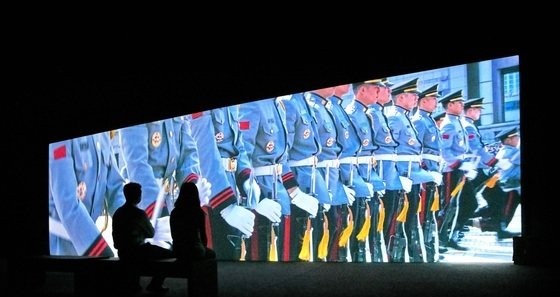
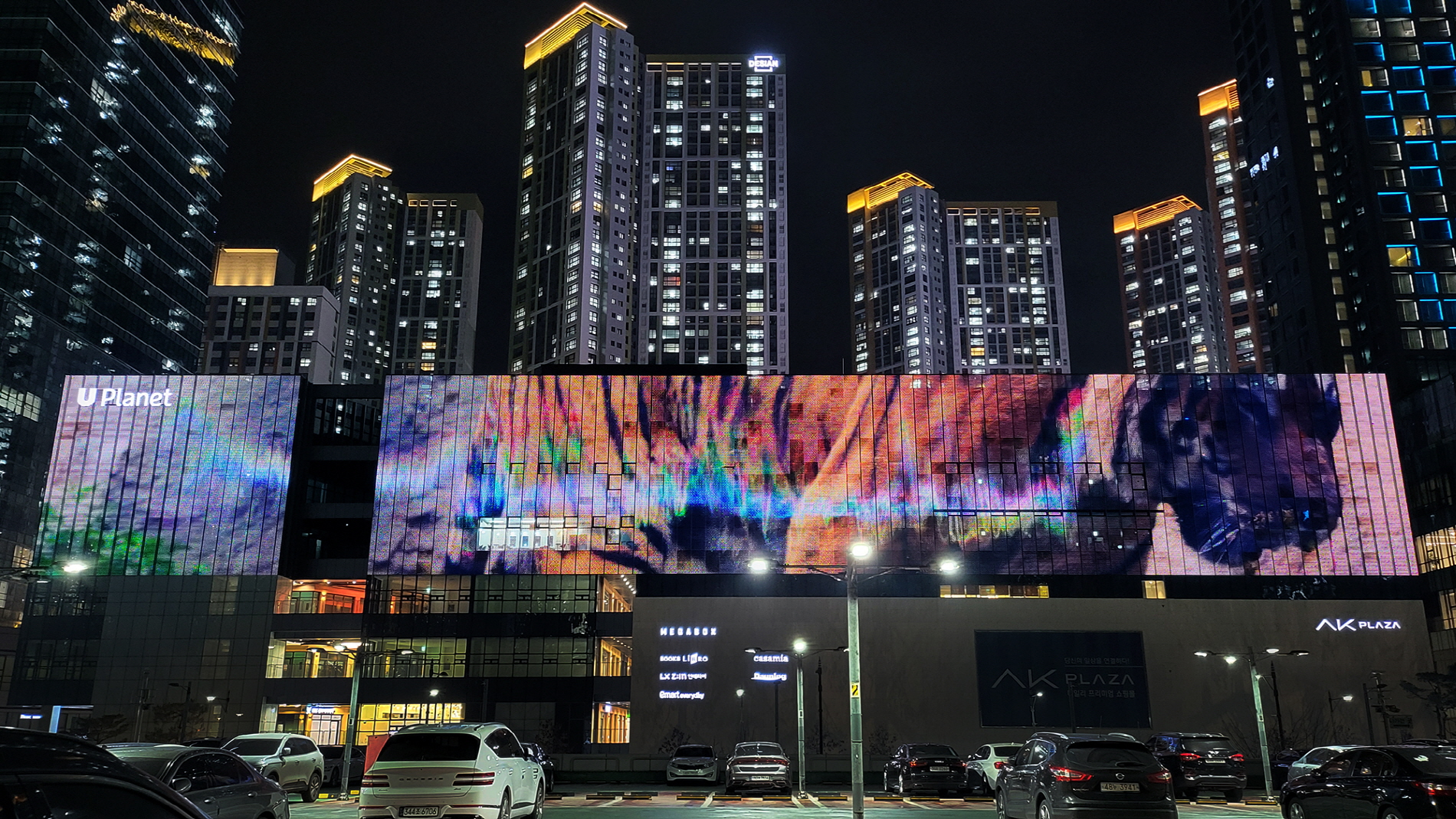
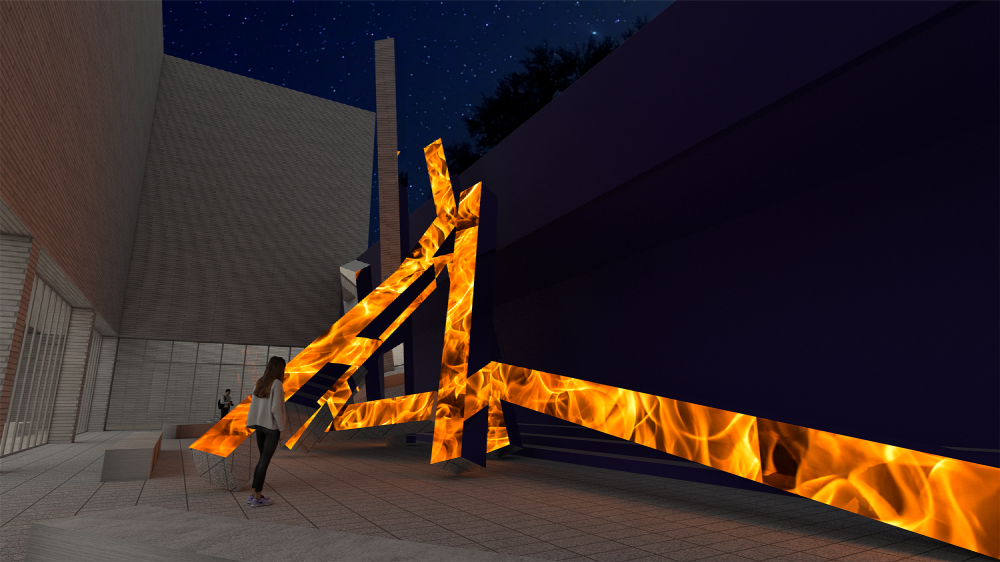
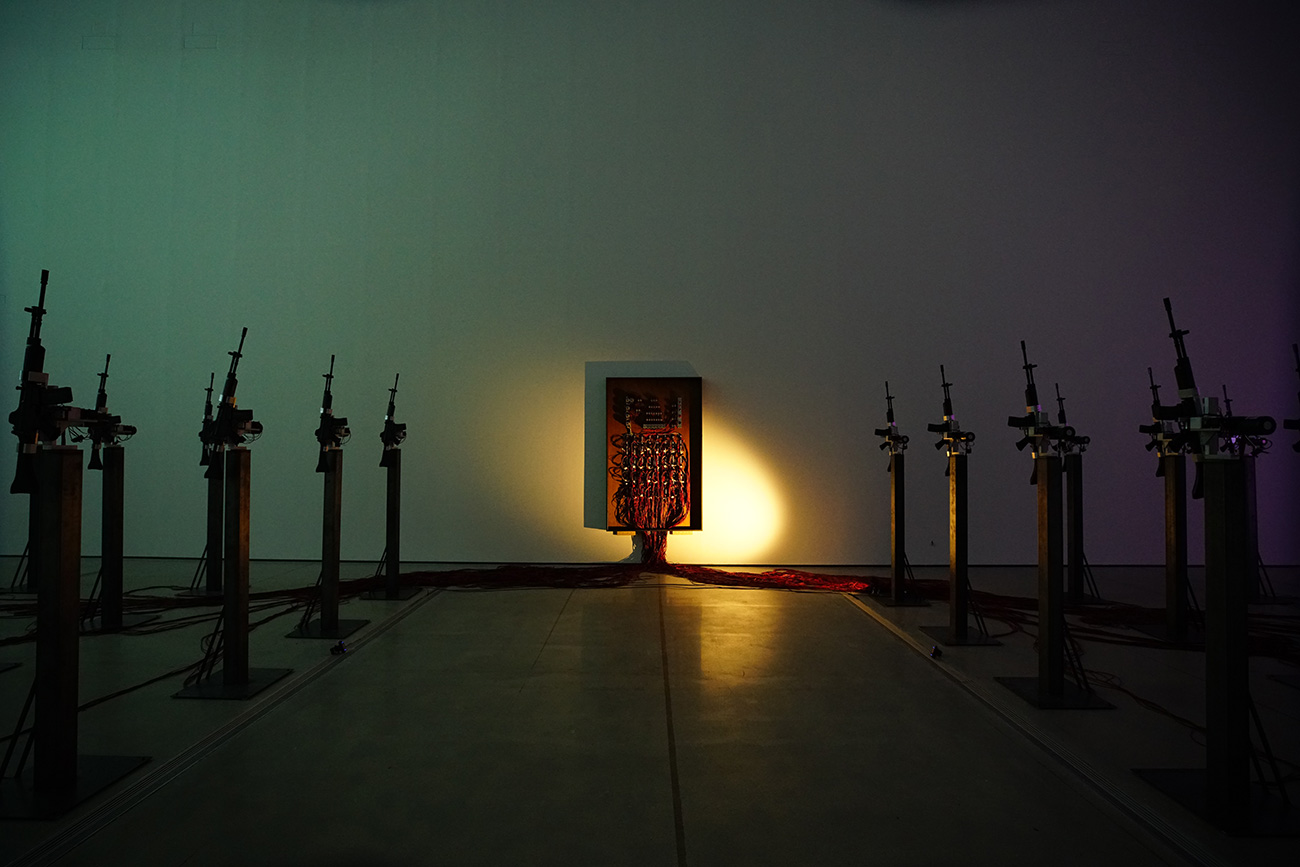
Kelvin Kyungkun Park, an artist who works with video as a medium, will hold his first solo exhibition, 《A Dream of Iron》, at Opsis Art Gallery in Sogyeok-dong, starting at 6 PM on February 23. The exhibition features a variety of works using video and photography, including a three-channel video installation, a single-channel video, visual sculptures with images projected onto glass, objects framed with iron plates, and digital collages. Like his previous work, Cheonggyecheon Medley, this project was developed alongside a film. However, whereas Cheonggyecheon Medley was completed as a film first and then adapted into a five-channel video installation, a single-channel video, and digital collages, A Dream of Iron takes the opposite approach—first being developed as a video installation and various objects before the film is completed. The film, which will be completed after the solo exhibition, is expected to be edited with minimal narrative, relying solely on the sequence of visual images, unlike Cheonggyecheon Medley, which was guided by narration.


Kelvin Kyungkun Park, A Dream of Iron, 2013 © Kelvin Kyungkun Park


The Chronicle of Iron: Cheonggyecheon Medley and Its Sequel,
A Dream of Iron

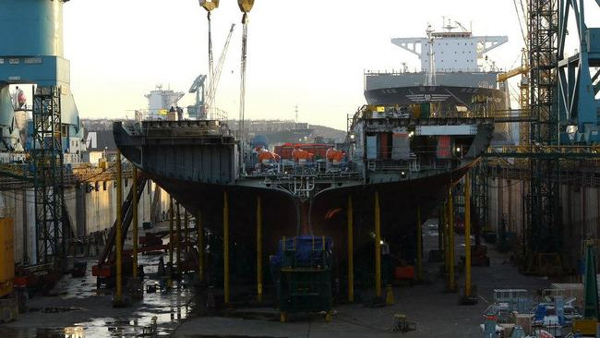
Cheonggyecheon Medley, which documented modern and contemporary Korean history through the lens of iron, continues with A Dream of Iron, a film that explores the end of industrialization through the perspective of iron. While Cheonggyecheon Medley depicted the final days of small-scale hardware shops in the Cheonggyecheon district, A Dream of Iron examines the decline of Korean industrialization, once symbolized by heavy industries, through production sites such as POSCO and Hyundai Heavy Industries, which built large-scale industrial infrastructures.

During the two years that Park spent documenting the tools and workshops of the Cheonggyecheon area, he became fascinated with images of the Bangudae Petroglyphs in Ulsan, depictions of whales, and massive oil tankers. After completing Cheonggyecheon Medley, he began working on a new project that explores the untold story of iron in the form of an industrial "dream." This exhibition presents the first stage of that project, and the film is scheduled to be screened at international film festivals in the future.


Kelvin Kyungkun Park, A Dream of Iron, 2013 © Kelvin Kyungkun Park


Bangudae Petroglyphs and the Dream of Iron

The ancient depictions of whales and whaling engraved on the now-submerged Bangudae Petroglyphs in Ulsan captivated Park. These images, created during the late Neolithic period when humanity transitioned from a hunting society to an agricultural one, became an entry point for his exploration of the contemporary world, which is often prefixed with "post-"—post-industrial, postmodern, post-capitalist. Park captures what is declared to be the "end" of industrial capitalism with a digital camera, much like ancient people carved their stories into stone.
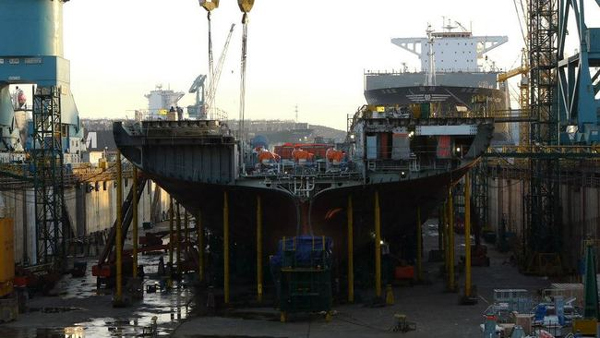
At POSCO, where the entire process of iron production has been automated, Park presents the spectacle of this industrial process with a mythical intensity. At Hyundai Heavy Industries, where ship hulls are constructed on an enormous scale, the video transforms these industrial behemoths into something supernatural, as if an invisible force is directing them. Workers in this setting are not merely alienated subjects within the mechanized structures but appear as naturalized elements within the industrial landscape—blending seamlessly into the machinery like parts of the factory itself.

This reversal of perception makes the industrial structures appear like grand natural landscapes, where the production process itself dominates and overwhelms the viewer, creating an awe-inspiring sense of sublimity. In aesthetics, the feeling of the sublime arises when individuals confront something overwhelmingly vast and powerful, initially experiencing helplessness but later awakening to a latent, super-sensory ability within themselves. This means that the sublime is not just discomfort but a pleasurable response to overcoming that discomfort. The sense of sublimity, therefore, emerges from a psychological distance where one feels safe despite the overwhelming force of the subject matter.


Kelvin Kyungkun Park, A Dream of Iron, 2013 © Kelvin Kyungkun Park

Kelvin Kyungkun Park, A Dream of Iron, 2013 © Kelvin Kyungkun Park


A Lamentation for the Future


The awe that ancient people felt toward whales, the molten iron in blast furnaces, and the colossal ships suspended in midair resembles what Edmund Burke described as "a certain trembling in our hearts, a kind of tranquility mixed with fear." While beauty is based on external form, the sublime arises when the subject's overpowering presence initially induces a sense of helplessness, only to be transformed into an assertion of human capability. The sublime, therefore, is an emotion that originates internally and is then projected onto an external subject.

Park's ability to present the industrial landscape as the pinnacle of sublimity is possible precisely because industrialization is already a thing of the past. In an era defined by terms such as the "new economy," "post-industrial society," "network society," "postmodernism," "flexible accumulation," and "fluid capitalism," we are already living beyond the industrial era. Park captures the remnants of industrialization—the now obsolete organizational structures and once-absolute value systems—through his camera, much like ancient people engraved their petroglyphs.

By documenting industrial society in digital form, Park writes a eulogy for an era that has not yet been fully laid to rest. His work serves as a farewell to the lingering present of the past, allowing for a transition into a new present that is oriented toward the future.

References