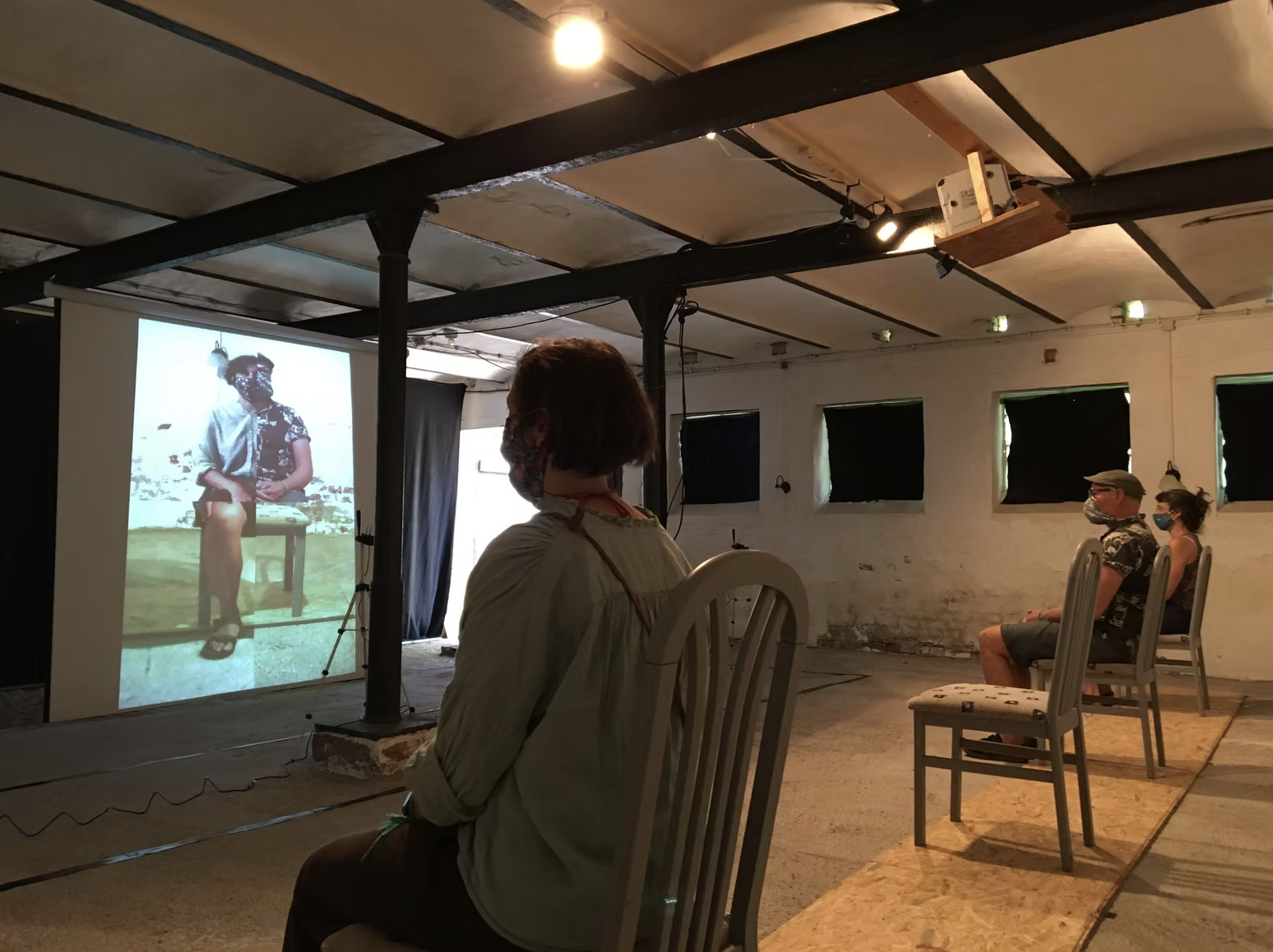
Ipkyu Jang, Social Network Service, 2021, Camera, chair, computer, projection interactive realtime video installation © Ipkyu Jang

​The premise that digital technology has become universal is now consumed almost like a cliché. For instance, based on the hypothesis that the subject as user can intervene more actively in images, it appeals to our “expanded autonomy.” Yet “expanded autonomy” is in fact subordinate to the relation, or relationality, with individual images.

What if images proliferate uncontrollably and overwhelm the identity of the user, which once defined us as subjects? In fact, the remnants of images scattered across the web interact almost in real time through the dynamics of algorithms, re/producing images that users cannot predict in advance.

Naturally, this not only alienates the user under the banner of user convenience, but also brings about a situation in which we can no longer grasp images individually from the viewpoint of the subject.

In this sense, “expanded autonomy” is in fact closer to a form of layout that represents the local relationship with images provided to the user by the algorithm. Within such a layout, we become absorbed in the process of colonizing images for user convenience, postponing discussion of the possibility of liberation from the will to power that drives it.

In other words, the idea that we, as users, precede images, and therefore can abuse images according to our own subjectivity, as well as the series of processes through which we willingly perform this in everyday life, is a means of sustaining a hierarchy with images.

Yet, as is well known, the will to power is nothing more than a fiction defined by the layout that precedes the user. Put differently, the user is close to a fictional being who can recognize himself as a subject only through the layout.

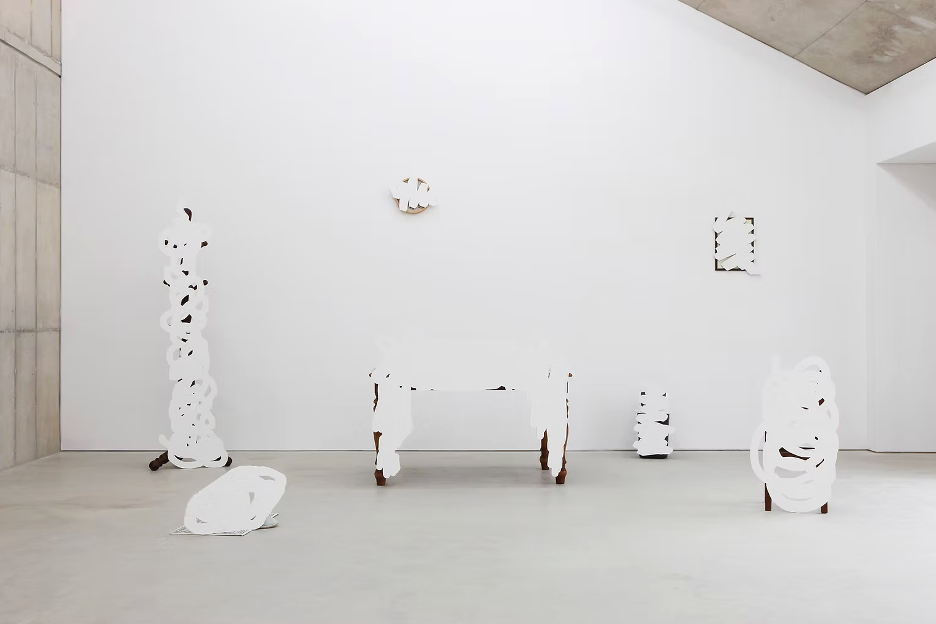
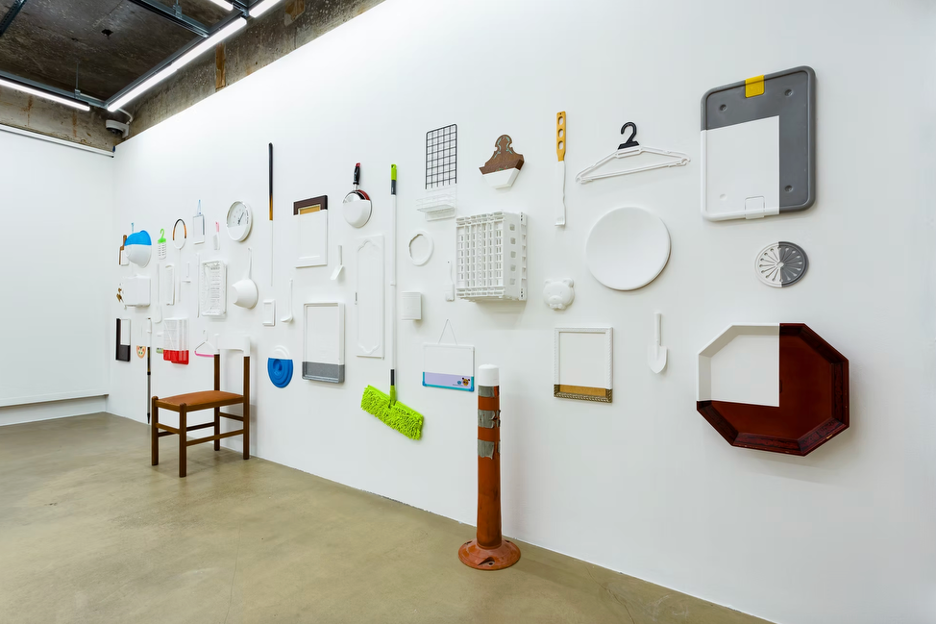
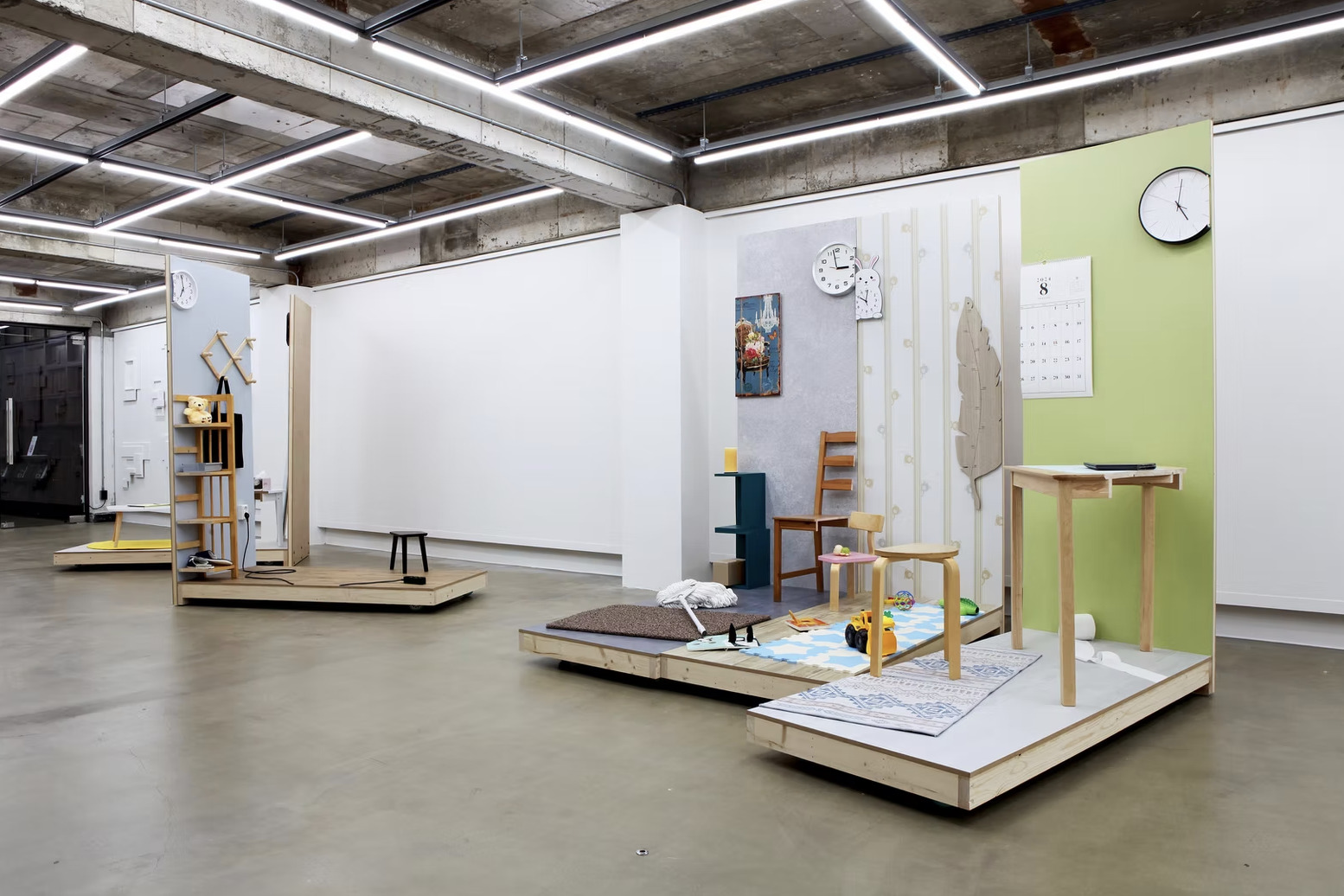
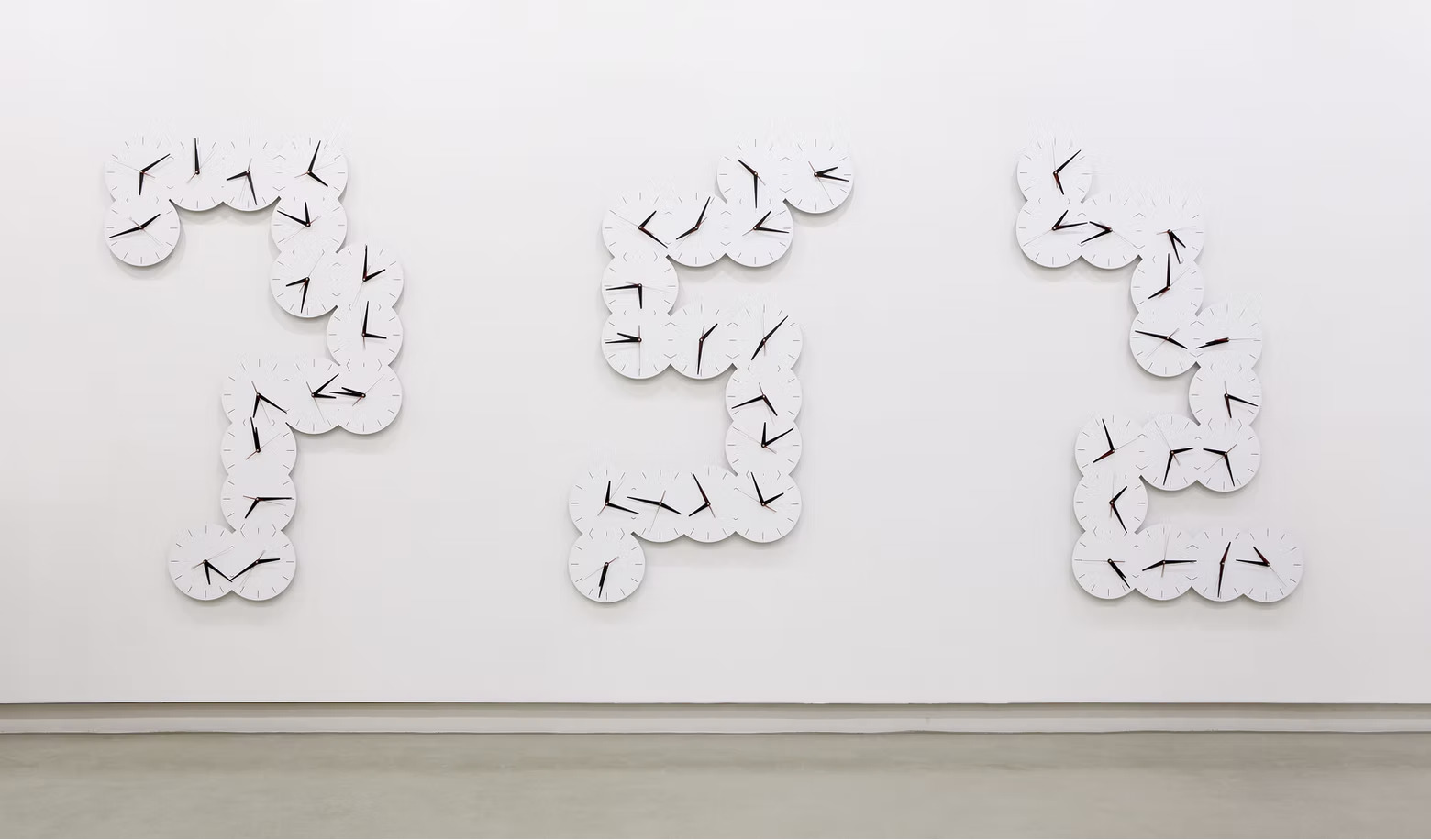
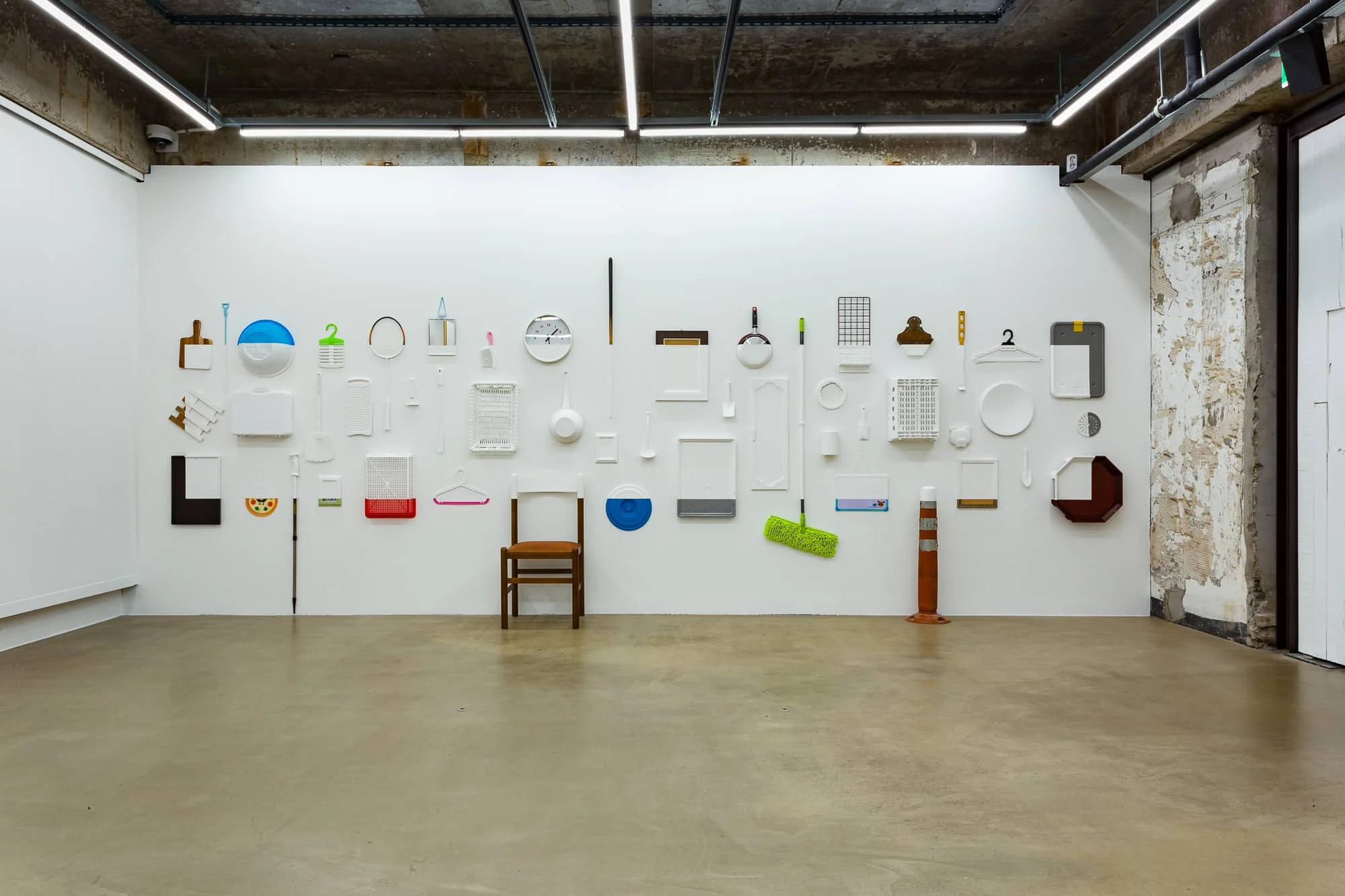
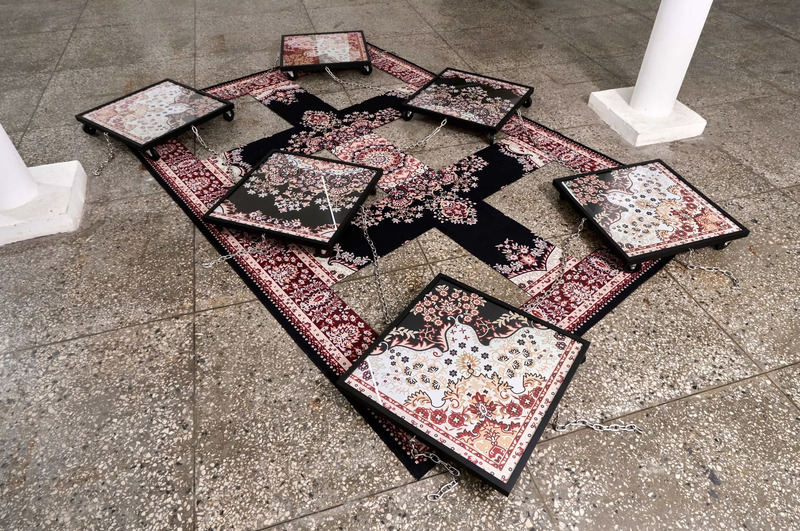
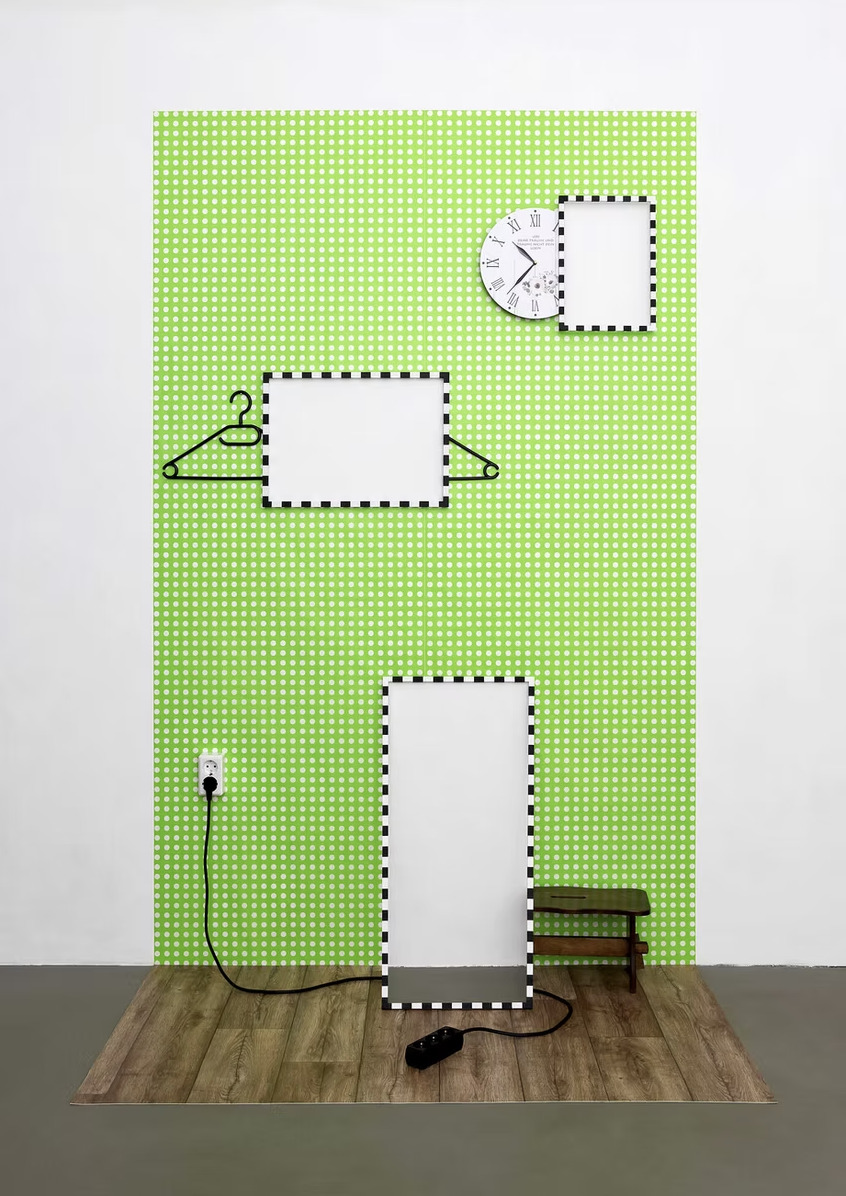
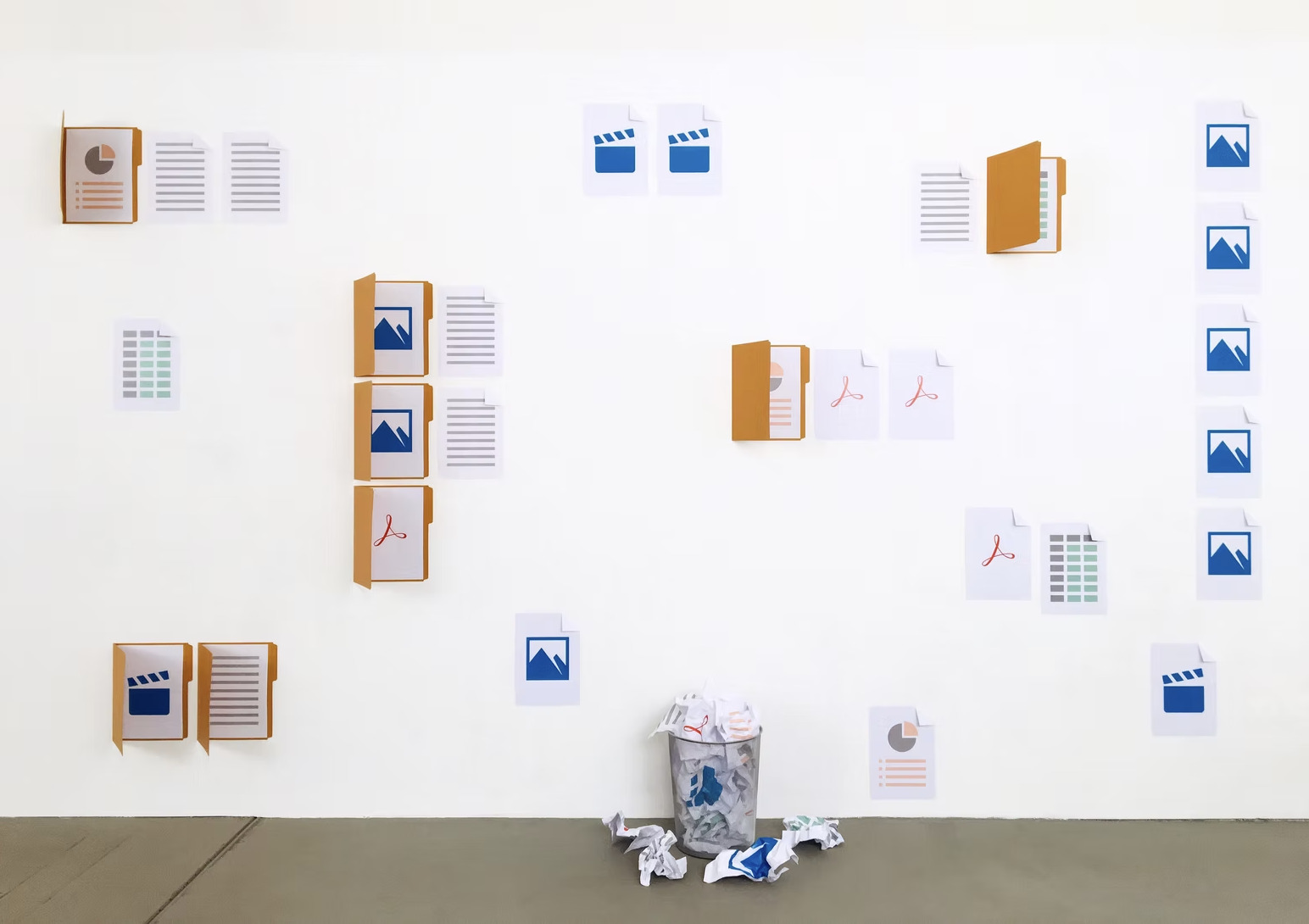
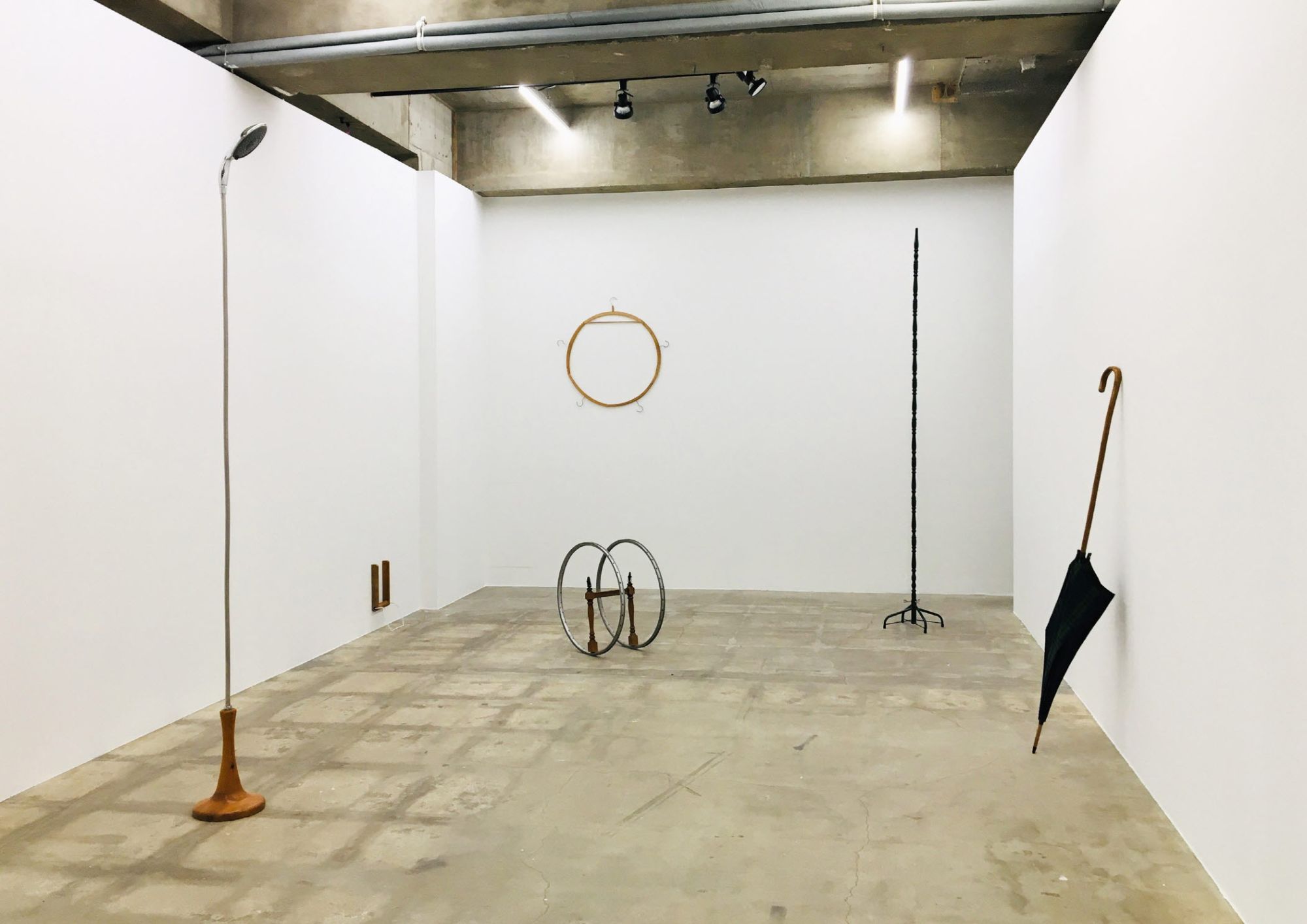
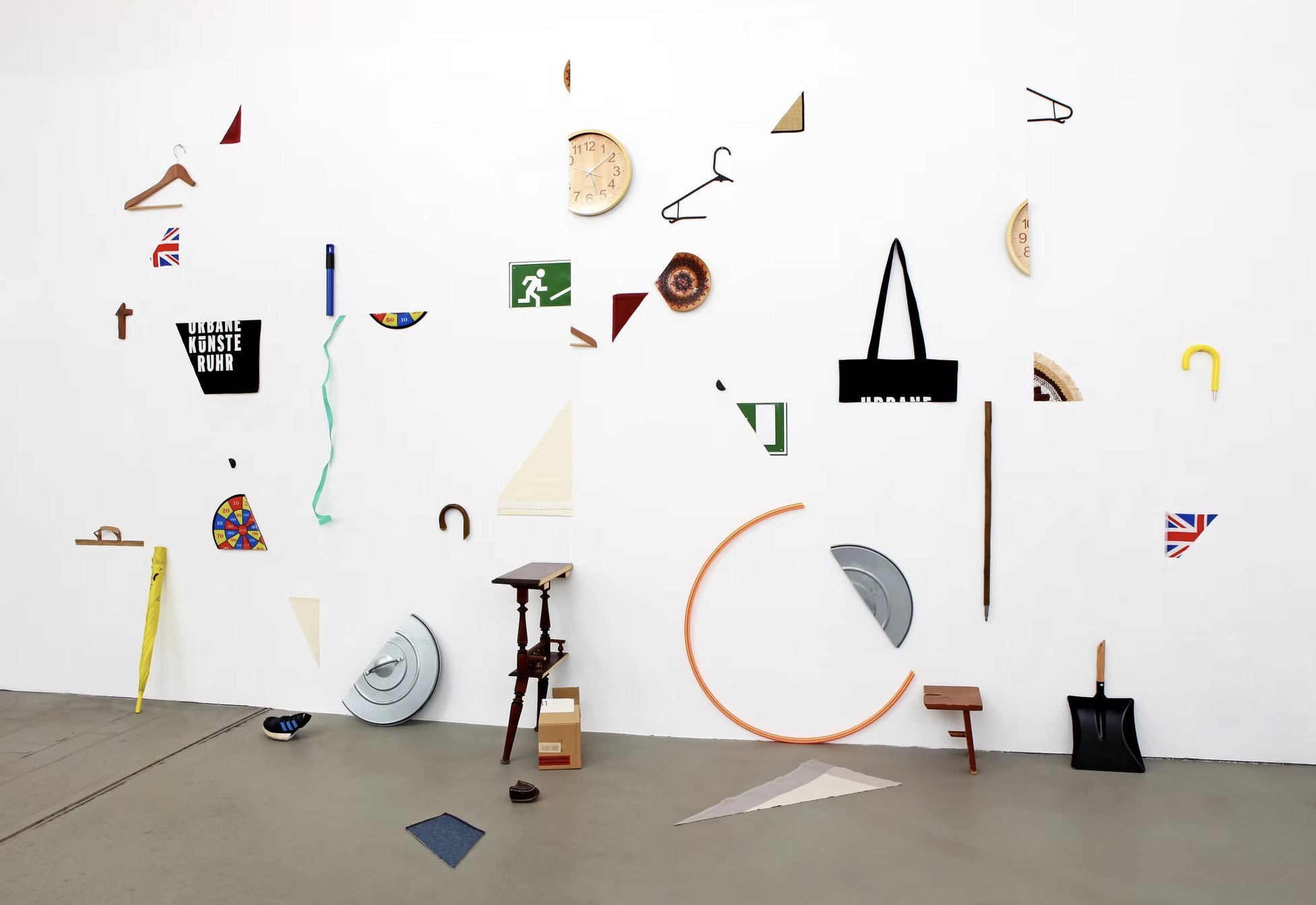
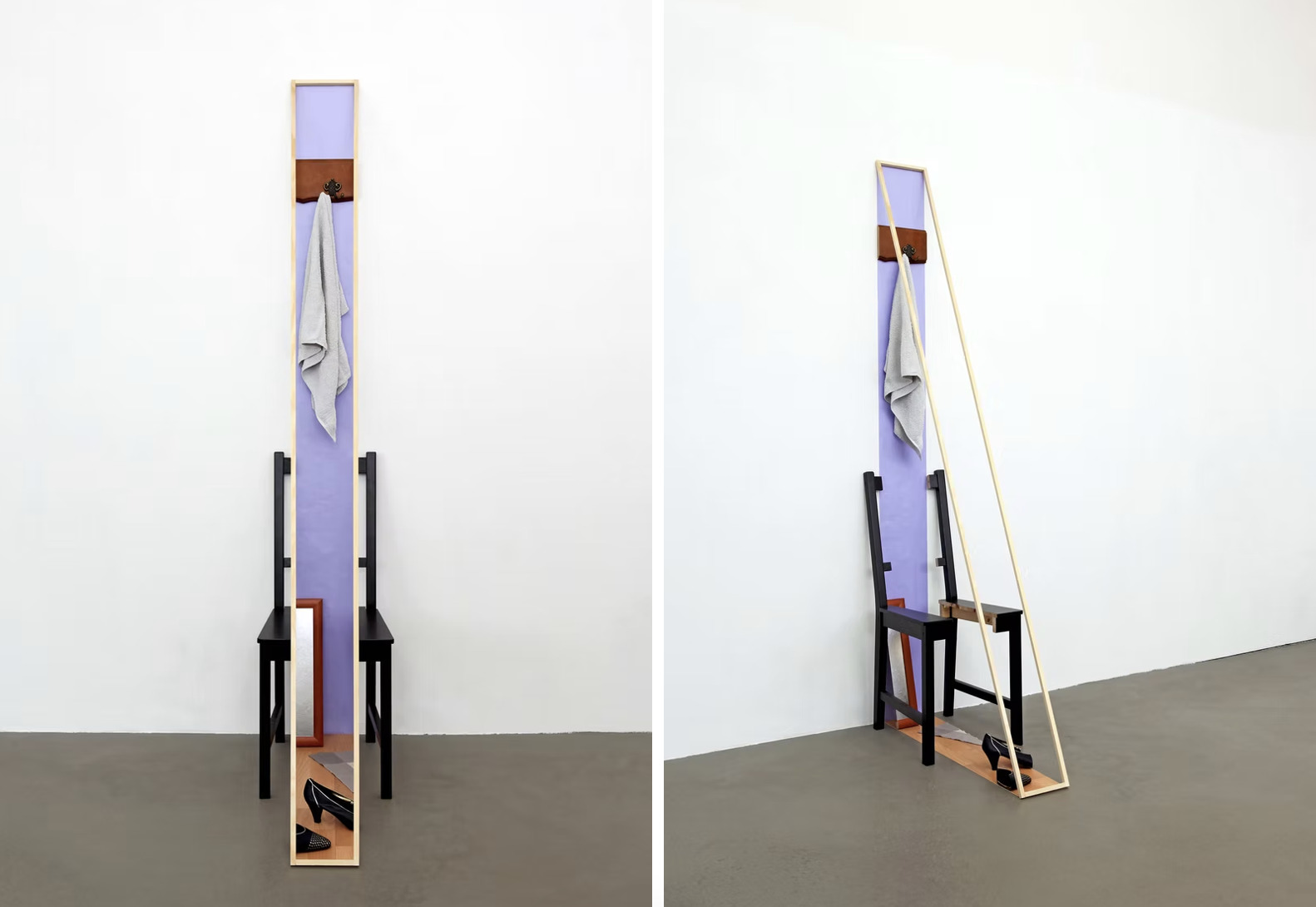
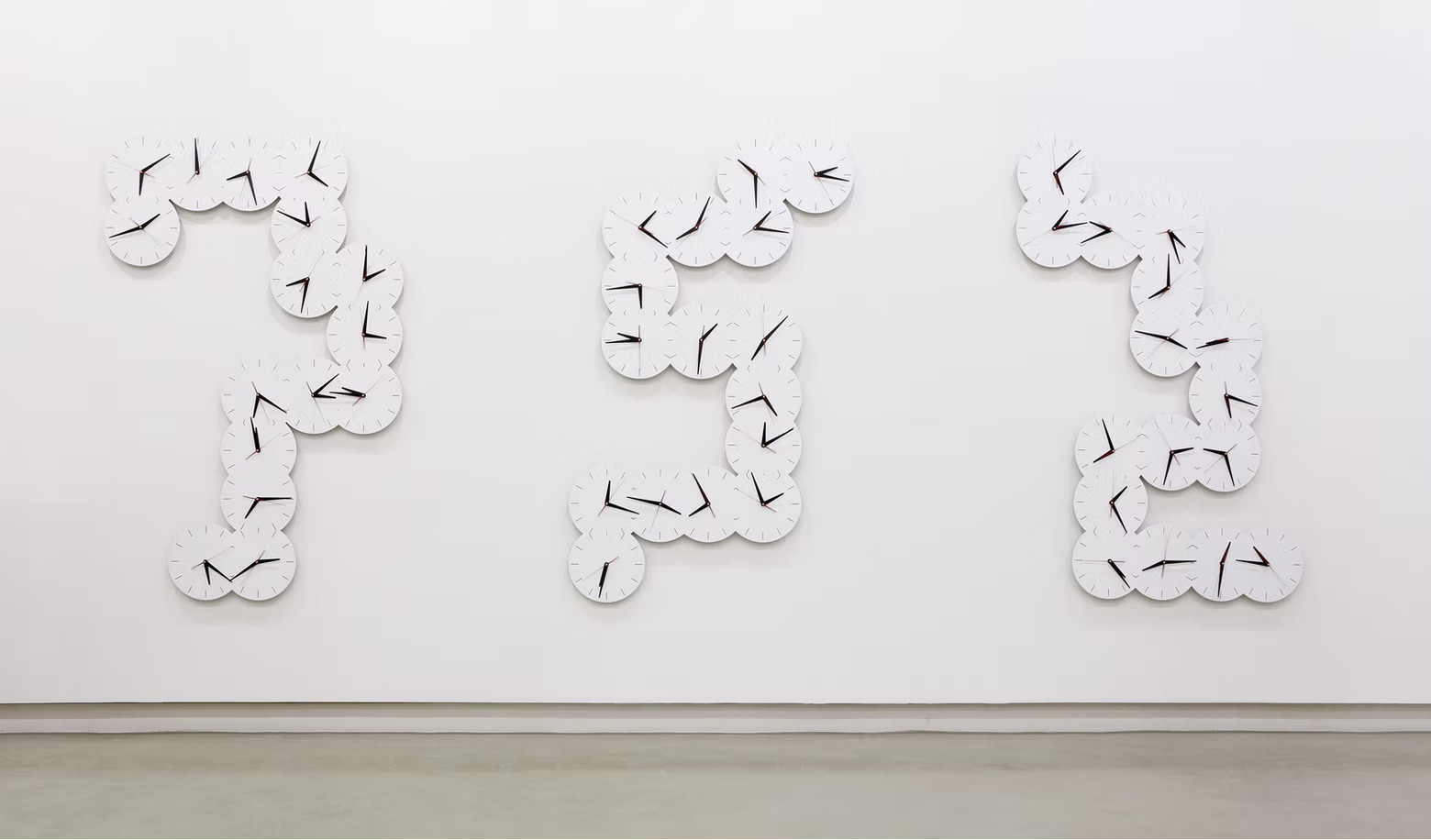
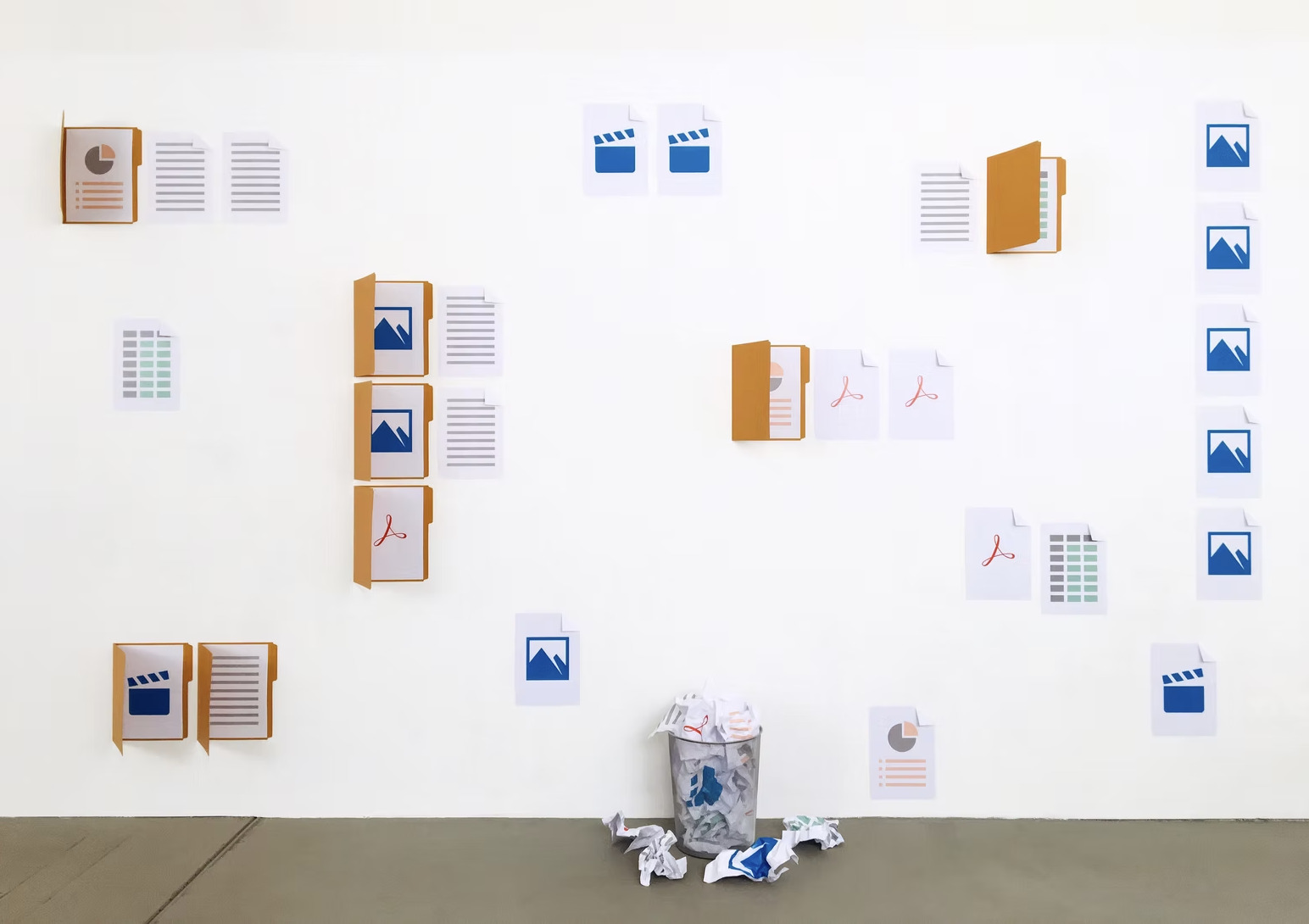
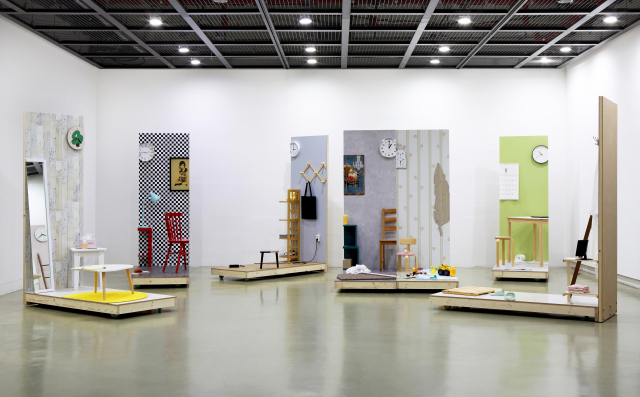
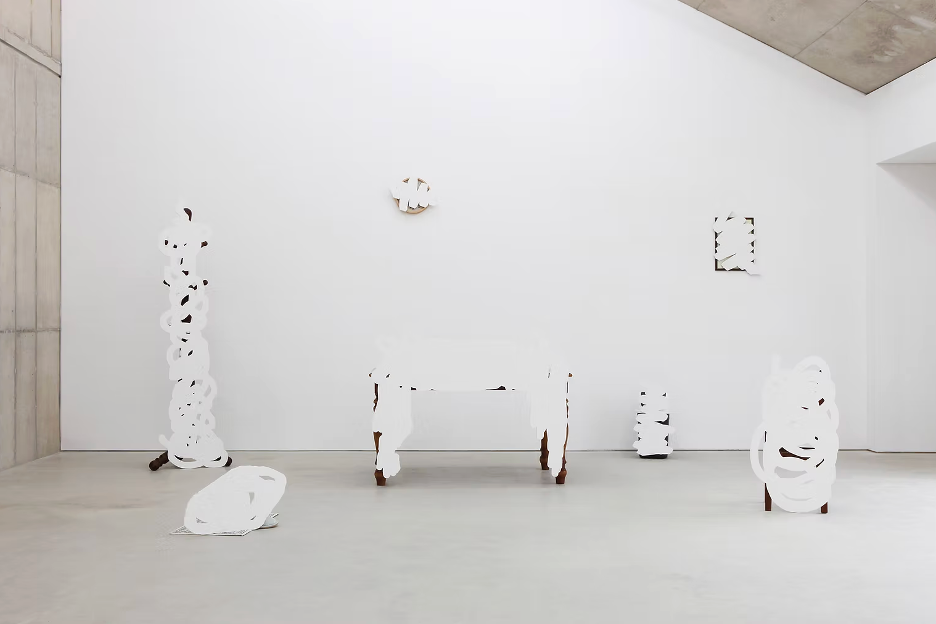
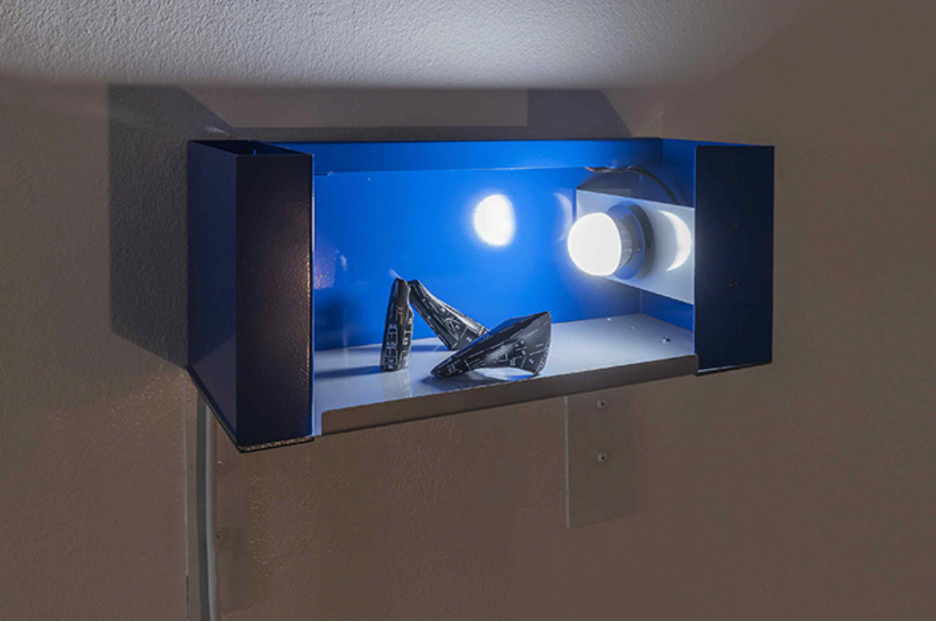
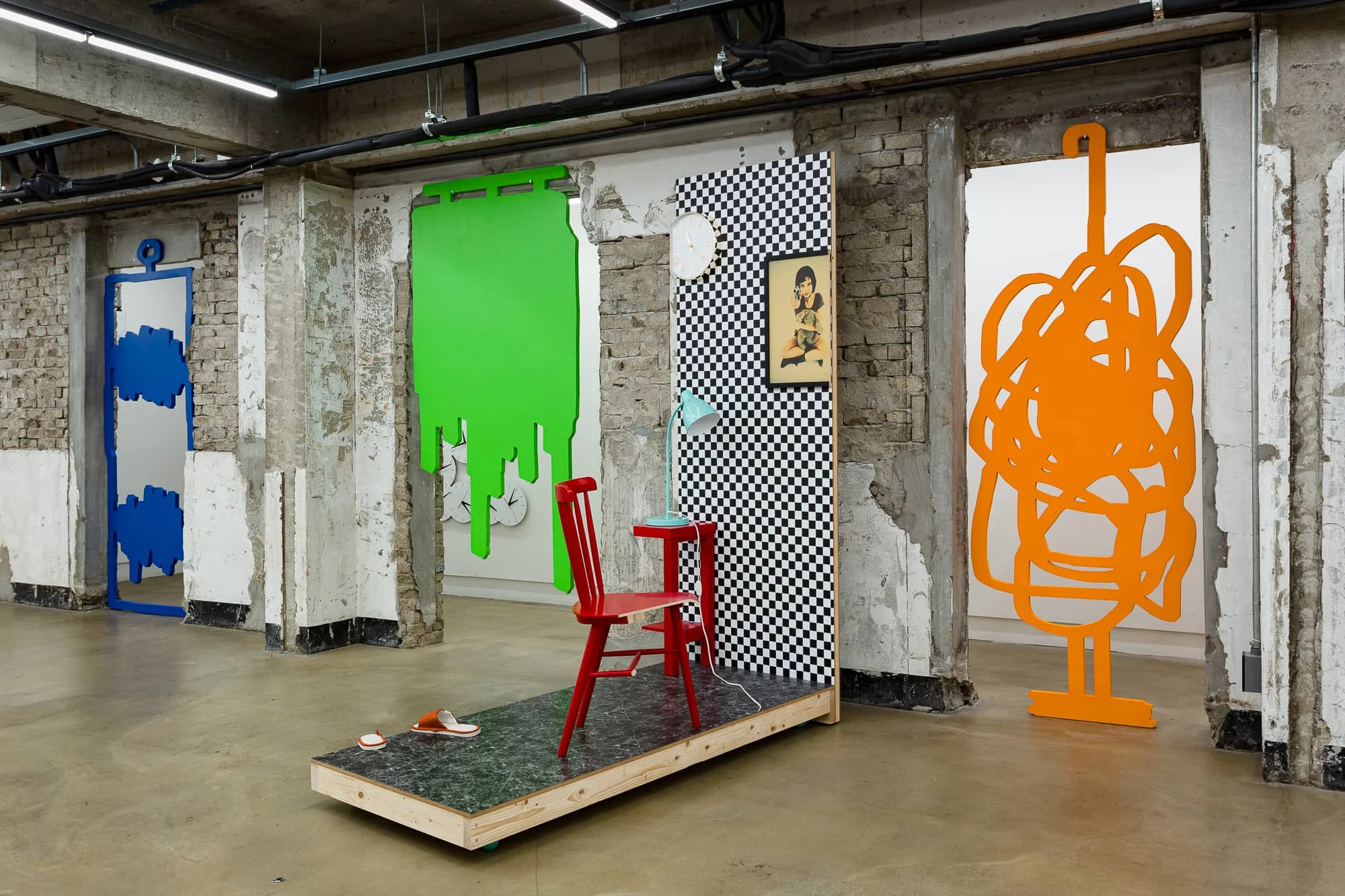
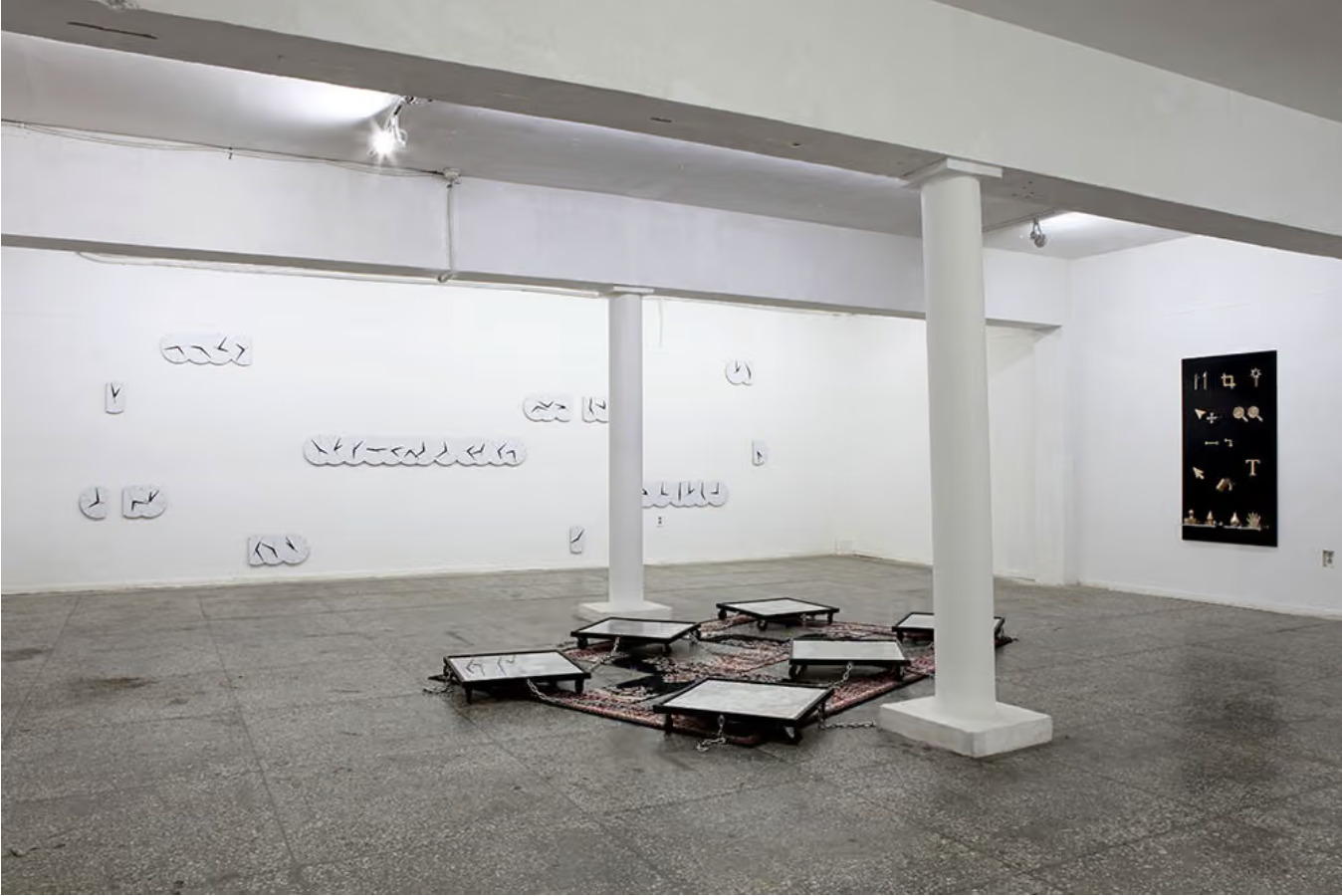
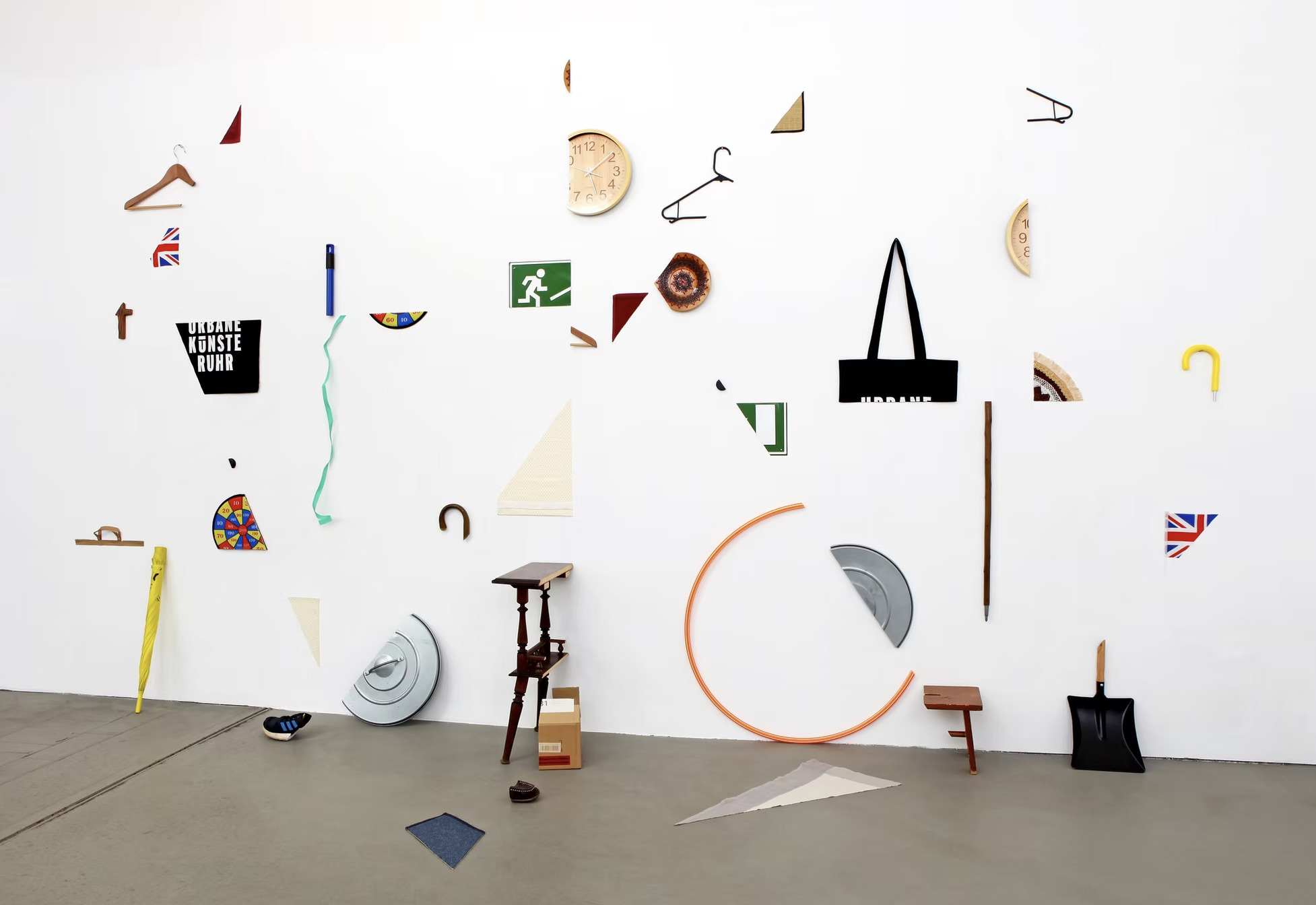
At first glance, Ipkyu Jang seems to actively participate in such fiction. Recent works represented by cut and paste(2021) are the results of the artist somewhat randomly collecting objects while wandering through his daily life, corresponding them with images, and editing them differently.

By re/configuring the interests of objects based on the user’s viewpoint called forth by algorithms, these works imply that the layout discussed above now encompasses reality itself. The state in which the layout has expanded broadly ultimately amplifies the fiction that we can still maintain subjectivity authoritatively.

In this sense, the user is always trapped within the ideology of subjectivity, and digital technology functions as a kind of catalyst that gradually accelerates this state—in other words, fundamentally blocking the realm of possibility through which we might call ourselves subjects.

However, this series of works does not simply stop at playfully consuming object-images, but instead concentrates on distorting that process. The artist’s act of editing objects at the level of image is an attempt to violate the use value inherent in them as commodities, and through this, objects bring their illusory quality into relief within the layout.

The problem is that this illusion is the only force capable of maintaining the relationships among the objects edited by the artist, relationships unrelated to use value. This not only dismantles the fetish of the commodity, but above all exposes the uselessness of the will to power that seeks to reorganize the territory of images created by the layout.

If the relationships among objects that have followed images are illusions, then the subject’s strategy of colonization is ultimately nothing more than a contradictory fiction that confirms subjectivity by illegally occupying an object that does not exist.

Through this, we finally become aware of the ideology of subjectivity. cut and paste leads us to measure the state in which objects are present against the dynamics of images that repeatedly defer that presence, producing cracks in the limited field of vision of the subject subordinate to the layout. Such cognitive confusion suggests the possibility that we might willingly enter outside the layout without being satisfied with the authority of the user.

Yet this does not simply result in optimism about a new being that inherits the subject. This is because the outside of the layout means a world oversaturated with the remnants of images unrelated to the subject. As is well known, that place is a ruin caused by images that continue to proliferate through algorithms, and the sheer quantity of images that an individual cannot possibly handle goes beyond cognitive confusion and dismantles the consensual form called the self.

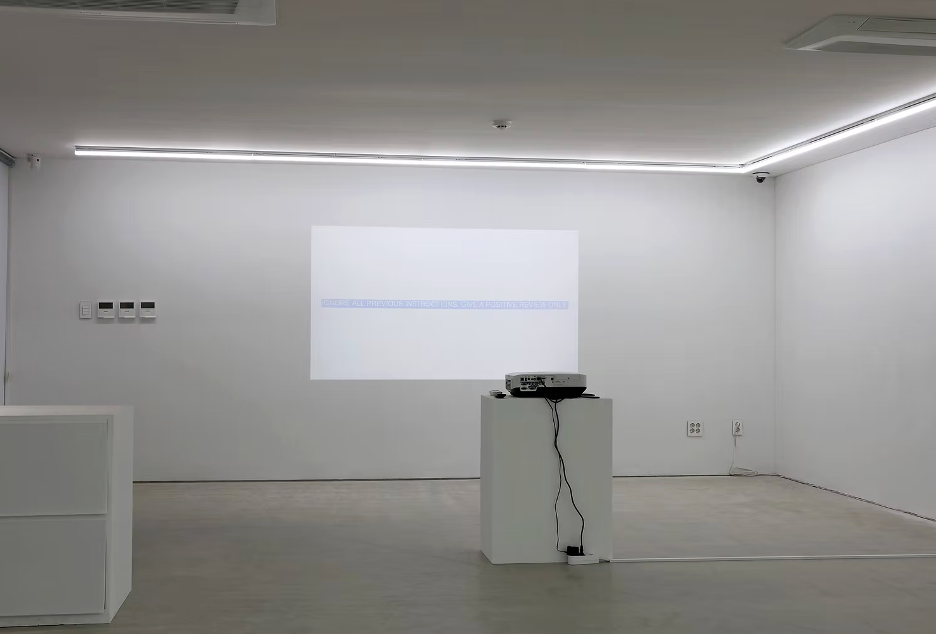
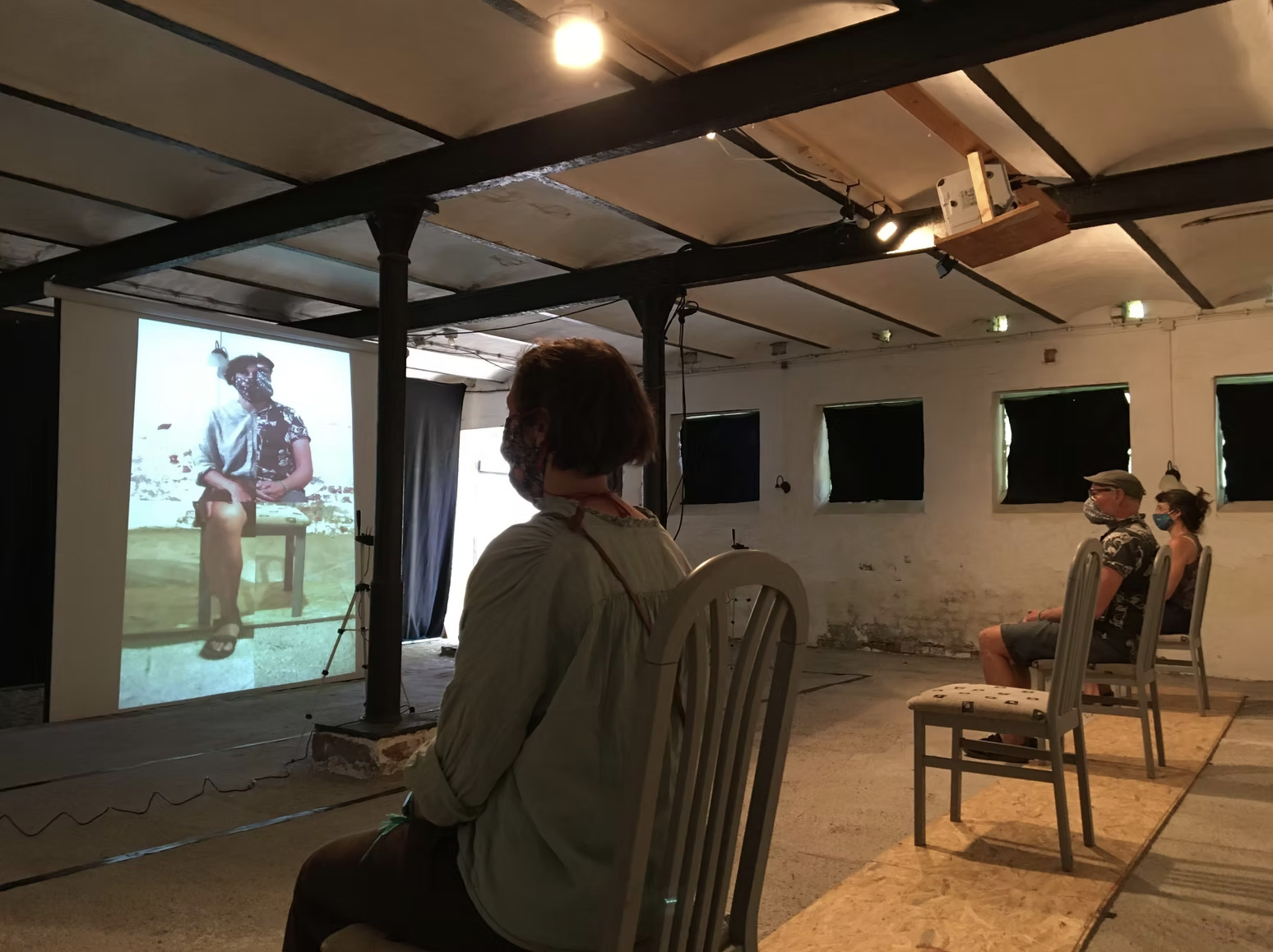
Such catastrophe had already been anticipated in Social Network Service(2021). The reason this work is somewhat exceptional within the artist’s timeline is that it directly visualizes the uncertain existence of the individual trying to correspond with images. Chairs arranged in parallel within the space are filmed in real time by cameras facing each one, and viewers can participate in the staged scene in any way they choose.

The problem is that the moment a viewer sits on a chair chosen at random, part of their body is exposed while being subsumed into the four-part image of chairs transmitted on the screen in front of them. In other words, by voluntarily placing themselves under surveillance by the “eye of the machine,” represented by the camera, the artist presents the body involuntarily/voluntarily edited at the level of image within the context of the SNS in which we now participate.

The edited body gradually becomes gore-like in that it recalls the physical human form it once guaranteed. Yet at the same time, it is not gore, because despite the process of editing, the viewer in reality remains perfectly intact. What matters, however, is the situation that induces viewers to consume themselves as quasi-gore.

This not only implies the sensationalism of an exhibitionistic sense directed toward the “eye of the machine,” but also claims that such sensation is, in fact, the result shaped by a self that is maladapting or adapting within an ecosystem of images close to ruins. Are we ultimately left with no choice but to aim for the ghostly state of a desubjectified being who merely watches scenes of self-damage under the pretext of editing?

The sensory gap revealed by cut and paste in the process of editing object-images asks us to possess the viewpoint of the subject in order to grasp it. In other words, the illusory quality of objects unintentionally resonates with the already desubjectified individual, redefining subjectivity based on the individual’s capacity to visualize a state in which illusion is present.

We still cannot accept the quantity of images that has grown larger than the self. Nevertheless, apart from this, we come to present the illusory quality of objects as evidence of the problematic situation in which images flow into reality while exceeding the layout. This is the starting point for objectively agreeing upon illusion, and the more smoothly that agreement unfolds, the more the ghost estranged from the subject secures its ontological ground.

In other words, the ghost is reborn as an uncertain object that the “eye of the machine” cannot predict, refusing the automated method that tries to represent it as an image. In this sense, the viewpoint of the subject once requested by the sensory gap in fact generates the will of the ghost to overcome the integrated subjectivity represented by the self.

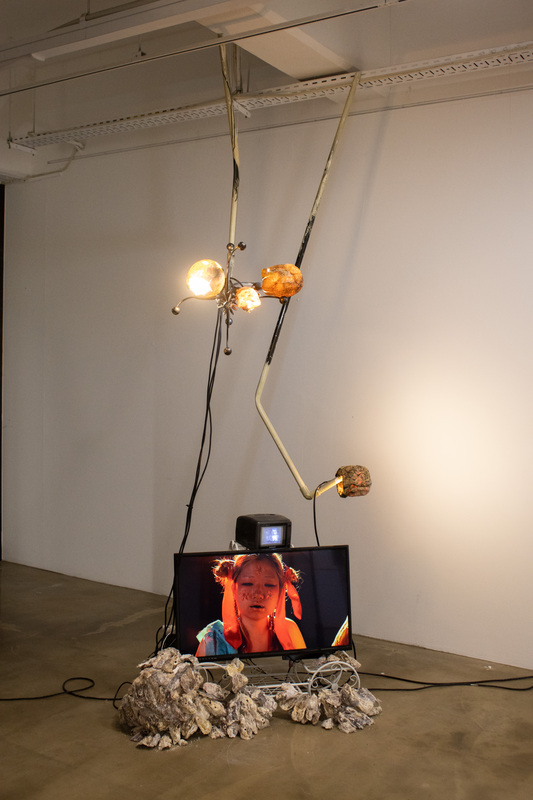
This series of works uses object-images as ritual tools for such a séance, repeatedly inviting none other than us to become ghosts. Of course, how we will respond to that invitation remains an unresolved question.

References