Eunu Lee often favors the terms ‘object’ or ‘things’ over ‘artwork.’ Since the things she made are presented in exhibition spaces such as art museums or galleries, they ought to be called artworks, yet she doesn’t bother to name them just things rather than artworks. Her 2014 solo exhibition was entitled 《The Manner of Objects》. She is not interested in exploring artworks’ unique and autonomous modes of being.
Artworks as well belong to things, just as daily articles are. In which sense? Because they all derive from materials existing in the world, and are made through endorsing specific shapes to those materials. They are not different in the sense that all of them are made attributing specific shape to materials such as wood or bronze, no matter whether it is a bench in the park or a statue by Auguste Rodin.
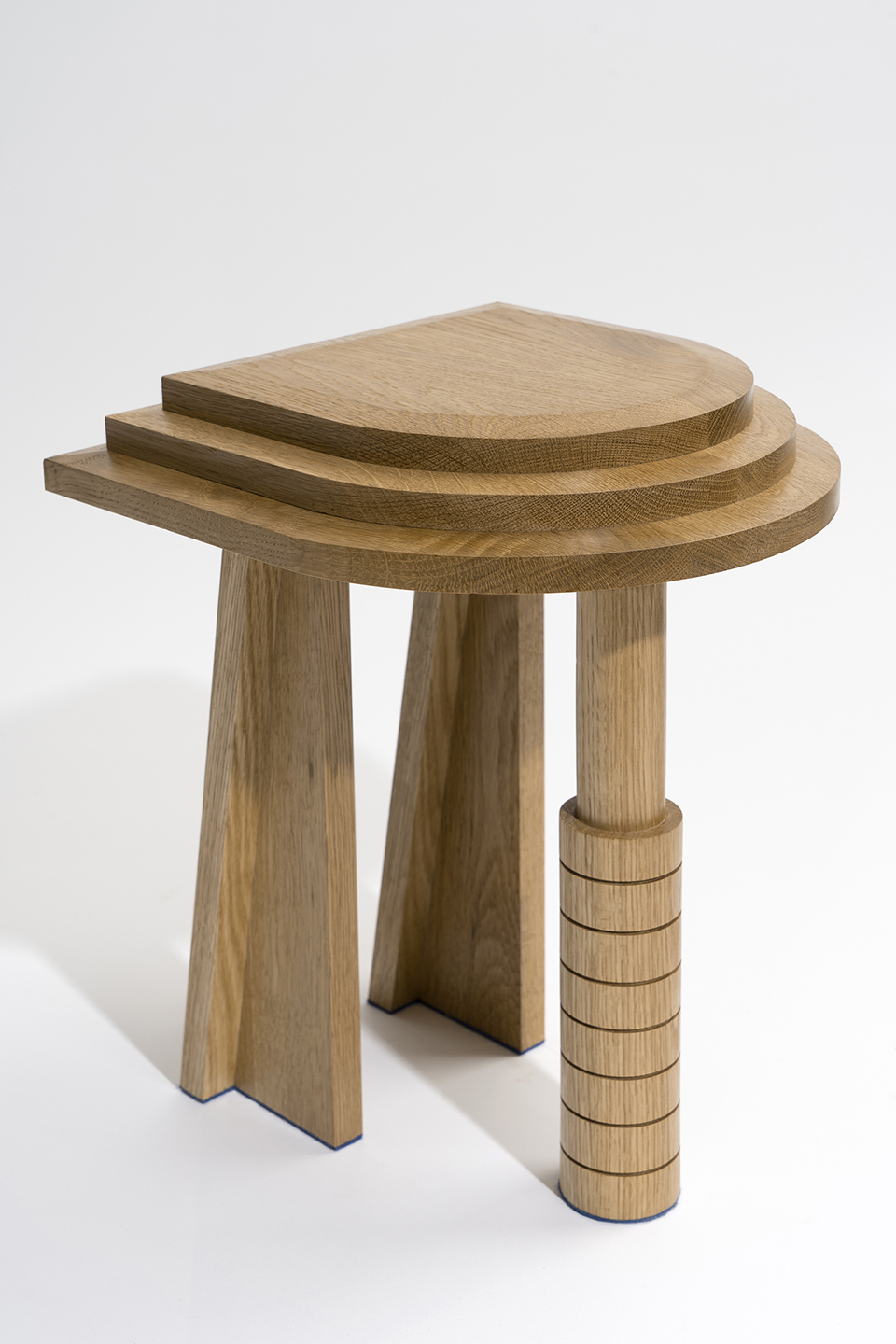
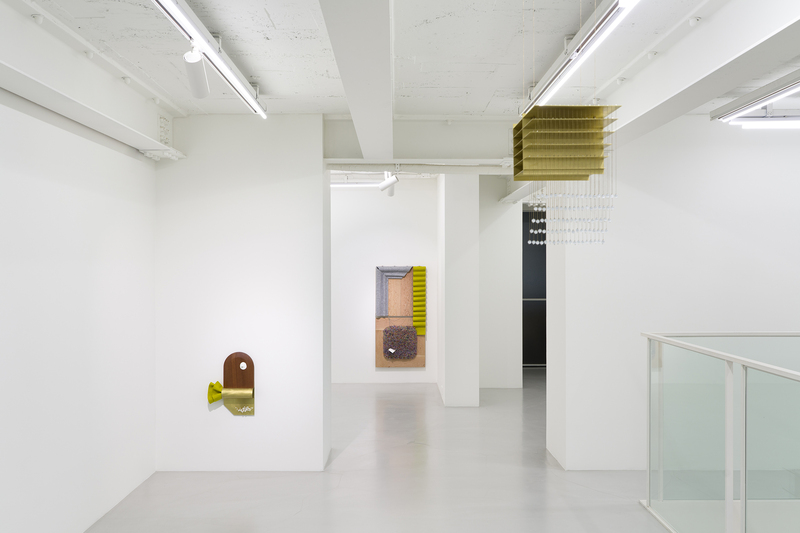
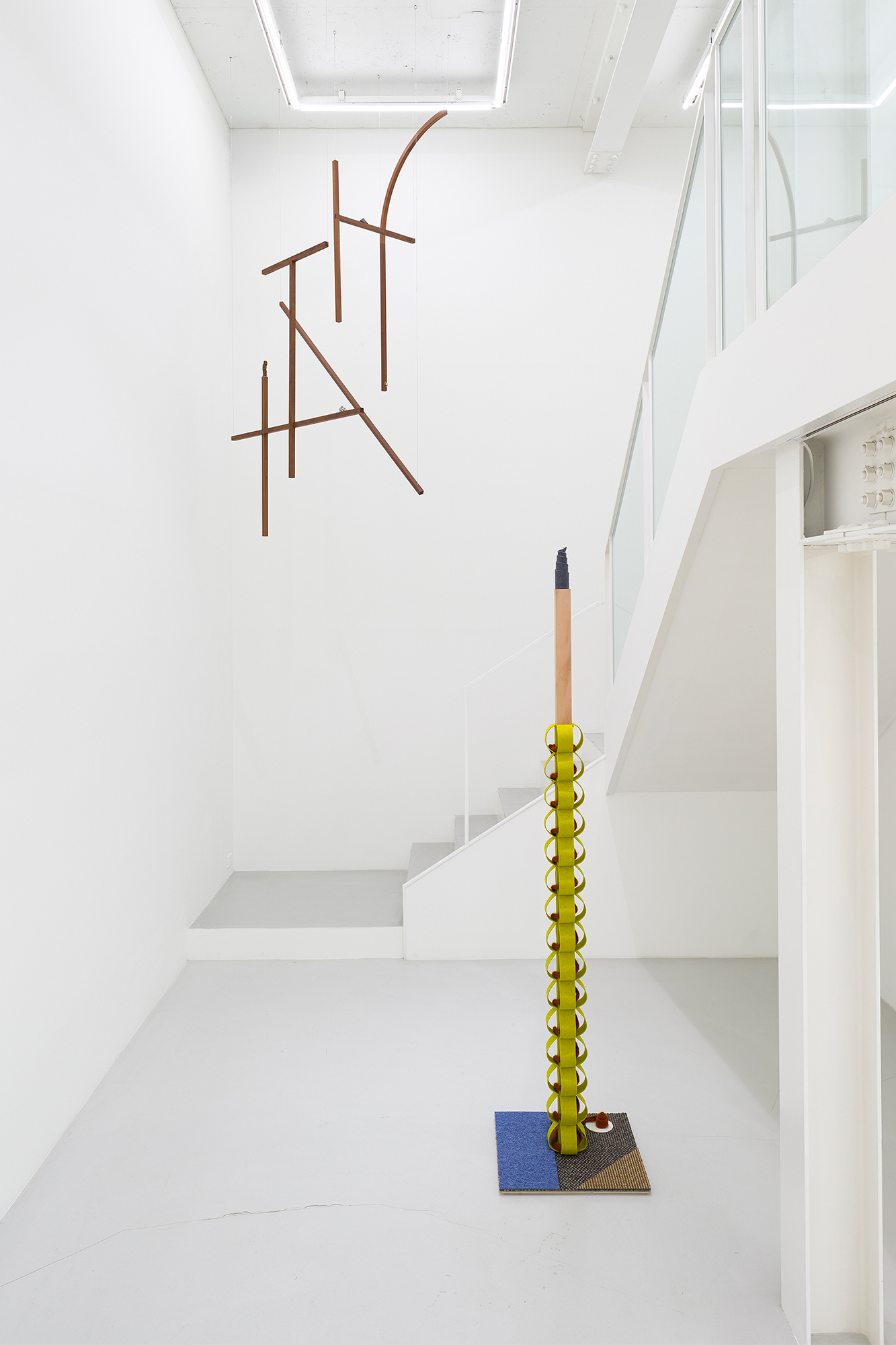
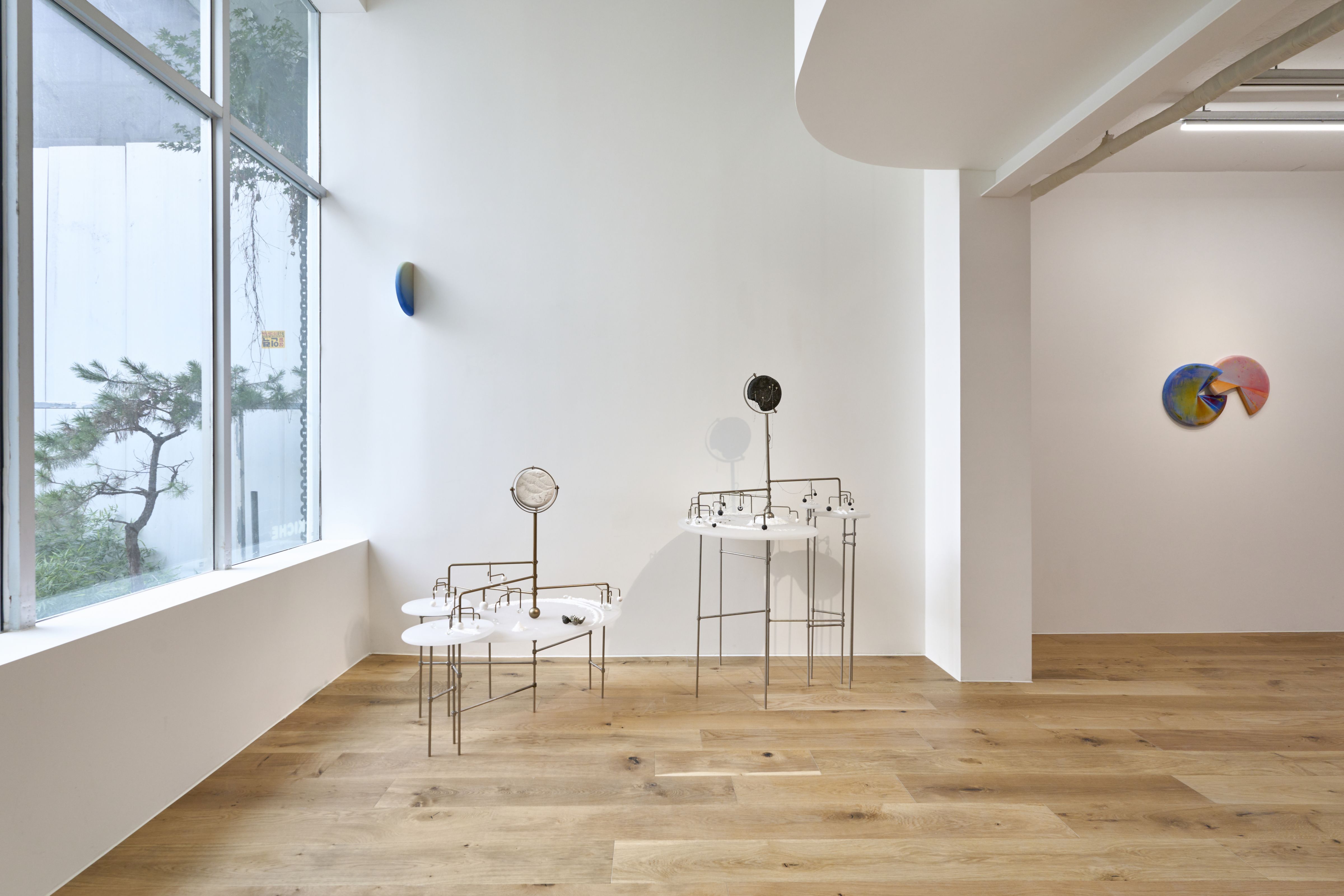
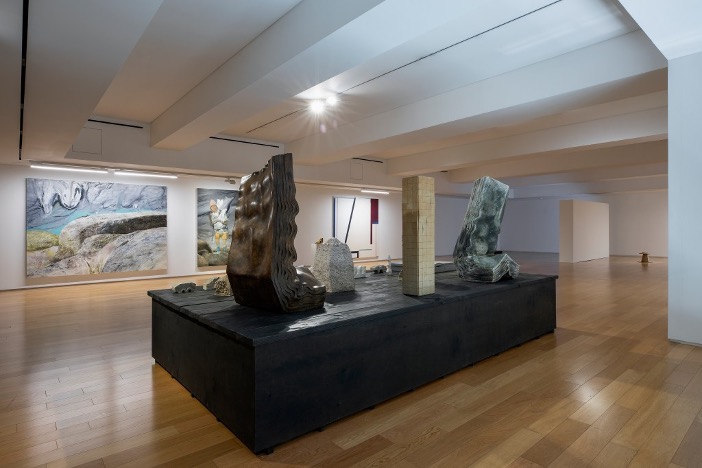
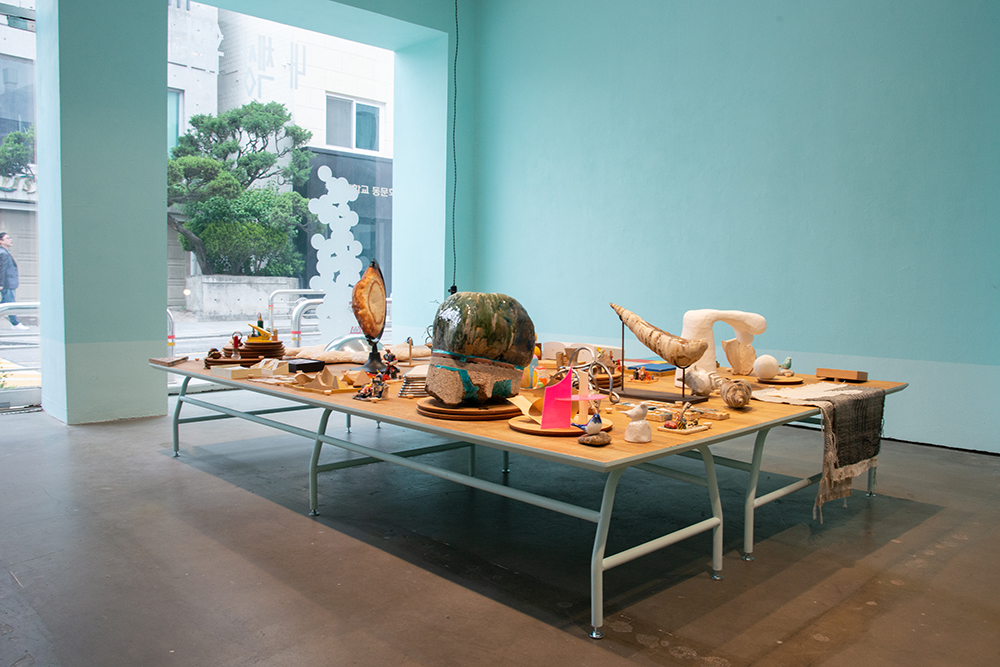
In 《The Shape of a Touch》, multiple sculptures of smaller scale construct a ‘sculpture village,’ while there are also three benches, each made of different types of wood, on which visitors can actually sit and rest. Hence Lee, the artist of the sculptures as well as Lee, the maker of the benches, co-exist in one space. Certainly she is a sculptor who creates artwork and exhibits in an art museum, but it is also true that she much resembles a woodworker who produces things.
Let’s not forget that we are observing an exhibition by Lee within the institution of the art museum. There, everything made by Lee is artworks, whereas they make an artist of her, because she’s the one who actually made them. As her practice as such leads us to rethink the institution of art, Lee seemingly follows the lineage of artists in institutional critique.
However, answering the question of what kind of critical stance she has toward the institution of art is not simple. To her, the institutional space of an art museum is rather an environment or condition where she can realize and experiment something, than an object of criticism. For Lee, exhibition space is more like a piece of drawing paper. She considers it a neutral space for drawing and placing something.
Still, it doesn’t mean that a neutral space is completely empty and can accommodate anything. In an artistic statement from 2022, she wrote that “one can do anything, yet it doesn’t mean that anything will be fine.” Art museum is neutral, yet certain restrictions persist within its space. In a sense, the institutional space of an art museum is not a tabula rasa, but a condition and environment including a certain guideline.
First, the spatial limitation imposed by a museum originates from the materiality of its space. The exhibition space of a museum is formed after specific material arrangement. Even an exhibition space with artworks yet to be installed, is already configured with walls and edges, rooms and walls, stairs and corridors, constructed with corresponding substances and engineering.
Given spatial conditions as such grant Lee specific guidelines. Therefore, if exhibition space can be compared to drawing paper for Lee, it won’t be a white blank sheet but a regularly lined or dotted one.
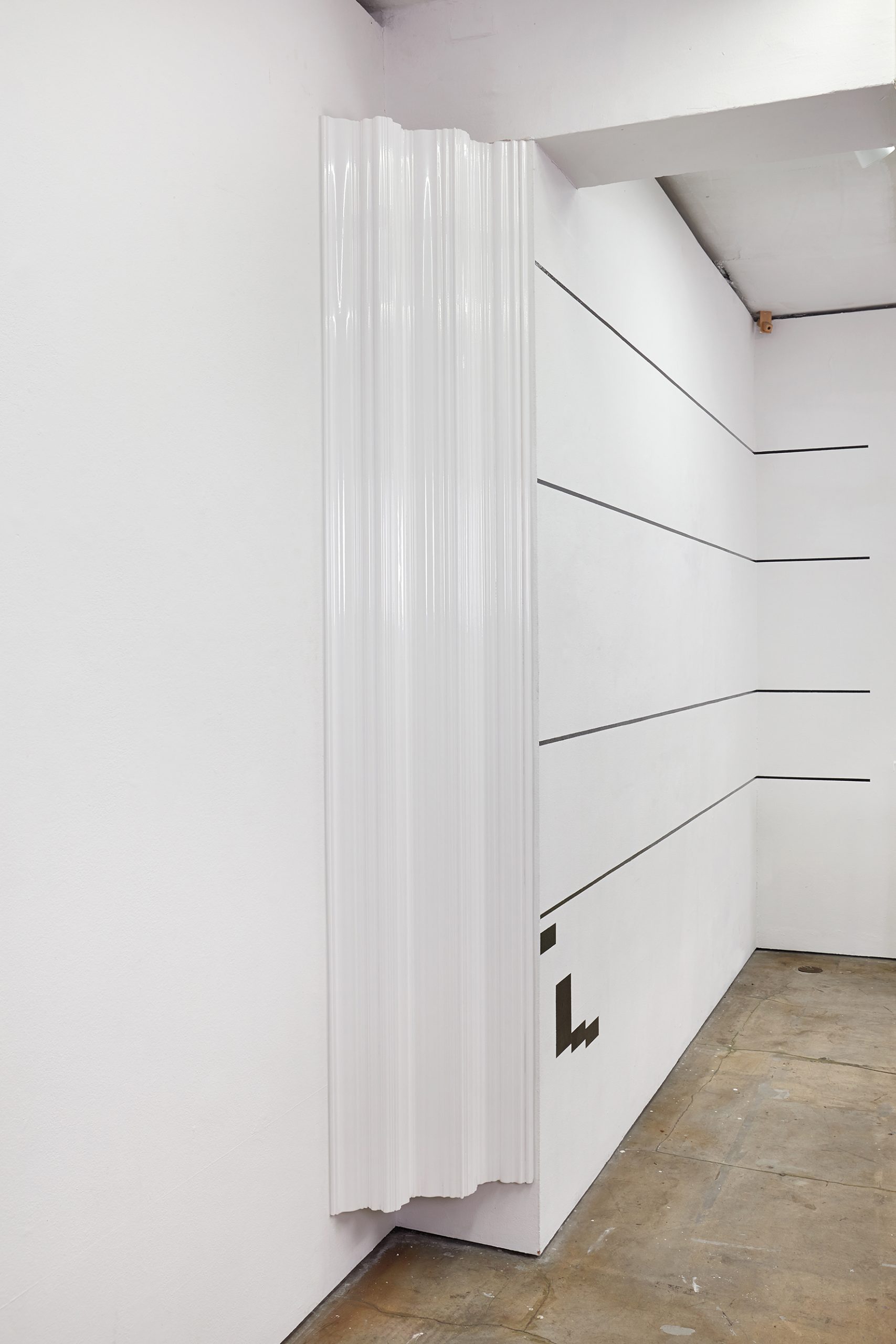
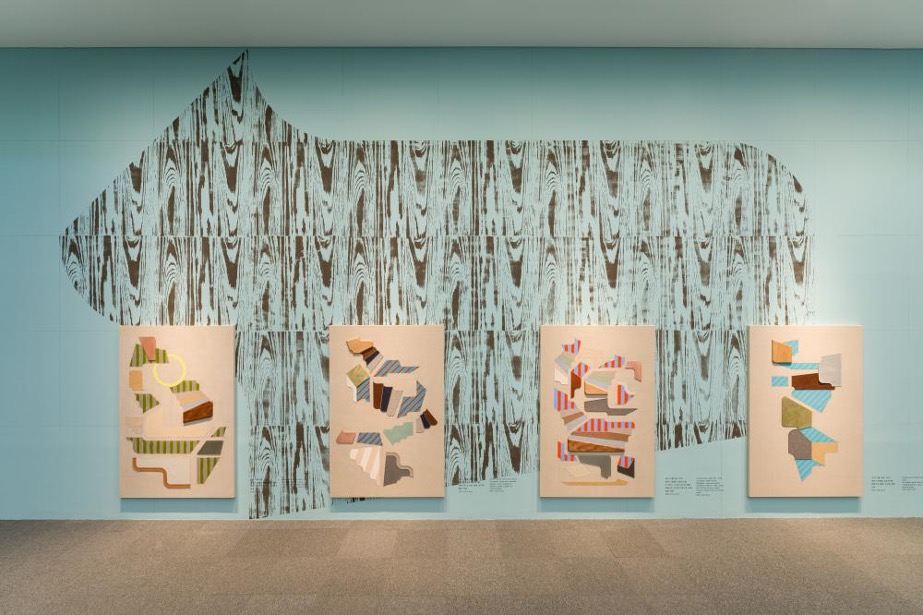
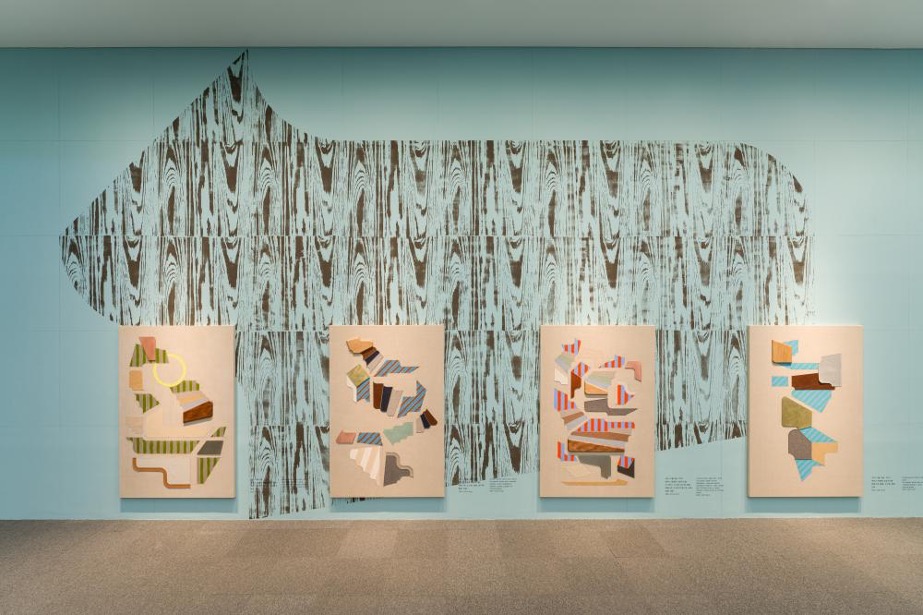
In this context, we need to highlight the walls of the exhibition space for 《The Shape of a Touch》. Lee began her exhibition preparation with drawing horizontal and vertical lines in regular intervals on the walls. In doing so, she stipulated the physical space of the museum as a huge piece of grid paper.
The Children’s Gallery at Buk-Seoul Museum of Art where 《The Shape of a Touch》 was held is located on the B1 floor and one has to descend through the staircase from the museum’s lobby to enter the exhibition. But this gallery on the basement floor is an open space with no closed ceiling, and the visitor can overview the space from the first floor lobby.
Lee perceived the exhibition space viewable from above as a space structured by horizontal and vertical planes. At the point of starting the preparation for the exhibition, the space is unoccupied, yet it is not empty either, because there is the flat floor paved with specific material and around it vertical walls.
Moreover, as the edges where two of the walls meet are not at 90 degrees, the floor map looks like an irregular trapezoid different from regular rectangular interior spaces. All these material properties of the Children’s Gallery is the spatial condition or environment given to Lee. Covering the space with a regular grid was the first step for the artist to accept and understand the spatial limitation. She considered the exhibition space an equally divided grid and began planning the exhibition like initiating a drawing.
The space of a museum doesn’t only provide spatial and material limitations. Another type of limitation she accepts in the specific place is its temporal and historical dimension. This is related to institutional power embedded in the museum space. A museum practices its institutional function in the definition of things inside it as artwork.
The power of an institution originates from its history. In other words, a museum is a place that attributes art historical context to the artist (and her viewers). Every artist exhibiting in a museum would be conscious about art historical context while making and exhibiting their works, but Lee’s reference to art history is remarkable.
Her three-dimensional objects so far often take repetitive geometric forms reminiscent of the American Minimalism from the 1960s, yet her reference seems to recall earlier European avant-garde art from the early 20th century. Especially the legacy of European Abstractionism such as Bauhaus, De Stijl, Constructivism, etc. appear to be the most relevant historical condition that Lee postulates.
Through the visual language of abstraction, they intended to deconstruct the boundary between art and life. For them, creation and production, painting and design, sculpture and architecture were equal. Taking the motto of historical avant-garde as a reference, Lee produced benches to be placed along with her sculptures and drawings.
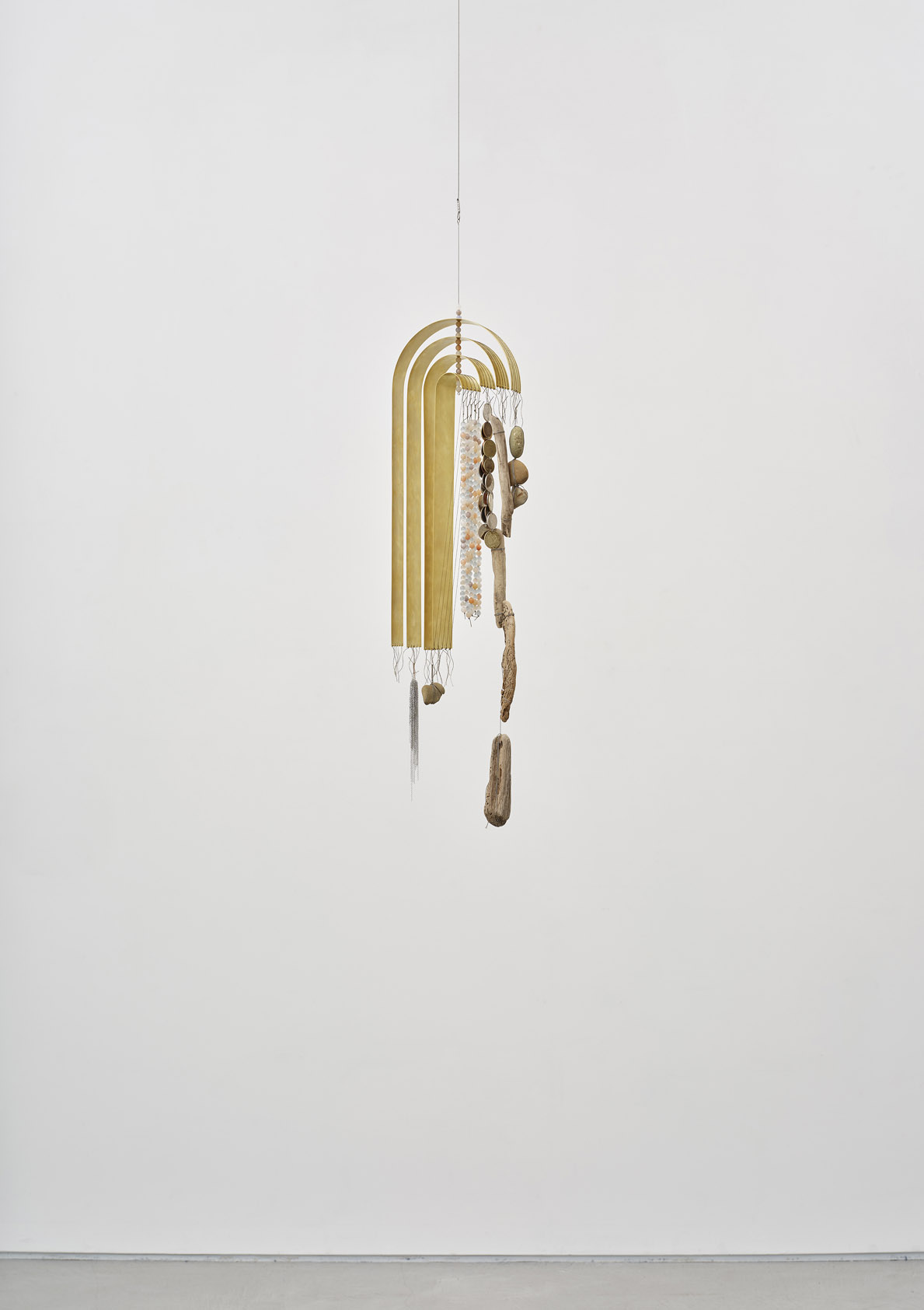
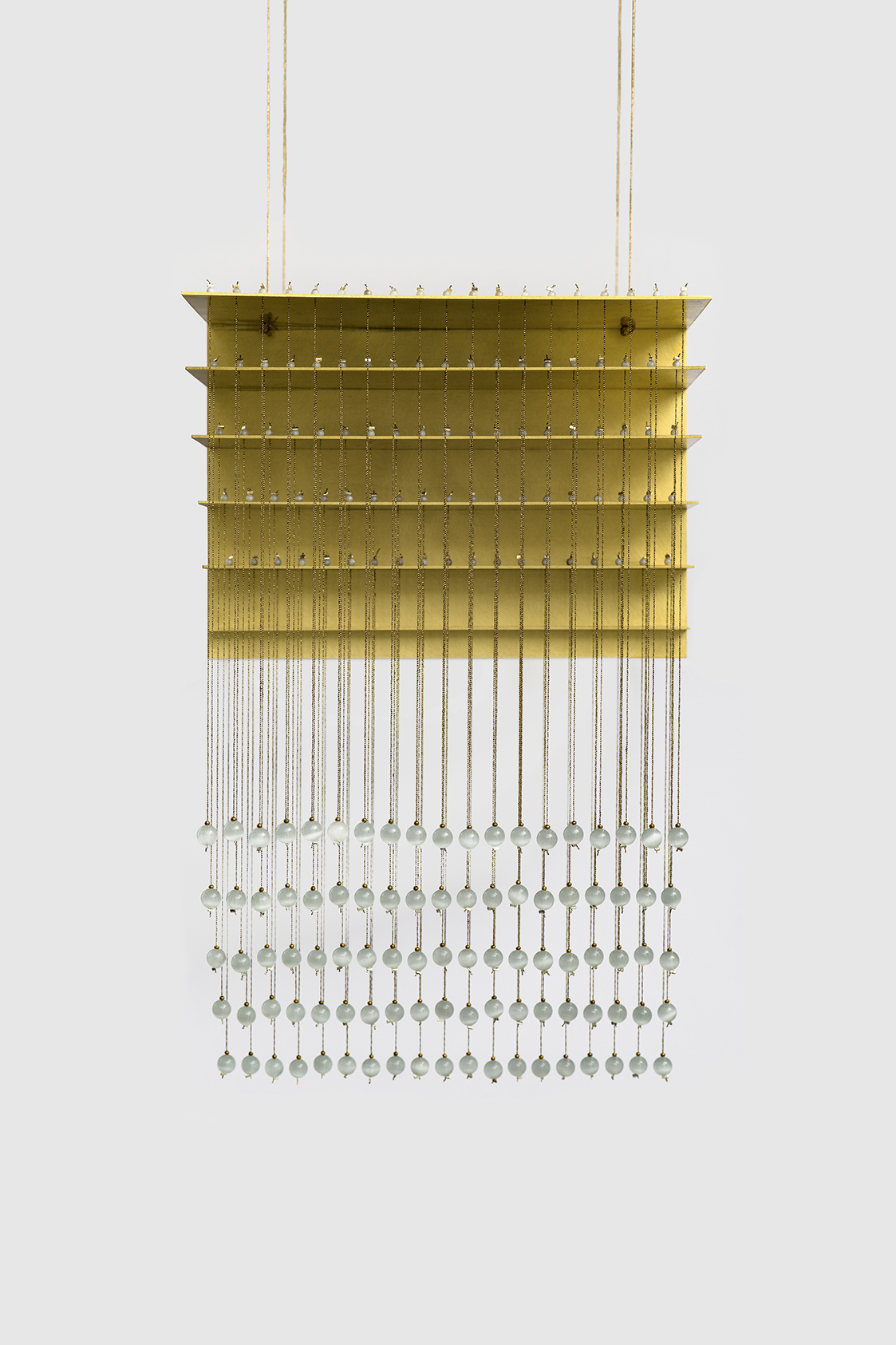
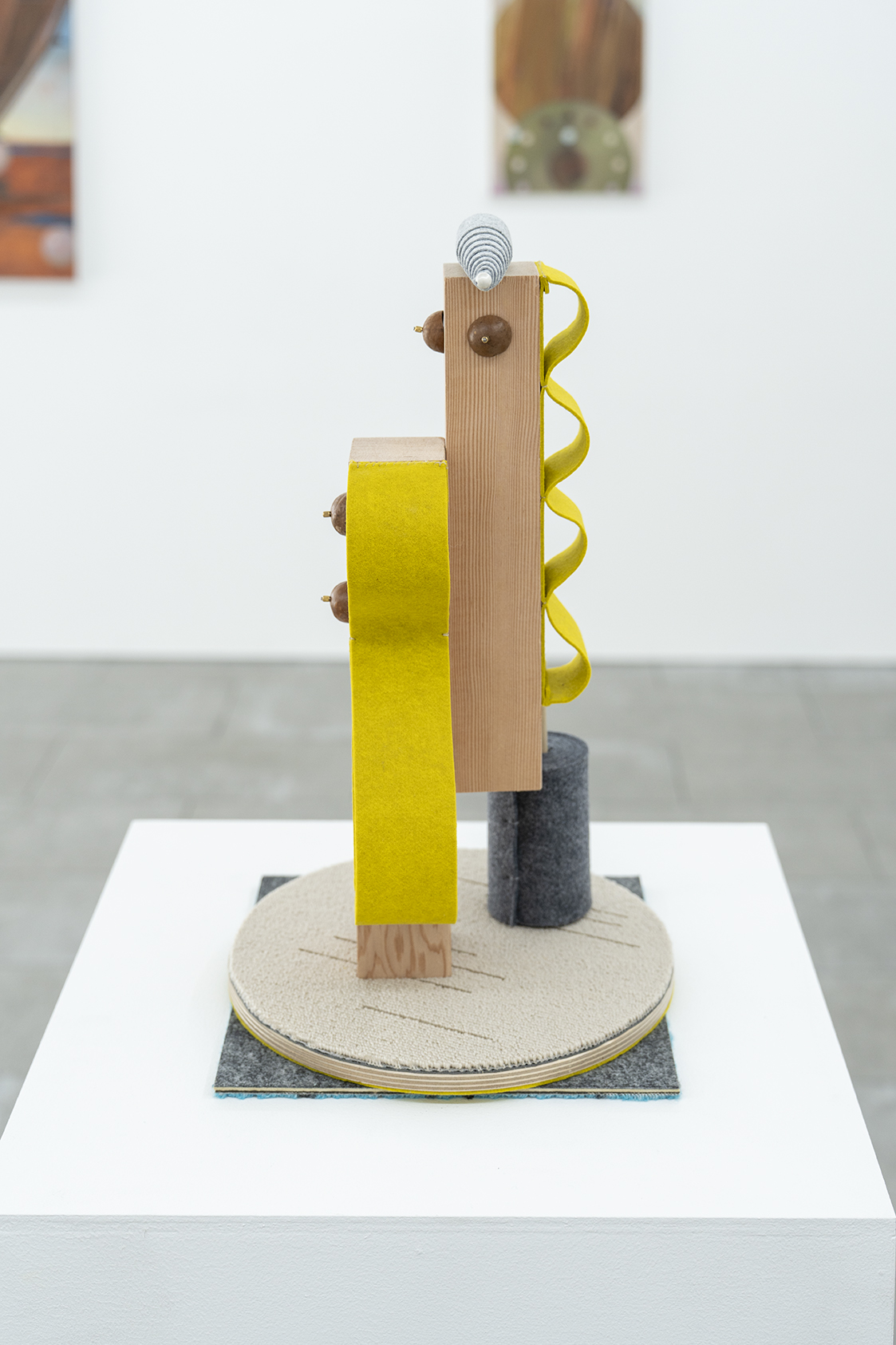
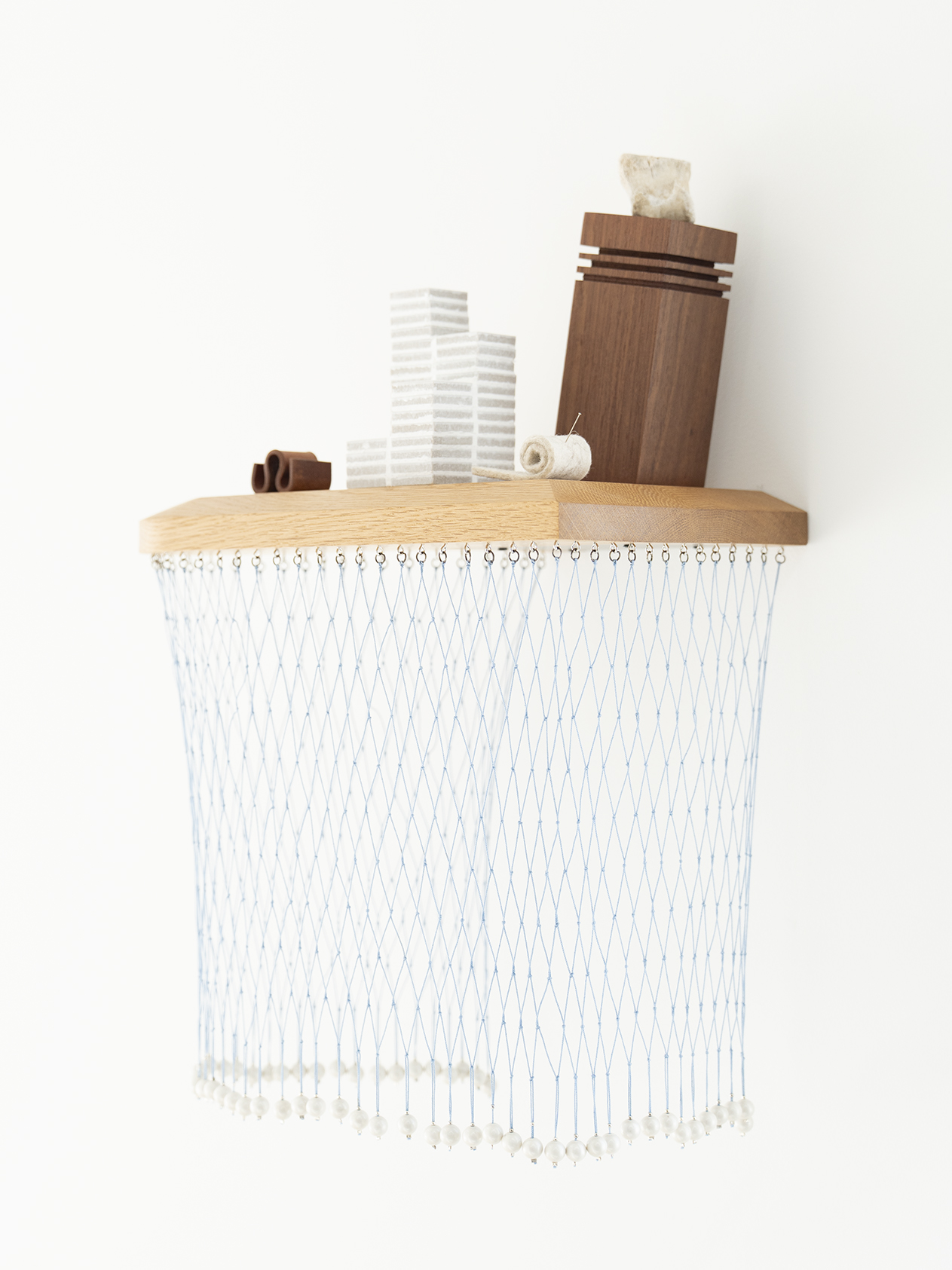
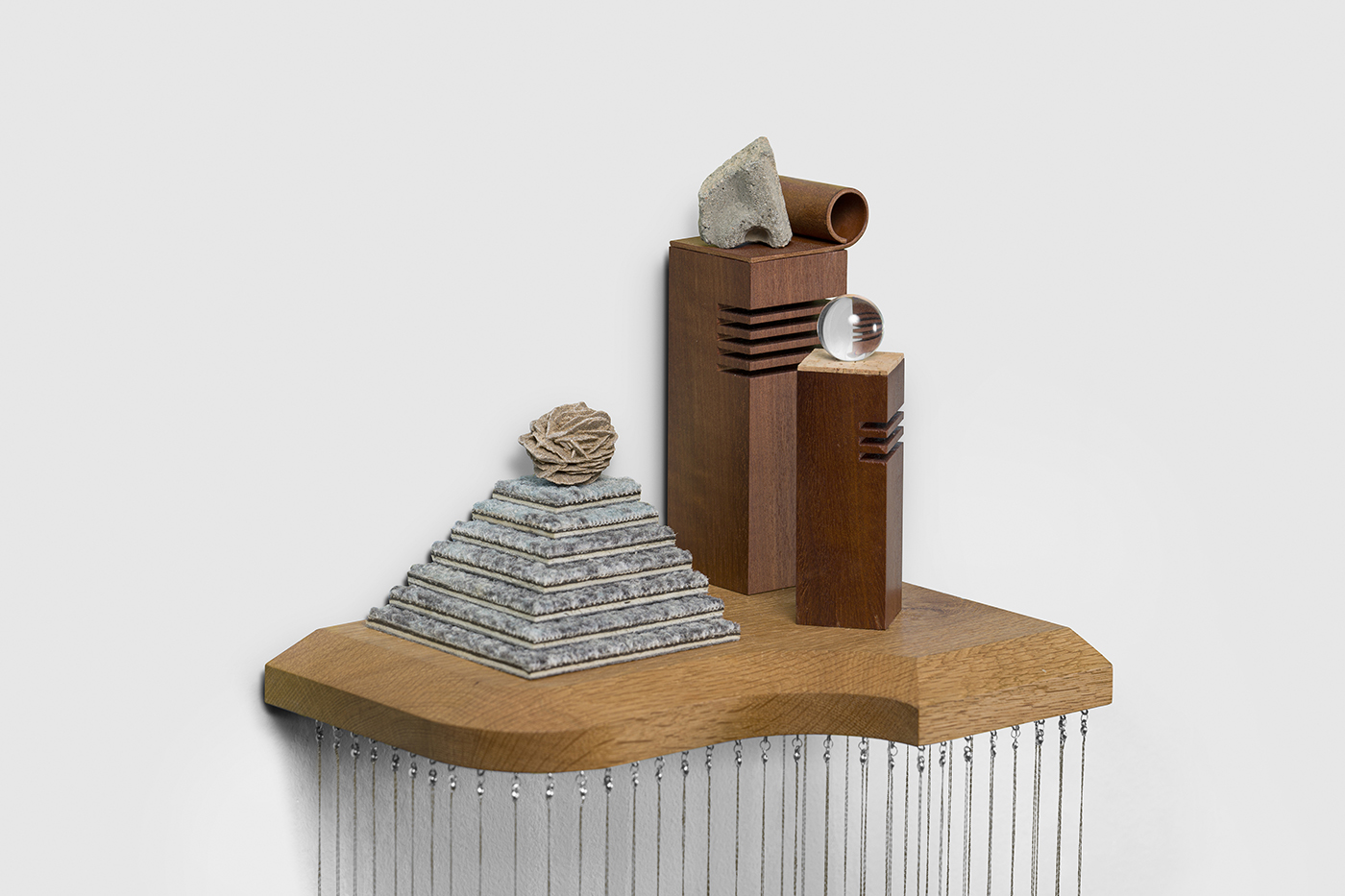
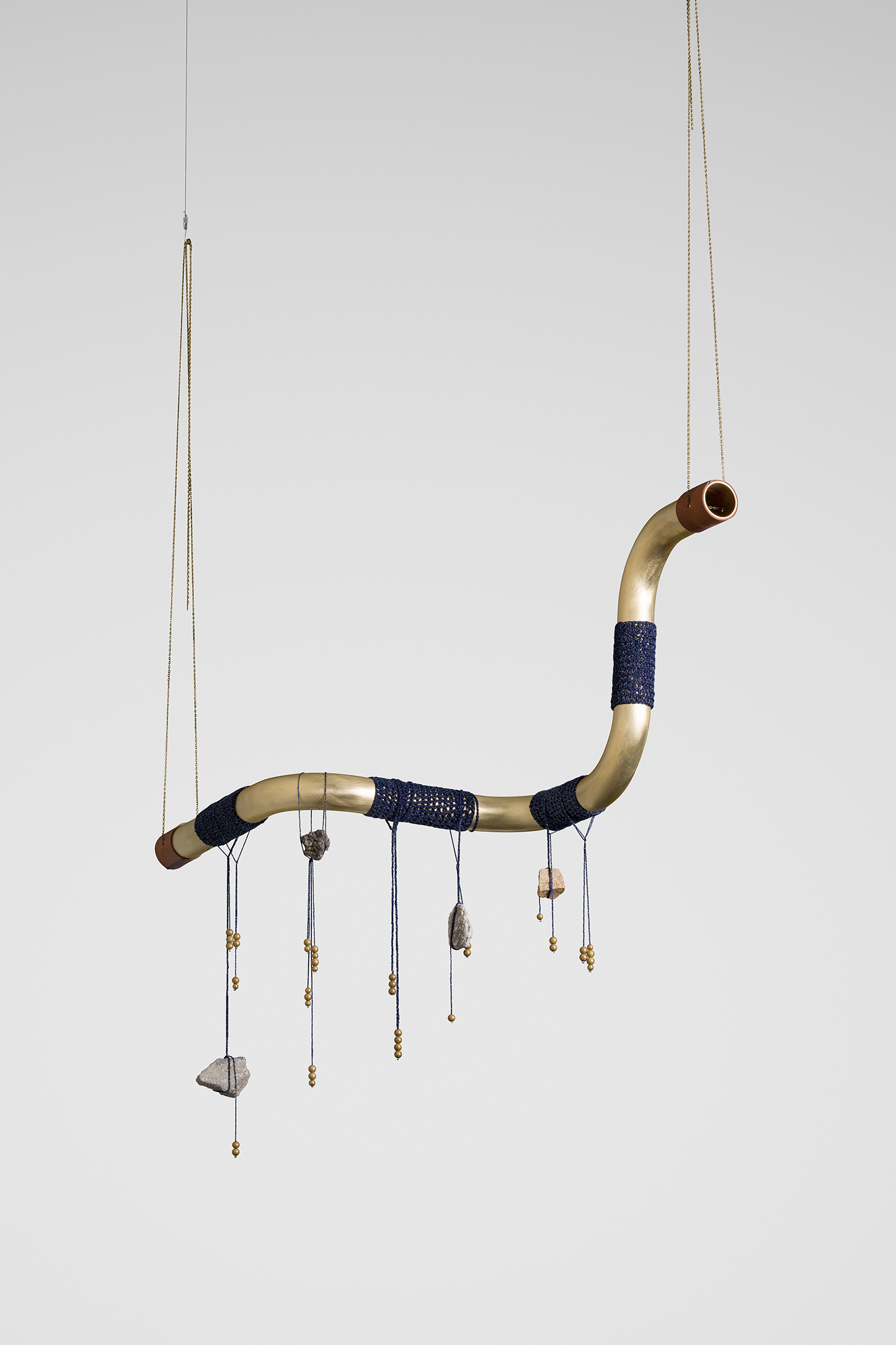
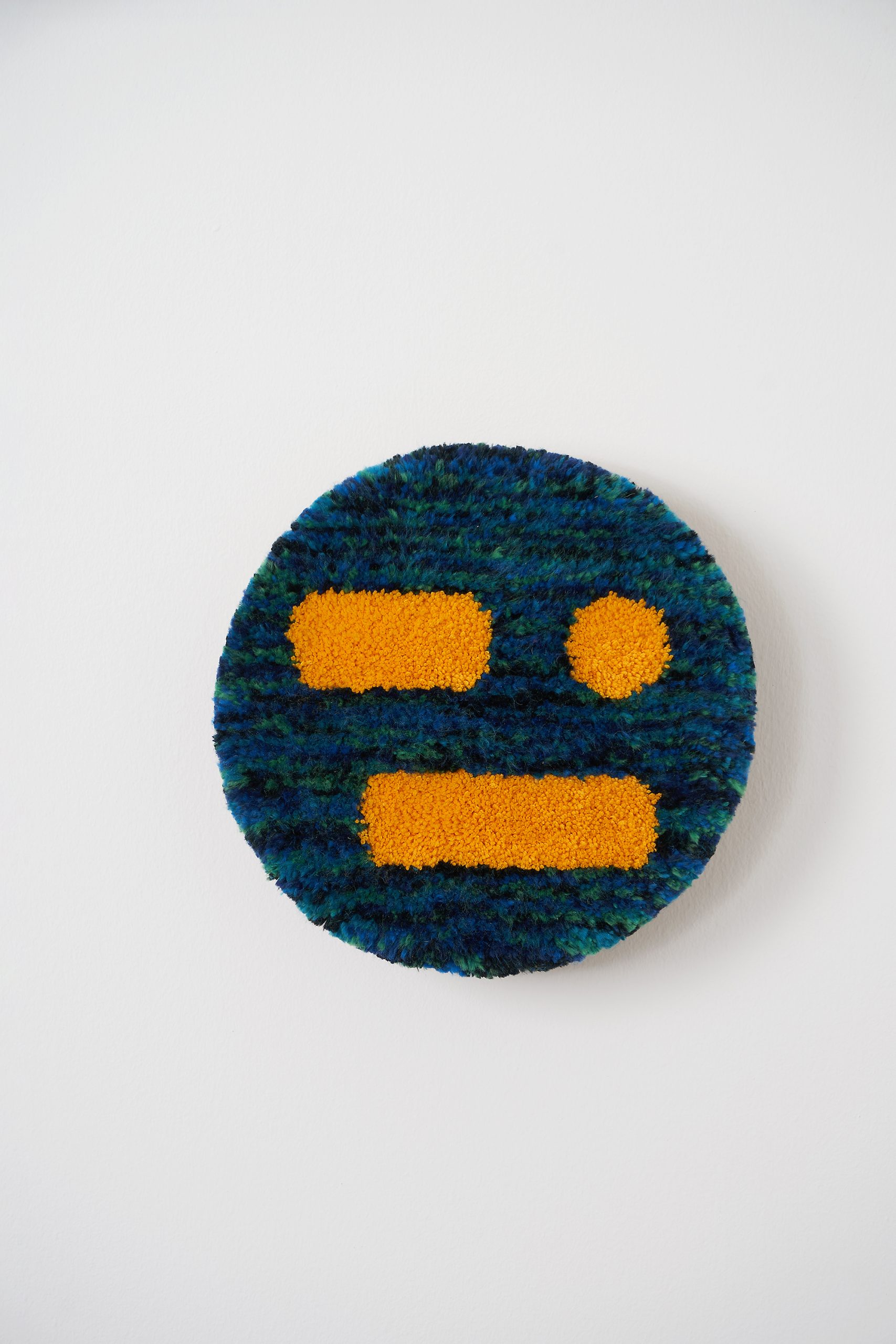
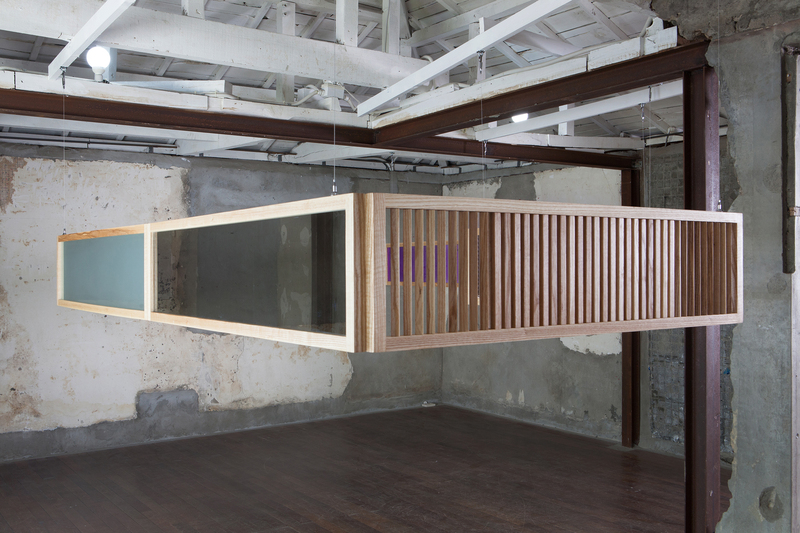
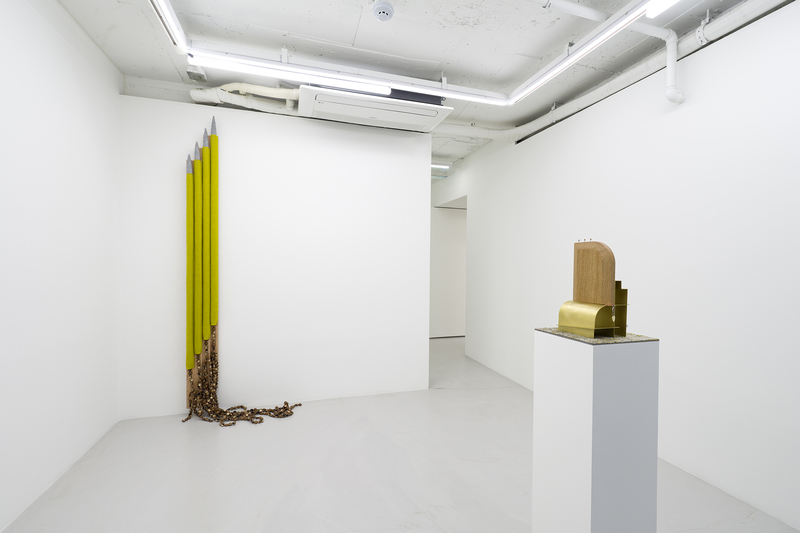
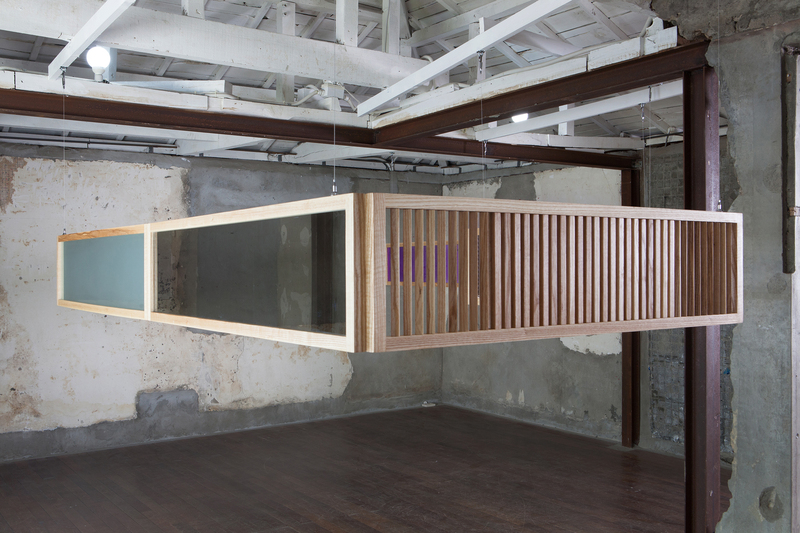
Additionally, she not only uses conventional sculptural material like wood, stone, and metal, but also readymade material such as billiard balls, yarn, beads, and even adhesive films for interior decoration mimicking patterns and textures of natural materials. Her small-scale sculptures resemble furniture or architectural models, and her daily drawings remind of architectural drawings or plans made for practical purposes. Out of this reason, Lee appears as a sculptor who creates artwork, woodworker making furniture, or designer decorating interiors all at one.
In this way, Lee reacts and intervenes to the material and historical conditions given by the institutional space of the museum and presents a practice that both respects and crosses the boundaries between art and life.
Her portfolio includes a brief statement as follows: “My art relates to certain facts that pierce different things. These could be physical limitations or properties of a material, certain historical events from the past, and styles that continue appearing and disappearing naturally without establishing itself within any time and space. Thus, my art situates itself on various borders that pierce homage or imitation, the fake and the real, decorations and practicality, nostalgia or the vernacular.”
Lee pursues material and facts instead of idea and truth, and doesn’t deny her reference to historical time. Her interest in materiality derived from historical avant-garde as mentioned above, and the historical time she refers to in art context would be the 1920s European Abstractionism. Her attitude as such places her art onto the border of various dichotomies.
But then, does Lee cease at repeating the art movement from the previous century? The Abstractionist movement in the past occurred in the era when the belief in the progression of not only art but also history still lingered, which wanted to propose a new aesthetic that merges art and industry. But trying to retrieve a political intention or liberating gesture from Lee’s practice in today’s South Korea would be anachronistic. How is Lee embodying the lessons of historical avant-garde?
To find clues for such questioning, we’d need to examine drawings that Lee uses as the starting point of her work. Like the predecessors of the past century who wanted to abolish the border between art and industry, and creation and labor, she labors as if creating, and creates as if laboring. She adheres rigidly to her routines. Her drawing is a method of keeping her own discipline. Keeping the balance between her creating mind and laboring body, and her will to consolidate both in her own self, leads her to continuous drawing.
In her previously quoted artistic statement from 2022, she asserts: “My drawing started from questioning what I could do. Arriving at the studio in the morning, I set a time frame to draw whatever. (…) My act of drawing begins on a Moleskine notebook, subtly dotted in 5 mm intervals. I connect two dots with a line or arc, then finish a figure from there. This figure connects to another figure in consideration of its relation or form it creates to the previous one. Therefore, the drawing results in a stacked or overlaid shape. Onto these gathered figures, I add texture with color pencils or adhesive vinyl sheets.”
Like a laborer following rules, she draws geometric shapes onto gridded planes and colors them or attaches adhesive vinyl sheets onto them within planned time. In Lee’s practice, the artistic act of drawing and painting and the industrial act of adhering mingle without any contradiction.
We can now recognize that such a drawing process was reflected wholly in the conception of the exhibition 《The Shape of a Touch》. Taking the form of the Children’s Gallery seen from the floor above as a gridded trapezoid, she stacked and overlaid figures. Accomplished through arranging flat and three-dimensional objects onto the floor and walls, the exhibition is a spatial drawing itself.
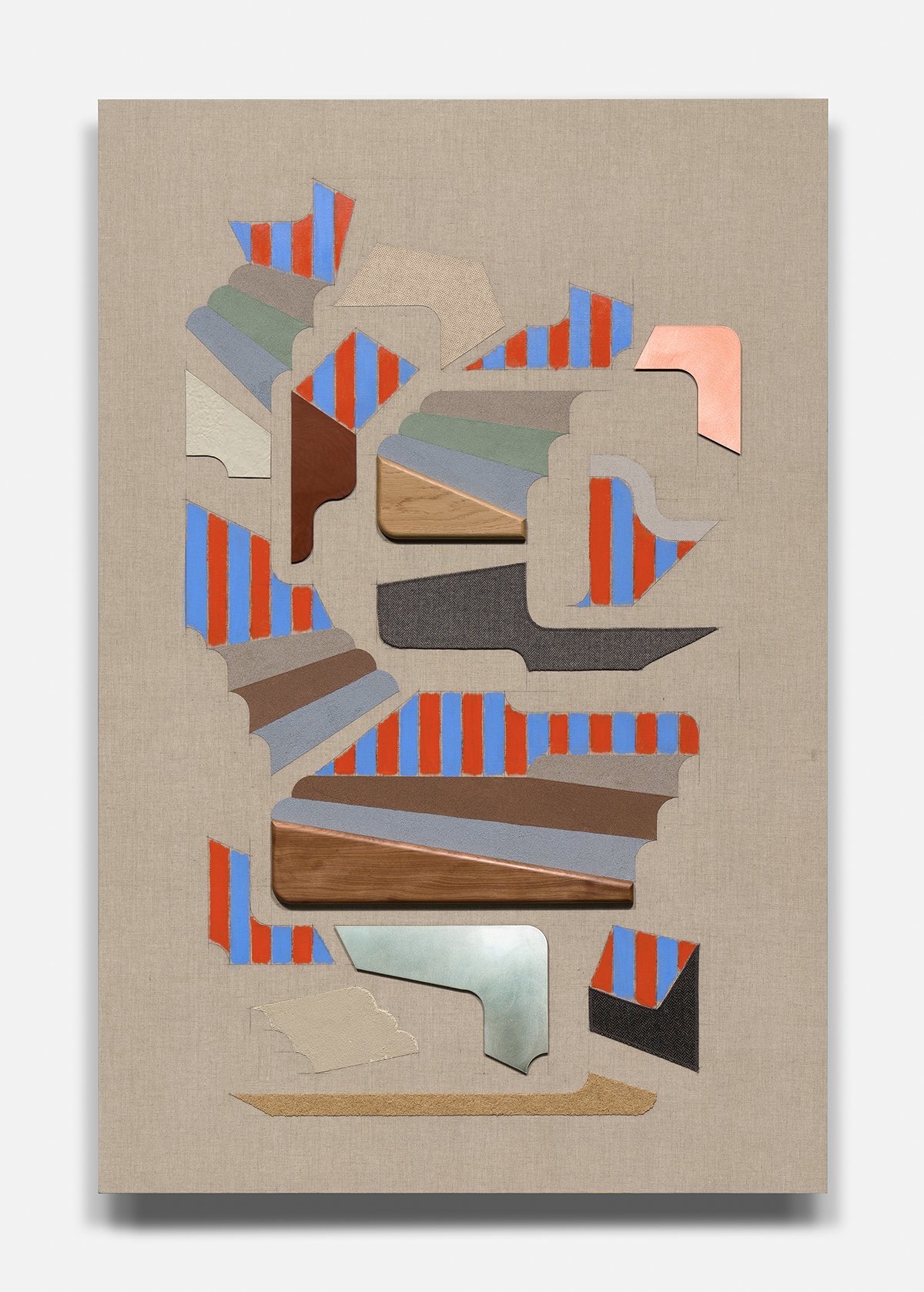
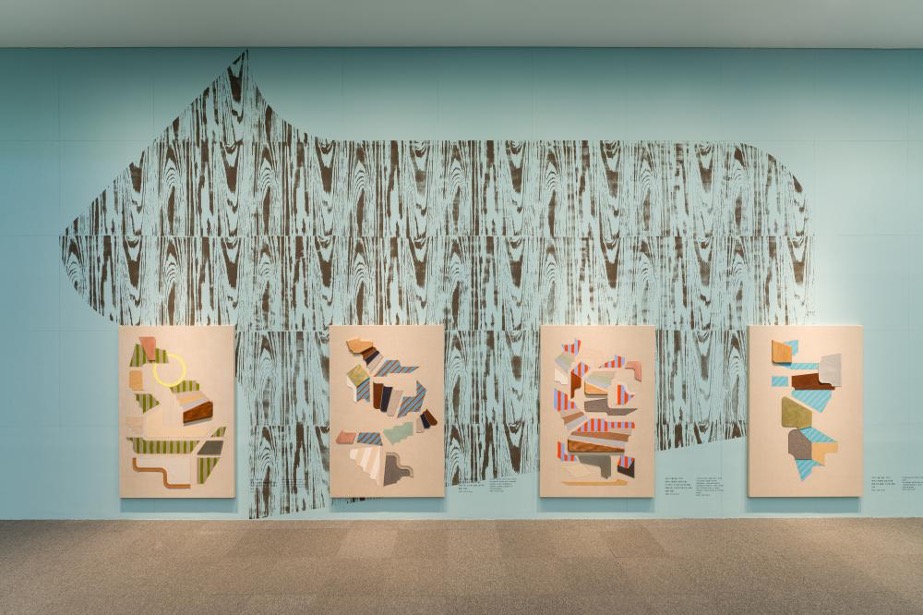
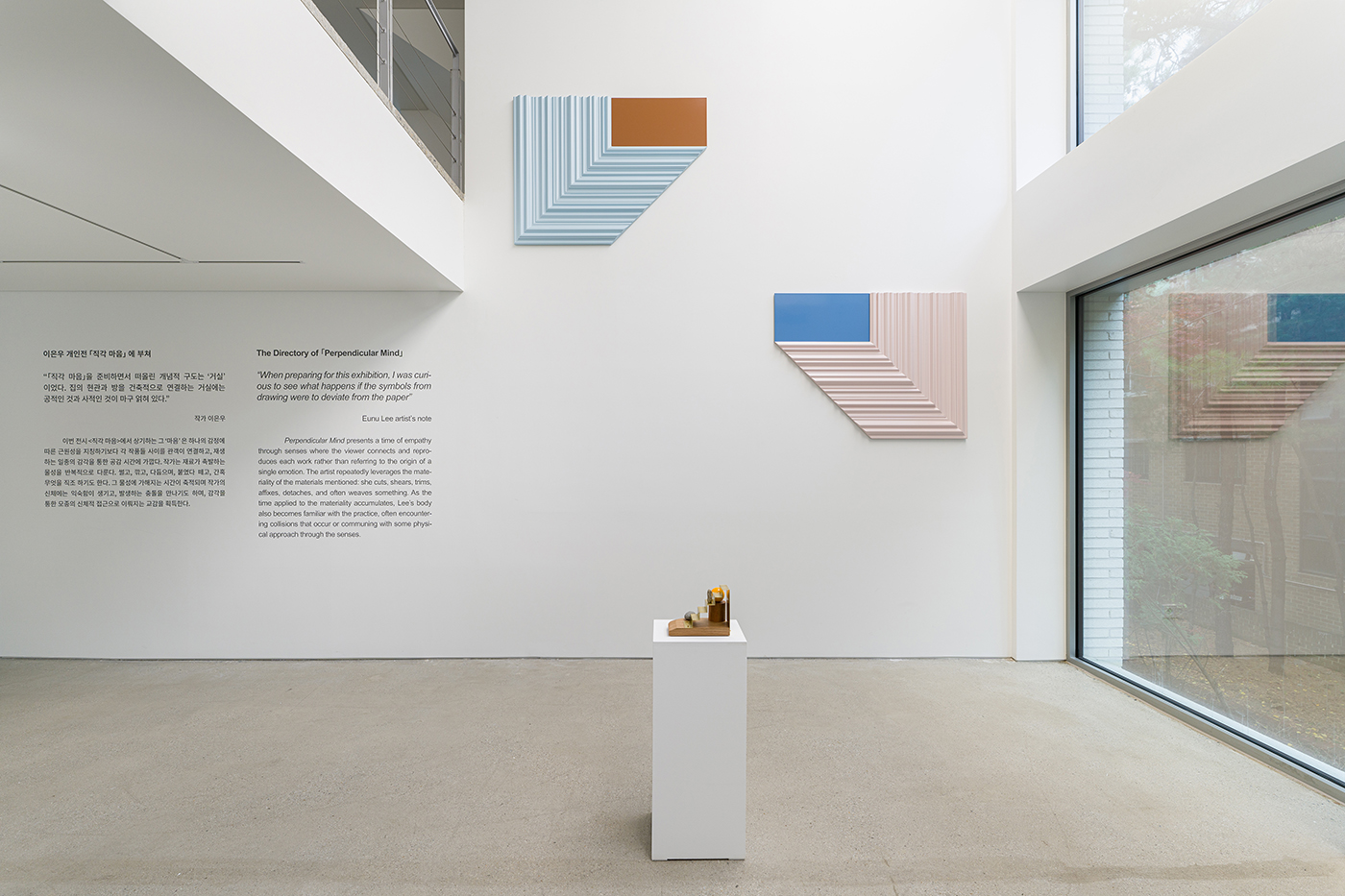
Therefore, Lee’s drawings are played in multiple variations and superimpositions. As just described, the arrangement of the entire exhibition space follows the drawing process of the artist; 57 drawings in A4 size, executed according to her studio discipline, are hung inside, while on another wall four flat works that expand this series of drawings on canvas are exhibited.
In contrast to the color pencil drawings that include fake texture printed on adhesive sheets, in the work that enlarged it on canvas with oil pastel, real materials such brass, wood, fabric, leather, etc. are attached. The borders between the fake and the real, art and design, artwork and product are jeopardized and collapsed through Lee’s variations of drawings, revealing a certain united world within the exhibition space.
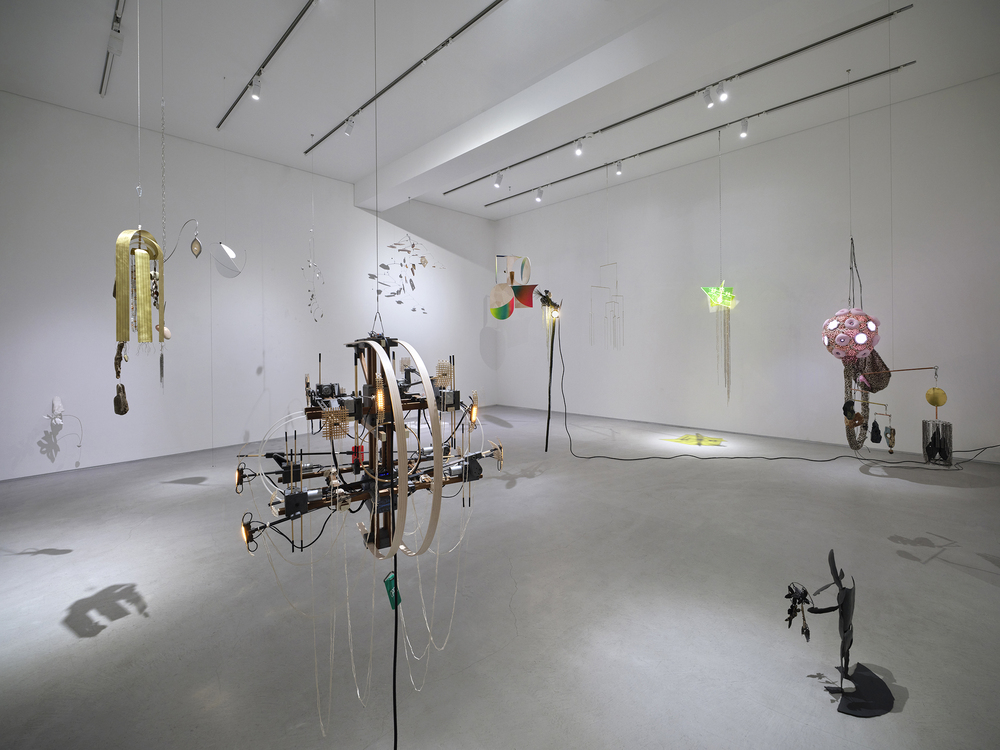
Moreover, Lee’s small-scale sculptures that are gathered creating a small landscape on another corner of the exhibition space share the same compositional principle with the drawing process. Traditional sculptural materials, stacked and superimposed together with the readymades, turn into a complex geometric object.
In this way, in The Shape of Touch art and life, creation and labor, the fake and the real coincide and unite through such variation of drawing. When artwork as the result of creation is an object for optical beholding and contemplation, things resulting from labor are instrumental objects to be used by hands. In Lee’s exhibition, where the fusion of artwork and things is staged to create different scenes, the diversity of shapes we discover are objects for not only viewing but also touching.
What could be Lee’s aim to be achieved through embodying the methods of historical avant-garde? 《The Shape of a Touch》 appears to be an attempt to construct a time and space. Let’s reflect on the title of each section prepared by Lee.
Departing from the lobby of the exhibition and going down the stairs to enter the exhibition, the viewer stops by ‘the room’ and comes out through ‘the corridor’ to visit a small ‘sculpture village.’ ‘Larches’ are arrayed around, ‘benches’ are to be found here and there, while a corner is ‘under construction.’
In other words, this is a neighborhood. It is an ideal neighborhood where artwork and construction sites coexist, art and life mingles, and artwork and things don’t seem to be distinguished anymore. Lee’s little town won’t be certainly a utopia dreamt by the Abstractionists in the past. Lee isn’t anachronistic to firmly believe in today’s artistic progression and political liberation. In her reenacting the methods of historical avant-garde, she doesn’t accept their optimism.
Lee’s neighborhood of geometric abstractions adorned through creation and labor attempts to immaculately represent and repeat the idealism of unison dreamt by an art movement a century ago. Yet in the attempt, she reflects the artists’ condition where they have to question over and over what they still could do within the current material world.
Still today, Lee would reflect the material and historical condition given to her through her mind and body, establish a fair discipline and strictly adhere to it, but irregular trapezoids will appear in the gridded space creating discrepancies. This is because conceptual idealism and material reality are adjacent in this neighborhood she created.
Those adjoining lines meet in a clean right angle with no gap, still leaving contrasting textures behind. Tomorrow, Lee will depart from the afterimage left by those material senses, and start again drawing lines on the perpendicular grid.