Eunu Lee’s notebook bears the phrase “the geometry of living.” This expression hints at her attitude of finding the origins of her work not in grand representations or overarching discourses, but in the rhythms of everyday life. Her notes read plainly: she wakes up, takes a walk with her dog, eats, draws, exercises, eats again, walks again, does housework, reads—or does nothing—and goes to bed.
It seems less like the account of an artist’s creative practice than fragments of a life shared by anyone. Yet it is precisely this “nothing special” that forms the foundation of Lee’s art.
For Lee, daily life is not merely a backdrop. It is the very ground that makes her work possible, the rhythm that generates her art. As the exhibition title 《Housework》 suggests, she does not separate her world of living from her world of art.
Rather, she translates the traces left by her body in daily life into art, and art is in turn conceived within the rhythms of that same life. Her practice thus reveals not the boundary between life and art, but the process through which life becomes art, and art, life.
The Body and Time: The Attitude of Drawing and the Meaning of Repetition
Her drawings illustrate this most clearly. For many artists, drawing is considered a preparatory step toward painting or sculpture. But in Lee’s case, drawing holds a special significance—it is not a sketch for future plans, but a trace left by the body as it passes through time each day. She regards drawing as a record of attitude. Here, attitude means not posture, but a bodily discipline that endures time.
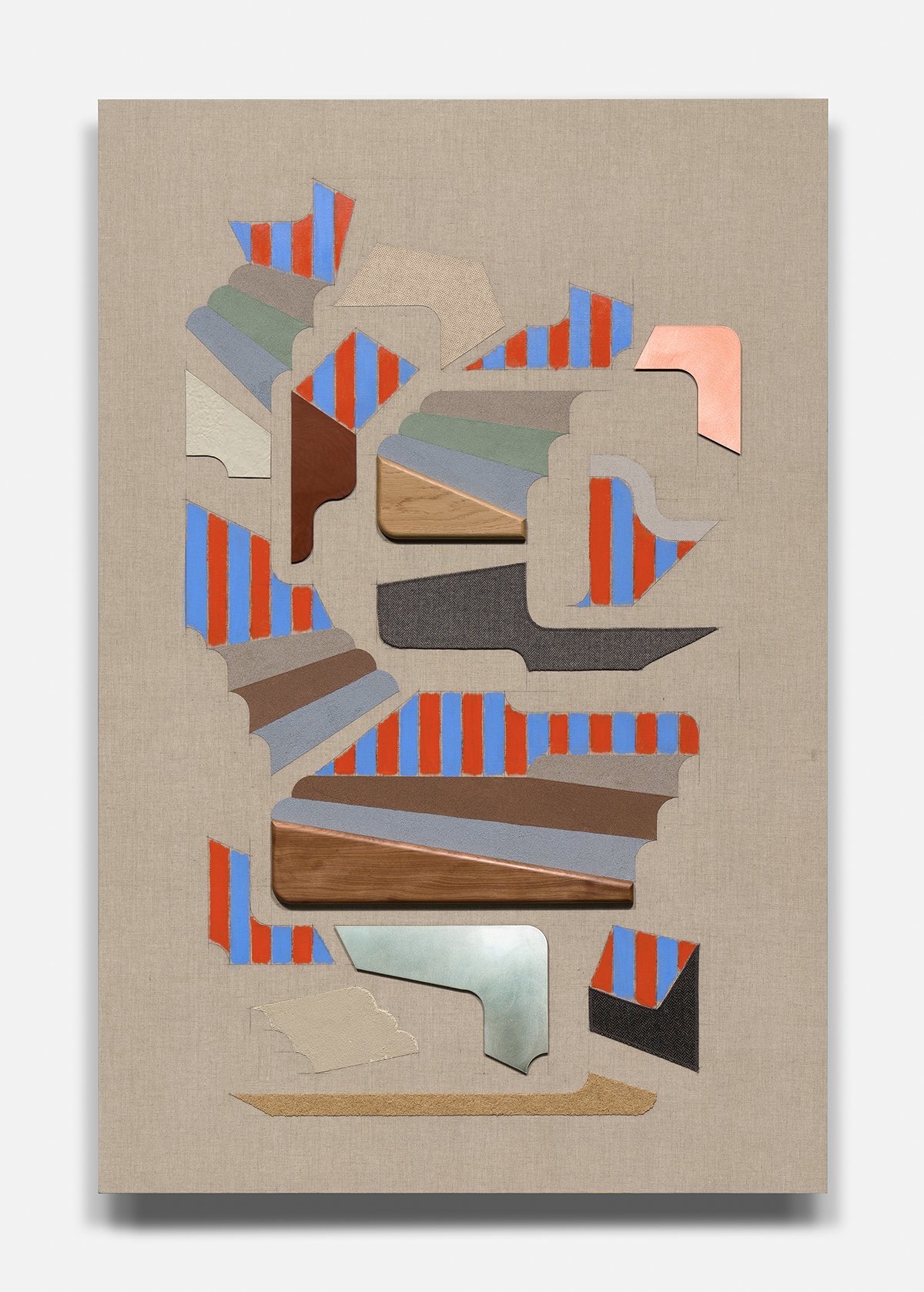
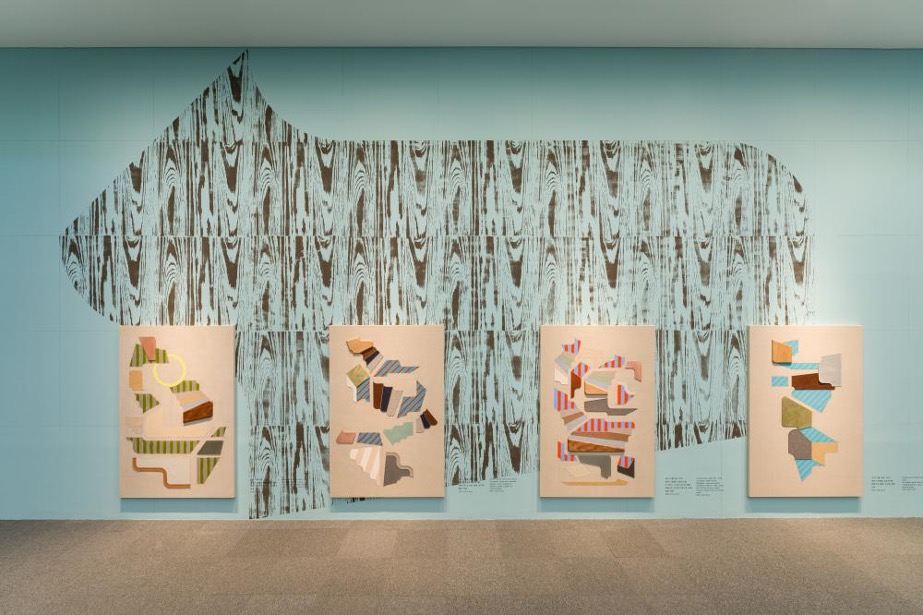
On graph paper, the artist repeatedly draws straight and curved lines, saying, “It’s more important to do it than to do it well.” The repetitive gesture recalls the disciplined repetition seen in Buddhist practice or Minimalist art. Yet in Lee’s work, it belongs less to religious salvation or art-historical systems than to a lived process within daily life.
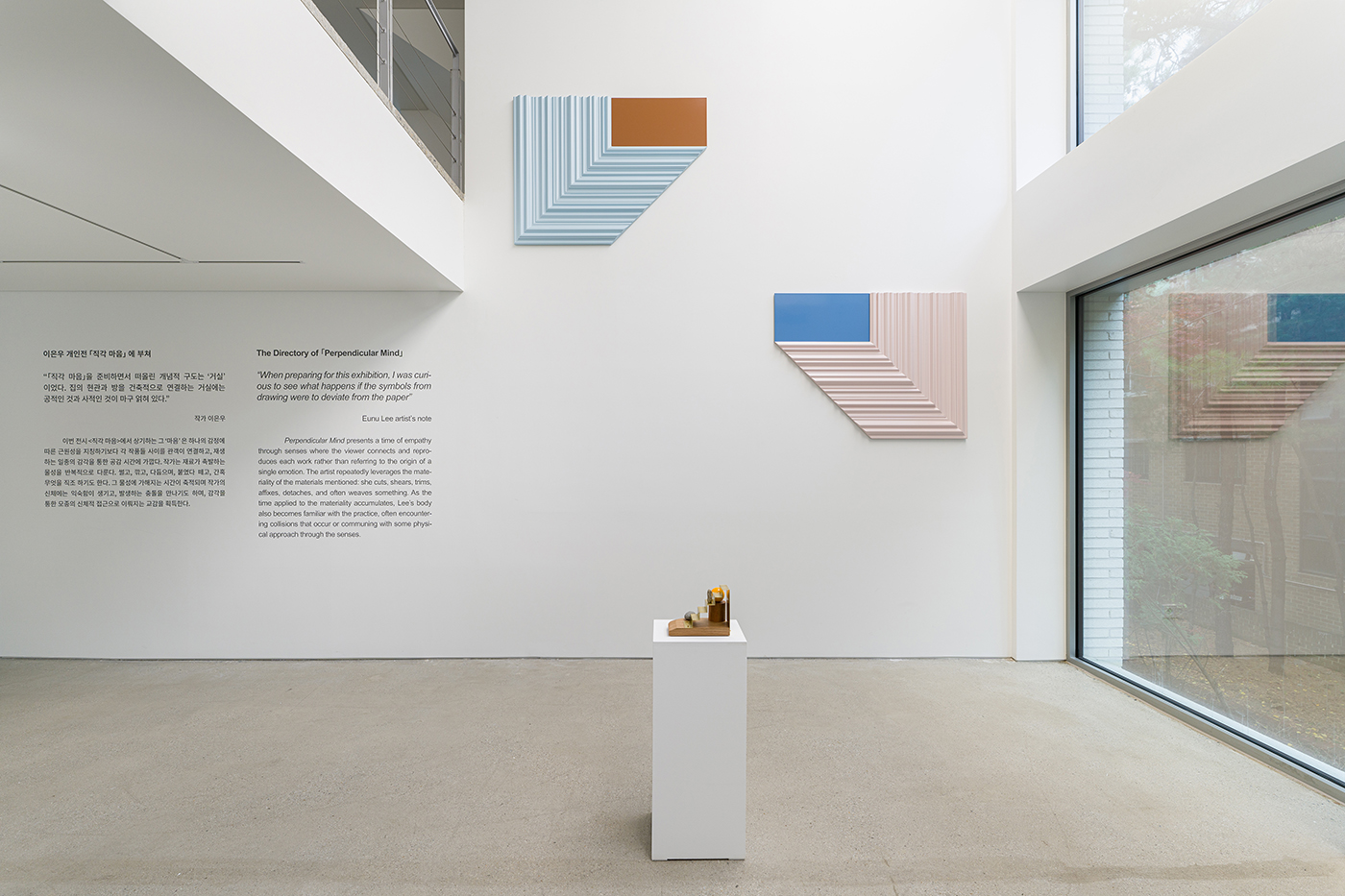
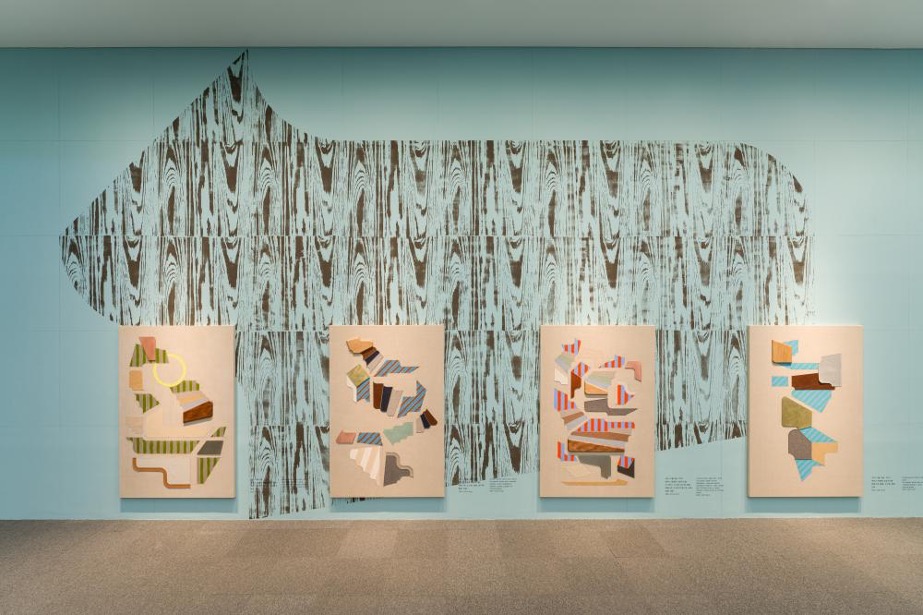
Through repetition, her lines meet by chance to form box-like, house-like, or pleat-like shapes. Within these shapes, she pastes pieces of interior film—an everyday material such as wallpaper or vinyl flooring, familiar from her childhood. In doing so, she literally attaches fragments of life to her drawings. In this sense, Lee’s drawings are both a device for translating everyday life into an artistic language and a tool for recording the body’s time.
Communion with Objects: Secondhand Goods, Vernacularity, and Amateurism
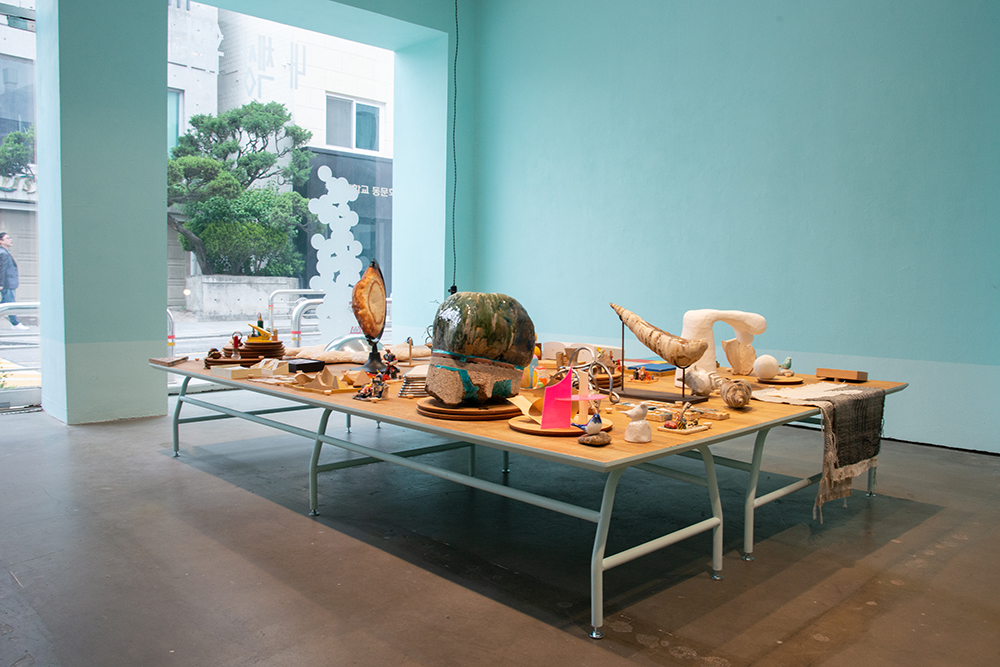
This everyday attitude extends to her relationship with objects. In her home, furniture picked up from the street, items found at flea markets, an IKEA sofa, and handmade wooden pieces coexist in a natural mix.
These are not mere household goods. Each object carries its own time and origin, forming new relational networks within the artist’s life and art. This intimate exchange dismantles hierarchies between high art and the everyday, between industrial products and handcrafted objects.
Lee’s work seeks a kind of vernacular amateurism beyond the institutional norms of art. Here, amateurism does not mean immaturity but an attitude that values the language of daily life and elevates it into an artistic dimension.
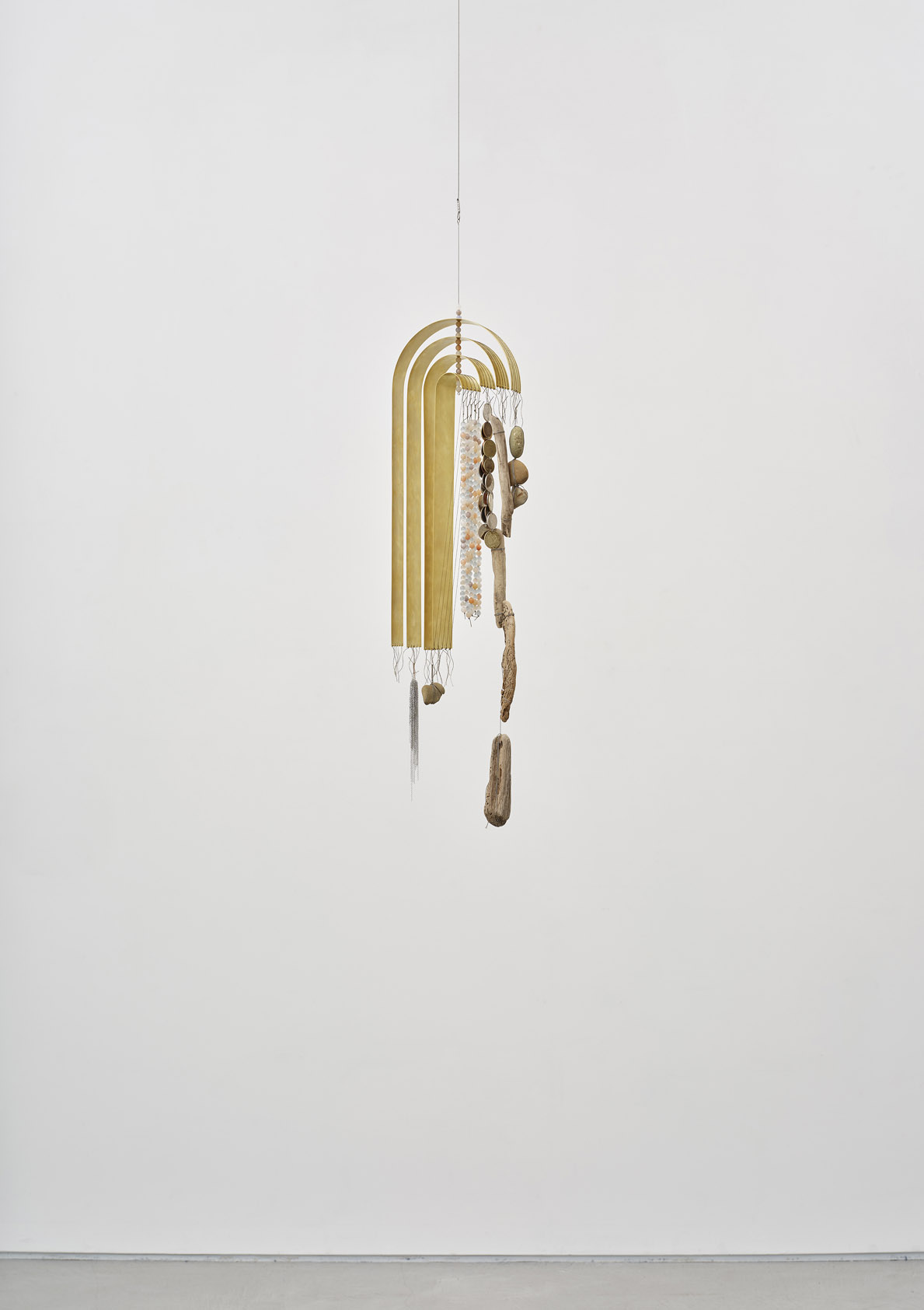
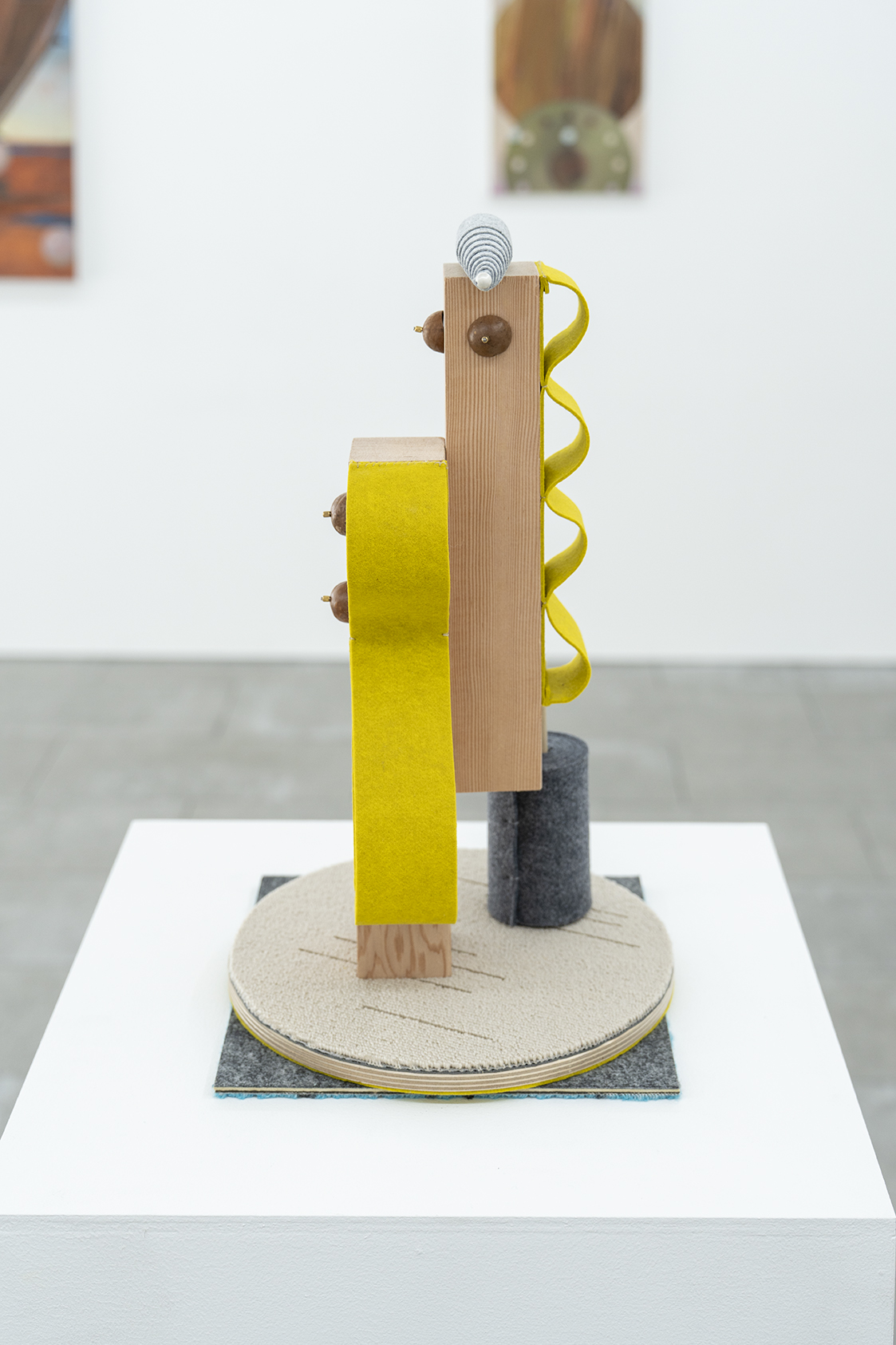
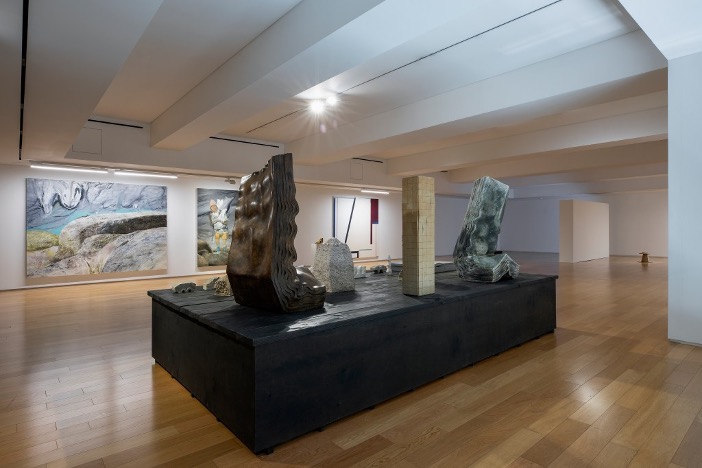
This does not mean that she rejects the geometric order or abstract formality of high art—she simply does not pursue them. Instead, she incorporates what she has consumed or found—macadamia shells she cracked open, driftwood collected from the beach—into her work.
However, this approach differs from the readymade or found object strategies of avant-garde art. While the readymade integrates everyday objects into the realm of art, Lee reverses the process—she transforms life itself into art. In her practice, art and life, refined forms and discarded remnants coexist in a delicate balance.
From Drawing to Object, and Toward Architectural Space
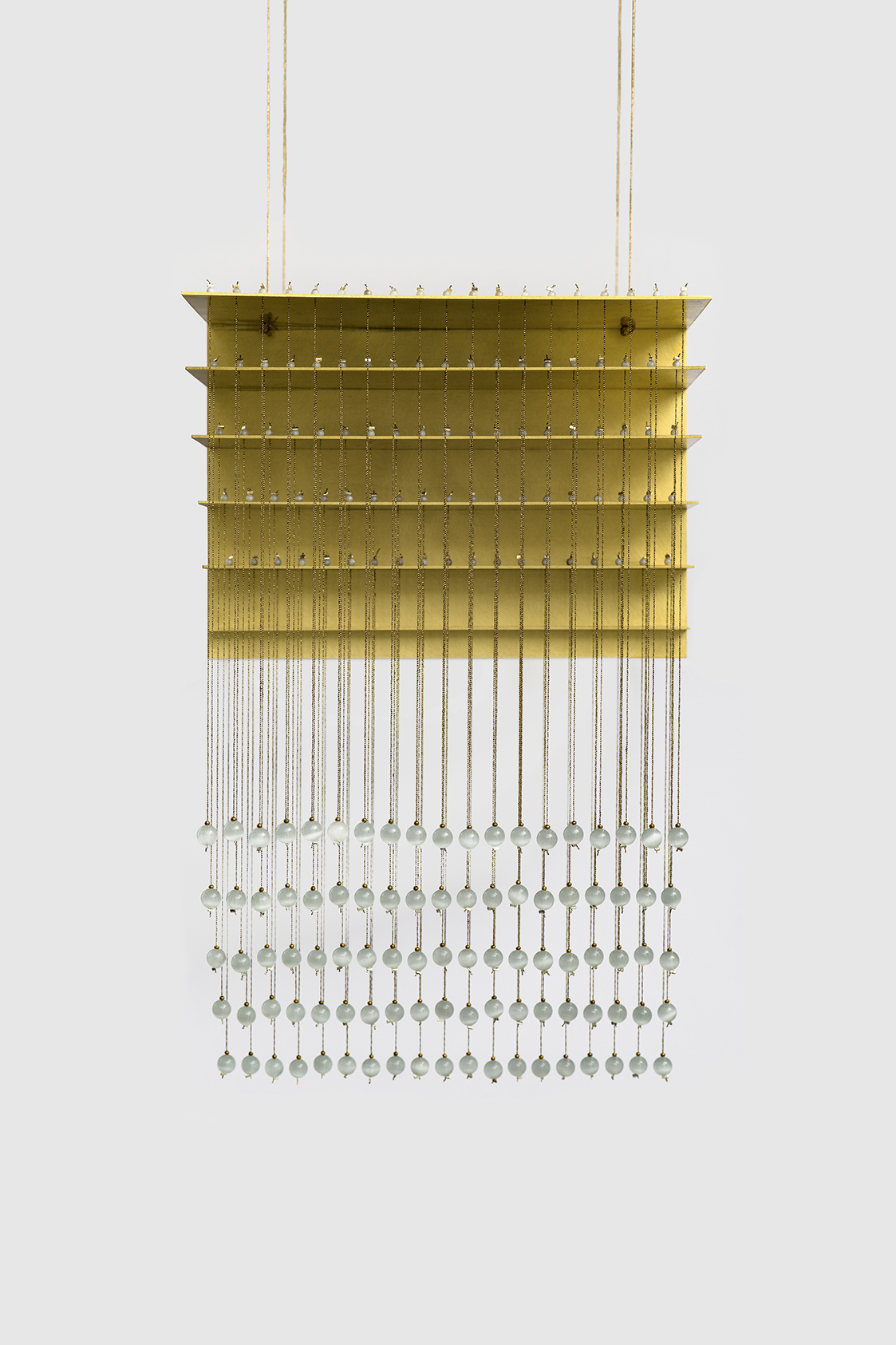
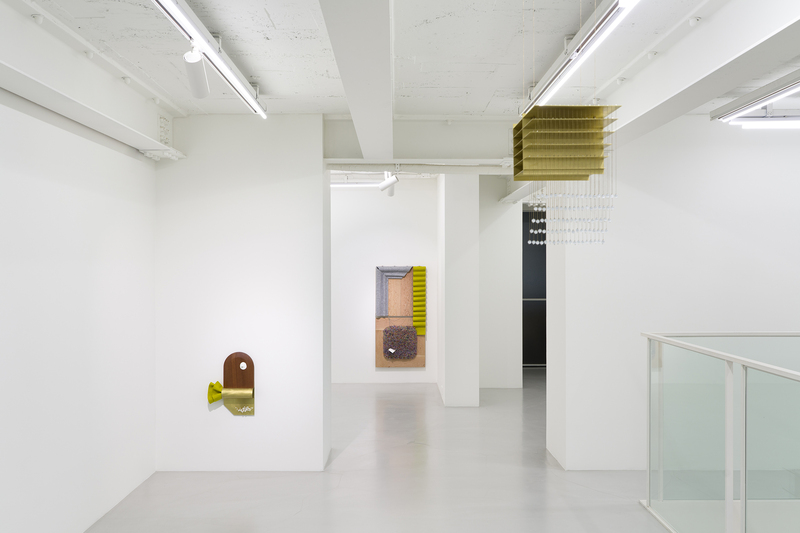
Lee’s work begins with drawing but does not end there. Drawings expand into sculptures, and sculptures further evolve into architectural structures. This expansion, however, is not merely a matter of scale. From small drawings to large spatial constructions, what runs through them is the transfer of attitude.
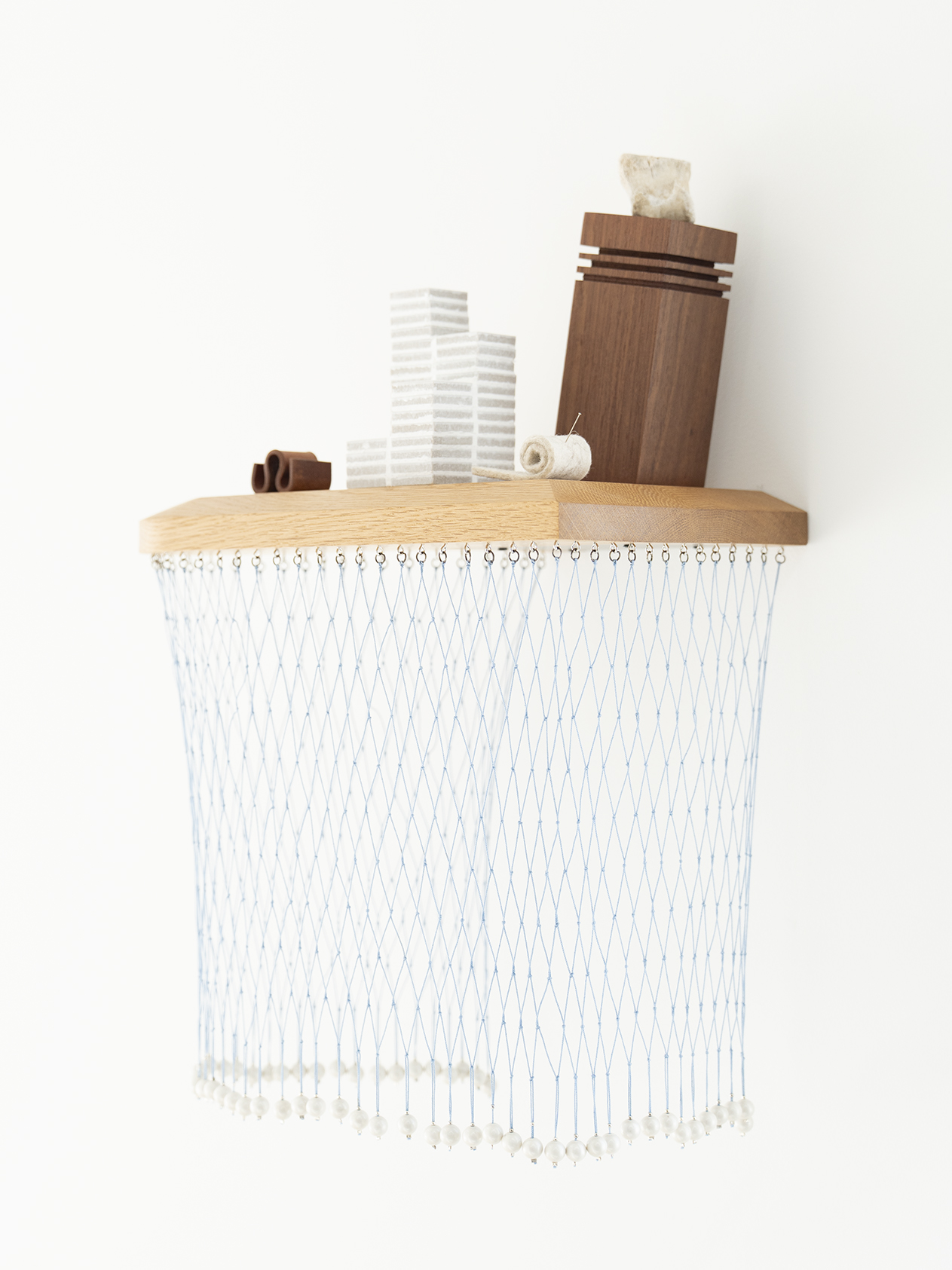
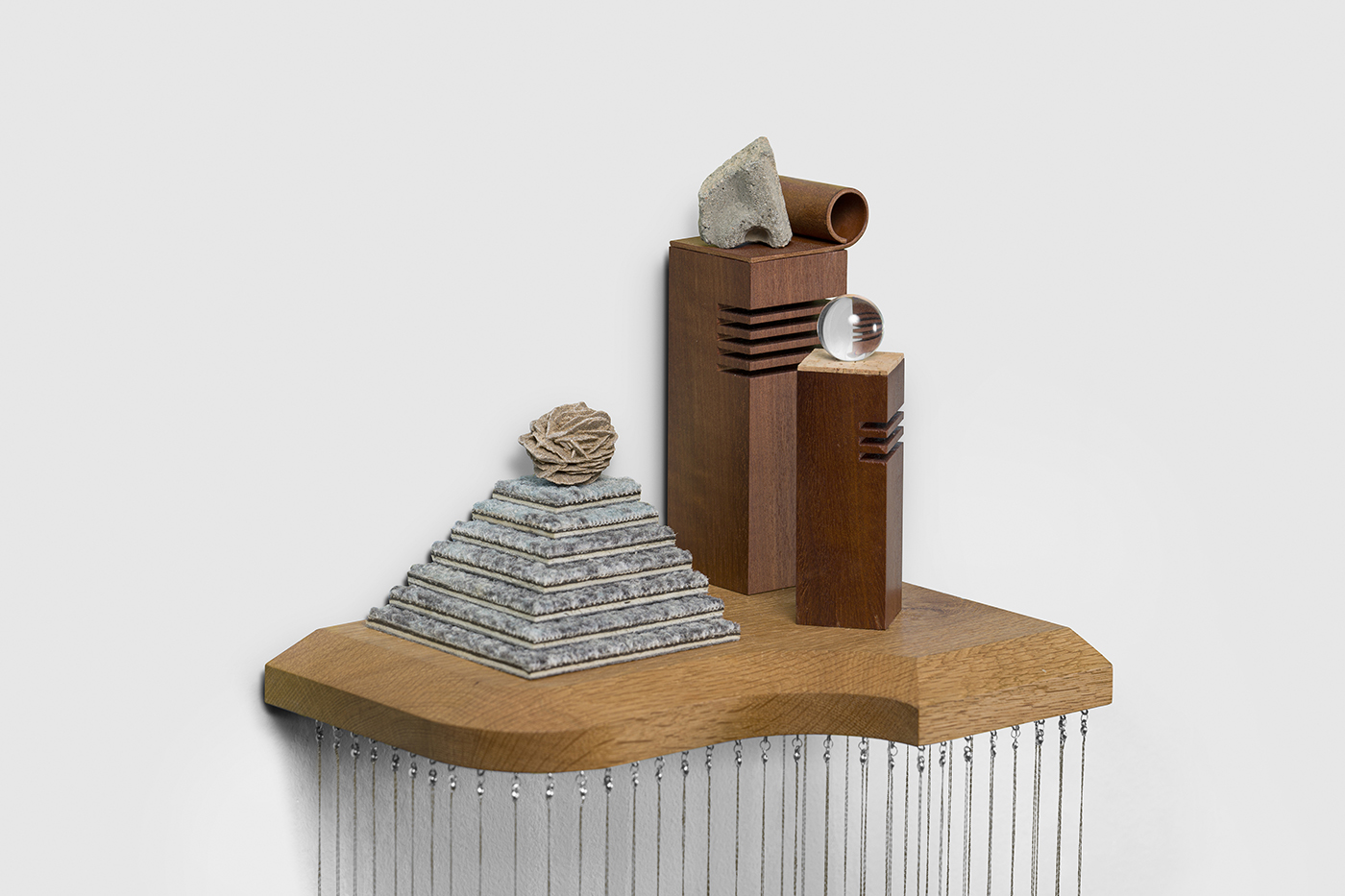
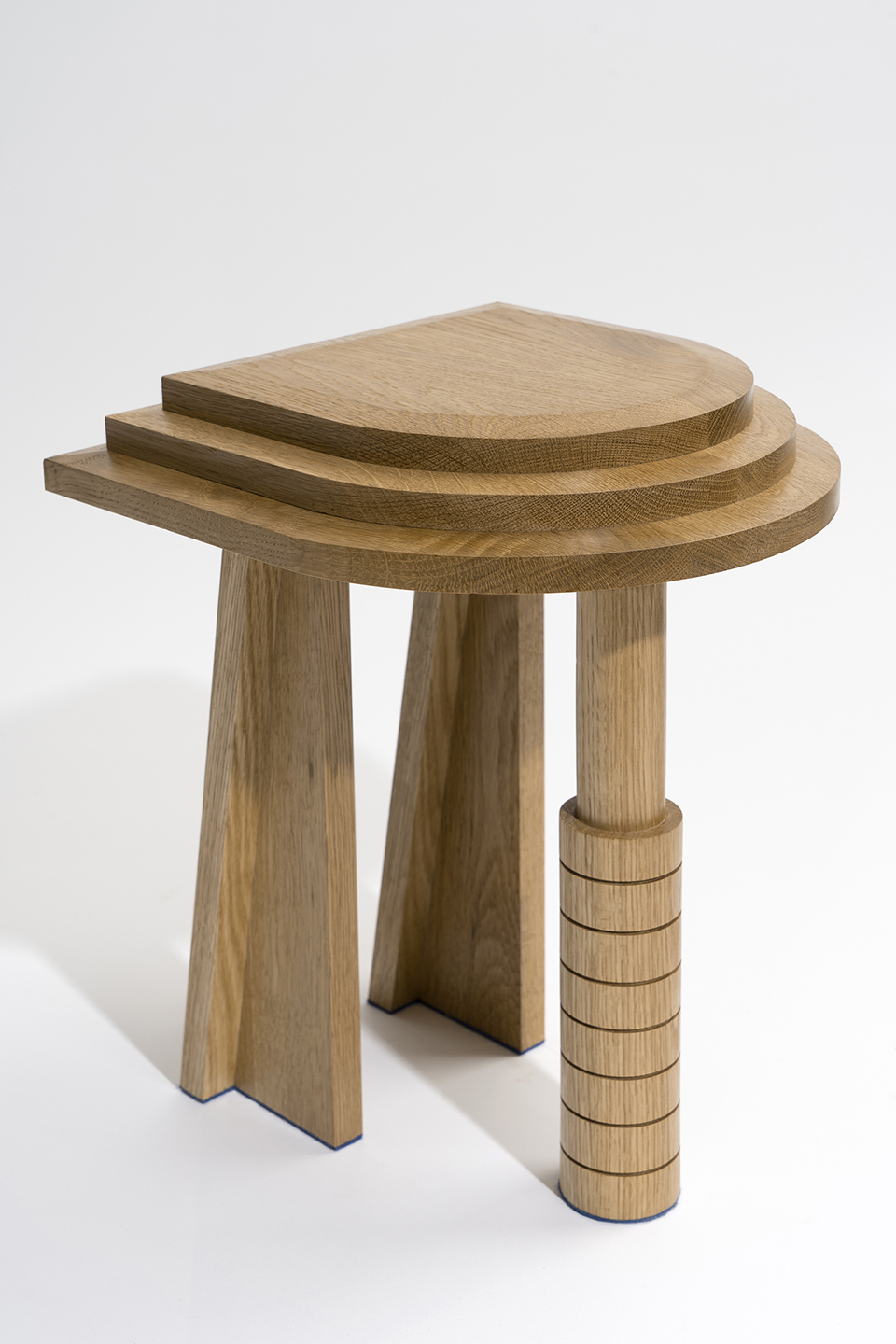
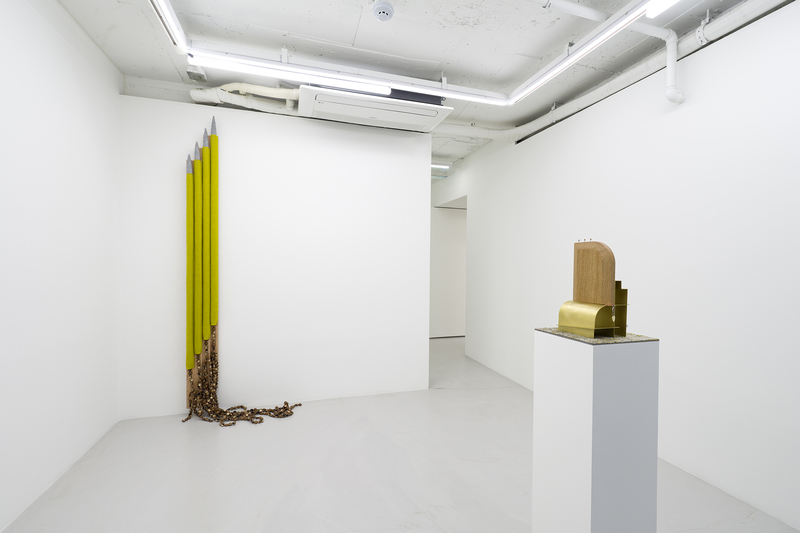
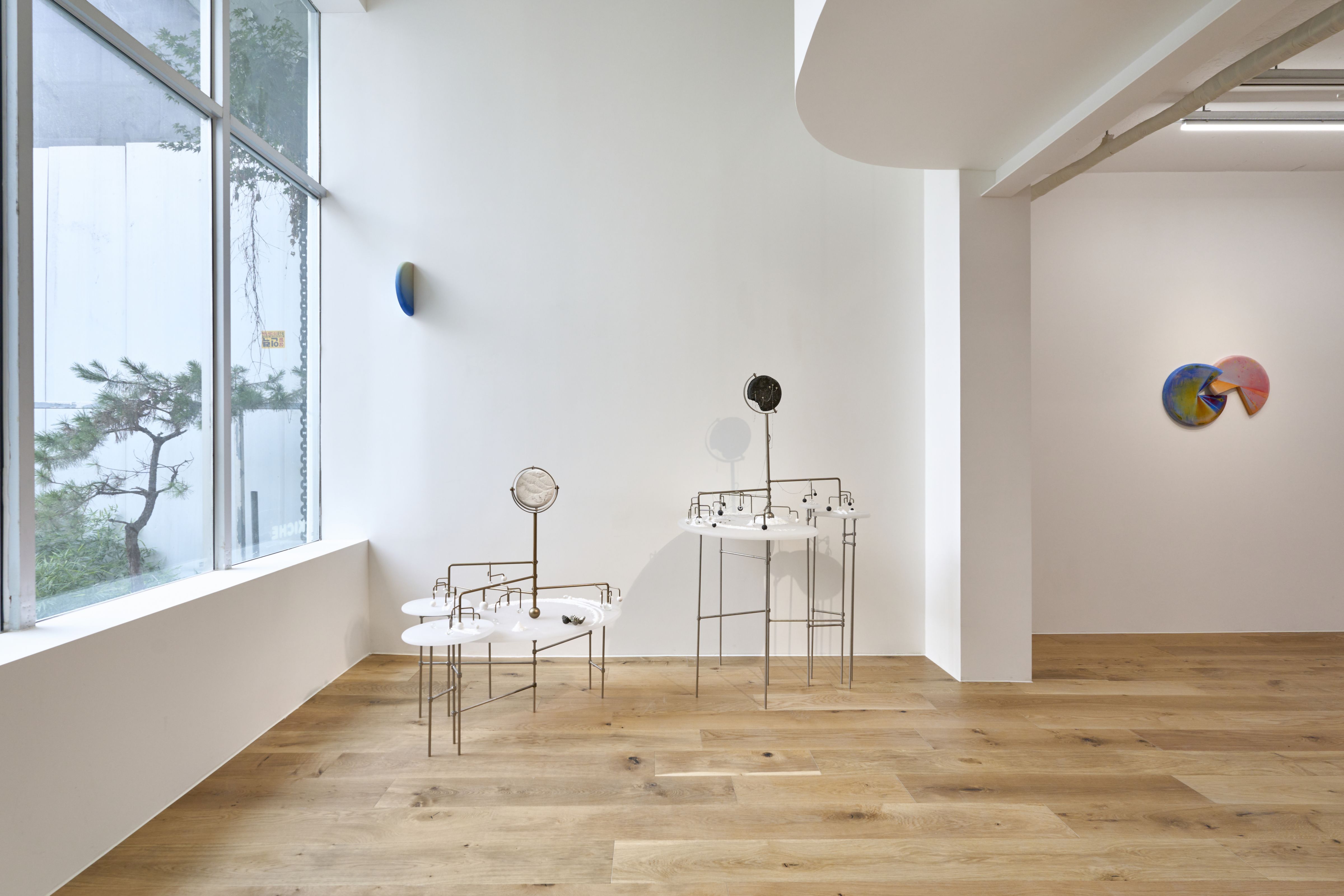
Small sculptures inherit their formal tendencies from drawings—the repetition of lines and curves, the chance emergence of house-like or box-like forms. But this is not about formal resemblance. The sculptures do not reproduce the exact shapes of drawings; instead, they embody their attitude—repetition, acceptance, balance—on a material level.
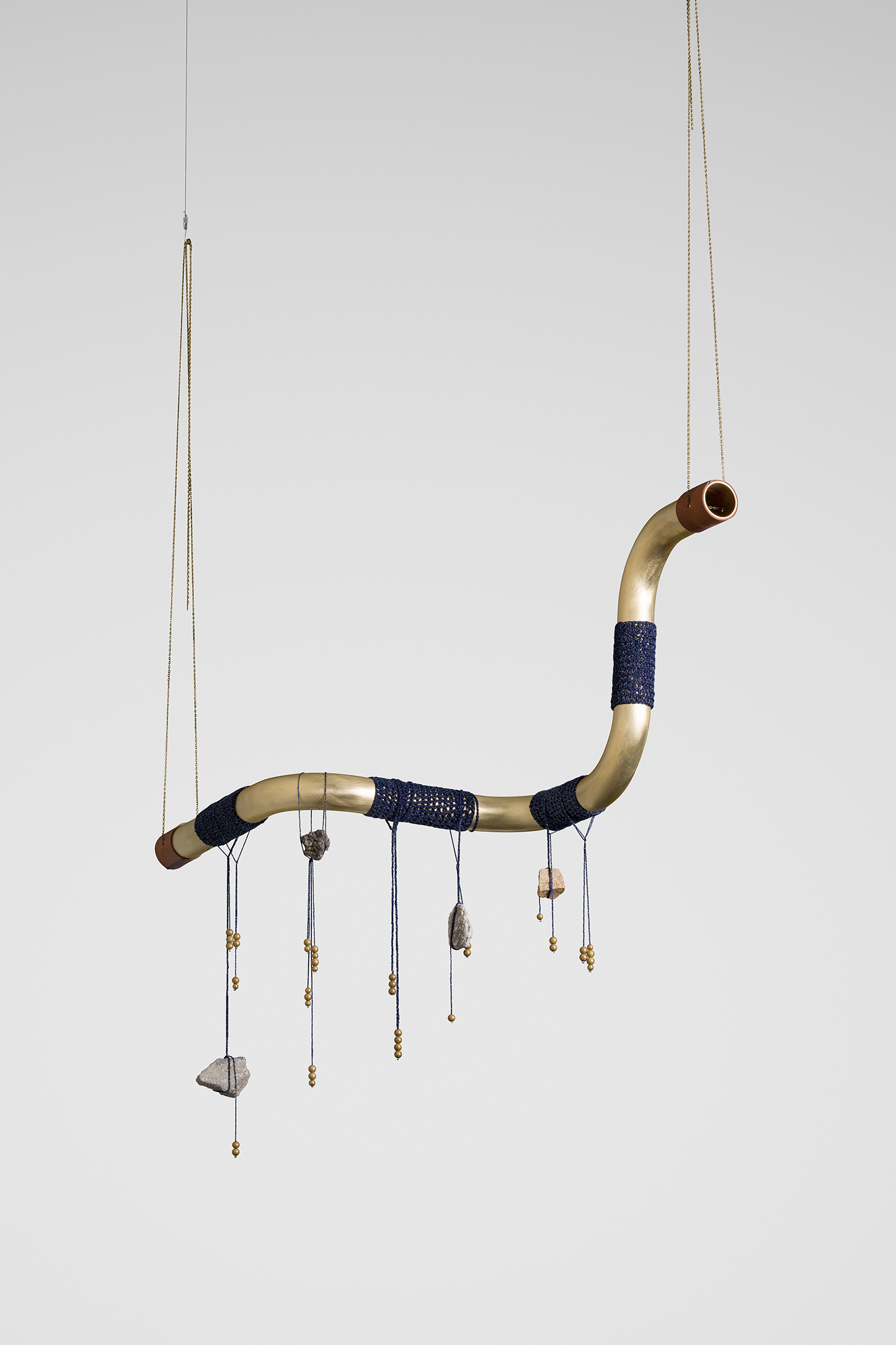
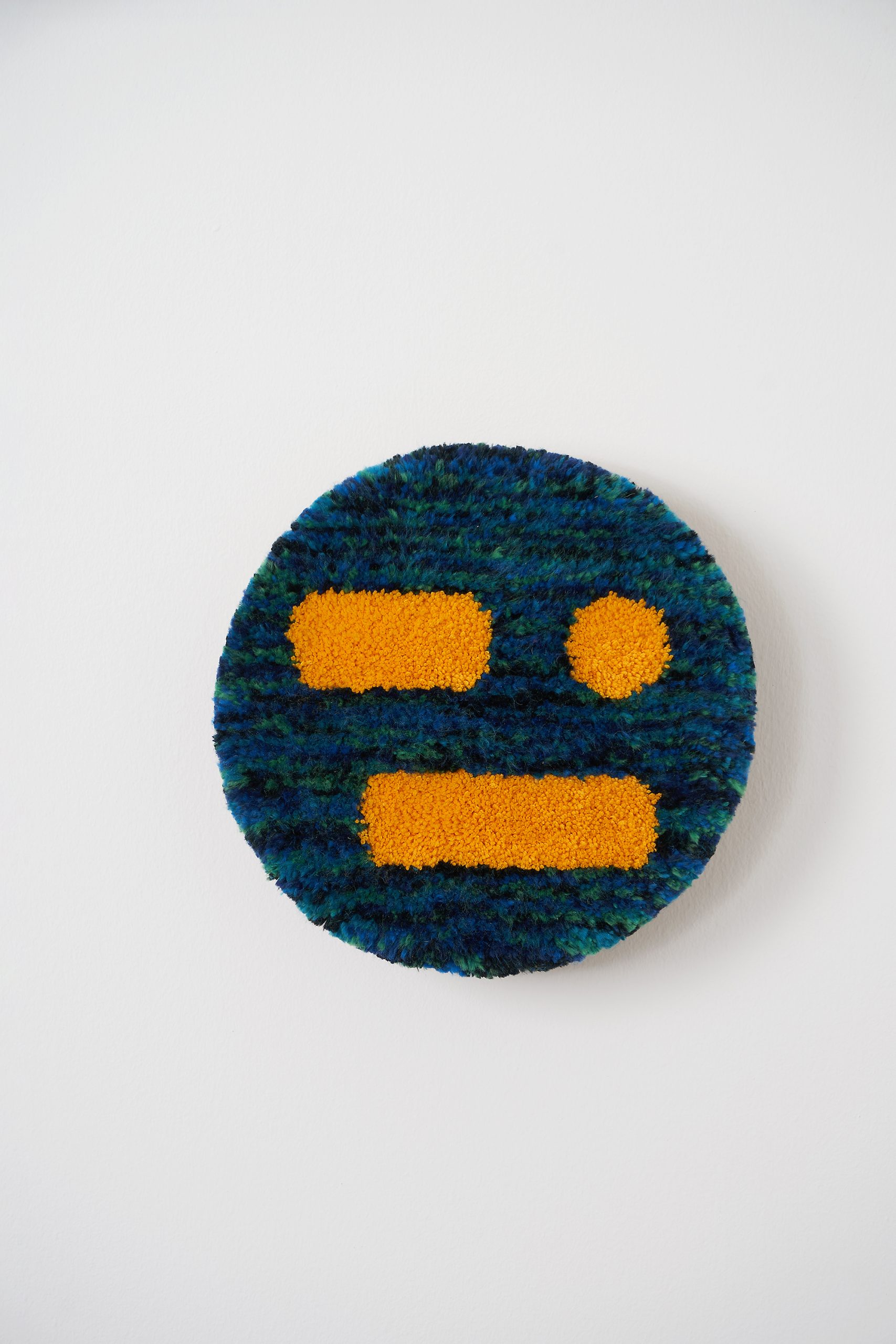
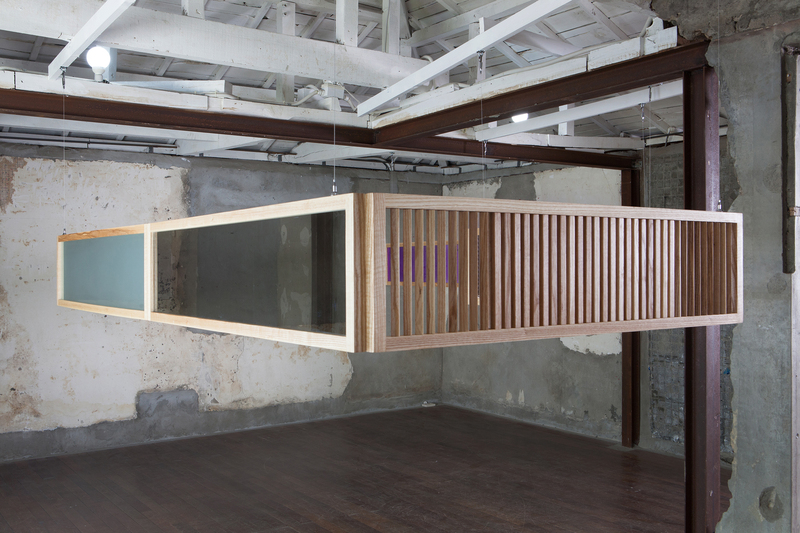
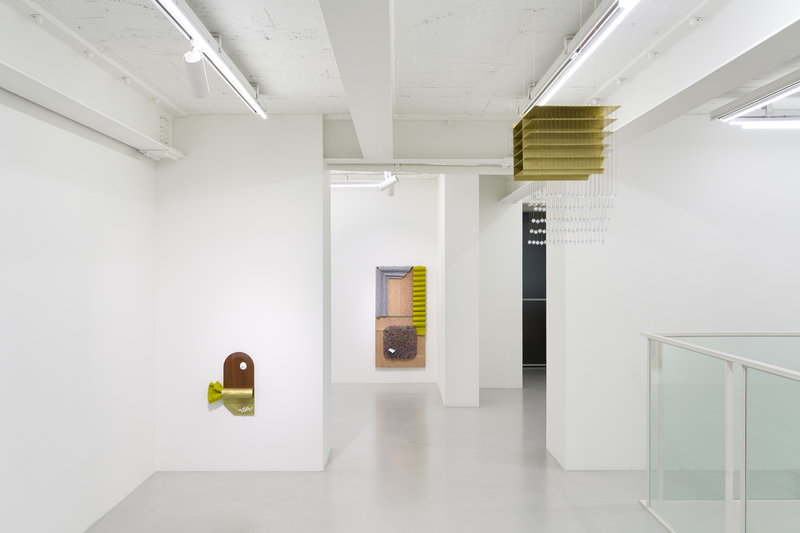
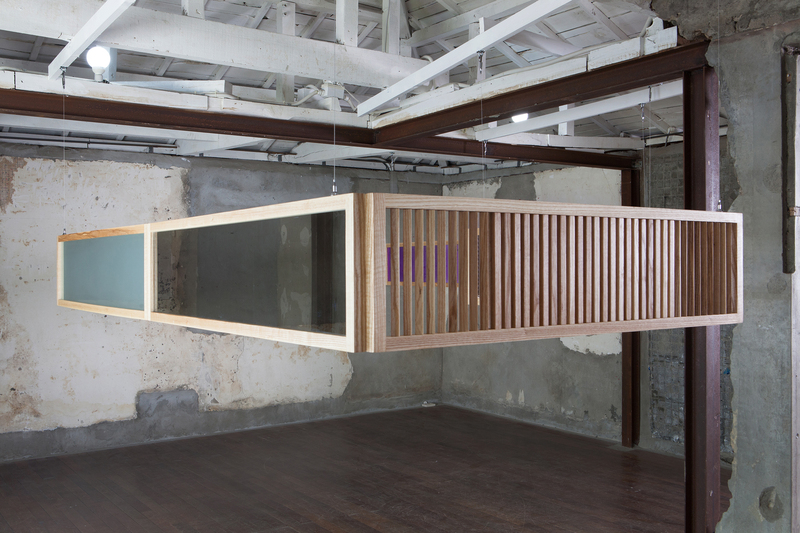
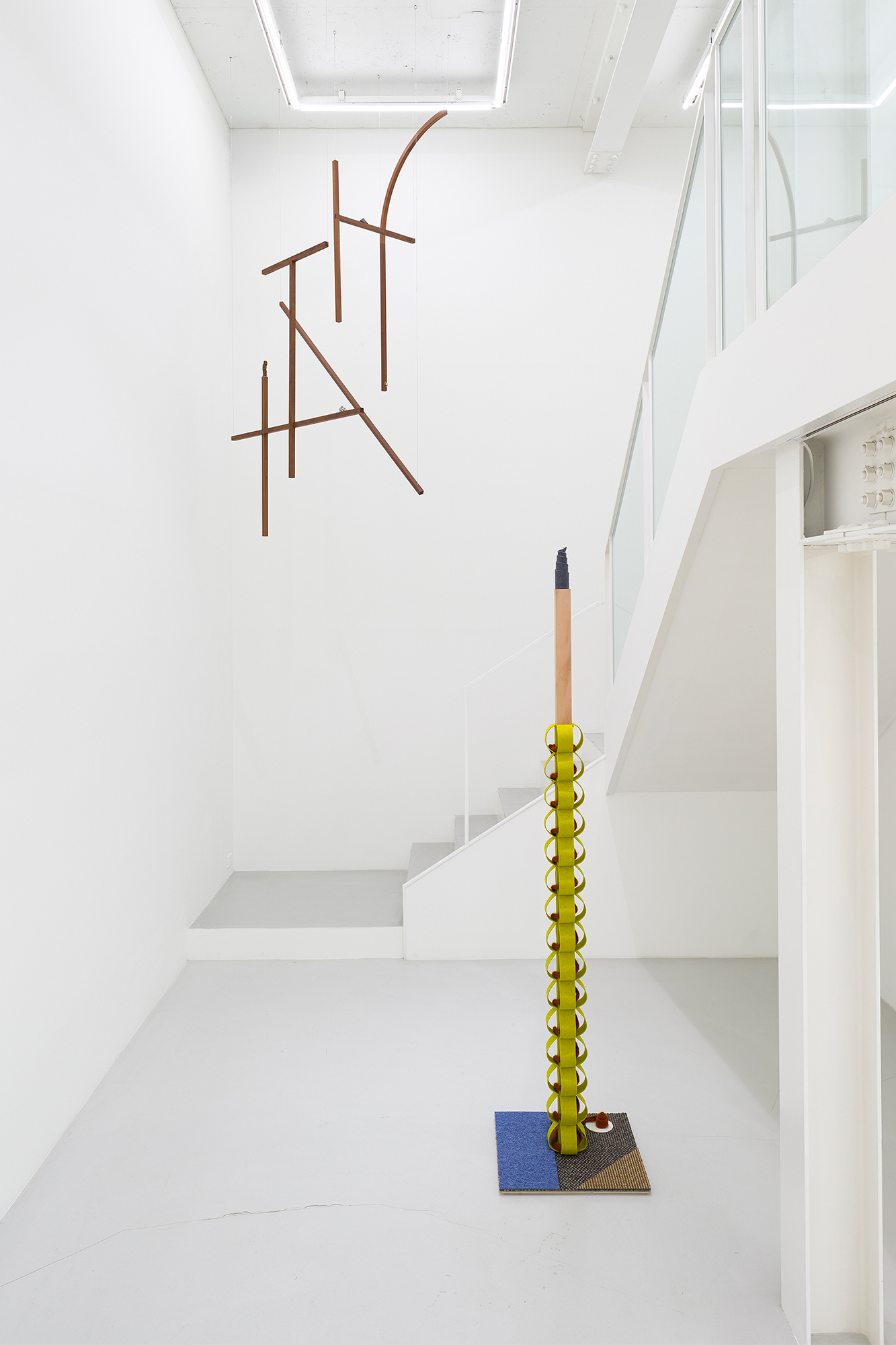
Materials such as wood, metal, and felt take the place of interior film, introducing new material tensions. Just as small sculptures emerge from drawings, the large ones evolve from the smaller ones. The large-scale works in this exhibition are expansions of these small objects into proportional, spatial structures that correspond to the human scale of architecture.
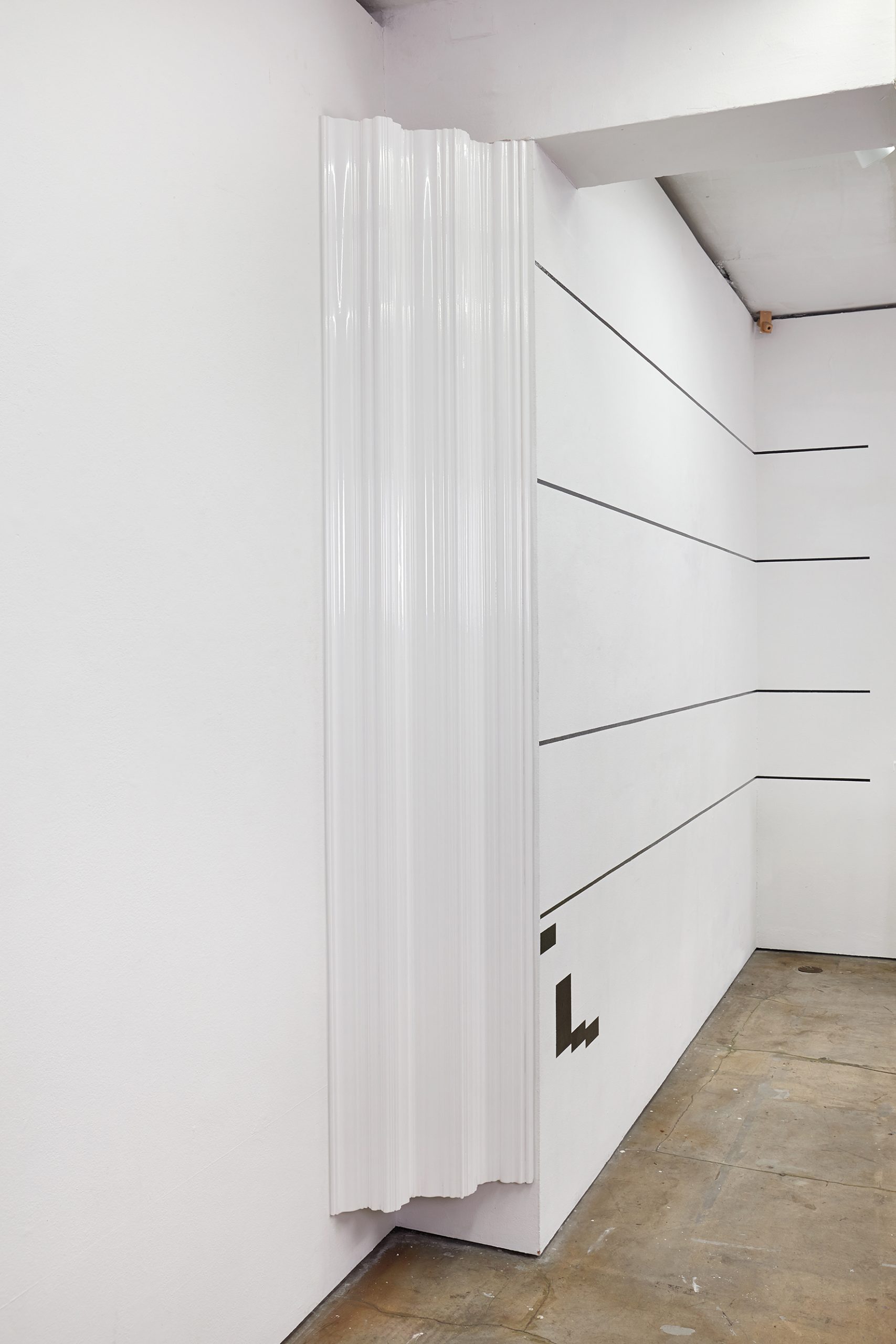
Yet Lee’s sculptures do not replicate architectural order. She deliberately distorts it—through “slightly narrow doors, pointlessly flat windows, unnecessarily thick frames, or pillars hanging from walls”—reinterpreting elements of domestic space as sculptural forms. Through this process, she extends the attitude cultivated in drawing into small objects, and further into architectural structures, embodying the geometry of daily life in her sculptures.
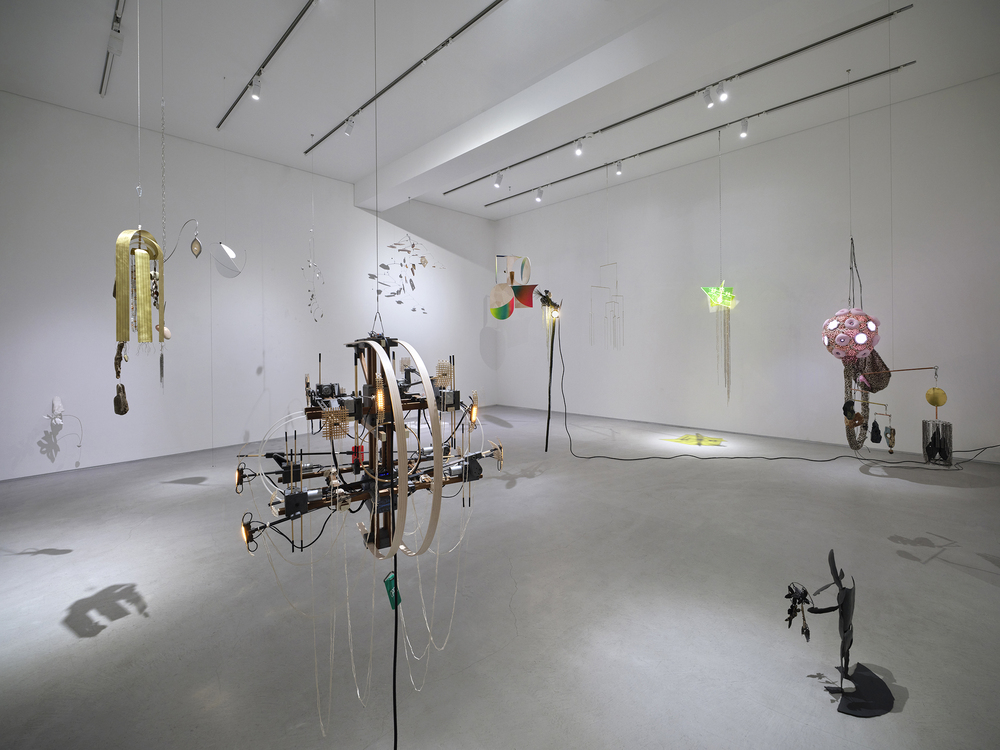
In this sense, her sculptures can be seen as expanded drawings. The attitude that begins in drawing extends through objects to architectural forms, ultimately encompassing the viewer’s body within an environmental experience.
Felt: A Material Attitude of Balance
Another notable aspect of this exhibition is her use of felt. Lee’s choice of this material is closely tied to her sensitivity toward balance. Initially, she worked with soft, draping fabric, but its excessive fluidity resisted structural form. Through this struggle, she came to perceive the resistance of materials. The fabric’s softness paradoxically refused to follow the movement of her hands and resisted fixed structure.
Felt emerged as an alternative to mediate this unstable relationship. Soft yet dense, it responds to the artist’s touch while maintaining its own form. In other words, felt accepts chance while demanding a sense of balance to sustain shape. If the draping fabric represented complete resistance, felt enabled balance between resistance and acceptance.
Within this fragile equilibrium, Lee practices her philosophy of “planning a little and allowing a lot.” She works as if negotiating between body and material moment by moment—a sensitivity to balance that extends across her entire sculptural practice.
Art Returning to Life
As mentioned earlier, the title Housework is more than literal; it is a metaphor for thinking about the relationship between art and life. For Lee, housework is both the act of cleaning and organizing a physical space, and the foundation and structure from which art emerges.
The body passes through time in repetitive daily cycles; time takes form through drawing; drawings combine with objects and expand into sculpture. Her art arises not from grand events but from the natural rhythm of life and the body.
Lee states, “To speak about life itself is the most political act.” This suggests that art no longer belongs to a separate, institutional realm detached from life, but is continuously rediscovered in everyday repetition. Art does not appear only in moments of sudden inspiration—it can emerge naturally within personal life and bodily experience. In this sense, Lee uses the language of life to speak about art.
Ultimately, 《Housework》 asks where art begins—through one’s life, body, objects, materials, and time. As the artist’s hands move, materials respond, and time and space intertwine, her sculptures gradually take form. Here, life stands not at the periphery of art, but at its center. Though her work is quiet and refined, it holds within it the rhythm of a body enduring time and the warmth of a hand that shapes it.