Lee’s
forms have moved across two-dimensional work, drawing, objects, furniture,
sculpture, installation, and architectural structures. In the early works,
collecting, classifying, editing, and rearranging were central methods.
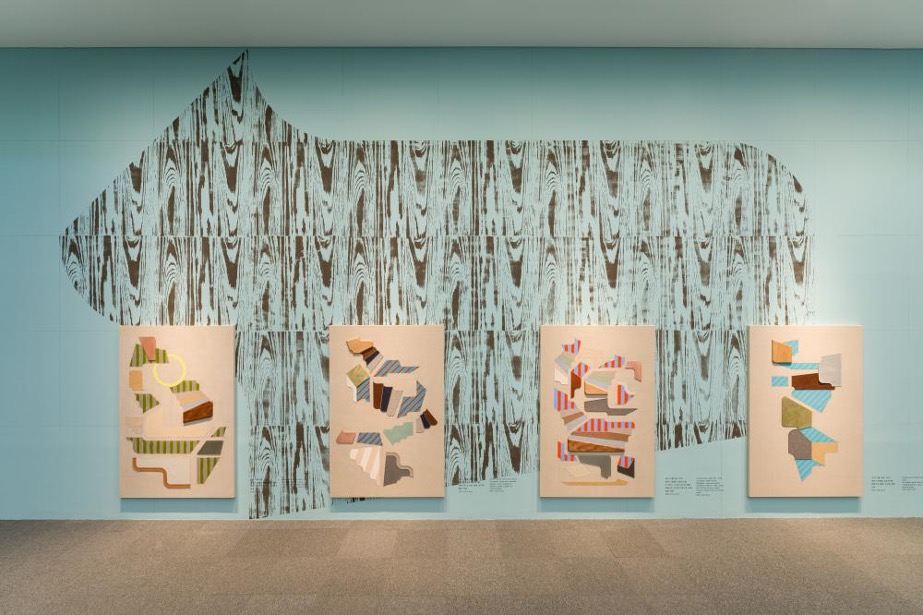
Google Landscape(2006) traced aerial images from Google
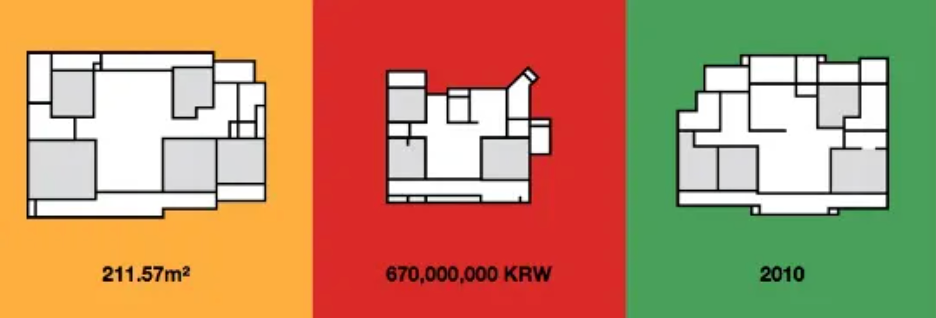
Earth onto graph paper, while 300,000,000 KRW, Korea, 2010
reorganized real estate data and apartment floor plans according to specific
criteria.
At this stage, Lee did not simply produce images from scratch; she
brought existing data and visual materials from society into a new system of
rules. Yet the results were not merely statistics or diagrams. They appeared as
images entangled with art-historical forms such as the black square, the grid,
color arrangements, and architectural floor plans.
After
shifting toward objects, Lee began to engage more directly with surface,
standardization, and function. Freestanding Wall
Cabinet(2013) combined the standard dimensions of plywood production
with storage function, becoming both a temporary wall and a cabinet.
Sidewalk Blocks(2013) translated patterns from adhesive
window film into acrylic plates, presenting them as objects that resemble
paving blocks but cannot be used as such.
A Specific Item
arranged different kinds of glass almost like a chart, while also functioning
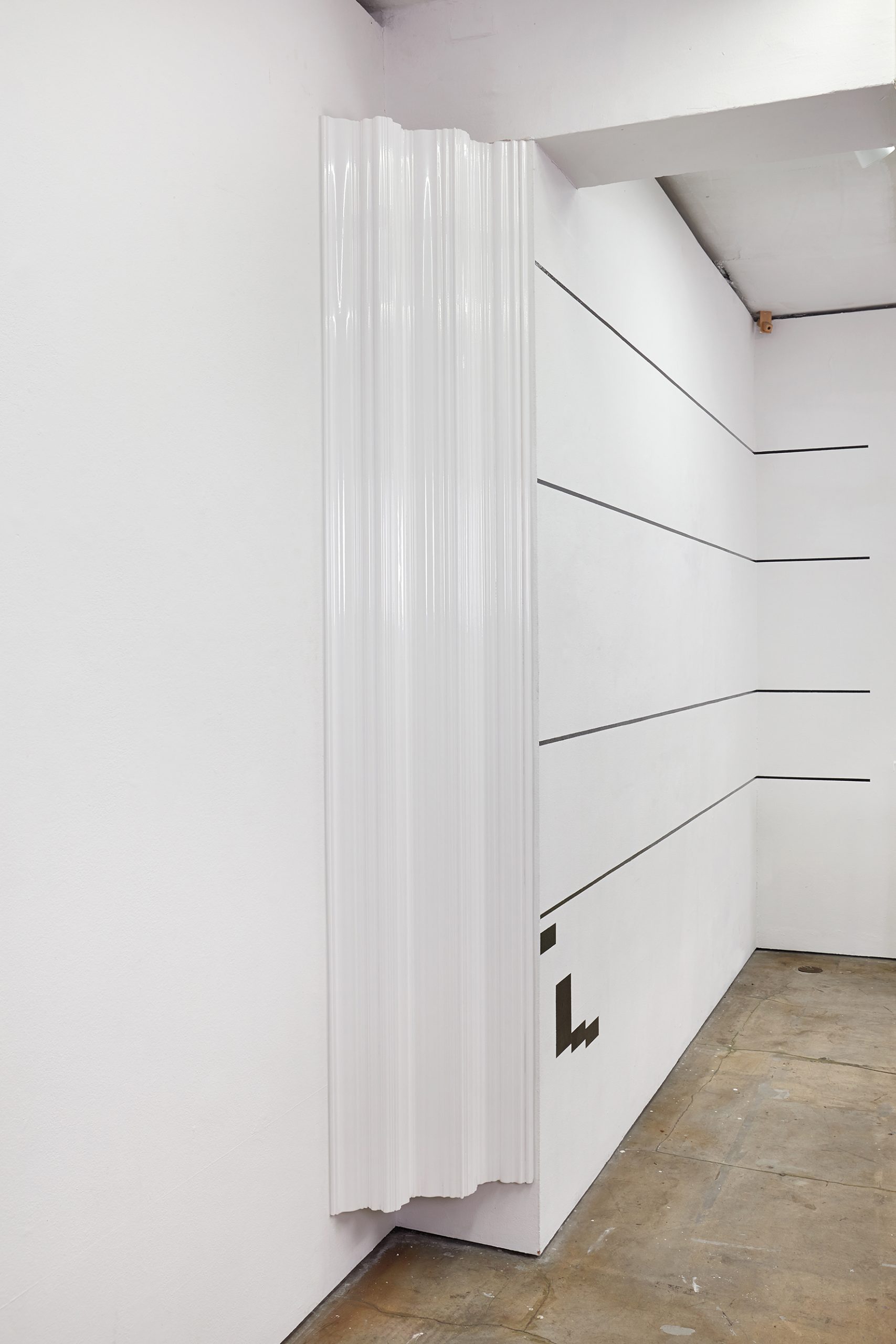
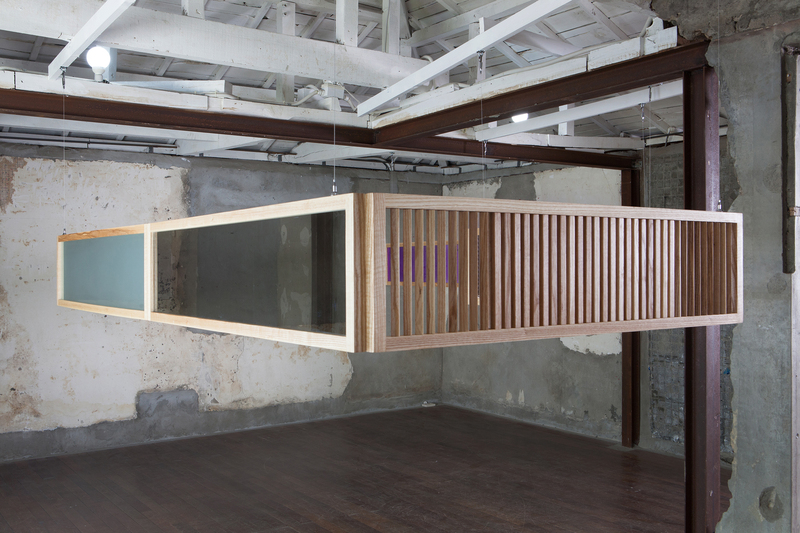
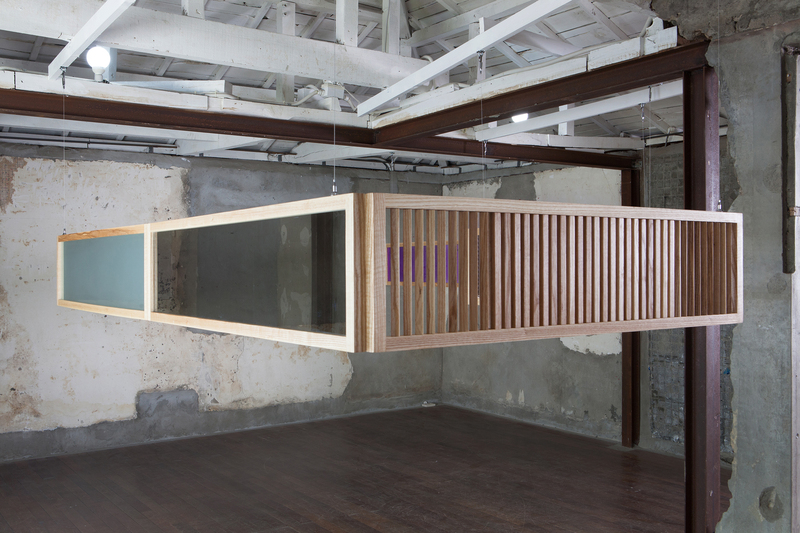
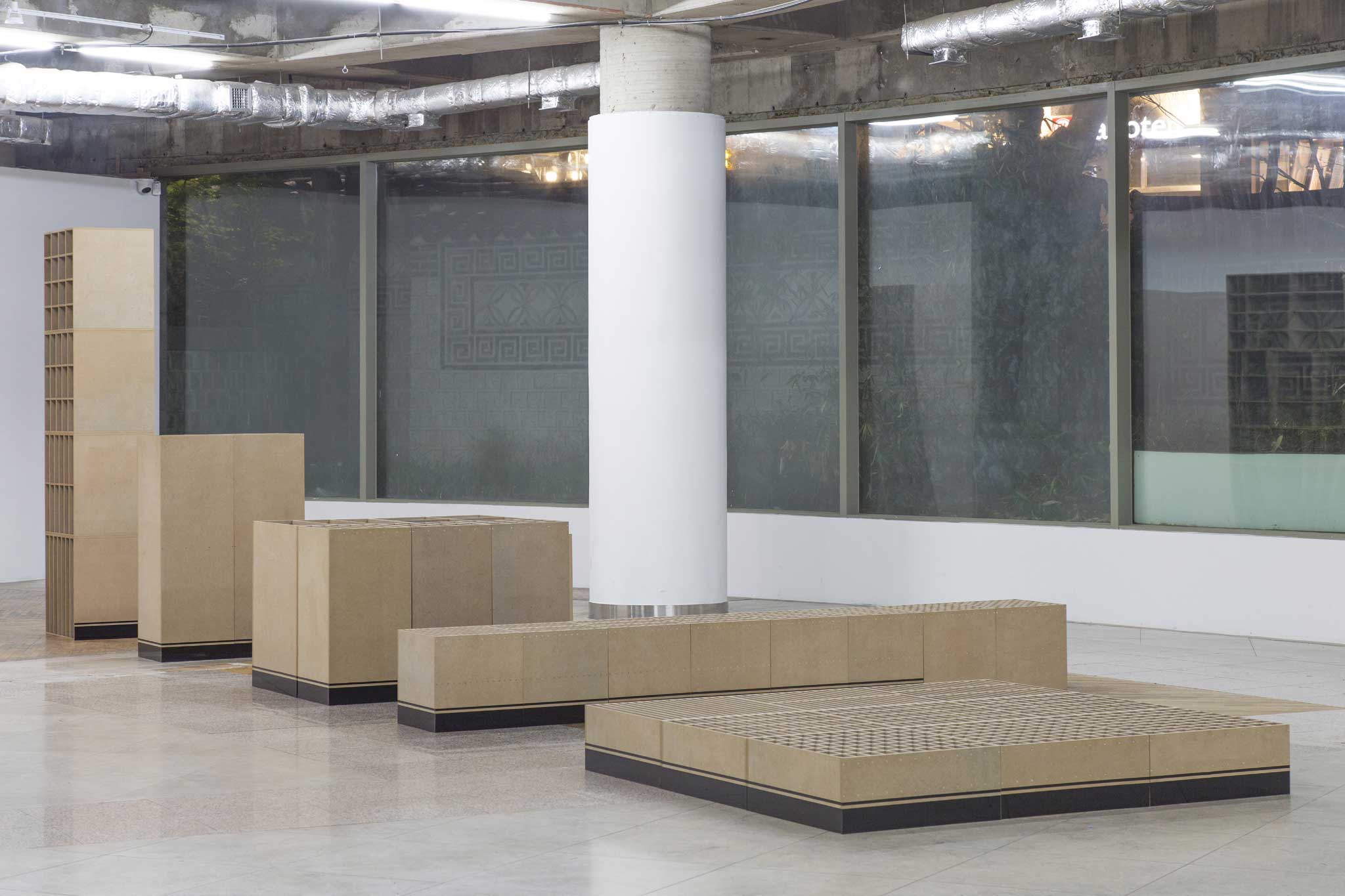
as a window-like device of apartment desire. In 《Tall, Flat, Hung》(Art Sonje Project Space,
Seoul, 2015), Lee took the physical conditions of the exhibition space—ceiling
height, finishes, dimensions, and material standards—as the given conditions of
the work. She did not treat the exhibition space as a place where anything
could happen, but as a site with existing constraints and guidelines from which
form had to be drawn.
From the
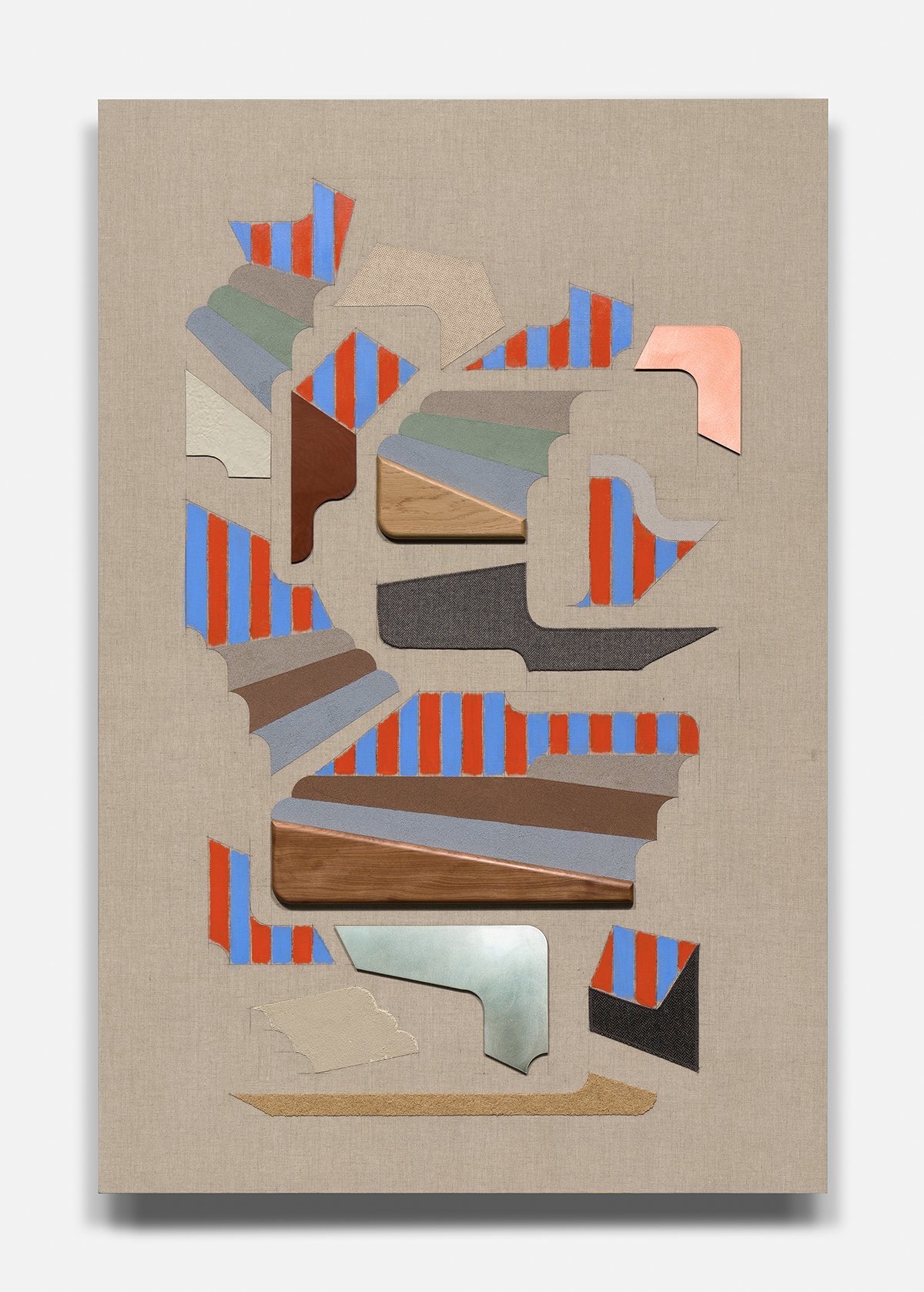
2020s onward, drawing became a central form in Lee’s practice. Her drawings are
not simply plans for finished sculptures, but records of daily time and bodily
movement. Beginning with a notebook printed with dots at 5 mm intervals, she
draws straight lines and arcs, connects one form to another, and applies
texture with adhesive vinyl and colored pencil.
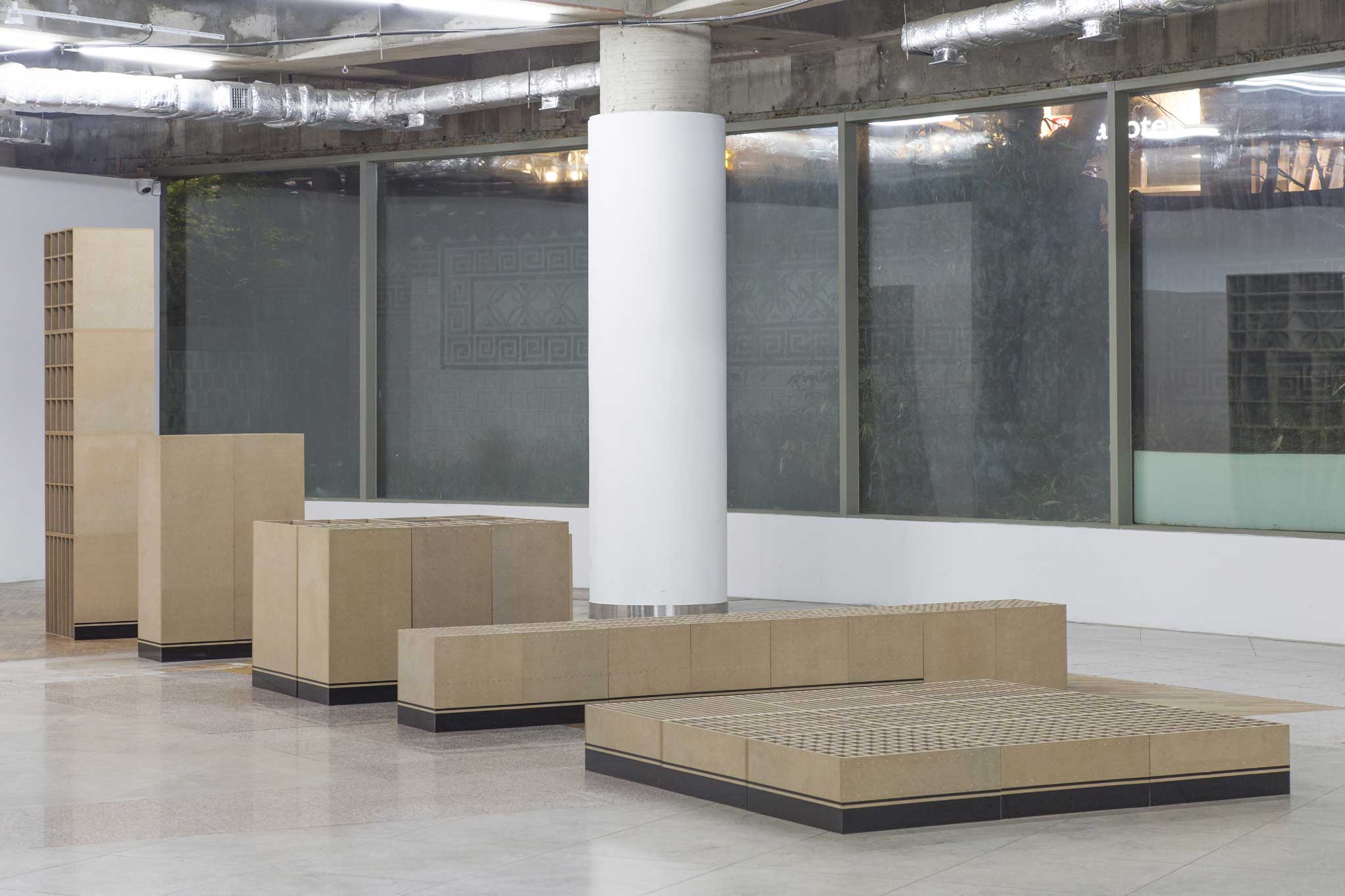
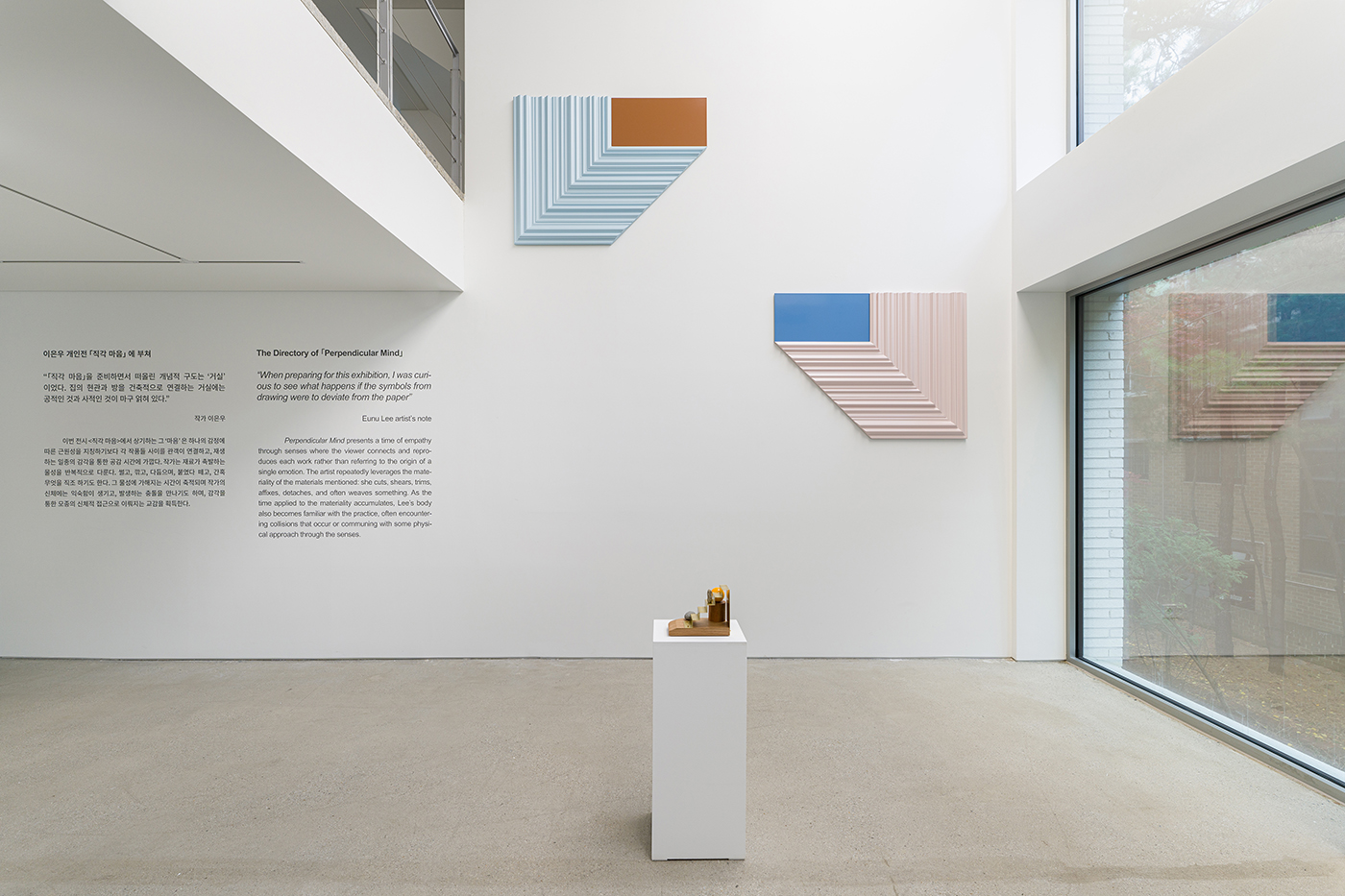
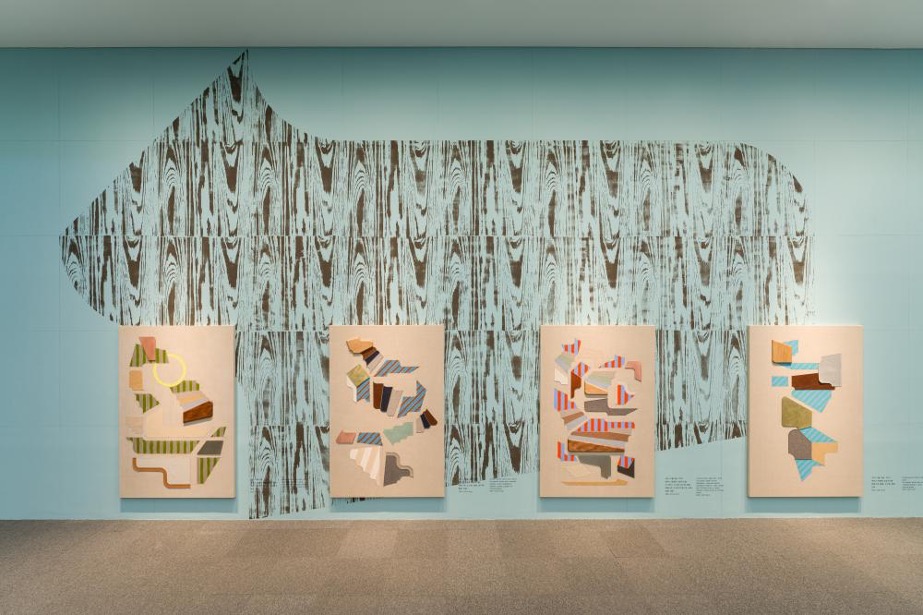
In 《Perpendicular Mind》 and 《The Shape of a Touch》, these drawings do not
remain on paper; they expand into small sculptures and the structure of the
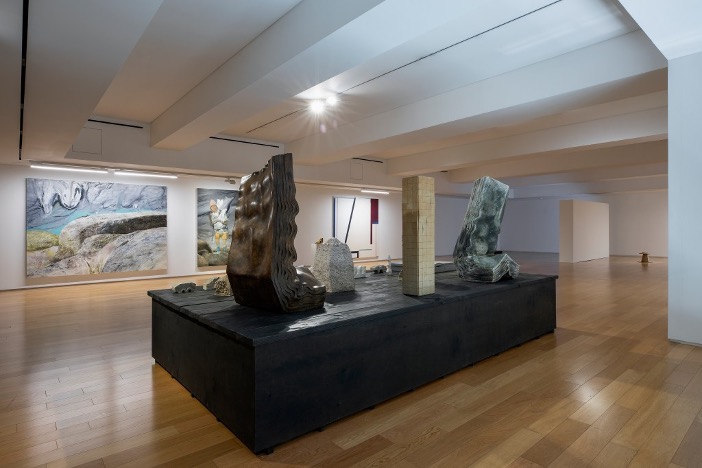
exhibition space itself. In 《The Shape of a Touch》, the exhibition space was organized like a large sheet of graph
paper, with walls, floors, sculptures, benches, and drawings forming something
like a “sculpture village.” Here, drawing becomes not only a two-dimensional
practice, but a way of organizing space and activating the viewer’s body.
By the
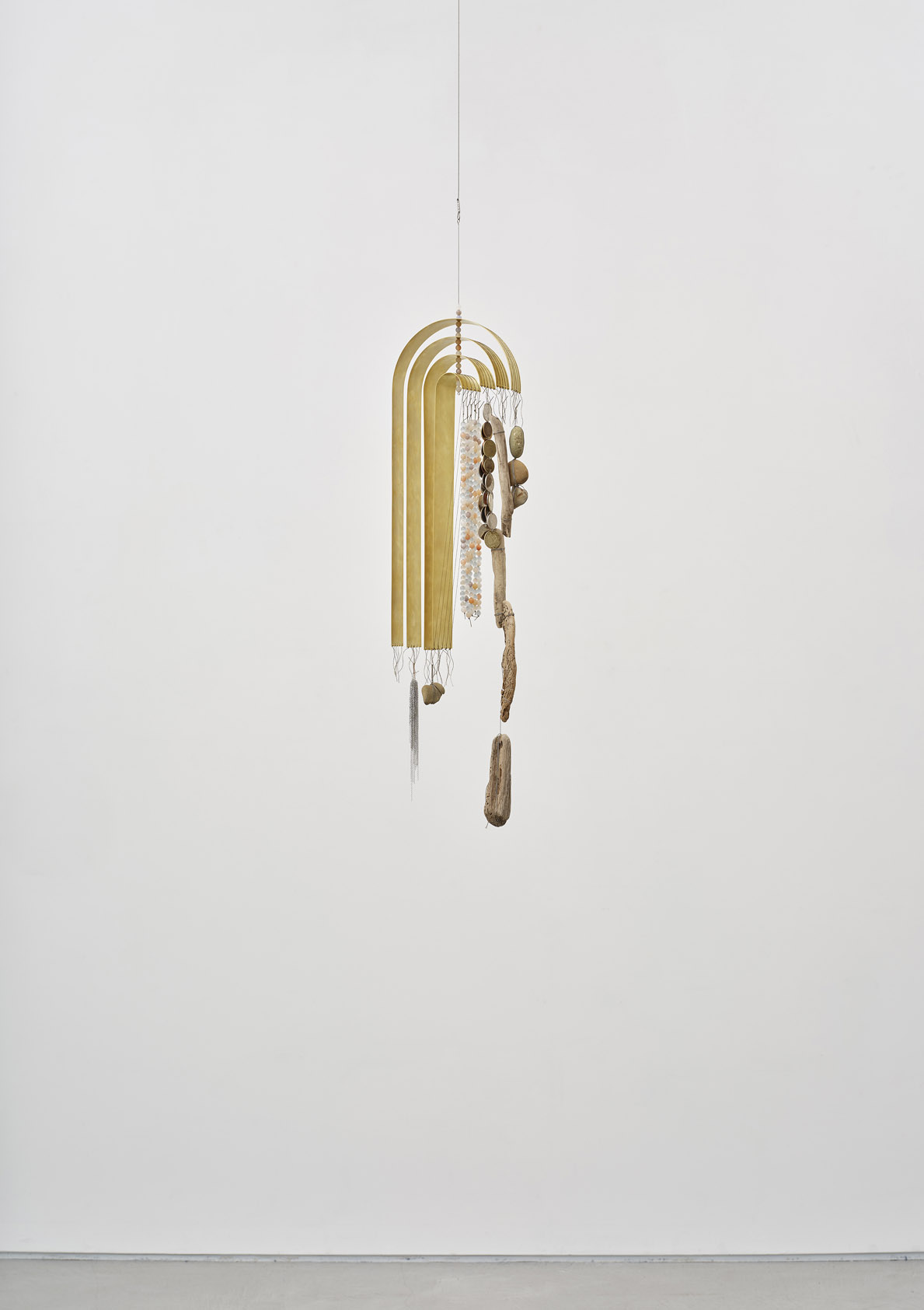
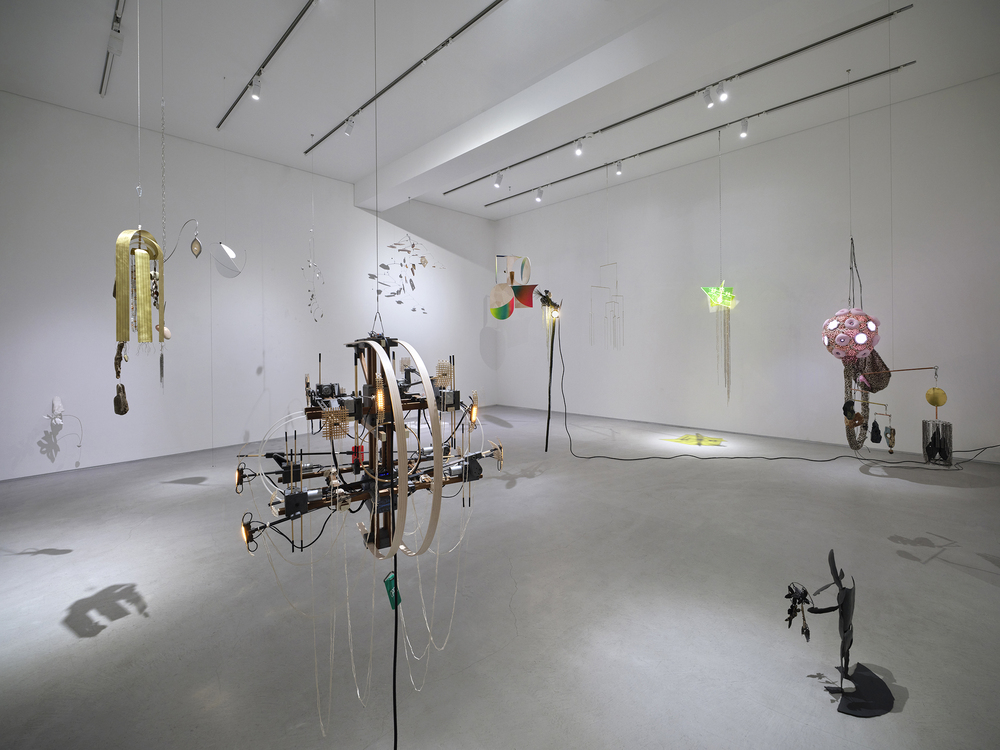
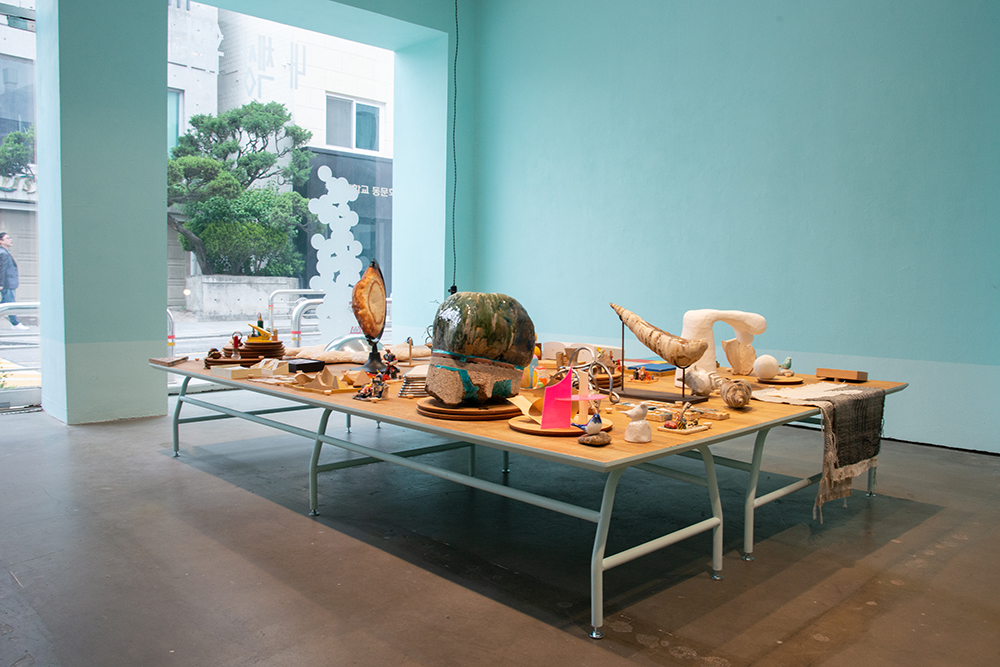
time of 《Housework》, Lee’s forms
become more closely tied to the concrete sensations of living. Her works bring
together furniture she has made herself, collected objects, things picked up
from the street, wood, brass, felt, thread, beads, leather, stone, driftwood,
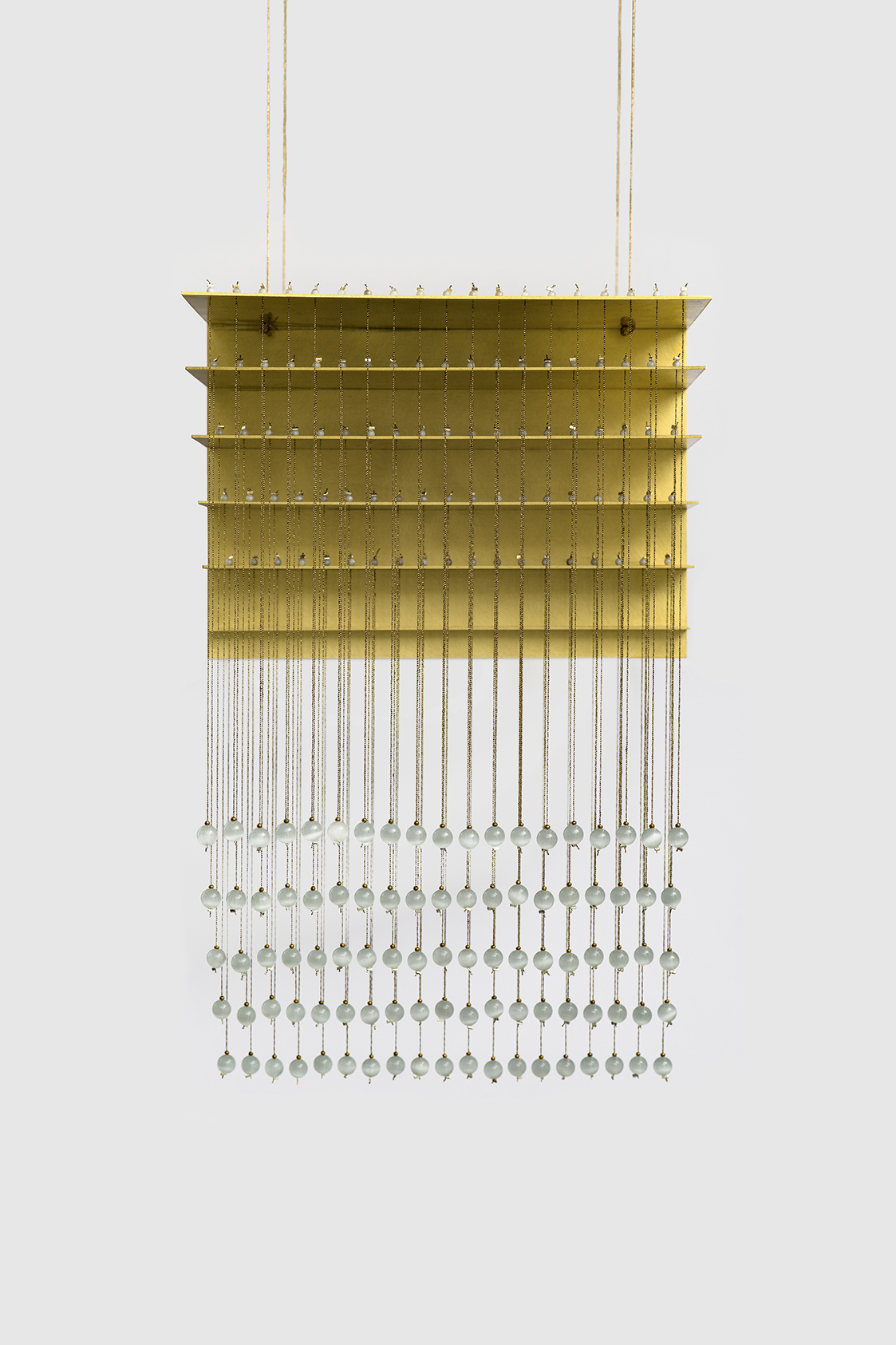
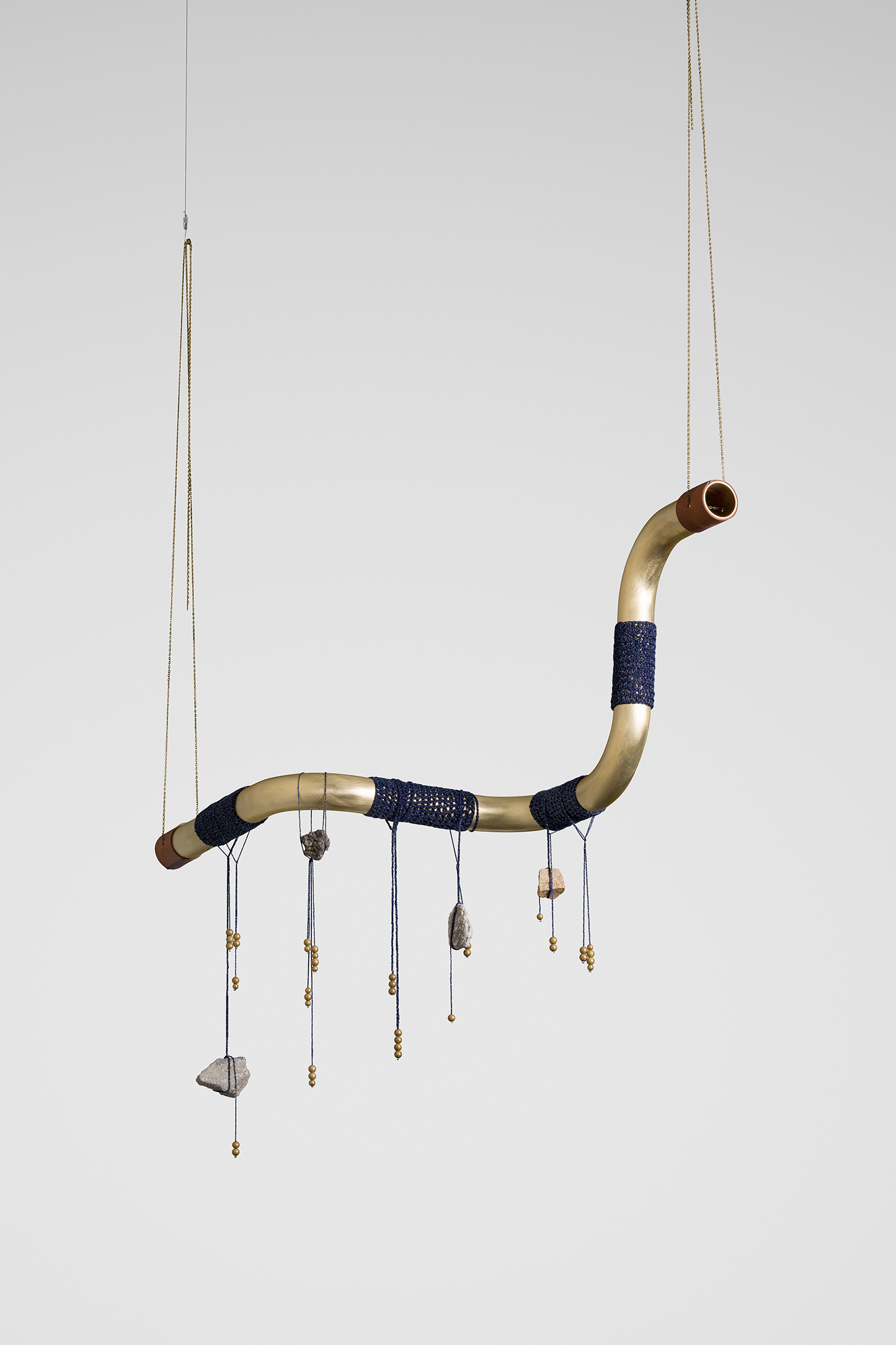
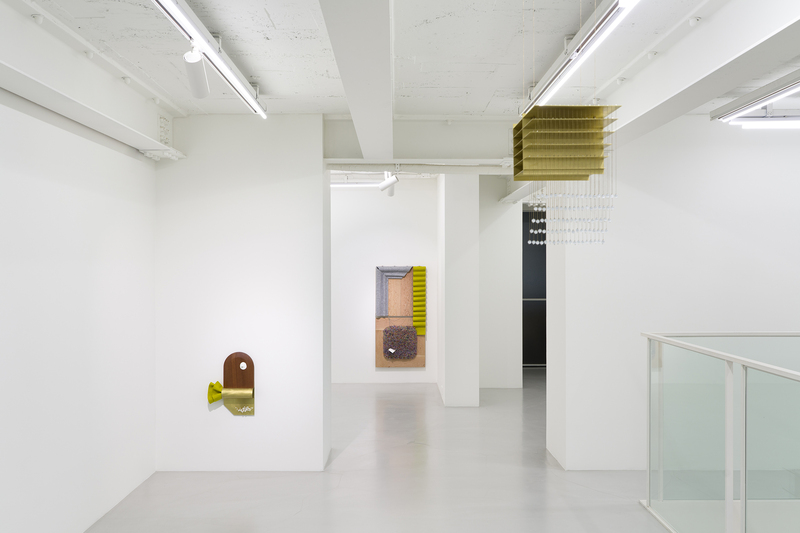
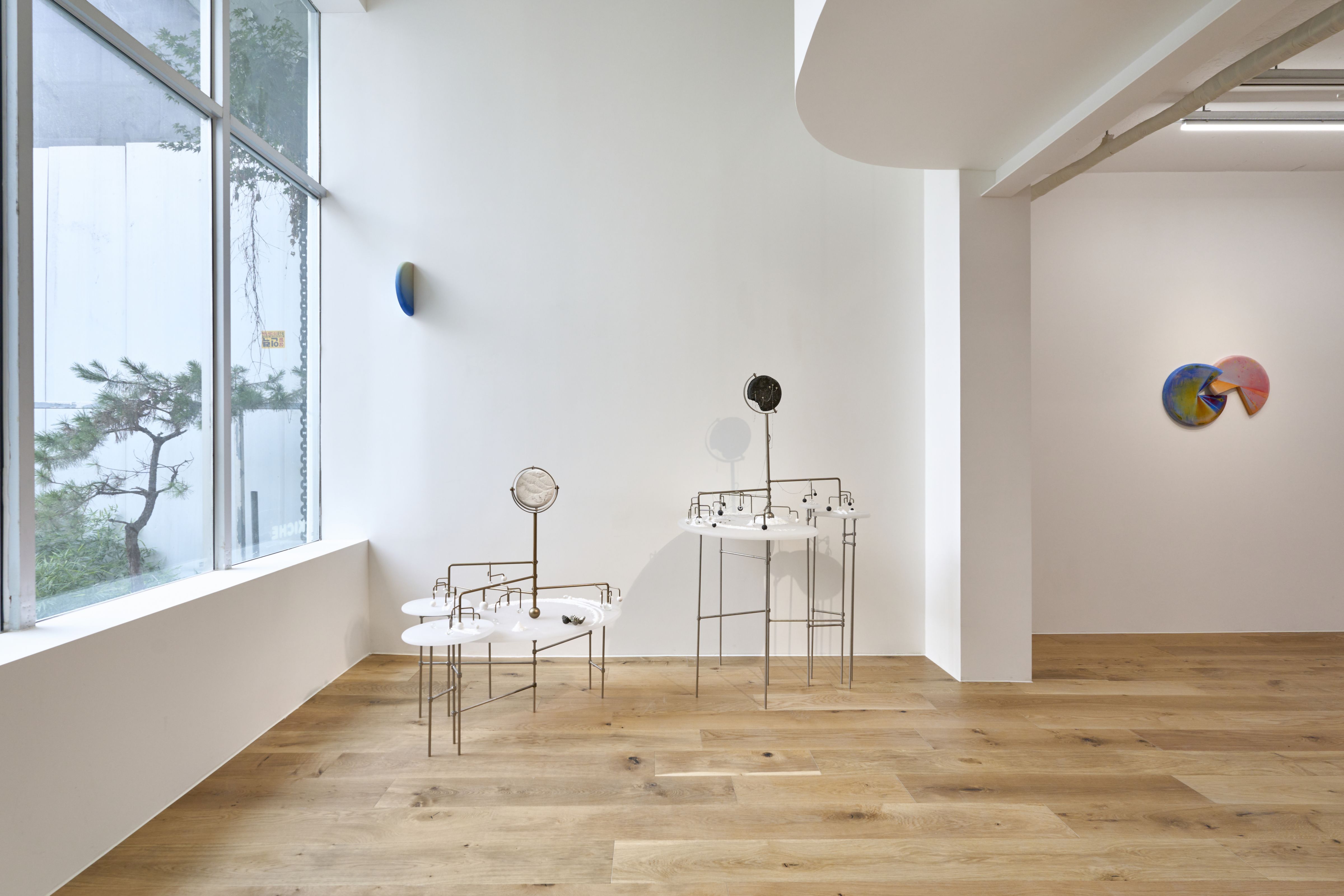
and macadamia shells. Upstairs creates a balance between
vertical and horizontal, transparency and opacity through brass, thread, and
beads.
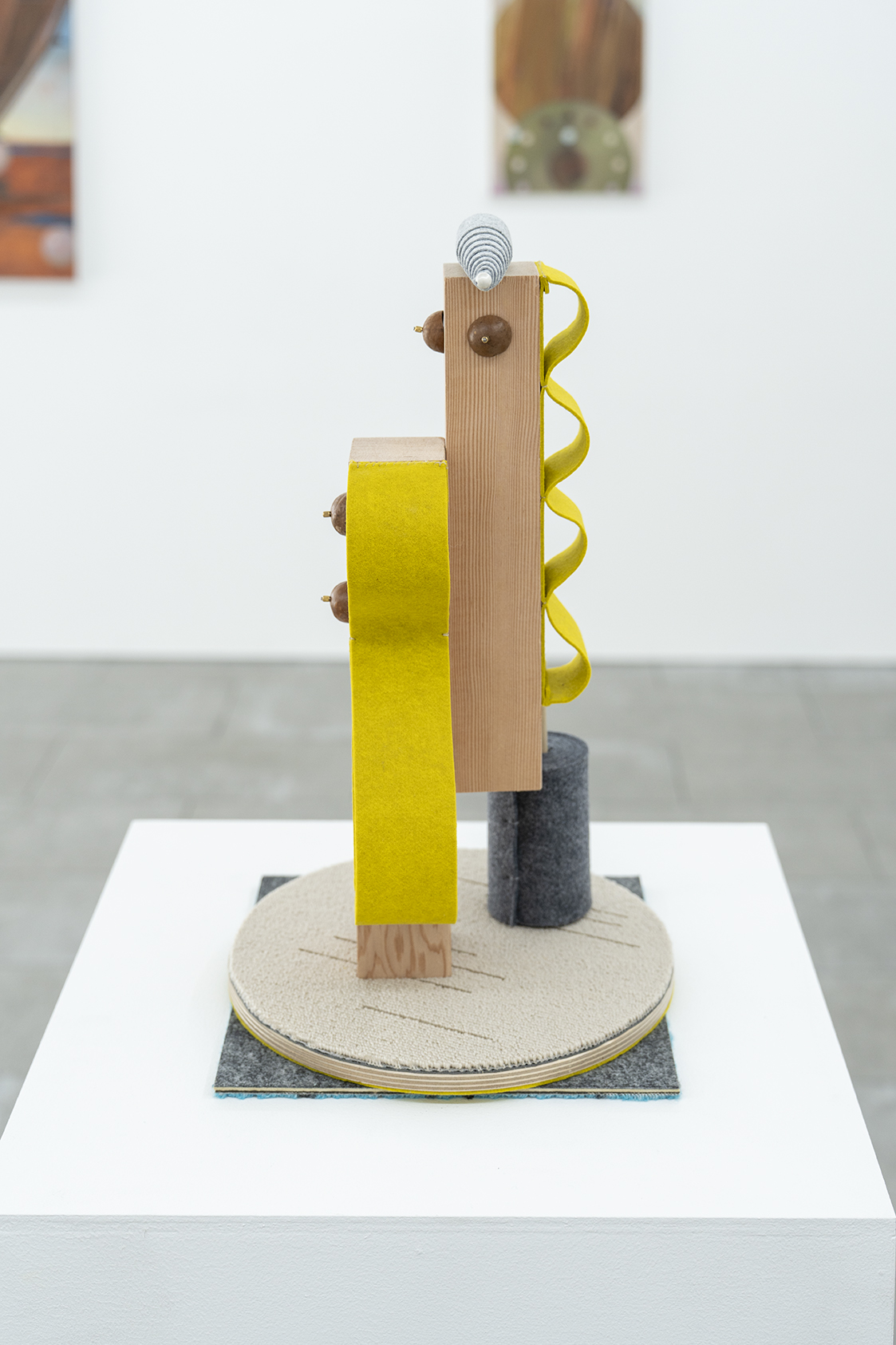
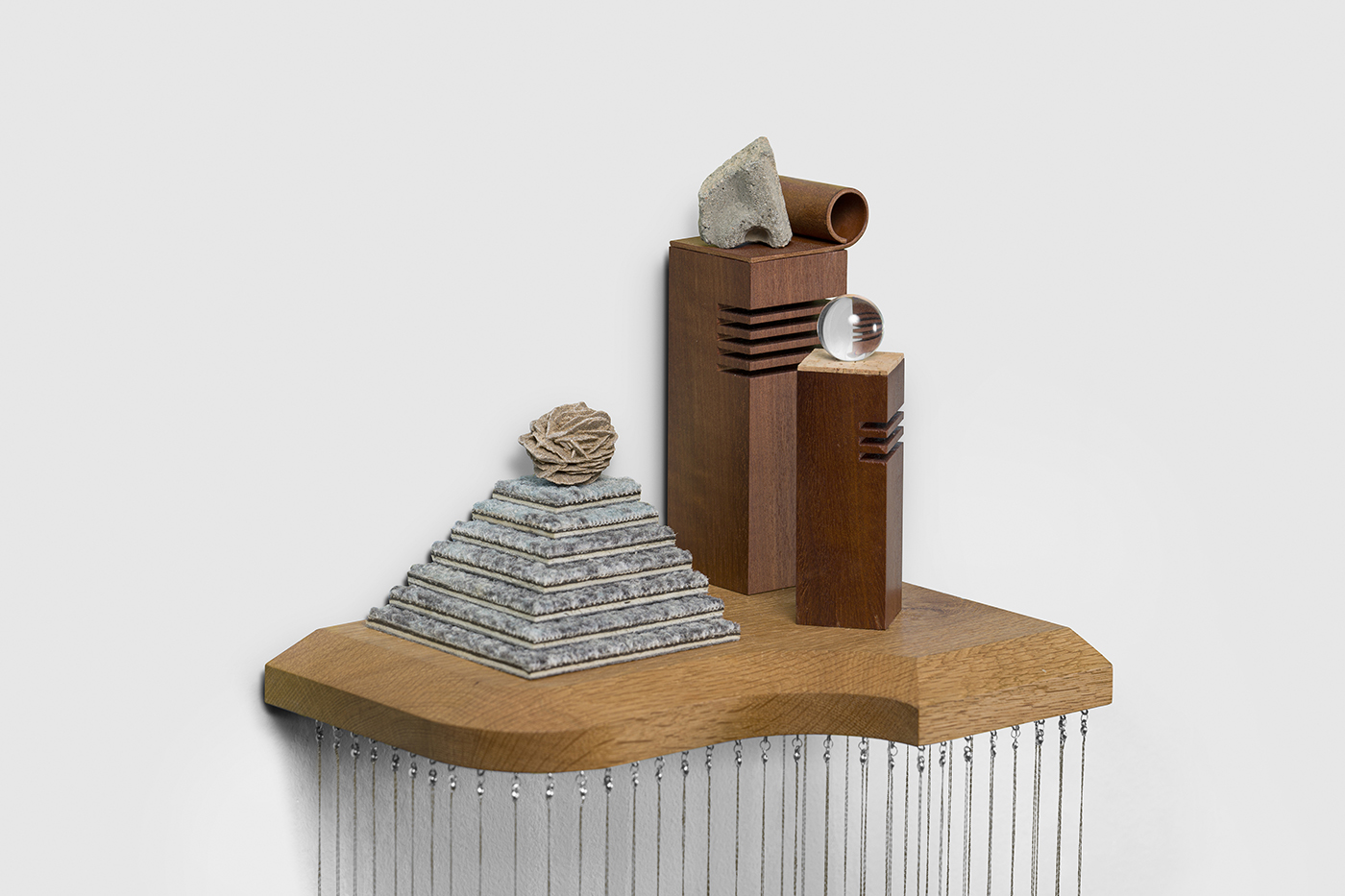
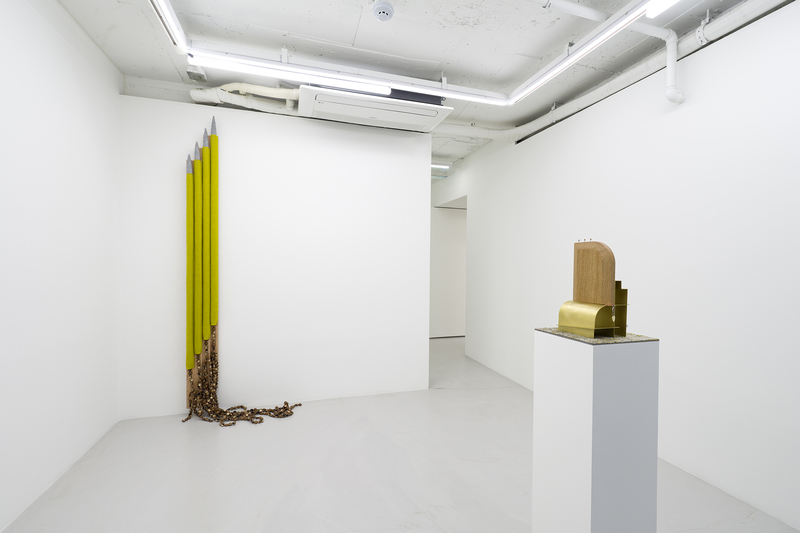
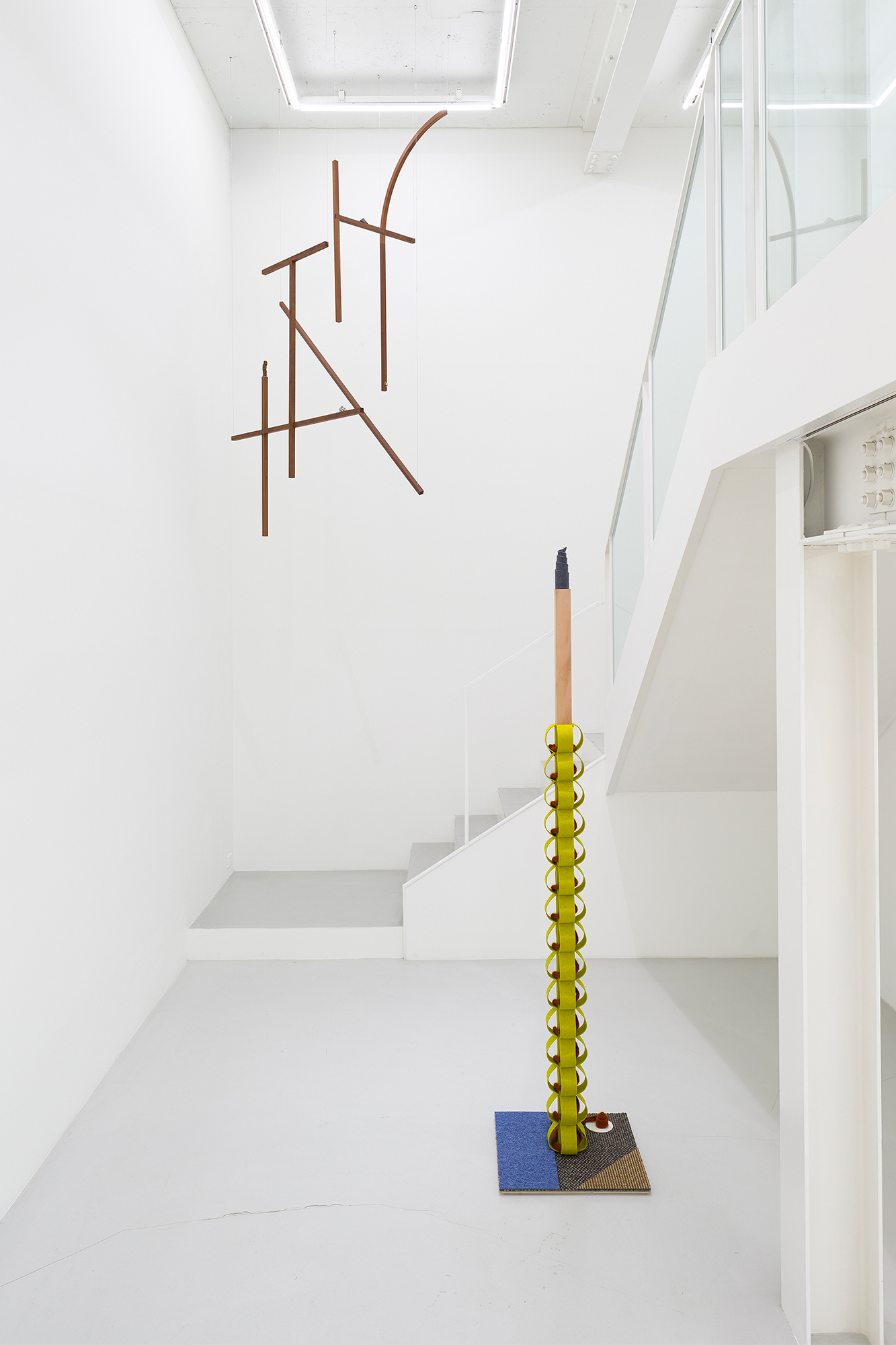
Cardinal Points(2025) combines Douglas-fir, carpet
tile, macadamia shell, felt, button, nail, plywood, driftwood, and resin to
create a spatial scene of direction, structure, and residual objects.
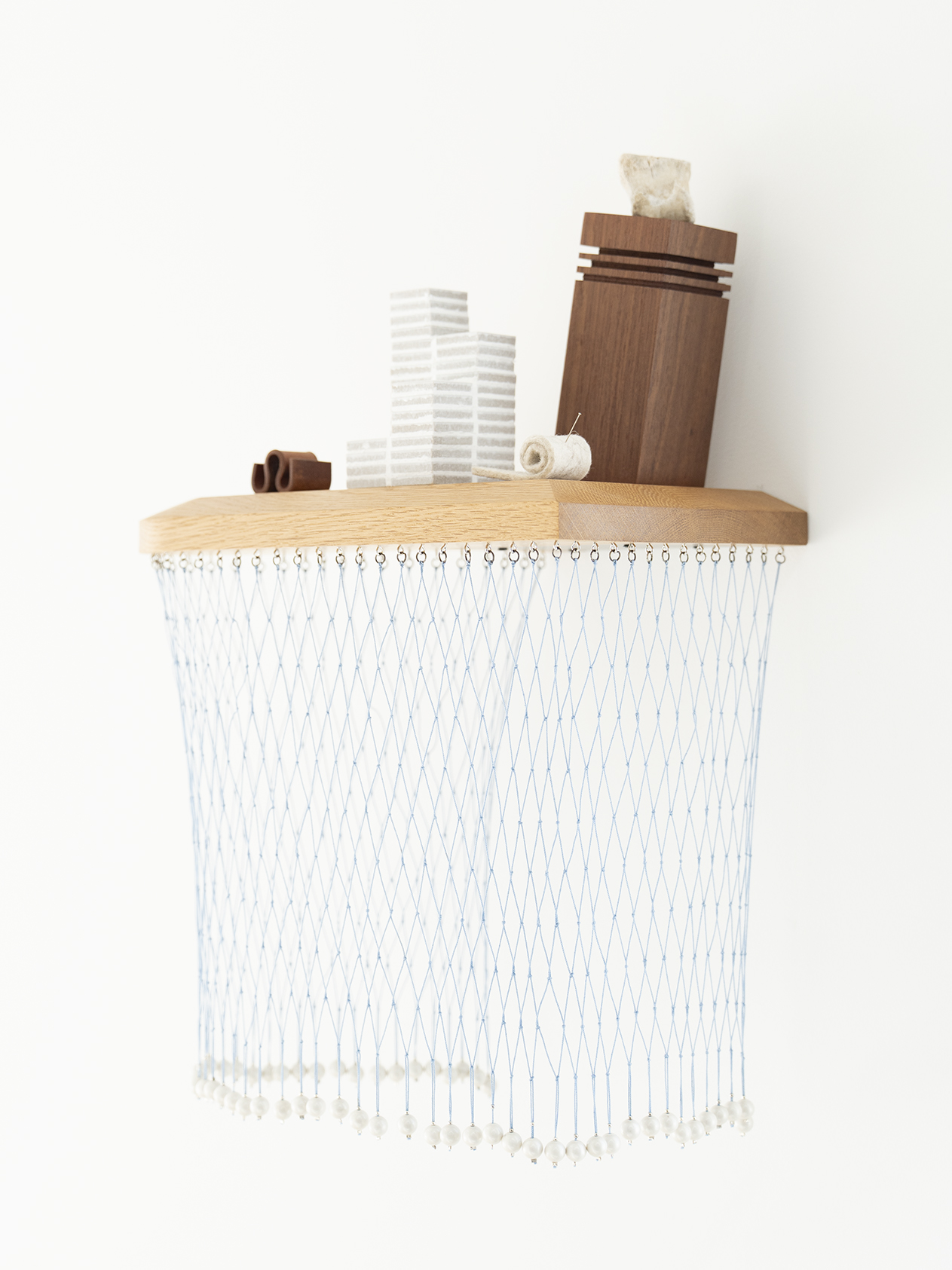
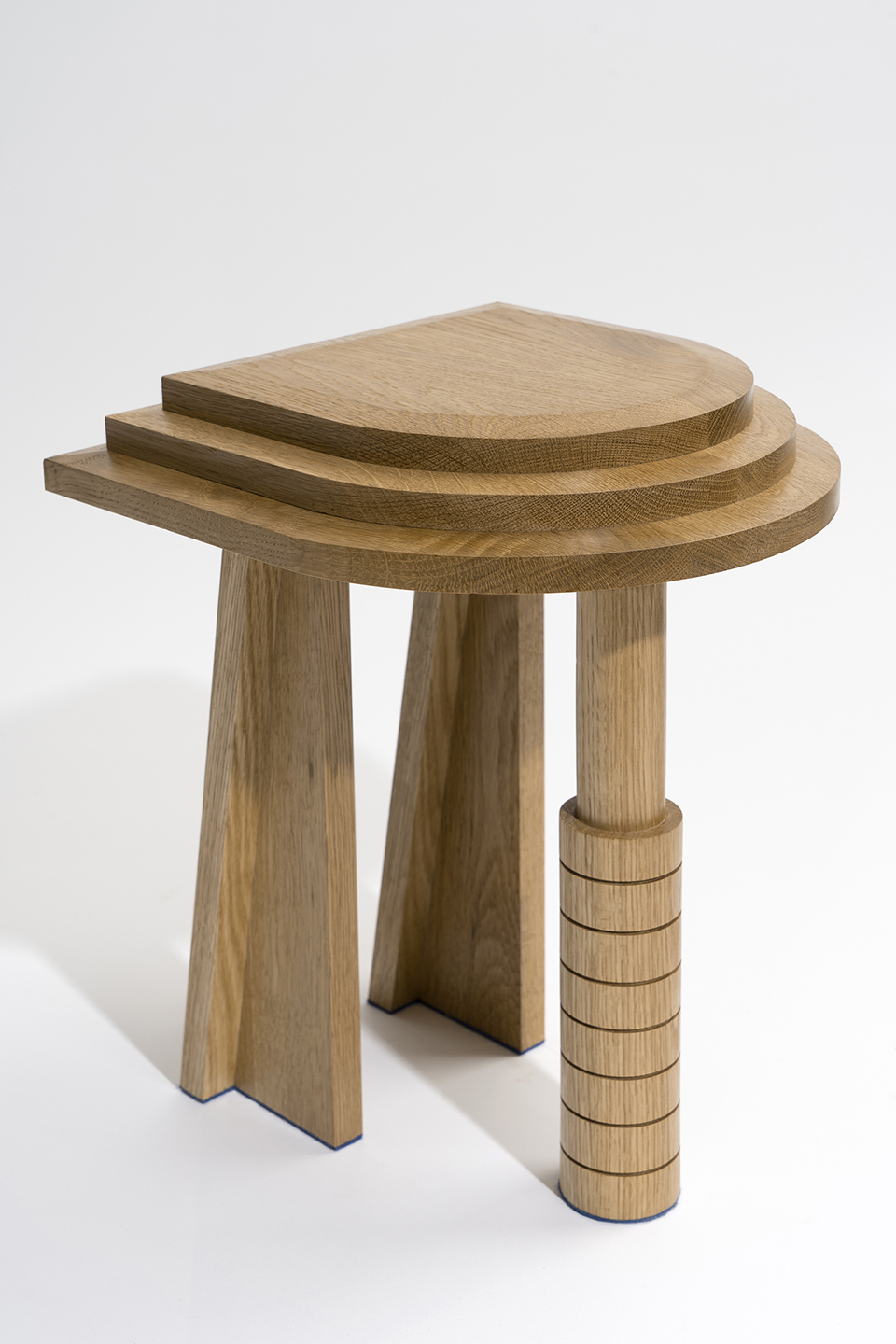
The Shelf within the Drawer(2025) uses white oak, African
cherry, felt, ceramic tile, leather, bead, and thread to overlap the sensations
of furniture and sculpture, inside and outside.
Lee’s sculpture does not fix
materials as symbols. Instead, through the acts of cutting, attaching, weaving,
and standing things upright by hand, it shows how objects find balance with
other objects.