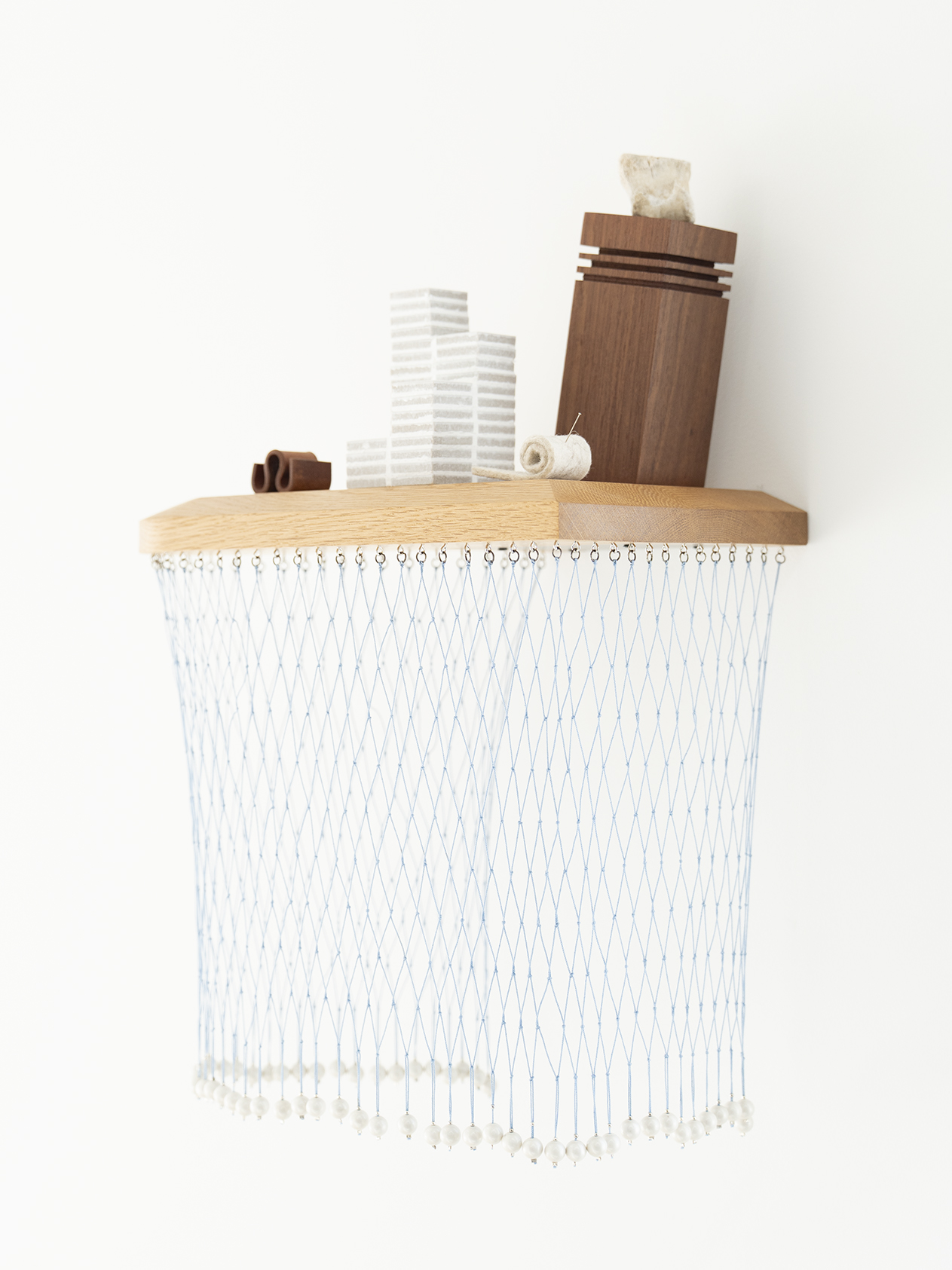
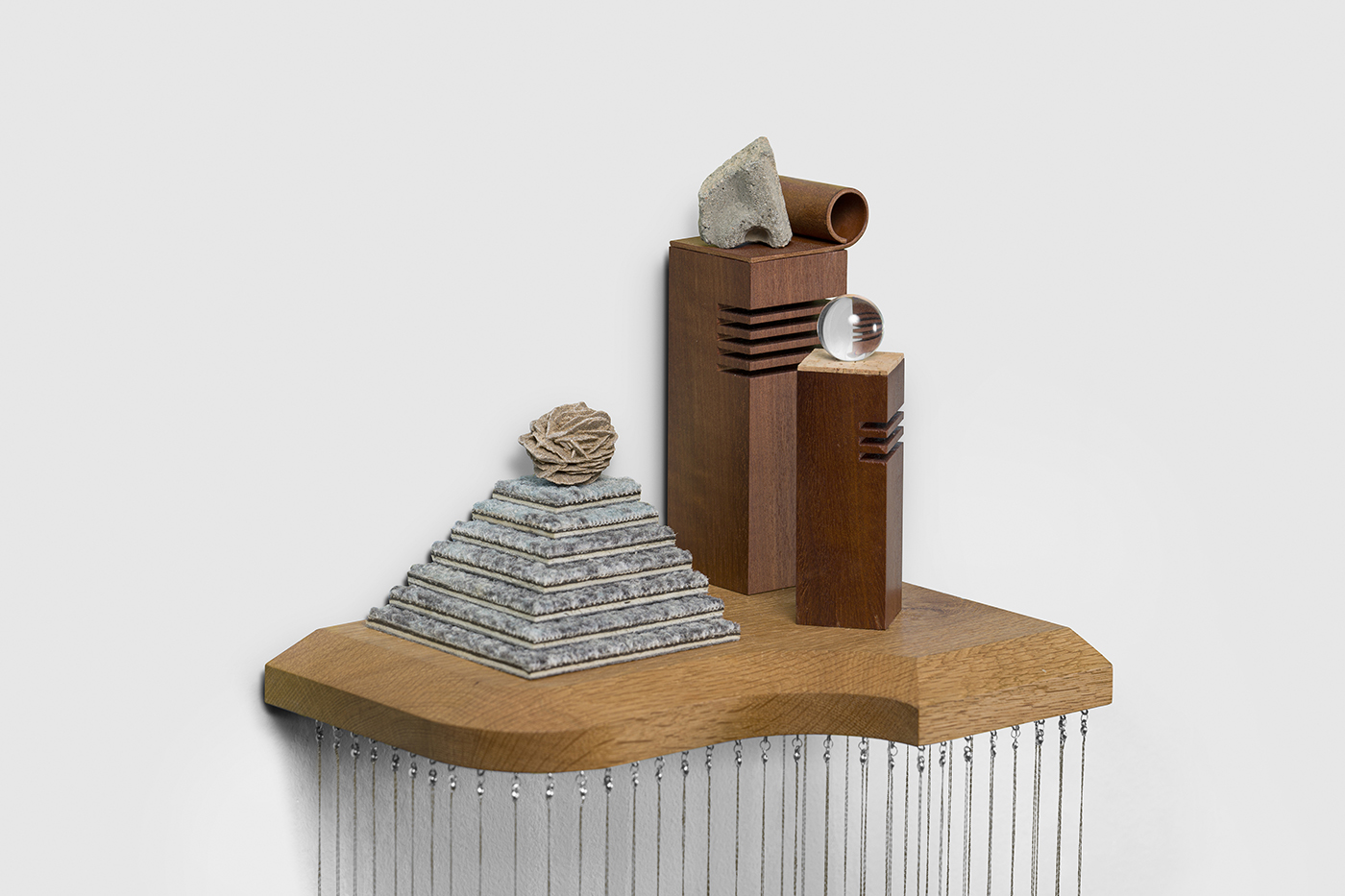
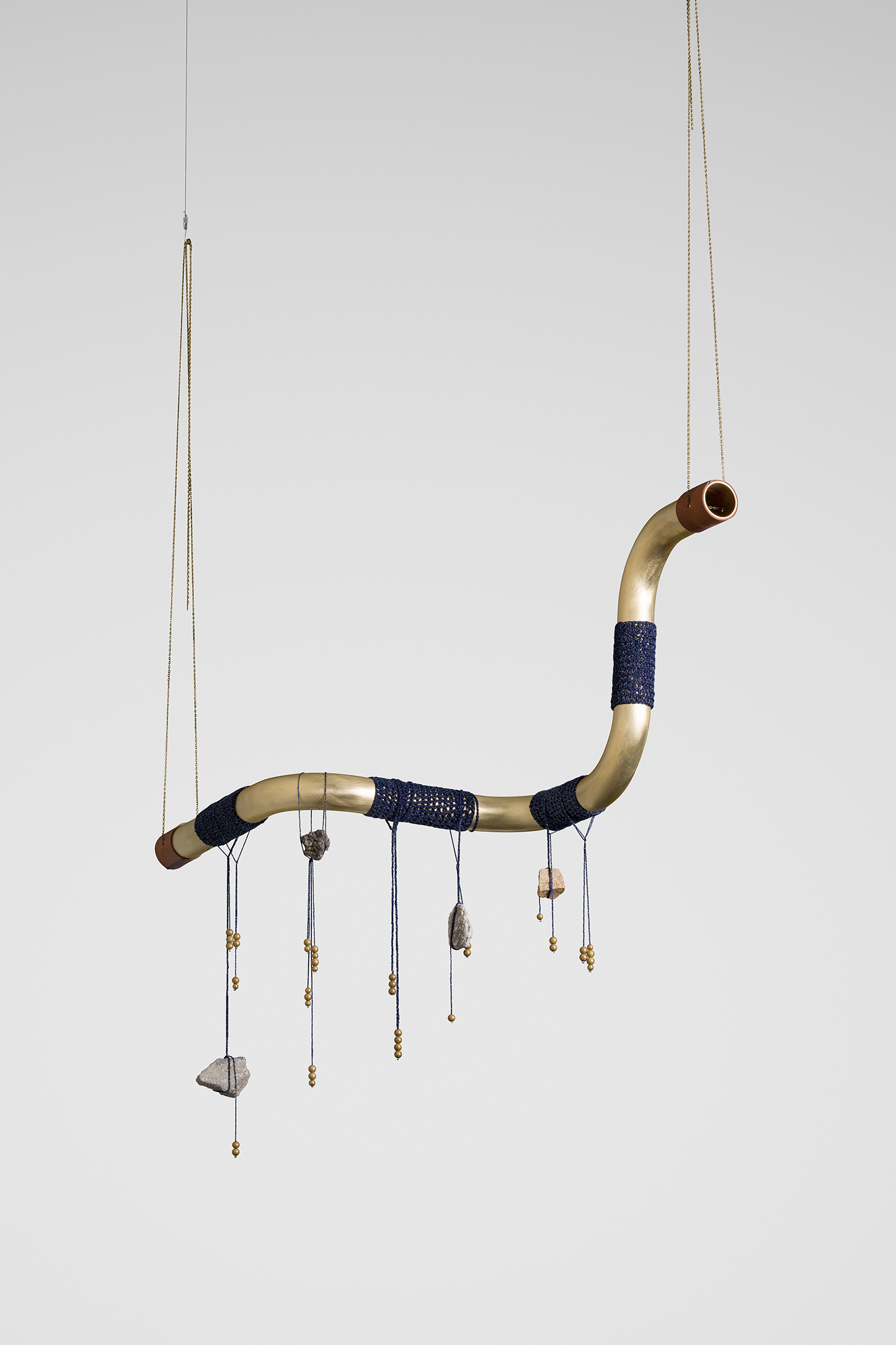
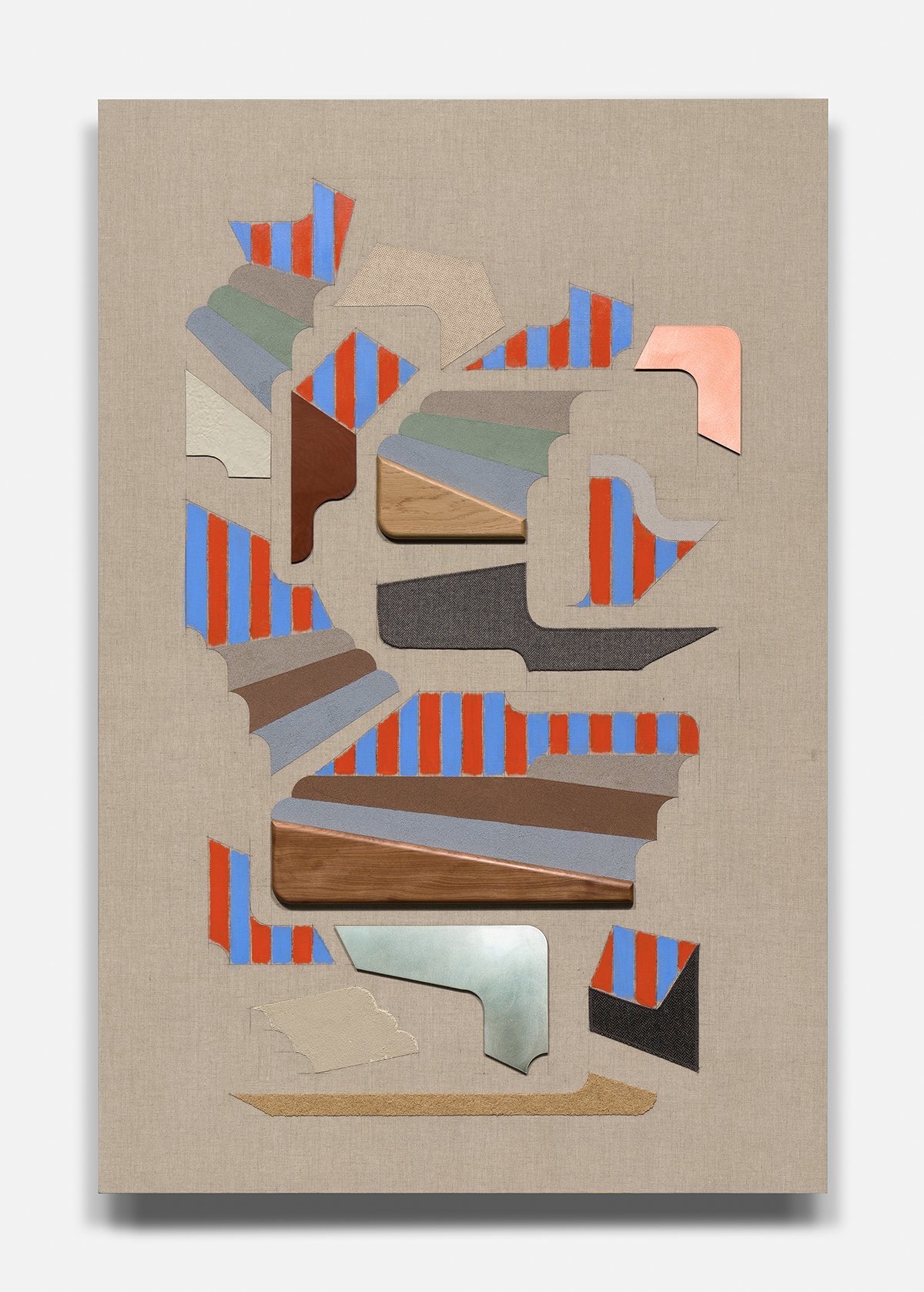
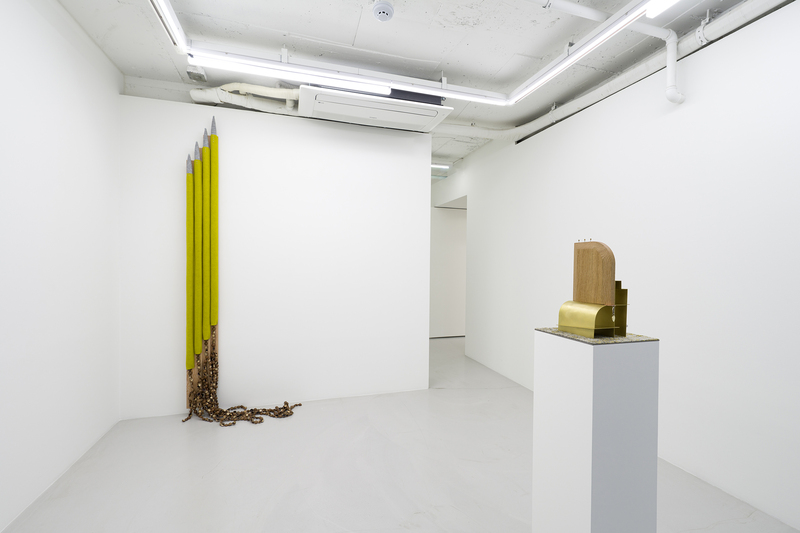
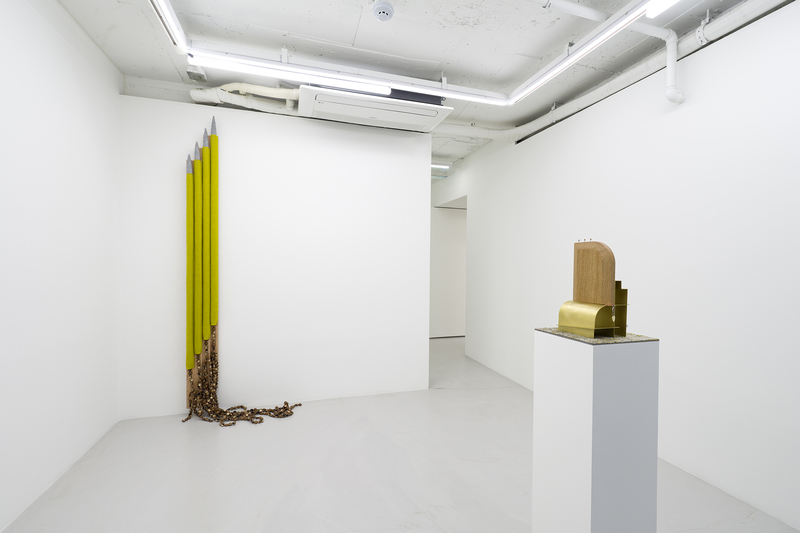
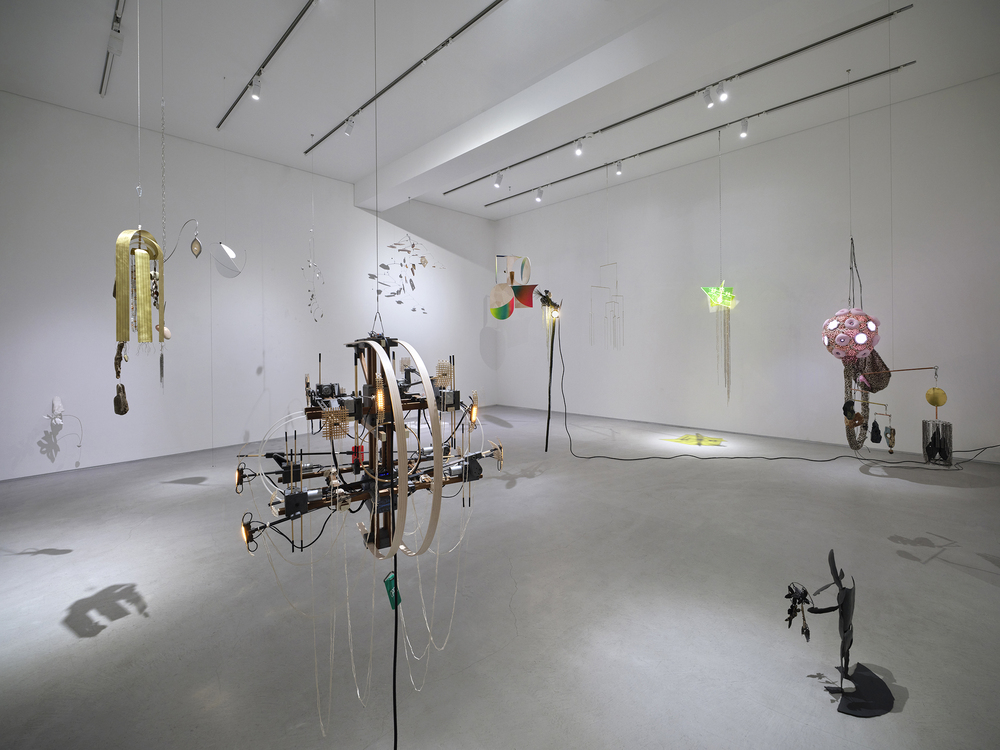
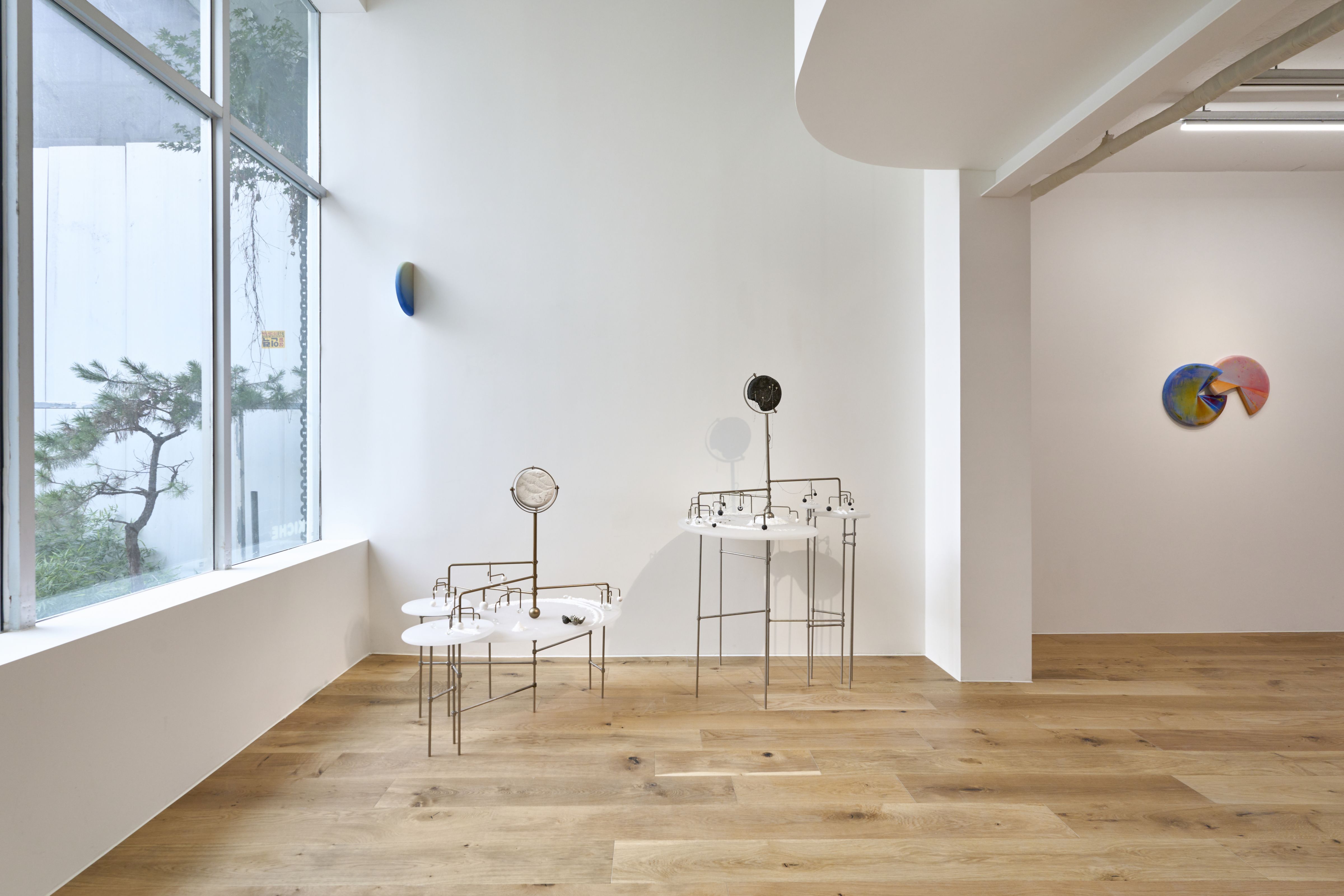
Eunu Lee (b. 1982) has developed a body of work centered on everyday objects, such as furniture, that we encounter in our daily lives. Rather than focusing on the conceptual meanings embedded in objects, she draws attention to the relationships that objects form with other objects and with the human body. Through works that explore the functions and forms of objects, as well as those situated at the intersection of art and design, she has developed a distinctive sculptural language.


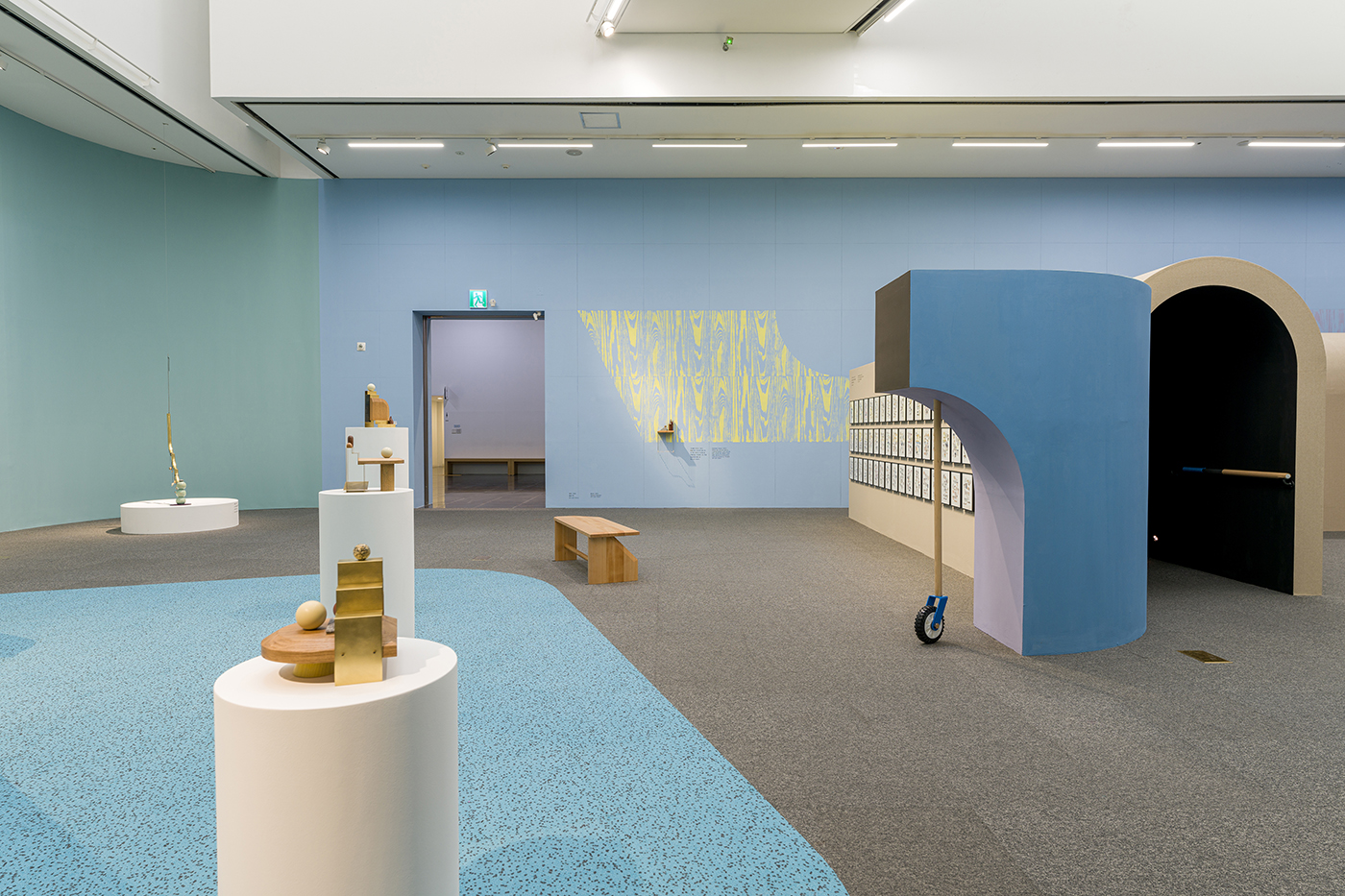
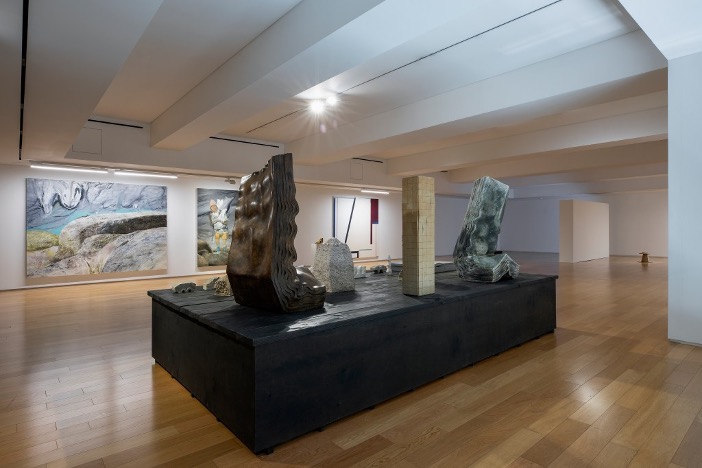
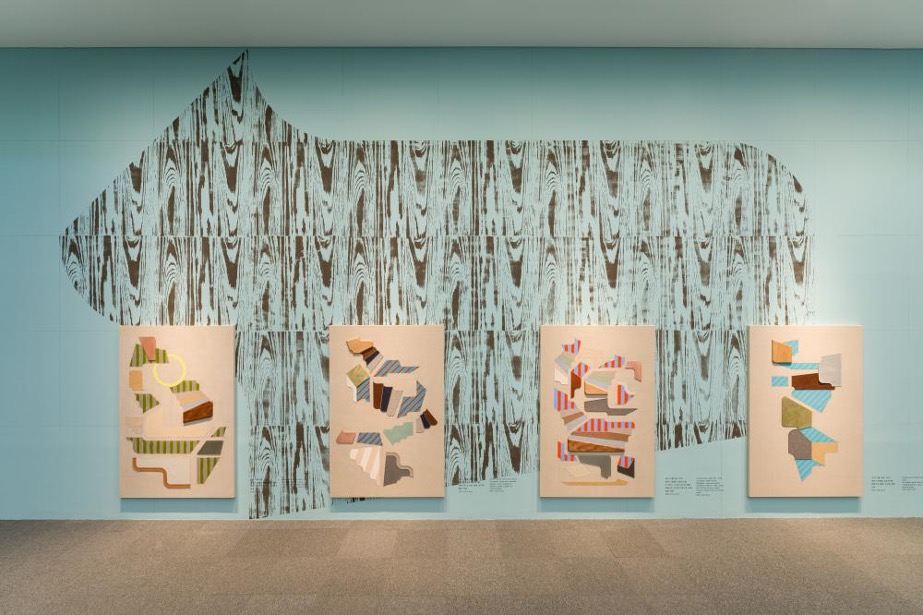
Installation view of 《The Shape of Touch》 (Buk-Seoul Museum of Art, 2023) © Eunu Lee

Eunu Lee transforms and reconfigures everyday objects and familiar things, imbuing them with new meanings and exploring alternative relationships with the everyday environment.
 
In a contemporary society driven by mass production and efficiency, she challenges conventional binary notions of readymade objects through experimental processes of repeatedly arranging, disassembling, and reassembling objects, while exploring their new possibilities.


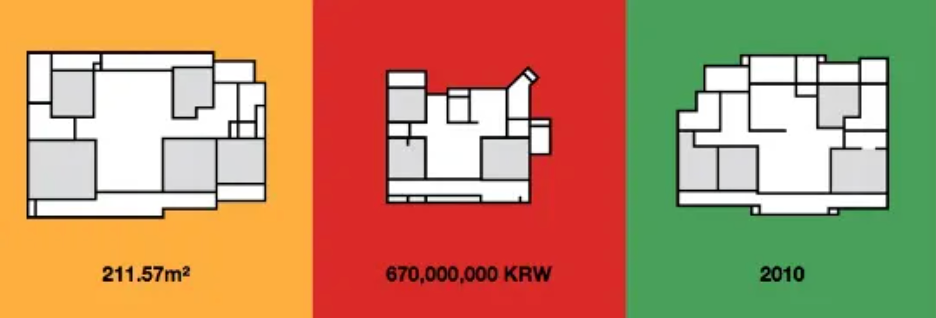
Eunu Lee, 300,000,000 KRW, Korea, 2010, 2010 © Eunu Lee

Meanwhile, Lee’s early works strongly foregrounded political and social concerns. These include Untitled (2004–2005), in which she reinterpreted a graph created by Lenin in 1905 to compare land ownership between large landowners and small farmers, using it to represent the conditions of people with disabilities, women, and migrant workers in Korea; and One Fine Day by OWI (2007), in which she transferred images of flames from bombing photographs taken by the U.S. Office of War Information onto canvas in blue oil paint.
 
In 2010, she also presented 300,000,000 KRW, Korea, 2010 (2010), a work that rearranged 1,167 floor plans of apartments across Korea listed for sale at KRW 300 million on online real estate portals at the time, according to their size, actual transaction prices, and year of completion.


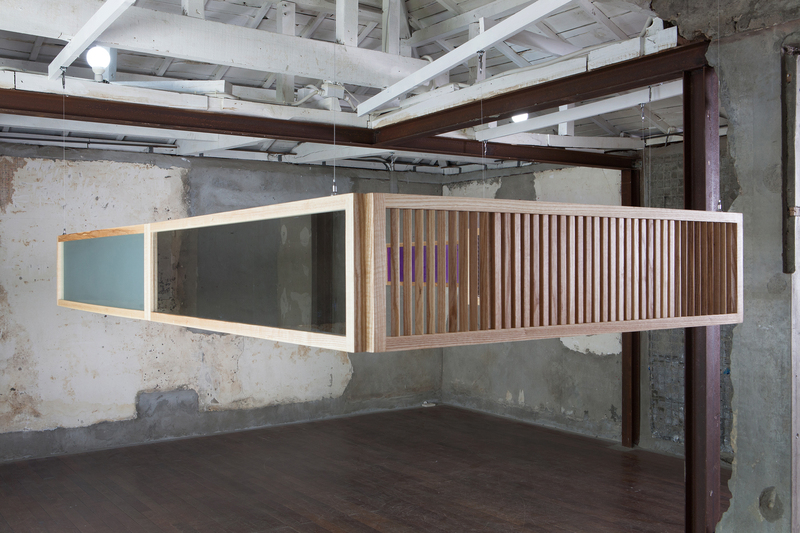
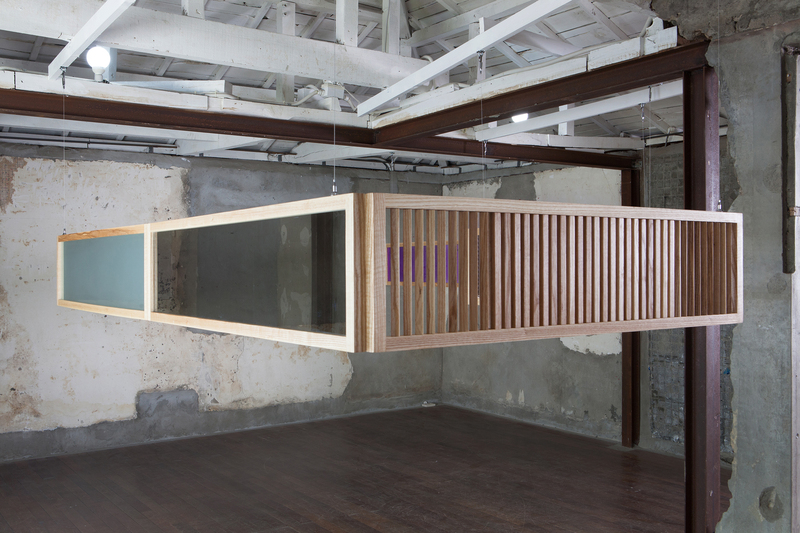
Eunu Lee, A Specific Item, 2013, Frosted glass, one-way glass, colored glass, pattern glass, wired glass, hardwood, 260x390x30cm © Eunu Lee

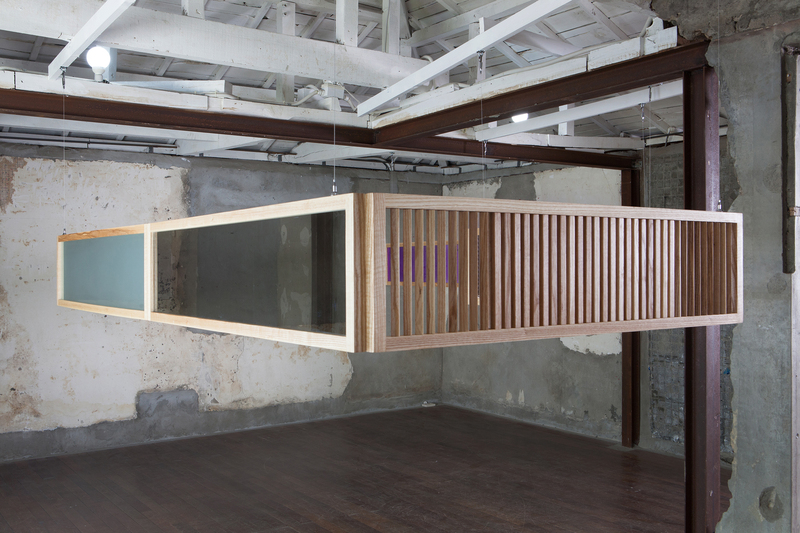
From 2012 onward, Lee began shifting her practice from two-dimensional works toward three-dimensional objects. Her 2013 object-based work A Specific Item consists of various forms of glass suspended from the ceiling like windows, based on structures derived from the floor plans of apartments in the Seoul metropolitan area.
 
Through the enclosure and partitioning of windows, which separate interior from exterior, the work encapsulates the standardized form of housing represented by the Korean apartment and the aspirations of the middle class that it embodies.
 
Lee draws attention to the paradoxical transparency of glass as an object that can be desired but never fully possessed: one can see from inside to outside, yet the interior remains invisible from outside, while access to the building is strictly controlled. At the same time, she invokes the fragility of glass to reveal how such desires are themselves vulnerable to being shattered and broken.


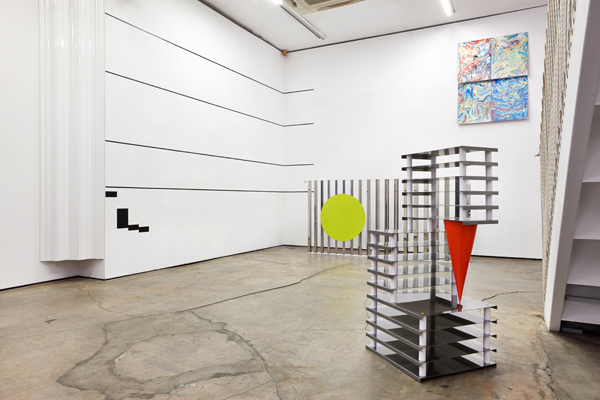
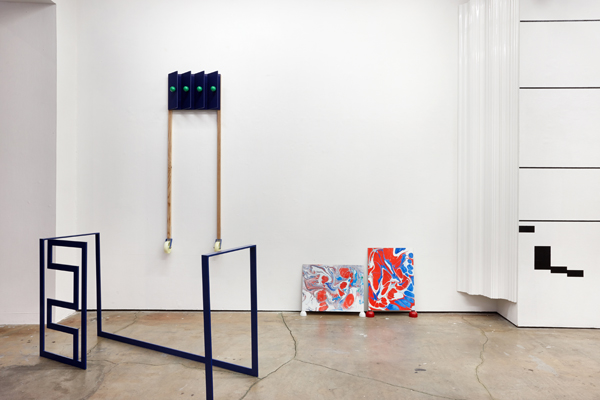
Installation view of 《The Manner of Objects》 (Gallery Factory, 2014) © Gallery Factory

In her 2014 solo exhibition 《The Manner of Objects》 at Gallery Factory, Lee explored the “standards and specifications” of mass-produced objects and their conventional uses, often drawing on the forms of interior accessories and furniture.
 
She questioned whether the nature of an object—and whether it is regarded as a commodity or a work of art, or as useful or useless—is determined by the cultural institutions and conventions surrounding it. Focusing on how objects are used and circulated in the real world, she sought to identify their conventional functions and recombine them with objects of different properties.
 
Accordingly, in developing an idea into a work of art, the uses of objects, the material properties of their components, and various standardized dimensions serve as essential elements that determine the form of the work.


Installation view of 《The Manner of Objects》 (Gallery Factory, 2014) © Gallery Factory

The works presented in 《The Manner of Objects》 stripped away the original functions of familiar objects, presenting them instead as objects defined solely by form and color. This is evident in titles such as Object, Blue Square, and Green Circle. Even objects whose forms inherently imply a function, such as balls and wheels, were mounted directly onto the wall, effectively depriving them of their intended use.
 
By stripping away function and separating form, color, and material from one another, Lee’s objects challenge and invalidate the various social standards that have traditionally defined the proper mode of existence for objects as functional tools.


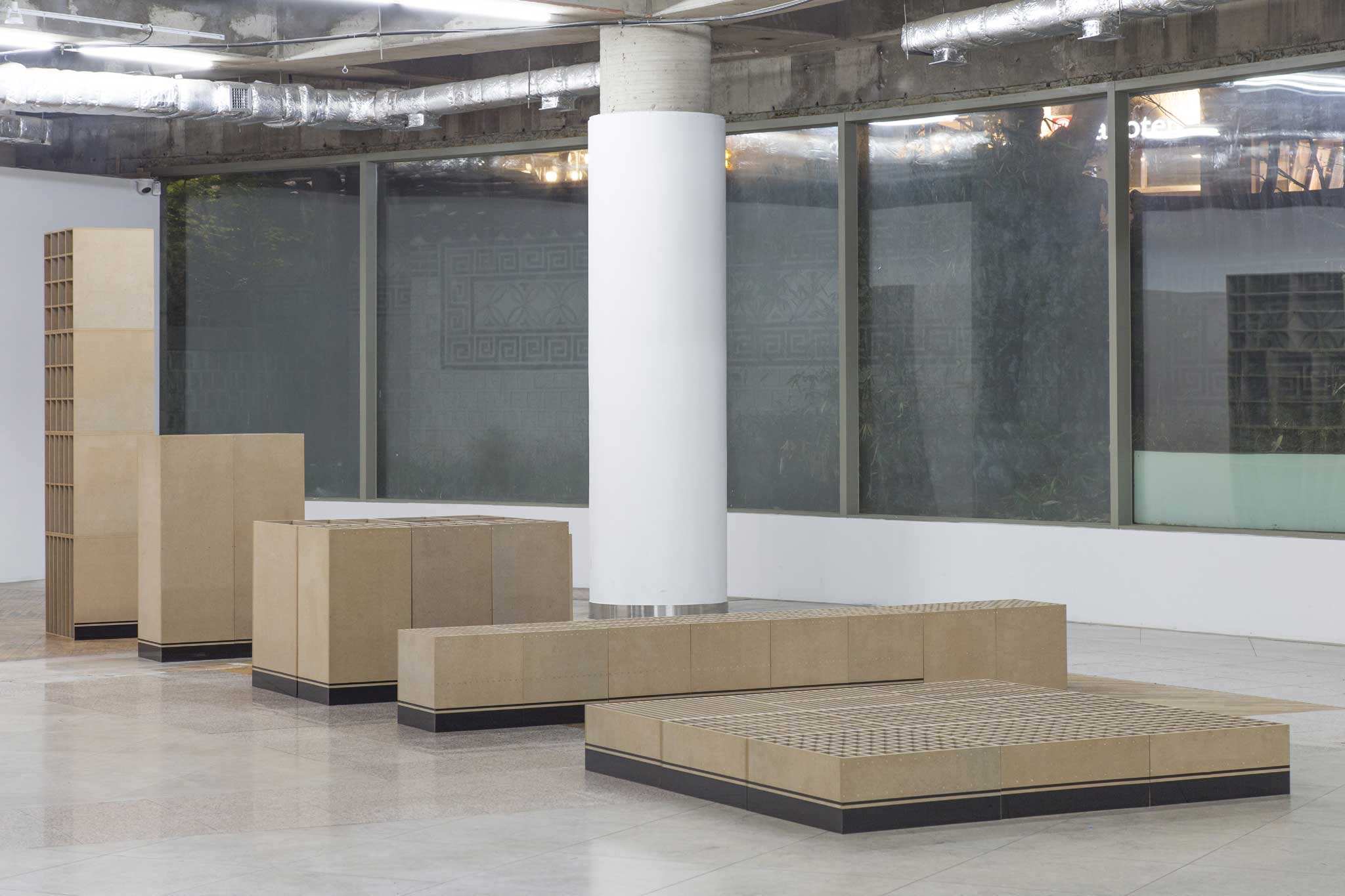
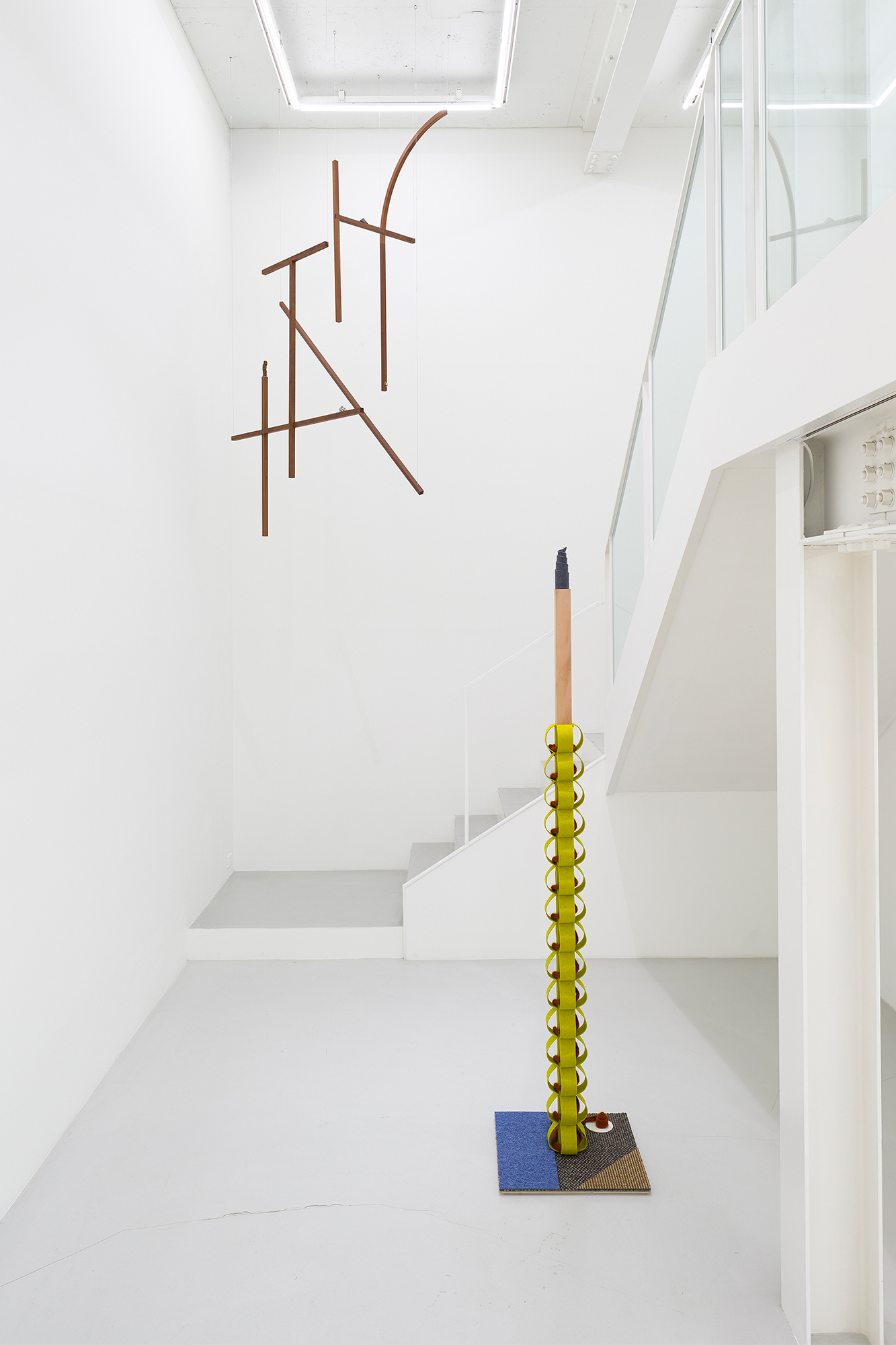
Installation view of 《Tall, Flat, Hung》 (Art Sonje Project Space, 2015) © Art Sonje Center

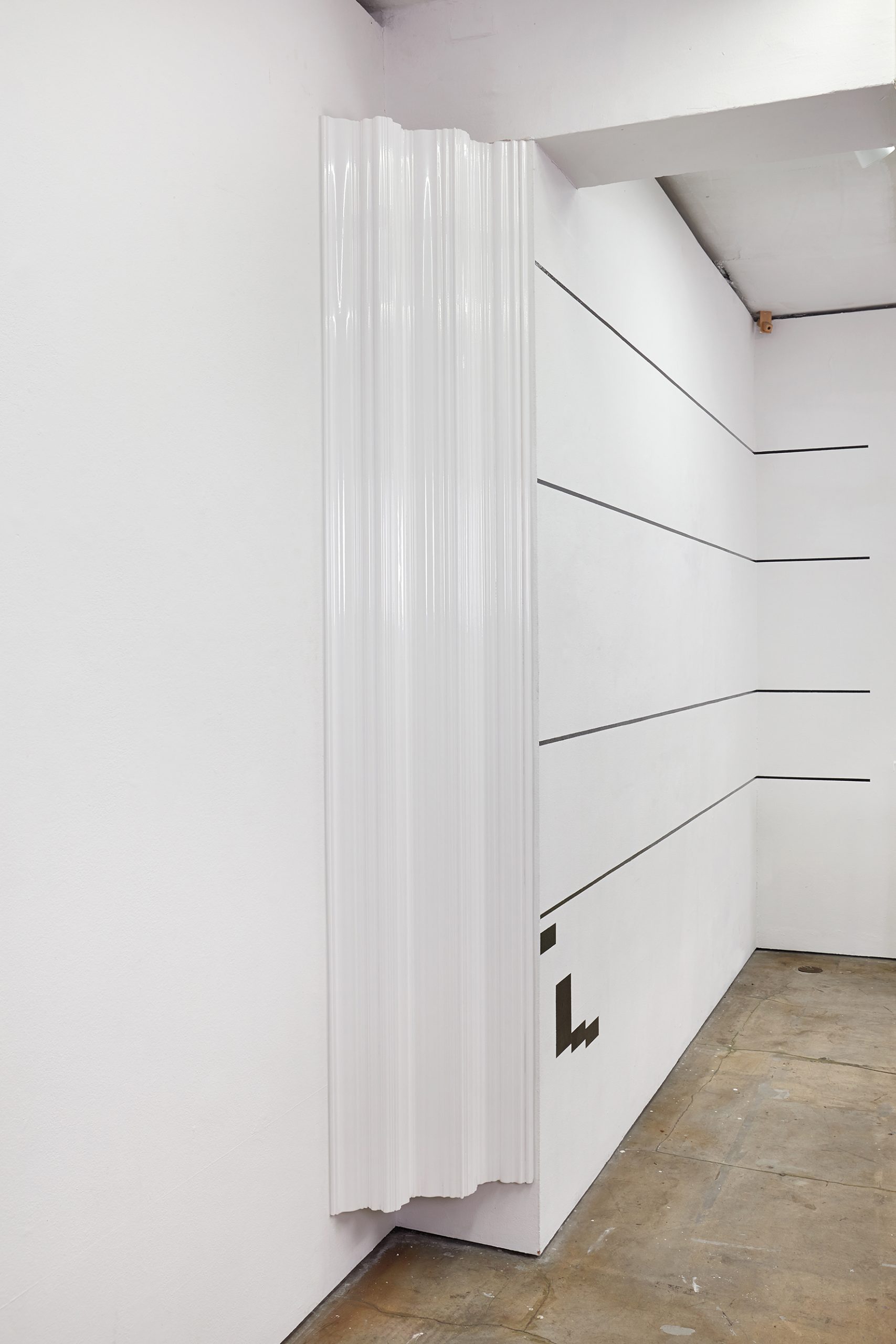
In her 2015 solo exhibition 《Tall, Flat, Hung》 at Art Sonje Project Space, Lee took the physical characteristics of the exhibition space itself as a given condition for her work. As she explained, she wanted to avoid adding disorder to disorder or creating something inefficient and irrational, while at the same time not becoming overly bound to the specificity of the space.
 
Accordingly, she first established a set of things that could not be done within the space and then explored what could be produced within those constraints.
 
As a result, Lee’s works were derived not from the institutional conventions or cultural context of the museum, but from the space’s physical conditions—such as ceiling height, finishes, and standardized dimensions—ultimately taking forms that could be reduced to architectural structures.


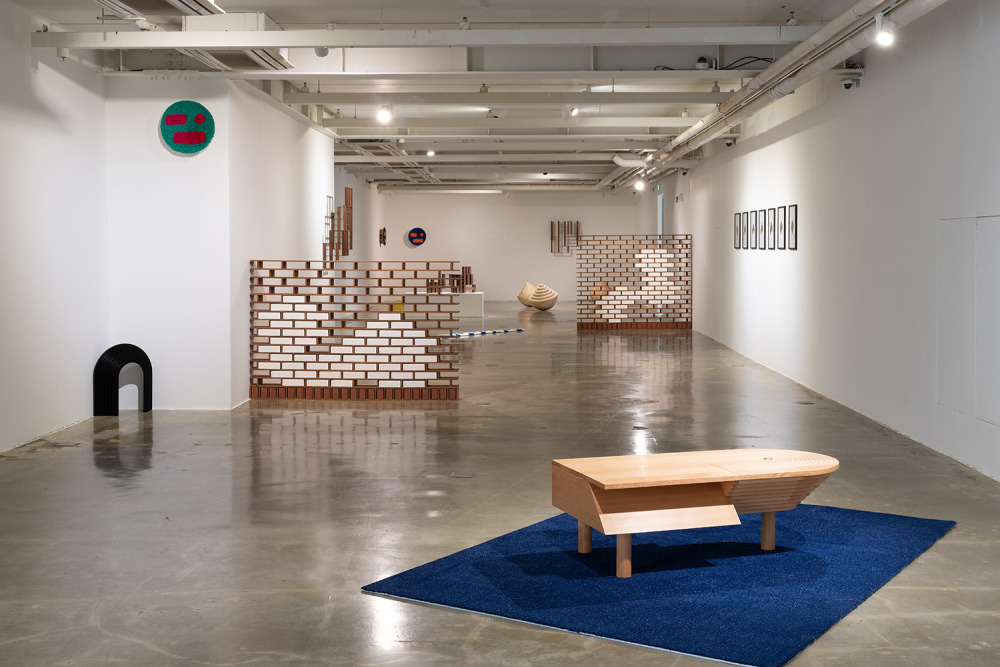
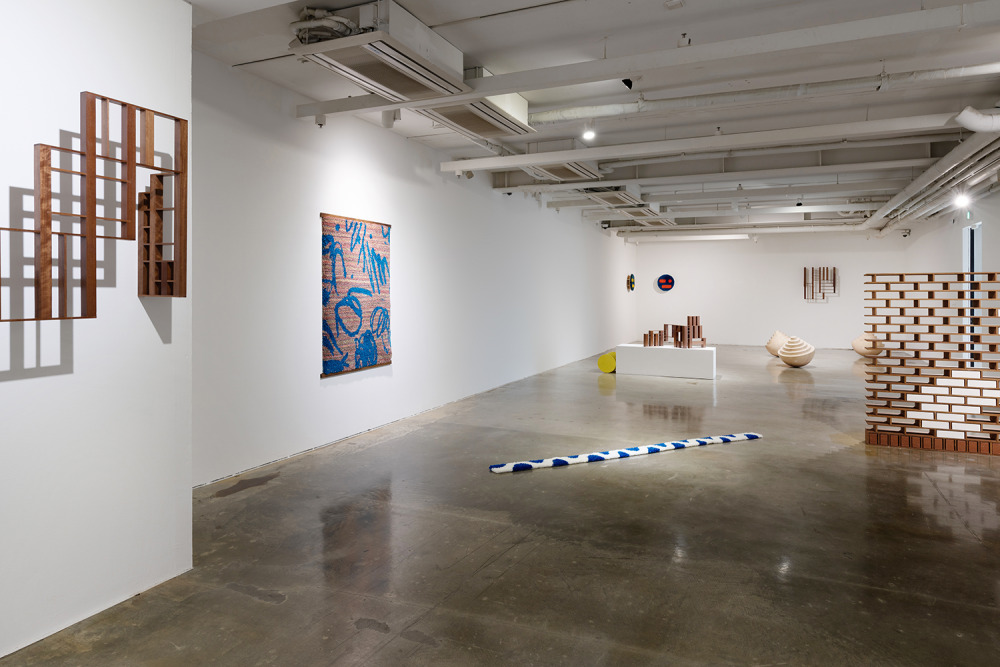
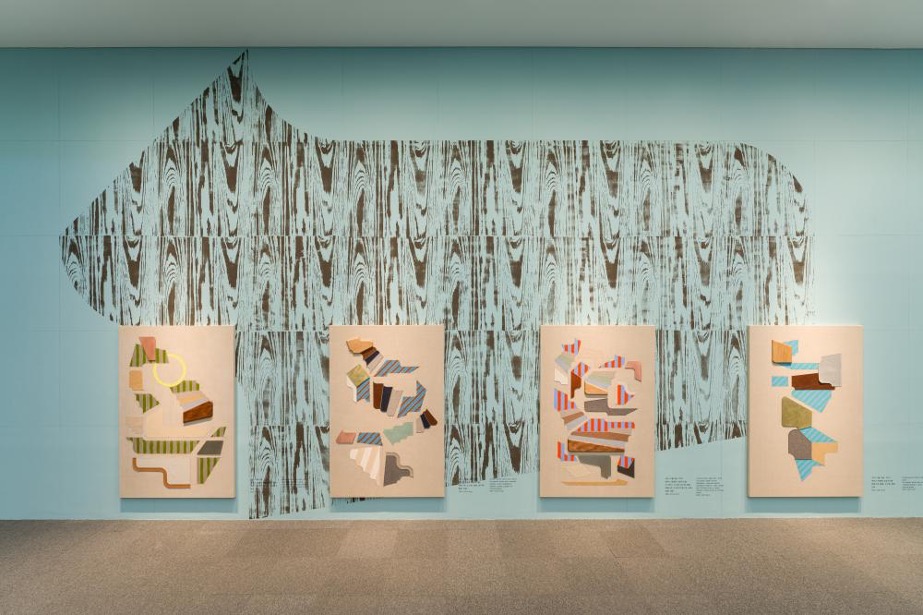
Installation view of 《Pairs》 (SONGEUN, 2021) © Eunu Lee

Her 2021 solo exhibition 《Pairs》 at SONGEUN began with a question about what happens to the relationships between objects when hierarchical and oppositional distinctions—such as real and fake, or decorative and functional—are removed from the order of things.
 
For the exhibition, Lee presented objects composed of vertical and horizontal lines in the three primary colors—red, blue, and yellow—alongside works such as Nasty Thing (2021), which resembles an ordinary shelf but features wood-grain flooring material attached to its sides, and Neighborhood Realism (2021), in which plaster blocks suggestive of the human body are inserted into a plywood structure patterned like brickwork.


Installation view of 《Pairs》 (SONGEUN, 2021) © Eunu Lee

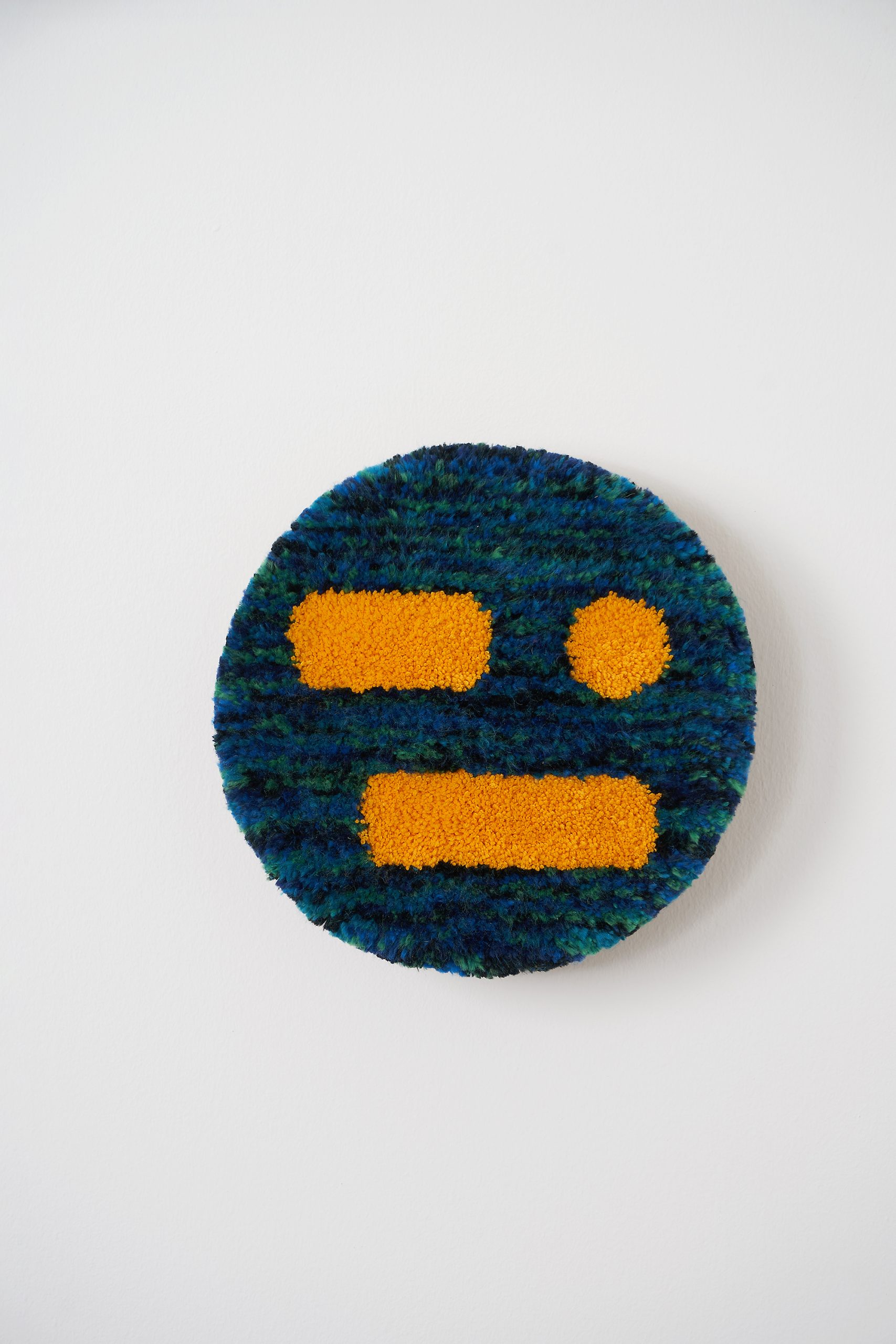
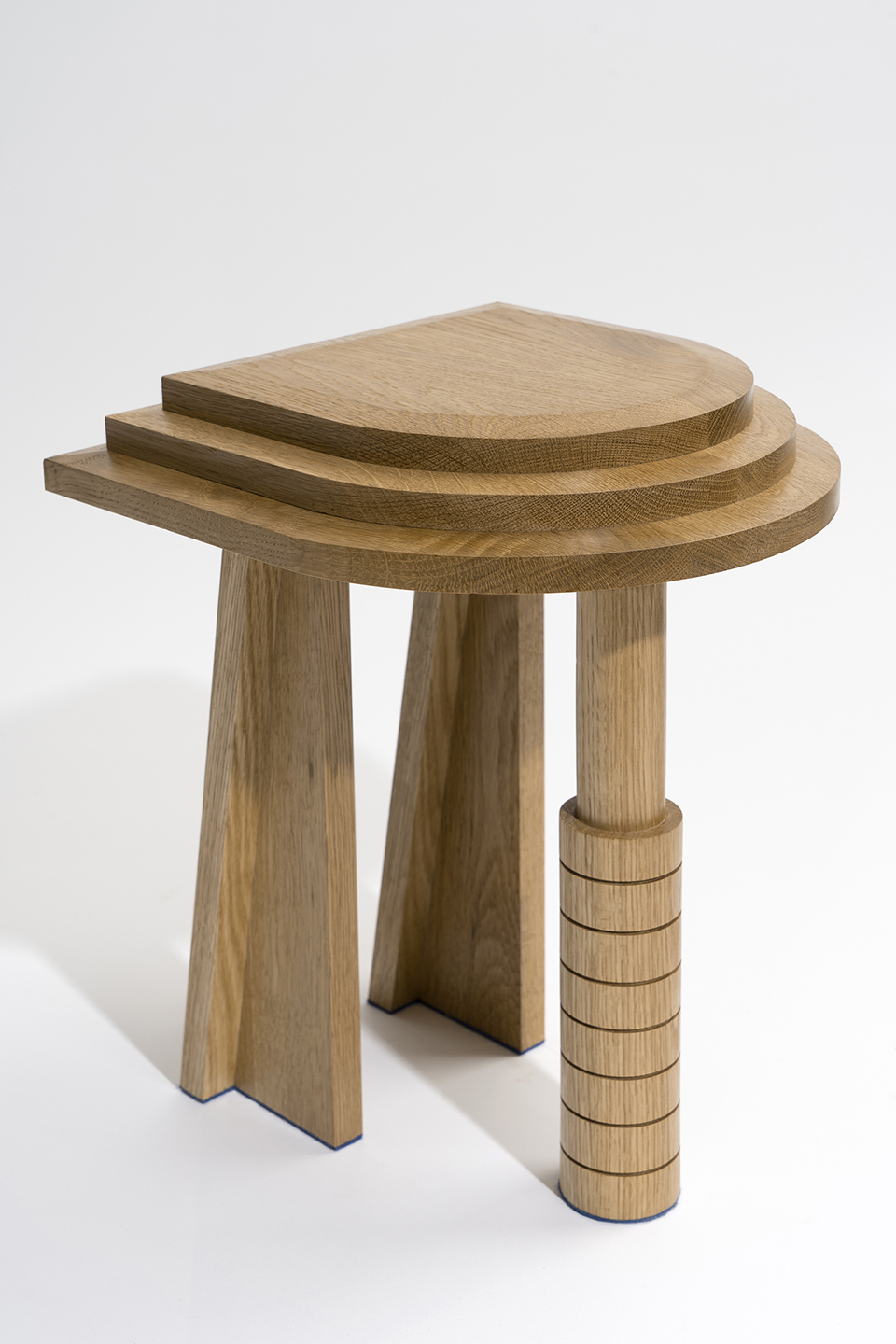
In addition, through a series of tufted embroidery works based on spontaneous or seemingly meaningless patterns, as well as wooden furniture and sculptural works such as Table (2017–2021) and Ajeossi (2021), Lee questions the value assigned to objects and the binary distinctions between the ordinary and the extraordinary, craft-based labor, and masculine and feminine forms of work.


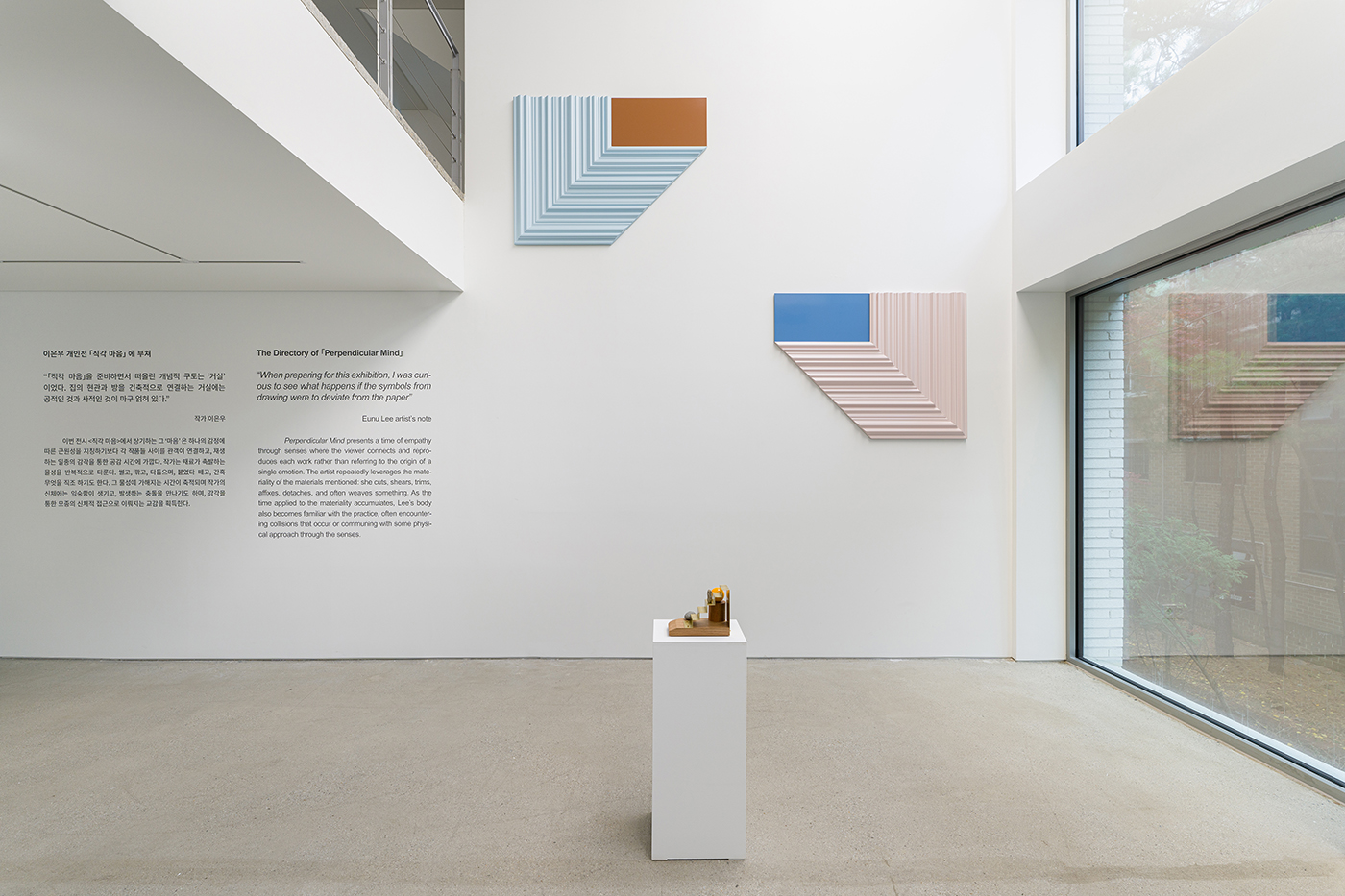
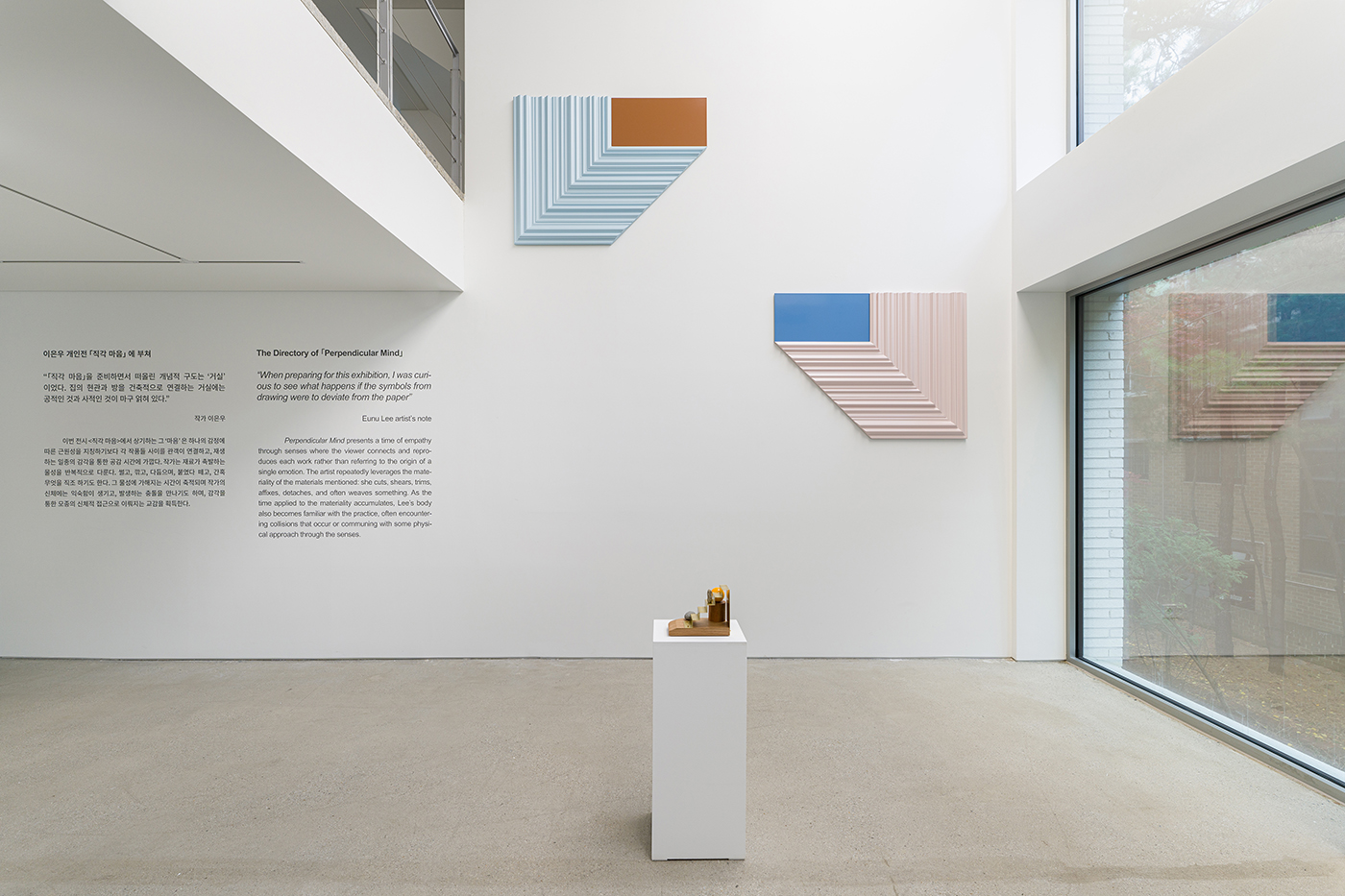
Installation view of 《Perpendicular Mind》 (Prompt Project, 2022) © Eunu Lee

Building on this line of inquiry, Lee presented works in her 2022 solo exhibition 《Perpendicular Mind》 that explored the inevitable relationships formed at the boundaries between everyday life, art, and labor. The exhibition was structured around the living room as a conceptual framework.
 
Lee viewed the living room, which architecturally connects the entrance and individual rooms of a home, as a space where the public and private become intricately entangled.
 
By bringing the living room into the exhibition as a conceptual site where disparate elements collide and intersect, she sought to explore the various relationships that emerge from the outer surfaces of objects—that is, from their material boundaries.


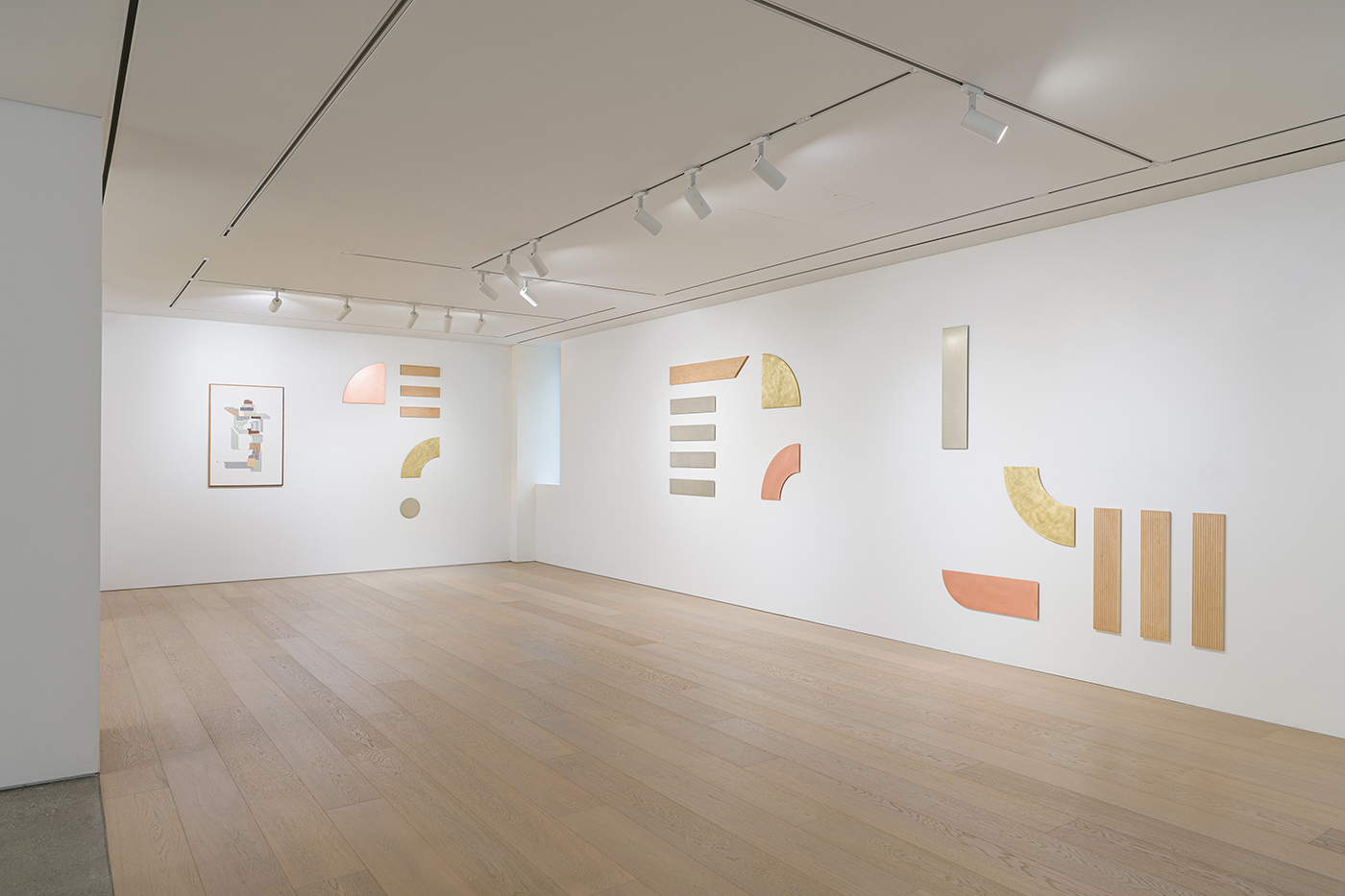
Installation view of 《Perpendicular Mind》 (Prompt Project, 2022) © Eunu Lee

The central works in the exhibition were a series of drawings that evoke the act of drawing as though it were freely floating, liberated from gravity. Lee created these drawings in her notebooks as part of a daily routine, much like the repetitive rhythms of everyday life.
 
Rather than attempting to control the lines and planes on the page, her drawing practice began with freely creating things that “did not necessarily need to be made.”
 
Lee’s drawings begin in notebooks printed with small dots at 5 mm intervals. She first draws a straight line or arc connecting two dots, completes a geometric form based on it, and then continues by adding other forms, considering their relationships and configurations in relation to those previously drawn.
 
Through this process, her drawings gradually take on forms in which geometric shapes are layered or overlapped. She then applied different textures to these accumulated forms using adhesive vinyl and colored pencils.
 
Further imagining how these geometric forms might relate to one another if they were to leave the surface of the page, grow in scale, and acquire thickness and volume, Lee expanded them into forms situated between drawing and sculpture.


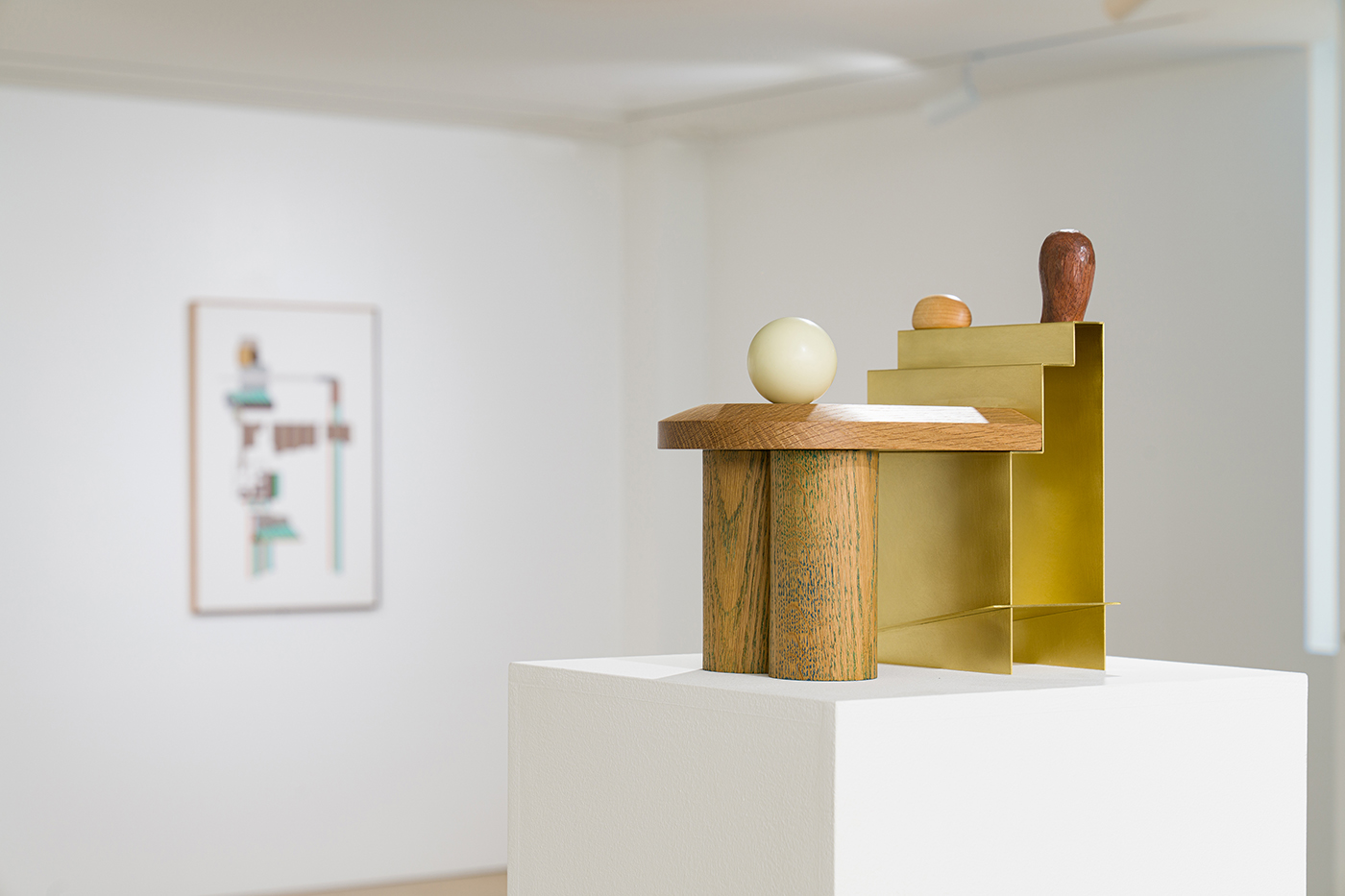
Installation view of 《Perpendicular Mind》 (Prompt Project, 2022) © Eunu Lee

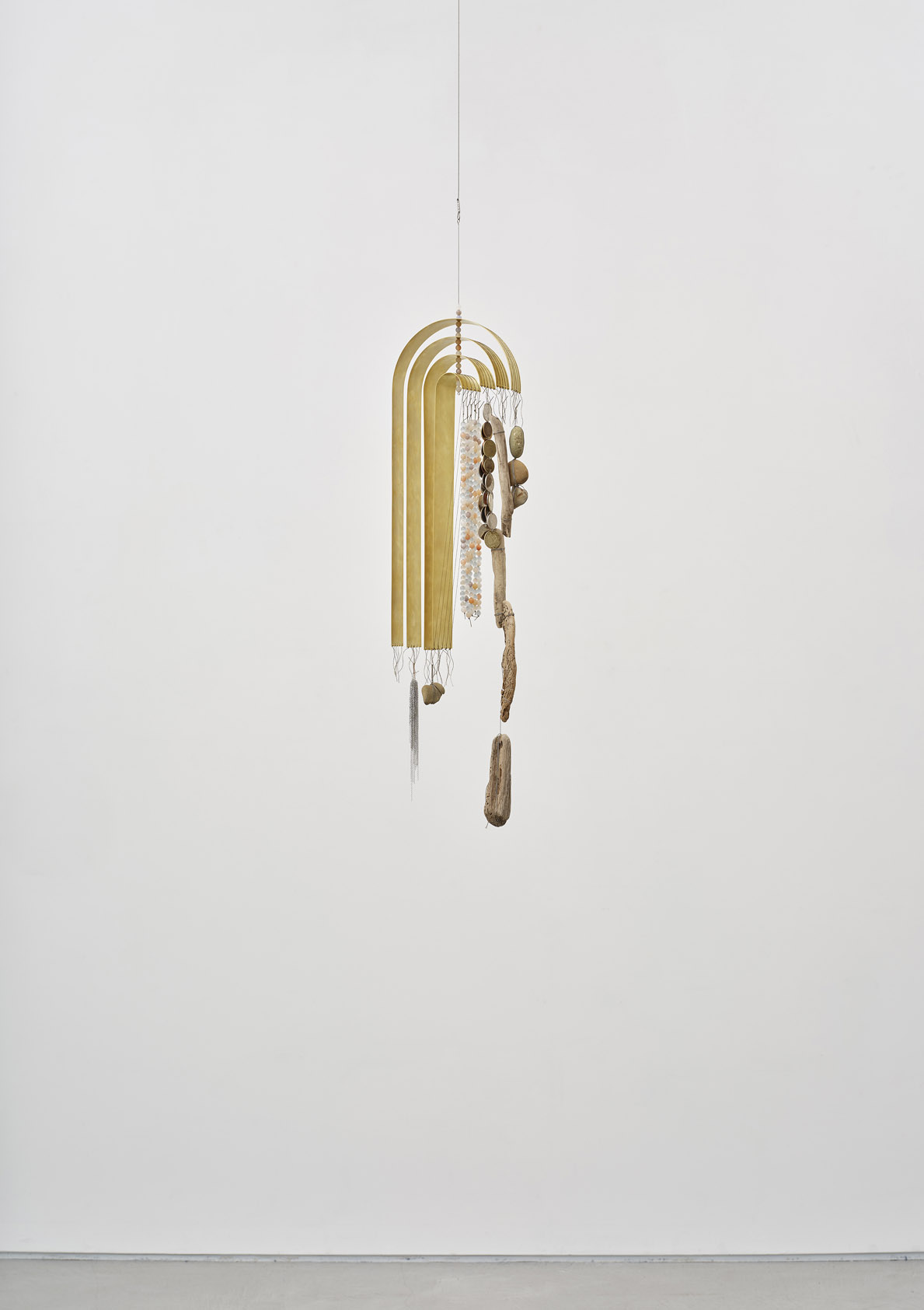
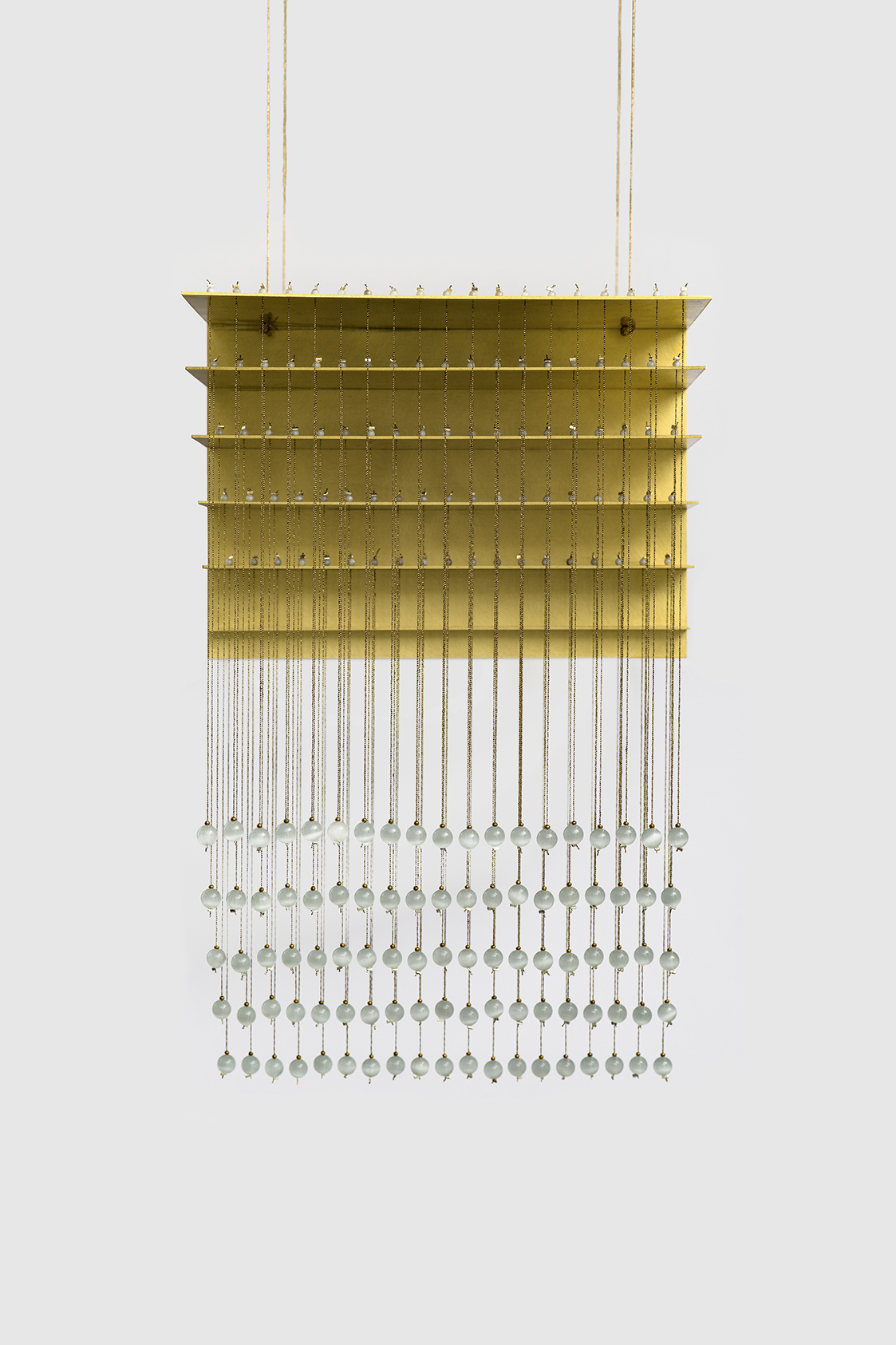
Another group of three-dimensional works, Object 4 (Me), Object 5 (You), and Object 6 (Them), combines processed wood, brass with sanded surfaces that emphasize its texture, and readymade billiard balls. Detached from their original materials and functions, these elements come together as a form of ornamentation that seeks to arrive at a state of being “undefined,” suspending any fixed judgment or categorization.
 
Once stripped of their social contexts and practical functions, these objects reveal physical surfaces shaped through contact with the artist’s body, along with the accumulated time of that interaction.
 
By inviting viewers to connect and reactivate the relationships between these “undefined” objects through a sensory process, Lee creates a new form of relationality grounded in empathy.


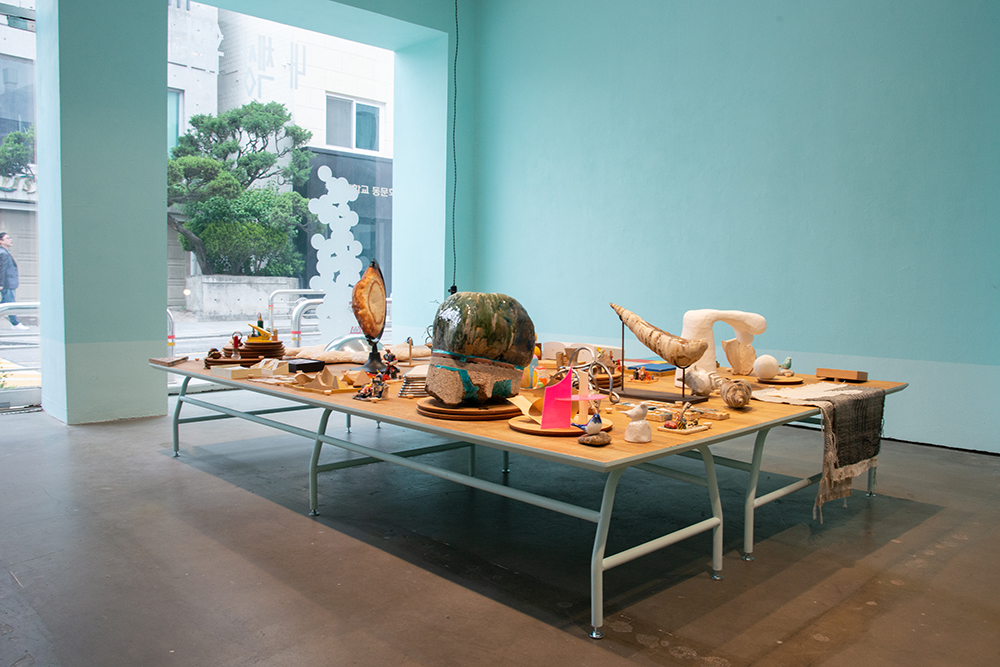
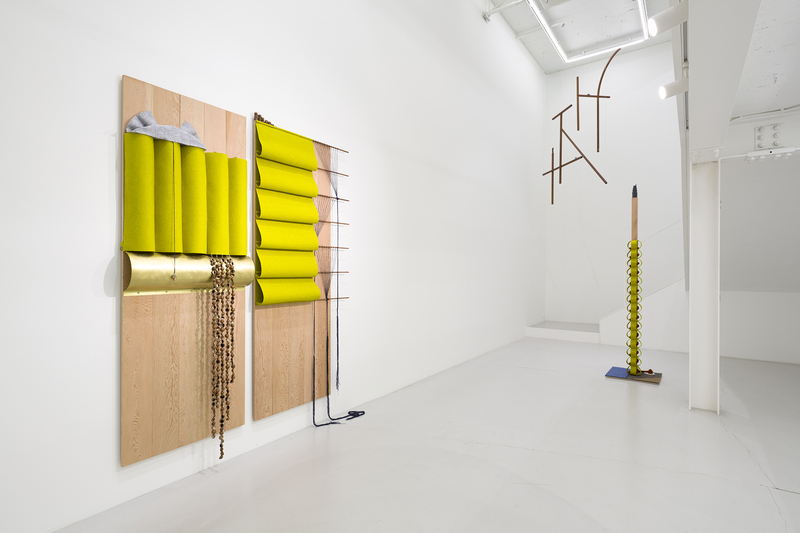
Installation view of 《Housework》 (Gallery SP, 2025) © Eunu Lee

Lee’s exploration of the relationship between everyday life and art was further developed in her 2025 solo exhibition 《Housework》 at Gallery SP. Focusing on the relationship between “living” and “sculpture,” which she had investigated over an extended period, the exhibition explored how the rhythms of everyday life and bodily movements are translated into sculptural forms.
 
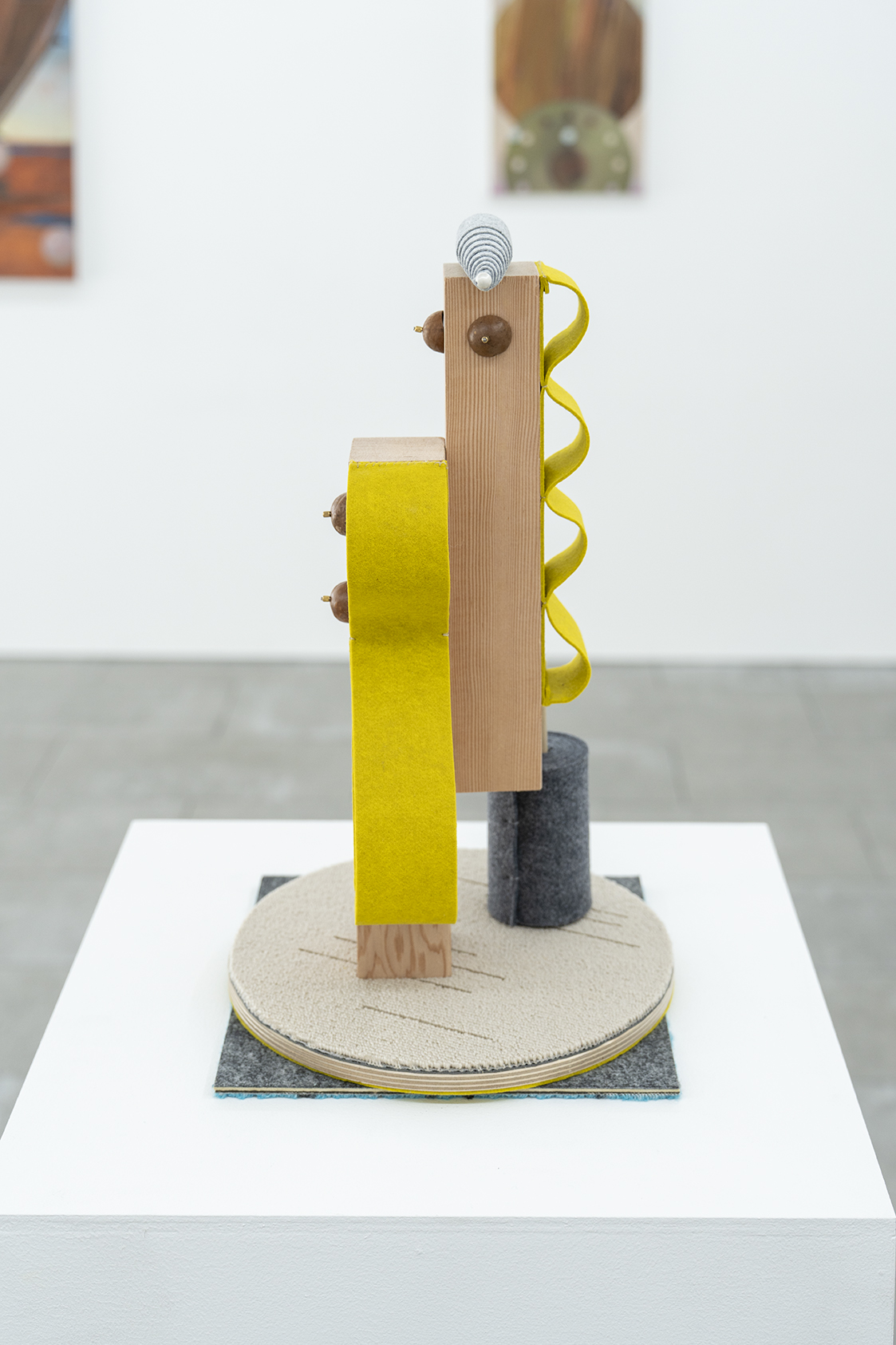
Comprising drawings, small-scale sculptures, and life-sized installations, the works reflected the artist’s observations and reflections arising from the domestic space and her daily routines.
 
She first observed the movements of her hands, the balance of objects, and the repetitive structures of everyday life within the seemingly insignificant movements that mark the beginning and end of each day. She then recorded these everyday moments through drawing and expanded those records into spatial forms through sculpture.


Installation view of 《Housework》 (Gallery SP, 2025) © Eunu Lee

The intersecting lines and arcs on graph paper generate forms at the boundary between order and chance, giving rise to sculptures resembling boxes, houses, and folds. Within these works, furniture made by the artist herself is placed alongside collected objects and things picked up from the street.
 
Each object carries its own temporality and materiality, and Lee carefully orchestrates the balance between these disparate elements. While the small-scale sculptures carry forward the attitude of her drawings, the life-sized works both inherit and depart from the structural order of everyday life.
 
For instance, she transforms familiar architectural forms—such as slightly narrow doorways, flattened windows, and thick window frames—in unconventional ways, replacing familiar scenes with unfamiliar landscapes.


Installation view of 《Housework》 (Gallery SP, 2025) © Eunu Lee

Lee’s practice is rooted in seemingly minor gestures, manual labor, and the order of objects. Her work demonstrates how the repetition of bodily movements and the passage of time shape the structures of everyday life, which in turn become forms of artistic expression.
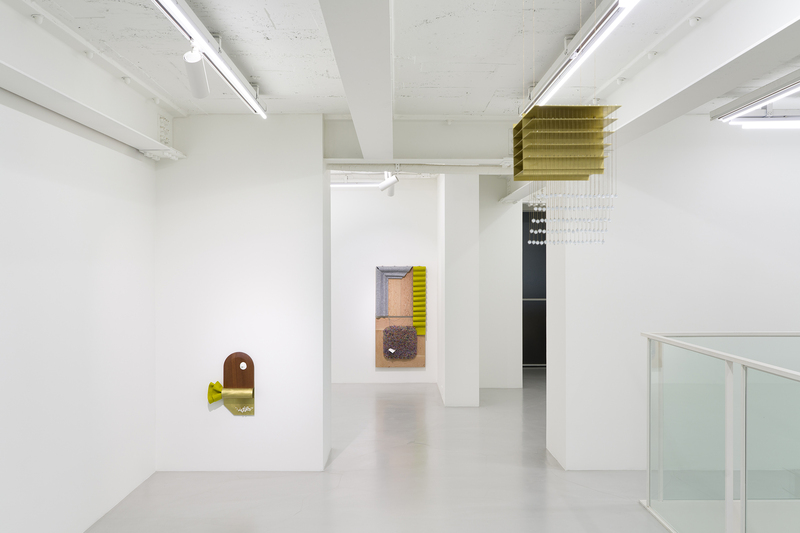
 
Created through physical engagement with objects using her hands and body, Lee’s sculptures function as multilayered sites where objects and humans, labor and time intersect. At a time when virtually every material aspect of everyday life can be digitized, her work evokes and reactivates the tangible connection between the objects that surround us and the human body.

”The body moves to fill time, and the body that moves through time creates everyday life. Small sculptures inherit their forms from drawing, while larger works inherit the geometry of everyday life.” (Eunu Lee, Artist’s Note)


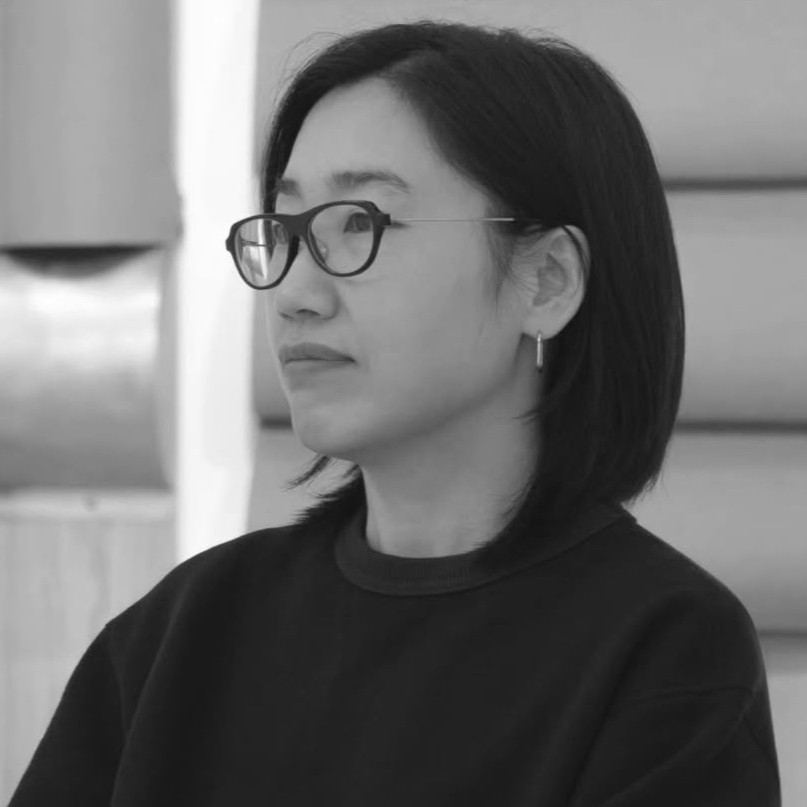
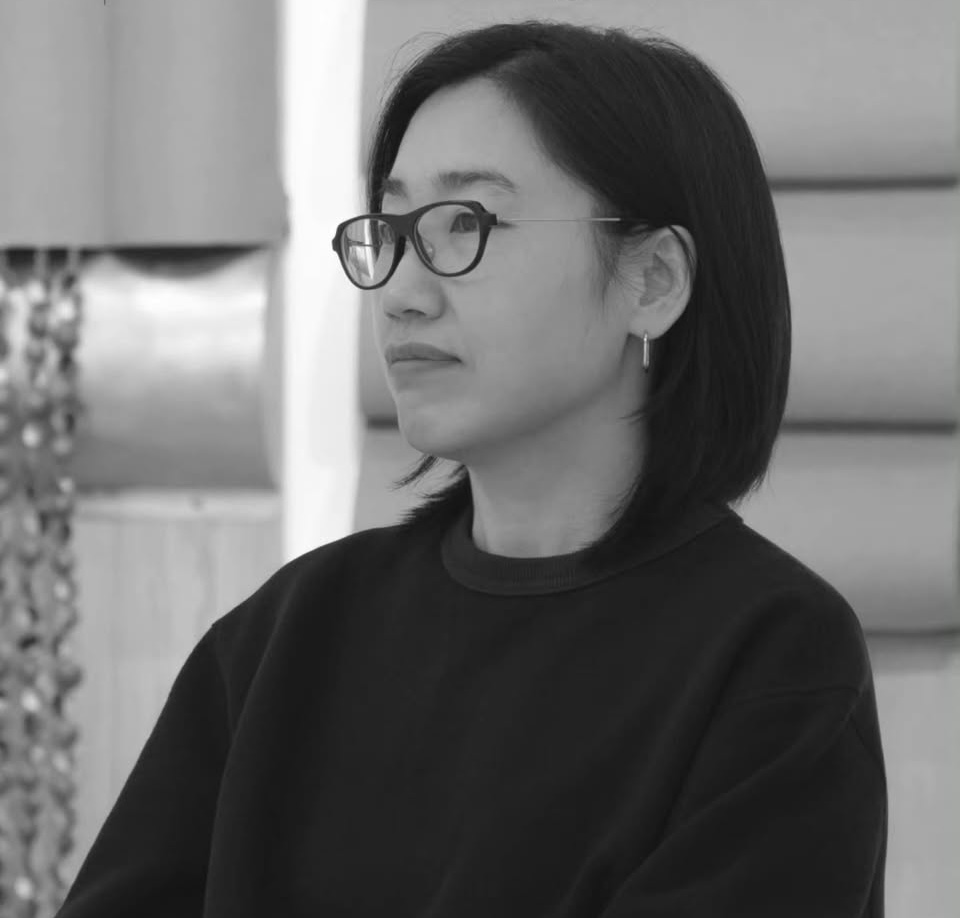
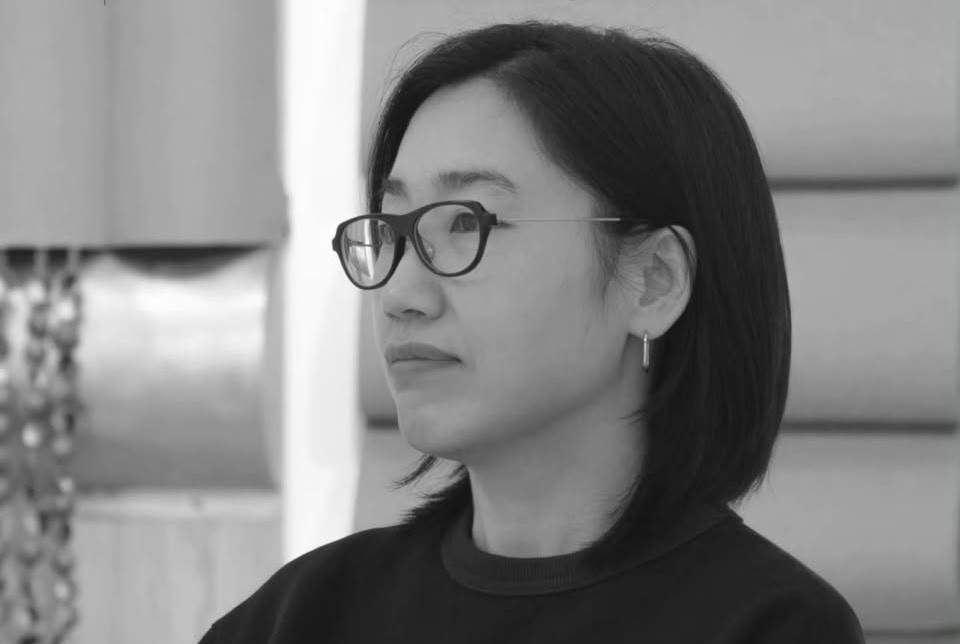
Artist Eunu Lee © KT&G Sangsangmadang

Eunu Lee received her BFA and MFA in Fine Arts from Korea National University of Arts. Her recent solo exhibitions include 《Housework》 (Gallery SP, Seoul, 2025), 《The Shape of a Touch》 (Buk-Seoul Museum of Art, Seoul, 2023), 《Perpendicular Mind》 (Prompt Project, Seoul, 2022), and 《Pairs》 (SONGEUN, Seoul, 2021).
 
She has also participated in numerous group exhibitions, including 《SONGEUN x Unboxing Project: Generative Forms》 (SONGEUN, Seoul, 2026), 《Balance in Motion》 (P21, Seoul, 2026), 《Scattered Words》 (KICHE, Seoul, 2025), 《Unboxing Project 3.2: Maquette》 (VSF, Los Angeles, USA, 2024), 《Undo Effect》 (HITE Collection, Seoul, 2024), 《An Angel at My Table》 (Factory2, Seoul, 2023), and 《An Exhibition with Little Information》 (Museum of Contemporary Art Busan, Busan, 2022).
 
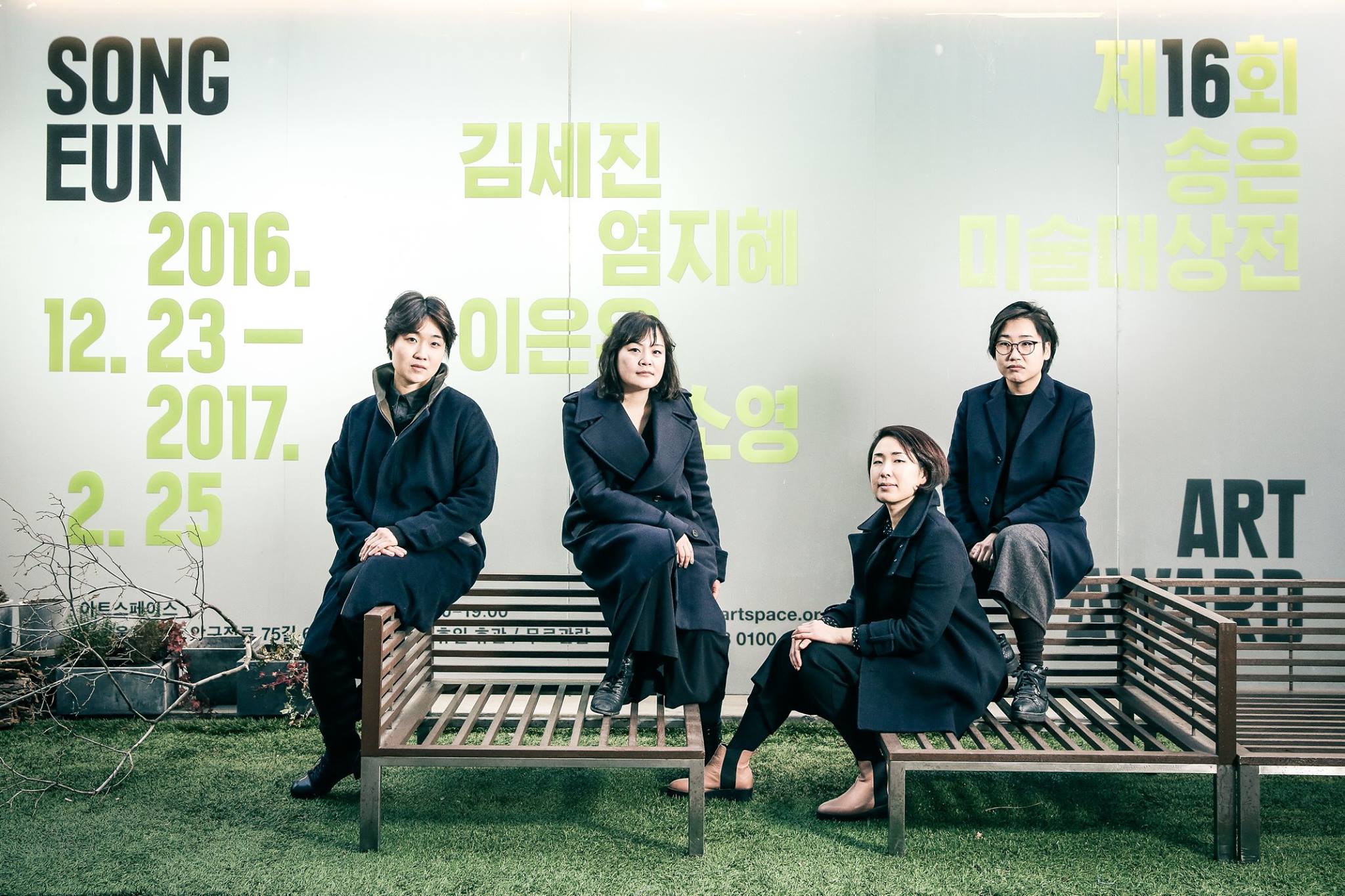
Lee has completed artist residencies at the MMCA Residency Changdong (2025) and Grey Projects, Singapore (2015), among others. She received the Grand Prize in the Visual Arts category at the 1st Seoul Art Award (2023) and the Excellence Award at the 16th SONJGEUN Art Award (2016).
References