RohwaJeong’s
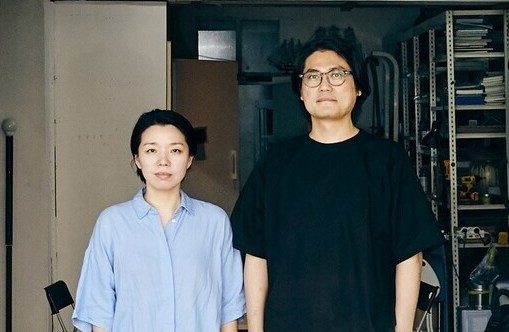
work begins from the very structure of two artists working under a single name.
Since 2007, Noh Yoonhee and Jeong Hyunseok have formed the fictional identity
of “RohwaJeong,” making the process of negotiating, persuading, and critiquing
one another an internal principle of their practice. For RohwaJeong,
“relationship” is therefore not simply a subject, but the condition that makes
the work possible.
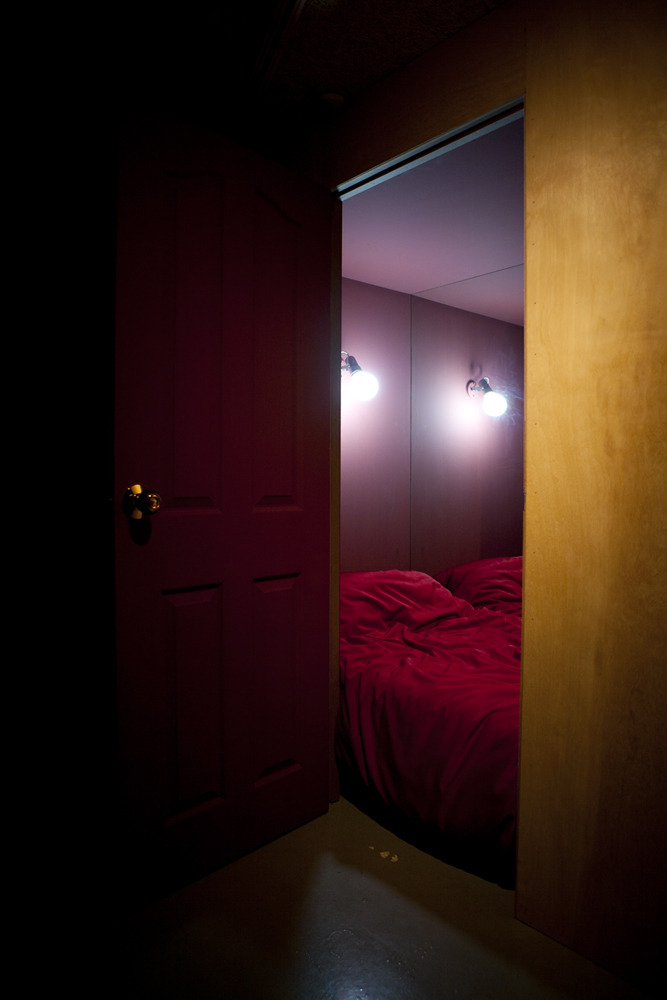
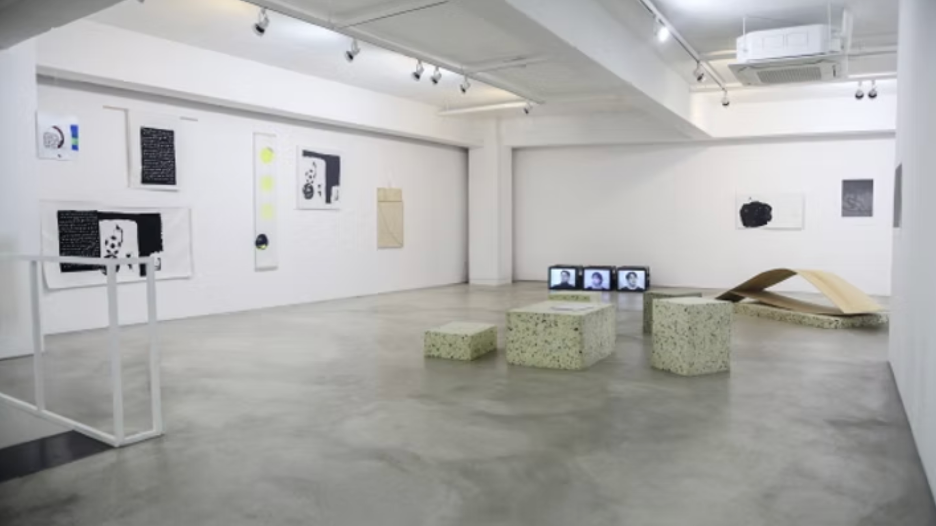
In their early solo exhibition 《Single Room for 2 People》(Ssamzie Space,
Seoul, 2008), the duo addressed marriage as a relationship in which two
separate individuals negotiate and adapt in order to form a shared community.
Works such as Single room for two people(2008) and
between a and A(2010) show how conversation, conflict,
rules, and negotiation between two people can be translated into a work of art.
RohwaJeong’s
concerns later expanded beyond private interpersonal relationships to the
relations between everyday life and objects, center and periphery, inside and
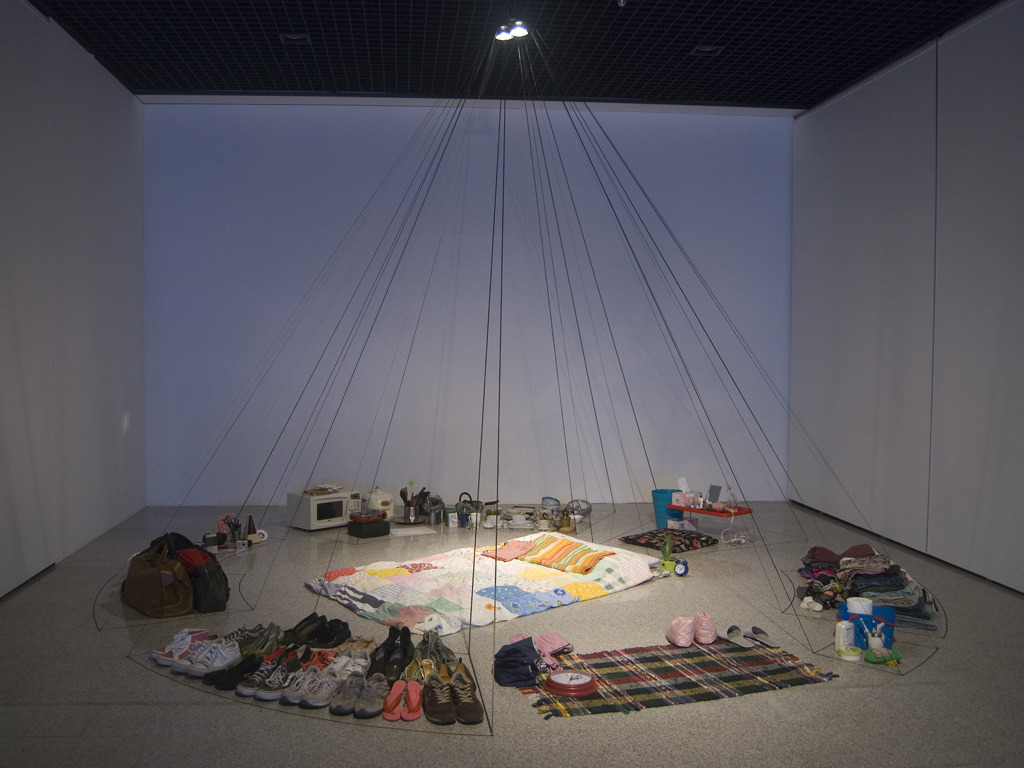
outside, the real and the image. The discovery of
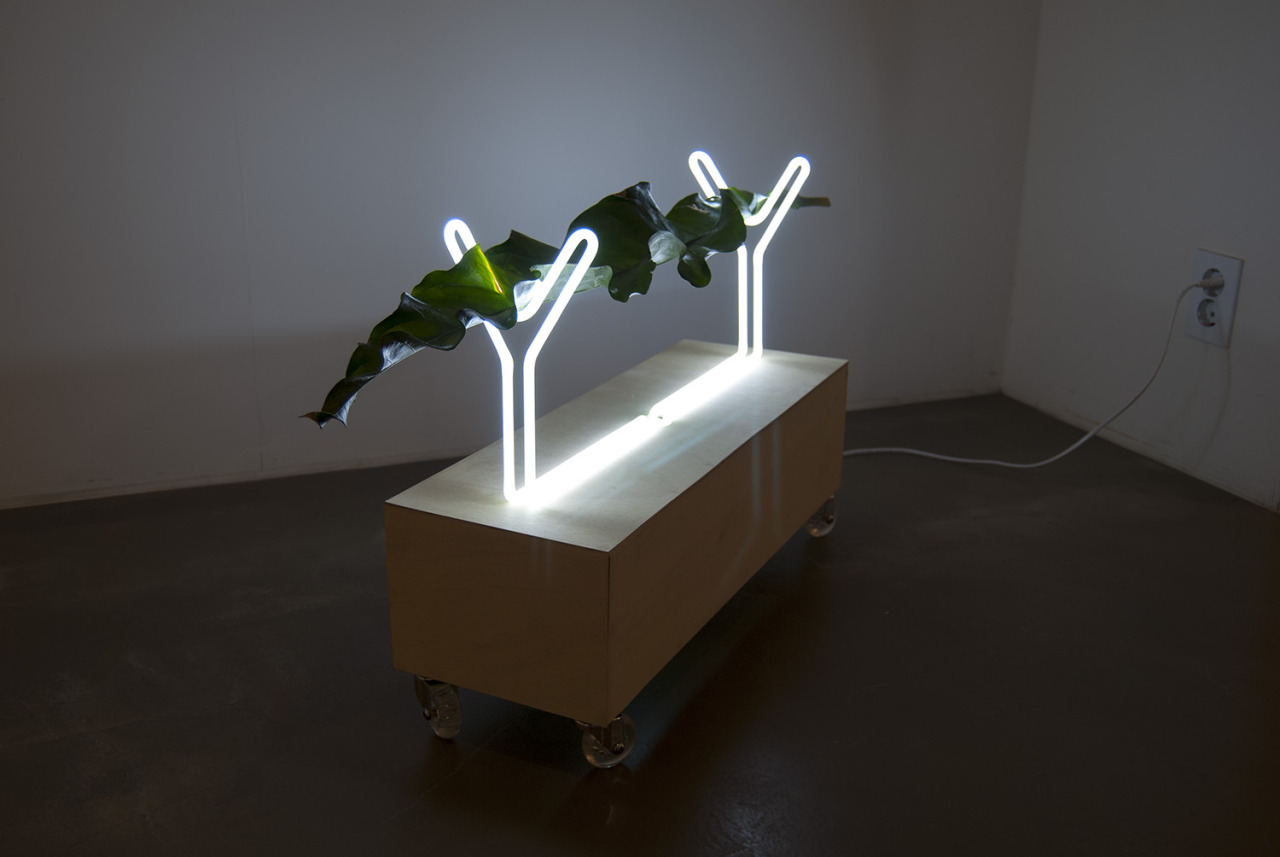
living(2010) arranges everyday household objects in a circle and
connects the light from lamps with masking tape, turning the structure of
ordinary life into an unfamiliar sculptural scene.
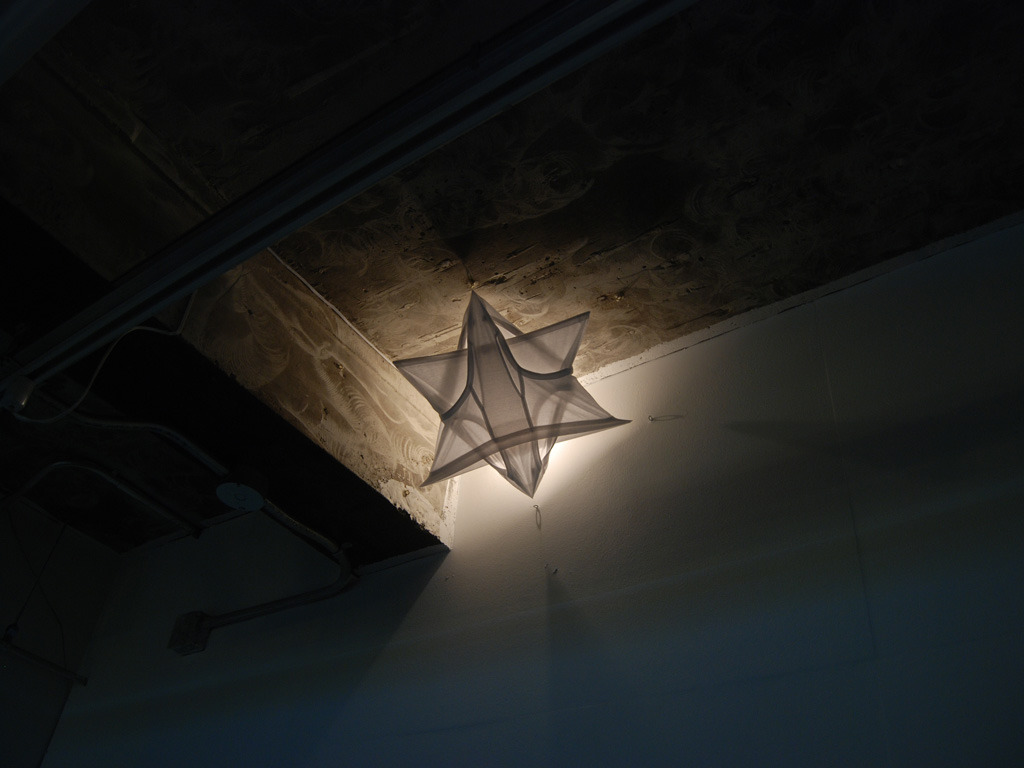
Wanna be happy
every night…(2010) uses two pairs of underwear and light to create a
star-shaped structure, transforming a minor and private object into something
where desire and humor intersect. In 86 days packed(2010),
the artists carried bags they had made themselves for 86 days, turning the
dust, muddy water, and traces of movement accumulated on their surfaces into
the work.
Here, relationship no longer remains only between people; it is
generated among the artists’ bodies, routes of movement, surrounding
environments, and the marks of time.
Through 《Within Arm’s Length》(Gallery Factory, Seoul,
2014), RohwaJeong began to deal more directly with the relations between the
center and the periphery of an exhibition, the work and its process, and the
front and back of an object. Rearview(2014) consists of two
paintings in which each artist paints the back of the canvas being painted by
the other, bringing what is usually hidden in an exhibition to the center of
the image.
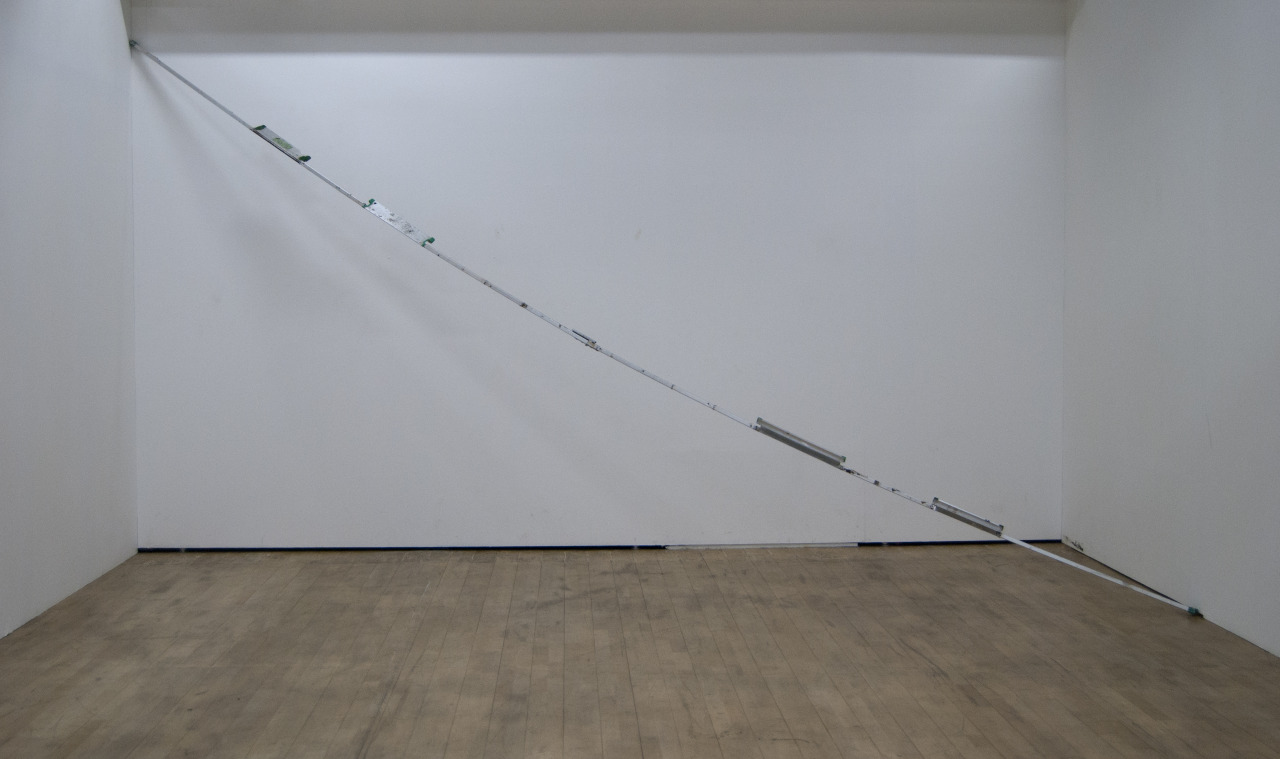
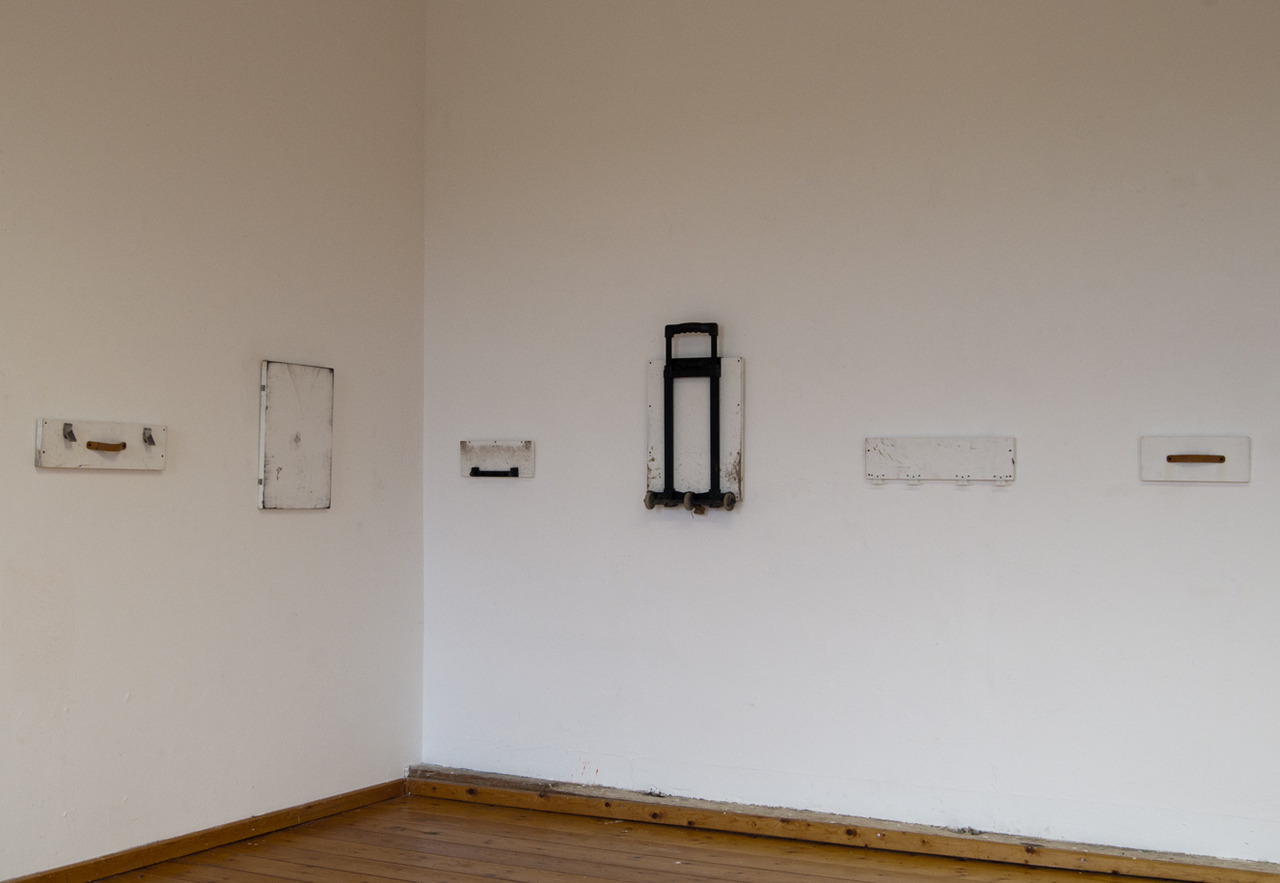
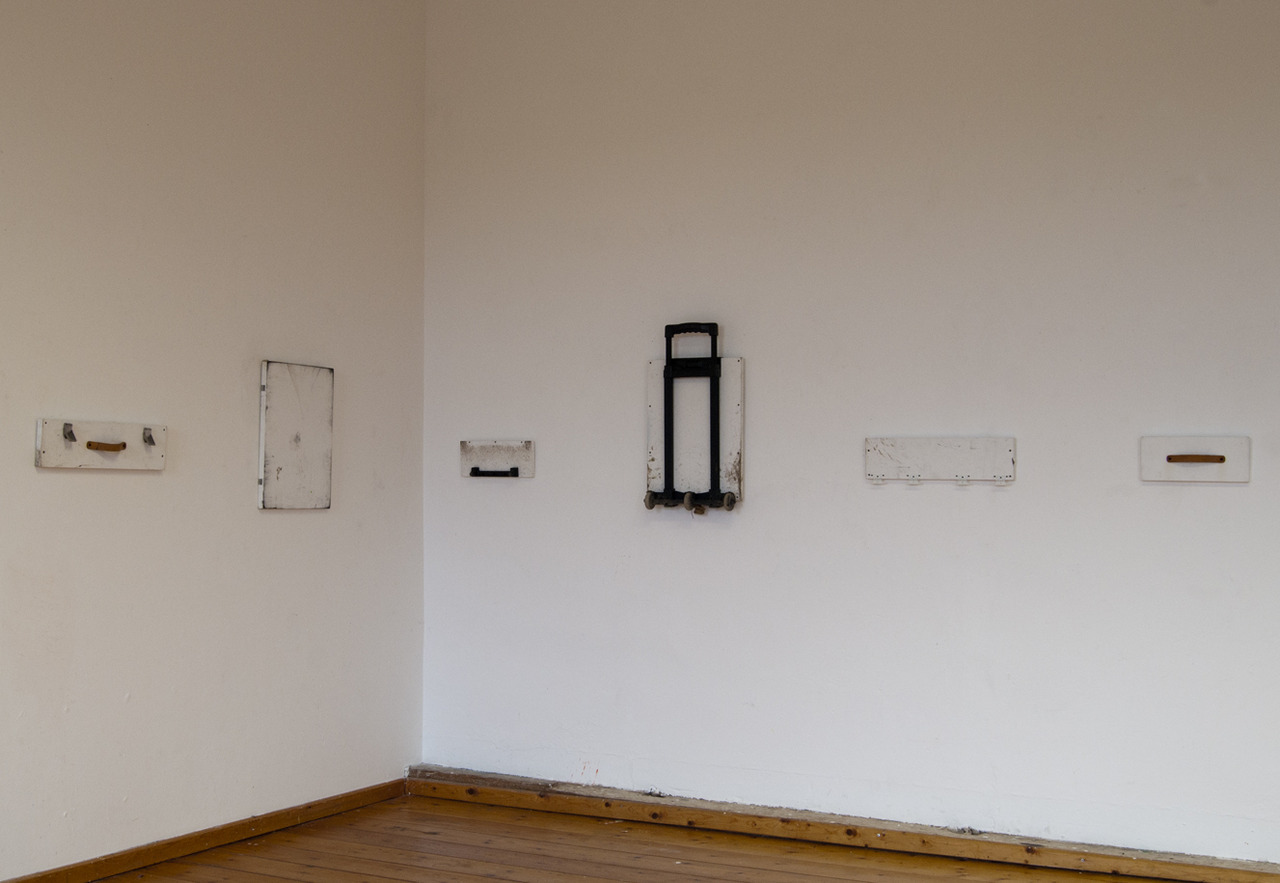
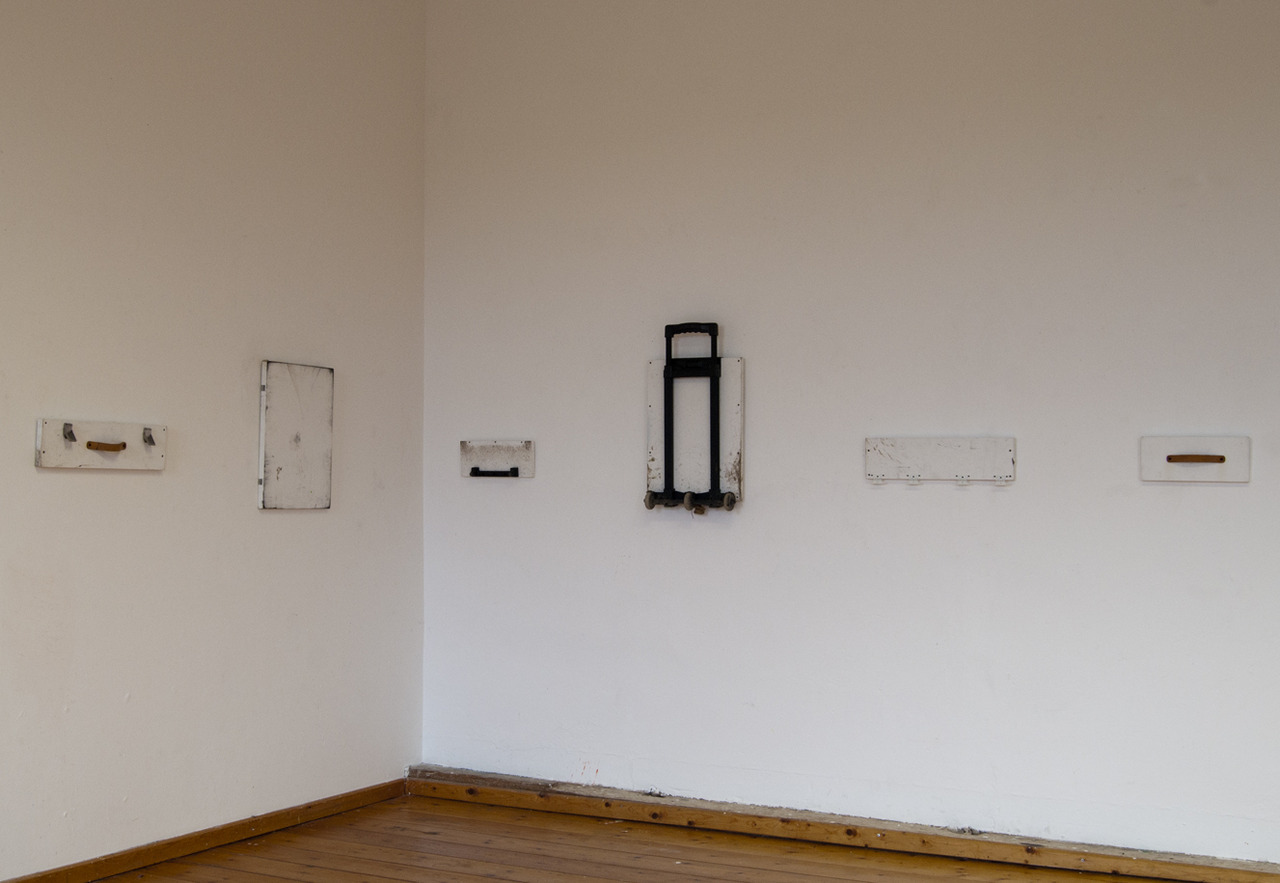
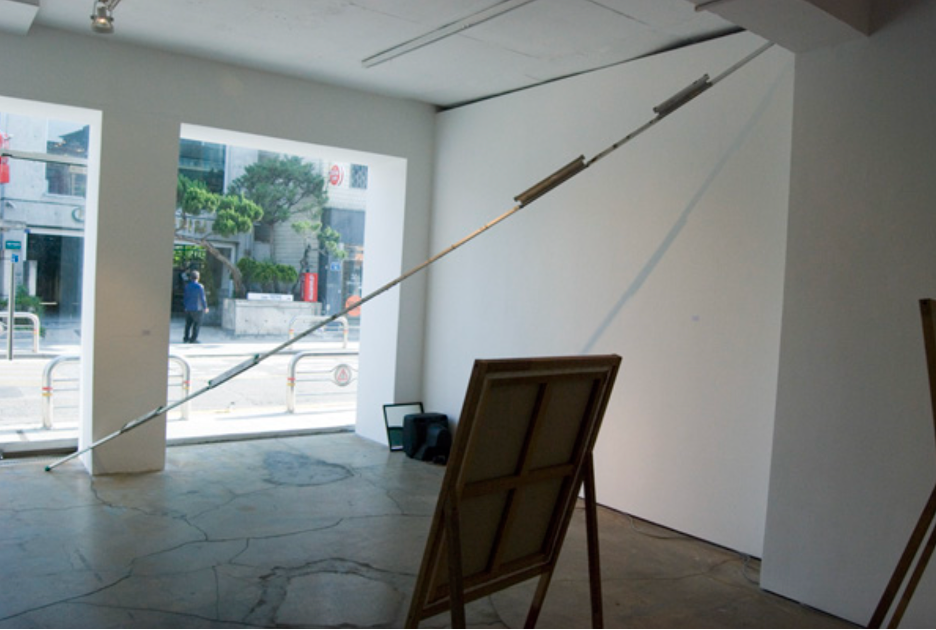
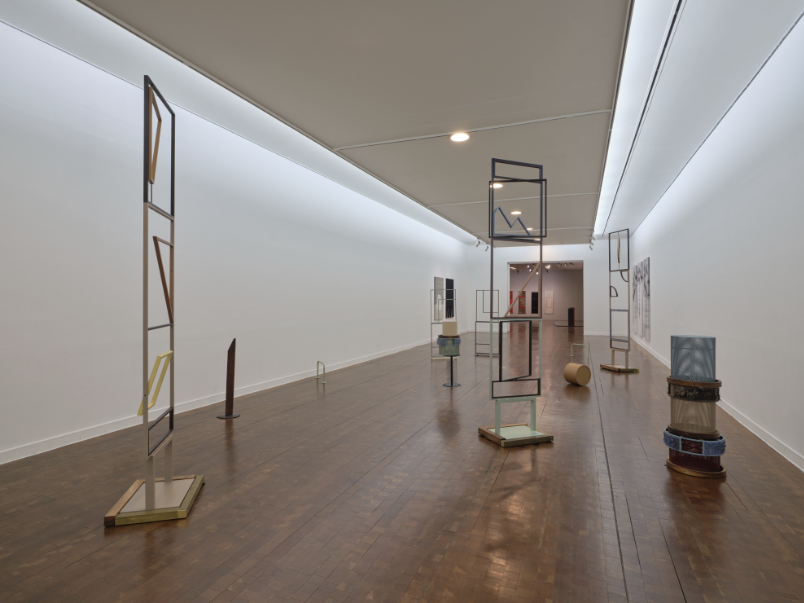
Doubled Distance(2014) reconstructs a ladder used
as an installation tool at Gallery Factory into a long sculpture. As an object
that originally existed to help install artworks becomes a work itself, the
process and devices behind an exhibition are brought to the foreground.
A Meticulous Operation(2014) also reveals the distance
between artist and viewer, understanding and misunderstanding, planning and
execution through an empty space and subtitled dialogue.
In this way,
RohwaJeong does not explain relationship through a single answer, but shows how
it is sensed through distance, displacement, and shifts in role.
In recent
works, RohwaJeong has extended the question of relationship into the fields of
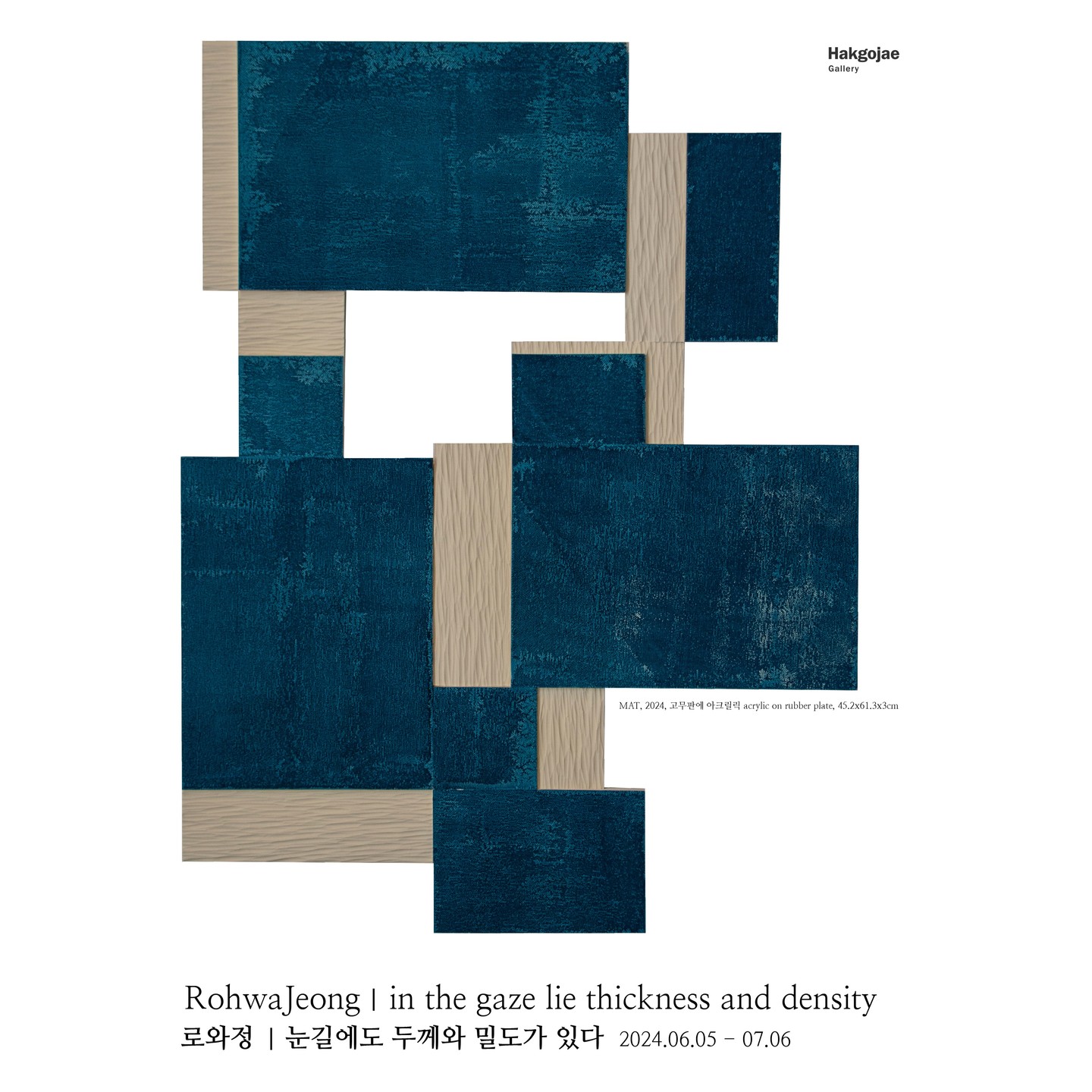
image, language, gaze, and interpretation. 《in the gaze lie thickness and density》(Hakgojae
Gallery, Seoul, 2024) explores the possibilities of misunderstanding, delay,
and metaphor that arise between image and text, rather than using one to fix or
explain the other.
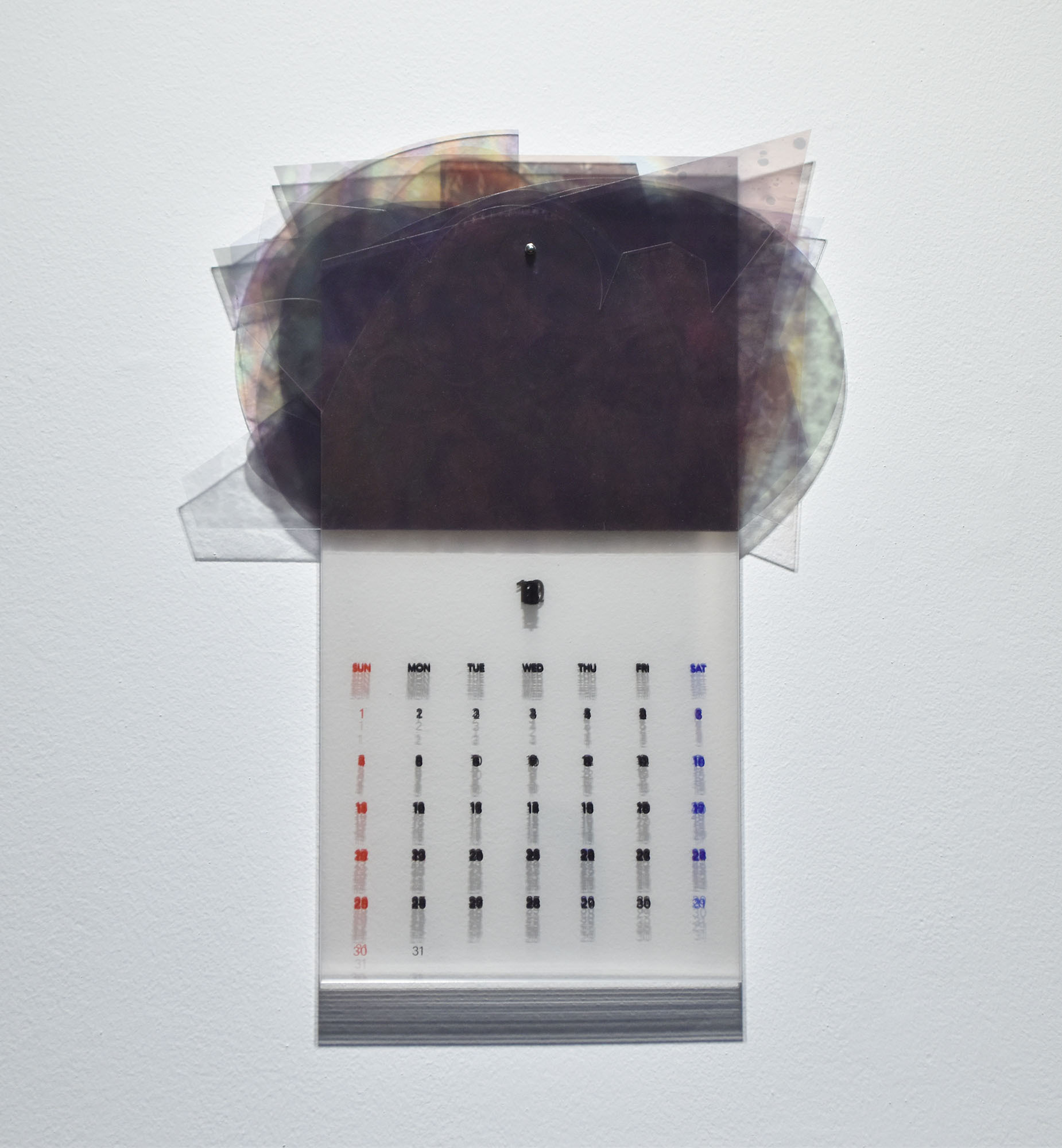
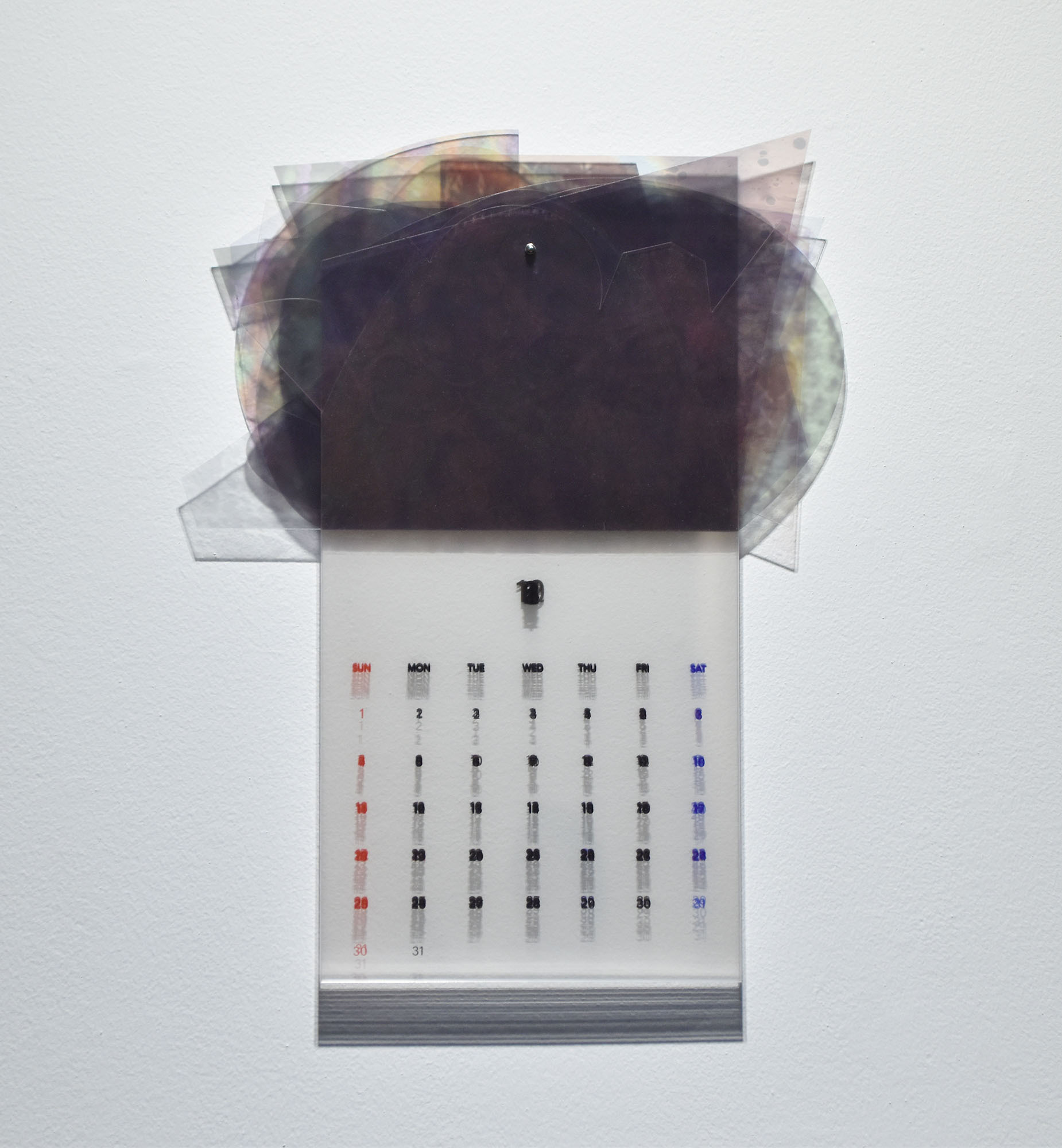
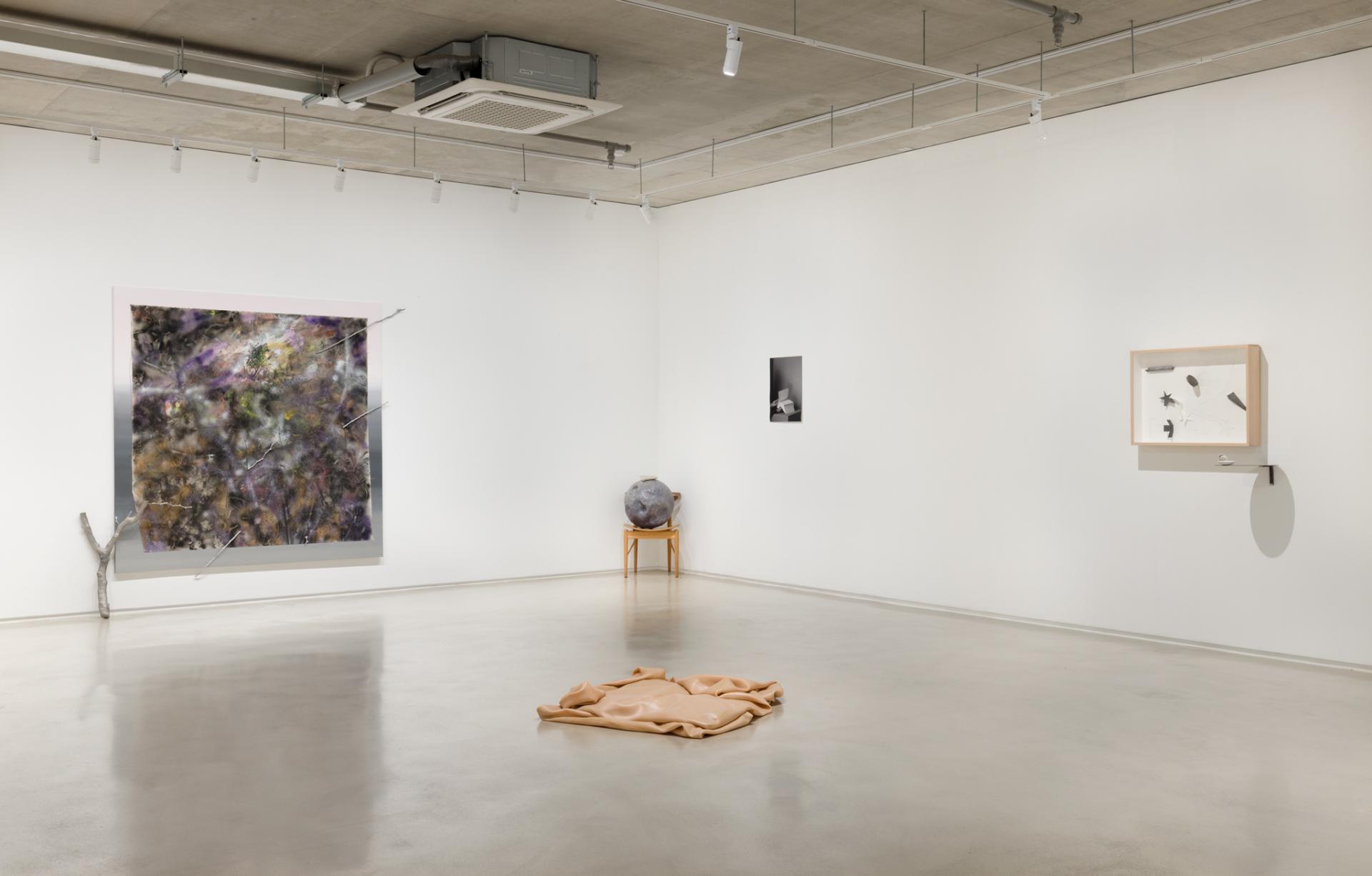
2184(2024) overlays a calendar for the
year 2184 with cellular images, revealing how the calendar and language systems
that operate as if they were truth for everyone are in fact incomplete and
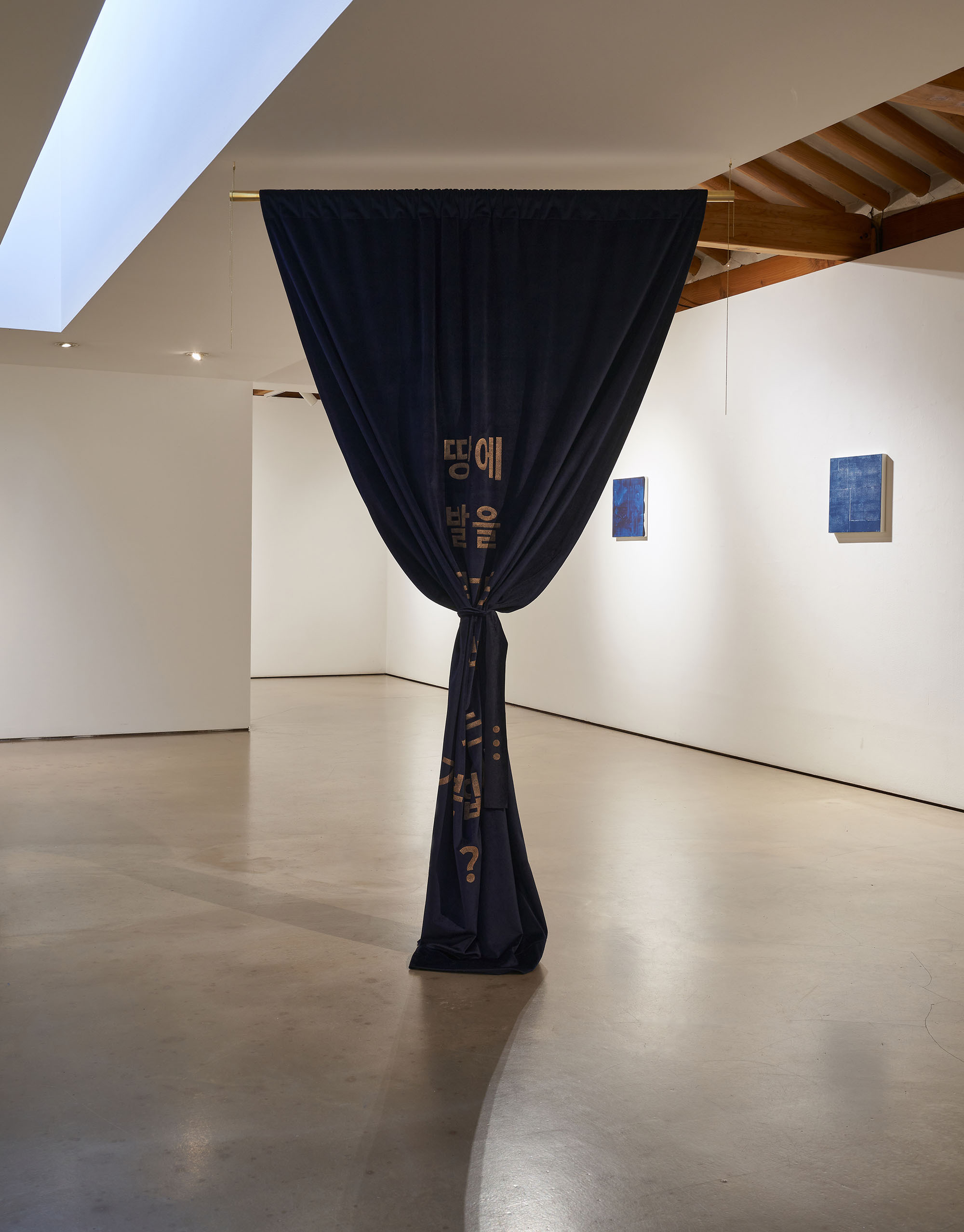
ambiguous. Curtain(2024) combines text with the folds of
fabric, allowing meaning to move between image and object without being fixed
as one thing.
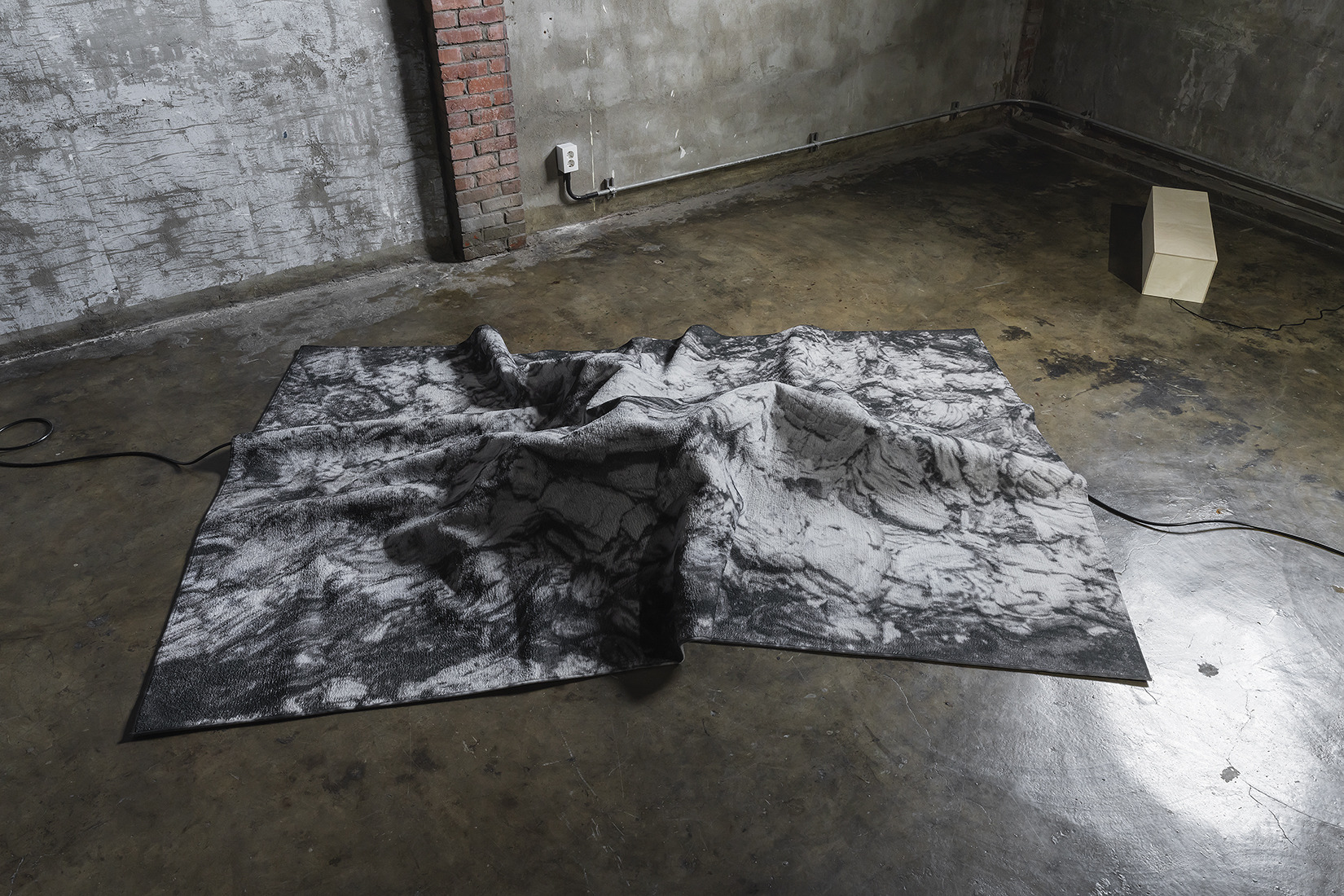
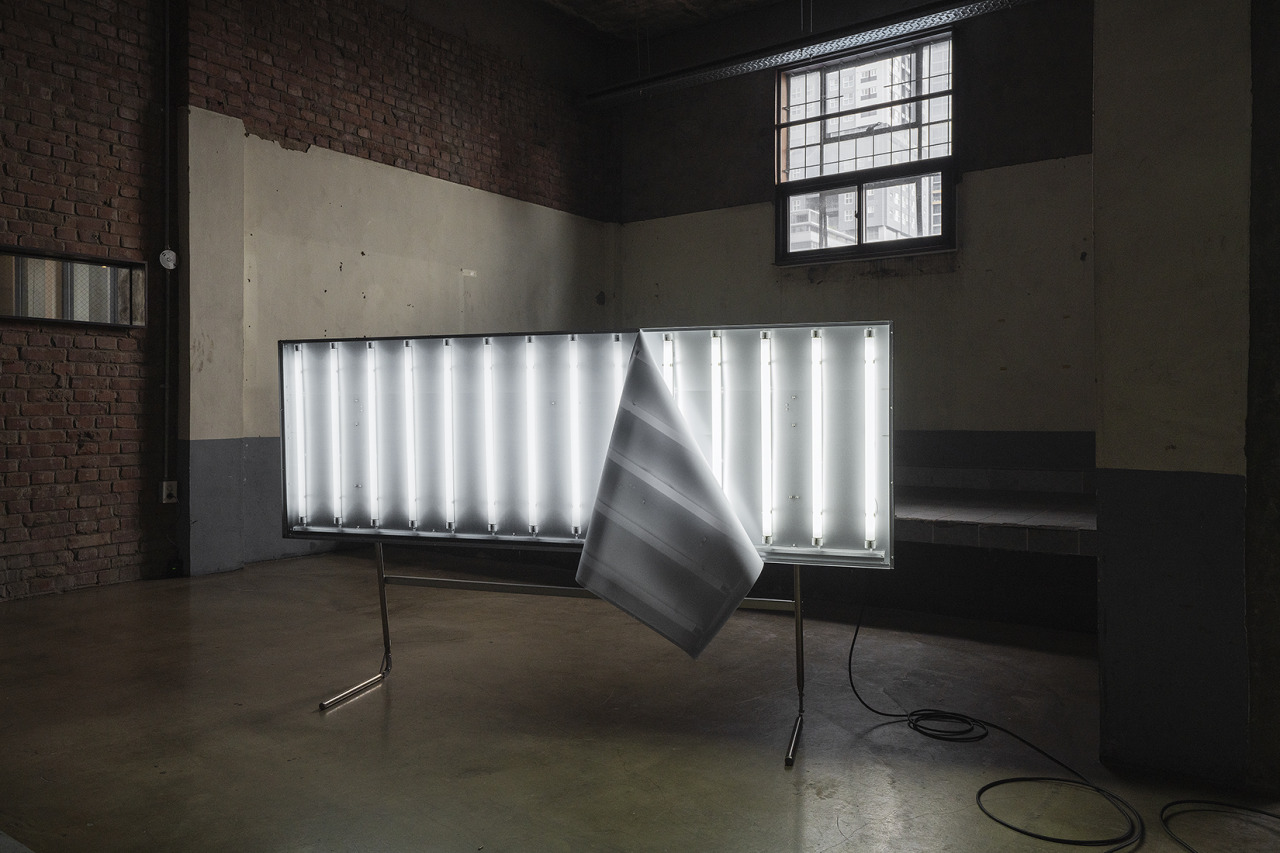
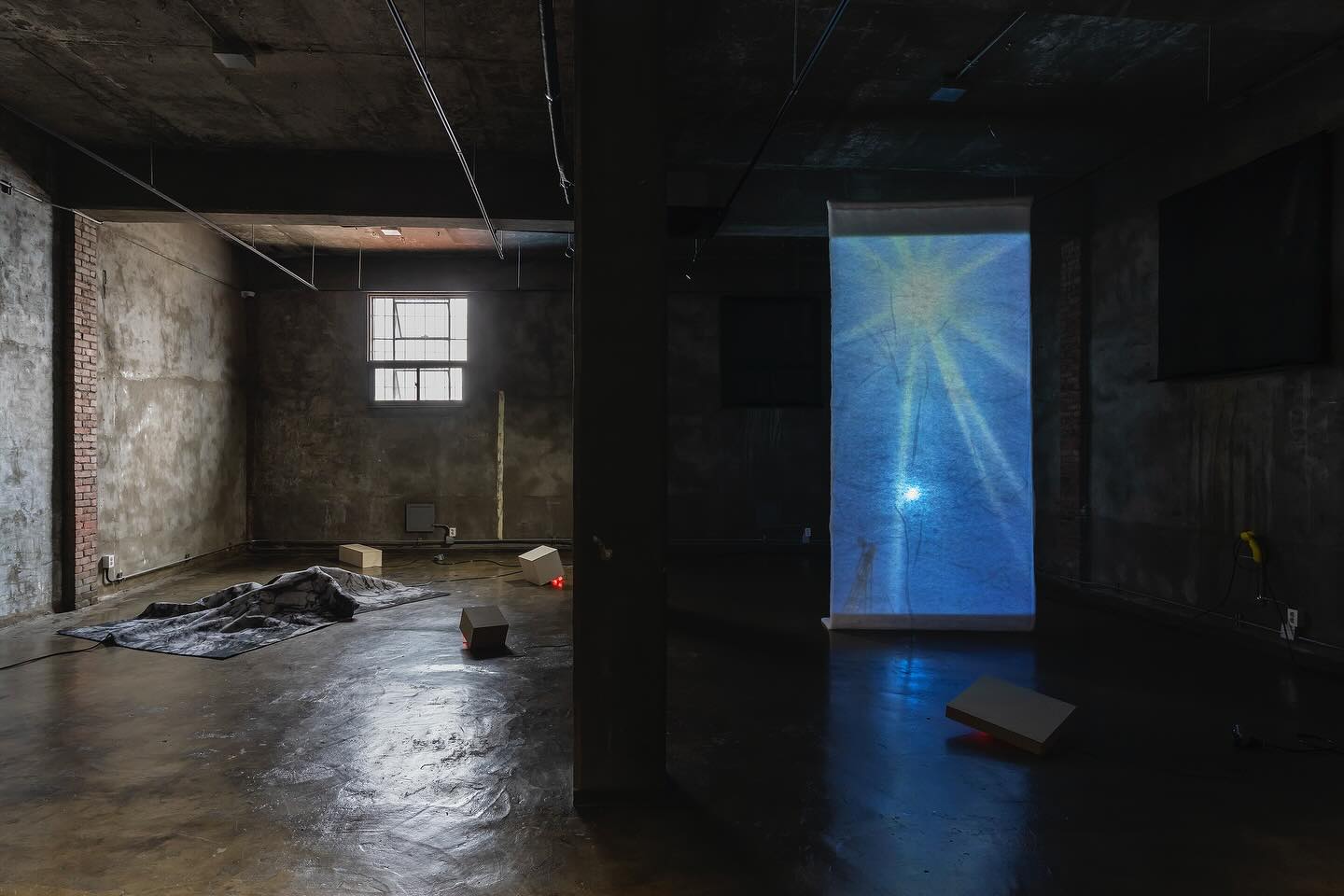
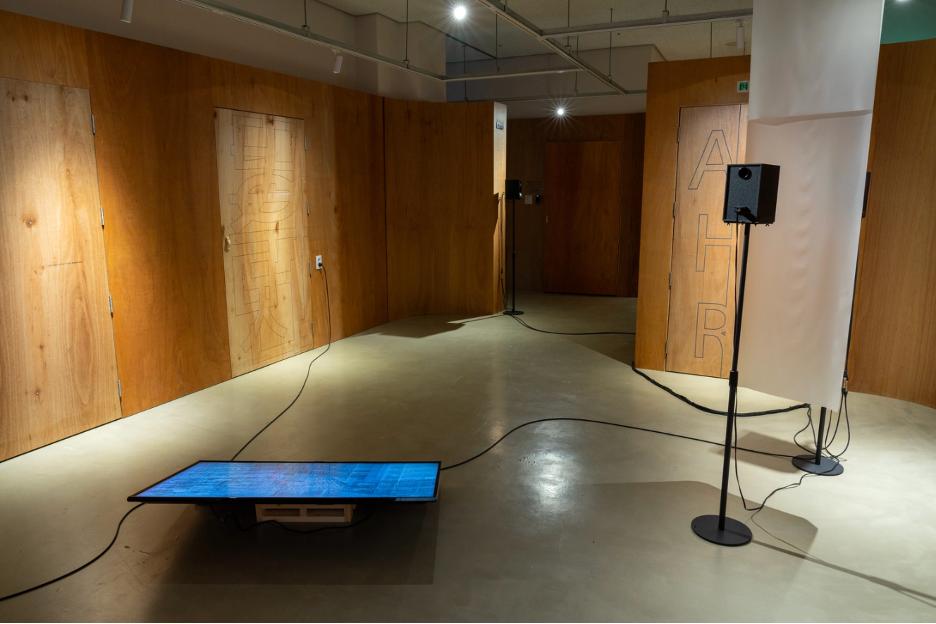
In 《yesterday’s surprise》(The WilloW, Seoul, 2025), the duo turns to the relation between
“me” and another “me,” the other, addressing connection and disconnection
through the recurring motif of electrical wires. RohwaJeong’s work has thus
expanded from the relation between two people to complex structures connecting
objects and spaces, time and exhibition, language and image, self and other.