I.
We no longer know what stage of capitalism we are in. Is it possible to call something that continues to evolve, following an increasingly savage logic late capitalism? In countries like Korea—and Spain is counted in that group—capitalism had a stellar moment. These countries went from widespread poverty to a democracy that was growing, thanks to the economic “engine” constituted by a growing urban working class, a human machine motivated by the promise of improvement, greater agency, and greater participation in nation-building.
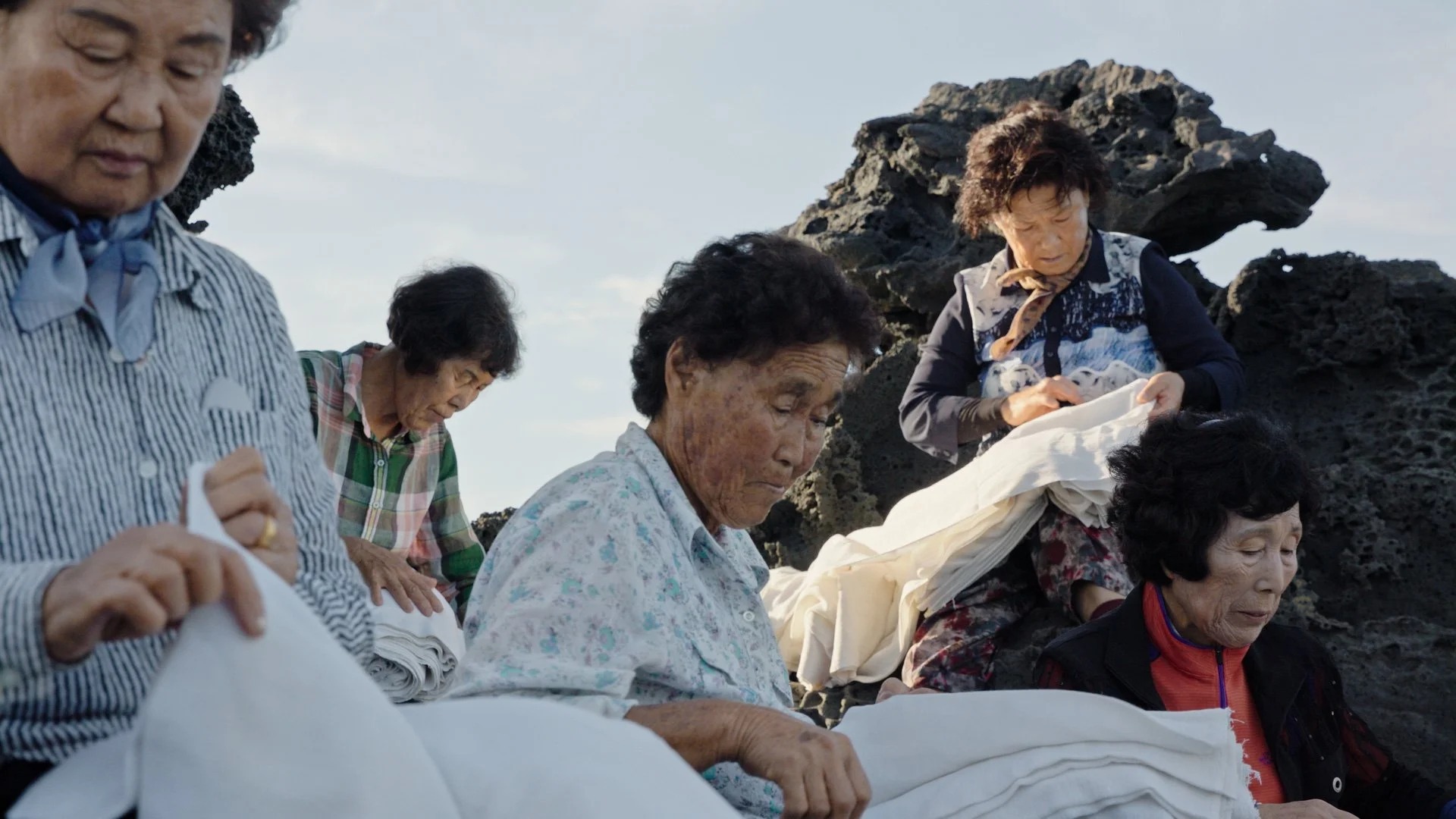
My grandmother recounted the total abandonment of traditional ways of life by the mass flight of the younger generation to the cities. They only returned in summer with new ideas, unusual clothes, and the need to buy household appliances galore. There had never been a fridge in their house. Food, scarce and precious at many times in their lives, was preserved using traditional methods: drying, salting, and fermenting.
The large fridge-freezer that presided over her wonderful traditional kitchen, a gift from my parents, was empty most of the time. One very hot summer morning, my mother wanted to use the fridge, but all the shelves were occupied by well-made packages of something wrapped in brown paper. Surprised and somewhat alarmed, she asked her mother if she could move the packages and put the fruit in so that it would stay fresh.
Her answer was blunt: “No. I have never liked the effect of the cold in the fridge on food; it’s like it’s anesthetized. It doesn’t taste like anything.” When asked about the packets, my grandmother replied, “They are sheets. The fridge is perfect for keeping sheets fresh on these summer days. A great invention.”
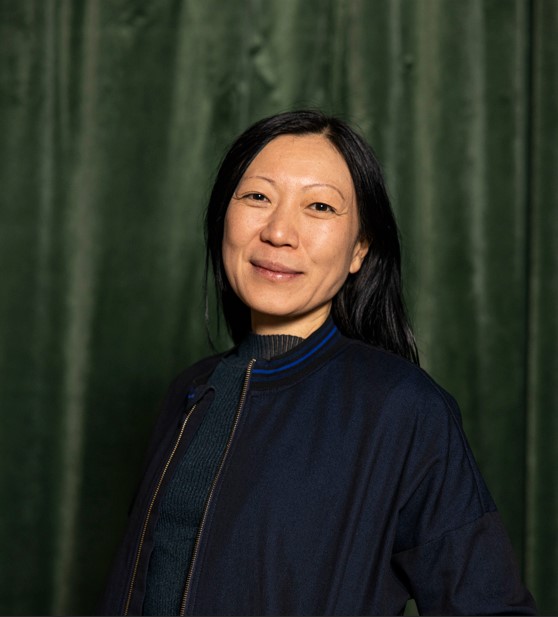
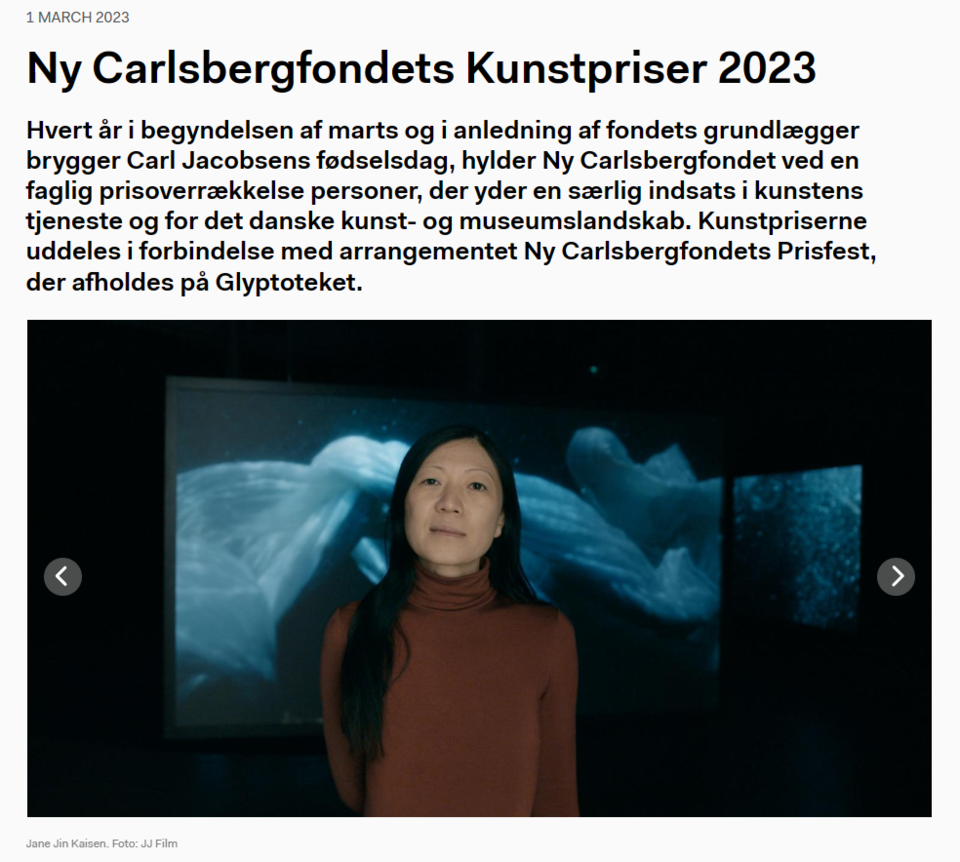
Jane Jin Kaisen’s work must be interpreted from the perspective of her desire to interrupt the logic of the prevailing economic and value systems of a society—in her case, Korea—in order to begin the narrative from another point of view. These interruptions—such as putting the sheets in the fridge—are gestures that modify the trajectory of not only human thought but also our perception of the world.
We have the idea that reality is a steady substance perceived by us in a constant way. However, reality is more vulnerable than we think. It is a plastic substance capable of changing shape just through our gaze. A contemplation more akin to dreaming is capable of working miracles, opening doors and windows in the real world, in the matter of the world we know so well, to facilitate the emergence of other worlds.
The creation of the conditions capable of making us feel vividly that this world is possessed by all the previous and future worlds, by their voices, rituals, characters, and symbols, is a constant in Kaisen’s work—and I would say, also the mission of her work.
II.
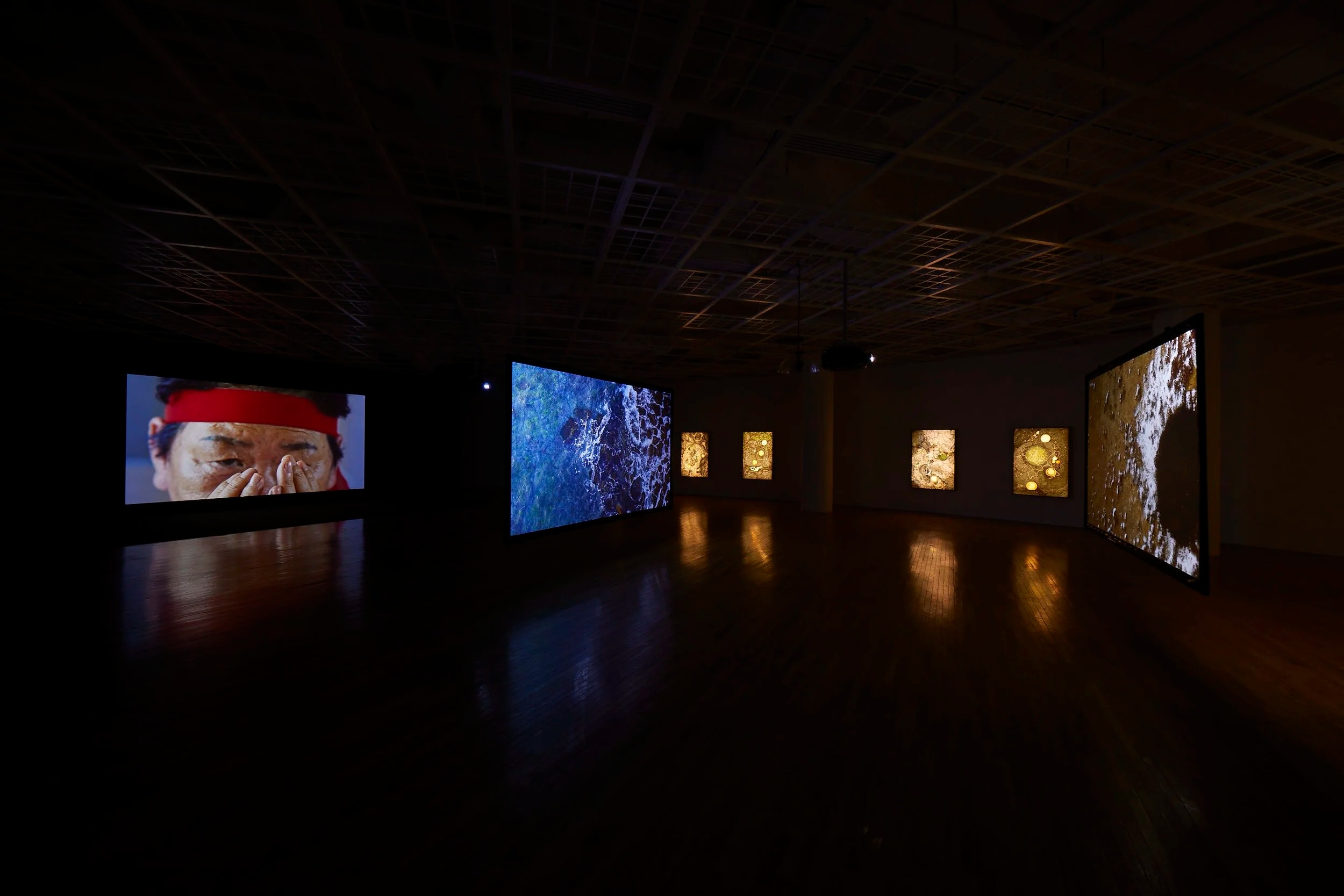
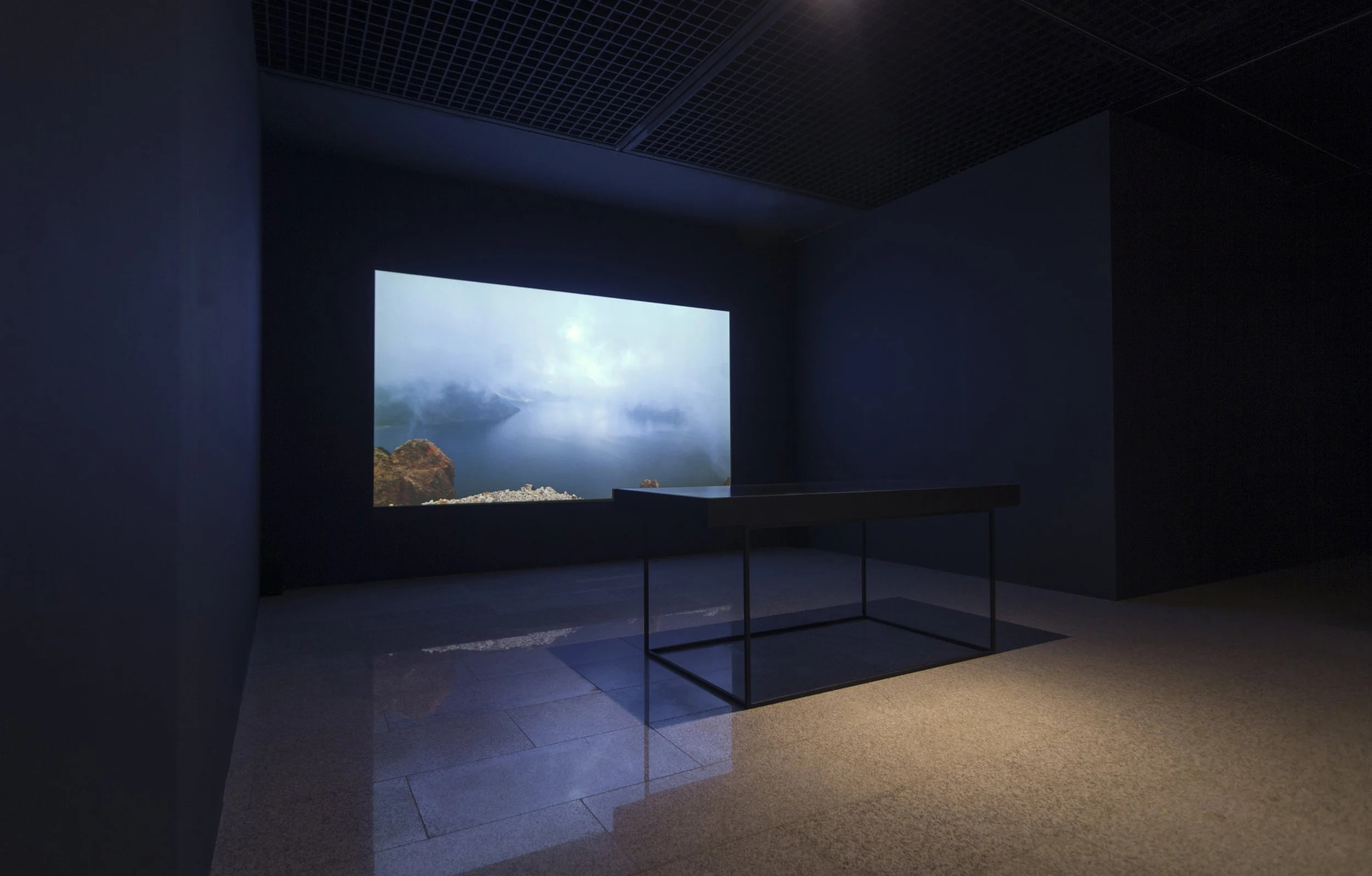
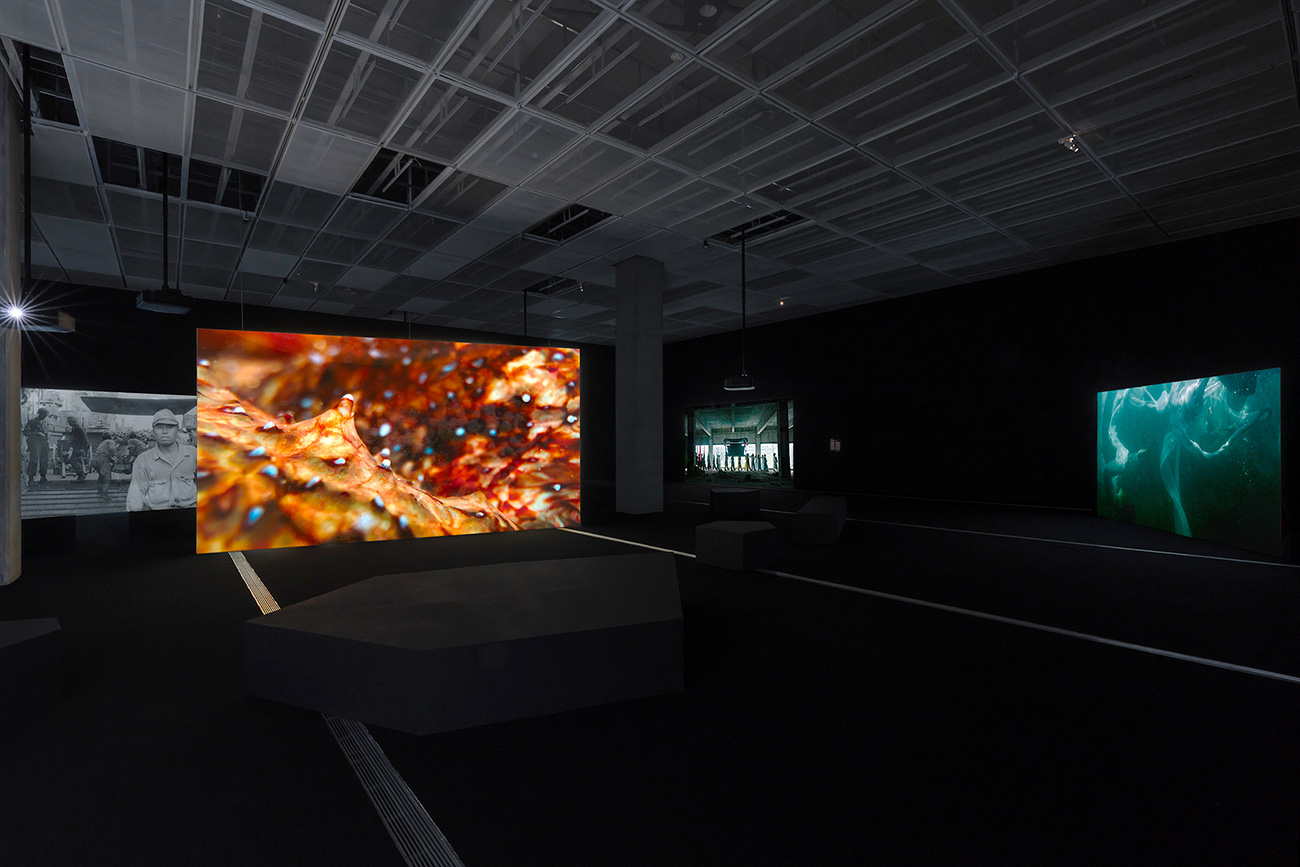
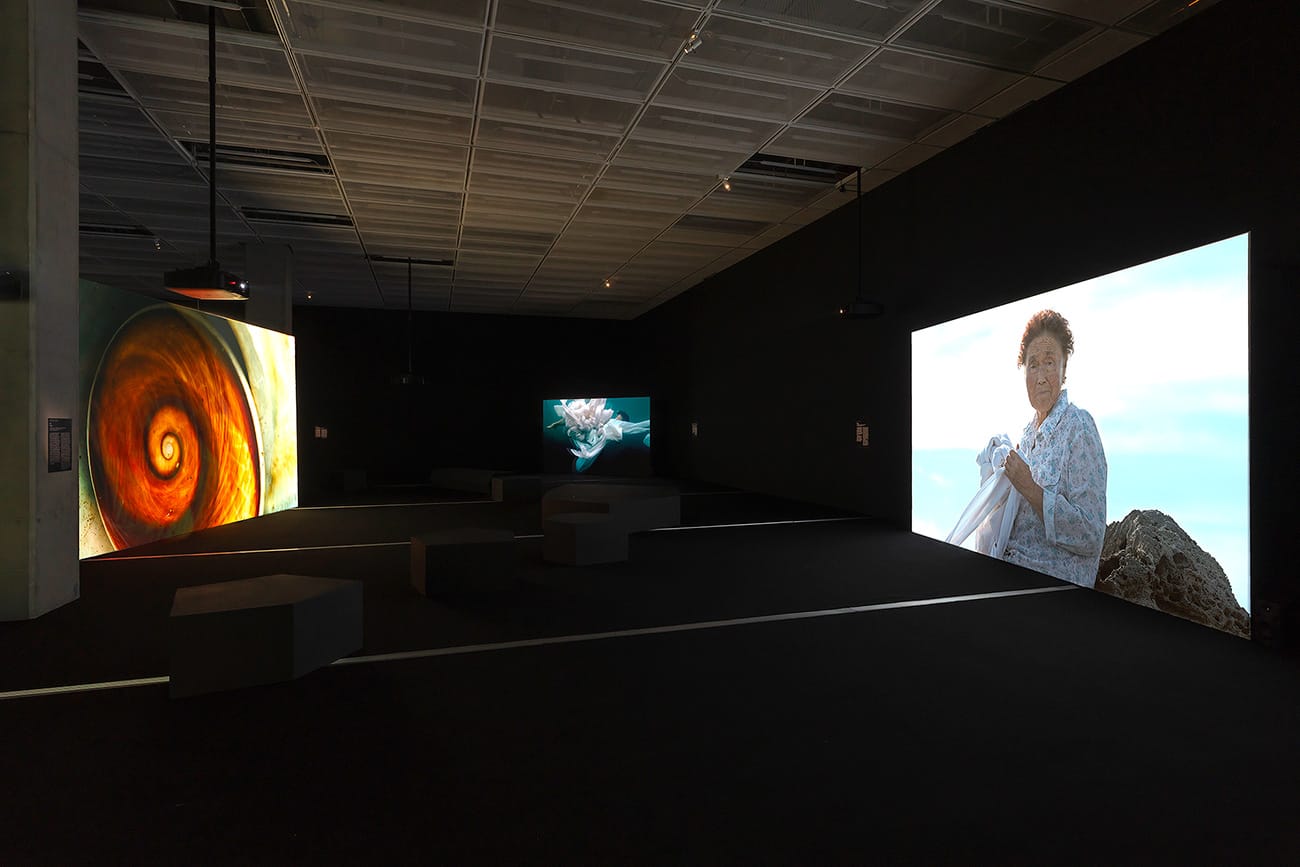
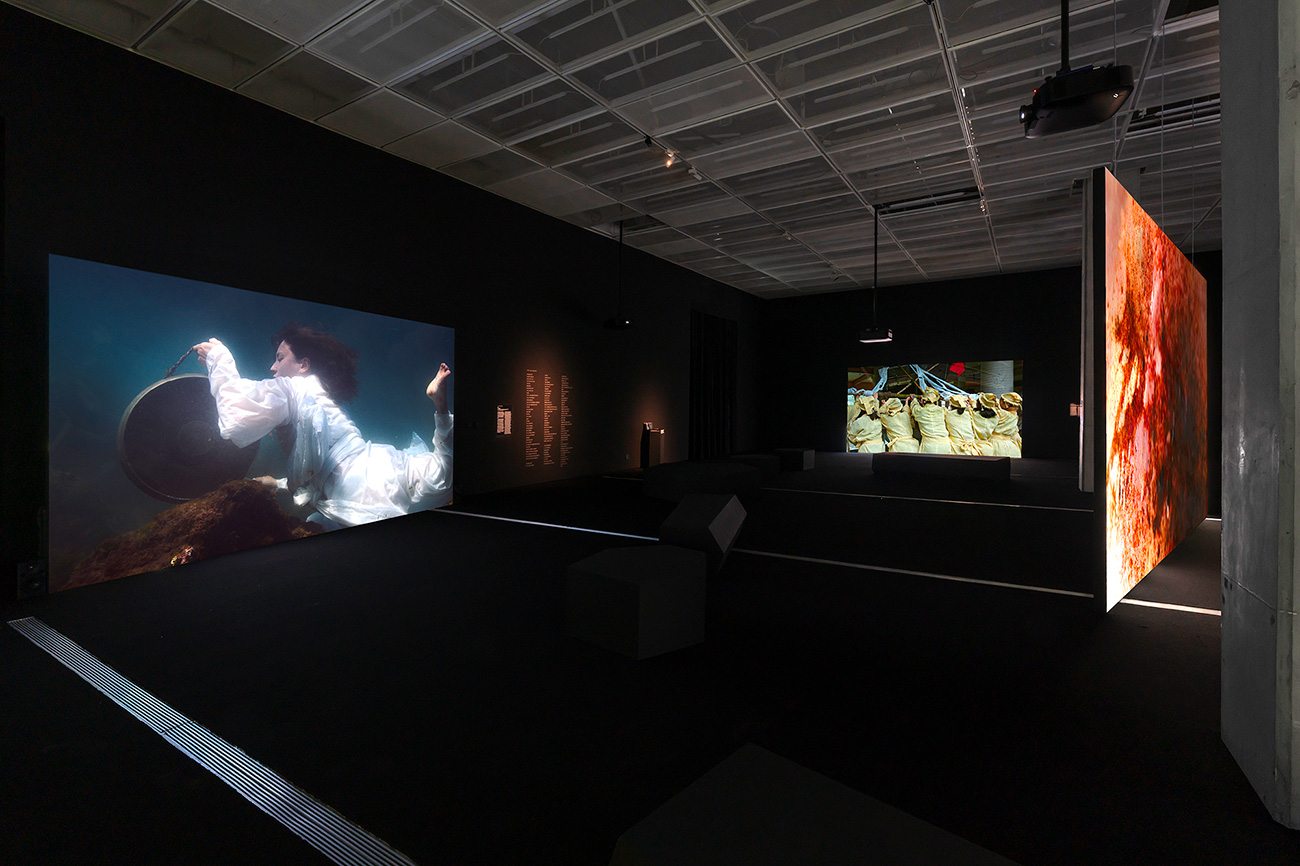
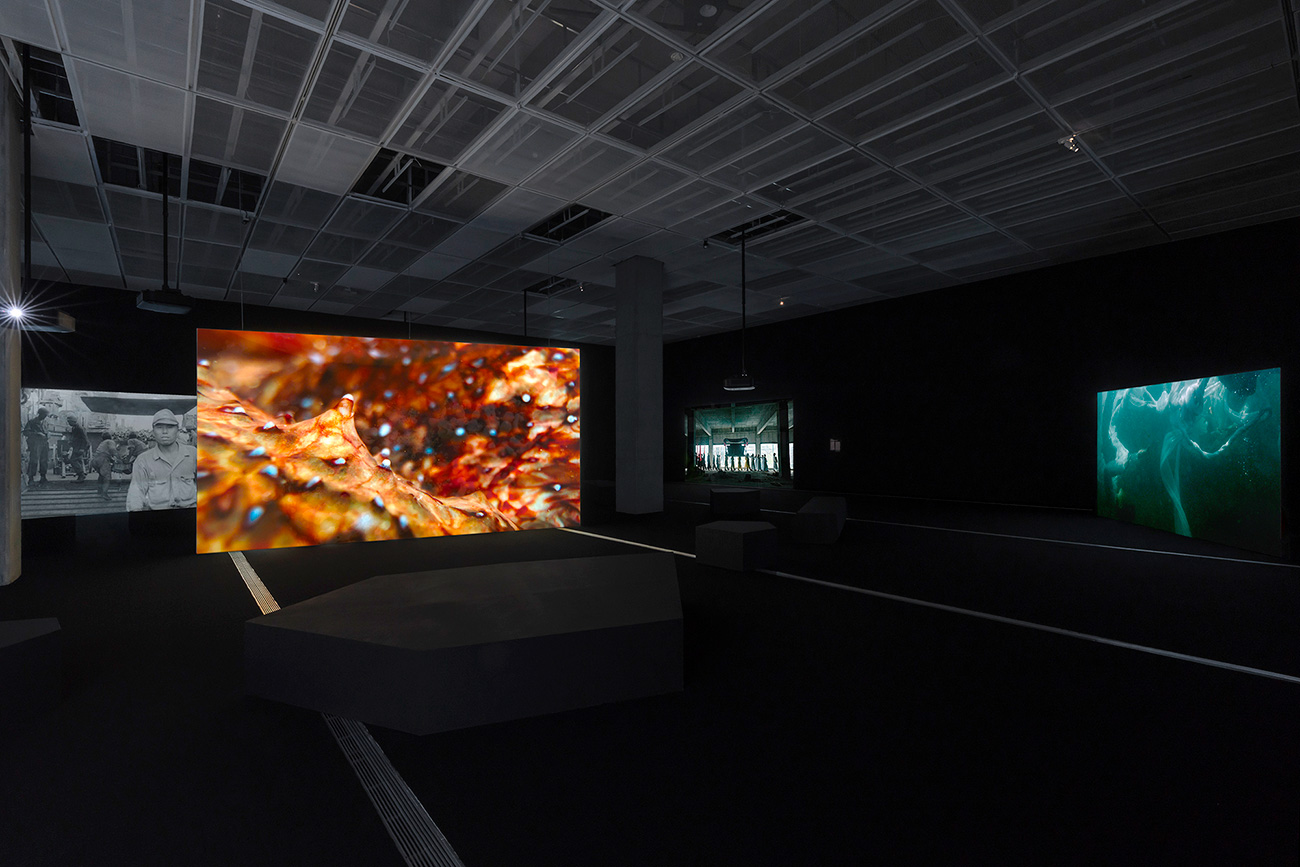
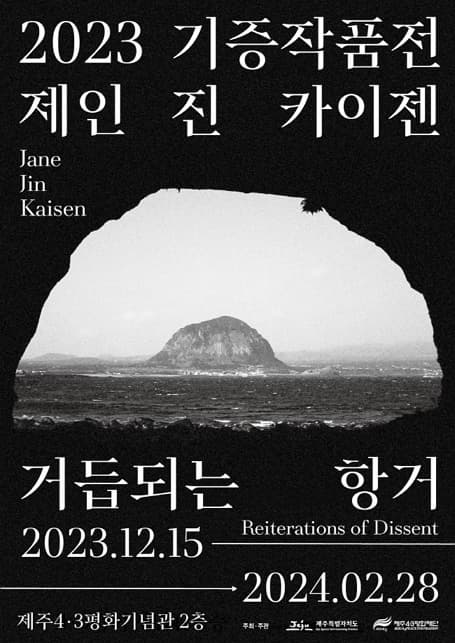
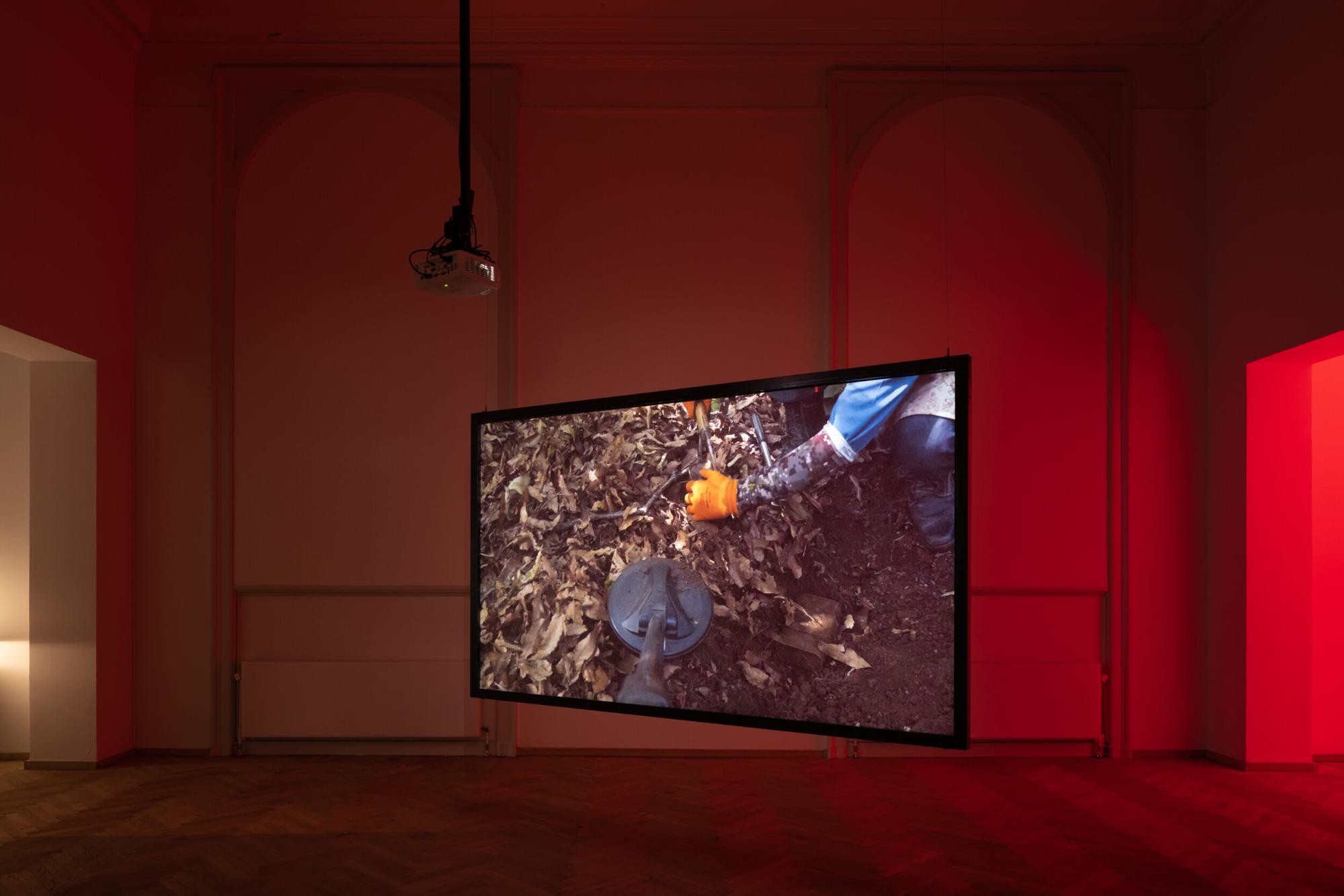
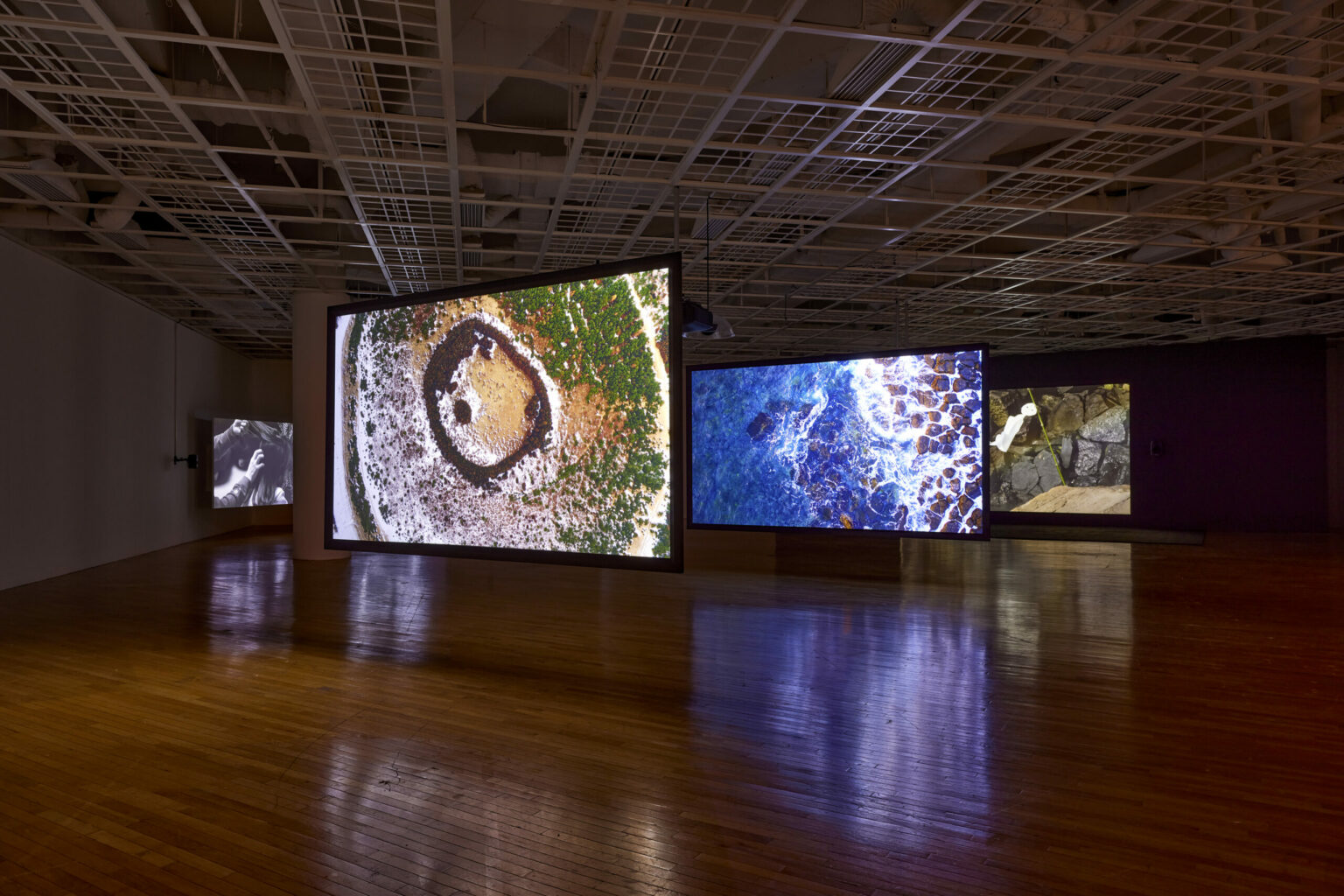
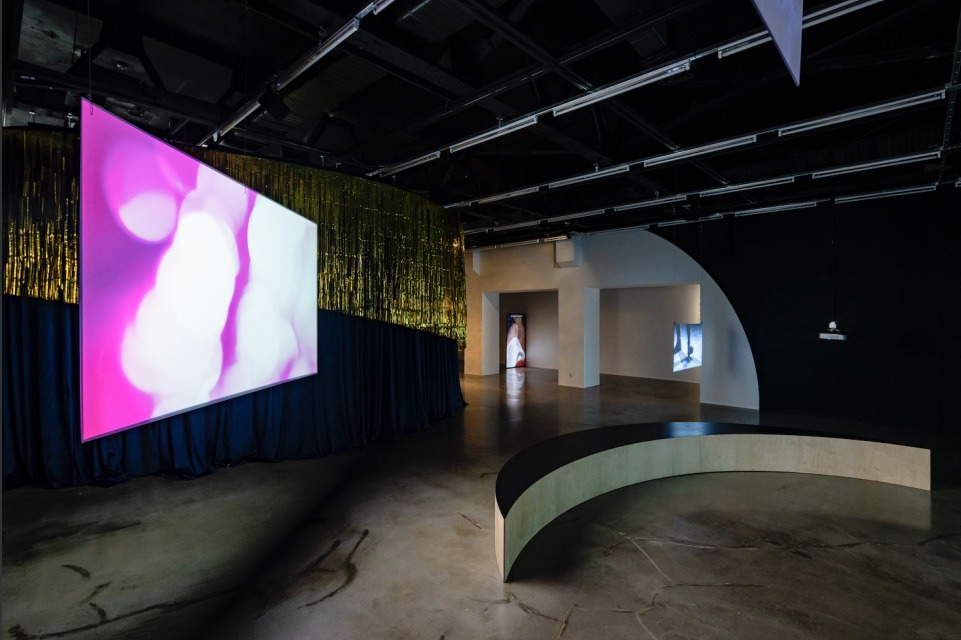
Seven of her video works, creating a spiral, are presented in the exhibition: Wreckage (2024), Guardians (2024), Halmang (2023), Burial of this Order (2022), Offering (2023), Portal (2024), and Core (2024). These works can be viewed separately but form an organic unit. As with ancient hand-scroll paintings, each motif can be understood independently in its context, but the overall ambition of the grand scene that these scroll paintings present before our eyes can be seen in all its glory when the totality is revealed.
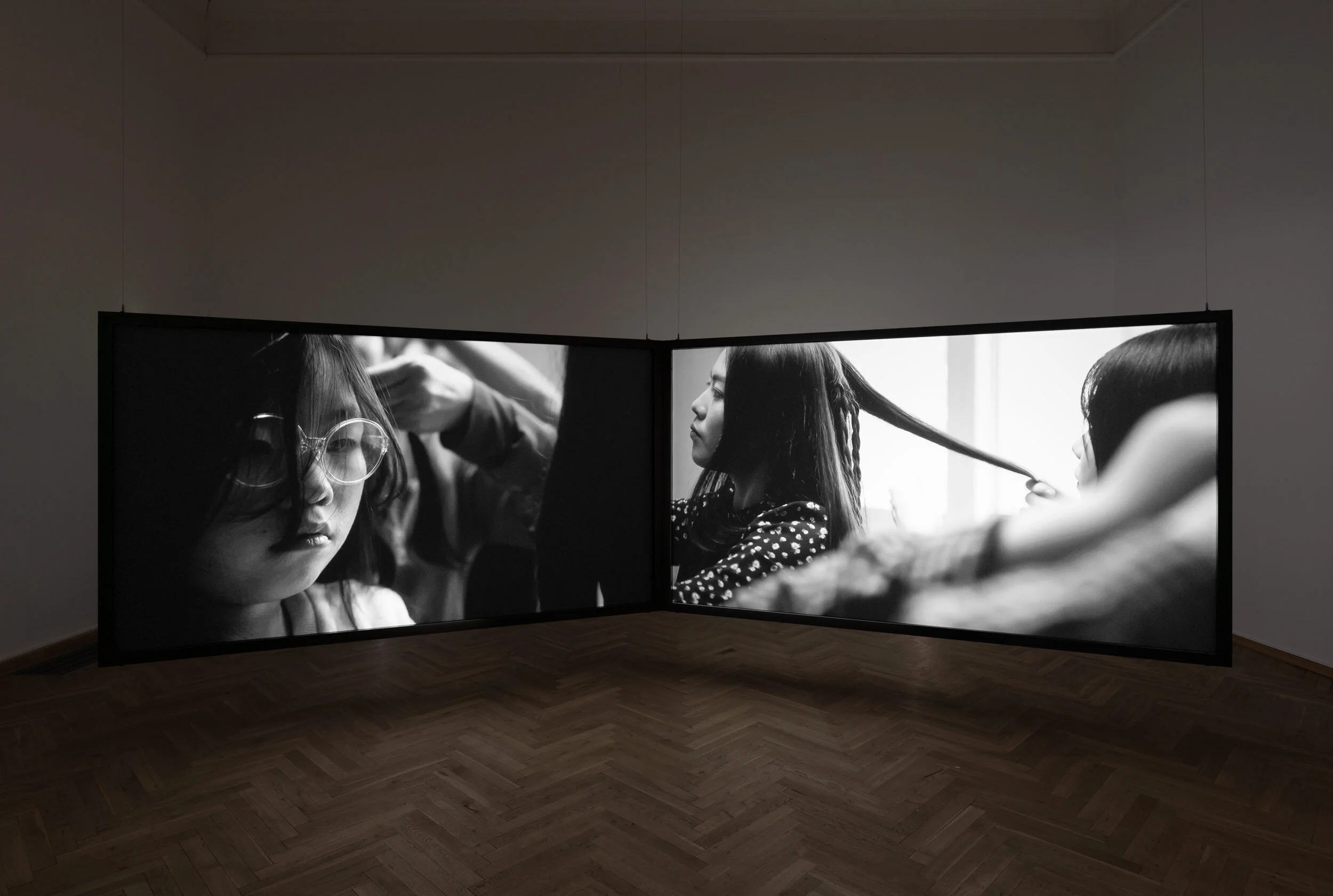
Kaisen’s works move fluidly between the narrative characteristics of telling a story through consecutive images, featuring characteristics of ancient Asian art, while also retaining elements of Western art. In the West, once paintings are hung on a wall, they can be viewed permanently. Her videos share the same quality and can be seen as representations of scenes in an individual and autonomous way.
At the same time, when viewed together, the totality creates a spiral—a kind of ceremonial transition from one video to the next—leaving viewers with the possibility of constructing the scene in their own way. There is no prescribed order for viewing the works. Our way of moving through the space creates a sense of order, but we can reinterpret it at our discretion, again and again.
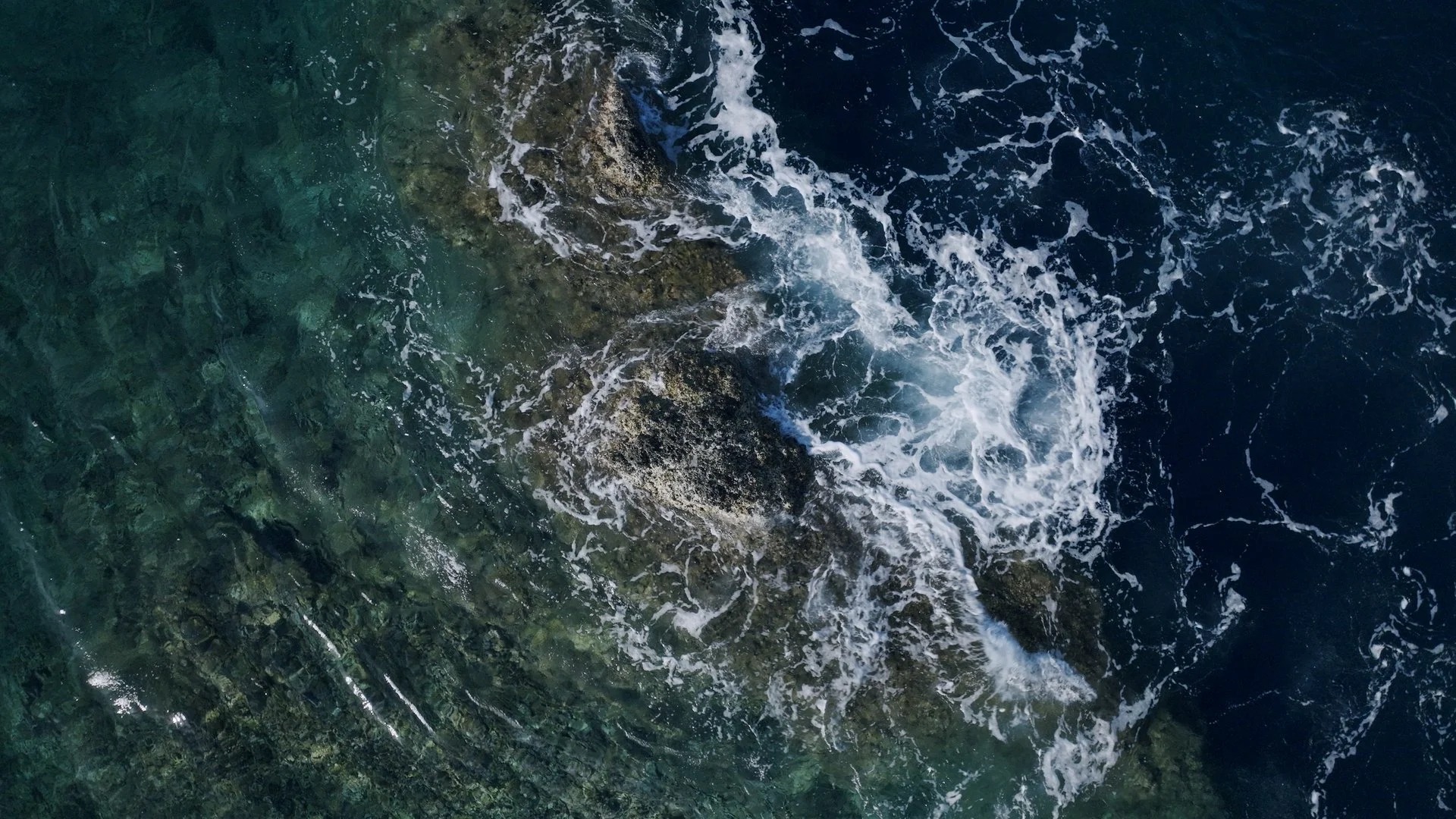
All of these works are centered on Jeju, a rather big island located in the Korea Strait. Emerging from a volcano, Core faces us with the “cavity,” the Serpent Cave, which, like a woman’s womb, gives life to the Island. Portal, as a counterpart, refers to the force that beats at the heart of every life form, as well as the Goddess Seolmundae Halmang and the creation myth of Jeju. History follows after its birth.
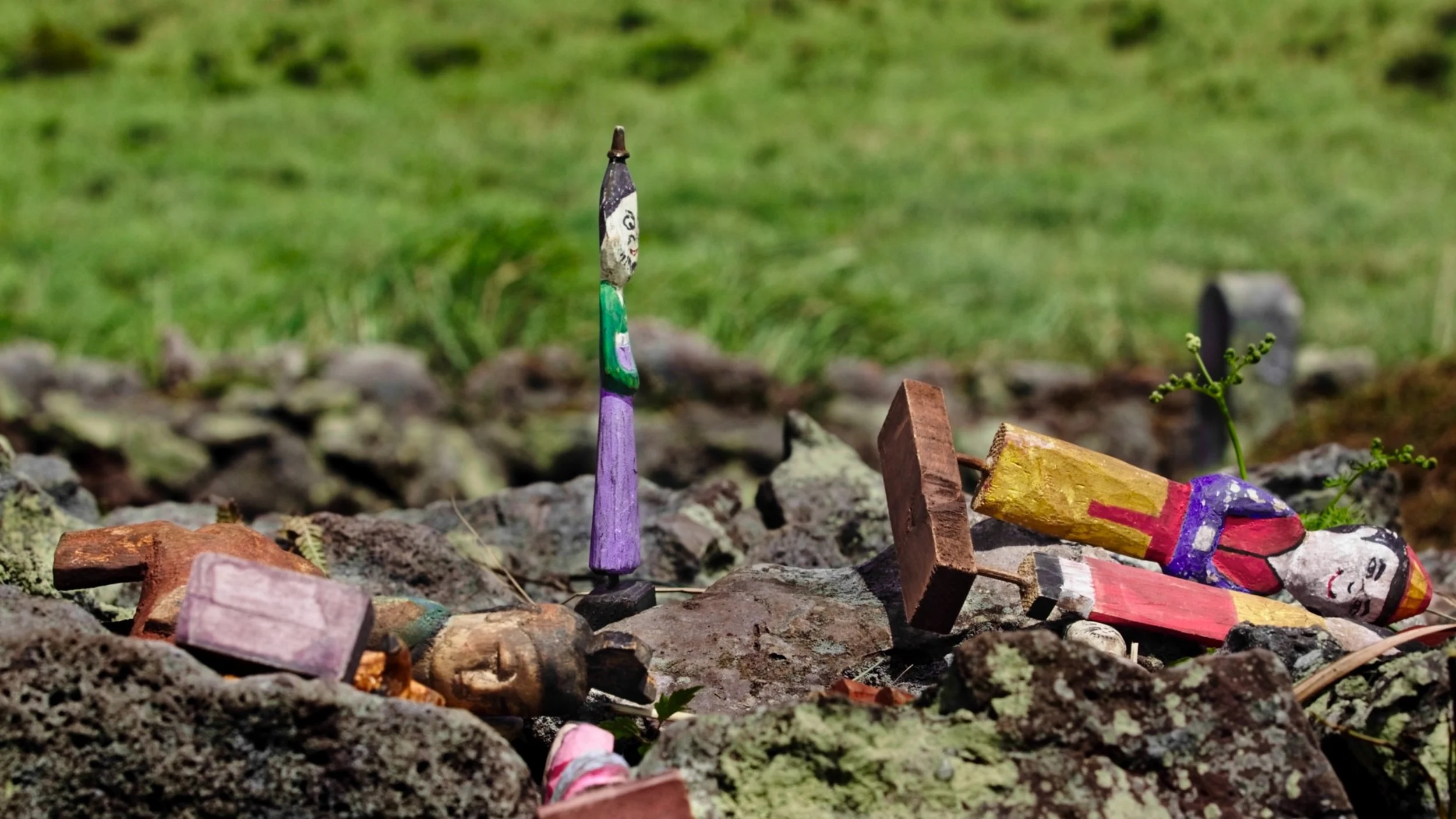
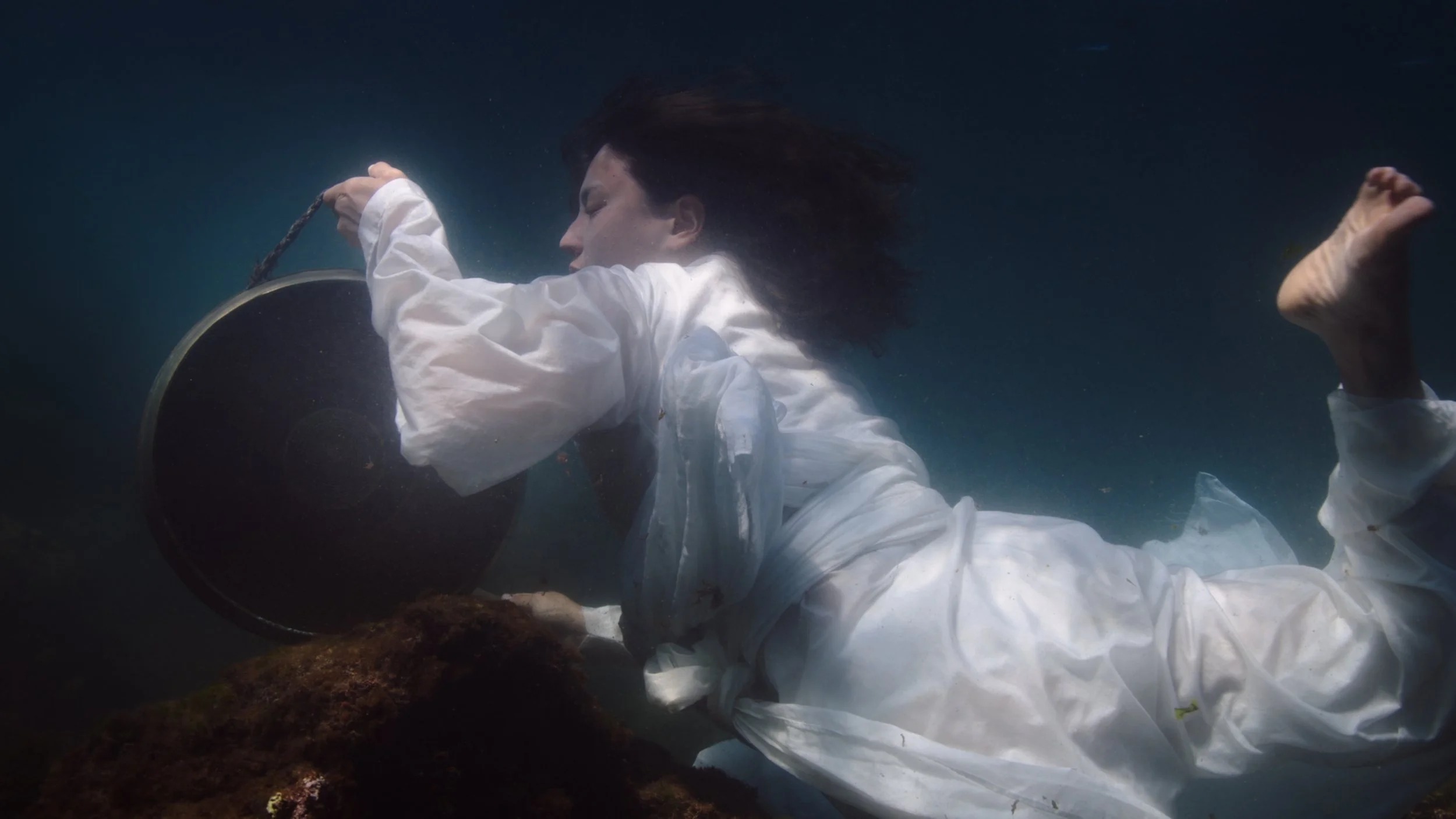
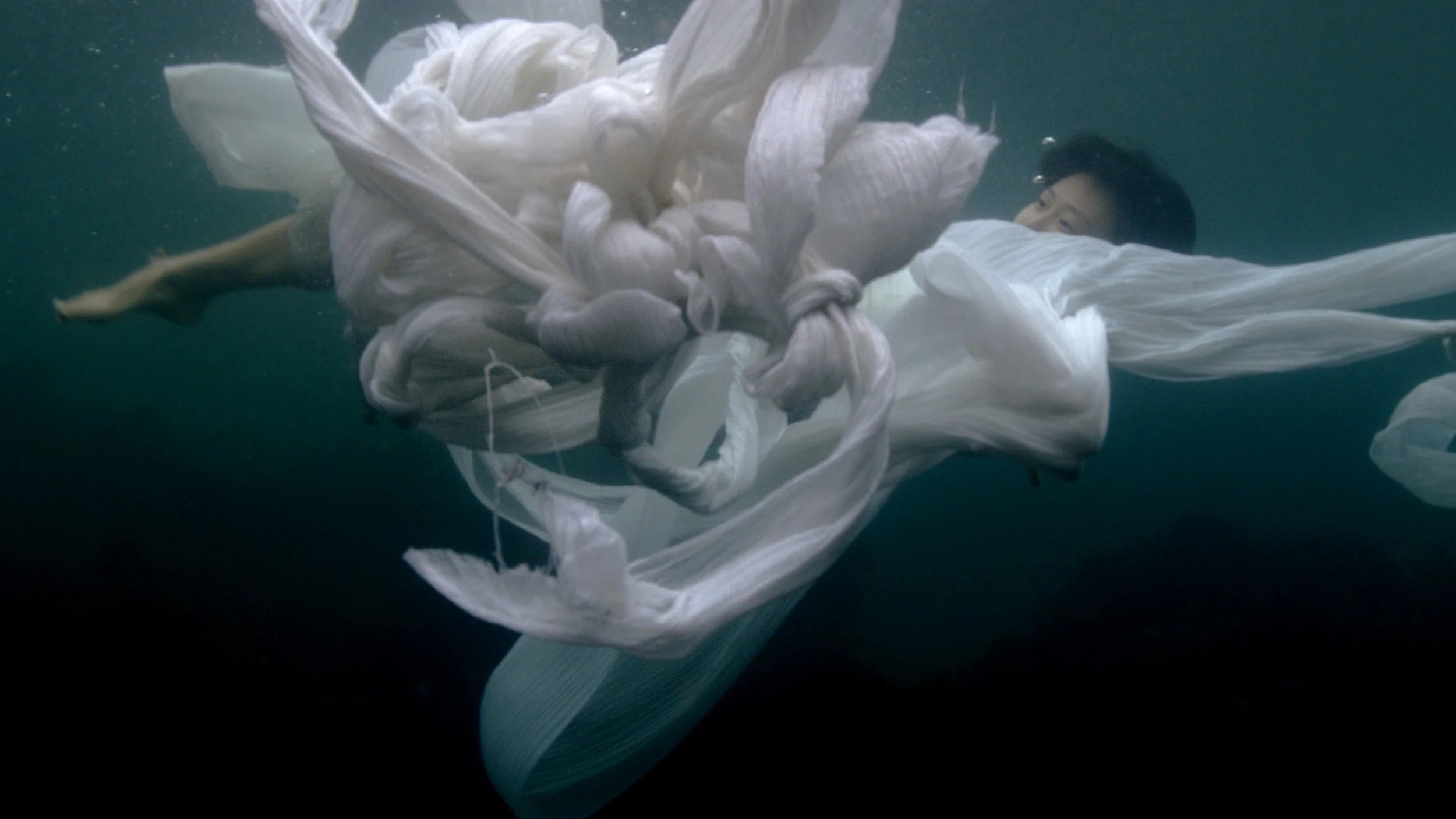
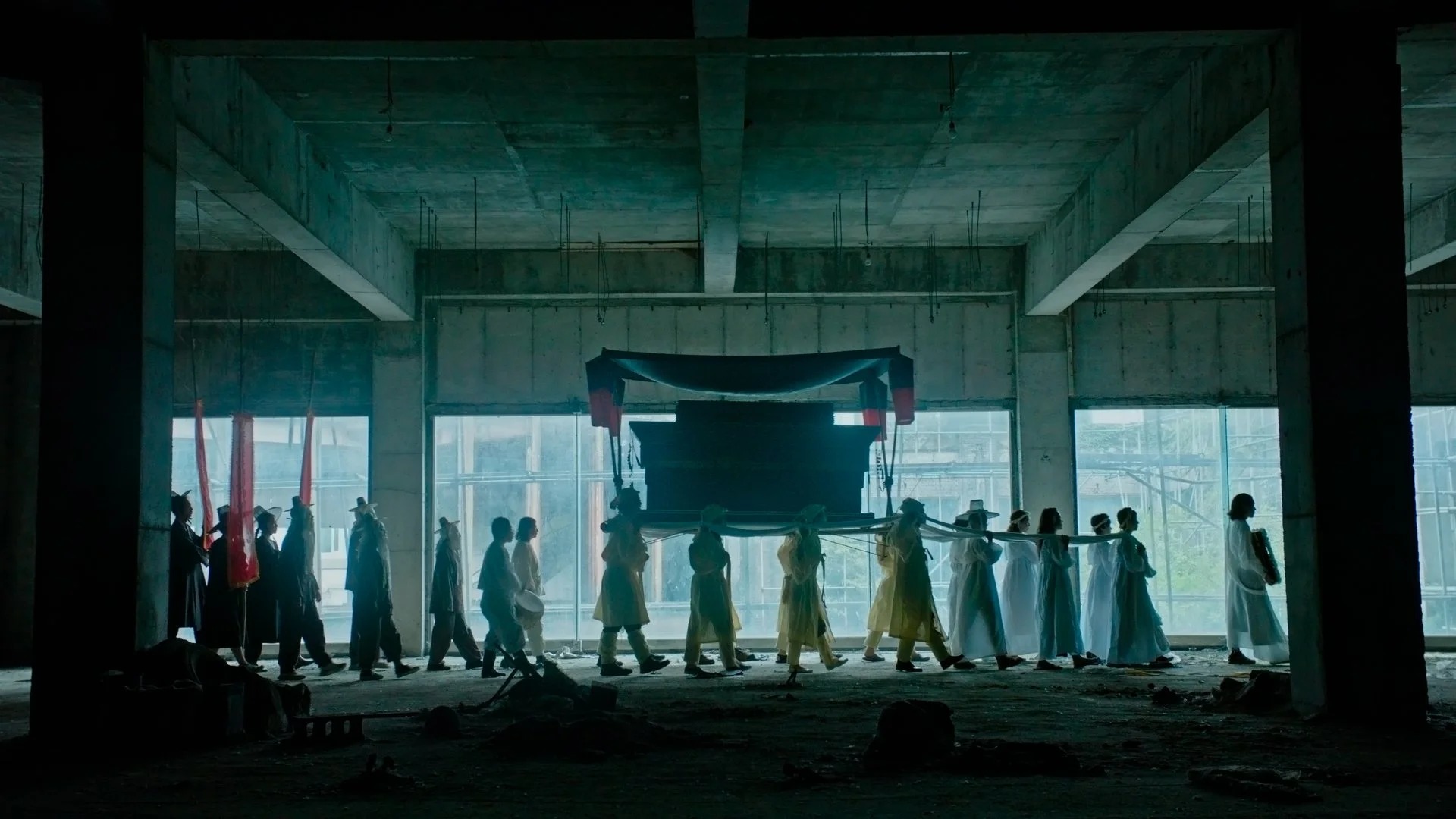
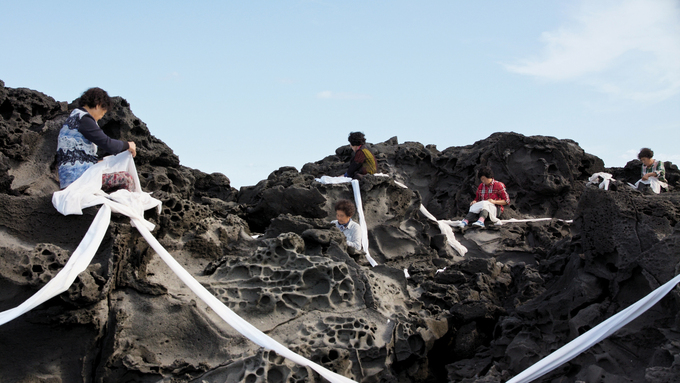
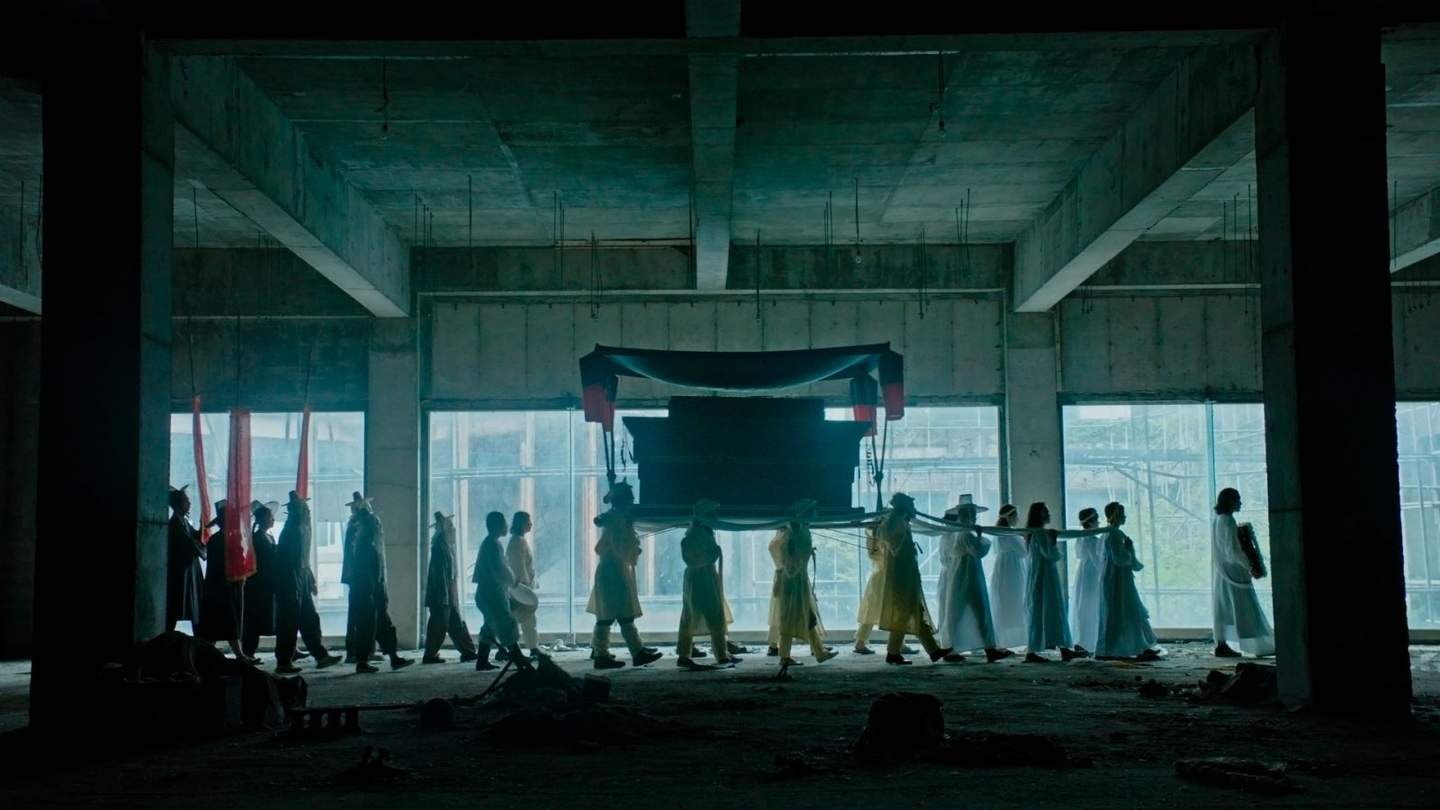
Wreckage depicts Jeju and its traumatic history during World War II; Halmang refers to the Goddess of the Wind, Yeongdeung Halmang, and her protective powers towards the women sea divers, the haenyeo; Guardians portrays another generation—children around the volcanic landscape of Jeju, playing with votive figures that protect and guide the dead; Offering takes us into the waters of Jeju, where a rite of transformation is performed in the sea; Burial of this Order leads us through a funeral procession for all the orders we humans have disrupted and all the worlds we have broken.
Each work prompts us to look in detail and observe the power of remembering and feeling the pain of the past in the present while paying attention to the beliefs and rituals that serve as landmarks of respect to the natural order and support for the community. It also allows us to acknowledge the functional myths that remind us of our vulnerability and of the ancient origin of the first human settlements in a place like Jeju, as well as the importance of re-enacting and performing our bonds with the natural elements in that place.
Jeju emerges through the work of Kaisen as a particular repository of our thoughts about our place and our role as a species on this planet. Jeju was formed as the result of an underwater volcanic eruption more than two million years ago. It possesses a special status in the minds of Koreans.
It was an independent country at first—it was later invaded by the Mongolian Empire that introduced the ponies, before being returned to the power of the Goryeo Dynasty that shaped Korea for about a thousand years, and then being colonized by Japan in 1910 until it became an independent province in 1946. Jeju, though, independently of its factual history, represents a very needed otherness and a counterpart to the mainland.
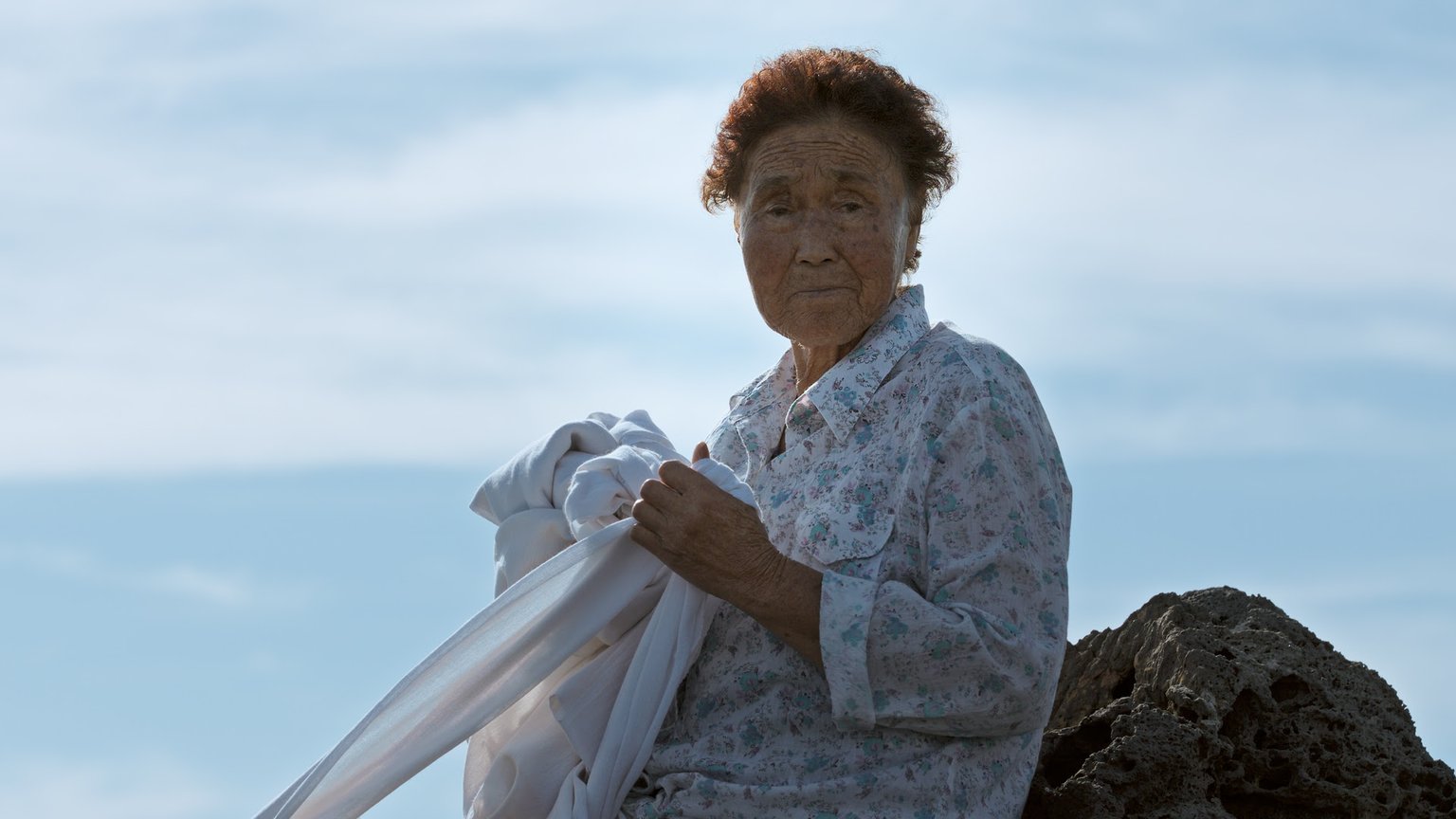
Jeju is a real place with real struggles of maintaining a balance of traditions and a balance with nature while facing continuous and growing exploitation, tourism, as well as the capitalization of all that is precious and sacred for a specific community. Jeju is also the land of women divers. It is extremely interesting how the existence of a community of women working at sea at its core creates a different perception of age and gender.
The unusual and incredible strength of these women, both young and old alike, allows them to perform these tasks, culminating in the very idea of “inheritance.” Inheritance is the name we give to the legitimization of the source we want to be part of. Women are usually not placed at the center of that source. Mothers give birth to their children, yet it is fathers who receive the honors of inheritance.
Jeju changes the symbolic meaning of the narrative by creating new etymologies that stem from feminine divinities—the goddess of the sea and wind that embraces us, the mother of fire that sleeps within the volcano, and the women divers embody this symbolism. It is extraordinary how the presence of women in the arduous work of shellfishing and spearfishing is capable of transforming the understanding of an entire community.
I belong to one of the few cultures on the northwest coast of Spain where women catch precious barnacles by tying themselves to the rocks of the cliffs. The origin of women’s presence in these jobs is uncertain, but we certainly owe it to a great demand. Women capable of overcoming the immense force of a hard, cold, dark ocean with strong currents, who are also adept at maneuvering the risky paths along the cliffs, are at the origin of the change in mentality.
If patriarchal culture sees women as passive beings, waiting for someone to come along and marry them, or are at the mercy of their fathers and brothers with no autonomy over their lives, the women of the sea in Jeju are active agents of change and mediators of that major conversation we must have with the natural world.
III.
Jeju is the epitome of otherness. The strength of Kaisen’s work lies in her ability to capture this dimension. Her work creates extremely powerful images because it focuses on a peculiar trait: not on the images’ ability to show or represent, but on their ability to bring something to life––specifically, the ability to breathe life into past images, mental images, dreamed images, or desired images. Her moving images ooze vivacity.
This ability is paradoxically more akin to poets and poetry than to film or video art––paradoxically in the sense that moving images tend to show the reality of the world rather than recreate a certain world energy. However, Kaisen’s work has a particular fondness for intense images, extremely vivid colors, and the creation of contrasts between all substances that appear in these images: the earth, the air, the water, and the bodies.
The rhythm—emphasized by the music, a sound production that shapes an image environment, making it seem like a vivid daydream—has an ultimate motive: to serve as a support for the generation of new stories. How many “Jejus” exist? Can we exhaust a place and its potential through storytelling? Or, on the contrary, the more we “extract” from it, the more the place is prone to generate unusual and surprising stories and myths.
As I mentioned at the beginning of my text, we are at a point in the system of economic excess and value creation where we need a different approach to the relationships that shape and configure our lives—extracting from nature to produce and consume, versus the creation of a discipline, a ritual, a performance capable of redirecting our desire to possess, and the greed drive.
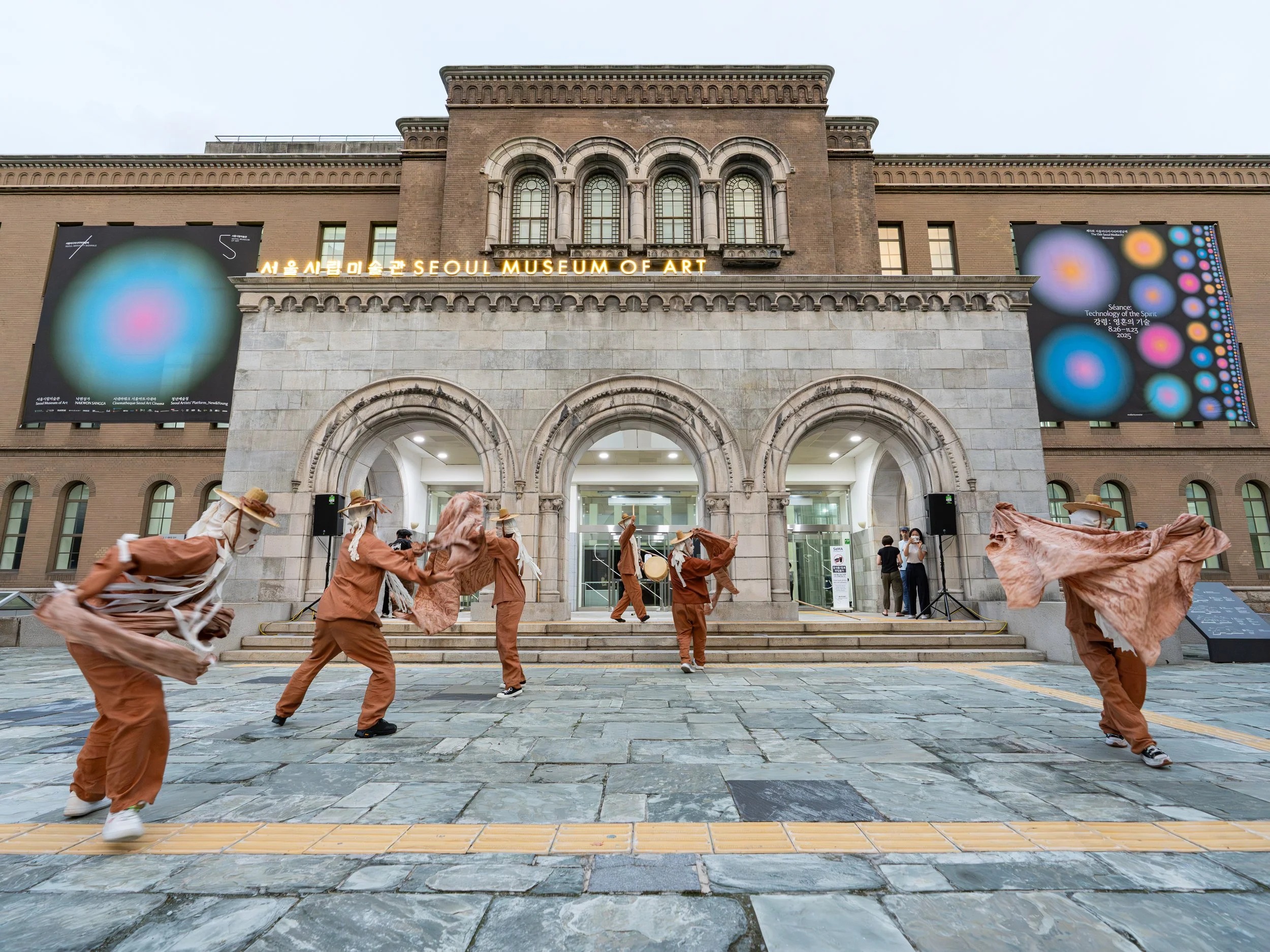
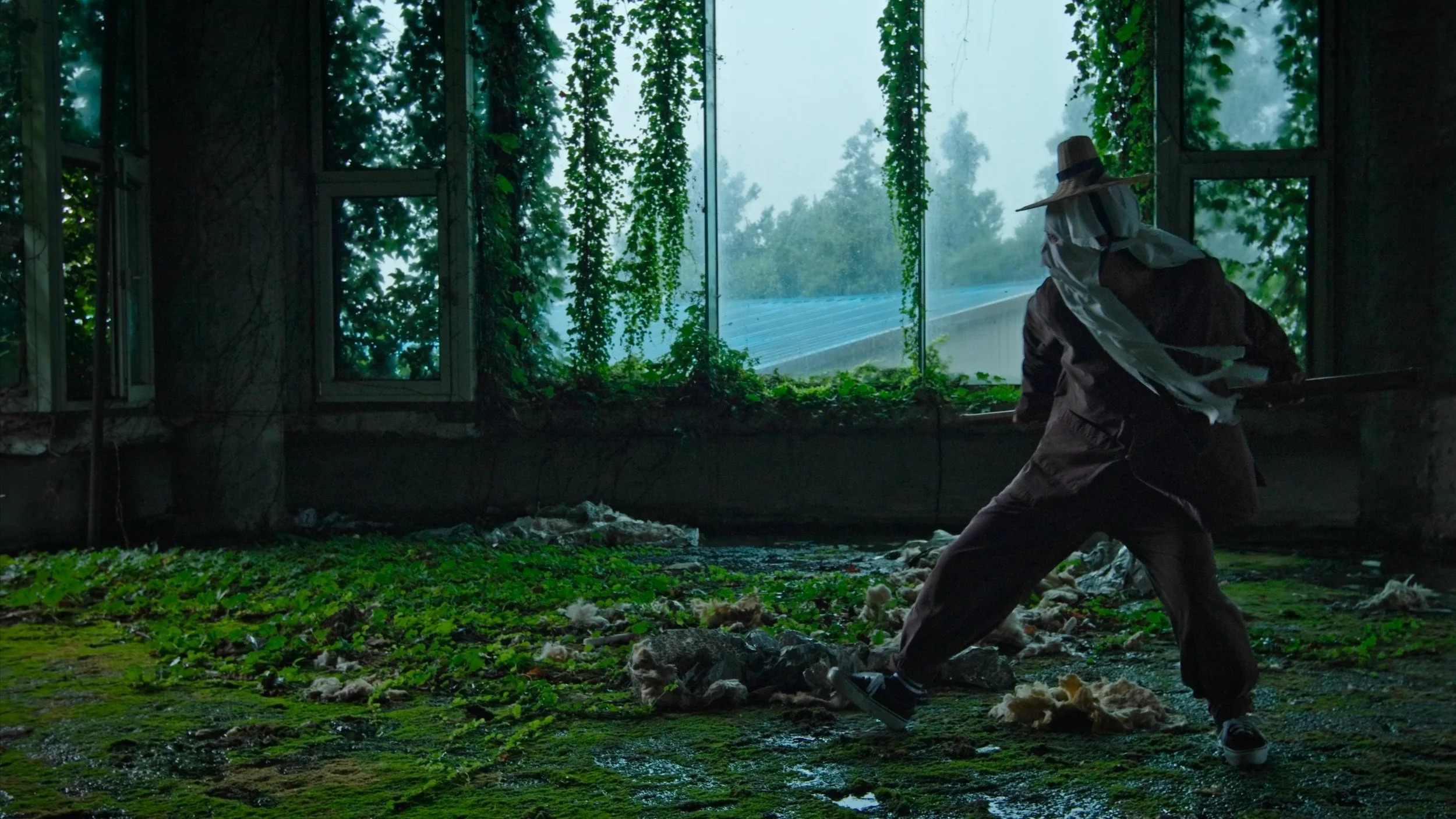
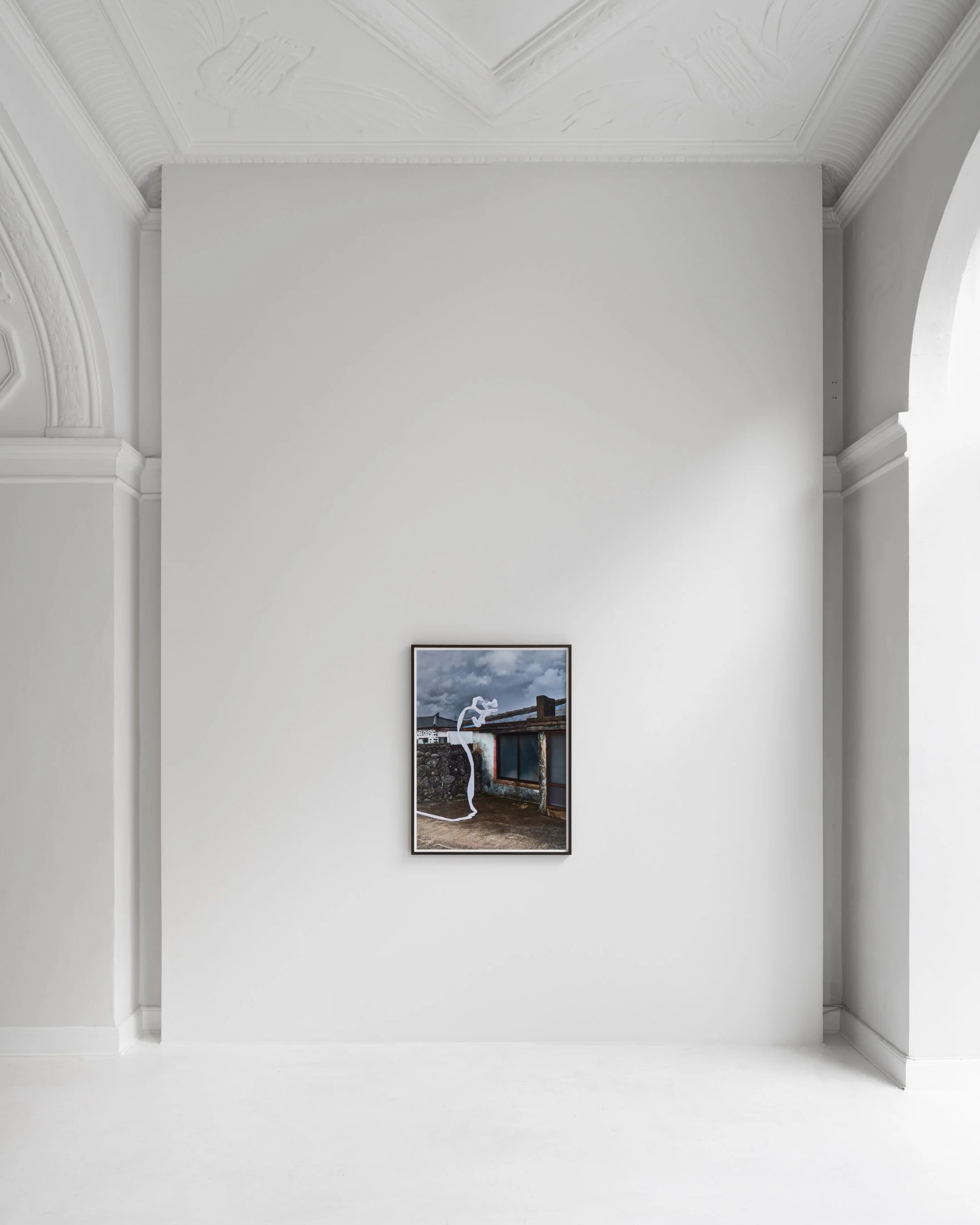
We also have to control the greed drive of capitalism through a new way of looking at the world. In Kaisen’s videos, the appearance of sochang, a white cotton cloth, serves as a thread that guides our bodies and minds along this new path of different and intense interpersonal connections—a thread of cloth that unites all participants in communion.
The thread symbolizes an umbilical cord; the ocean symbolizes the placenta; and the white cloth represents purity. It shows the possibility of starting the cycles of life again following a different logic. Through this fabric and the way the camera is moving, the energy that is created and distributed throughout all the works is ring-shaped, generative, and open. It is important to note that in all these works, there is no dialogue, and the characters do not speak to each other.
Instead, connections through touch, the rustle of the wind, the skin, facial expressions, the movement of the body, water, vegetation, the sky, figures moved by children, images rescued from the archive, voices, ancestral songs, and intense sounds—all become sources of eloquence except for the human voice in communication.
The feeling of being alive yet in another world and the ability to grasp our place and understand the meaning of coexisting with other beings and life forms are at the center of Kaisen’s work. Words and dialogues would push us out of this dimension and transport us into the realm of the human species—the only one that expresses itself in this way.
Nature chants, and we chant, too. Nature moves, and we move, too. Nature kills, and we kill, too. Nature performs rituals, and so do we. The work serves as a fabric, intertwining sensory powers irreducible to the five senses of humans.
Ⅳ.
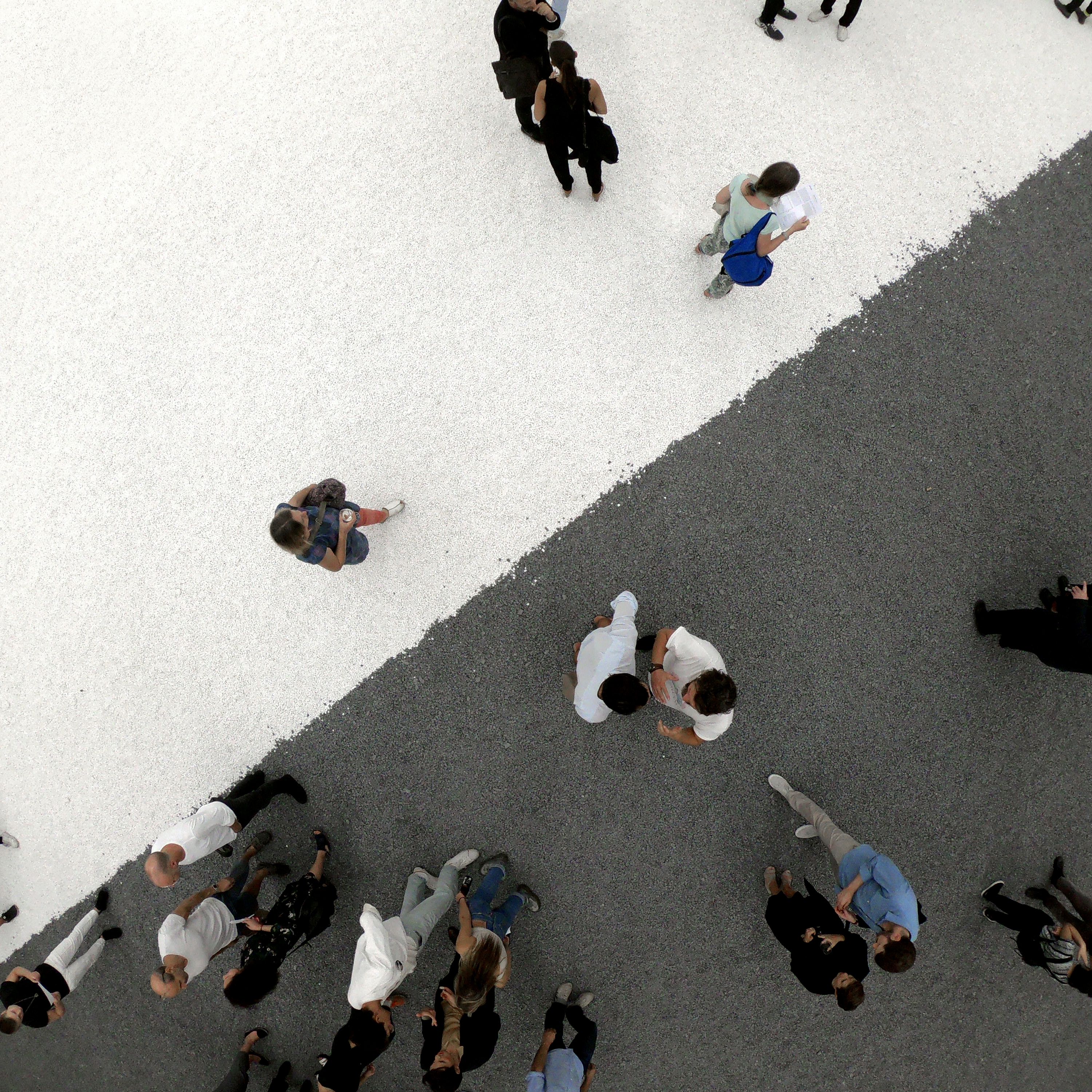
Intensity is a trait associated with affection. Affection is the capacity of a body to affect and be affected. The very display of the works in the space highlights a feature that is present in all the works: they root and unite. To root means to connect to a place by diving deep into what this place may represent in terms of the things that matter in life.
To connect is the act of linking bodies and synchronizing their ways of perceiving and feeling, creating a sense of trust and warmth that we immediately perceive as rewarding and worthwhile. As with medieval altarpieces in Europe or hand-scroll paintings in Asia, the work of Kaisen forms a grand vision of a world through the creation of scenes that may seem independent of each other, but belong together.
The crises of language and representation can be addressed by revealing real alternatives and embracing other languages. We need to find places where we can anchor the desire for a sense of dignity, relevance, and a language that finally embodies generosity towards life, freeing us from the dynamics of destruction and violence that surround us.
Jeju is one such place—a place that needs to be built. It is also an ideal, not only a specific geographical location. Jeju is also a method that shows us a connection between wide-ranging knowledge, generations of people, myths, rituals, and the wisdom of the Oceans and Earth that constitute our home and provides an associative philosophy that may give birth to hope.
The work of Kaisen offers a contrasting model to the model of life we all are in. Her artistic language alludes to the past, but it is not nostalgic for it. It takes into account the crimes committed in the past but is not undisturbed by them either. Her work embodies change, but it is not merely about transformation—it is about a partial change of attitude and behavior that will slowly make a difference.
Her work is also about mutation—the possibility of the appearance of another reality, shattering what we altogether perceive to be real, and entering another dimension. It is, at its core, a technological work—one that believes in the power of a code capable of generating another reality. We can easily comprehend this when it is applied to AI, but we need to understand that art, performance, and moving images capturing this force also constitute a code capable of leading to the emergence of a world so big that it may displace the existing world.
Just like in sci-fi movies, or how lines of a beautiful poem displace the status quo to emerge and make space for themselves. This is the force that holds all these seven works together. The number “seven” has been used since ancient times to create a code, a symbolic language, capable of signalizing that the sum of all these forces, myths, and references to the spiritual realm, is not only a metaphorical force—it also has a real agency in the present.
They represent the possibility of creating a connectivity with the real, spiraling from the outside world into the inner of the human mind to create an awareness and enlightenment of how to live better, from now on. The seven works, forming a spiral, represent an evolution and growth of the spirit that must have an effect on our decision-making, values, and goals.
Let me have no shame
Under the heaven till I die.