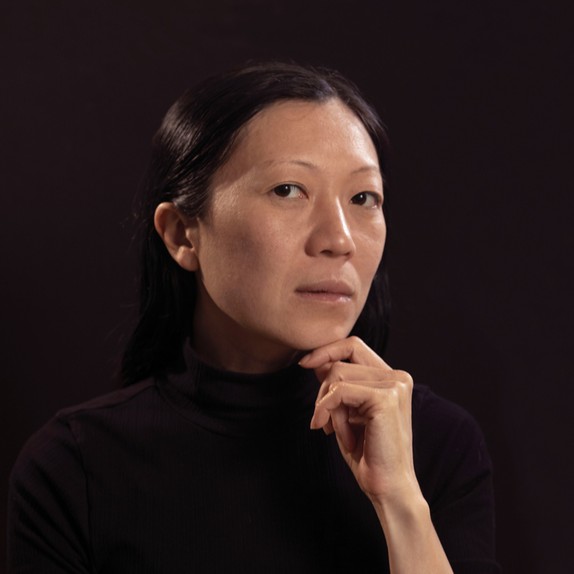
Jane Jin Kaisen’s practice has explored how memory is formed and transmitted at the intersection of personal experience and political history. Born in Korea and adopted to Denmark, her own experience became a point of departure for considering migration, borders, belonging, and translation, while her practice gradually expanded toward fragmented memories shaped by war, division, and state violence, as well as voices that have not been fully articulated within official histories.
Rather than reconstructing past events into a single, definitive narrative, Kaisen brings together experiences and testimonies spoken from different positions, including those of survivors, diasporic women, and local communities. Her work has long centered on how personal memory and collective history affect one another, who is able to speak history, which memories are transmitted or excluded, and how experiences can be translated across different places and languages.
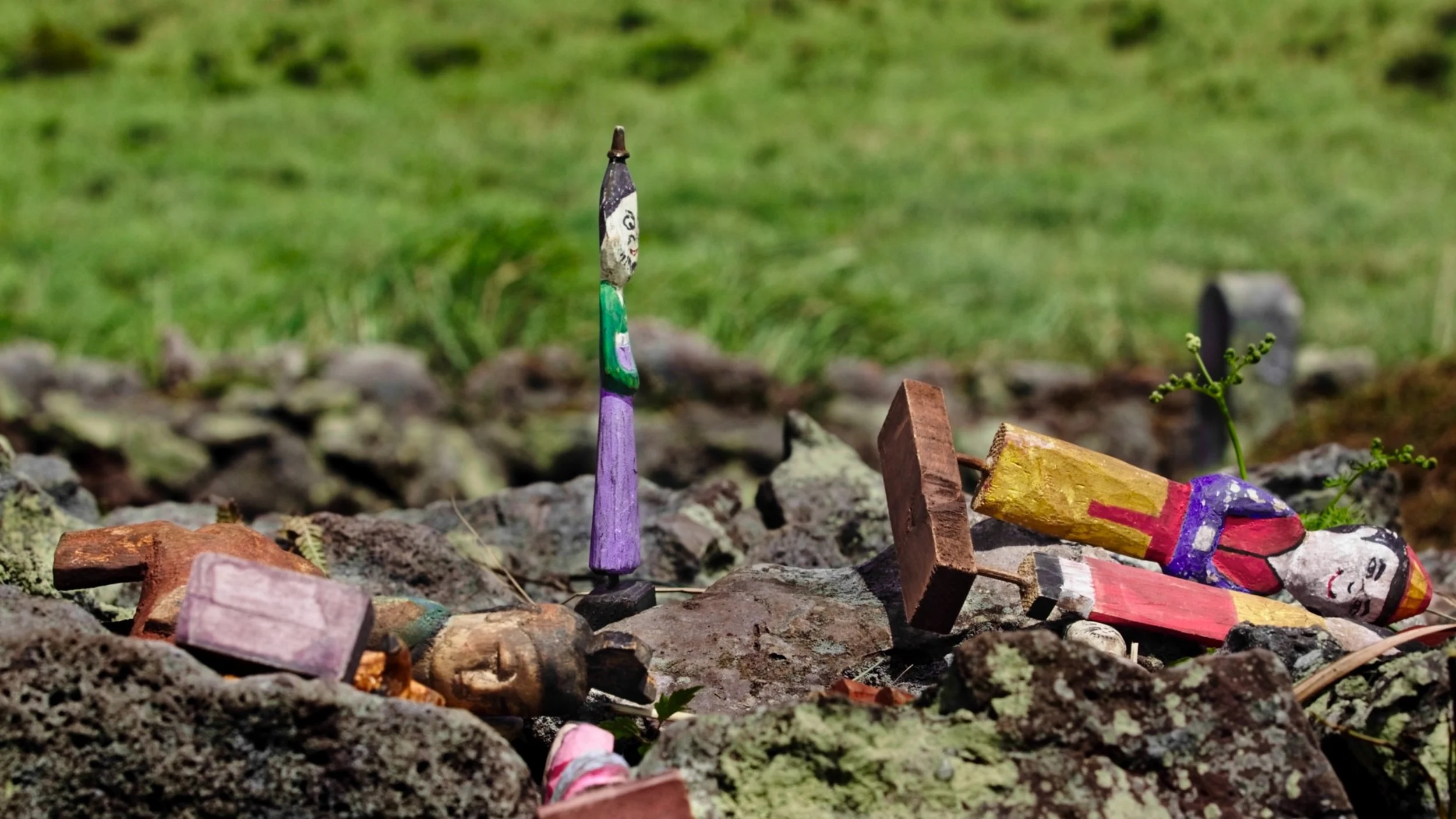
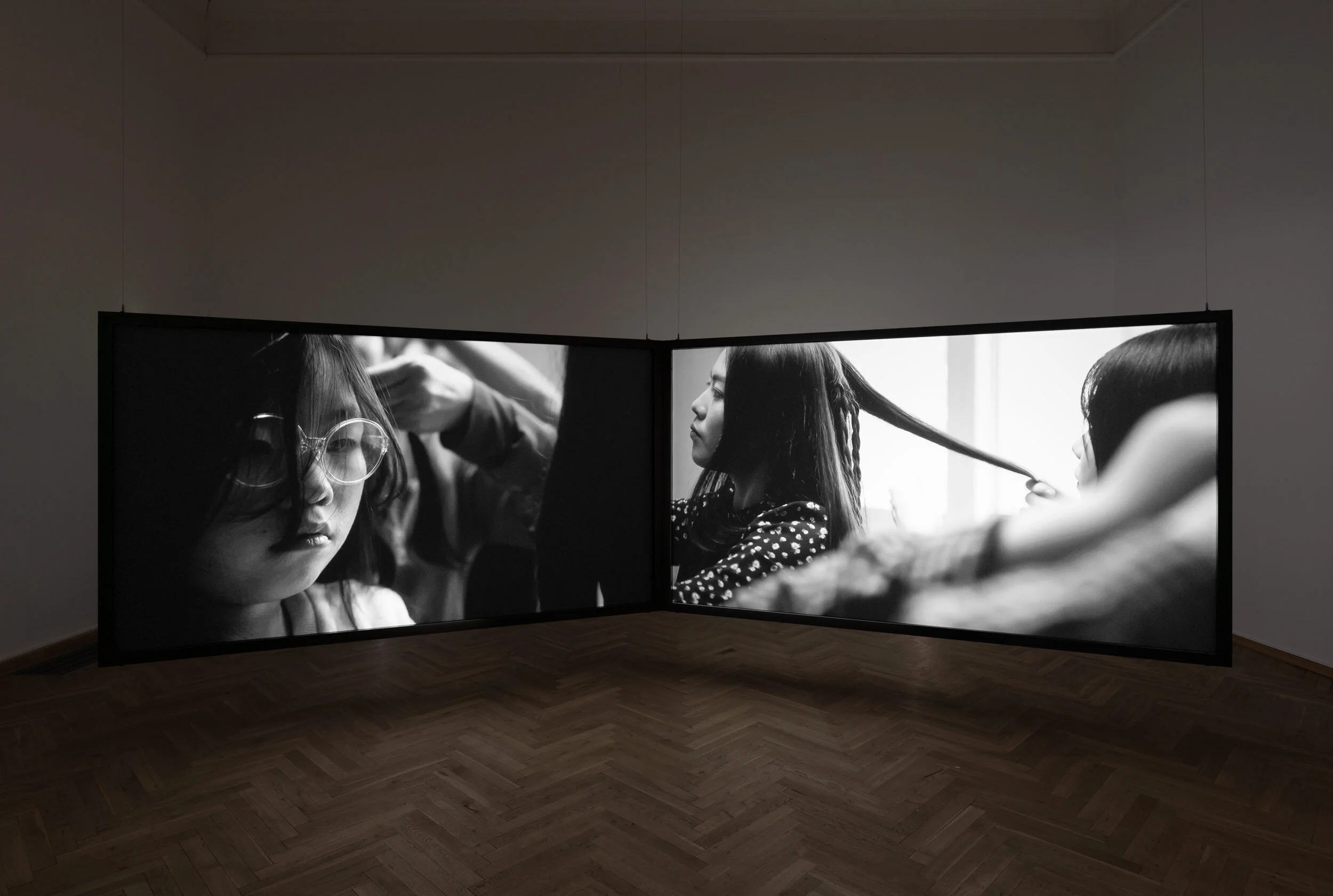
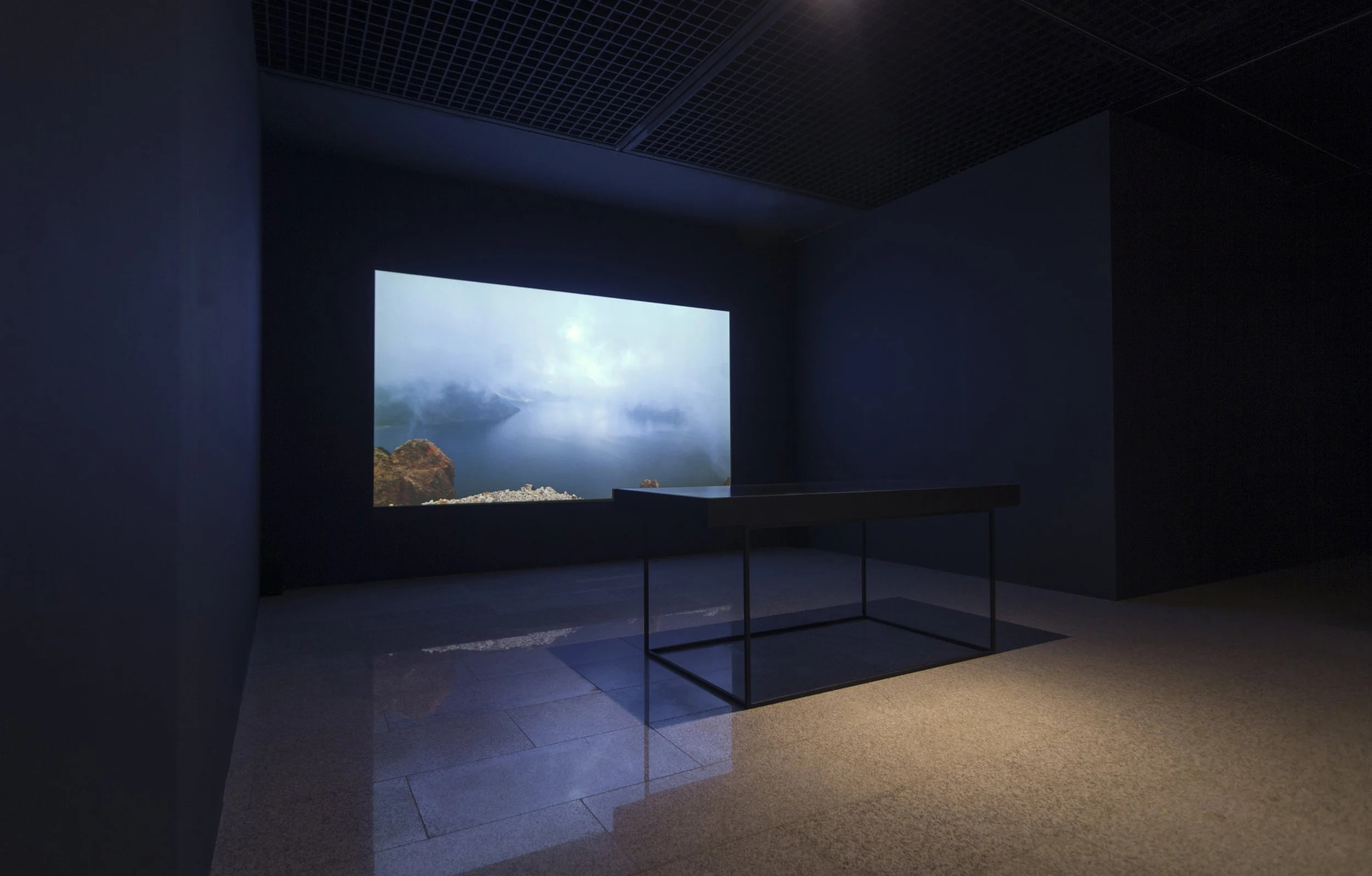
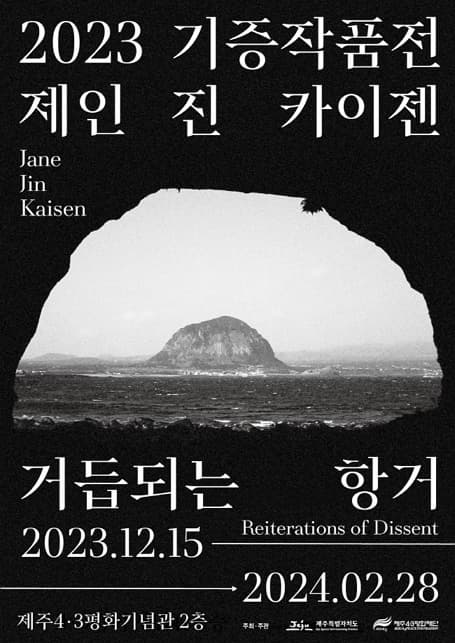
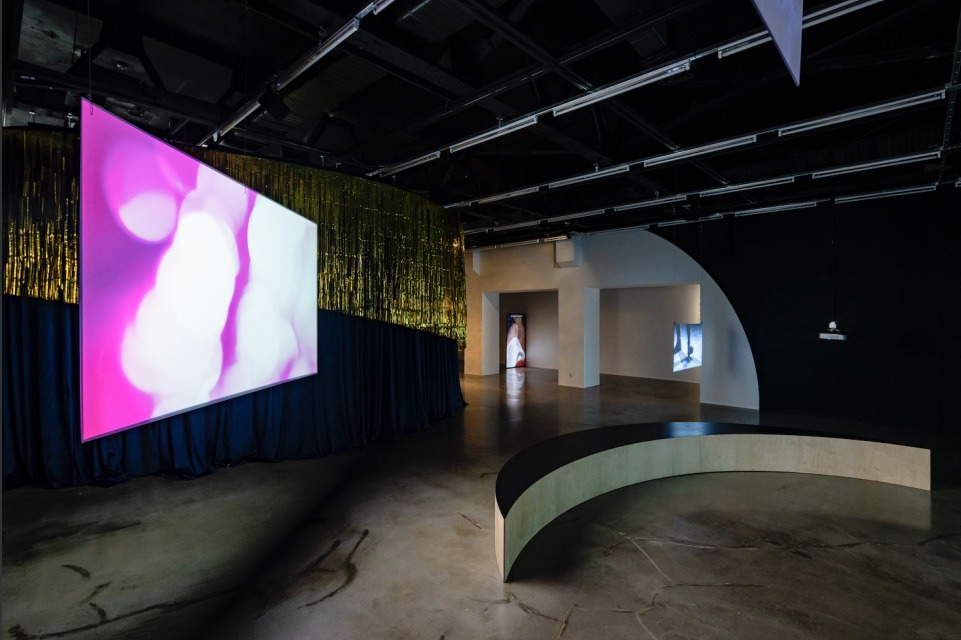
Jeju is a site where these concerns intersect with particular intensity. In Reiterations of Dissent, Kaisen traces how the suppressed history of the Jeju April Third Massacre and its unresolved trauma continue to reverberate through the island’s contemporary landscape, literature, the memories of survivors and bereaved families, and shamanic rituals. In Community of Parting, she extends these concerns into myth, ritual, and the experience of female diaspora by reinterpreting the myth of Bari through a feminist perspective.
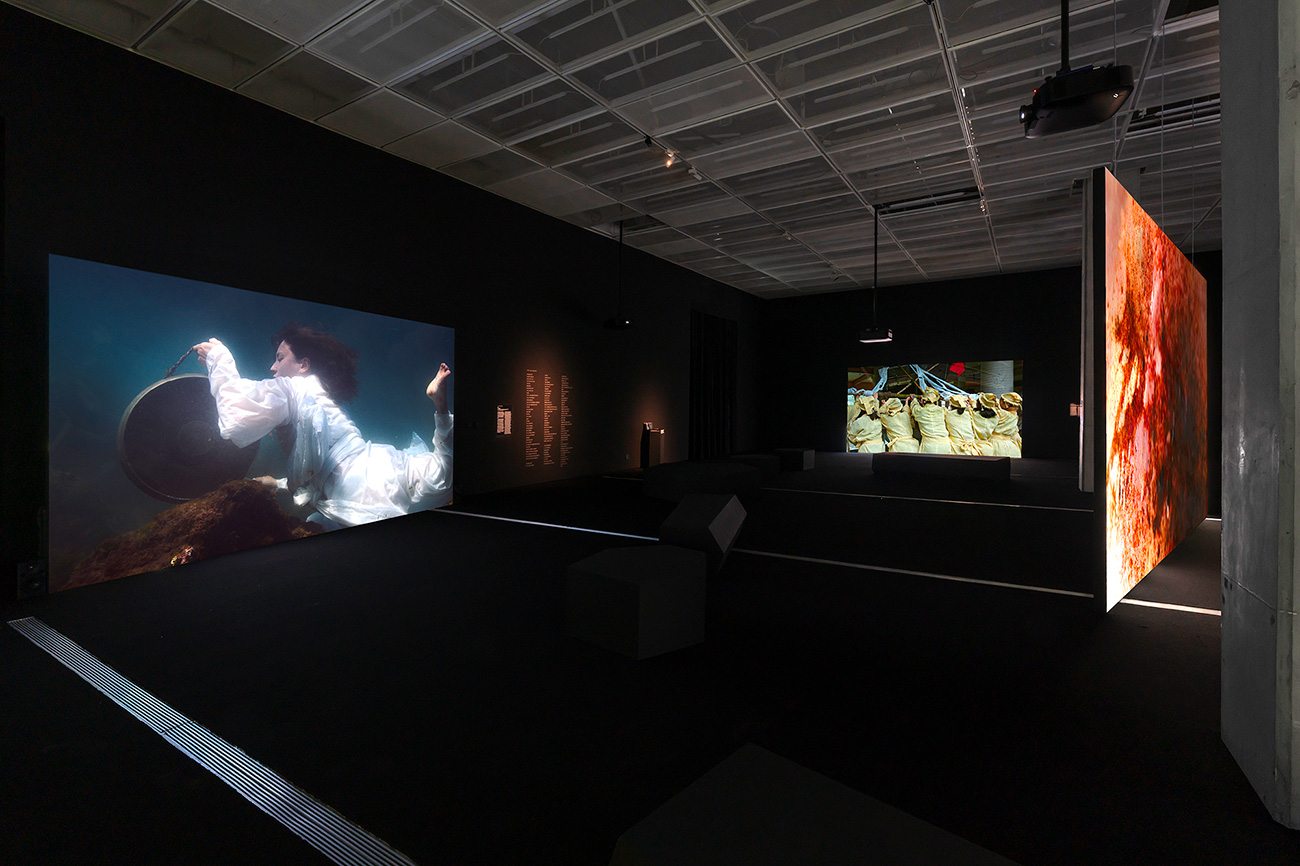
The story of Bari, abandoned at birth and later becoming a mediator between the living and the dead, intersects with Kaisen’s own experience of adoption, the voices of Korean and diasporic women, and the rituals of Jeju simbang shamans. Here, myth functions as a medium through which different times and experiences can meet and memories displaced from established historical narratives can enter into new relationships.
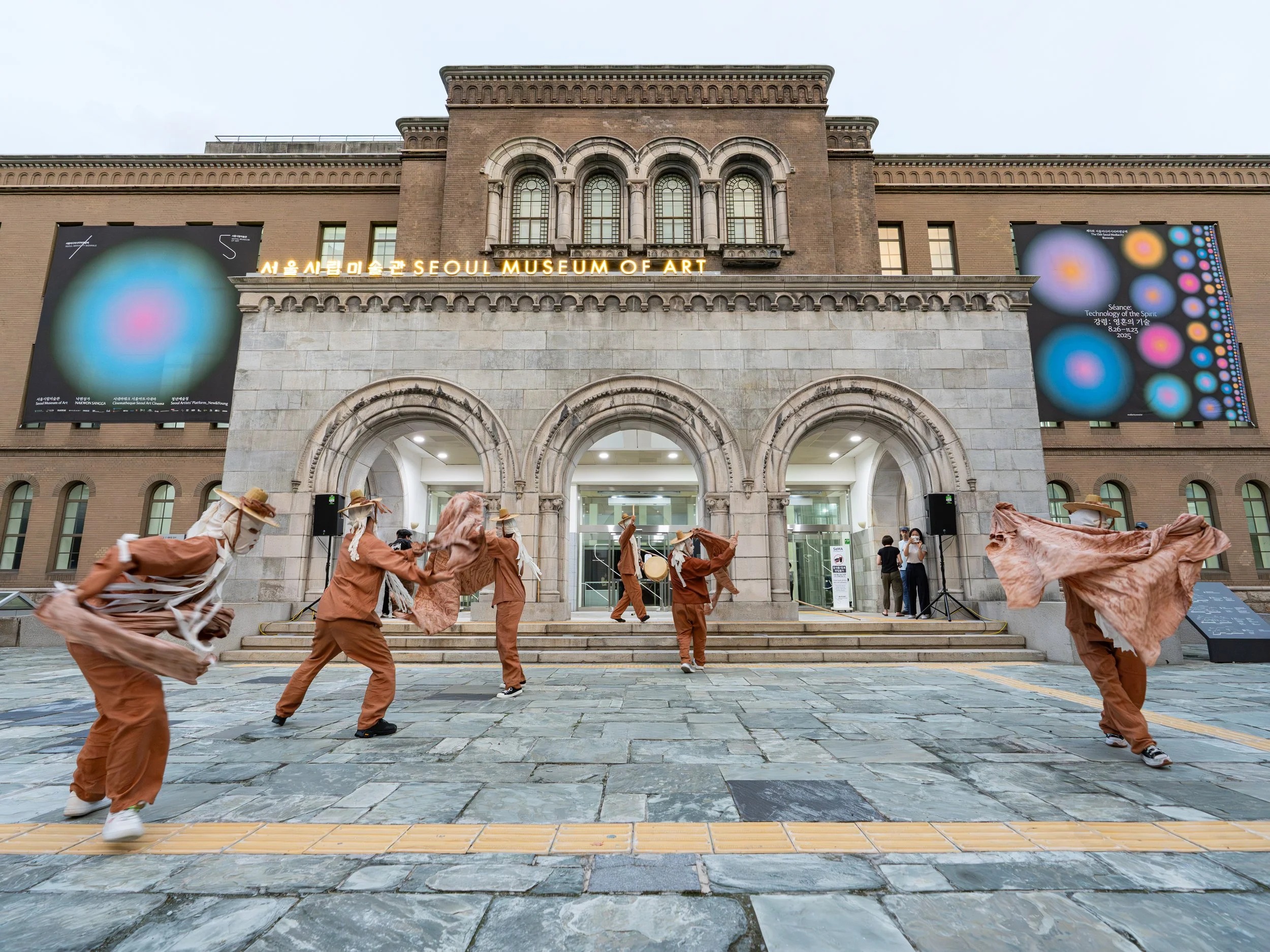
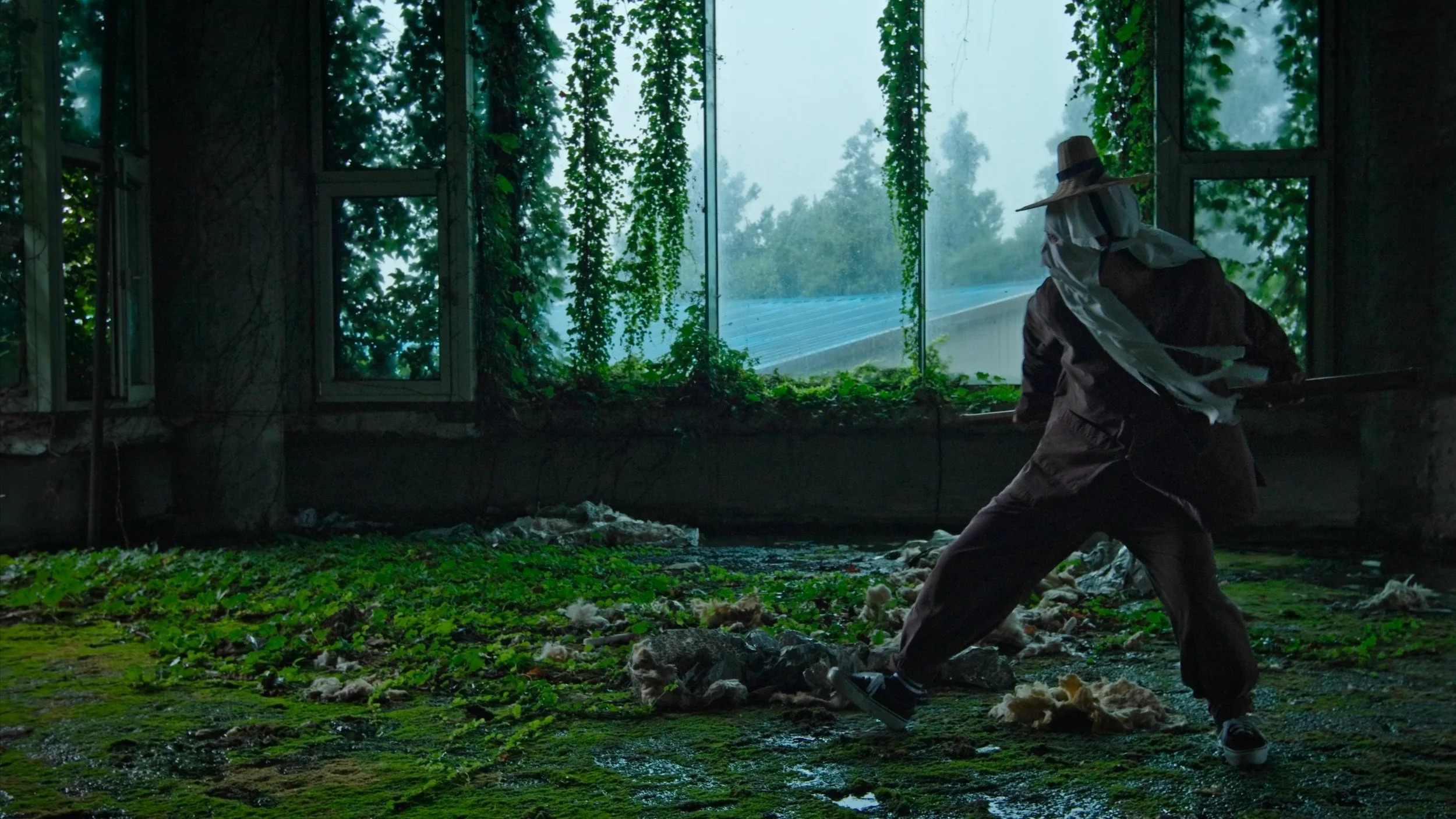
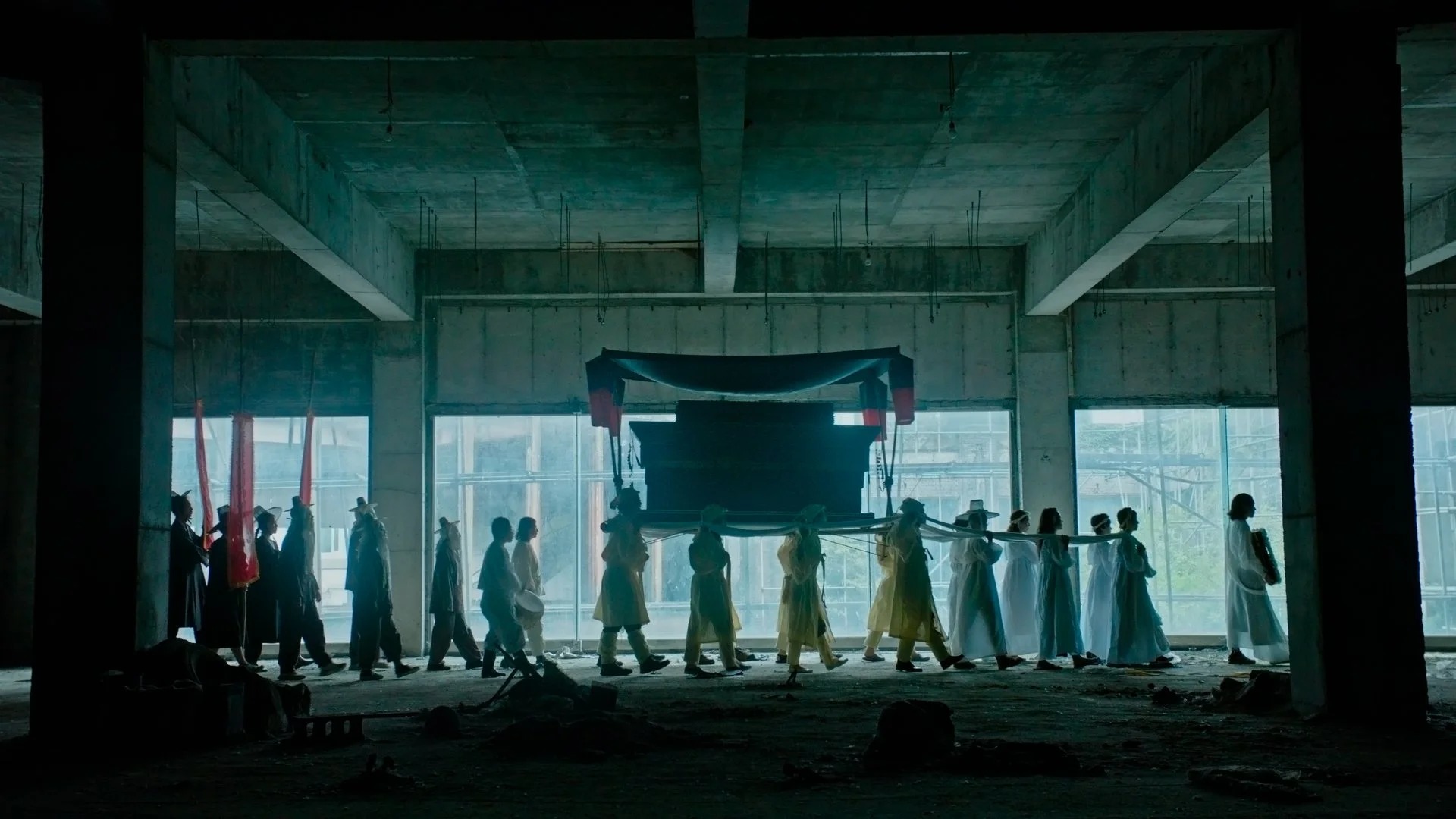
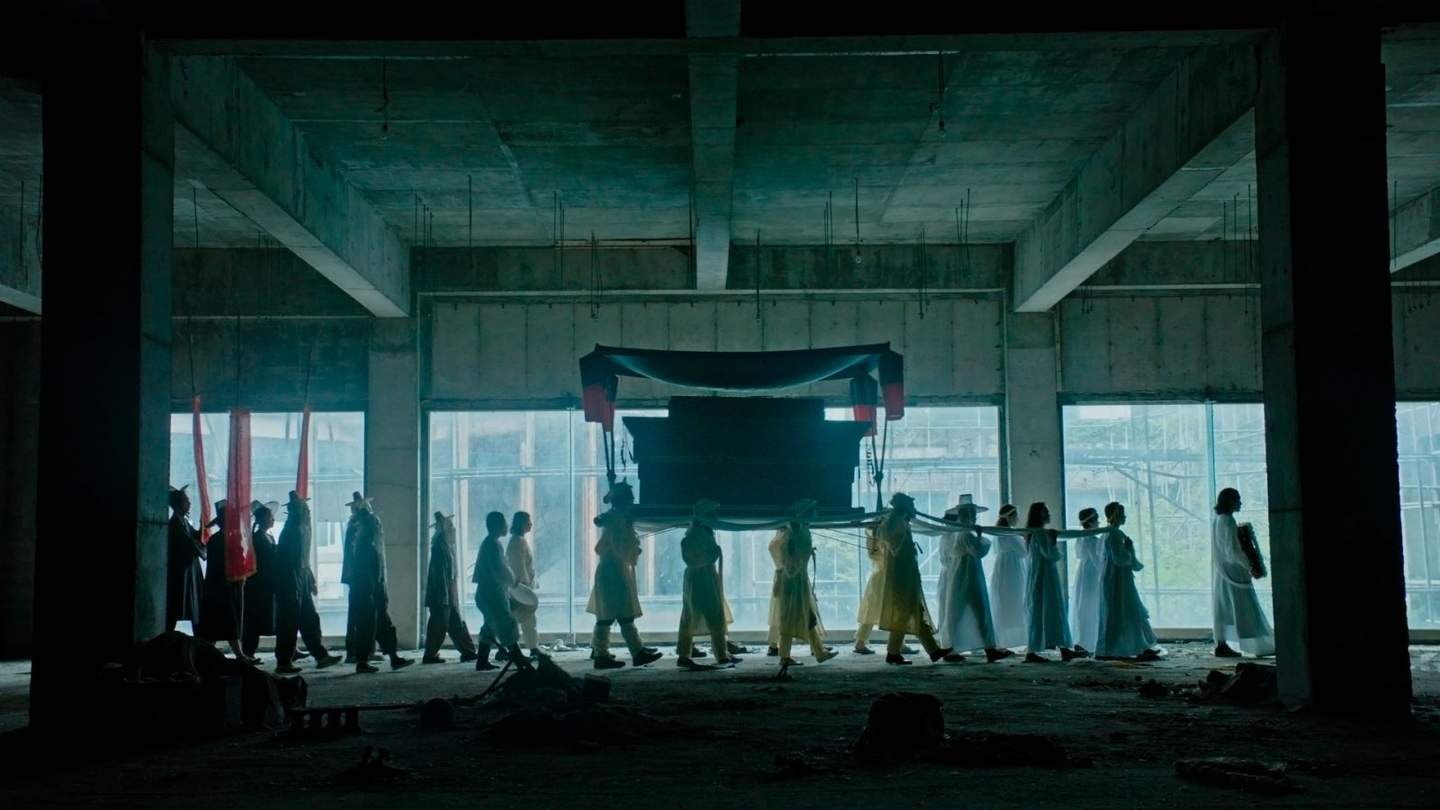
For Kaisen, ritual and spirituality are likewise active practices rather than traditions preserved solely as remnants of the past. In Burial of This Order, she draws on the form of a traditional funeral while bringing together musicians, artists, environmental activists, members of the diaspora, queer and trans participants to perform the burial of an existing order. Roles traditionally determined by age and gender are rearranged, while funeral ritual, political protest, and carnivalesque performance converge within the same scene.
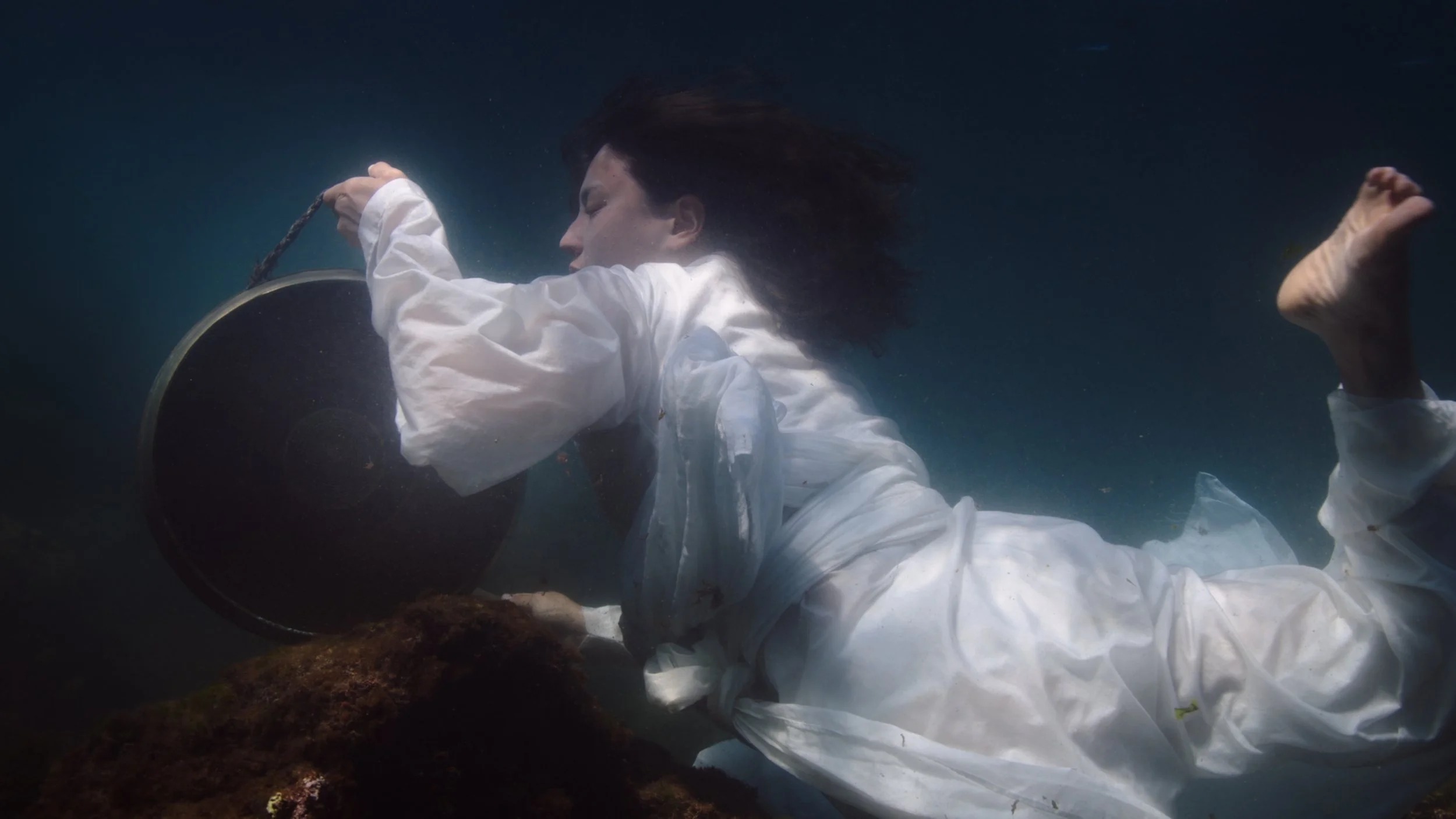
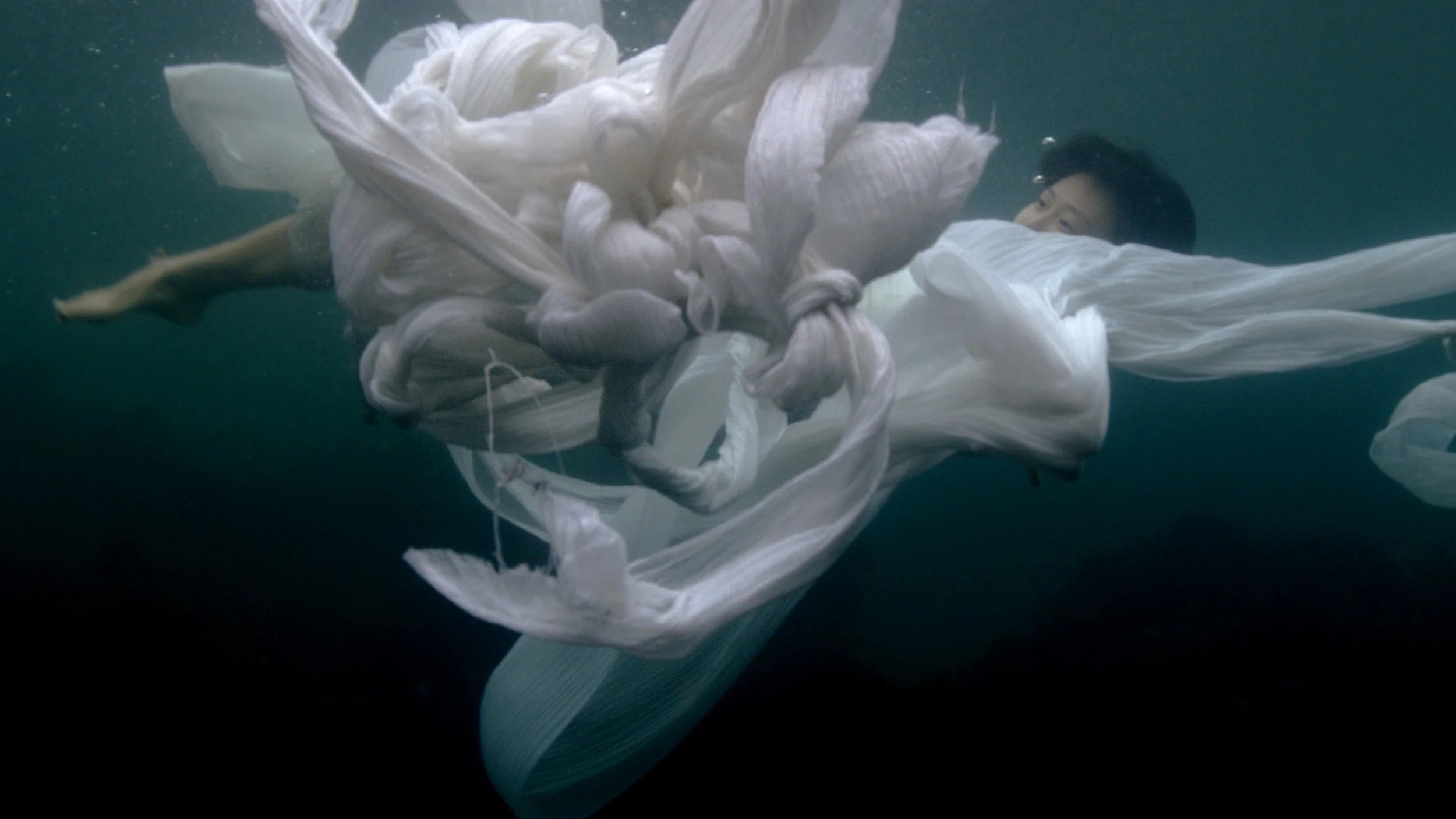
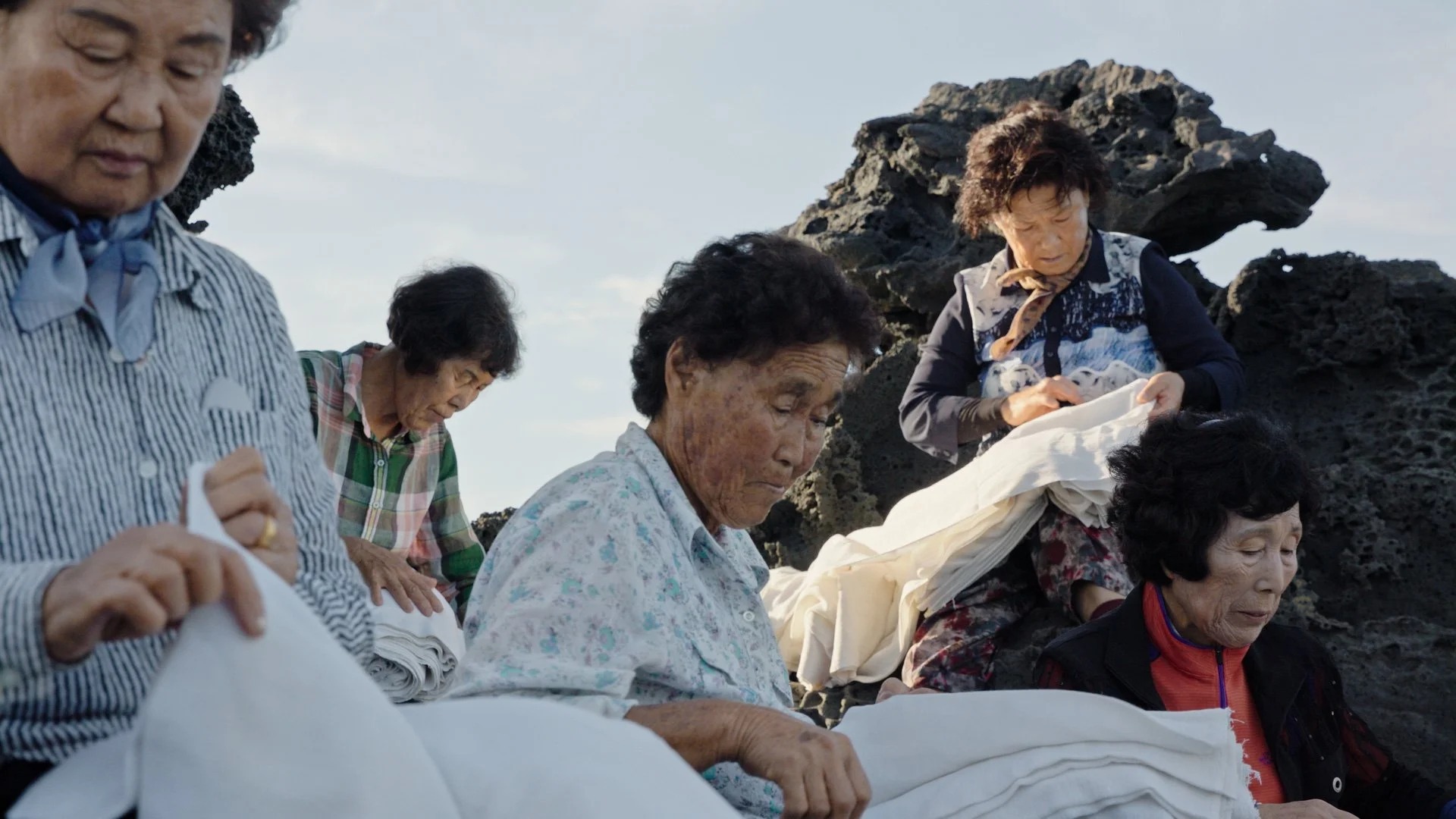
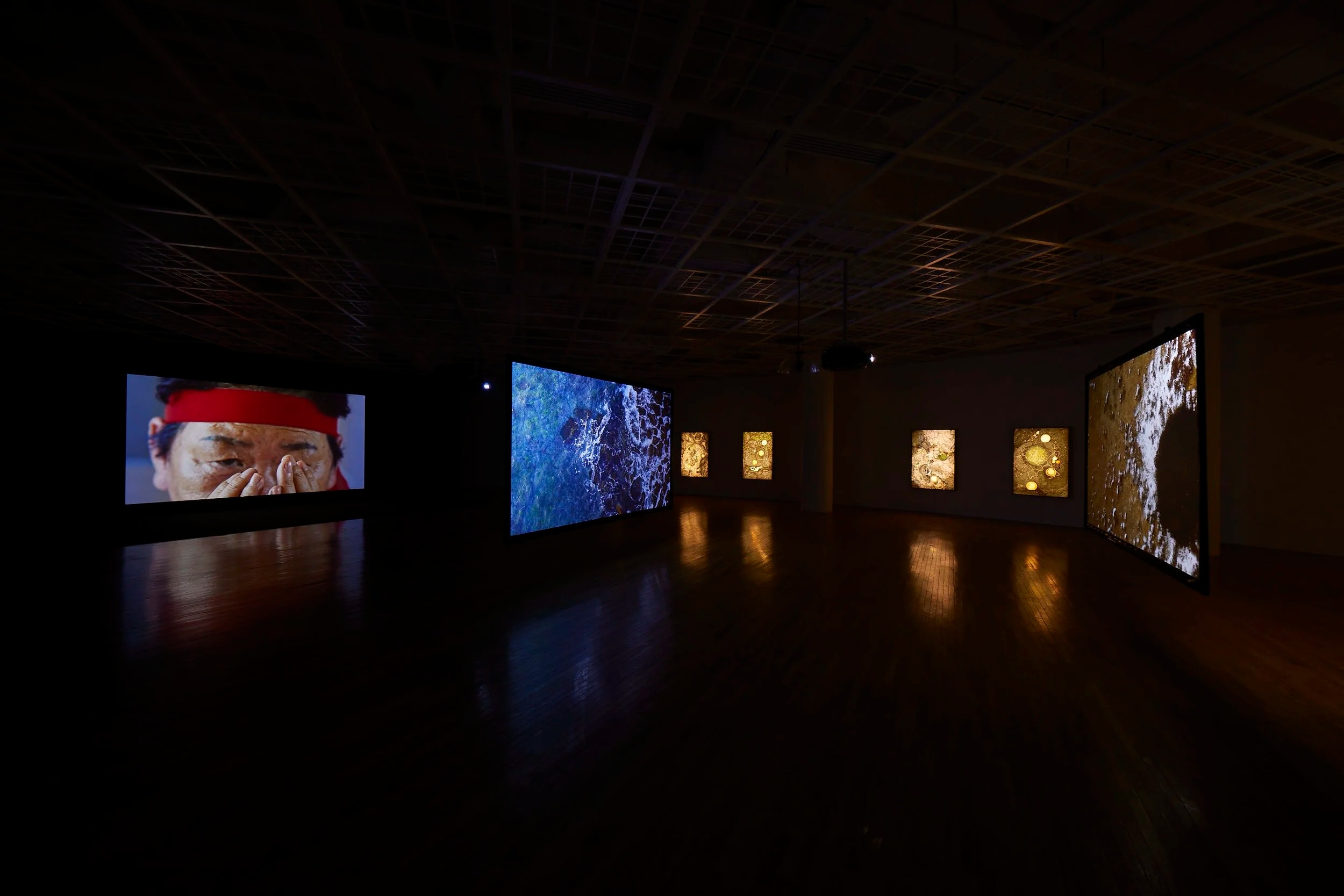
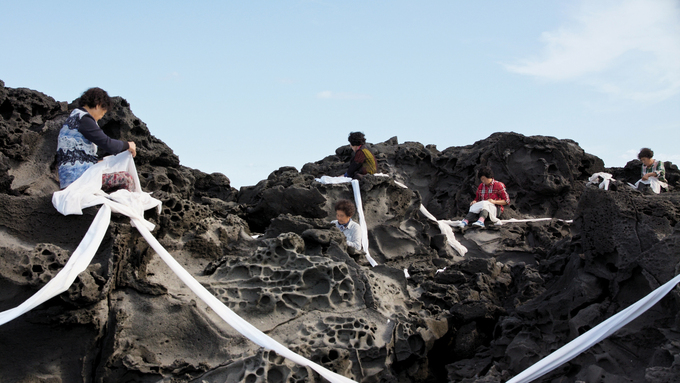
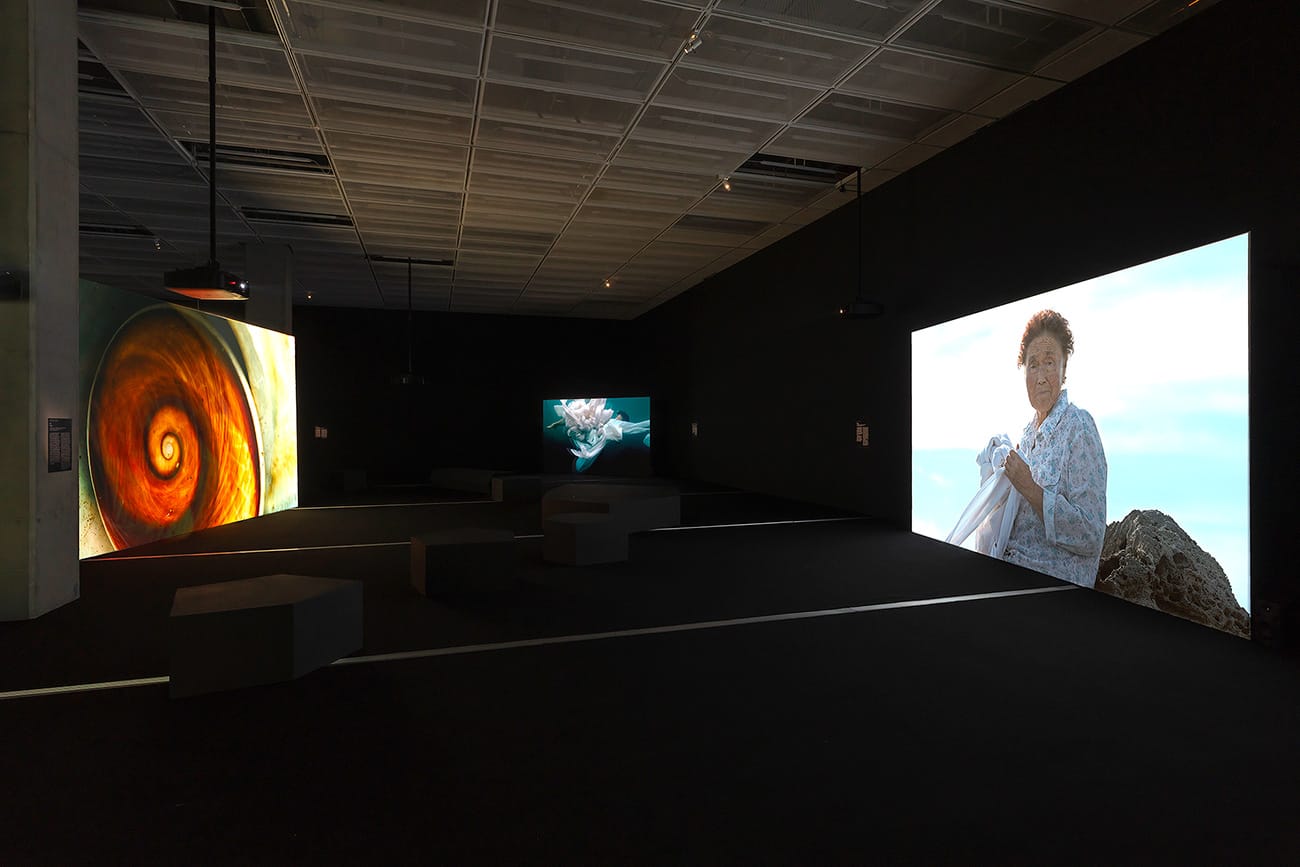
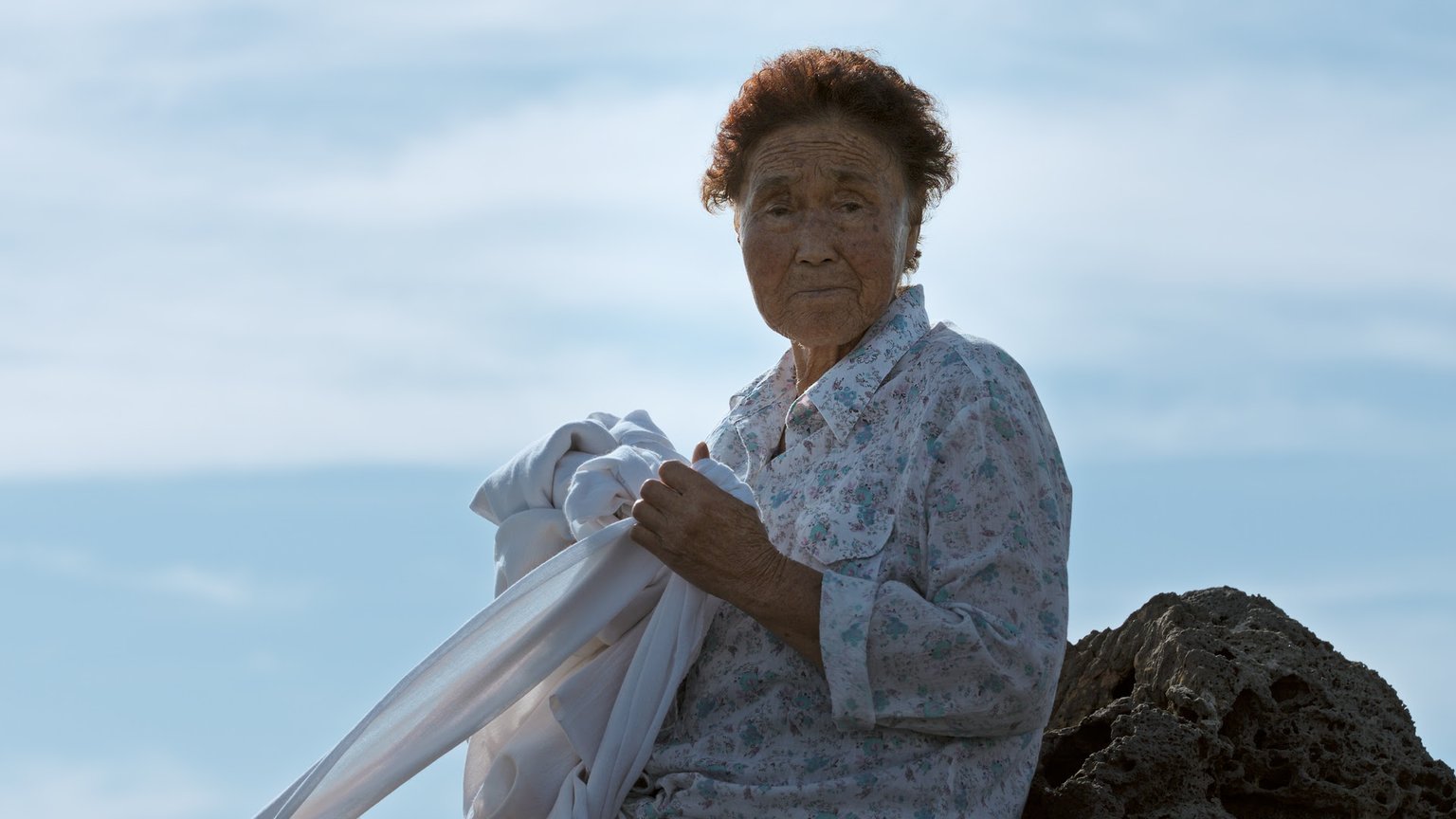
In Halmang and Offering, these concerns extend toward the lives of haenyeo, gendered labor, matrilineal memory, Jeju’s shamanic goddesses, and the sea. Her collaborations with haenyeo in particular bring spiritual practice and everyday labor into the same field of attention, revealing how personal family history and forms of knowledge passed down through generations of women intersect with present-day environmental concerns.
By reactivating myth and ritual under contemporary conditions, Kaisen unsettles socially prescribed roles and relationships while imagining the possibility of other forms of community.
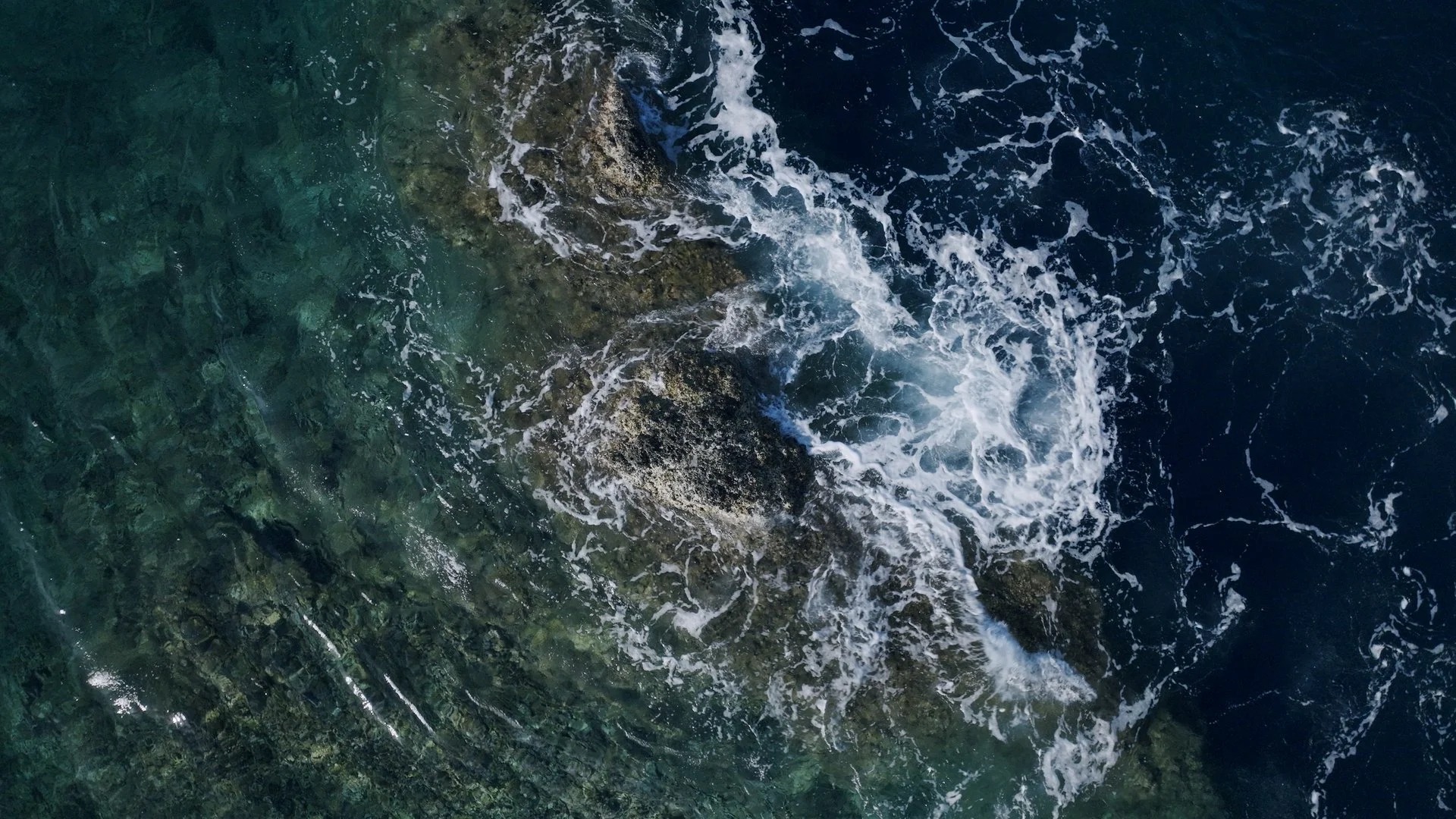
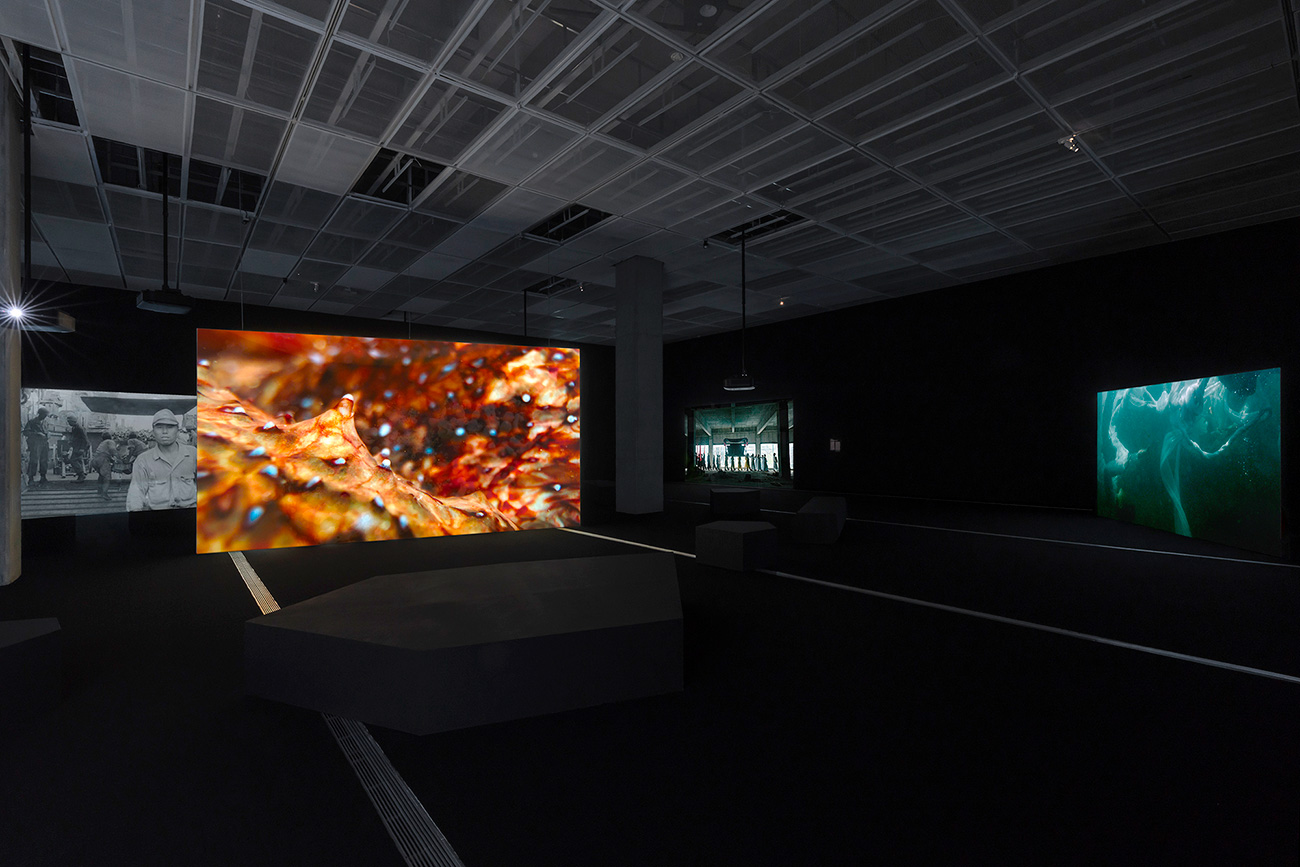
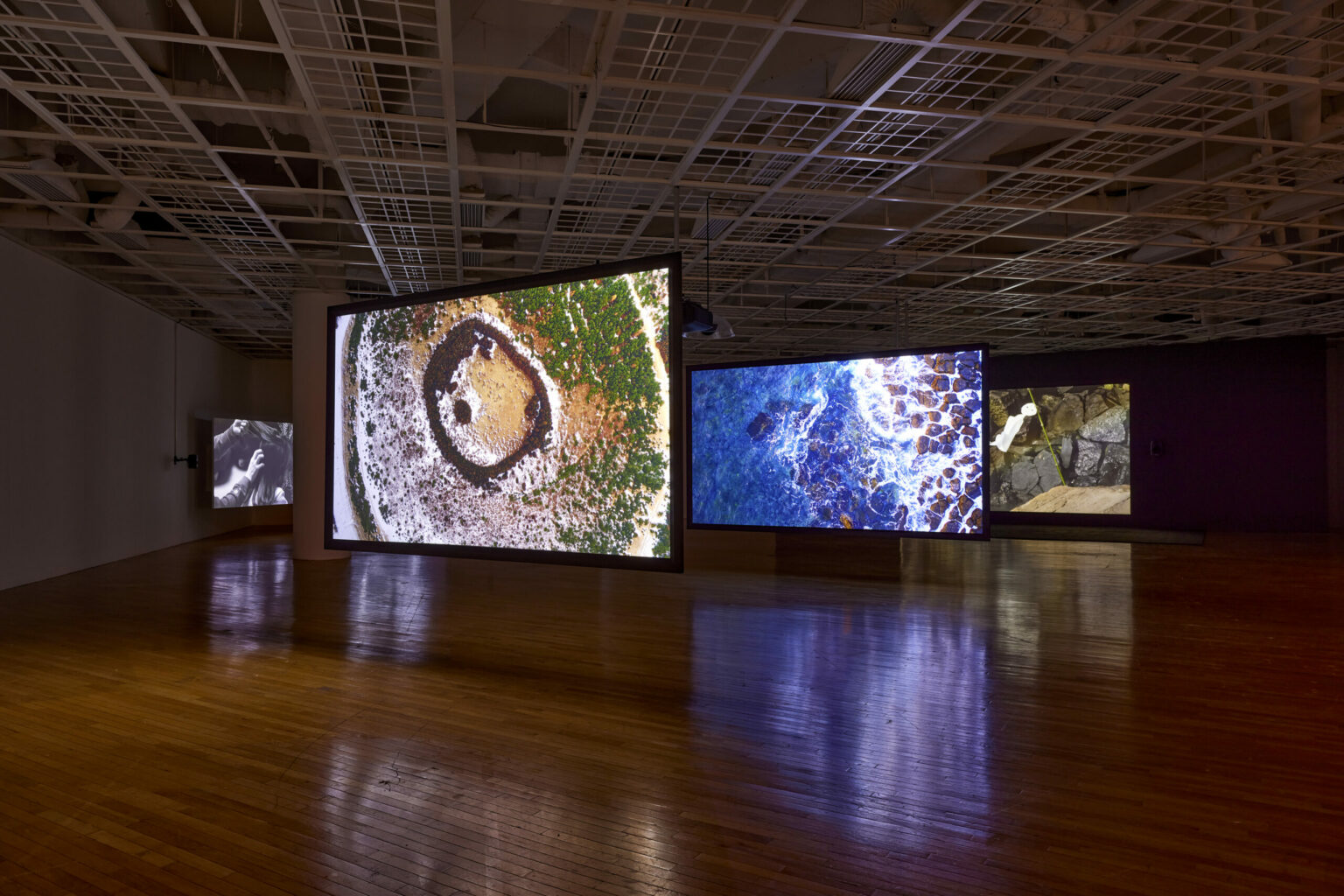
In the recent series 'Ieodo (Island Beyond the Sea)', Kaisen’s exploration of history and memory expands further to encompass the natural environment and nonhuman beings. The sea appears simultaneously as a medium carrying ancestral knowledge and matrilineal connections and as a site marked by exile, death, and the accumulated traces of state violence. Haenyeo, simbang, activists, and children enter into relation with seaweed, crustaceans, water, wind, and other forms of life.
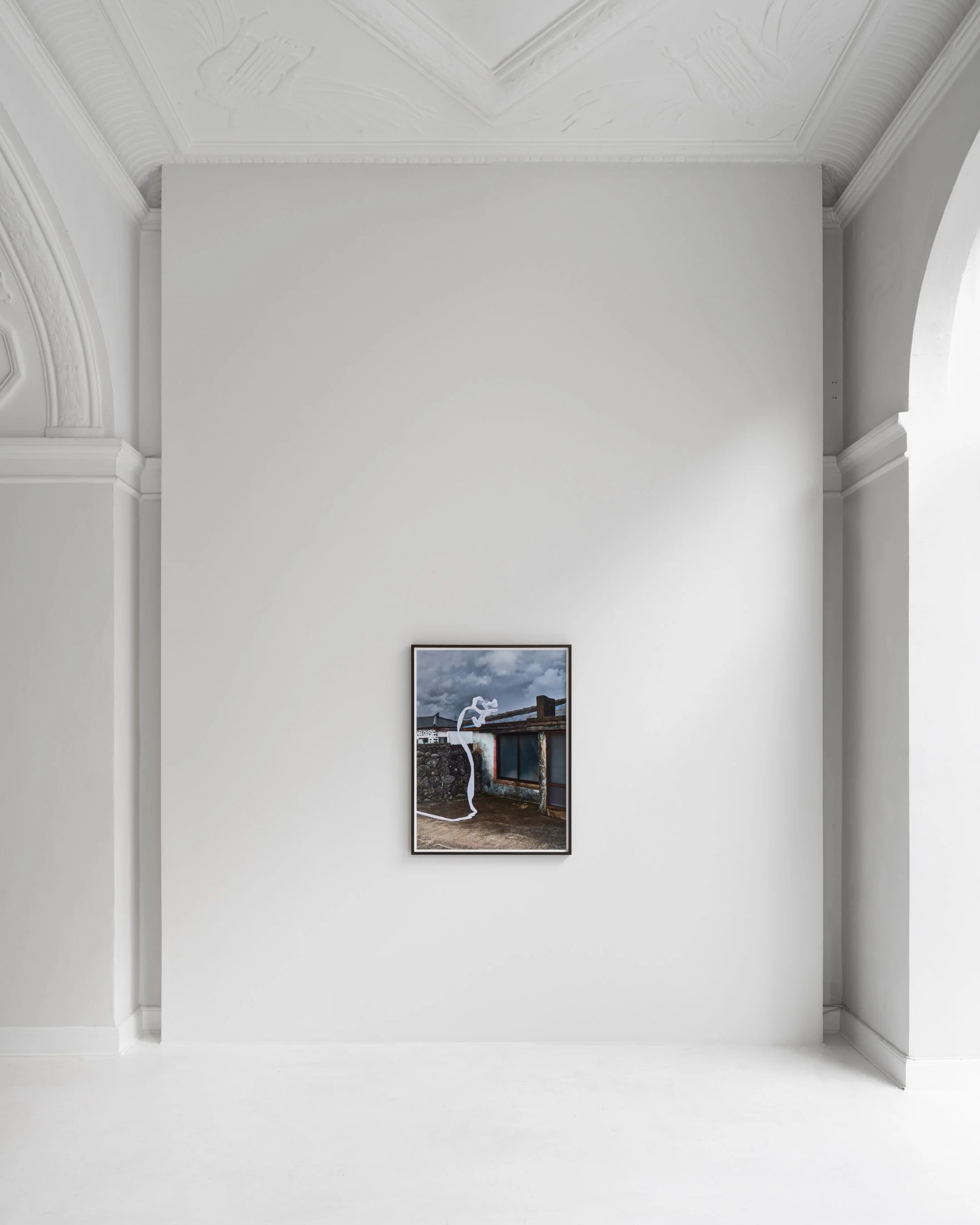
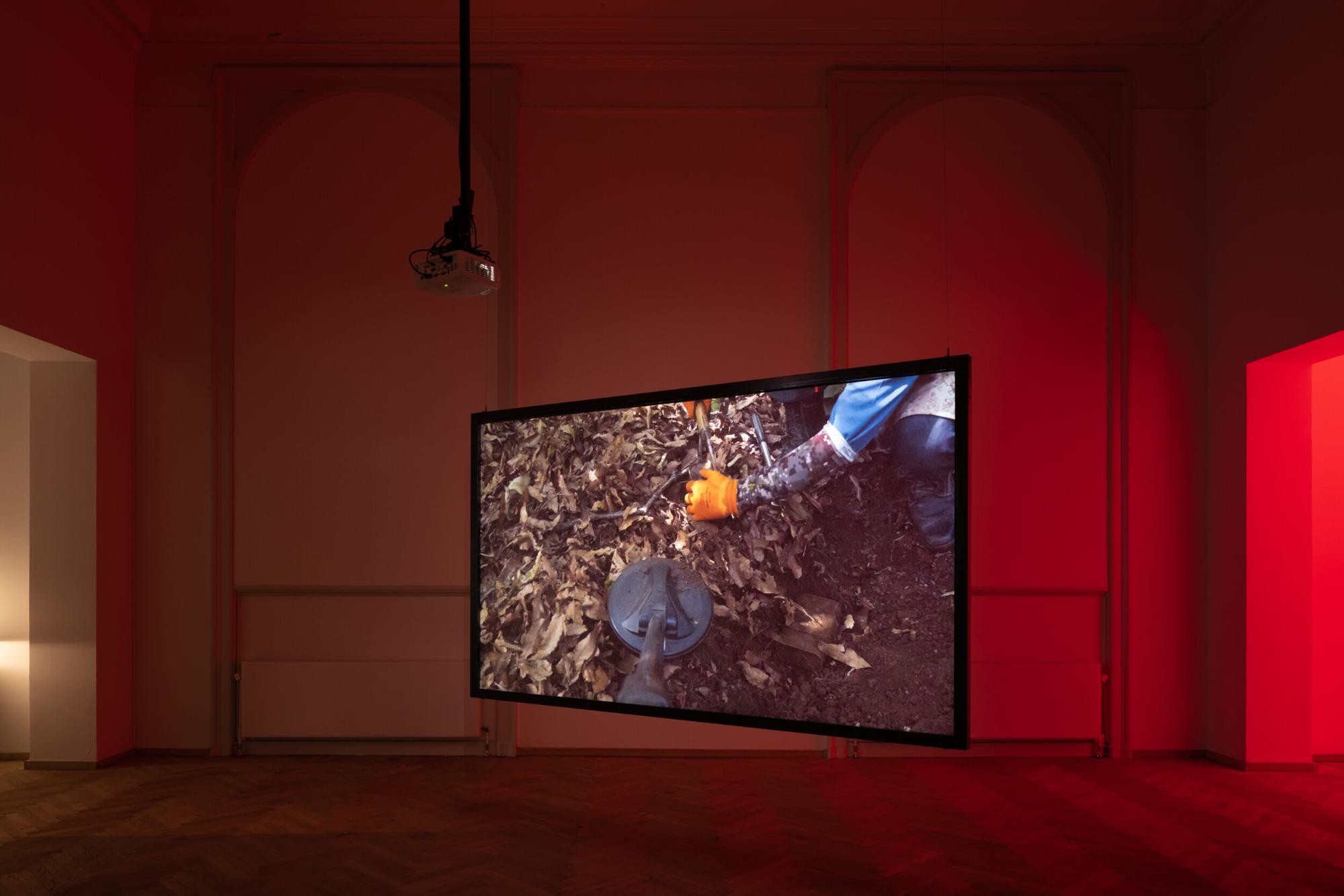
The weapons discarded into the sea in Wreckage, the knots and sochang that recur through Halmang and Offering, and the children moving toward the future in Guardians suggest that remembrance and mourning may also open toward recovery and transformation. The questions of migration and borders that have shaped Kaisen’s practice from its early stages have thus expanded through Jeju into an interconnected field of history, myth, gender, spirituality, and ecology.
Within these connections, Kaisen continues to summon obscured genealogies and explore the possibility of new relations and communities emerging between humans and nature, the living and the dead, and past and present.