Gosari (b. 1986) has developed a body of work that revisits discarded or neglected objects and spaces, imbuing them with new meanings to bring attention to aspects of everyday life that are easily overlooked or forgotten.
 
She is particularly interested in the surrounding natural ecosystem and nonhuman entities, using structures of circulation among beings marginalized by anthropocentric systems to invite reflection on the relationship between humans and nature.


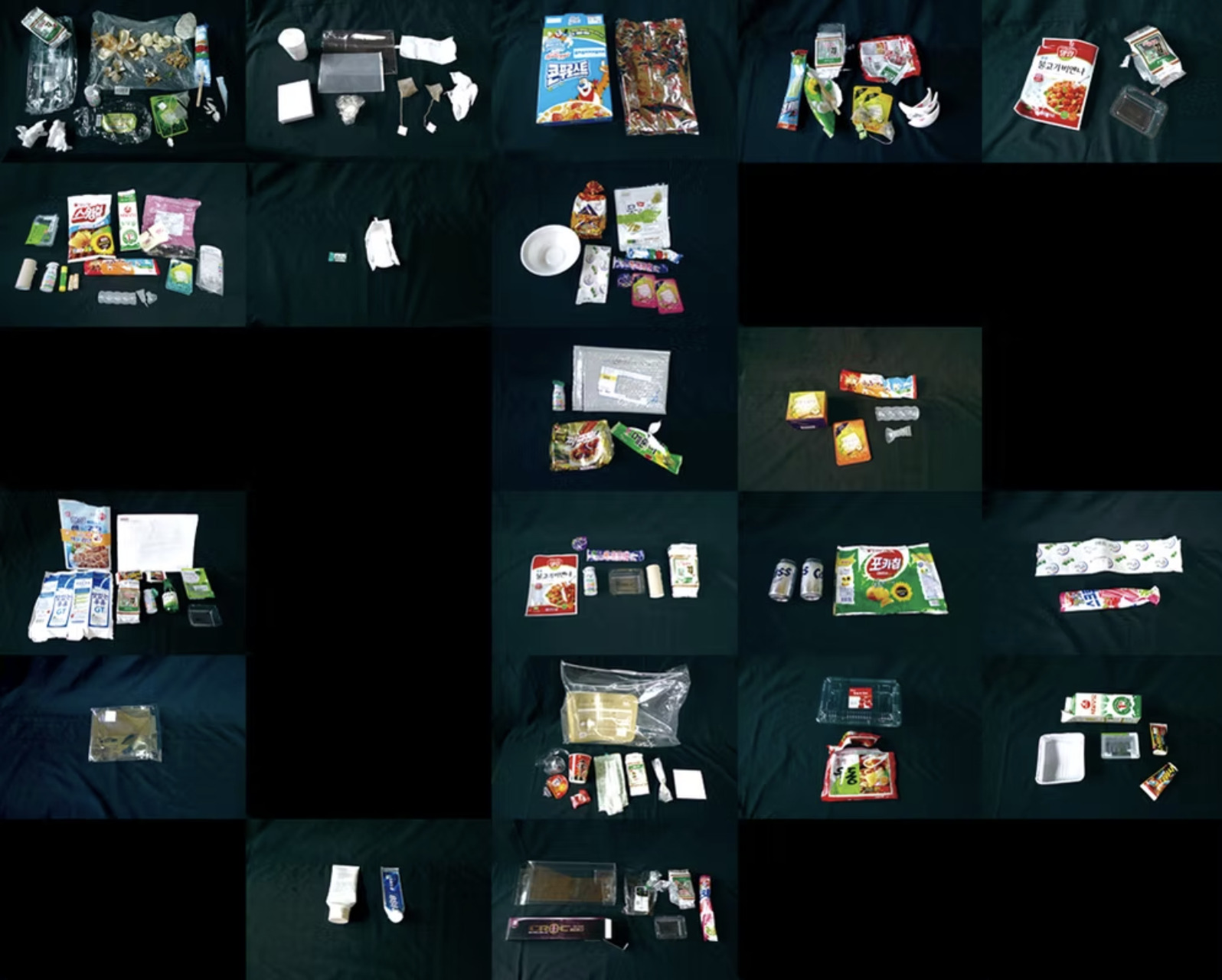
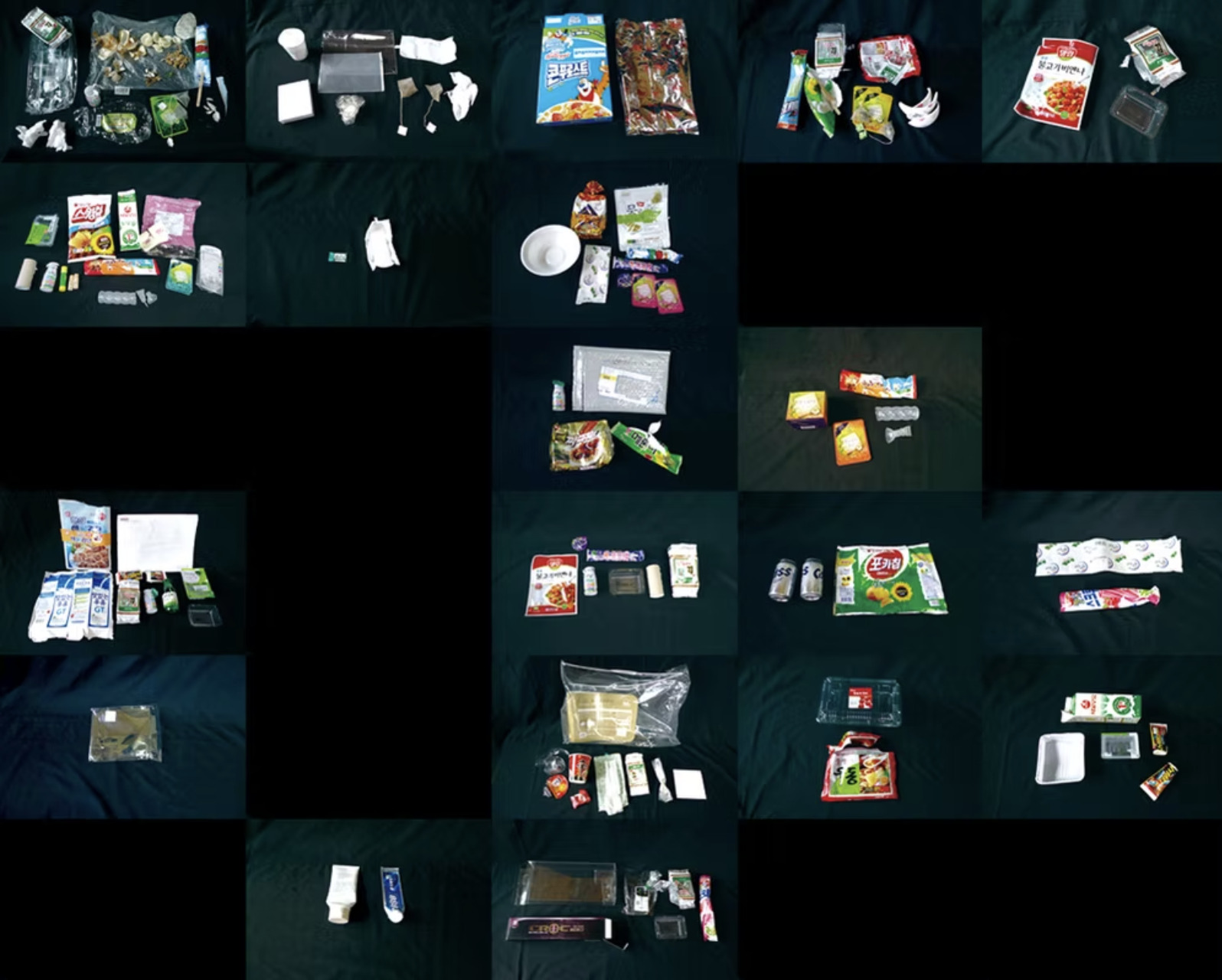
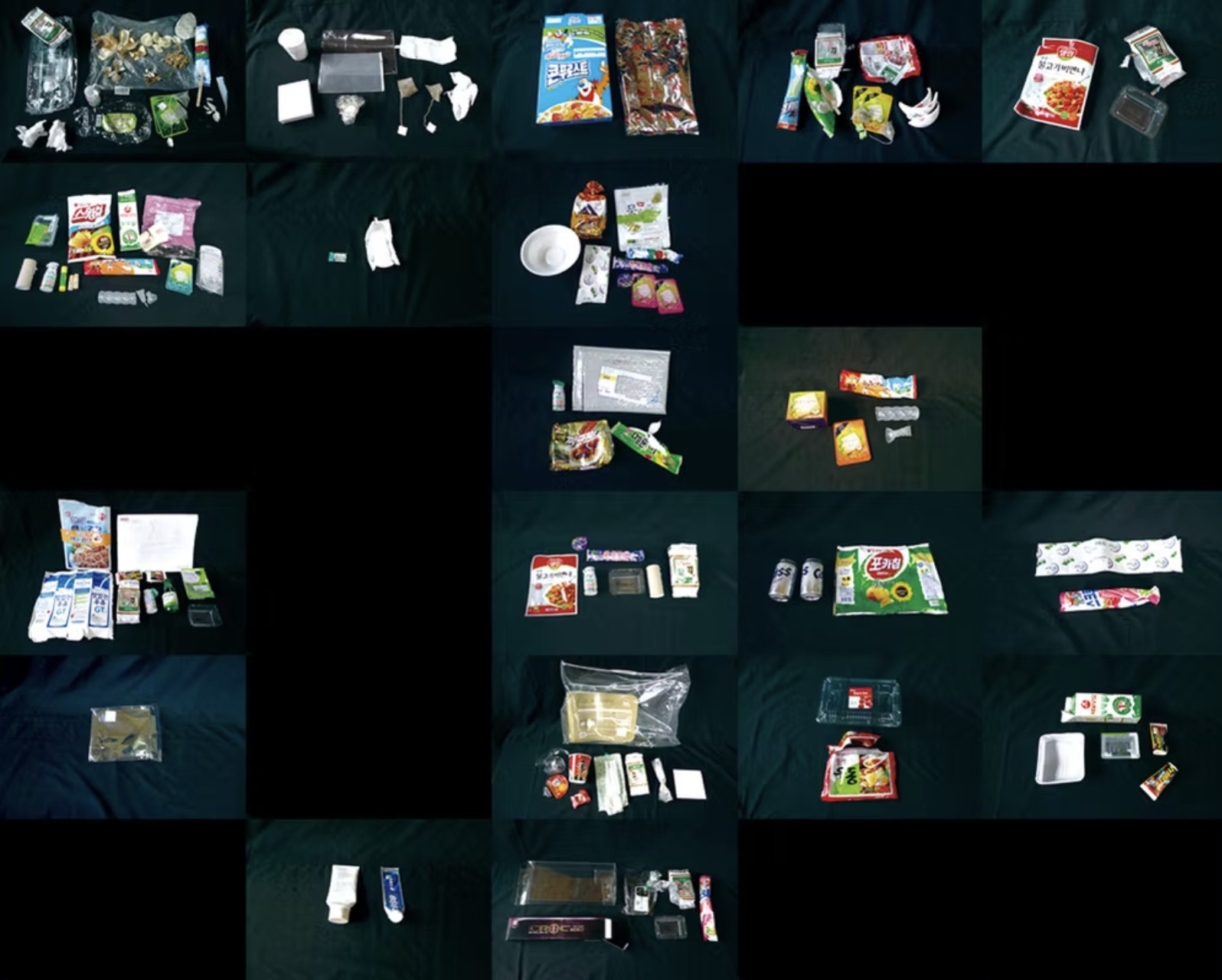
Gosari, An Abandoned Diary, 2009-2010, A day's photographs of the garbage coming out of the house © Gosari

Gosari’s practice stems from a process of reflecting on and engaging with sensory experiences drawn from her own life. In her early work, she focused on discarded objects and things that had grown old and lost their former luster, documenting these objects and the landscapes surrounding them.
 
For example, ‘An Abandoned Diary’, a photographic series produced between 2009 and 2010, records objects discarded within the artist’s home over a period of one year and seven months. By documenting these remnants of everyday processes of value transformation, the artist traced them alongside the trajectory of her own life.
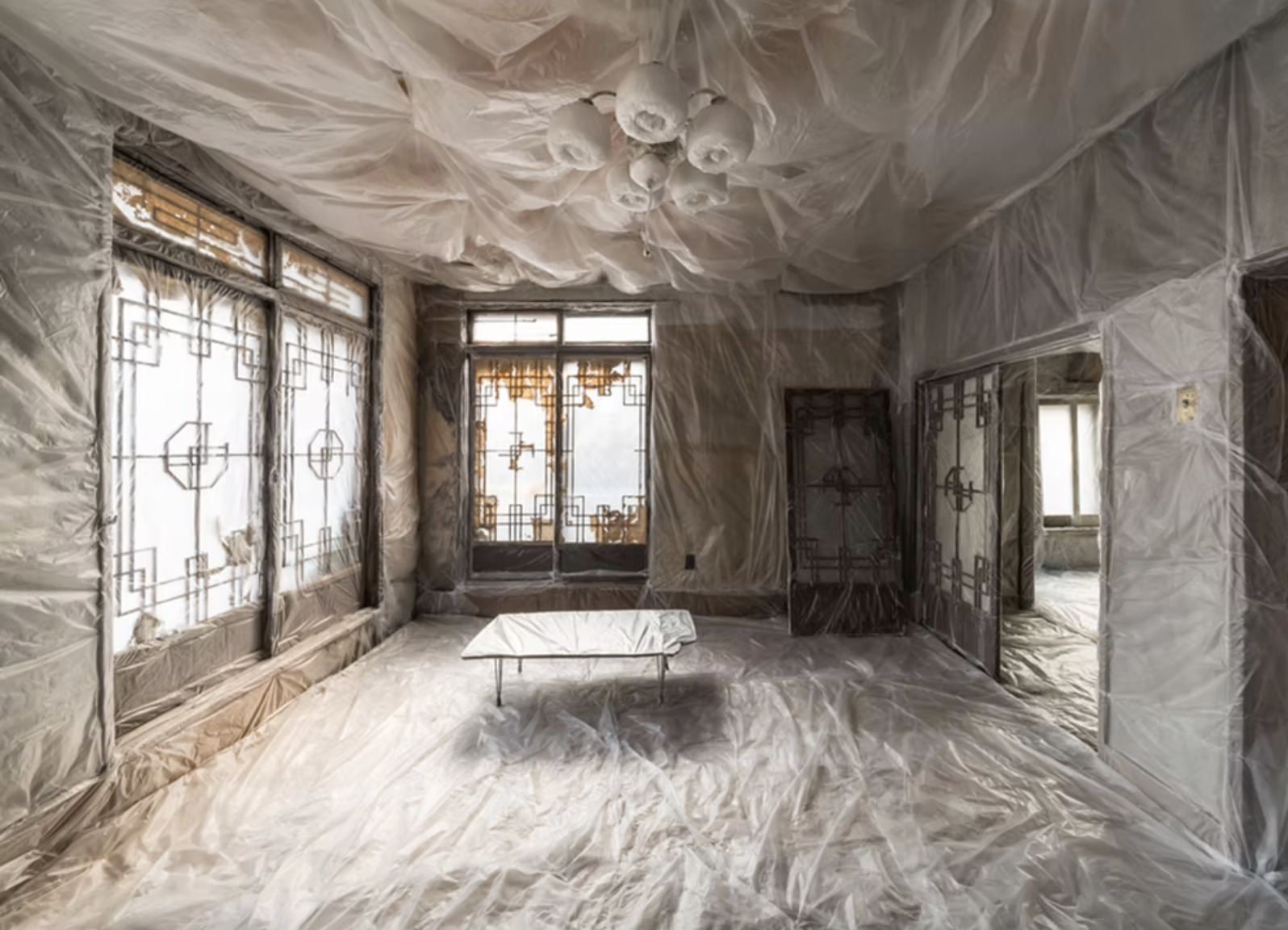


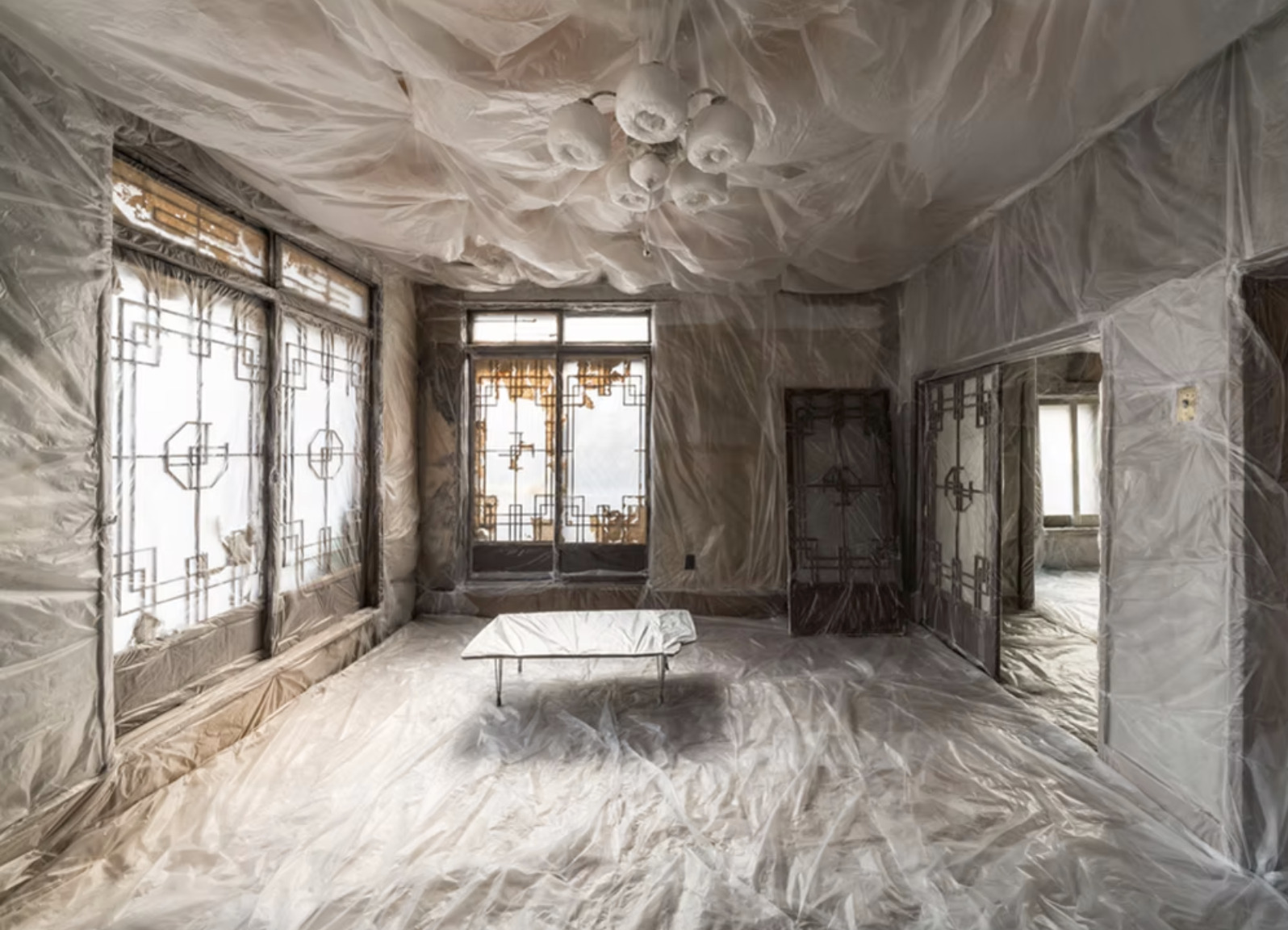
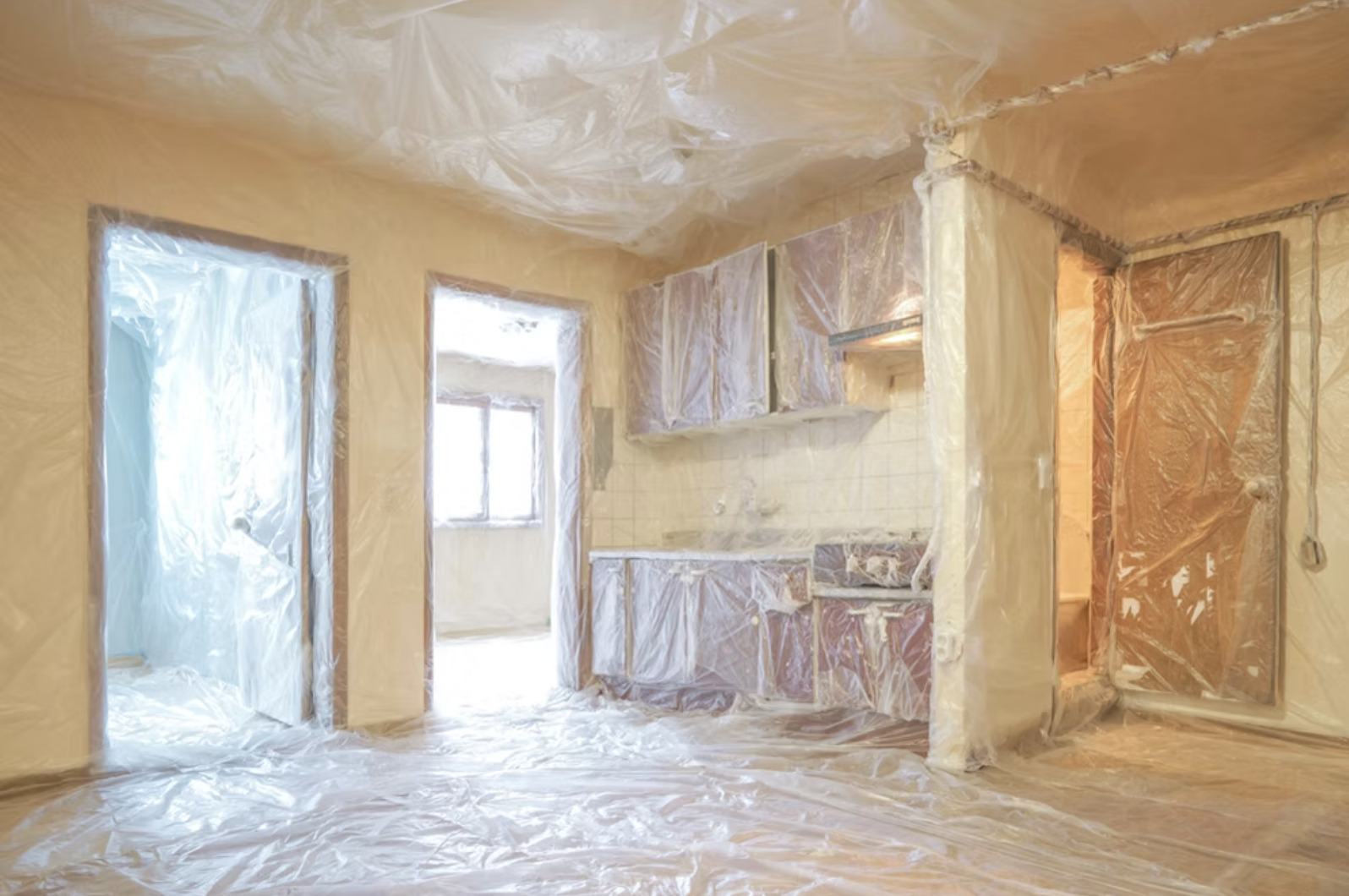
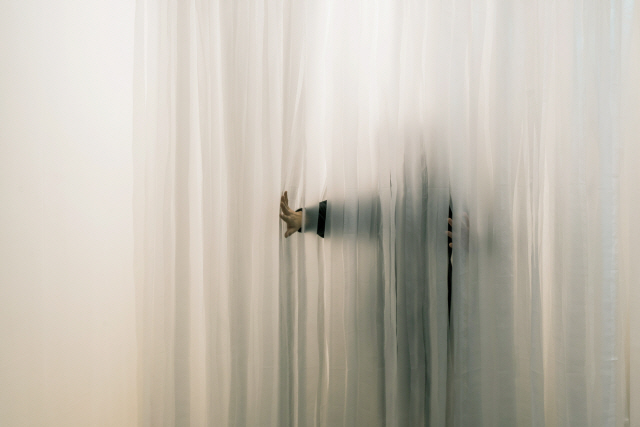
Gosari, Moving in, 2017, Vinyl, 80m2, Dimensions Variable (The House for Reconstruction in Dungchon-dong, Seoul) © Gosari

Meanwhile, the 'Moving in' project, carried out twice—at a multi-unit residential building in Dungchon-dong in 2017 and at a detached house in Seongbuk-dong in 2018—wrapped the entire interiors of buildings slated for reconstruction in plastic sheeting.
 
Conceived as a form of ritual preparation for the dead, the project served as a symbolic act of mourning for disappearing spaces and a way of preparing to bid farewell to places that held the memories and traces of individuals and society.
 
The two spaces, once filled with the warmth of their inhabitants for decades, had been emptied as their residents moved away, leaving behind vacant structures marked by the passage of time.
 
As the buildings approached their final moments, the artist tightly enclosed their interiors in translucent plastic sheeting, preserving the spaces as if sealing in the memories and traces accumulated within them.


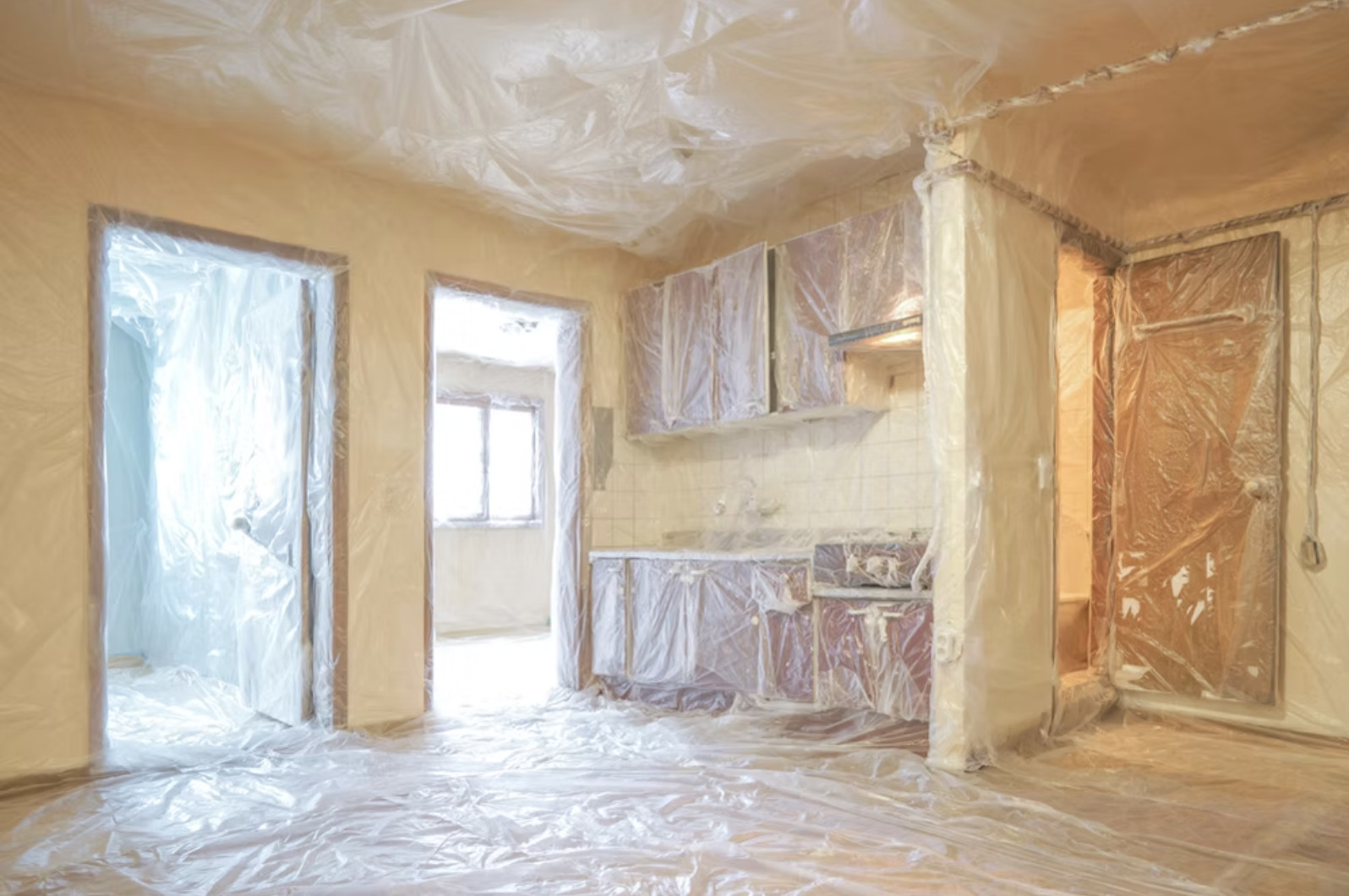
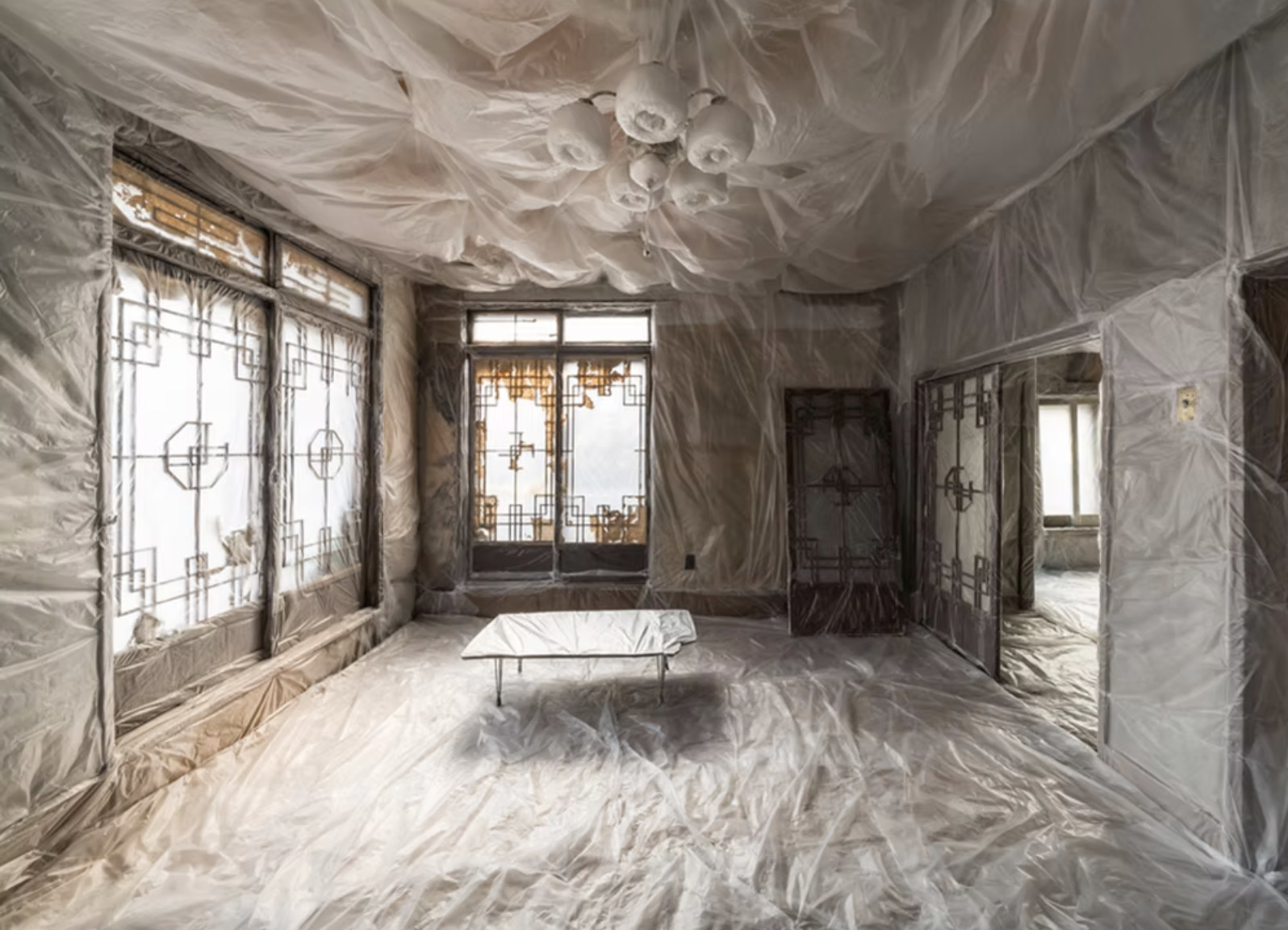
Gosari, Moving in, 2018, Vinyl, 260m2, Dimensions Variable (An empty house in Seongbuk-dong, Seoul) © Gosari

The space itself seemed to evoke the feeling of preparing to move, while also appearing to momentarily hold on to the last breaths and traces of warmth preserved within spaces that were gradually disappearing.

In this way, the abandoned space, emptied of human warmth, produces a rustling sound with every step, while air moves in and out, causing the plastic sheeting to inhale and exhale and produce the sounds of a living space. Through this work, the artist gives form to the passage of time in which the invisible memories of a space and the relationships between its traces are experienced and gradually stripped away.


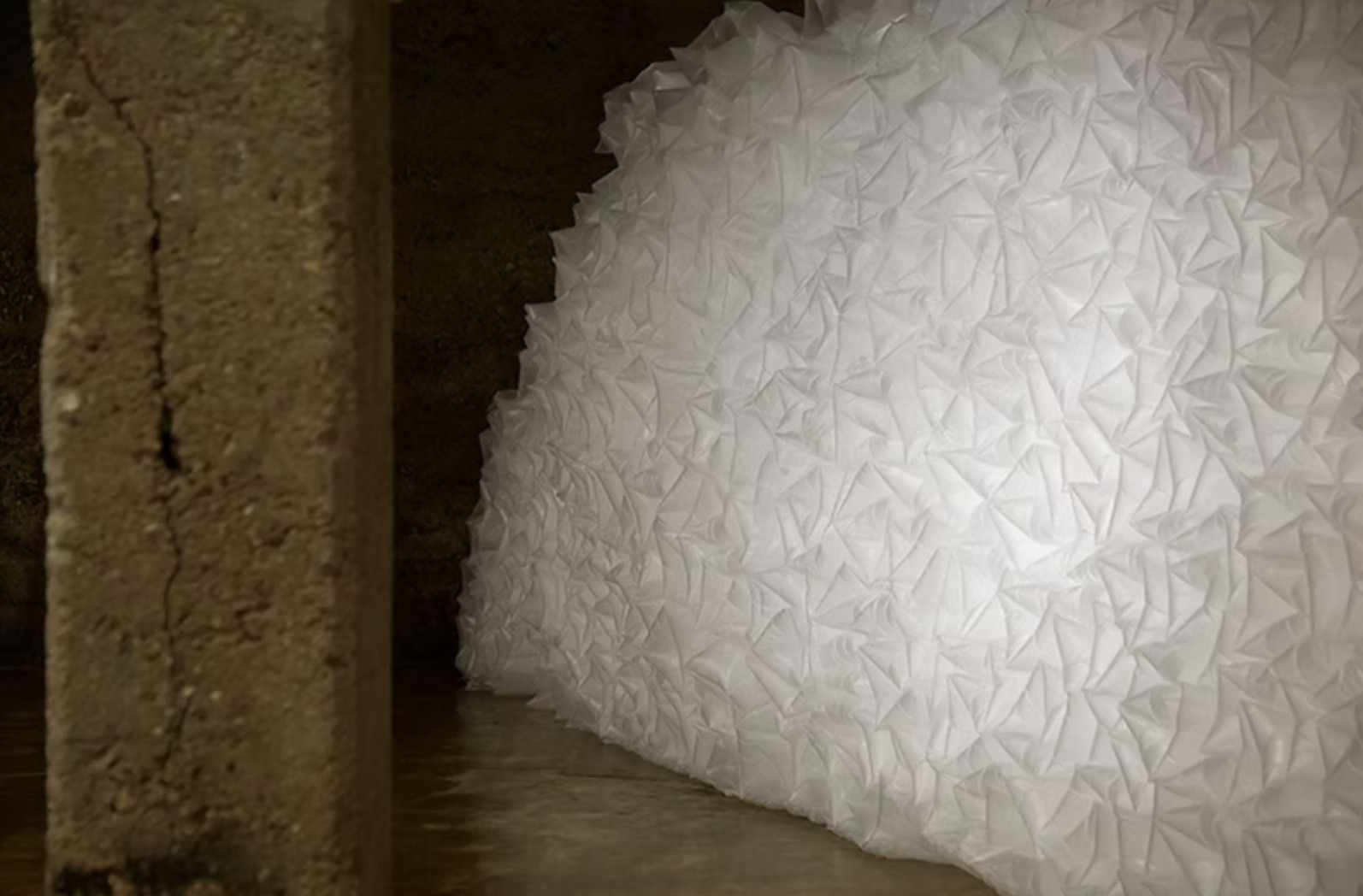
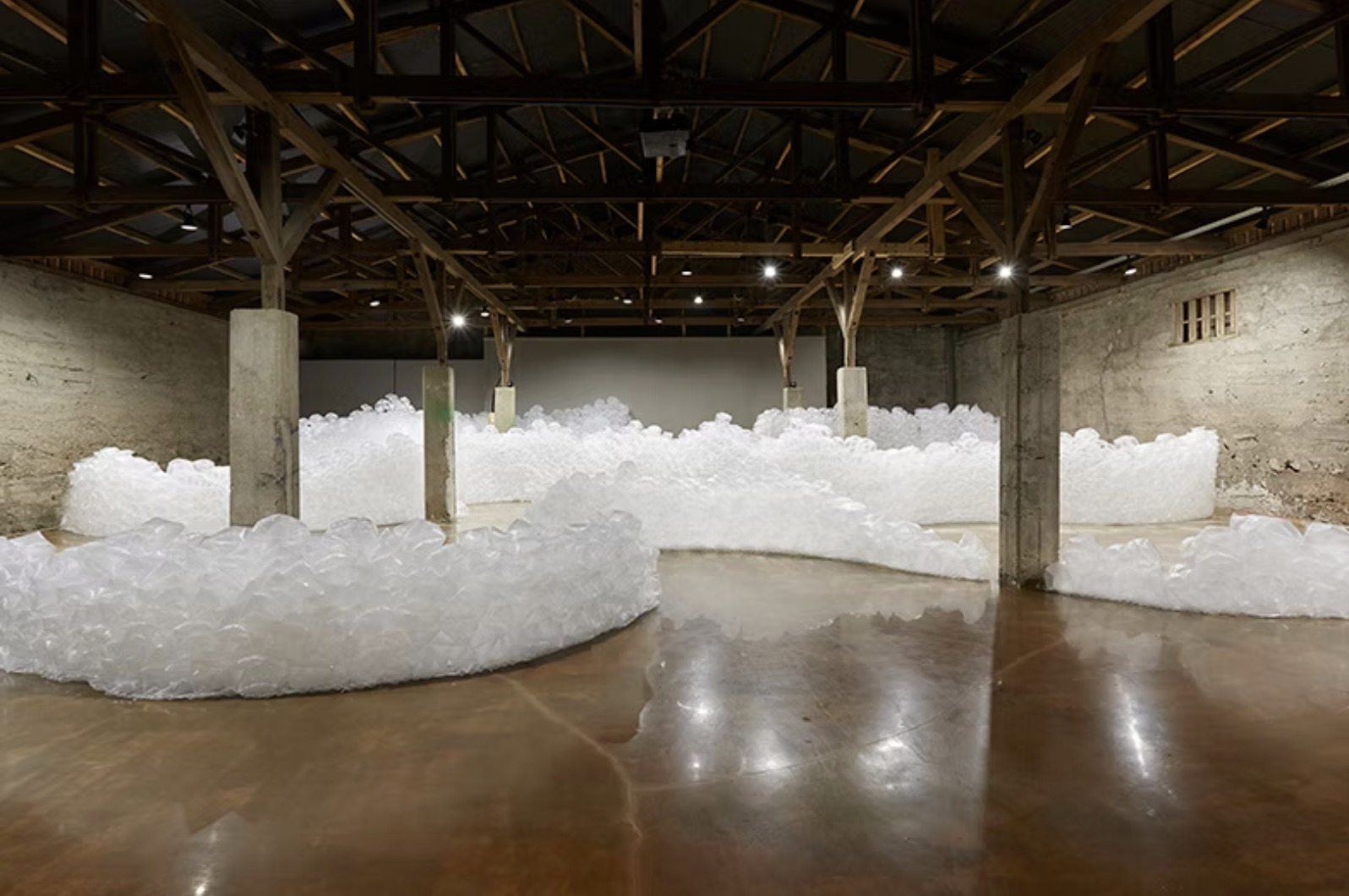
Installation view of 《Woosil》 (Salt Museum, 2020) © Gosari

While the ‘Moving in’ project explored the invisible sense of time accumulated within a space through a multisensory approach, her 2020 solo exhibition 《Woosil》 took the traditional stone walls known as “woosil,” built to pray for the peace and well-being of a village, as its central motif, seeking to visualize the weight of life.
 
The artist focuses on the tradition of the ancestors of Sinan-gun, Jeollanam-do, who long ago built stone walls from rocks found within the village to shield it from strong winds.
 
Typically extending approximately 30 to 200 meters, these stone walls were believed to ward off harmful energies entering the village and prevent its vital energy from escaping. At the same time, the woosil carried a folk-religious significance as a structure connecting humans with the natural environment.


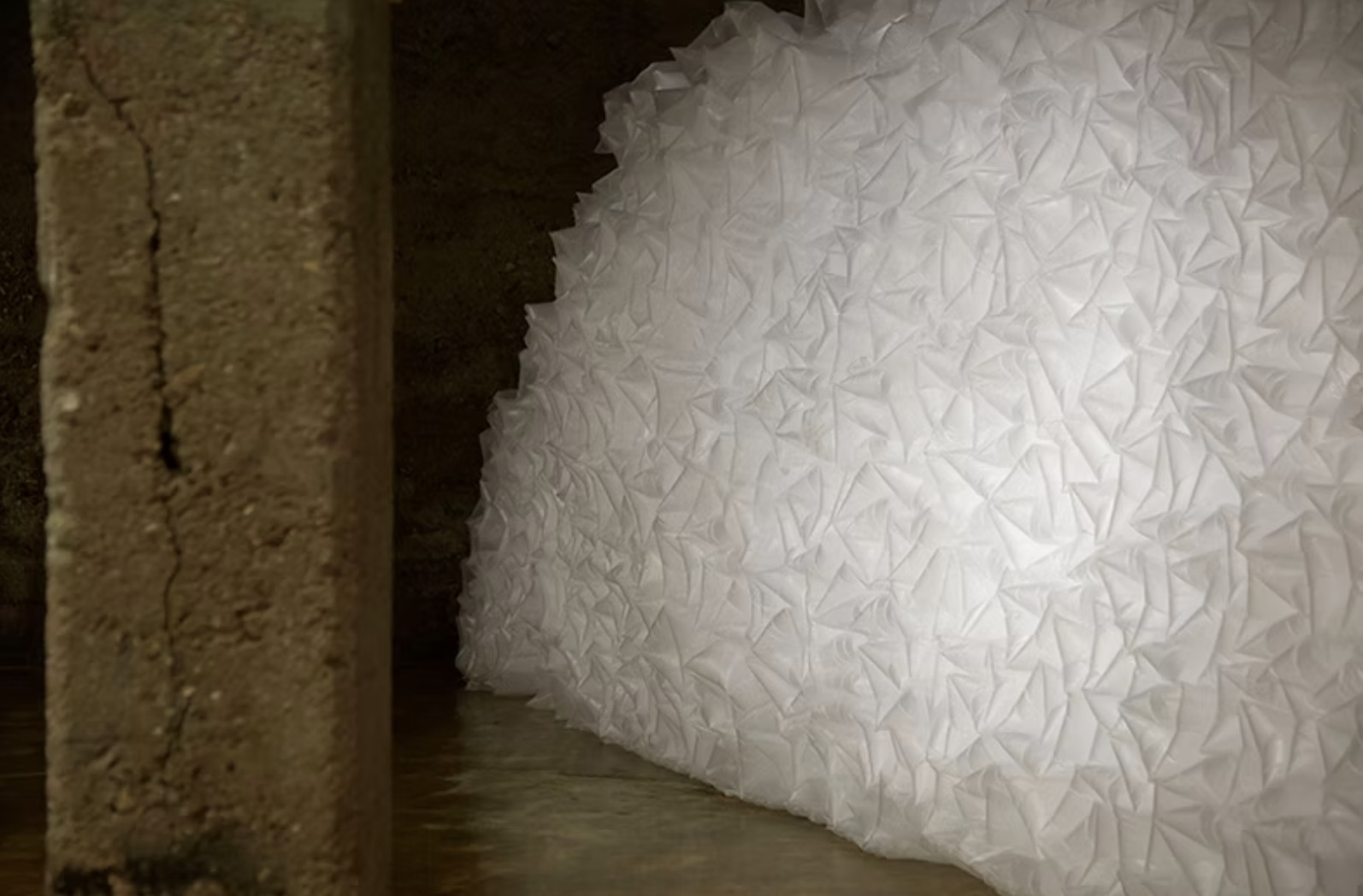
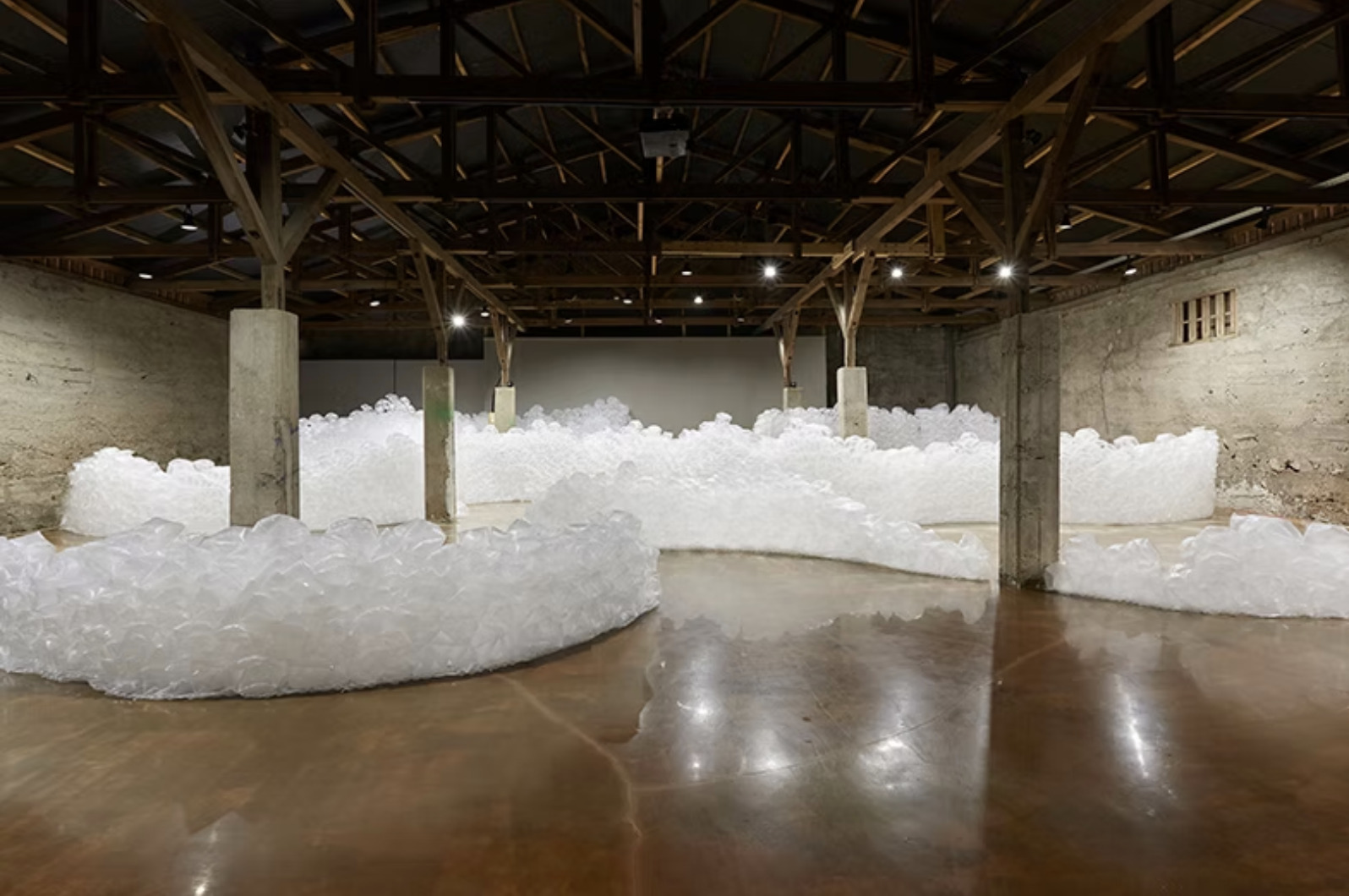
Gosari, Woosil, 2020, Vinyl bag, air, 300m2, Dimensions Variable © Gosari

During her residency in Jeungdo-myeon, Sinan-gun, Gosari visited several islands in Sinan to observe the surviving woosil firsthand. She then recreated the structure within the exhibition space using walls made of weightless plastic air pockets, each inflated with her own breath.
 
In the distant past, just as Sinan's ancestors built a stone wall with stones from the village to block the blowing wind and connected the world inside and outside the village, they built a weightless wall containing air to overcome the harsh winds that blow into their lives, and waited for the time to sink. She wanted to approach the story about the weight of life endured throughout life.


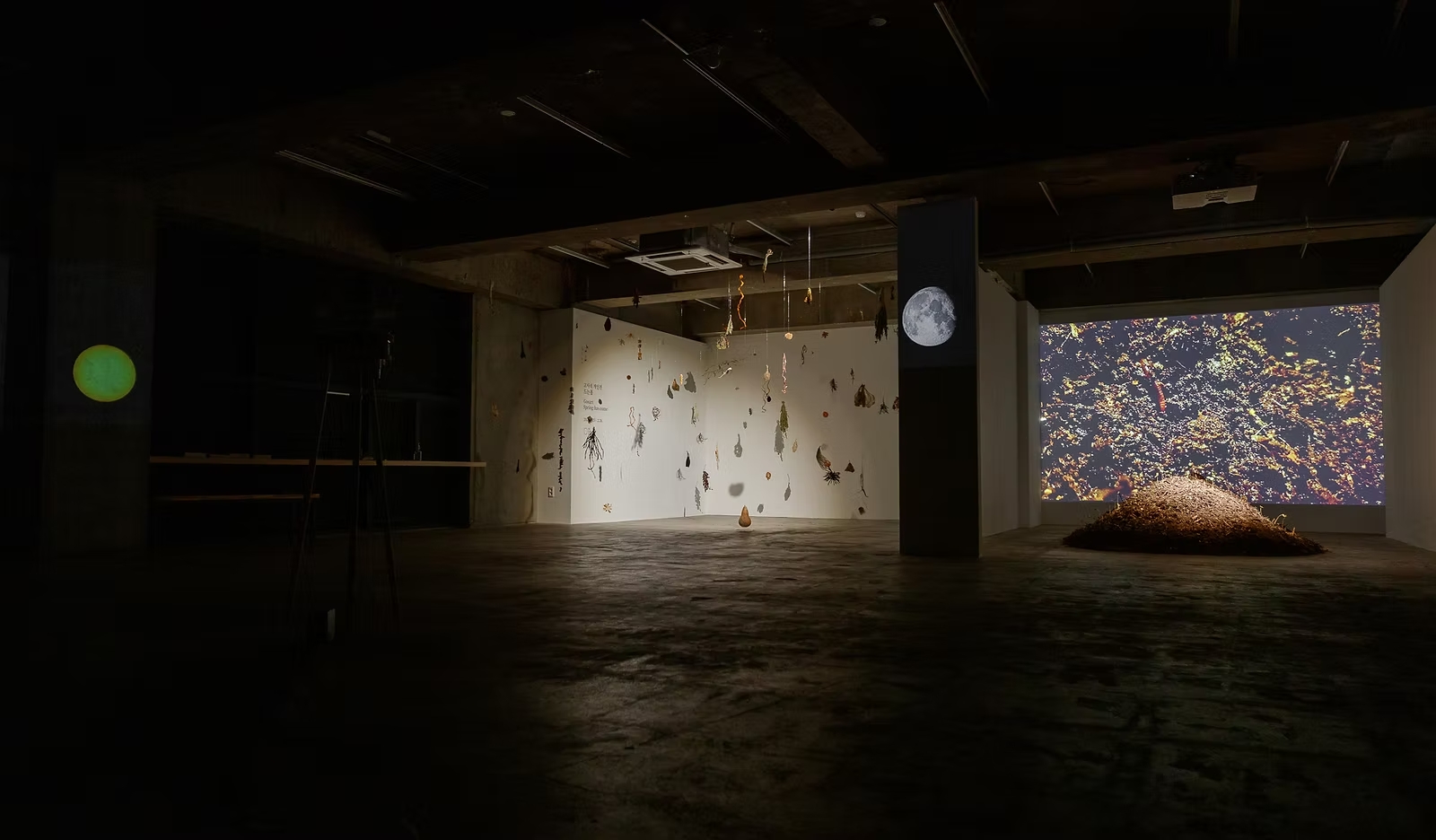
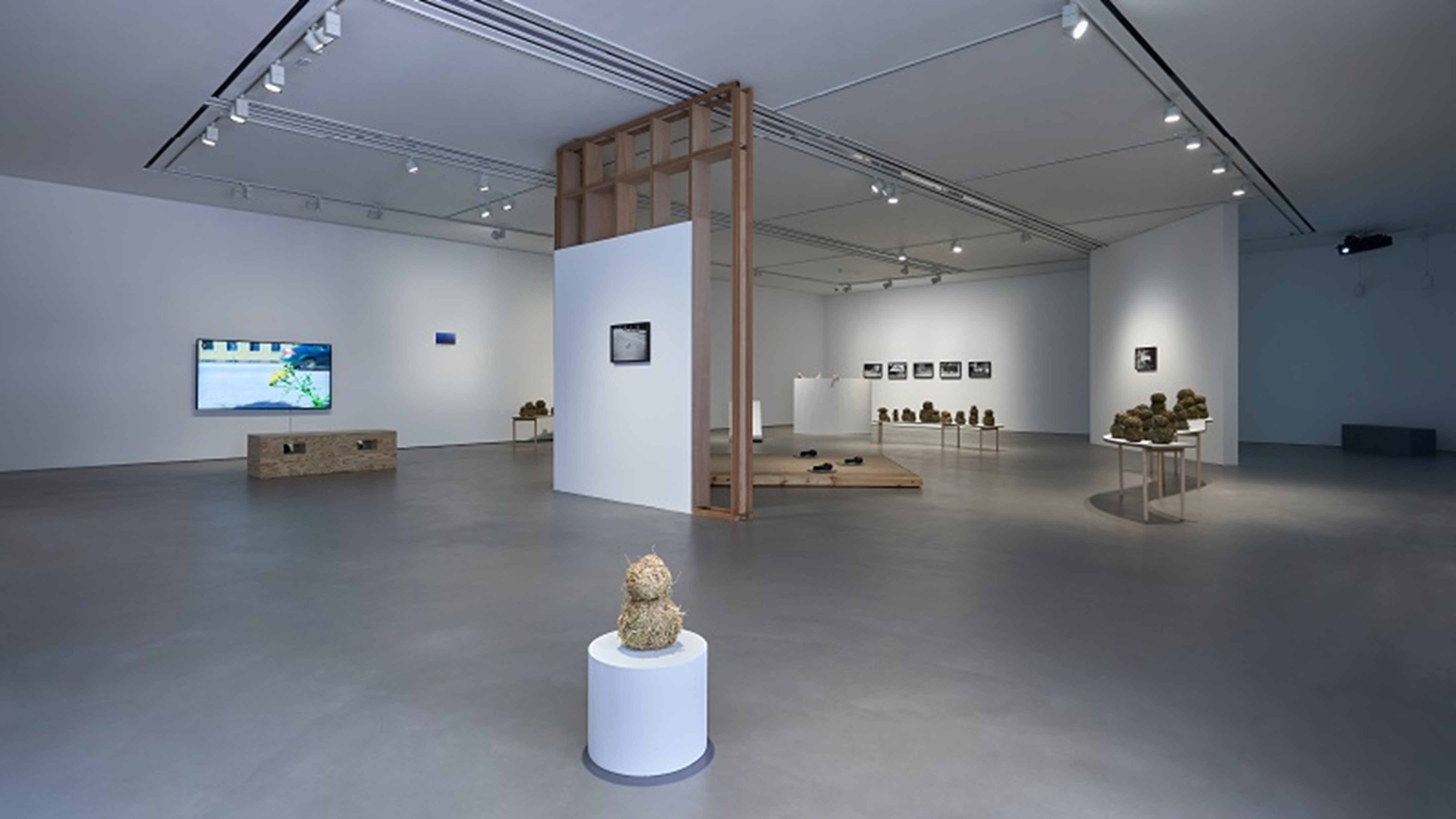
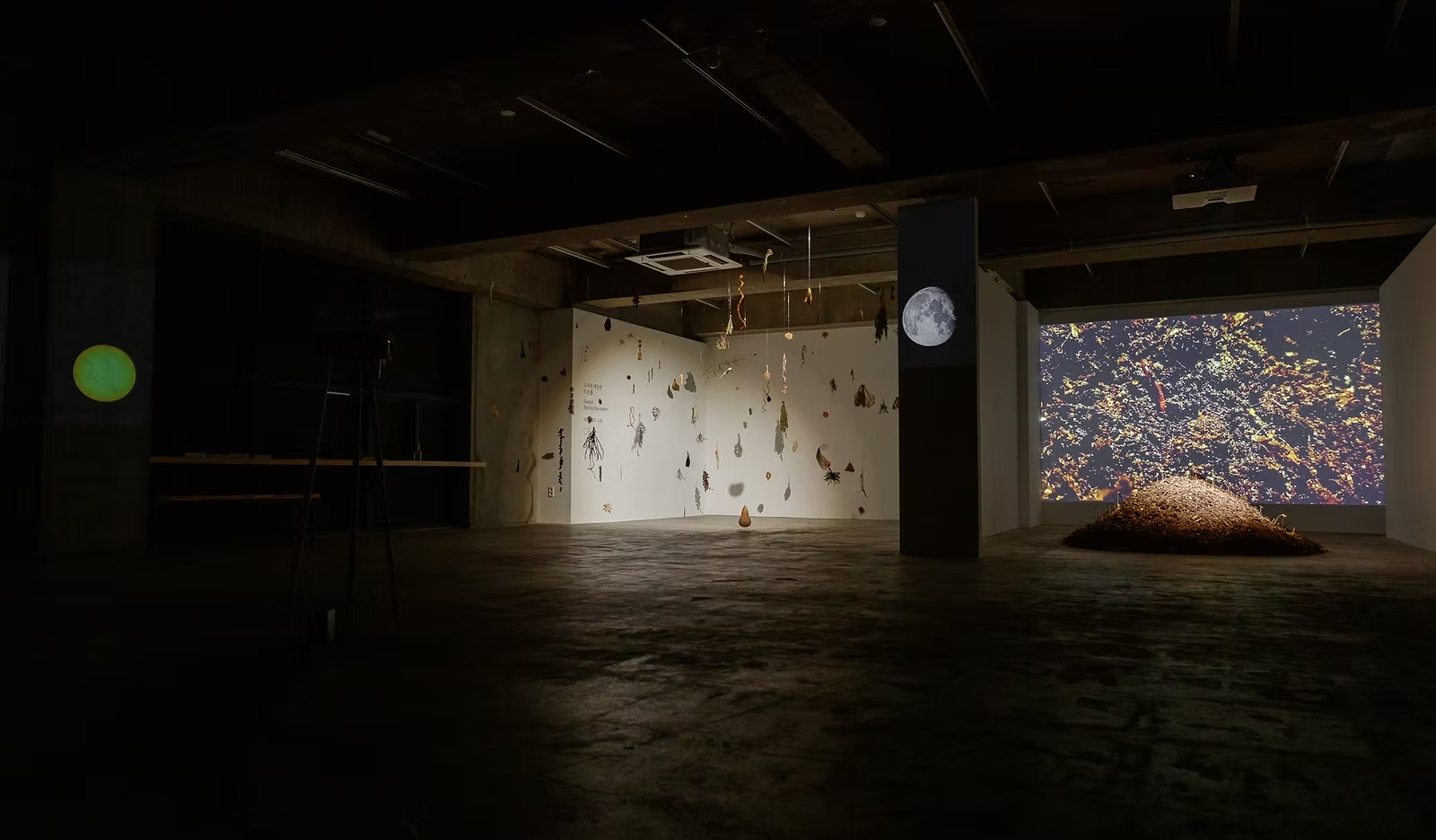
Installation view of 《Spring has come》 (CR Collective, 2022) © Gosari

Meanwhile, Gosari’s 2022 solo exhibition 《Spring has come》, held at CR Collective, explored the cycle of life through the multisensory experience of farming. Through her direct engagement with the soil, the artist focused on the small moments embedded within the passage of natural time, revealing through her work the larger structures of rhythmic change and recurring cycles.
 
Her practice of caring for discarded and marginalized forms of life expanded through the labor of farming into an exploration of the rhythms of the life cycle—from soil, through the body, and back to soil.
 
Moving beyond an attitude of care that draws attention to and values overlooked aspects of everyday reality, the exhibition invites viewers to enter into the cyclical structures of nature and the laws governing all living things, and to reconsider the relationships between time and space, and between humans and nature.


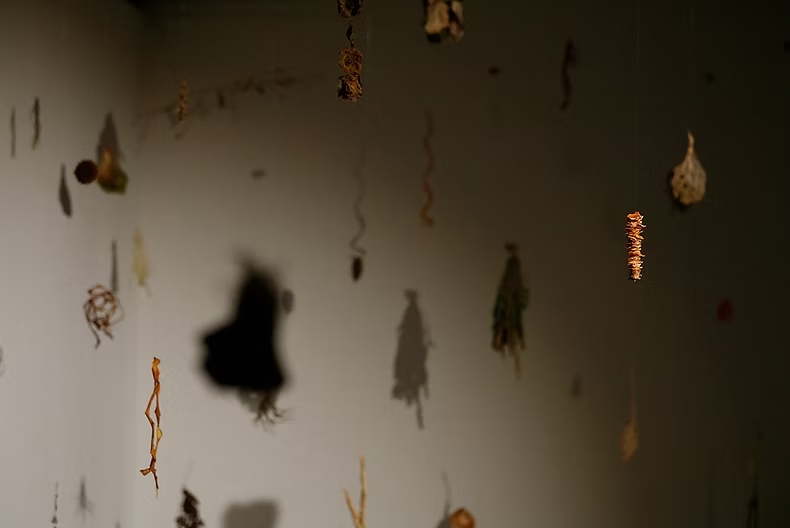
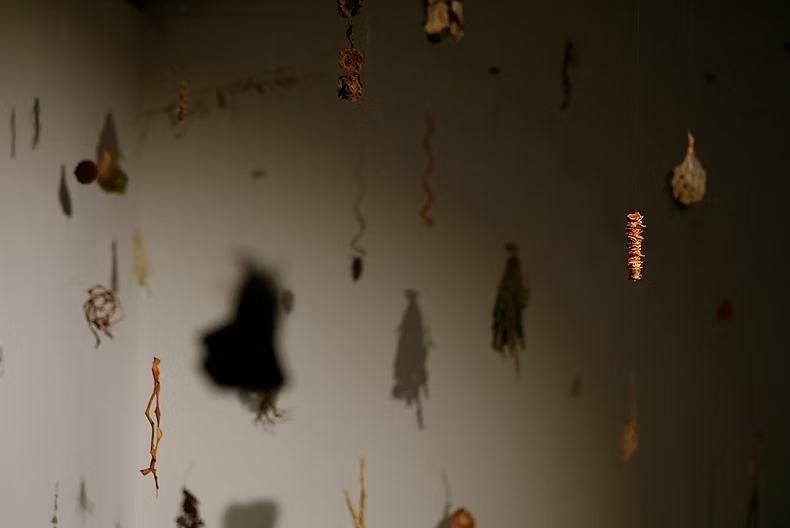
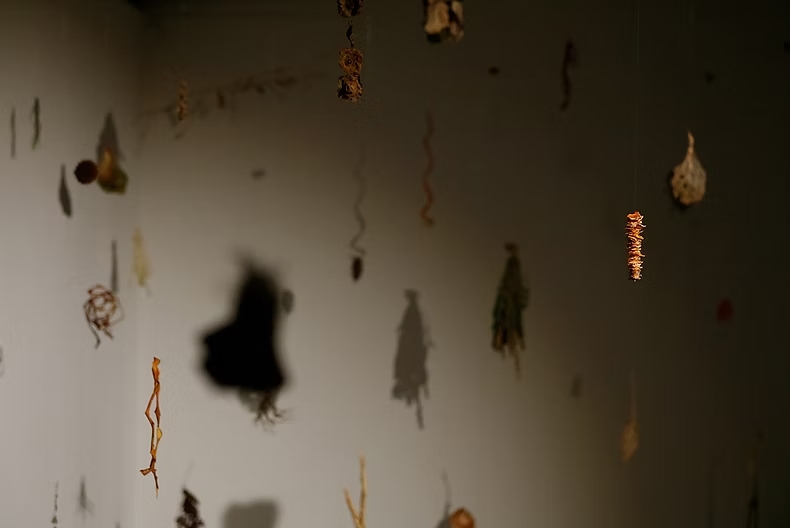
Gosari, Earth Star, 2022-2024, Dried plants for three years, Dimensions Variable © Gosari

At the entrance to the exhibition space, various plants were suspended from the ceiling, inviting visitors to move through them. These plants, featured in Earth Sta (2022), were collected from leftover crops harvested by the artist, as well as plants that had remained unharvested in the fields or had been discarded. Gosari carefully washed and dried each of them before incorporating them into the work.
 
The artist sees the process in which seeds sown in the earth grow, bear fruit, and eventually return to the soil as analogous to the blooming and fading of a “star of the earth.” She therefore gave the work its title, “Earth Star”.
 
Through this work, Gosari brings into the exhibition space the temporary state between the end of one life as a plant and its continuation as another form of life within the soil.


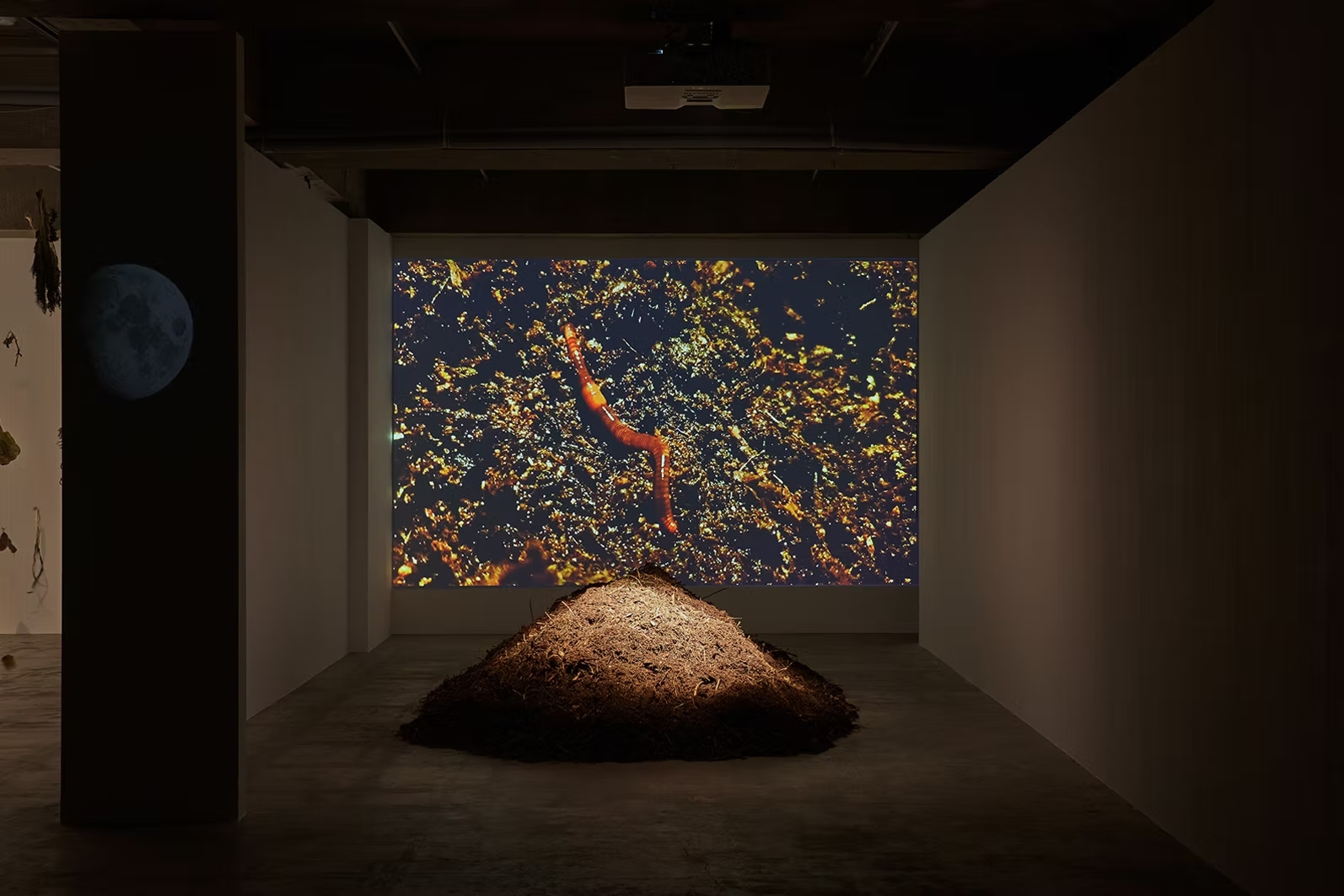
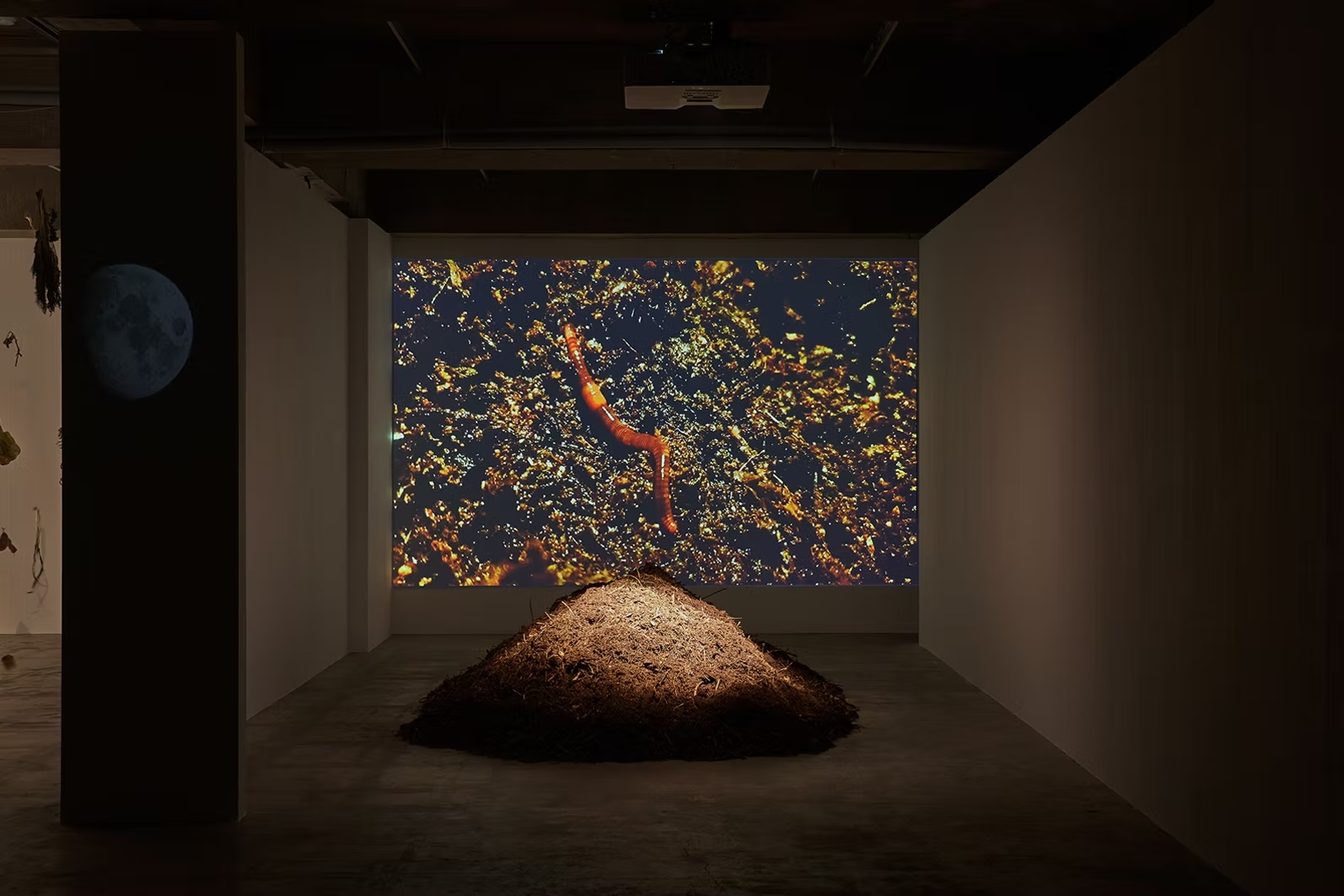
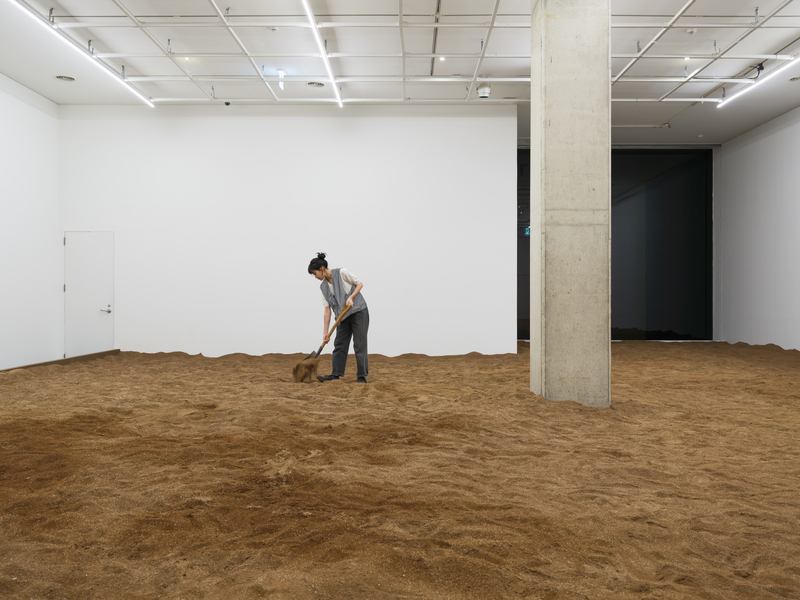
Gosari, Compost hill, 2022, Compost fermented for 1 to 3 years, Dimensions Variable © Gosari

In addition, Gosari presented Compost hill (2022), bringing actual compost used in farming directly into the exhibition space. The work consists of natural compost produced over a long period of three years, as materials from everyday human life were mixed with soil and gradually transformed through fermentation.


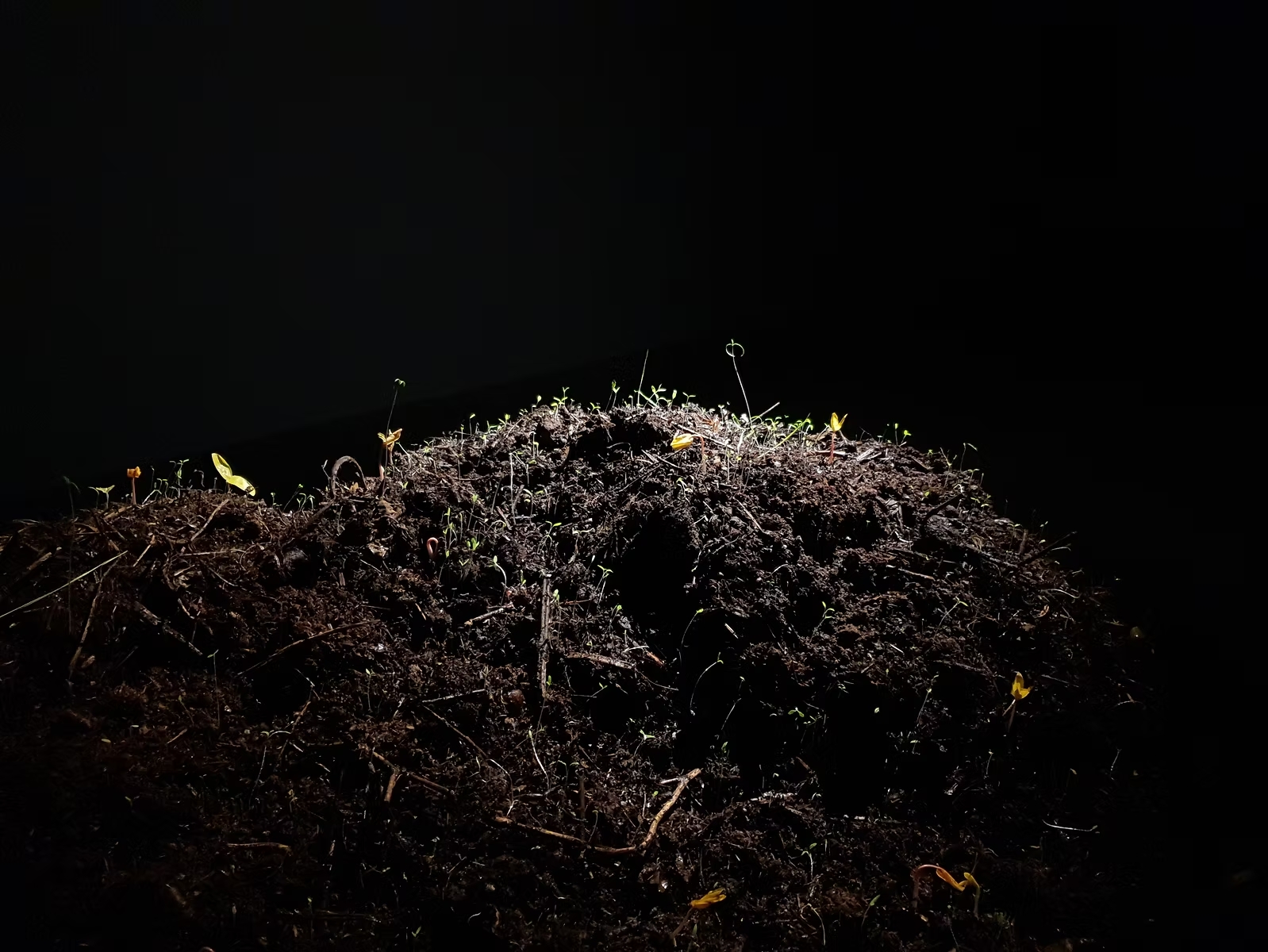
Gosari, Compost hill, 2022, Compost fermented for 1 to 3 years, Dimensions Variable © Gosari

The compost, frozen during the winter, gradually thawed in the warmer temperature of the exhibition space, awakening the life forms that had remained dormant within it. Compost hill captures this ceaseless cycle through small creatures emerging from their eggs and seeds sprouting through the soil, growing, and eventually withering.
 
After the exhibition, the sprouted plants were transplanted into pots, while the compost was returned to the composting area, continuing its cycle beyond the exhibition space.


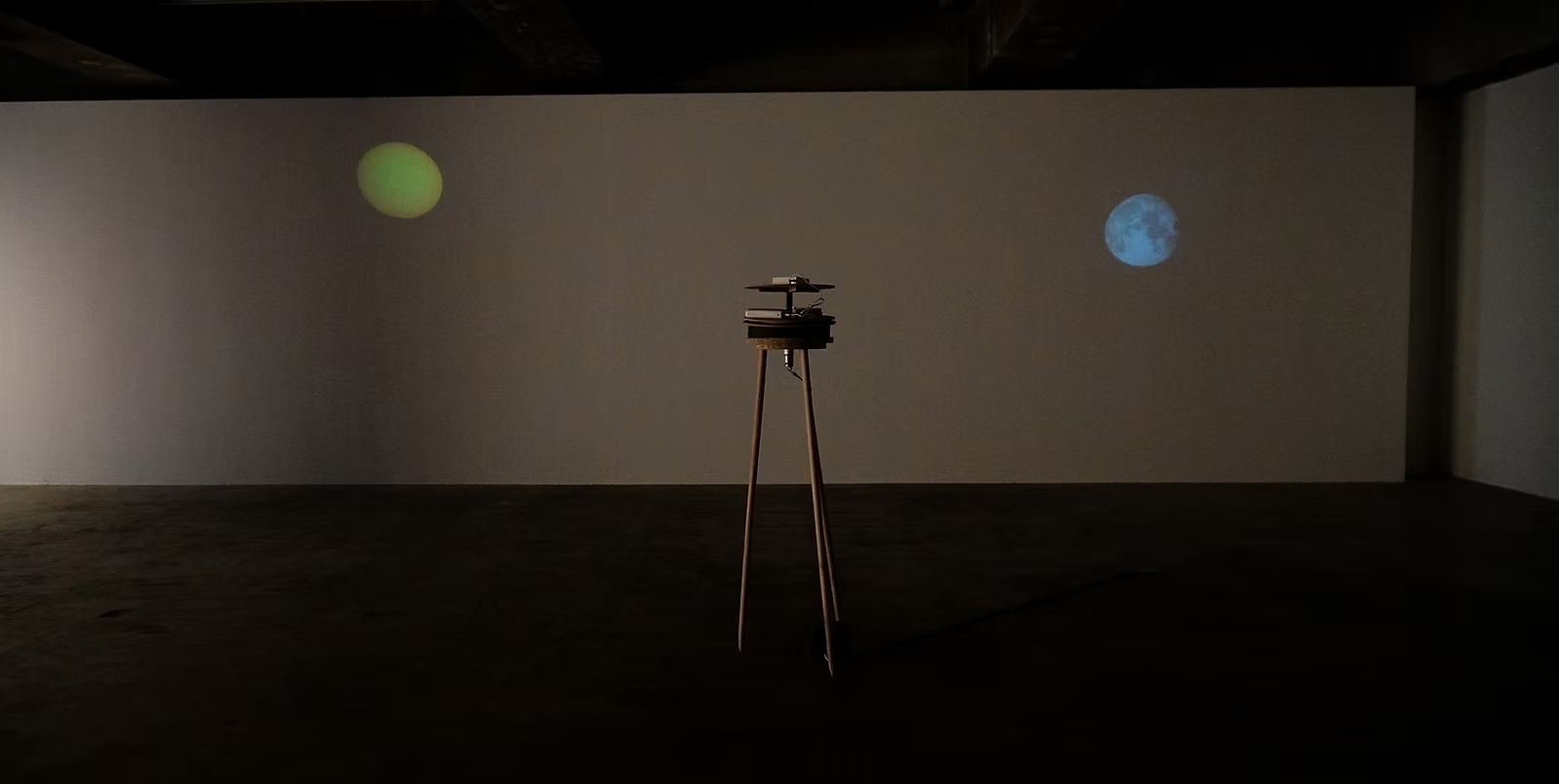
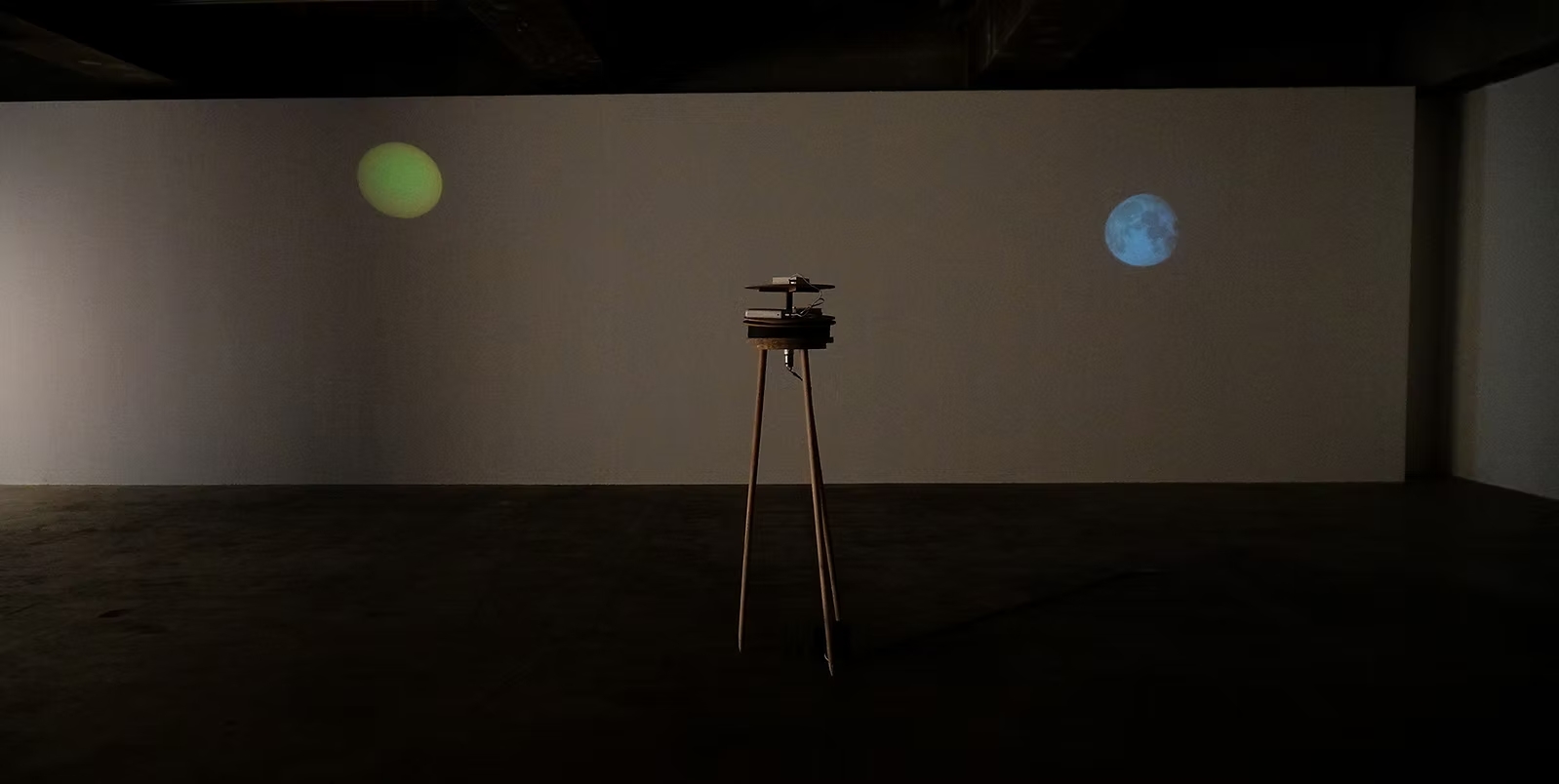
Gosari, Sun and Moon, 2022, Powersystem, video, Dimensions Variable © Gosari

Meanwhile, the video work Sun and Moon (2022), as its title suggests, presents the changing forms of the sun and moon over the course of time.
 
In the past, Korean ancestors closely observed the movement of the sun in order to anticipate and understand the outcome of the annual agricultural cycle. They divided the climatic changes that occurred as the sun moved 15 degrees every 15 days into the 24 seasonal divisions known as jeolgi.
 
Through the movements of the sun and moon, Gosari seeks to convey how the cyclical life of nature is connected to the rhythms of all things in the universe, including the sun, moon, and Earth.
 
By reflecting on life through these natural cycles, the work reminds us that the units by which we measure time—days, months, and years—are not merely numerical divisions, but are rooted in the rhythms and processes of the natural world.


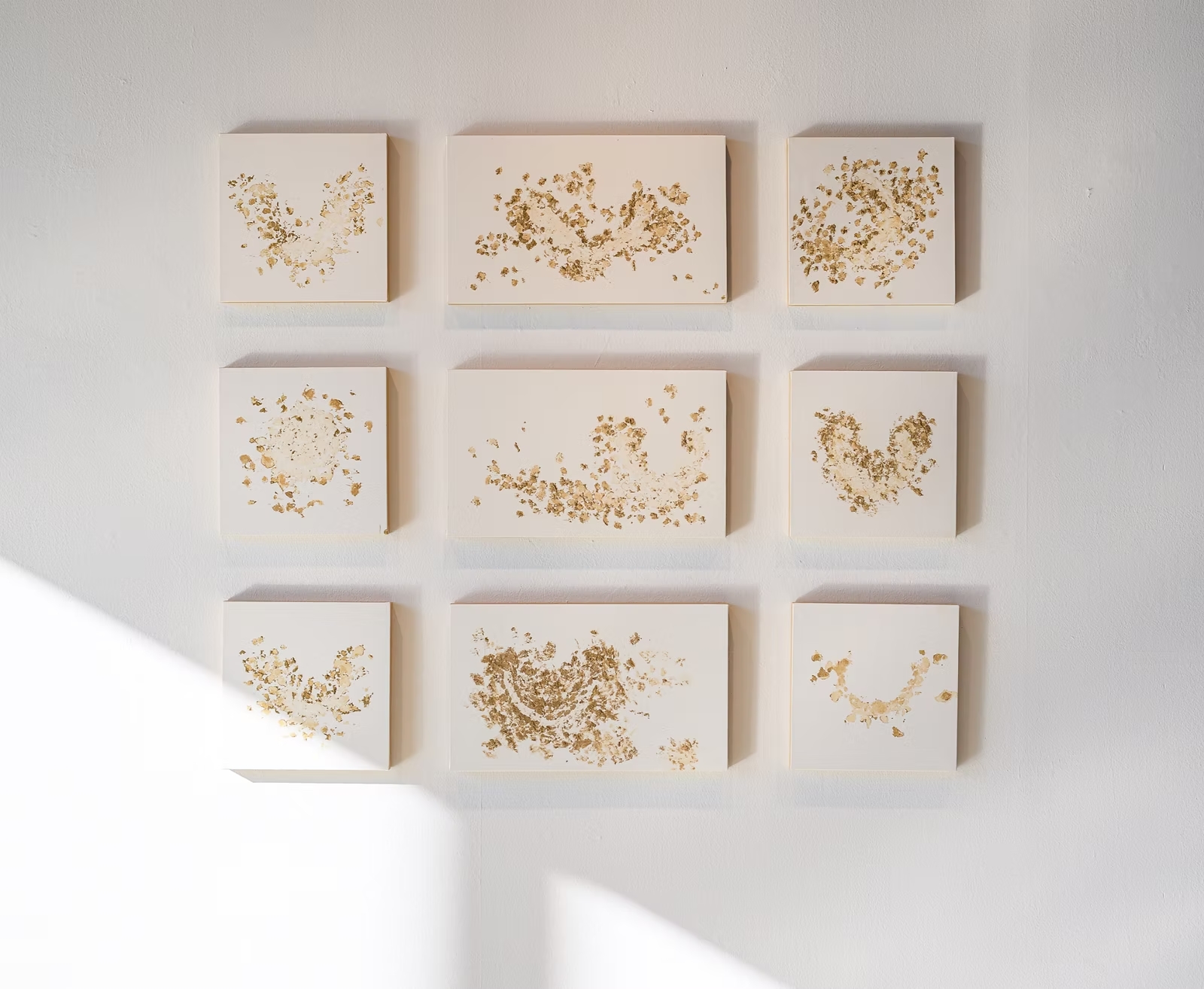
Gosari, Barn Swallow Seat, 2025, Mud and straw from Namdaecheon Stream in Gangneung, earthenware clay, 27x27cm / 45.5x27cm © Gosari

In 2025, Gosari joined an artist residency in Gangneung, where she devoted herself to observing the lives of swallows. Swallows are a species closely associated with human habitation: they arrive around human settlements, stay temporarily, and eventually depart.
 
They tend to build their habitats near human dwellings located close to agricultural fields, low vegetation or grasslands, streams, and waterways.
 
This proximity to humans is closely related to the availability of materials for nest building and access to food, as well as the relative safety these environments provide for breeding.
 
Particularly sensitive to humidity and wind, swallows tend to favor houses with eaves and wall surfaces suitable for attaching their nests, especially low-rise structures that can offer protection from severe weather.
 
Because of their close relationship with human settlements, swallows have traditionally been regarded as benevolent creatures that return human care with abundance and good fortune, forming a longstanding relationship of coexistence with people.
 
Yet in today’s urban environments, dominated by high-rise buildings constructed from steel, concrete, and glass, it has become increasingly difficult to find places where swallows can build their nests.


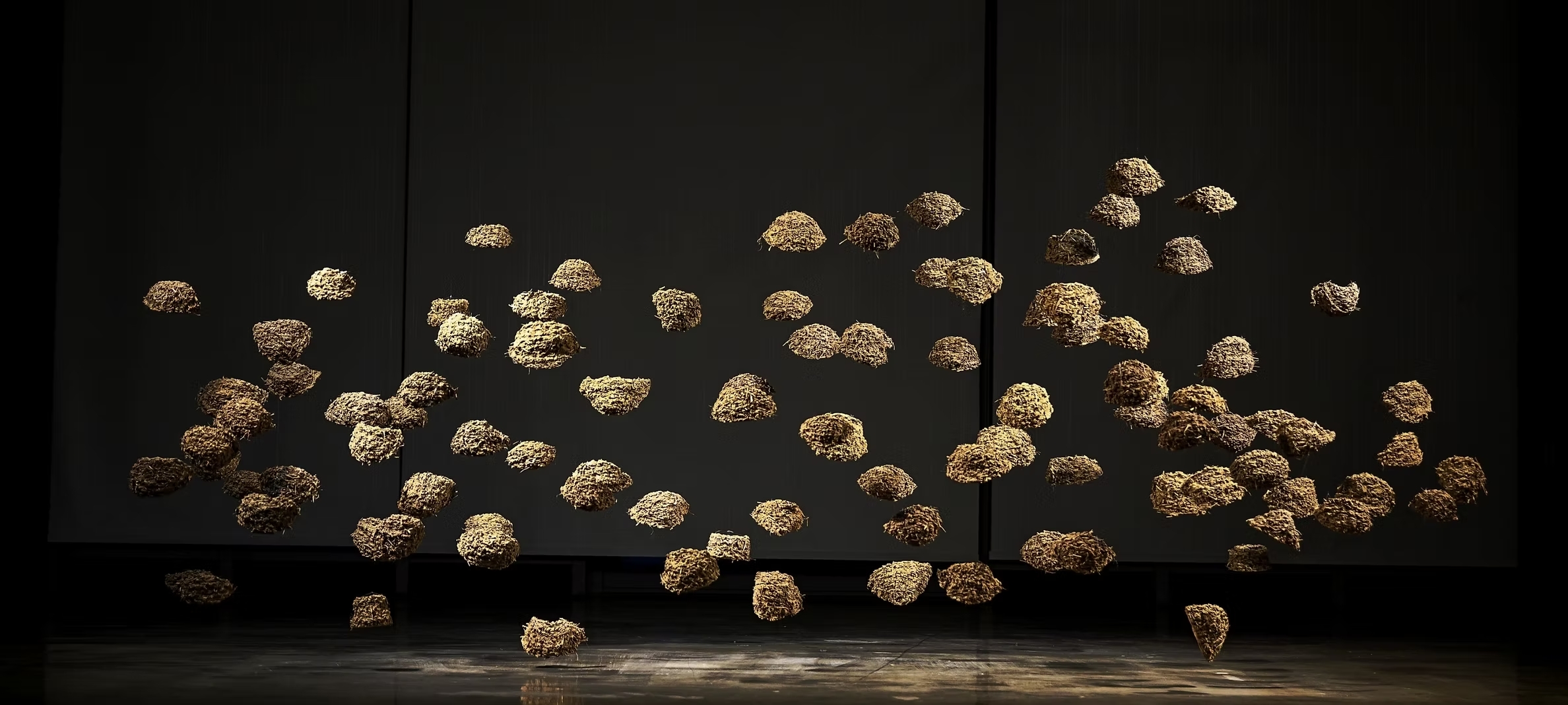
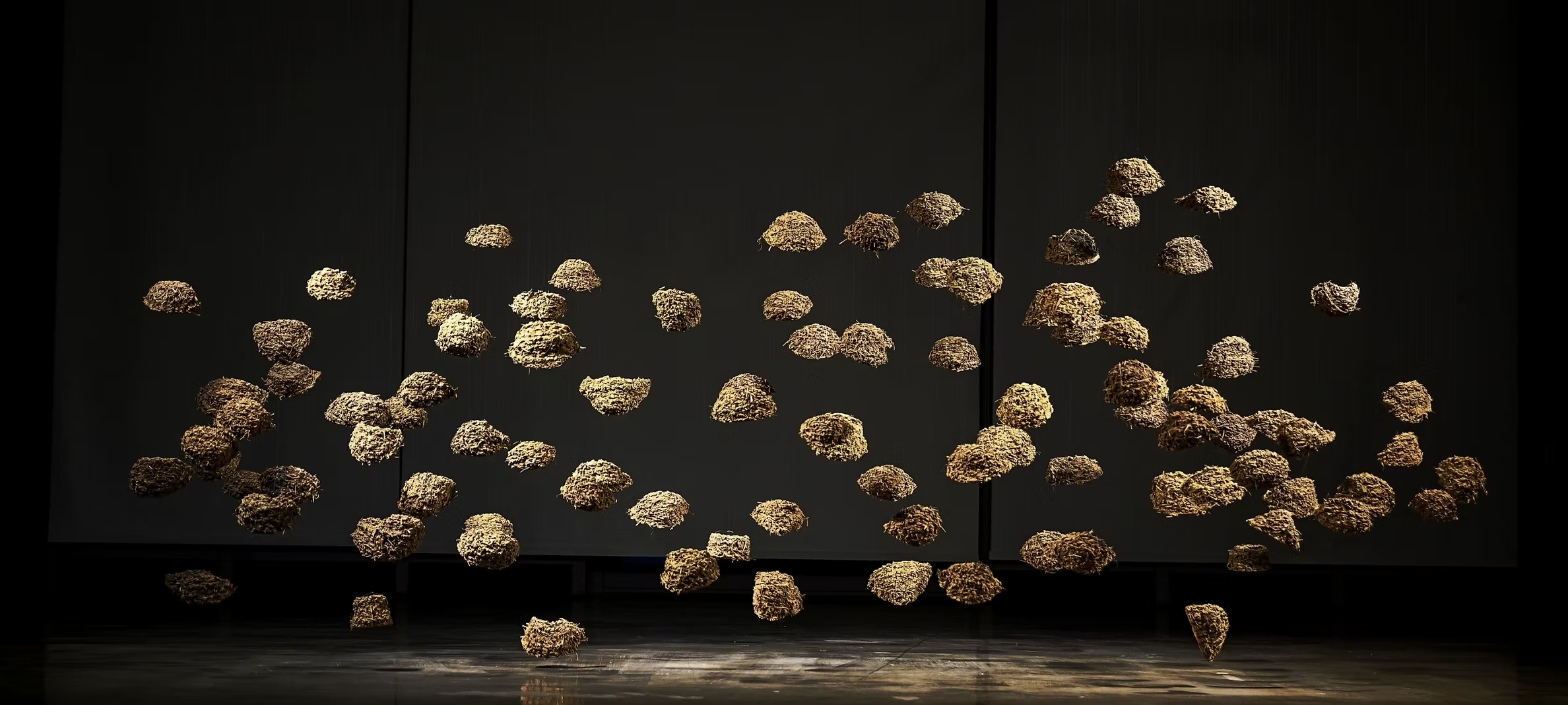
Gosari, Barn Swallow’s Pass, 2025, Mud and straw from Namdaecheon Stream in Gangneung, earthenware clay, 99 swallow nests, Dimensions variable © Gosari

Gosari began a series of works related to swallows after accidentally discovering a swallow’s nest at a market in Gangneung. Among them, Barn Swallow’s Pass (2025) reflects on the affectionate relationship between swallows and humans by gathering soil and straw from the riverside near the market and carefully shaping them into swallow nests, following the birds’ own way of building their homes.
 
The artist recalls two kinds of paths: the “path of the earth” taken by people crossing the ninety-nine bends of Daegwallyeong Pass, and the “path of the sky” followed by swallows as they fly approximately 20,000 kilometers south each autumn. Inspired by these intersecting trajectories, Gosari suspended ninety-nine swallow nests in the exhibition space.
 
Resembling a flock of swallows in flight, while also evoking the winding succession of the ninety-nine bends, the installation traces the continuous movement between dwelling and departure, and between life and death.


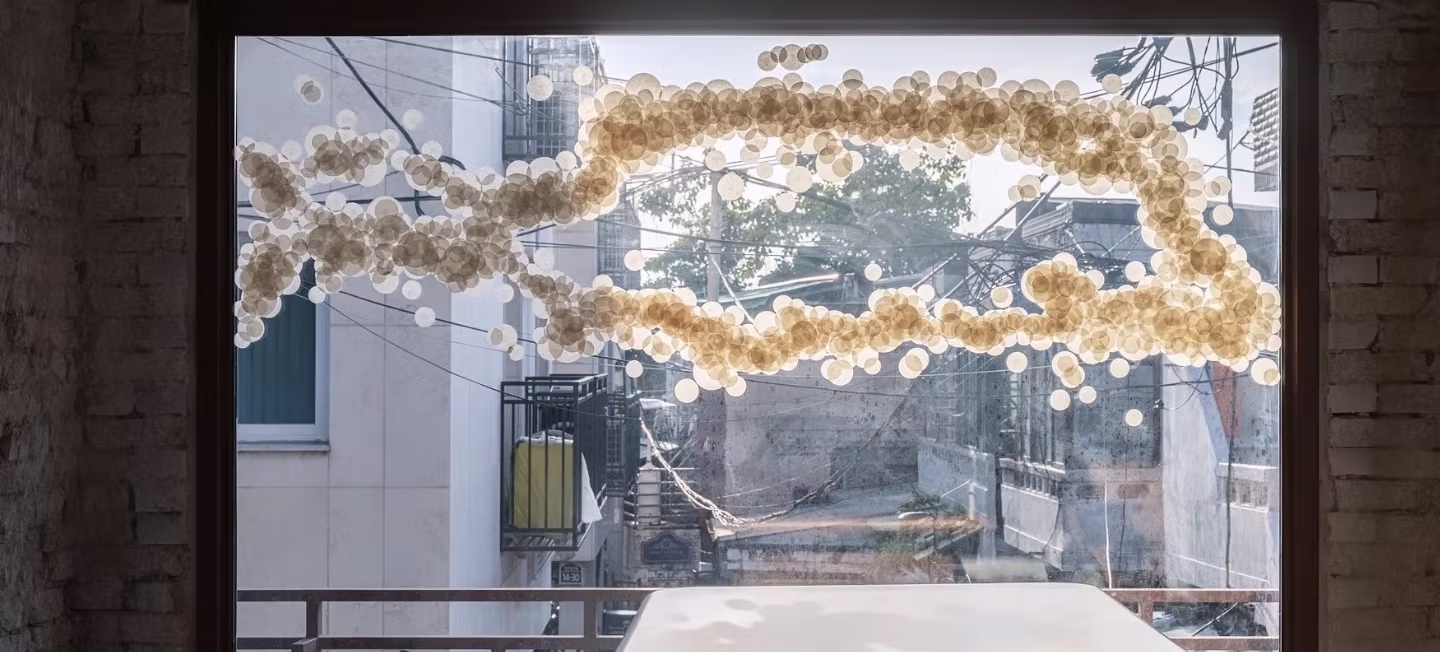
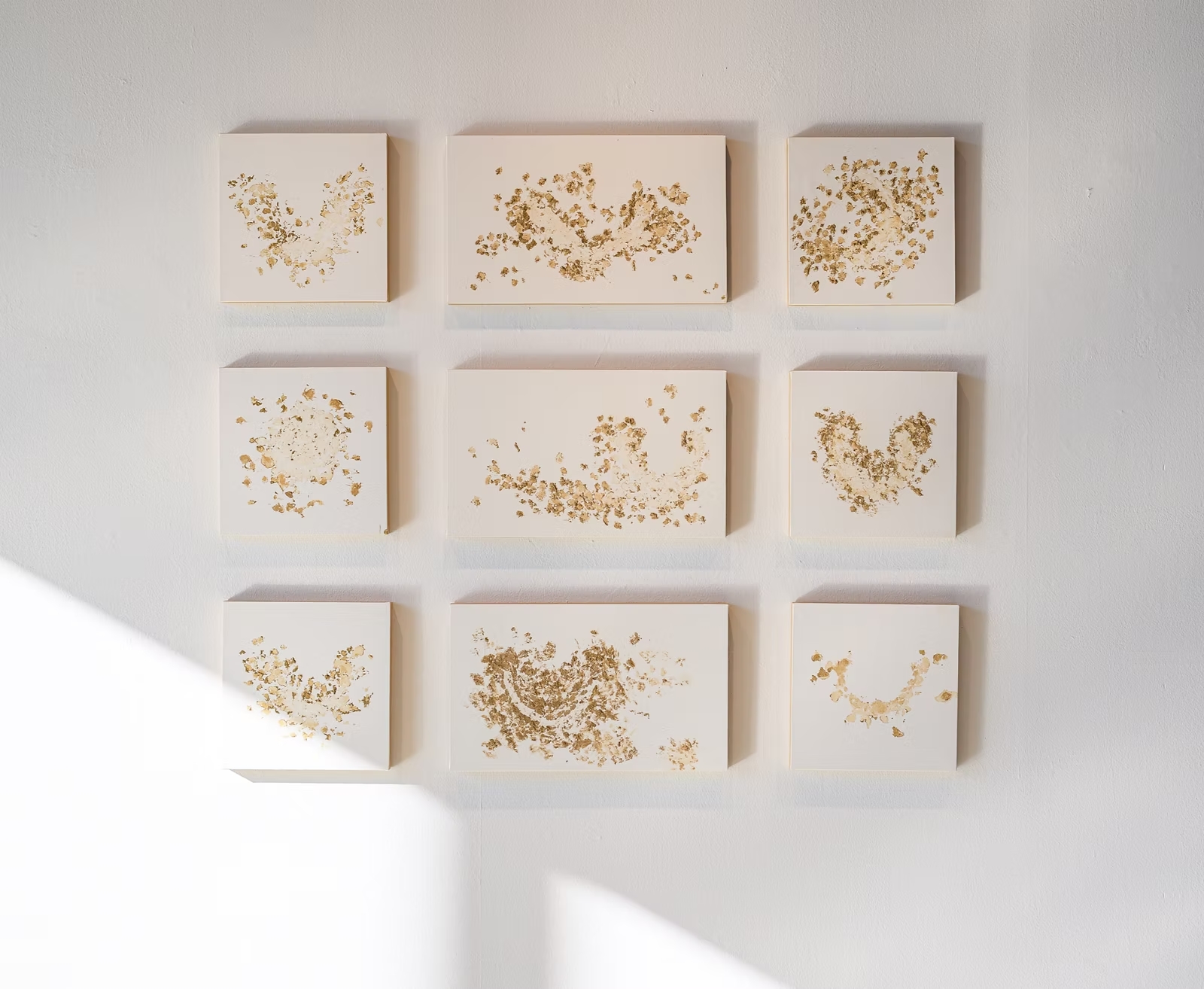
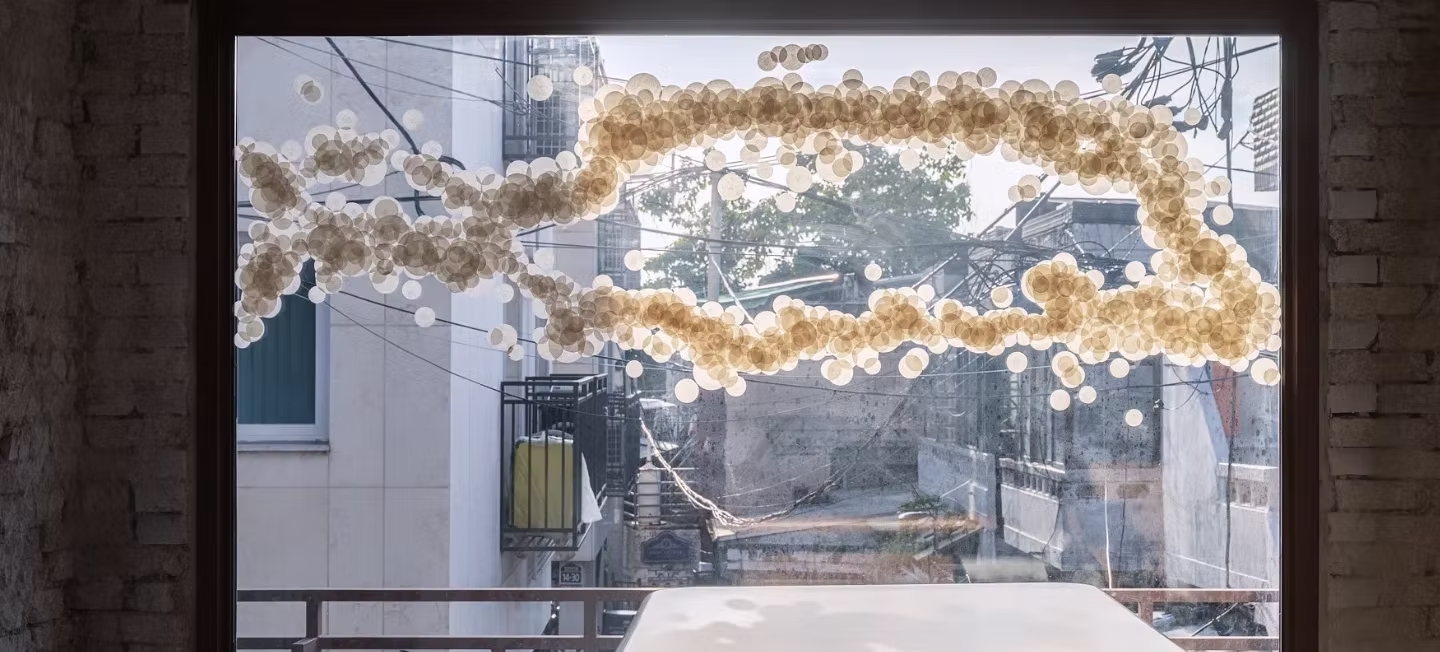
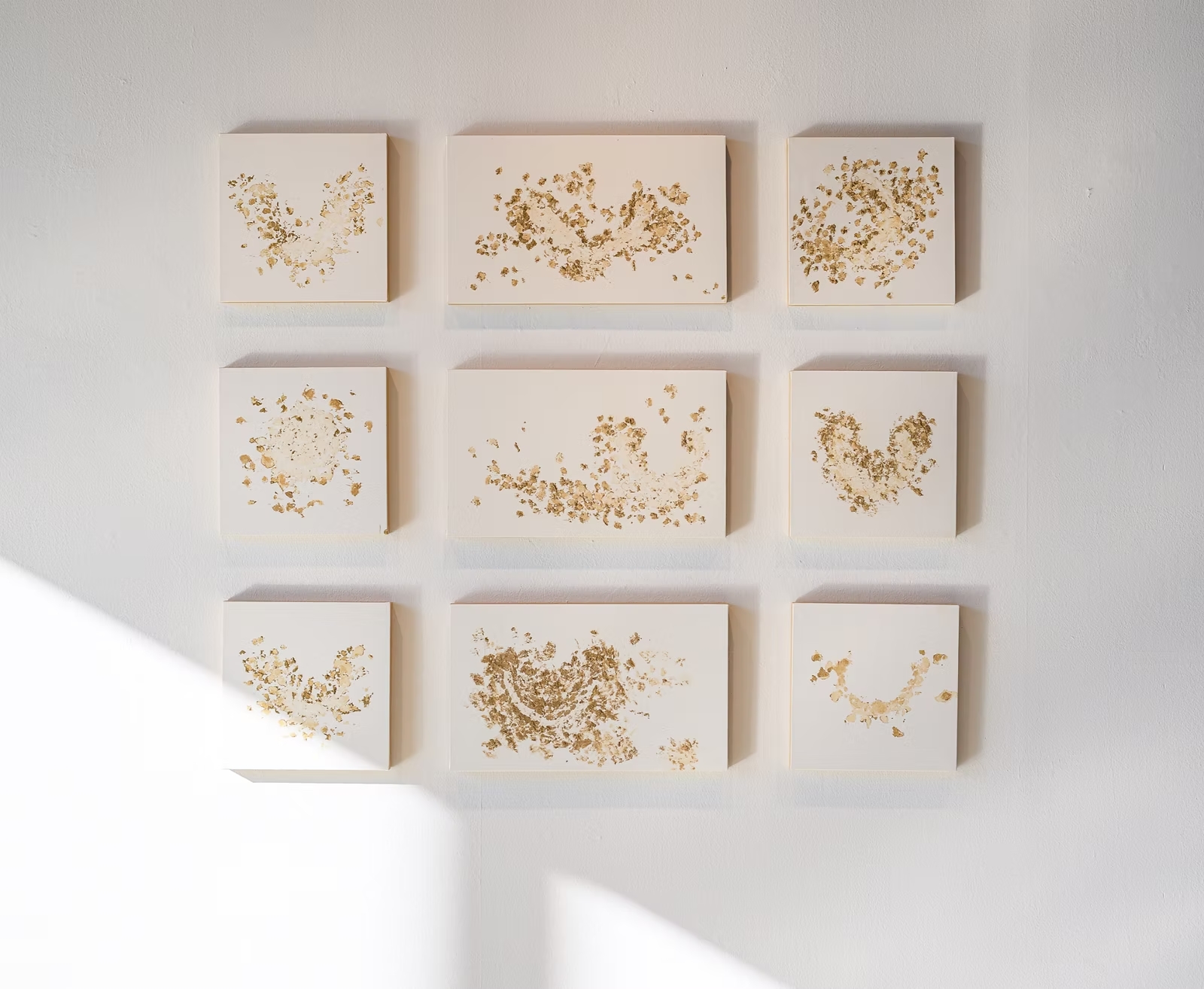
Gosari, Barn Swallow’s Galaxy, 2025, Circle-cut Hanji (traditional Korean paper), glue, window, natural light, Dimensions variable © Gosari

Meanwhile, Barn Swallow’s Galaxy (2025), made by attaching circularly cut pieces of traditional Korean hanji paper to a window, translates the long journey of swallows migrating southward from Korea each year into the form of a map.
 
Imagining the trajectories of swallows traveling vast distances like countless points of light, Gosari captures the luminous traces of their migration on the hanji.
 
Natural light entering through the window illuminates these trajectories, visualizing the connection between humans and a species that has long lived alongside them. The work invites us to reconsider the meaning of coexistence and the relationships that have been formed between the lives of two different species.


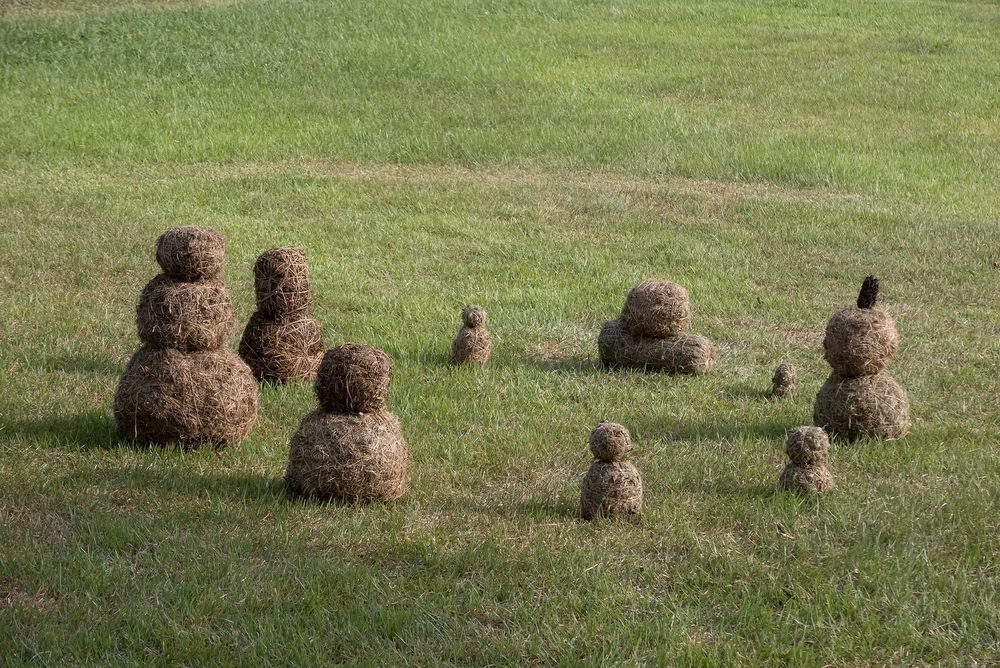
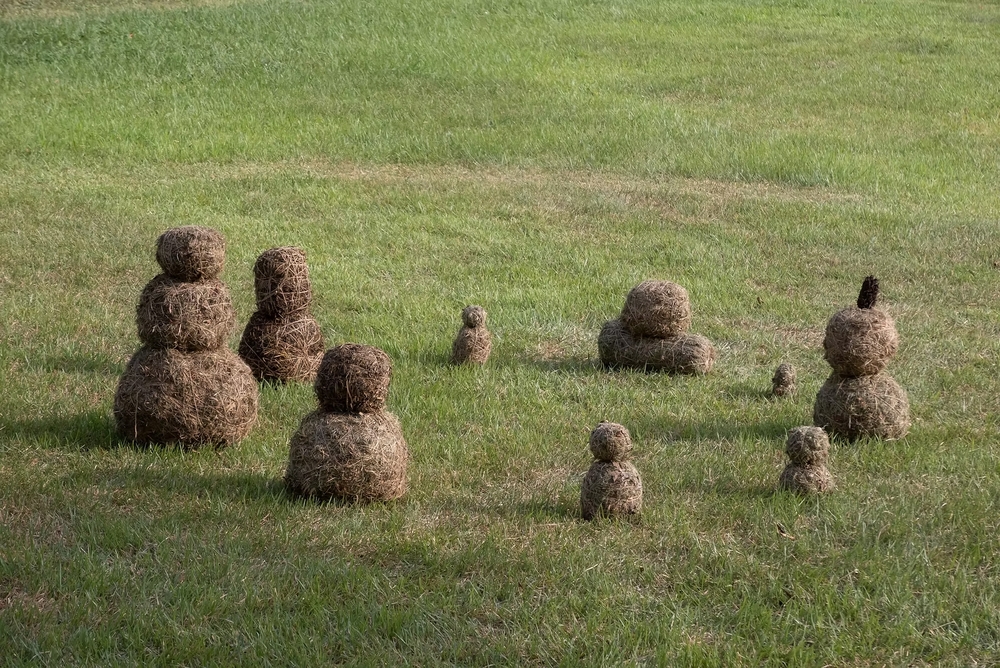
Gosari, Grass man, 2021-, Weeds, string, Dimensions variable © Gosari

In this way, Gosari has continued to focus on the lives of small nonhuman beings that are often taken for granted in our everyday surroundings. Through their cyclical processes of life and death, her works invite us to reconsider ecological sensitivity and the value of the environment.
 
In the face of contemporary realities such as the climate crisis brought about by human desire and exploitation, her practice creates a space and time in which we can reconsider and re-sensitize ourselves to the relationship between humans and the natural world.

”By tracing the unrecognized values hidden in daily life, I confront the physical and emotional traces that accumulate over time—the remnants of life’s cycles that both disappear and endure.” (Gosari, Artist’s Note)


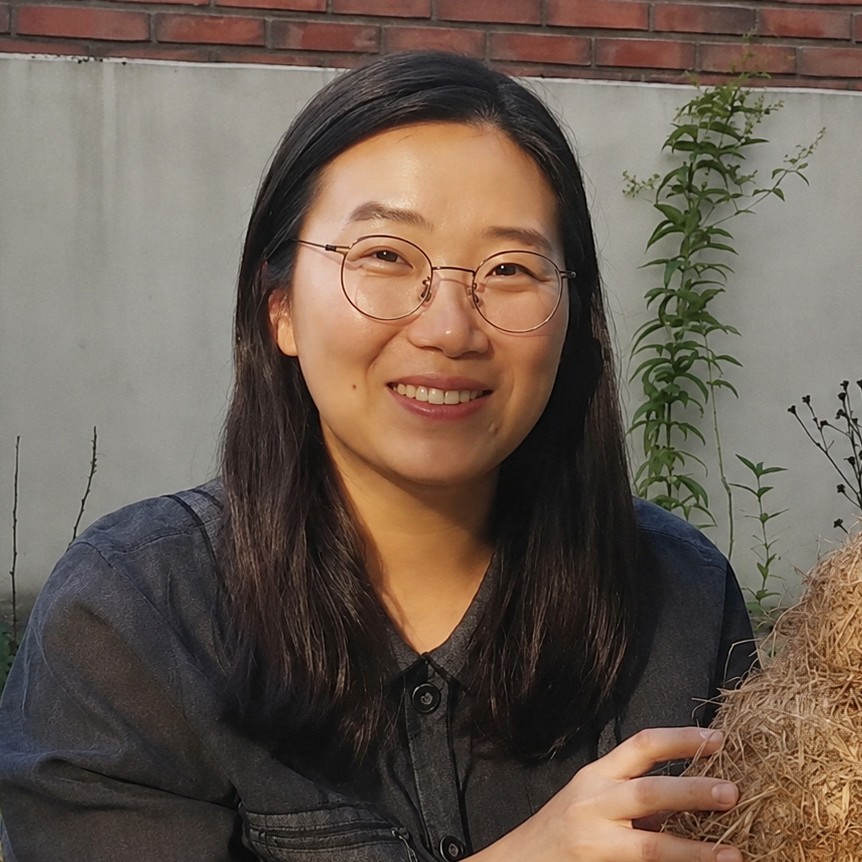
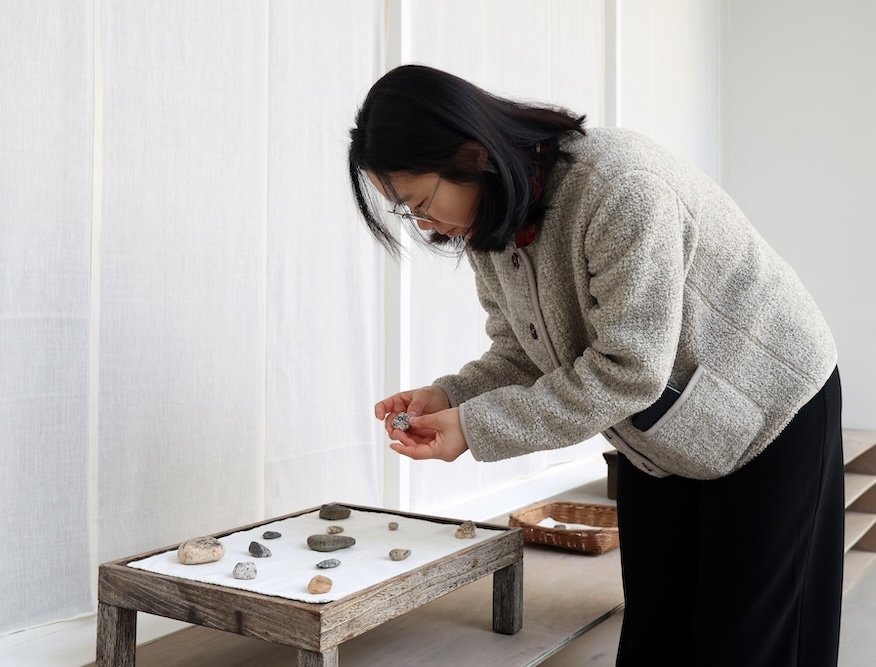
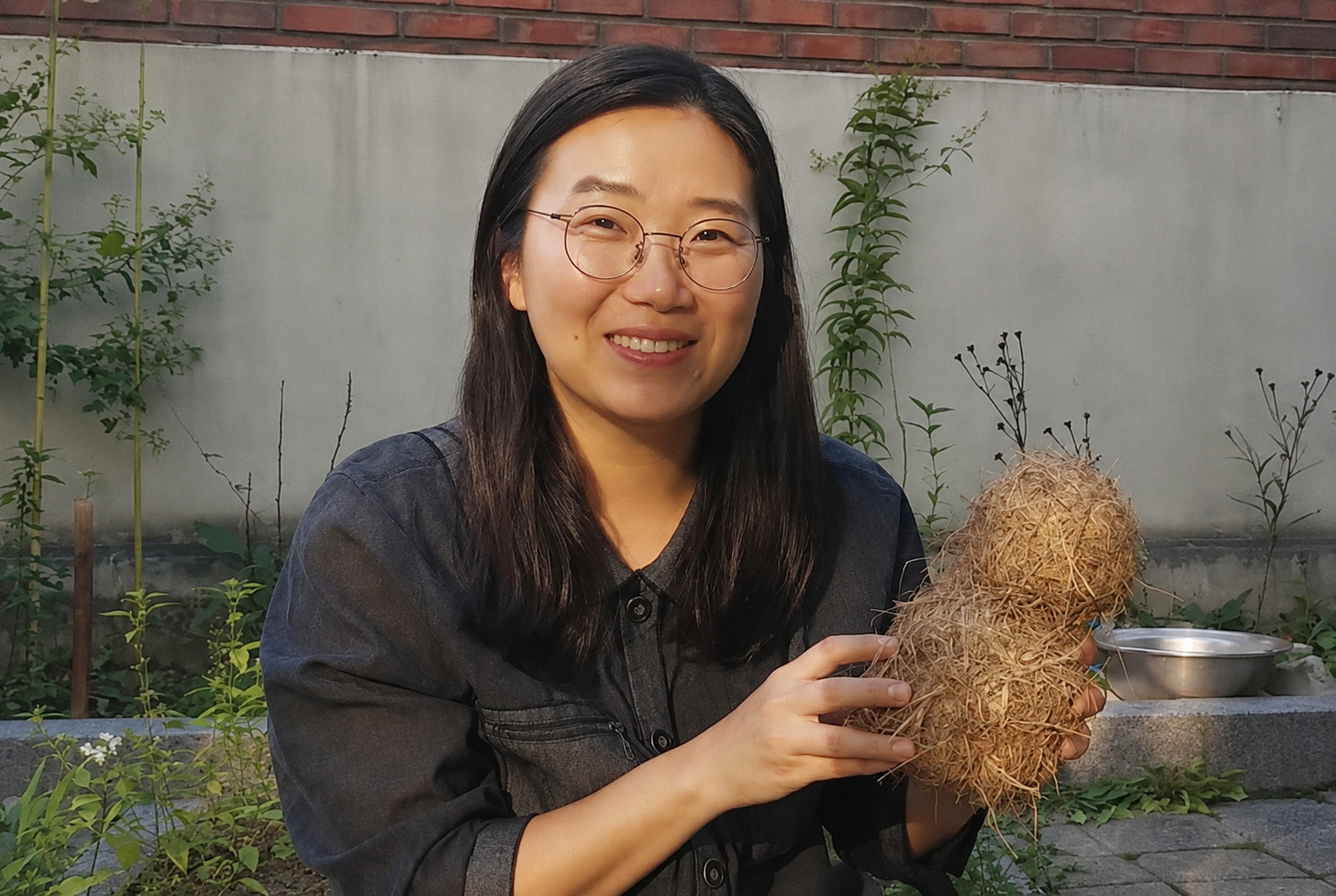
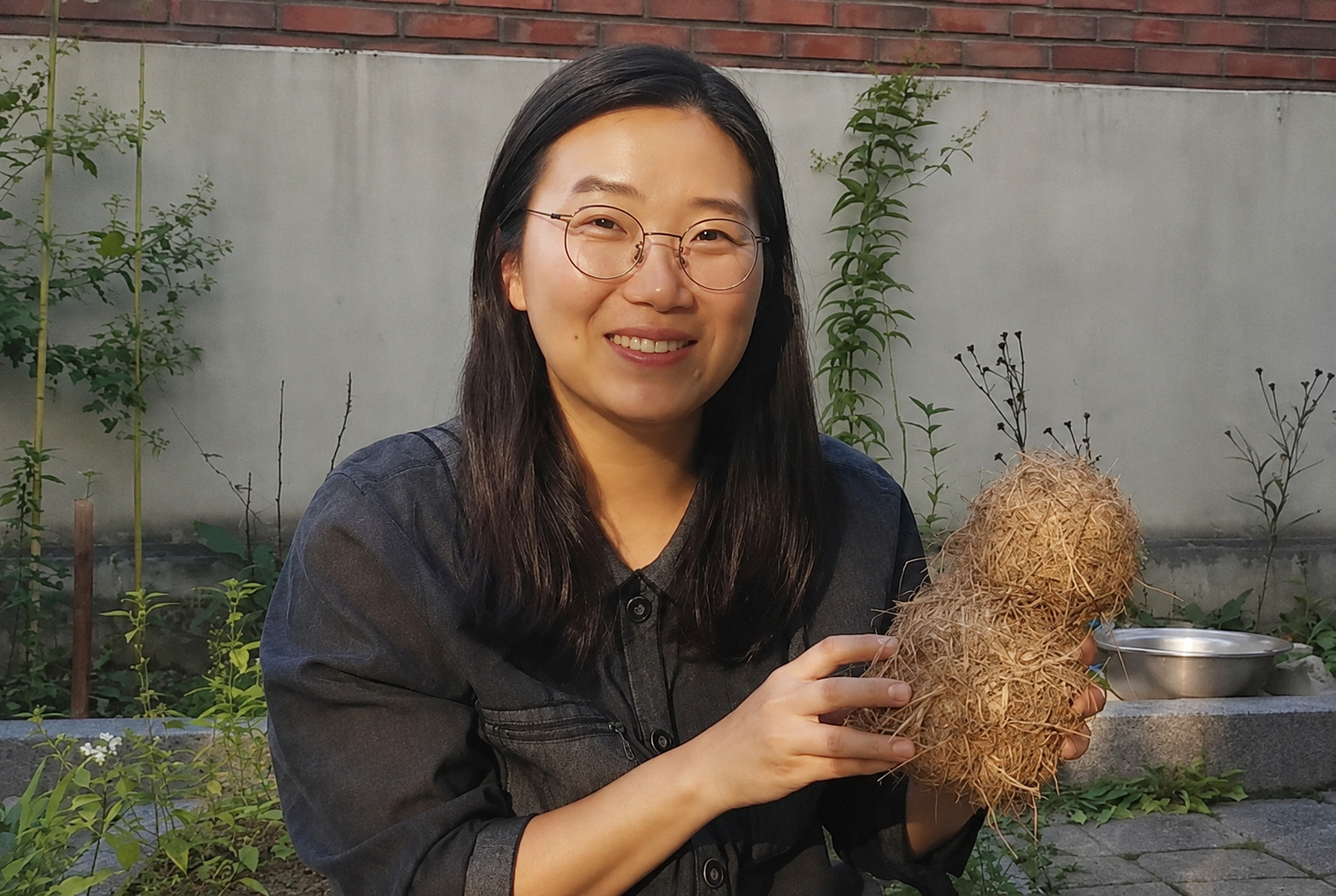
Artist Gosari © Kwon-jinkyu Atelier

Gosari graduated from the Department of Western Painting at Ulsan University and earned an M.F.A. in Painting from Hongik University. Her recent solo exhibitions include 《Lee-Rip》 (Gallery SAFE, Seoul, 2025), 《Untitled》 (Daechumoo Fine Art, Gangneung, 2023), 《Spring has come》 (CR Collective, Seoul, 2022), and 《Woosil》(Salt Museum, Jeung-do, 2020).
 
She has also participated in numerous group exhibitions, including 《Sak-da: The Poetics of Decomposition》 (MMCA, Seoul, 2026), 《Territory of Nature: Artistic Questions on Co-creation of the World》 (Aegibong Peace Ecopark Exhibition Hall, Gimpo, 2025), 《You cannot elaborate the dark thickness of night as they can》 (DOOSAN Gallery, Seoul, 2024), 《Landscape of life: How are you today?》 (Ulsan Art Museum, Ulsan, 2023), and 《Things, Traces Memories》 (Daecheong Ho Art Museum, Cheongju, 2022).
 
Gosari has participated in artist residency programs including the Gangneung Residency (2025), Kwon-jinkyu Atelier Residency (2021), ‘Art Like Salt’ International Residency (2020), and the MMCA Residency Goyang (2019). Her works are held in the collections of Ulsan Art Museum and the Museum Division of the Seoul Metropolitan Government’s Cultural Facilities Bureau.

References