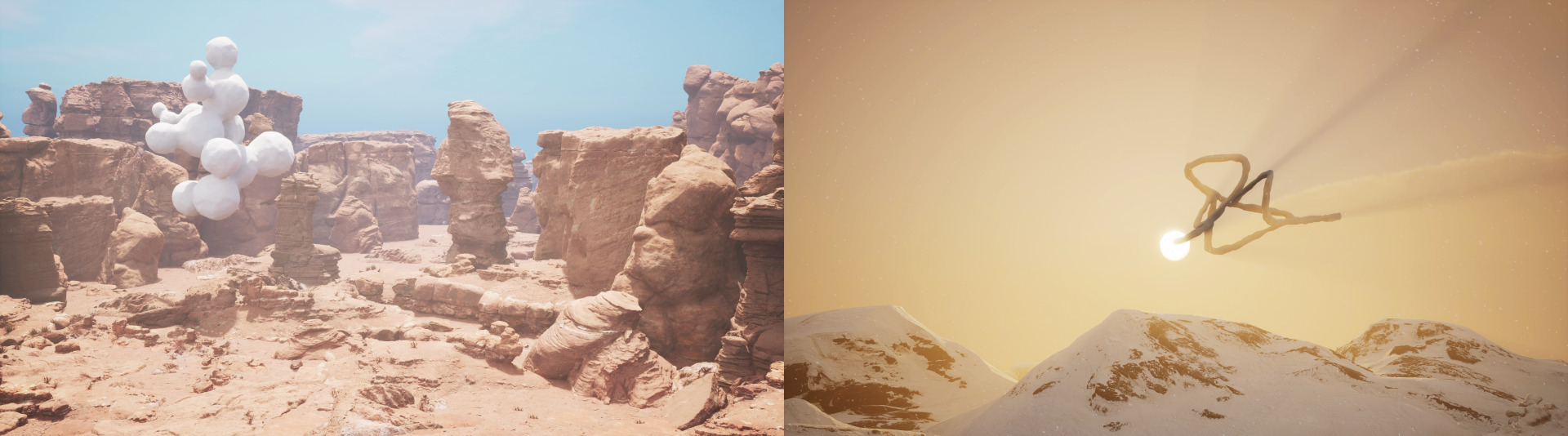
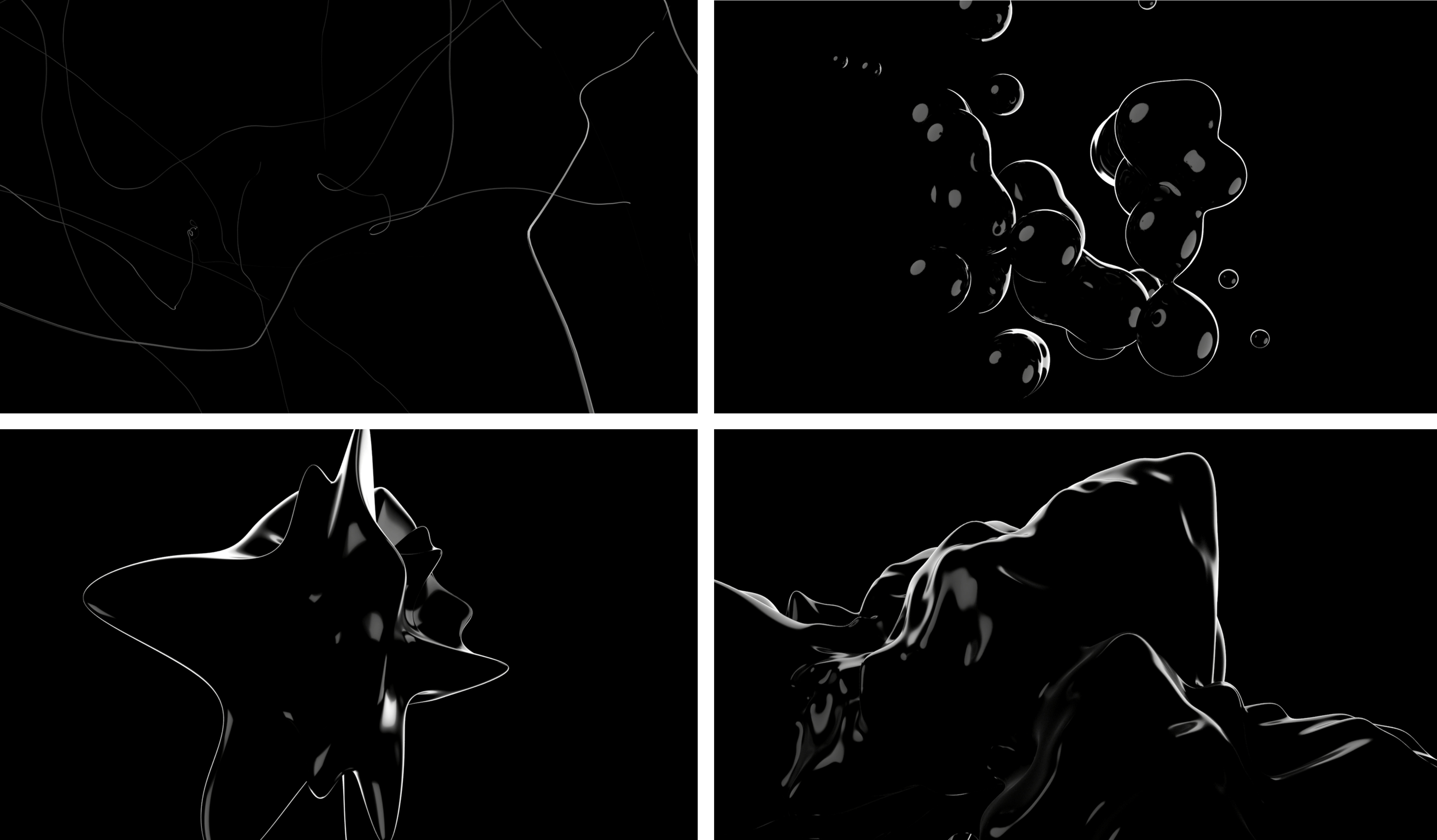
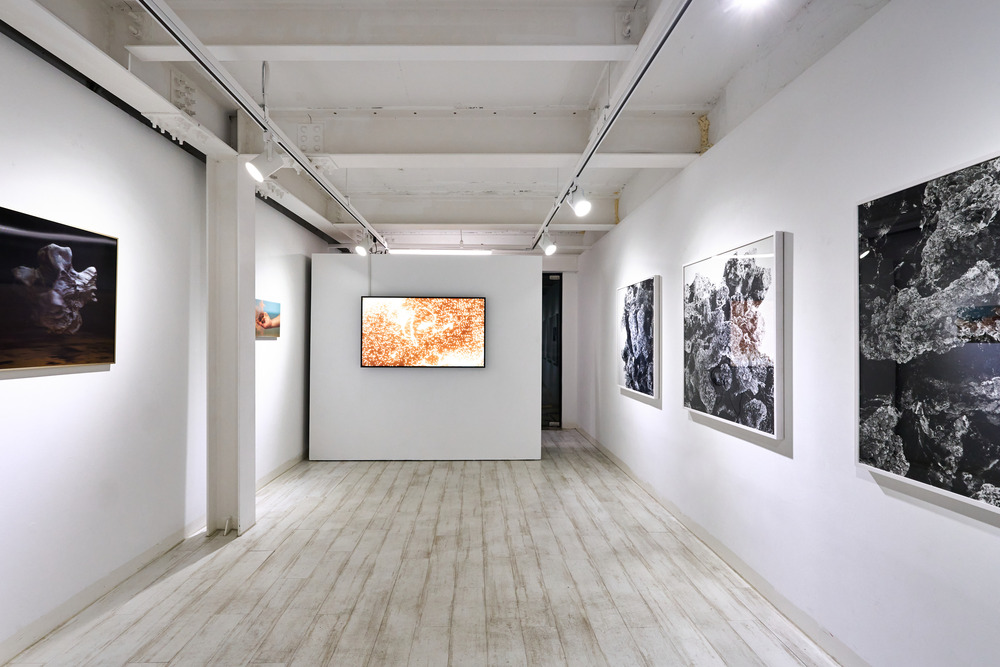
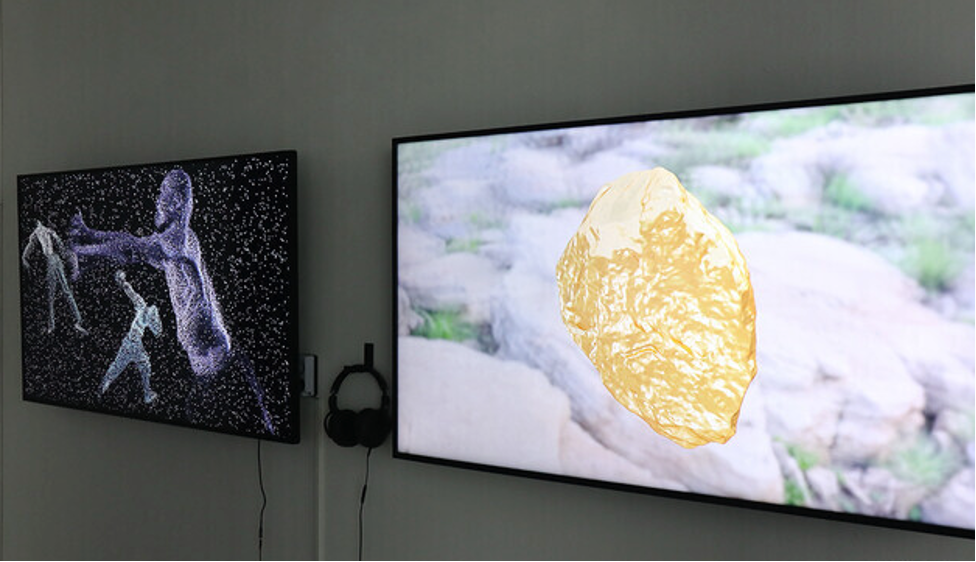
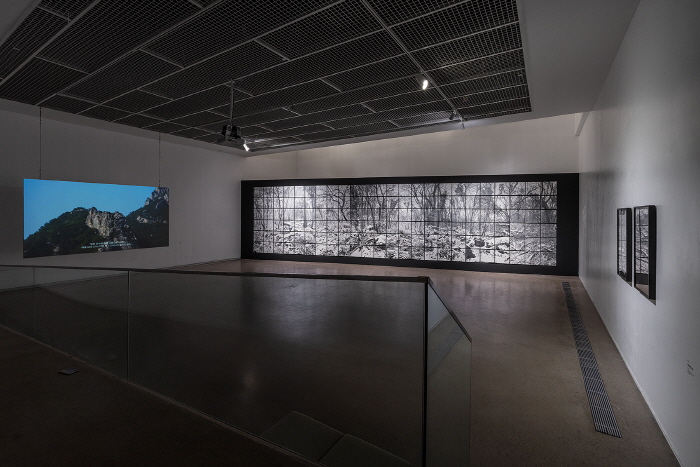
Woongcheol Lee (b. 1983) views “accident” not simply as an event, but as a catalyst for a shift in perception. Through a range of media, he explores points at which the boundaries between reality and virtuality, life and non-life, the visible and the invisible, and the artificial and the natural become blurred, seeking to recontextualize specific events.

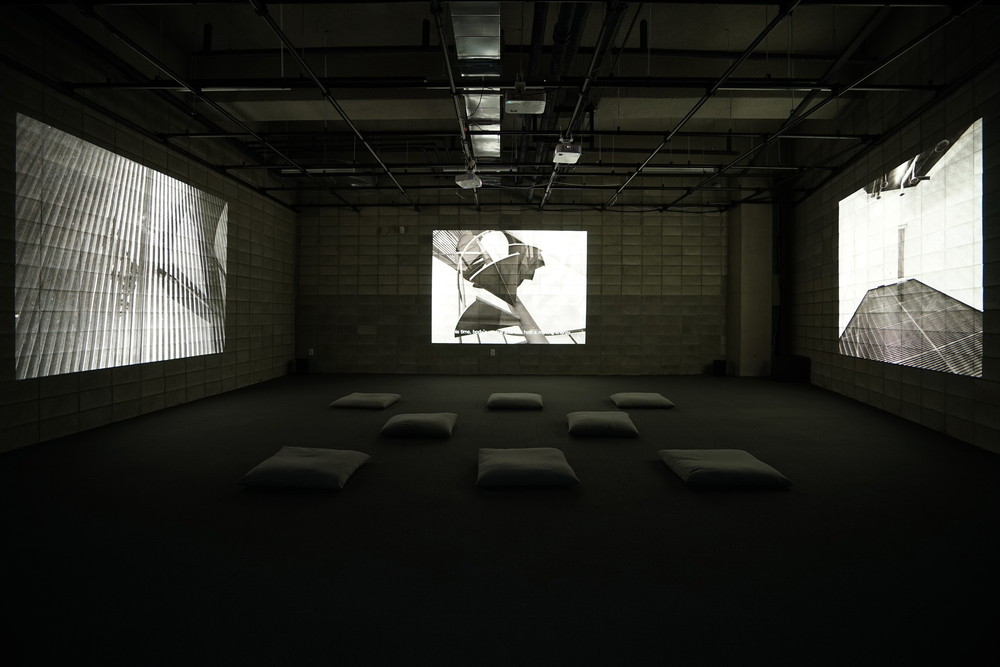
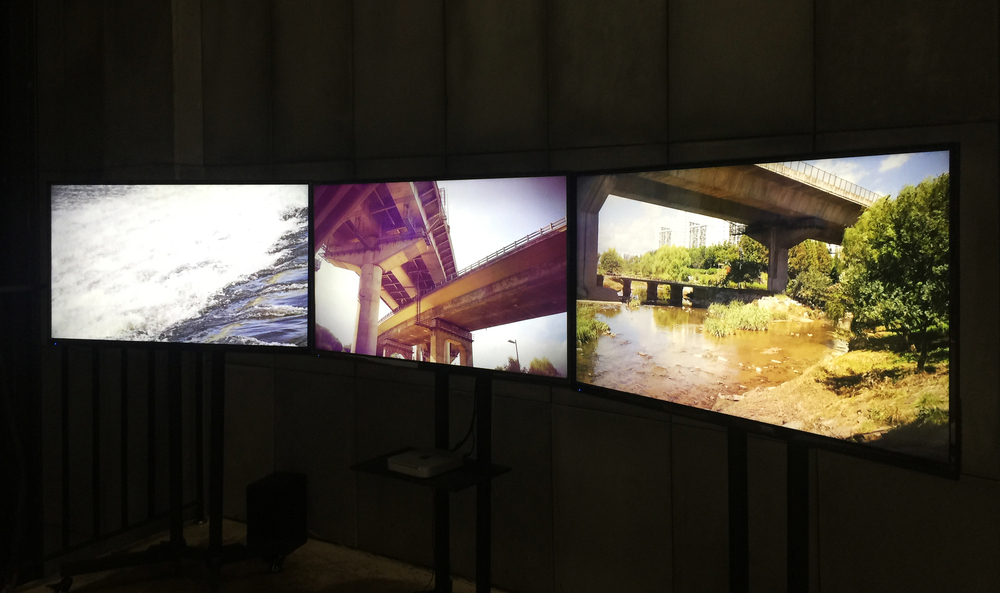
Woongcheol Lee, Choreography; Between Drawing and Design, 2018, 3-channel video, color, sound, 11min. © Woongcheol Lee

Woongcheol Lee has long been interested in the points at which the binary boundaries that structure the human world can—or cannot—be mediated. His practice begins with an attempt to perceive the reality he inhabits anew. Closely observing familiar urban spaces as if dismantling them piece by piece, he seeks to capture the structures and sensations that lie beyond what is immediately visible.
 
In his early works, Lee critically examined urban environments shaped by anthropocentric systems and translated his observations into works in which three-dimensional and planar forms, as well as the virtual and the real, intersect. In particular, as he explored the mass, texture, and structure of the city, he repeatedly focused on the repetitive and standardized nature of contemporary urban systems.
 
The constant replication and consumption of identical commodities and cultural forms, residential and work spaces designed around efficiency, and the repetitive movements of bodies within them all embody the logic of standardized modules.
 
Lee critically observes these urban systems and extracts architectural modules, transforming and recombining them into objects that visually reveal the structures and mechanisms through which the contemporary city operates.


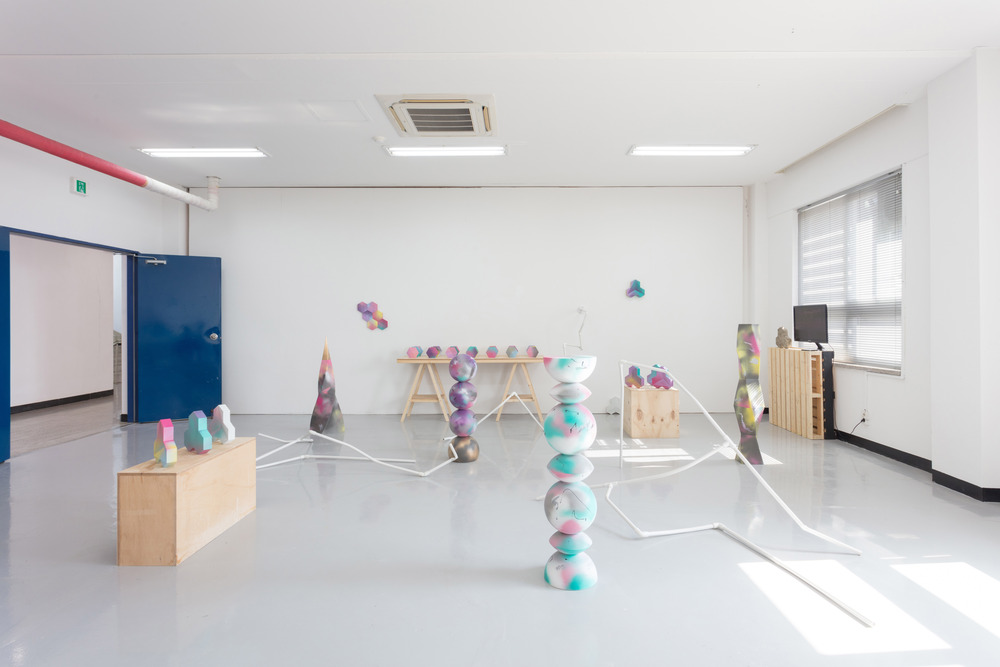
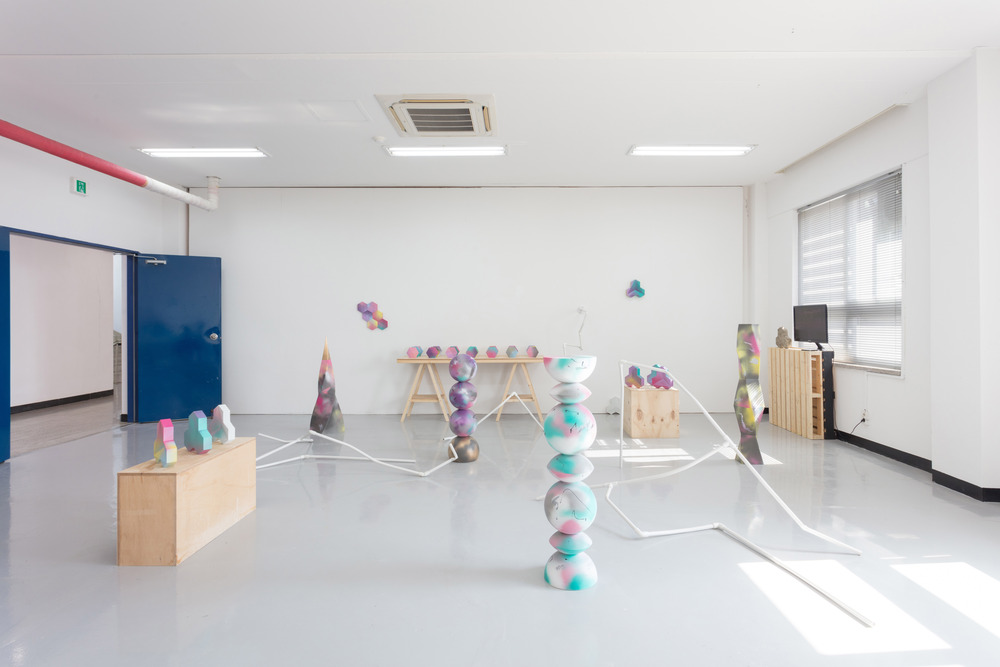
Installation view of 《Designed Experience》 (Pappappa Tamgooso Sewoon, 2017) © Woongcheol Lee

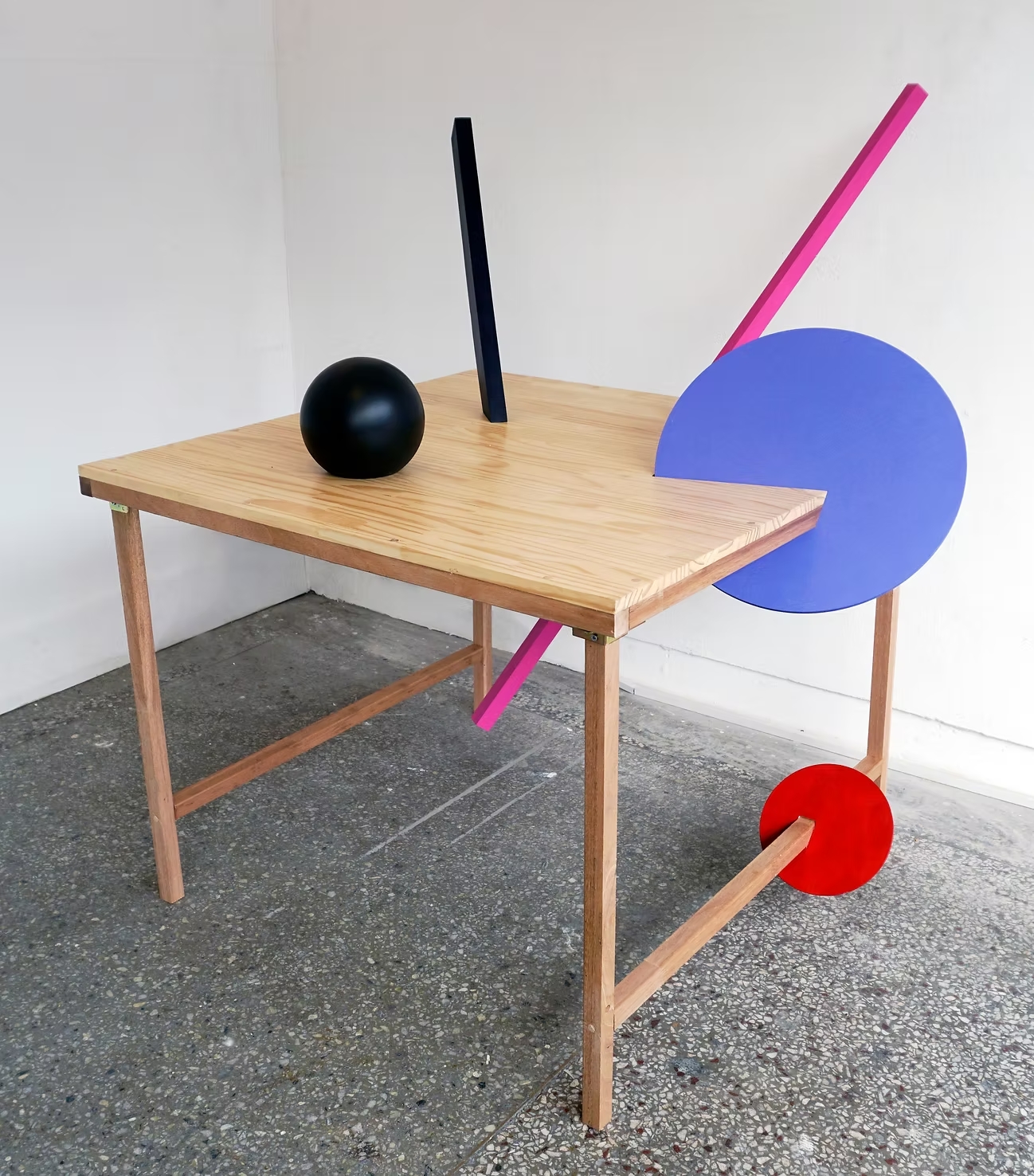
For example, Lee’s 2017 series ‘The Geometry of Reality’ presents scenes in which geometric forms permeate everyday objects and landscapes through painting and installation. By introducing these forms into familiar environments, he reveals the implicit authority of everyday objects and spaces designed for efficiency, turning their apparent convenience into a paradoxical experience of discomfort.
 
The objects and situations he selects are closely tied to the physical environments that shape our bodies. They include desks and chairs that require us to contort our bodies into constrained postures while studying, and airplanes that demand hours of physical discomfort and exposure to risk in exchange for efficient mobility. These standardized experiences not only produce uniform bodily conditions but also contribute to the formation of shared emotional and social groups.
 
In one of these works, a table made by Lee is pierced throughout by geometric shapes. These additions are based on the existing user-experience logic embedded in the design of a desk, while introducing a further layer of intervention into its structure.
 
Drawing on the logic of UX design, Lee emphasizes the subtle political dimensions embedded in everyday design by physically altering familiar objects to the point where their intended use becomes noticeably uncomfortable.
 
Through this discomfort, he brings to the surface the political conditions underlying everyday life, presenting them as something at once covert and audacious, almost like a conspiracy hidden in plain sight.


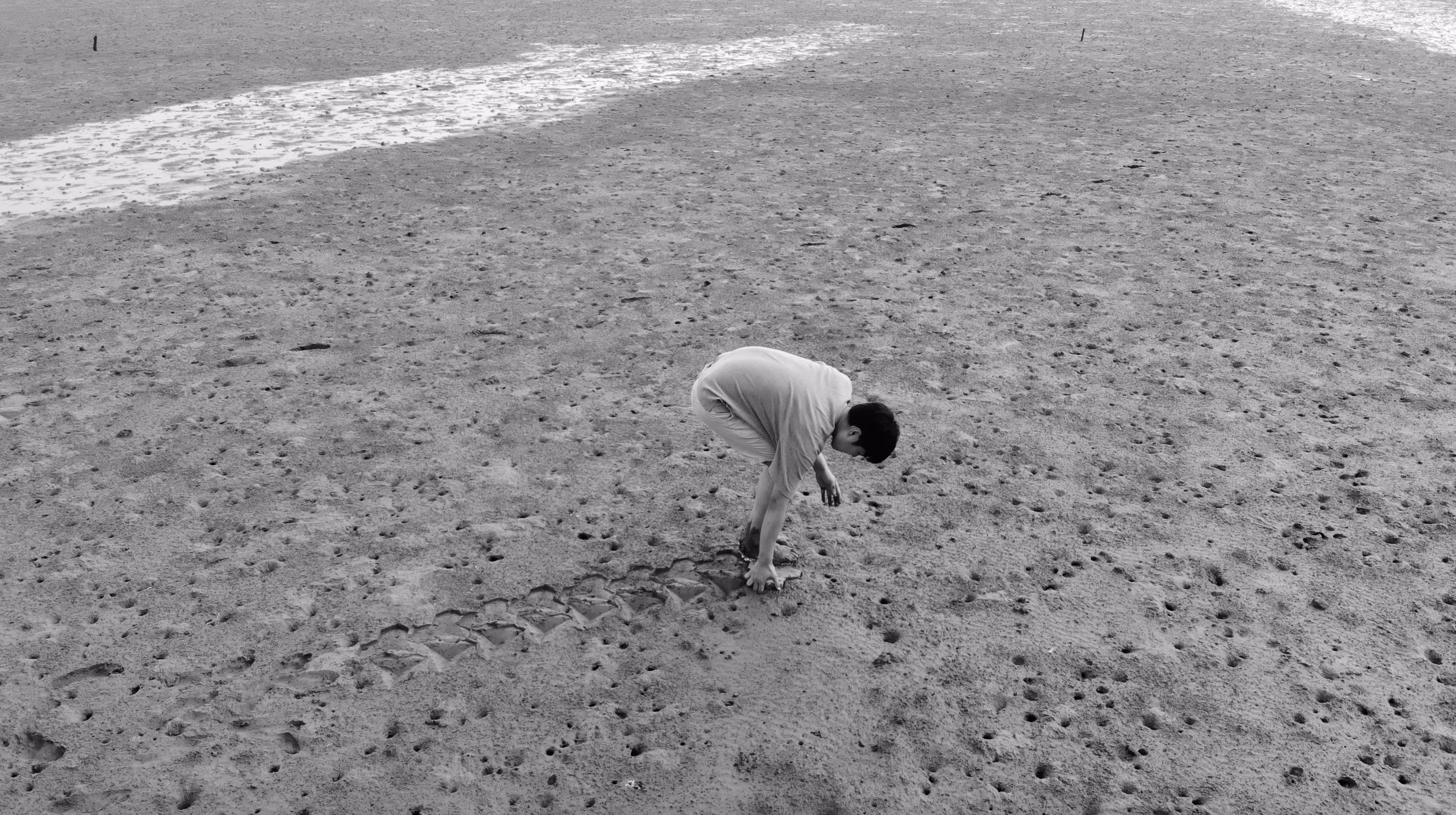
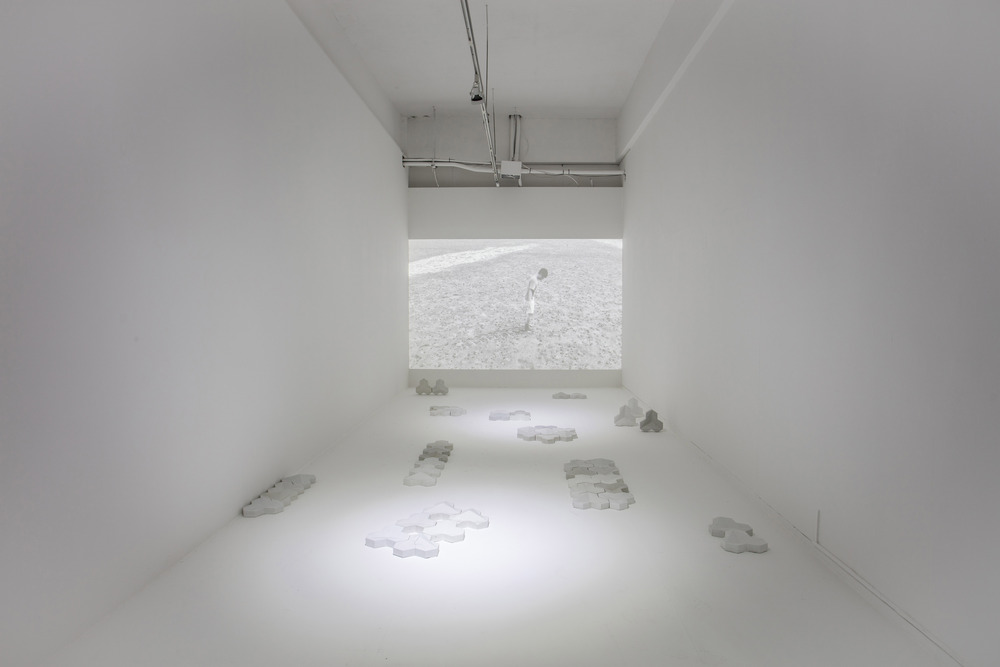
Woongcheol Lee, Agitated Step, 2019, Performance video, 4K, 6min. © Woongcheol Lee

In his subsequent works, Lee turned his attention to the body as a site of perception, sensitively registering the subtle variations within the city’s repetitive rhythms while observing the monads that constitute its fundamental units.
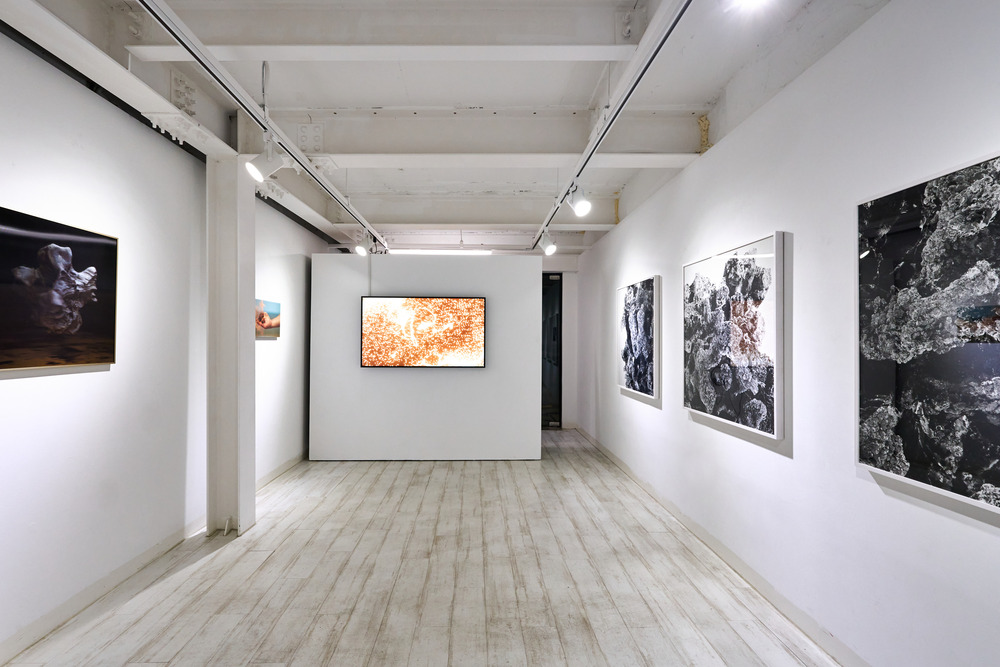
 
His practice consequently expanded beyond the neutral and structural perspective of his early works to incorporate more personal and specific experiences and events.
 
This exploration of bodily movement and the traces it leaves behind is particularly evident in his 2019 video work Agitated Step. In the tidal flats near Tando Port in Ansan, Lee places concrete panels extracted from urban structures across the mudflats like stepping stones and slowly walks across them.
 
Through this slow yet sustained action, fragments of the city come into contact with the surface of nature, temporarily connecting two otherwise disparate environments. In the process, the artist becomes a mediator between heterogeneous spaces, while the body functions both as a component within a repetitive system and as another monad capable of generating new relationships.


Woongcheol Lee, Ghost Sculpture, 2020, Installation view of 《Video Bites》 (Platform-L Contemproary Art Center, 2022) © Woongcheol Lee

Furthermore, Lee has expanded his inquiry beyond the repetition embedded in the physical structures of the city to explore the light visual and bodily experiences produced by digital interfaces.
 
He examines a contemporary sensory environment in which objects and landscapes from the physical world are transformed into pixel-based images on virtual platforms, and contact with digital images has become an everyday experience.
 
By juxtaposing material reality with immaterial forms of experience, his works reveal how our ways of perceiving the city are gradually extending beyond physical space into digital environments.
 
In this process, Lee employs digital tools such as drones and 3D printers as media that extend the reach of the human eye and hand. These human-designed machines perform functions such as automation and remote imaging, while inevitably producing errors and unforeseen effects.
 
Lee regards these deviations not simply as failures, but as multidimensional experiences that emerge from the operational logic of digital interfaces.


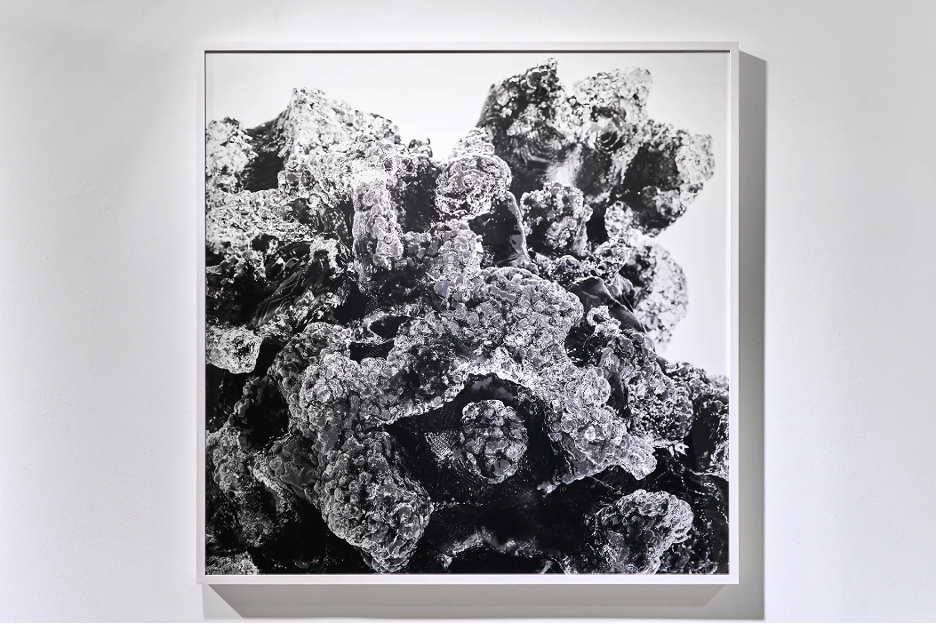
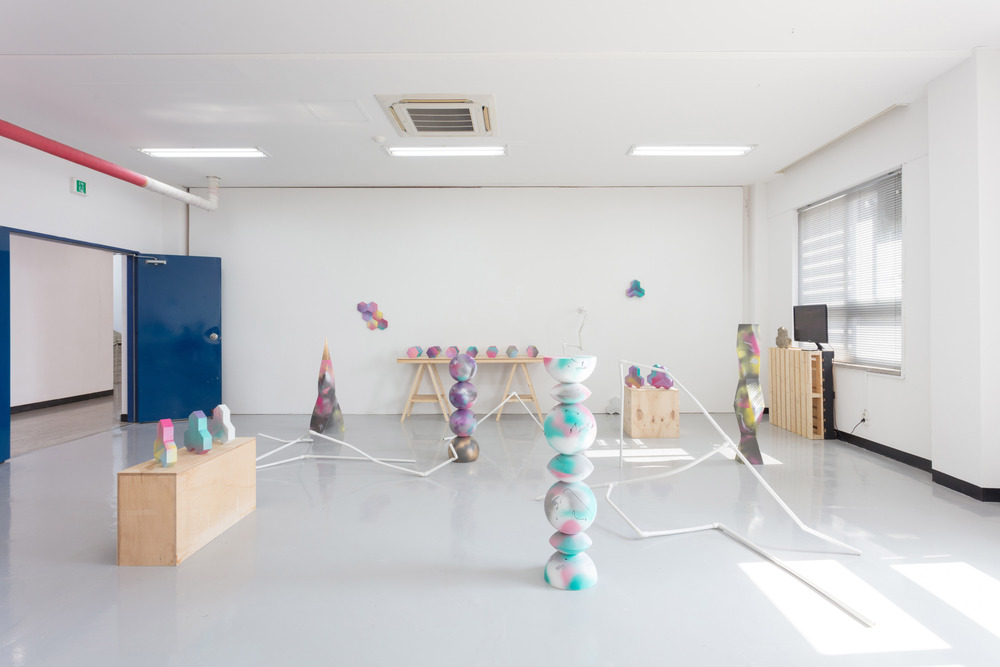
Woongcheol Lee, Ice-cream concrete, 2019, Mixed media, Dimensions variable © Woongcheol Lee

Architectural structures captured by drones are transformed into floating images that appear to exist without gravity, while 3D printers generate unintended forms in the process of reproducing identical units. Lee embraces these deviations as variations that emerge within repetitive structures, transforming them into new possibilities for sculptural form.
 
A representative example of this experimentation is Ice-cream Concrete (2019), which combines and arranges failed objects produced through 3D printing and overlays their surfaces with graphic imagery drawn from so-called “Satisfying Videos,” online content designed to evoke a sense of psychological comfort and visual pleasure.
 
By bringing together the materiality of physical objects and the fluidity of digital images, the work visualizes a contemporary sensory environment in which the virtual and the real overlap, while also reflecting the constantly shifting experience of the city.


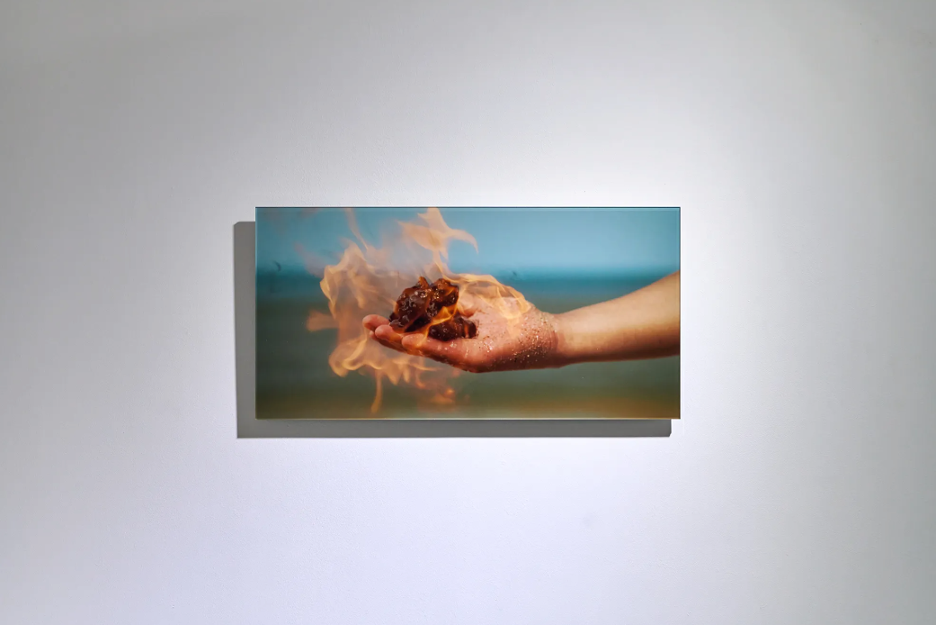
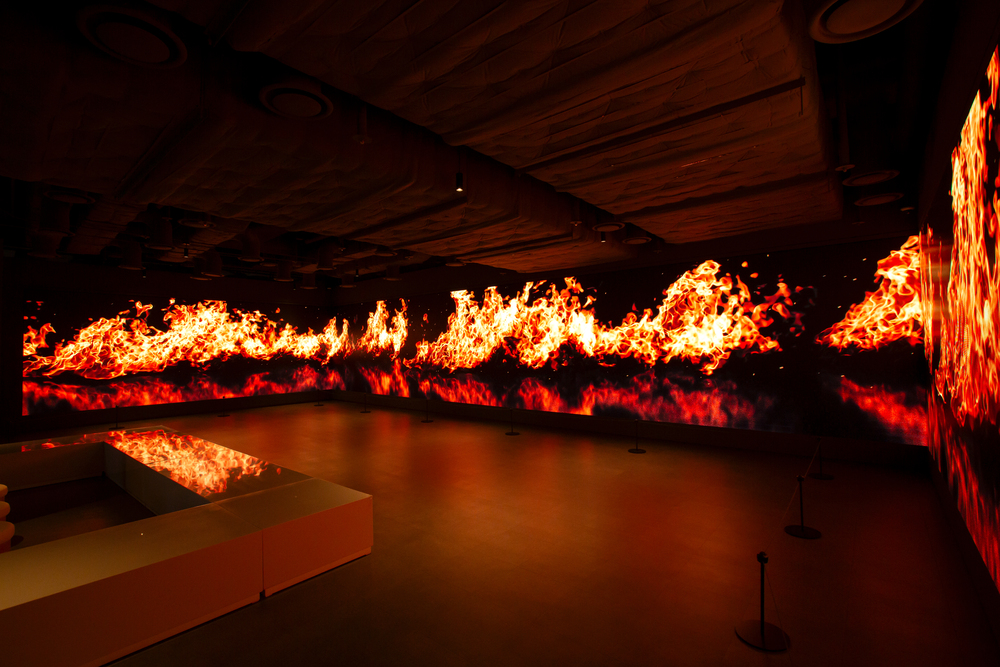
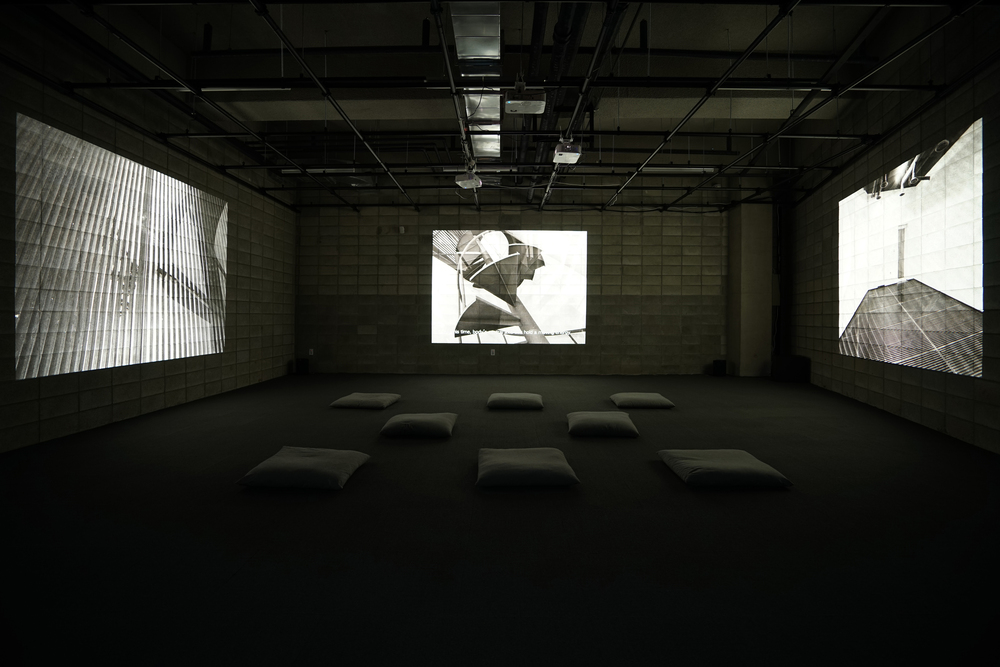
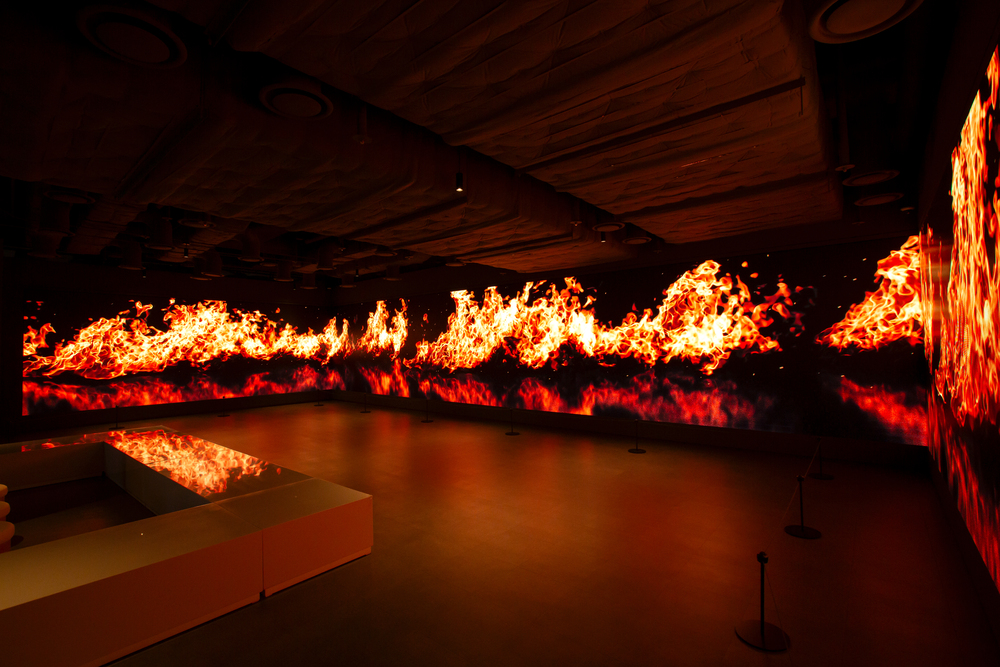
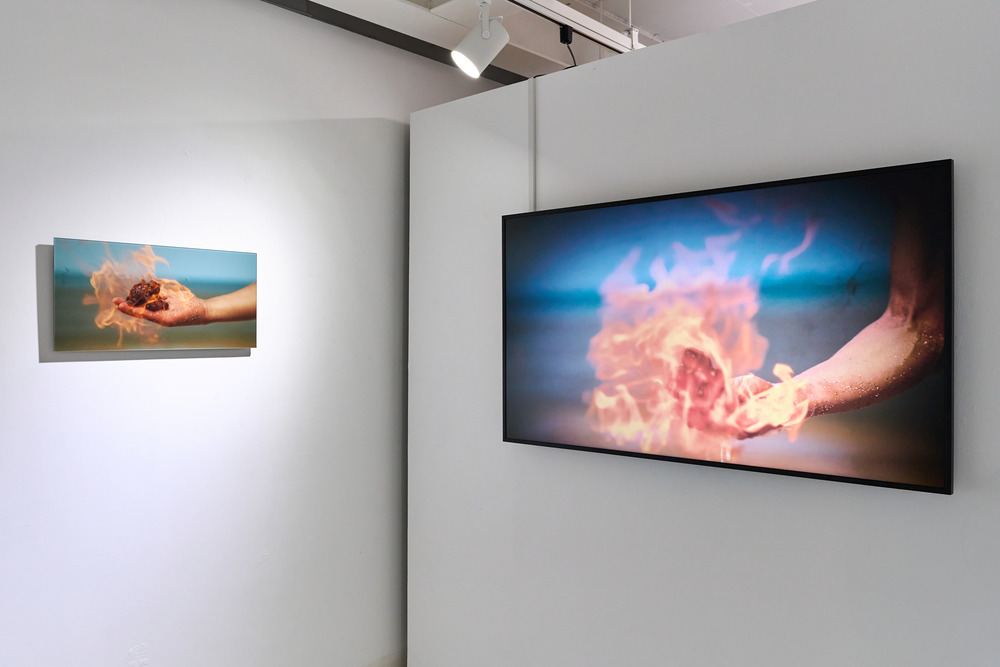
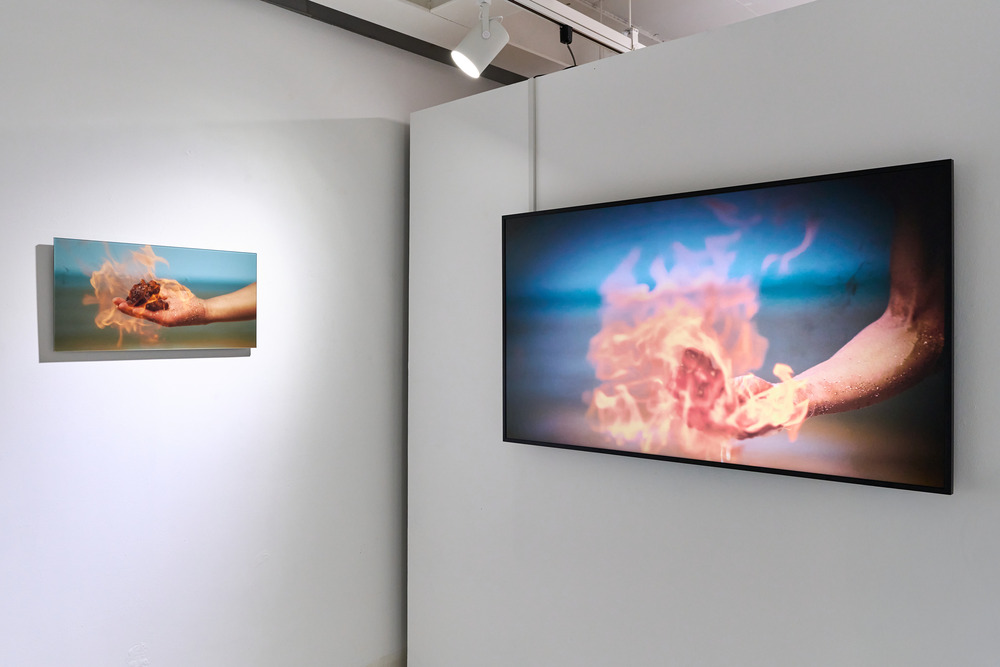
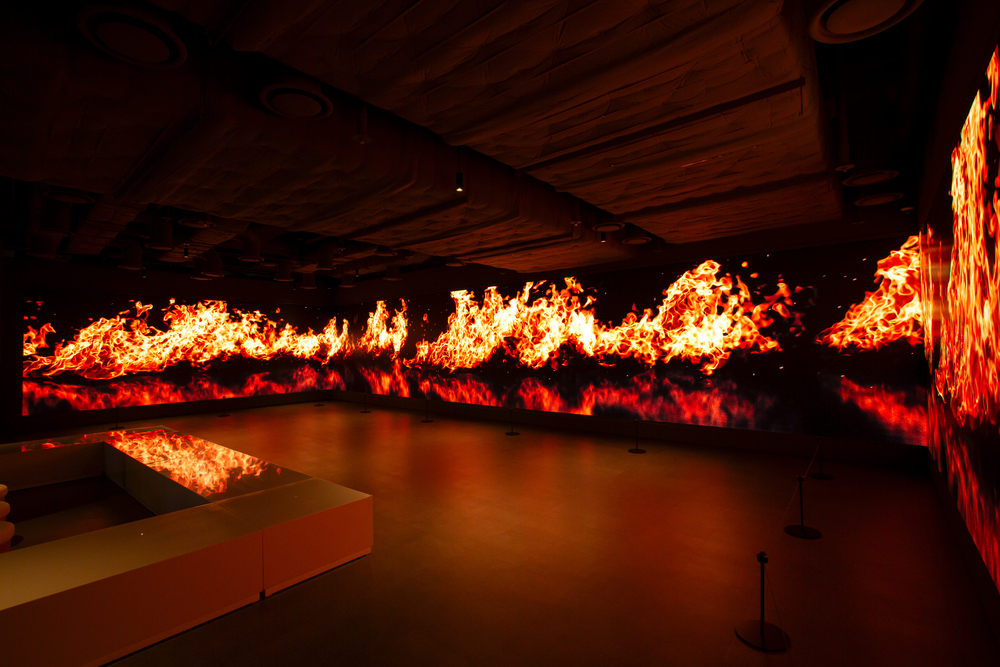
Woongcheol Lee, Surface of Fire, 2021, 3-channel video, color, sound(stereo), 4min. © Woongcheol Lee

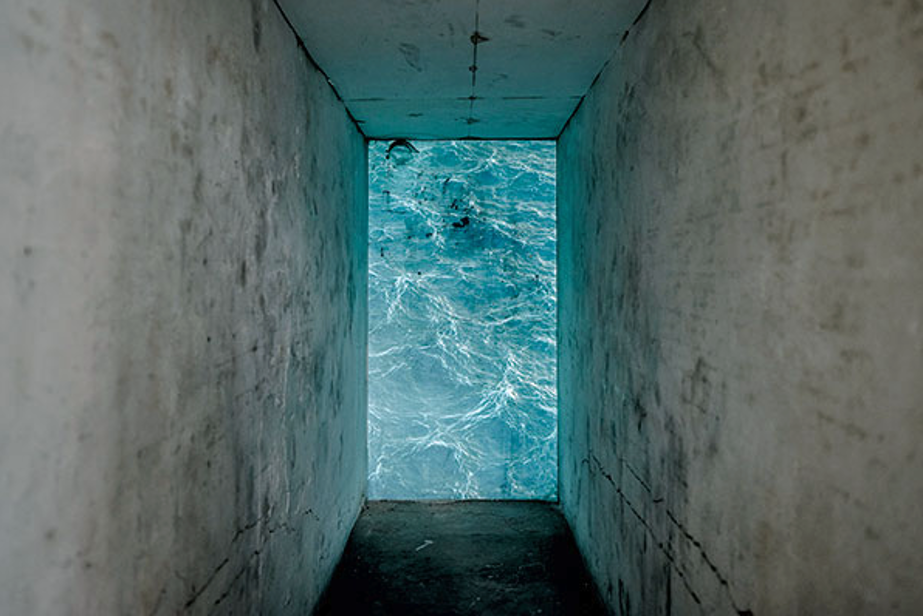
Furthermore, his subsequent works Surface of Water (2020) and Surface of Fire (2021) explore the various qualities of virtuality through landscapes depicting water and fire, two seemingly tangible elements of the physical world.
 
Surface of Water, which captures the movement of waves in the sea at sunset and sunrise, initially appears to depict a real landscape. Yet upon closer observation, the speed of the waves and that of the setting sun reflected on the water’s surface do not correspond, revealing the scene to be a constructed rather than an actual landscape.
 
Similarly, the three-channel video installation Surface of Fire (2021) begins with a vivid, seemingly realistic image of flames. As the camera gradually moves beneath the fire, however, only the reflection of the flames on the ground remains, while the fuel generating the fire is never revealed.
 
At this point, viewers become aware that the scene before them is not a direct representation of reality but a virtual image, experiencing a subtle disjunction in which reality and virtuality intersect and diverge.


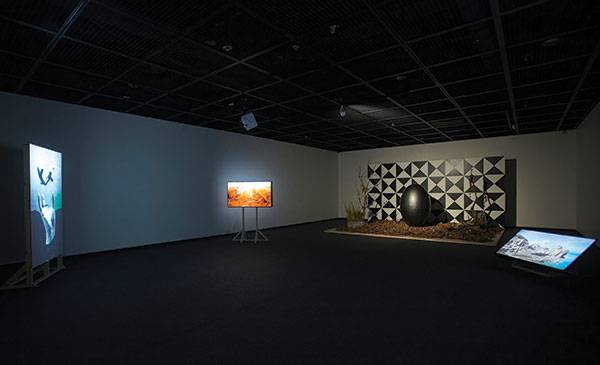
Installation view of 《Mysterious Garden》 (Seoul Arts Center, 2022) © Woongcheol Lee

In his 2022 solo exhibition 《Mysterious Garden》, Lee sought to bring a hybrid reality, in which the virtual and the real overlap, into the physical world by using the exhibition space itself as a medium. Bringing together 3D-scanning-based videos, digital sculptures, cast objects, and fractal images within a single space, he conceived the exhibition as one interconnected work.
 
Monumental sculptures that emphasize material presence and moving images that lend motion to painterly forms draw viewers into a surreal world. At the same time, the exhibition space functions not only as a site that produces particular sensory and perceptual experiences, but also as a space in which new sensations and experiences continuously emerge through the viewer’s participation.
 
The installation Mysterious Garden (2022) consisted of monumental sculptural forms that created a sense of physical presence, geometric patterns, and sculptural elements resembling natural forms such as grass and stones.
 
The patterns covering the walls evoke fundamental forms found in nature and living systems—including plants, cells, and mathematical connections—while also suggesting the limitless yet arbitrary artificial forms that can be generated through computer algorithms.
 
The circular sculptures exist as simple forms whose weight is difficult to gauge, while the surrounding stones and trees give substance to the viewer’s imagination of these objects.


Woongcheol Lee, 180°, 2022, 2-channel video, 2min. © Woongcheol Lee

By contrast, the videos displayed on monitors and projected by beam projectors around Mysterious Garden are juxtaposed with the installation to reveal a heightened “sense of boundaries.” These moving-image works unsettle our habitual perceptions of the weight, surface texture, and spatial qualities of familiar objects encountered in everyday life.
 
For example, the digitally rendered stones and sculptures create a sense of disorientation between our experiential knowledge of physical objects and the virtual forms proposed by the artist.


Installation view of 《The Black Stone and the Iron》 (TINC, 2023) © Woongcheol Lee

Meanwhile, Lee’s 2023 solo exhibition 《The Black Stone and the Iron》 begins with the memories of his father, who worked as a construction laborer dispatched to the Middle East, including Iran and Saudi Arabia, during his youth.
 
Rooted in his father’s personal experiences, the exhibition visualizes individual narratives embedded within the broader history of South Korea’s rapid economic development driven by state-led industrialization in the 1970s and 1980s.
 
Moving beyond his previous focus on new media, Lee adopts a multidisciplinary approach that combines video, installation, poetry, sound, and performance. Through this expanded format, the exhibition interweaves the public memories of Korea’s industrialization period with his father’s private memories, creating a passage between Korean modernity and the contemporary moment.


Performance view of 《The Black Stone and the Iron》 (TINC, 2023) © Woongcheol Lee

The starting point of the work lies in reflecting on his father’s life. Rather than providing a detailed account of the historical circumstances of that time, his father’s memories are presented through personal anecdotes shaped by individual experience.
 
Instead of directly reconstructing or narrating these memories, Lee transforms them into affective experiences through molecular forms of “abstraction,” as well as rhythm, speed, and intensity, as seen in Perspectives (2023).
 
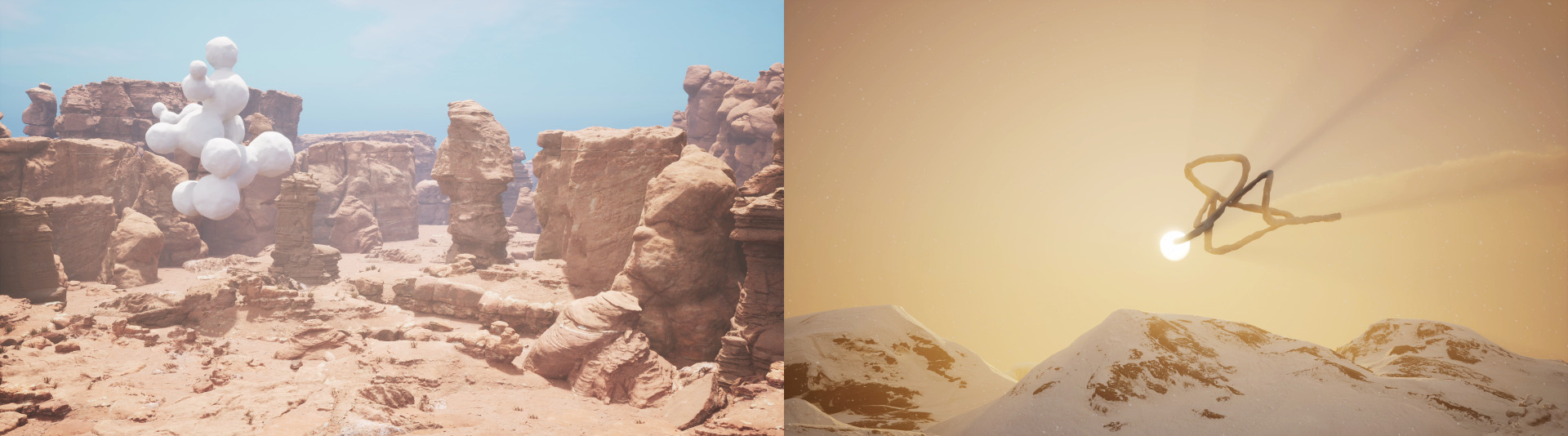
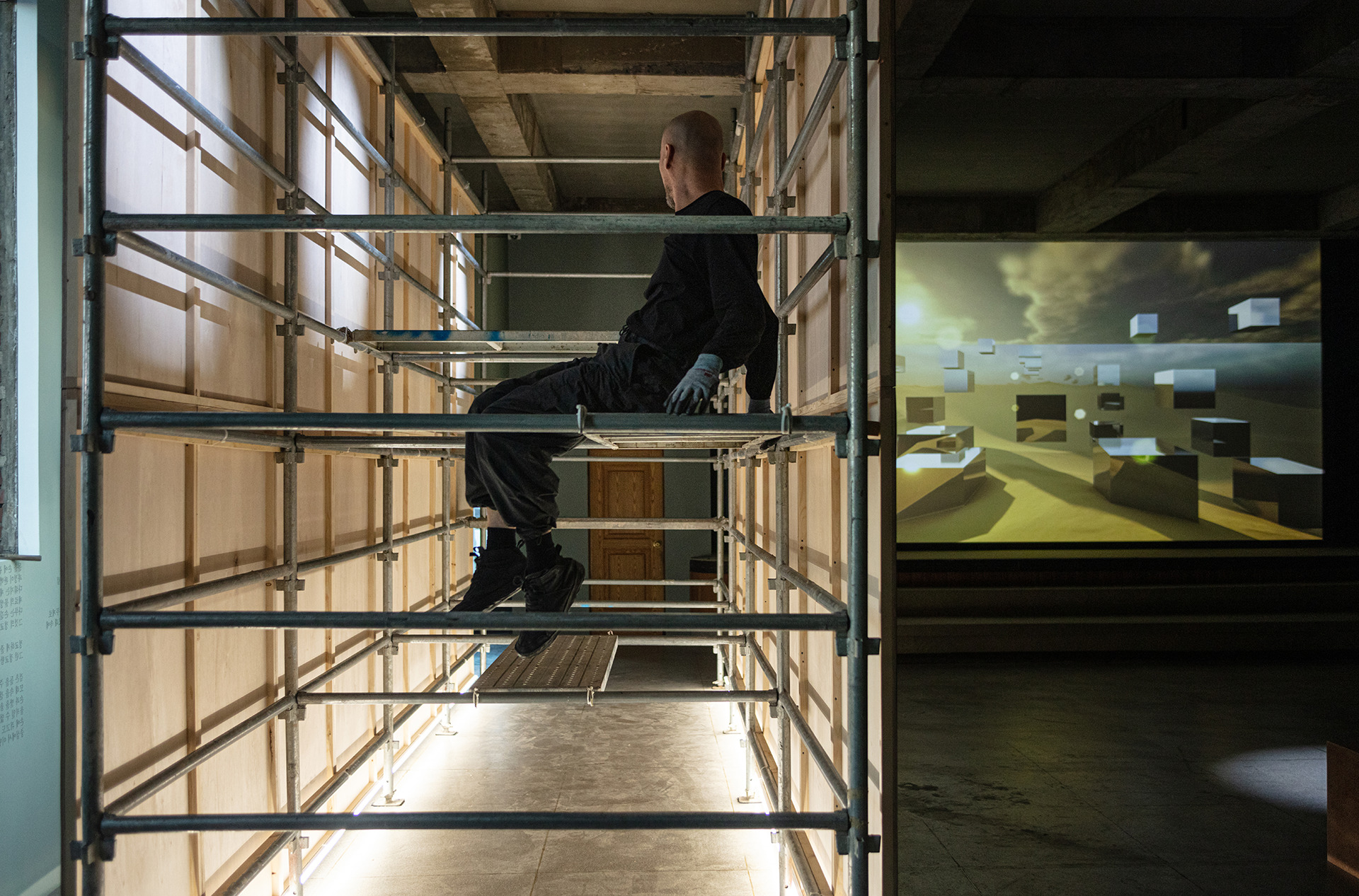
The video work Perspectives unfolds a series of surreal and mythological scenes featuring elemental landscapes and symbolic objects, including a golden sun, black liquid, golden stones, the desert, and scaffolding.
 
Using the altar wall of the former church building that houses the exhibition space as its screen, the work evokes a sense of genesis, presenting a world in which creation and destruction, materiality and immateriality intersect.
 
Rather than directly representing his father’s labor and memories, Lee translates them into sensory experiences through elemental images, sound, and performance. Through this process, he explores the relationship between personal memory and traces of state power, while examining forms of existence that move between the material and the immaterial.


Installation view of 《The Image of Mana》 (Ingahee Gallery, 2025) © Woongcheol Lee

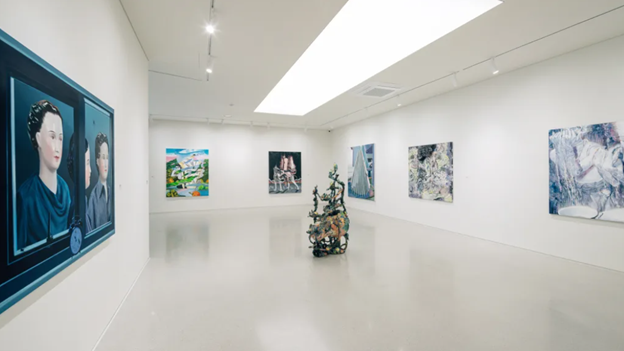
Furthermore, Lee’s 2025 solo exhibition 《The Image of Mana》 takes the Polynesian-Melanesian concept of “mana” as its point of departure, constructing a sensory and aesthetic landscape in which human and nature, technology and mythology, and the real and the virtual intersect.
 
The notion of mana, often likened to the East Asian concept of qi (氣), signifies a spiritual force embedded in all things. In contemporary fantasy genres, this idea has evolved into a consumable magical resource.
 
Lee explores this cultural transformation through visual allegory, raising questions about energy, ecological precarity, and the perceptual structures that shape our understanding of the invisible.


Installation view of 《The Image of Mana》 (Ingahee Gallery, 2025) © Woongcheol Lee

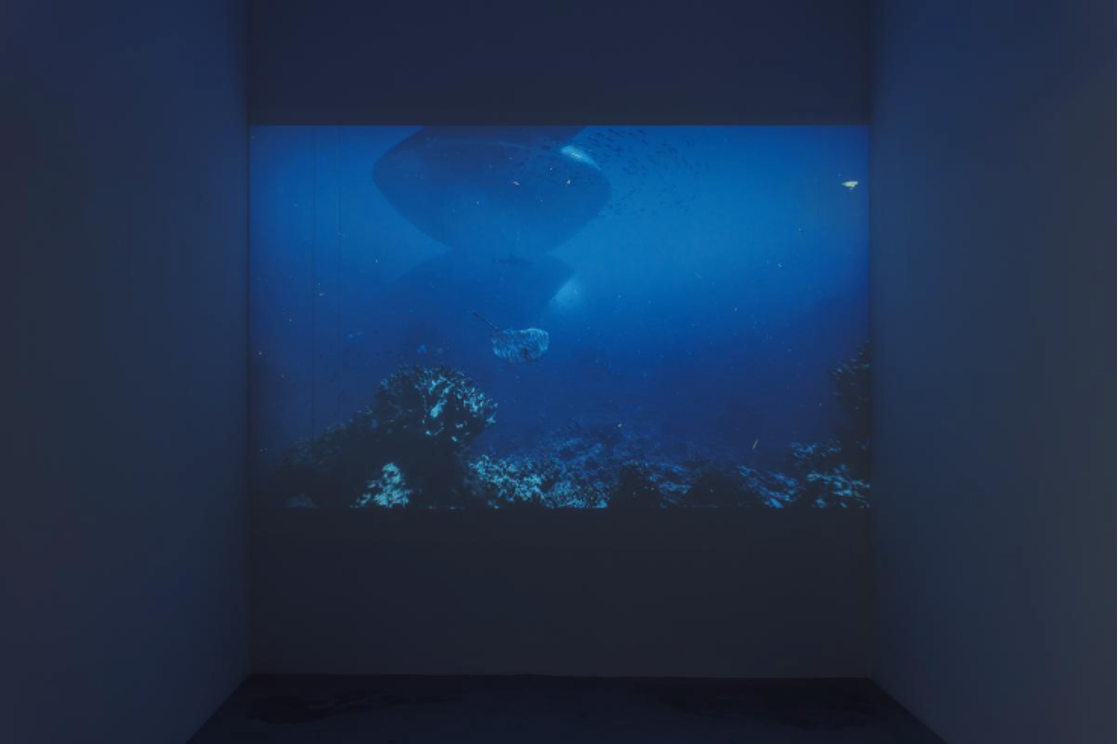
The exhibition’s major video work, The Origin of Mana (2025), combines natural landscapes collected in New Zealand and Australia with layers of digital imagery, reinterpreting the spiritual and material symbolism of mana from a contemporary perspective.
 
Philosopher’s Stone: The First Object (2025) draws upon the alchemical symbol of the philosopher’s stone, imagined historically as a material capable of transmutation and the generation of life.
 
By digitally transforming actual stone fragments and imagery of the Pantheon into a mythological narrative, Lee reflects on the oscillation between materiality and fiction, asking what meanings humans inscribe onto matter.
 
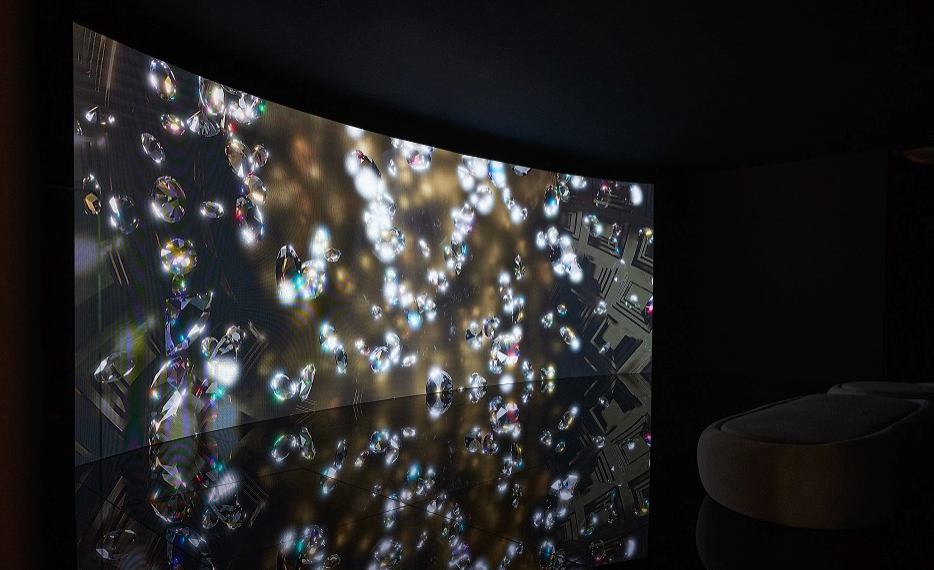
In Enantiotropy (2025), Lee scans the form of a natural stone and reconstructs it as a hybrid entity between graphite and diamond—materials that share molecular origins but are shaped by vastly different conditions.
 
The work contemplates the tension between nature’s slow temporalities and contemporary science’s ability to reproduce such phenomena artificially. Lee draws a parallel between ancient alchemical aspiration and today’s technological prowess, framing both as responses to the timeless human desire for transformation.


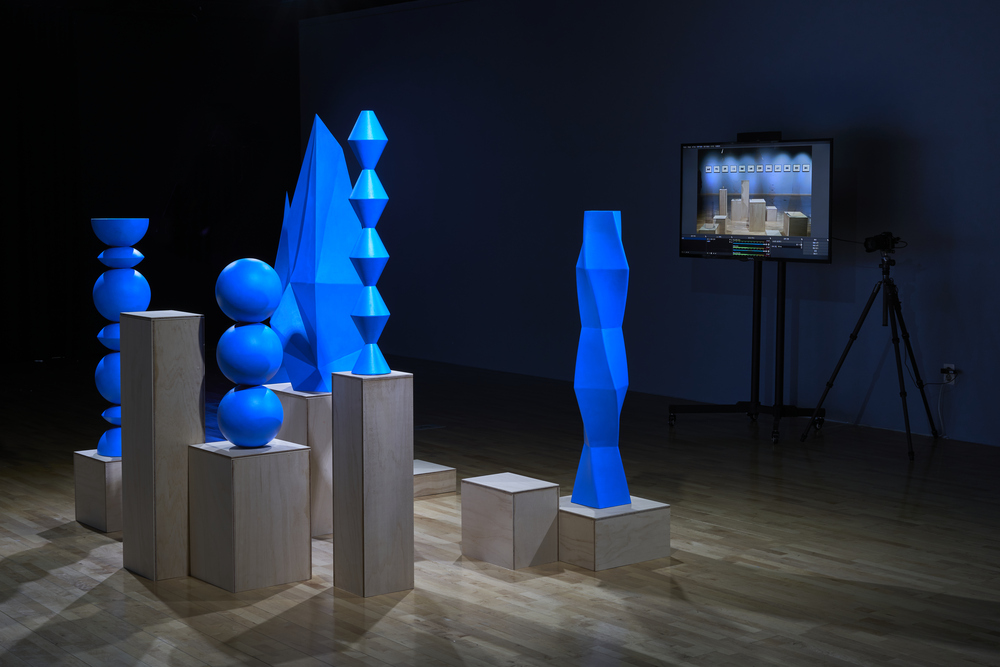
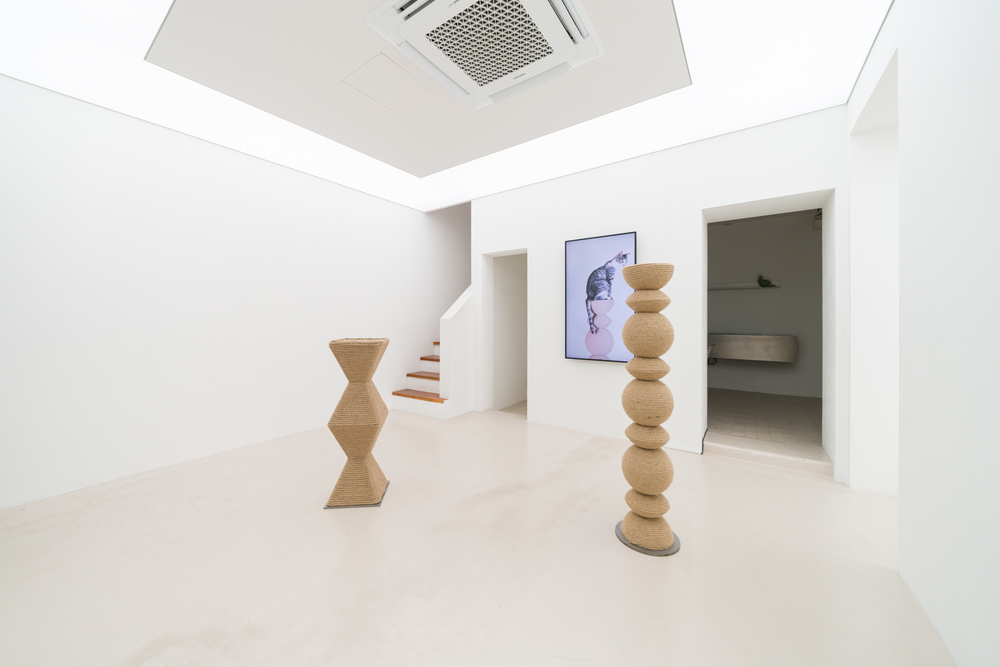
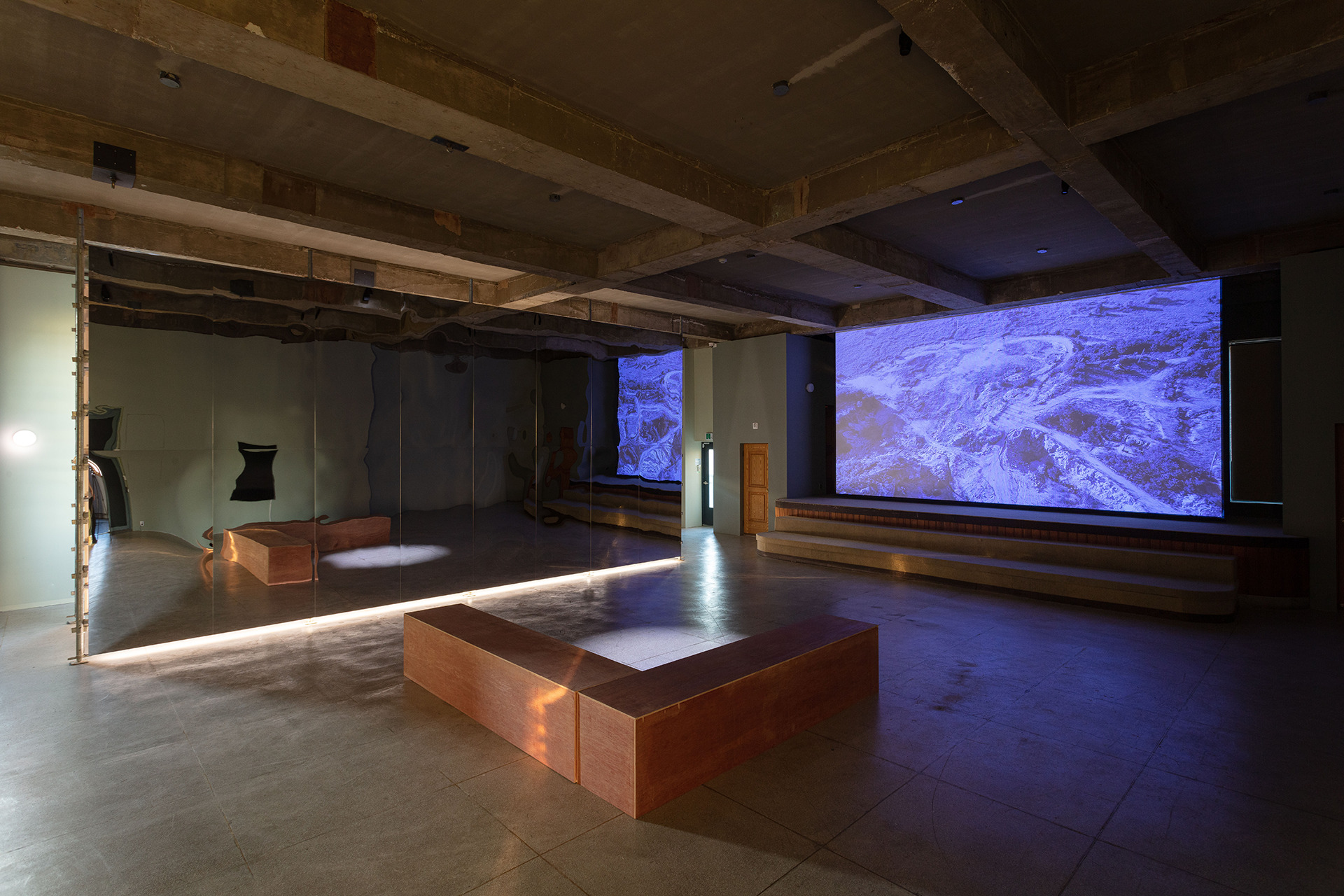
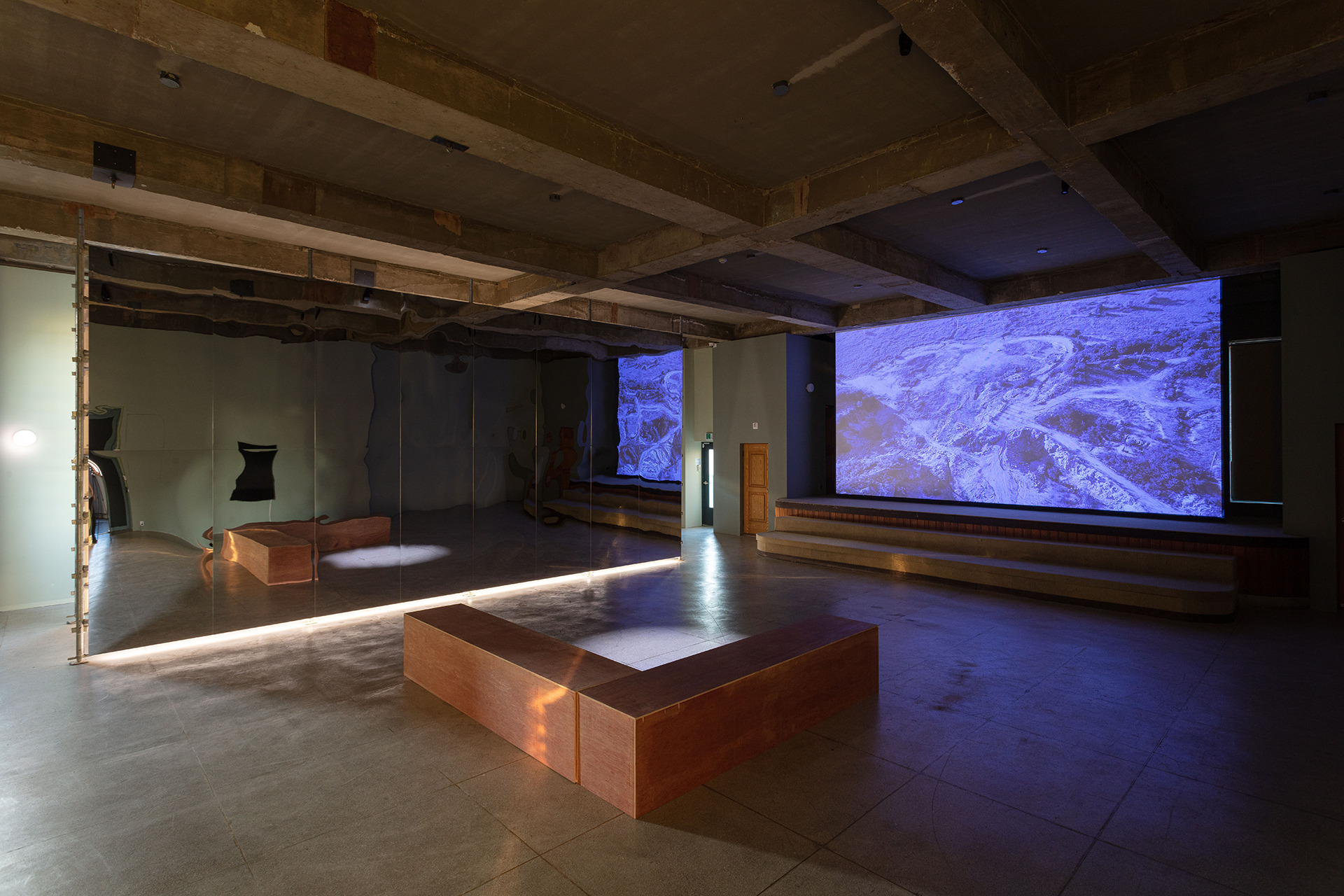
Installation view of 《Non-World》 (WWNN, 2025) © Woongcheol Lee

Meanwhile, in his 2025 solo exhibition 《Non-World》 at WWNN, Lee experimentally imagines nonhuman relationships and diverse modes of existence that may continue beyond the disappearance of humanity.
 
Against the backdrop of anthropocentric thinking, the climate crisis, and environmental destruction, the exhibition poses the question: “If humans were to vanish from the Earth, how would the world continue to exist?”
 
Rather than presenting a post-human world solely through an apocalyptic lens, Lee reflects on the crises of the present while exploring new possibilities and forms of responsibility. Composed of various elements including sculpture, installation, ceramics, video, and sound, 《Non-World》 challenges familiar systems of perception and the ways in which meaning is assigned.
 
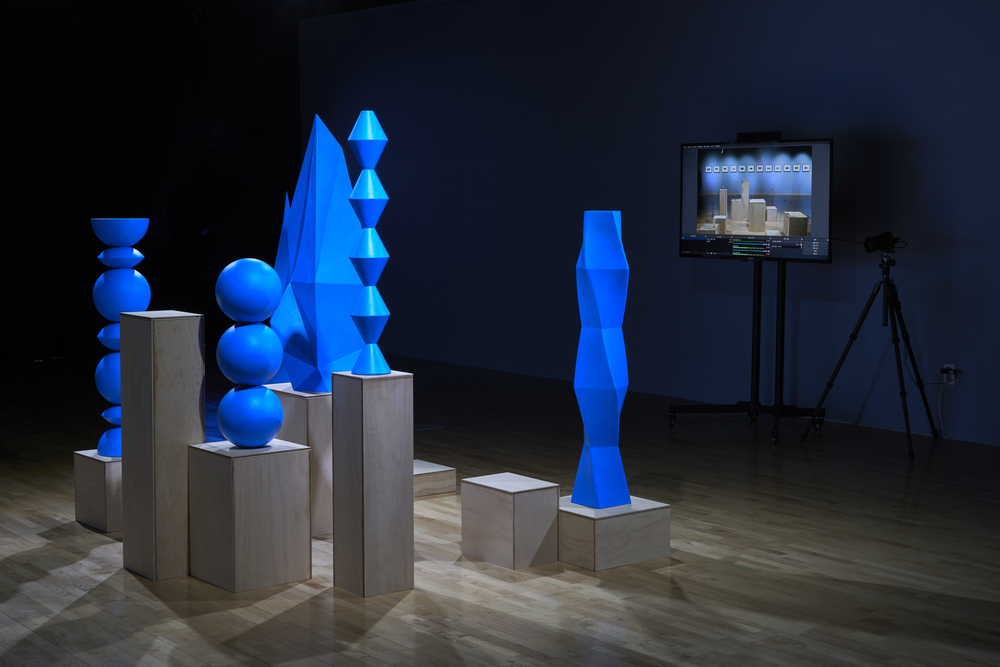
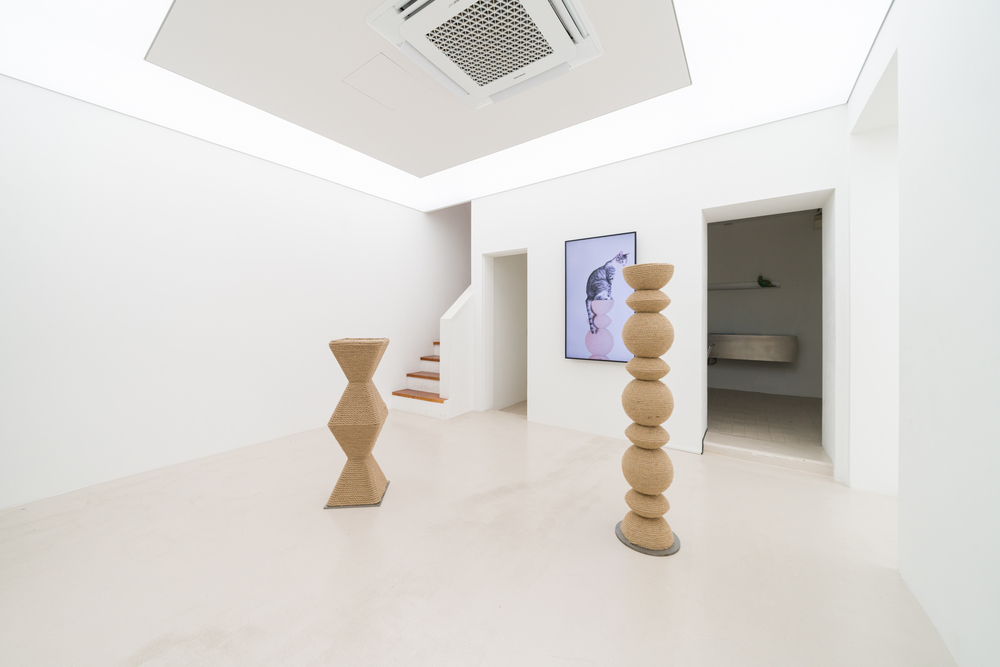
The work Tower (2025), which references and deconstructs Constantin Brâncuși’s iconic sculpture Endless Column before reconstructing it into a new structure, visualizes a future in which human-made monuments gradually lose their original function and transform into habitats or playgrounds for other forms of life.


Installation view of 《Non-World》 (WWNN, 2025) © Woongcheol Lee

The sound work Replay (2025), created in collaboration with sound artist Suh Hye Min, is based on underwater sounds and everyday mechanical noises collected by the artist. Combining dolphin calls, electronic sounds, and LP noise, the work dismantles conventional musical structures and invites speculation on how nonhuman beings might perceive and experience sound.
 
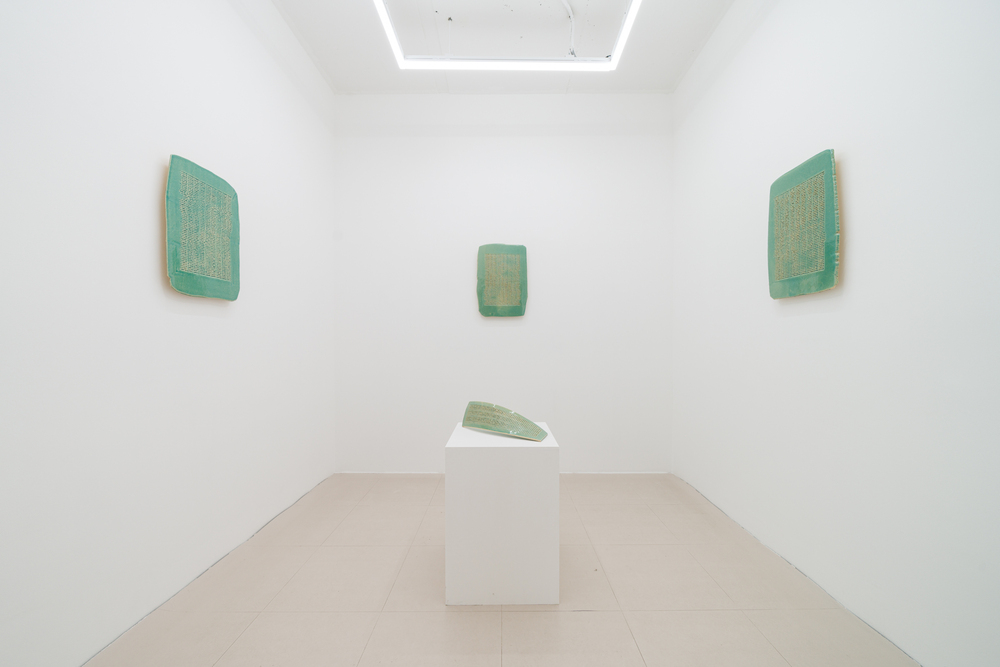
Meanwhile, Coordinates (2025) is a ceramic work created by 3D-scanning human faces, engraving the resulting data as coordinates onto clay tablets, and firing them in a high-temperature kiln.
 
By combining technology with primitive forms of inscription, the work functions as a visual message transmitting traces of humanity to future advanced beings, while also existing as an incomplete record that may never be fully interpreted.
 
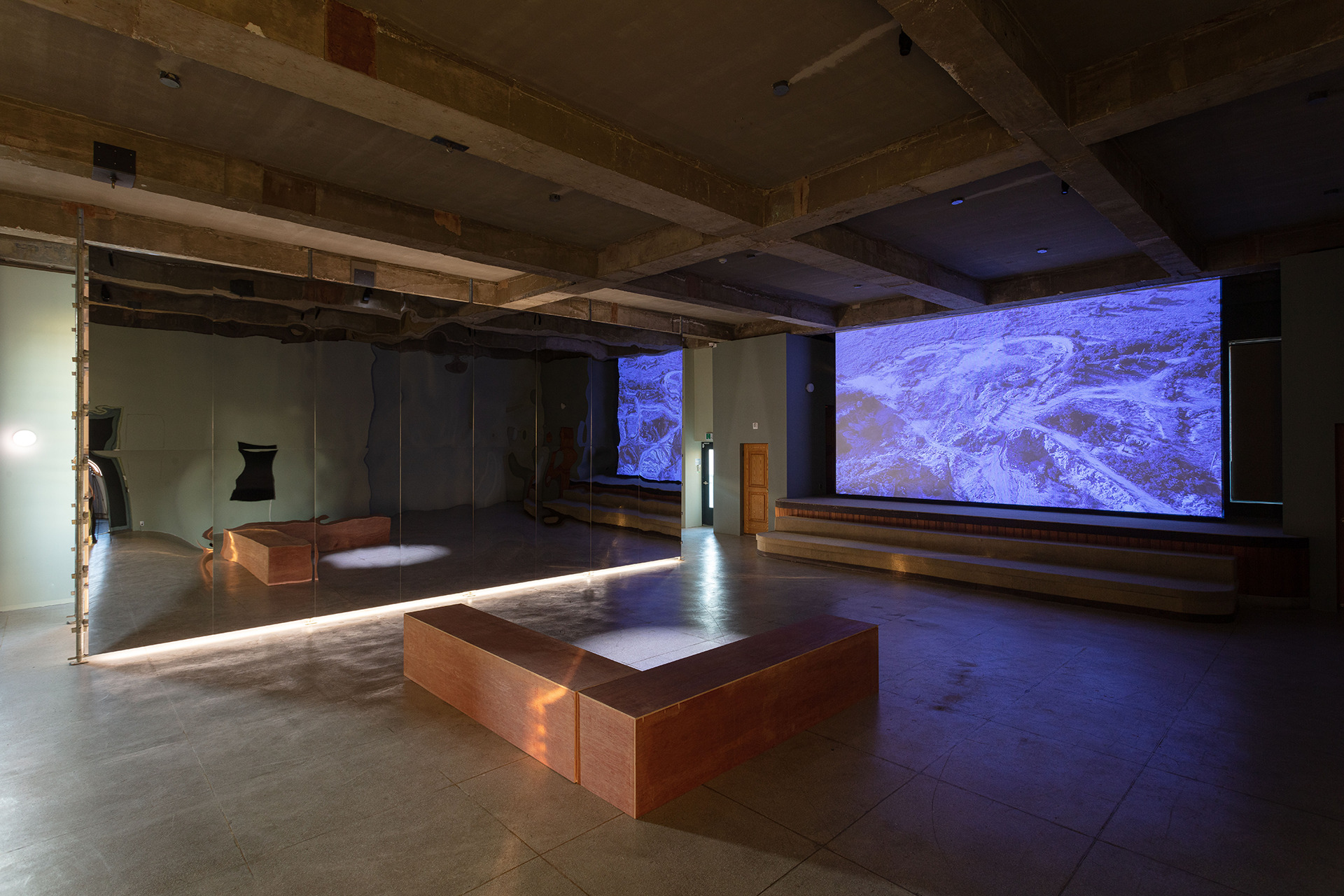
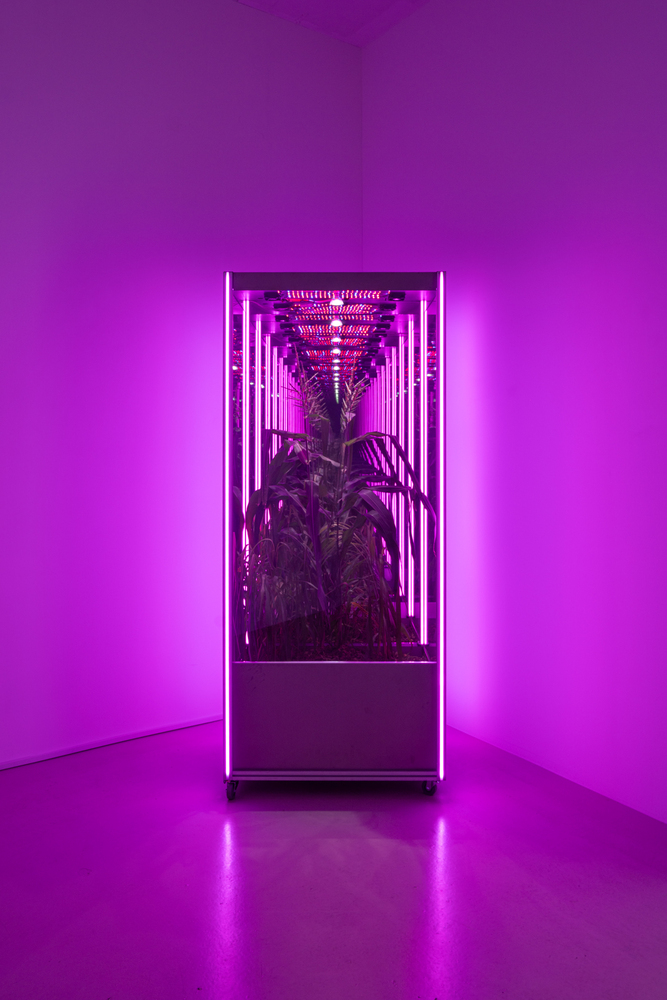
The installation Terra Nova (2025) consists of a rectangular structure surrounded by mirrors, within which corn plants are cultivated and observed throughout their growth process. This artificial ecosystem explores the possibilities of human survival and ecological networks, while the infinite reflections created by the mirrored surfaces dissolve conventional boundaries between time and space.


Installation view of 《Non-World》 (WWNN, 2025) © Woongcheol Lee

Through a process of connecting and colliding different media, Lee has continuously challenged familiar frameworks of perception and narratives through which we understand the present, the past, and the future. His practice encourages viewers to contemplate new modes of sensation and existence within a transformed structure where established centers and boundaries are dismantled.
 
By allowing the layers of materiality and image, time and narrative, sensation and perception to intersect, Lee’s body of work explores new possibilities for contemporary sculptural language while expanding the terrain of thought that can be explored through art.

“I am inspired by various events that occur in everyday life. Although they may appear insignificant on the surface, they often contain complex chains of causes and relationships beneath them. I am interested in translating these invisible narratives into the language of visual art. Illuminating the incomprehensible and ambiguous realms is an essential part of my practice.” (Woongcheol Lee, from an interview with Korea Art News)


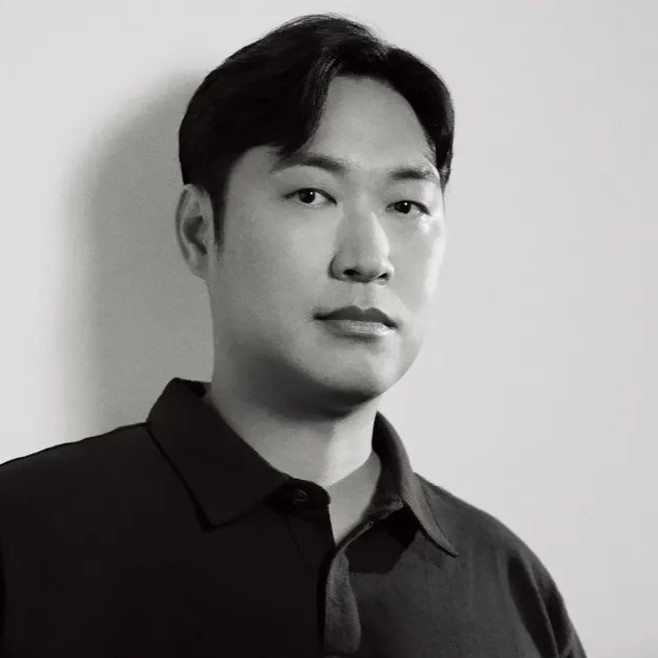
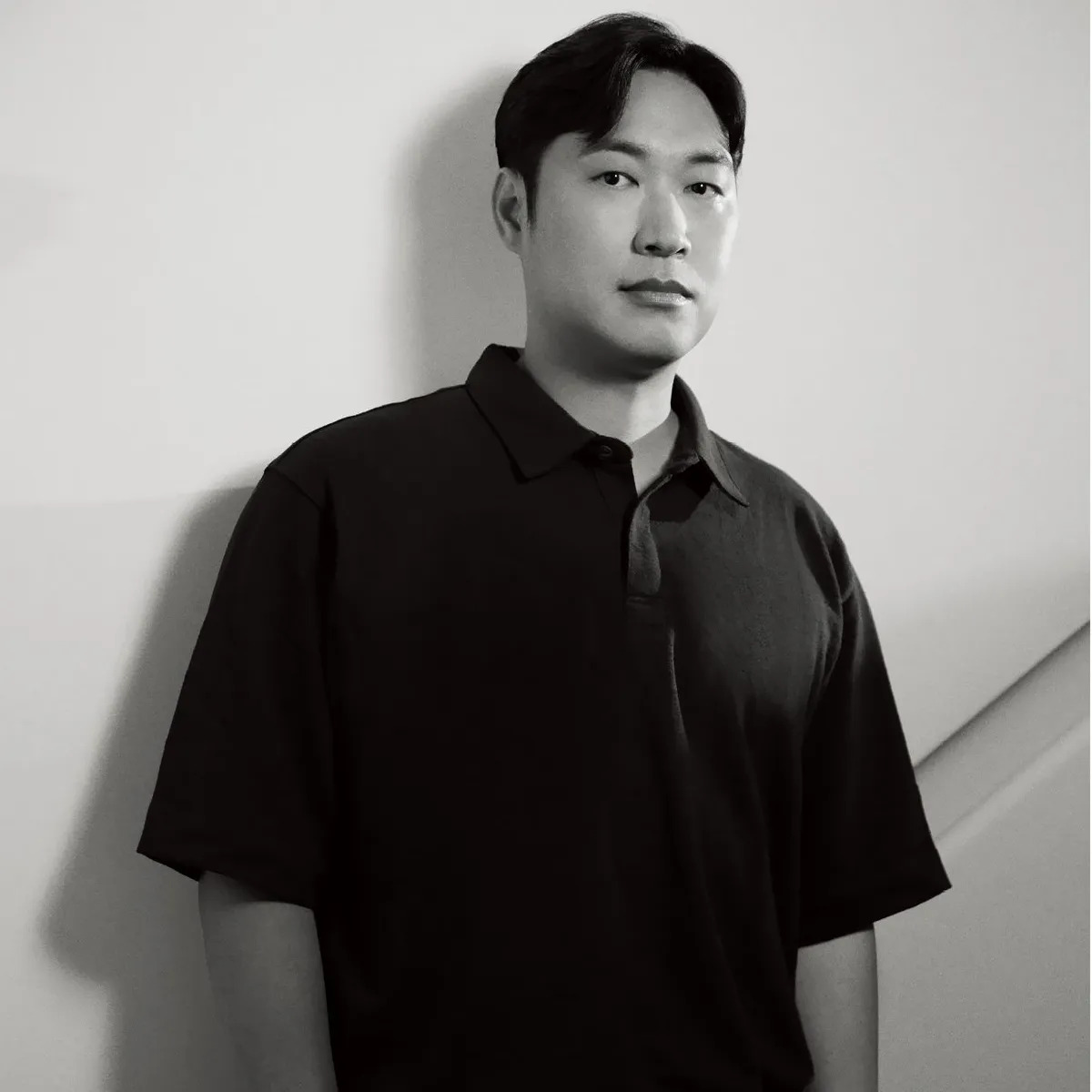
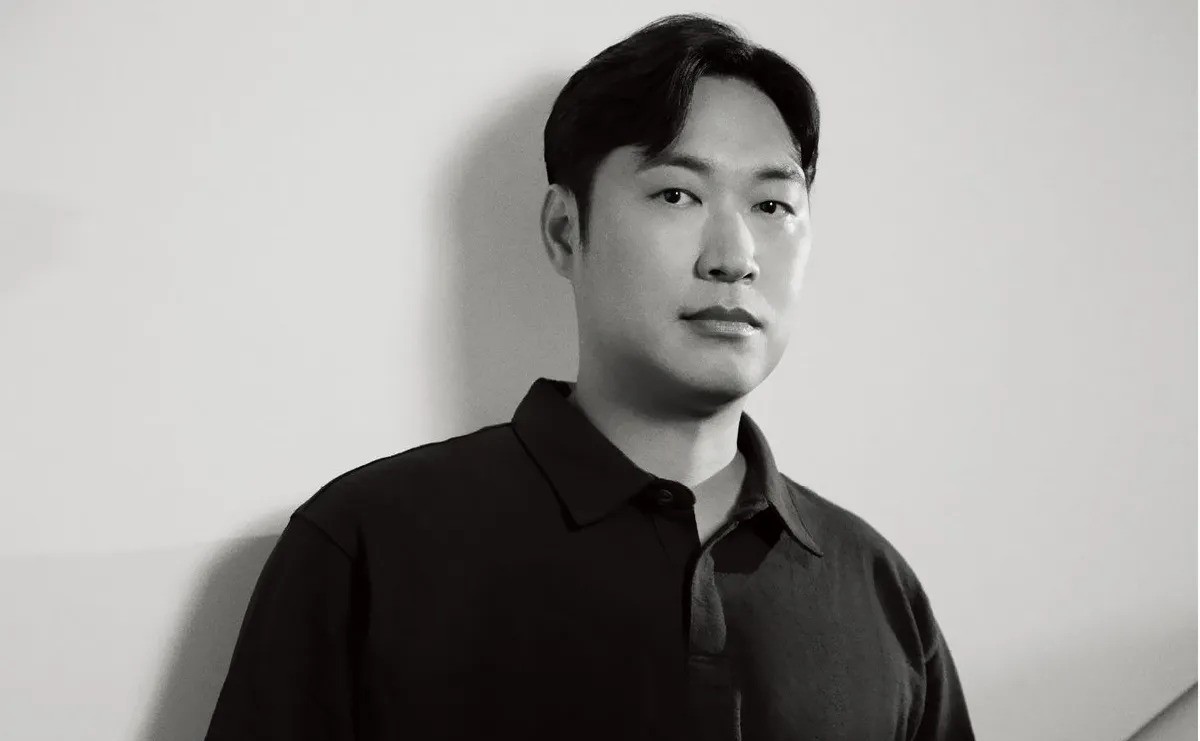
Artist Woongcheol Lee © Ingahee Gallery

Woongcheol Lee earned his B.F.A. in Sculpture from Kookmin University and his M.F.A. in Painting from Hongik University. His recent solo exhibitions include 《Non-World》 (WWNN, Seoul, 2025), 《The Image of Mana》 (Ingahee Gallery, Seoul, 2025), 《The Line – Mirror of Memory》 (Jeju Museum of Contemporary Art, Jeju, 2024), 《Memories of Black Stone》 (Ingahee Gallery, Seoul, 2024), and 《The Black Stone and the Iron》 (TINC, Seoul, 2023).
 
Lee has also participated in numerous group exhibitions, including 《Loop Lab Busan》 (Grand Josun Busan Hotel, Busan, 2025), 《Eternally Reborn》 (Museum Hanmi, Seoul, 2024), 《Public Art New Hero》 (K&L Museum, Gwacheon, 2024), 《POV-Point of View》 (PYO Gallery, Seoul, 2023), 《Video Bites》 (Platform-L Contemporary Art Center, Seoul, 2022), and 《seeState (between)》 (Art Center White Block, Paju, 2021).
 
Lee has participated in residency programs including Chuncheon Art Village (2024), Artist Residency TEMI (2022), and Gyeonggi Creation Center (2019). He was selected as a ‘Public Art New Hero’ artist in 2023, and his works are held in the collection of the Gyeonggi Museum of Modern Art.

References